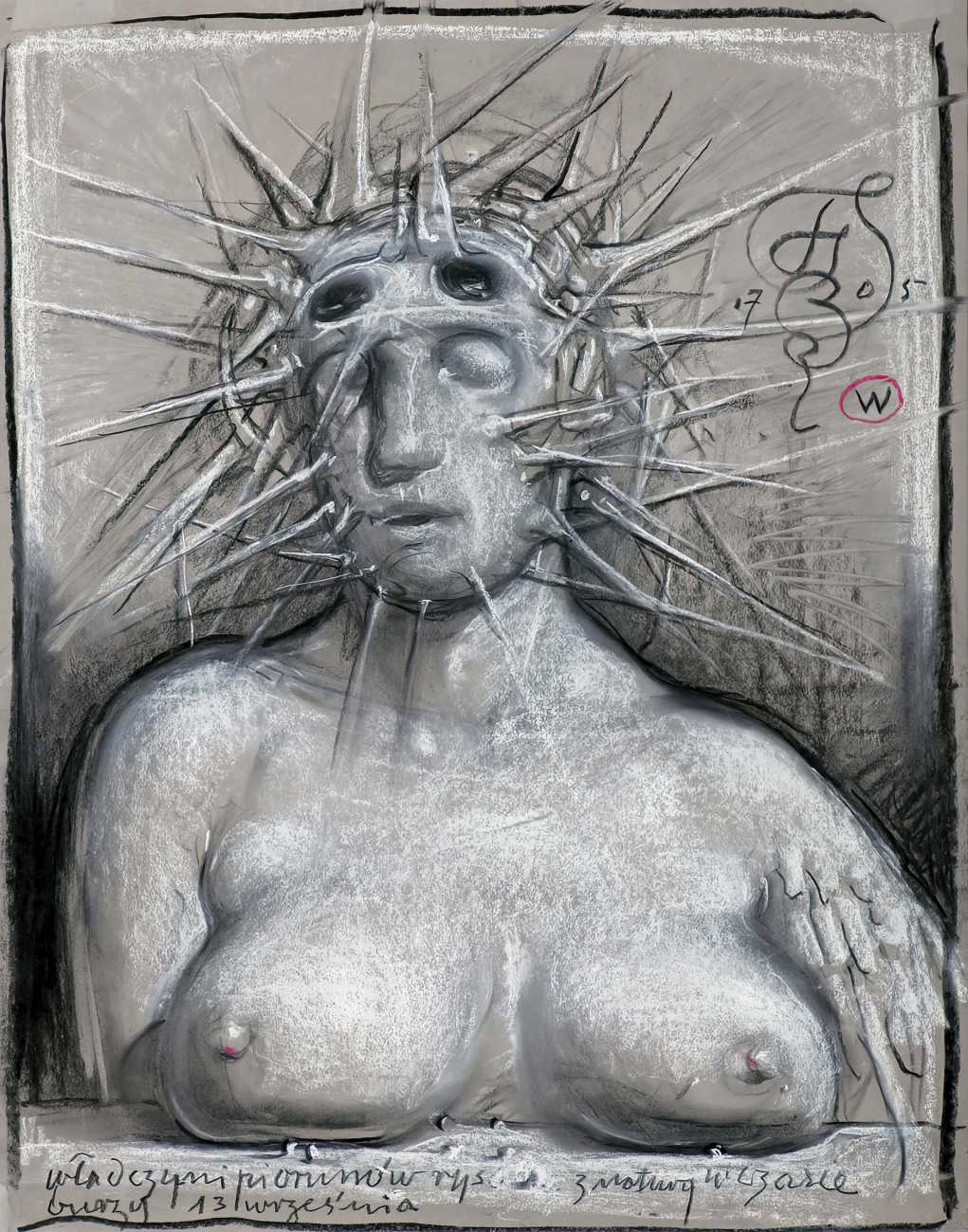
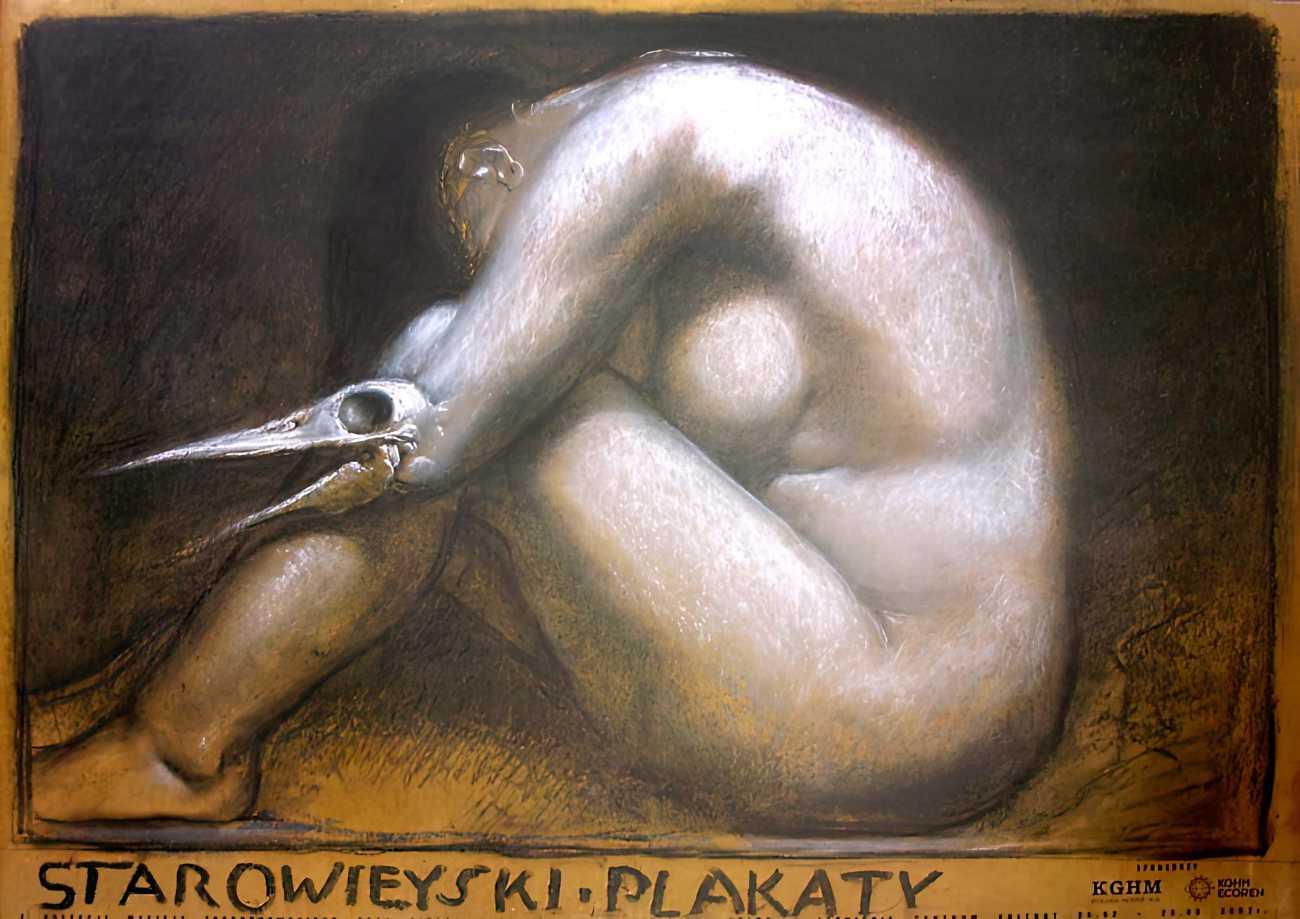
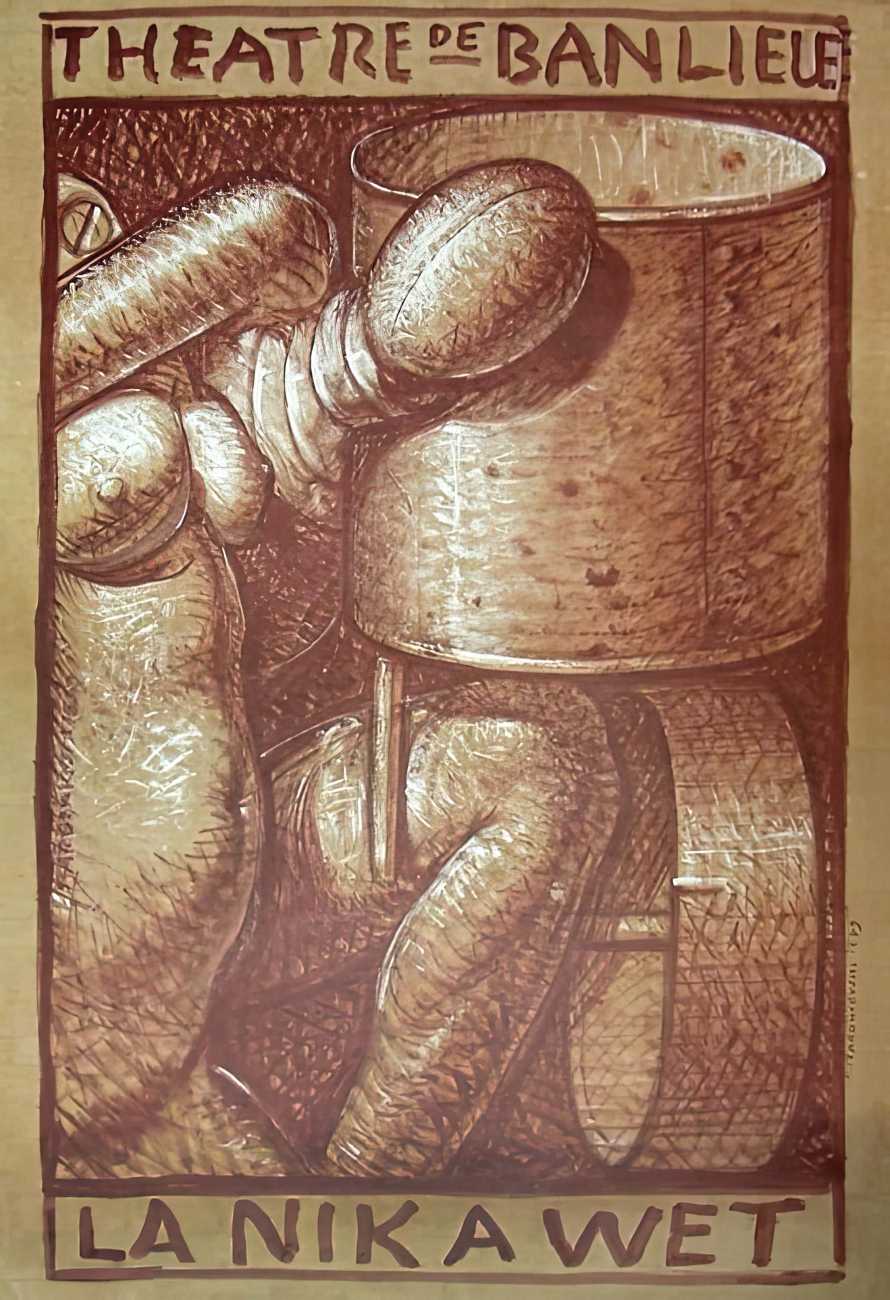
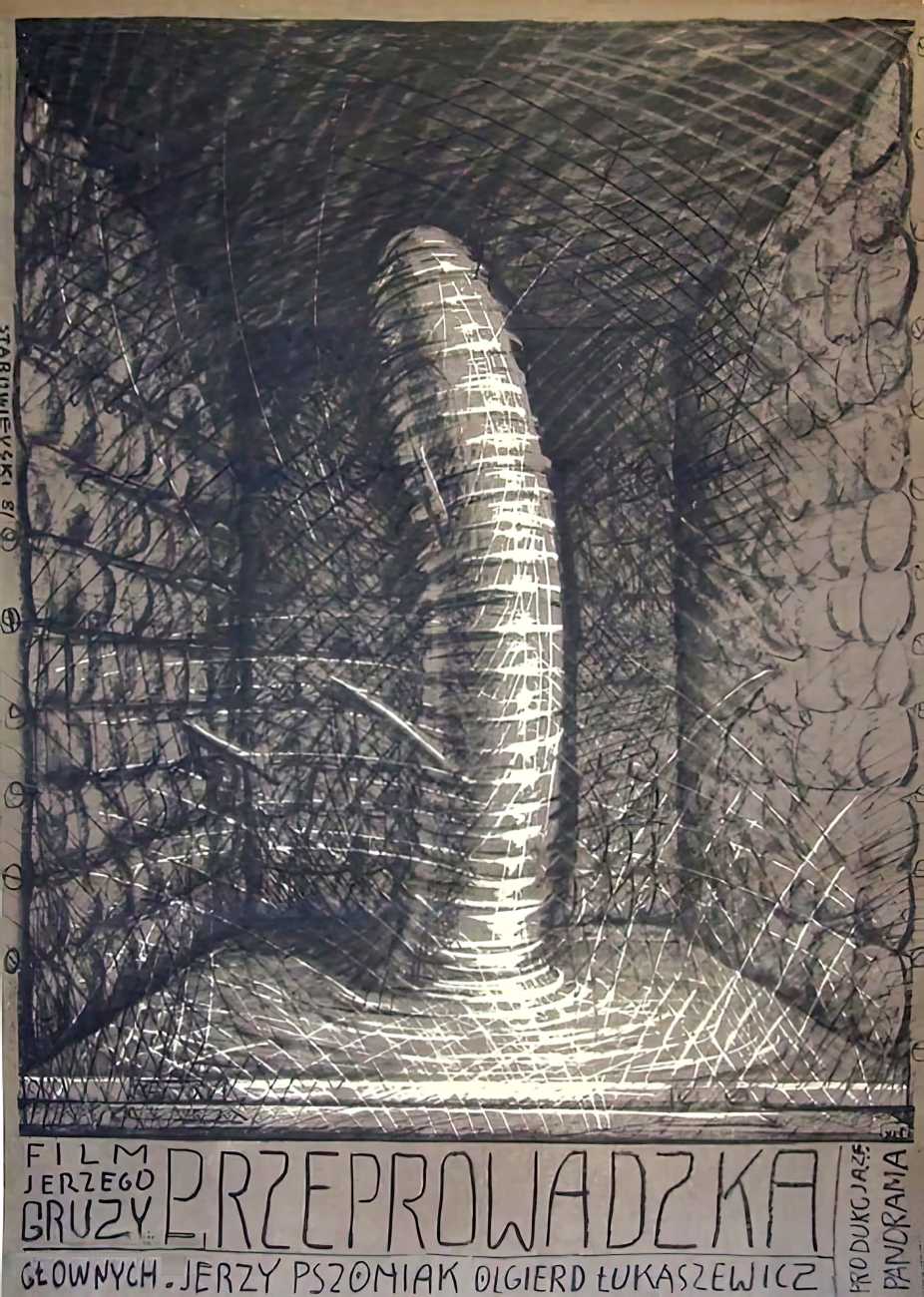
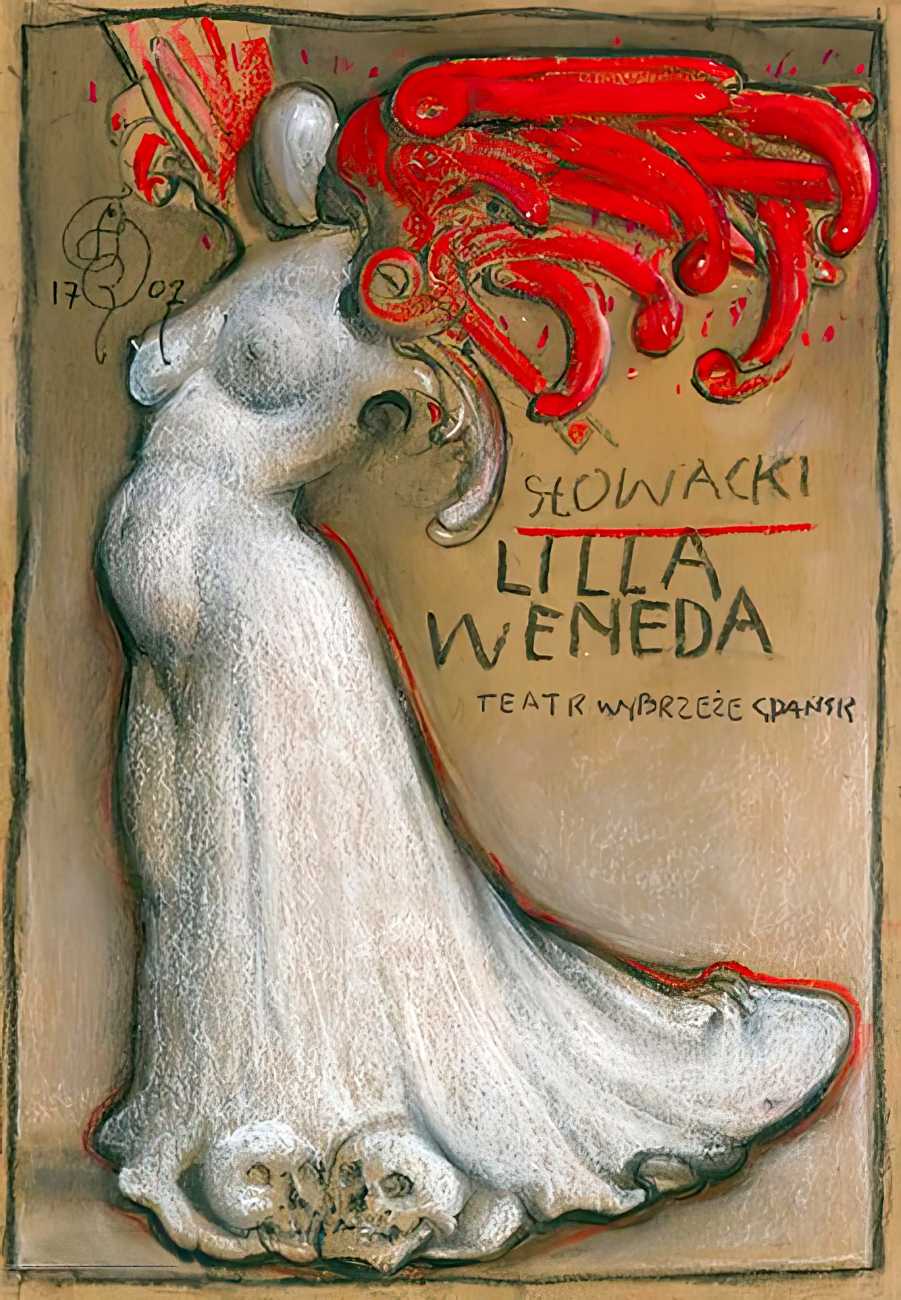
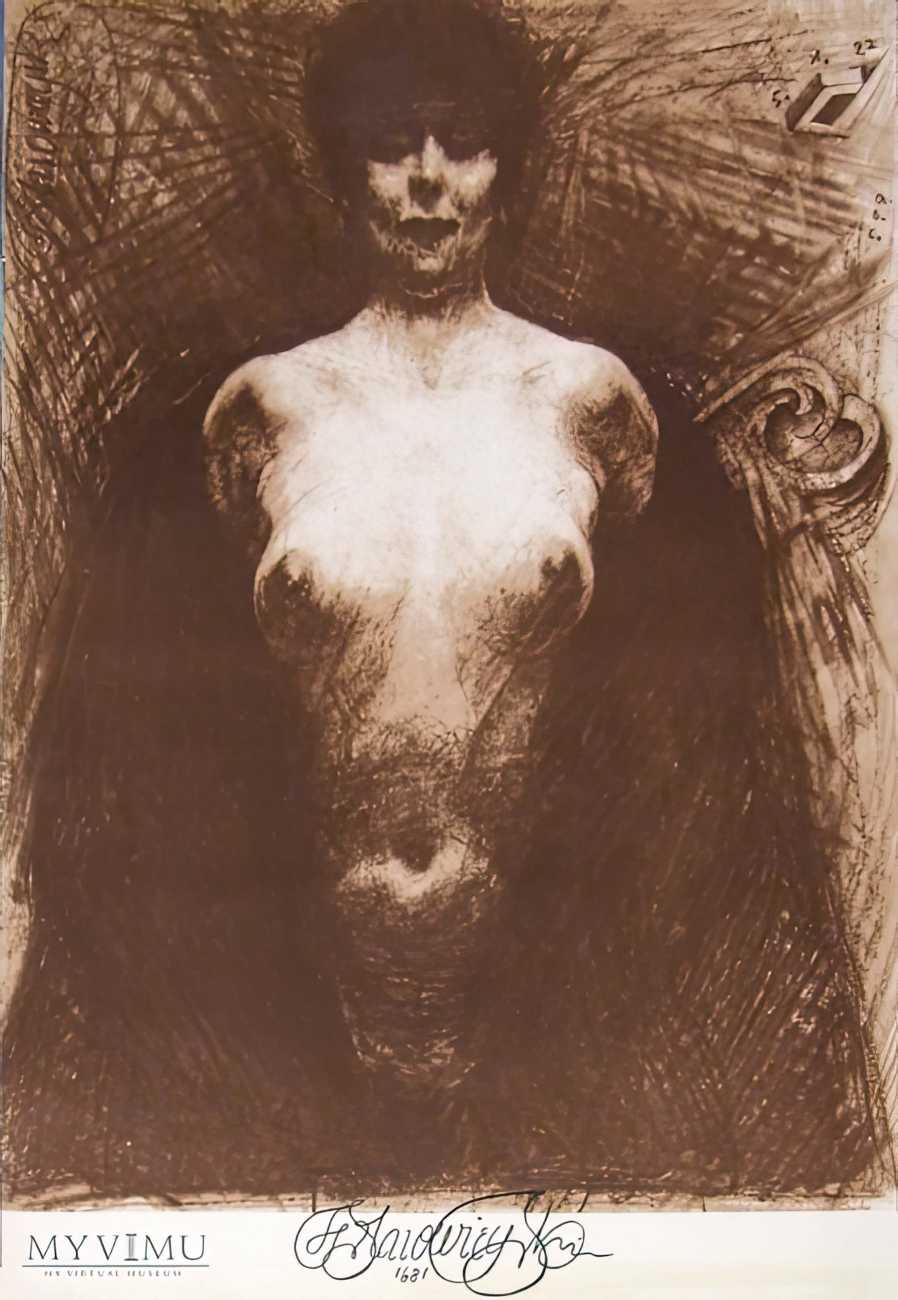
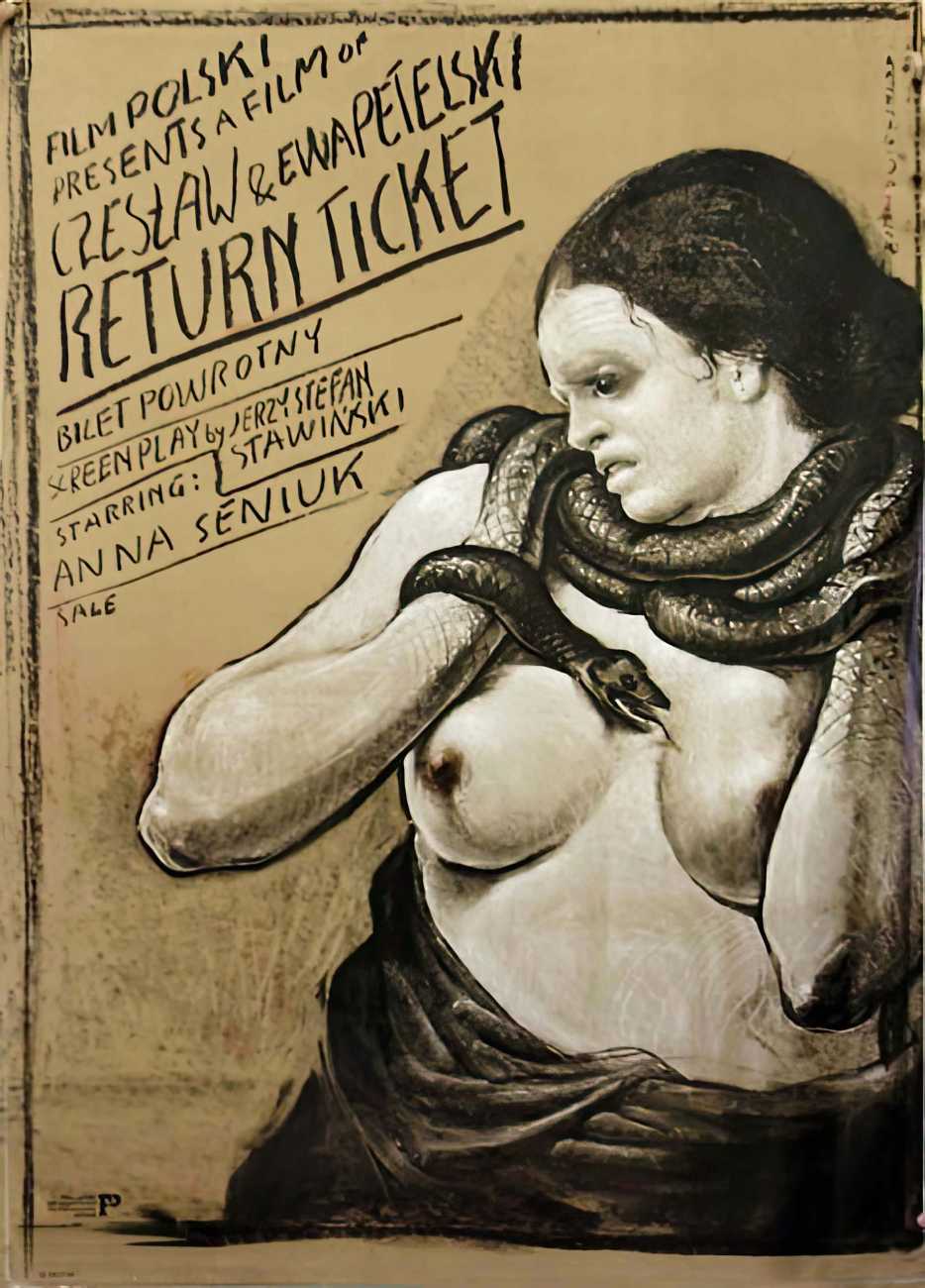
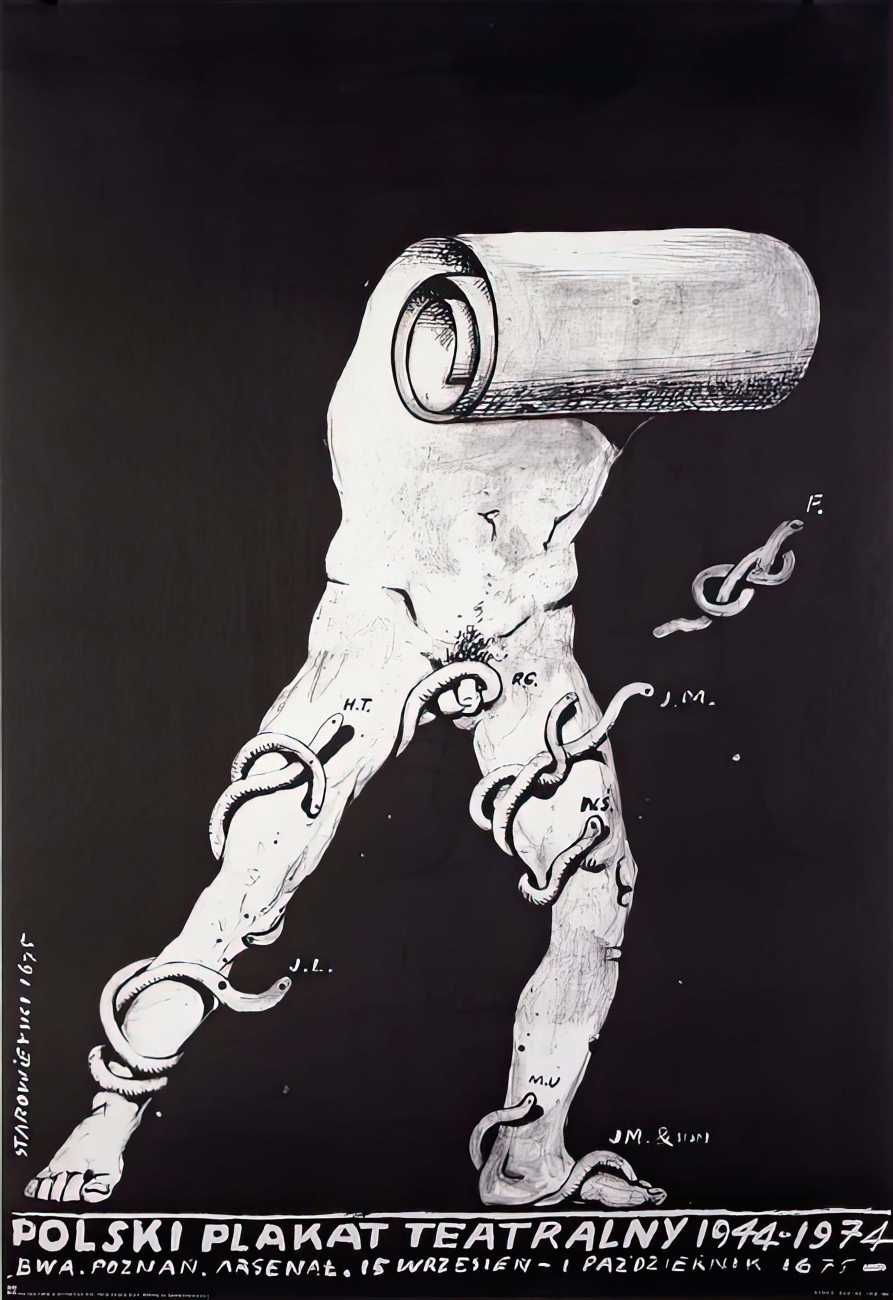
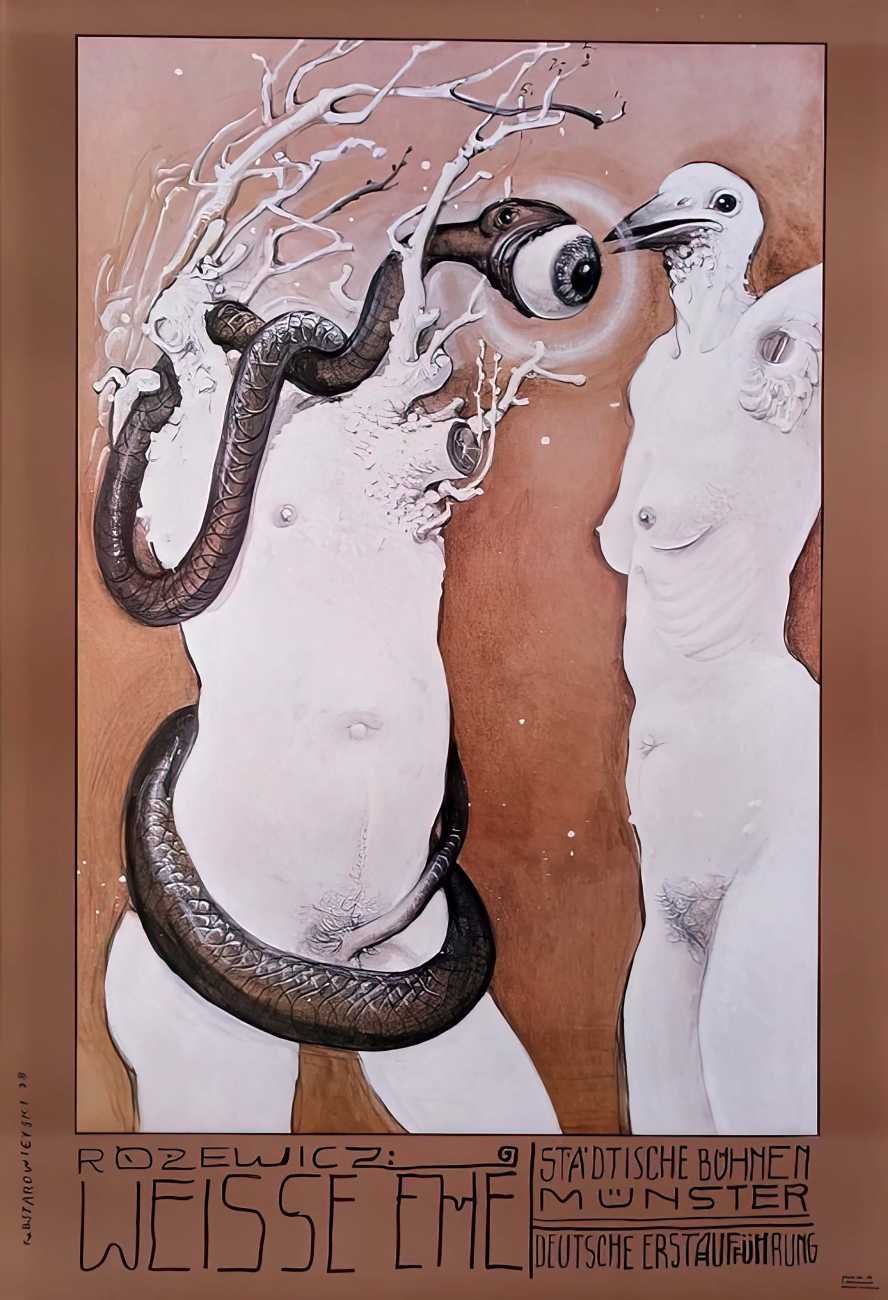
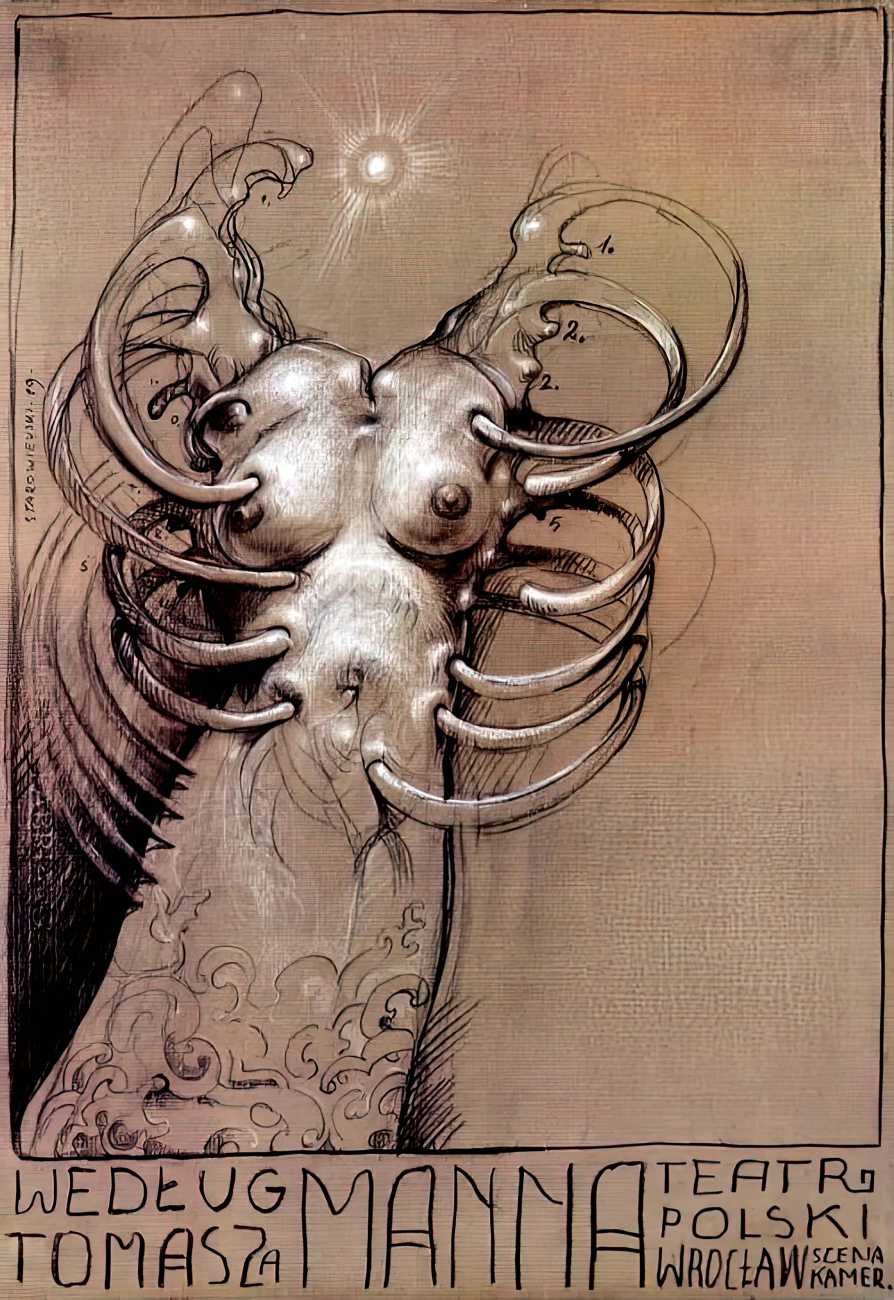
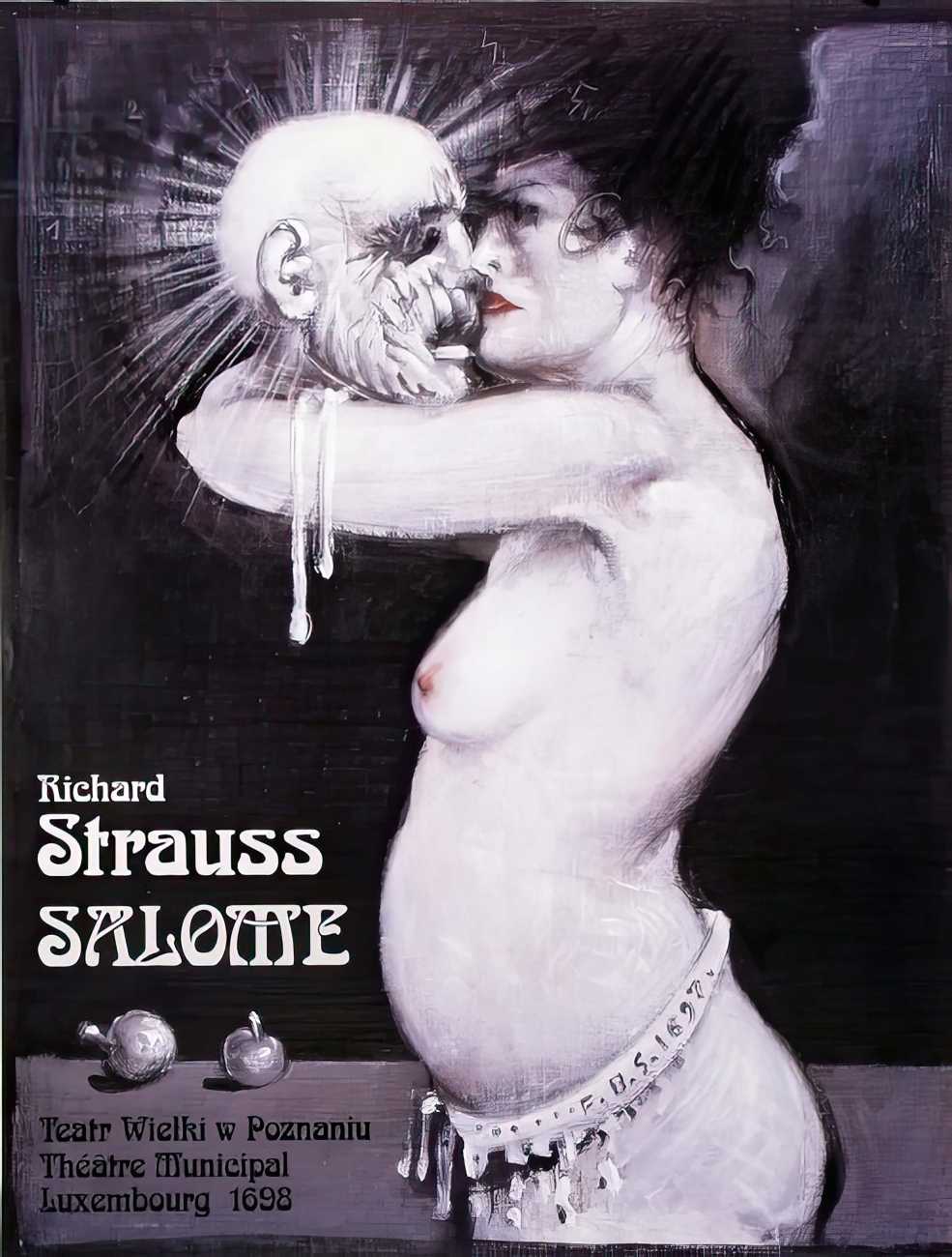
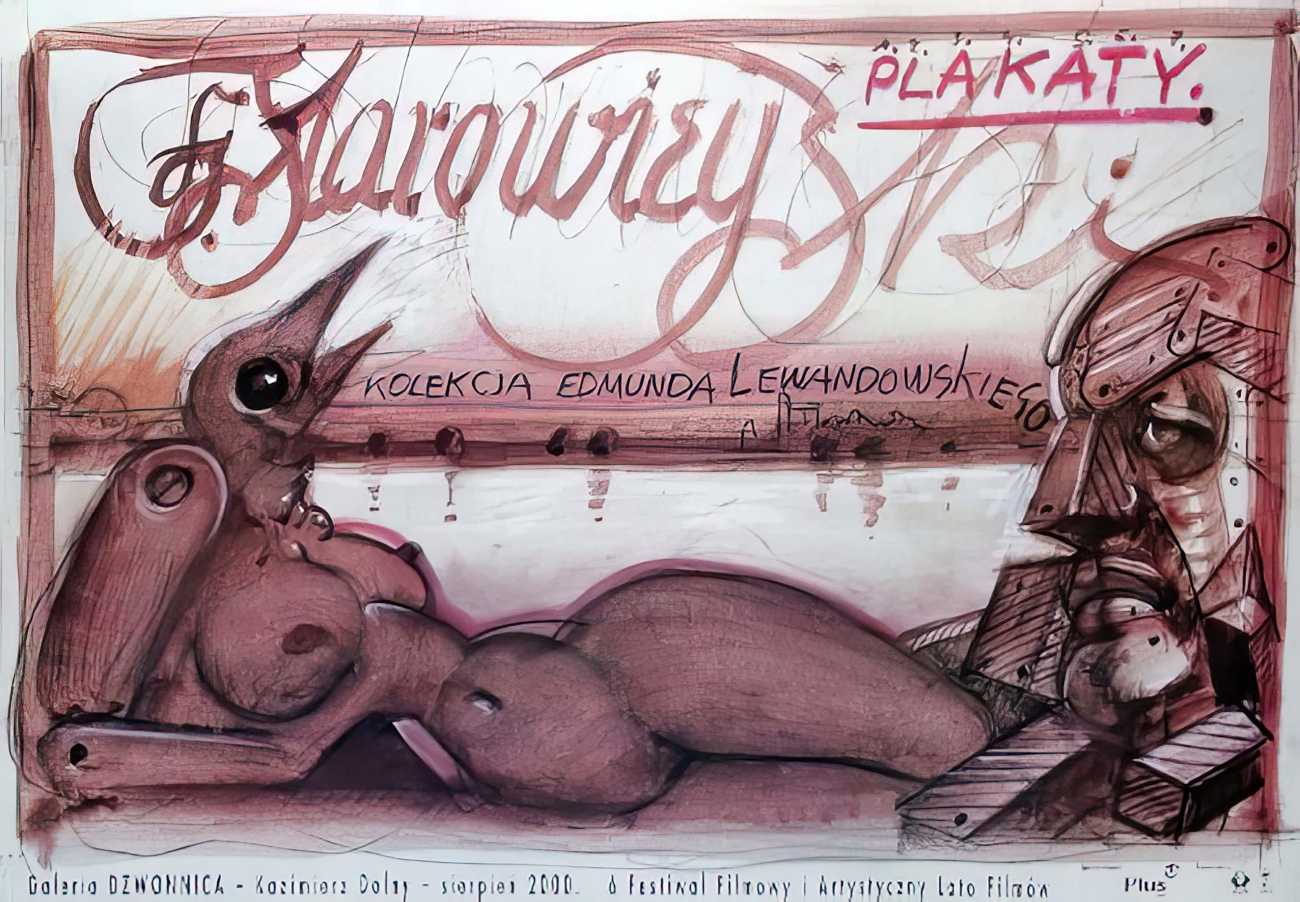
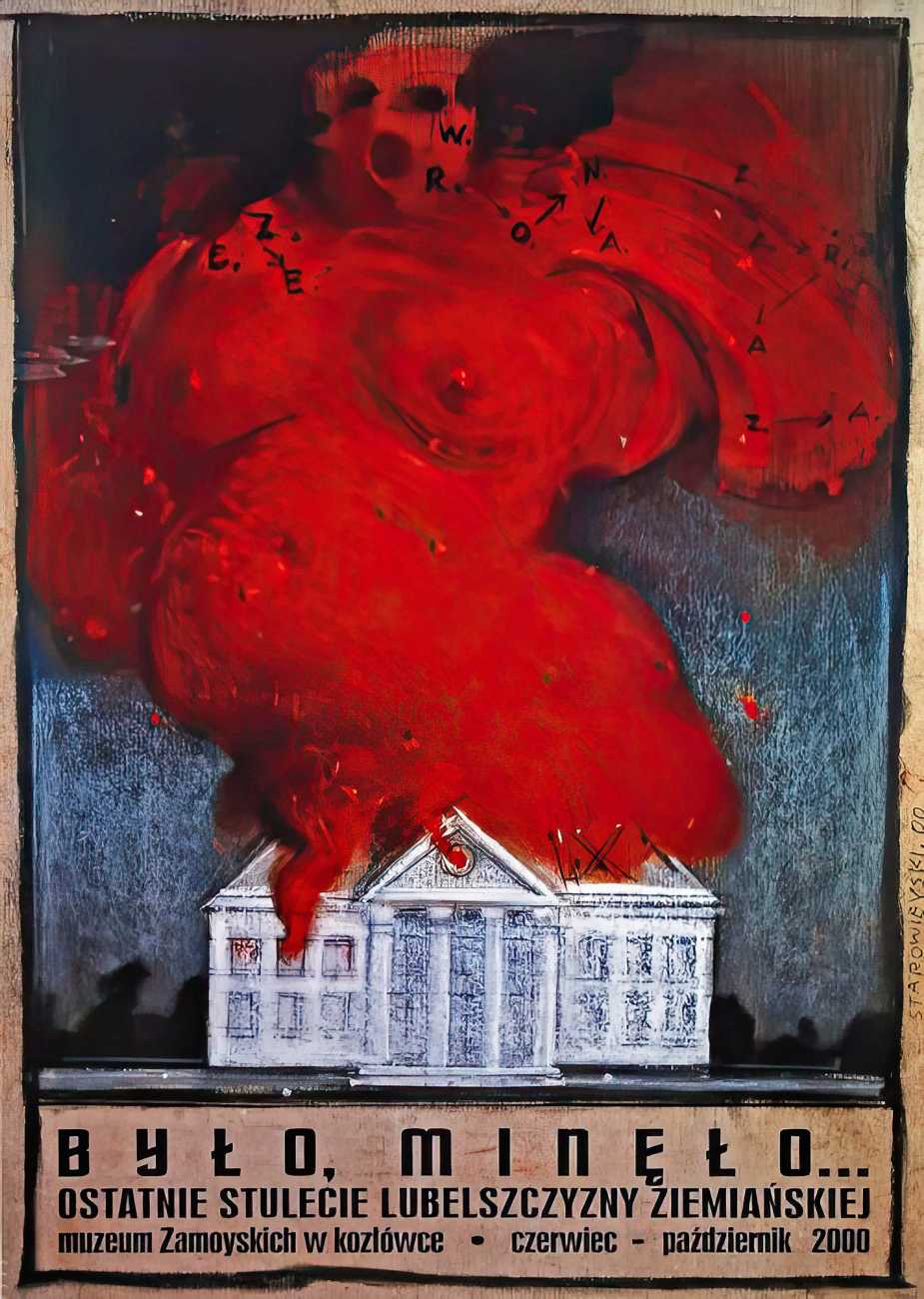
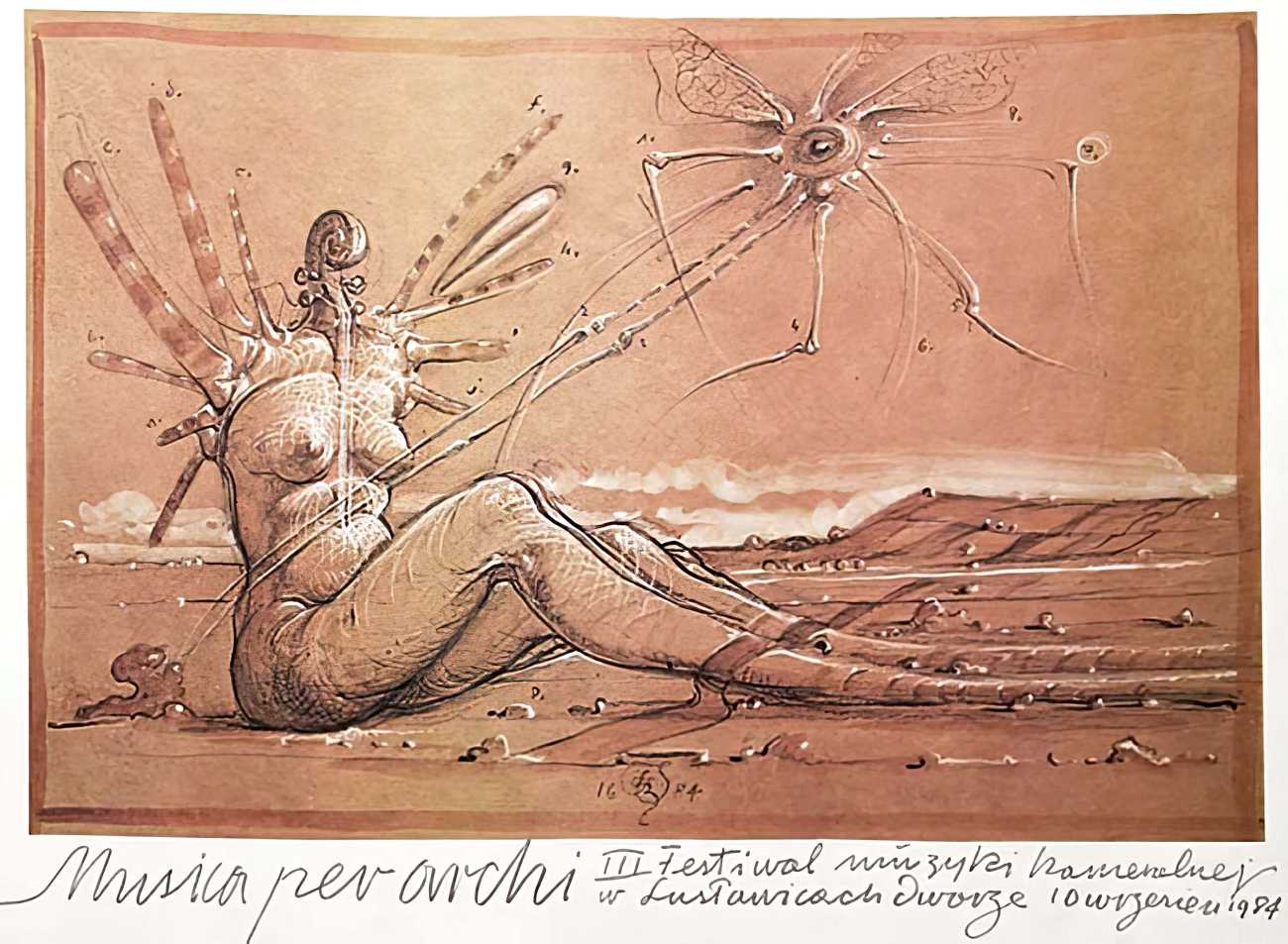
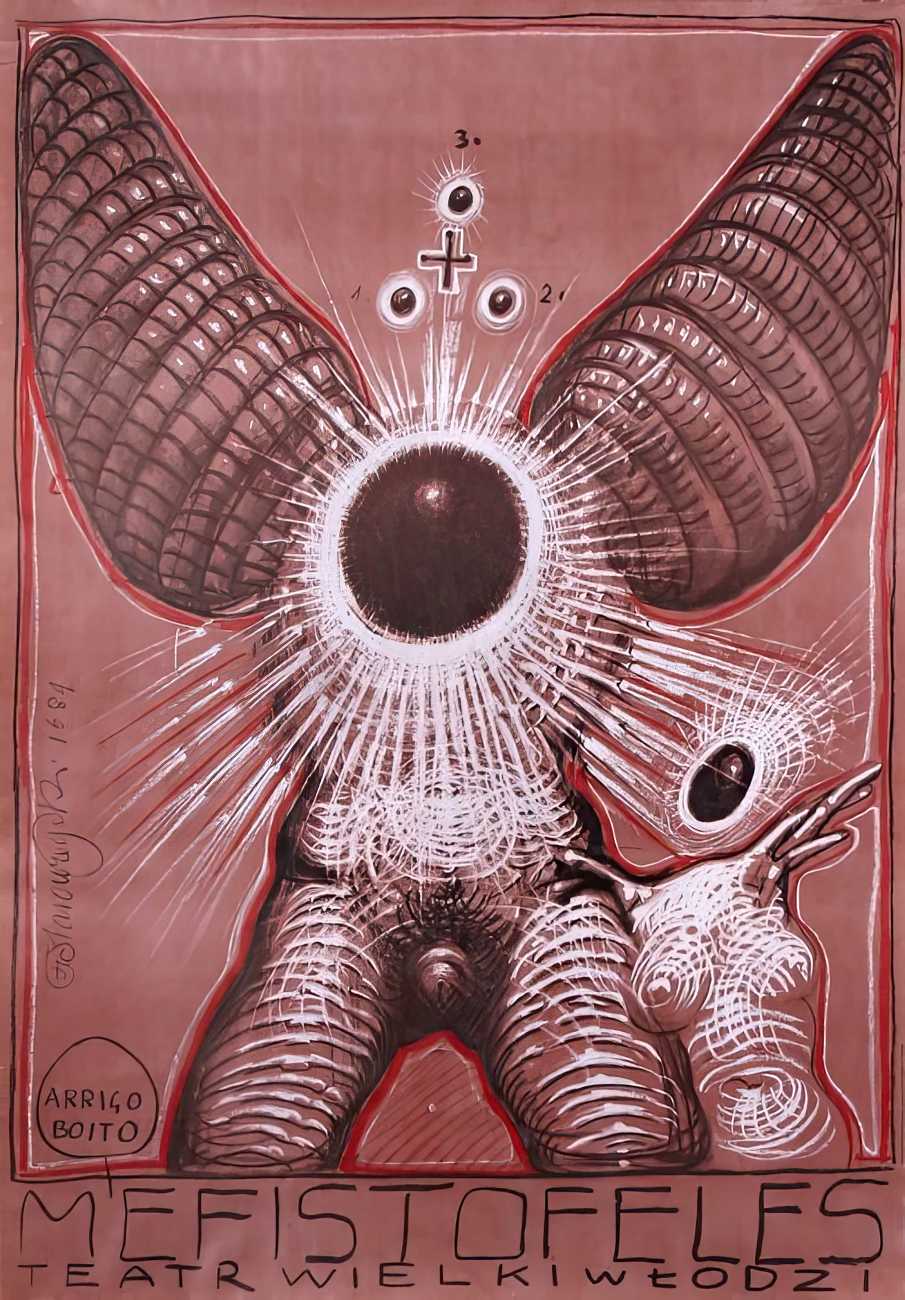
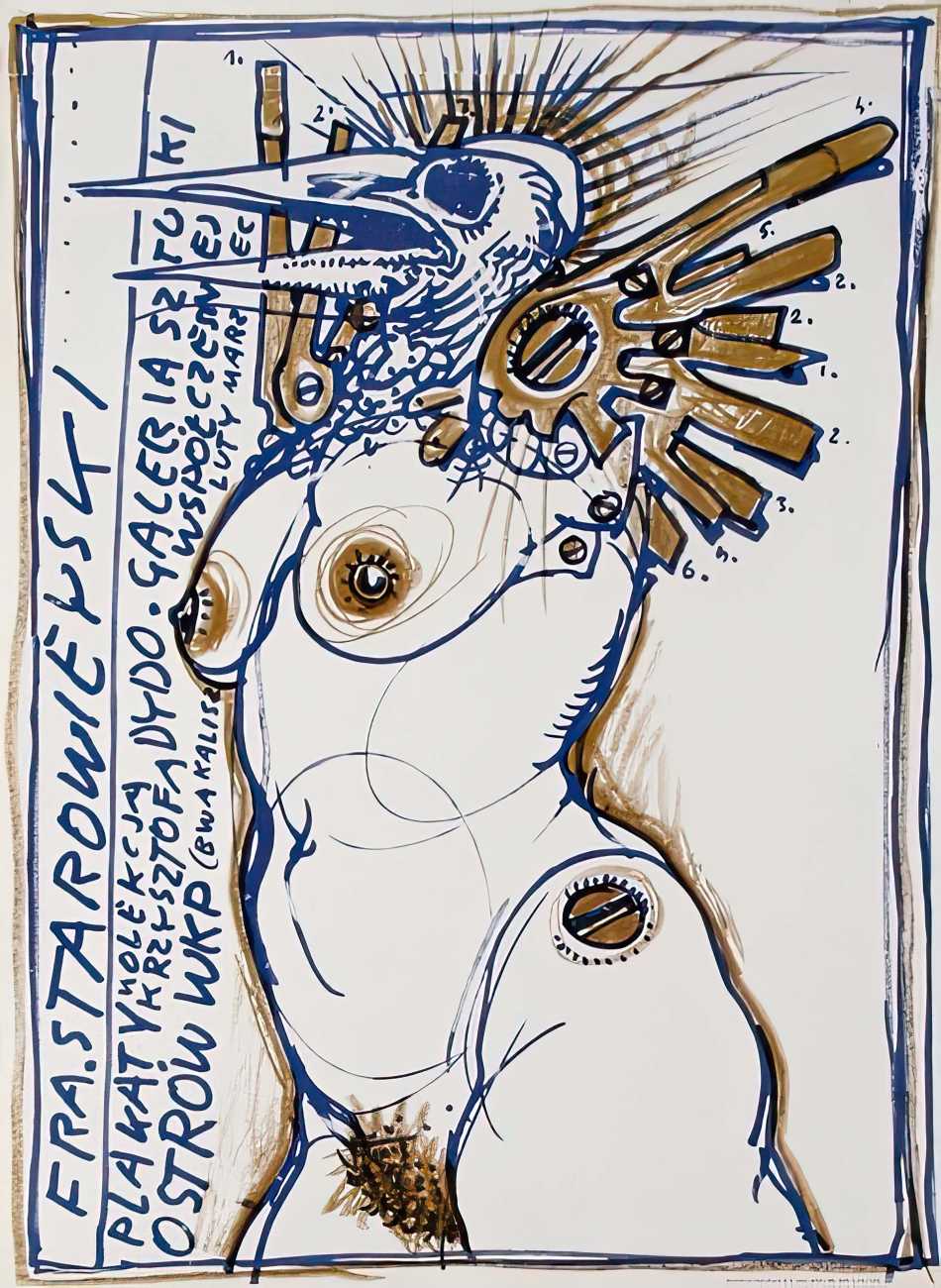
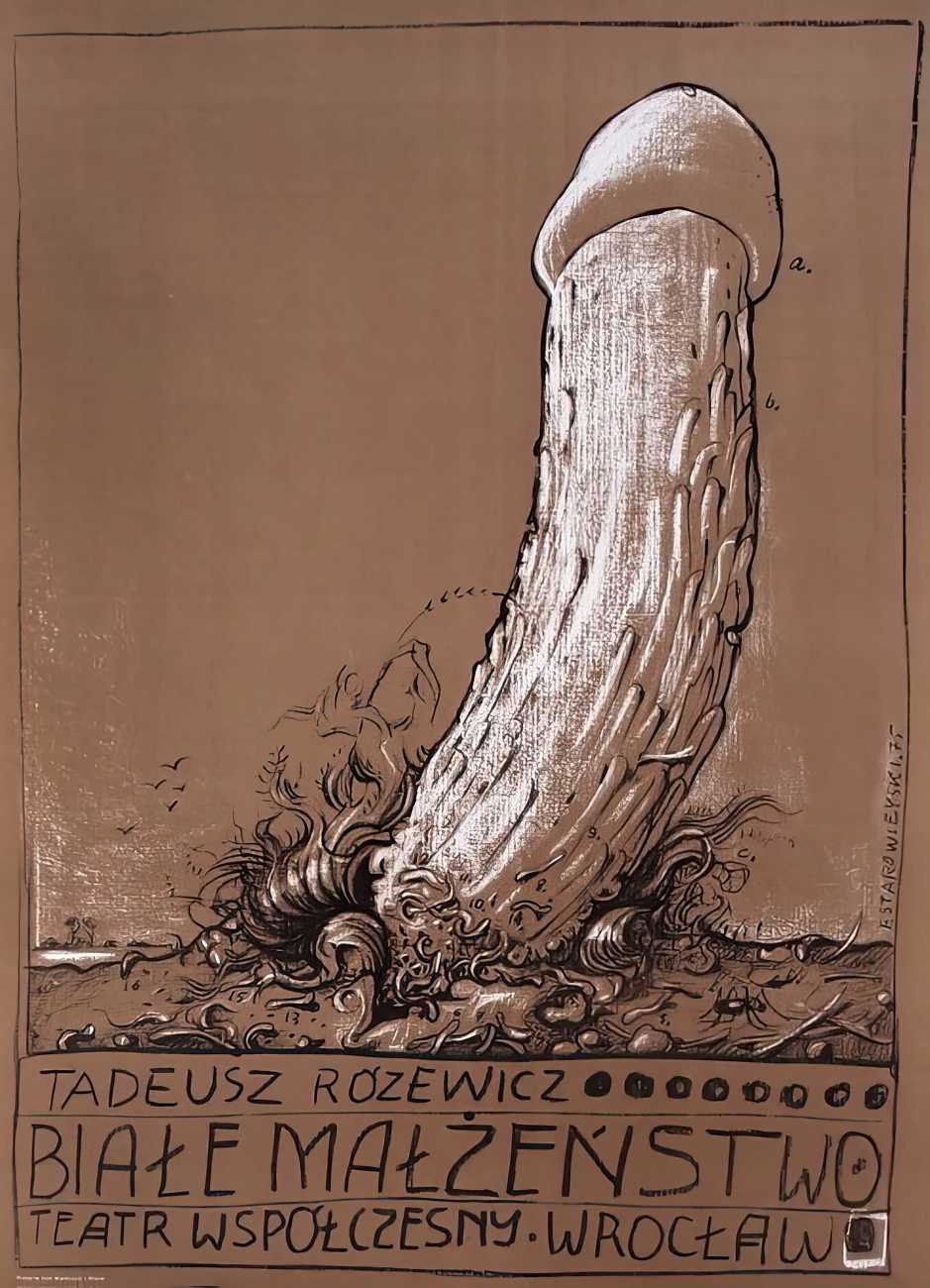
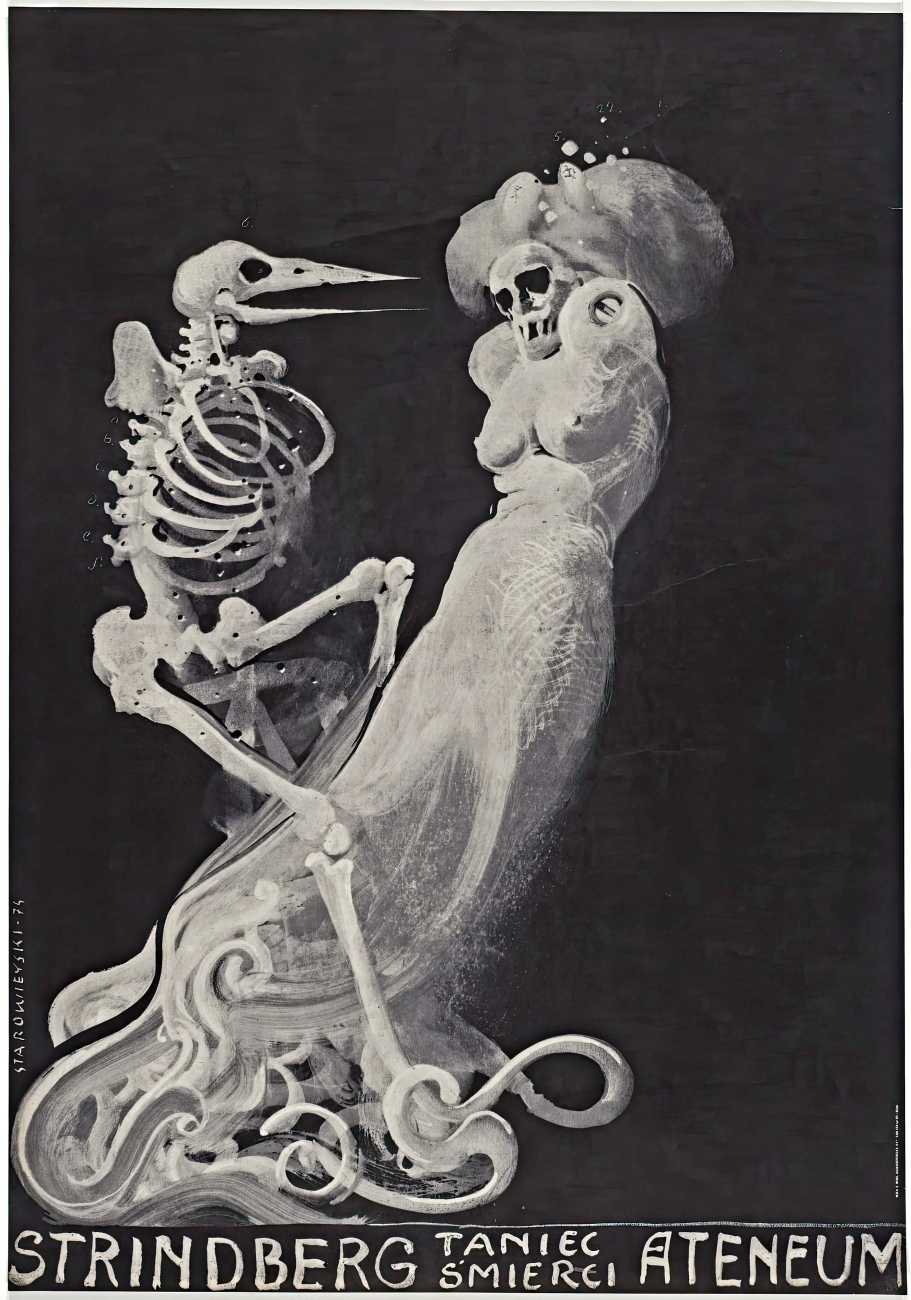
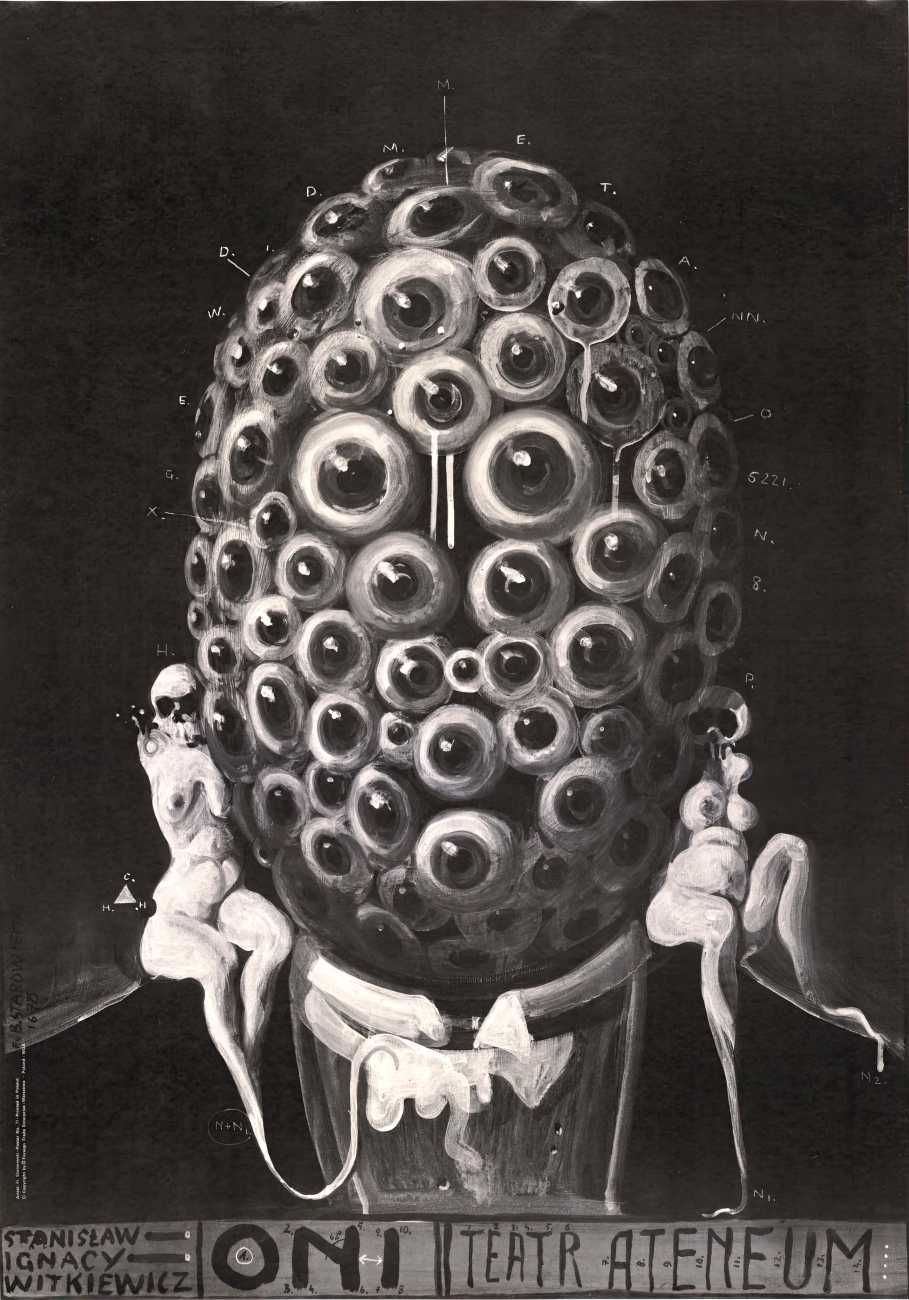
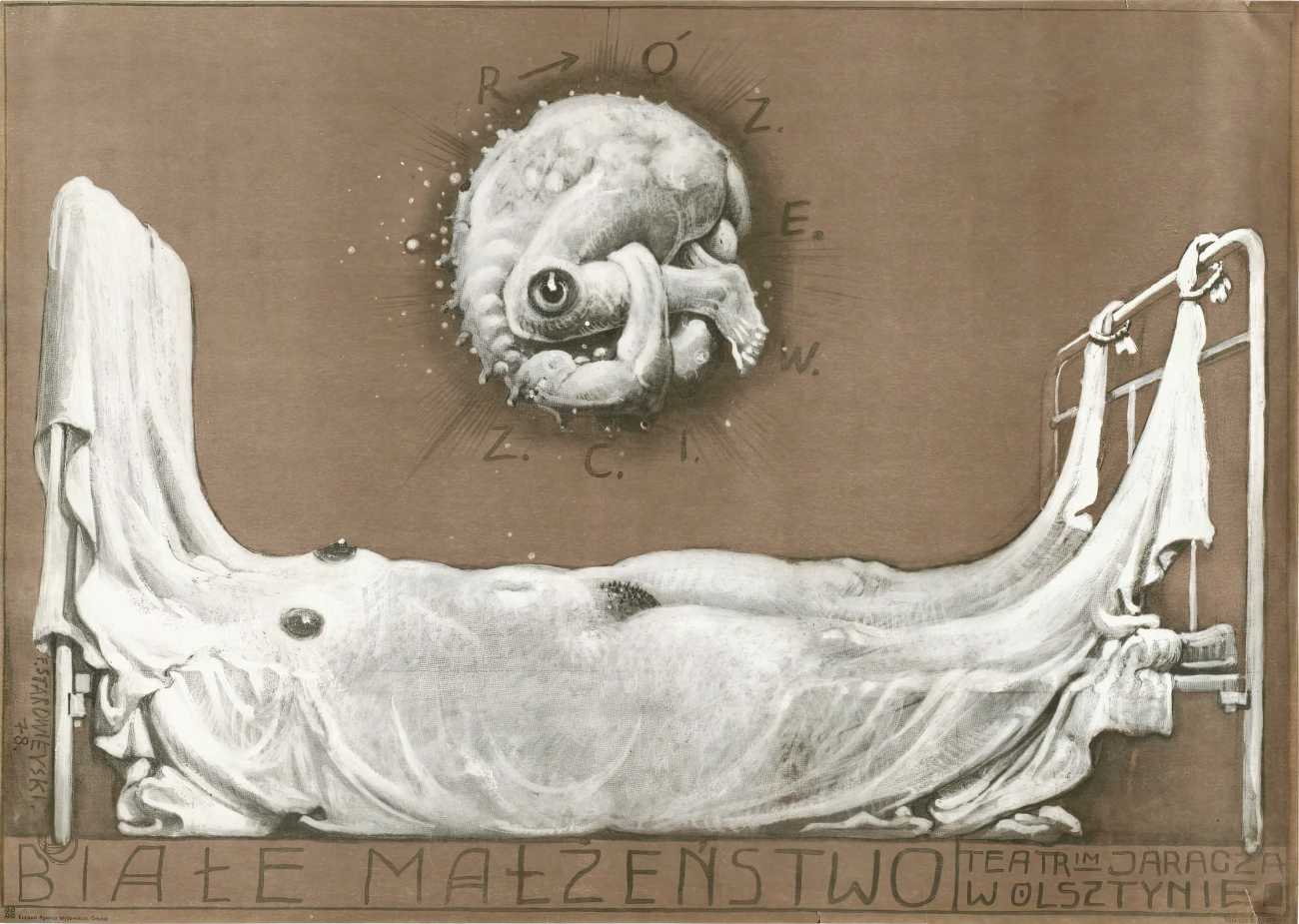
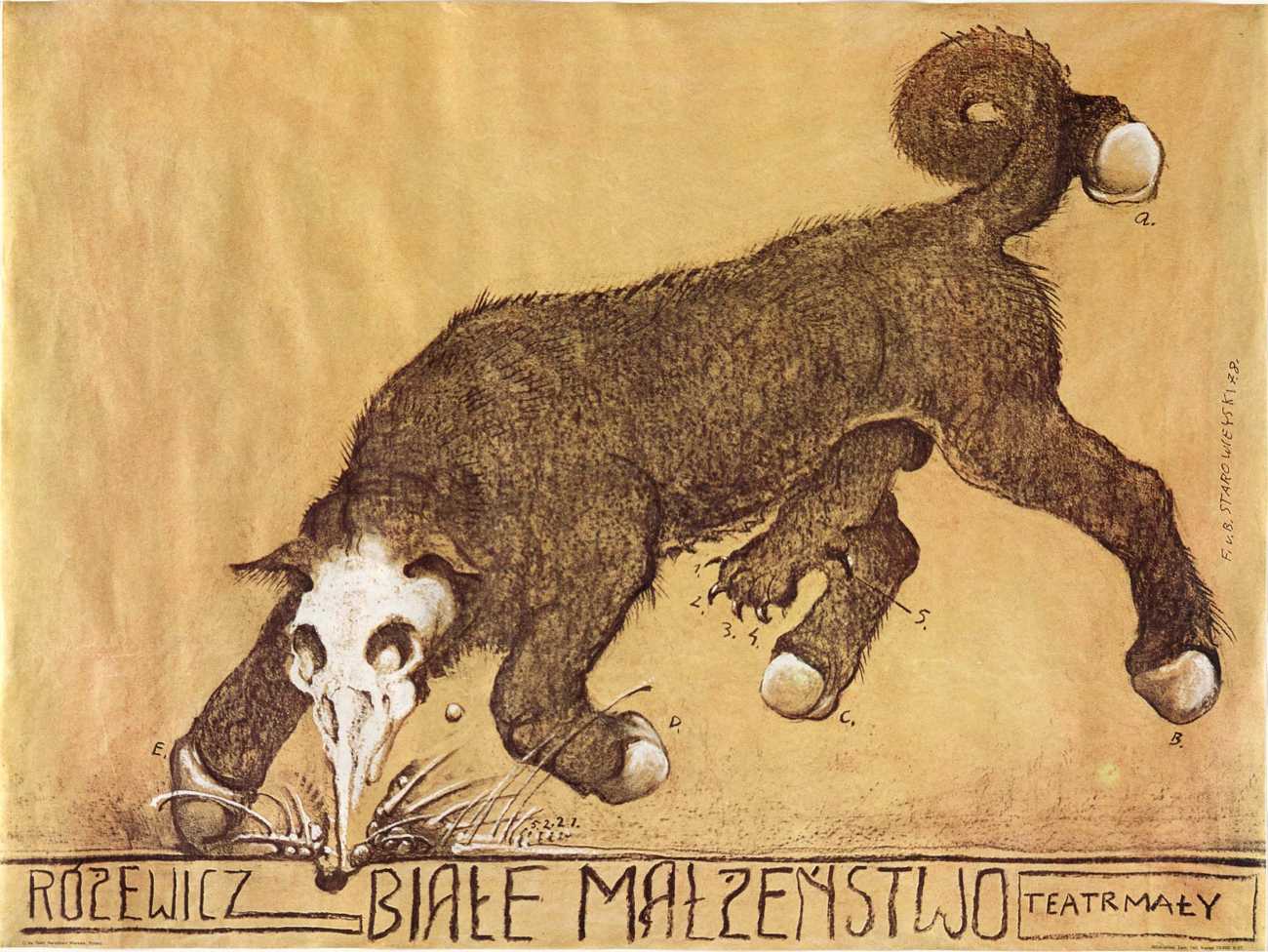
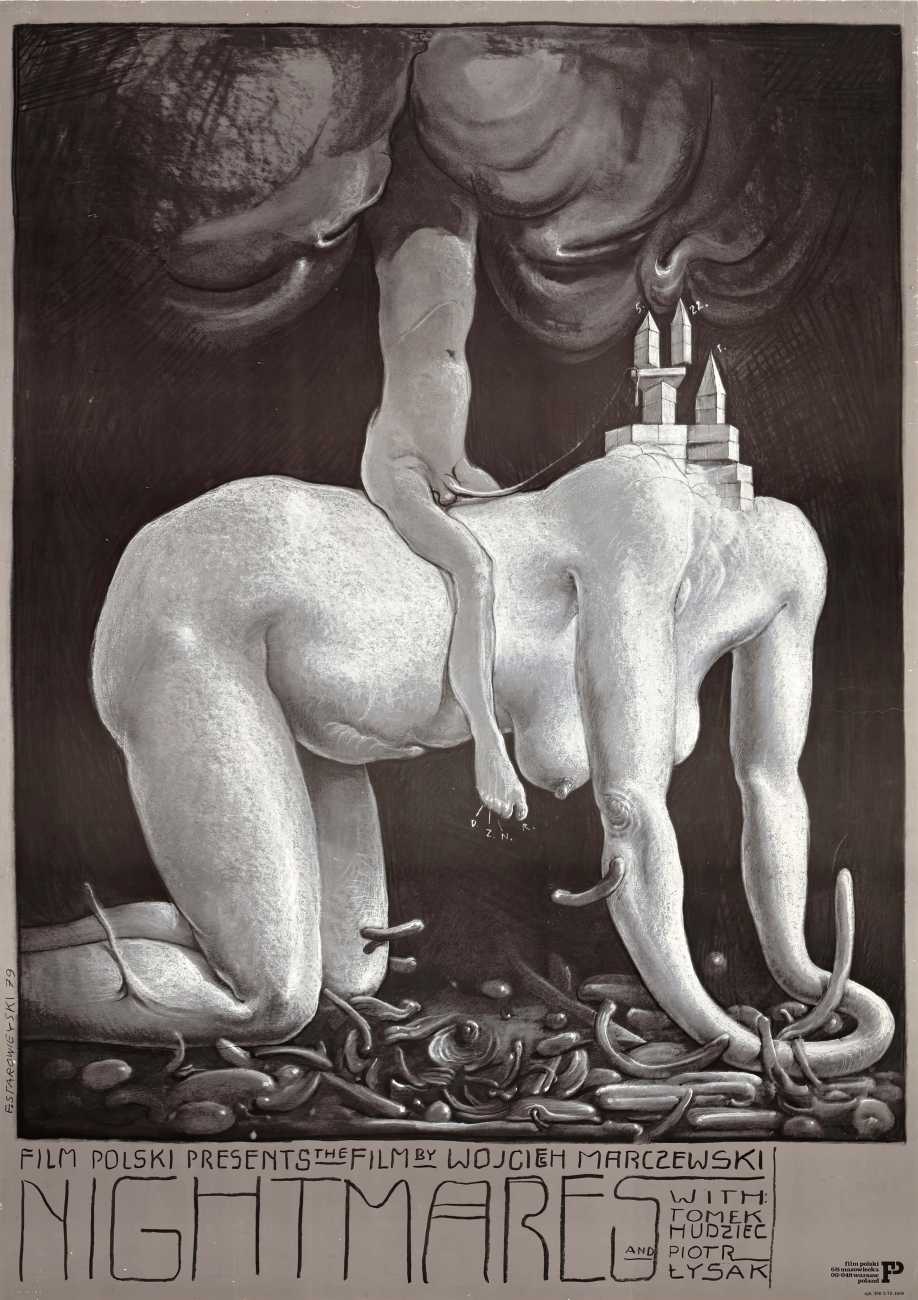
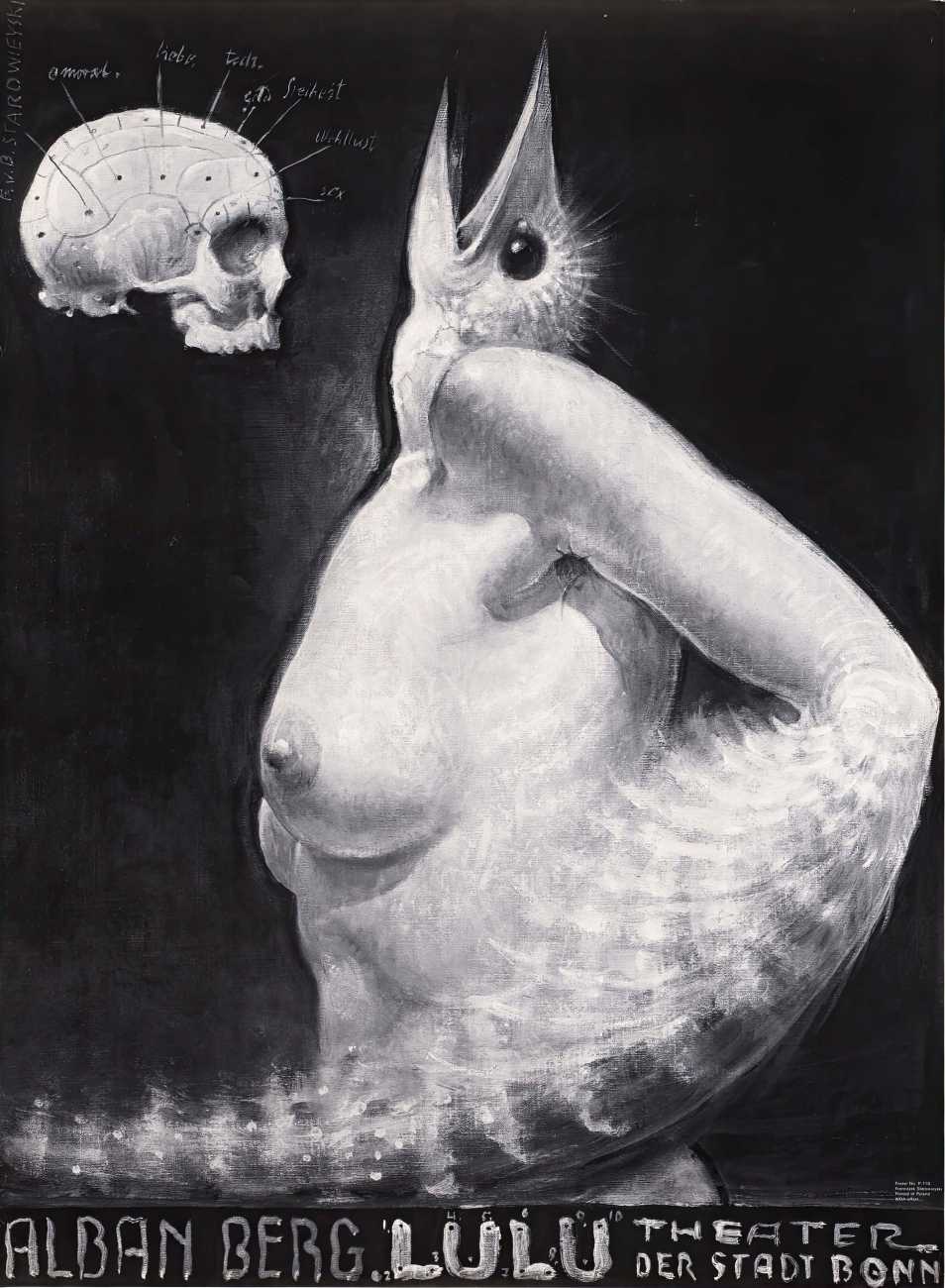
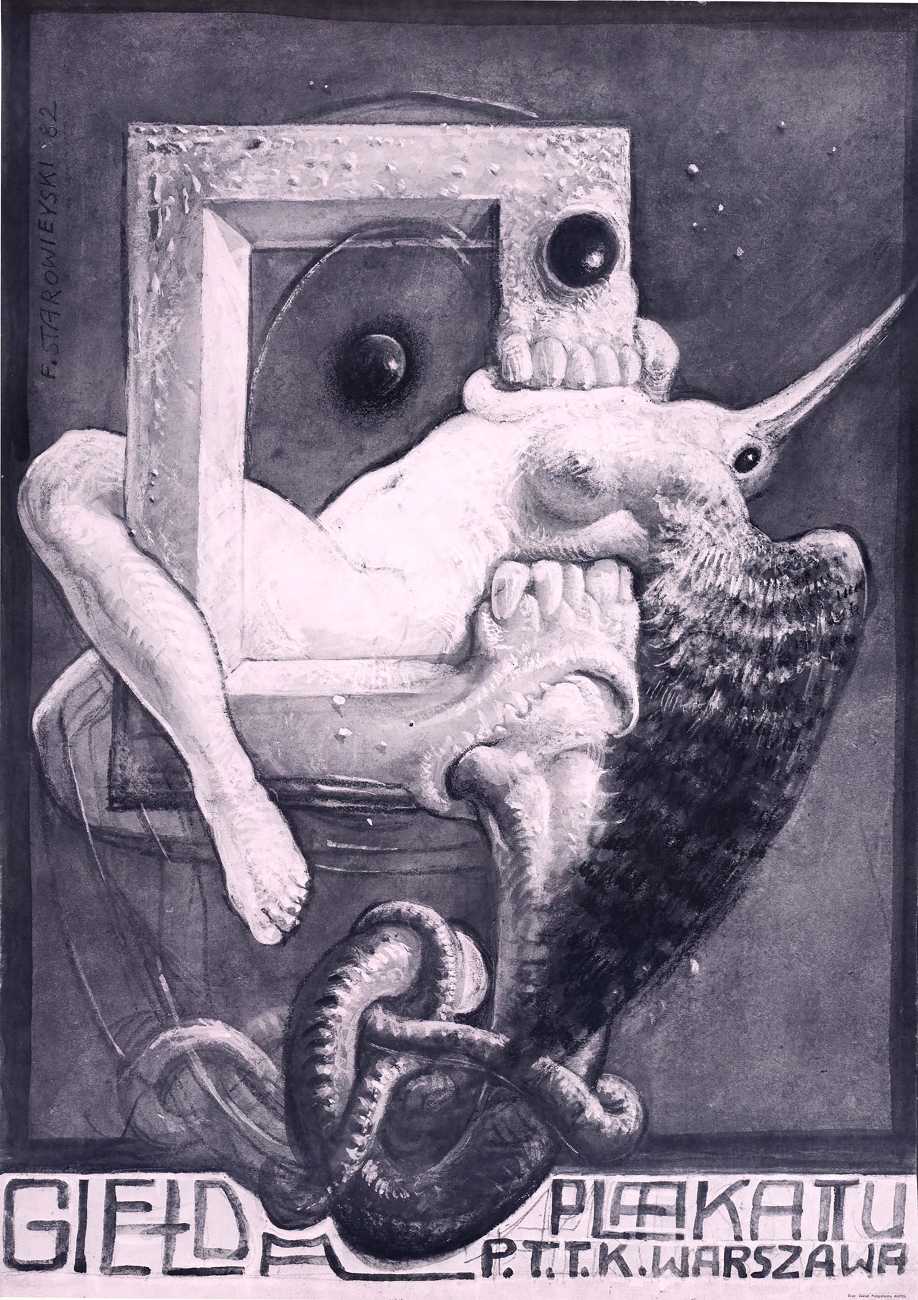
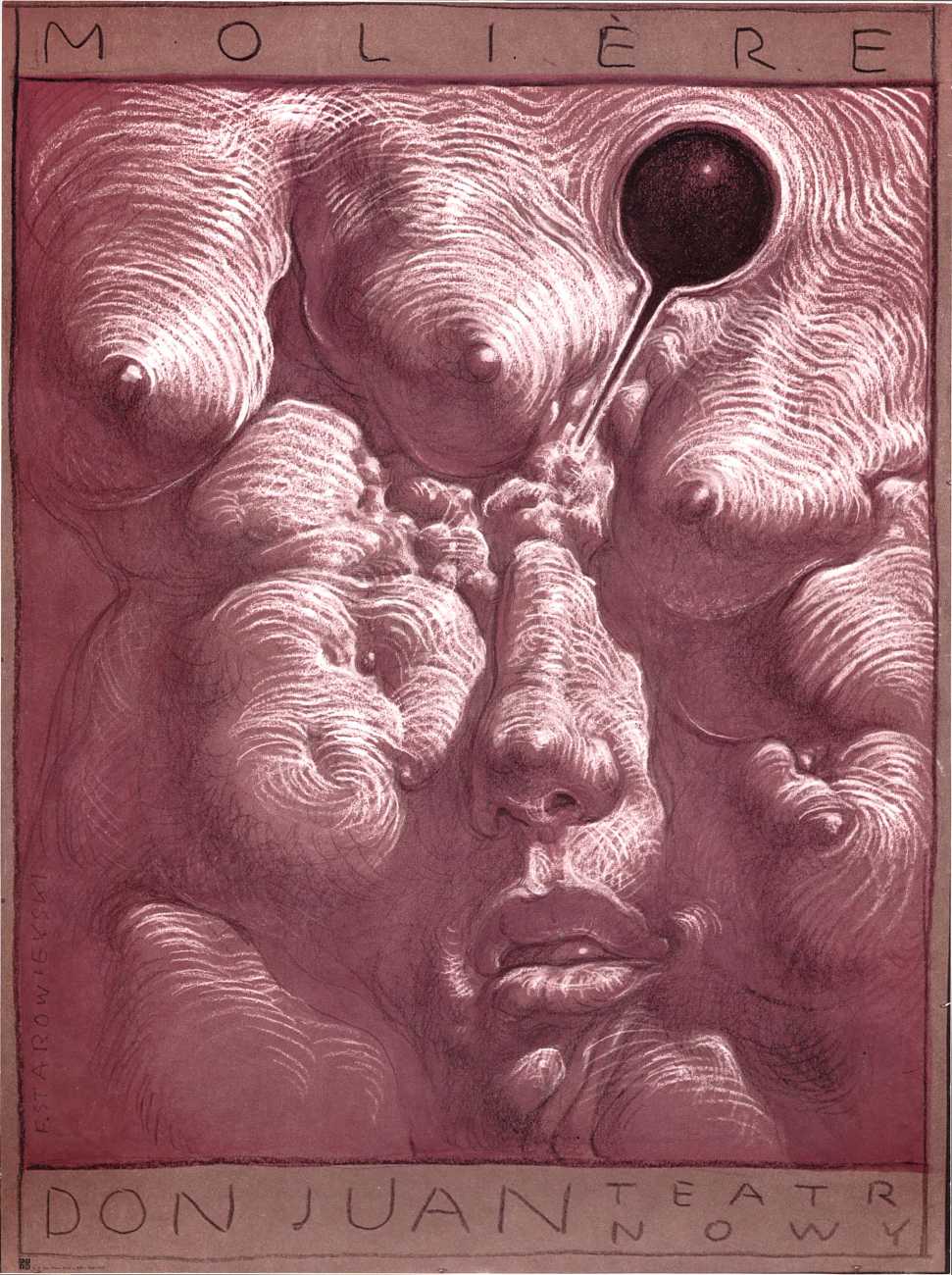
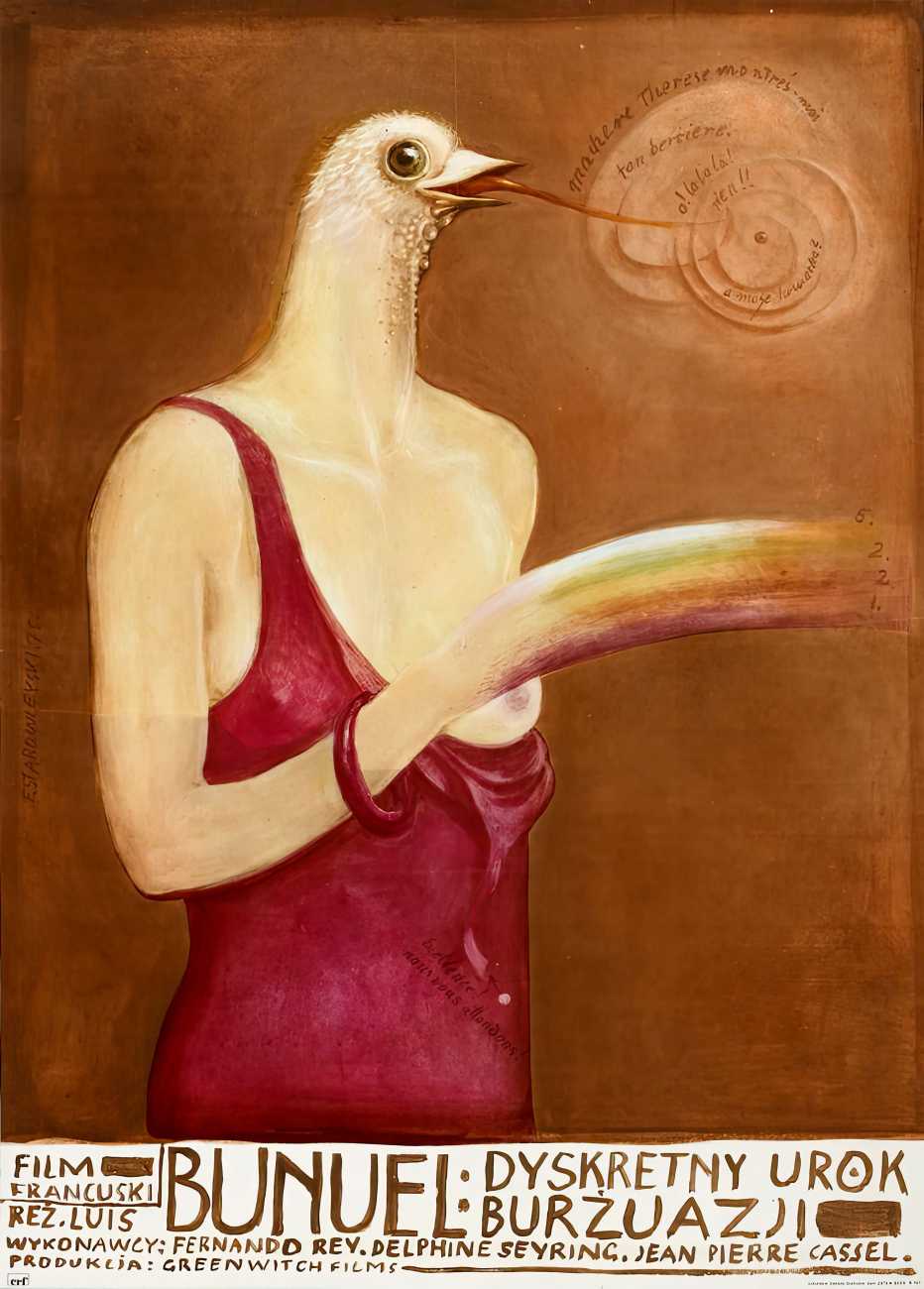
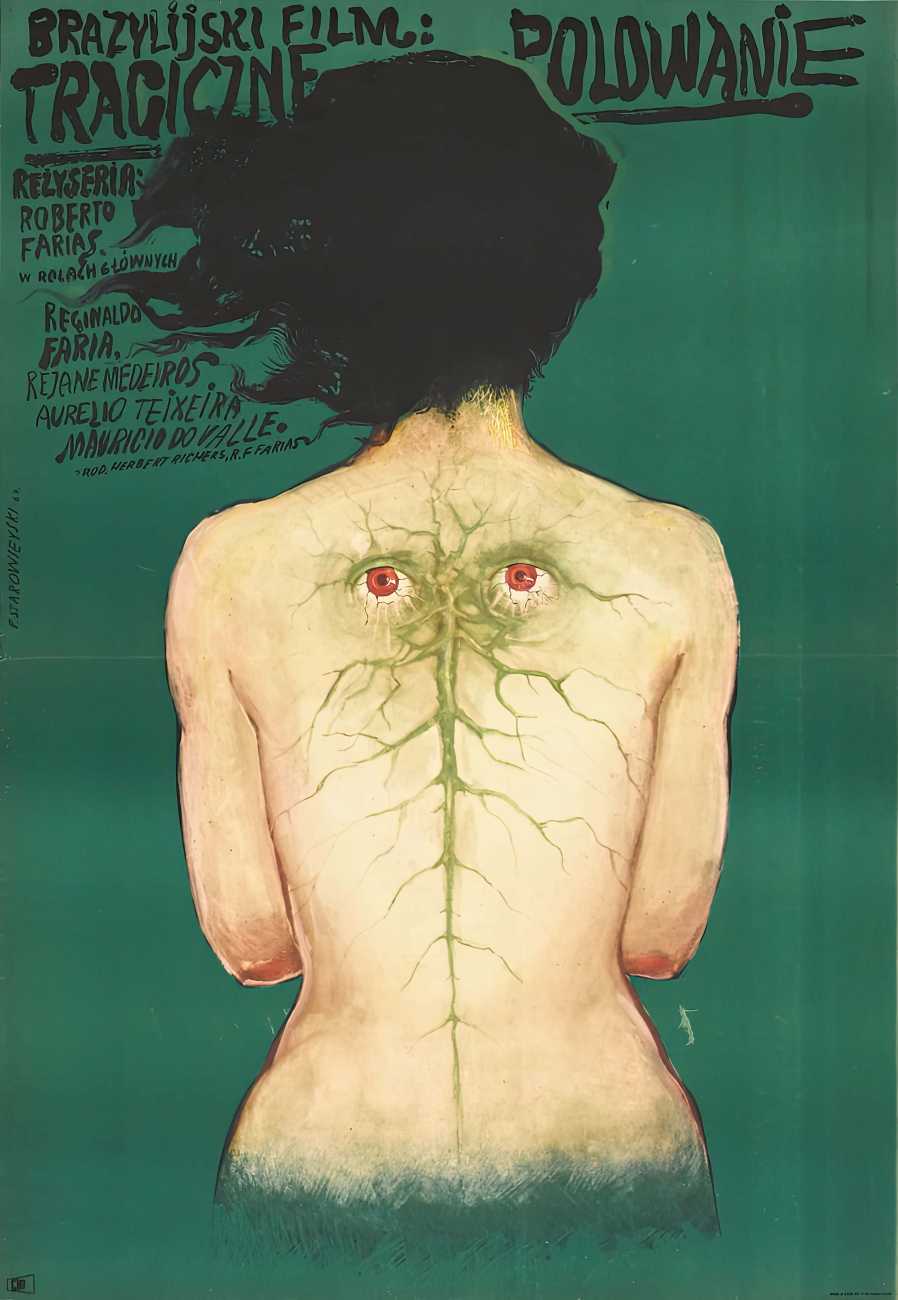
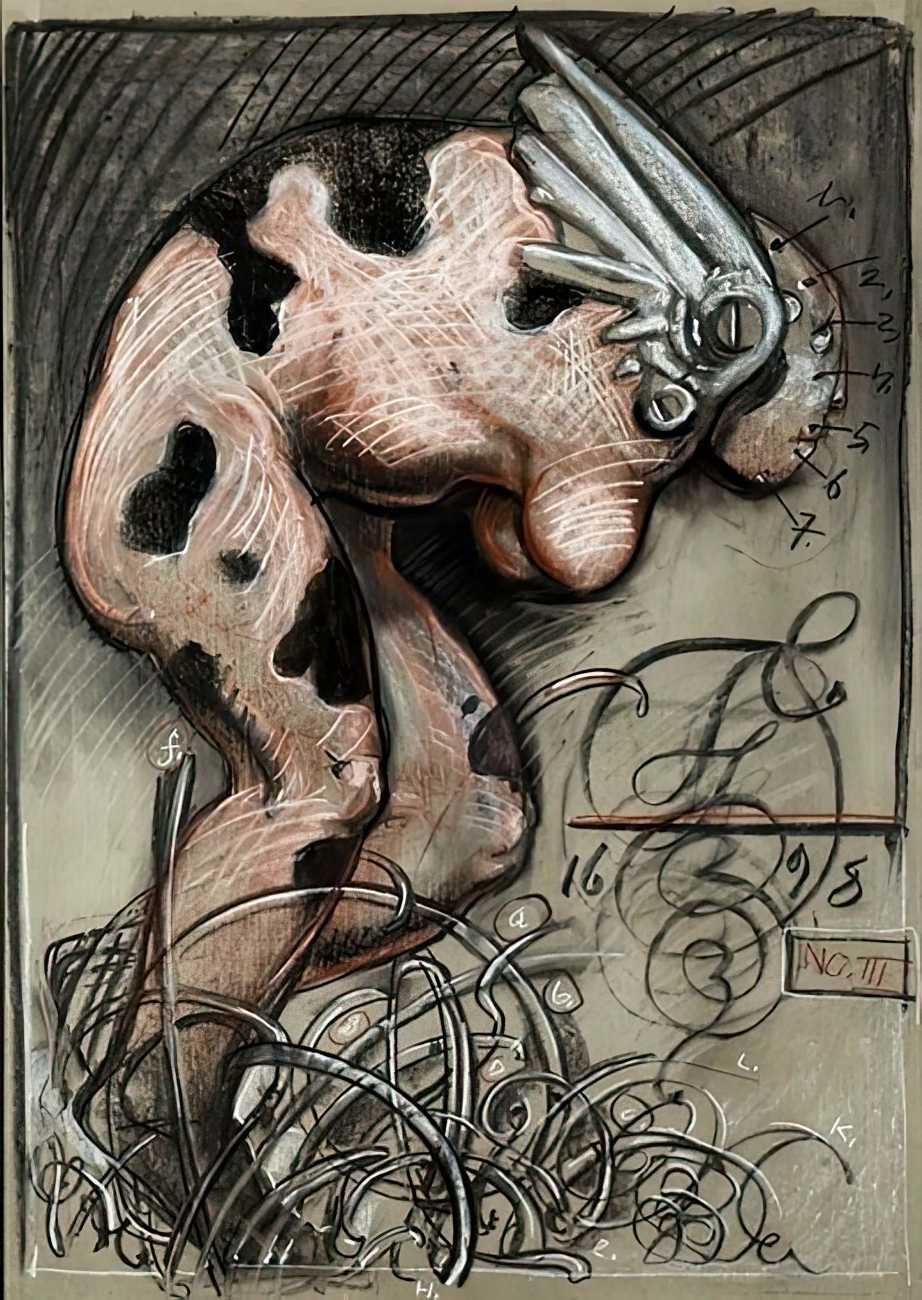
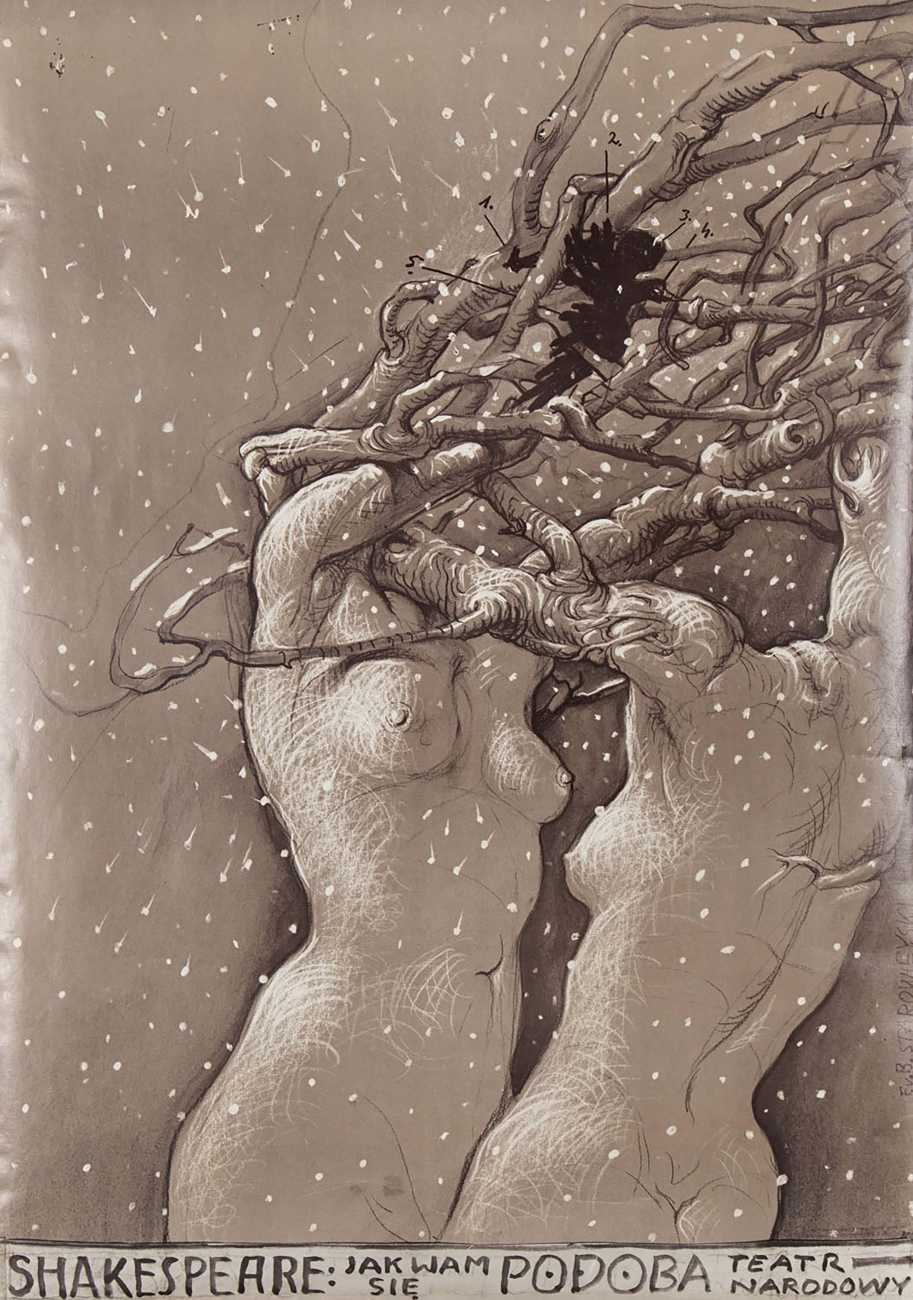
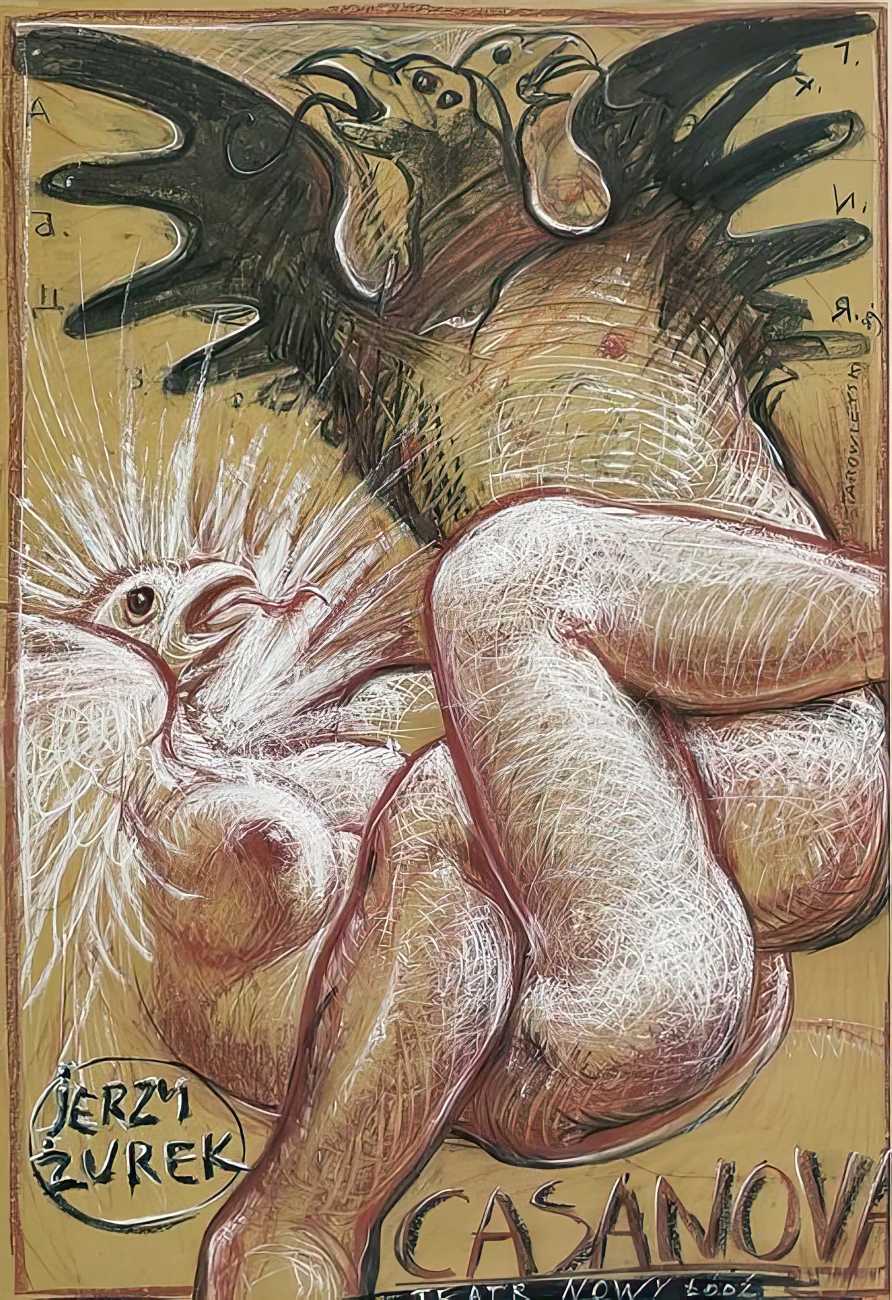
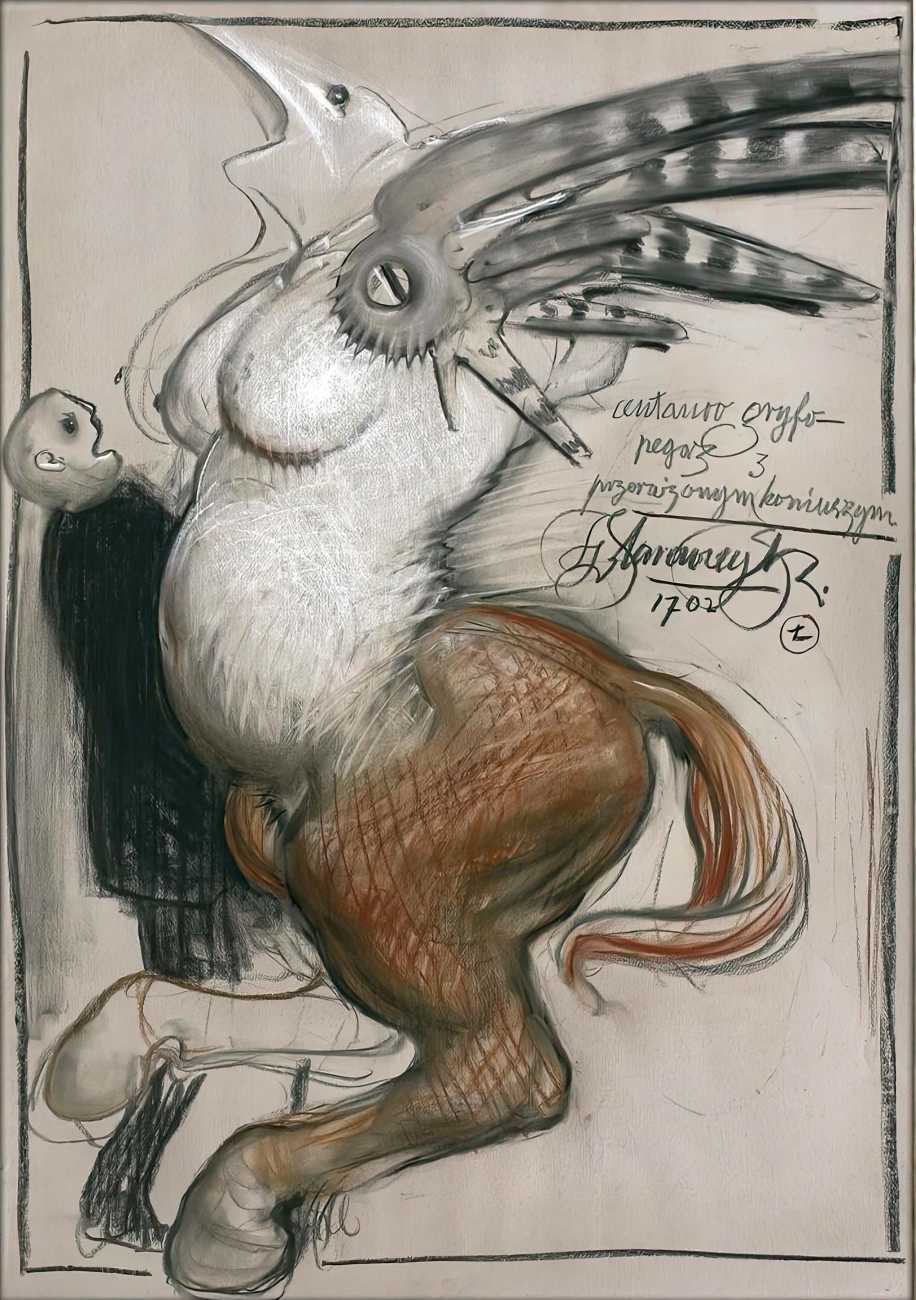
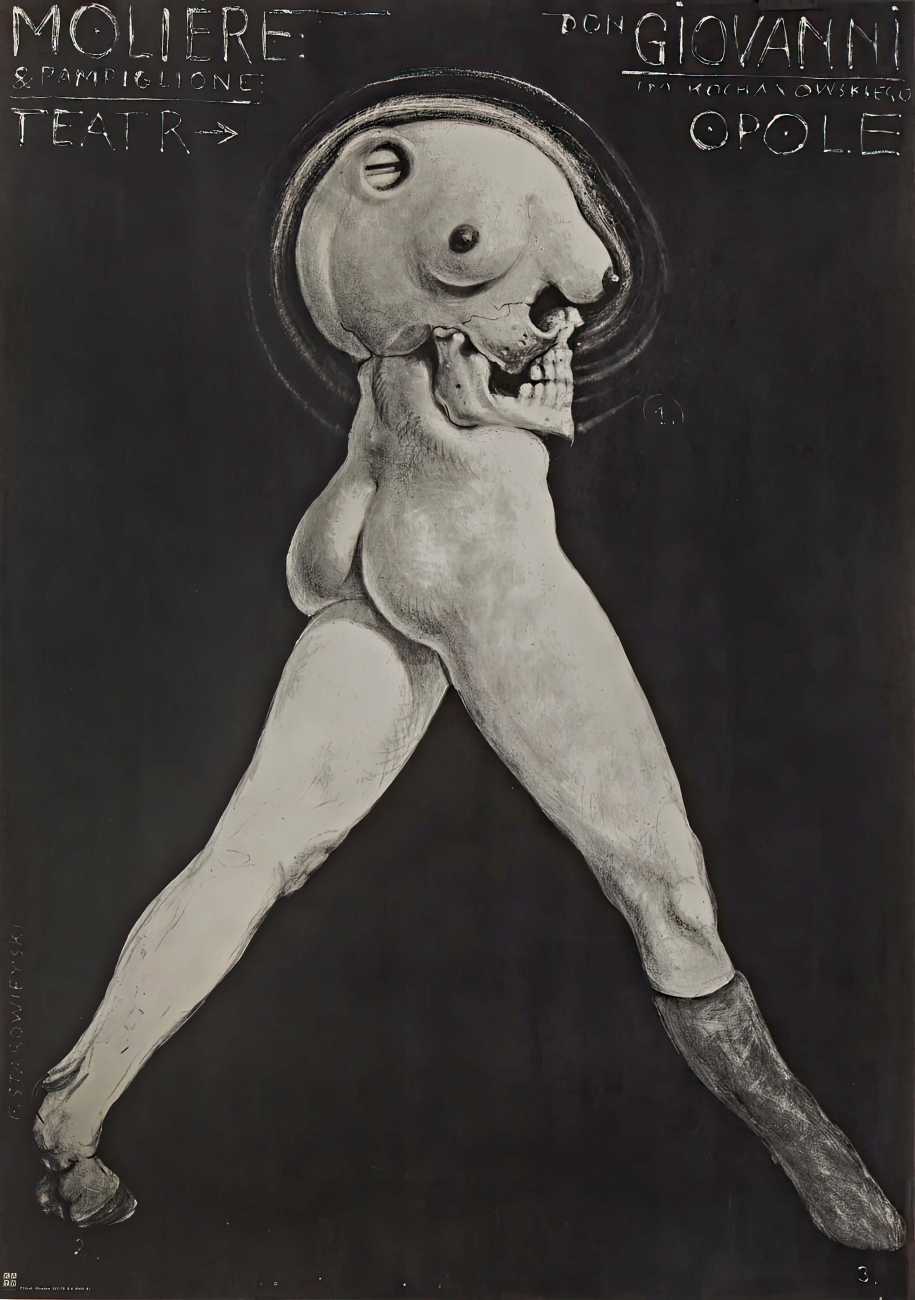
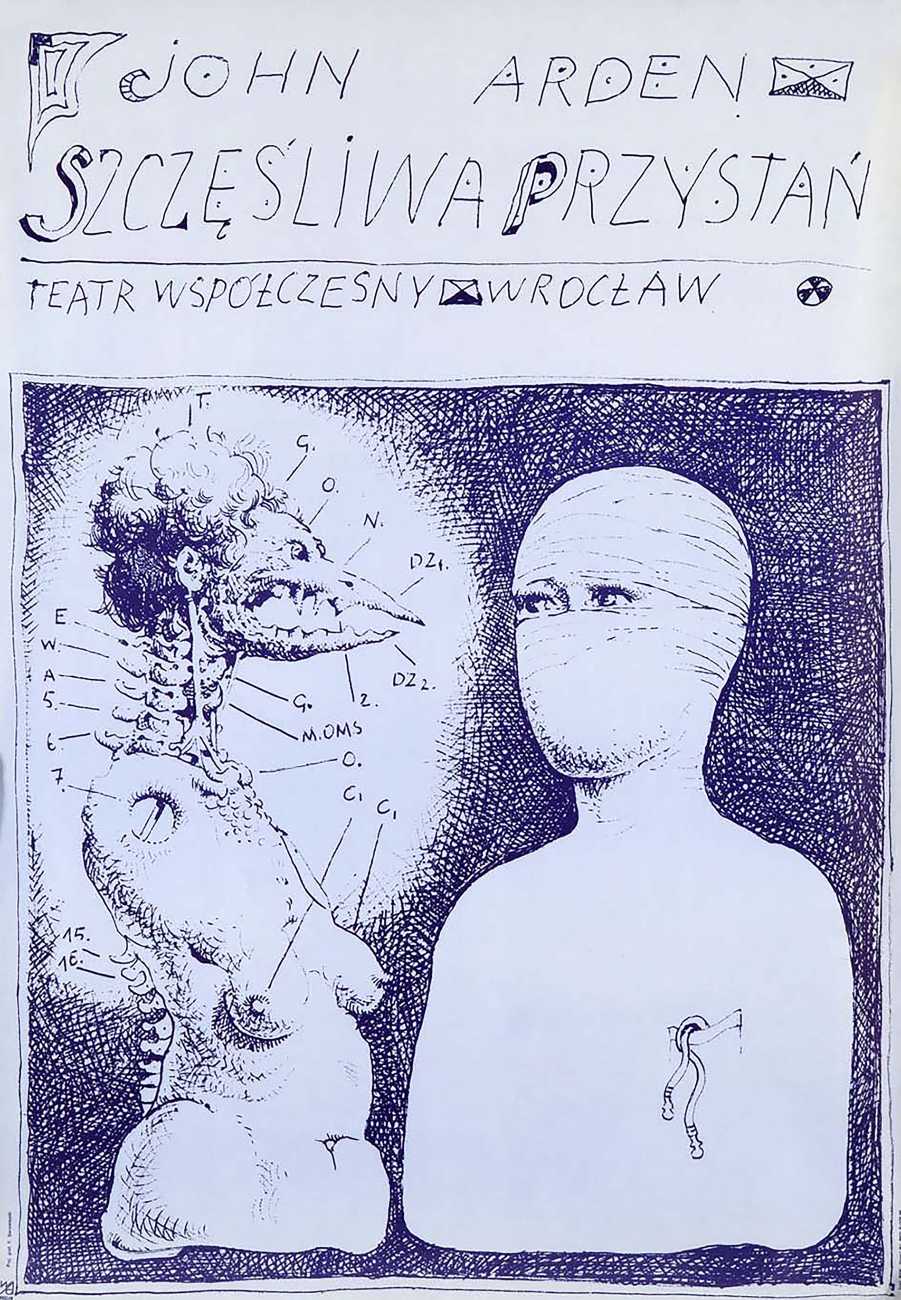
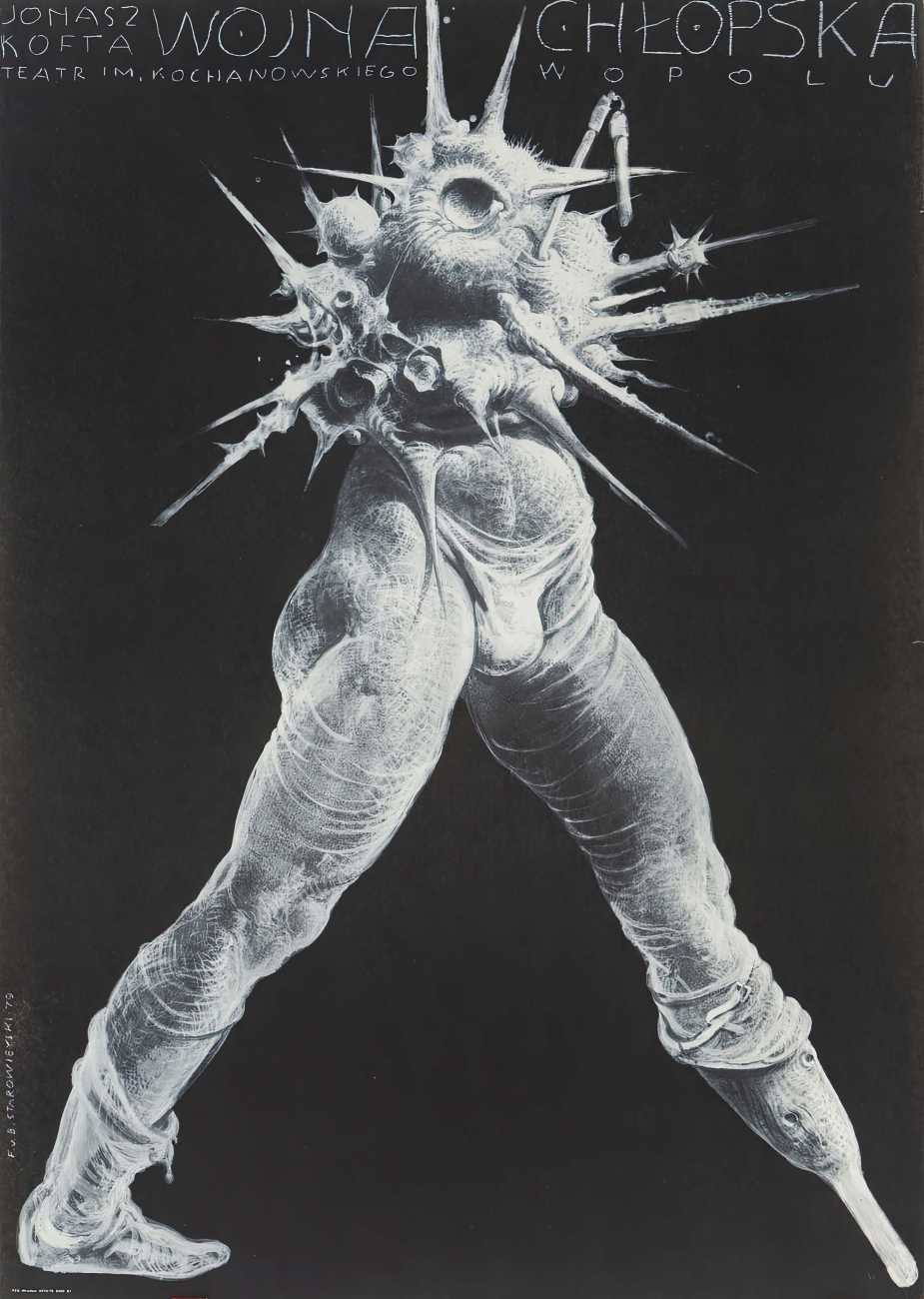
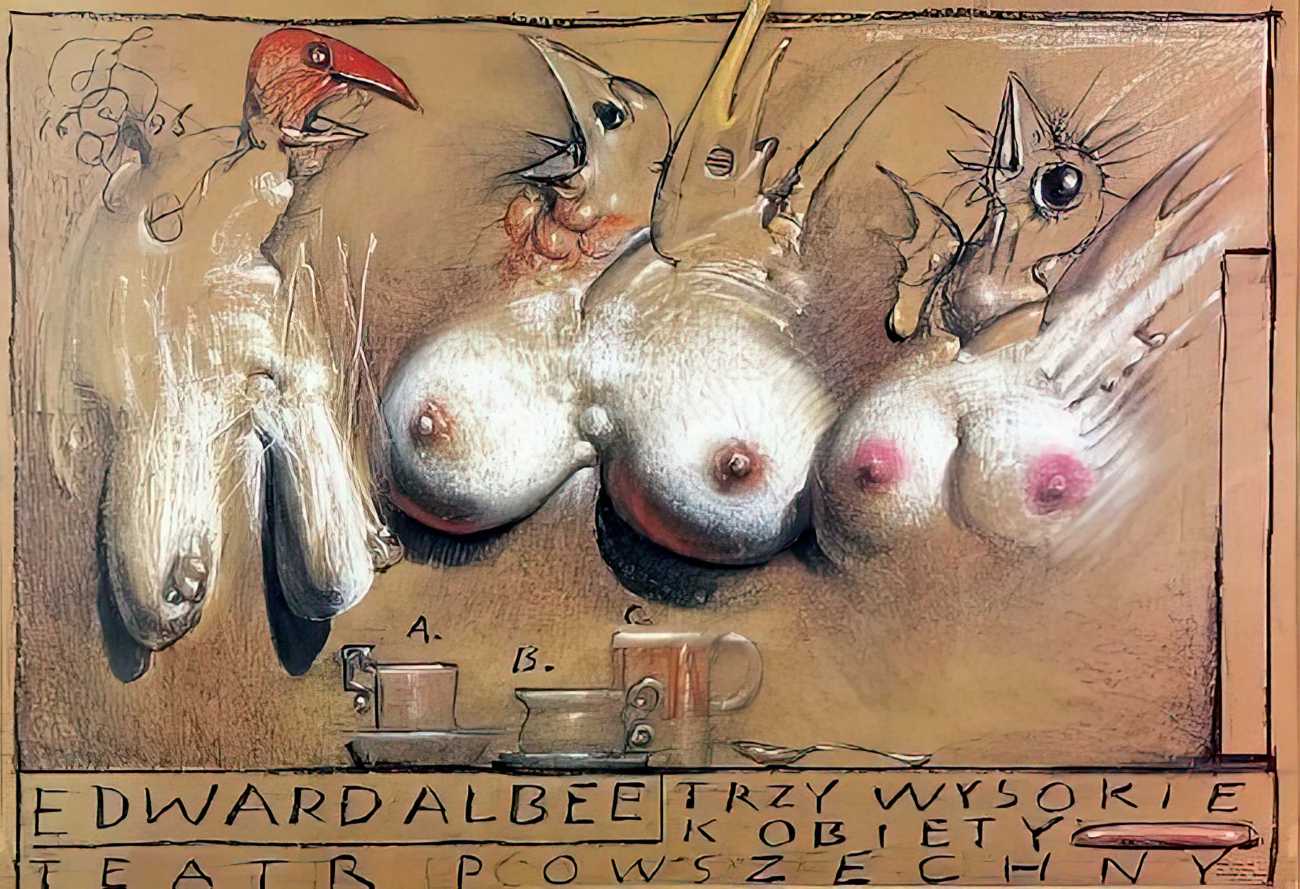
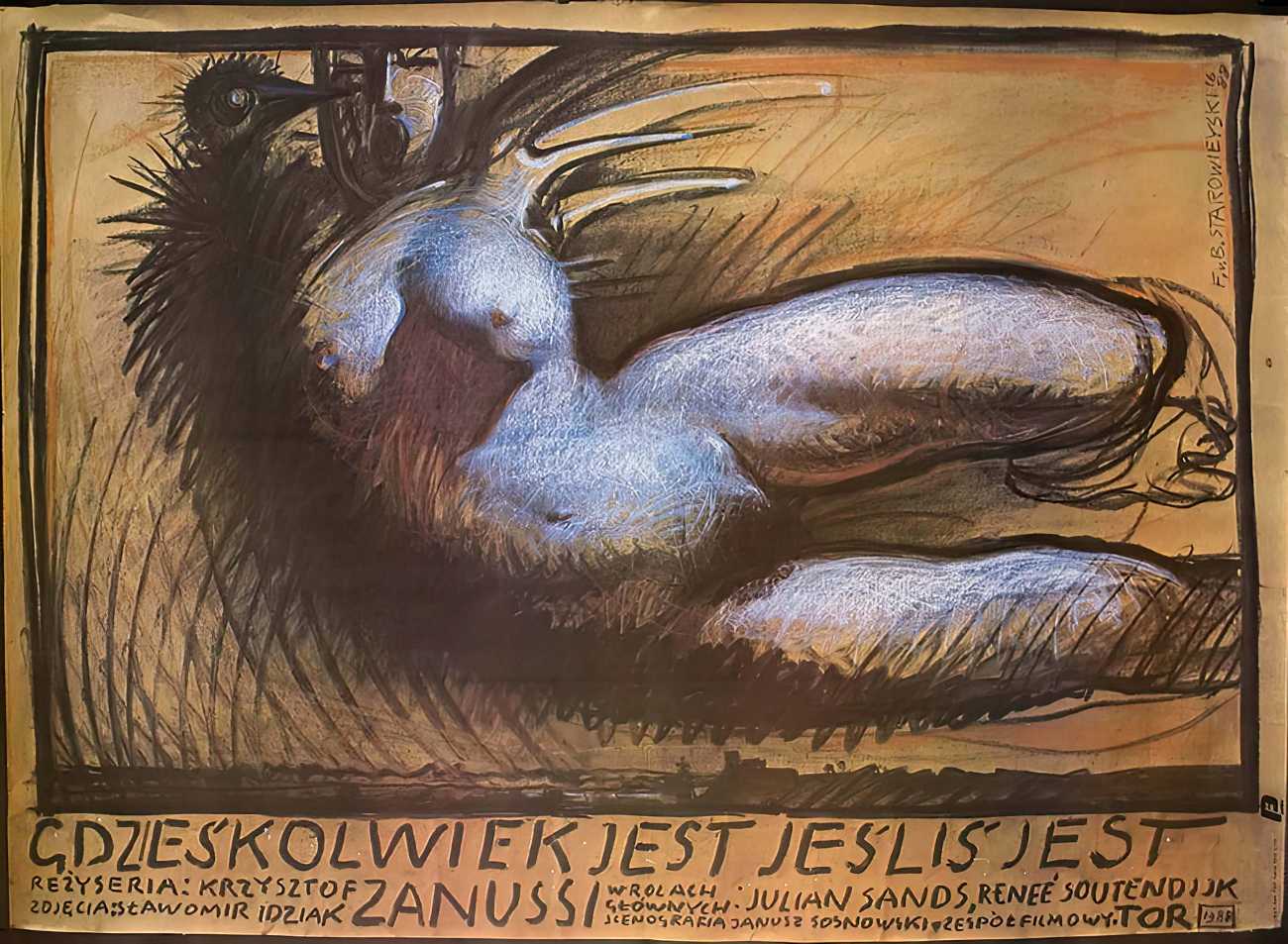
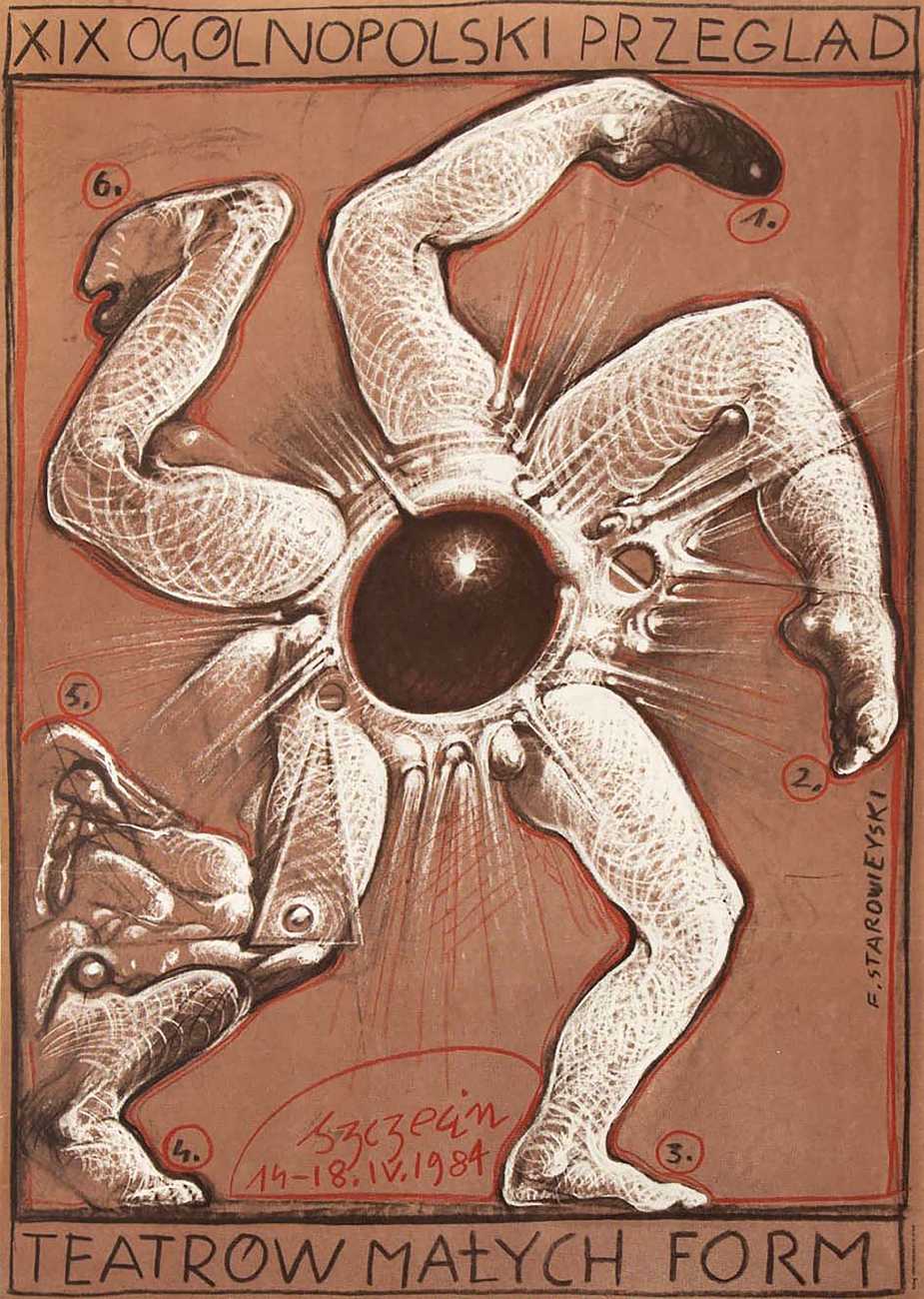
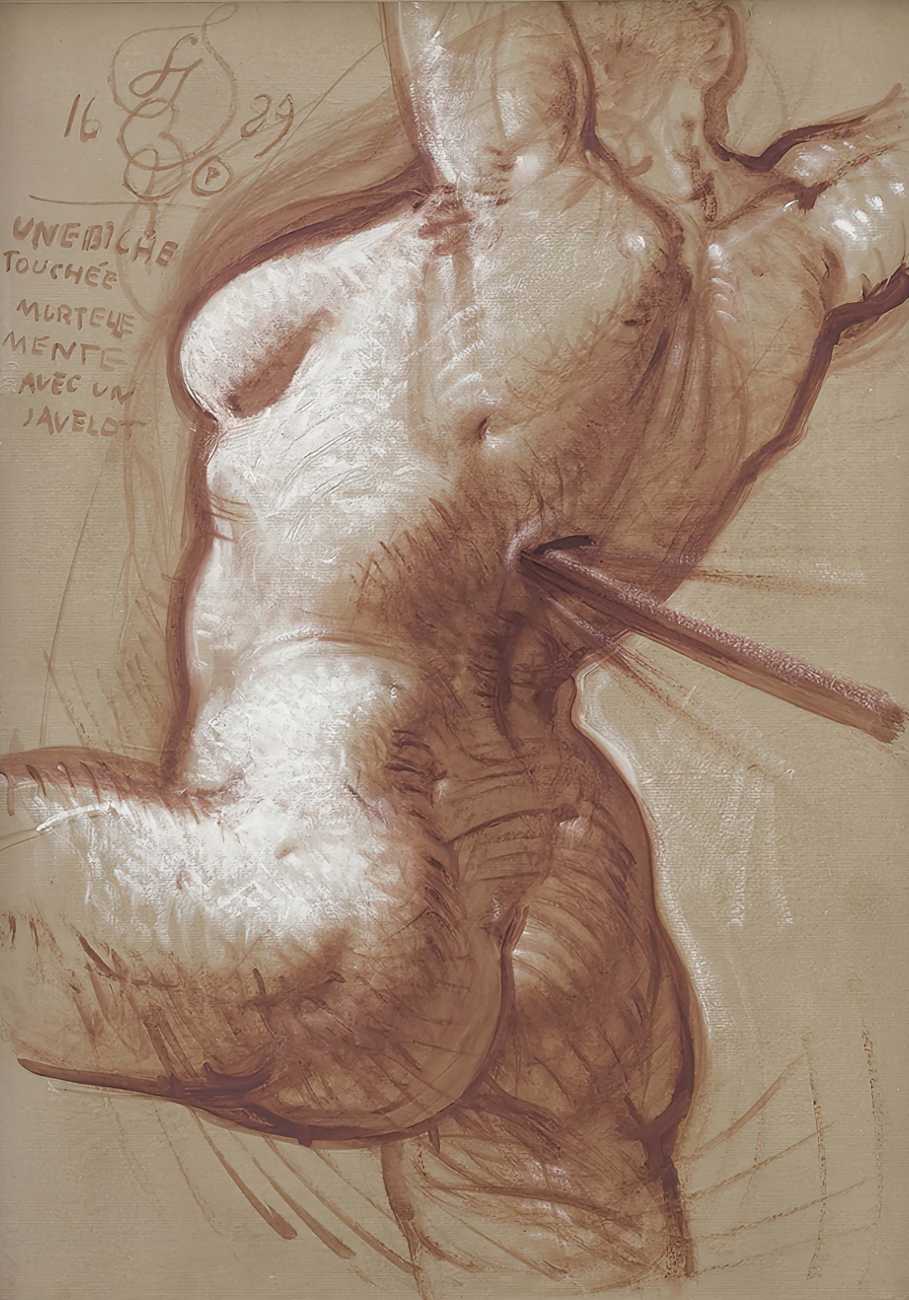
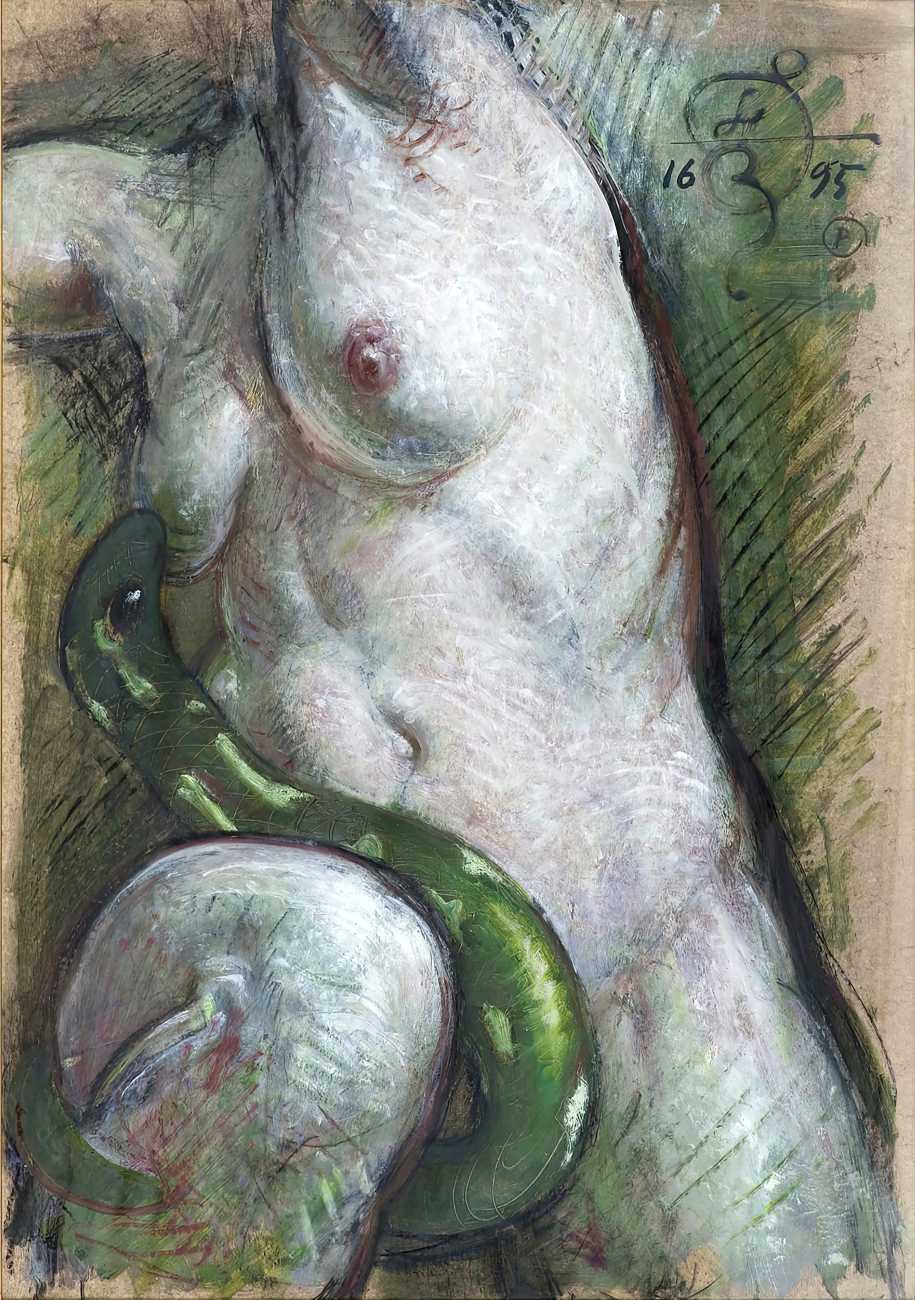
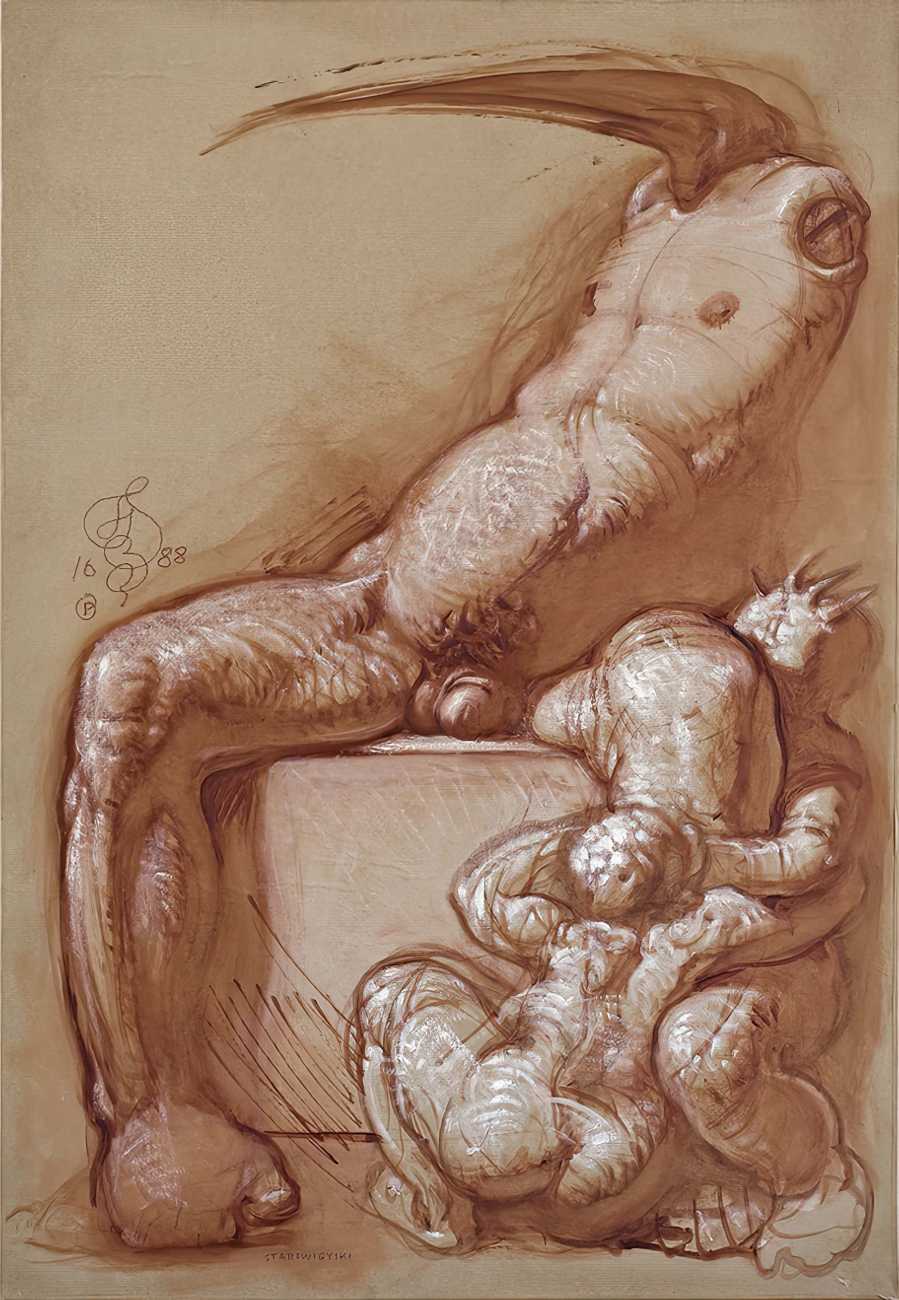
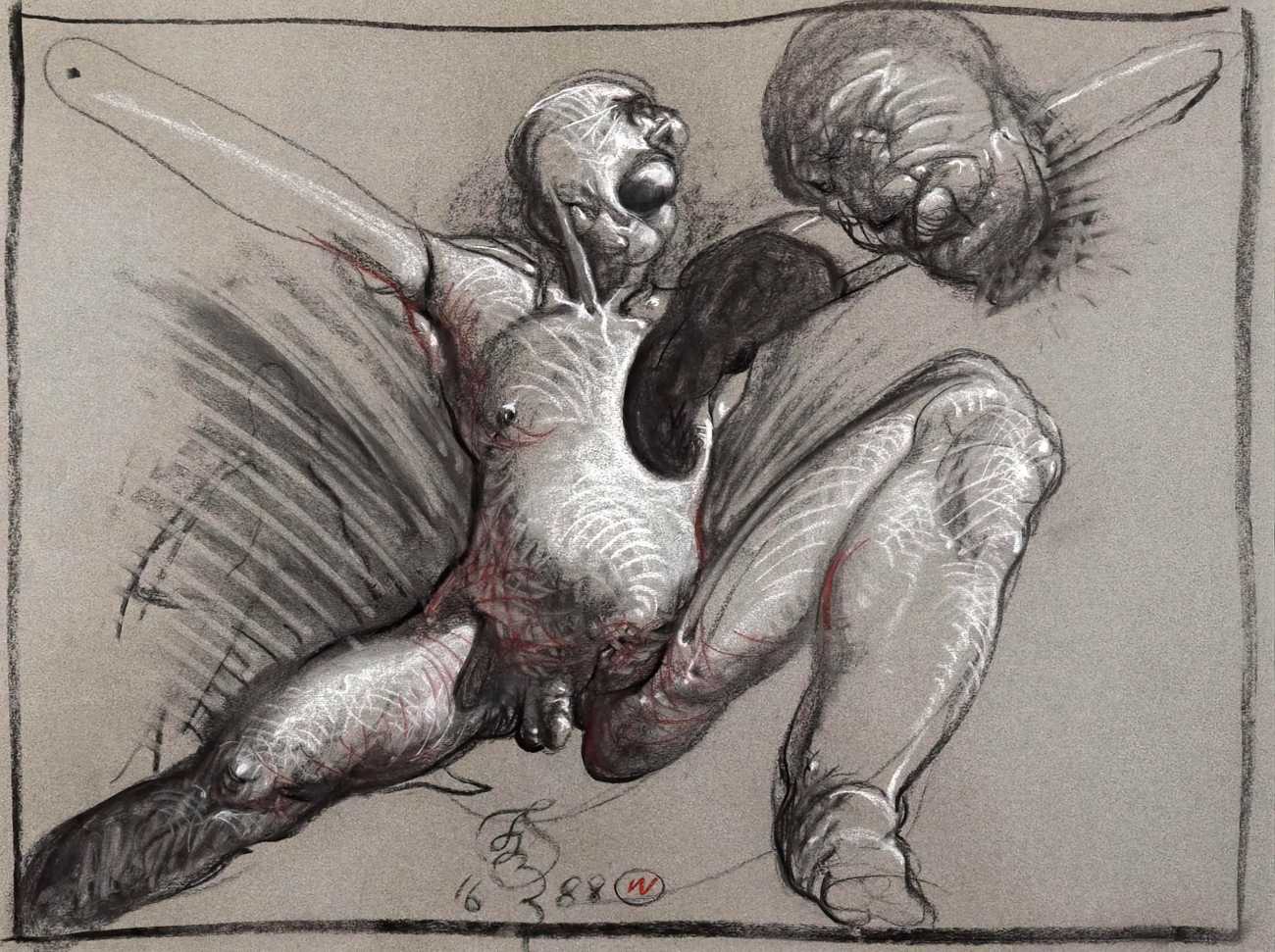
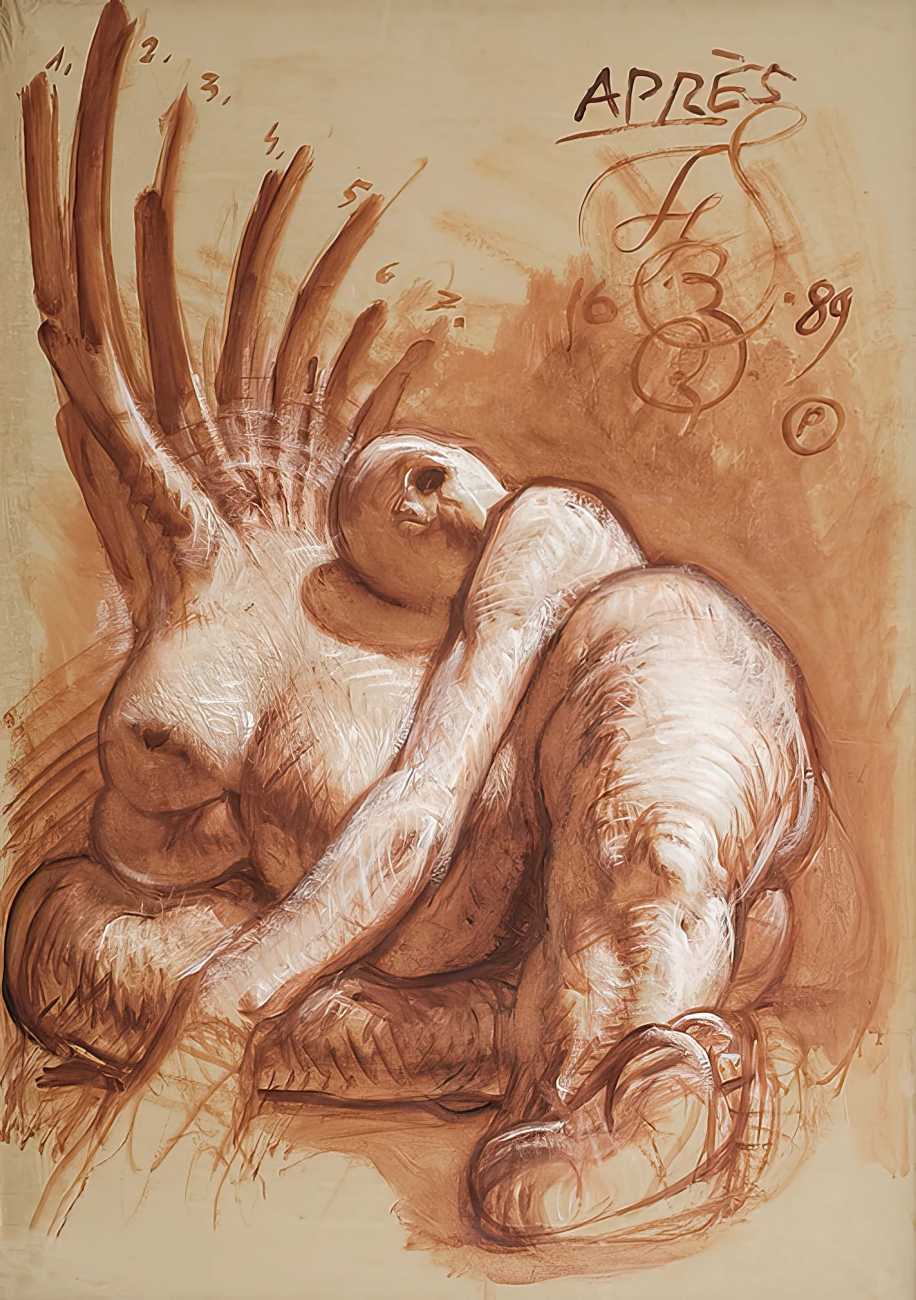
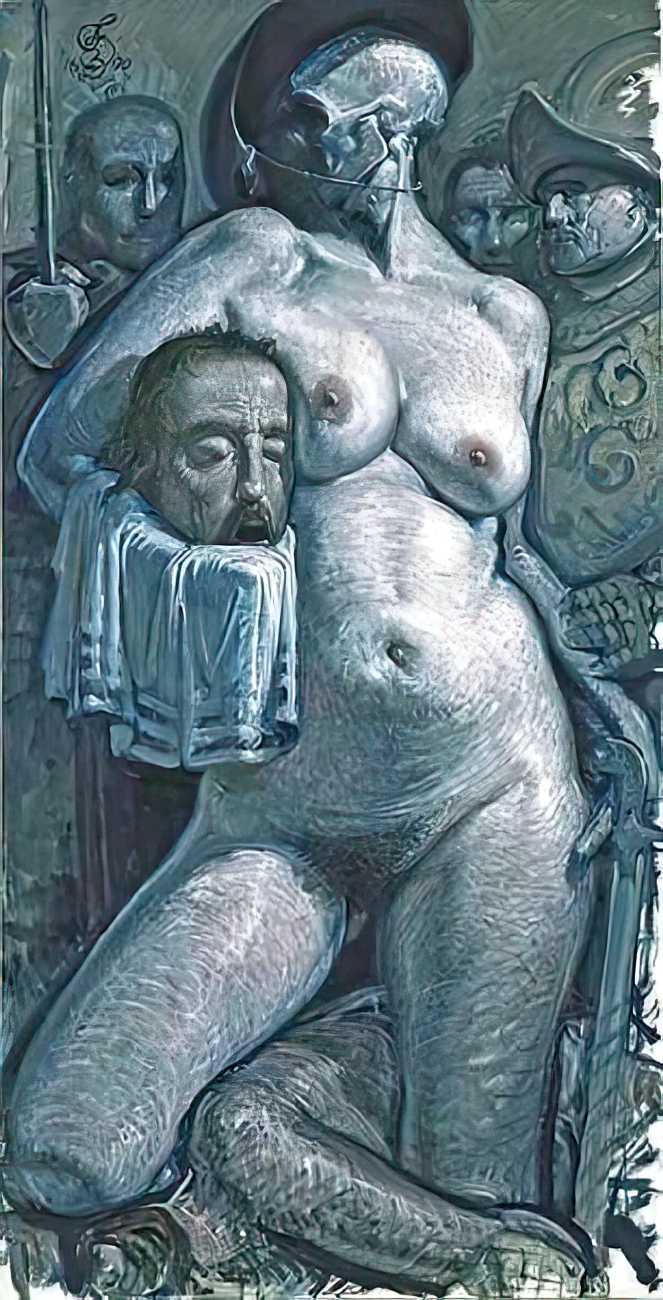
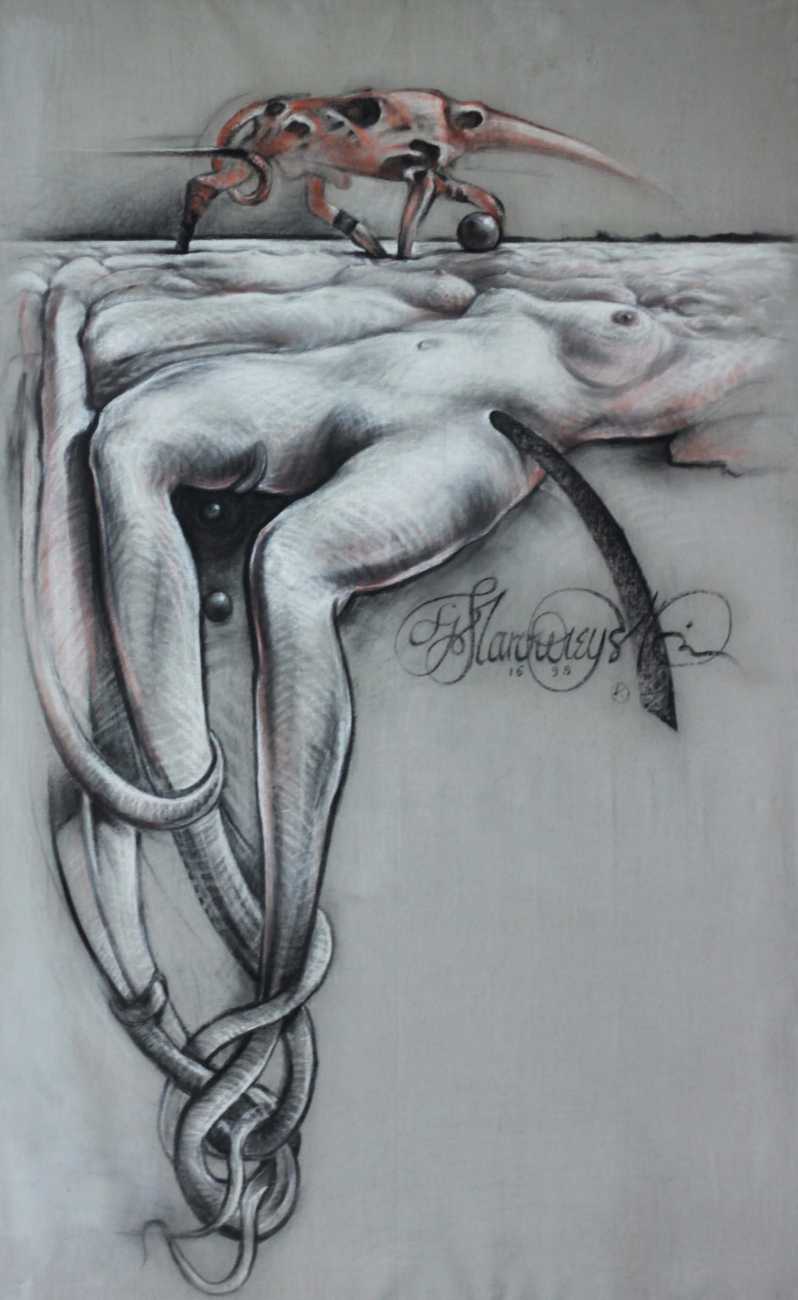
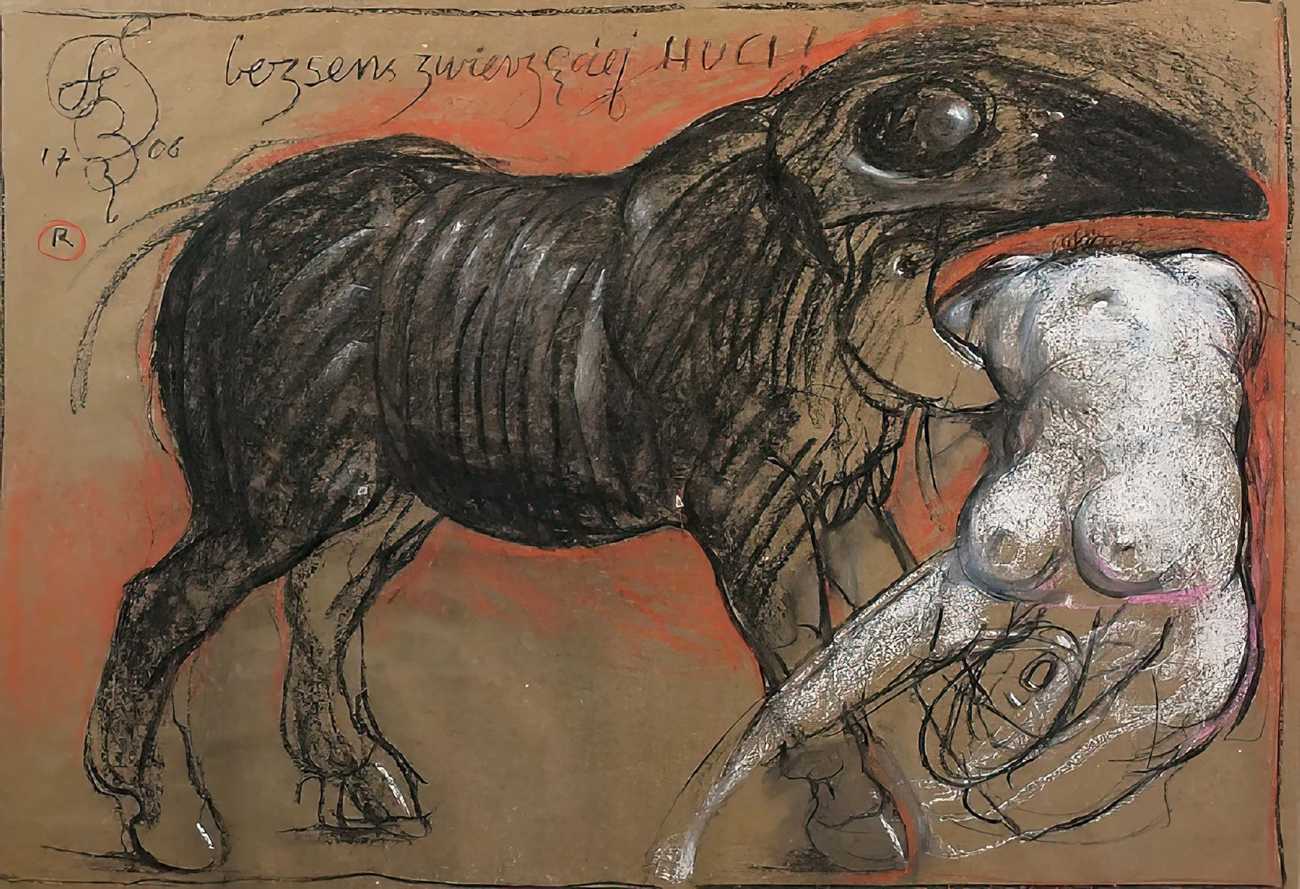
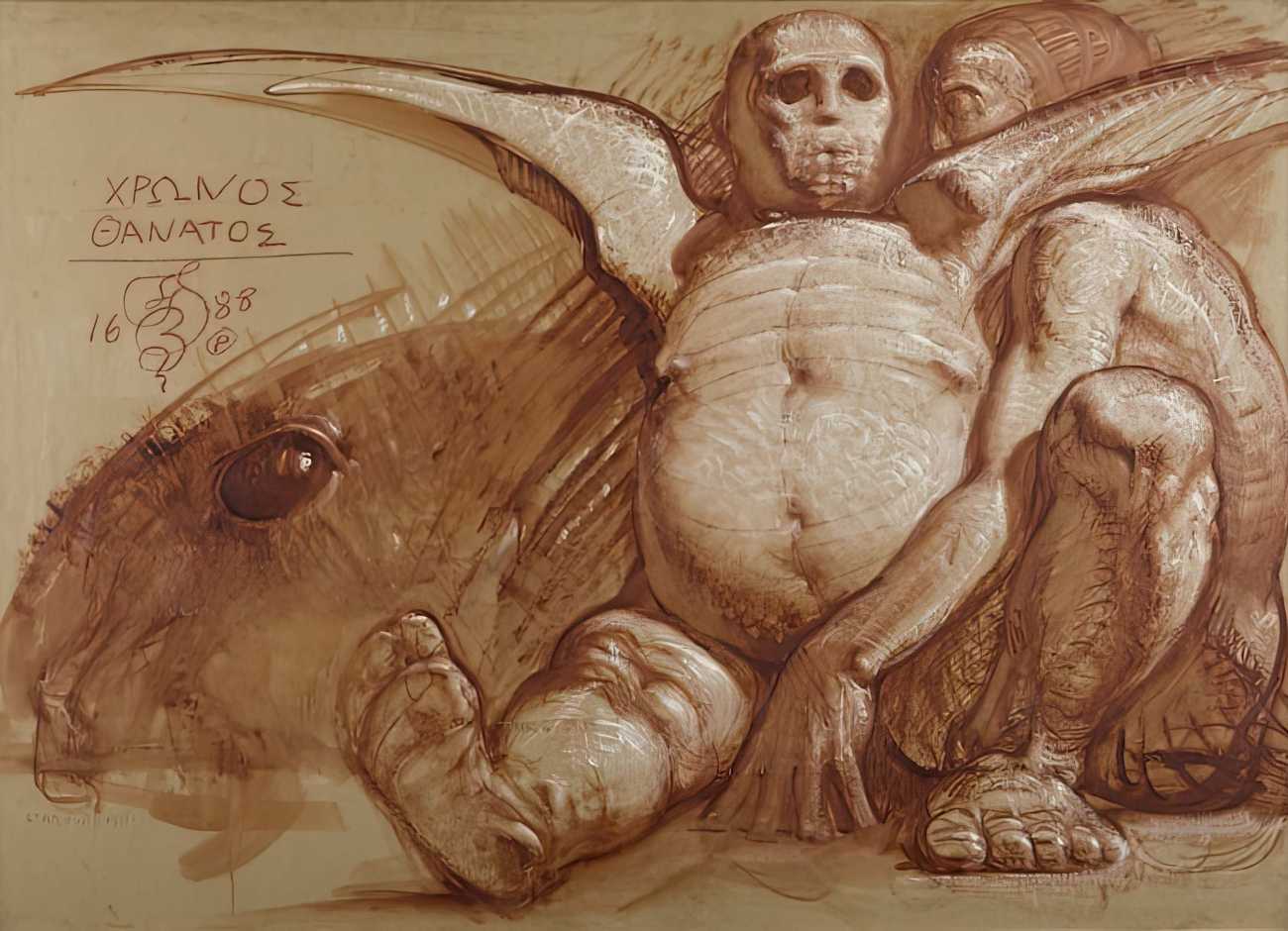
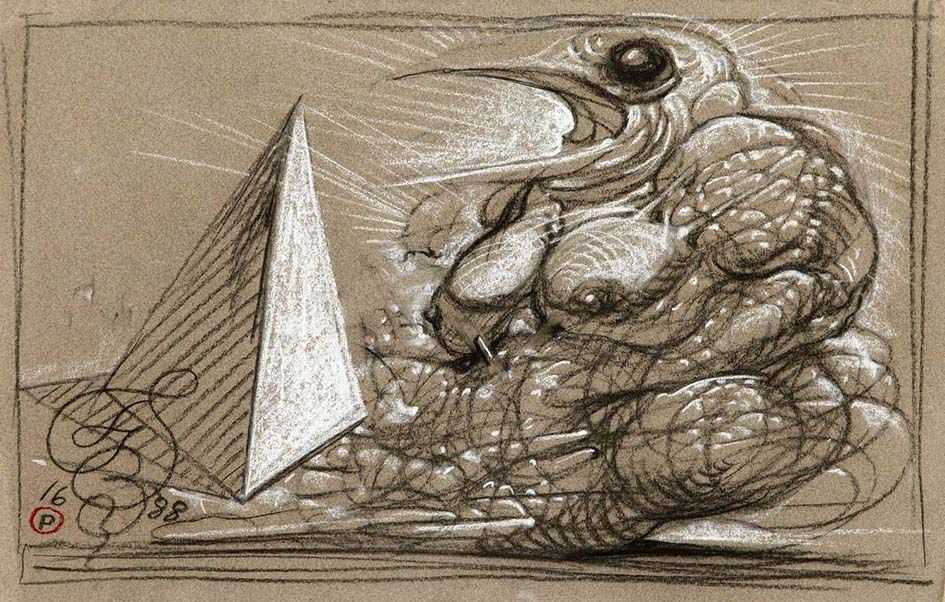
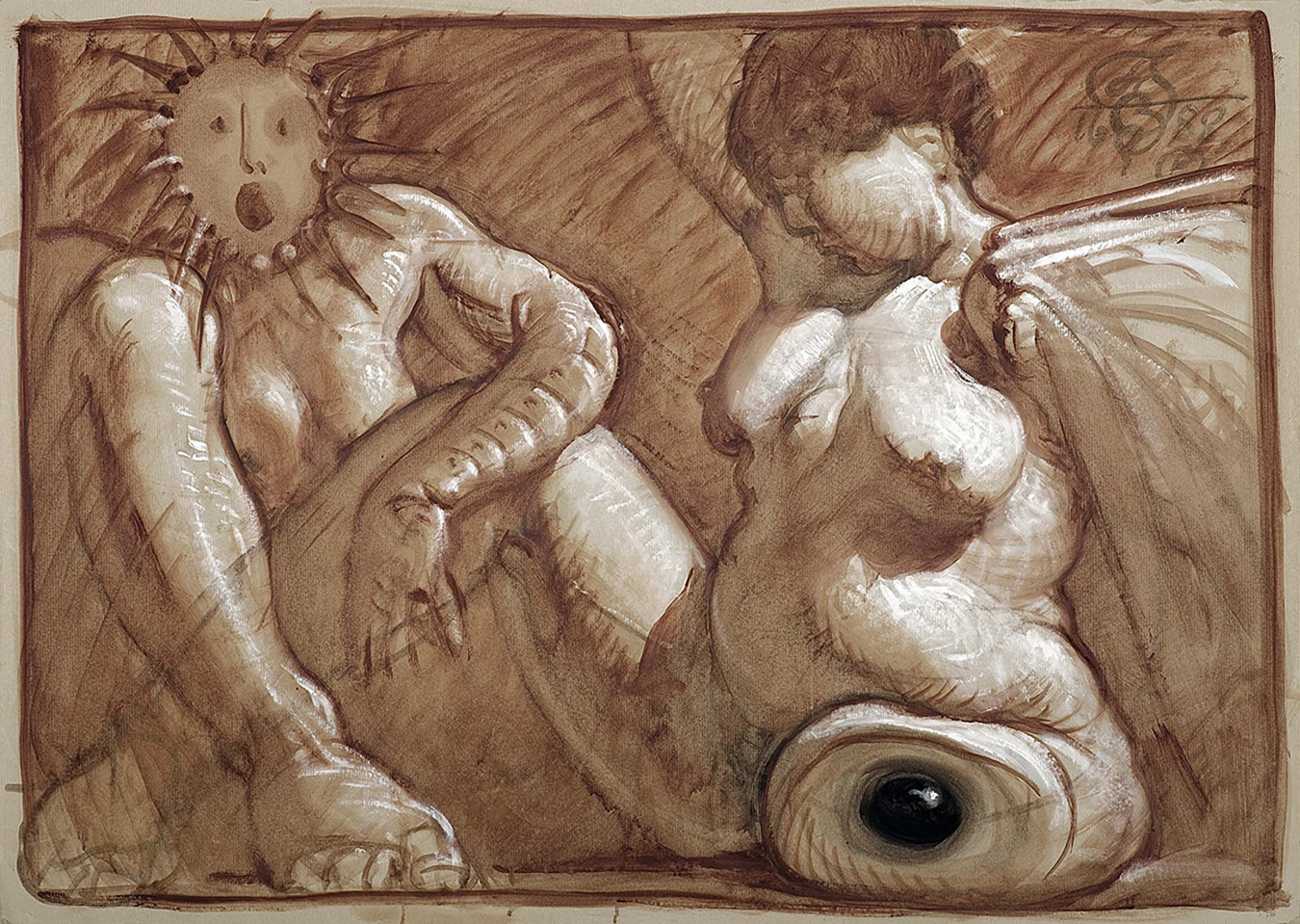
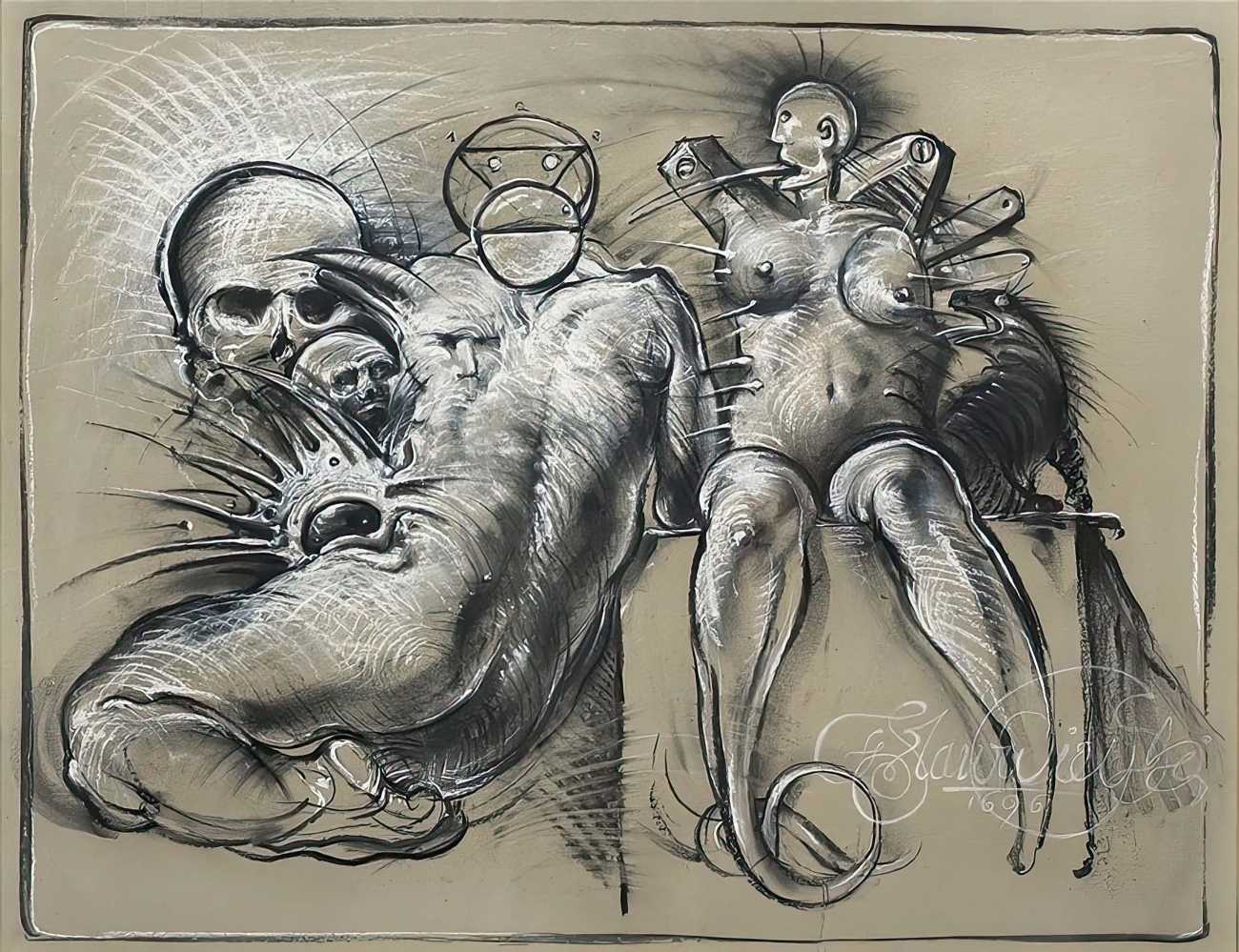
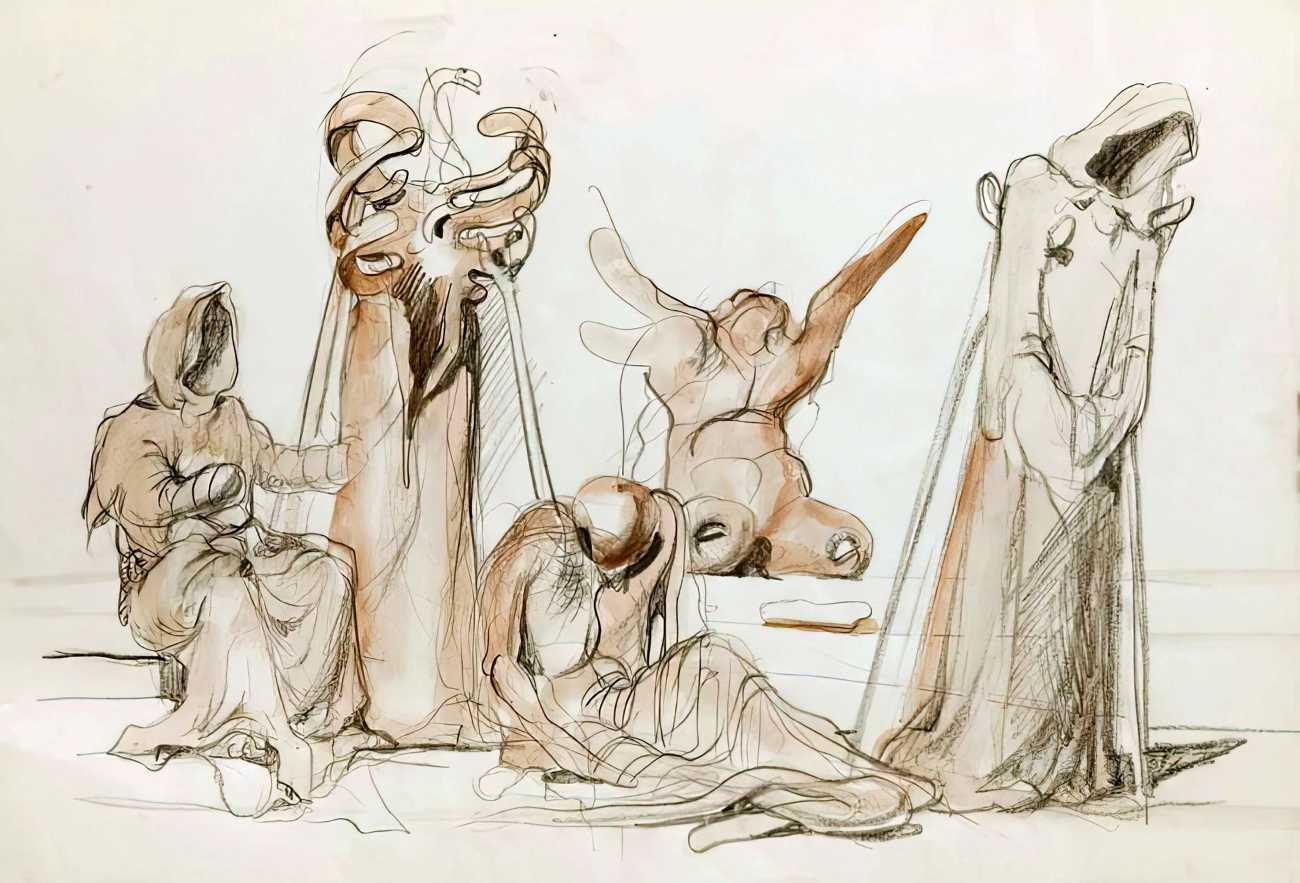
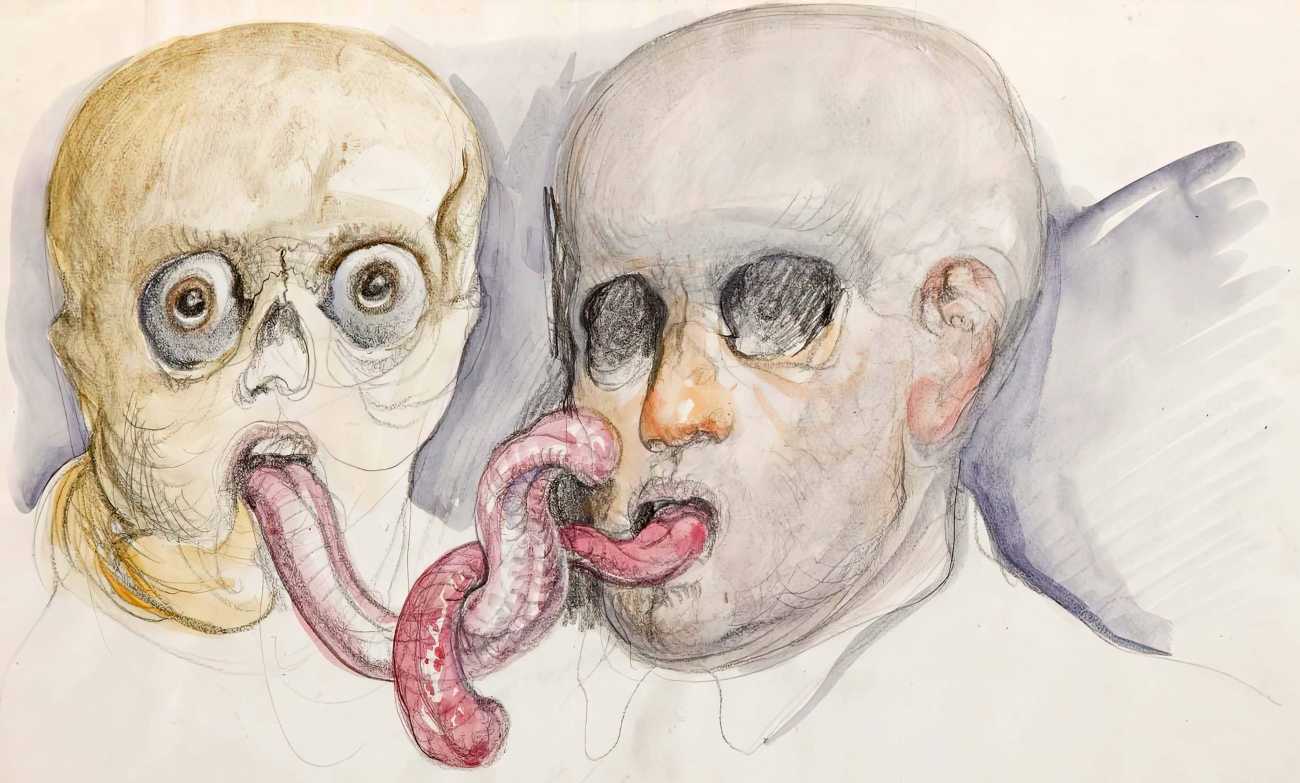
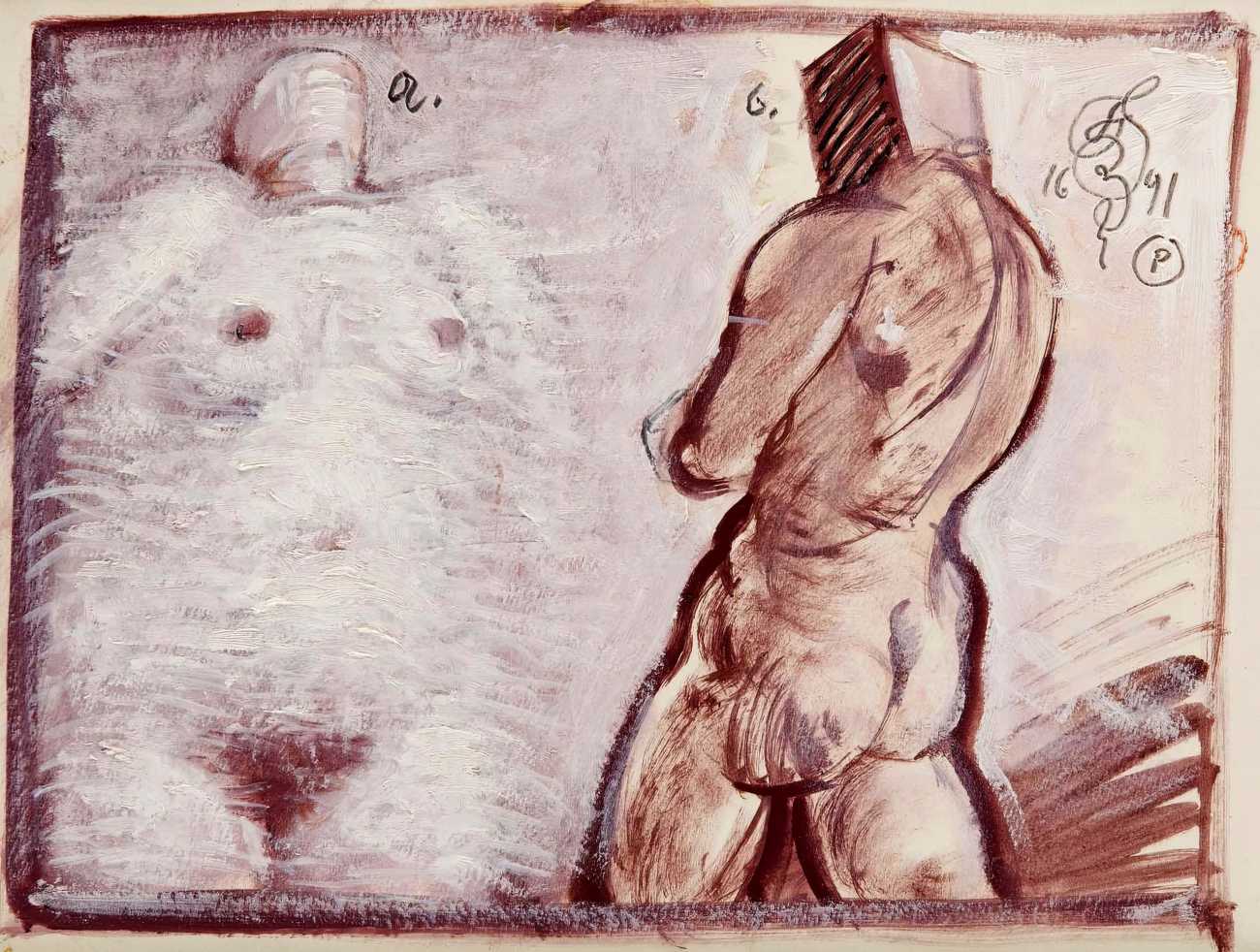
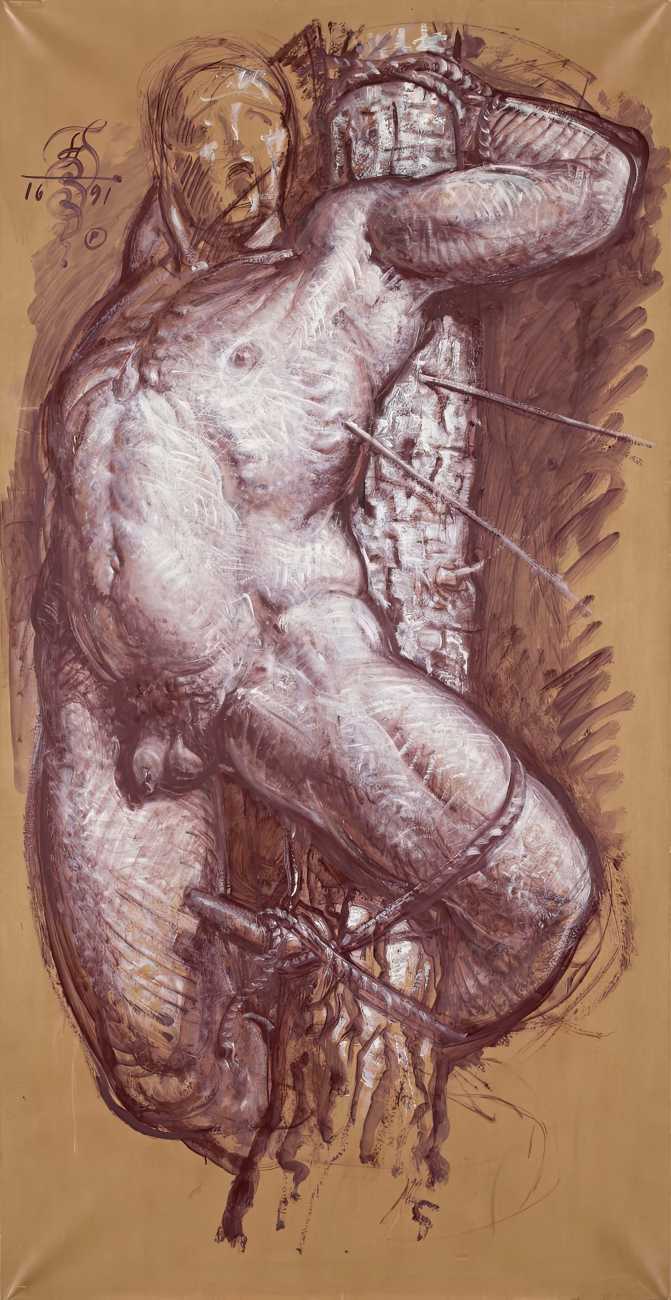
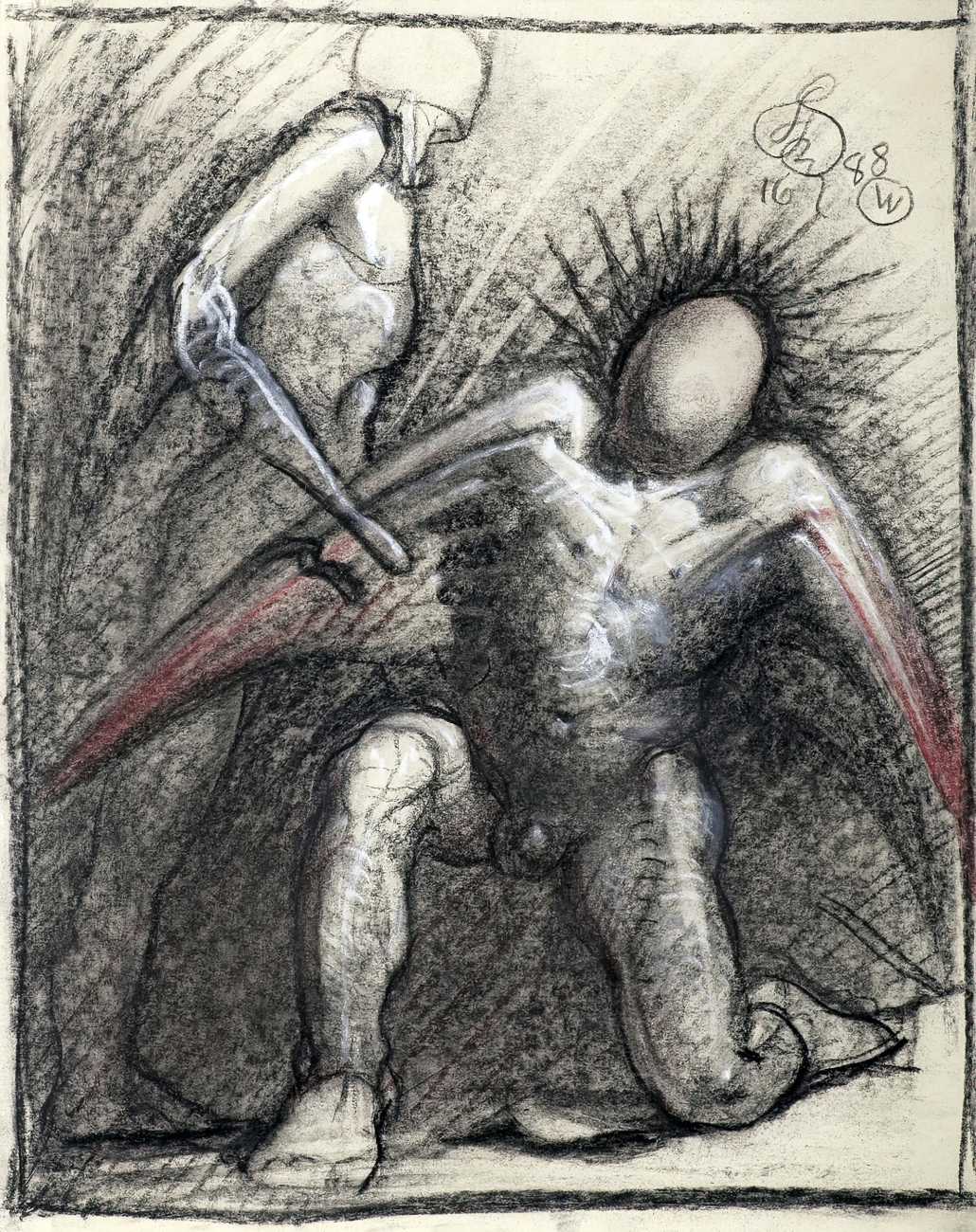
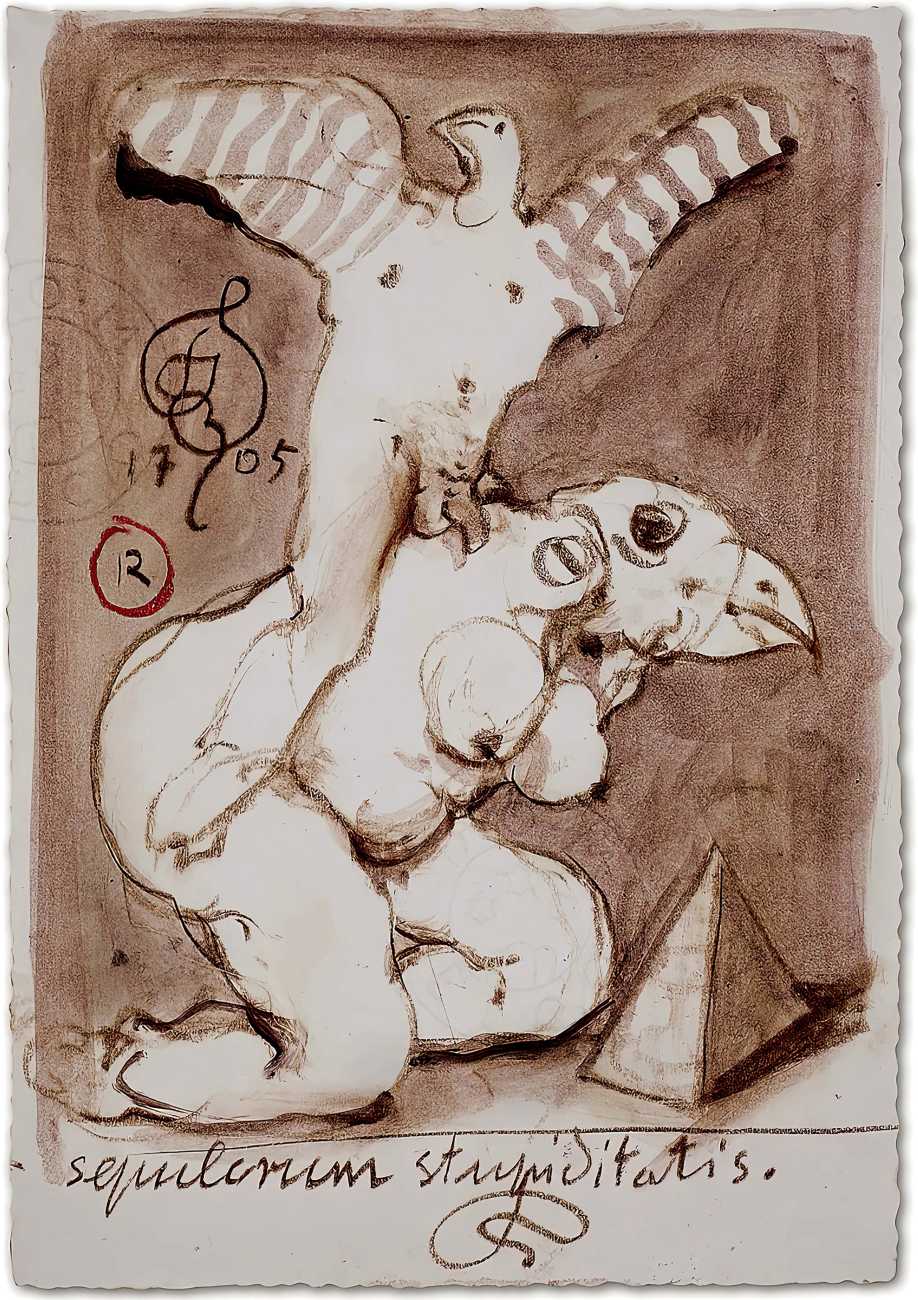
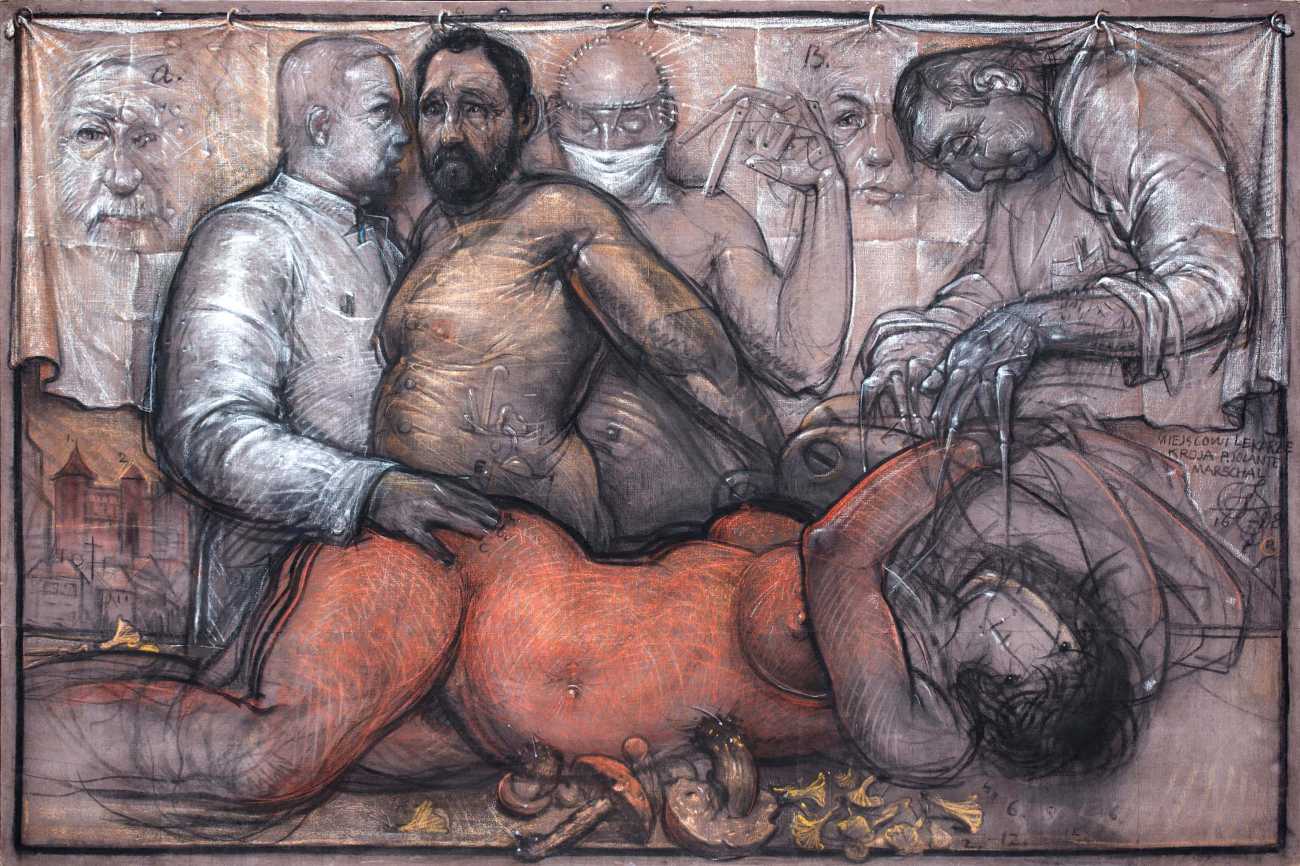
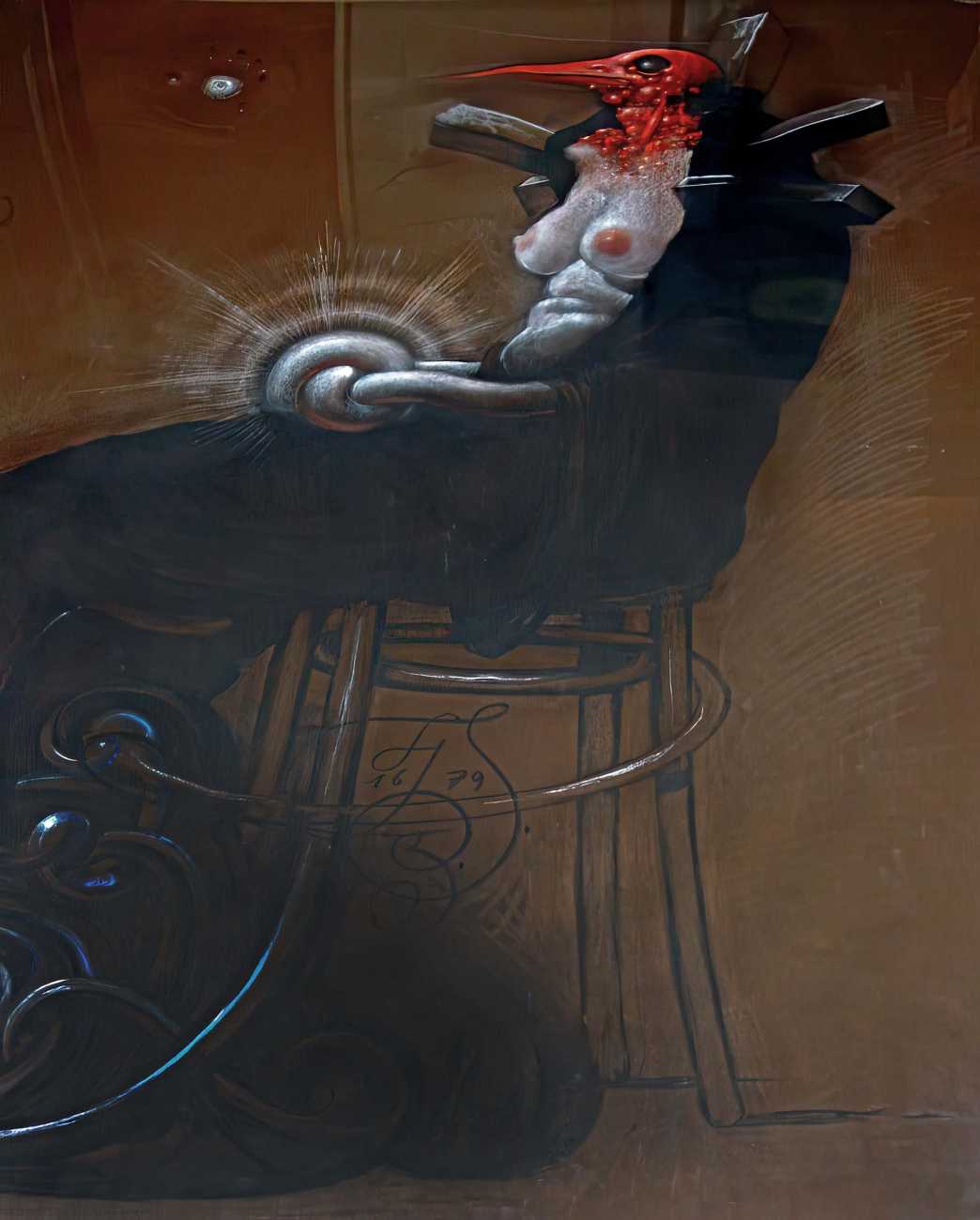
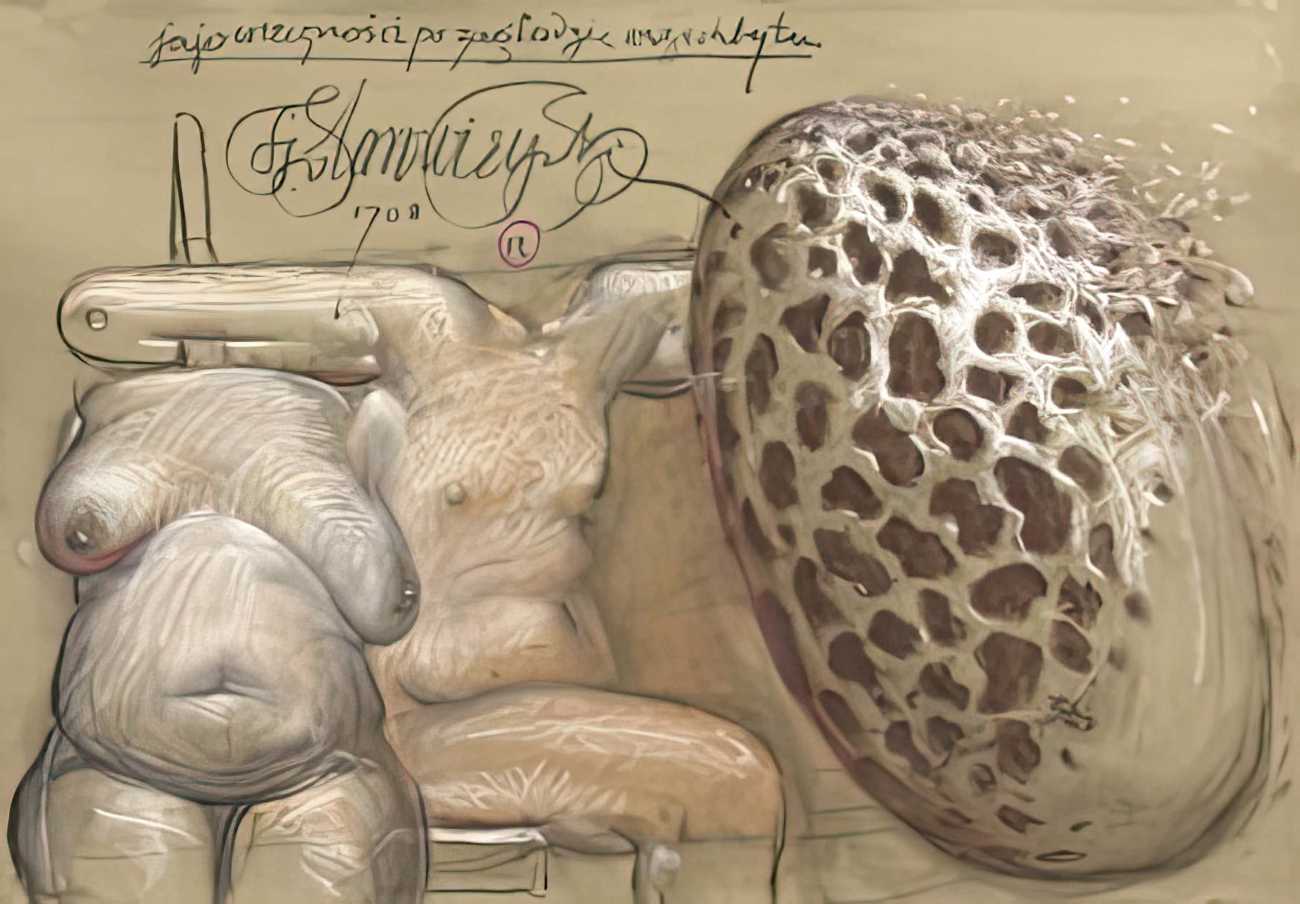
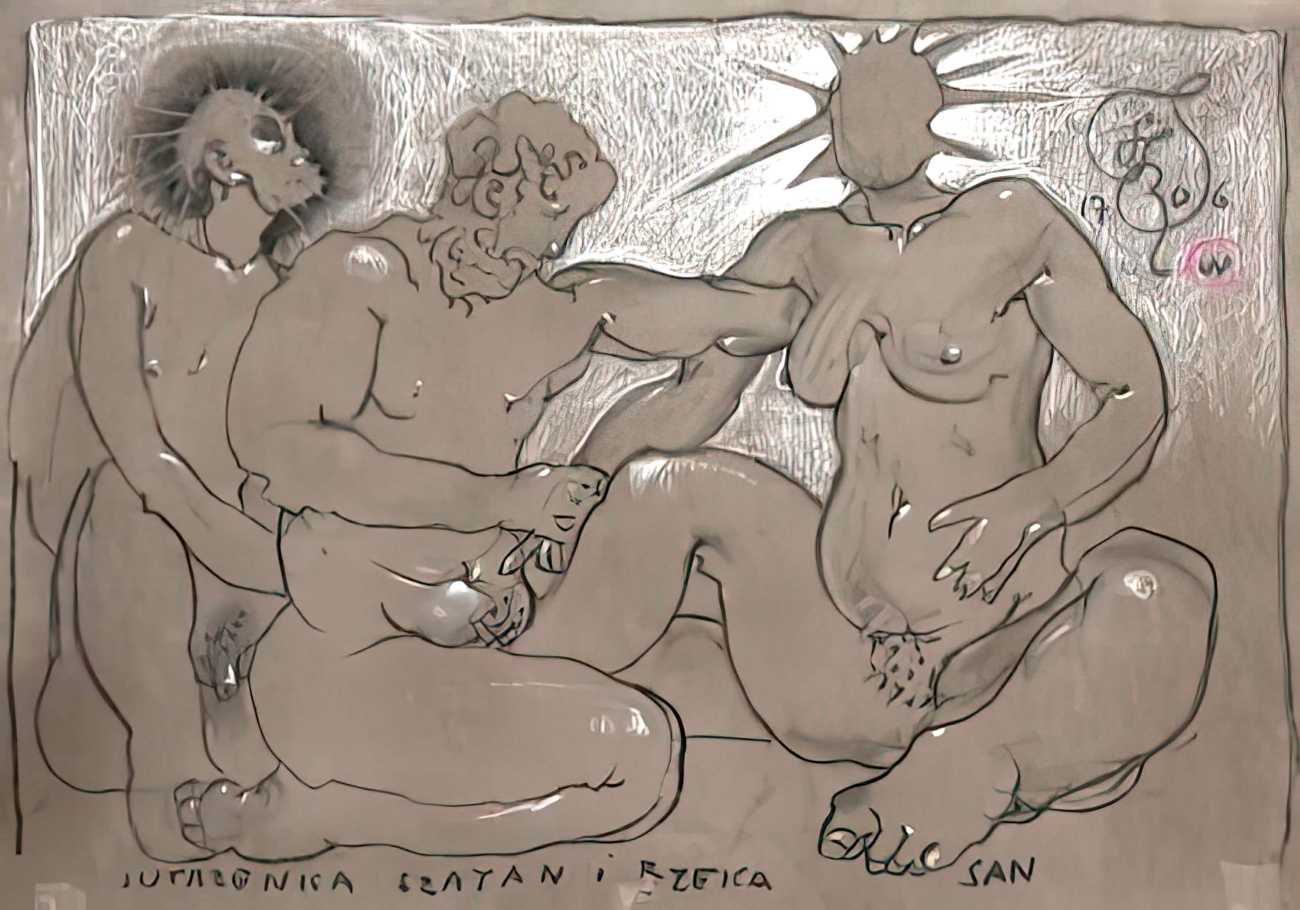
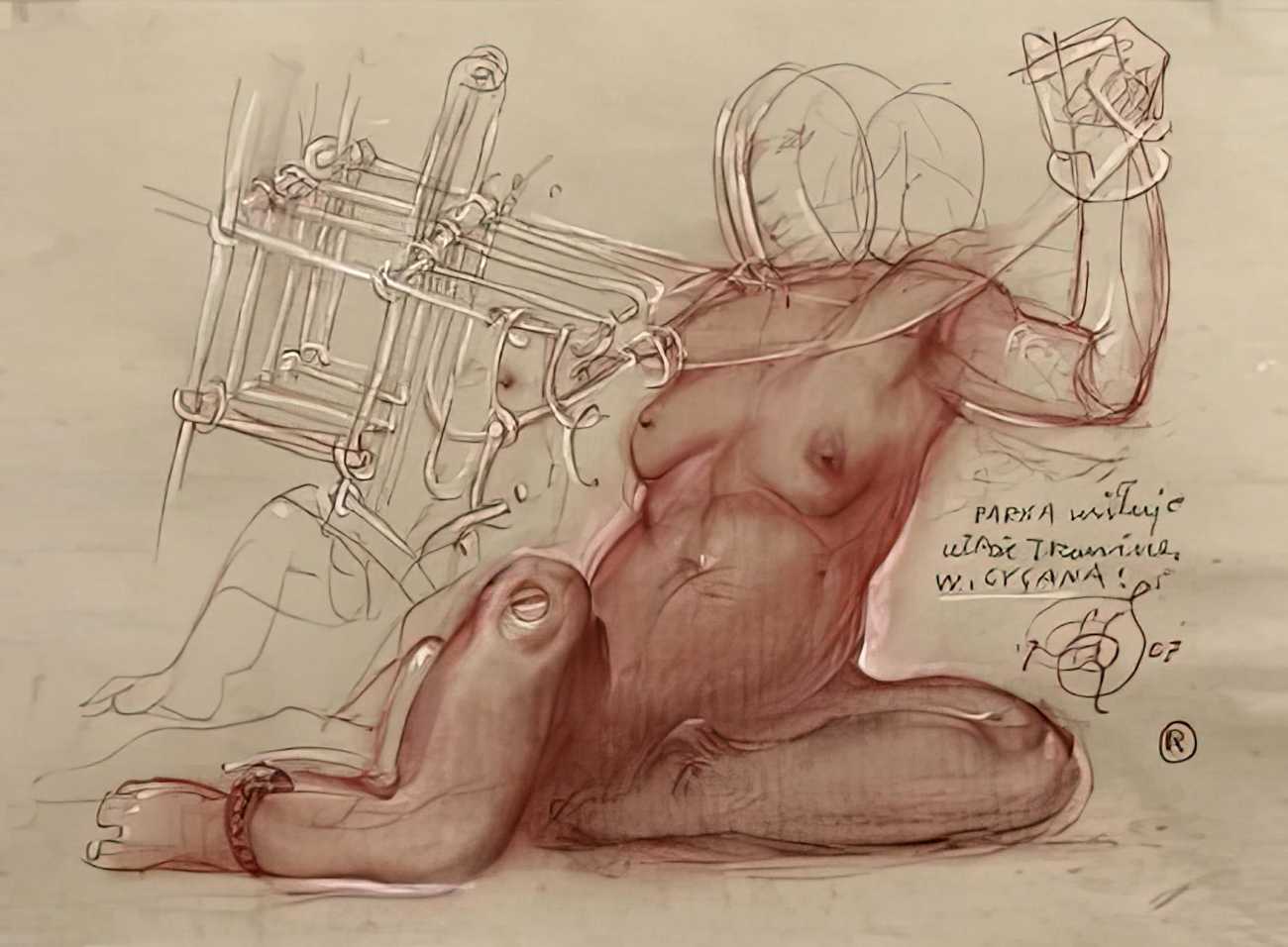
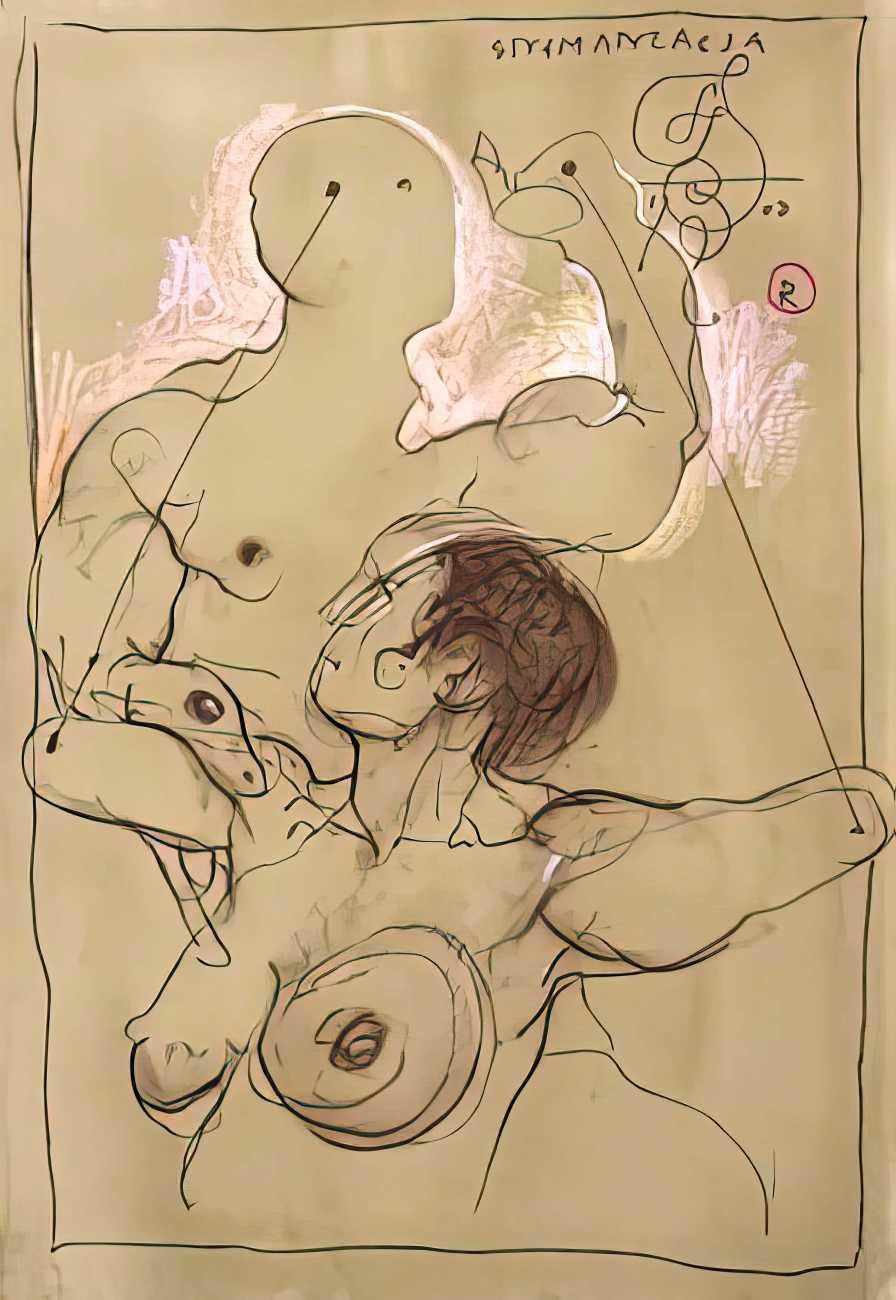
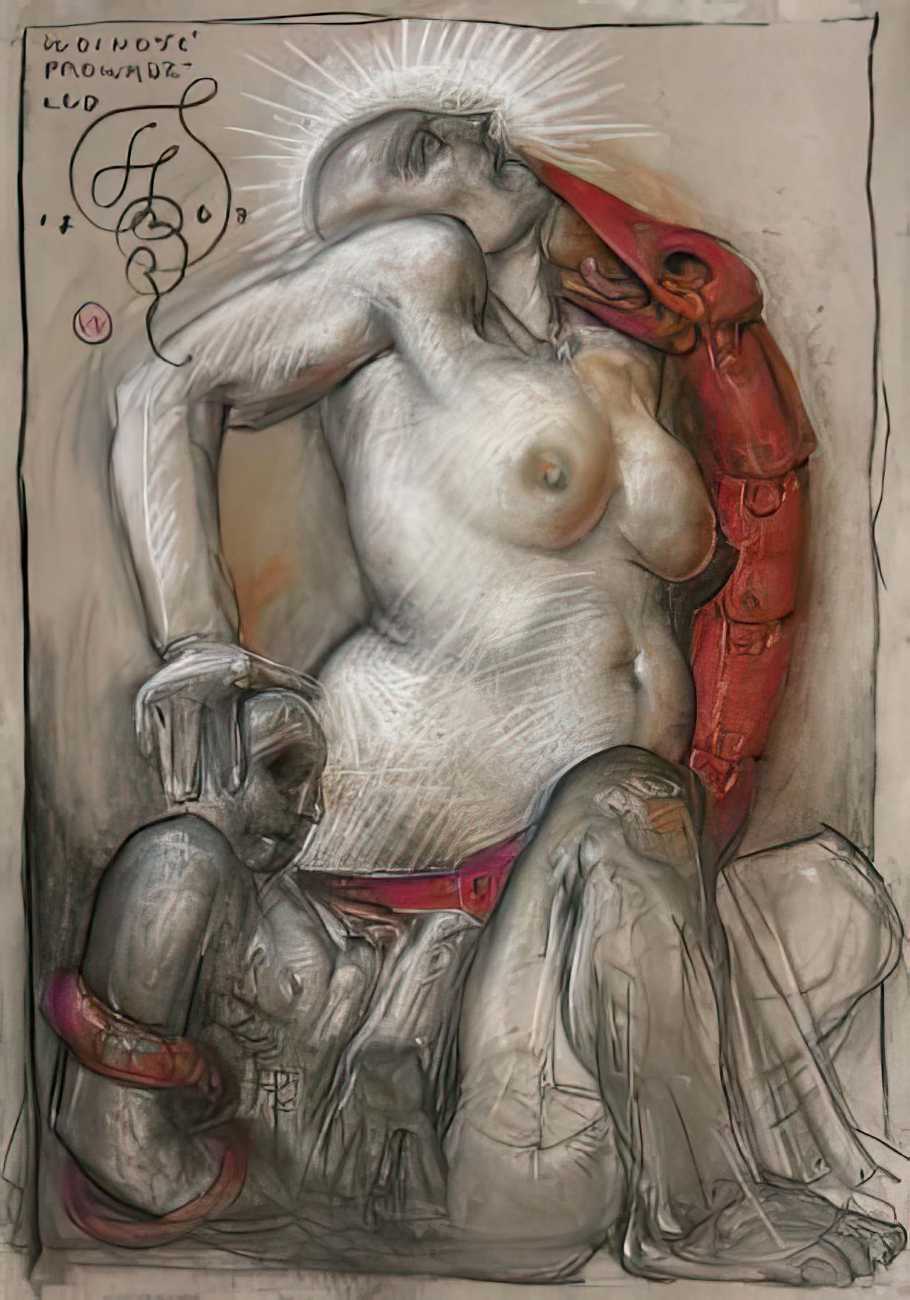
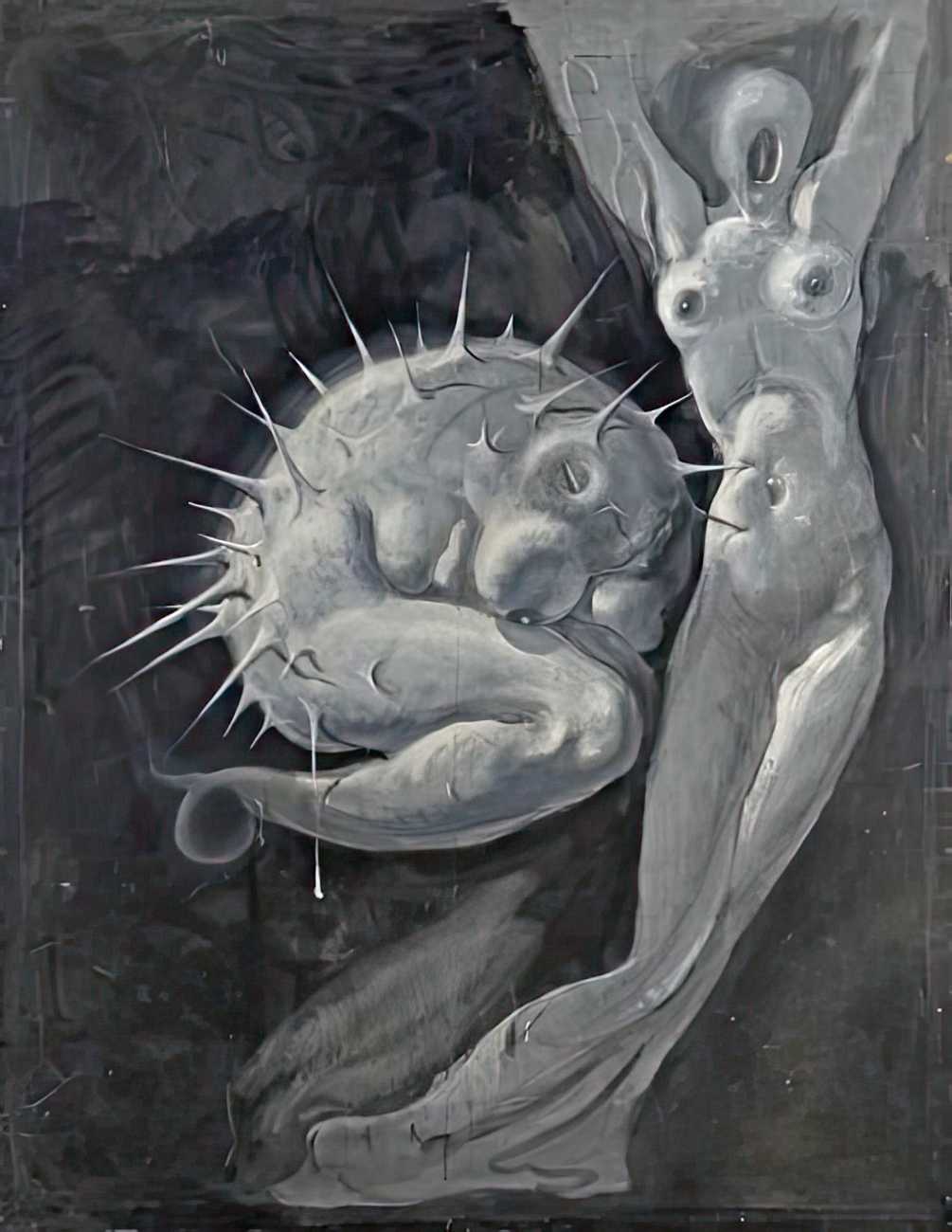
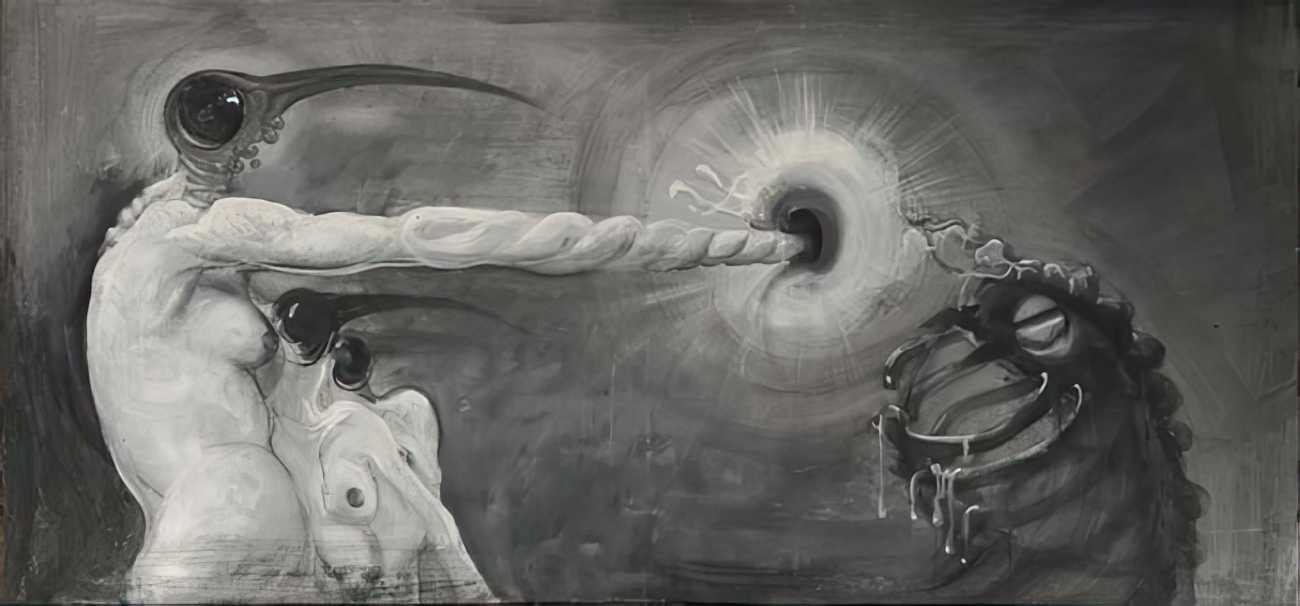
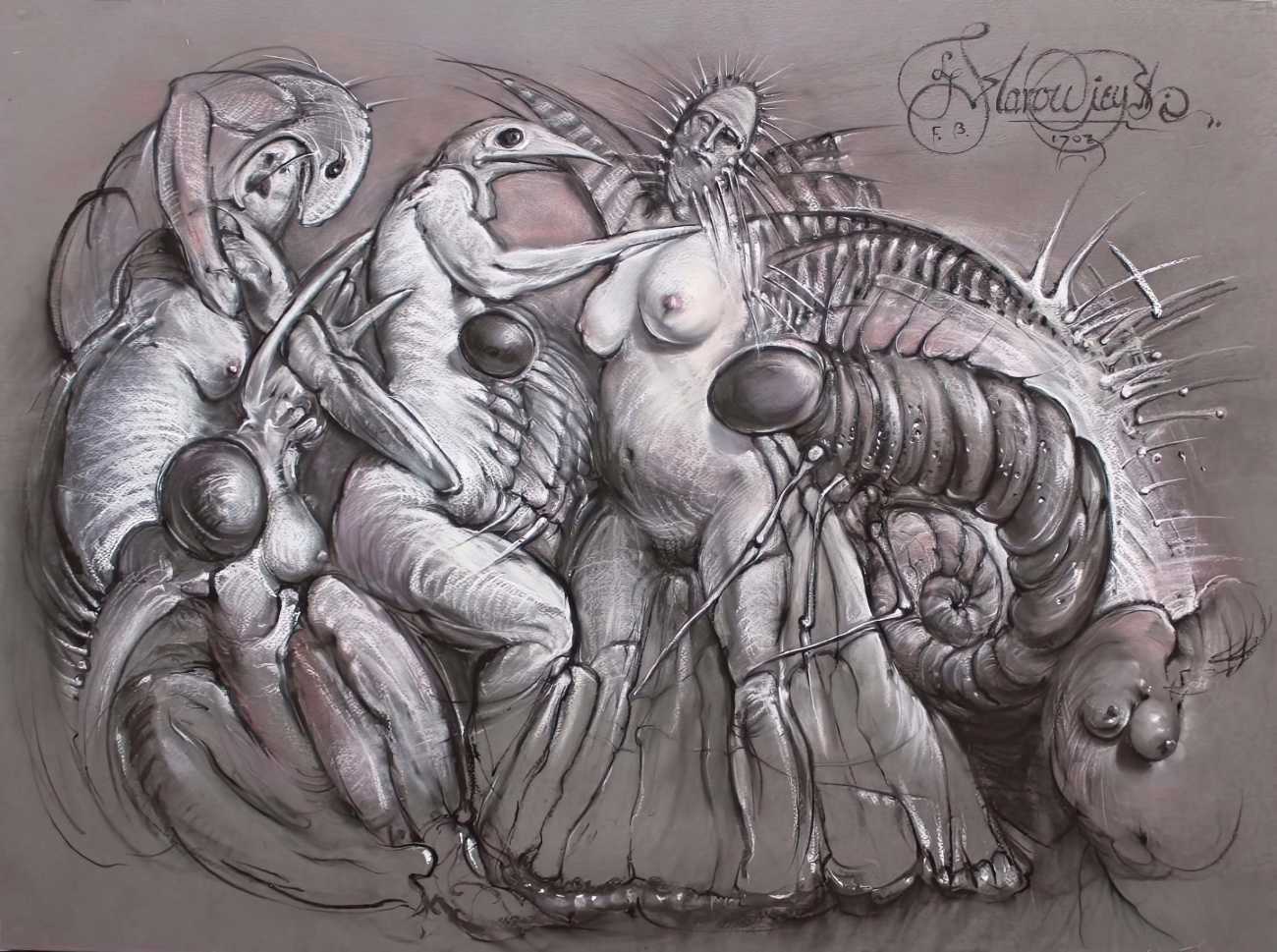
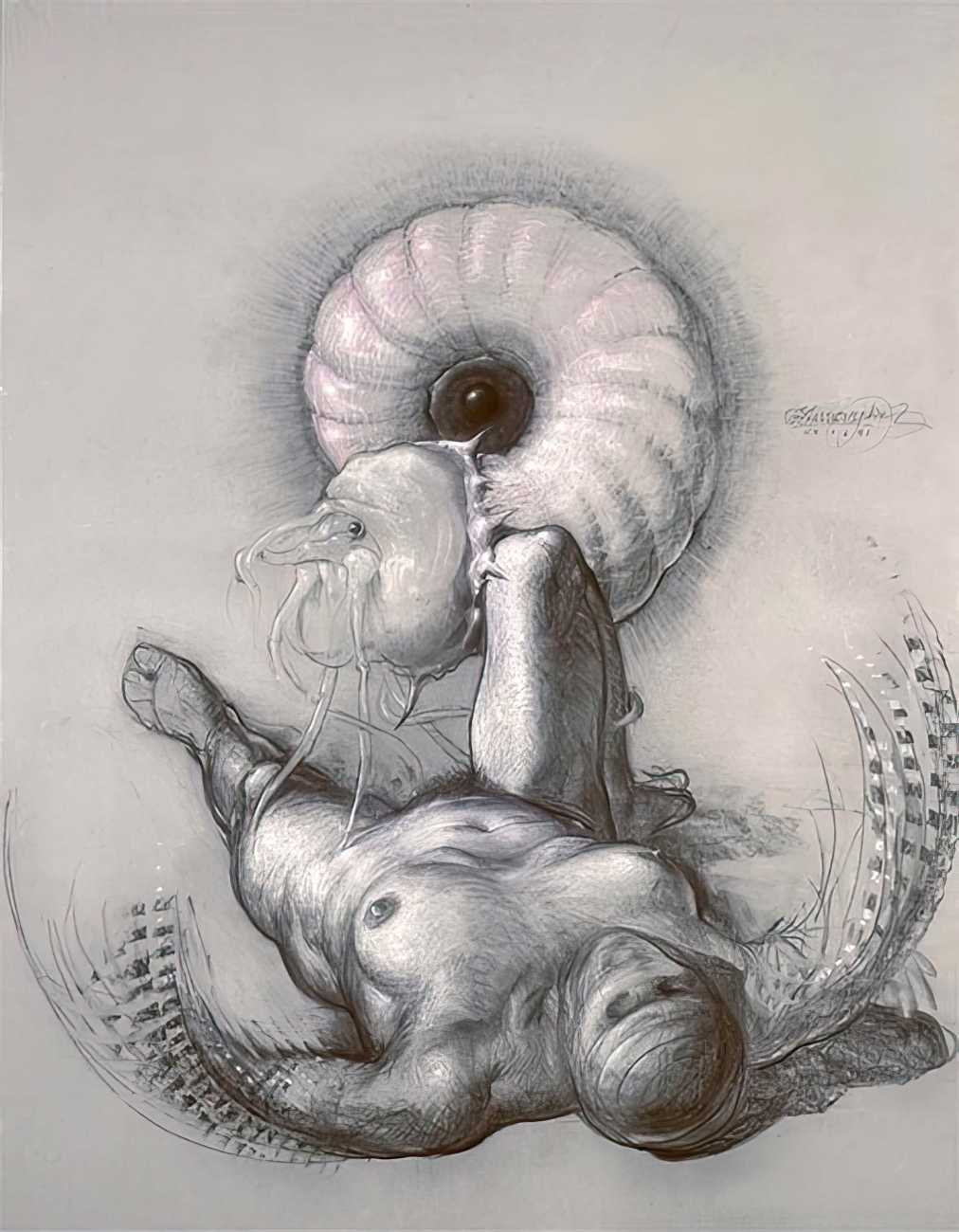
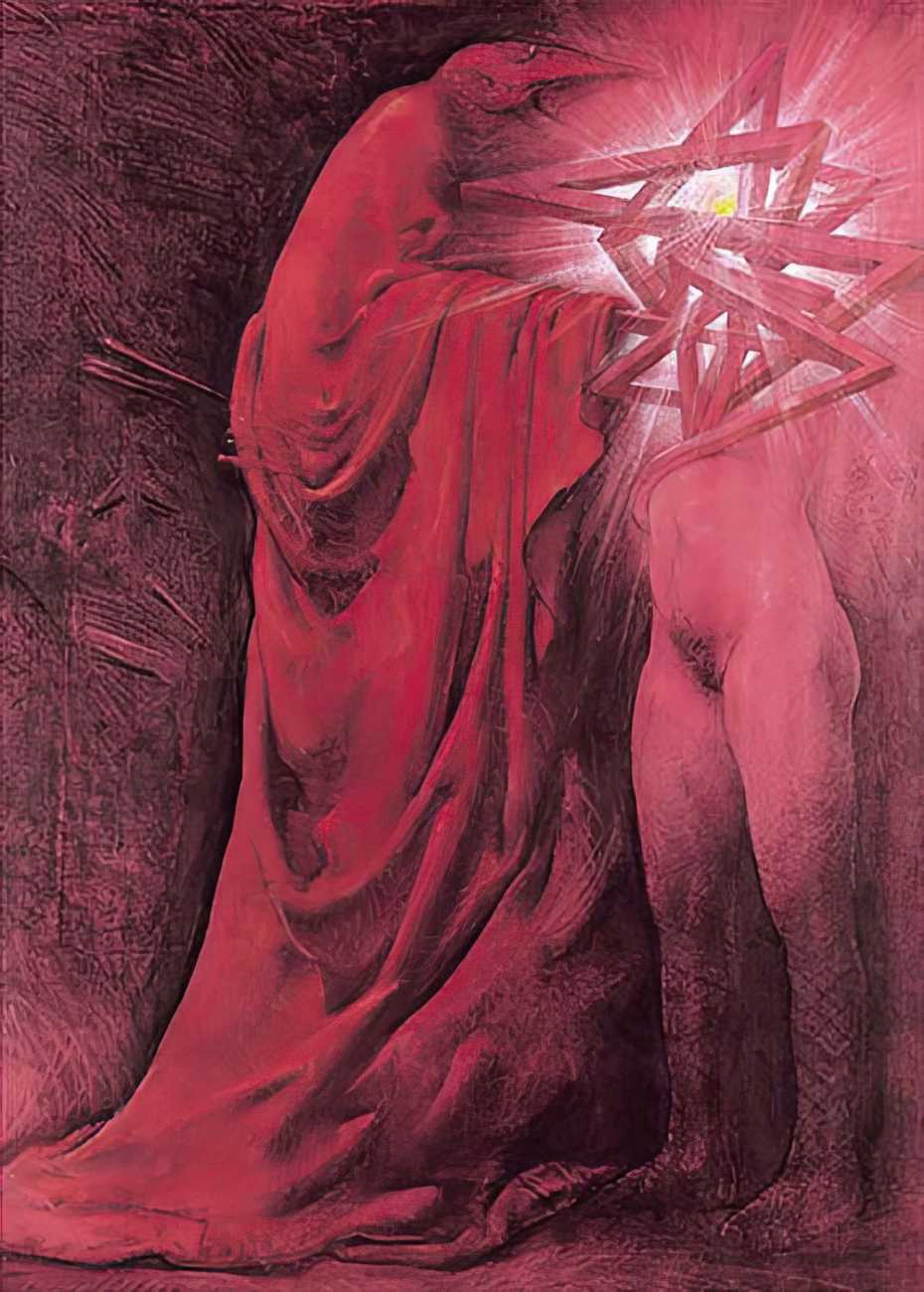
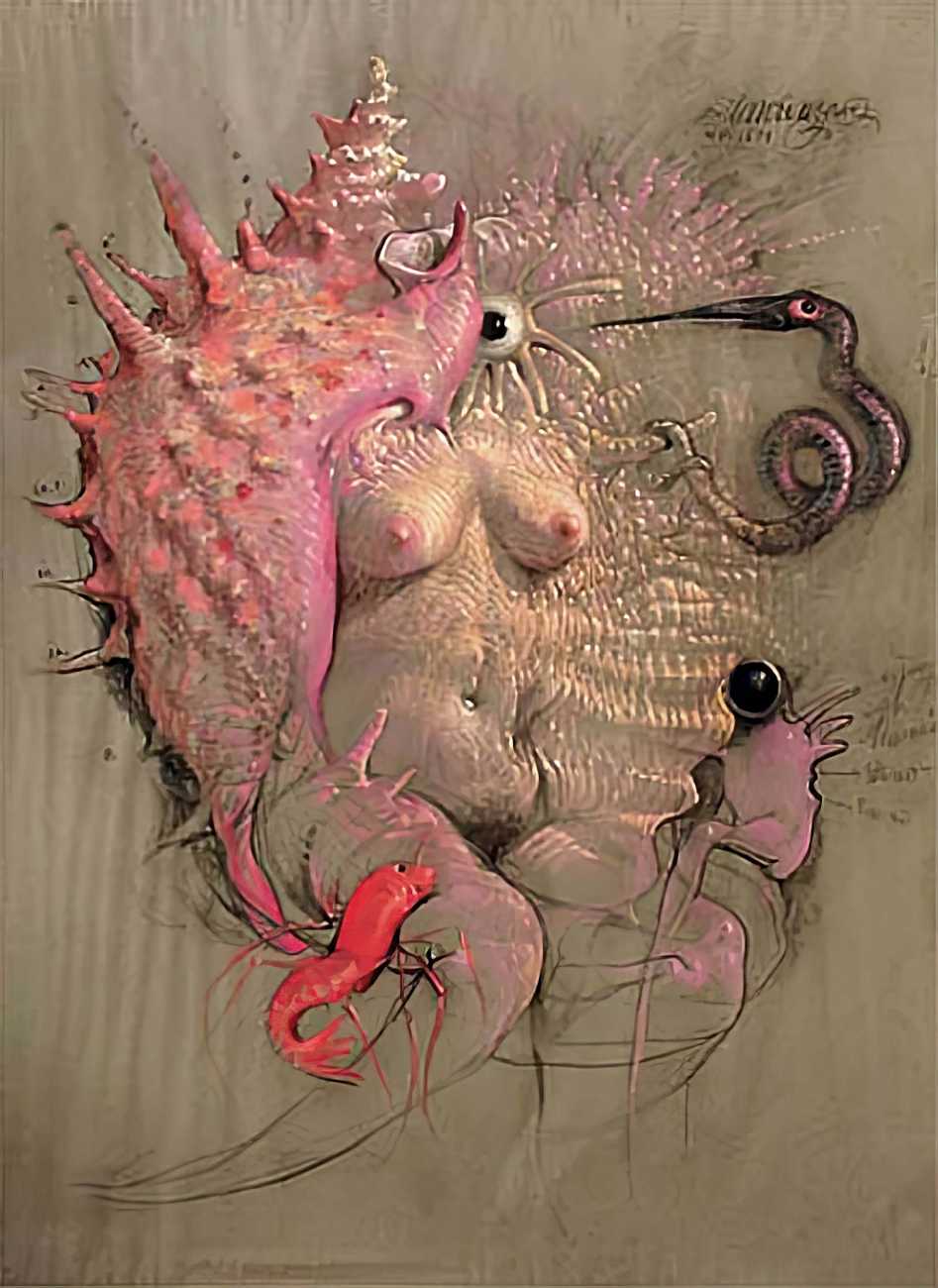
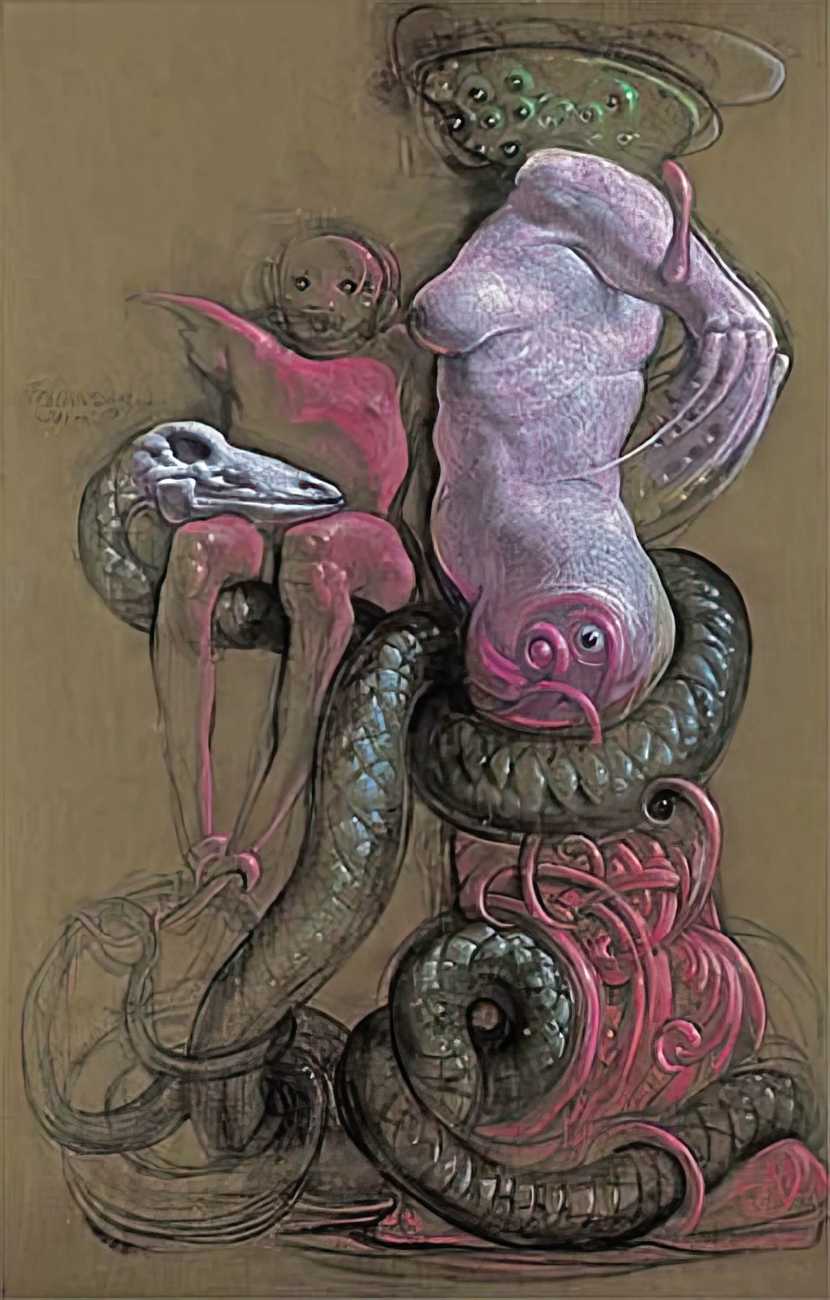
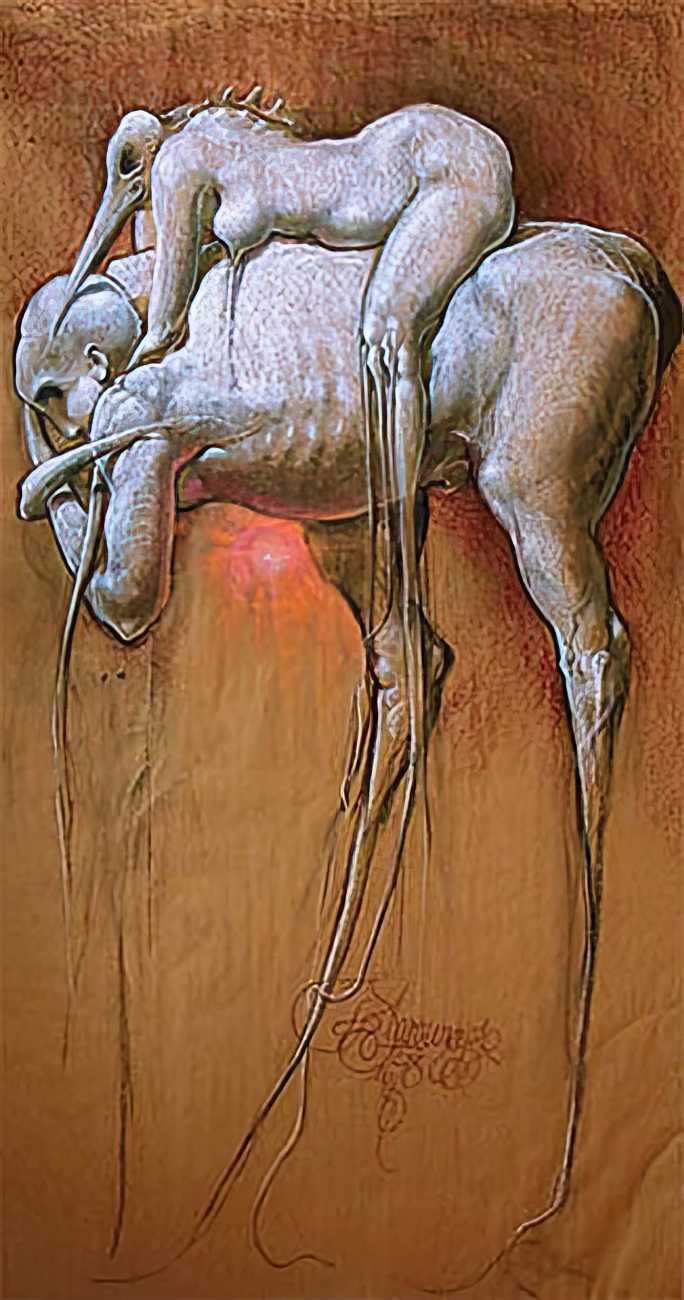
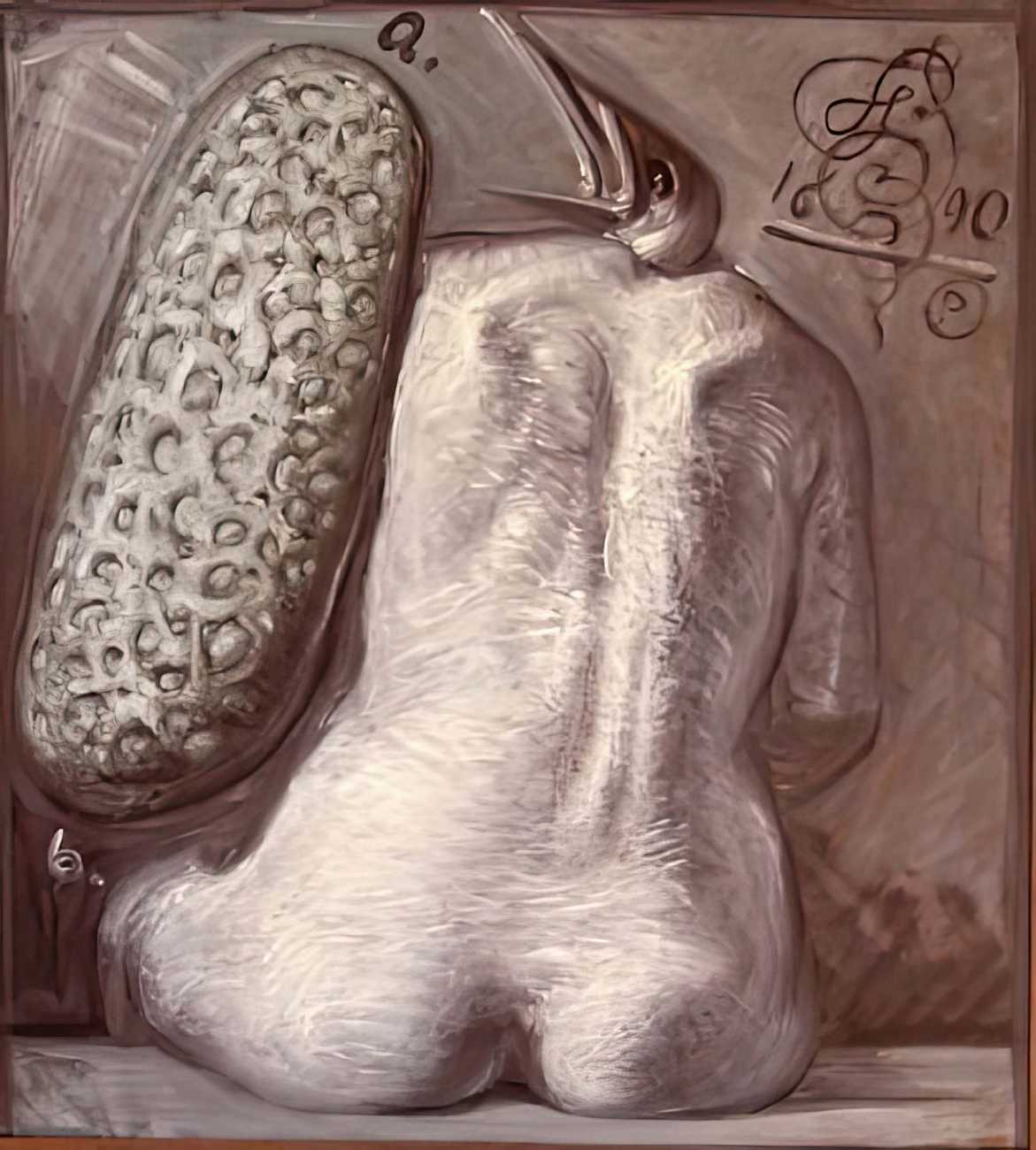
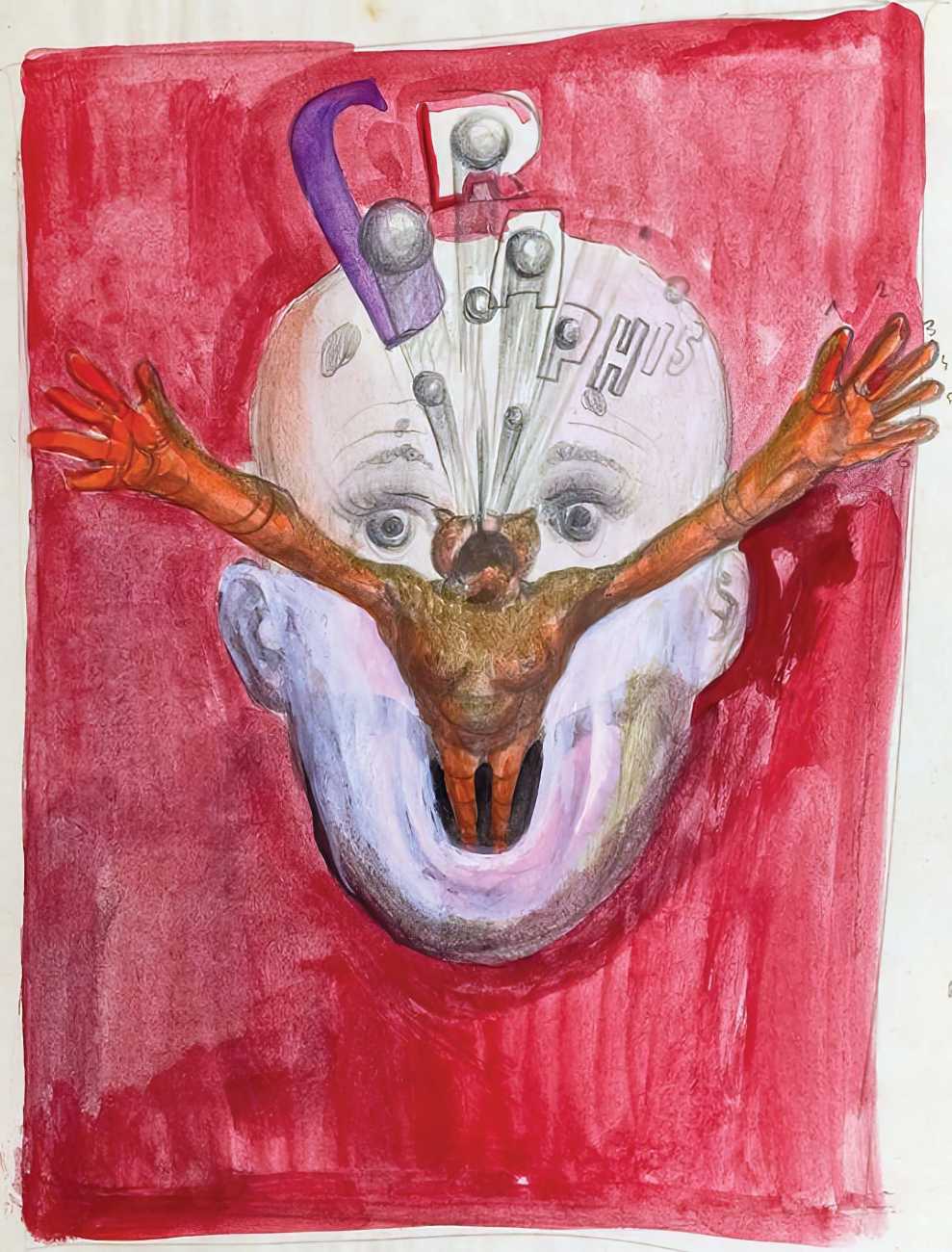
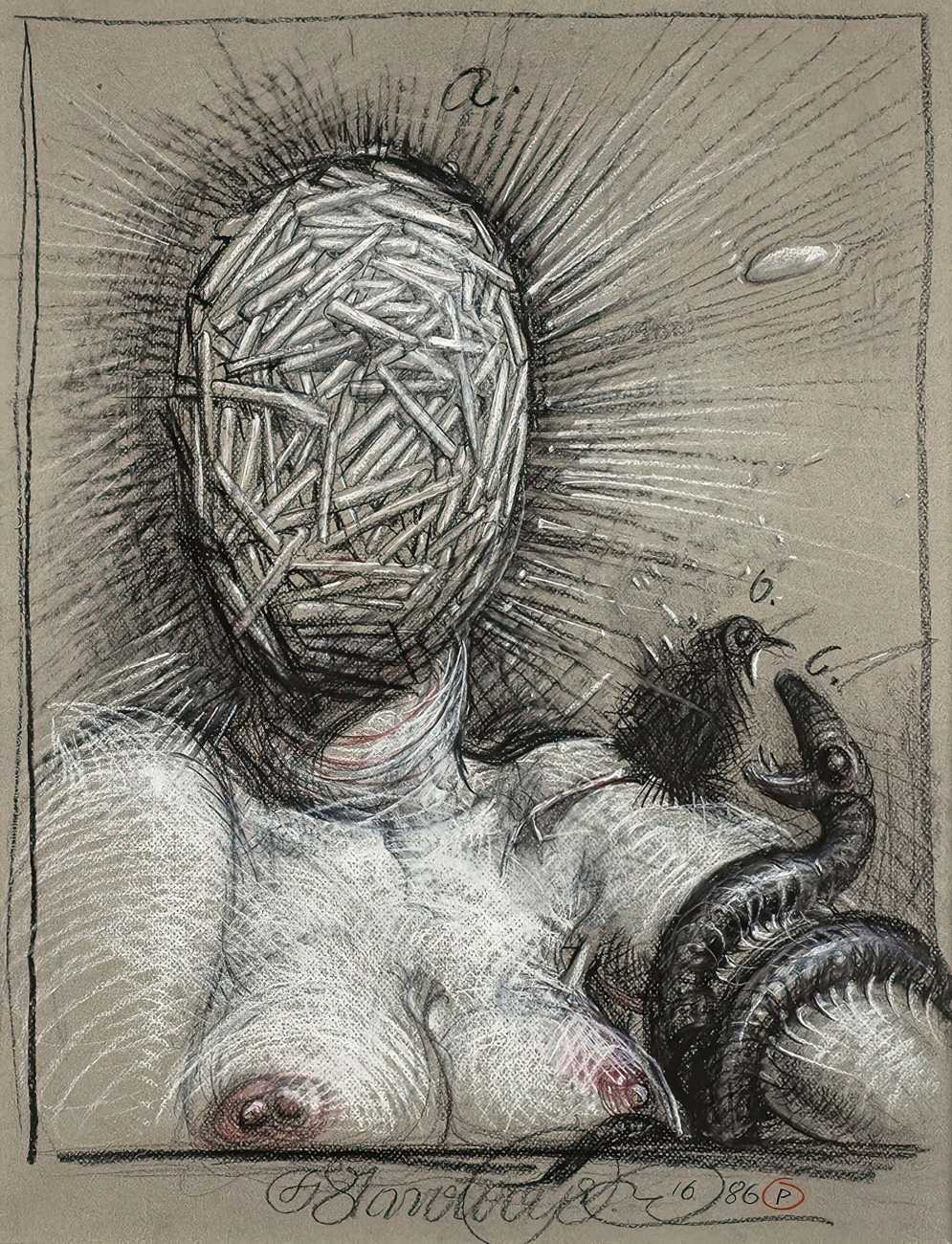
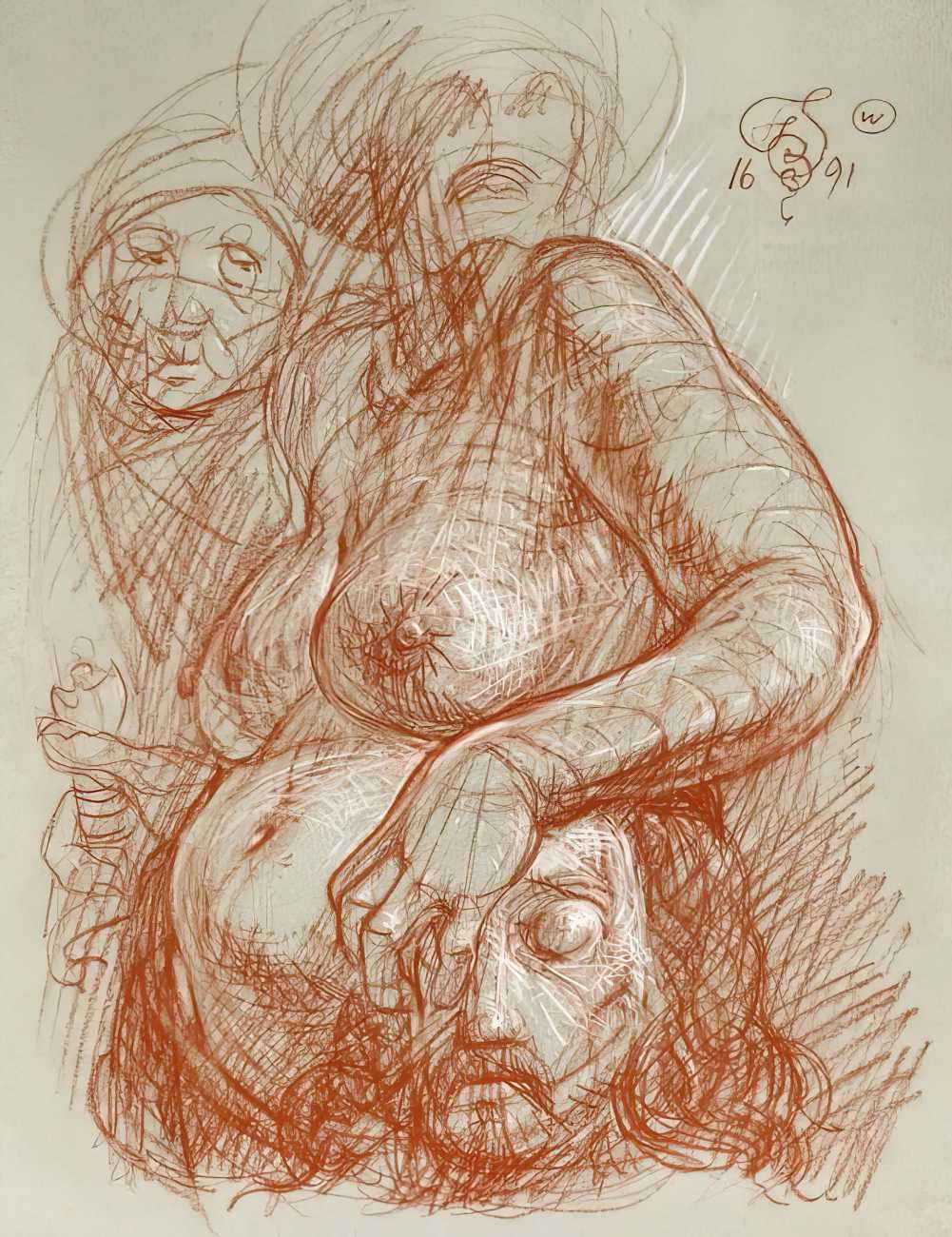
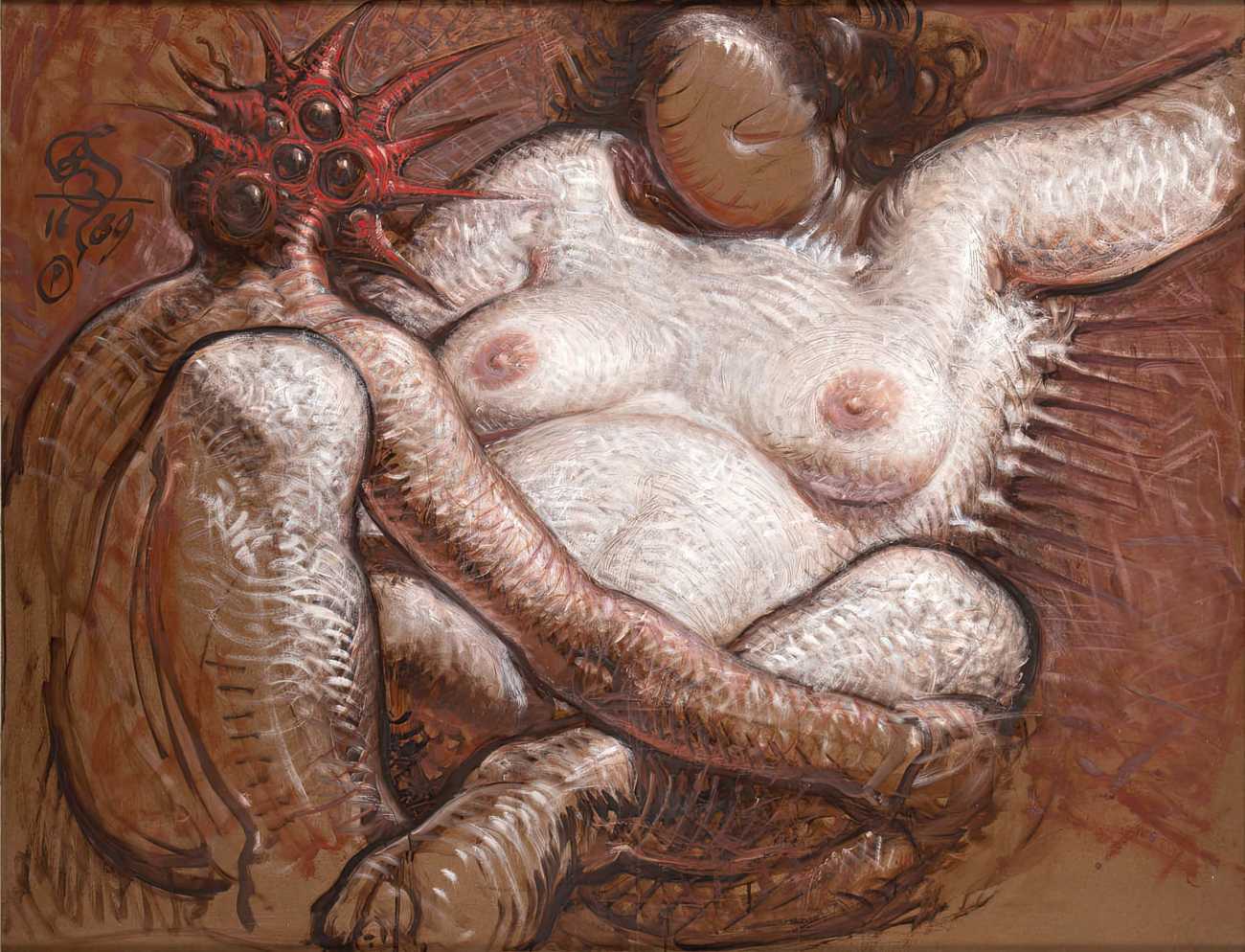
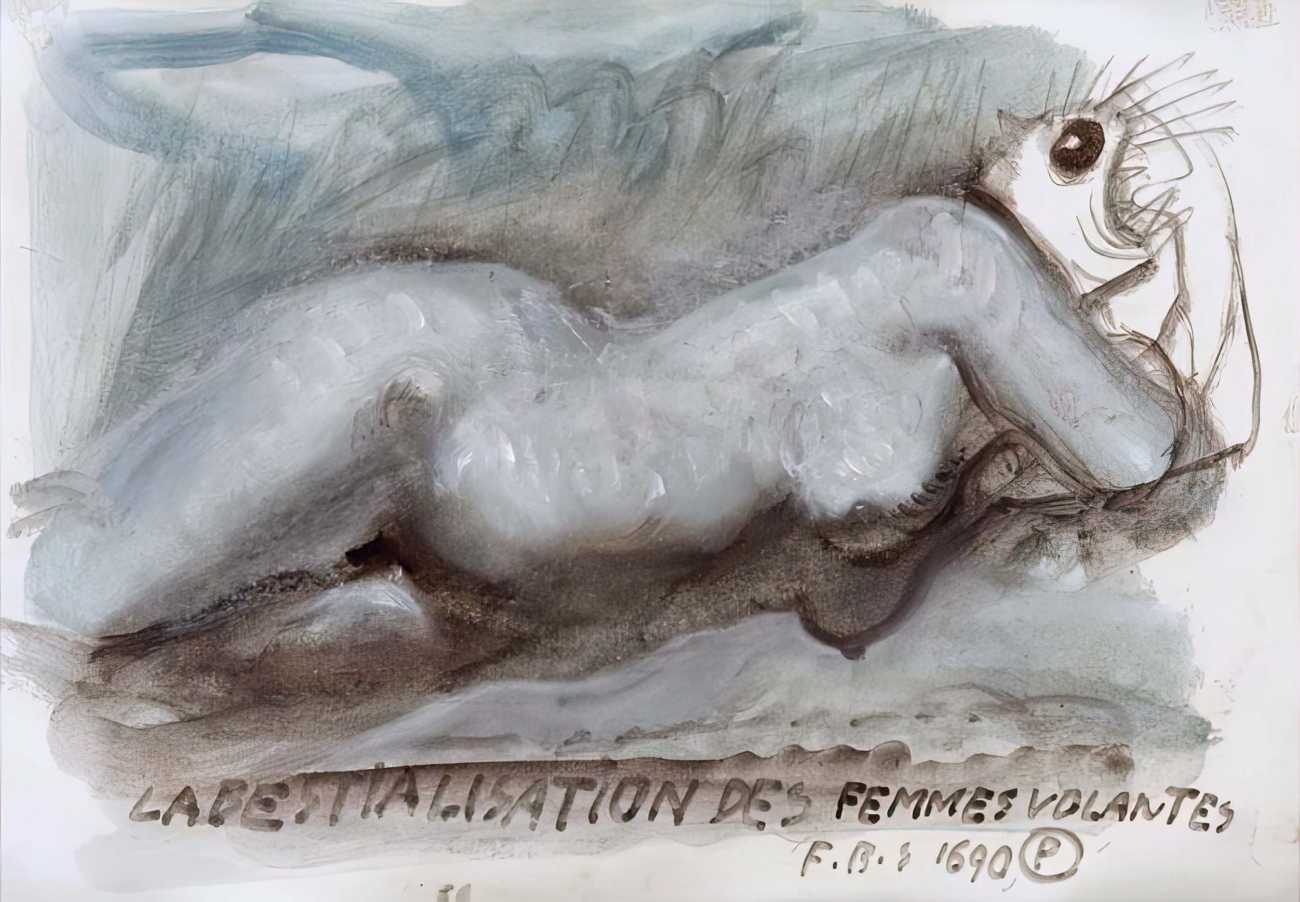
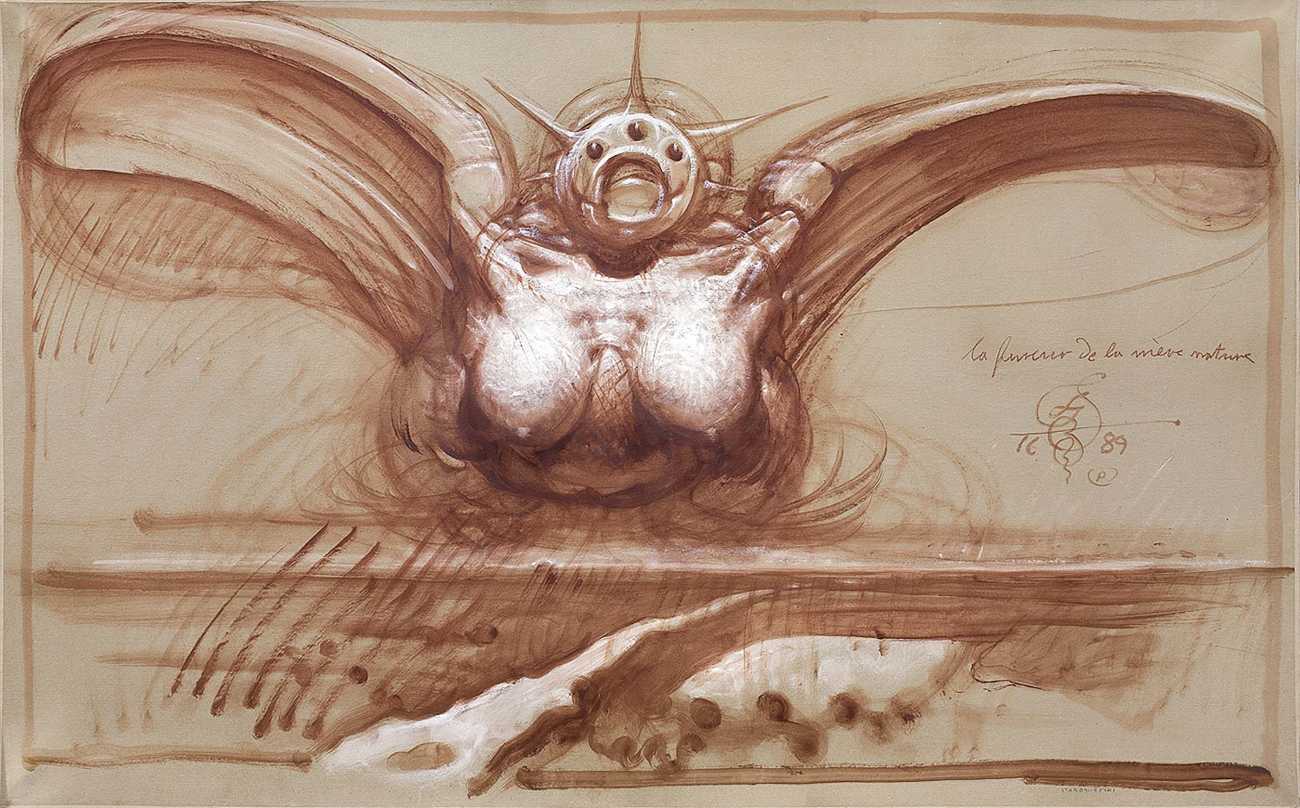
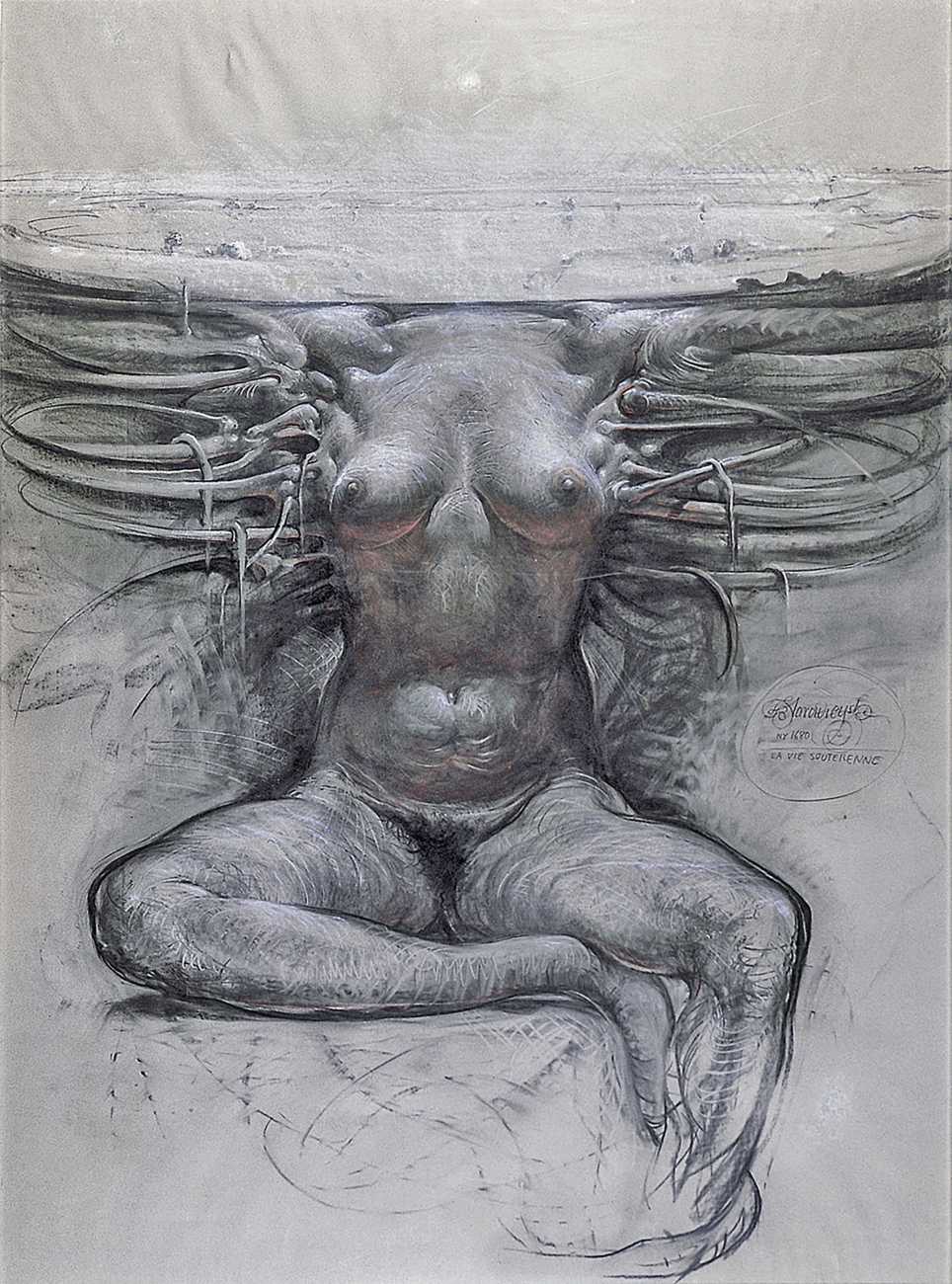
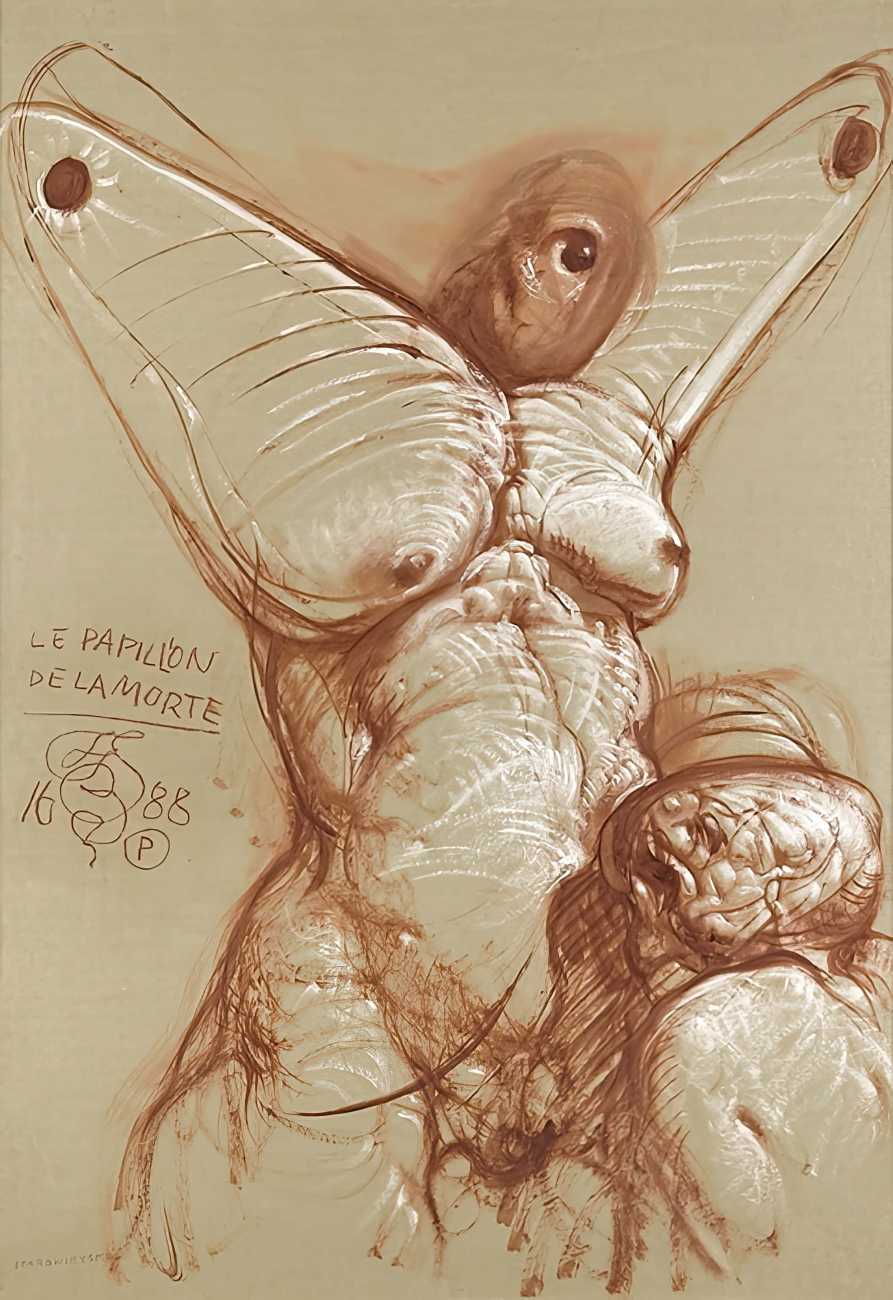
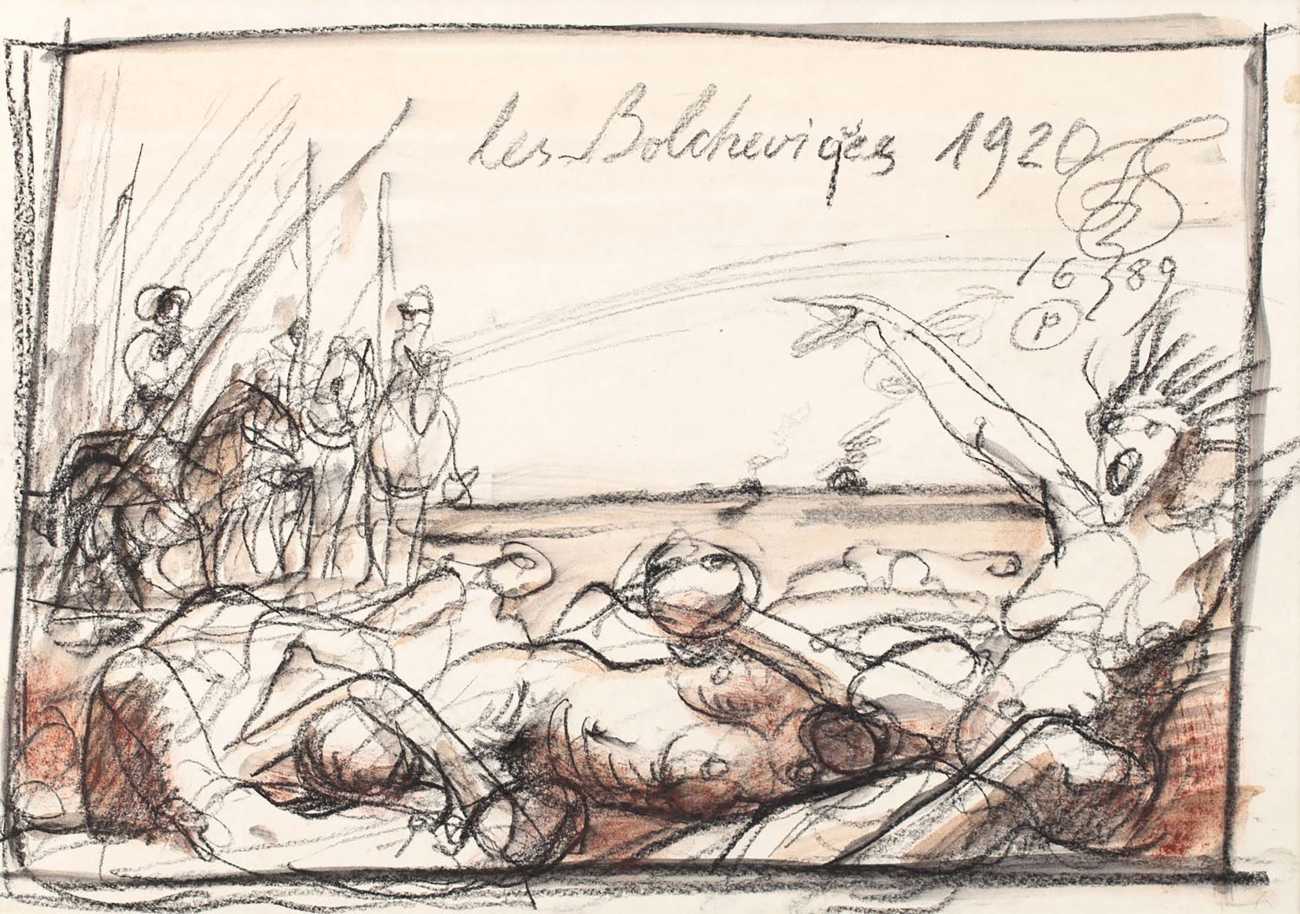
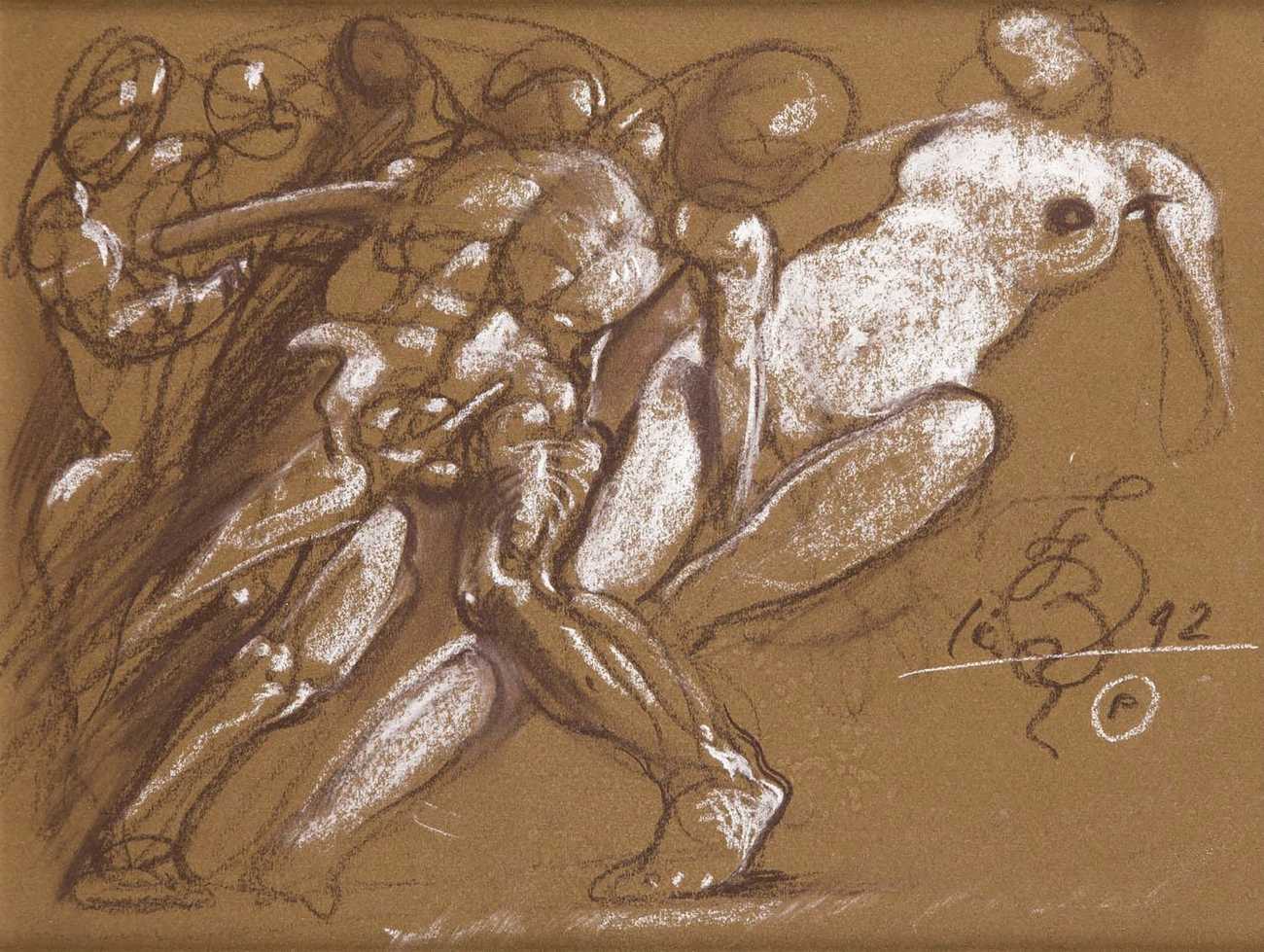
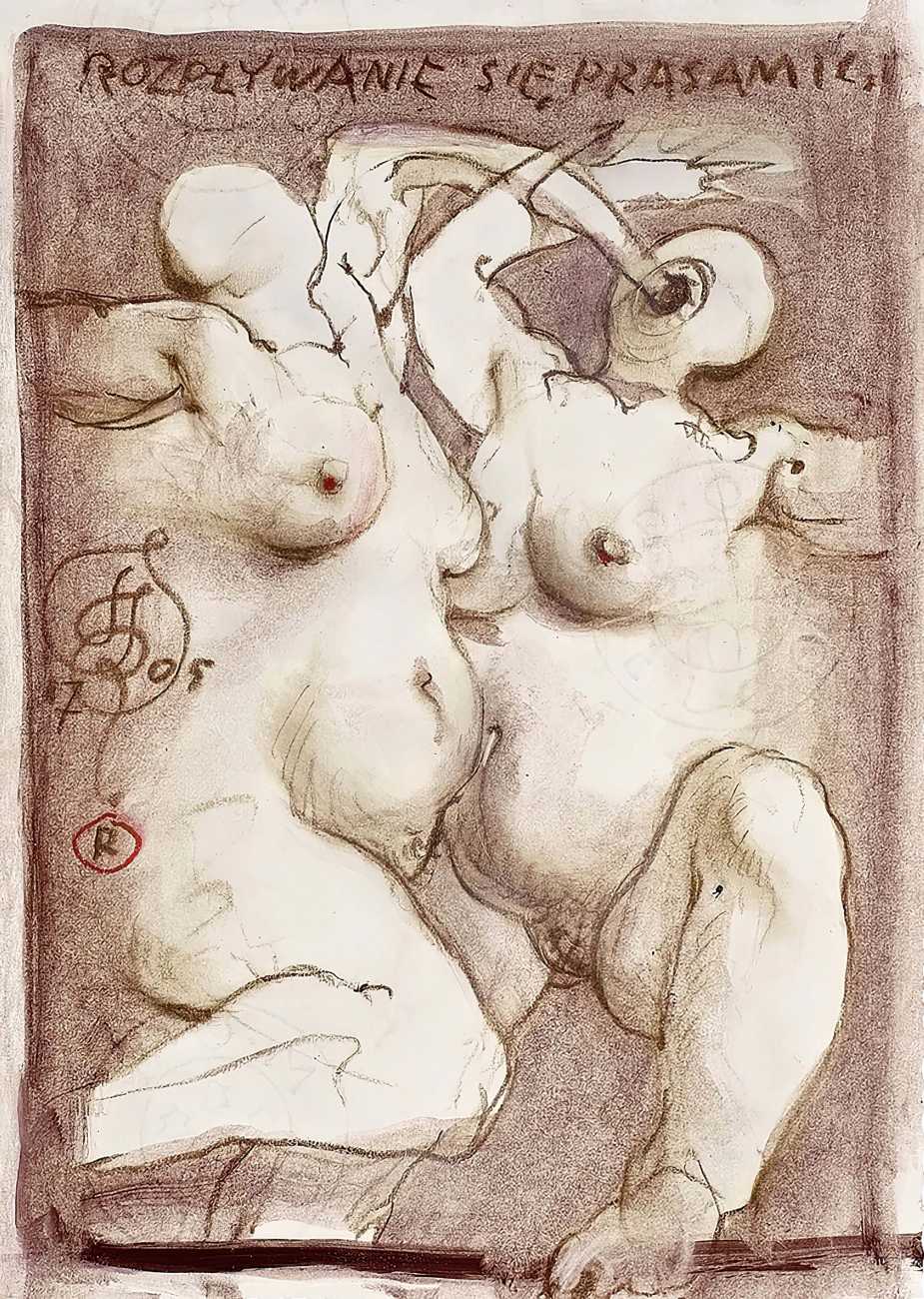
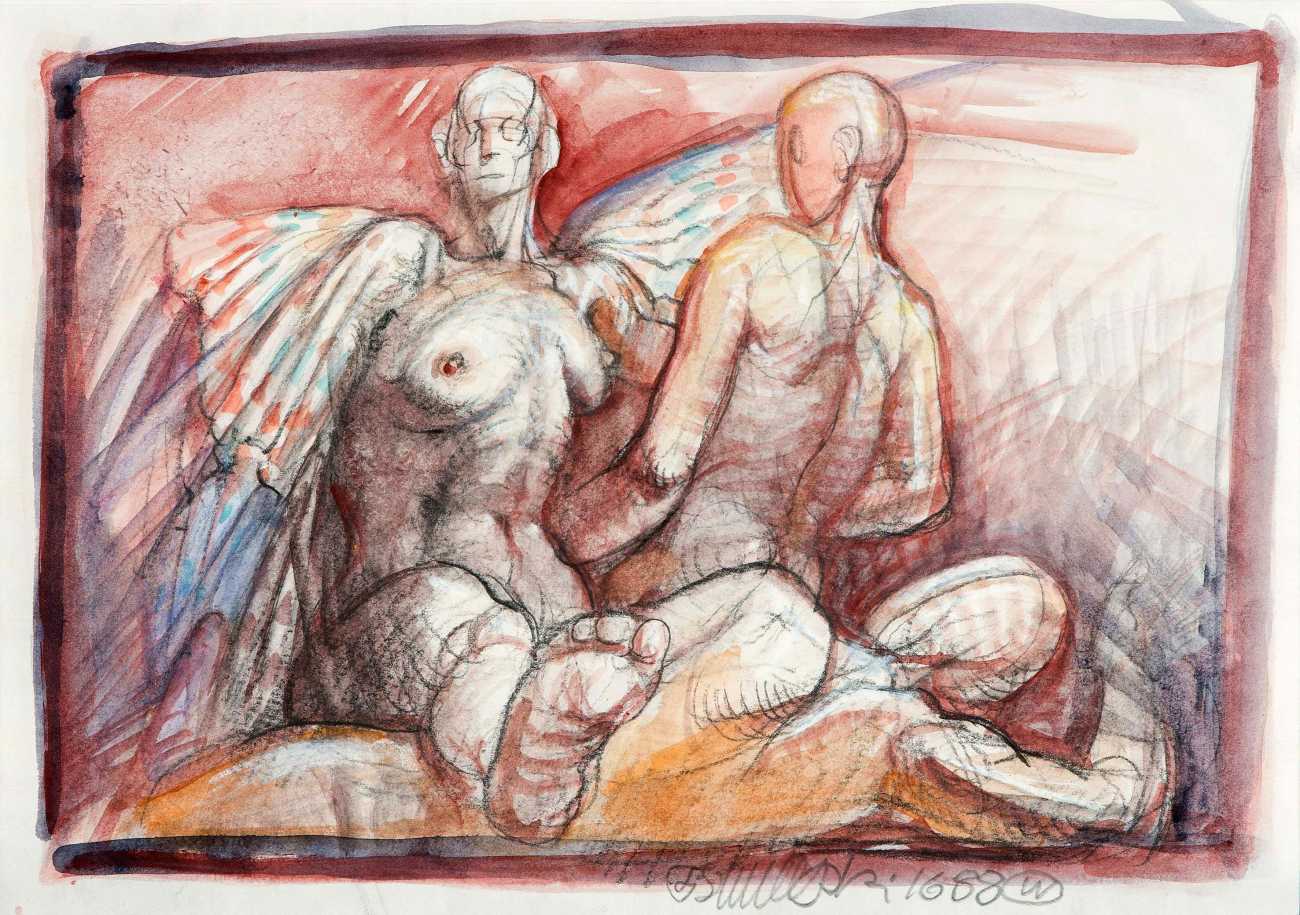
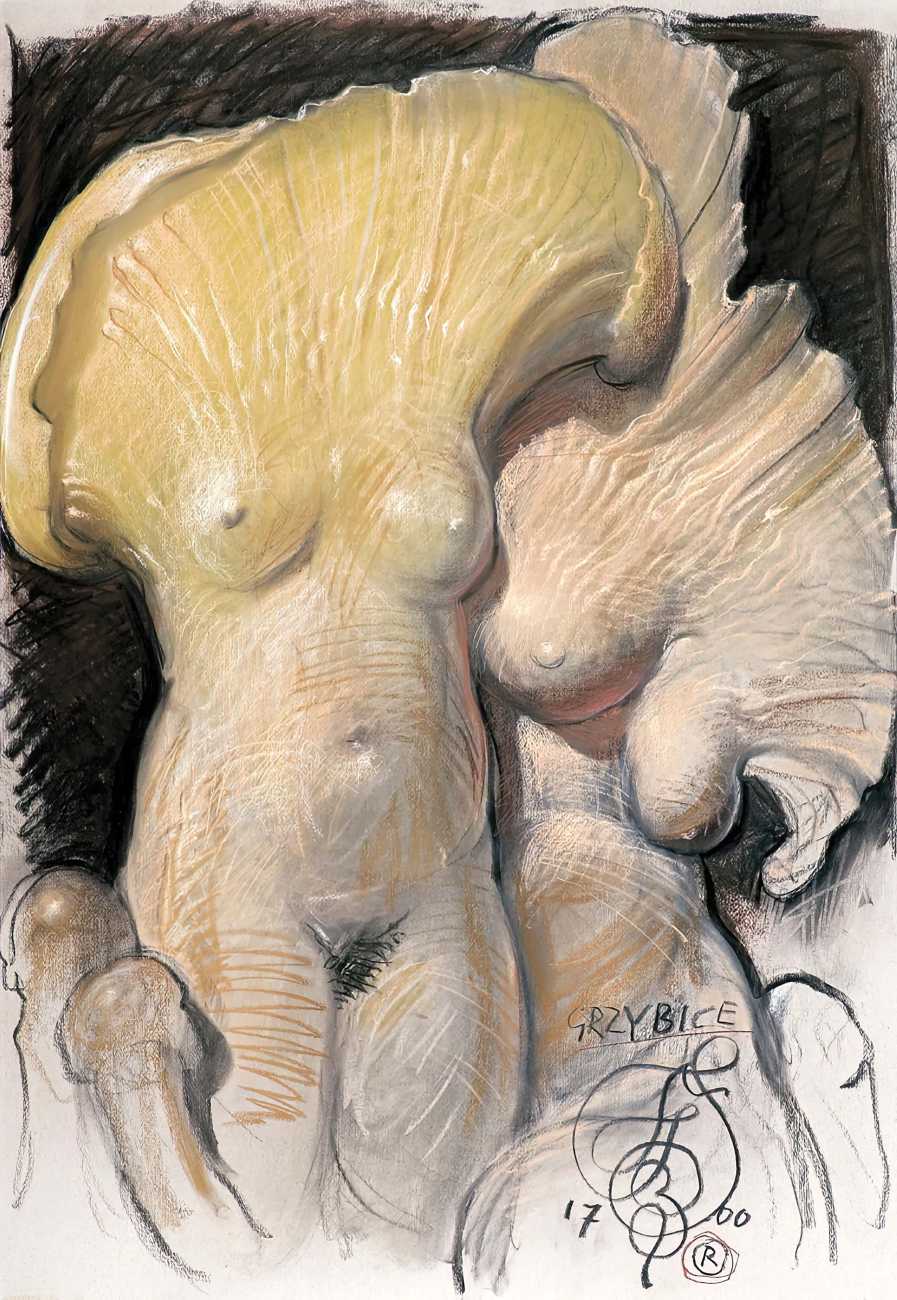
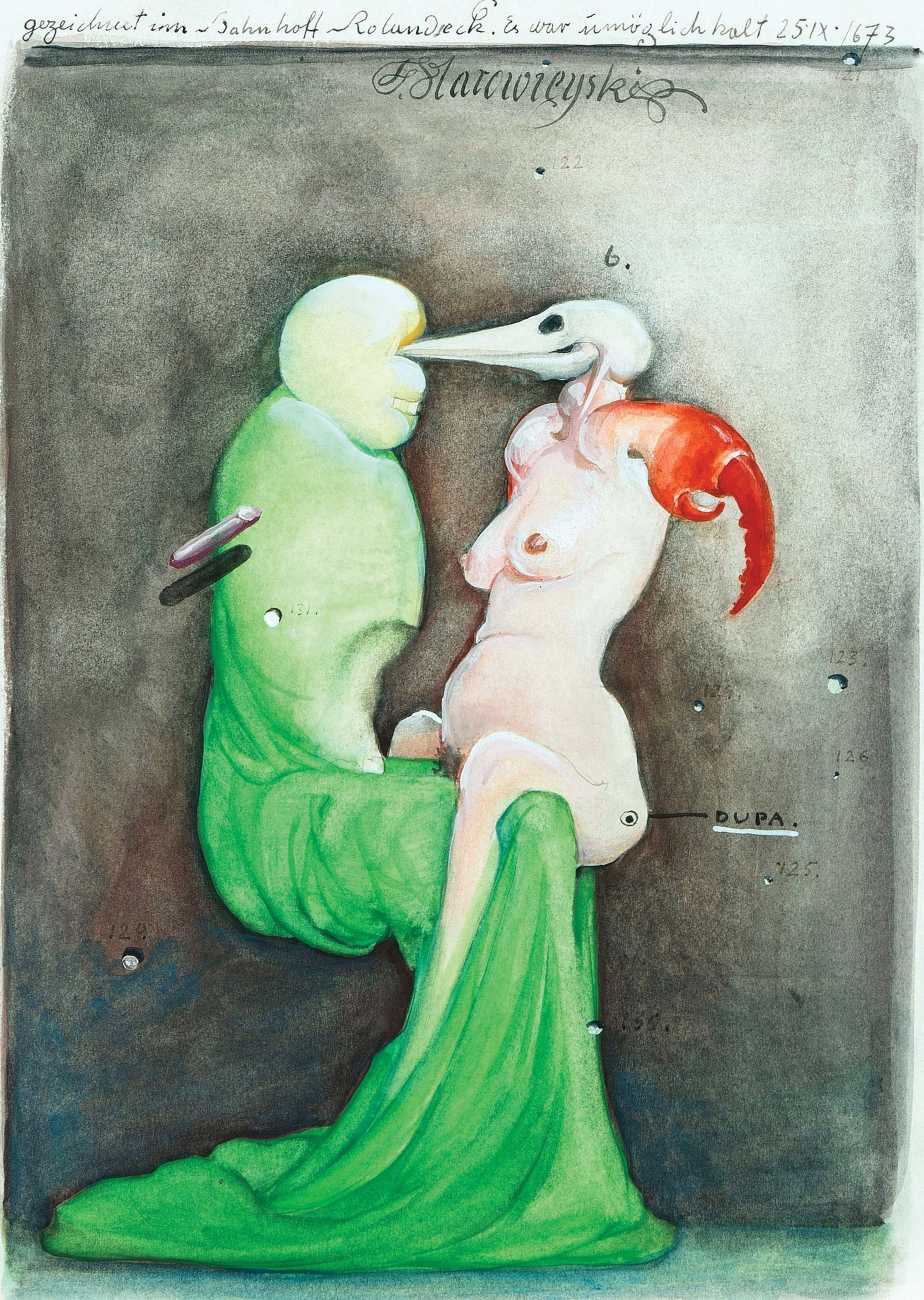
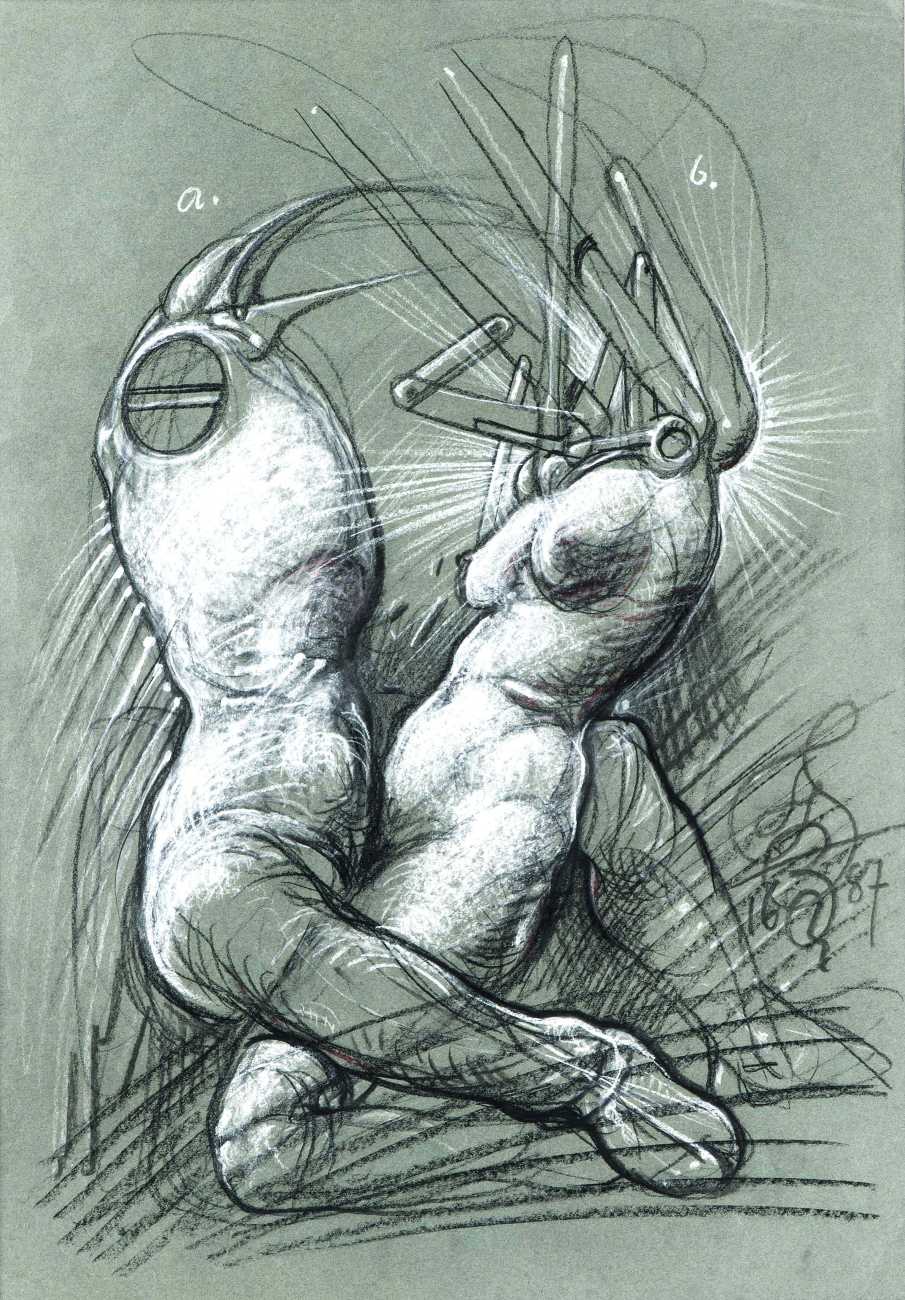
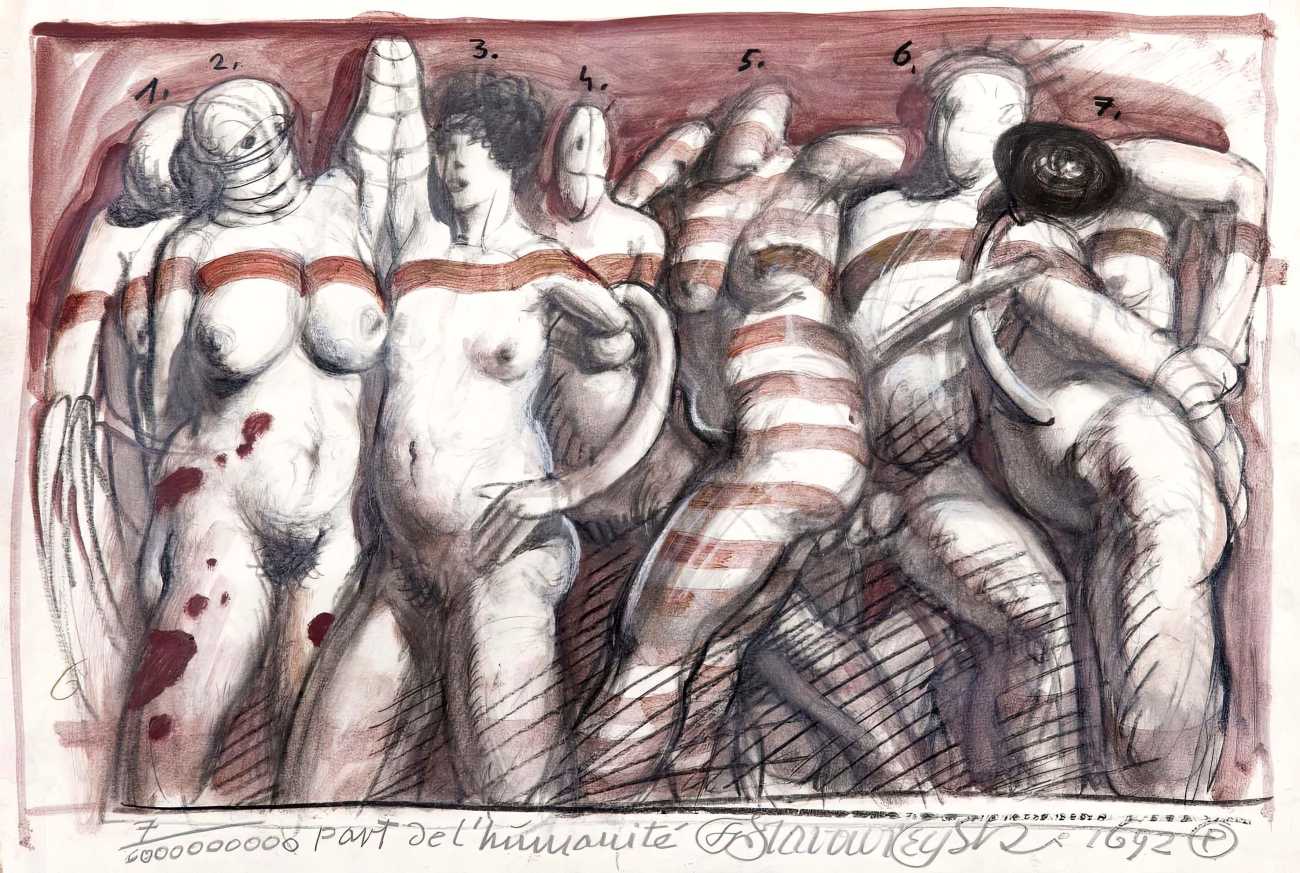
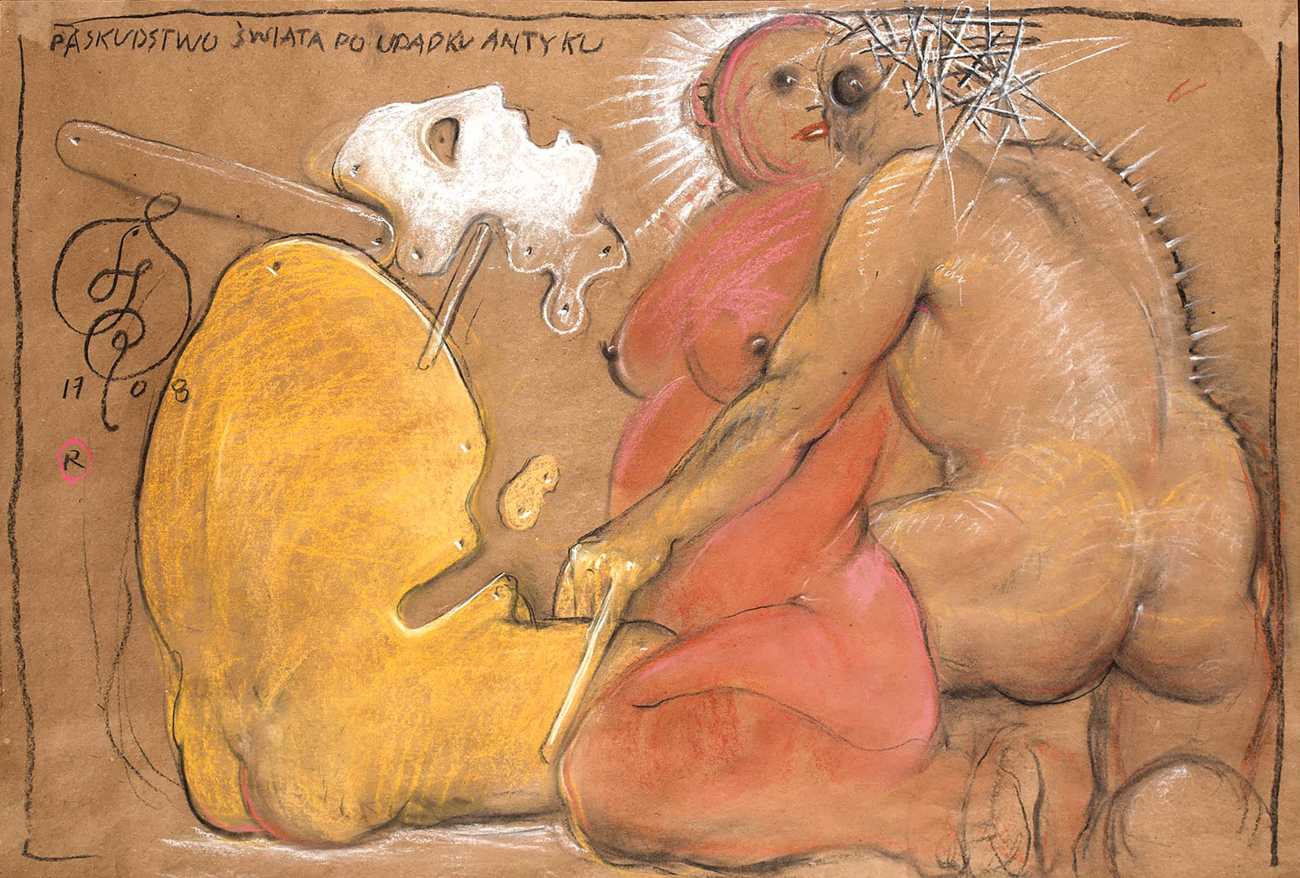
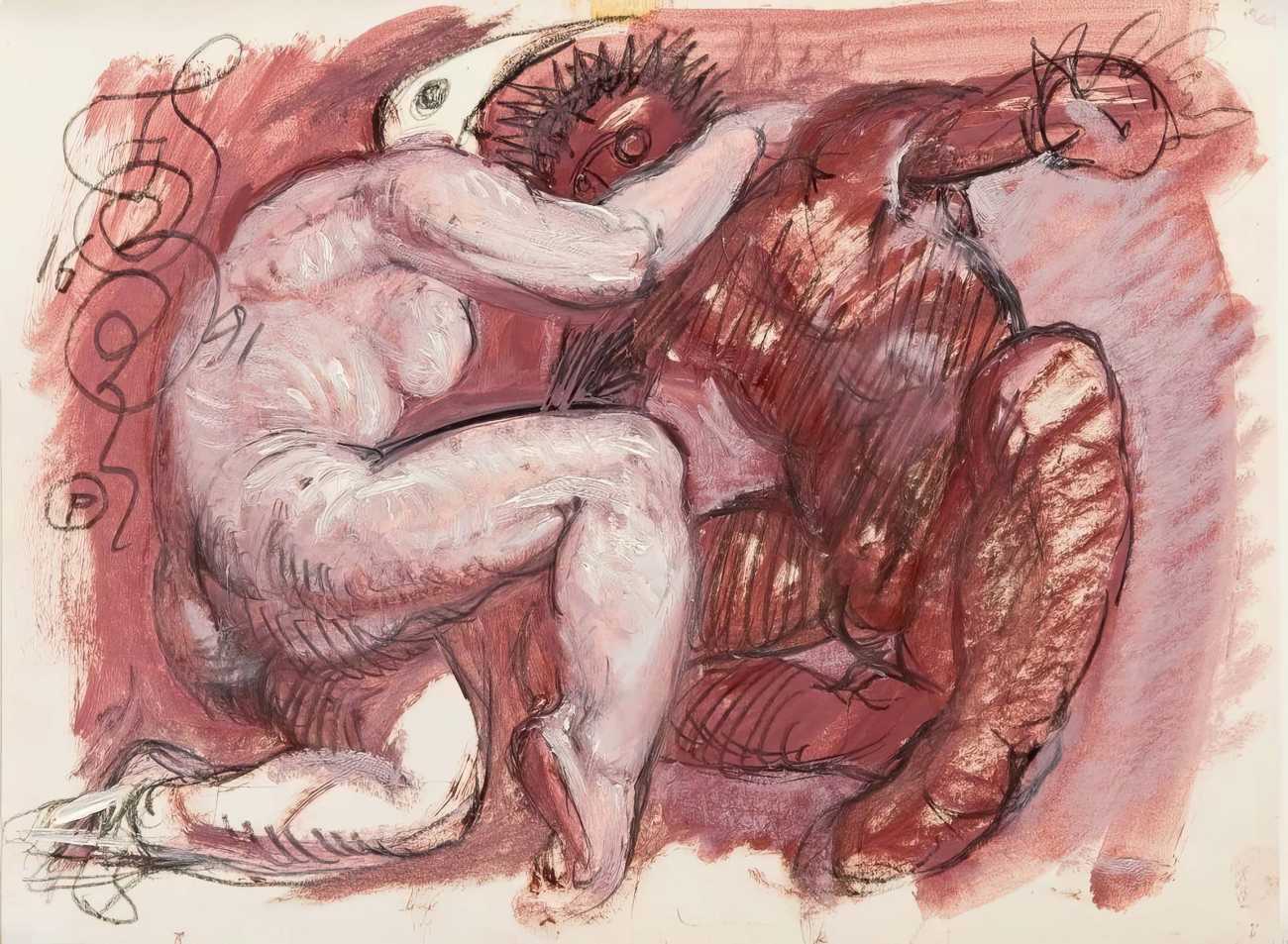
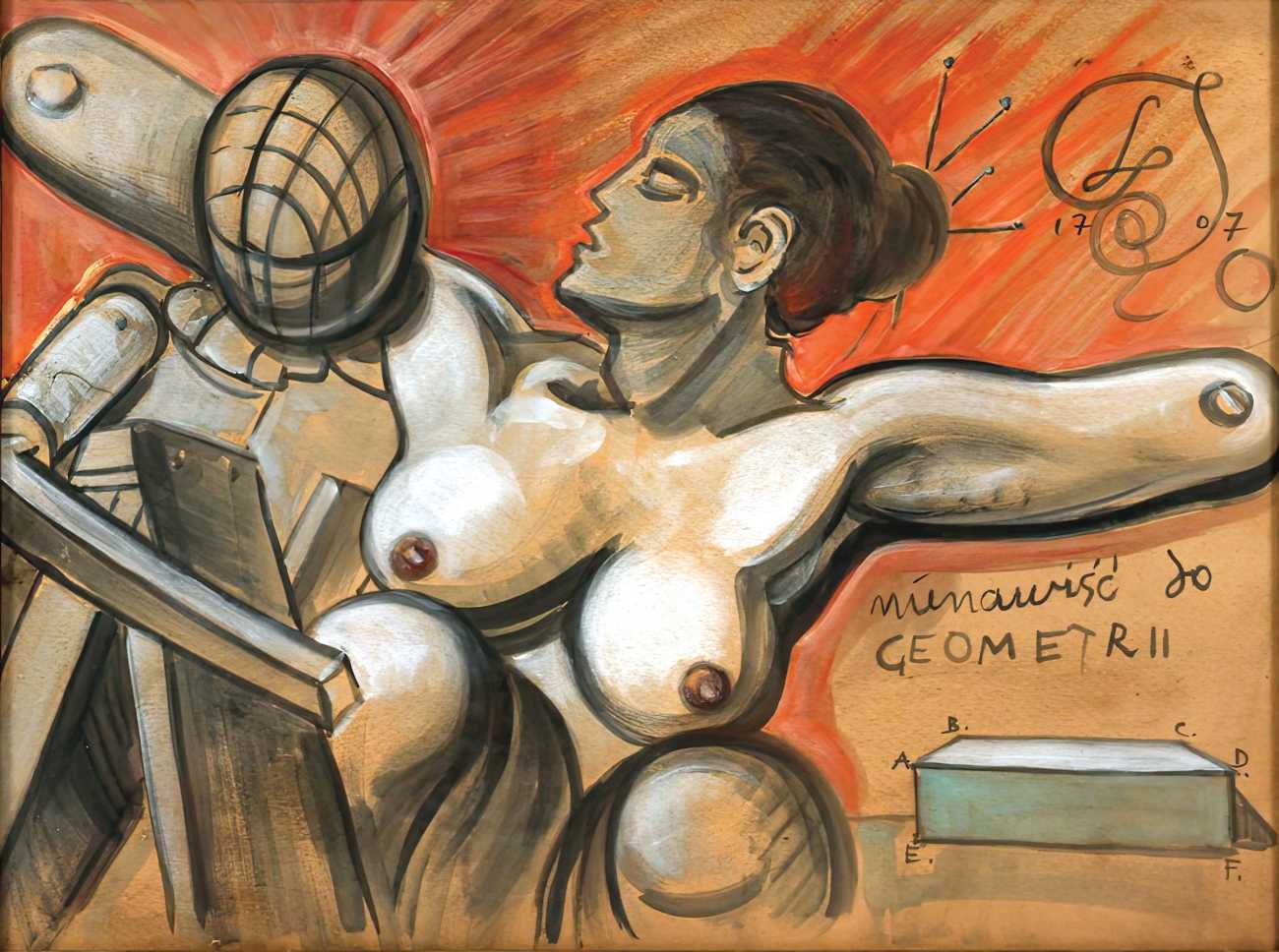
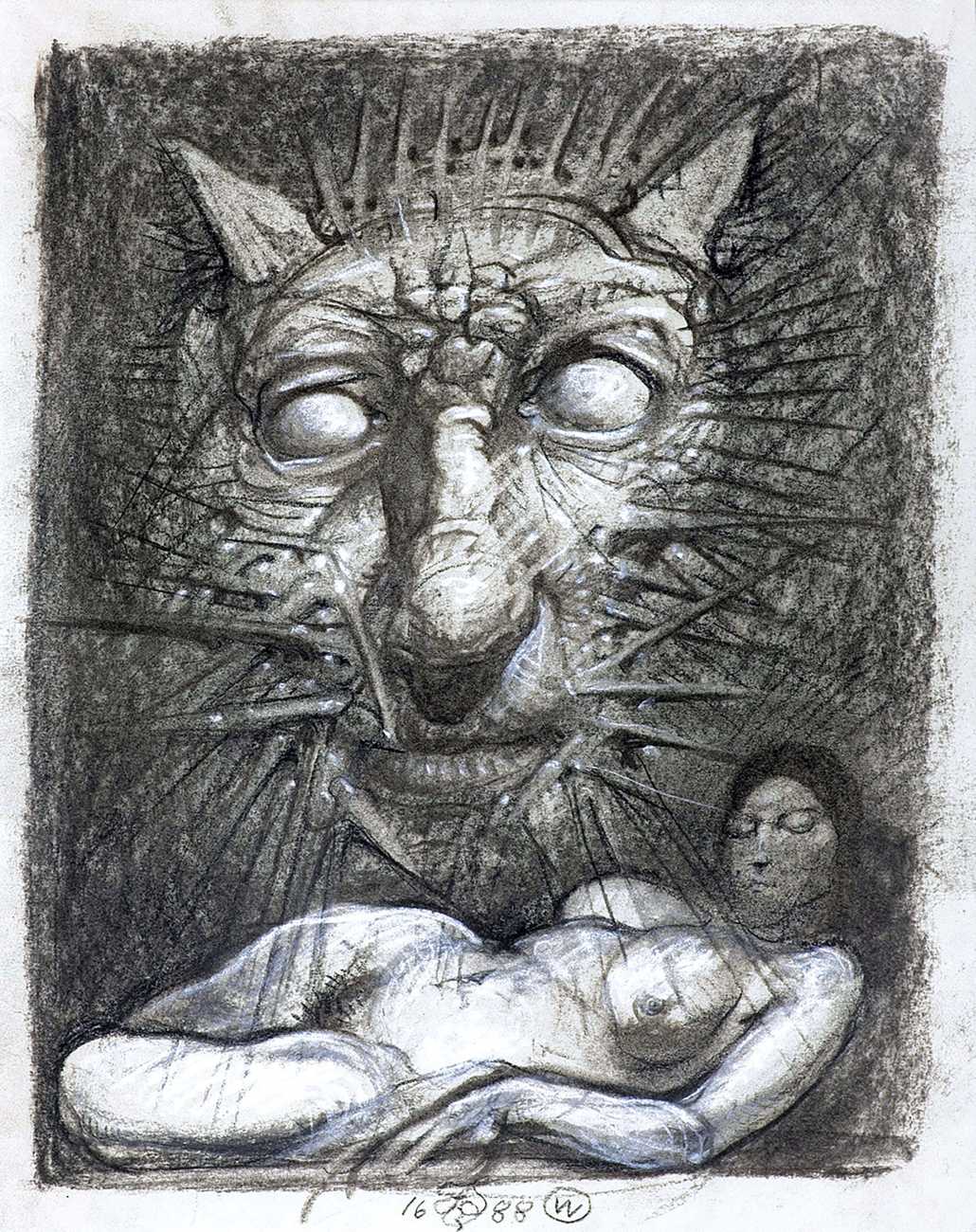
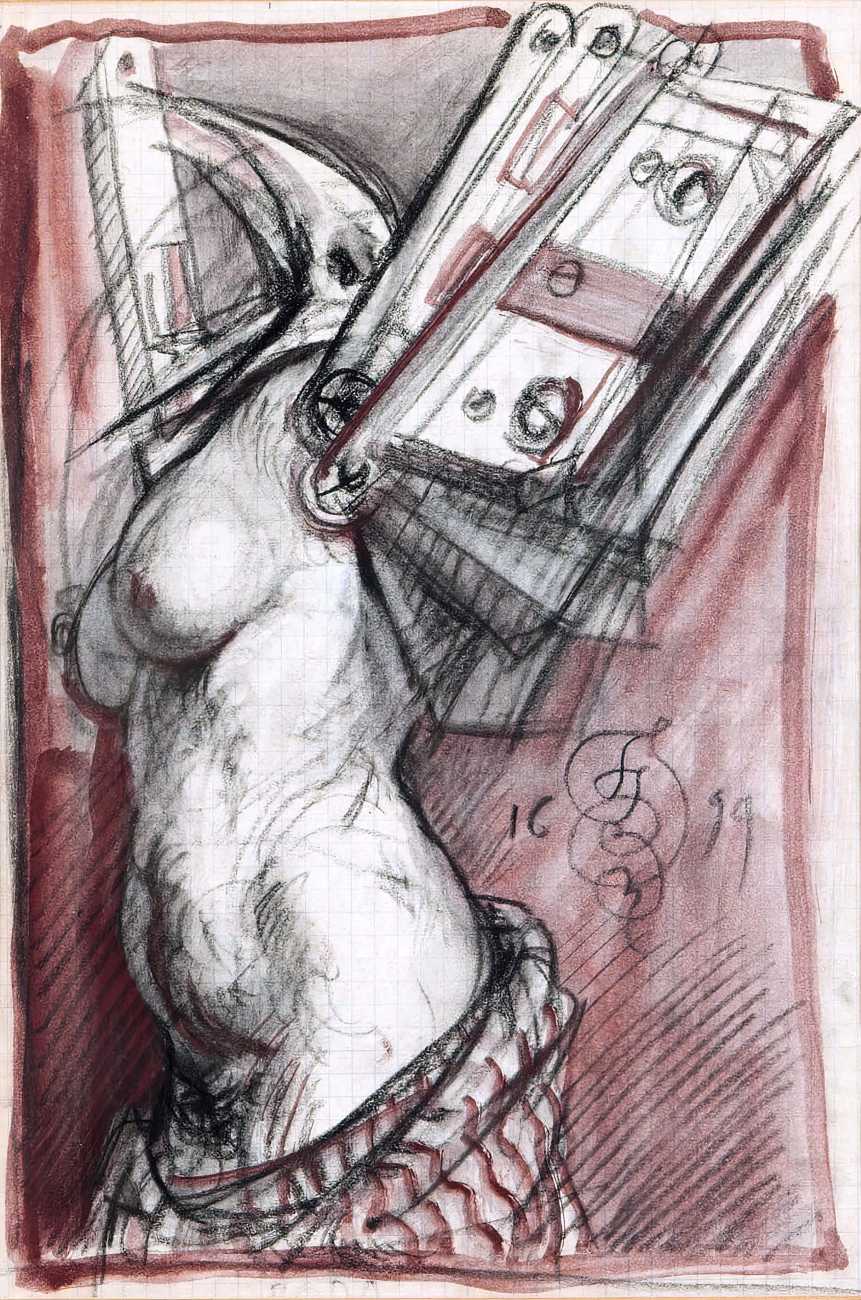
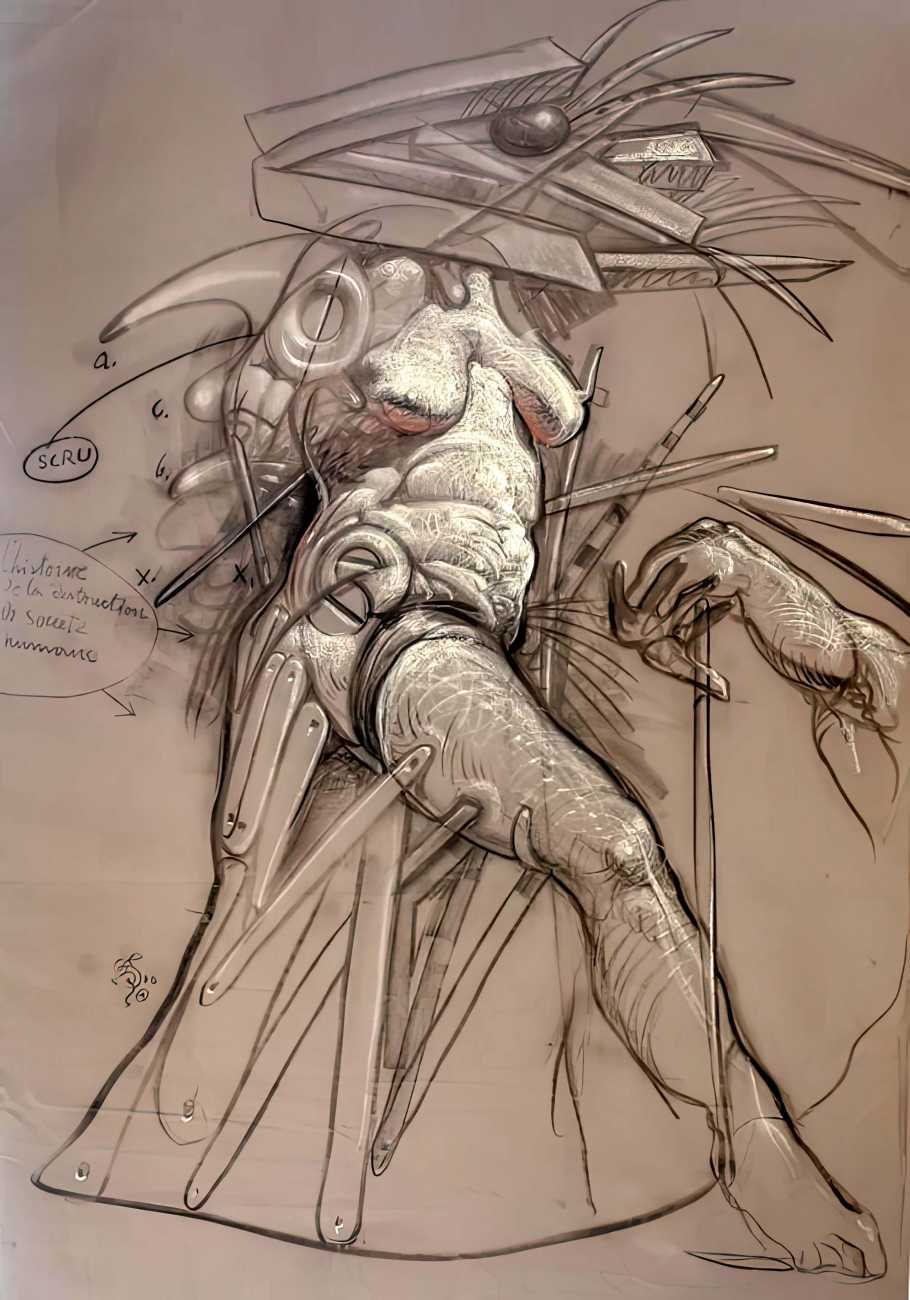
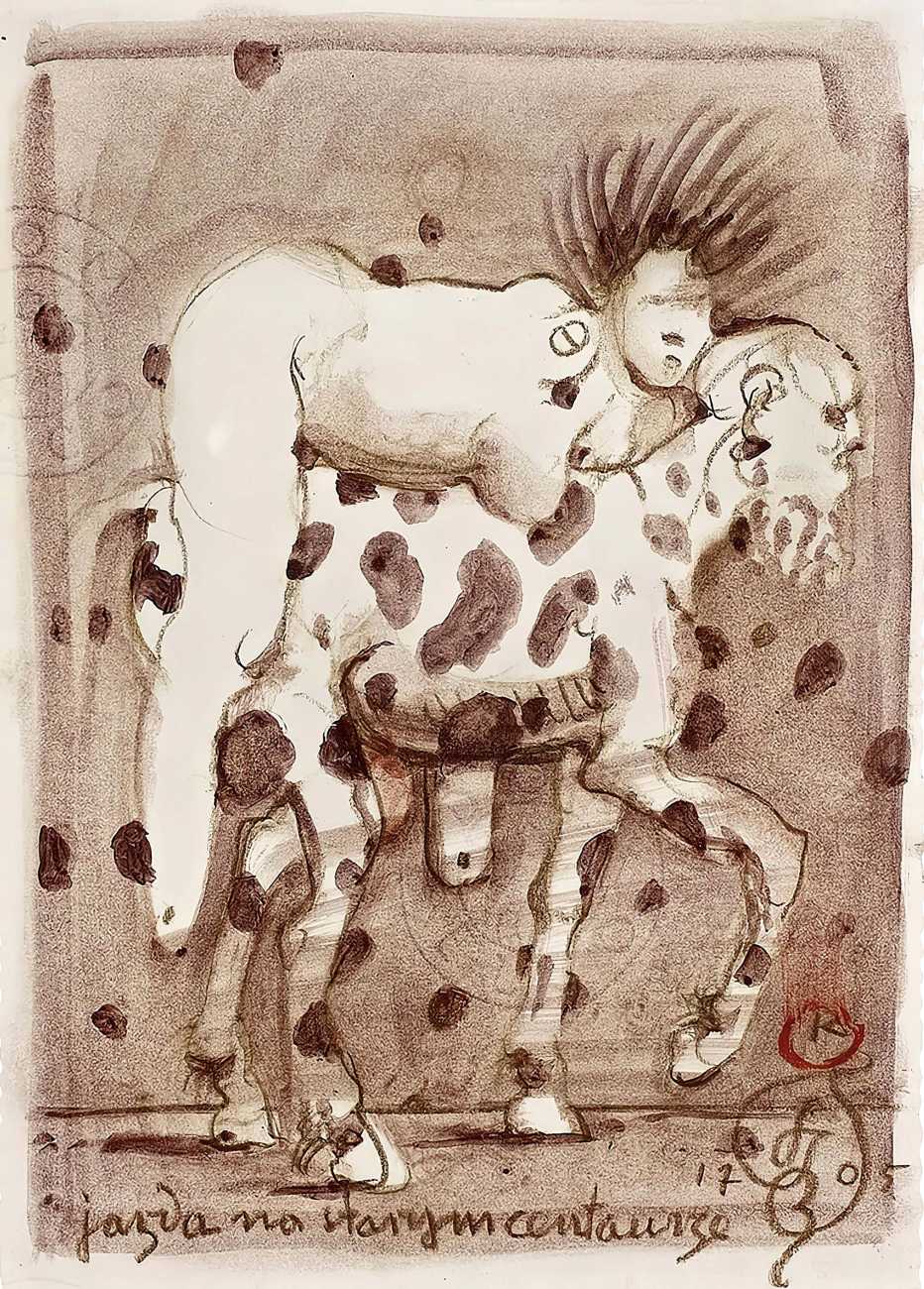
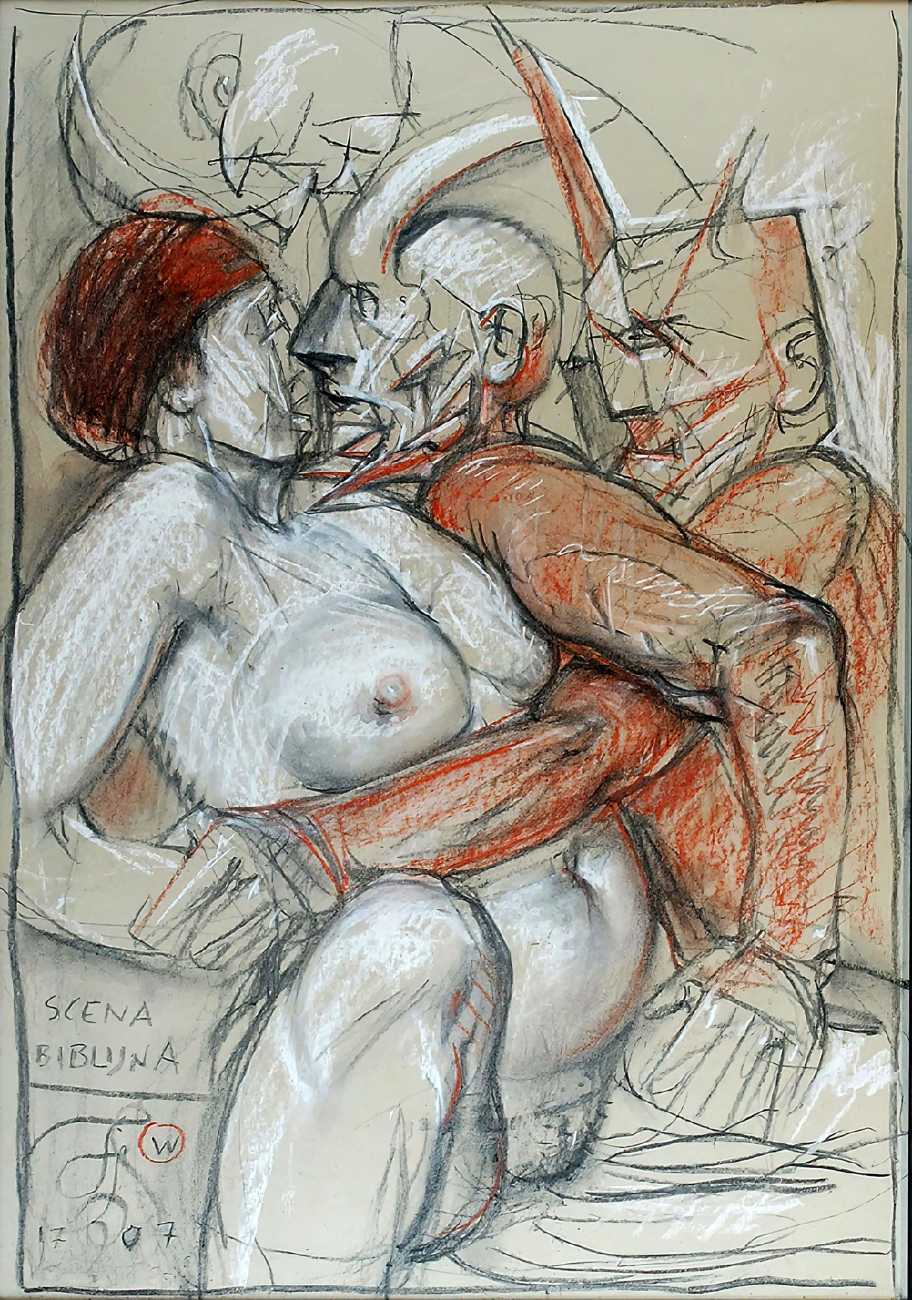
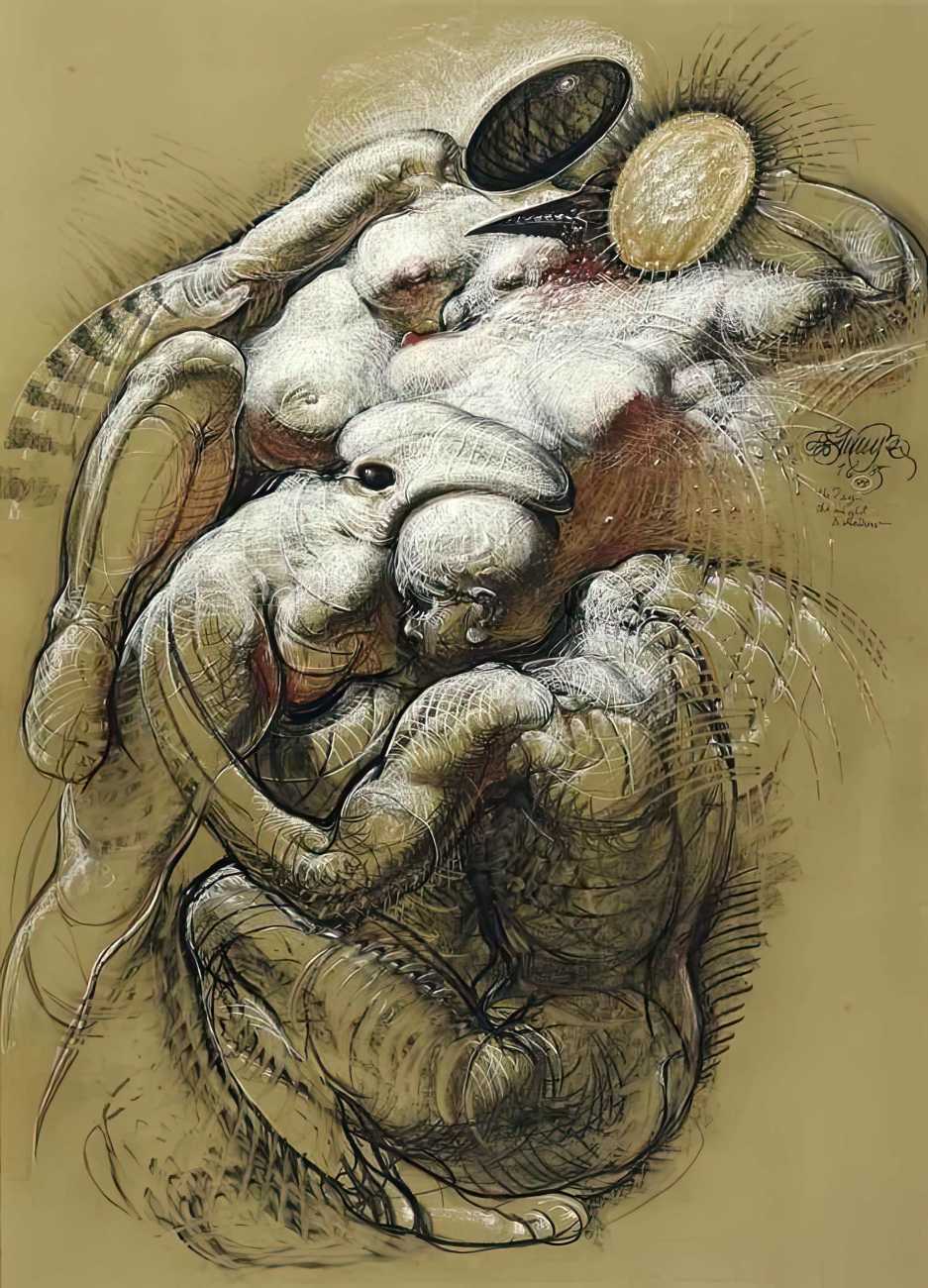
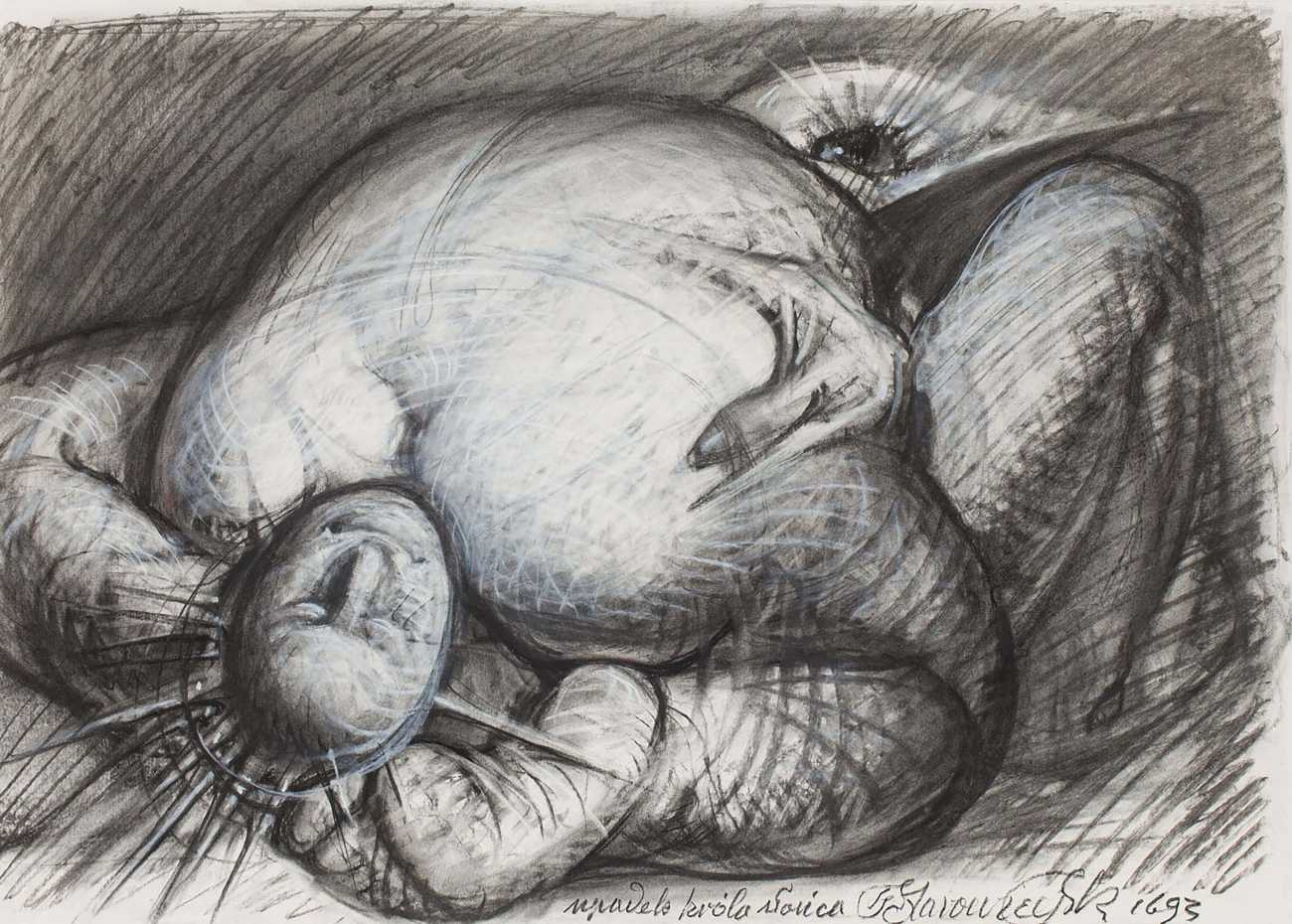
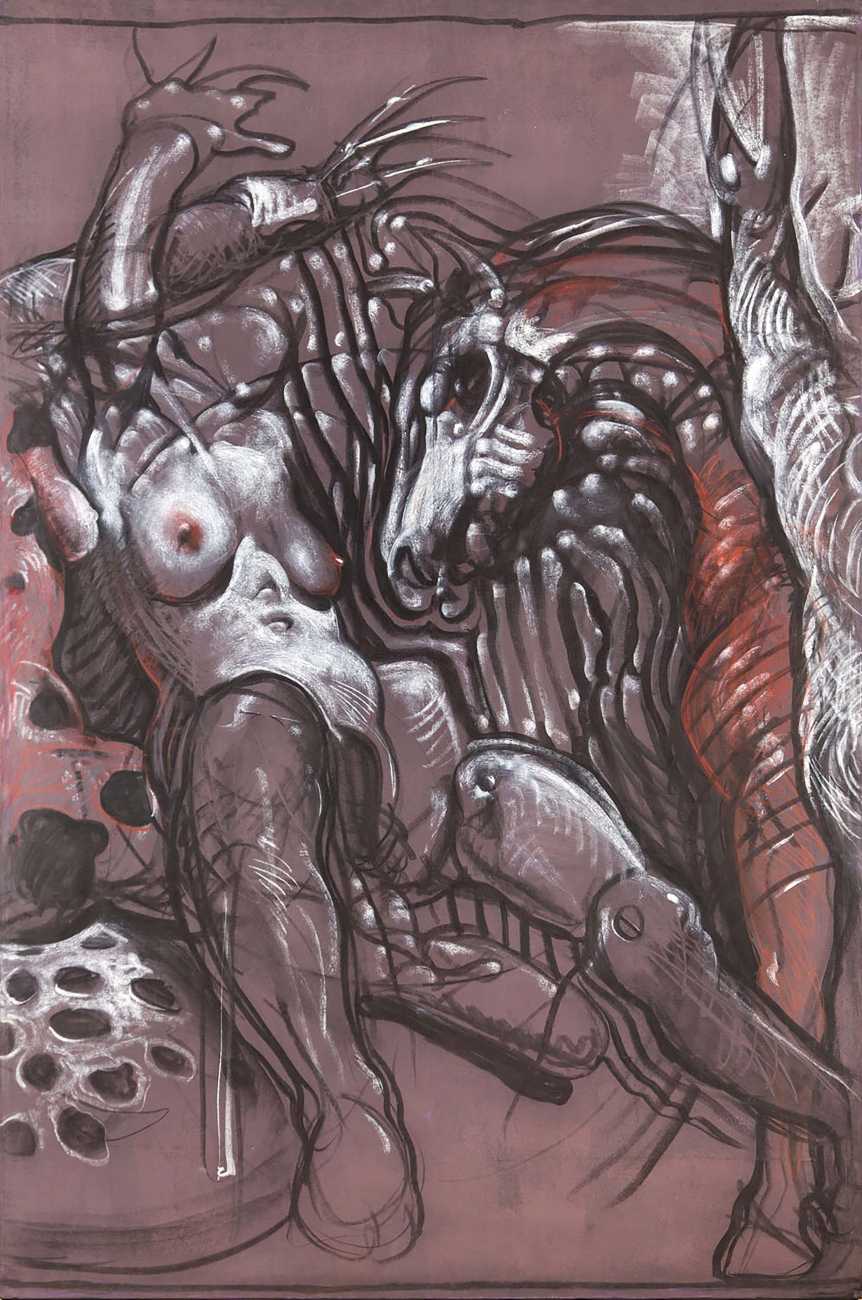
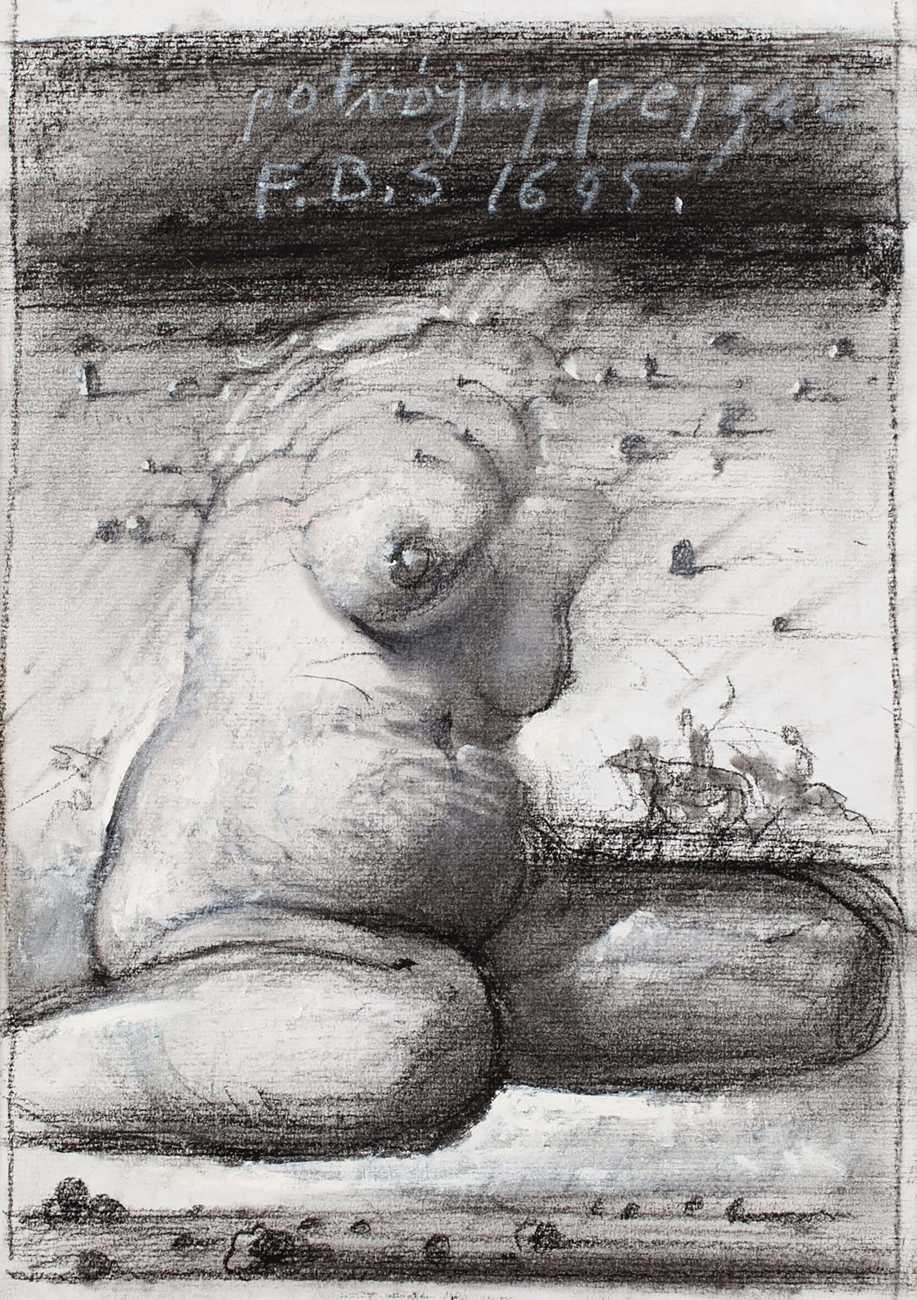
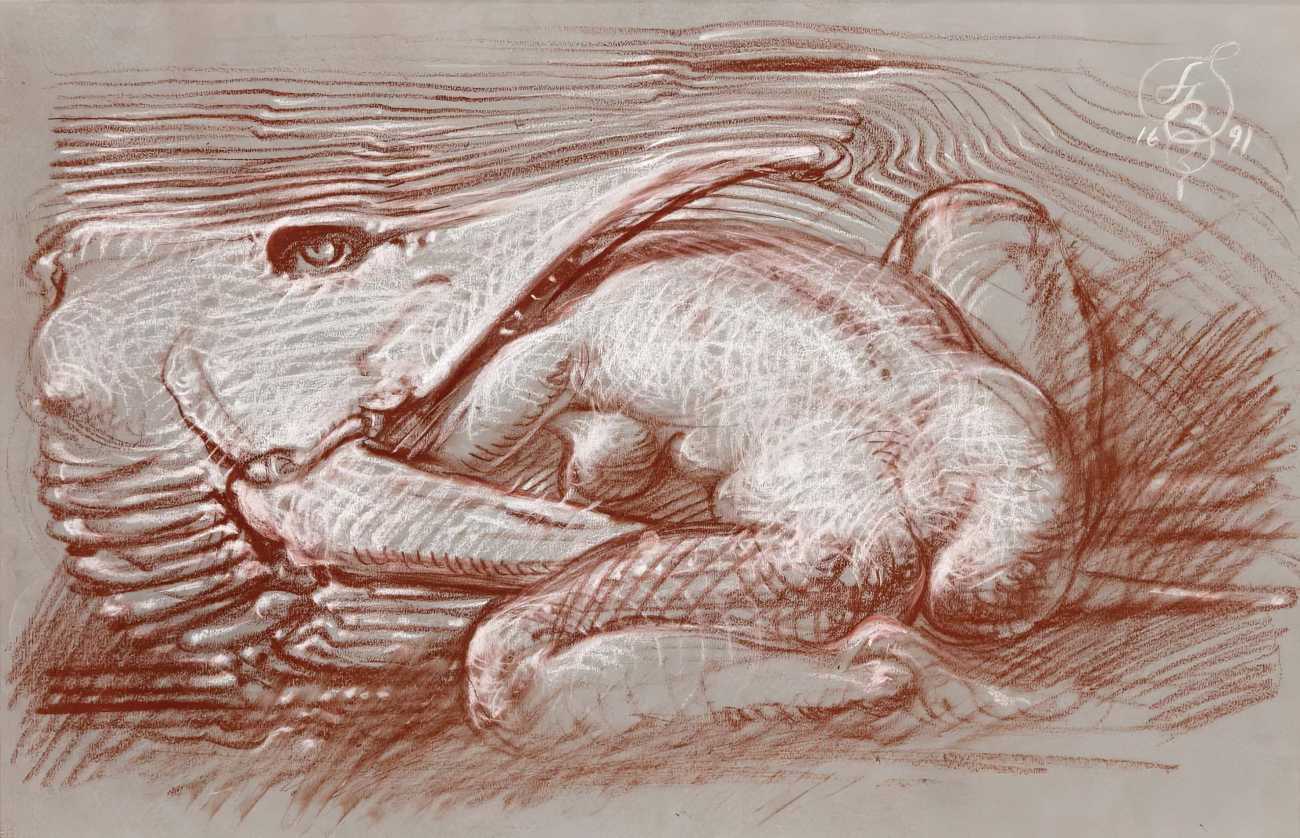
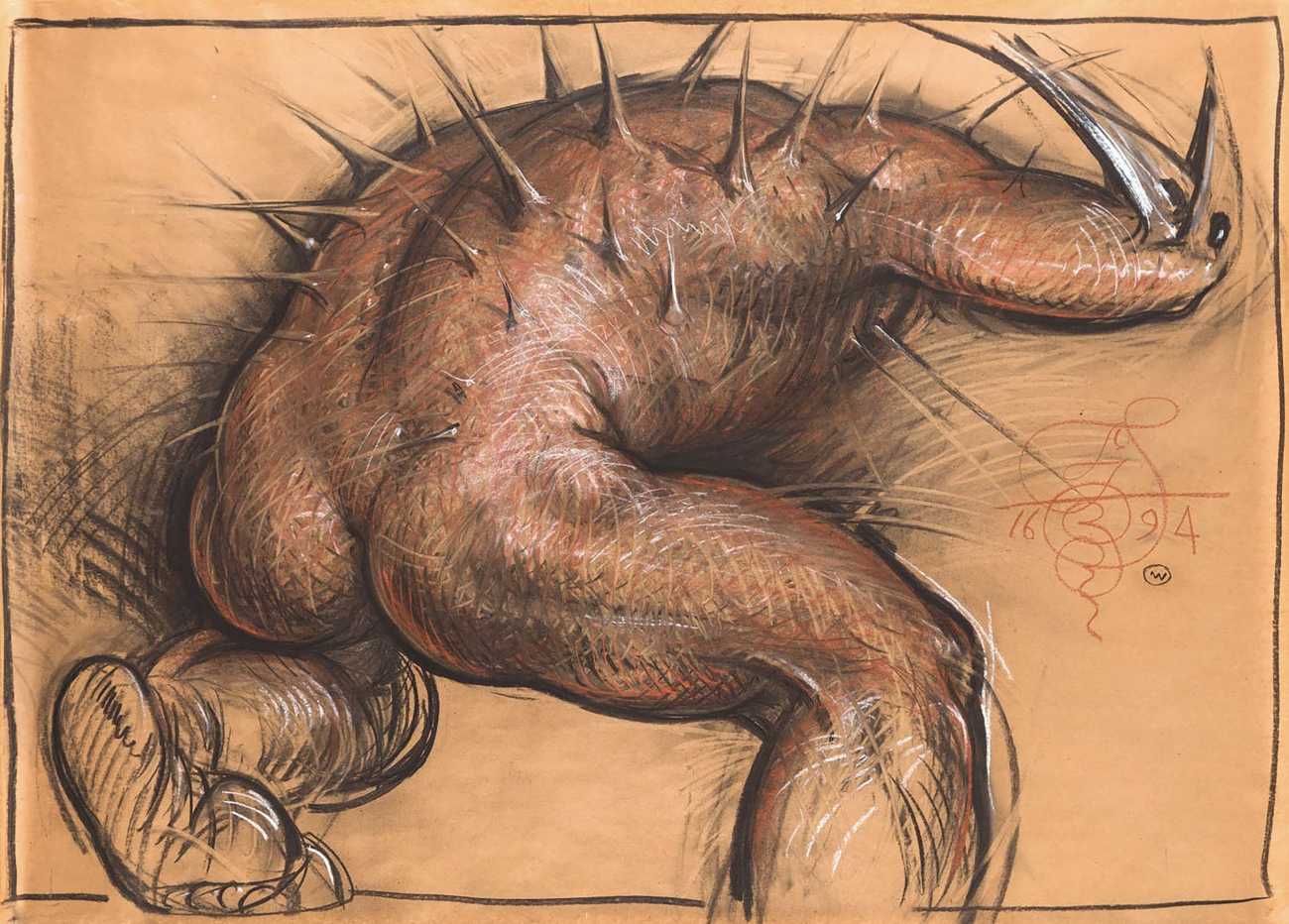
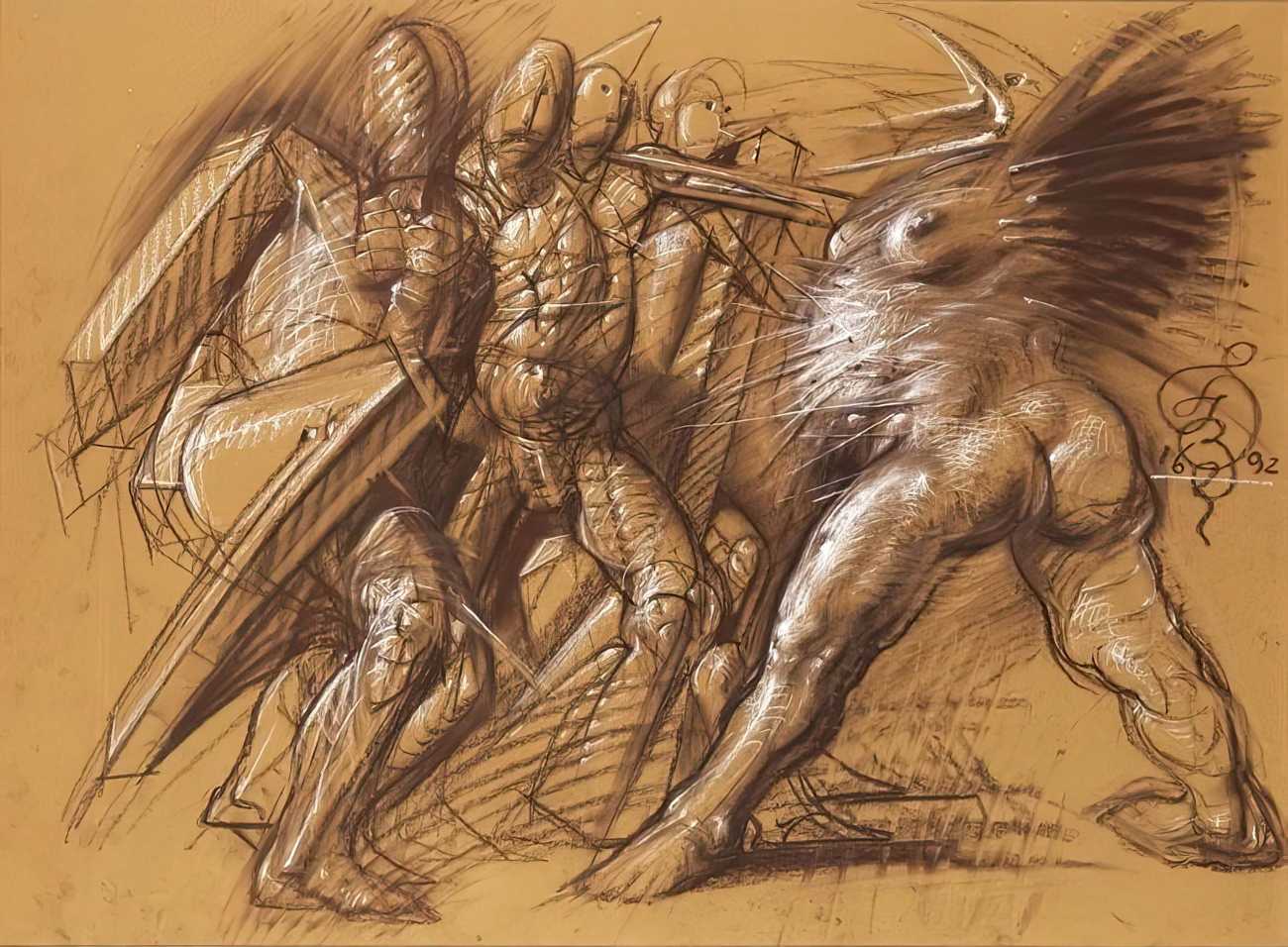
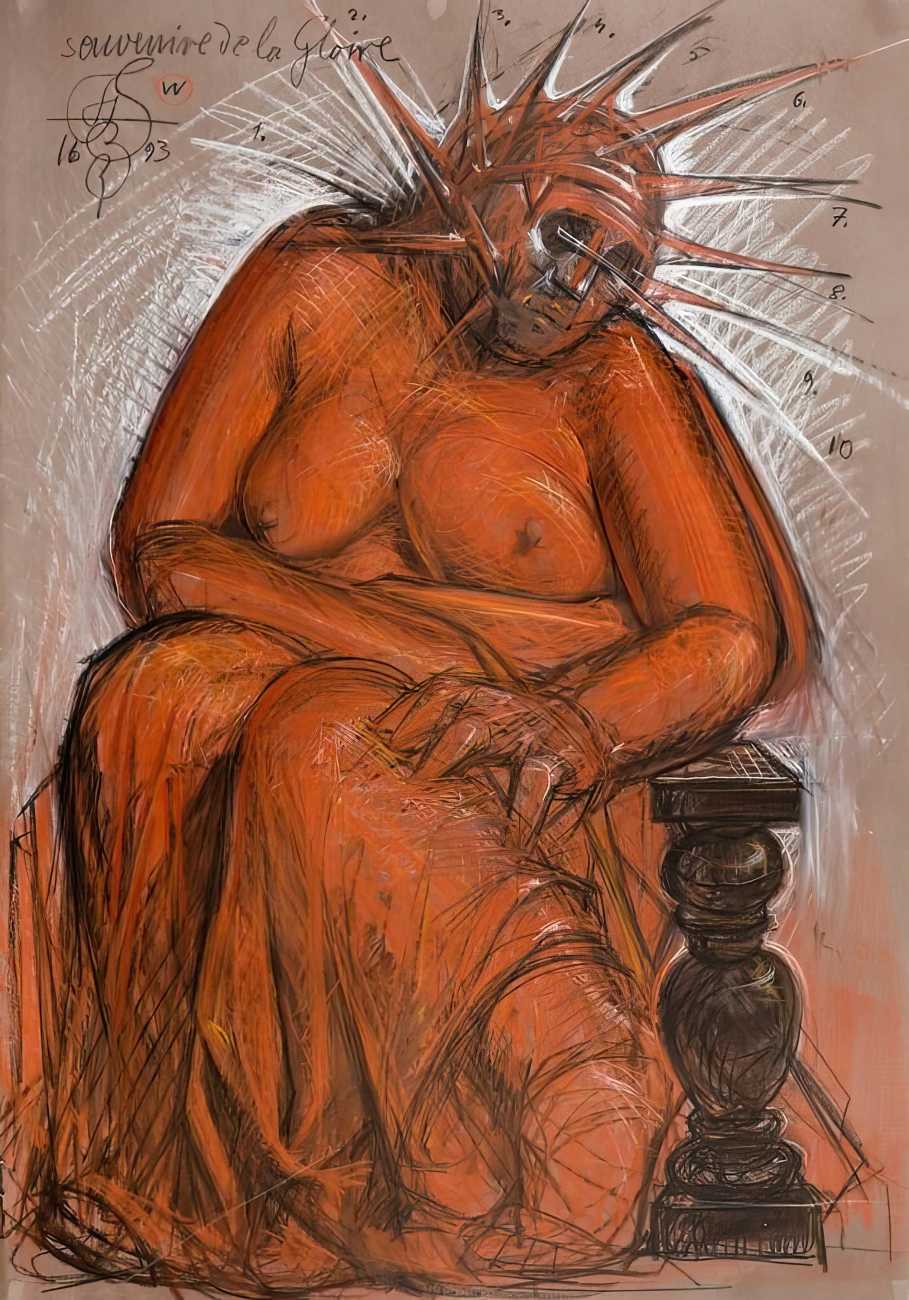
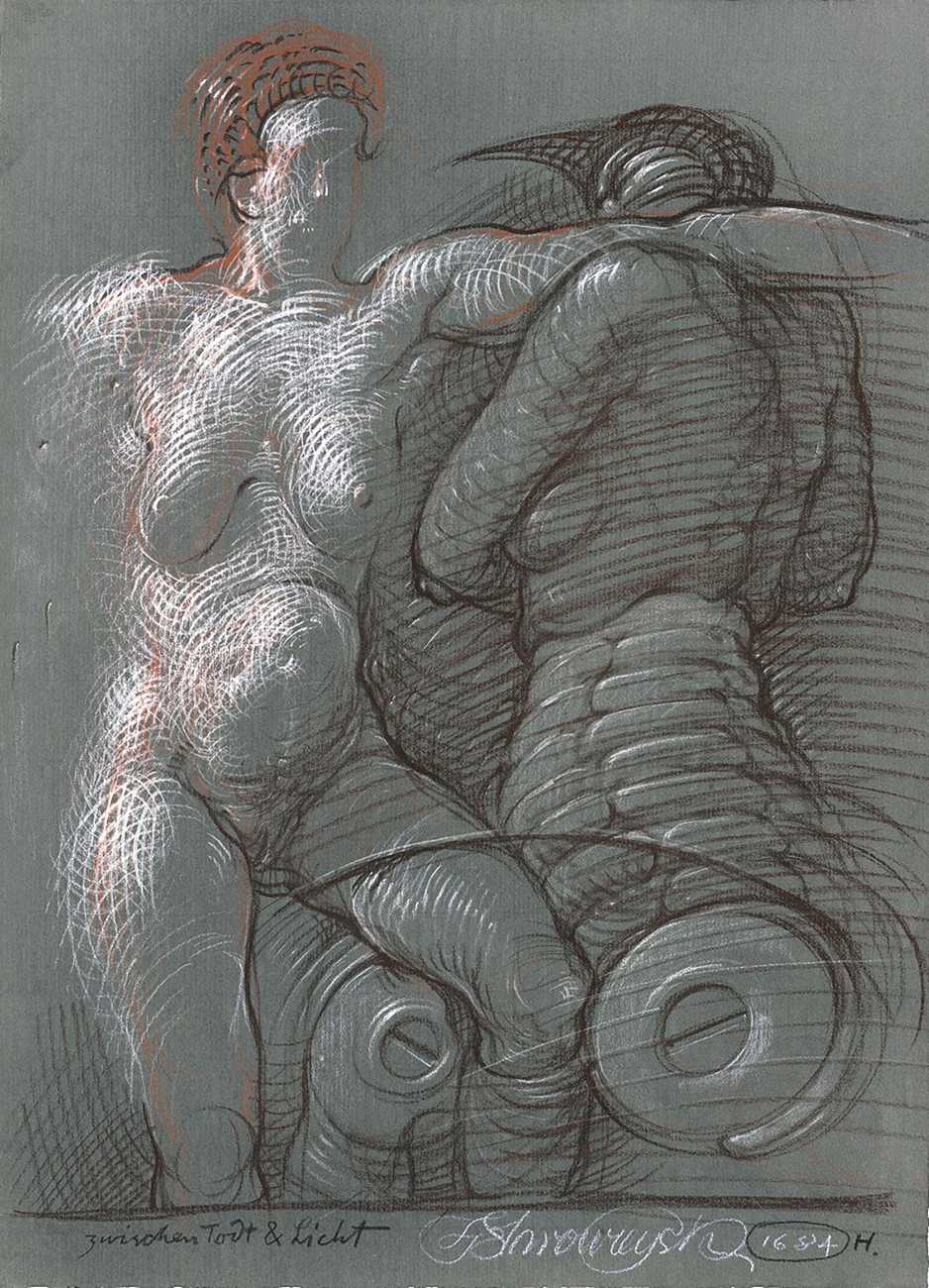
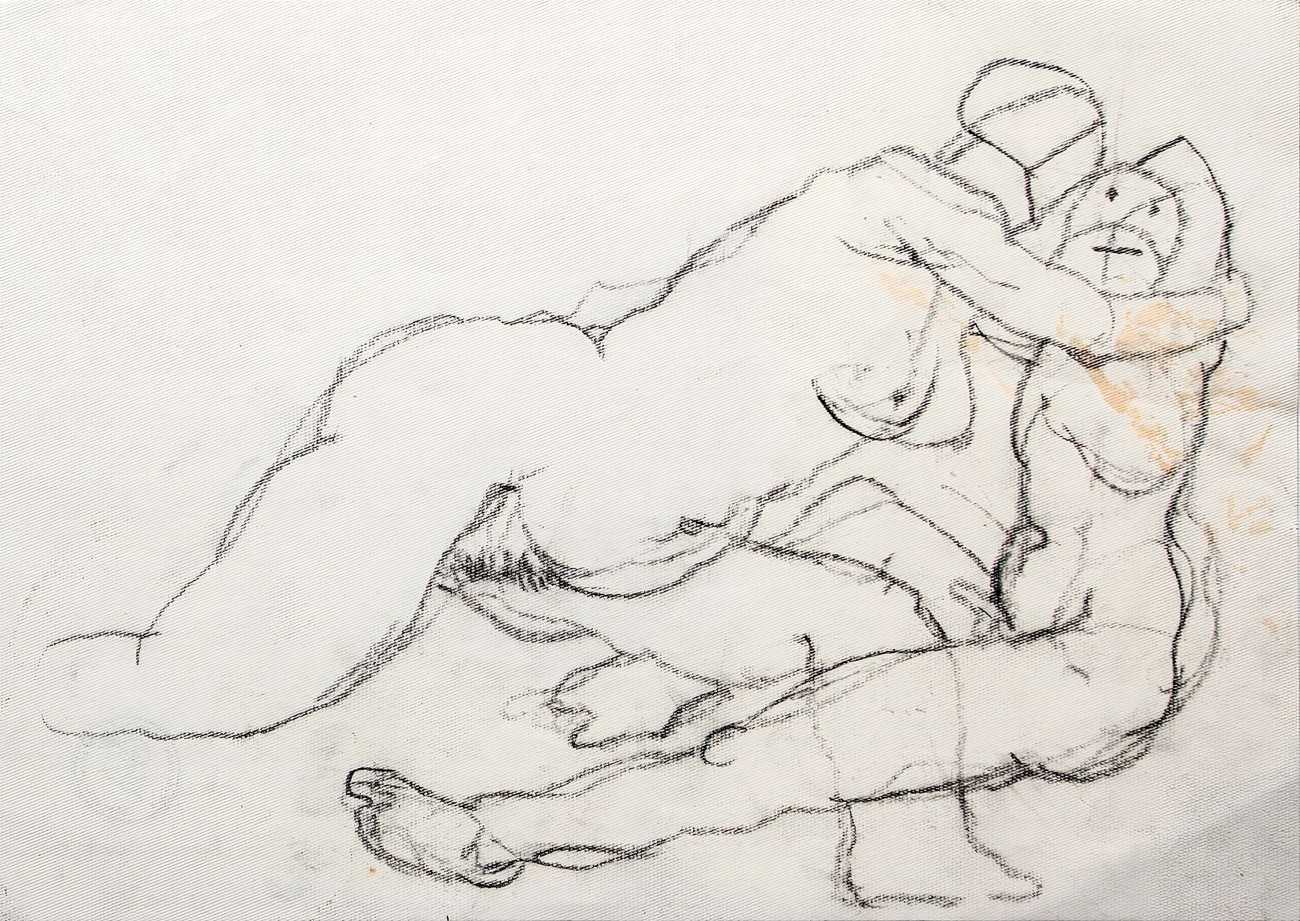
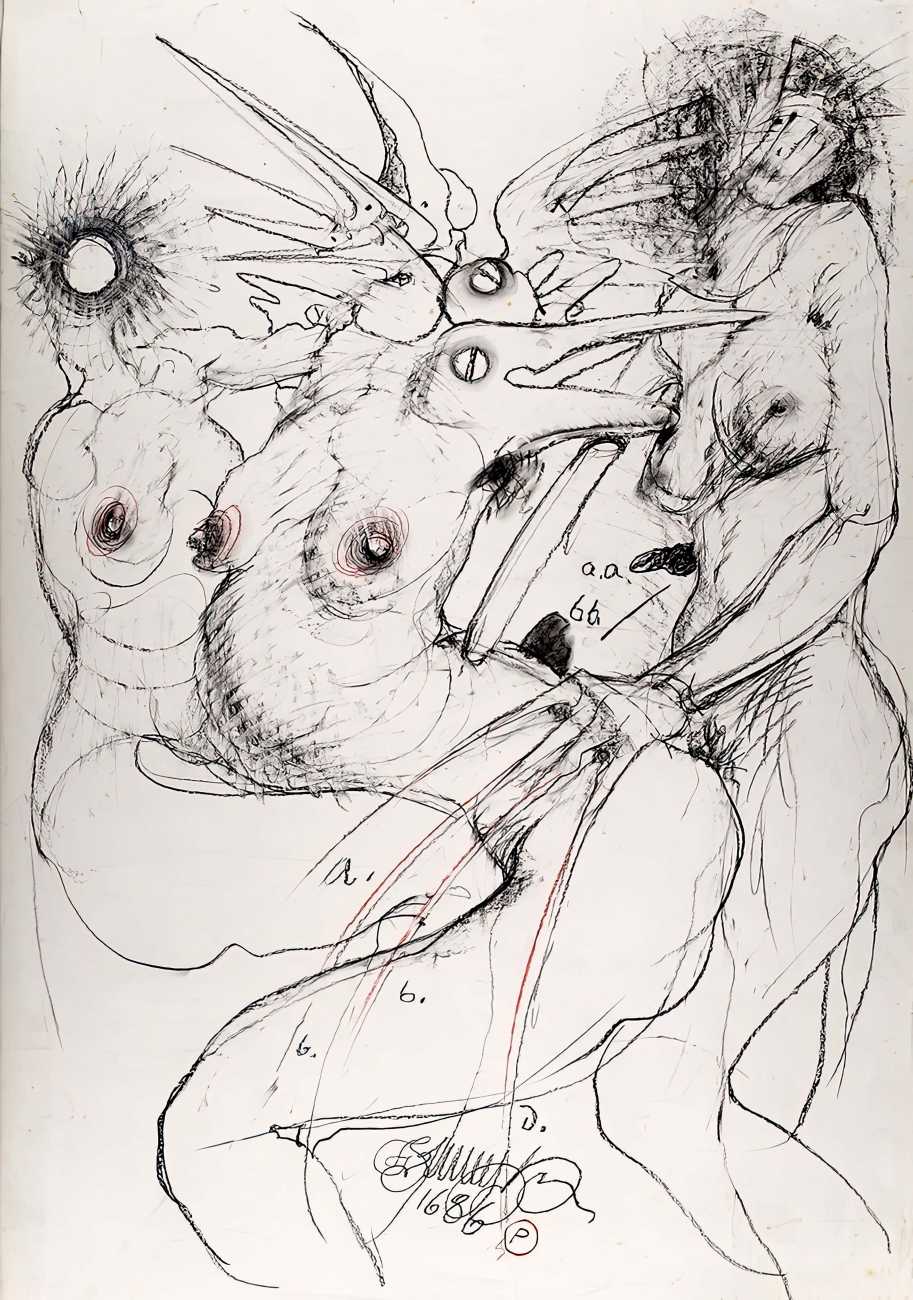
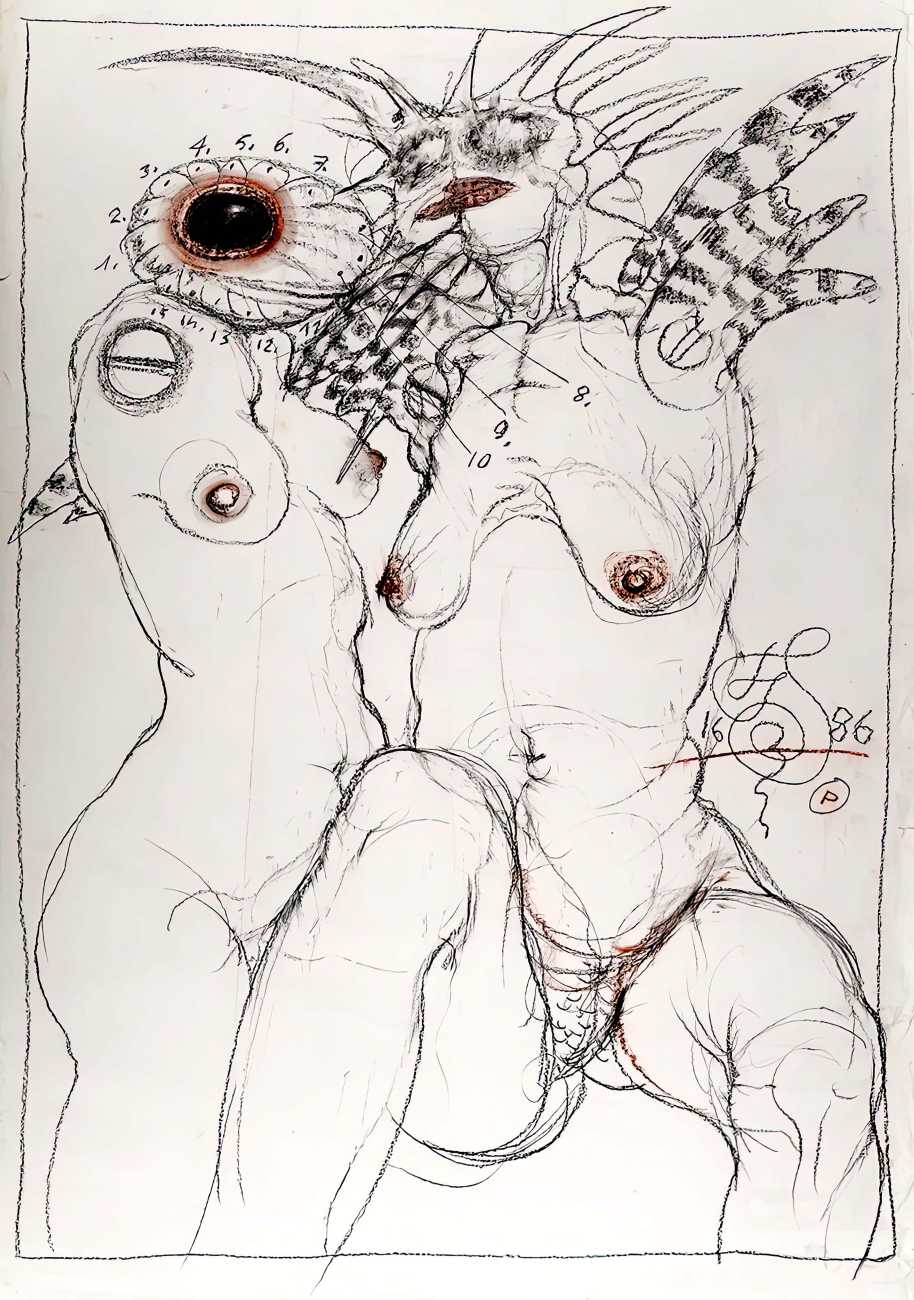
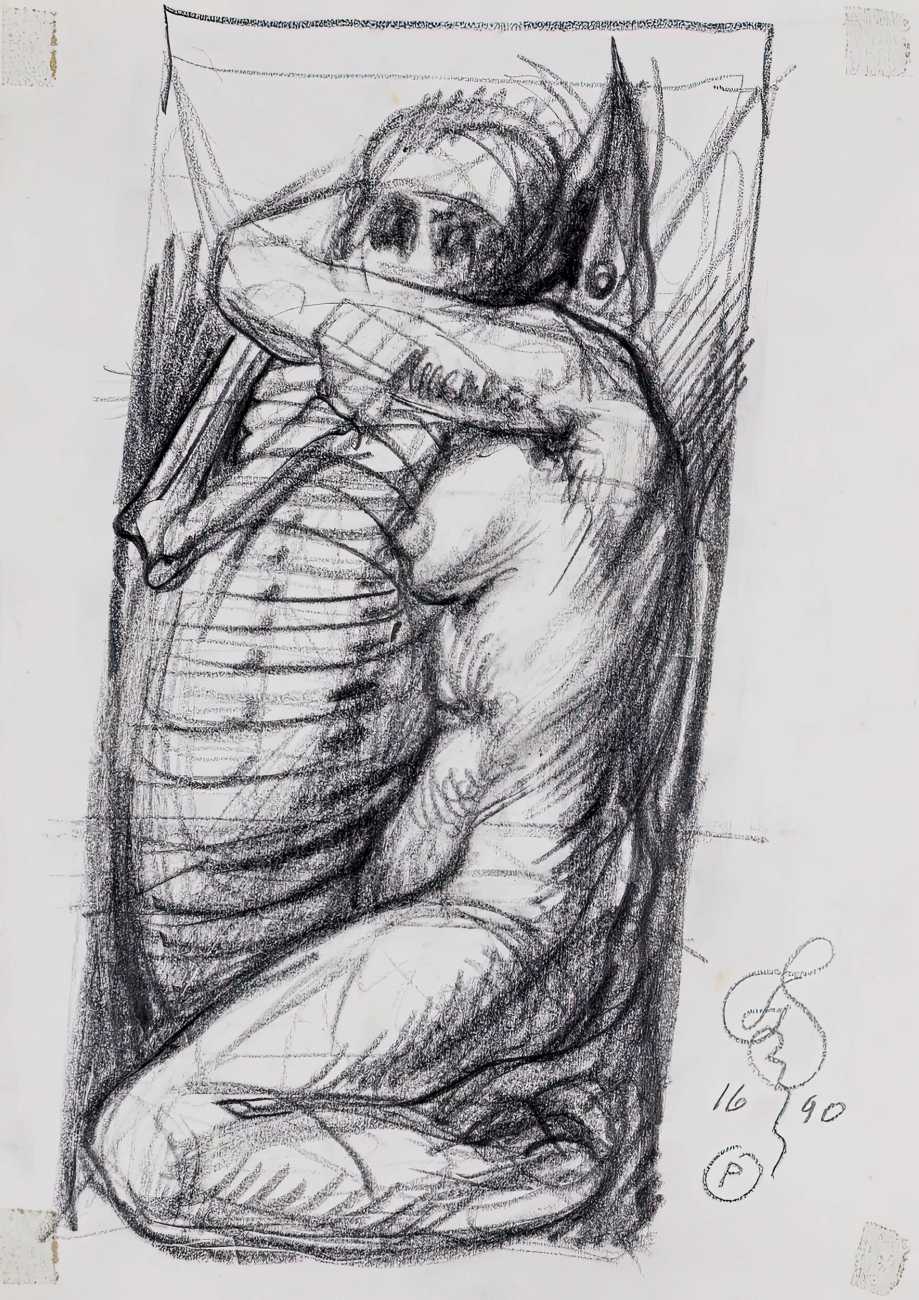
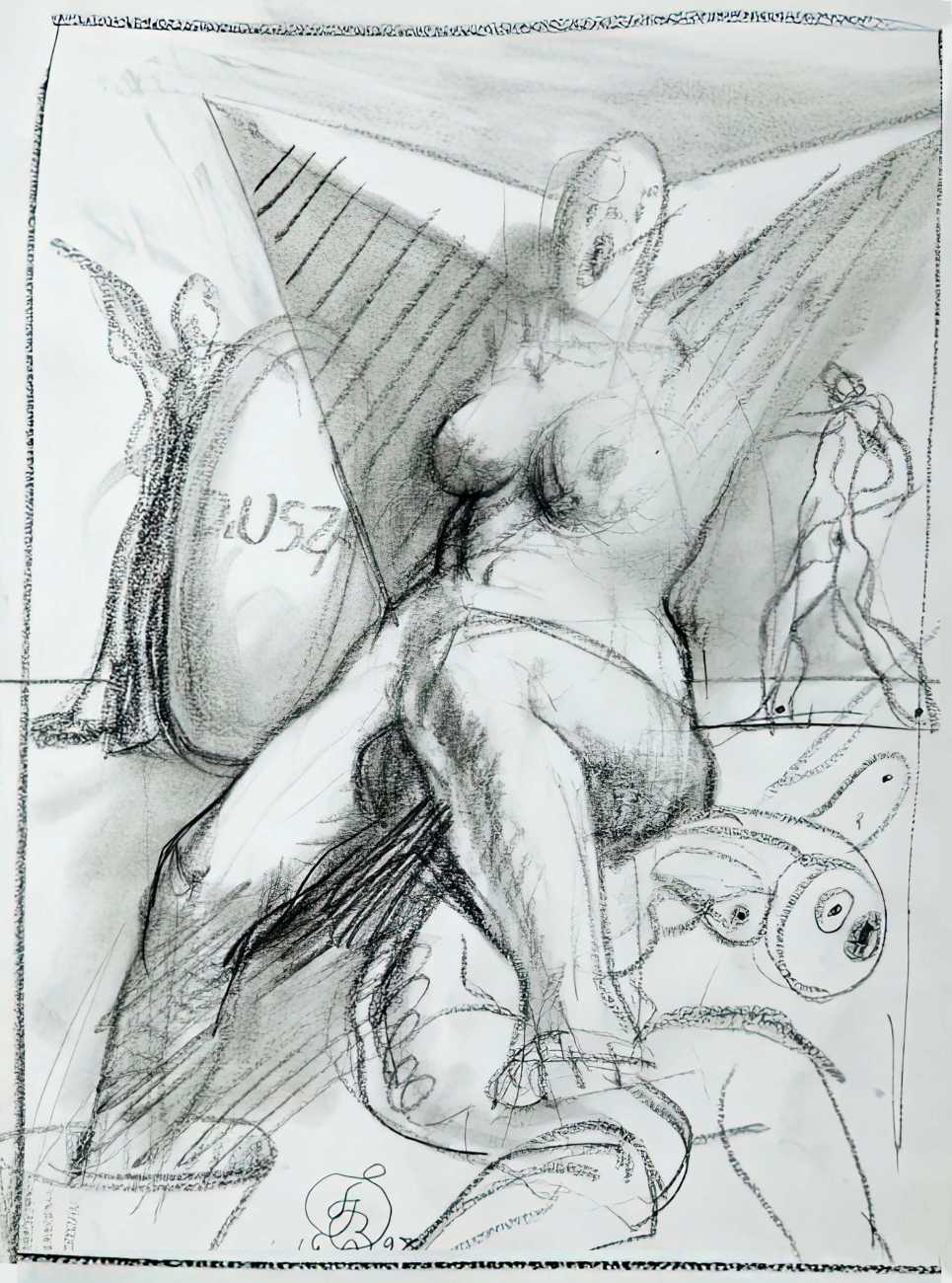
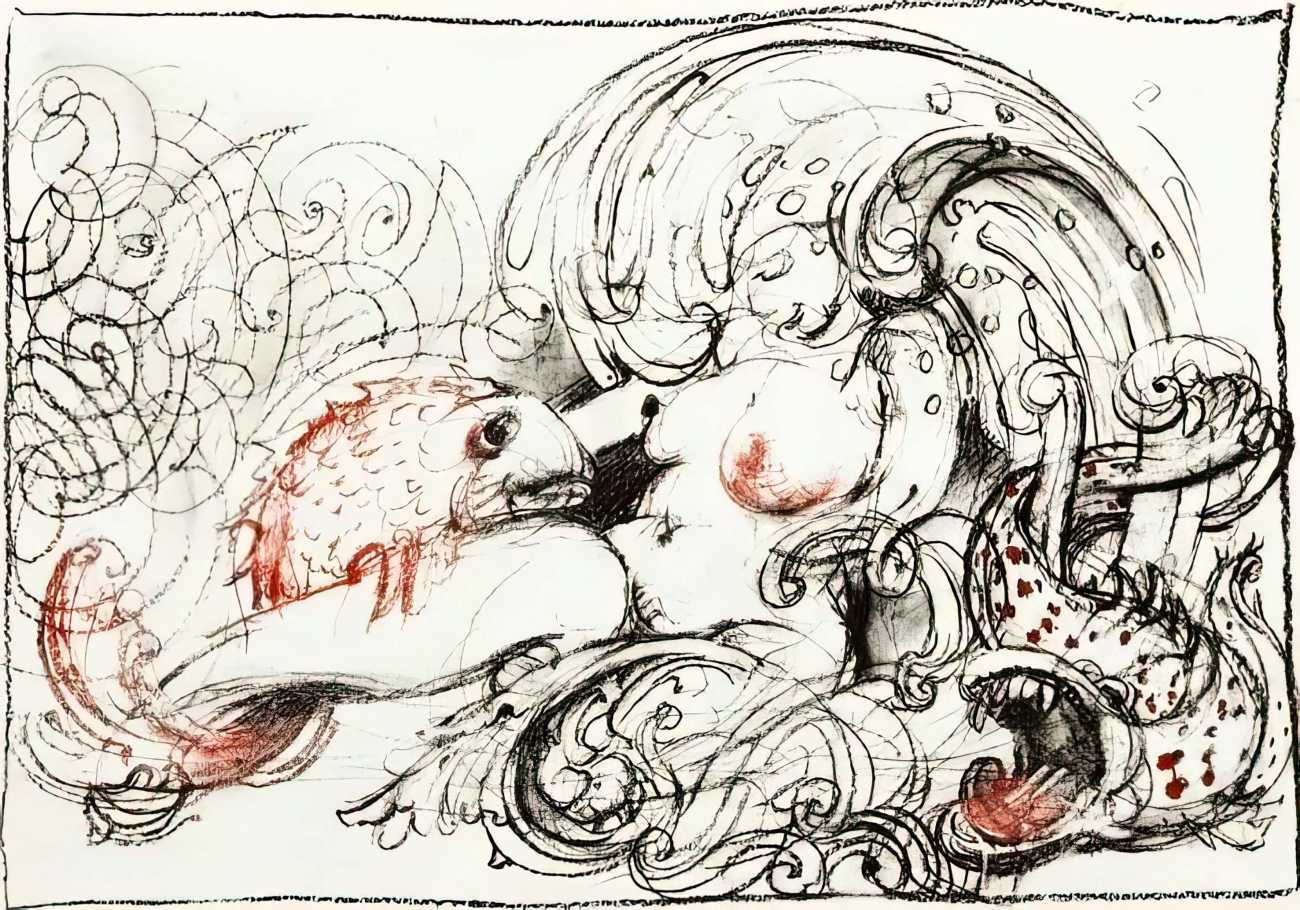
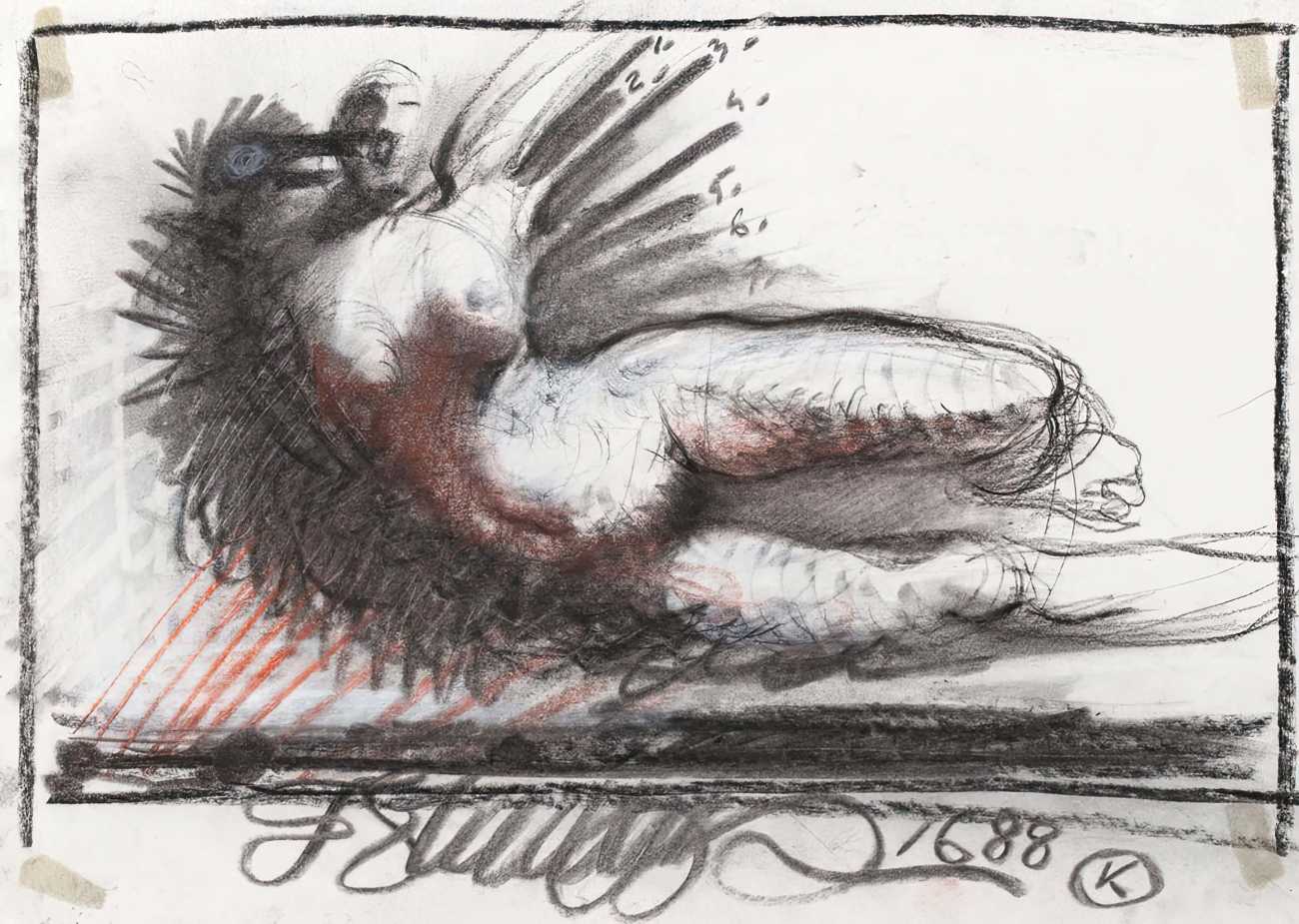
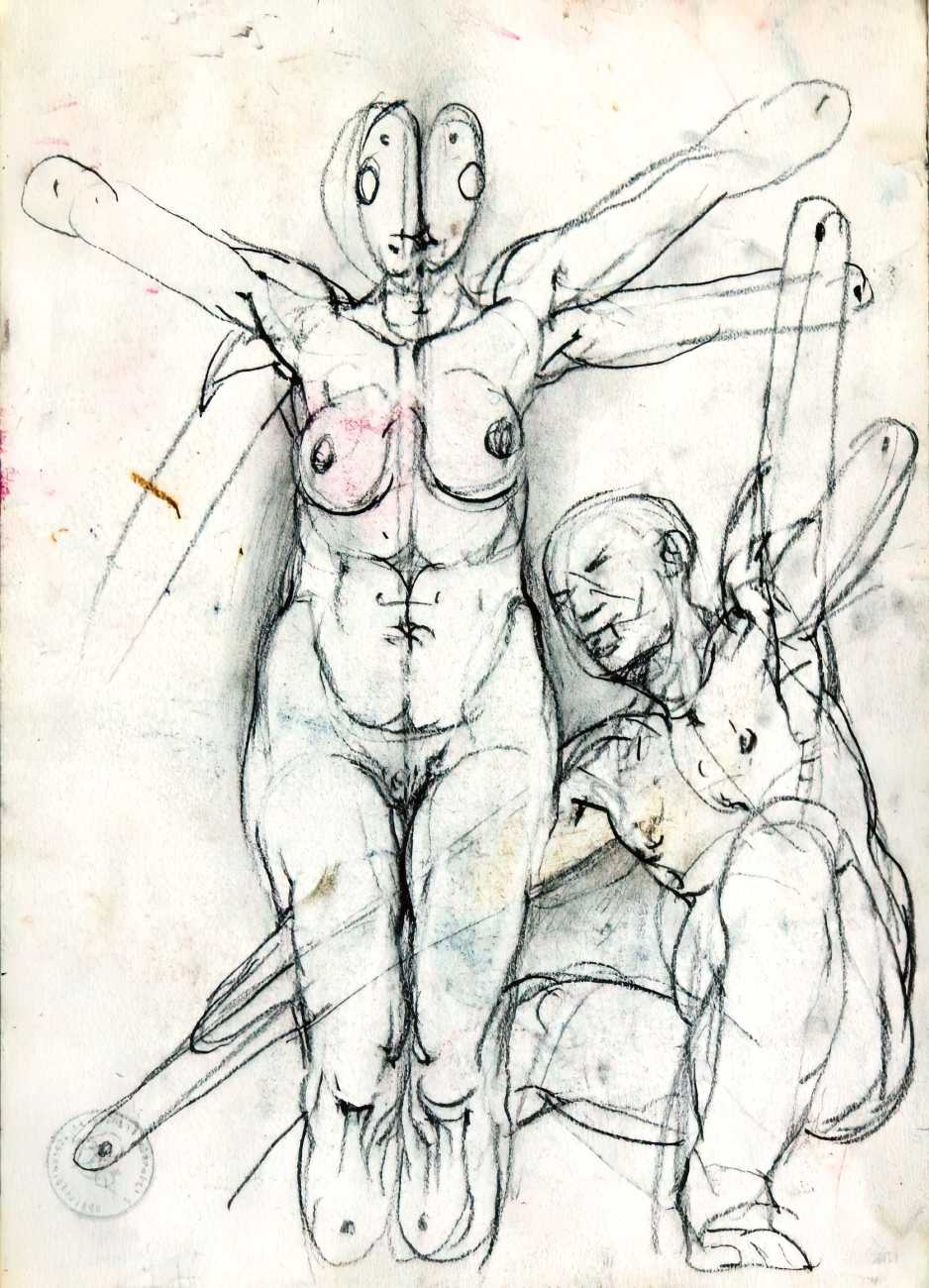
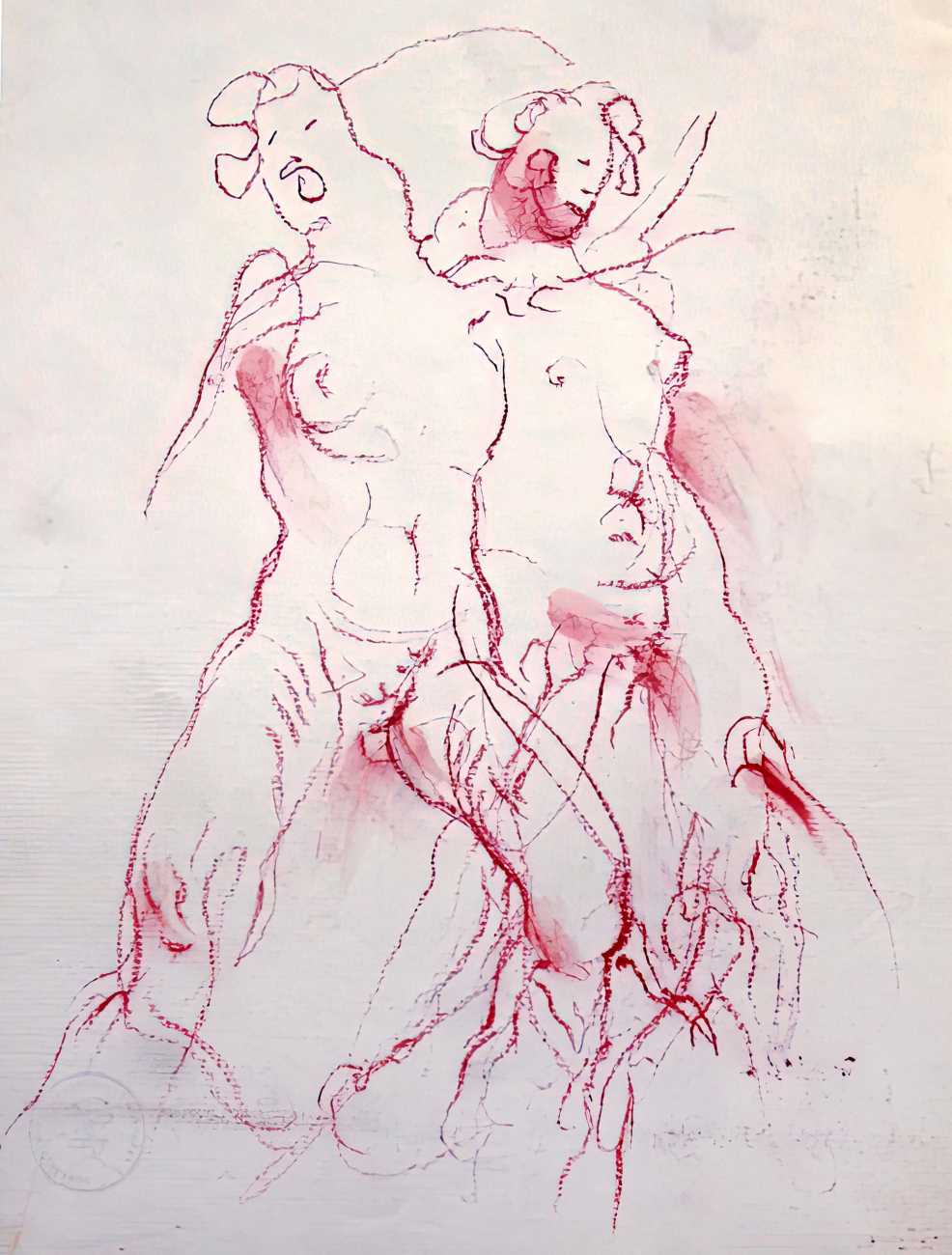
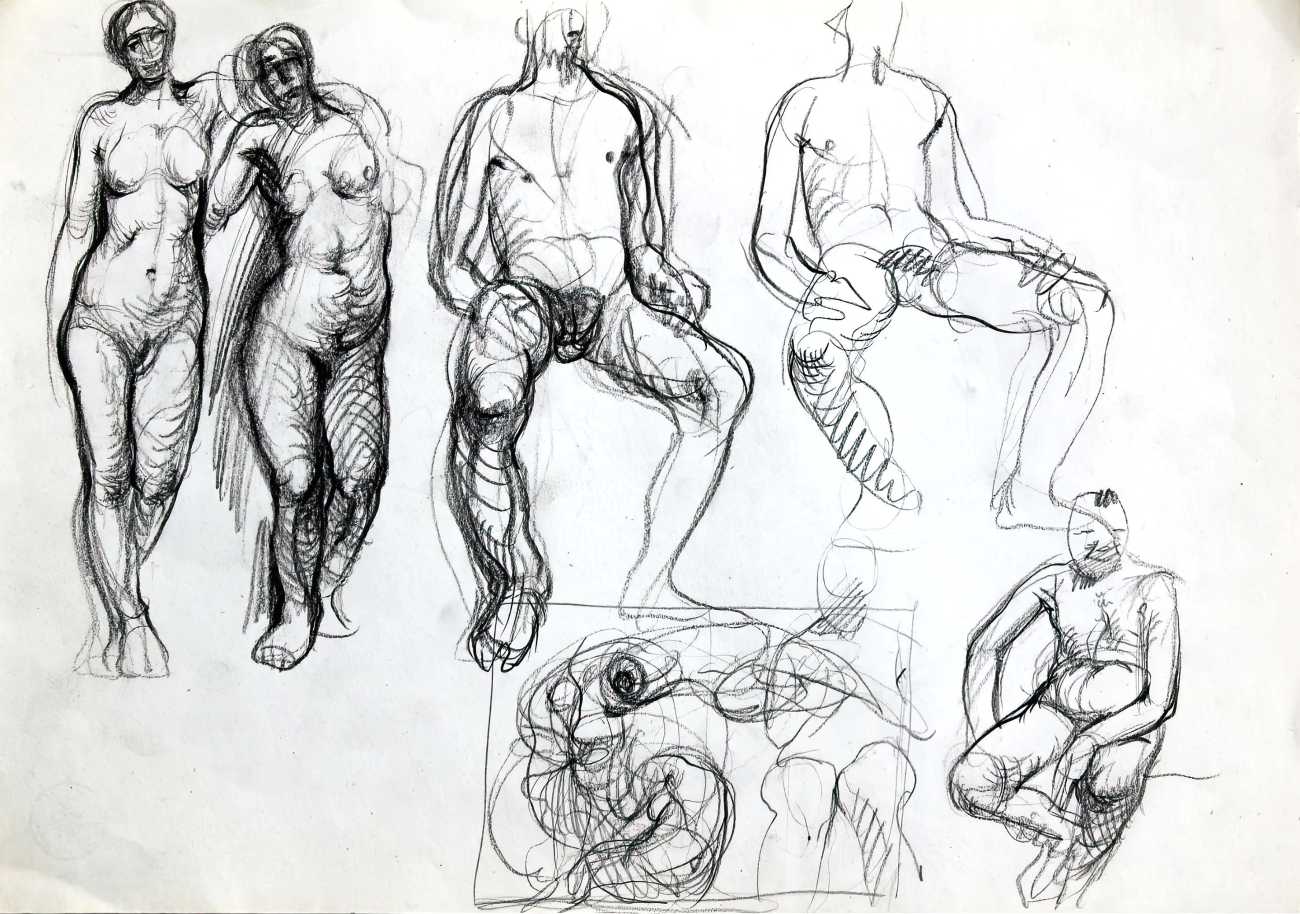
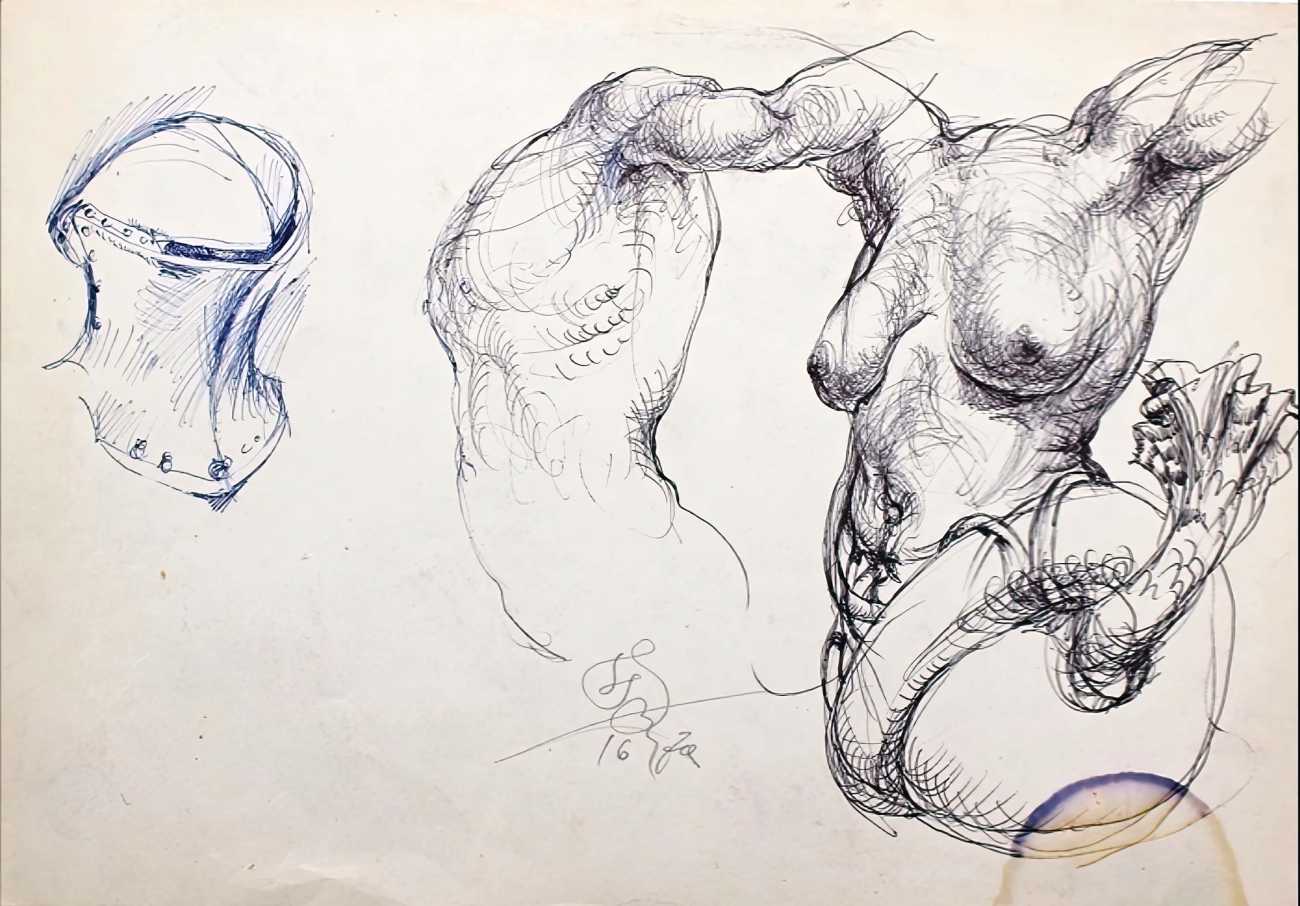
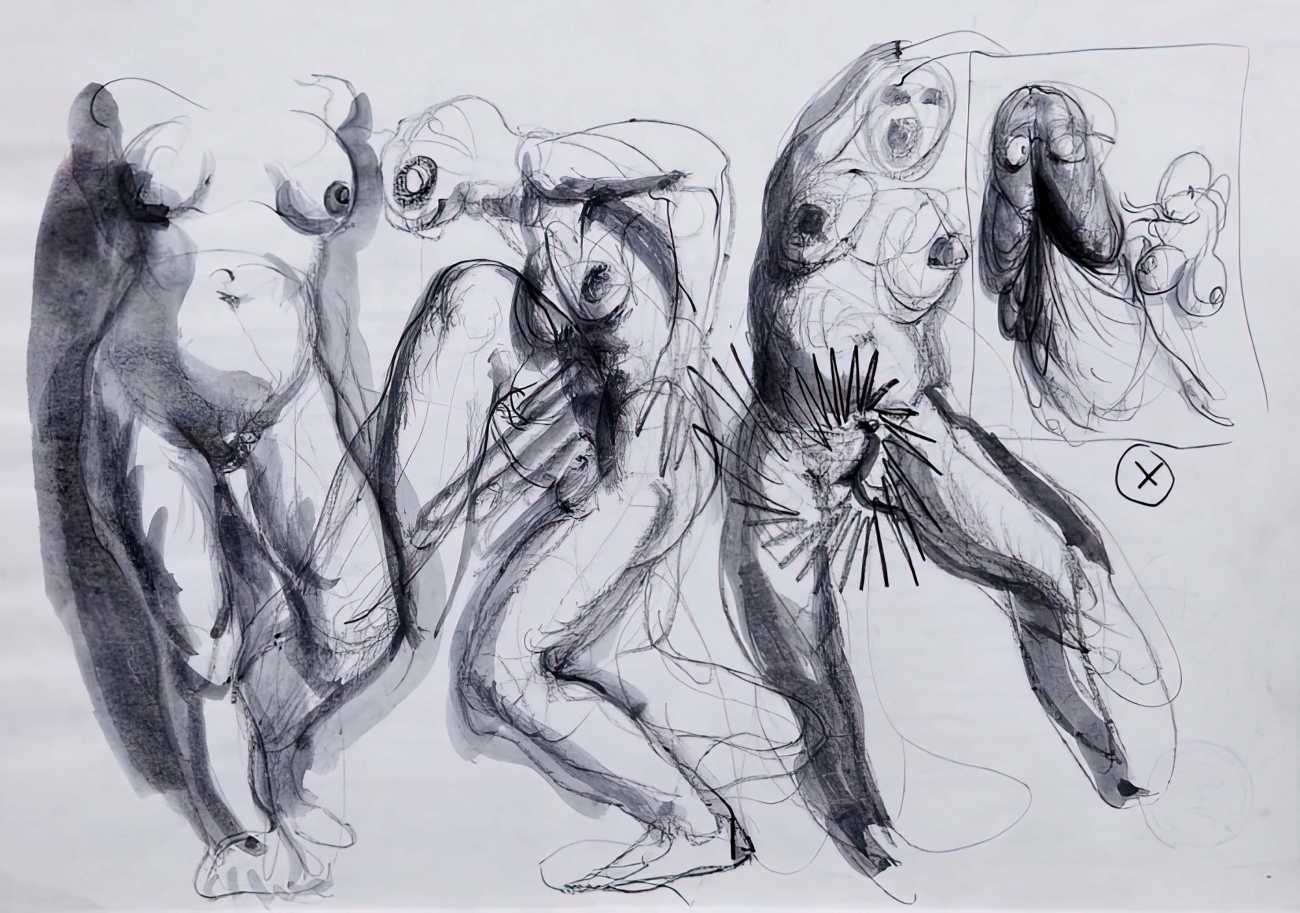
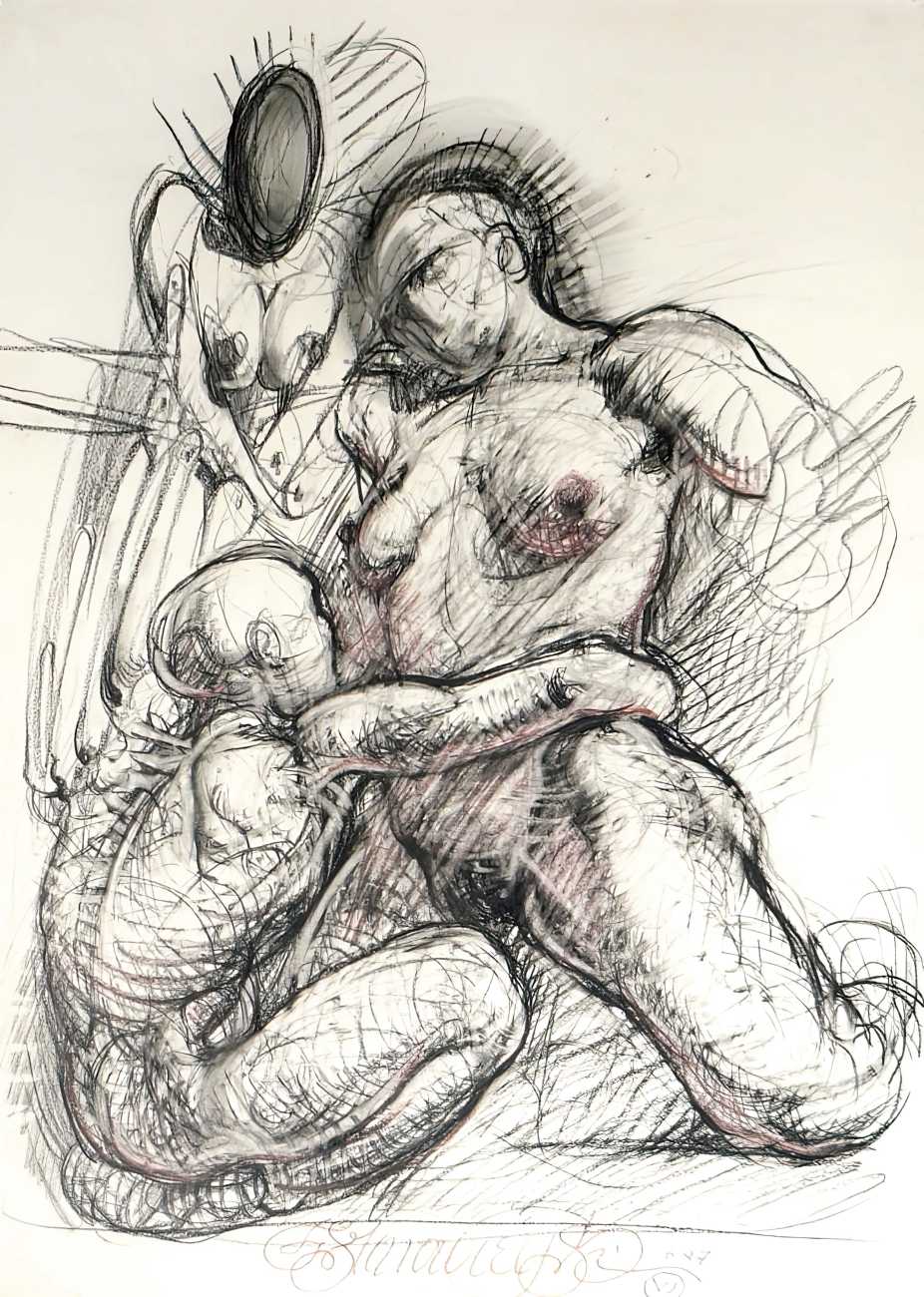
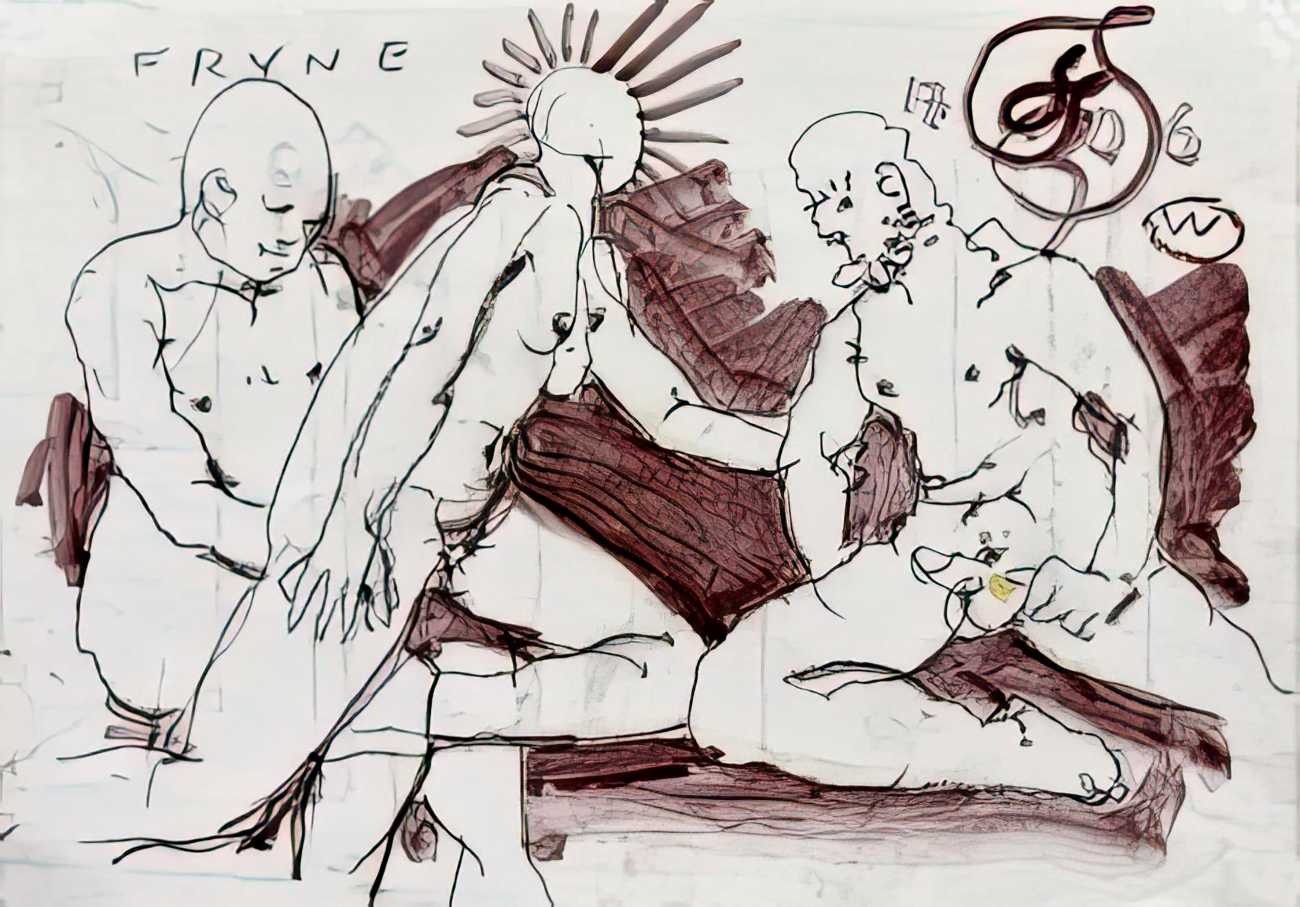
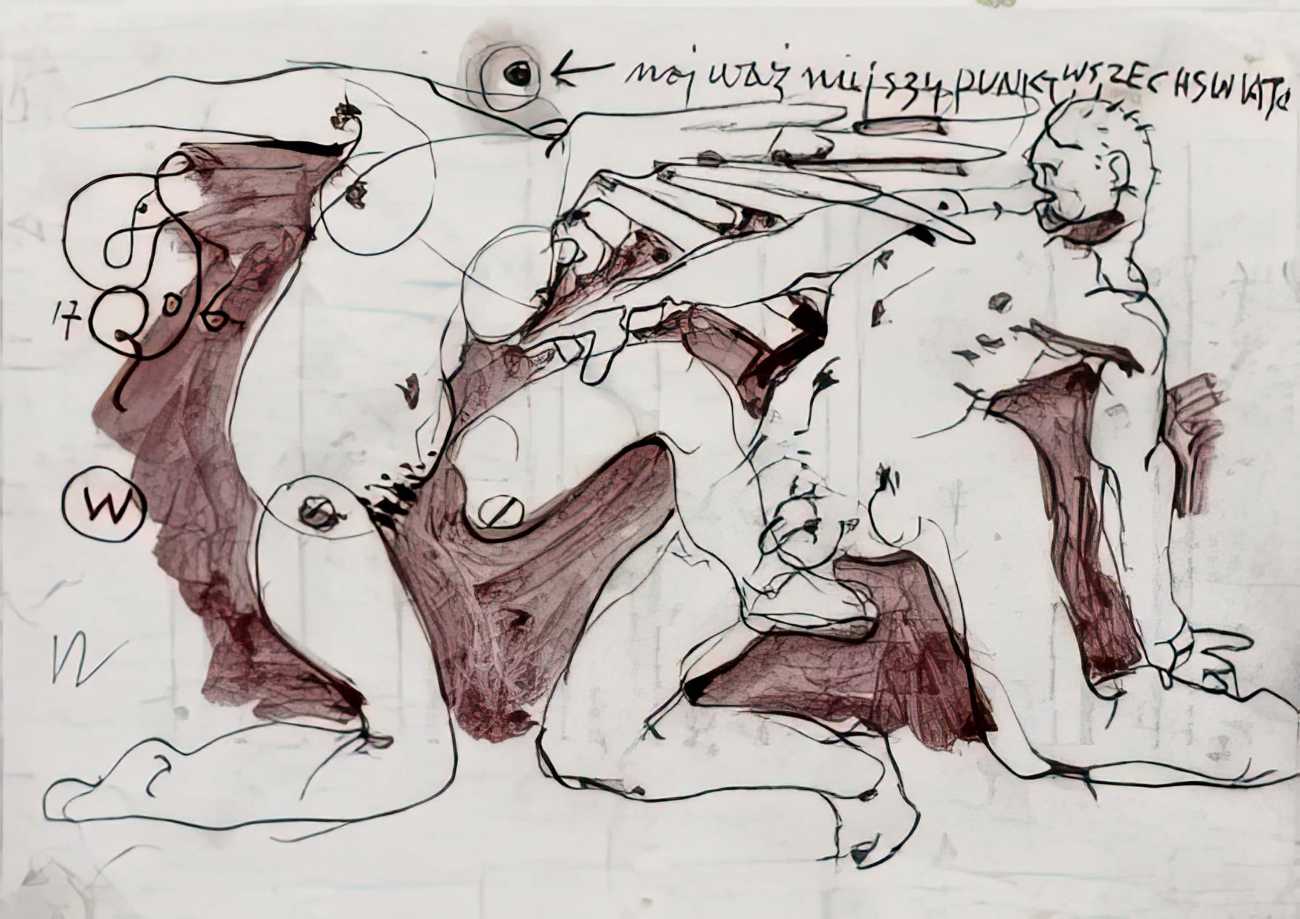
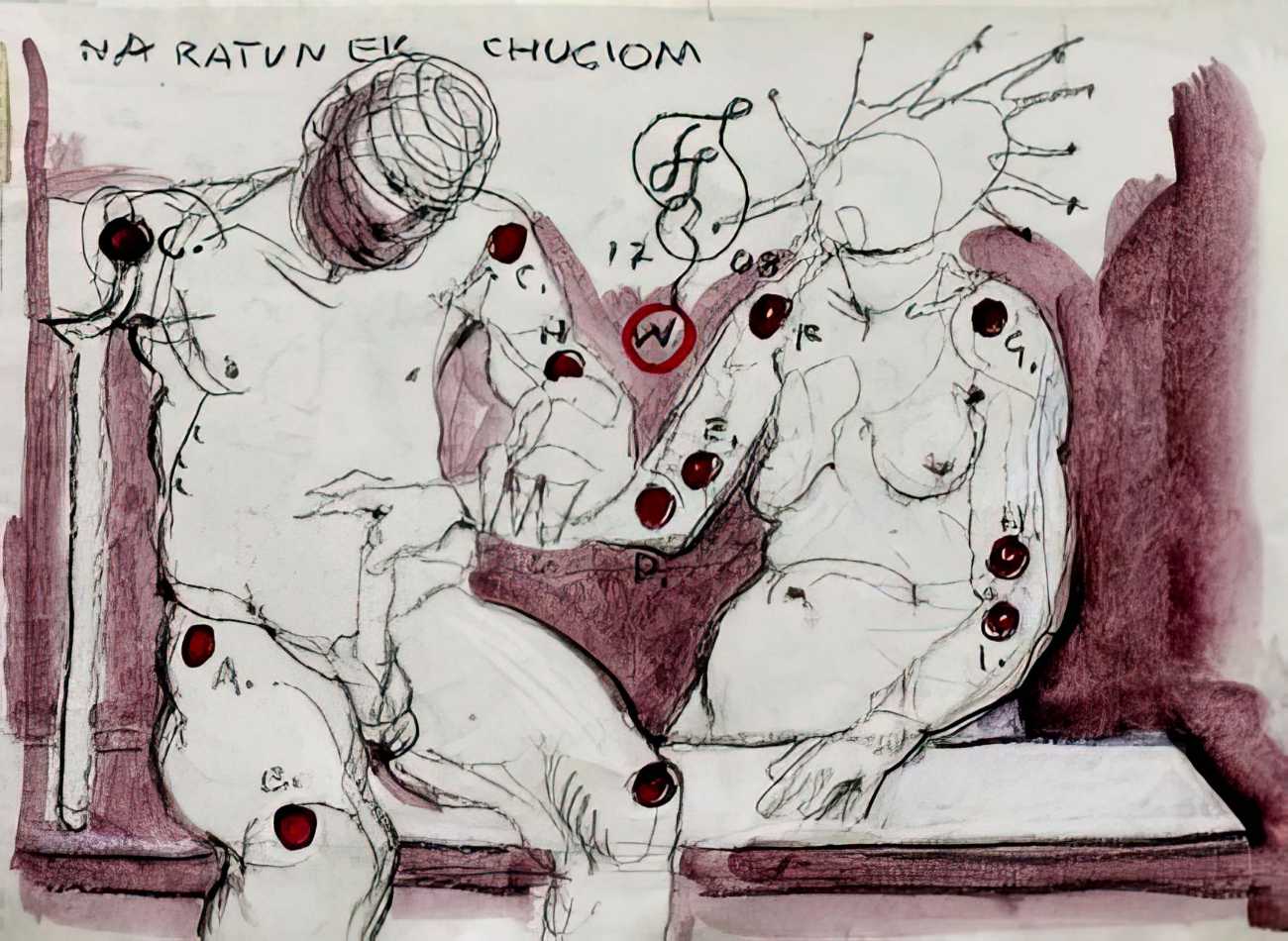
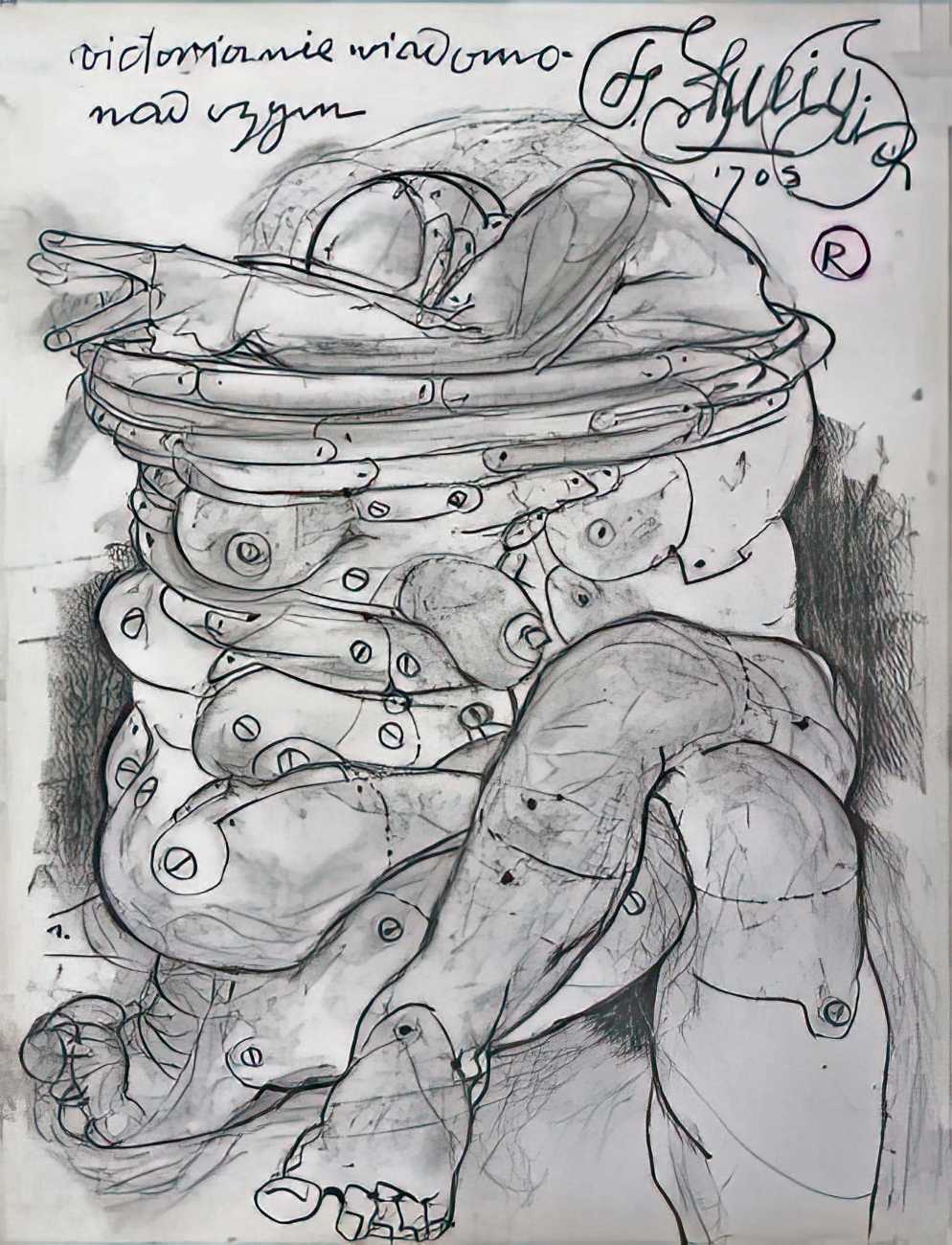
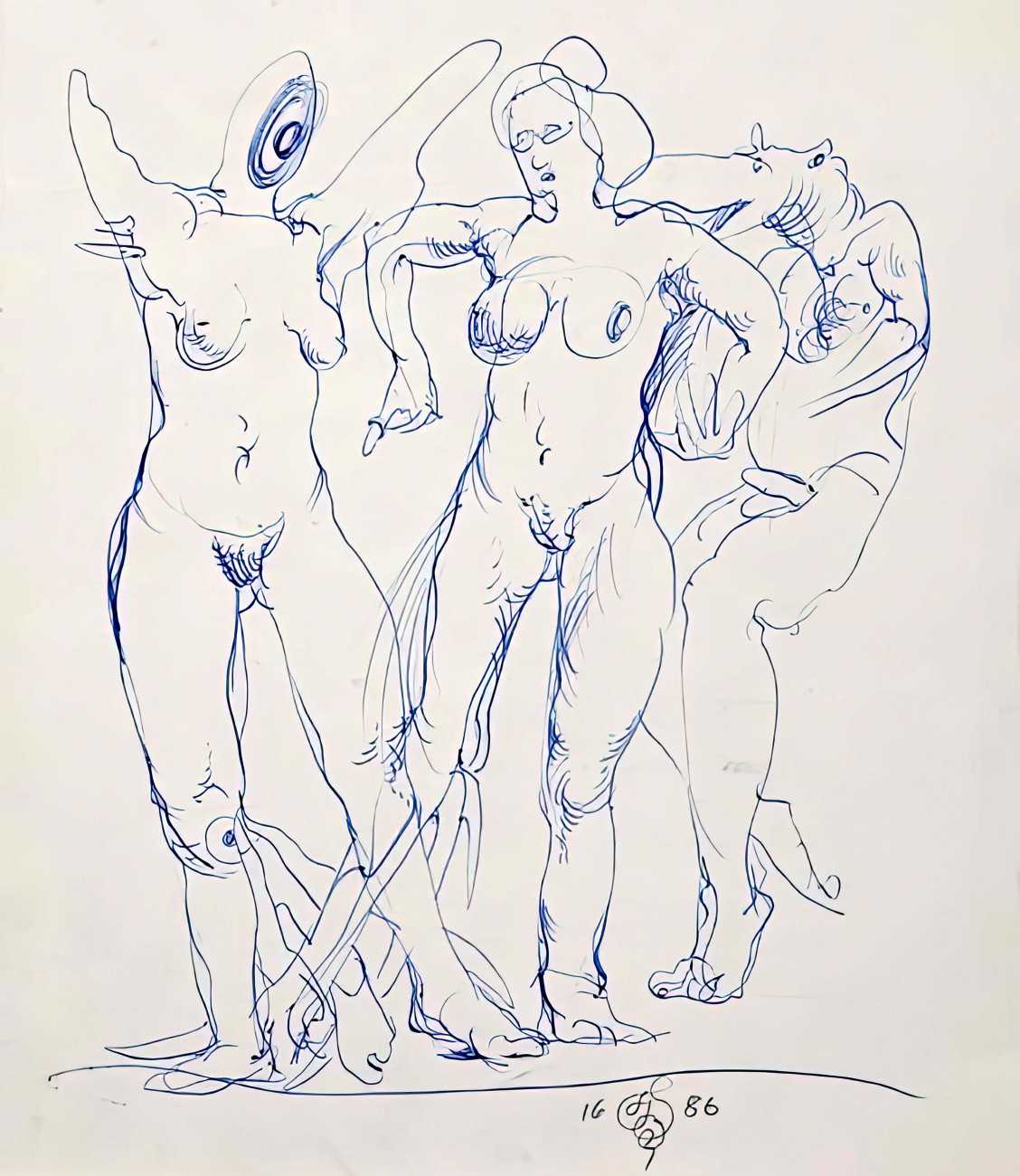
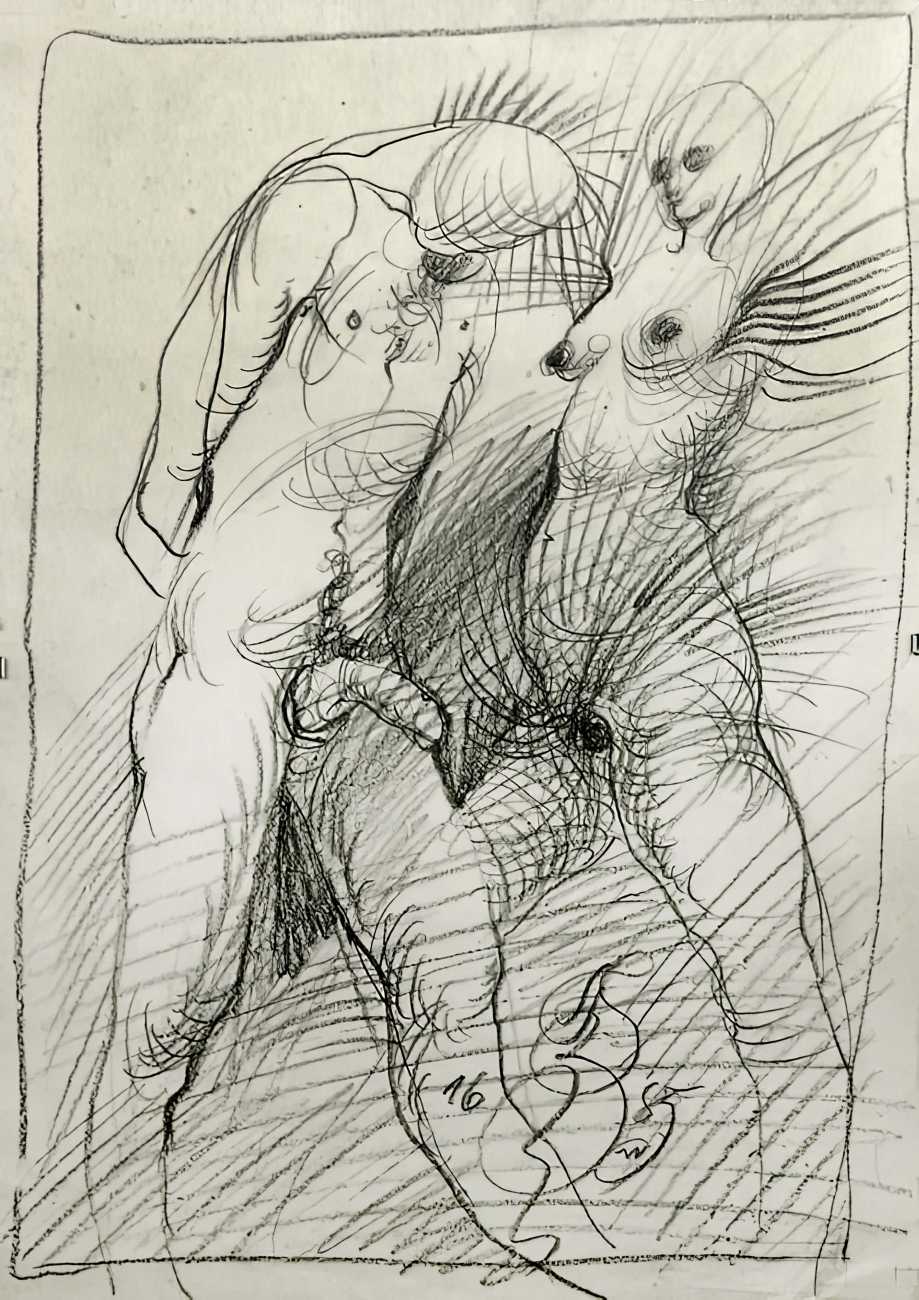
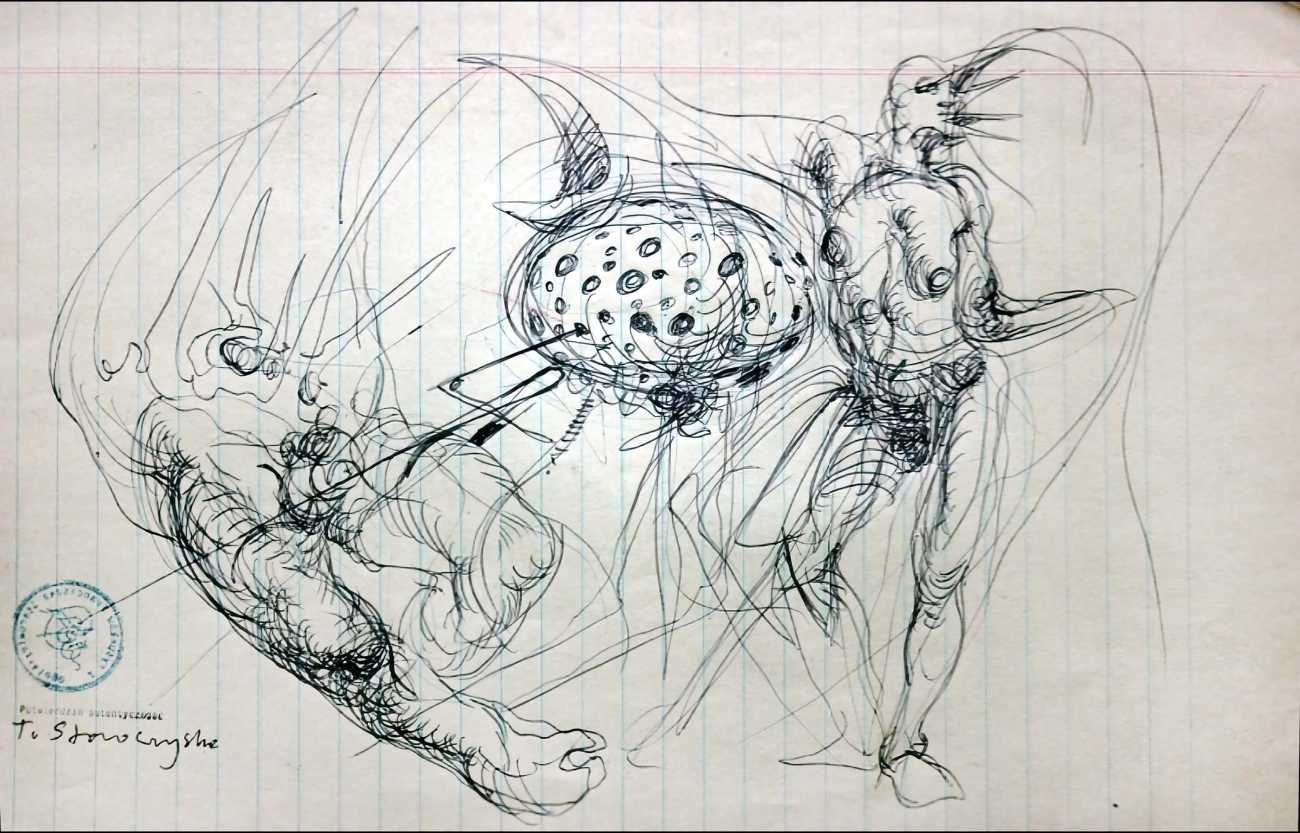
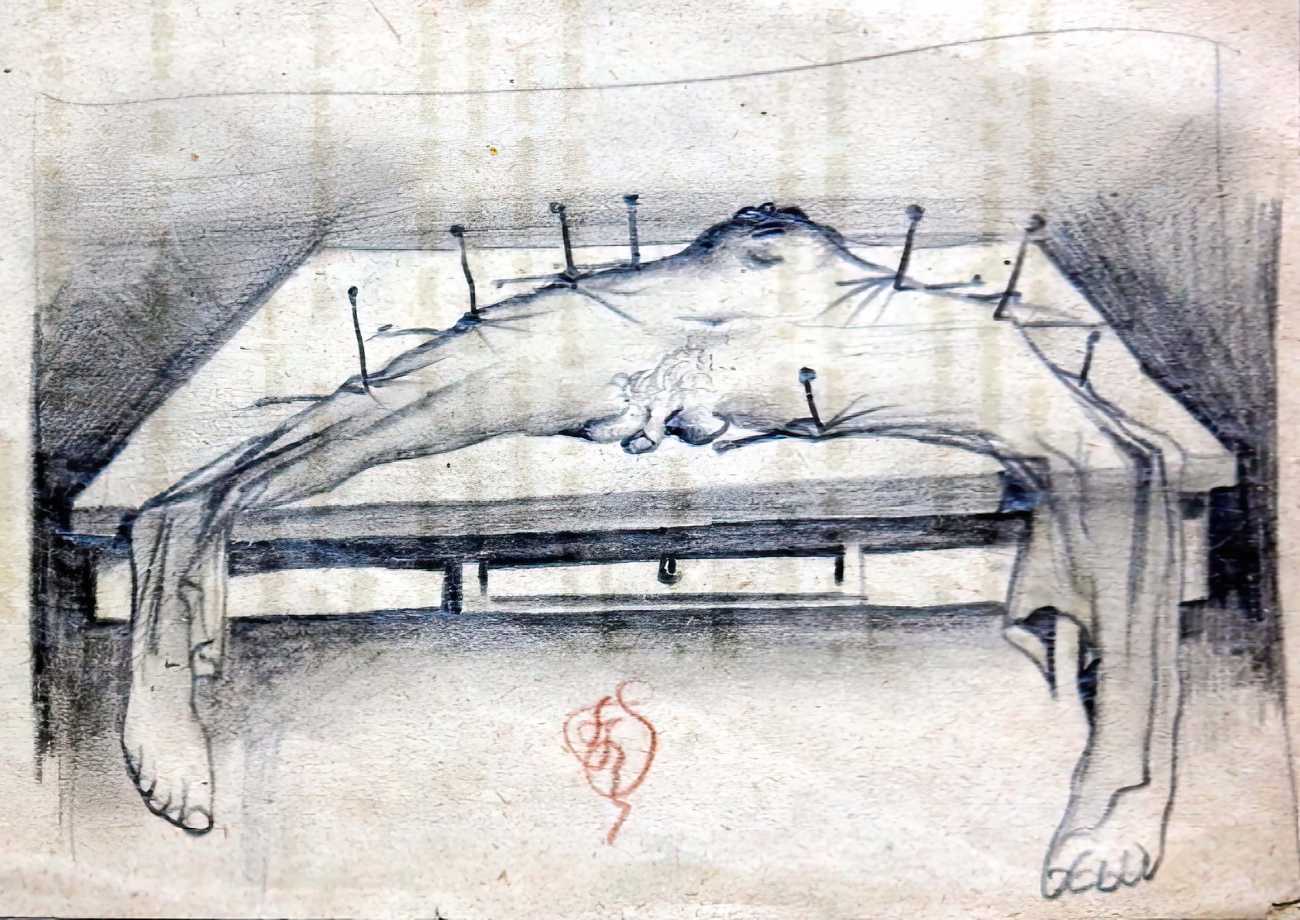
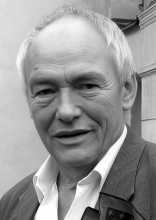
 ‘Franciszek Starowieyski was a personality that shattered all canons, norms and limitations, an extraordinary personality with an unbridled temperament and unpredictability. He was incomparable in creating incredible yet captivating and colourful fictions and myths, and was the most surprising and controversial of all the artists I had the opportunity to meet and befriend.’ Thus wrote the art critic Bożena Kowalska in the catalogue for a 2009 exhibition of his work.
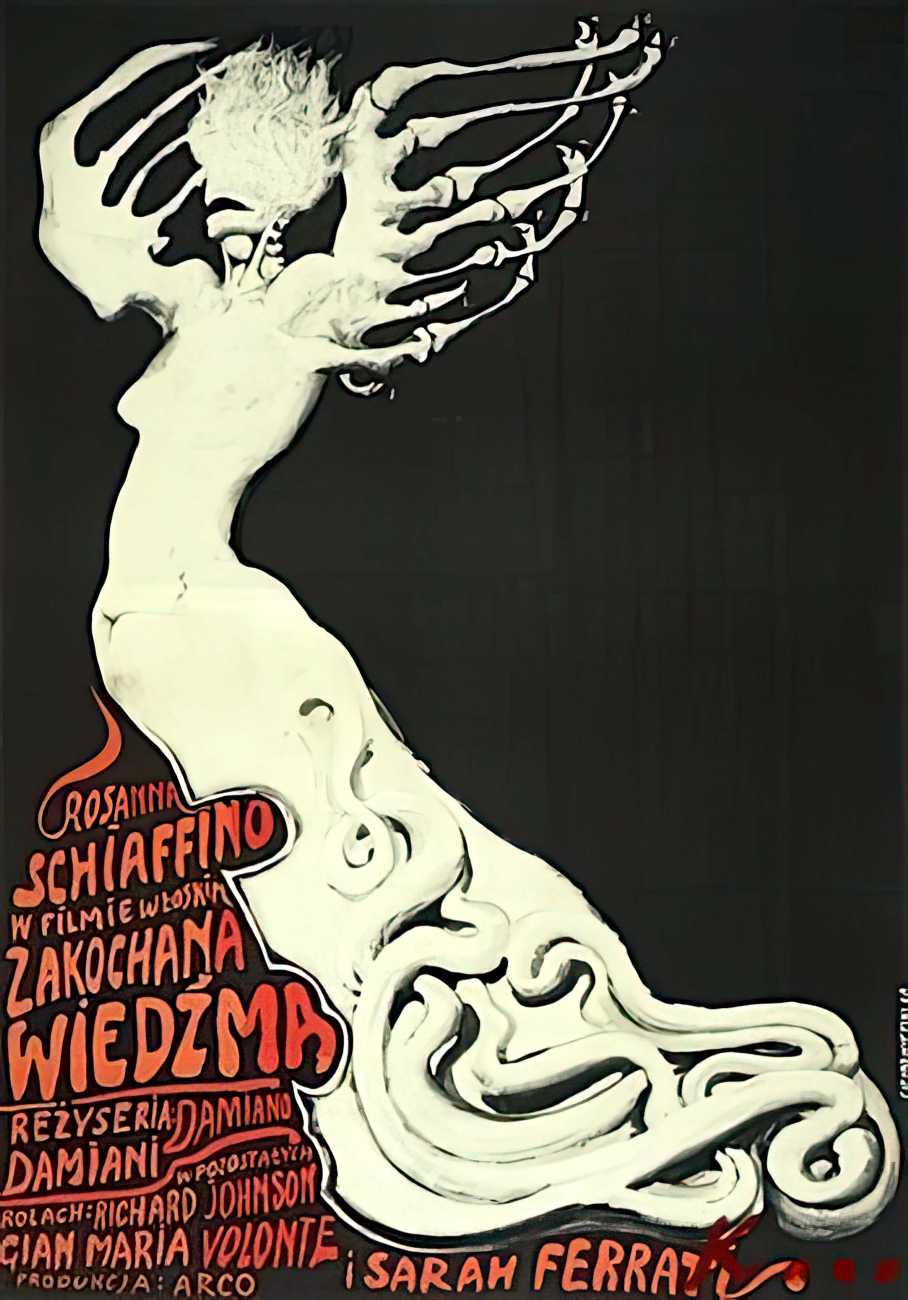
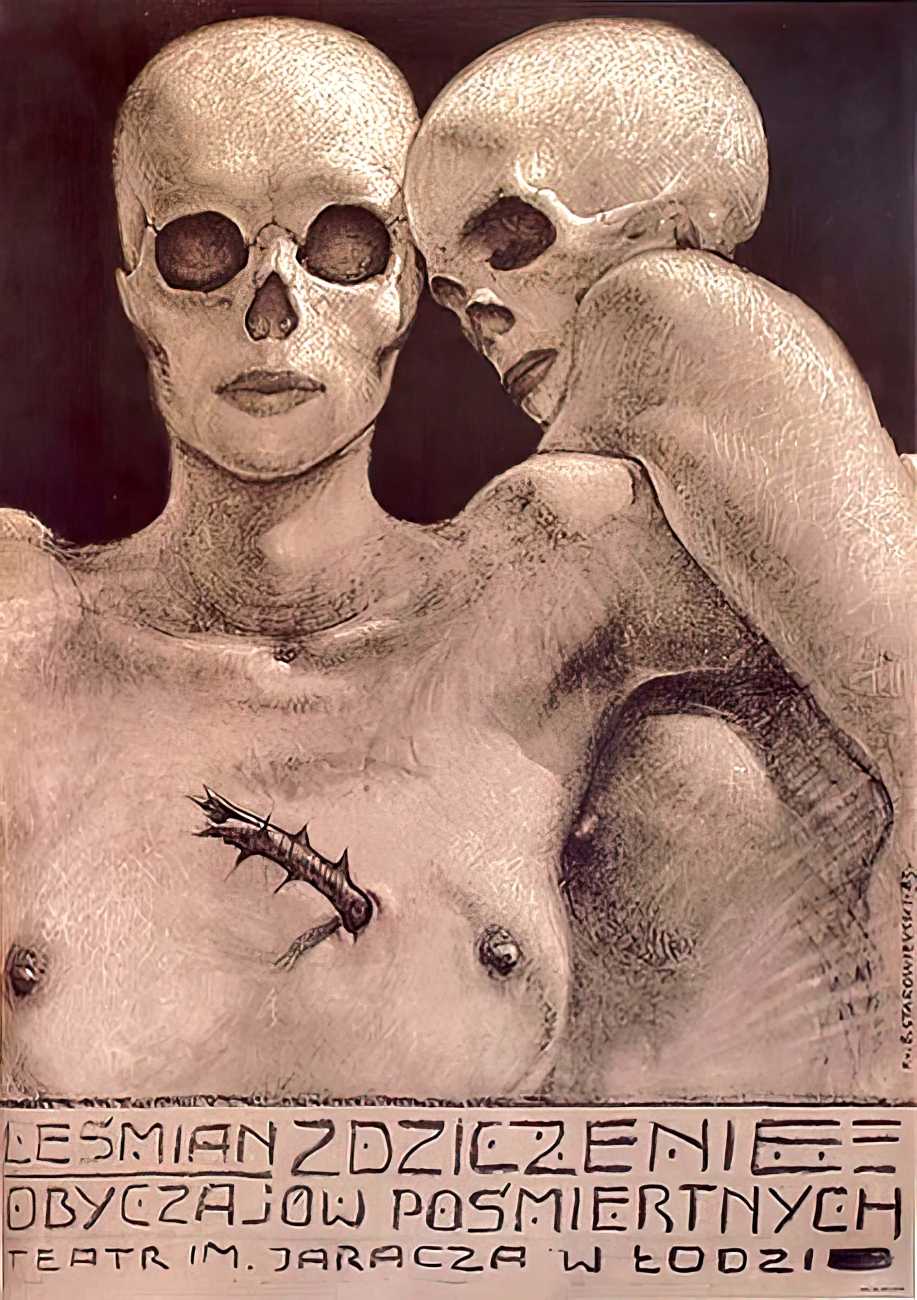
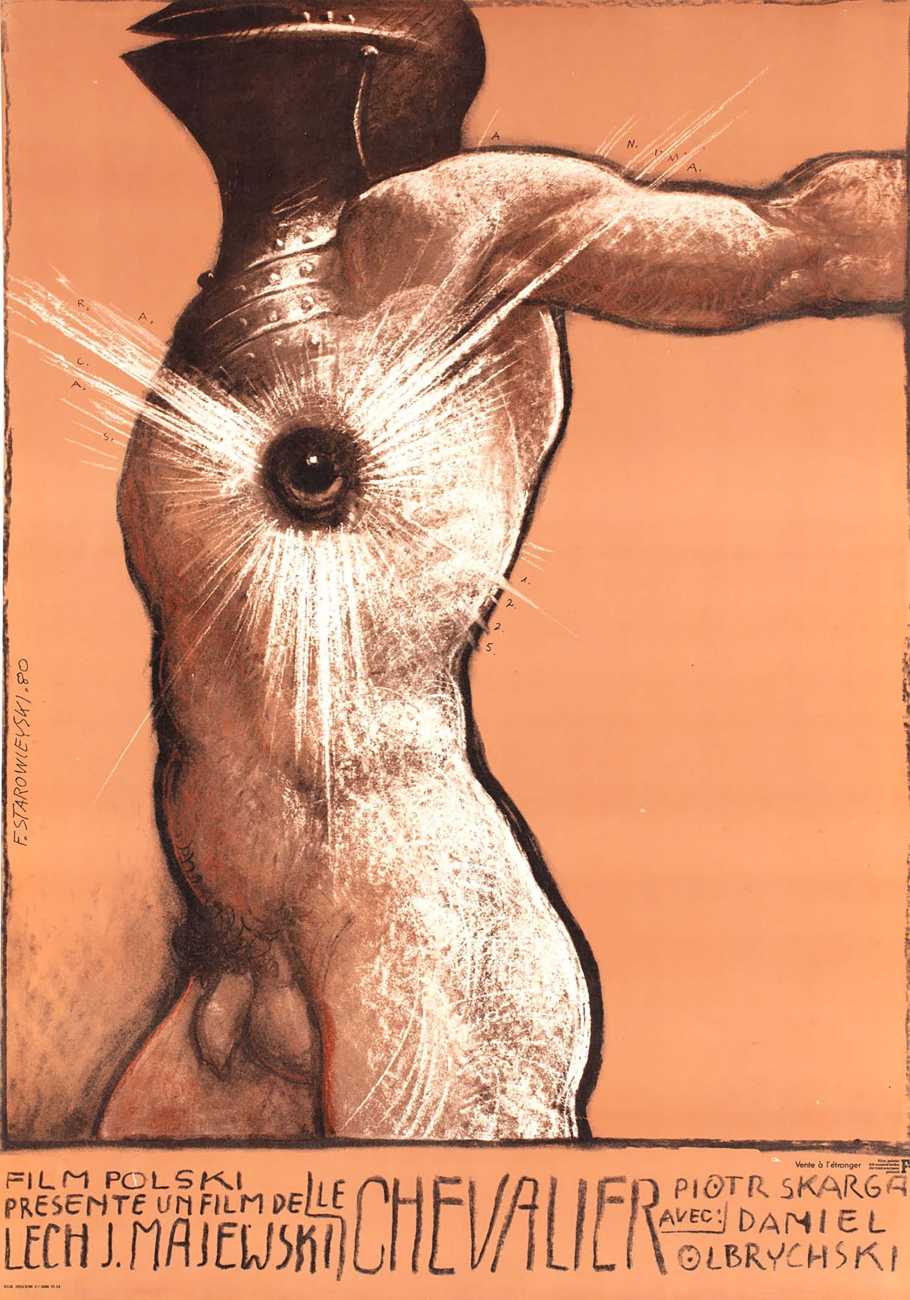
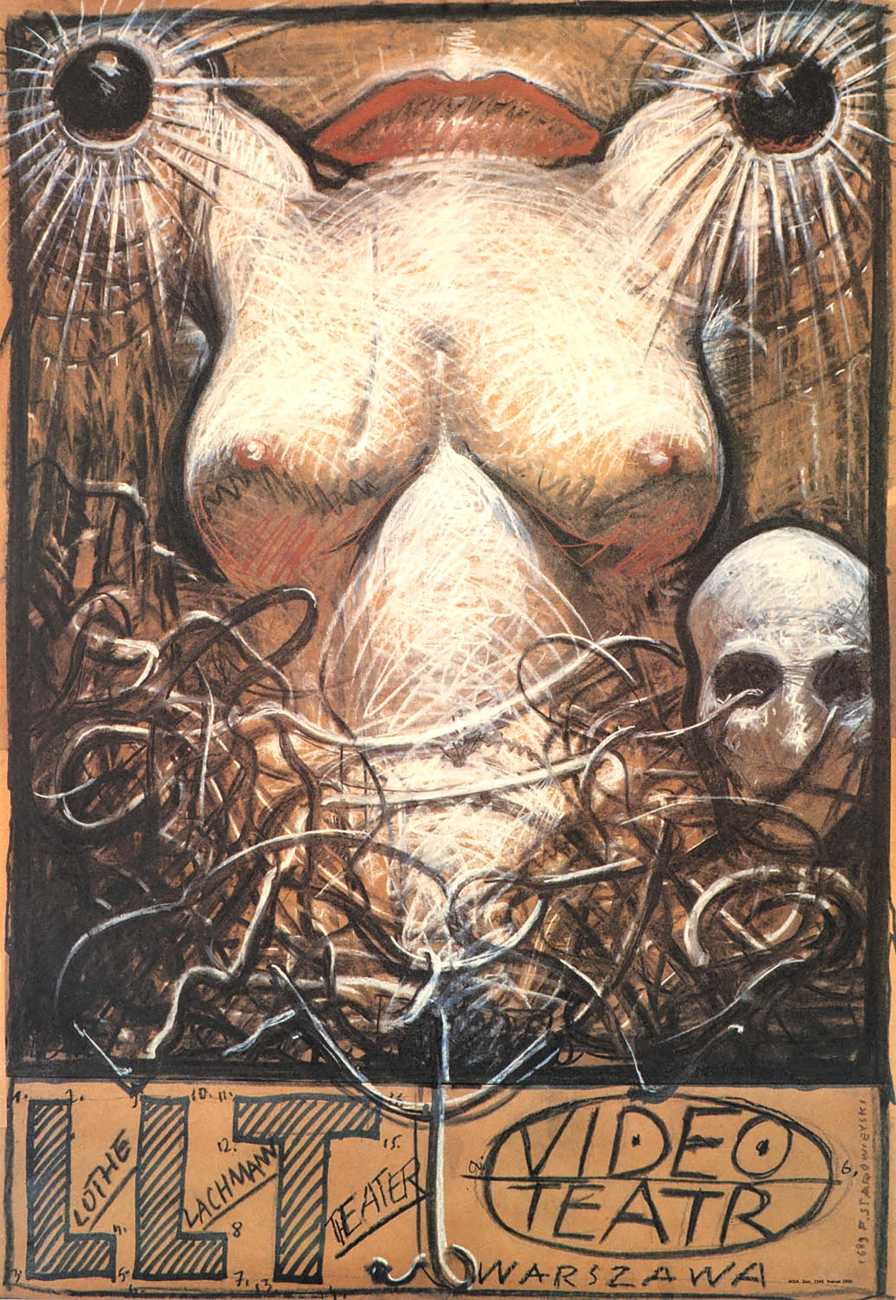
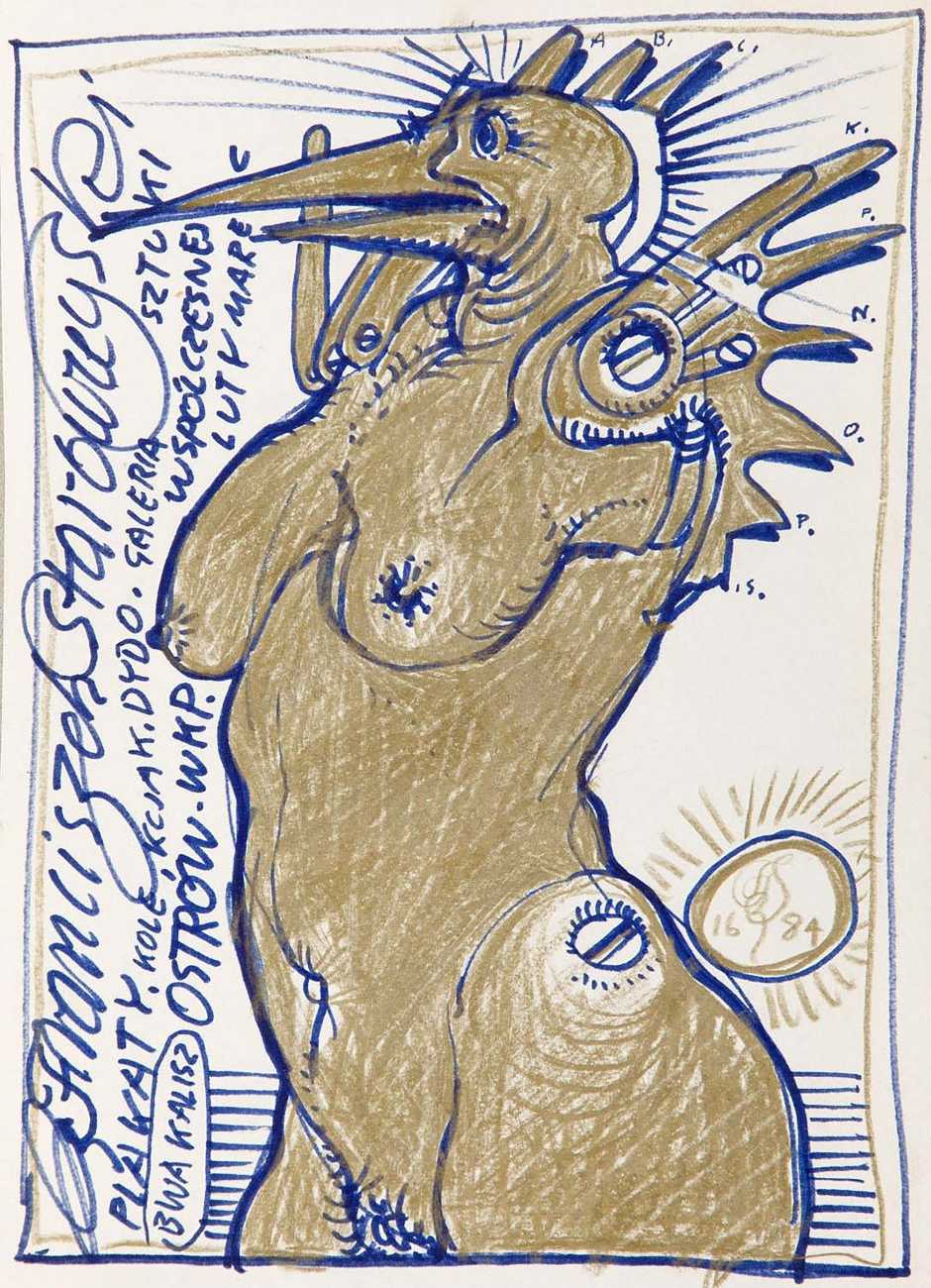
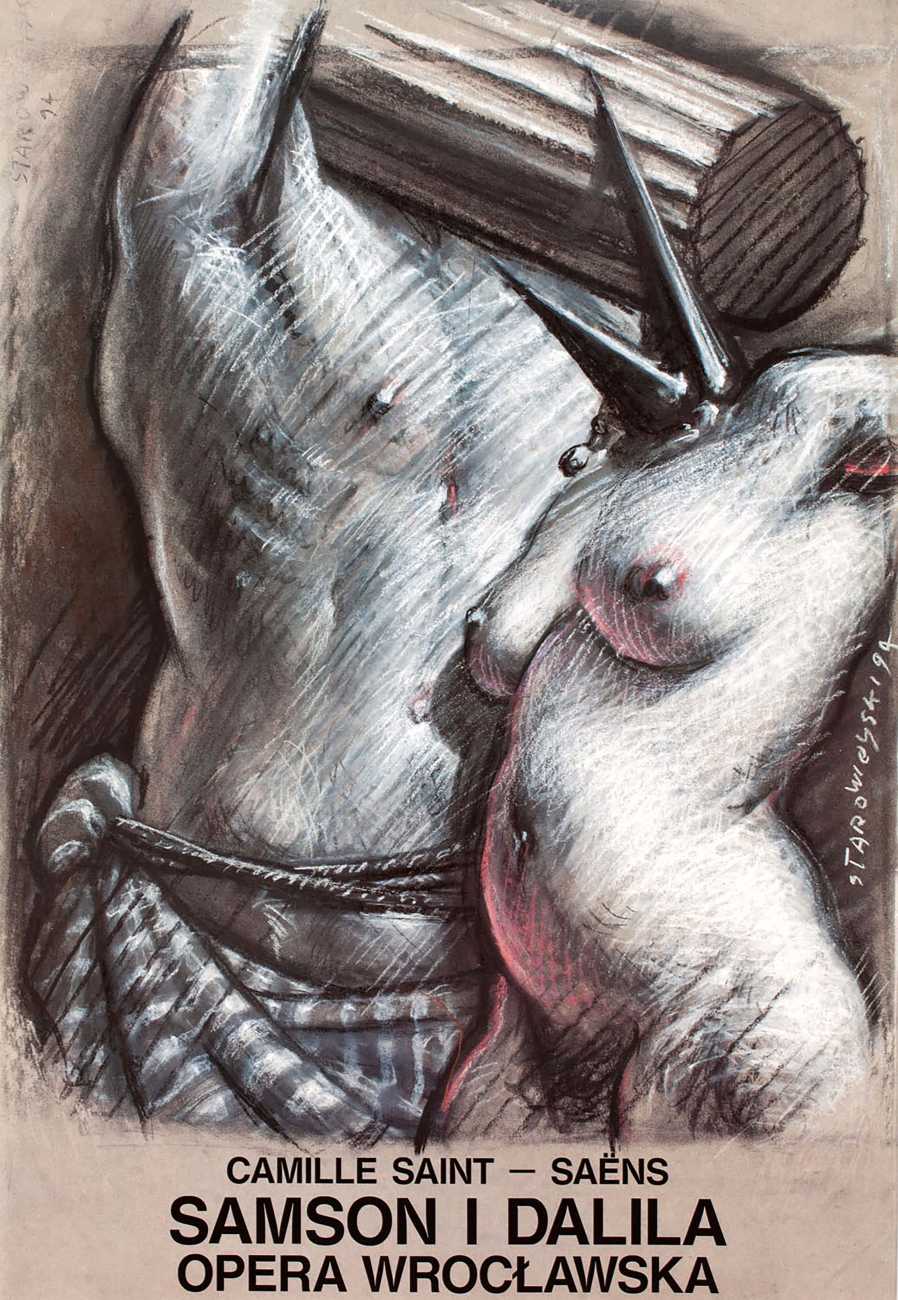
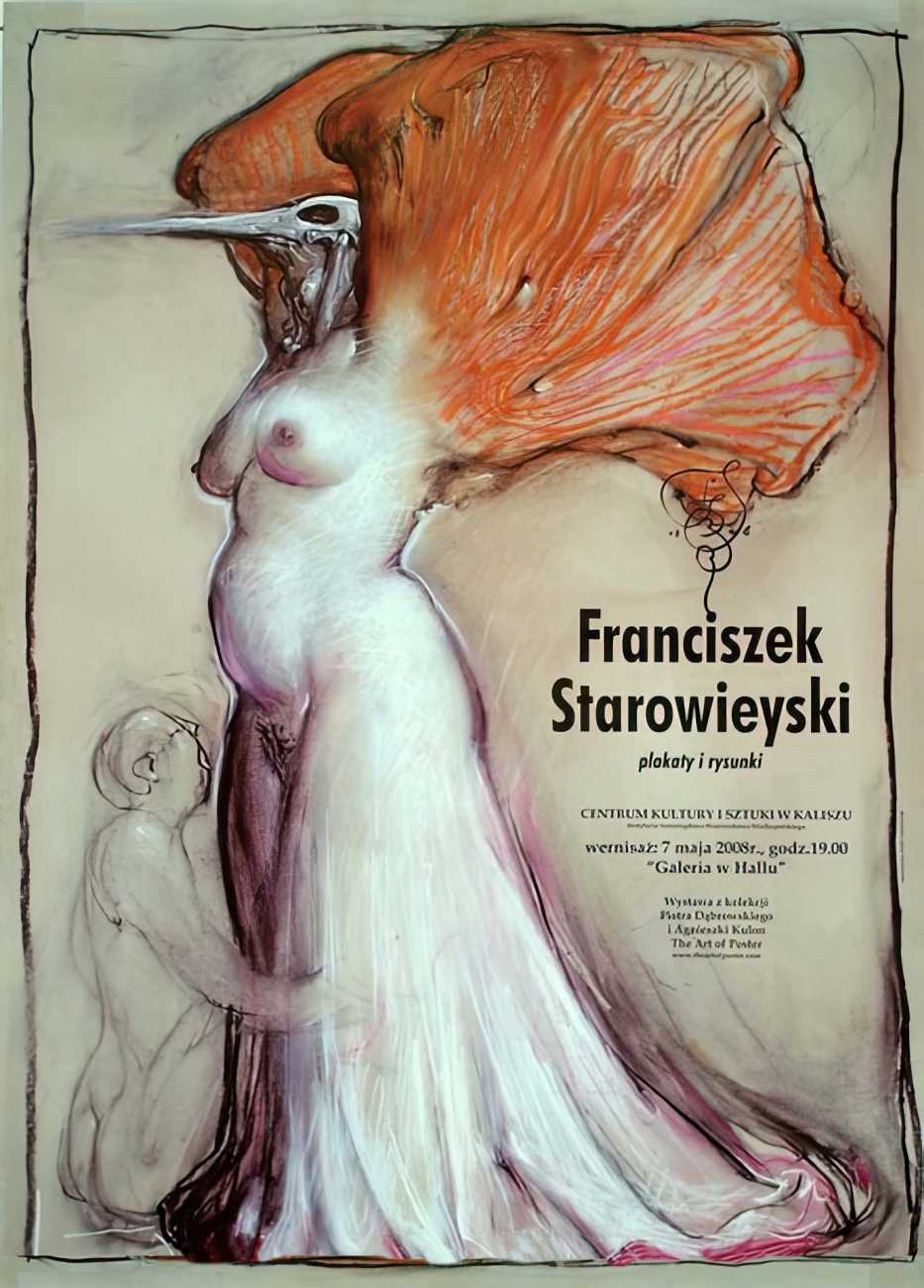
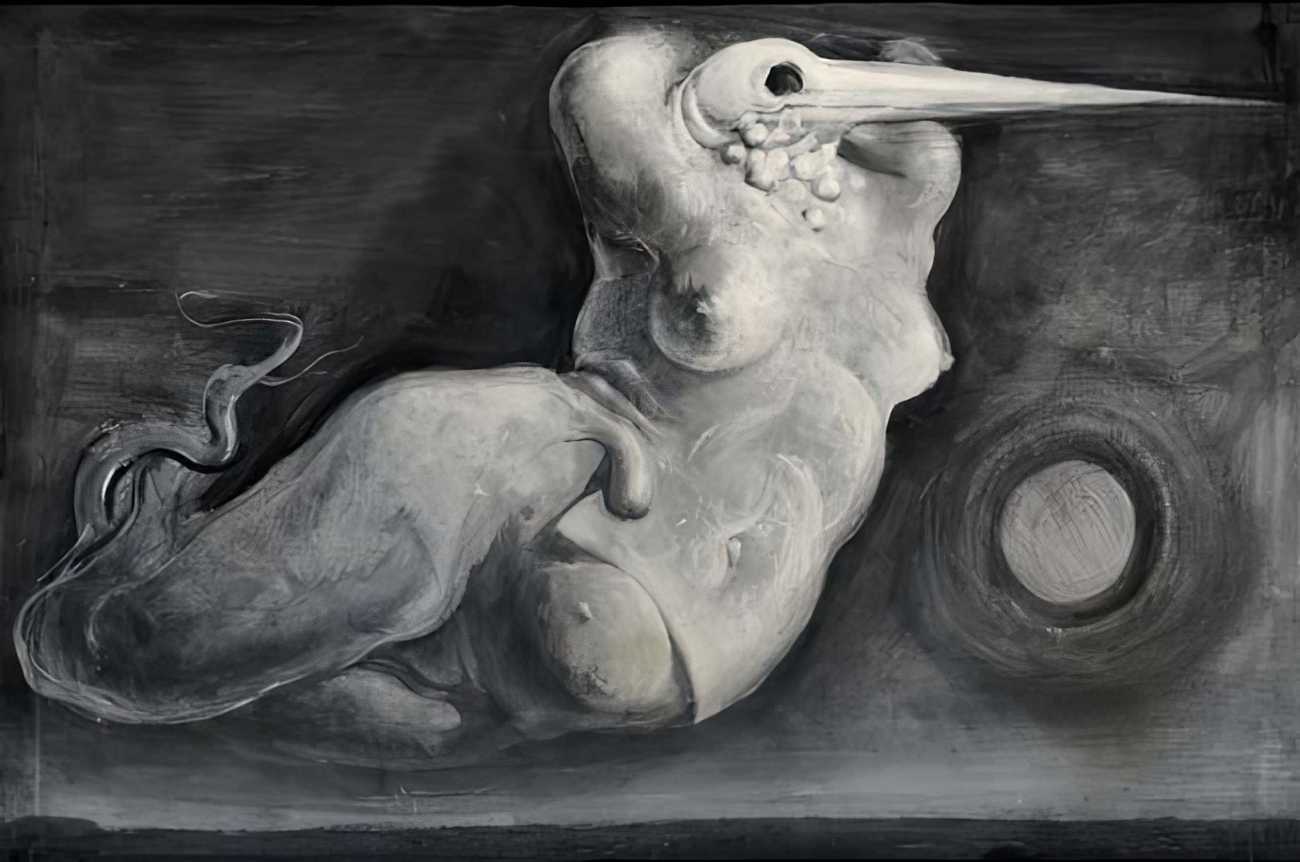
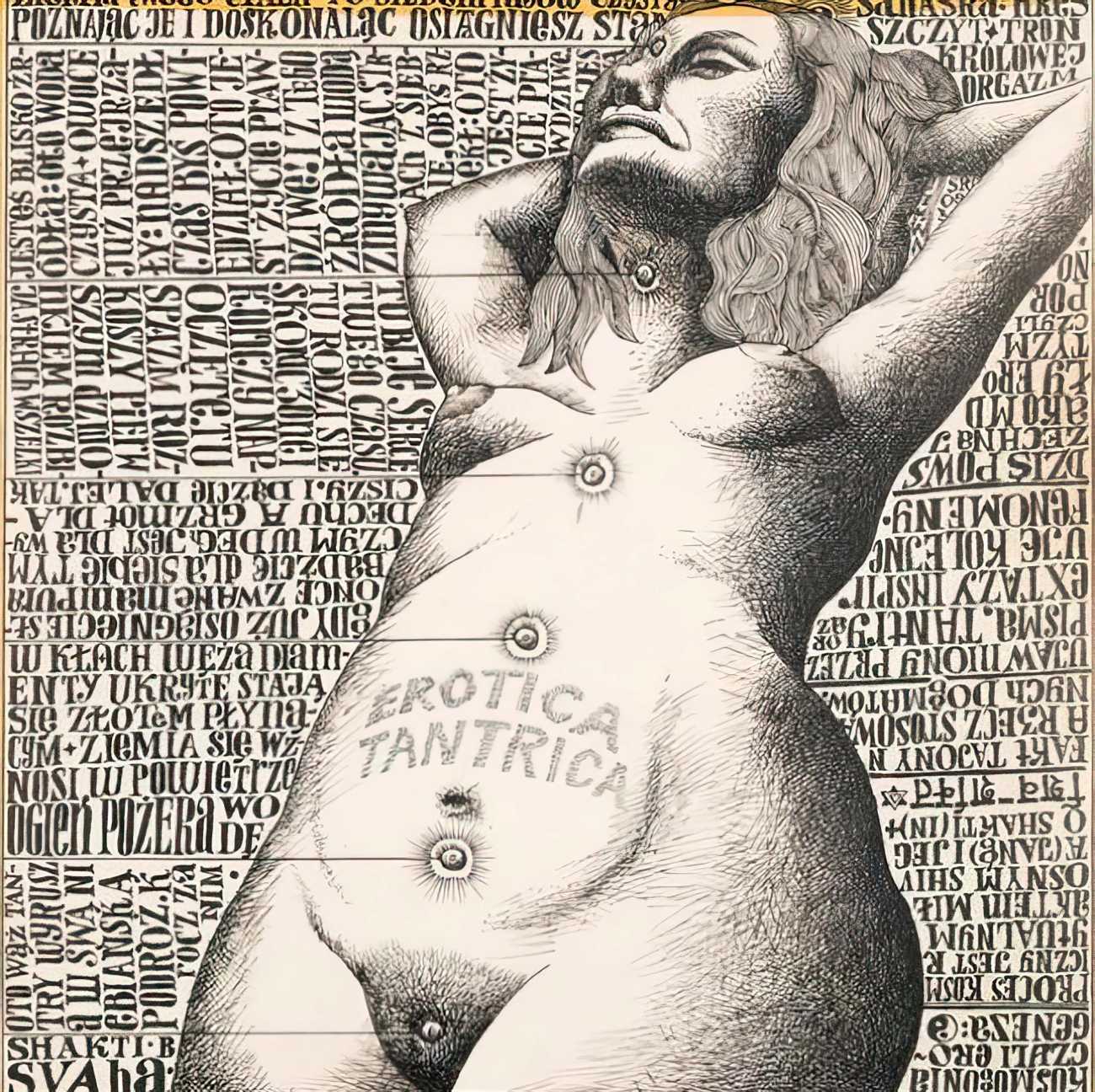
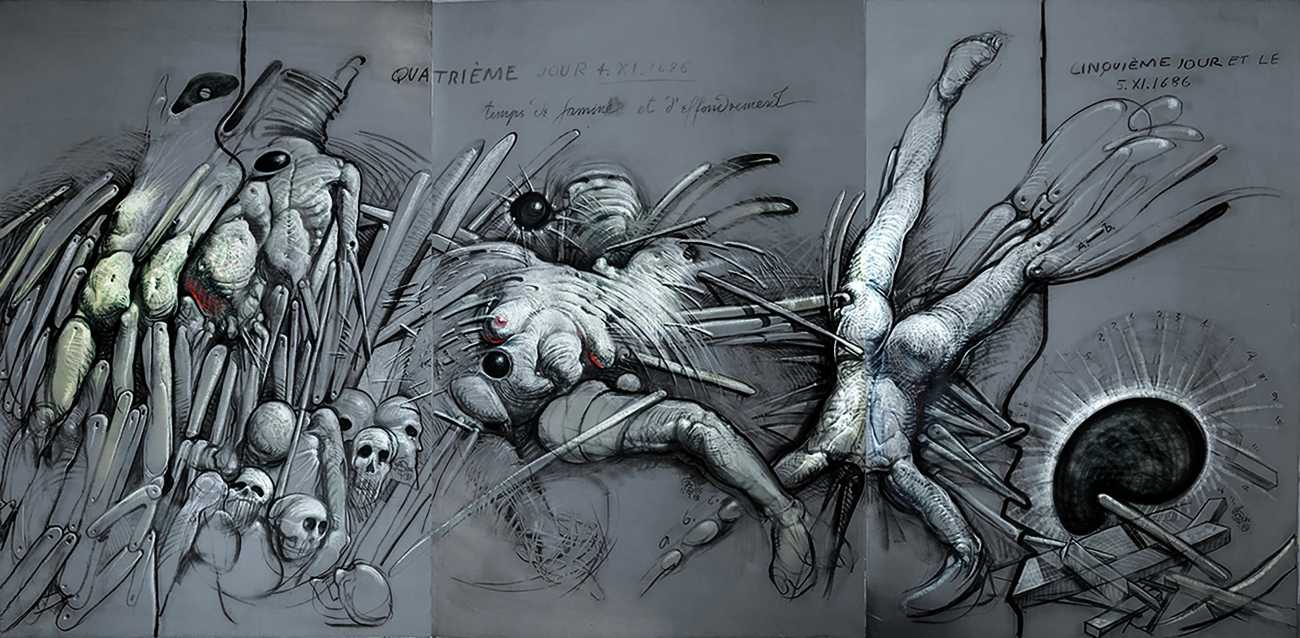
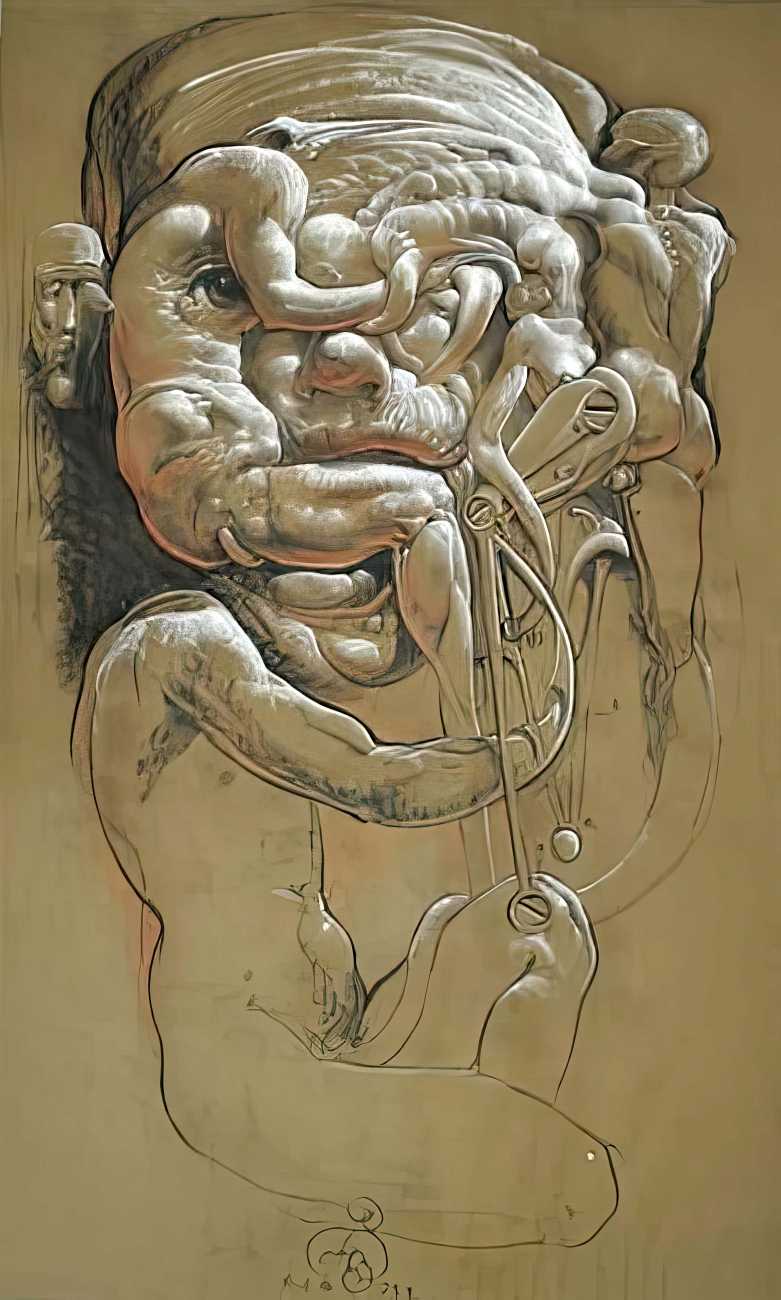
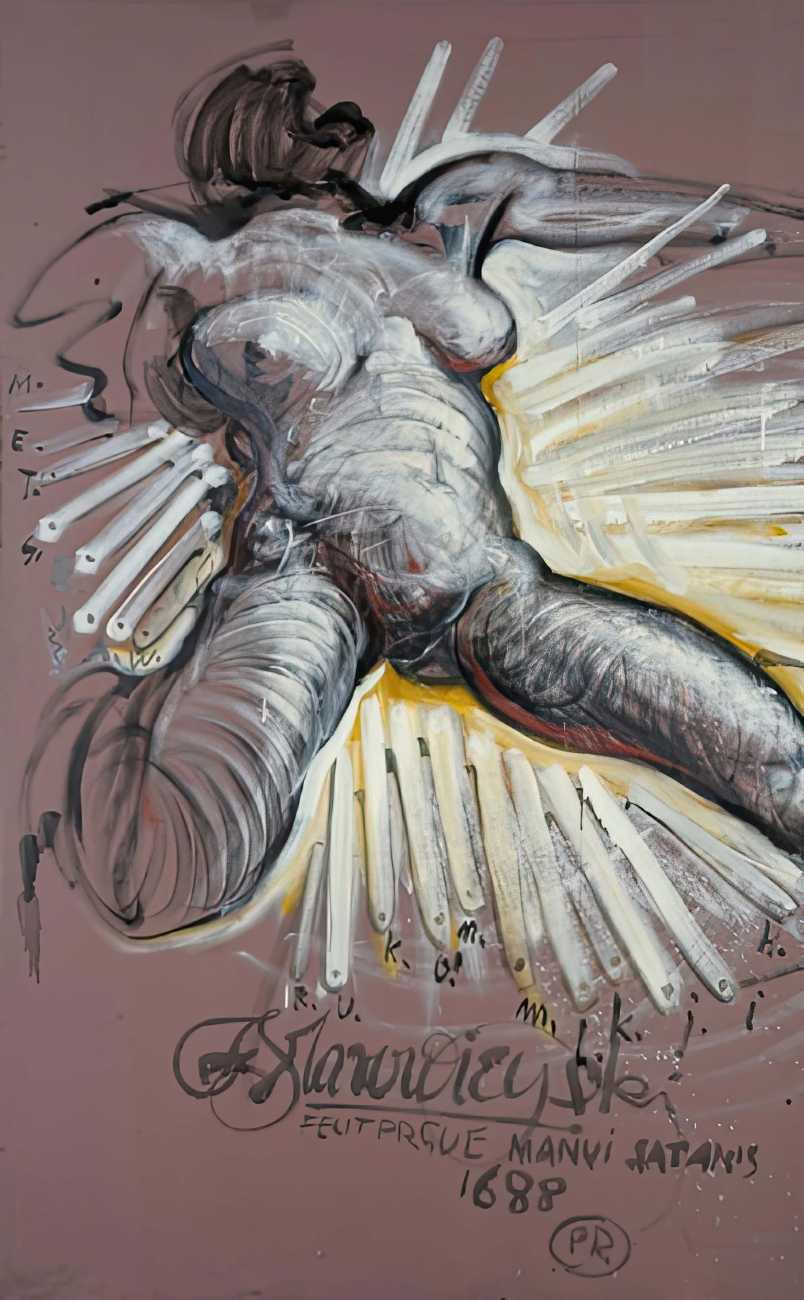
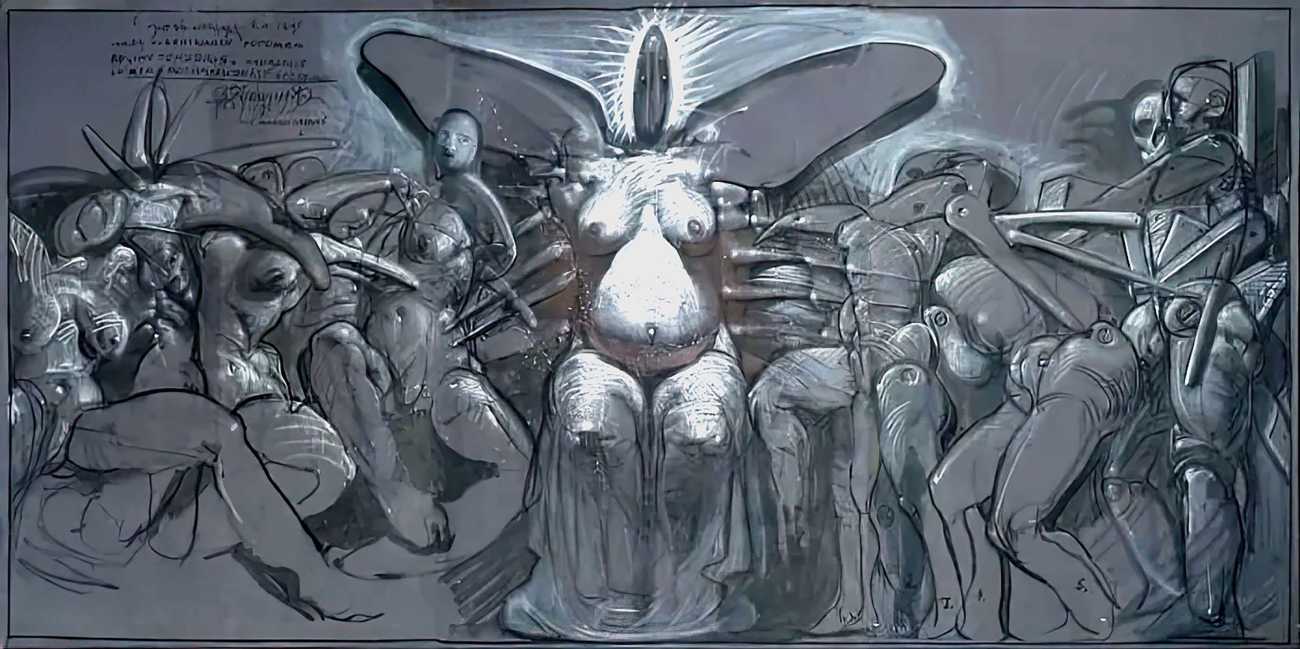
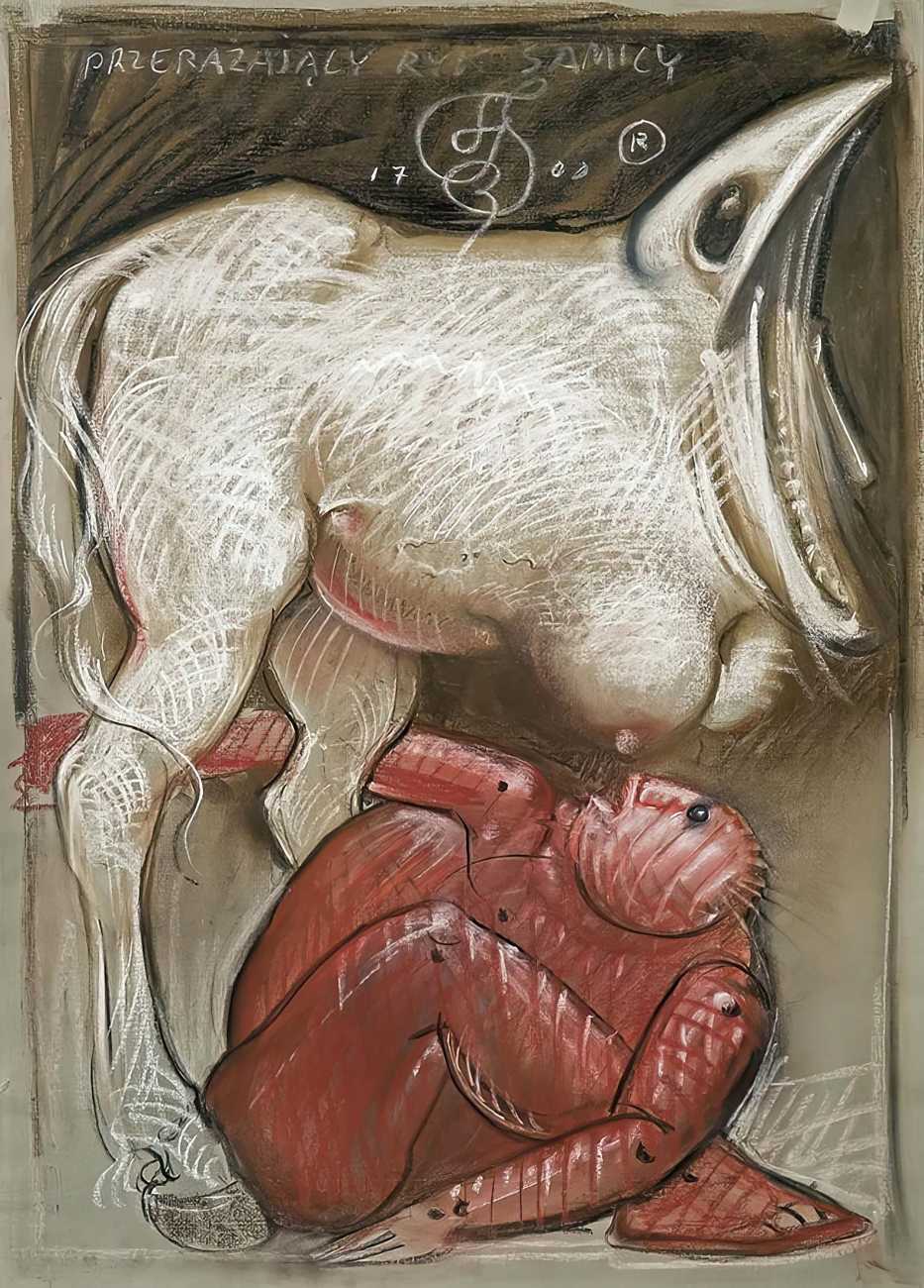
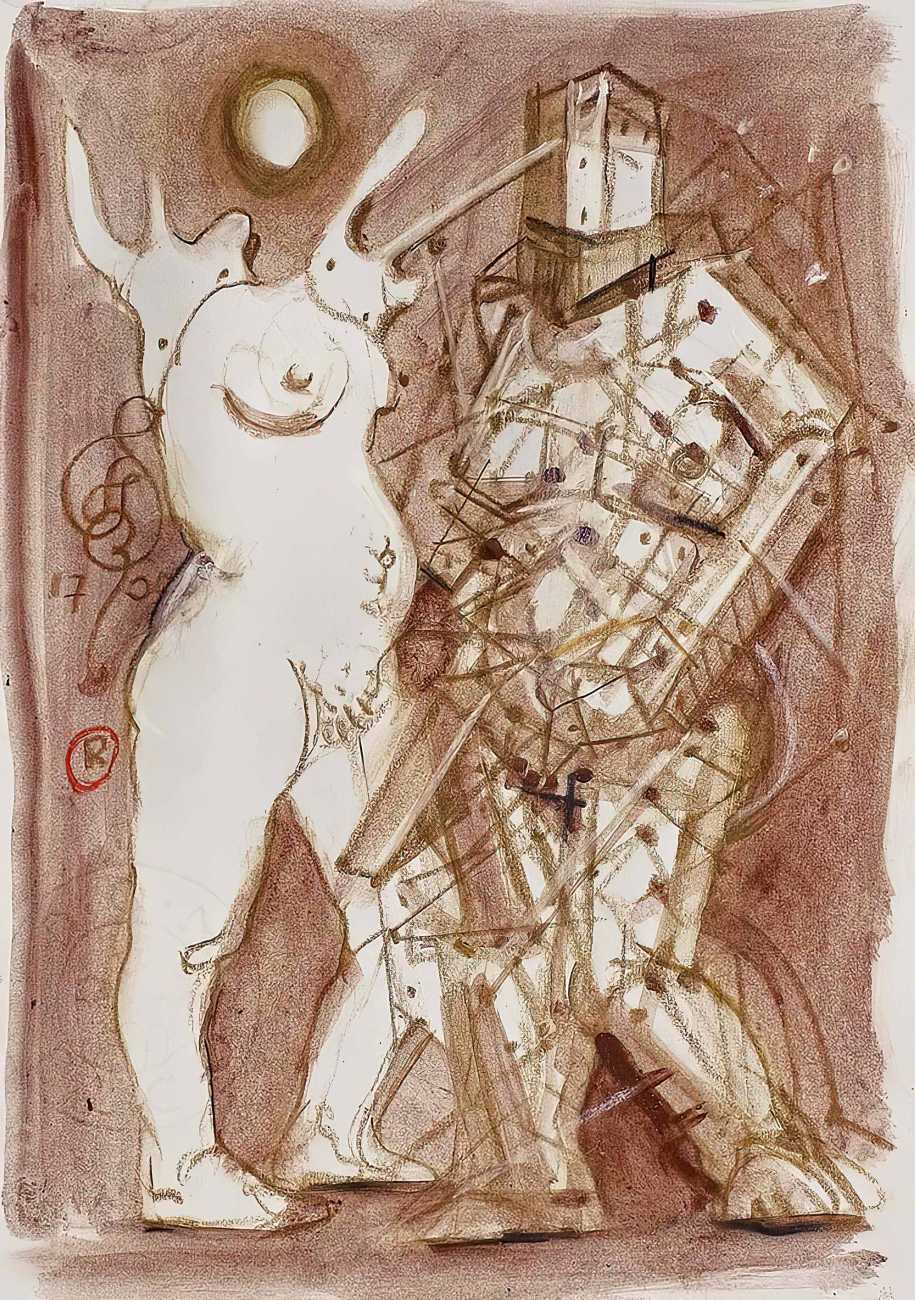
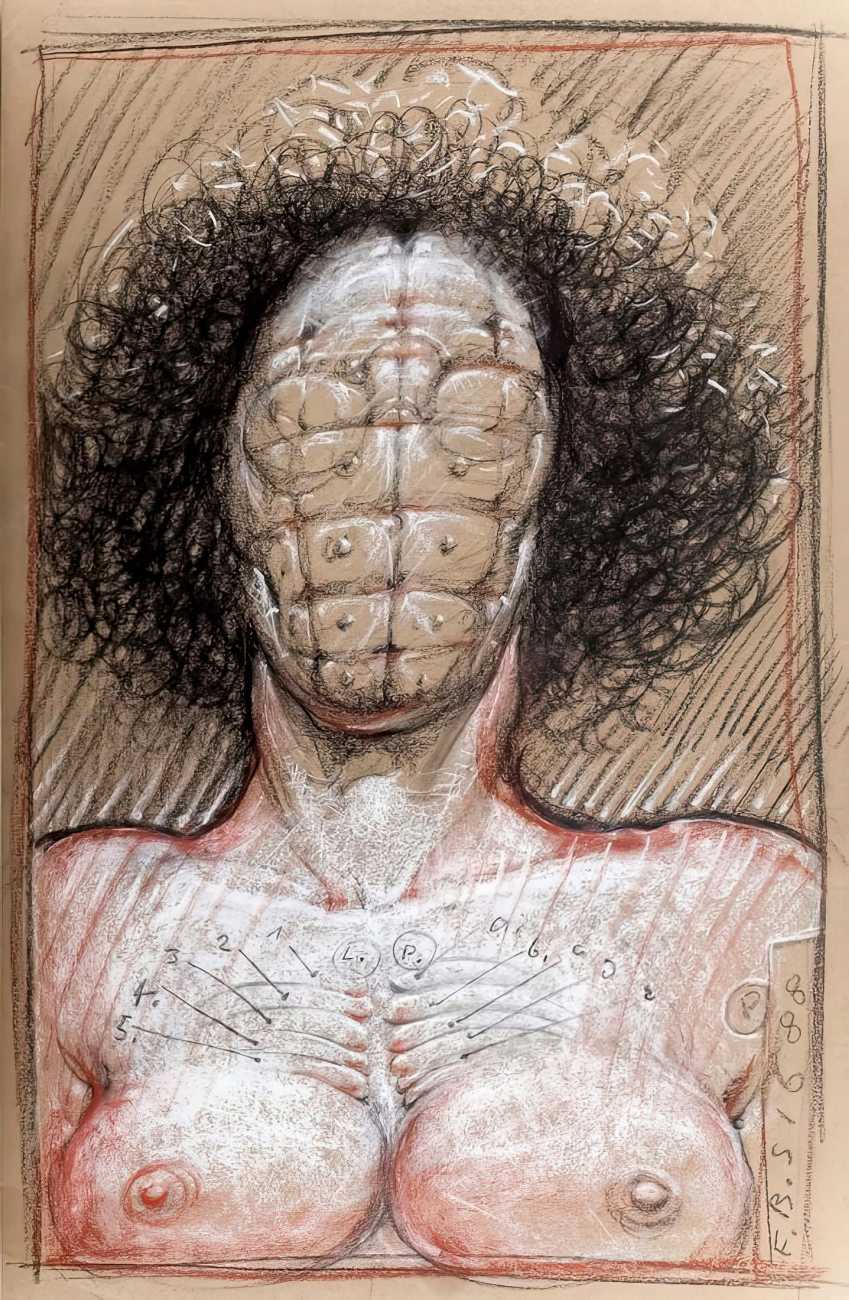
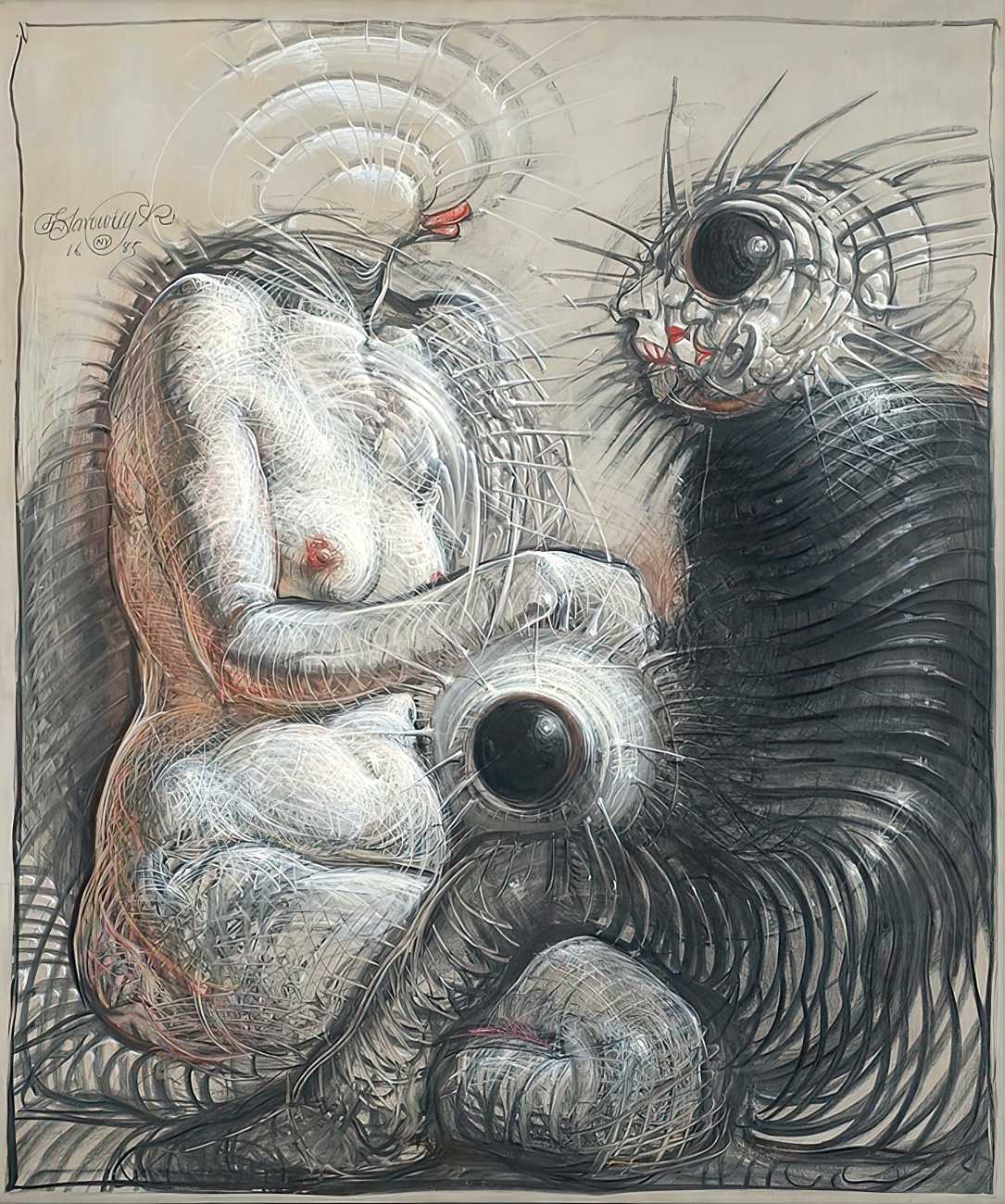
Starowieyski is best known as one of the most distinctive figures of the Polish school of posters, an avant-garde artistic movement from the 1950s to the 1980s that transformed Polish public billboards into an open-air fine art gallery. Emerging within a state-controlled communist economy, artists developed a highly conceptual visual language packed with metaphors, dark humour, sexual imagery and subtle political subversion to promote films, plays and concerts. But Starowieyski’s ambitions extended far beyond graphic design. Painter, draughtsman, illustrator and stage designer, he cultivated an intensely personal visual language in which baroque ornament, grotesque fantasy, sensuality and the macabre were brought together with extraordinary technical precision.
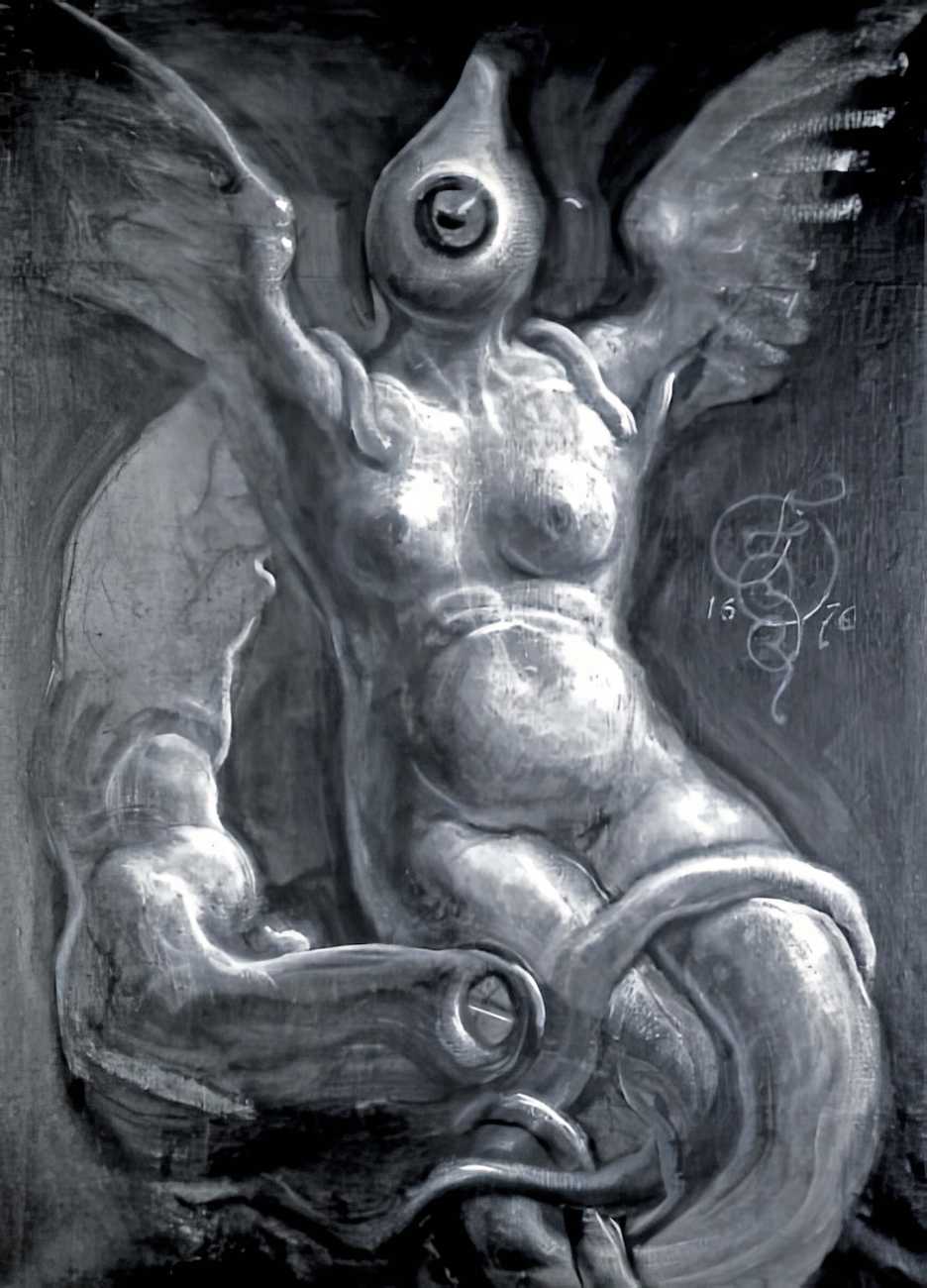
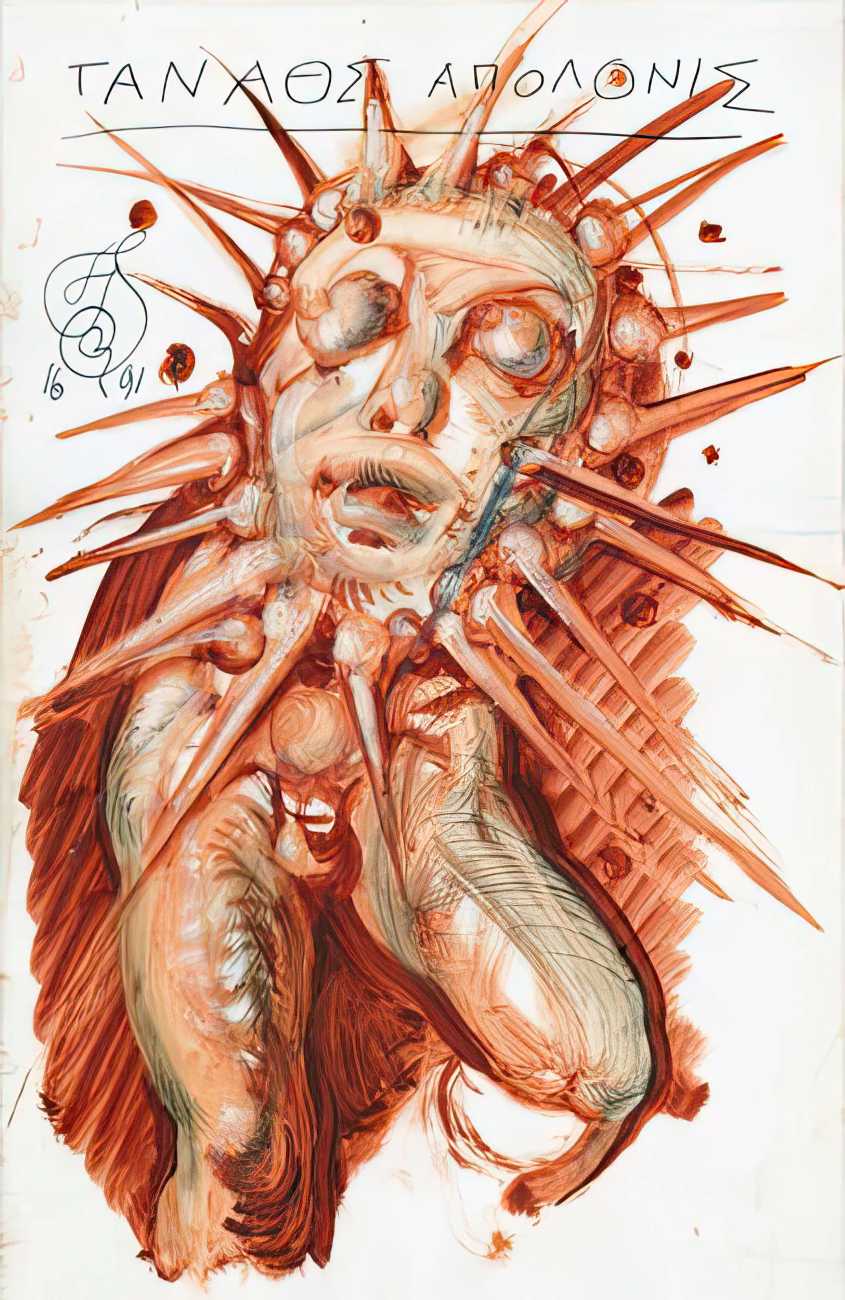
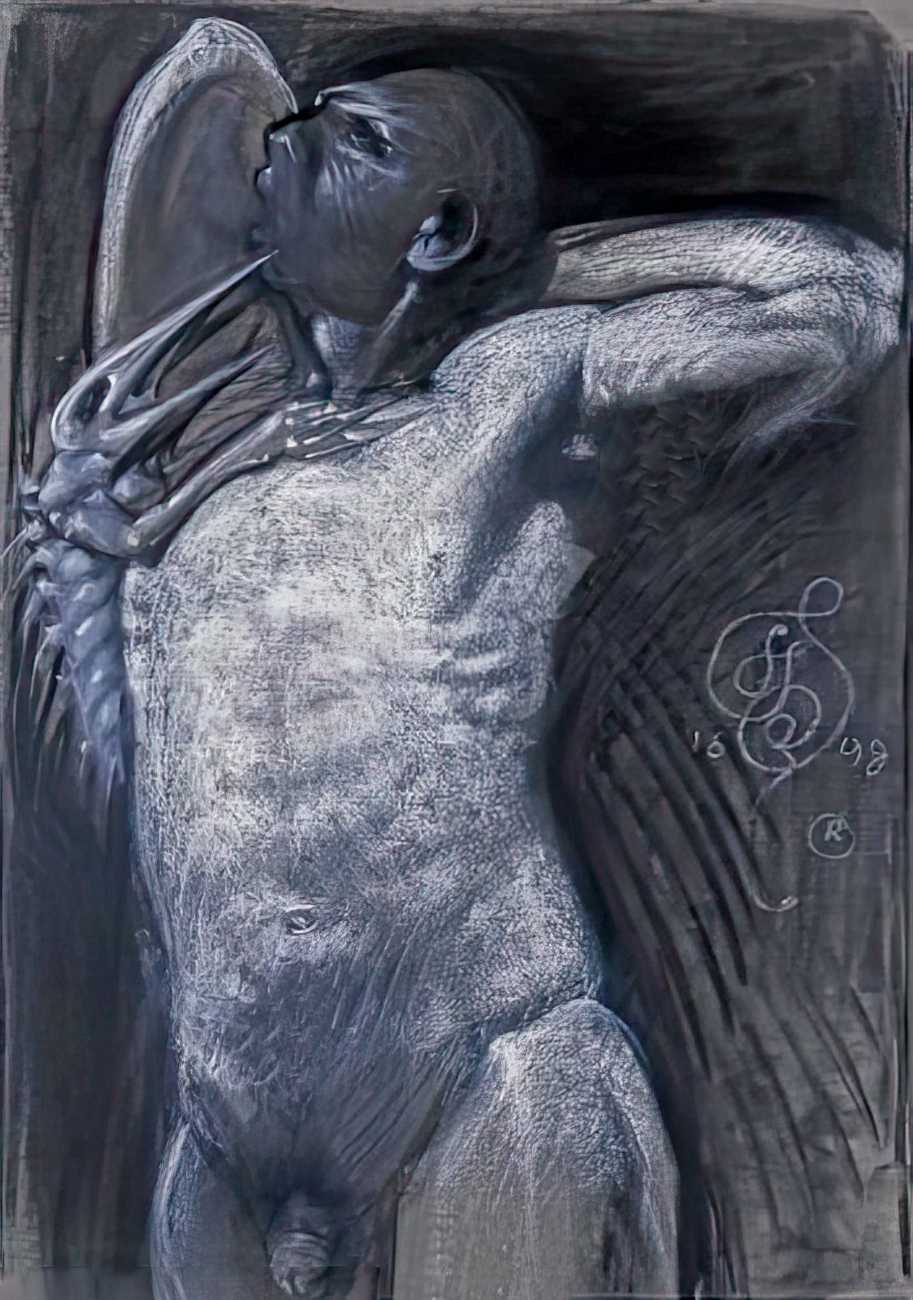
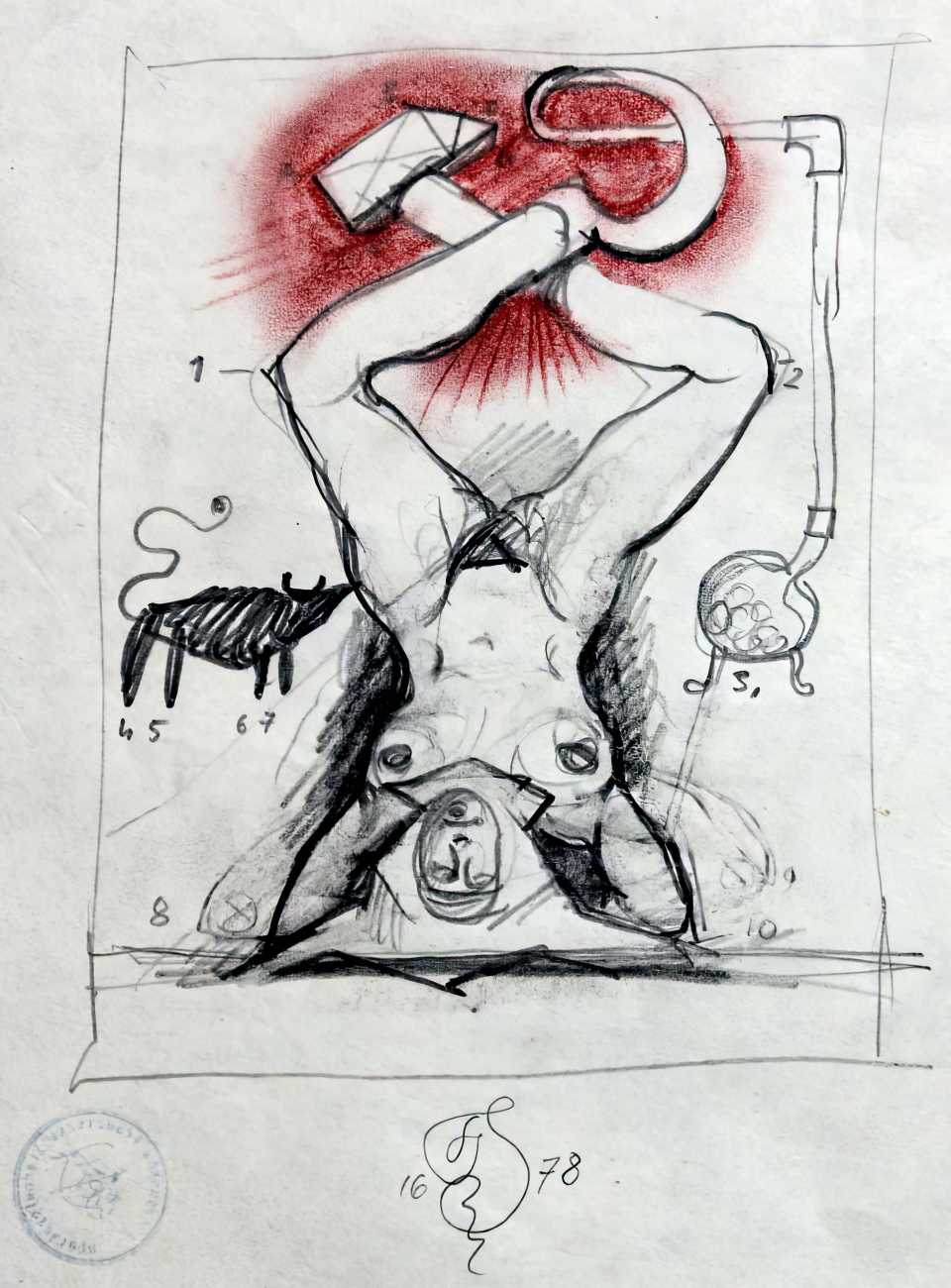
Franciszek Starowieyski was born into a Polish family of nobility, and his childhood was spent on the family estate at Bratkówka, near Krosno in the far south of Poland, where he was brought up by a governess in a multilingual household in which Polish, German and French were spoken. This cultivated, aristocratic world was shattered by the second world war. In 1941 the family was displaced from Bratkówka and forced to live with relatives. The experience left a lasting imprint on Starowieyski, whose later artistic persona was steeped in an idealised vision of the baroque past. He claimed a complex ancestry, including the Biberstein Knights of Switzerland, and adopted the aristocratic form ‘Franciszek von Biberstein Starowieyski’, used the pseudonym Jan Byk, and from 1970 began deliberately dating his works three centuries earlier than their actual creation. His brother, the historian and priest Marek Starowieyski, later questioned Franciszek’s ancestral claims, suggesting that the elaborate mythology was just part of Franciszek’s extraordinary talent for invention.
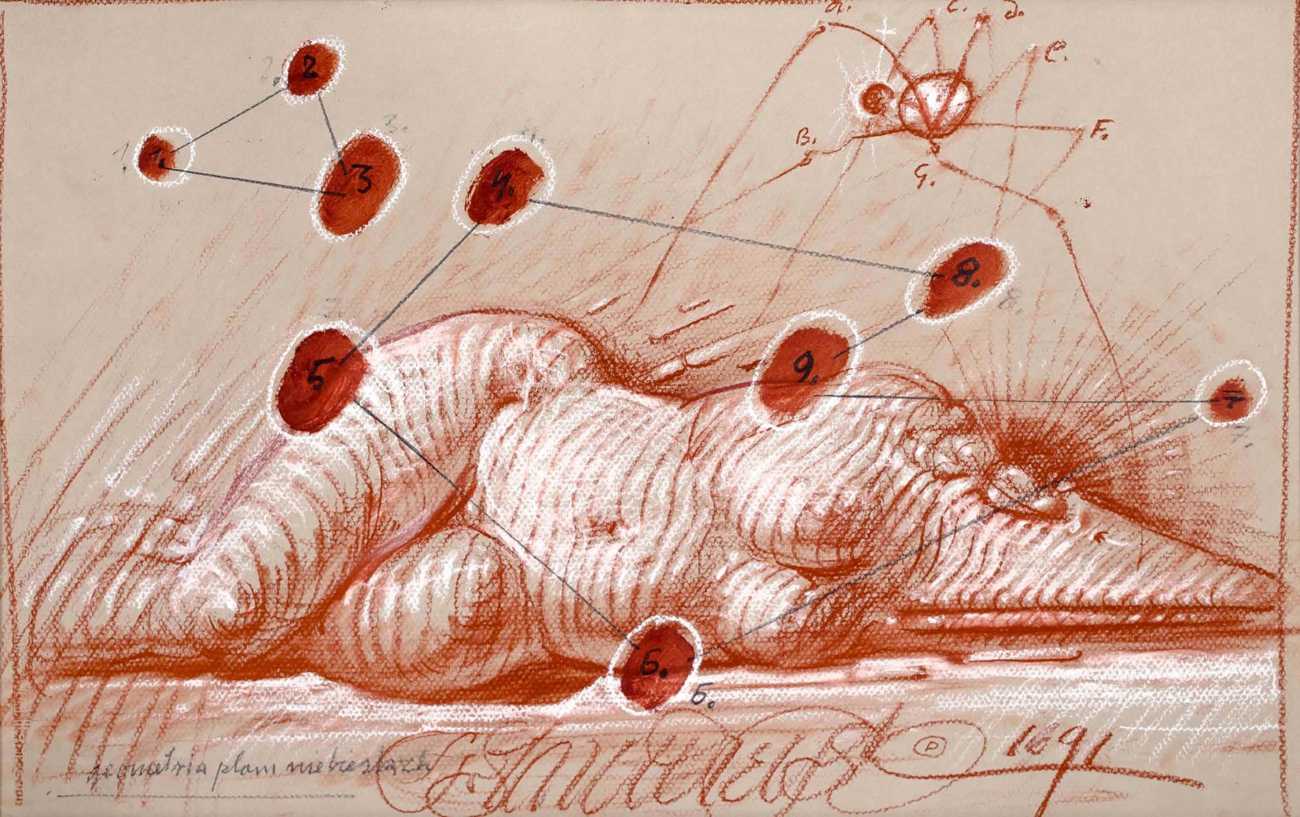
Talking of inventions, as a teenager he created a machine called Kurwy: Maszyny na Dwa Tryby i Korbę (Whores: A Two-mode Hand-cranked Machine), followed by the Pizdomierz (Pussymeter), and with the end of the war in 1945 he decided to become a great engineer and inventor. However, art soon took the place of engineering. Starowieyski studied painting at the Academy of Fine Arts in Kraków under Wojciech Weiss and Adam Marczyński from 1949 to 1952, continuing at the Warsaw Academy under Michał Bylina, where he graduated in 1955. In the 1960s he became widely known for his theatrical and film posters, eventually producing more than three hundred of them, earning an international reputation for a style that was immediately recognisable – elaborate, calligraphic drawings populated by fantastic bodies, monstrous creatures and surreal juxtapositions. His work was sufficiently distinctive to earn him a solo exhibition at New York’s Museum of Modern Art in 1985, the first such exhibition there by a Polish artist.
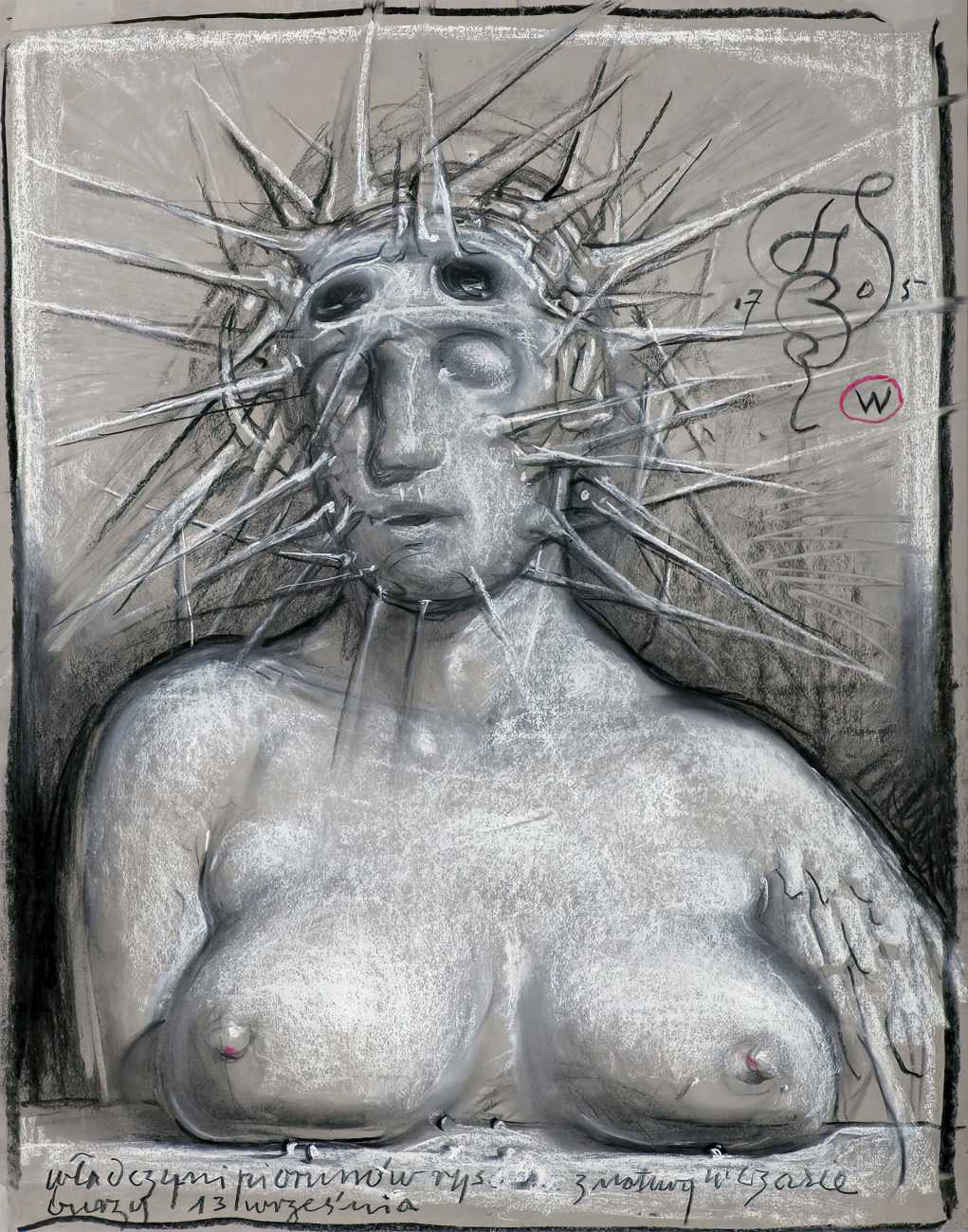
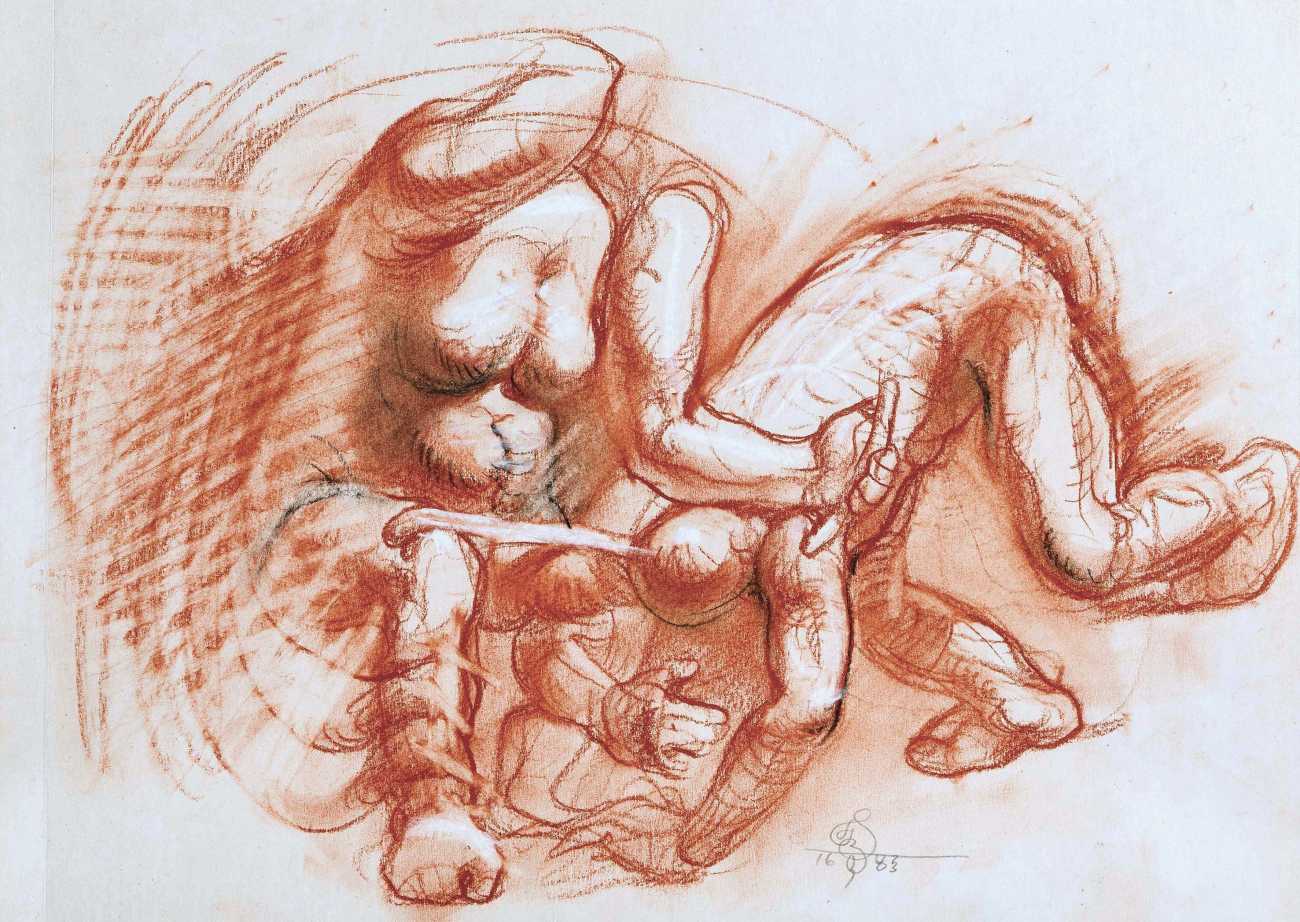
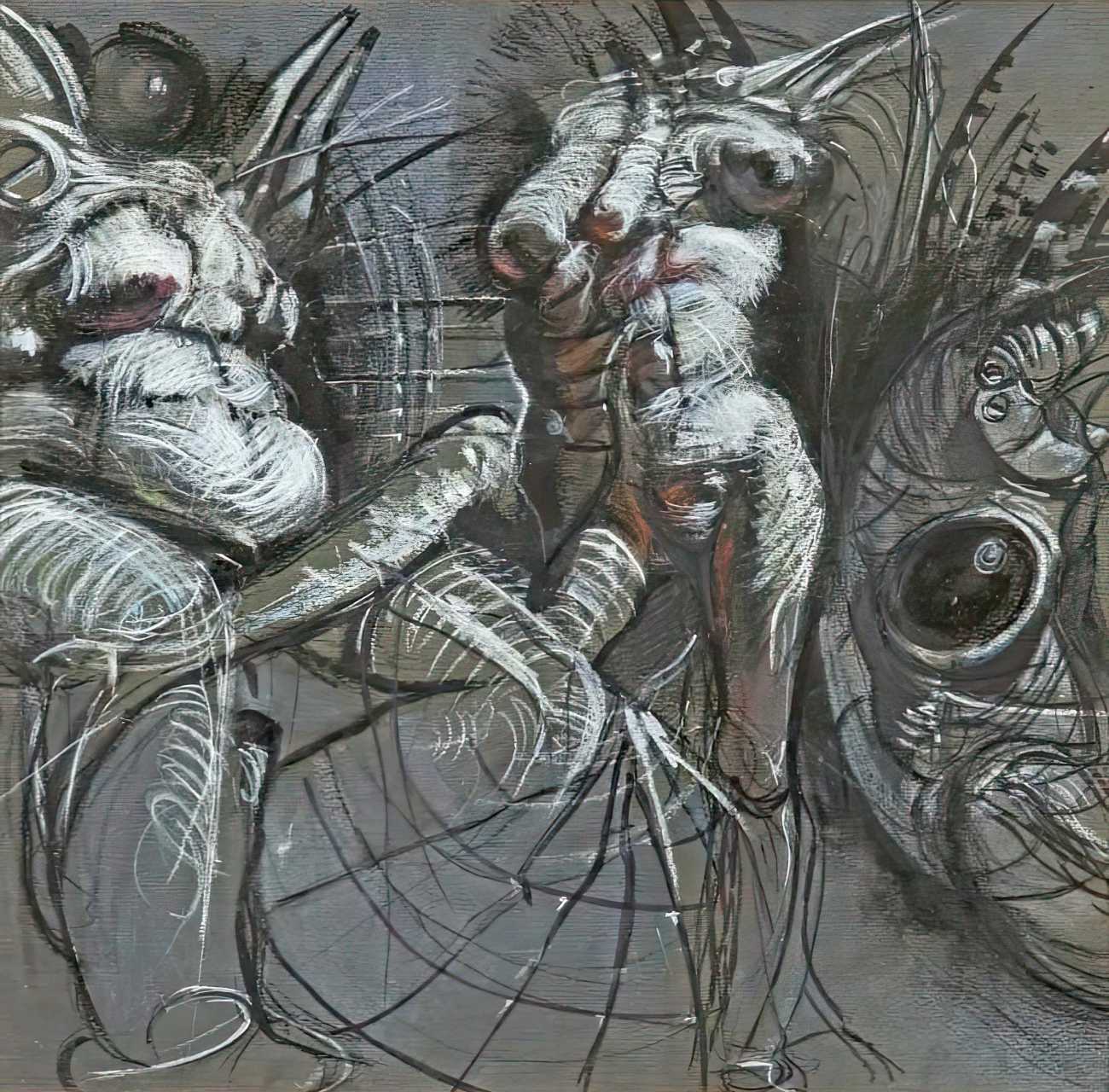
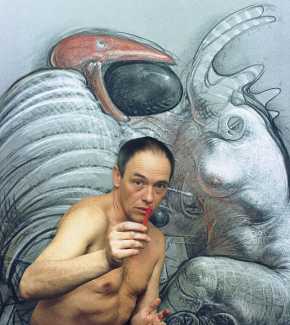 Starowieyski’s art combined the real world with what one contemporary account calls ‘his unbridled imagination’, while grotesque humour and a fascination with the old masters gave many of his most fantastic creations a sense of historical continuity.
In 1950 he married Ewa Starowieyska, a theatre and film scenographer and costume designer whose career included extensive work for Polish theatre, television and cinema. They worked together professionally, collaborating on several productions including Kazimierz Kutz’s film Upał (Heat, 1984). Their marriage ended in 1971. In 1973 he married Teresa Schroeder, an art historian he had first met in Wrocław in 1963. Their first son, Antoni, was born that year; in one of his characteristic jokes, Starowieyski had him registered as Antoni Belzebub, although the second name was removed from the official record when the boy was five. A second son, Mikołaj, was born in 1977. Teresa, herself an art historian, remained a central figure in Starowieyski’s personal and artistic life; her recollections describe a deeply intimate relationship in which he repeatedly drew, painted and wrote about her.
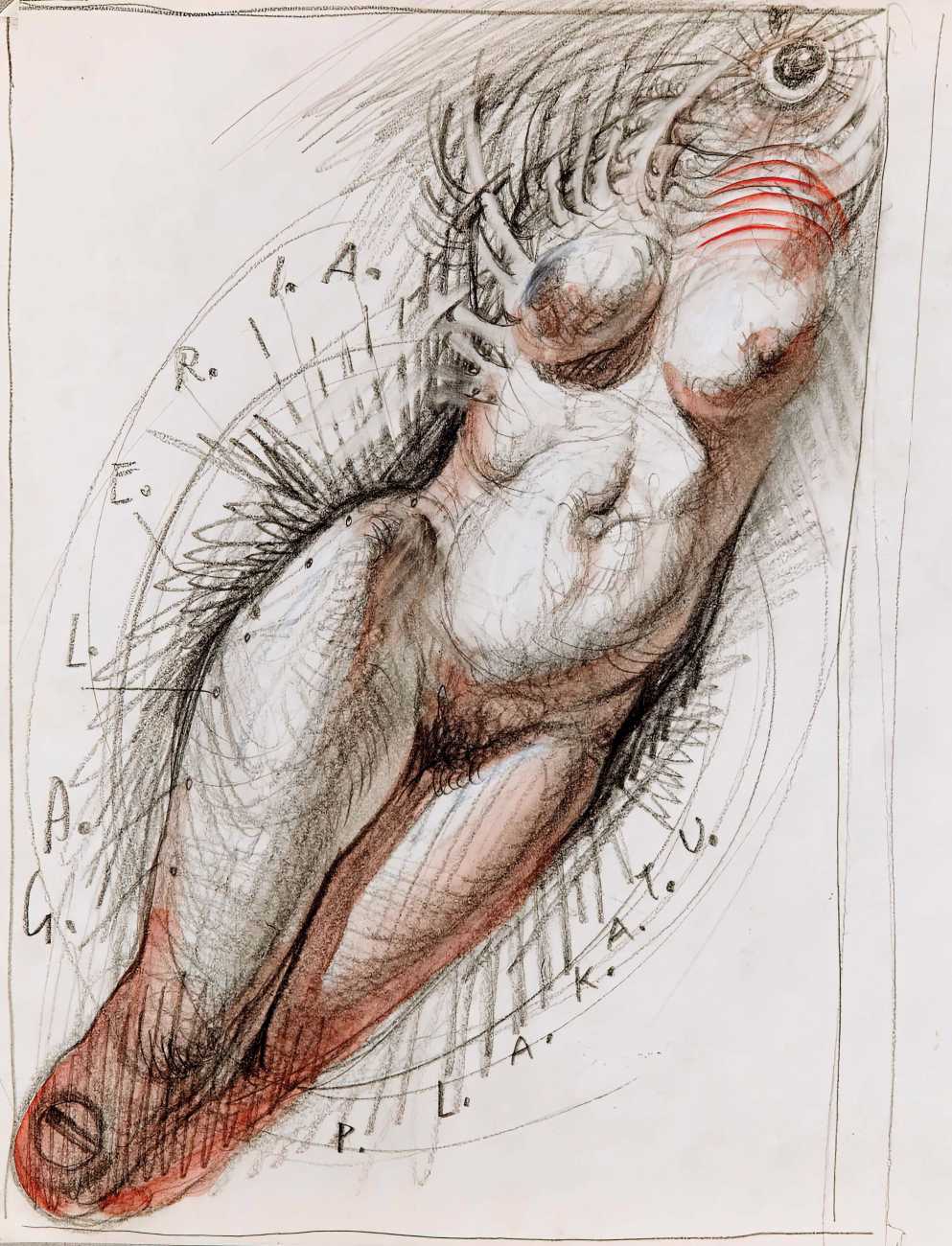
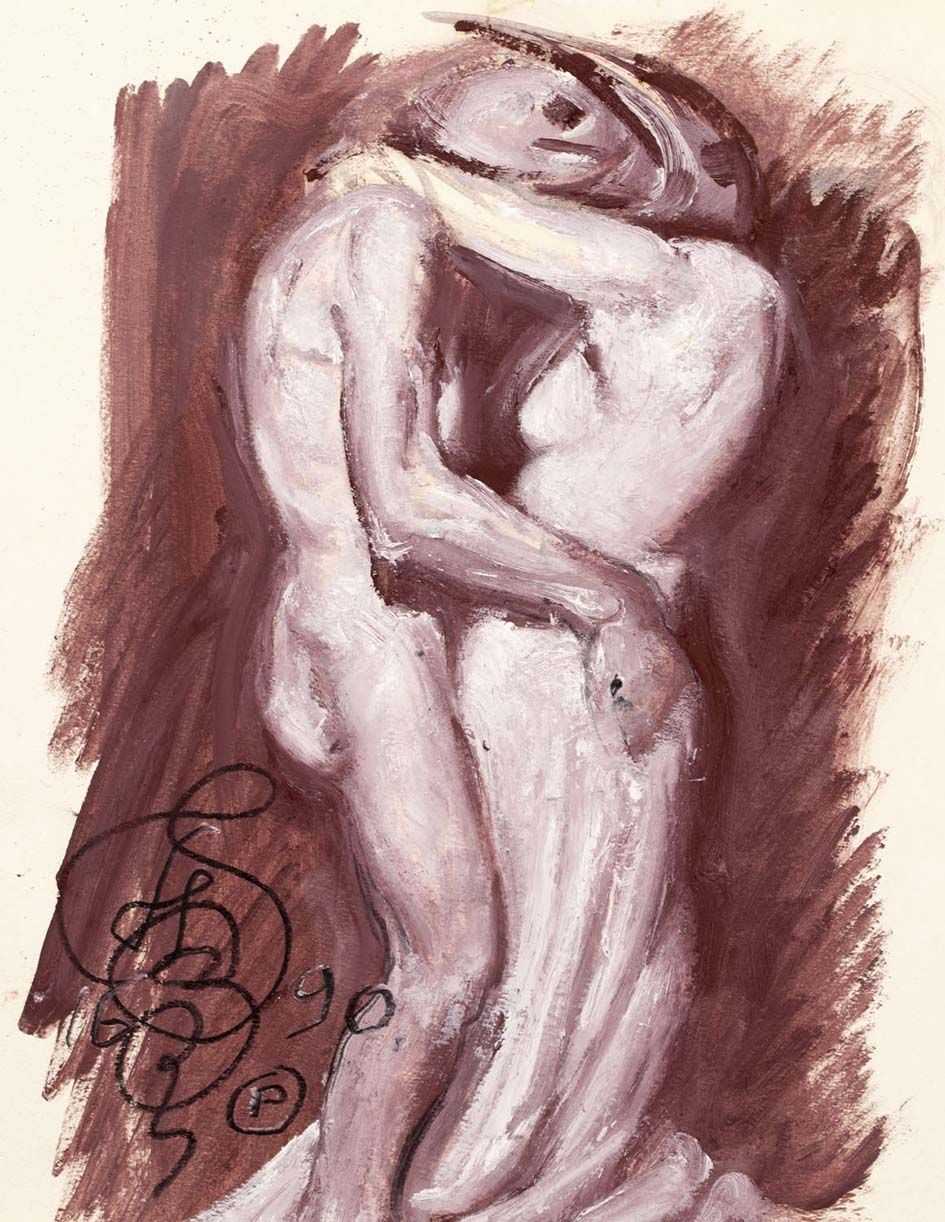
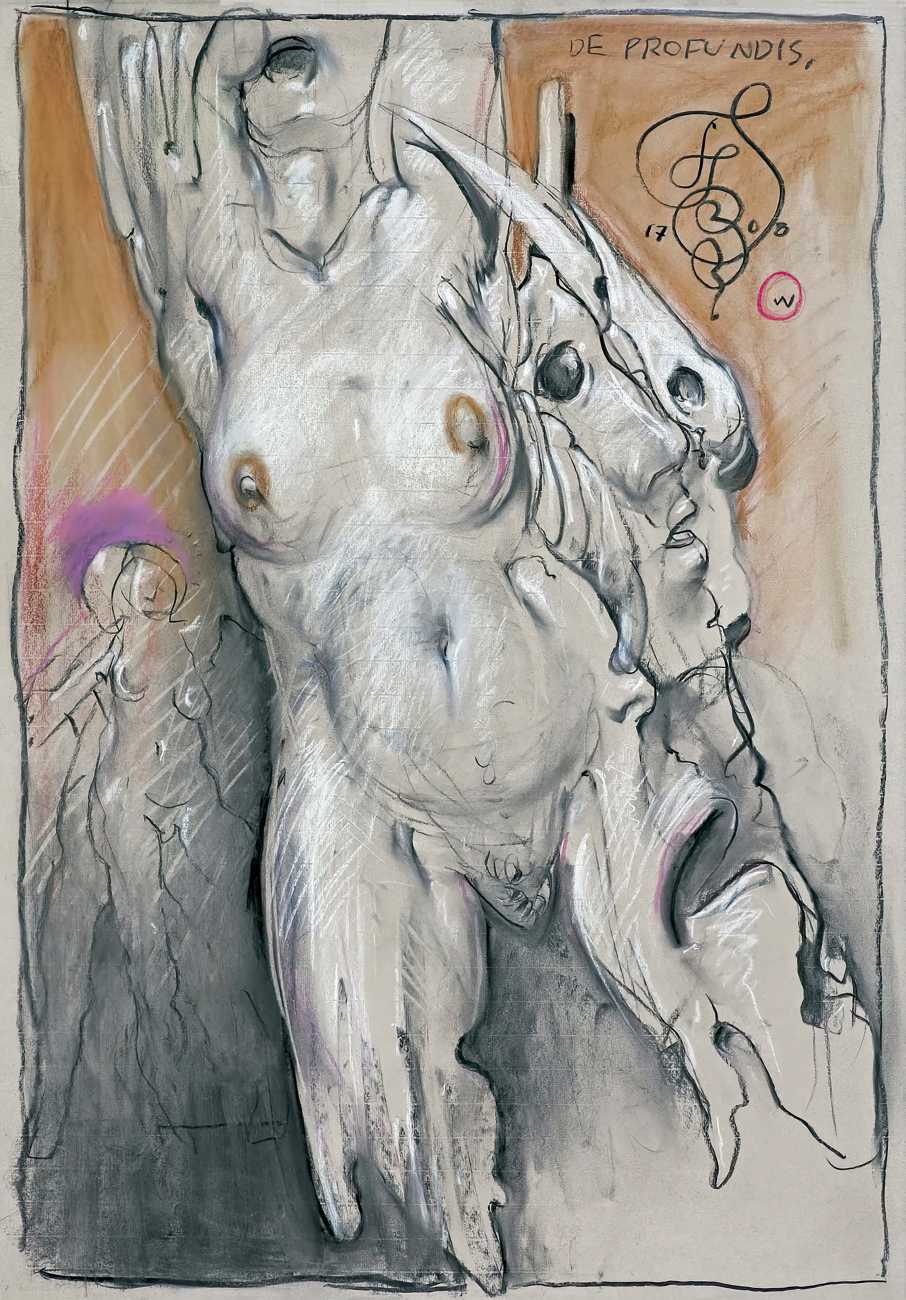
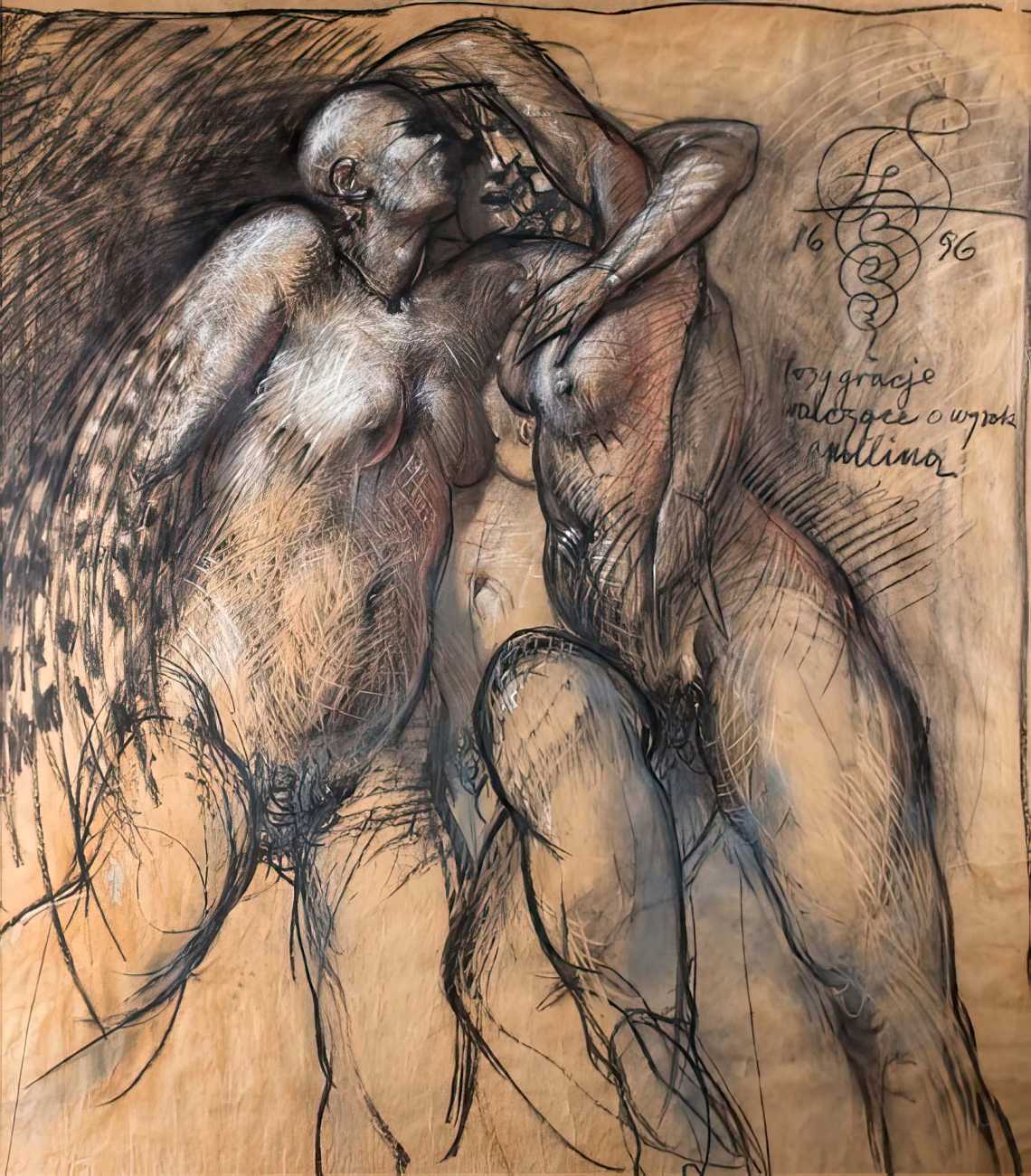
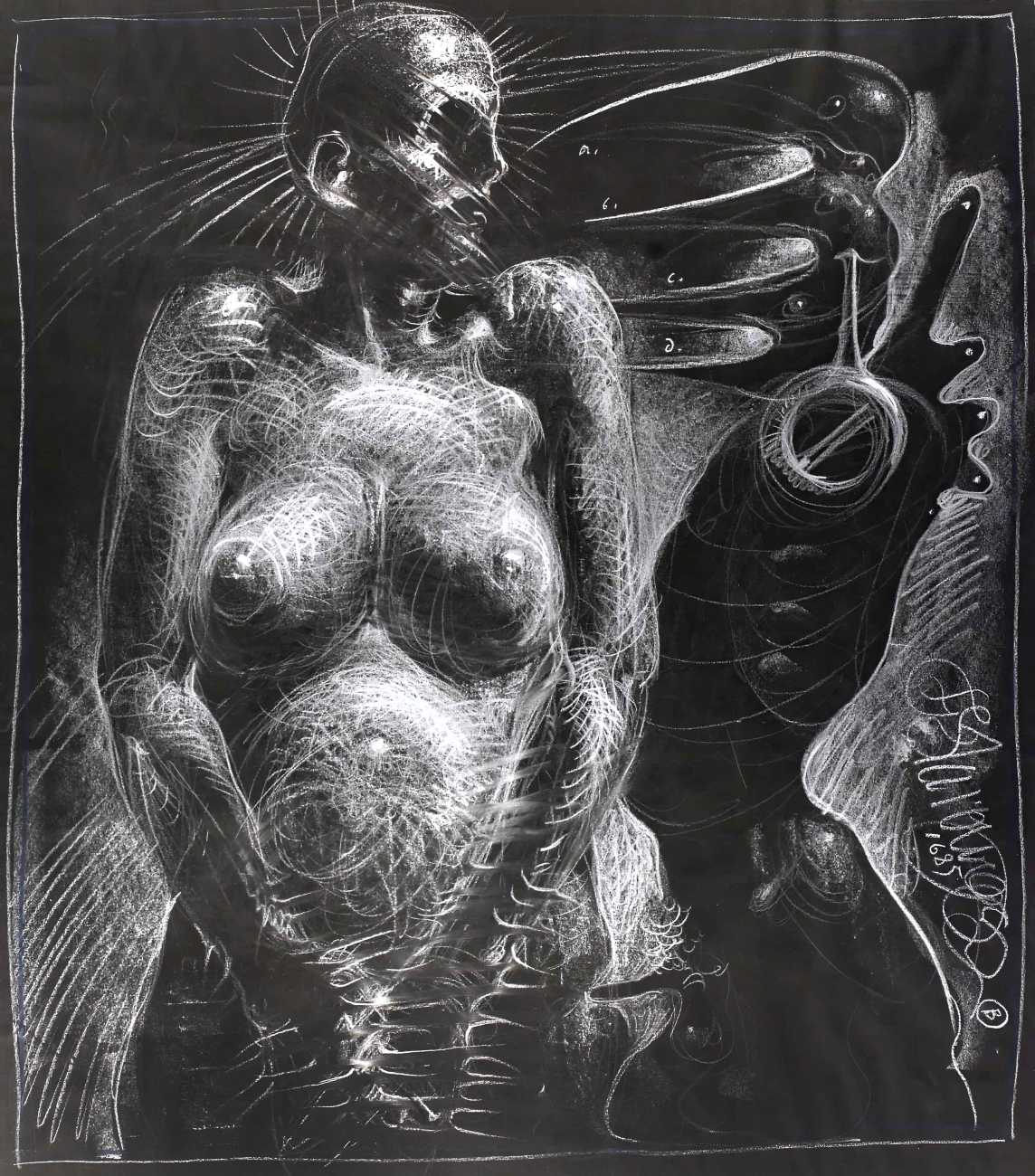
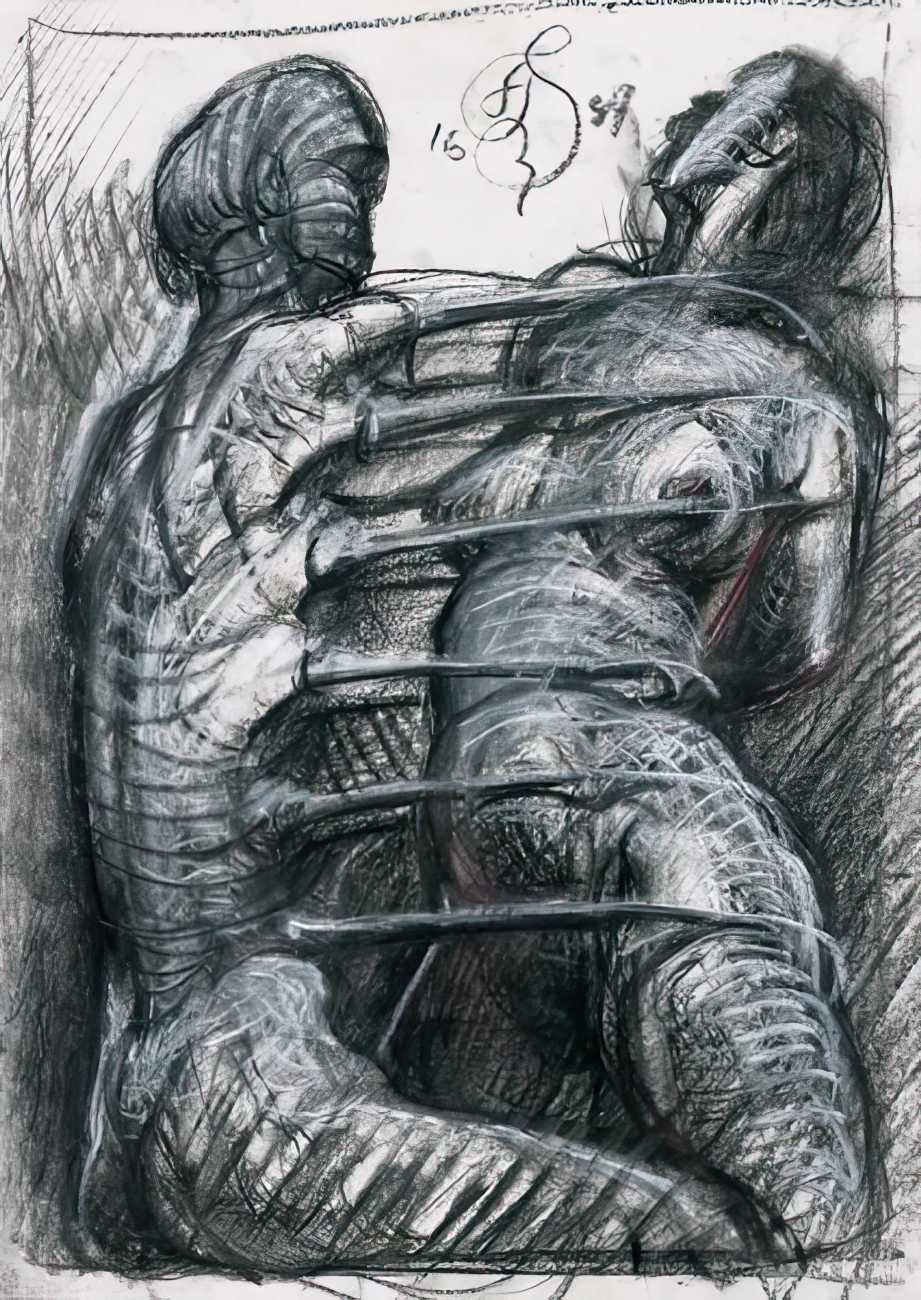
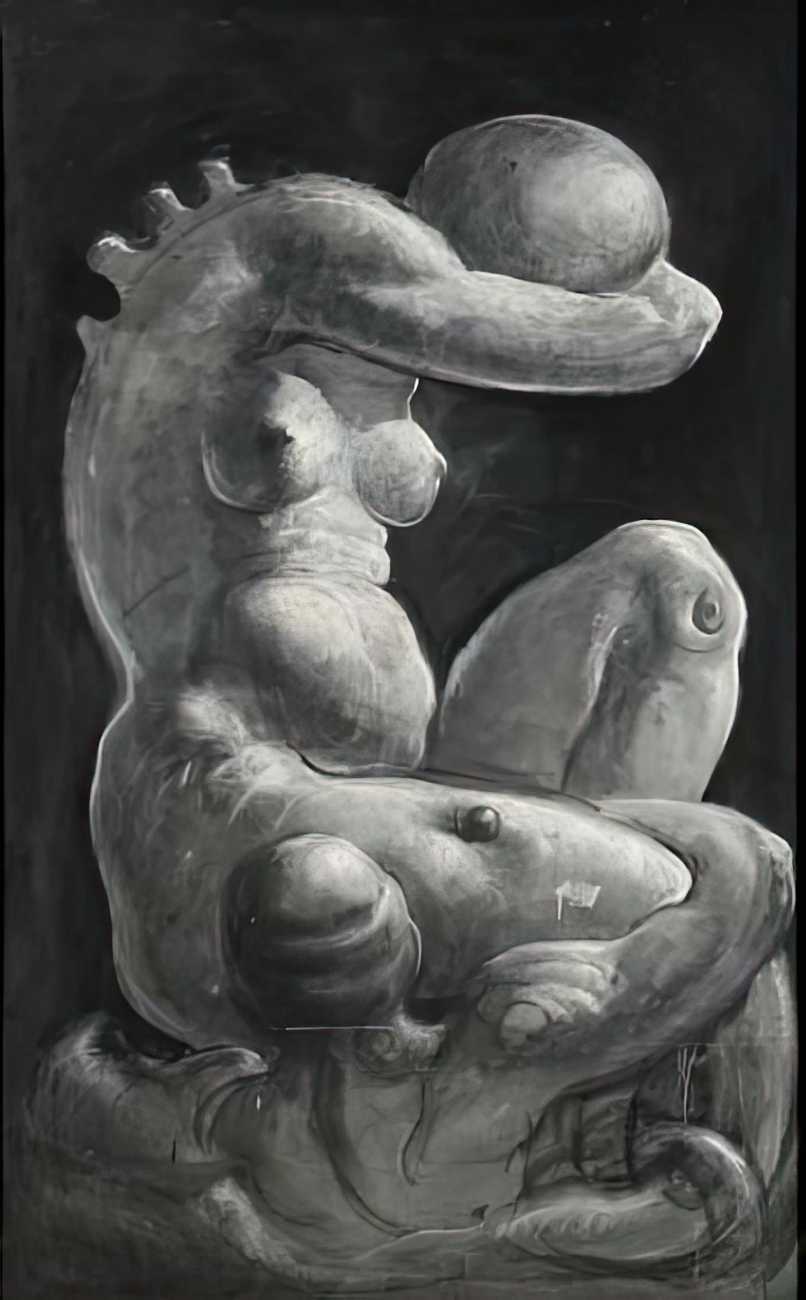
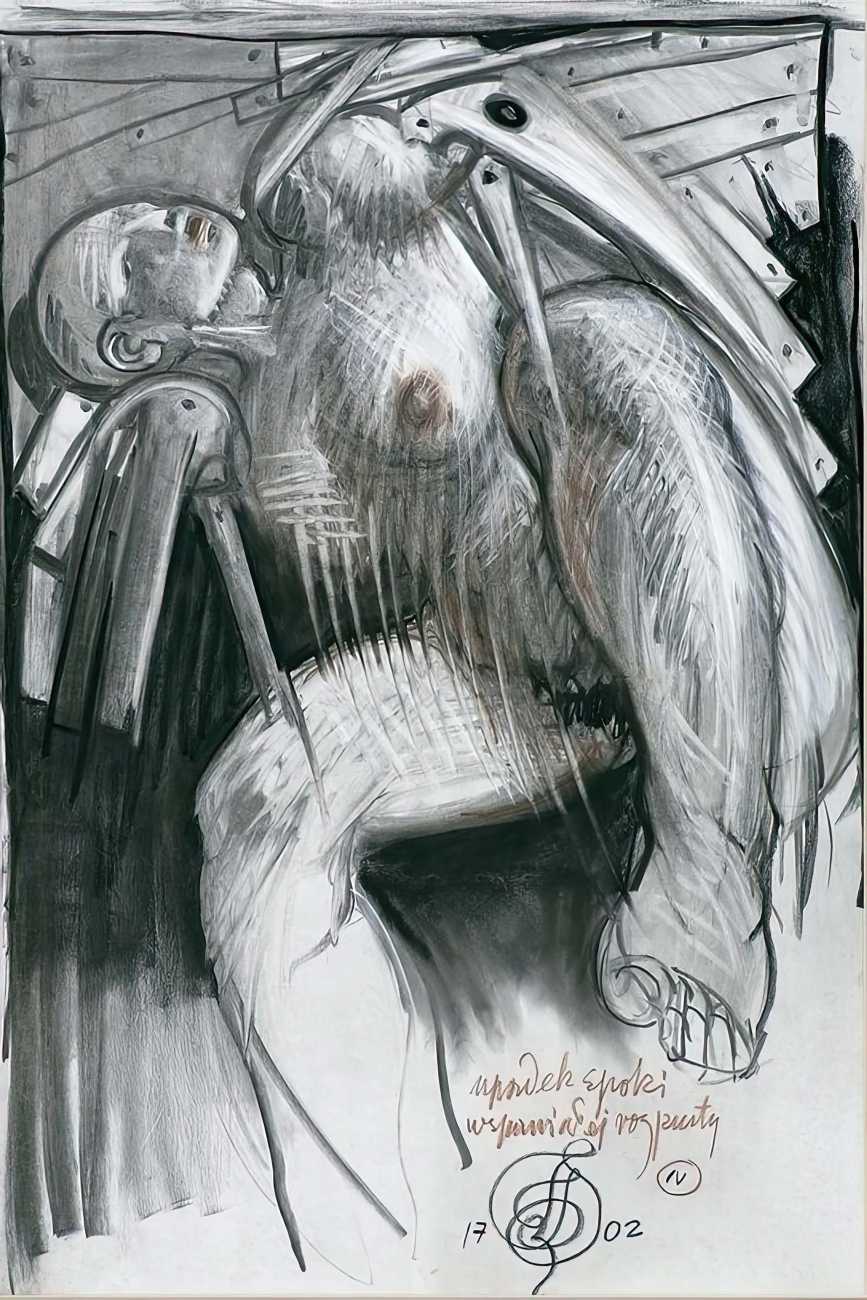
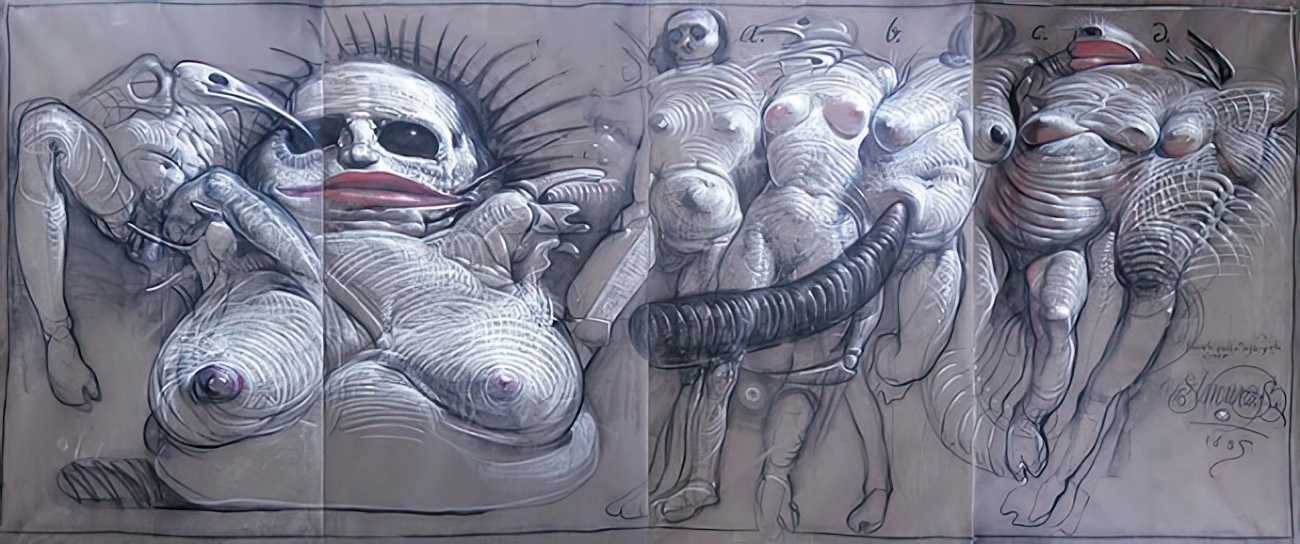
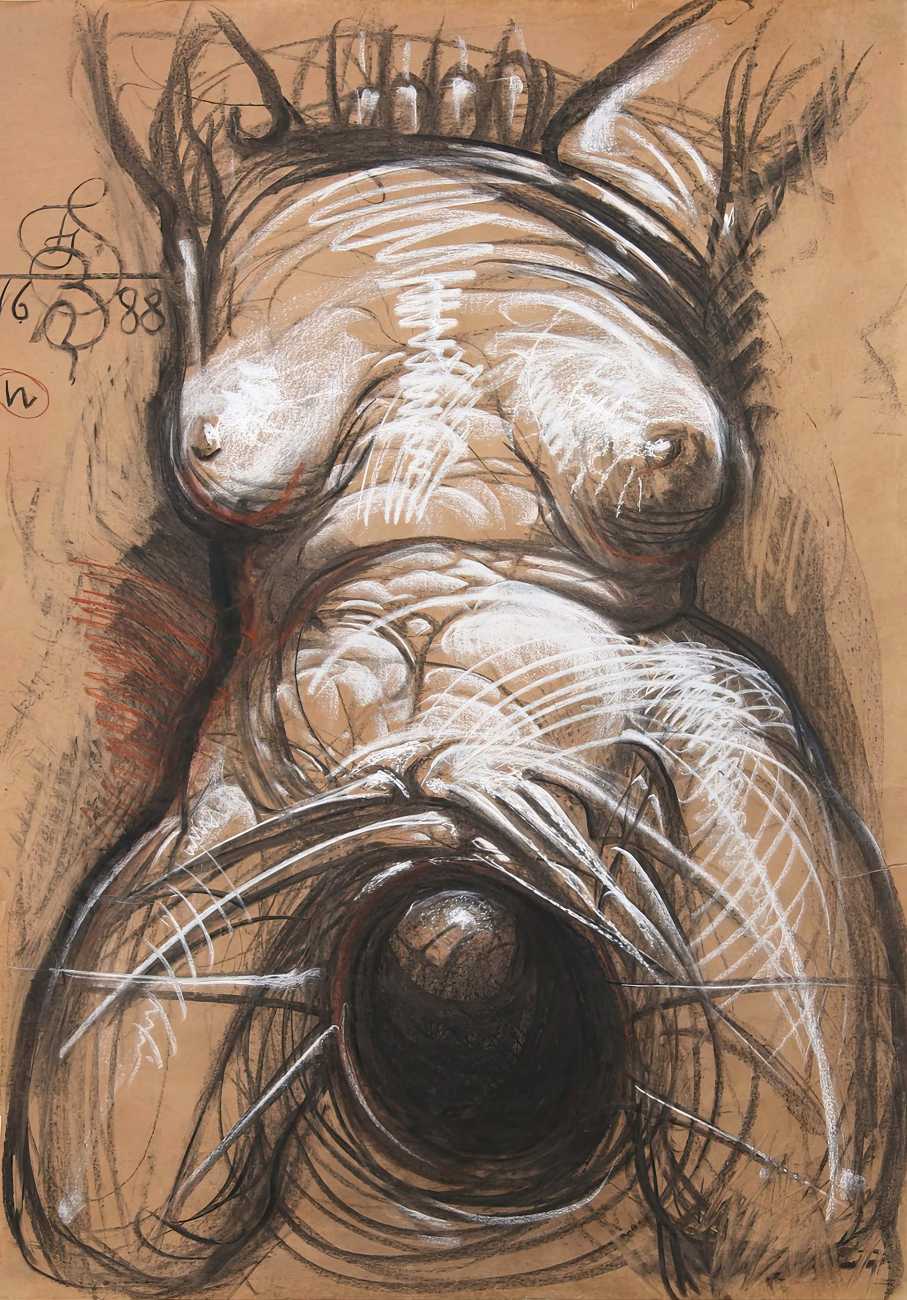
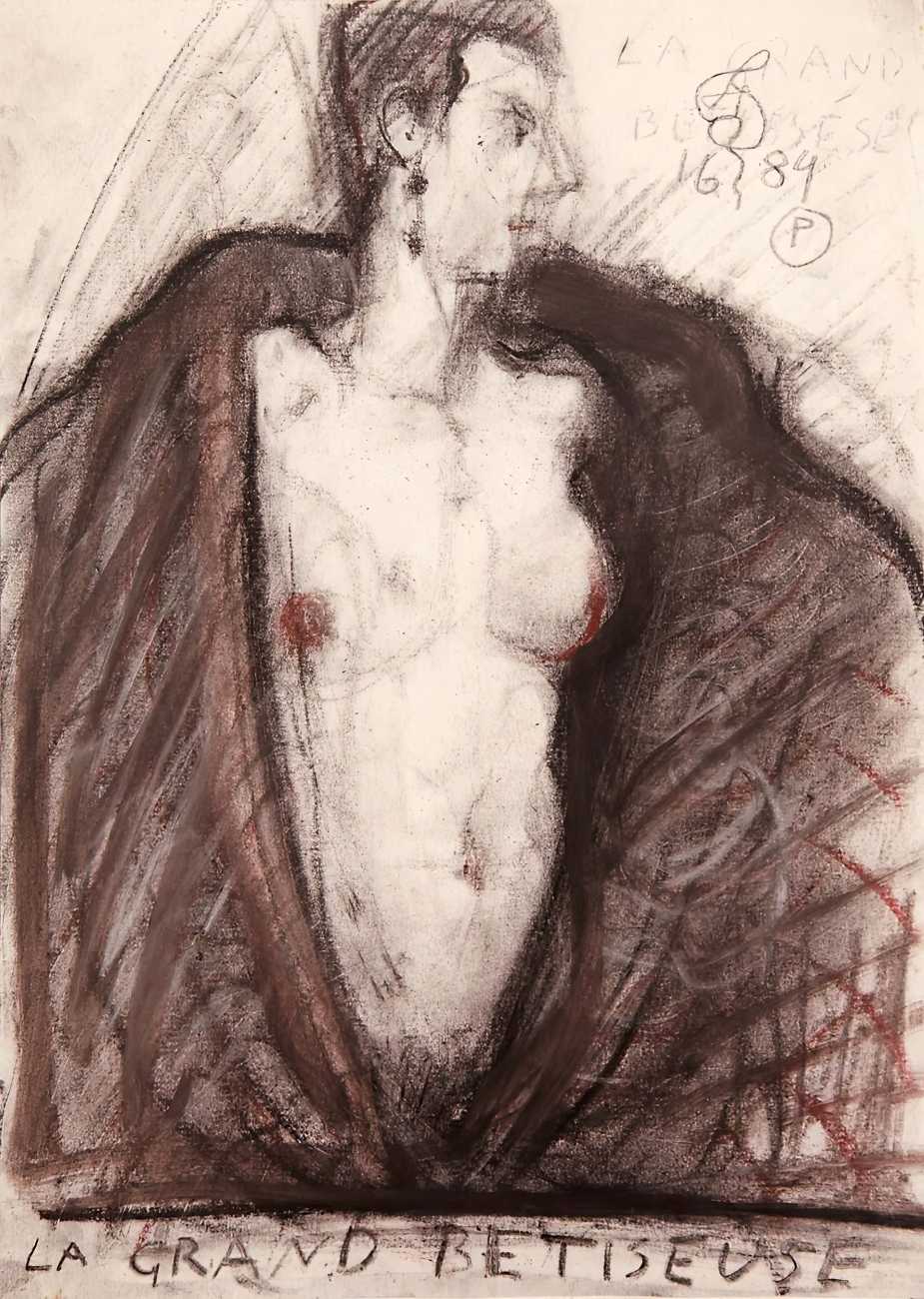
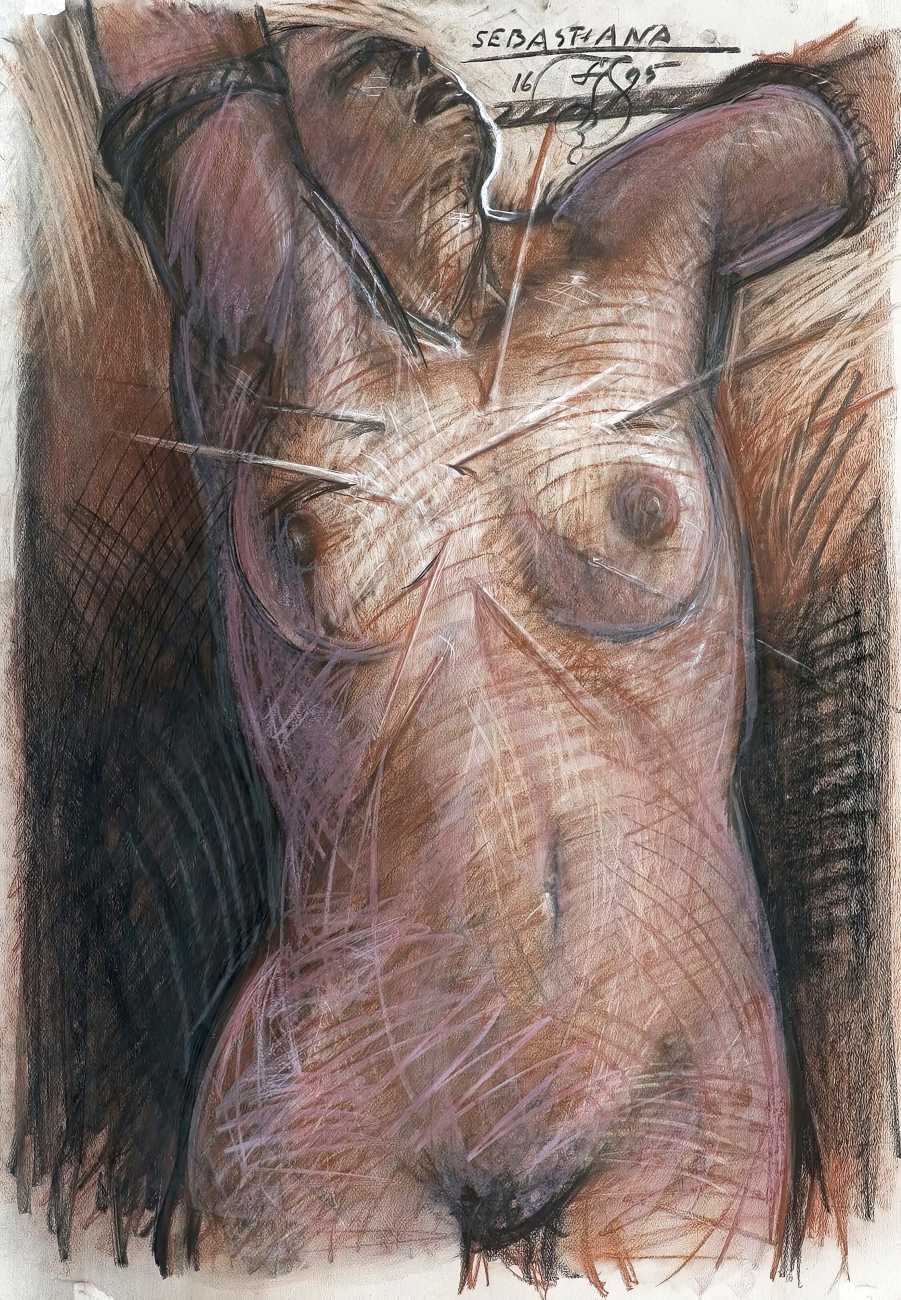
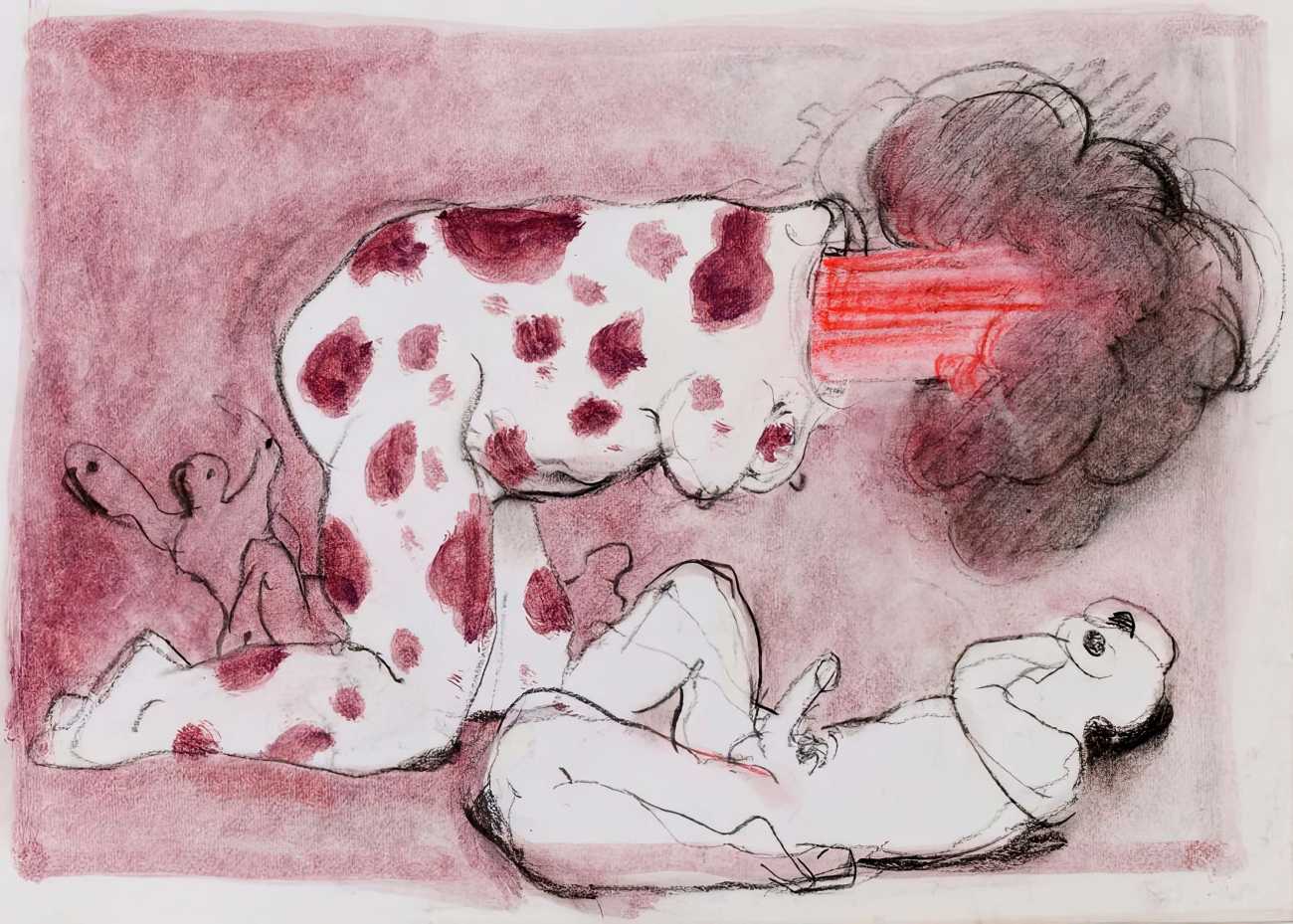
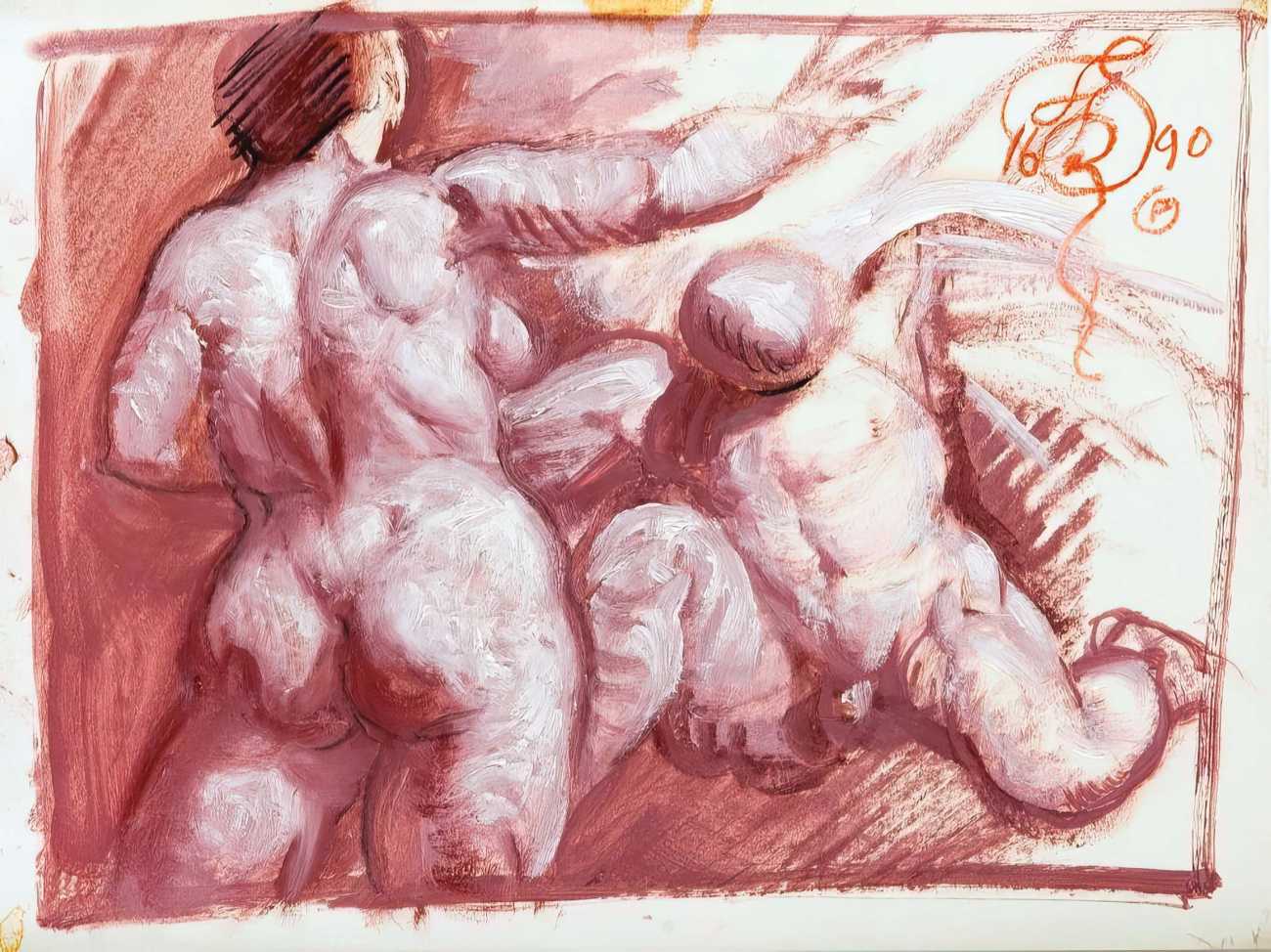
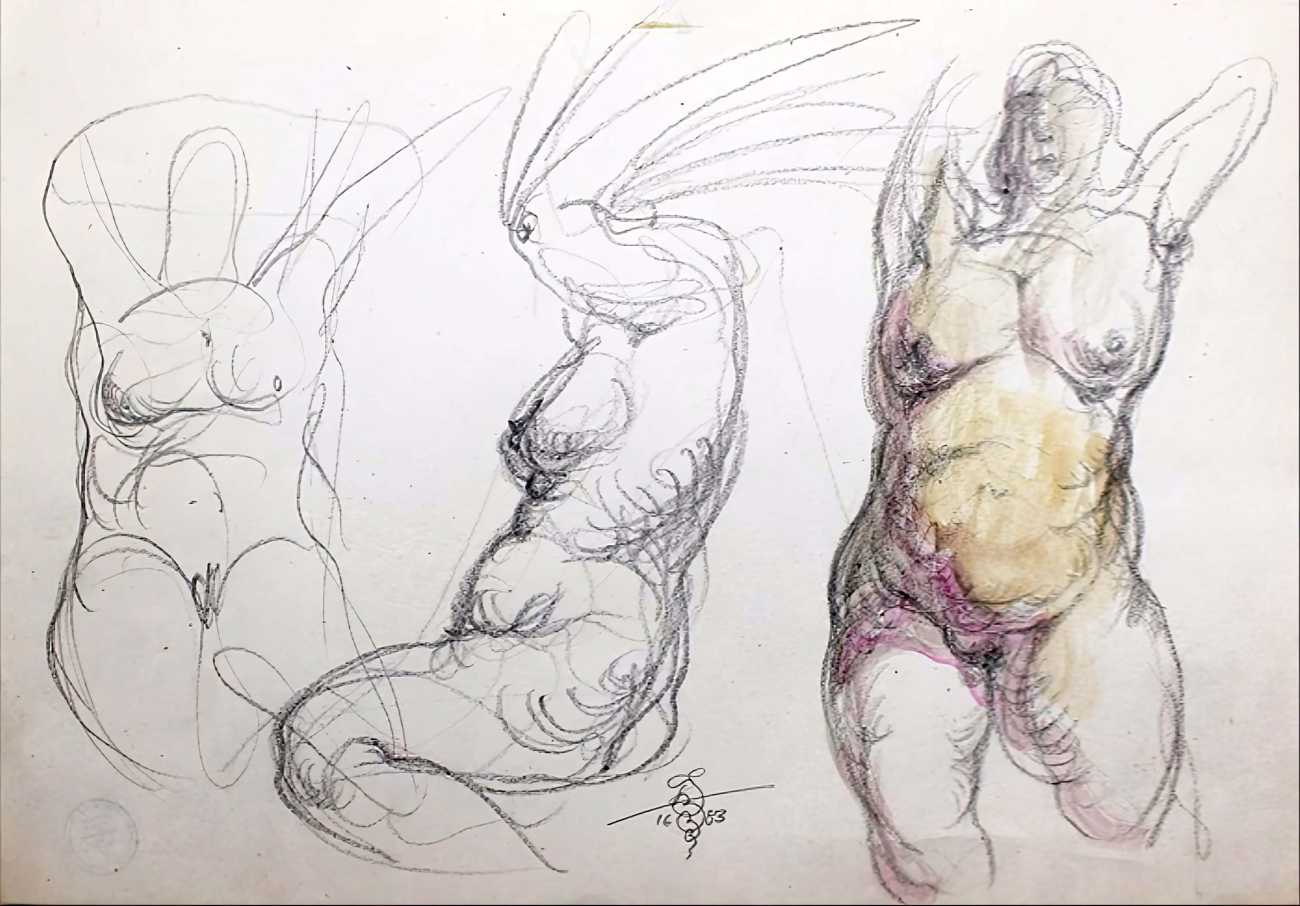
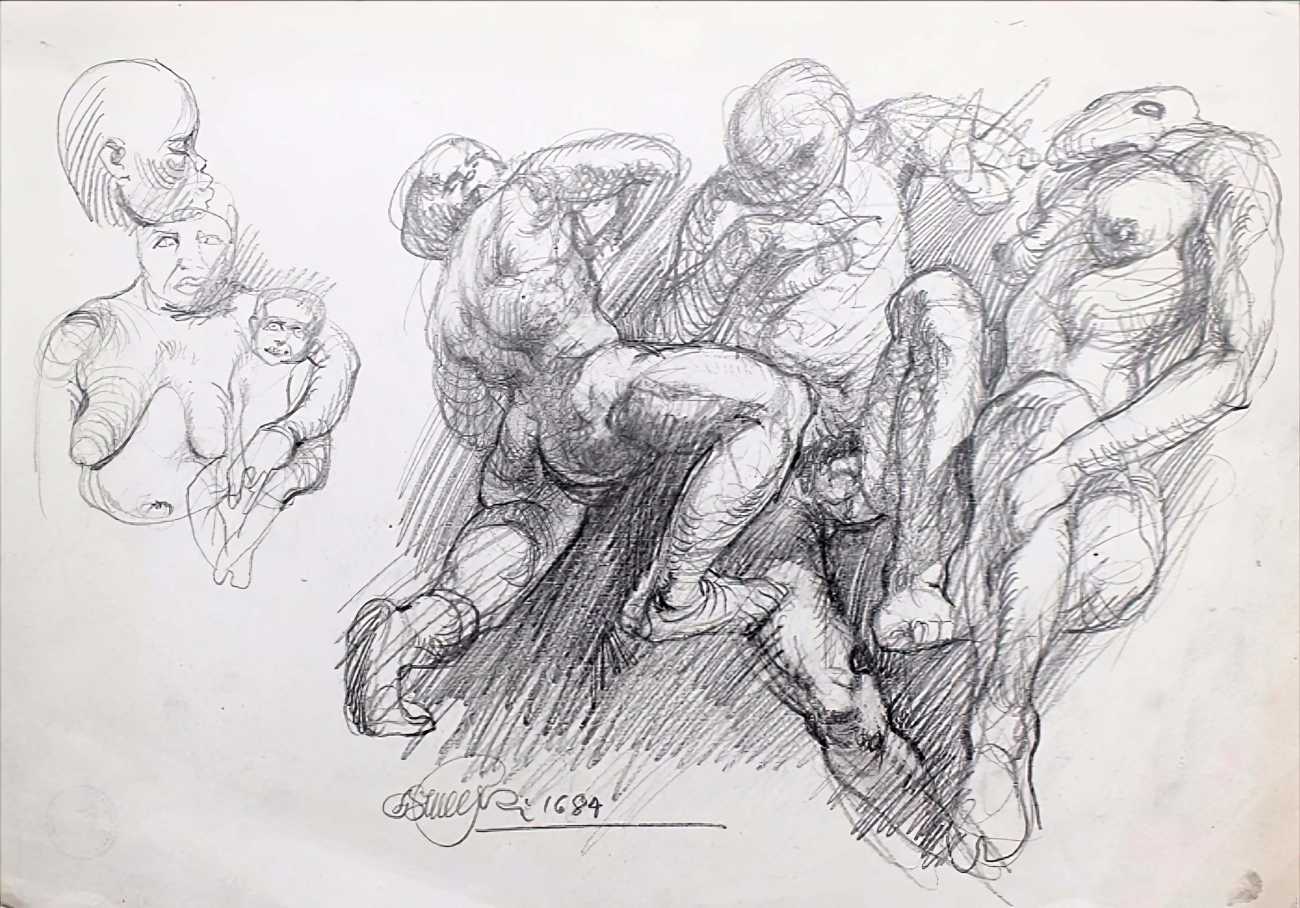
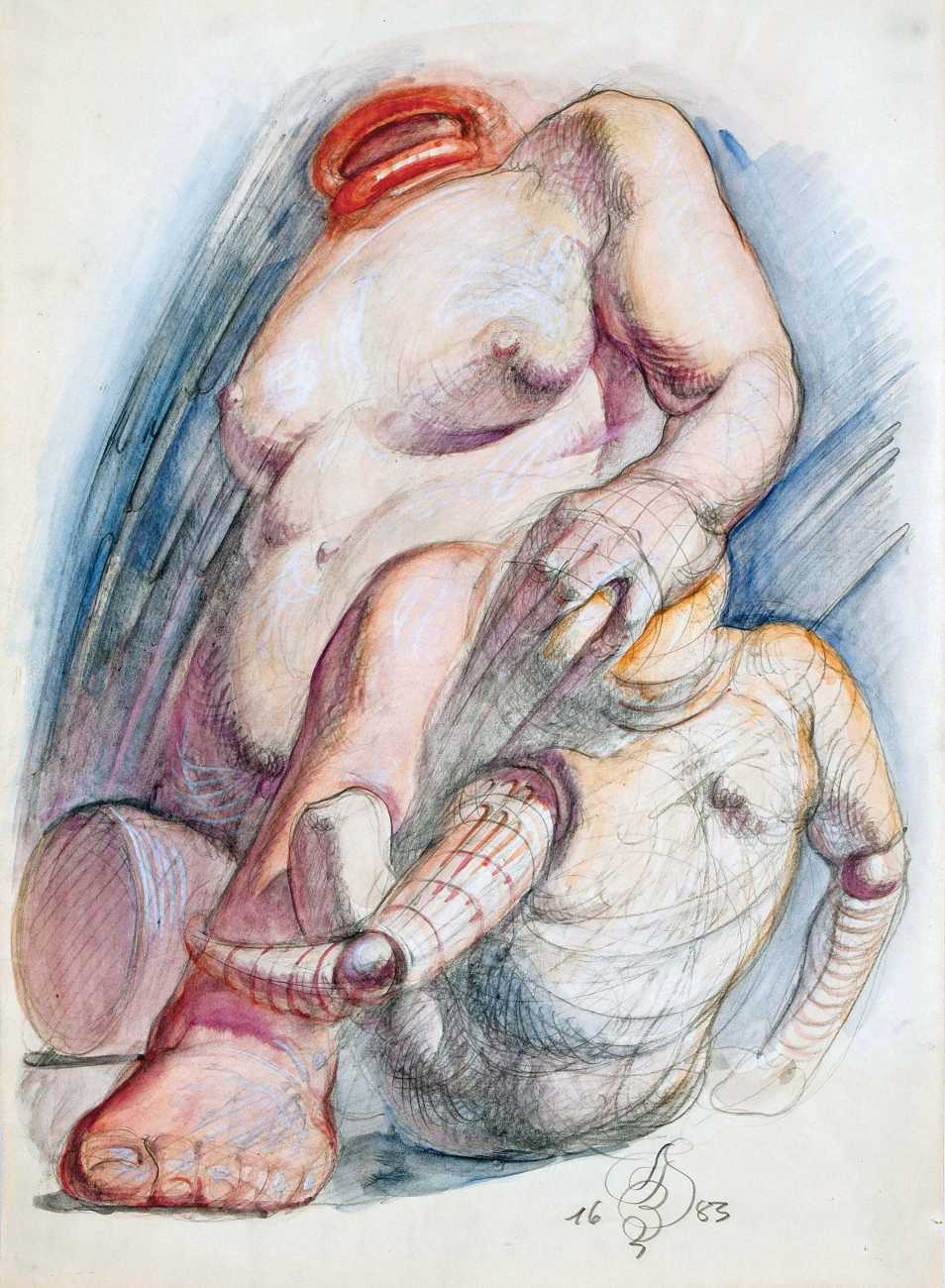
The human body was at the heart of this vision. Starowieyski was particularly fascinated by the voluptuous, Rubenesque female form, treating nudity not simply as a subject but as a means of penetrating beneath appearances. As the critic Alin Avila observed, for Starowieyski ‘the essence of the matter is hidden in nudity’; drawing the body became an act of searching for the abstraction concealed beneath the line.
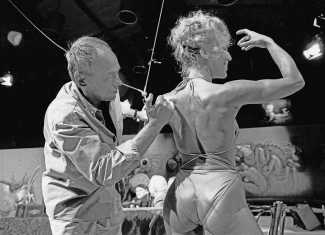
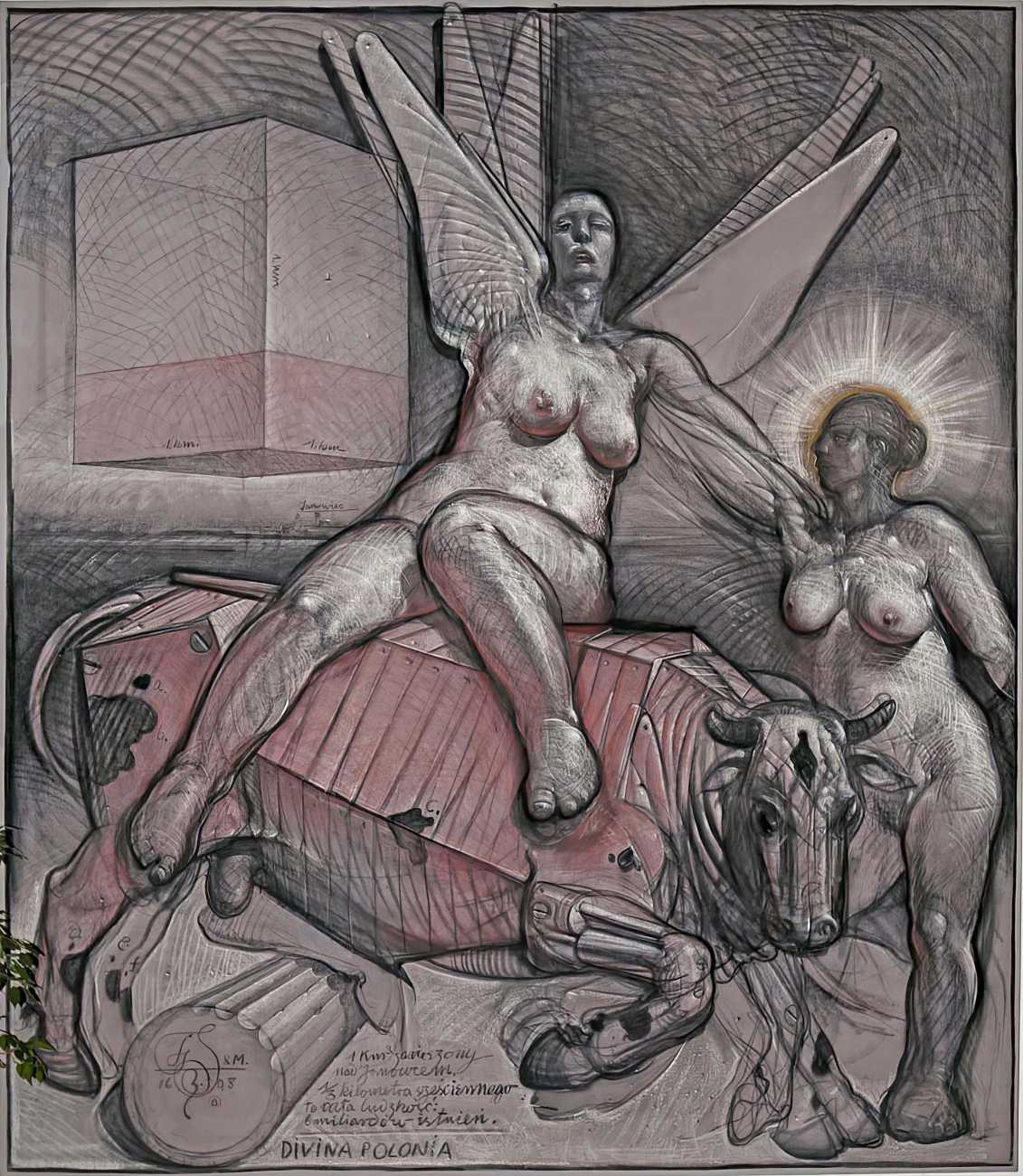
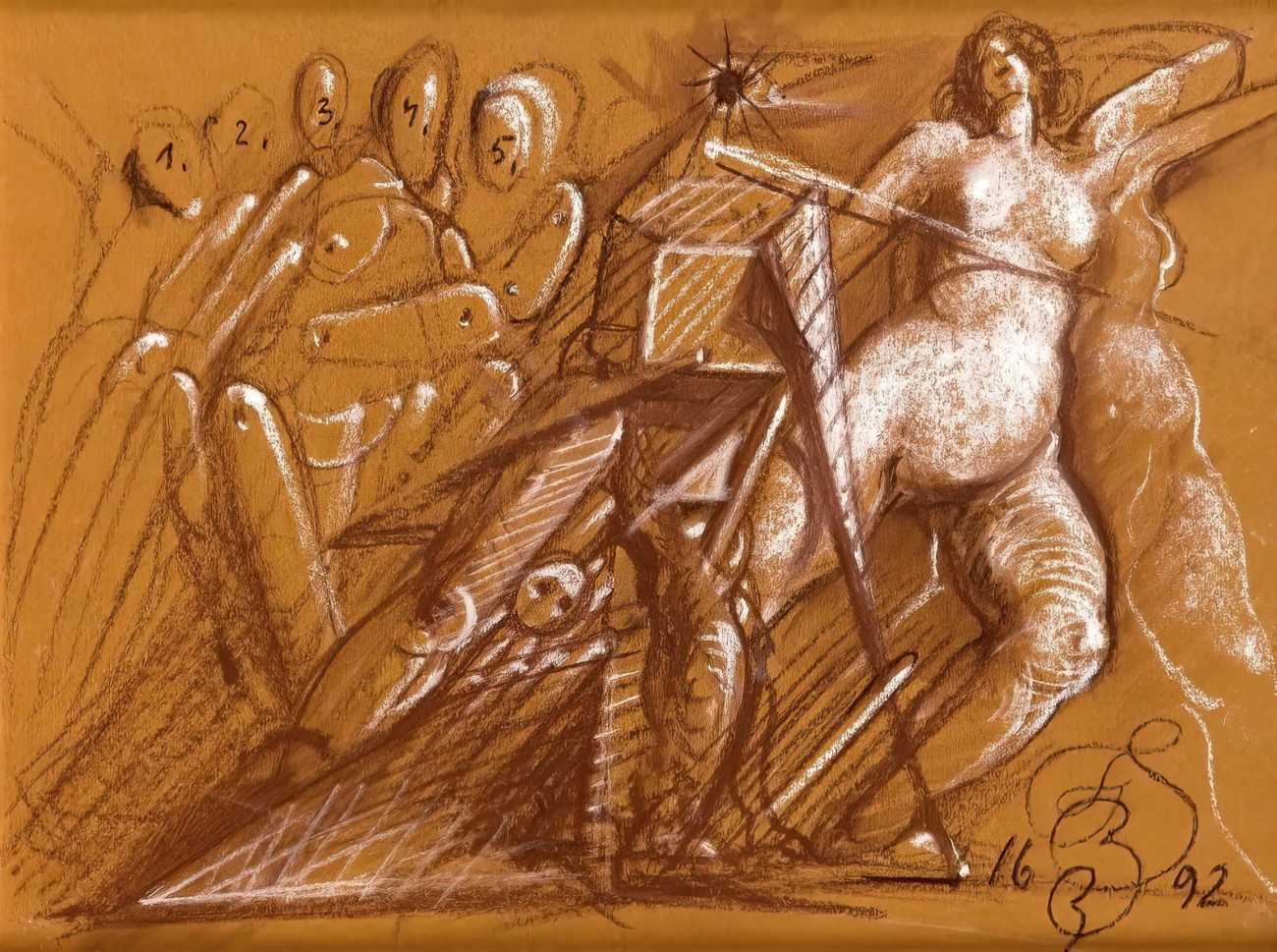
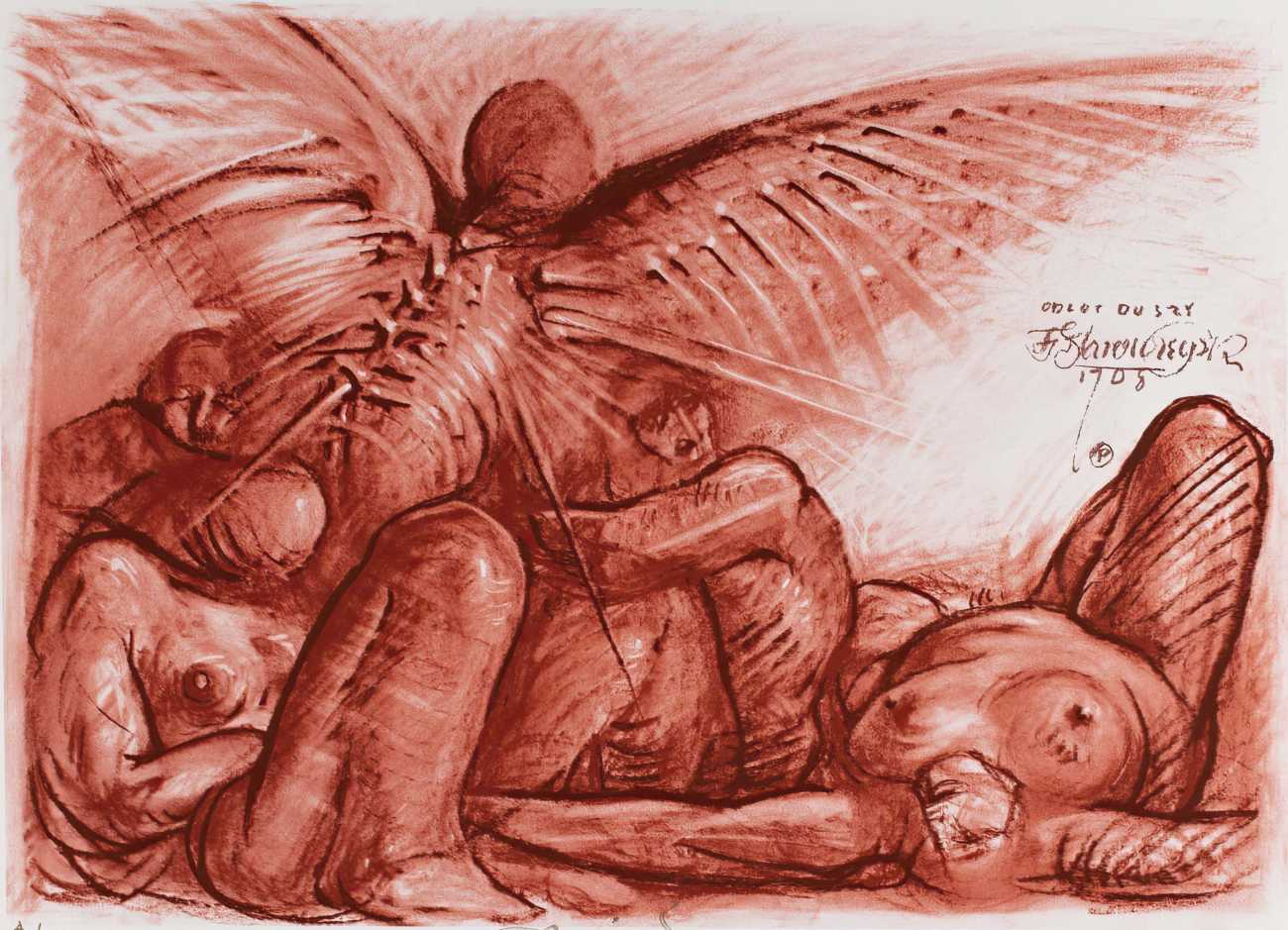
From 1980 he developed this idea into his Teatr Rysowania, or Drawing Theatre, in which large-scale drawings and paintings were created before a live audience, accompanied by music, literary texts and naked models. Over almost thirty such performances Starowieyski created the paintings using his own technique of charcoal and pastels.
By his own reckoning, as well as his posters Starowieyski produced around two thousand paintings and drawings, and fifty theatre and opera designs. His work is a remarkable synthesis of eroticism and mortality, exuberant celebrations of the body haunted by the knowledge of its inevitable decay.
Similar artists
Roland Topor – French-Polish surrealist of absurdist grotesque fantasy.
Oldřich Kulhánek – Czech poster artist of erotic, unsettling figures.
Leonor Fini – Surrealist painter of theatrical, baroque eroticism.
Friedrich Schröder-Sonnenstern – Visionary outsider artist of fantastical grotesque scenes.
Alfred Hrdlicka – Austrian expressionist of visceral death-and-desire imagery.
Clovis Trouille – French painter blending macabre fantasy with eroticism.
Guido Buzzelli – Italian illustrator of grotesque, monstrous bodies.
Example illustration