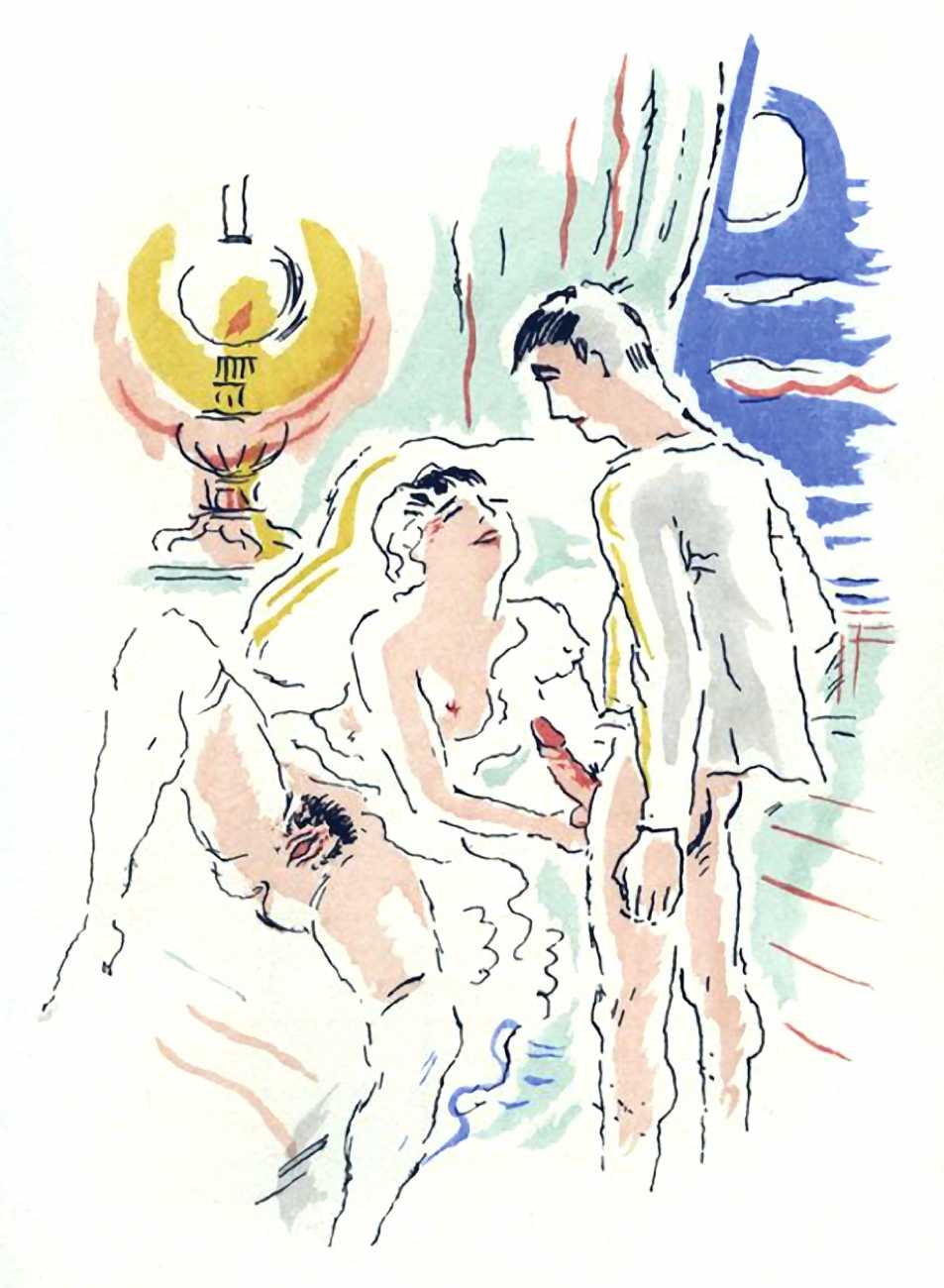
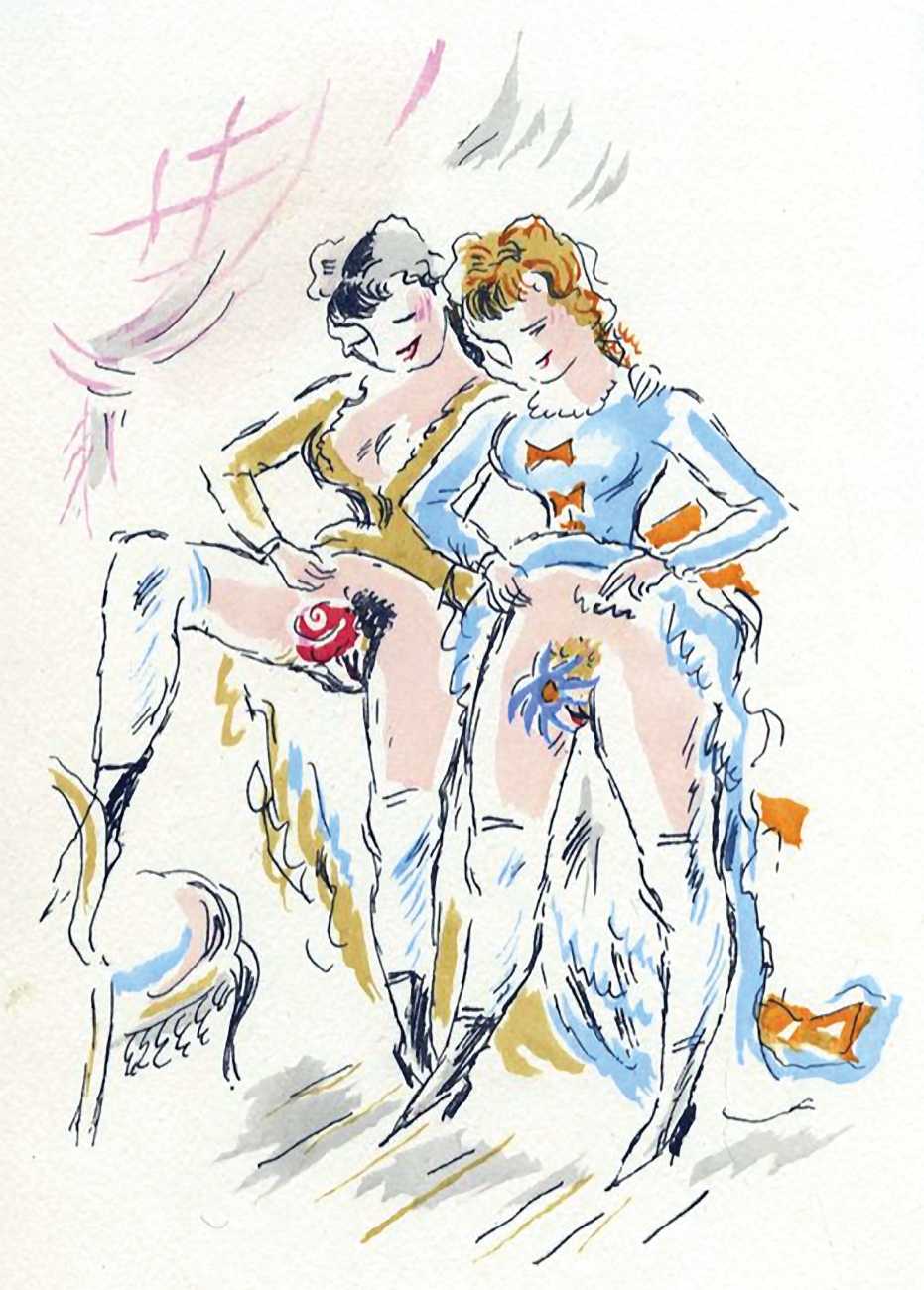
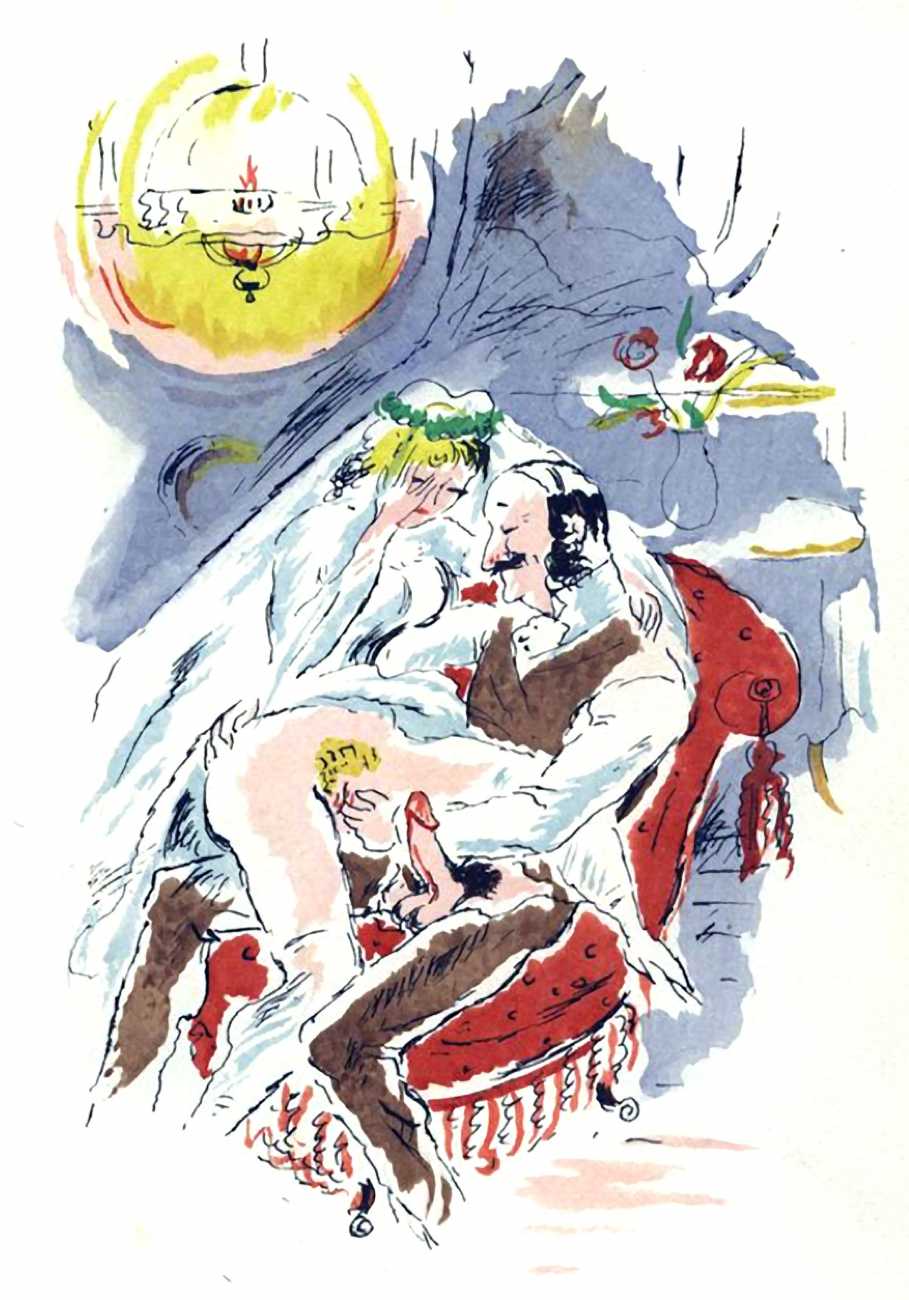
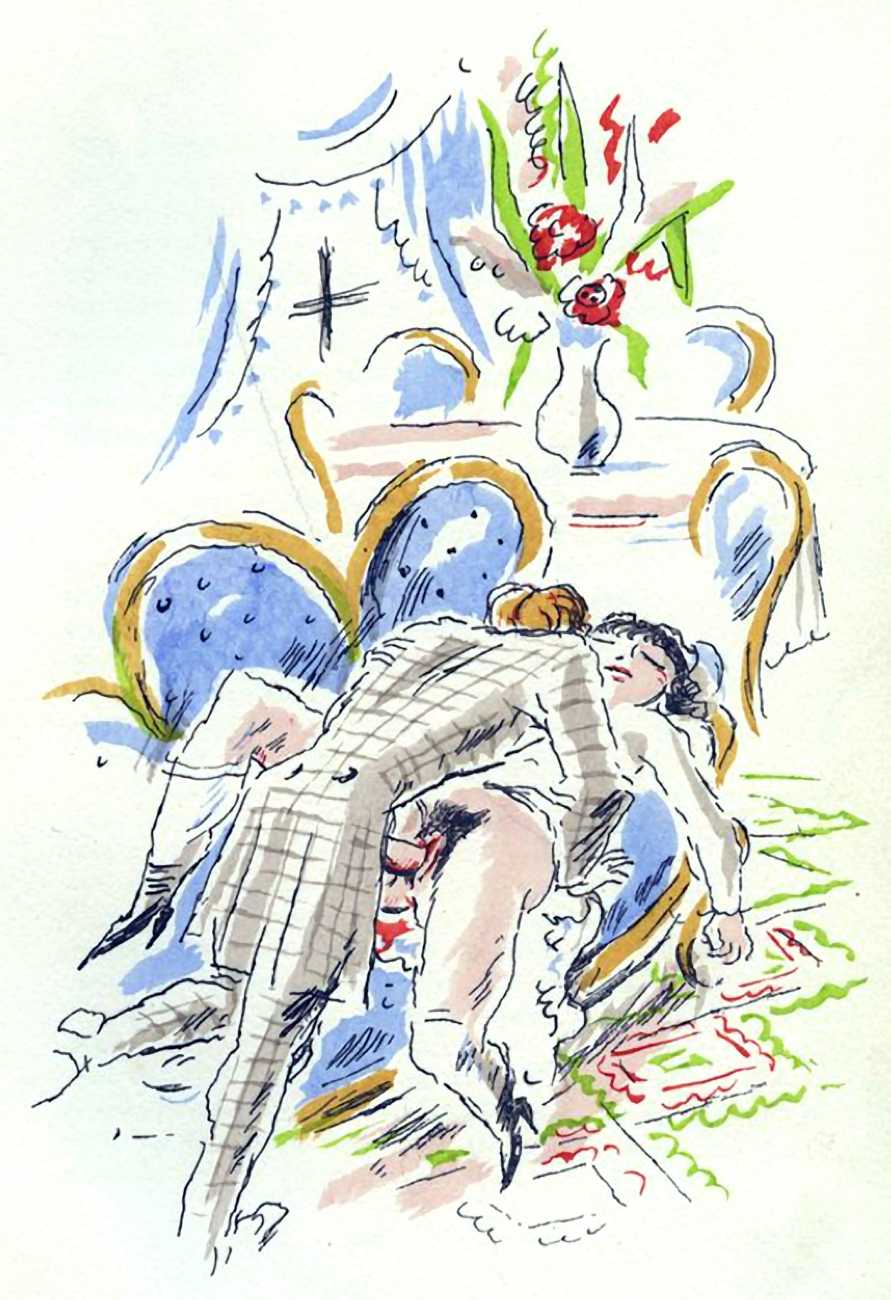
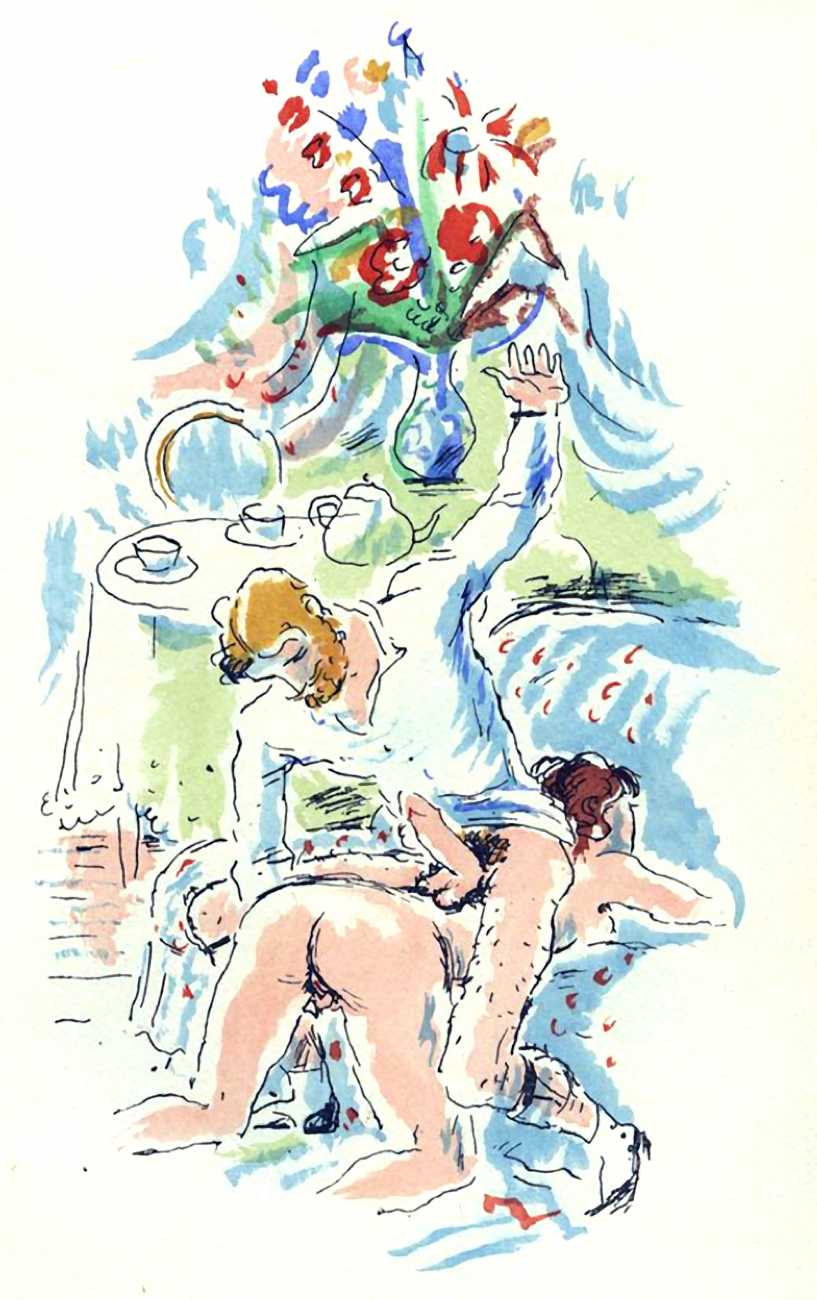
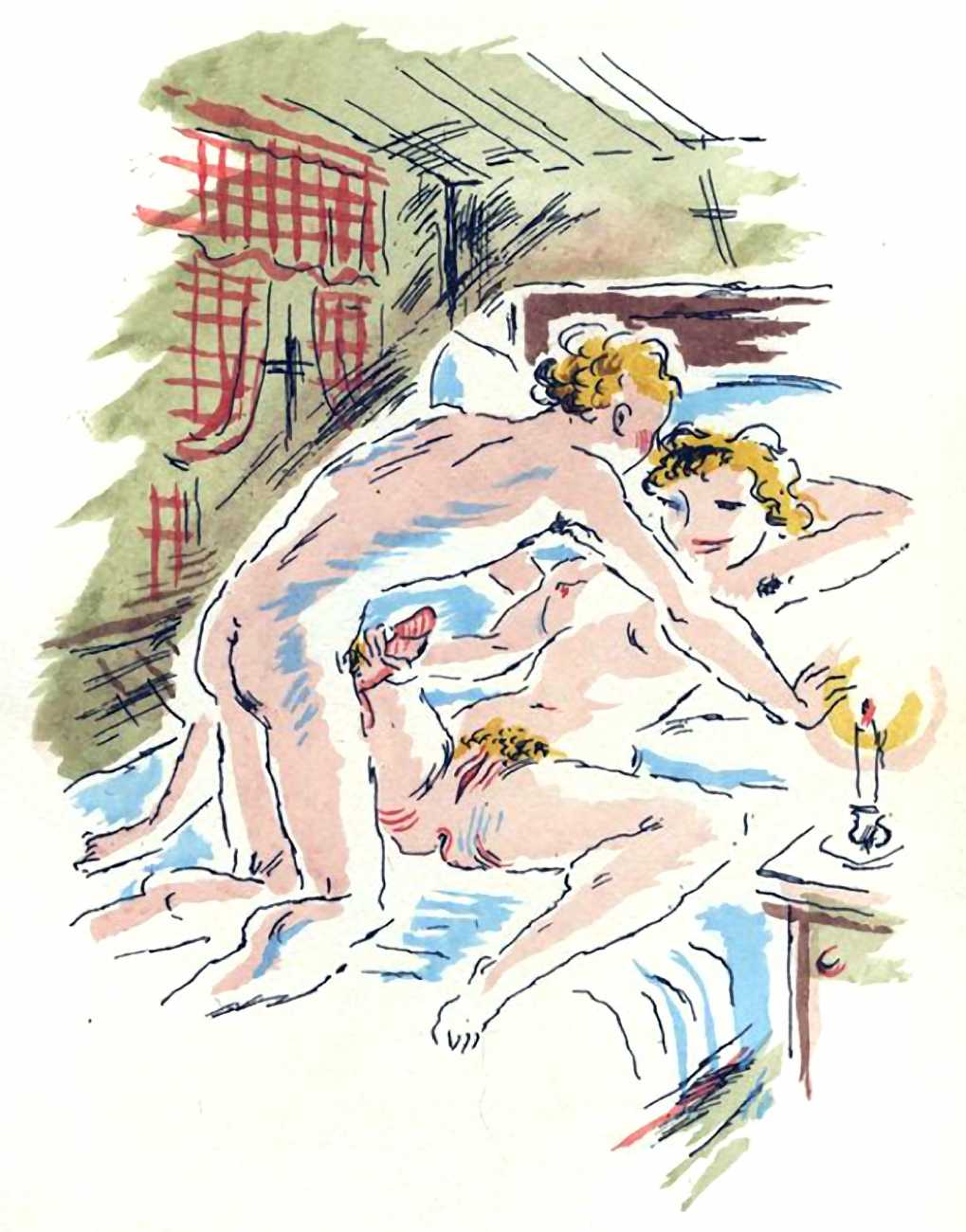
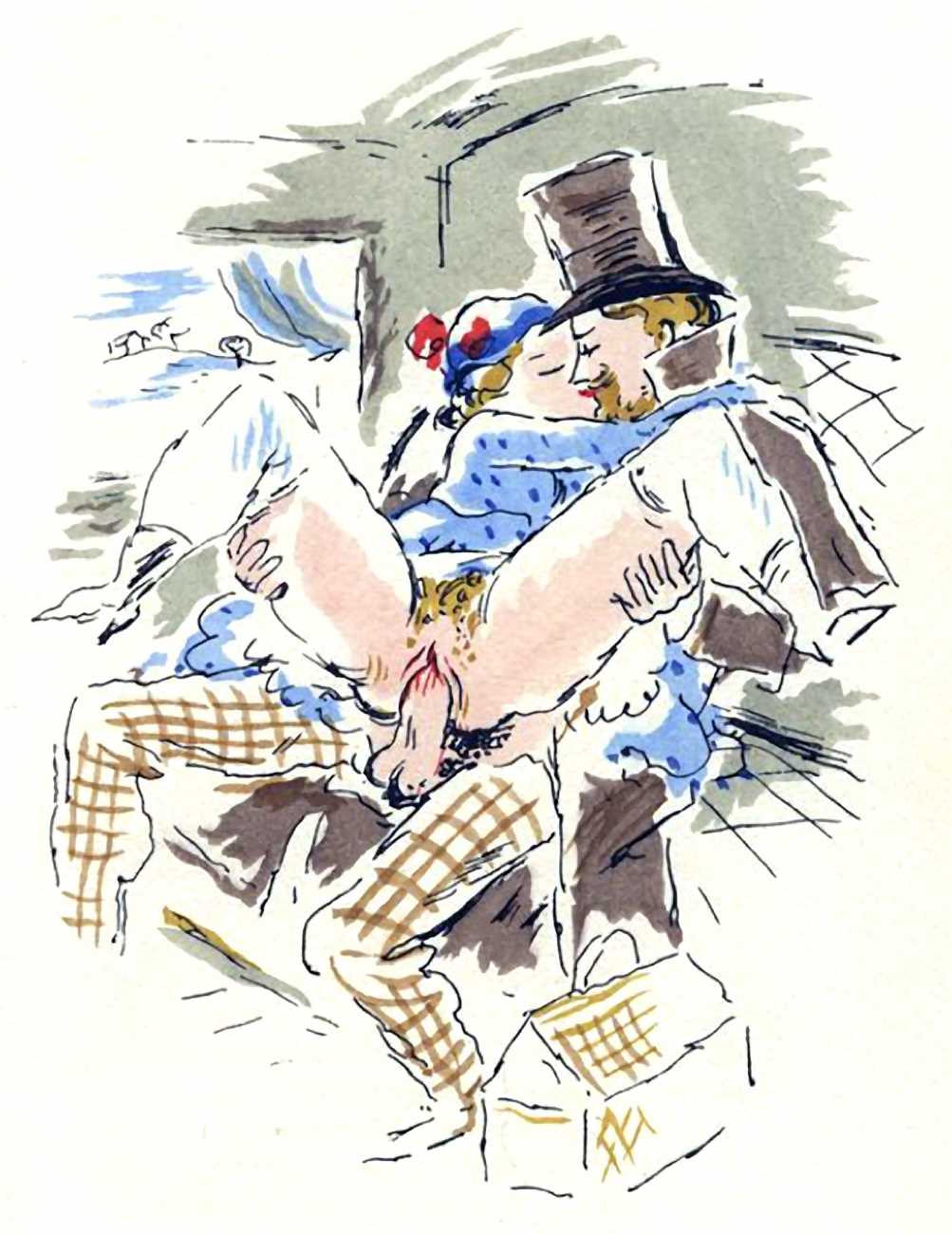
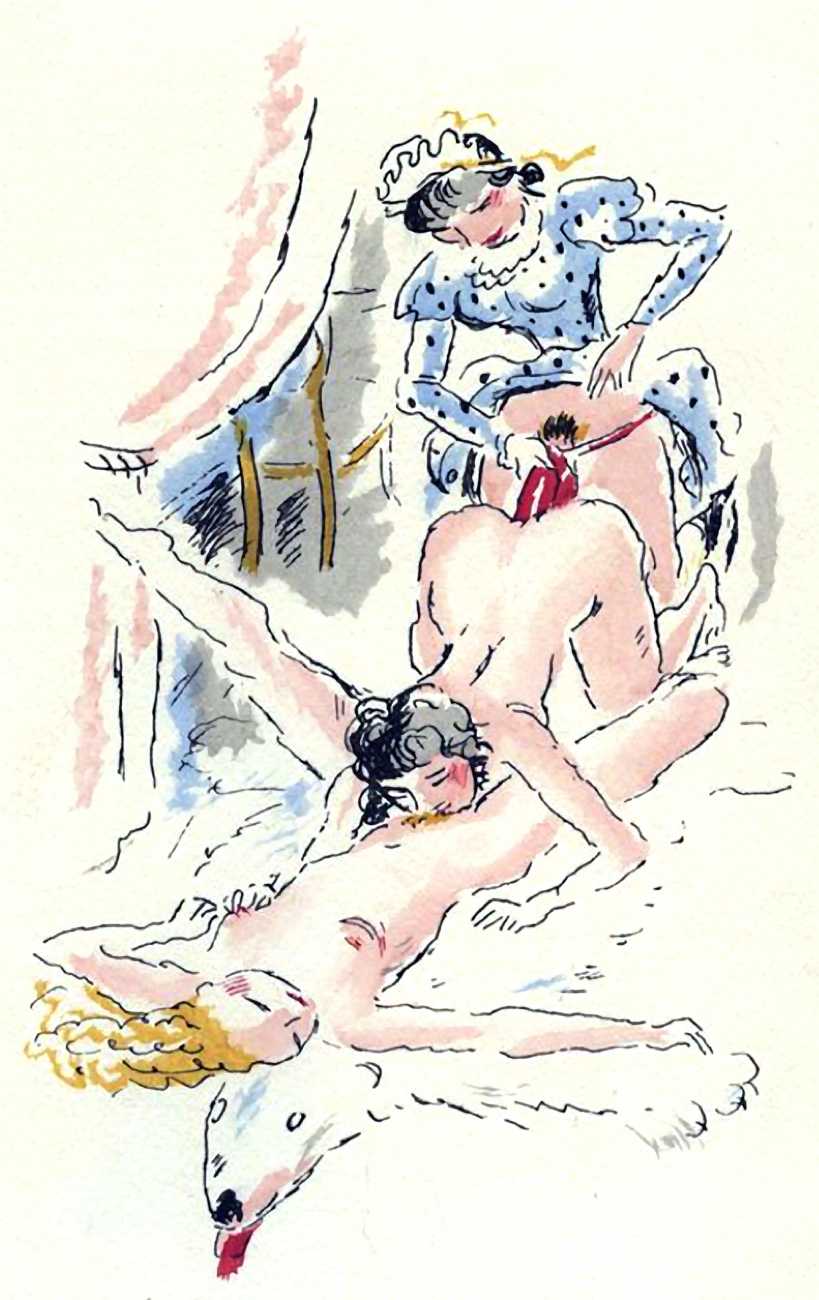
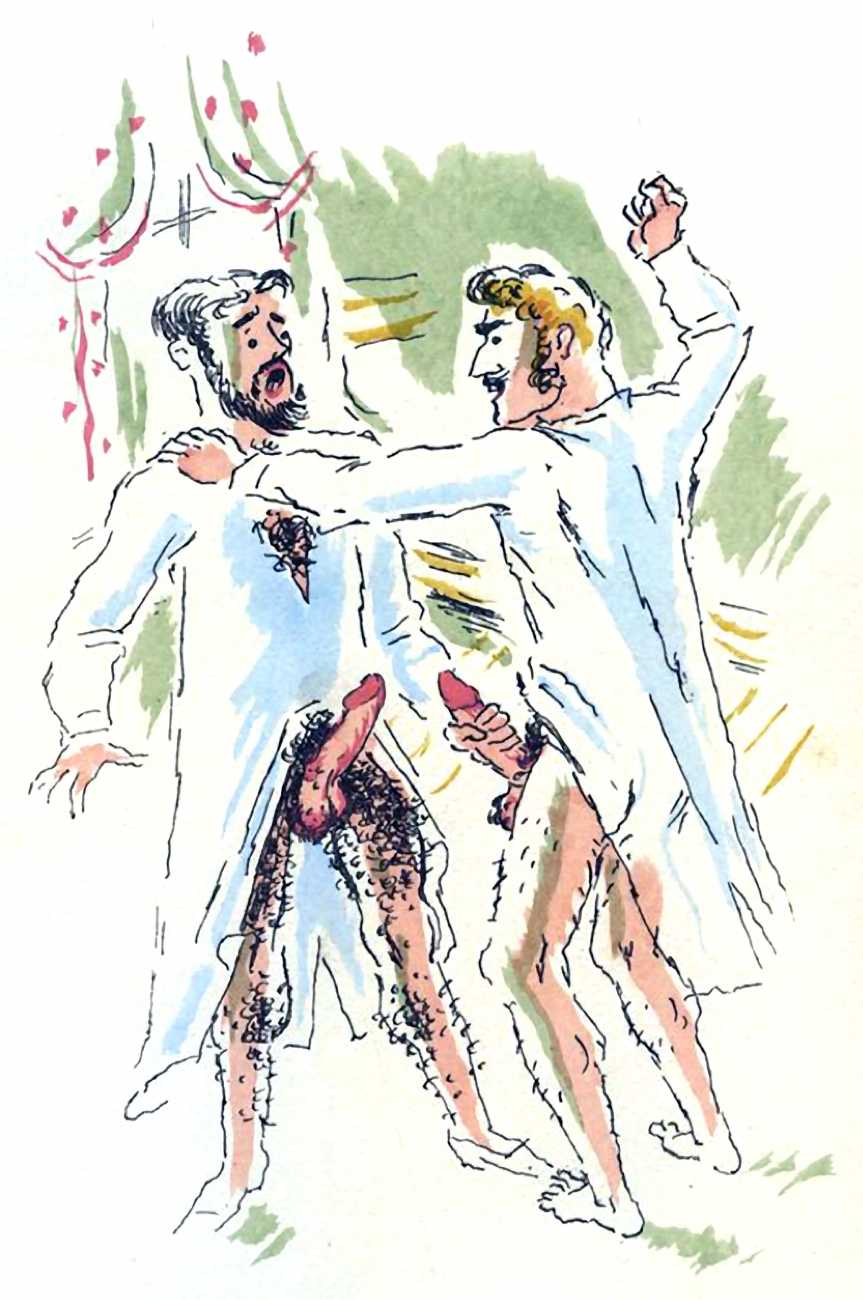
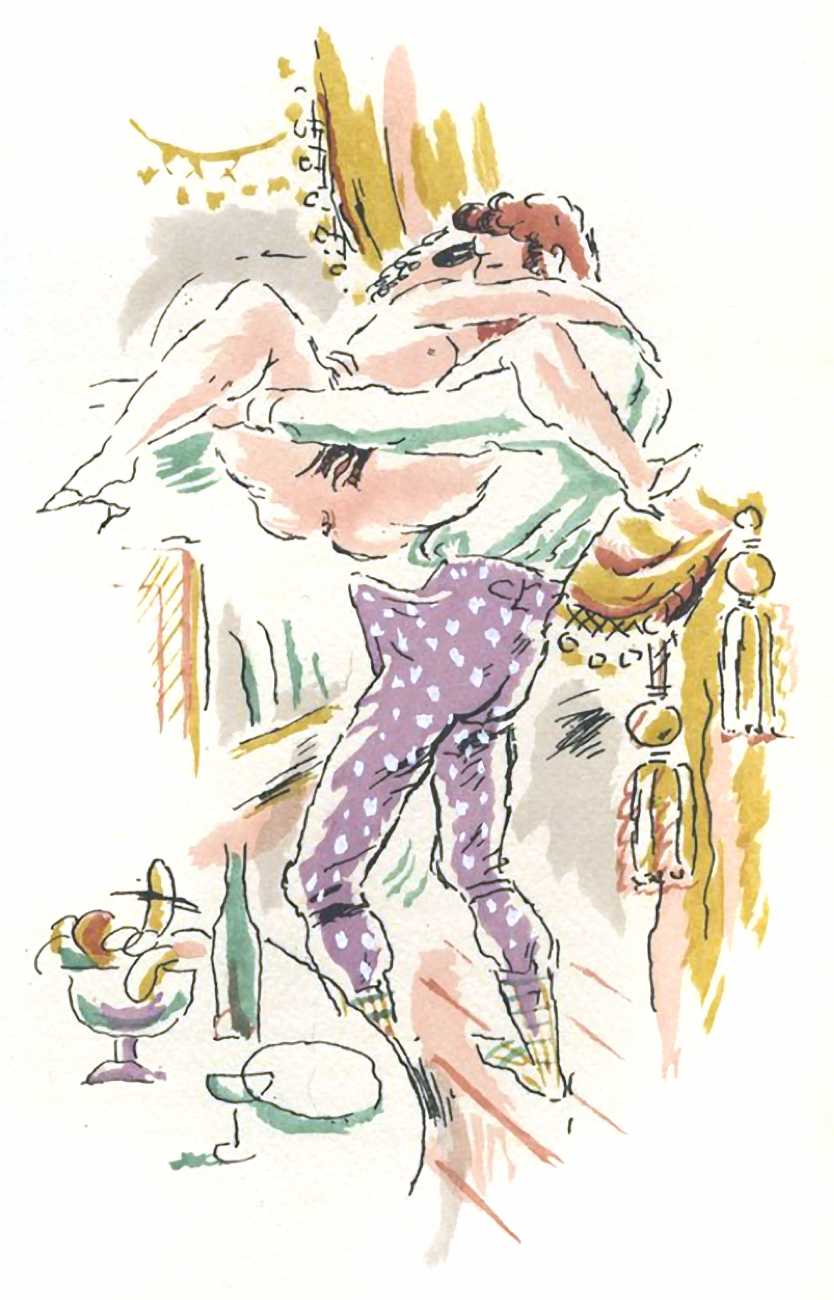
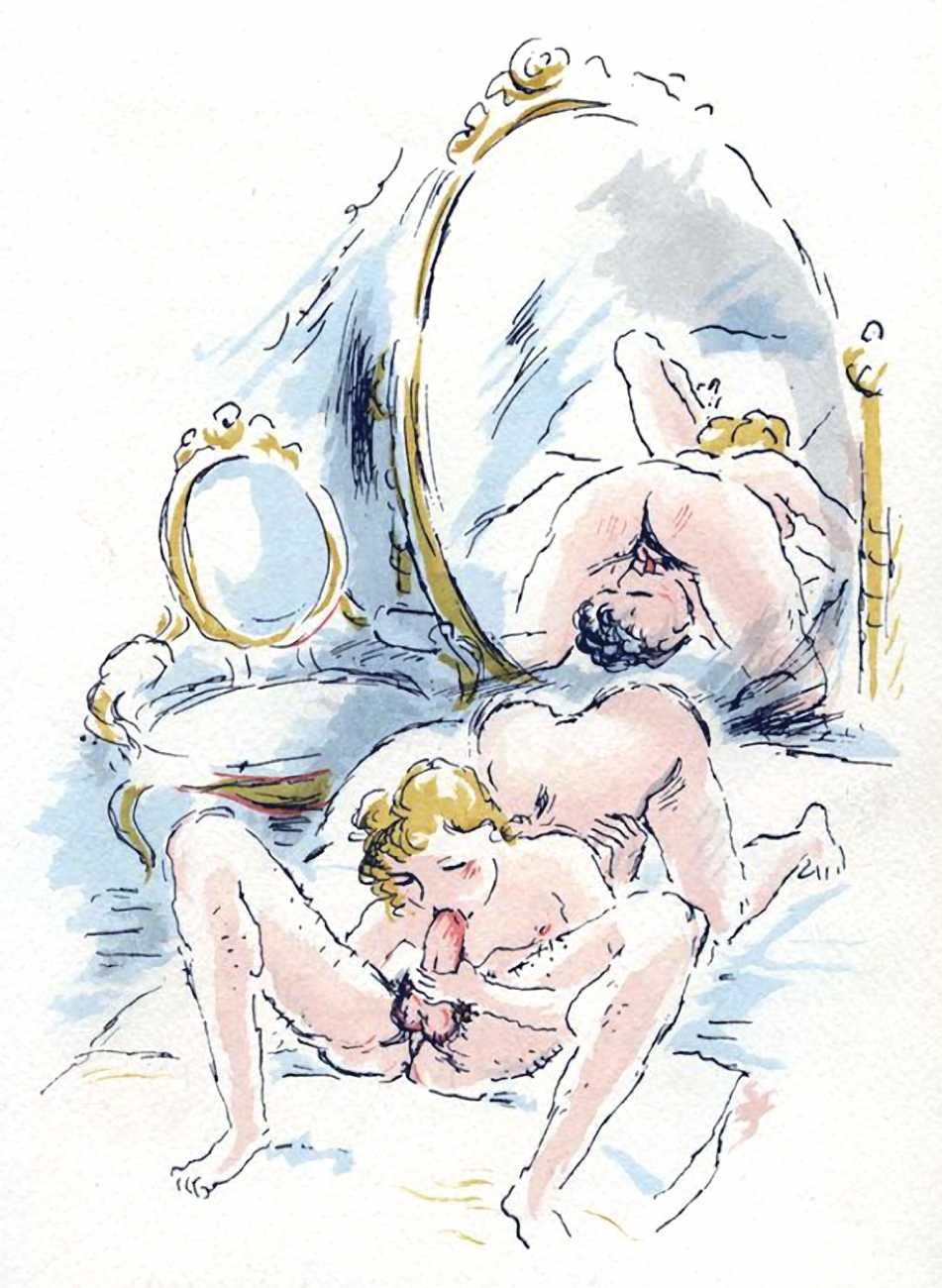
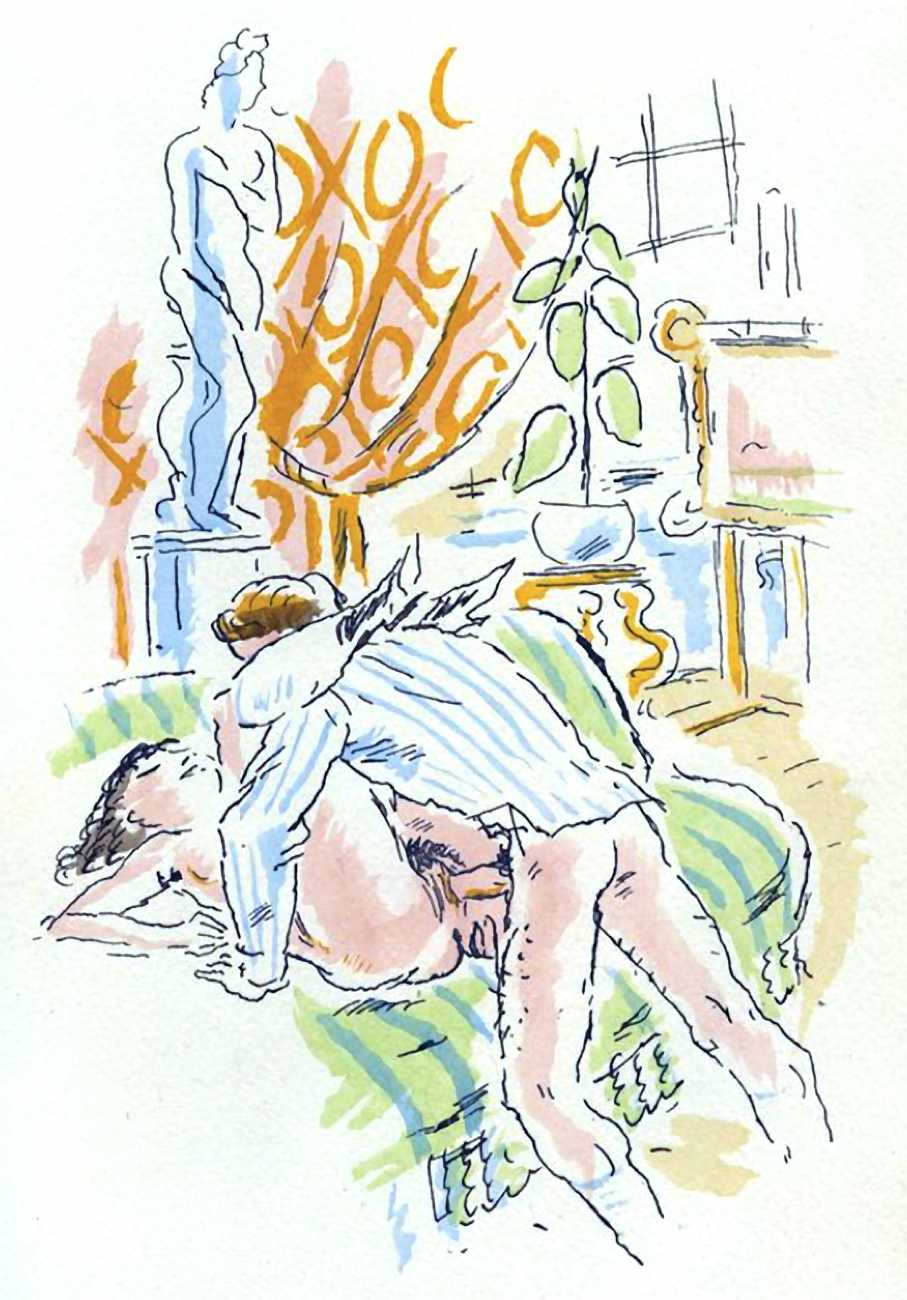
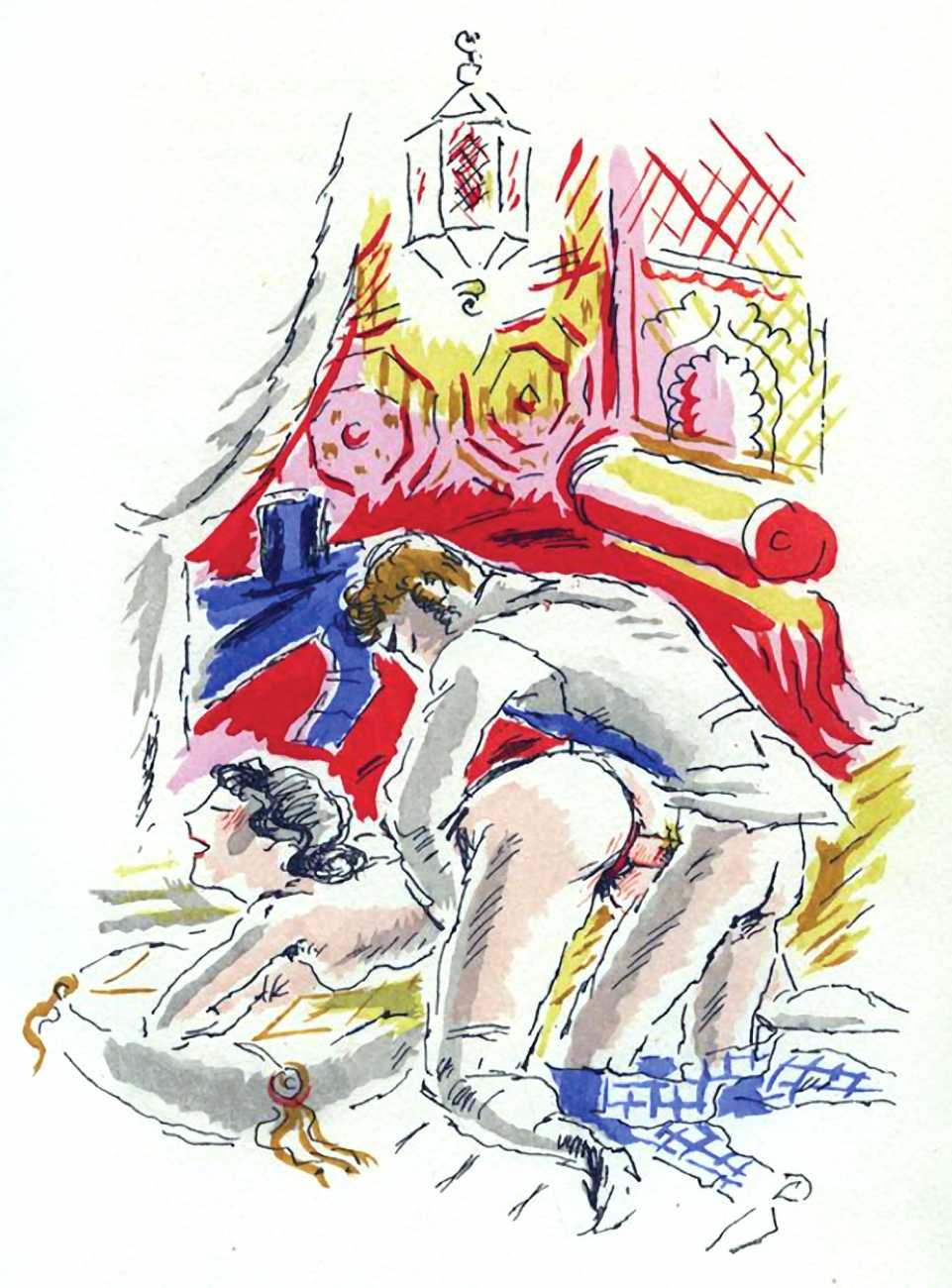
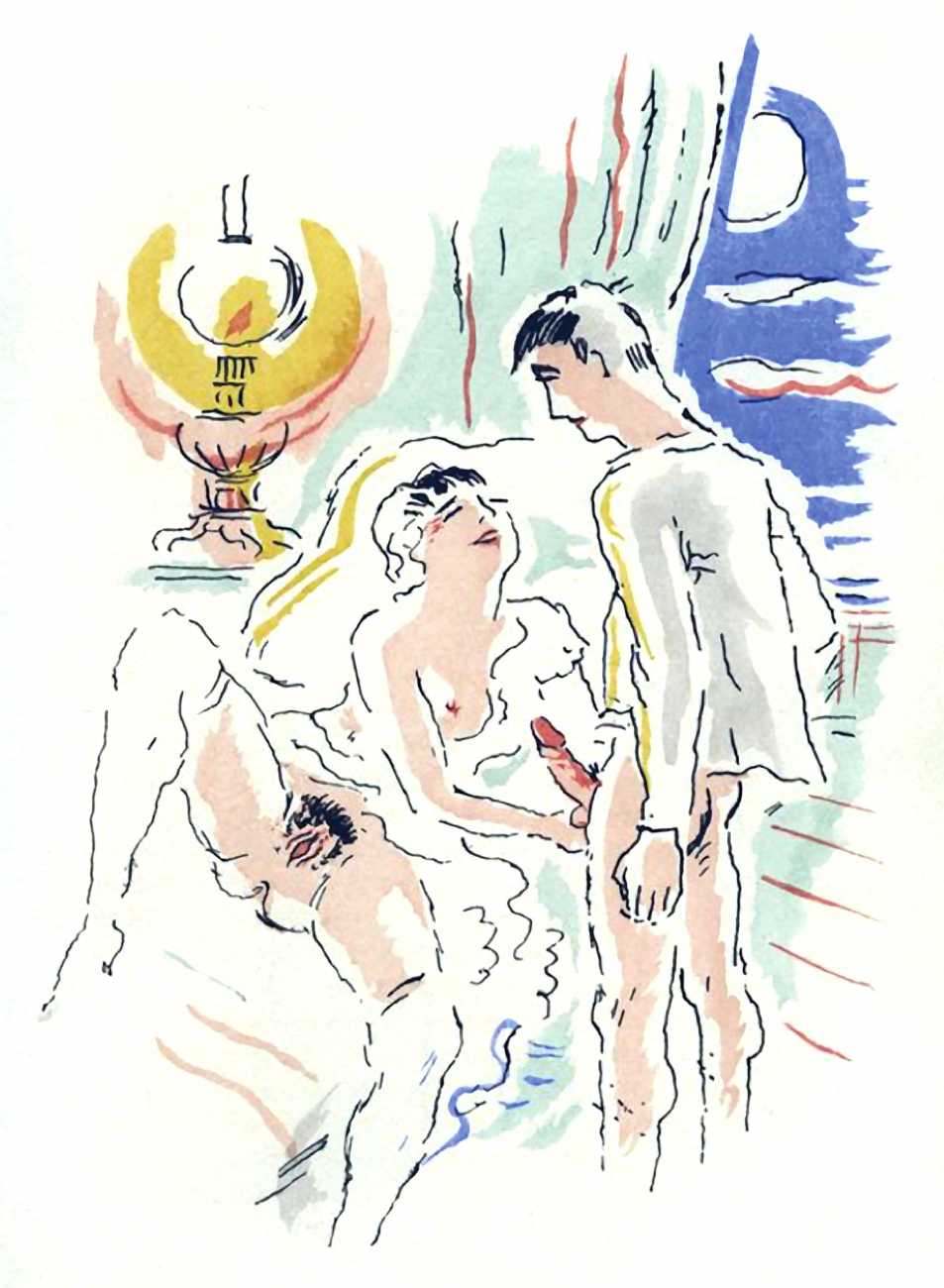
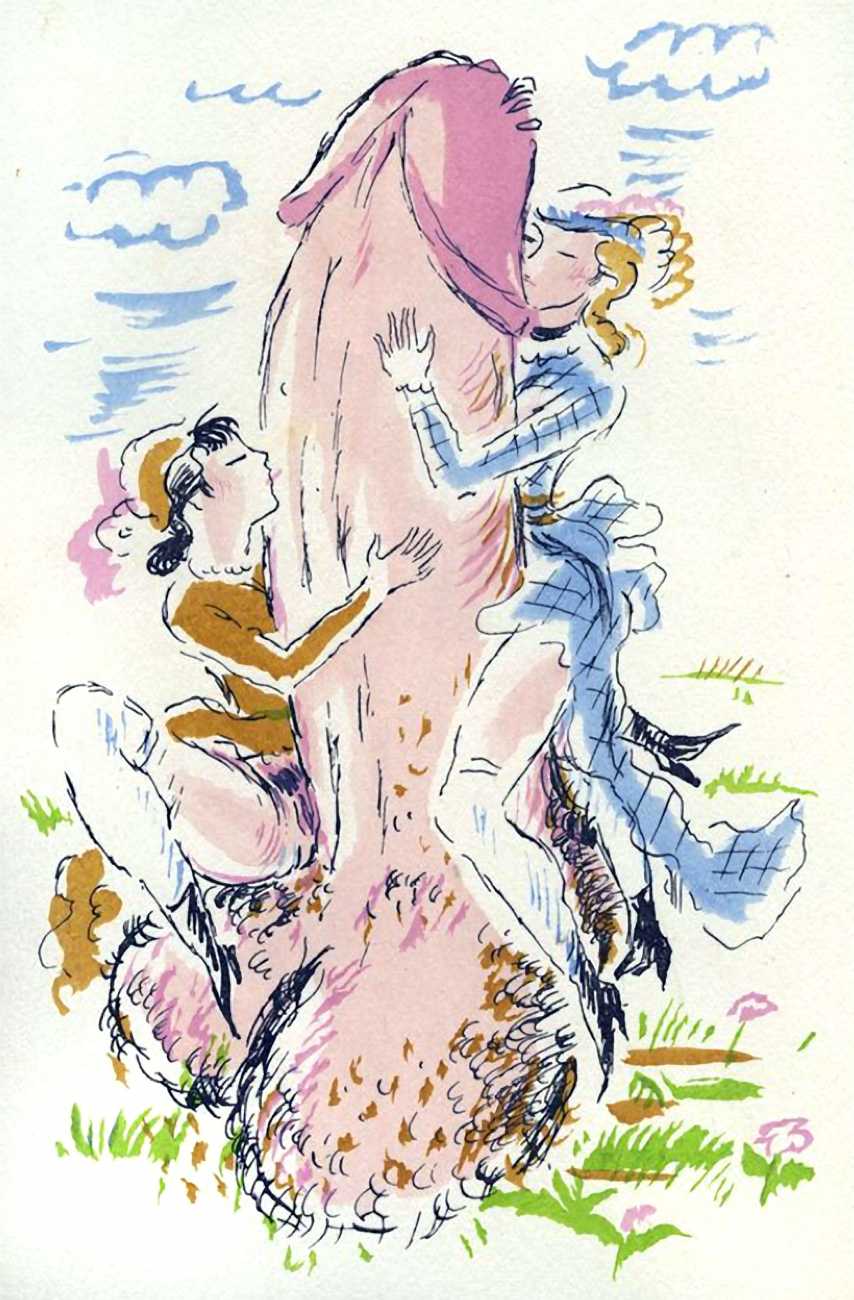
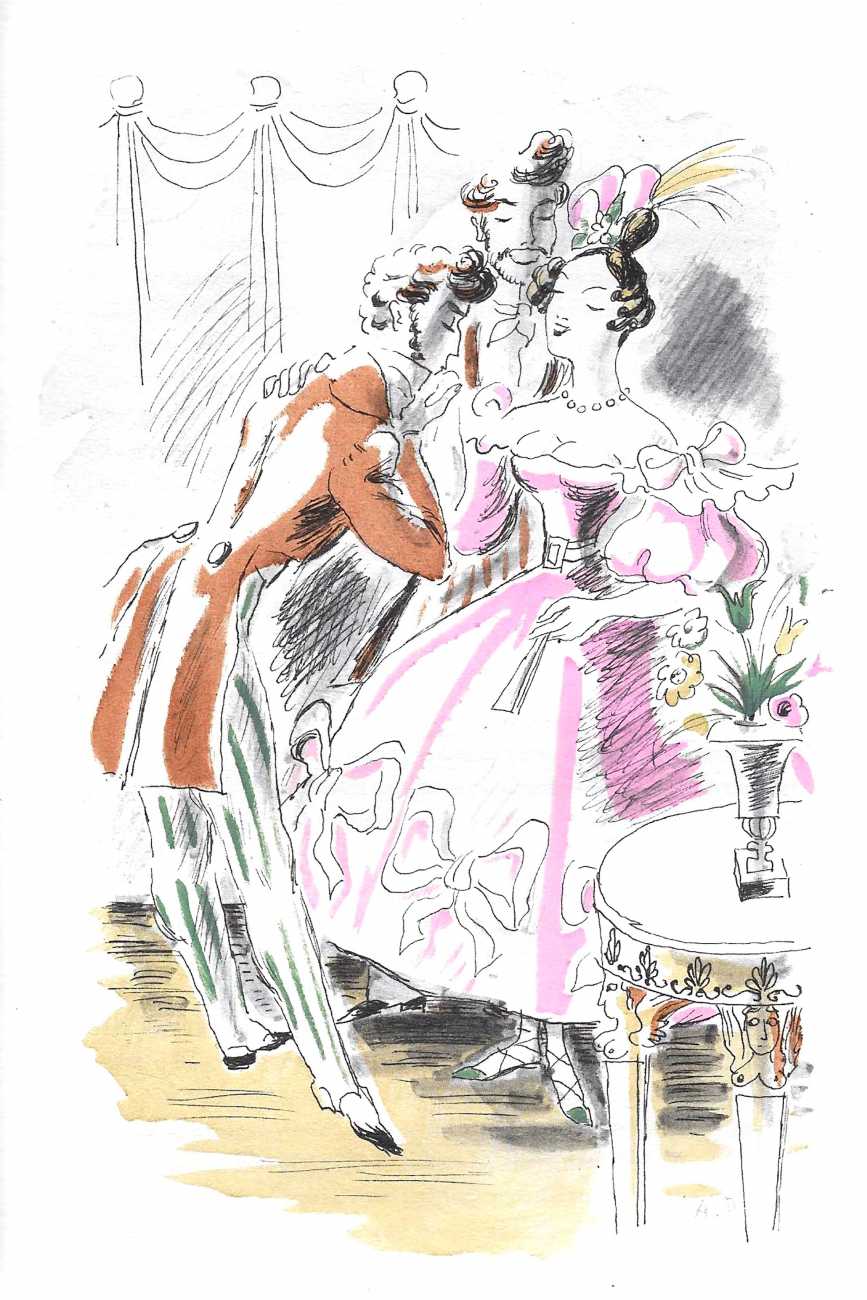
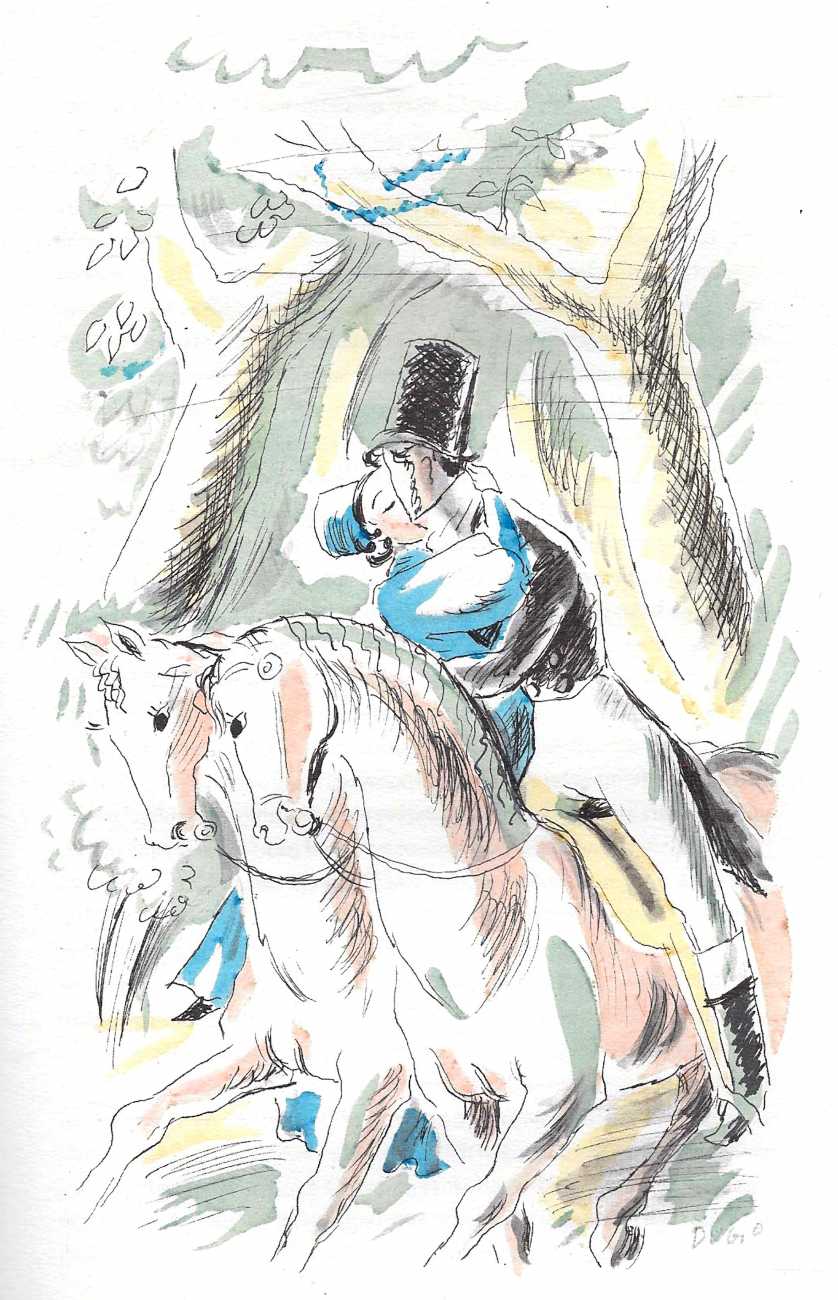
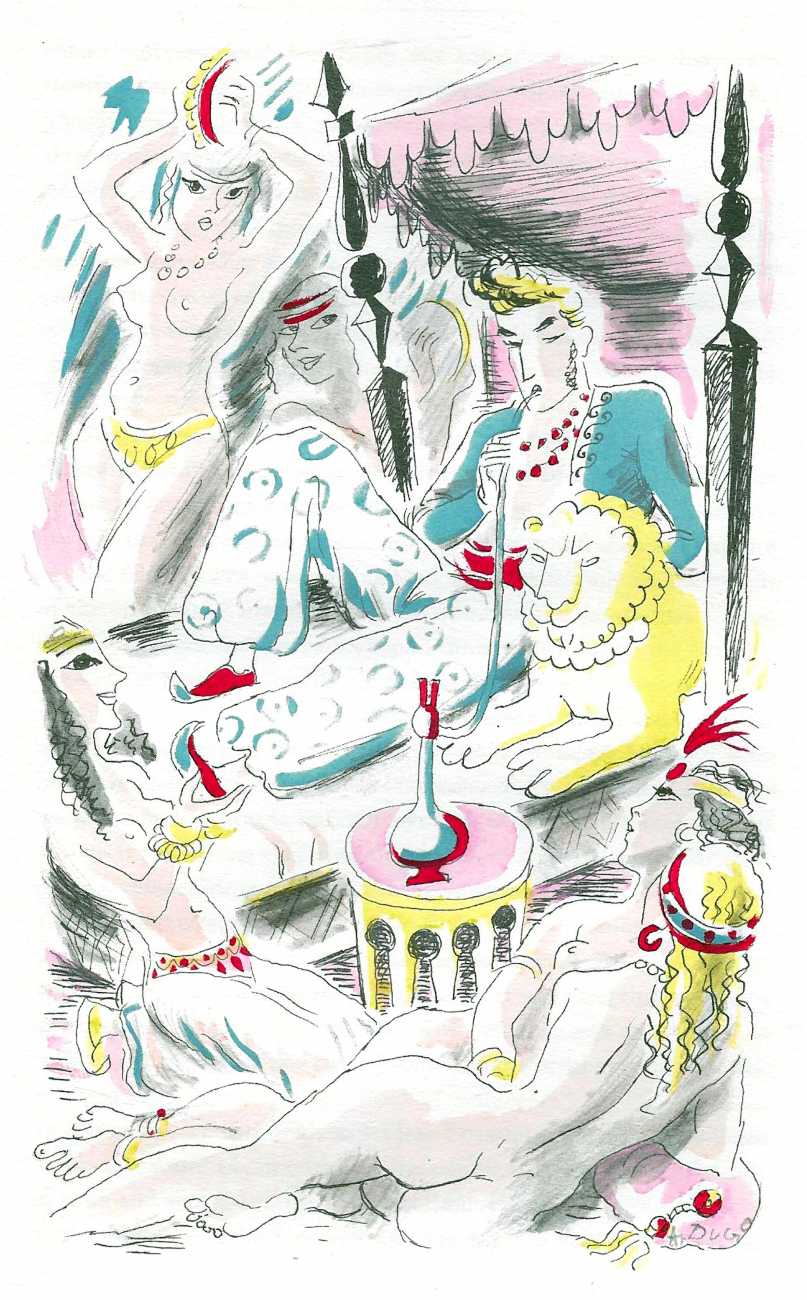
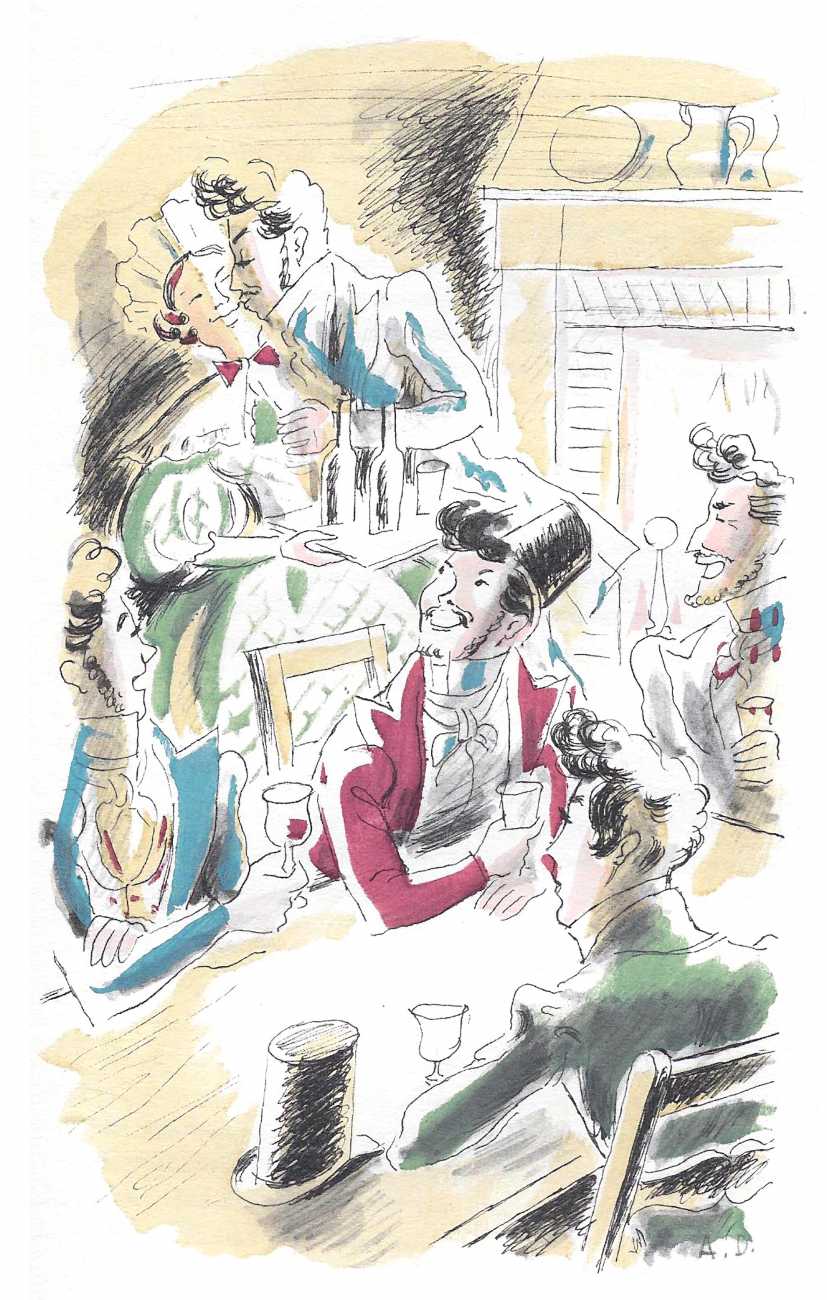
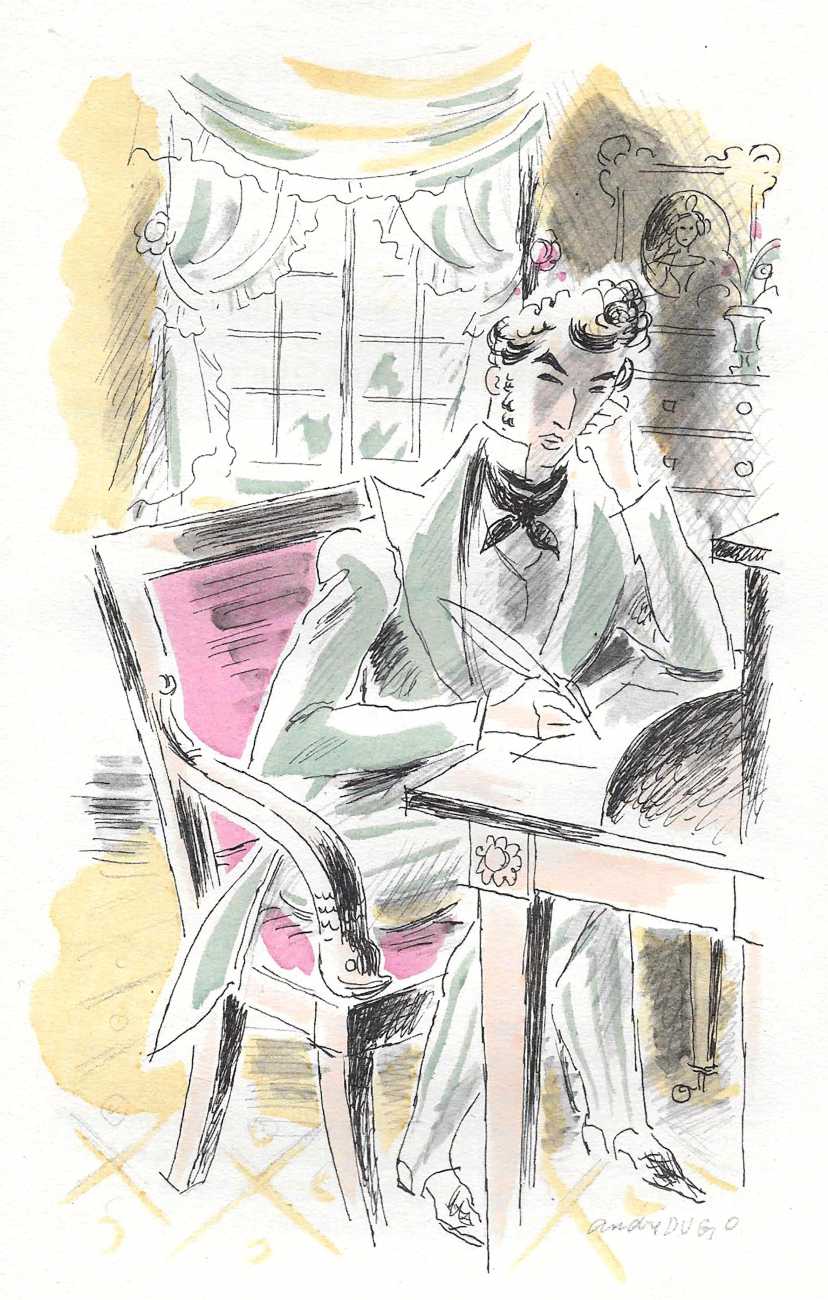
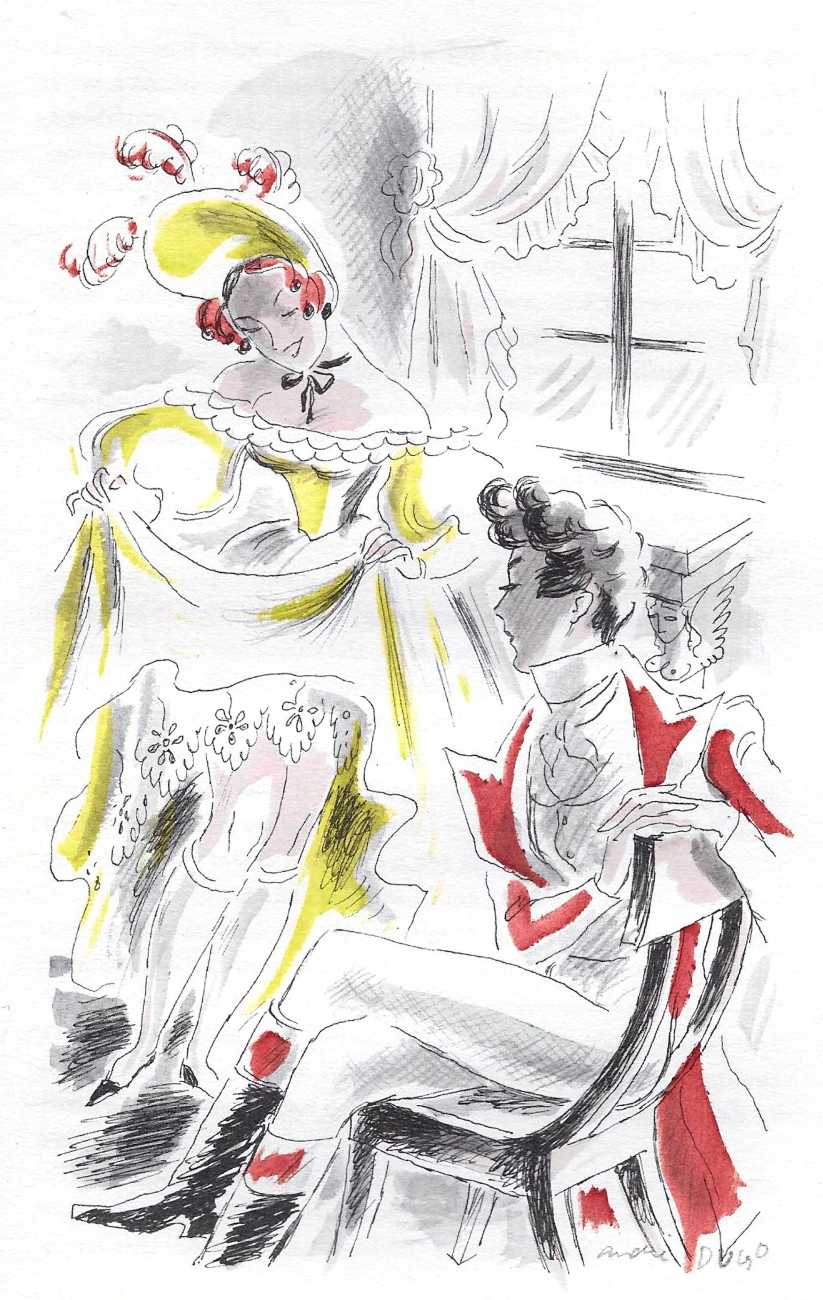
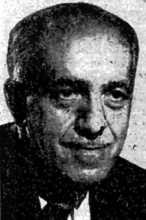
 The Hungarian-born artist and illustrator André Dugo’s birth name was Andras Szenes, but he often used the pseudonym ‘Dugo’ for his illustration work, and changed his name to André Dugo when he moved to the USA in 1939. He grew up in the central Hungarian town of Szolnok, and after leaving school started to study architecture in Budapest, but his studies were interrupted by World War 1, when as an officer he was wounded and invalided back to Budapest. After the war he completed his architectural studies and moved to Munich to study art. During the 1920s and 30s his paintings, signed ‘Szenes’, were exhibited in Budapest, Munich and Paris, and his ‘Dugo’ illustrations appeared in German and French magazines.
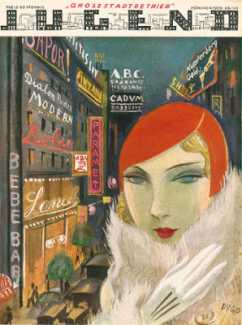
In America he established himself as a portrait painter, caracaturist and book illustrator, mostly of children’s books, some of which – The Calf that Flew Away (1950) and The Dog-Catcher’s Dog (1952) – he also wrote. His work appeared frequently in magazines including Vanity Fair, Harper’s Bazaar, Mademoiselle and Charm. He and his wife Margaret lived in Suffern, New York, where he had his studio.
Similar artists
László Boris – Hungarian-Munich illustrator for Simplicissimus and similar journals.
Gyula Derkovits – Hungarian early-twentieth-century painter and printmaker.
Amadeus Dier – Austrian etcher of refined erotic subjects in the Bayros tradition.
Joseph Hémard – French interwar illustrator of literary and humorous subjects.
Miklós Vadász – Hungarian-French illustrator of refined erotic subjects.
Marcel Vertès – Hungarian-French art-deco illustrator of fashionable amorous subjects.
Example illustration