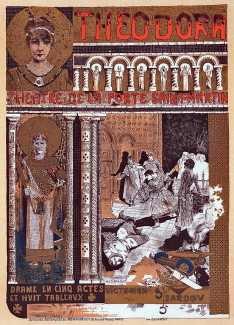
Emmanuel Joseph Raphaël Orazi, who was born in Rome but spent all of his adult life in Paris, was a talented artist, designer and illustrator who developed the secessionist, jugendstil, symbolist style of his mentors like Alphonse Mucha into a wide range of artistic endeavours. He is best known for his theatre posters of the 1890s, advertisements for Paris stores like La Maison, and latterly for the stage designs for the first film version of Atlantis, adapted from the 1919 novel by Pierre Benoit and directed by Jacques Feyder. He even designed a set of art nouveau combs for Tiffany.
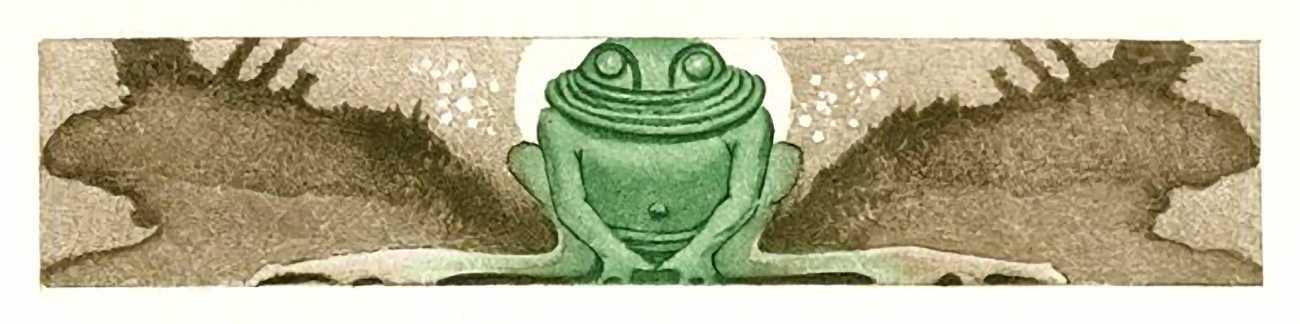
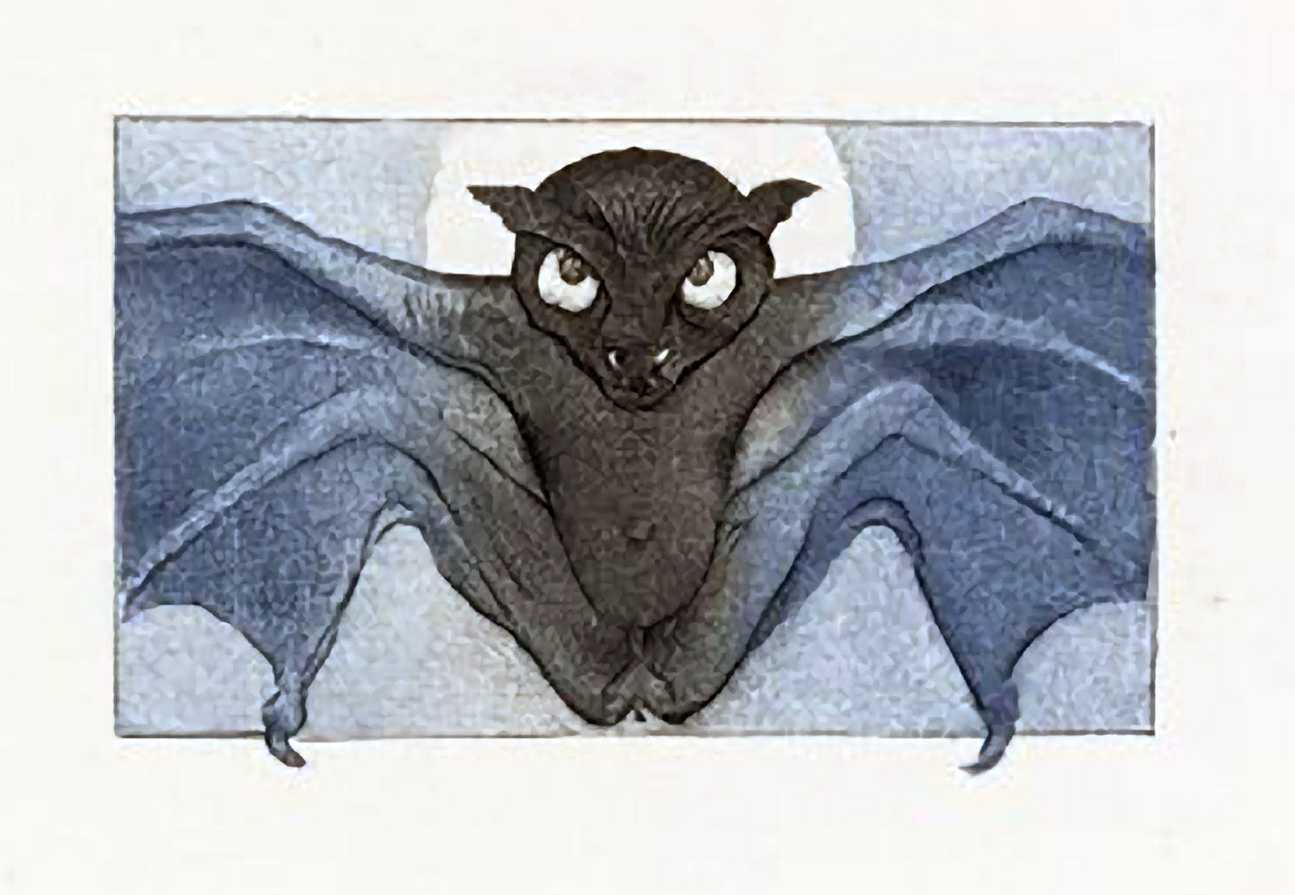
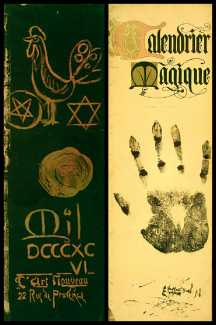 While most of his illustrative work was posters and advertising, where there was a subject that attracted him (and especially where there was a commission) he also enjoyed working on book illustrations. An early work, which also shows his deep interest in the occult, was the strange 1895 production, Calendrier magique, a calendar composed of double pages, each dedicated to a month of the year and presented as a kind of pagan-style almanac. It was published by Bing, owner of the Maison de l’Art Nouveau, in a numbered edition of 777 copies – another deeply significant touch.
Staring in the late 1890s Manuel Orazi illustrated several books, all with a rather morbid theme, starting with Ma petite ville (My Small Village) by Jean Lorrain in 1898, followed by Névrose (Neurosis) by Emile Morel in 1904 and La morphine: vices et passions des morphinomanes (Morphine: the vices and passions of morphine addicts) by Victorien Du Saussay in 1906.
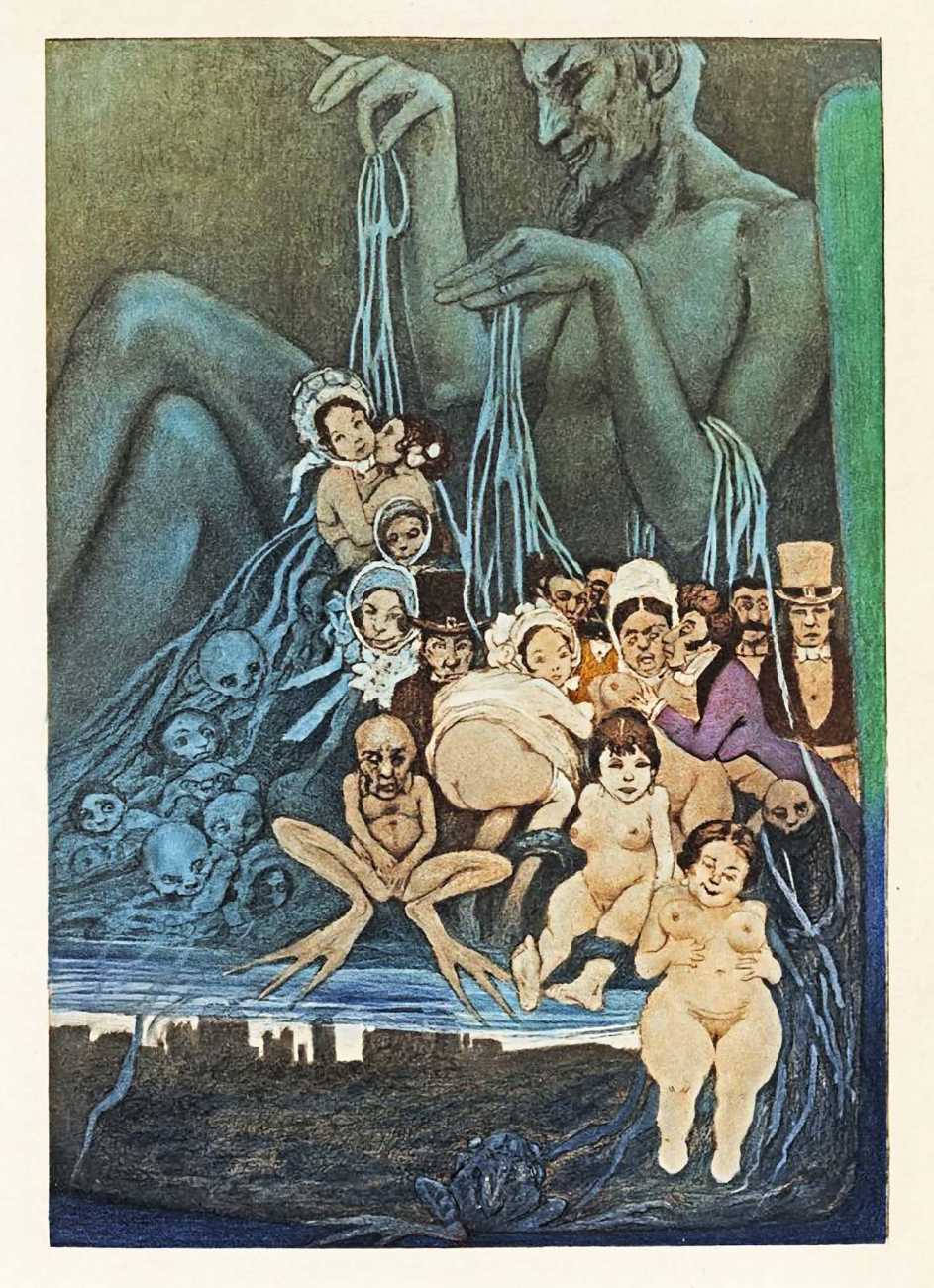
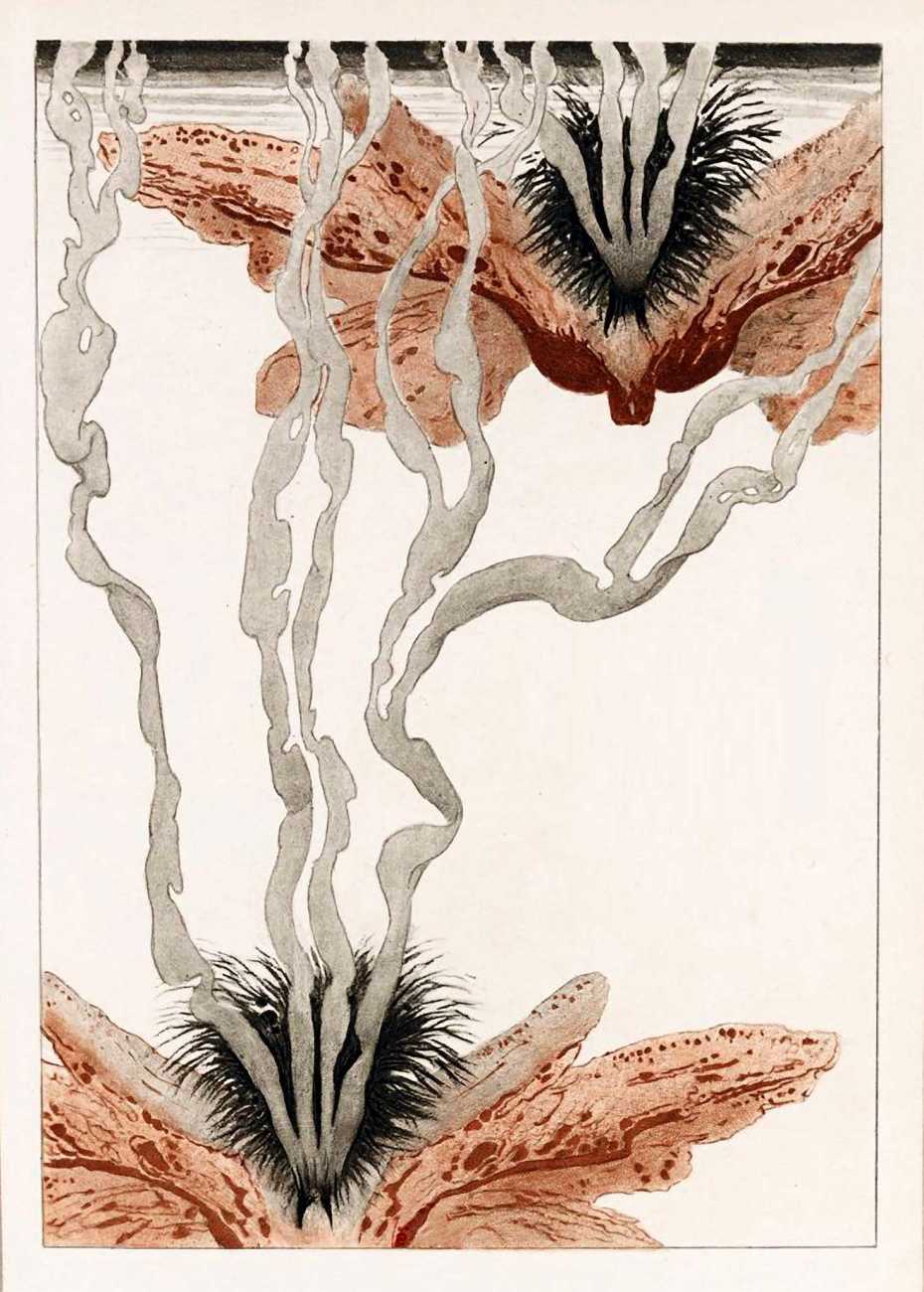
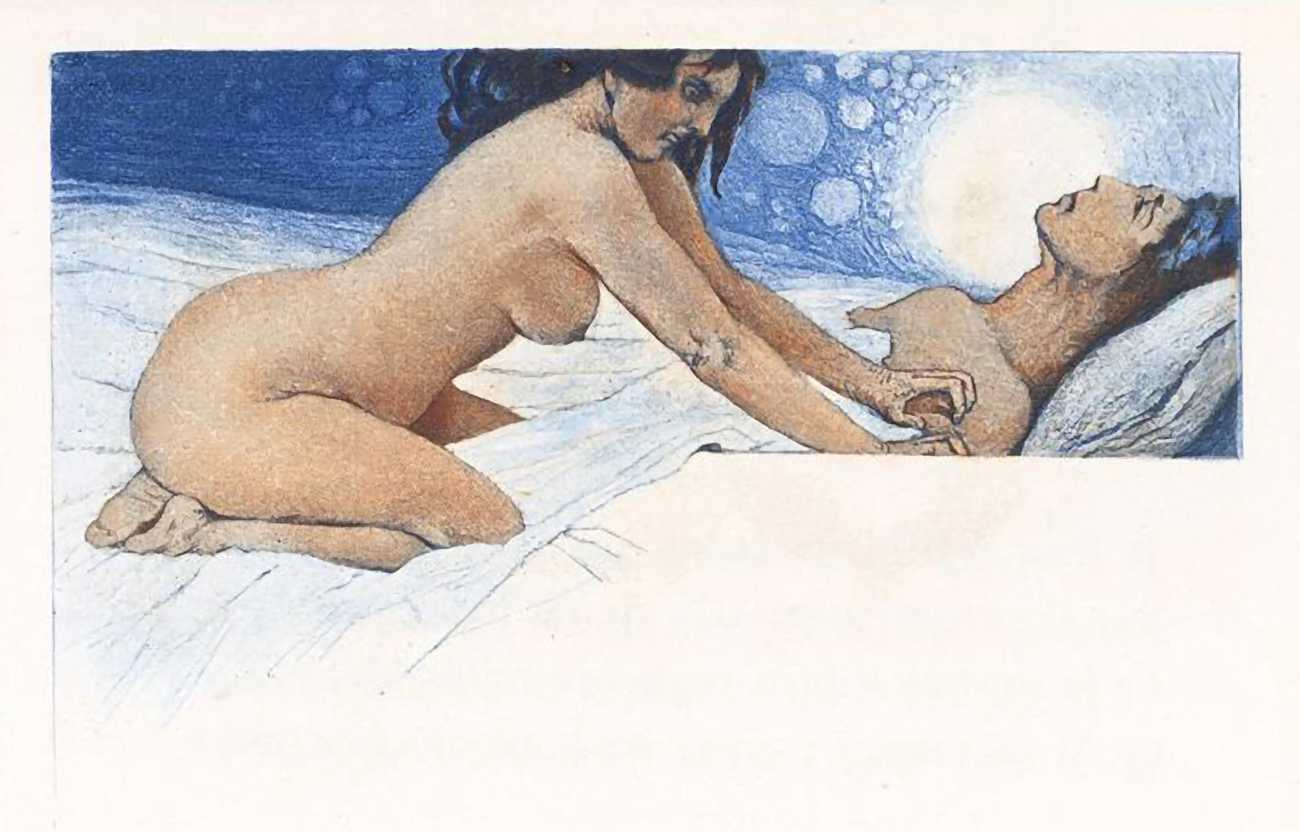
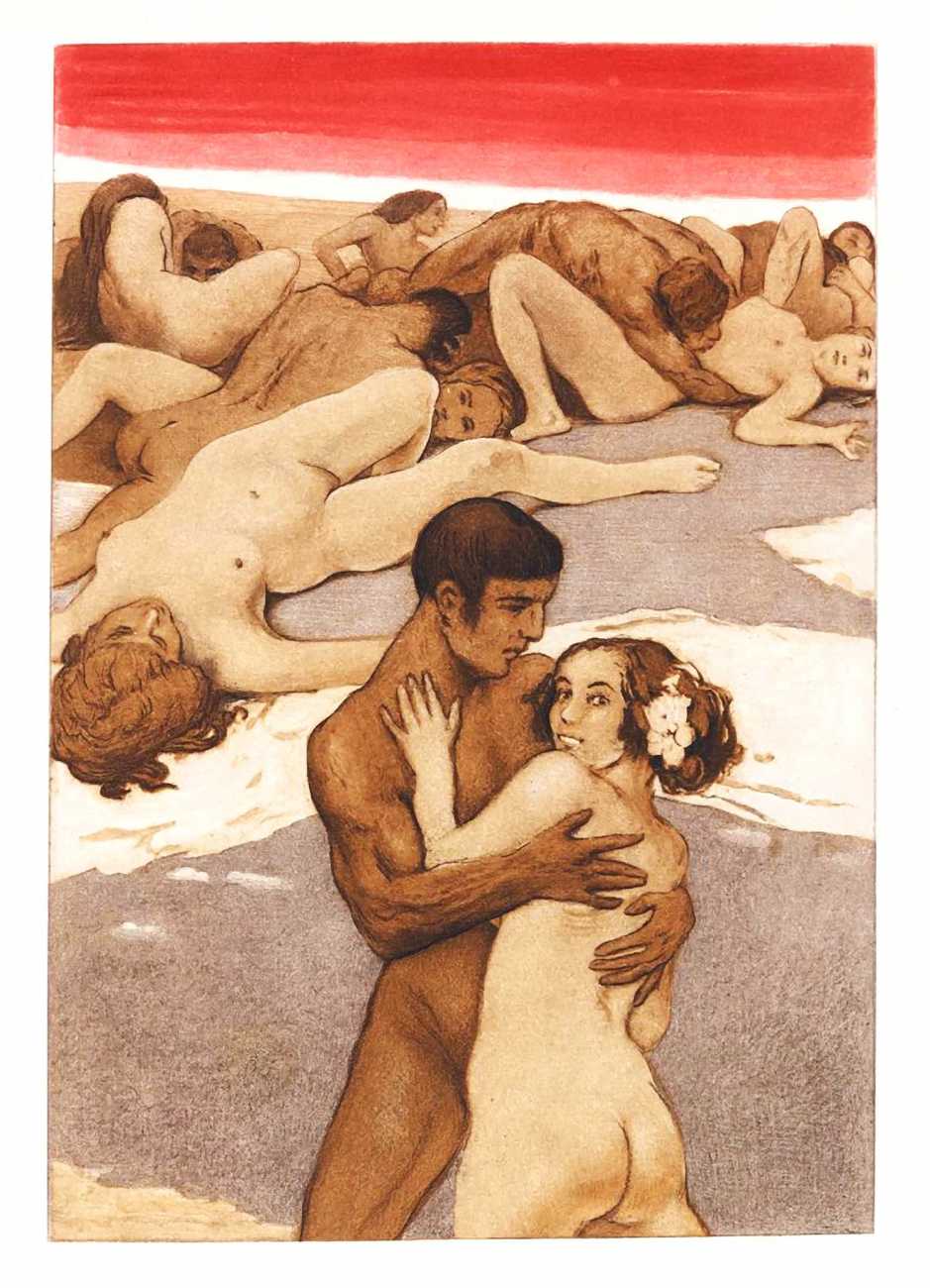
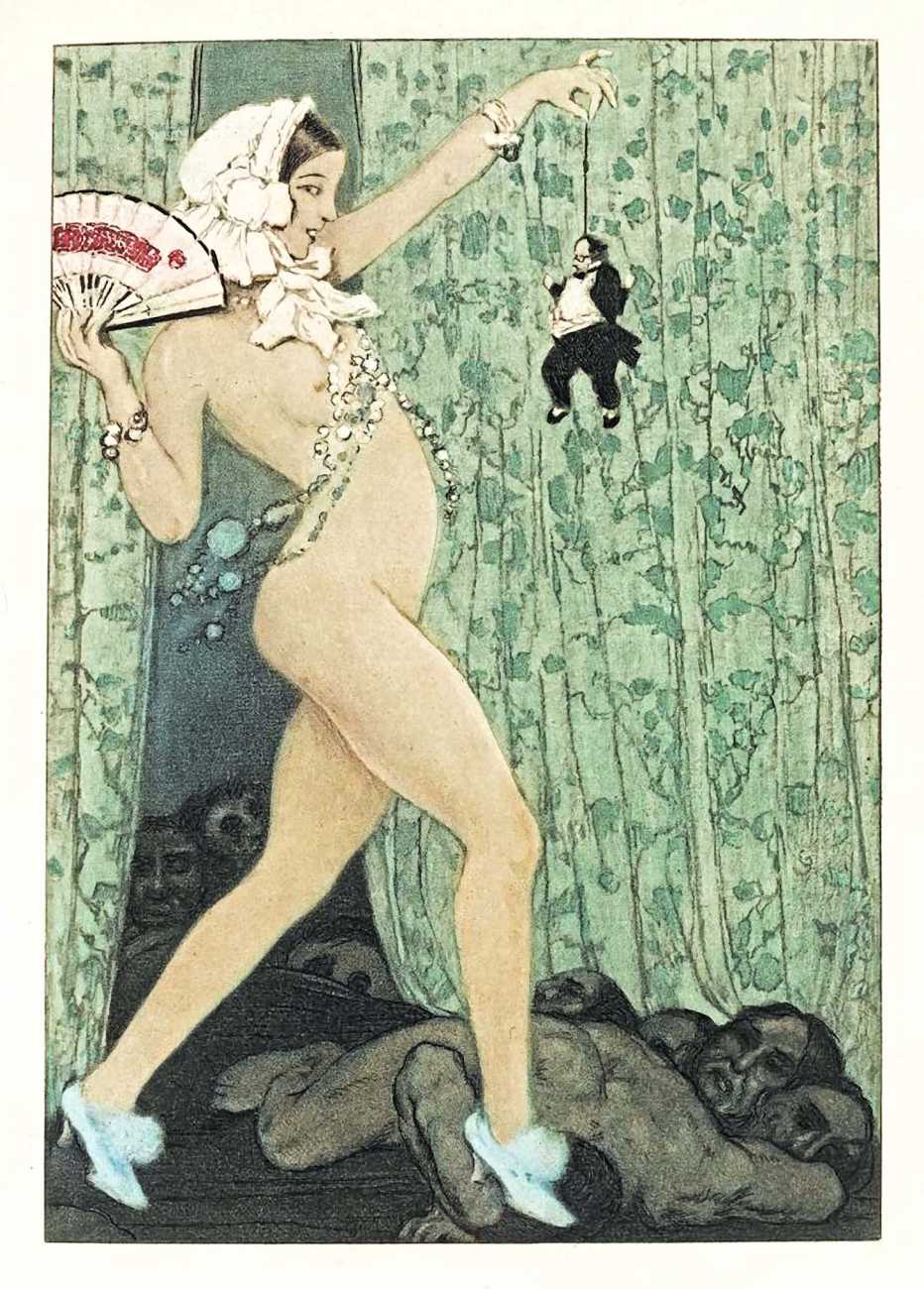
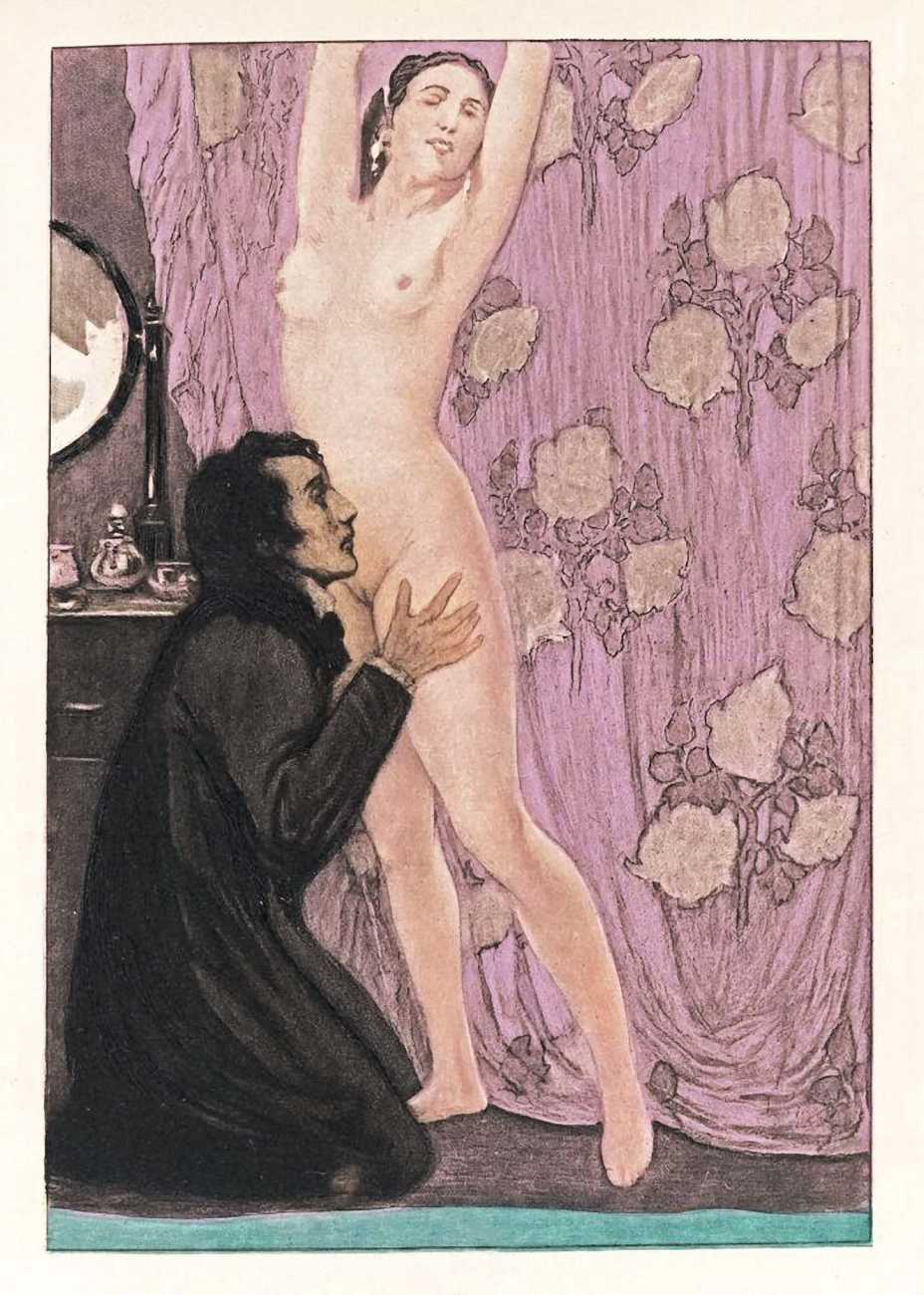
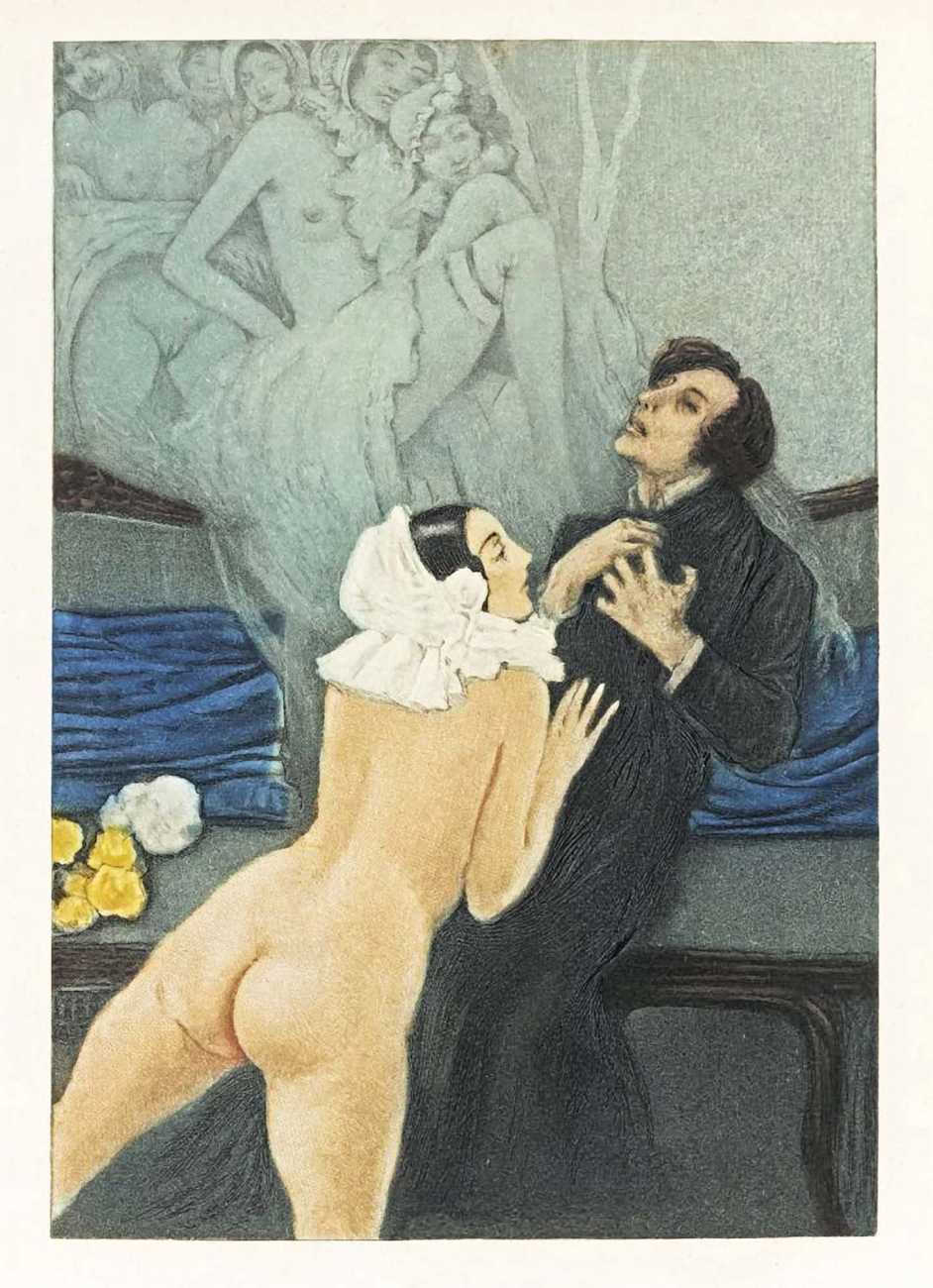
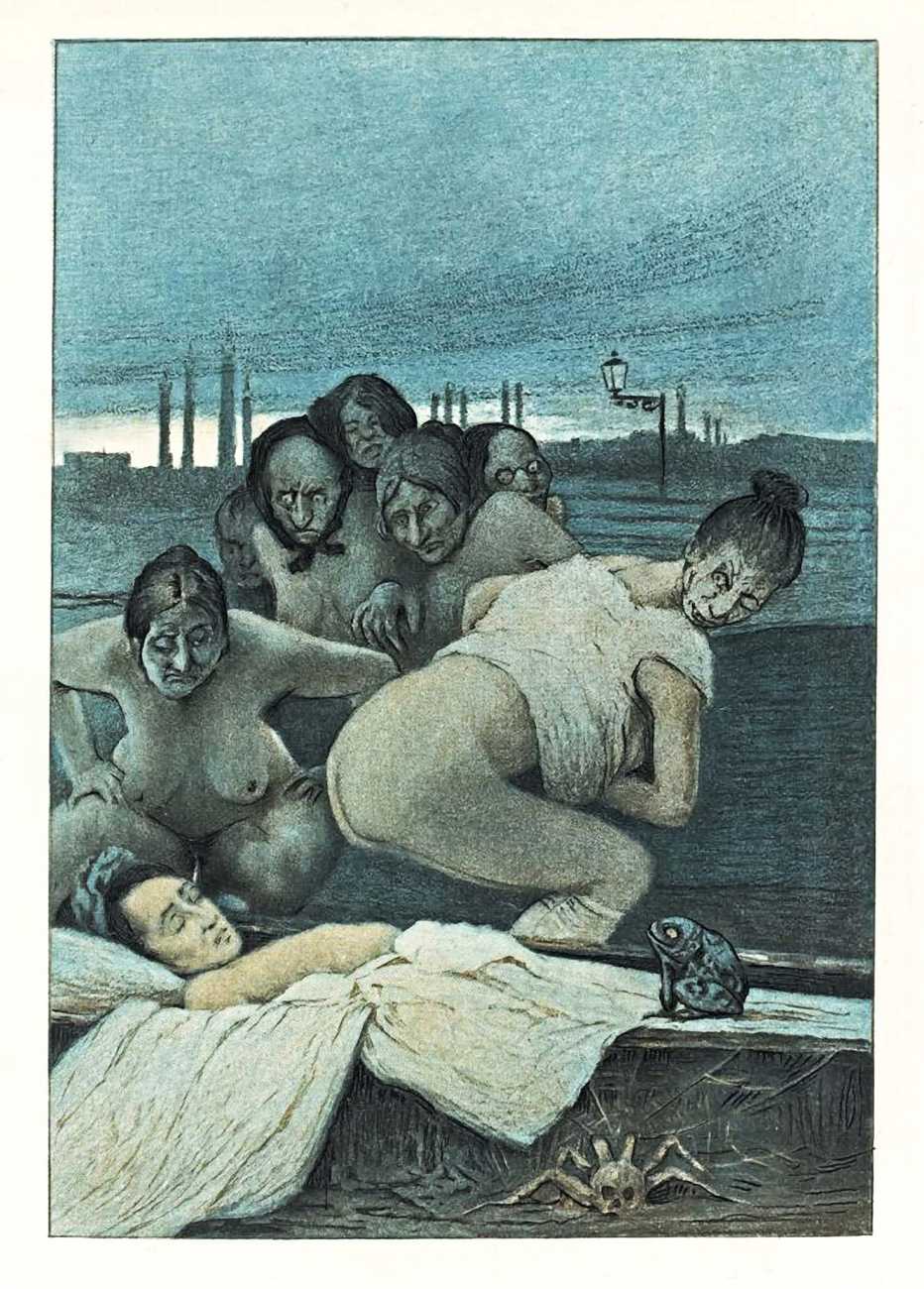
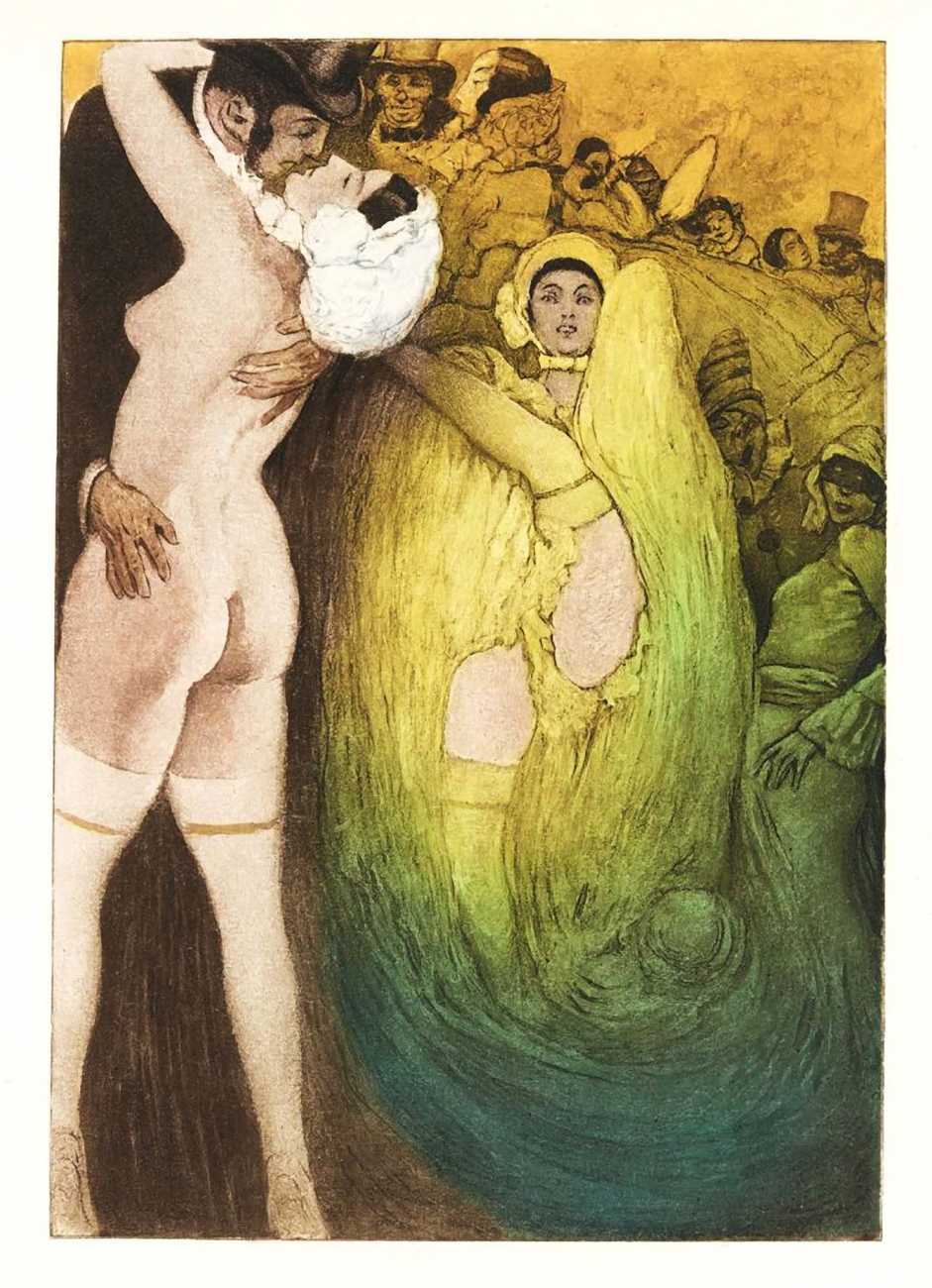
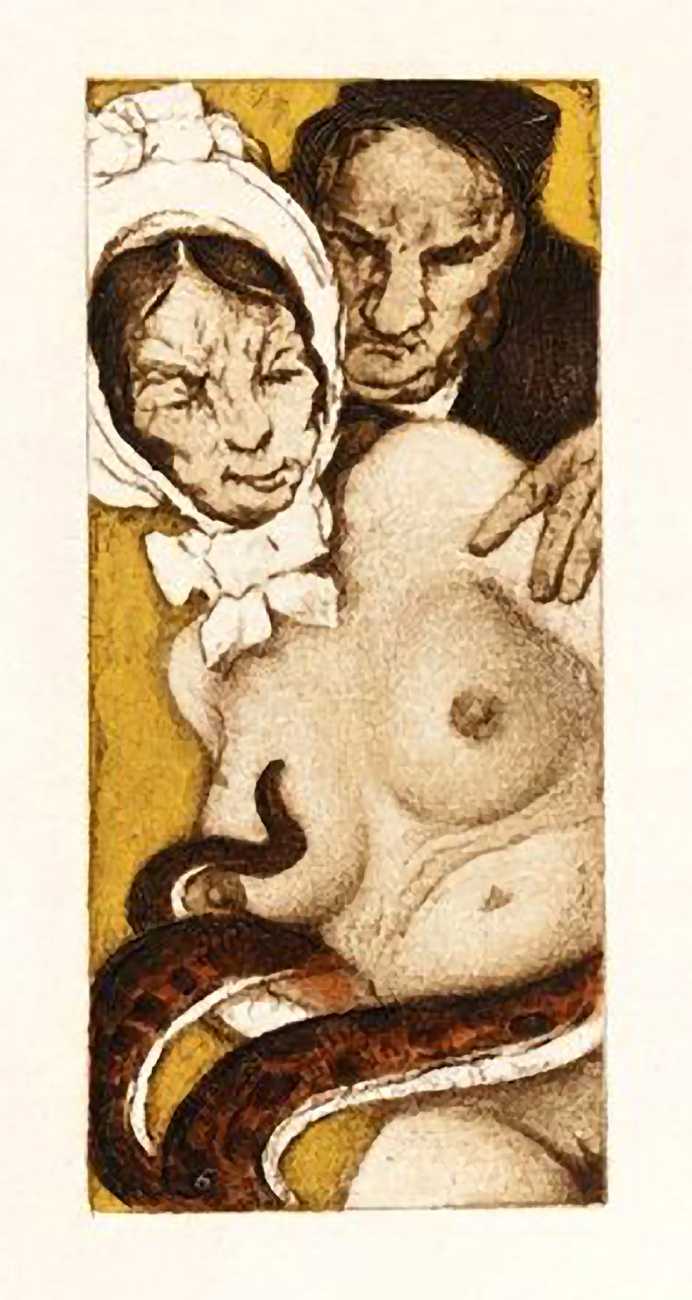
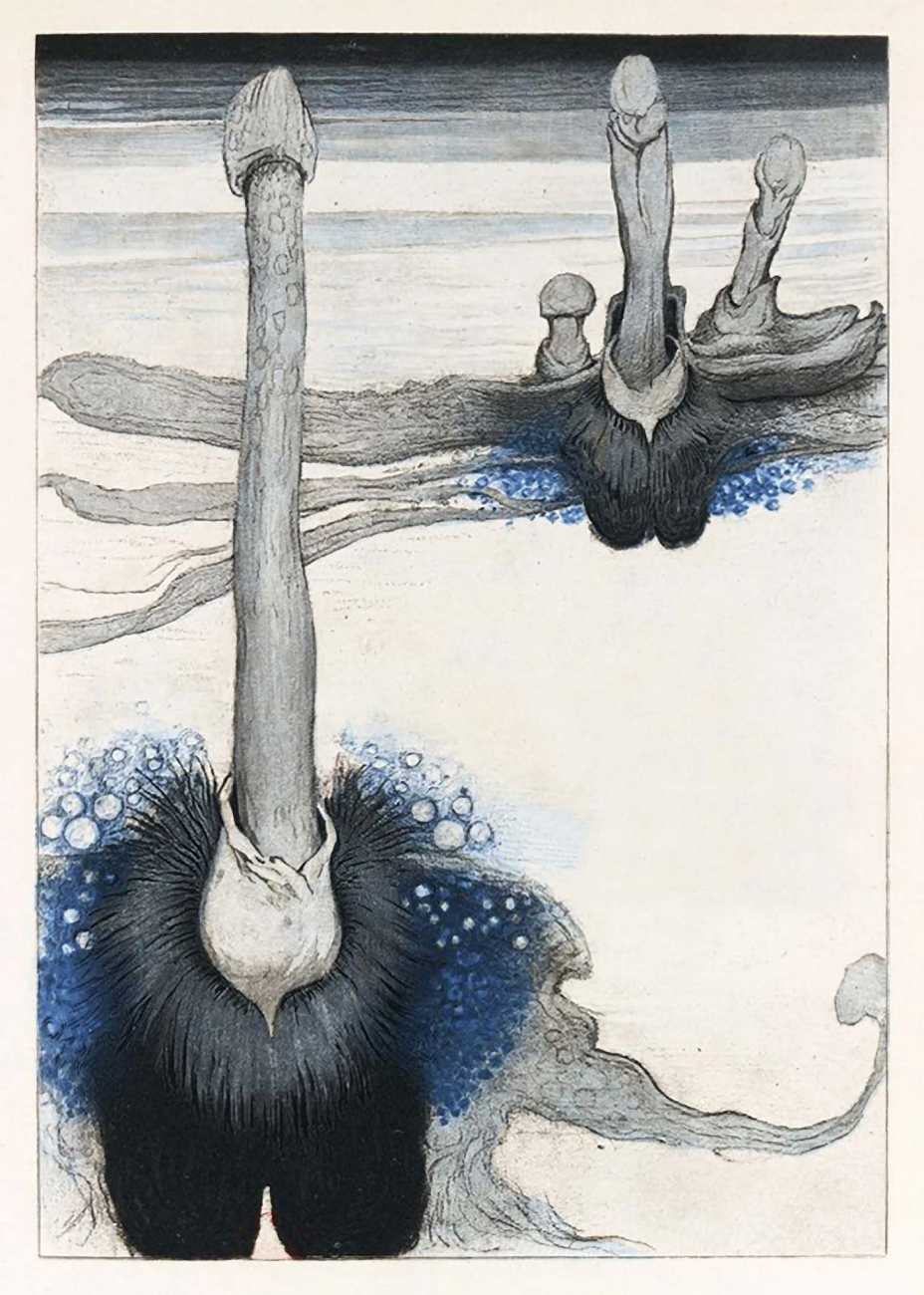
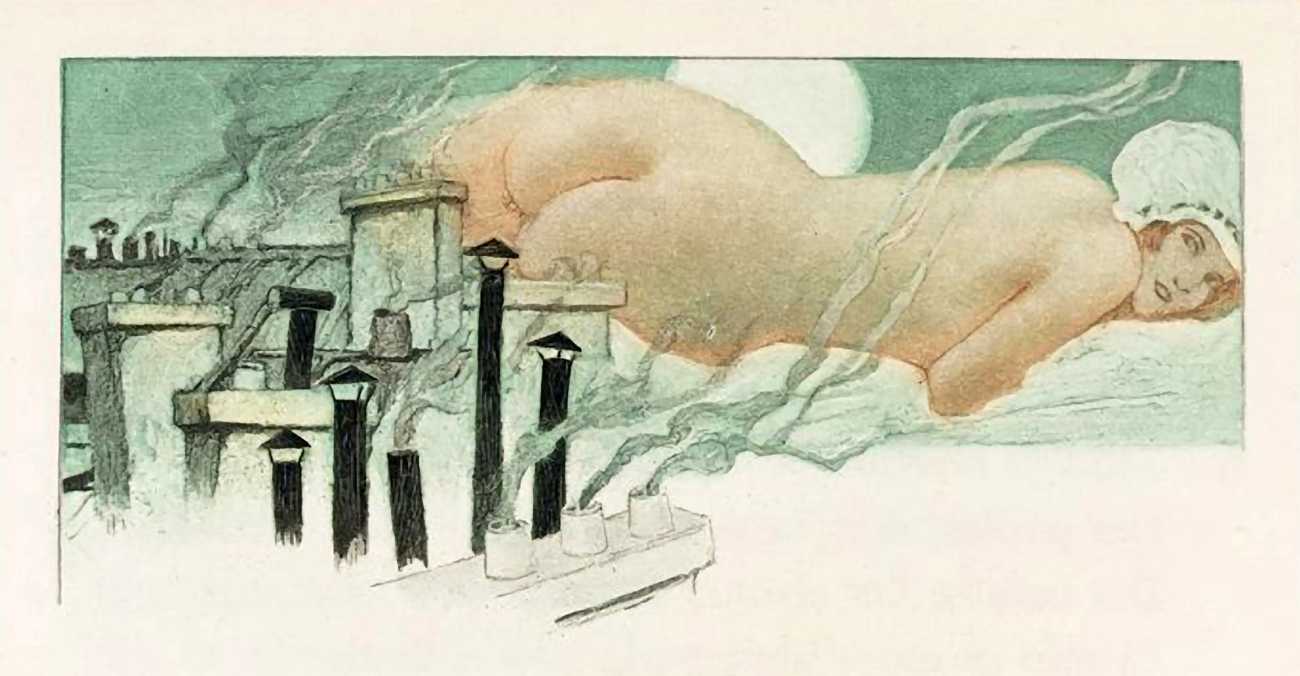
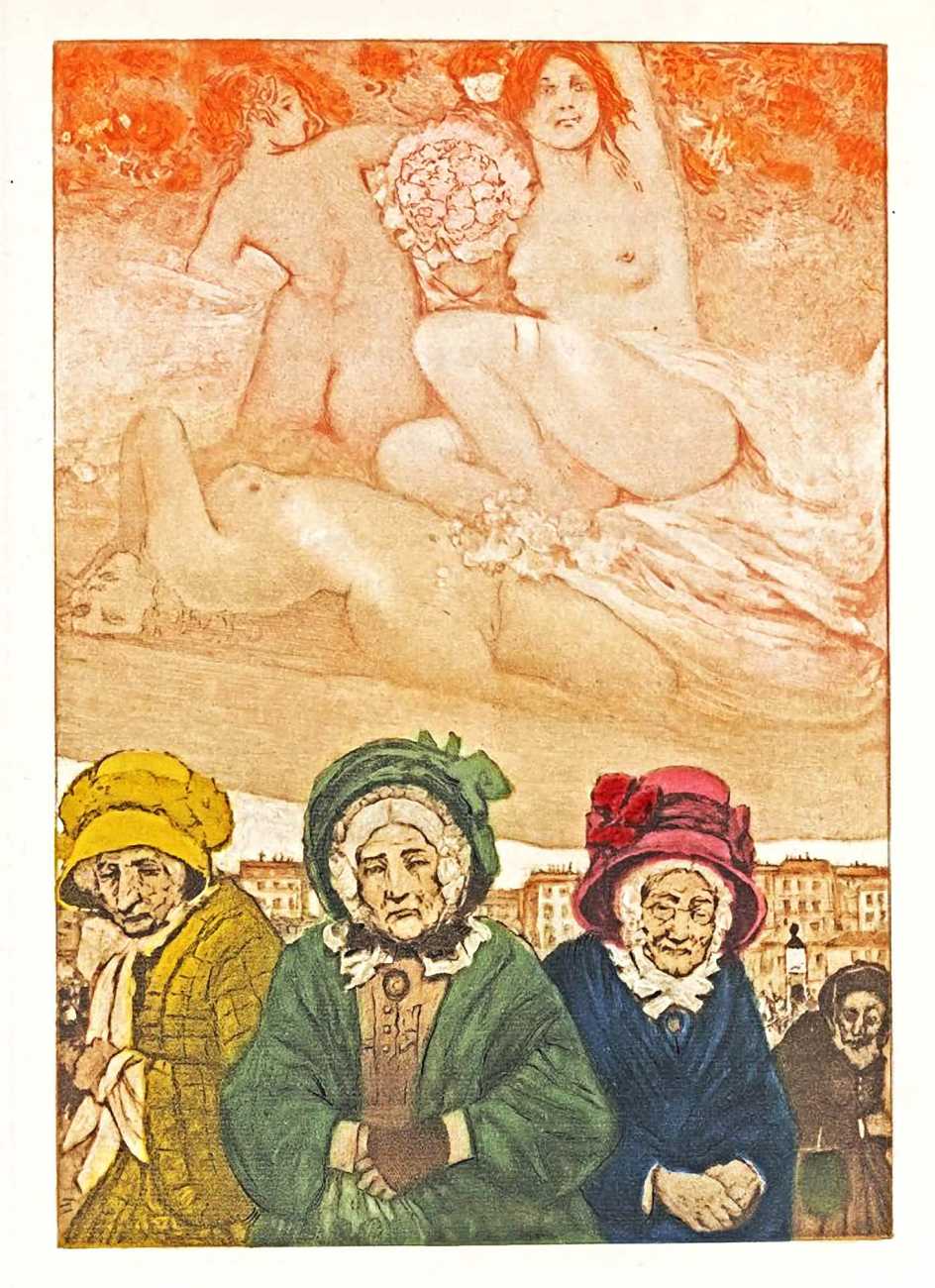
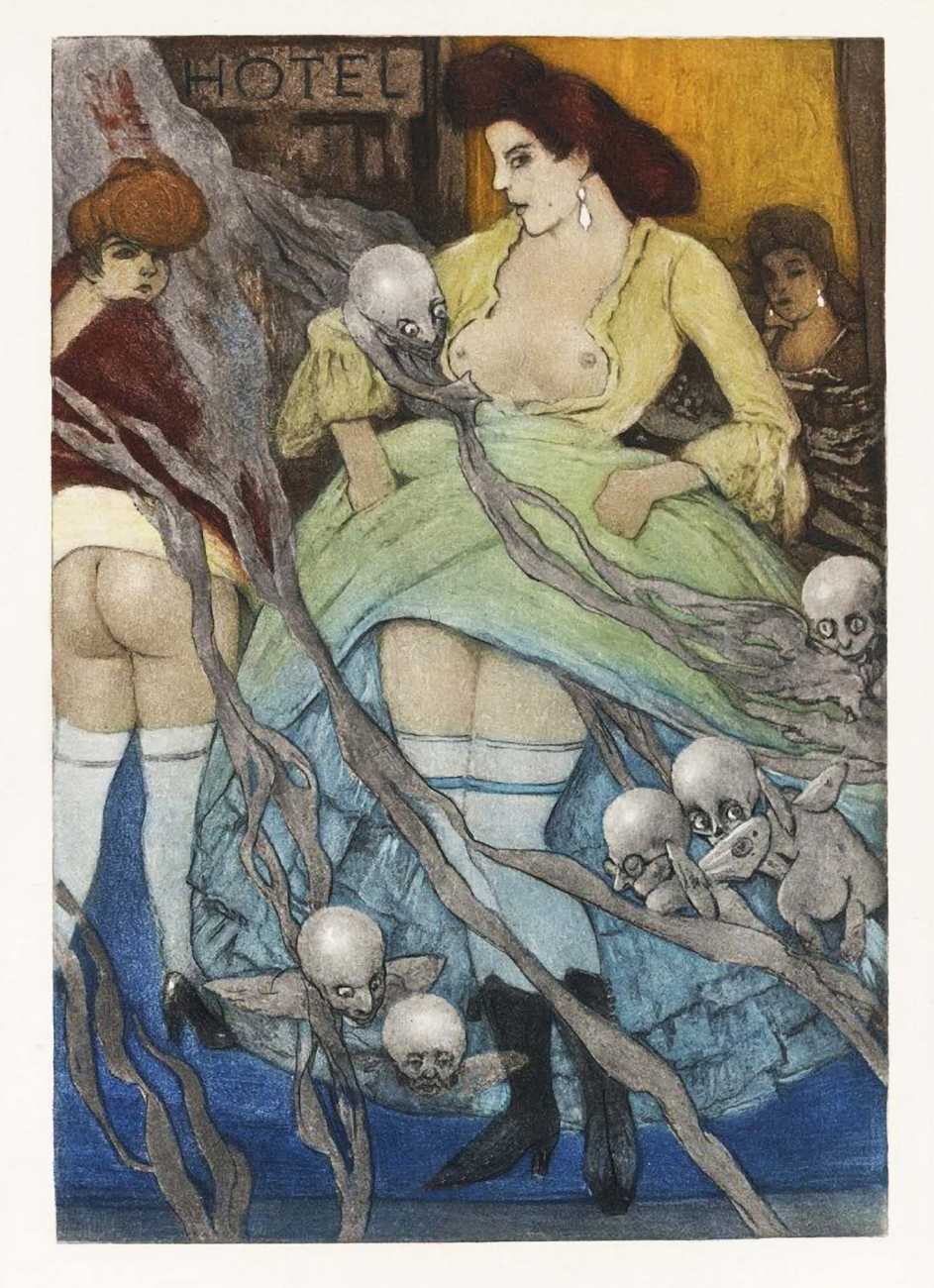
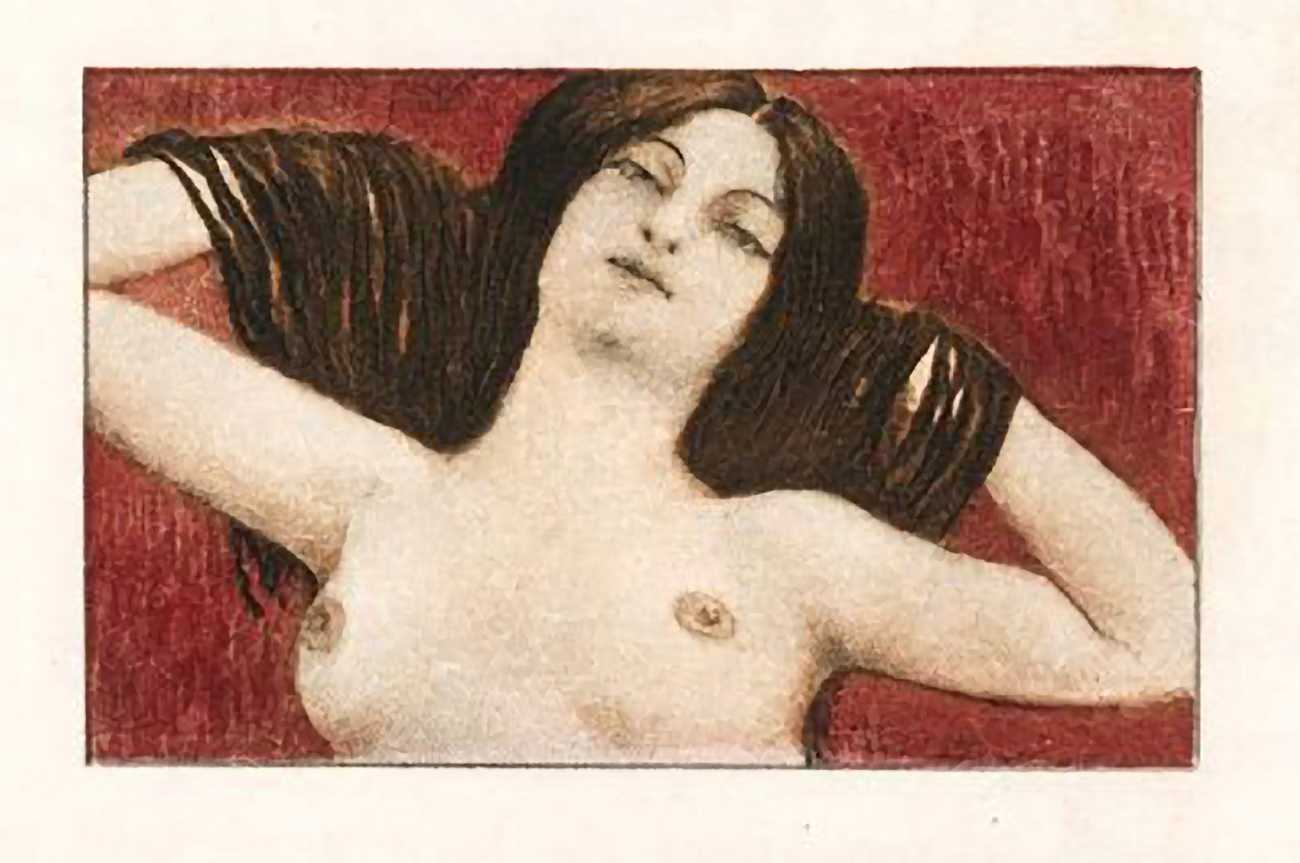
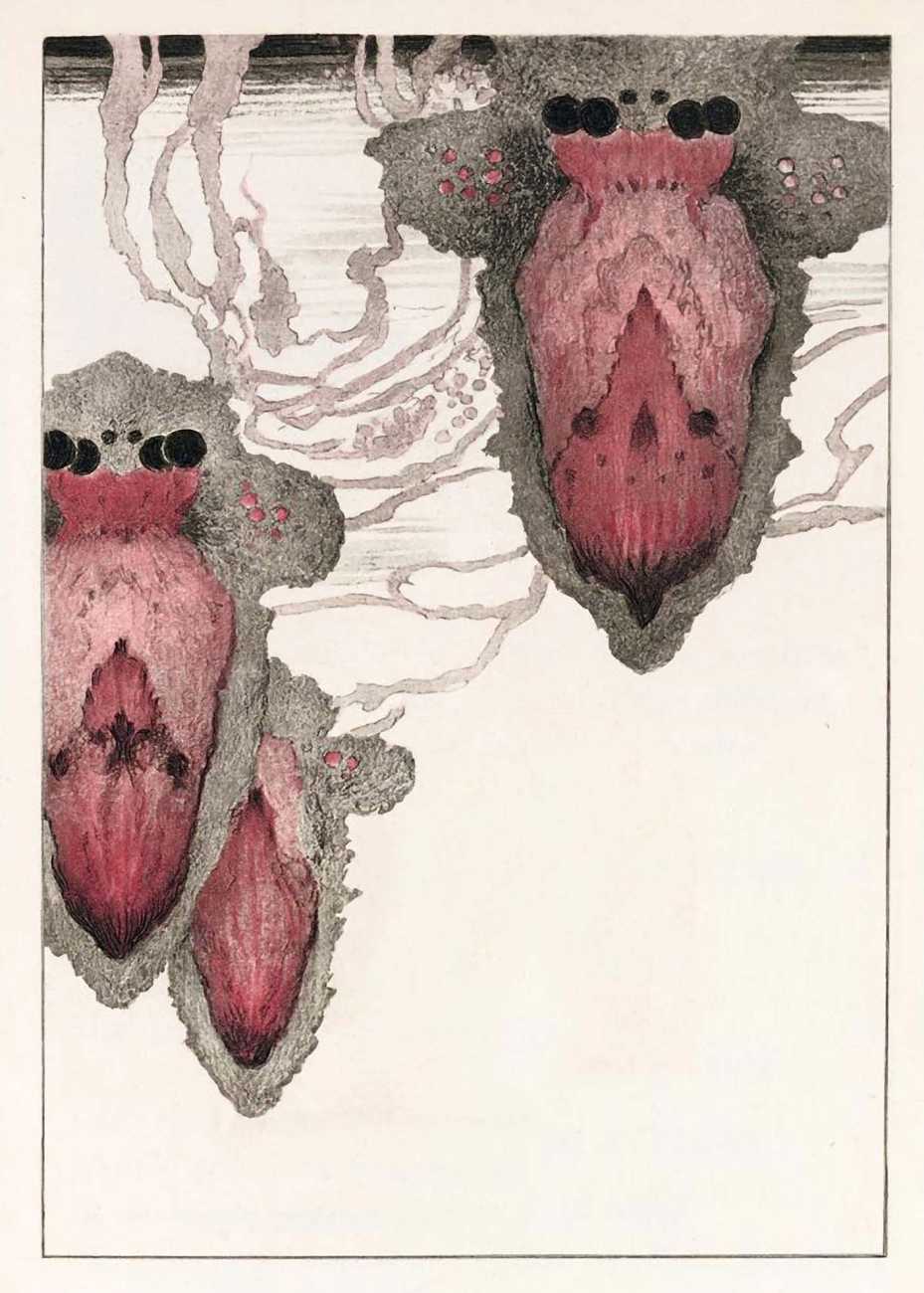
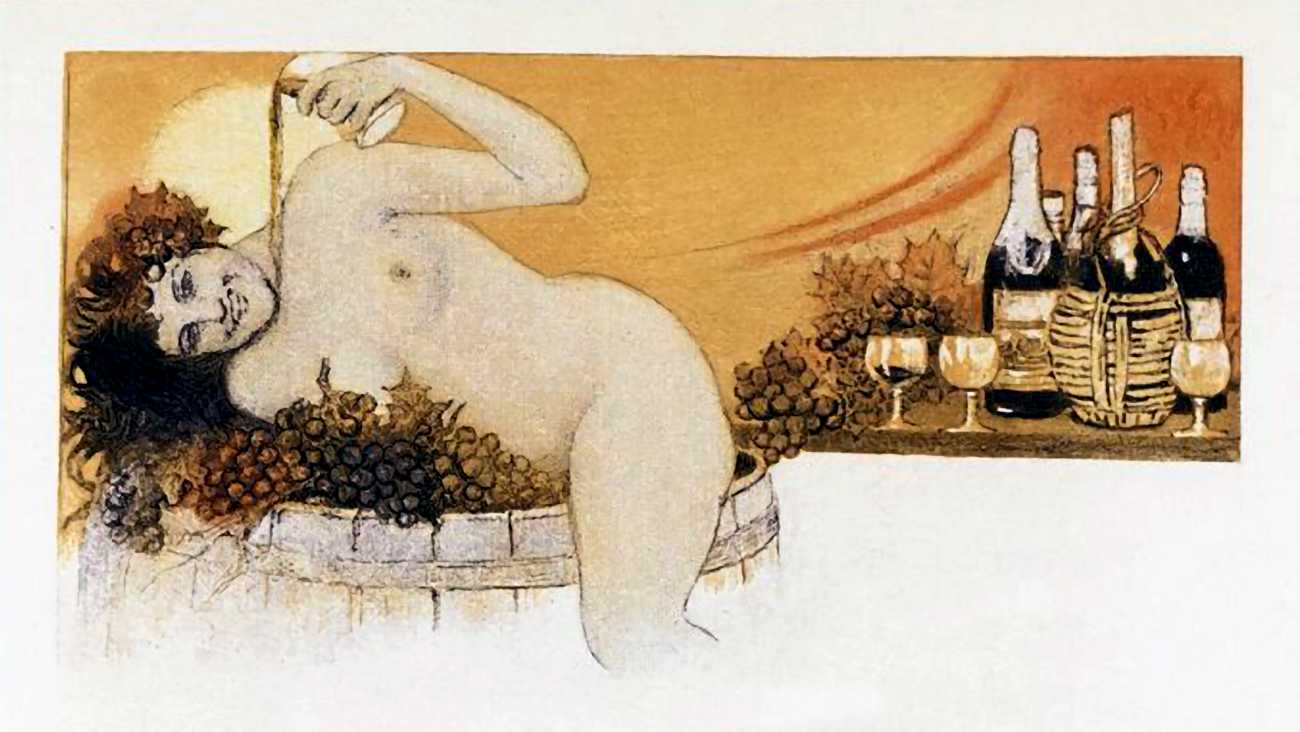
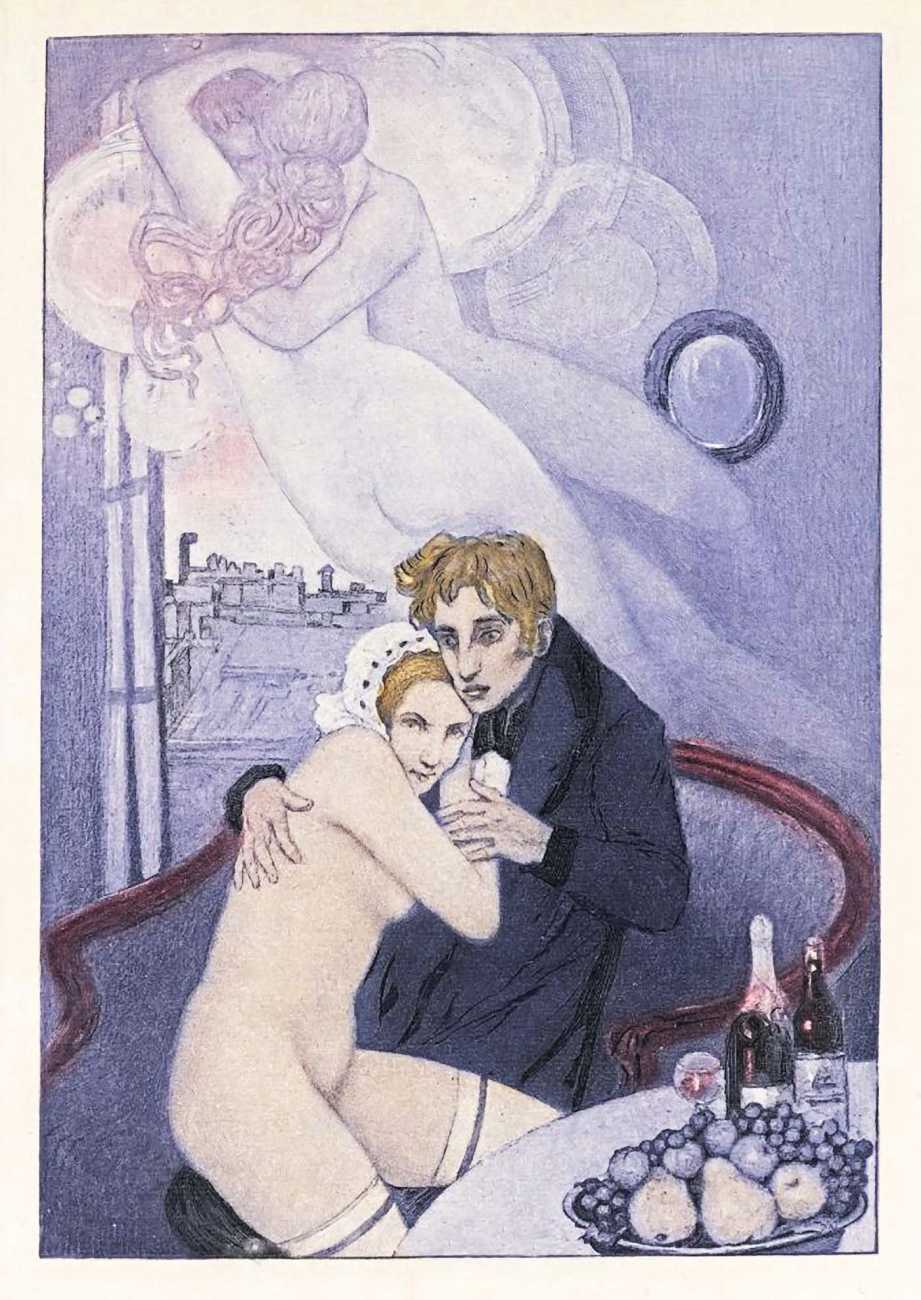
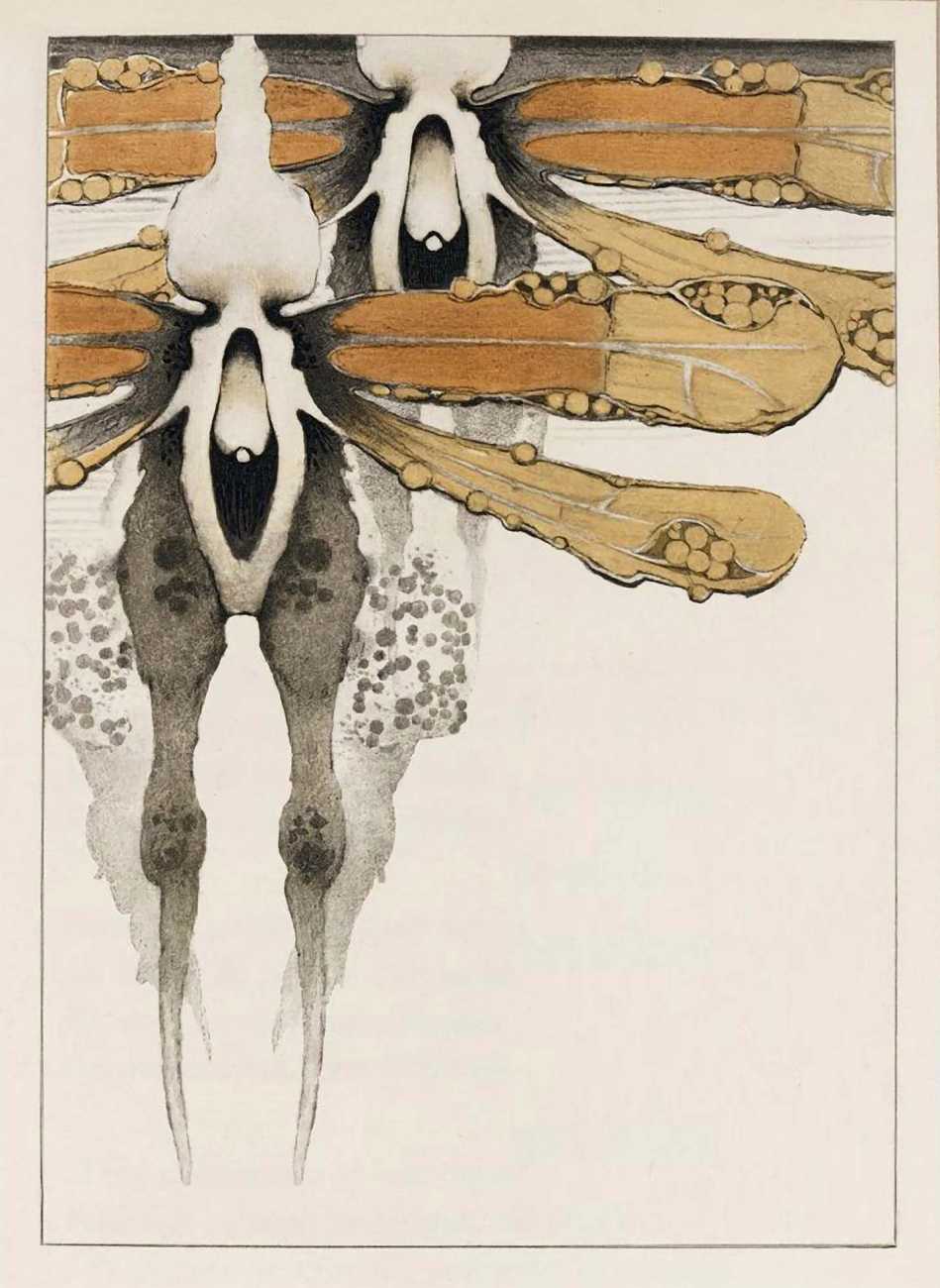
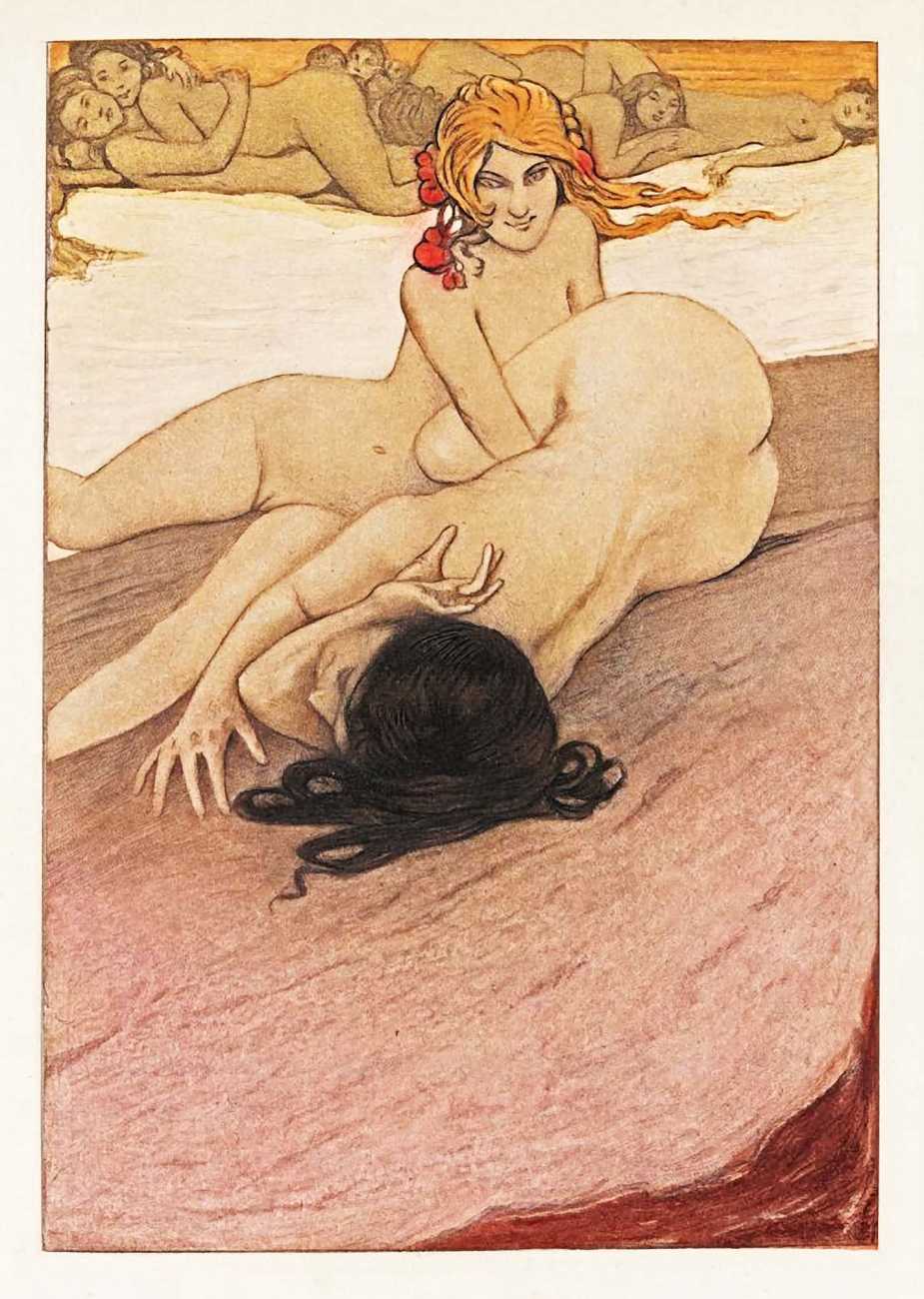
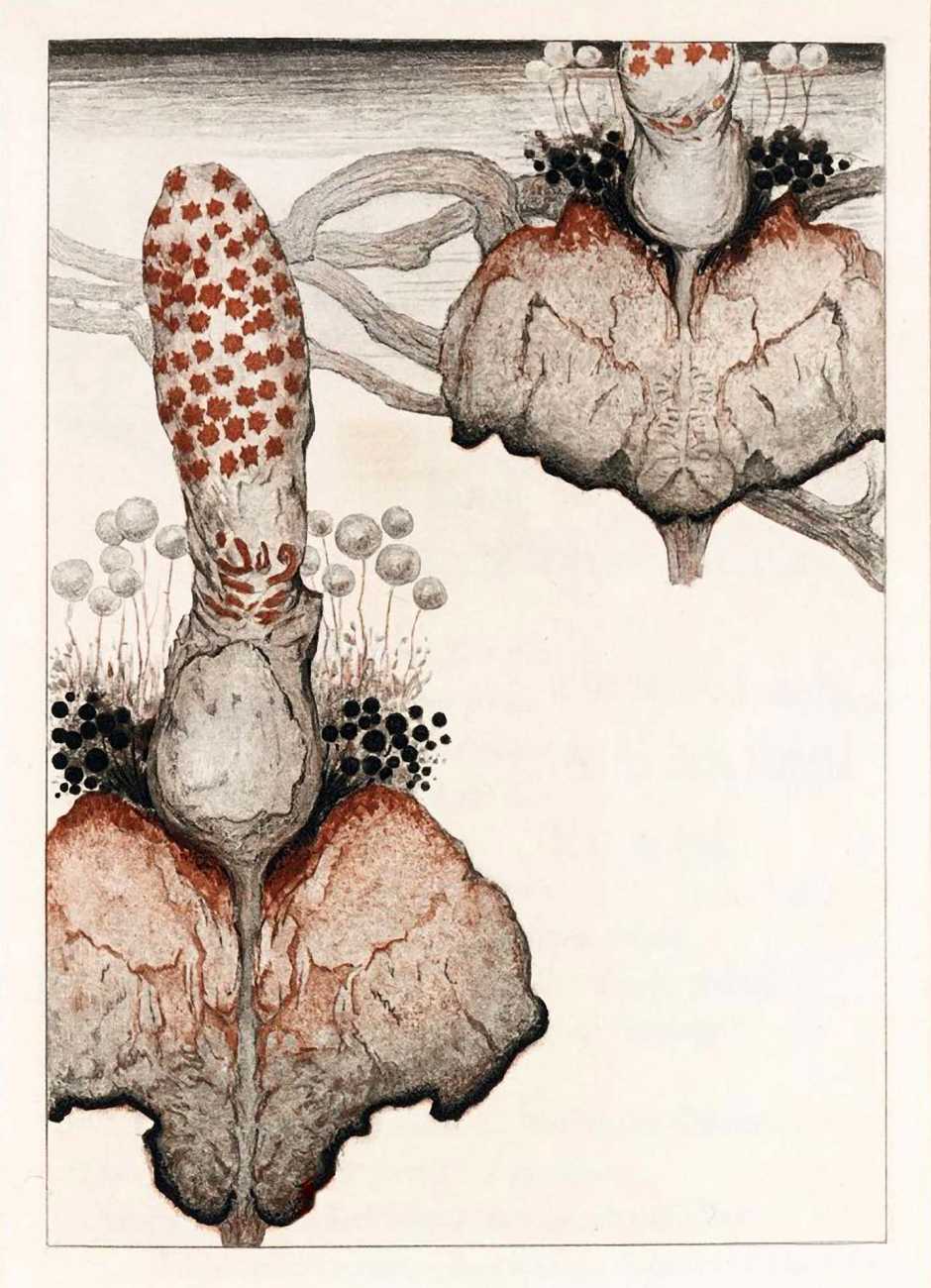
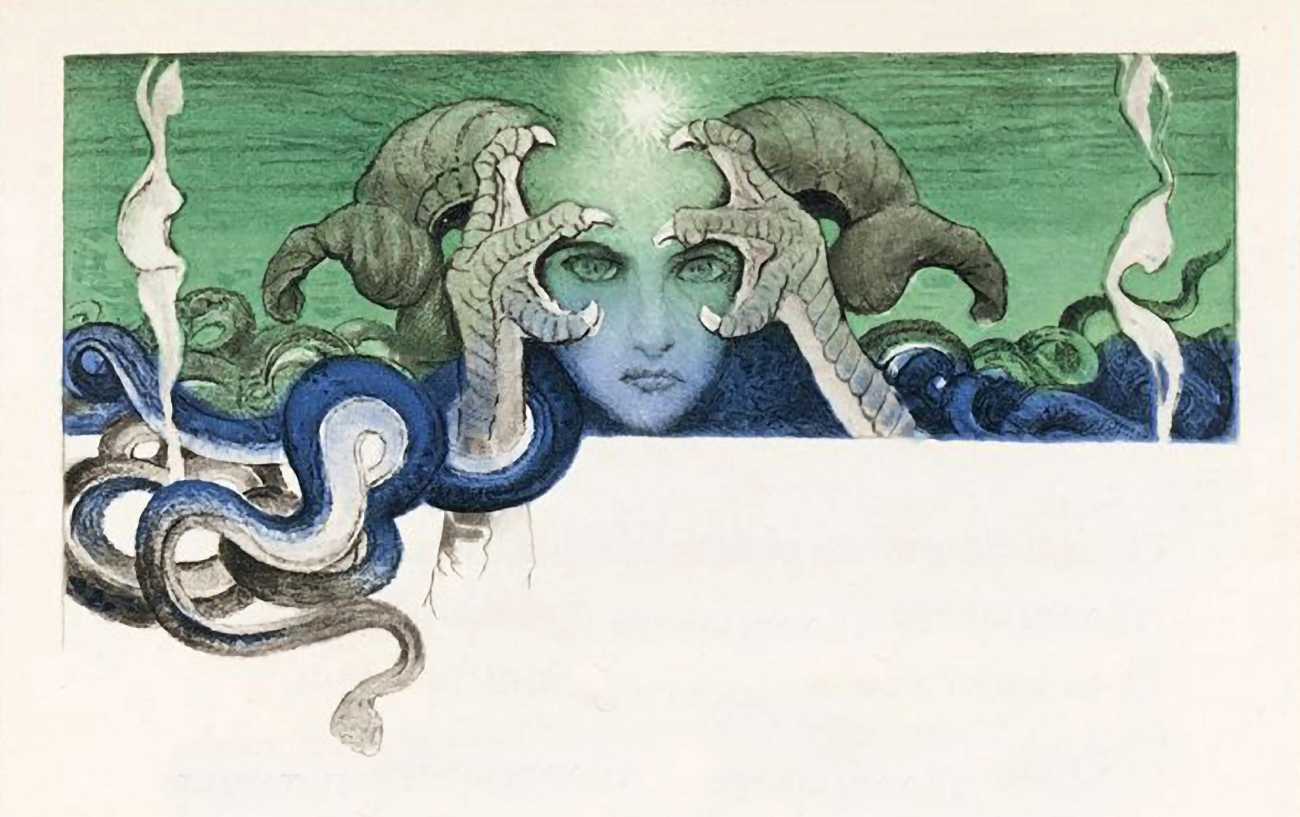
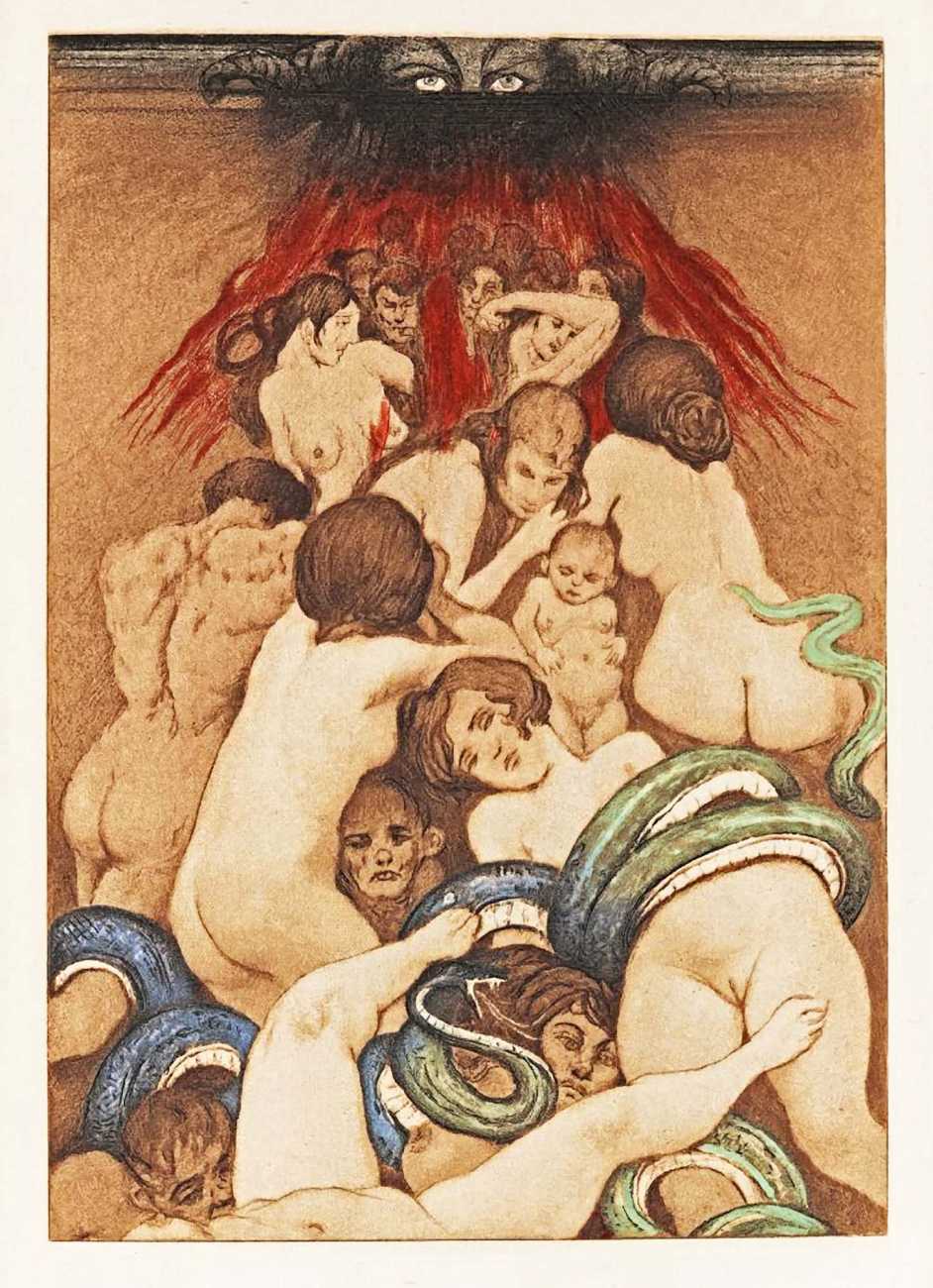
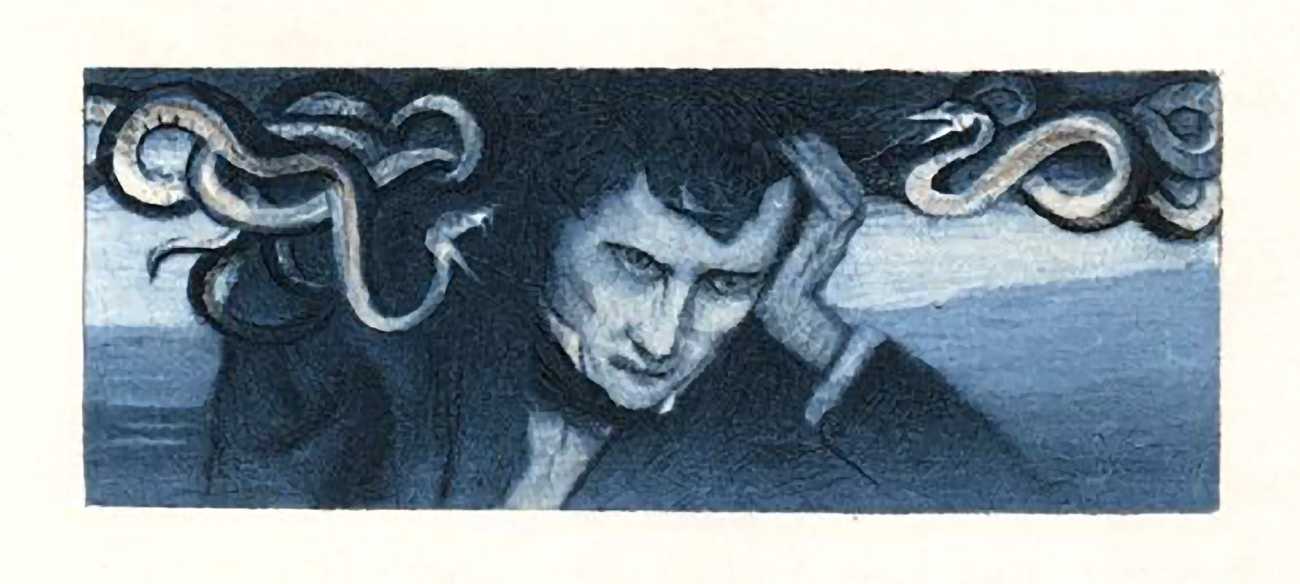
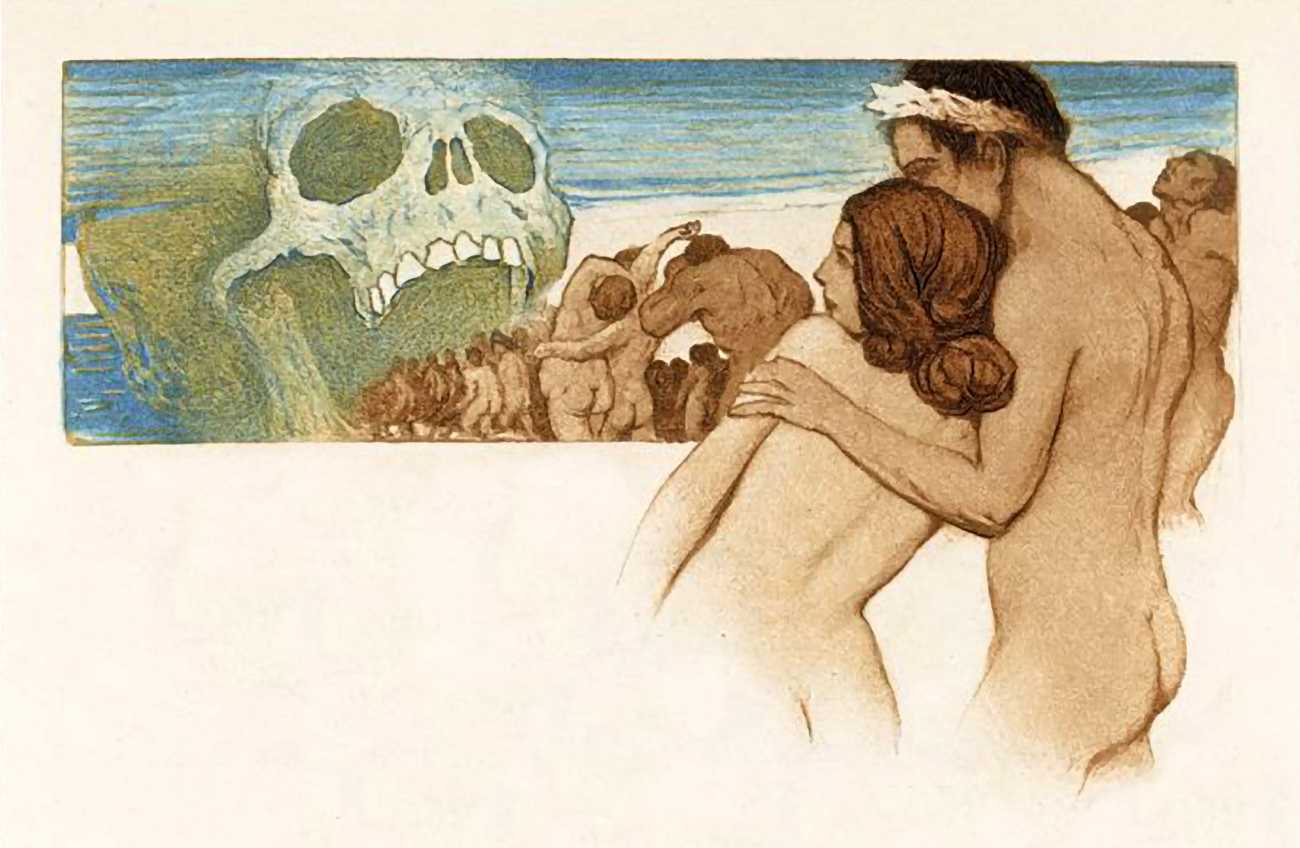
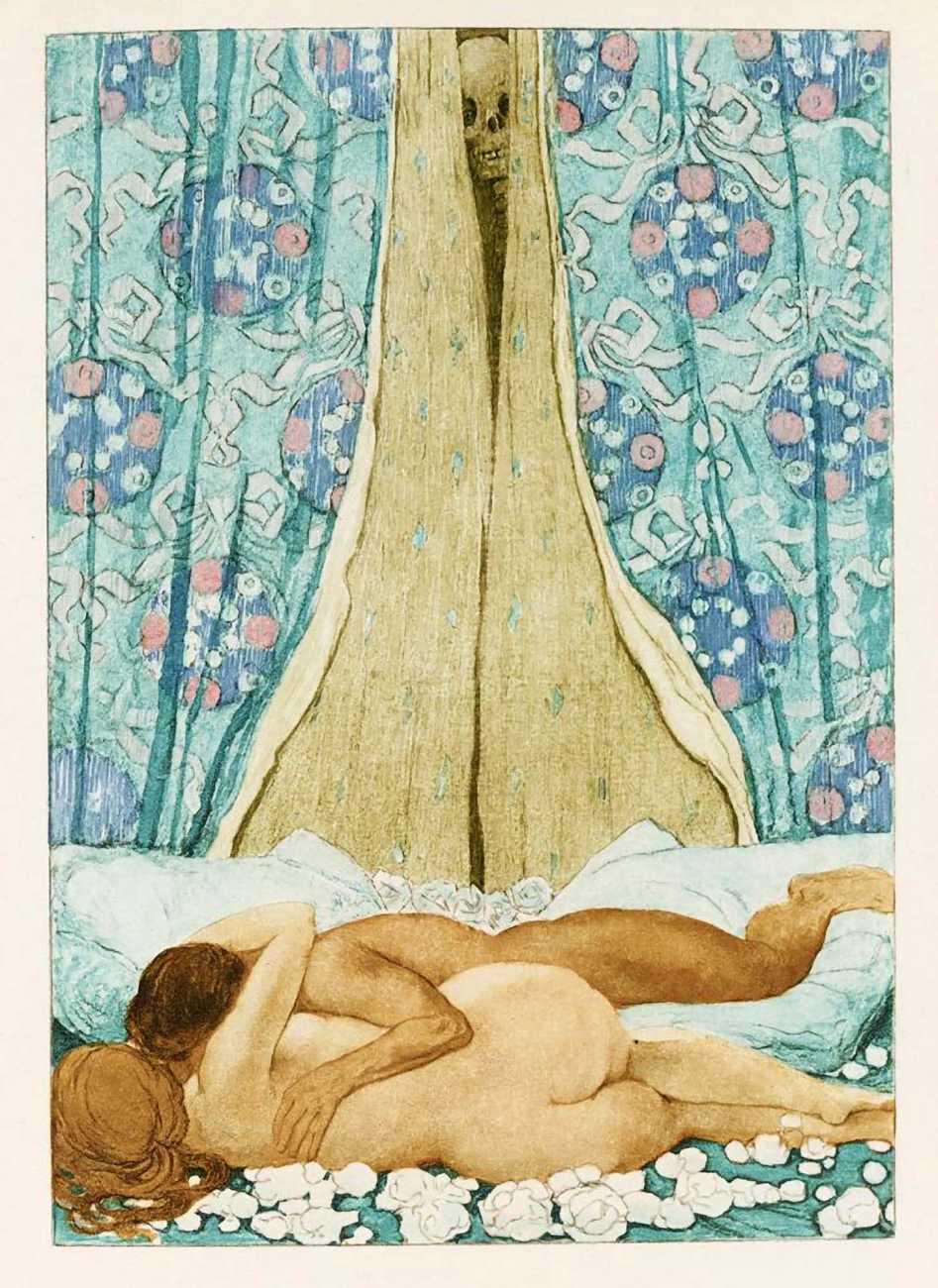
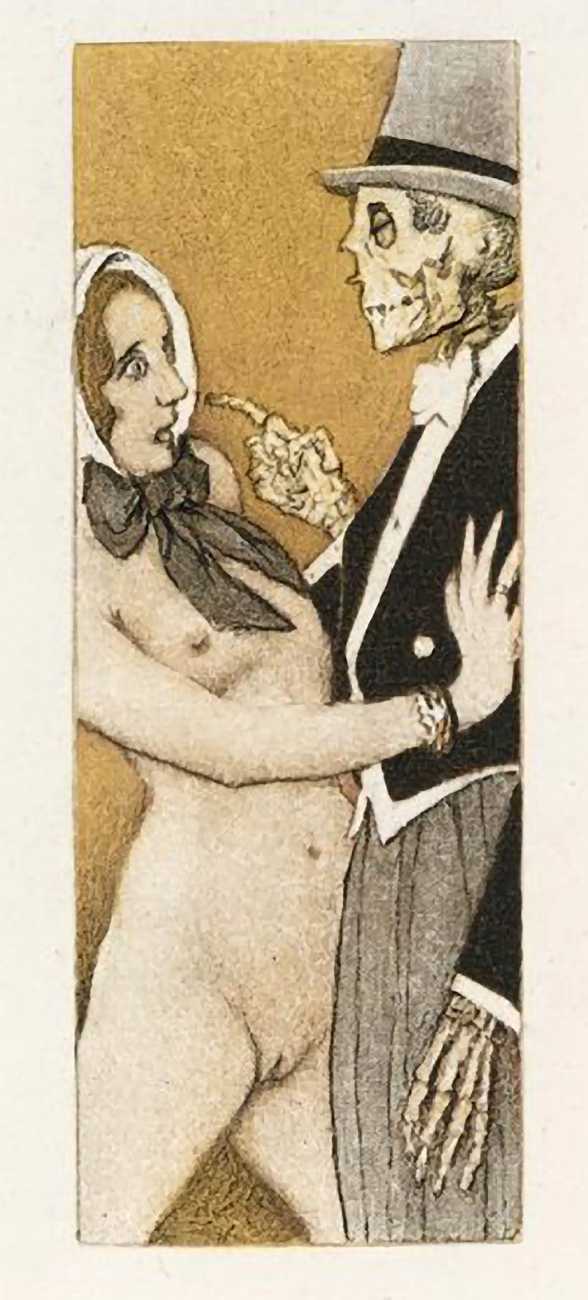
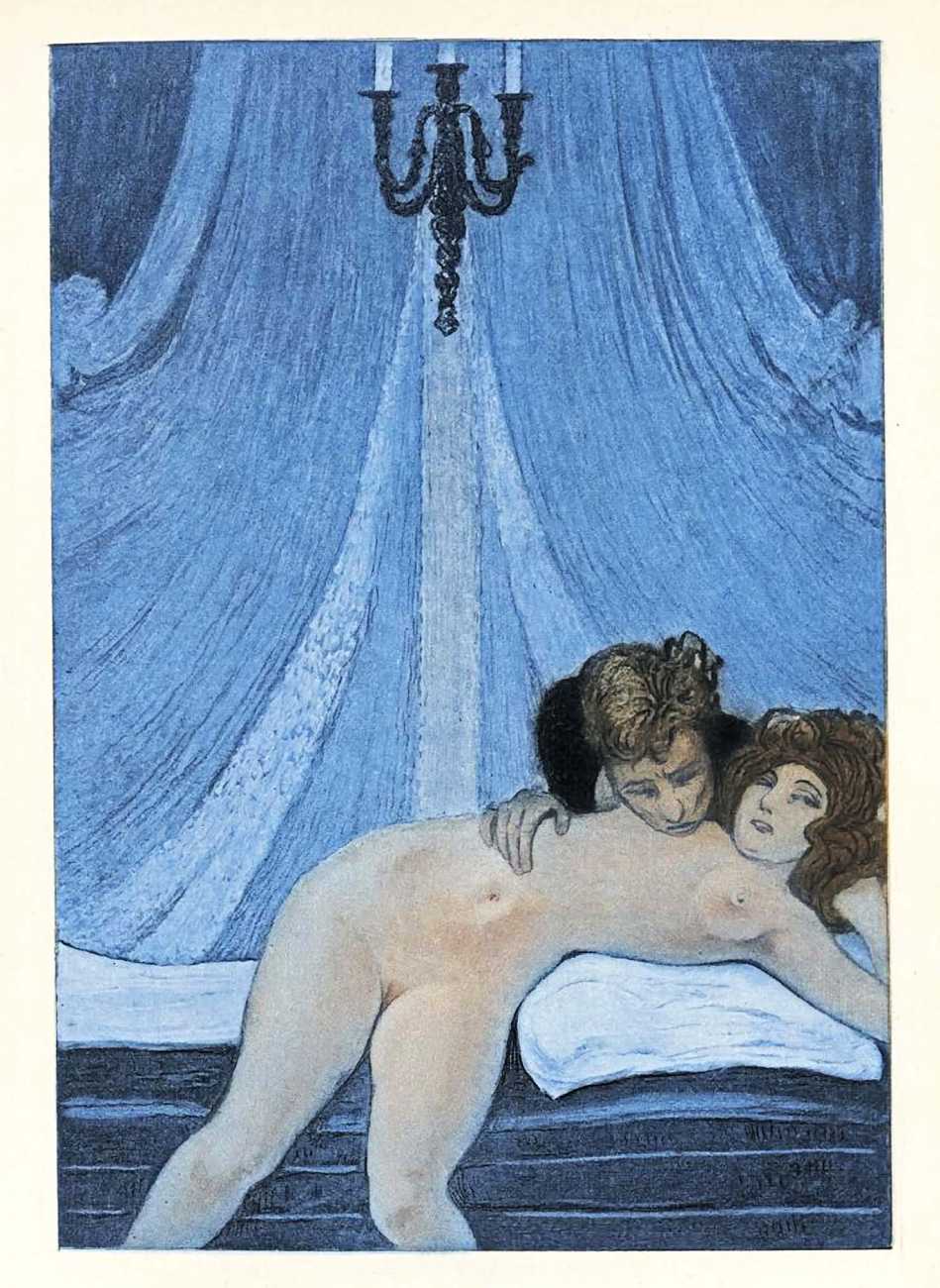
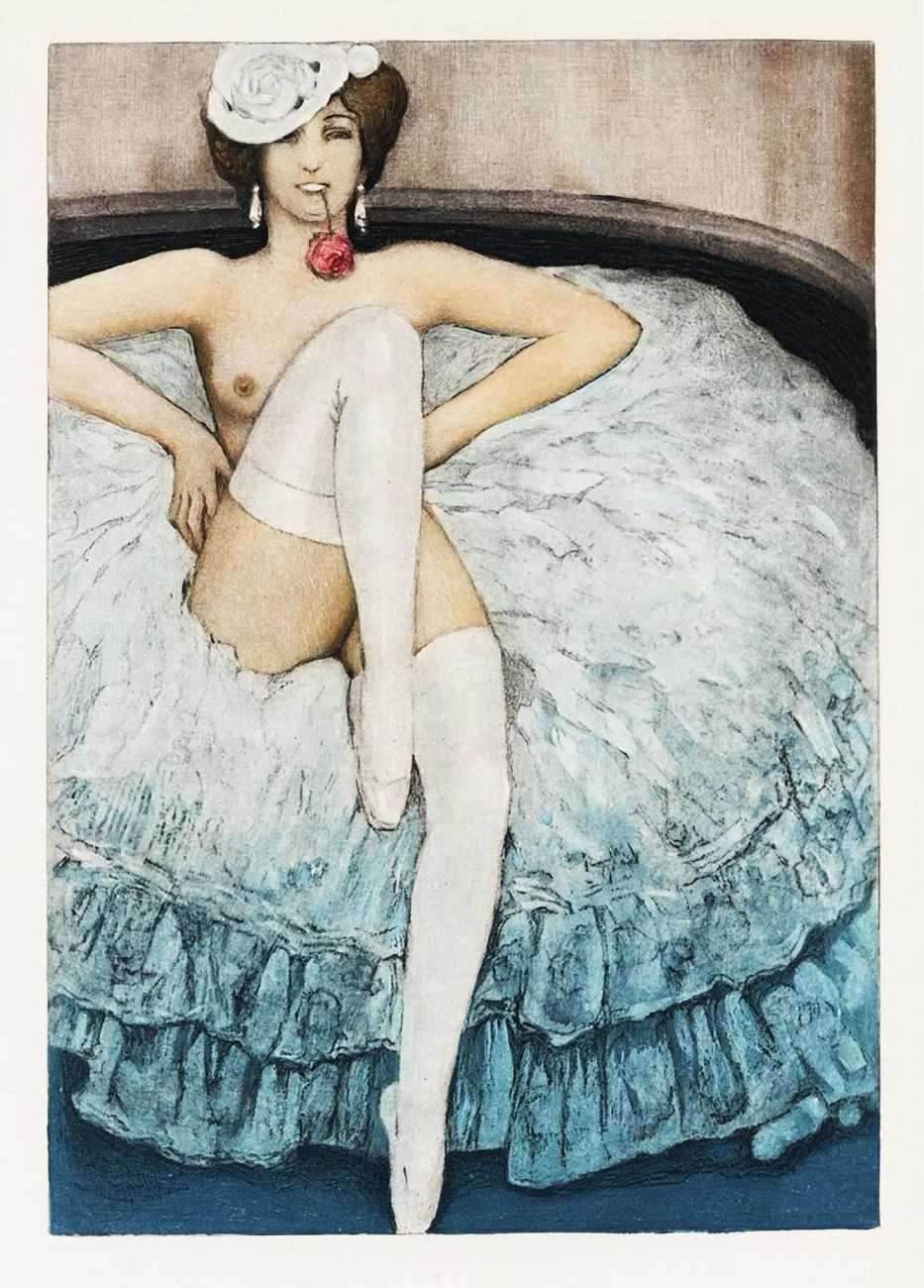
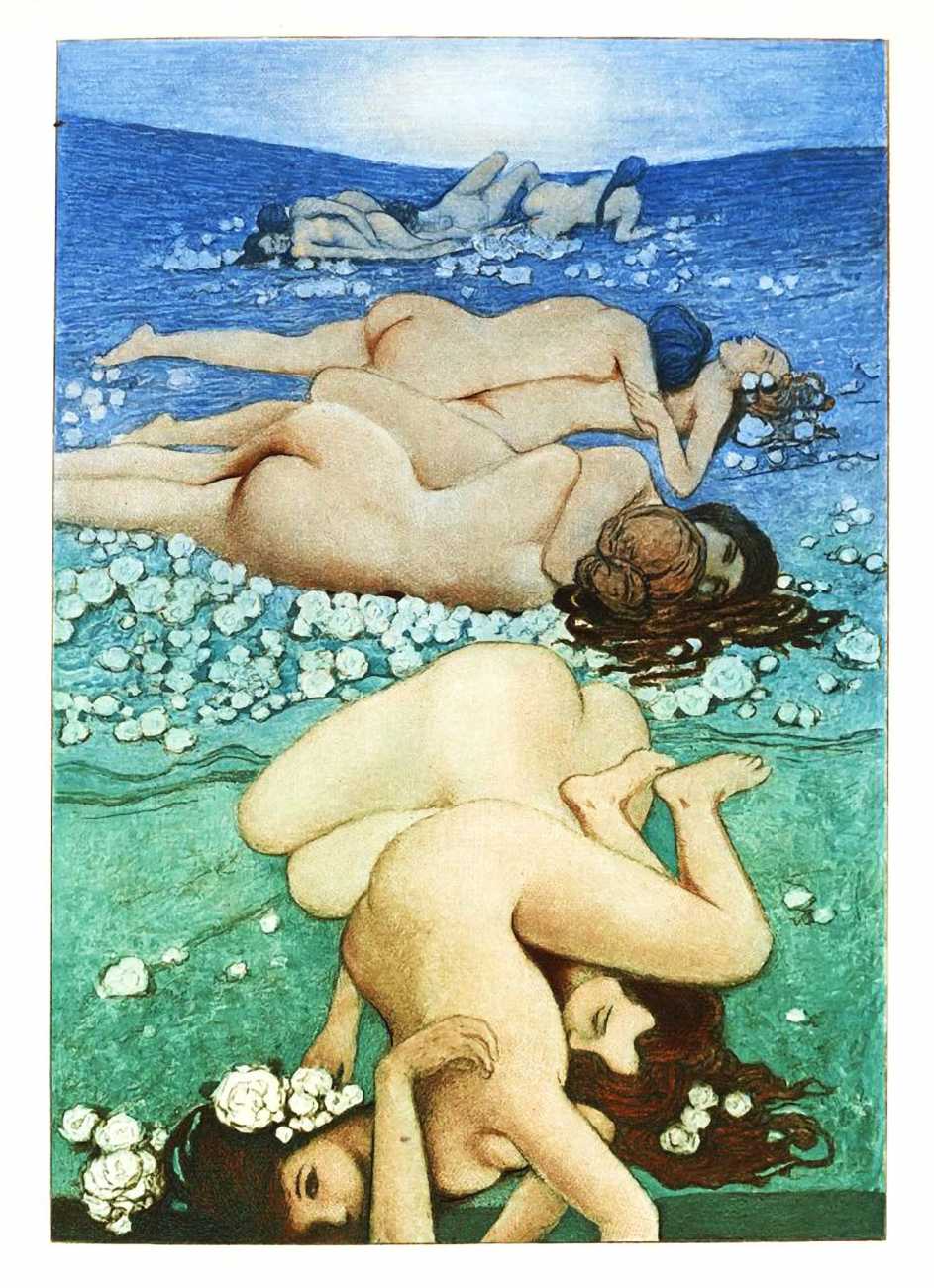
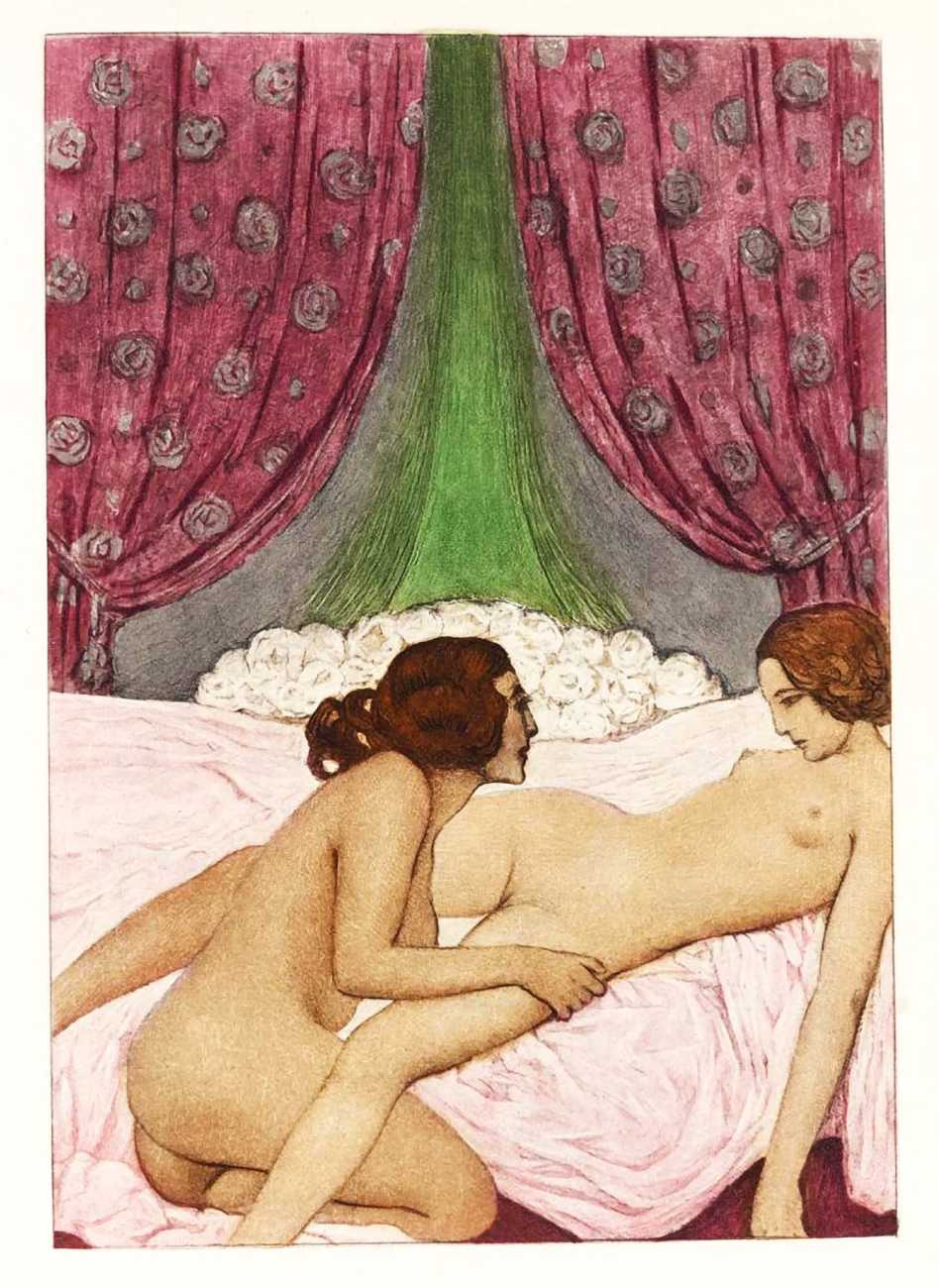
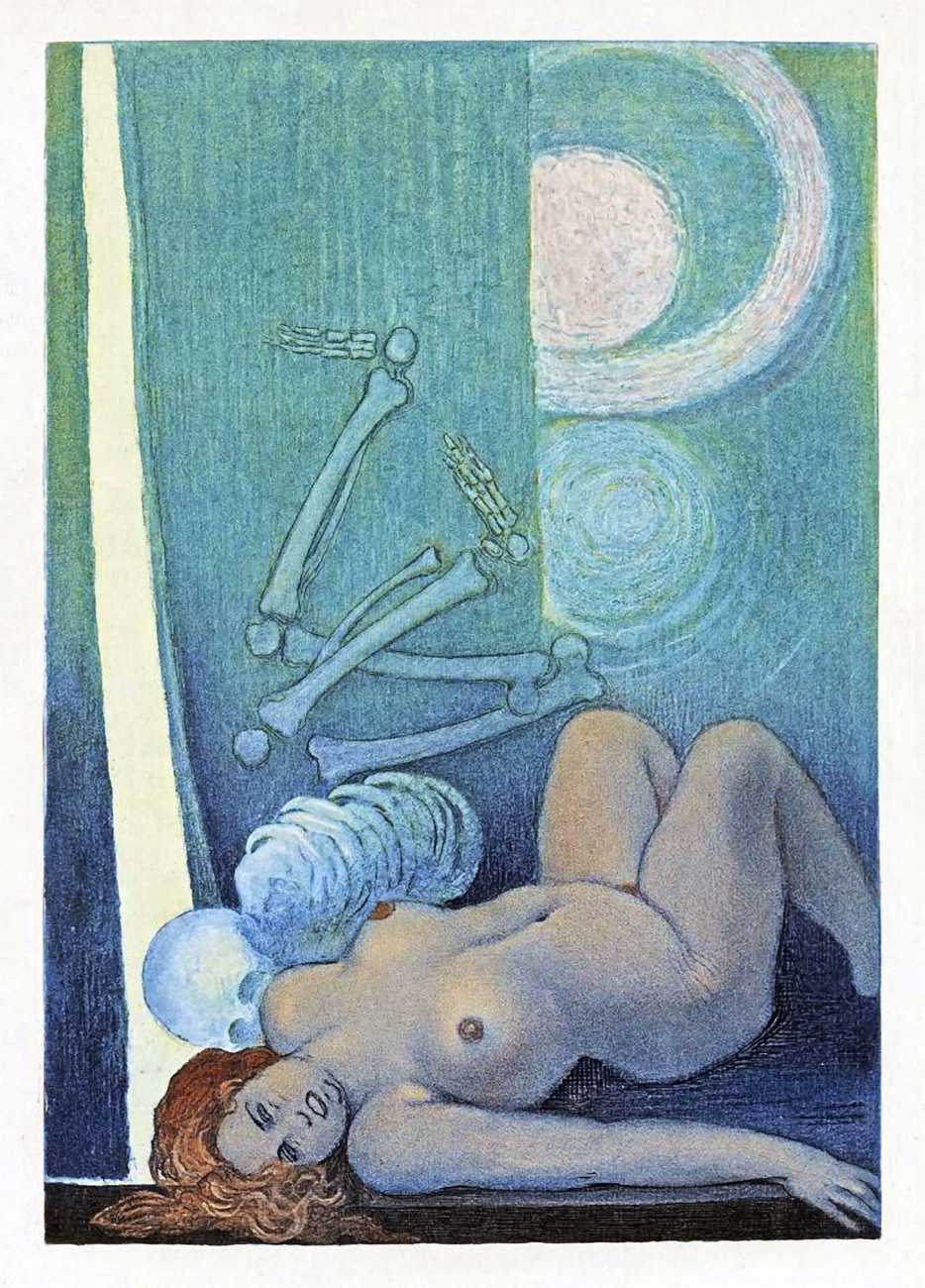
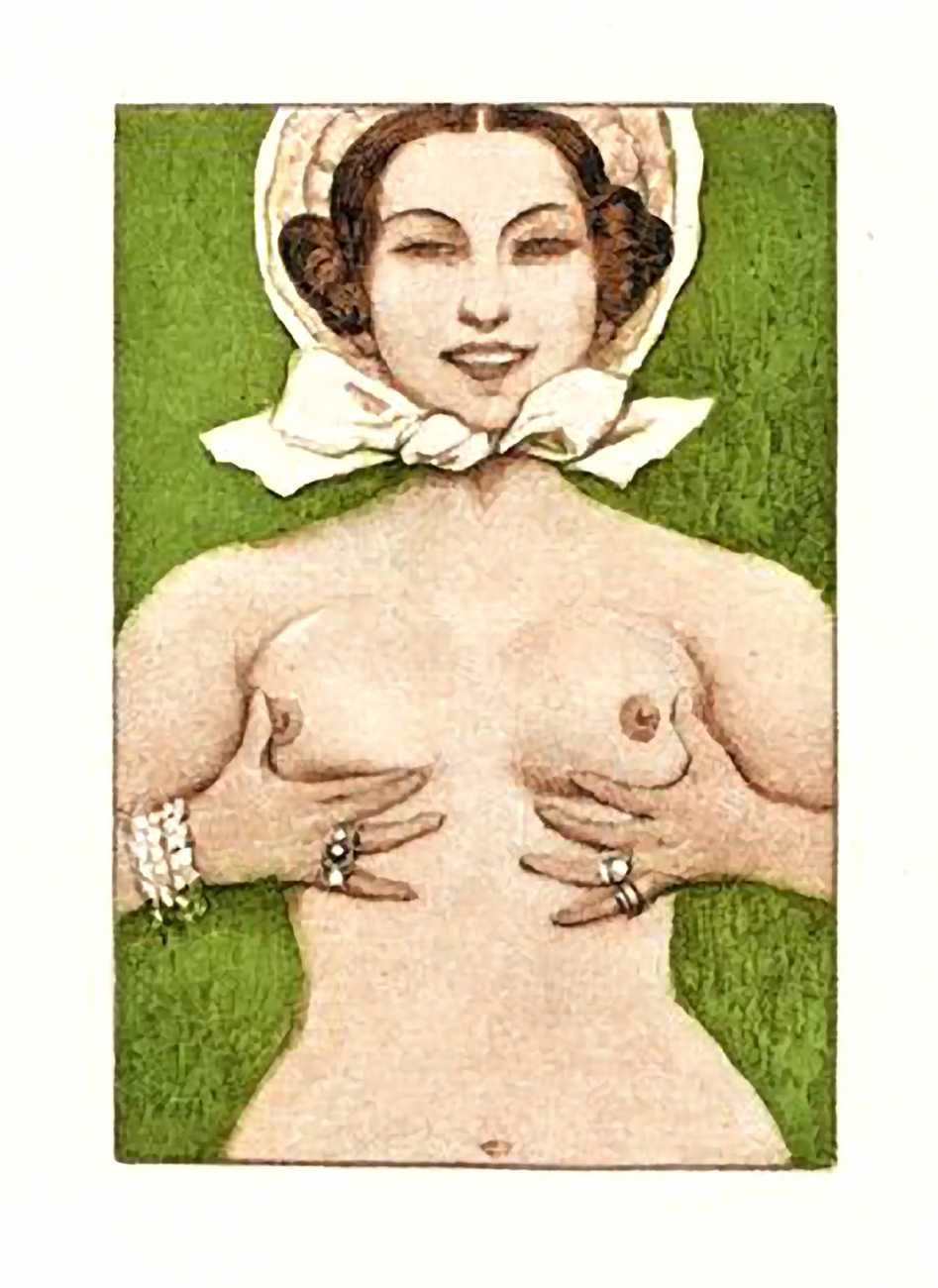
Towards the end of his life he was commissioned in 1930 by the Société des Amis du Livre Moderne to illustrate Oscar Wilde’s Salomé, then in 1931 by the Paris publishers Javal & Bourdeaux to illustrate Les cent nouvelles de Roi Louis XI (The Hundred Stories of Louis XI). His erotic masterpiece, however, is undoubtedly the 47 illustrations he made at the very end of his life to illustrate Baudelaire’s Les fleurs du mal. The combination of desire, death and the occult was the perfect inspiration for Orazi, and his powerful, haunting images are among the best ever created to accompany Baudelaire’s poems.
Similar artists
Joseph Apoux – French belle-époque painter of mythological and erotic subjects.
Aubrey Beardsley – British illustrator of decadent literary erotica defining the 1890s.
Umberto Brunelleschi – Italian-French art-deco pochoir master.
Antoine Calbet – French belle-époque painter and illustrator of sensual subjects.
Marcello Dudovich – Italian art-deco poster artist of fashionable subjects.
Franz Naager – German jugendstil-symbolist painter and decorative designer.
Hanns Pellar – Austrian jugendstil illustrator of erotic, decorative subjects.
Example illustration
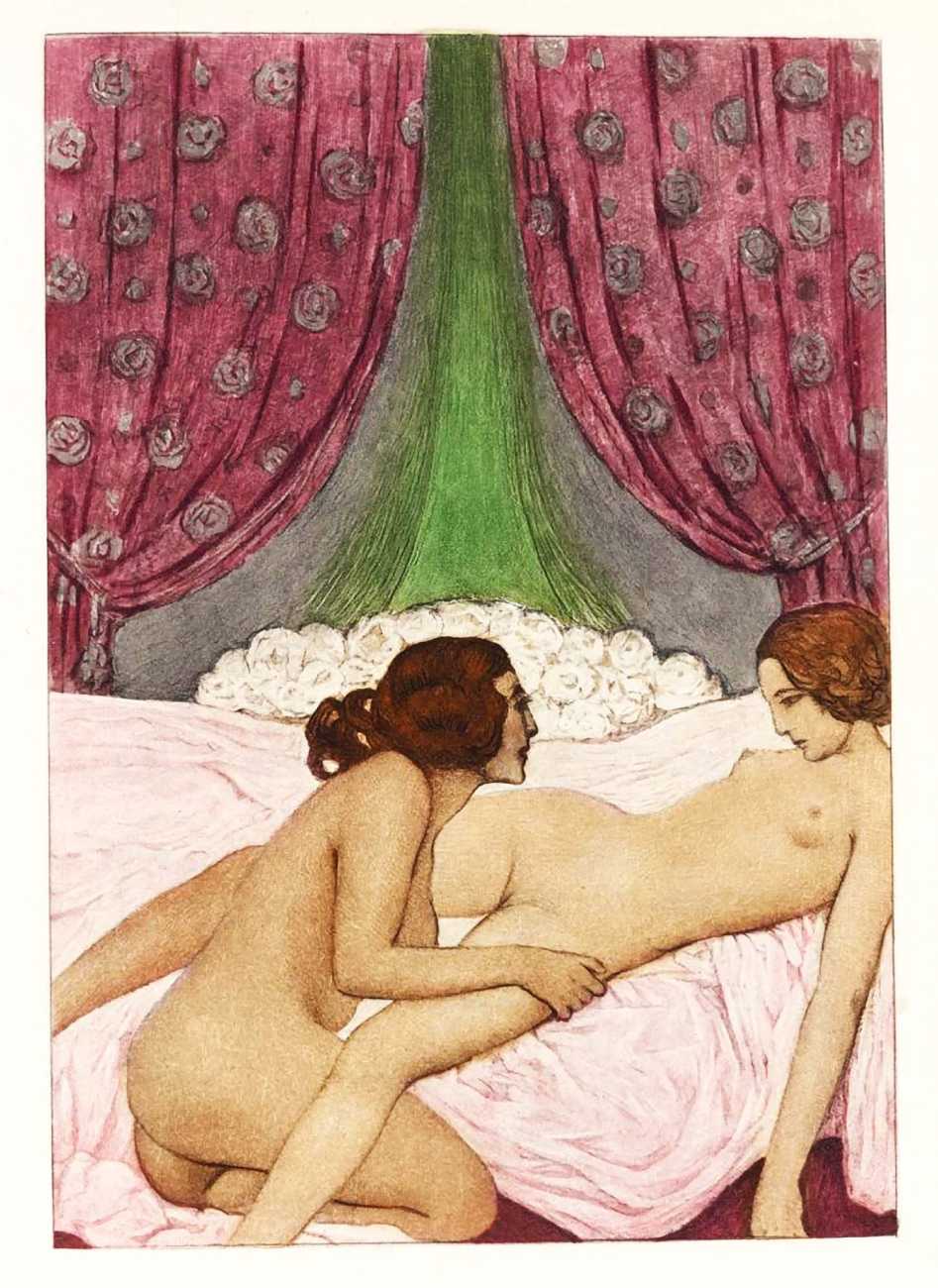
Les fleurs du mal (1934)