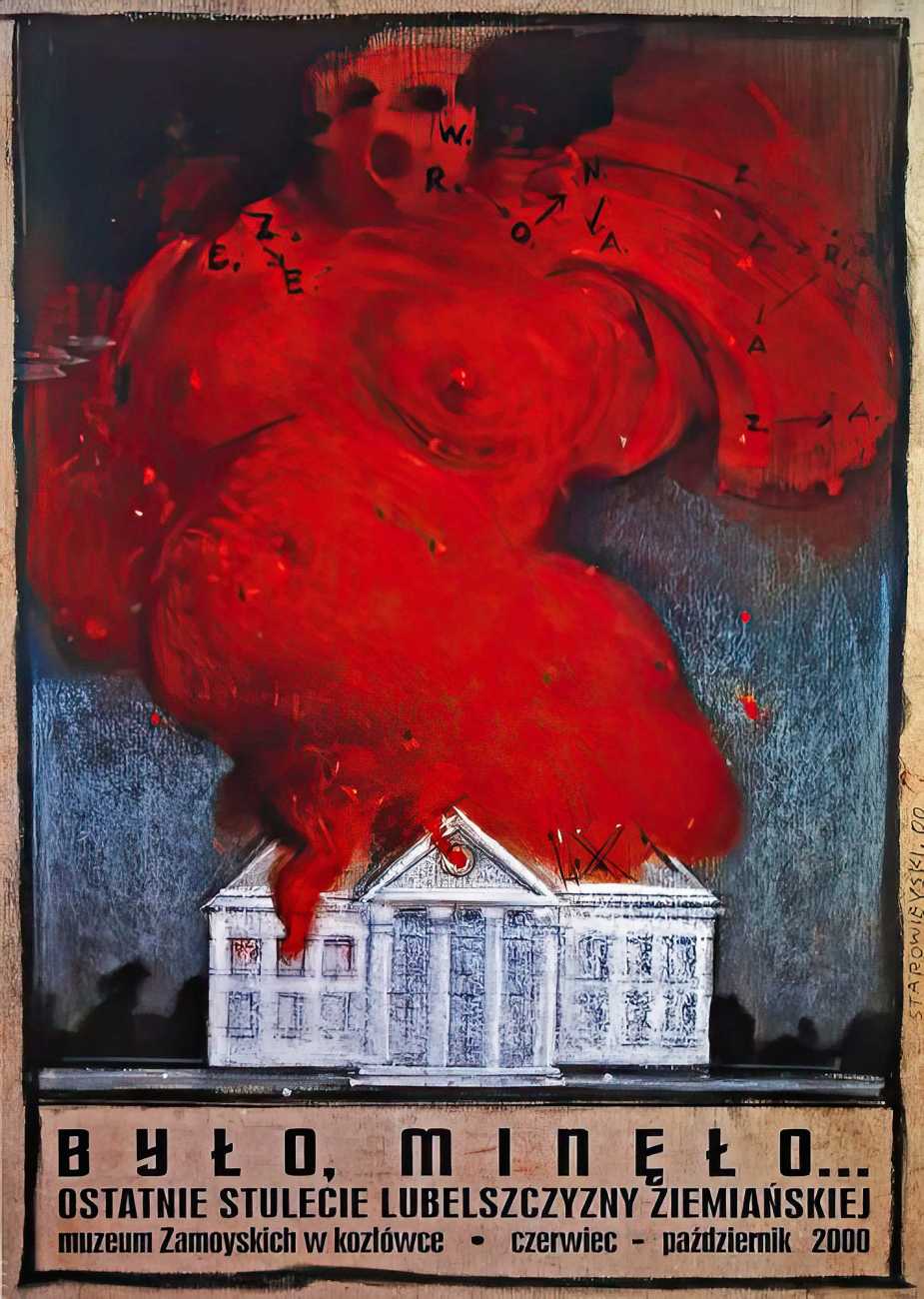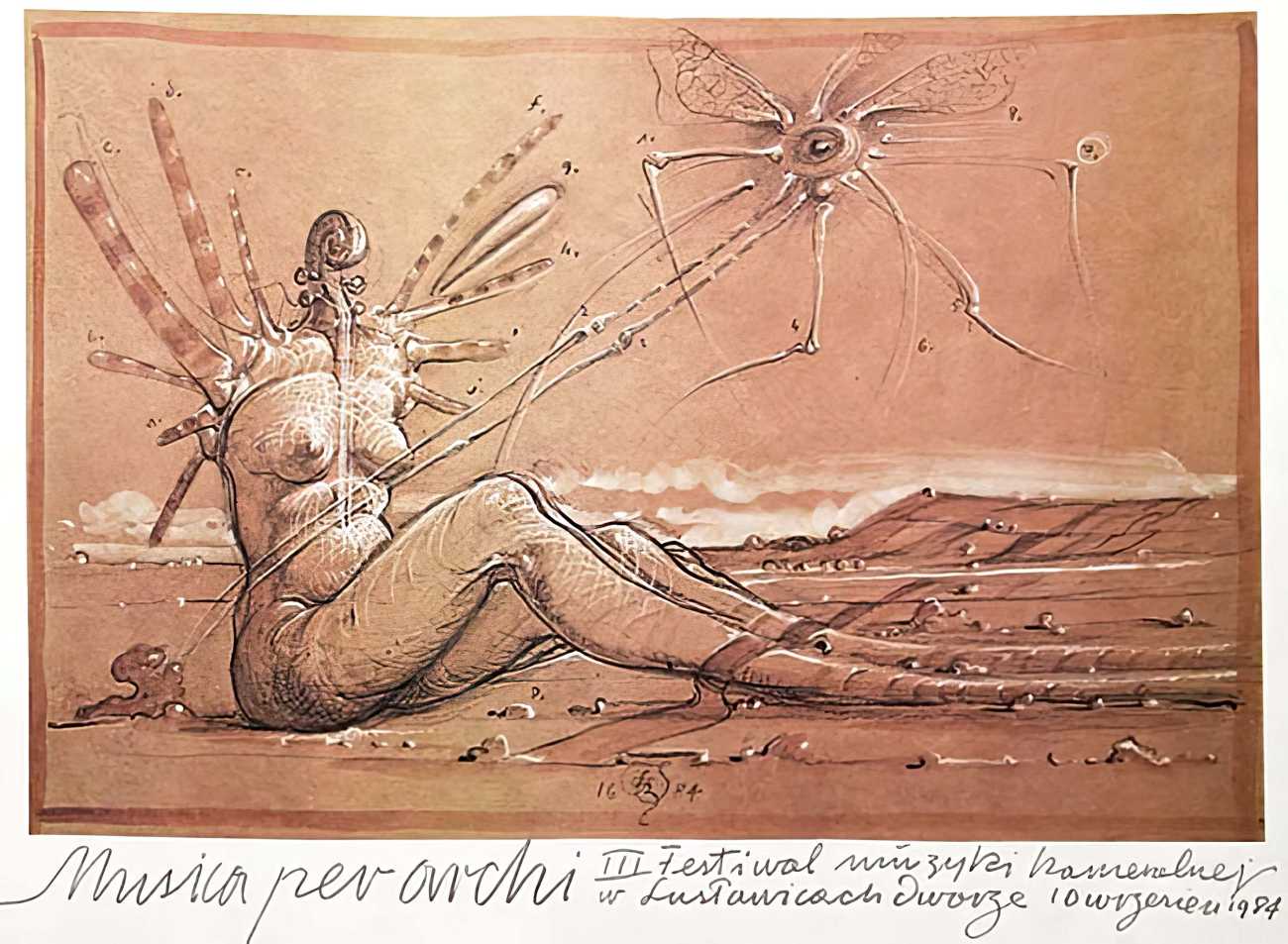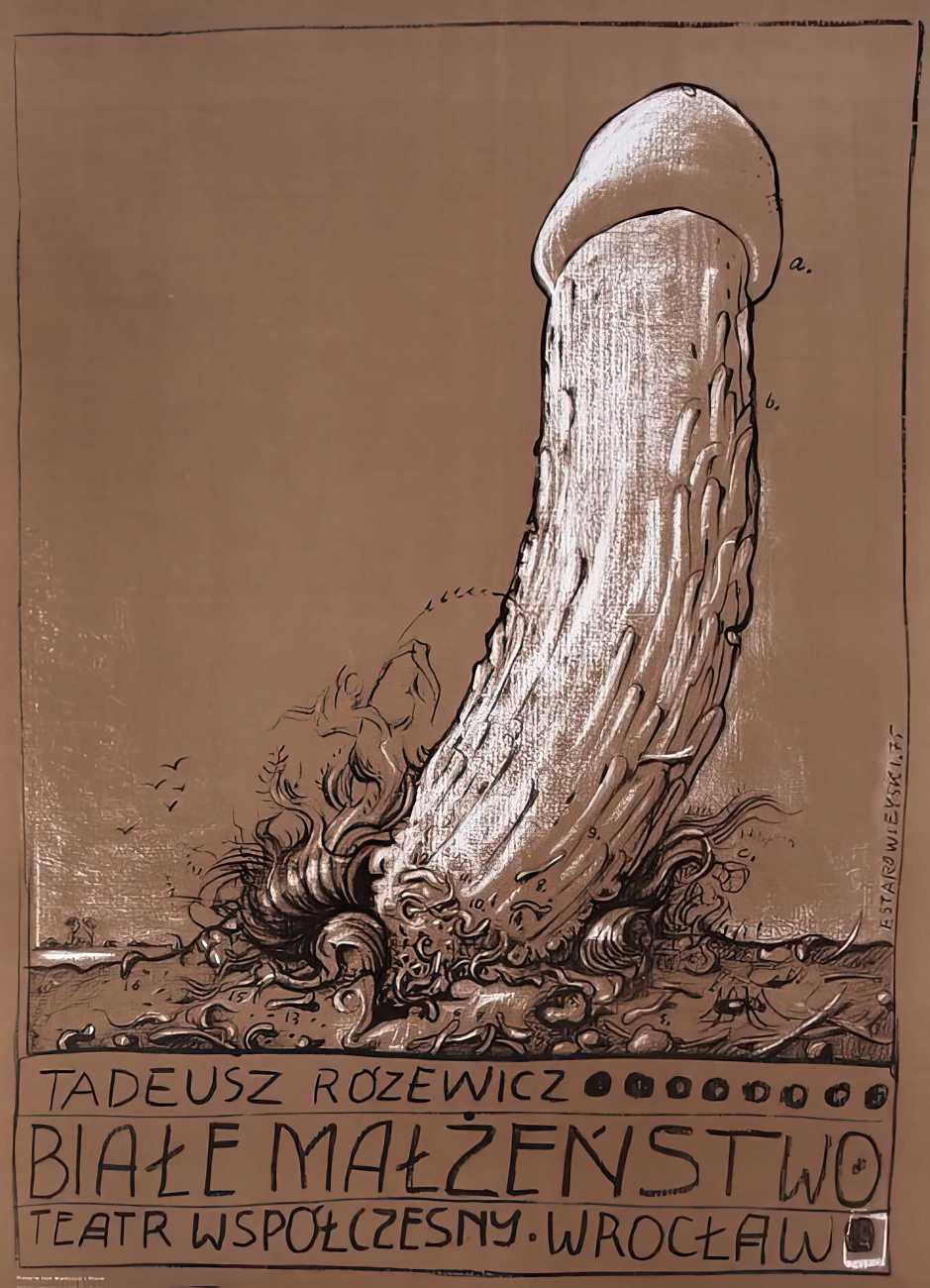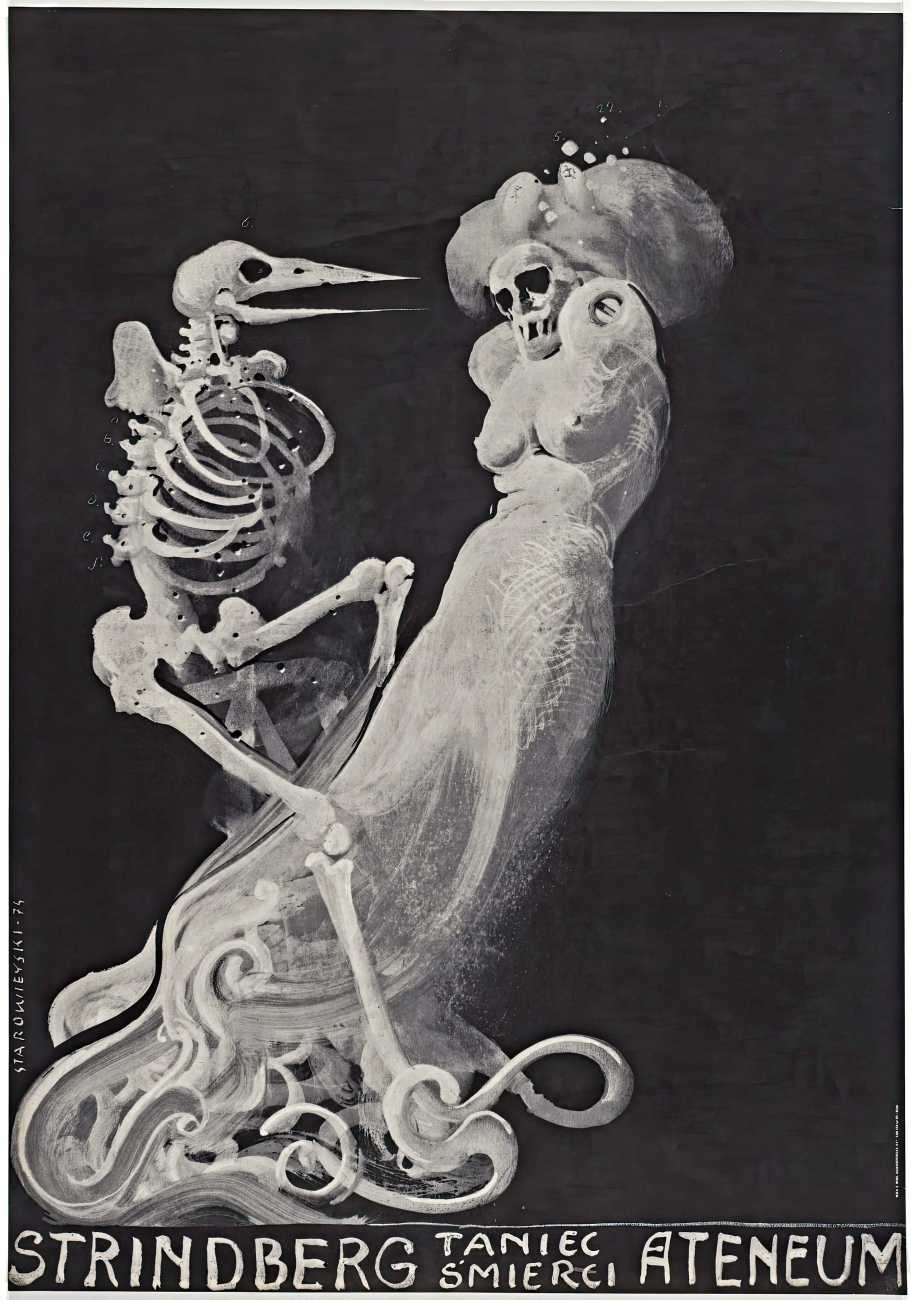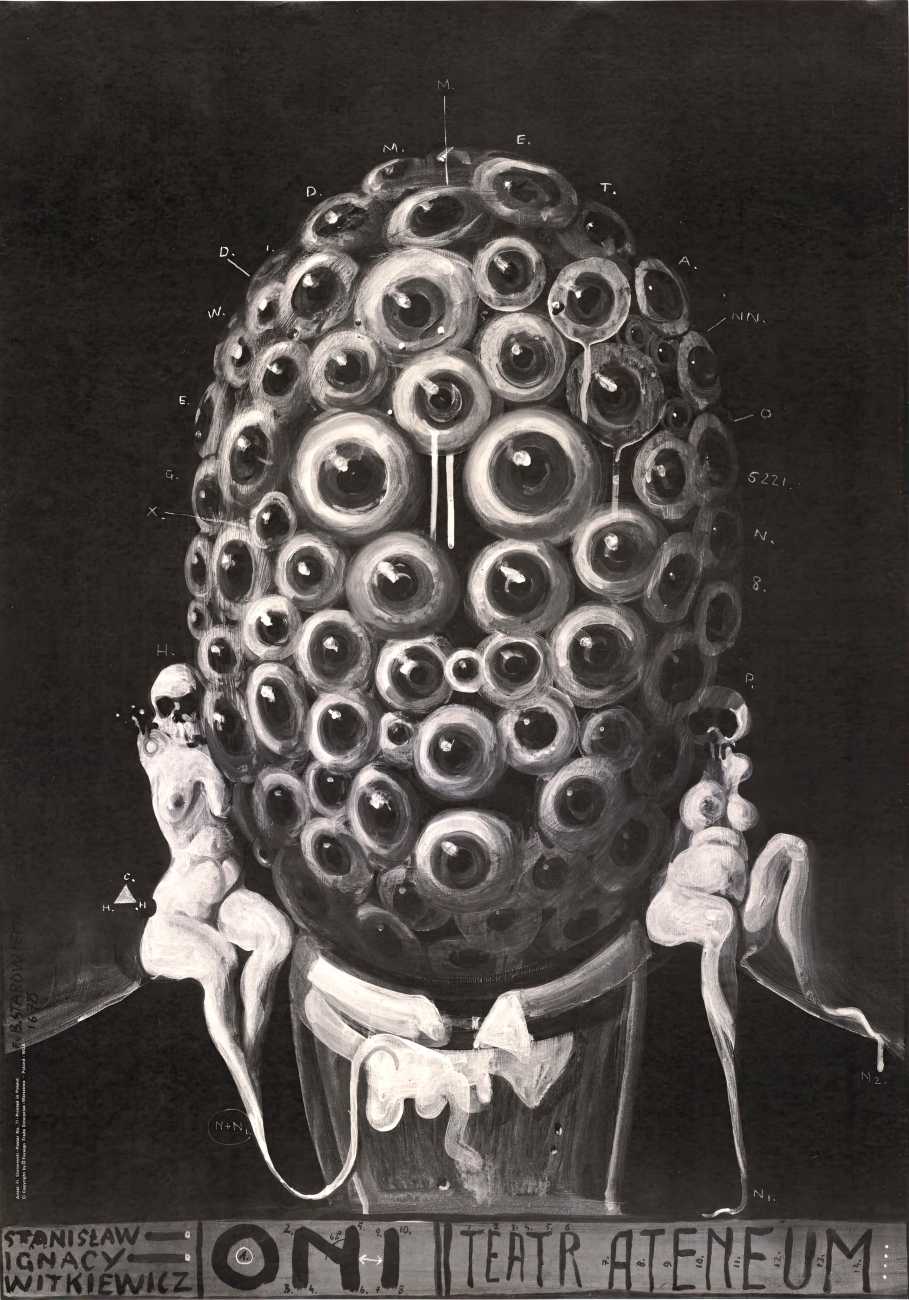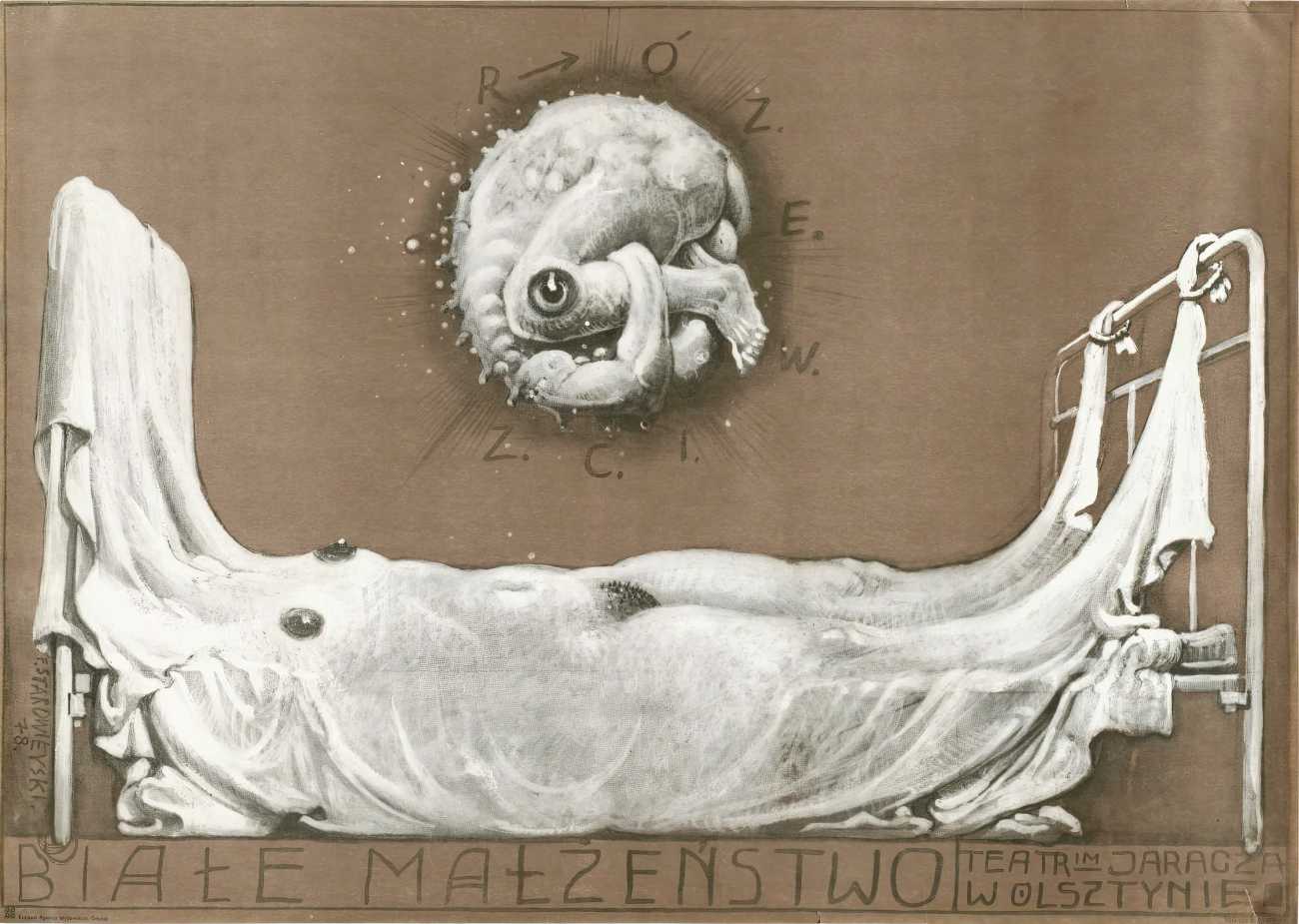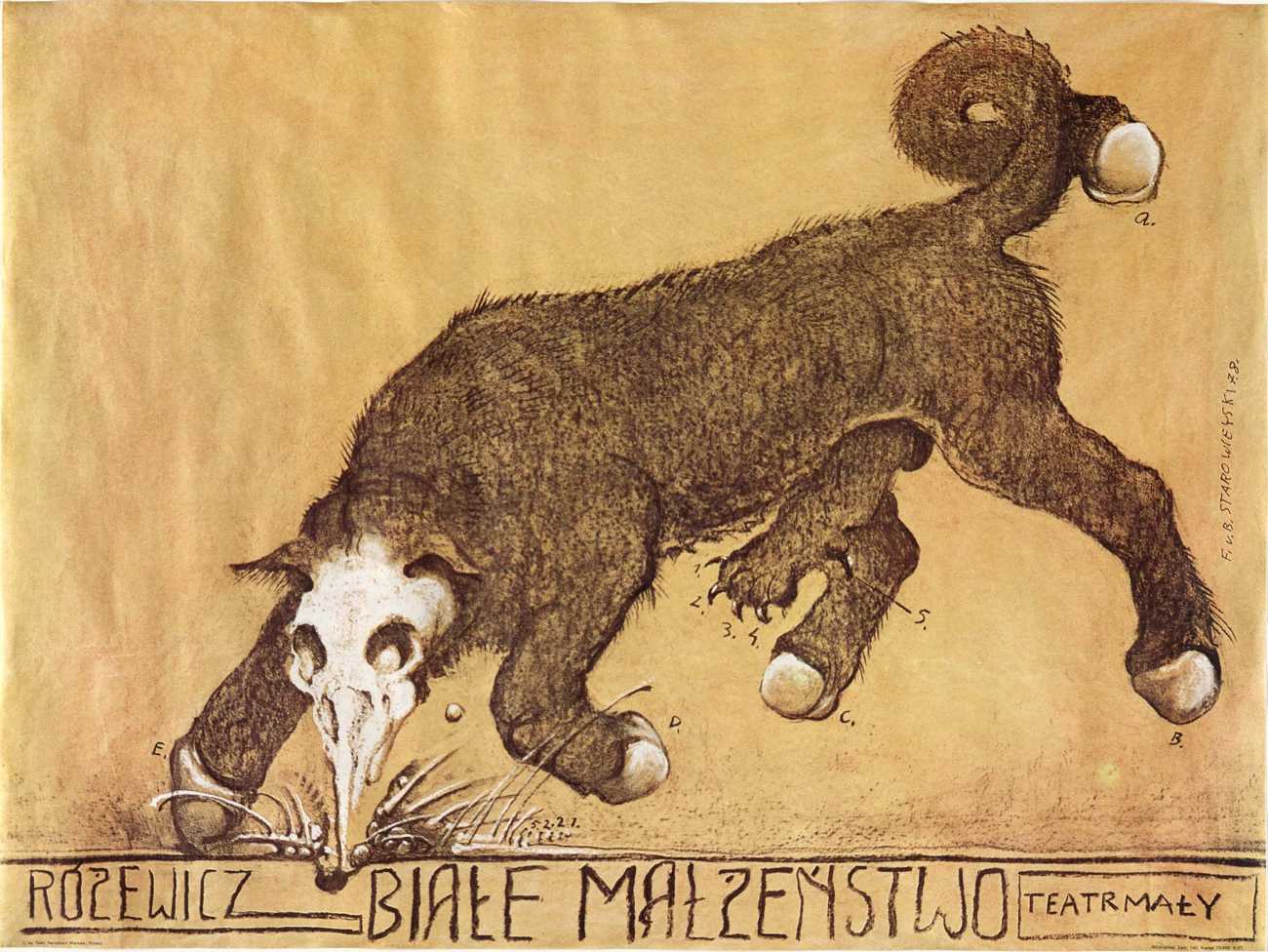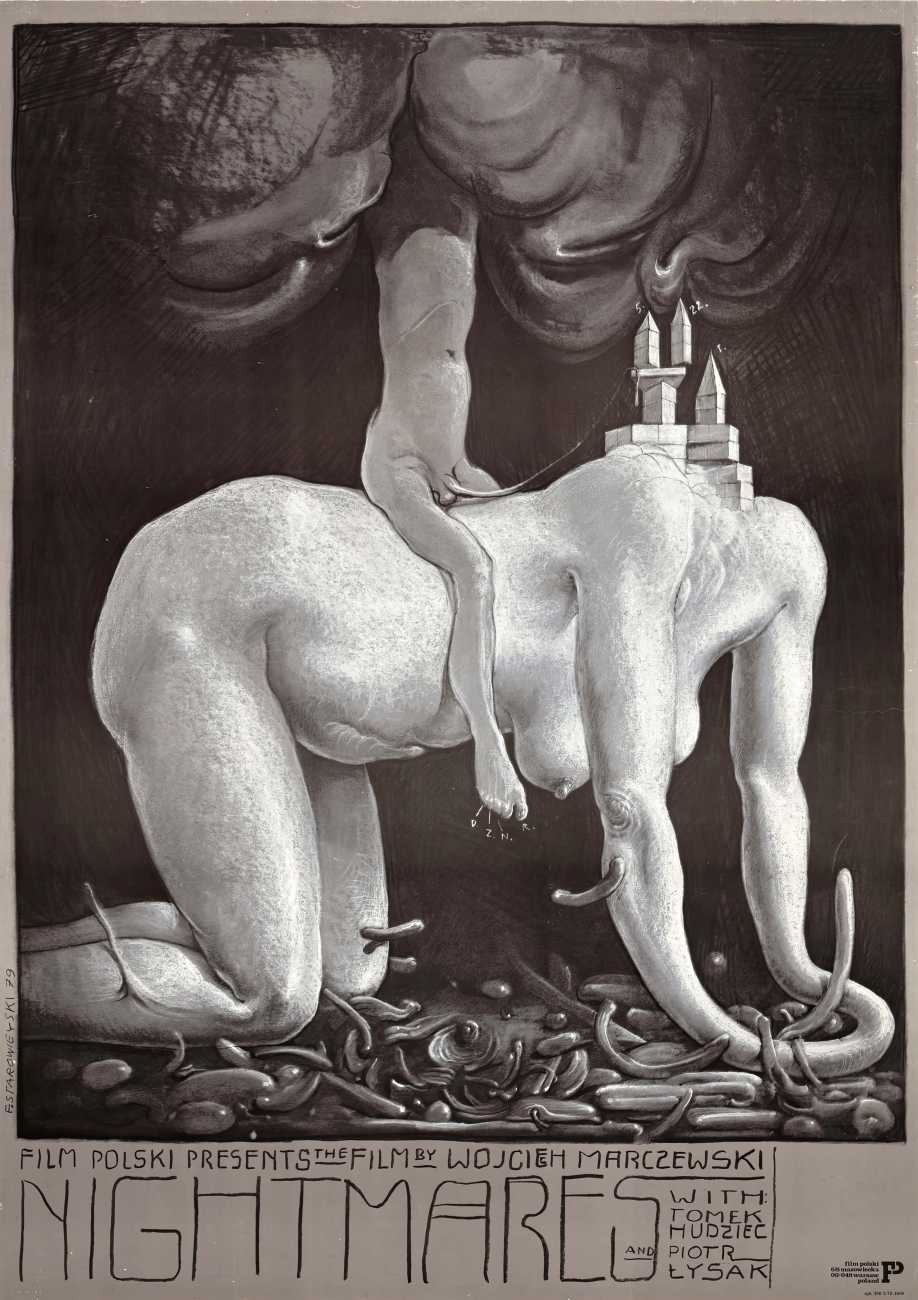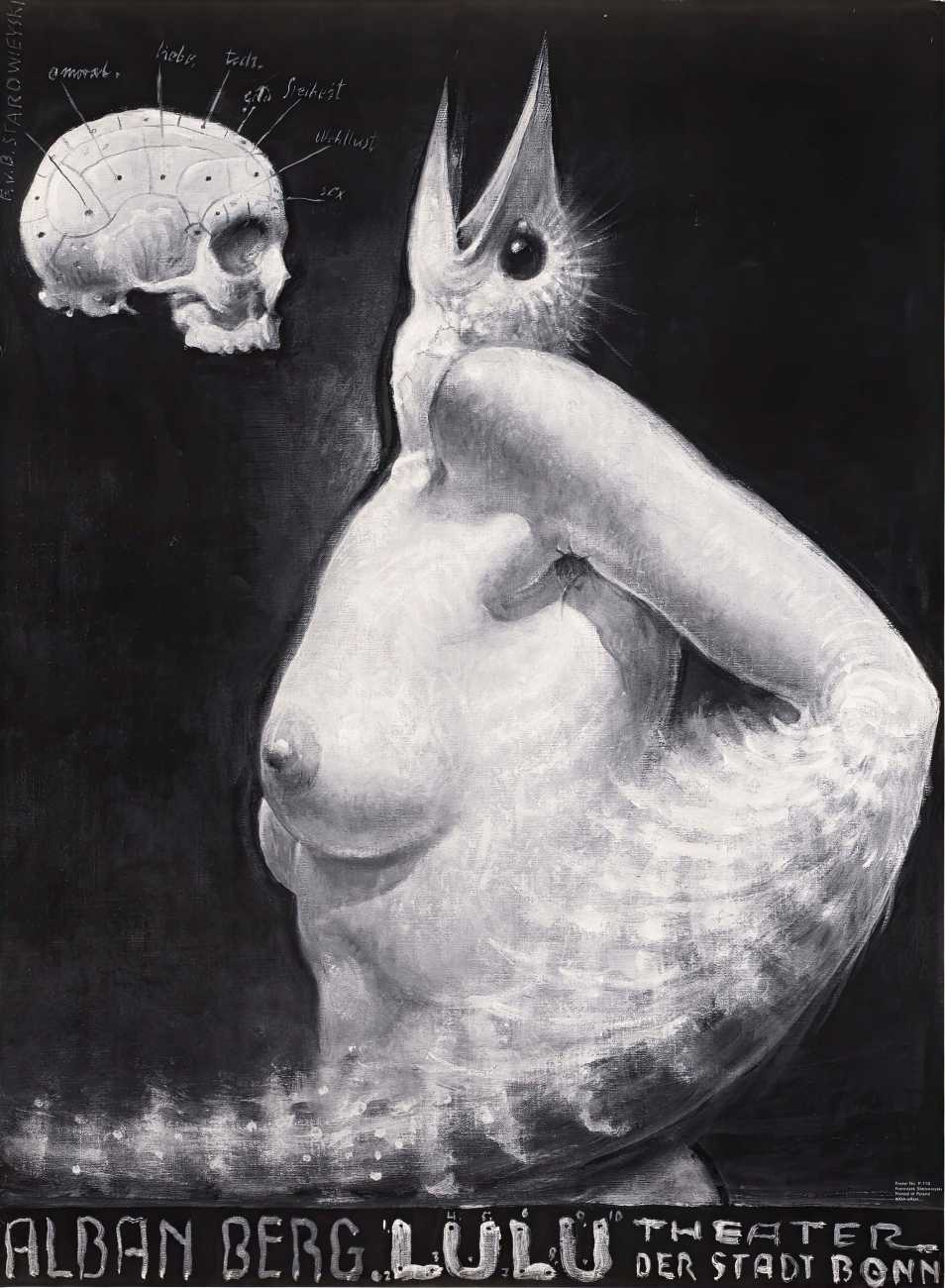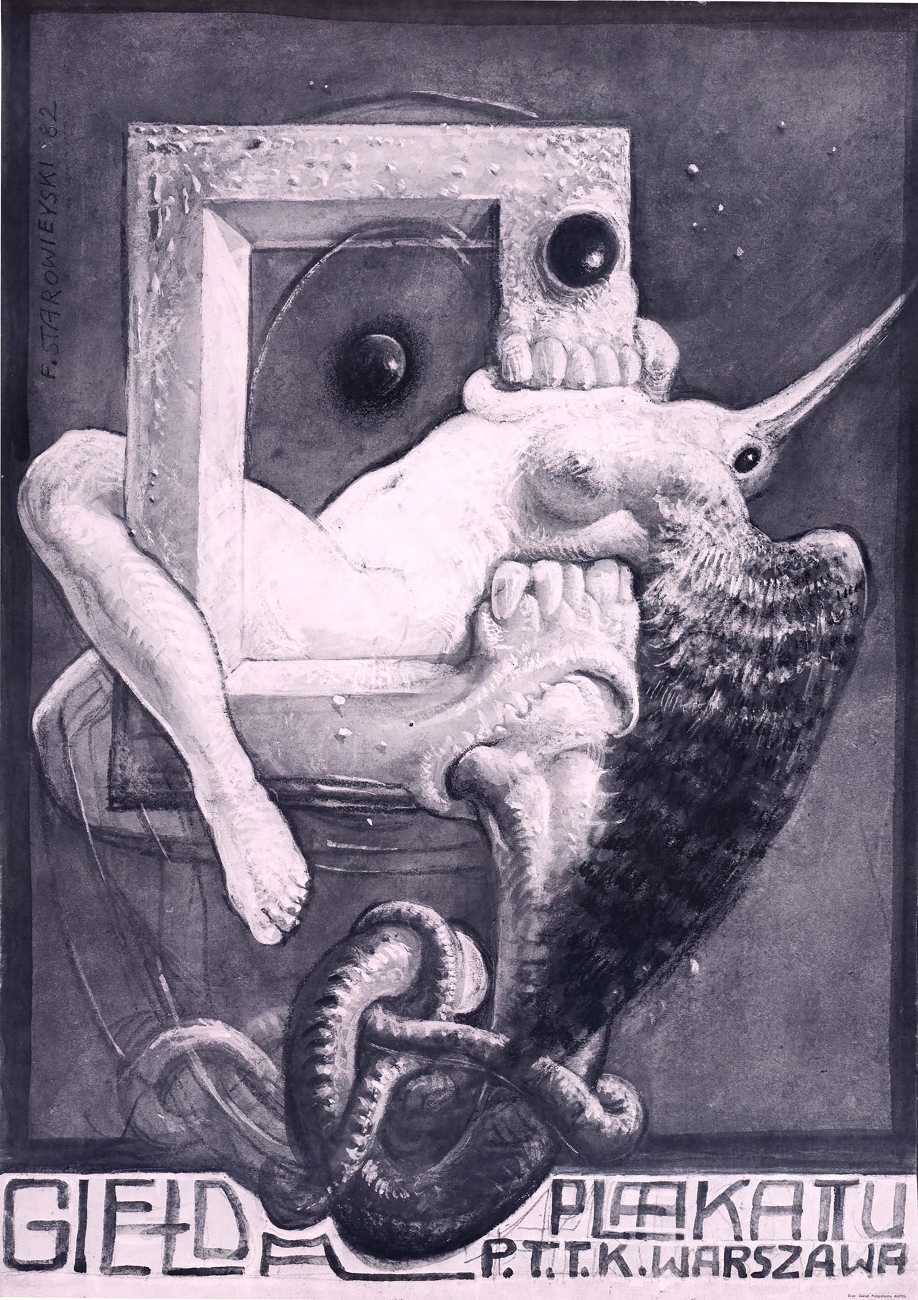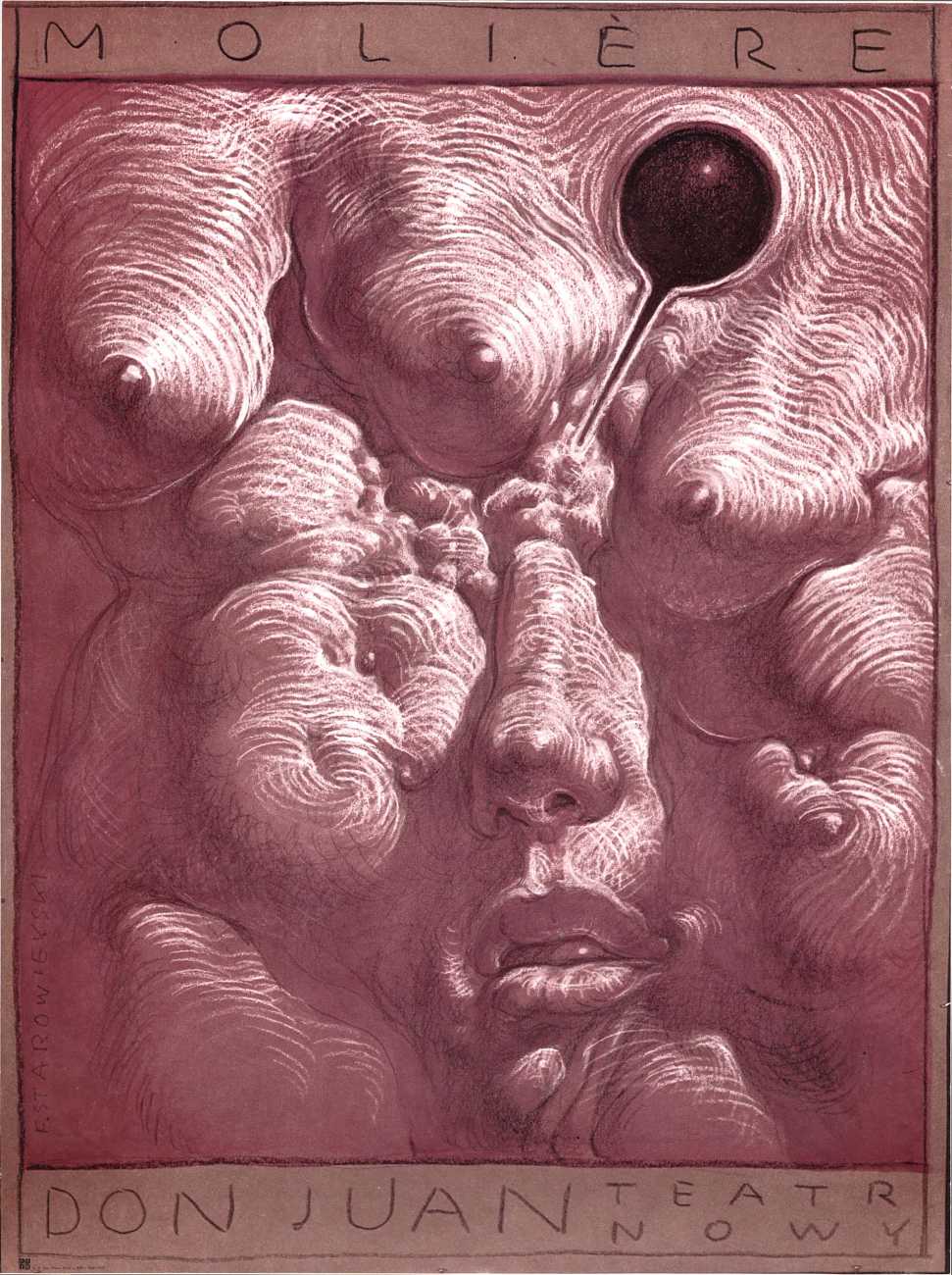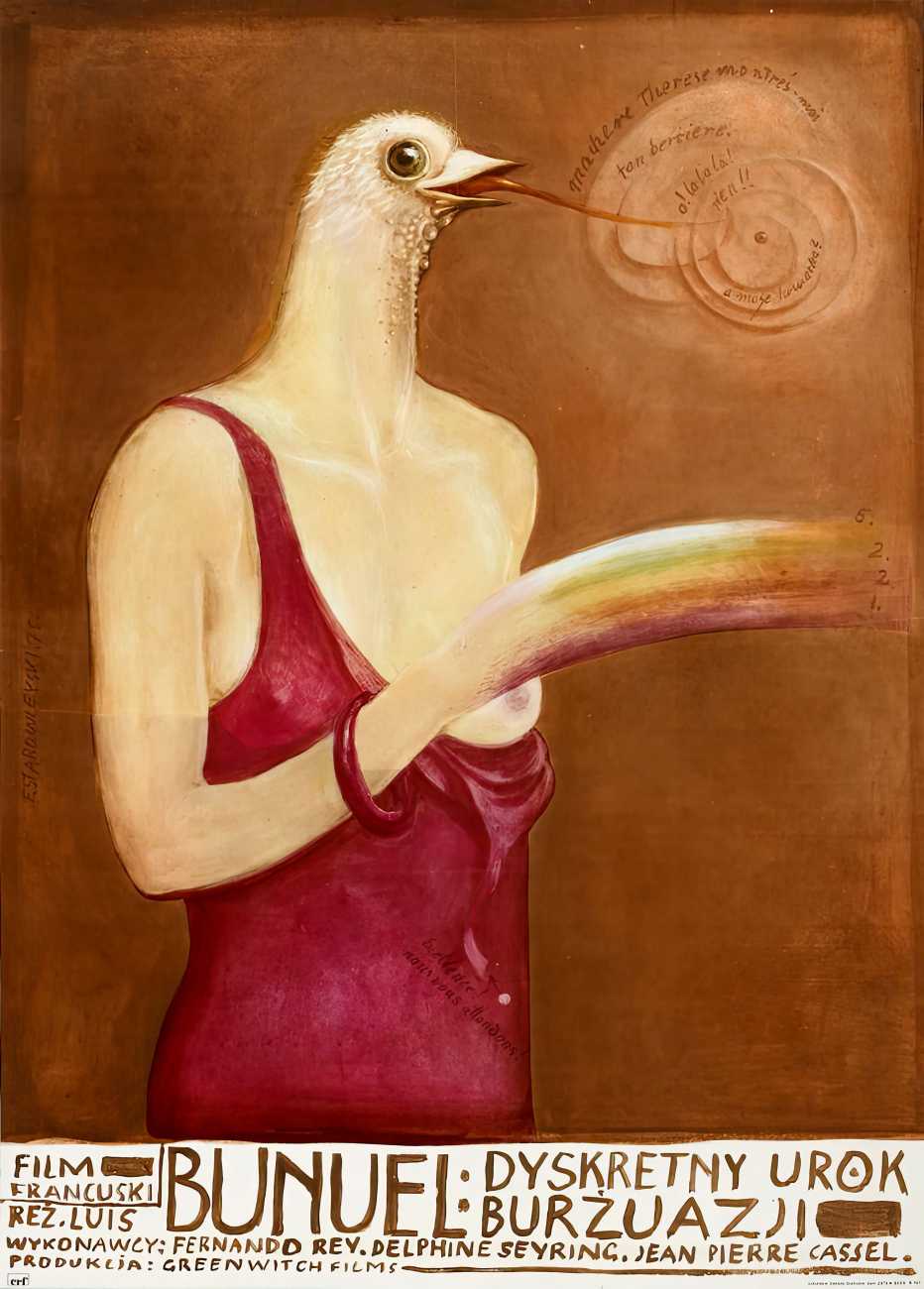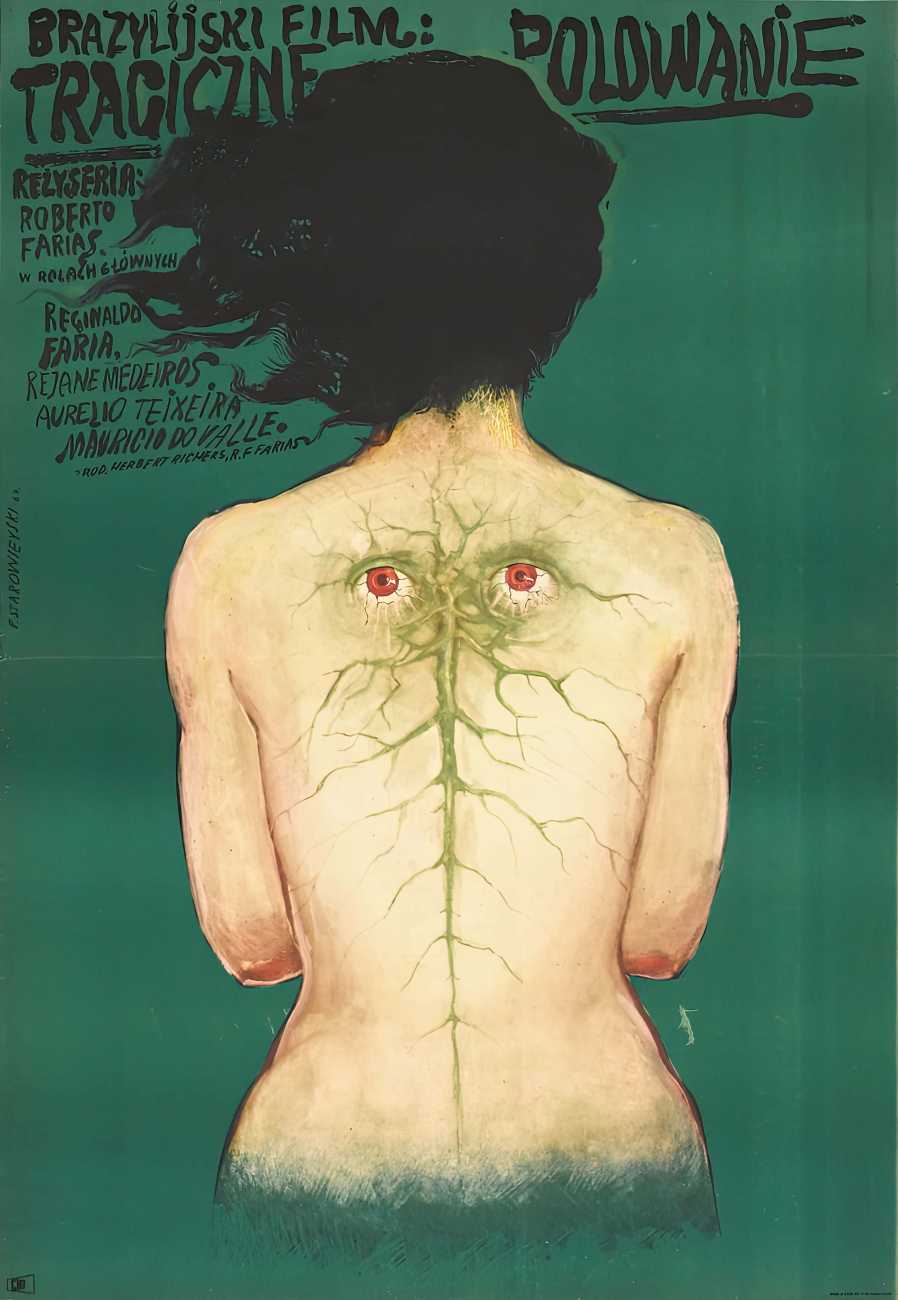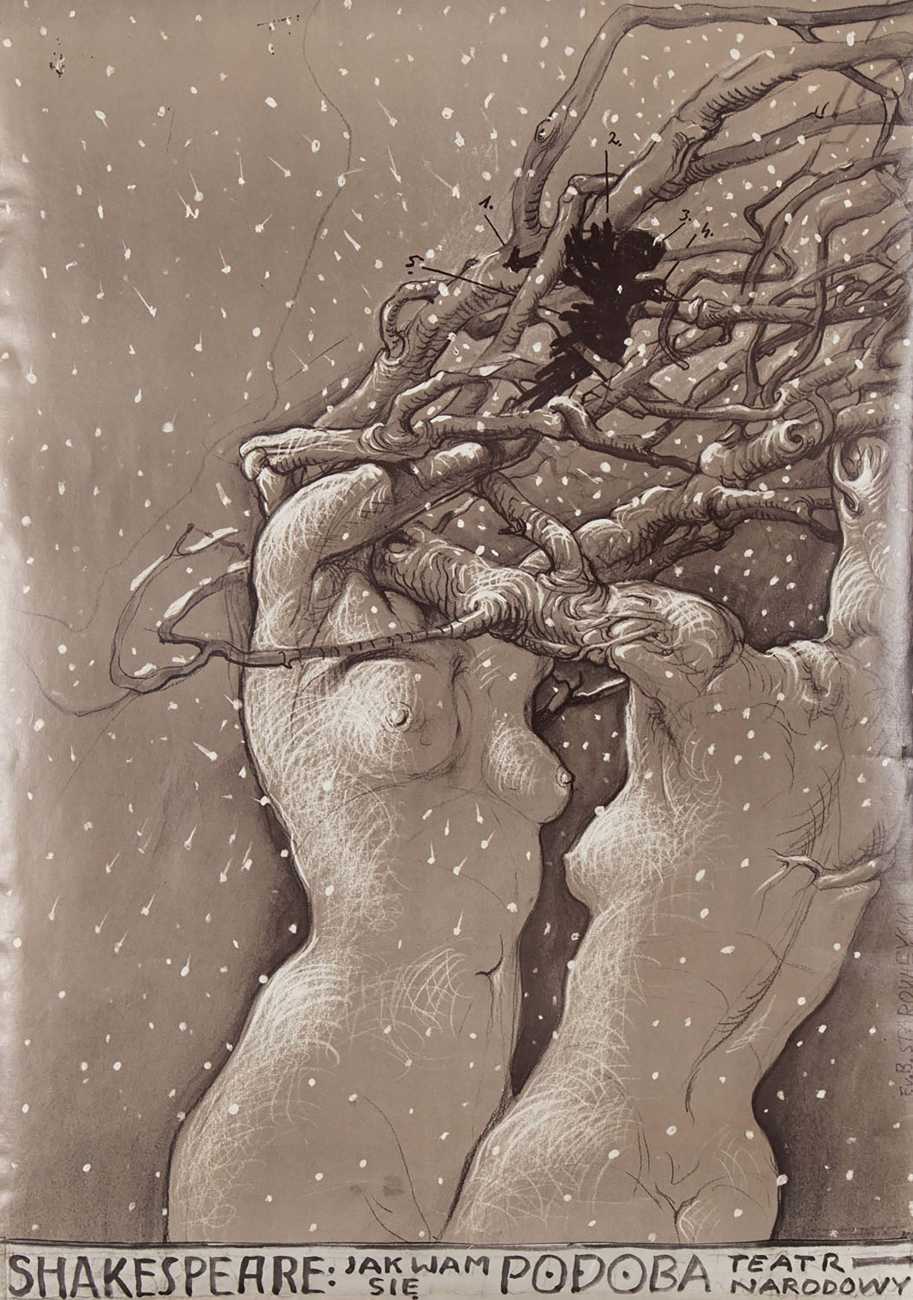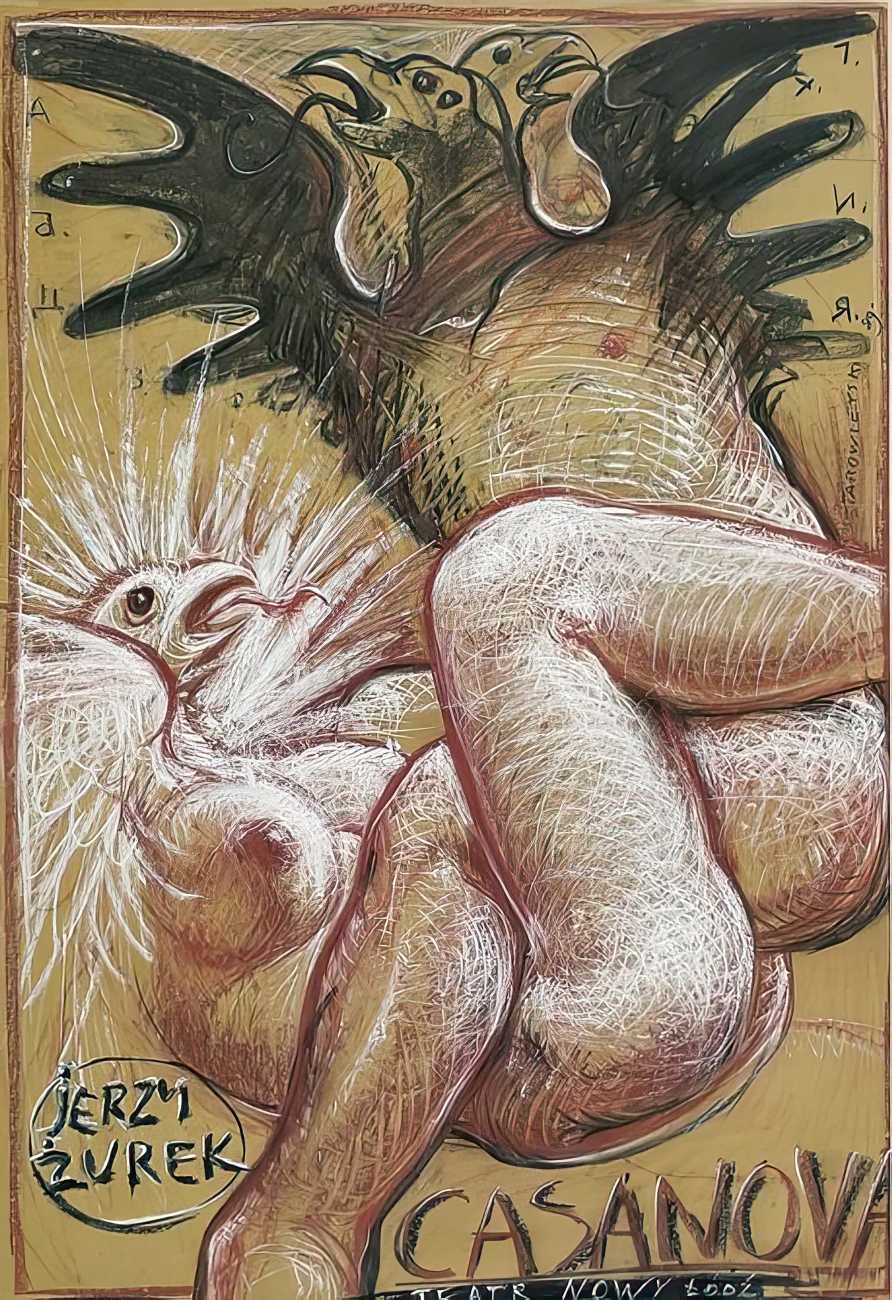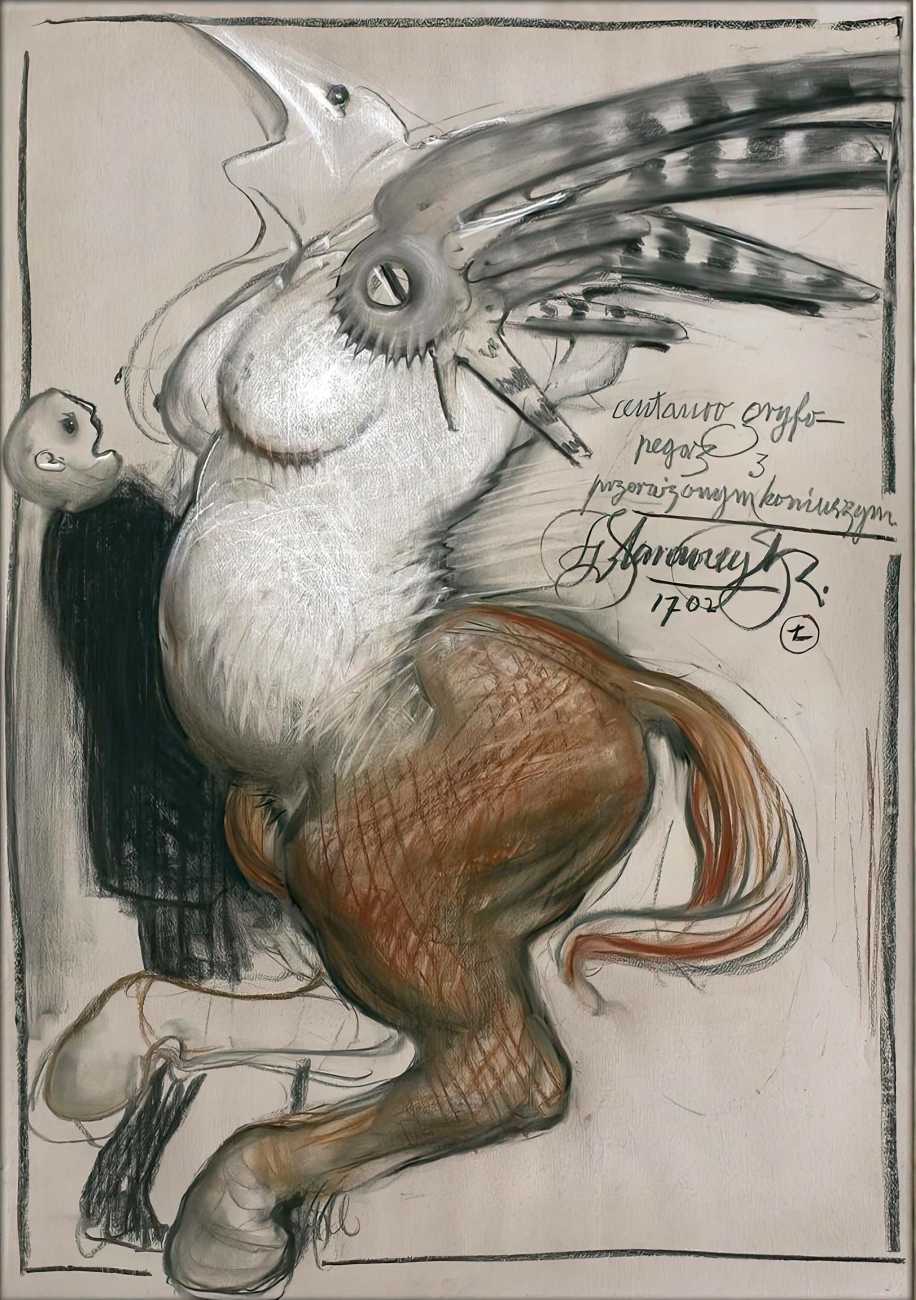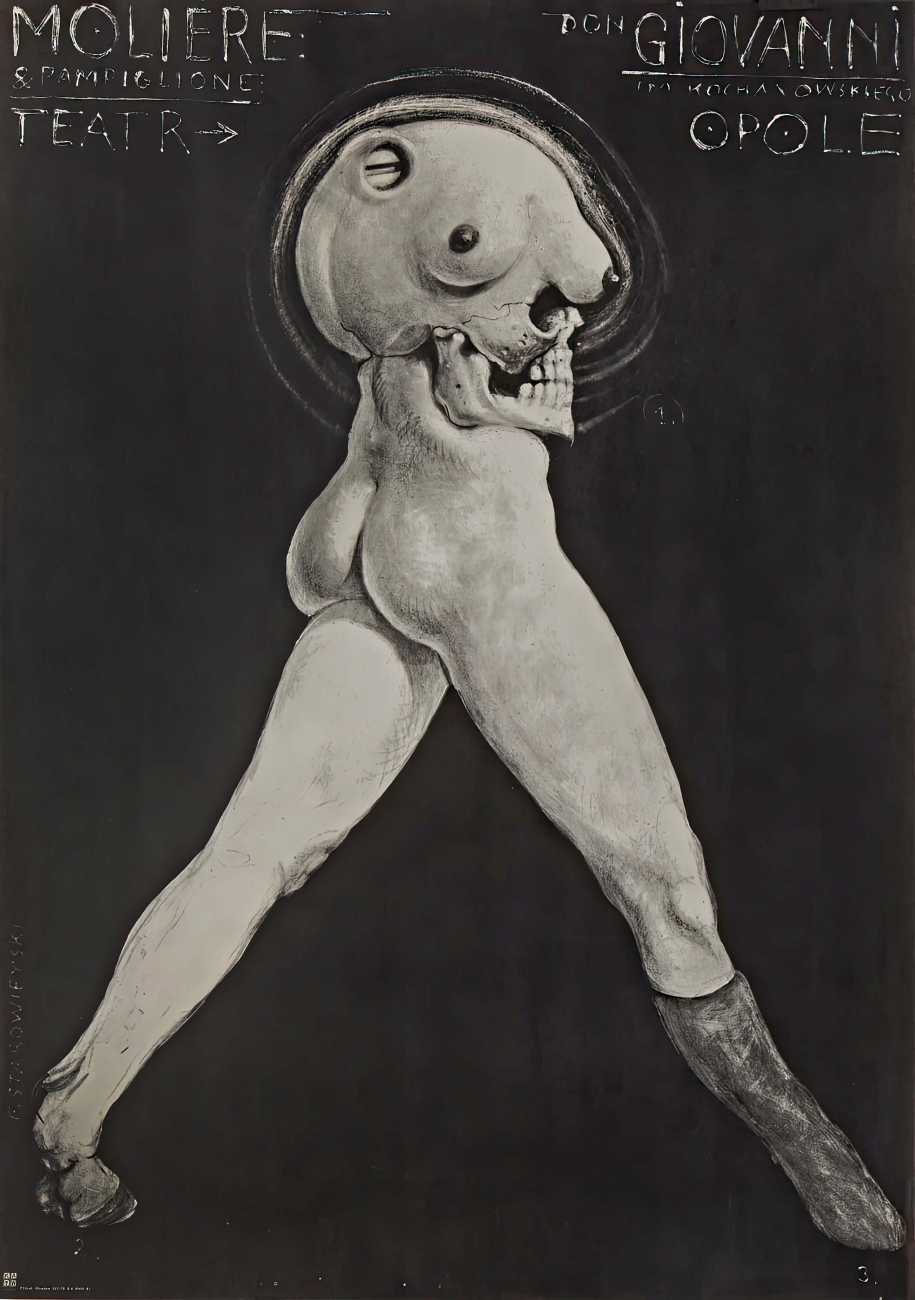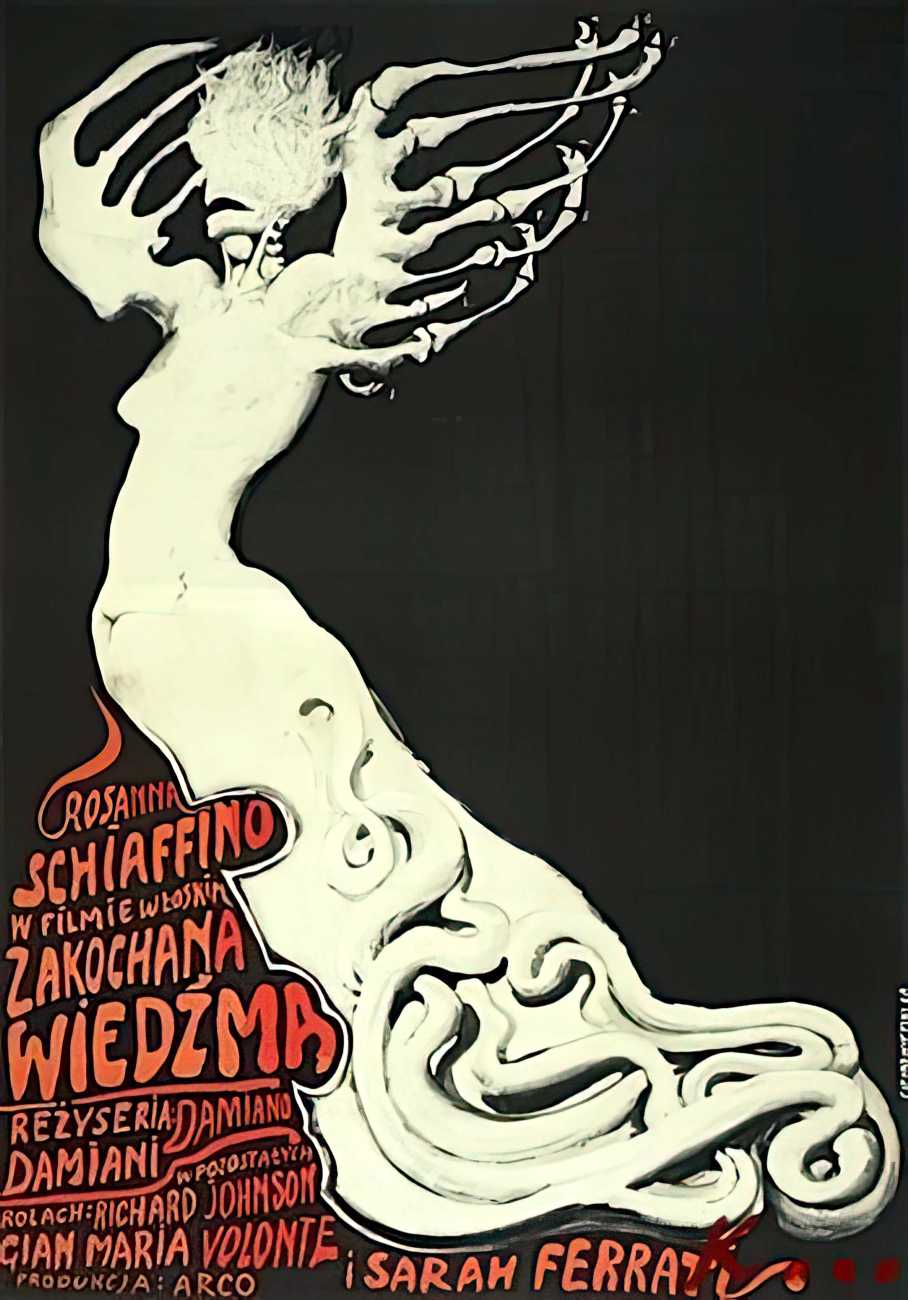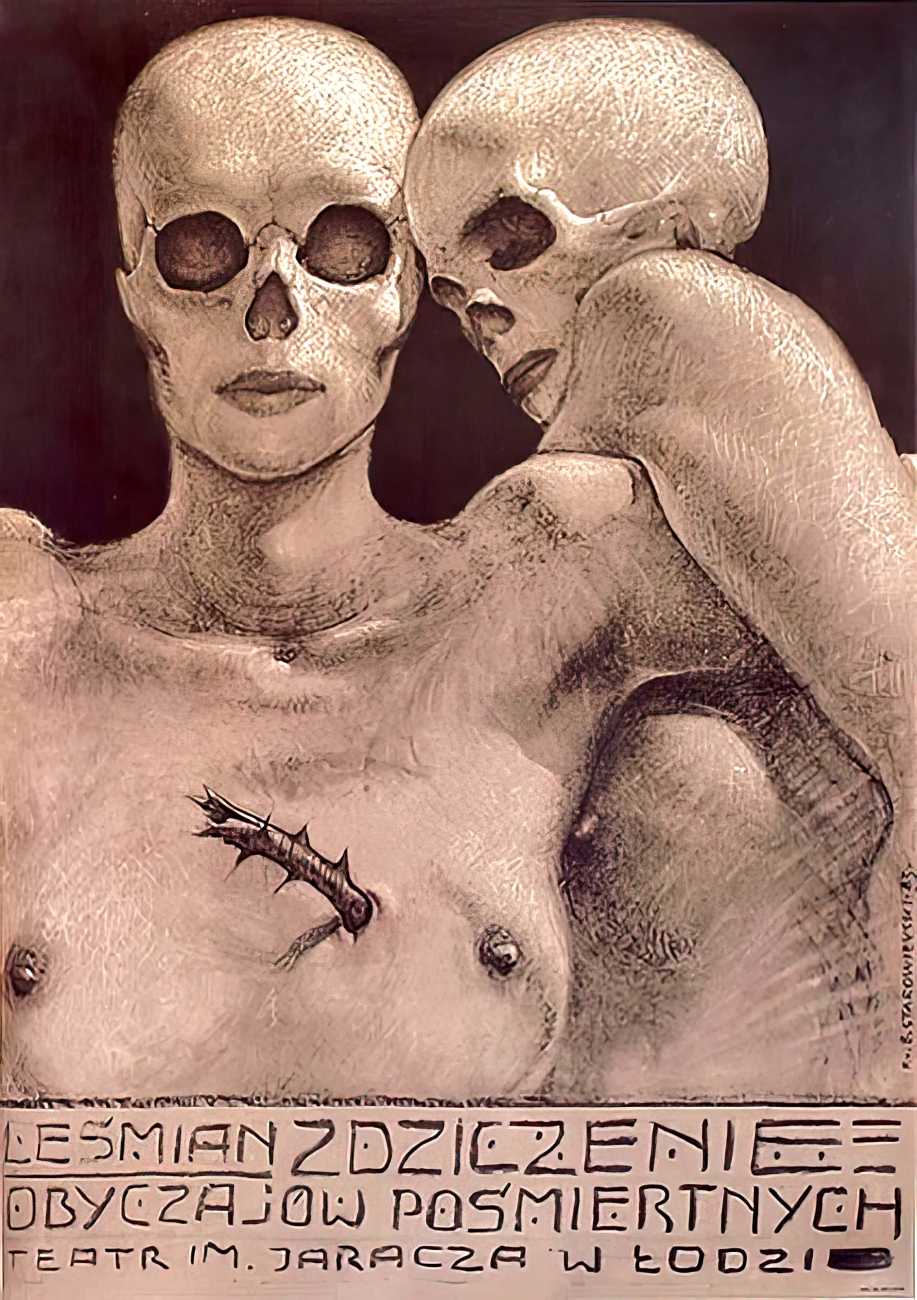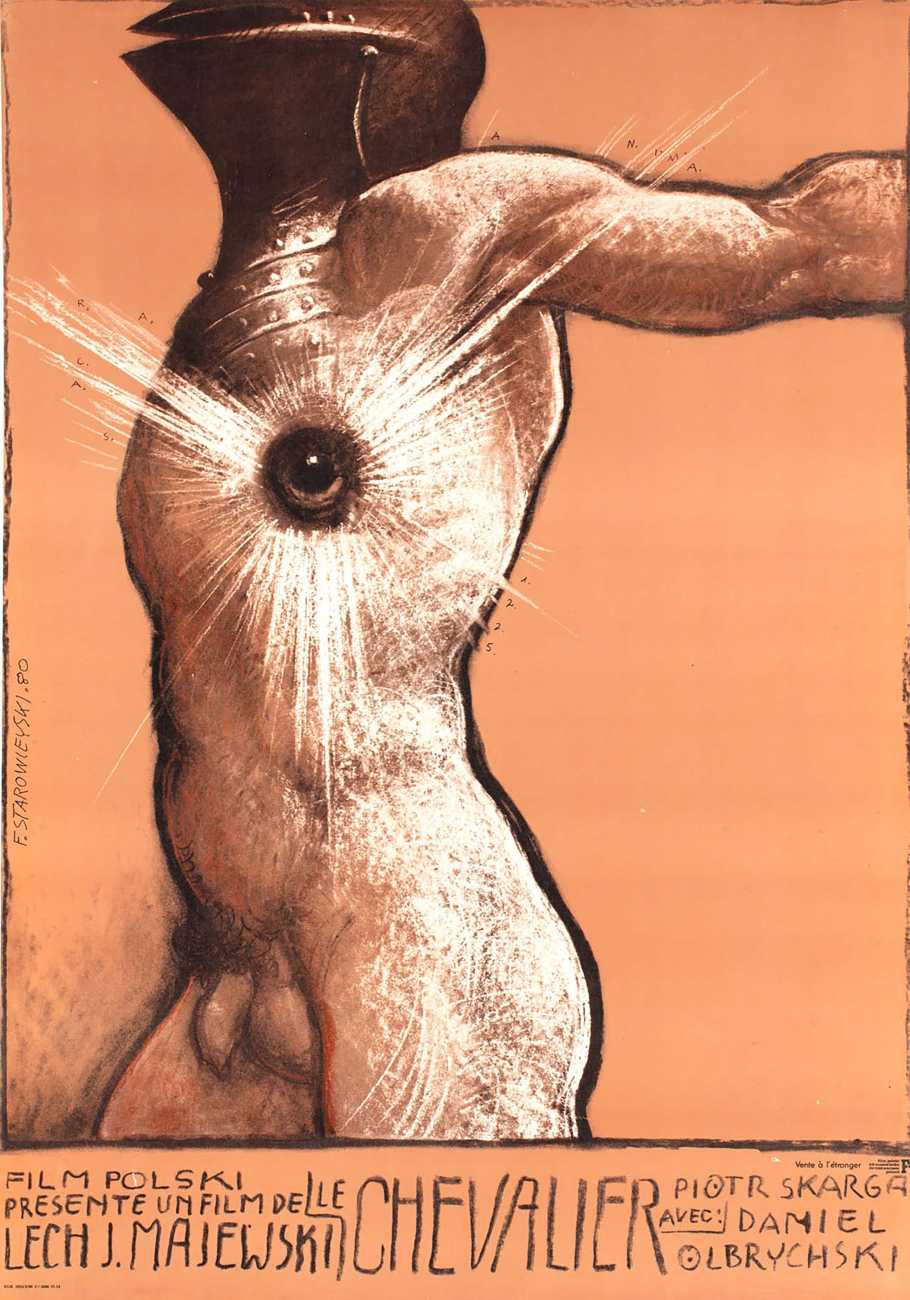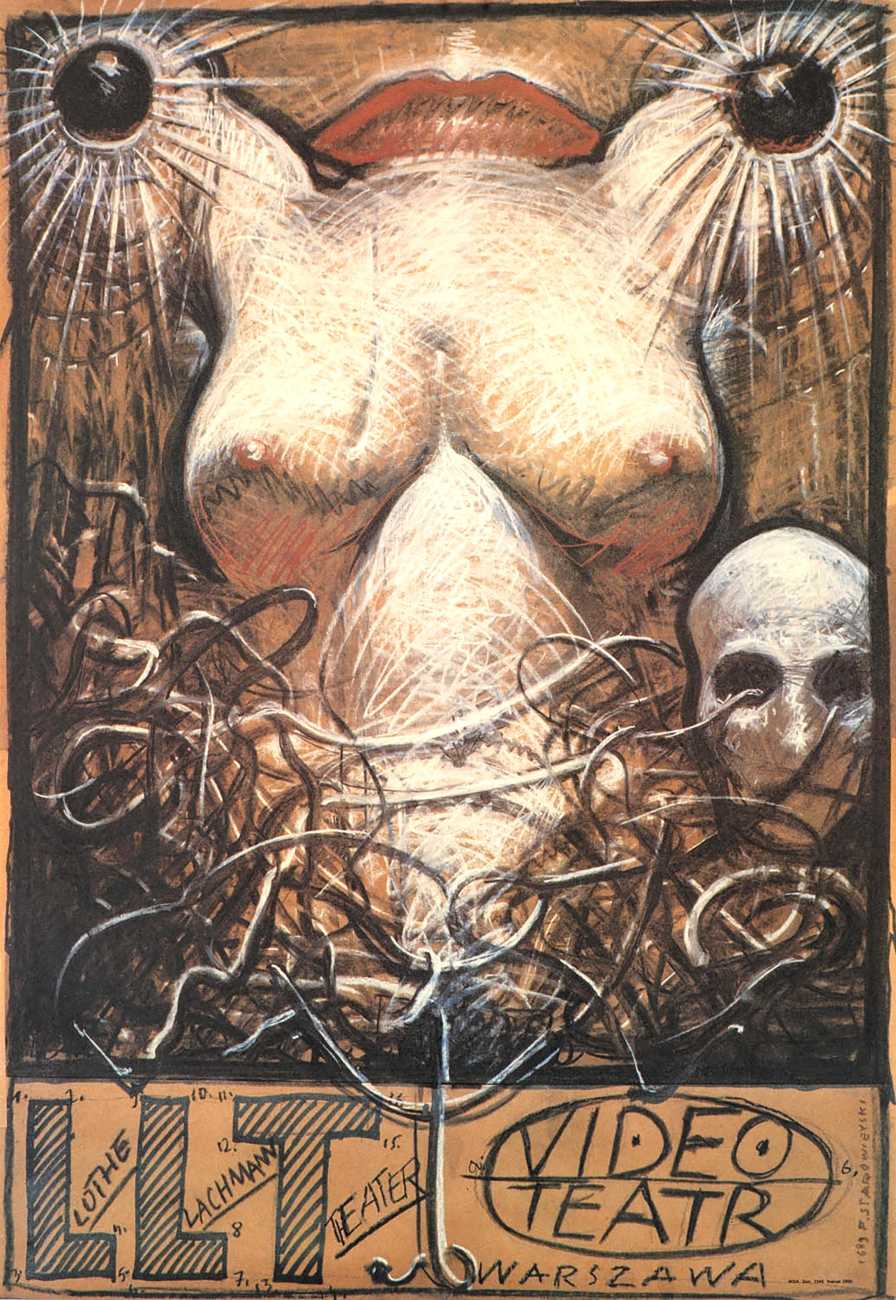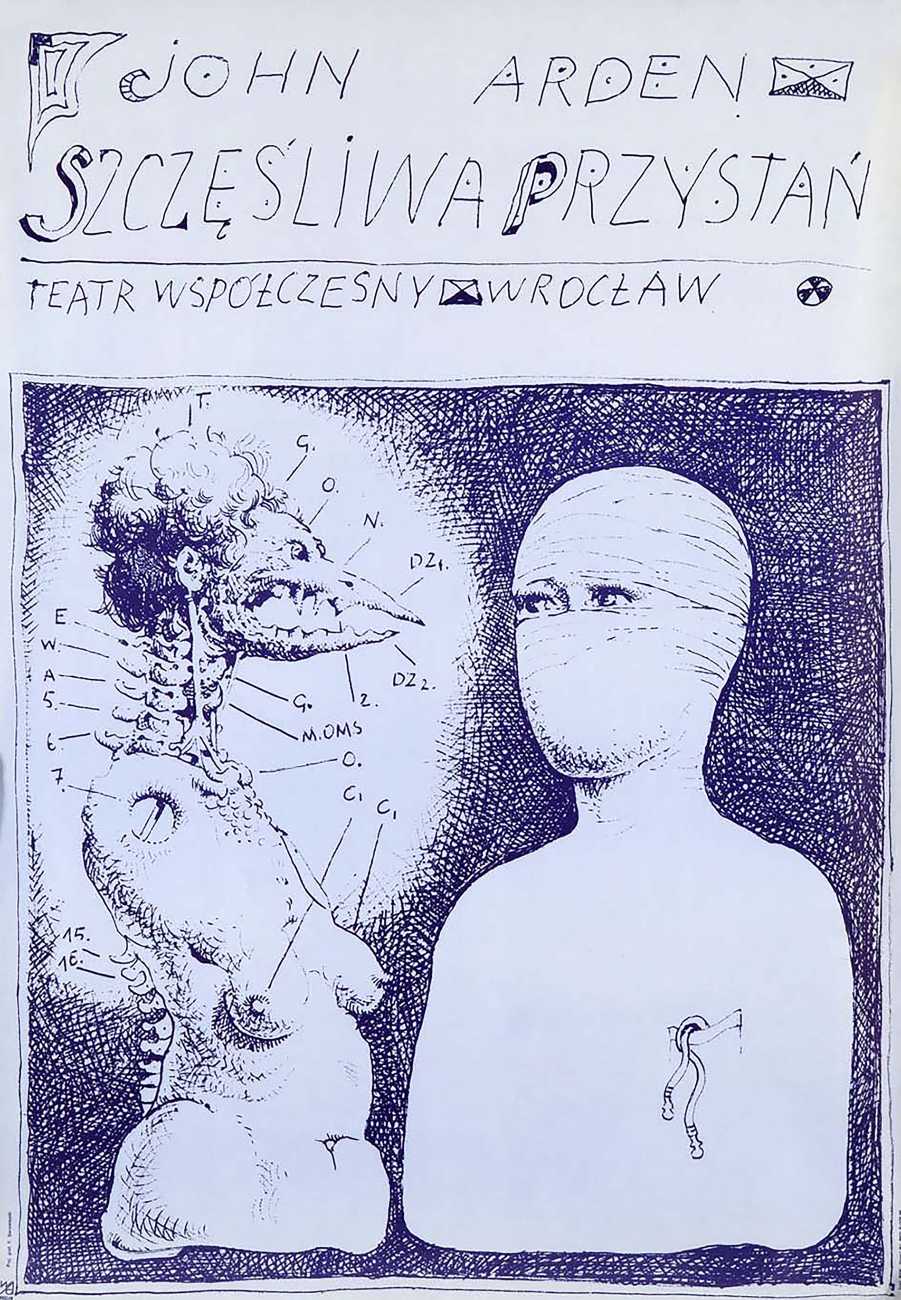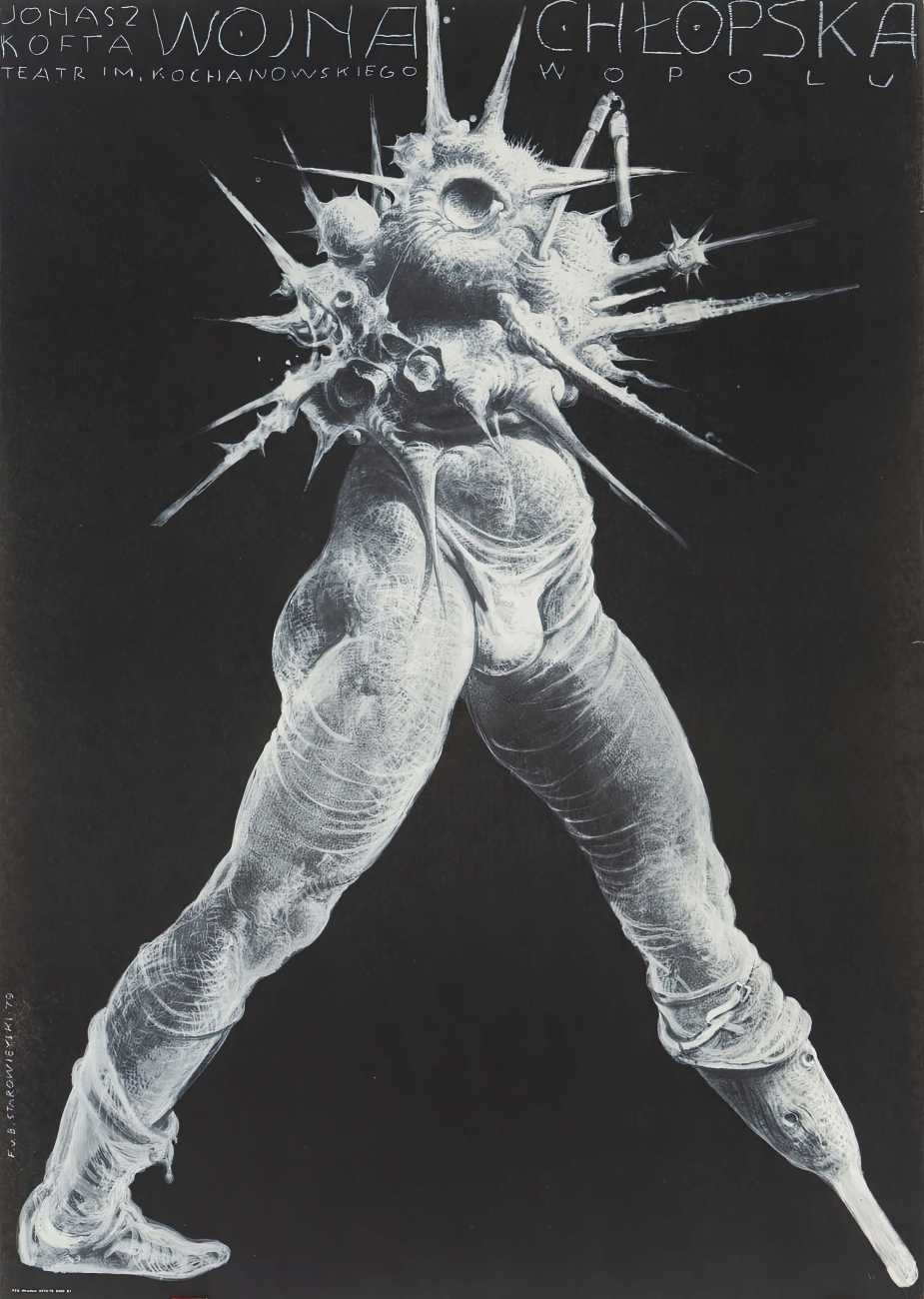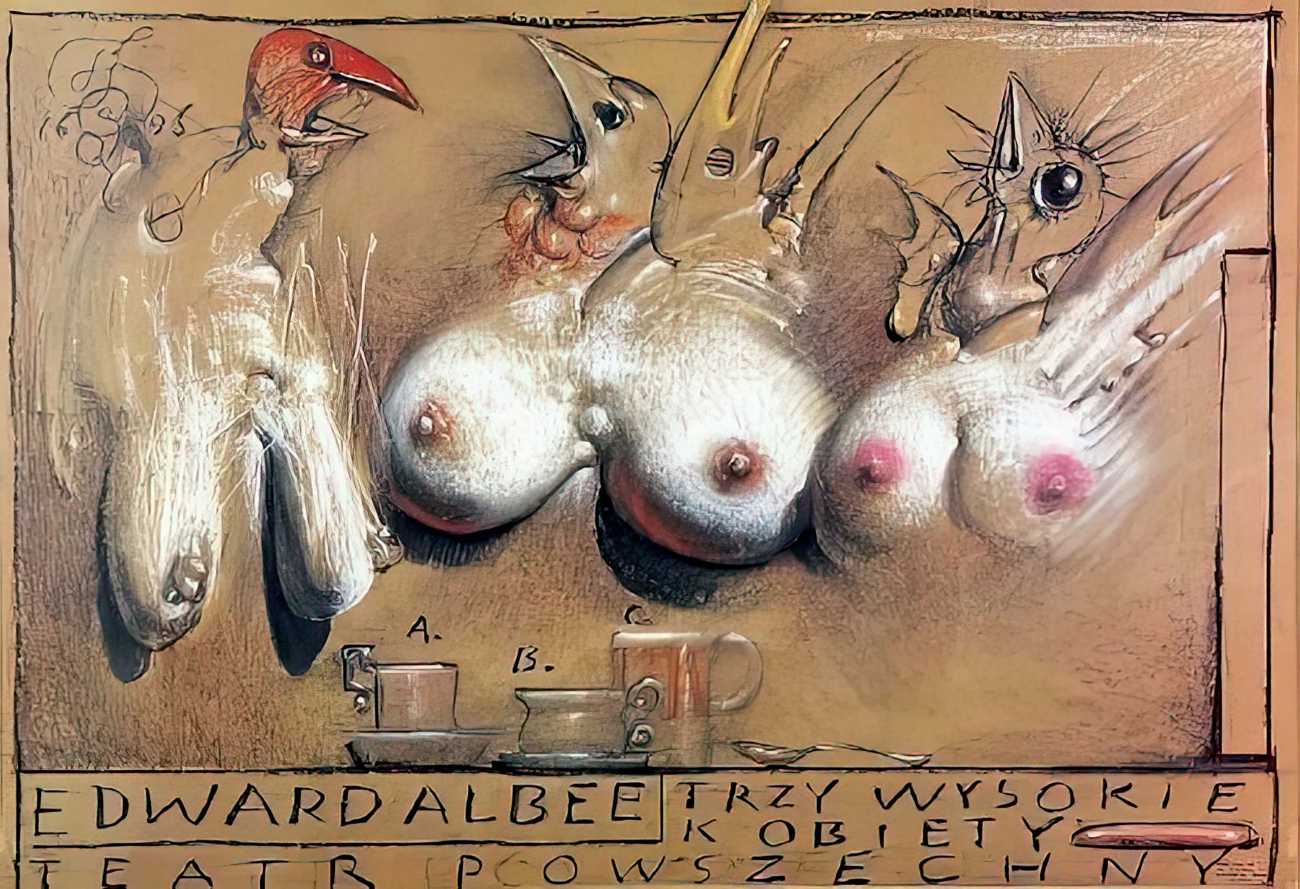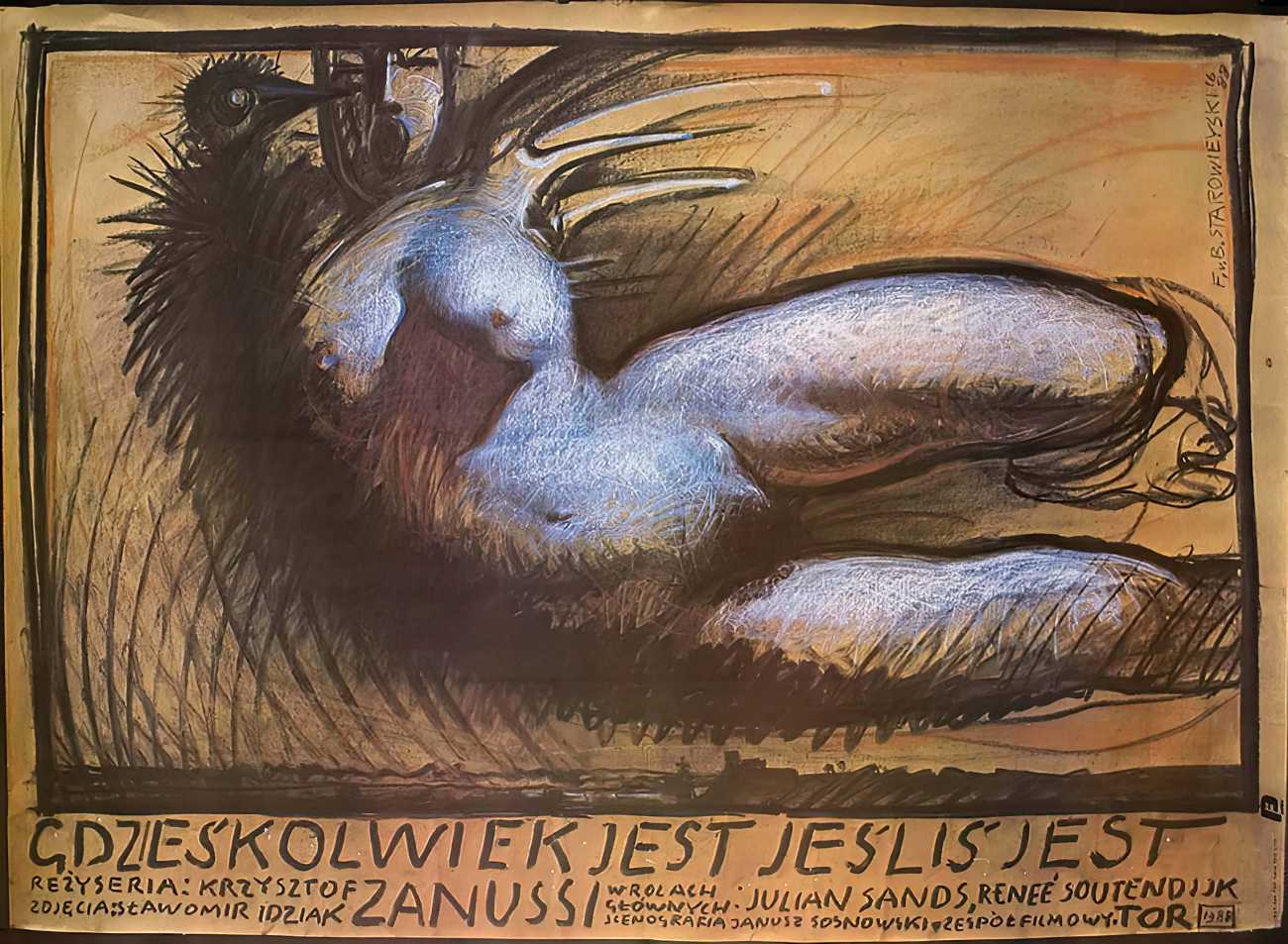
What became known as ‘the Polish school of posters’ was an avant-garde artistic movement from the 1950s to the 1980s that transformed public billboards into an open-air fine art gallery. Emerging within a state-controlled communist economy, designers were free from Western commercial pressures to sell products, allowing them to reject literal advertising in favour of raw, painterly aesthetics and handmade typography. Under state censorship artists developed a highly conceptual visual language packed with metaphors, dark humour, sexual imagery and subtle political subversion to promote films, plays and concerts.
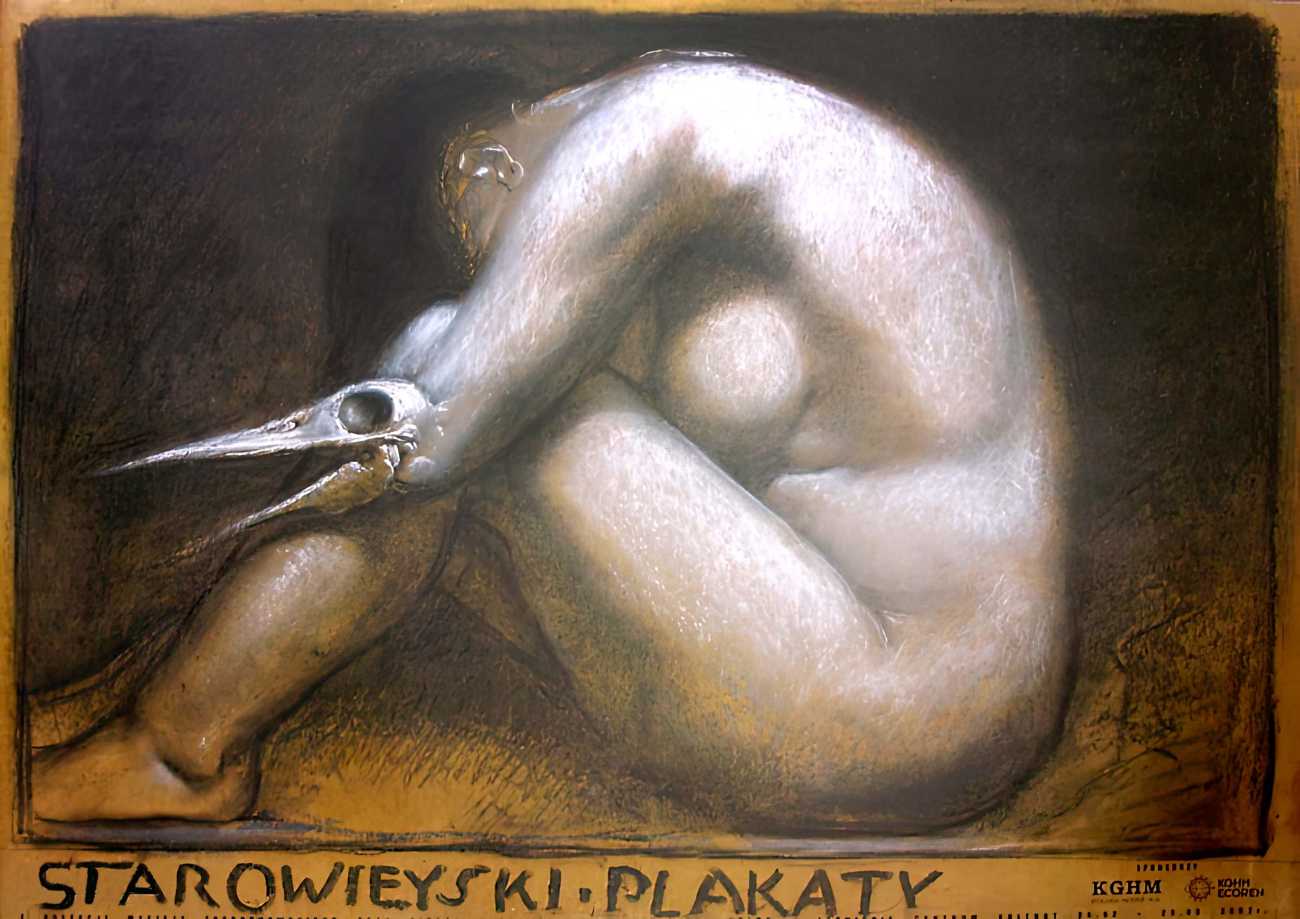
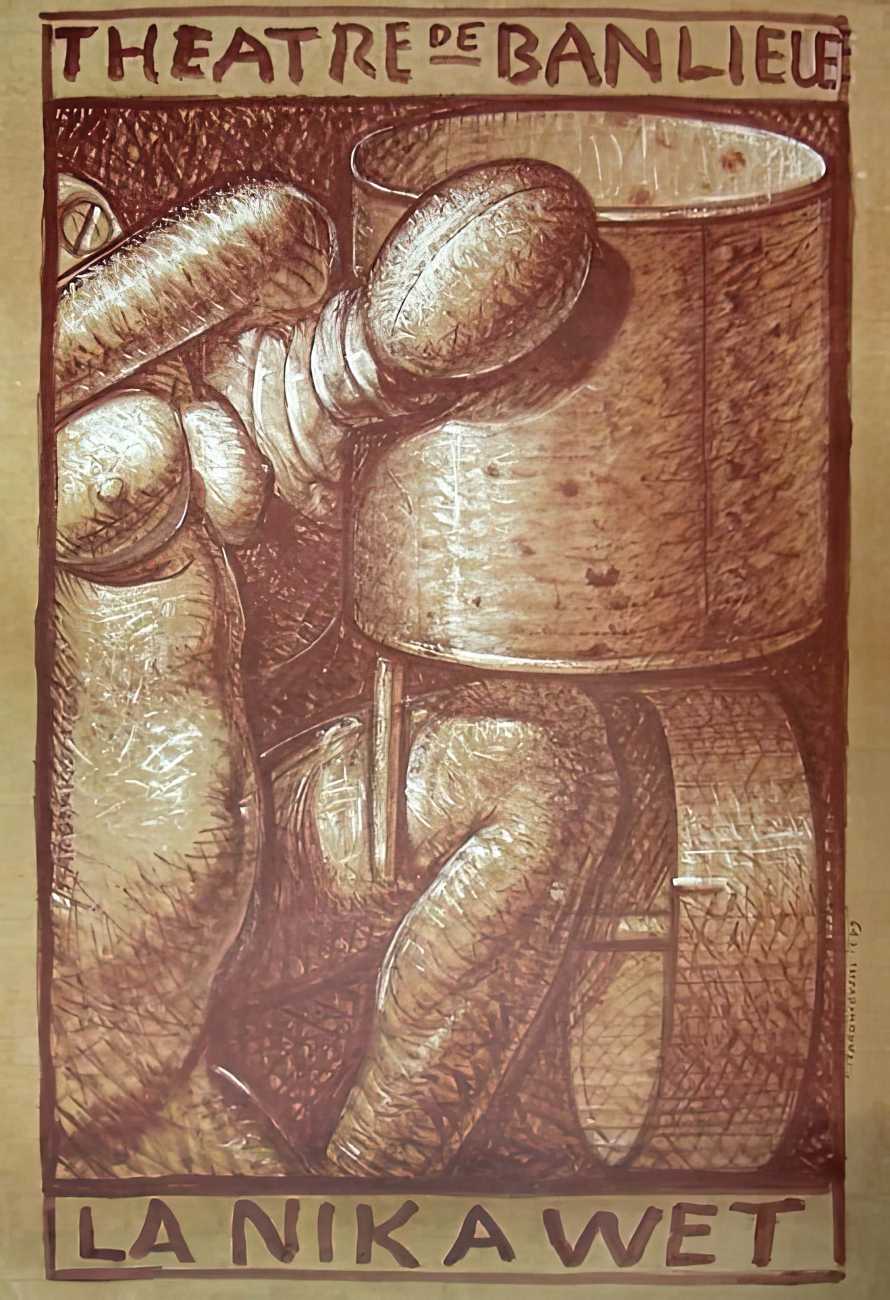
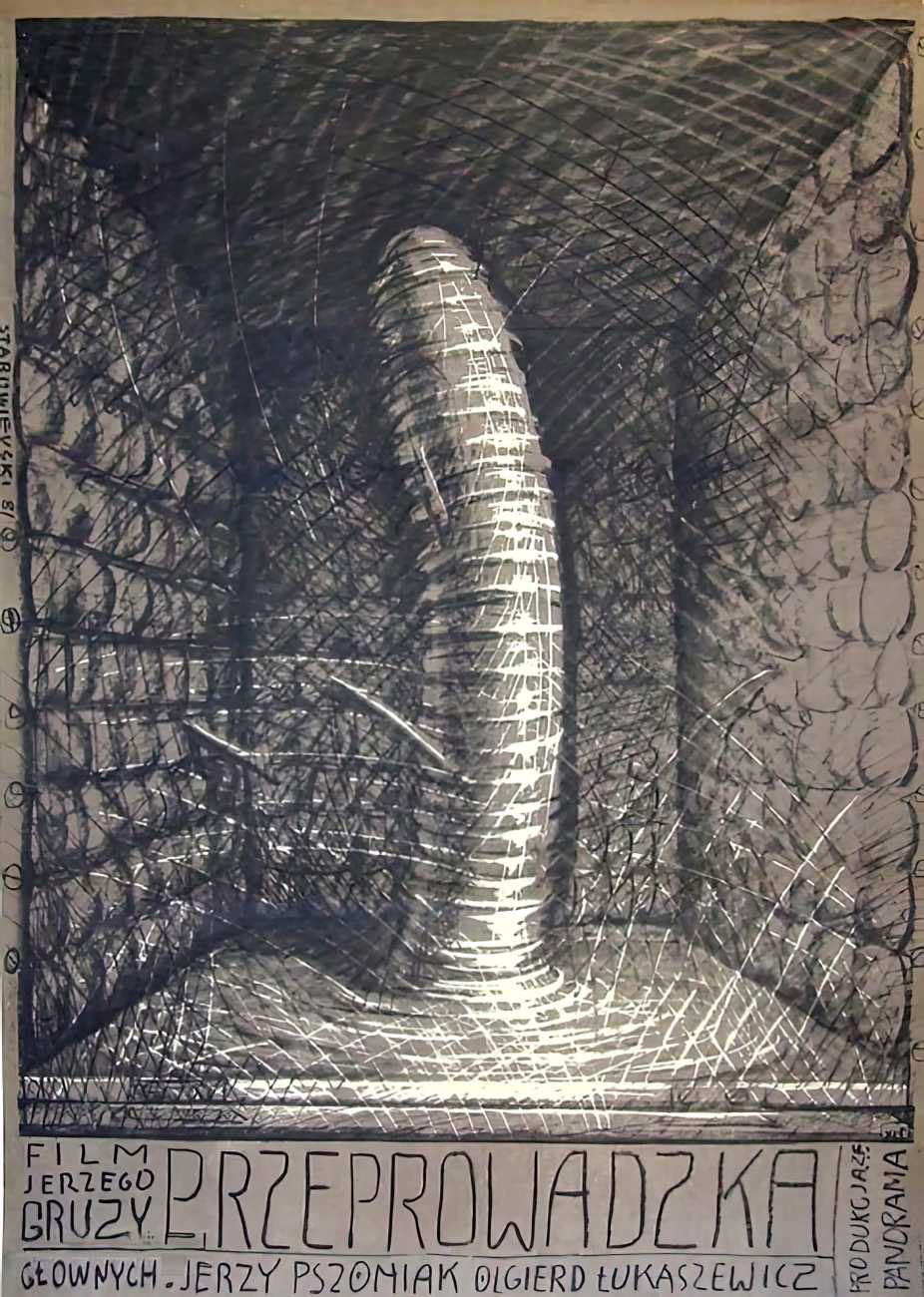
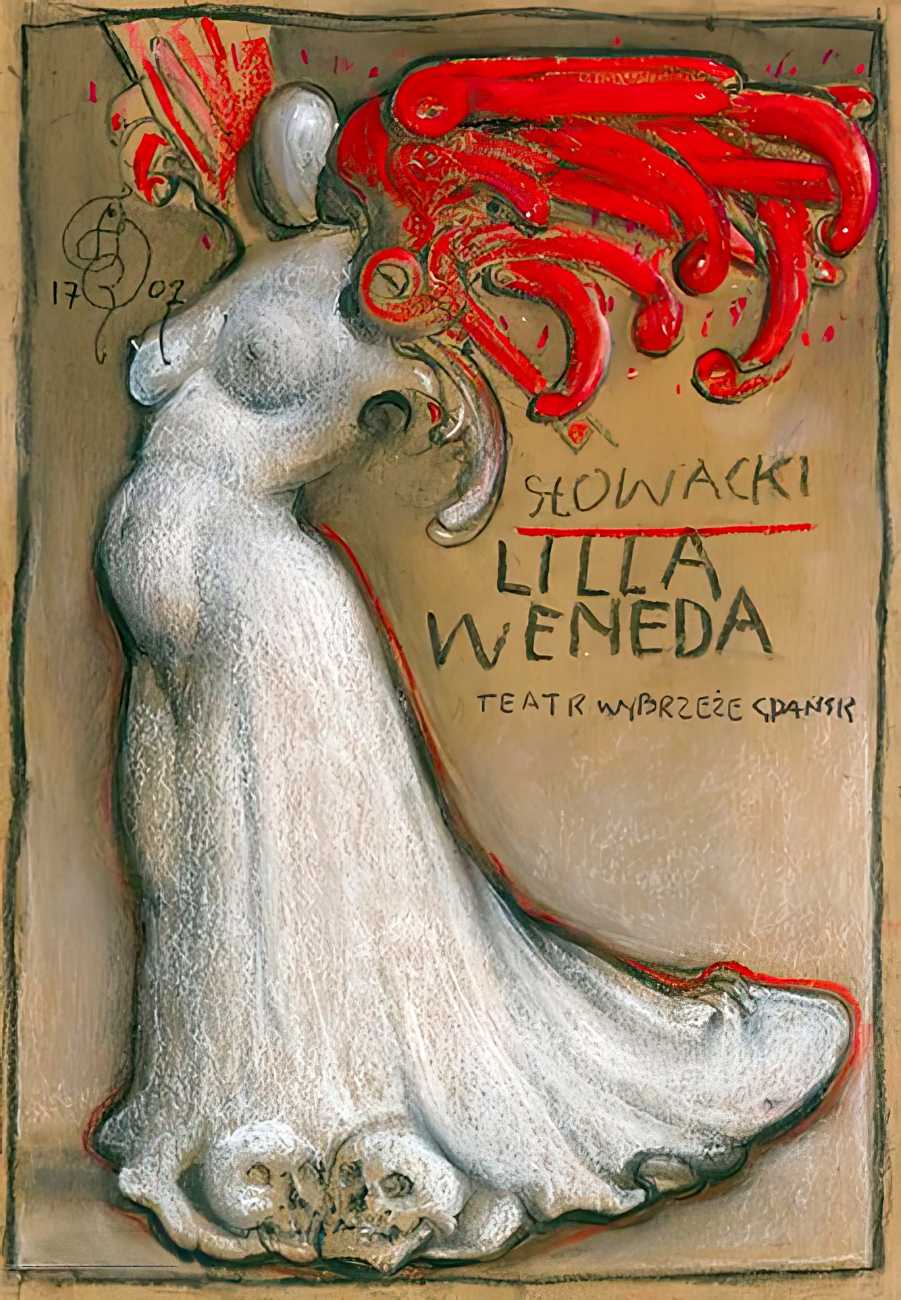
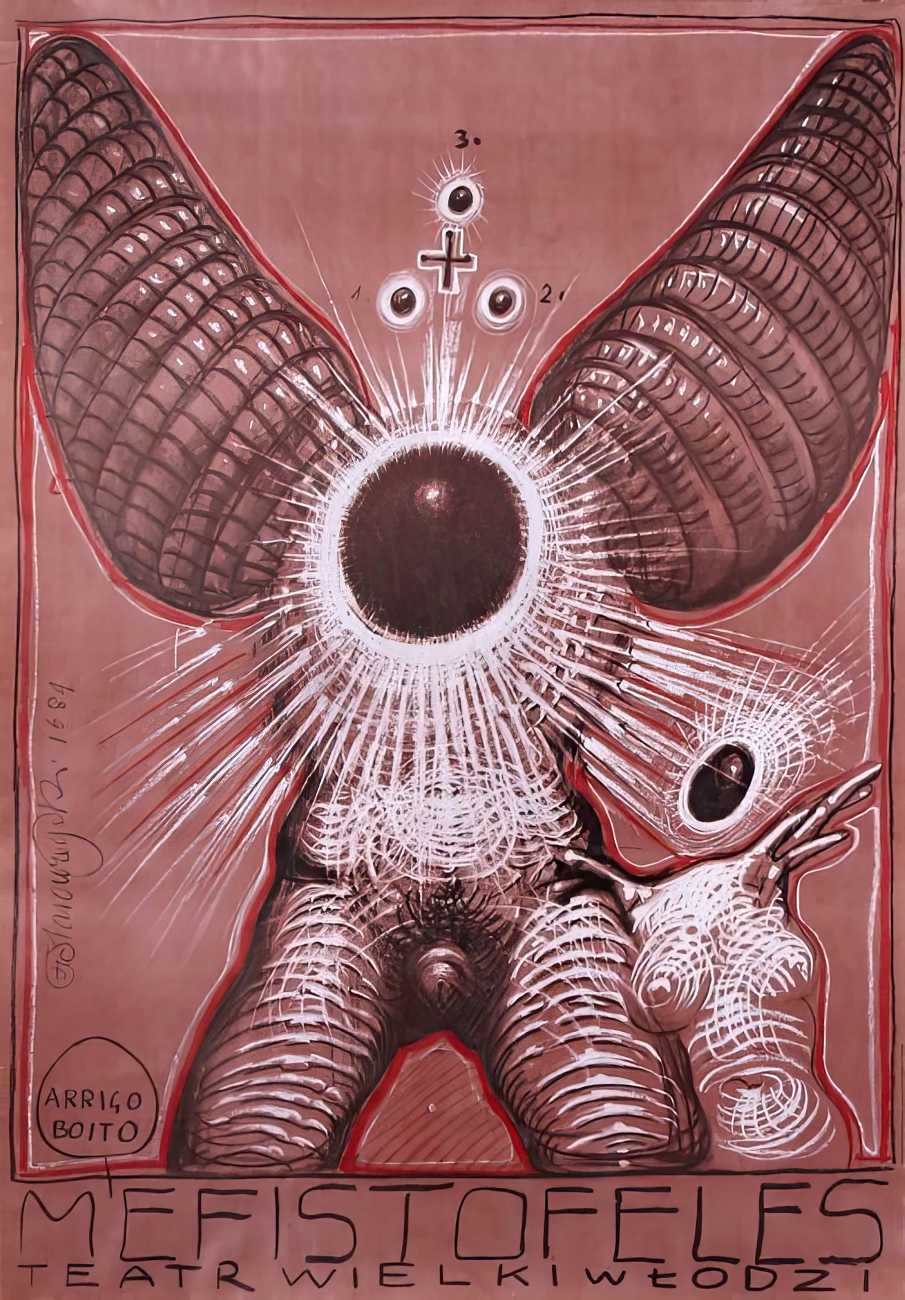
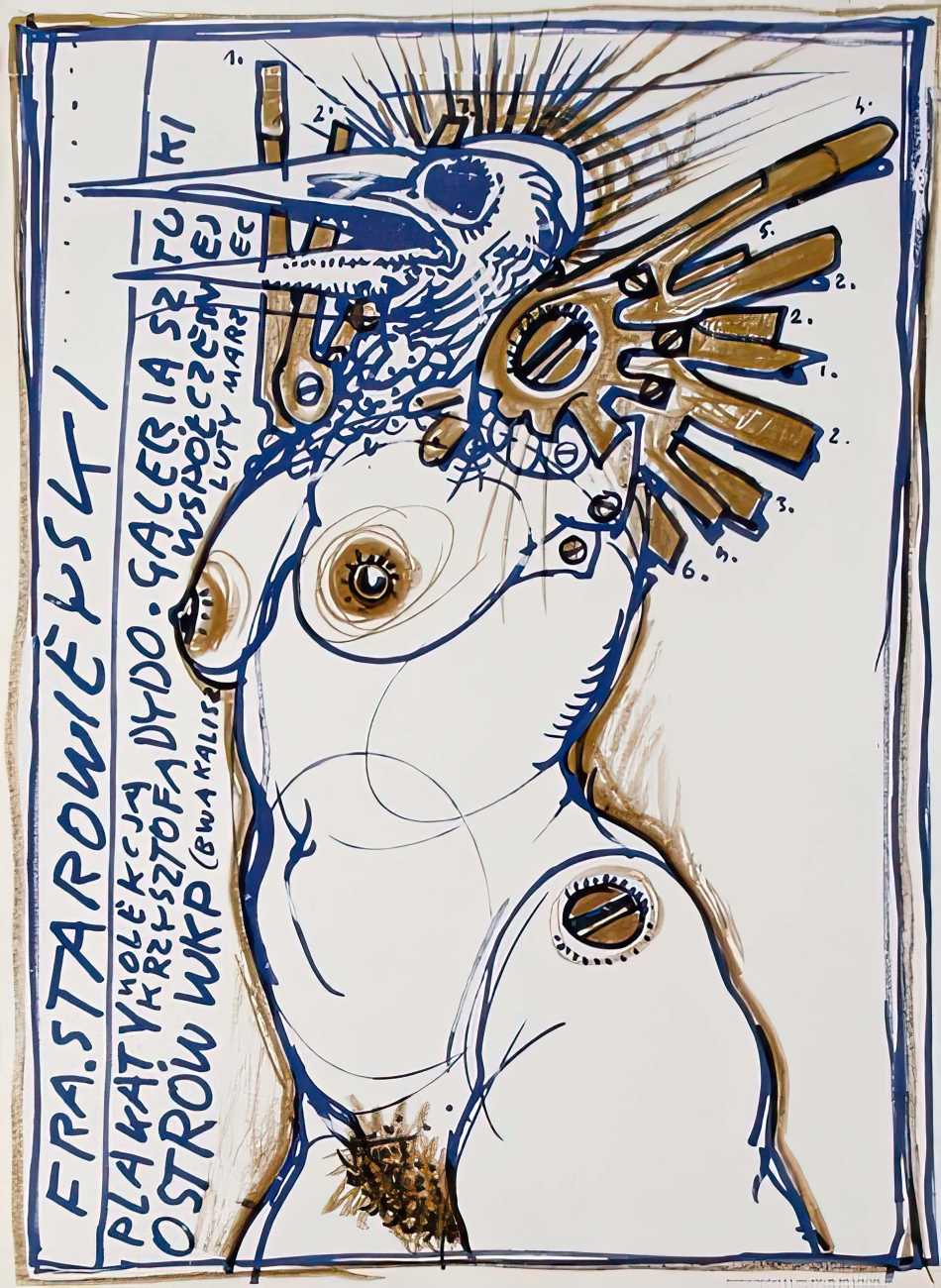
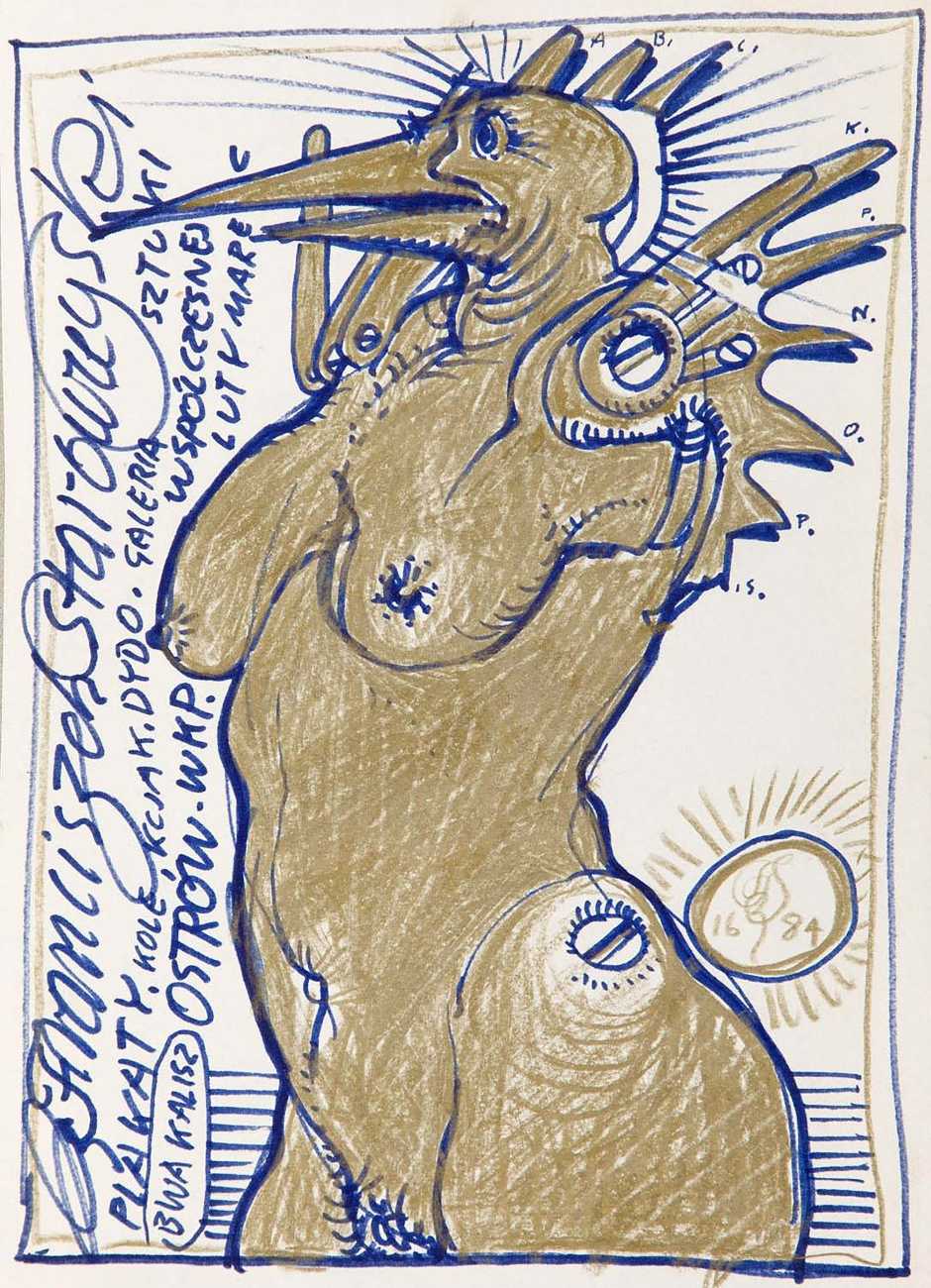
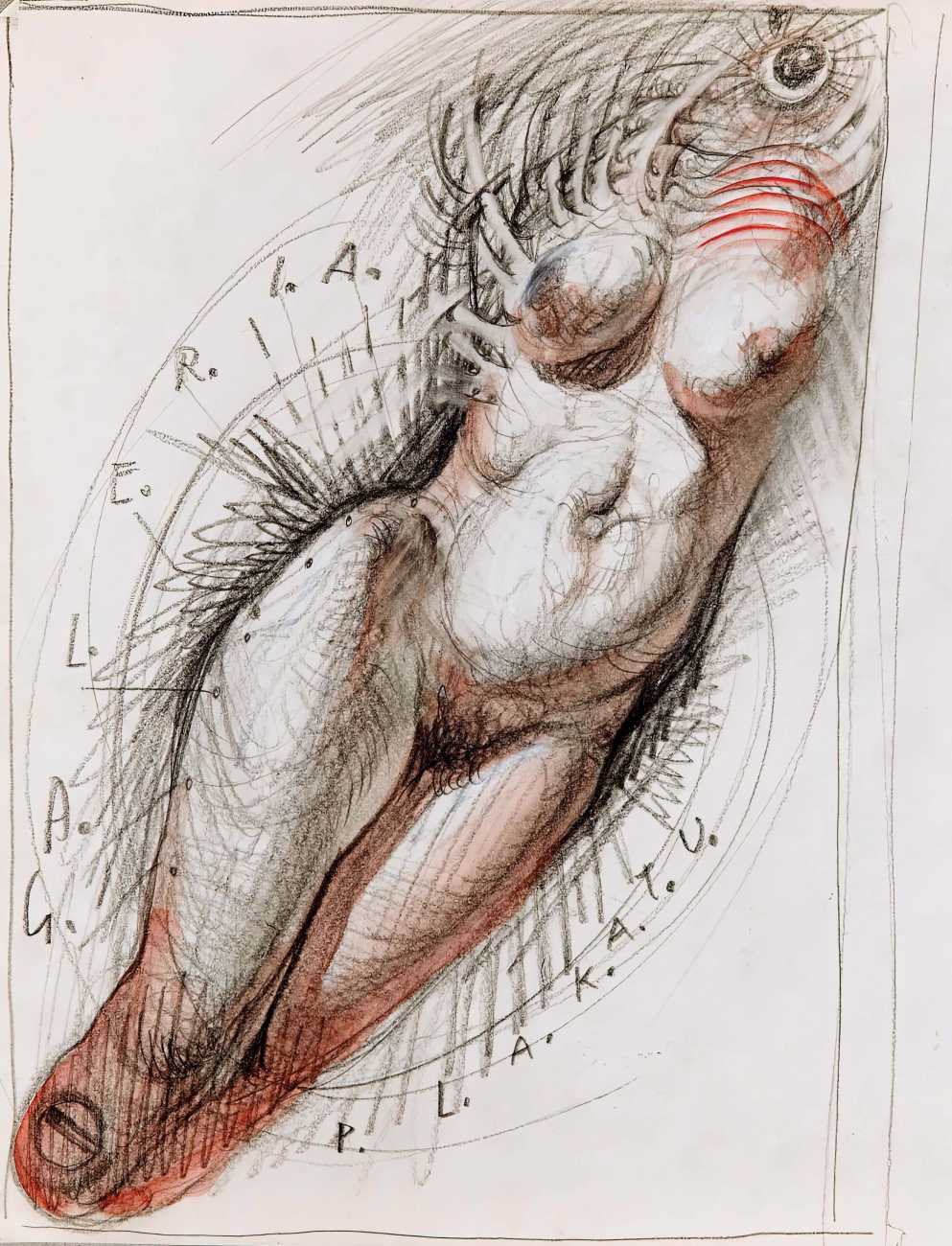
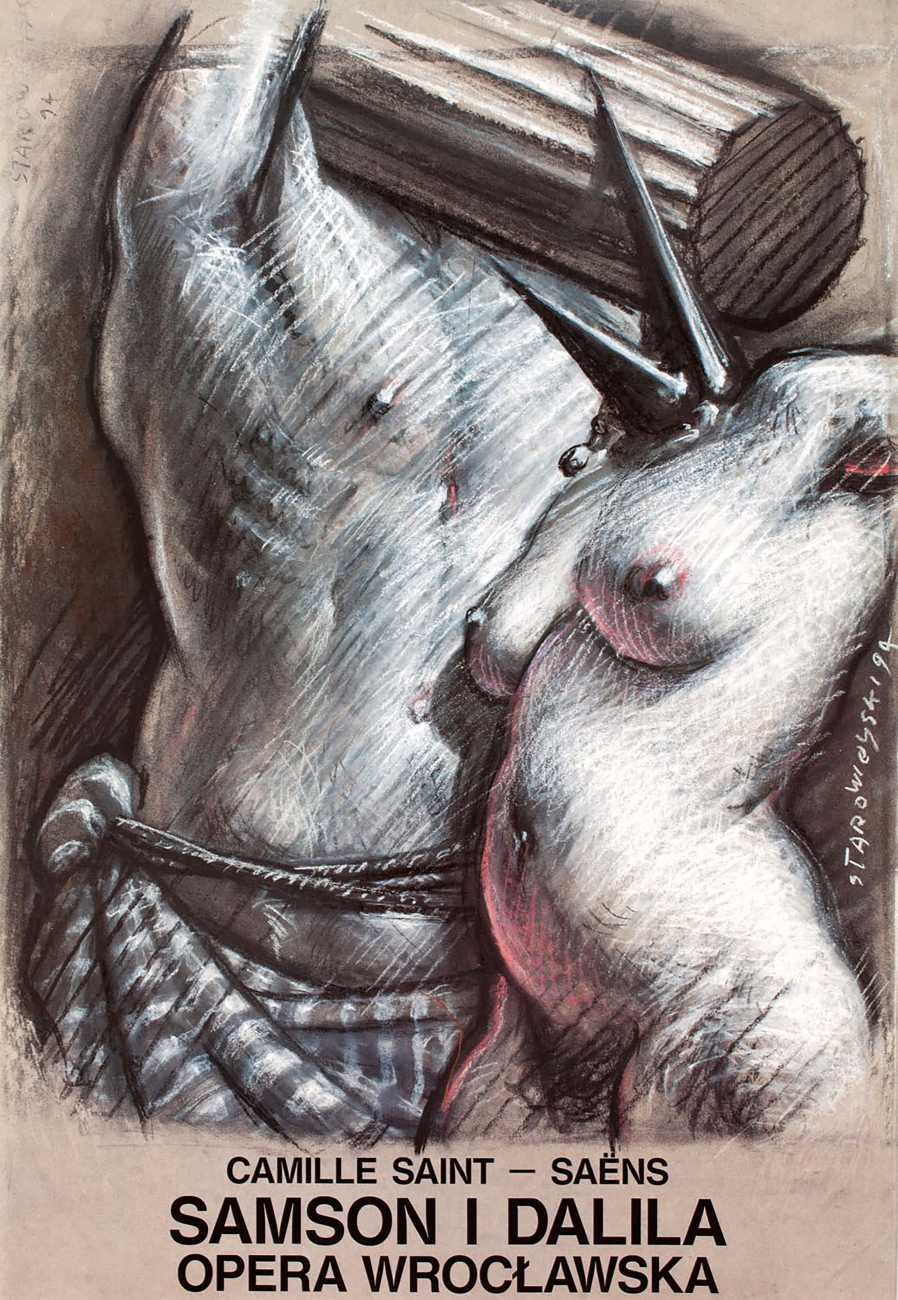
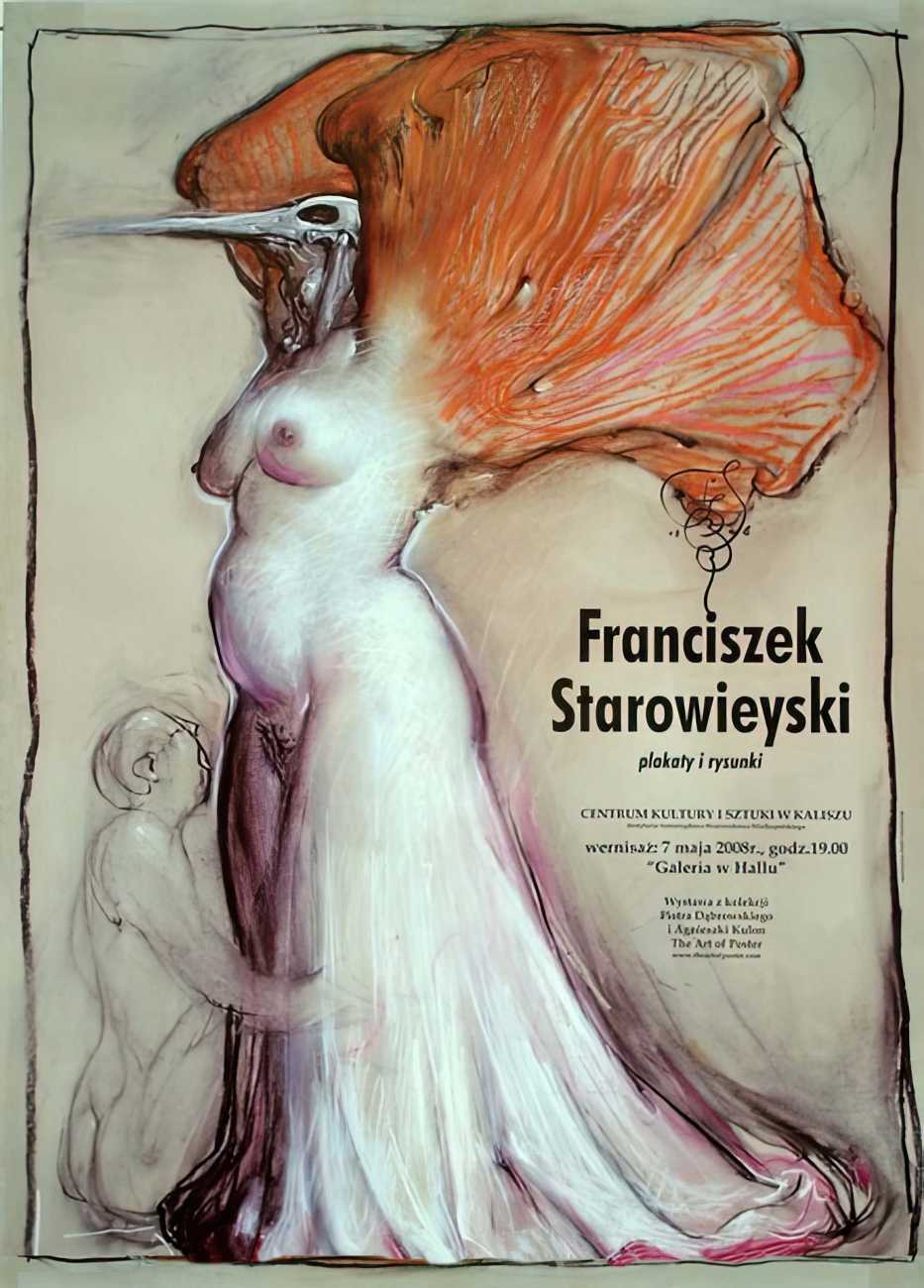
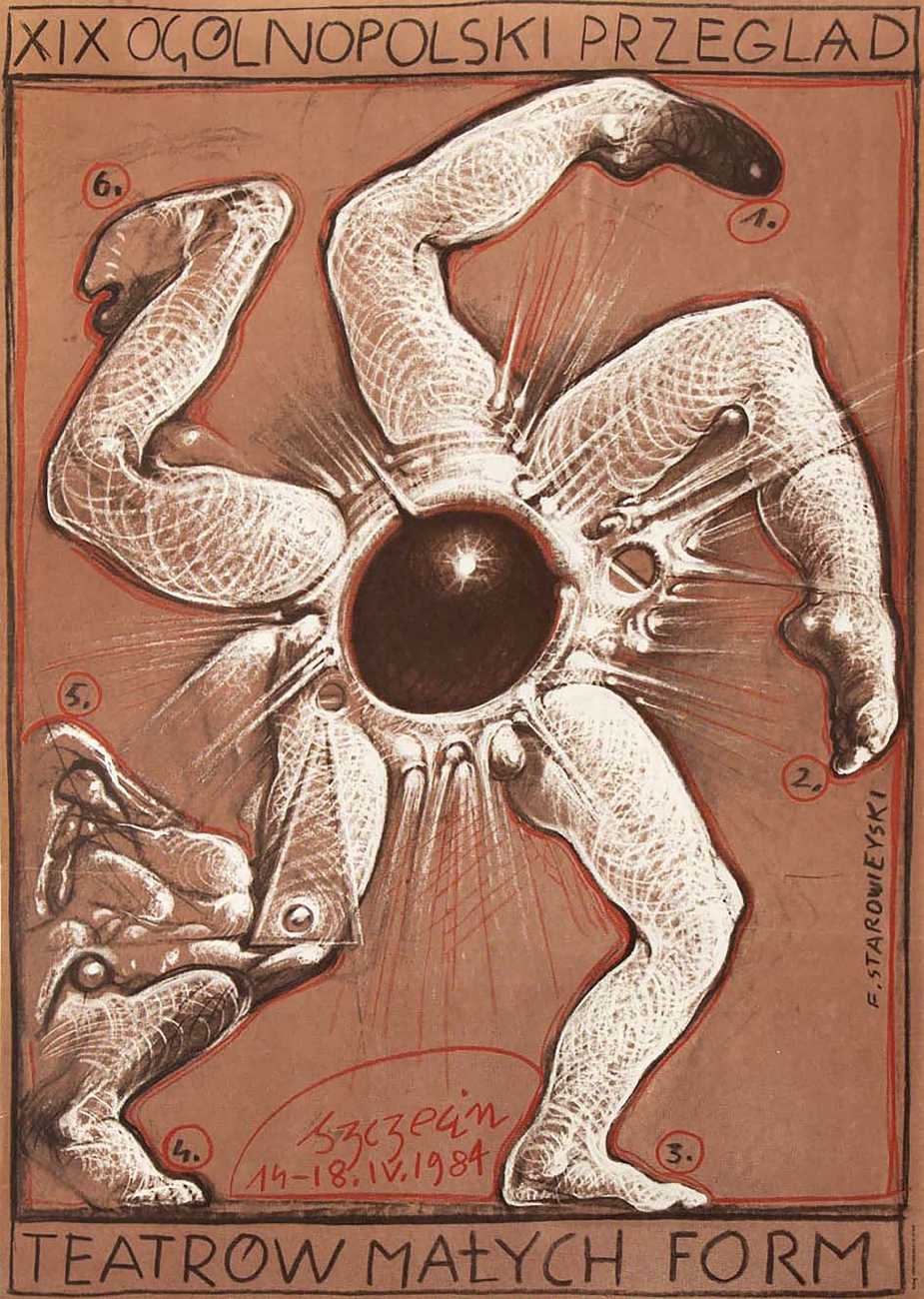
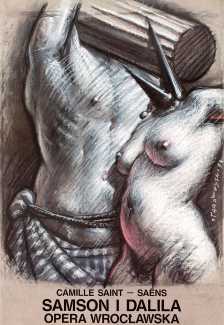
Franciszek Starowieyski was one of the most distinctive figures of the movement, and his posters for theatre, film, opera and exhibitions allowed his highly individual visual language to reach a much wider audience. Working largely by hand, he transformed the conventional poster into something closer to an autonomous work of art, combining drawing, painting, collage-like imagery and expressive lettering.
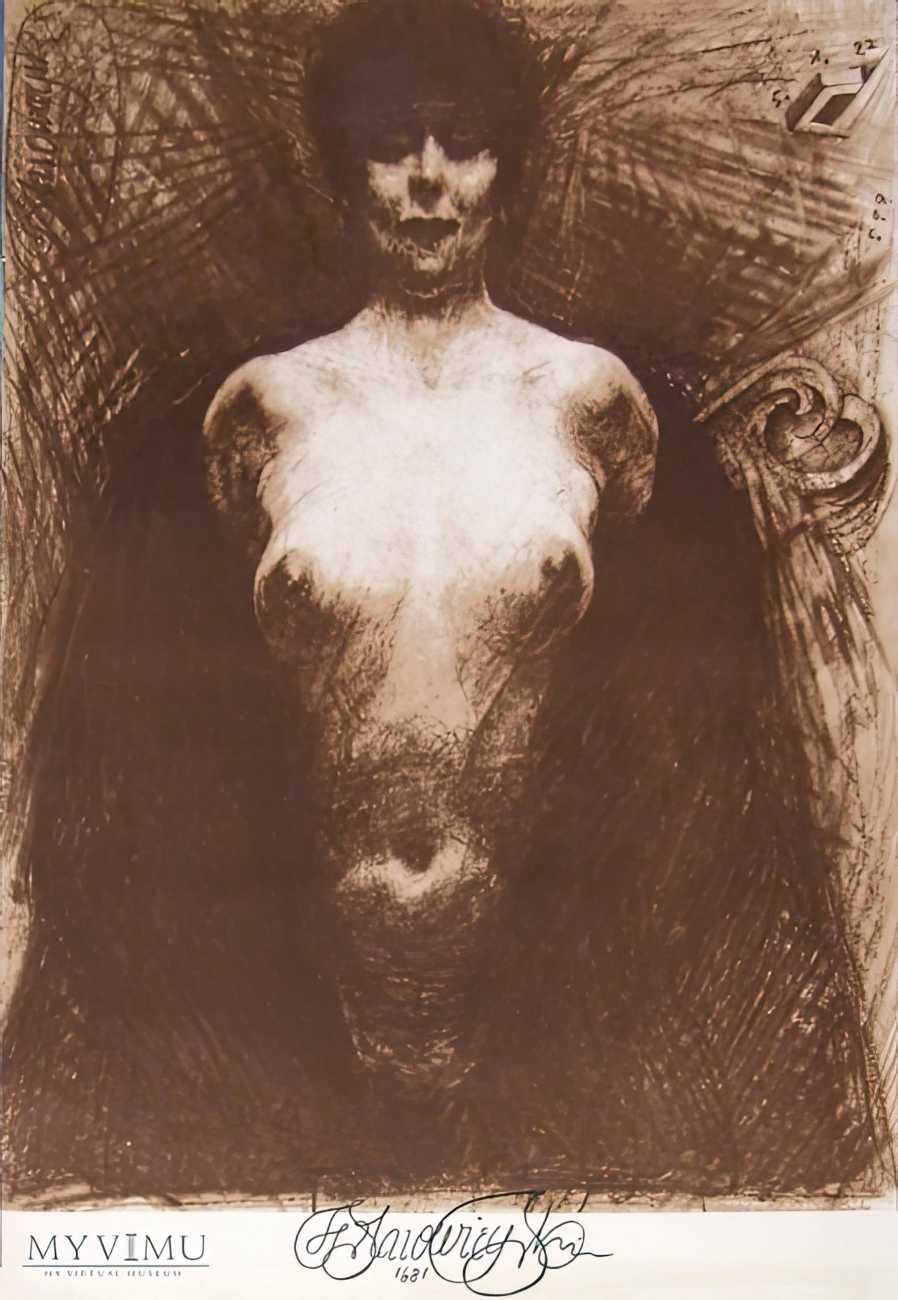
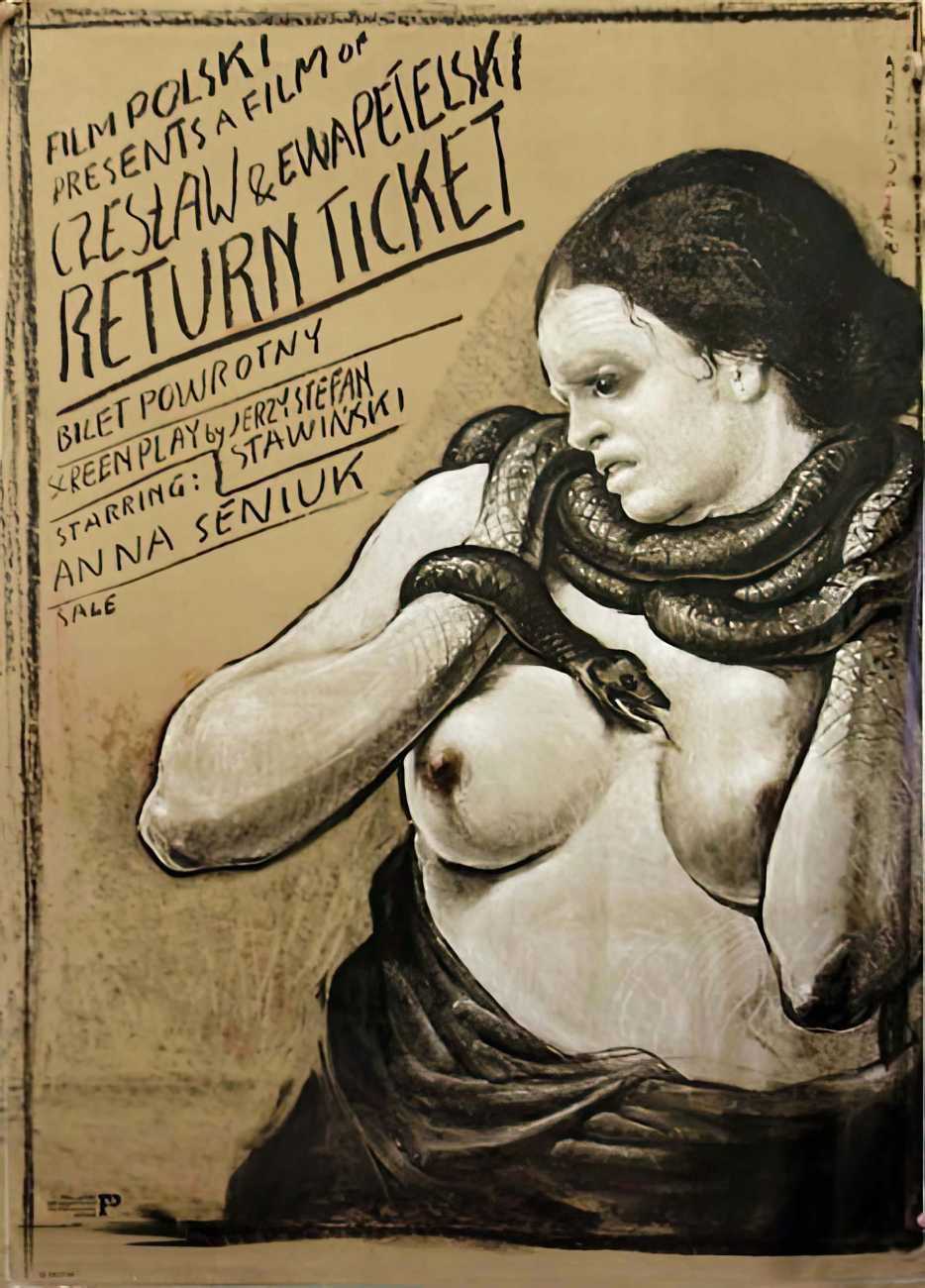
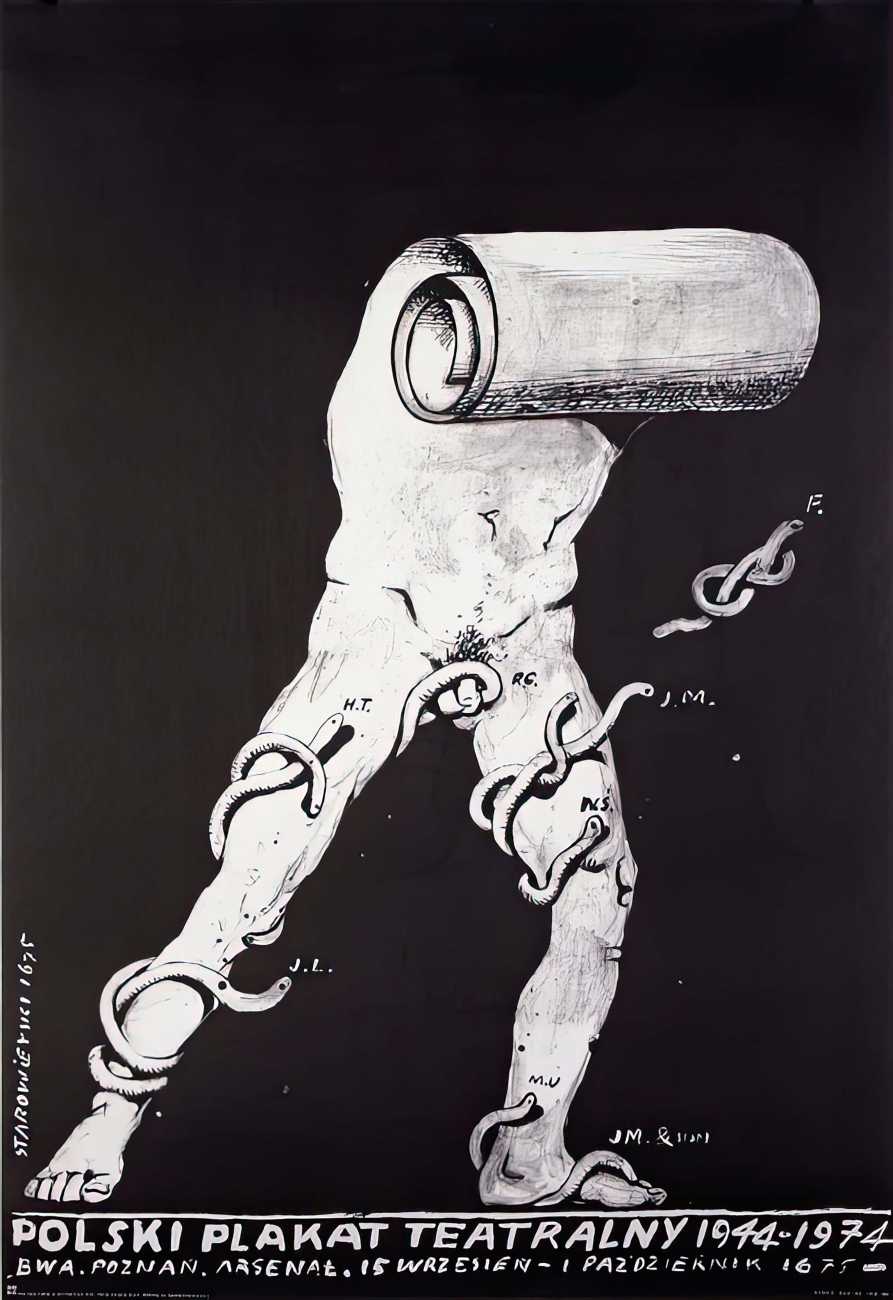
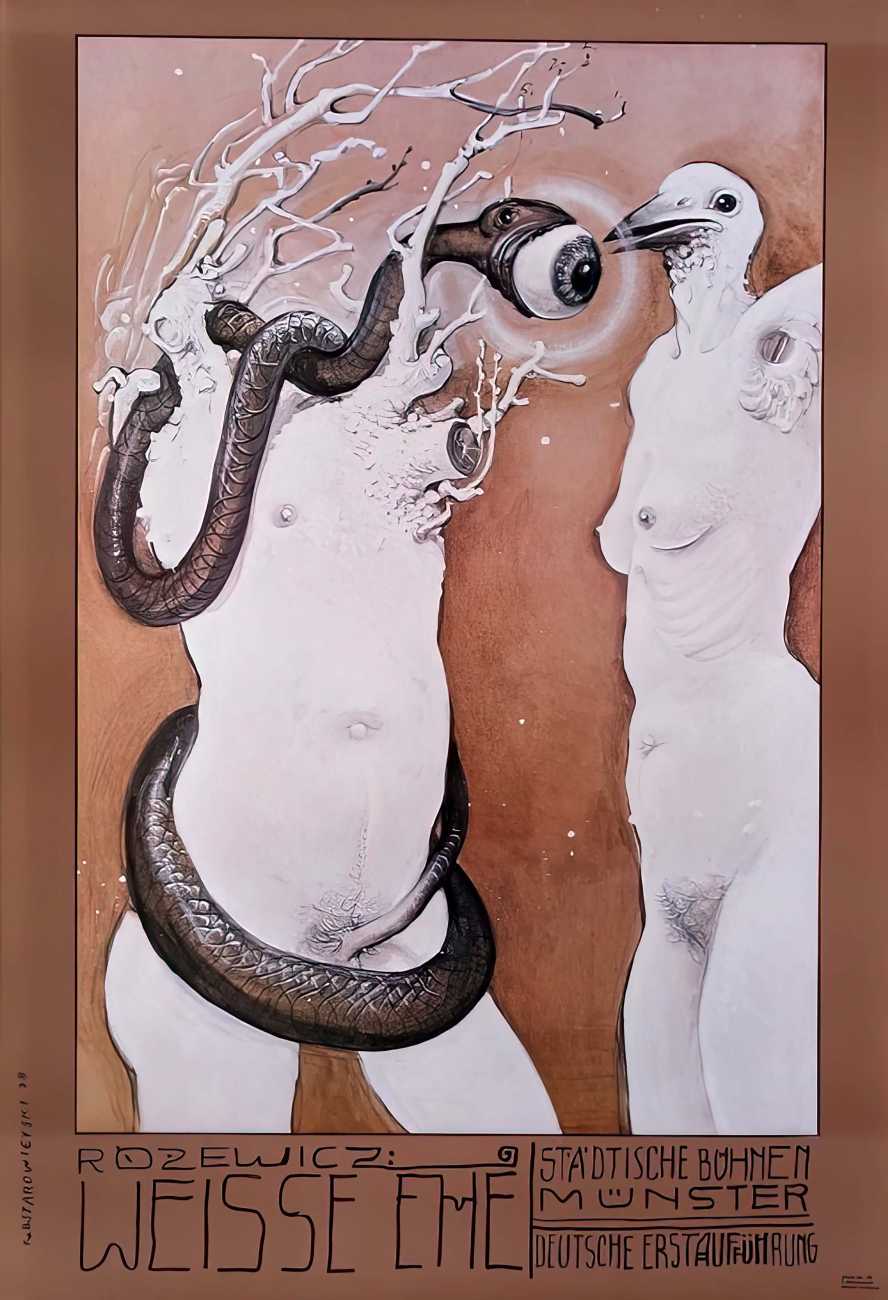
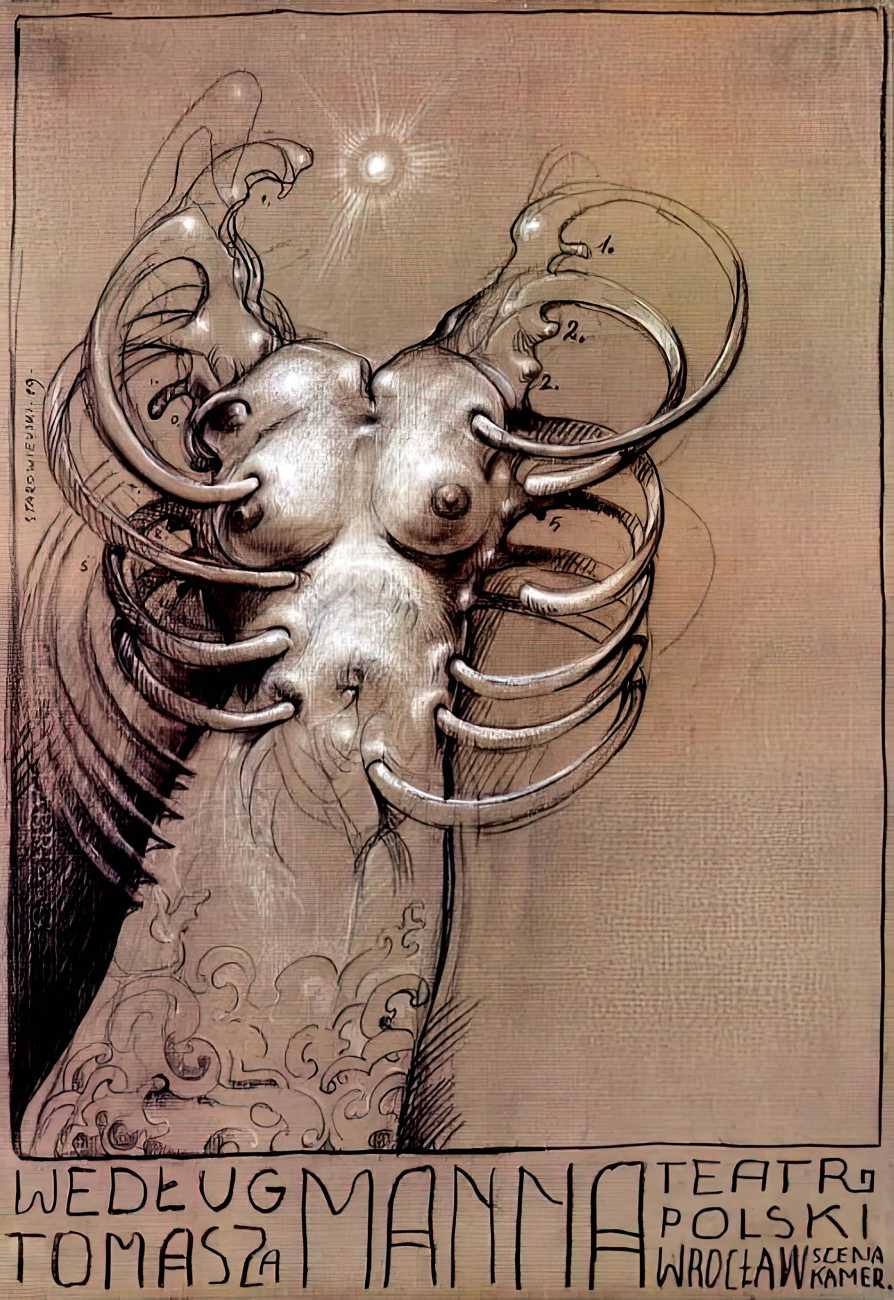
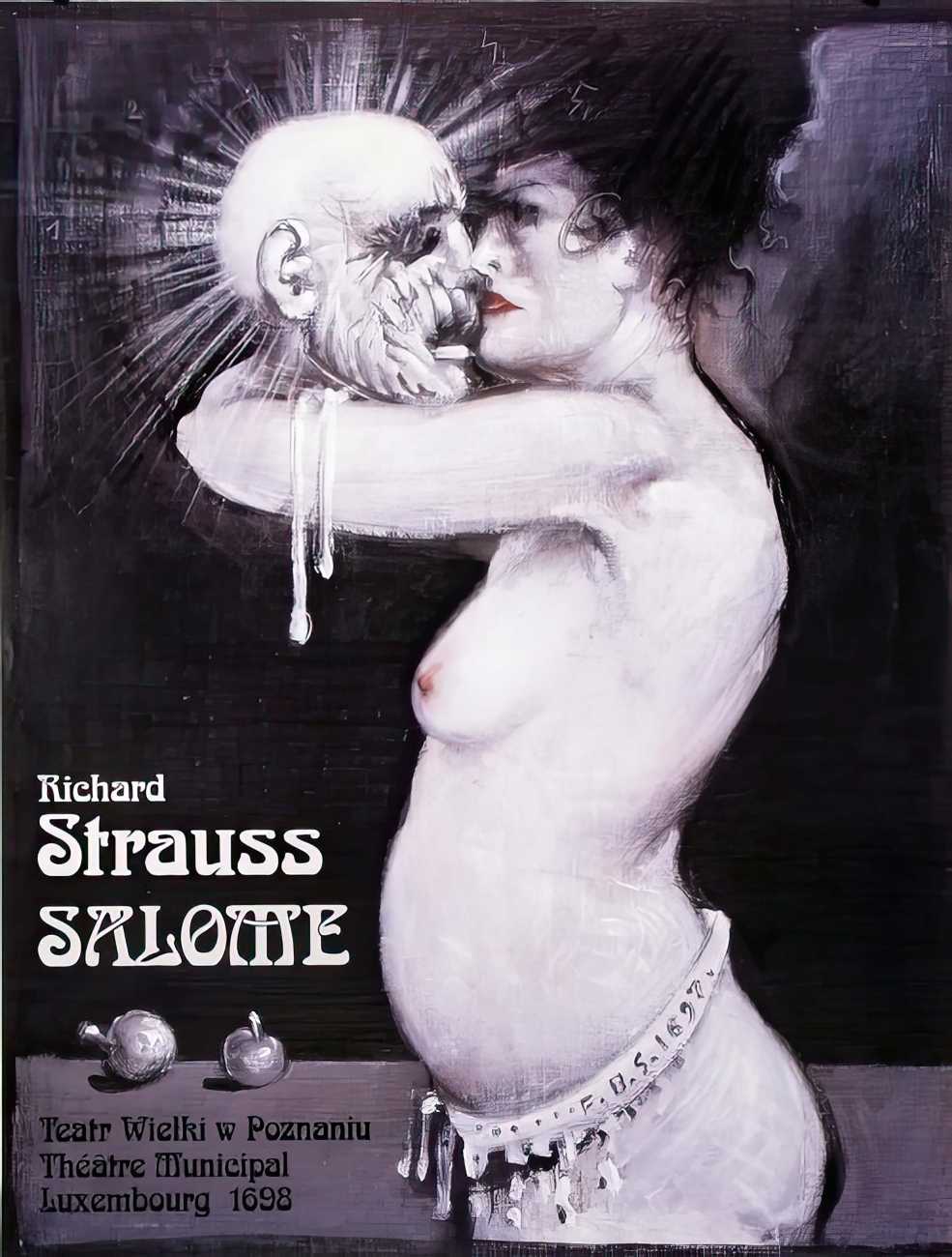
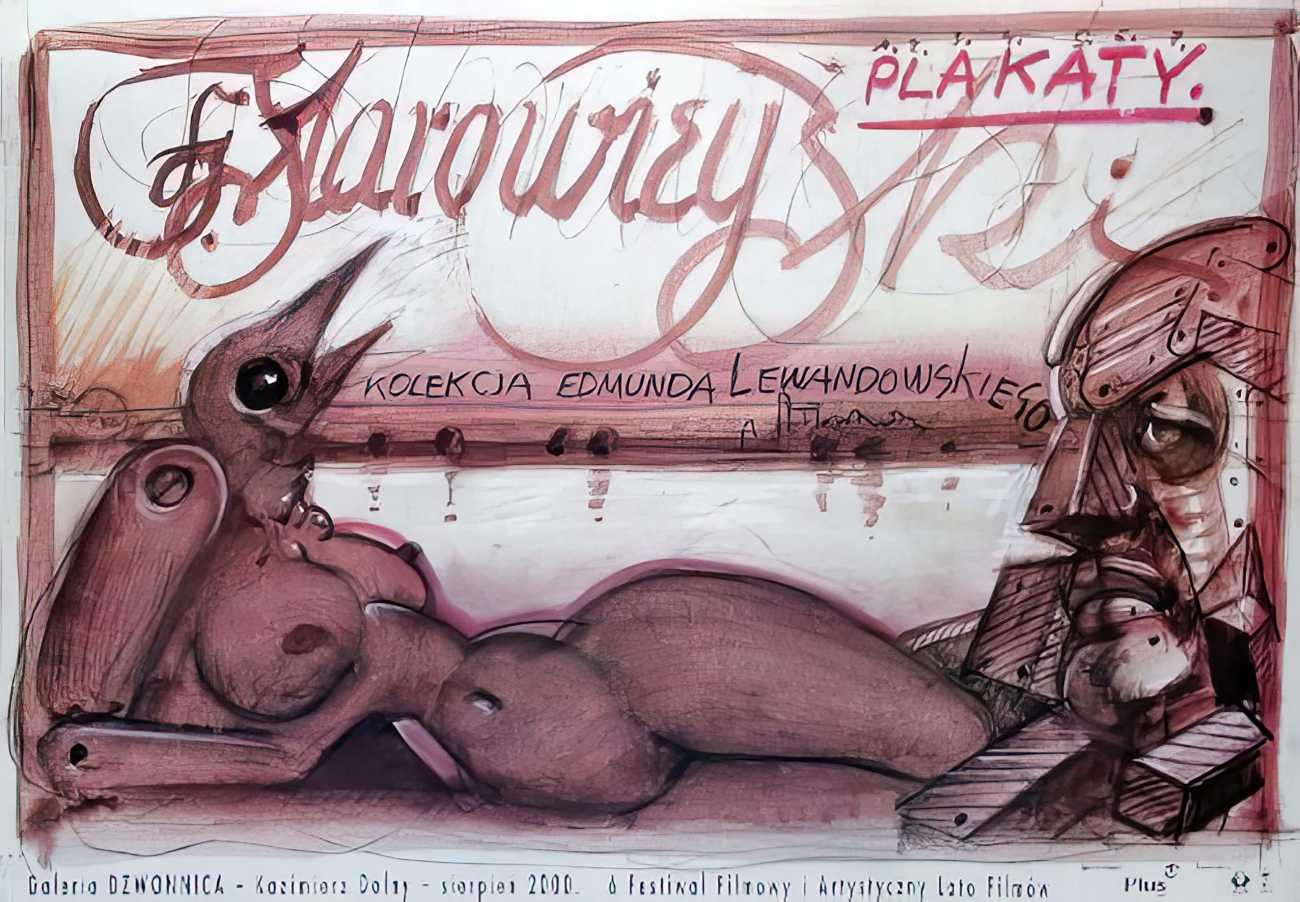
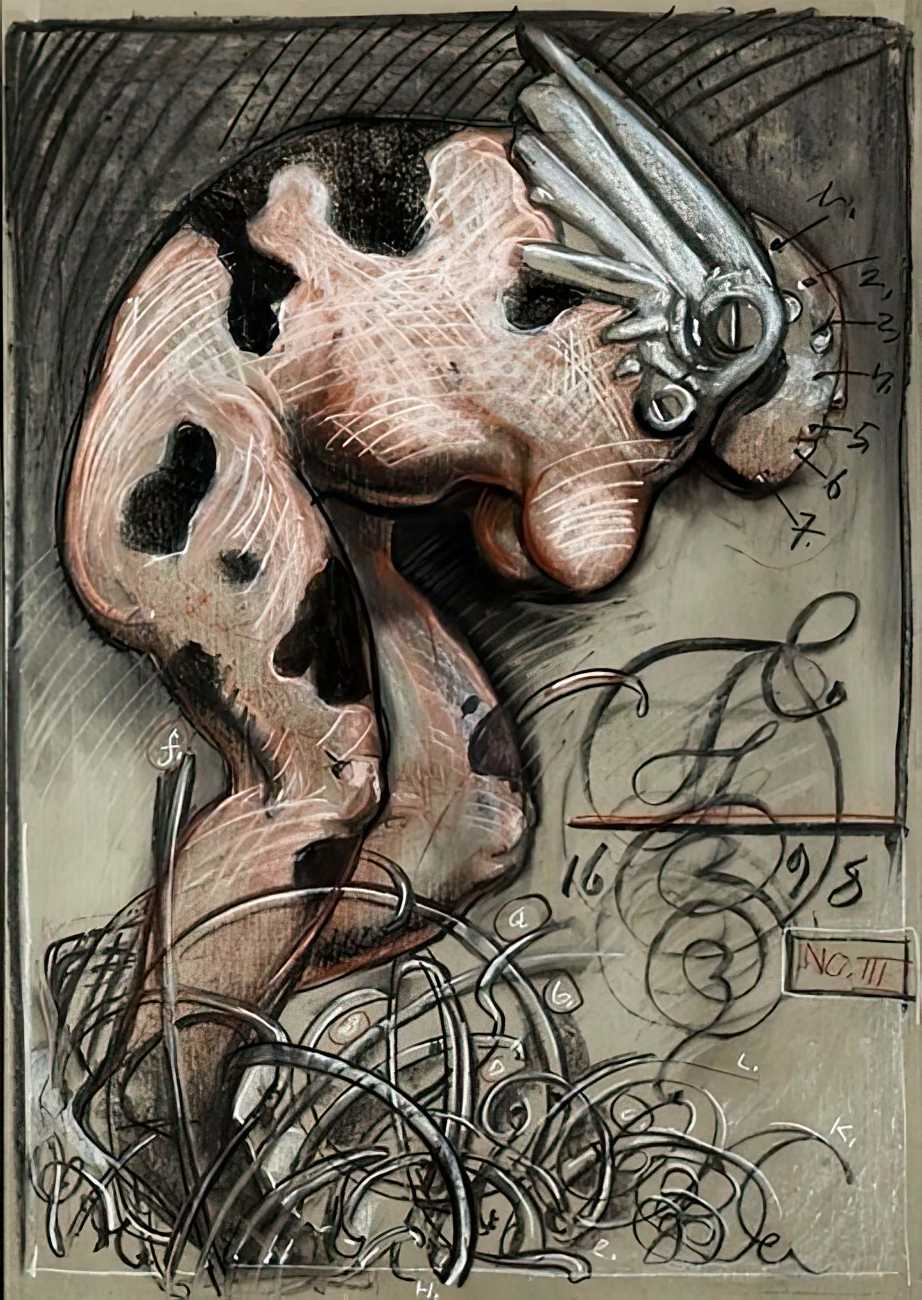
His designs are immediately recognisable for their unsettling mixture of the erotic and the grotesque. Naked or semi-naked bodies appear alongside serpents, monsters, strange mechanical forms and fantastical creatures, while familiar objects are frequently enlarged, distorted or placed in unexpected relationships.
The human figure becomes theatrical, symbolic, and often deliberately disturbing. His imagery draws on renaissance and baroque traditions, anatomical illustration, mythology, dreams and nightmares. For Starowieyski the poster was much more than publicity – it was an opportunity to create a miniature theatre of the imagination, a composition that could intrigue, provoke, and sometimes unsettle before its audience had even encountered the work it advertised.
The typography is as important as the art. Rather than treating lettering as something separate from the image, Starowieyski usually drew the titles himself, allowing words and pictures to become part of the same expressive composition. His characteristic elongated, irregular lettering can be as visually arresting as the figures it accompanies.
The posters shown here range from Polish and international theatre productions and films to opera and museum exhibitions.