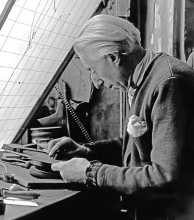
 The Greek artist Demetrios Galanis (Δημήτριος Γαλάνης) grew up in Athens, the son of Emmanouil Galanis, a philologist originally from Kymi. Demetrios showed an early aptitude for drawing, and was already contributing caricatures to the Greek press as a teenager. He had a wide range of interests, including music and mathematics, which helps to explain the combination of analytical structure and rhythmic line that would become characteristic of his mature work. From 1897 to 1899 he studied civil engineering at the National Technical University of Athens, while taking drawing lessons from the painter Nikiforos Lytras.
In 1900 Galanis moved to Paris, where he studied at the École des Beaux-Arts under Fernand Cormon. He continued to work as a caricaturist, contributing to French satirical publications including L’Assiette au Beurre, Le Cri de Paris, Gil Blas, Le Rire and Le Canard Sauvage. Between 1907 and 1909 he spent time in Germany, working for the influential satirical magazines Simplicissimus and Lustige Blätter, and producing advertising posters. His interest in printmaking developed during these years, and after returning to Paris he increasingly moved beyond caricature towards painting, drawing and the graphic arts.
Galanis became part of the artistic and literary world of Montmartre, forming friendships with artists including Henri Matisse and Pablo Picasso, and becoming a familiar figure among the painters, writers and musicians who circulated through the neighbourhood. His home and studio became a meeting place for younger artists and writers. Among those who became close to him was the young André Malraux, who first visited Galanis shortly after the first world war and remained his friend for the rest of the artist’s life. Malraux later recalled Galanis not simply as a painter and engraver but as a cultivated and musical man: on one memorable evening, after a disturbing encounter elsewhere in Montmartre, Galanis brought a group of friends back to his studio and played Bach on a small harmonium that he had built and decorated himself.
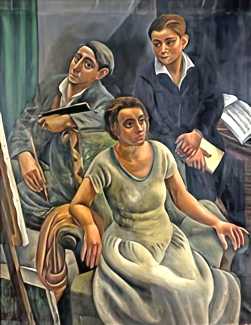
Galanis’s personal life was closely connected with his artistic world. His French wife, Stéphanie-Julie Bouvier, known as Fanny, was a Provençale whose distinctive appearance made her one of his favourite subjects. She was also drawn by Matisse, who made several etchings of her while Galanis was away serving in the French army. Fanny remained an important presence in Galanis’s later life. Their only son, Jean-Sébastien, served with the Free French naval forces during the second world war and was killed in 1940 when the cargo ship Lisieux was lost off Newfoundland. Galanis mourned his son for the rest of his life, keeping his portrait in the studio.
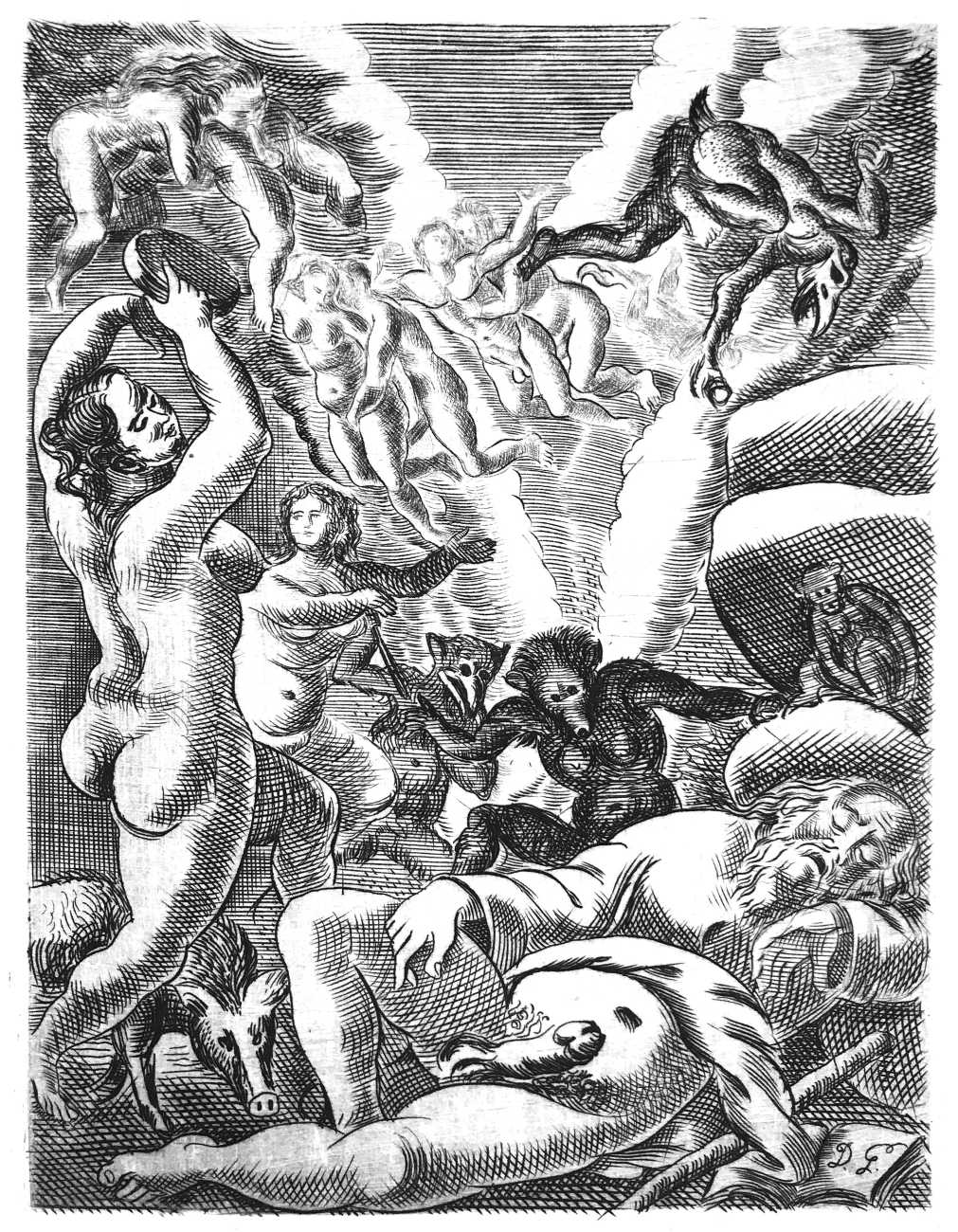
As a painter, Galanis absorbed something of the formal experimentation of fauvism and cubism before developing a highly individual style based on simplified forms, strong rhythms, and a sophisticated understanding of line and composition. From around 1918 he began to devote himself systematically to book illustration, and engraving and woodcut increasingly became central to his work. He illustrated a wide range of literary texts by authors including Paul Valéry, André Gide, Gérard de Nerval, Albert Samain, Shakespeare, Sophocles and Jean Giono. His books for Aux Aldes in the 1920s, including Valéry’s Odes, were among the finest examples of French bibliophile publishing of the period.
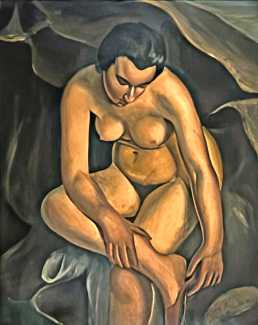
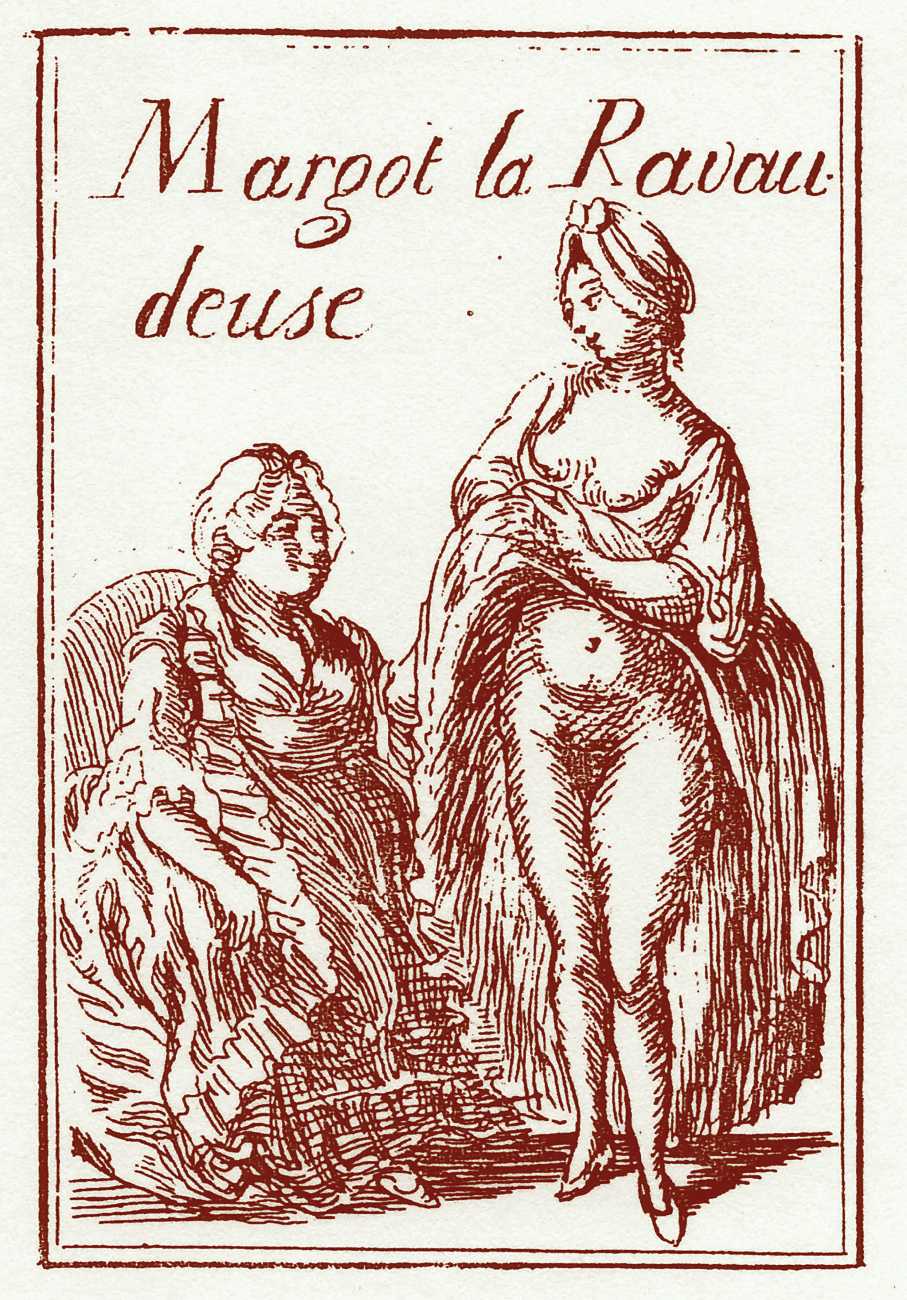
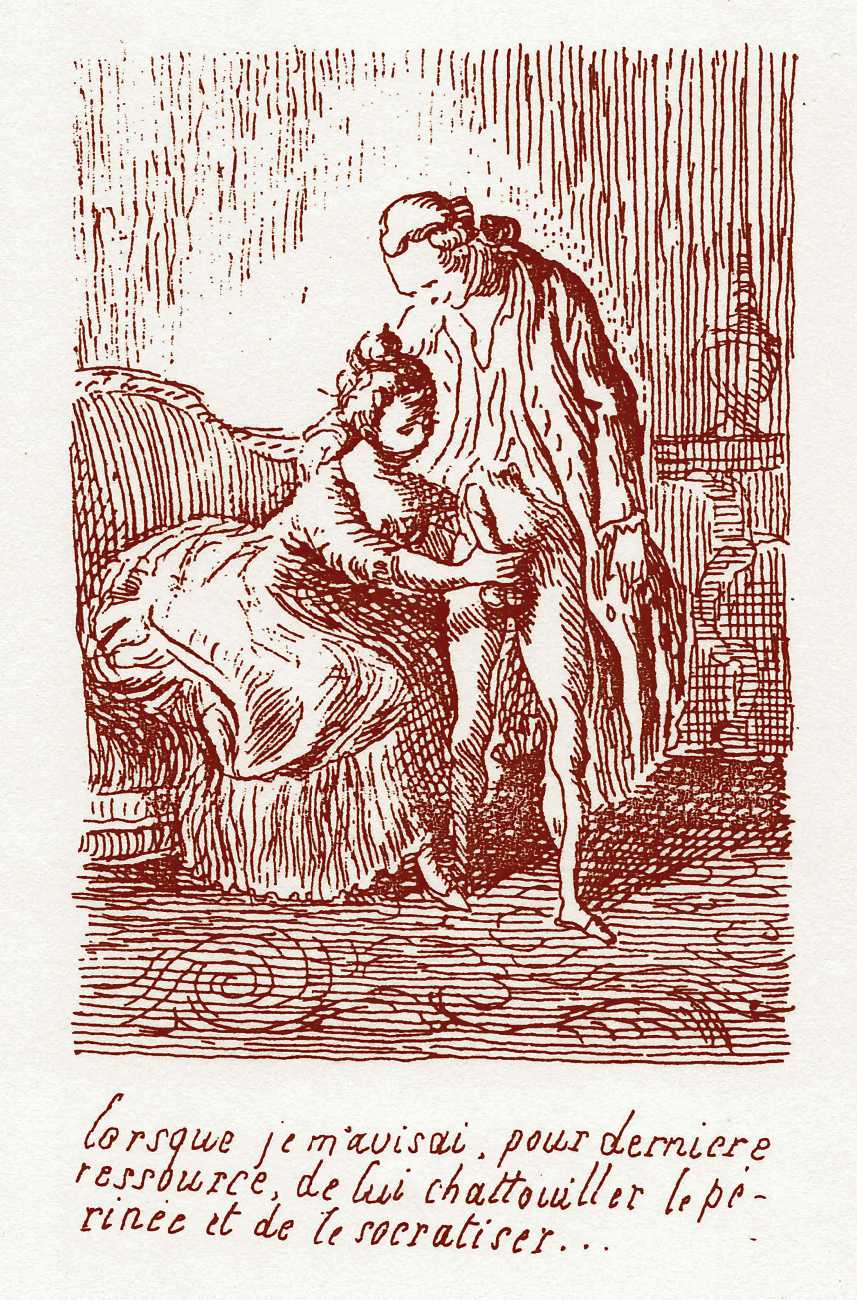
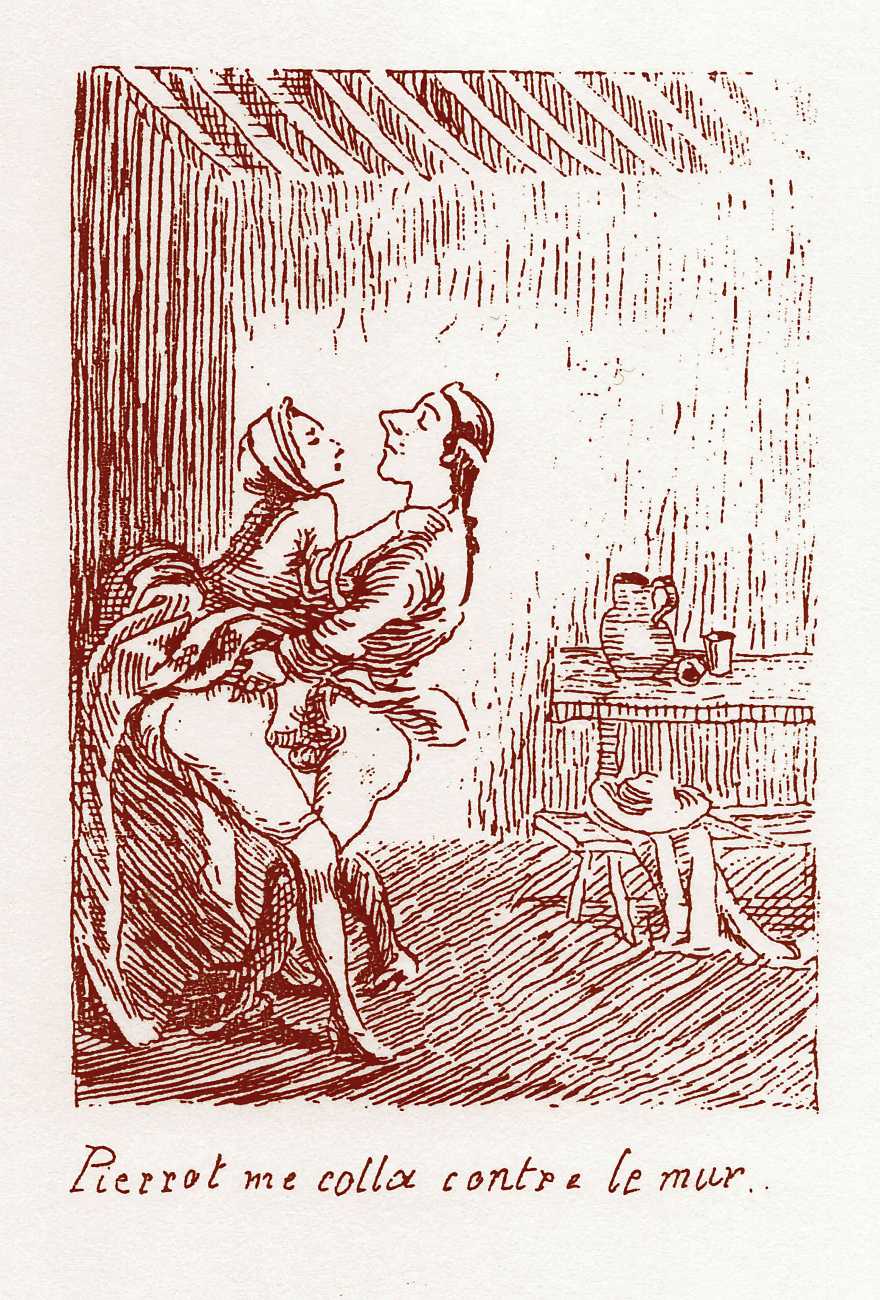
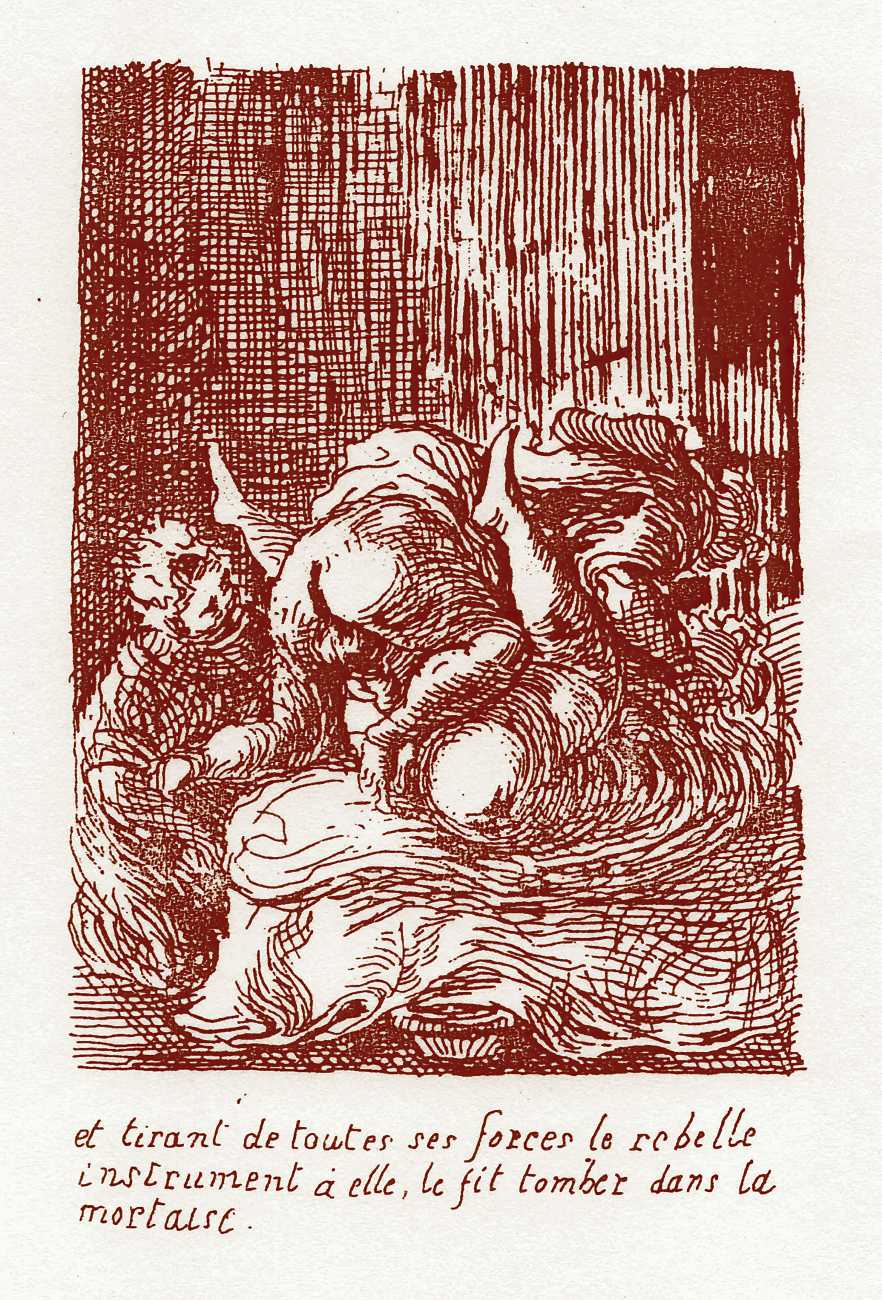
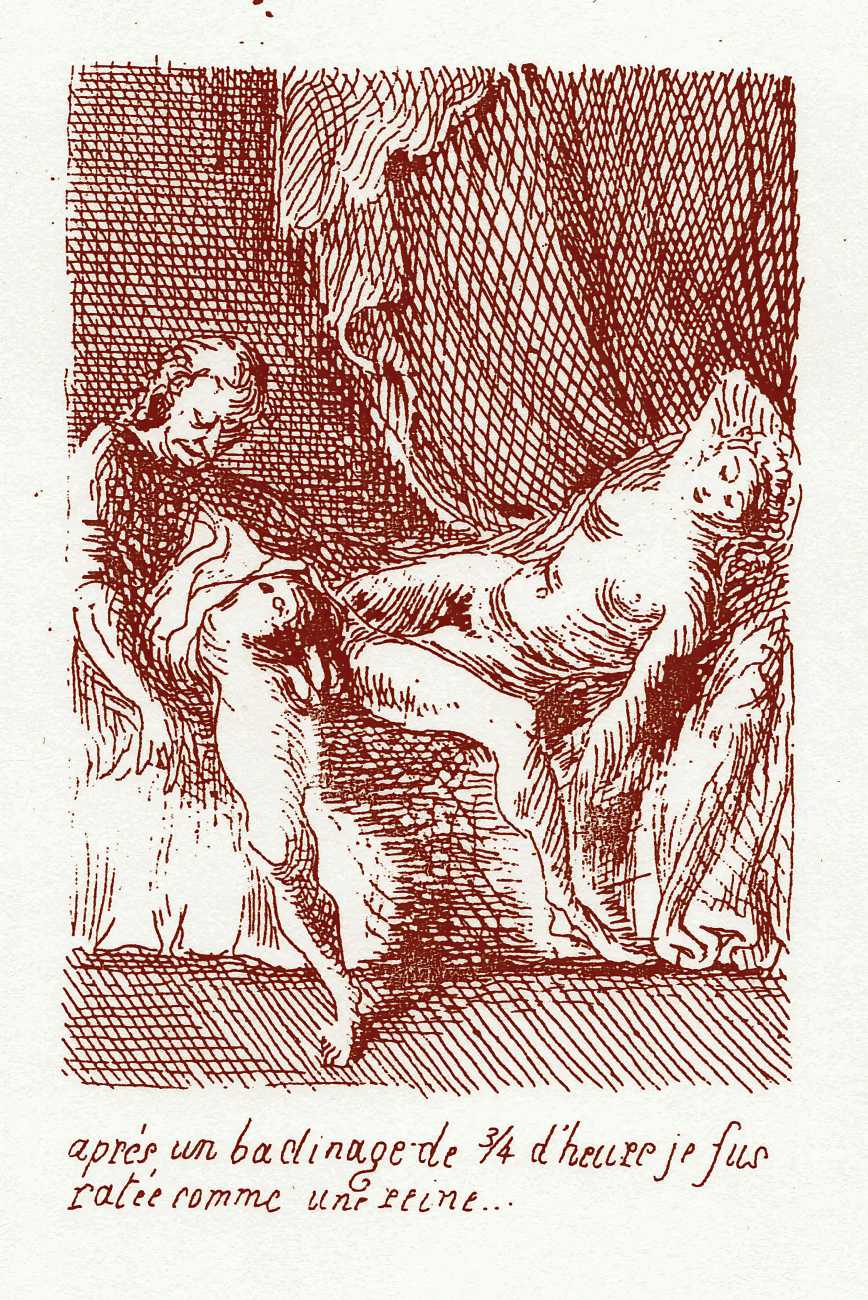
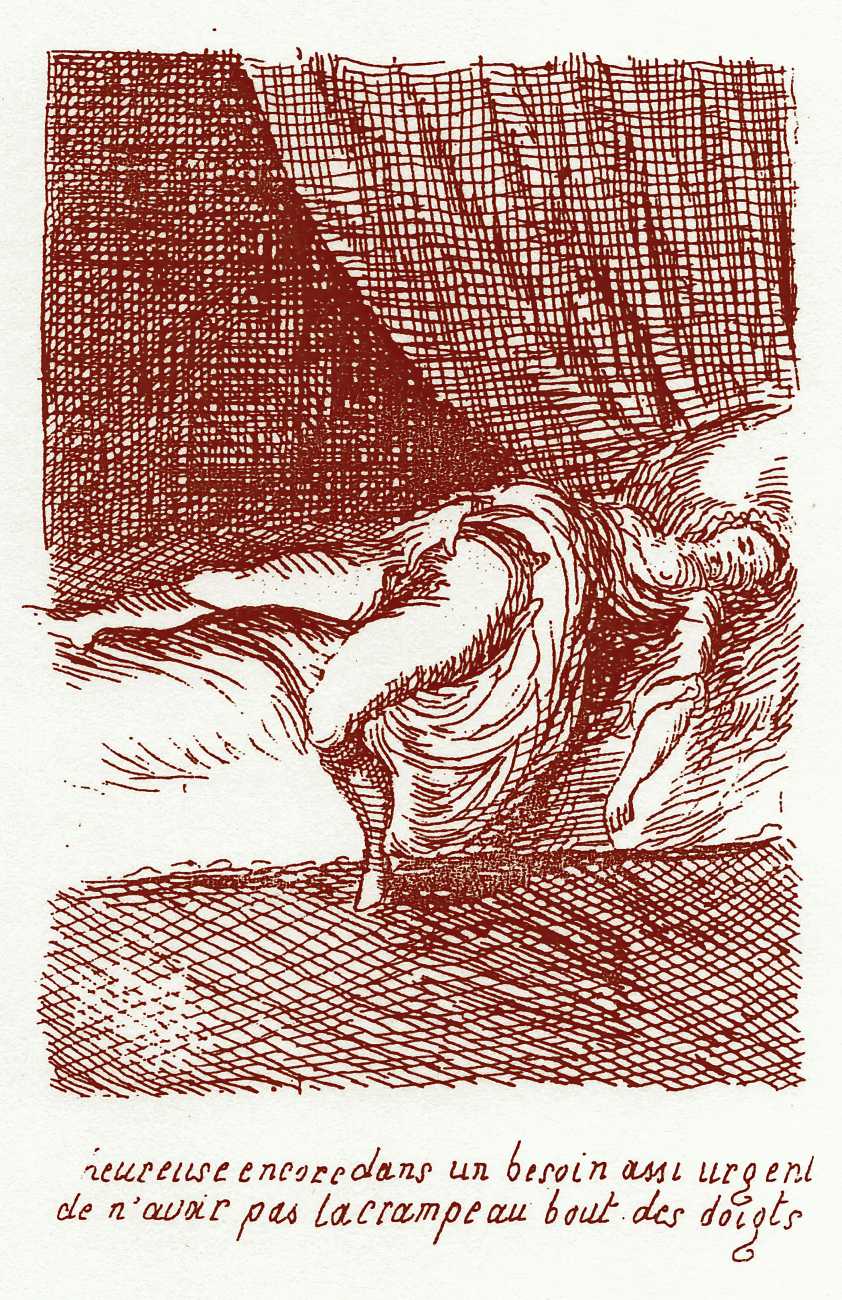
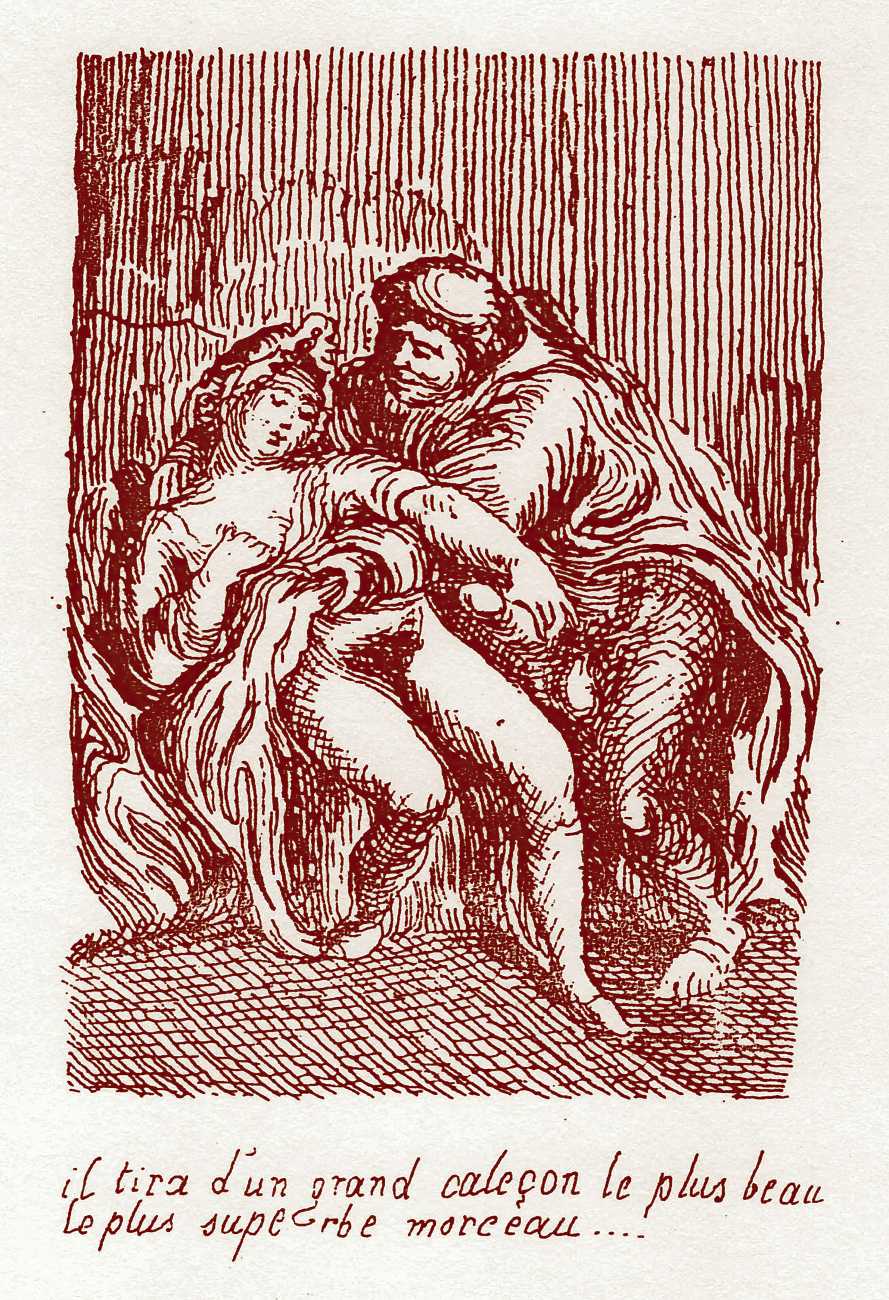
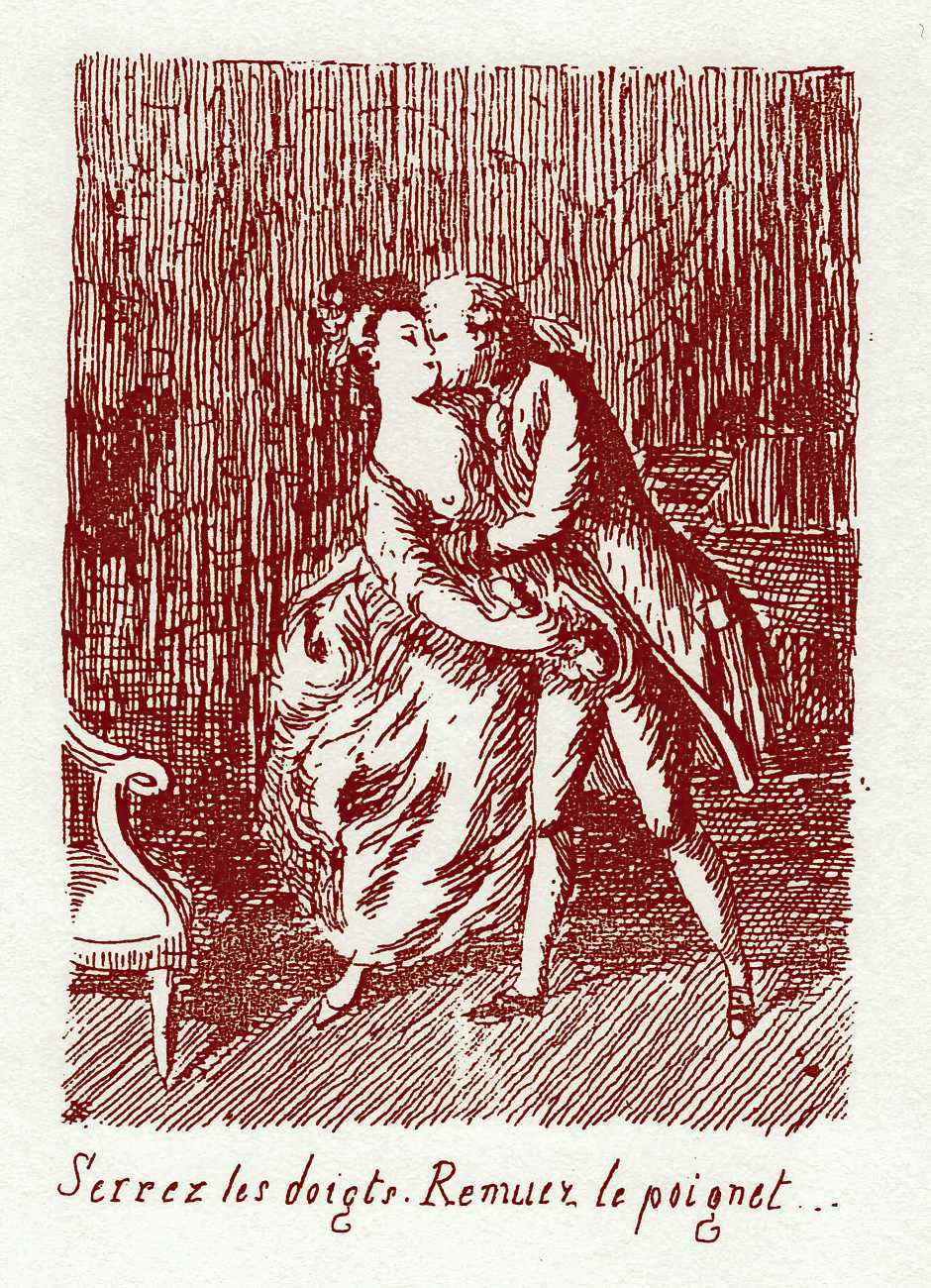
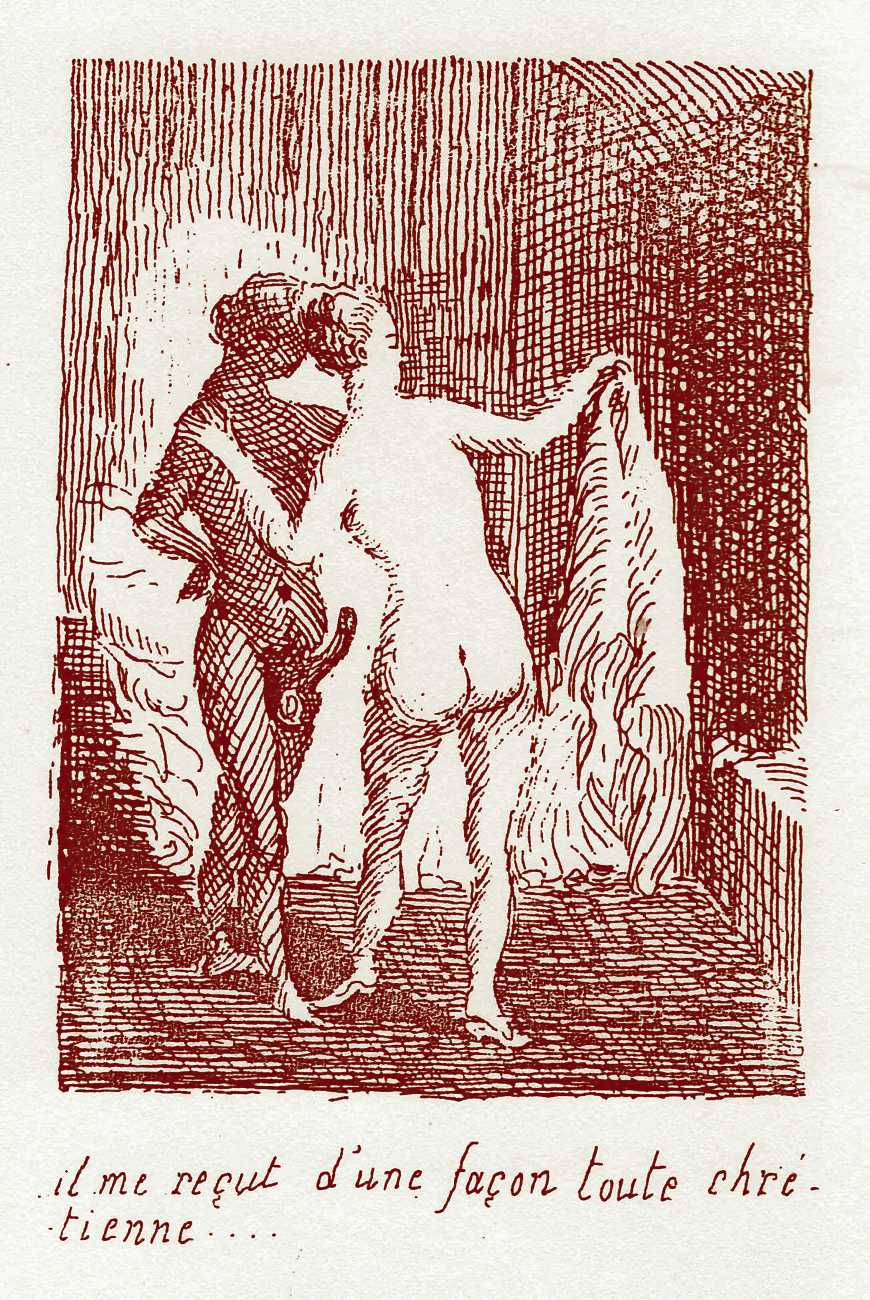
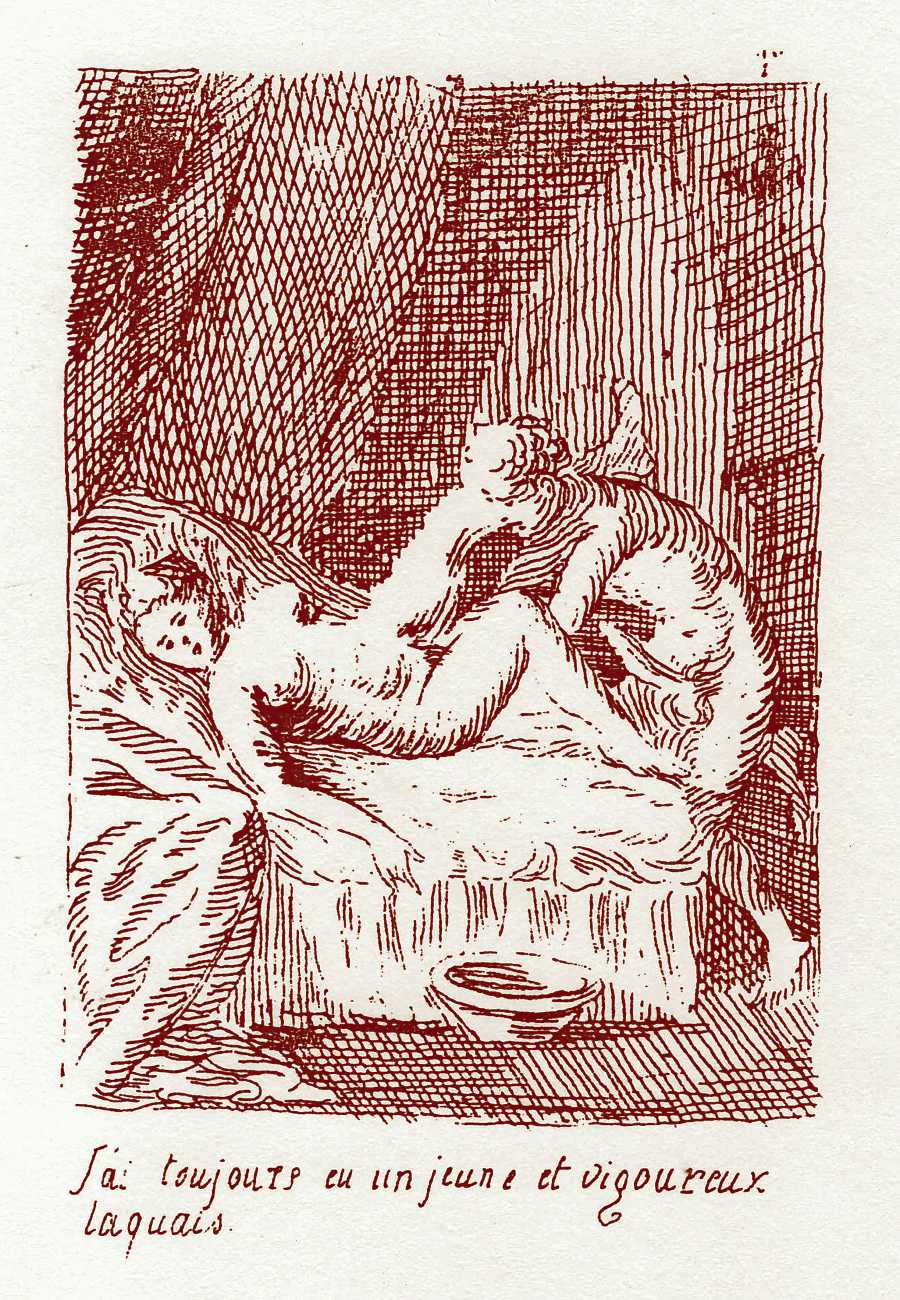
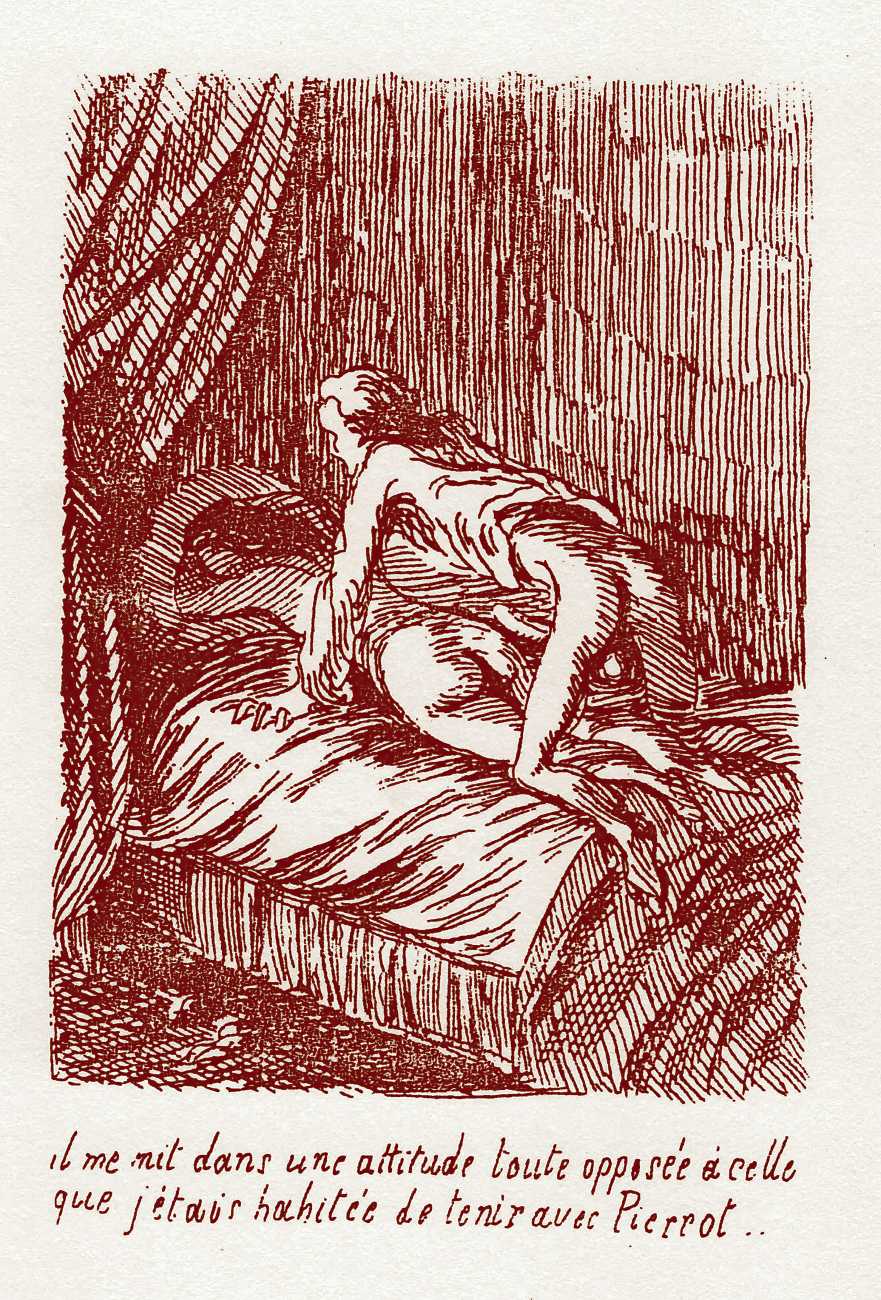
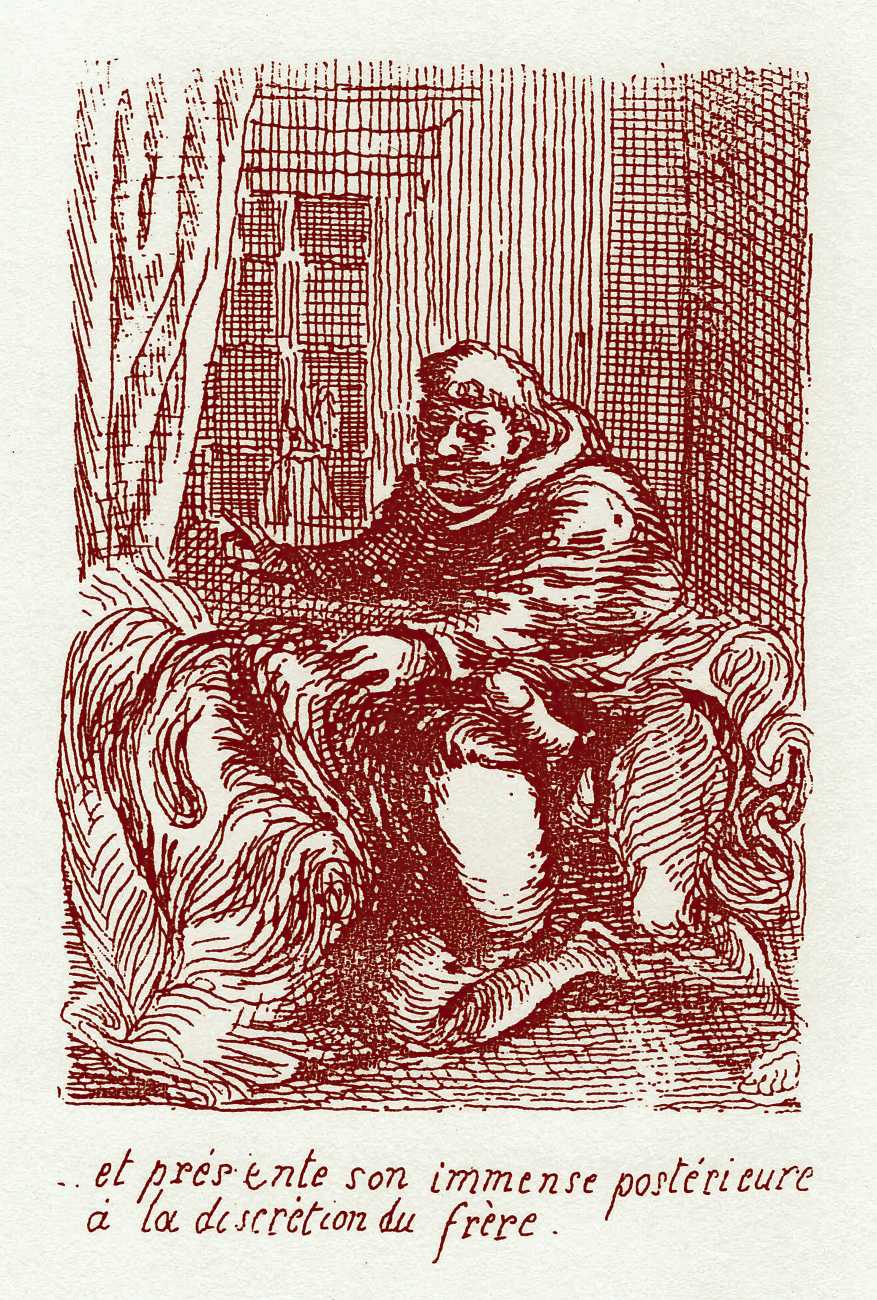
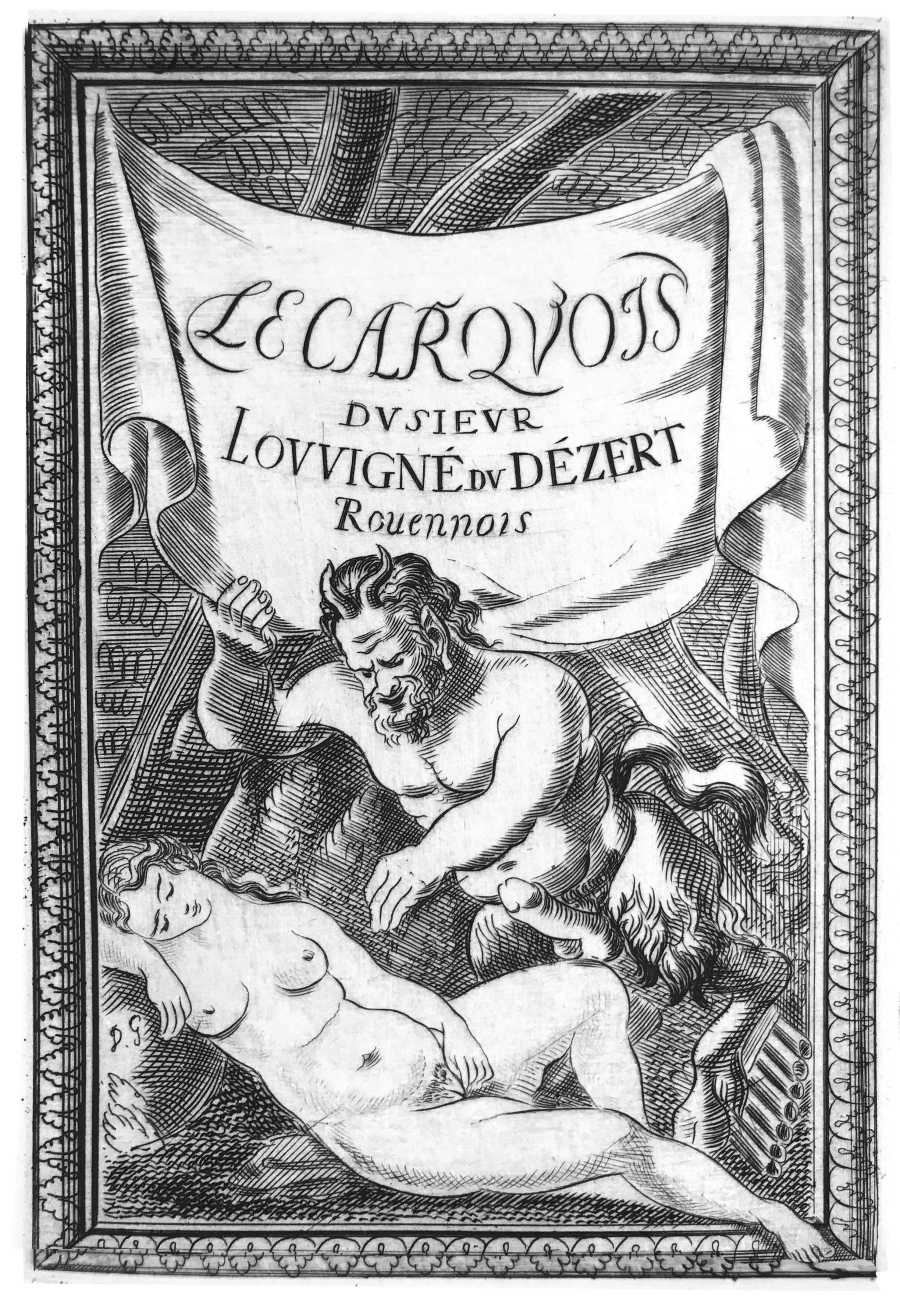
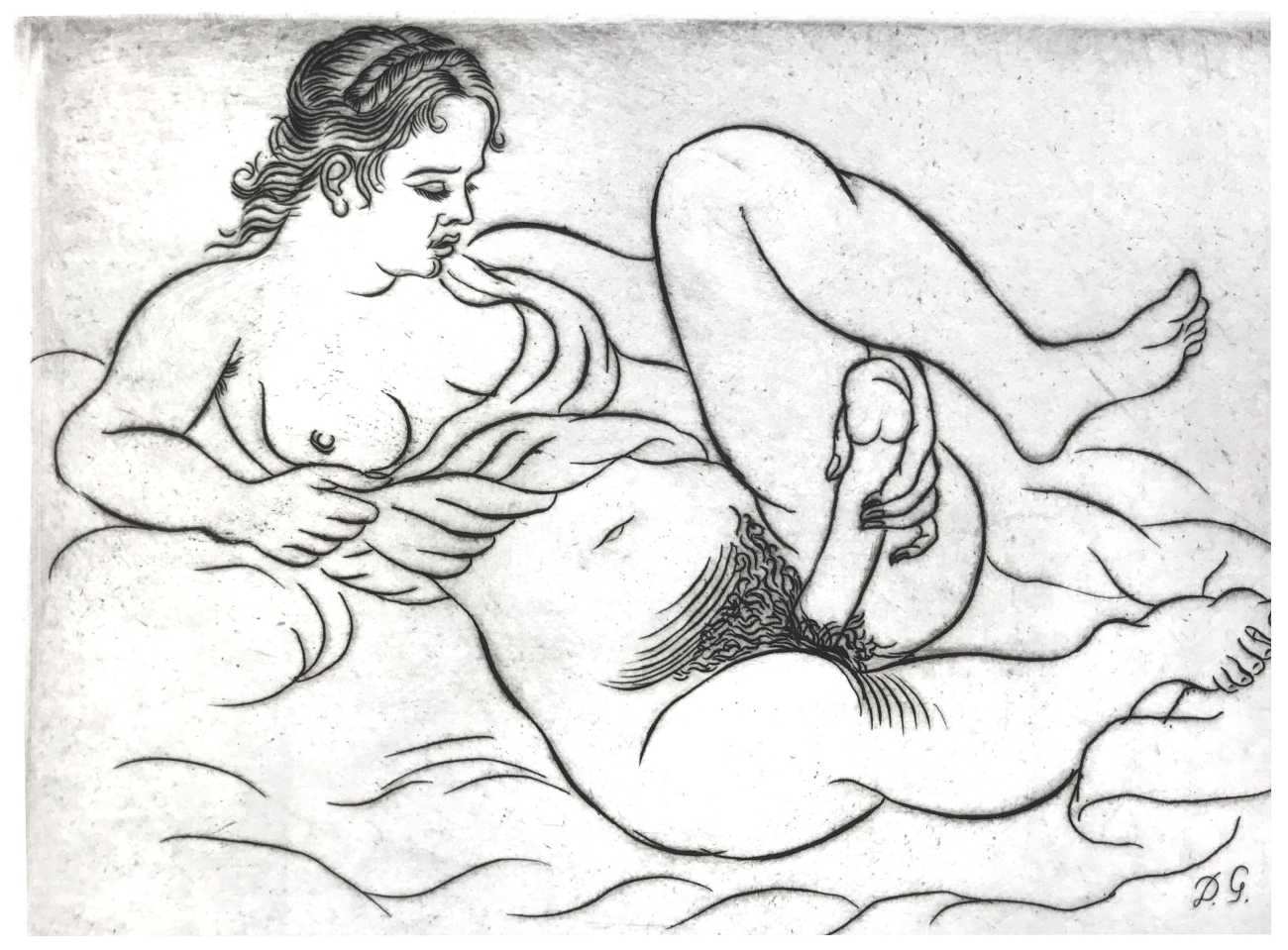
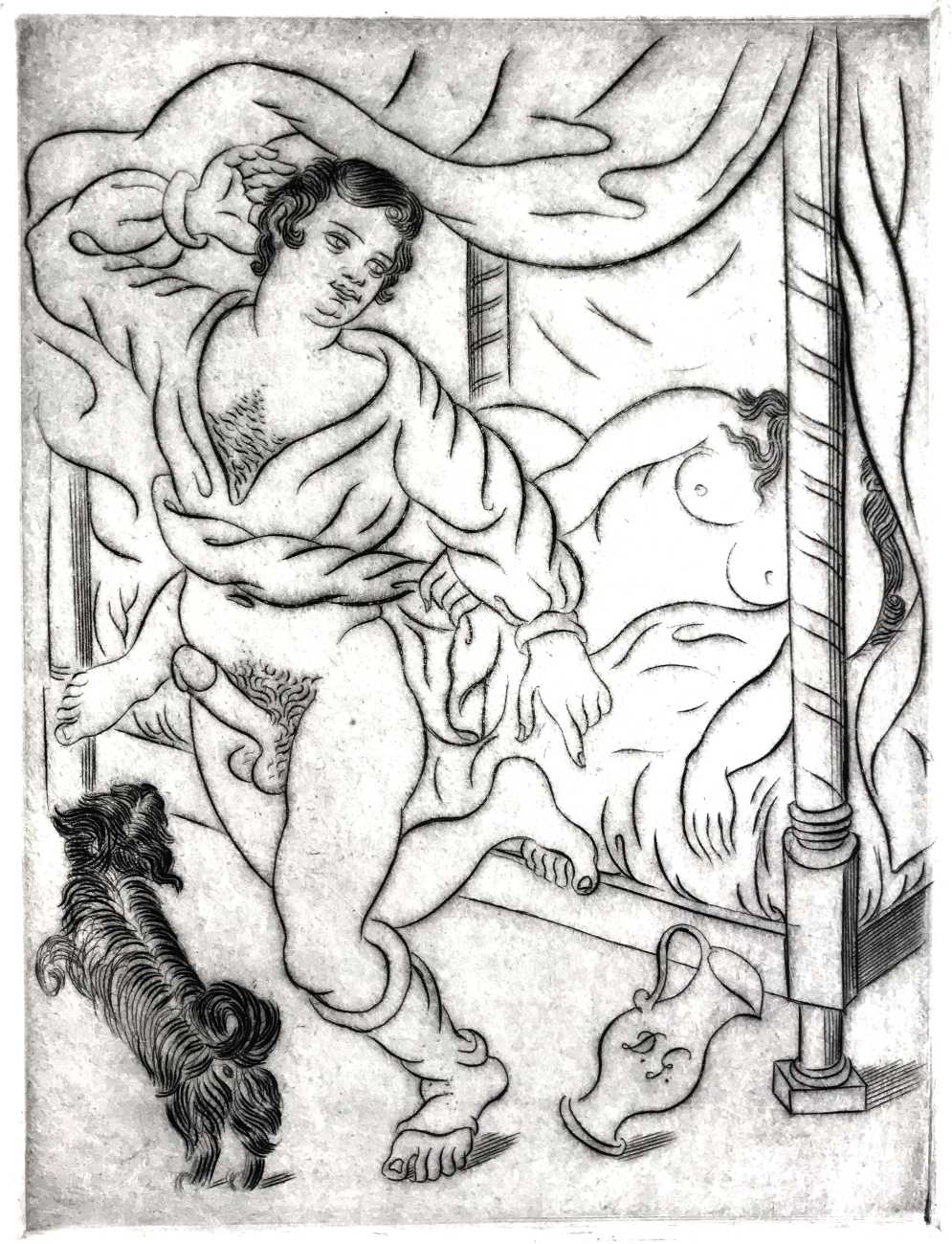
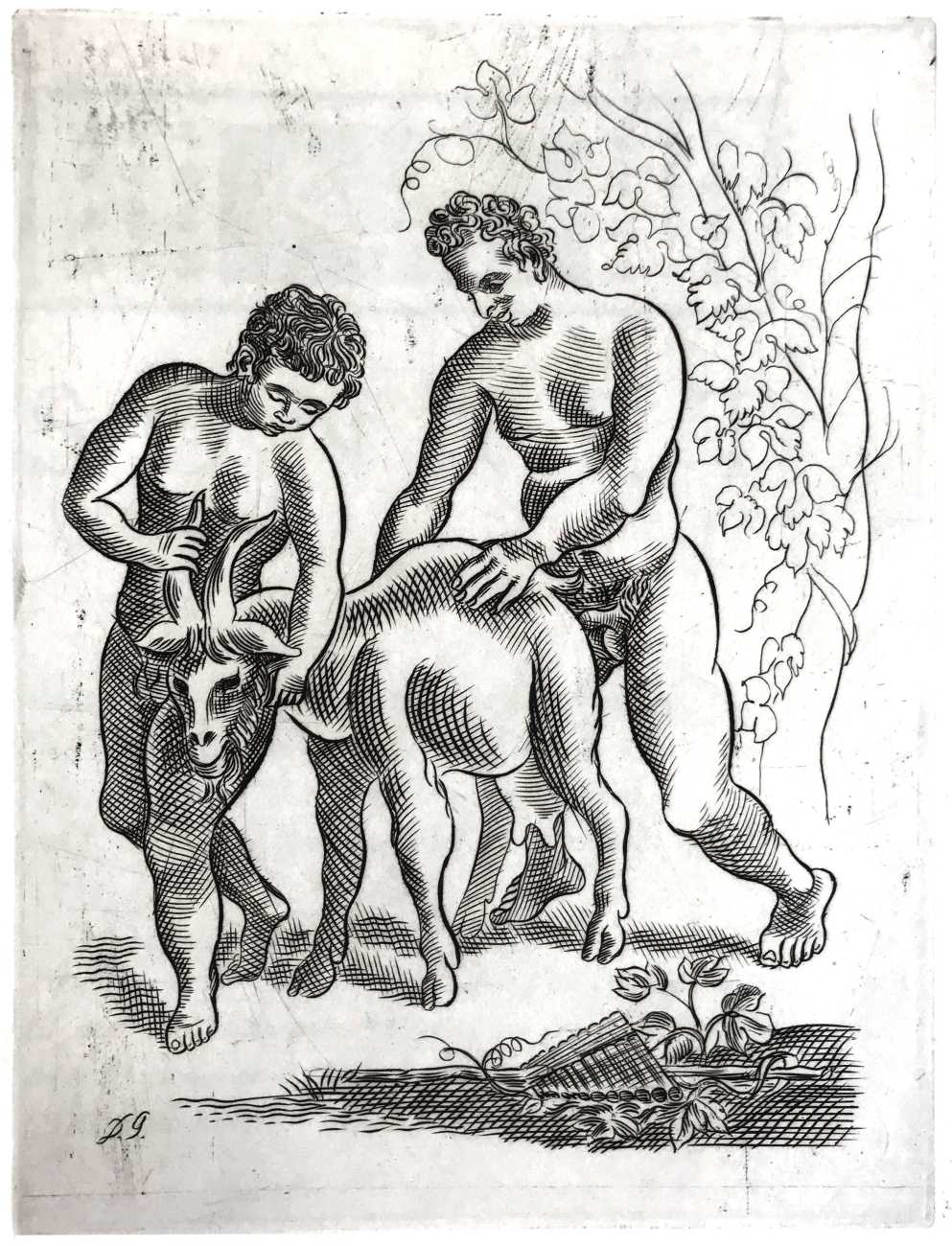
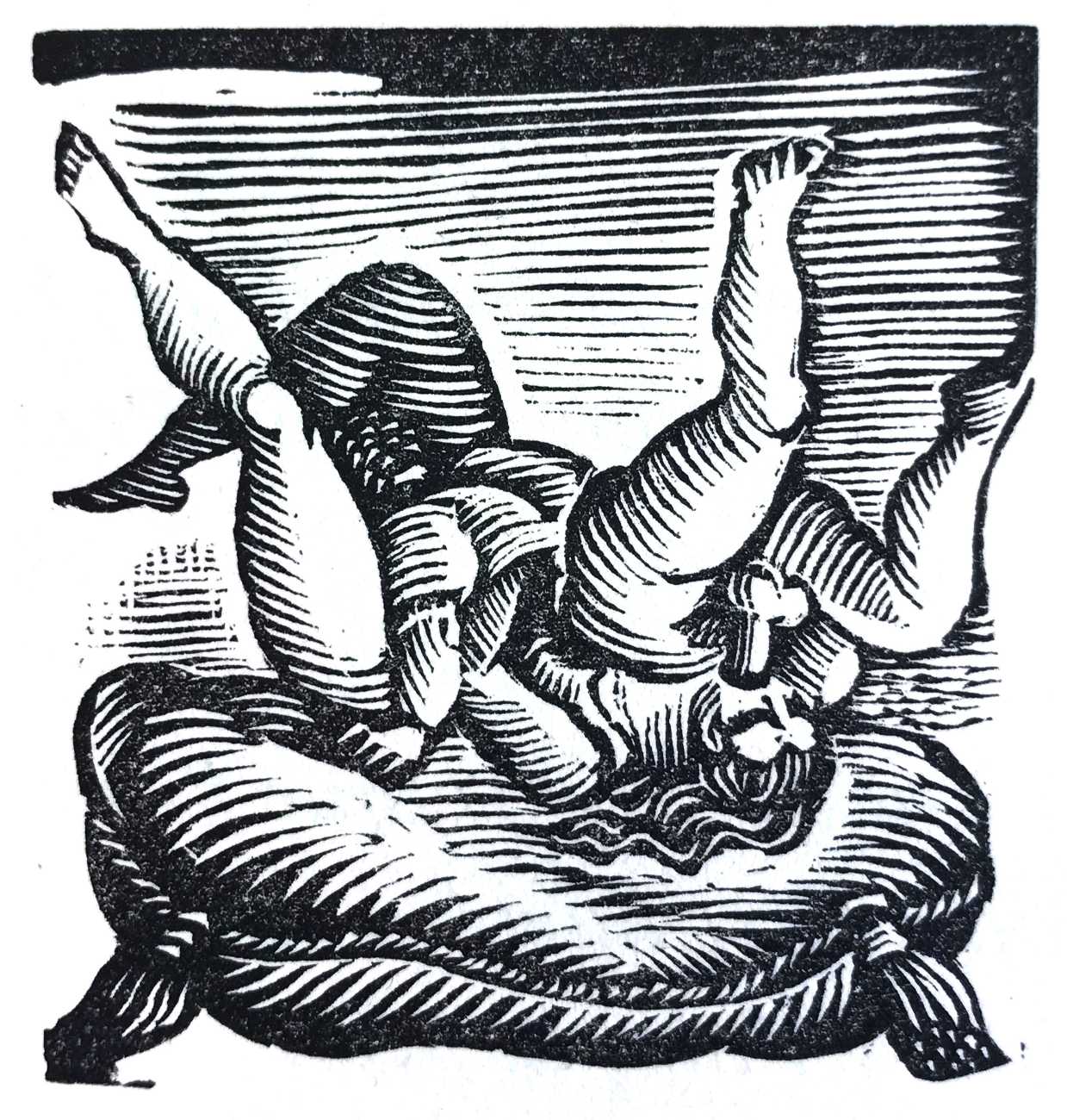
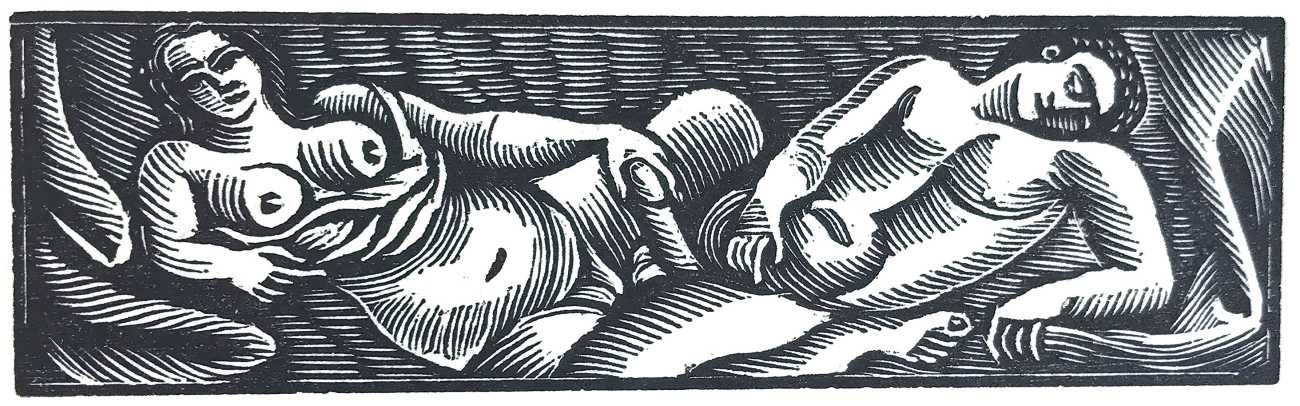
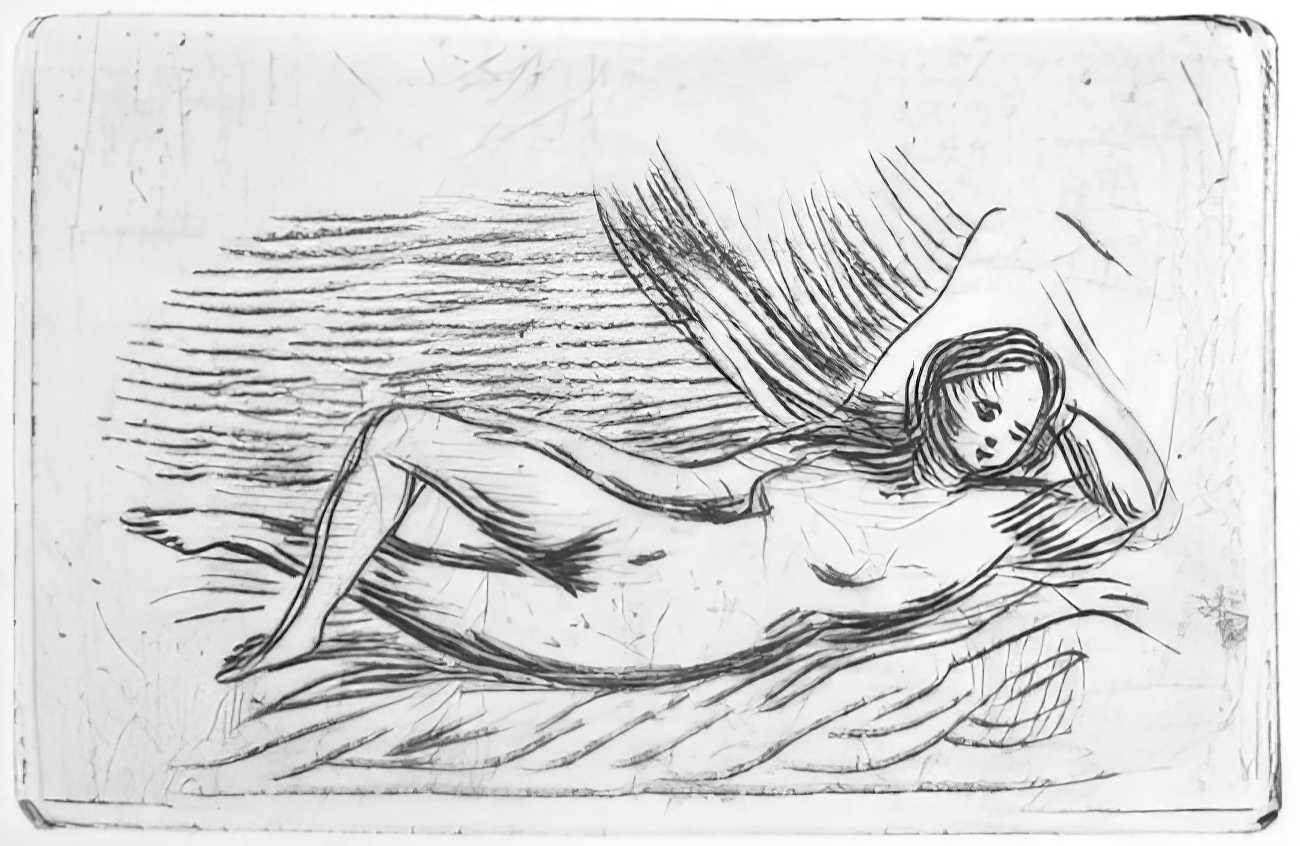
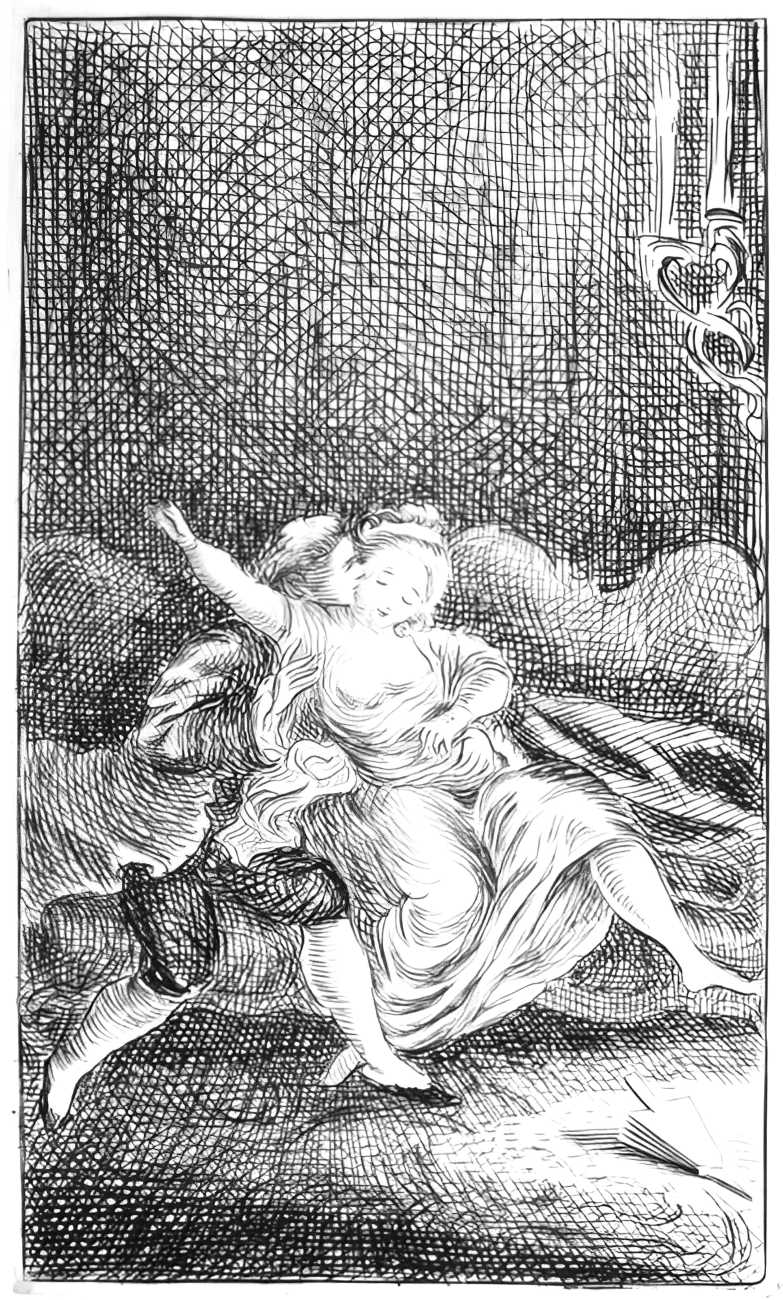
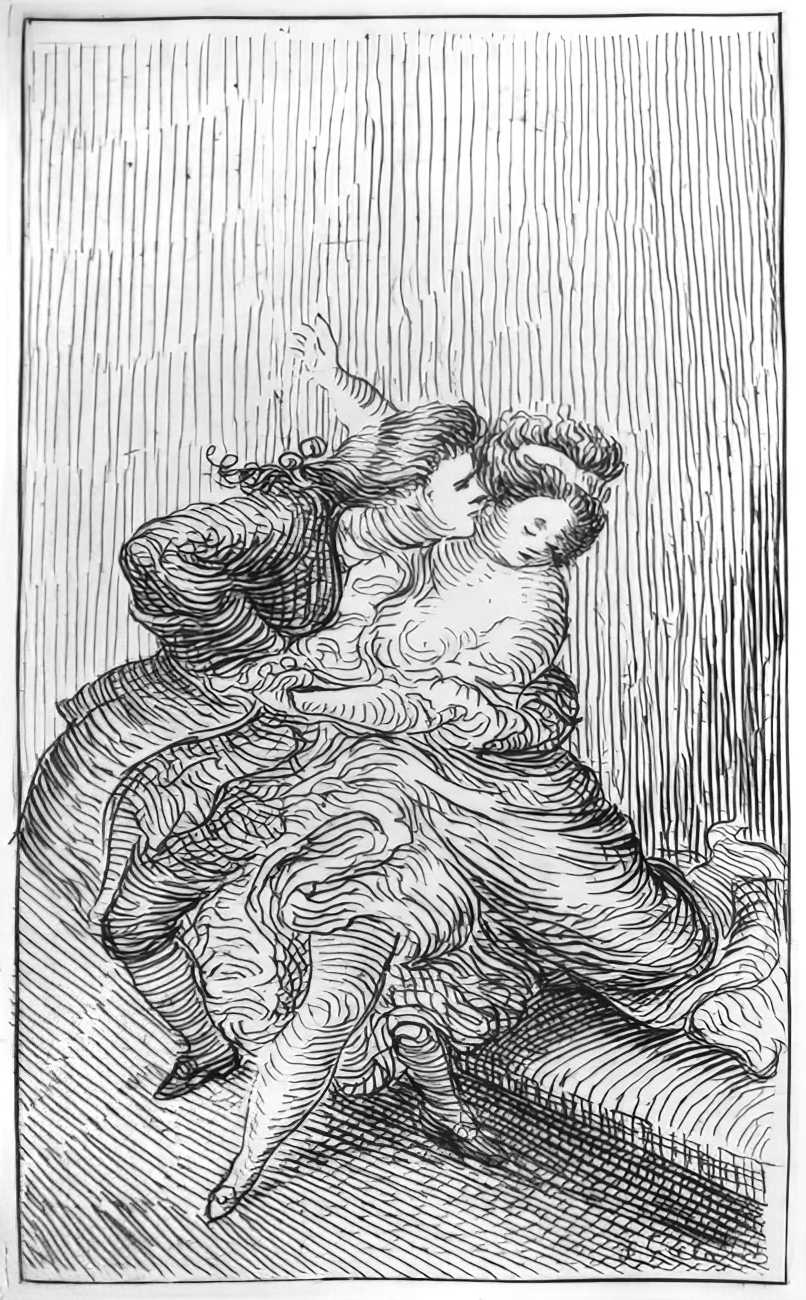
Galanis’s fascination with the human figure also found an outlet in a more private body of erotic illustration. His engravings for Le carquois du sieur Louvigné du Dézert, Deux dialogues and Margot la ravaudeuse reveal an artist at ease with erotic subject matter.
From the mid-1920s Galanis increasingly devoted himself to teaching as well as his own work. He taught at the Académie André Lhote from 1925 to 1928, and later gave lessons to Greek artists in his Montmartre studio. From 1945 to 1952 he taught engraving at the École des Beaux-Arts in Paris. He became a French citizen, and in 1945 was elected to the Académie des Beaux-Arts, while in 1950 he was elected a corresponding member of the Academy of Athens. After Fanny’s death in 1962 Galanis returned to Athens in 1965, where he died the following year.
Similar artists
Paul Colin – French art deco poster artist of simplified rhythmic line.
Jean-Gabriel Daragnès – French wood engraver of luxury bibliophile editions.
André Dignimont – French illustrator-engraver of erotic bibliophile books.
Chas Laborde – French satirical-press caricaturist turned book illustrator.
Charles Martin – French art deco illustrator of stylised figures.
Marcel Vertès – Hungarian-French illustrator of Montmartre erotic scenes.
Pablo Picasso – Cubist painter and Montmartre friend of Galanis.
Example illustration
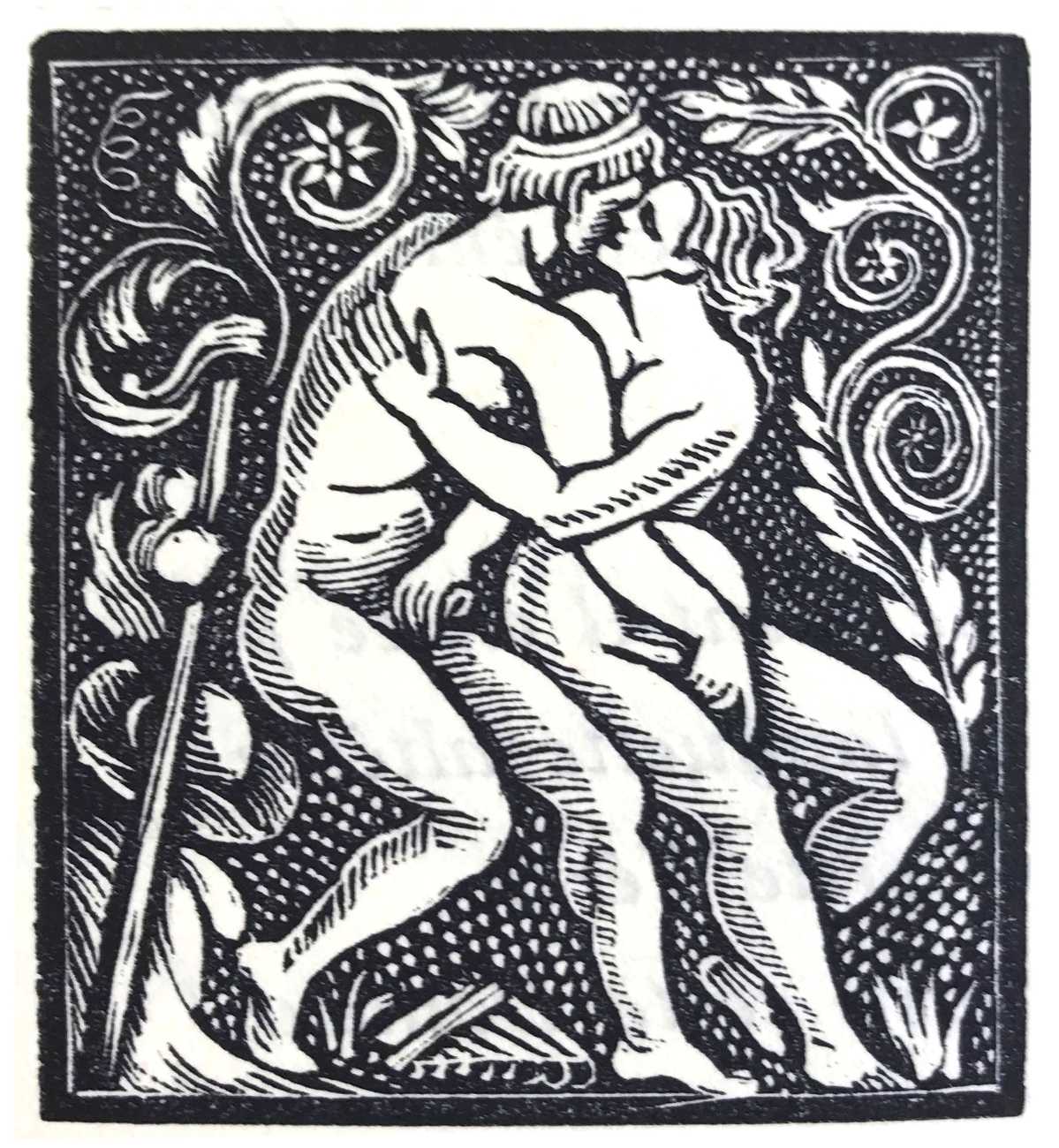
Le carquois du sieur Louvigné du Dézert (1923)
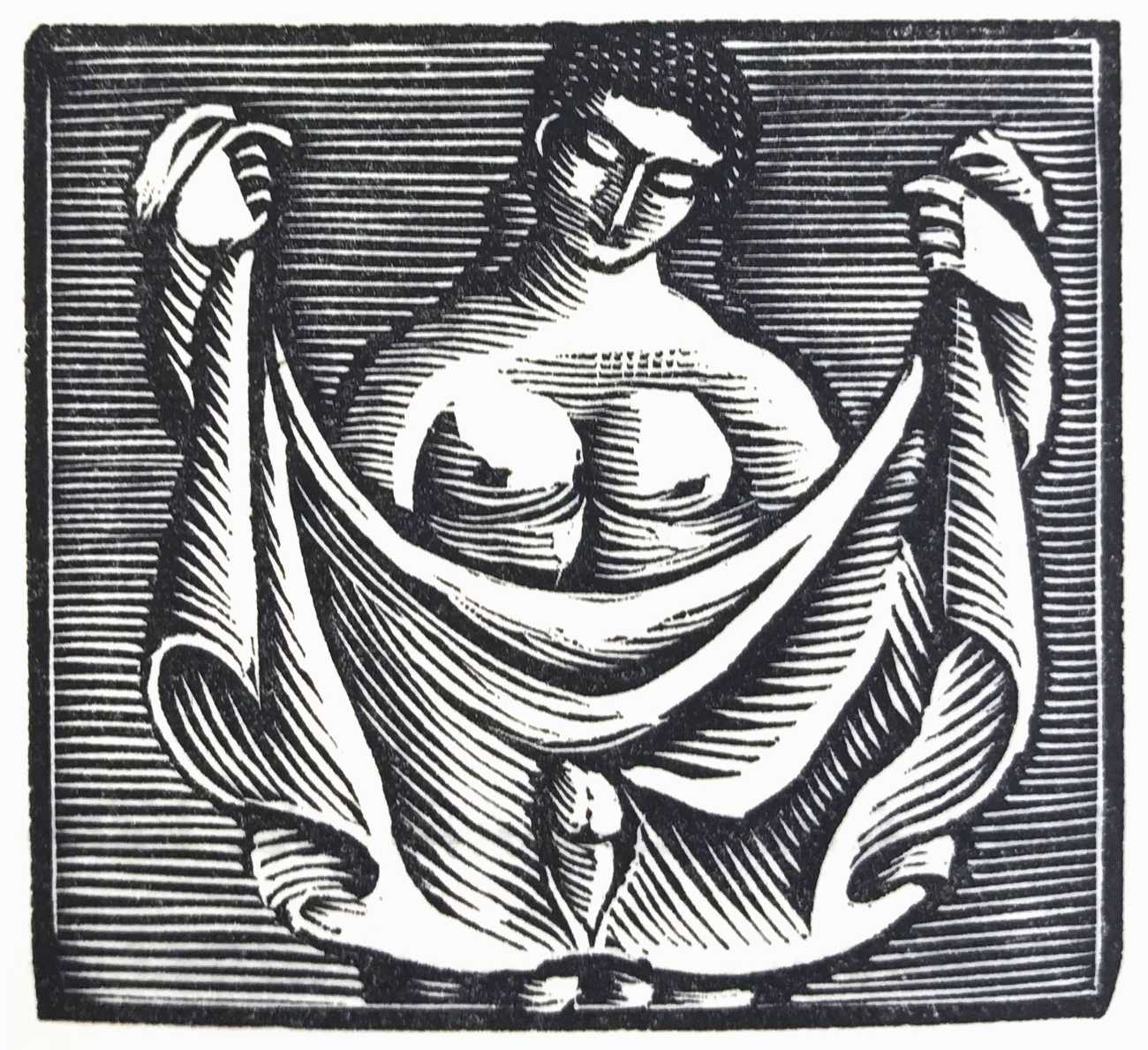
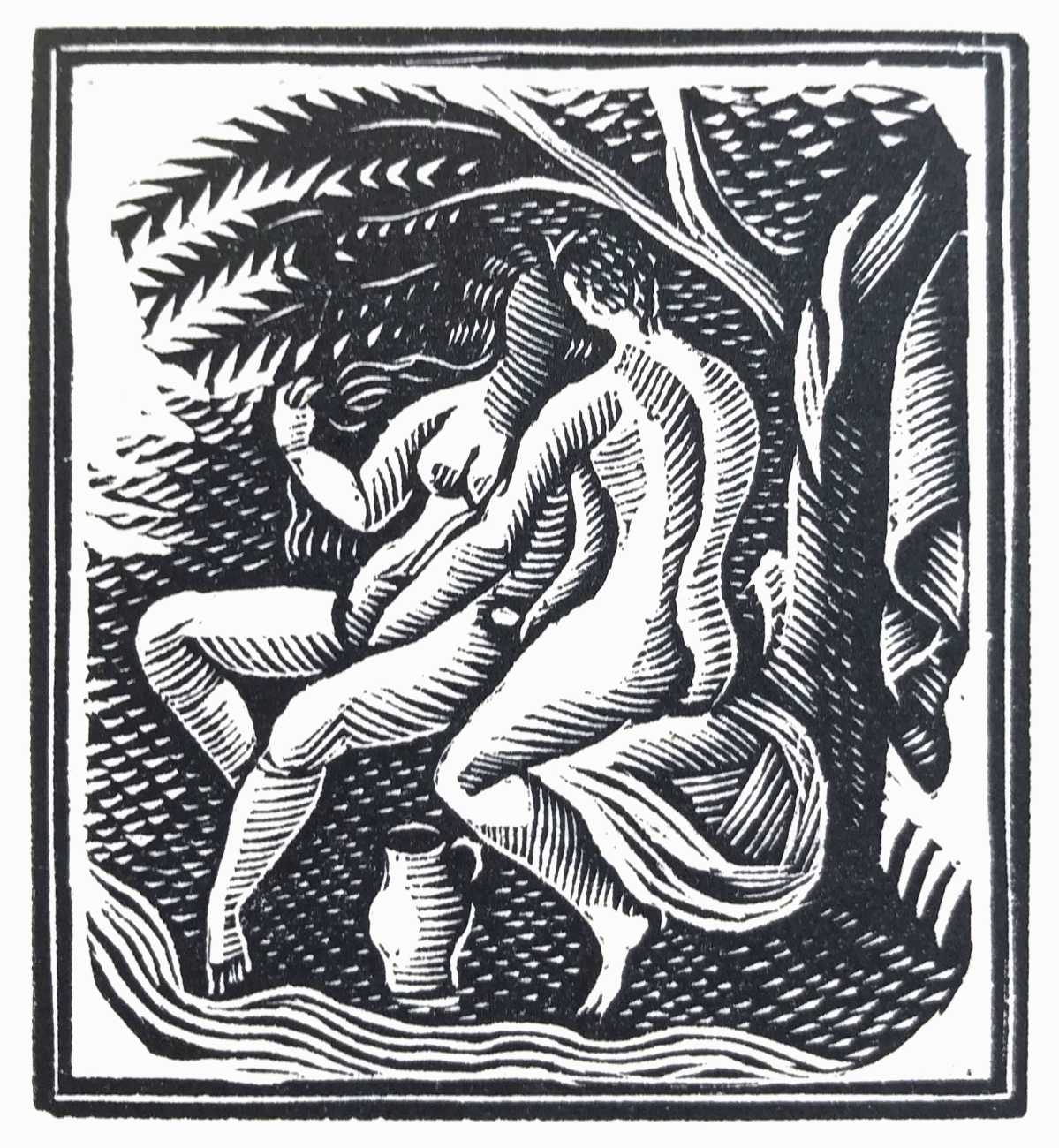
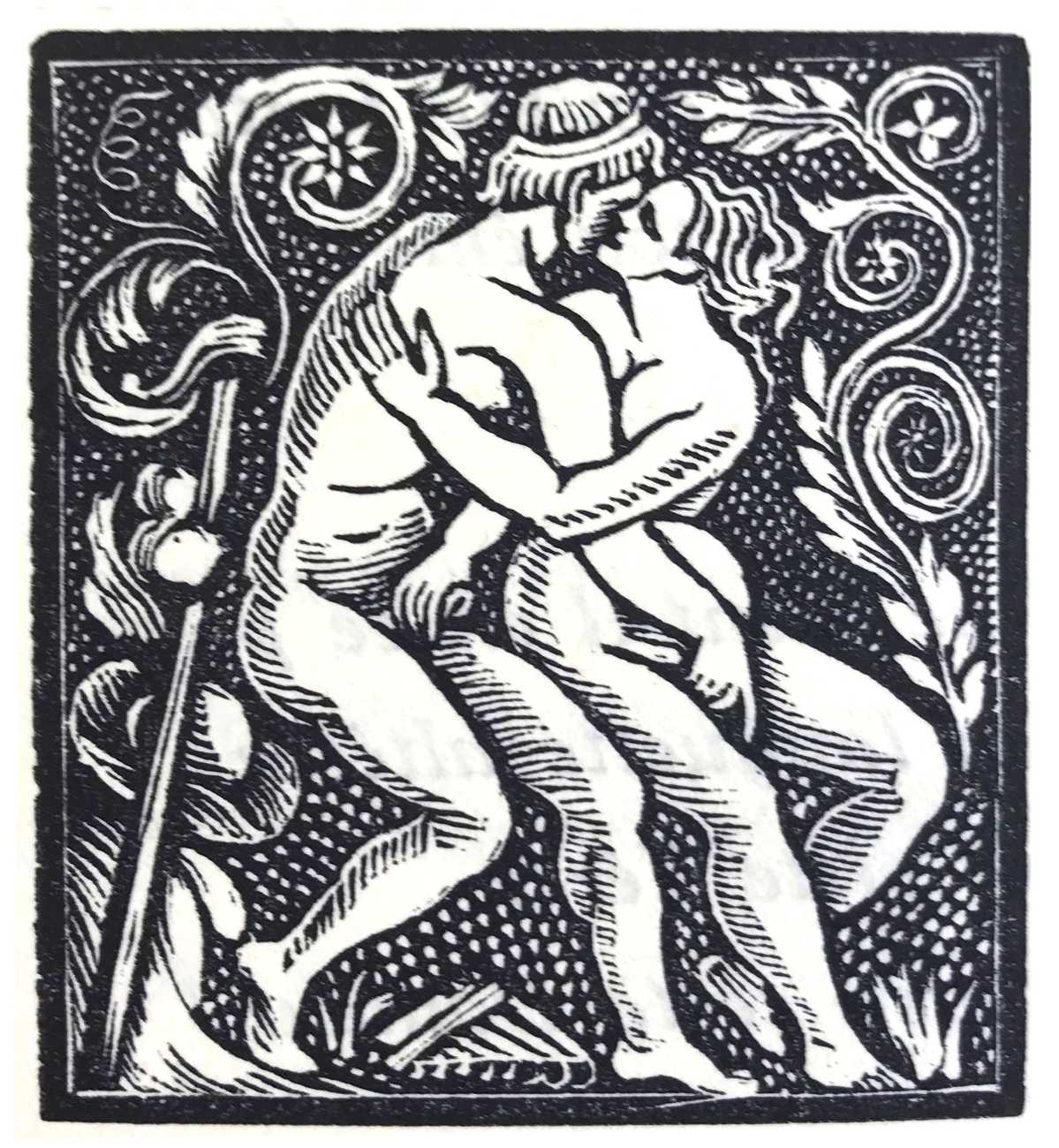
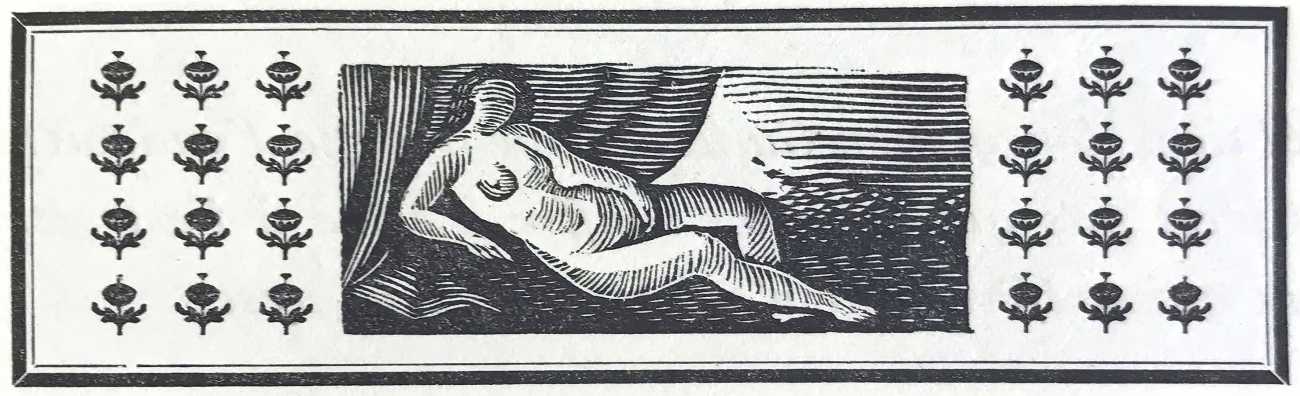
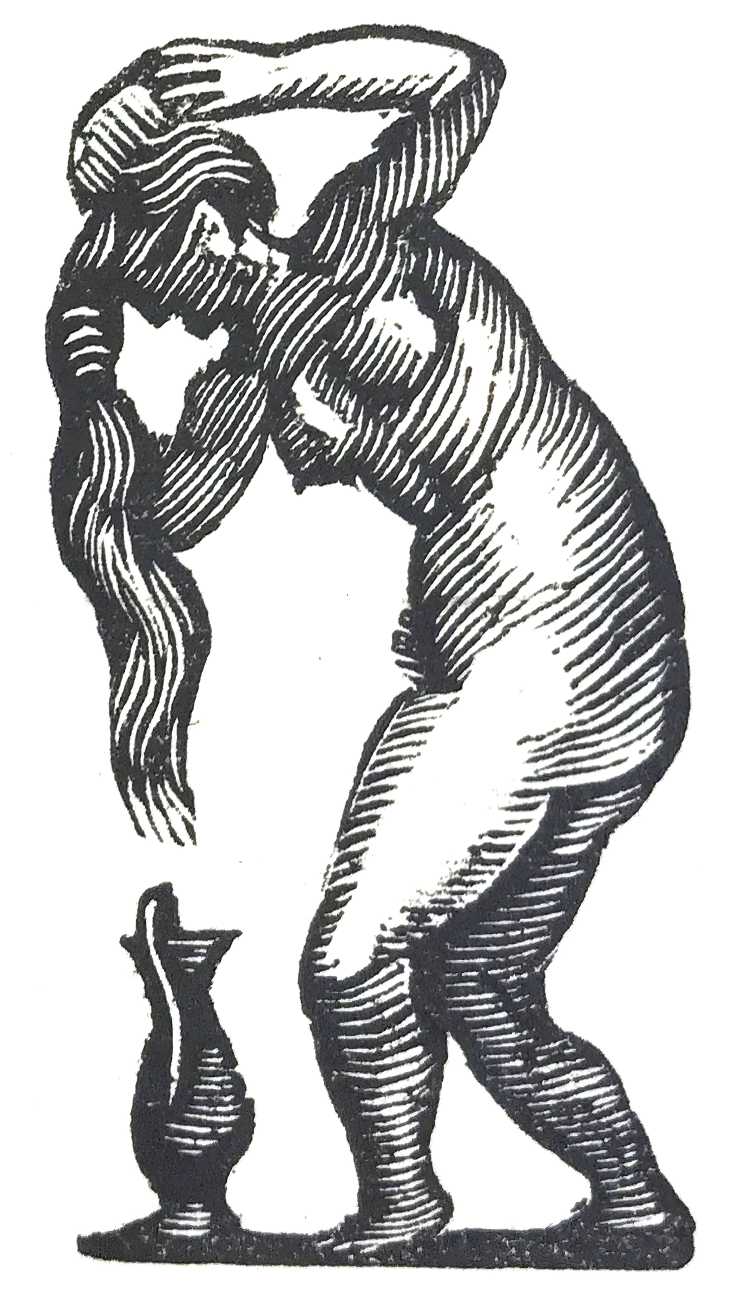
Odes (1926)
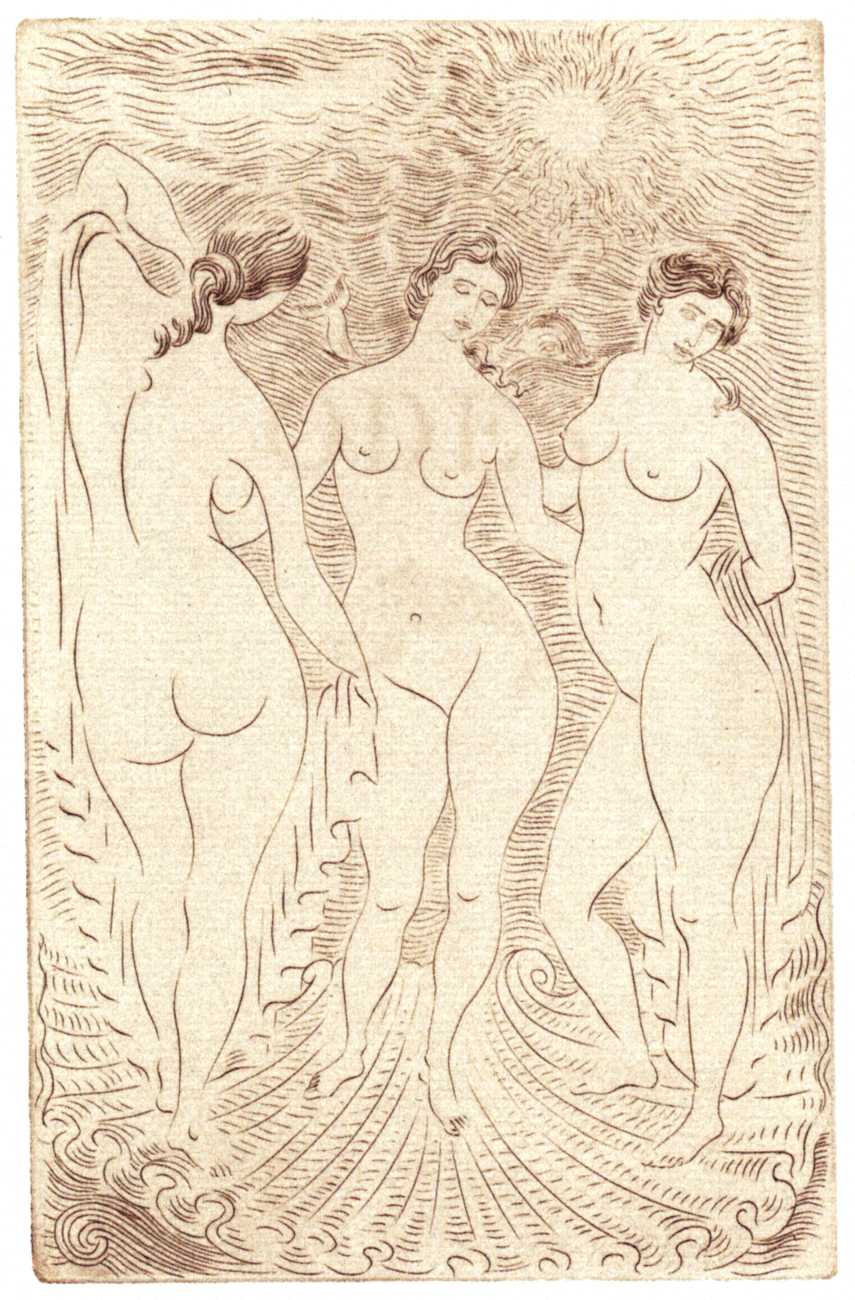
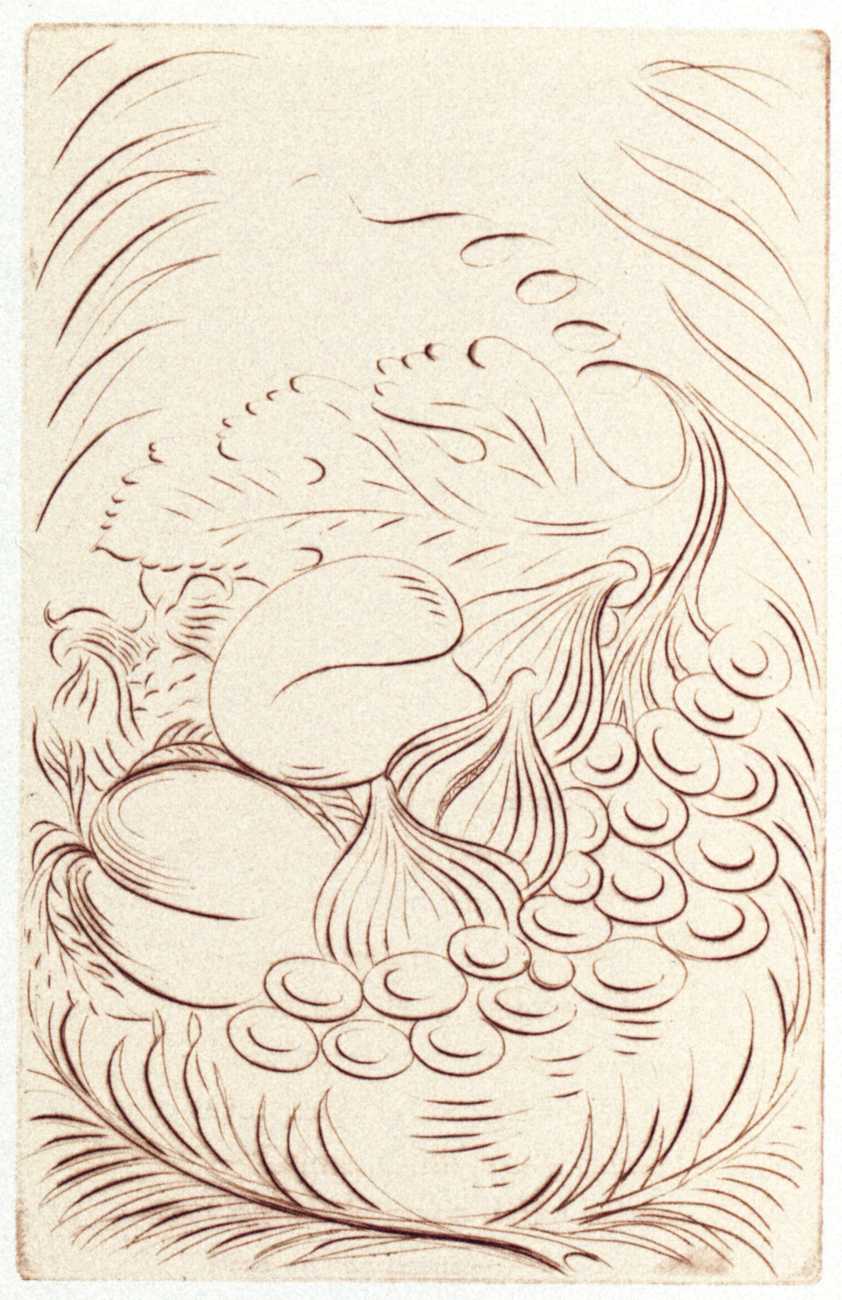
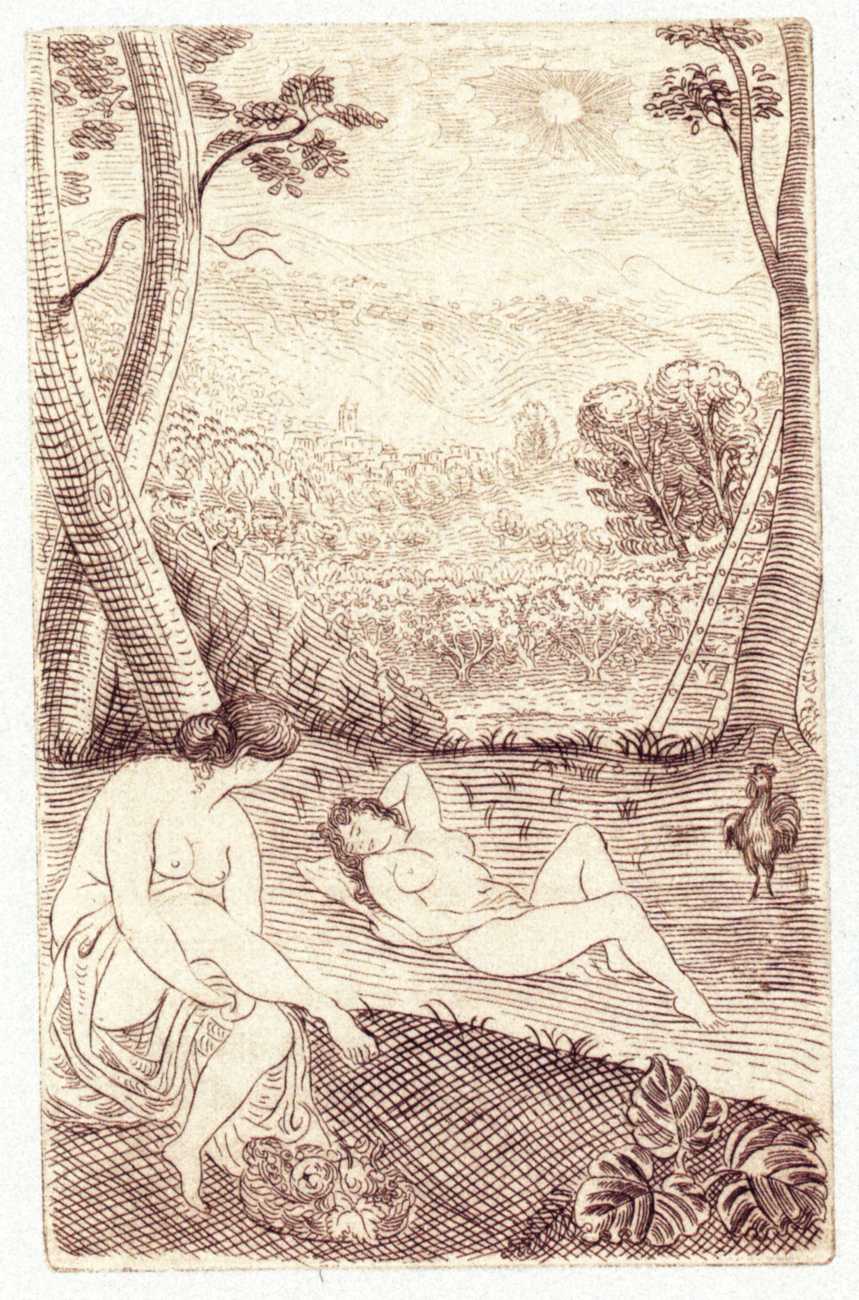
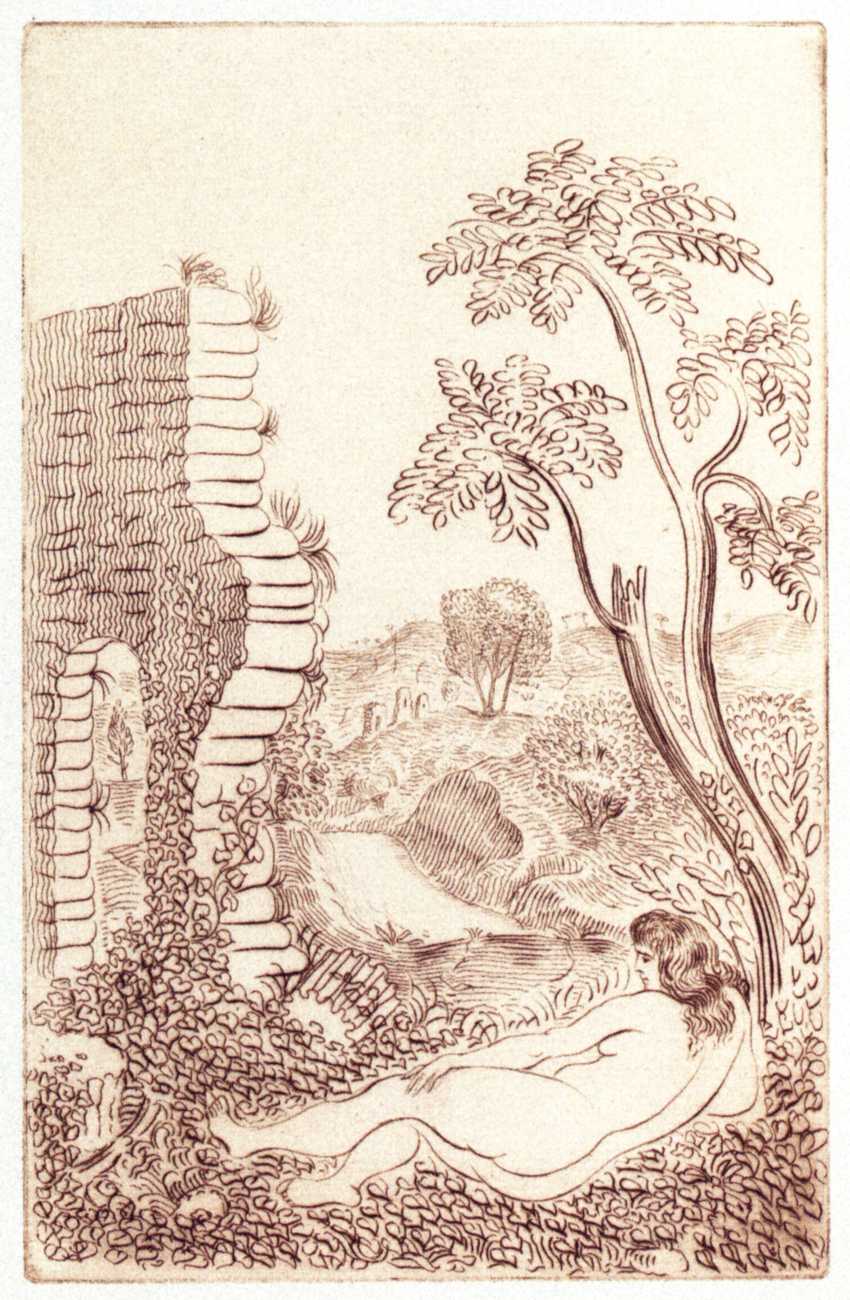
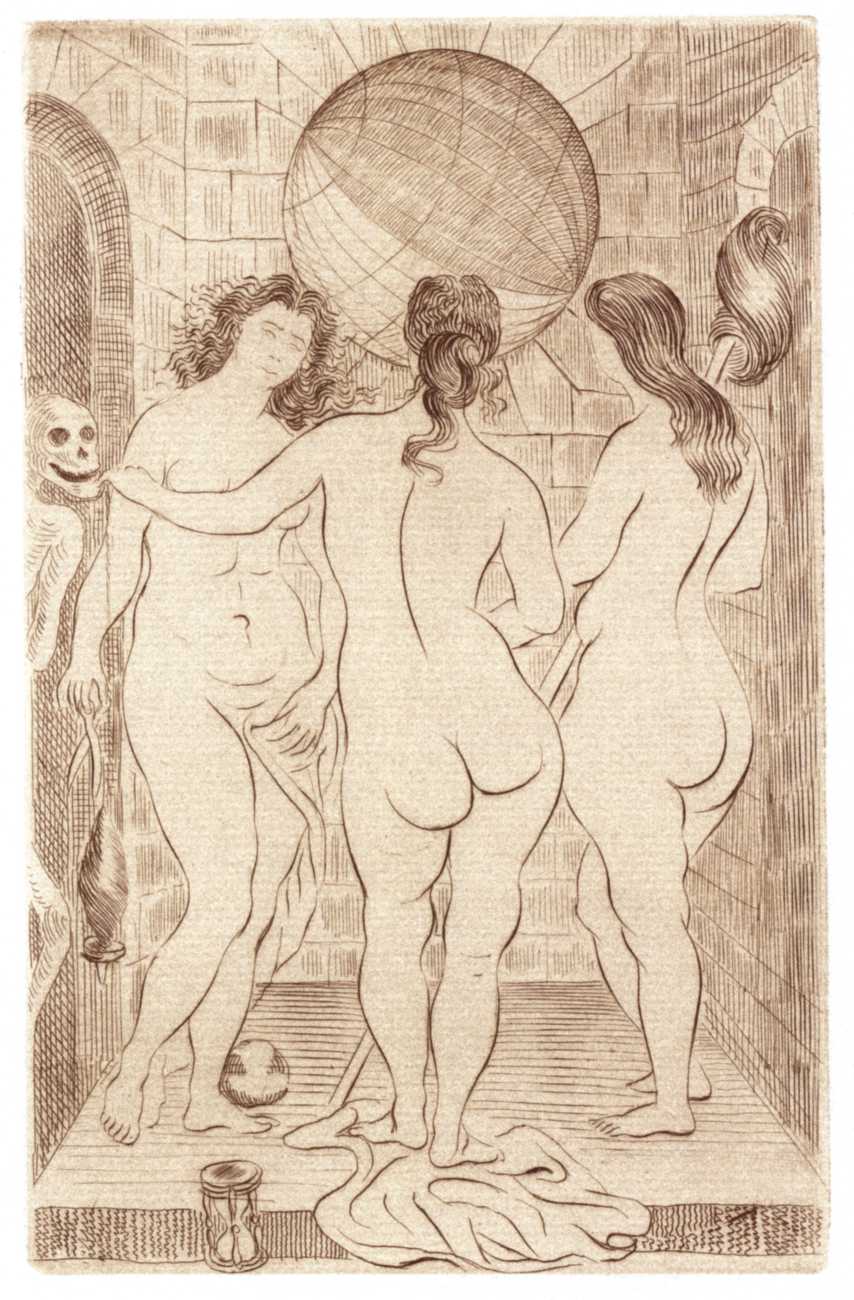
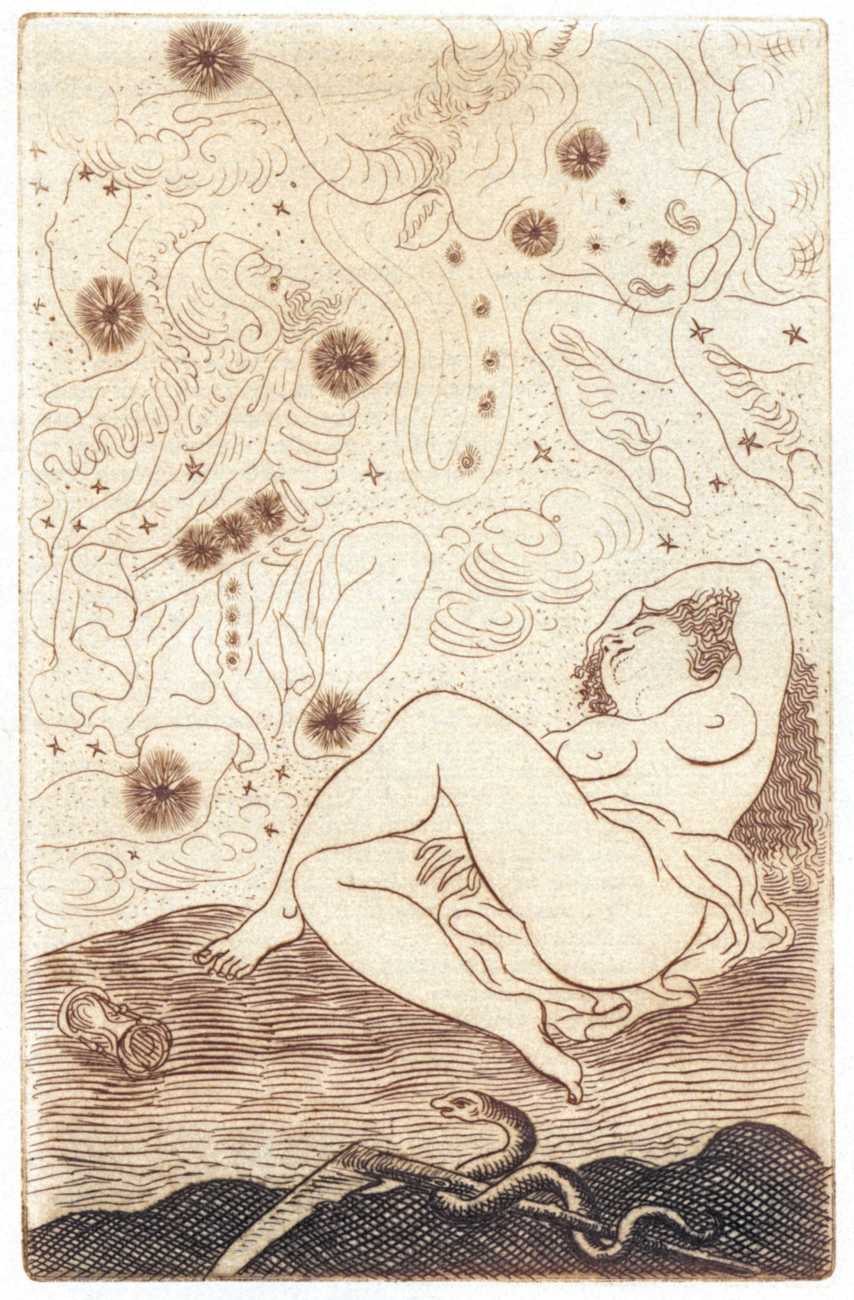
Deux dialogues (1929)
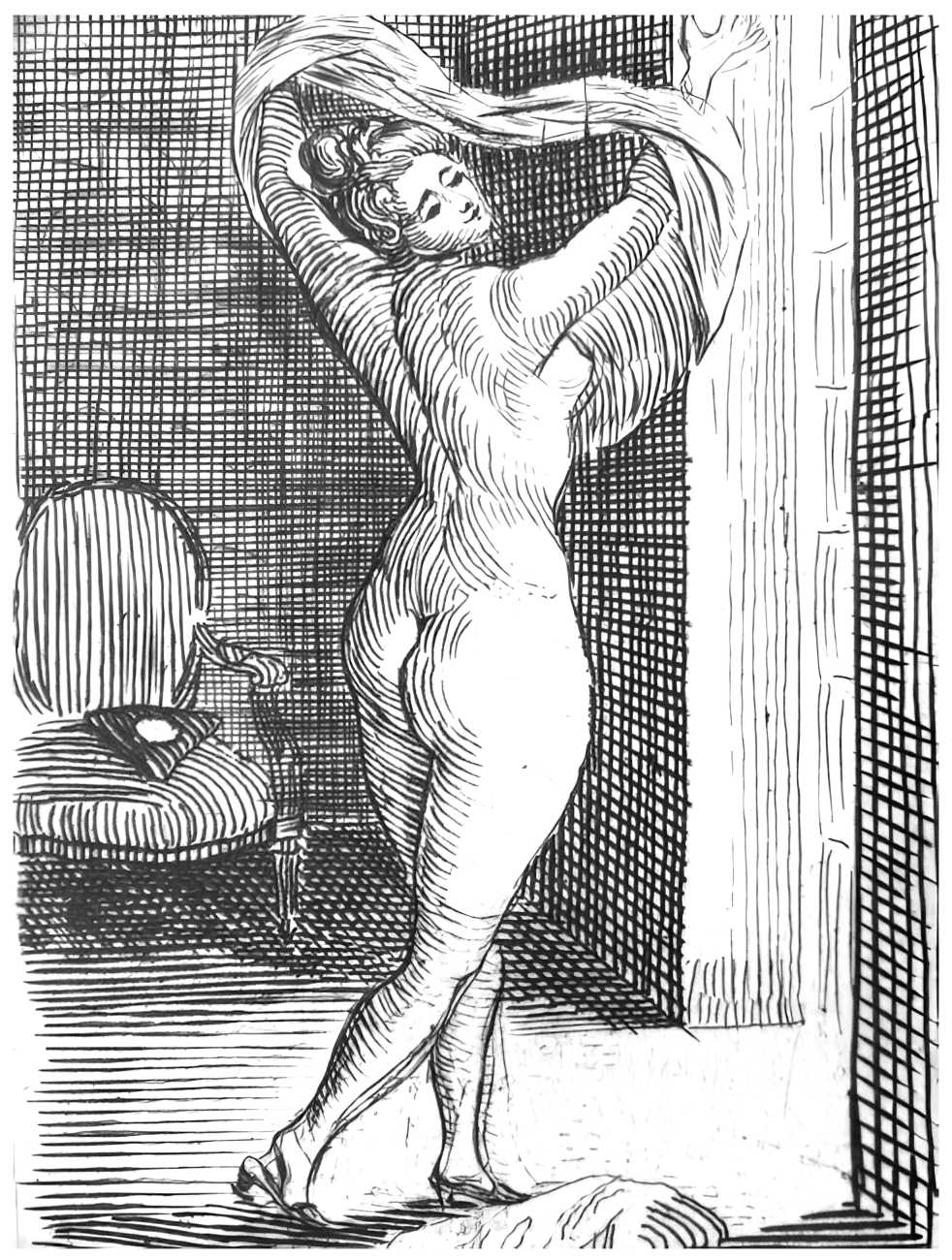
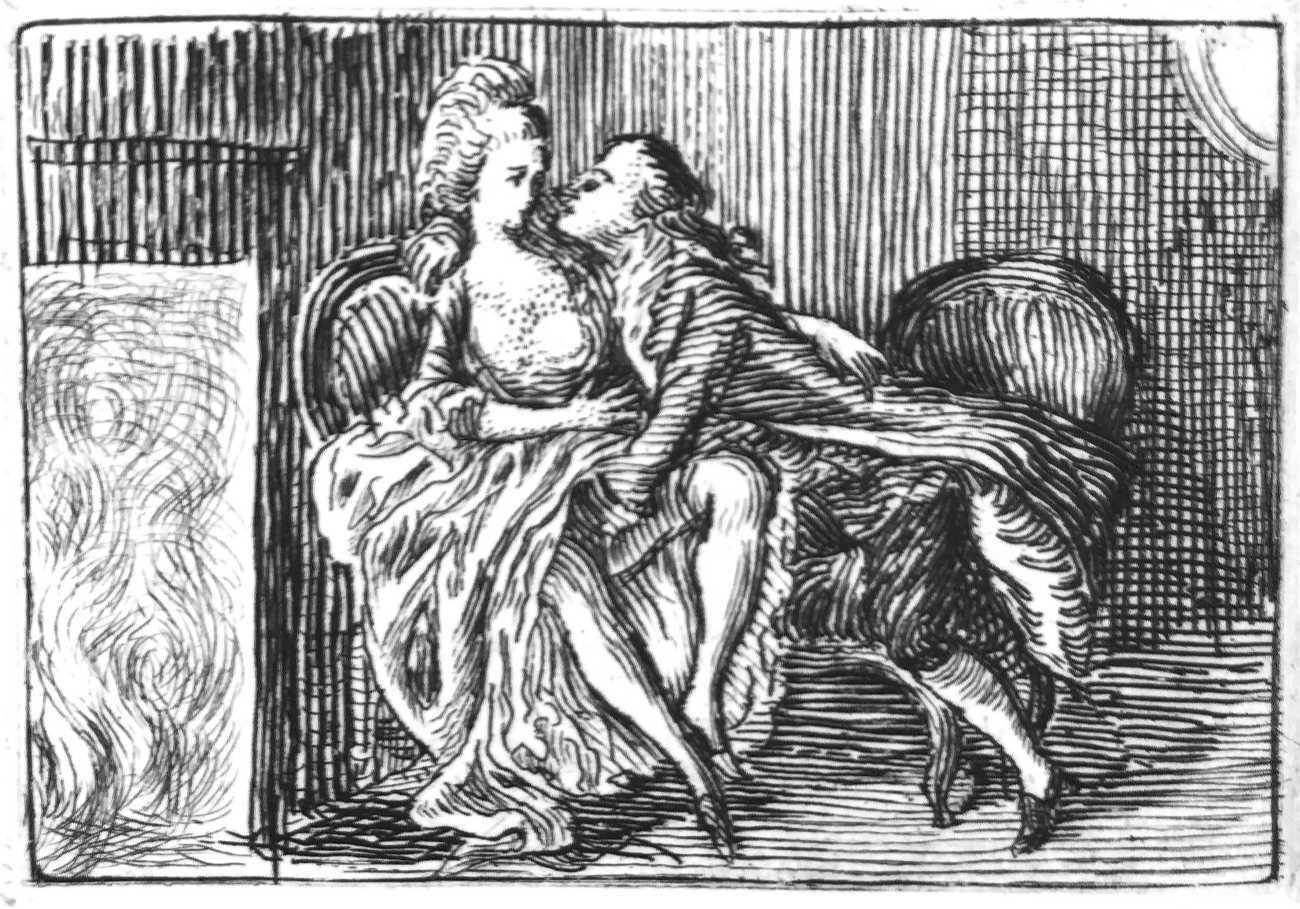
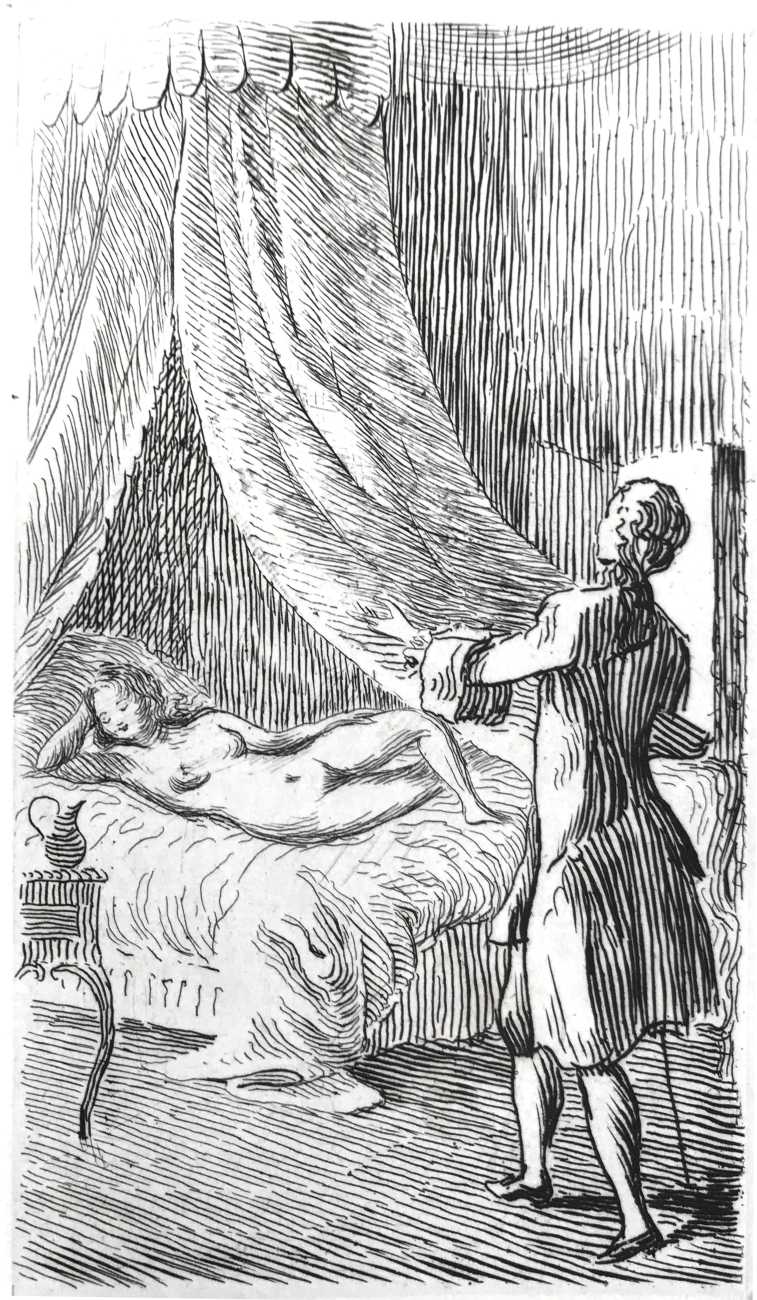

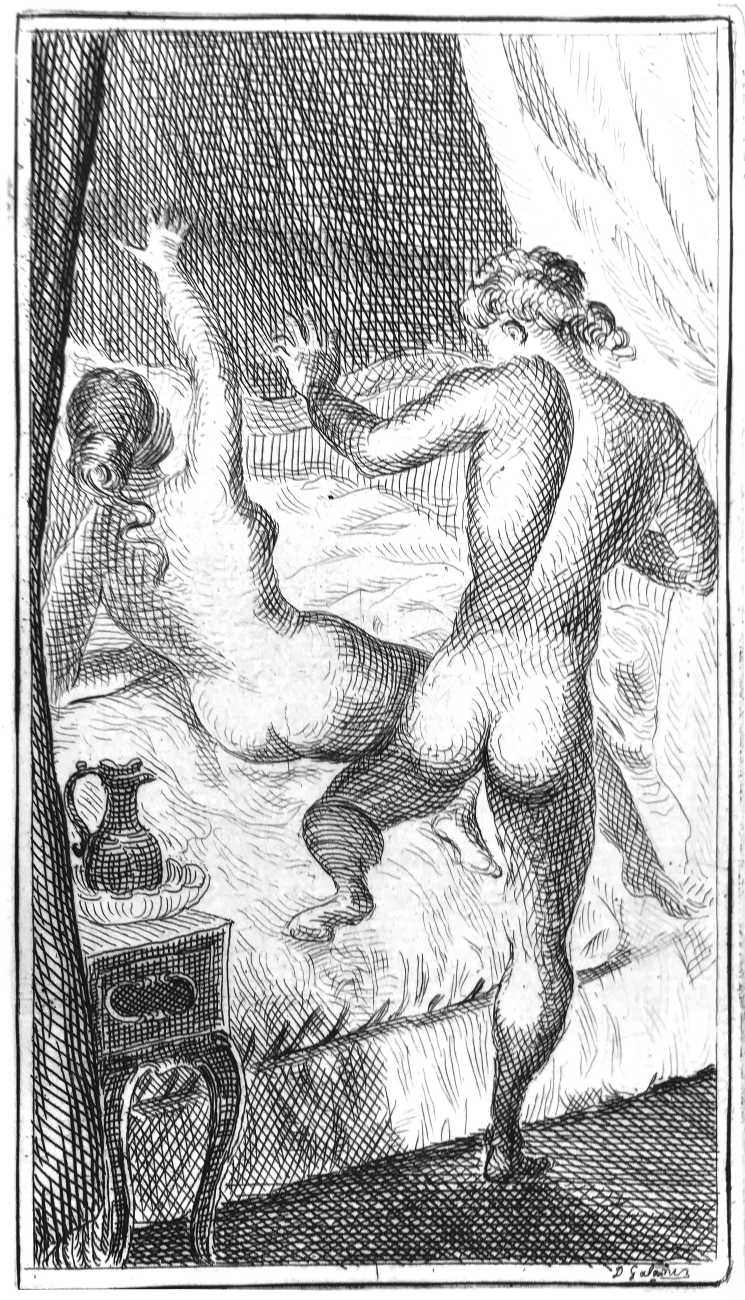
Margot la ravaudeuse (1934)