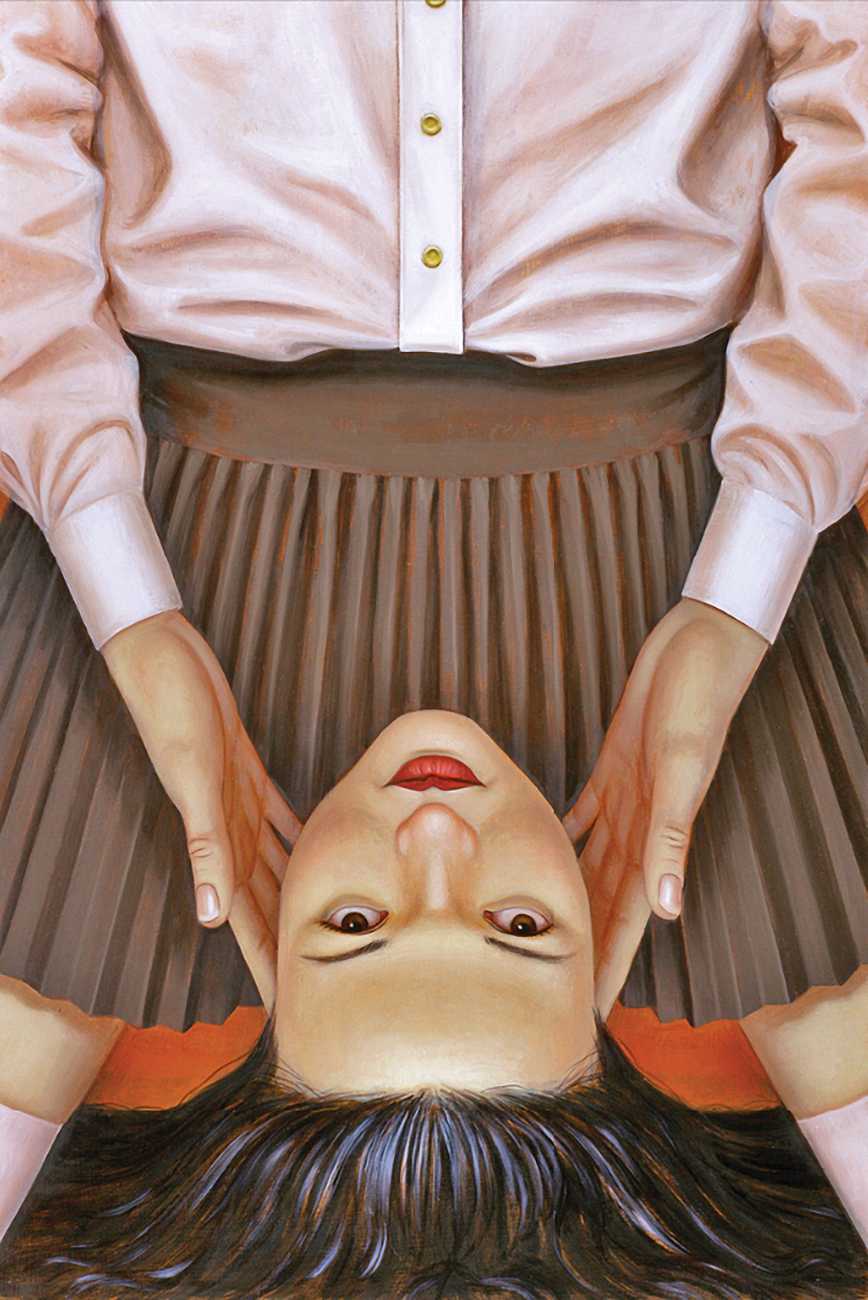
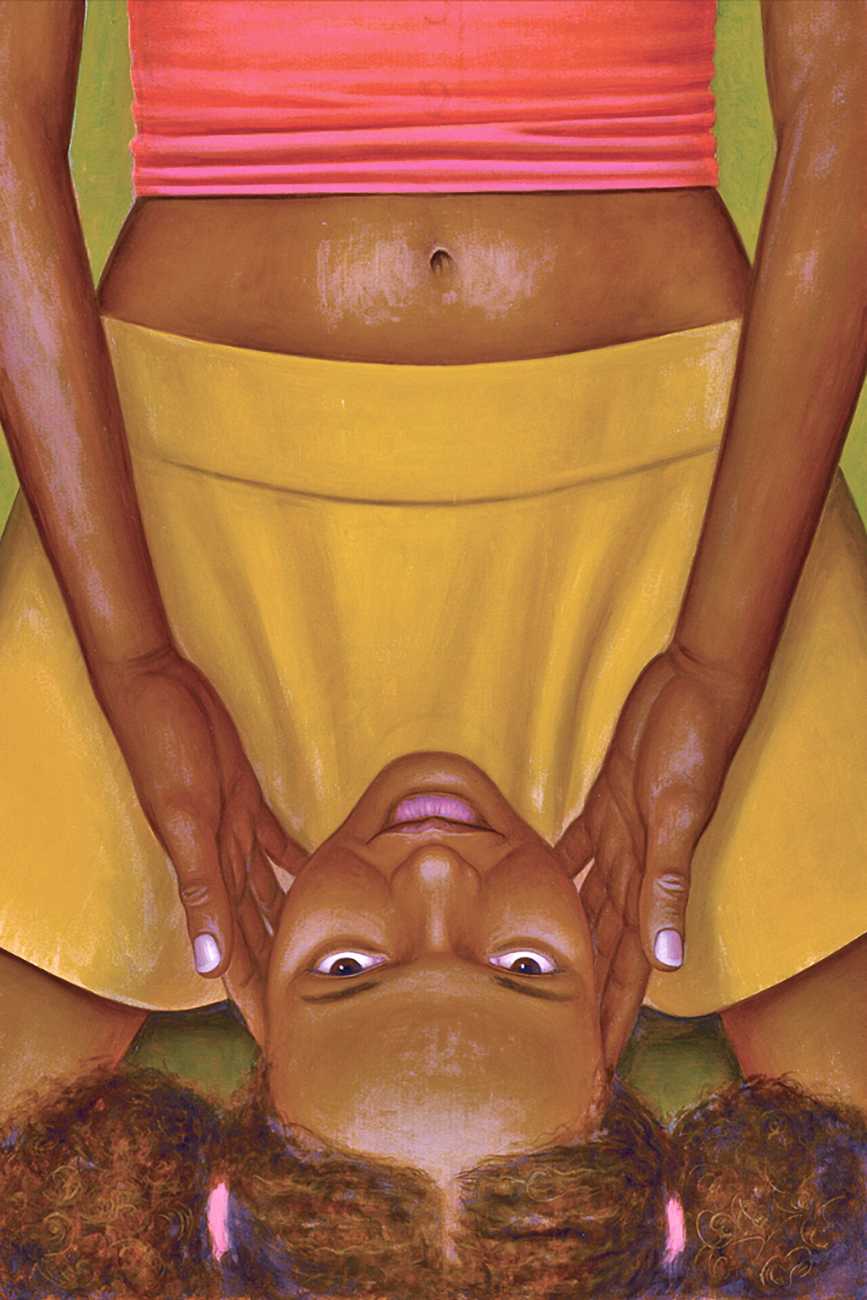
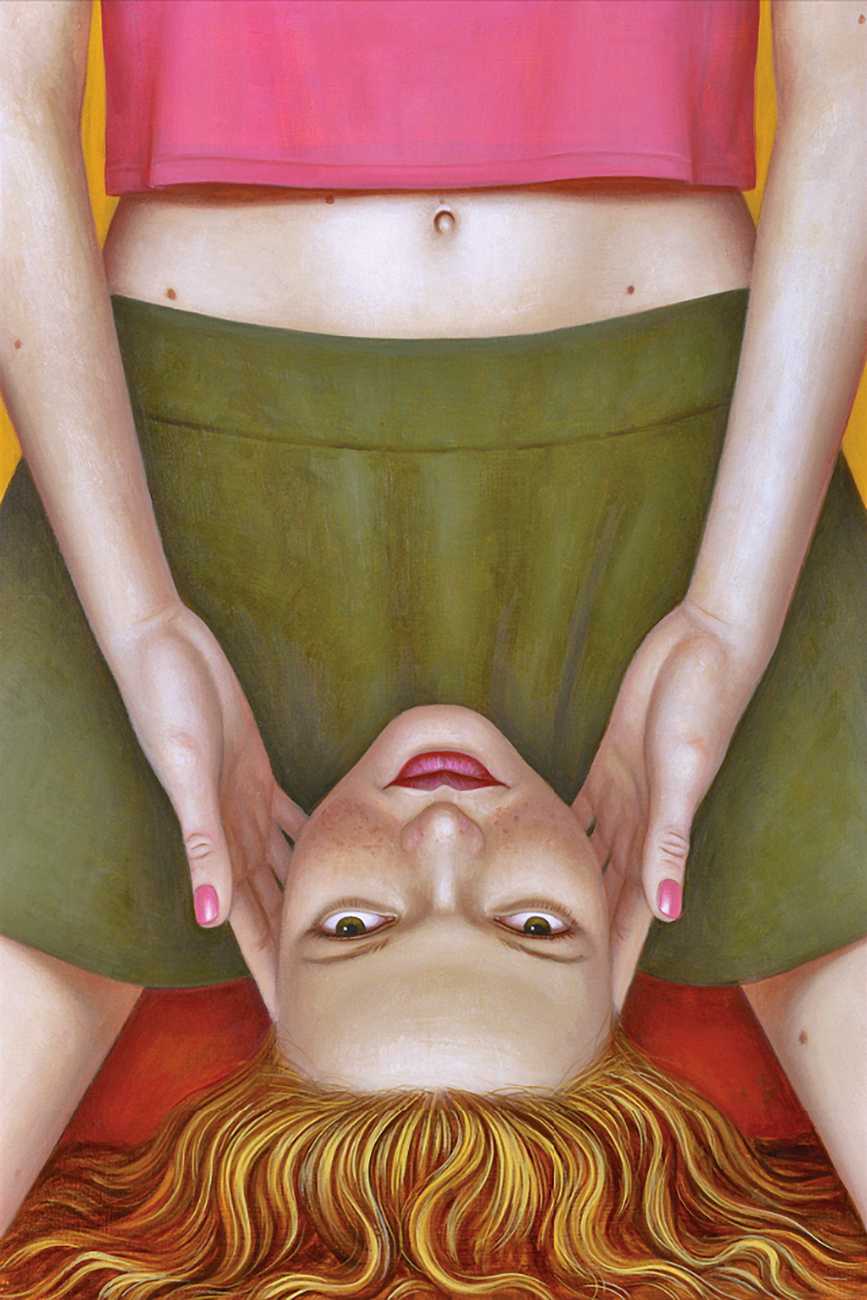
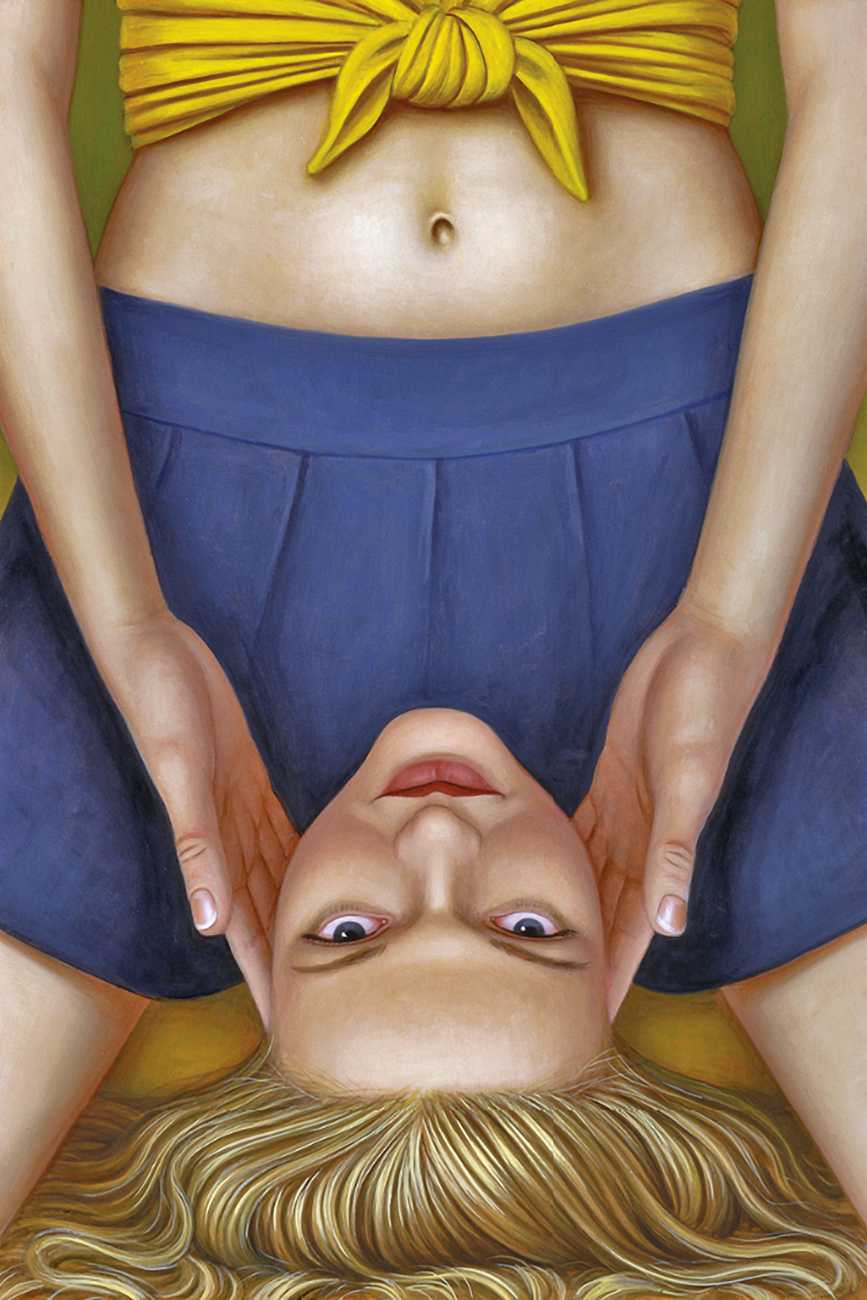
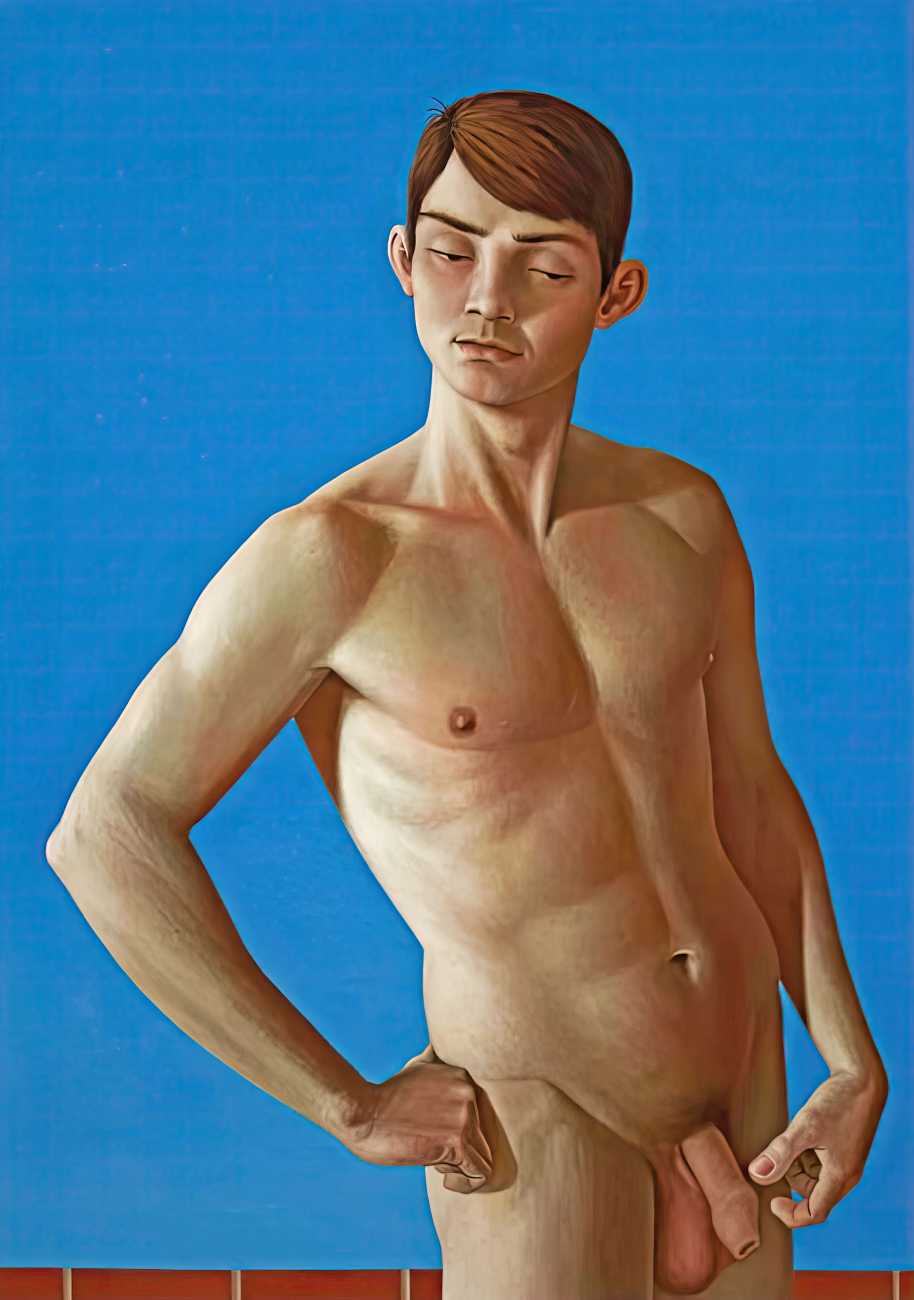
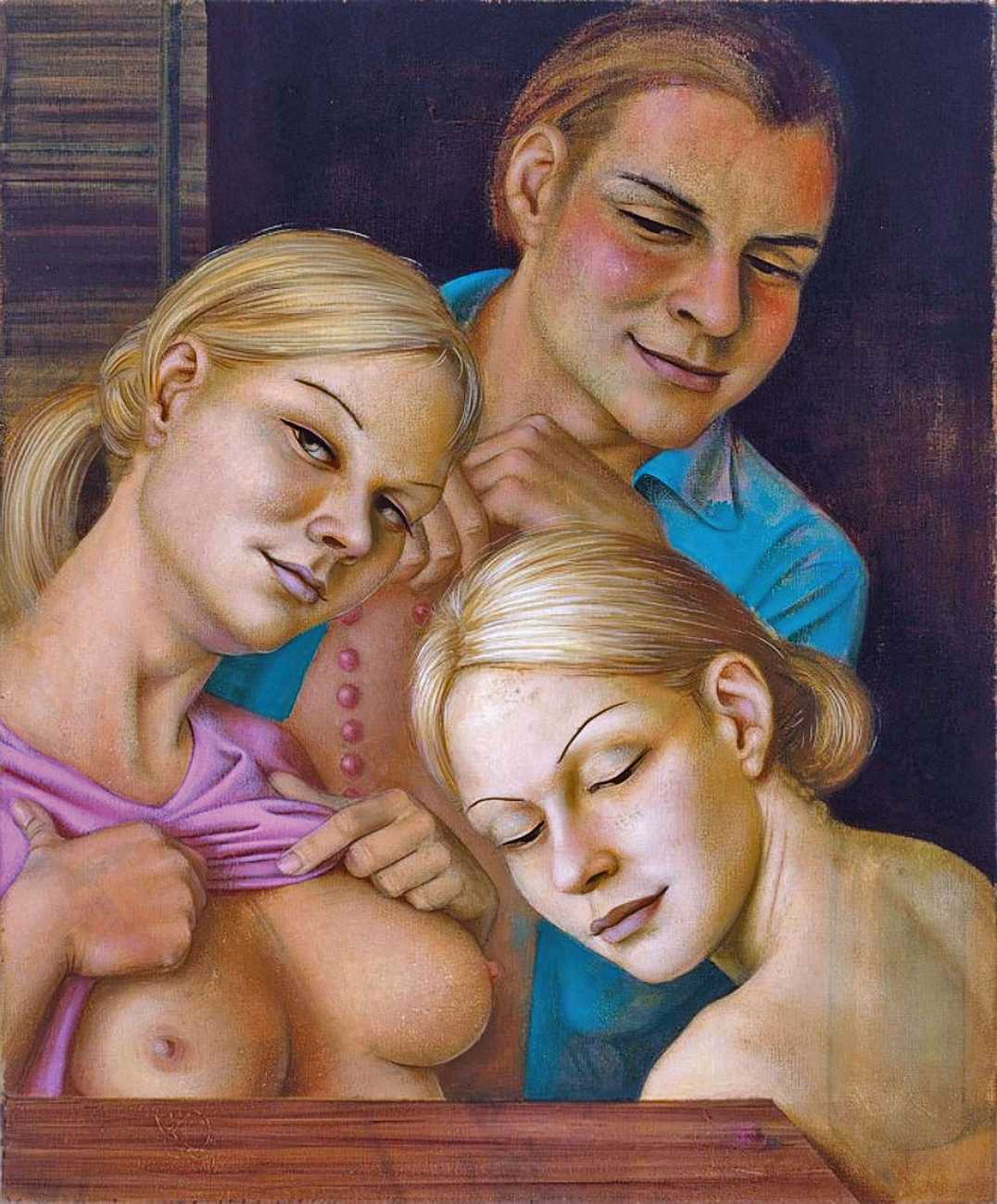
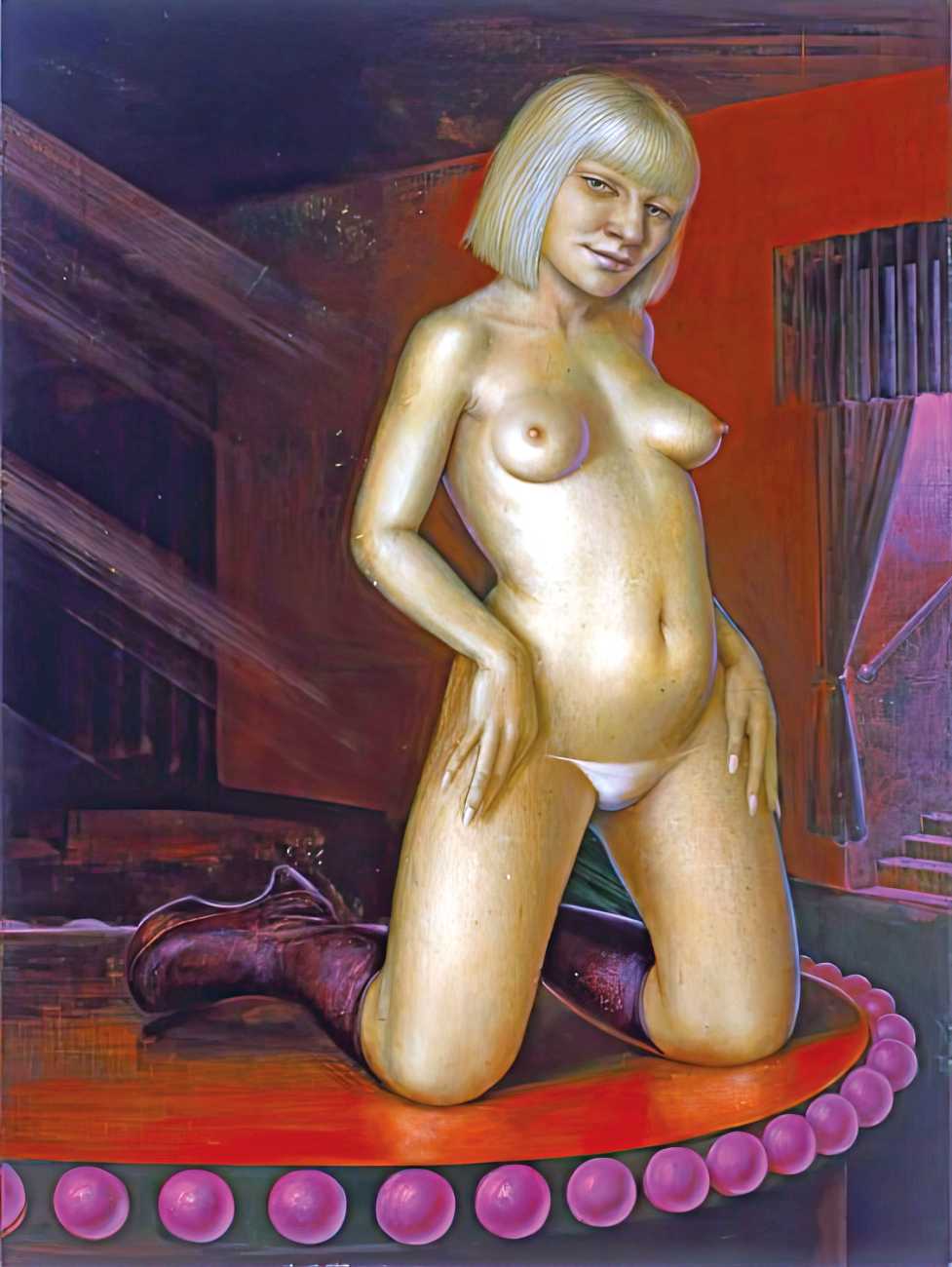
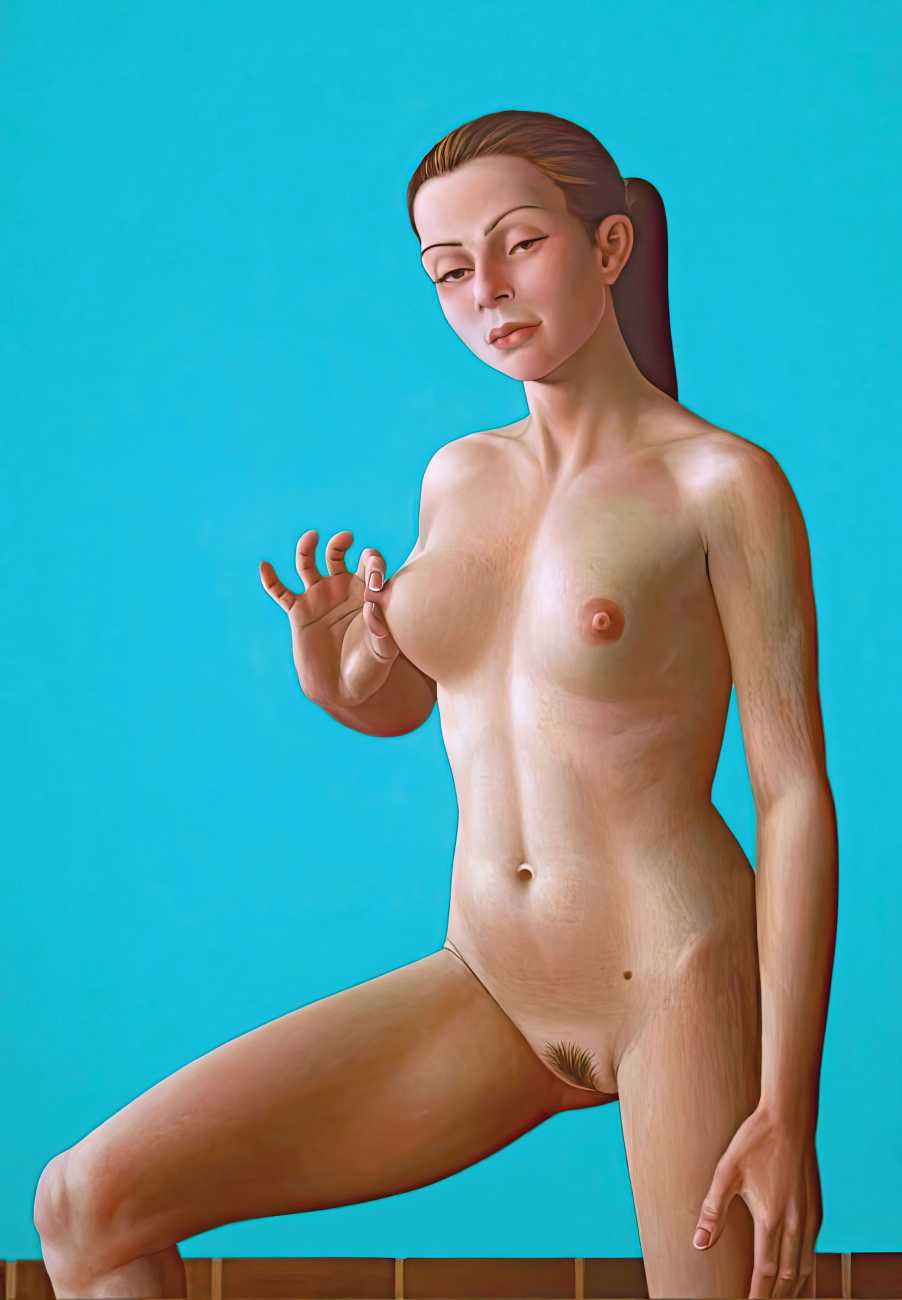
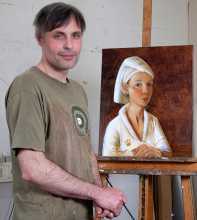
 The German artist Falk Gernegross grew up in Marienberg, in southern Saxony near the Czech border, and in 1994 moved to Leipzig as an apprentice to a stone sculptor. In 2001 he enrolled in painting classes at the Hochschule für Grafik und Buchkunst (Academy of Visual Arts) in Leipzig, and from 2003 to 2008 studied under Arno Rink and Neo Rauch, gaining his Diploma in Fine Art in 2008. He started exhibiting in 2004, and had his first solo exhibitions in 2006 at Galerie Hobbyshop in Munich, and in 2008 at Galerie Kleindienst in Leipzig, a venue where he has shown his work regularly since then. He loves Leipzig, and still lives and works in the city.
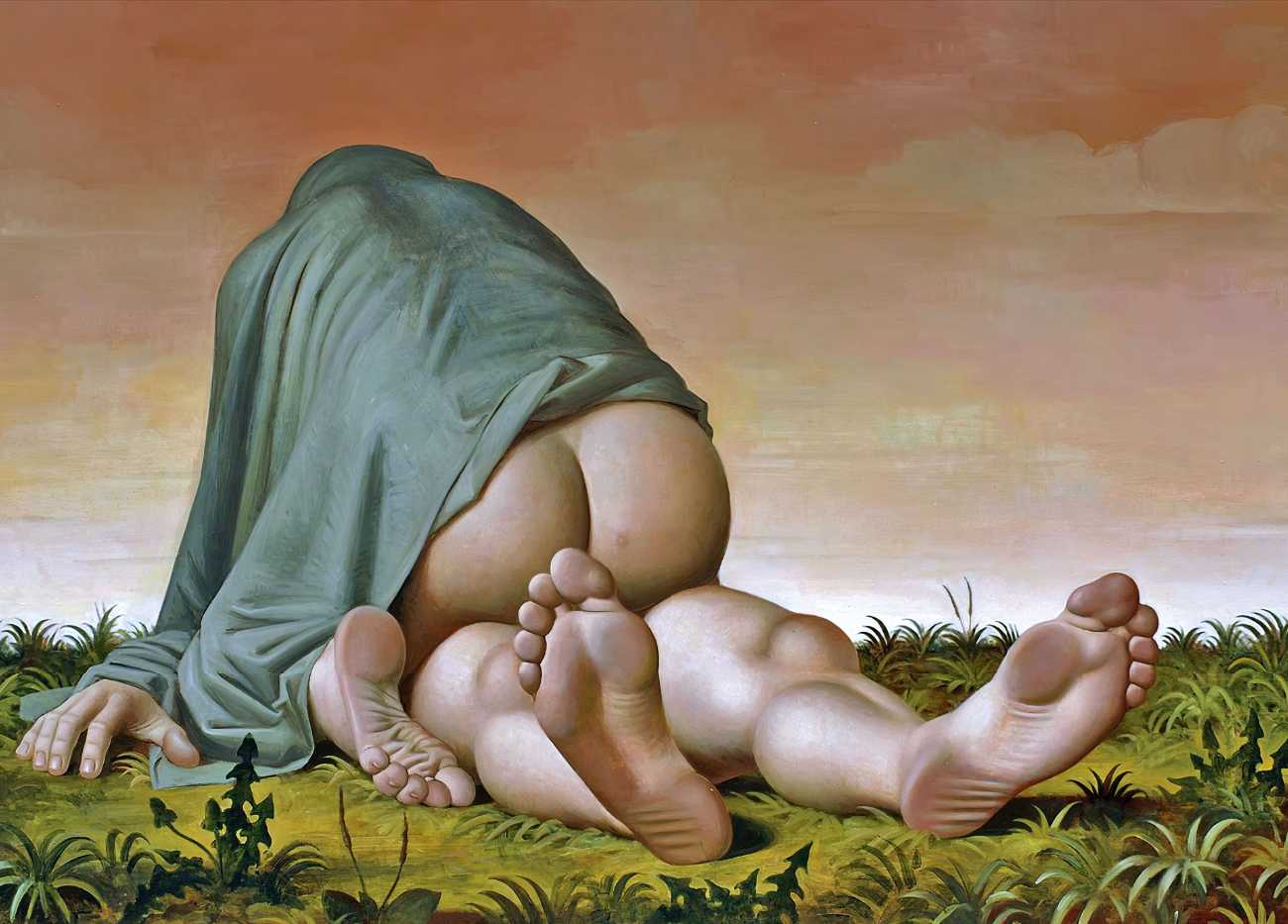
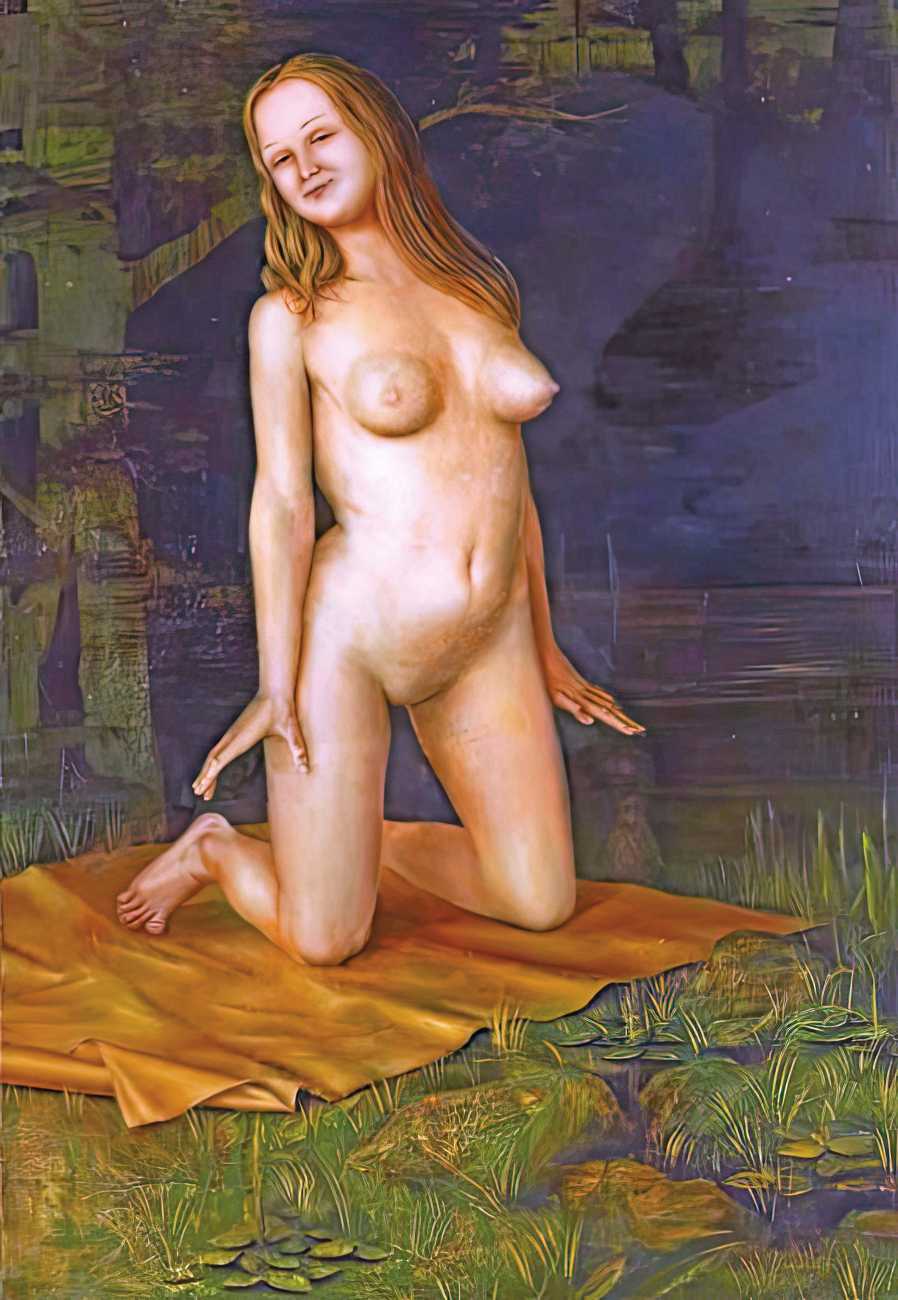
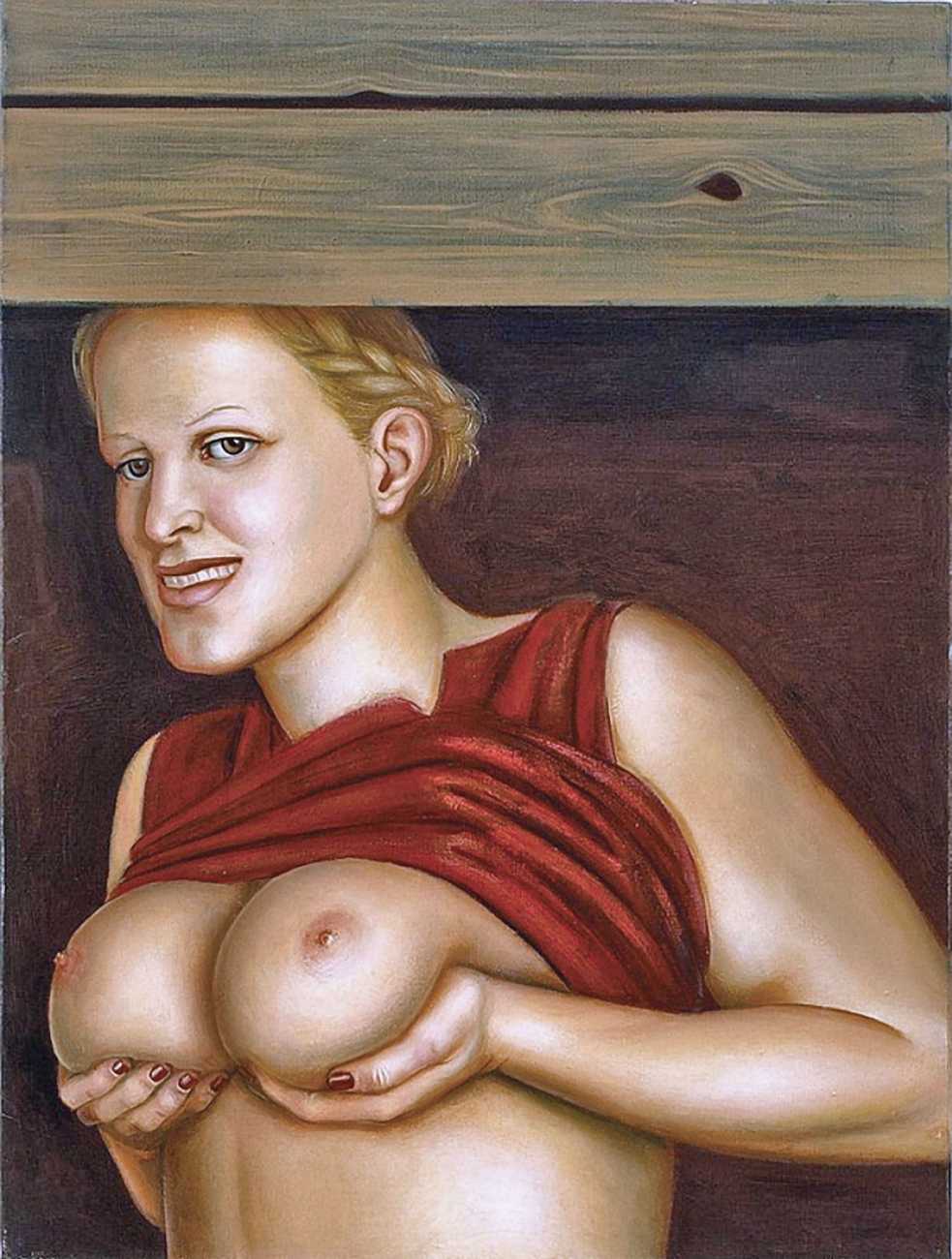
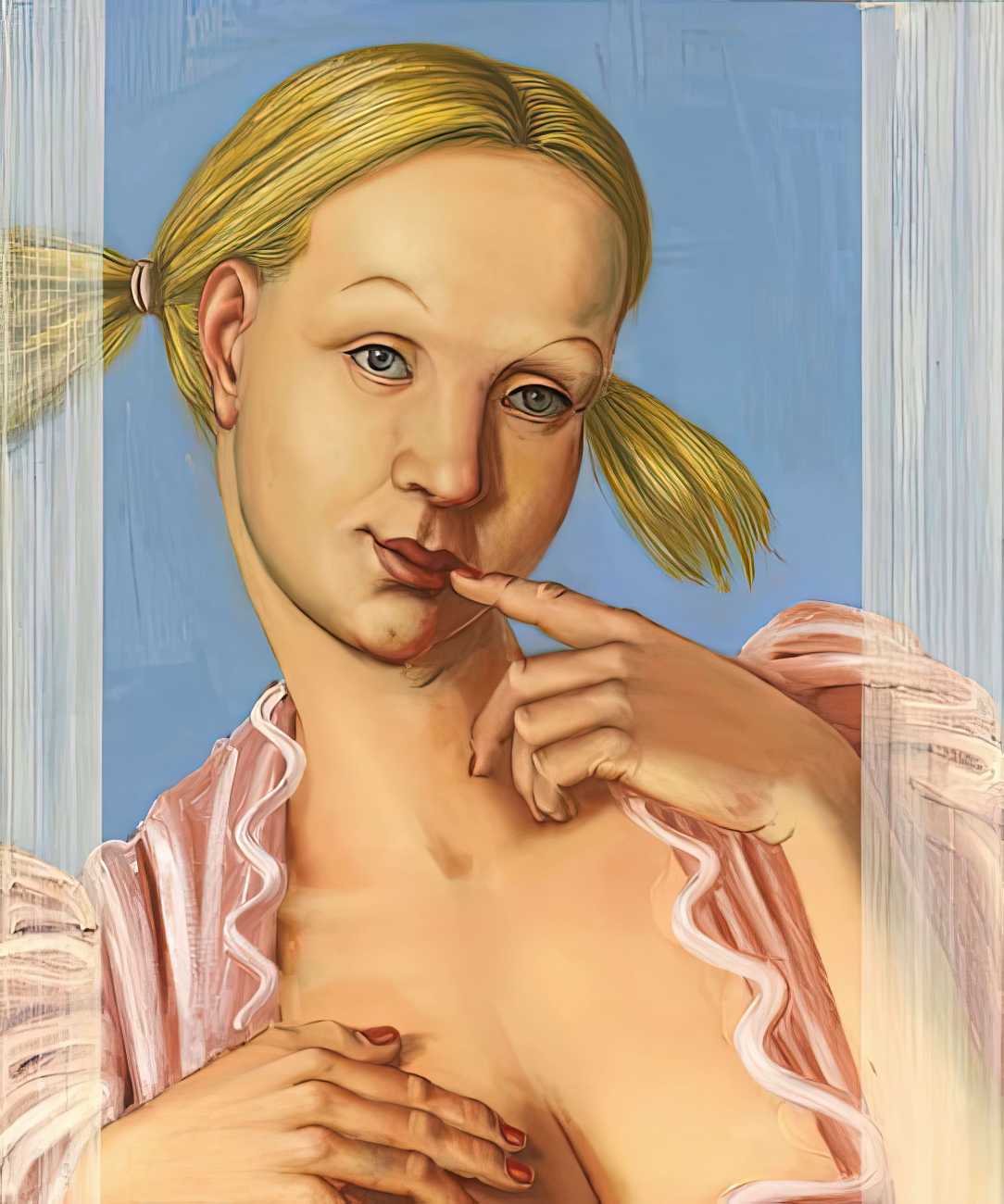
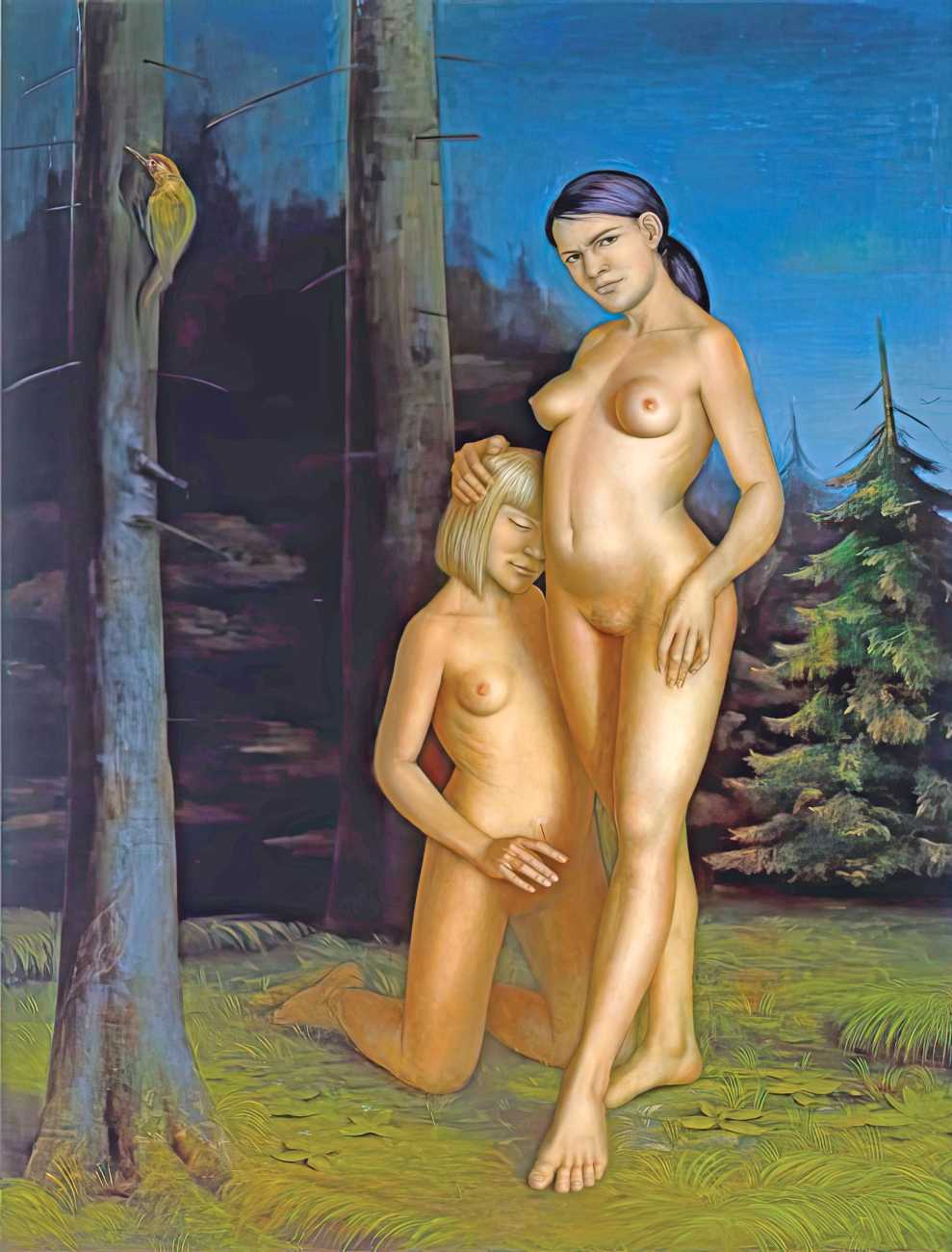
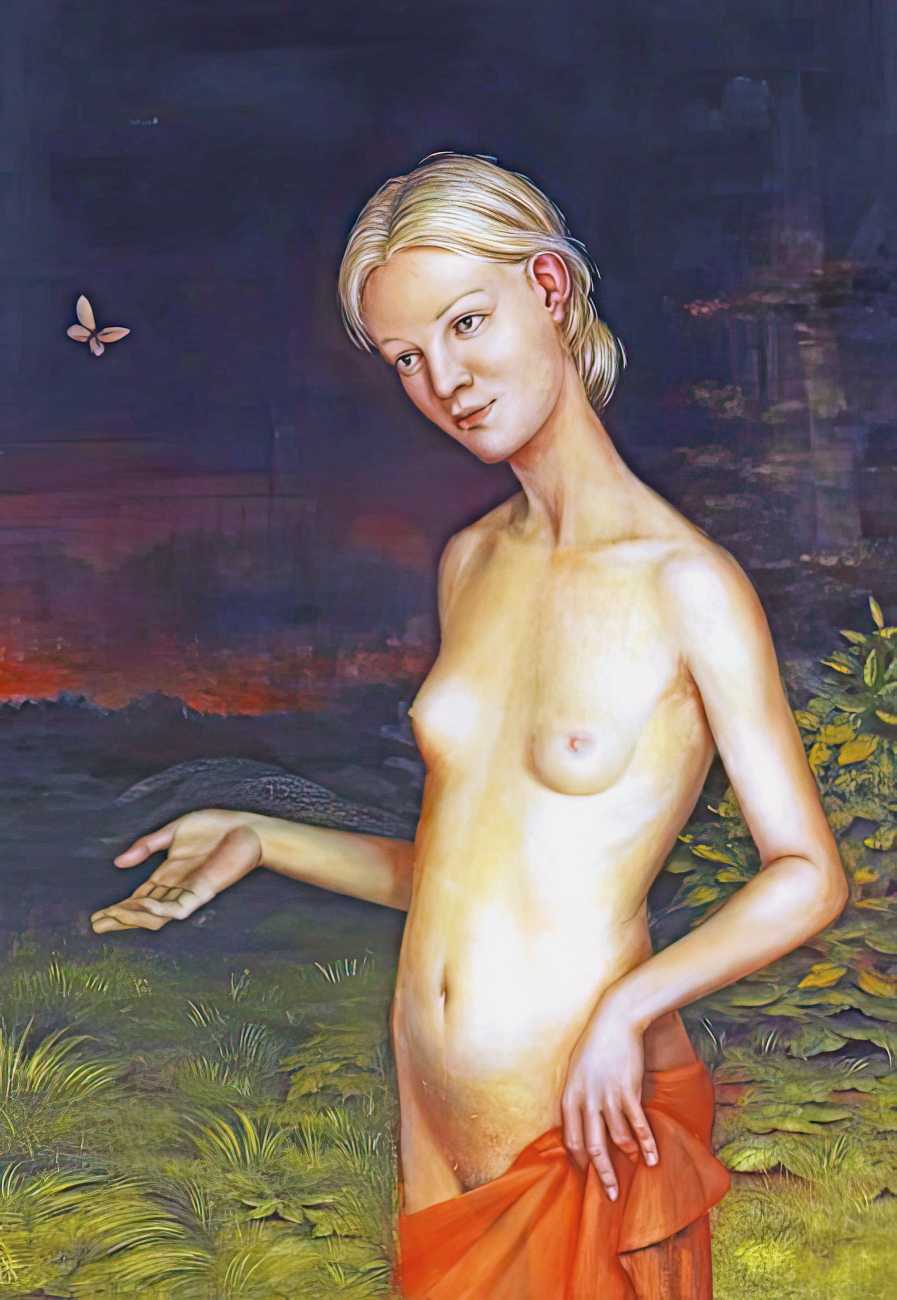
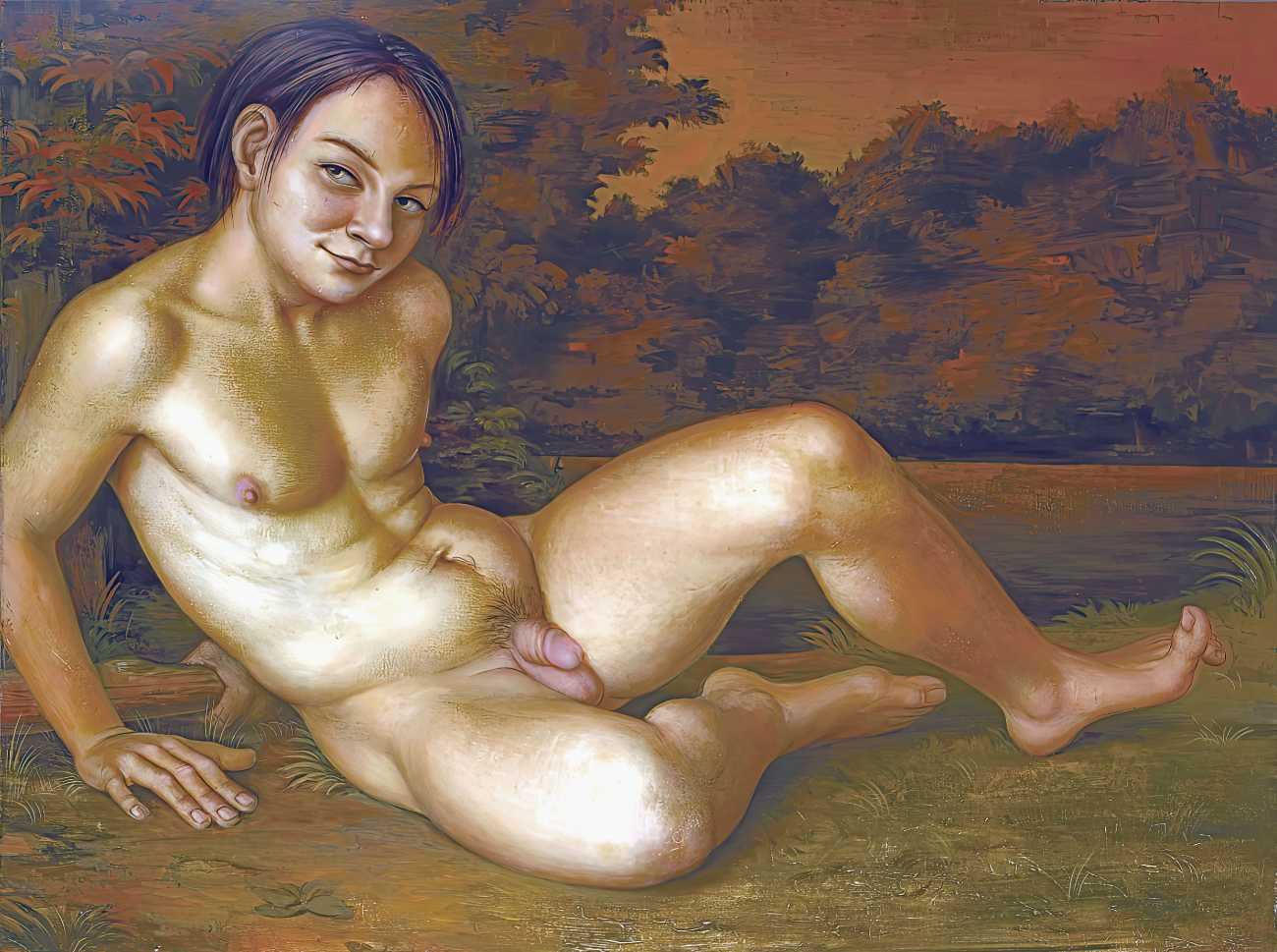
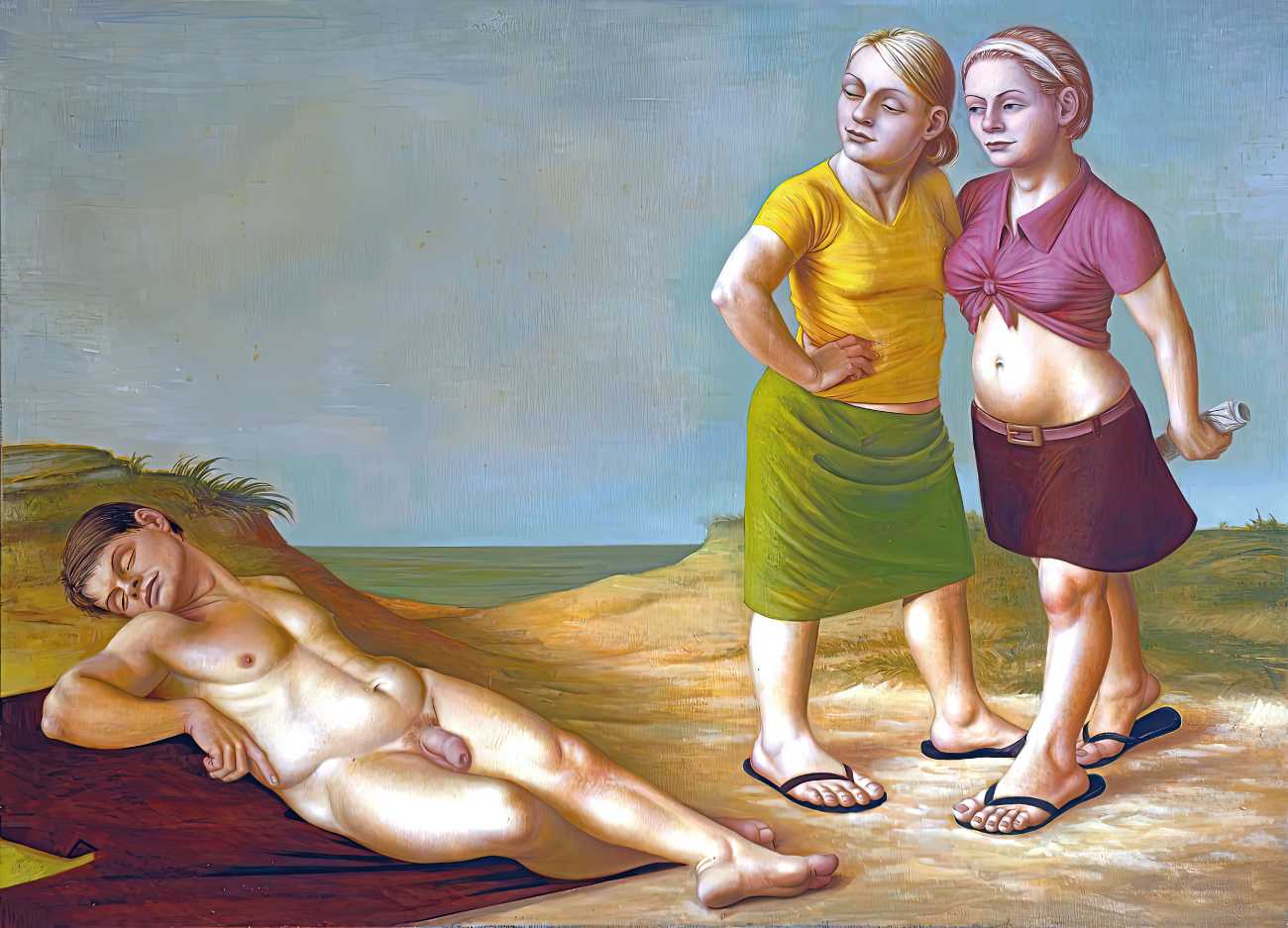
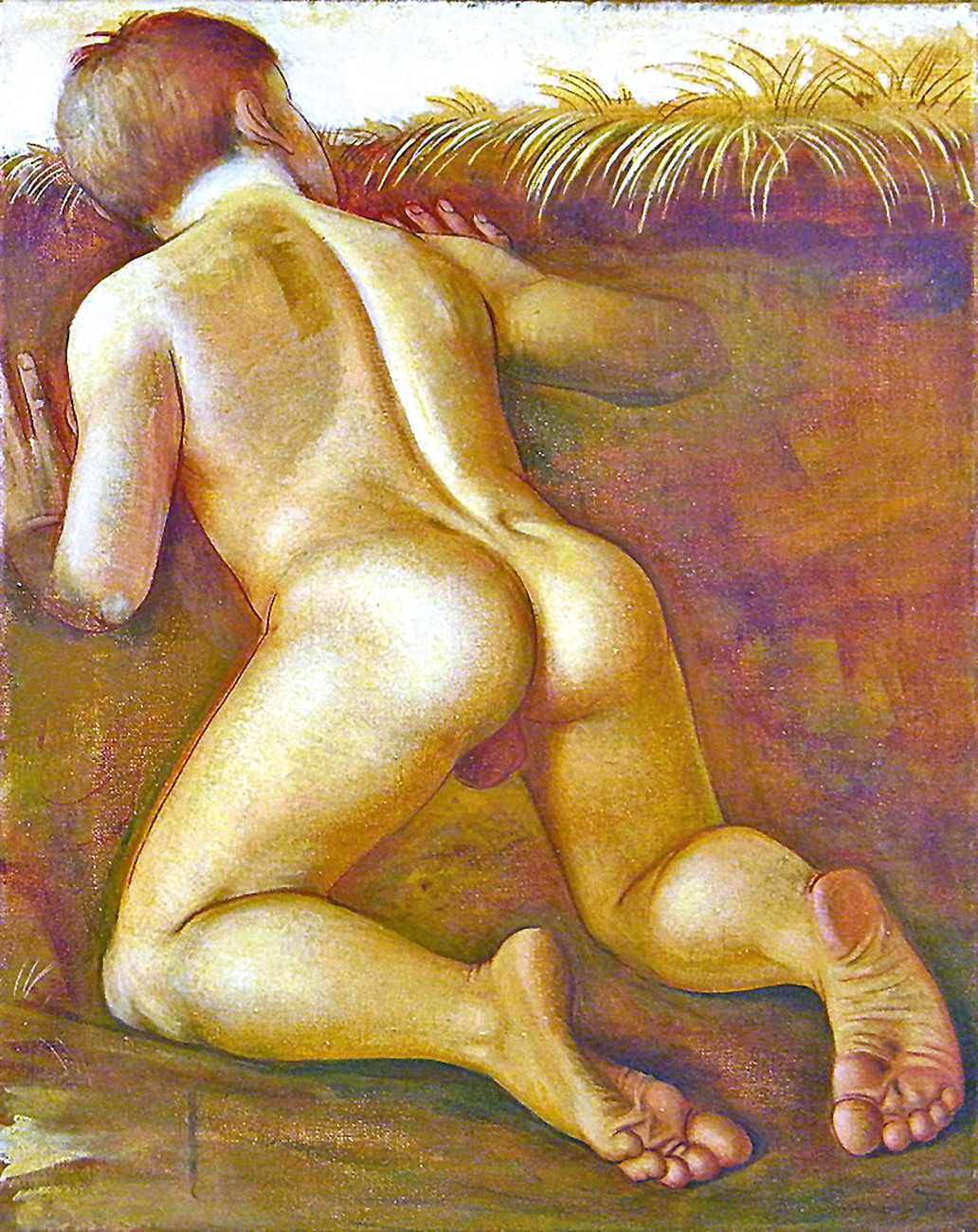
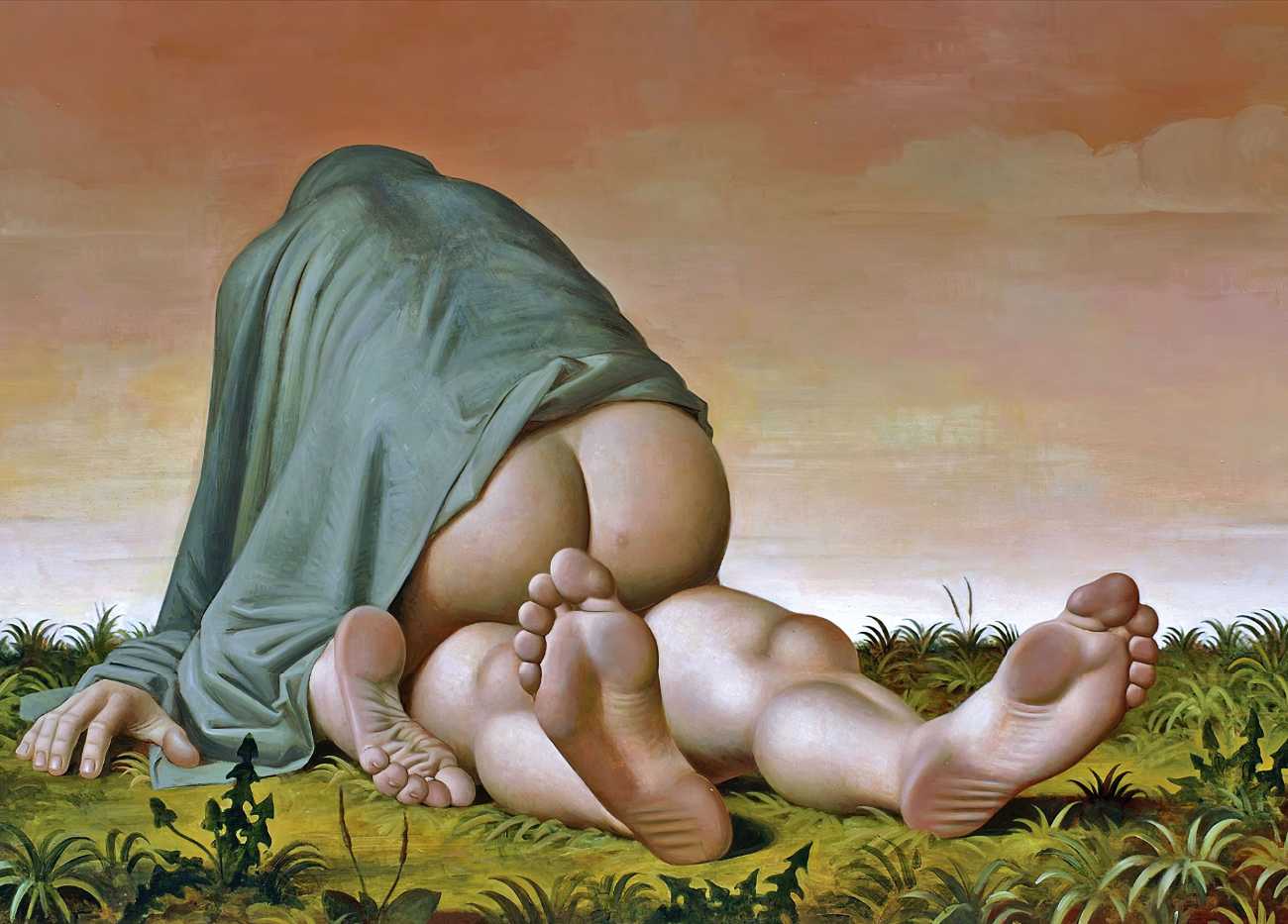
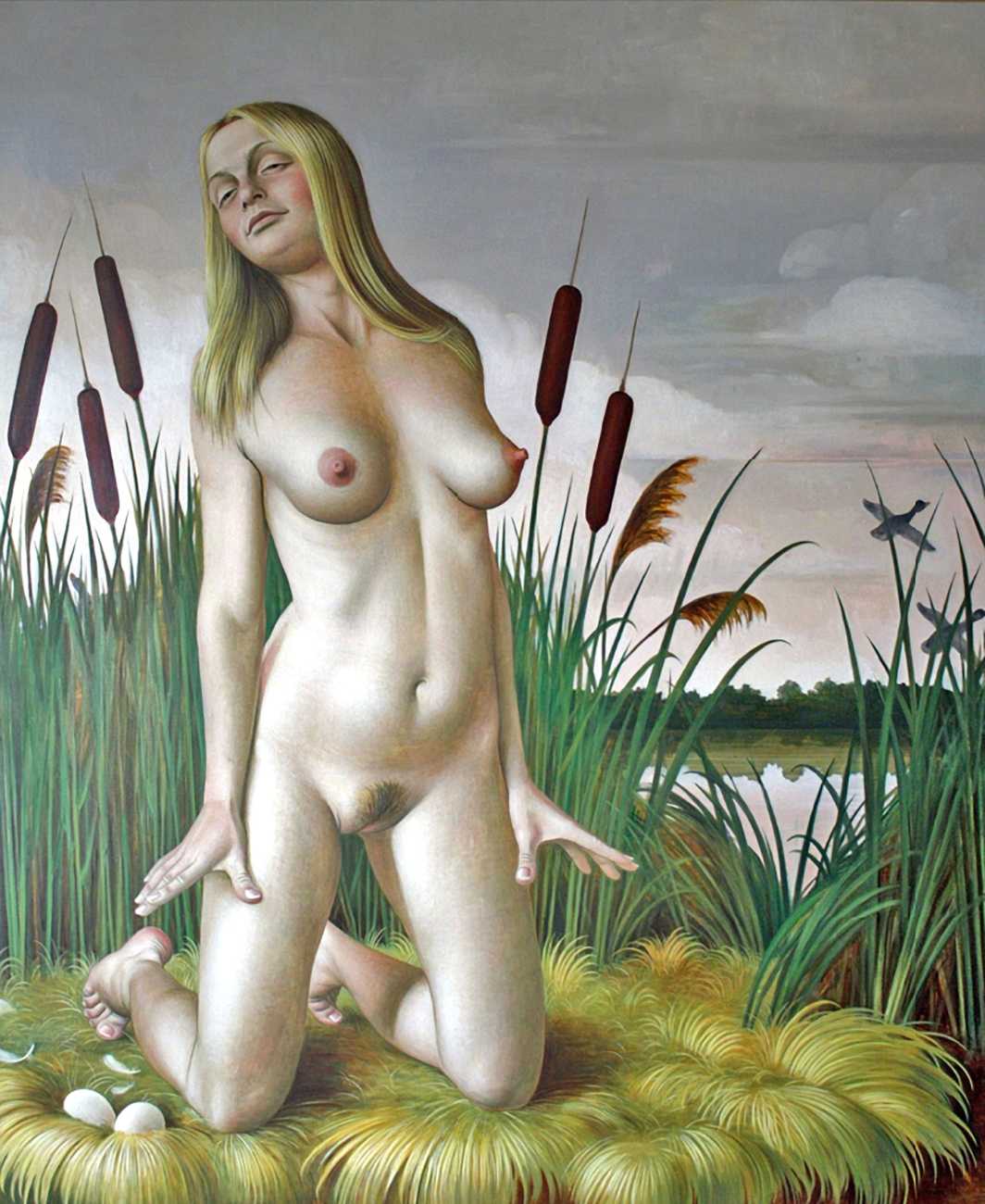
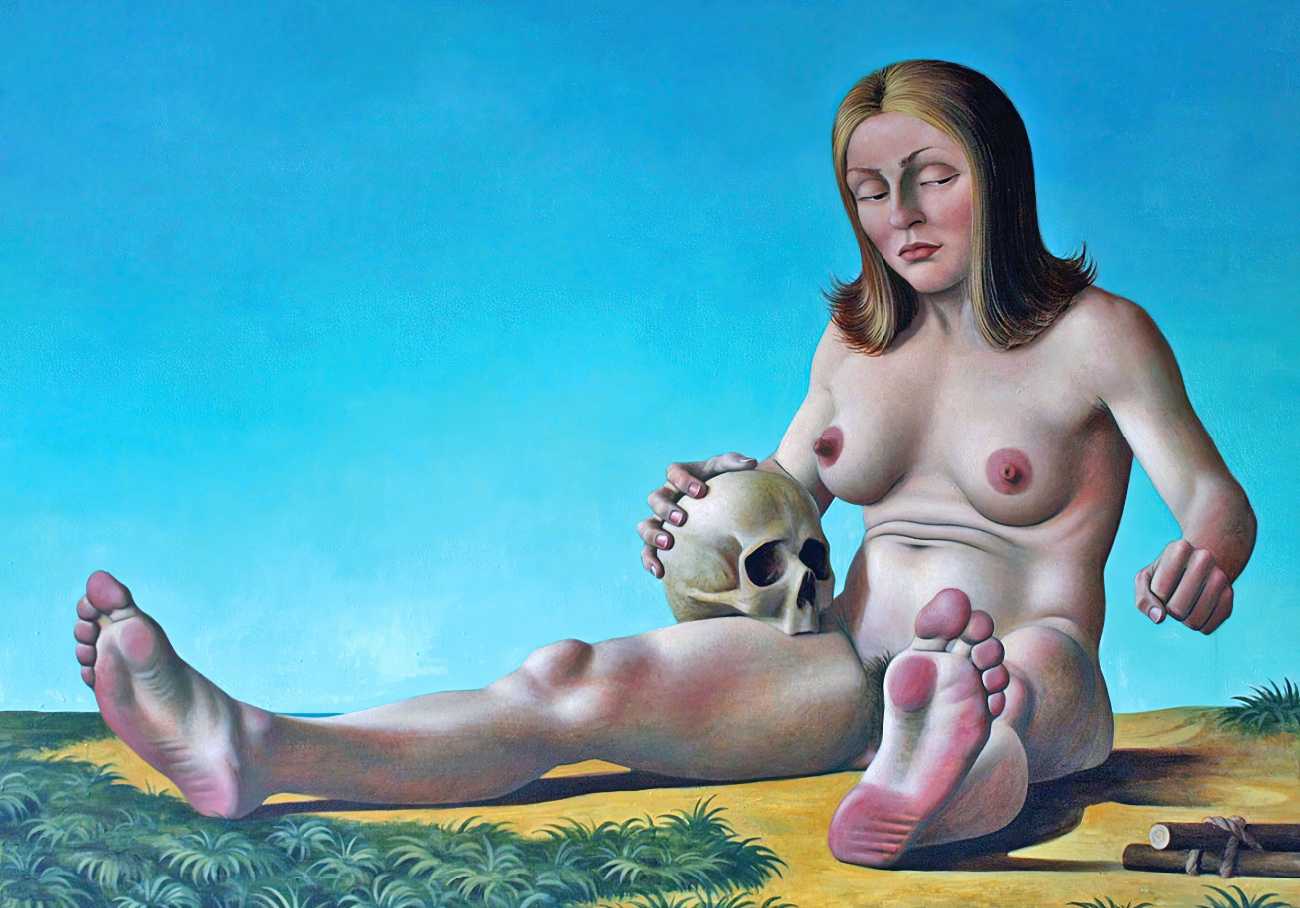
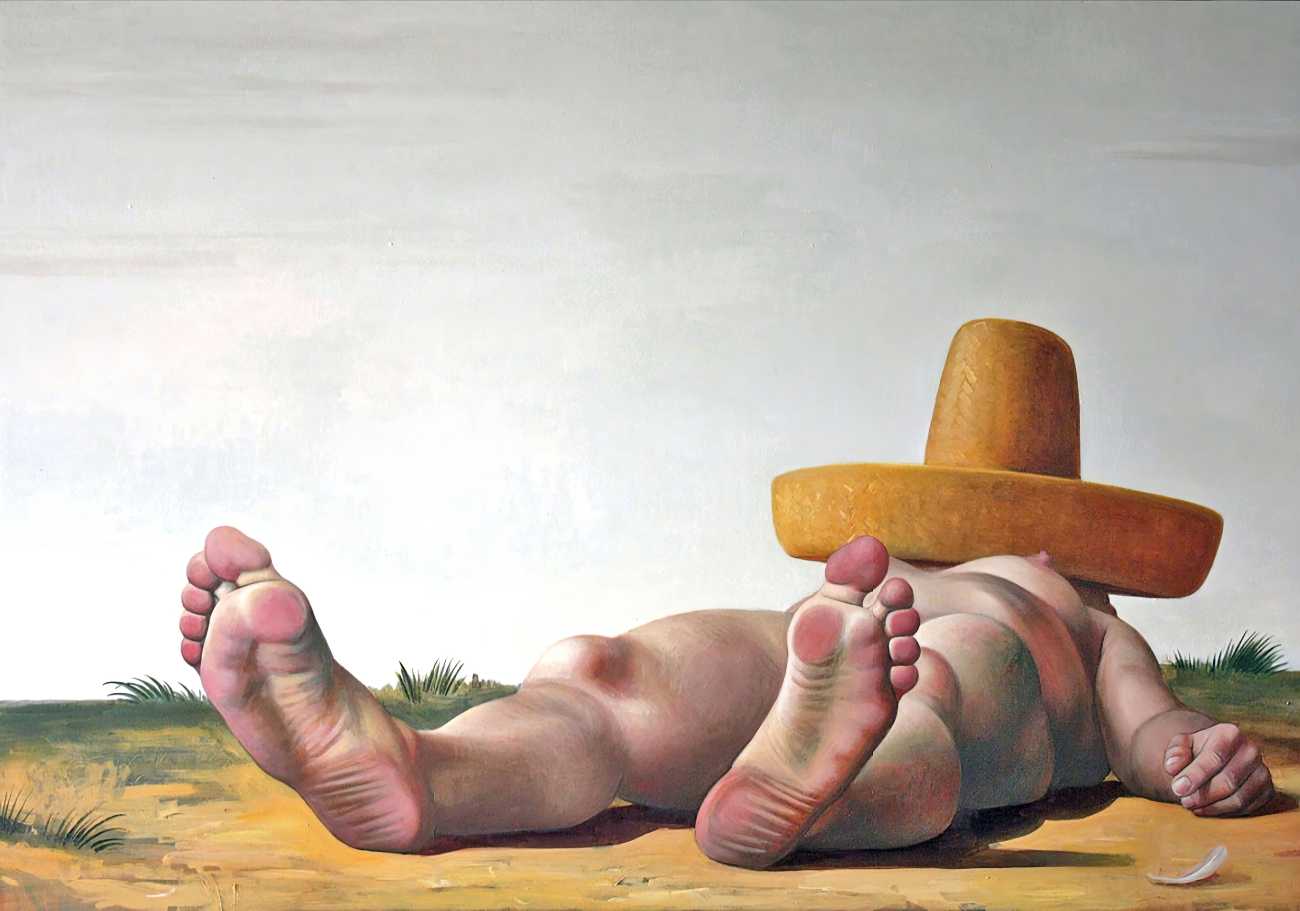
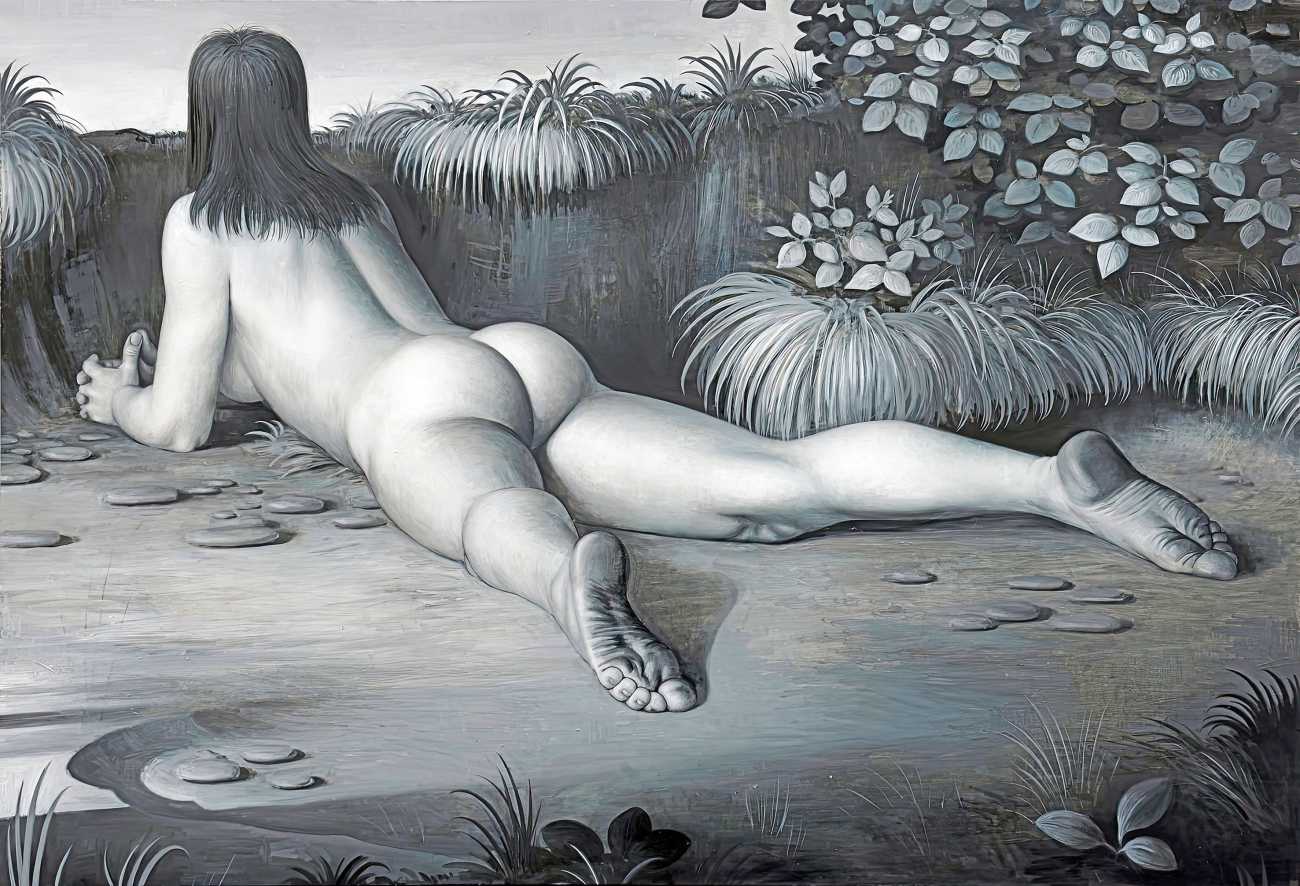
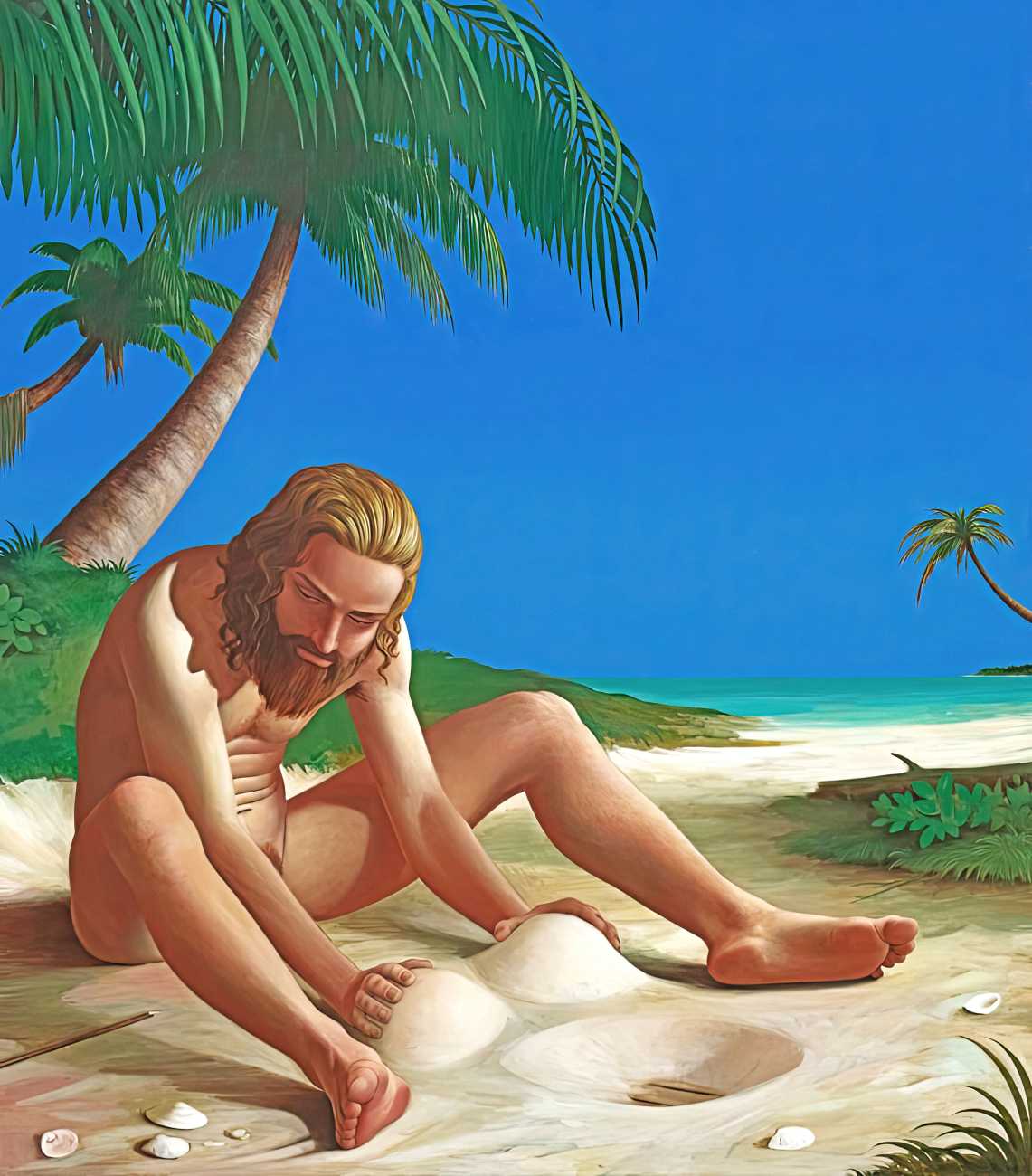
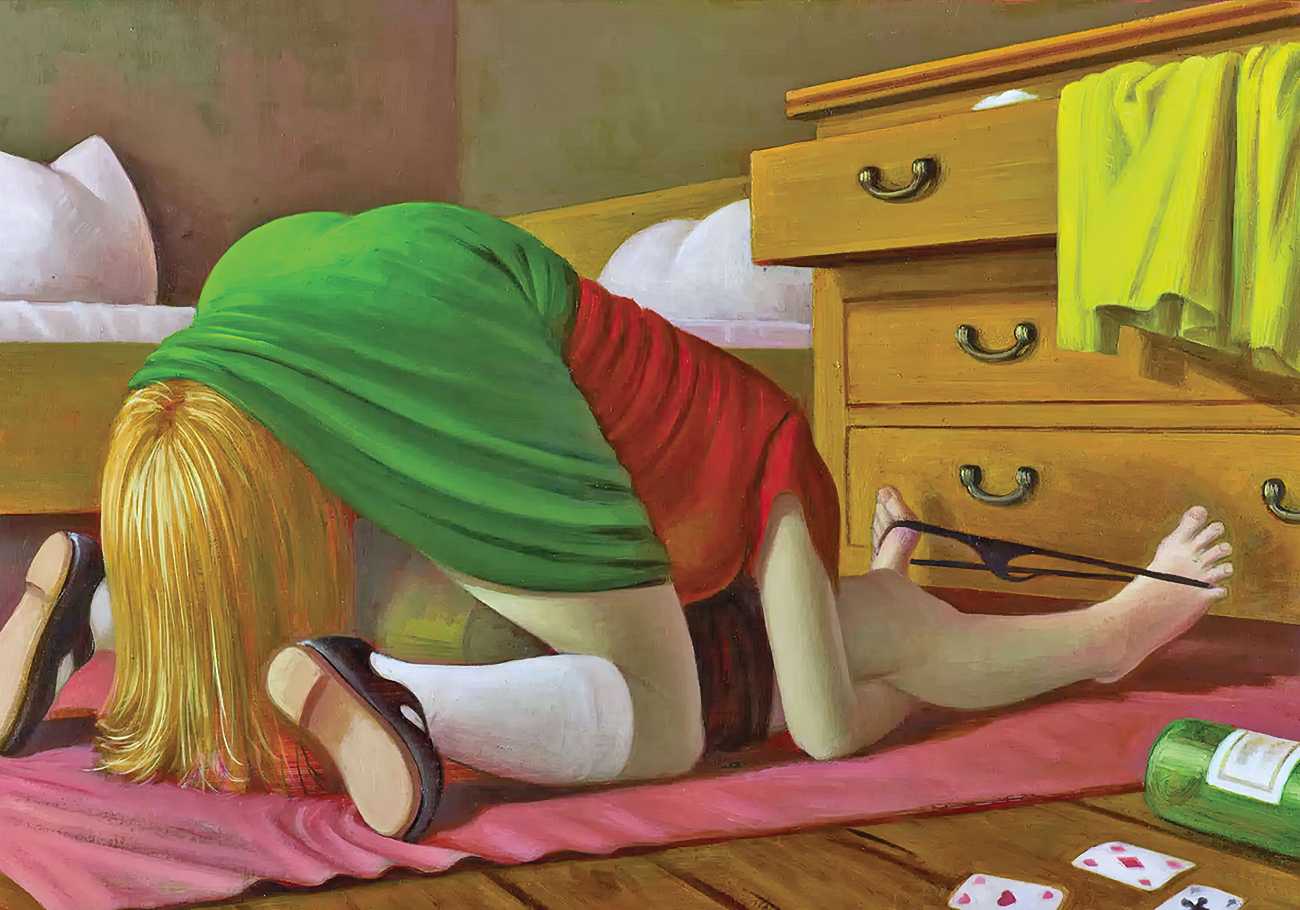
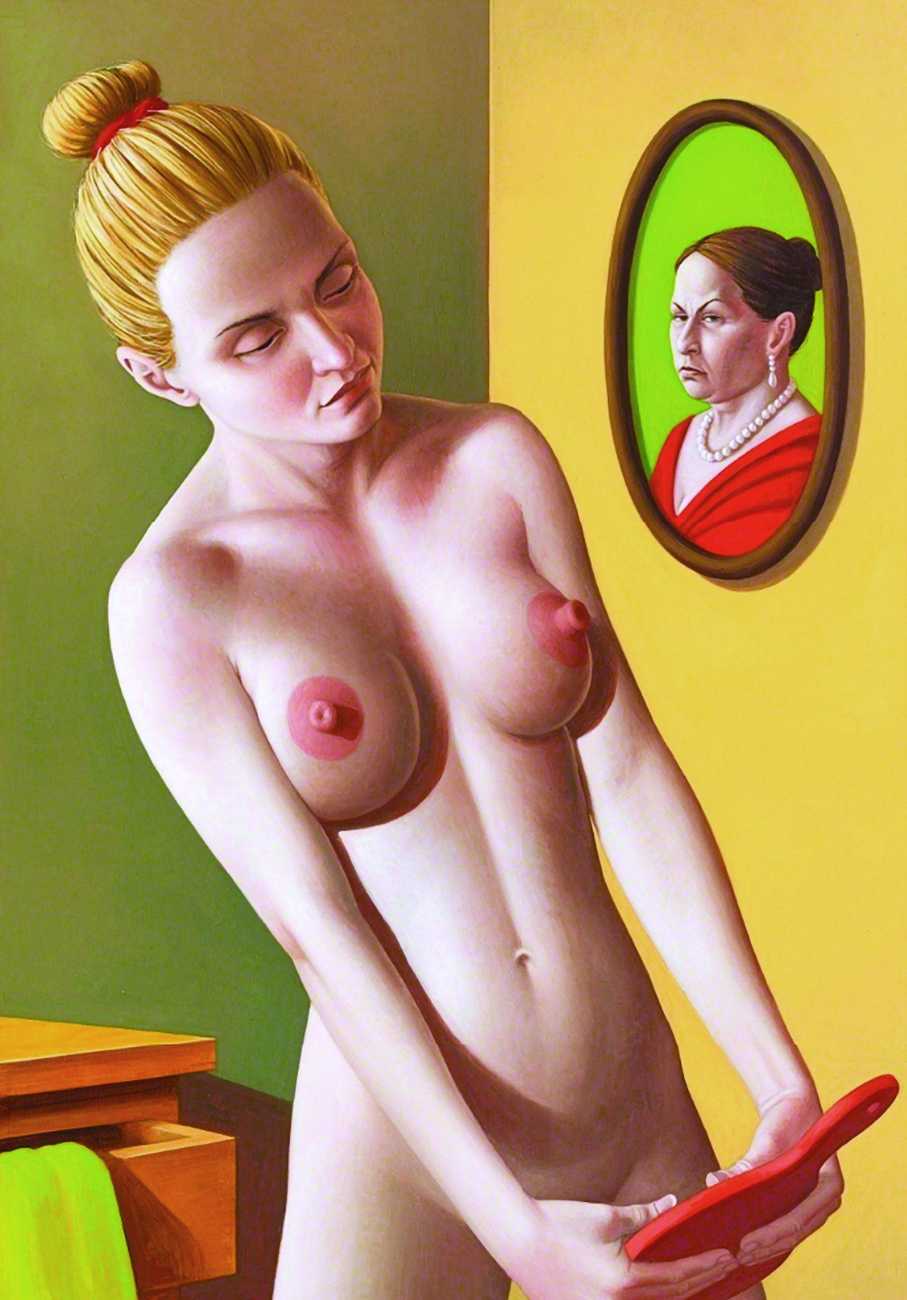
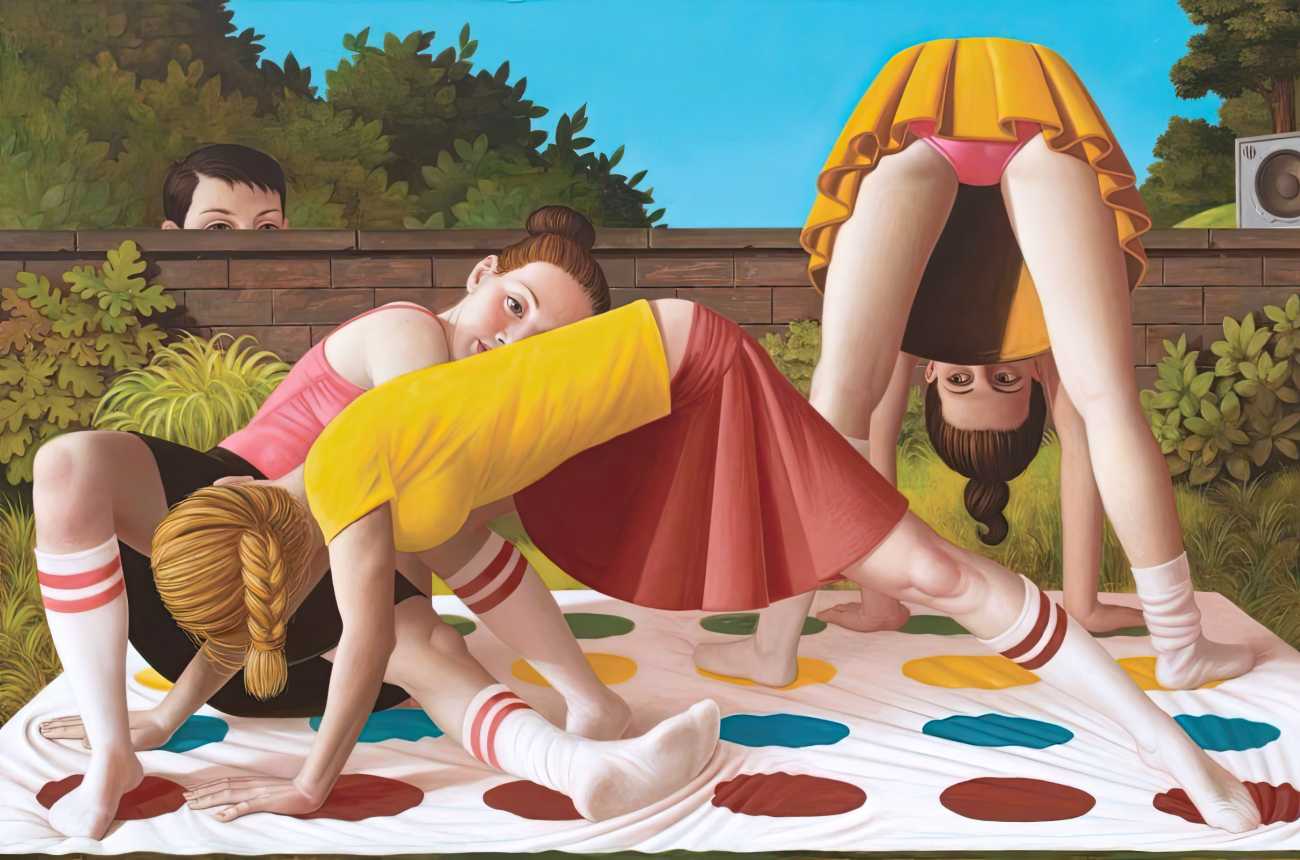
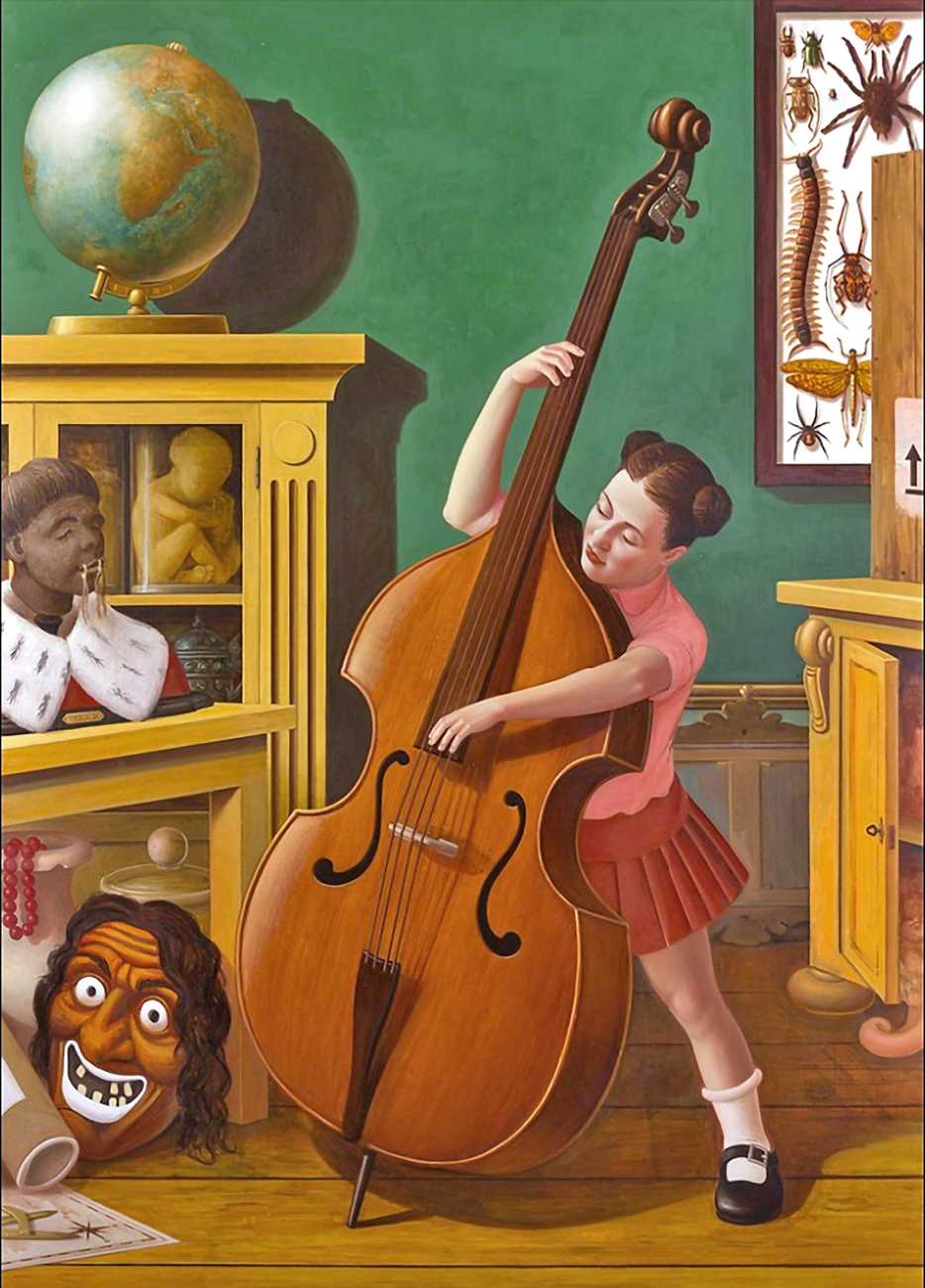
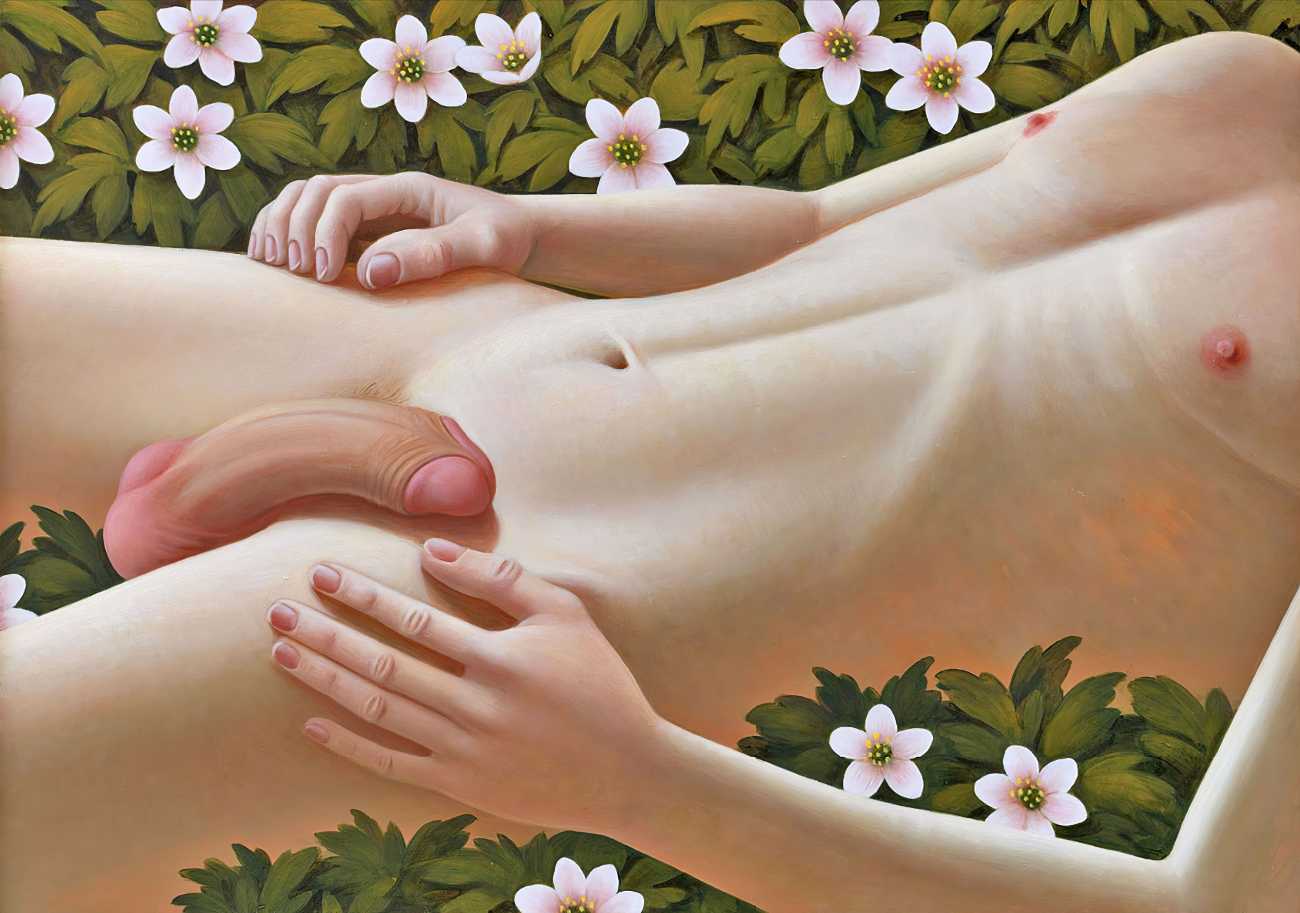
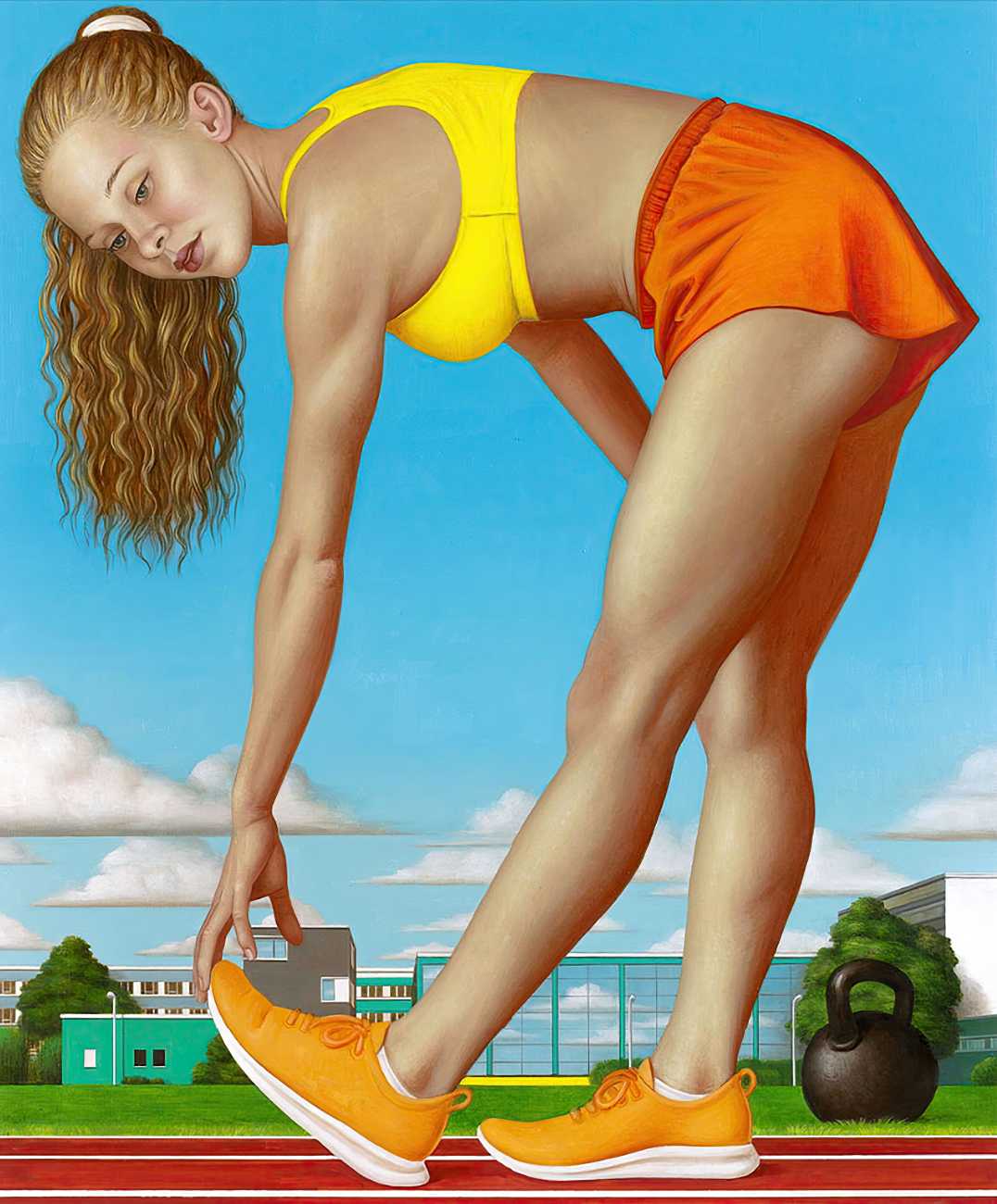
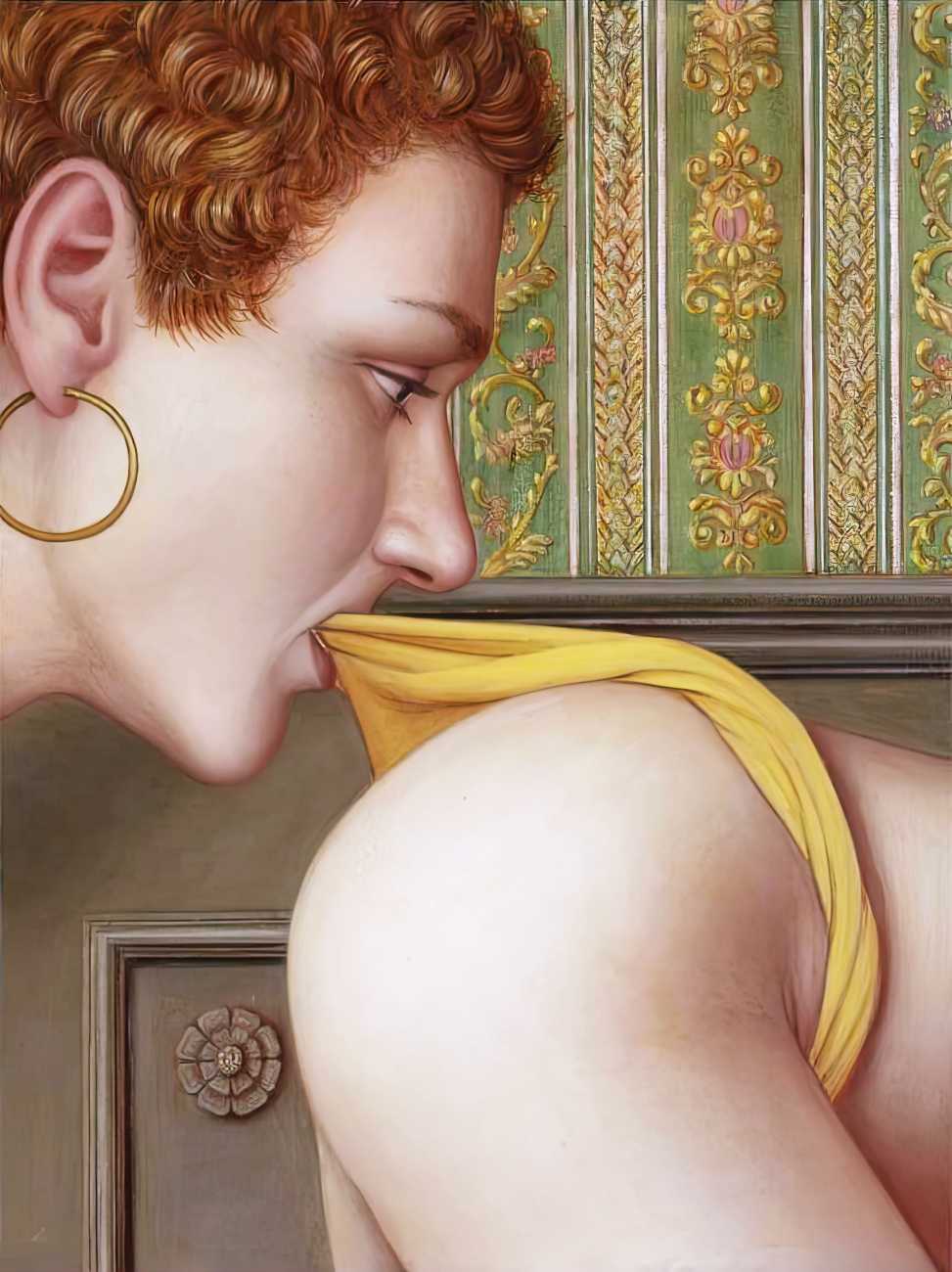
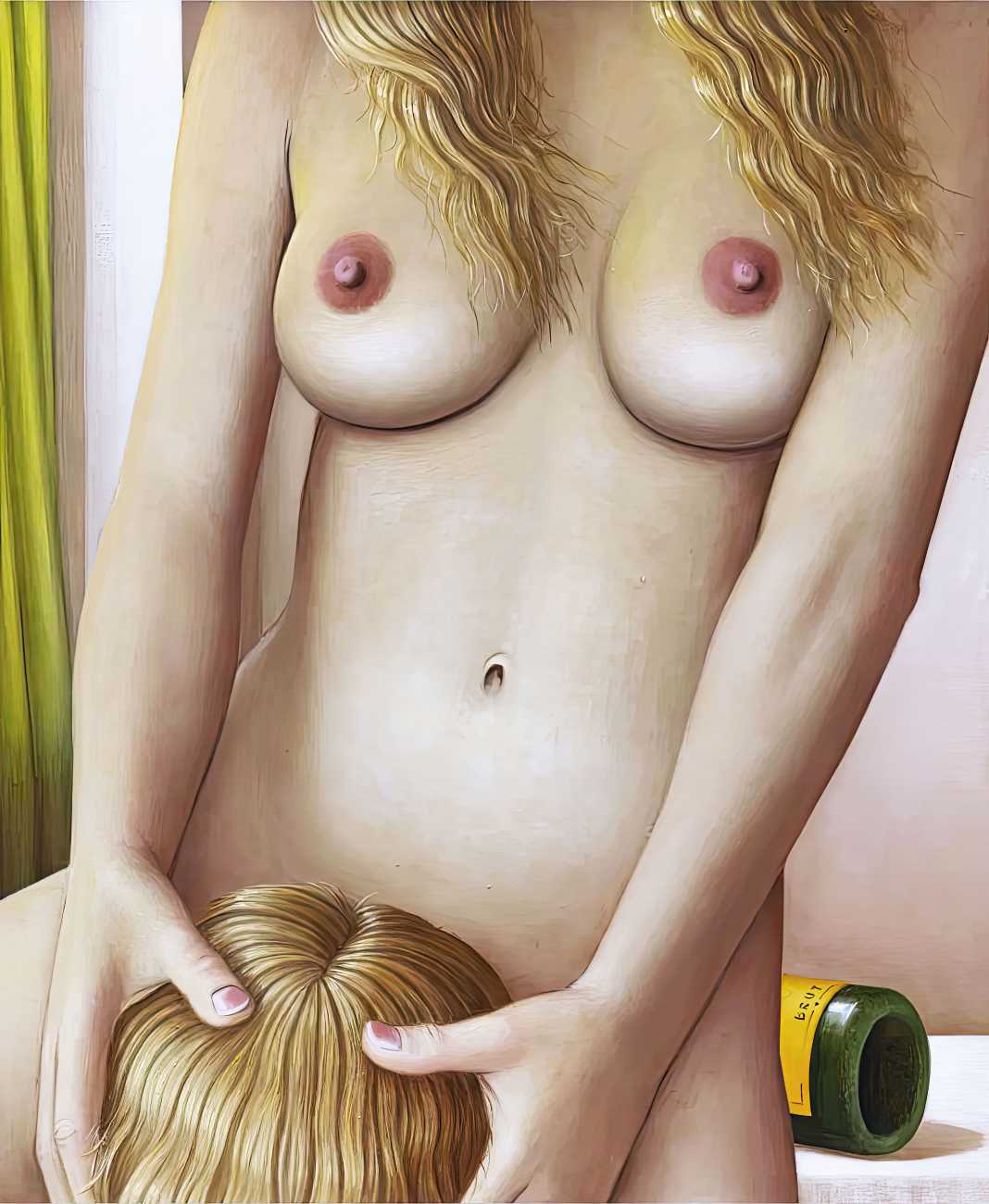
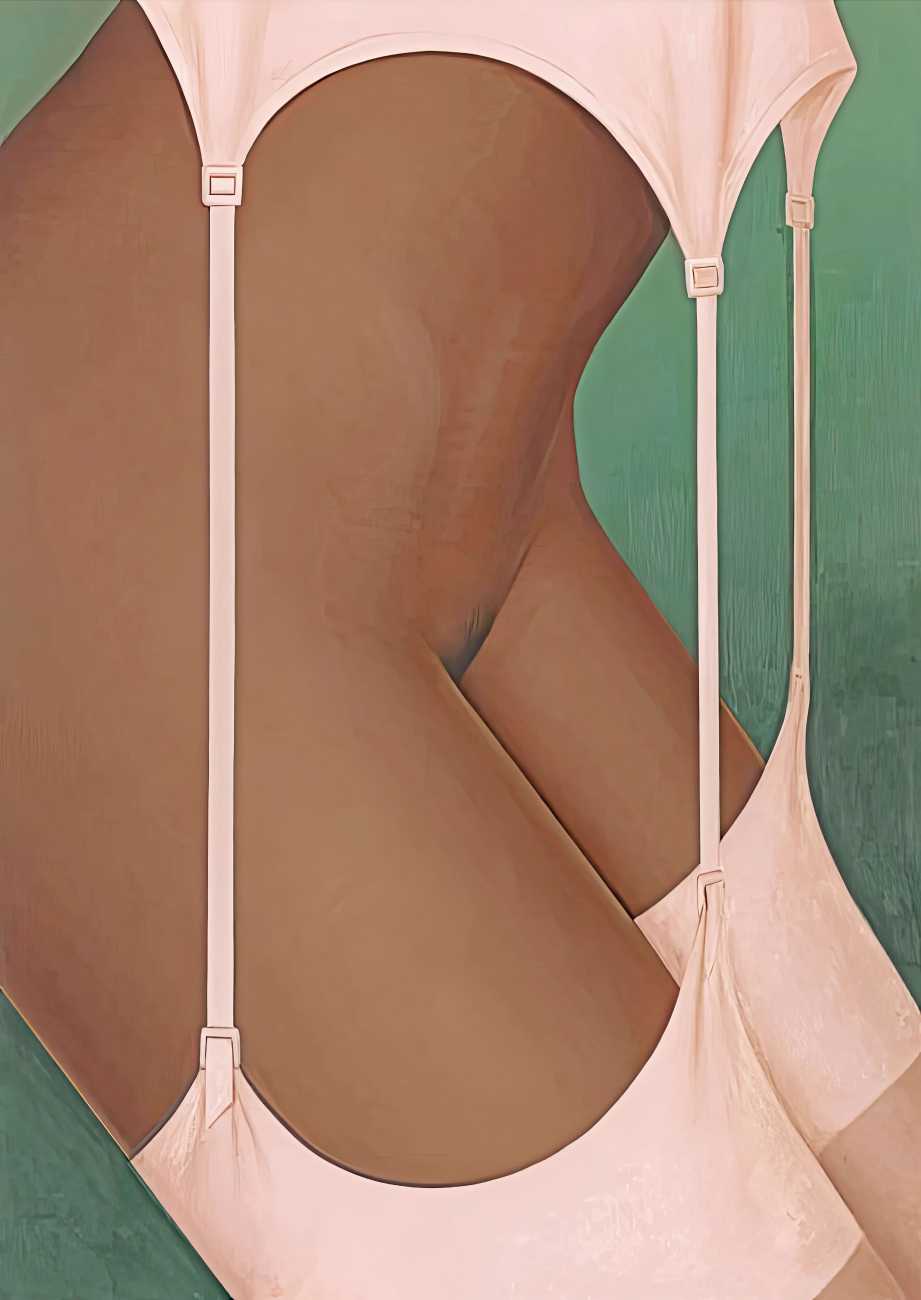
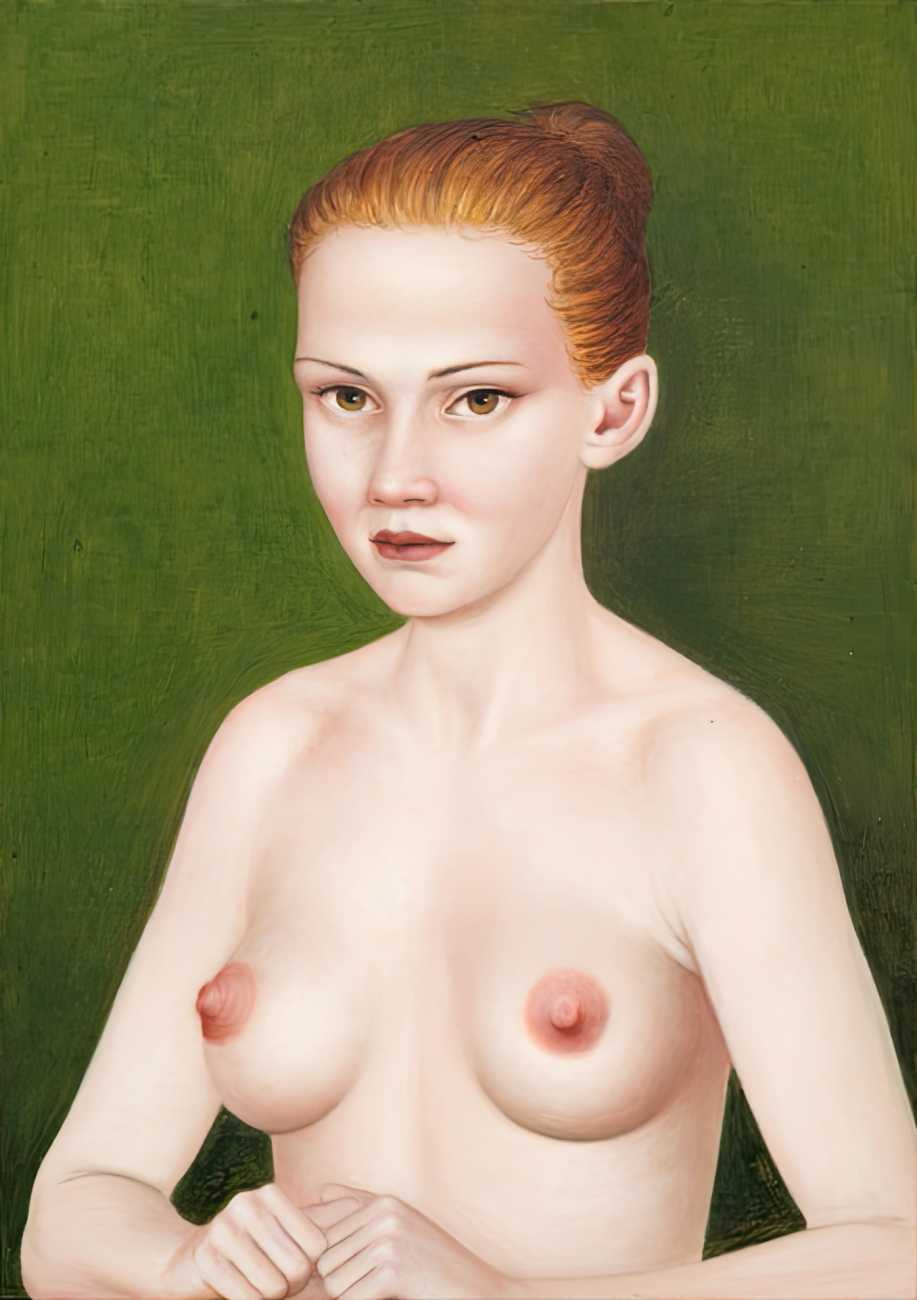
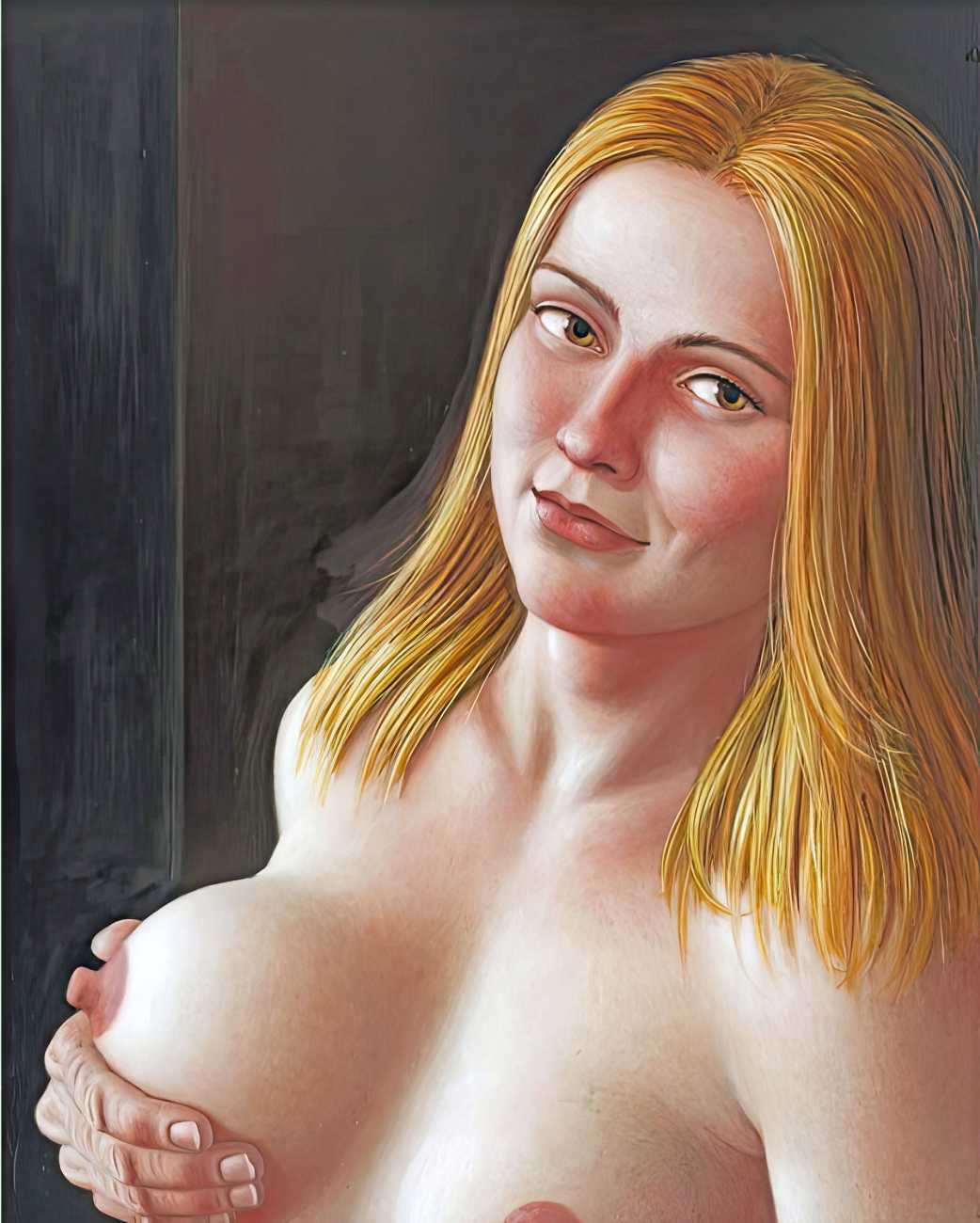
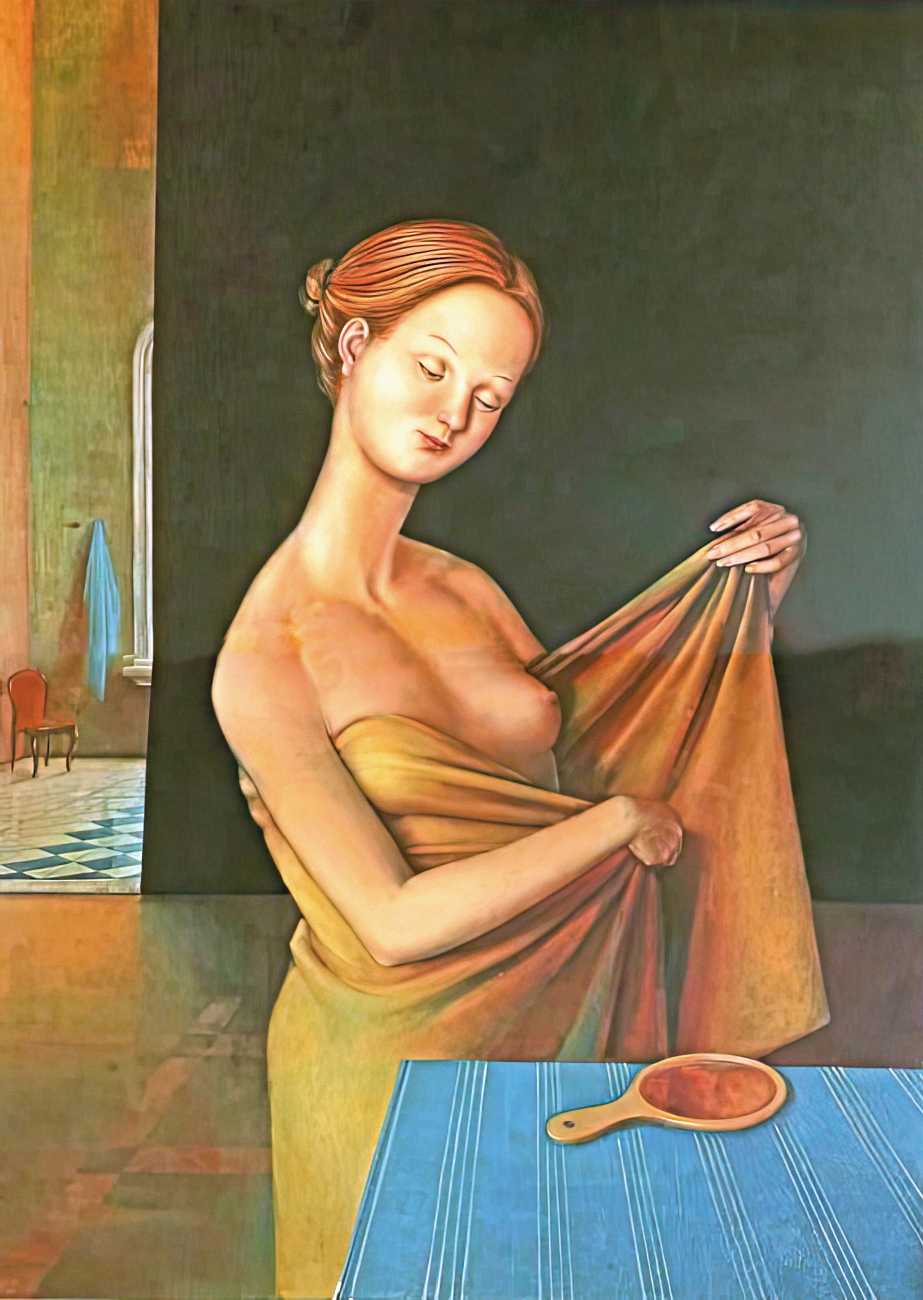
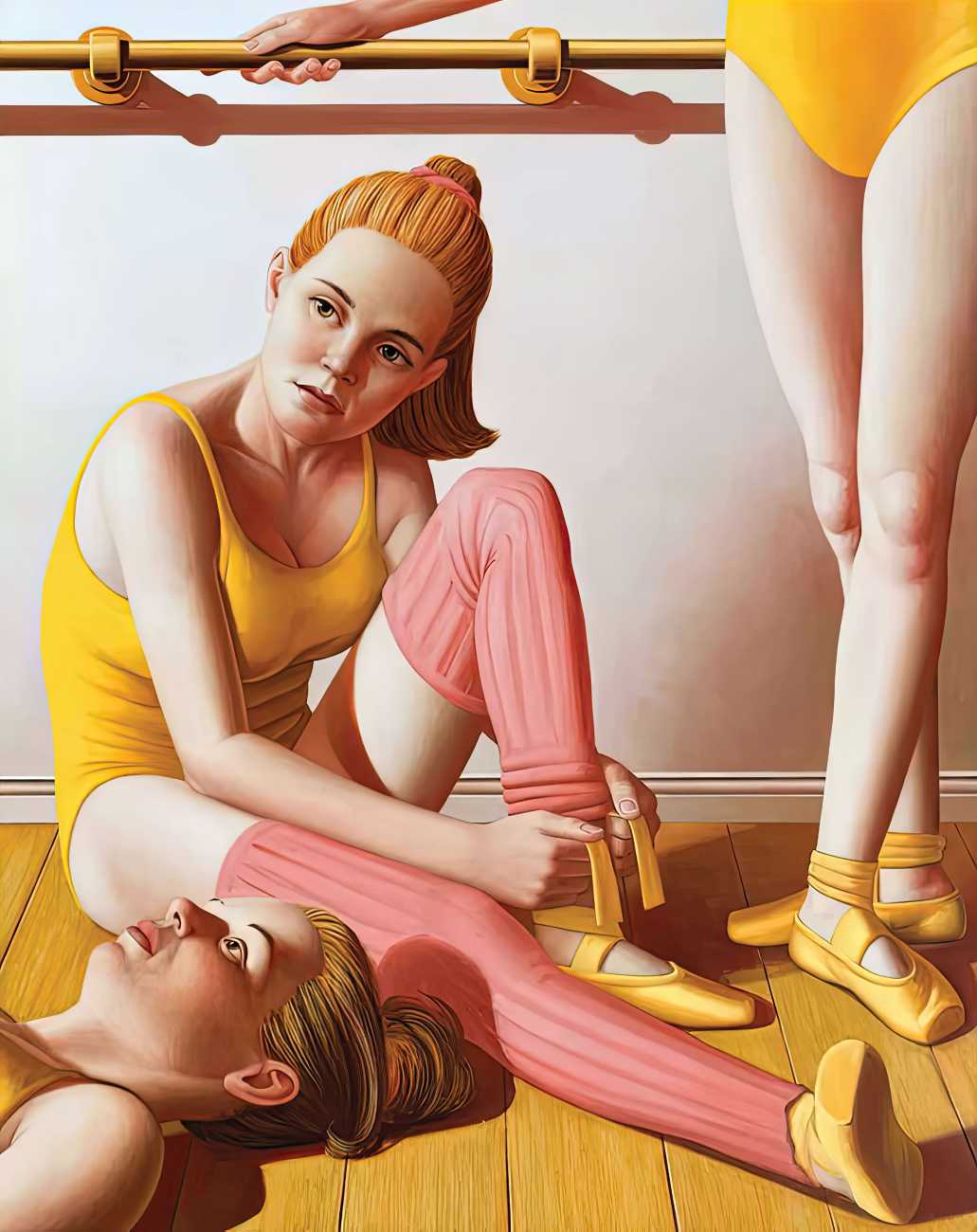
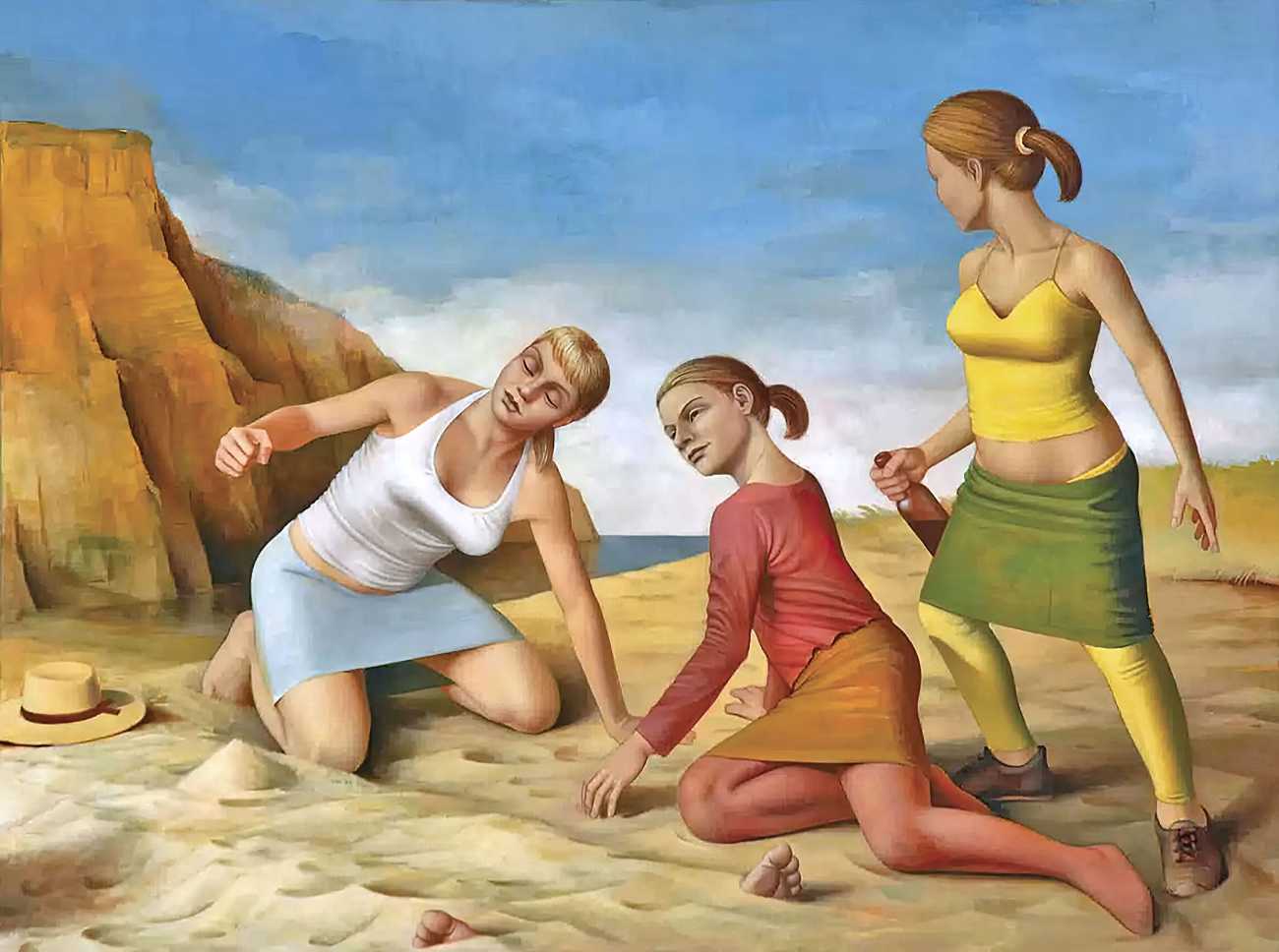
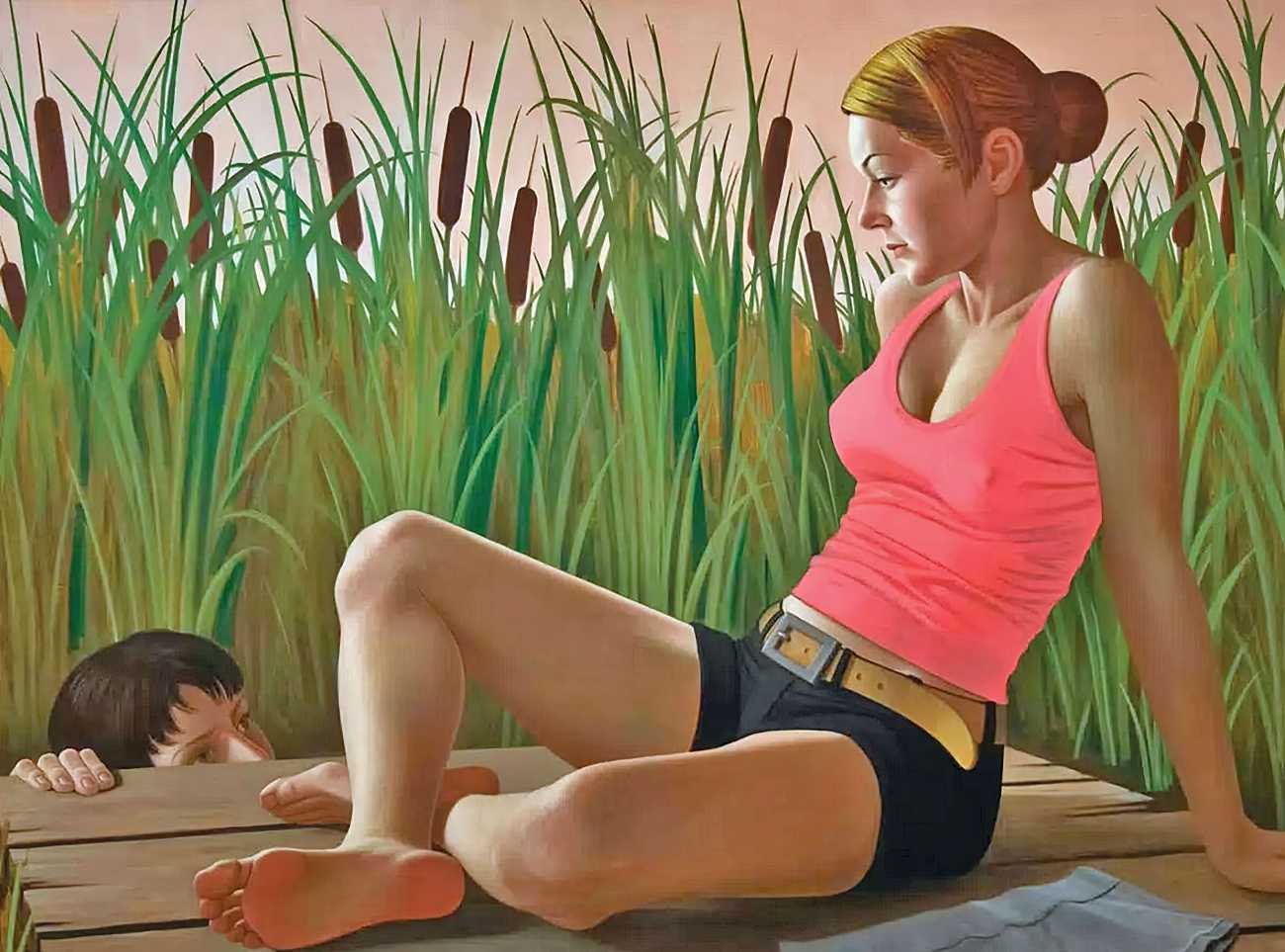
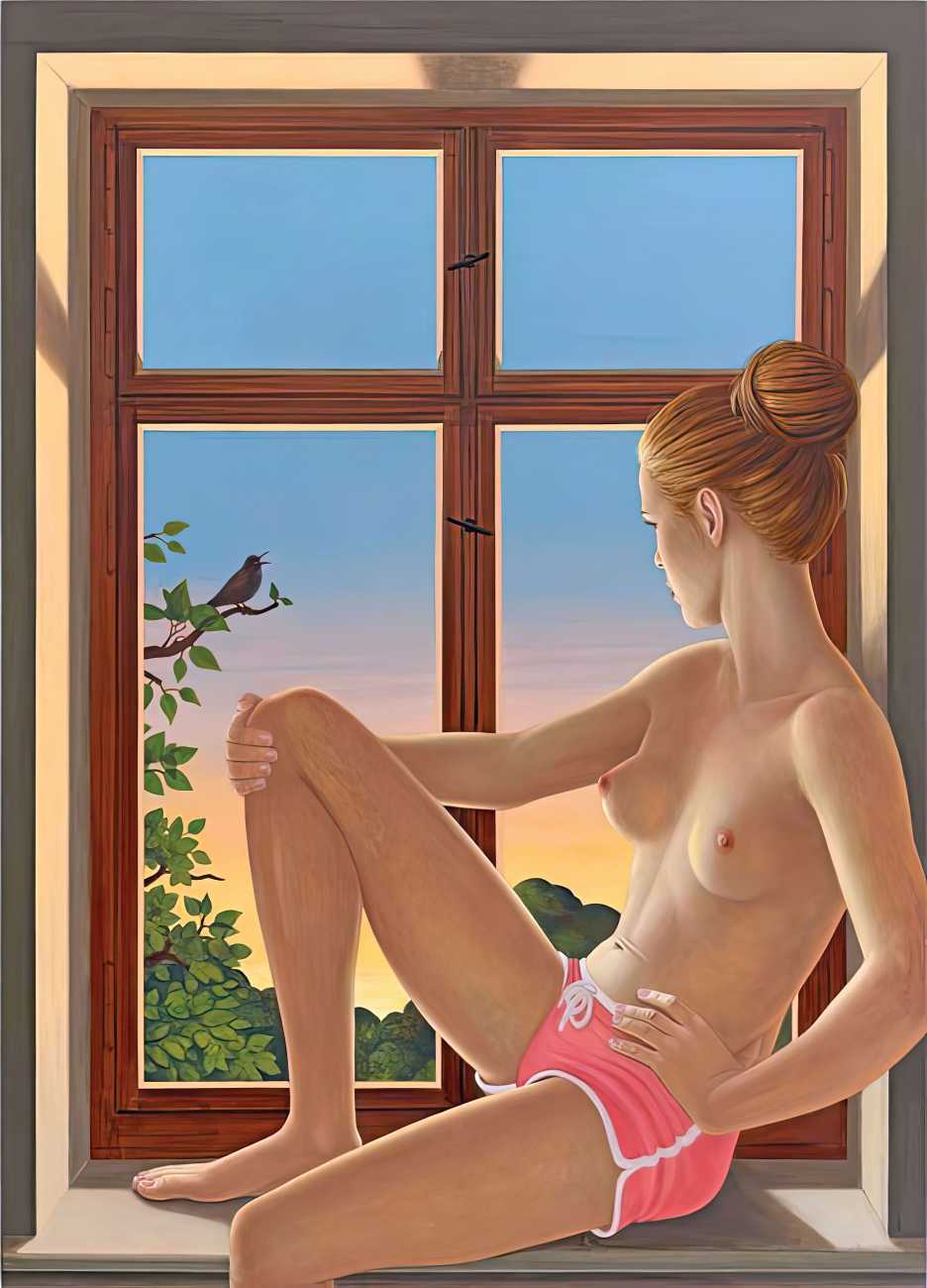
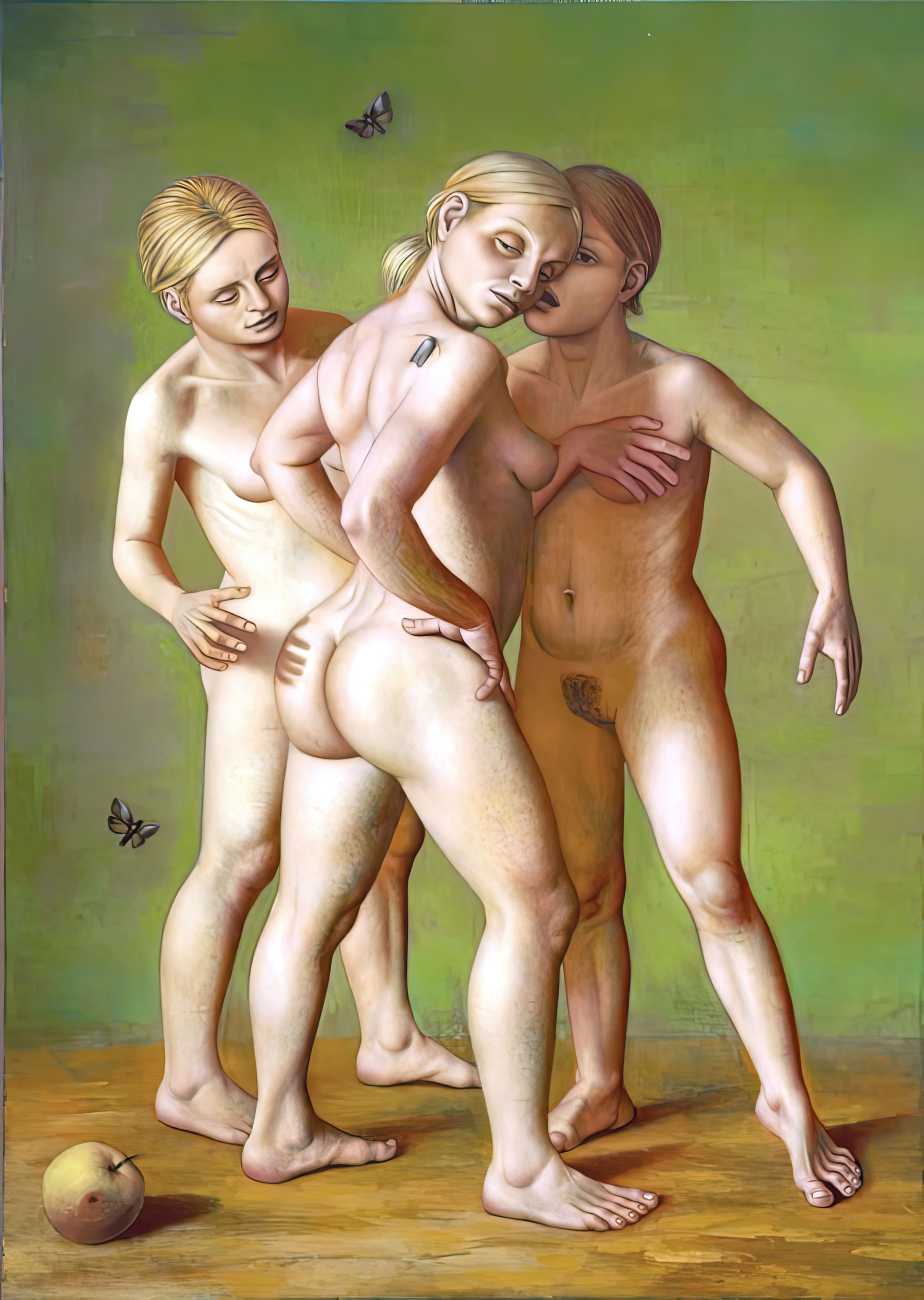
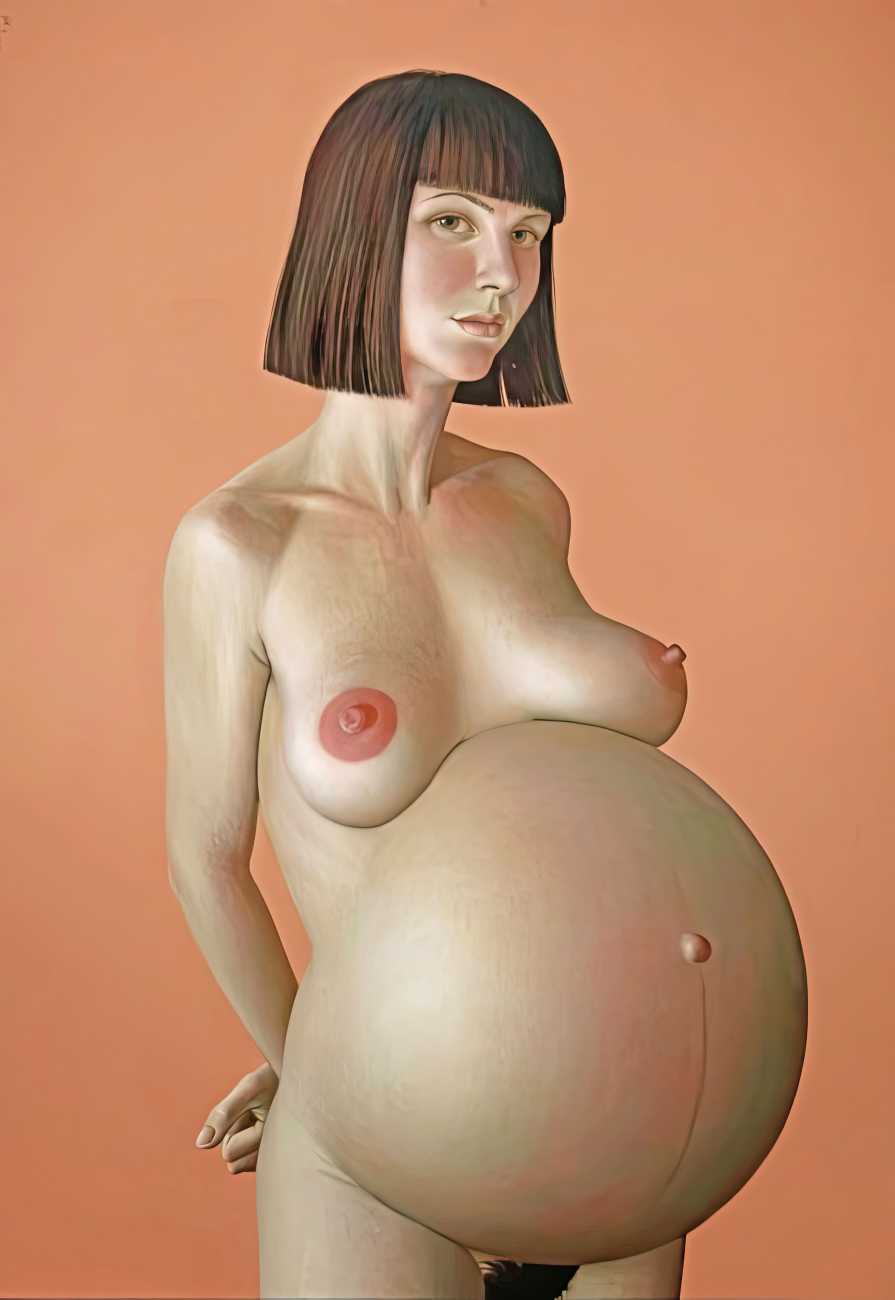
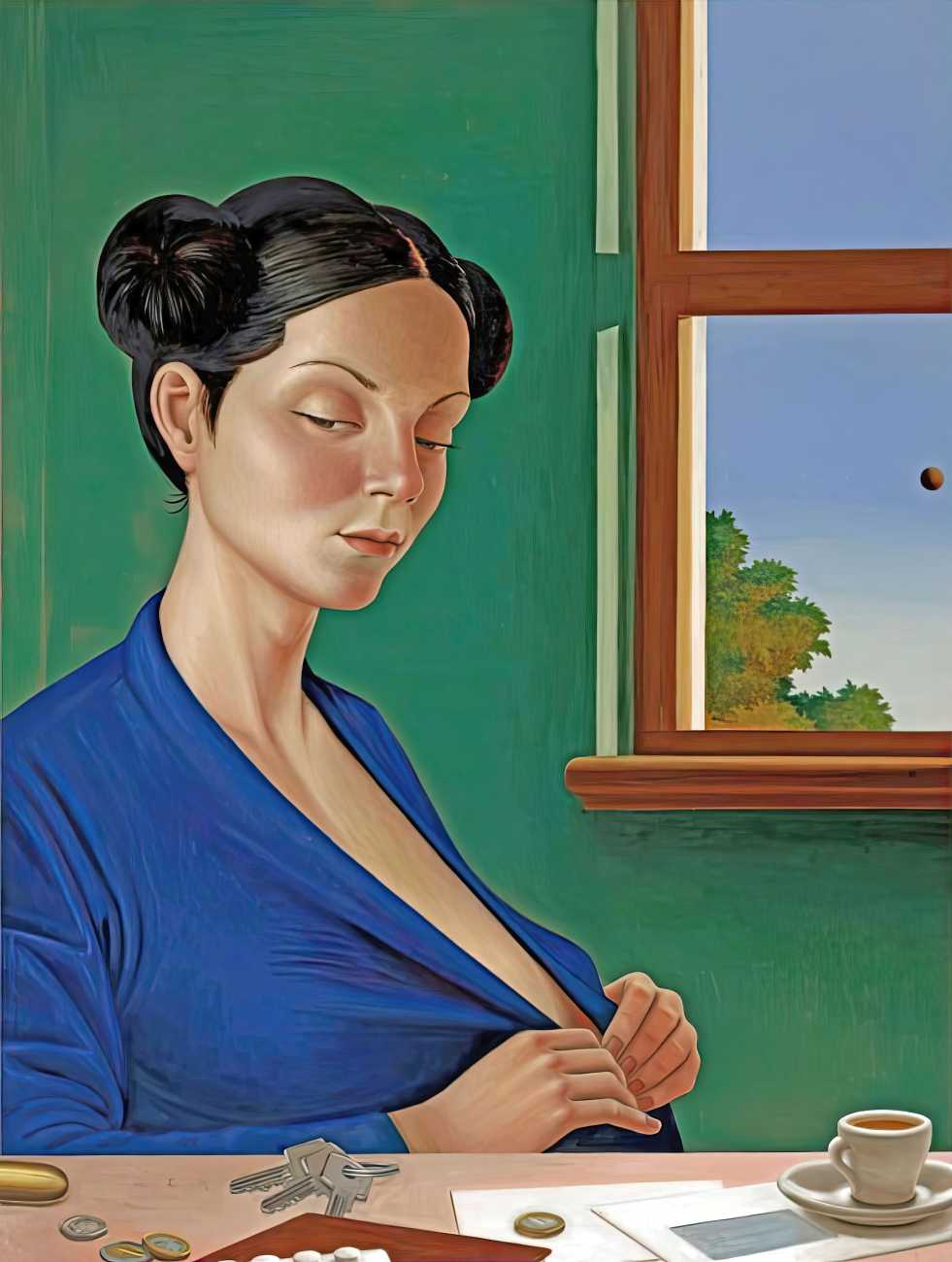
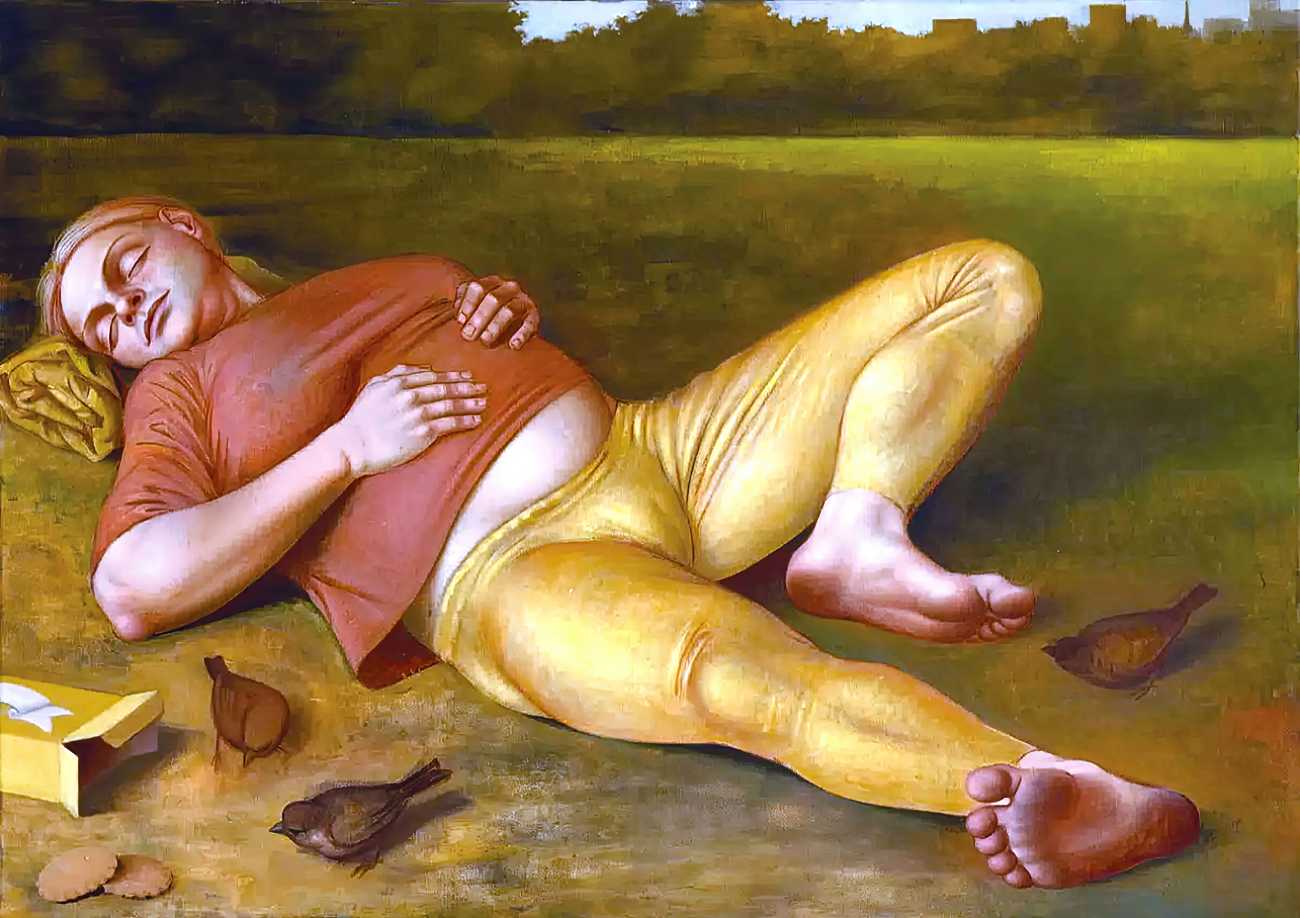
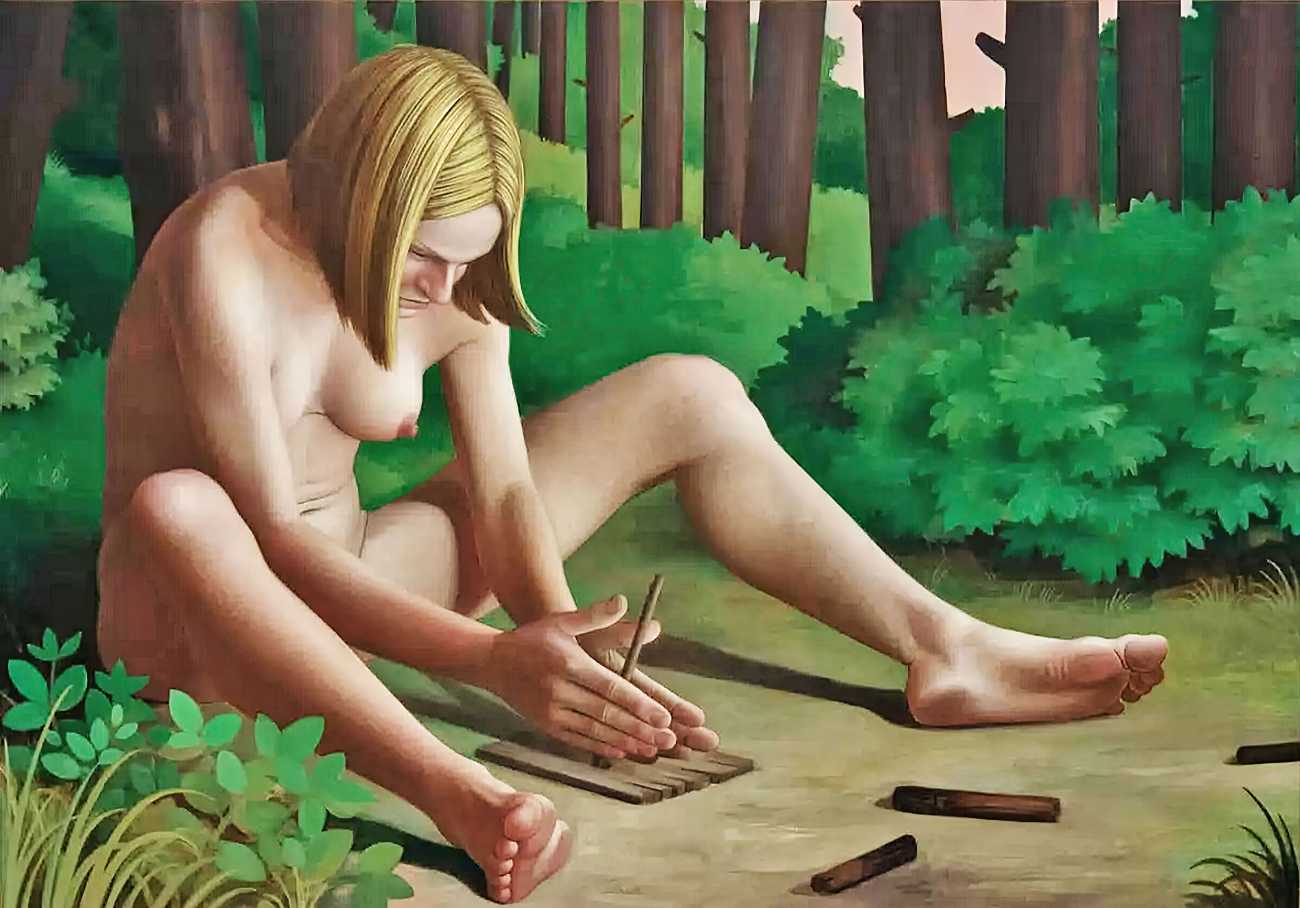
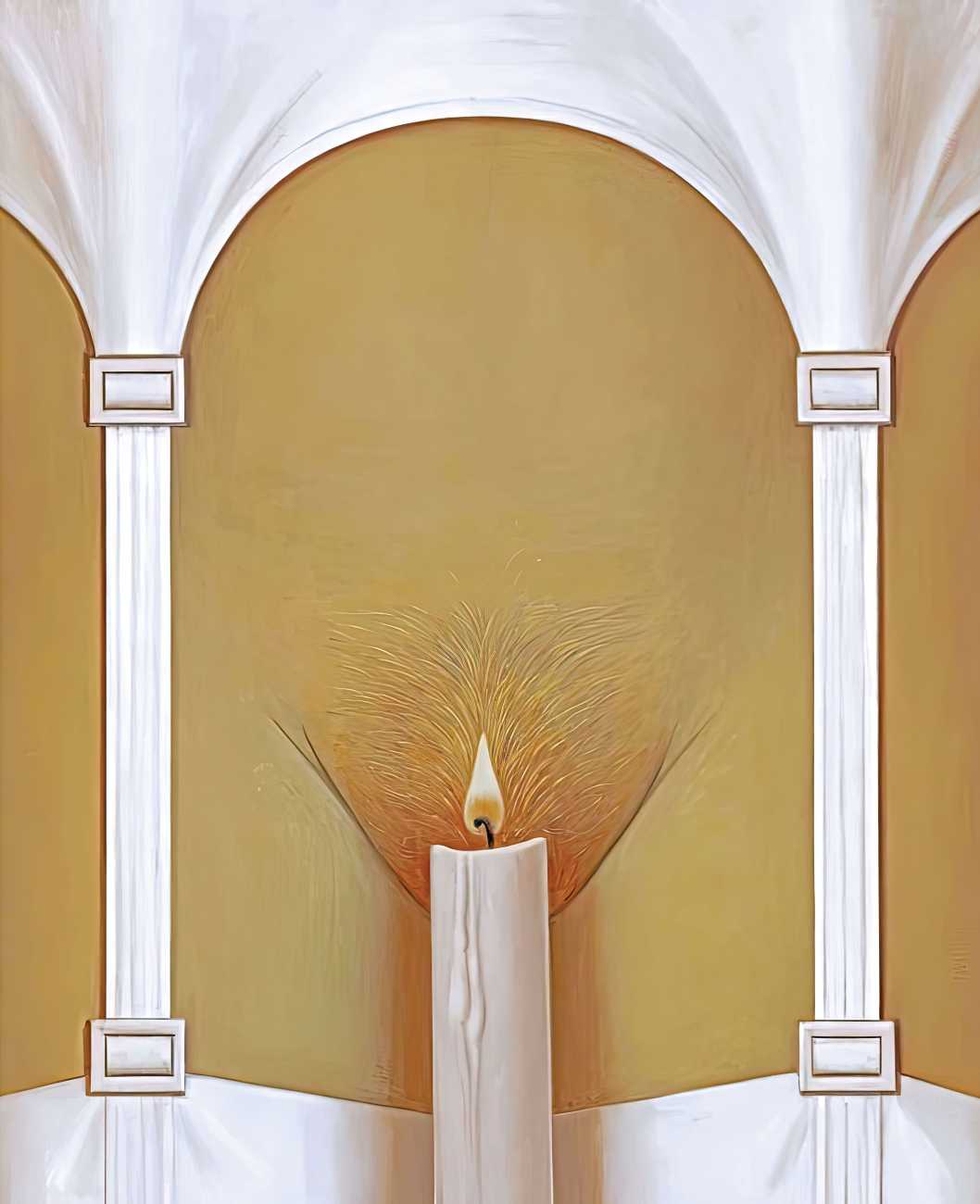
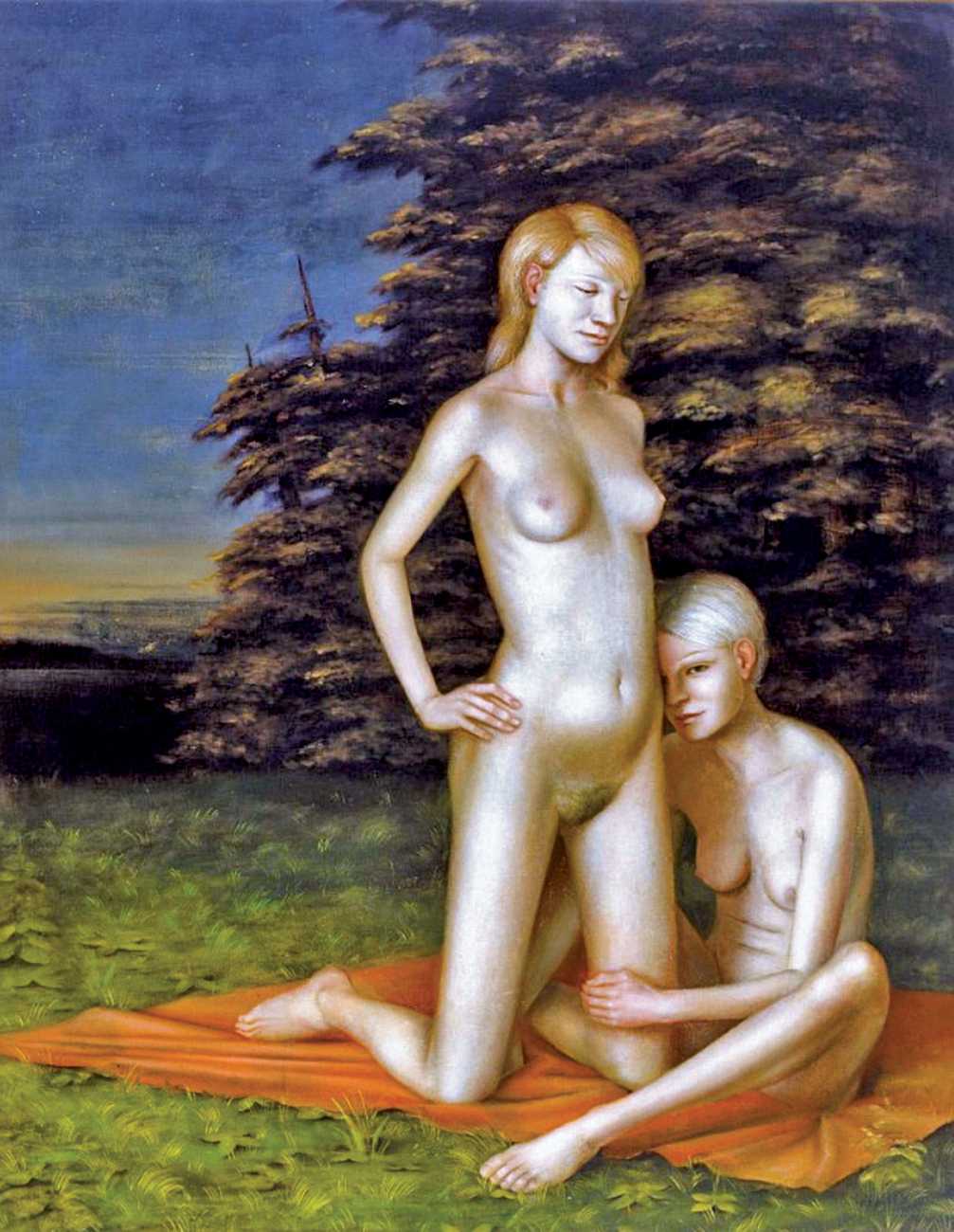
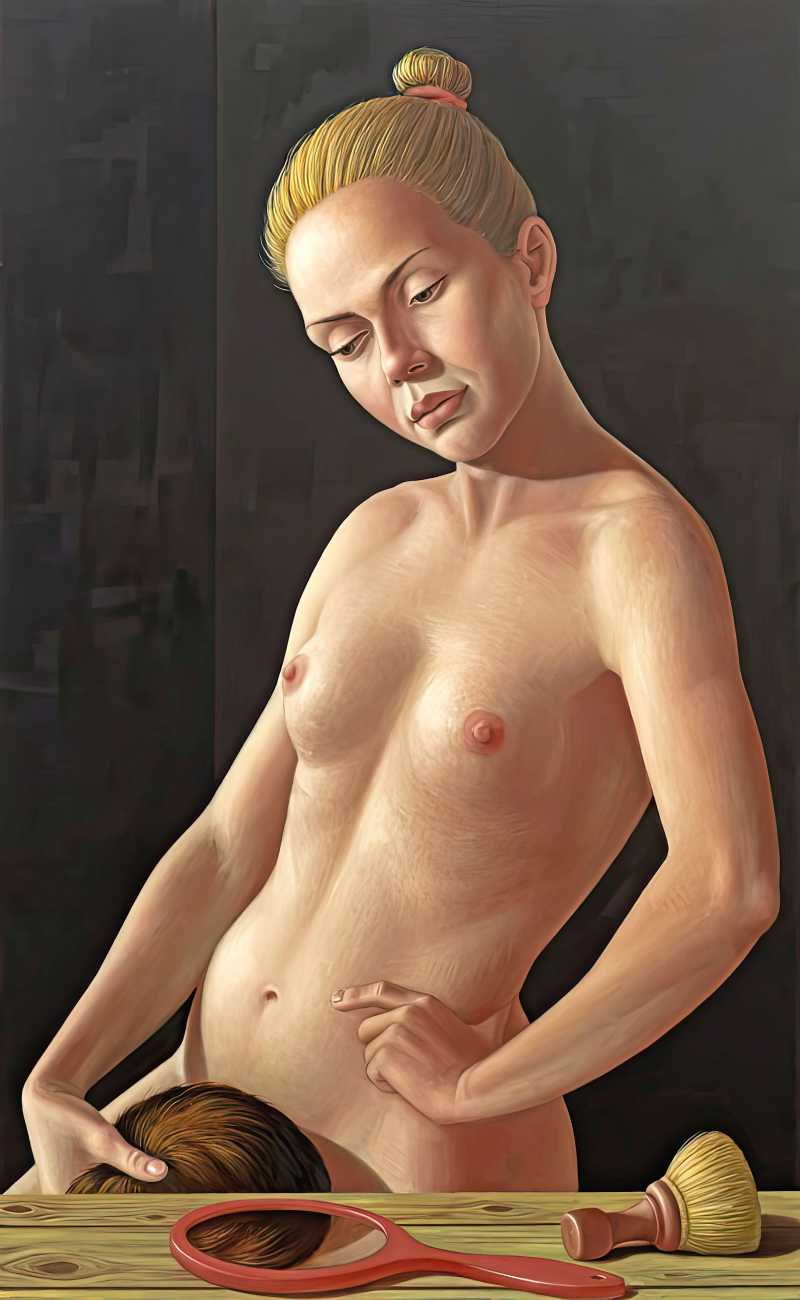
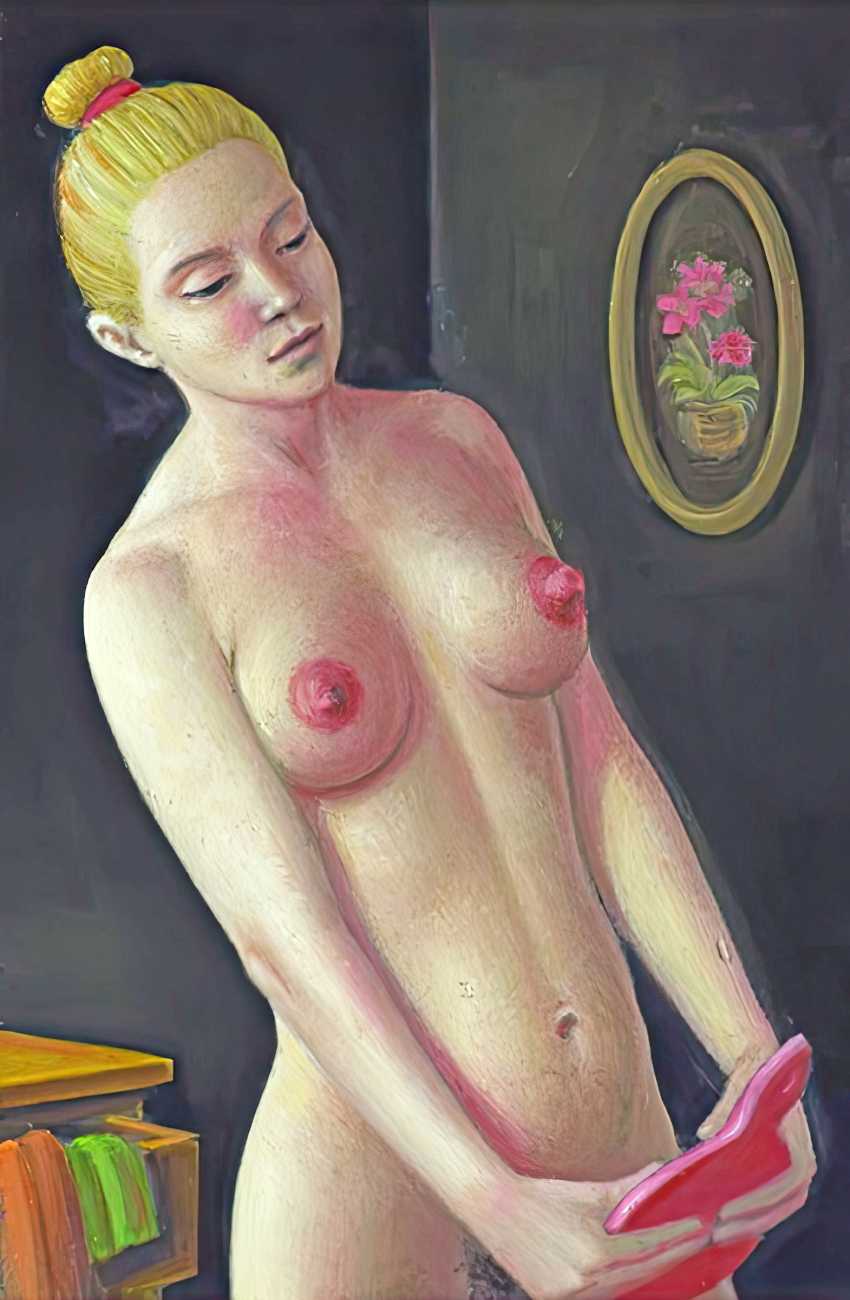
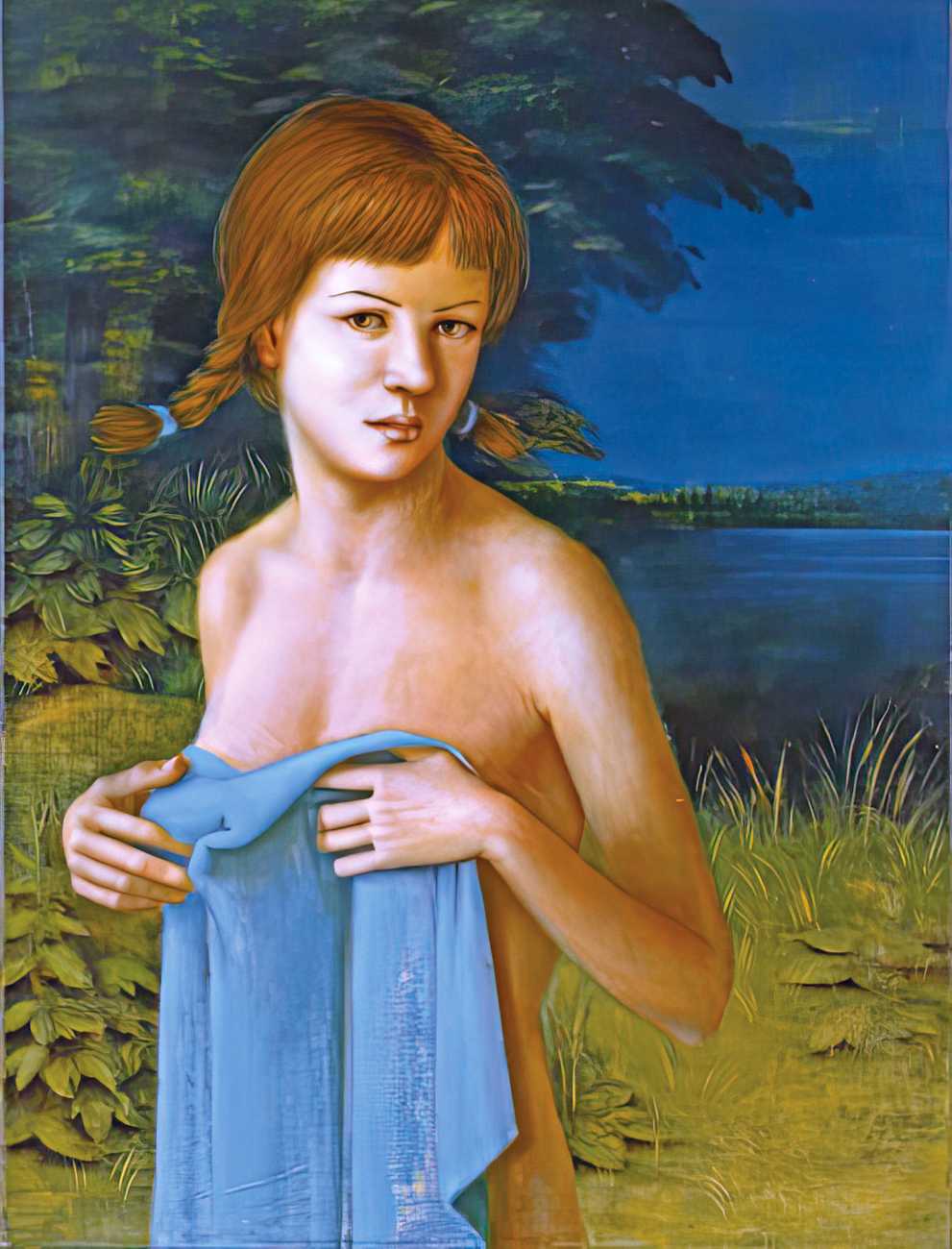
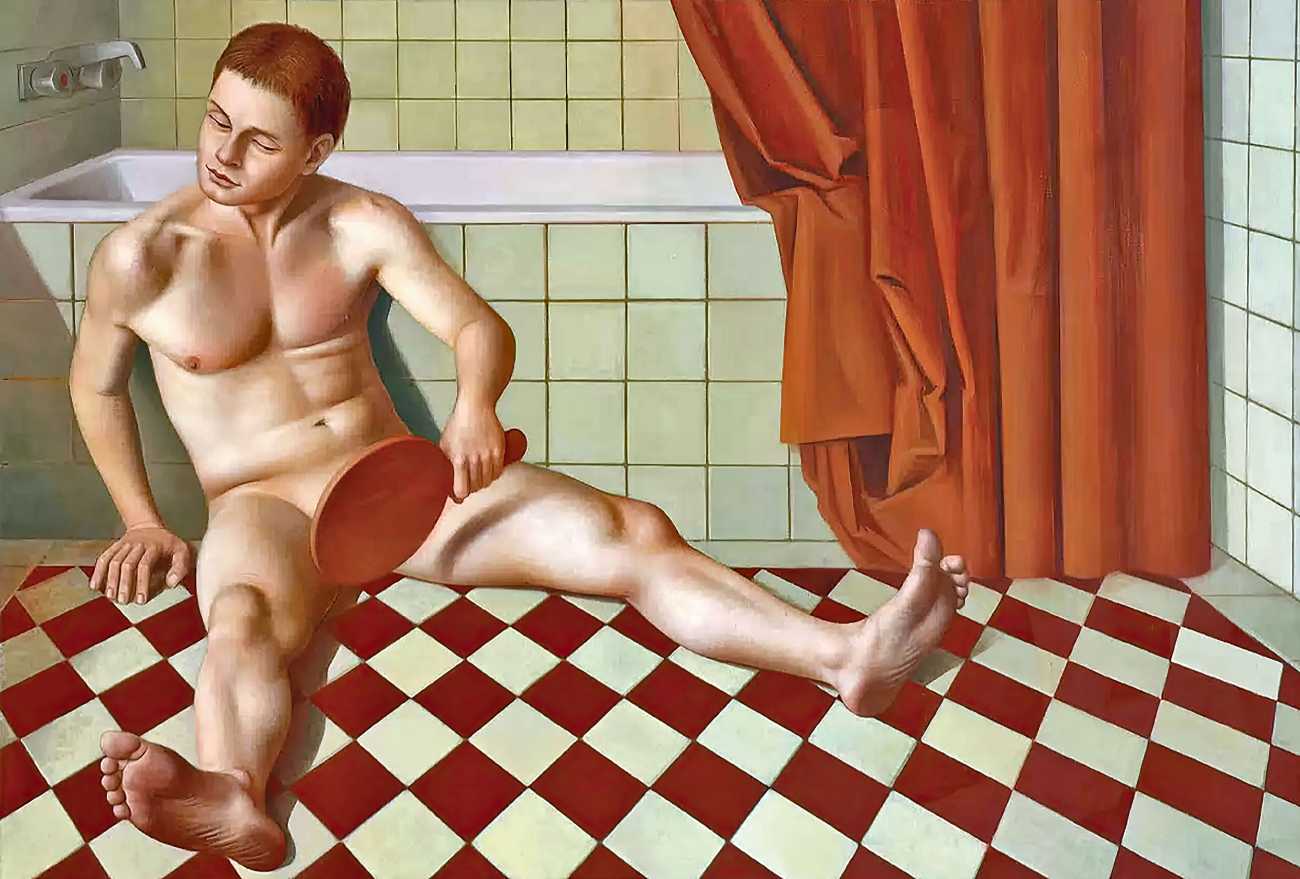
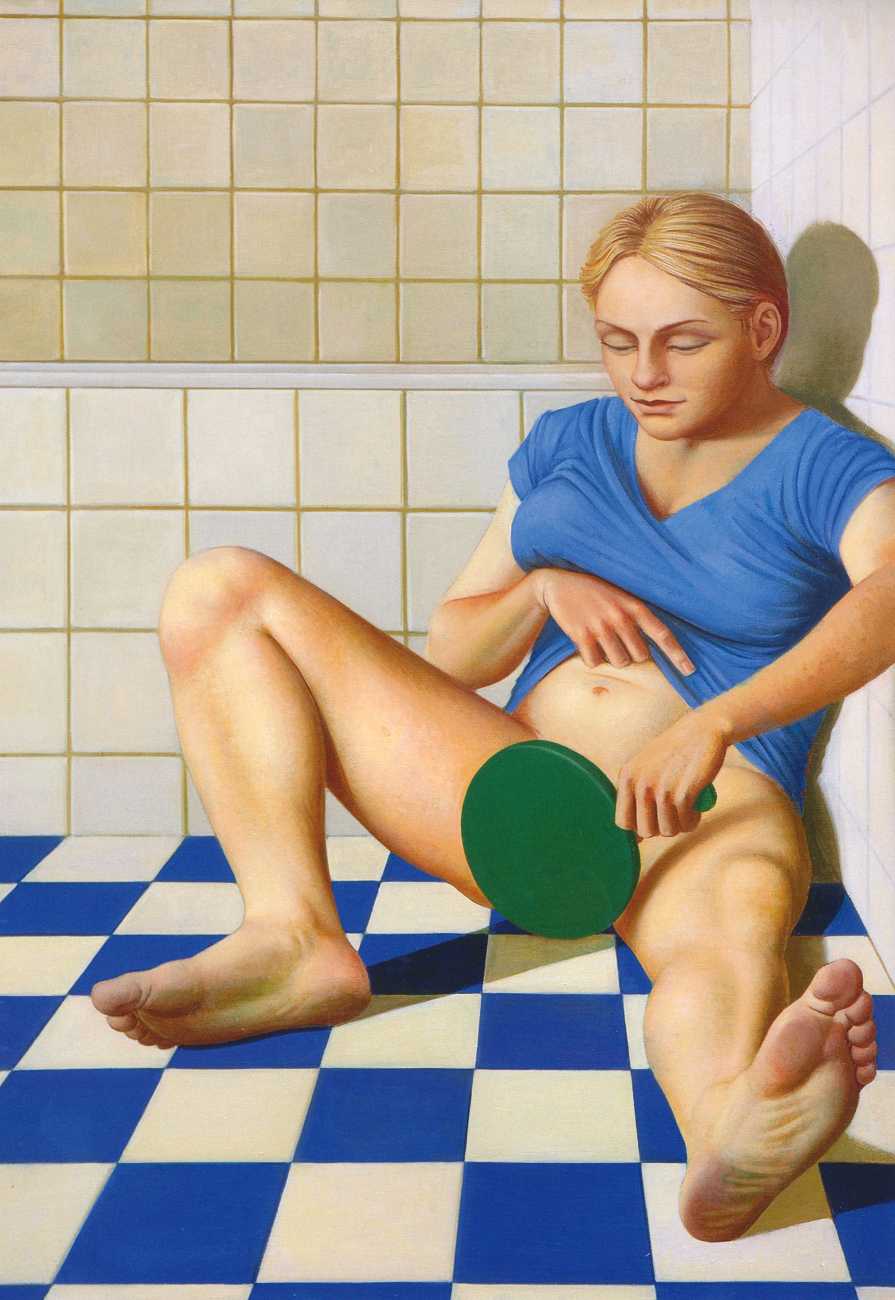
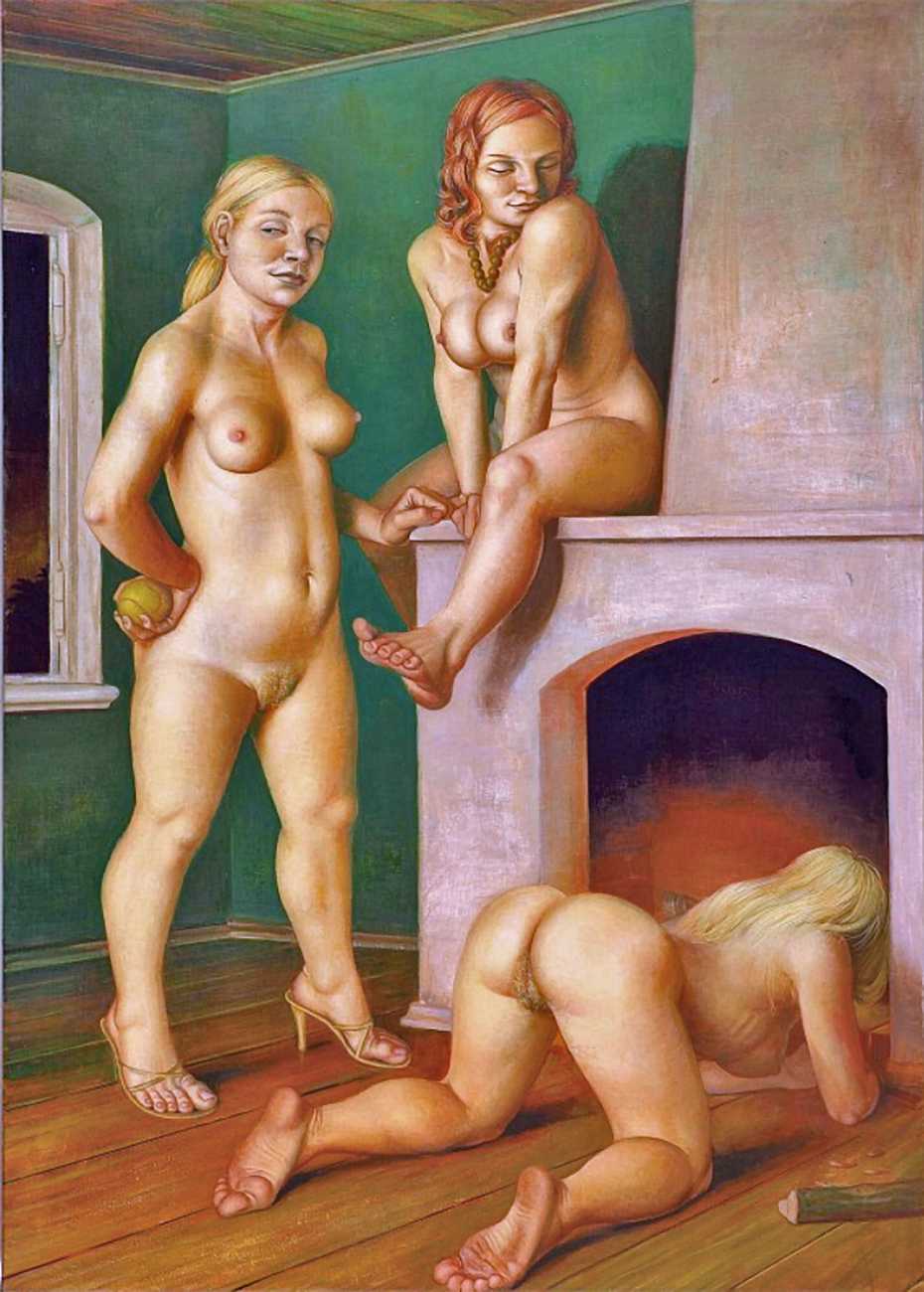
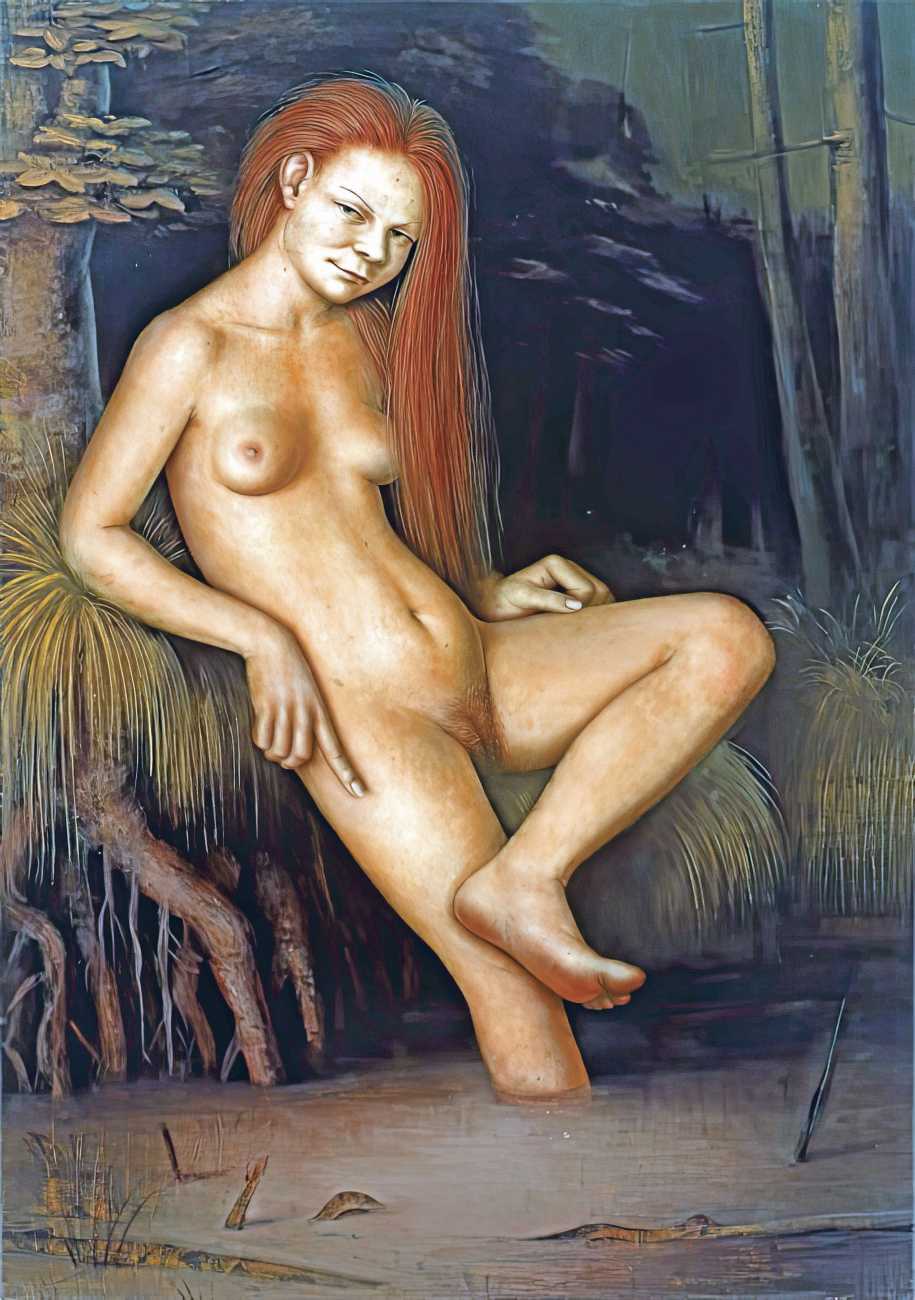
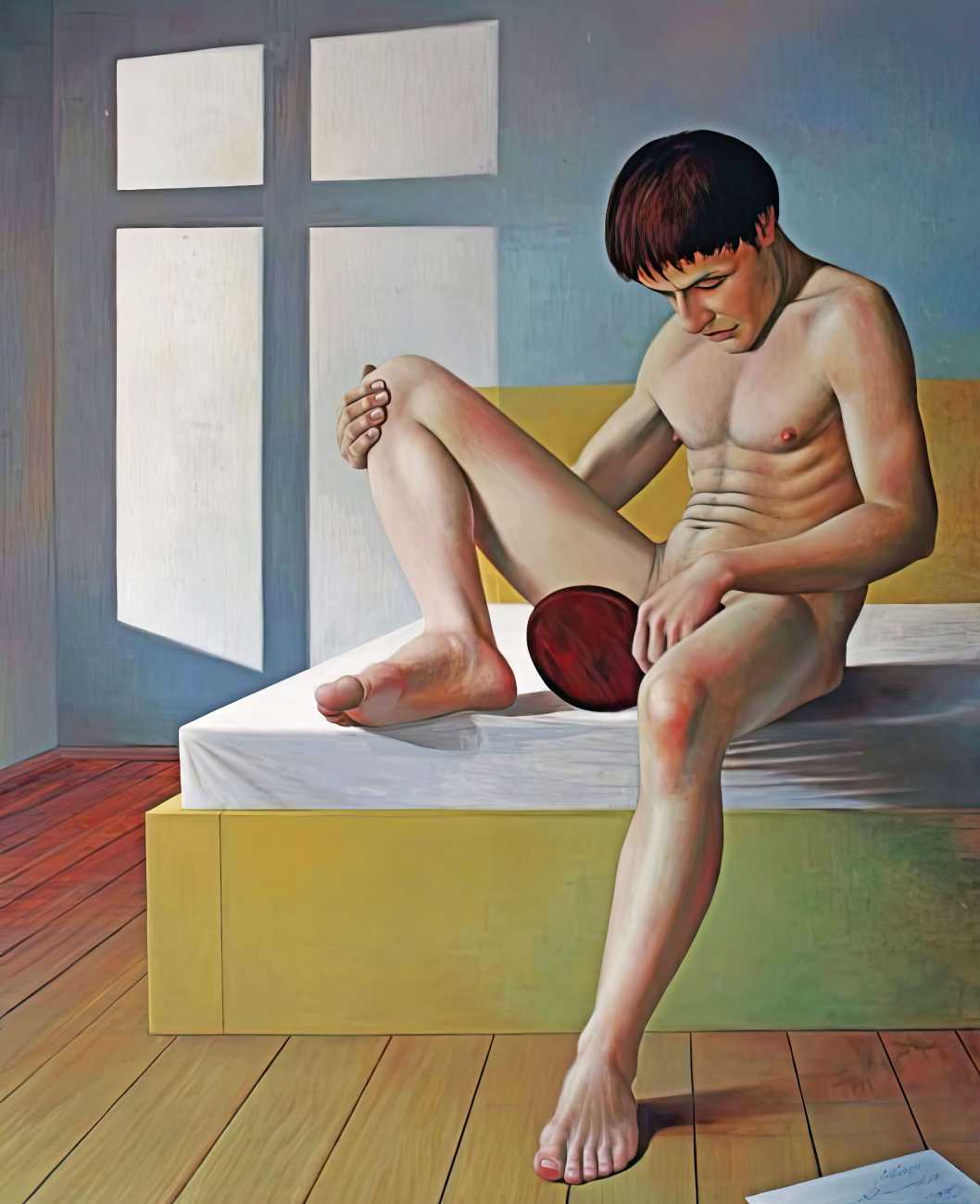
The experience of looking at Falk Gernegross’s paintings is similar to that of stumbling upon someone else’s private event or personal encounter, and hovering to snatch a glance for a split second too long. Boldly painted in vivid pinks, yellows and reds, his characters are shown in intimate moments: playing Twister together; lying in the long grass; undressing in a bedroom. The soft curves and fleshy tones of the body are captured with particular attention to detail, fluctuating between realism and a cartoon-like style. The result is suggestive of the slightly distorted images that one might recall from a dream, reflecting reality through the lens of memories and associations. Gernegross’s paintings are strange and yet familiar; timeless but also strongly contemporary; erotic and yet innocent.
In 2015 Louise Benson from Hot & Cold magazine interviewed Falk Gernegross. Here are some of the interesting questions and answers from that interview:
To begin, could you describe your process of painting? How long do you spend on each work, and how do you select your subjects?
The selection differs. Very often, I just start painting. I try to put the figures in the scene; I try to compose. I am often impatient to start painting, and therefore my sketches are mostly rough drafts. Details are defined and clearly formulated in the painting itself. Depending on the size, it takes between three weeks and two months to paint a picture; only the very small ones are finished quicker.
The colours in your paintings make a big and immediate impression; how do you choose which pigments to use? And how much power do you think that they have to shift the mood of your paintings?
I try to use contrasting colours most often, to create a beautifully modulated awareness of each tone. It’s a matter of judgement, or rather of sentiment.
Your depictions of figures seem to go between almost sculptural realism and a cartoonish impression. What interests you about these two extremities of style?
Both styles fascinate me. Since I am acquainted with sculpting, I try to imagine a sculptural sense of the body while painting it. It helps to incorporate vivacity and movement. Comics impress me with their clear shape, and the emphasis on the contour. On the other hand, I also find that both styles are full of pitfalls; think of the boring academicism surrounding nineteenth century sculpture, or the general flatness and two-dimensionality of illustration.
How would you describe your relationship to the body? You paint it clothed and naked, often in strange, slightly awkward positions. Do you see the body itself as something that we all wear, and is this an uncomfortable realisation?
For the most part the body is a shell – an awkward, embarrassing, hideous but also wonderfully beautiful shell. It plays a central, important role for me and my painting, guiding and revealing my aesthetic sensibilities. The body is also highly significant for me as a carrier of meaning.
How important is clothing in your paintings? You often show garments in well-observed detail, directly capturing contemporary dress and iconography. What do these represent for you?
In the beginning I painted most of the figures naked. This was partly to understand and comprehend the body itself, while now it is less important for me to paint a naked body. Apparel carries, supports, bears, covers and protects a multitude of thoughts and ideas. And beside this, clothing and garments work superbly well in their scope for colours.
In many of your paintings, the settings feel quite timeless – particularly the open, natural spaces. Why is this, and how does this integrate with your depiction of contemporary life?
Certain eternalness is important. I like the idea that this scene could have taken place five hundred years ago, thirty years ahead, or yesterday.
What role do taboos and the forbidden play in your work? At times, an onlooker or voyeur can be spotted in them, while others show strange physical relationships. How do you construct these scenes?
The scenes that I paint, and the things that my protagonists carry out, aren’t taboos. To the contrary, they do not show inhumanity at all. Of course, time and place support and carry sentiment. When does the viewer become a voyeur, or the other way round? What is forbidden or indecent? I know that for myself, but what about for everybody else?
Falk Gernegross’s website is here, and his Instagram account here.
We are very grateful to our Russian friend Yuri for introducing us to the work of this artist, and for supplying many of the images.
Similar artists
Anthony Christian – British painter of classically rendered naked figures.
John Currin – American painter of figurative-erotic subjects in a similar classical idiom.
Terry Rodgers – American painter of glossy, sharply lit figurative-erotic tableaux.
Eberhard Schlotter – German post-war painter of figurative-erotic subjects and etching innovation.
Hanjo Schmidt – German realist painter of precisely rendered erotic figure compositions.
Lisa Yuskavage – American painter of dreamlike feminine figurative subjects.
Example illustration