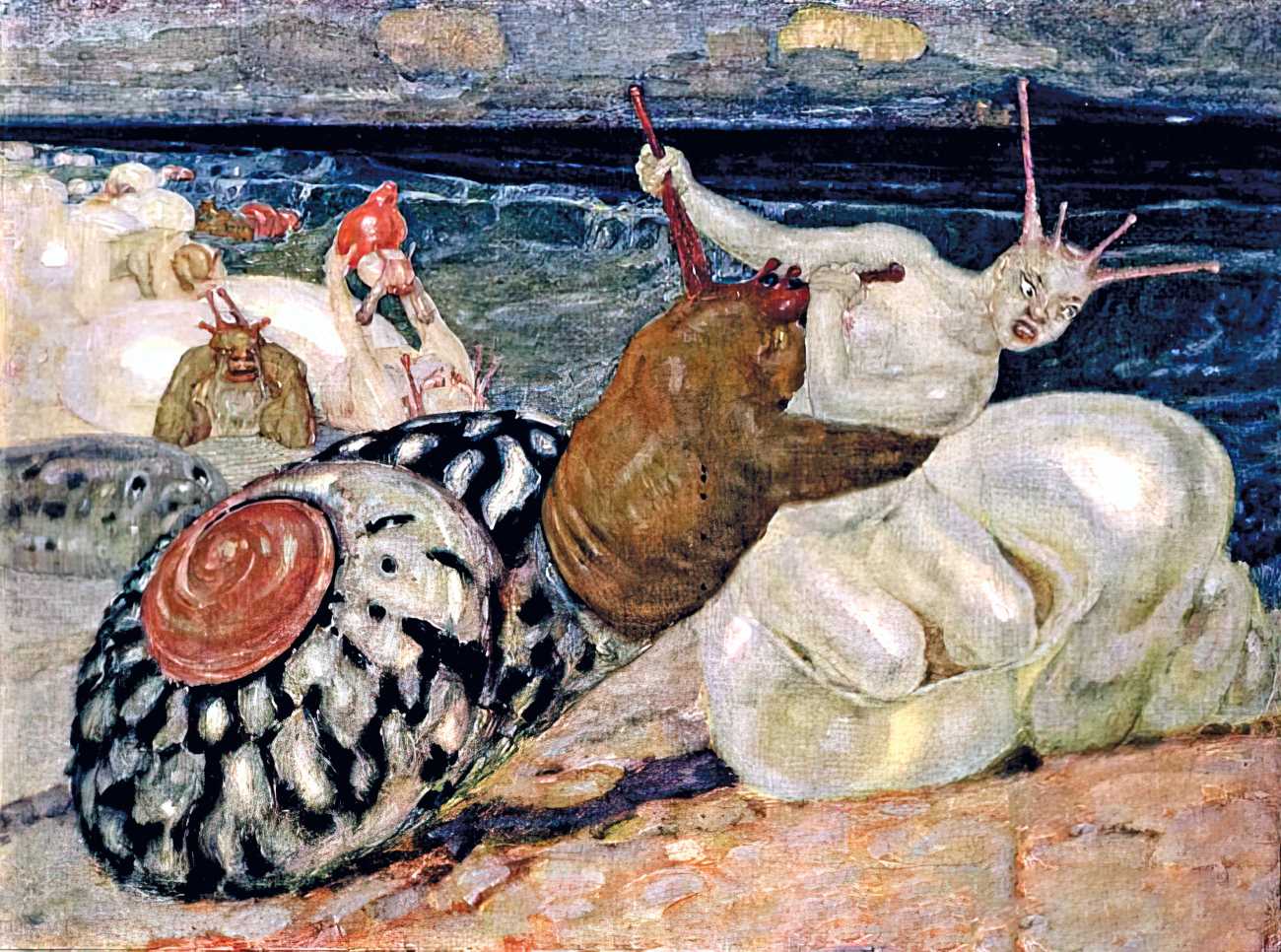
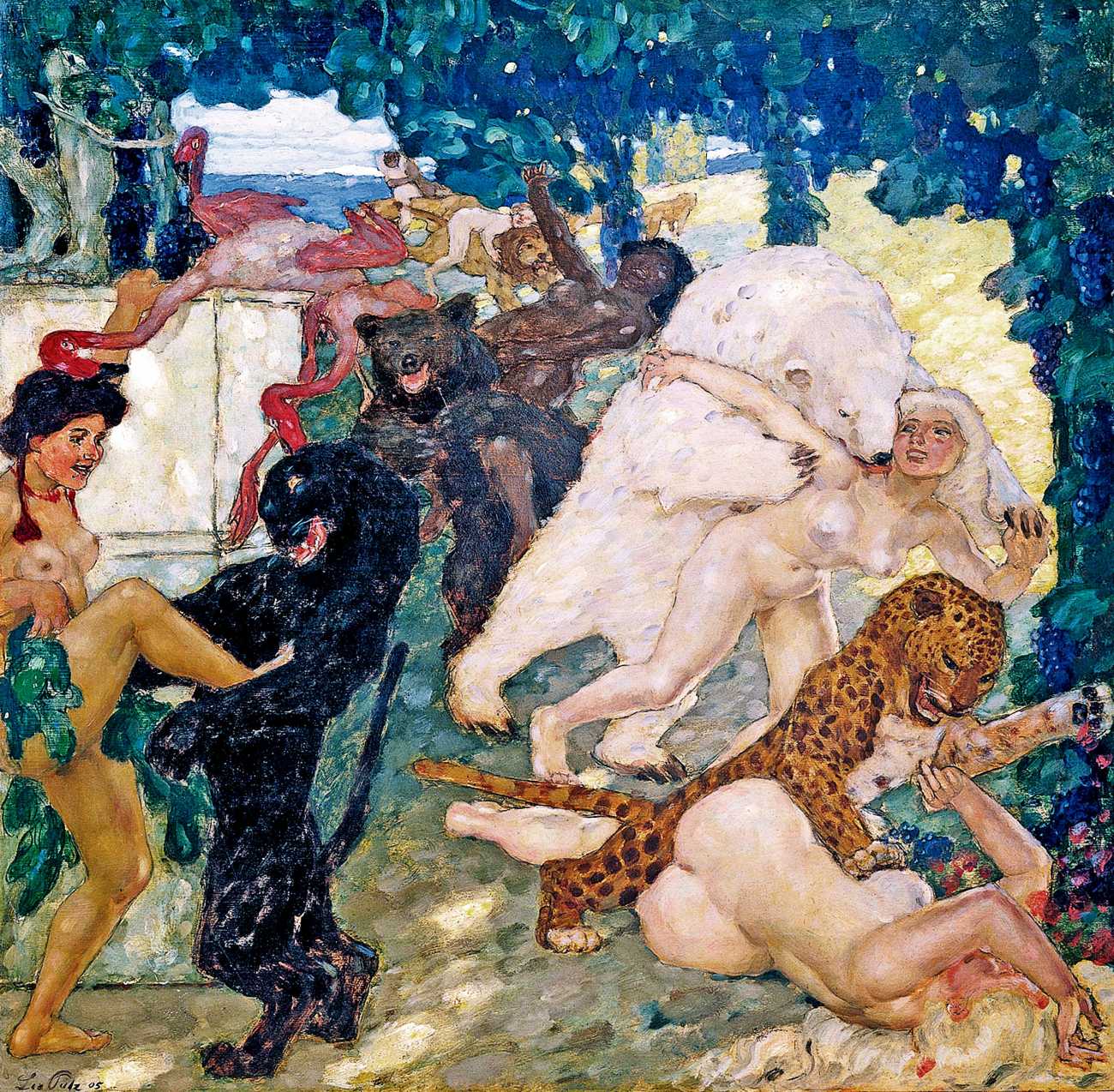
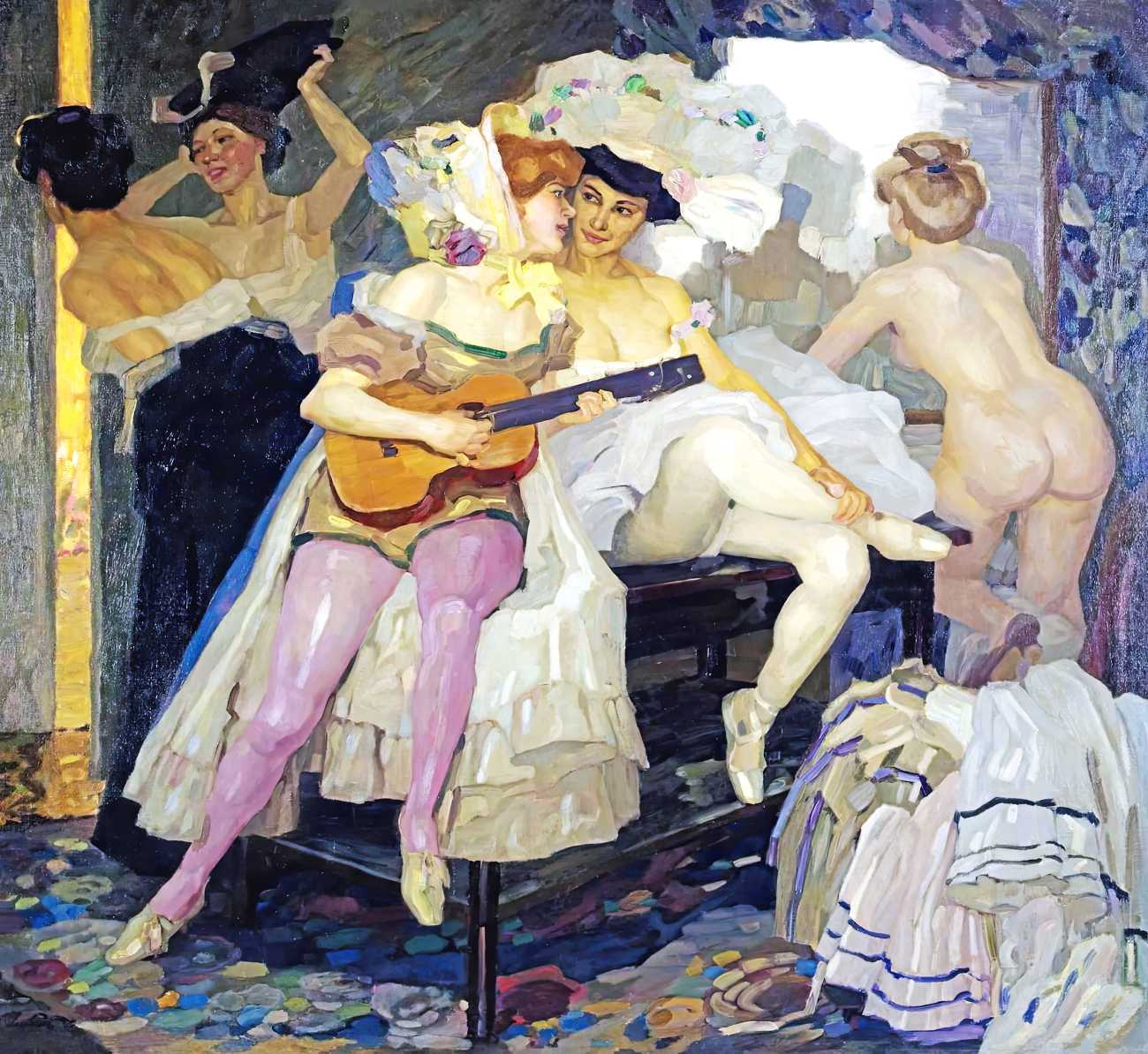
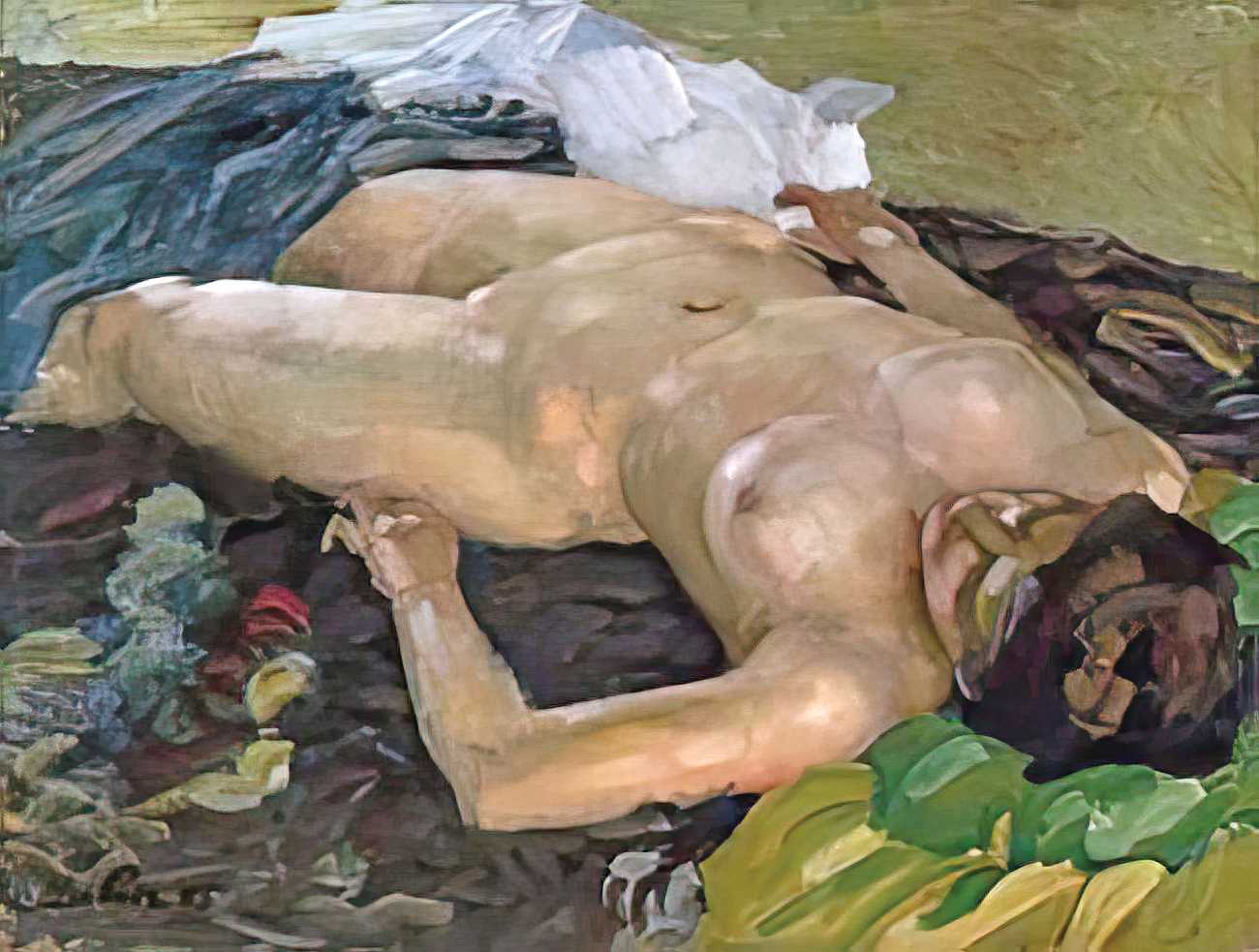
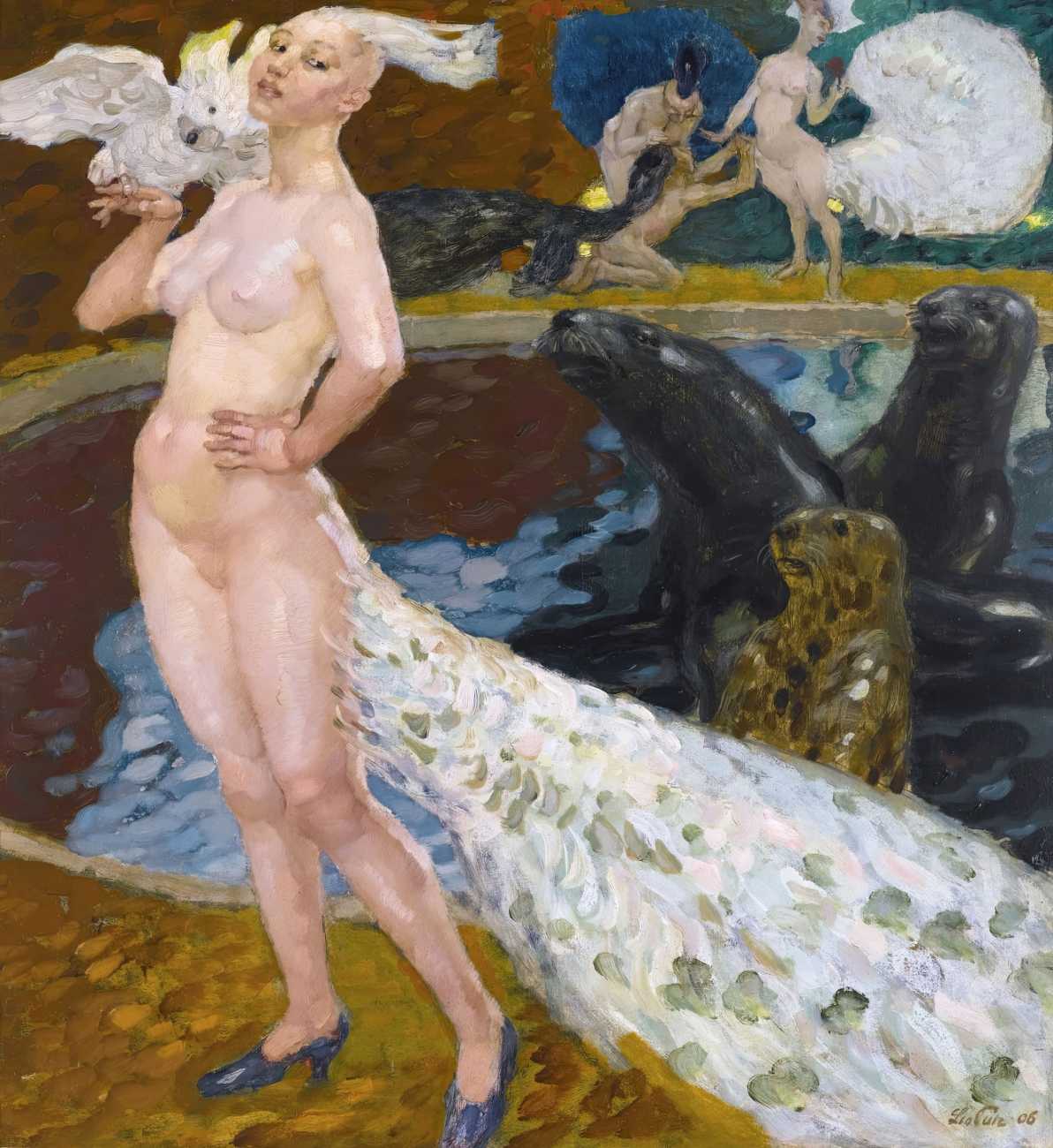
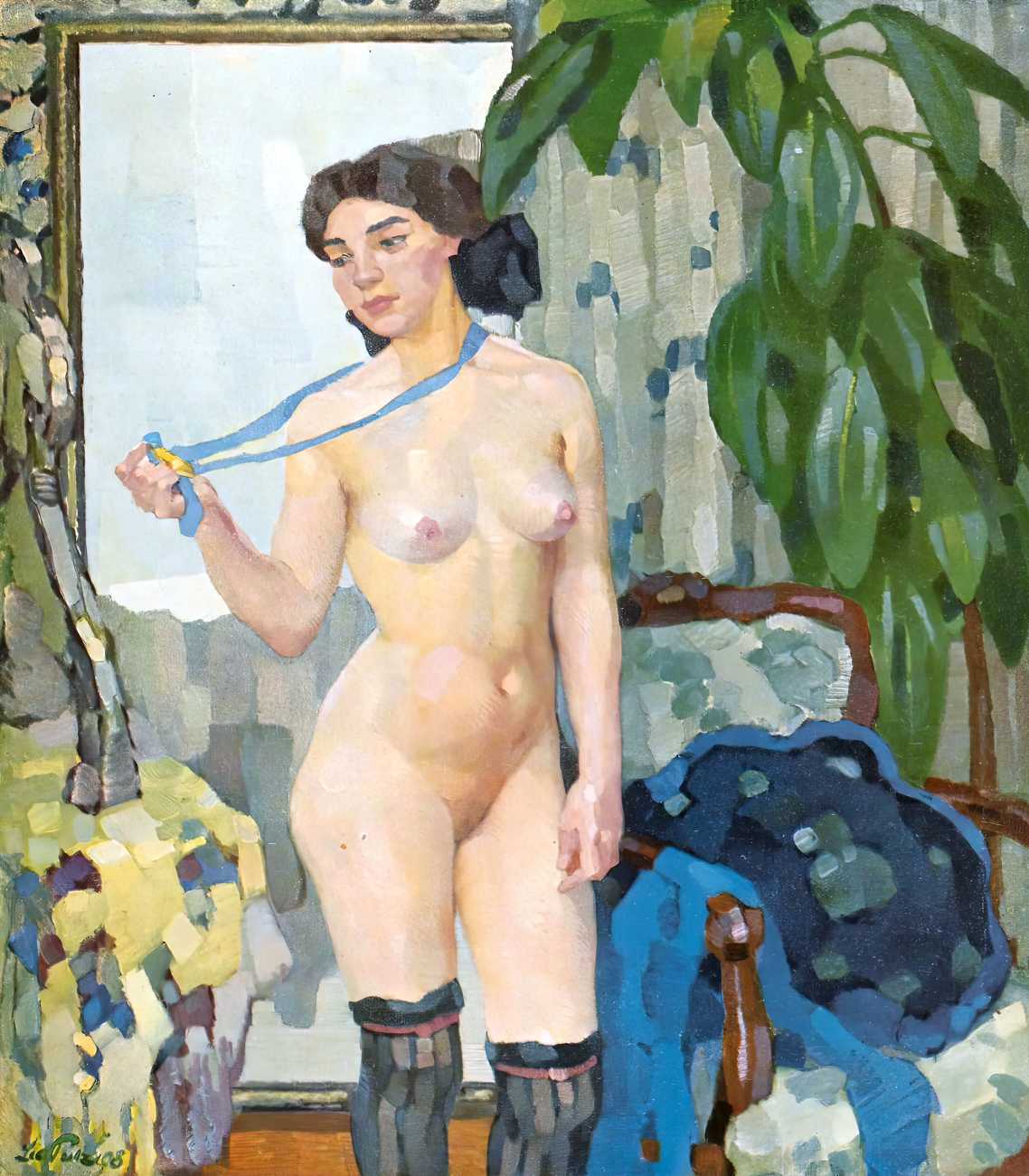
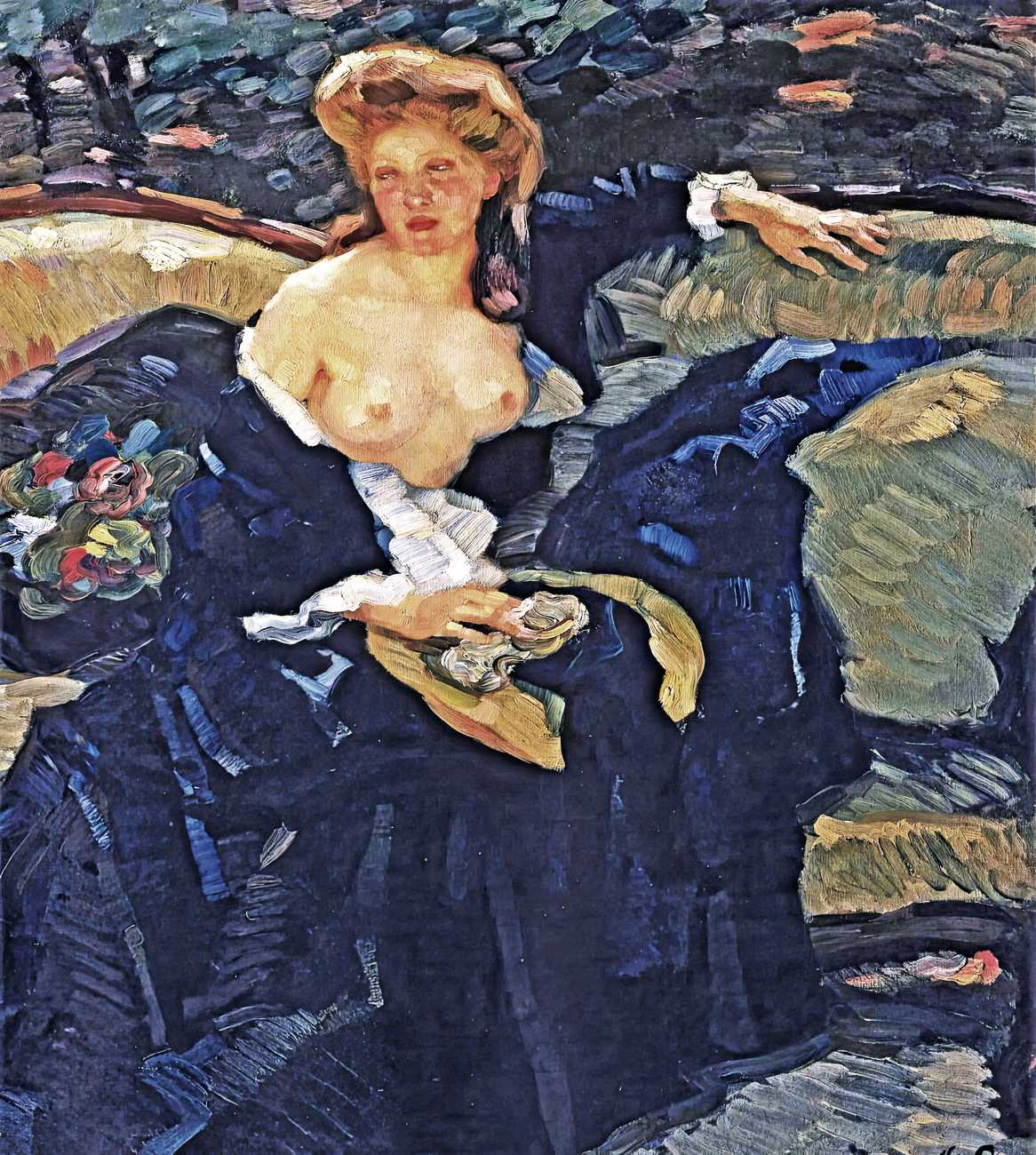
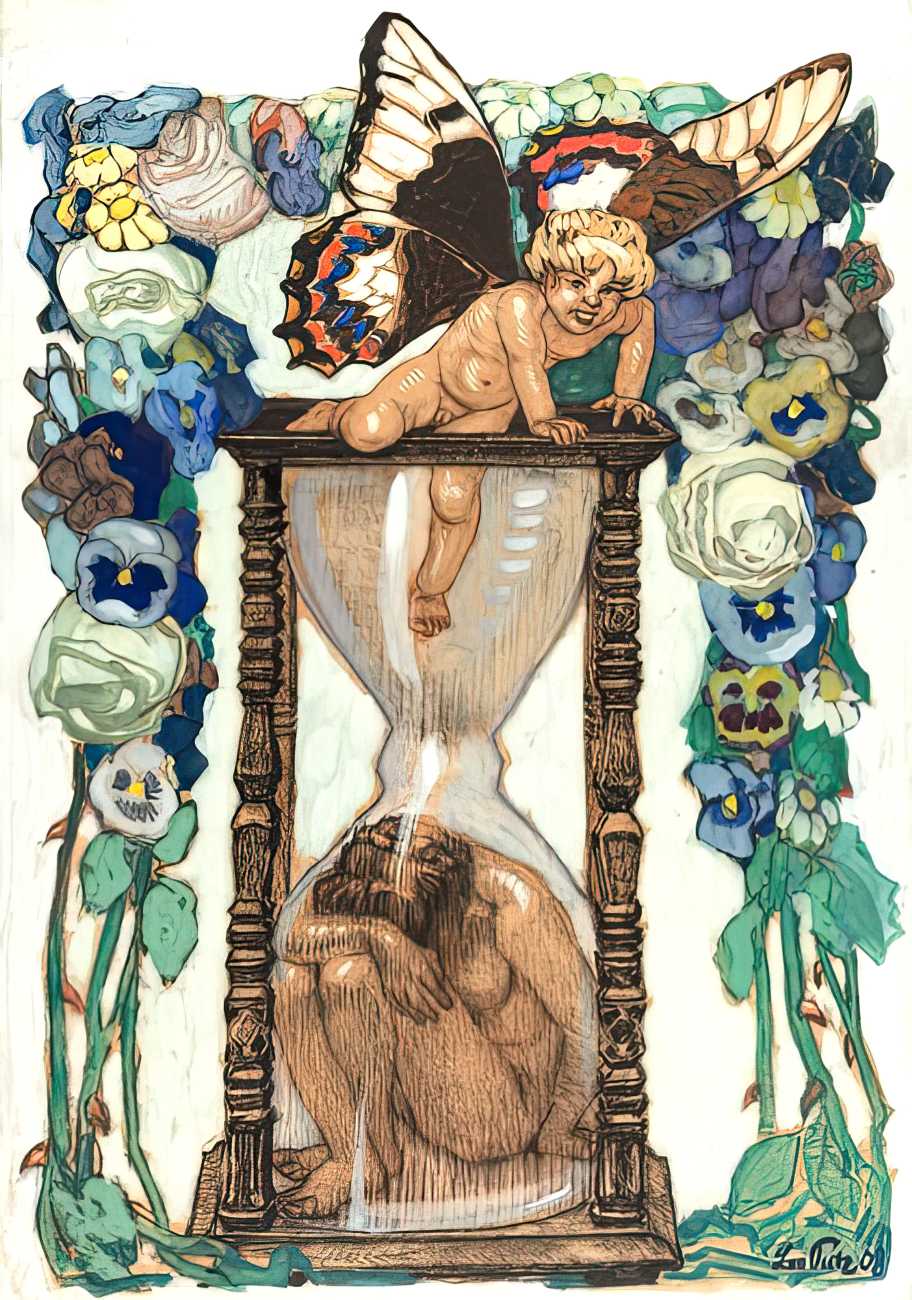
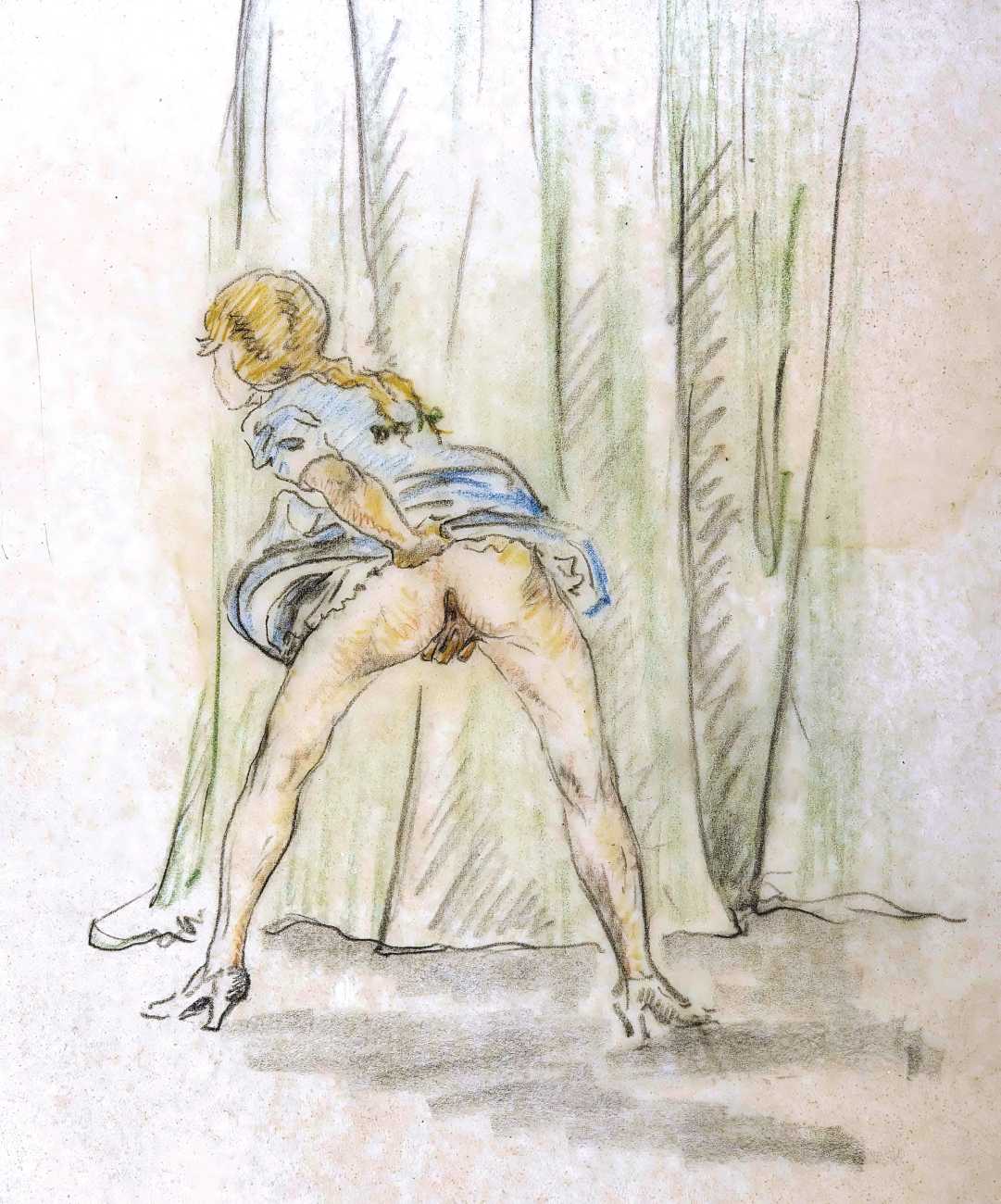
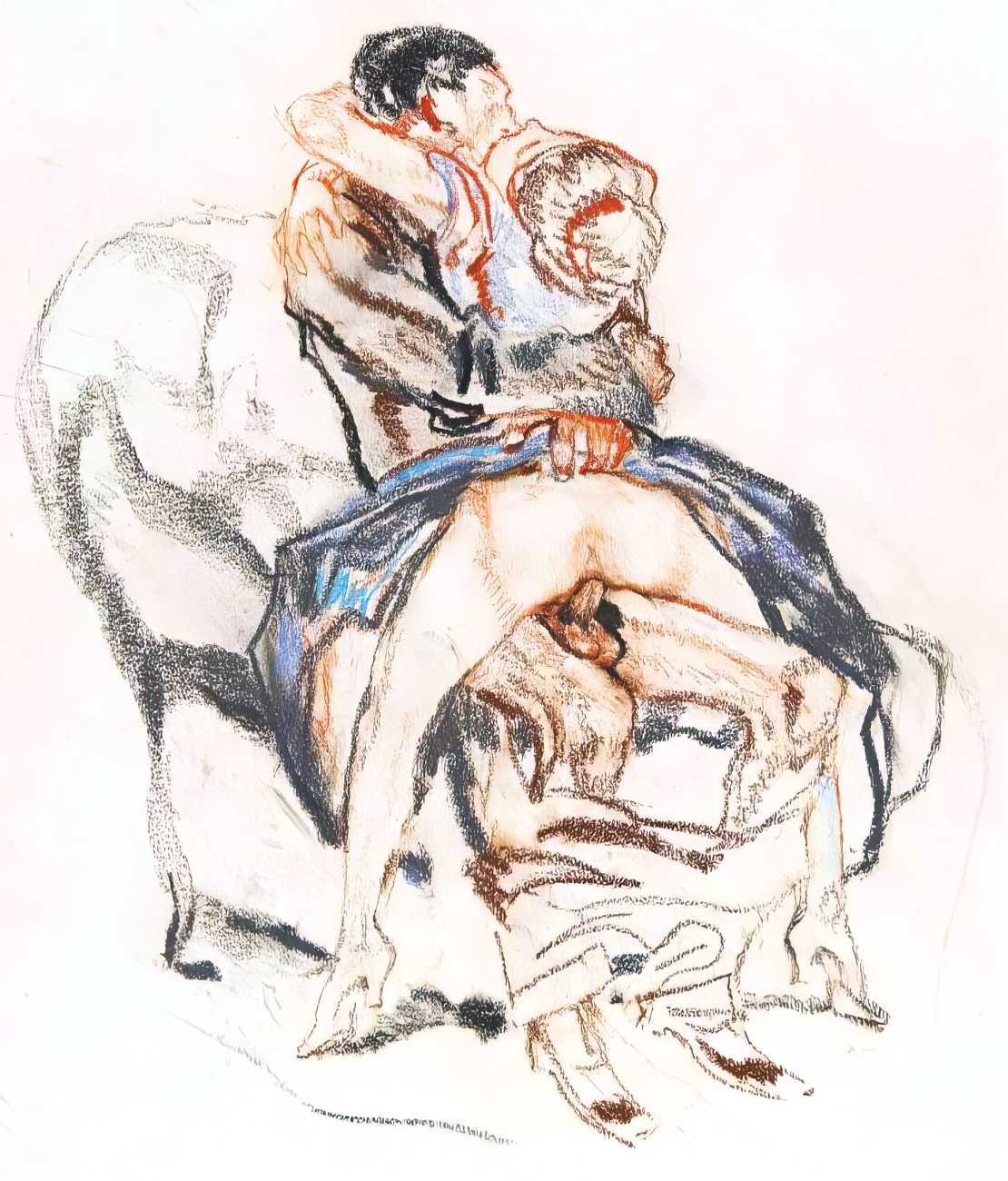
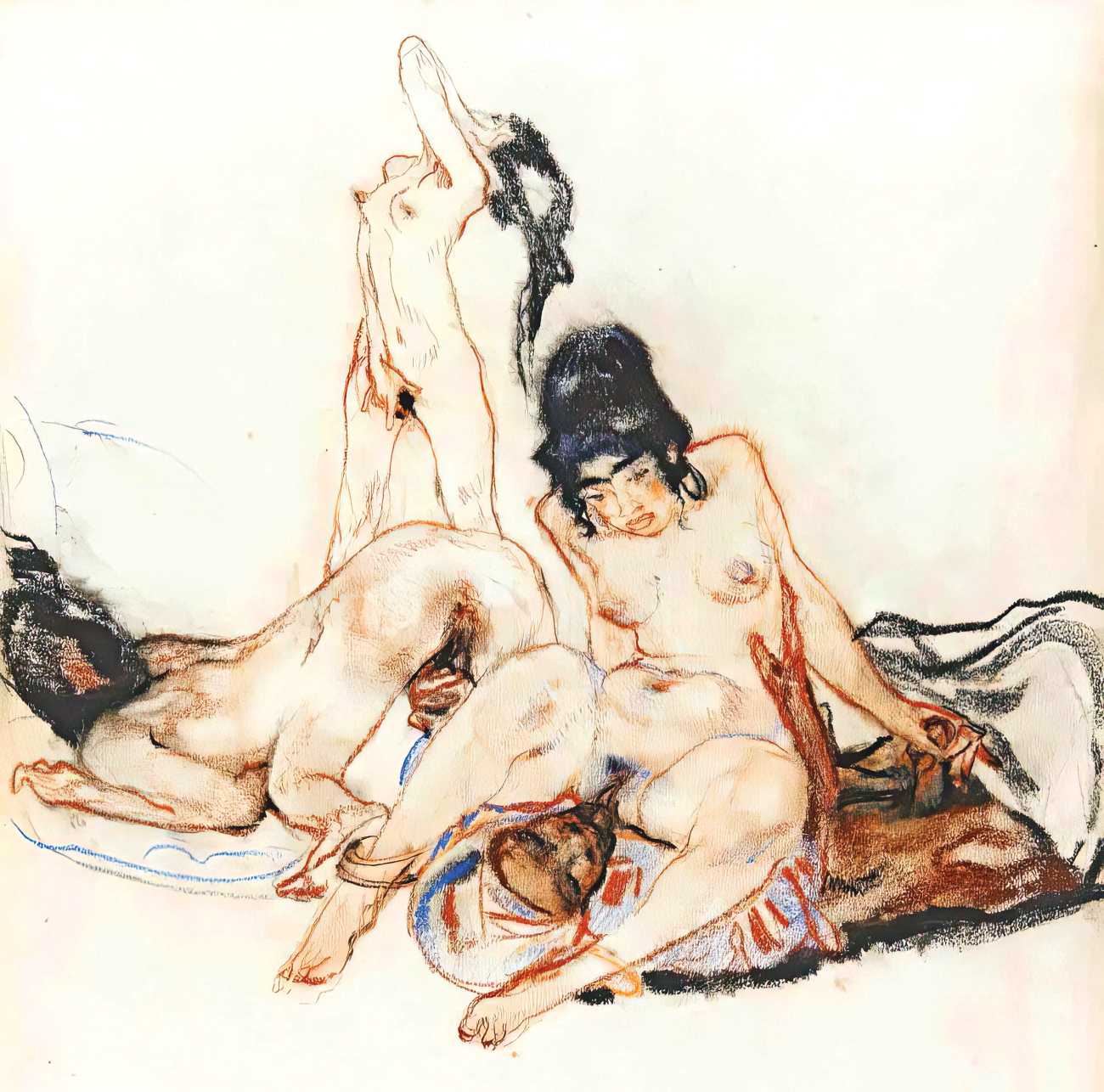
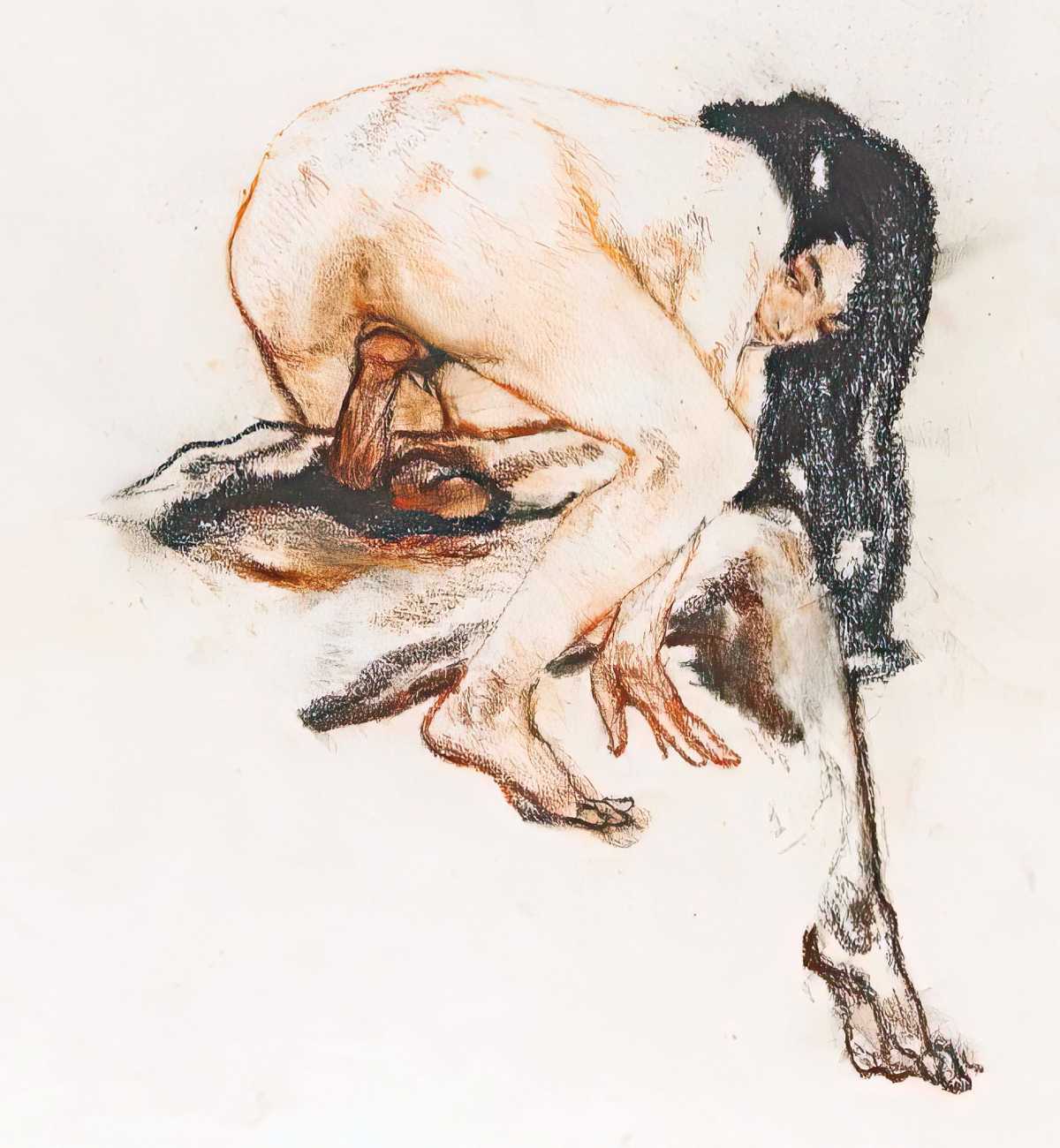
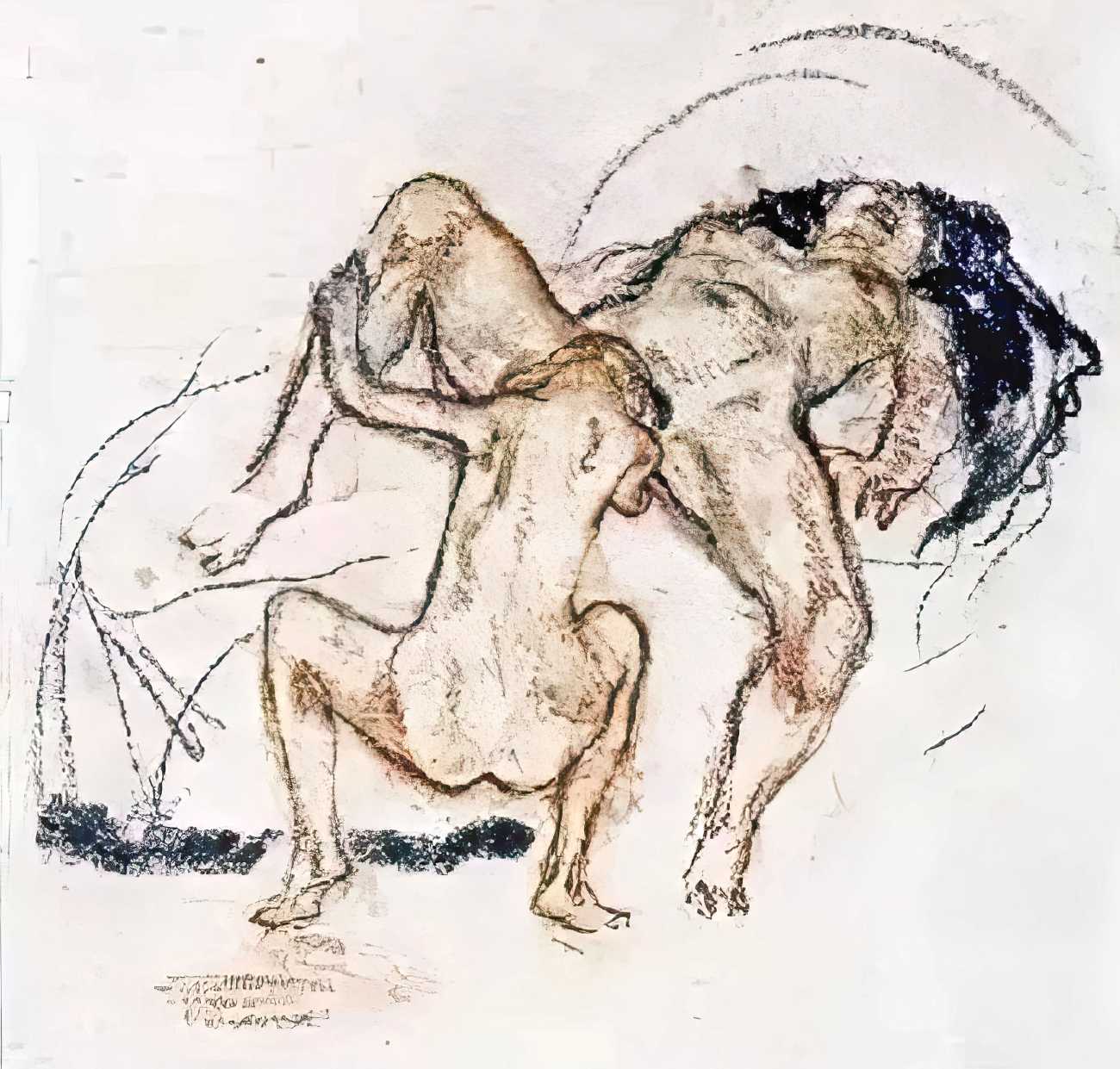
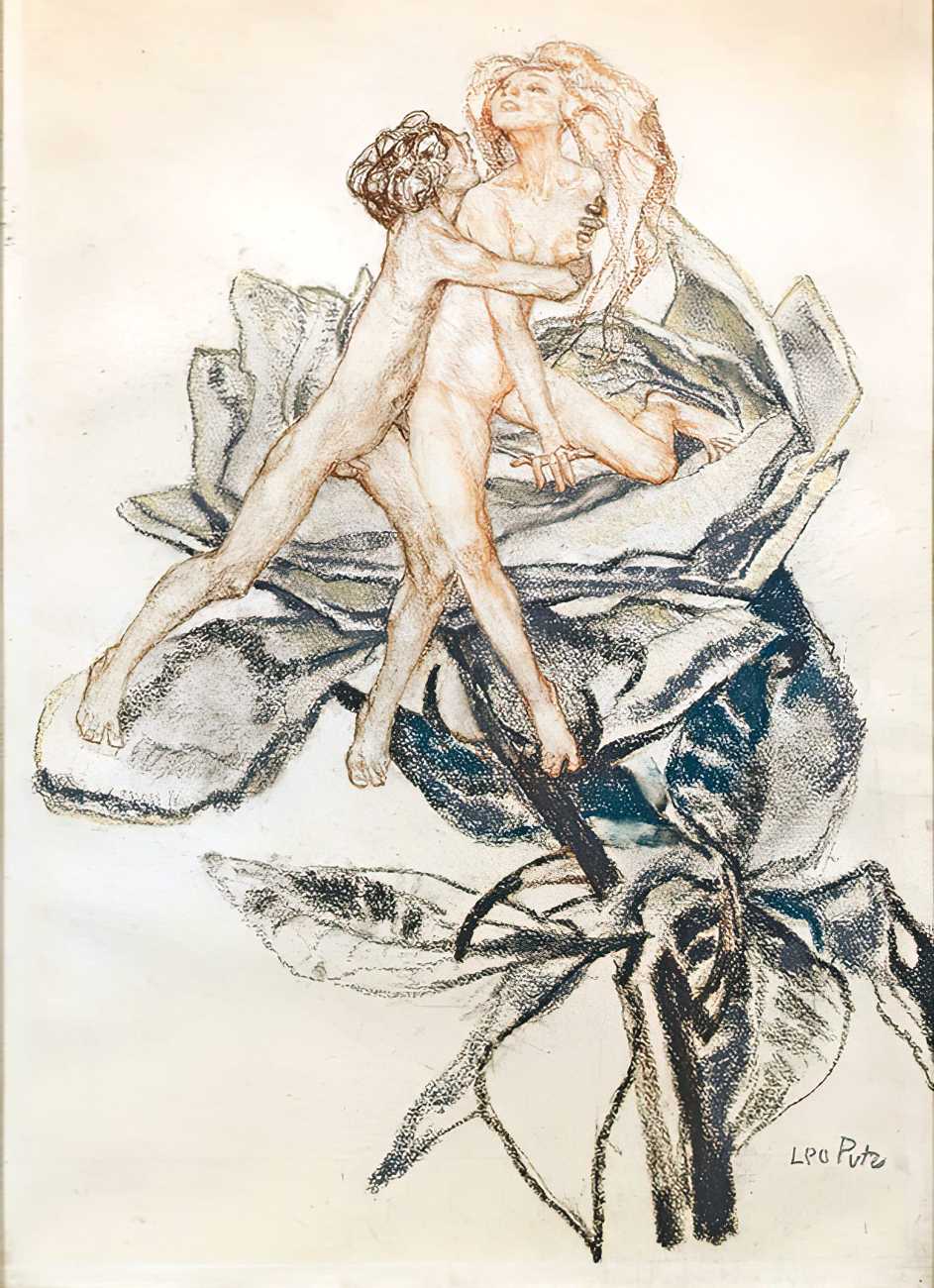
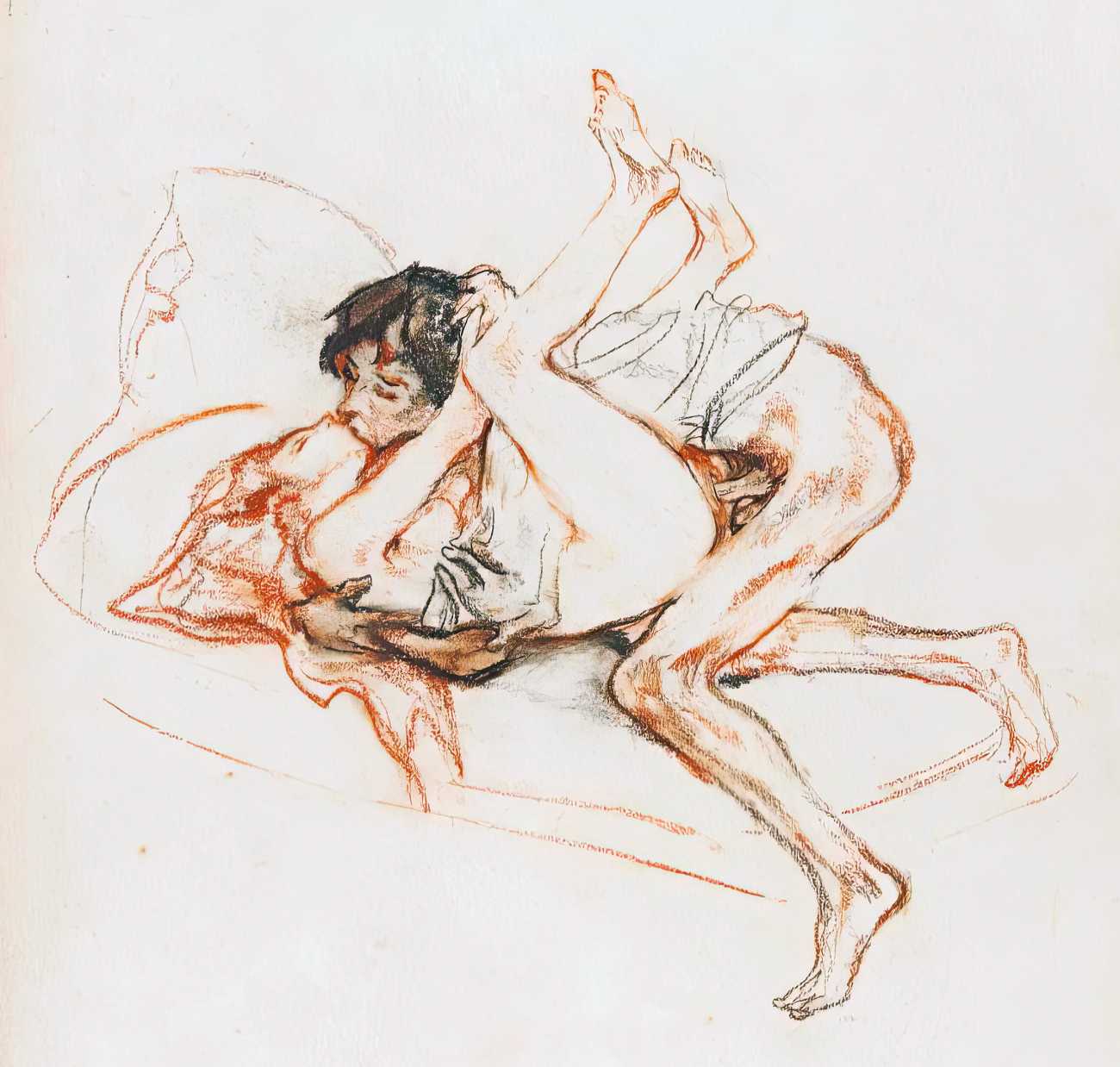
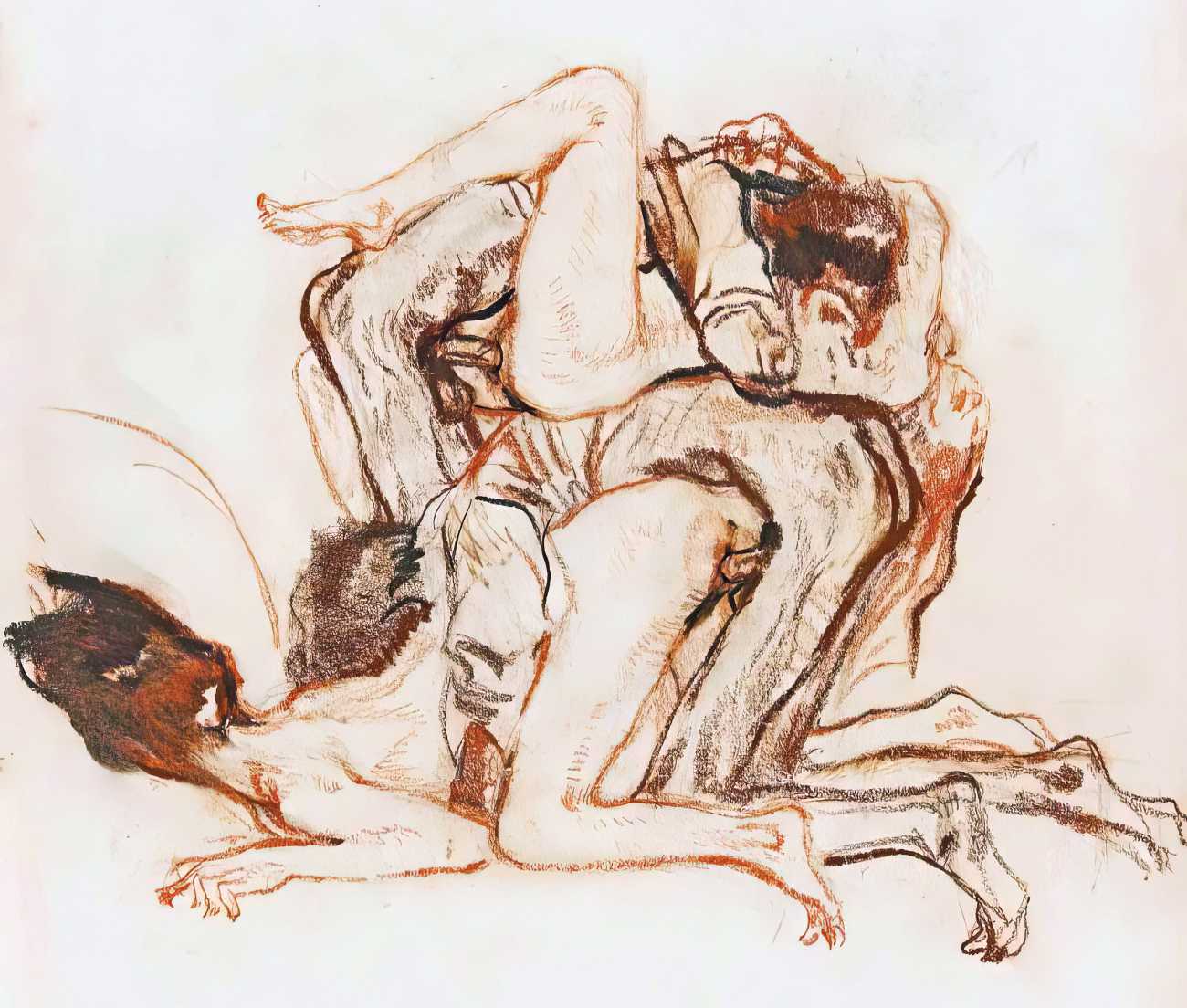
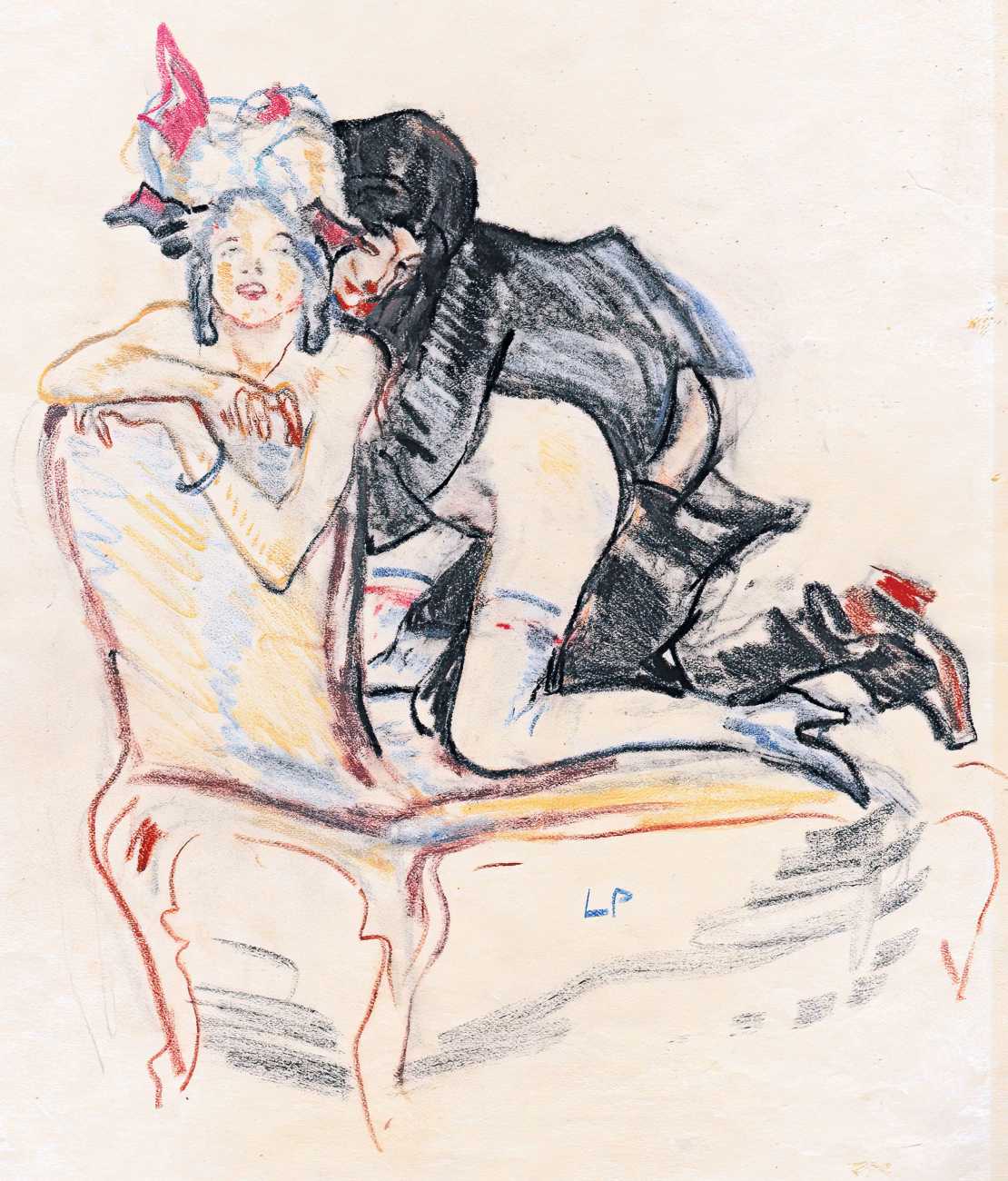
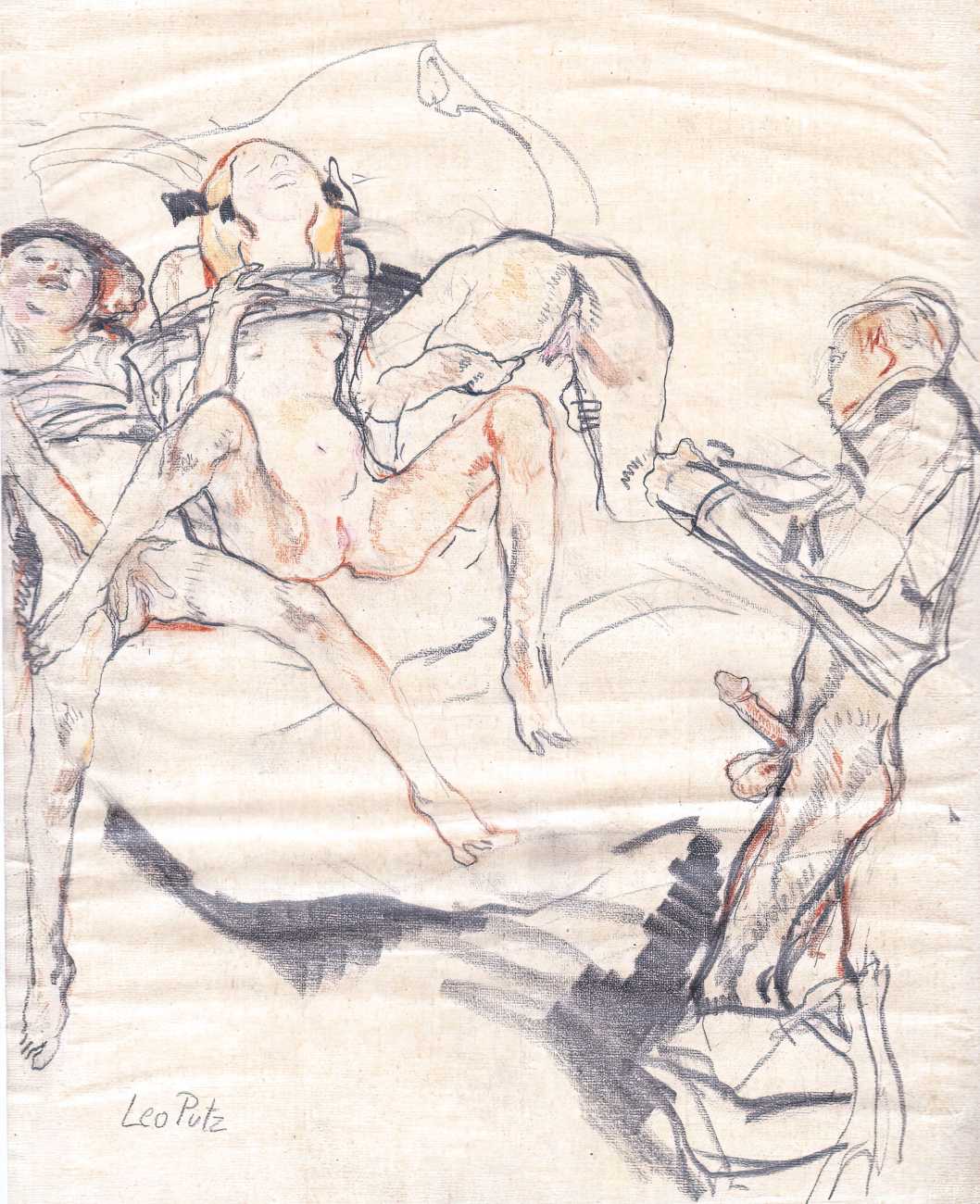
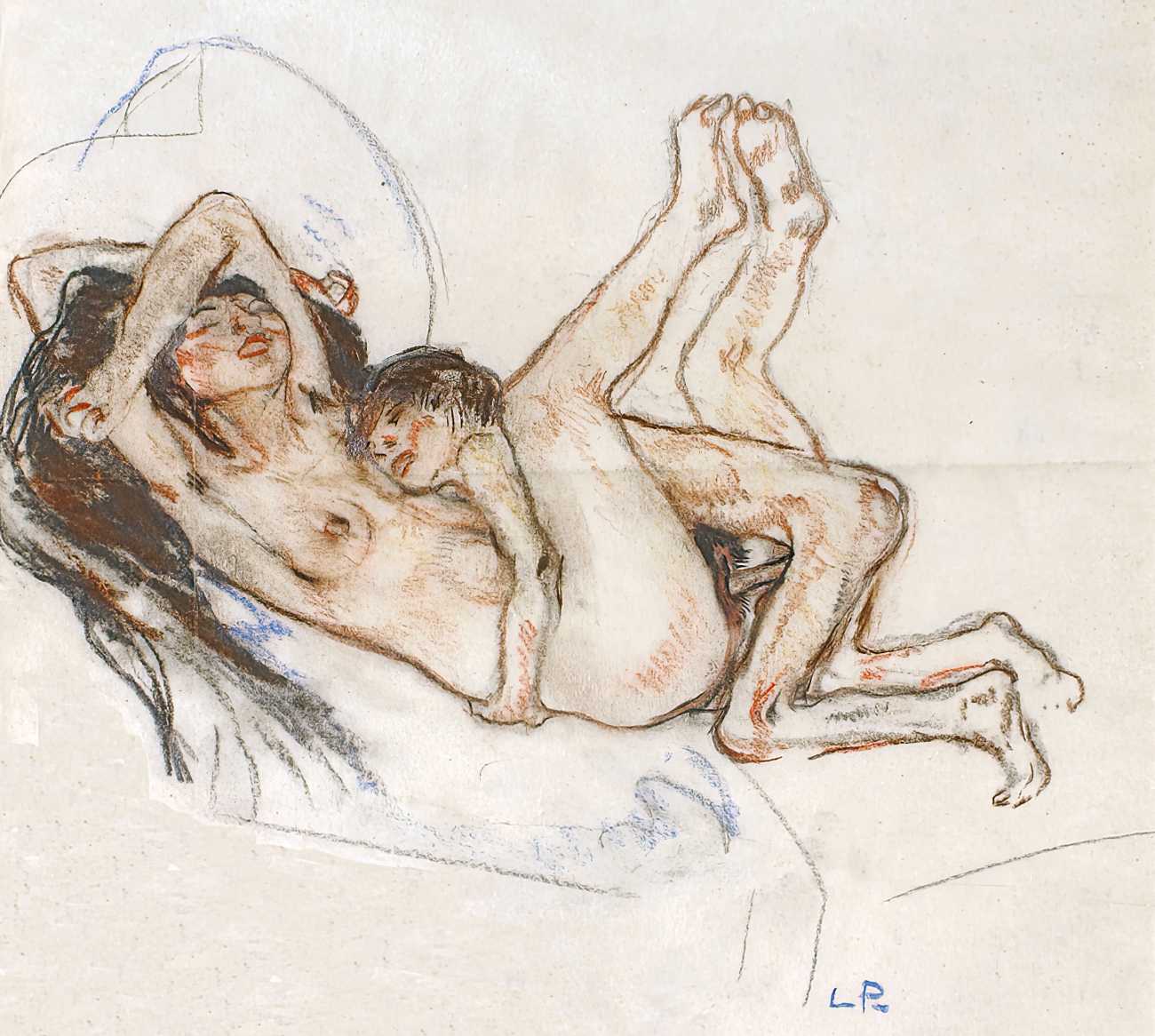
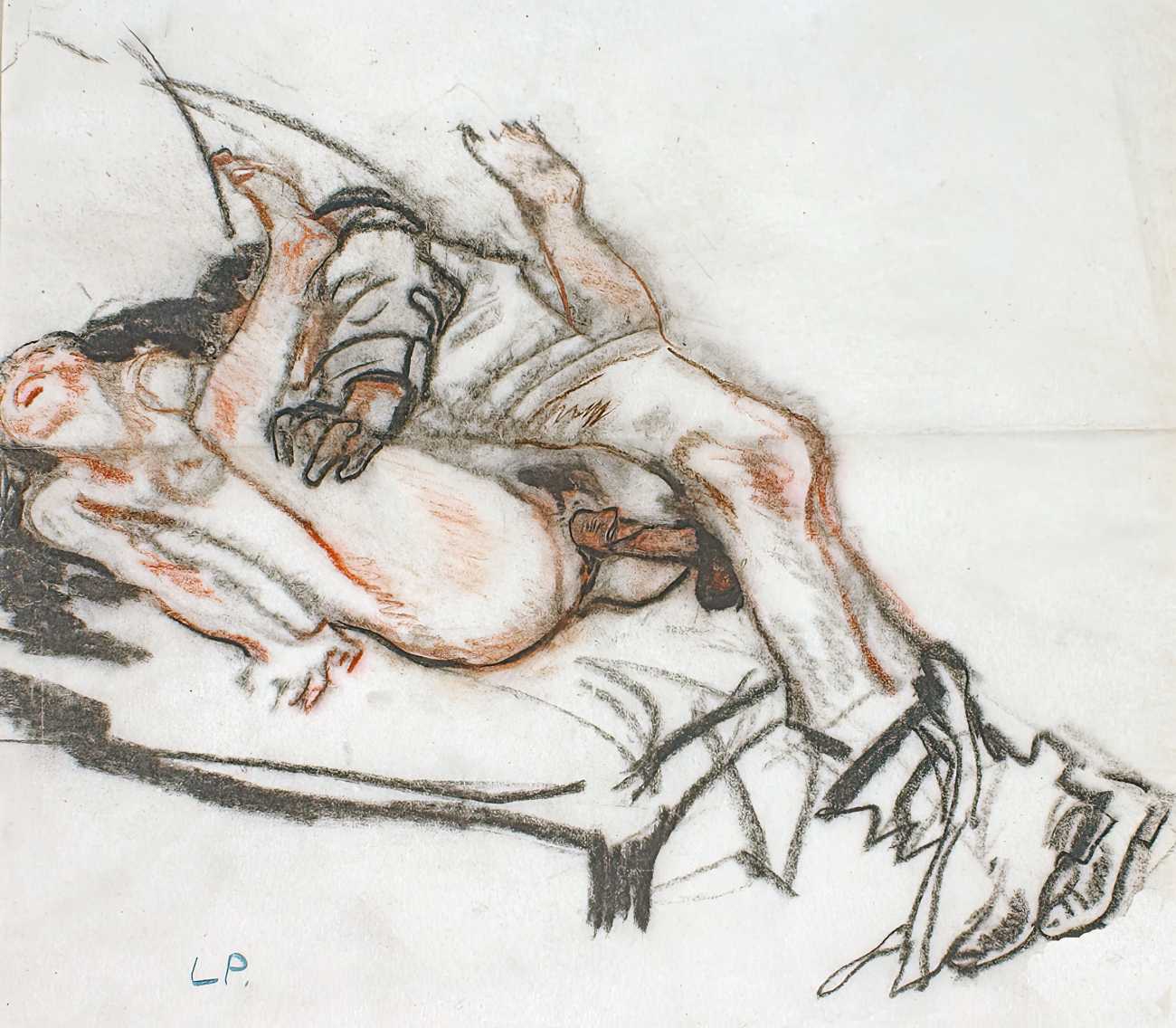
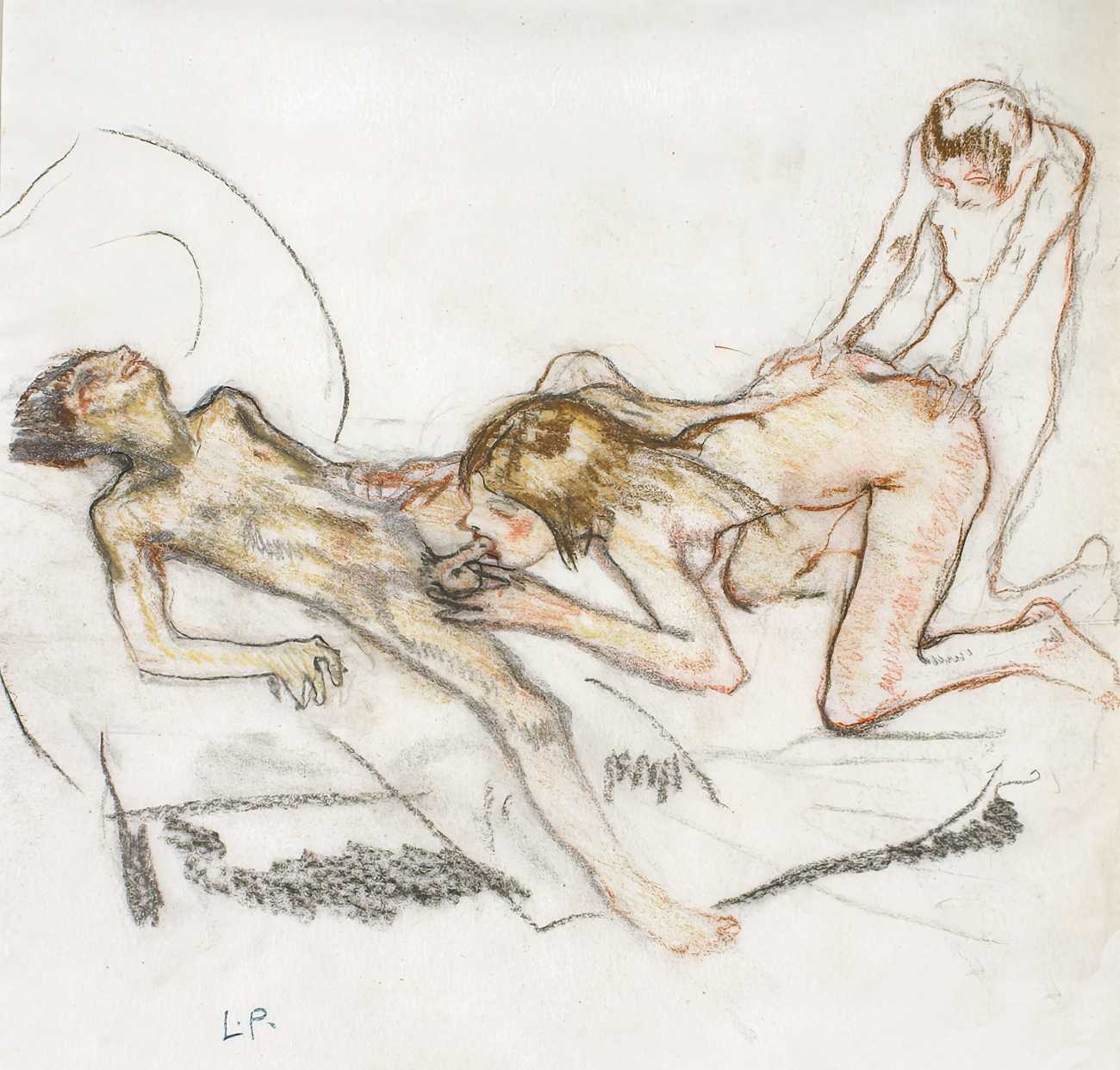
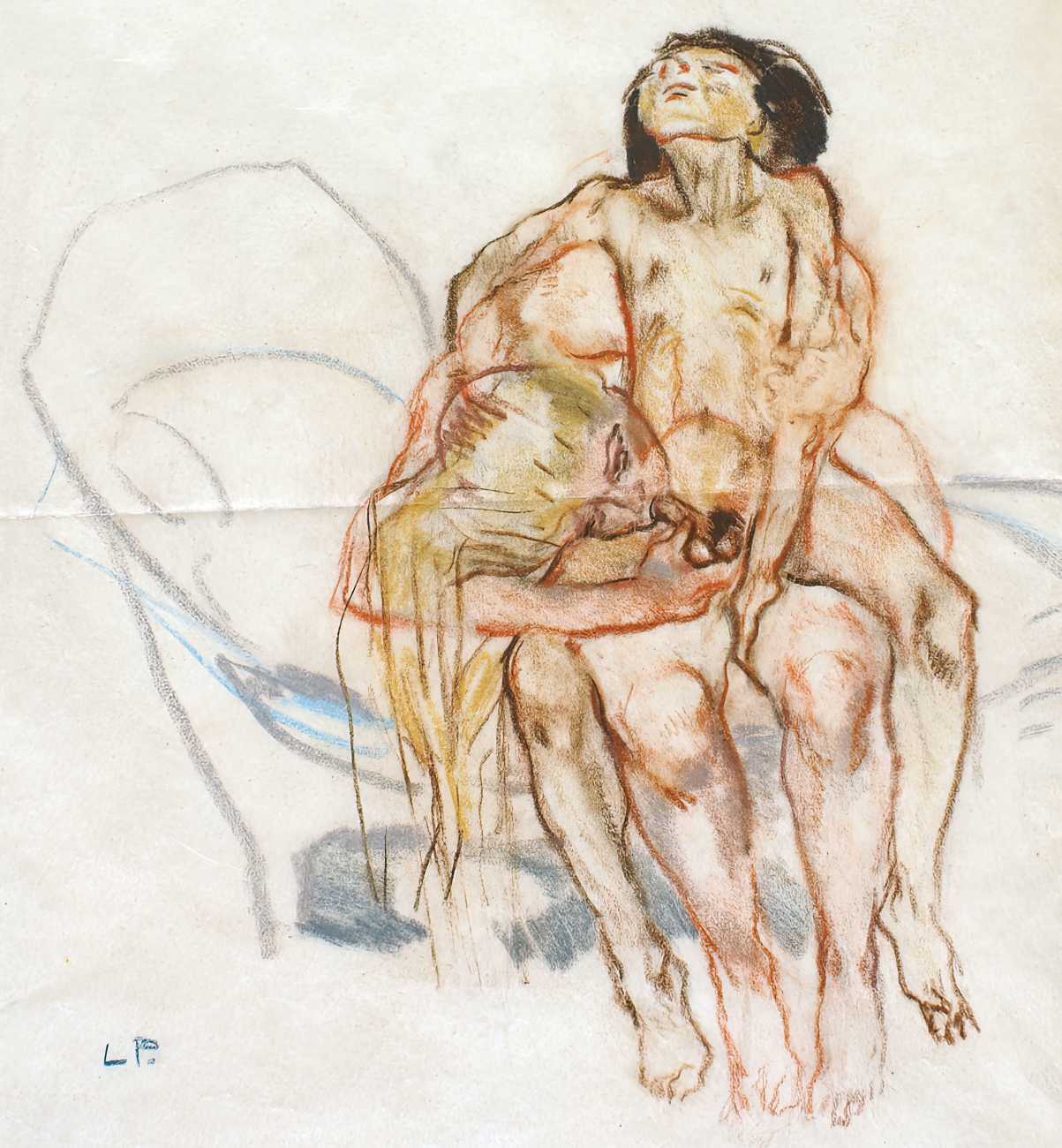
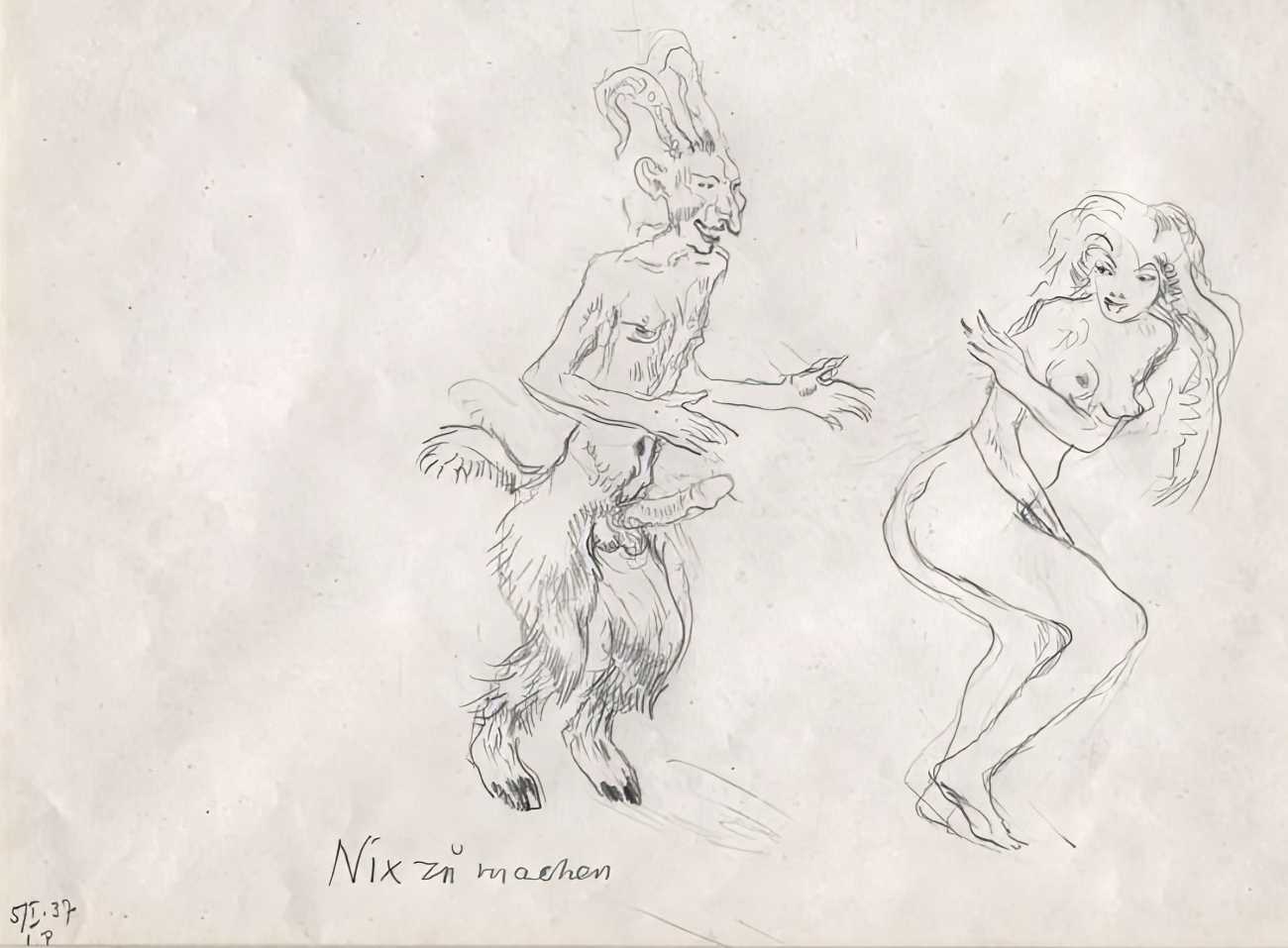
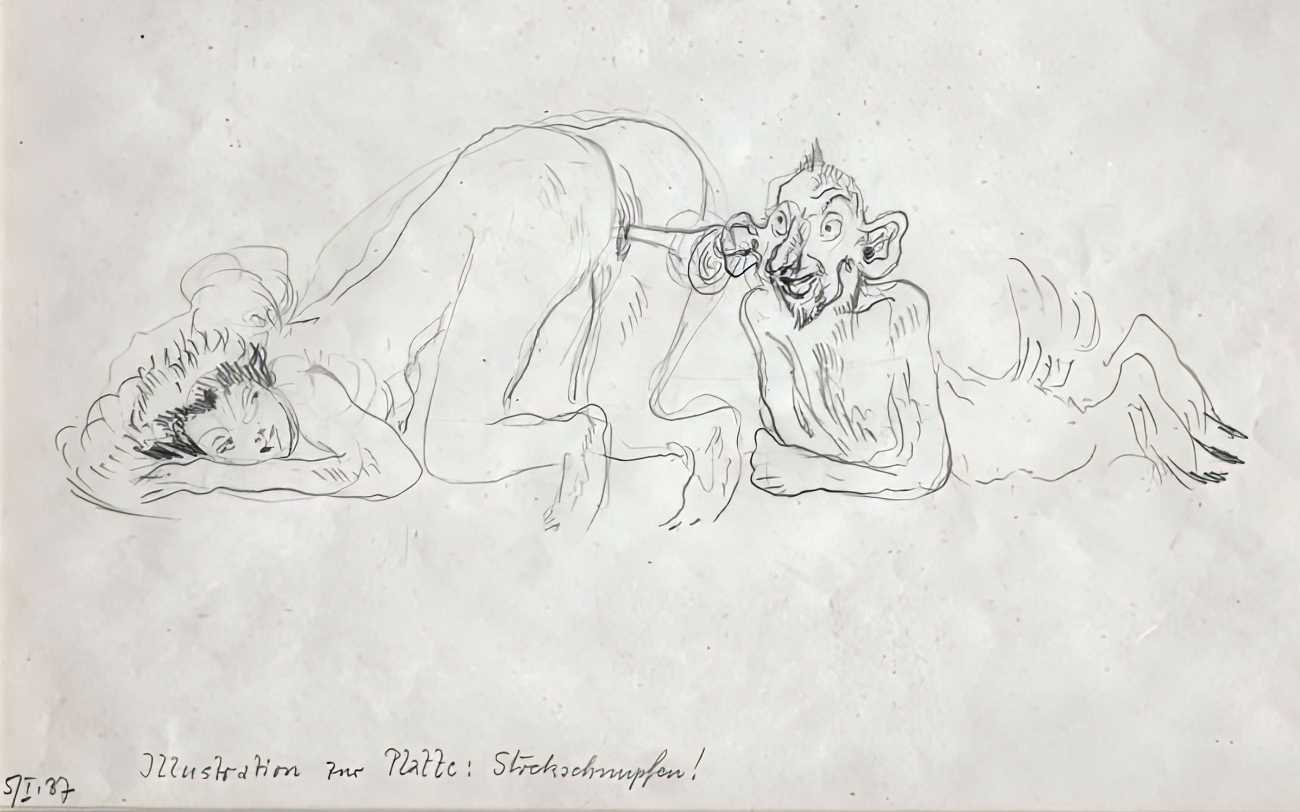
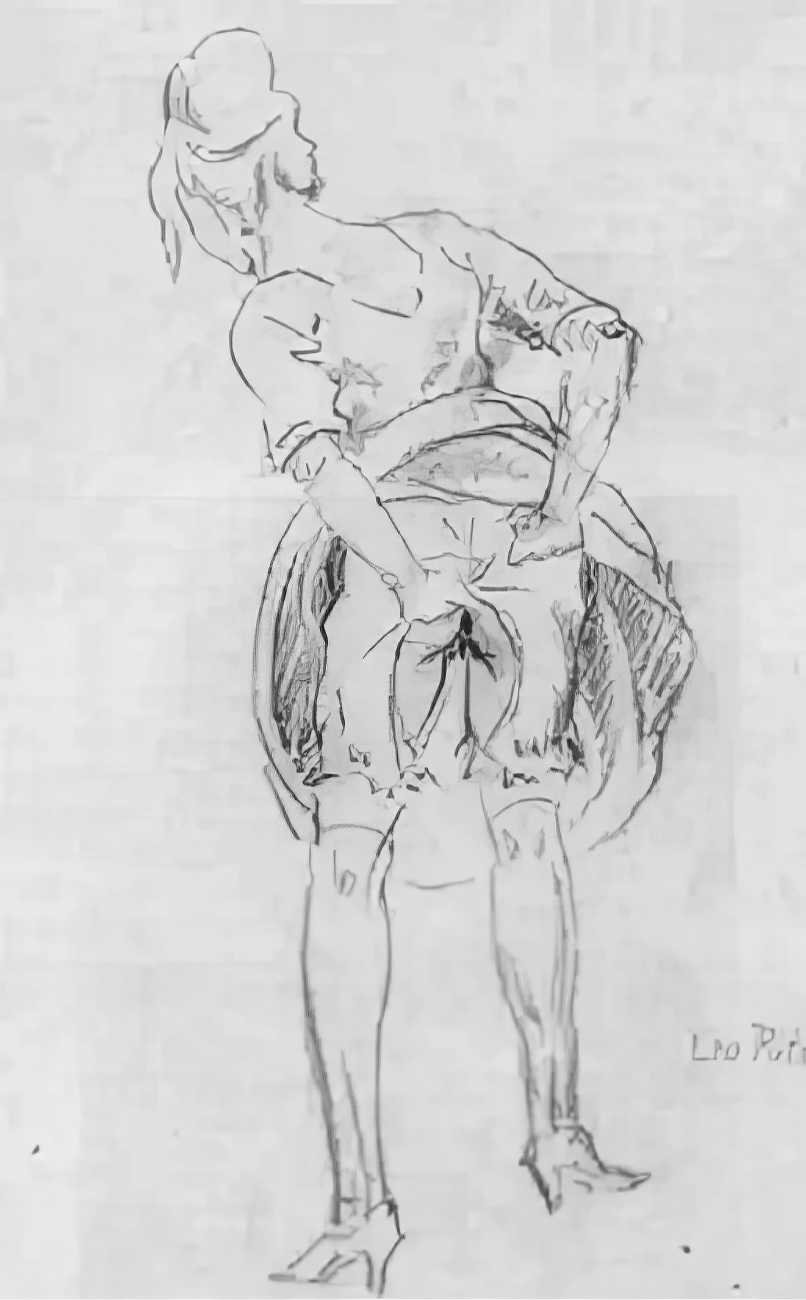
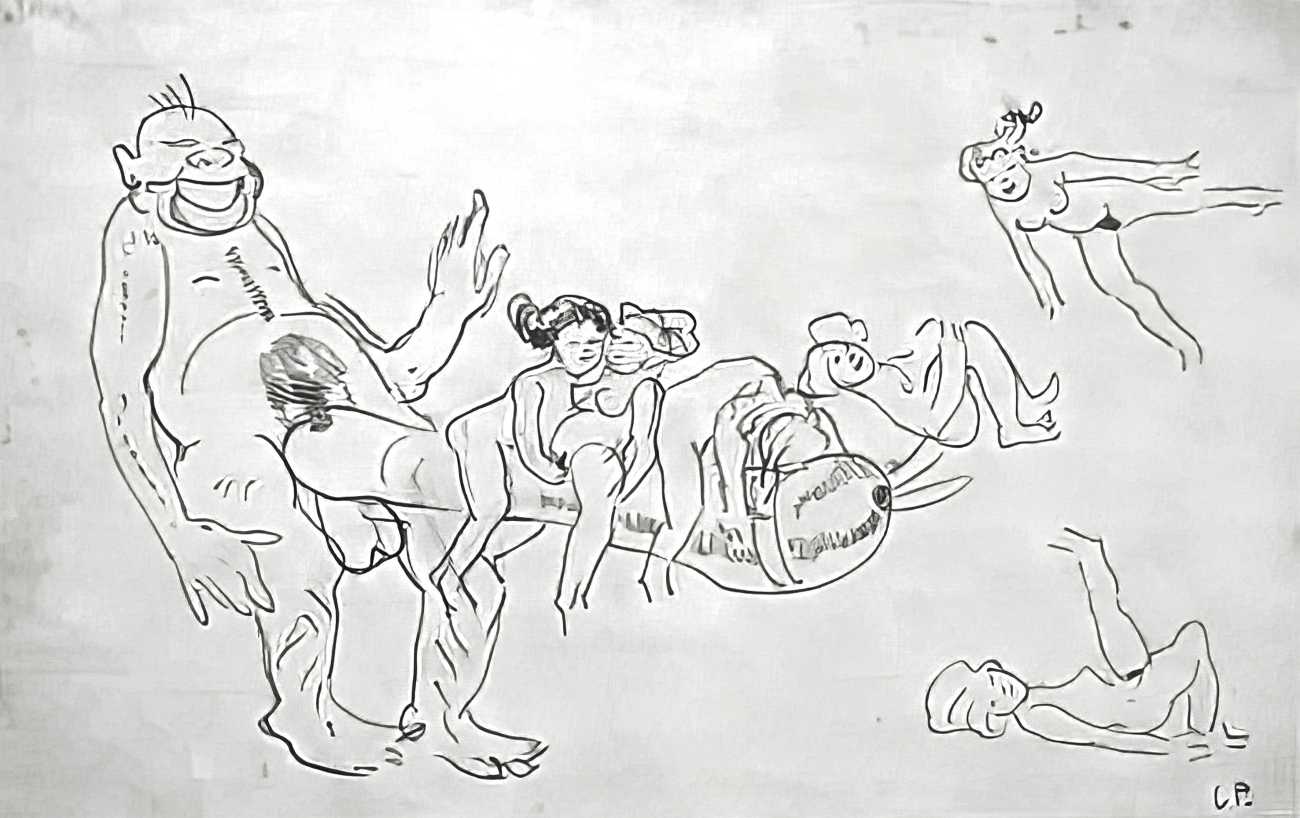
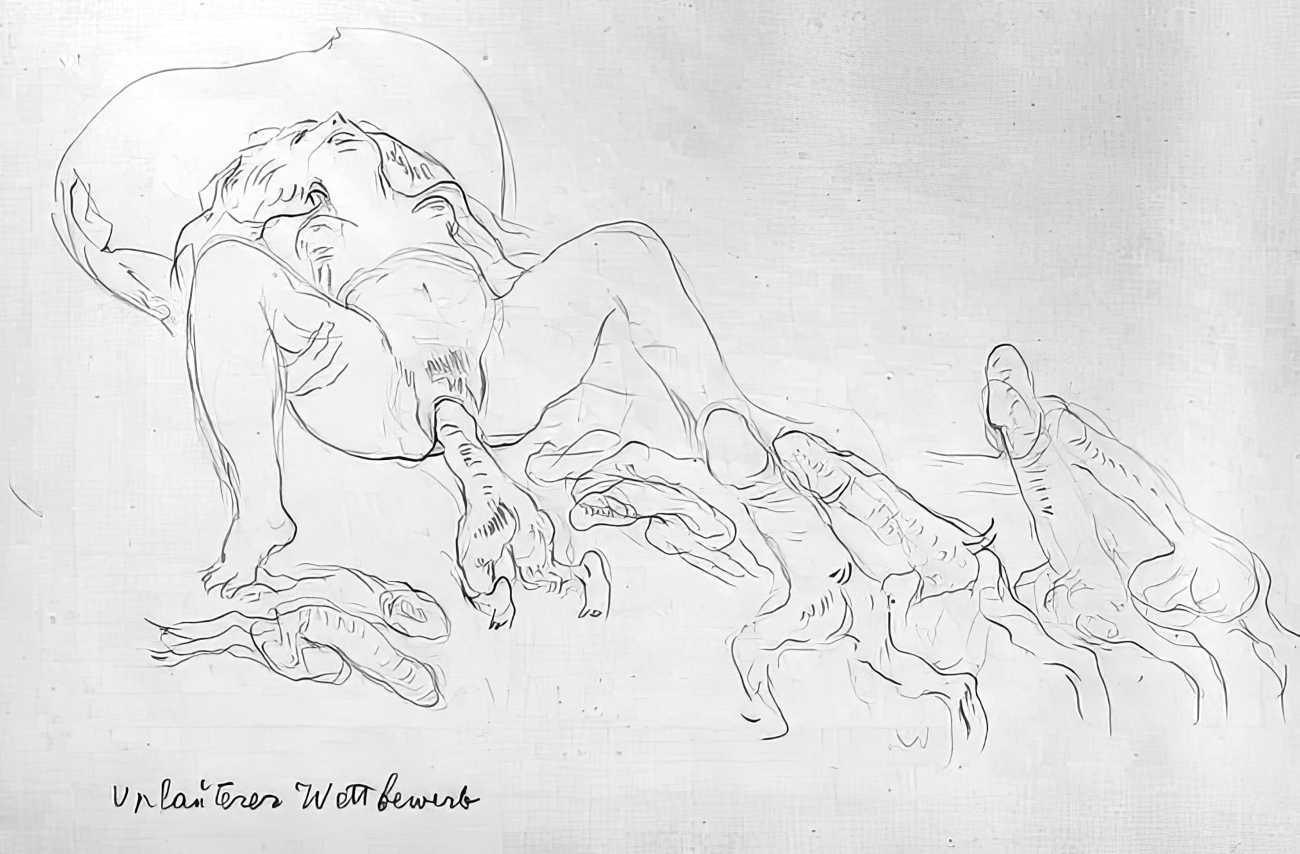
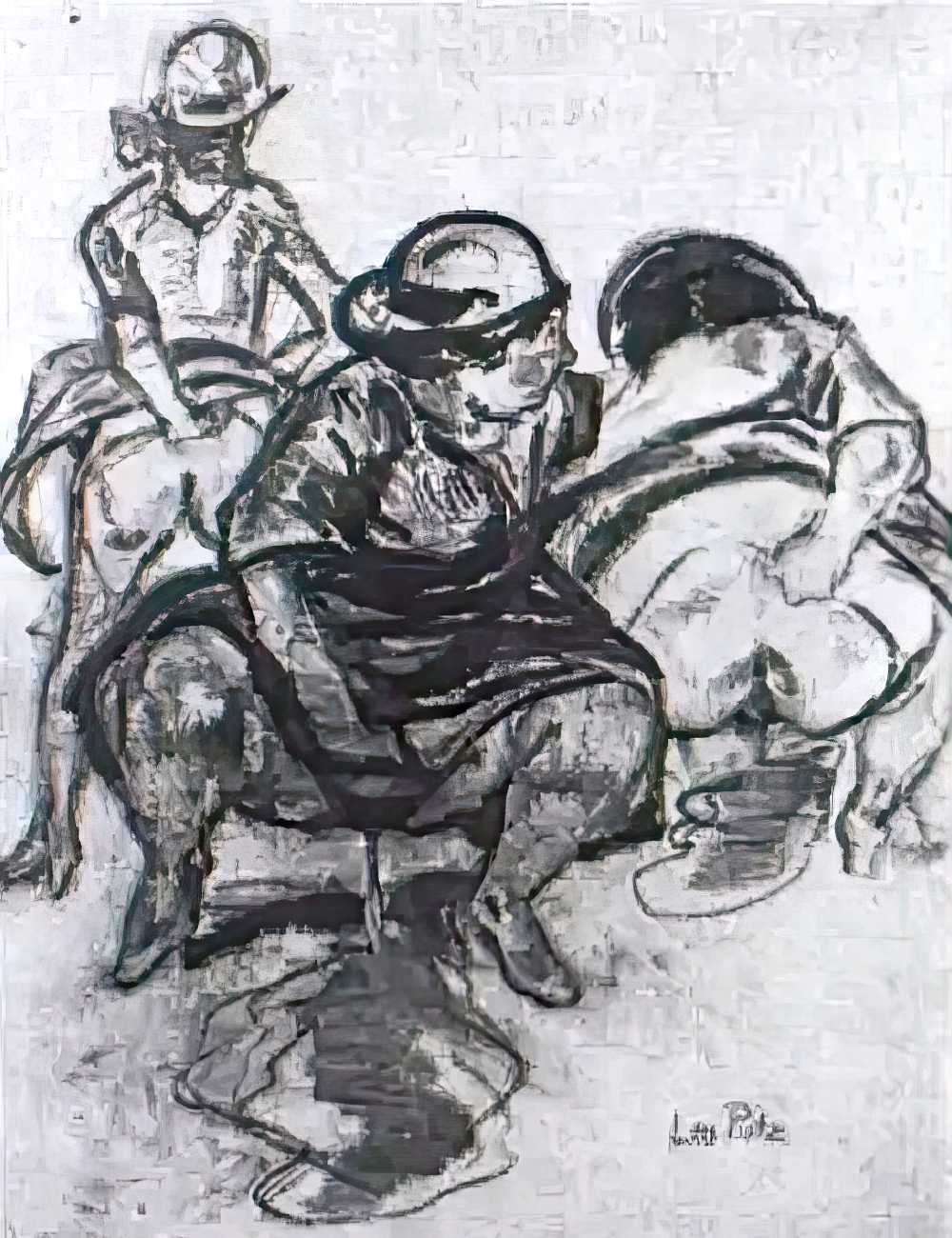
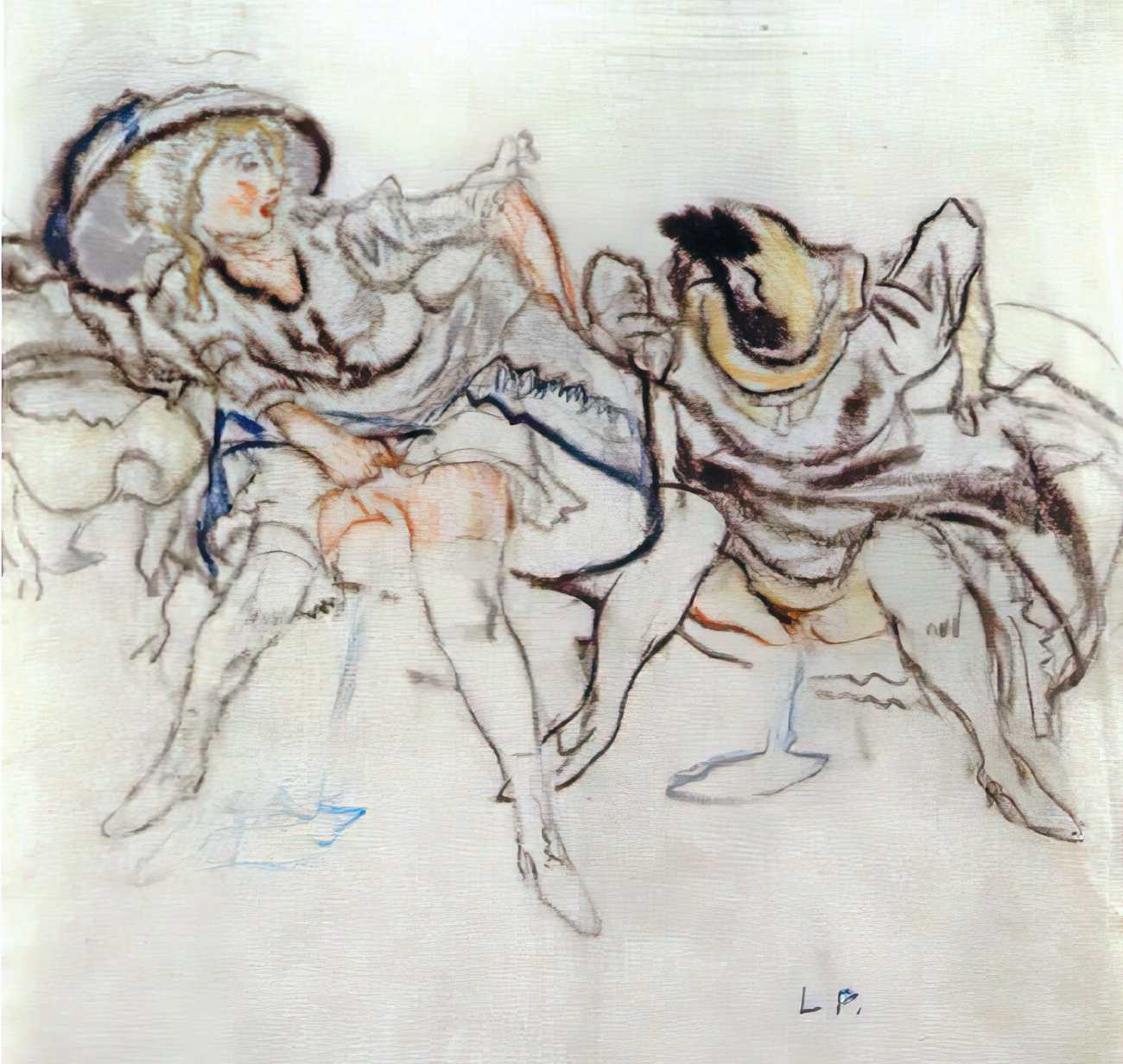
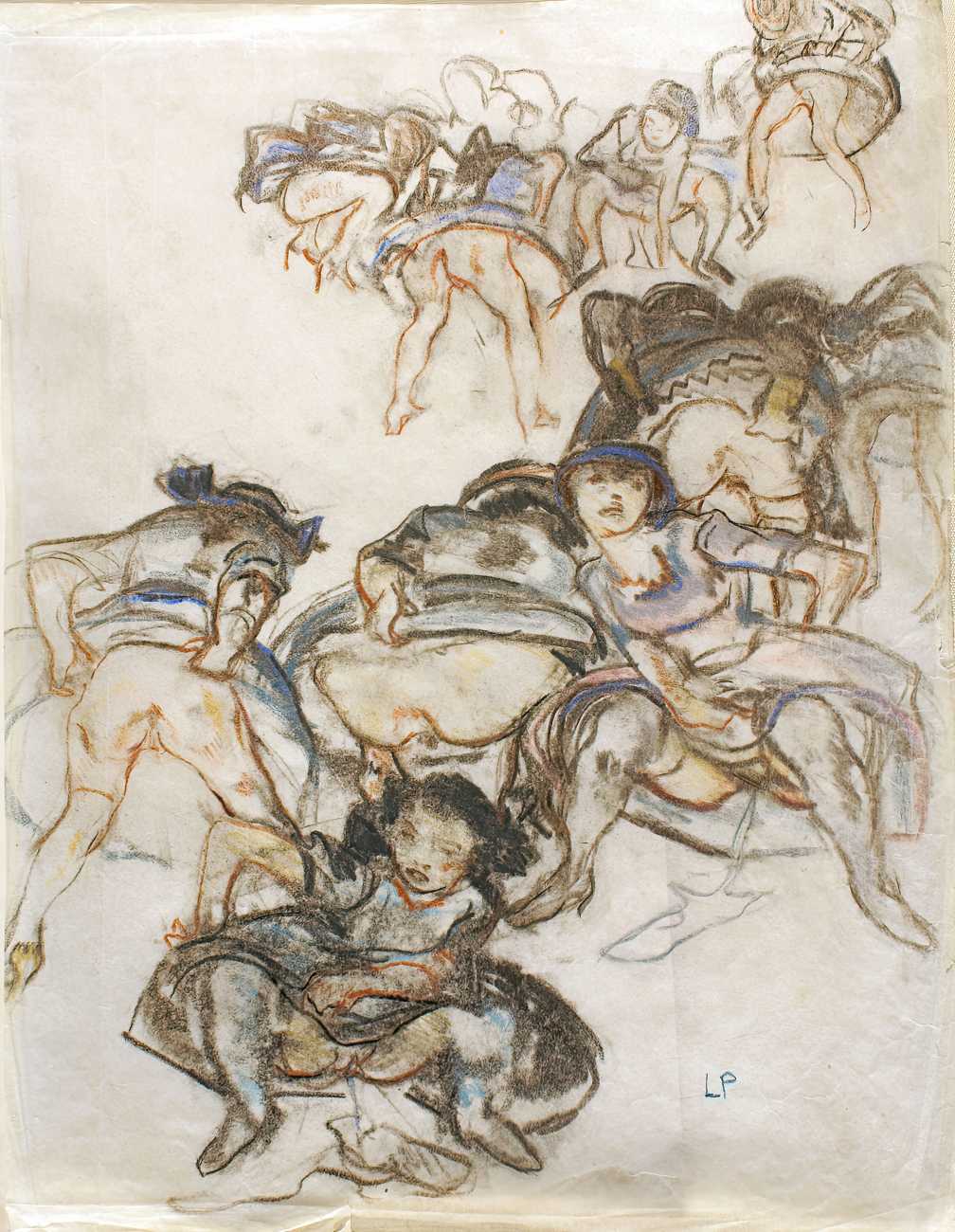
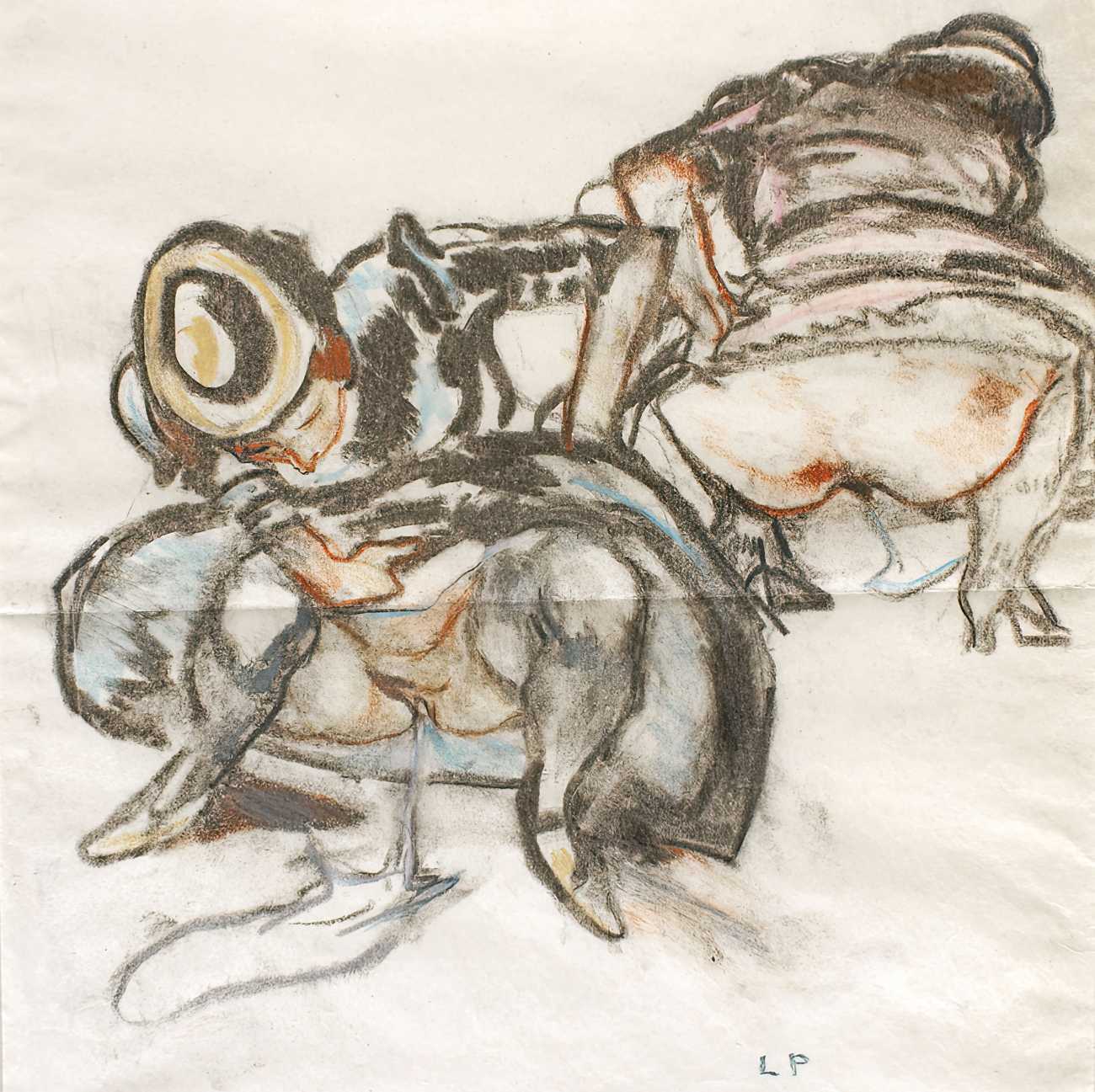
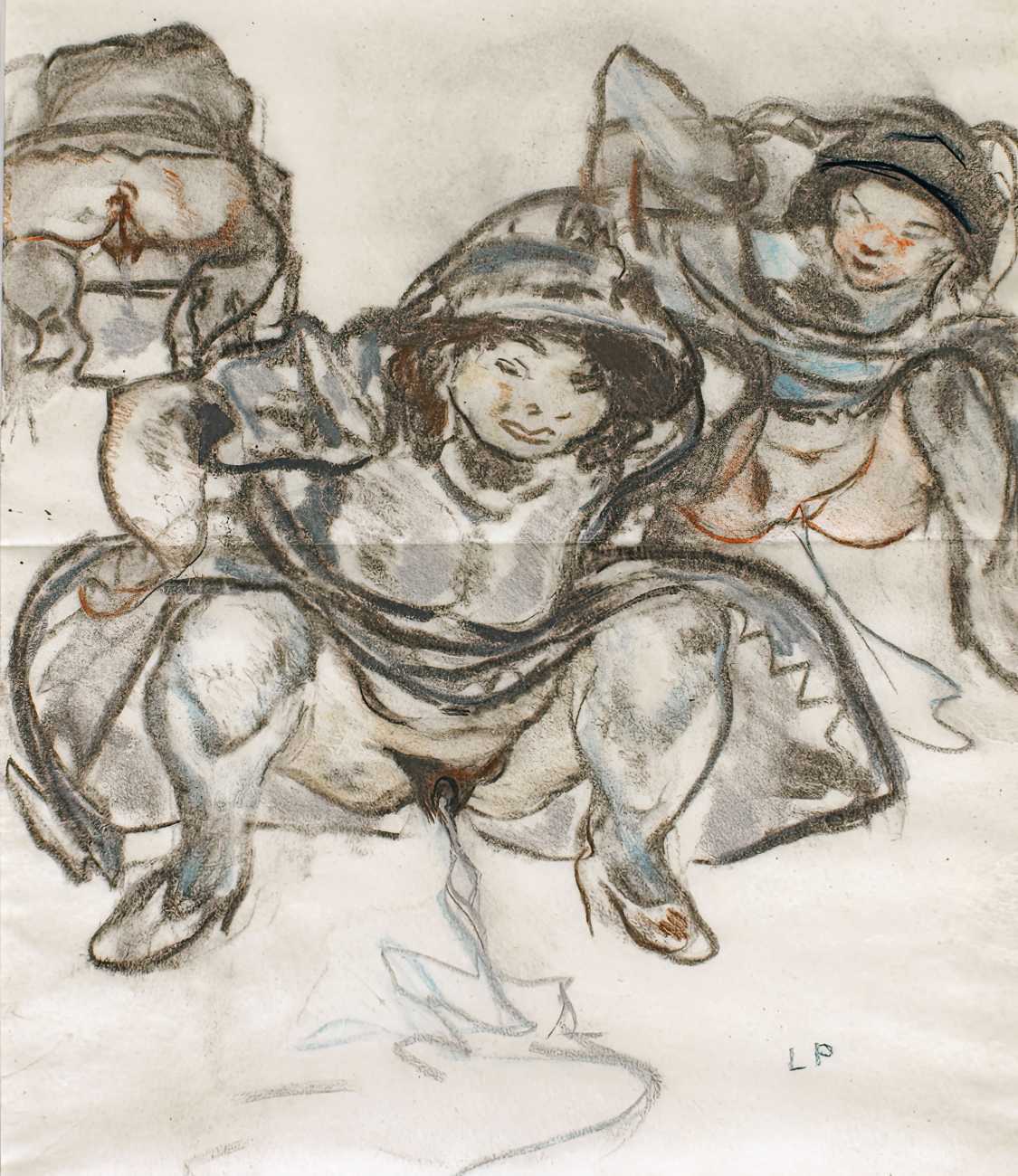
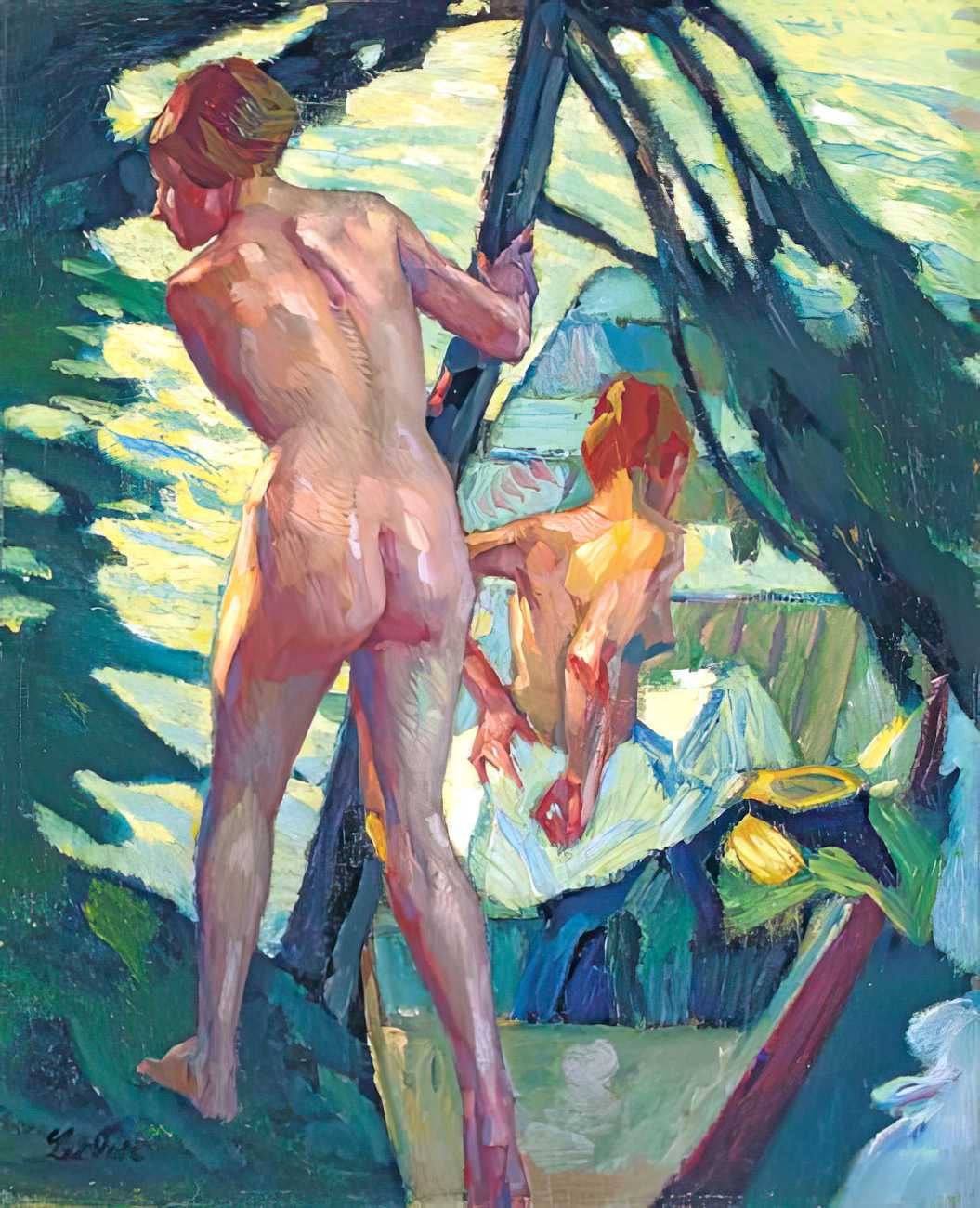
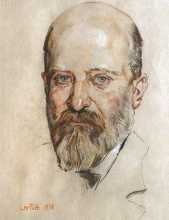
 Against his father’s wishes, the young Leo Putz moved to Munich at the age of sixteen to take his first drawing lessons from his stepbrother Robert Poetzelberger. This was followed by artistic training, initially at the Akademie der Bildenden Künste (Academy of Fine Arts) in Munich with Gabriel von Hackl, and in 1891–2 studying at the Académie Julian in Paris with Adolphe Bouguereau and Benjamin Constant. After returning from Paris, Putz attended the studio class of the genre painter Paul Höcker. After the Münchener Secession, an association of visual artists who broke away from the mainstream Munich Artists’ Association in 1892, Putz participated in its exhibition every year.
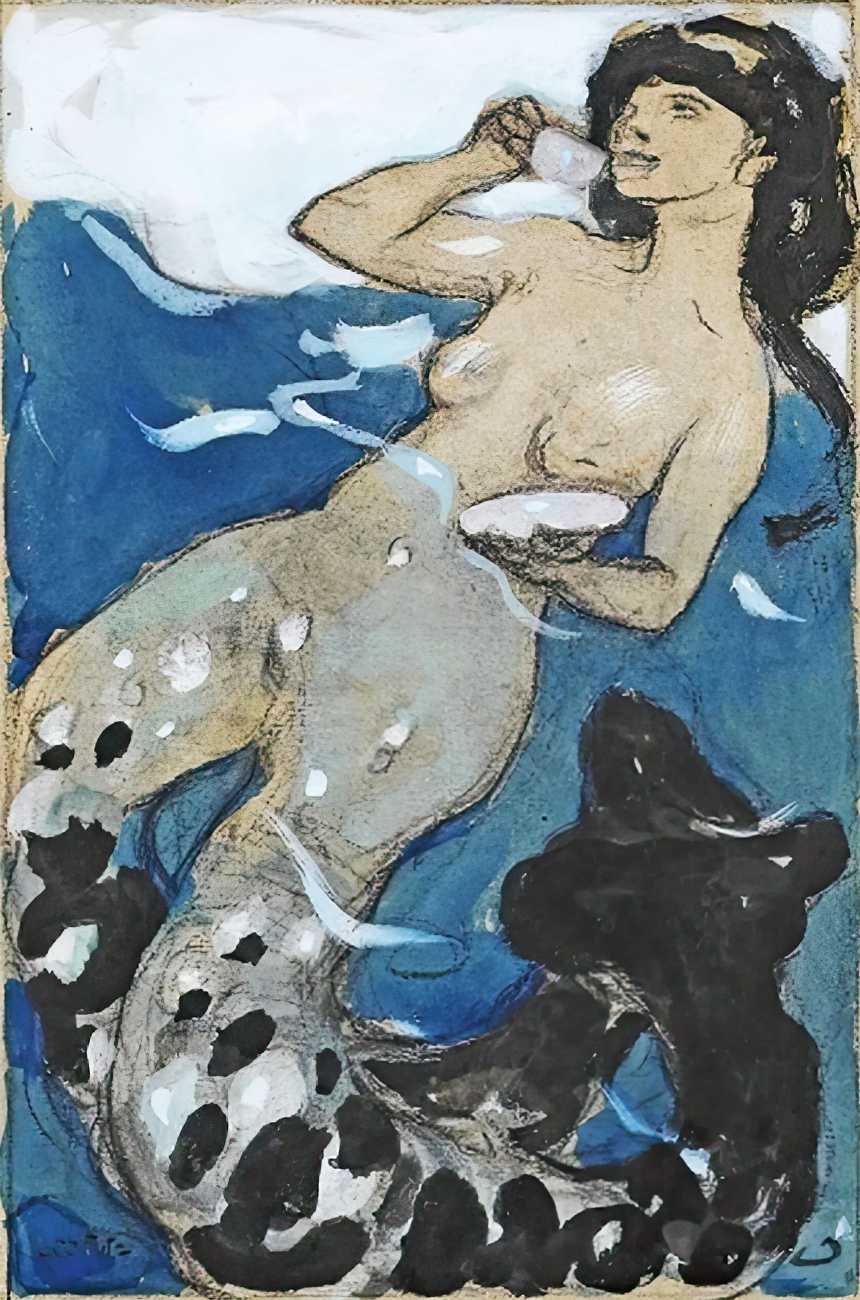
Leo Putz moved into his first studio in Munich in 1897. In the same year he joined the Secession as a full member. In 1899 he co-founded the artists’ association Die Scholle (The Flounder), to which Walter Georgi, Erich Erler and others belonged. Die Scholle pursued the principle of individualism with the requirement of its members ‘that everyone should cultivate their own soil, which of course would not be found on any map’. Putz also worked intensively on the weekly newspaper Jugend (Youth), which published many of his paintings as reproductions. During this time he also worked as a commercial artist, including posters for avant garde Munich art galleries.
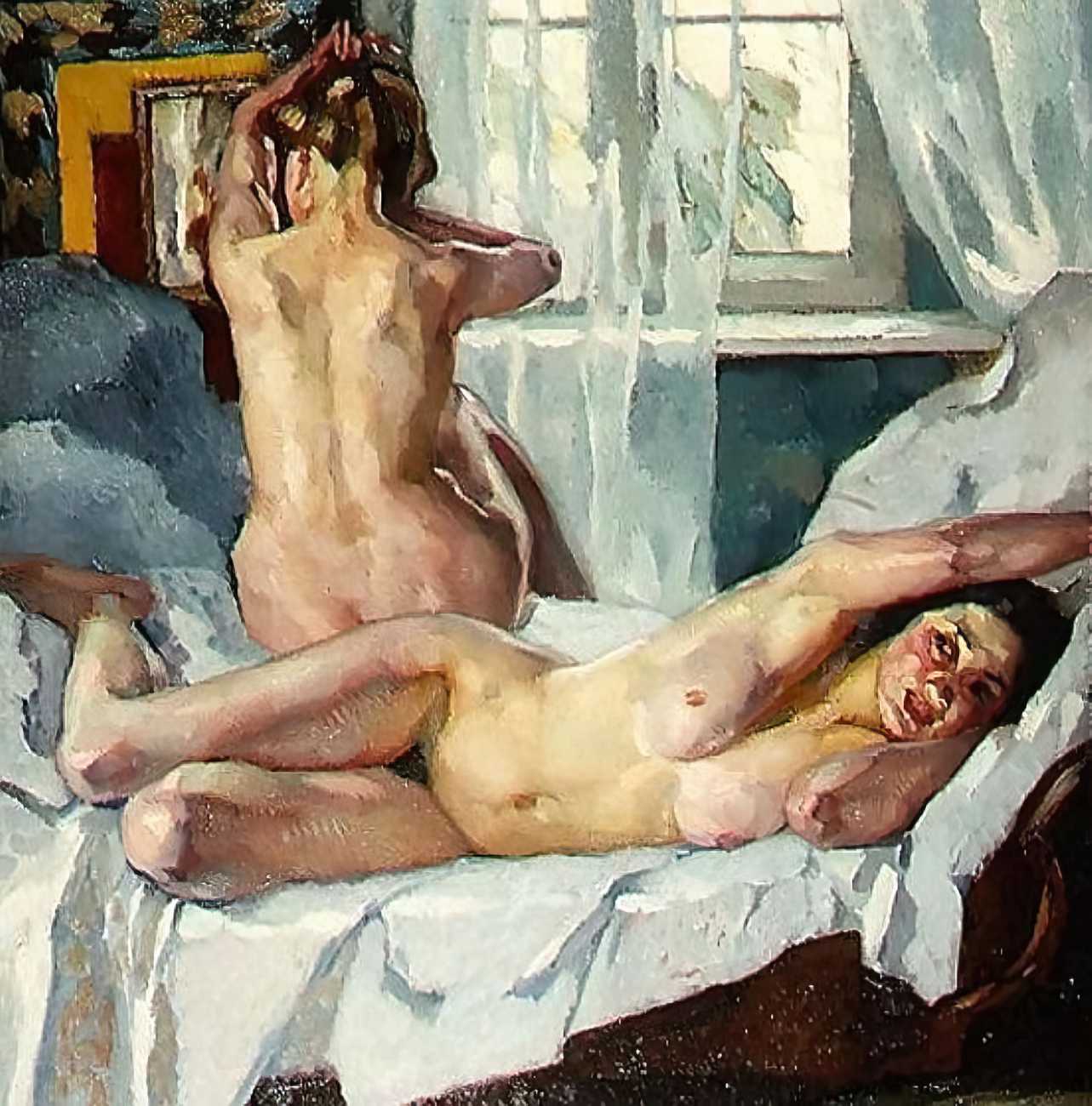
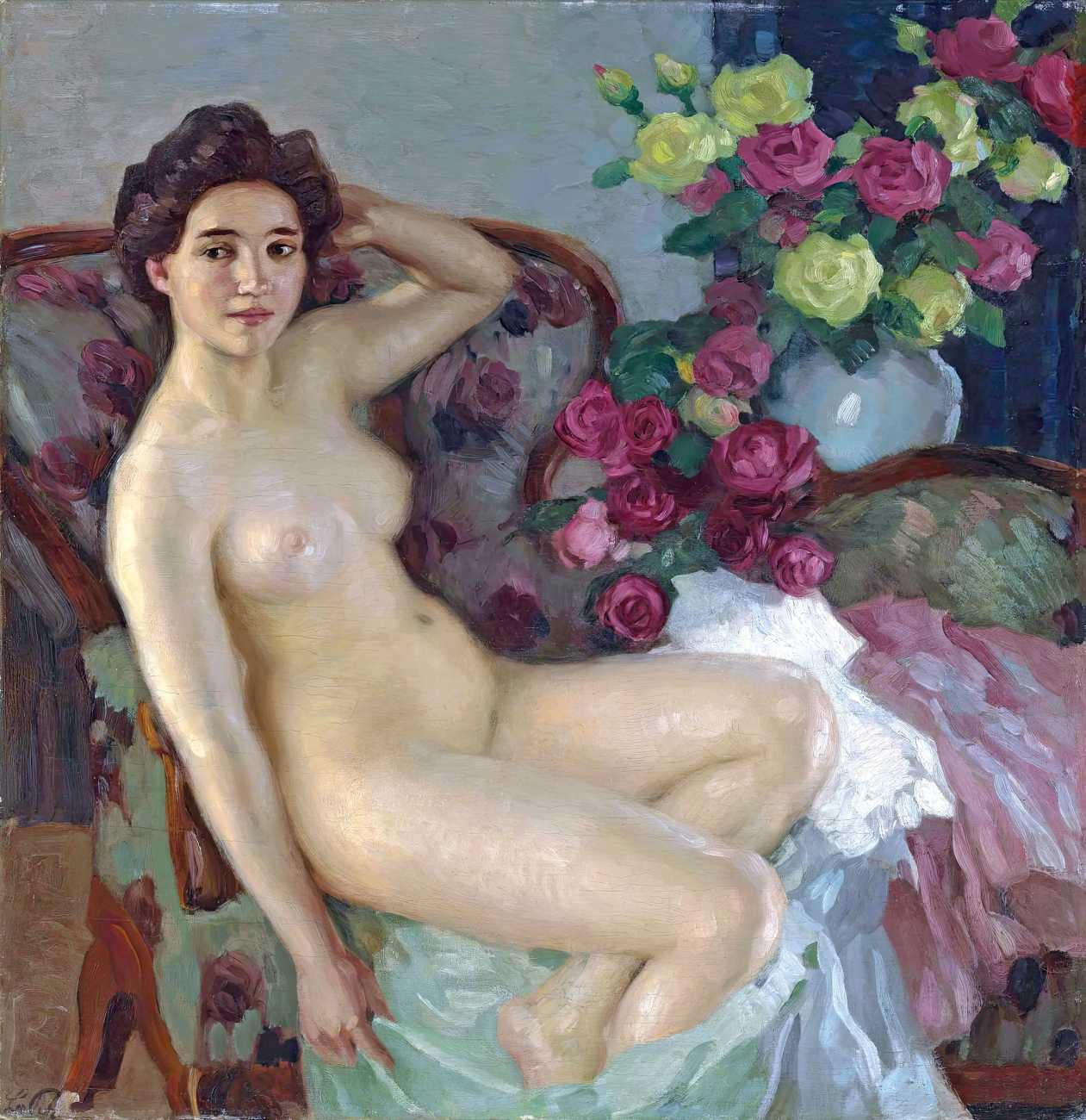
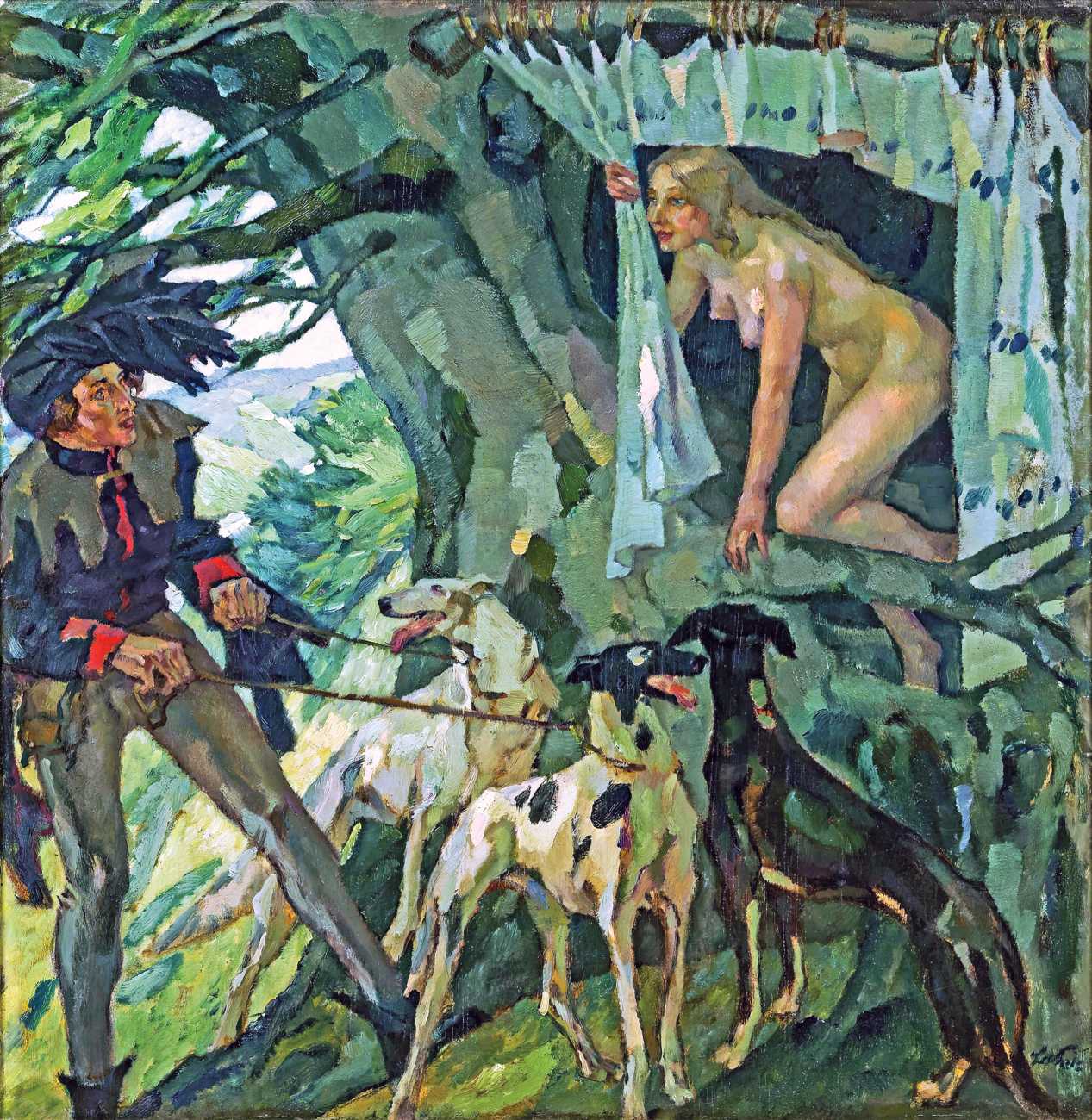
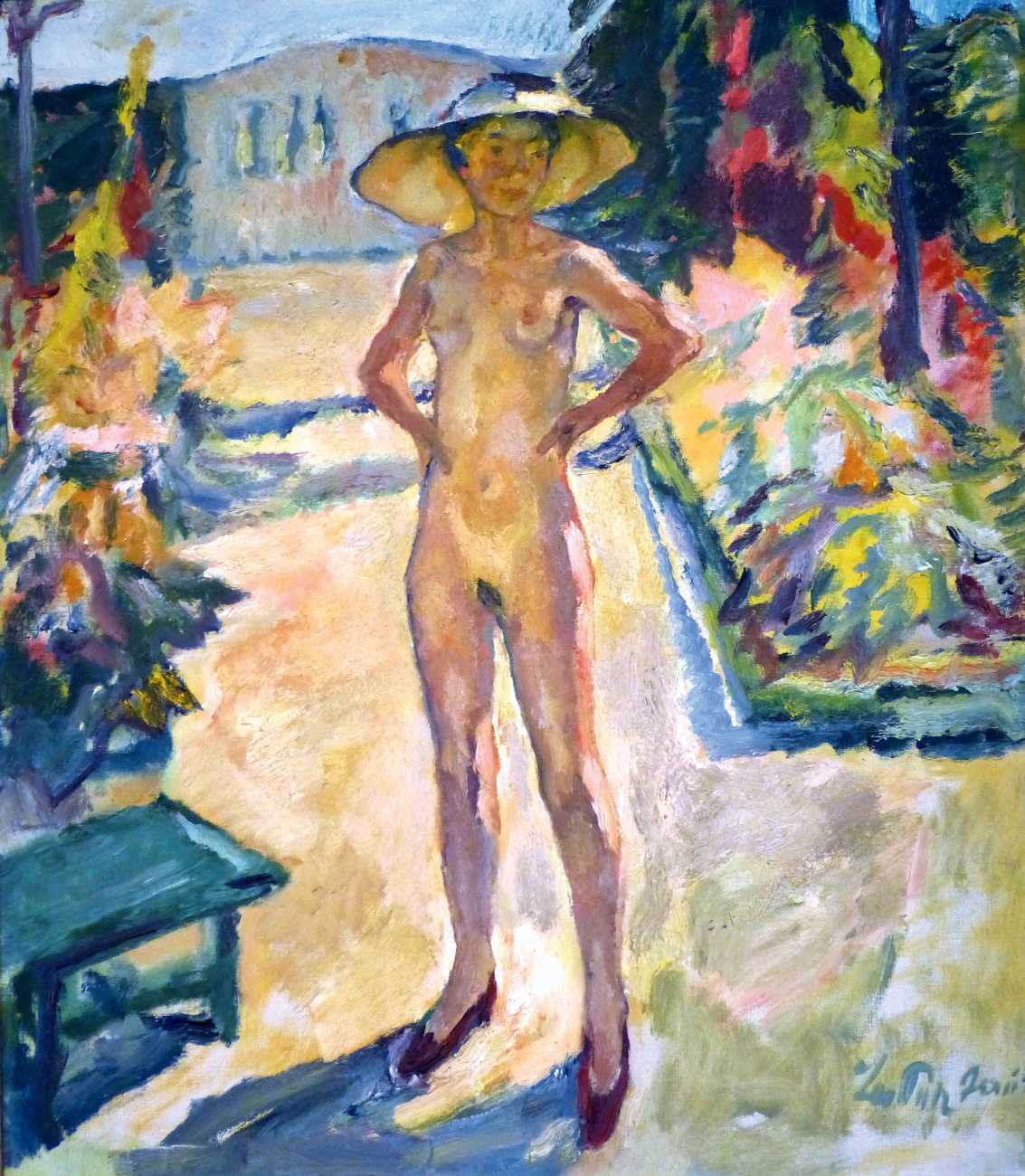
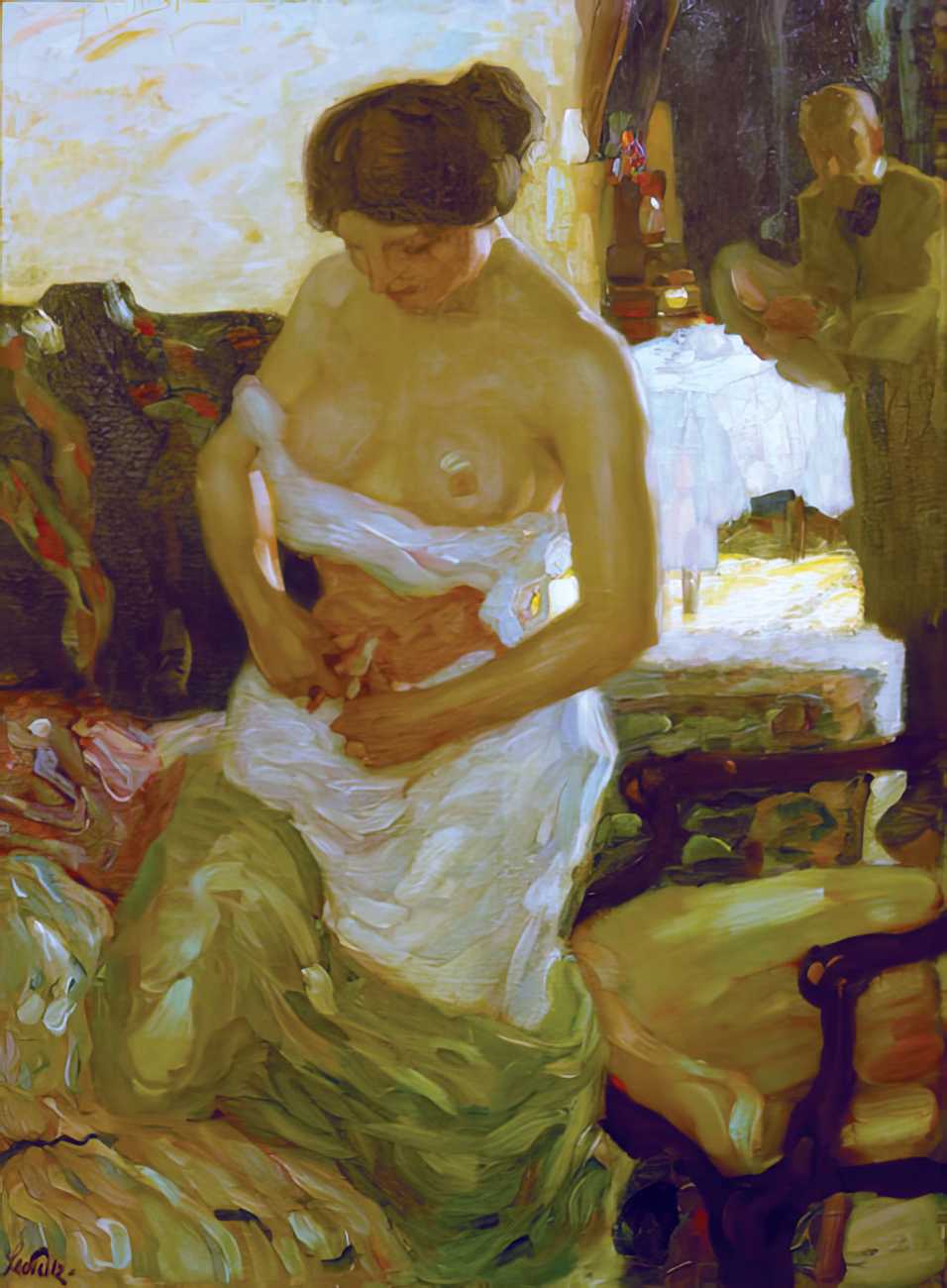
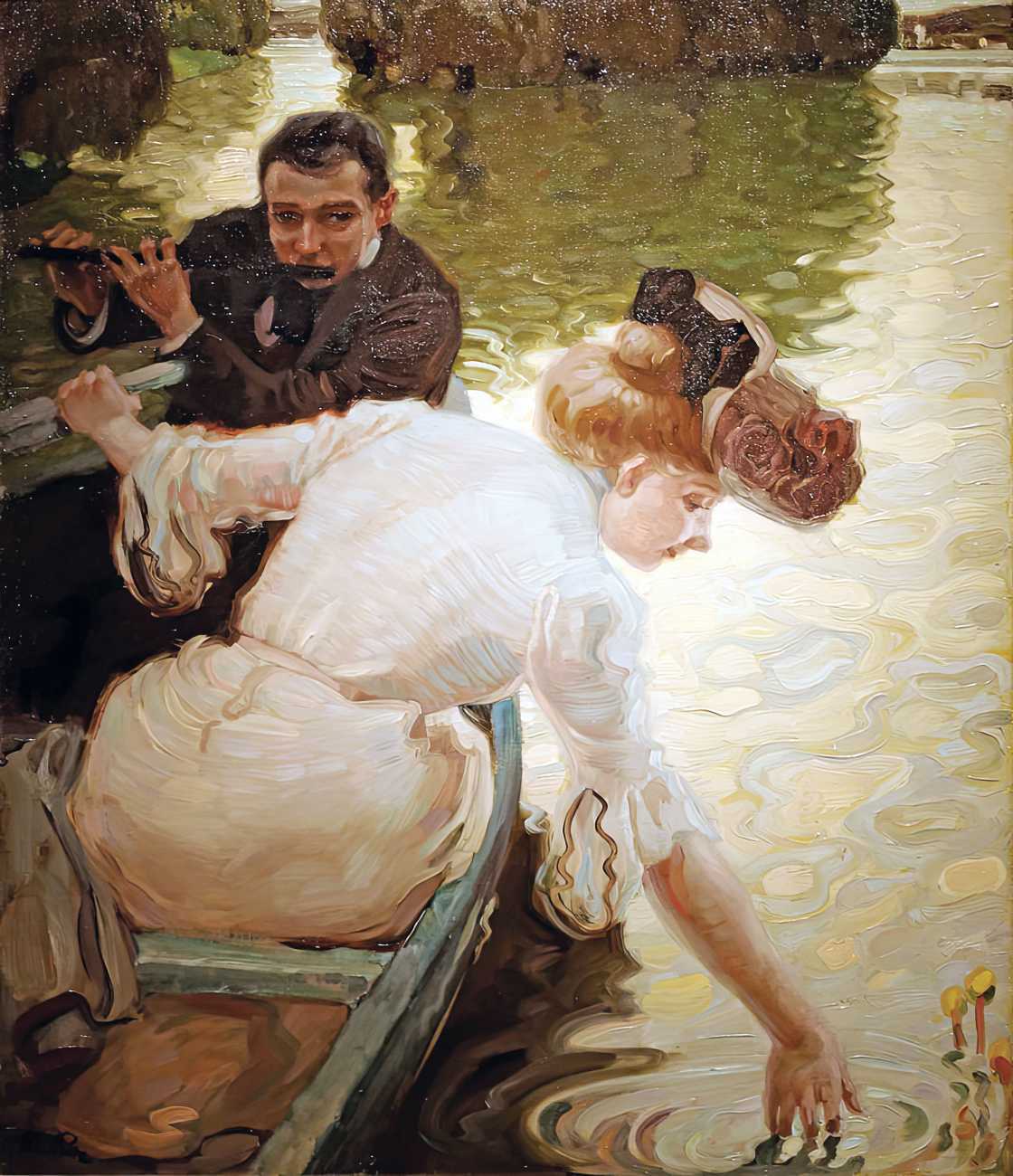
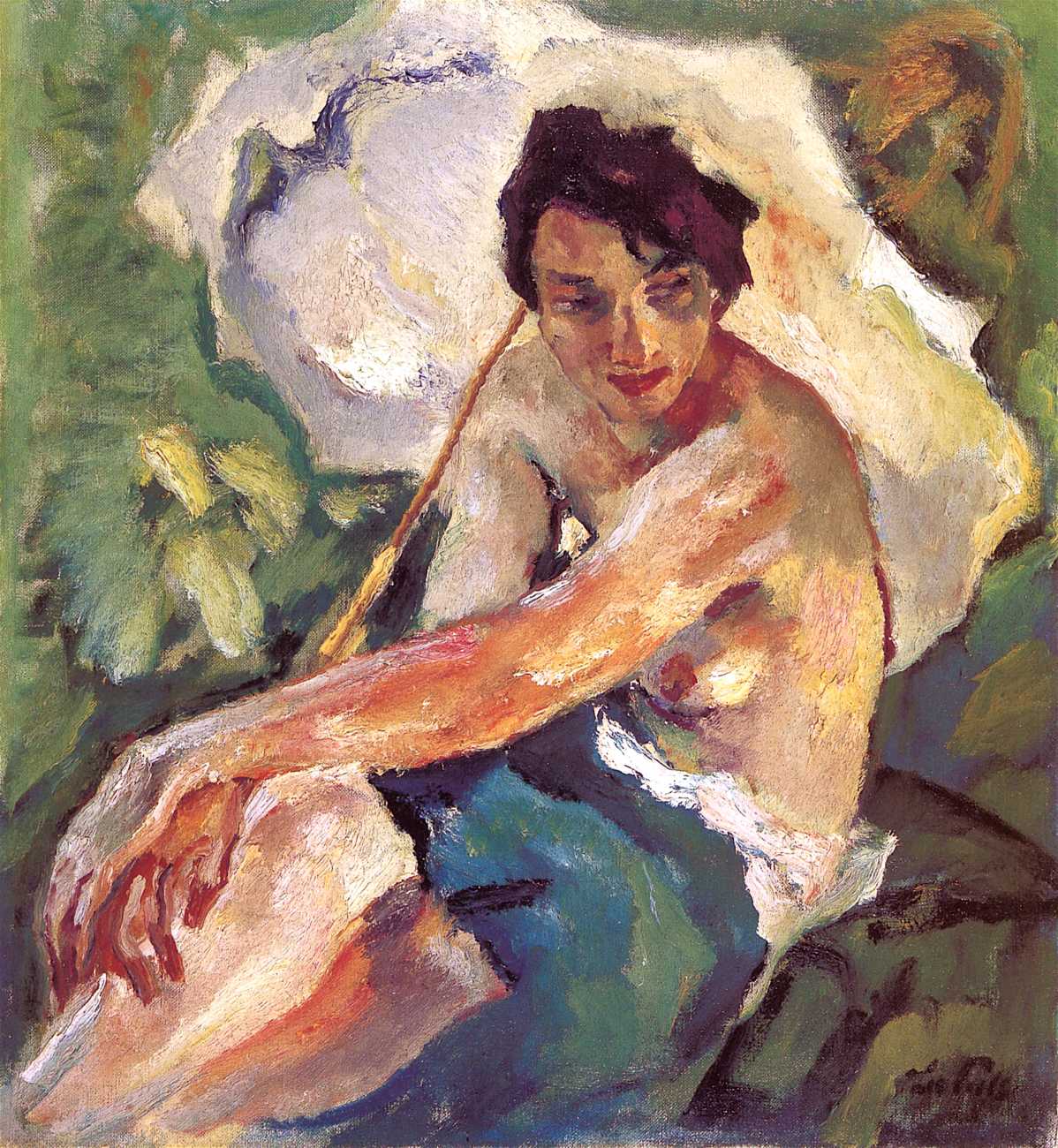
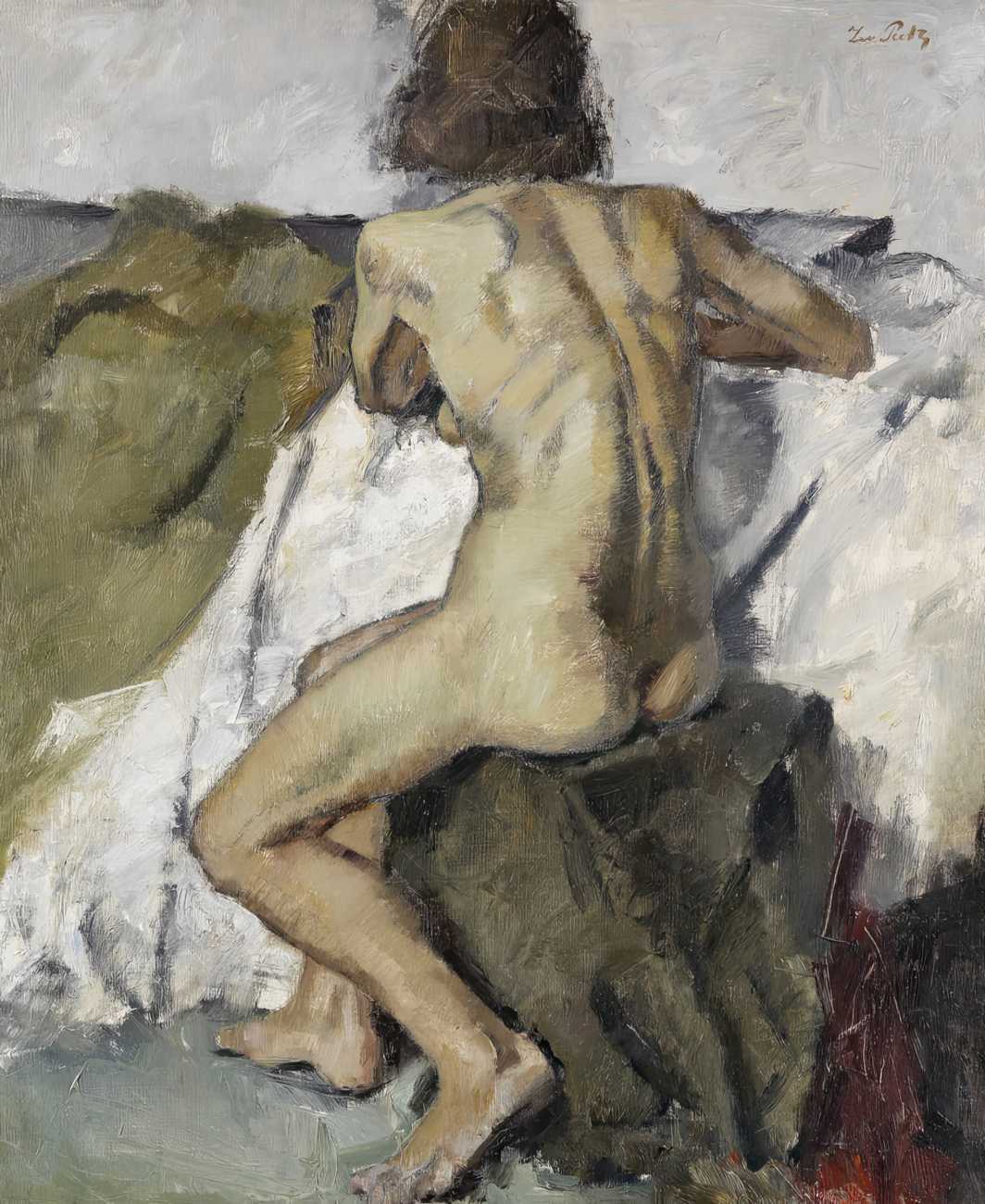
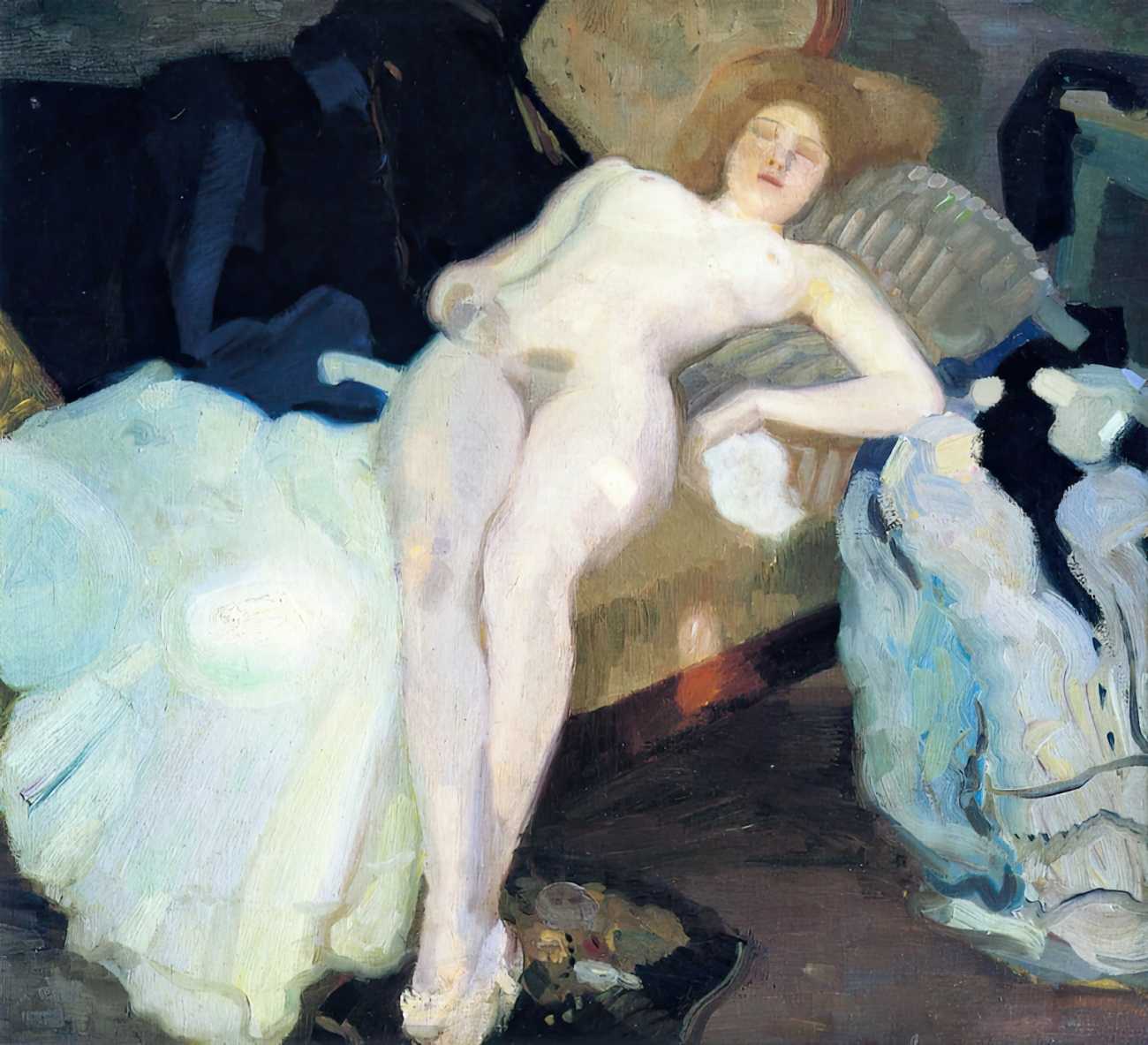
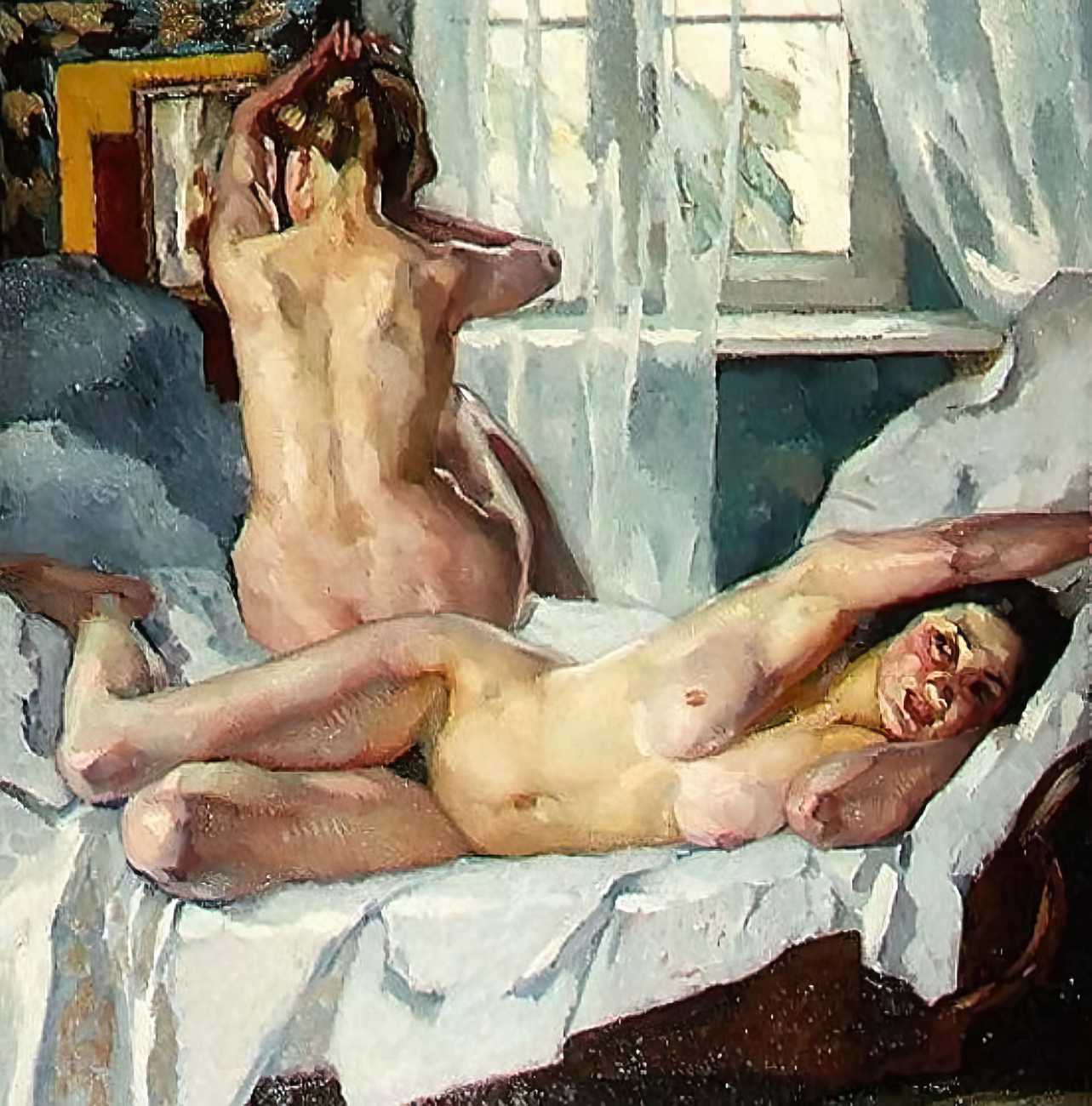
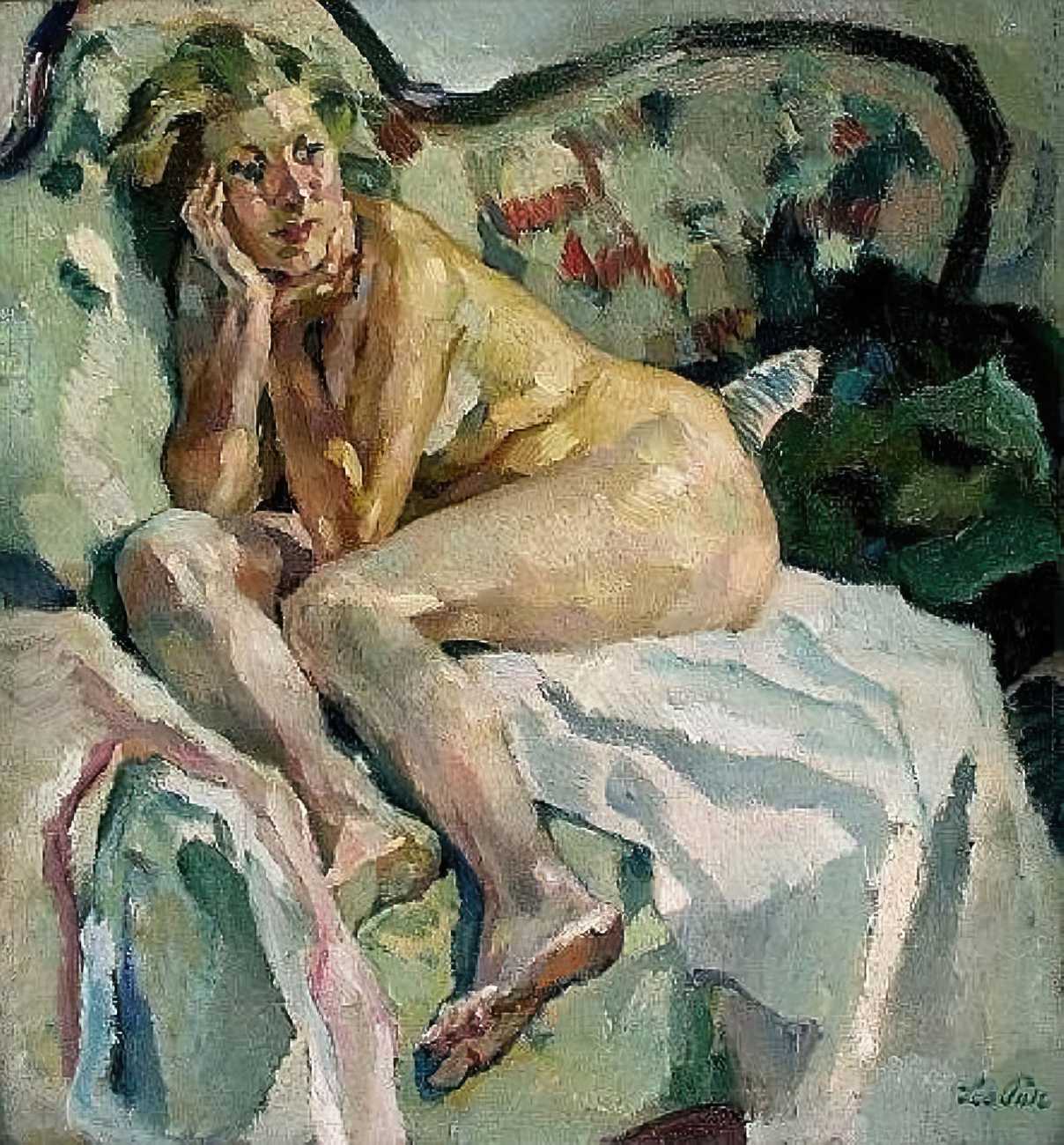
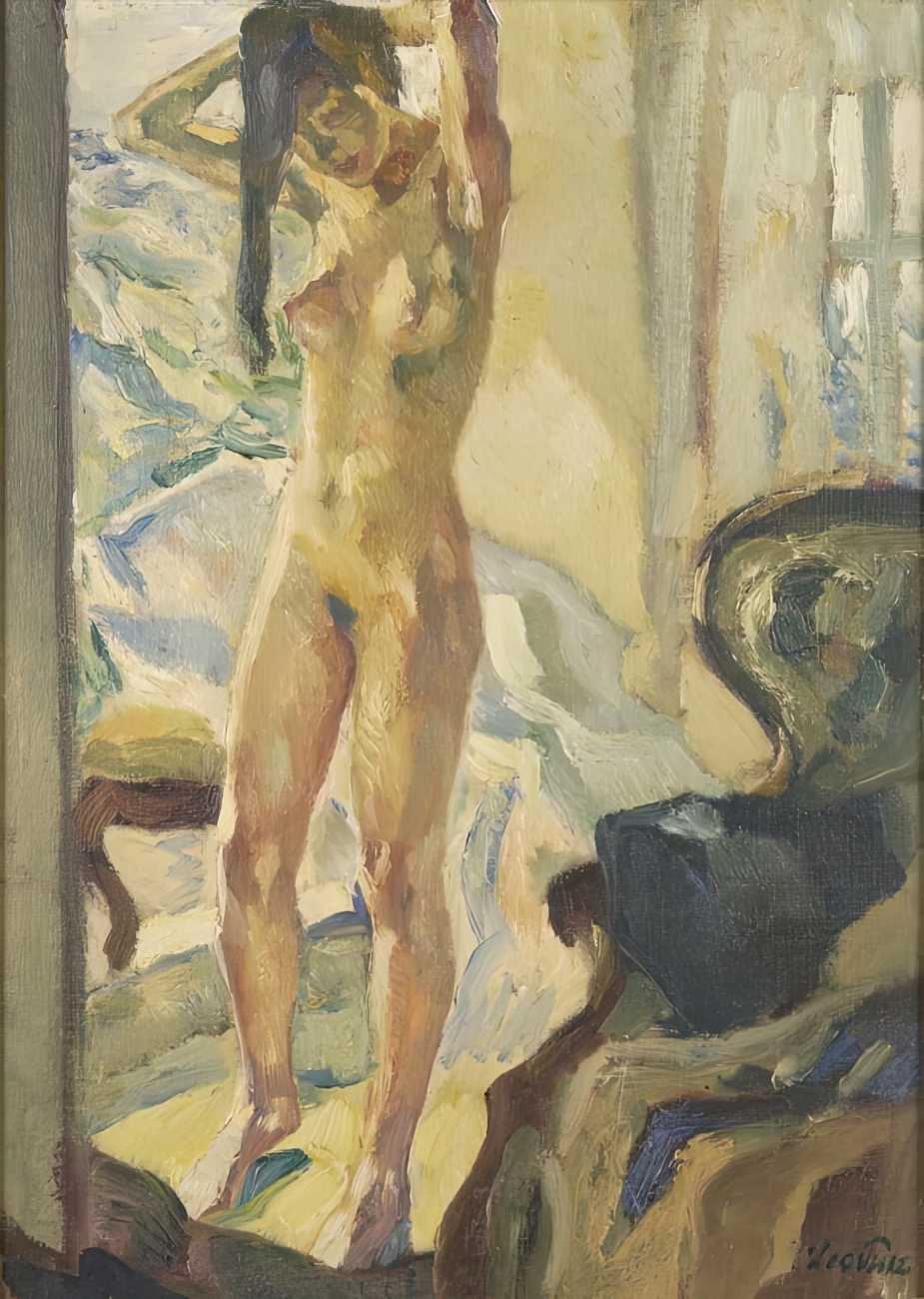
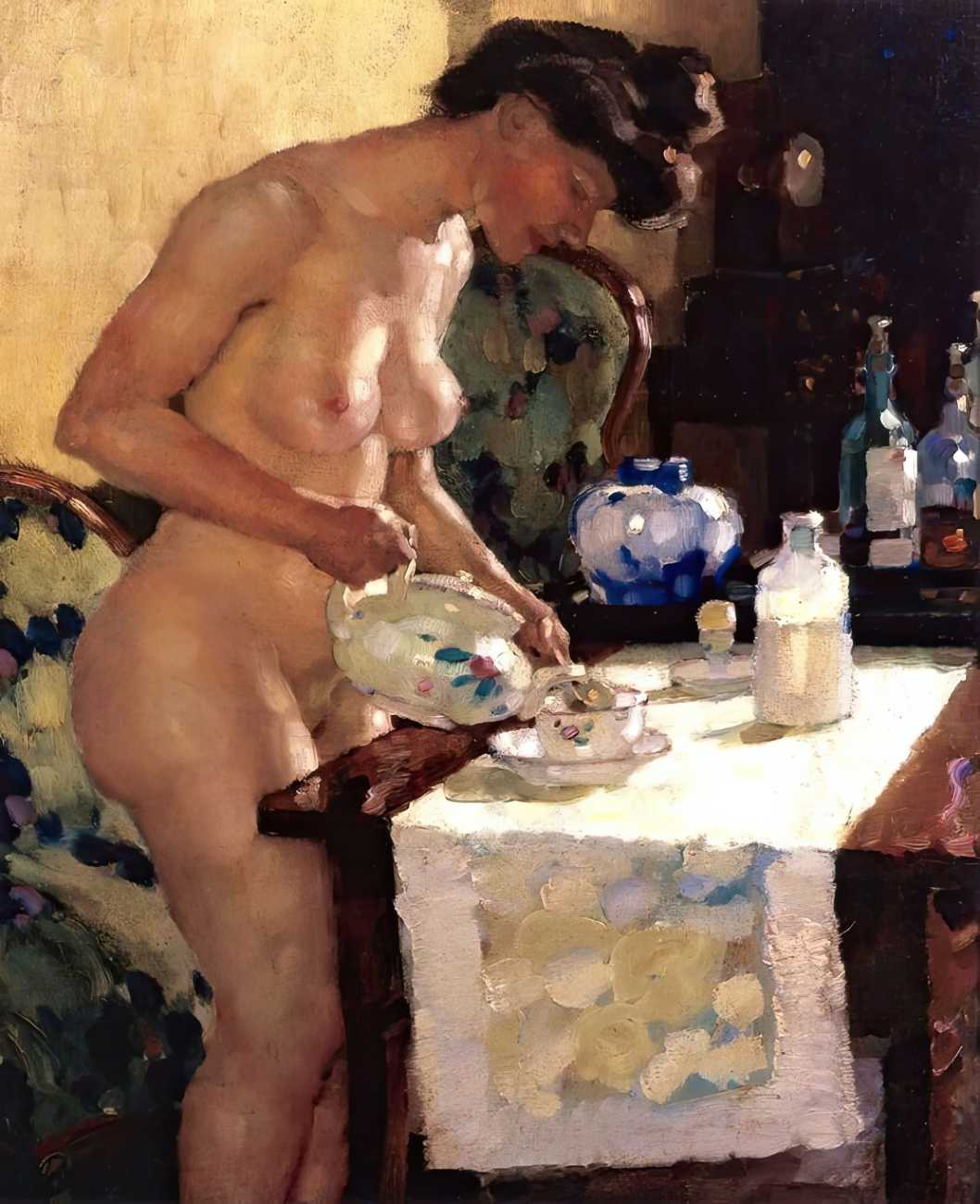
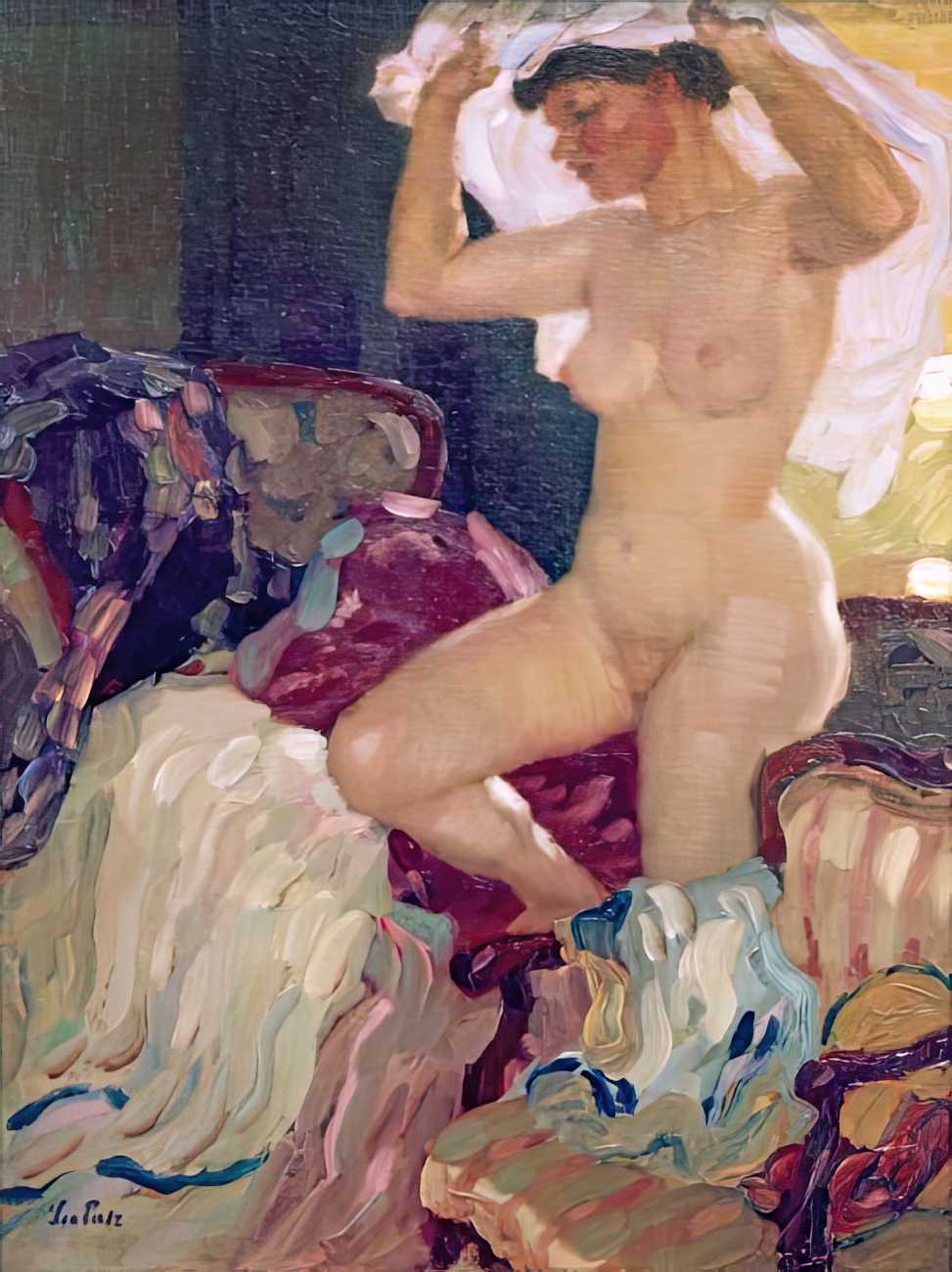
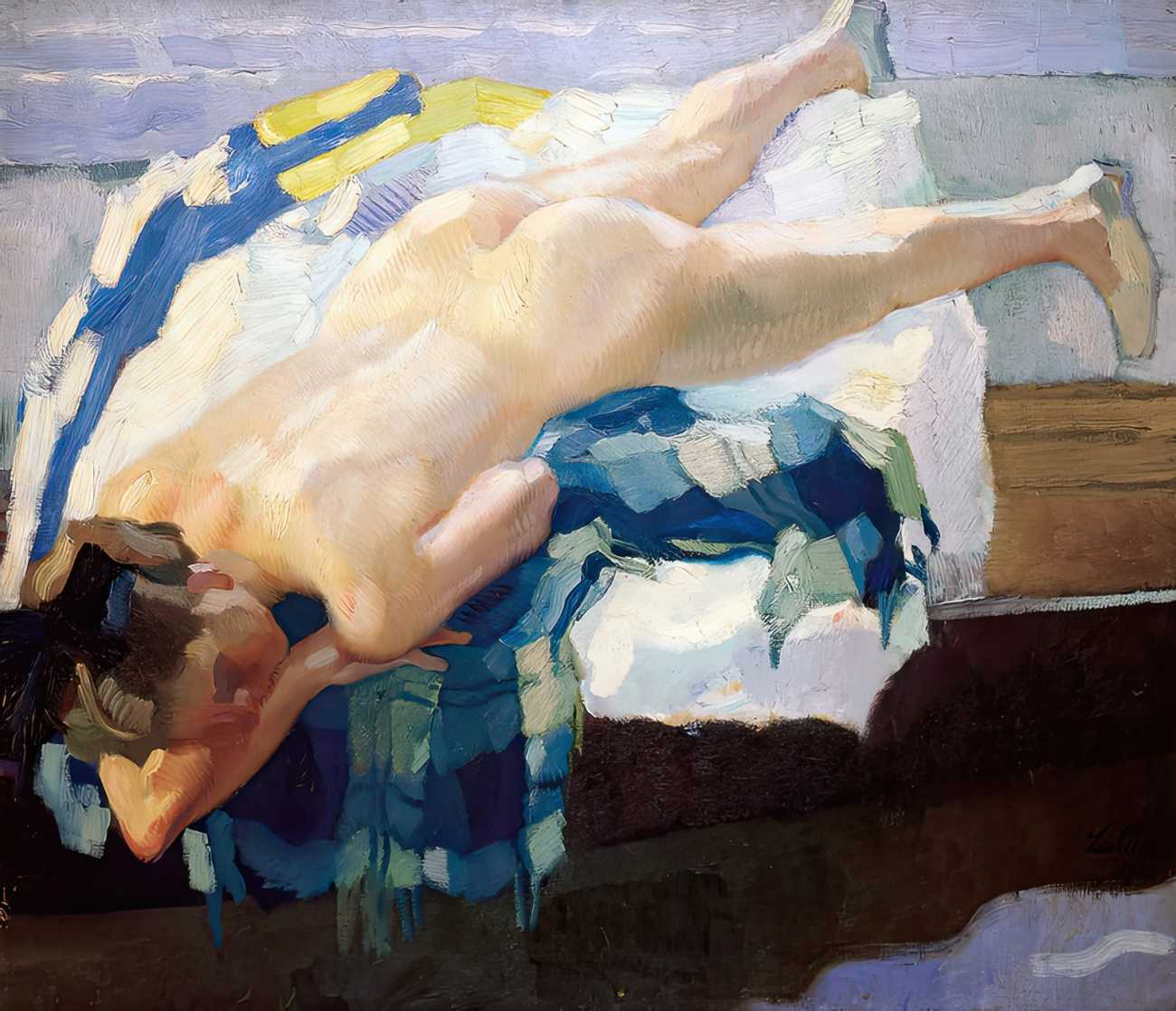
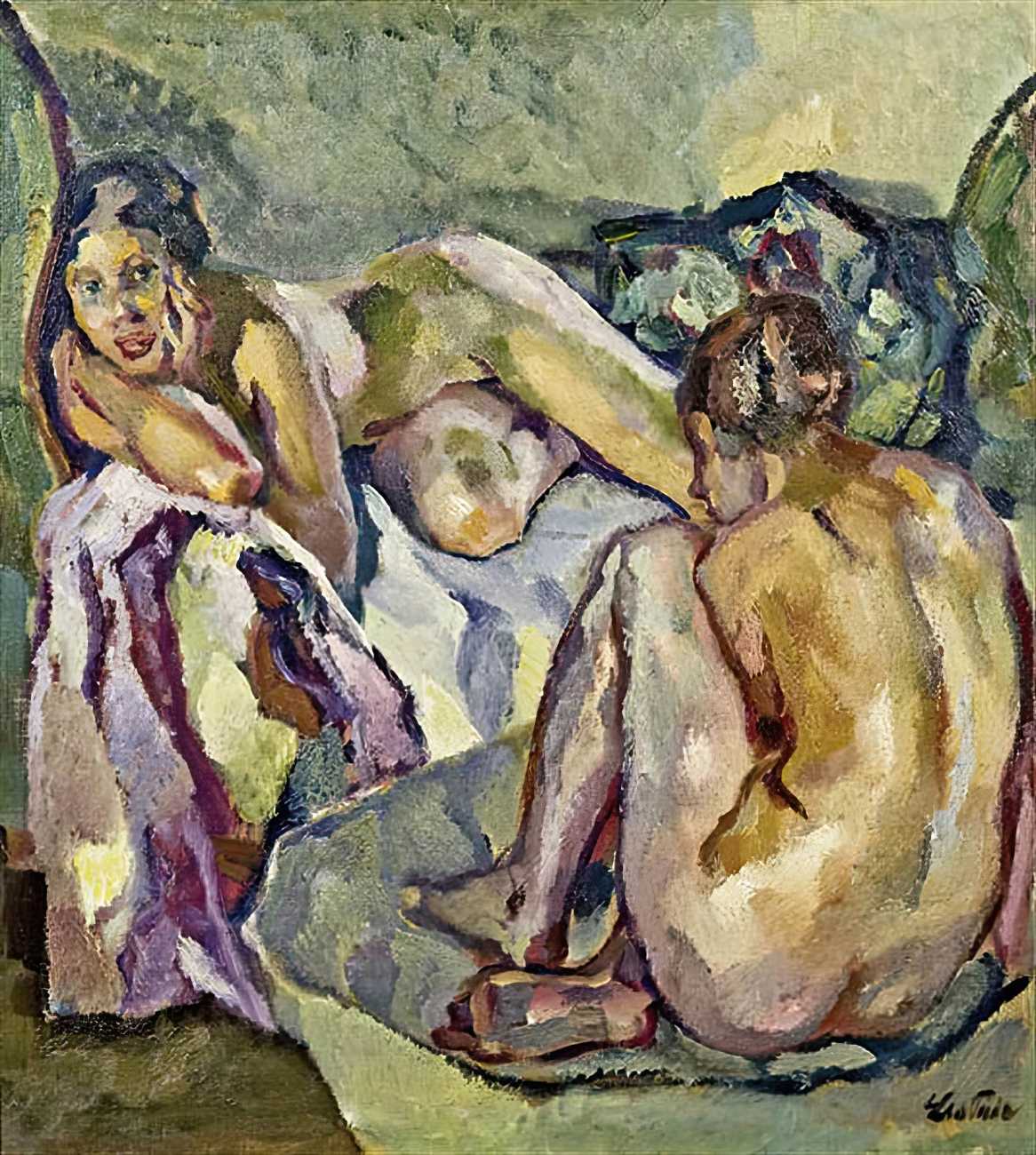
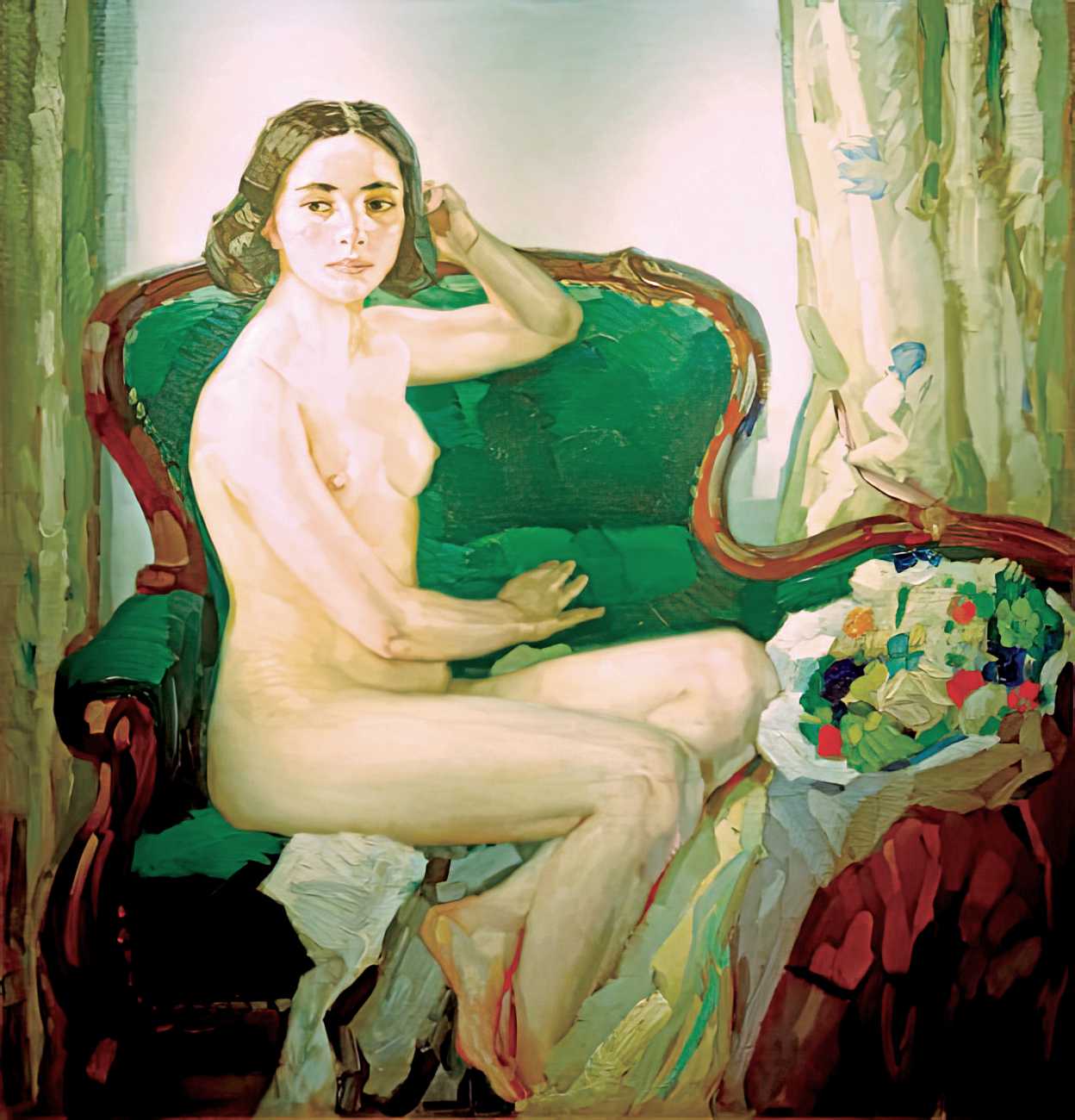
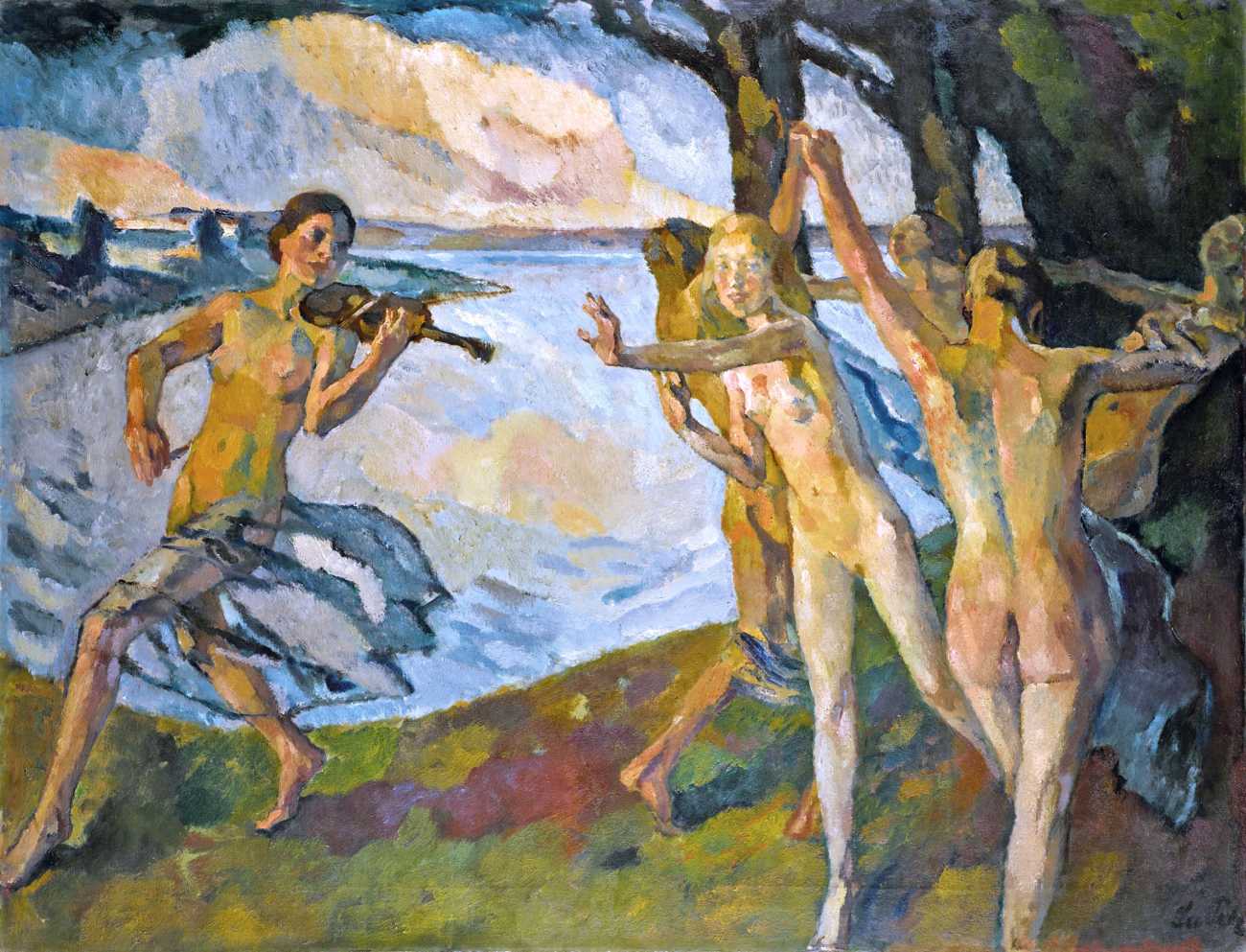
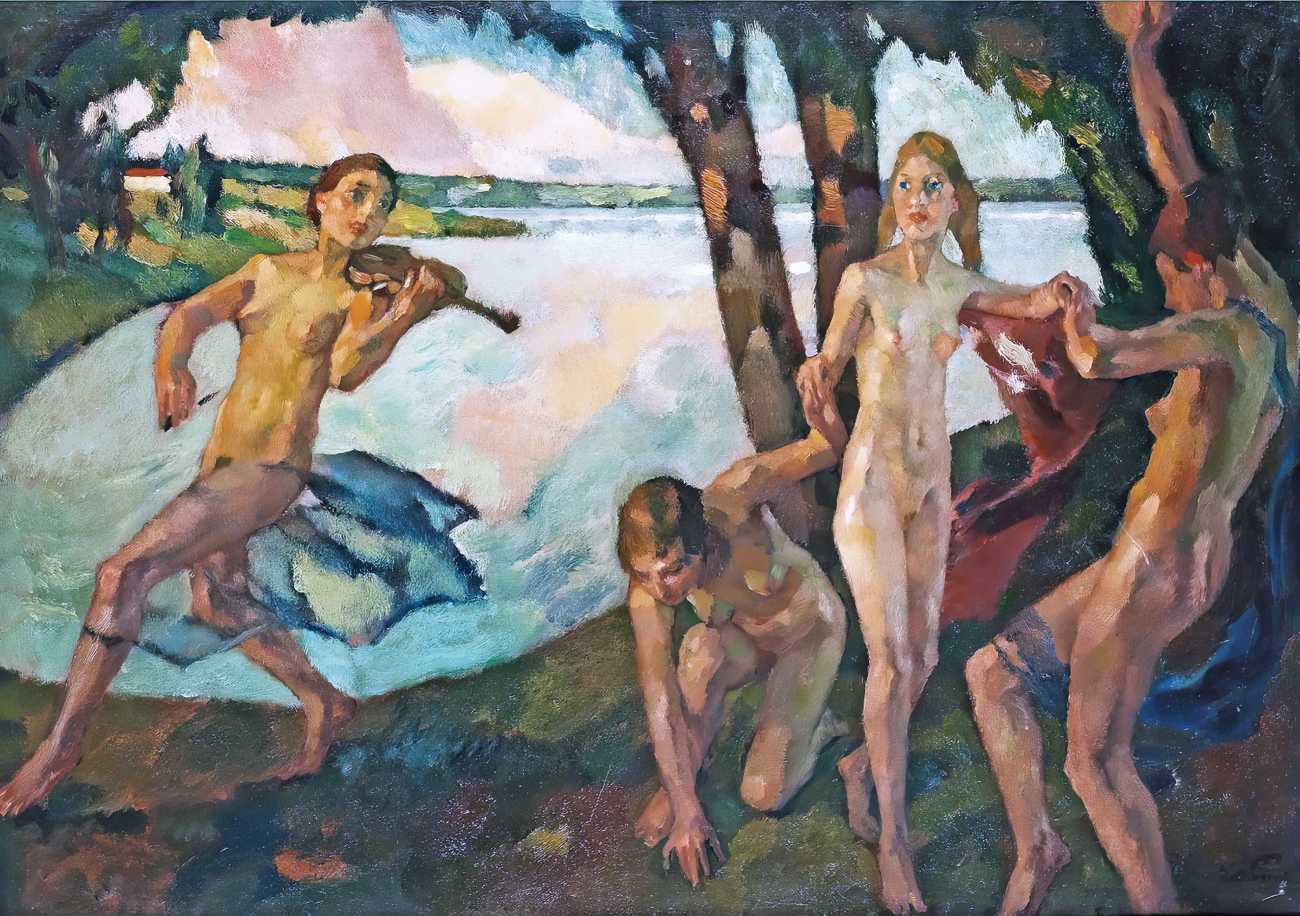
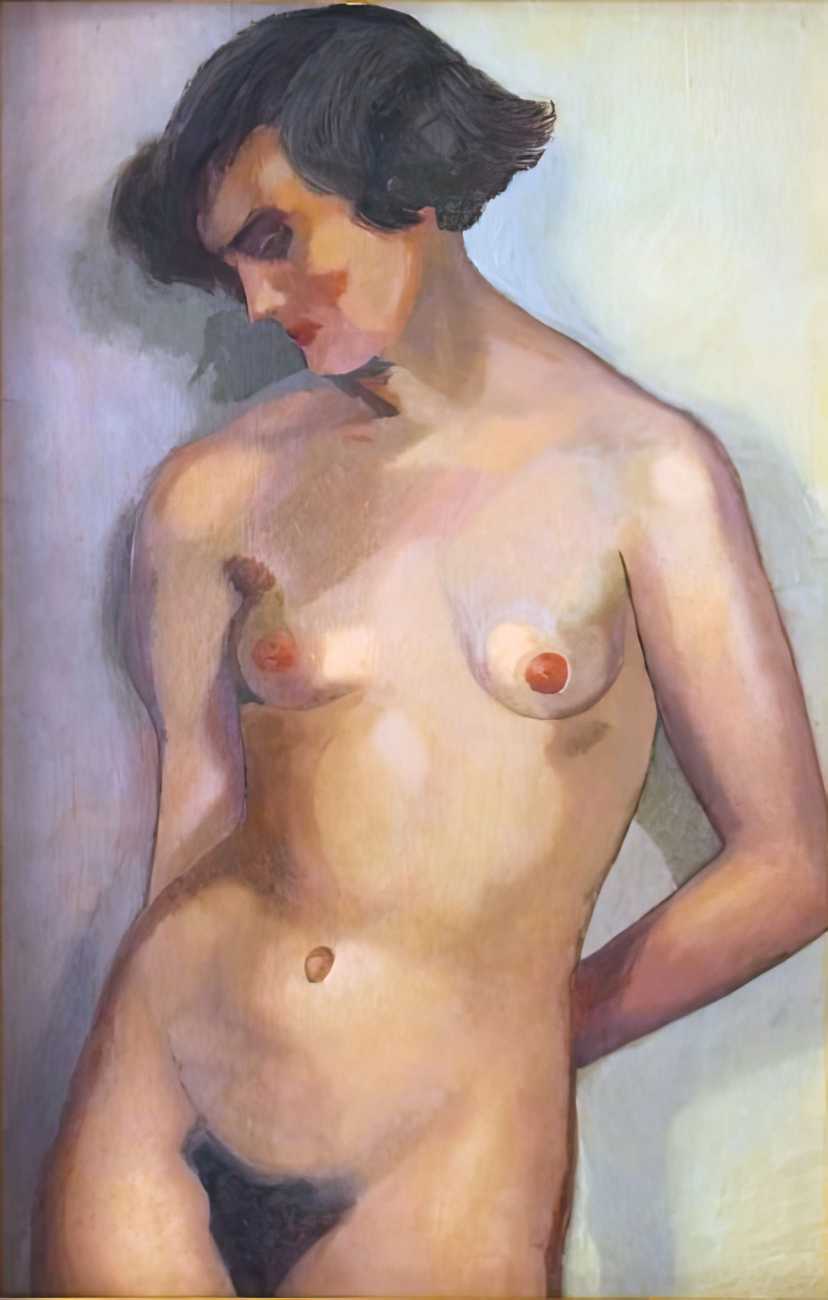
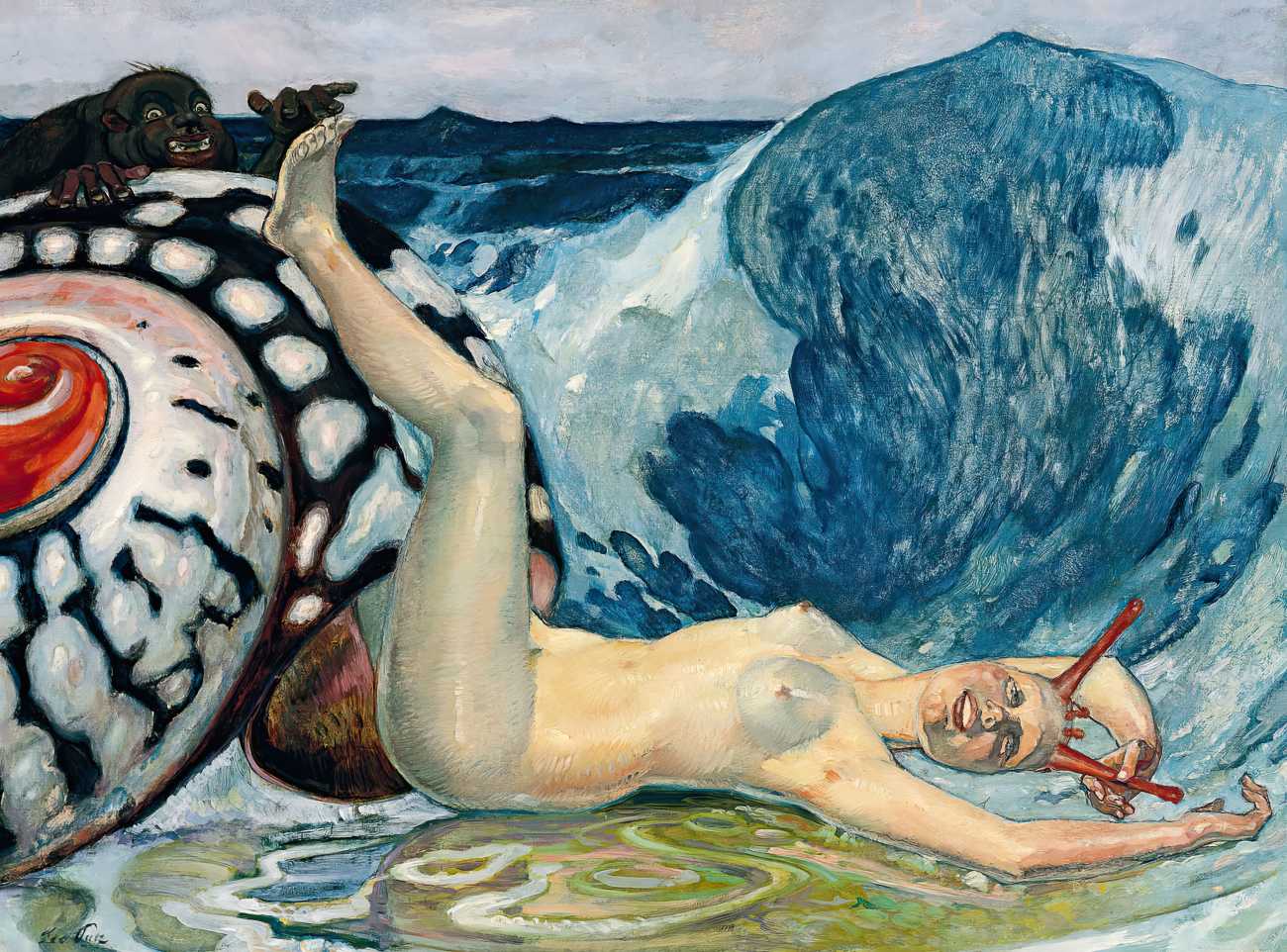
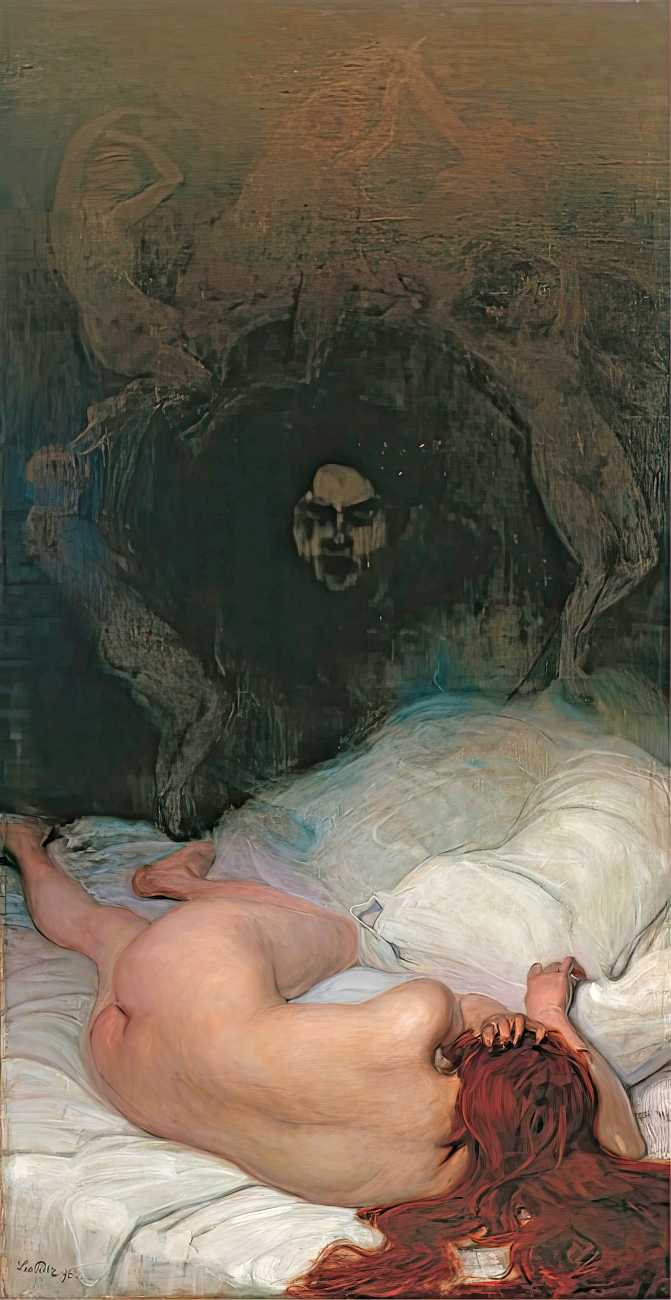
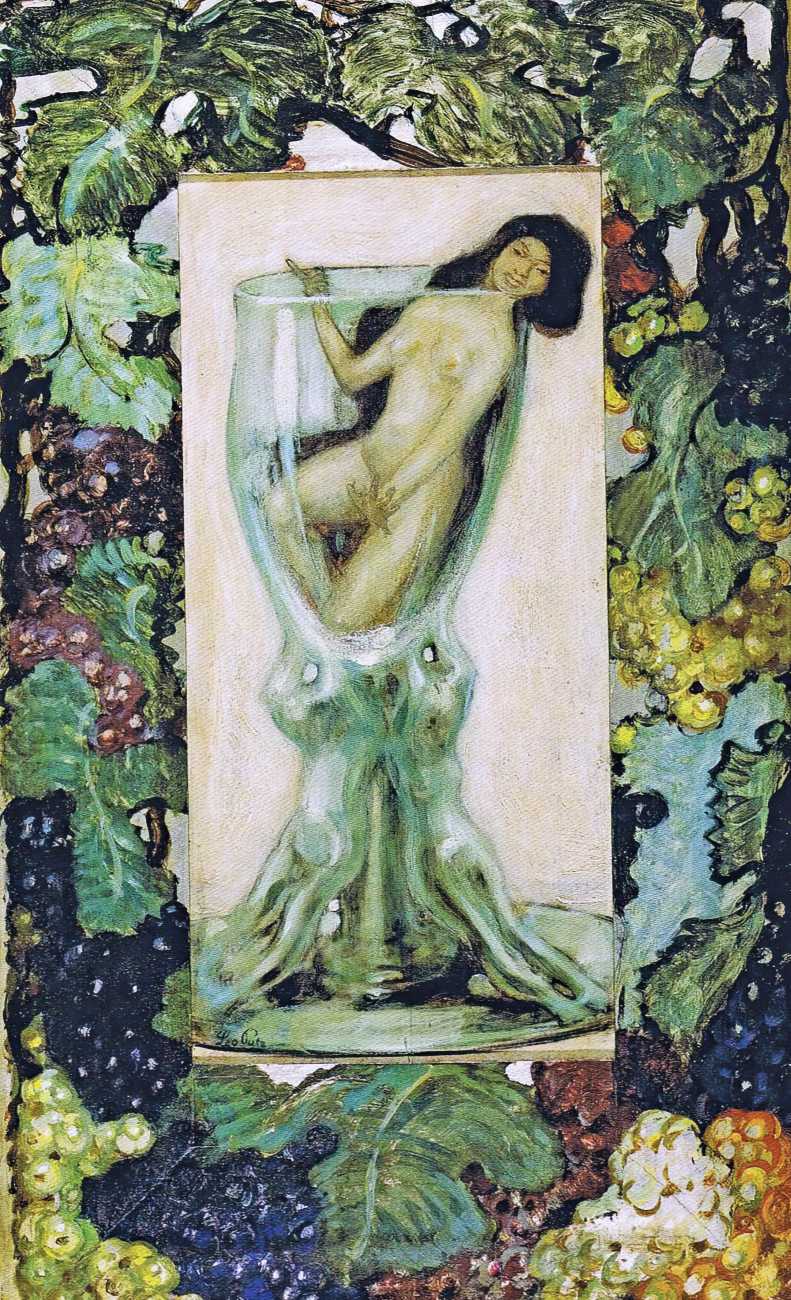
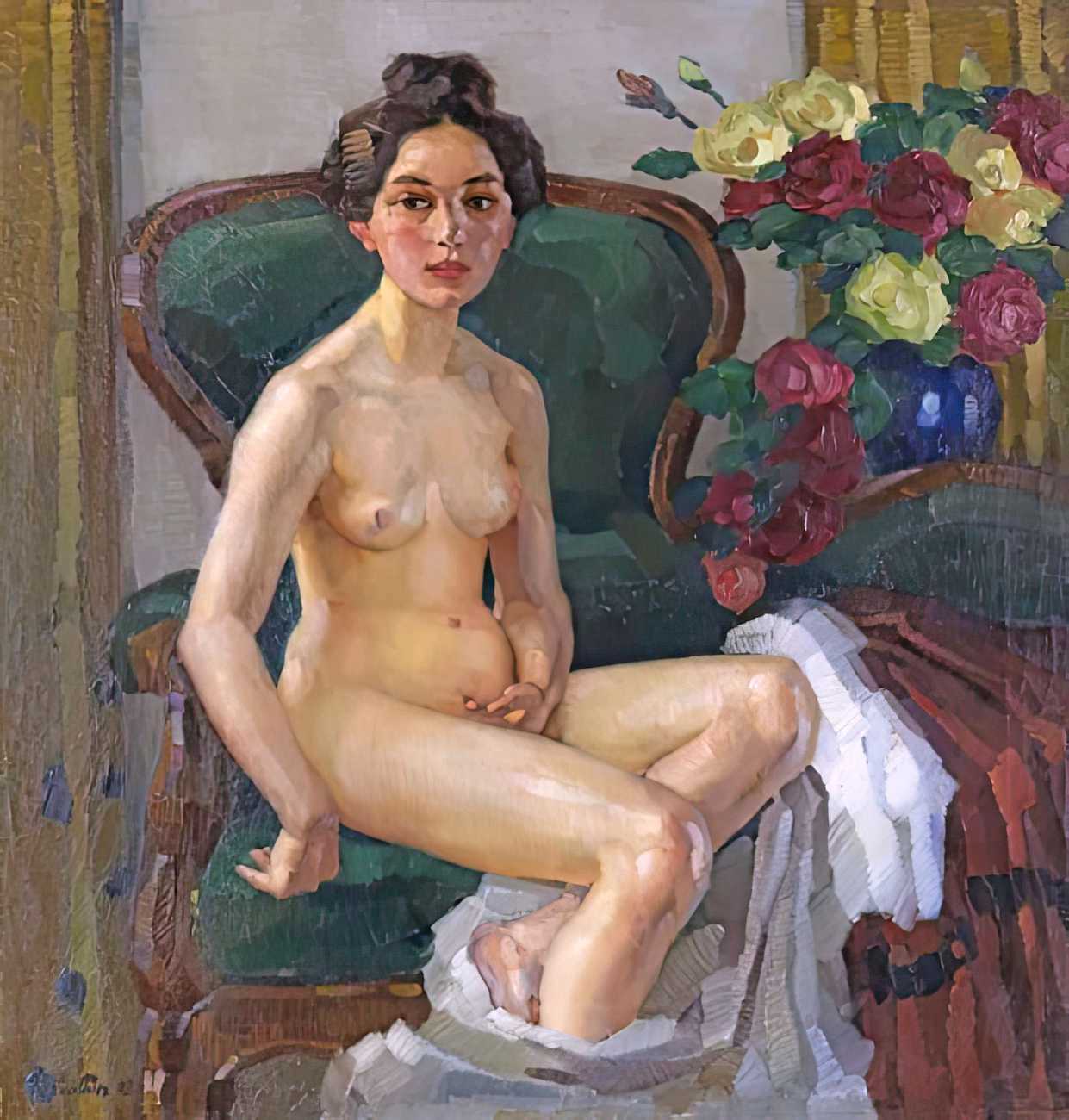
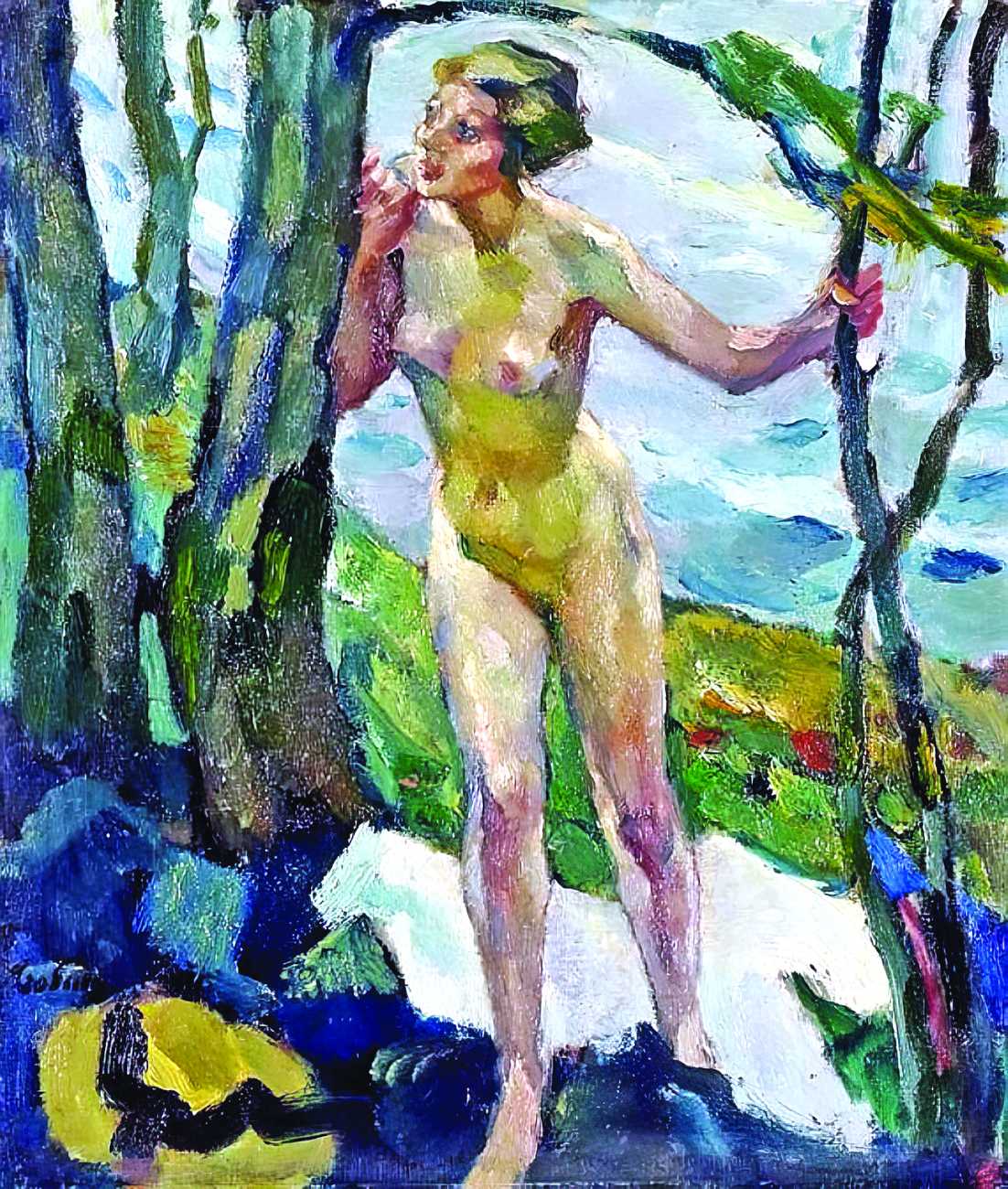
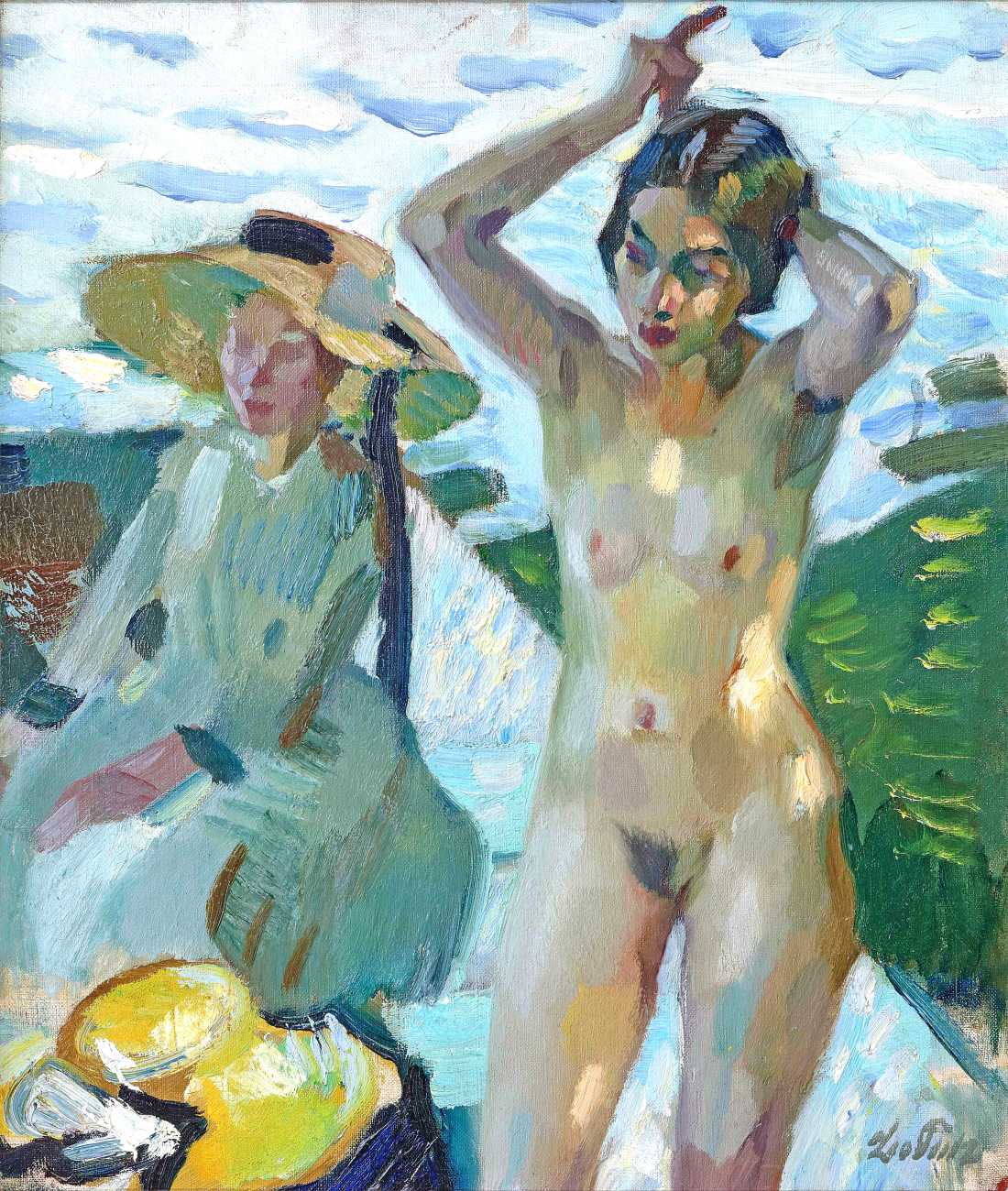
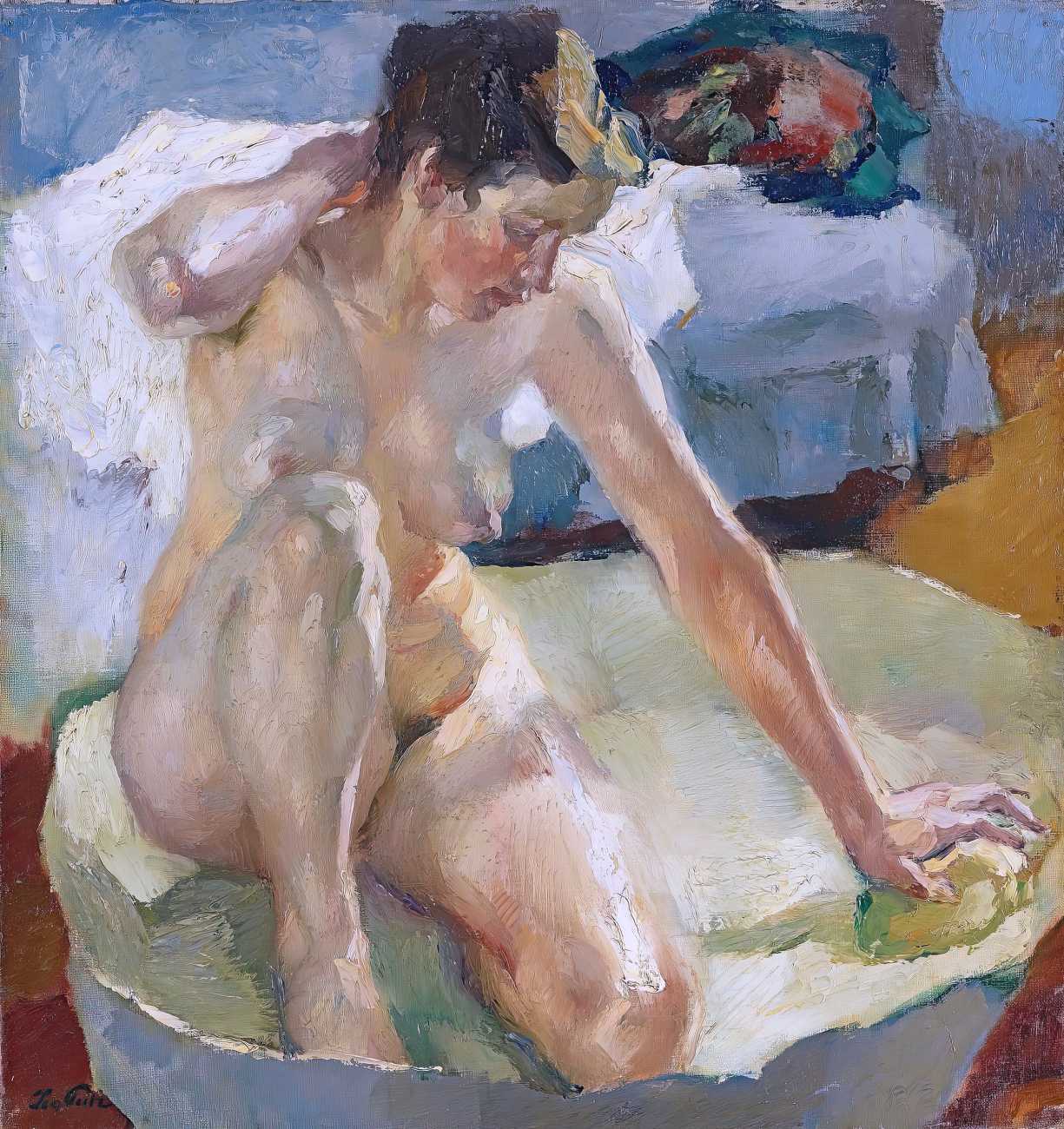
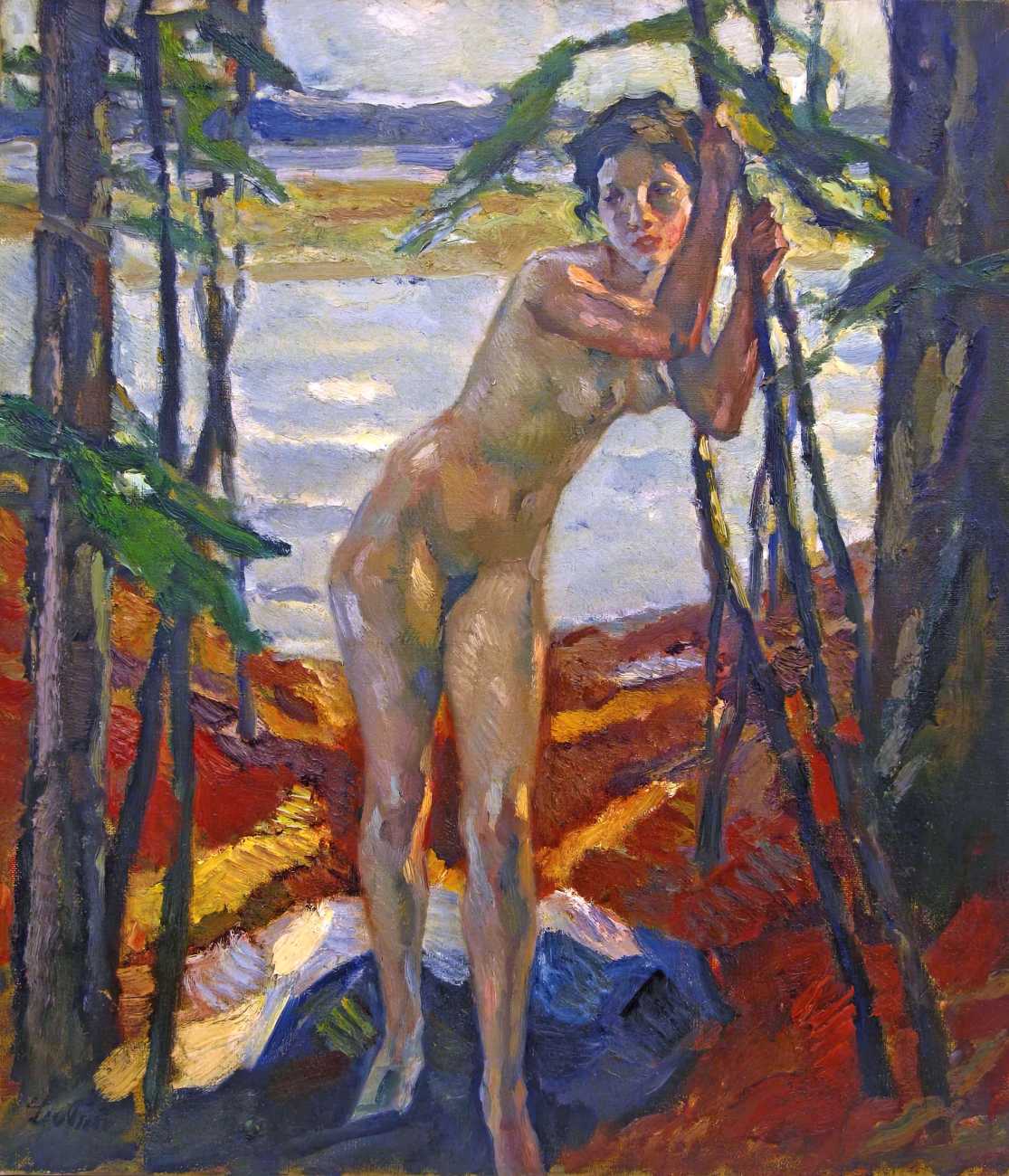
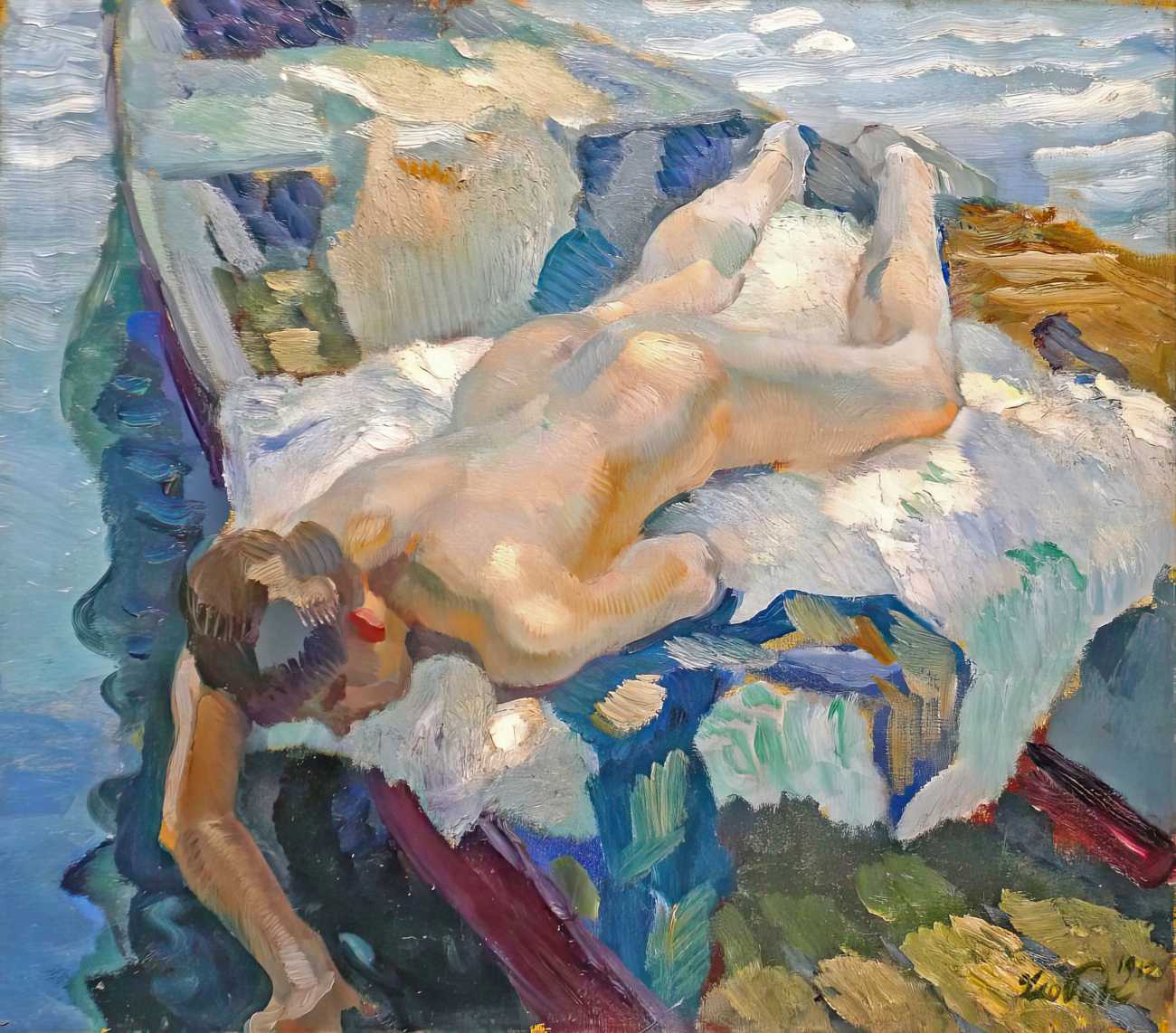
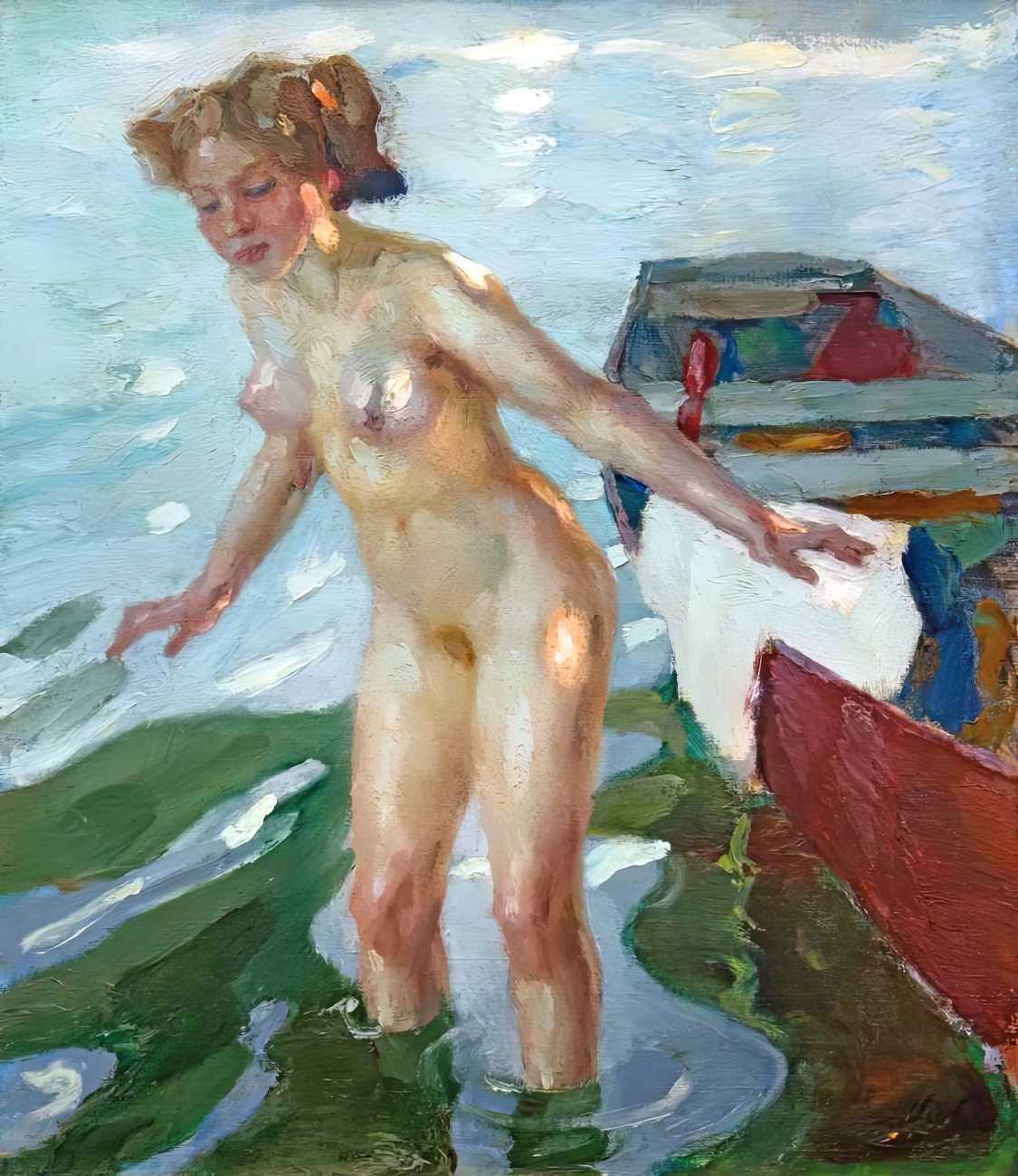
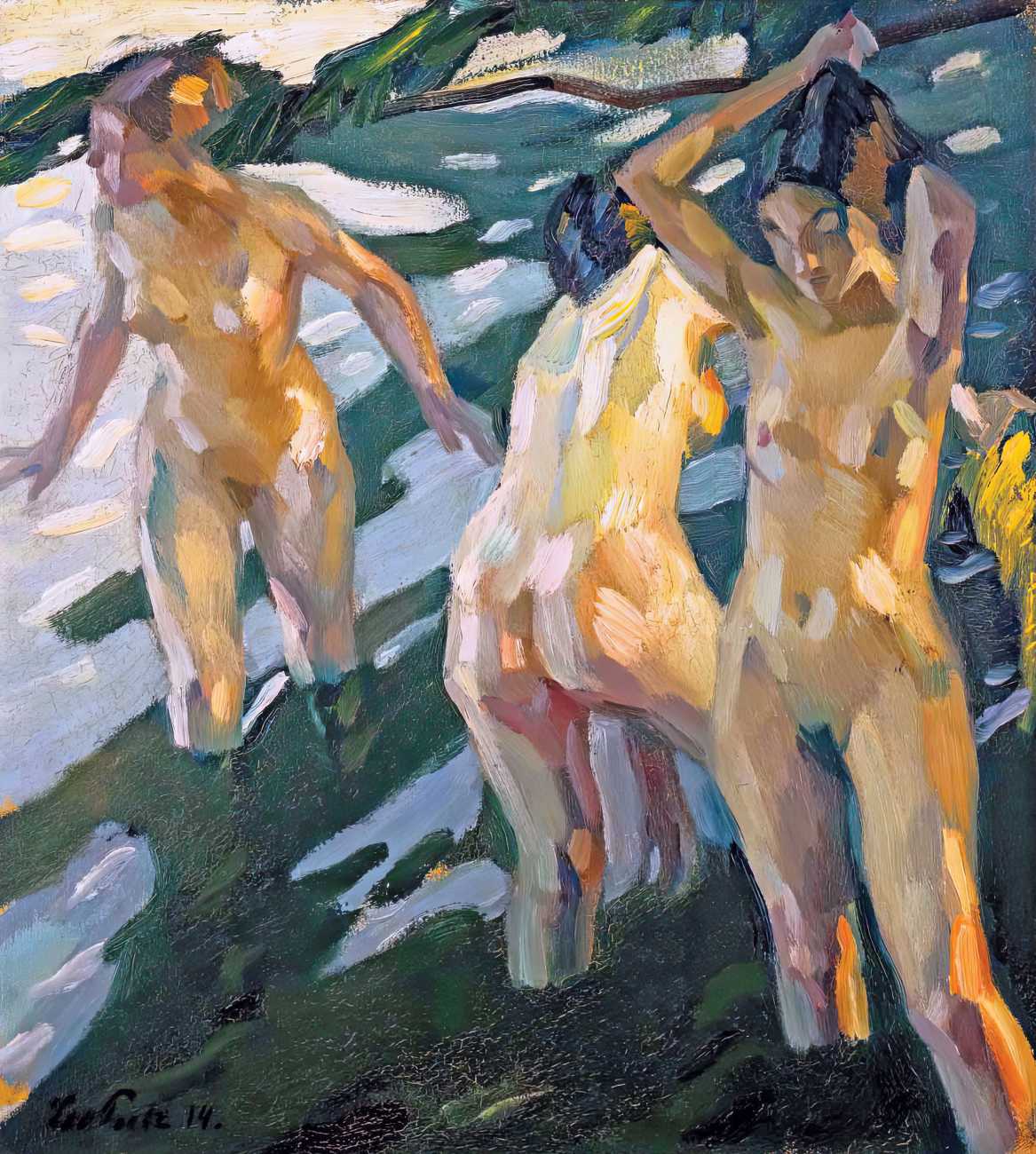
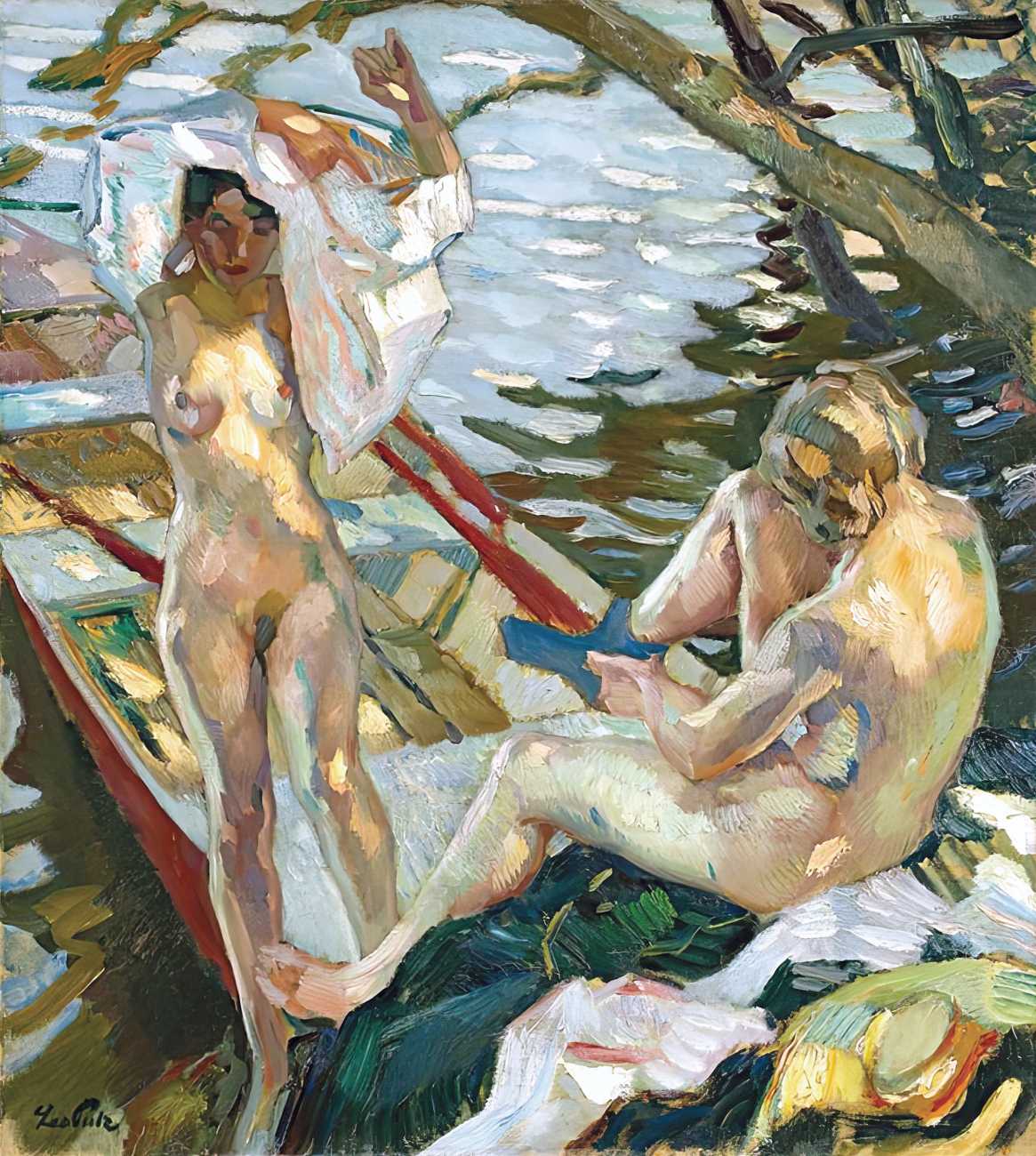
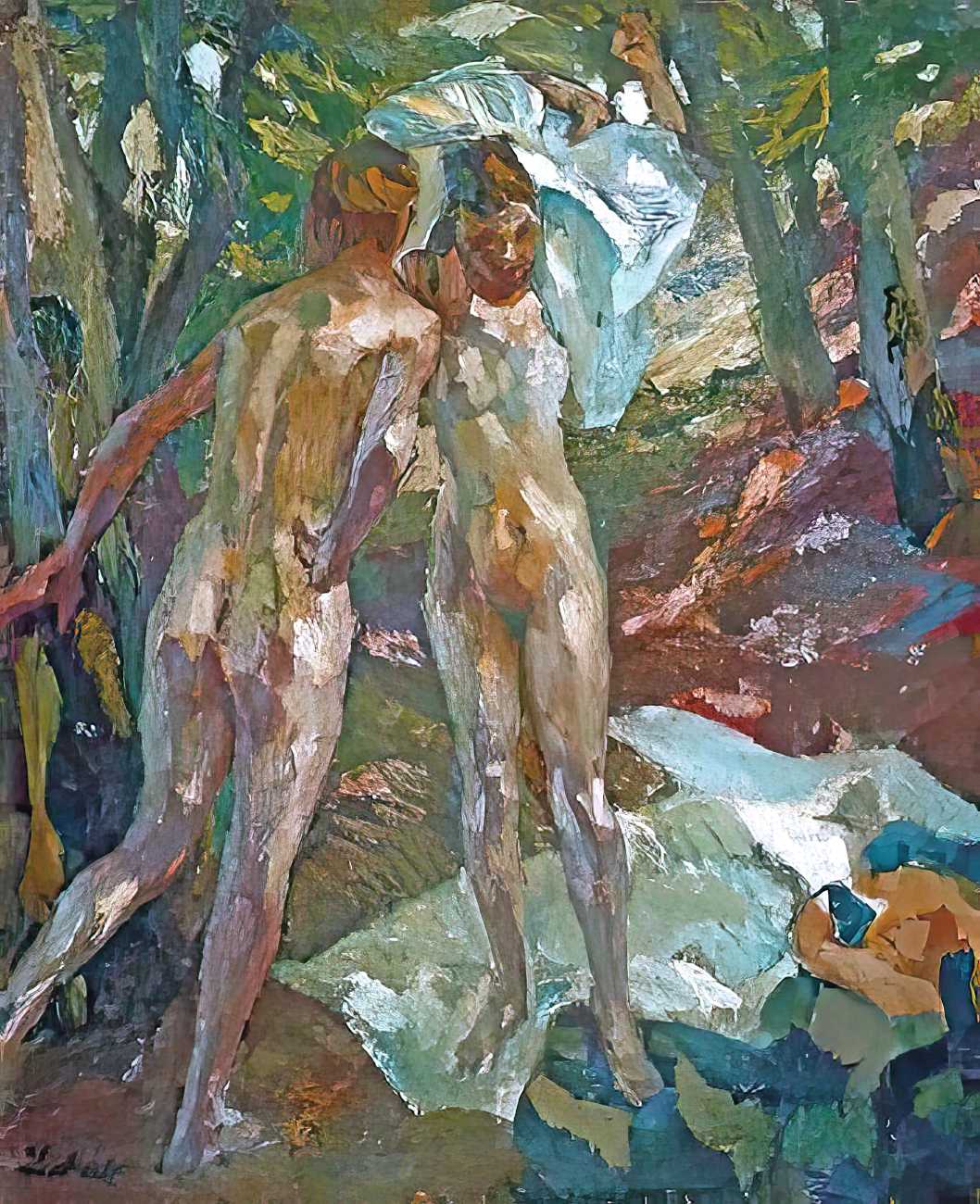
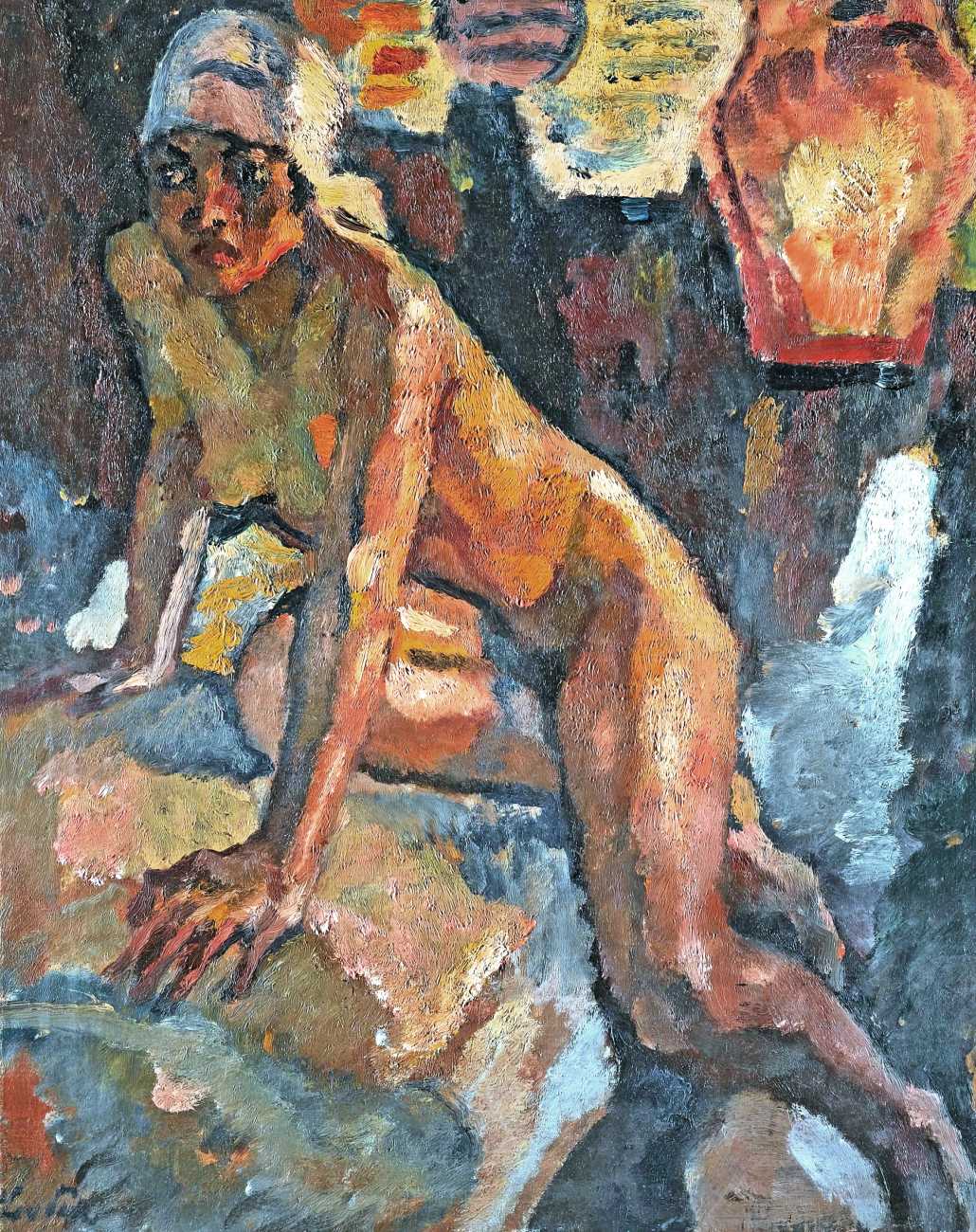
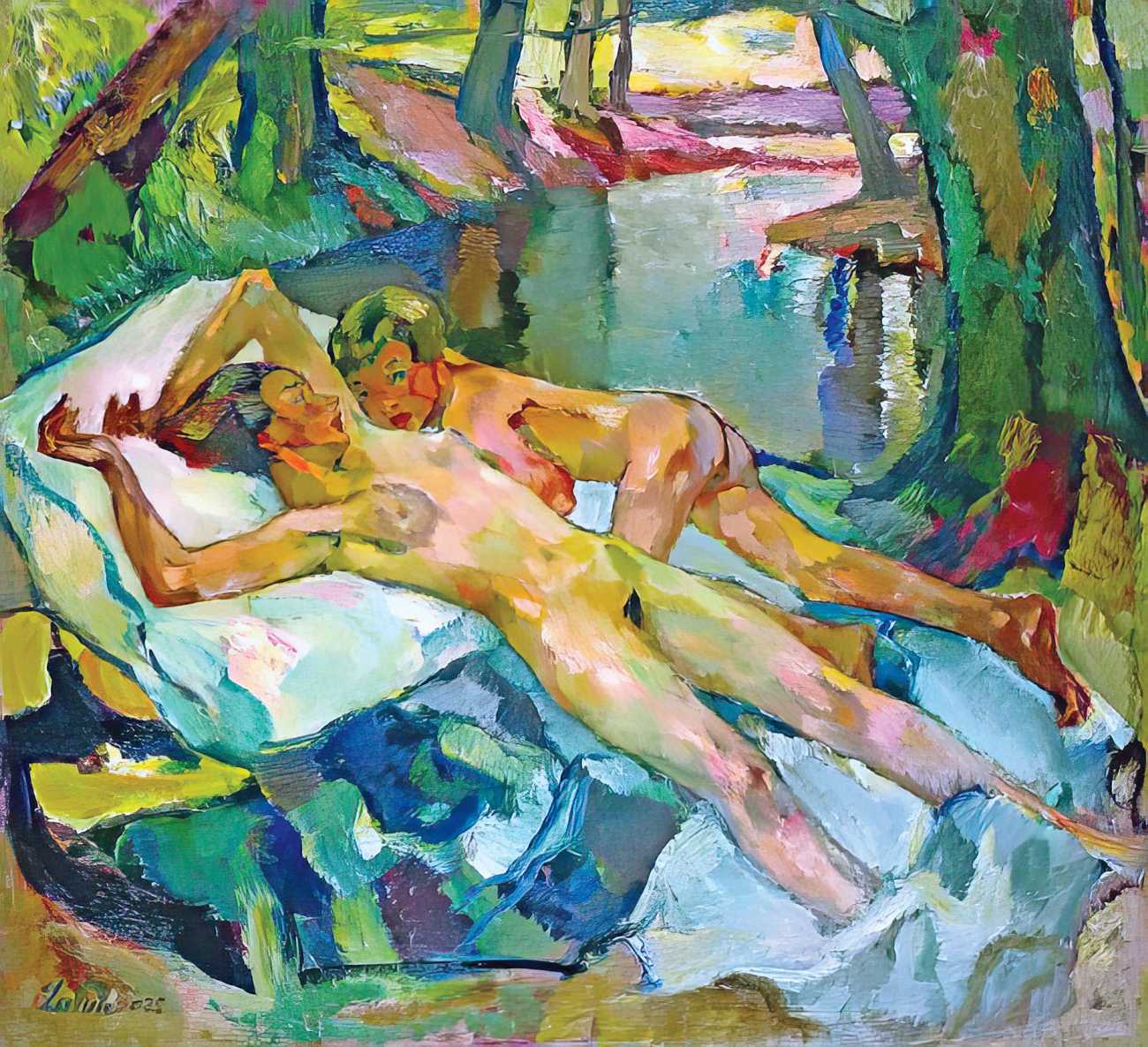
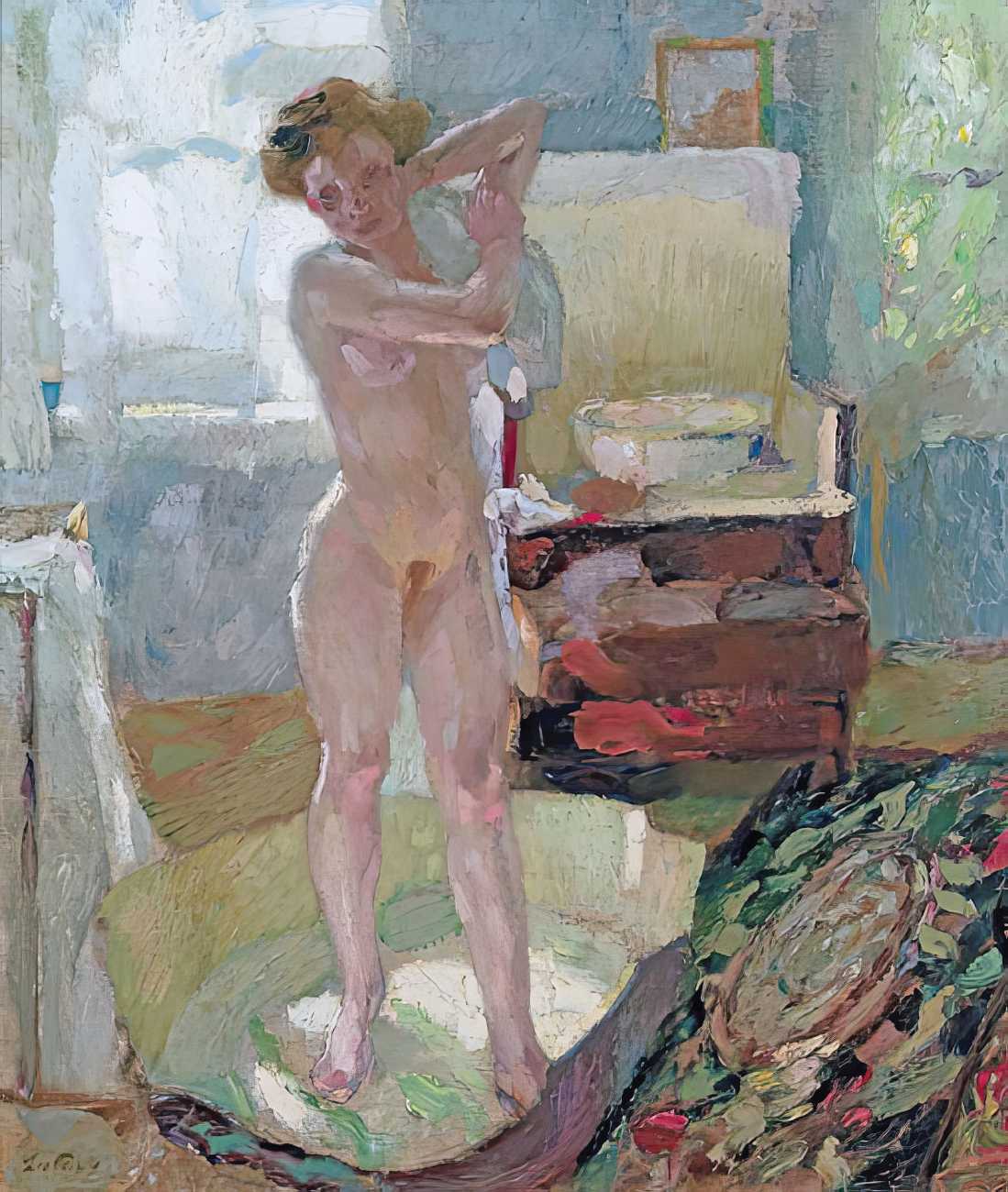
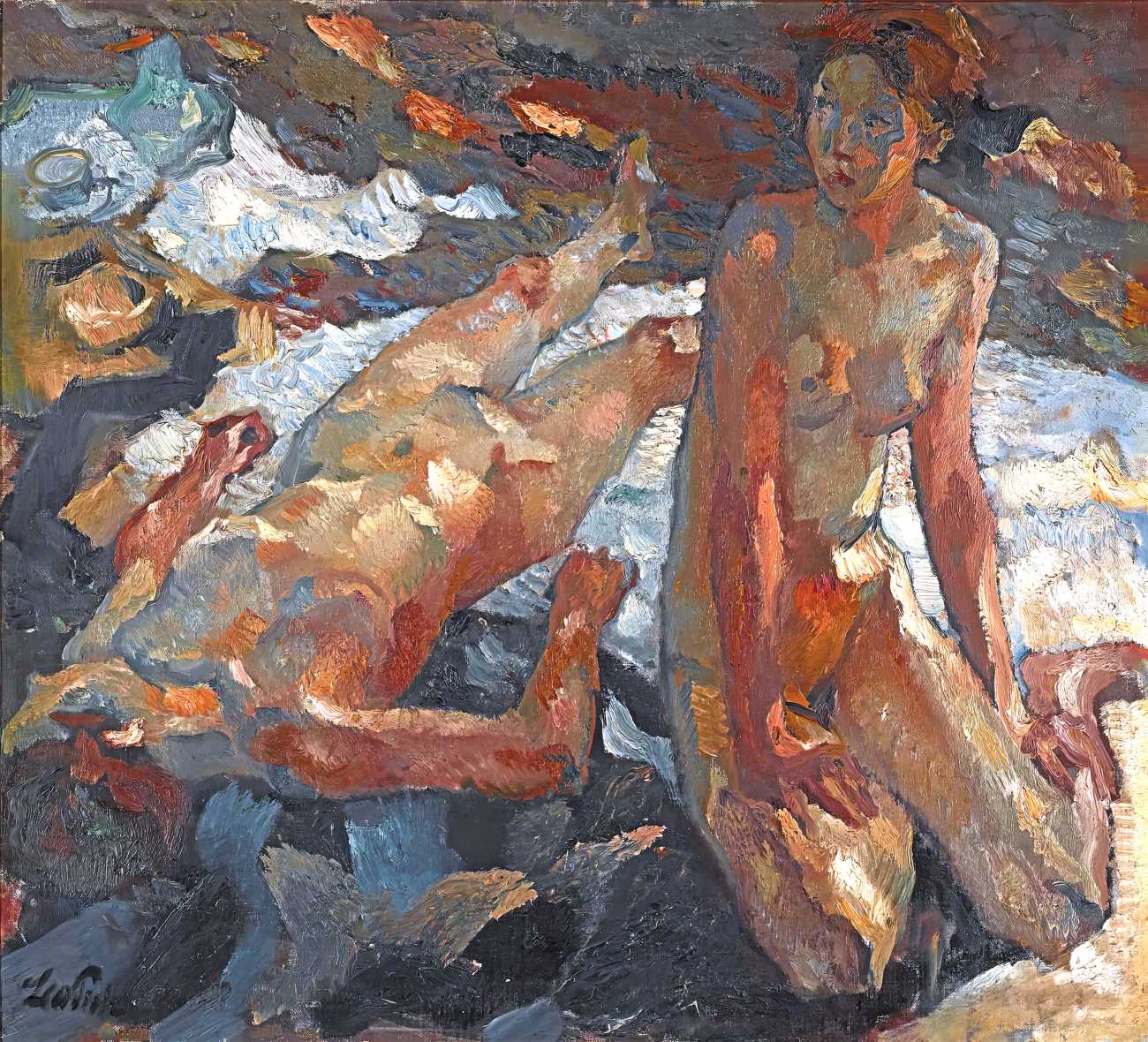
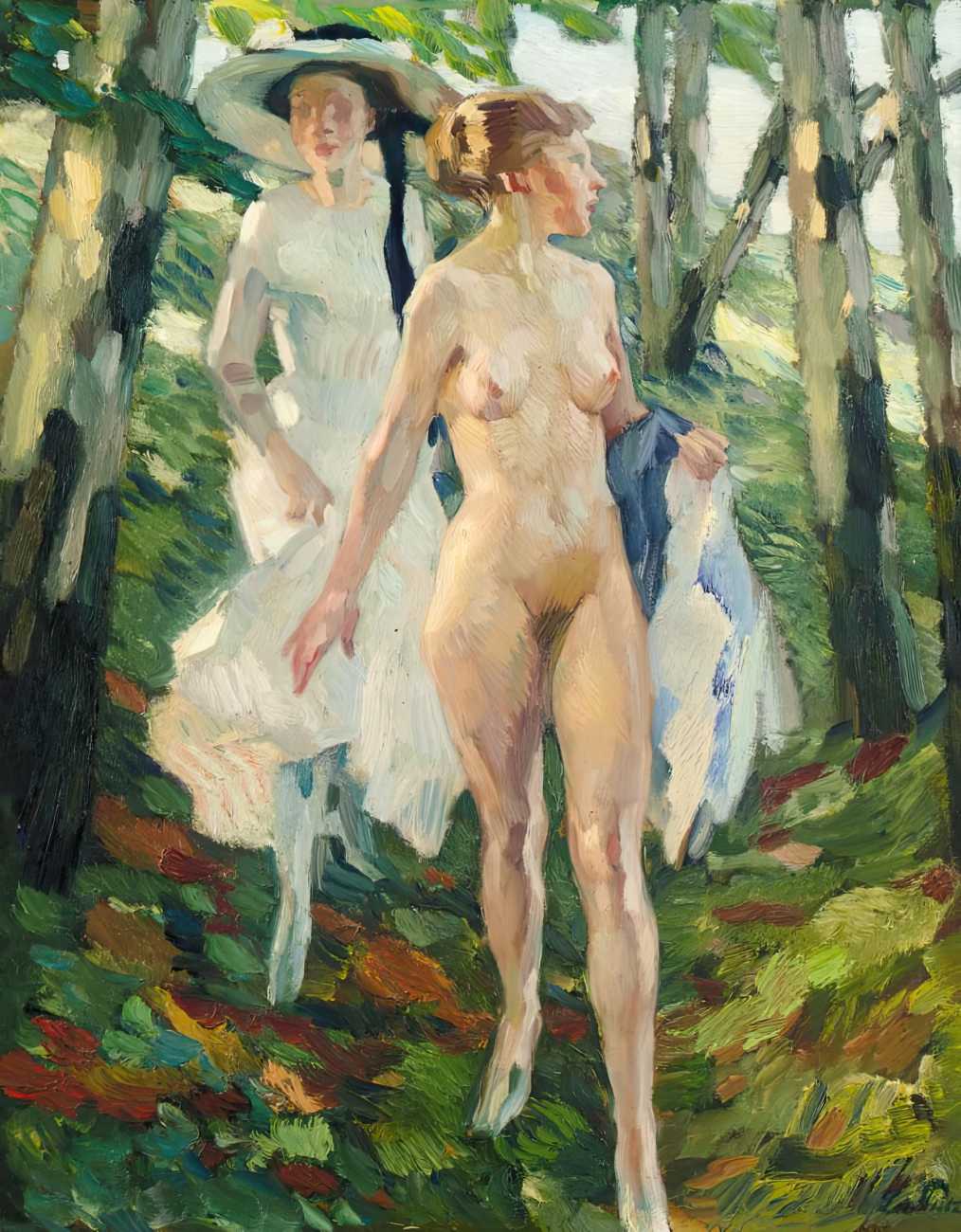
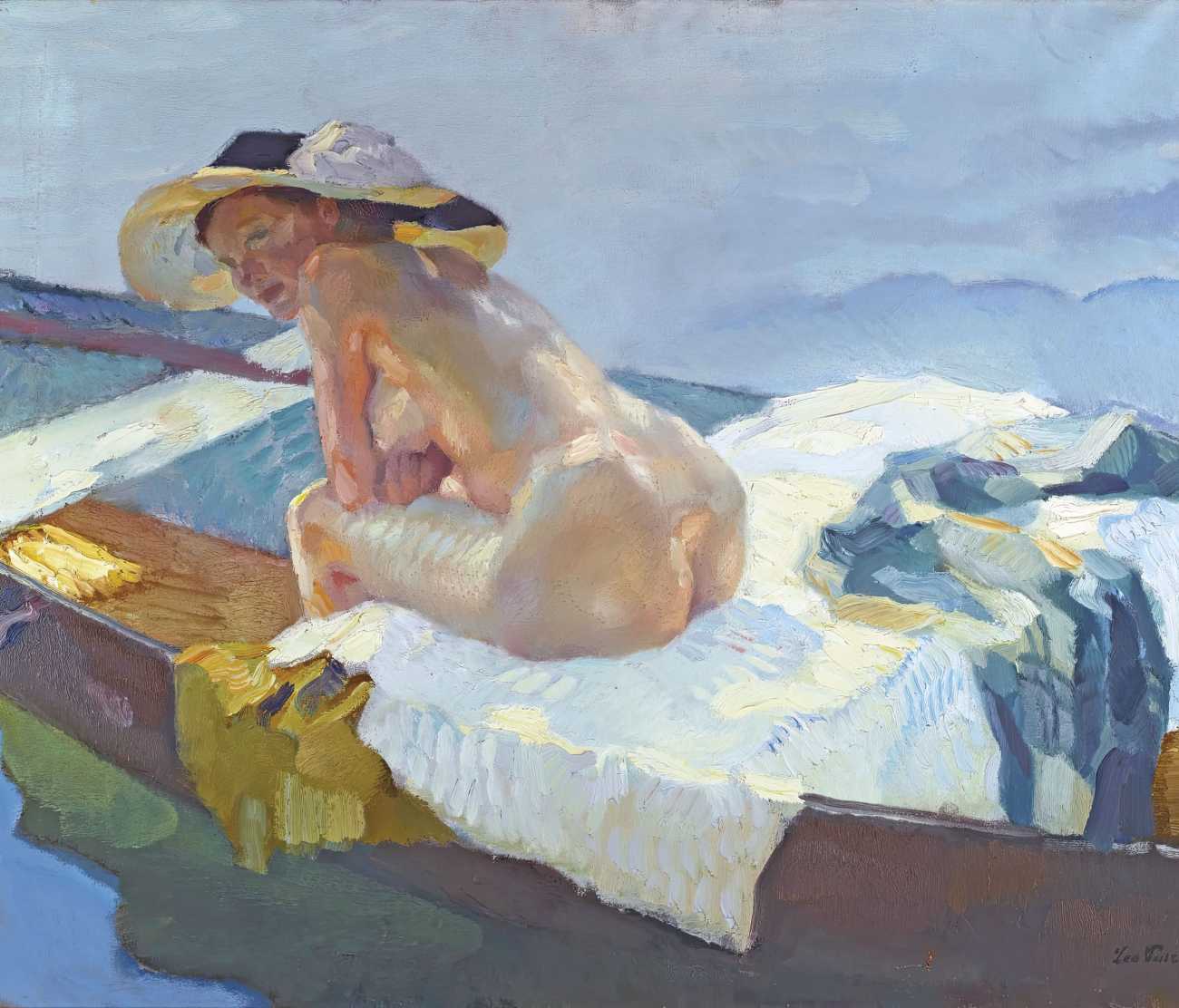
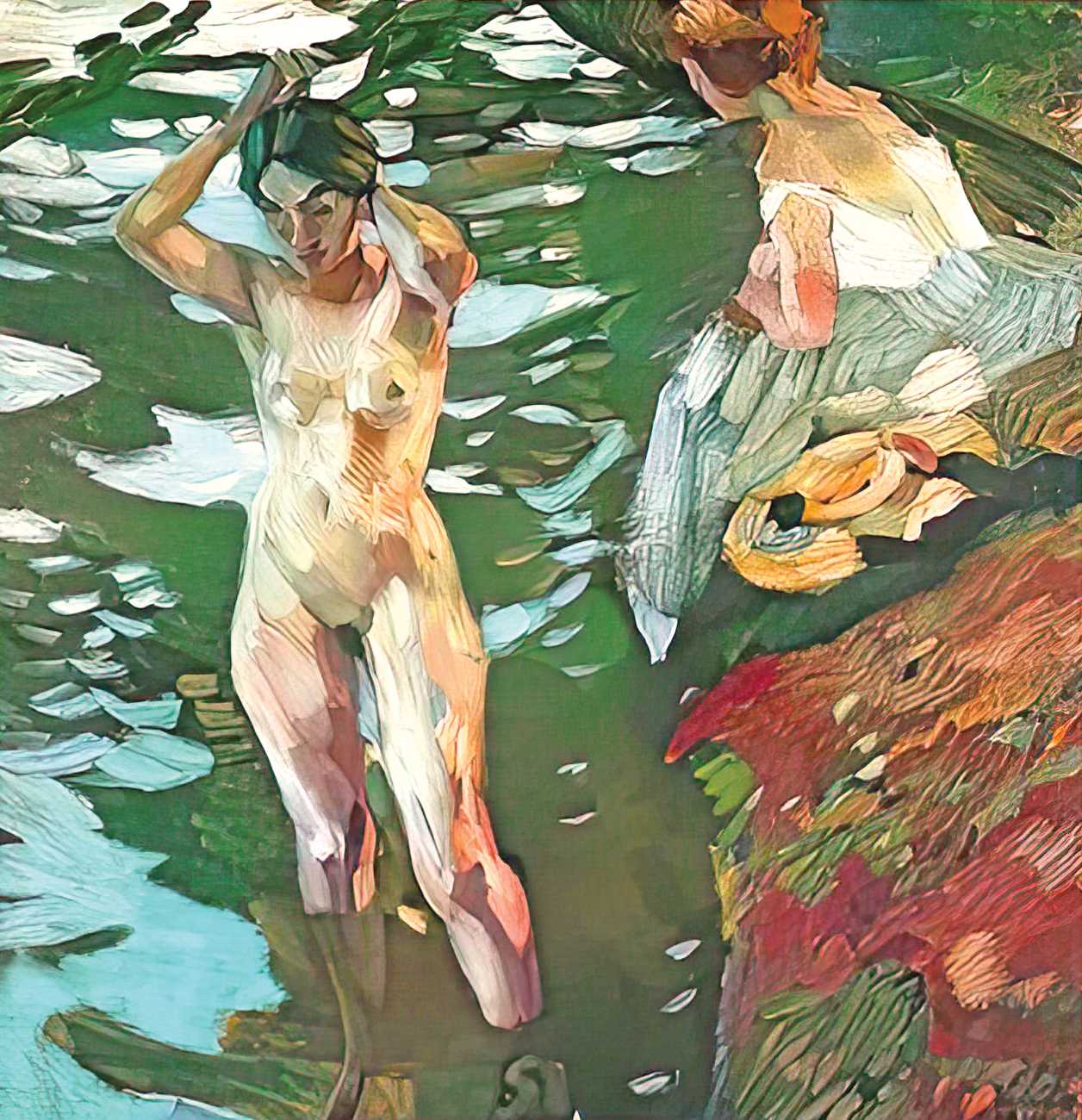
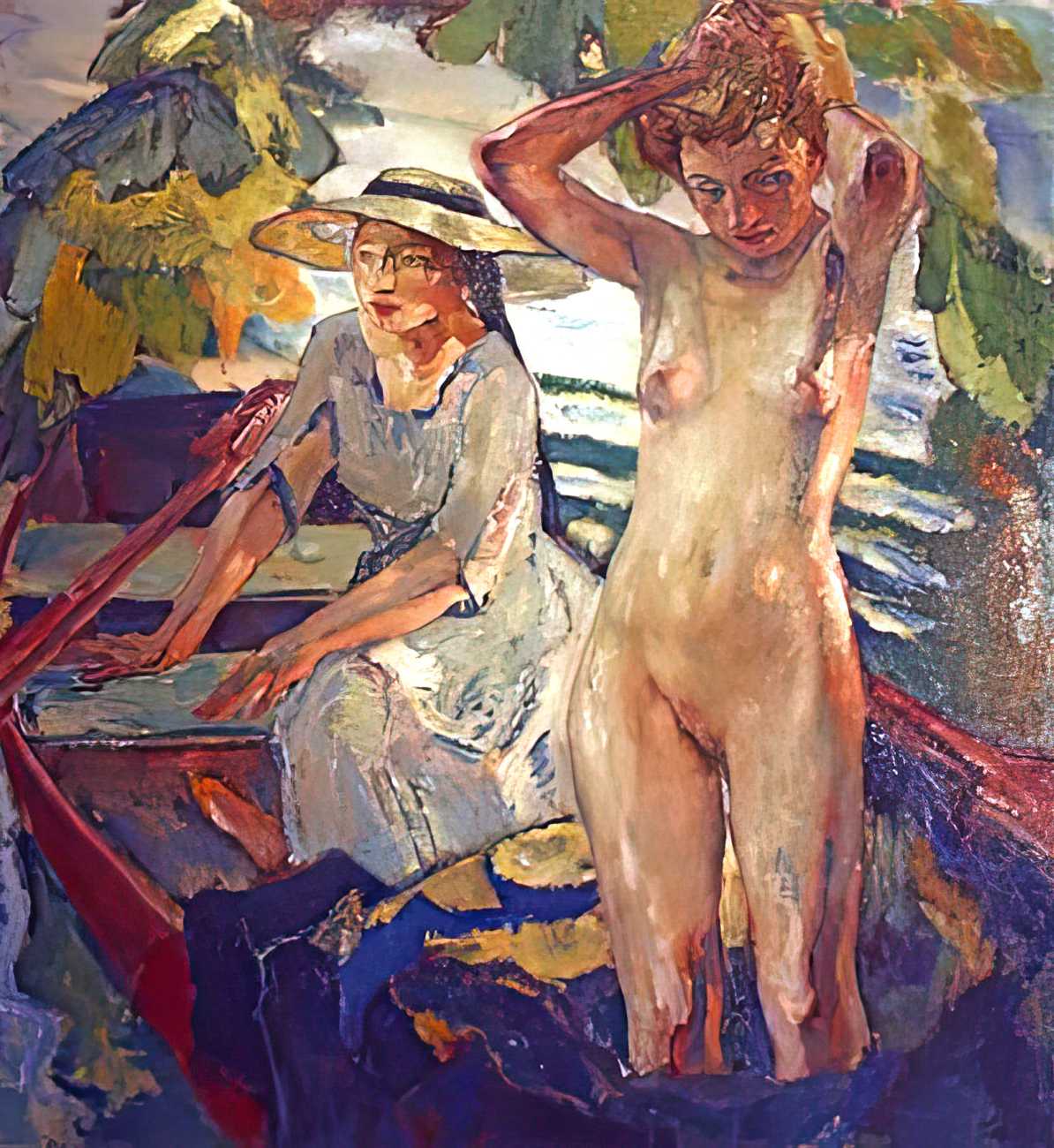
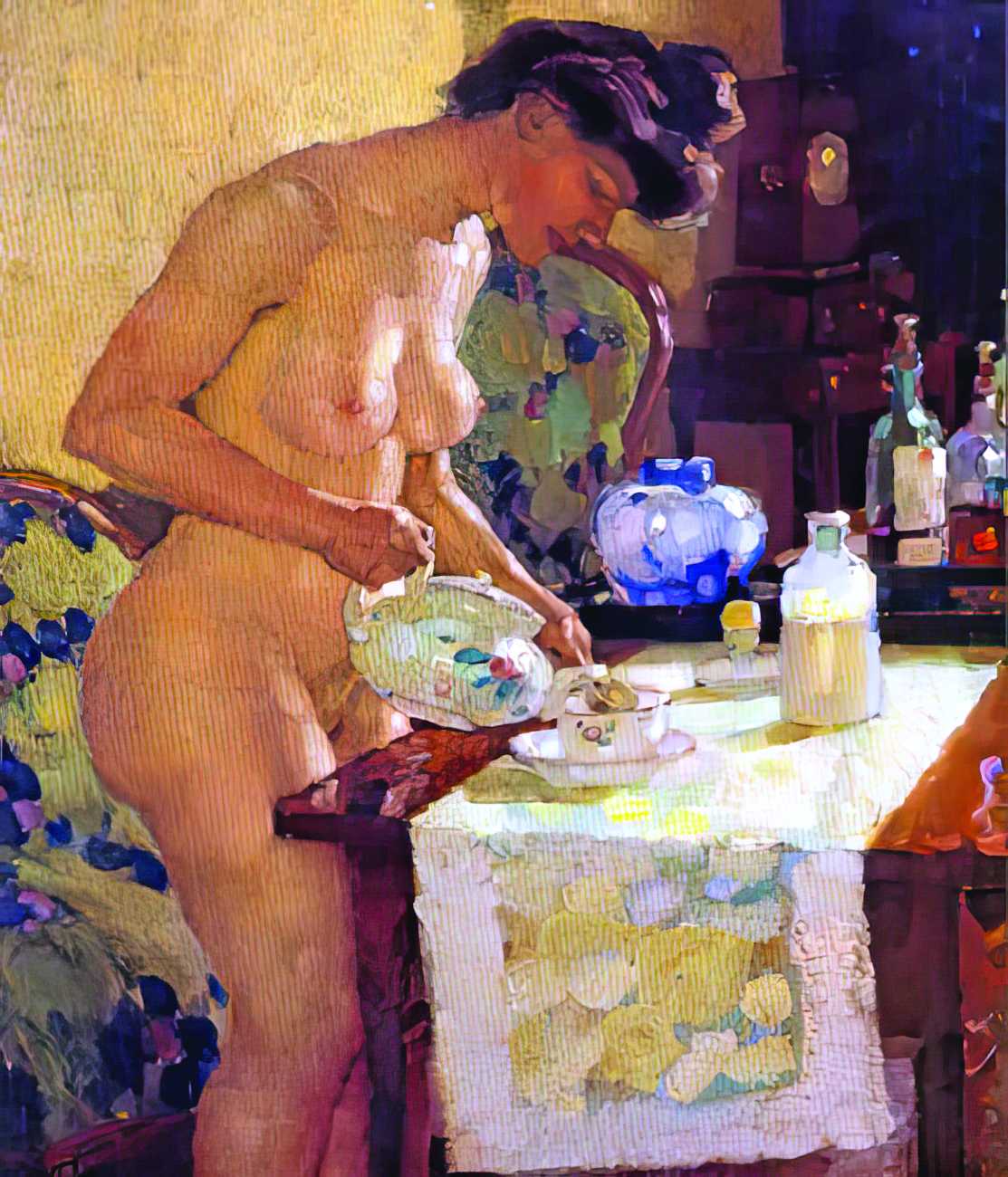
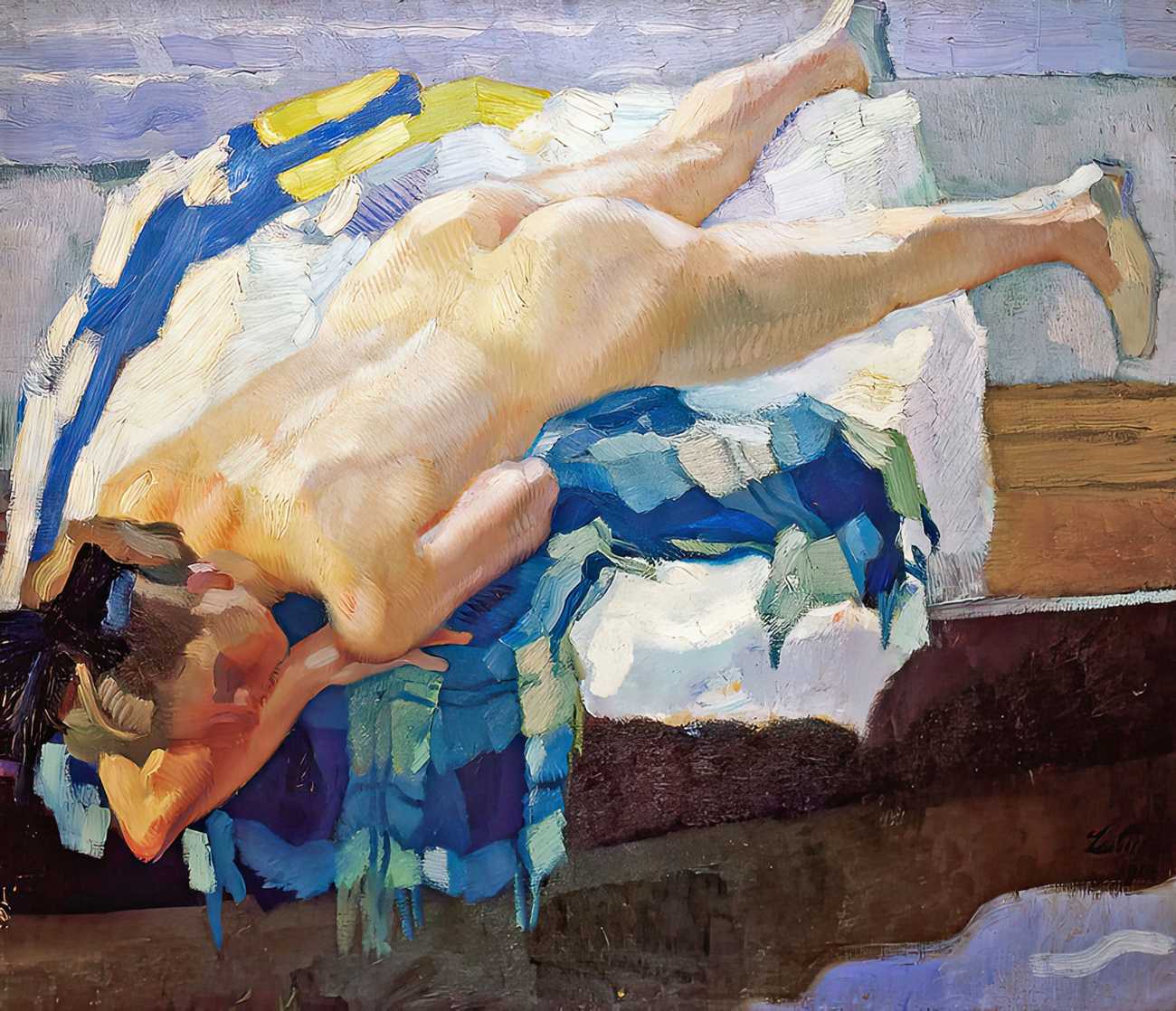
Die Scholle’s free, spirited style, contrasting with the prevailing academy style and historicism of the time, included much plein-air painting, and the human figure, especially the female body, became the central theme of artistic creation.
From 1903 onwards the Staatsgalerie in Dresden and the Neue Königliche Pinakothek in Munich acquired several of his works, and in 1909 Putz acquired Bavarian citizenship, a prerequisite for the title of professor, which he was awarded later that year.
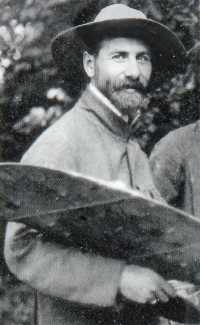
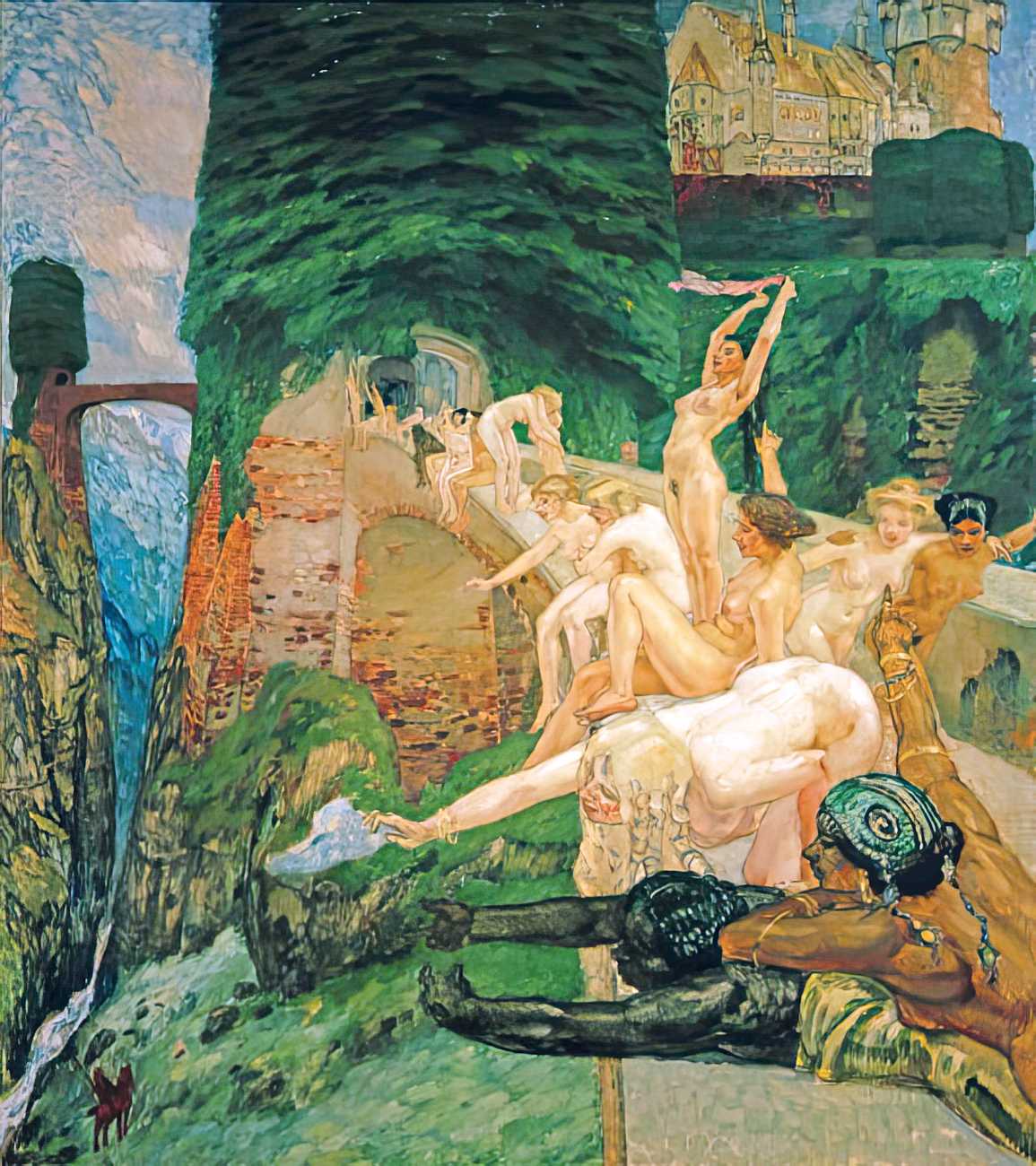
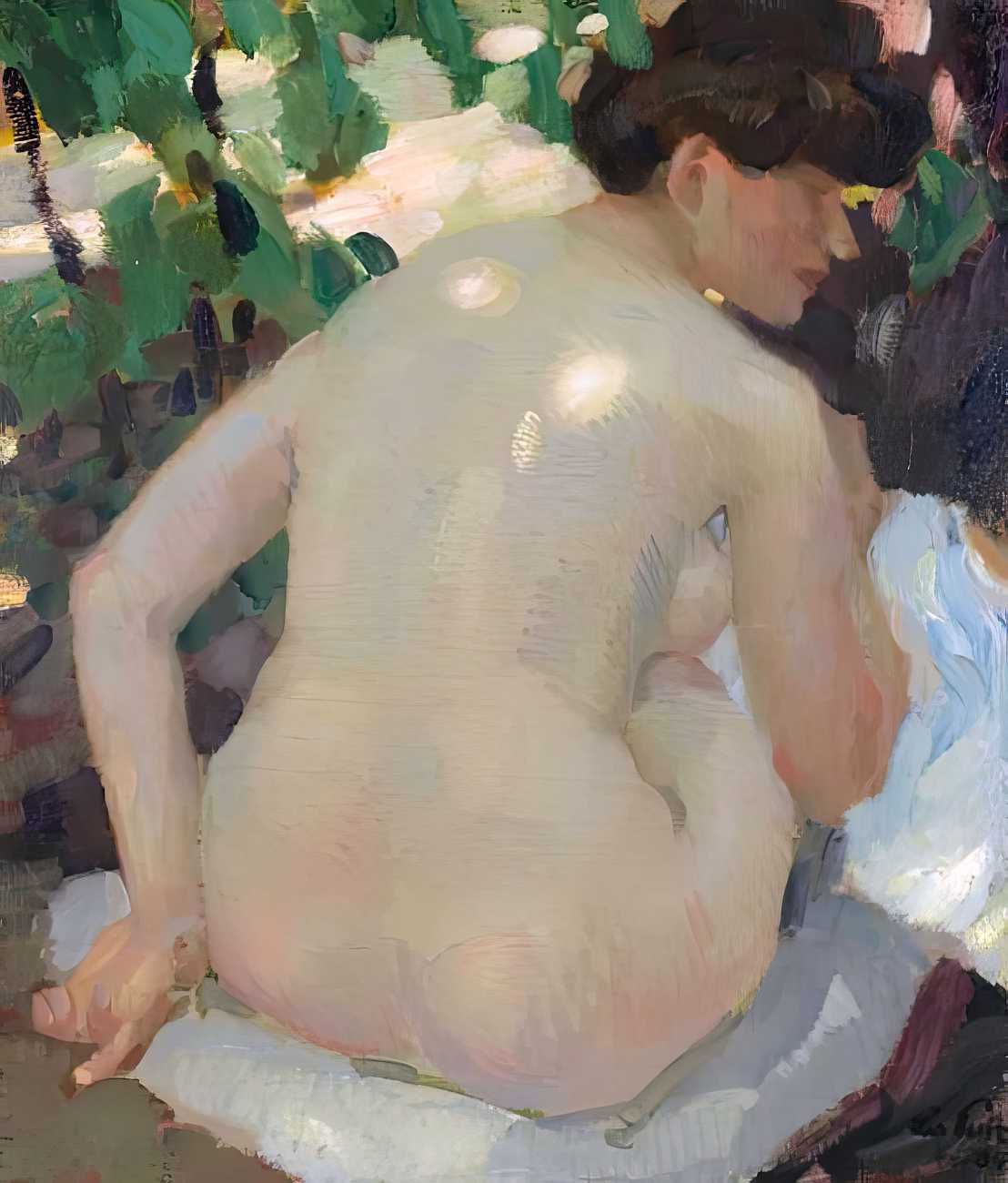
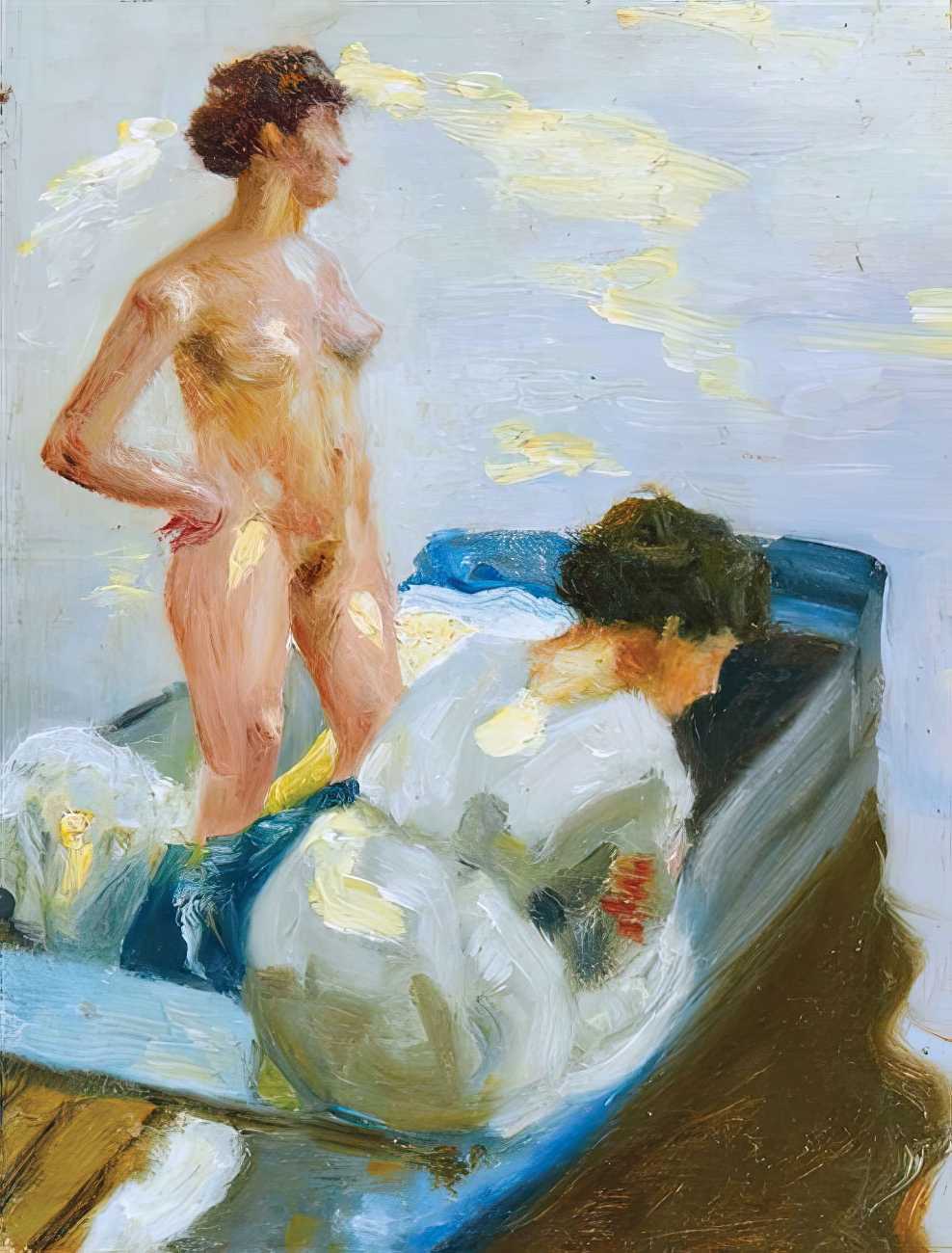
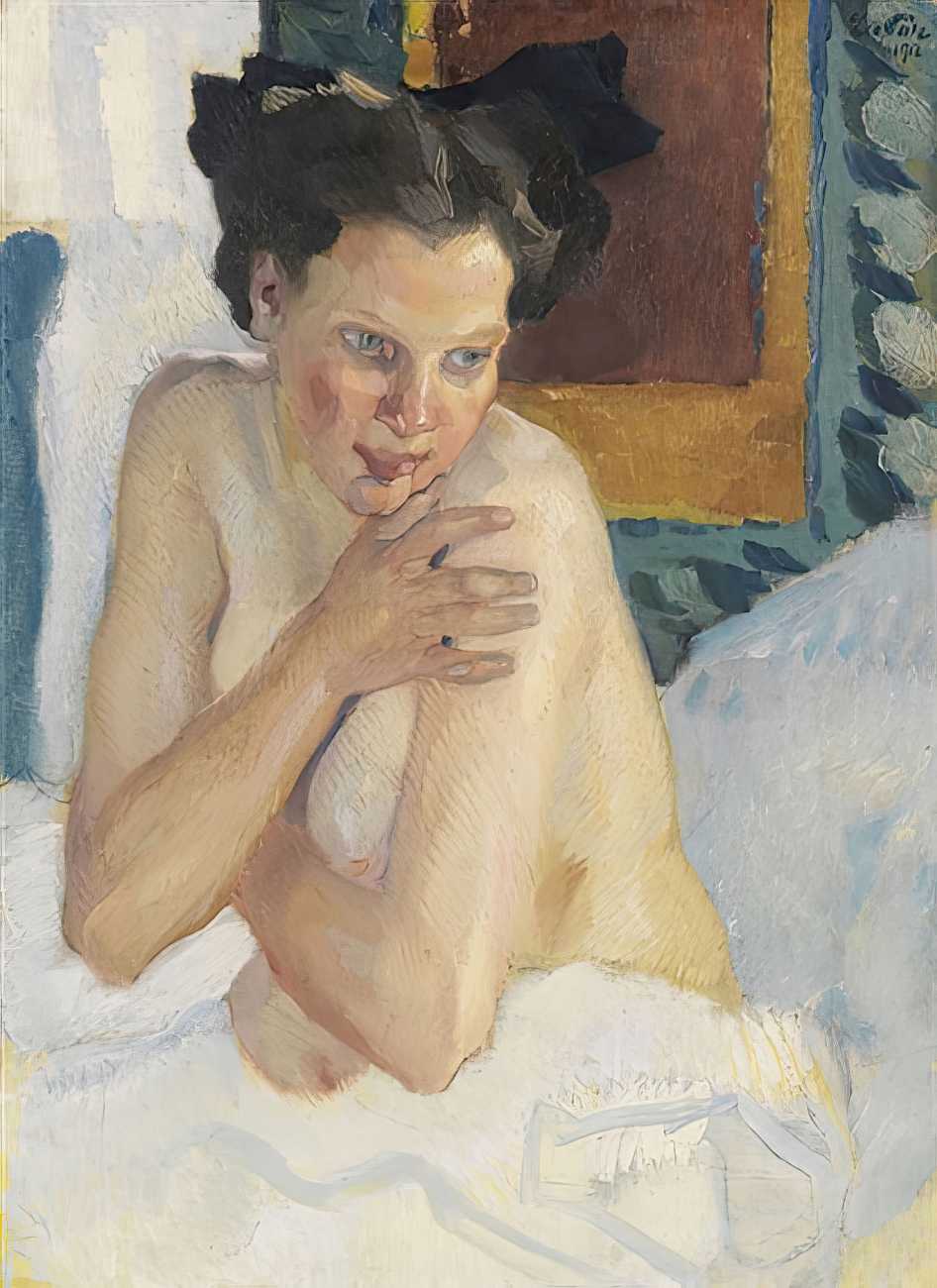
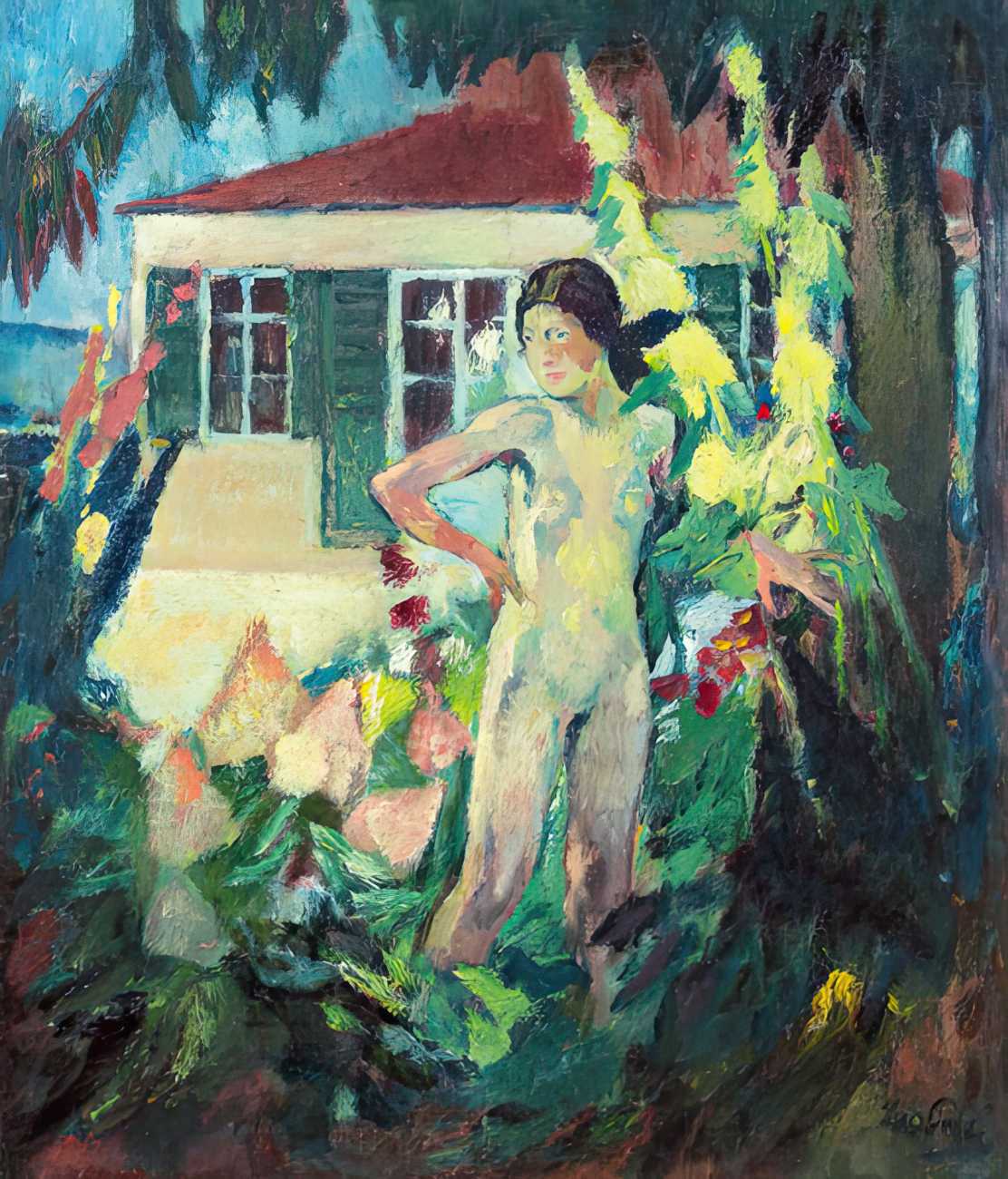
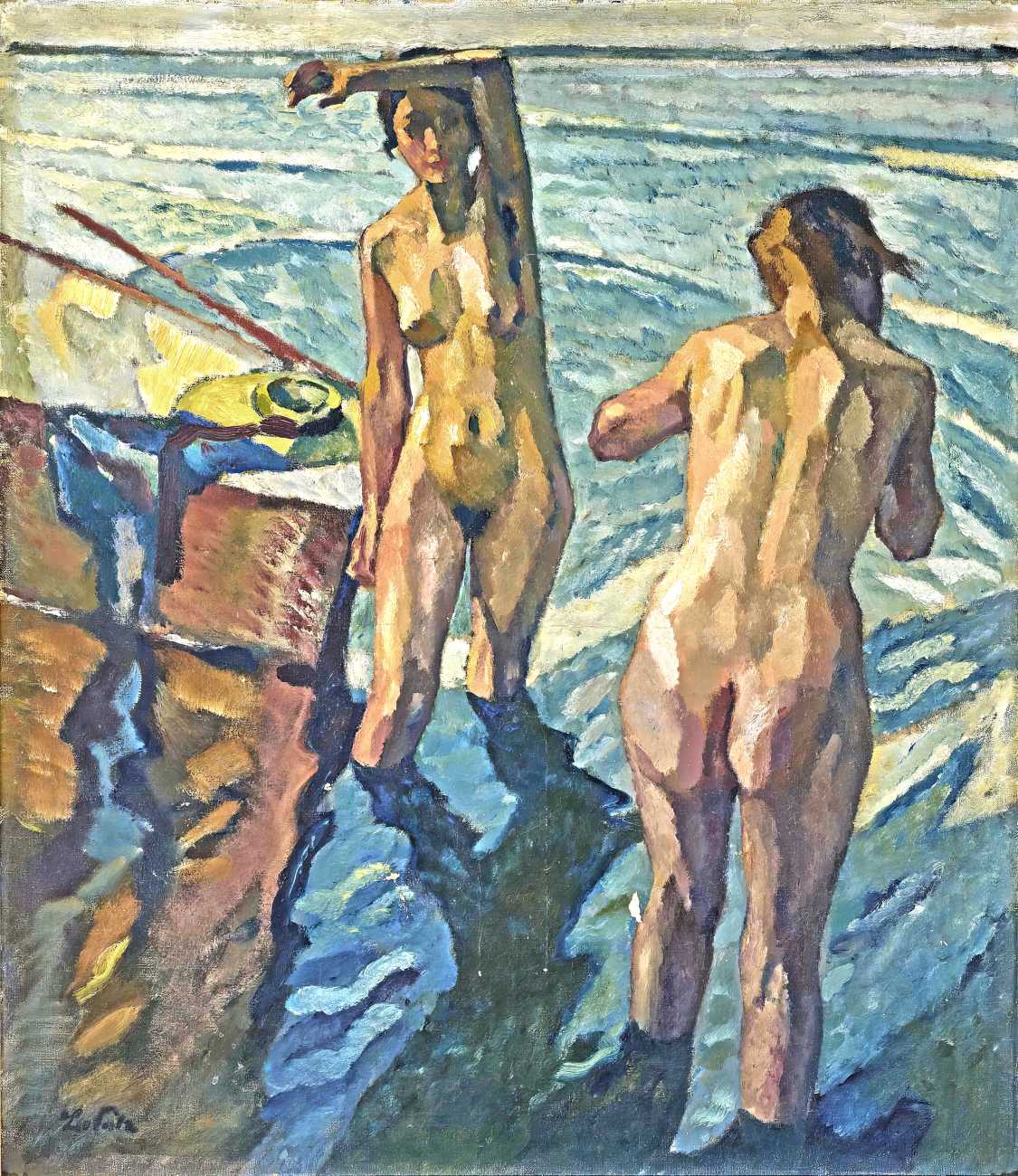
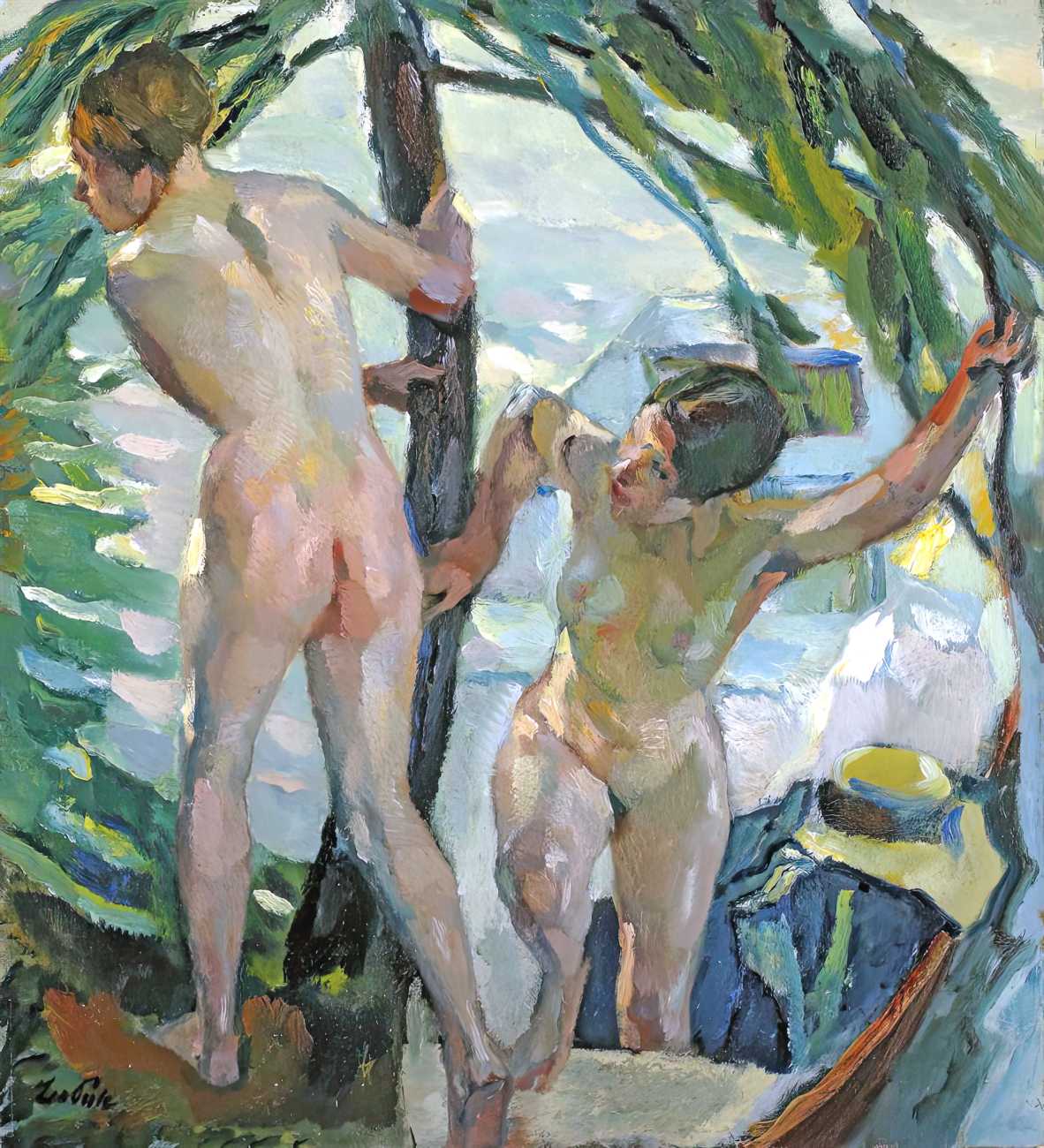
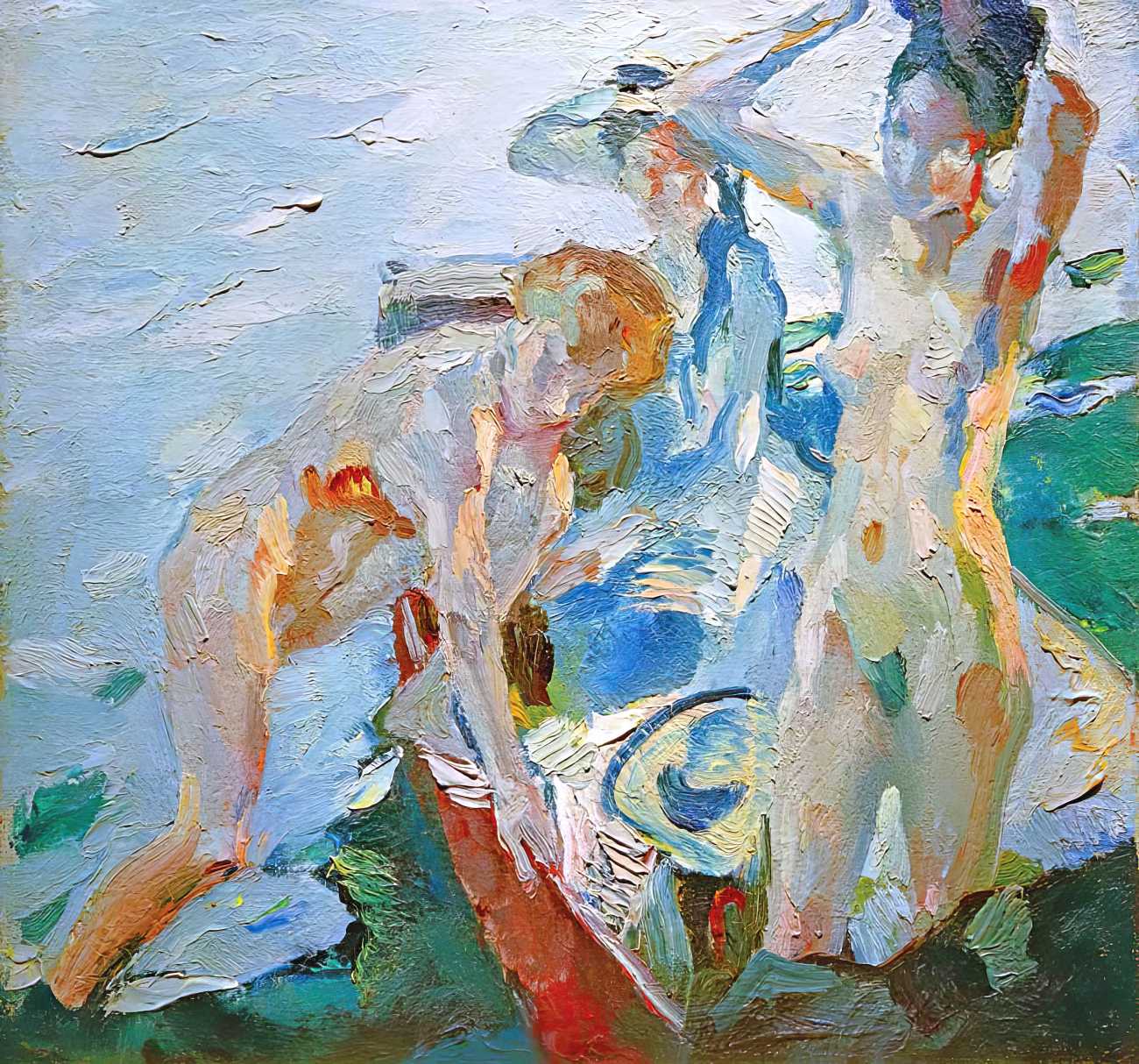
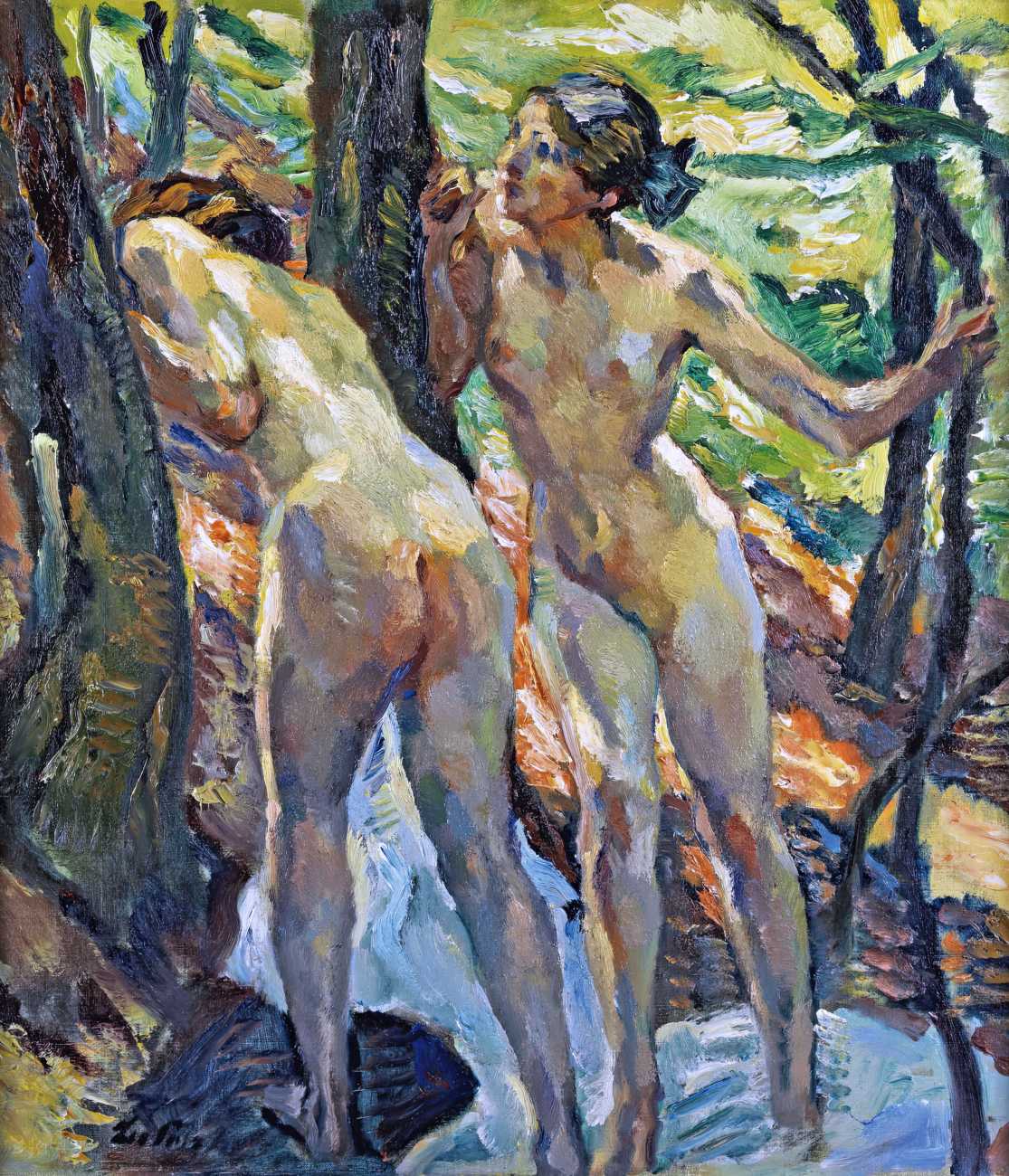
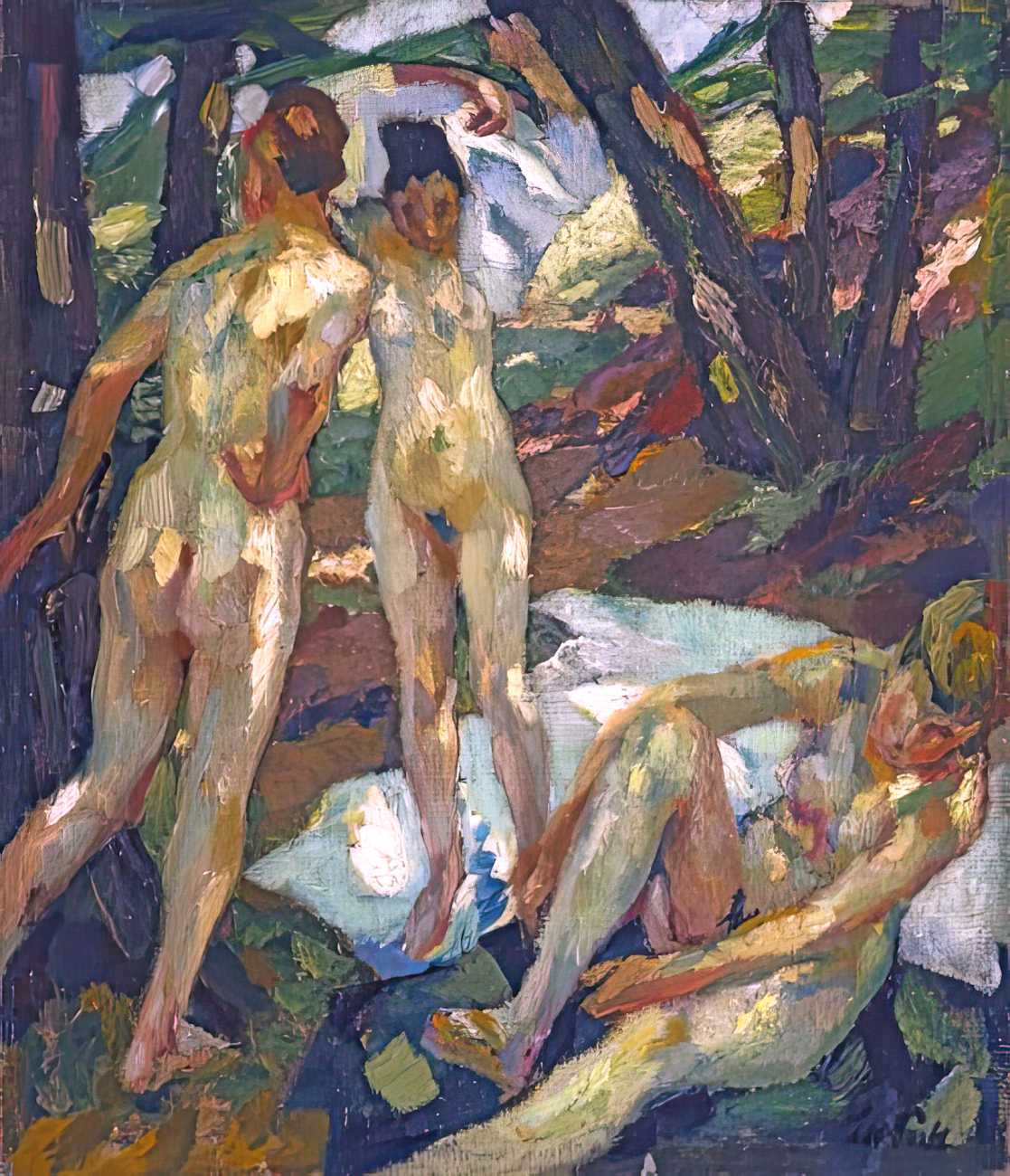
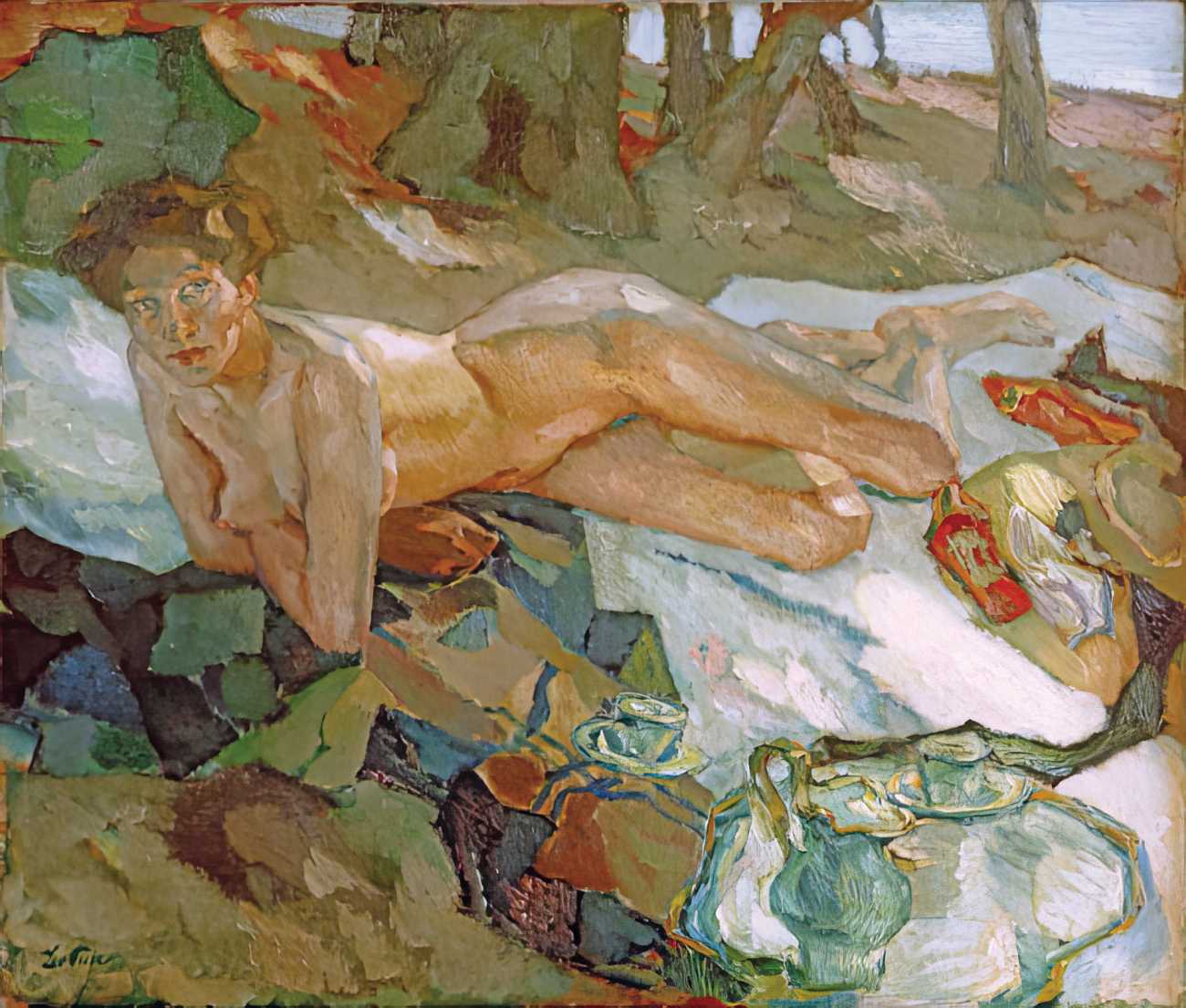
From 1909 until 1914 Leo Putz spent his summer months at the Hartmannsberg Castle in the Bavarian Chiemgau region and during this period he produced some of his best impressionistic work. Many are studies of naked women, often bathing, in sunlit, open-air lake settings, and Putz became well known for the successful way he was able to capture the outdoor light in these works. The German artist Hans Roth and the American Edward Cucuel worked with him at the Chiemsee, and they became known as The Chiemsee Painters. In 1913 Putz married the landscape painter Frieda Blell, and their son Helmut was born in 1915. Frieda had been his model for several years and continued to paint, albeit in his shadow. In 1923 Leo Putz moved to Gauting in Bavaria with his family, and two years later became an honorary member of the Bavarian Academy of Fine Arts.
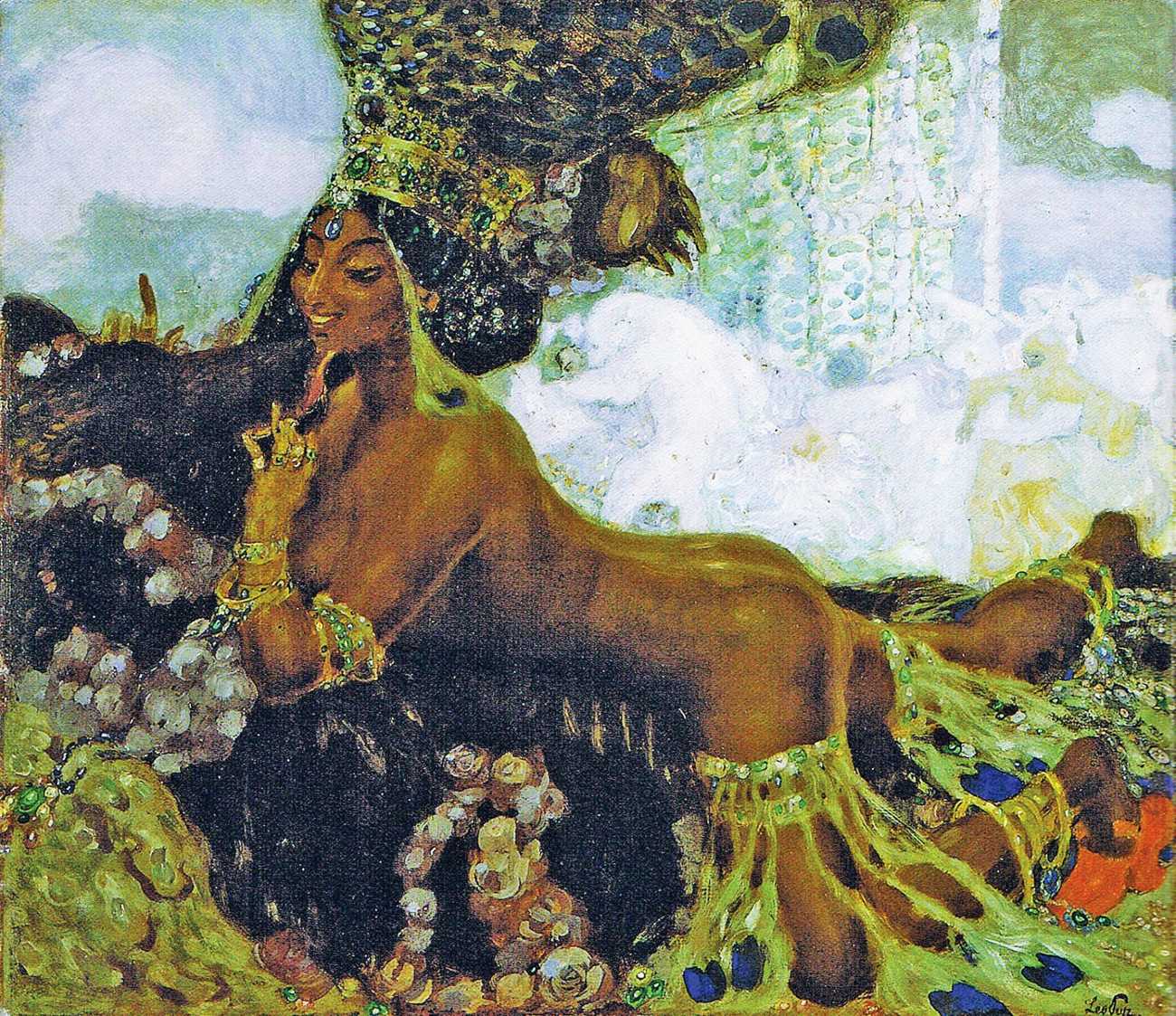
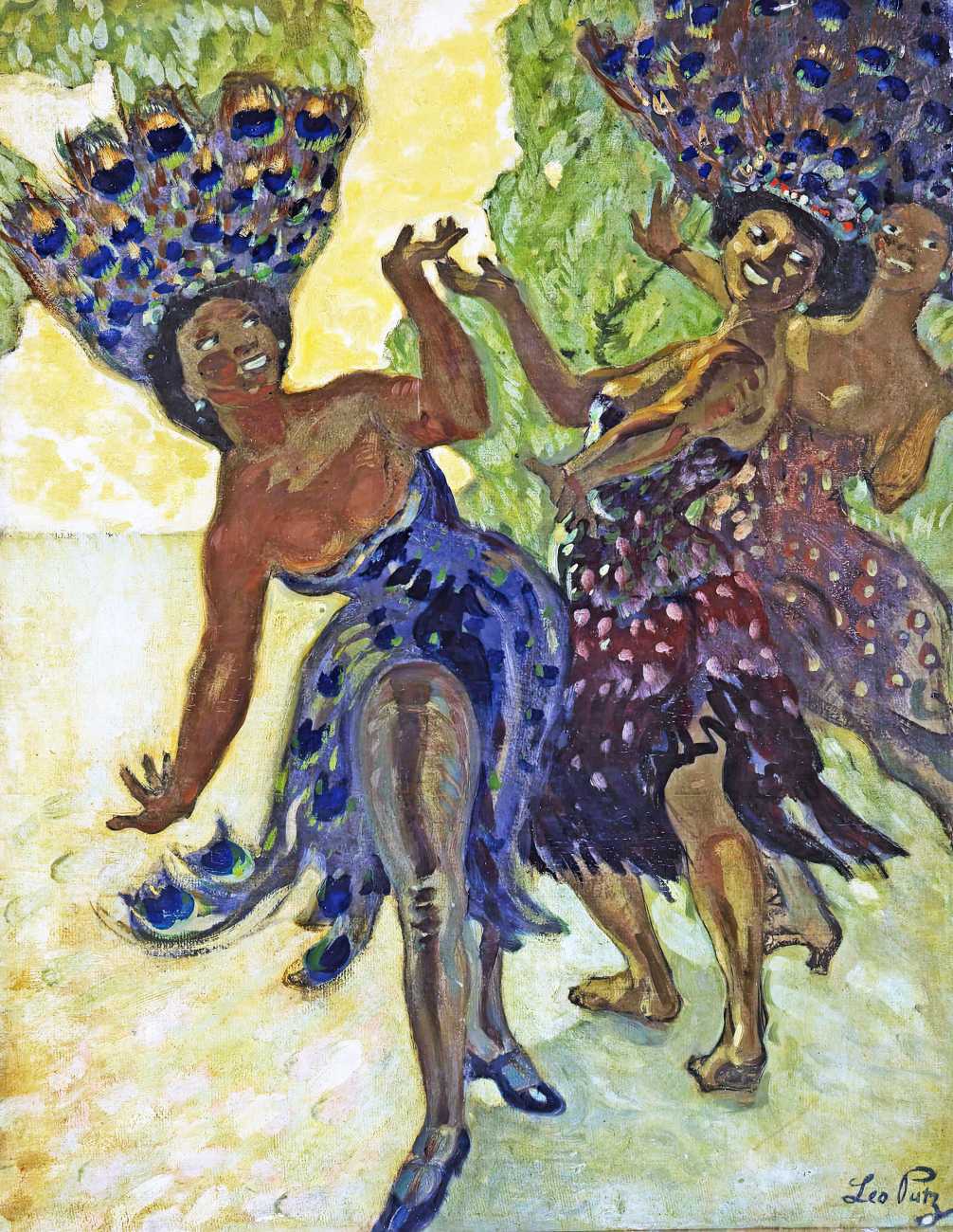
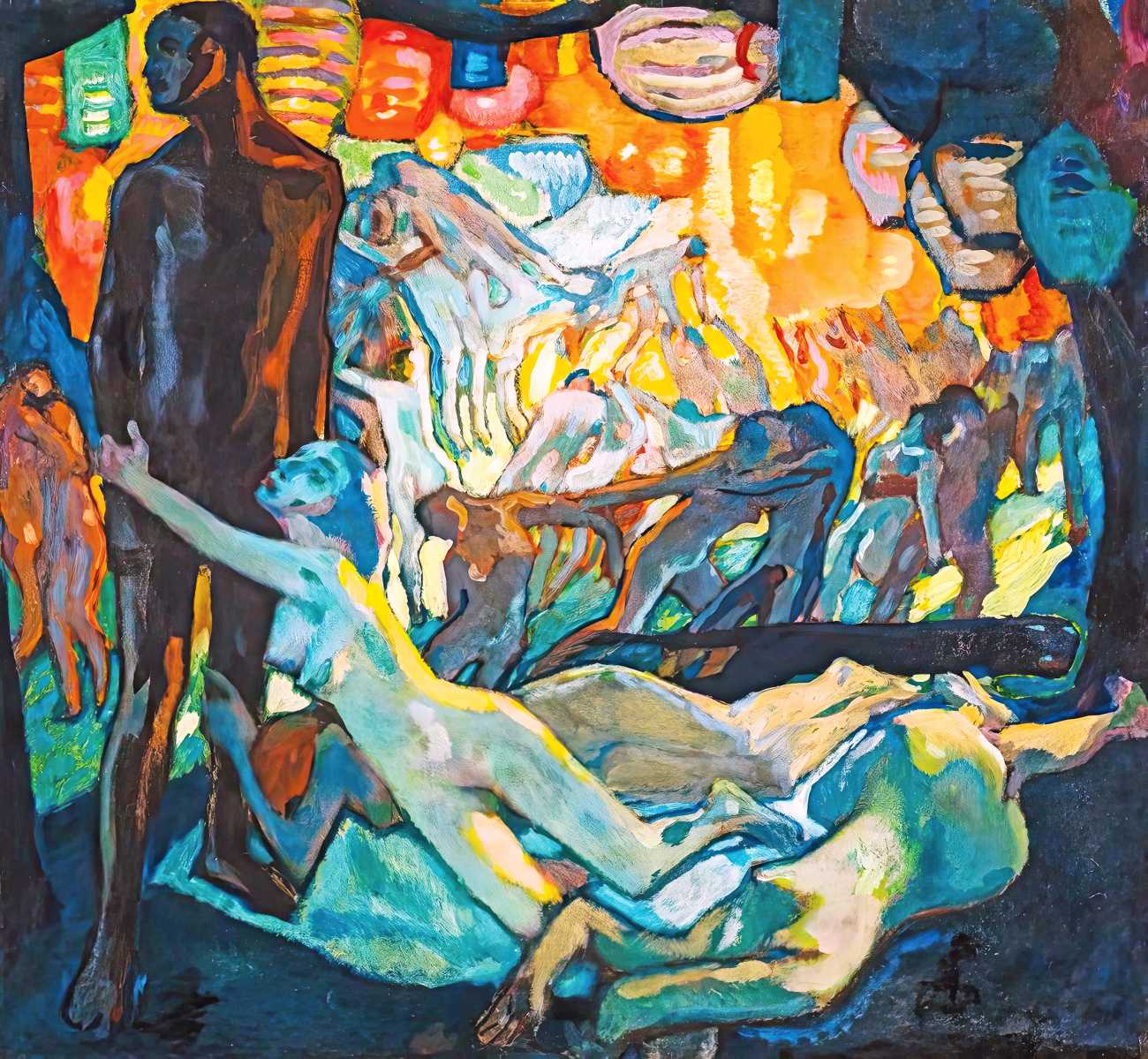
In 1929, looking for new inspiration, Putz and his family began their first long-distance journey to Sao Paulo. They spent the next few years in South America, making extensive trips to Buenos Aires, Argentina, and to Bahia in the Brazilian jungle. In 1931, at the request of Lúcio Costa, he accepted a professorship at the Academia de Belas Artes in Rio de Janeiro, where he gave lectures on image composition and was the teacher of the landscape architect Roberto Burle Marx. The years in South America gave Putz’s painting new ideas, his motifs including landscapes and people, his colour palette adding strong and colourful tones.
Putz and his family returned to Gauting in 1933, and although his work was honoured with a large exhibition by the Munich Artists’ Association, Putz publicly showed resistance to National Socialism and his work was classified as degenerate art. He was interrogated several times by the Secret State Police in 1936, and the following year fled to Merano in the Italian Tyrol, having been banned from working in Germany. In the years that followed, up to his death in 1940, he painted mostly the castles, palaces and landscapes of the South Tyrol.
Similar artists
Fritz Erler – German jugendstil painter of the Munich Die Scholle circle.
Hugo Höppener – German jugendstil painter of mystical and erotic subjects.
Leo Impekoven – German jugendstil illustrator, poster and stage designer.
Gustav Klimt – Austrian Secession painter of erotic and decorative subjects.
Franz Naager – German jugendstil-symbolist painter and decorative designer.
Hanns Pellar – Austrian jugendstil illustrator of erotic and decorative subjects.
Ludwig von Hofmann – German jugendstil painter of mythological and naked subjects.
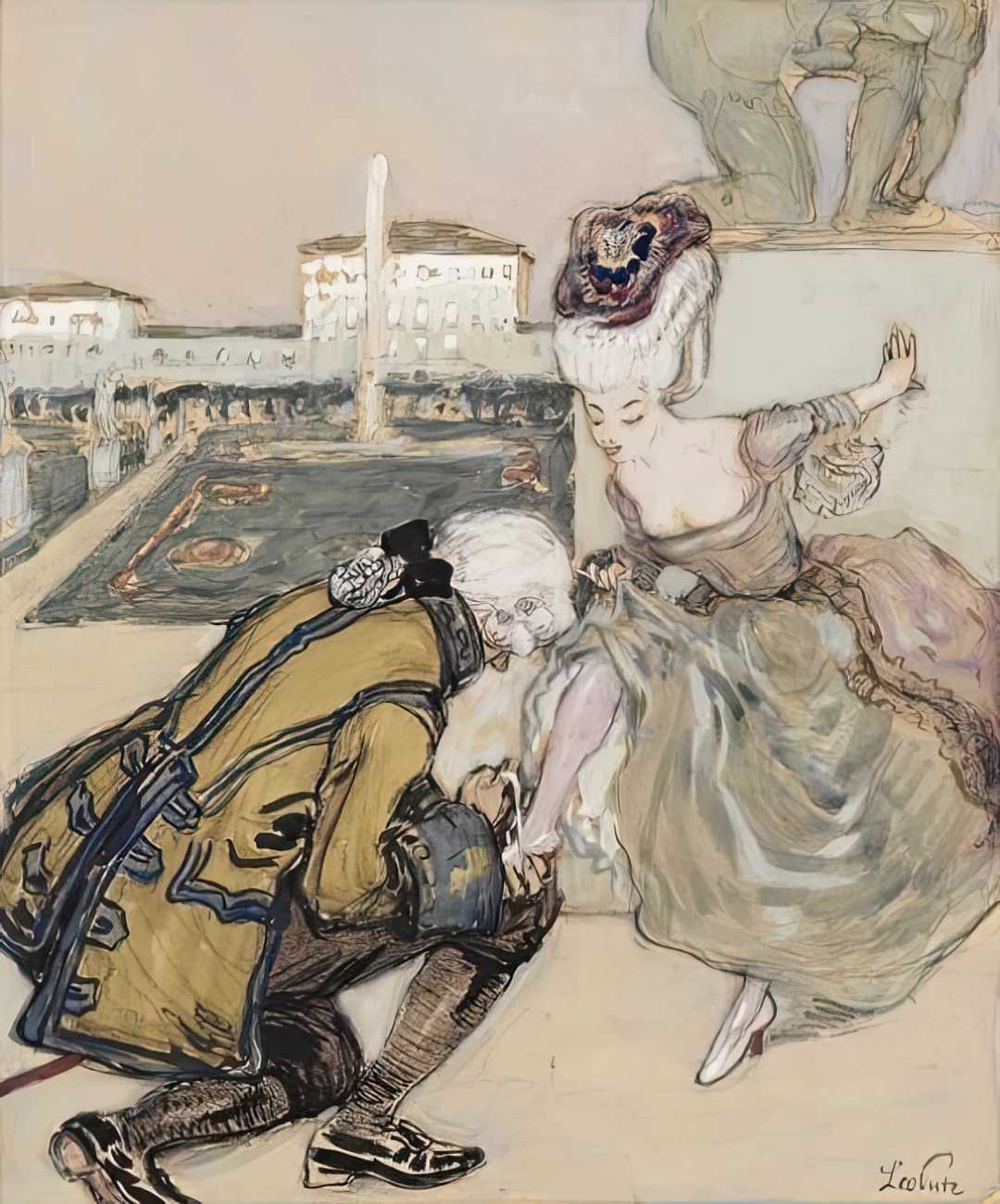
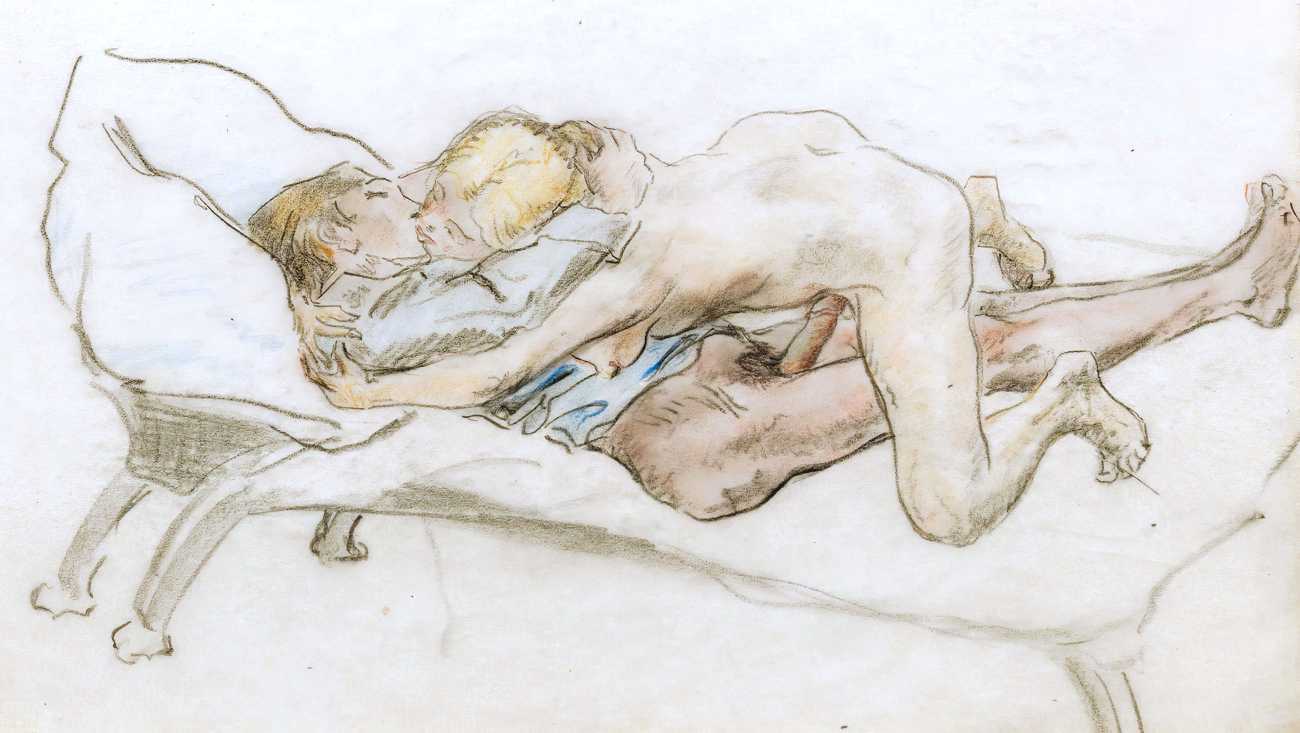
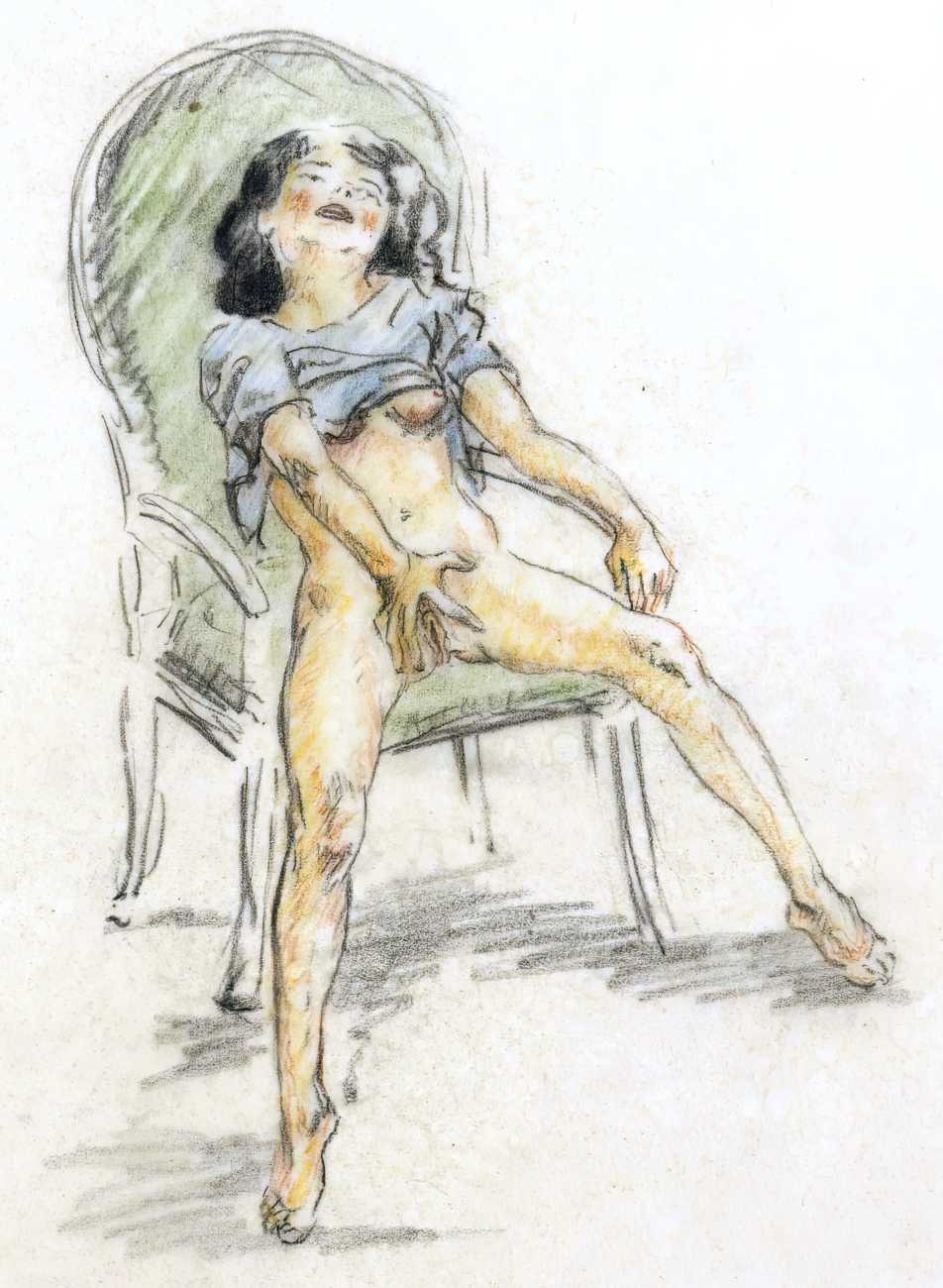
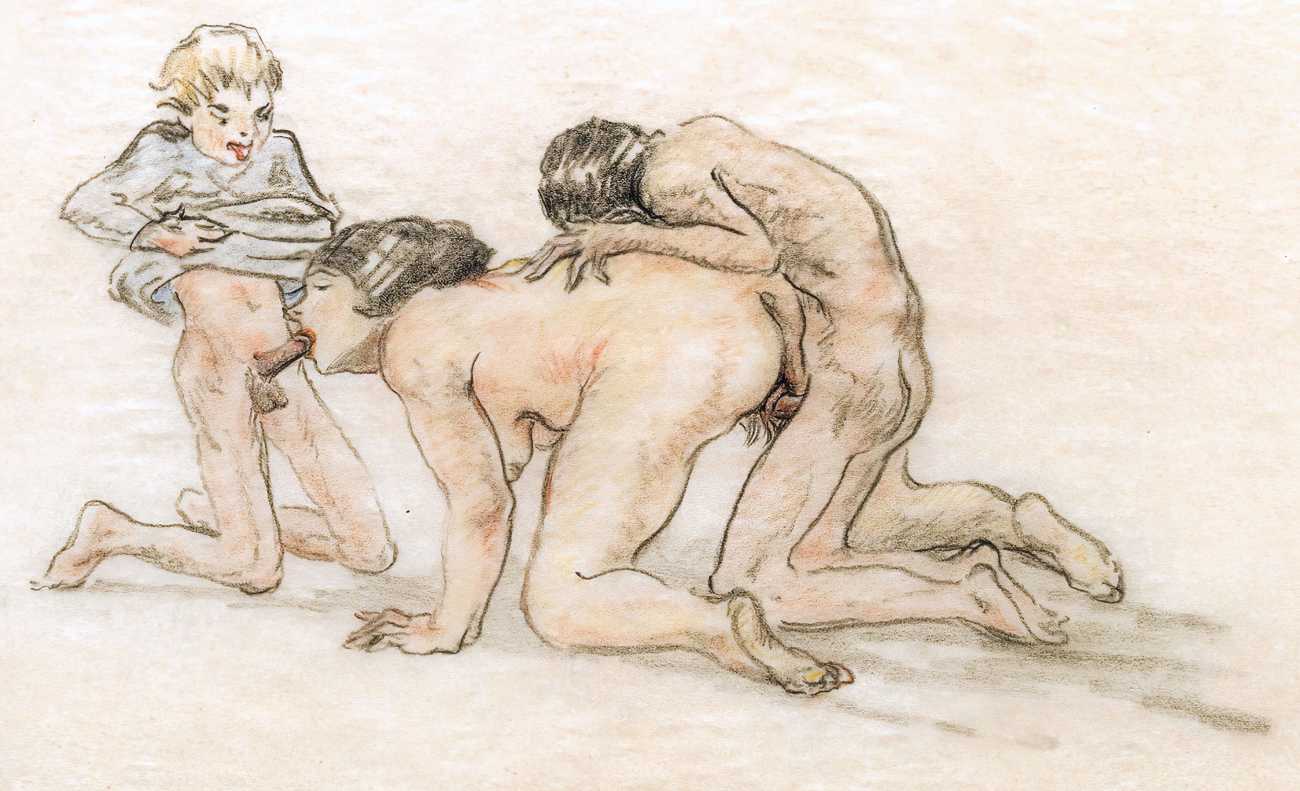
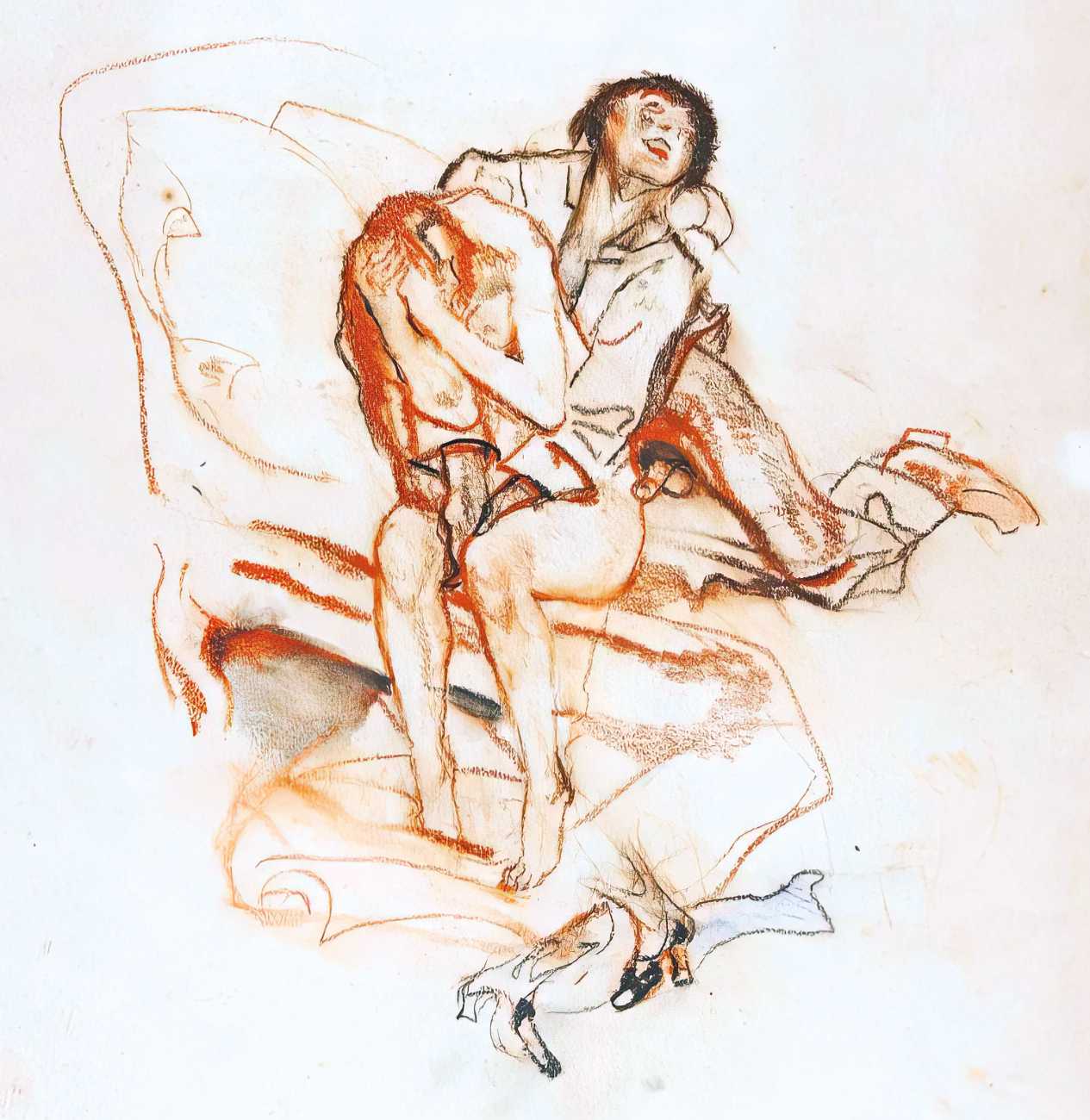
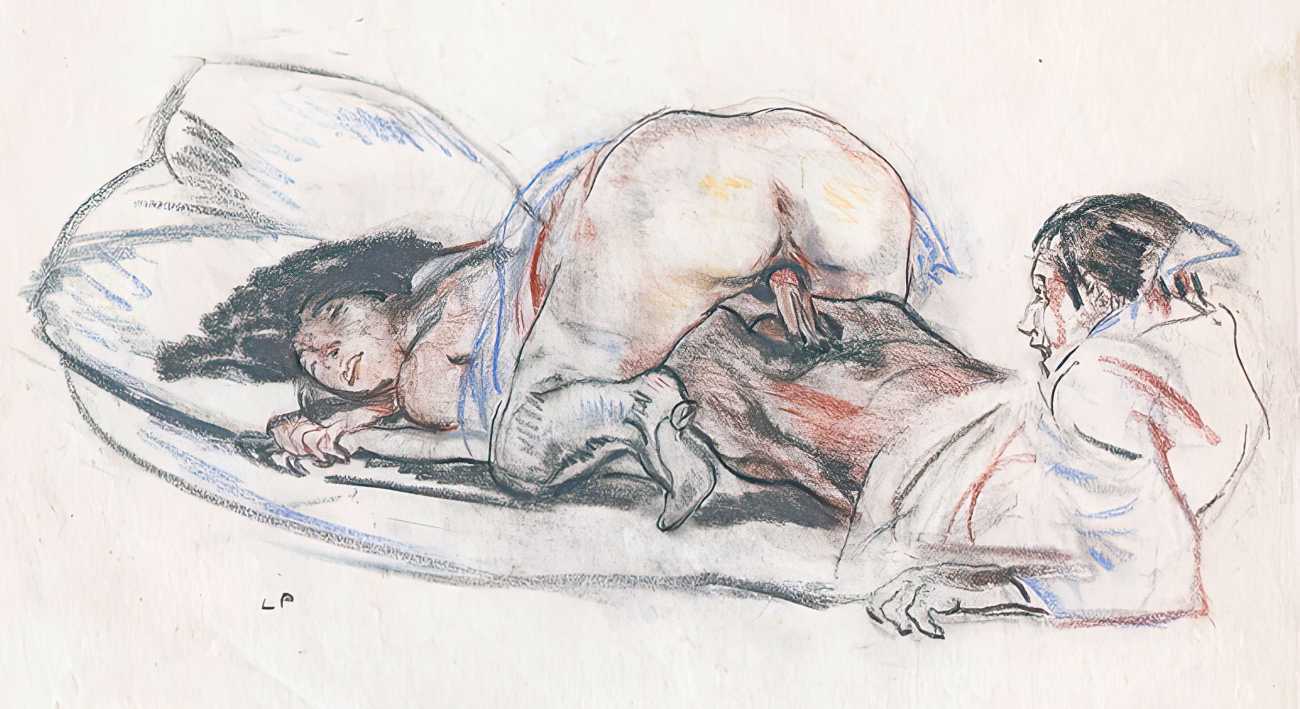
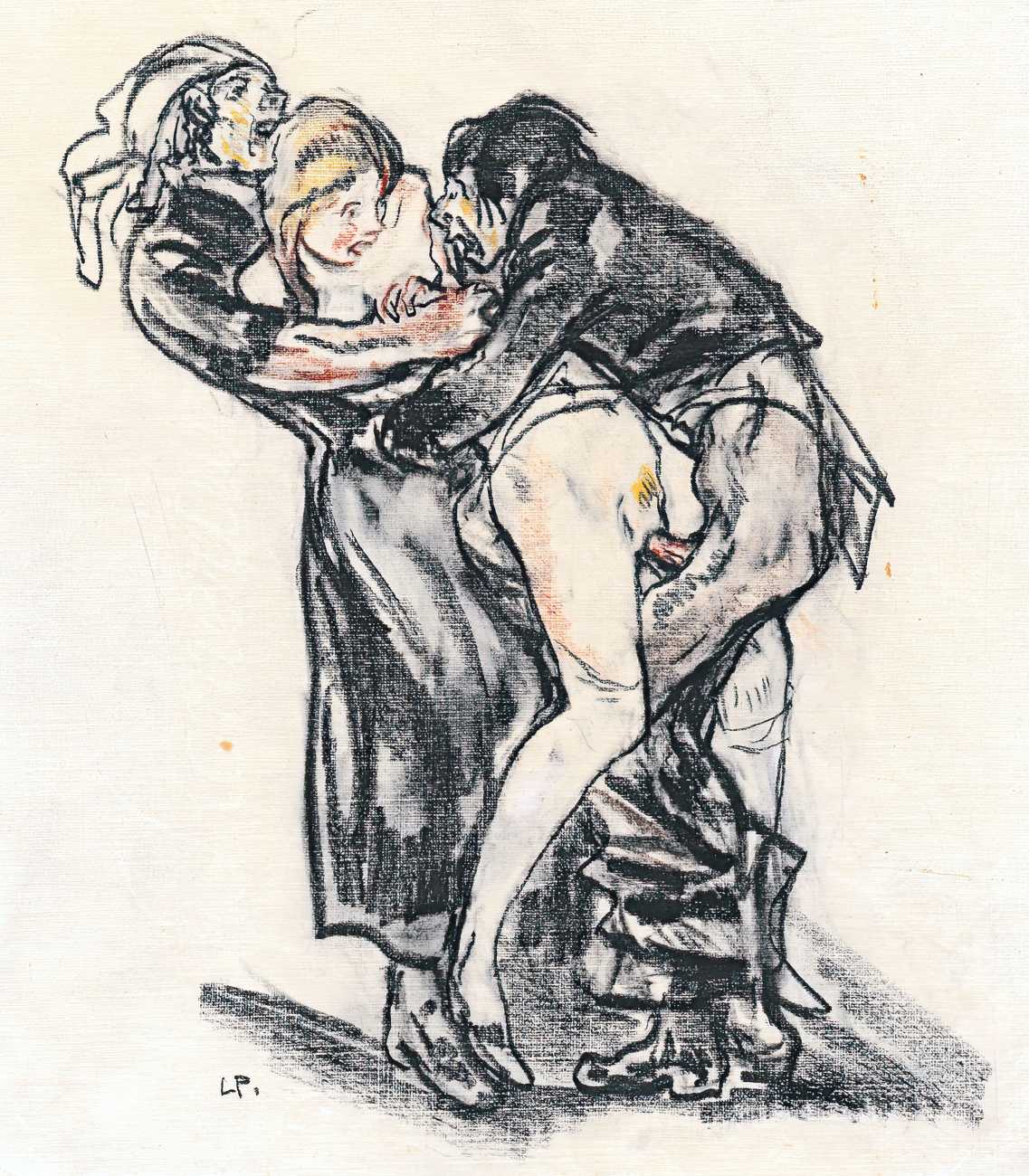
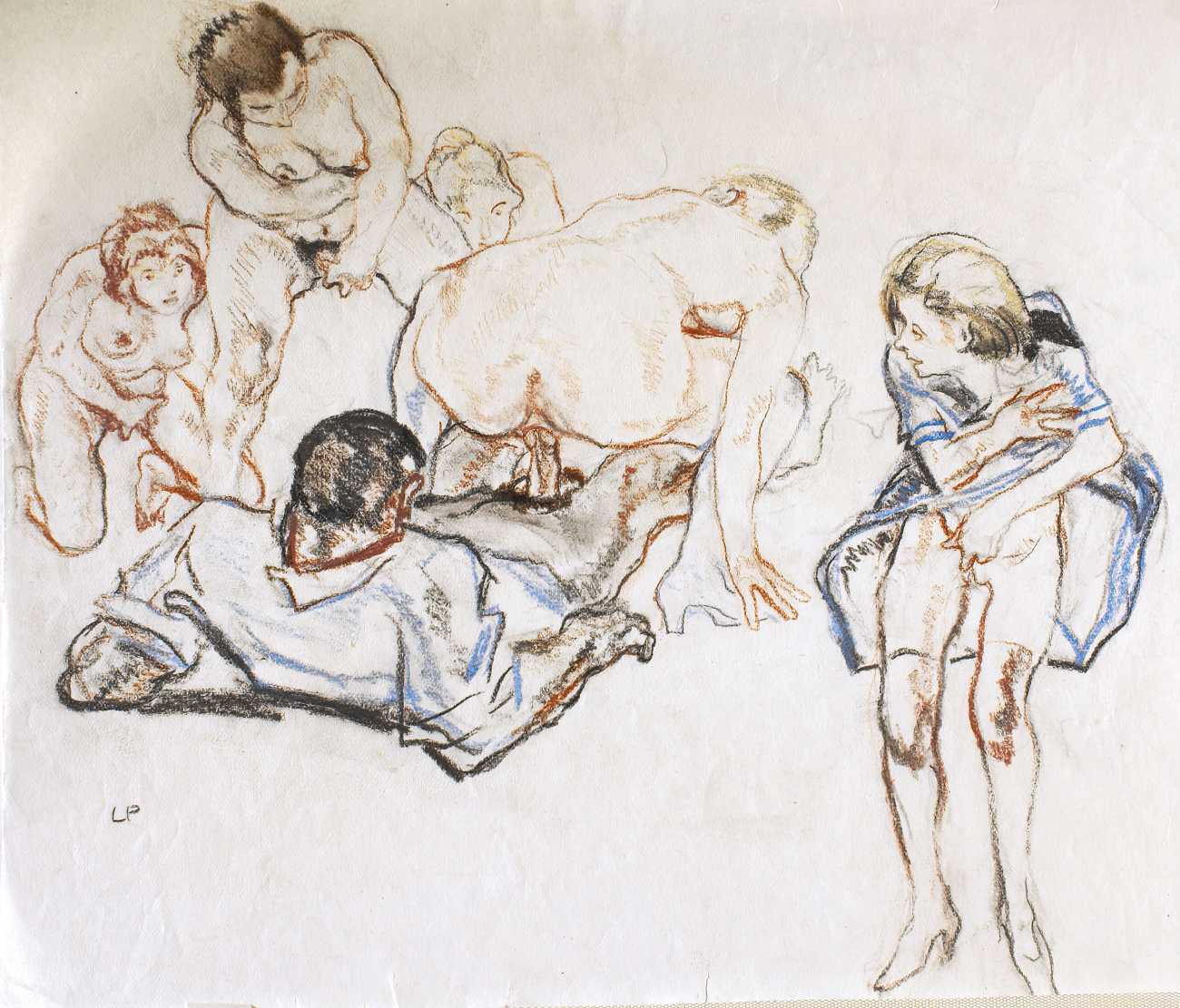
Example illustration