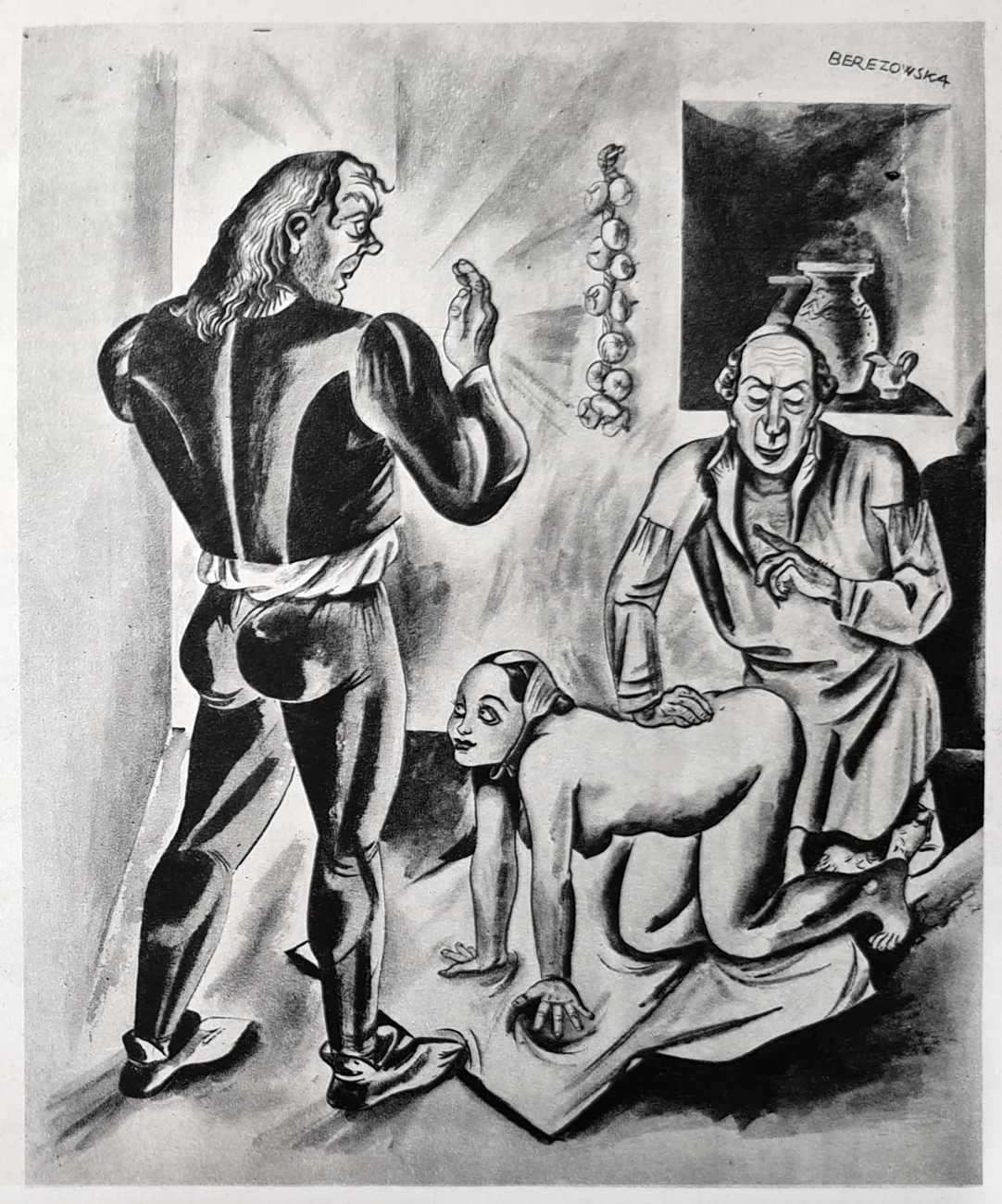
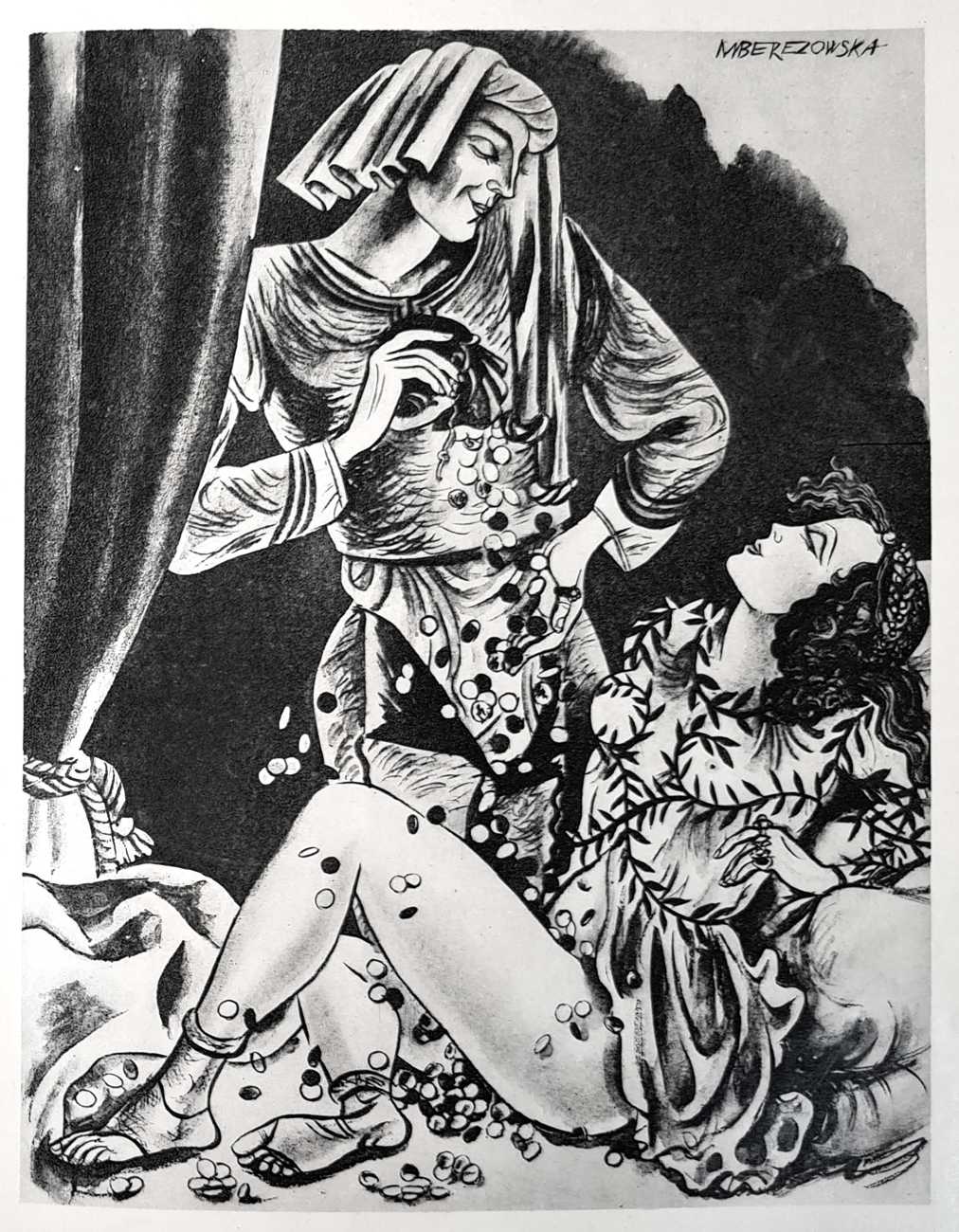
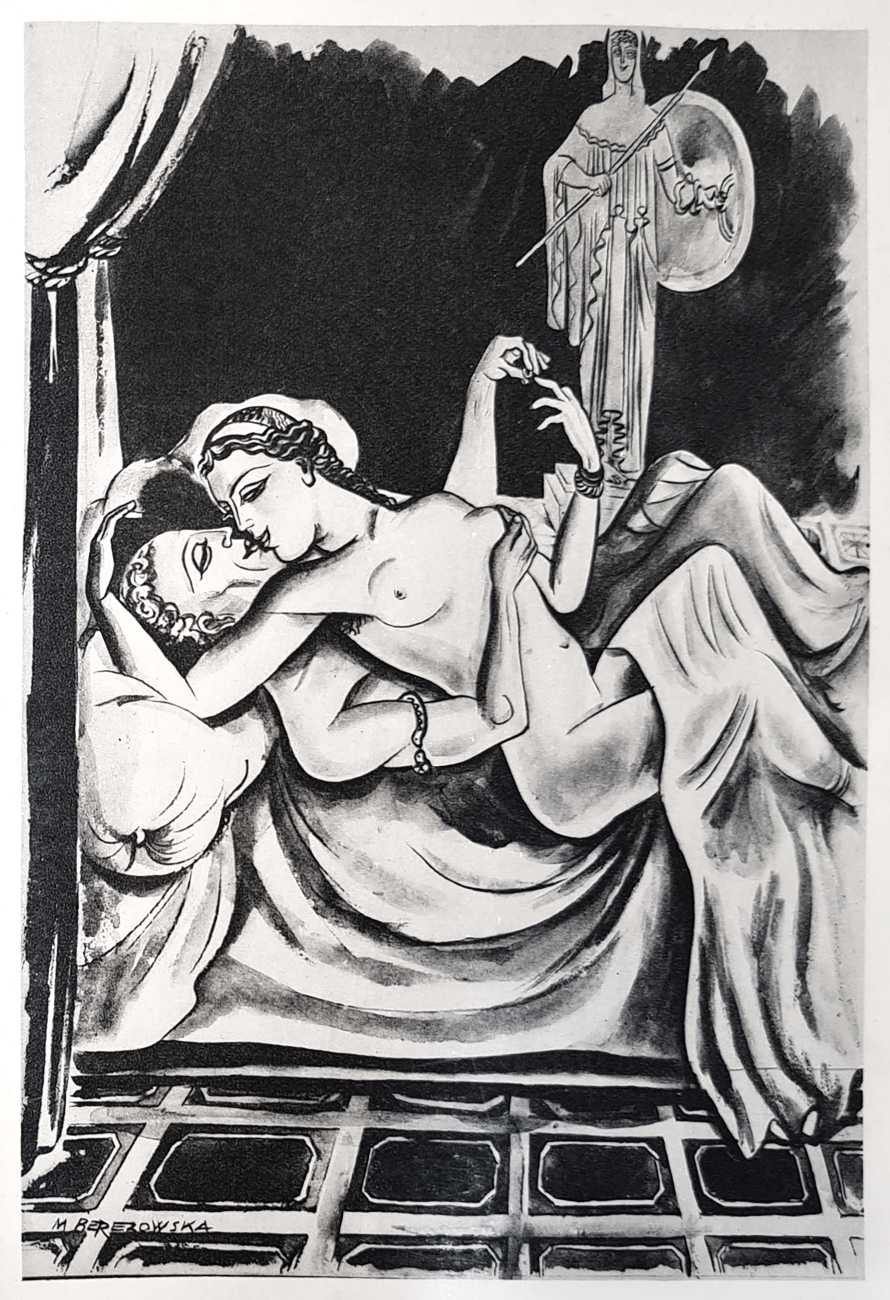
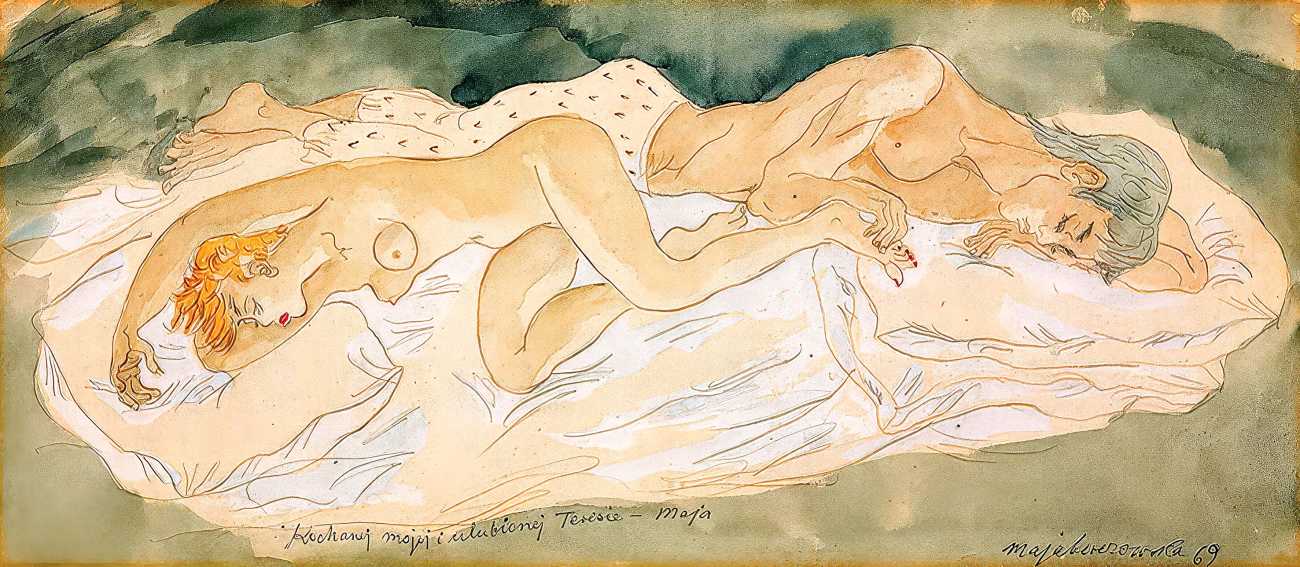
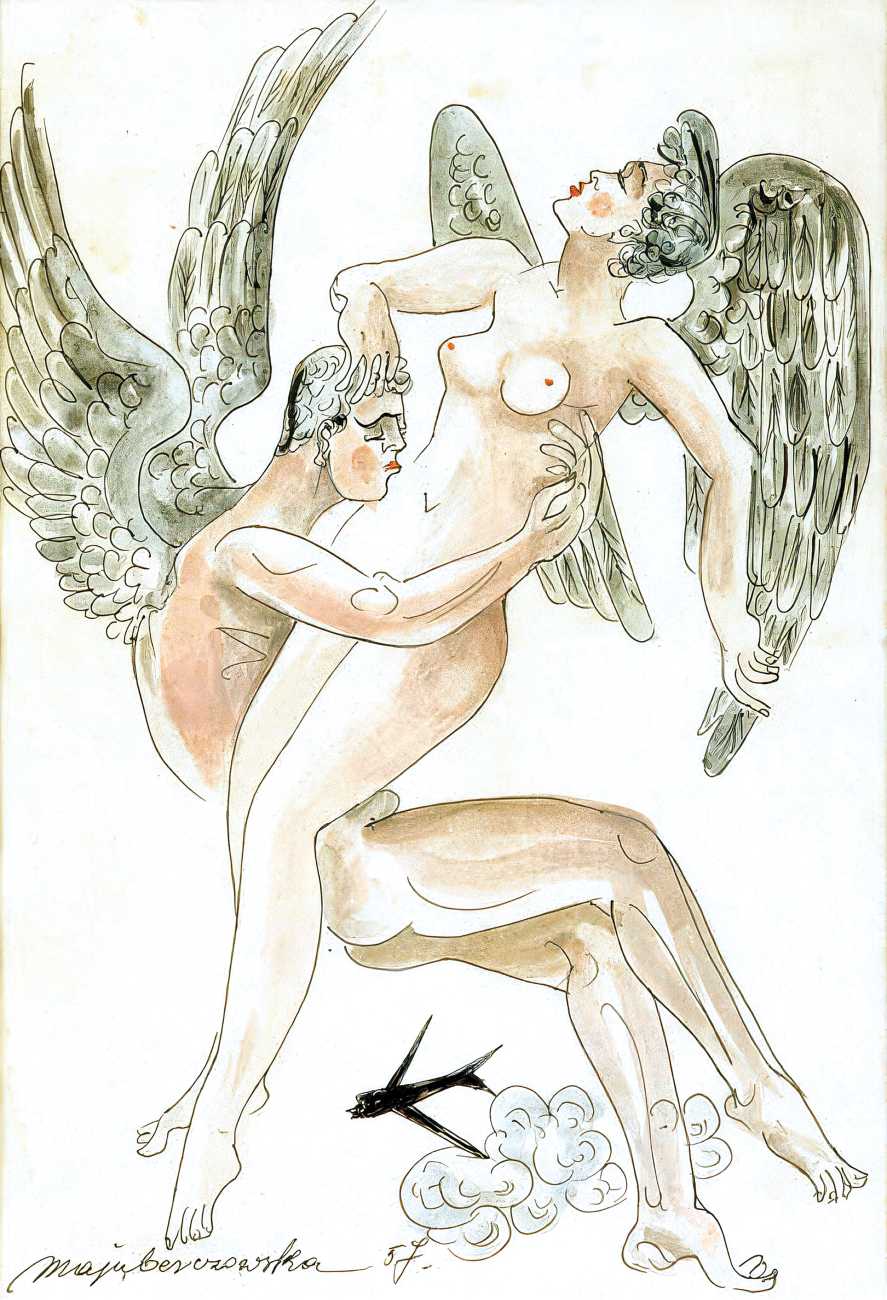
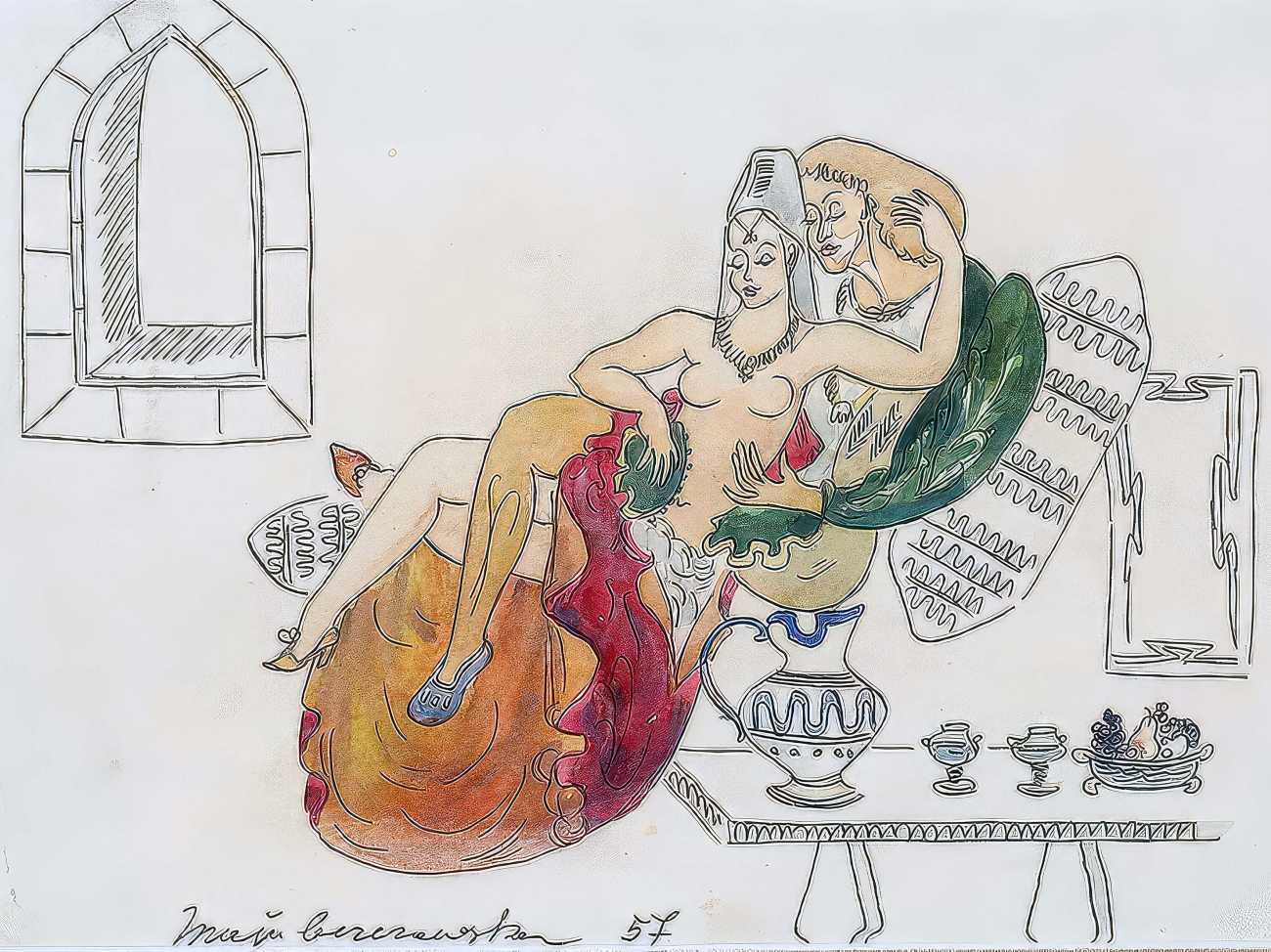
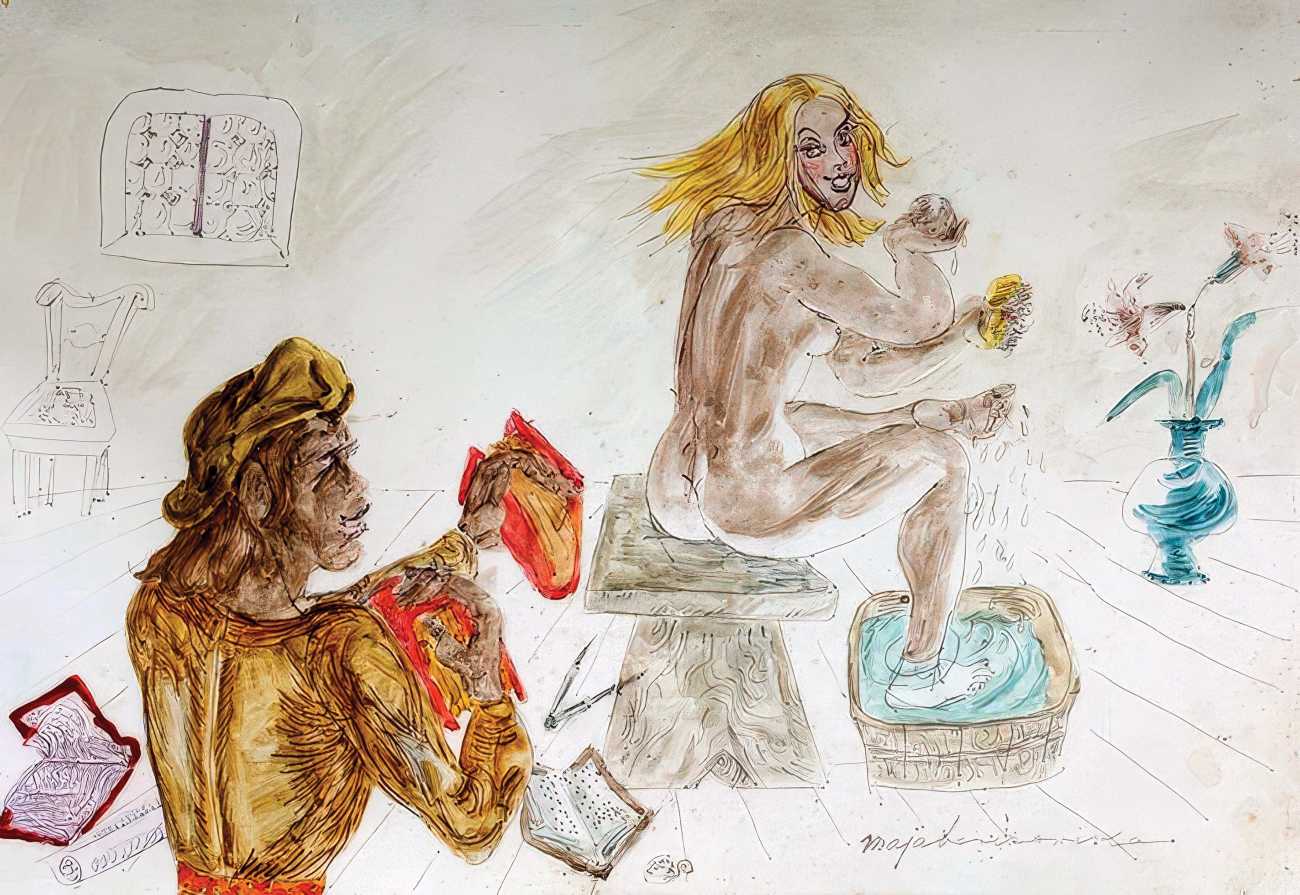
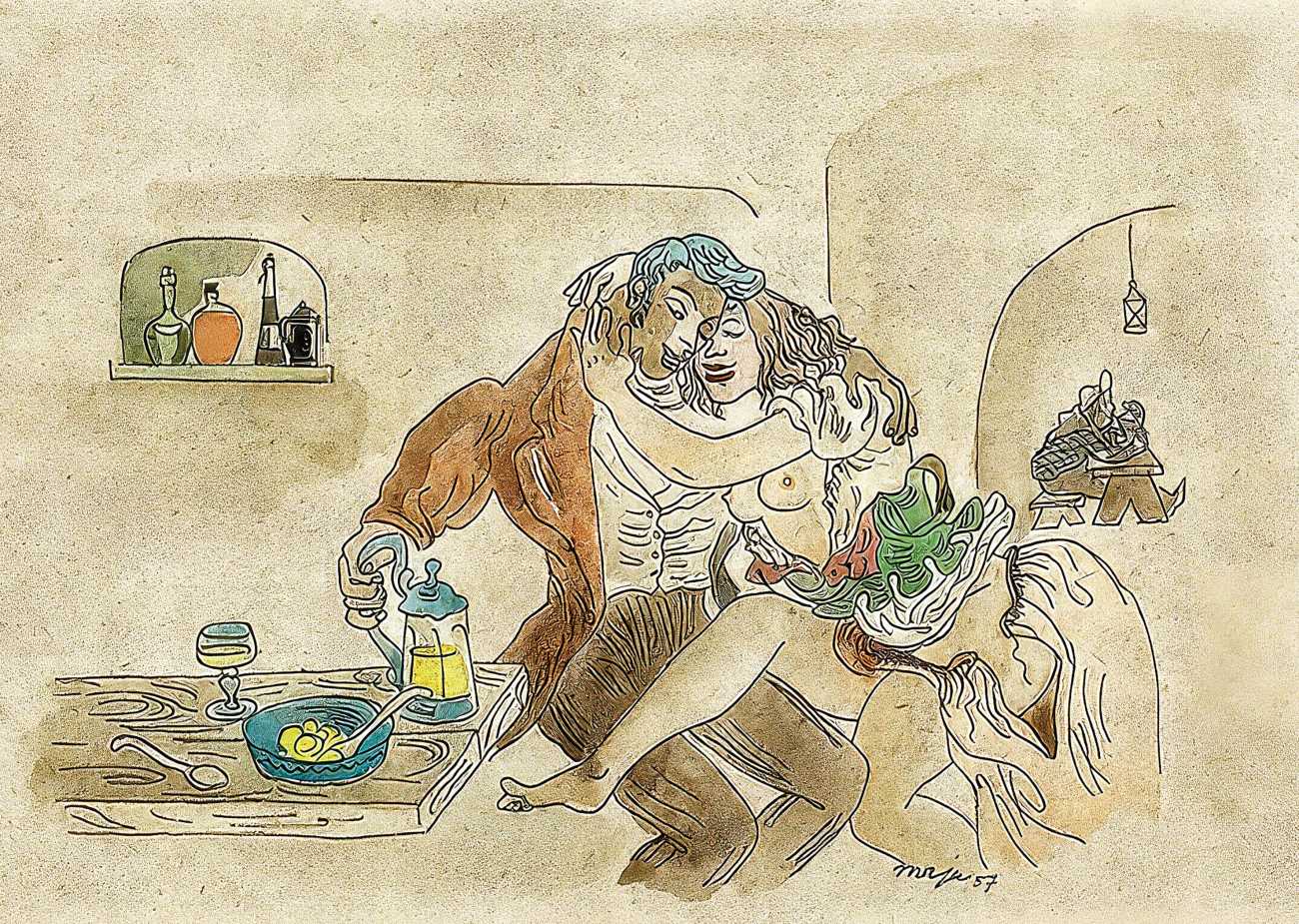
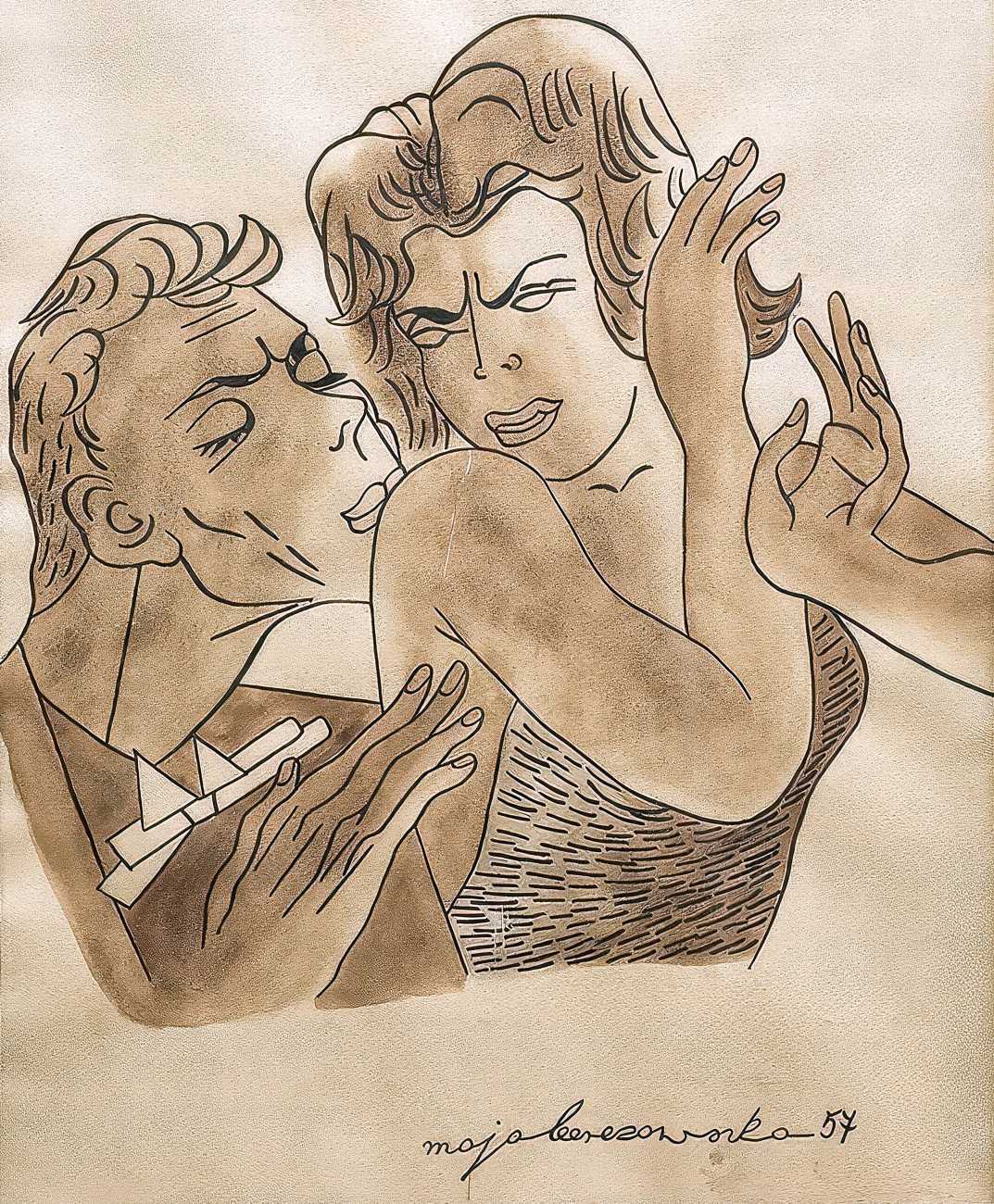
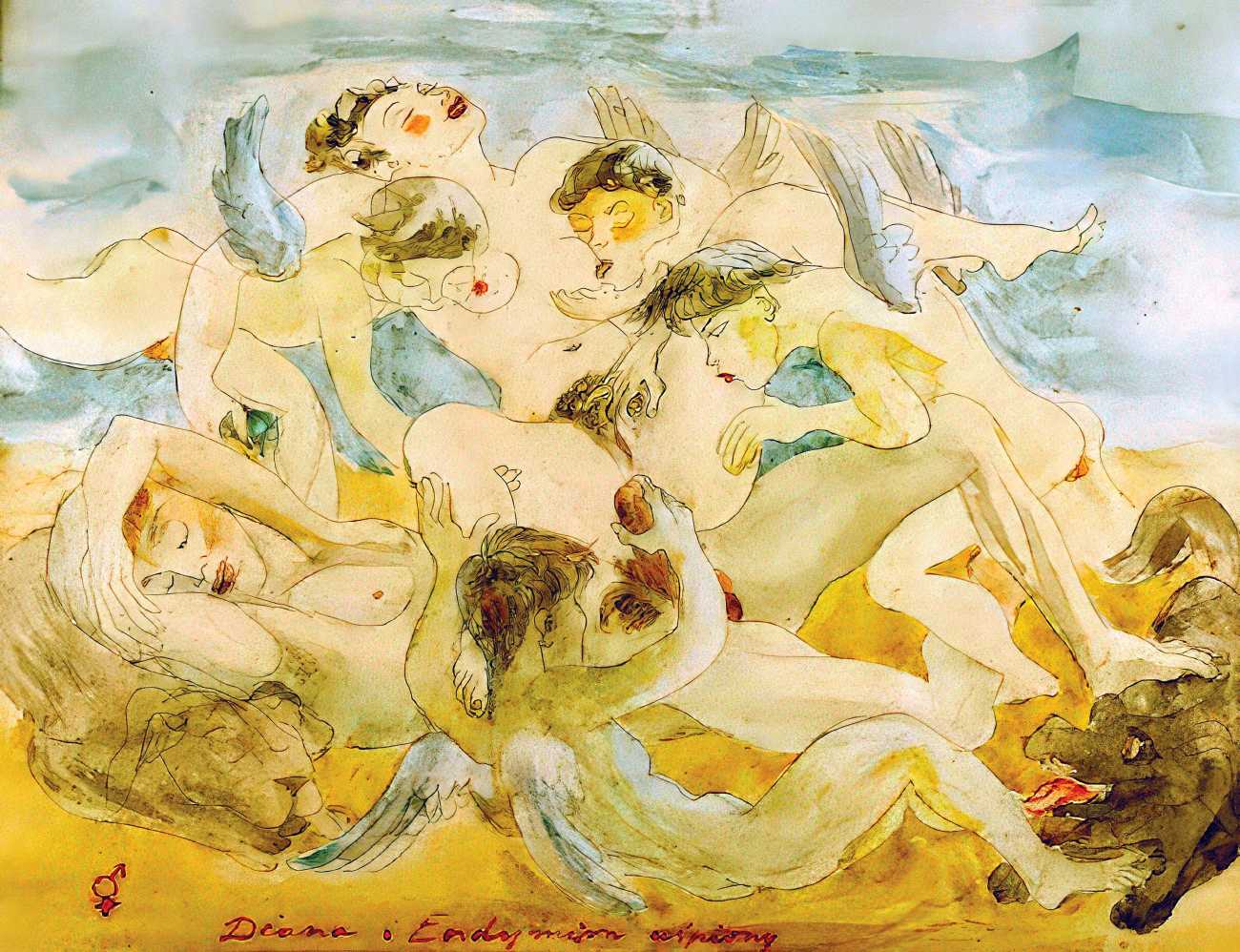
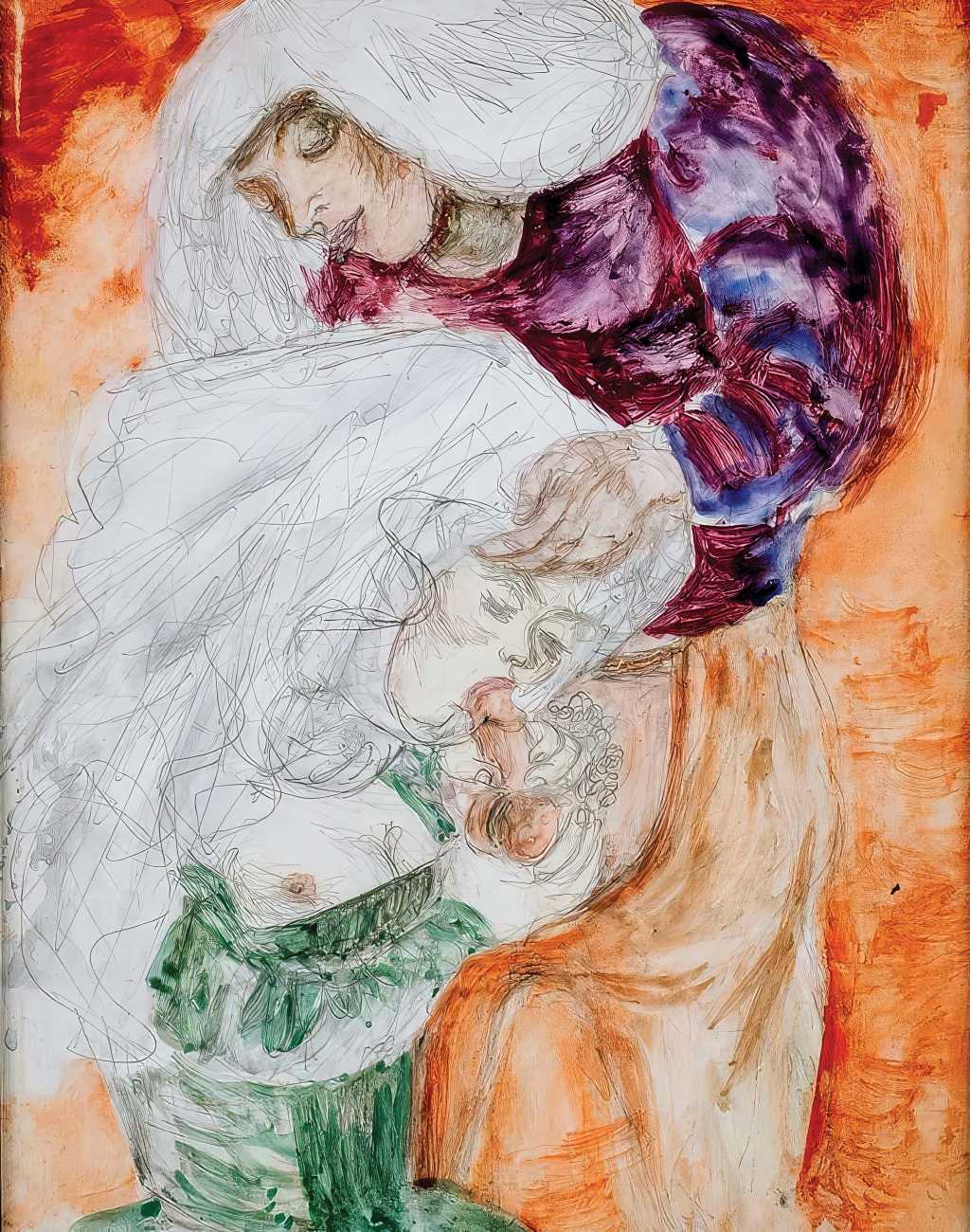
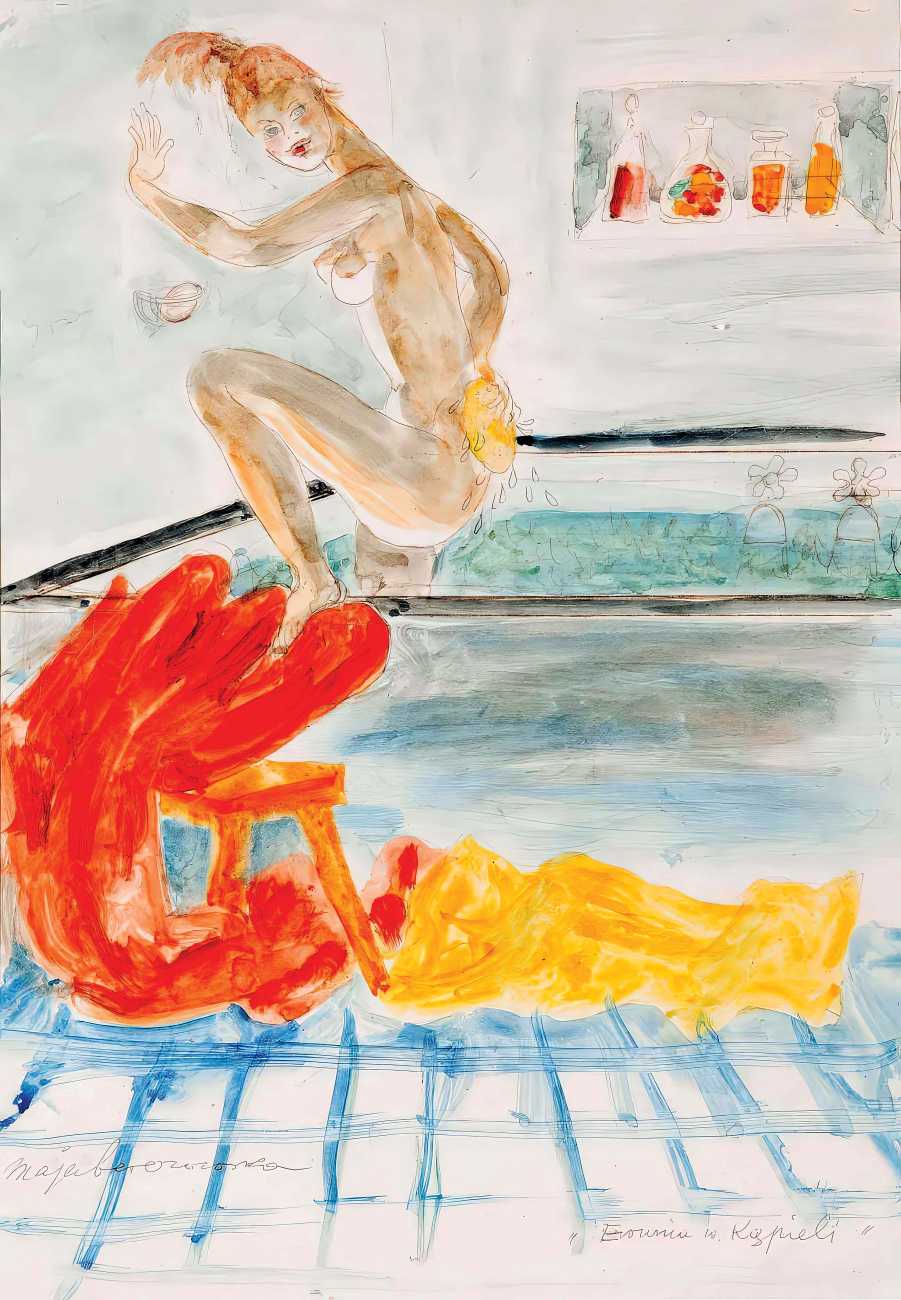
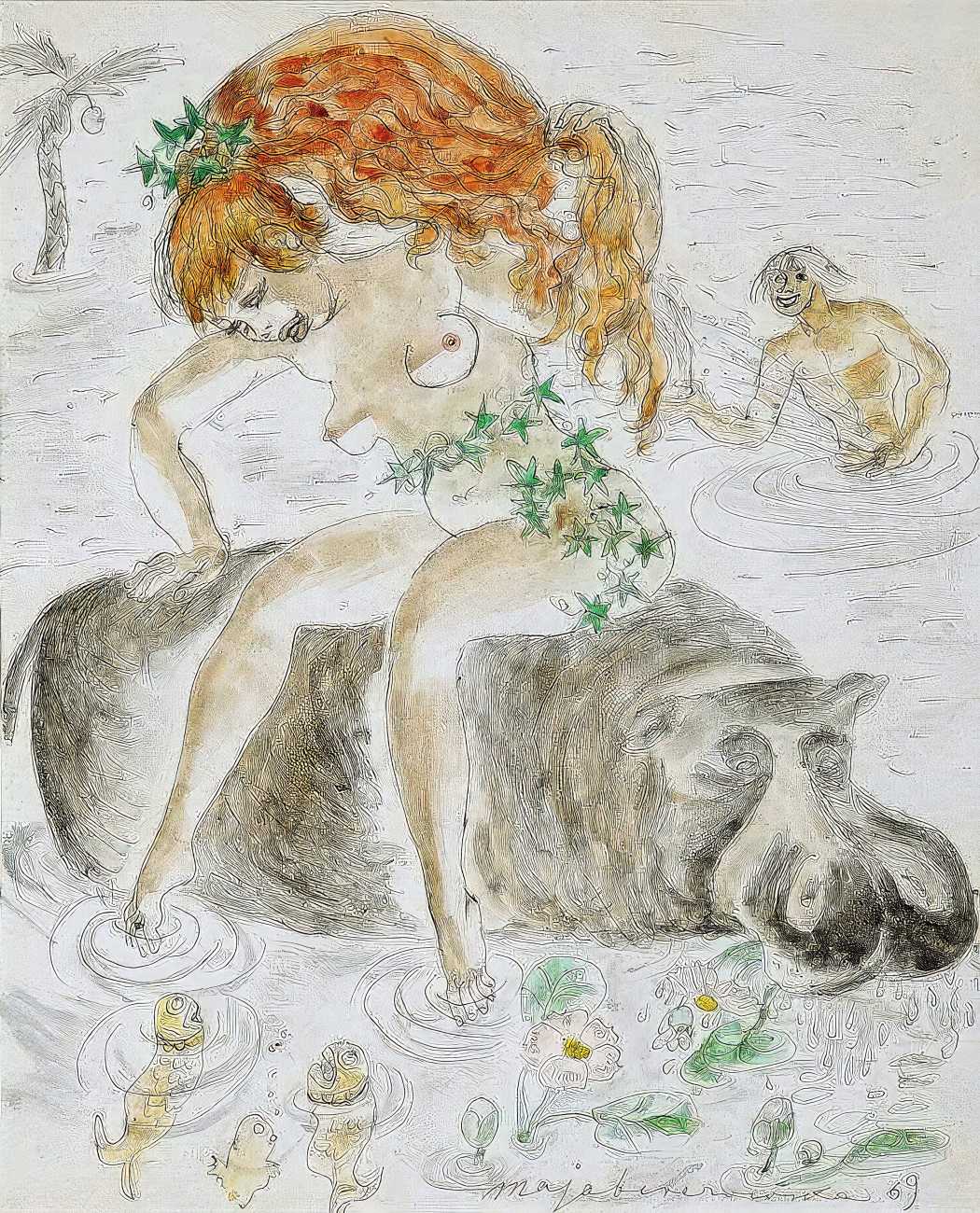
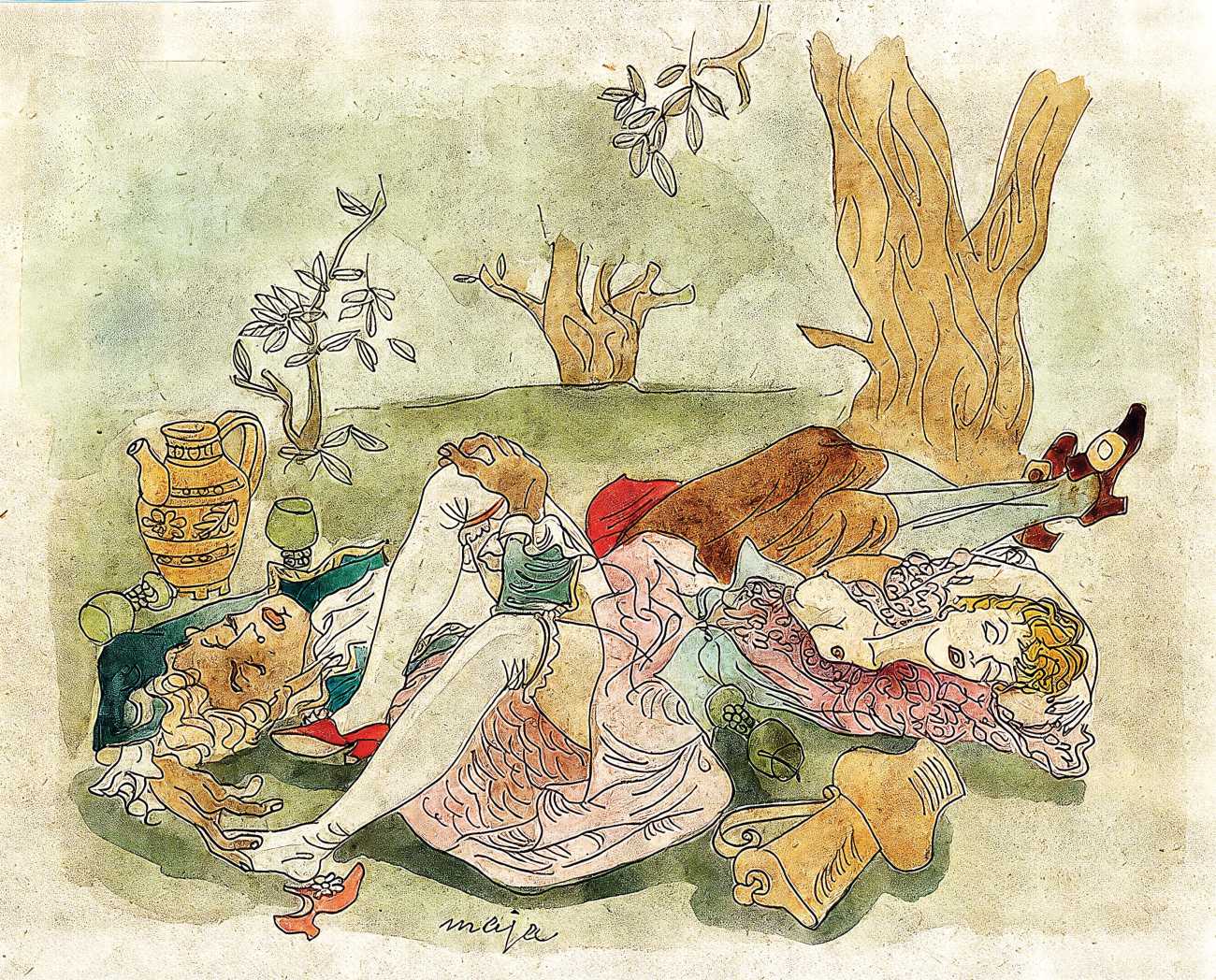
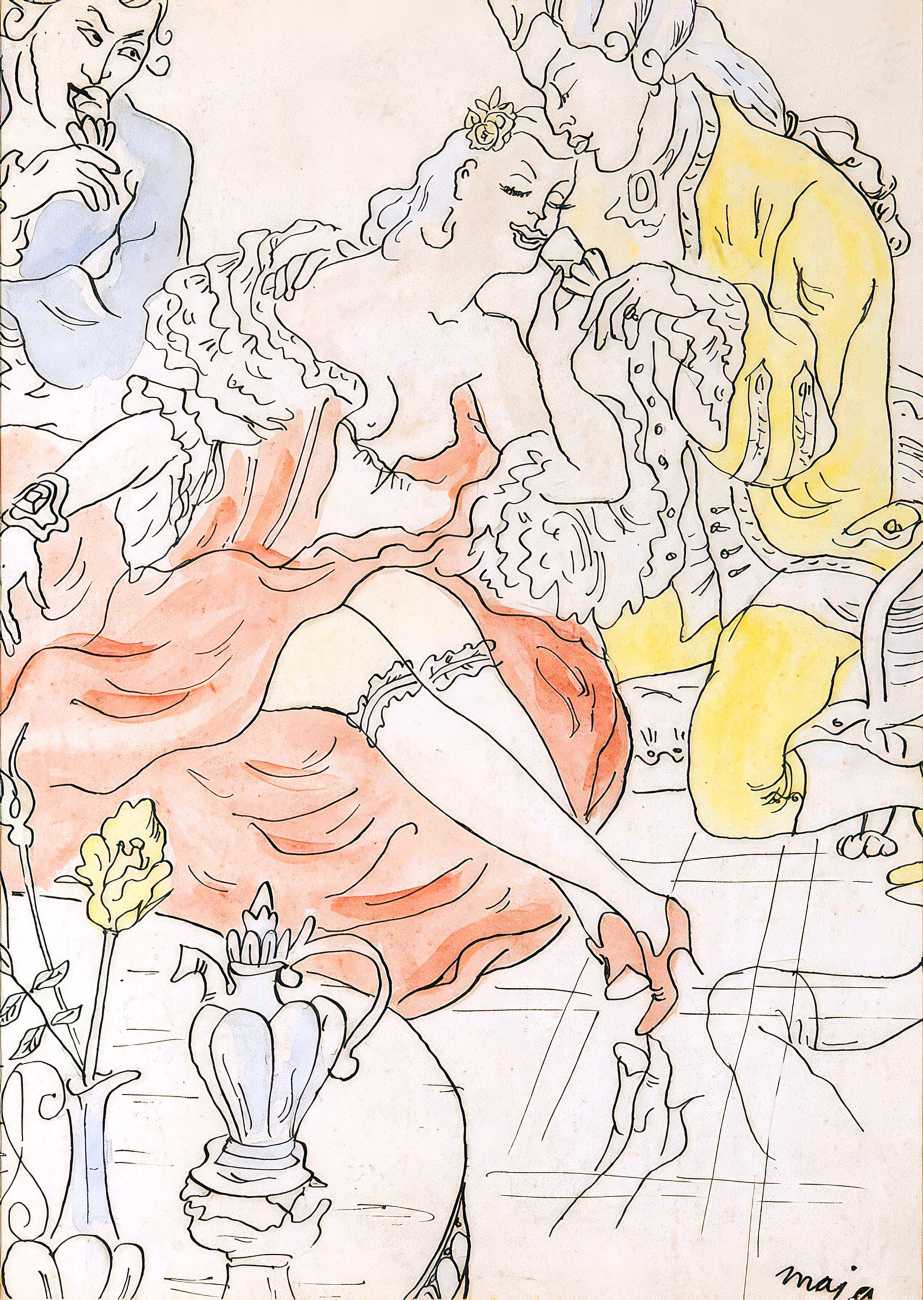
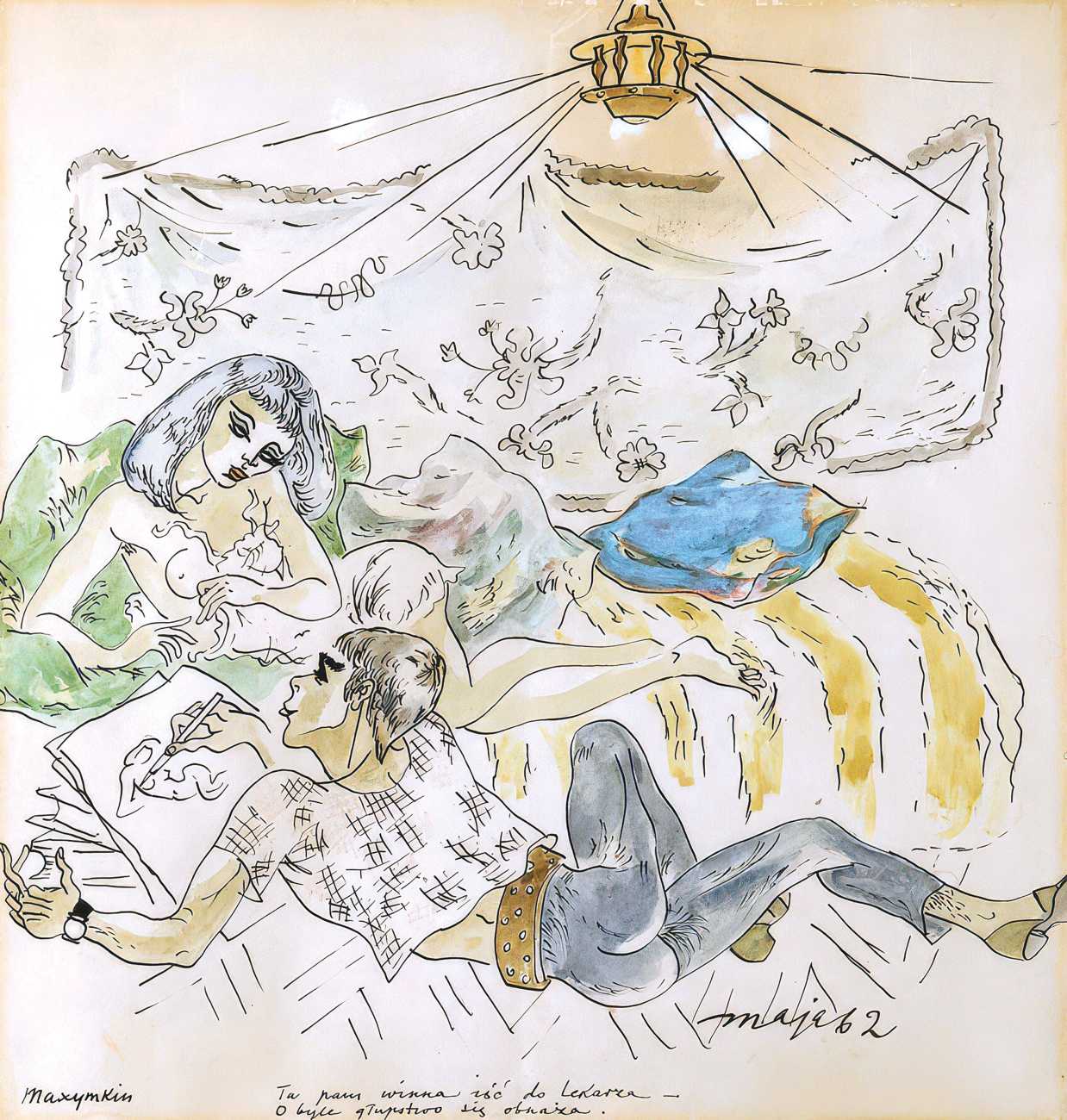
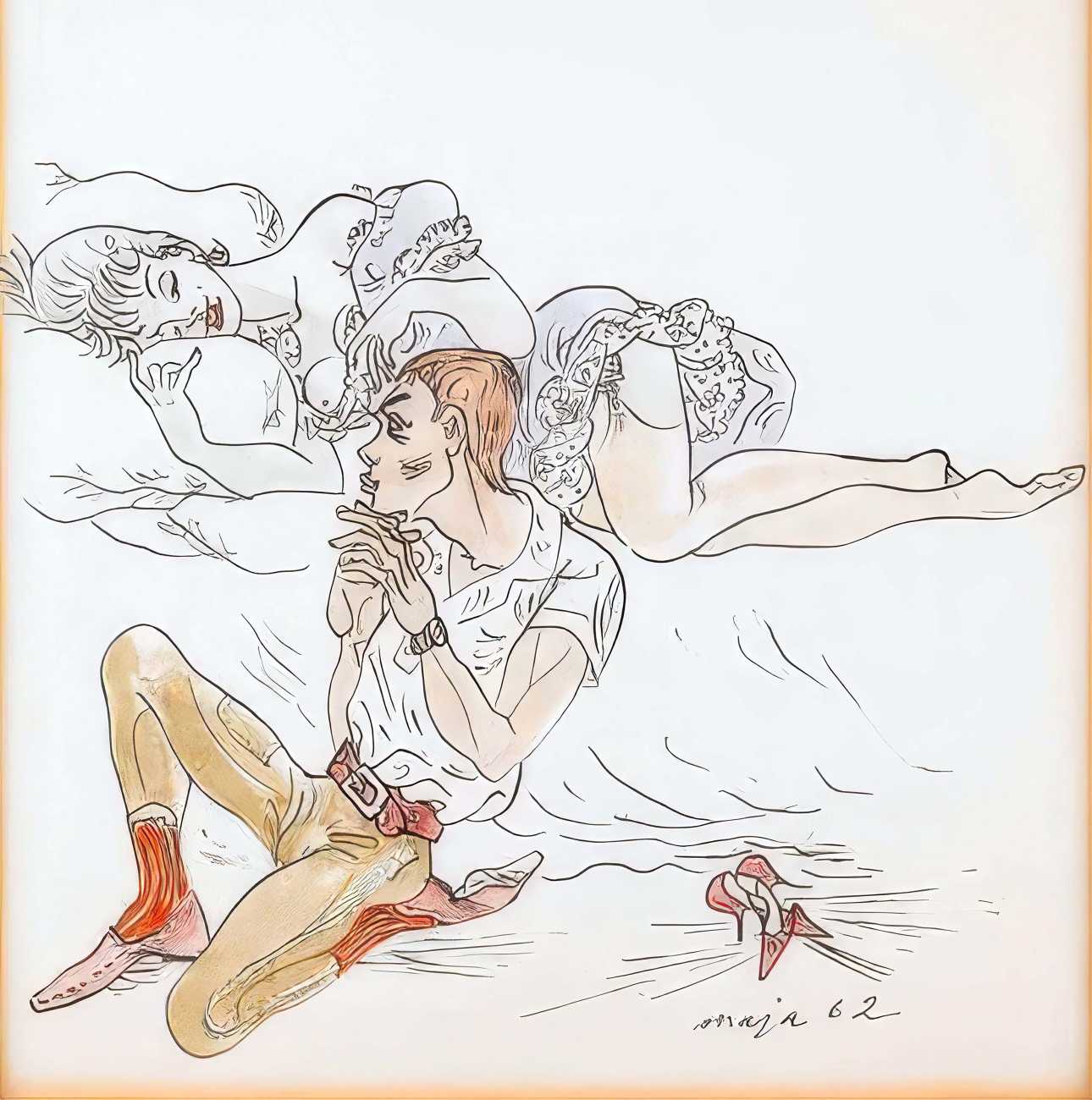
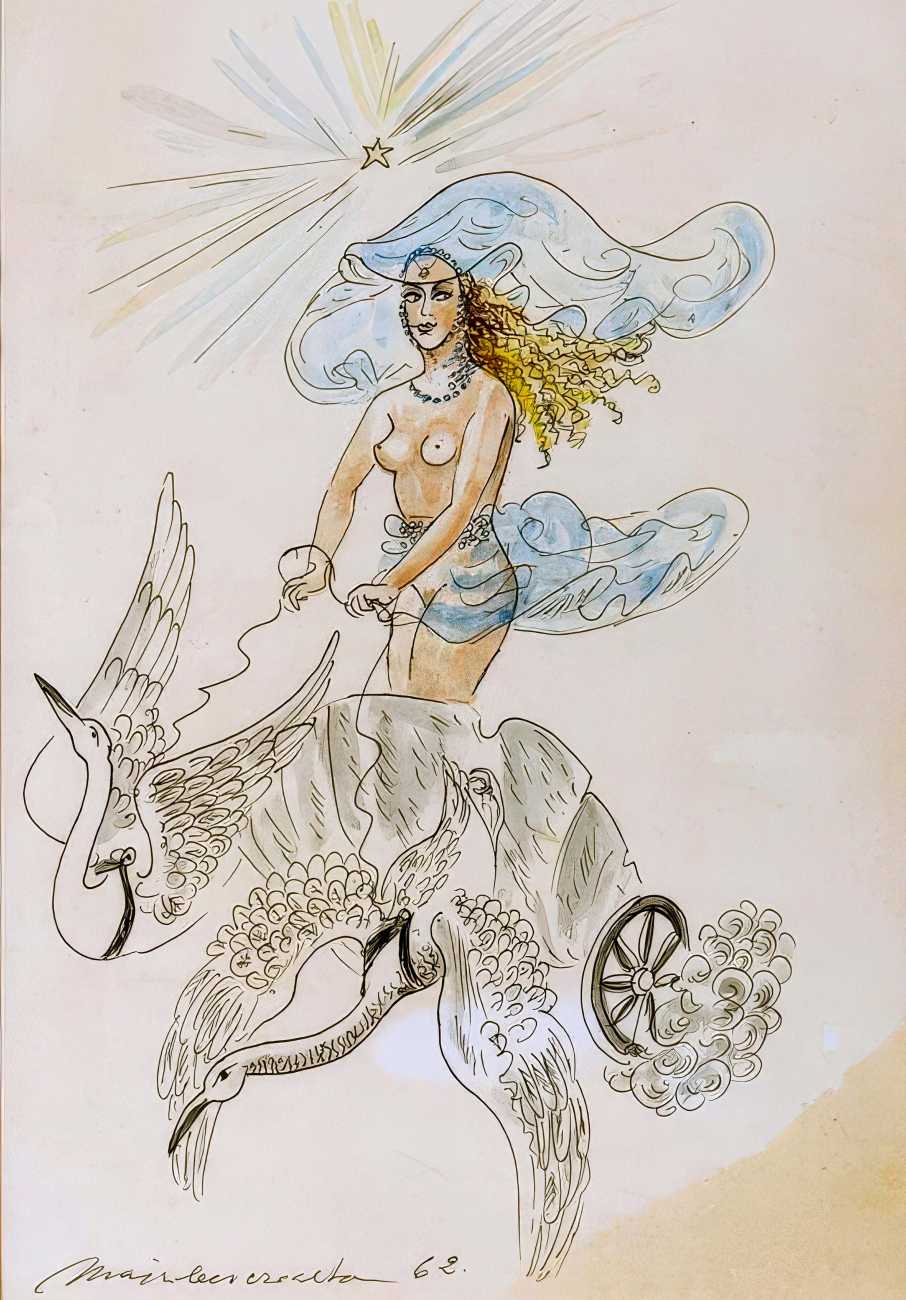
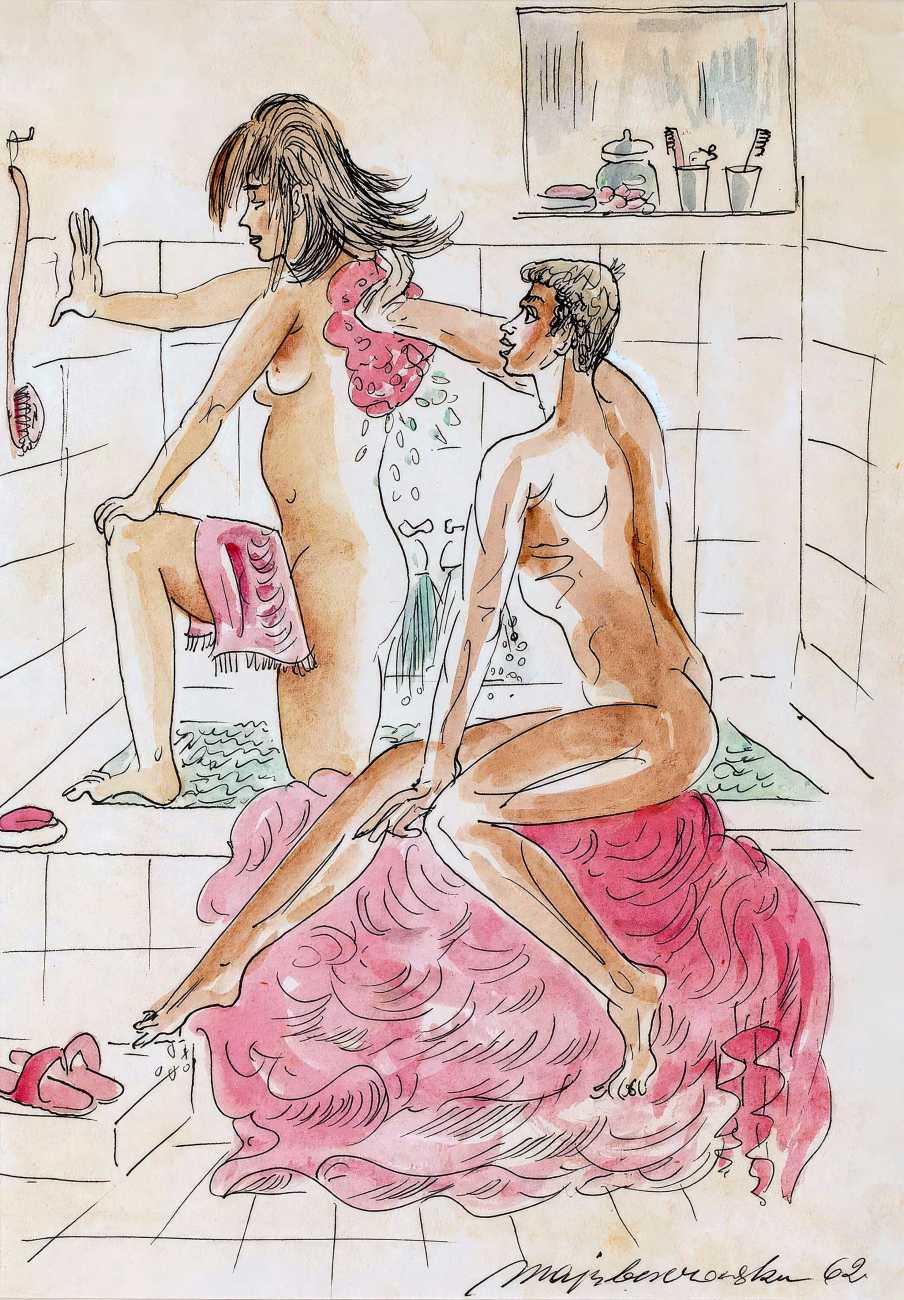
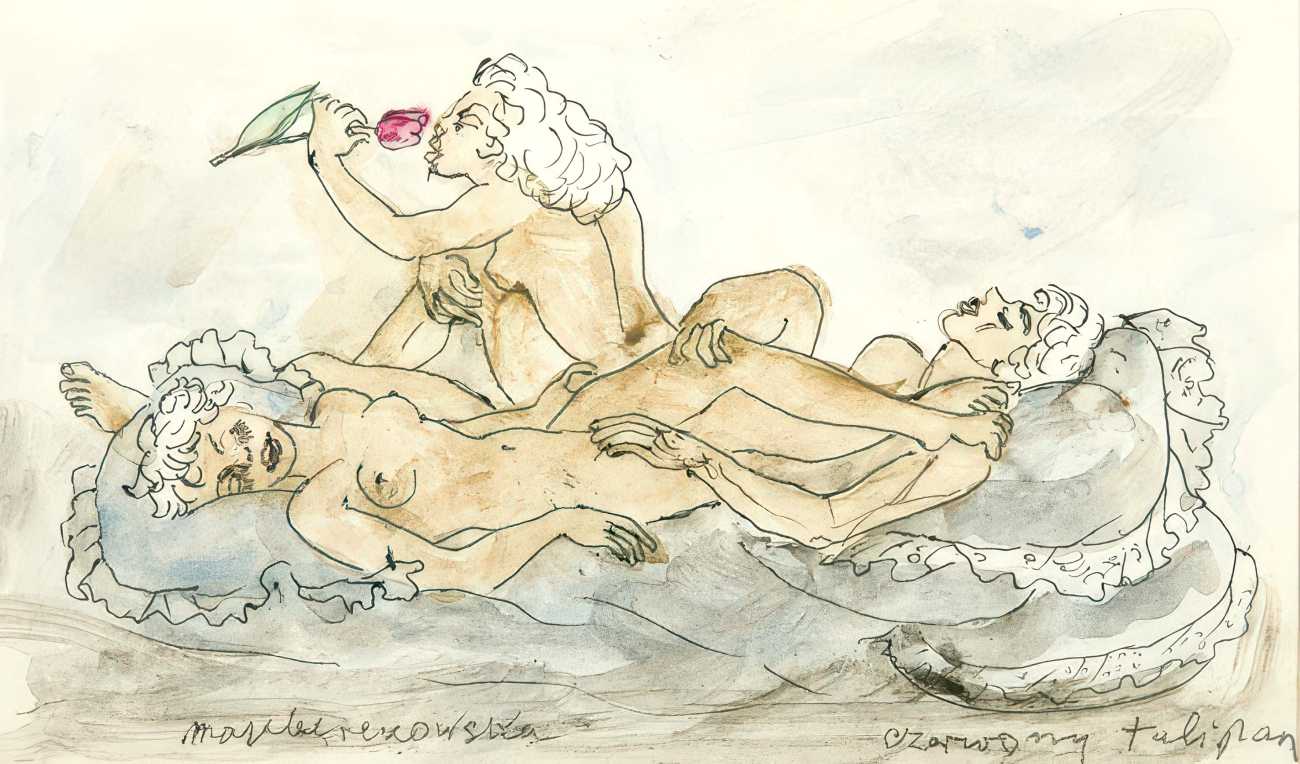
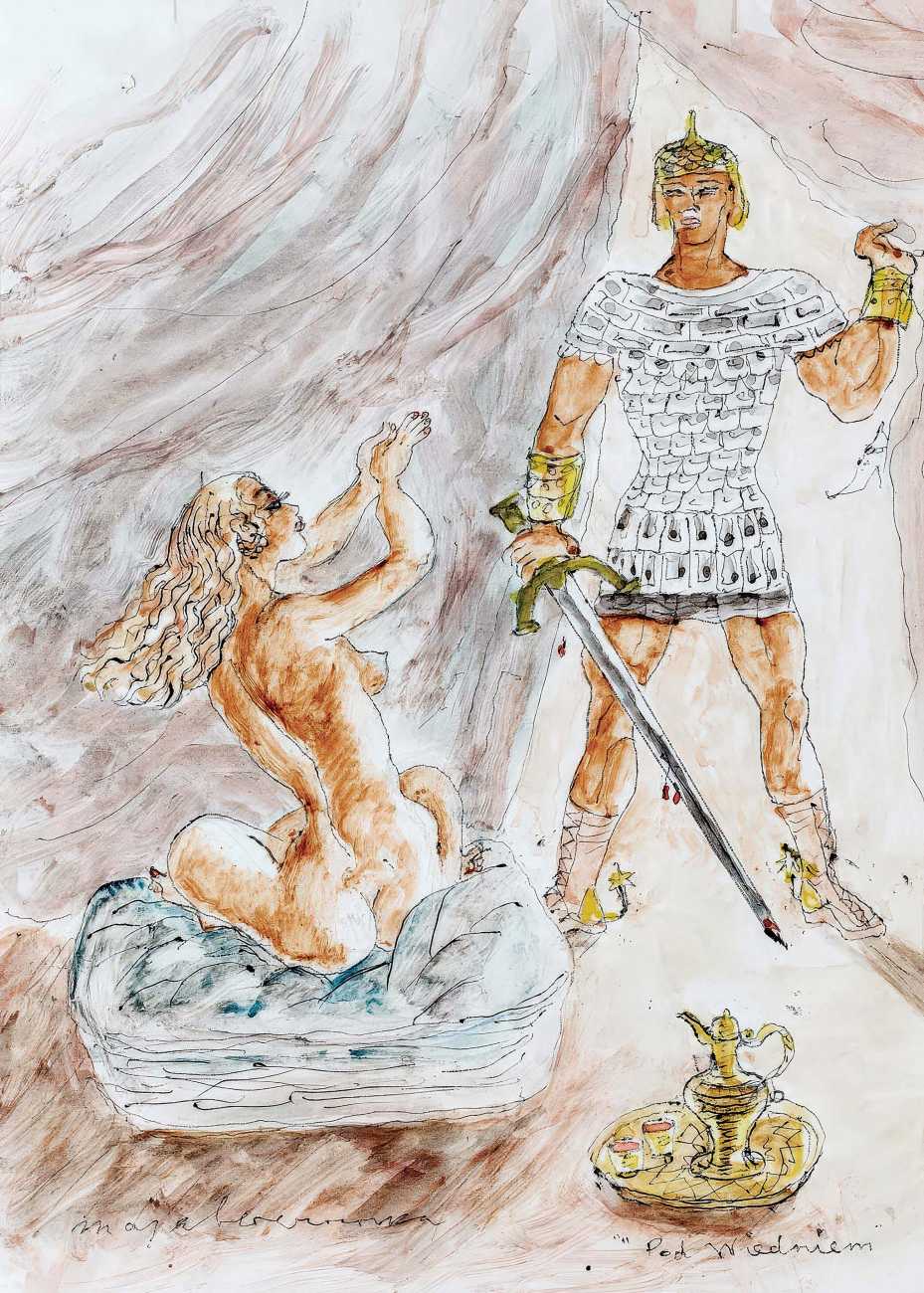
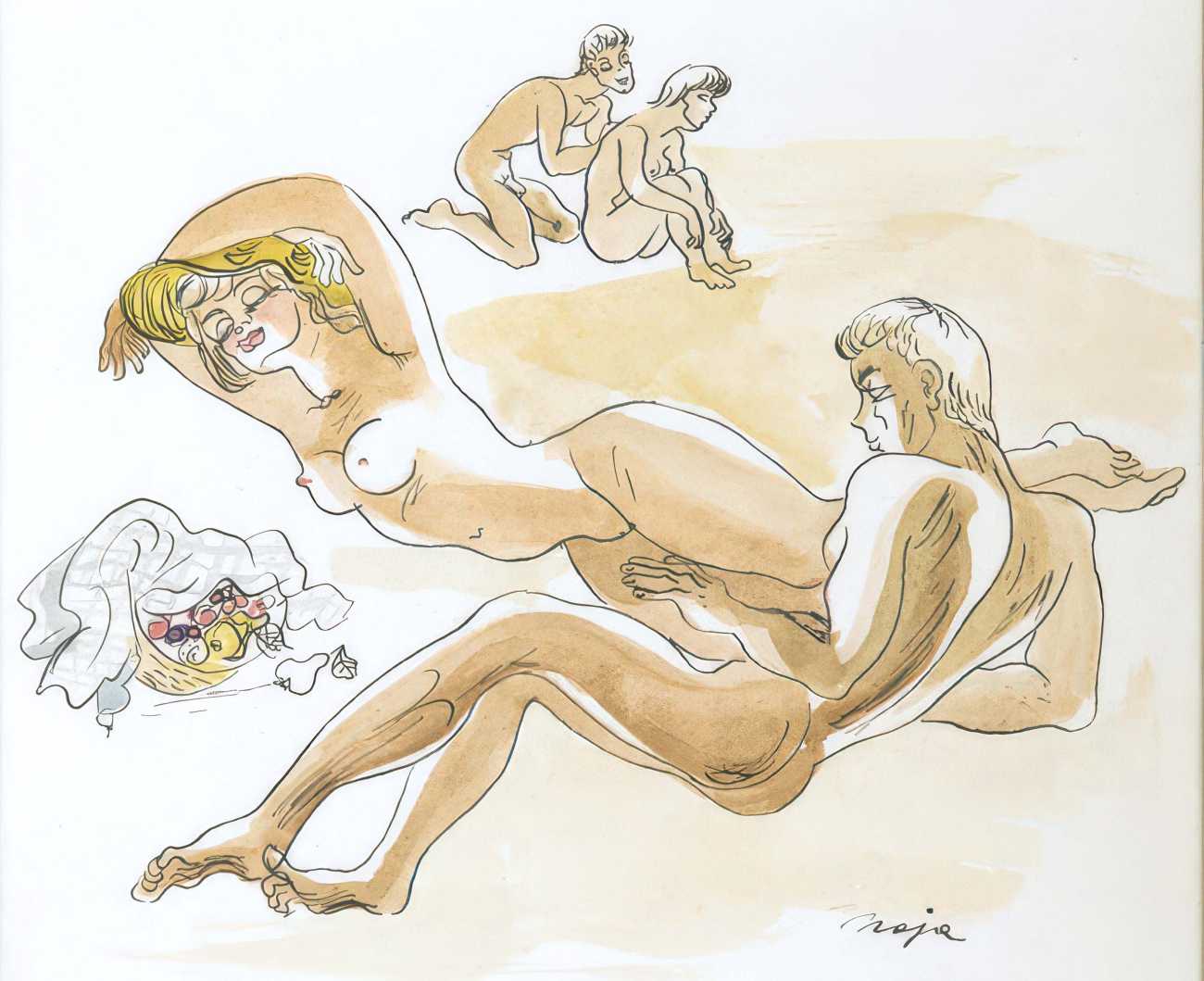
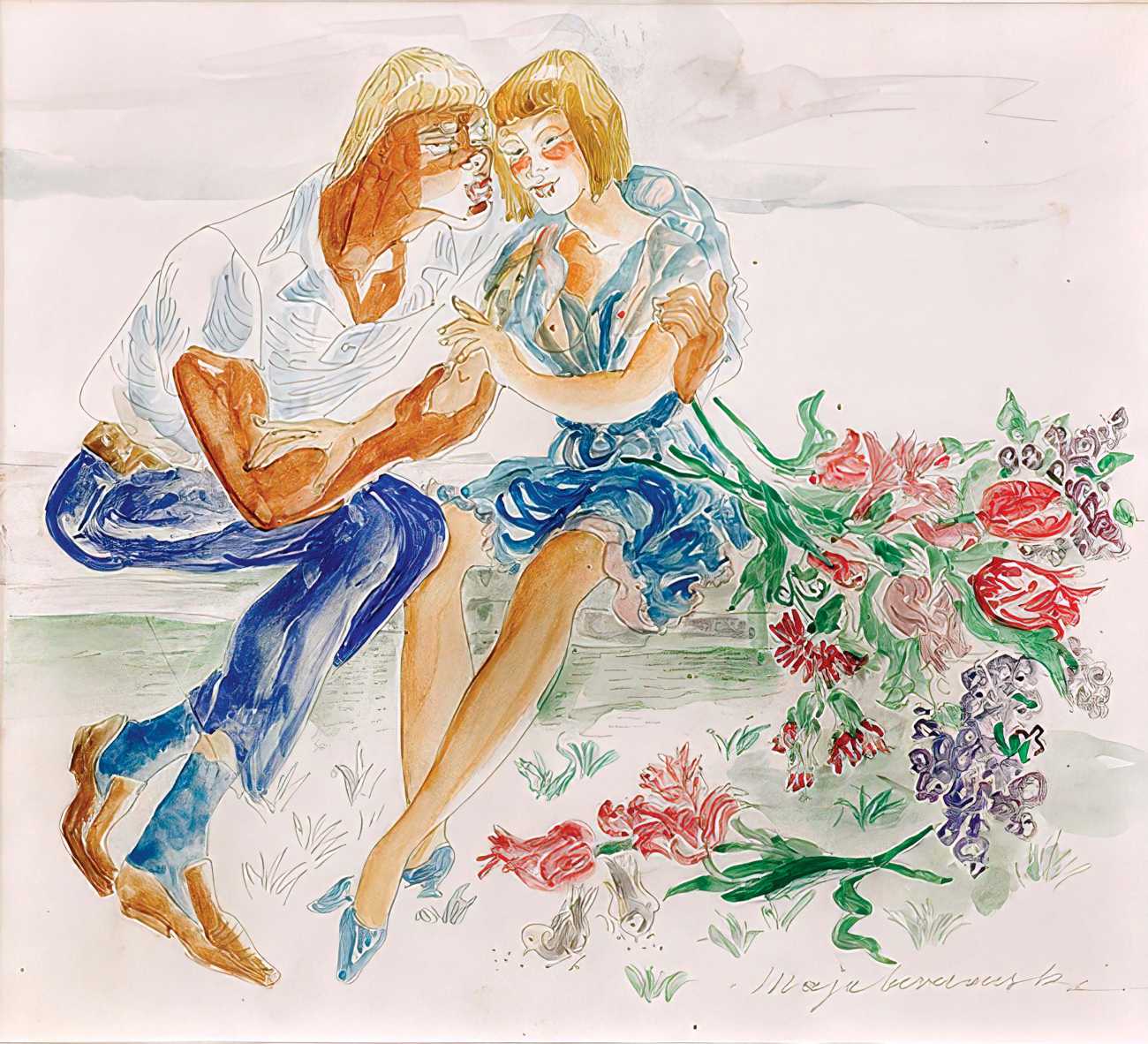
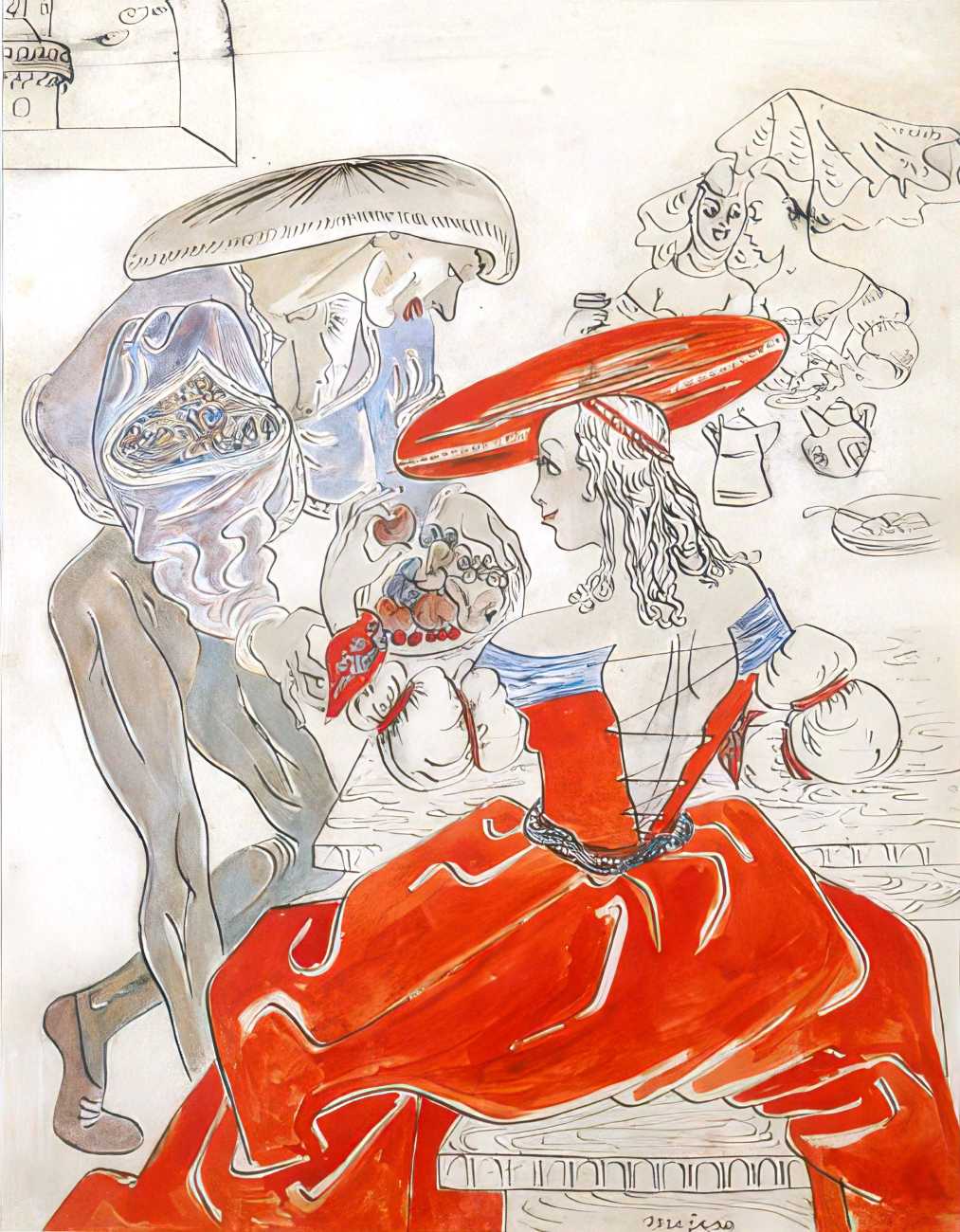
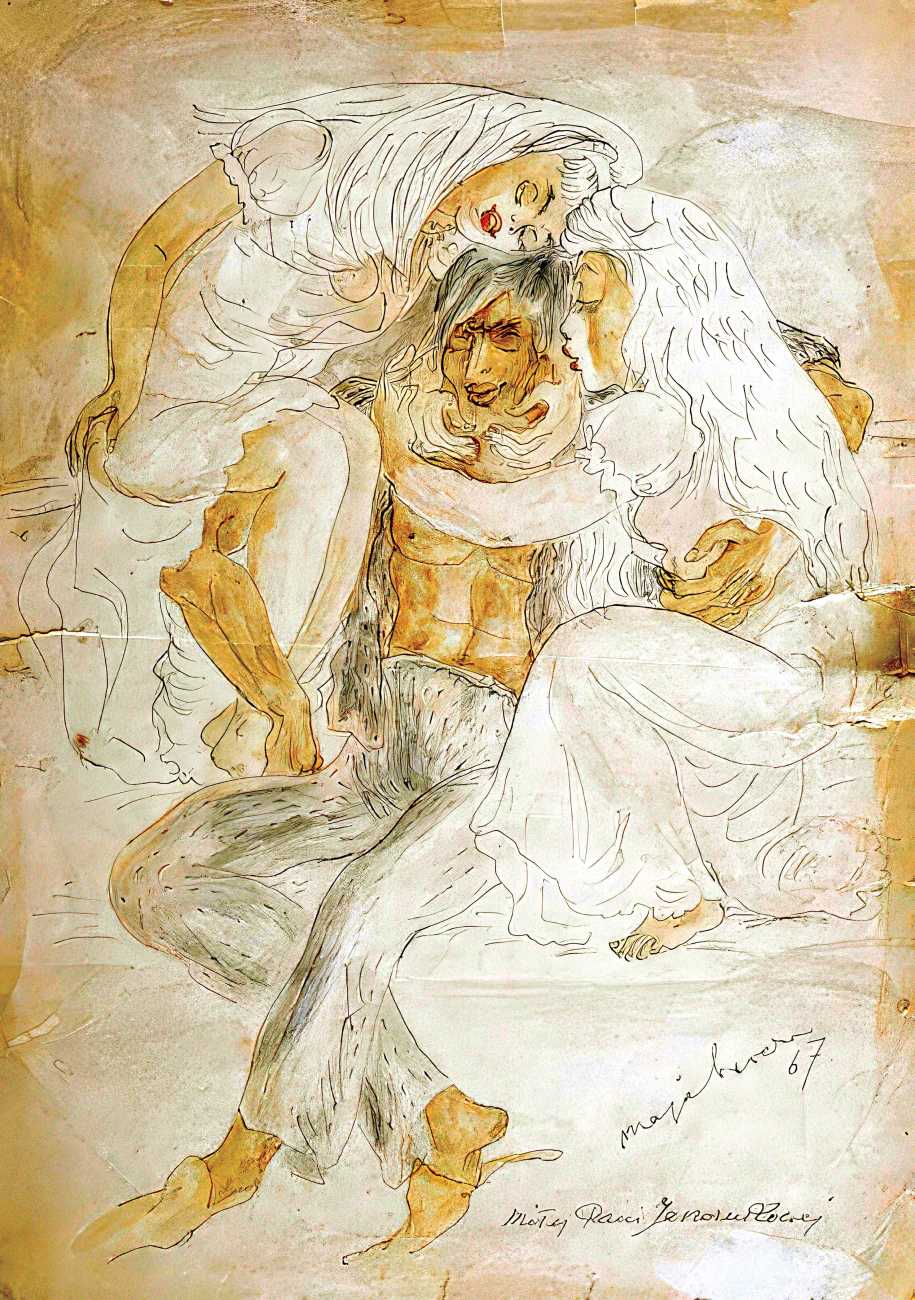
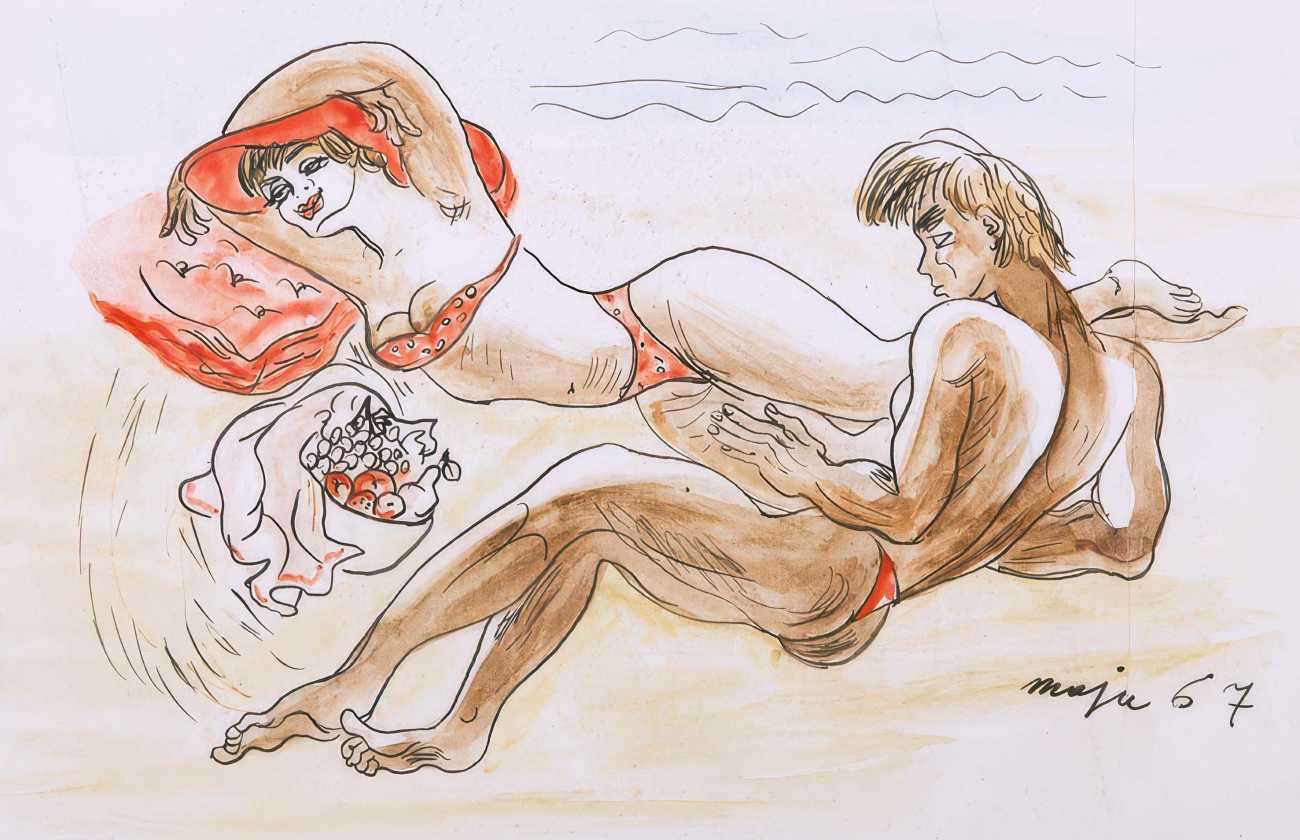
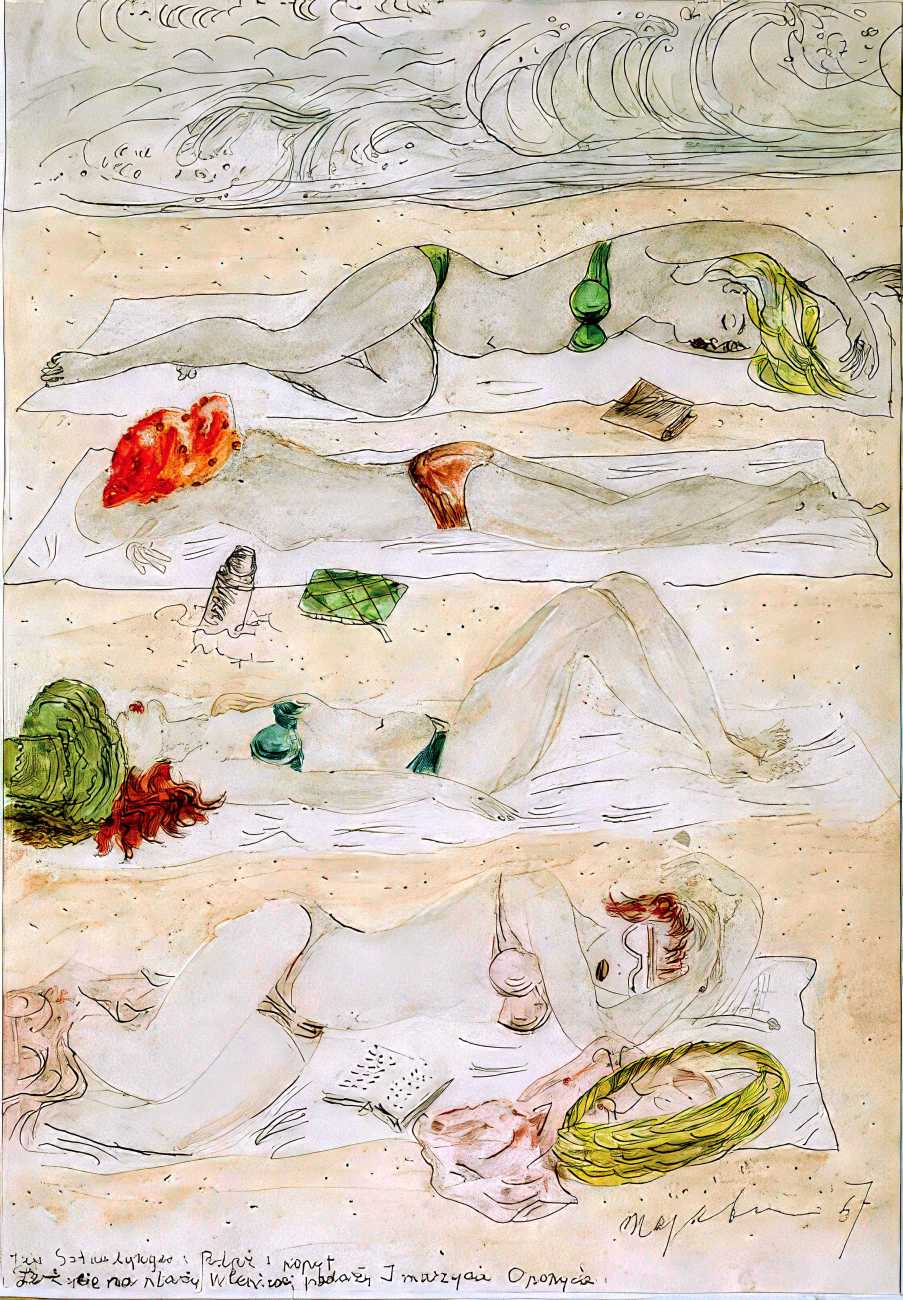
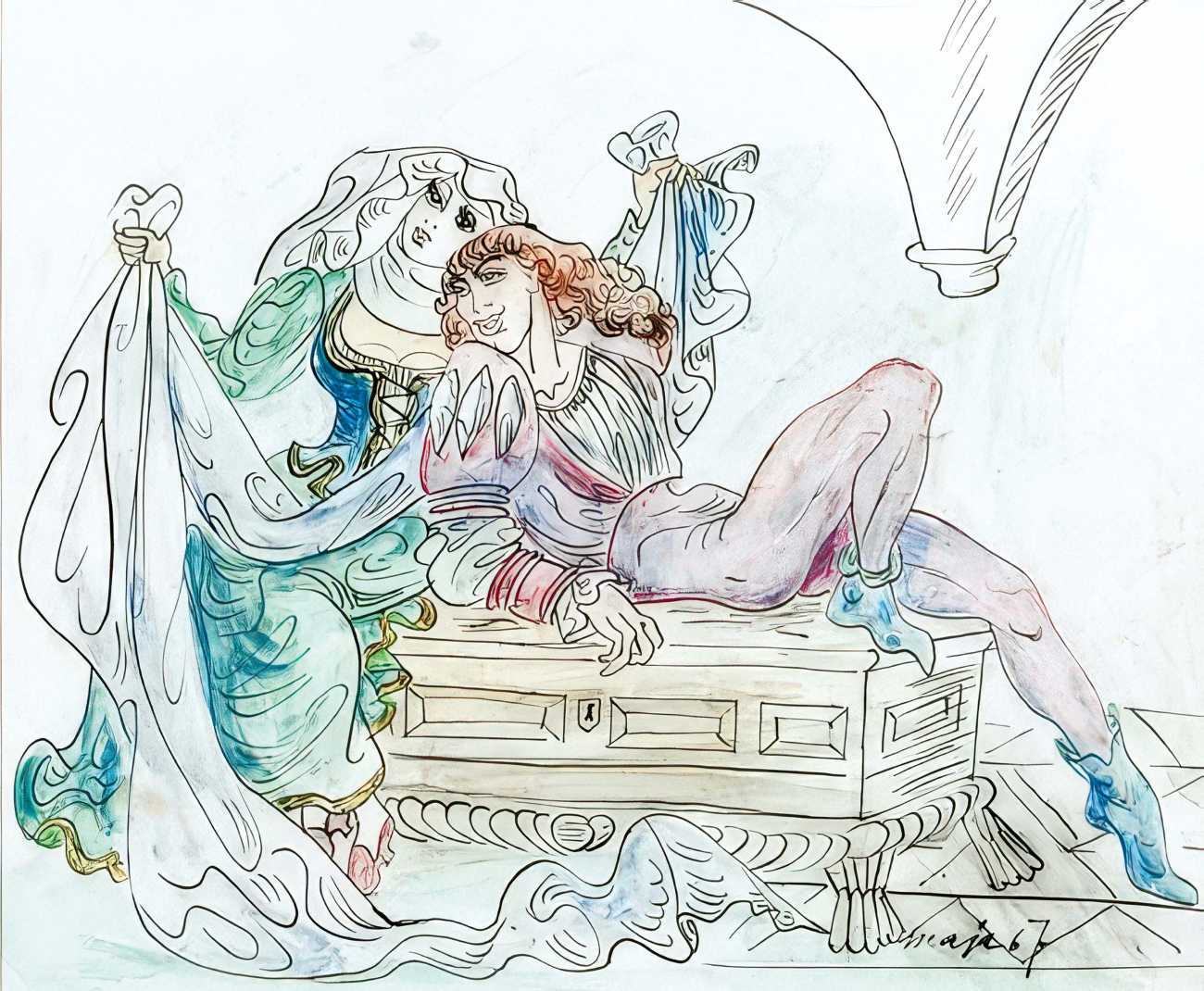
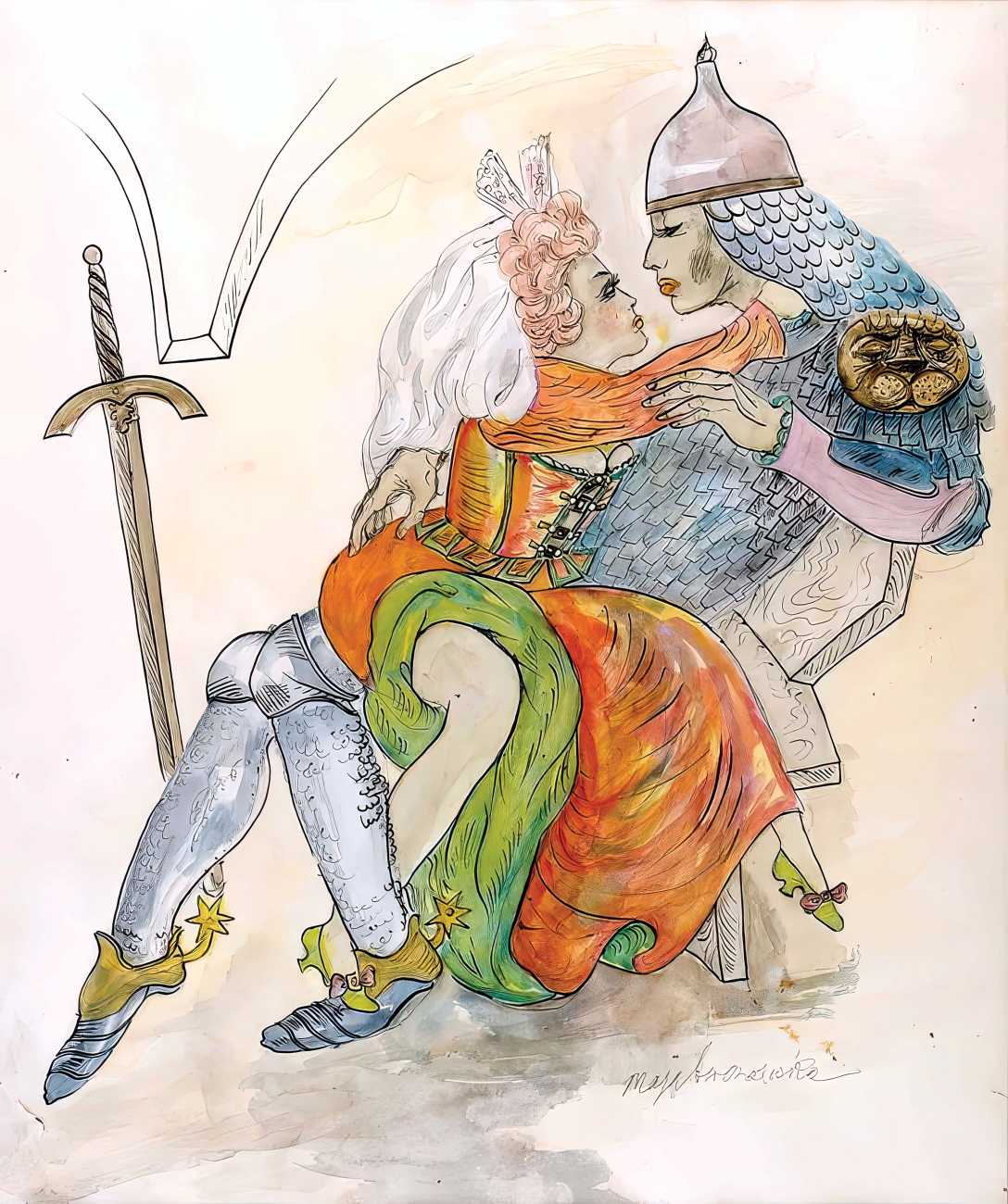
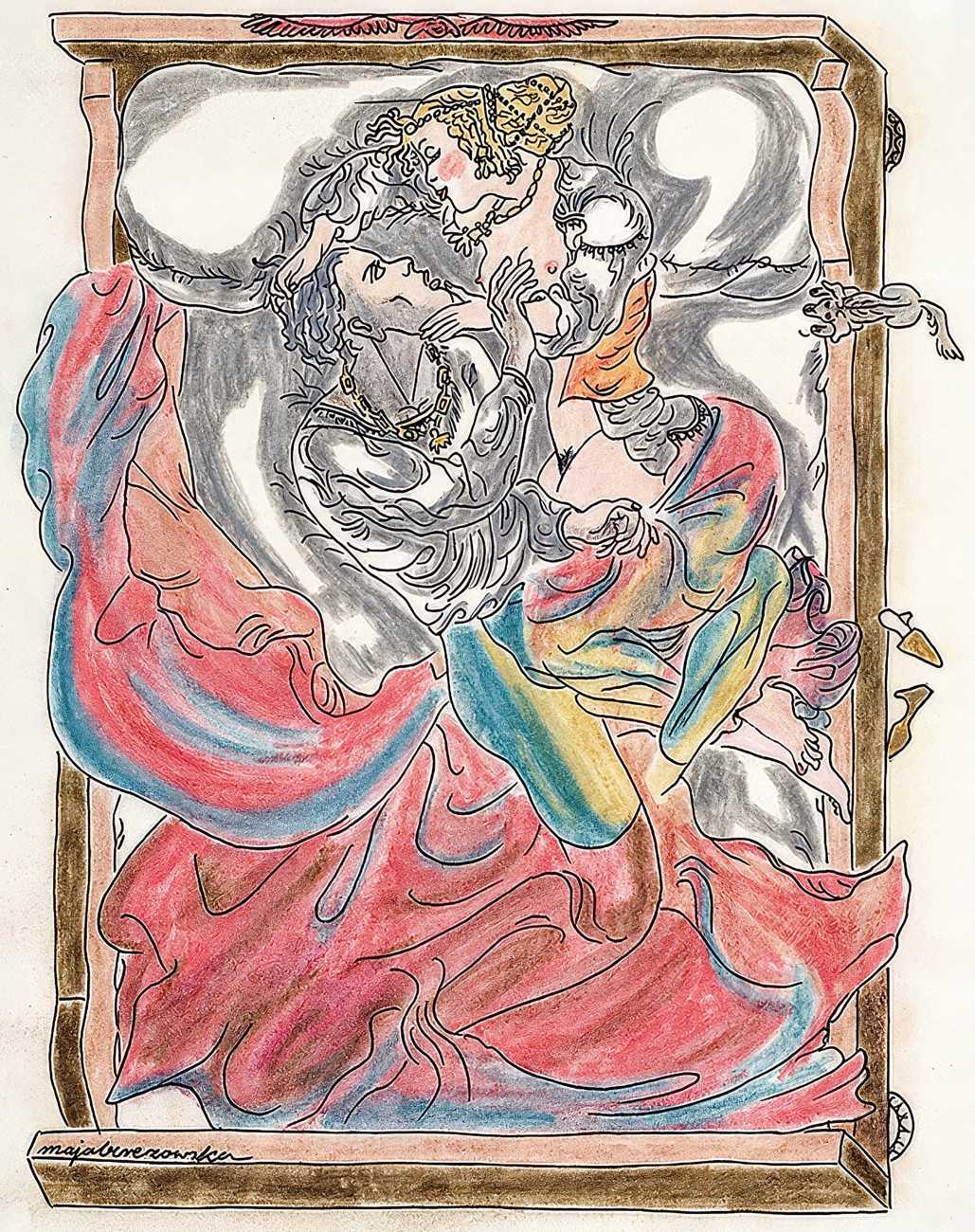
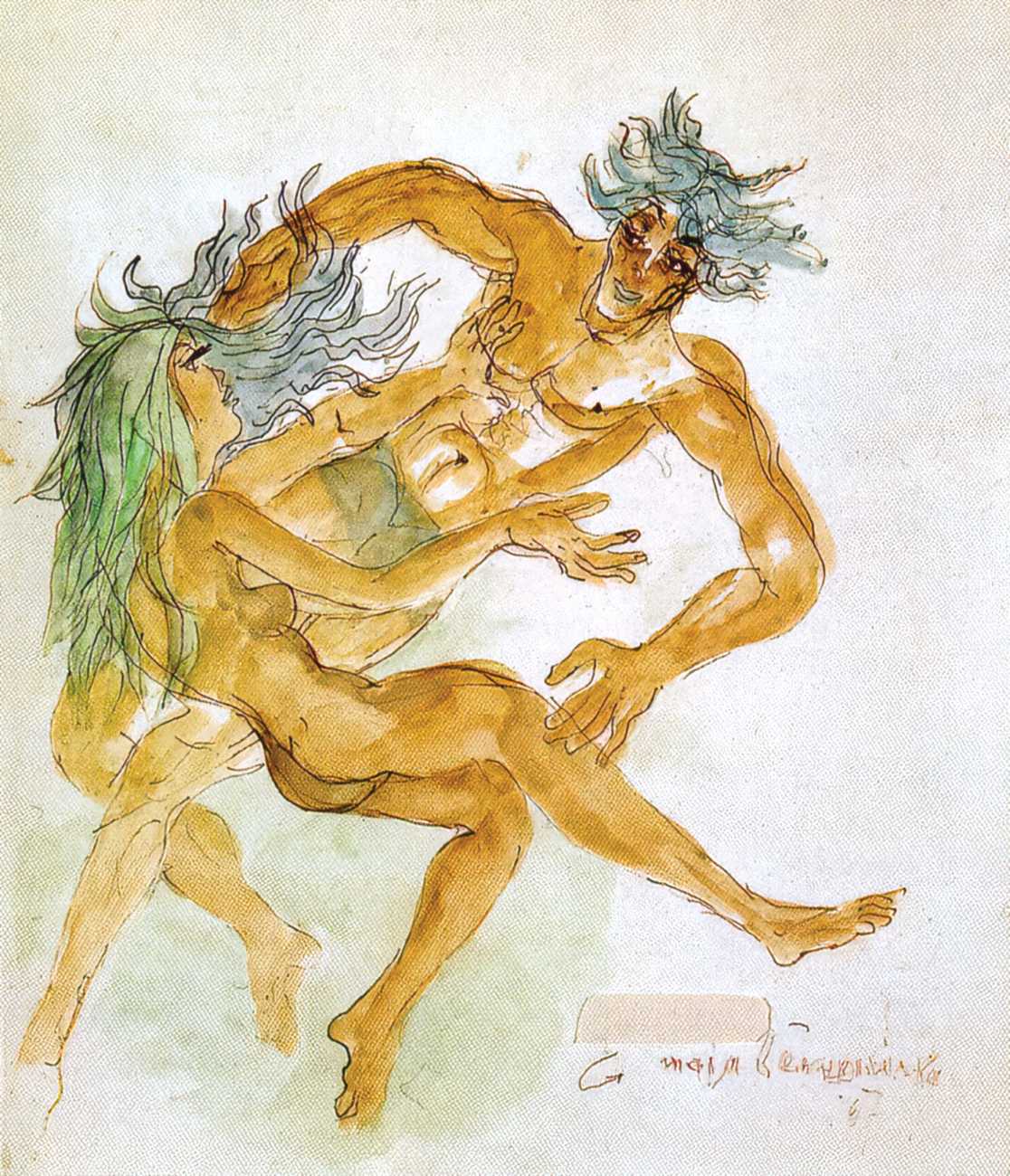
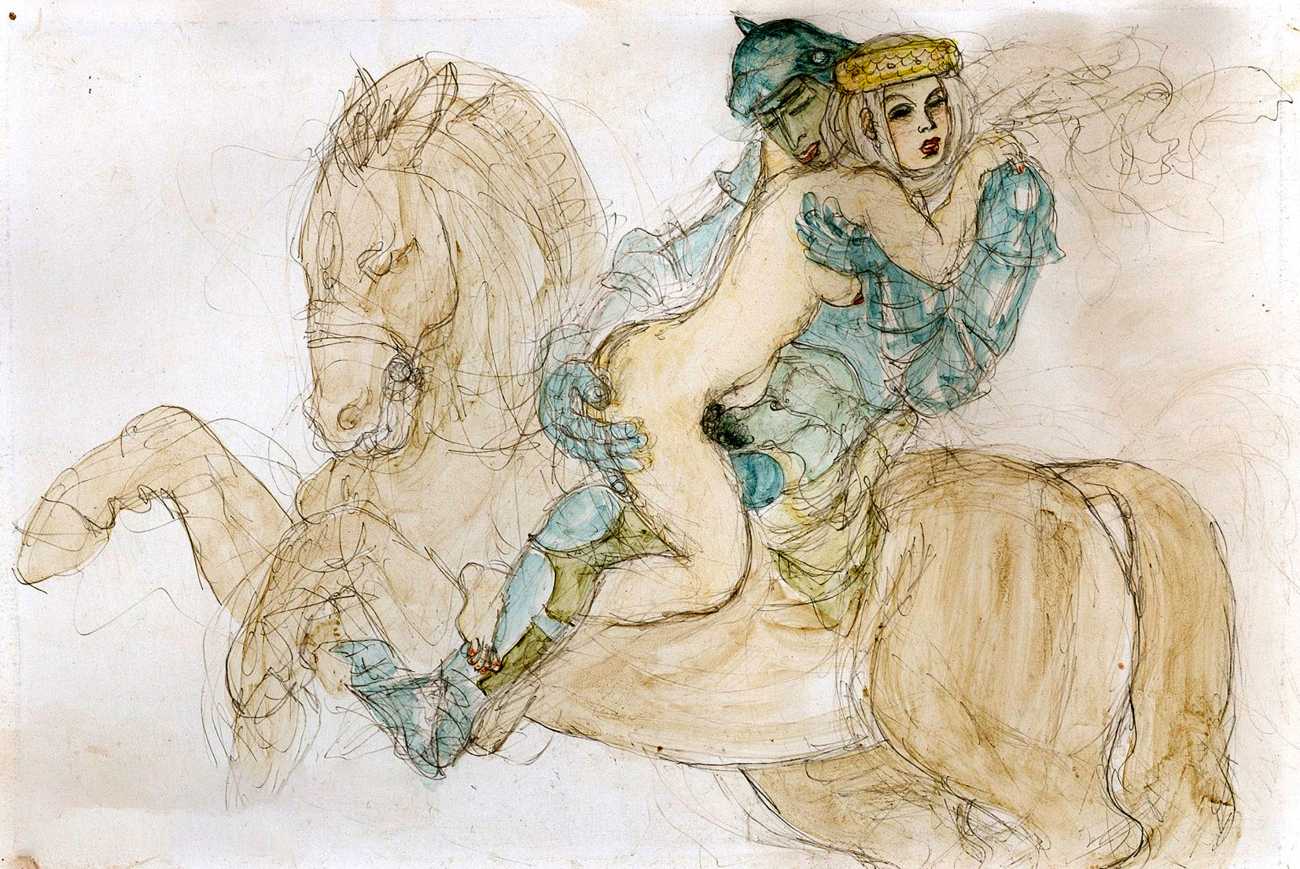
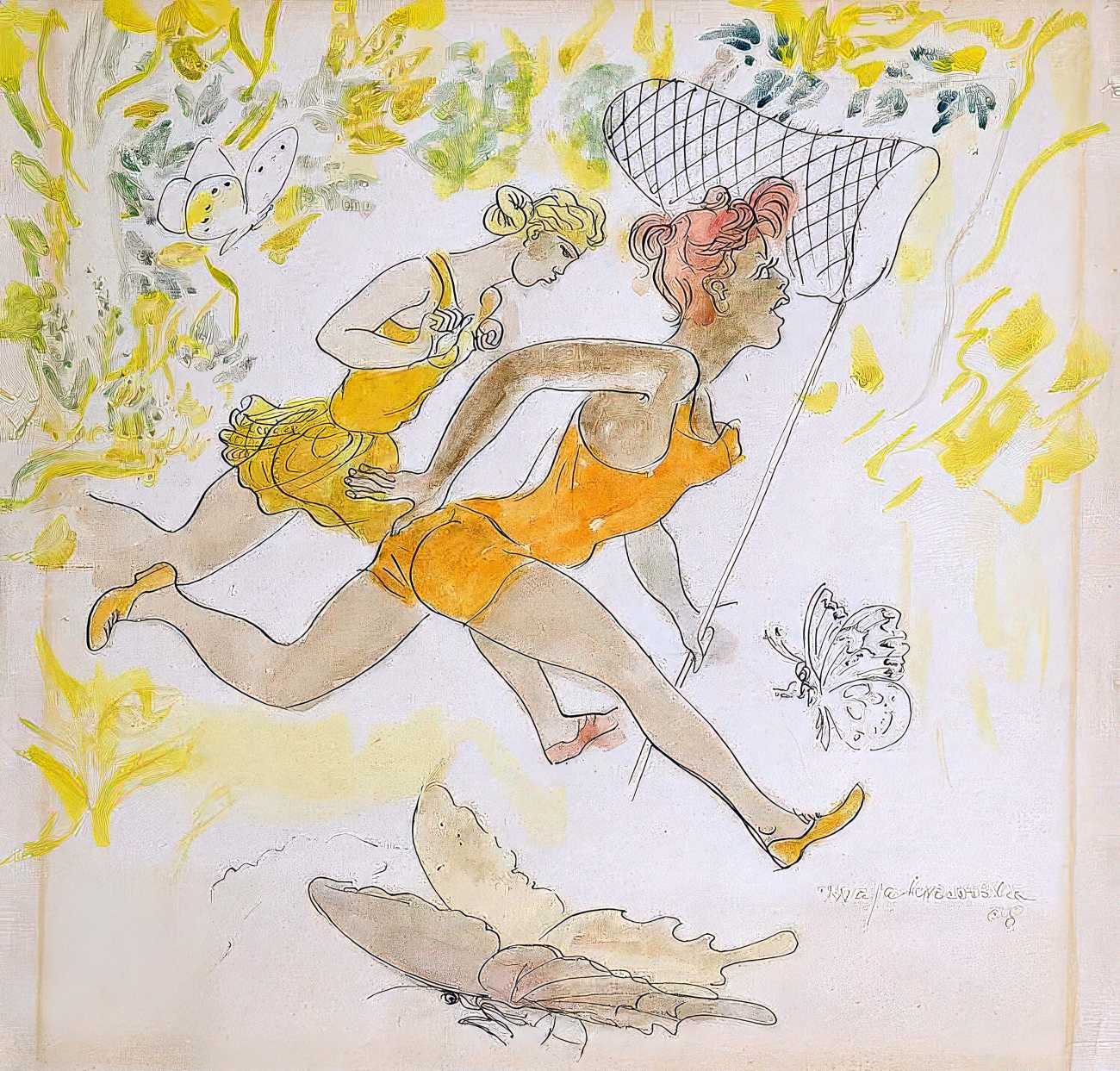
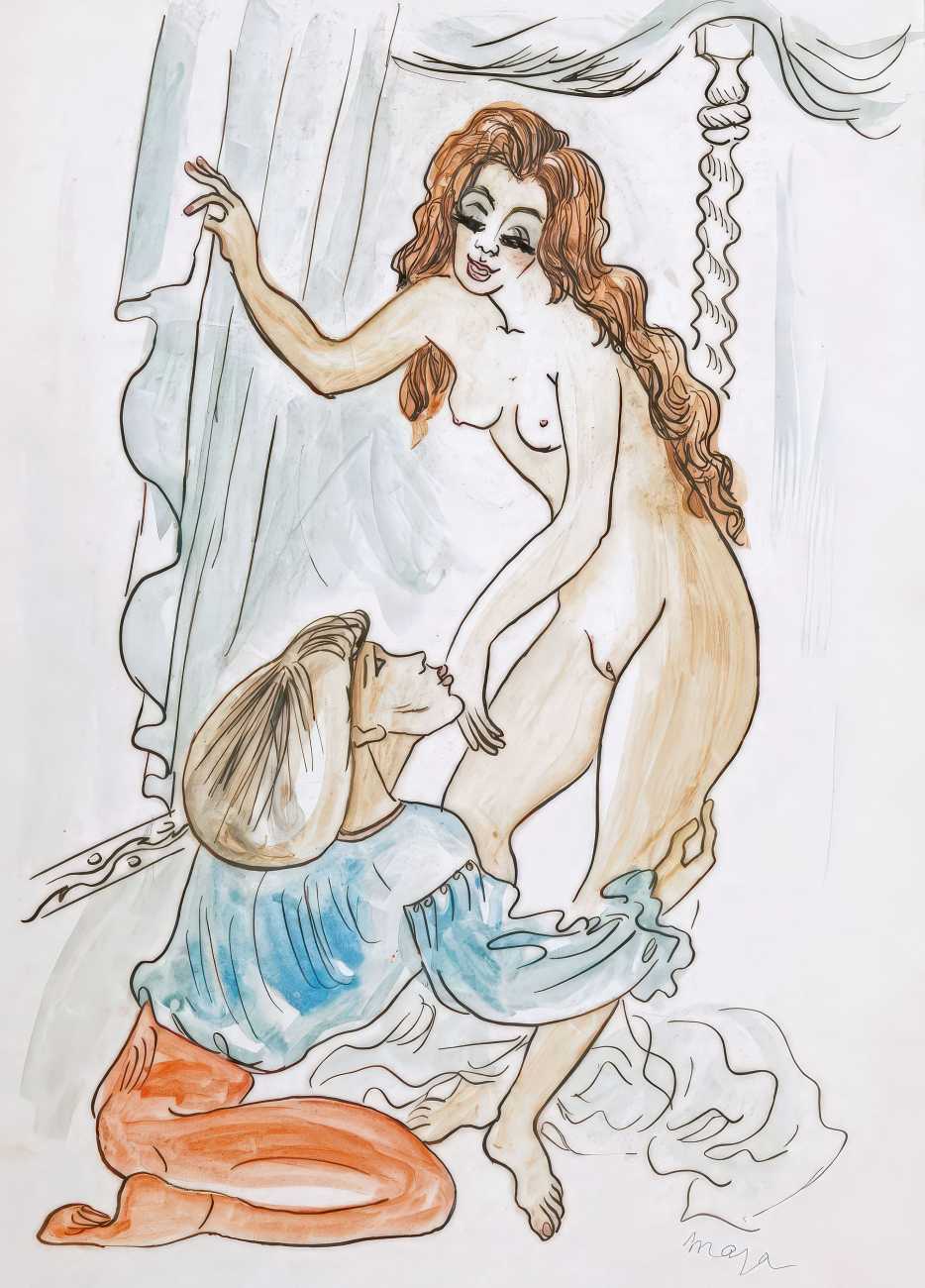
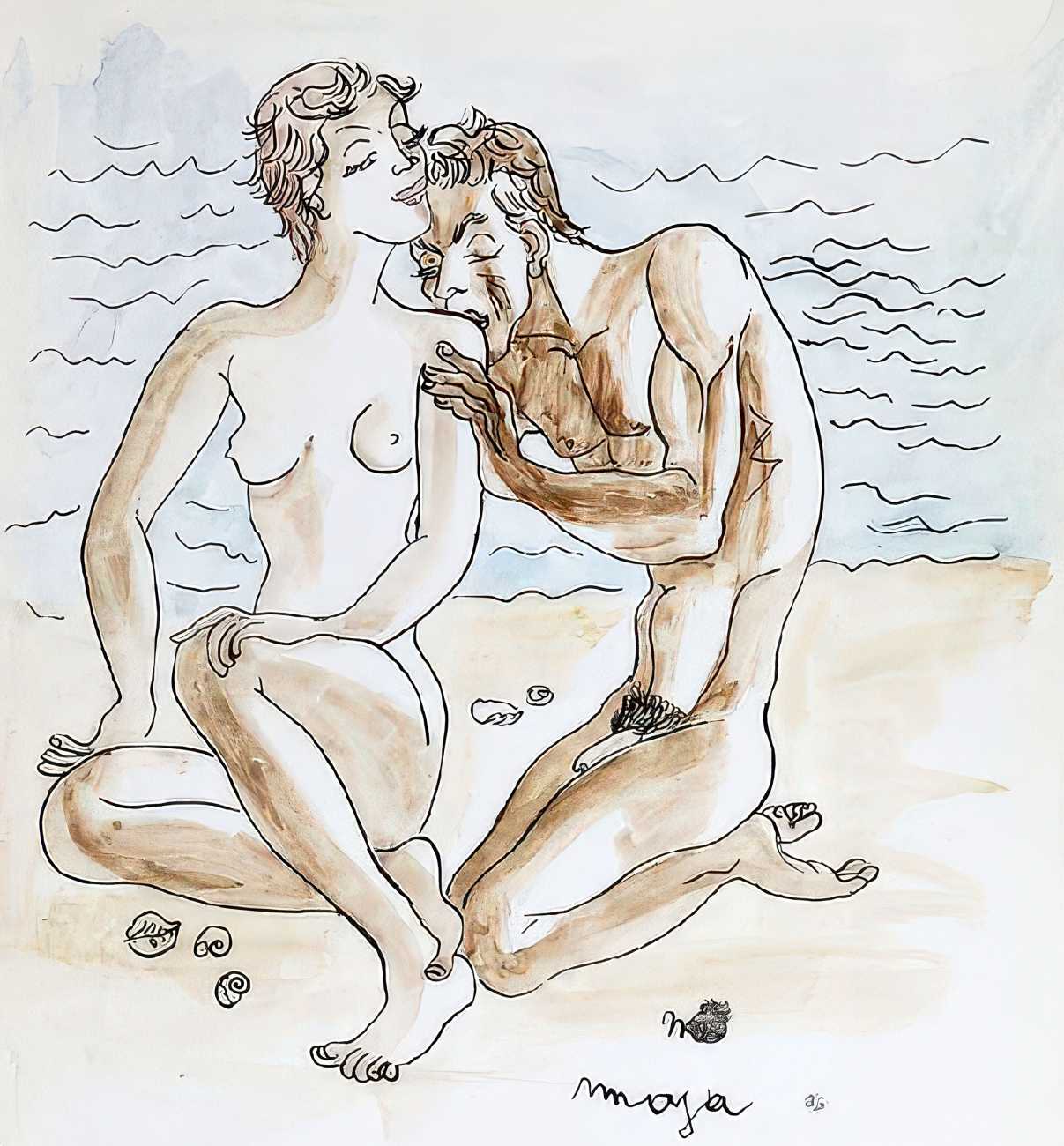
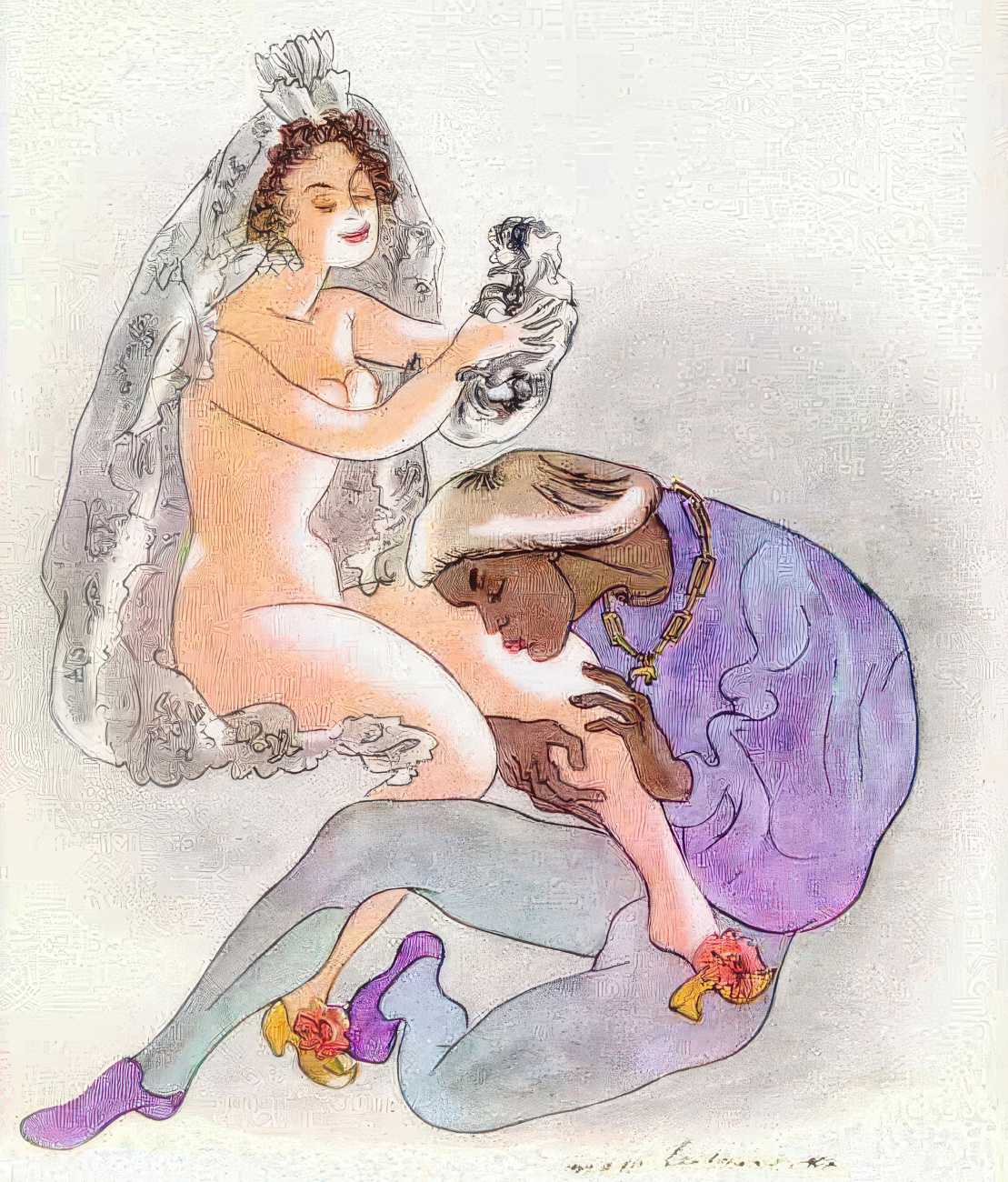
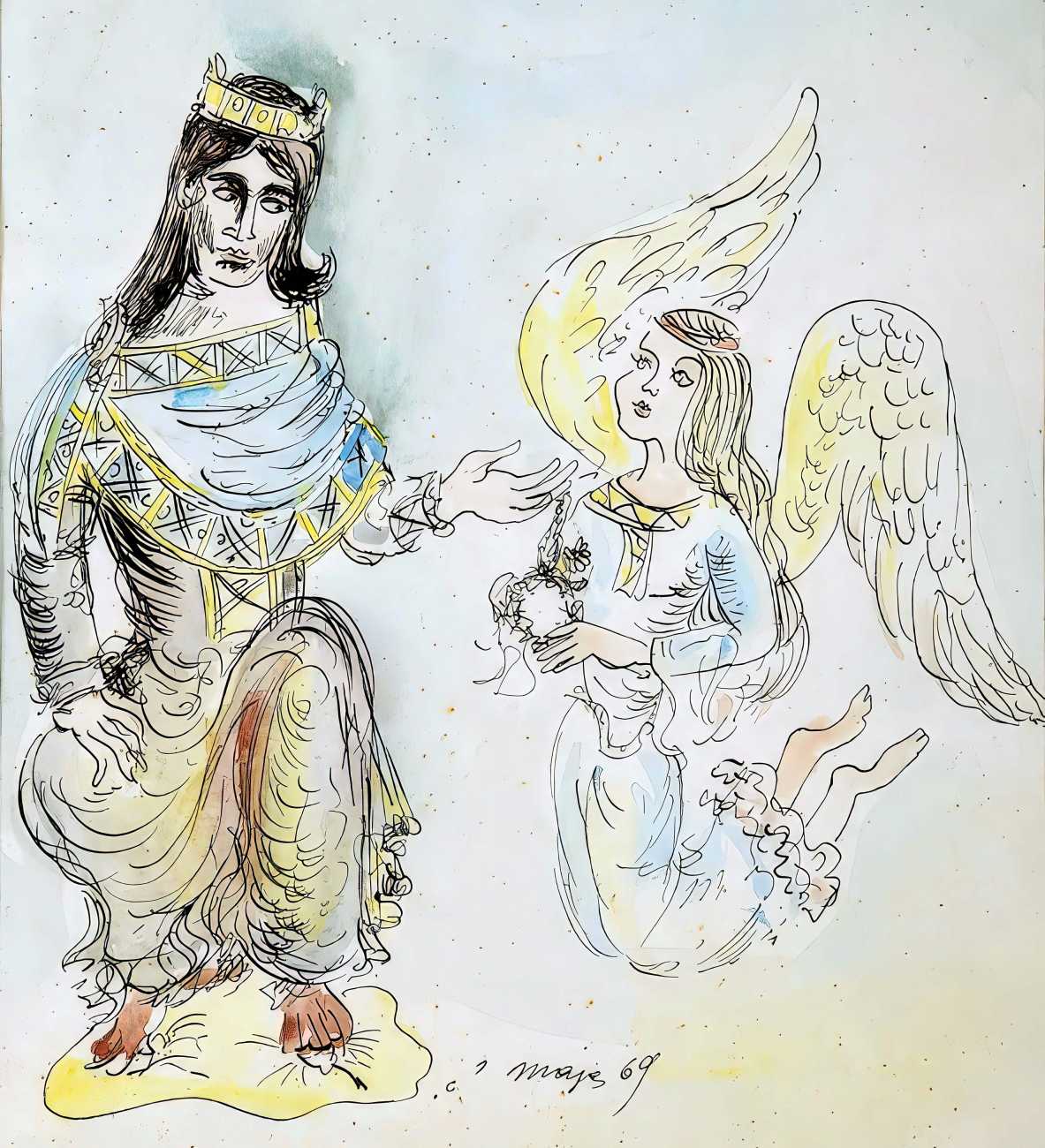
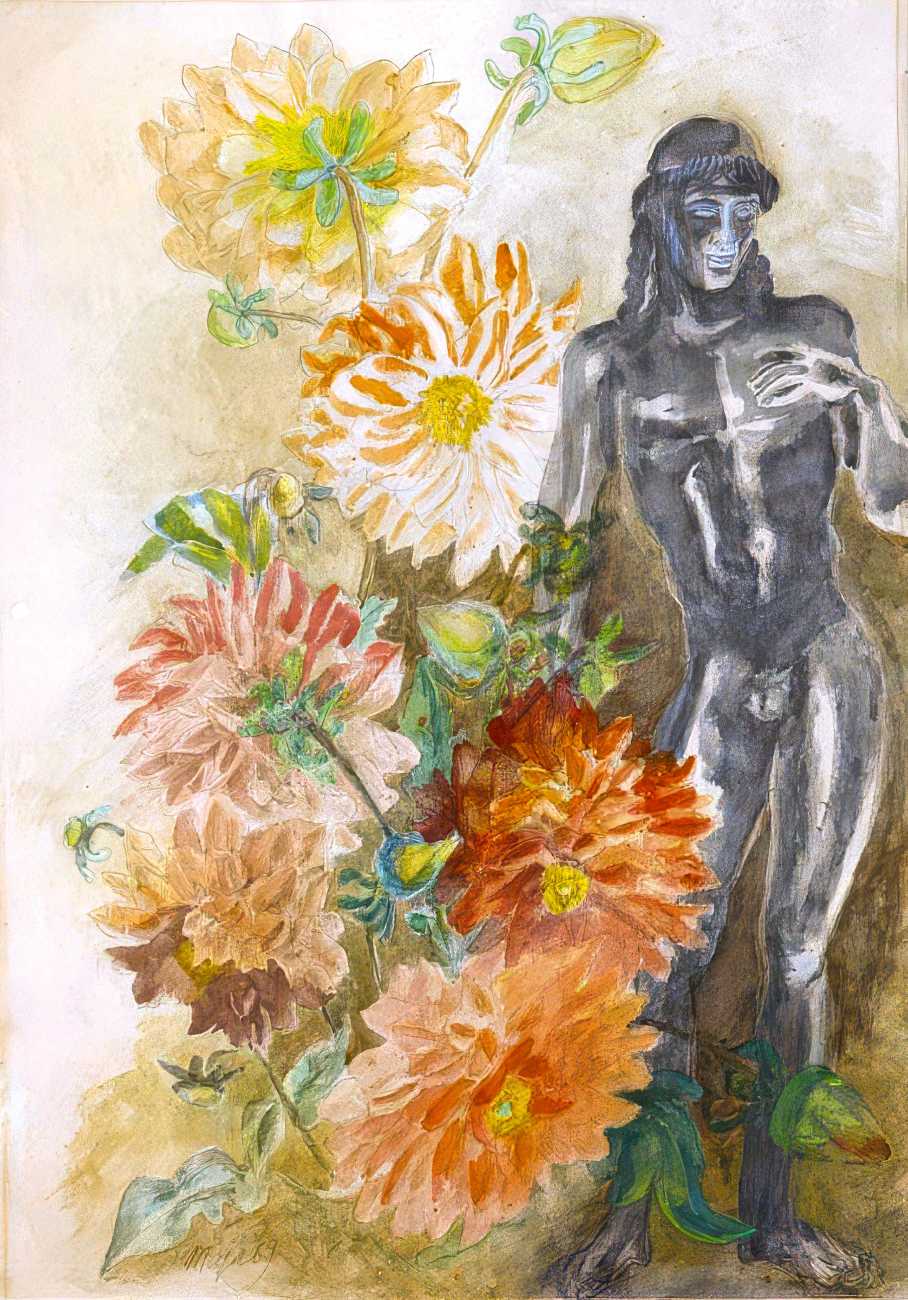
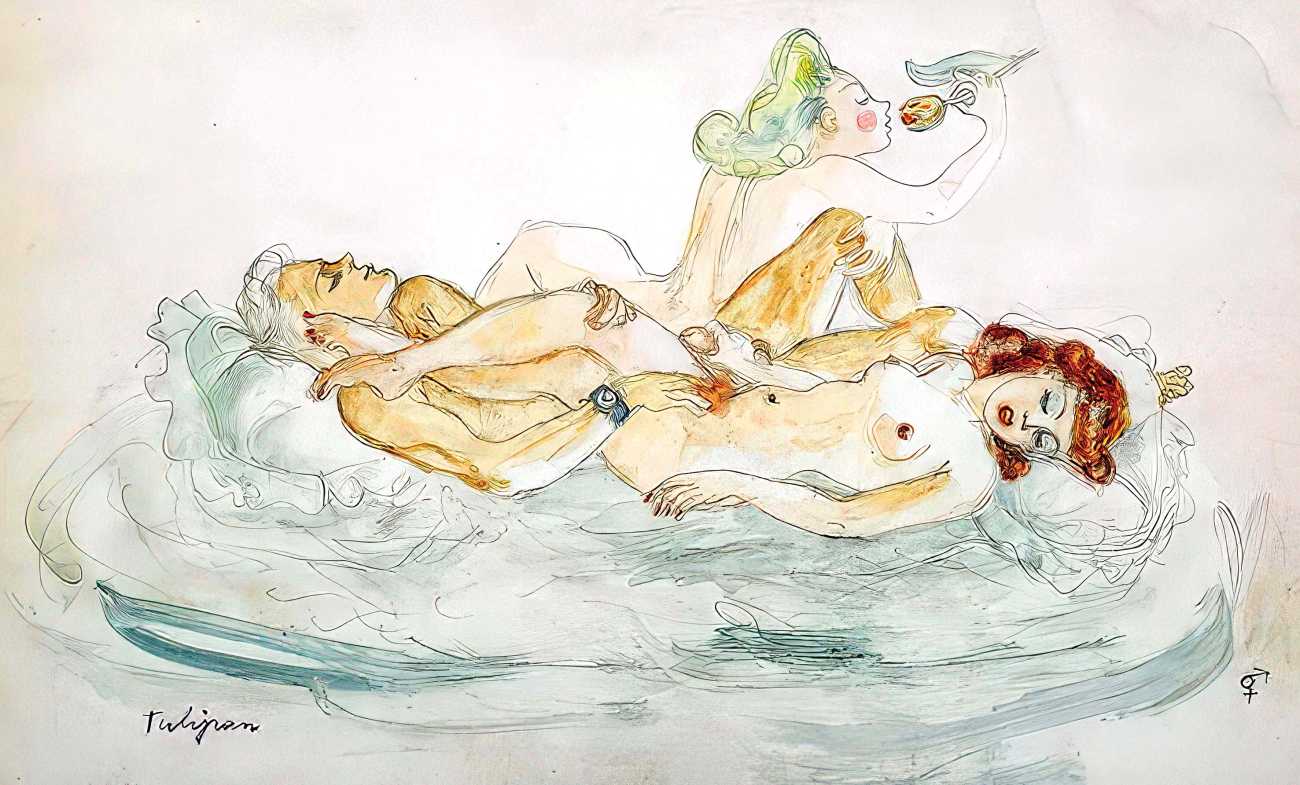
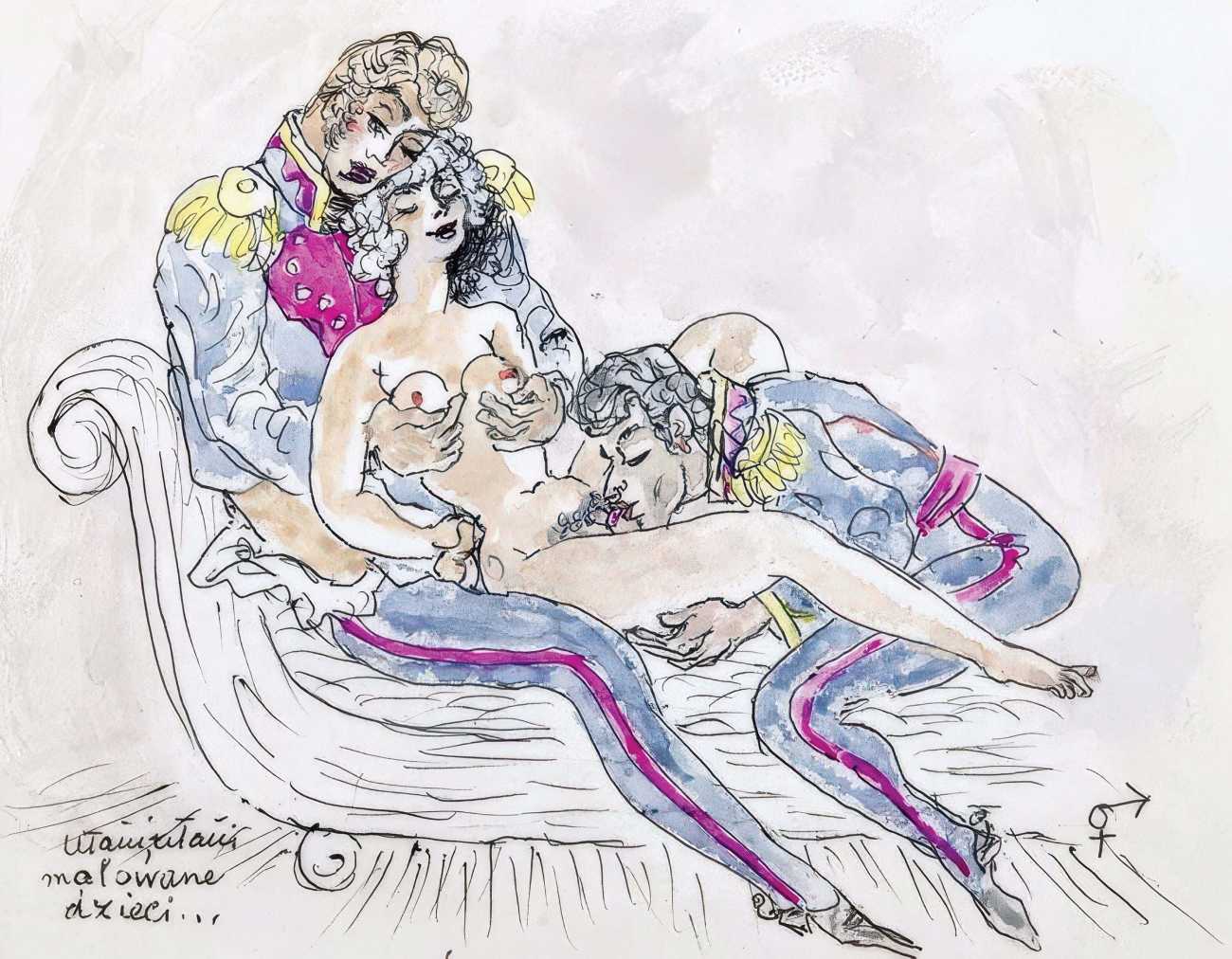
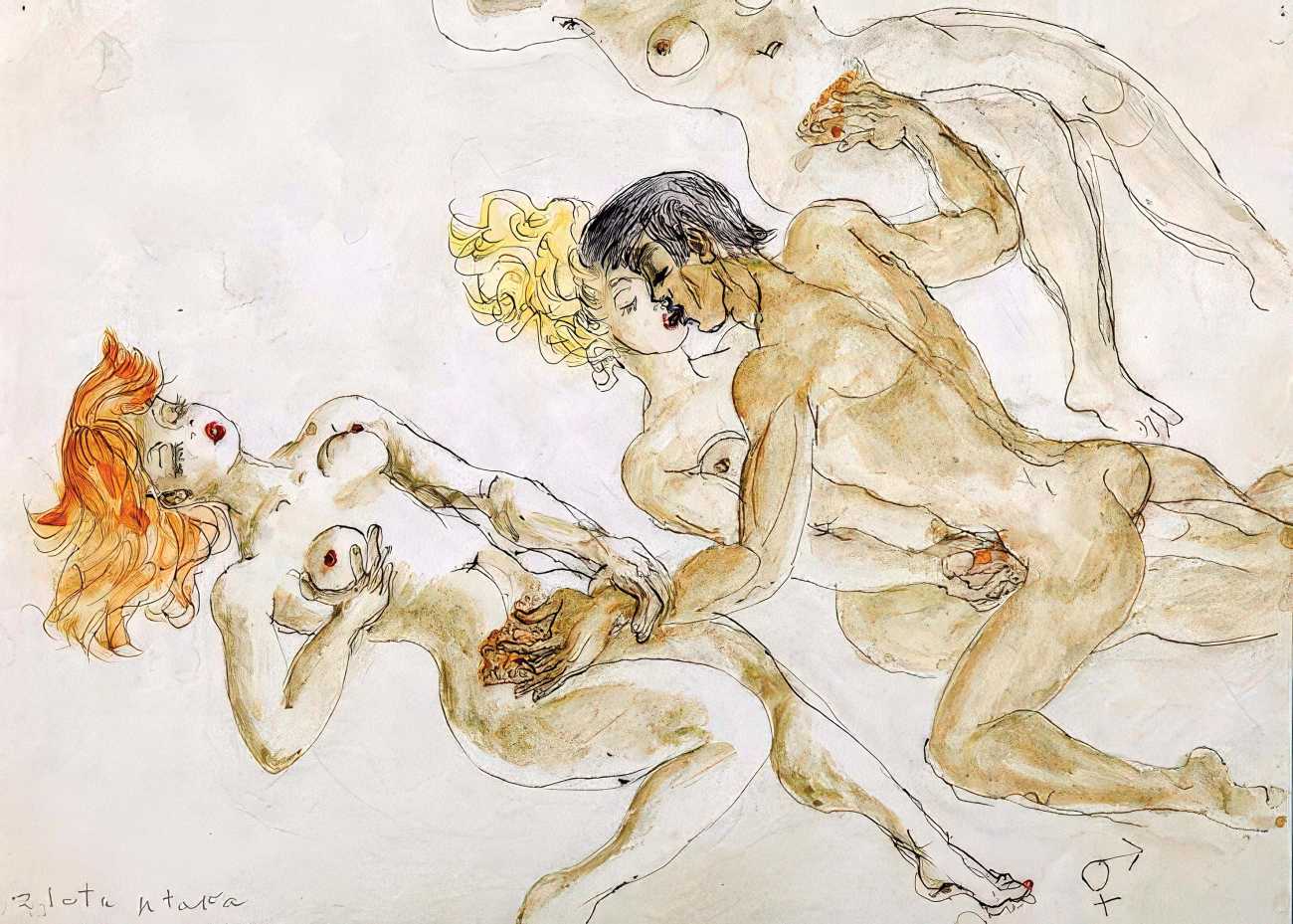
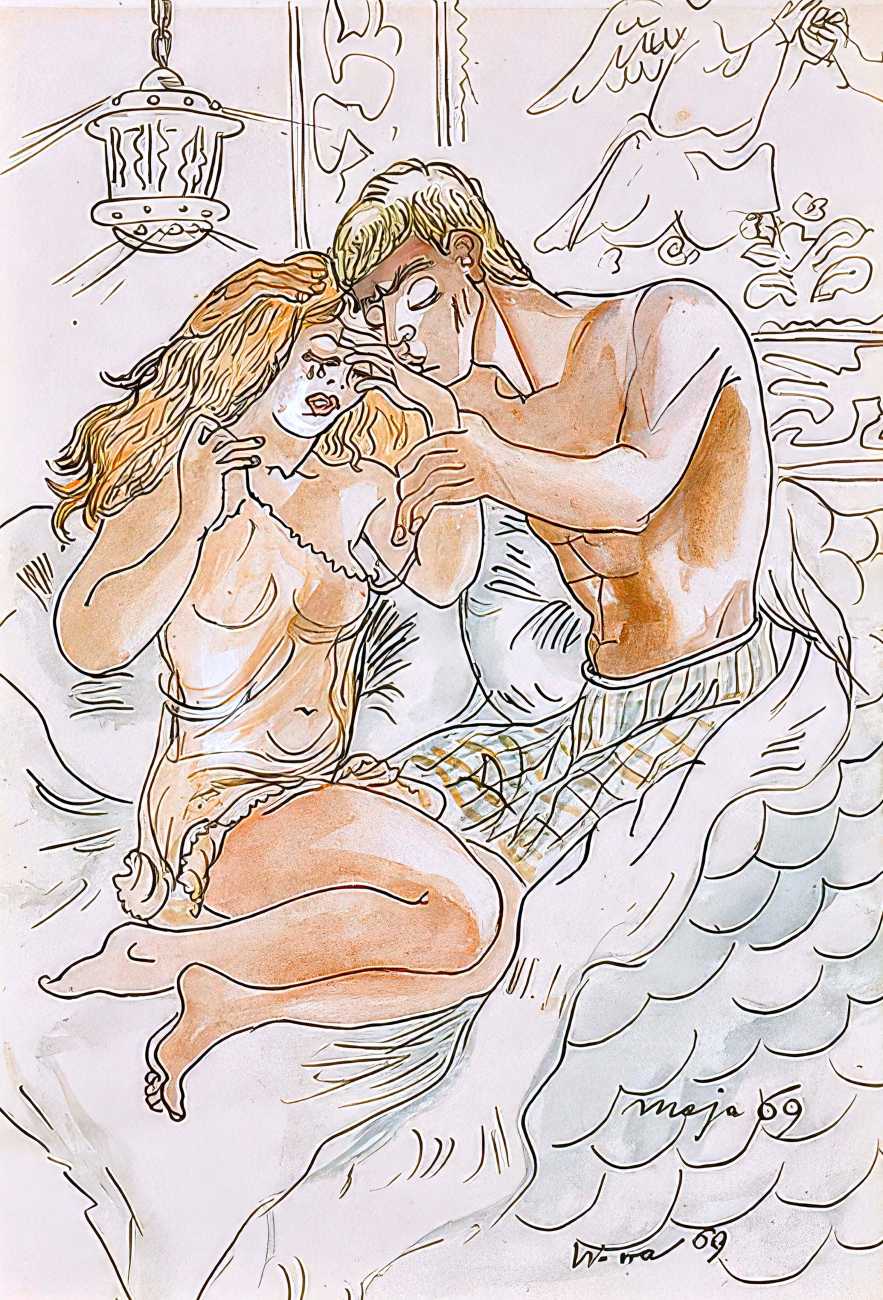
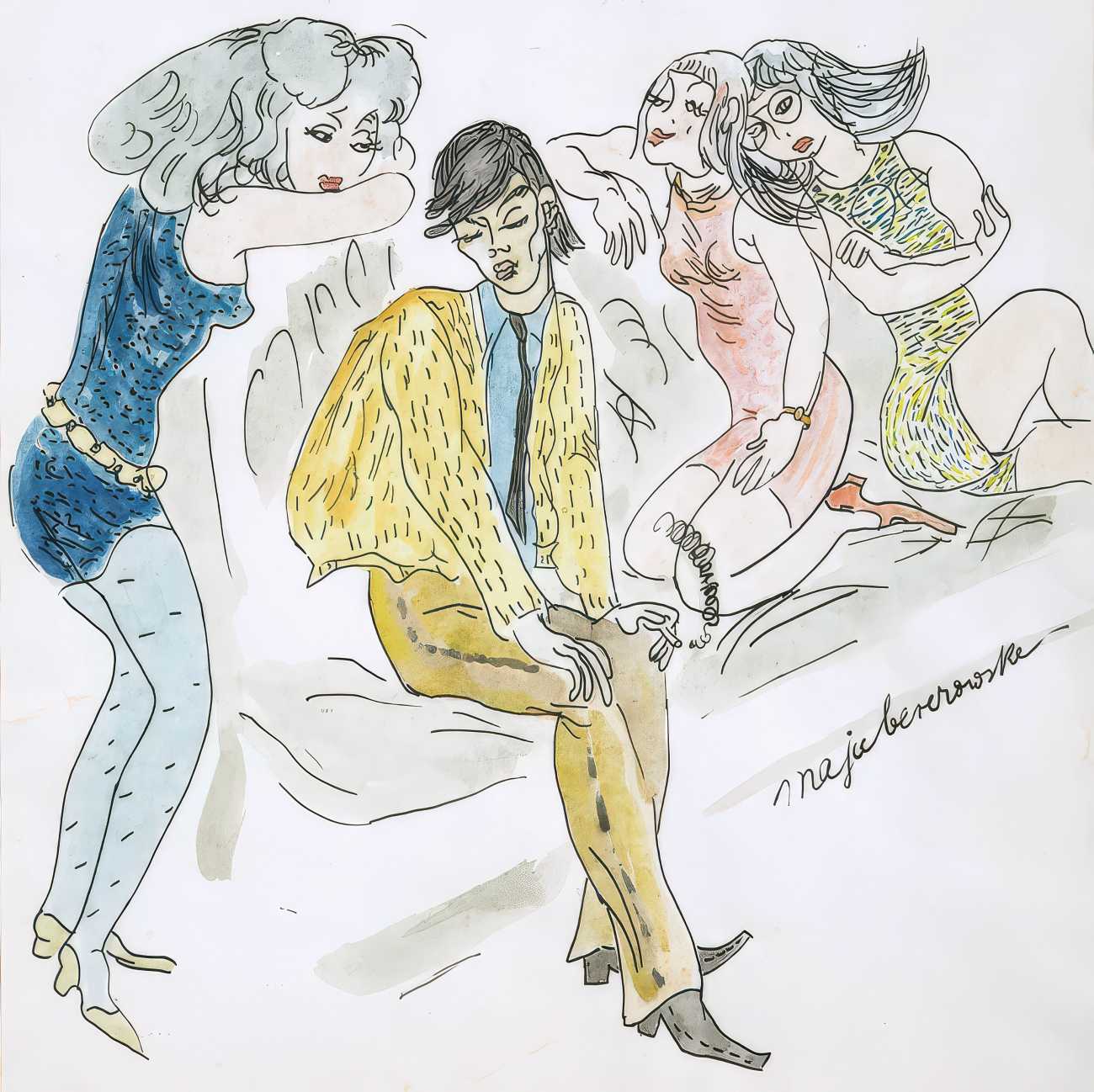
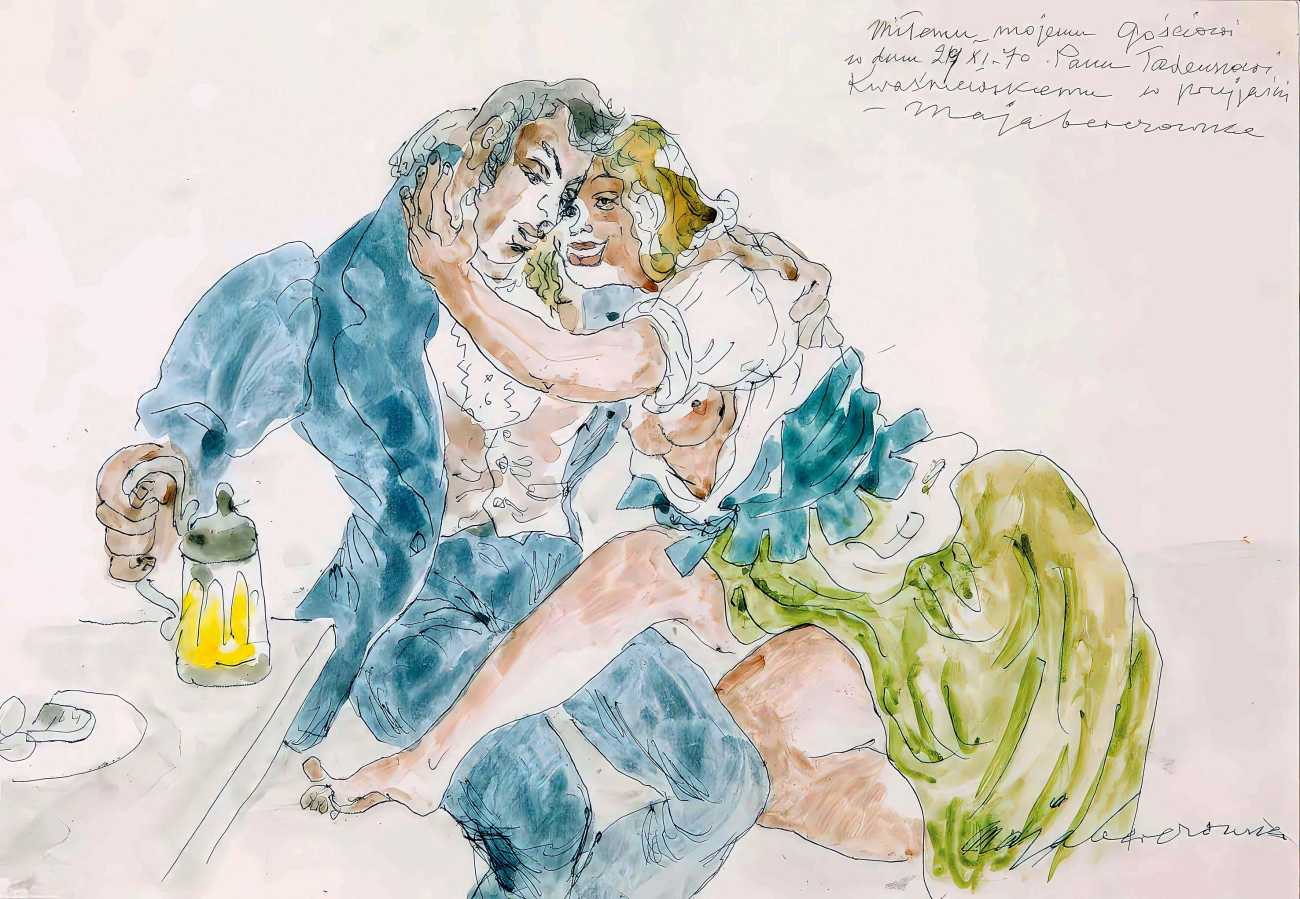
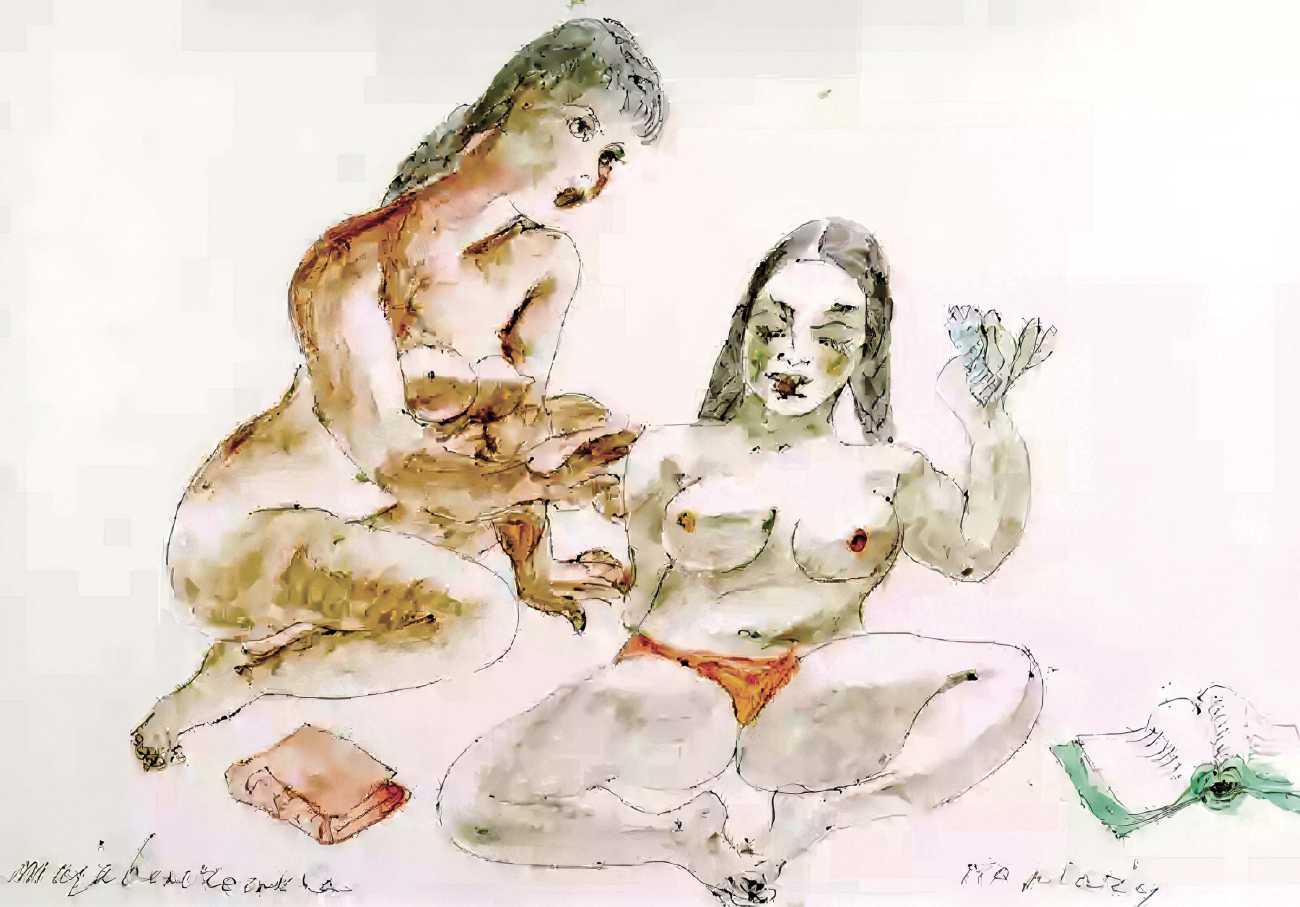
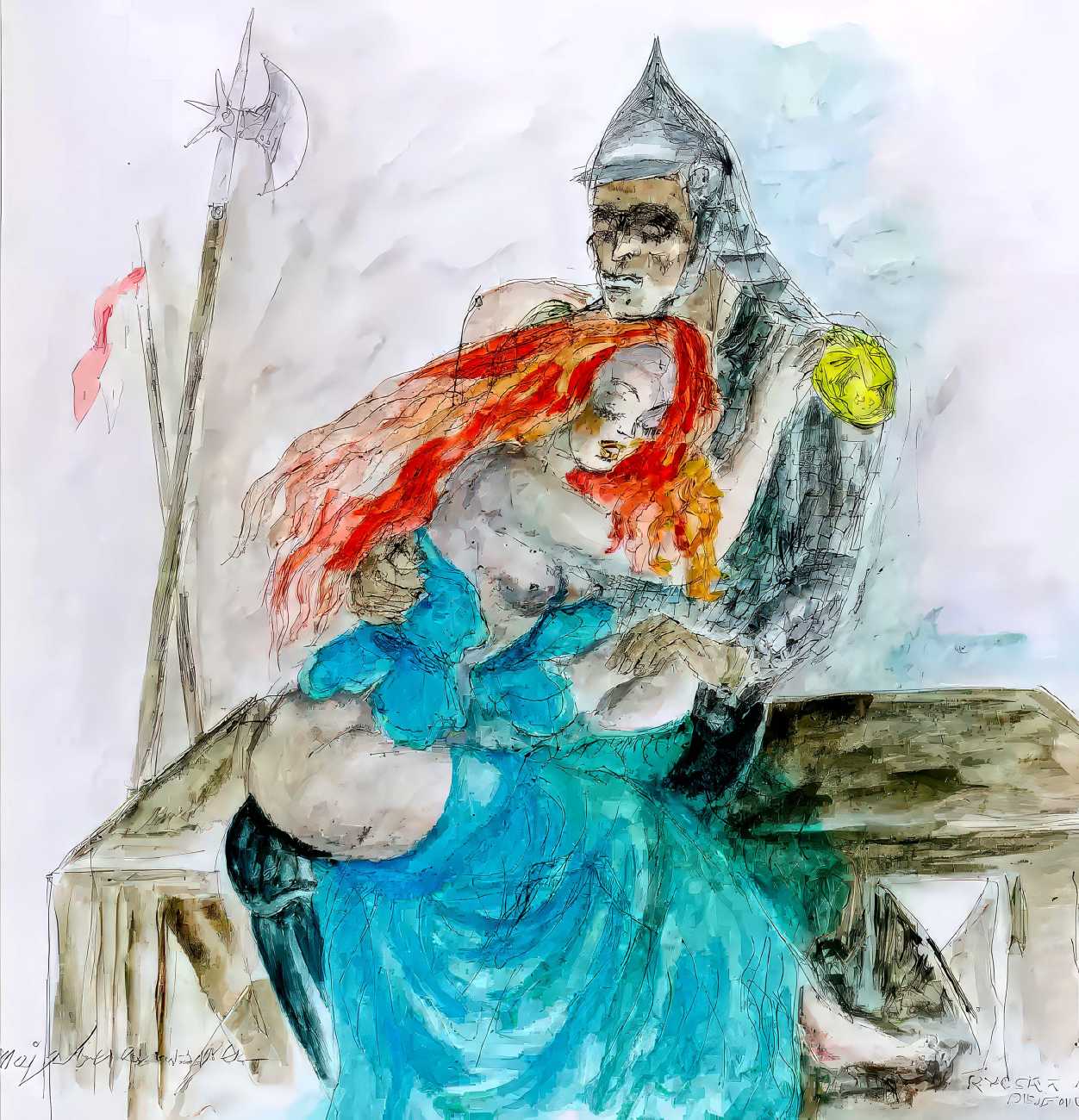
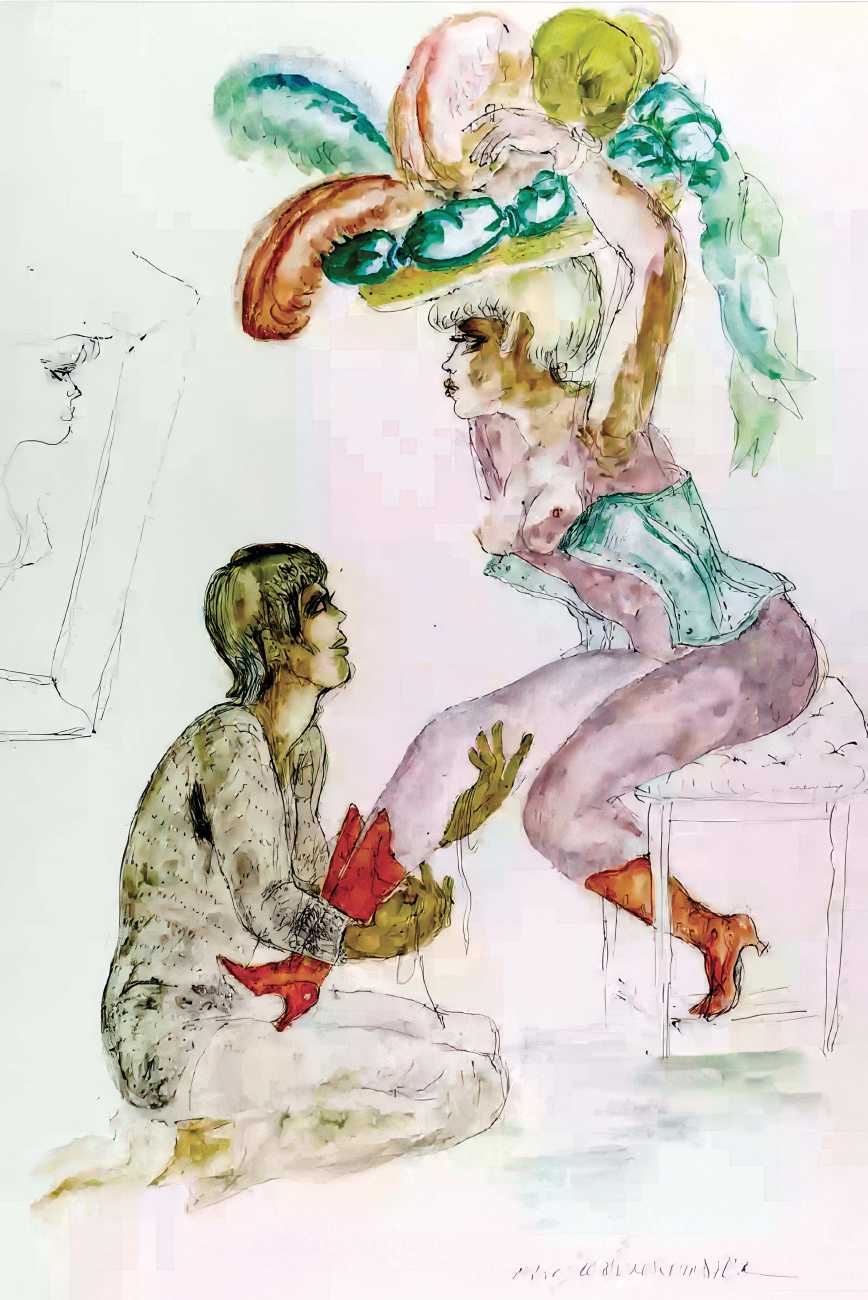
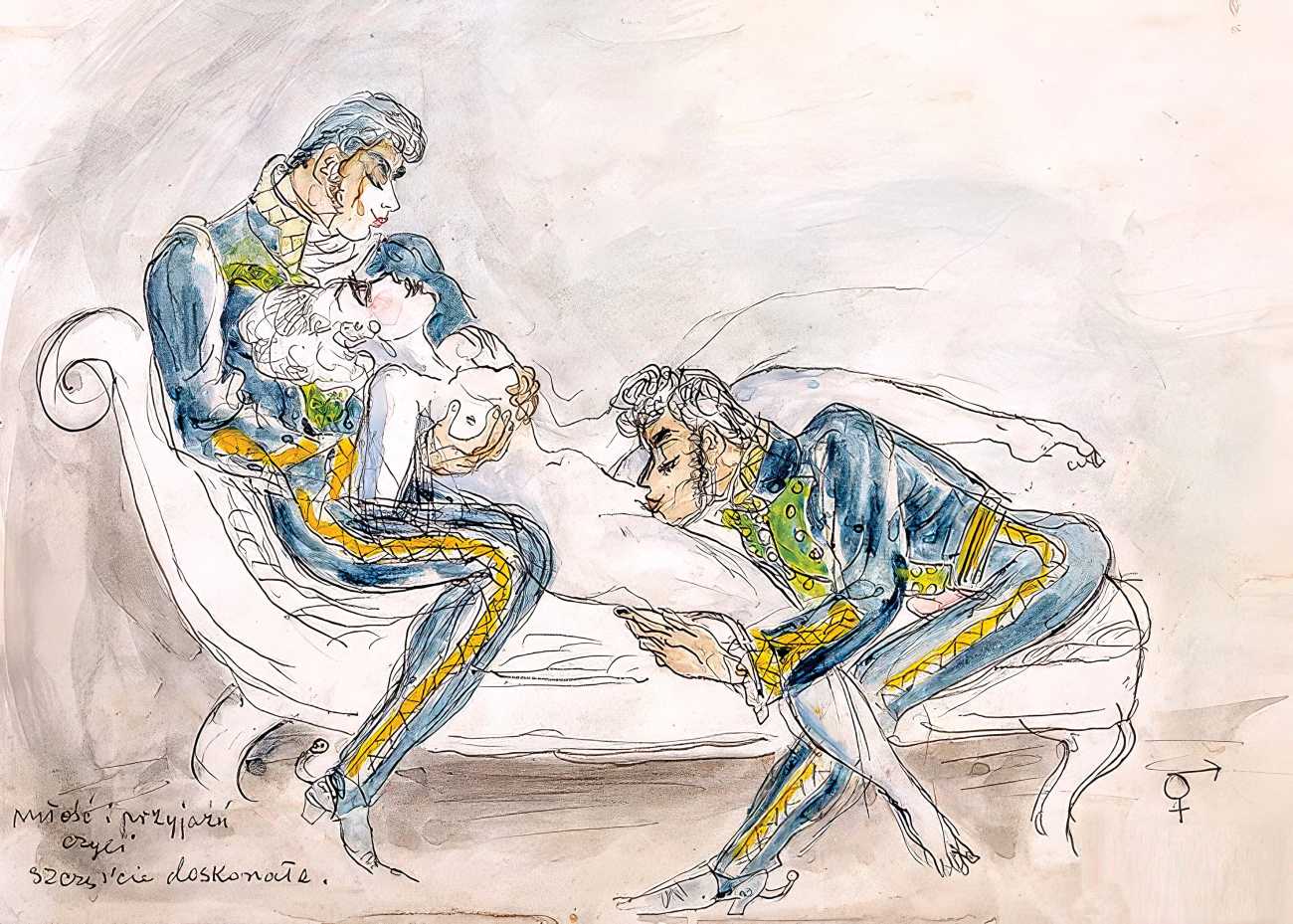
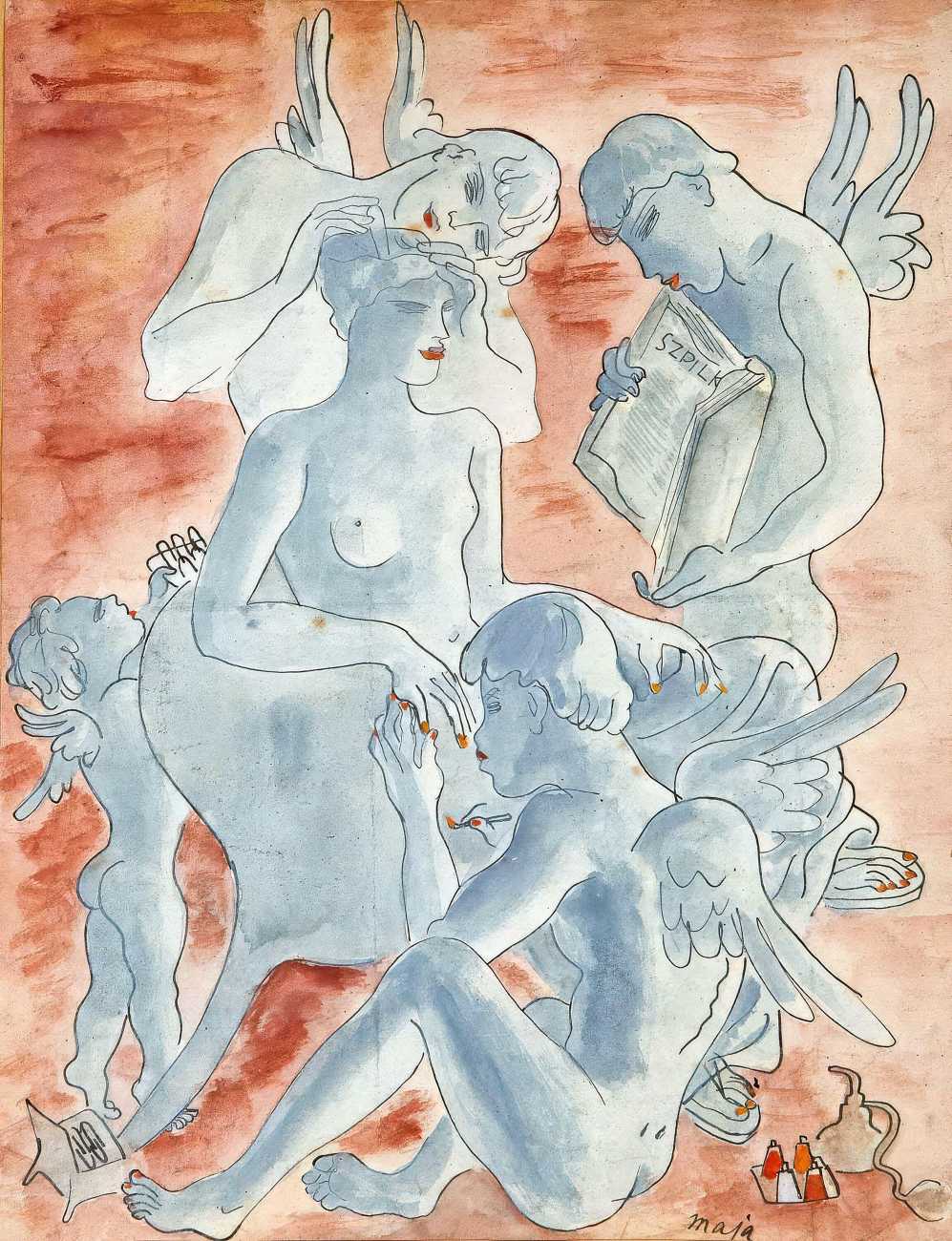
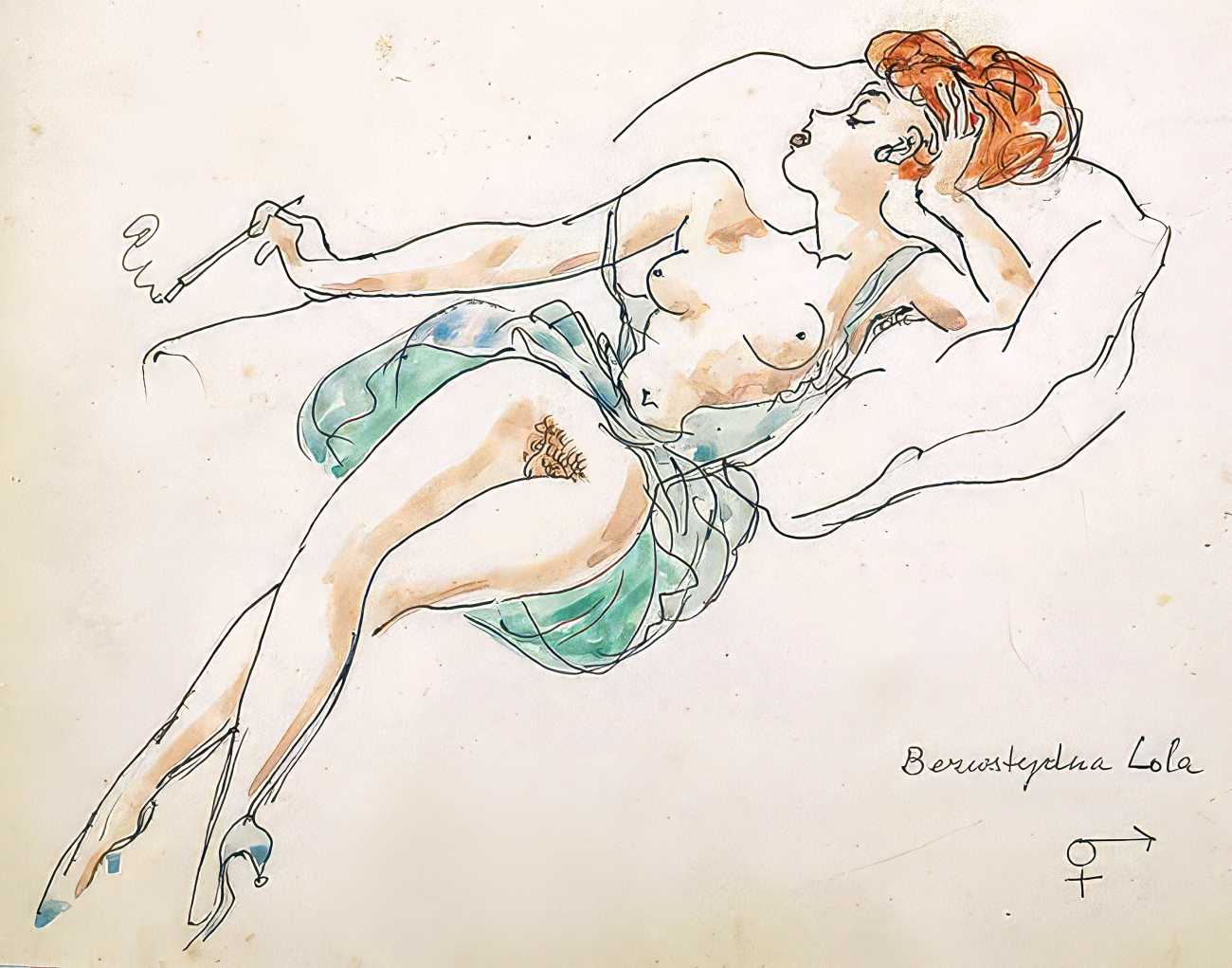
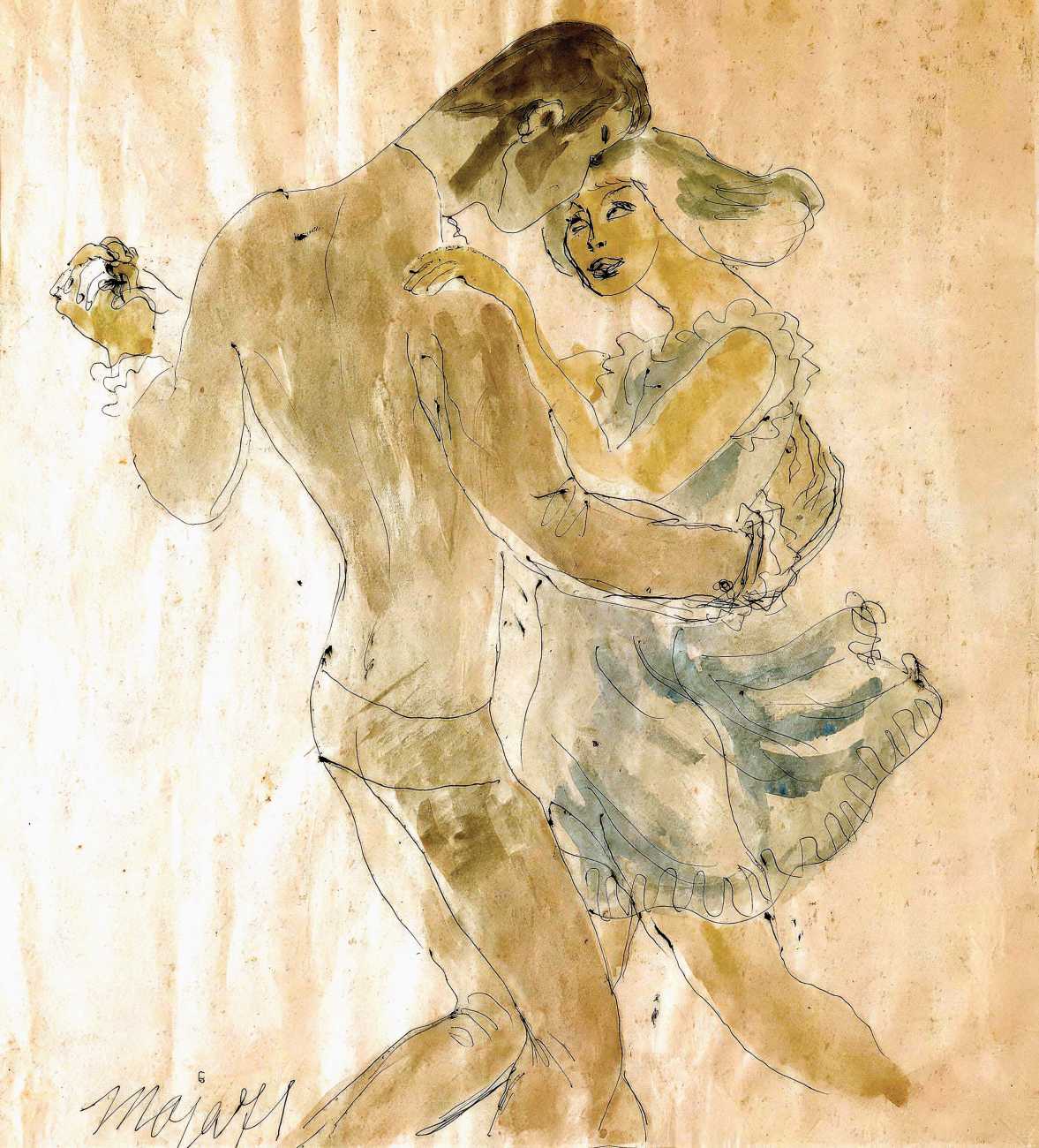
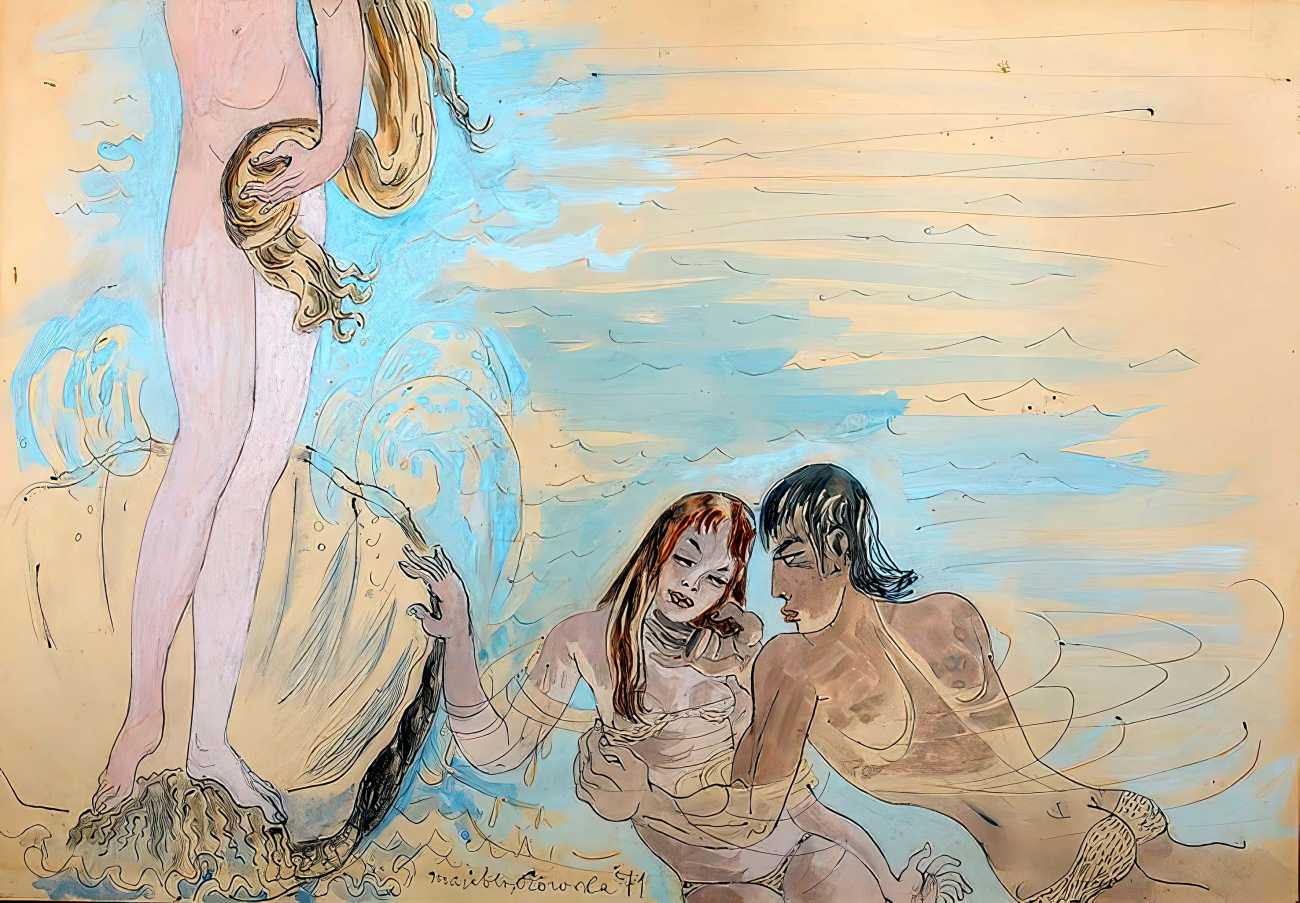
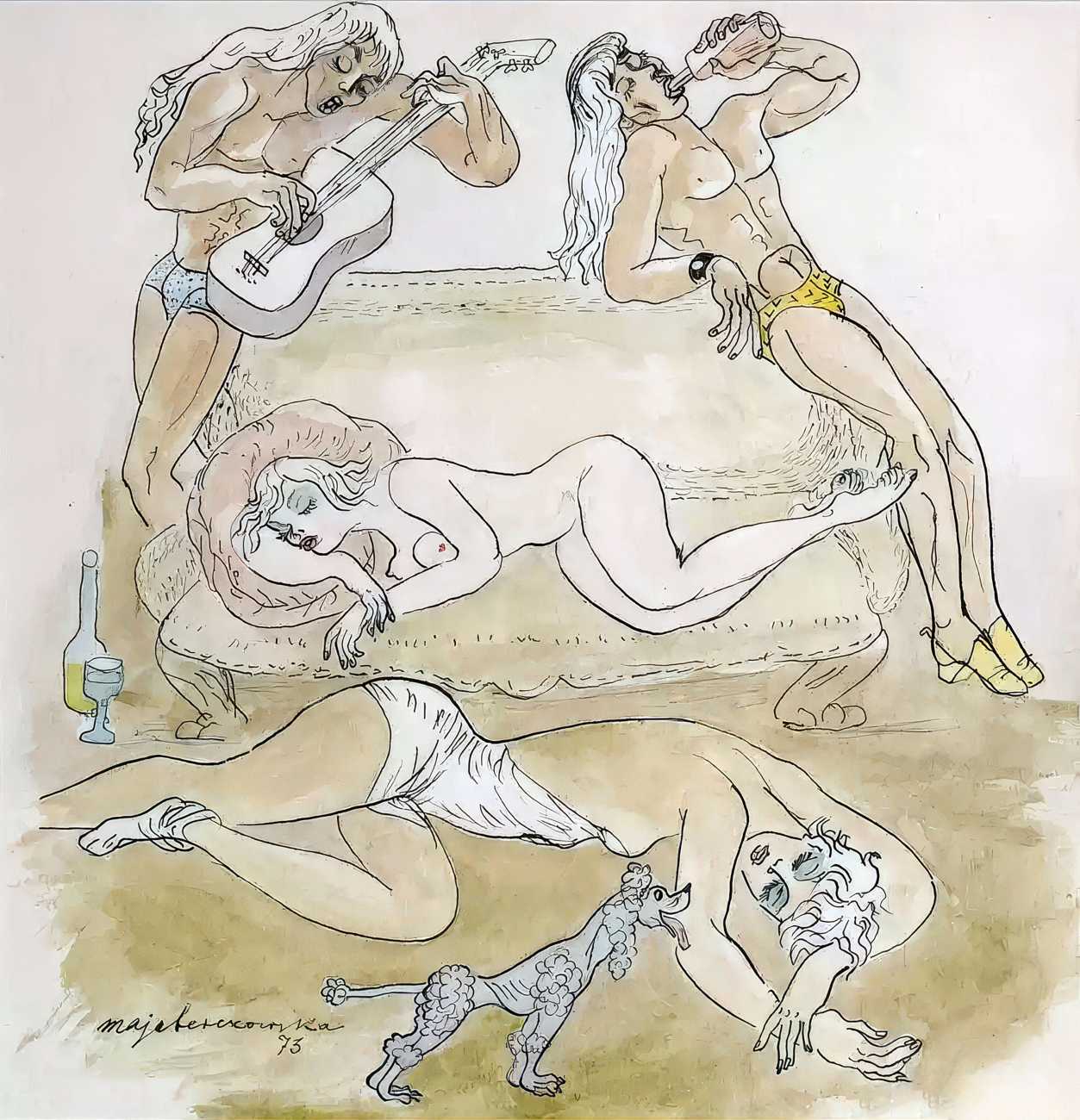
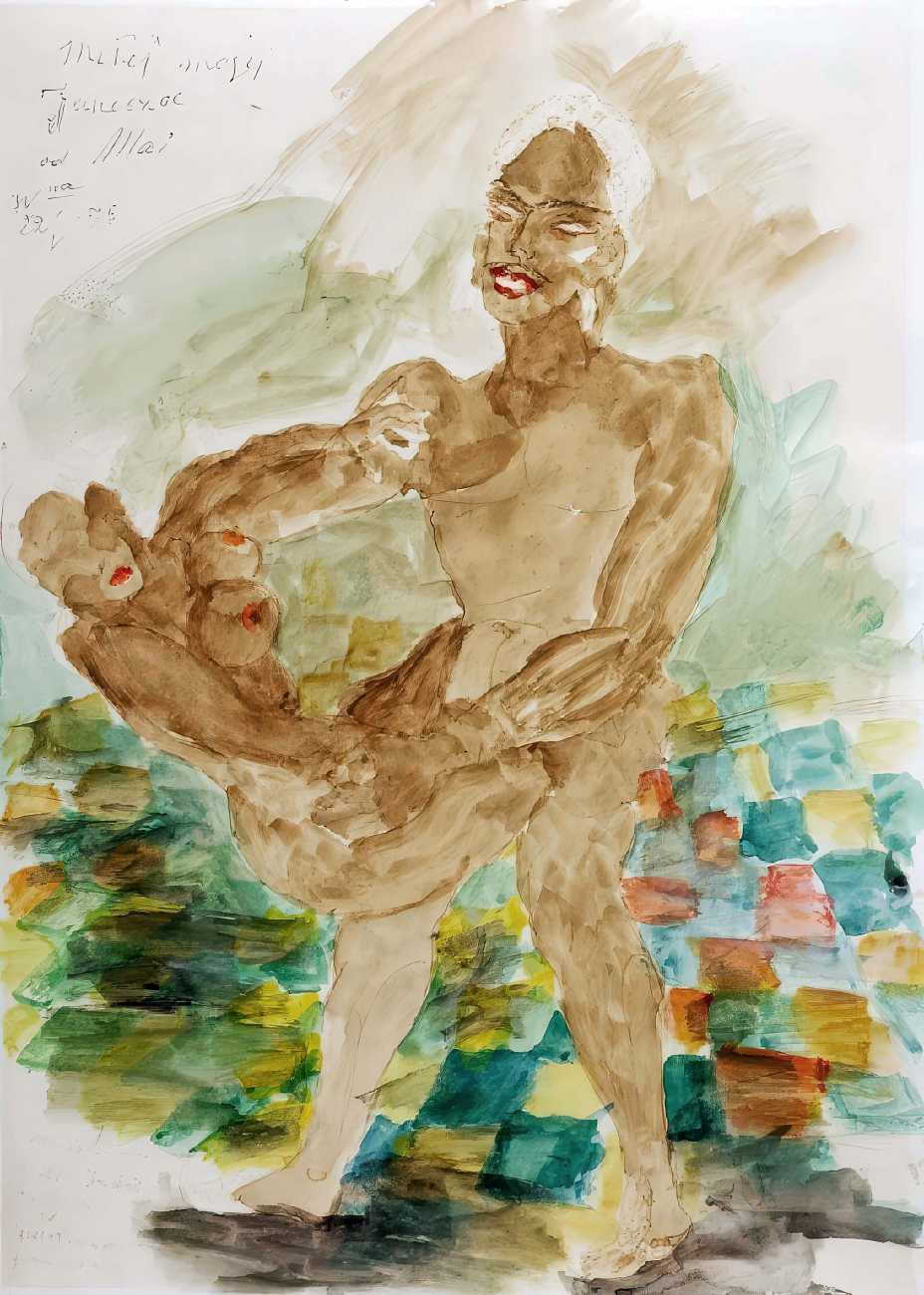
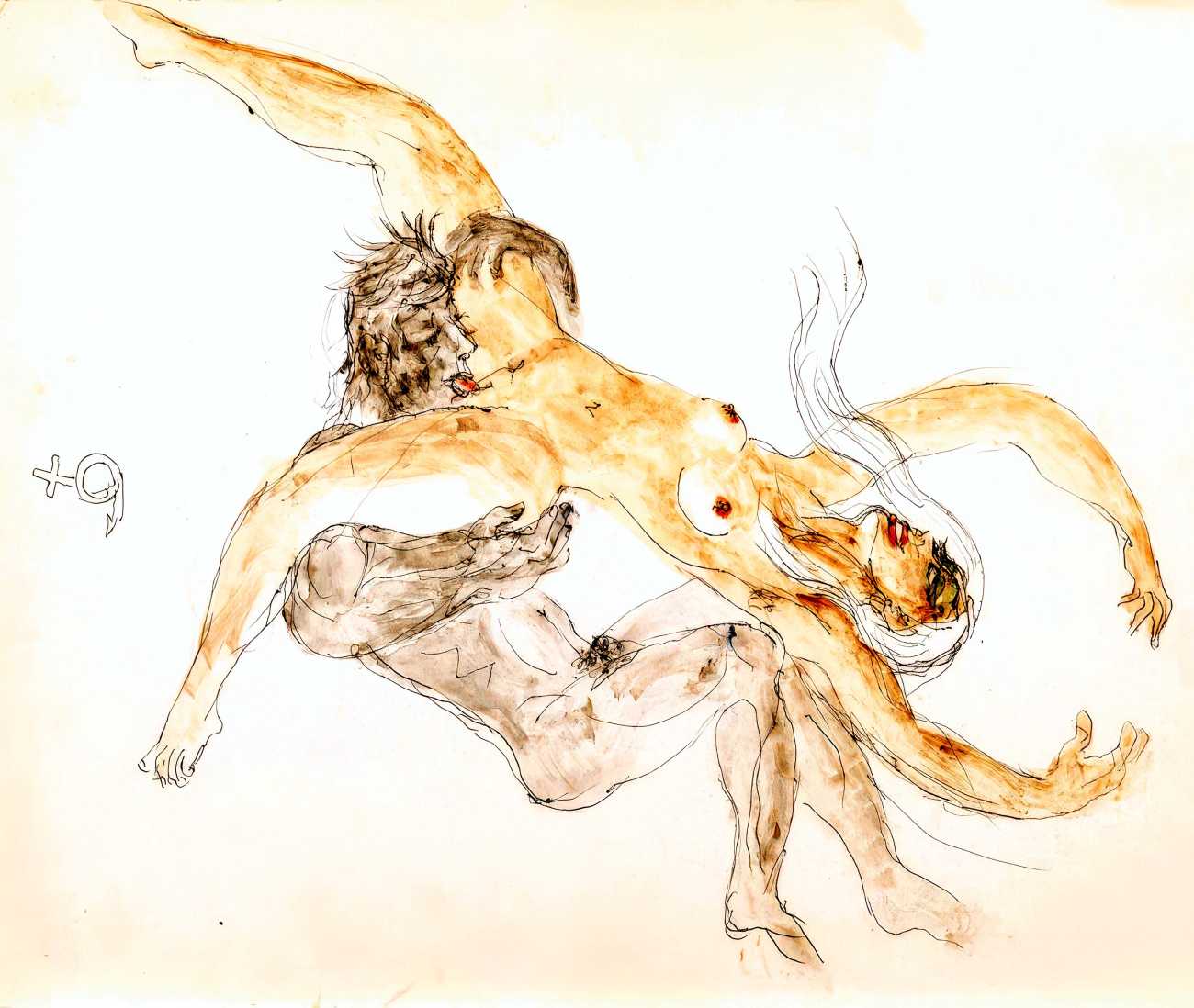
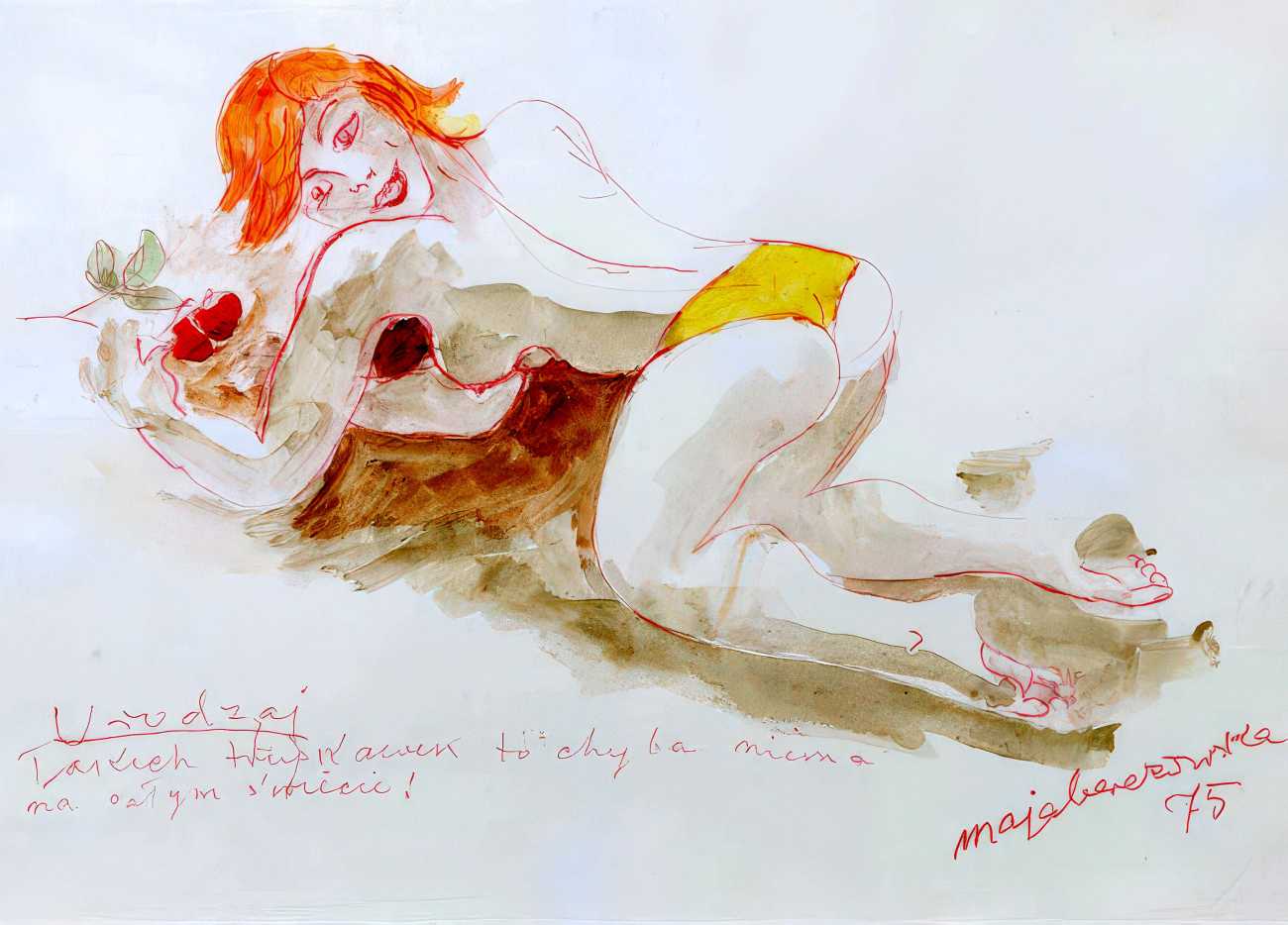
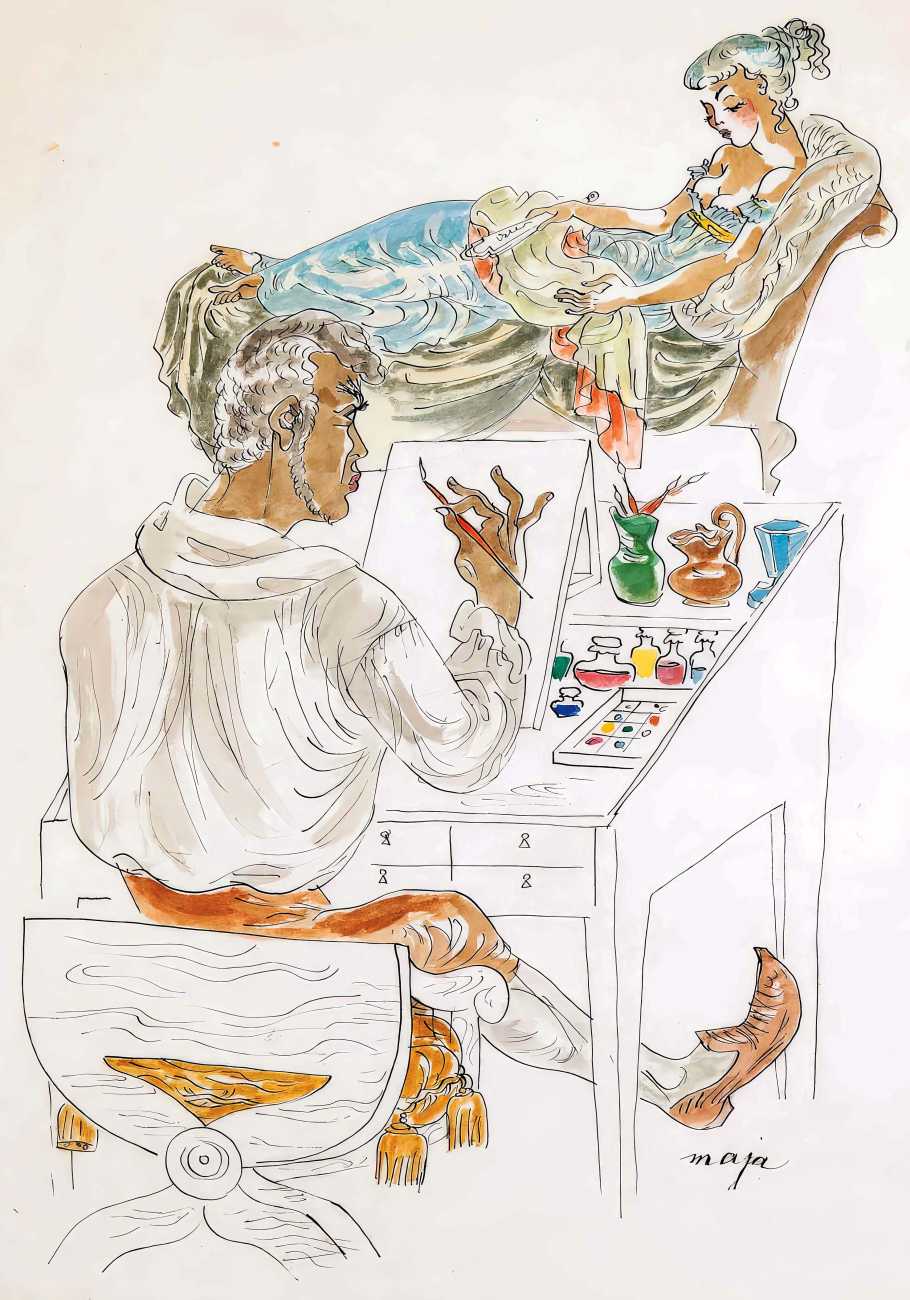
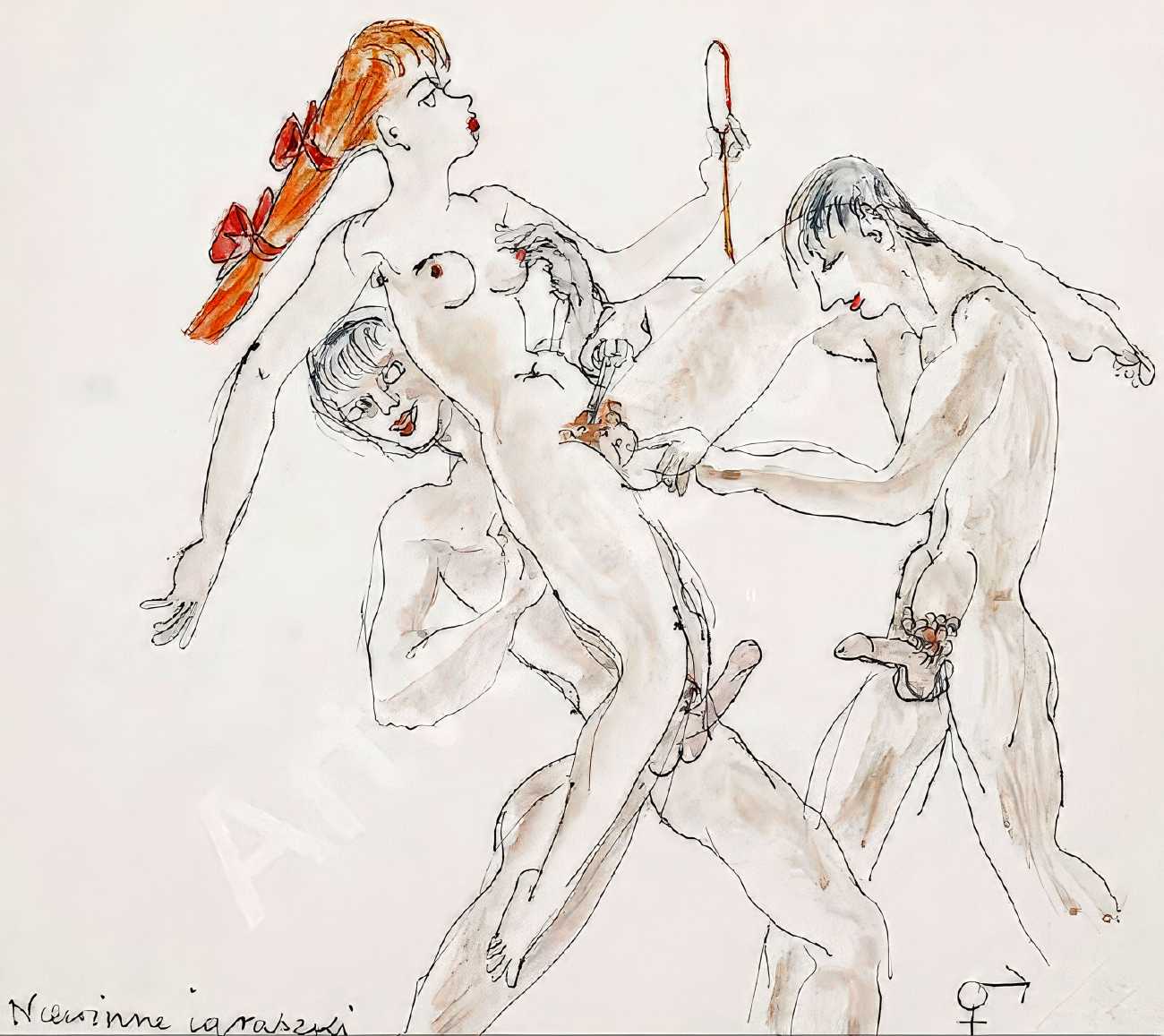
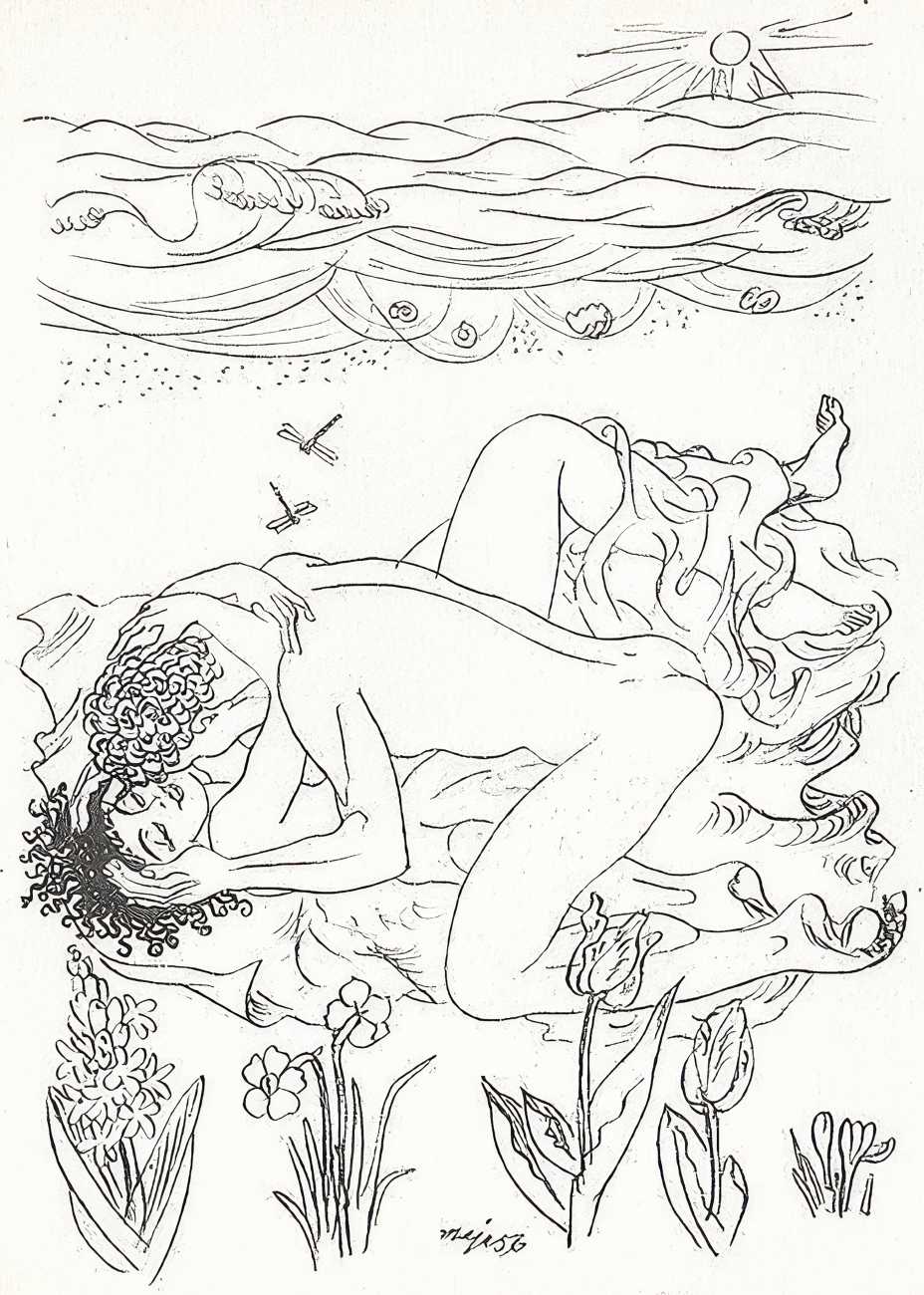
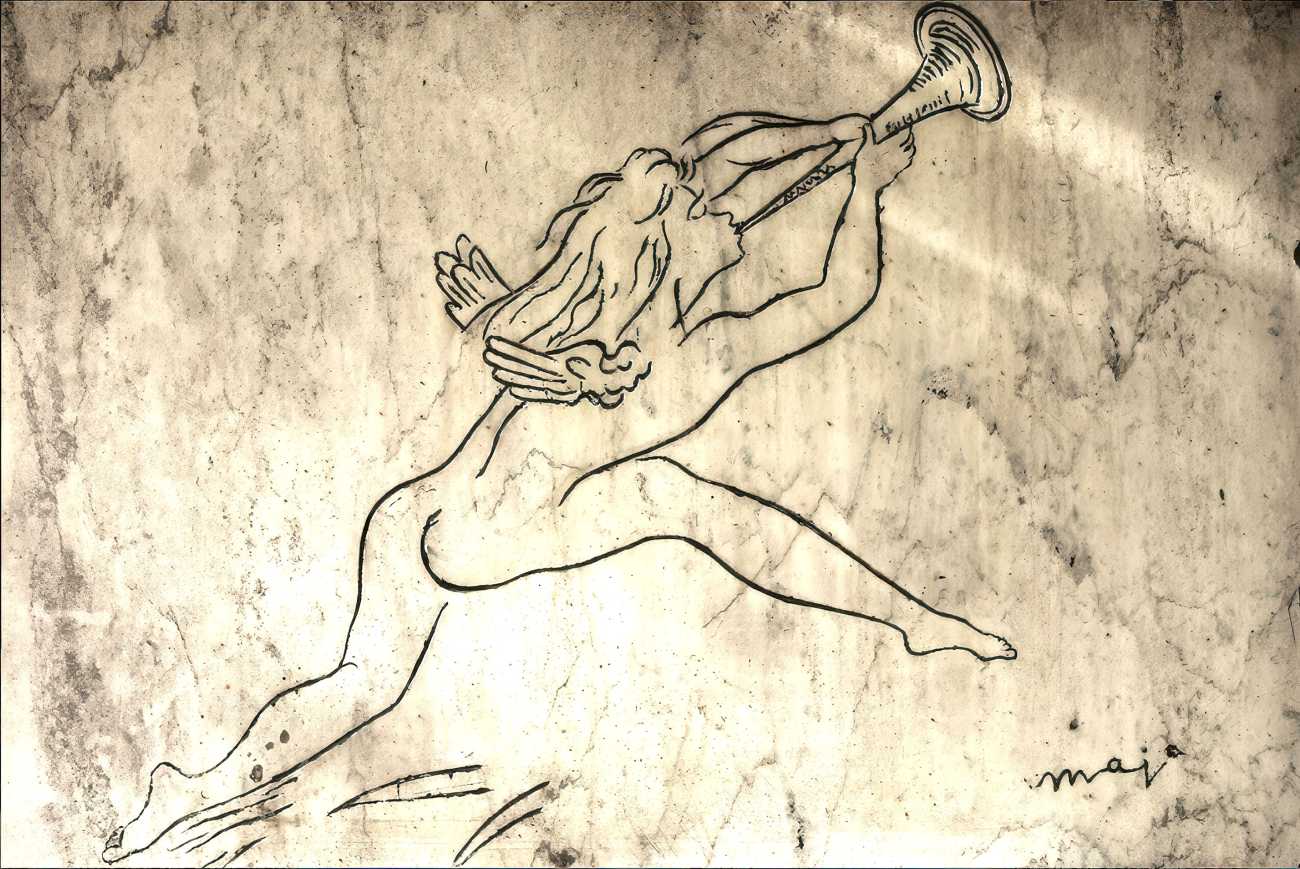
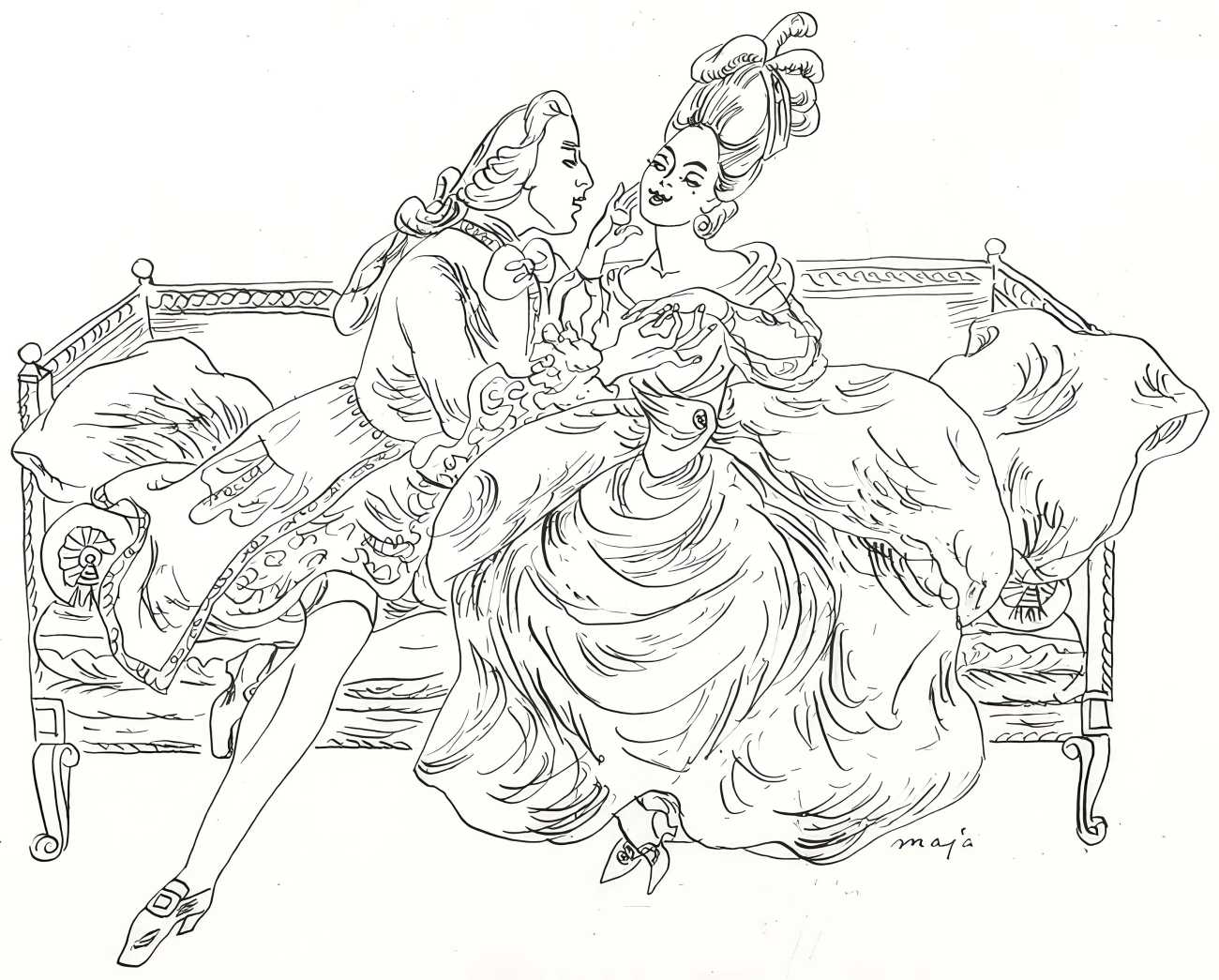
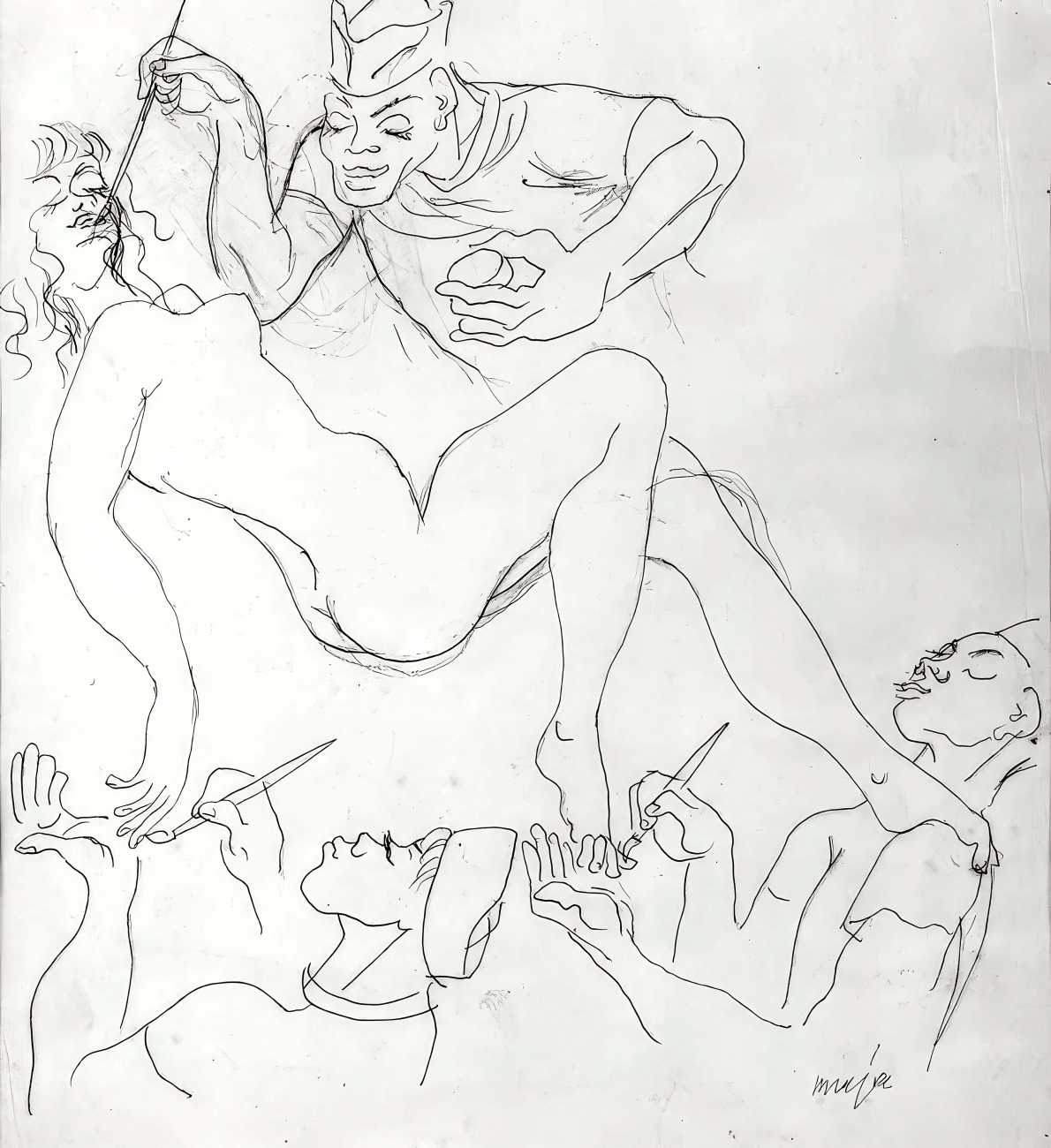
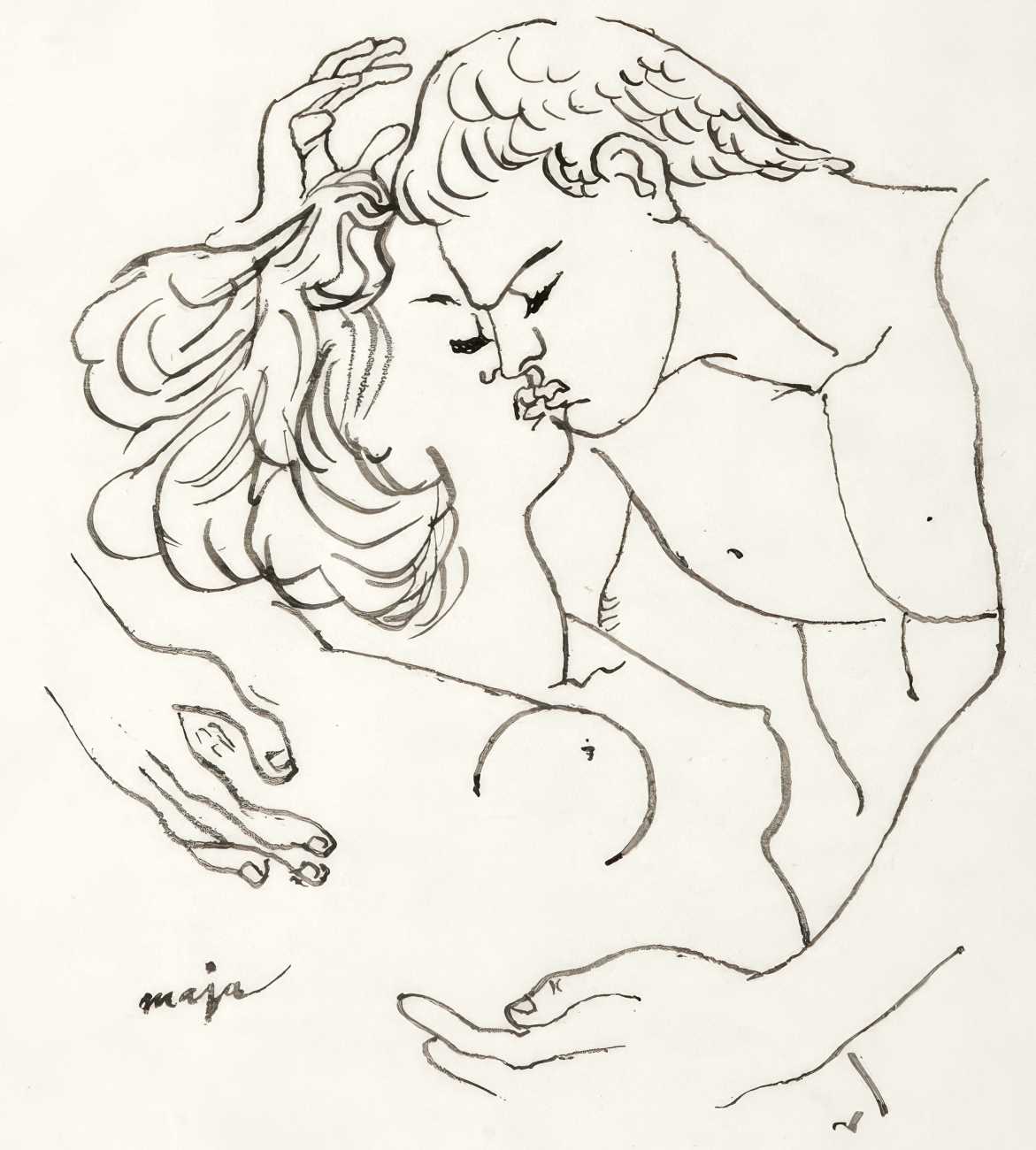
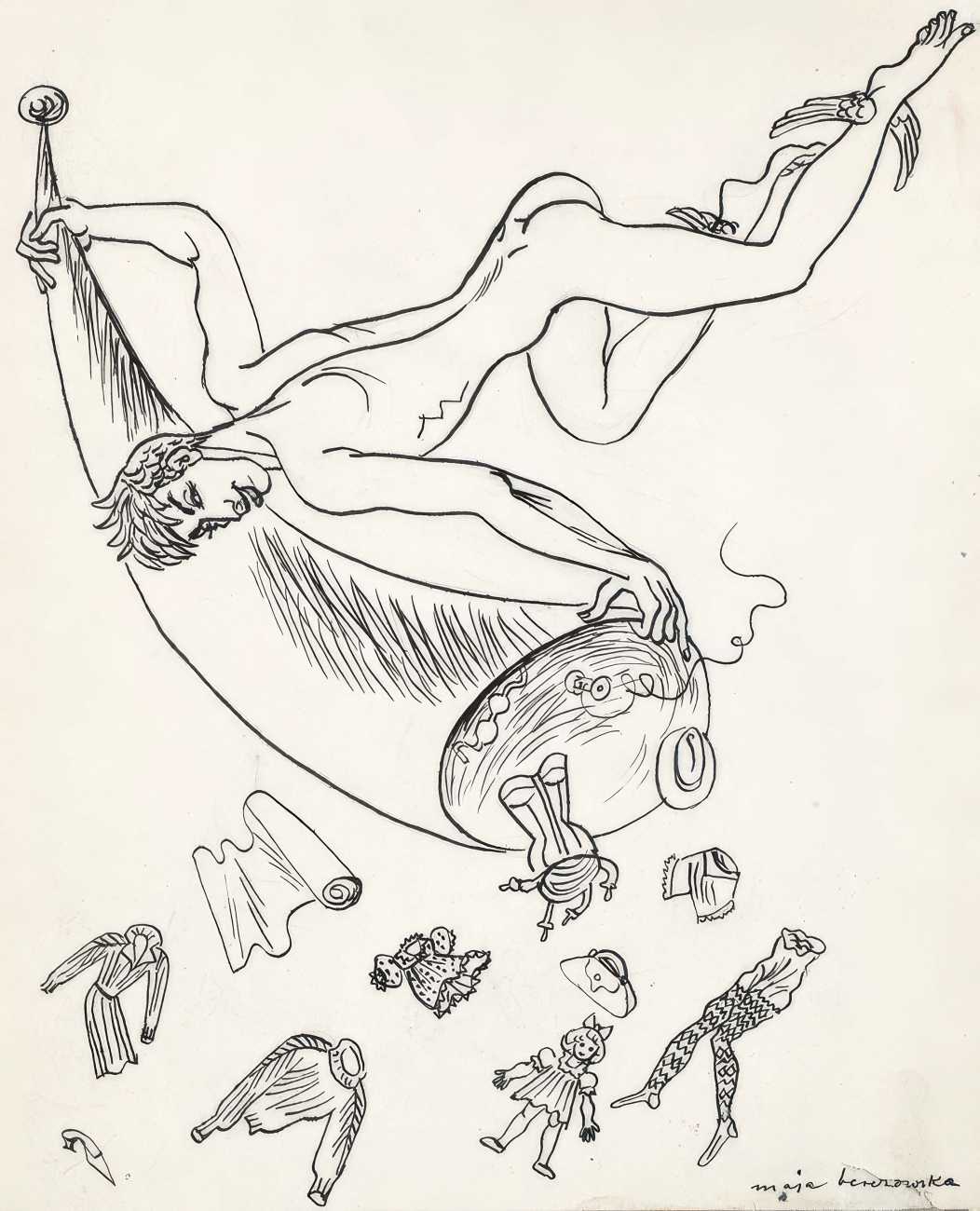
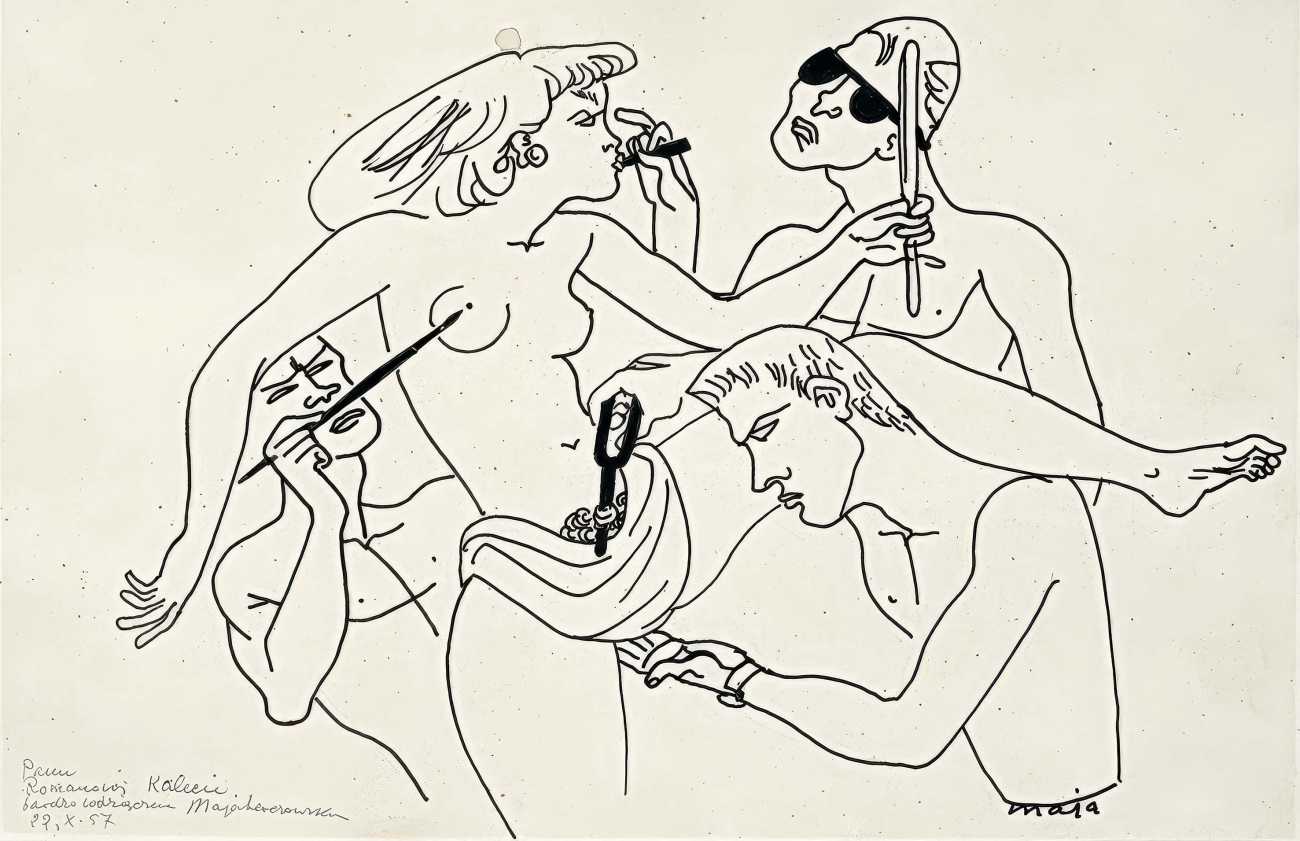
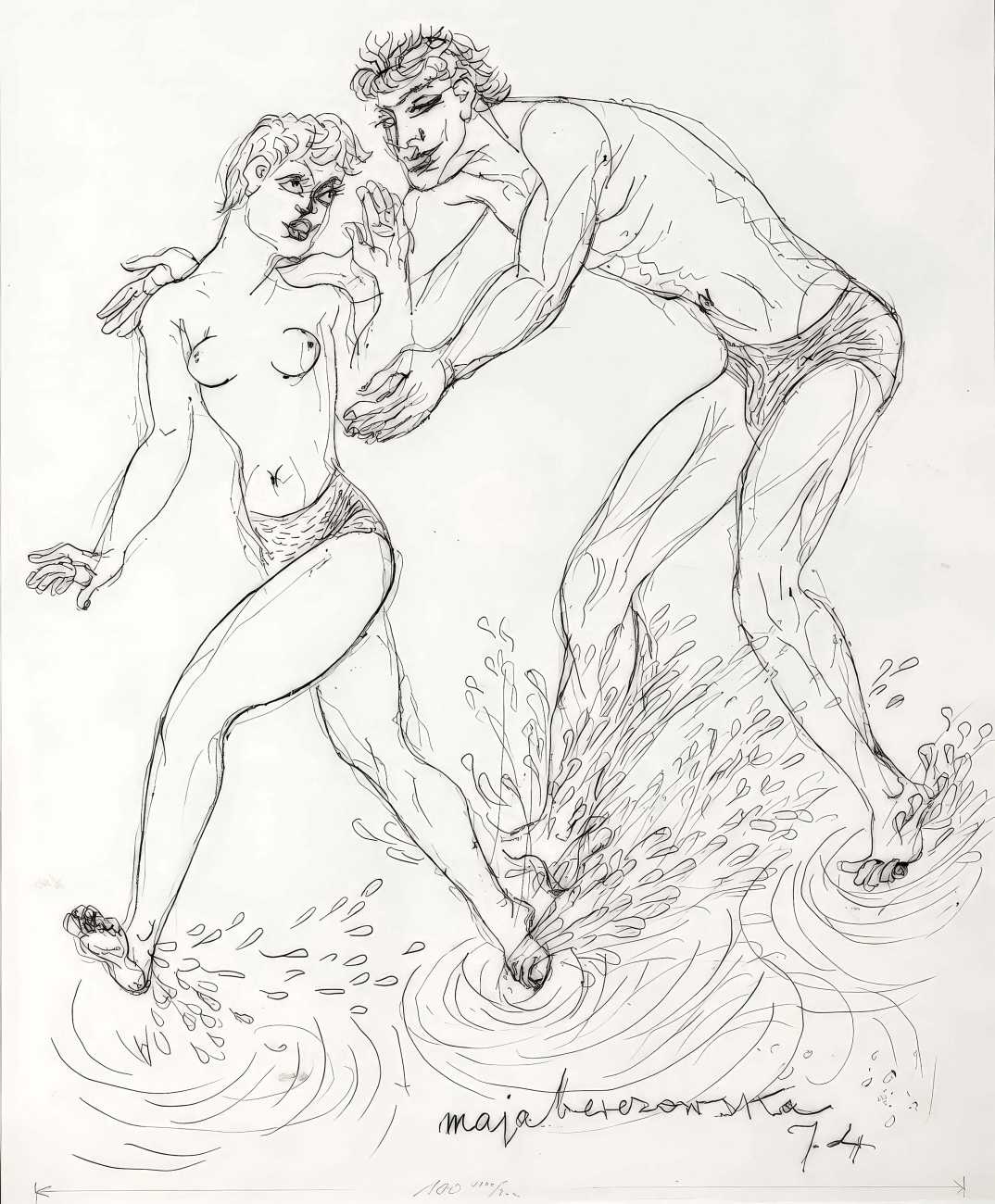
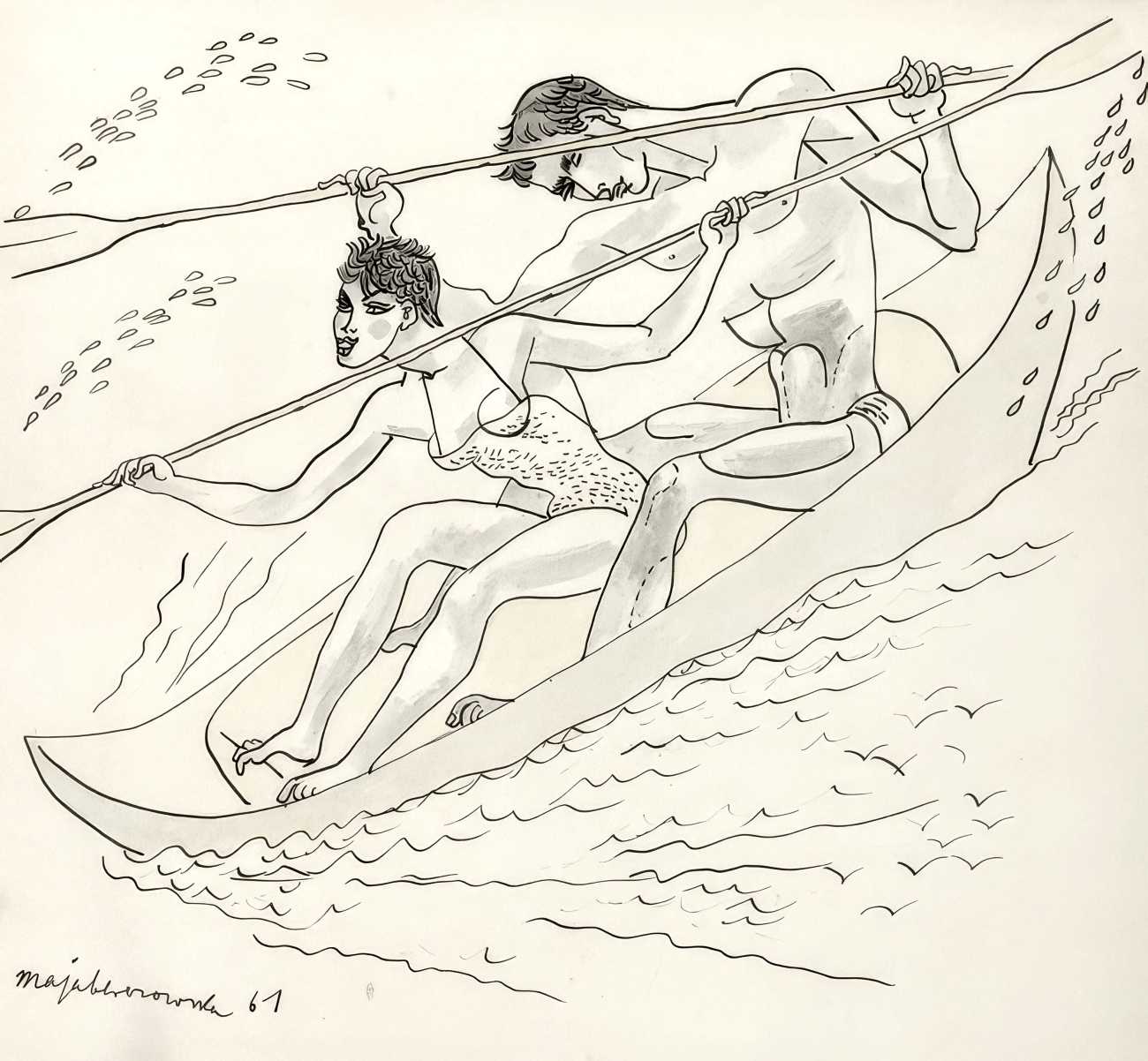
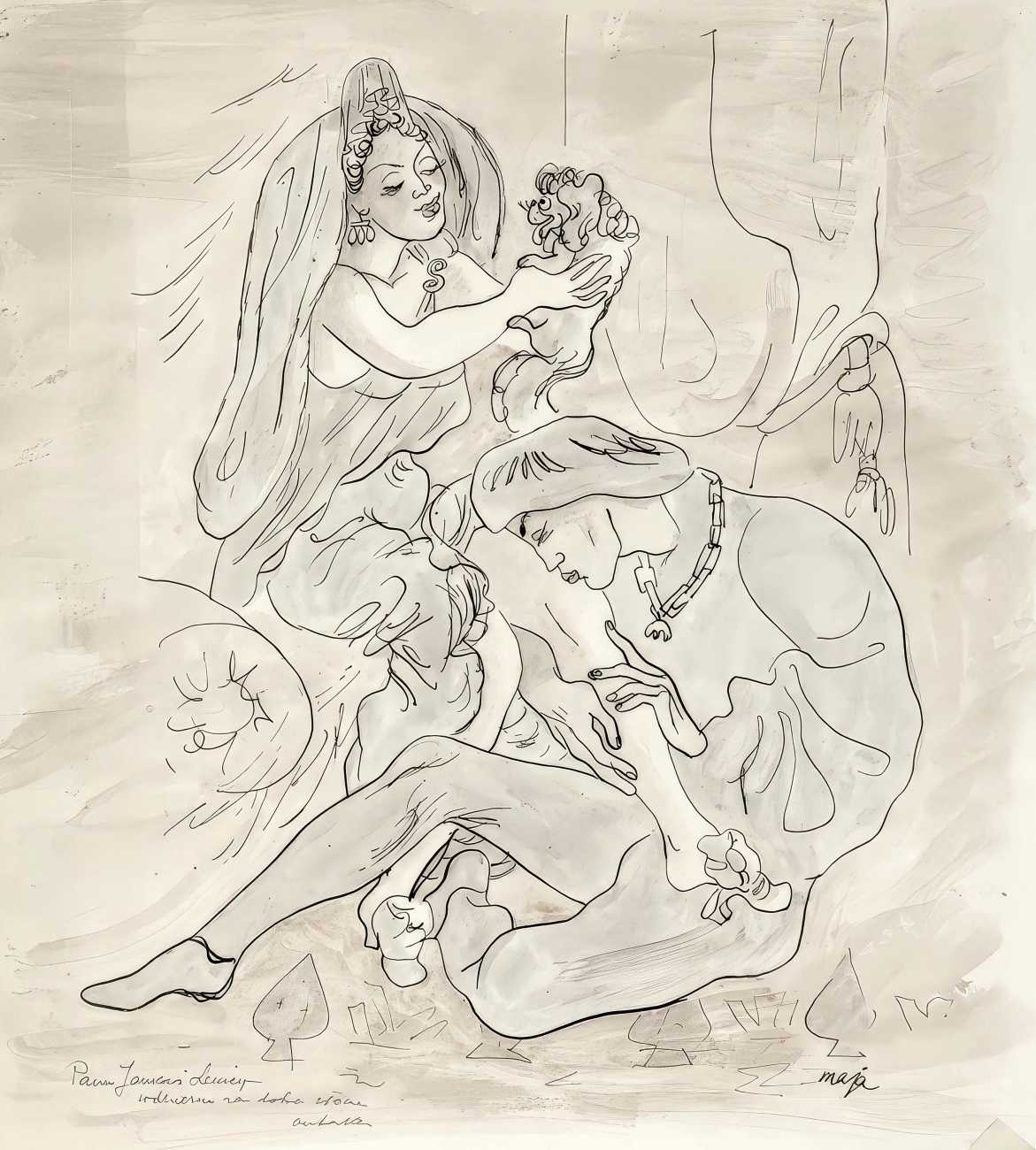
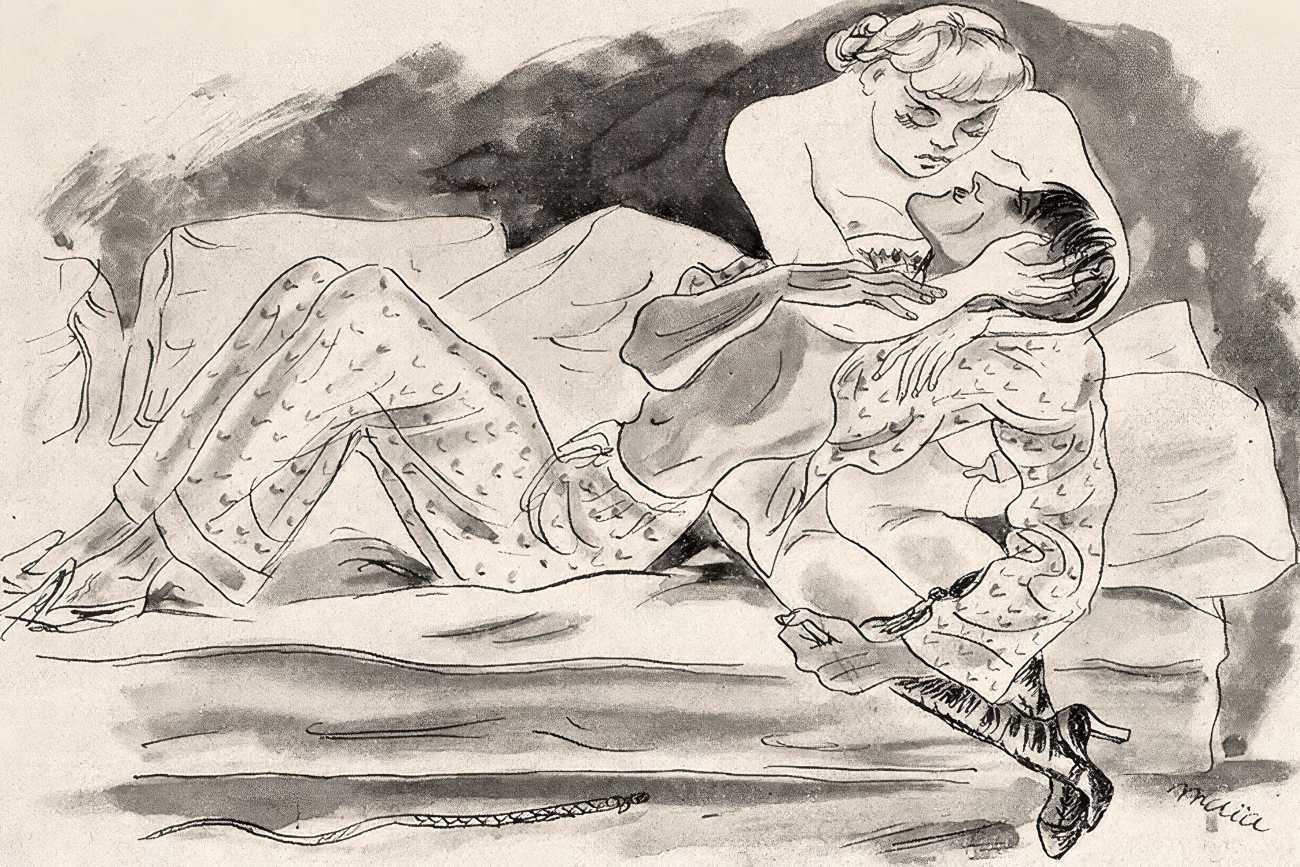
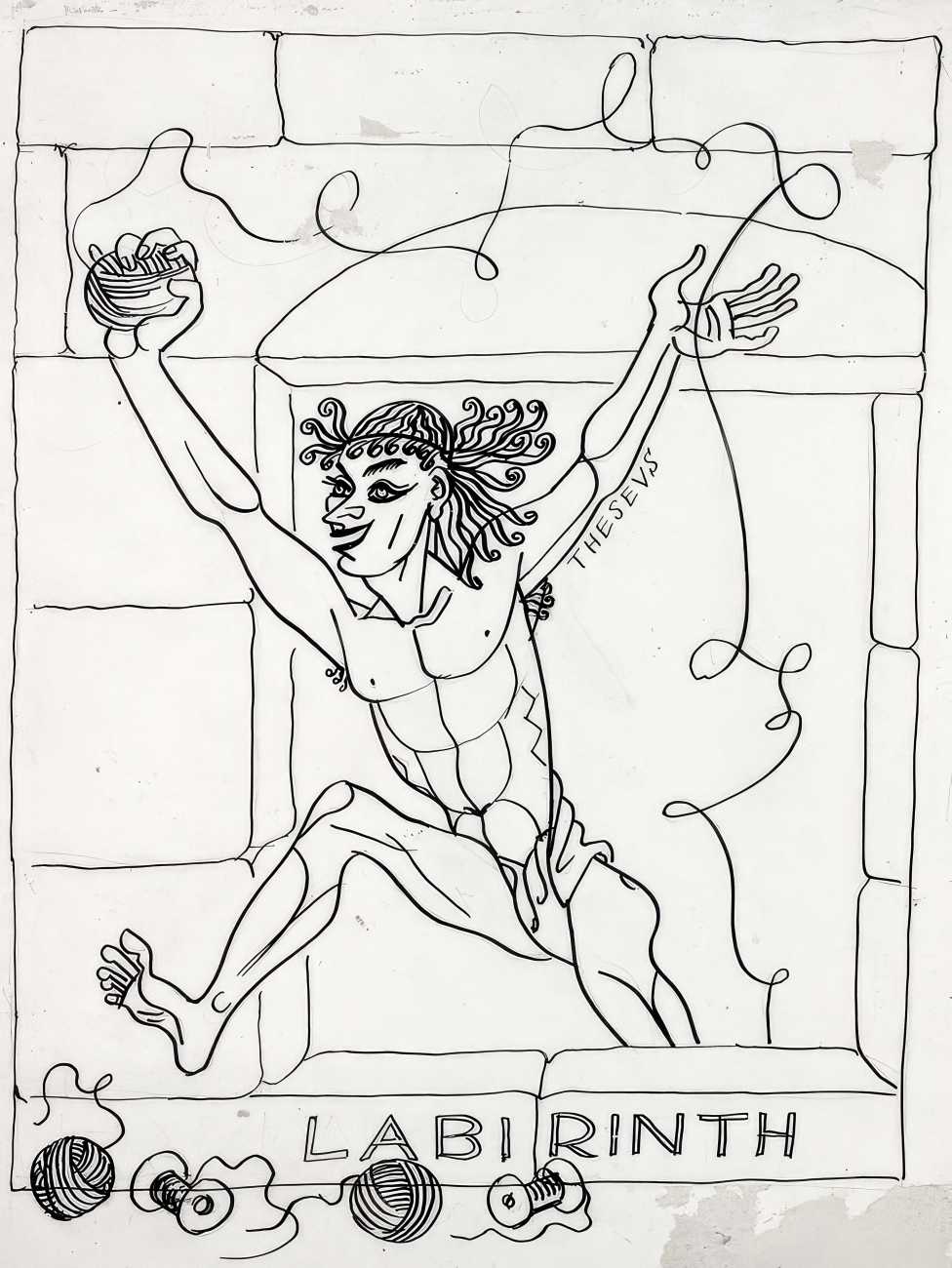
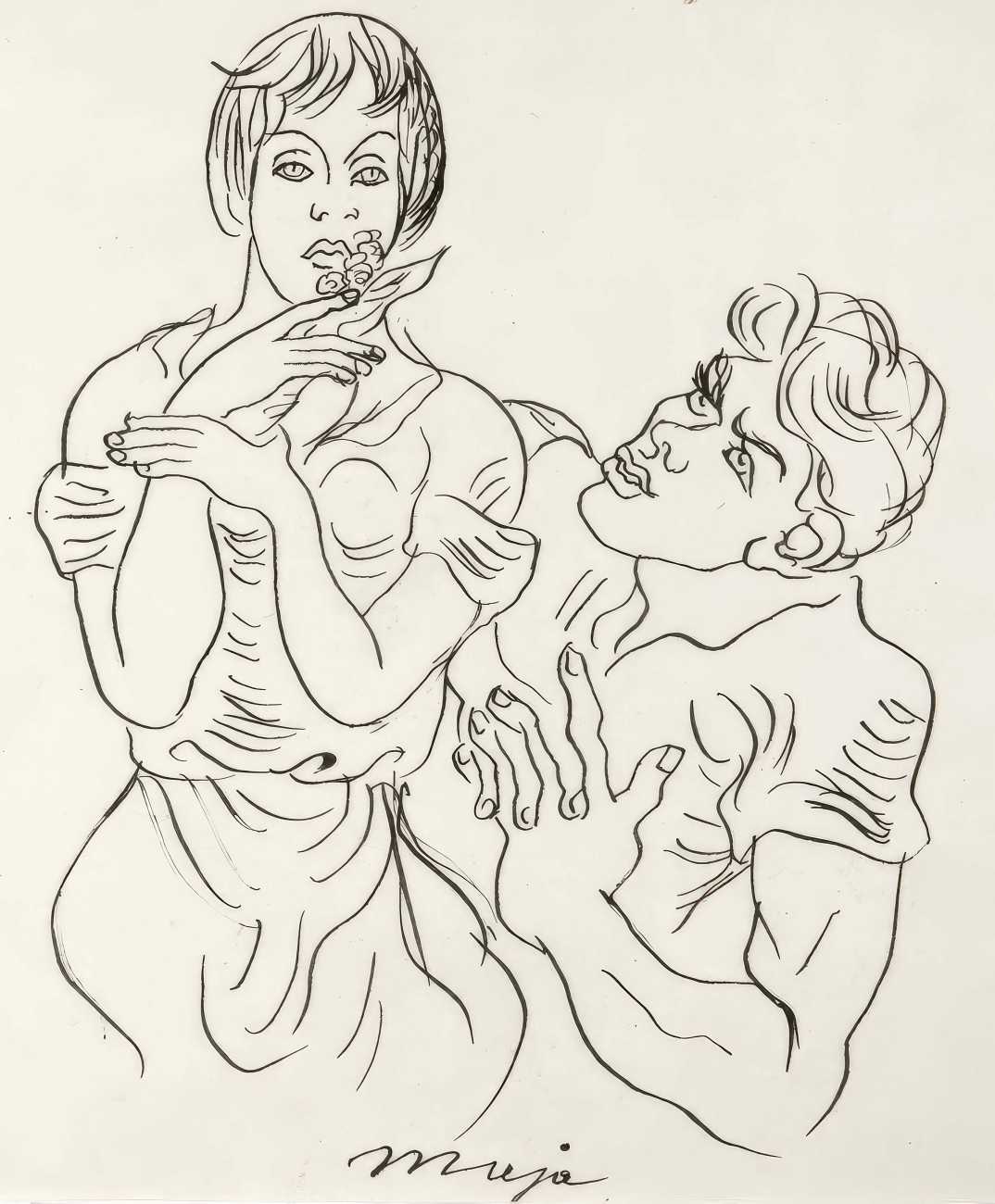
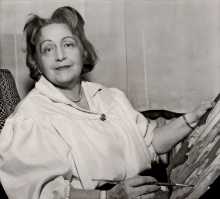
 Maja Berezowska was a Polish painter, draughtswoman, illustrator and caricaturist, best known for her elegant, often erotic drawings of the human body. She was born in Baranowicze, then part of the Russian Empire and now in Belarus, into a Polish family. Her father, Edmund Berezowski, was an engineer and army officer who worked on the Trans-Siberian Railway. She studied art in St Petersburg, Kraków and Munich, including at Maria Niedzielska’s School of Fine Arts for Women in Kraków.
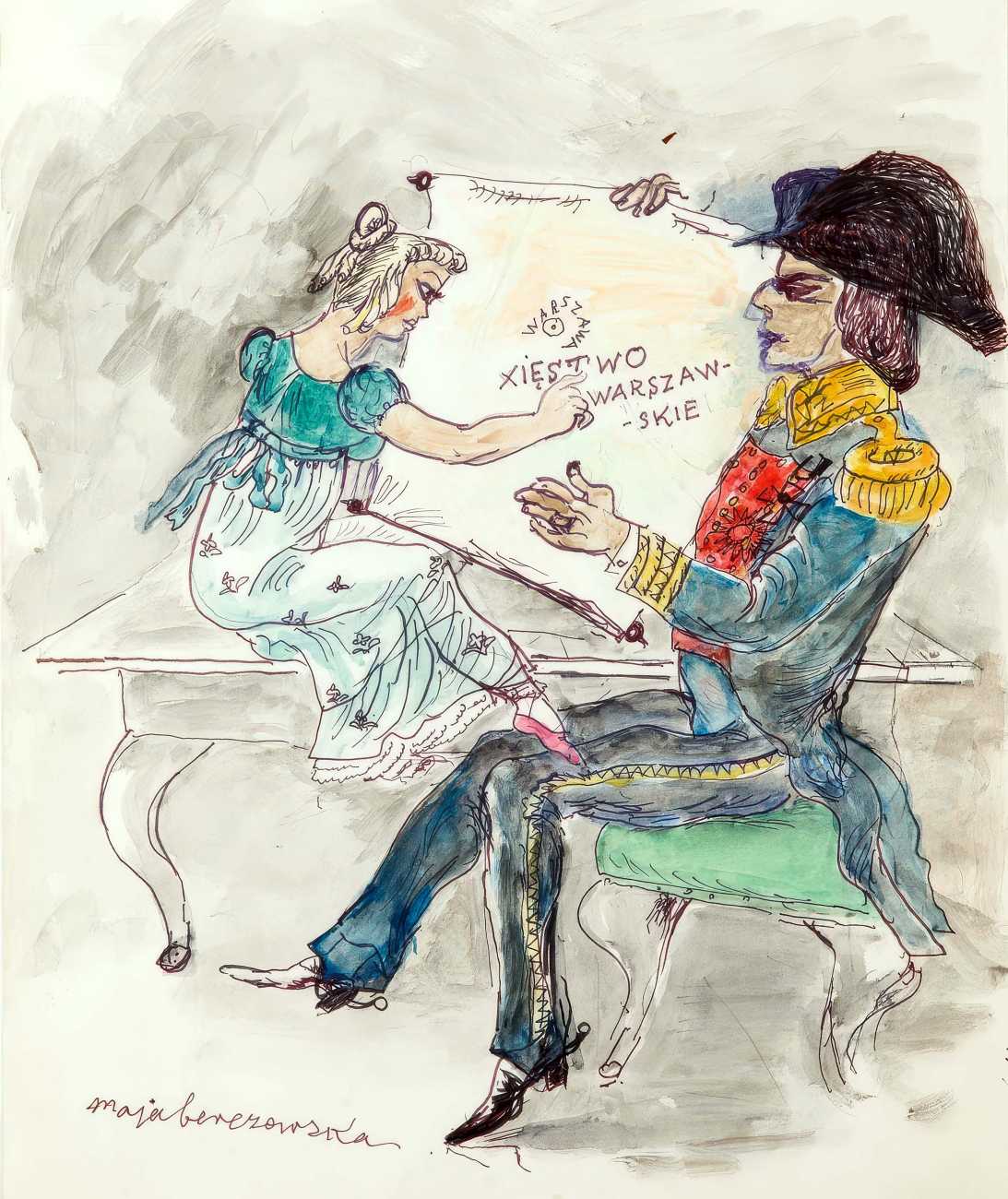
Berezowska made her first professional appearance as an illustrator in 1916 and soon established herself in the Polish press. During the 1920s and 1930s she contributed drawings and caricatures to publications including Szczutek, Cyrulik Warszawski and Szpilki. She was also a member of the Rytm artistic group from 1924 to 1932. Alongside her press work she designed costumes and stage settings for theatres, cabarets and revues, becoming increasingly immersed in the lively artistic and theatrical culture of interwar Warsaw.
Her personal life was in some respects as unconventional as her artistic career. Berezowska met the painter, caricaturist and illustrator Kazimierz Grus in Warsaw in 1918. He was twelve years her senior, and the two shared strong artistic and political interests. They married in Bytom in 1920, and during the Silesian Uprisings collaborated on anti-German propaganda posters. The marriage, however, became deeply troubled. Grus suffered from severe alcoholism and was violent towards her, and the couple divorced in 1926. Berezowska retained her own surname after the marriage.
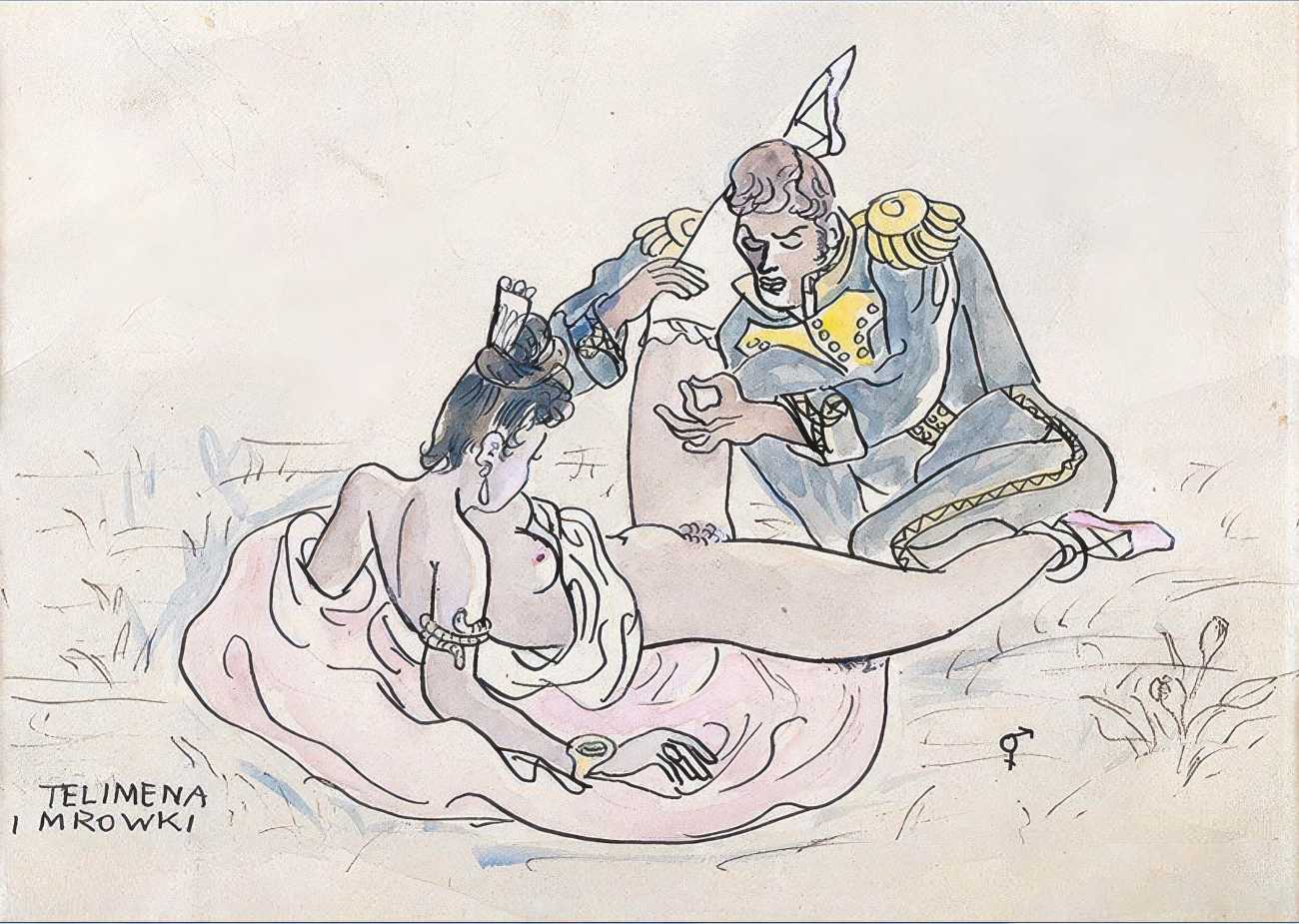
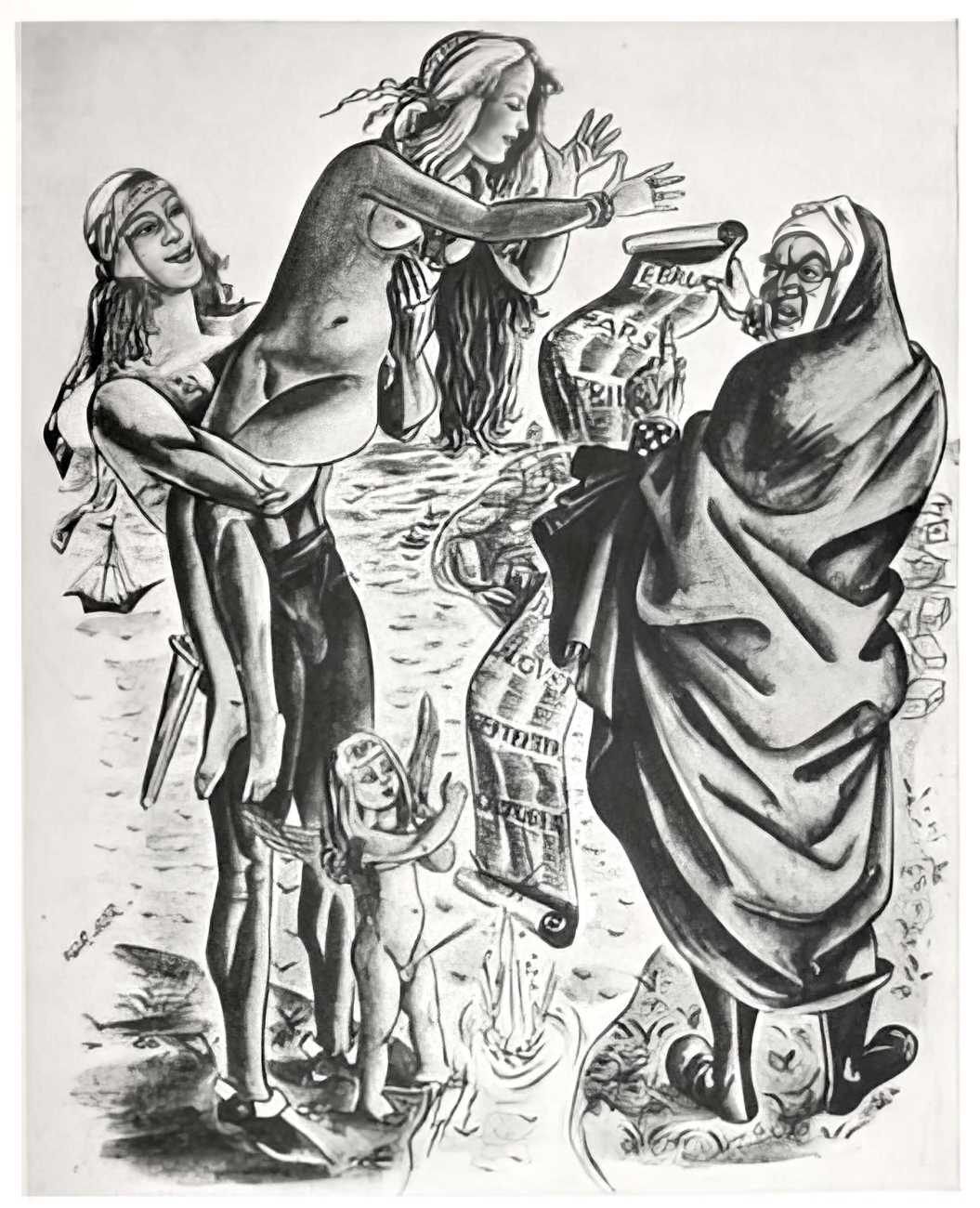
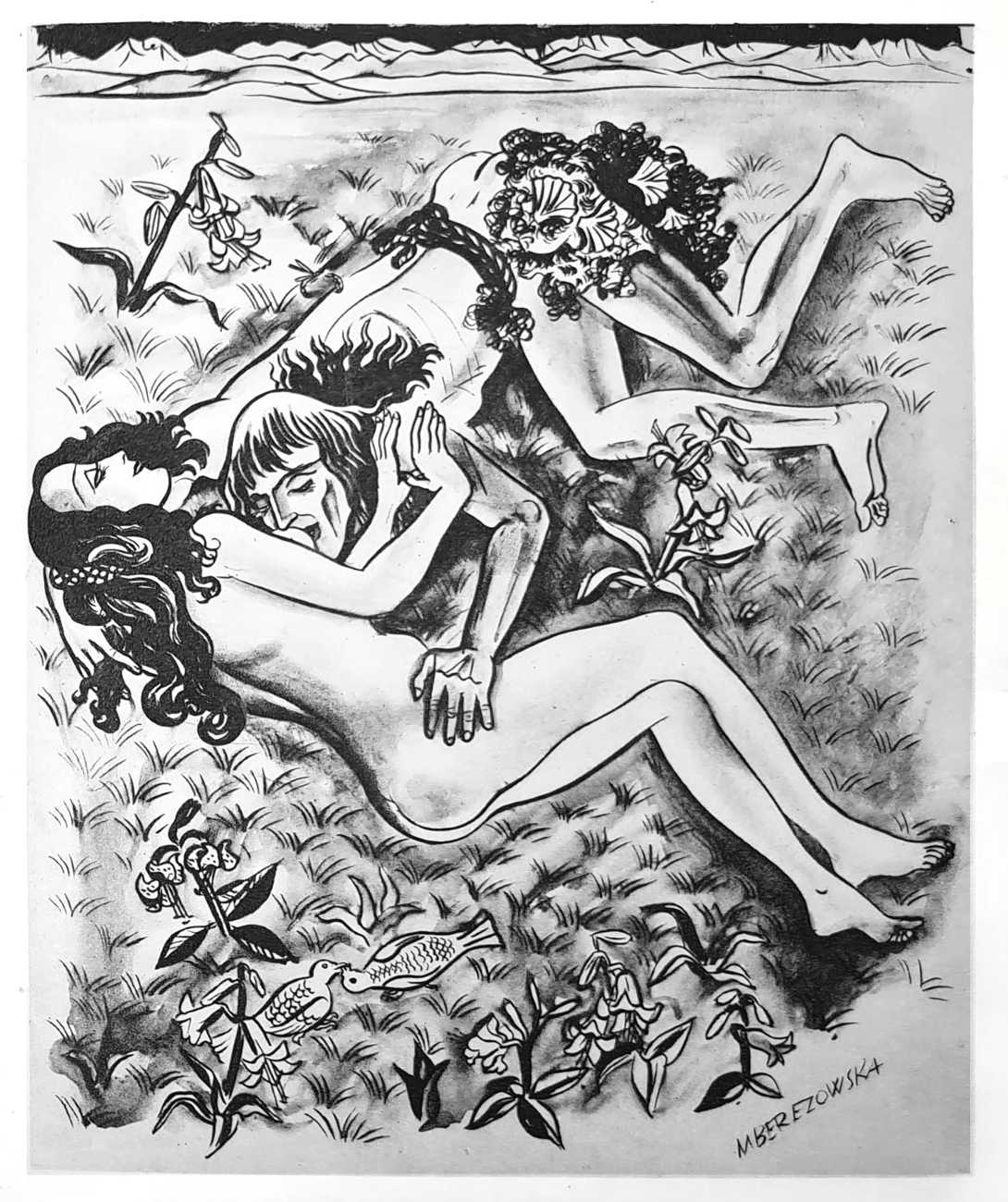
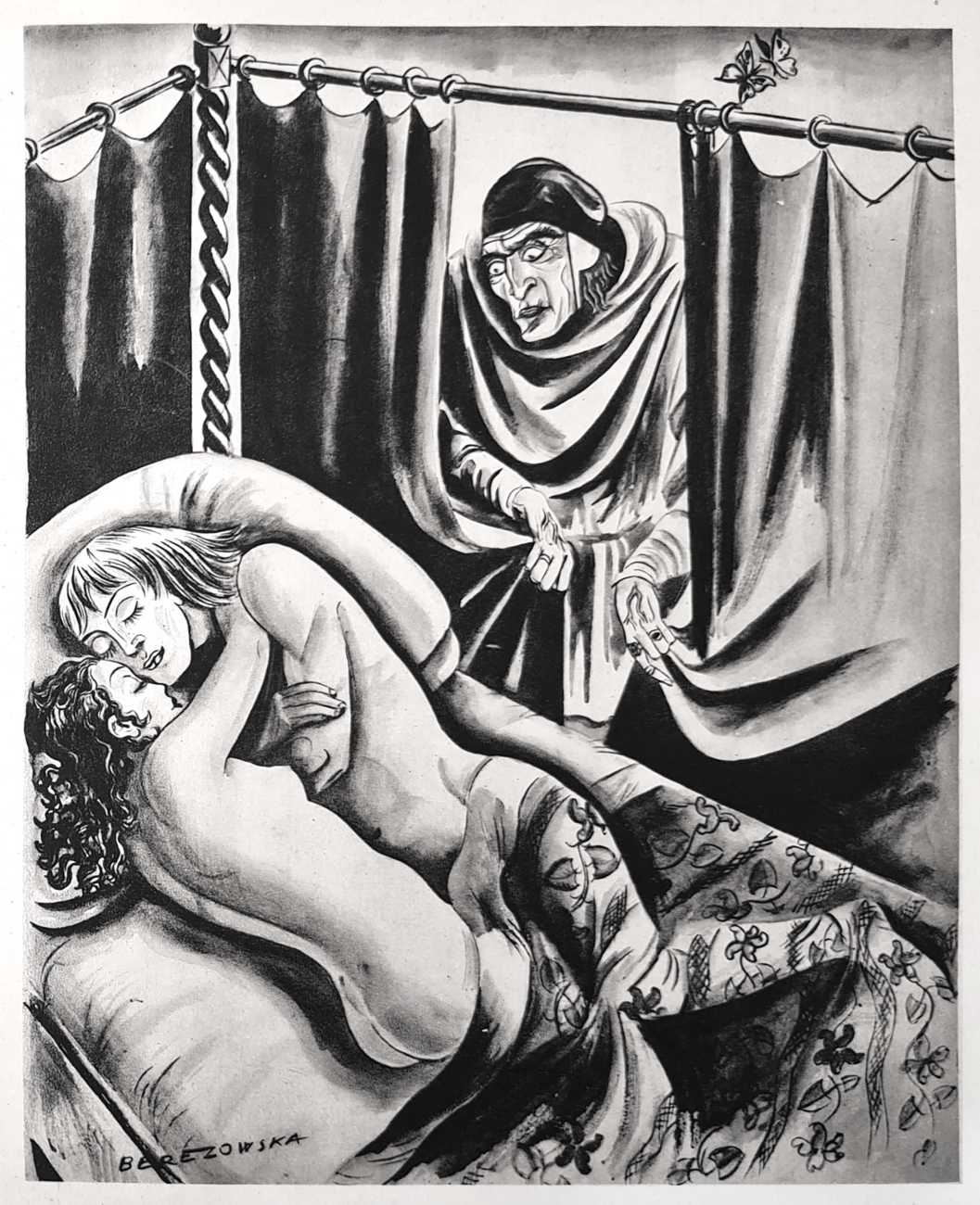
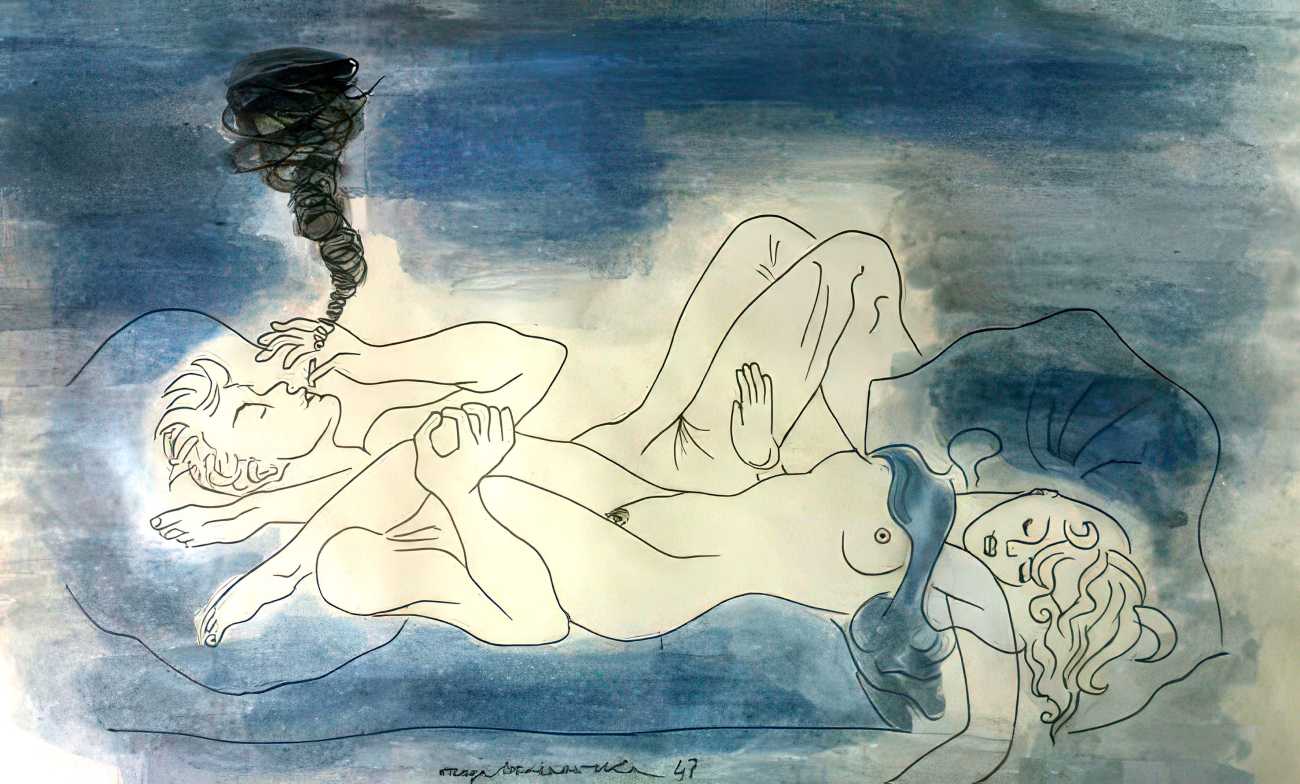
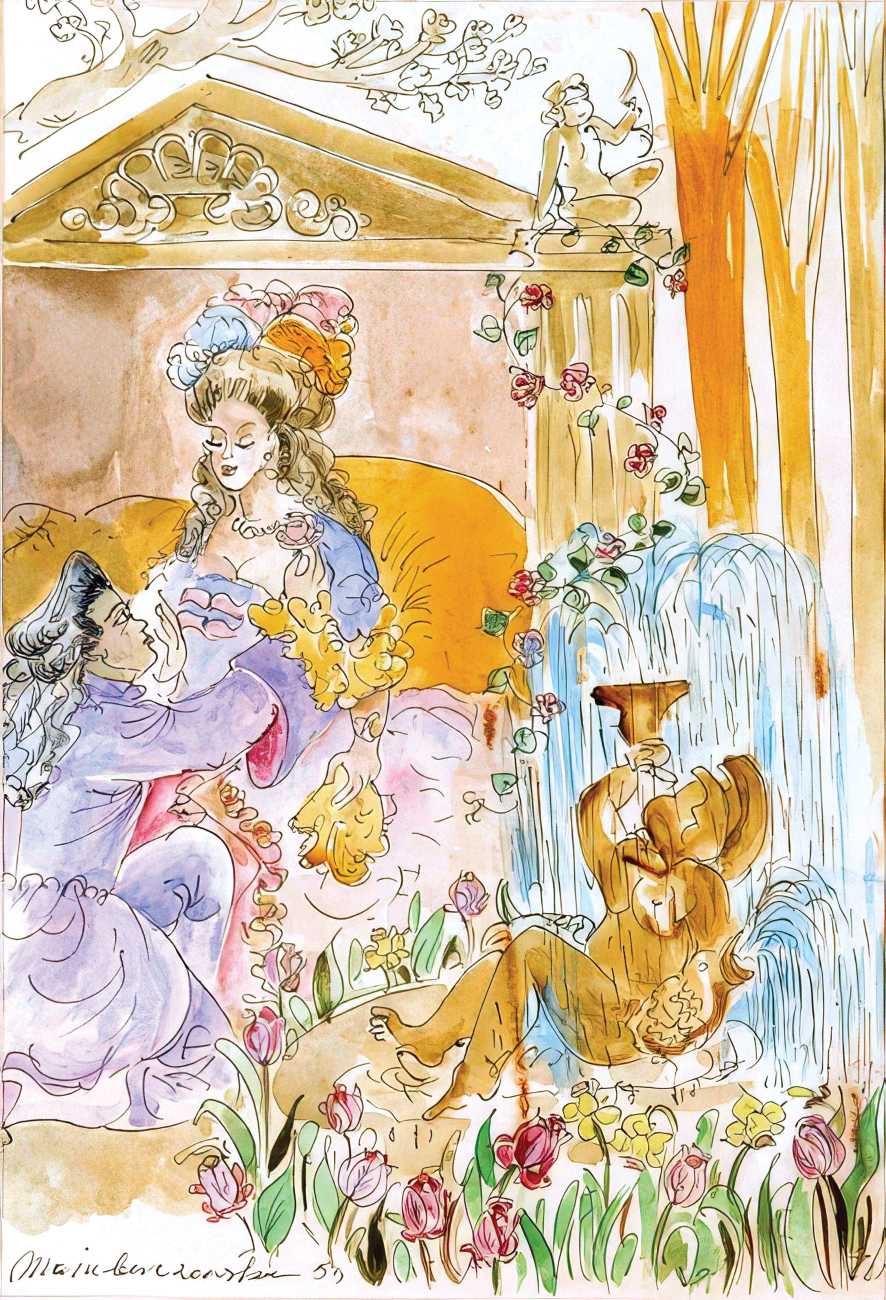
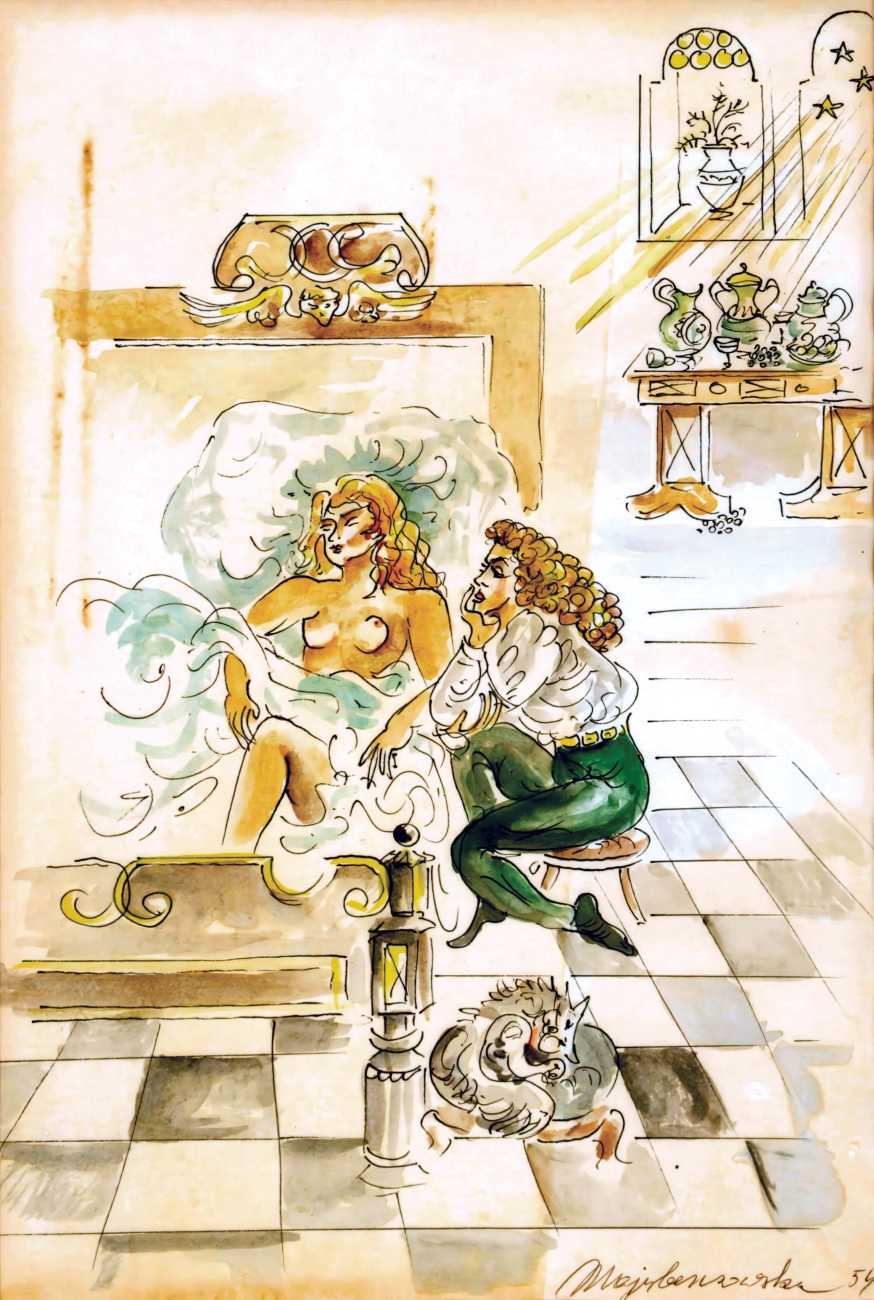
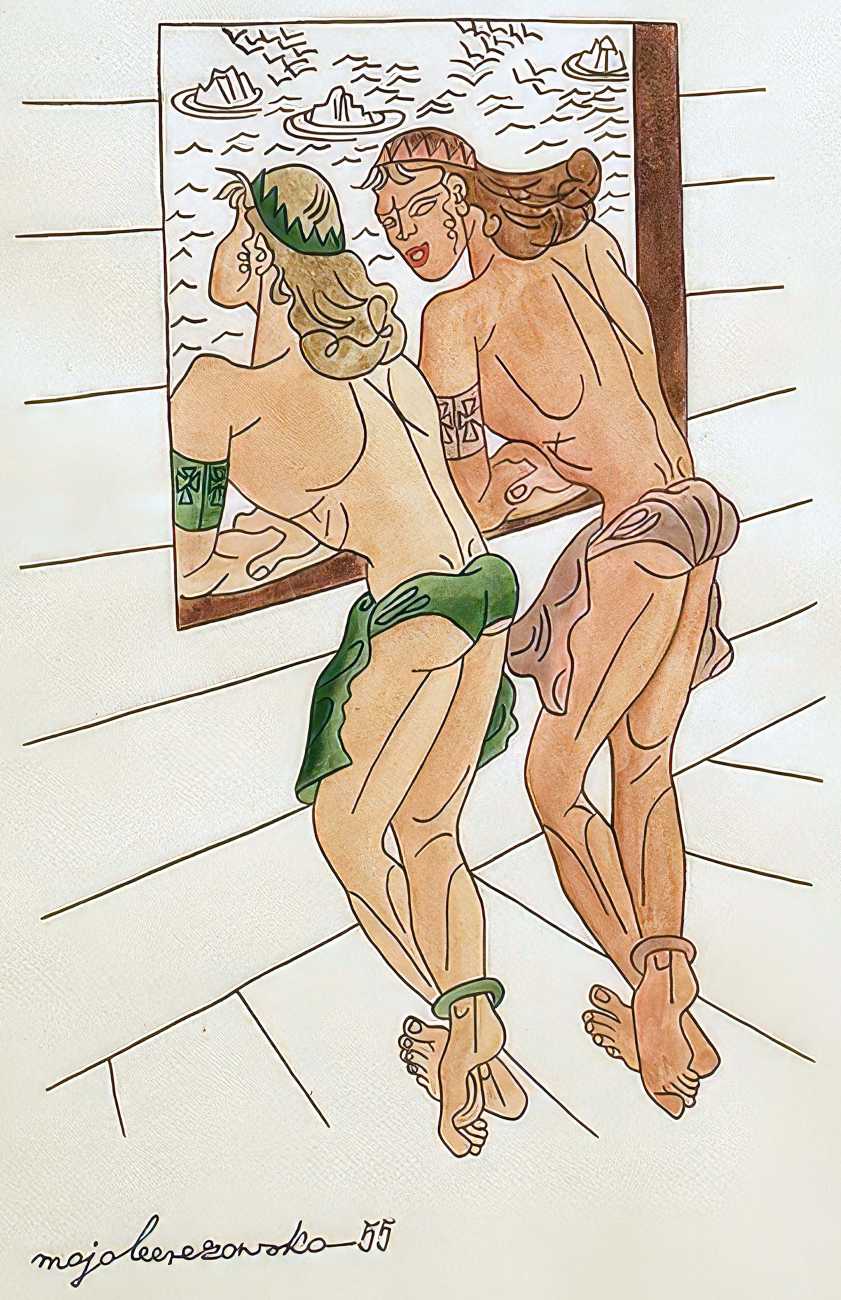
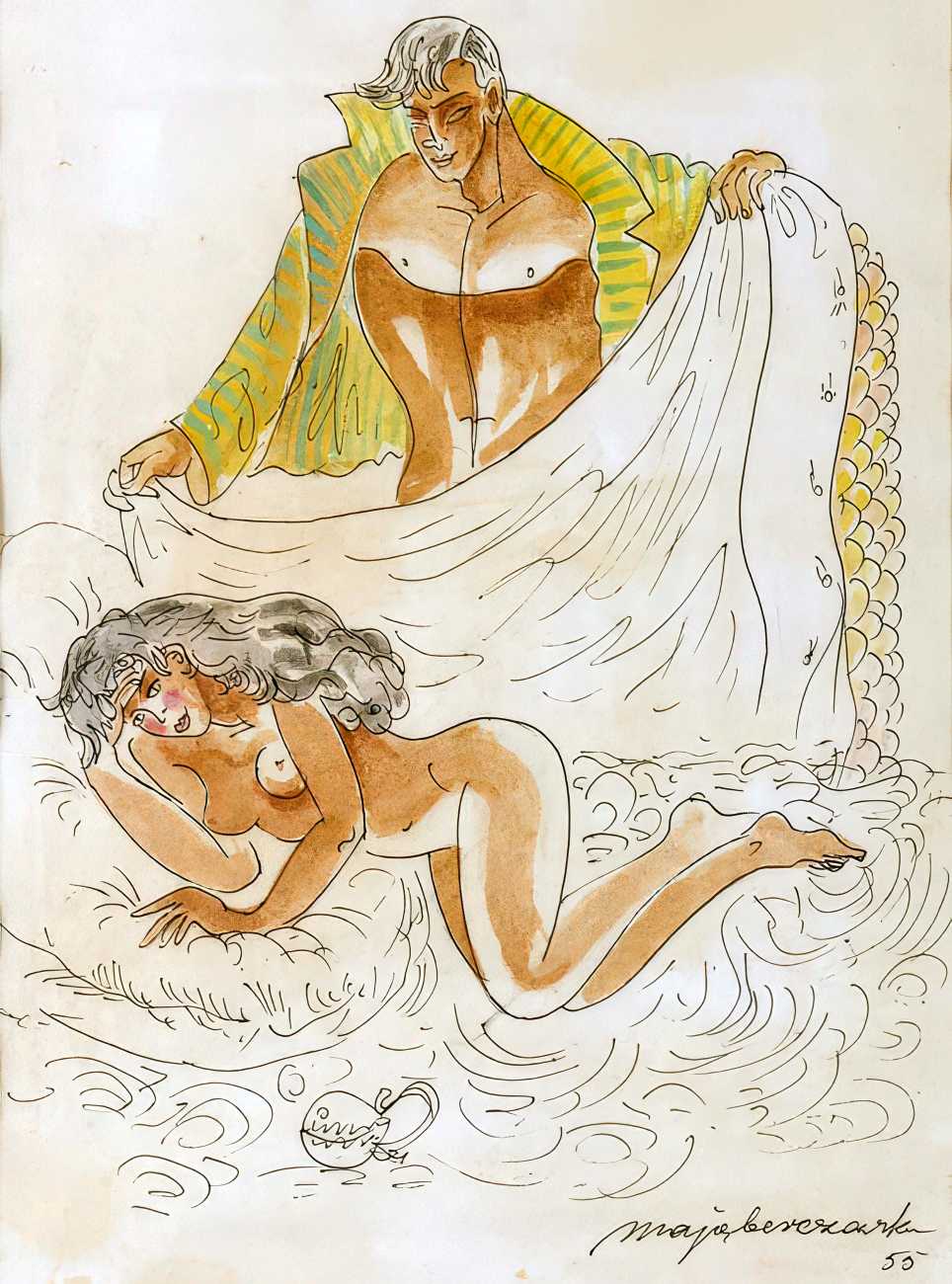
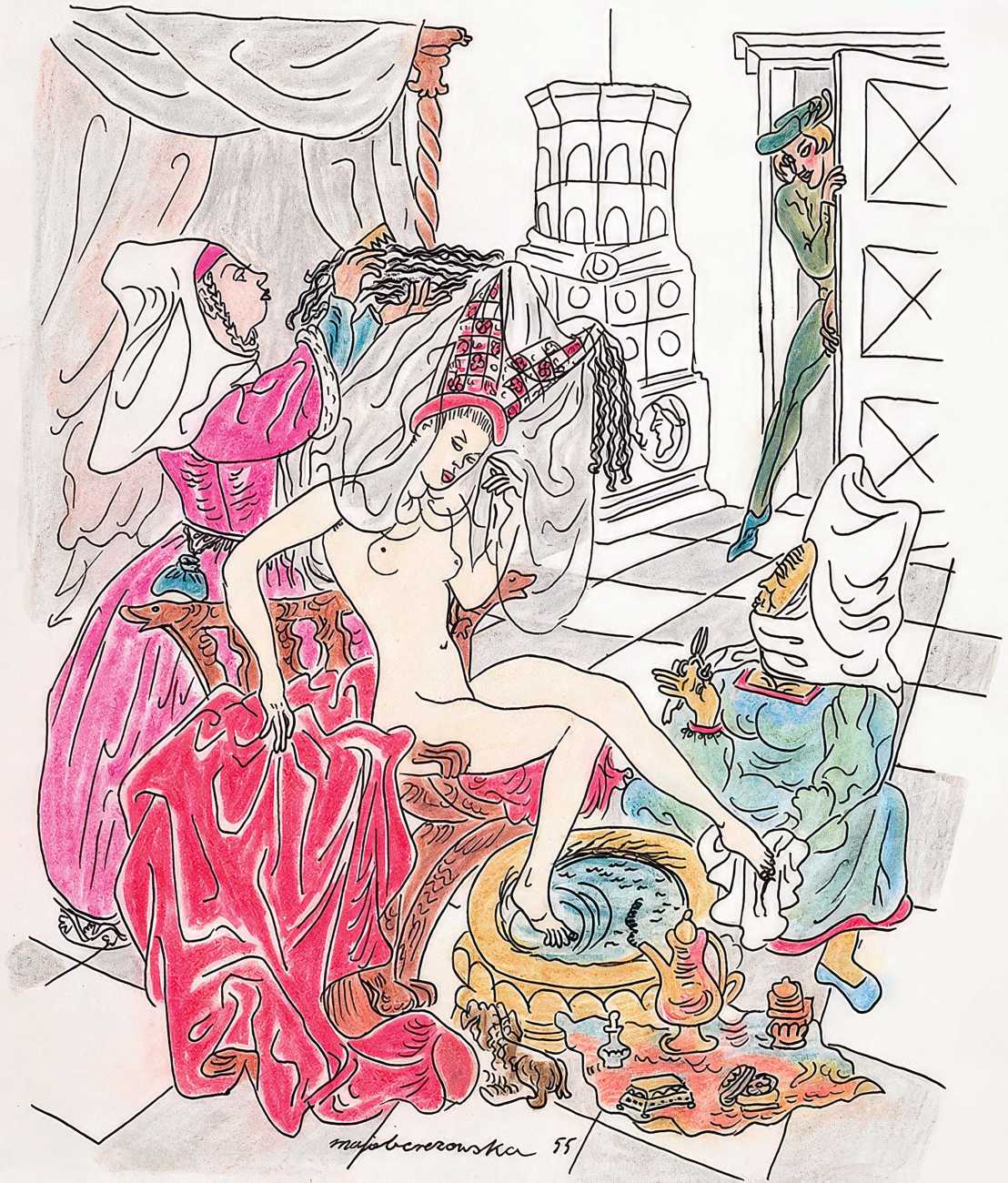
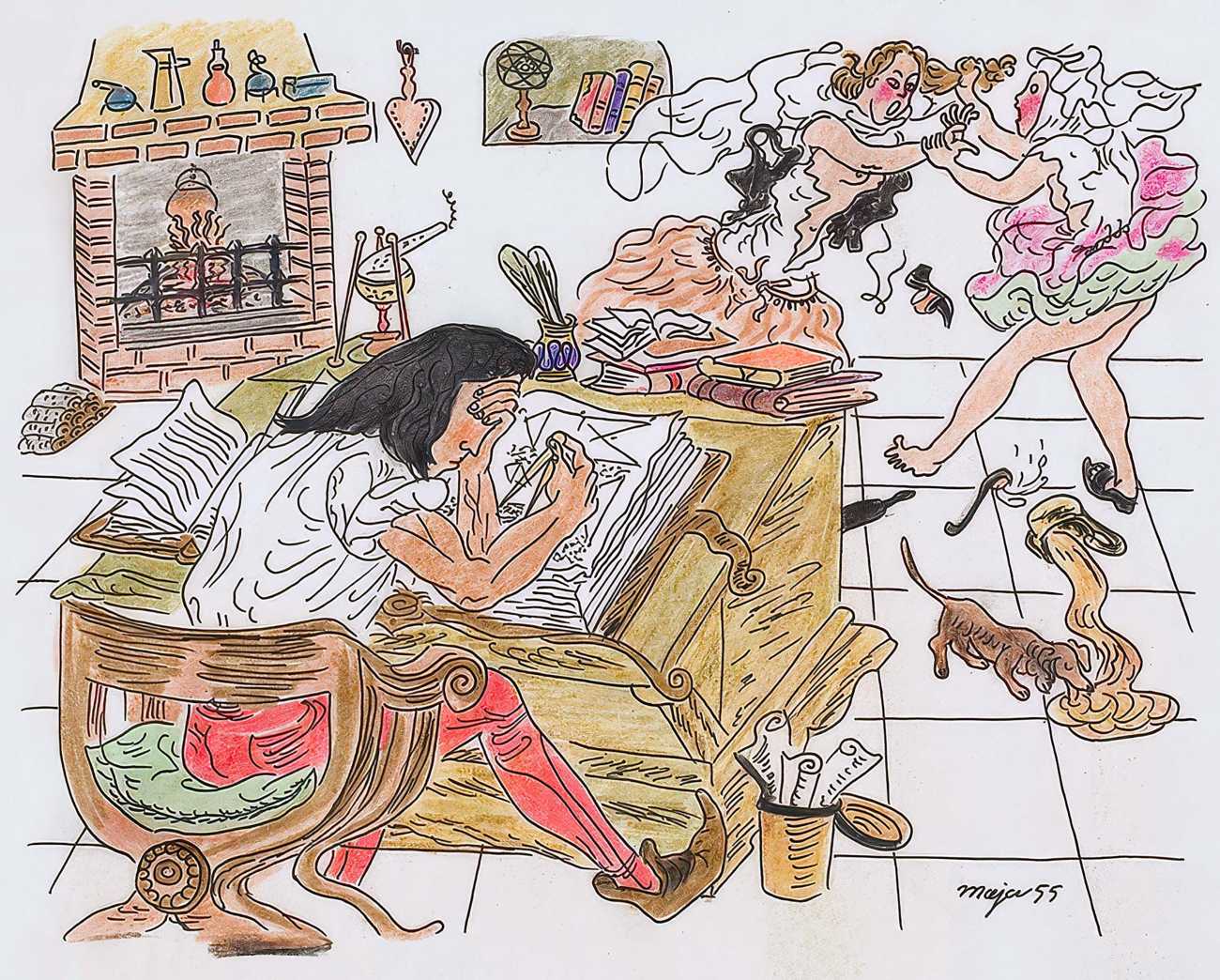
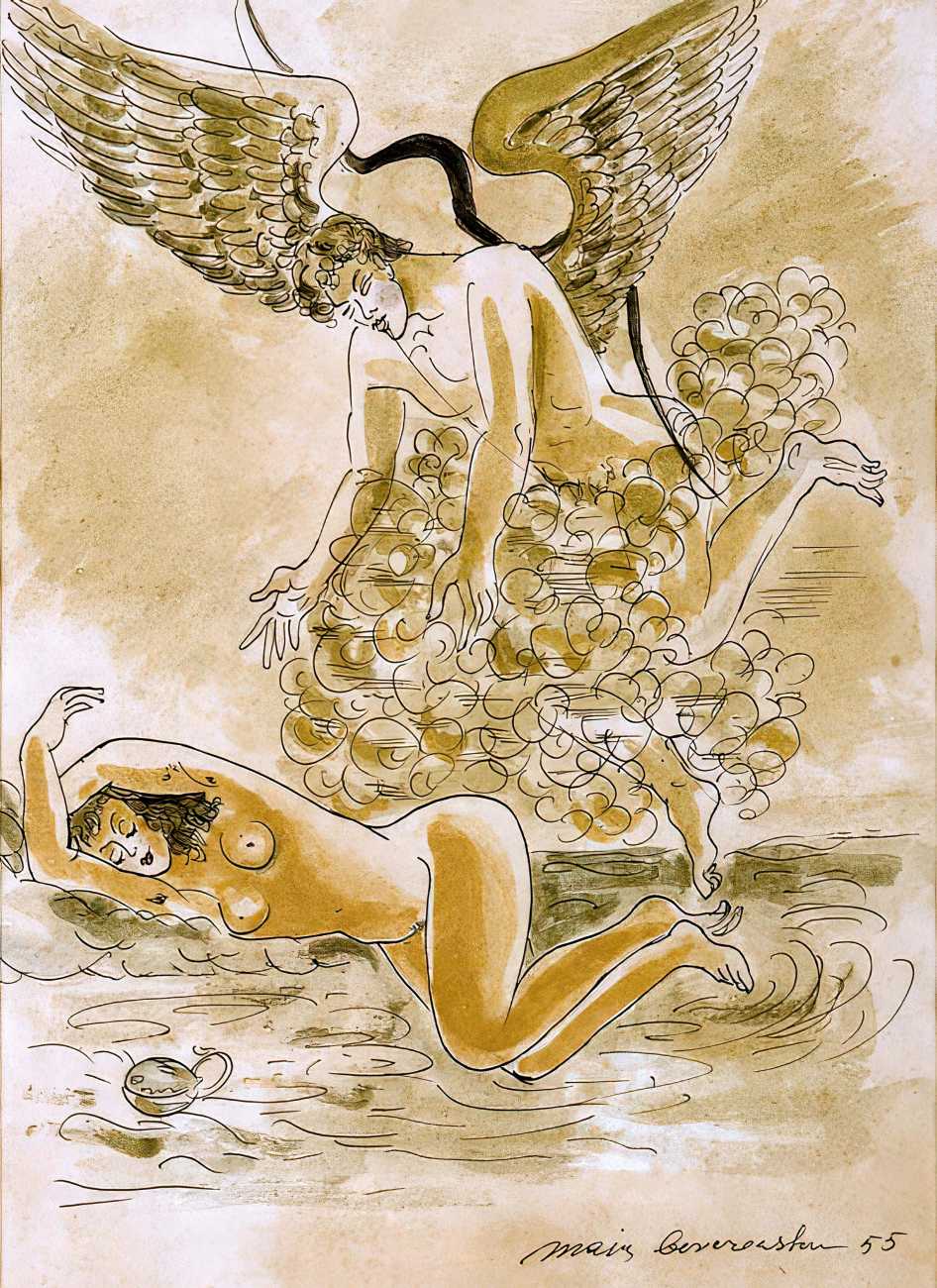
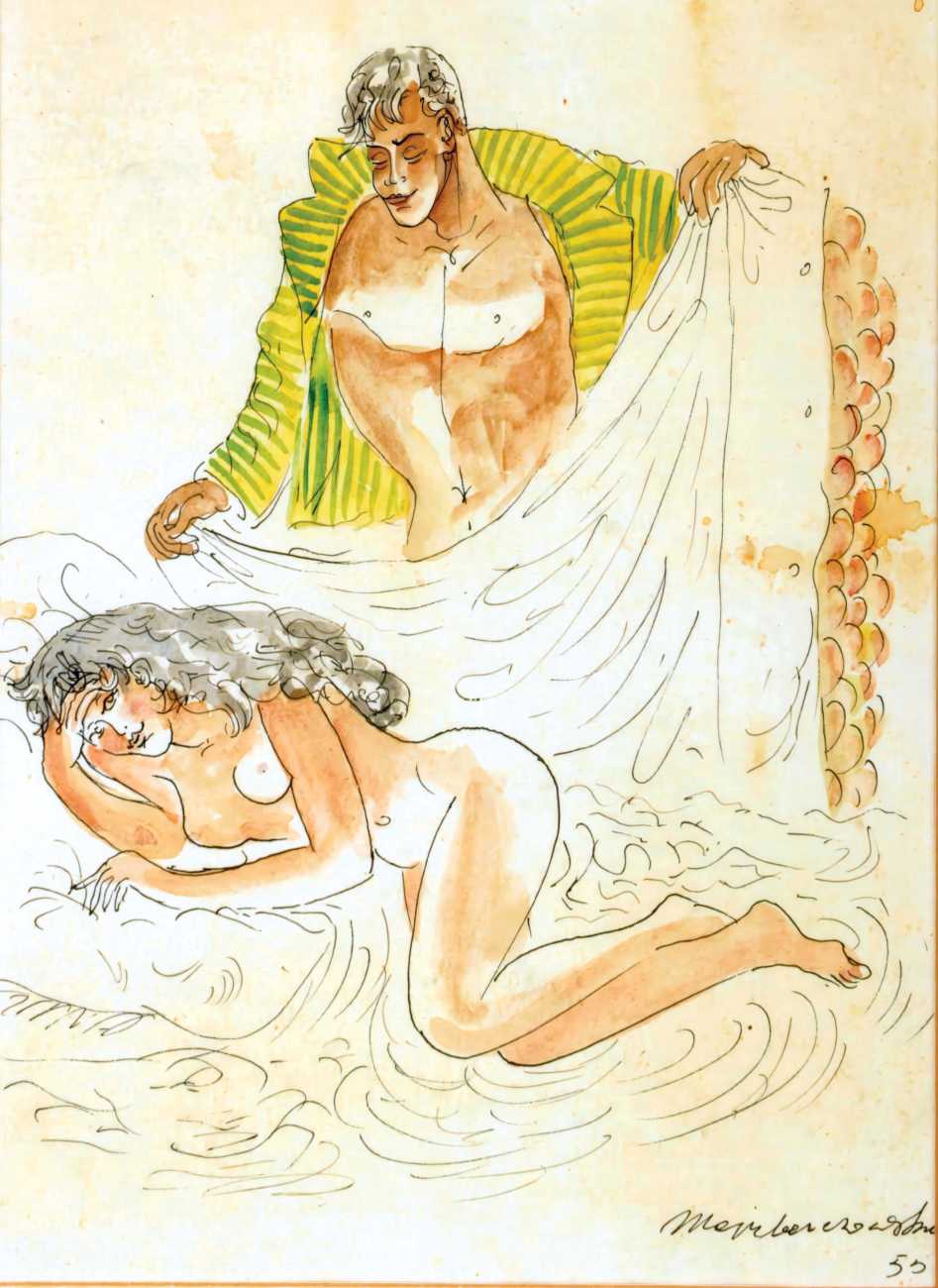
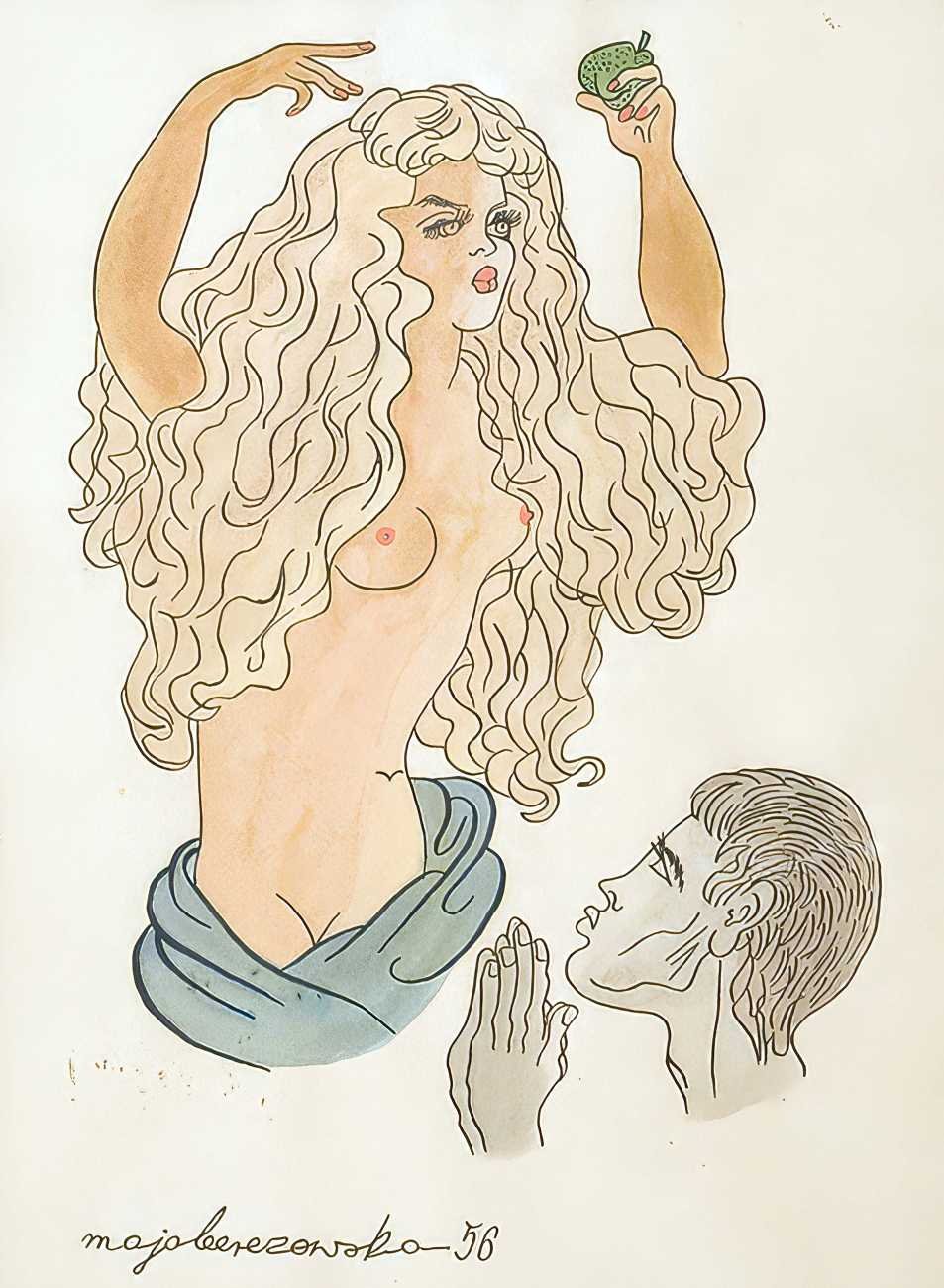
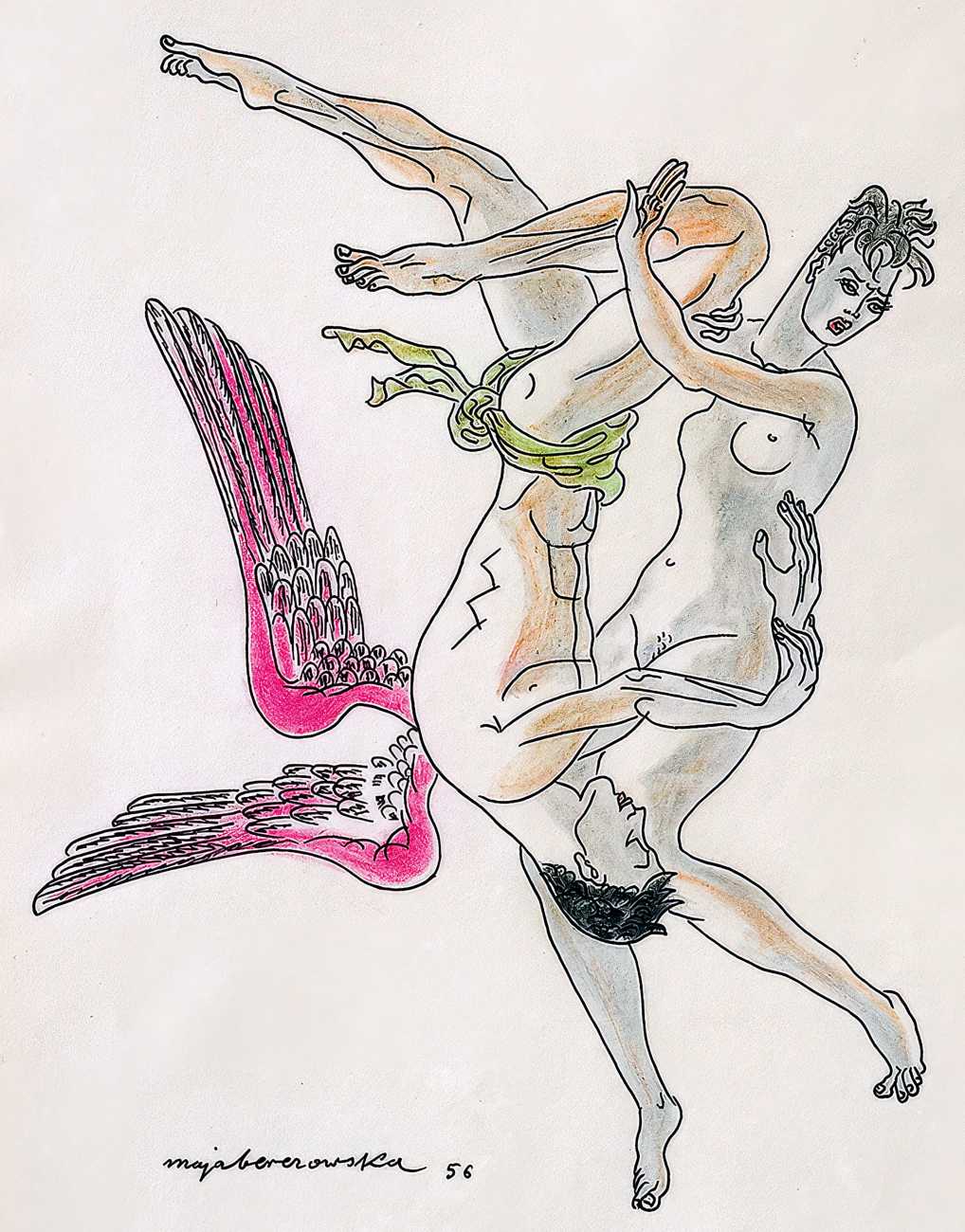
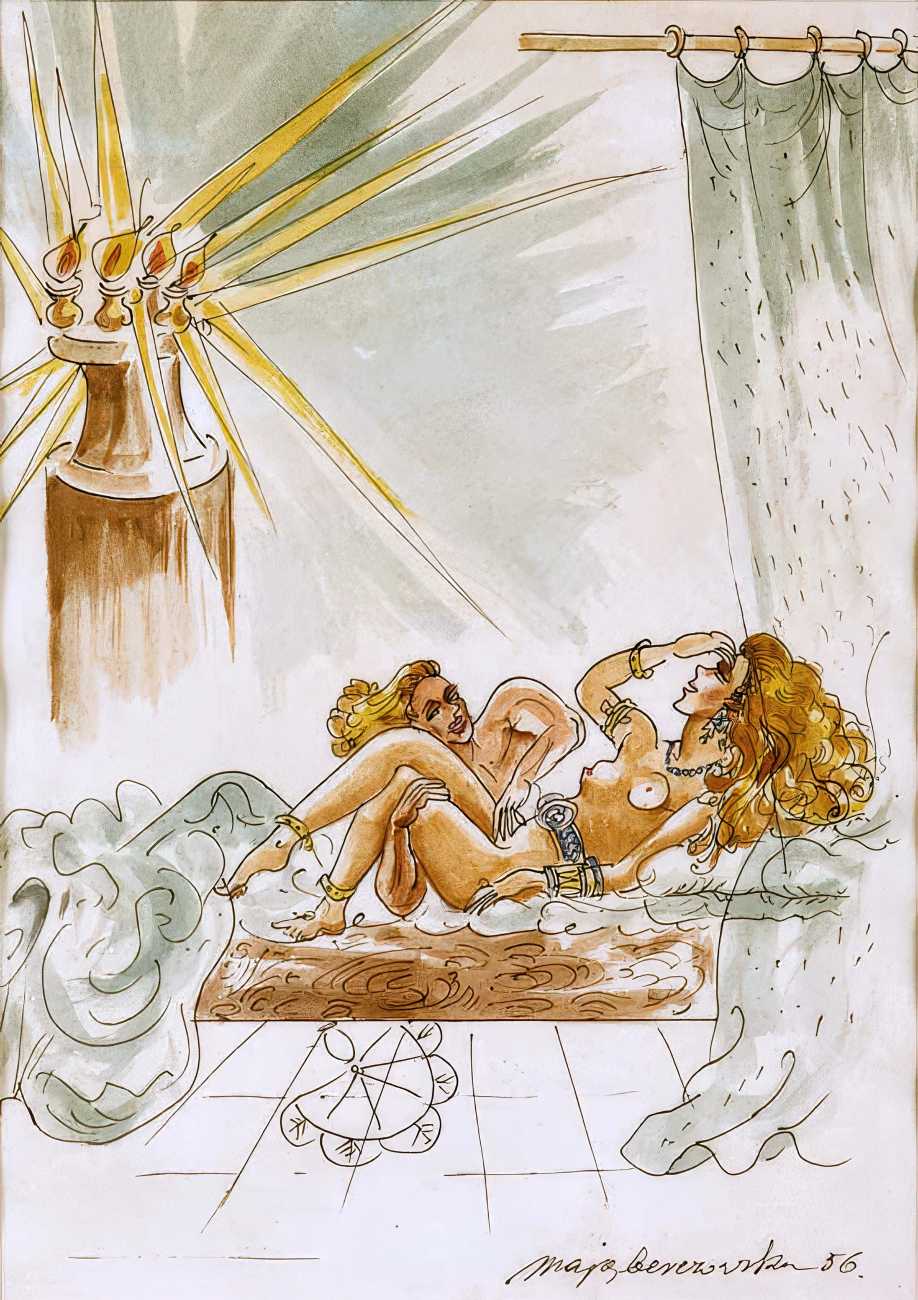
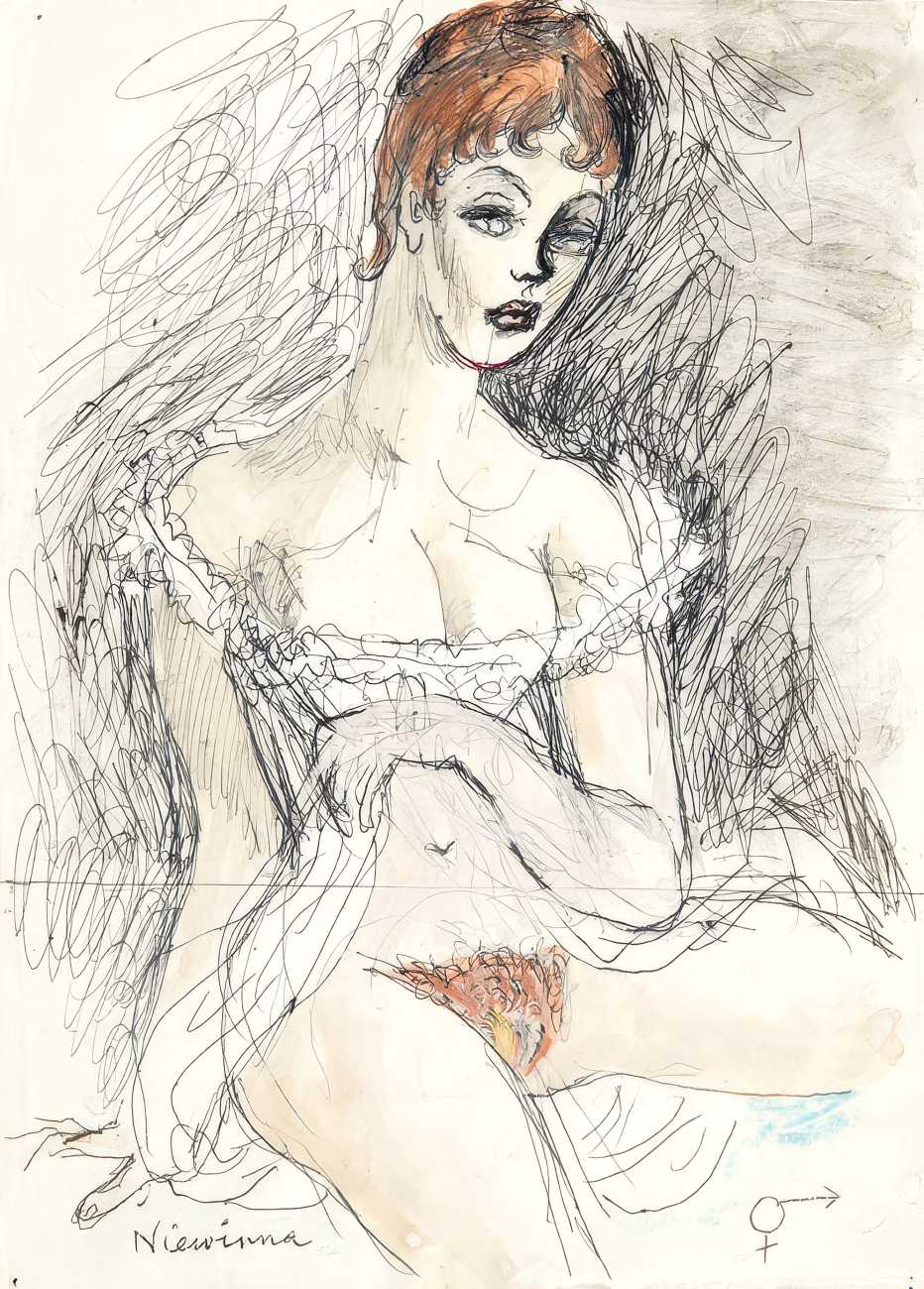
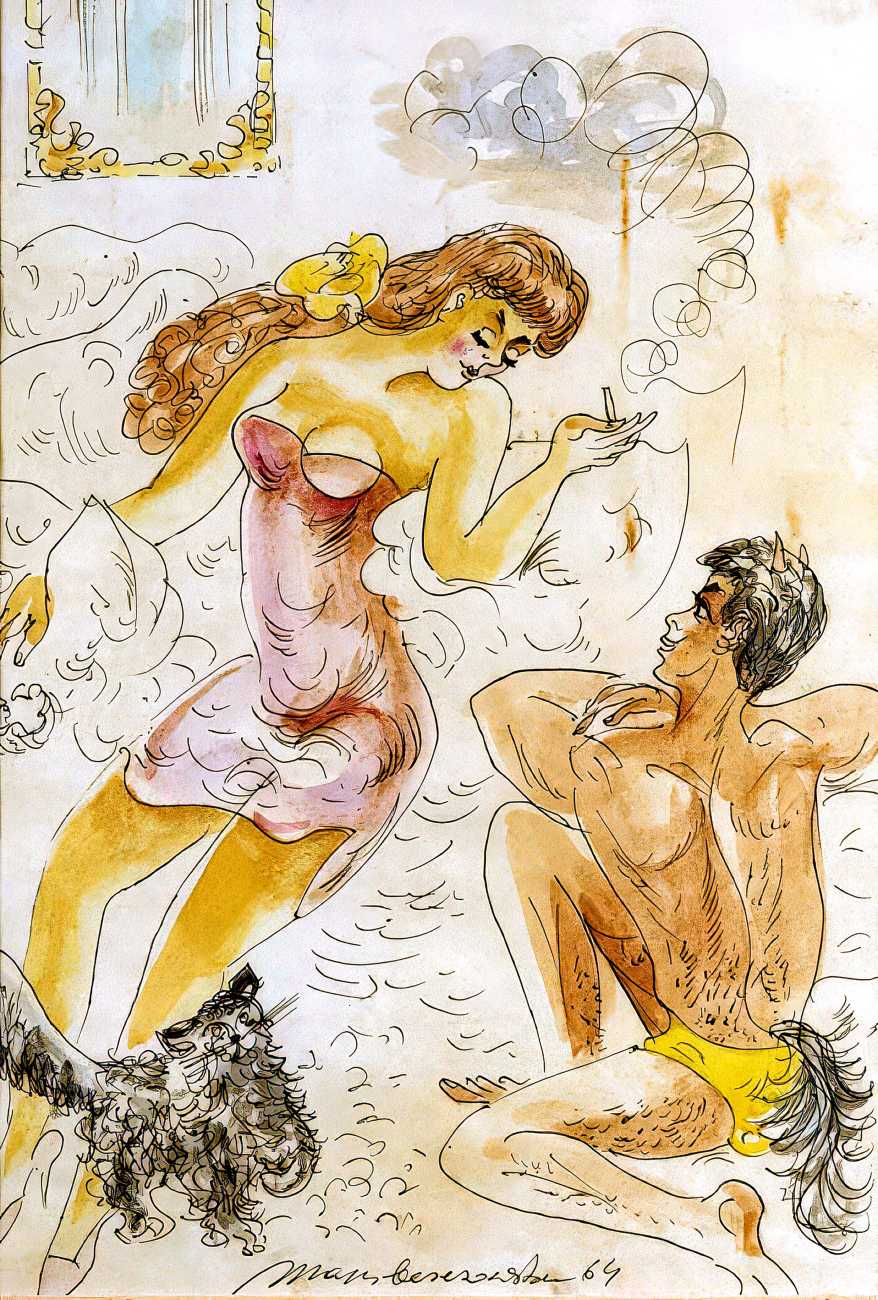
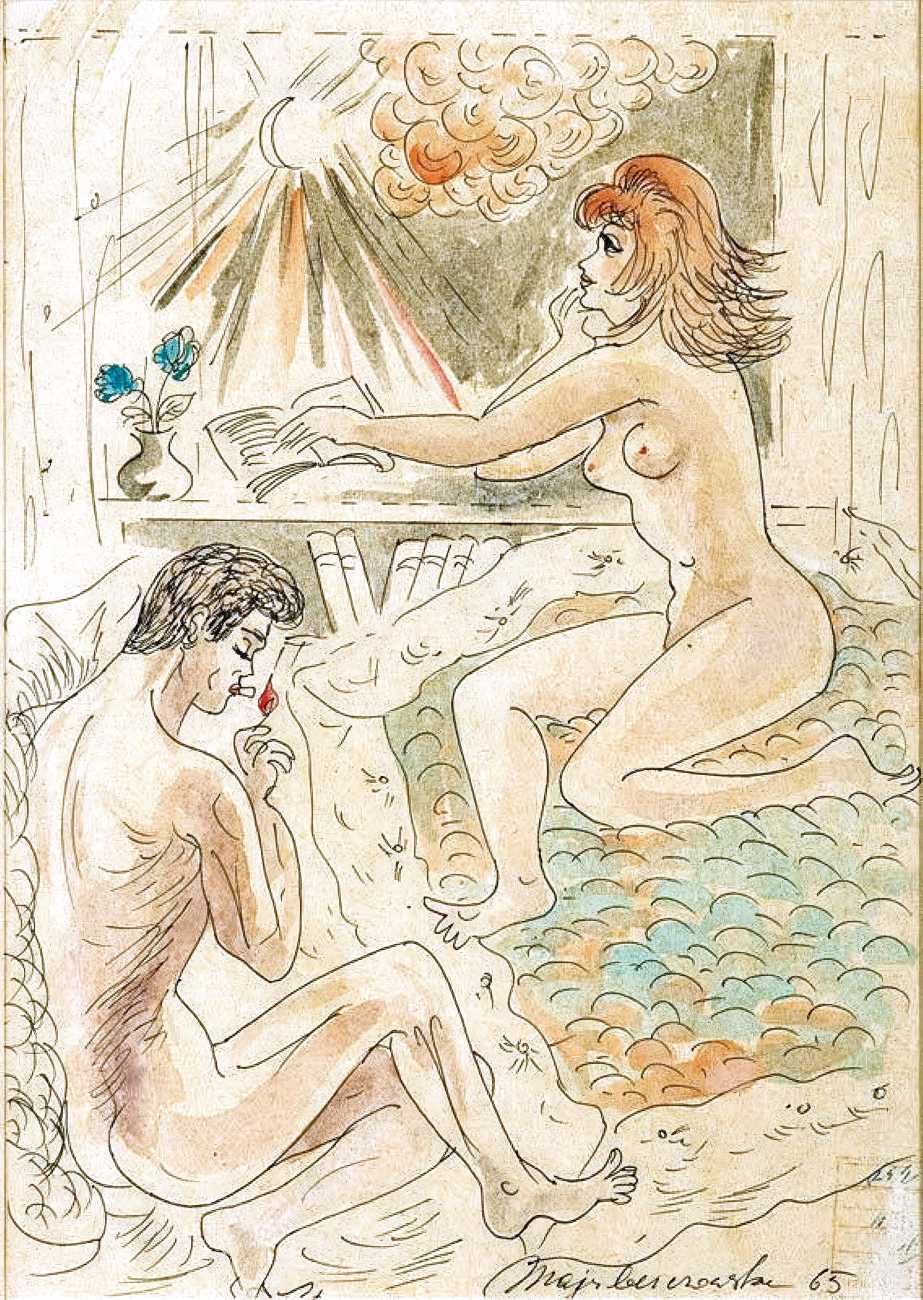
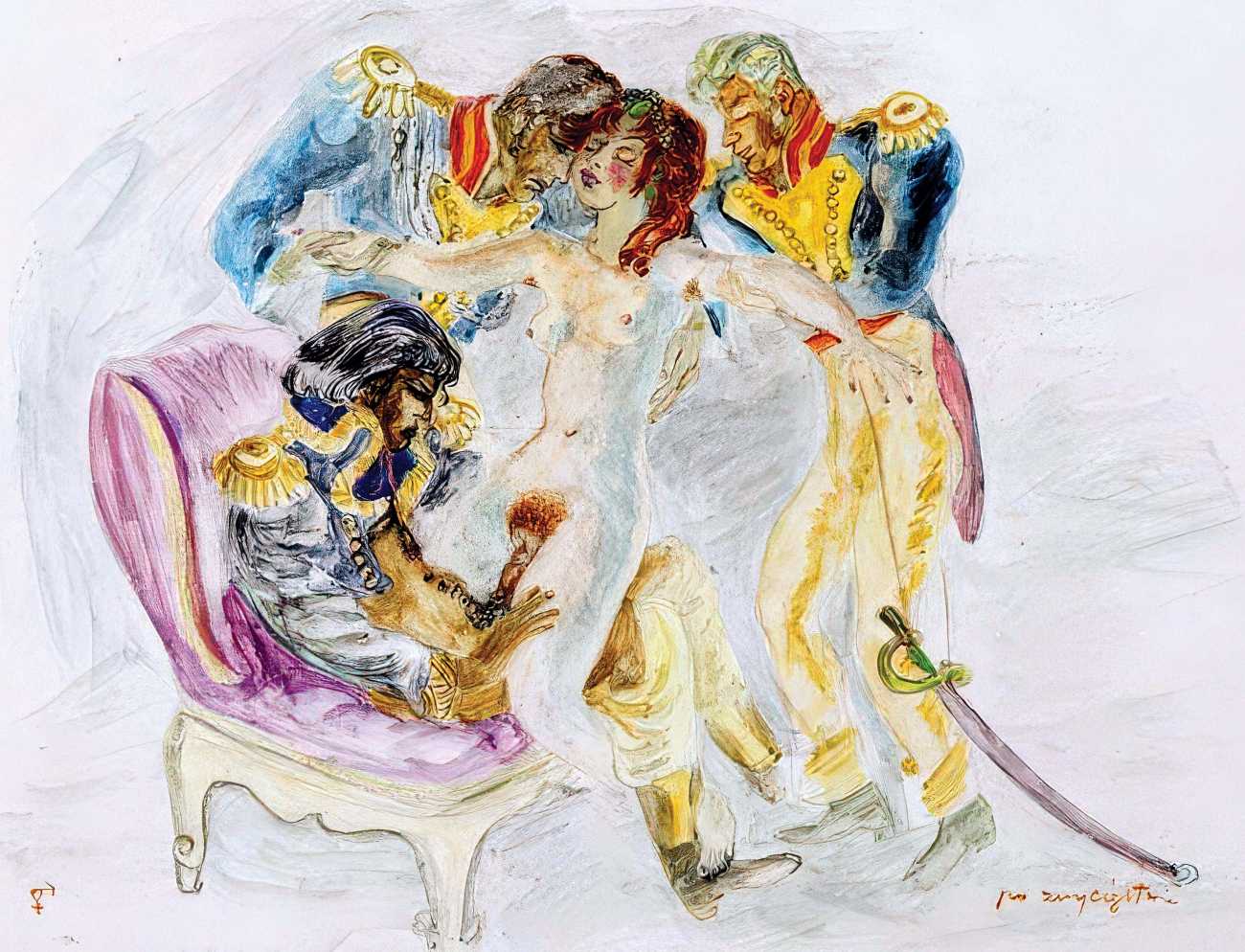
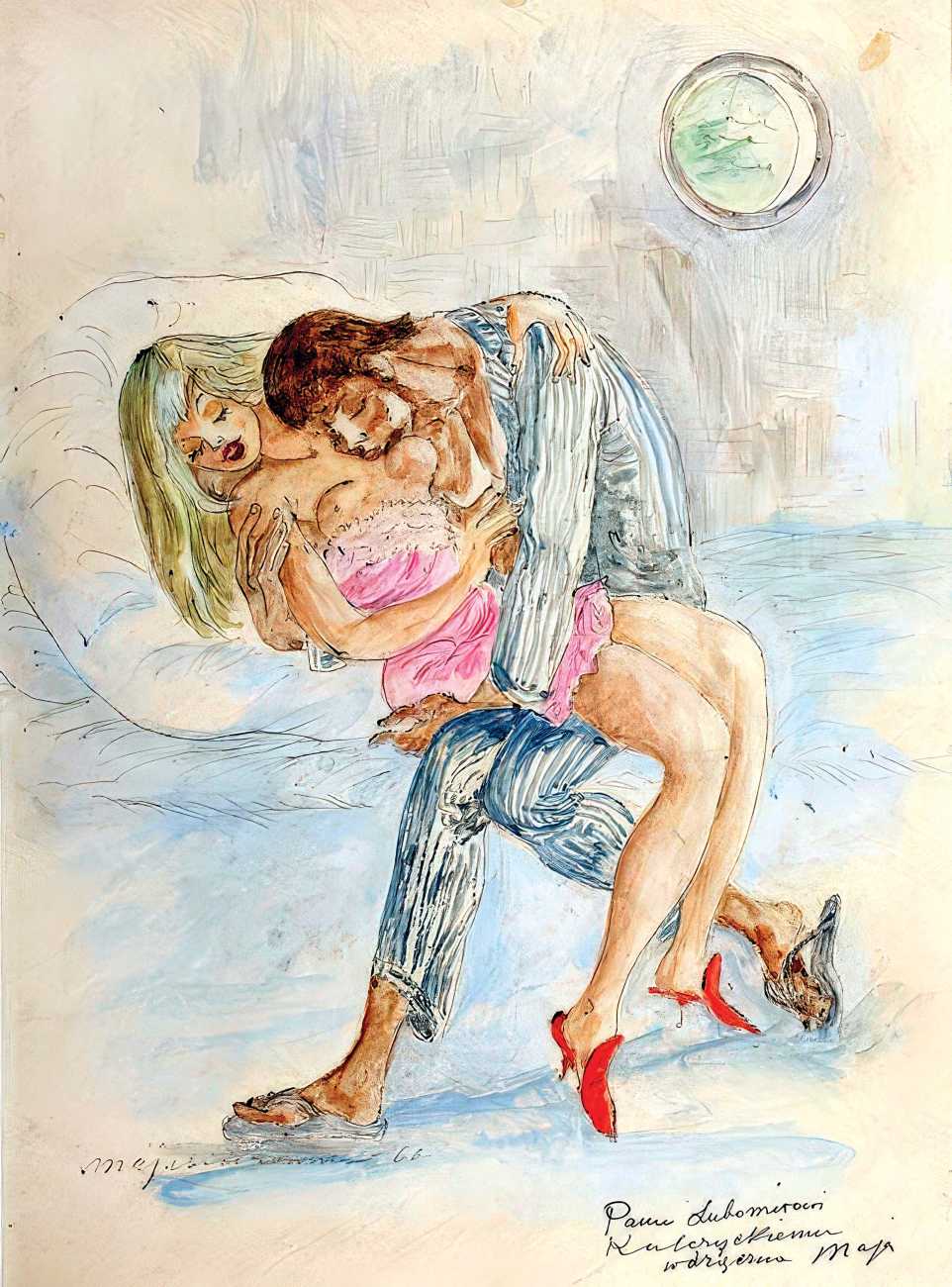
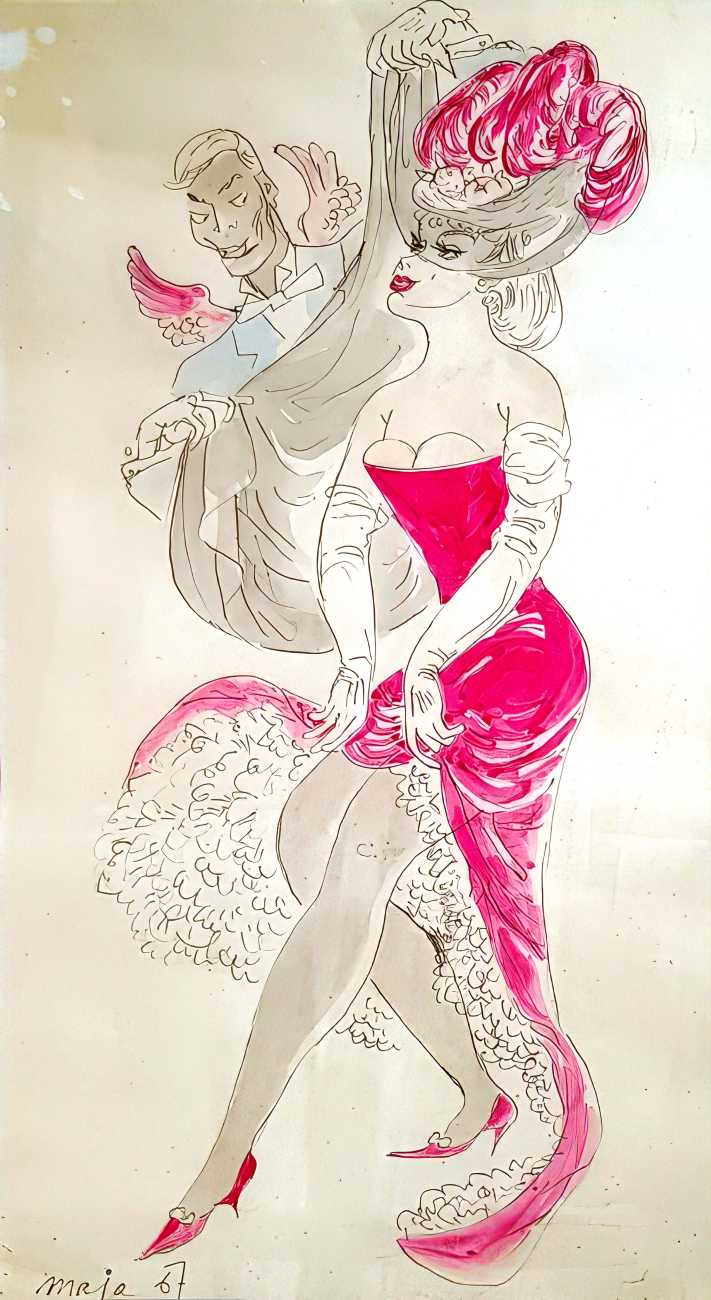
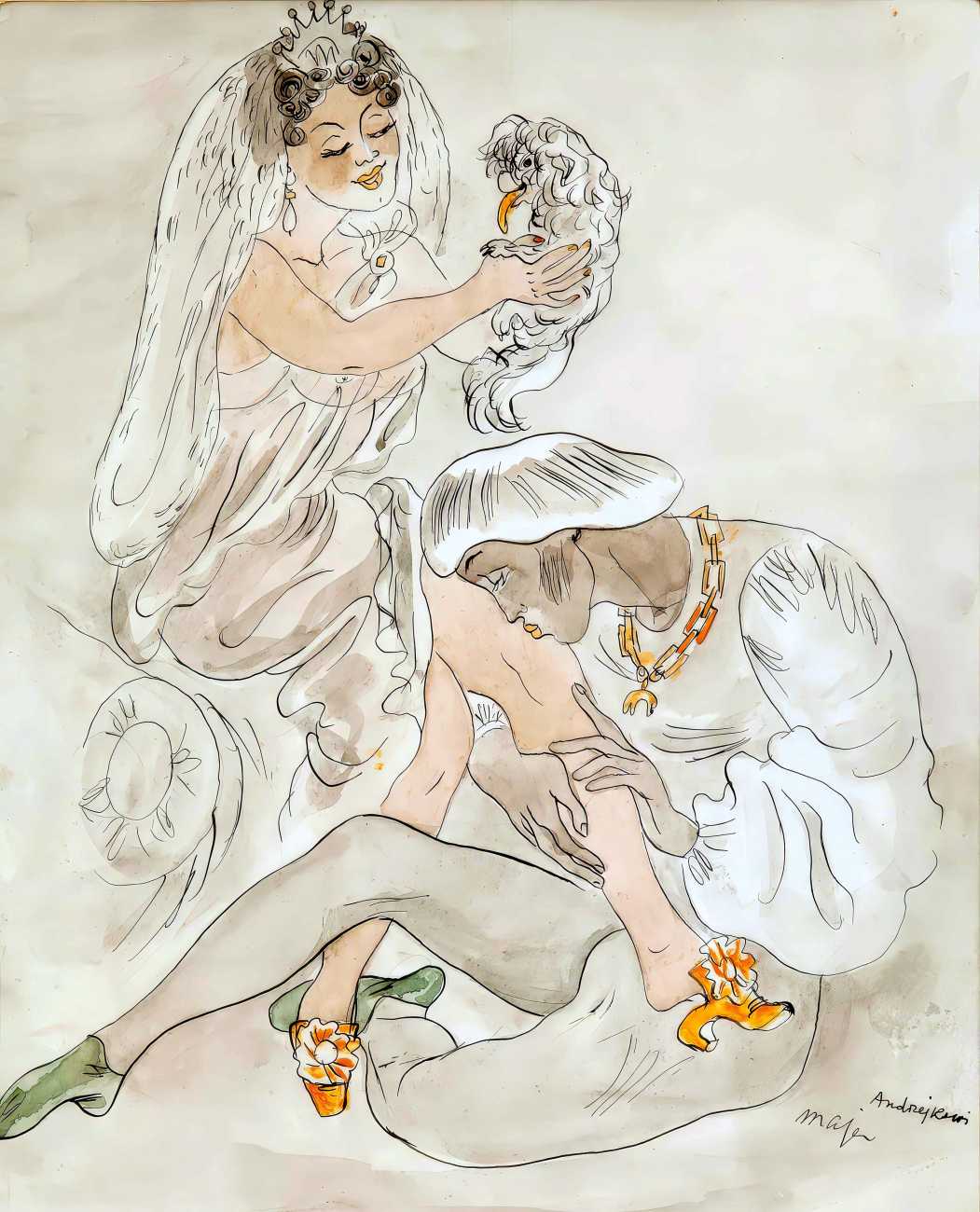
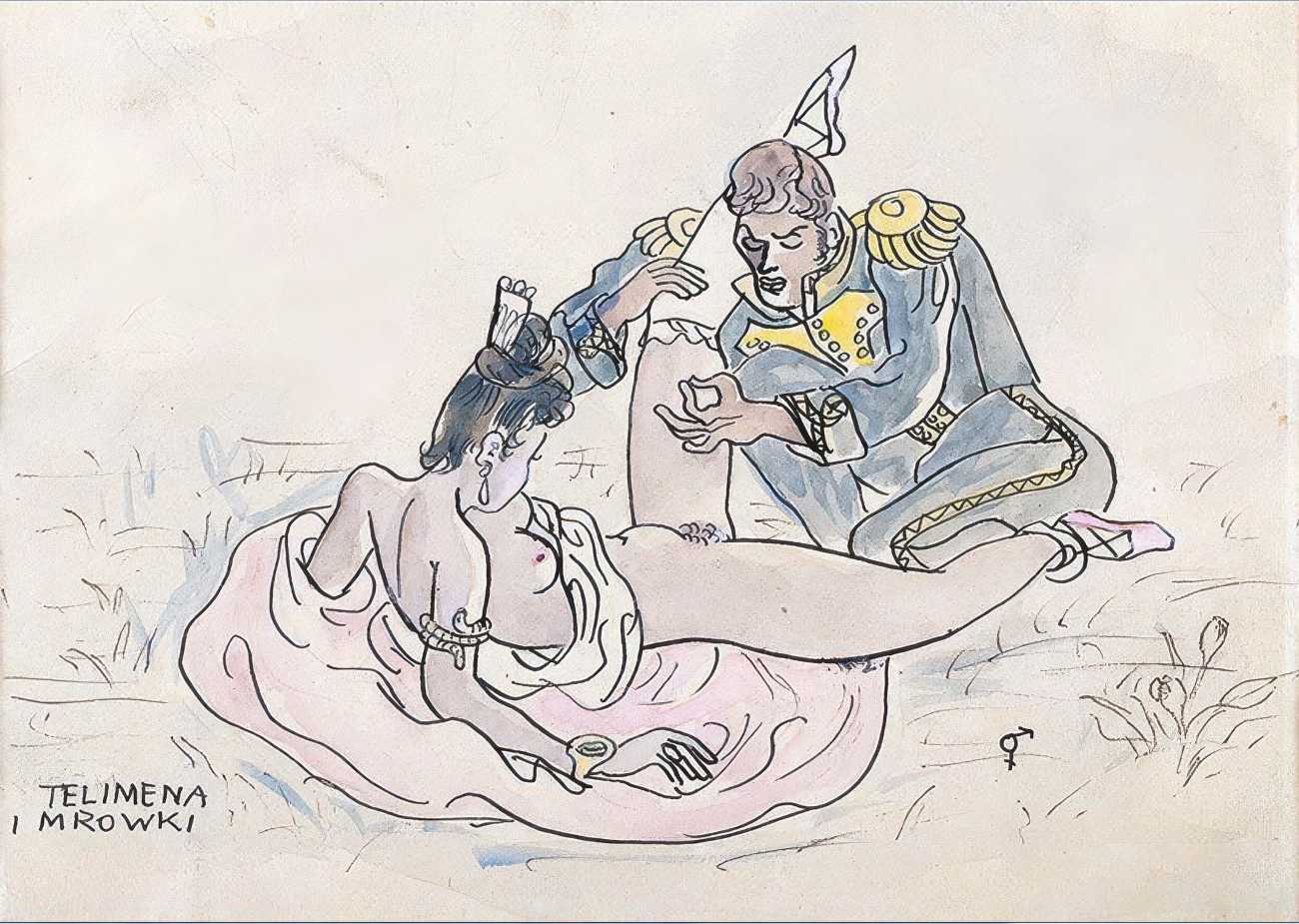
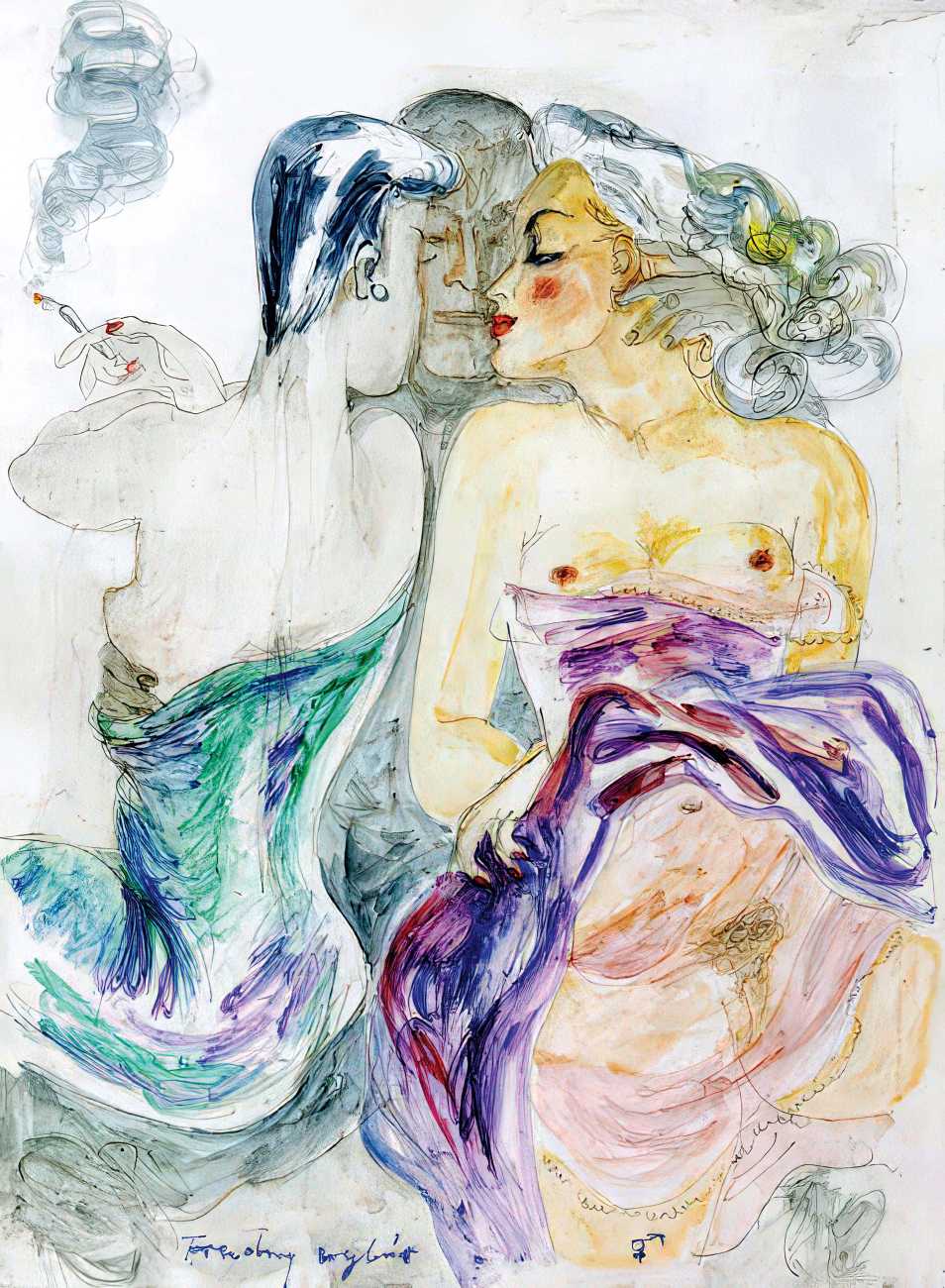
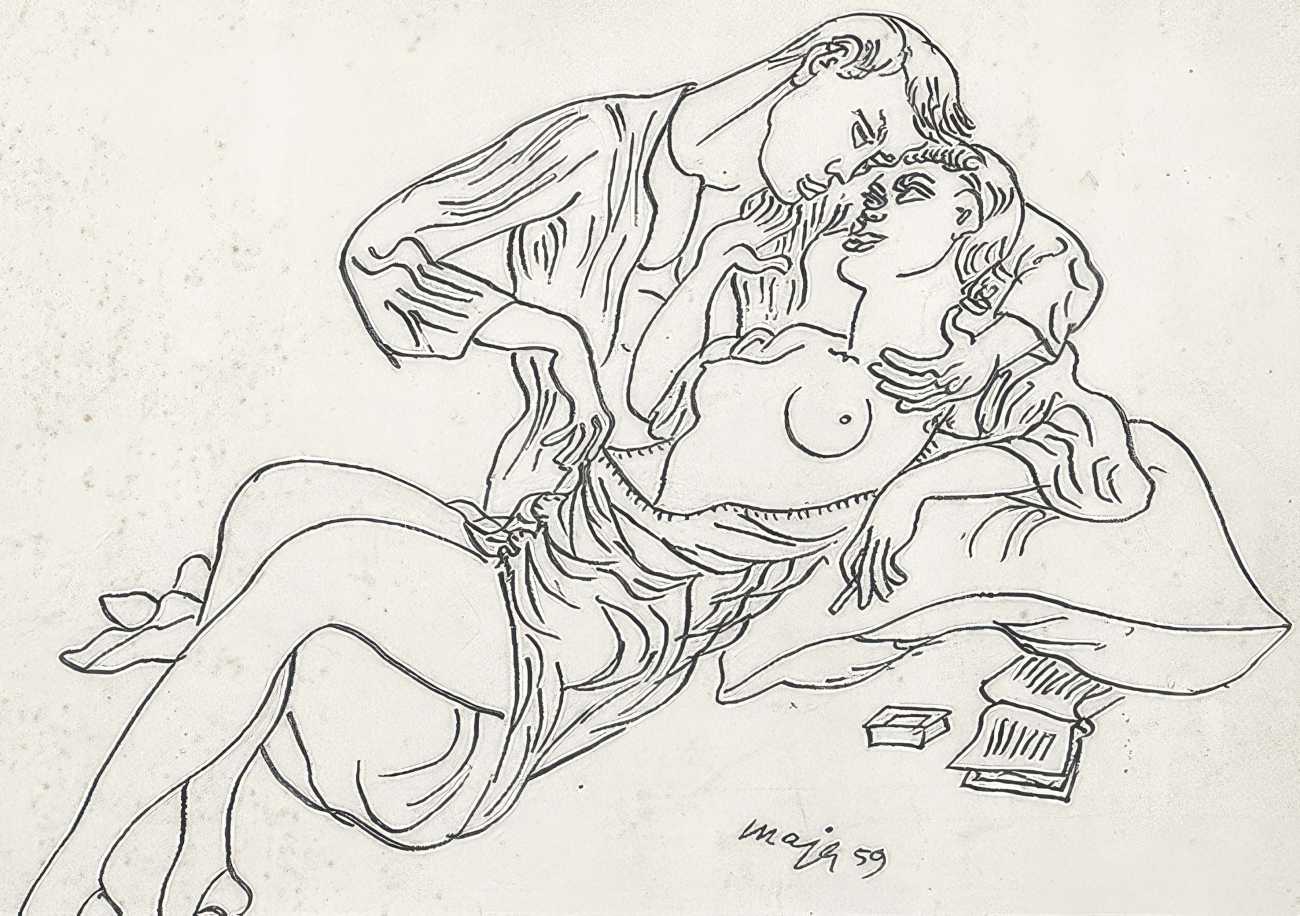
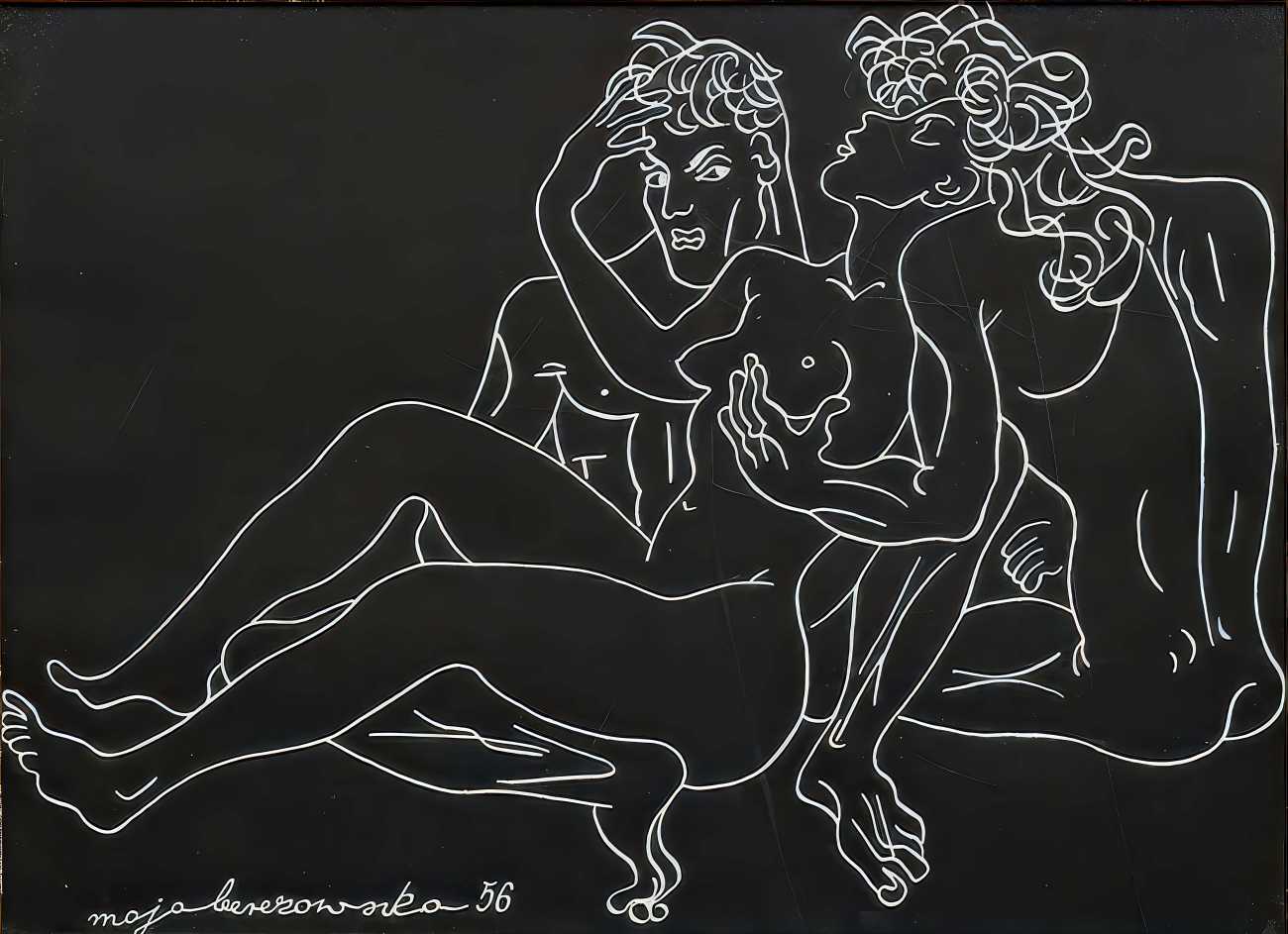
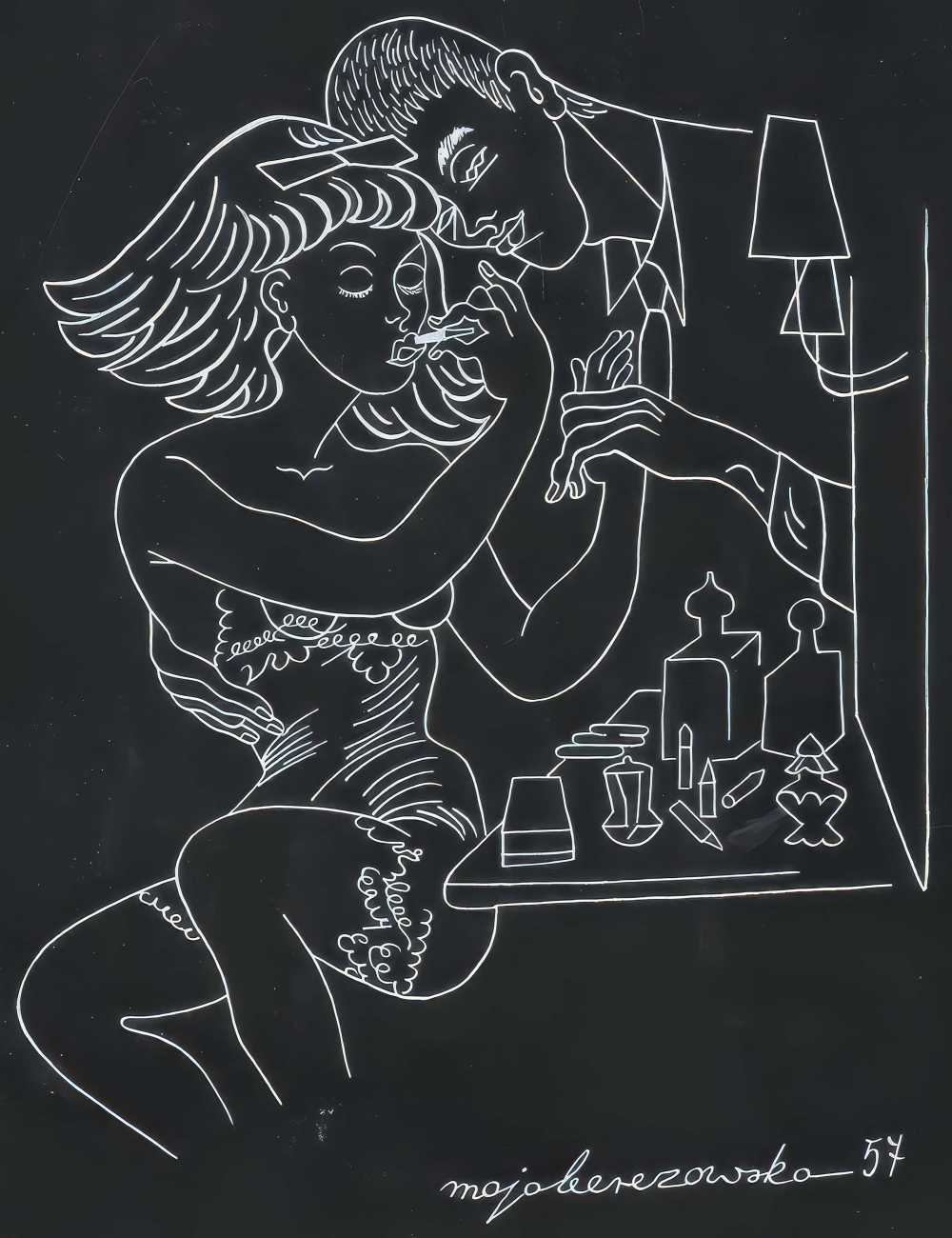
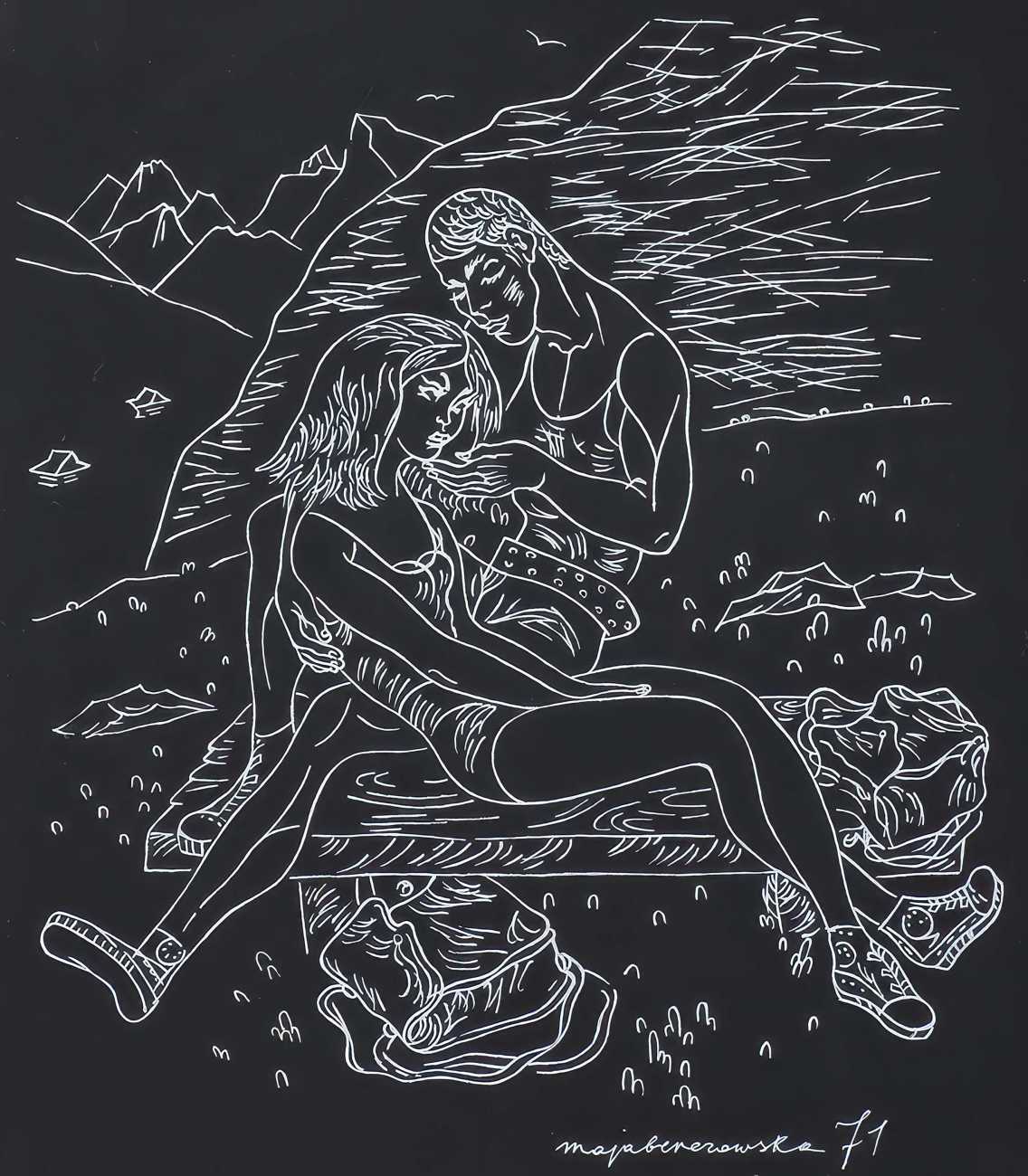
Erotic subjects had already become an important part of Berezowska’s work before the second world war. Her drawings combine a precise, economical line with a relaxed and sometimes humorous approach to sexuality. One of her major early projects was the 1930 Polish edition of Boccaccio’s The Decameron, for which she produced twenty black and white illustrations.
Following her separation from Grus, Berezowska became deeply embedded in Warsaw’s interwar artistic bohemia, an environment in which unconventional relationships and freer attitudes towards sexuality were widely accepted. She was fond of romance and was often attracted to younger men. Her friendships could be intensely affectionate without necessarily becoming physically intimate. Among the most important was her relationship with the composer Karol Szymanowski, whom she affectionately nicknamed Katocik. She spent considerable time at his villa in Zakopane, and their correspondence reveals a close emotional bond and considerable tenderness.
Her political caricatures, meanwhile, caused serious consequences. In Paris, where she lived from 1933 to 1936 and worked for publications including Le Figaro, Le Rire and Ici Paris, she published a series of caricatures mocking Hitler, Miłostki słodkiego Adolfa (The Love Affairs of Sweet Adolf). The German embassy brought a legal action against her, and she was subsequently placed on a Nazi blacklist. In 1942 she was arrested by the Gestapo and imprisoned at Pawiak before being sent to Ravensbrück concentration camp with a death sentence.
Berezowska continued to draw during her imprisonment, making portraits of fellow prisoners and recording aspects of camp life. The contrast between these drawings and the erotic work for which she is now particularly remembered is revealing: throughout her career, drawing was a means of observing and recording human beings in all their vulnerability, individuality and physical presence. After the liberation of Ravensbrück in 1945 she spent a year recovering in Sweden, where she exhibited her work, before returning to Warsaw in 1946.
After the war she became an important figure in Polish illustration and graphic art, contributing drawings and caricatures to publications including Cyrulik Warszawski, Szpilki and Przekrój. Her erotic work found a wider audience during the cultural thaw of the 1950s, including the 1956 collection Piórka (Feathers), illustrated by Berezowska. The book was an important moment in the post-Stalinist cultural thaw, although the frank treatment of sexuality remained problematic in communist Poland. Later books she illustrated include Piórkiem przez stulecia (Through the Centuries with a Quill, 1963), Diabelskie sztuczki (Devilish Tricks, 1968), and Rajskie jabłuszka (Paradise Apples, 1971), and erotic subjects became increasingly prominent in her work.
Berezowska never had children, her life remaining closely centred on her work, her friendships and relationships within the artistic world, and a strong commitment to personal independence.
We are very grateful to our Russian friend Yuri for introducing us to this artist and for supplying many of the images.
Similar artists
Carlègle – Swiss-born Paris illustrator with a spare, bold line, also published in Le Rire.
Tamara de Lempicka – Polish-born contemporary painter capturing jazz age sensuality.
Jean-Jacques Grandville – French romantic caricaturist of fantastical, satirical creatures.
Joseph Hémard – interwar French illustrator whose erotic wit carried anti-Nazi conviction.
Chas Laborde – Paris-based interwar illustrator with a satirical eye.
Antoni Uniechowski – Polish book illustrator of the same postwar decades.
Adolphe Willette – belle-époque French caricaturist blending erotic, theatrical and satirical subjects.
Example illustration