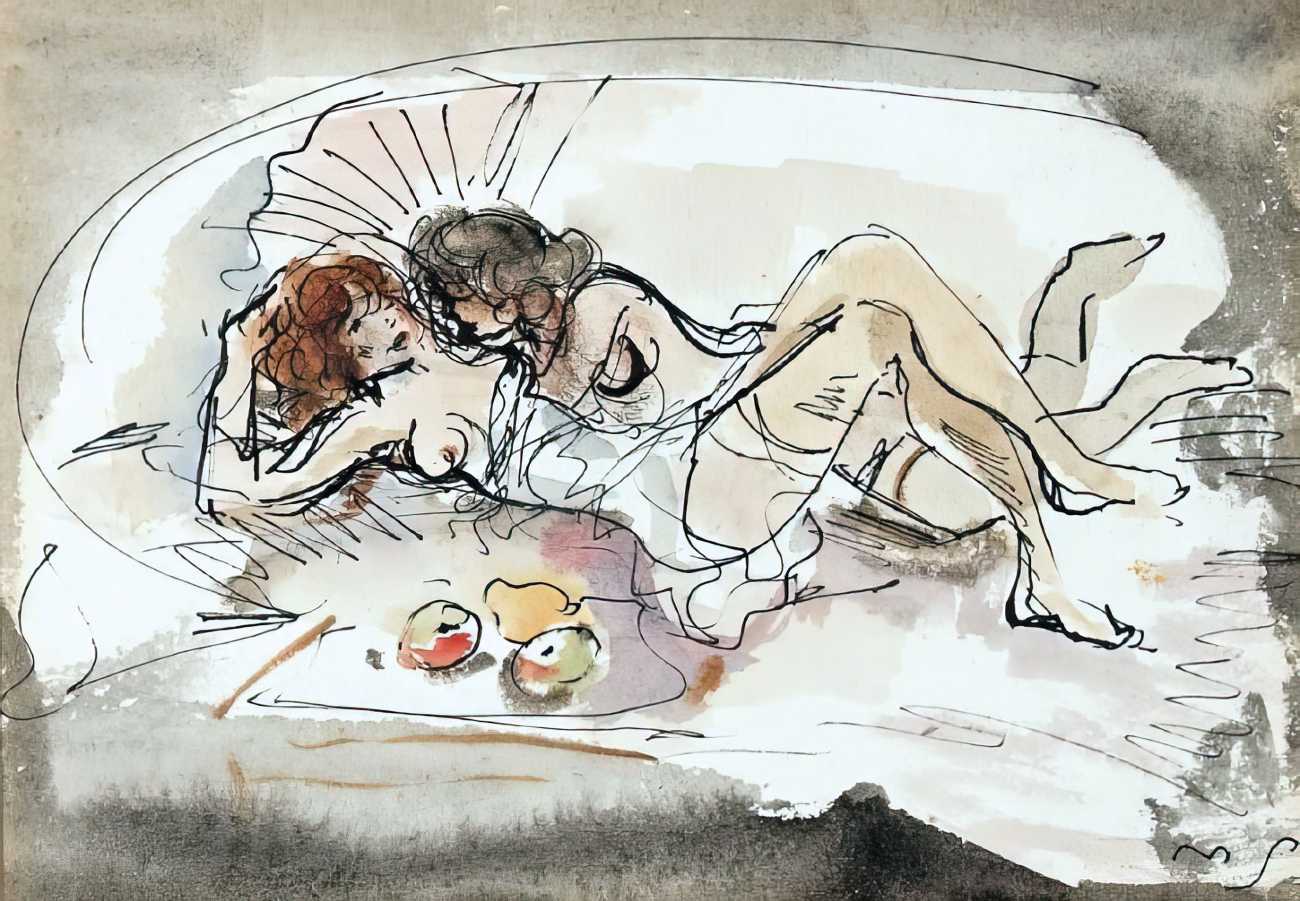
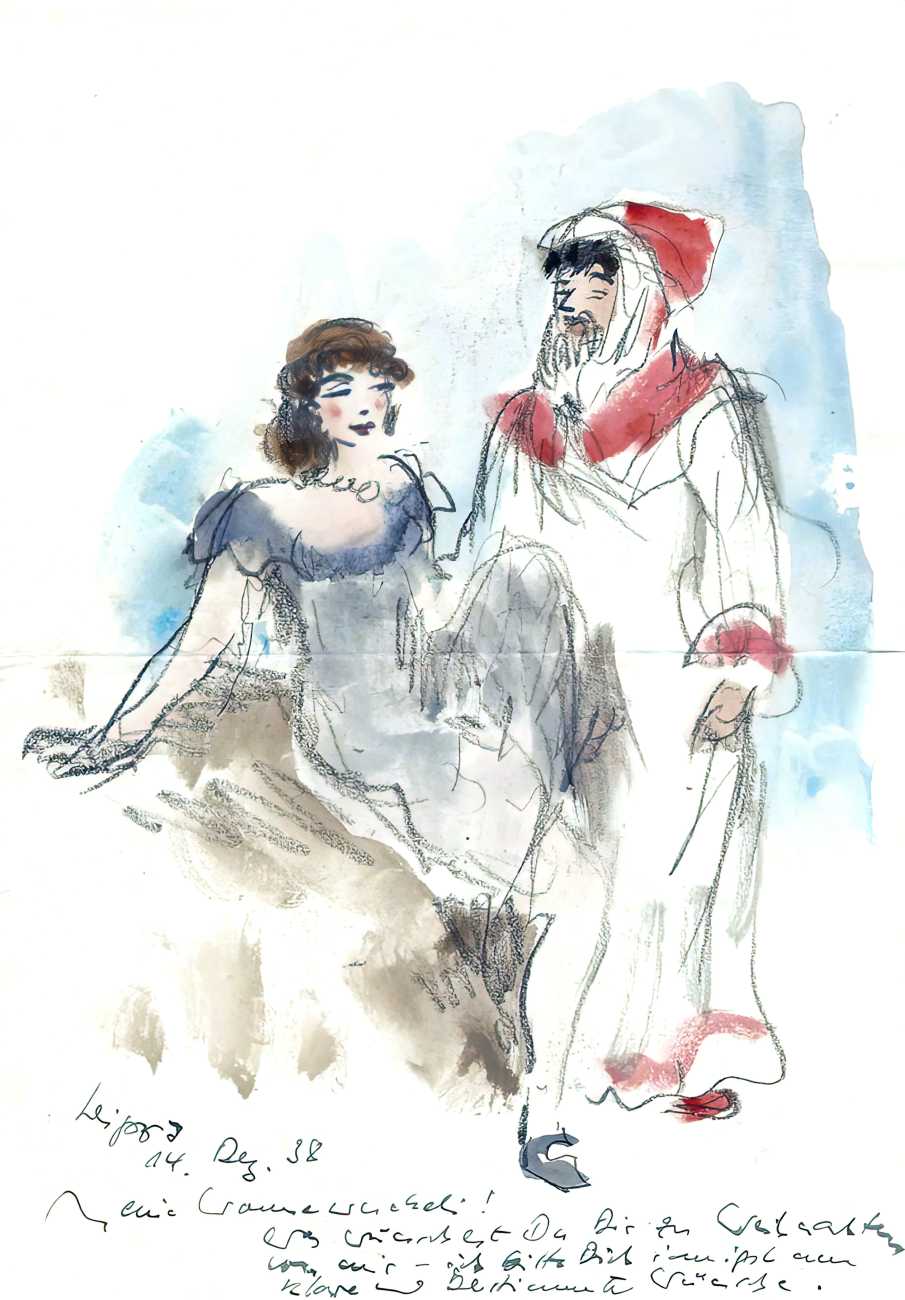
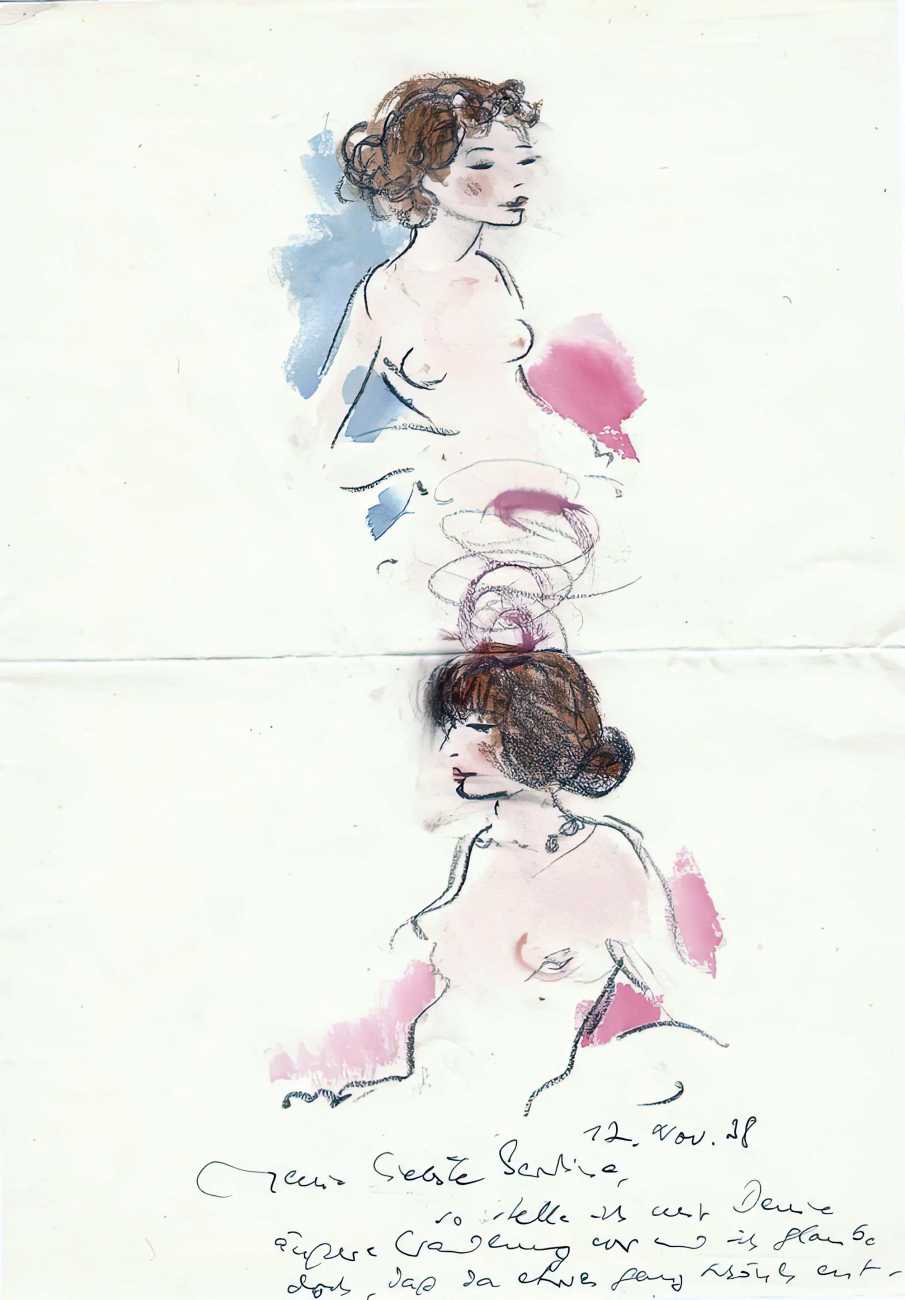
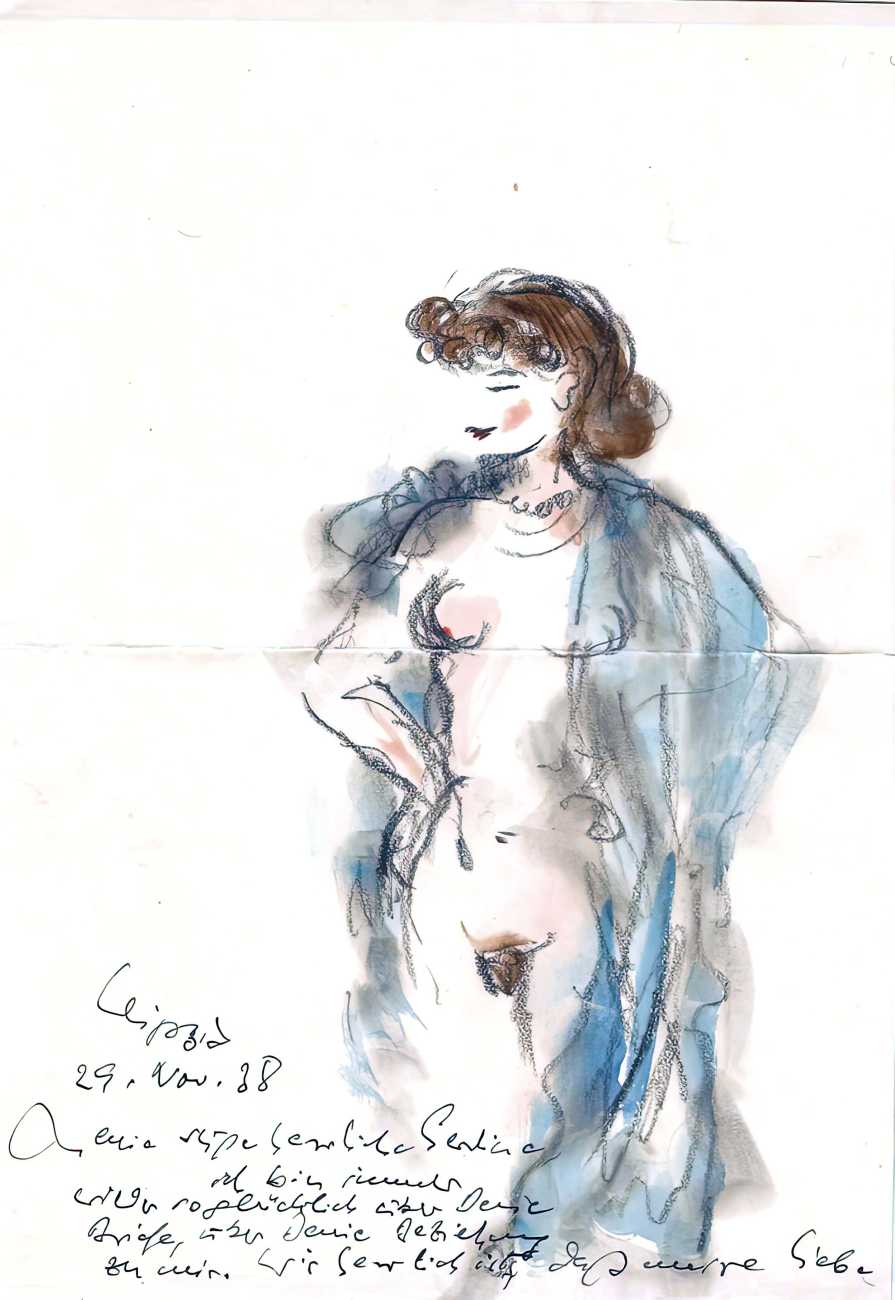
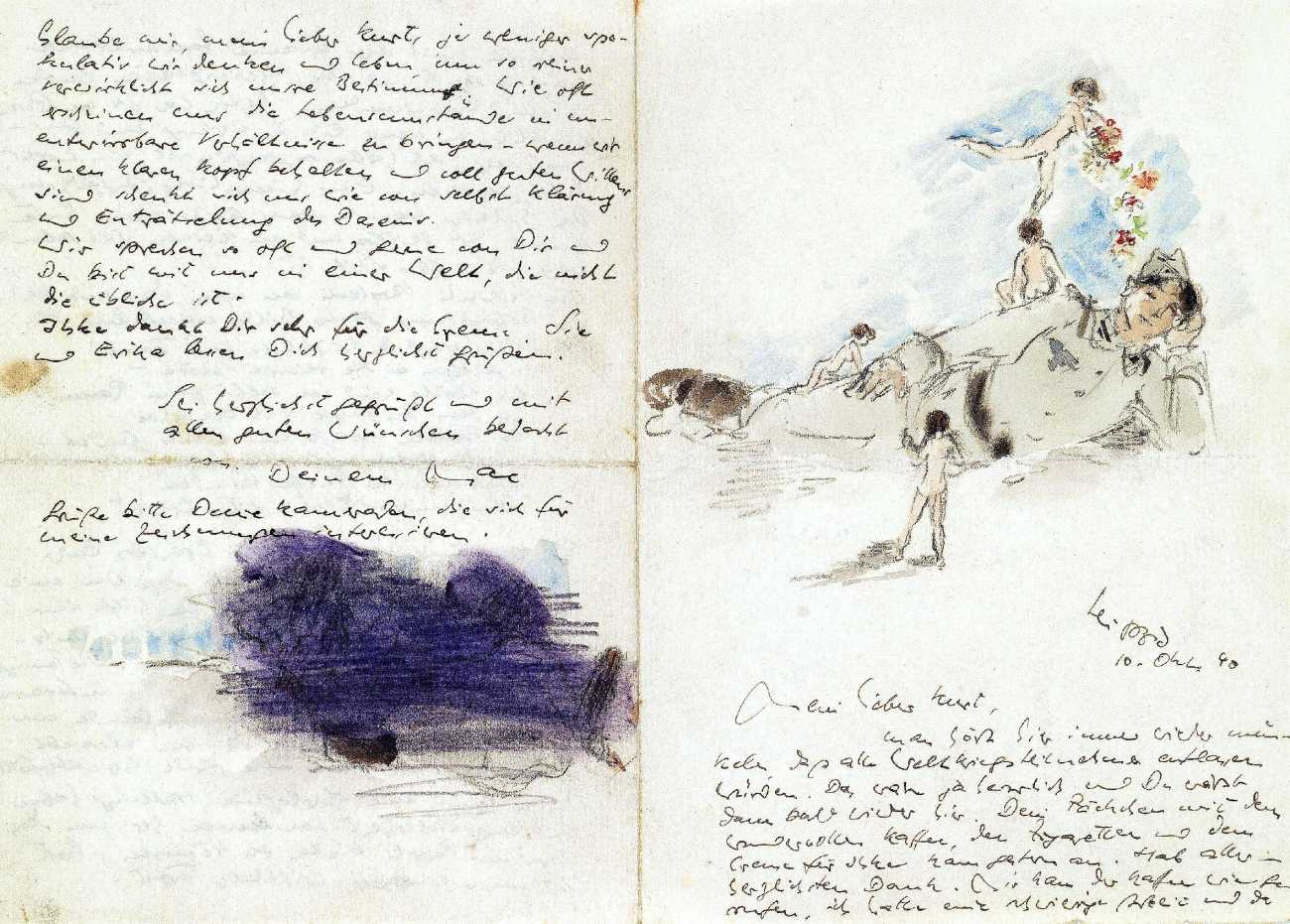
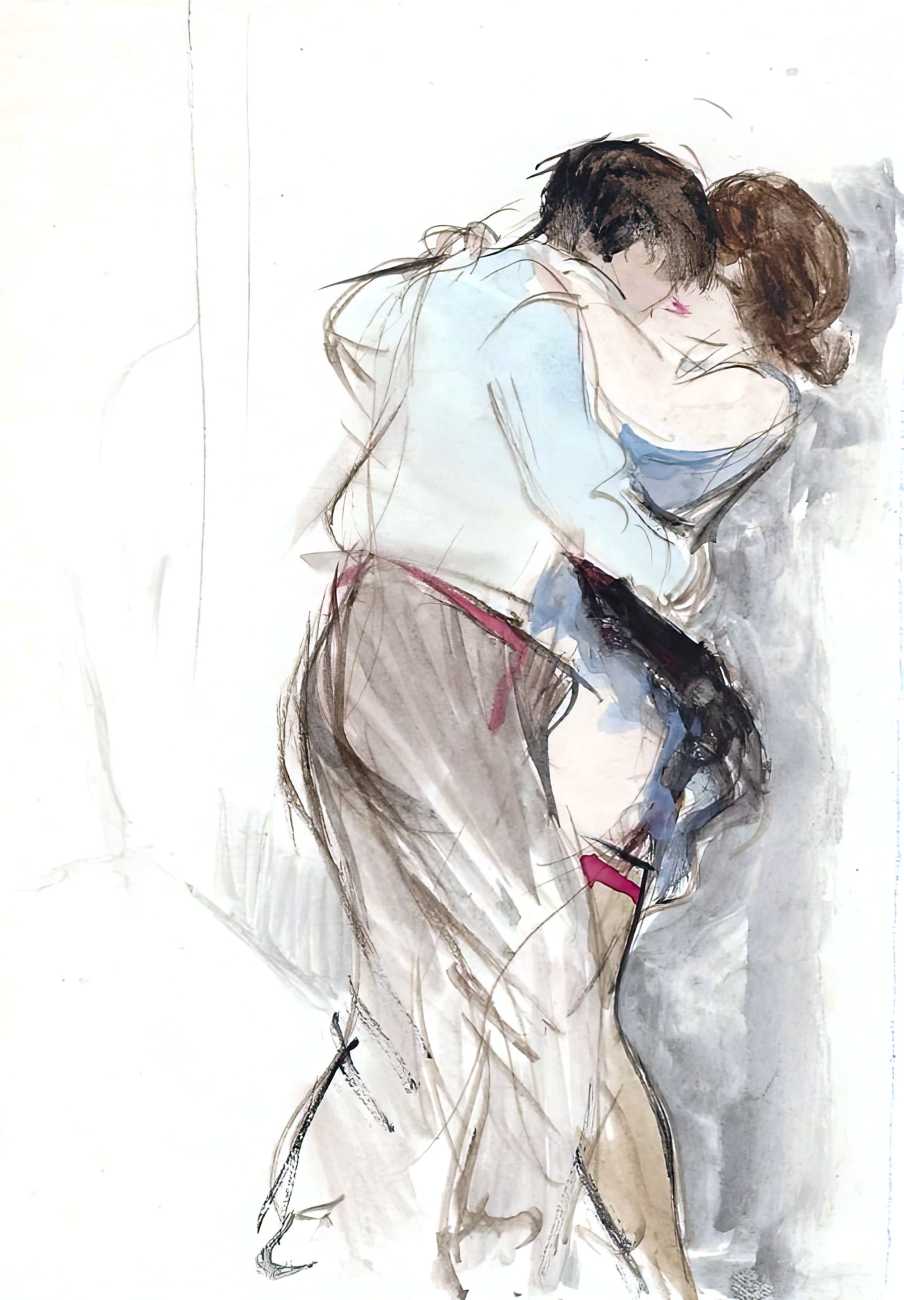
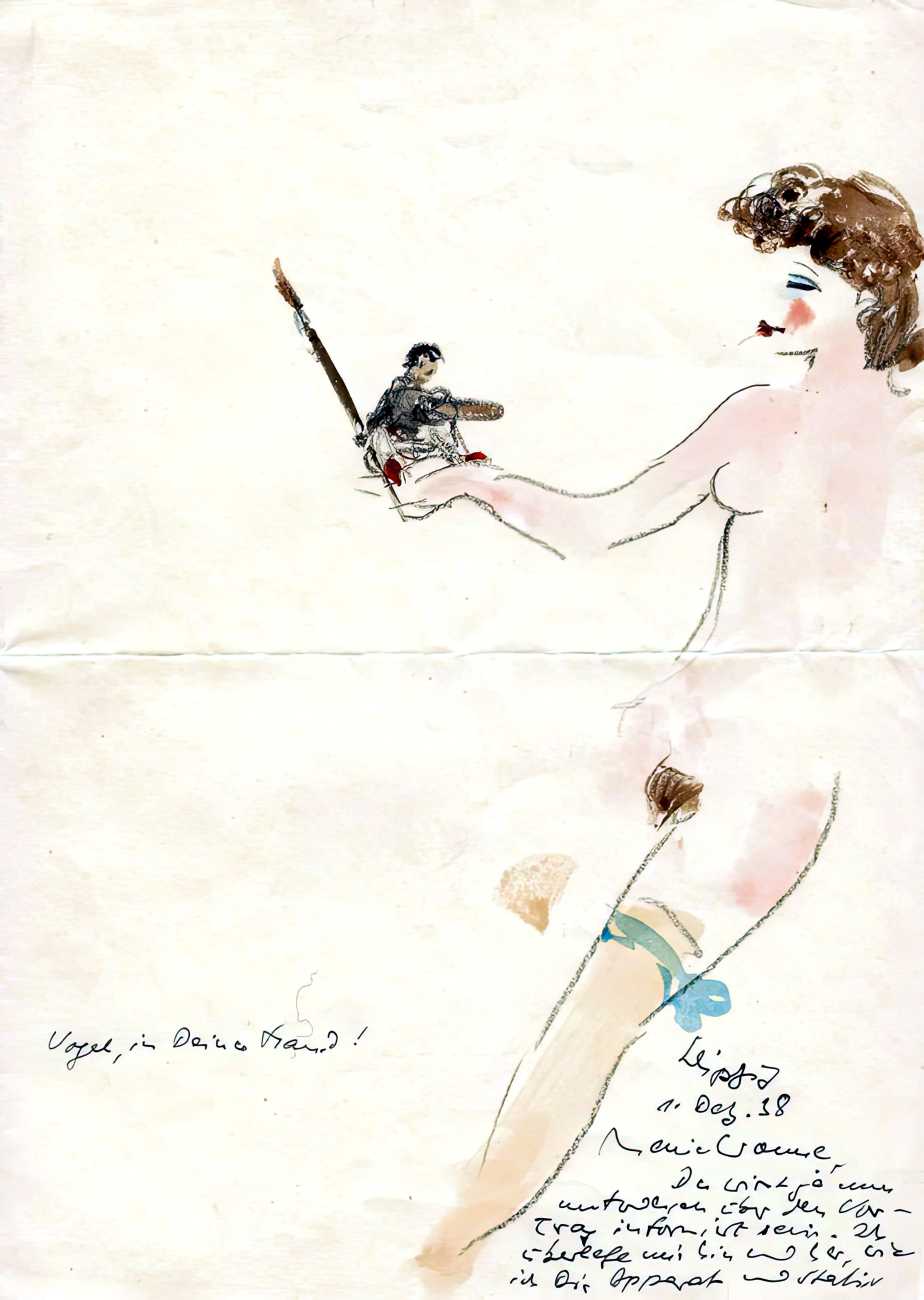
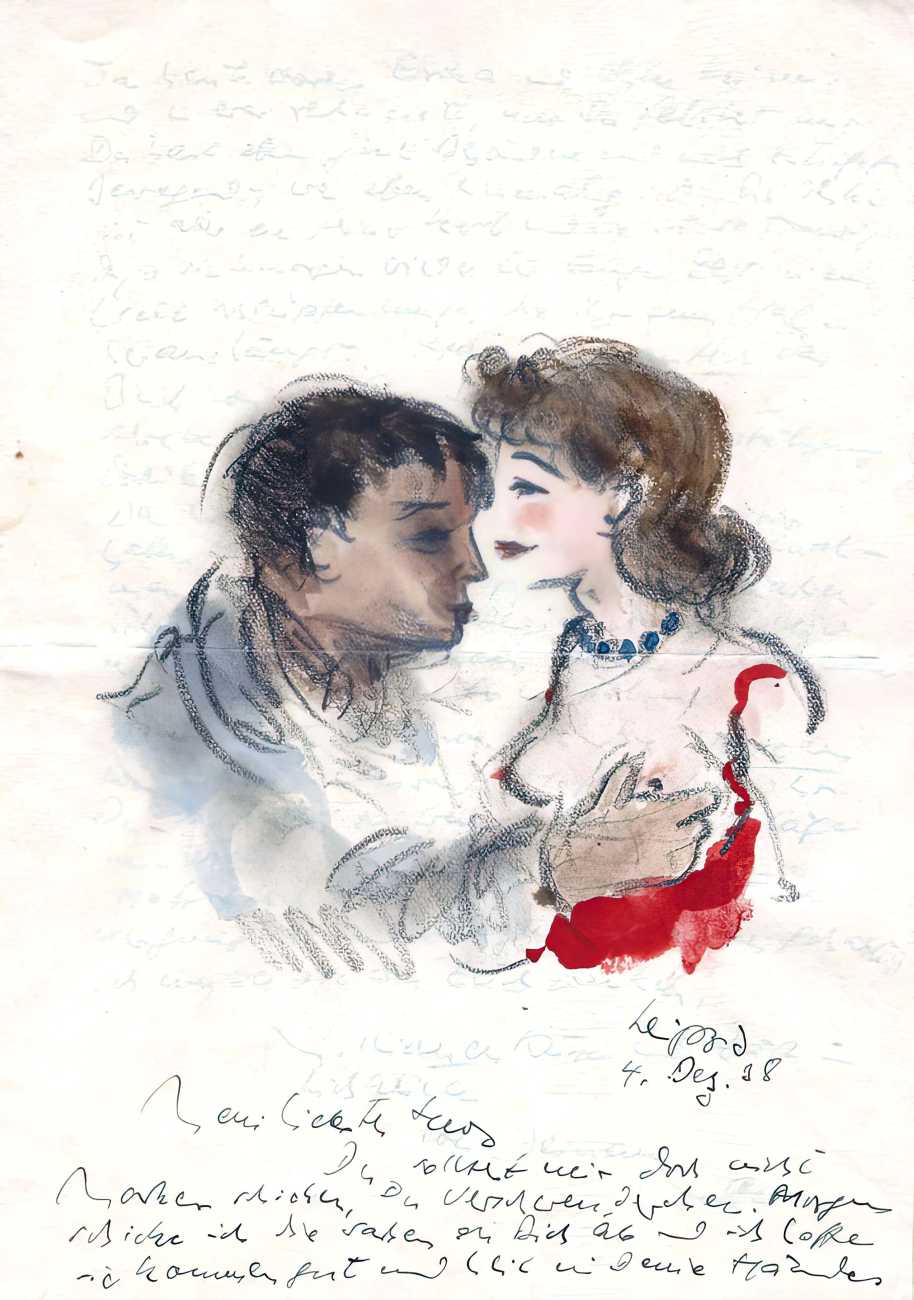
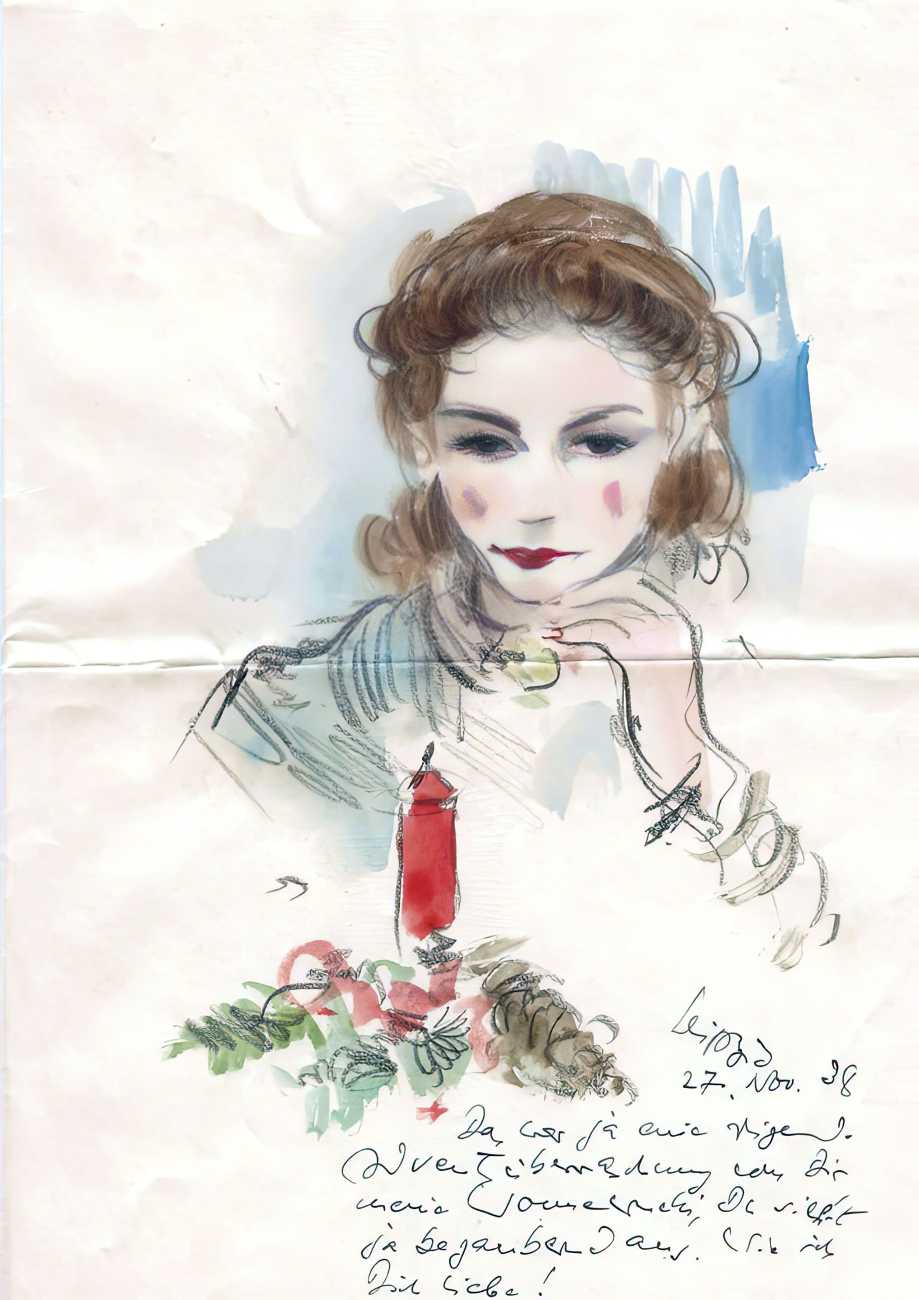
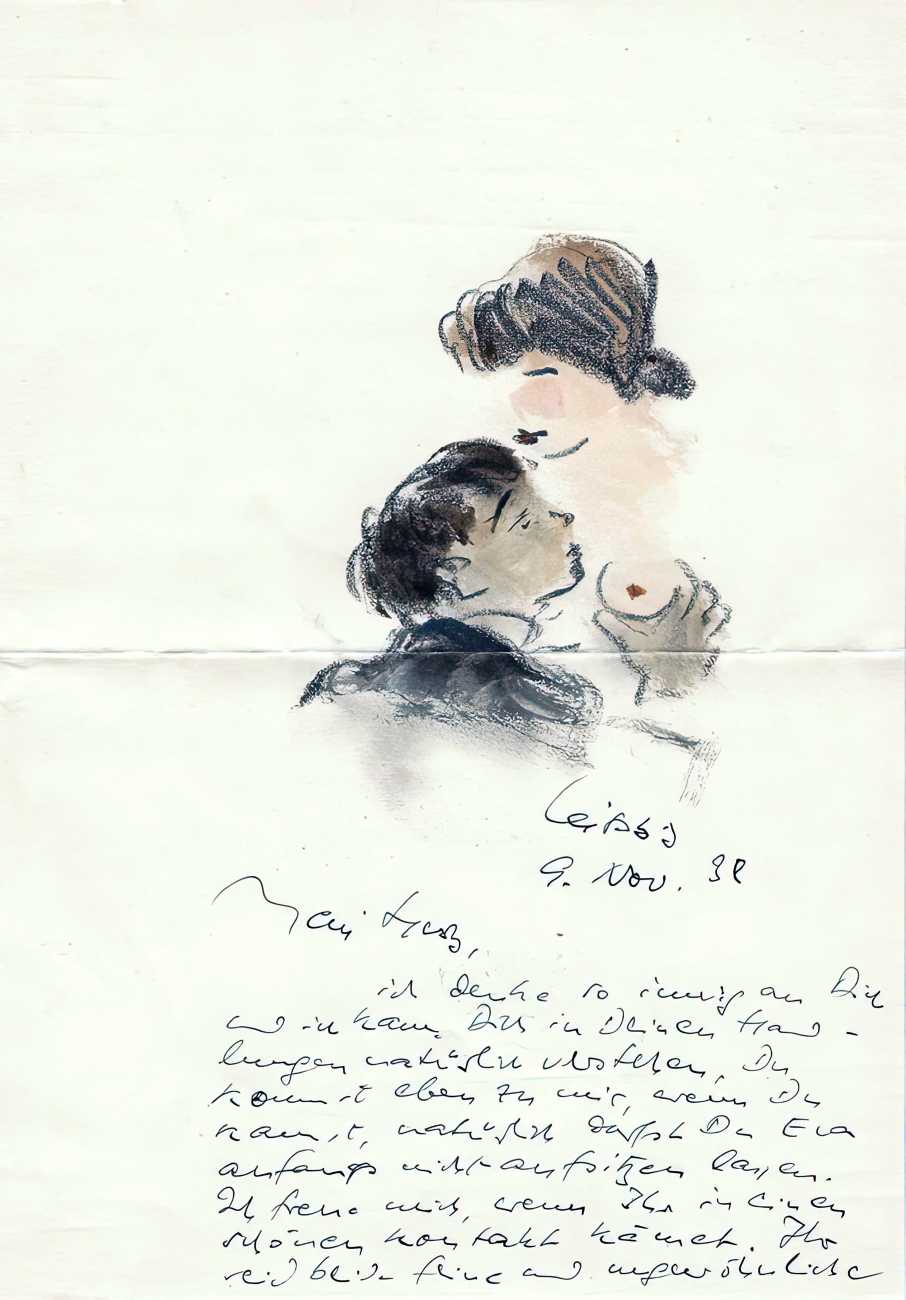
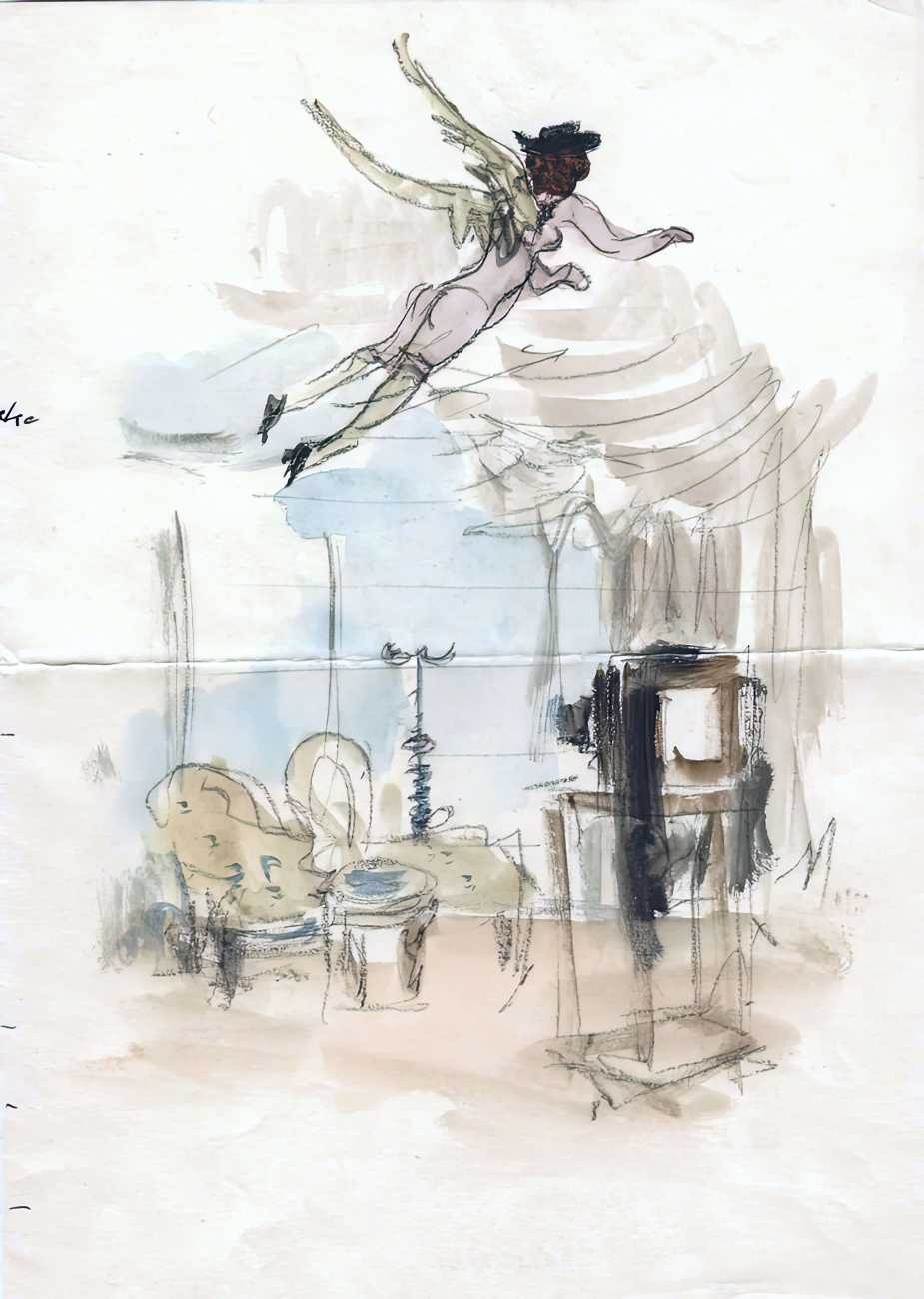
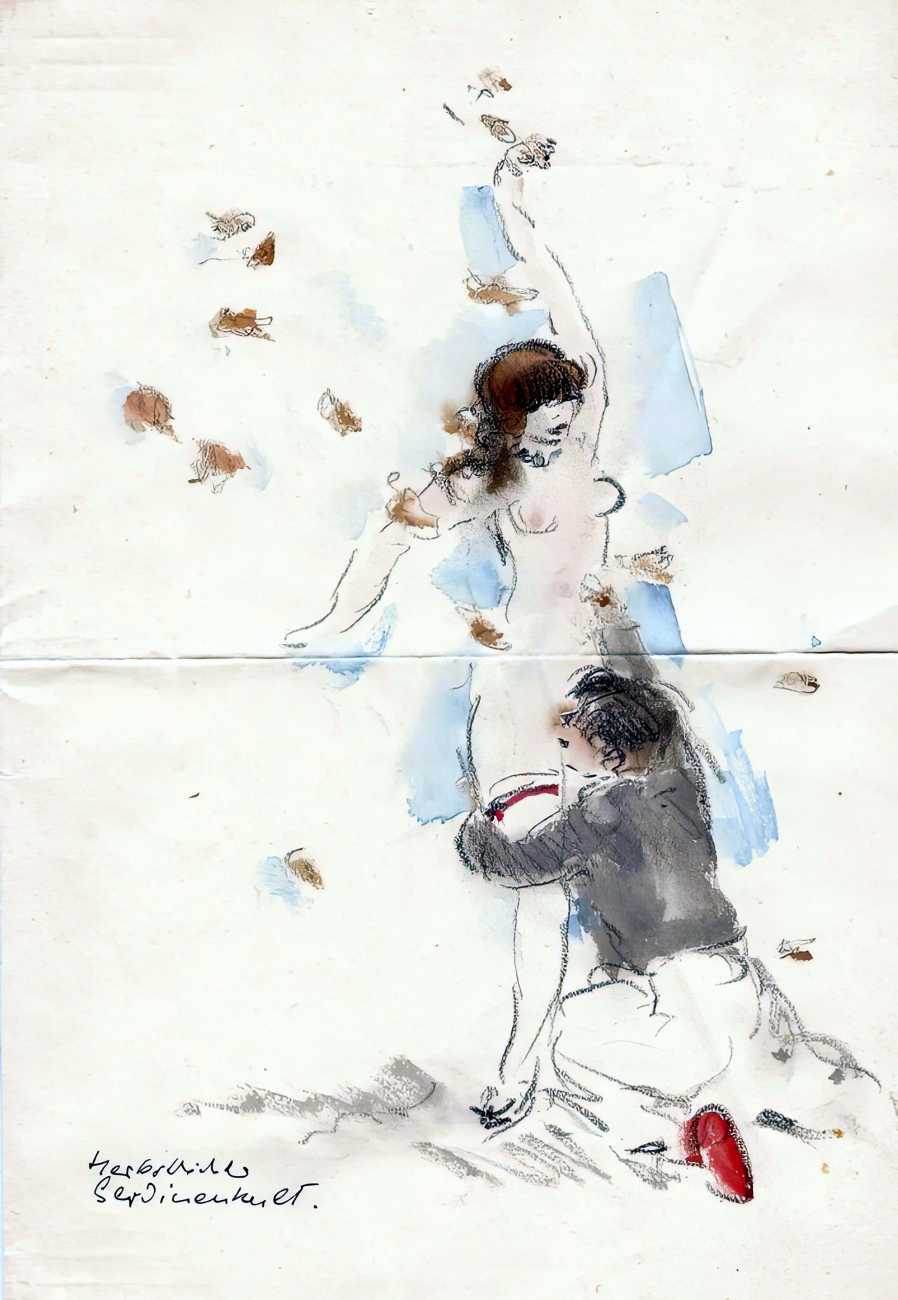
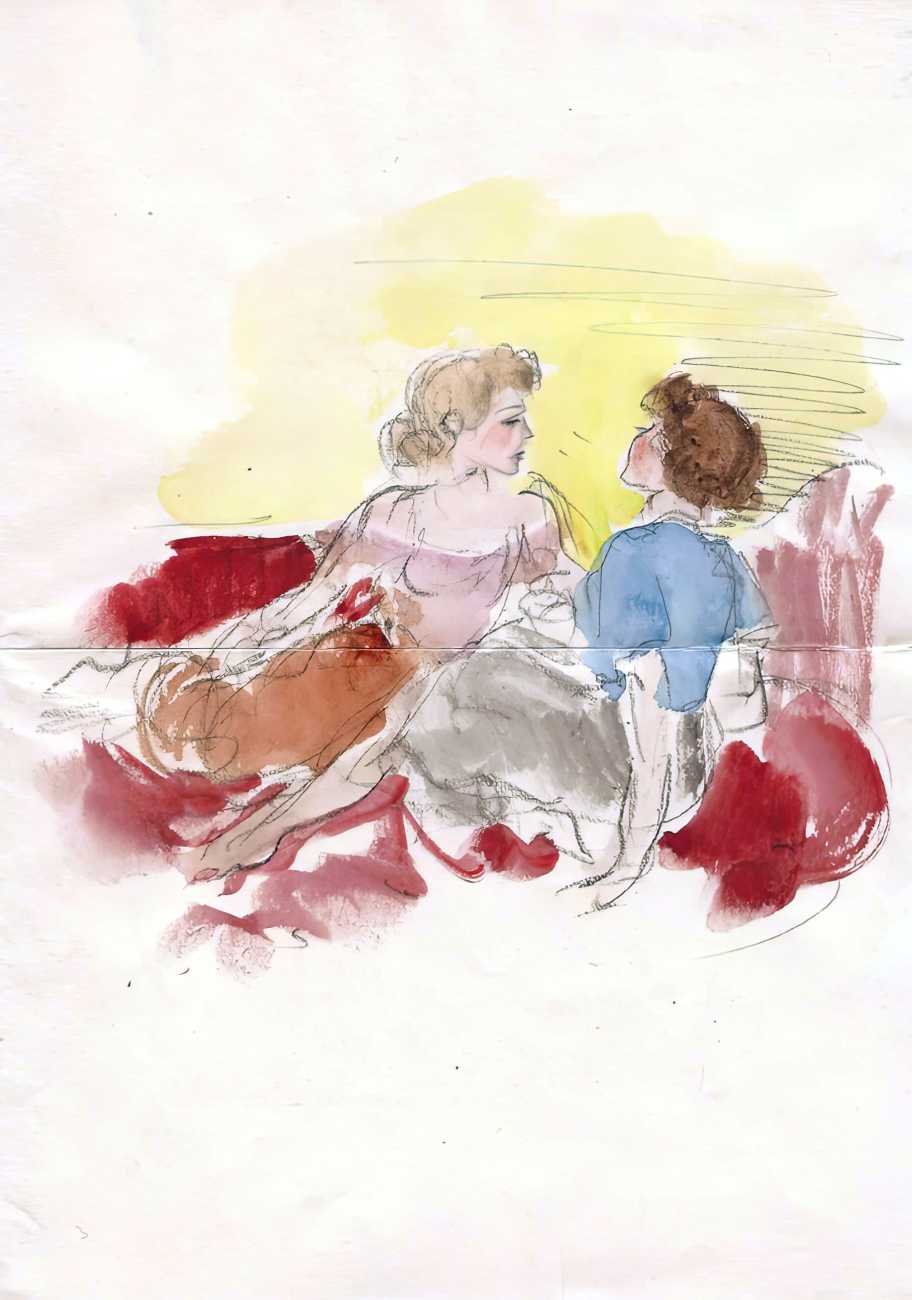
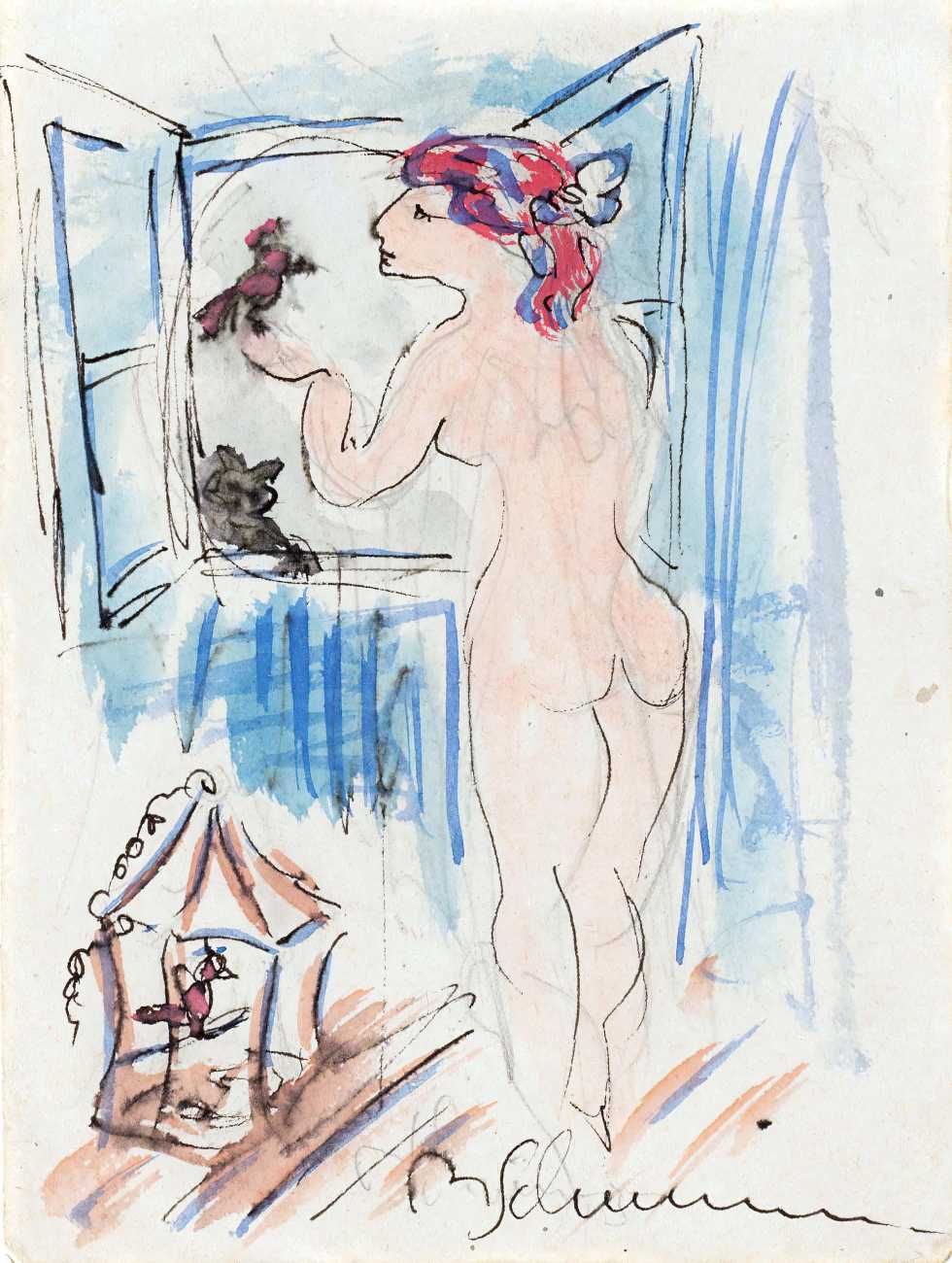
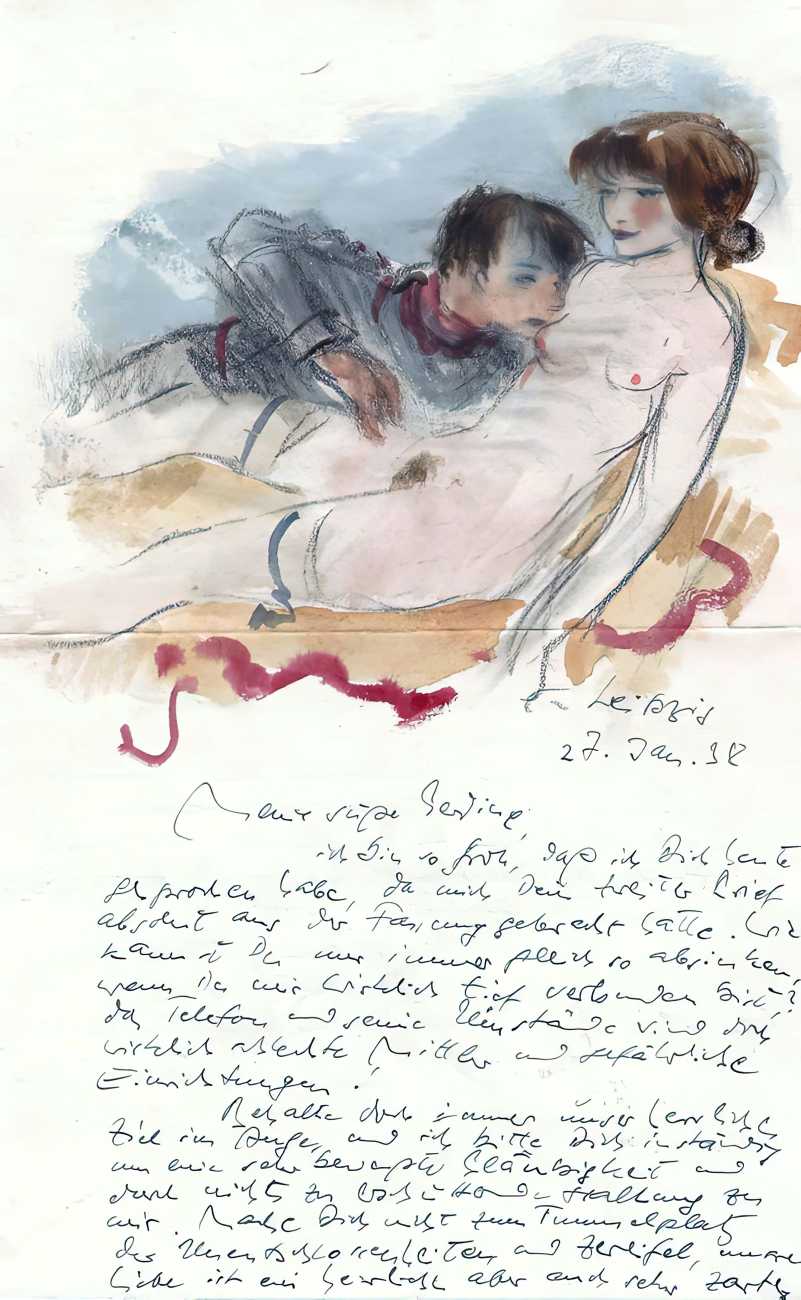
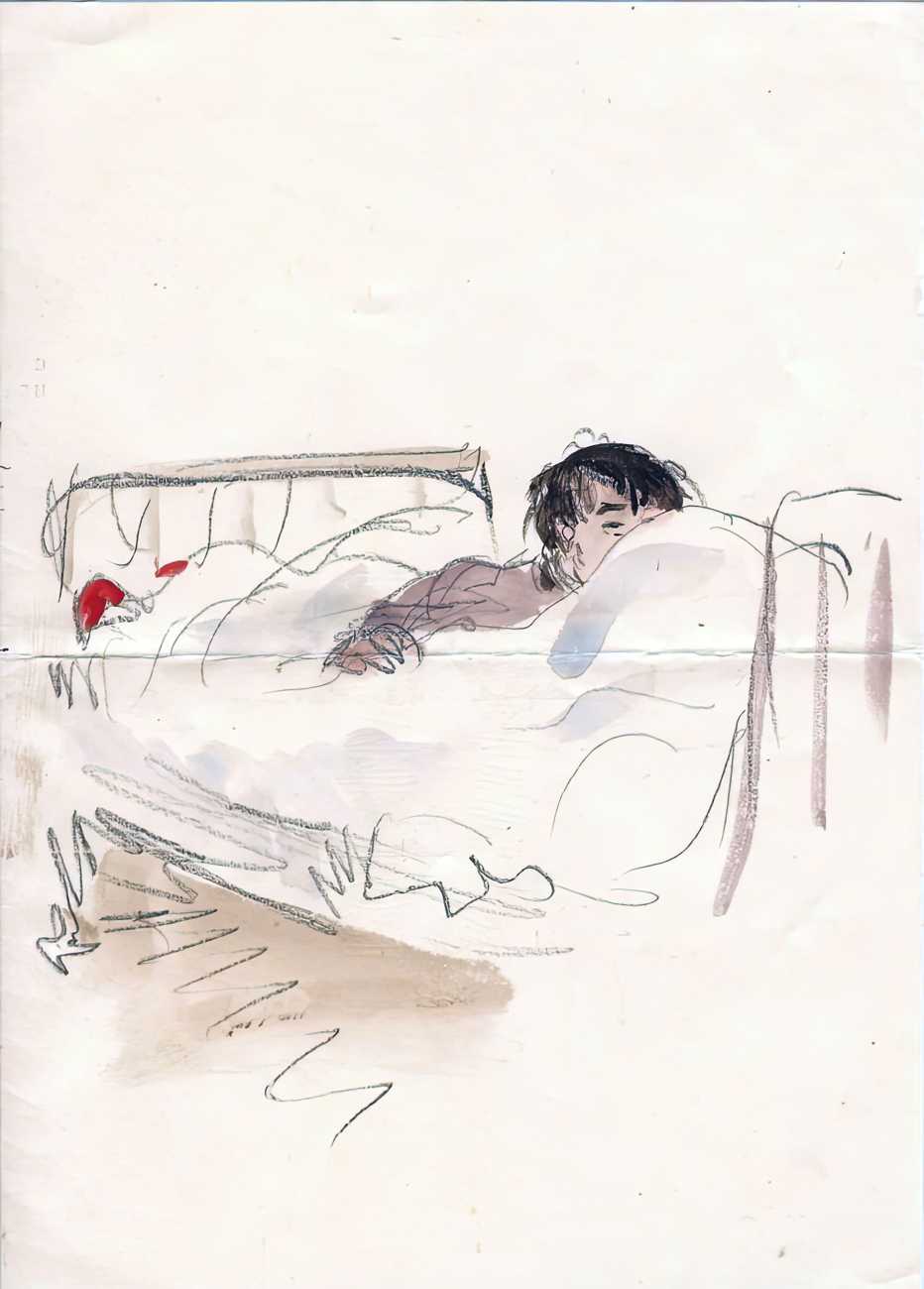
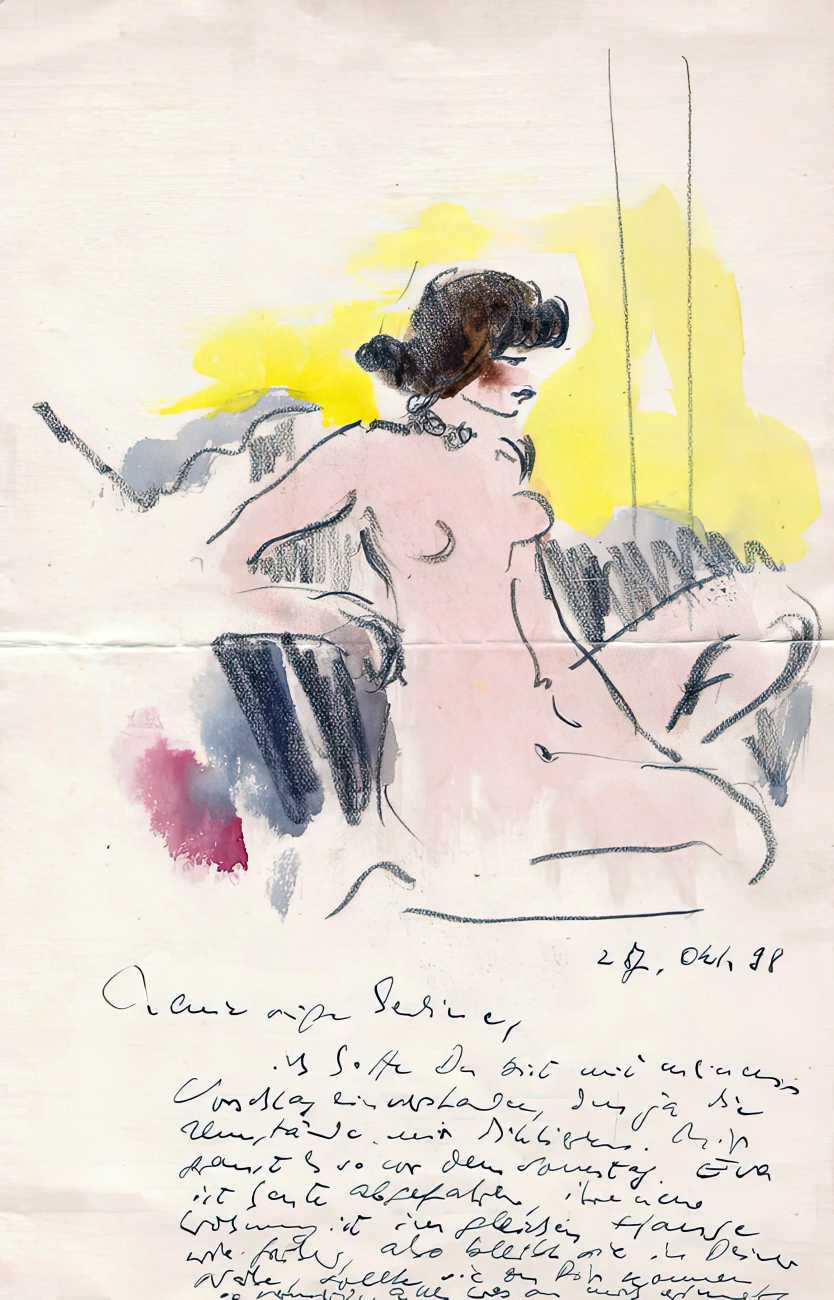
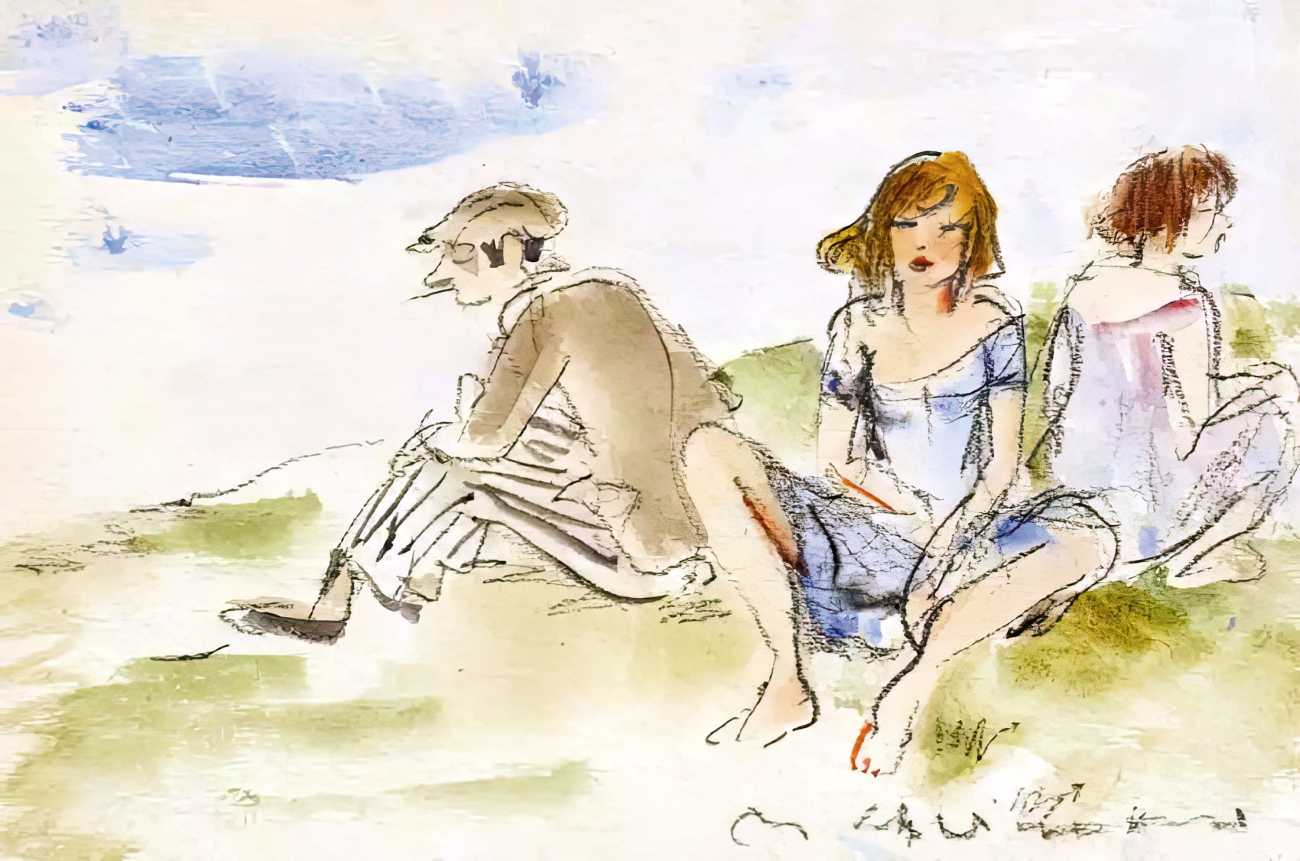
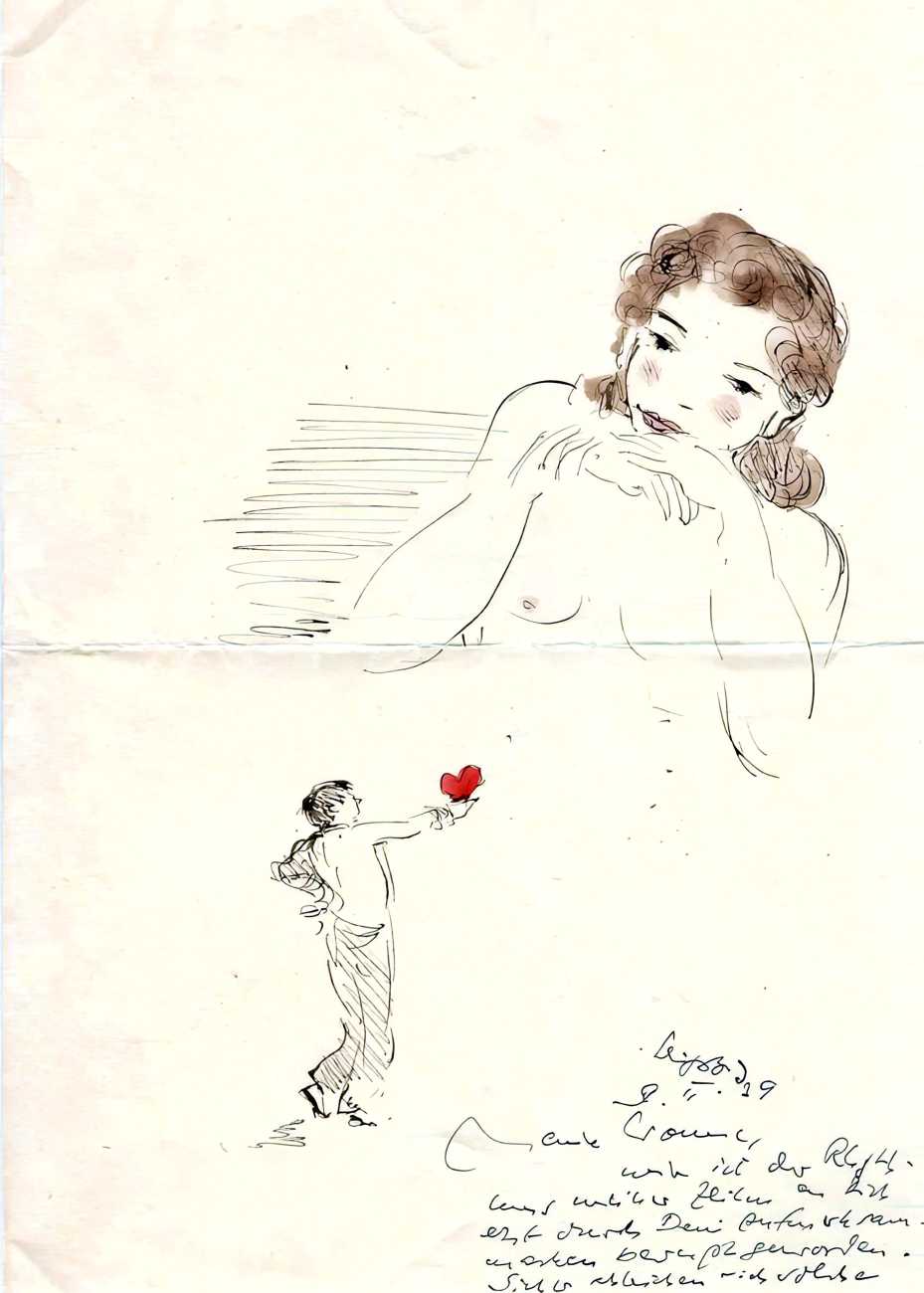
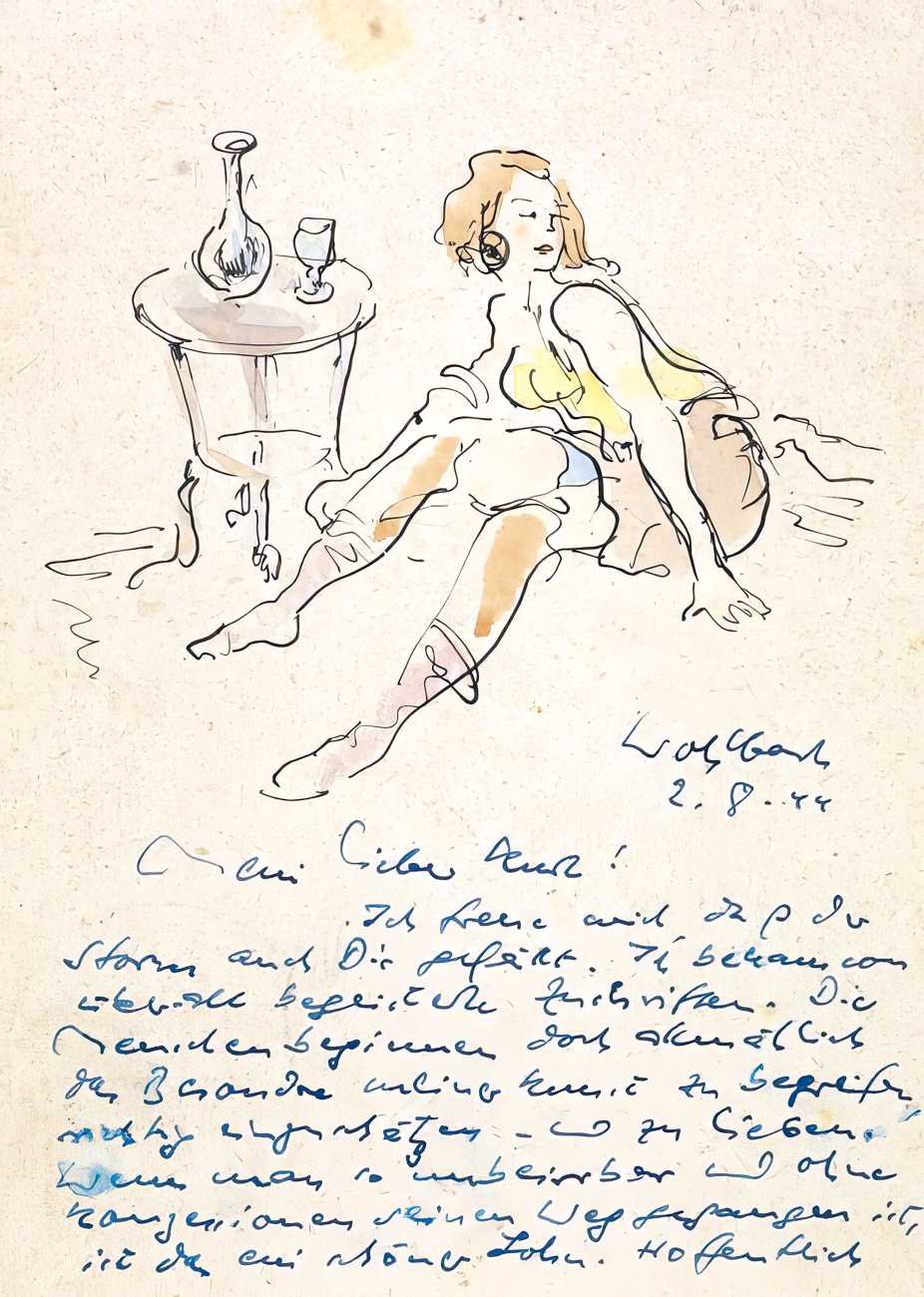
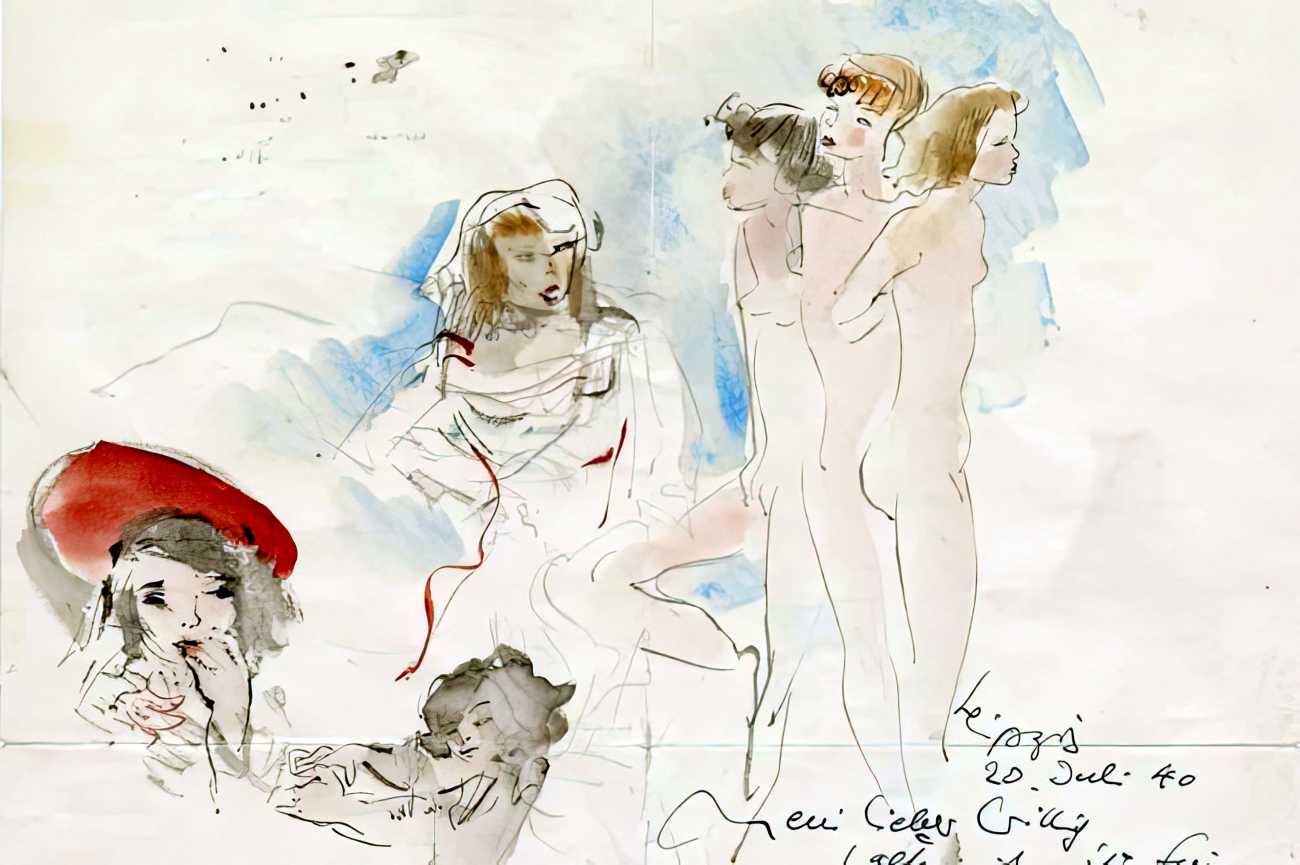
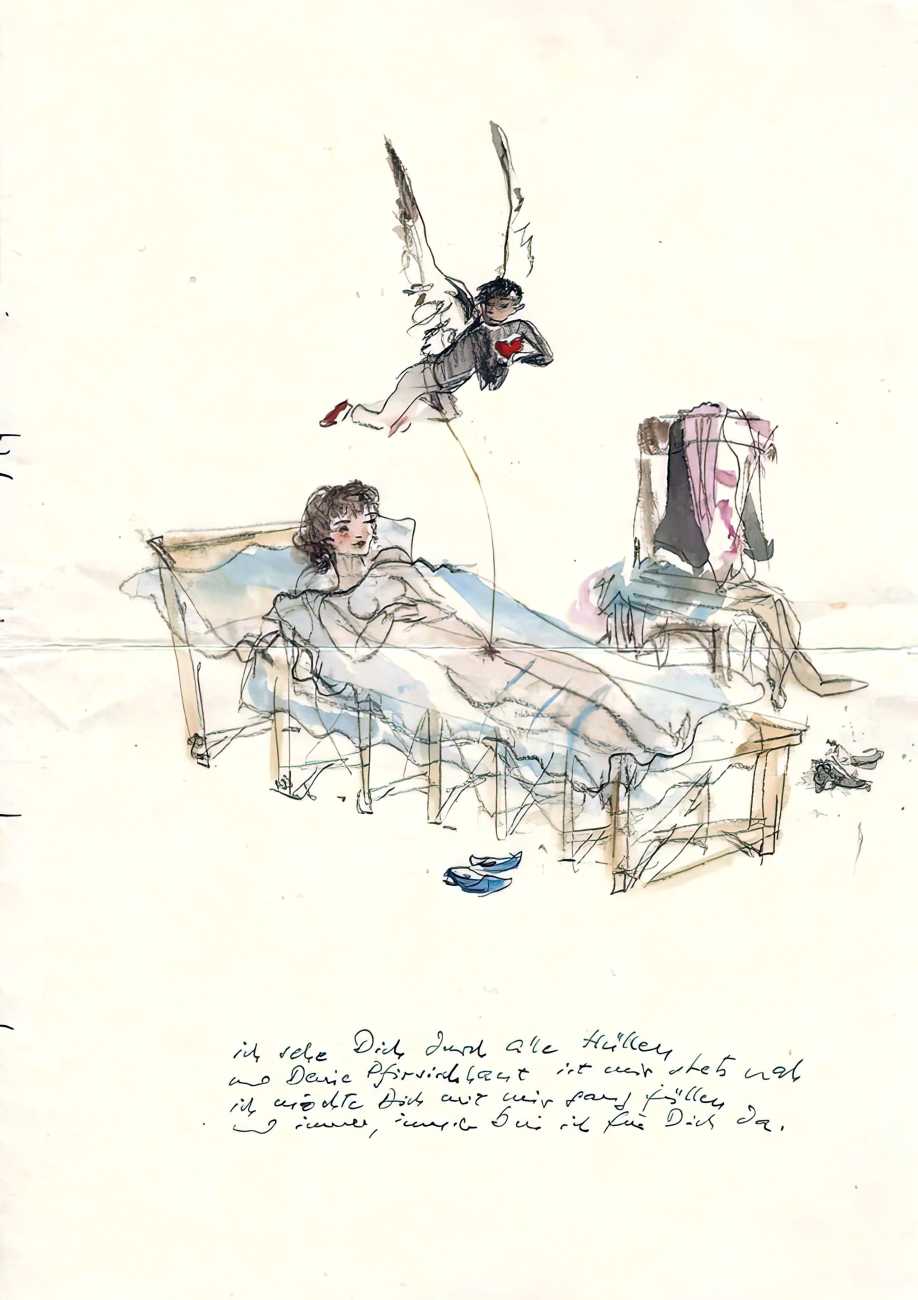
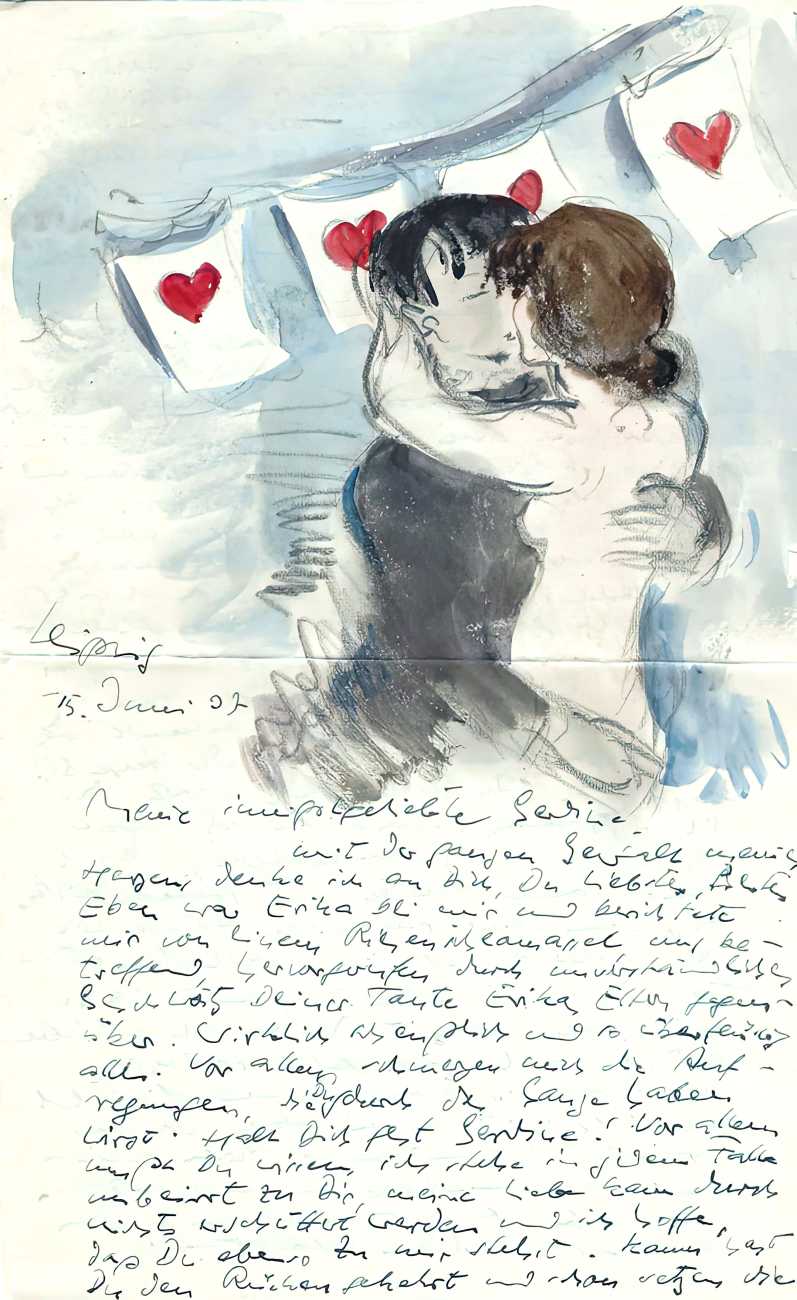
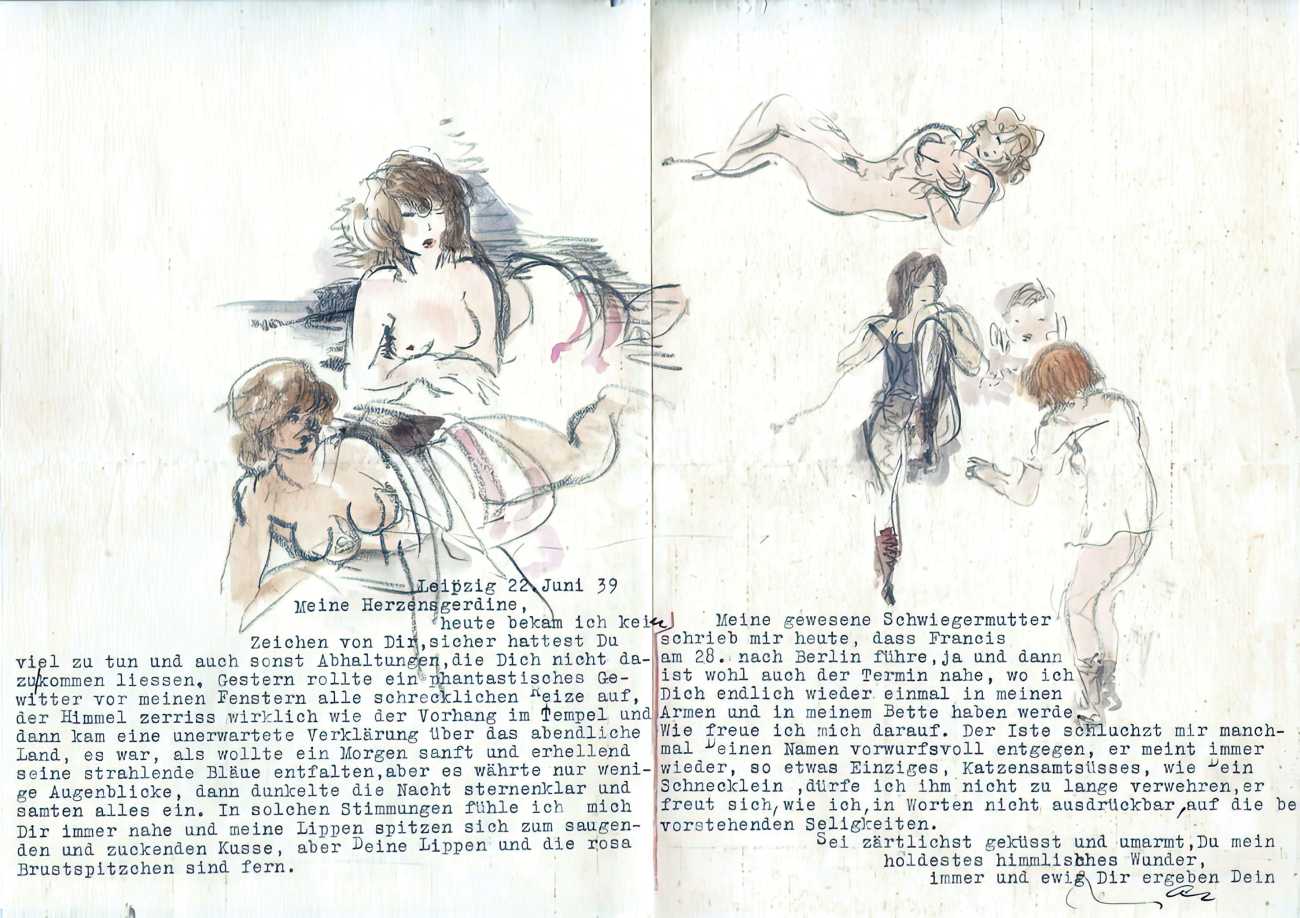
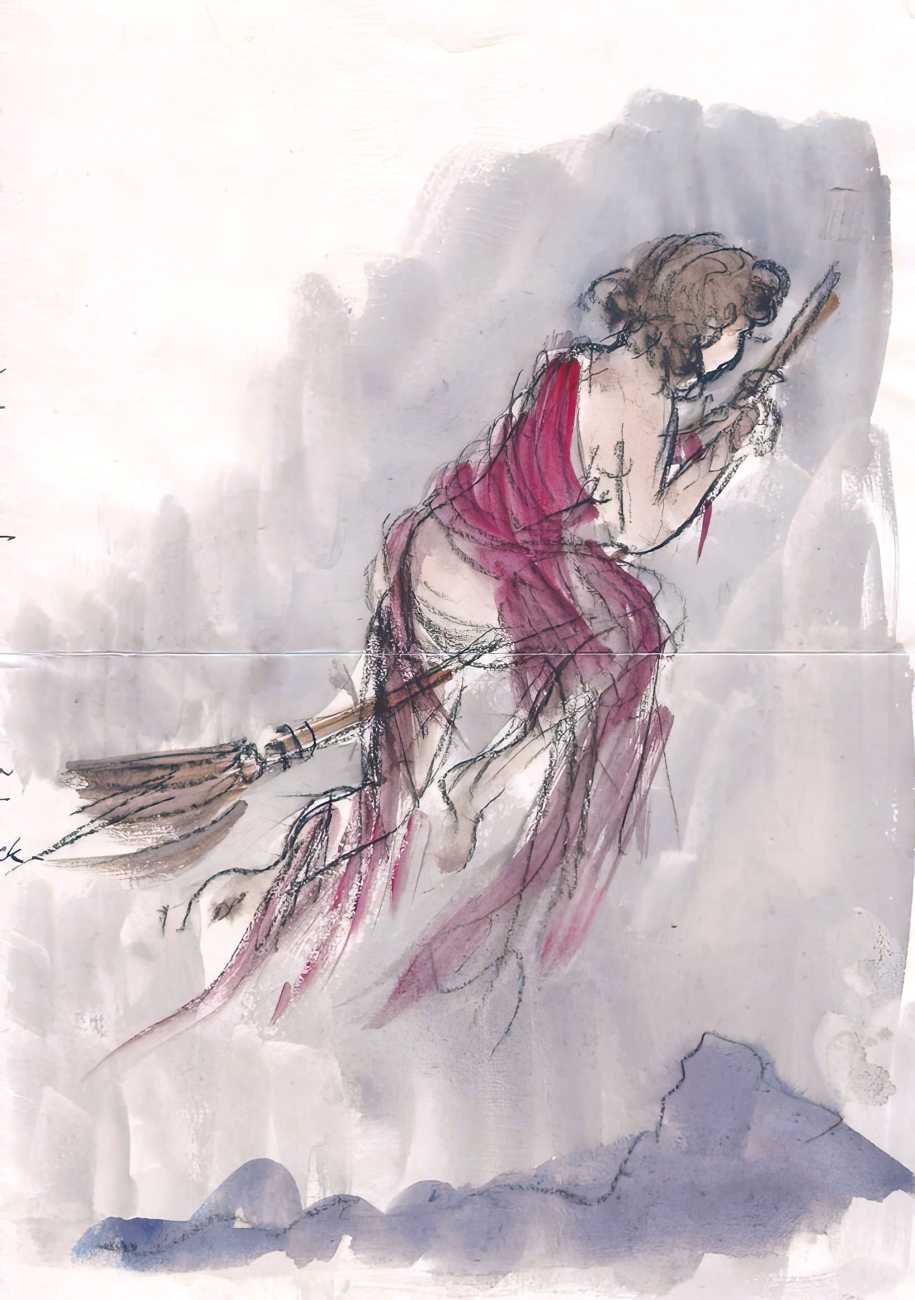
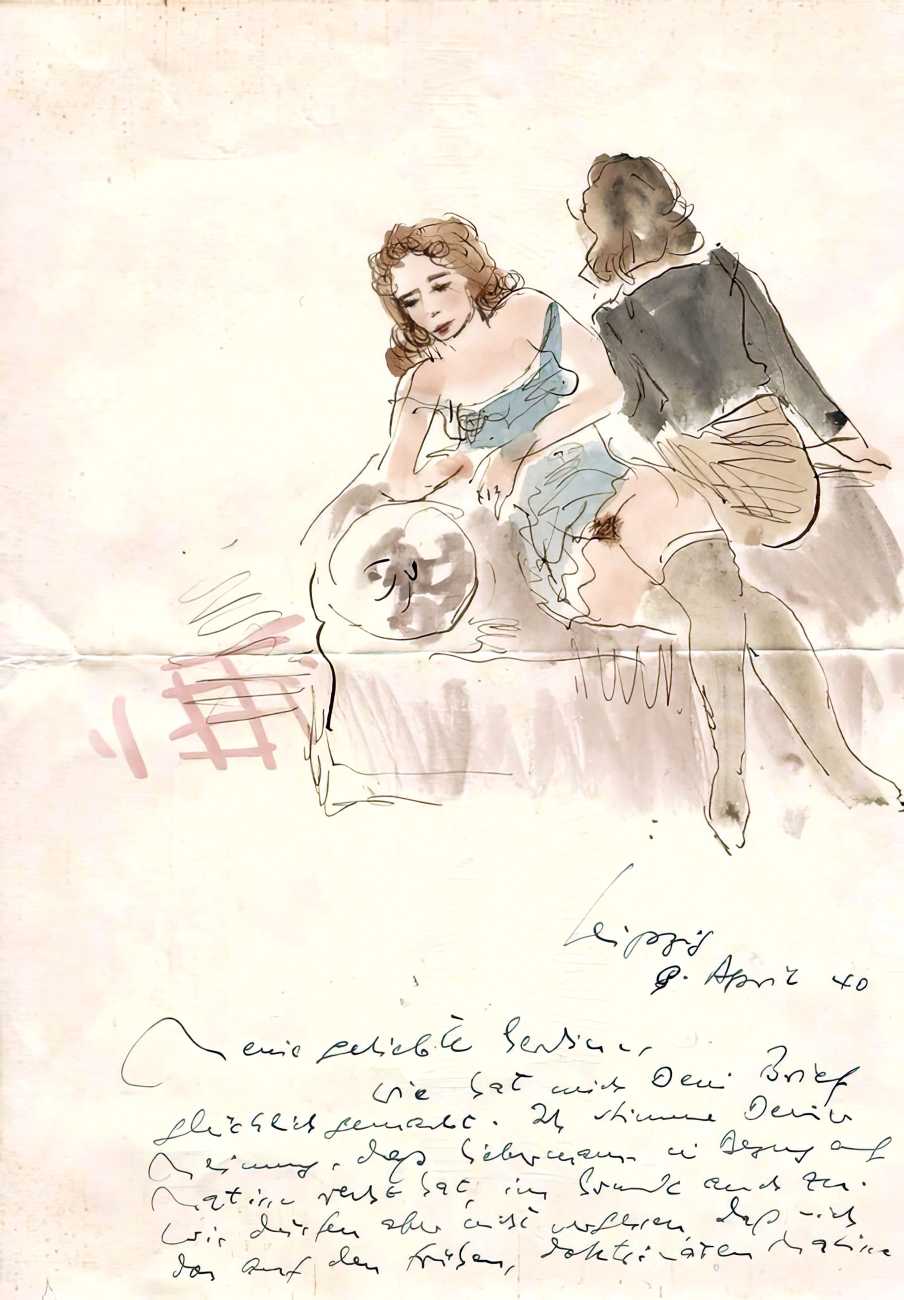
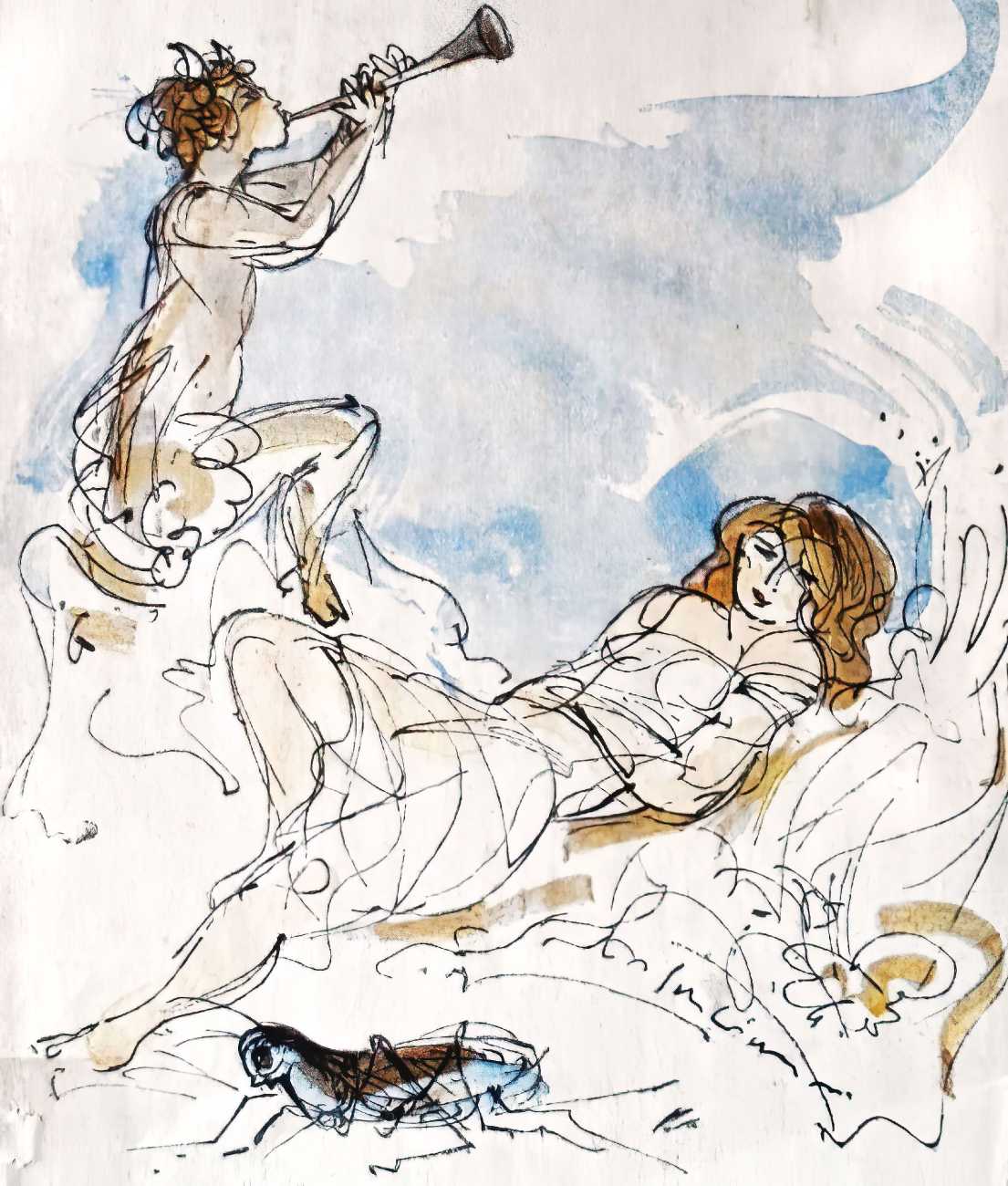
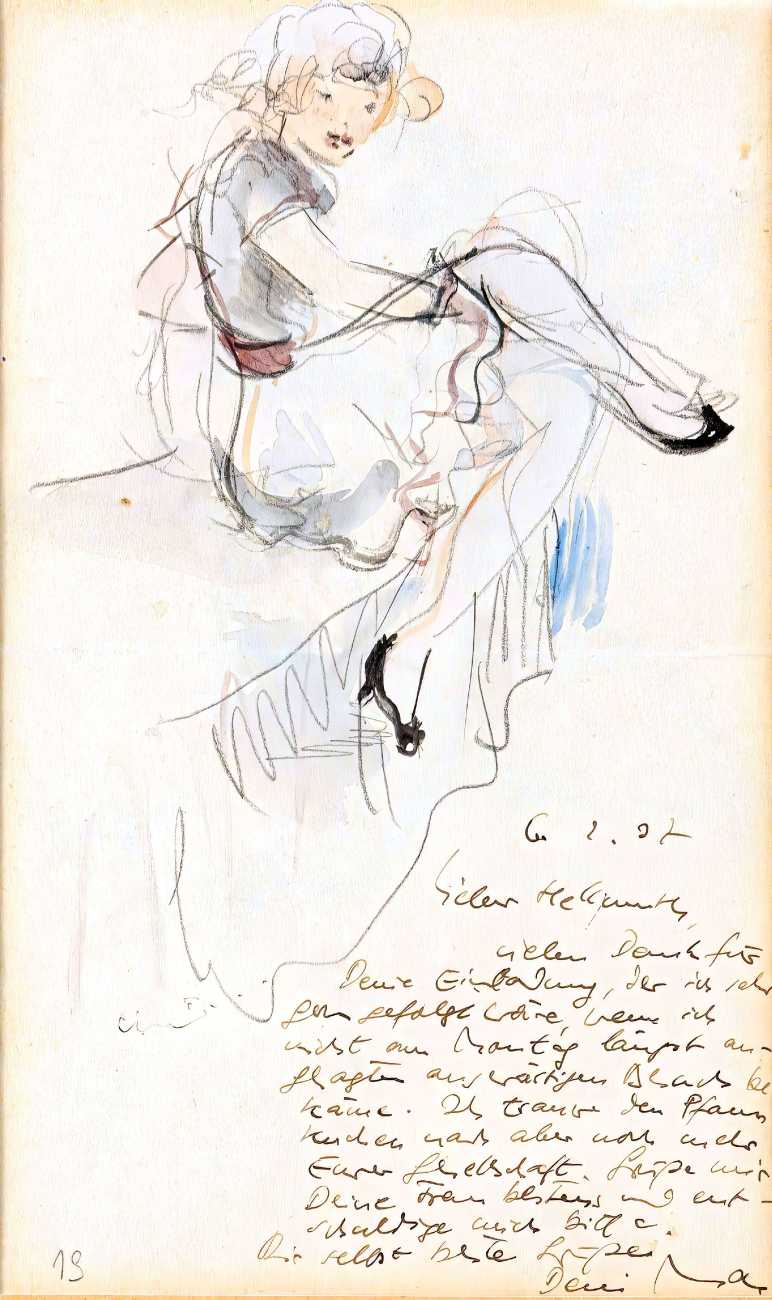
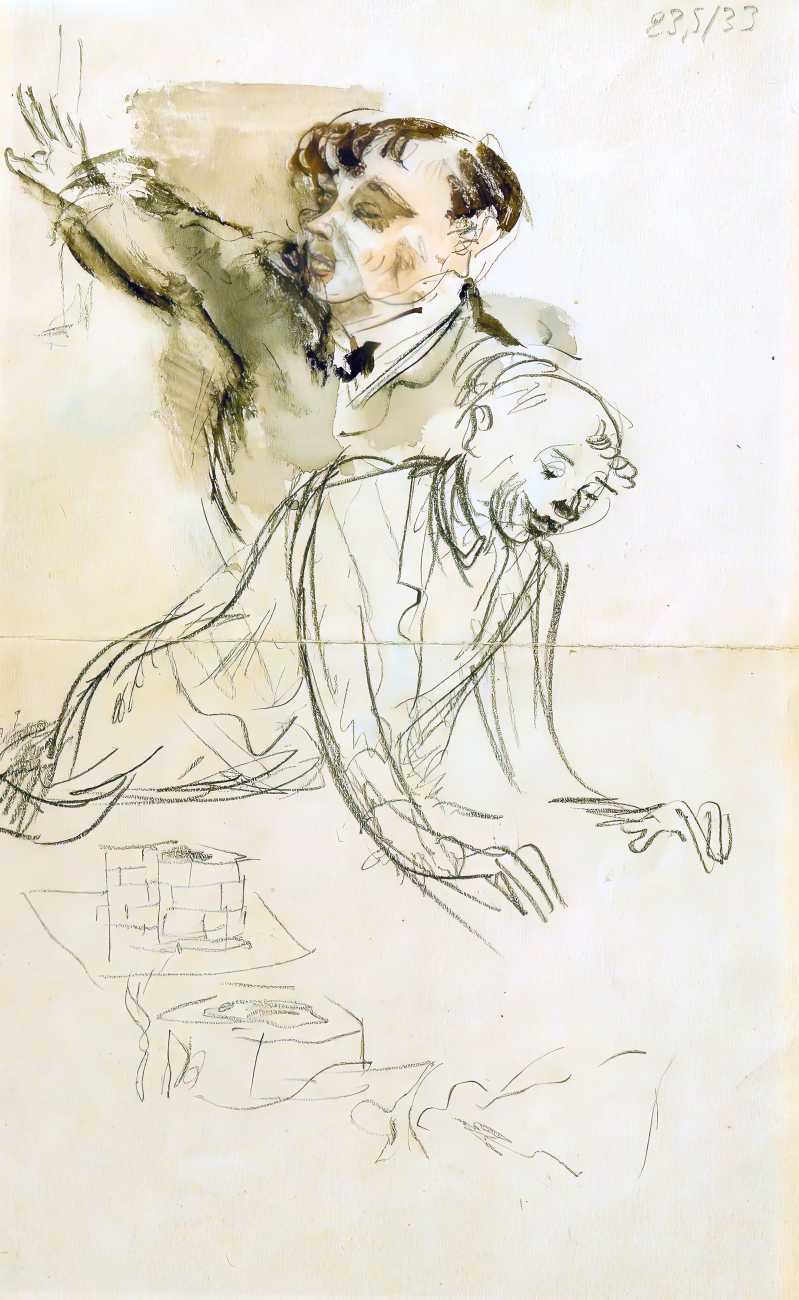
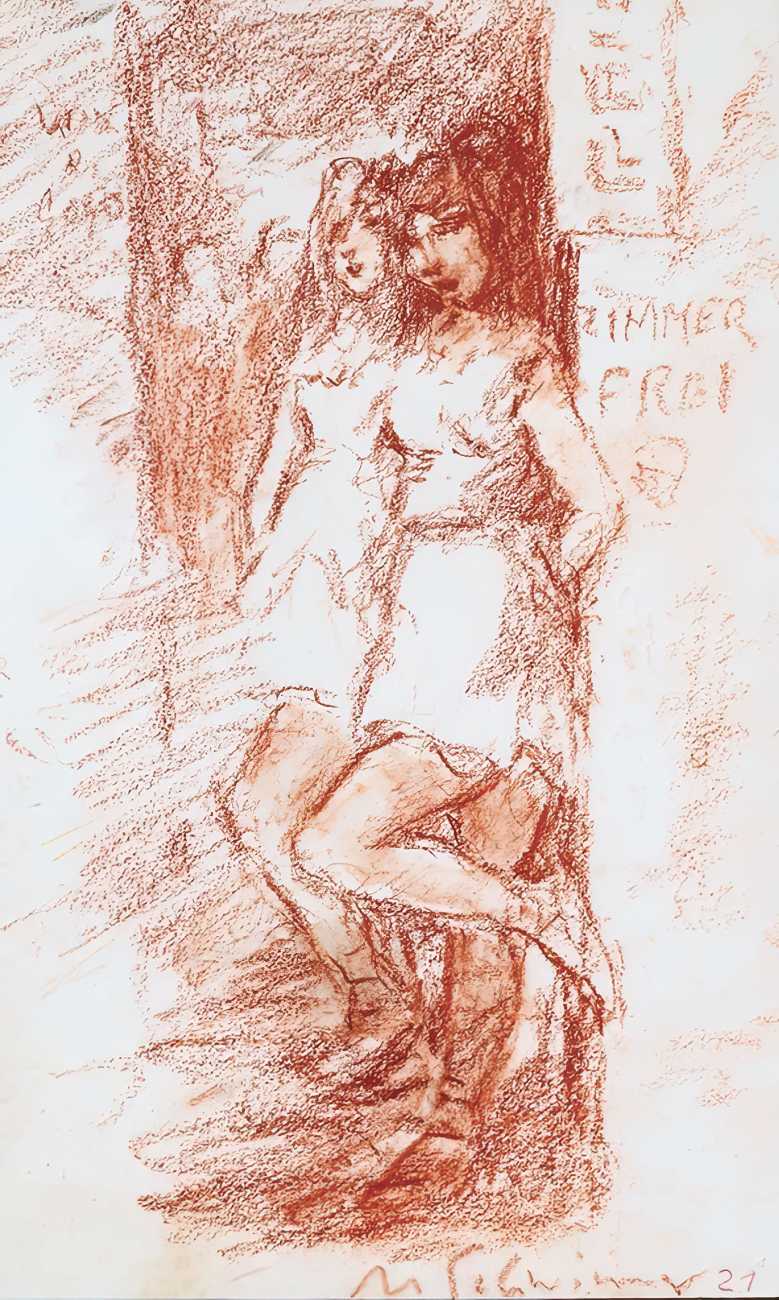
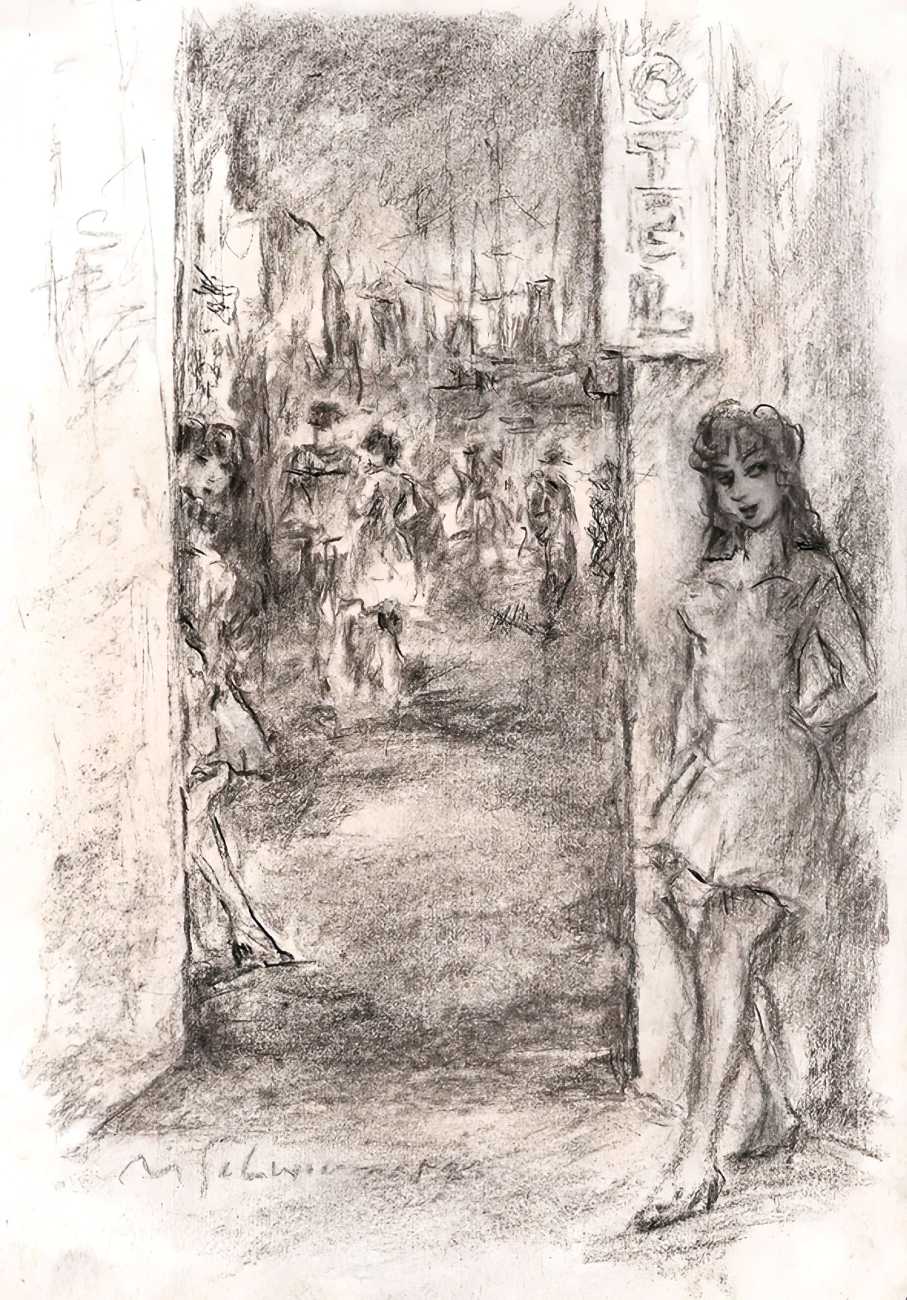
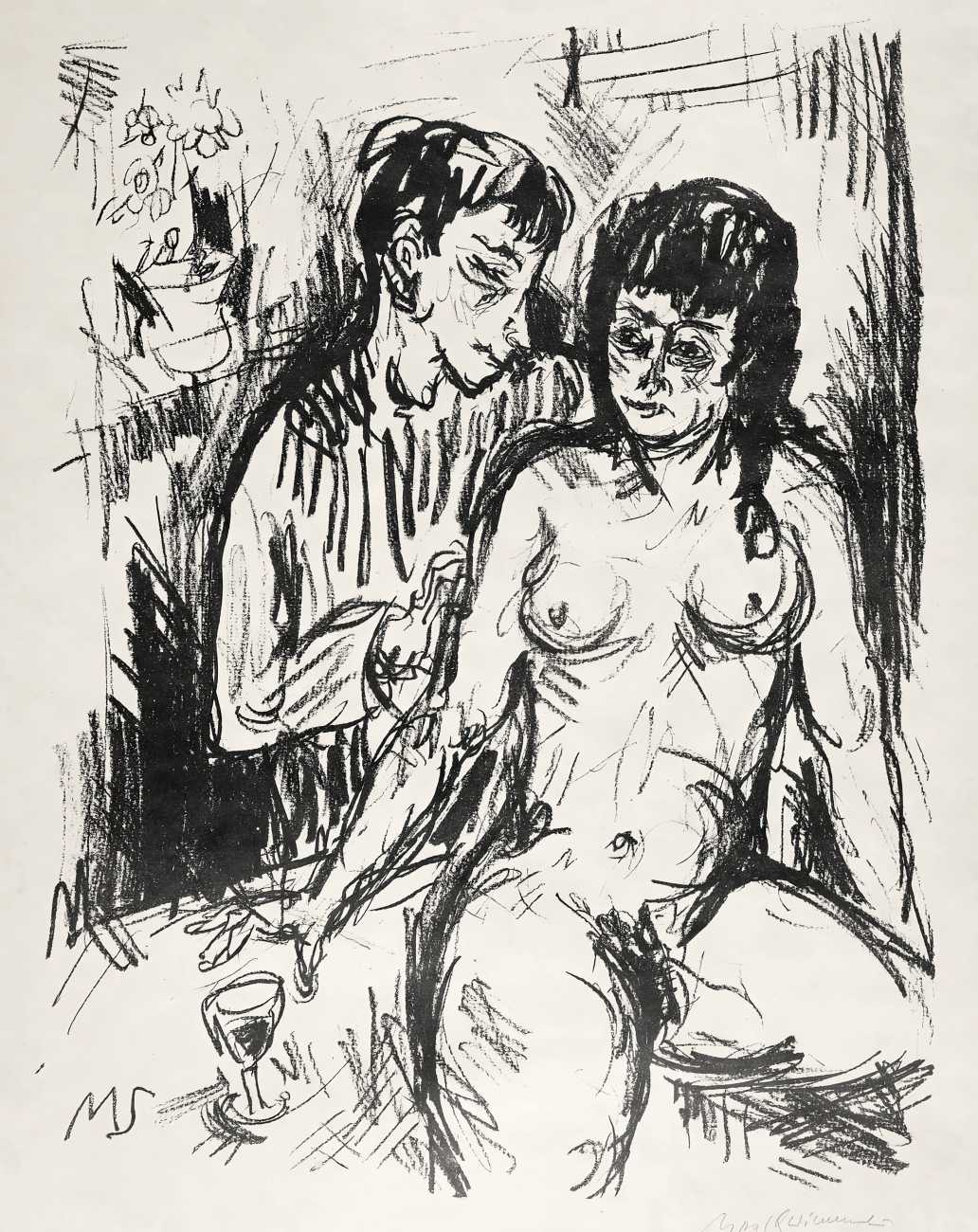
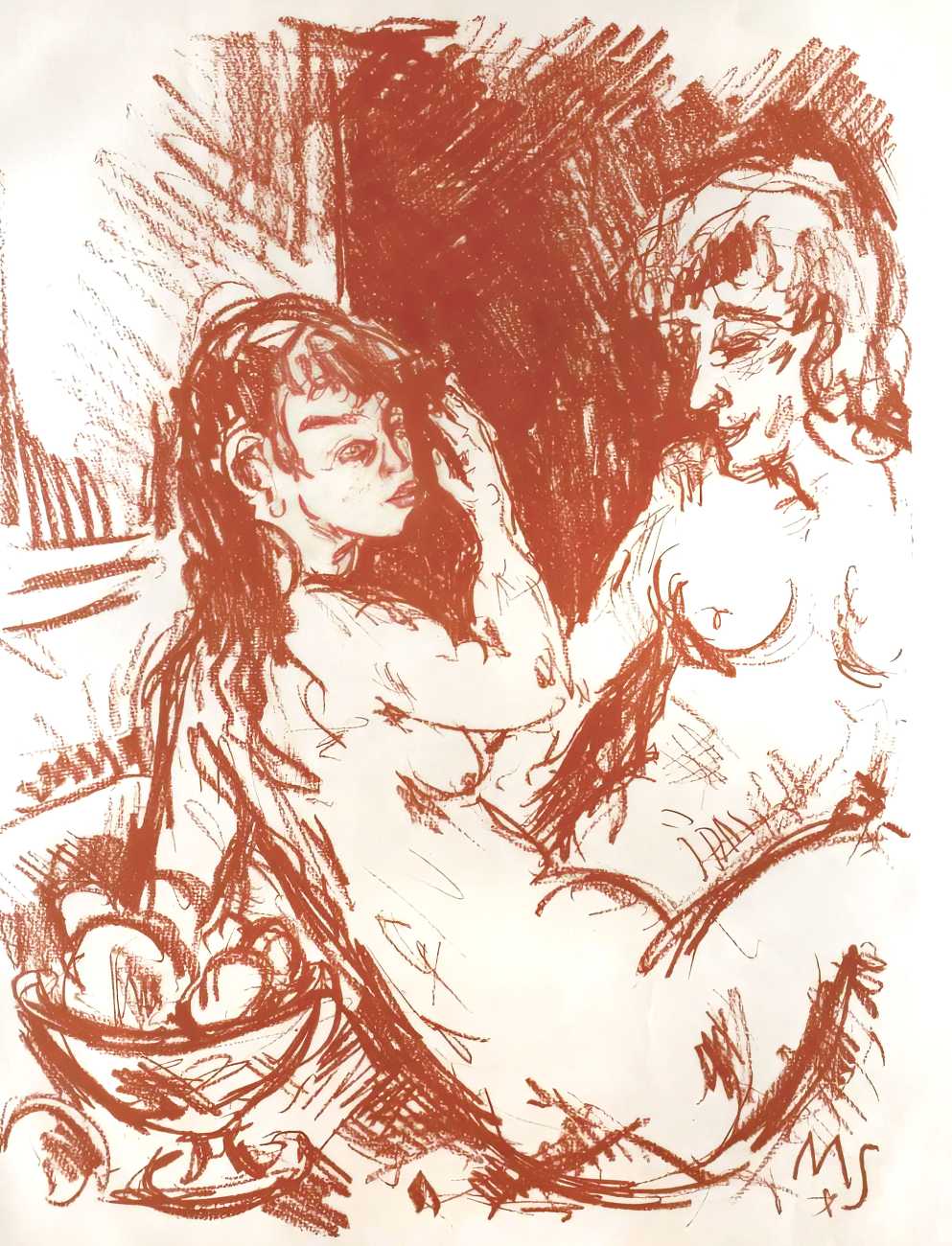
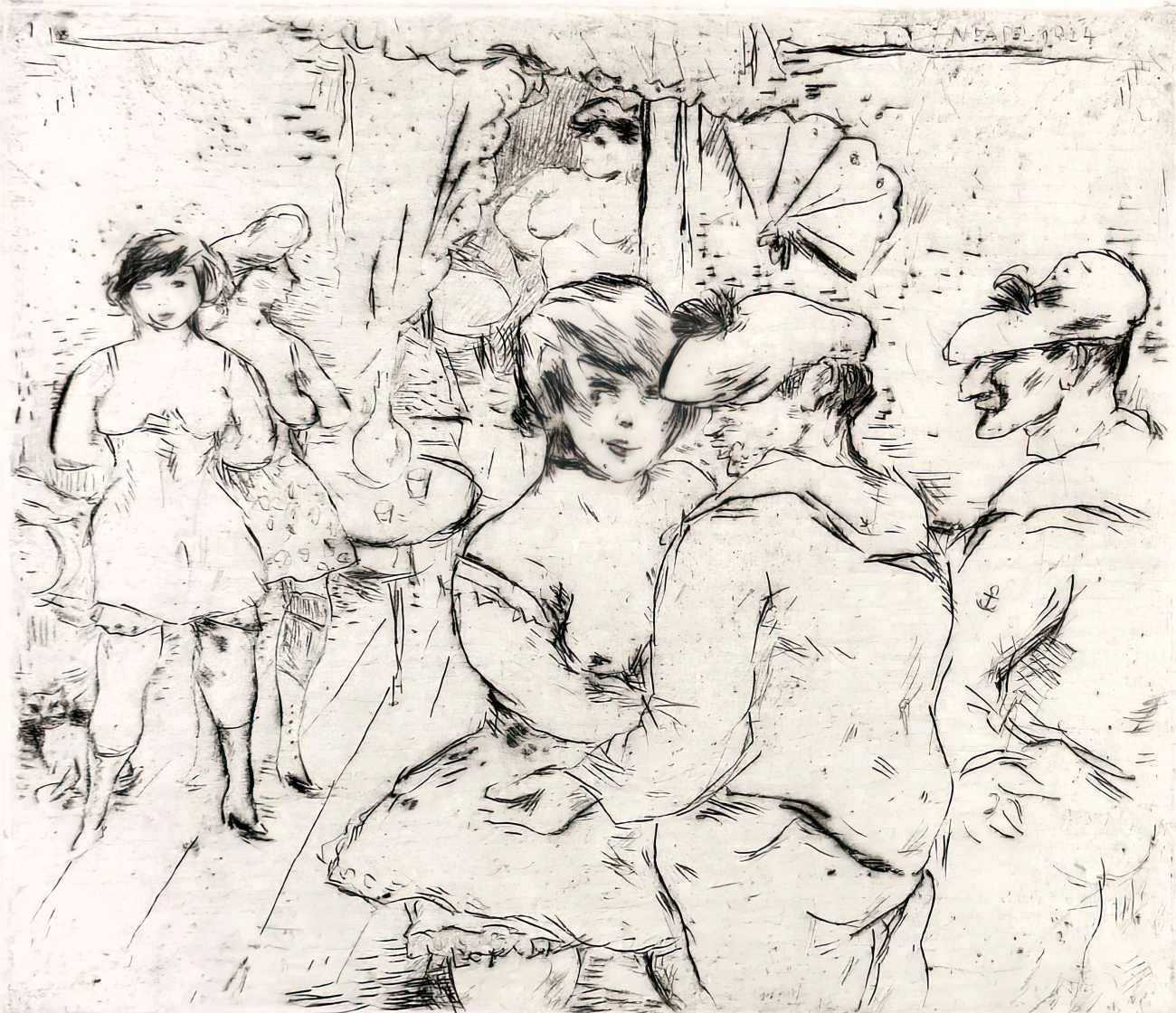
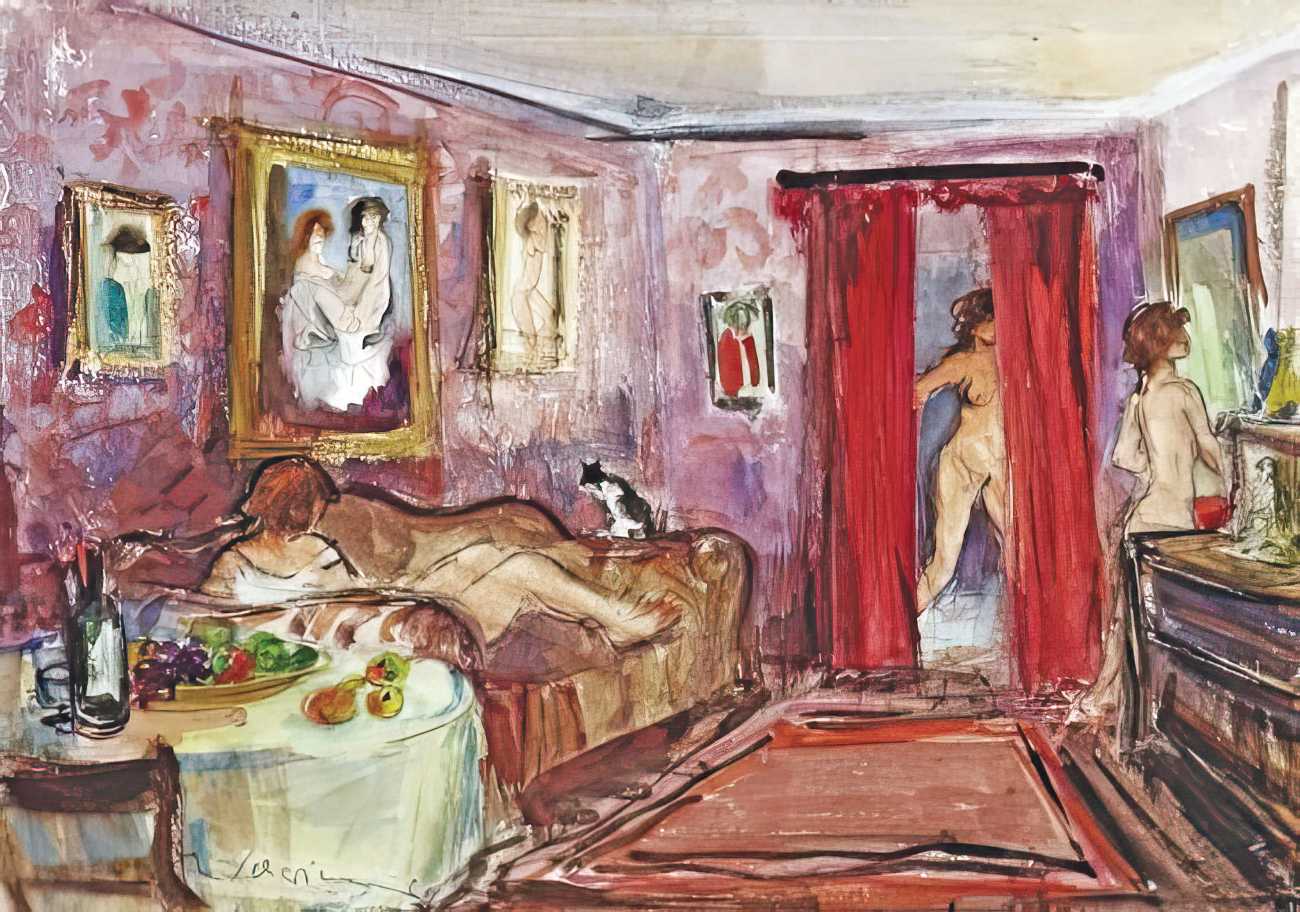
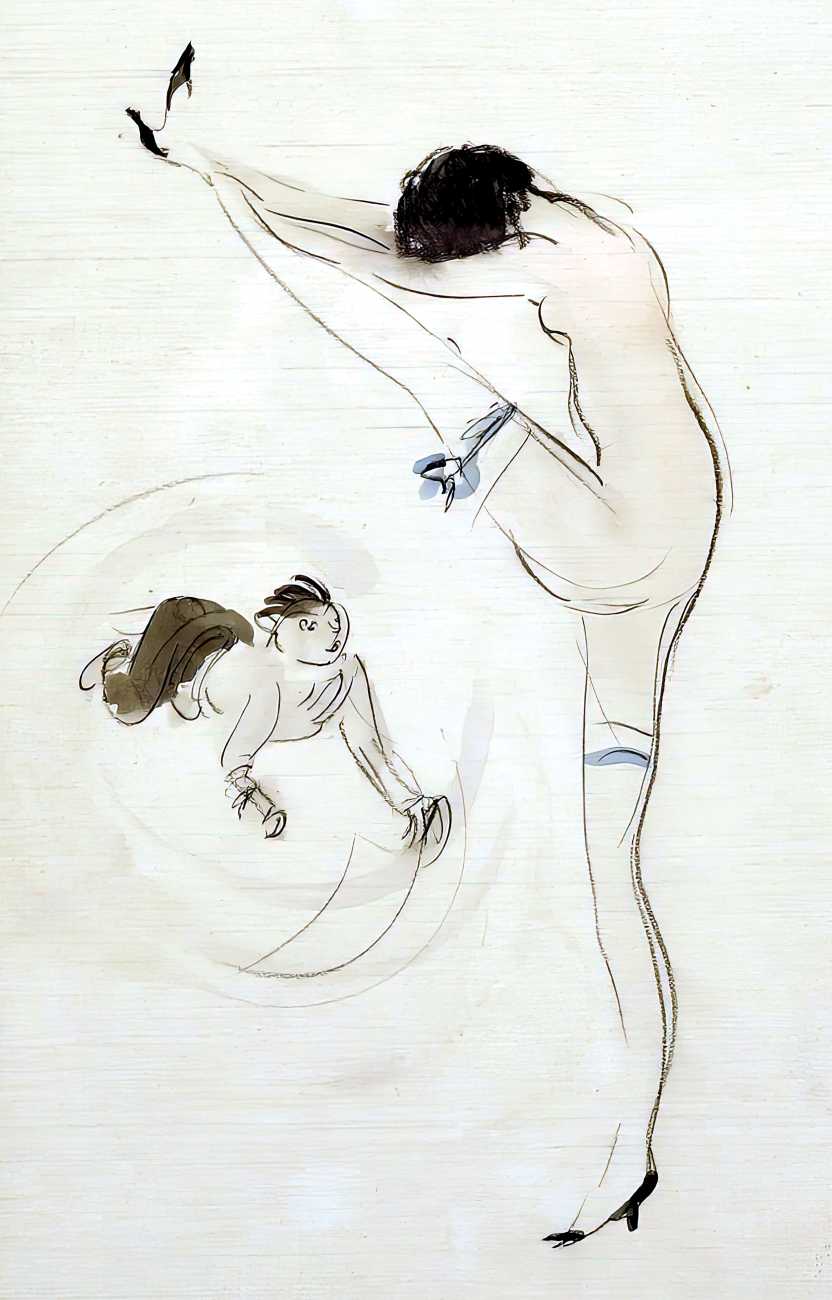
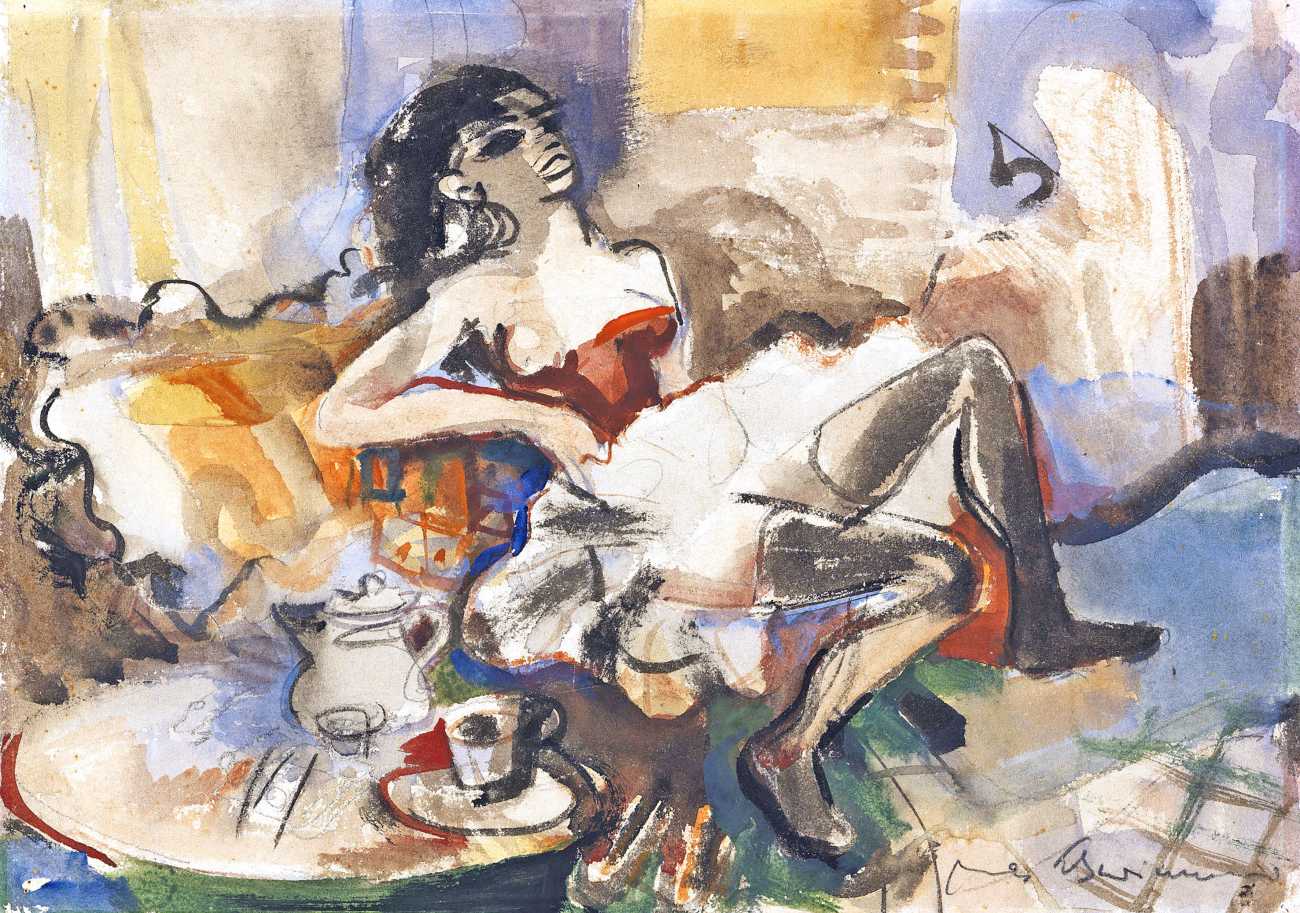
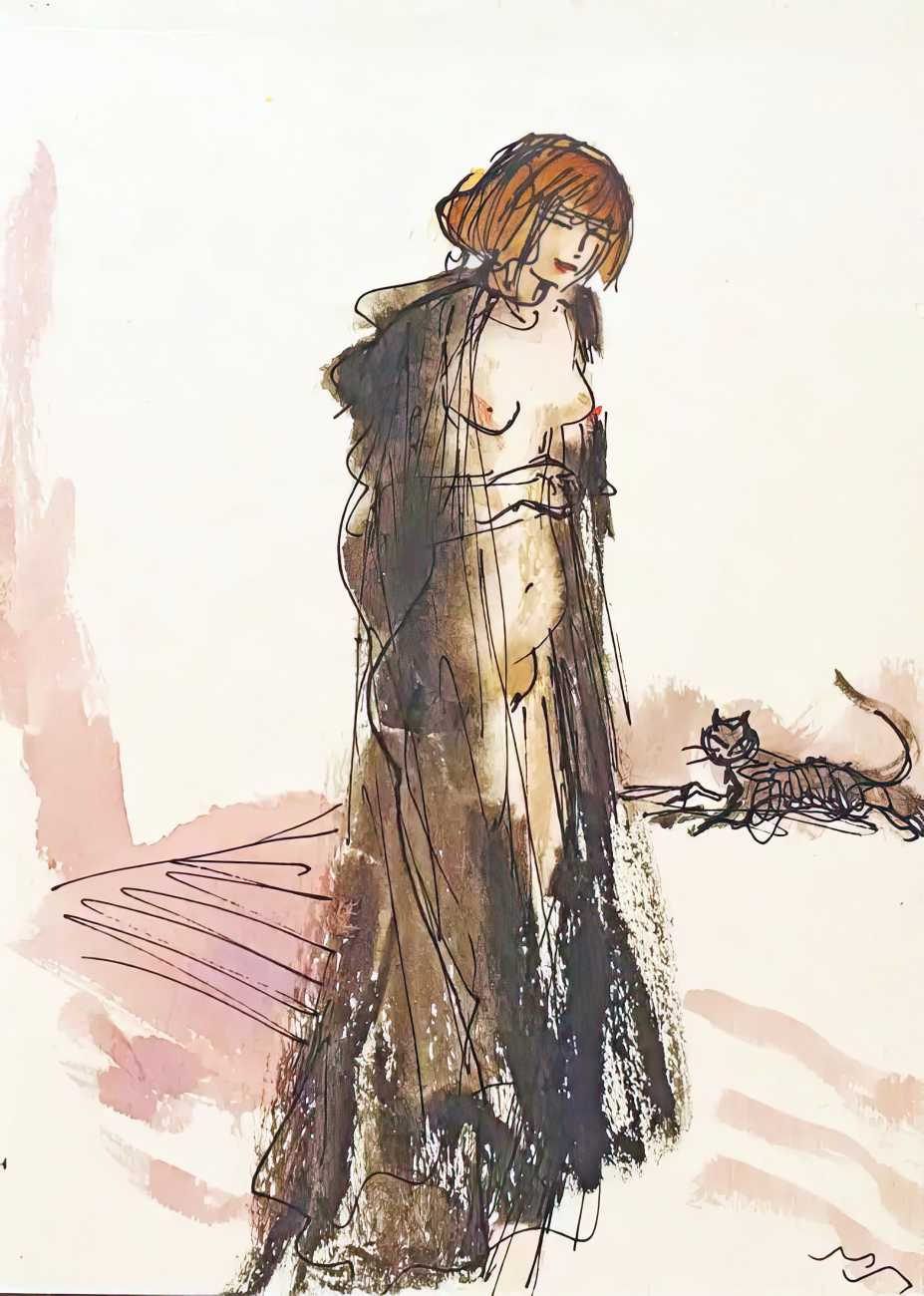
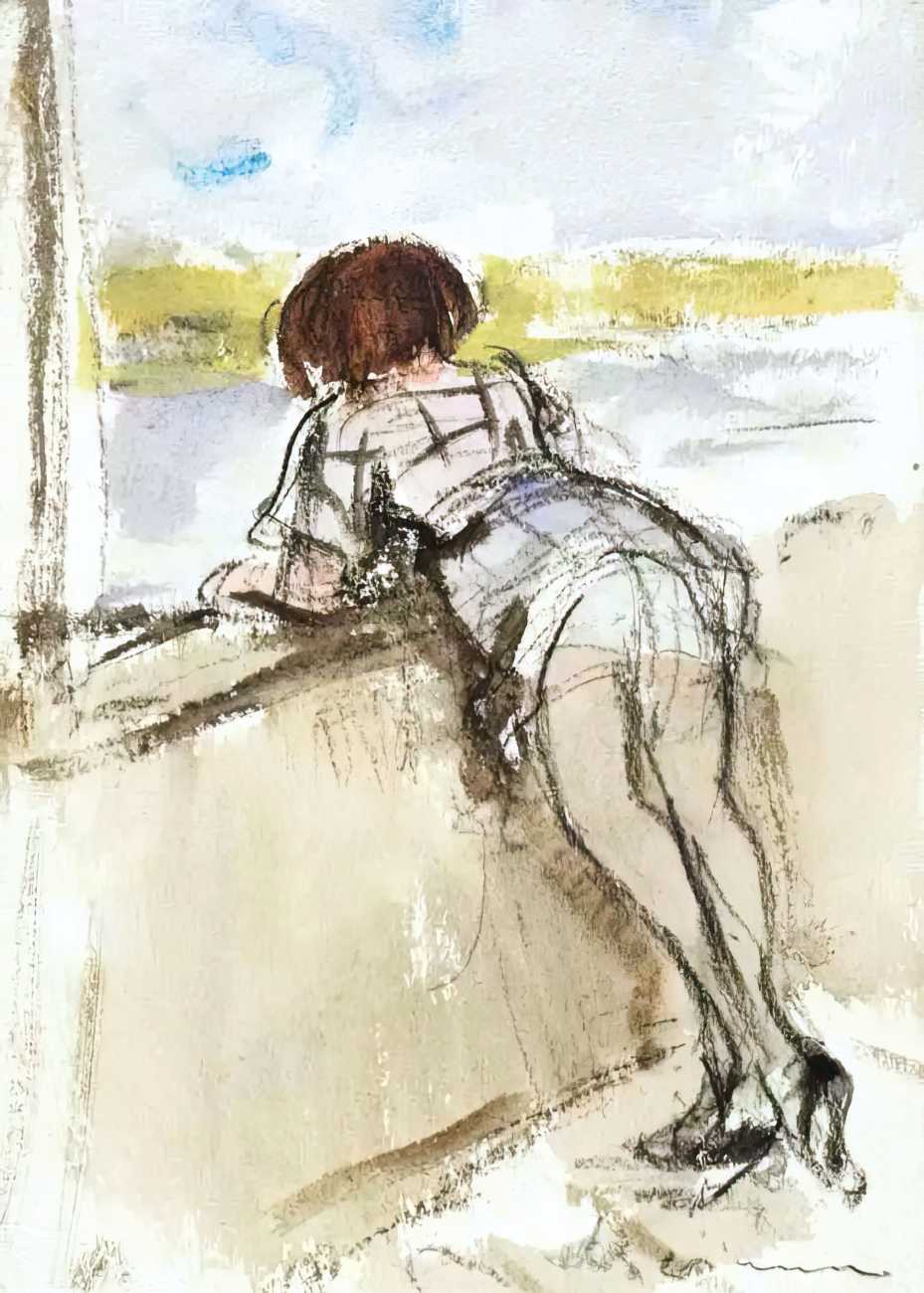
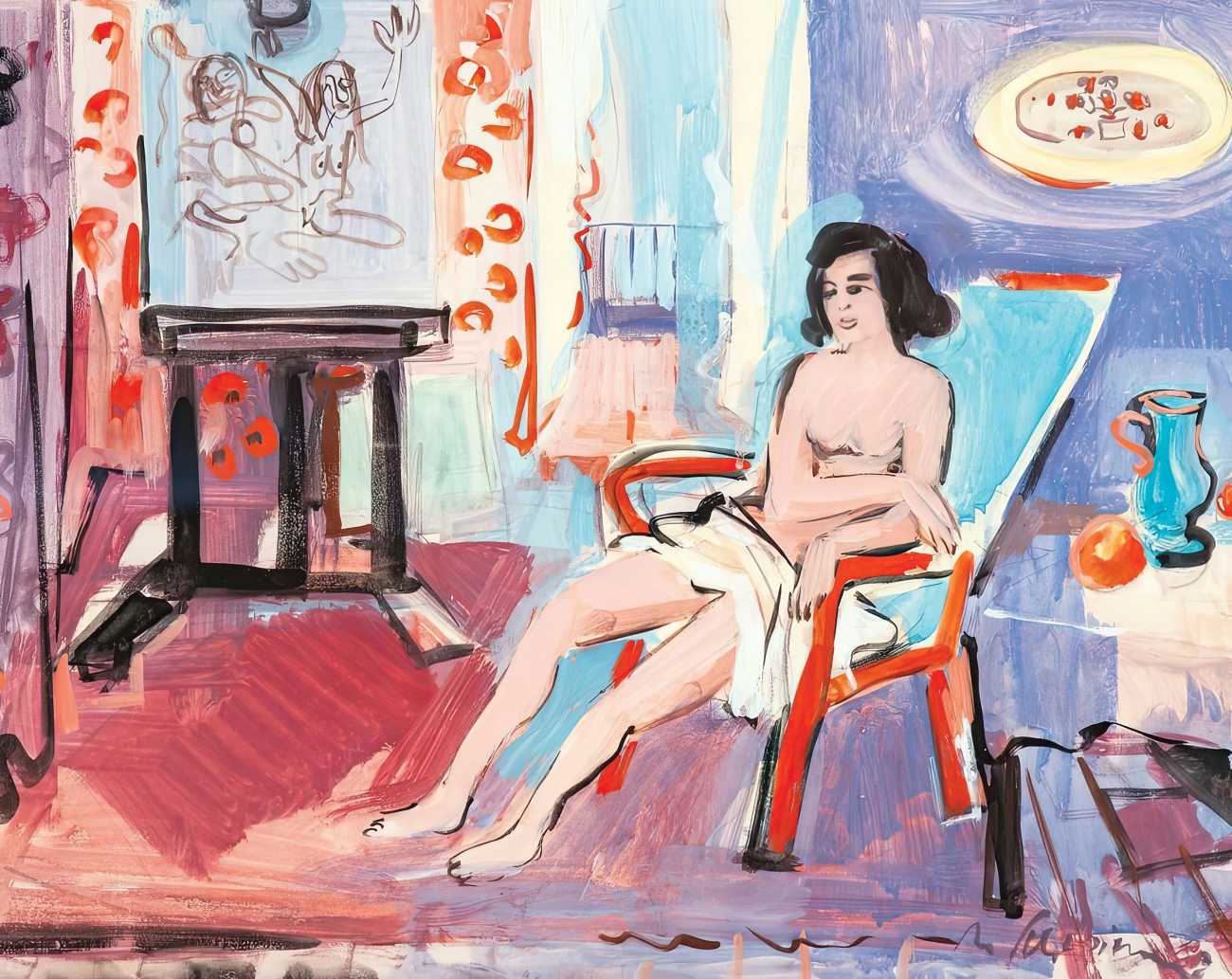
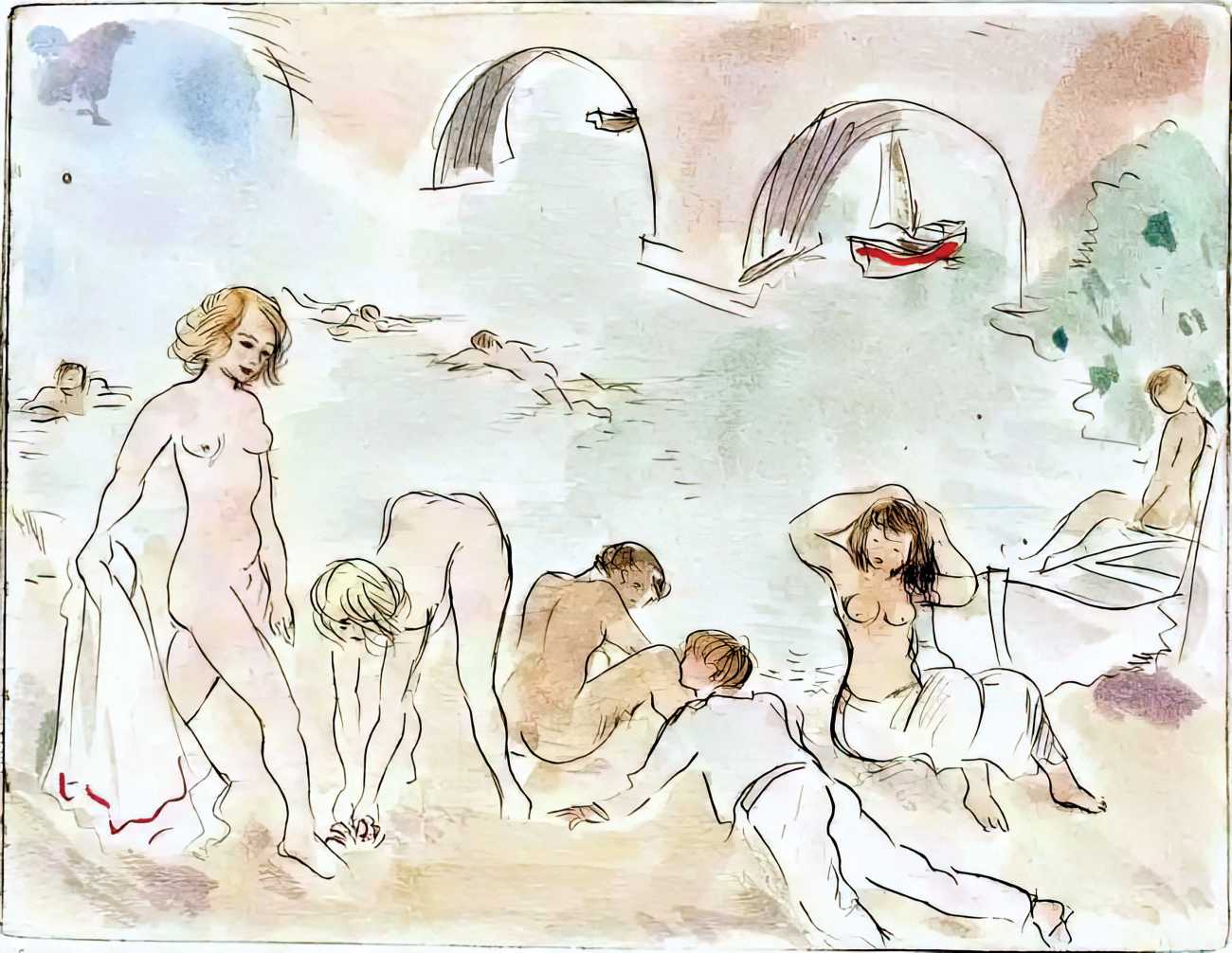
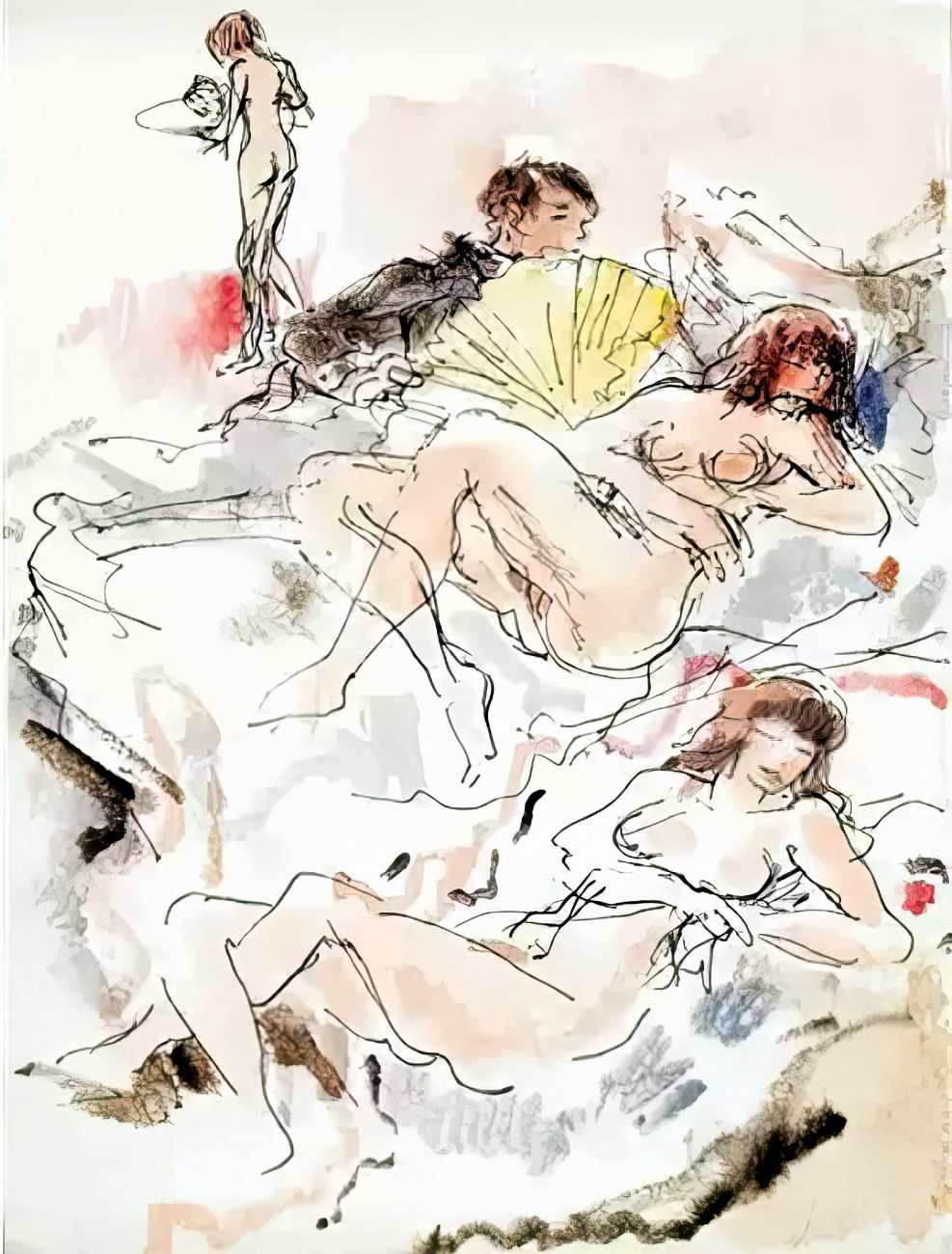
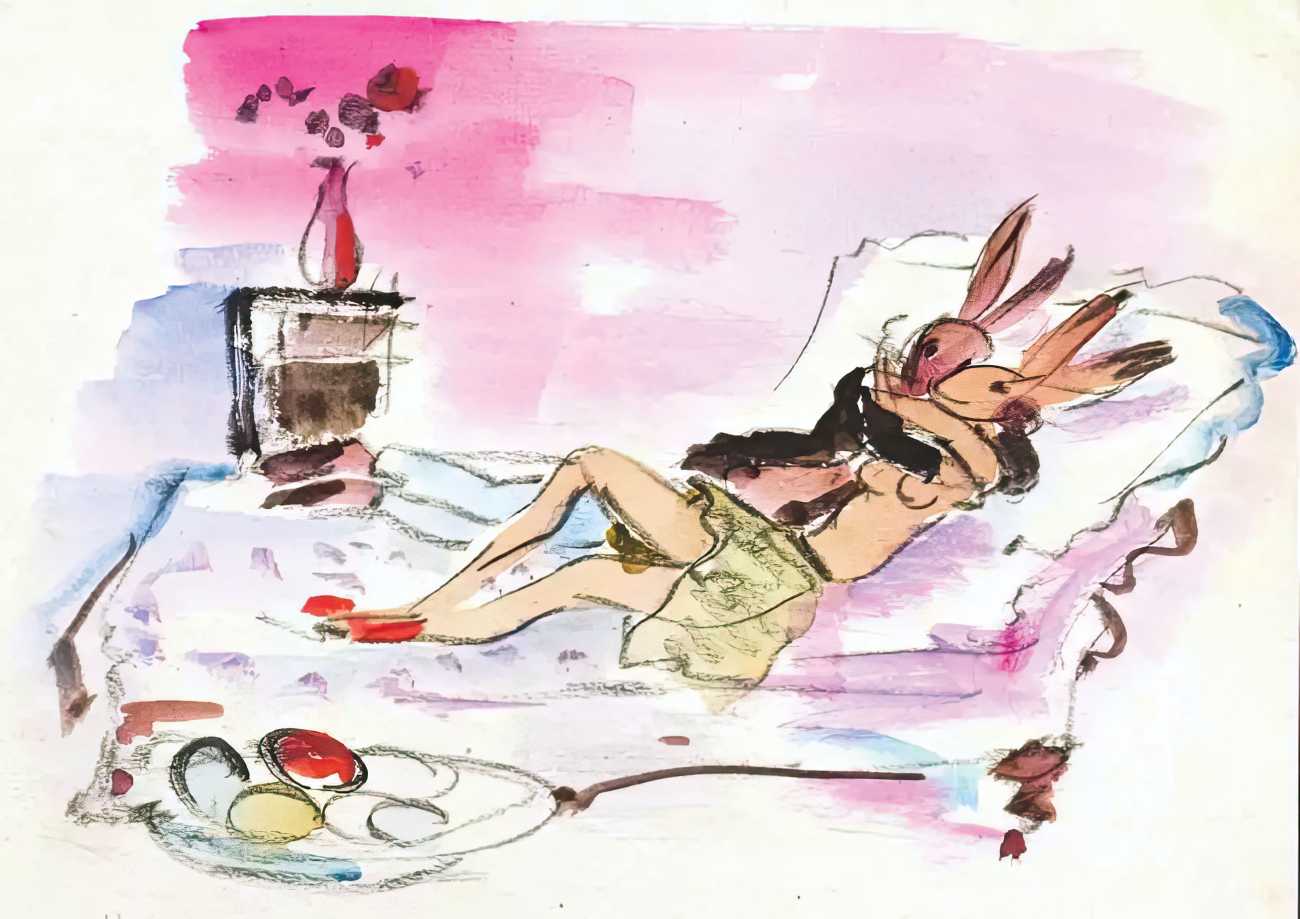
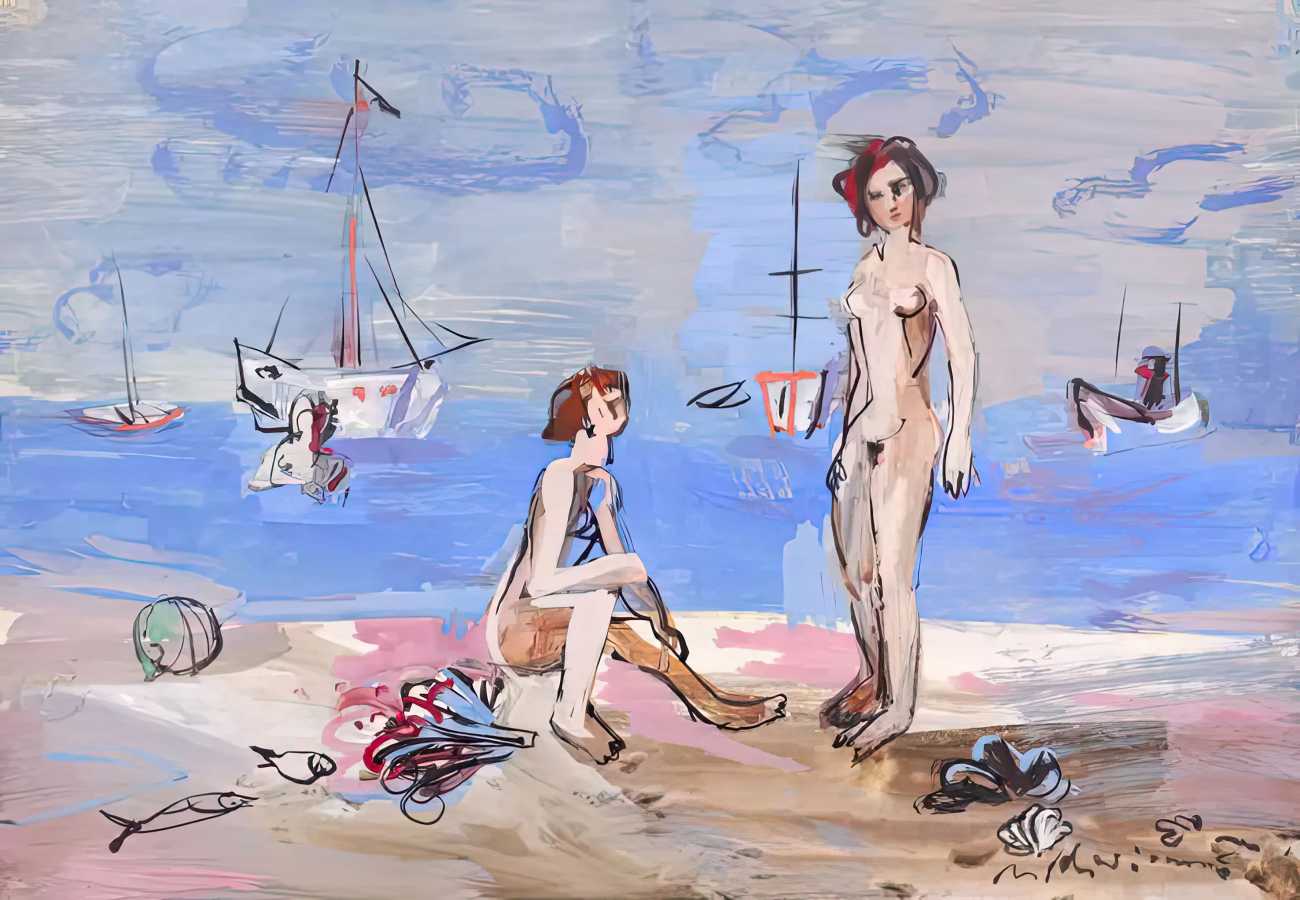
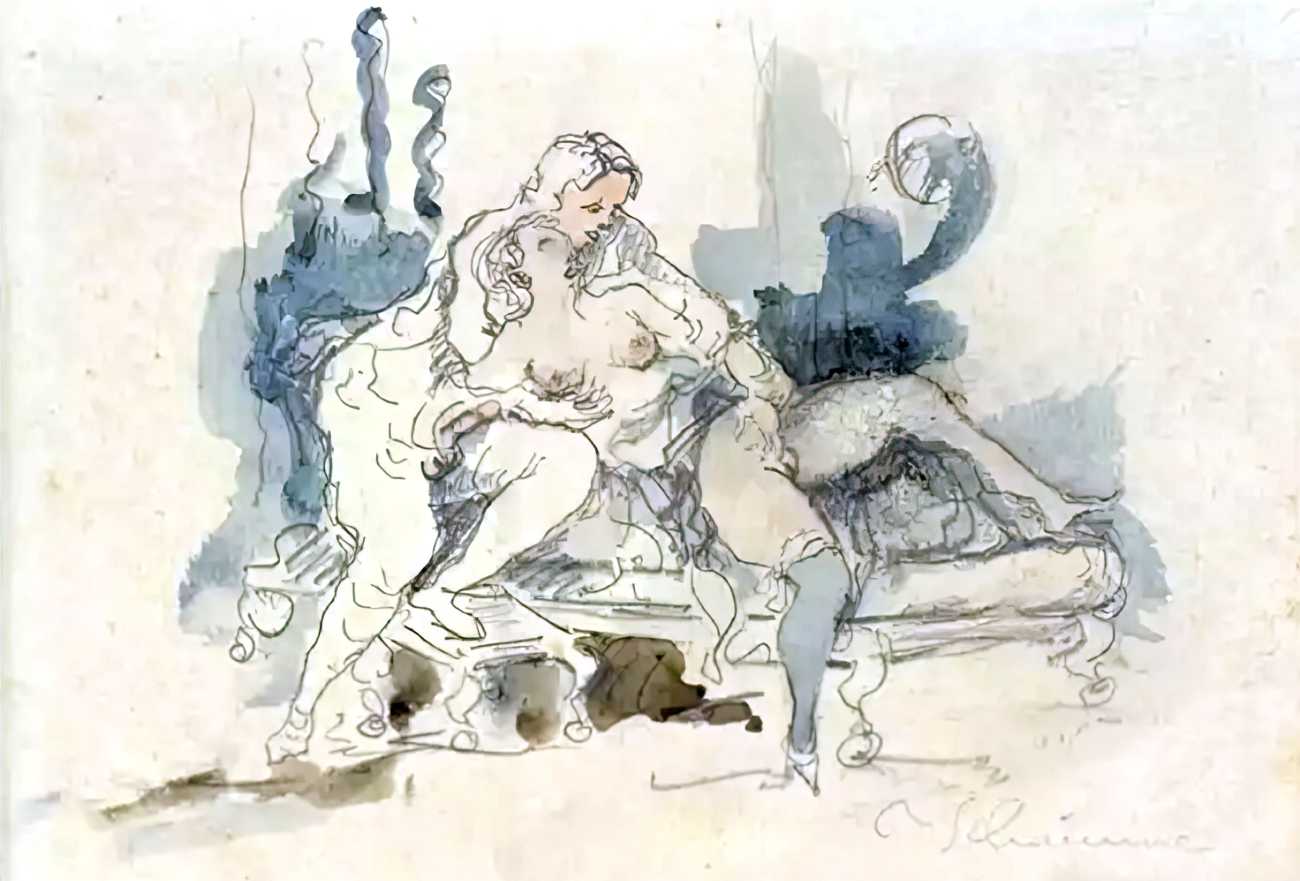
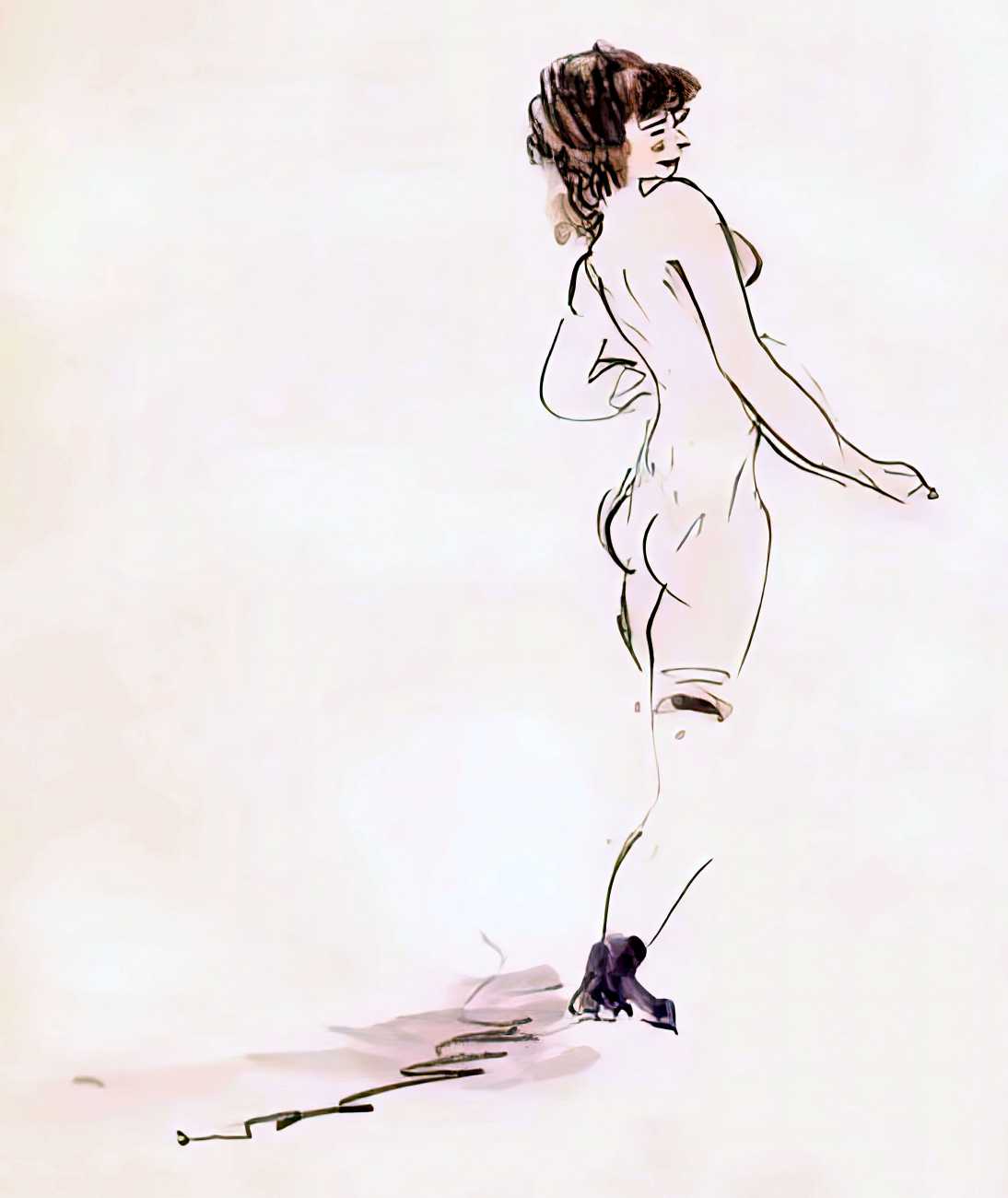
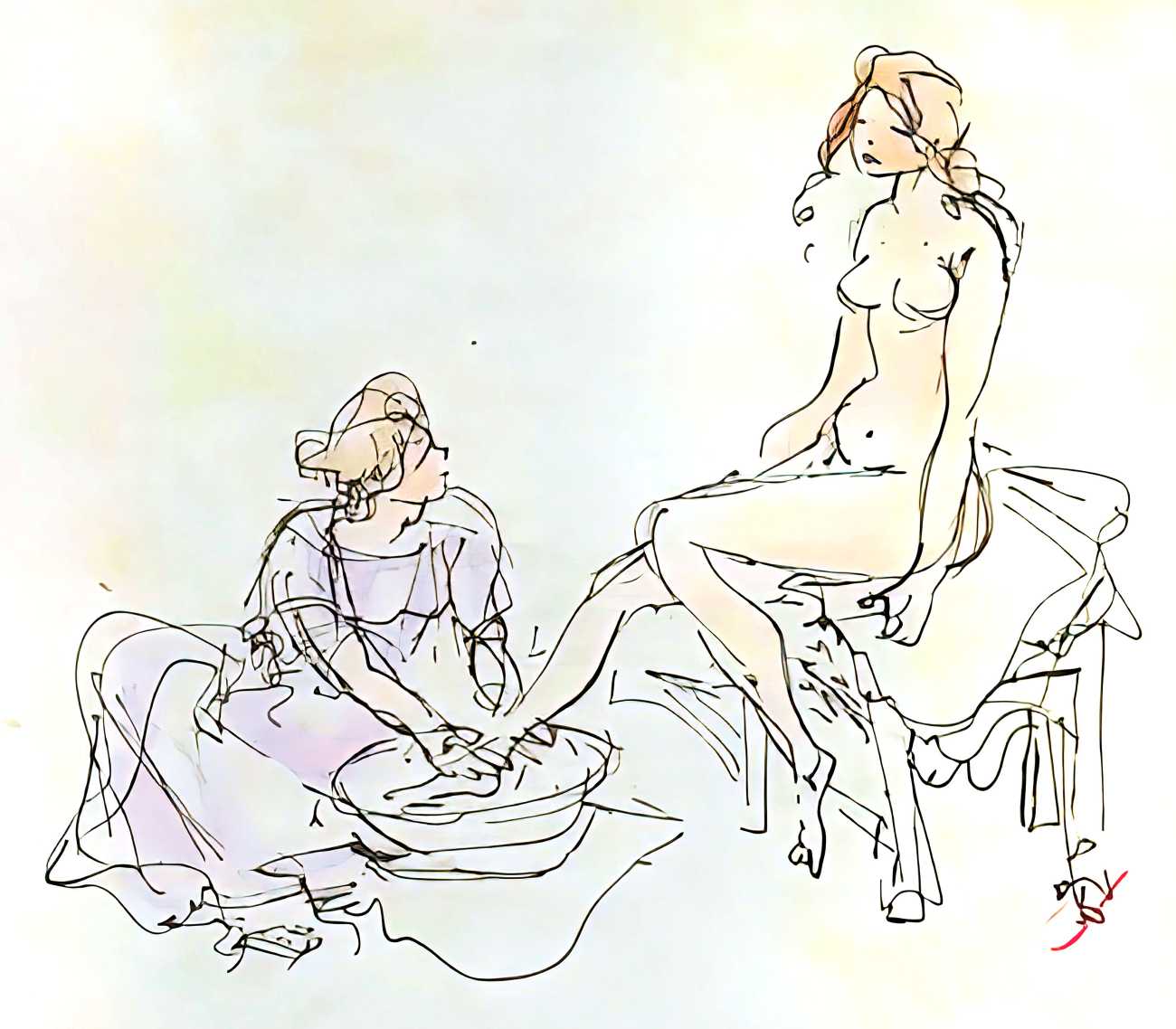
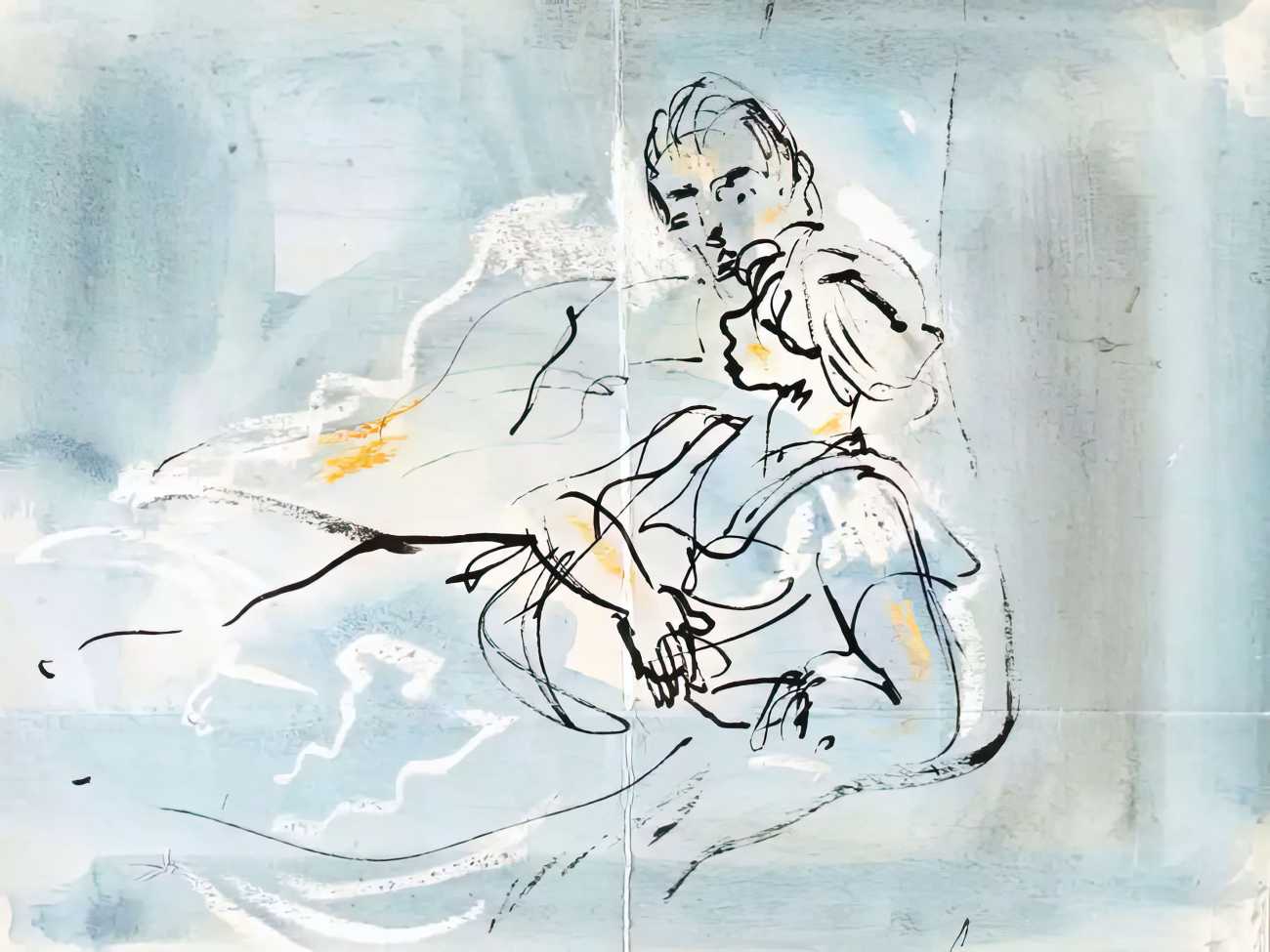
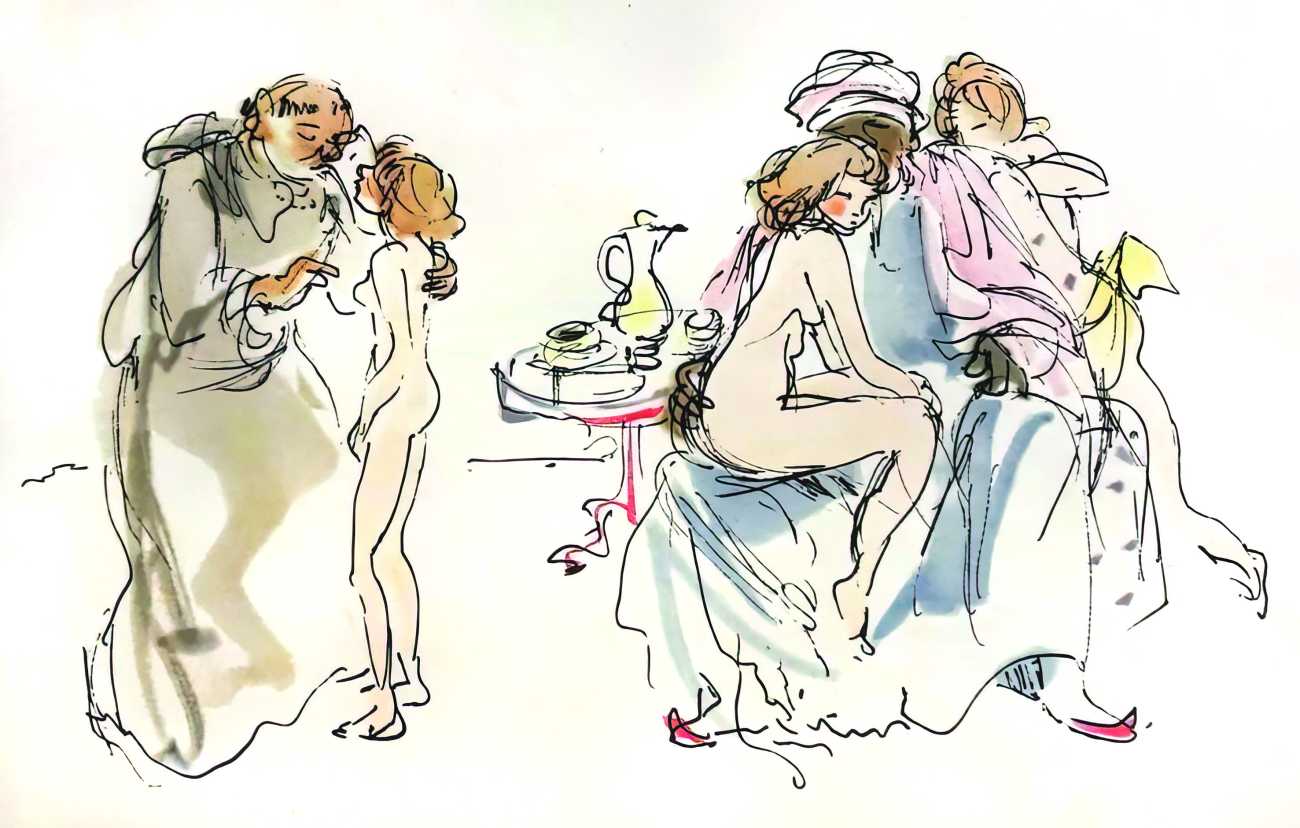
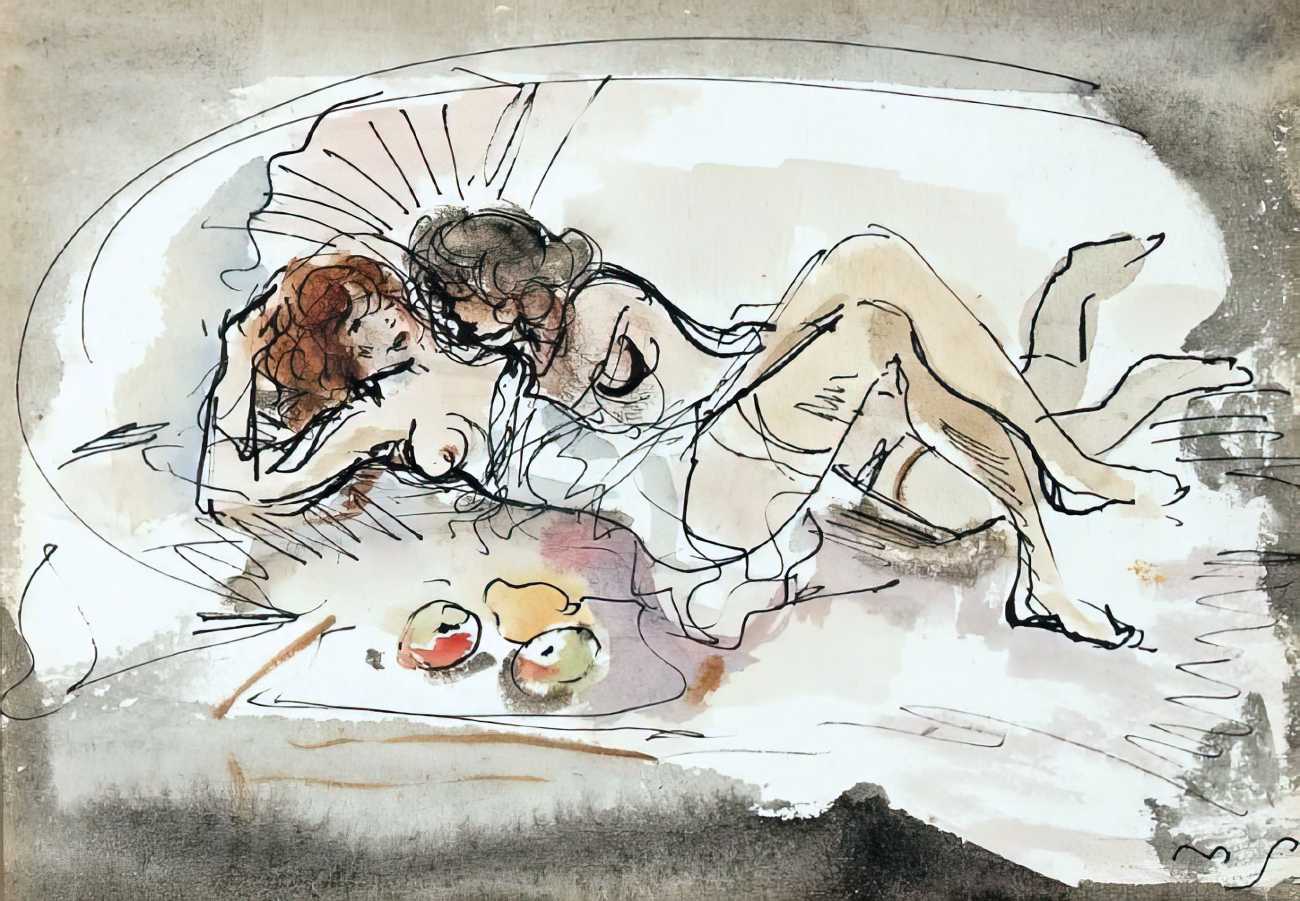
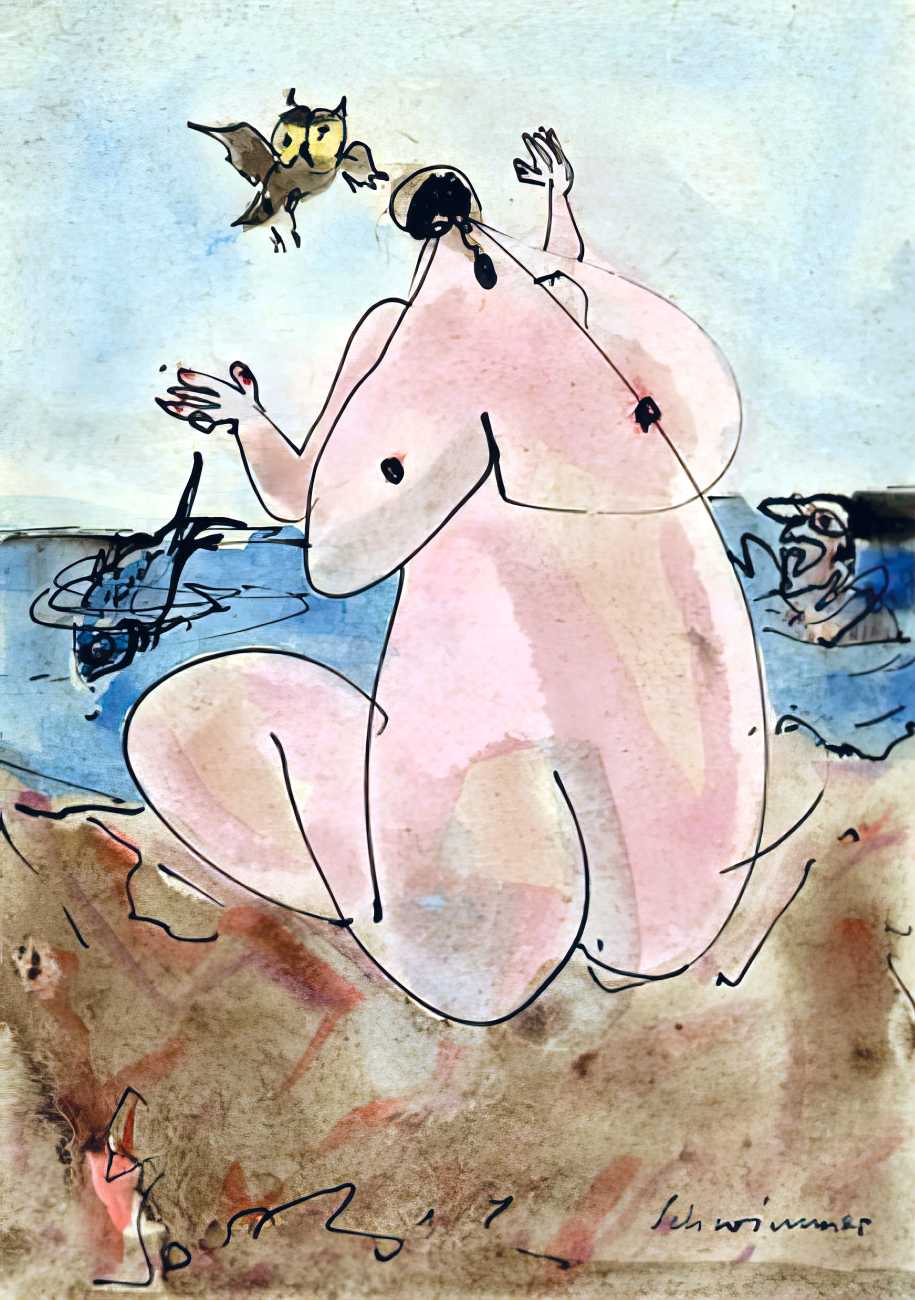
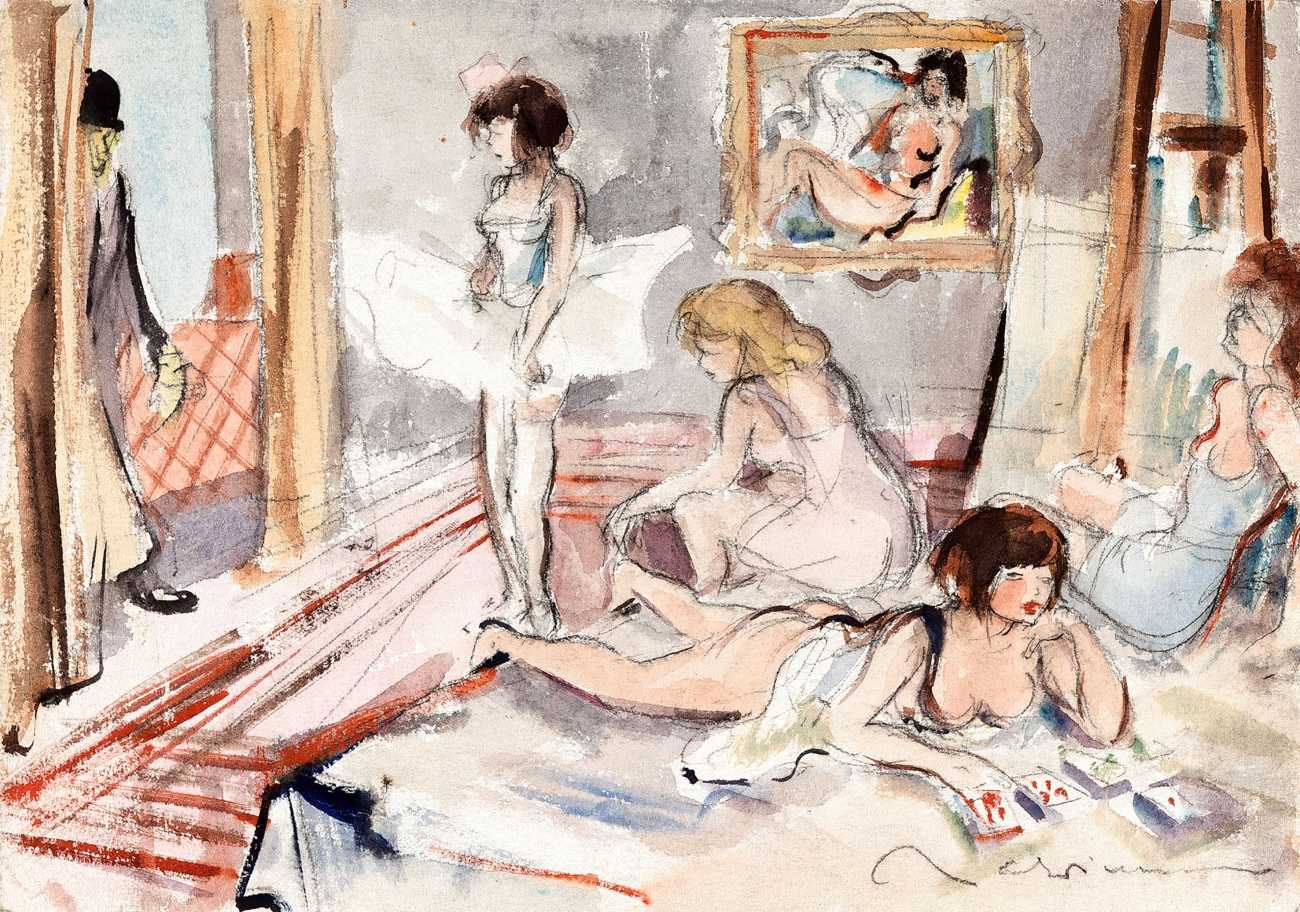
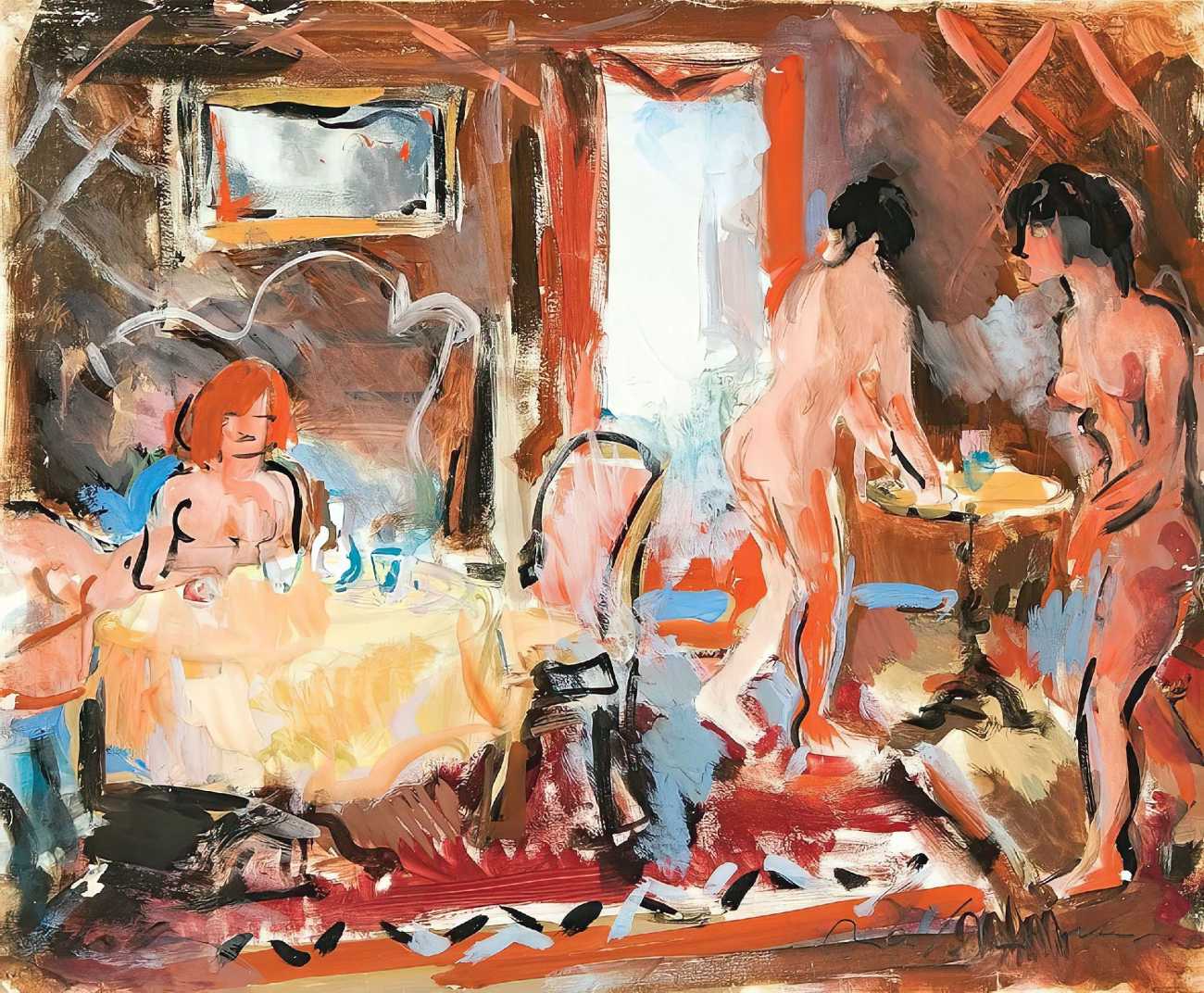
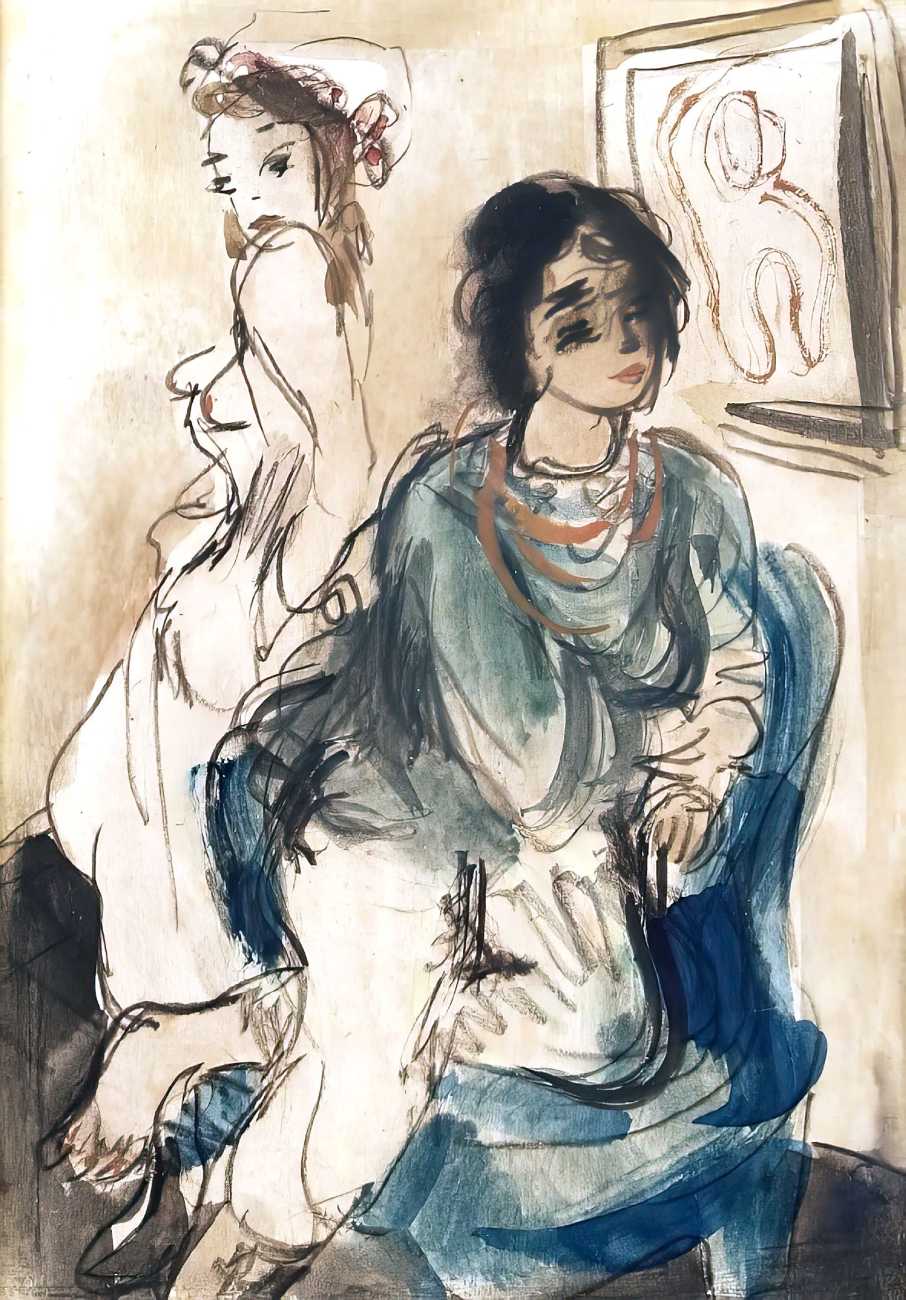
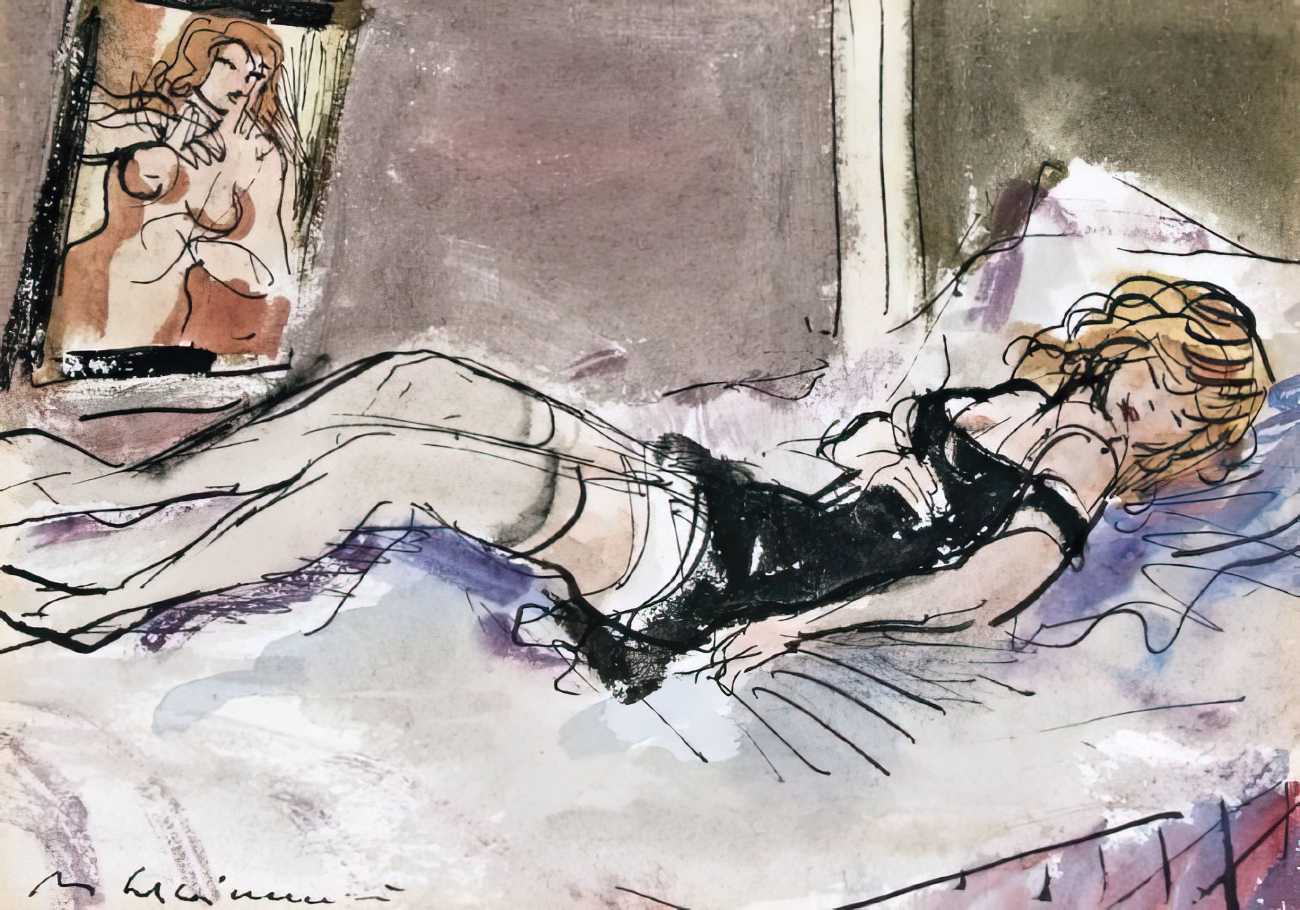
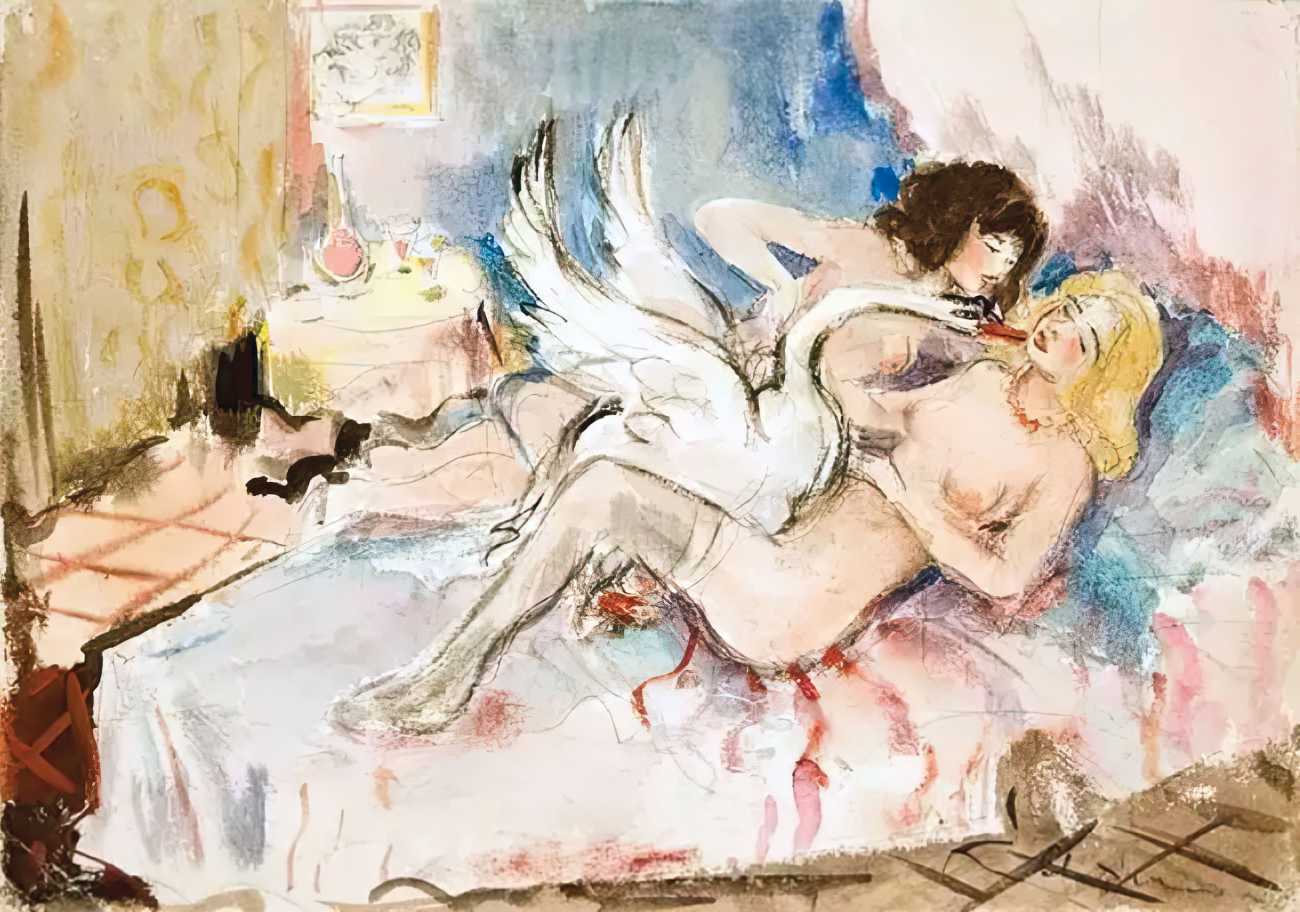
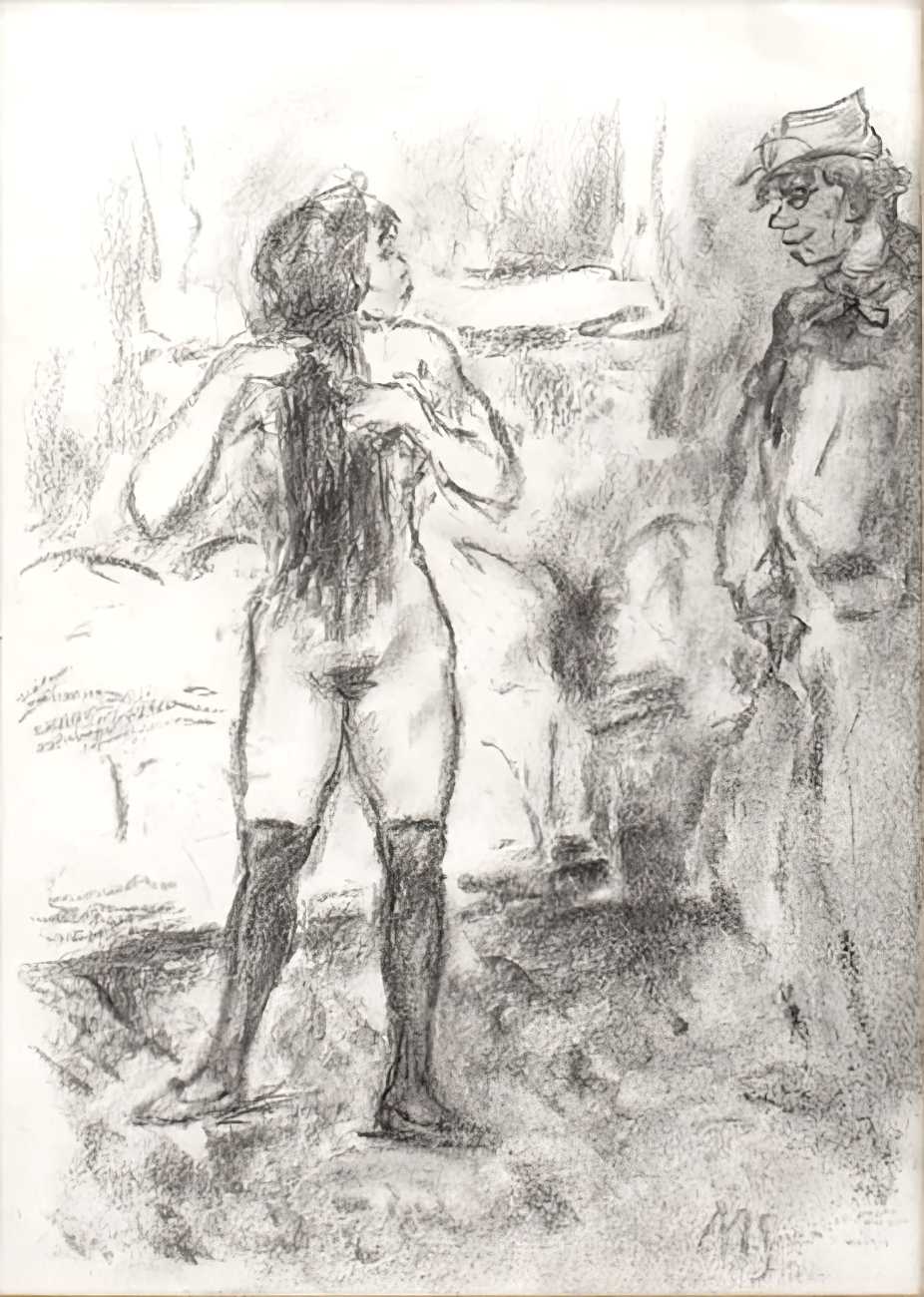
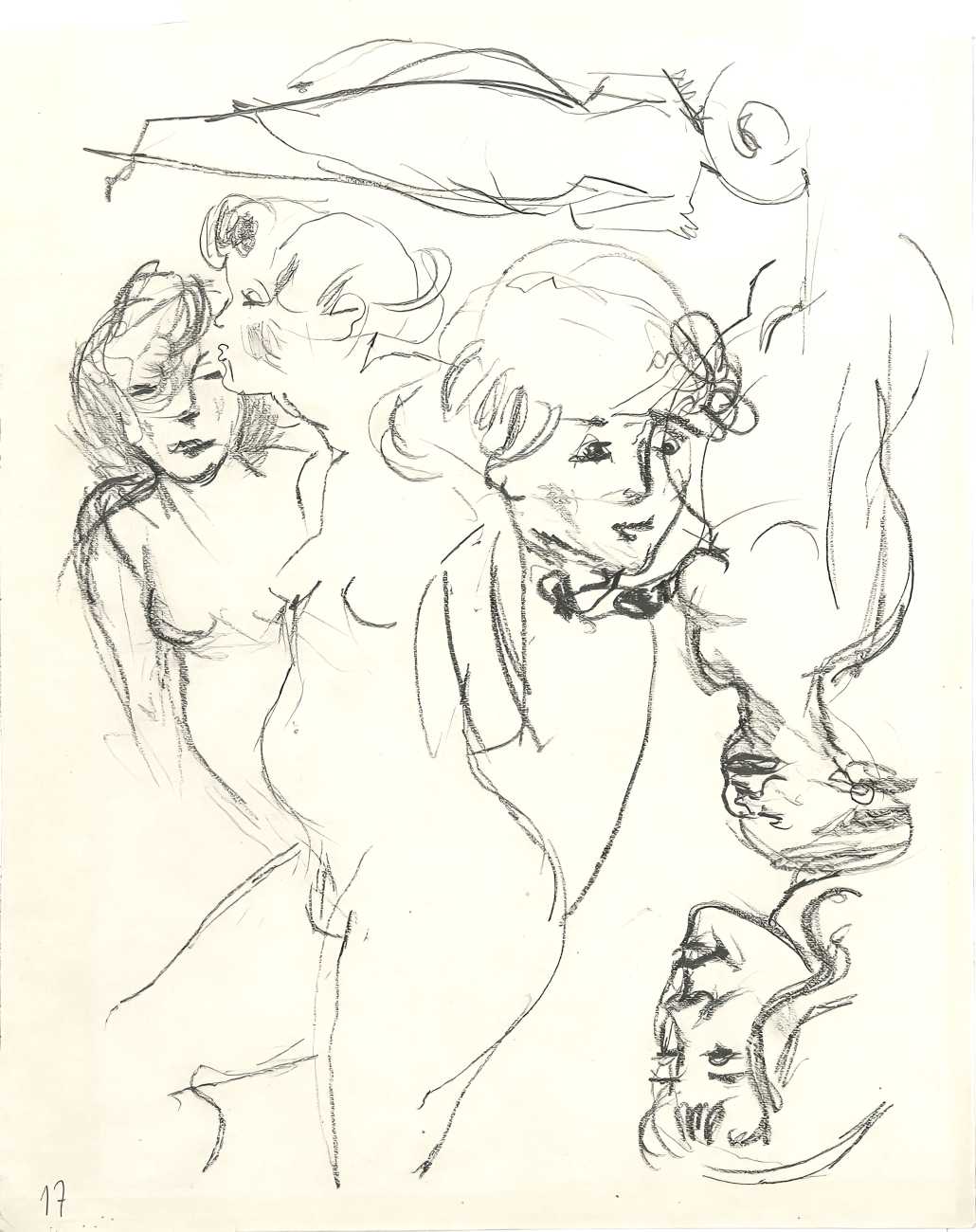
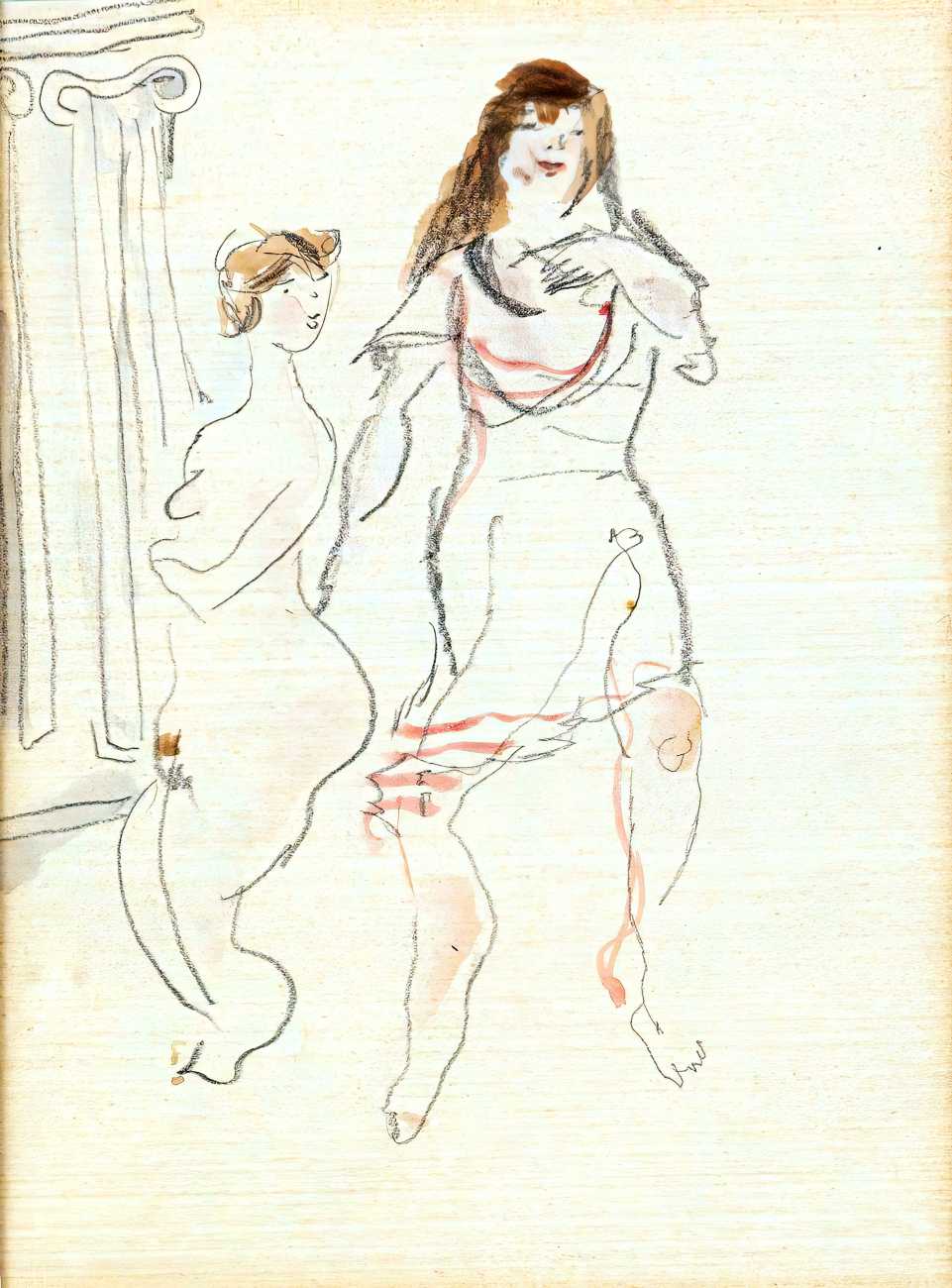
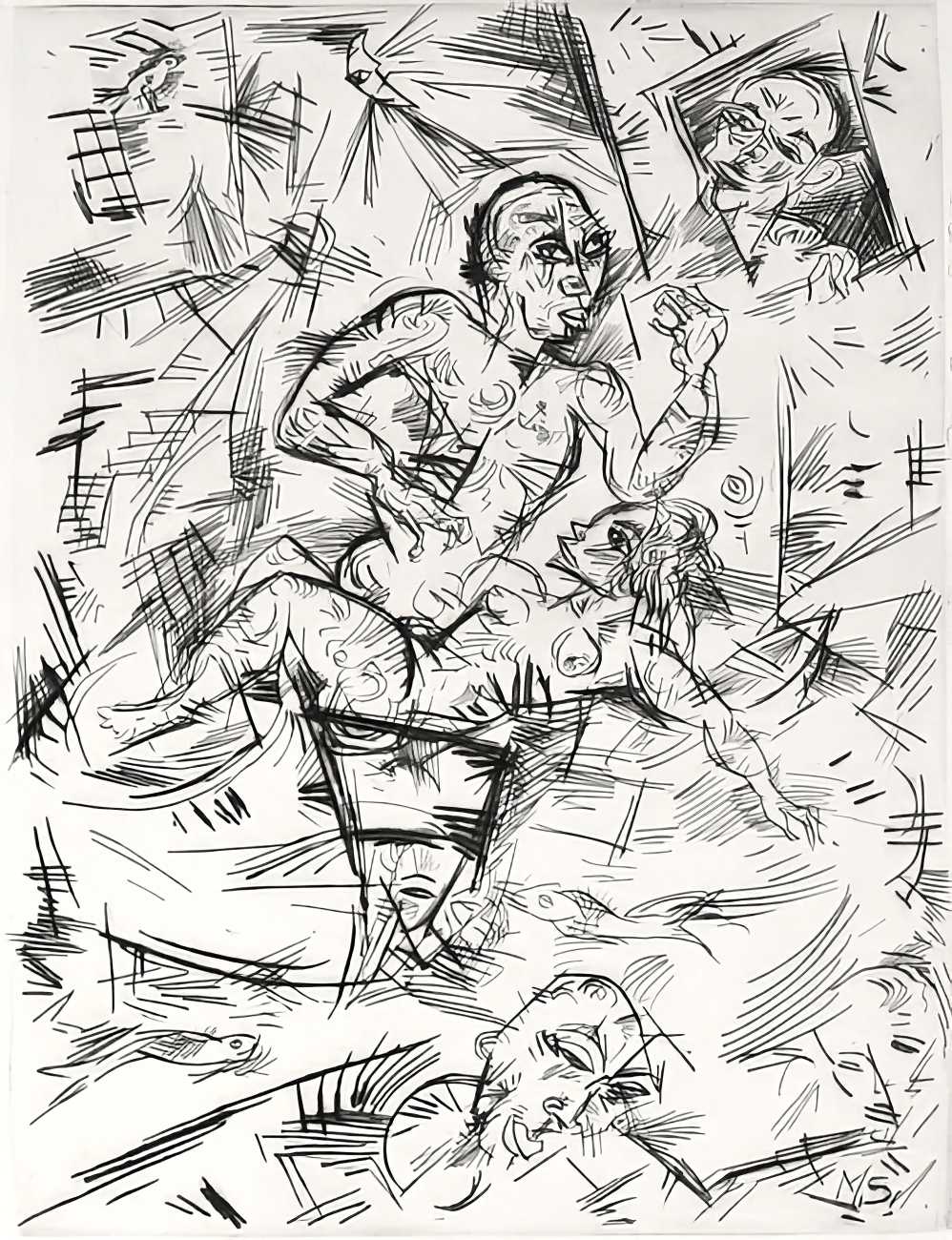
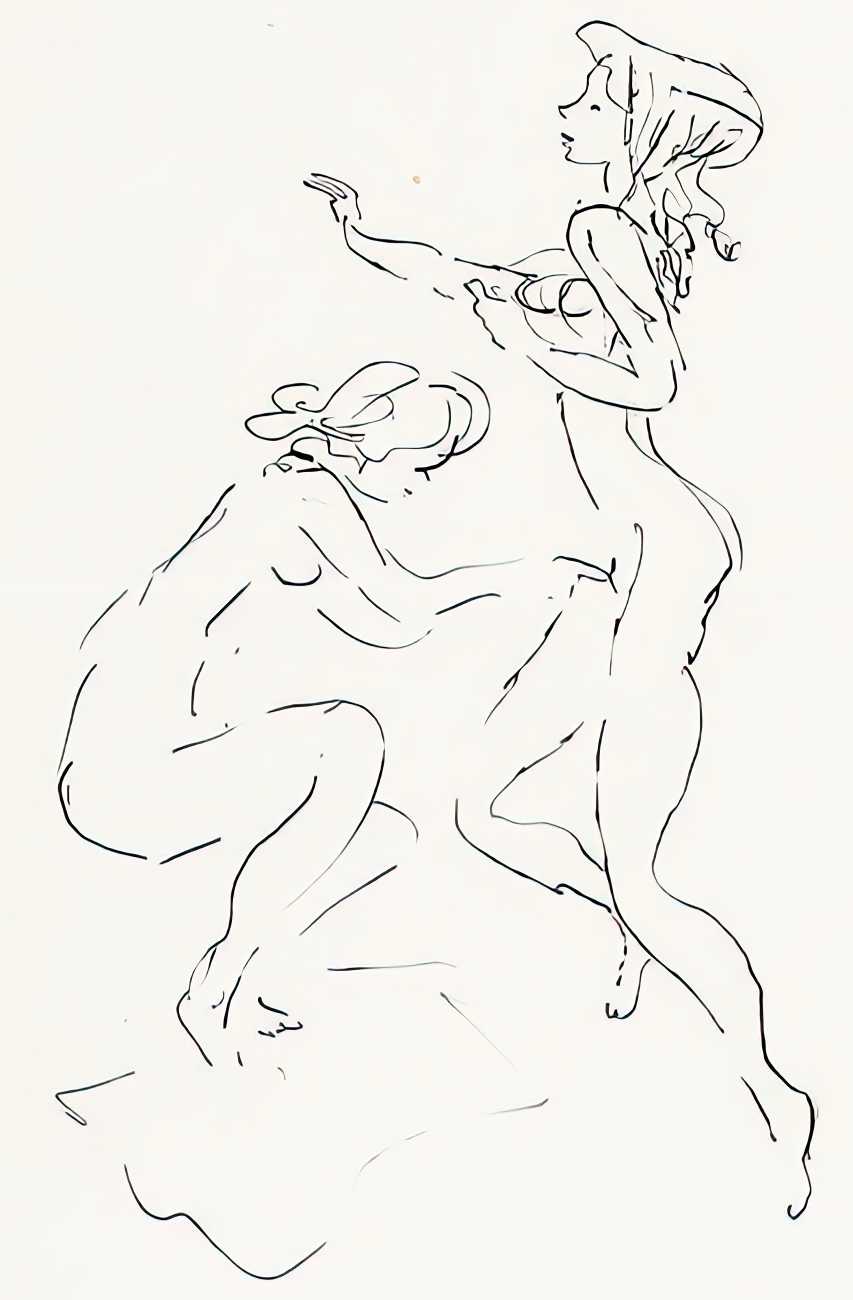
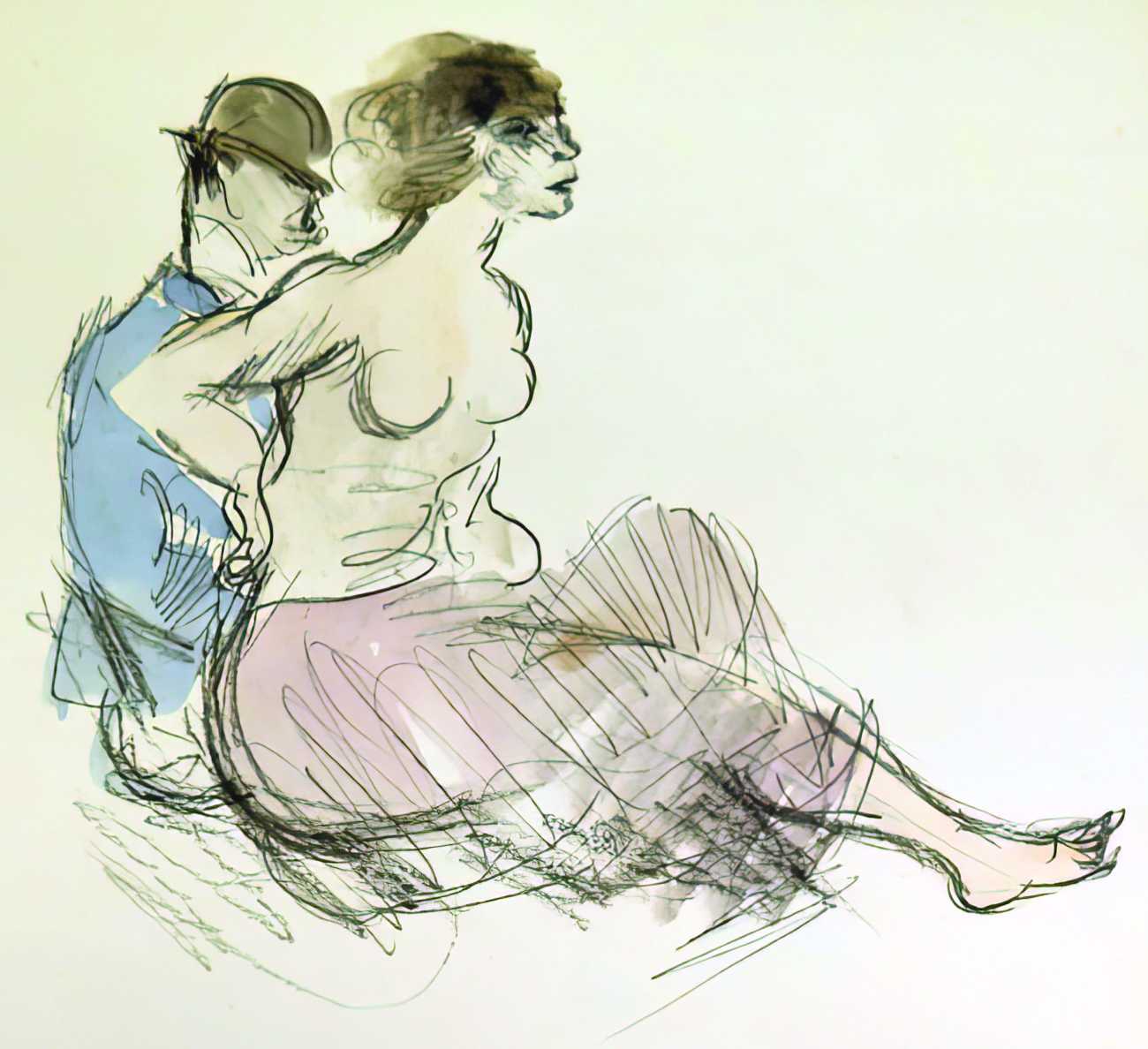
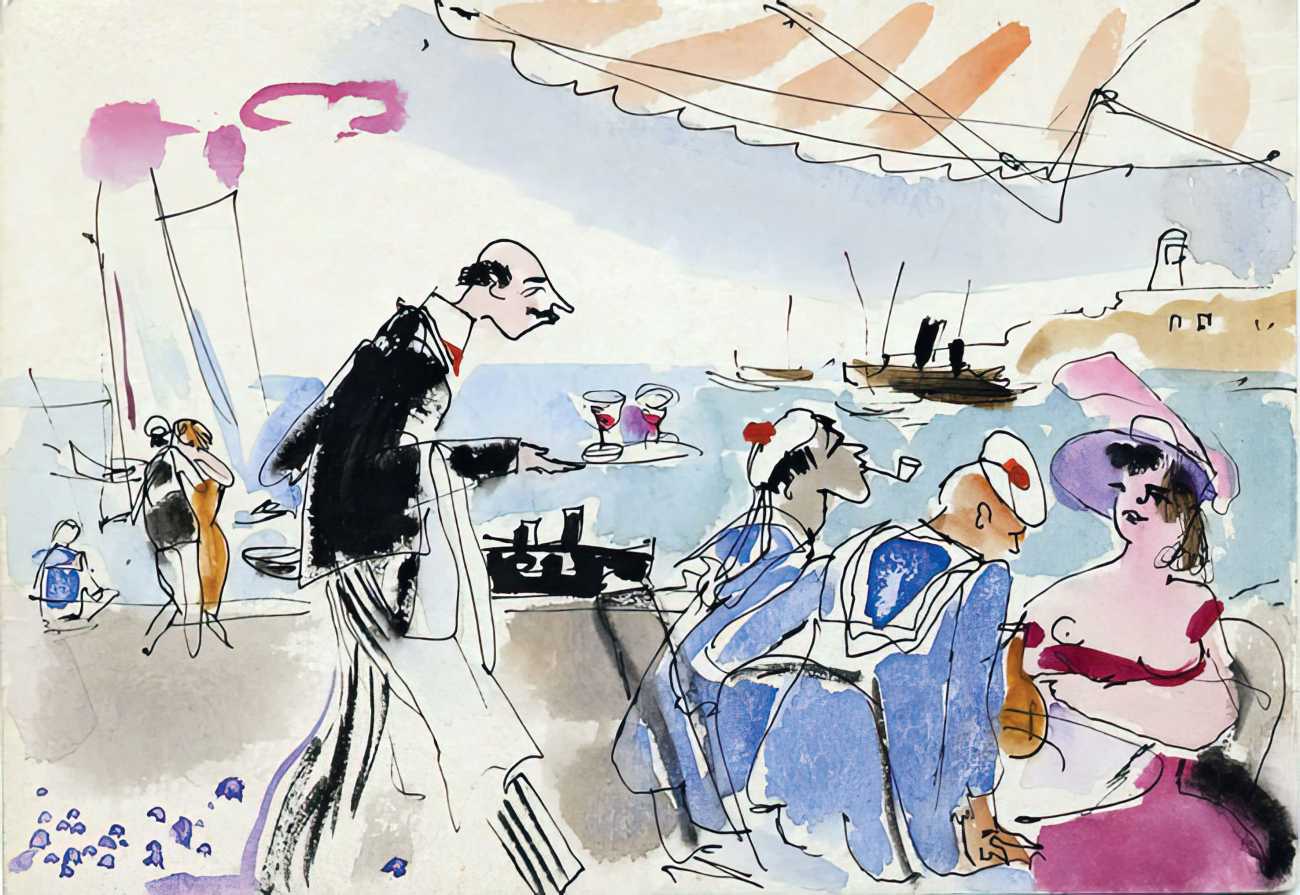
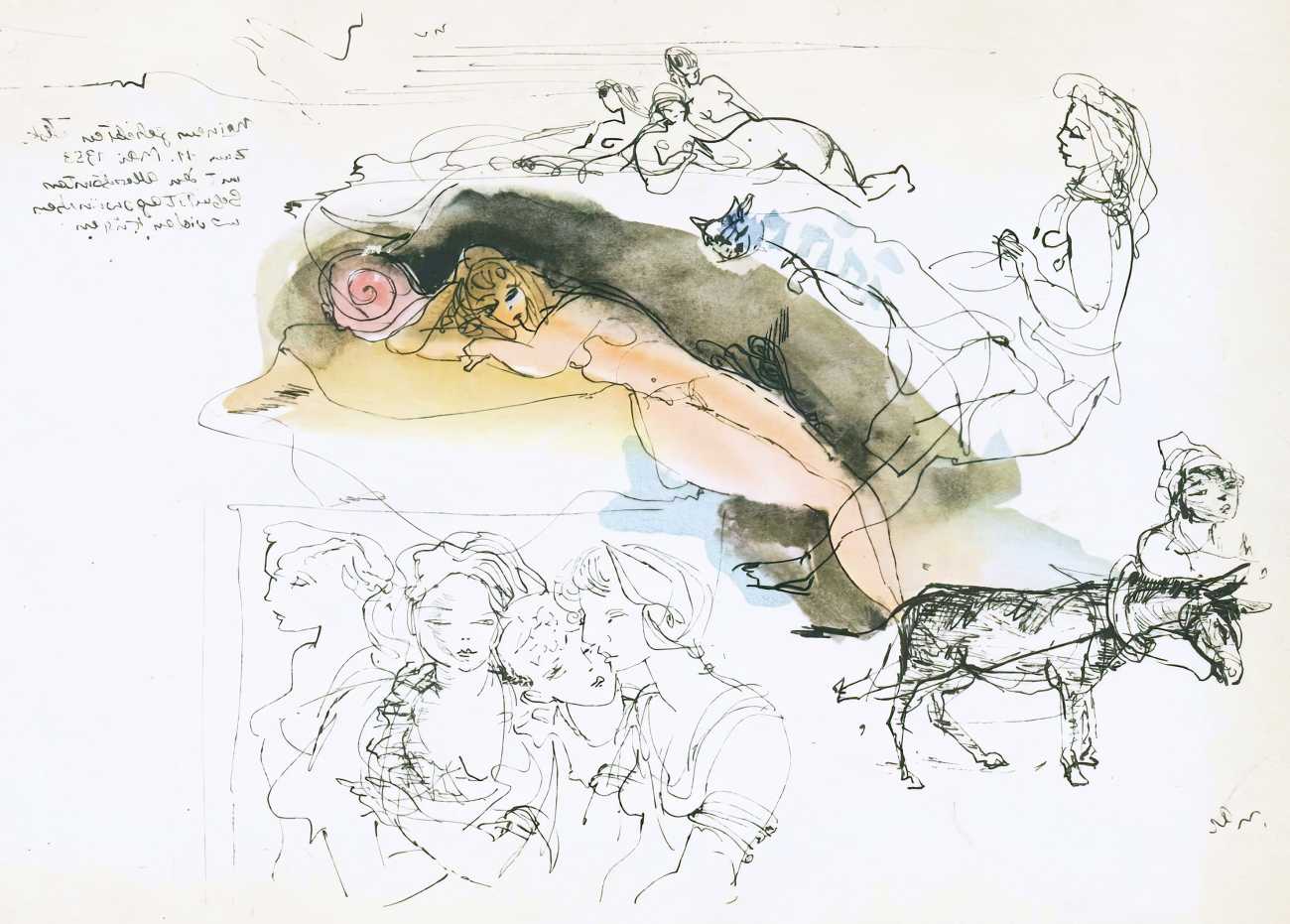
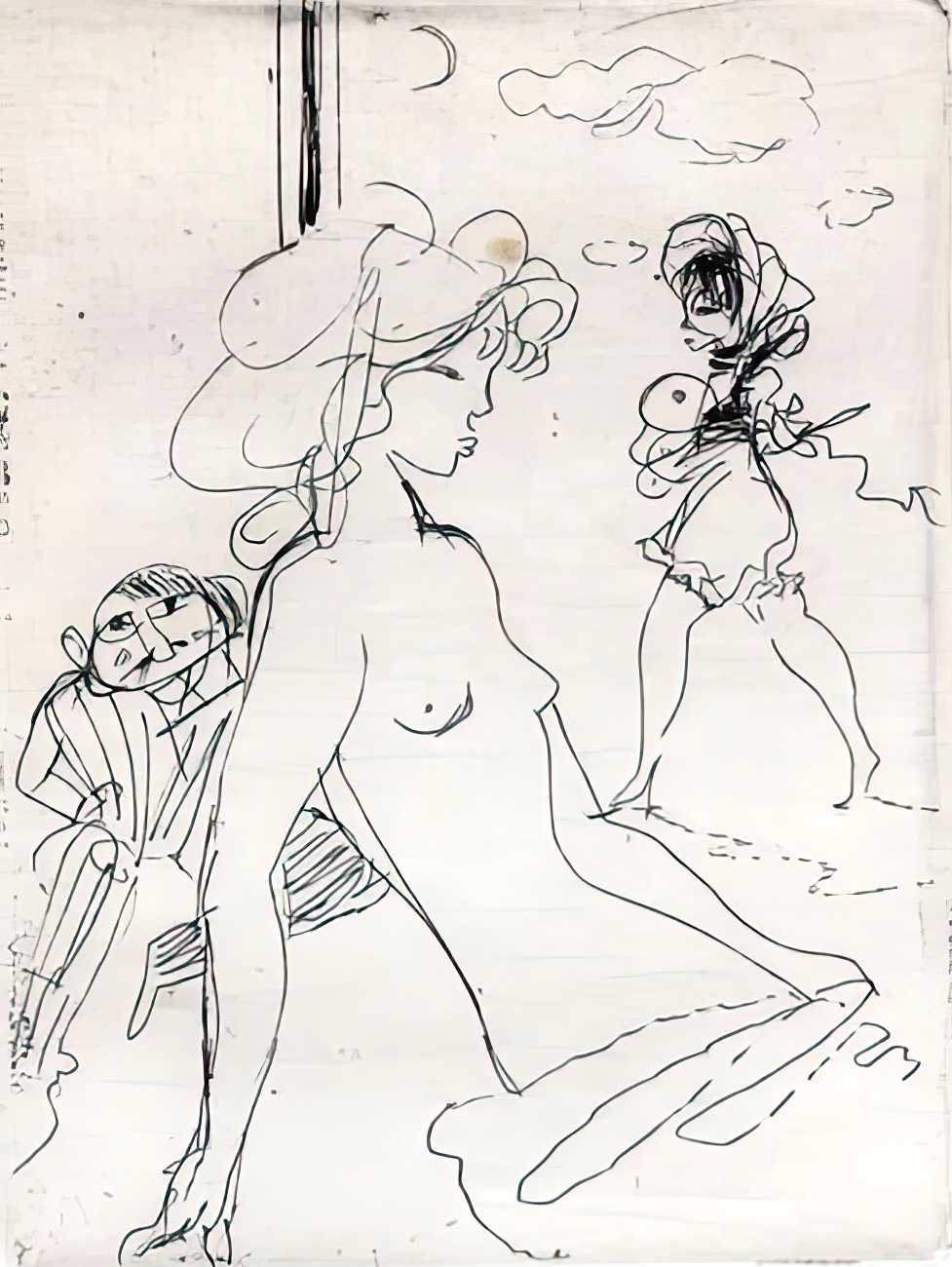
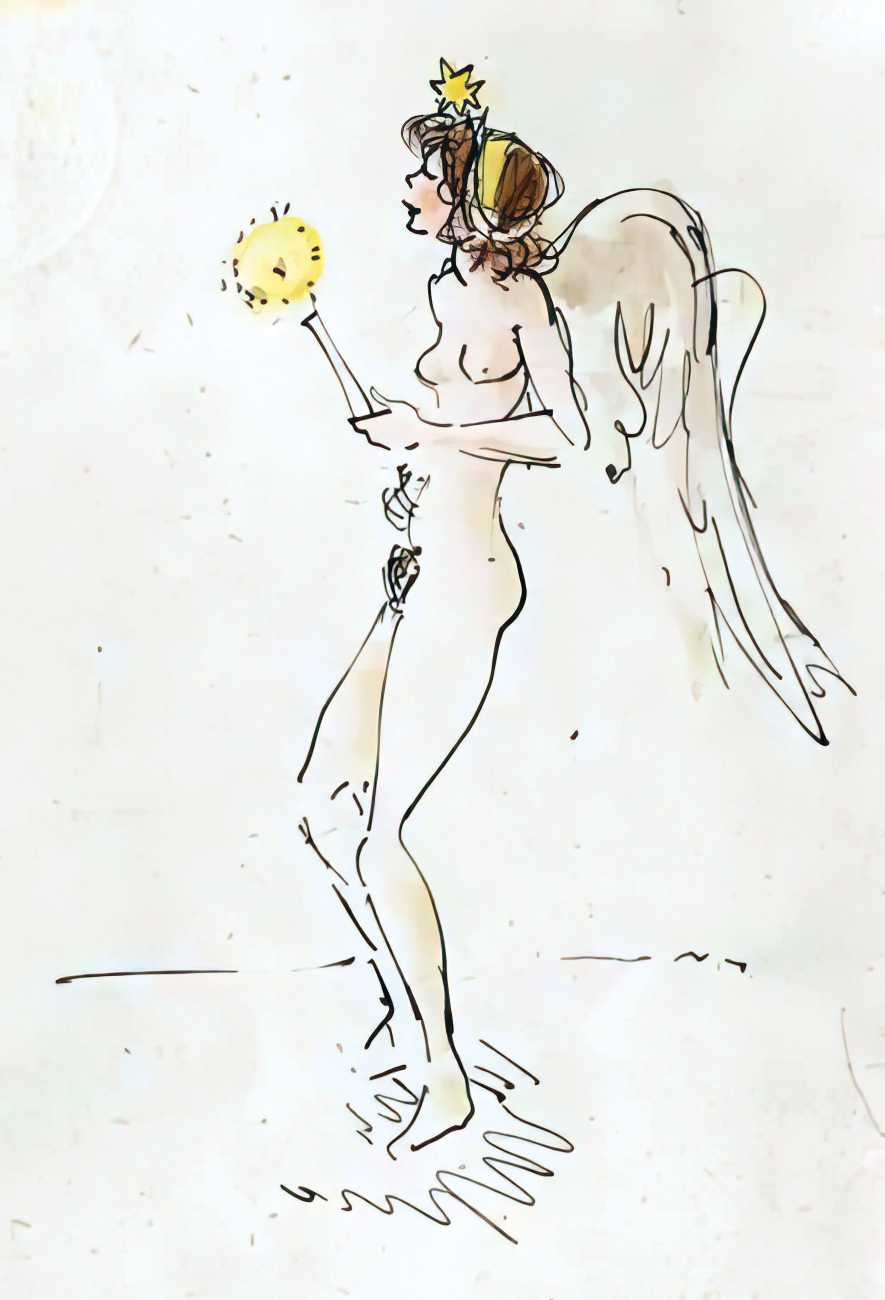
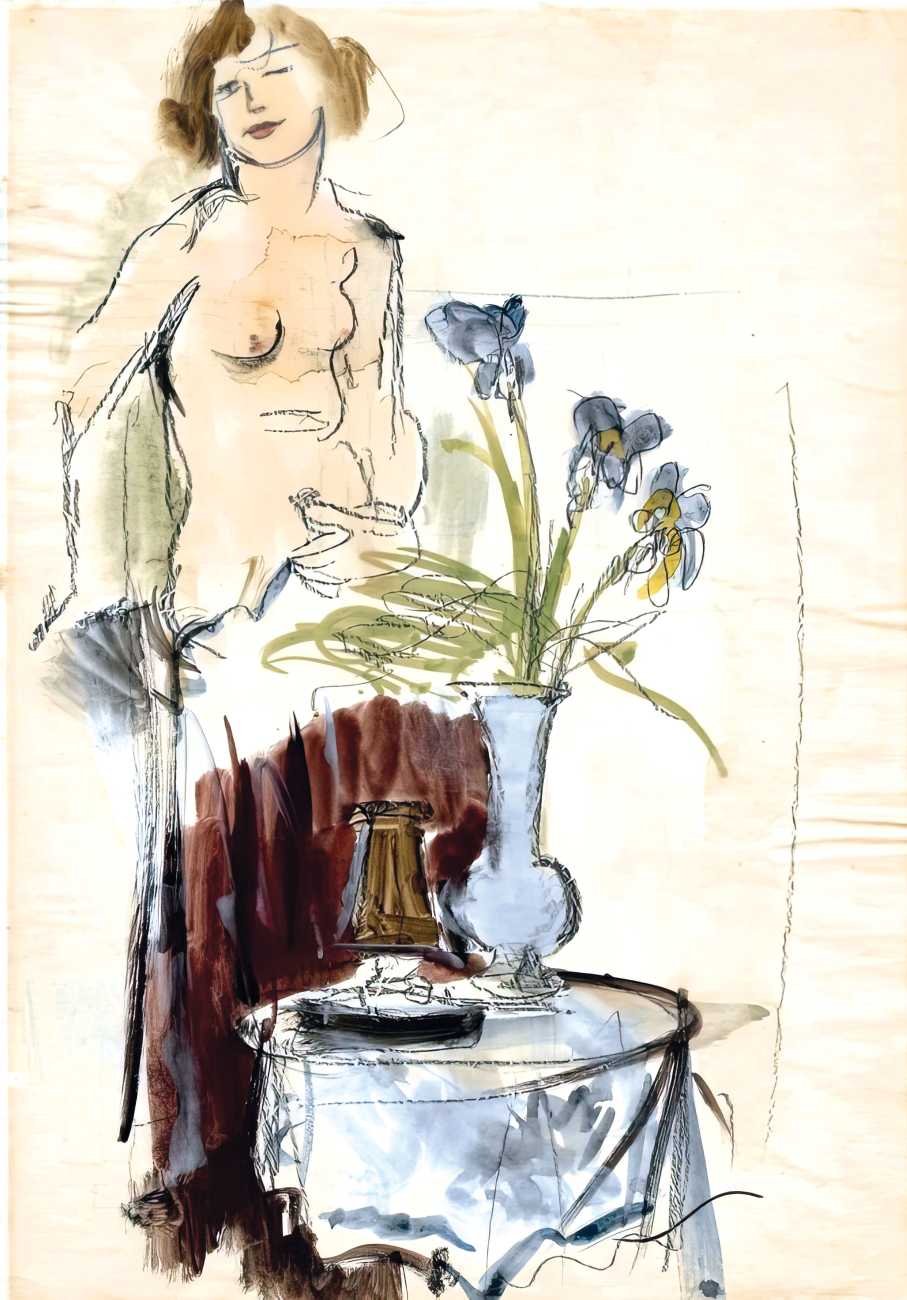
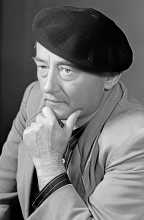
 The German Max Schwimmer is considered one of Saxony’s most important twentieth century artists and illustrators. He grew up in Leipzig, the son of a bookbinder, and after completing his training at teacher training college worked as a teaching assistant, drawing and painting in his free time. As early as 1917 the self-taught artist maintained his own studio in Leipzig and participated in regional art exhibitions alongside artists such as Rüdiger Berlit and Will Semm. In 1922 he married the graphic artist Eva Götze, with whom he had two daughters. Schwimmer turned to the political left and worked as an author and illustrator for the magazines Die Aktion and Der Drache, then in 1924 began working as a freelance journalist and reviewer for the Leipziger Volkszeitung. At the suggestion of Hans Purrmann, Schwimmer travelled to Italy and France and devoted himself to impressionist painting. On his return he began teaching at the Leipzig School of Arts and Crafts. In 1922 he married the graphic artist Eva Götze, with whom he had two daughters. The couple separated eleven years later.
After the Nazis came to power Schwimmer was dismissed from his teaching position in 1933. However, he remained a member of the Chamber of Fine Arts and was represented at the Great Leipzig Art Exhibition in 1936 and 1940, and in 1938 at the Annual Show of Leipzig Artists of the Leipzig Art Association. In 1937, as part of the Nazi purge of ‘degenerate art’, eight of his paintings were confiscated from the Museum of Fine Arts in Leipzig and all but one was destroyed. Schwimmer now devoted himself more to book illustration, and by 1944 over 25 titles illustrated by him had been published. In August 1943 Schwimmer married the painter Ilse Naumann.
In December 1943 their apartment was badly damaged in air raids on Leipzig and much of their work was lost. In August 1944 Schwimmer was drafted into the Wehrmacht. After a preparatory camp in Komotau, he was transferred to the guard unit of the Stalag IV B prisoner of war camp in Mühlberg/Elbe at the end of September 1944. In April 1945 the camp guards fled to Altenburg in the American occupation zone, and Schwimmer made his way on foot to find Ilse in Wohlbach.
After the end of the war Max and Ilse returned to Leipzig, and in December 1945 Schwimmer joined the Communist Party of Germany (KPD), then became a member of the Socialist Unity Party (SED). He became director of the Leipzig School of Arts and Crafts, and in 1946 was appointed professor and head of the graphics department at the State Academy of Graphic Arts and Book Trades, where he worked from 1946 to 1950. In 1951 he was appointed head of the Graphic Arts Department at the Dresden Academy of Fine Arts, where he remained until his death.
We are very grateful to our Russian friend Yuri for suggesting the inclusion of this artist, and for supplying many of the images.
Similar artists
Marcus Behmer – German jugendstil illustrator of decadent and erotic literary subjects.
Willi Geiger – German printmaker of refined erotic subjects.
Erich Godal – German-born cartoonist and caricaturist of the Weimar era.
Curt Grosspietsch – German Dresden painter and satirical draughtsman, close to Grosz.
Walther Klemm – German printmaker of woodcuts and animal subjects.
Martin Erich Philipp – German printmaker of refined colour woodcuts and etchings.
Otto Schoff – German interwar graphic artist of belle-époque erotic subjects.
Example illustration