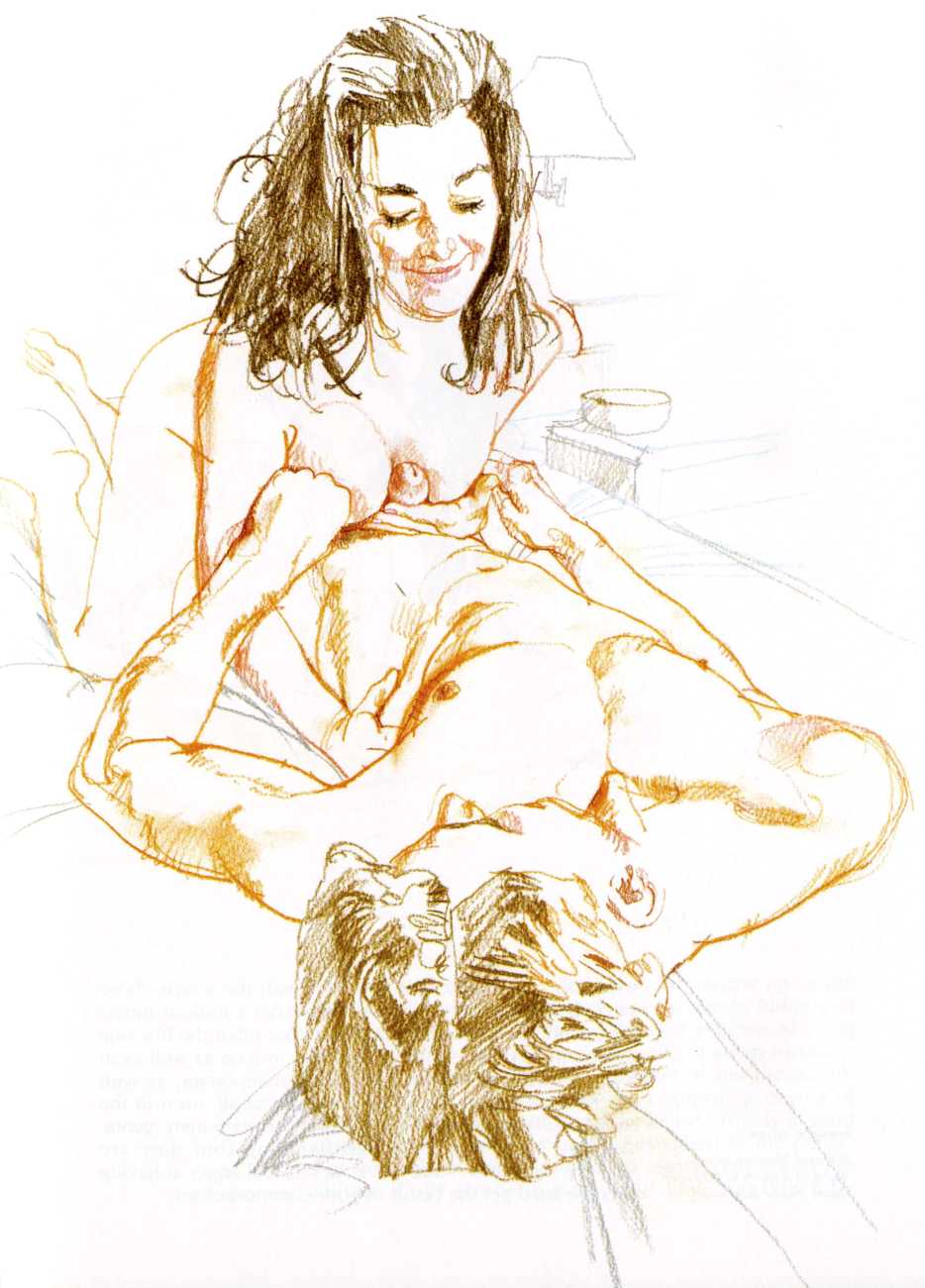
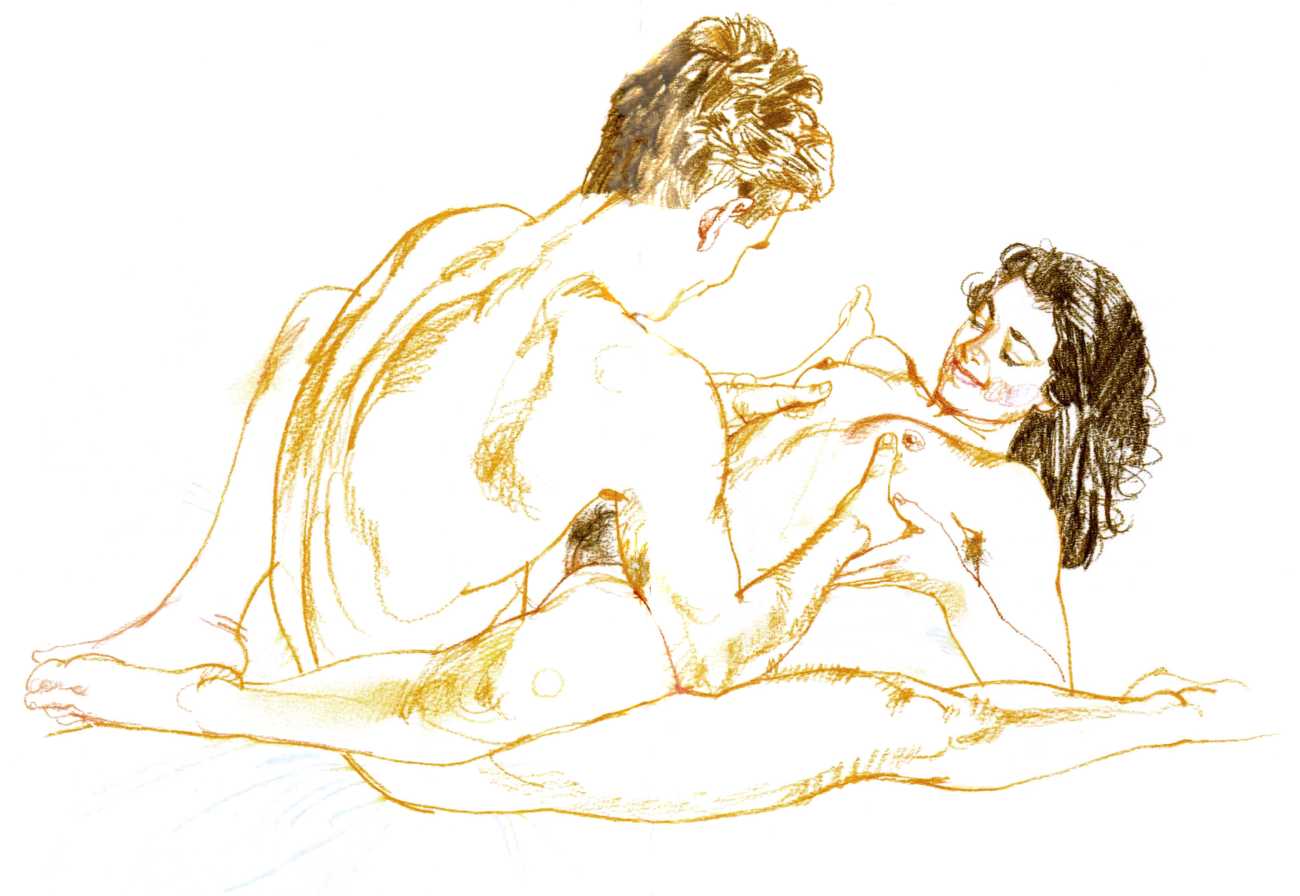
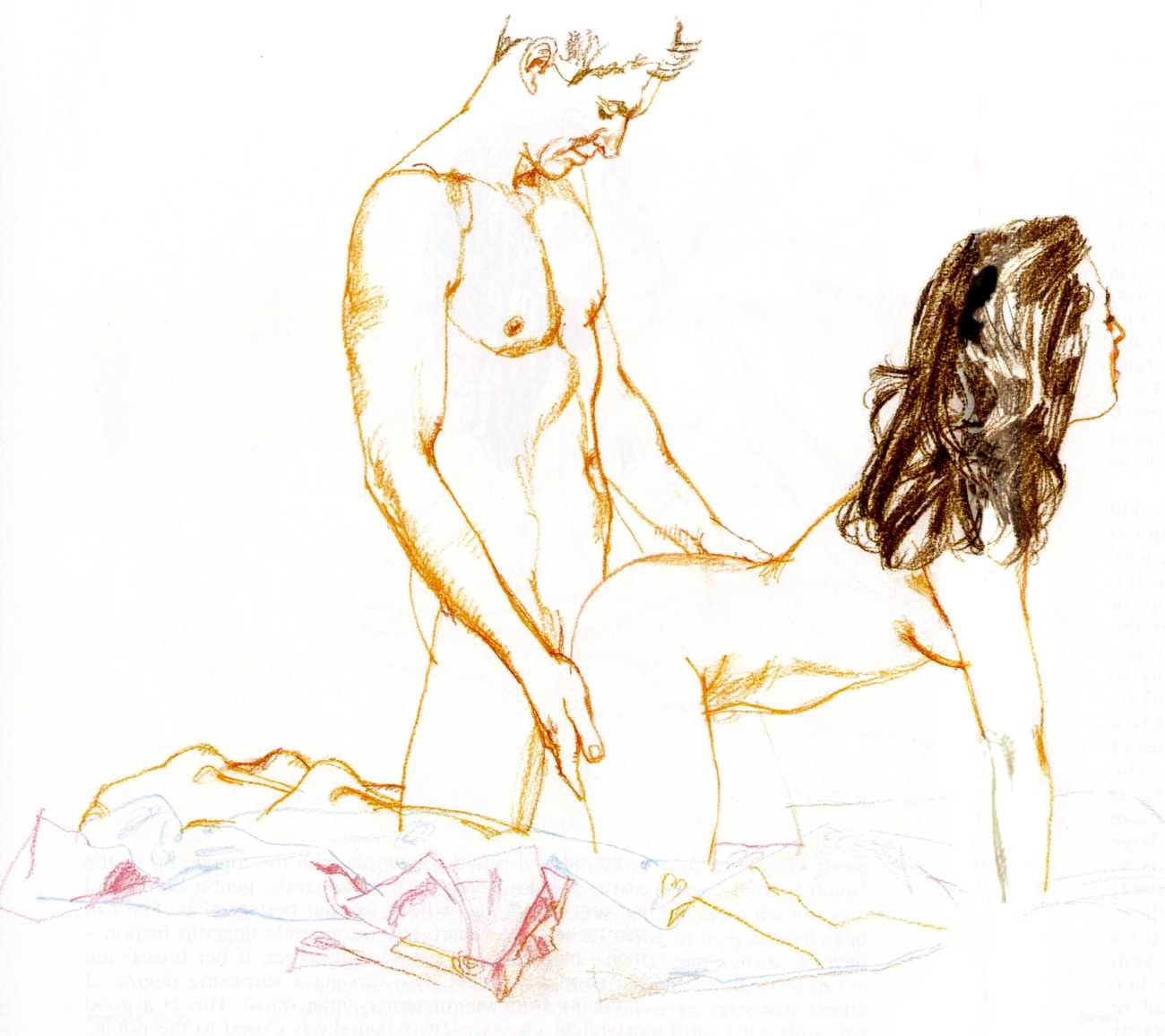
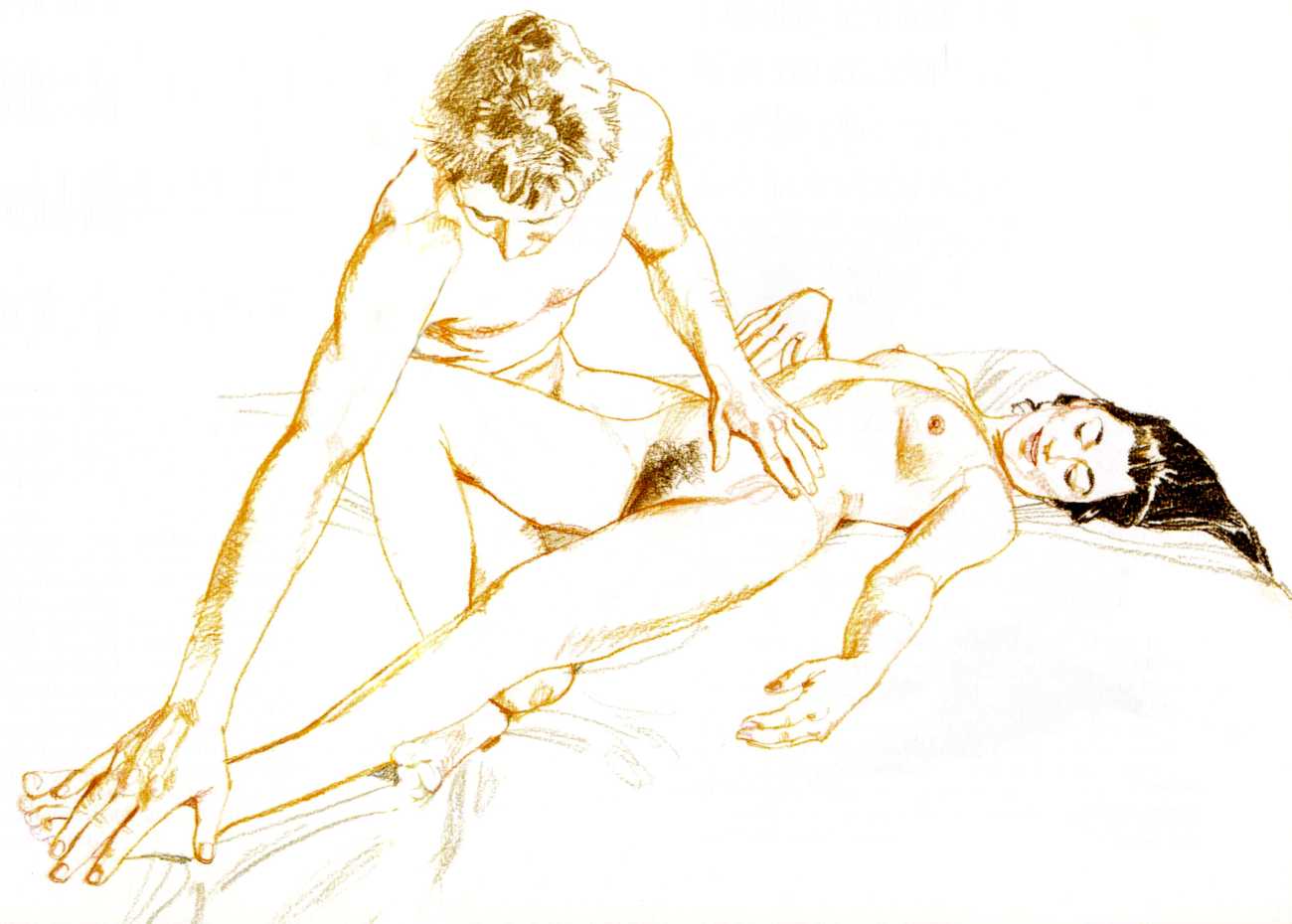
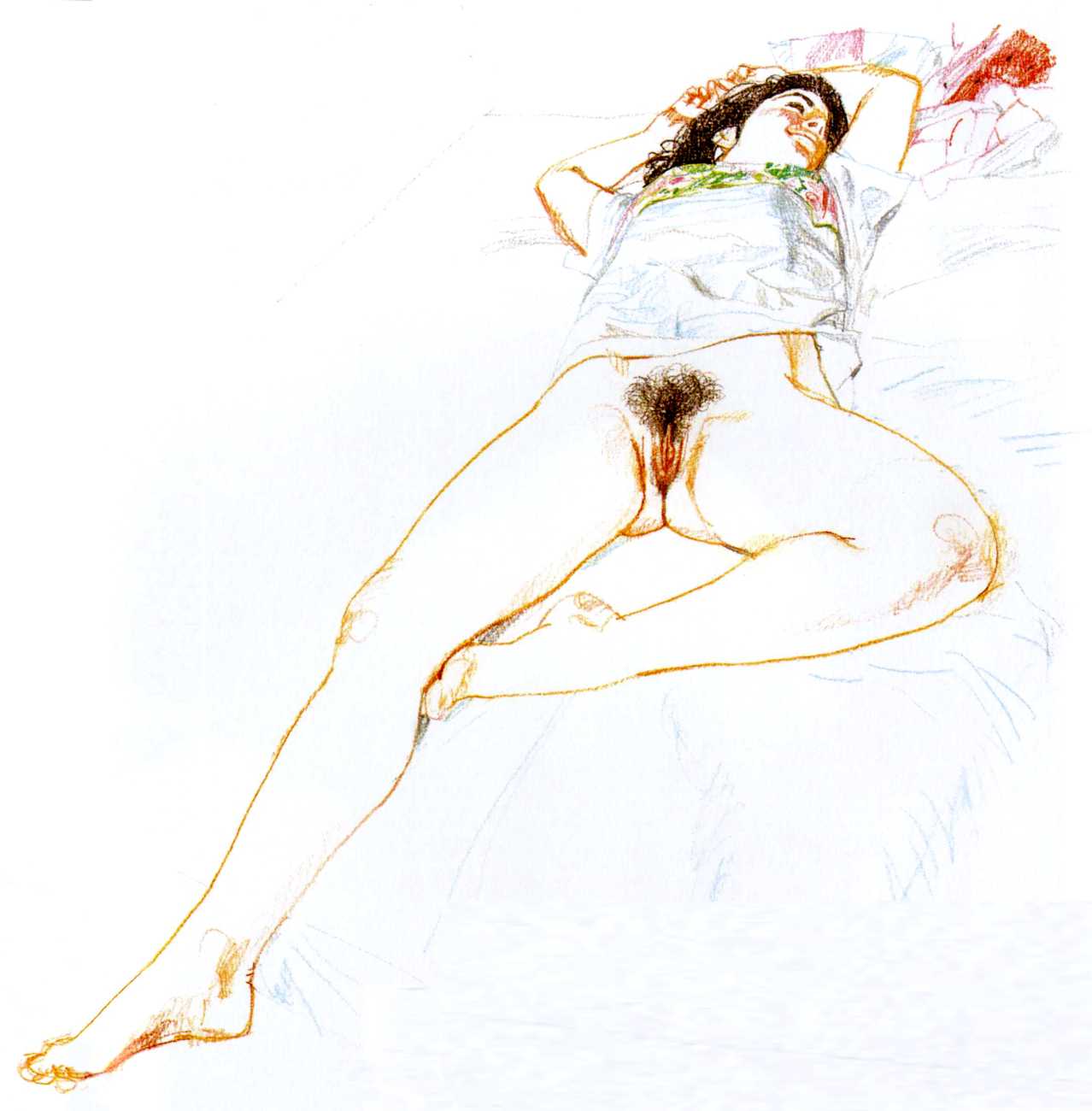
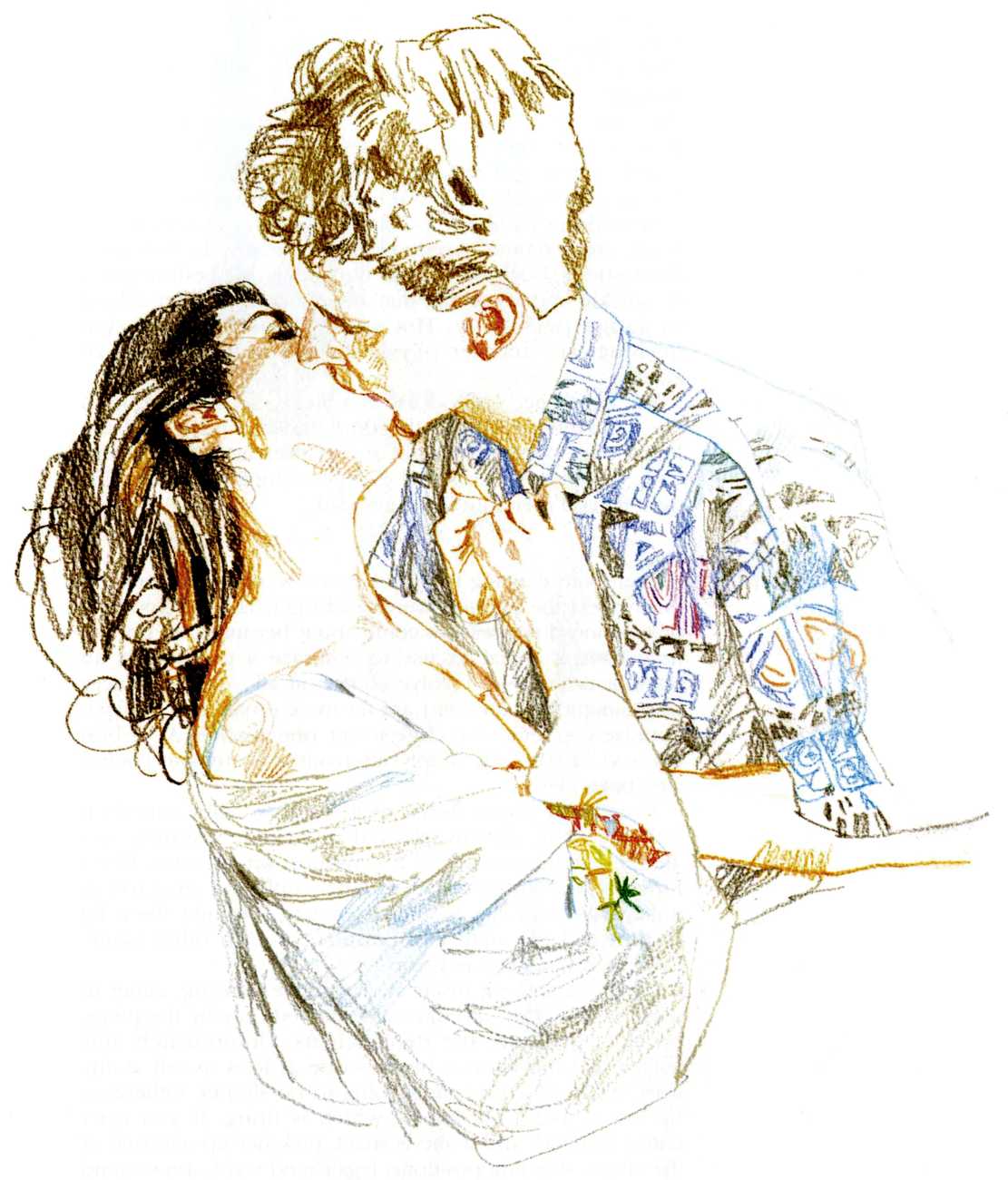
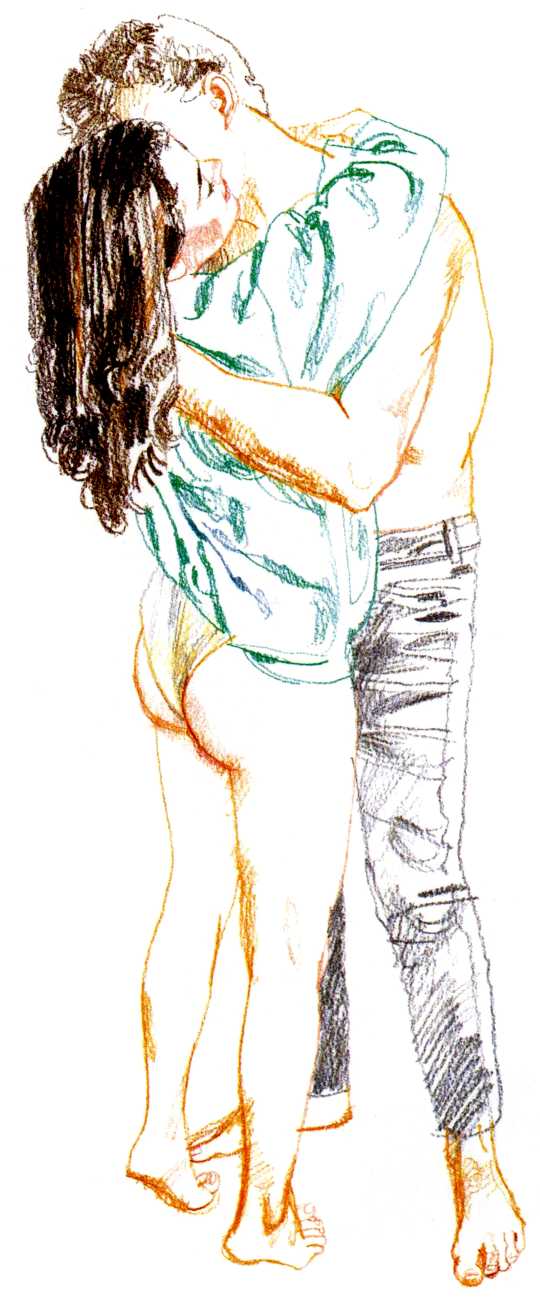
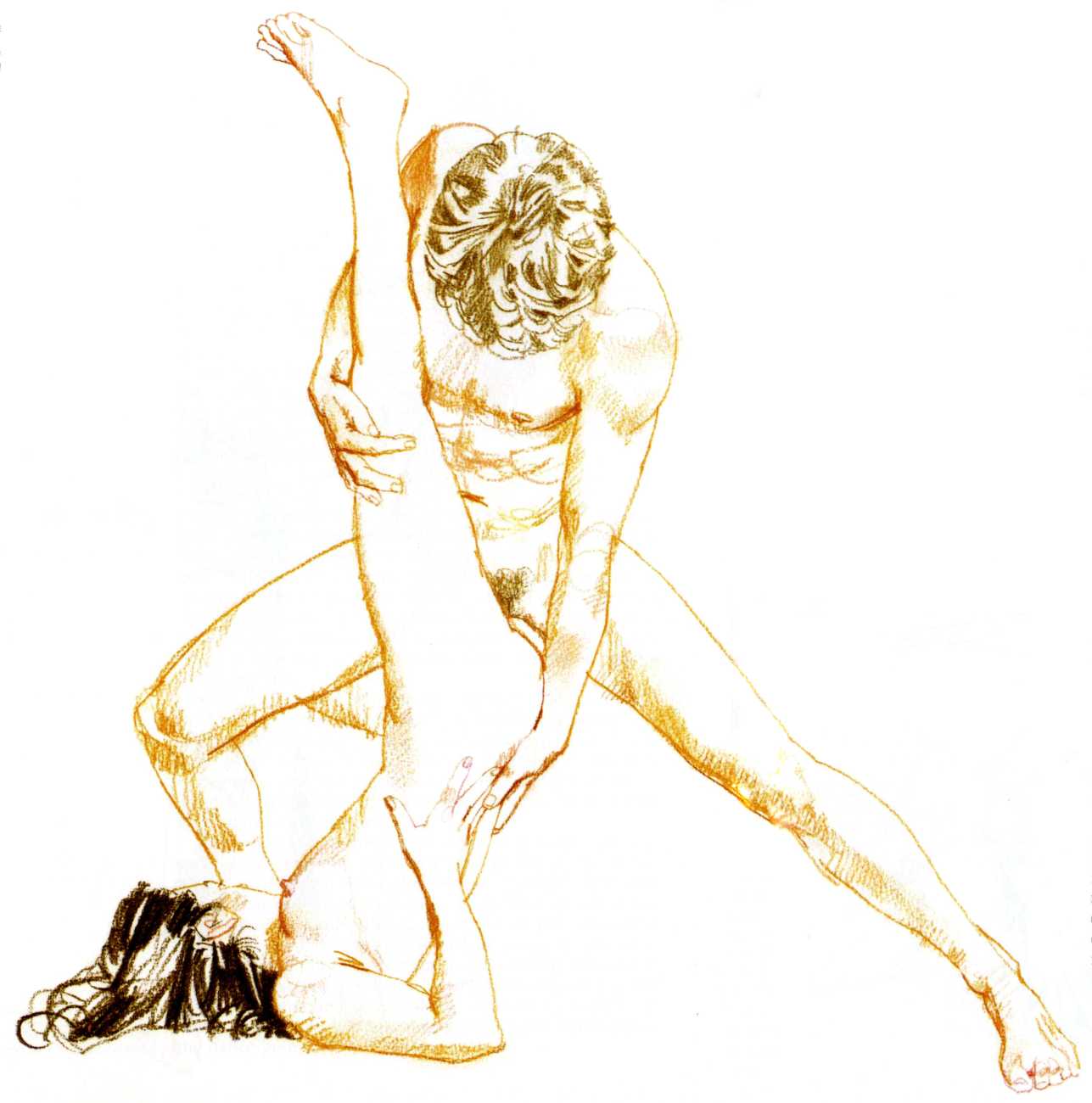
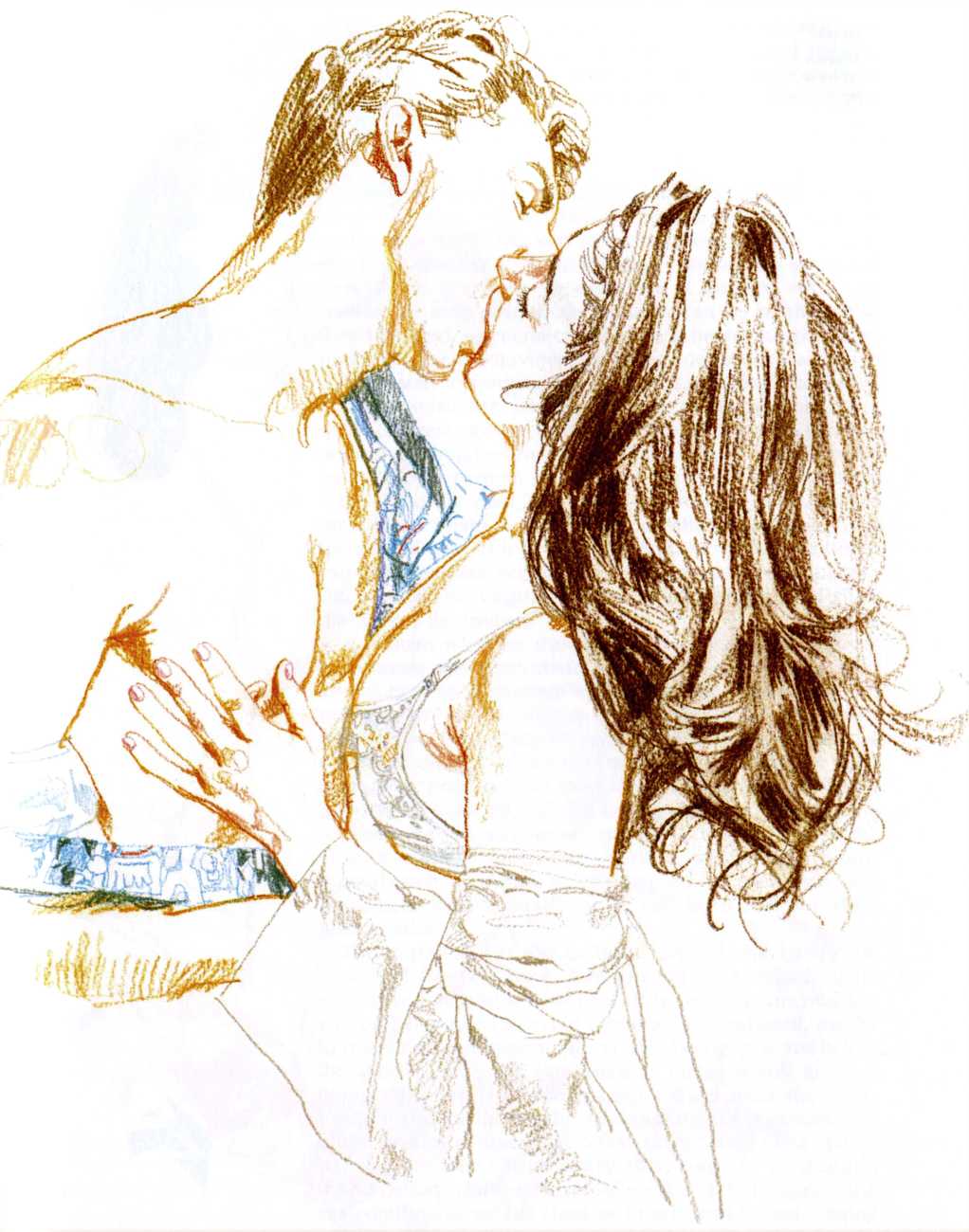
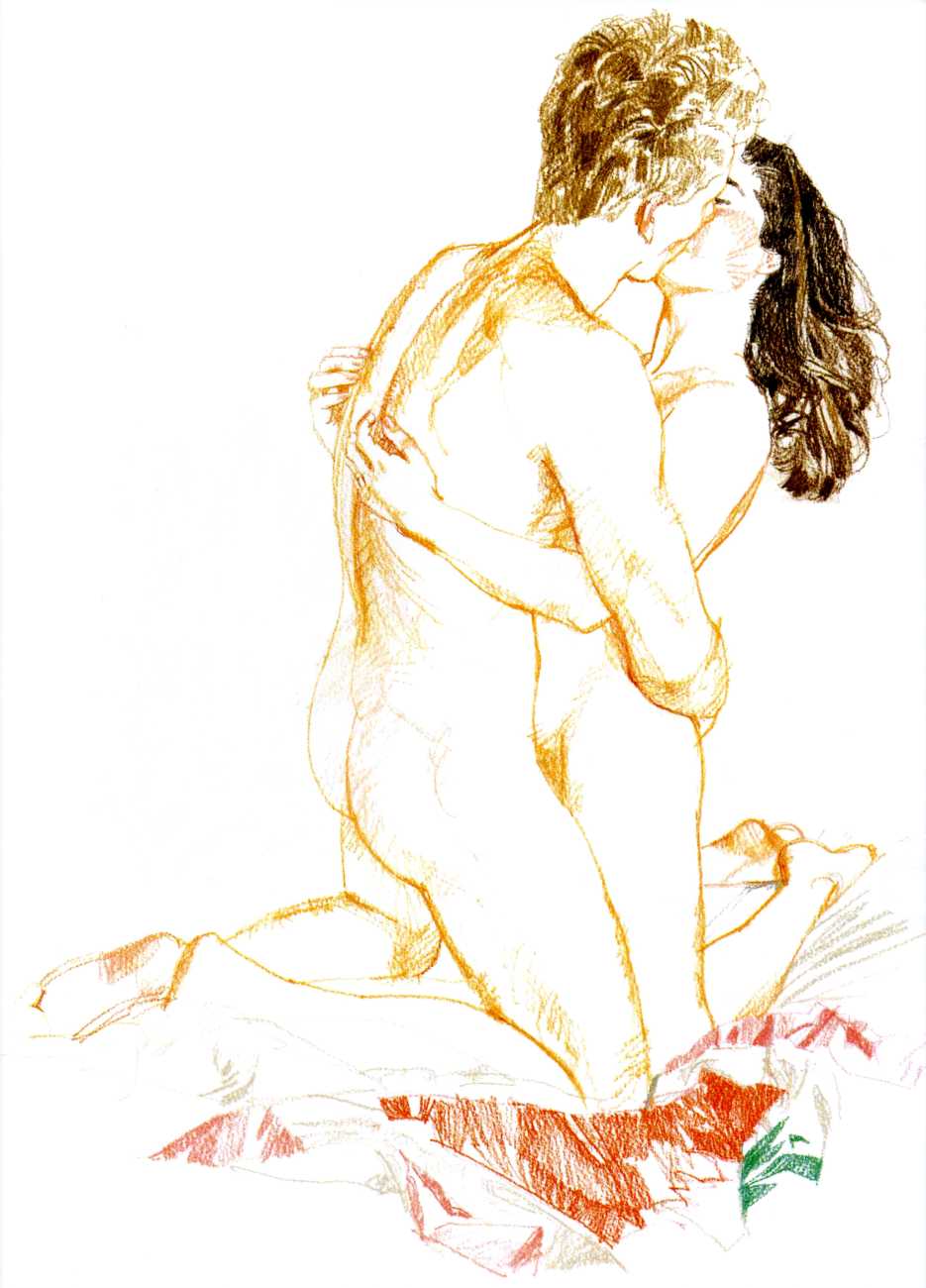
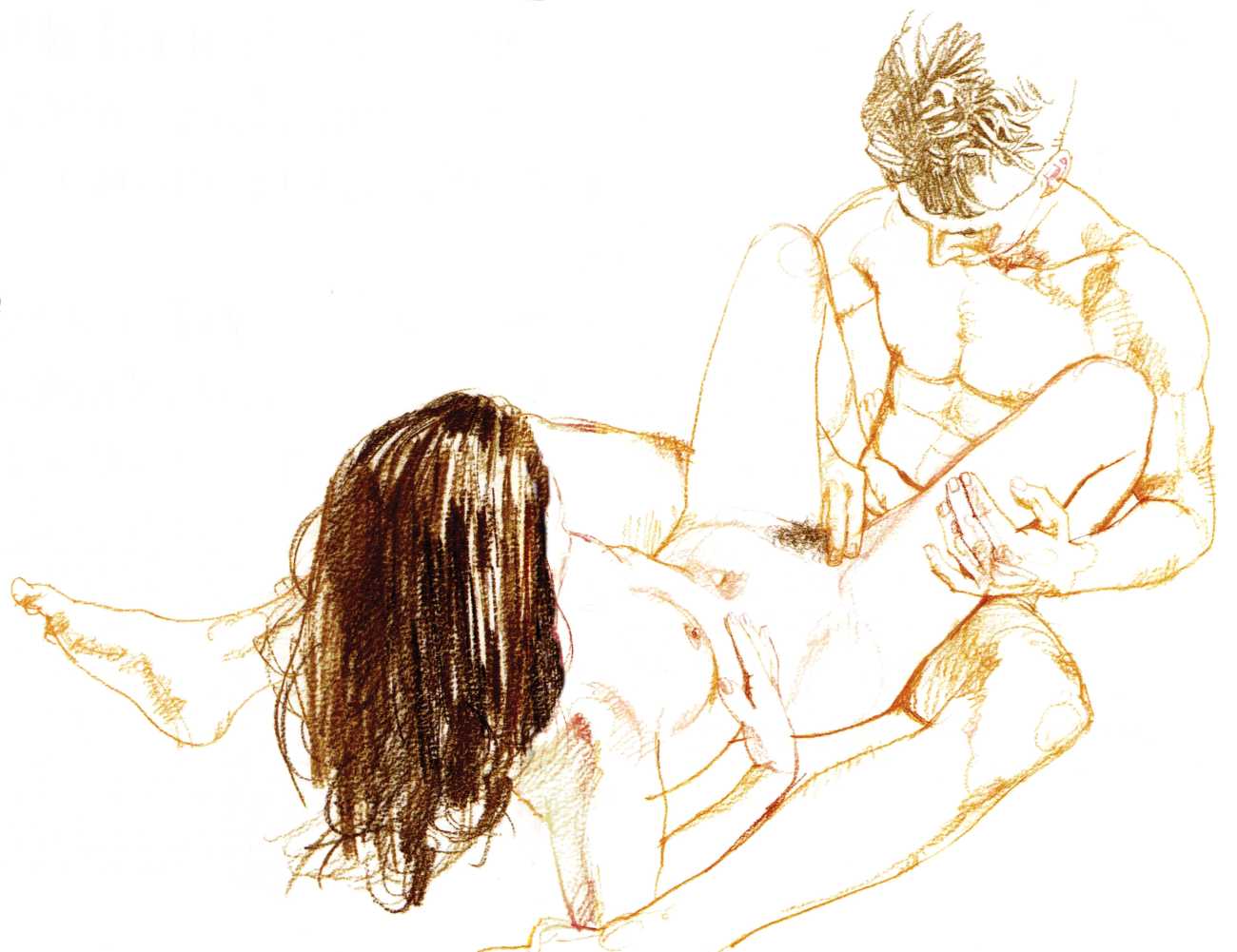
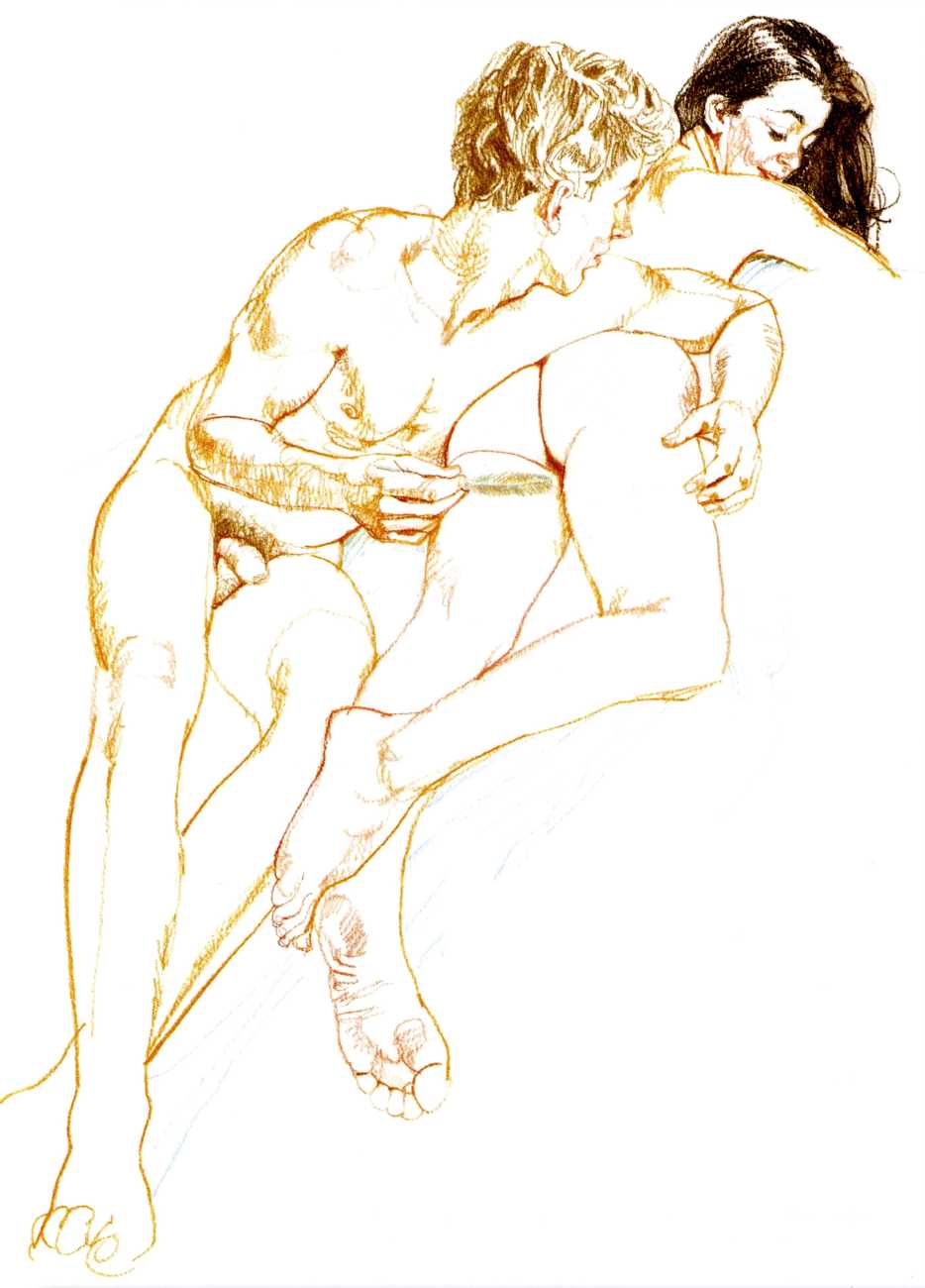
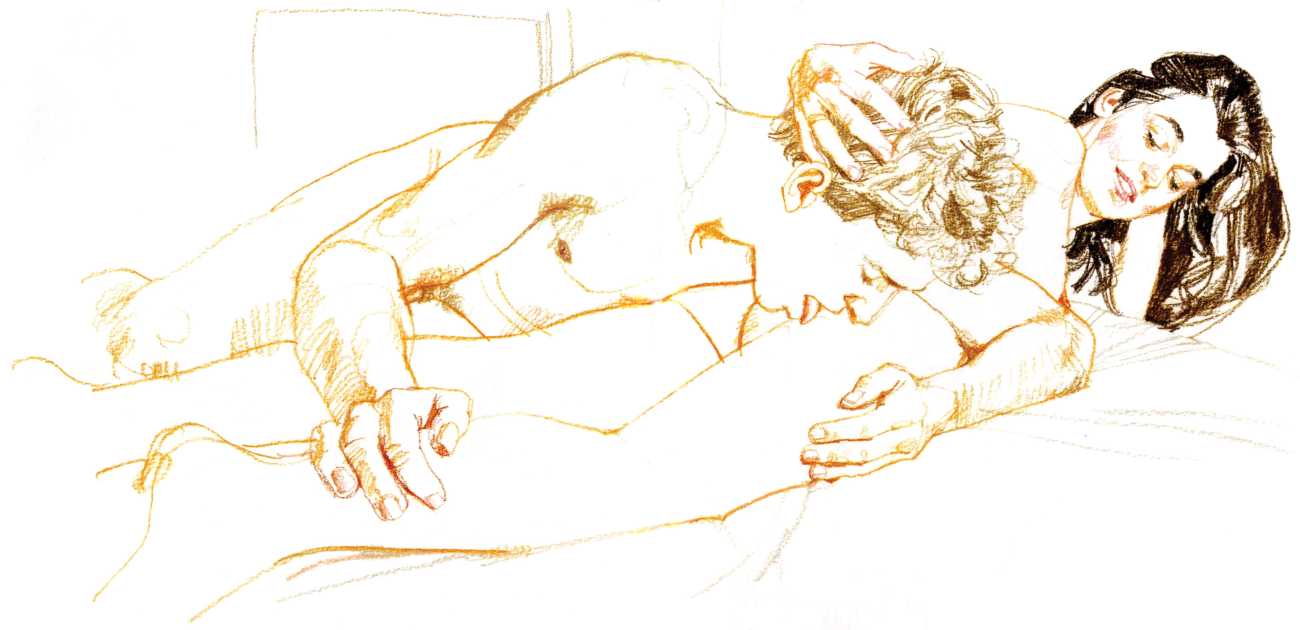
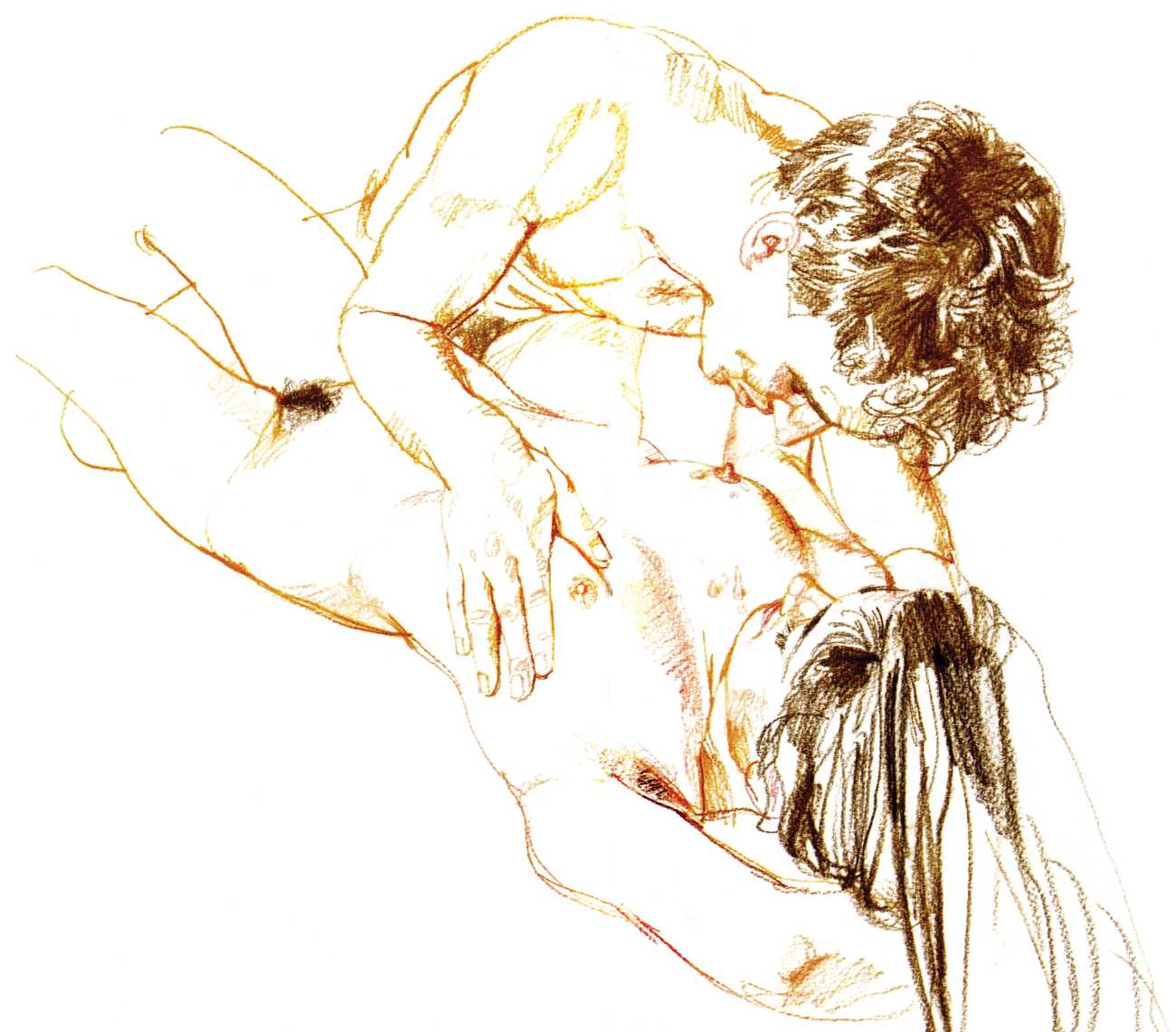
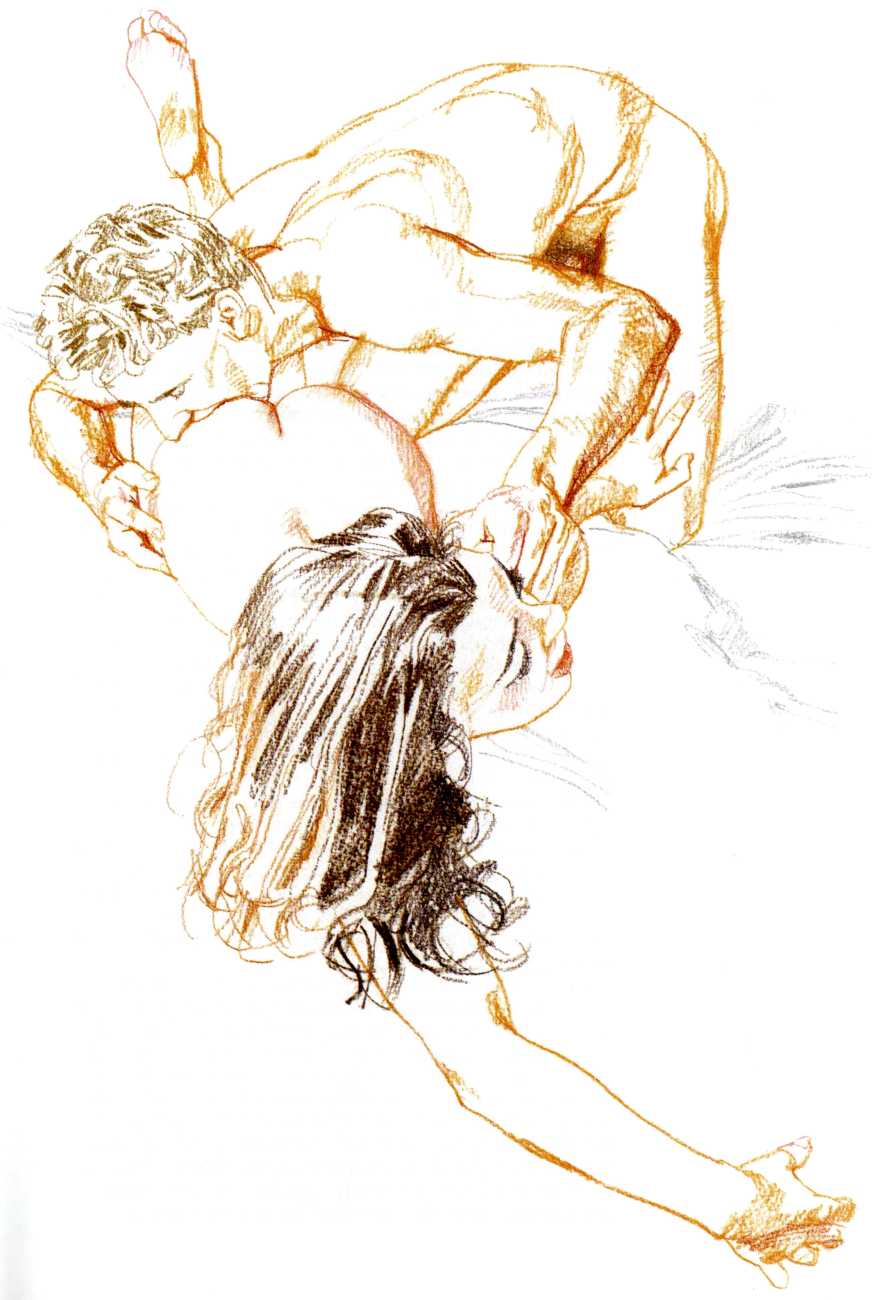
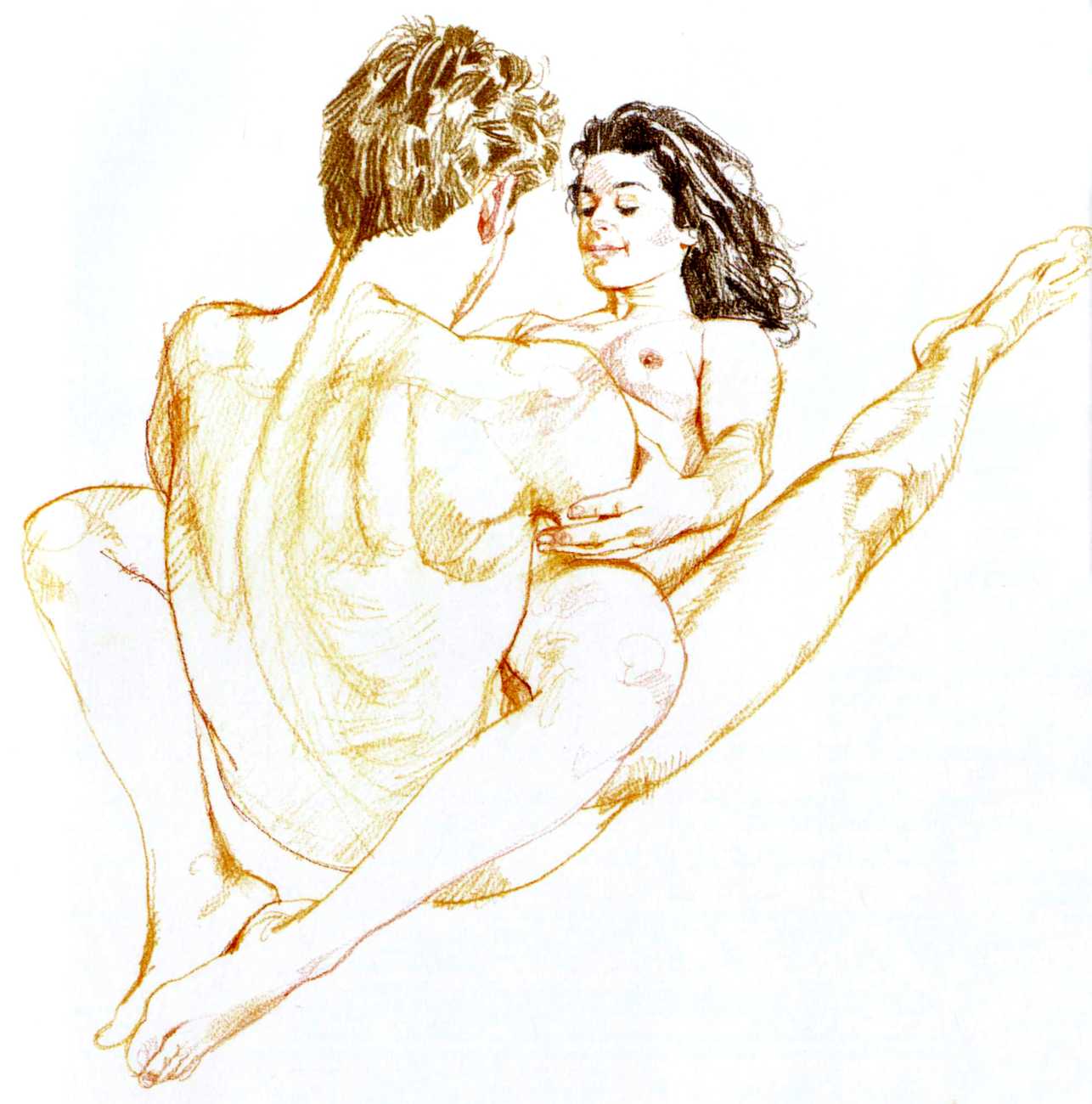
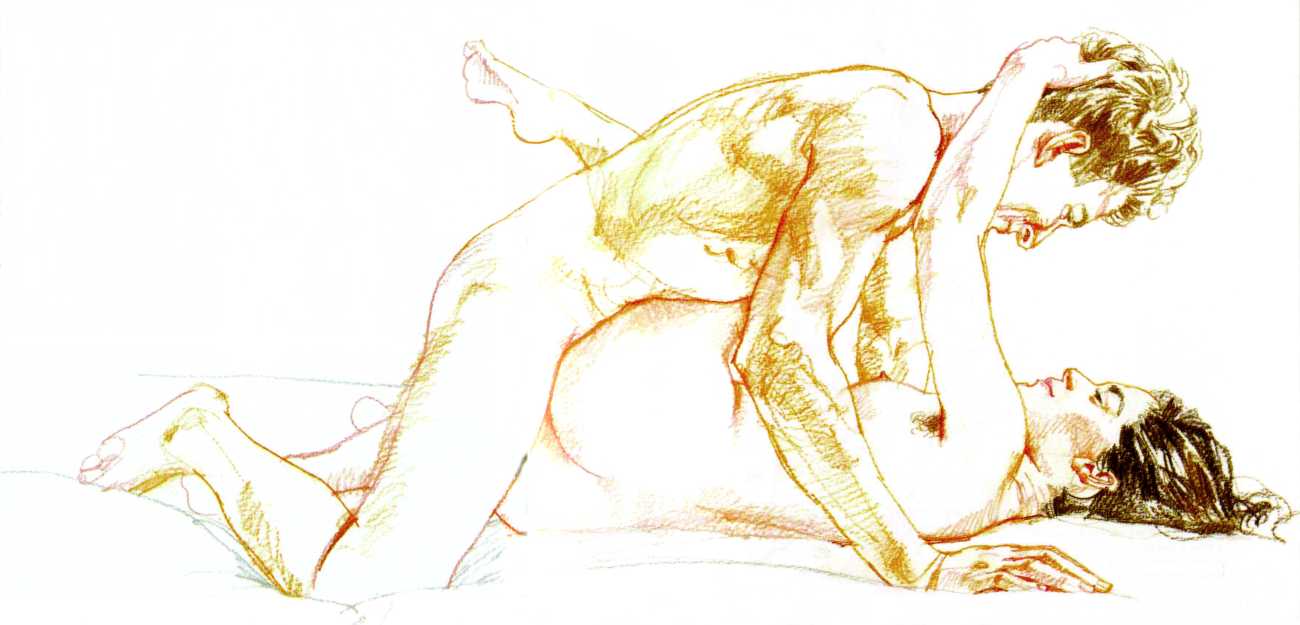
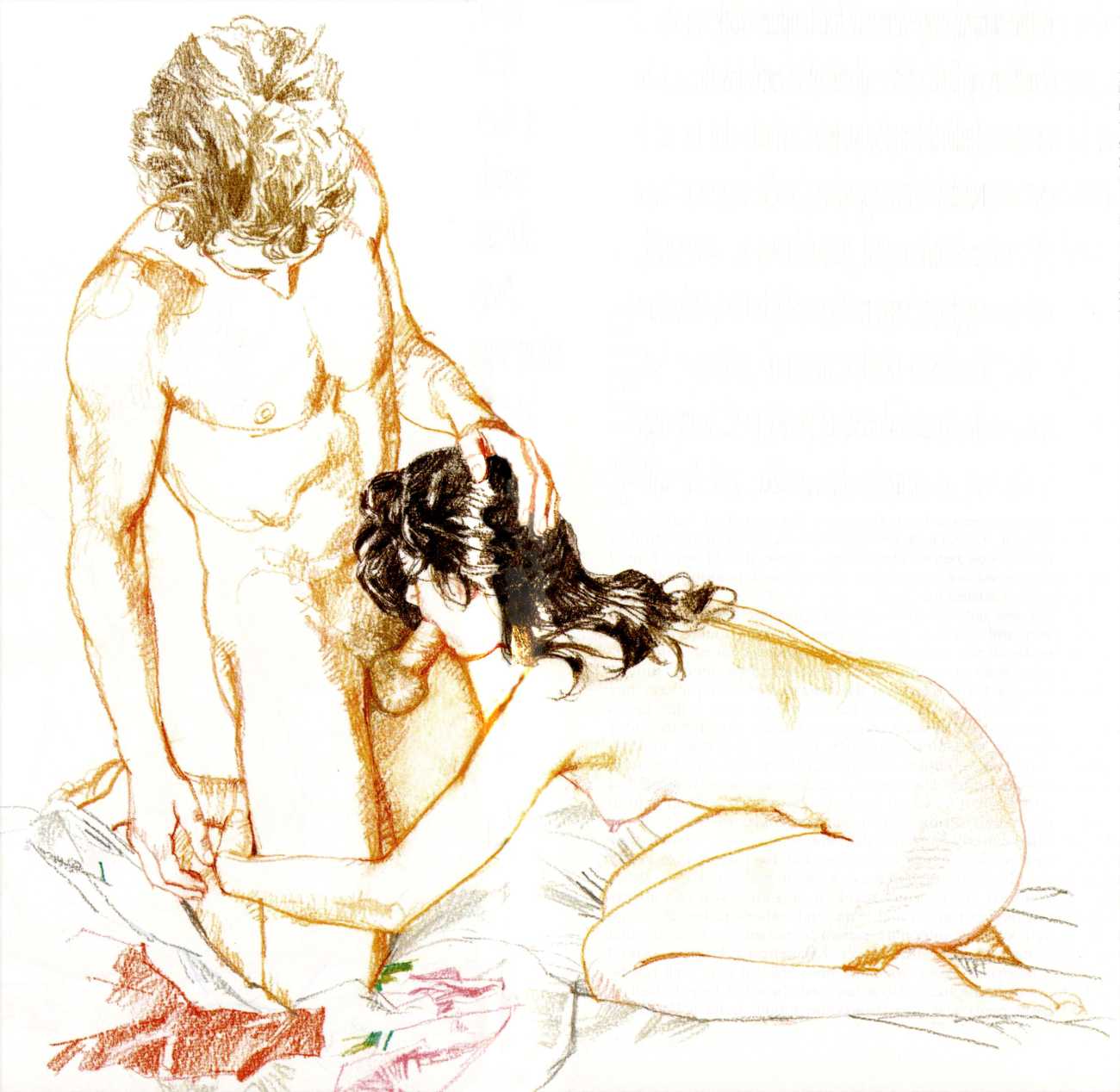
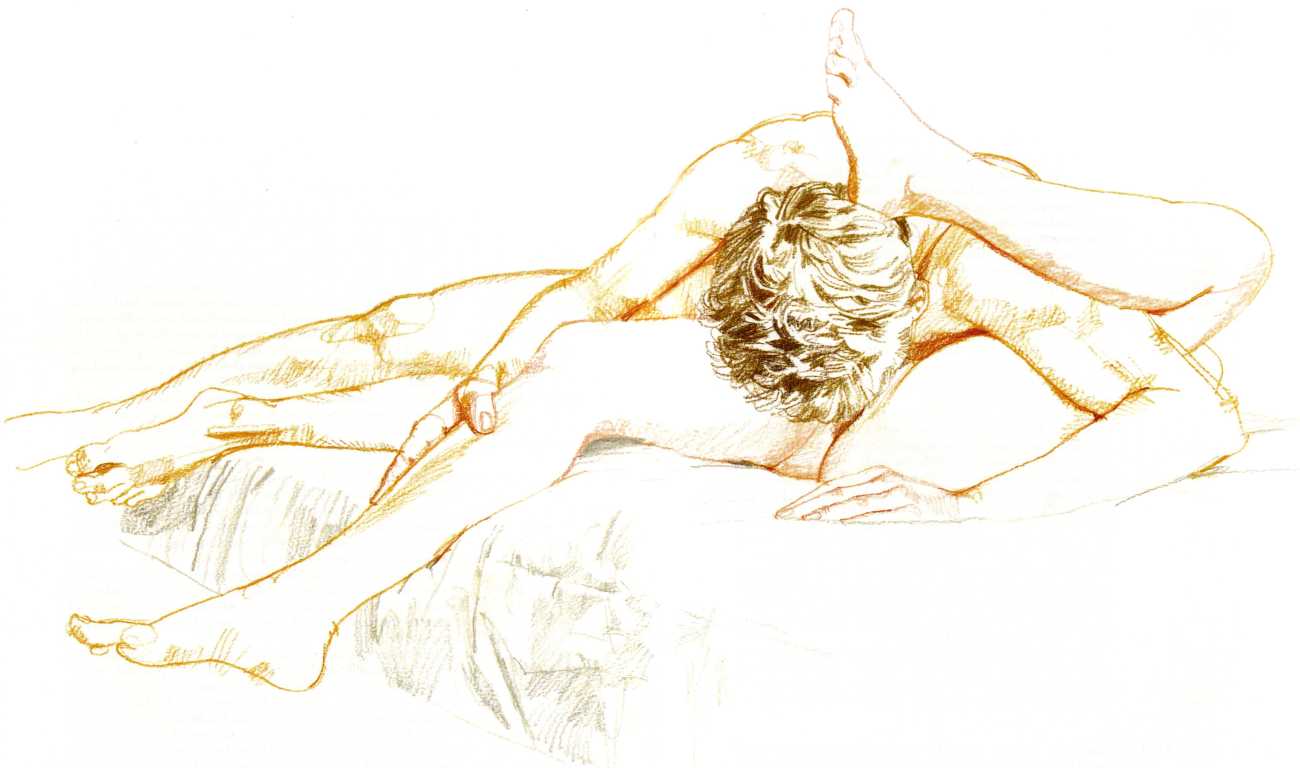
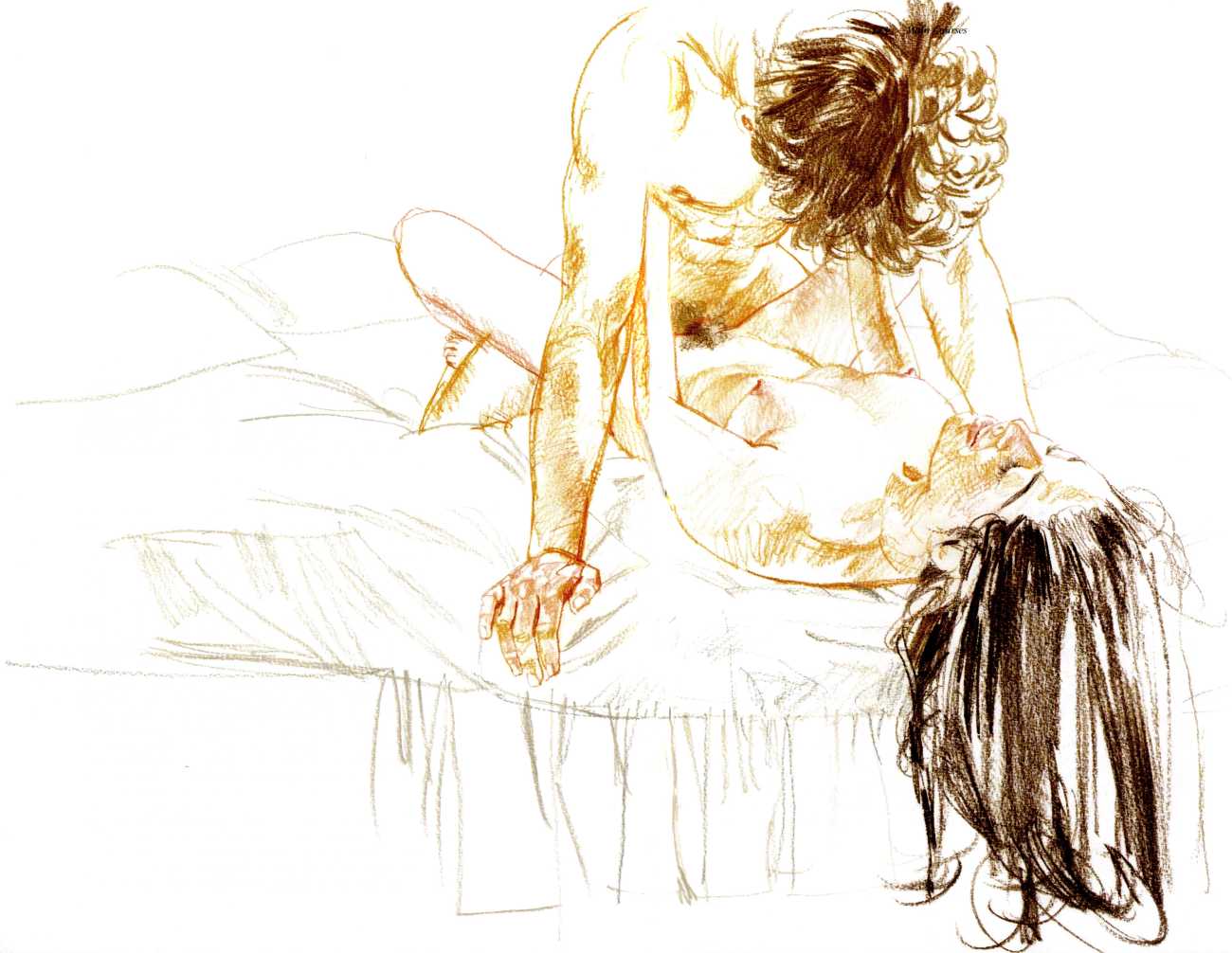
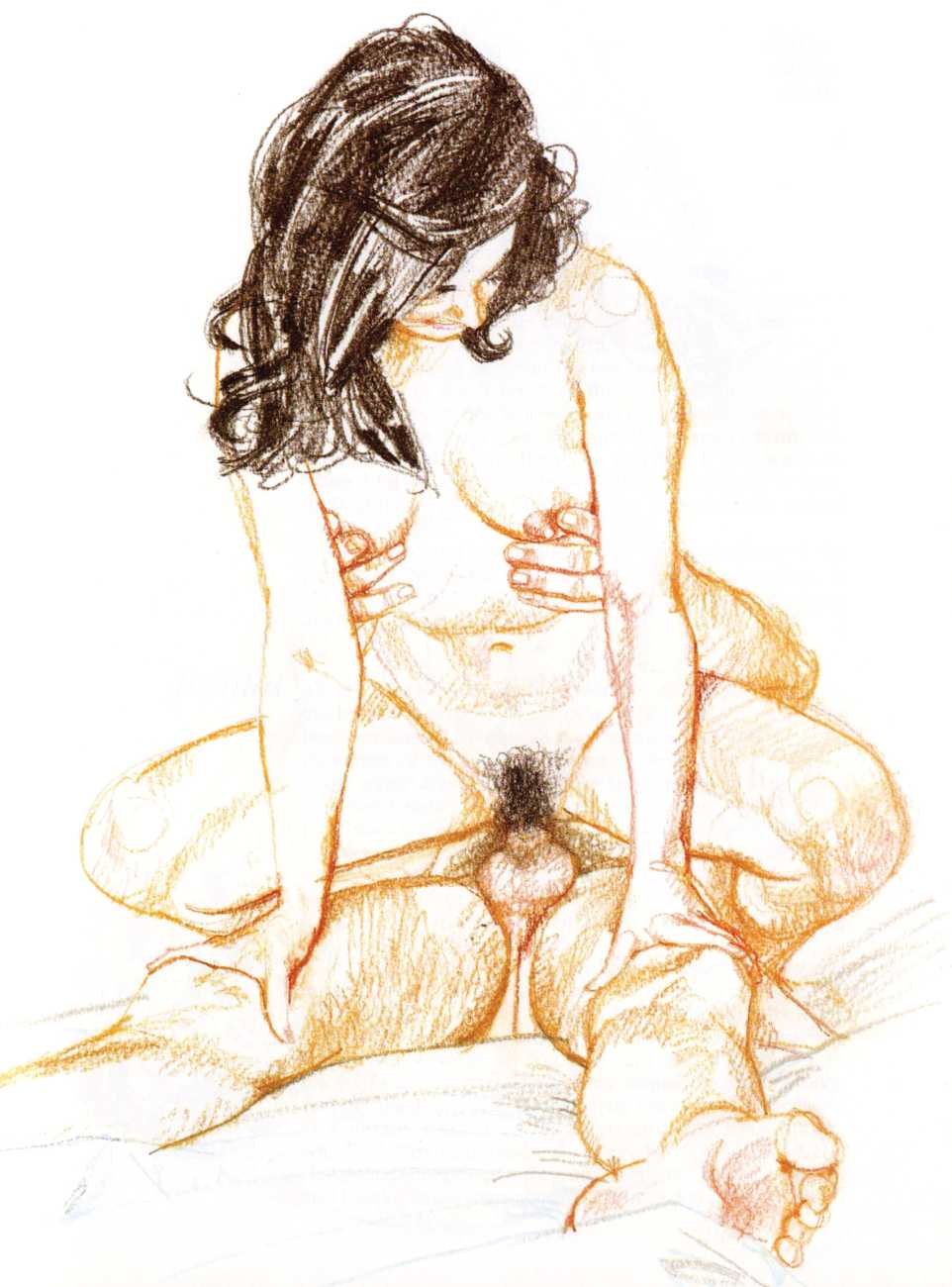
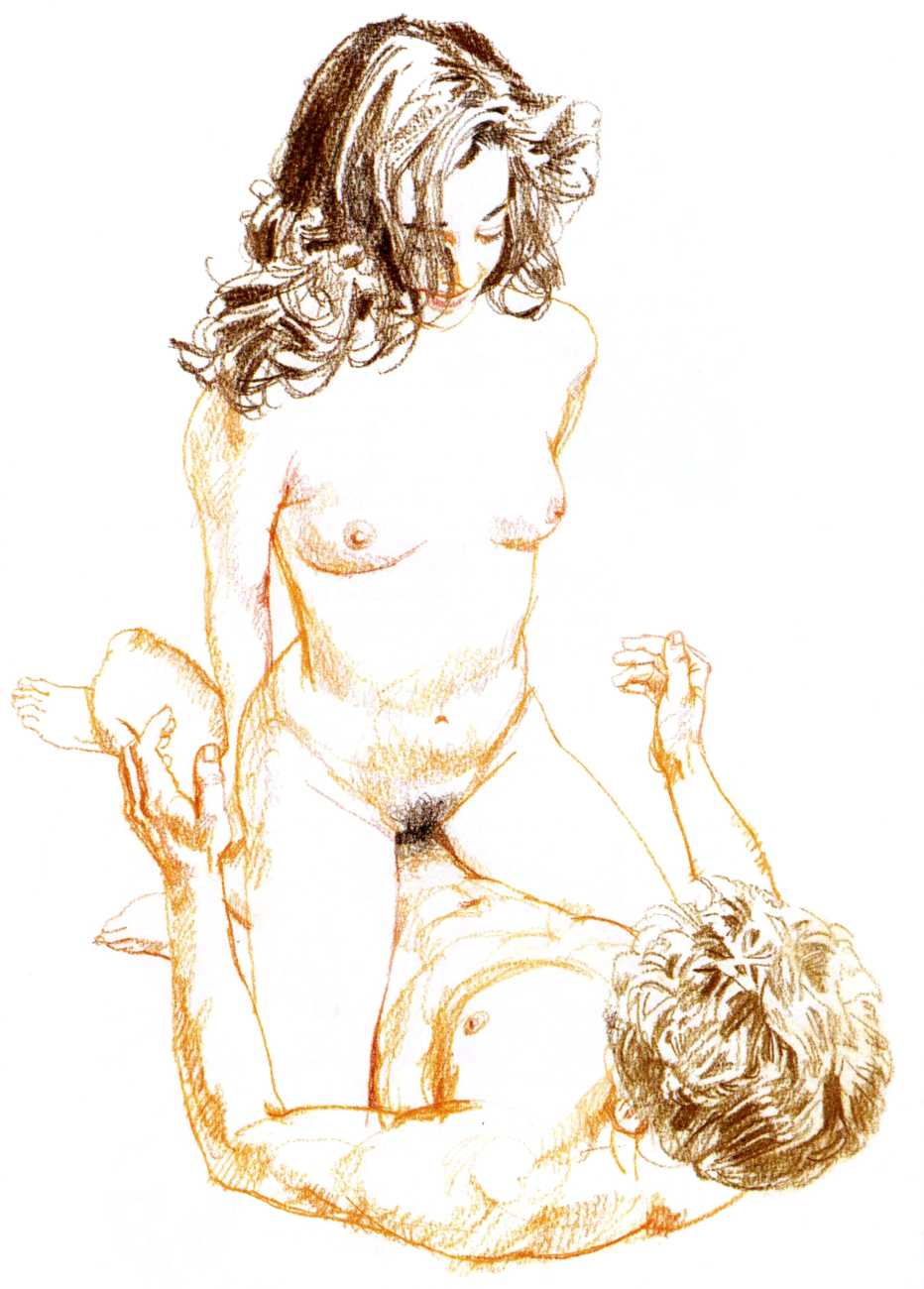
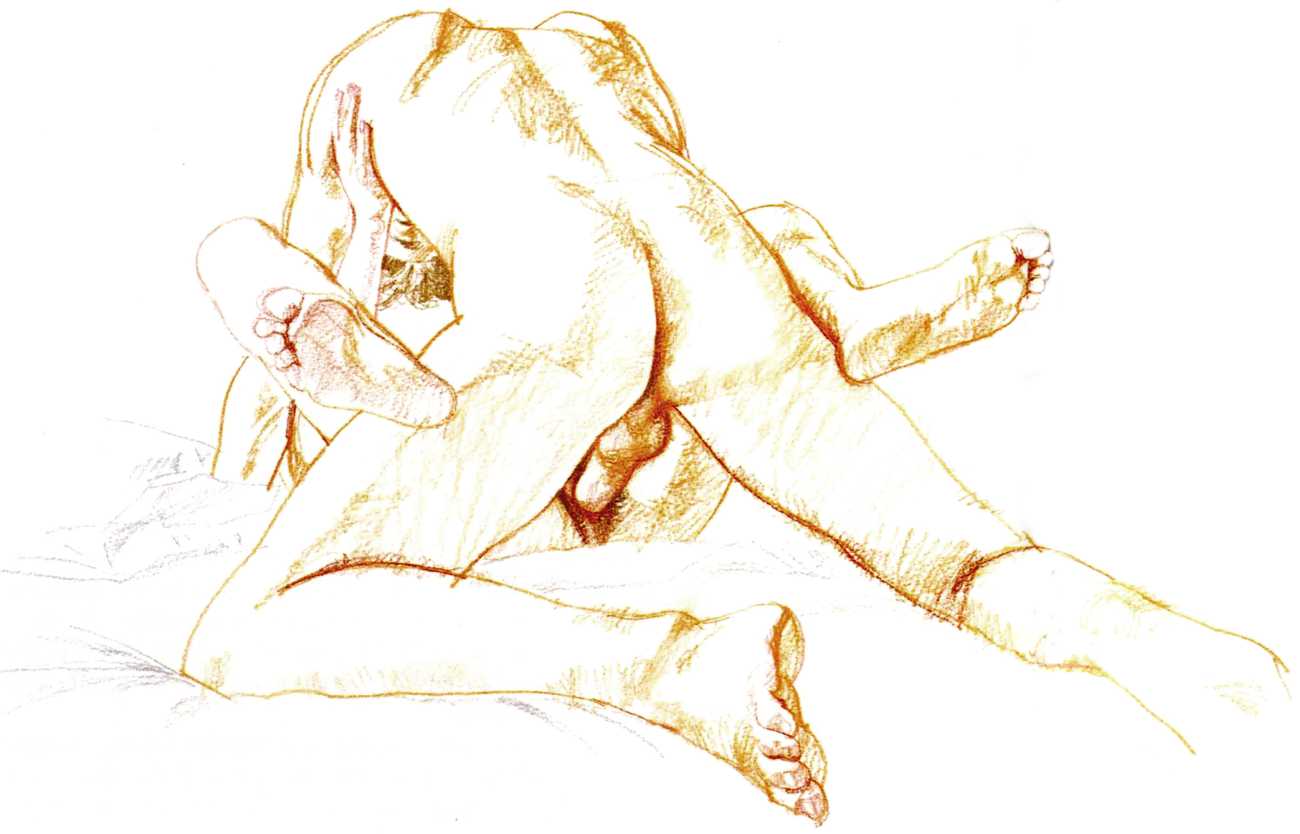
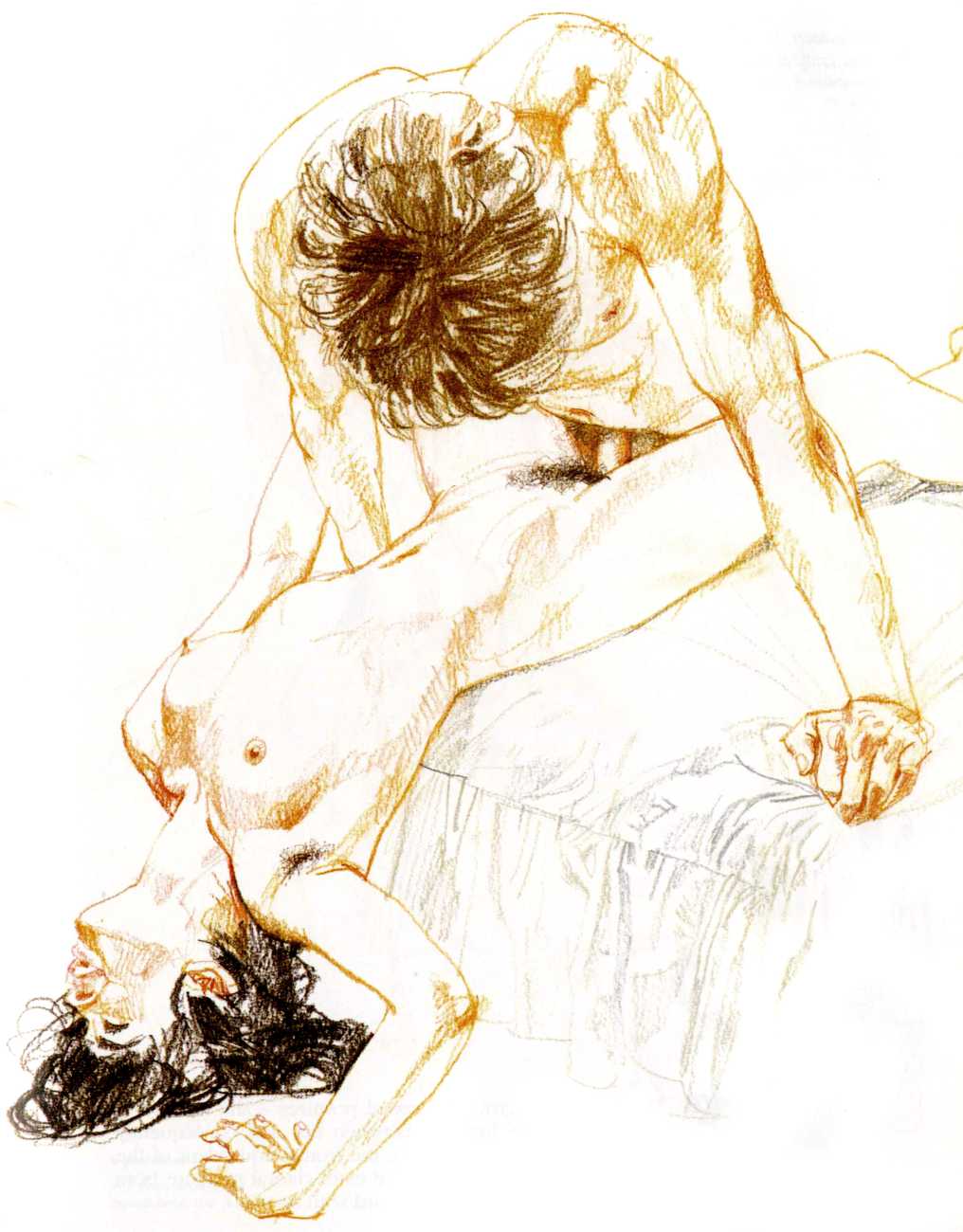
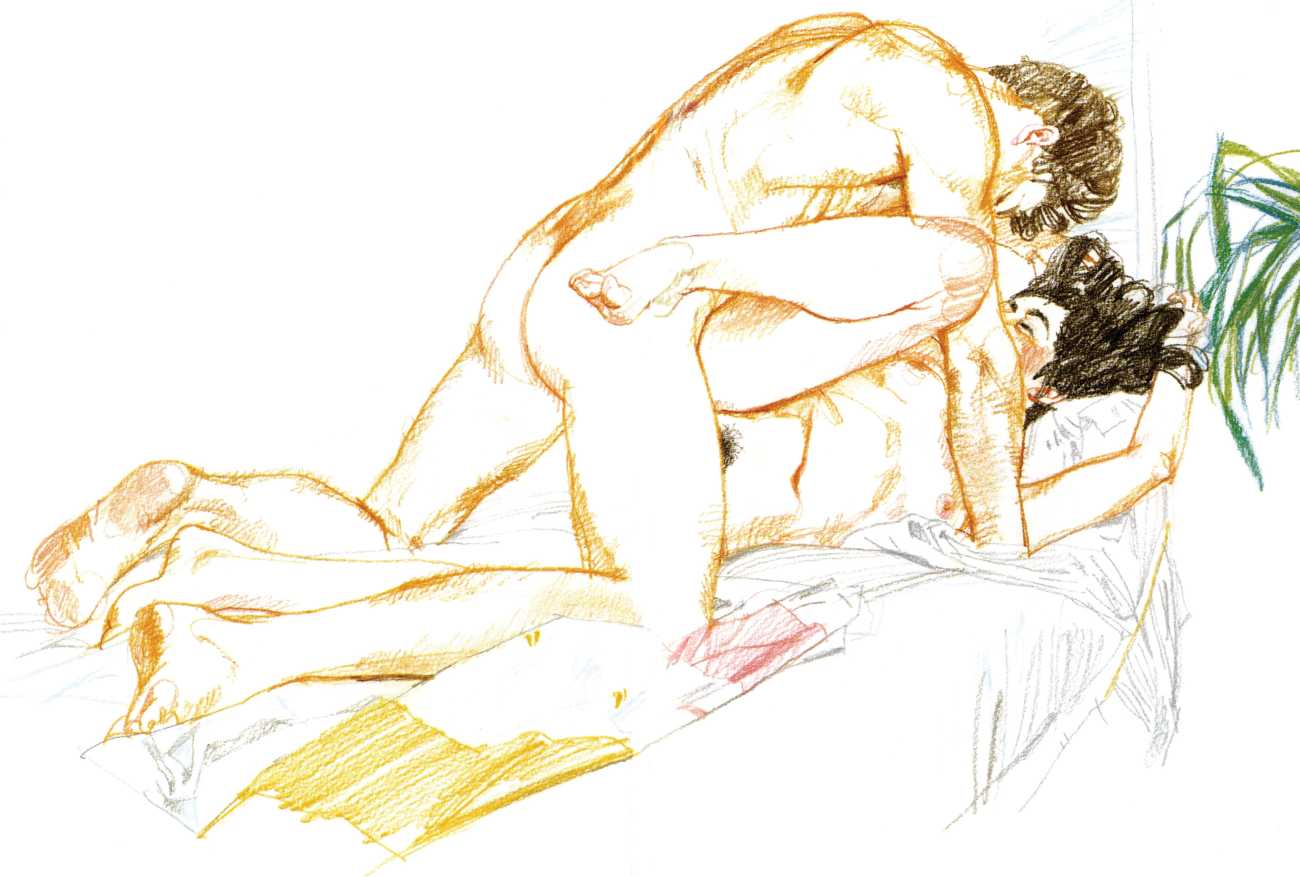
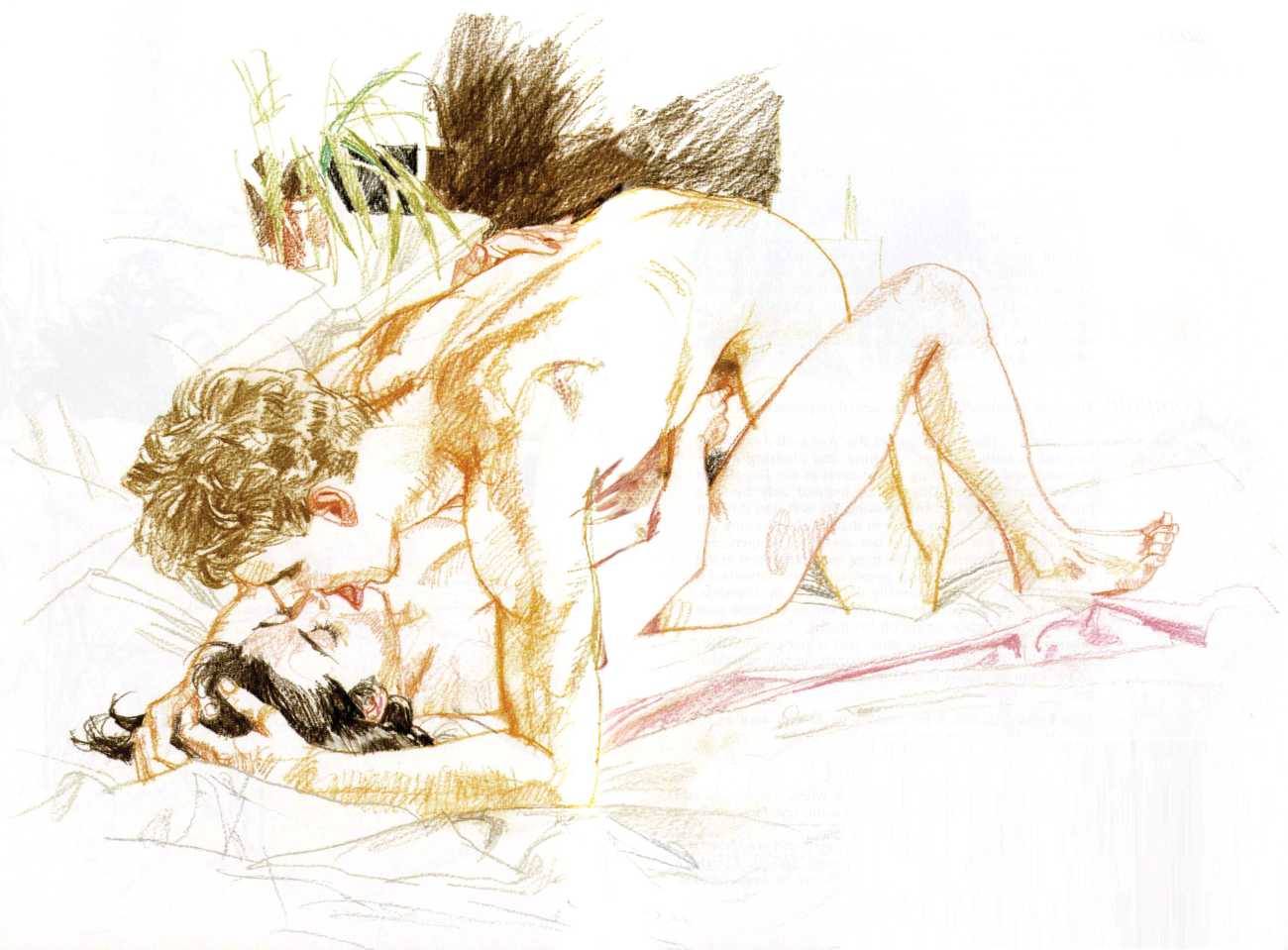
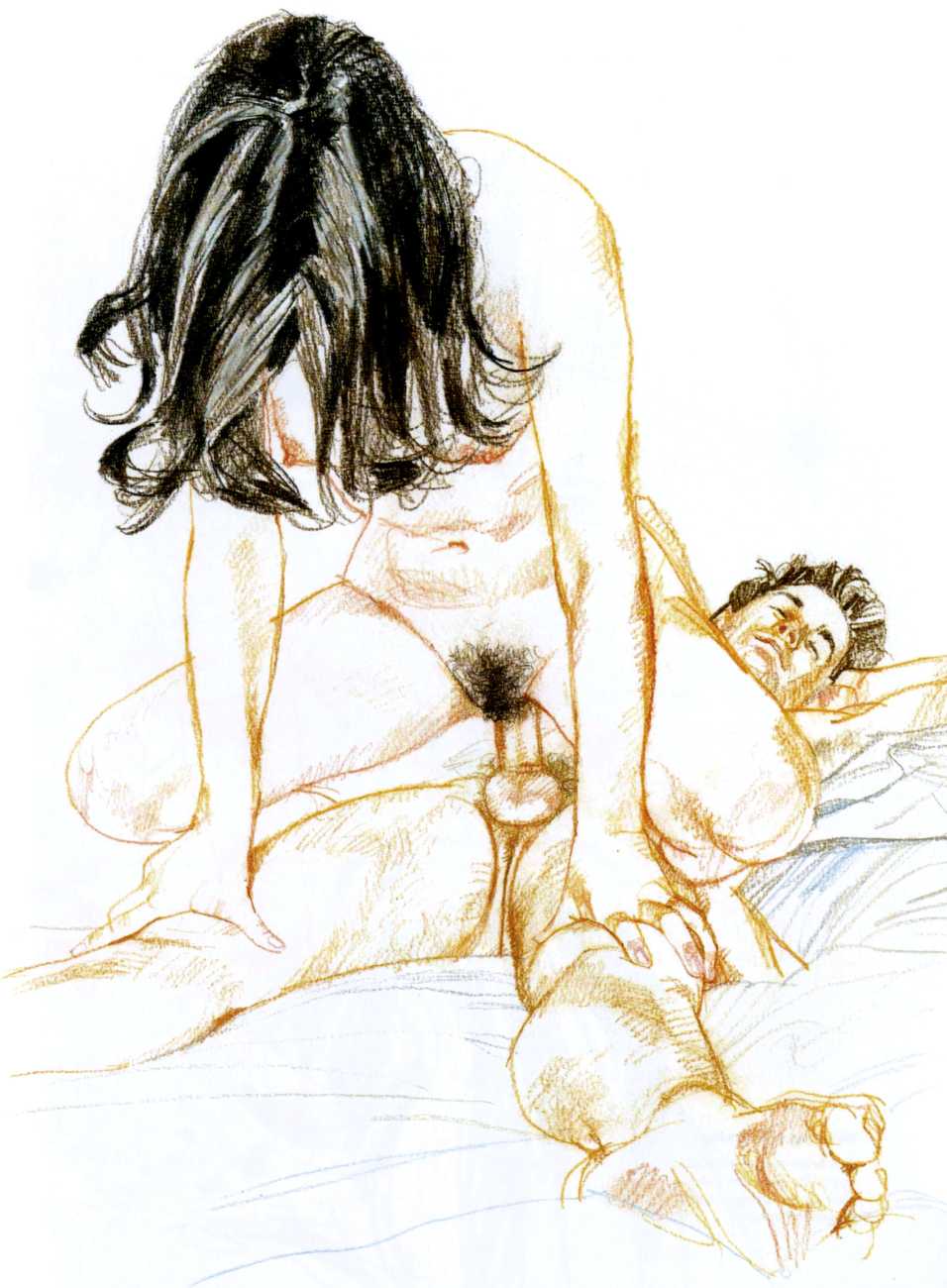
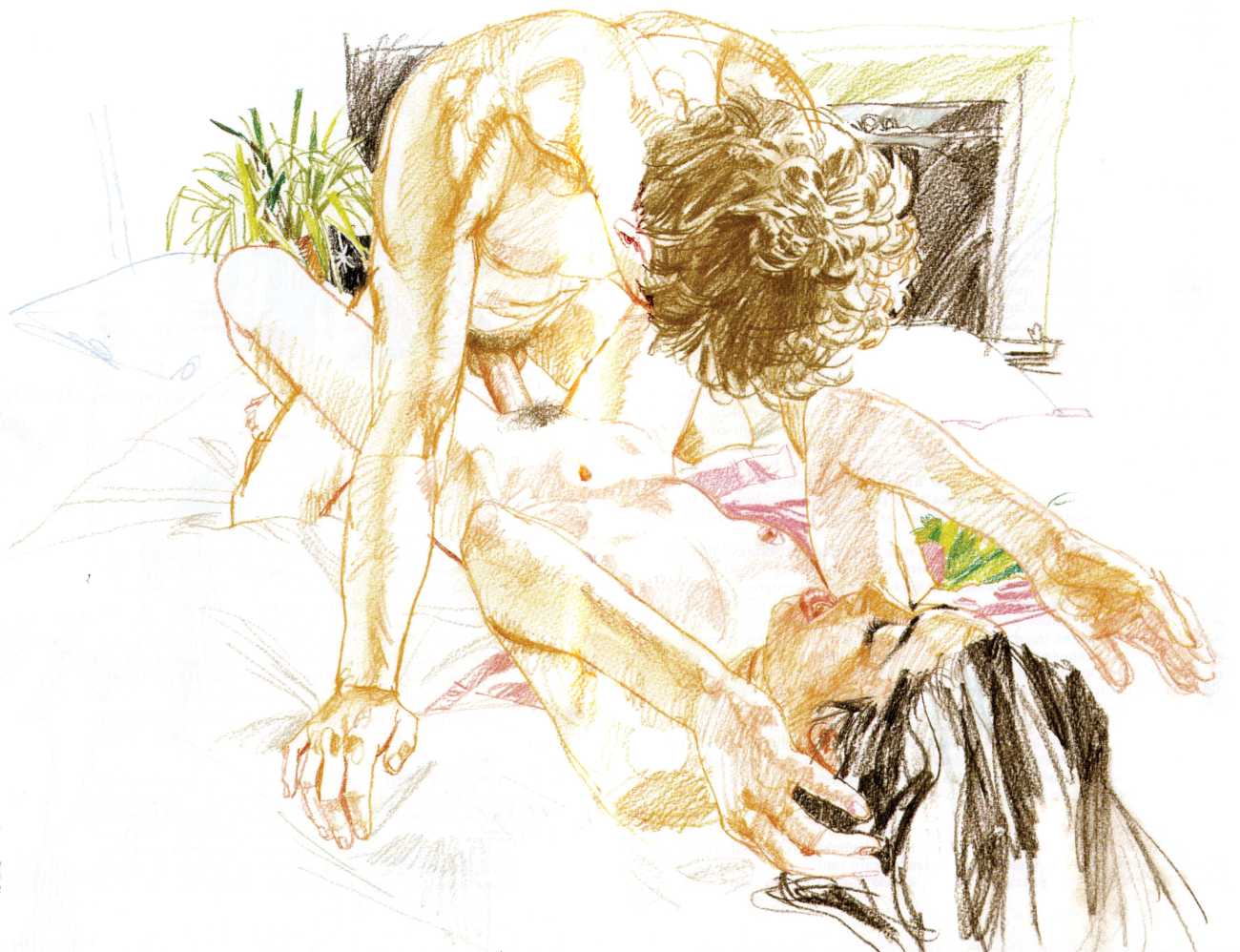
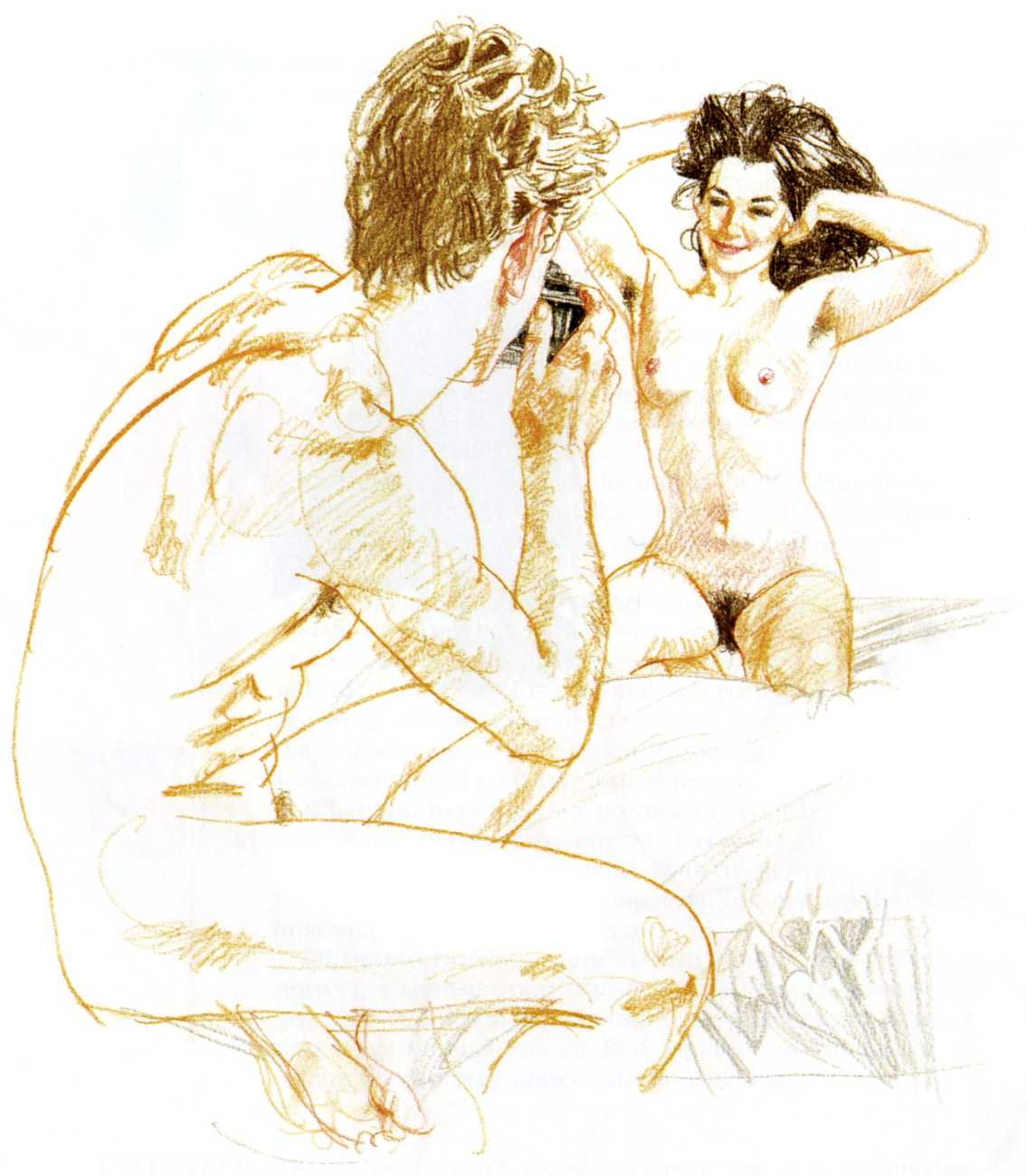
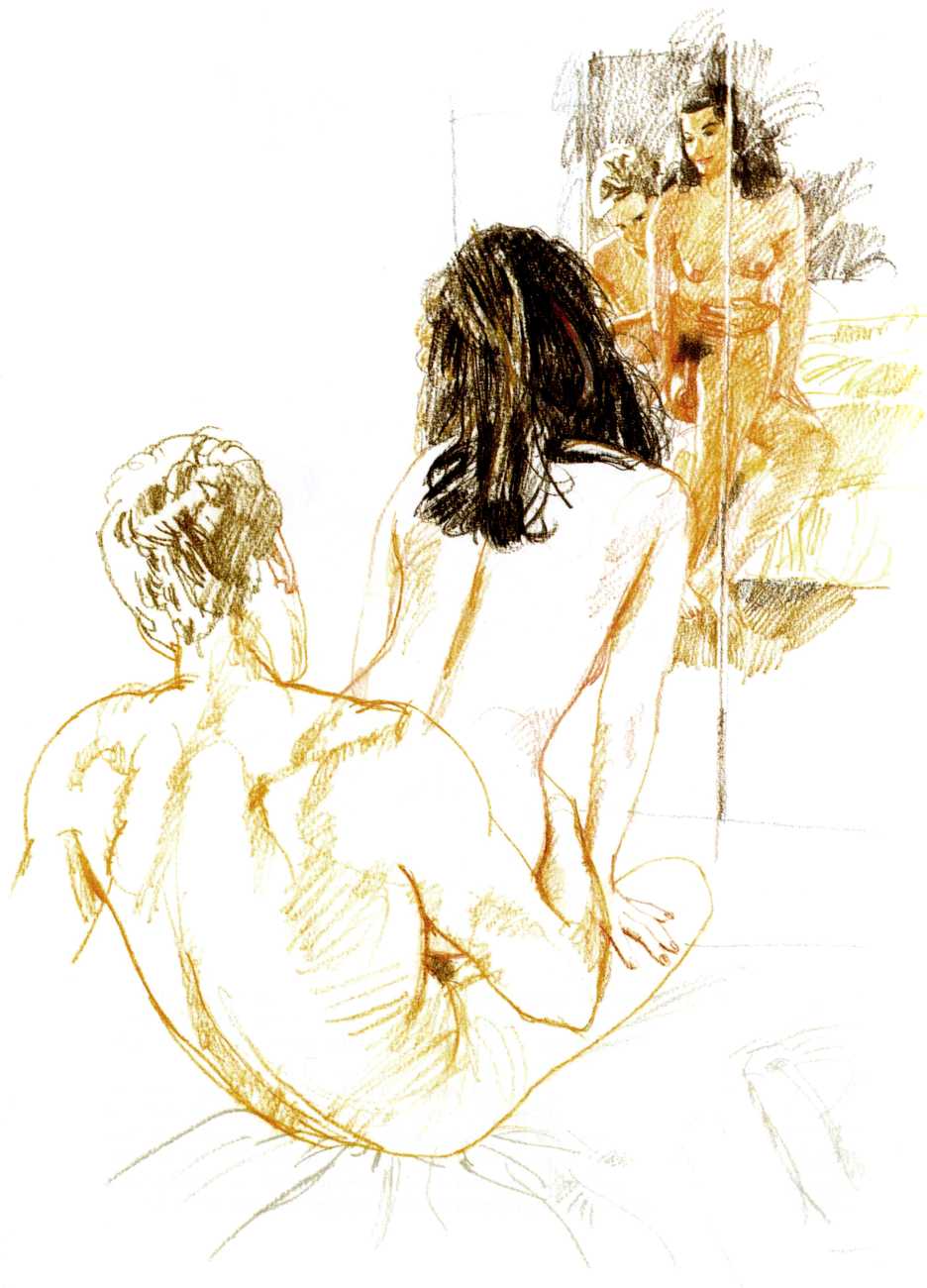
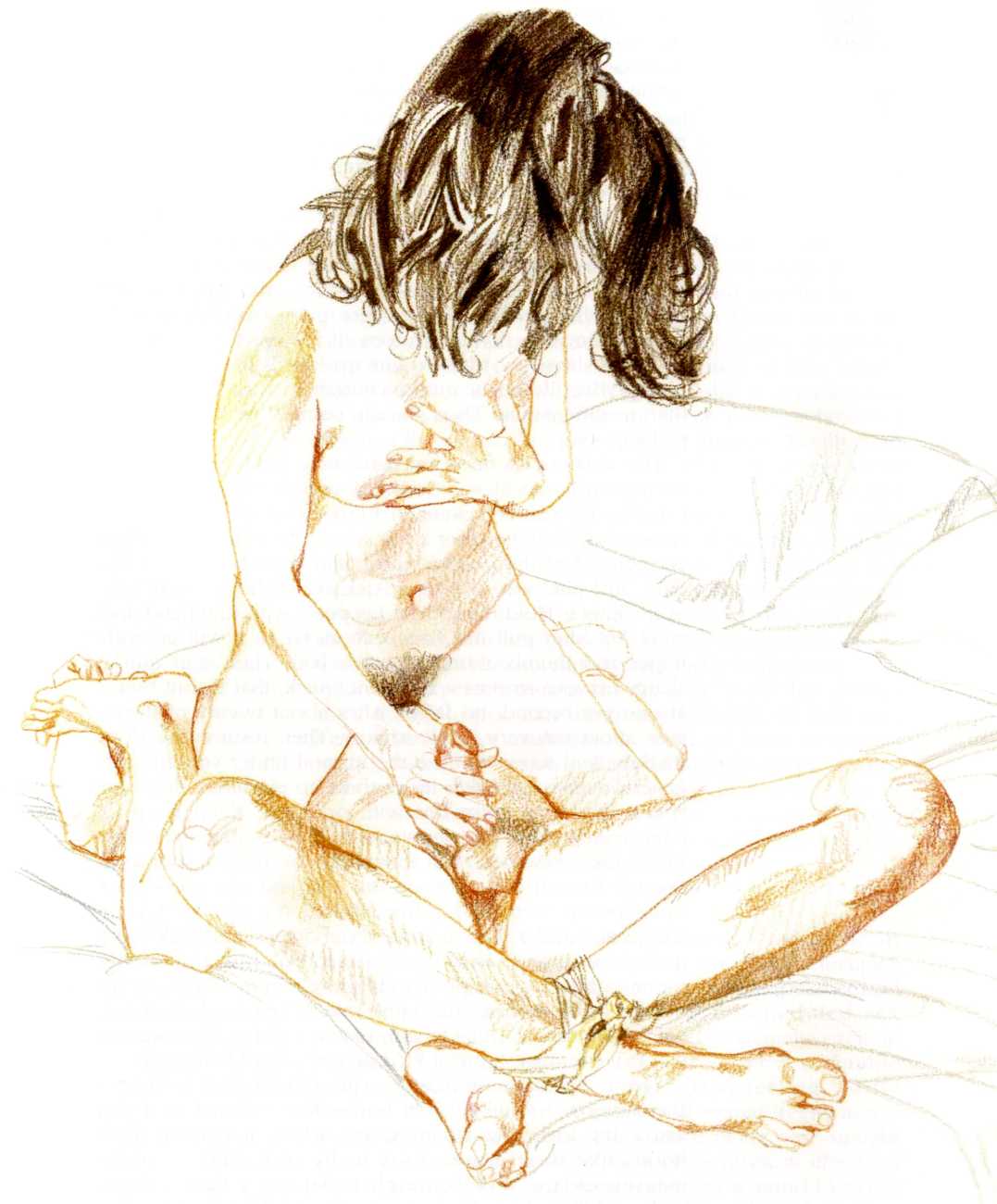
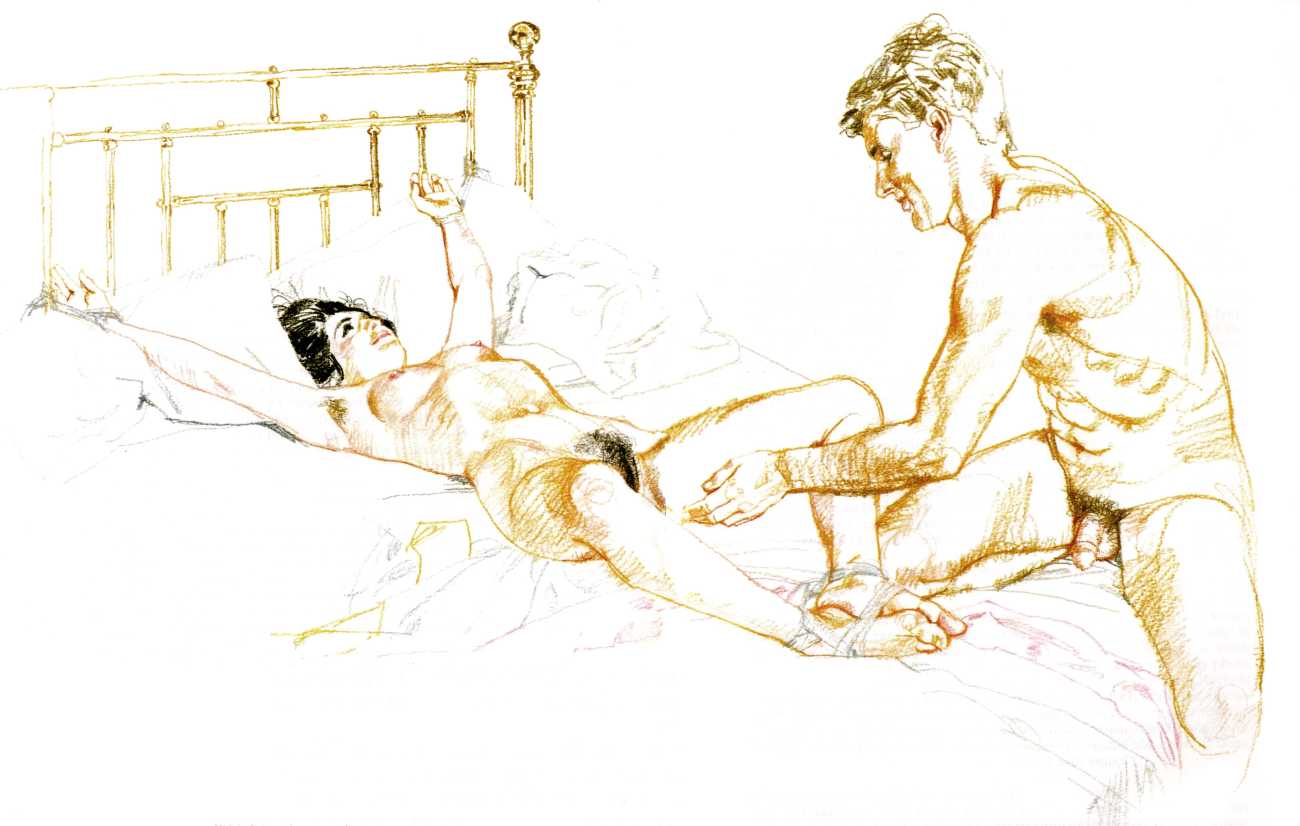
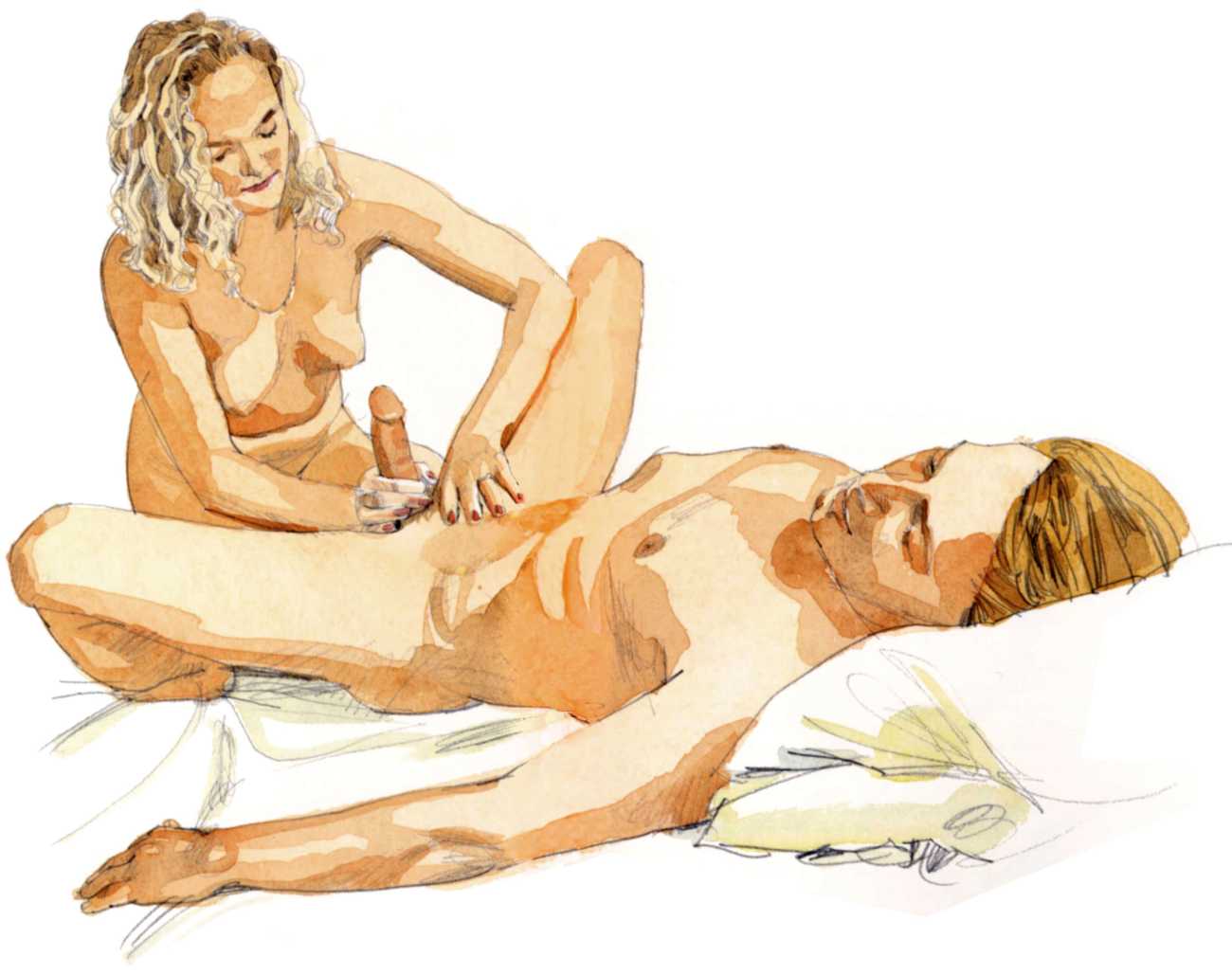
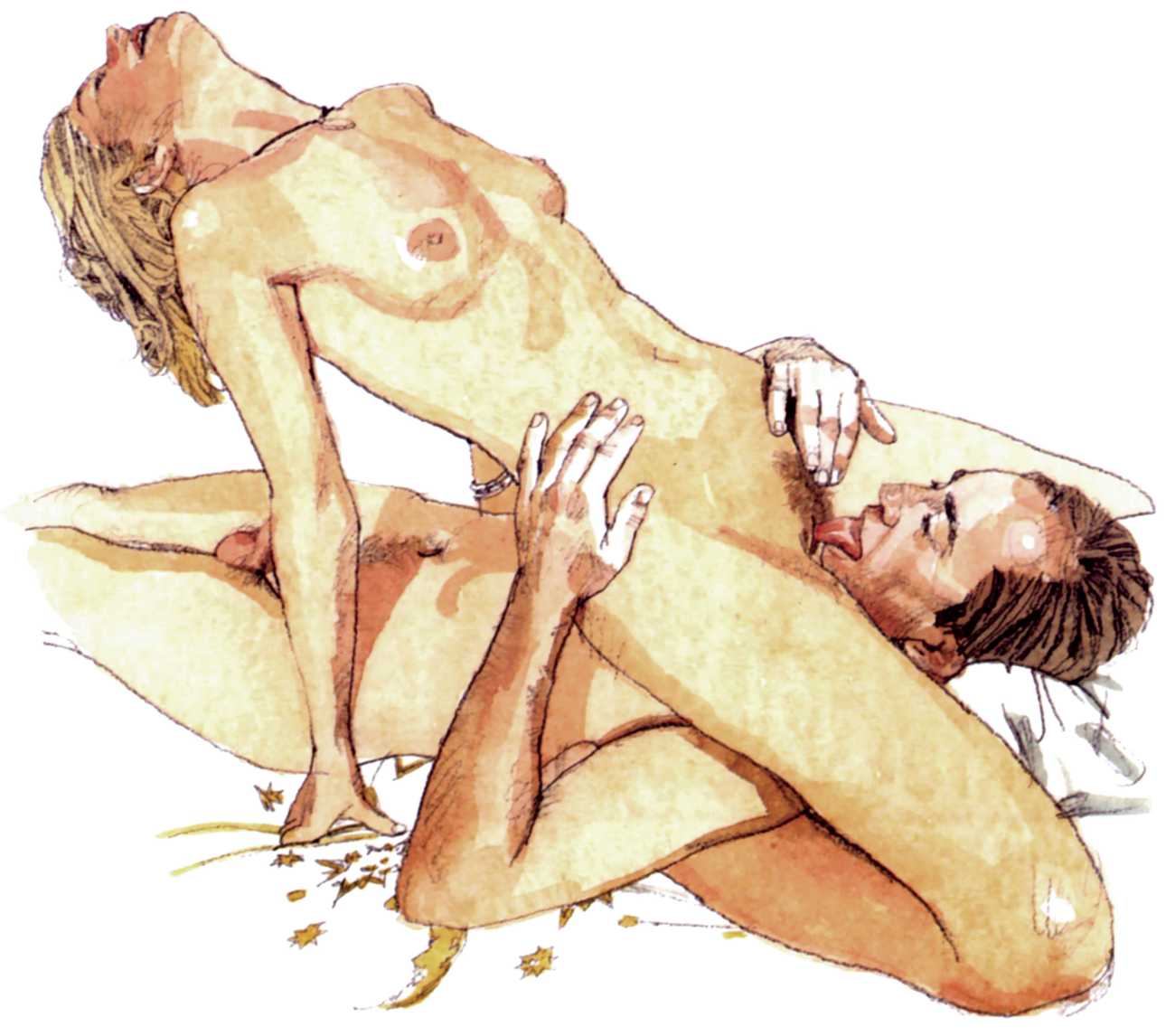
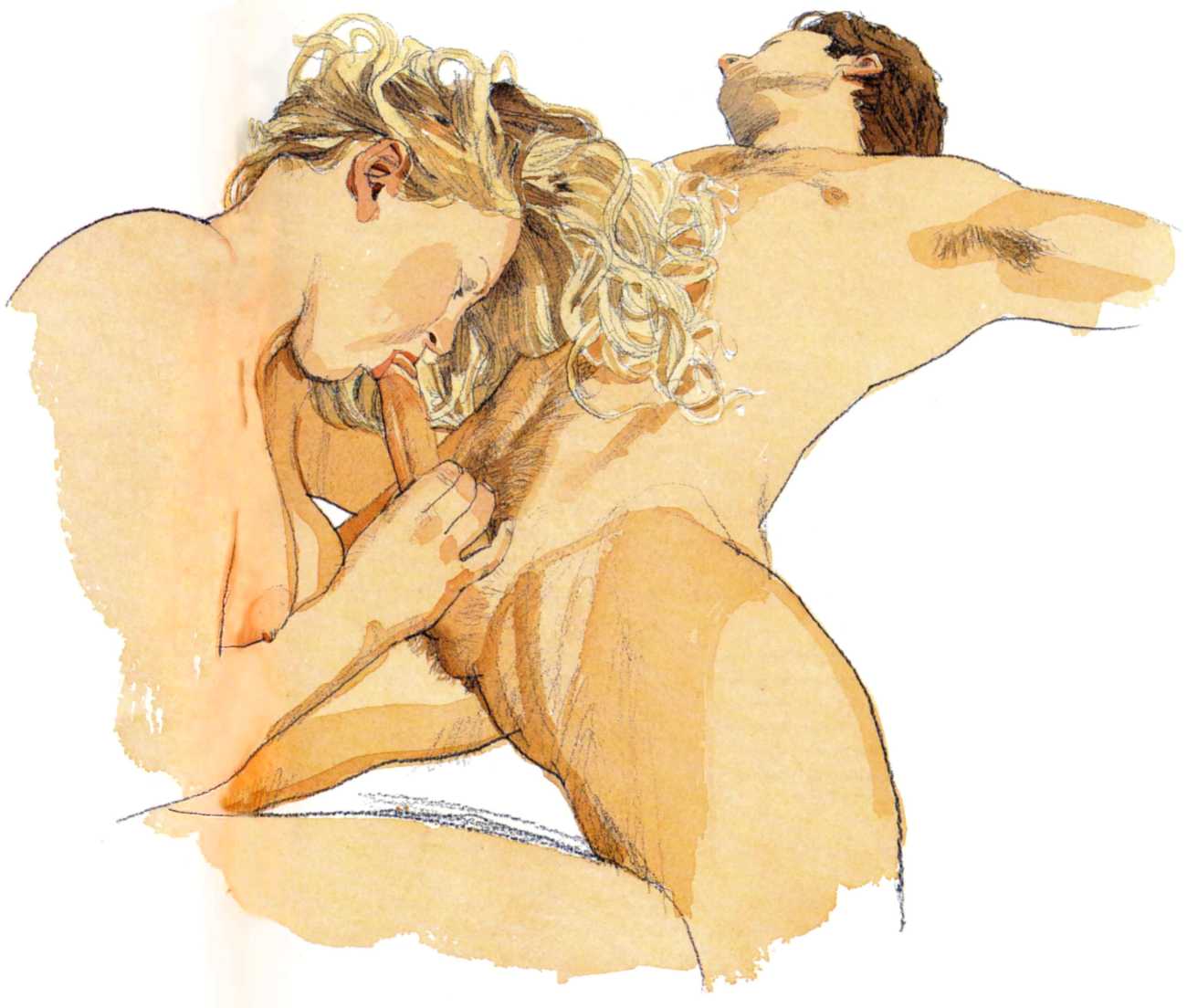
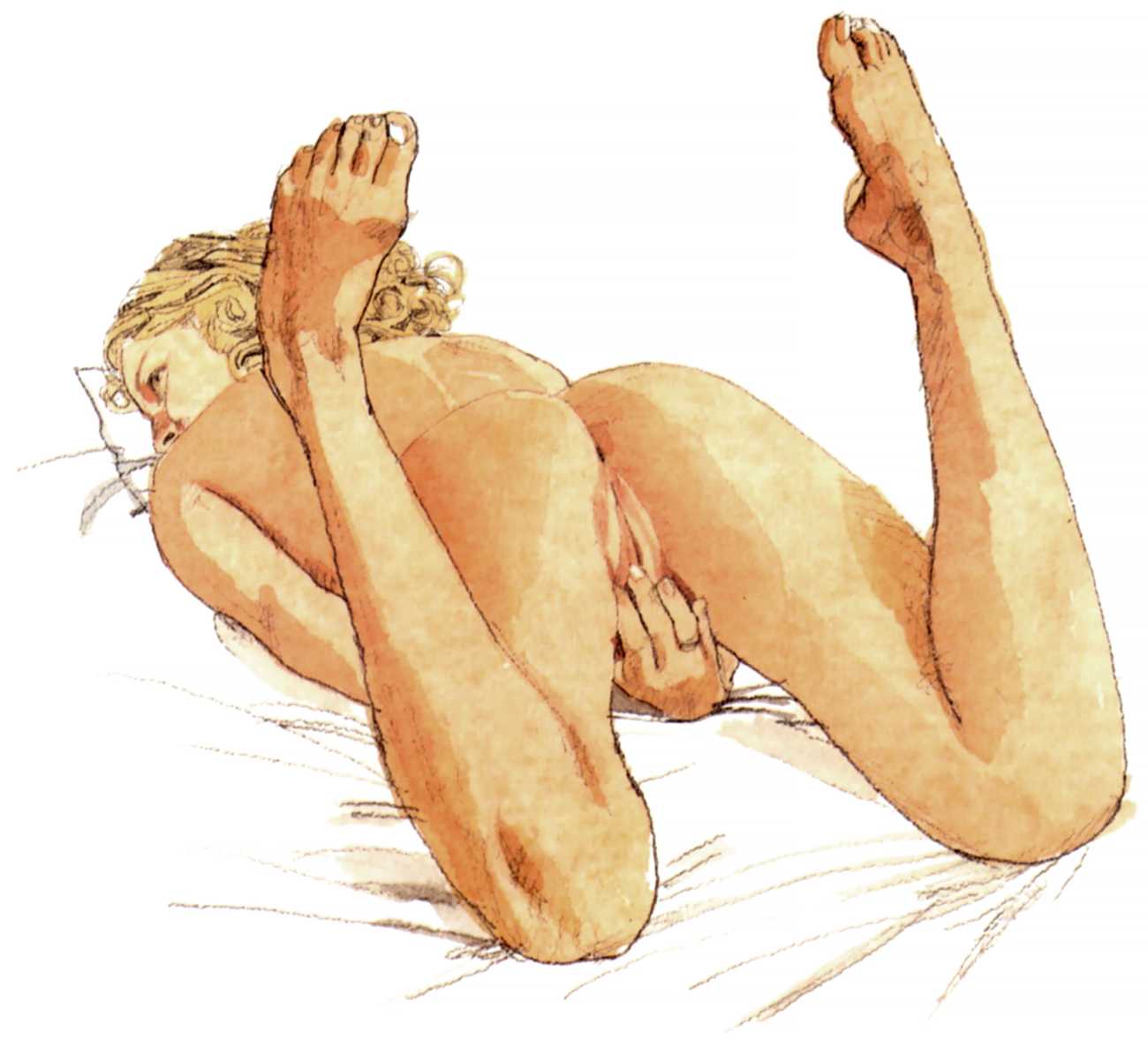
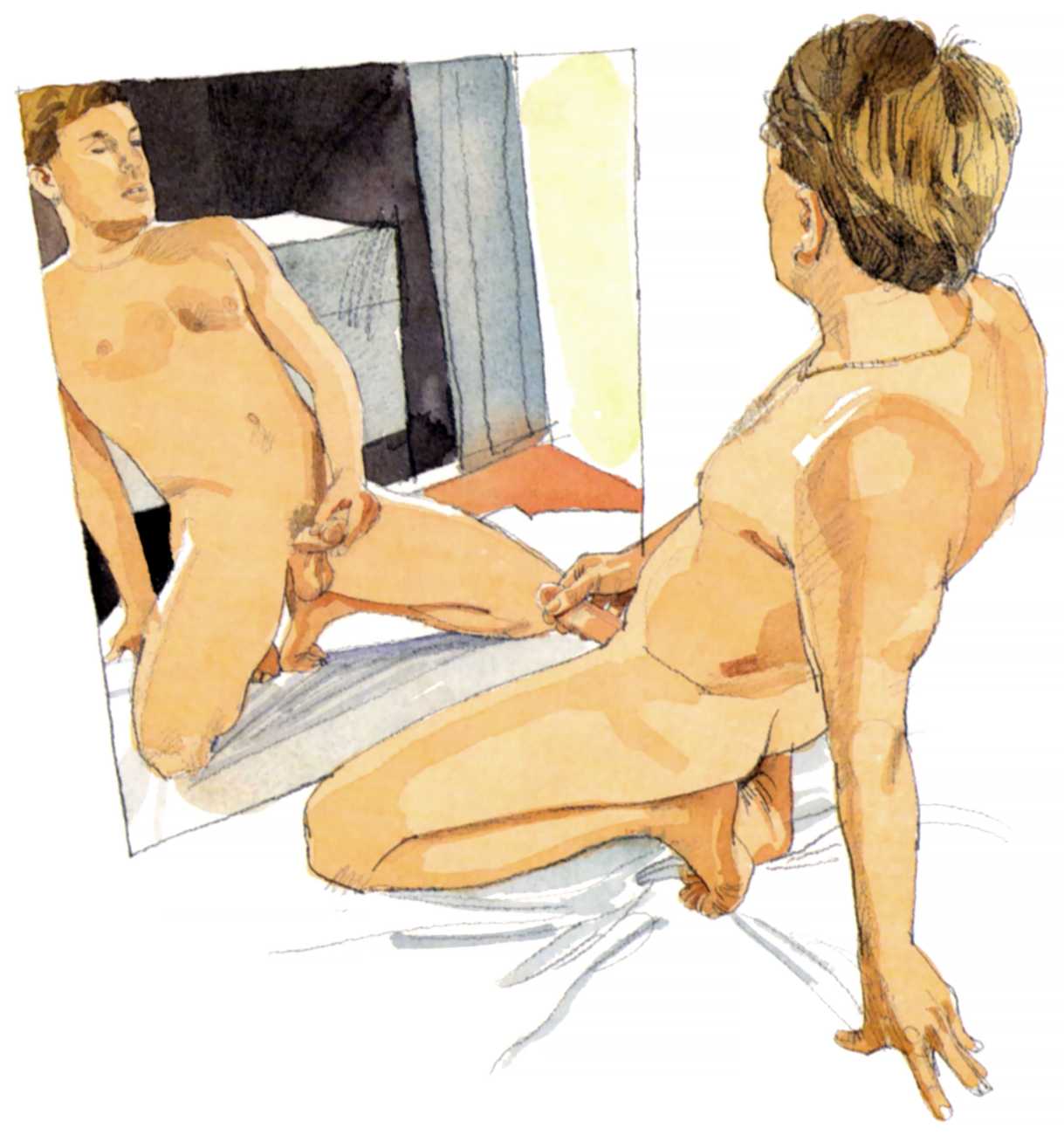
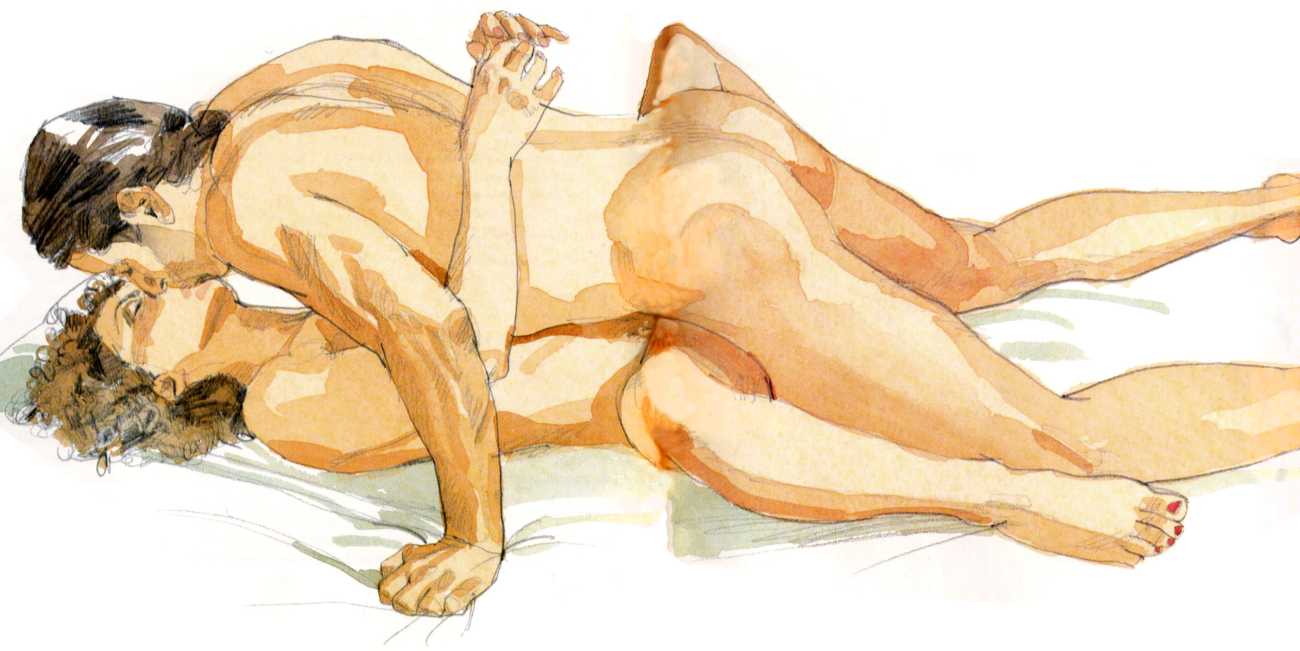
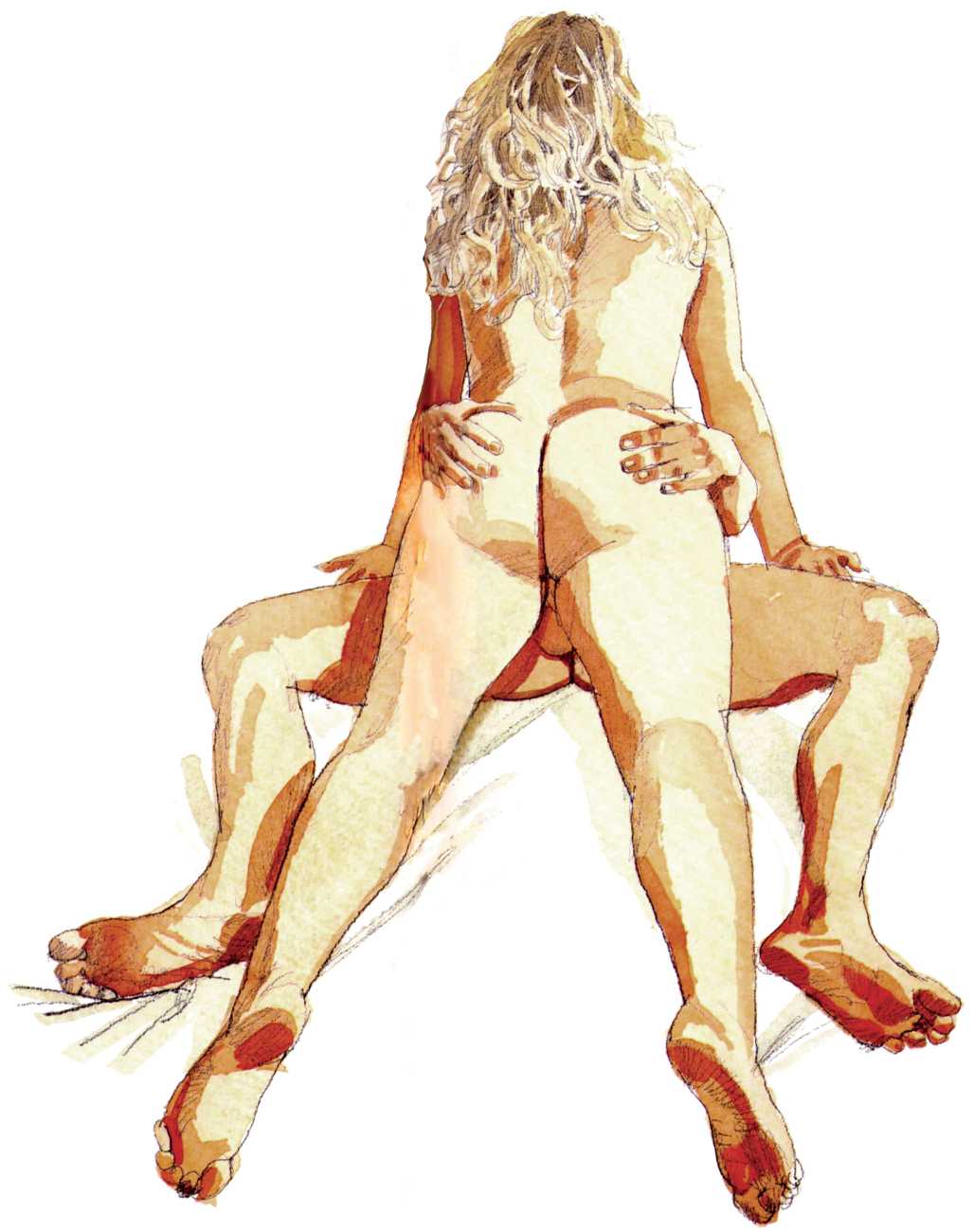
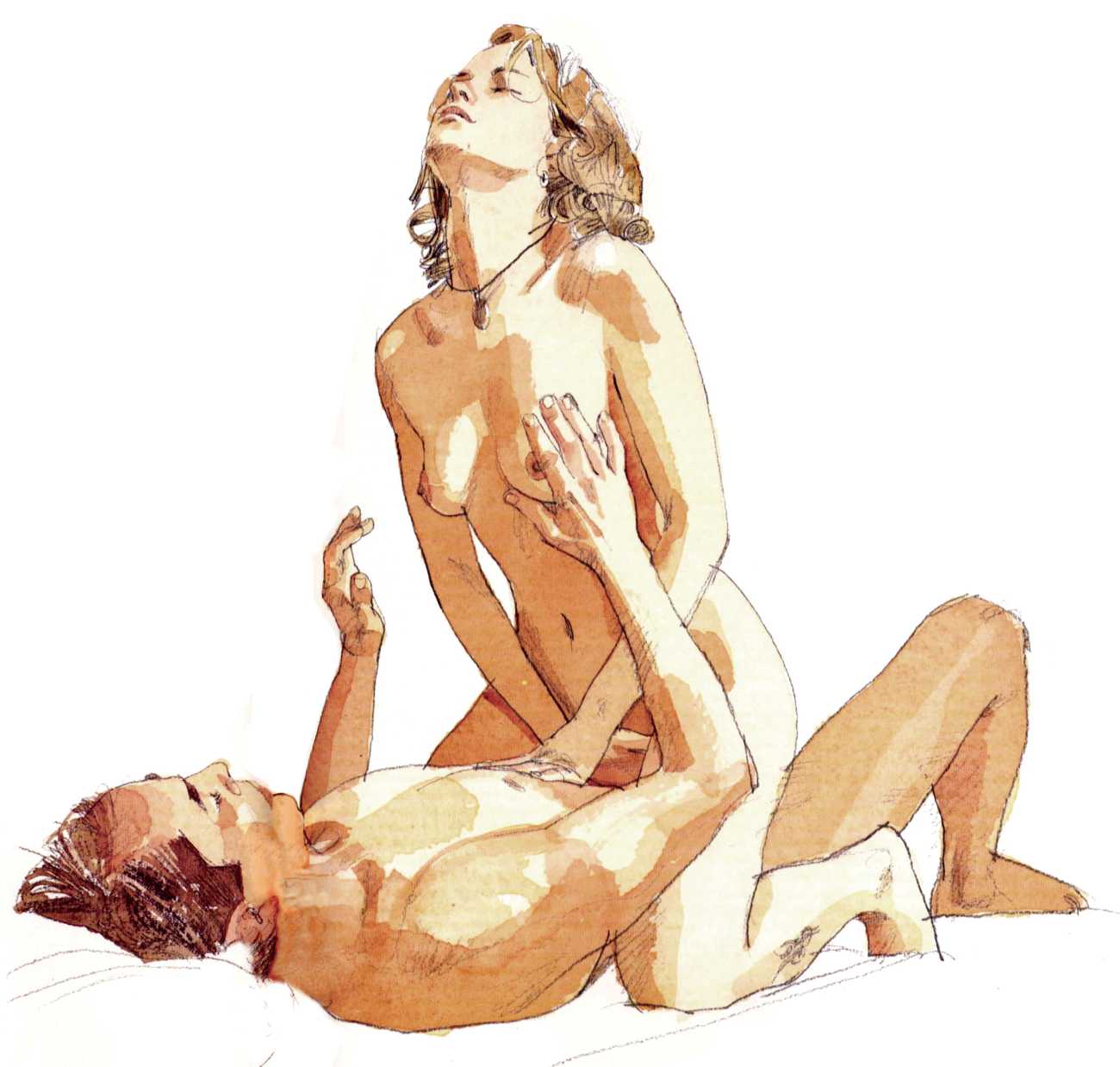
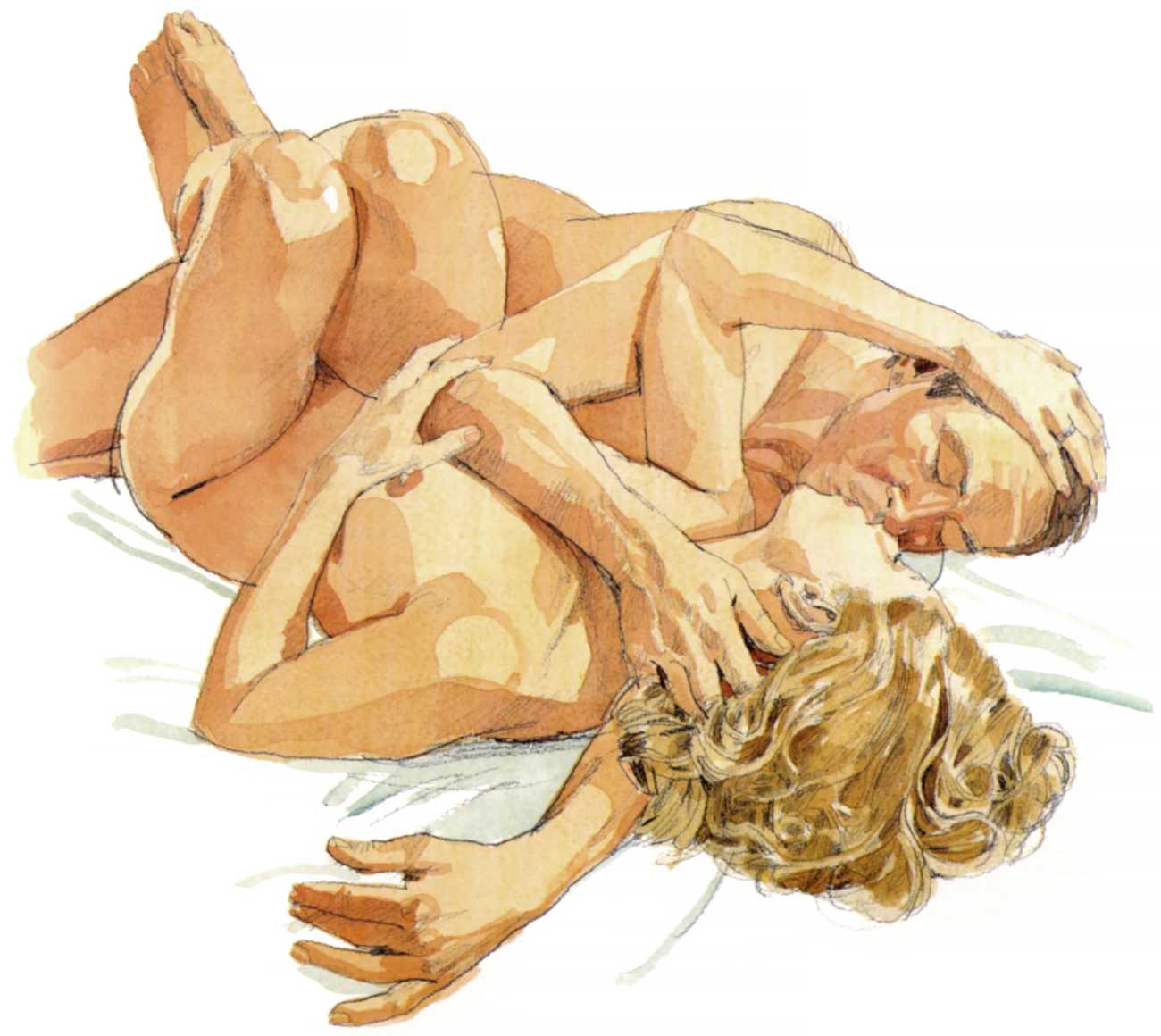
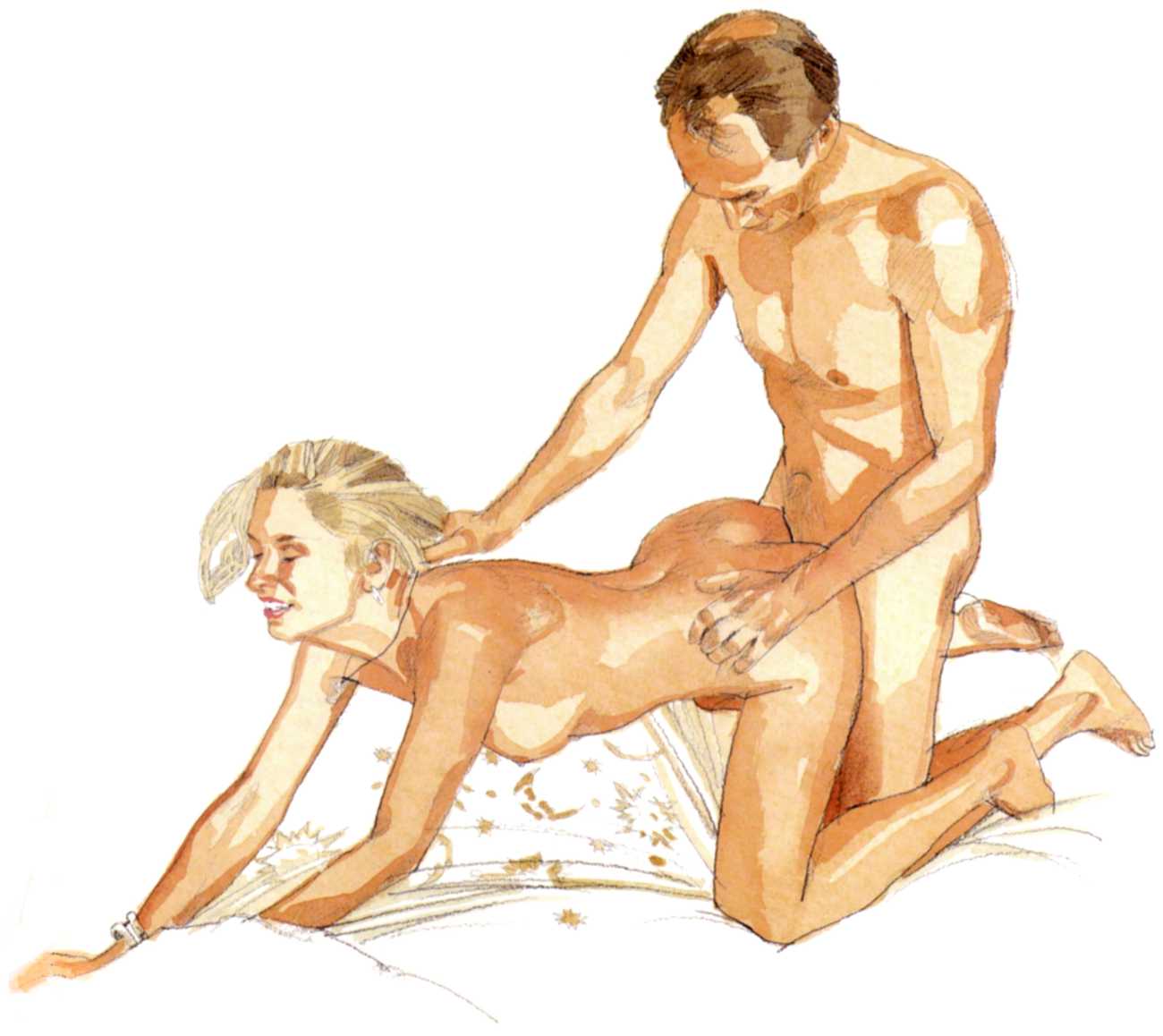
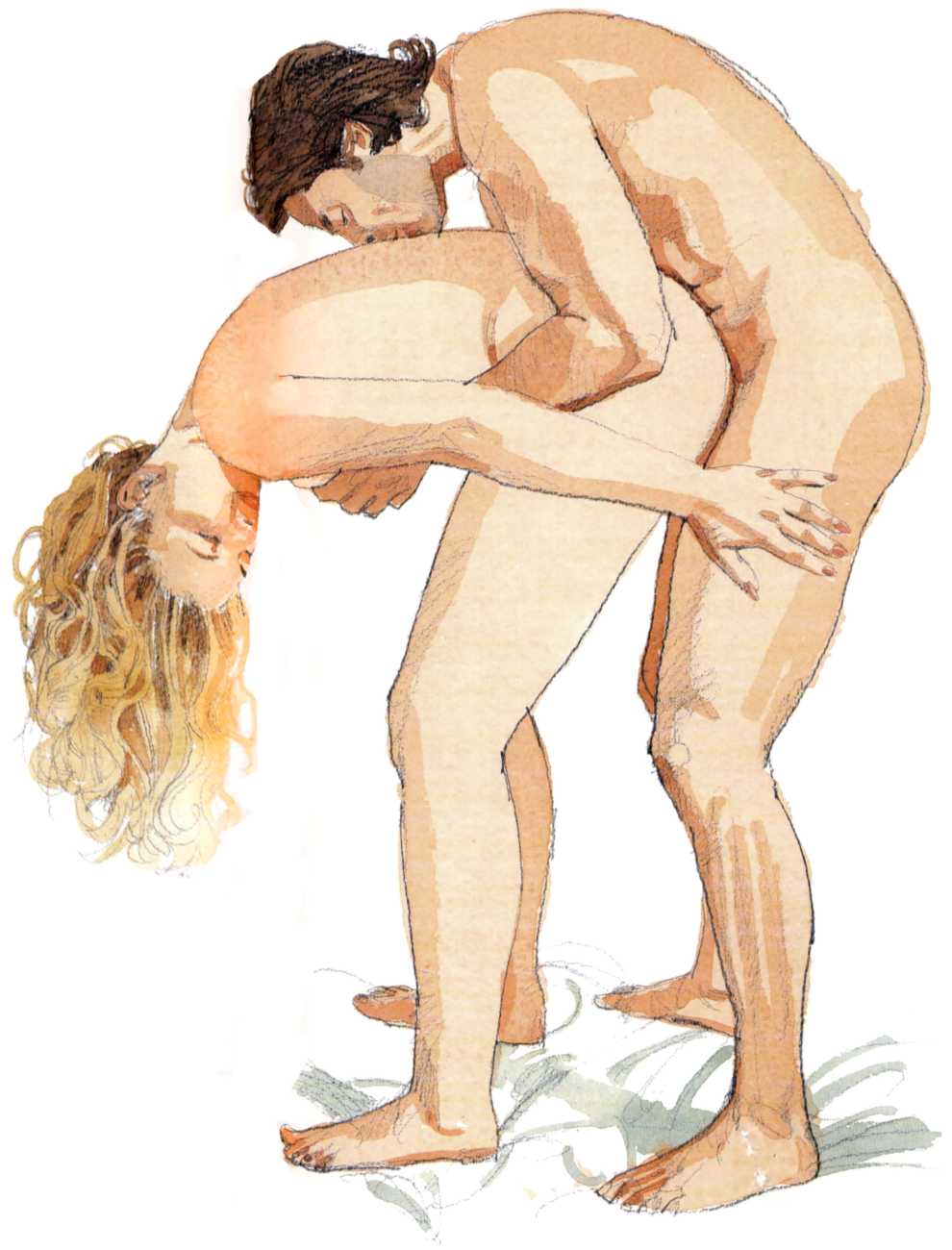
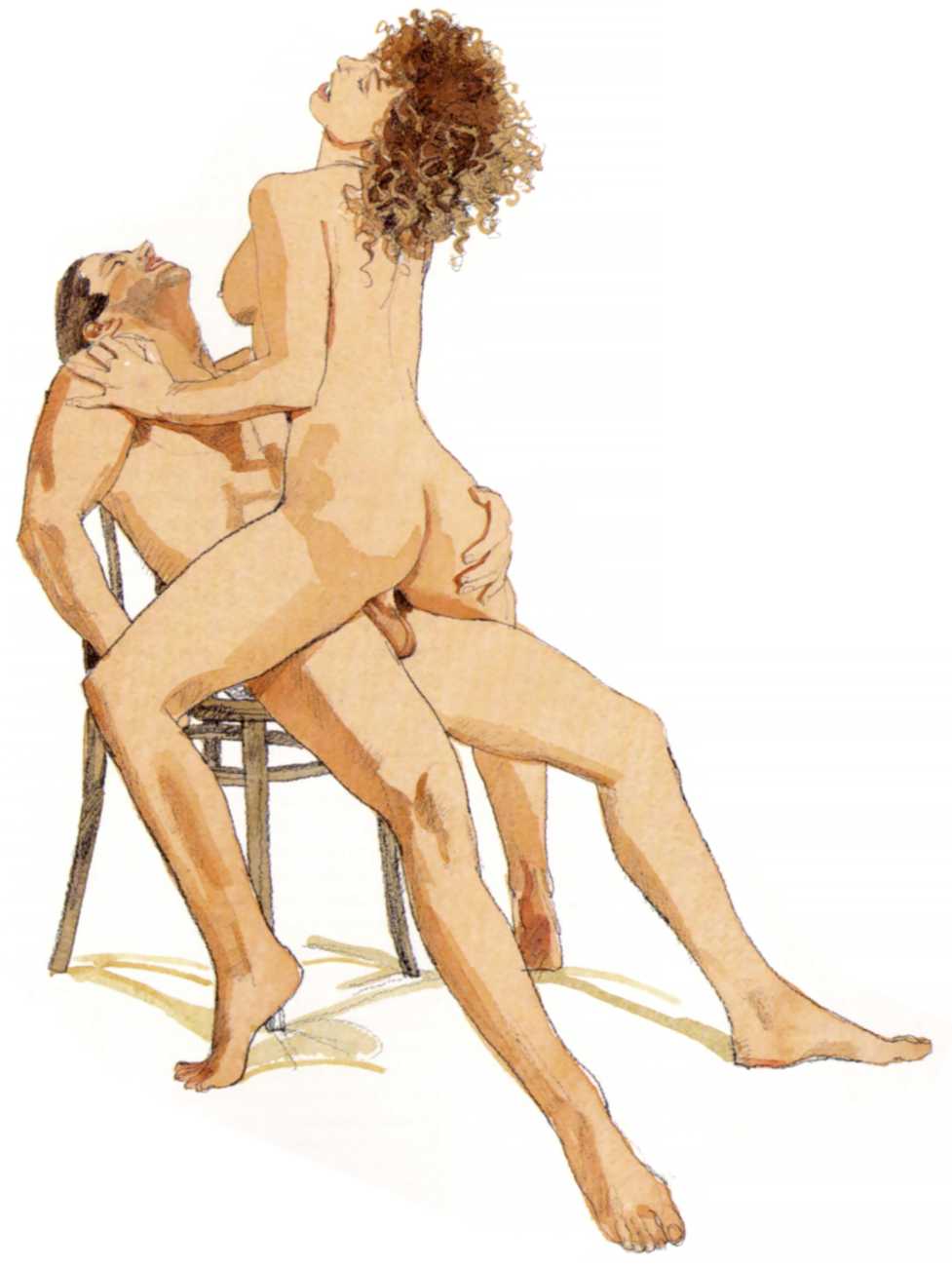
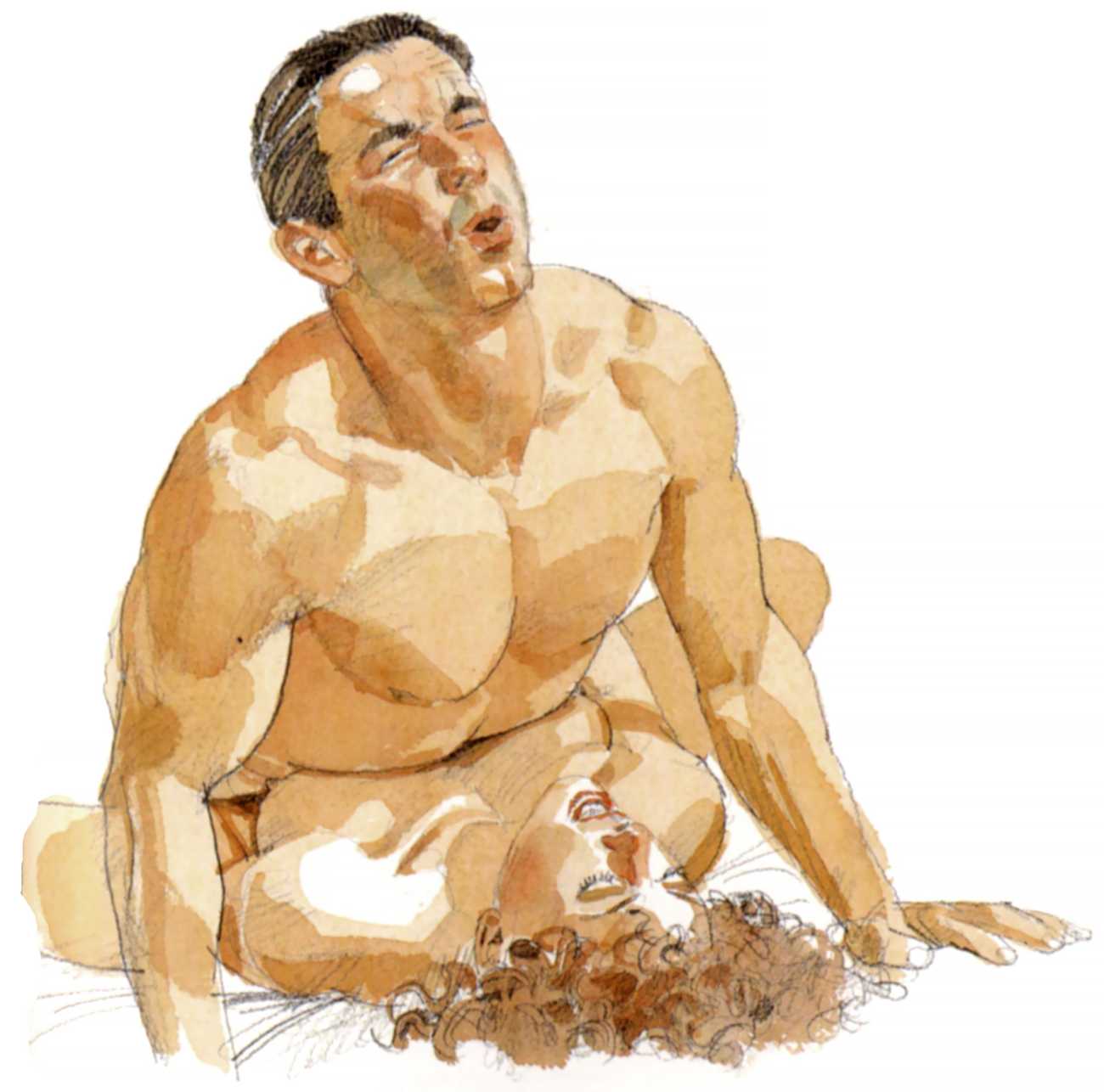
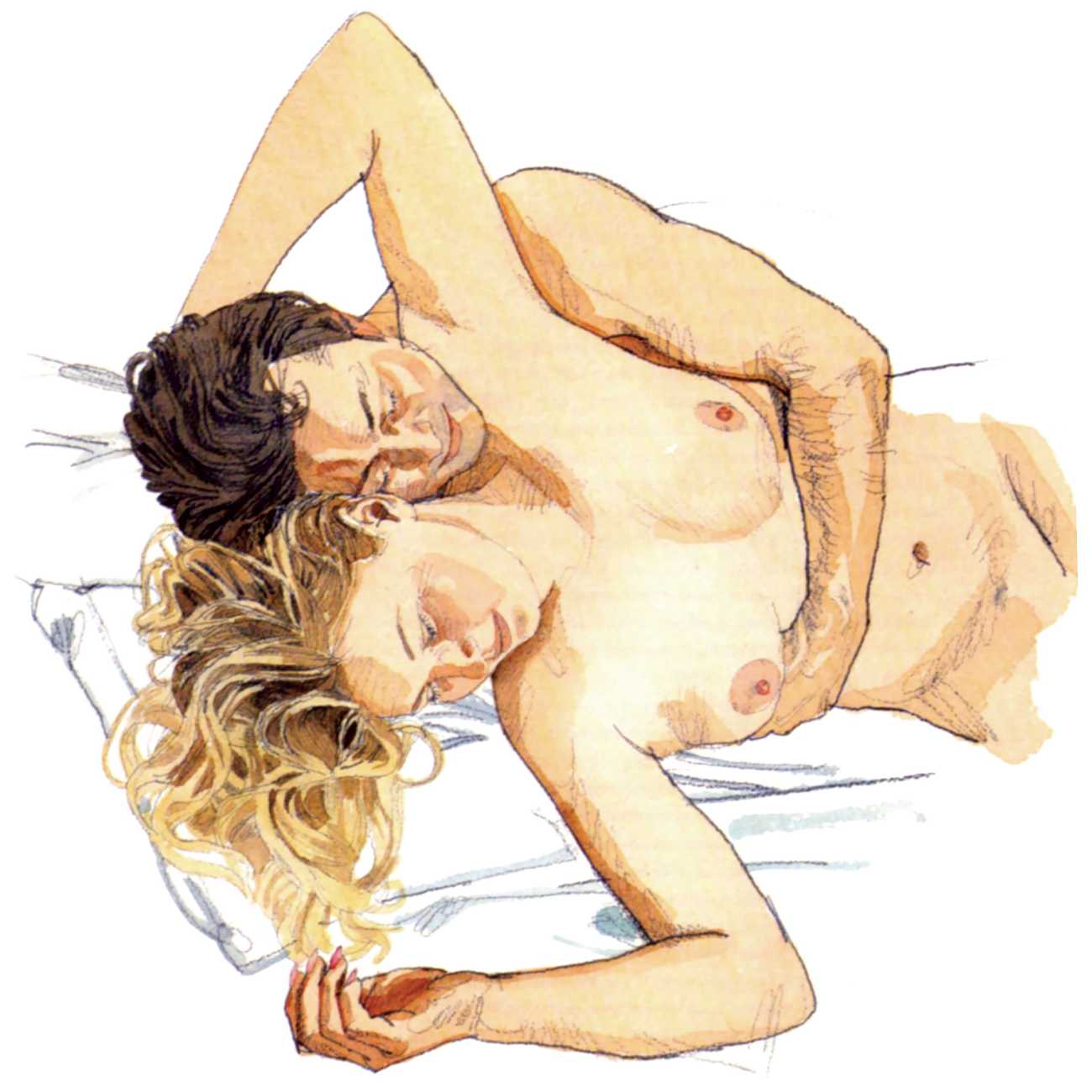
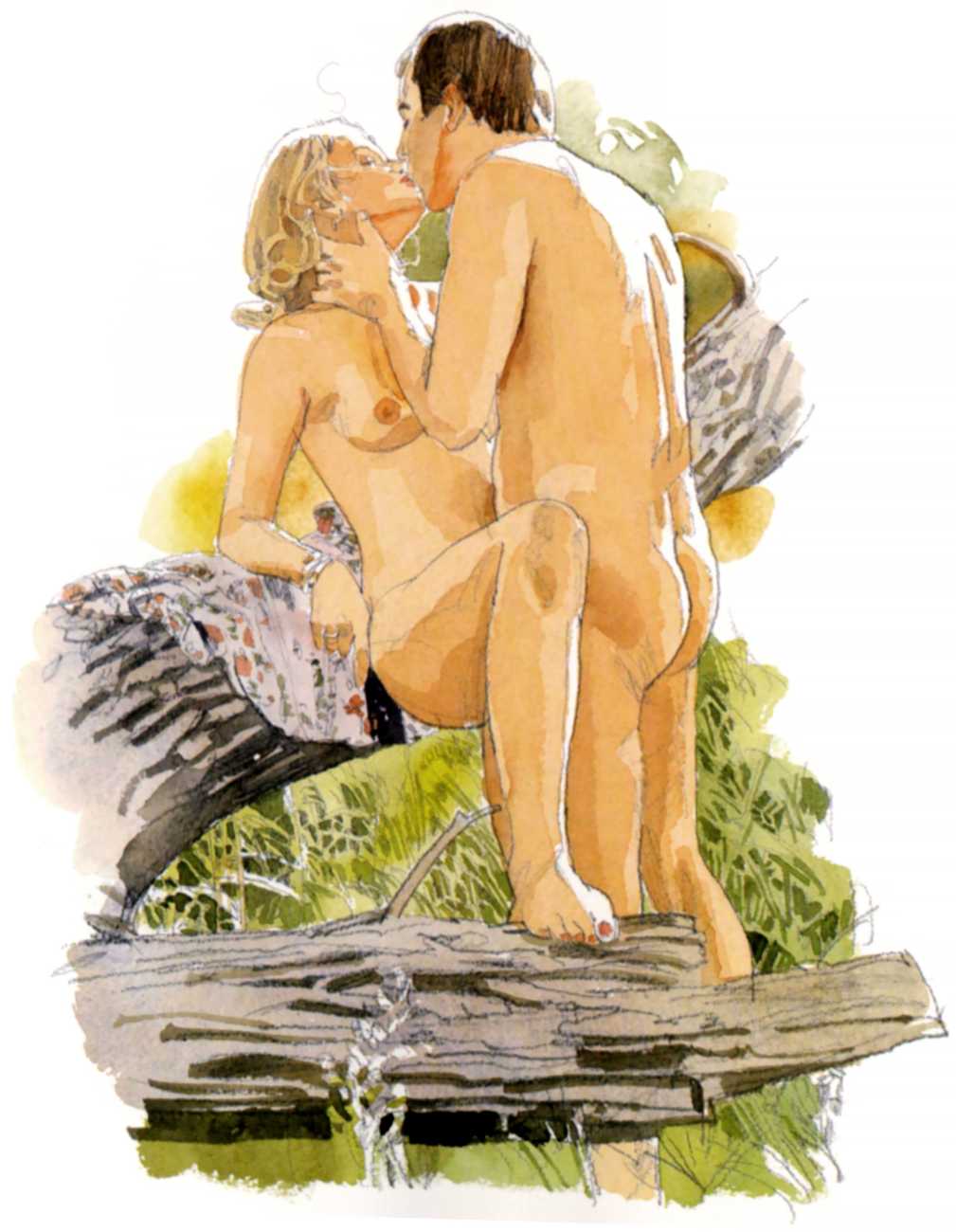
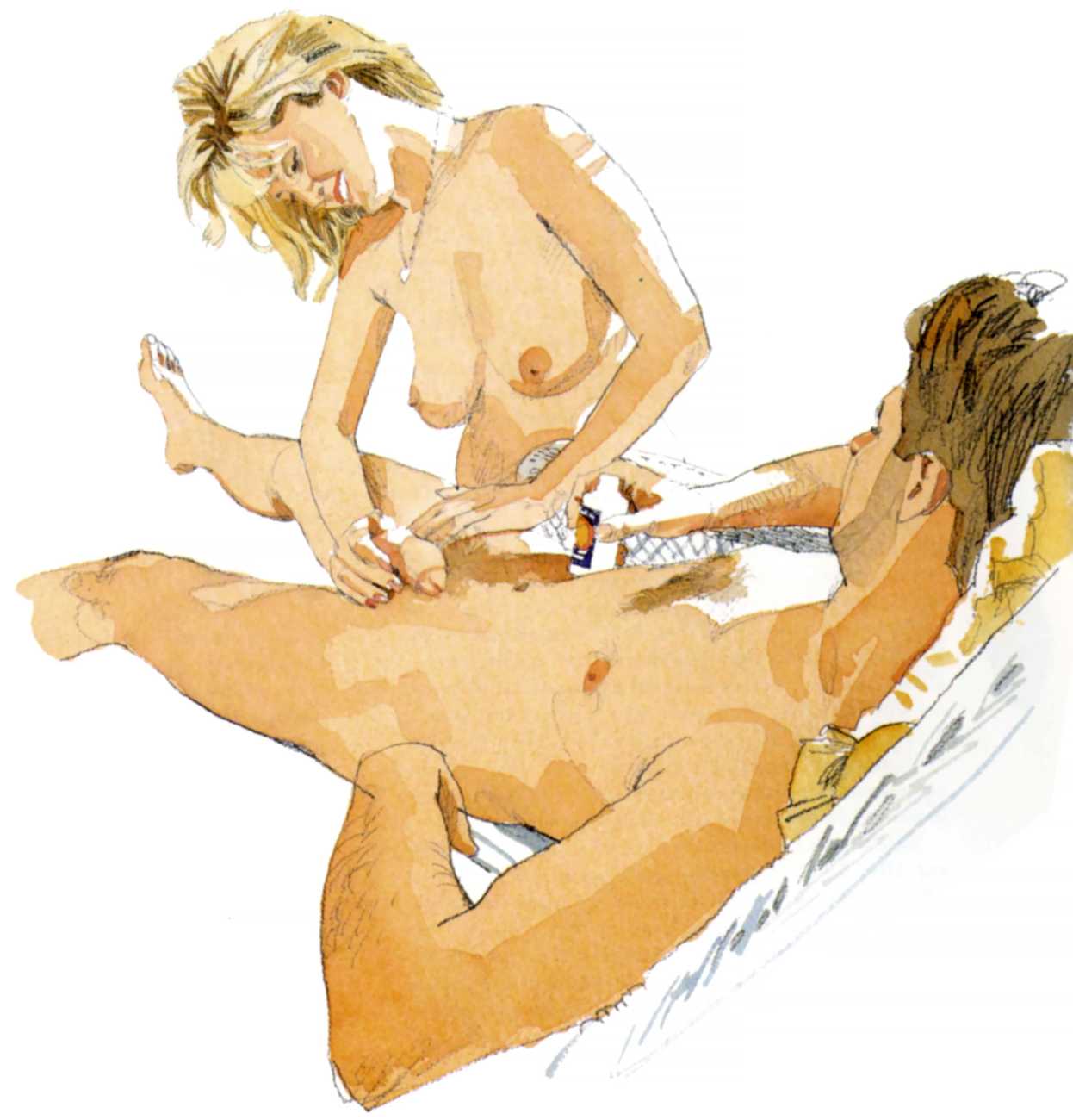
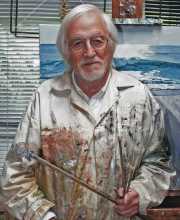
 John Raynes was born in Petersham in New South Wales, Australia, but as a young child he and his family moved to England and he spent his childhood in London. Having always been interested in art, he studied for a National Diploma in Design at St Albans School of Art from 1949 to 1952, completing his studies in 1957 as an Associate of the Royal College of Art in London.
From that point he pursued a dual career, as an artist and as a teacher. He taught first at Twickenham School of Art, then at the Somerset College of Art, and latterly at Redruth School of Art, which became part of the Cornwall College and Falmouth College of Art and Design. In his teaching role, in the late 1970s and early 80s he was also an assessor at Twickenham School of Art, South Devon Technical College Art Department, GloucesterTechnical College Art Department, and Somerset College of Art.
Meanwhile Raynes pursued a successful national and international illustration practice, being commissioned to draw and paint by a growing number and variety of clients including Pentagram Design, Readers Digest, David Pocknell Design, Marks & Spencer, The Guardian, Sir Clive Sinclair, Penguin Books, and Norman Foster Associates. He was elected to membership of the Royal Institute of Painters in Watercolour in 2003.
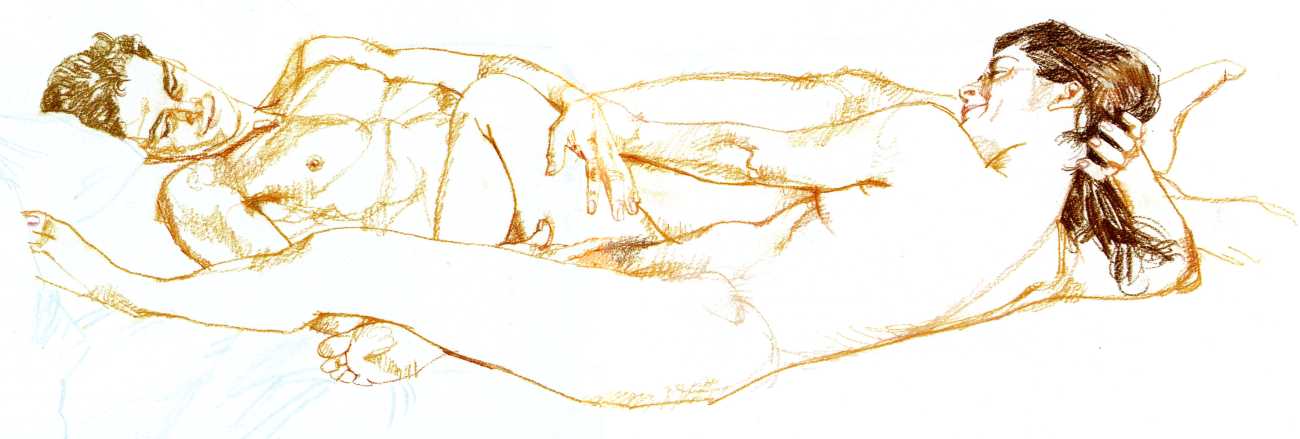
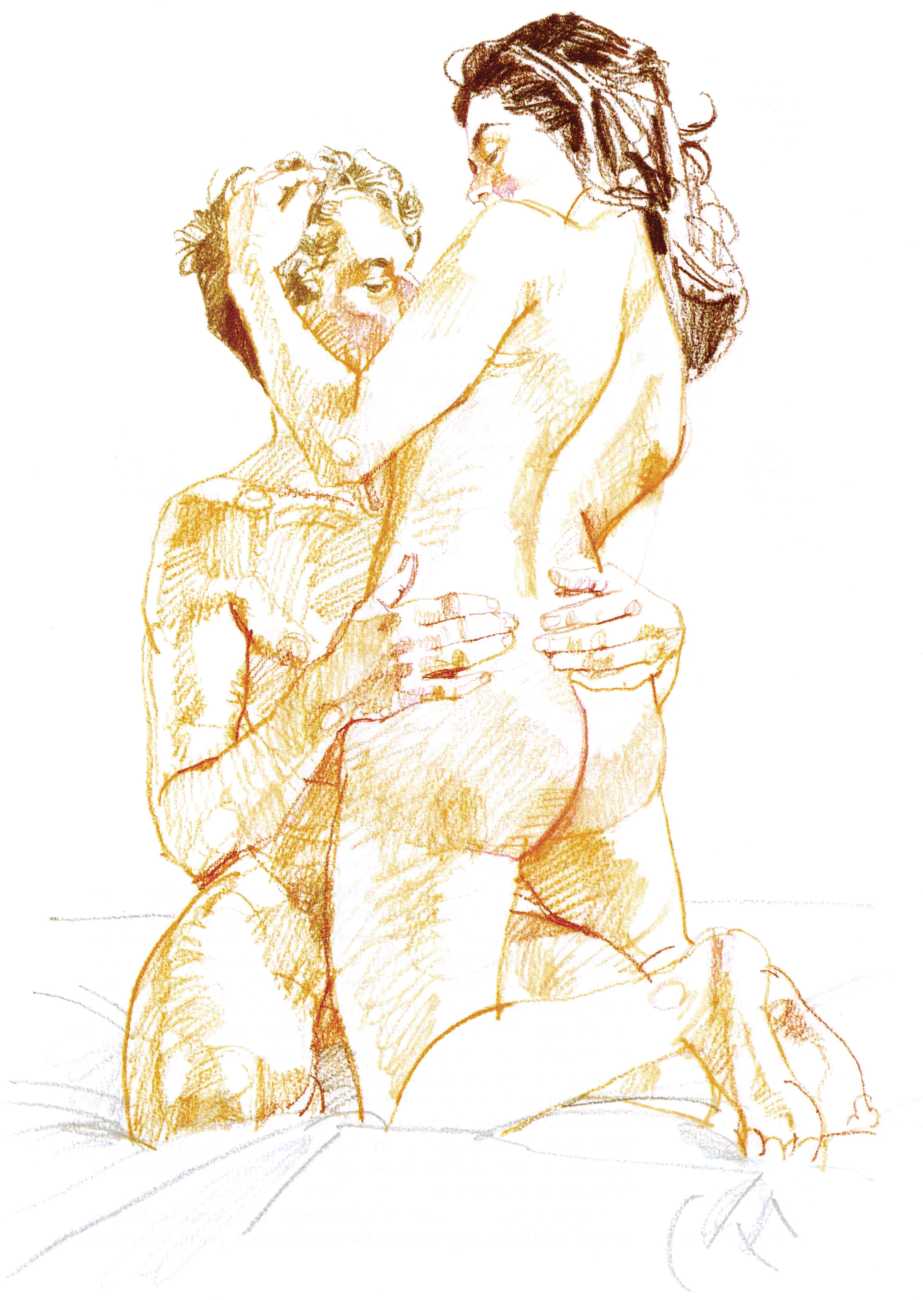
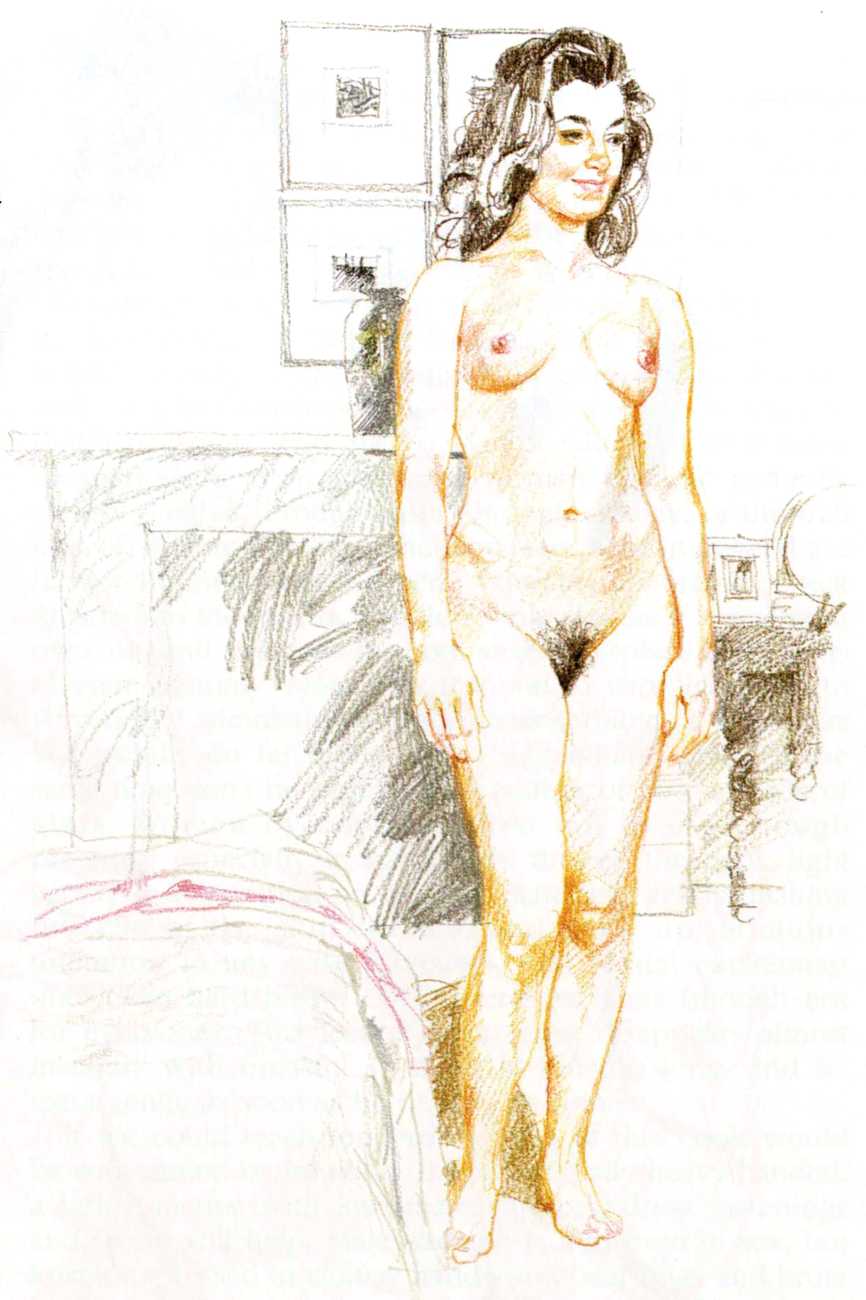
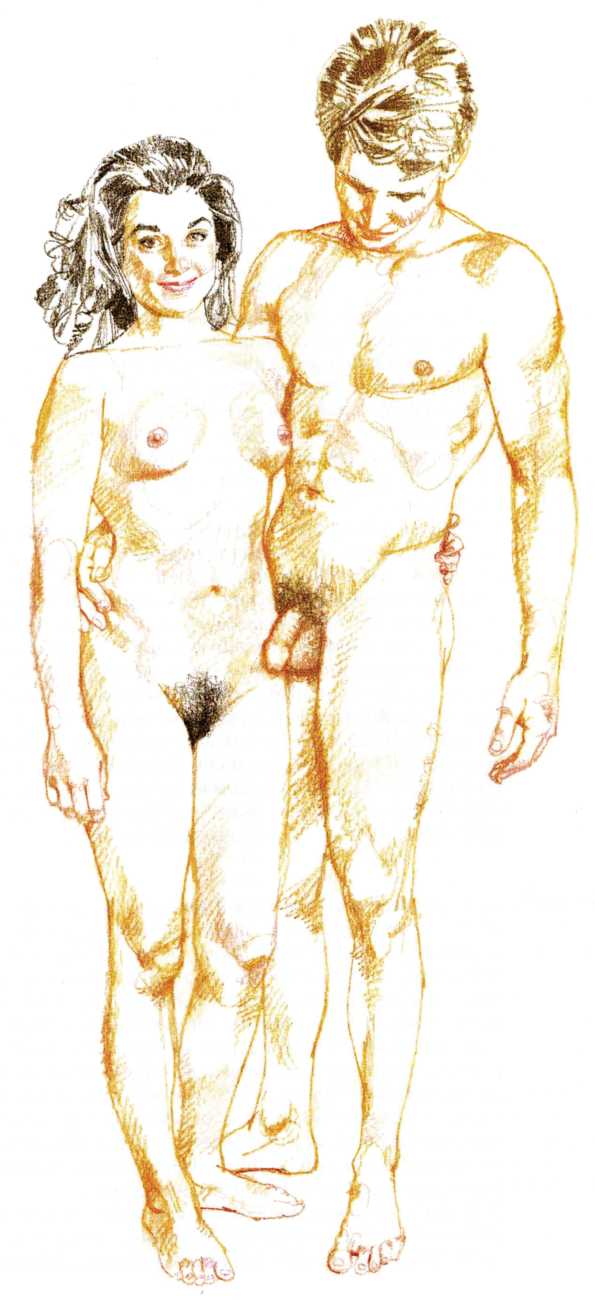
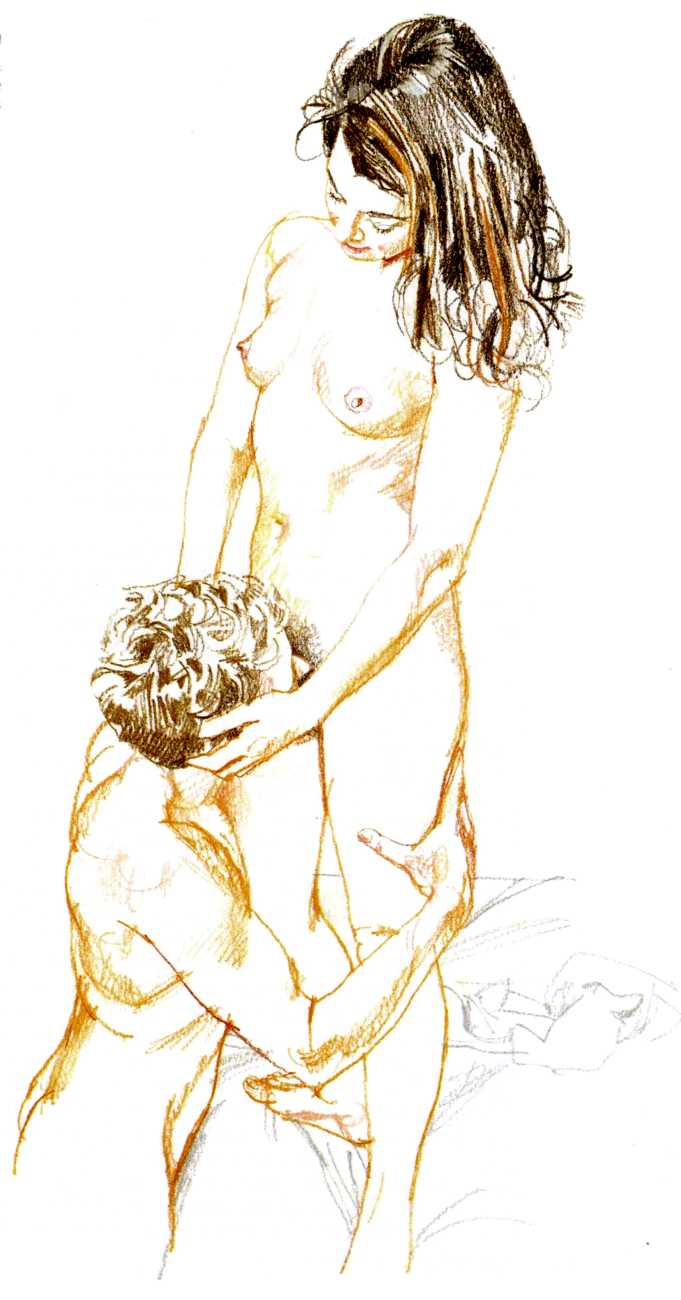
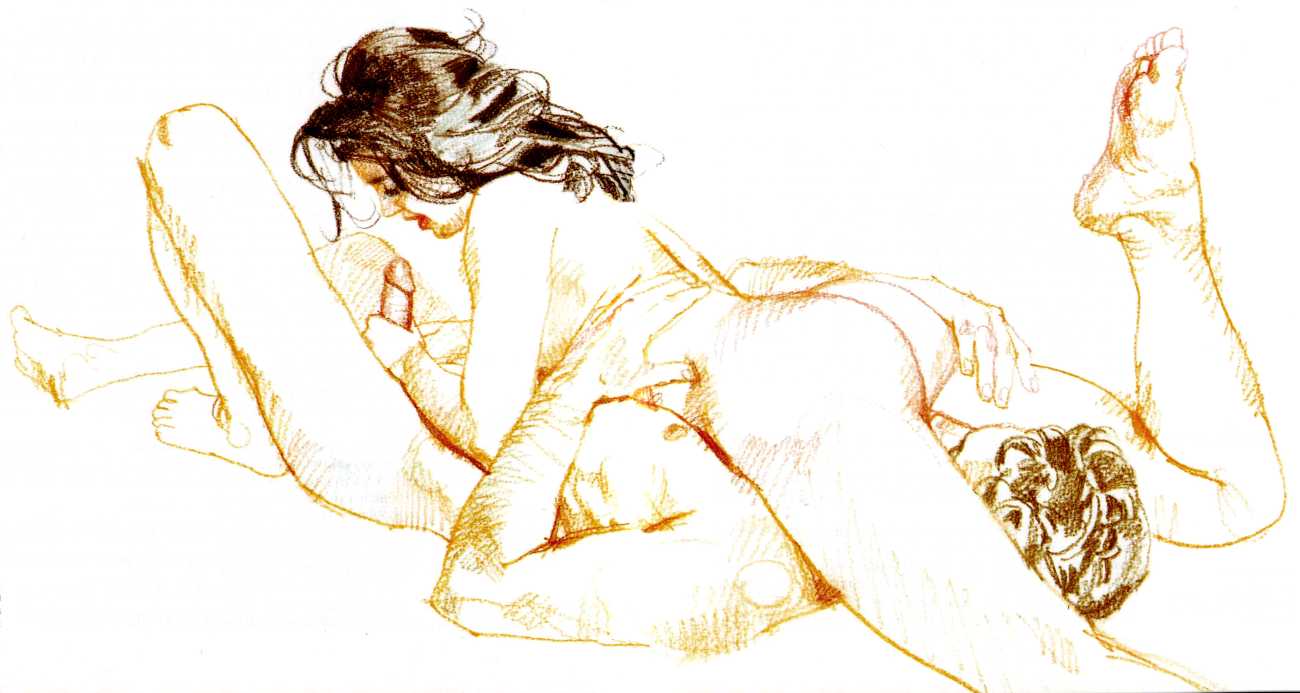
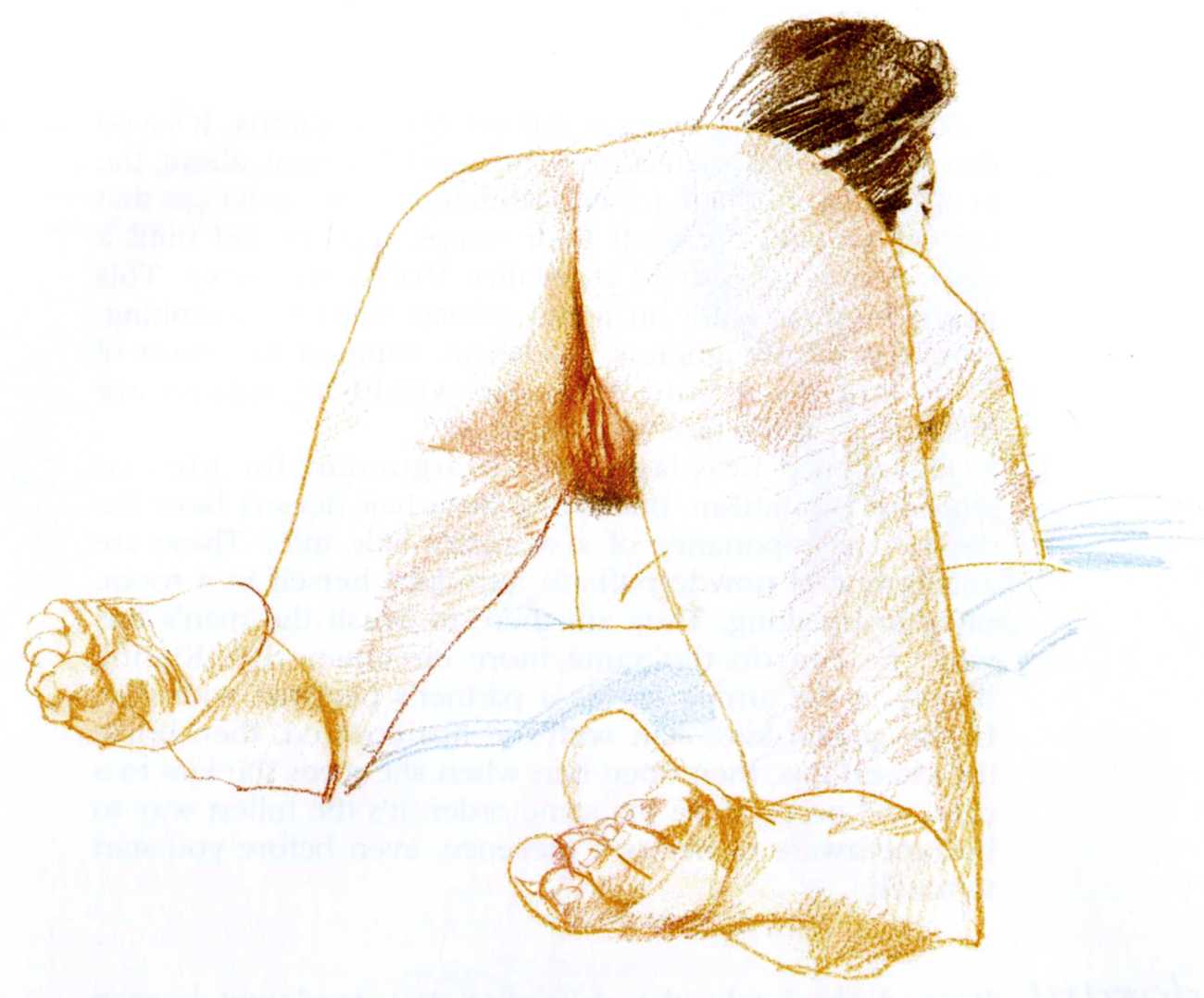
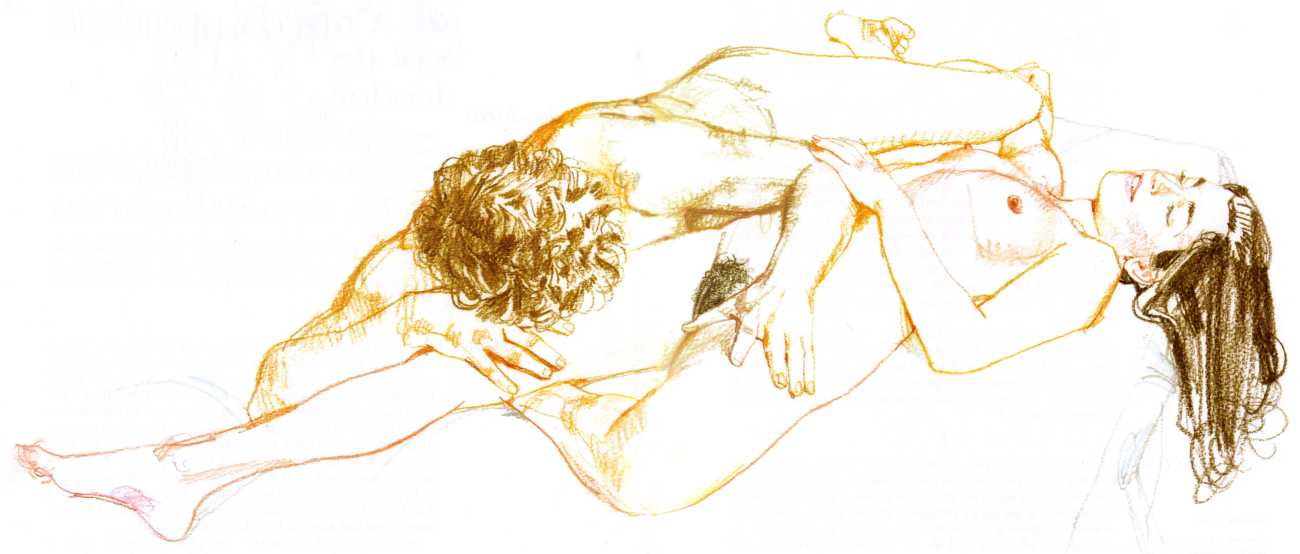
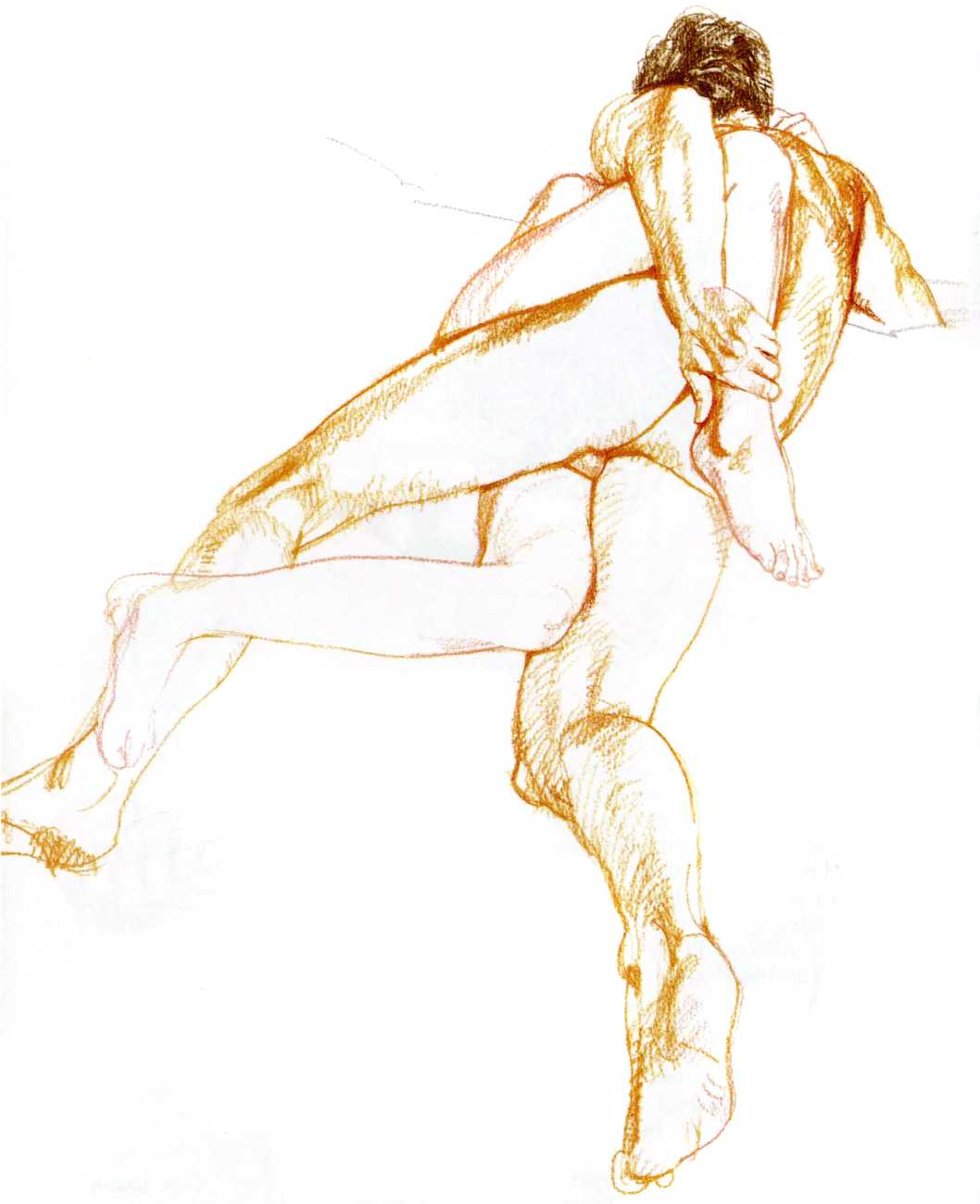
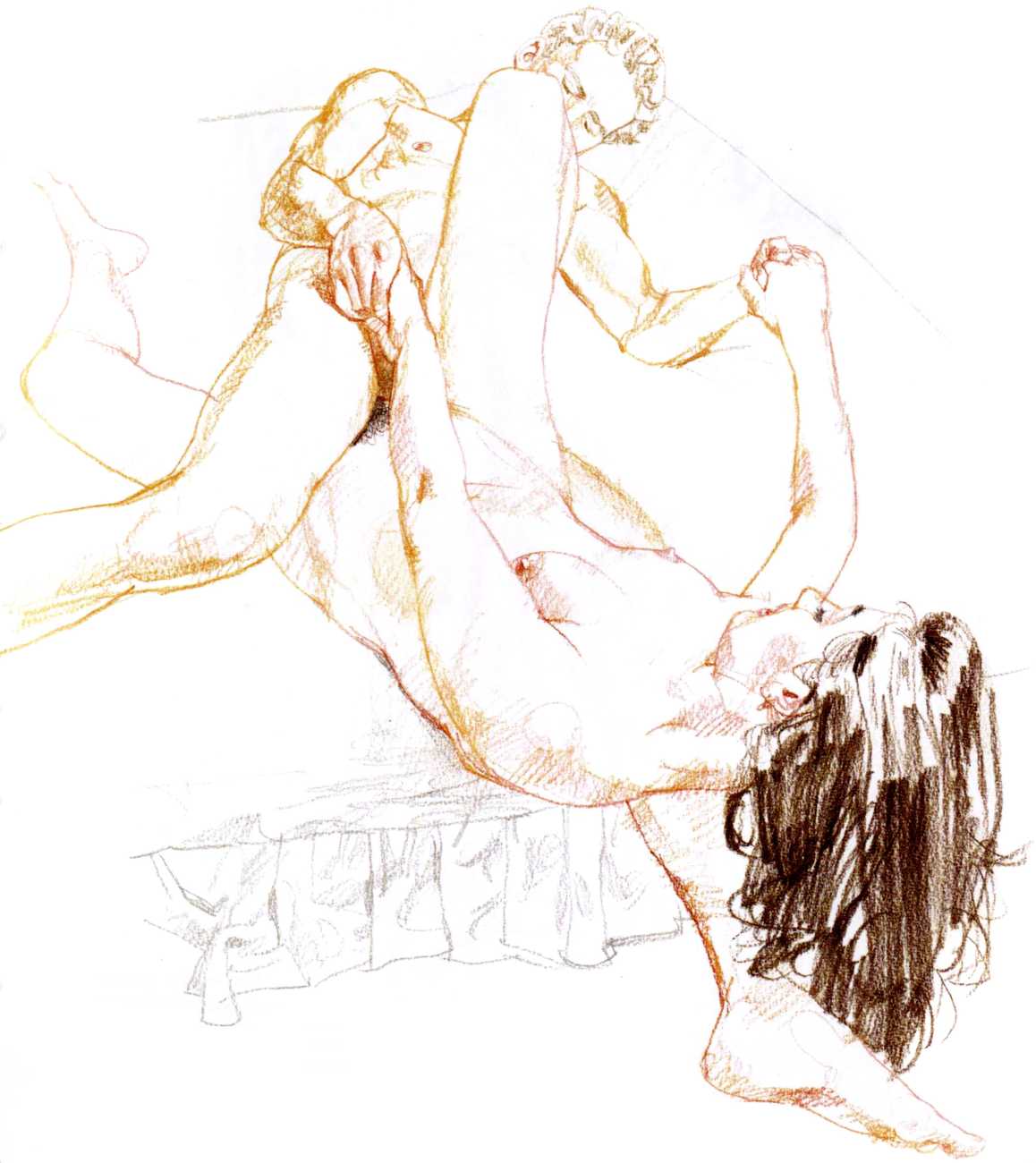
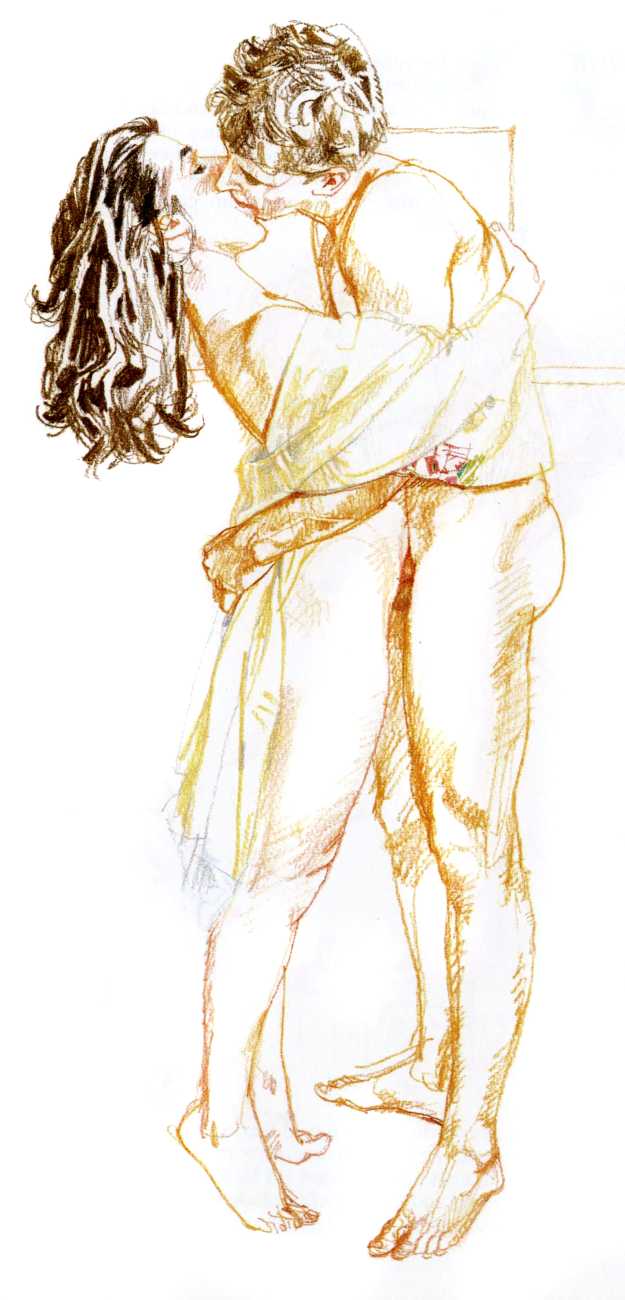
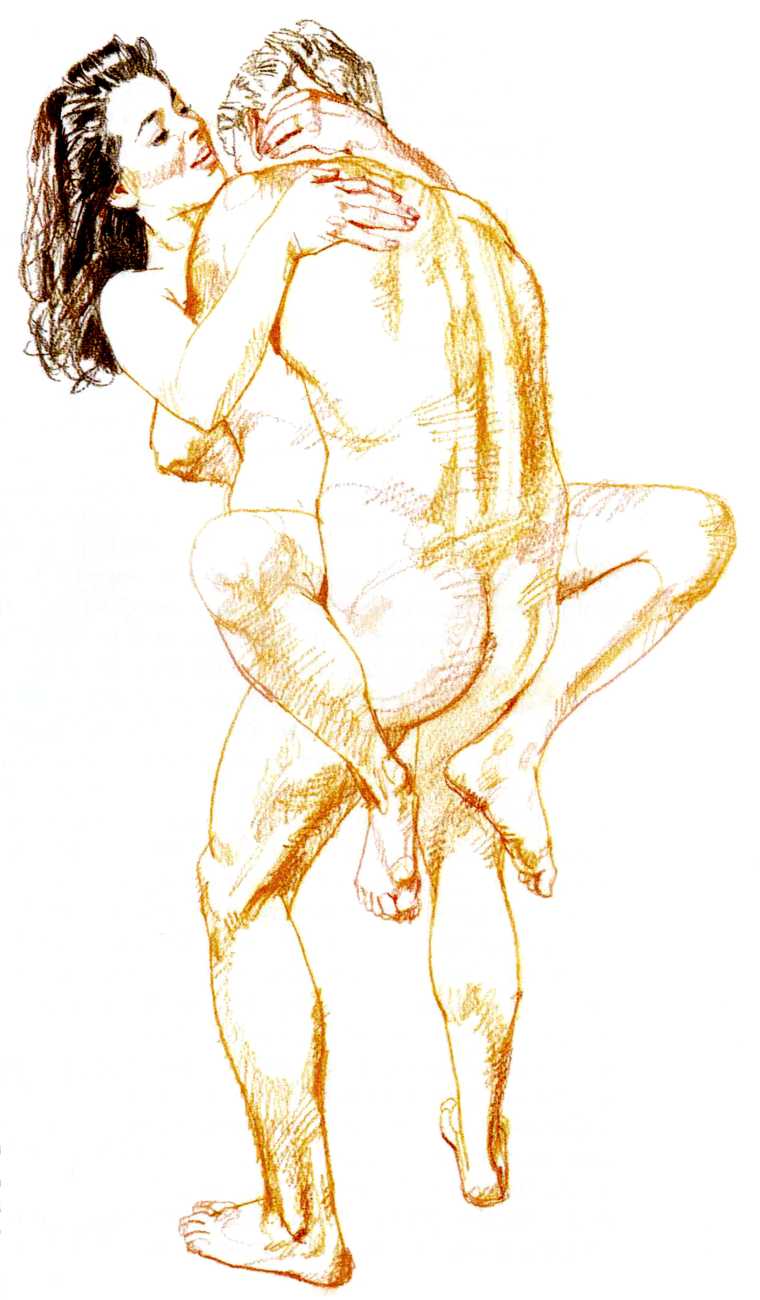
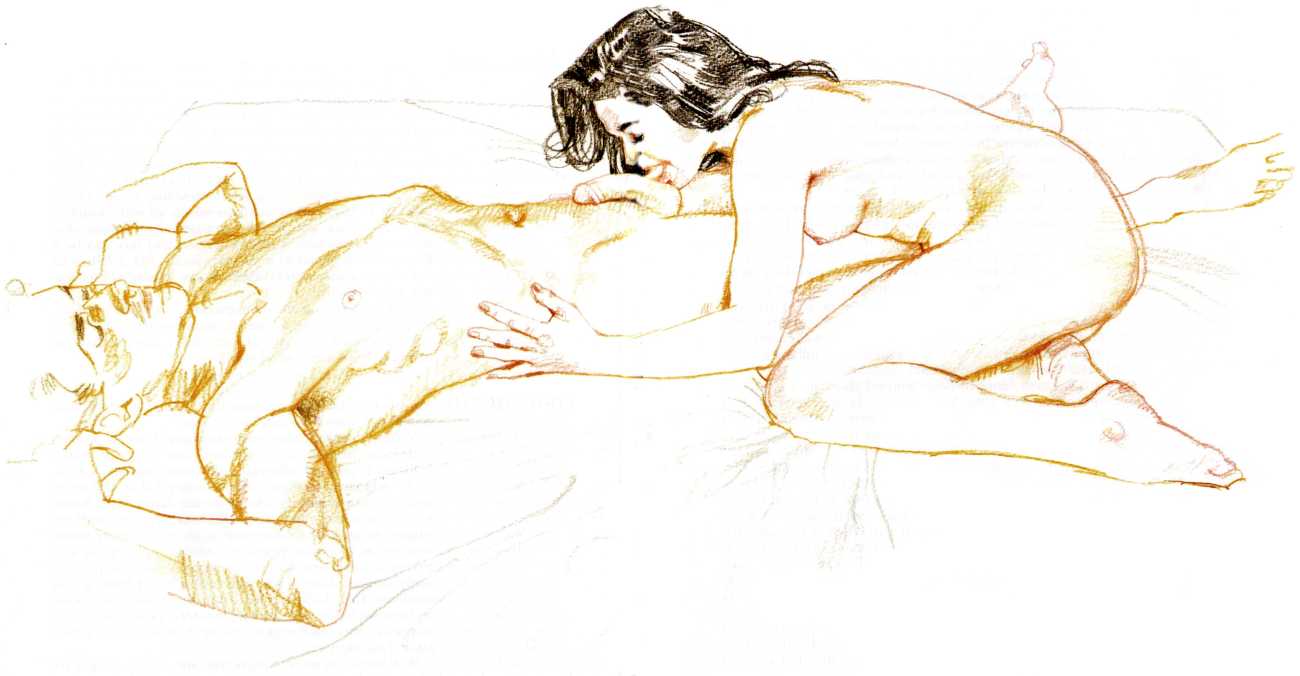
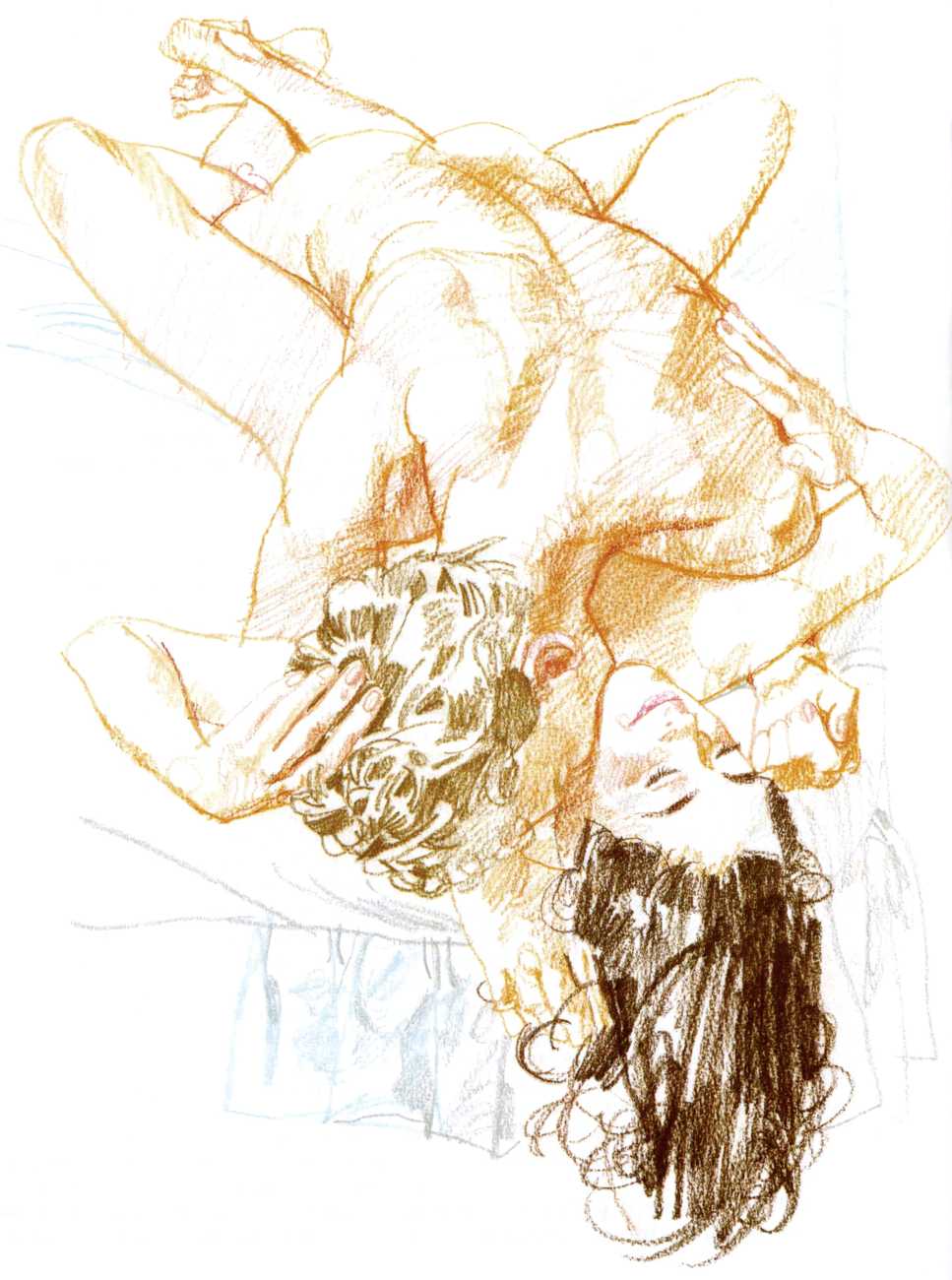
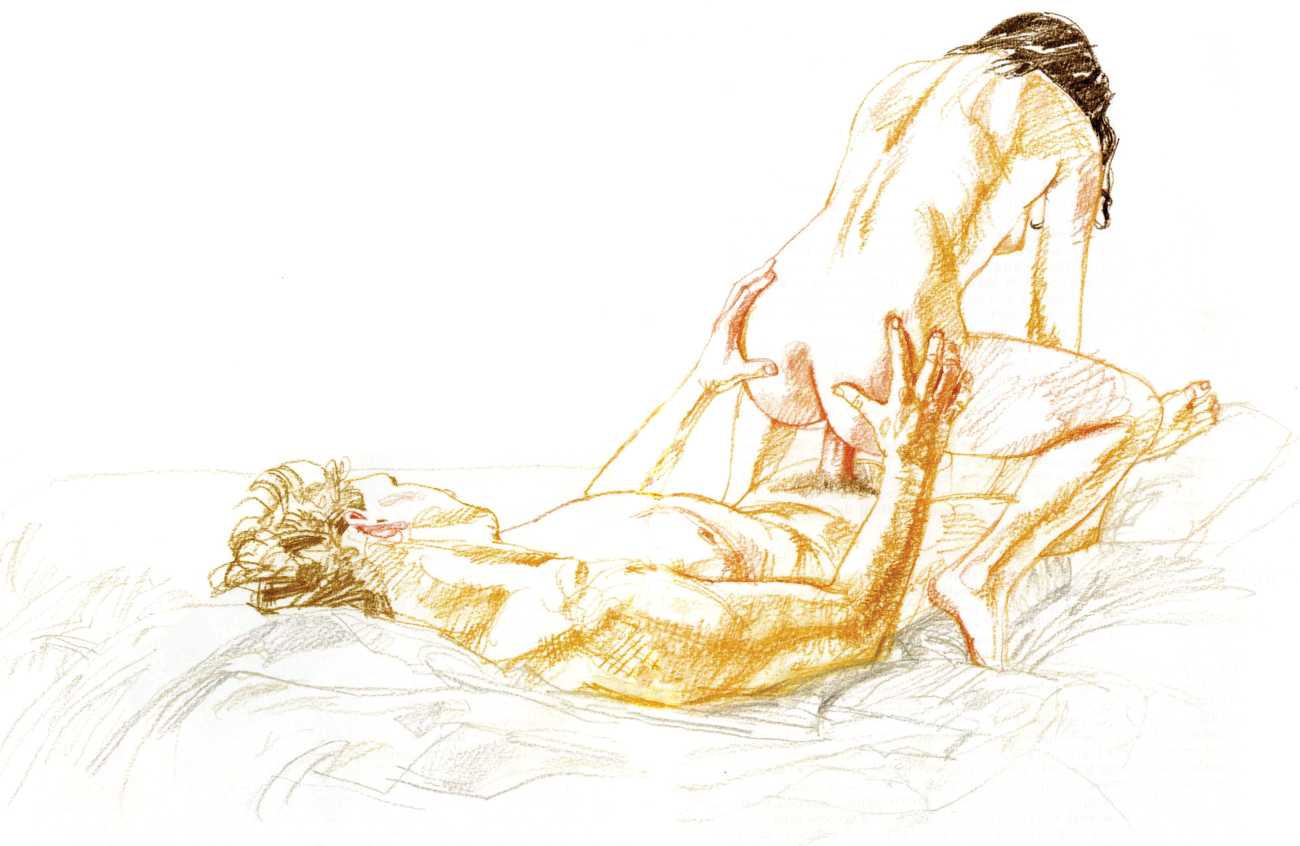
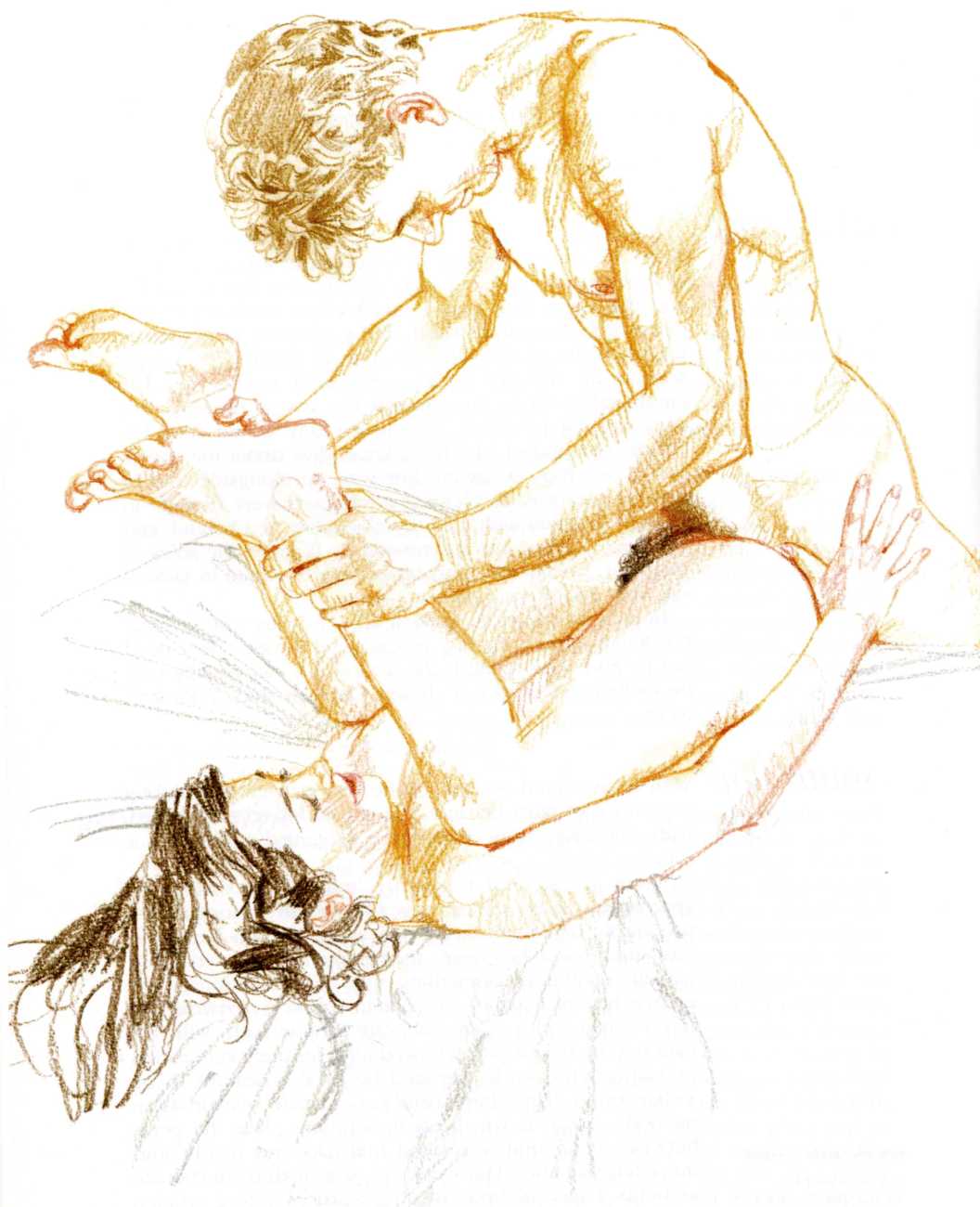
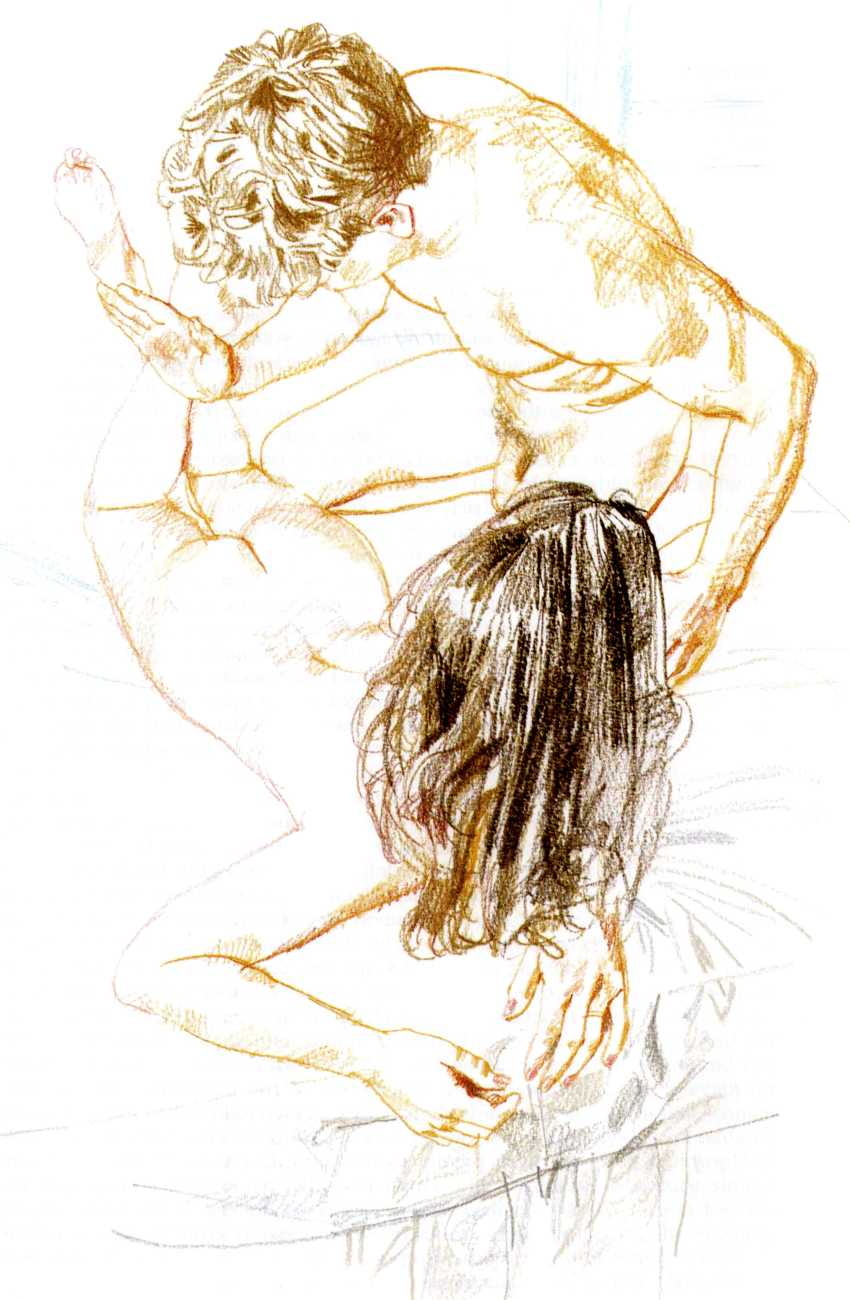
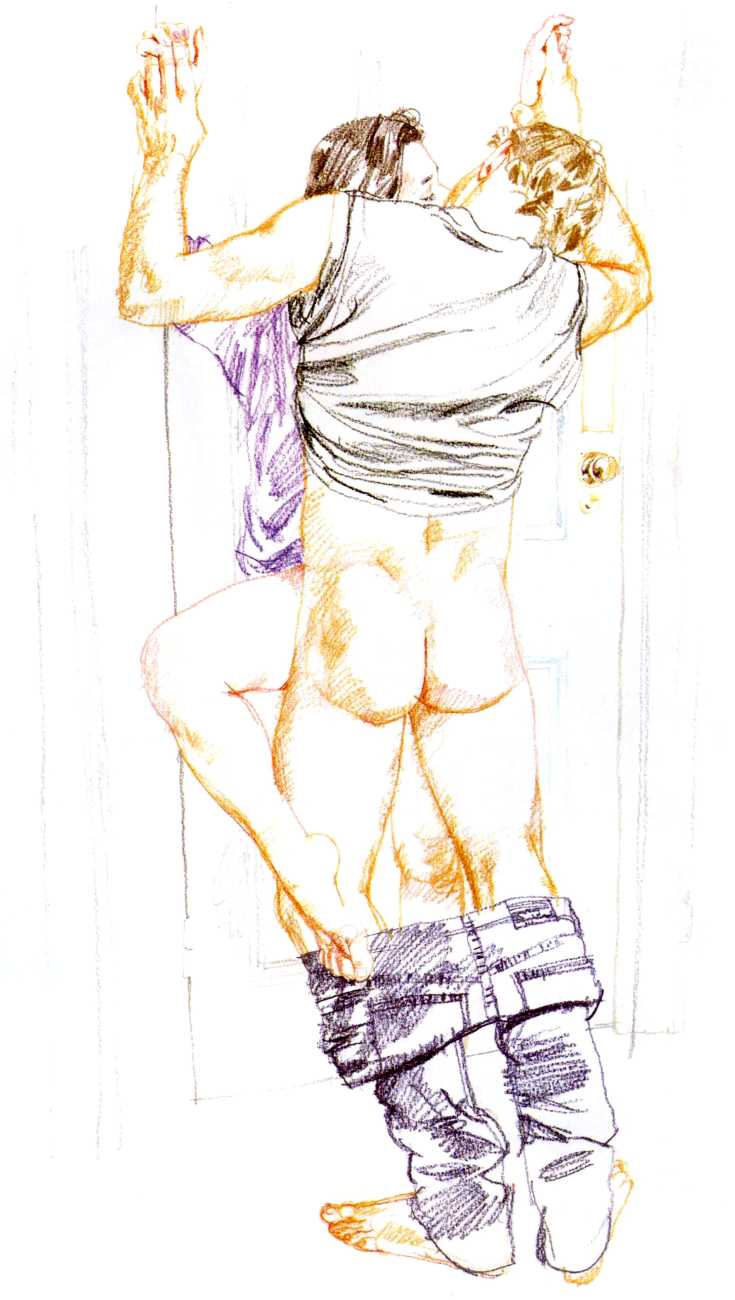
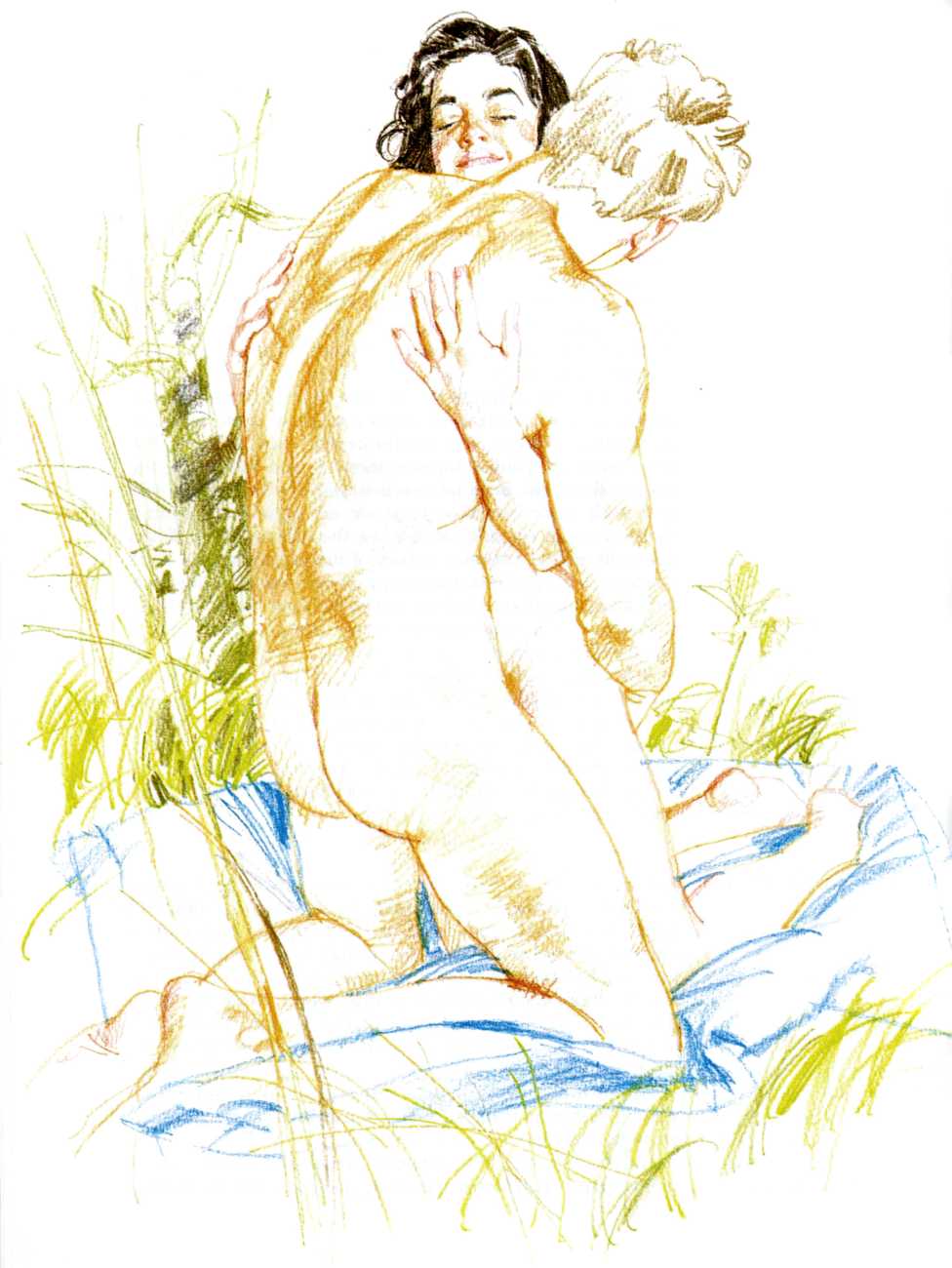
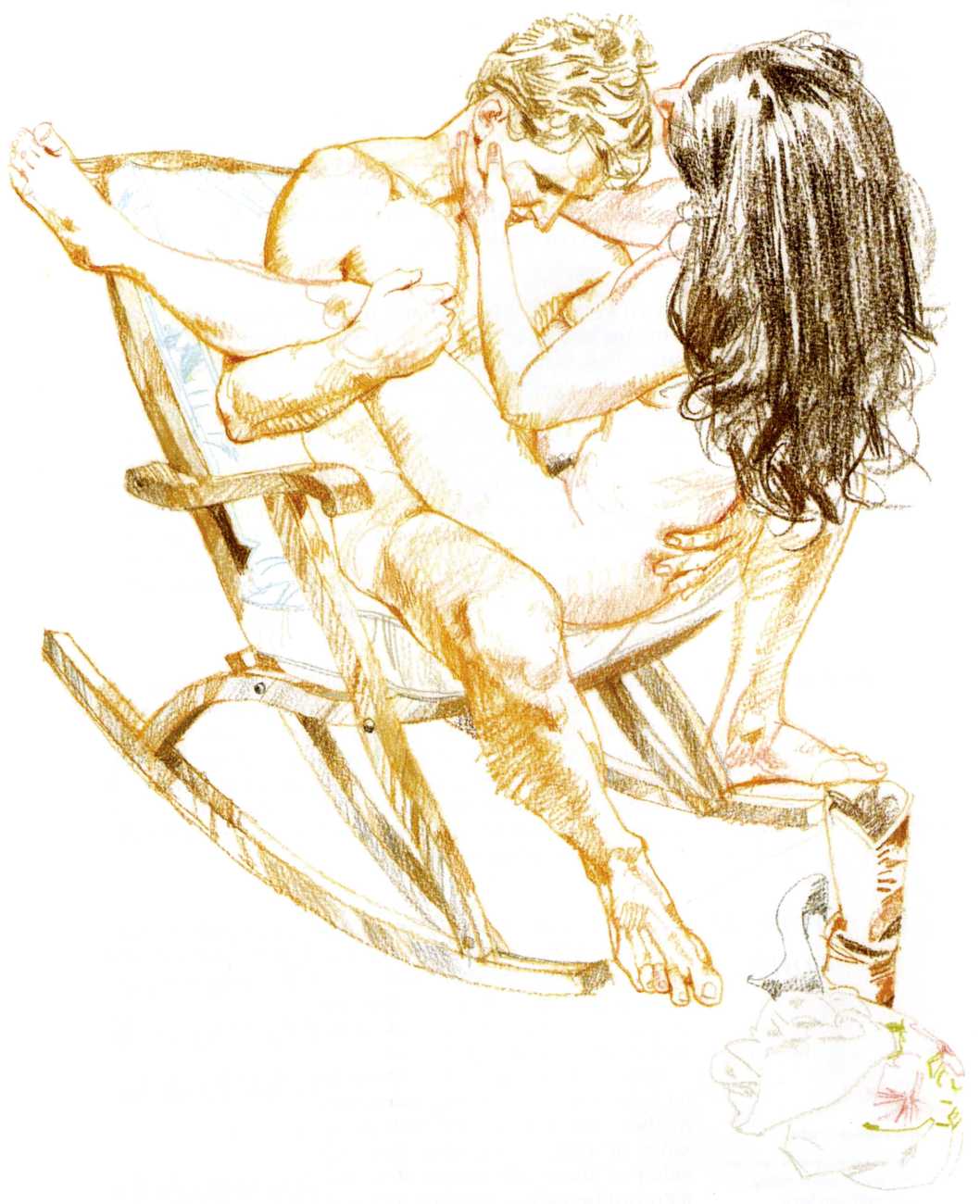
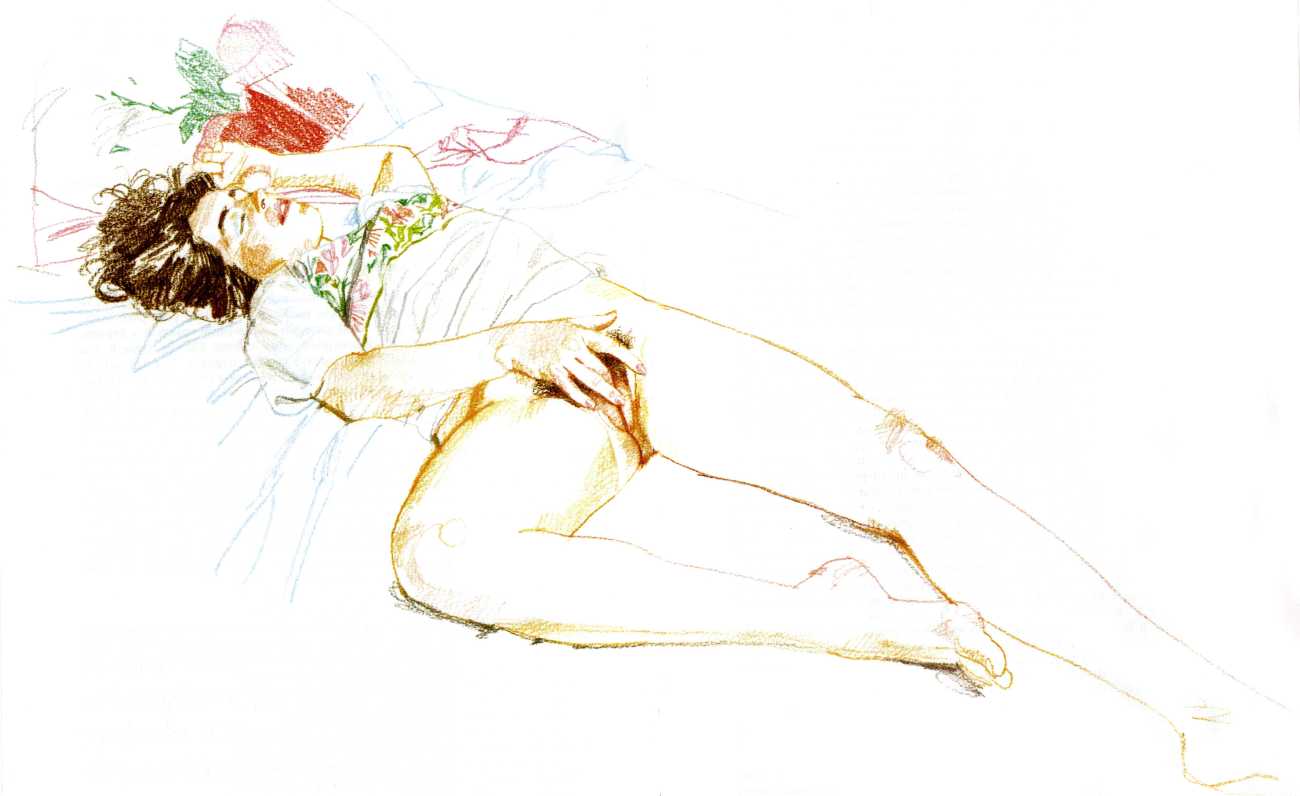
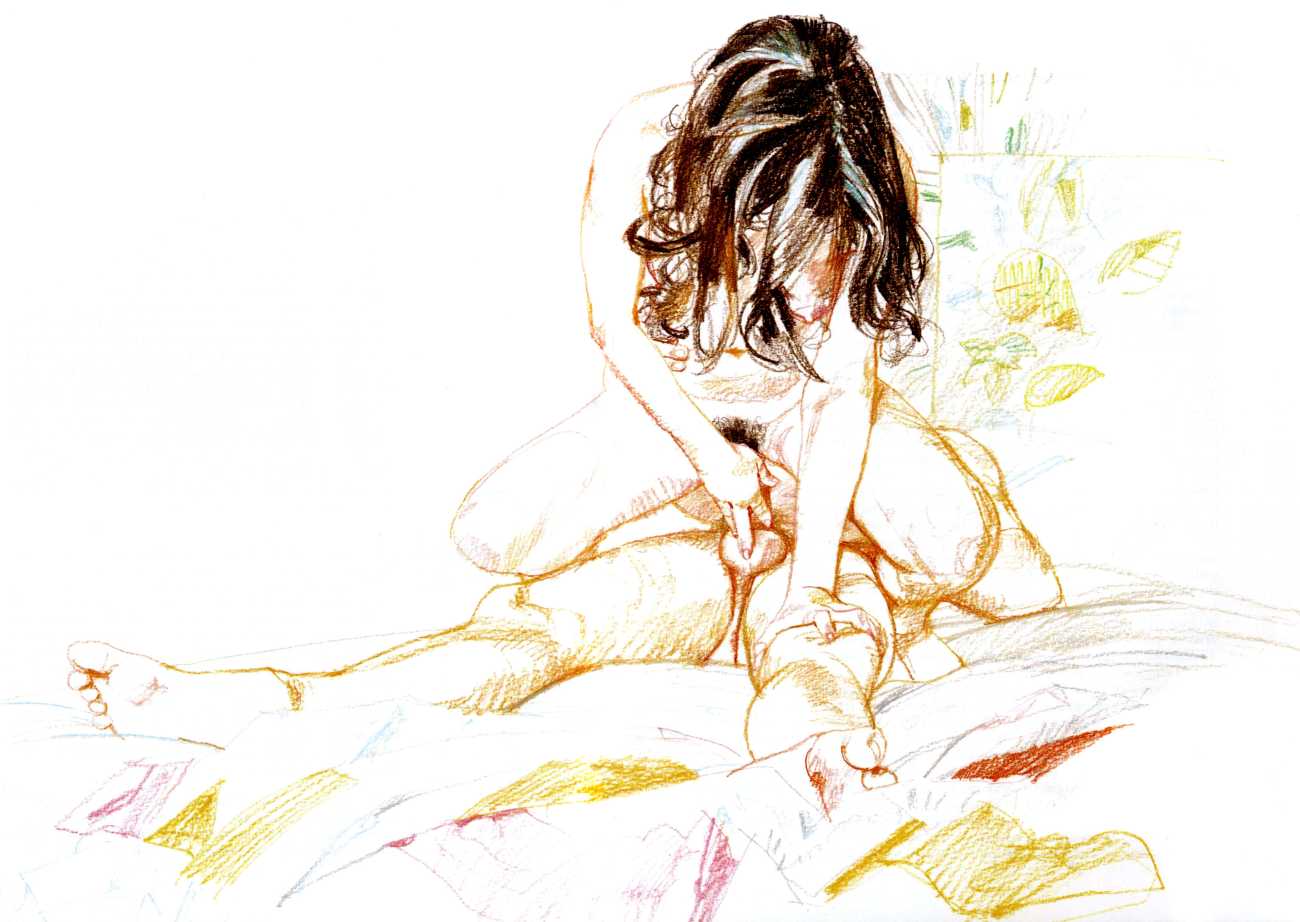
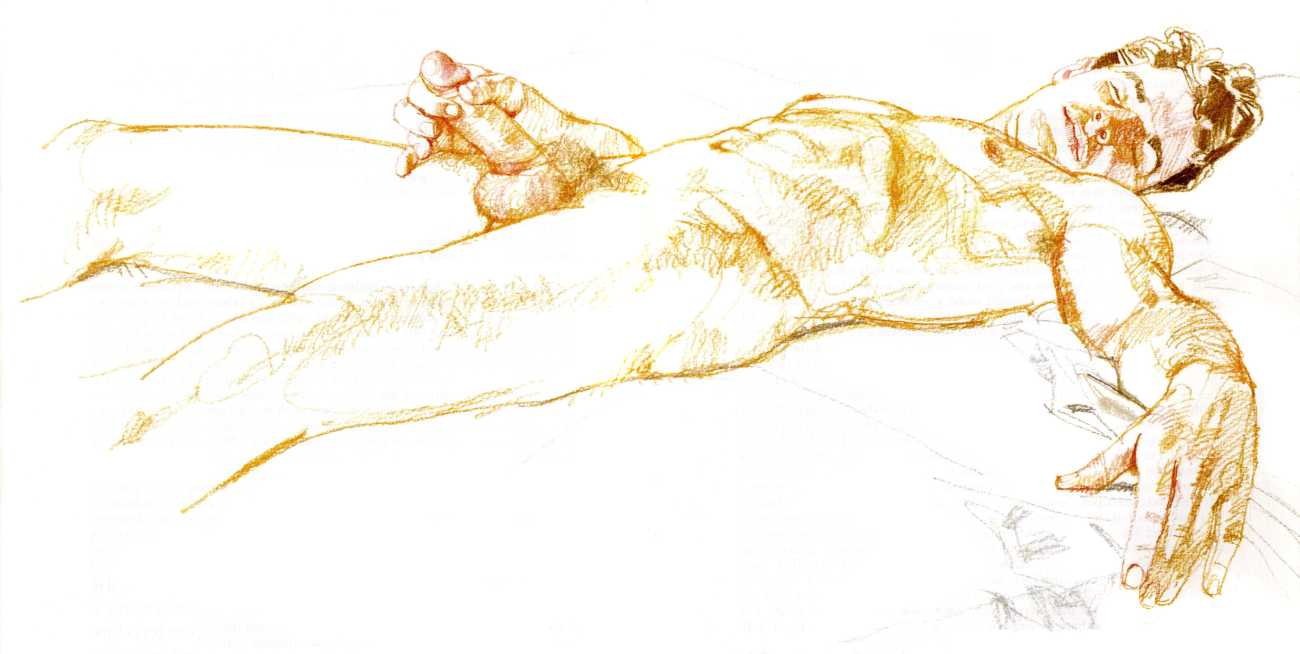
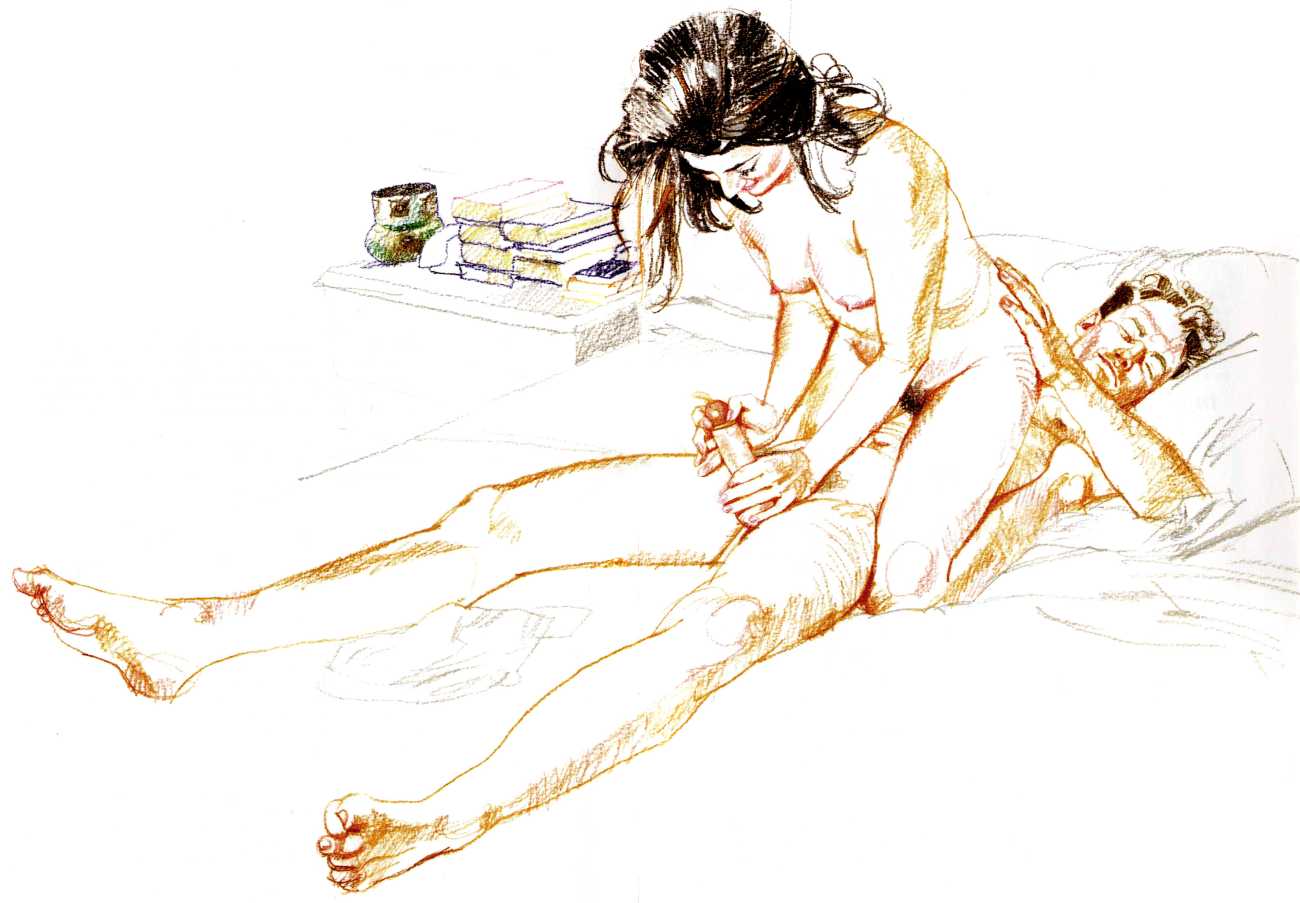
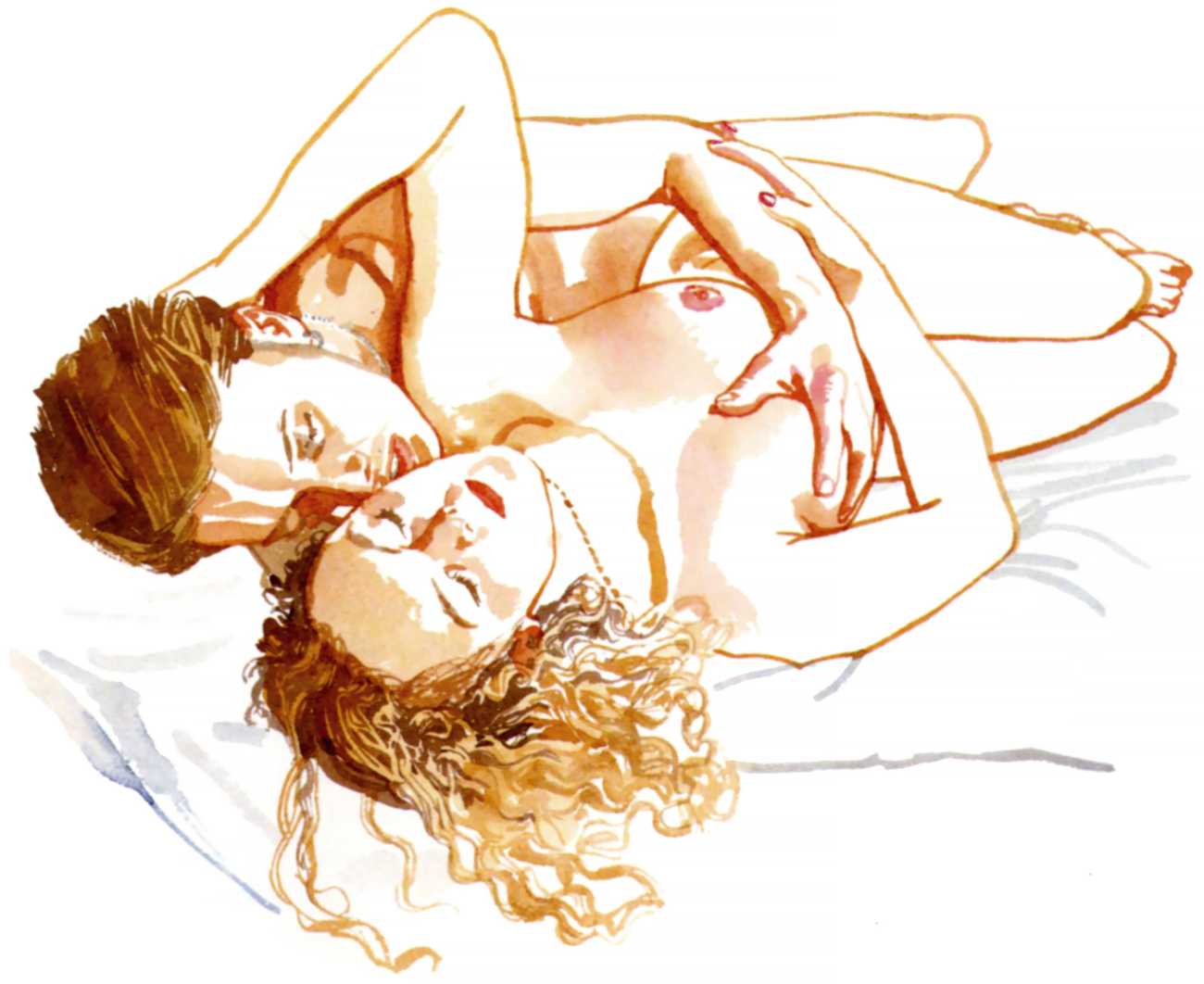
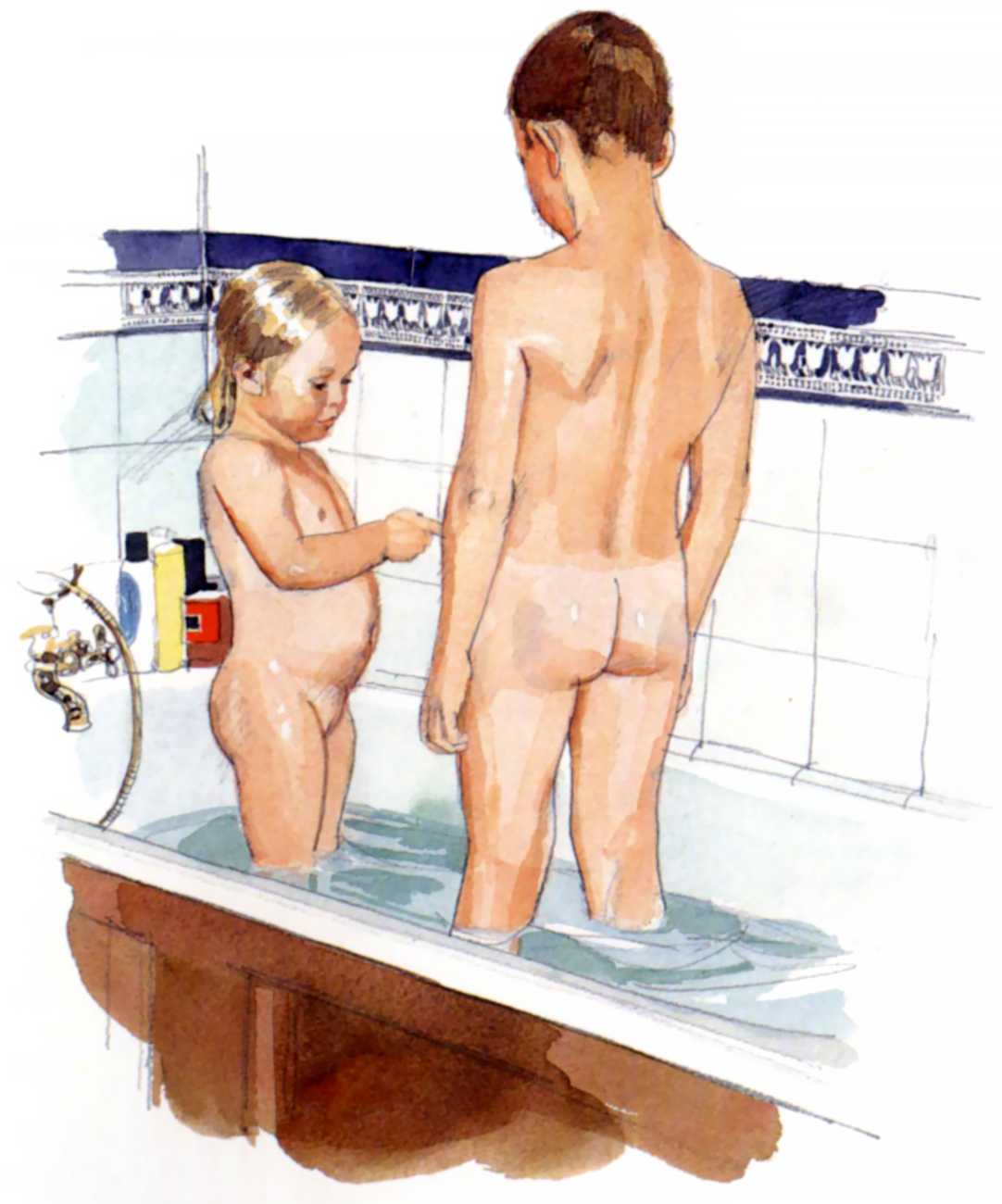
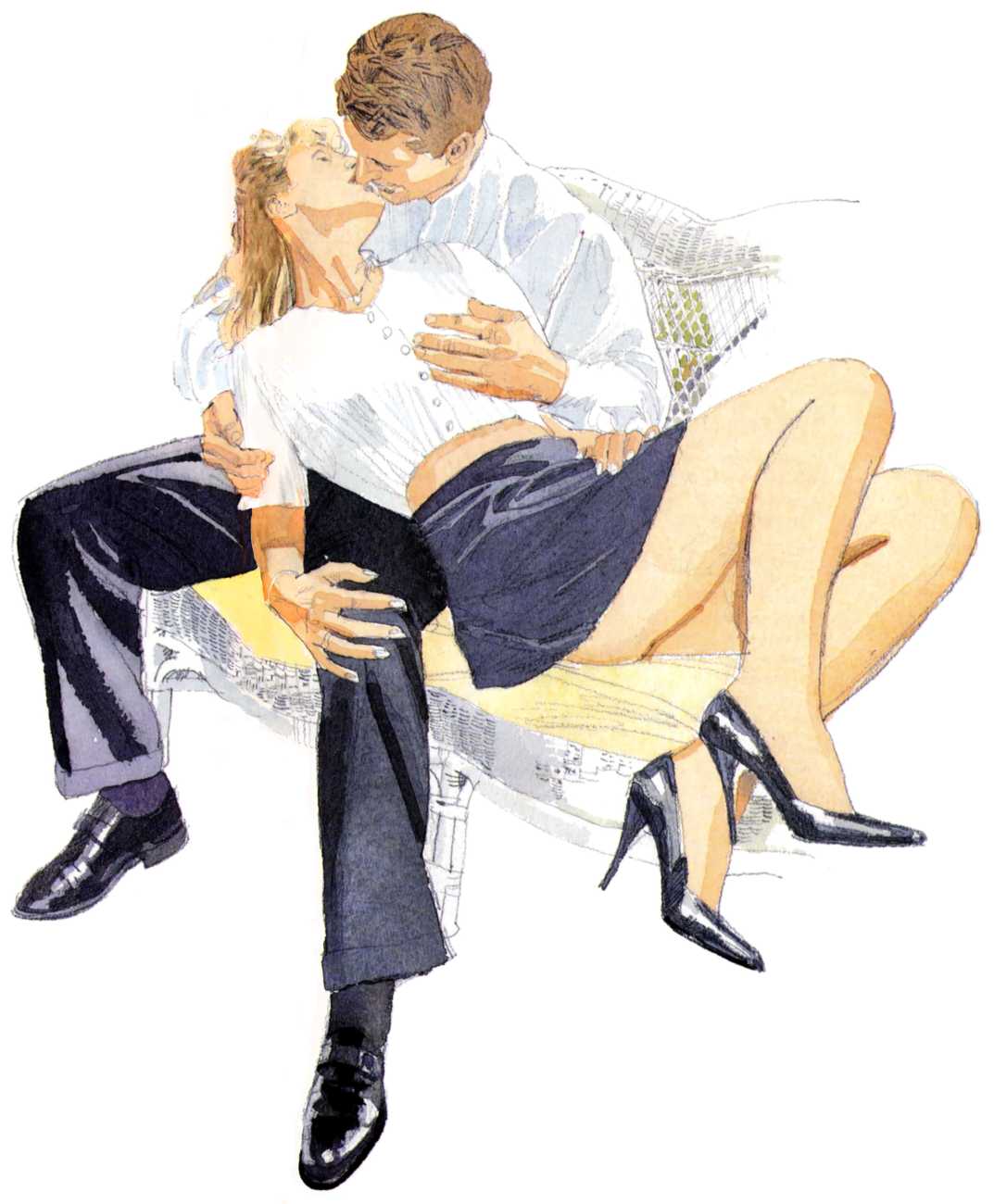
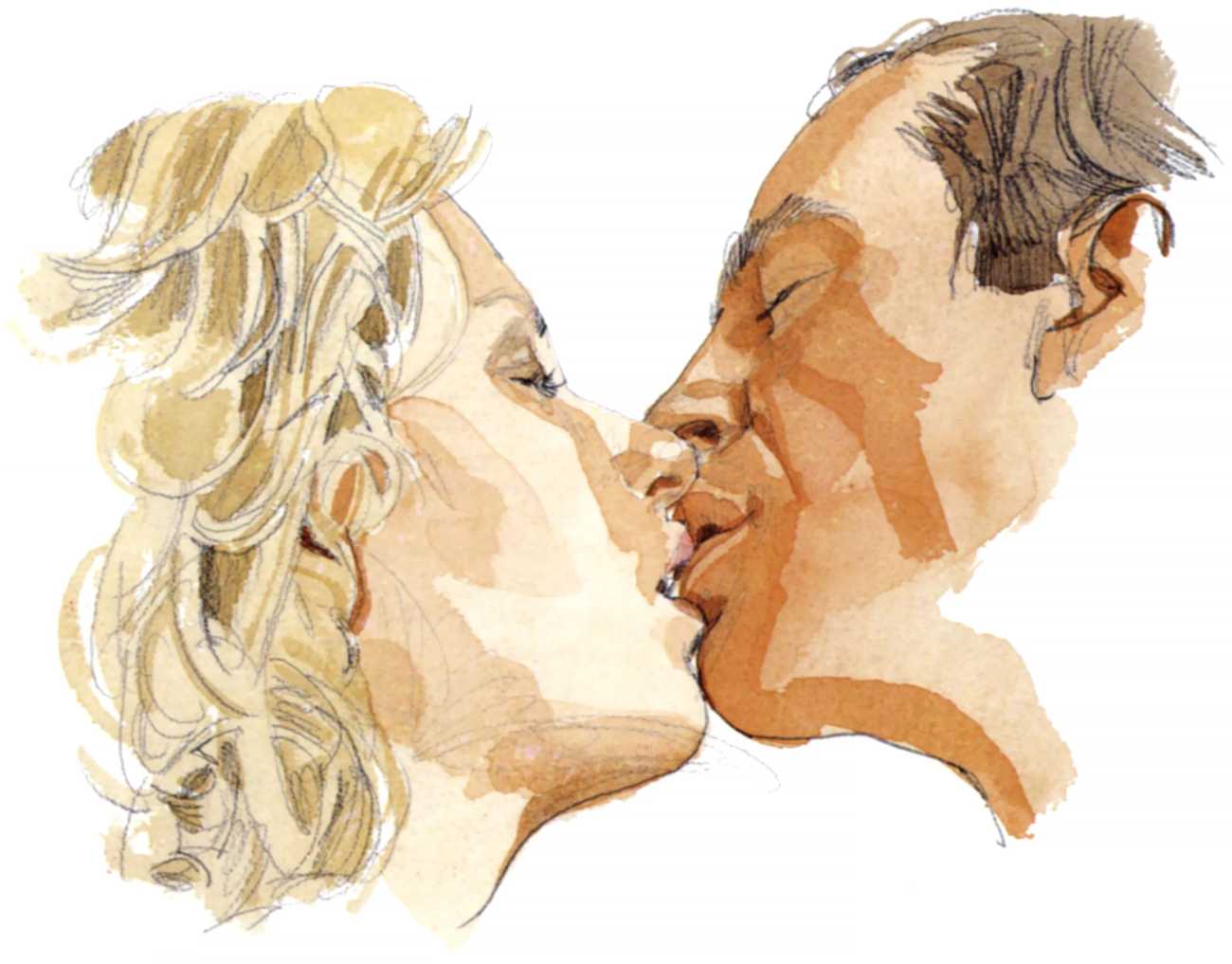
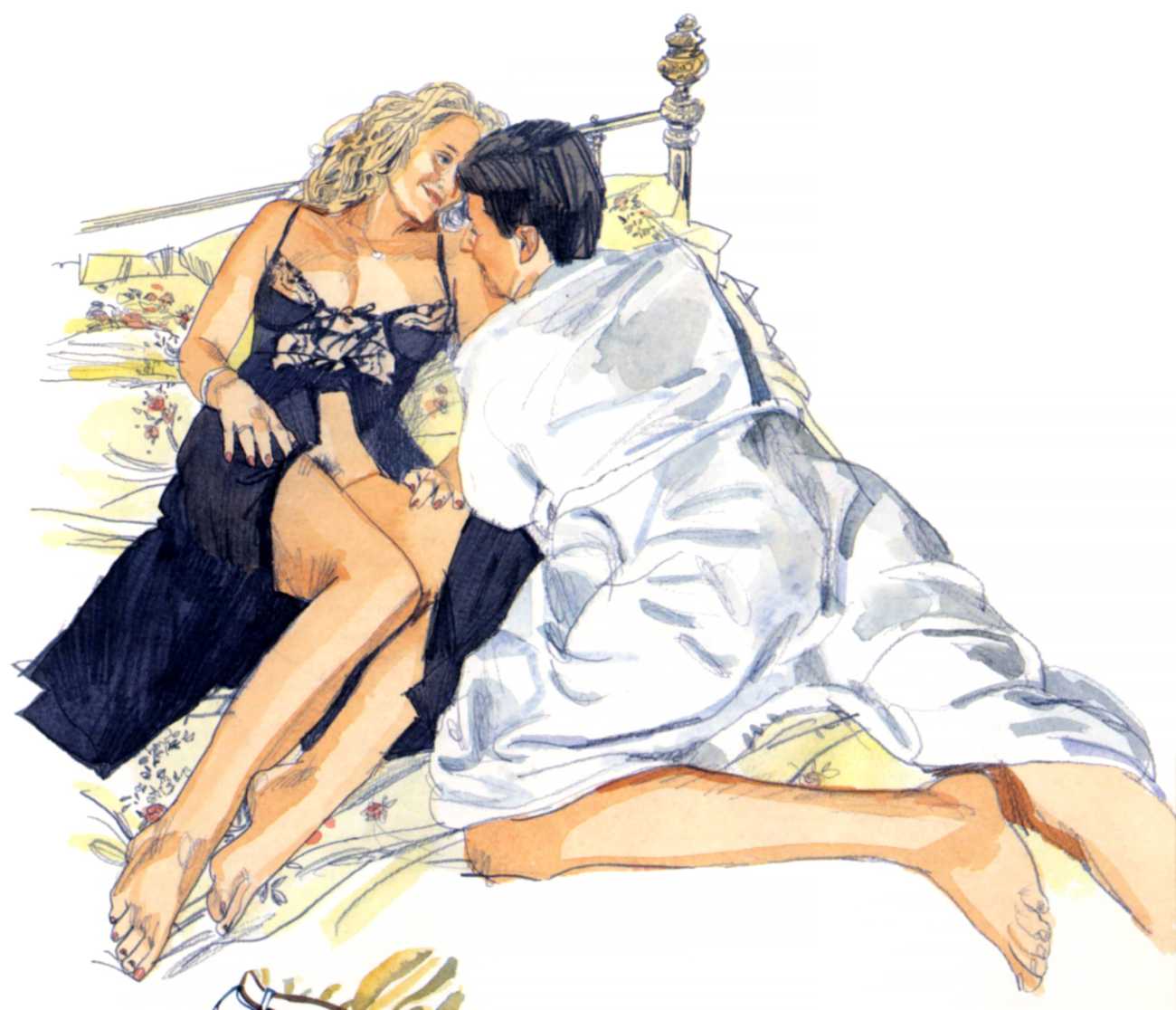
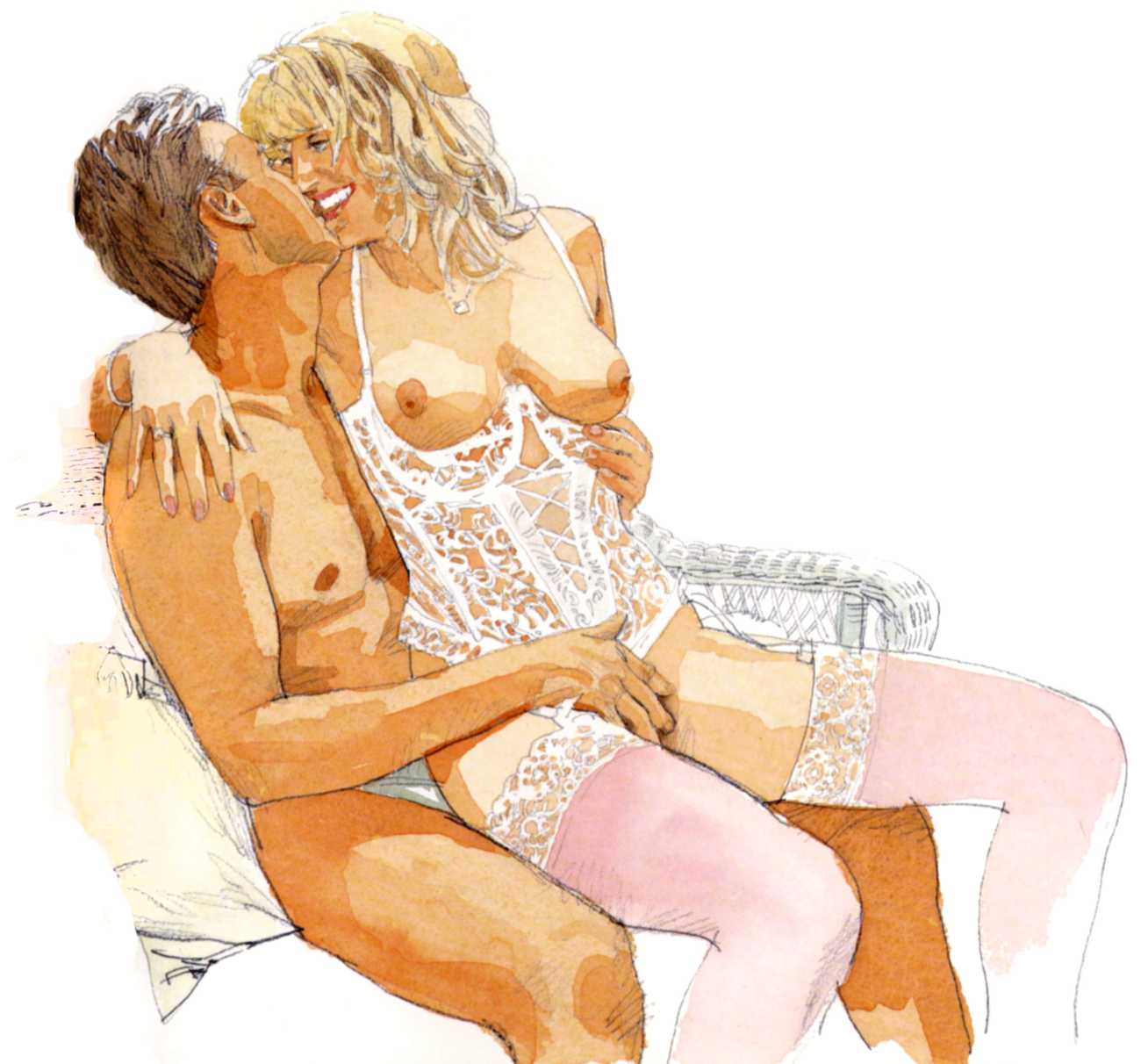
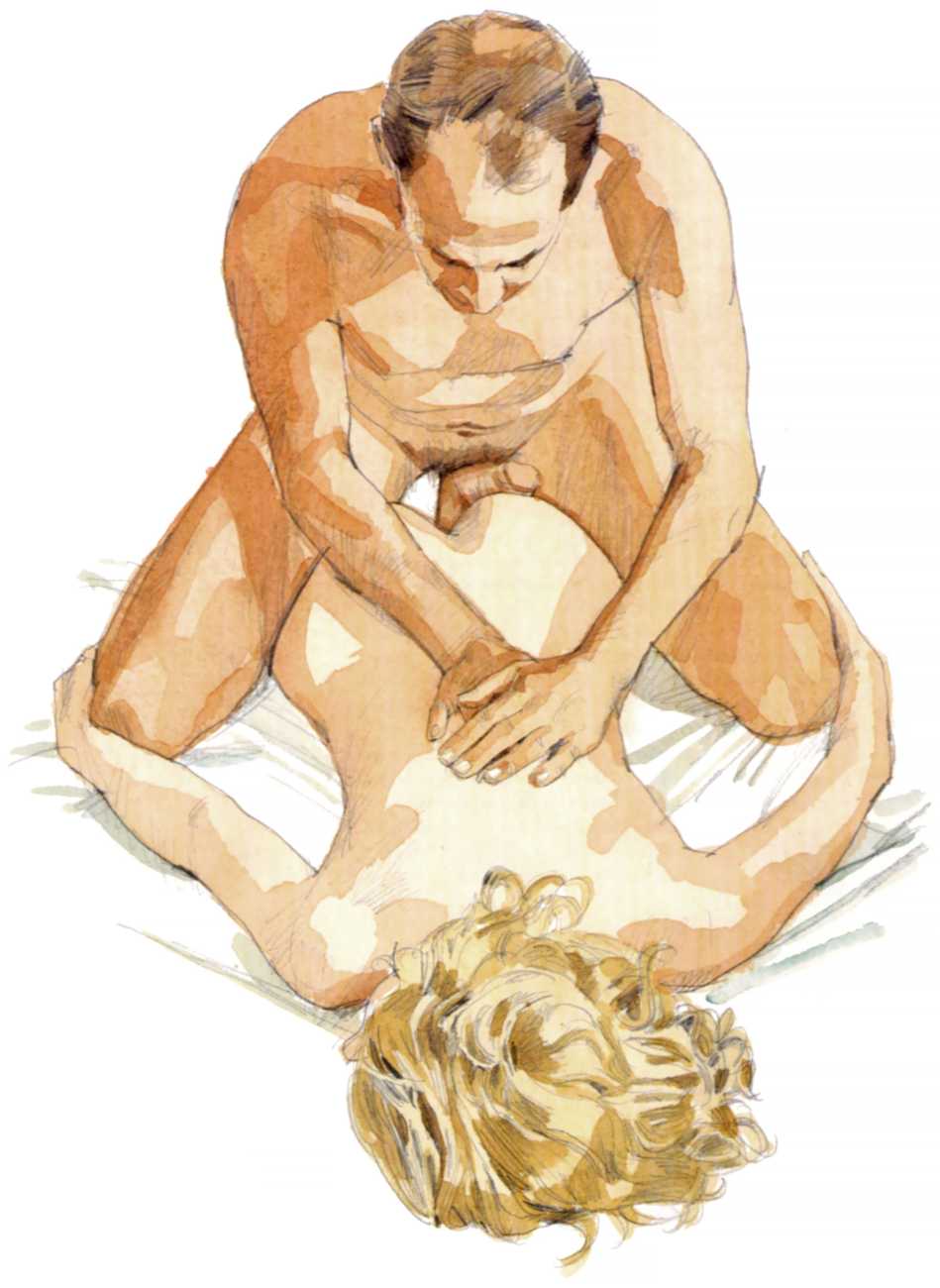
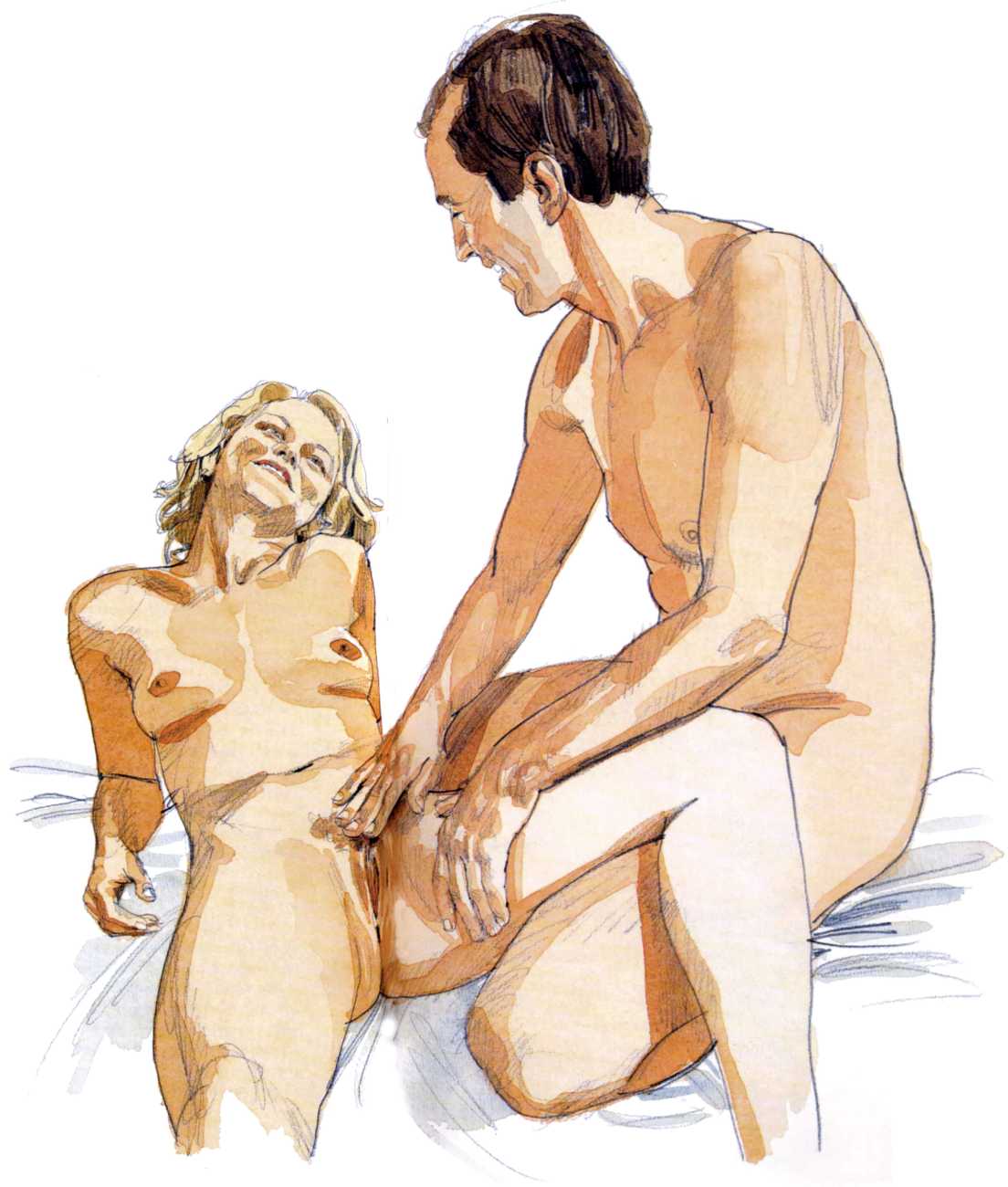
During this period of commissioned work there was little need for or interest in exhibiting, but drawing, predominantly the human figure, continued to be a central occupation. Recognising his skill in both teaching and figure drawing, he was commissioned by Hamlyn in 1981 to produce a practical guide, simply titled Figure Drawing. This resulted in commissions for a growing library of figure drawing guides, including Figure Drawing and Anatomy for the Artist (Hamlyn, 1986), The Figure Drawing Workbook (Collins, 1997), A Step-By-Step Guide to Drawing the Figure (North Light, 1997), How to Draw the Human Figure: A Complete Guide (Parragon, 2000), and Complete Anatomy and Figure Drawing (Batsford, 2007). His reputation also led to appearing on television in programmes like Star Portraits.
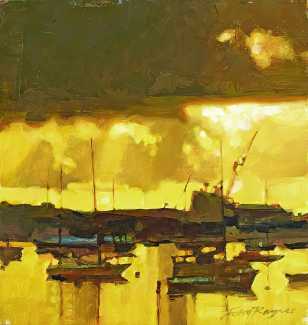
During the 1990s, with John Raynes now settled with his family in Cornwall, he returned full time to painting, with a special interest in portraiture, the human figure, and the landscapes and seascapes of south-west England. 2008 saw a successful solo exhibition of Cornish landscapes at the Beside the Wave gallery in Falmouth, Cornwall, and Raynes contributed to mixed shows in London, Brighton and Edinburgh, with solo exhibitions in Sherbourne, Bridgwater, Falmouth, and Uzès in southern France. His paintings of the Cornish coast are considered some of the most atmospheric and accomplished of recent British landscape painting.
John Raynes’ website, now curated by his daughter Gaby, can be found here, showcasing many of his Cornish paintings and some other work.
Similar artists
Michael Bastow – British painter of figurative and sensual subjects.
Harry Carmean – American academic figurative painter of refined naked subjects.
Anthony Christian – British painter of classically rendered naked figures.
Eric Fischl – American painter of suburban figurative scenes with psychological erotic content.
Robert Lenkiewicz – British painter of unidealised intimate and sexual subjects.
Terry Rodgers – American painter of glossy, decadent group-orgy tableaux.
Keith Vaughan – British postwar painter of the male naked body and mythological subjects.
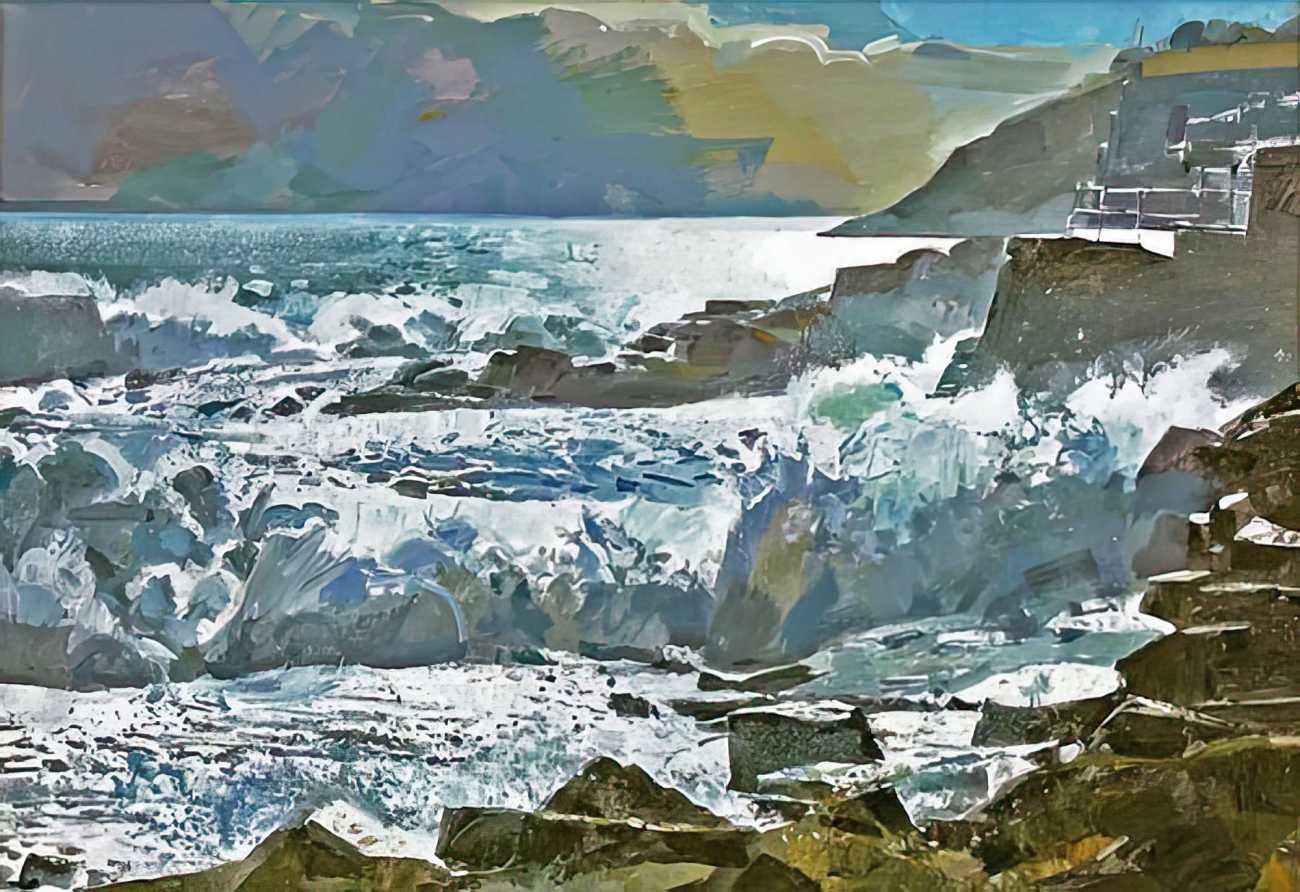
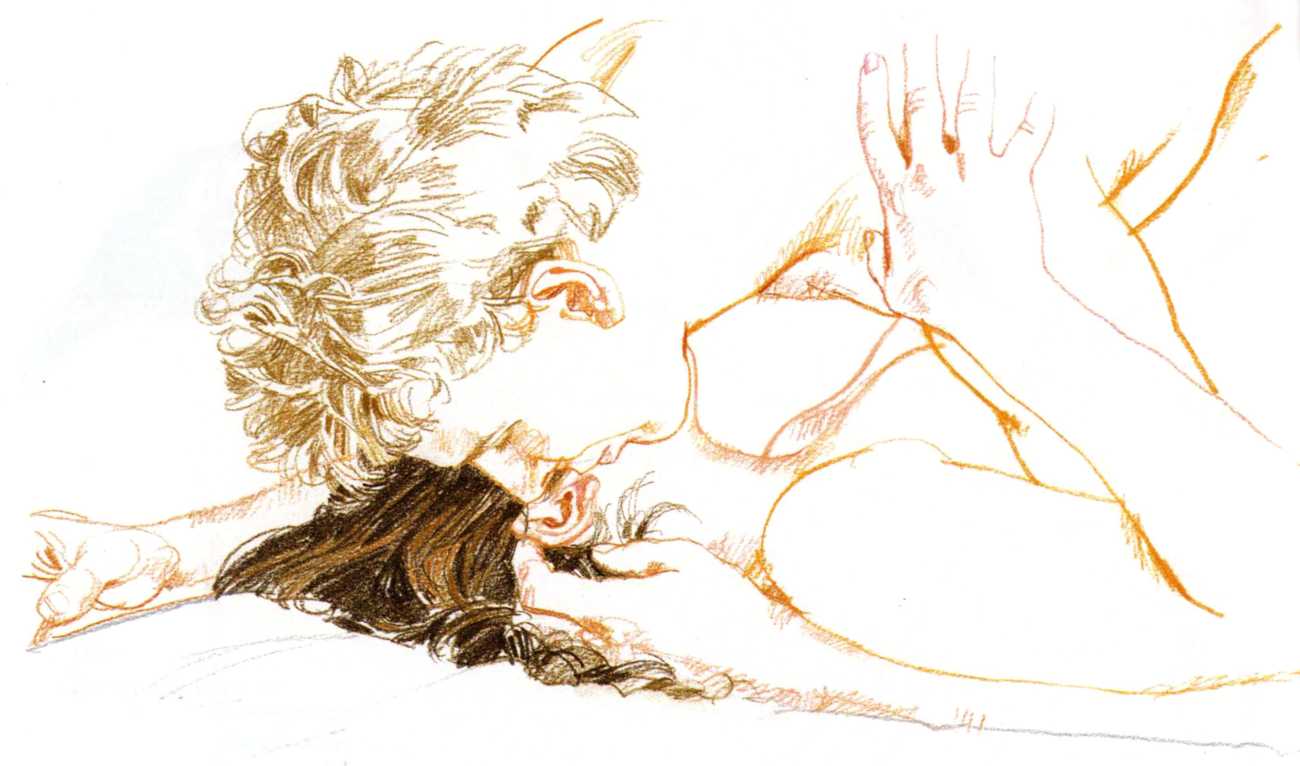
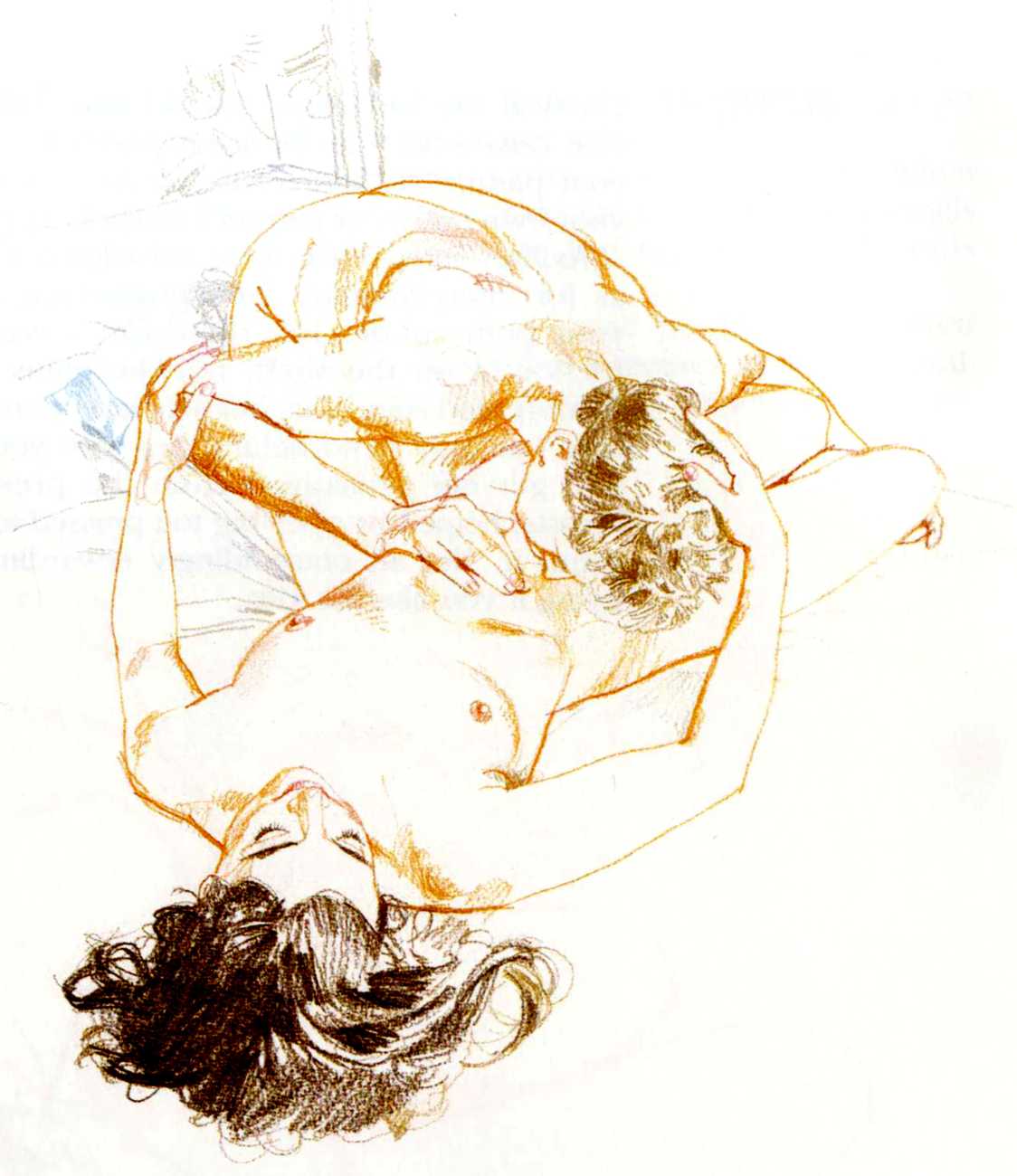
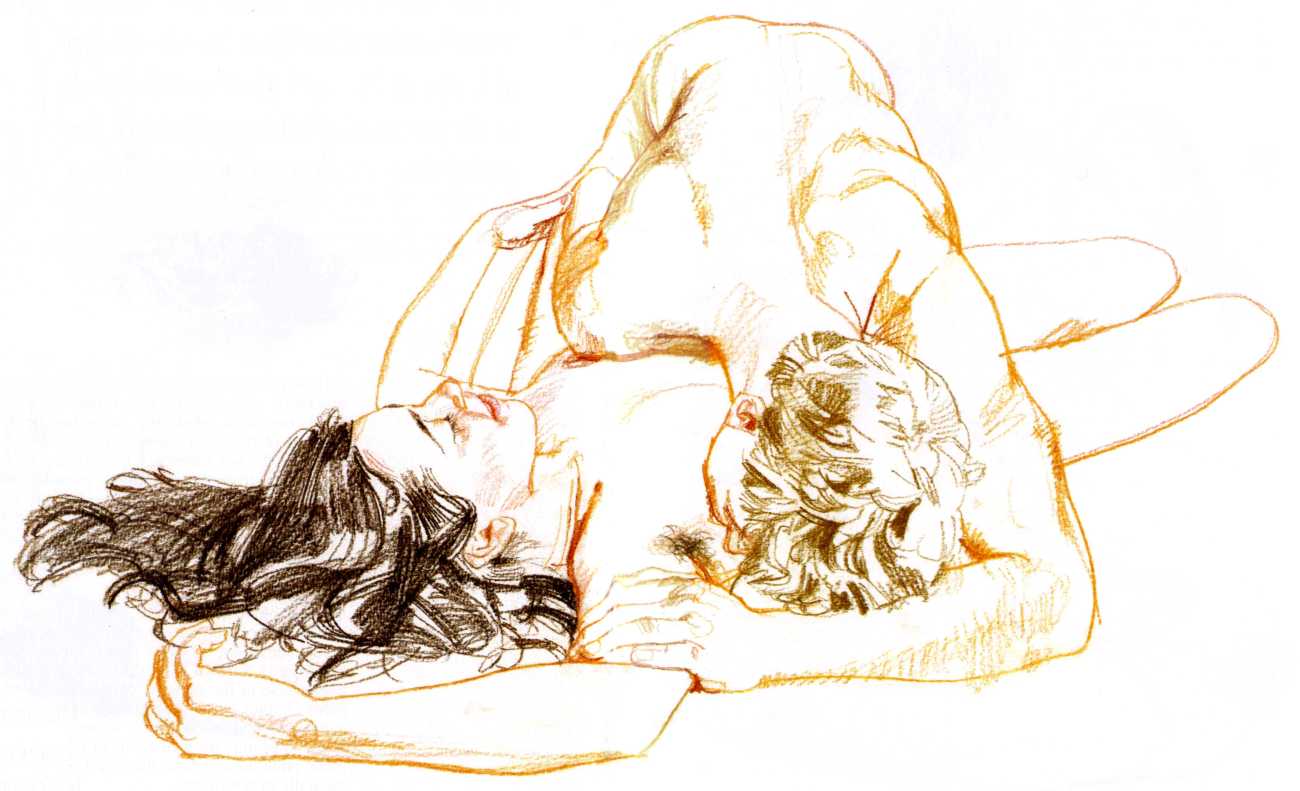
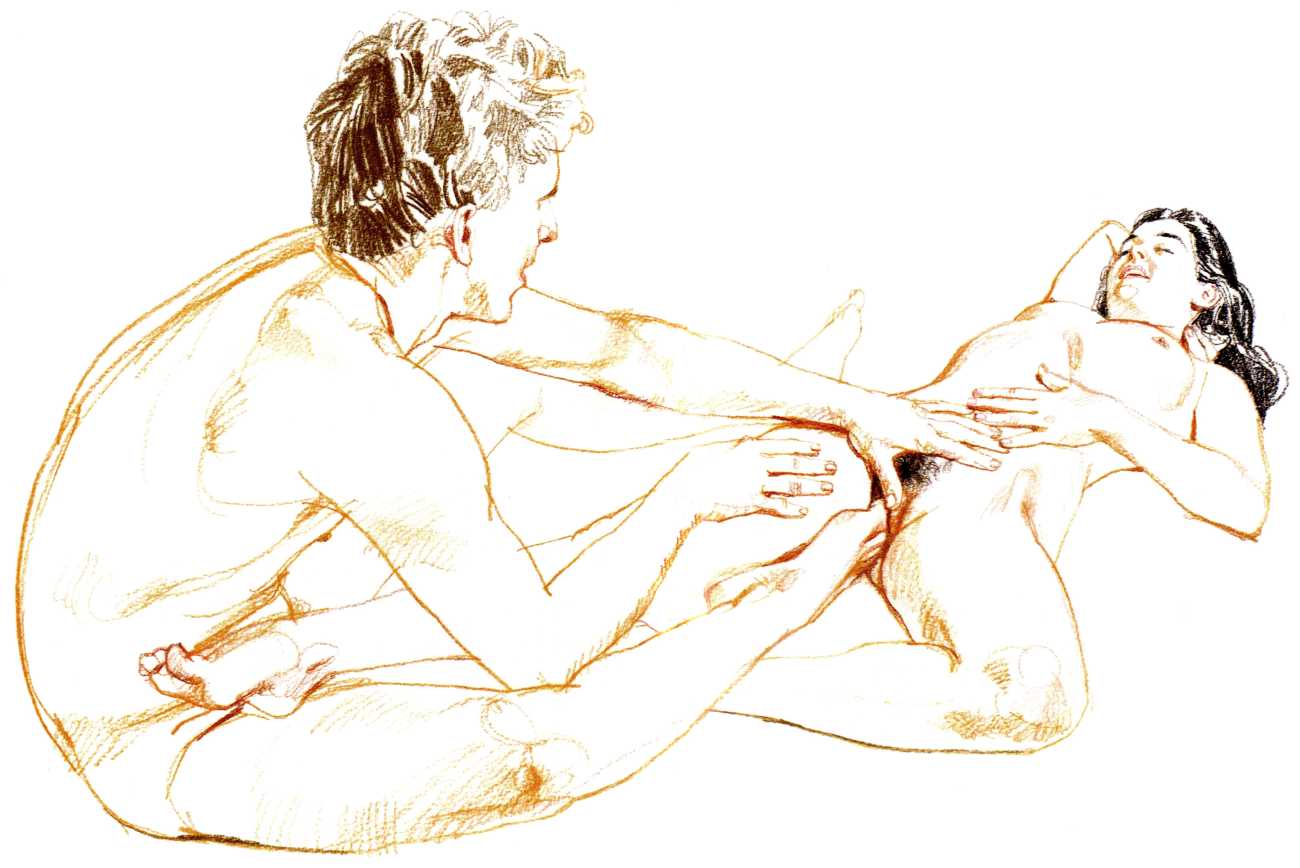
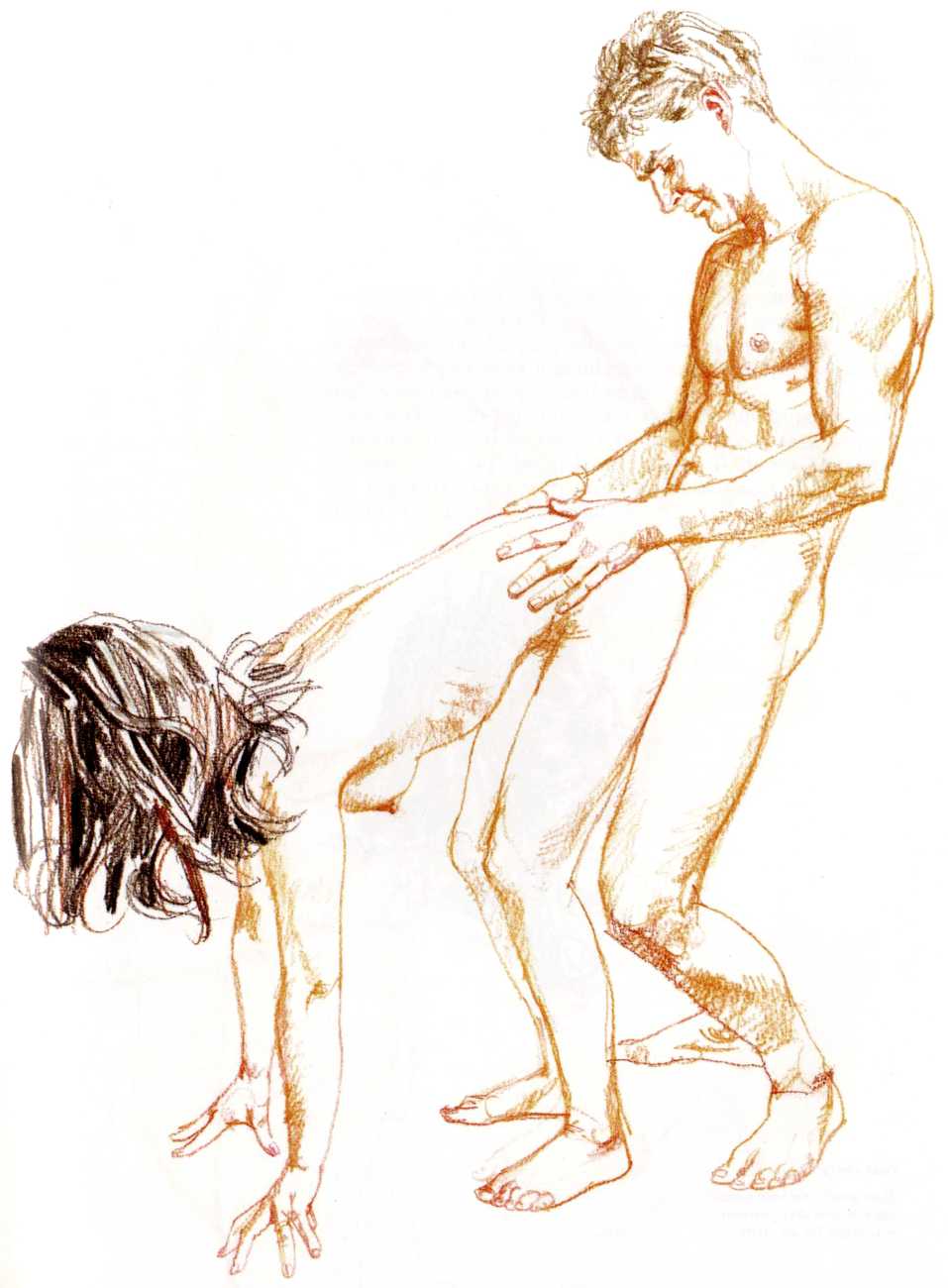
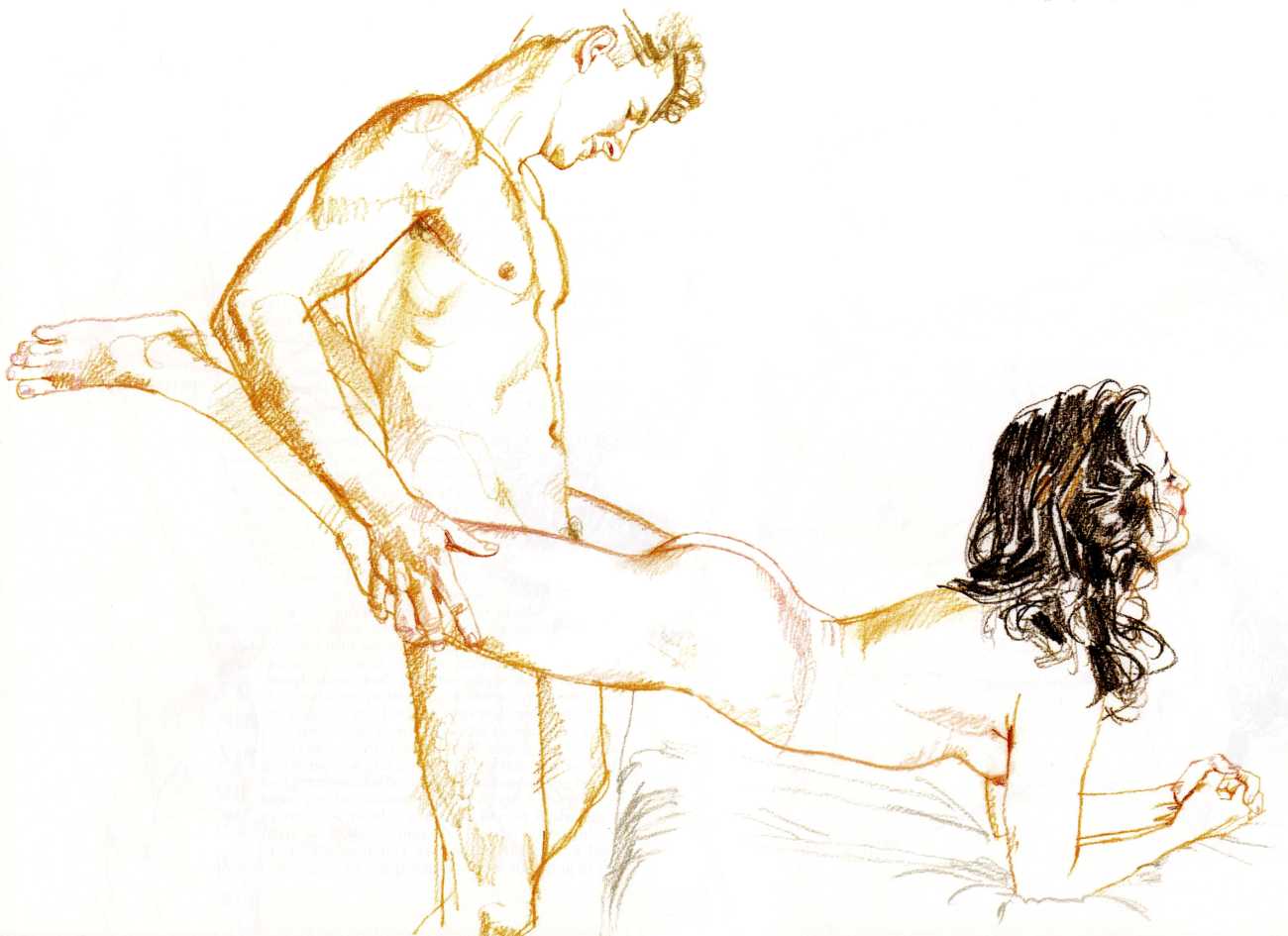
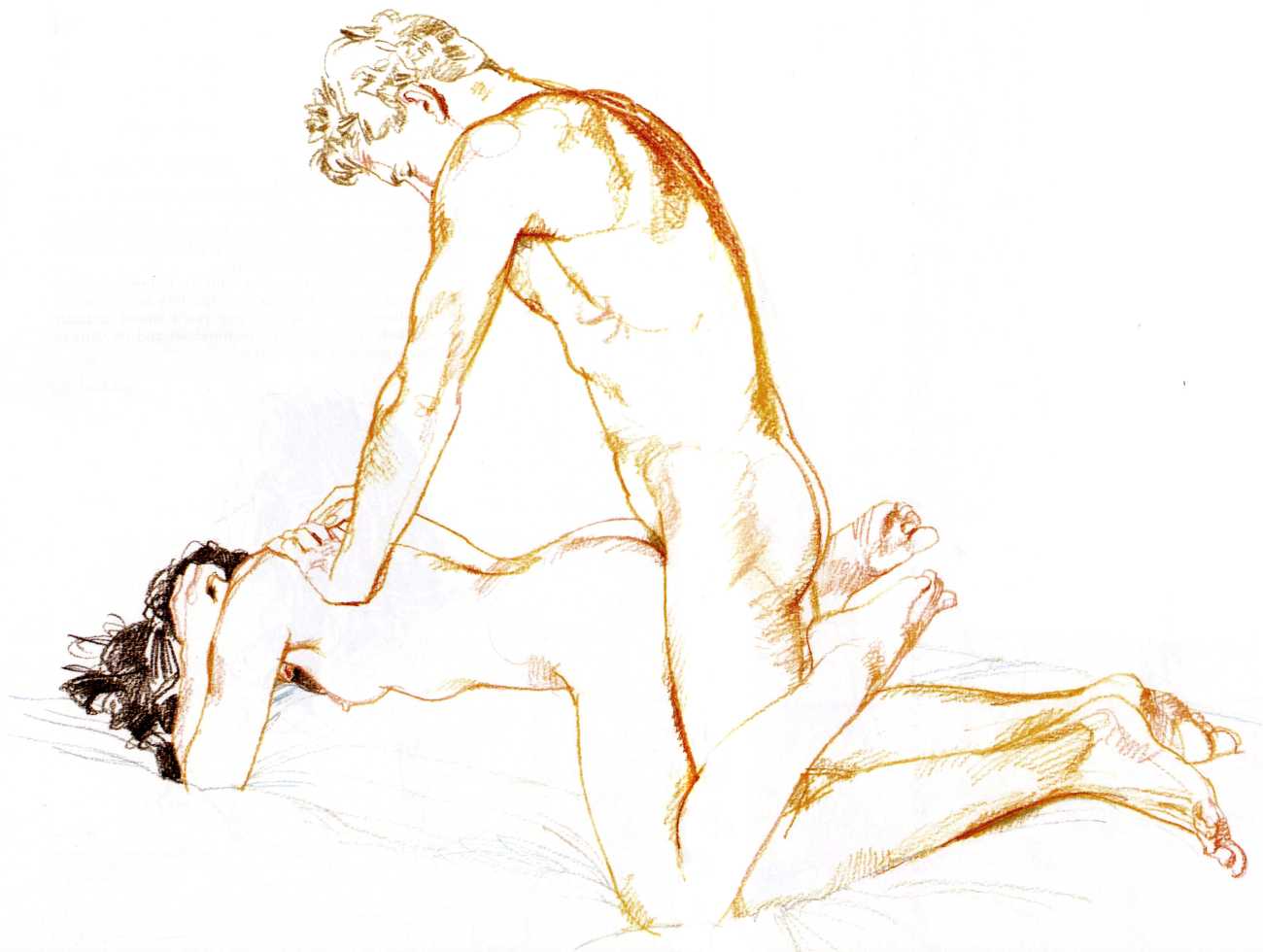
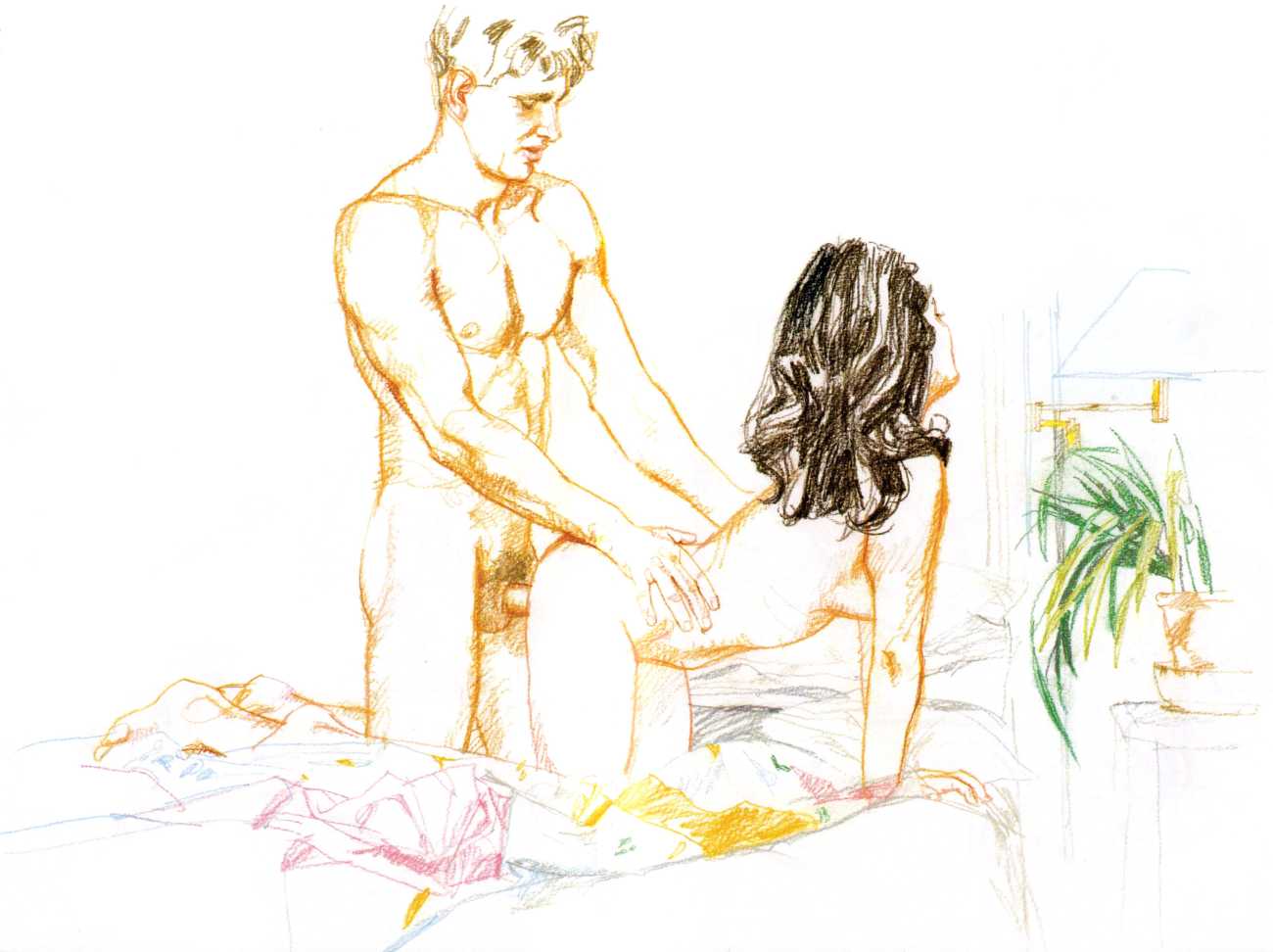
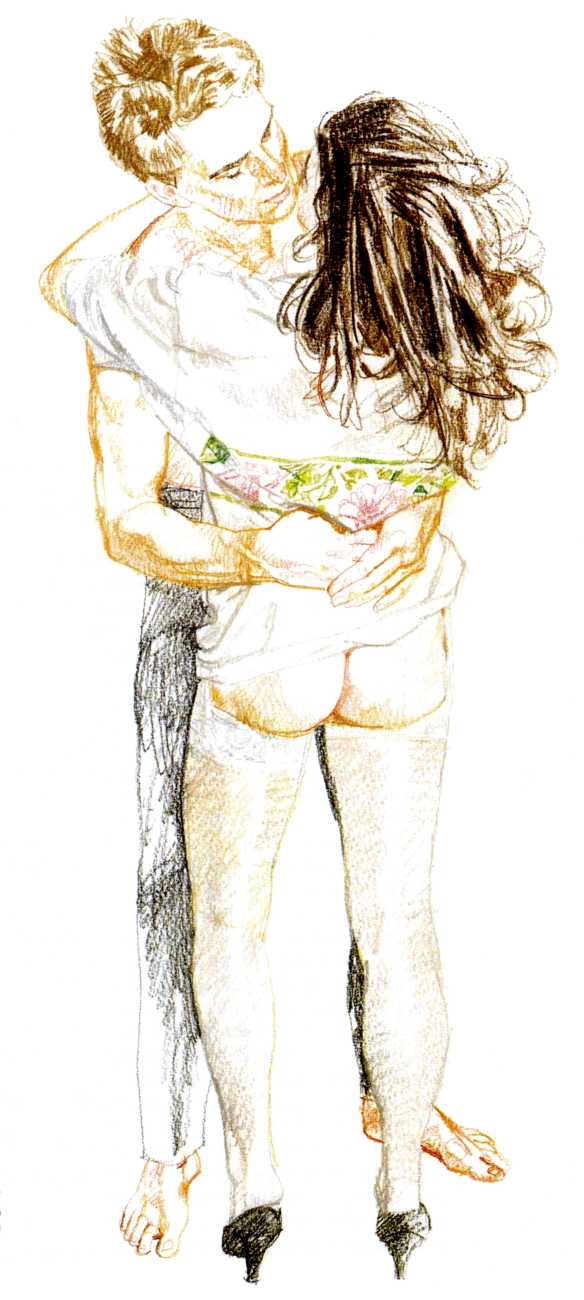
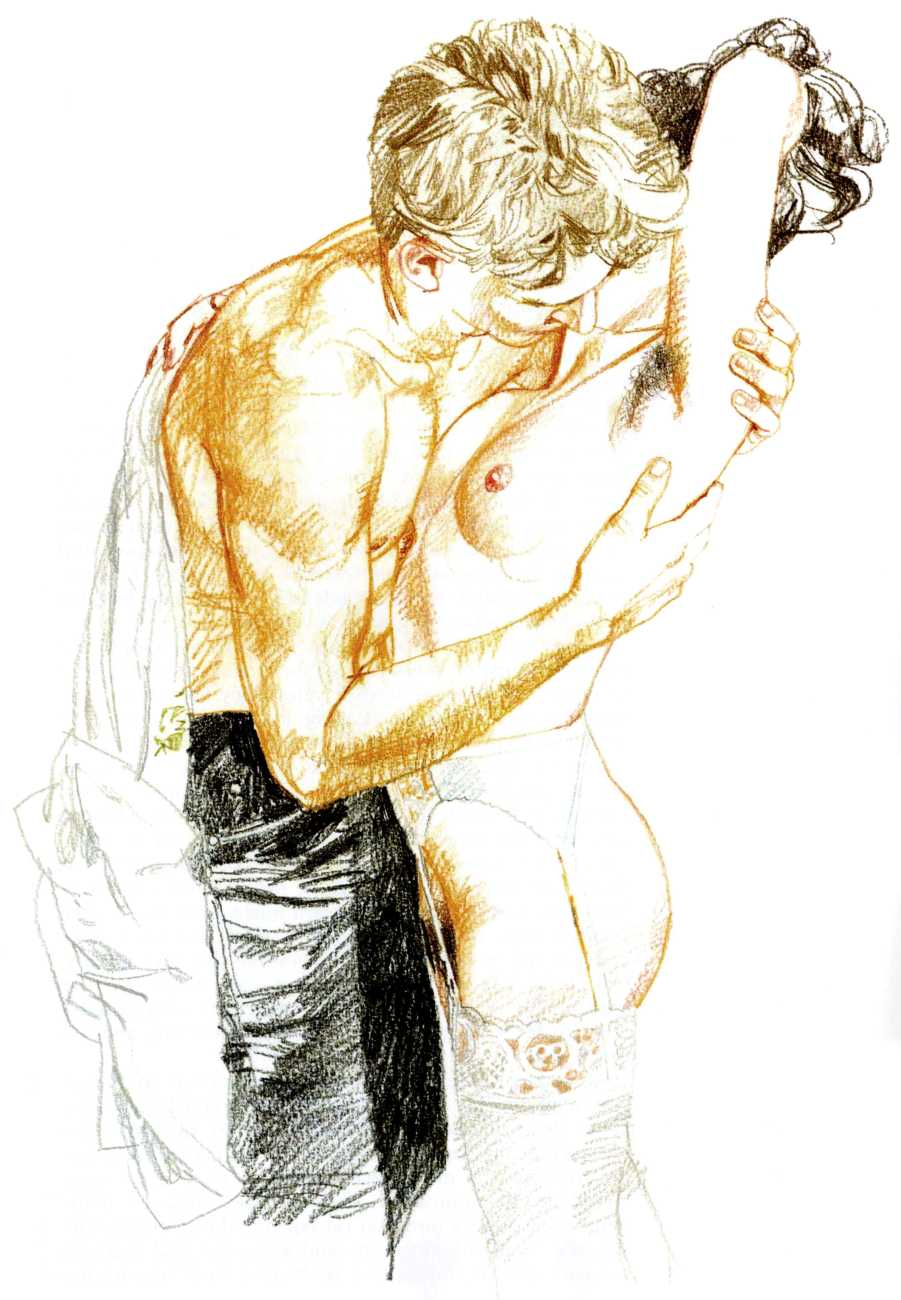
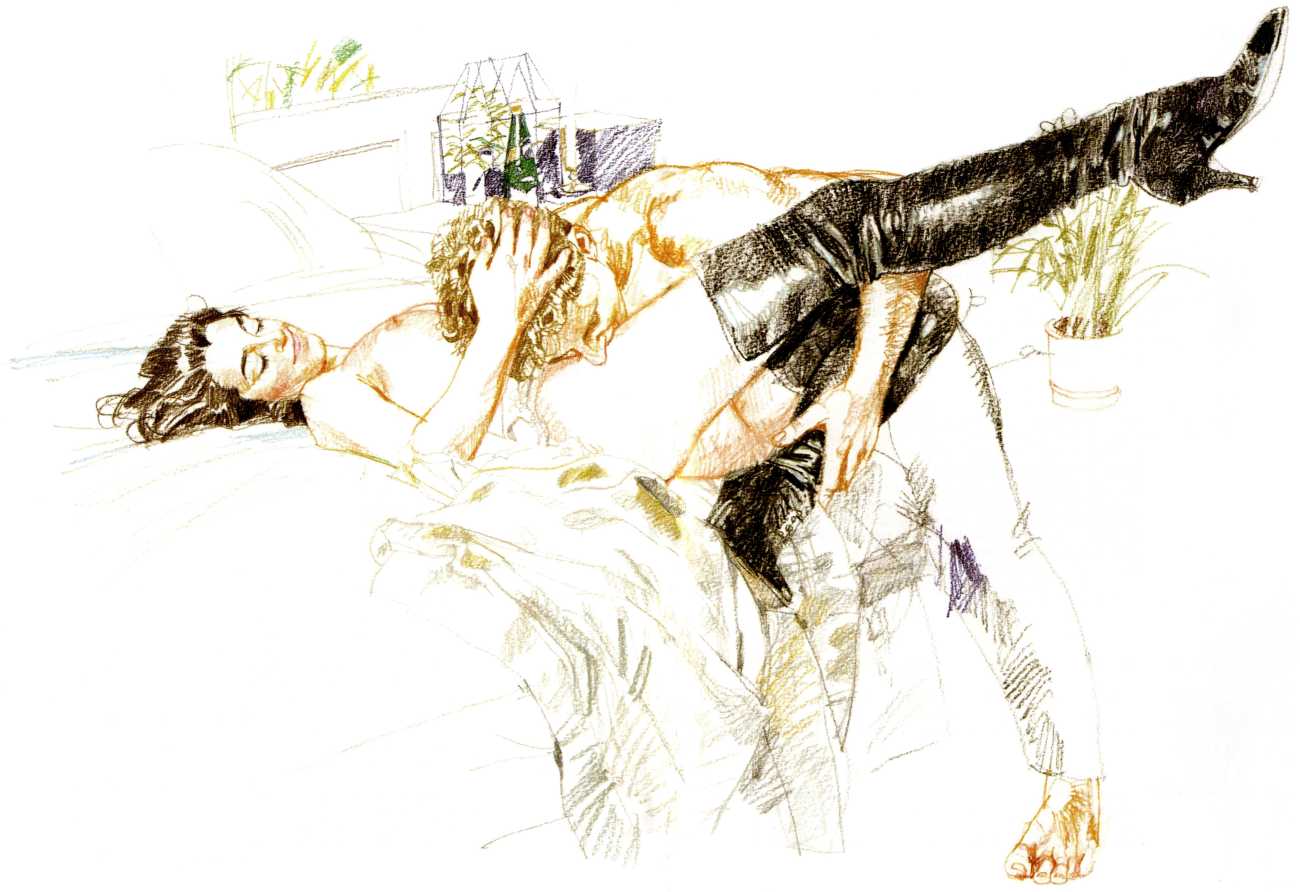
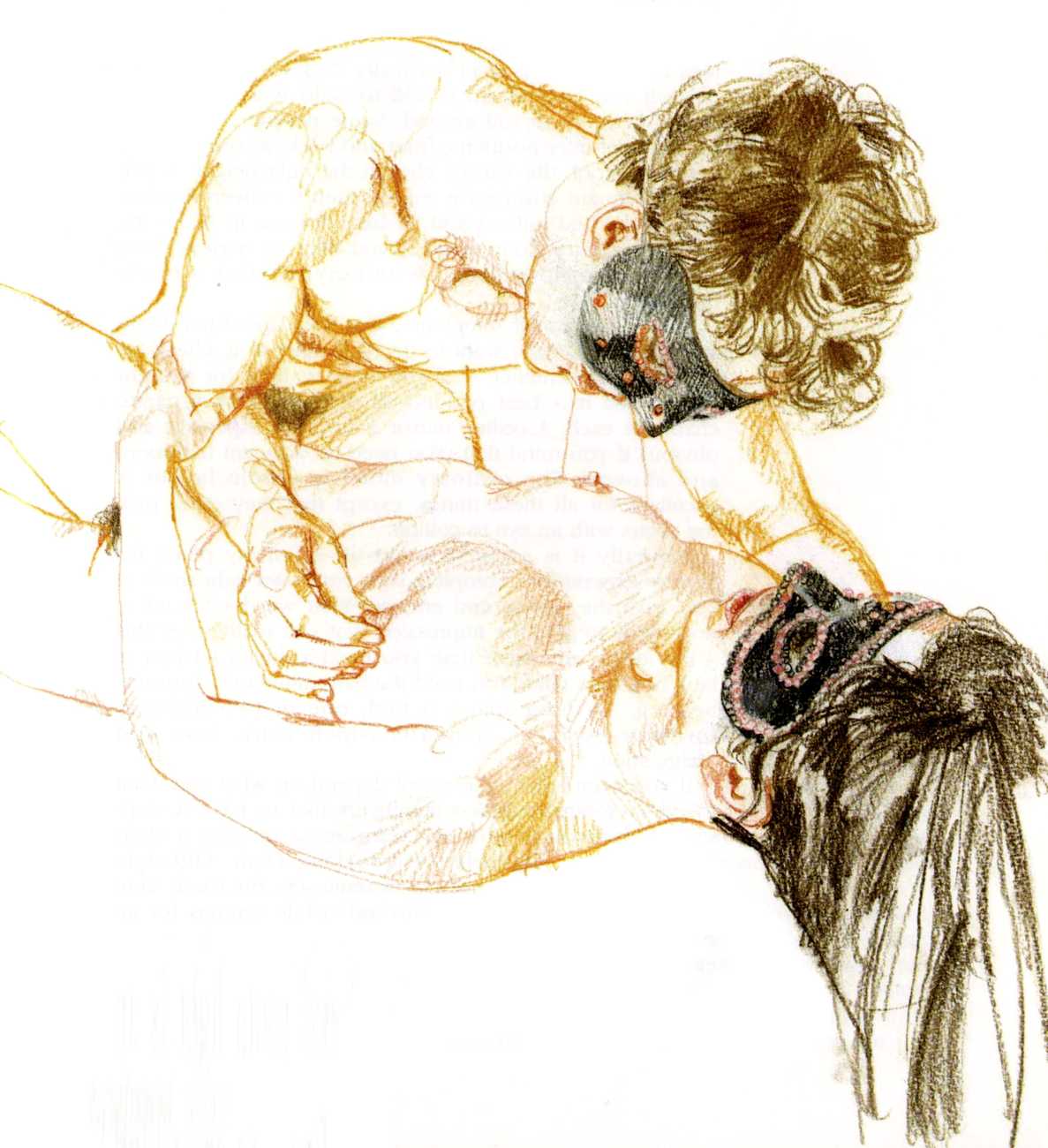
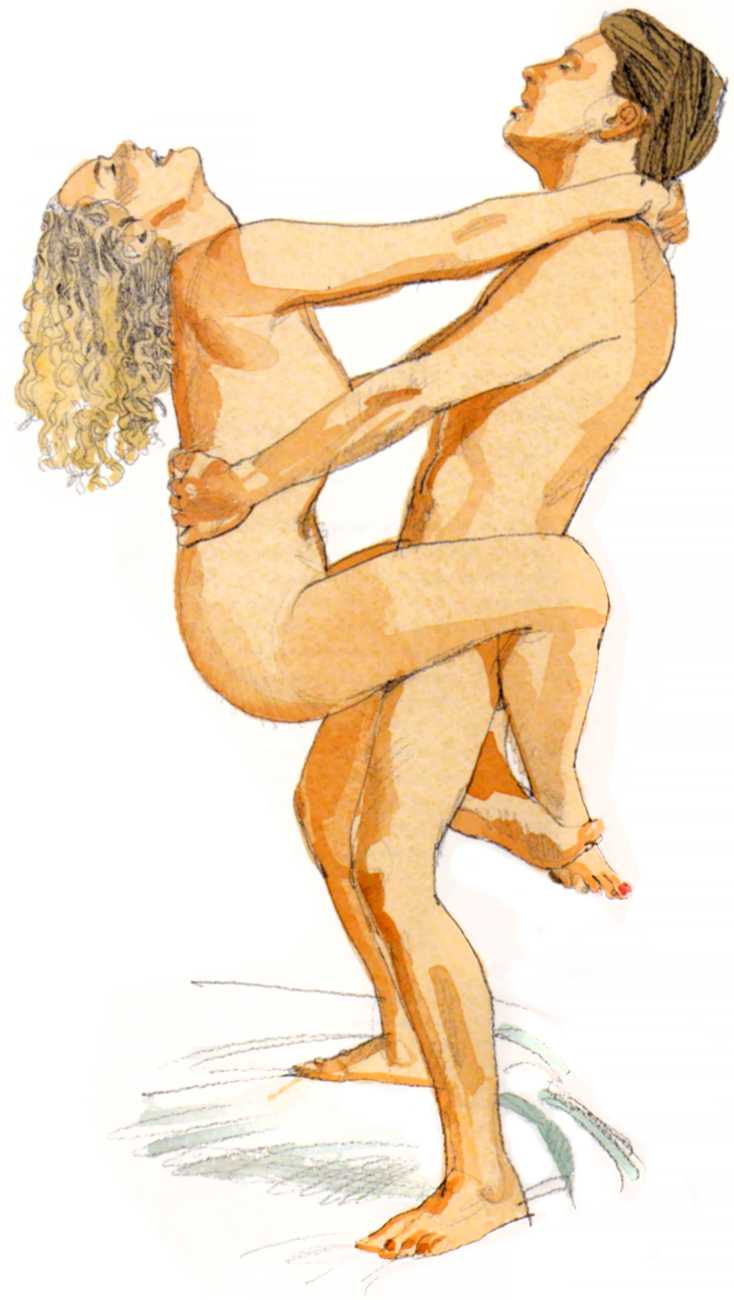
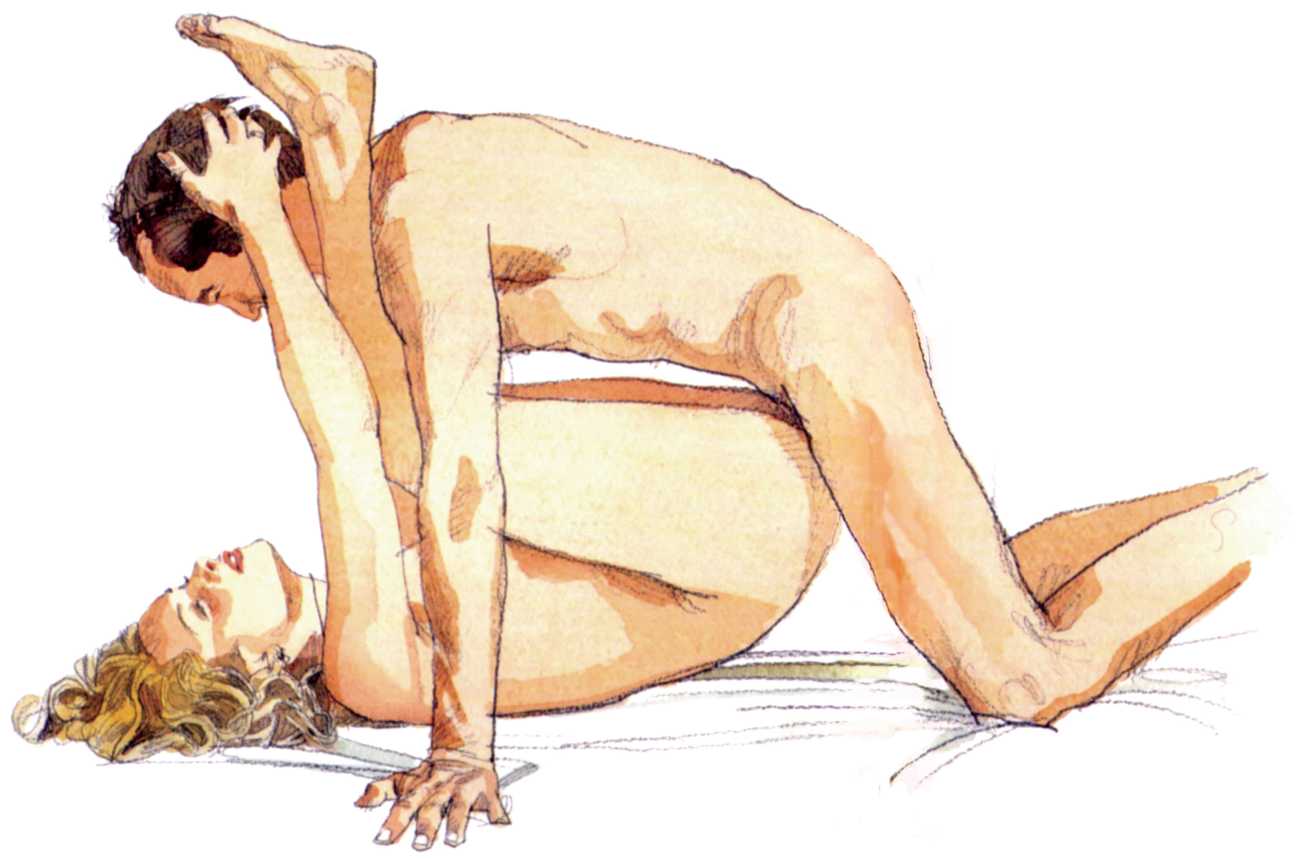
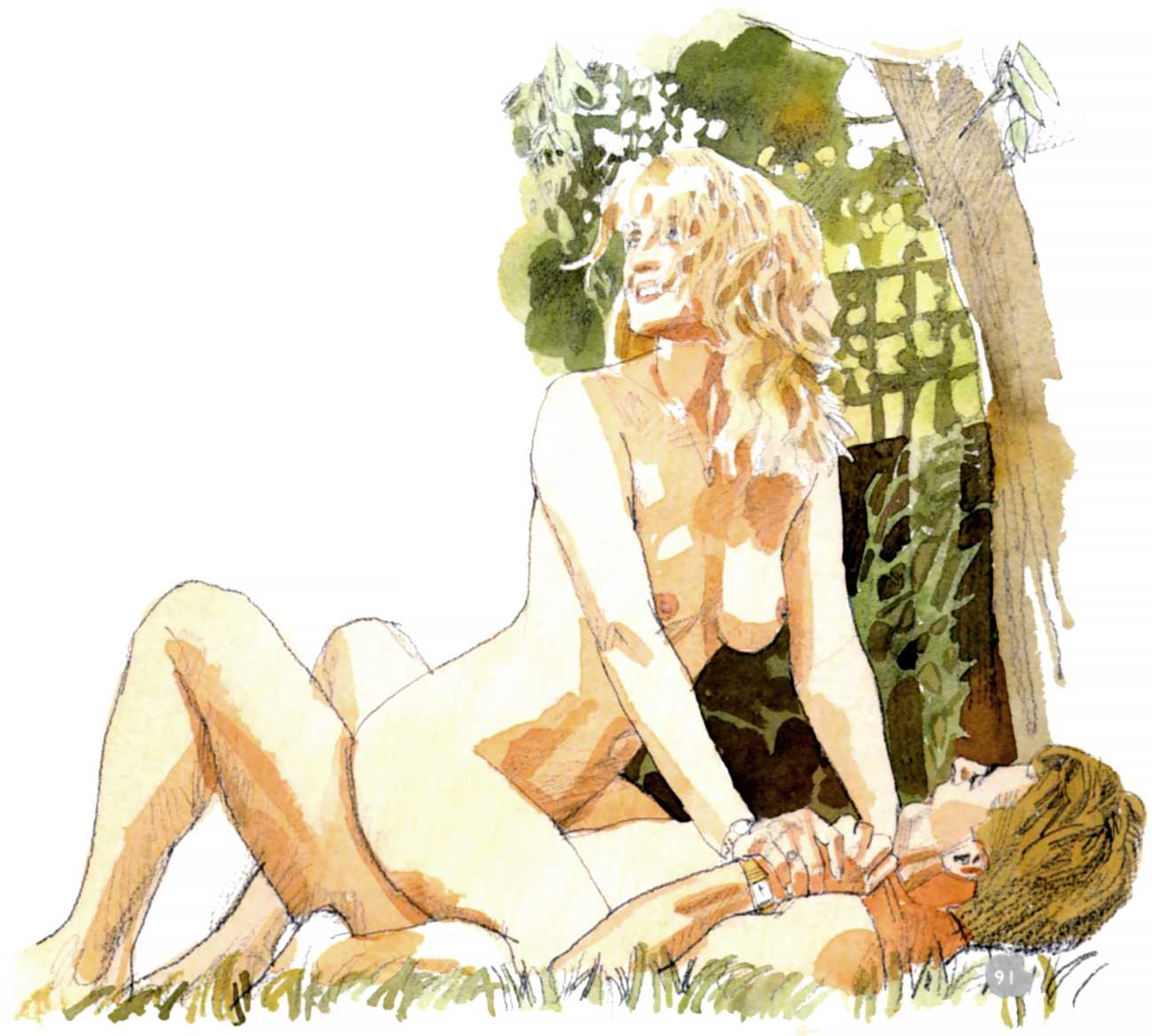
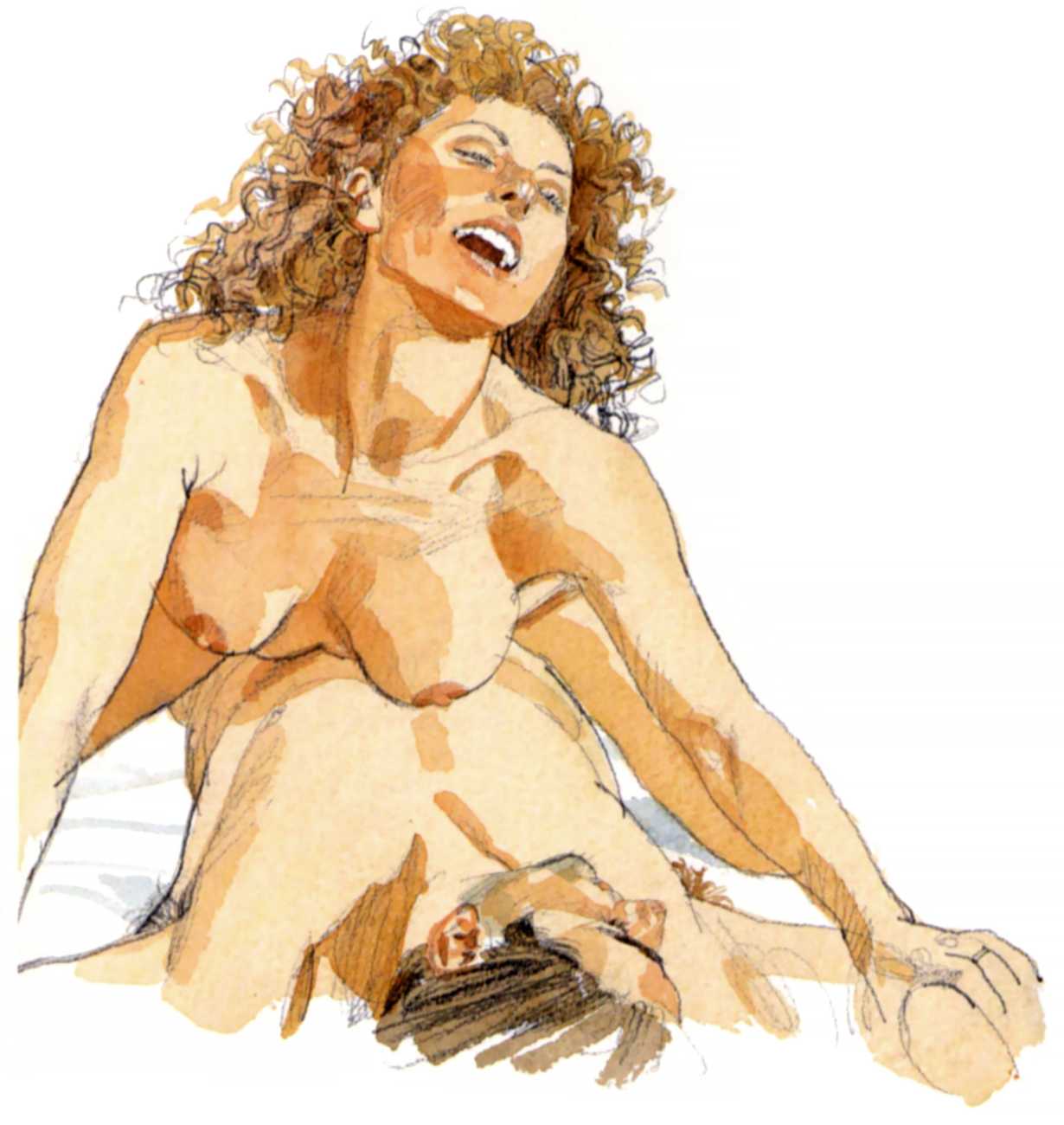
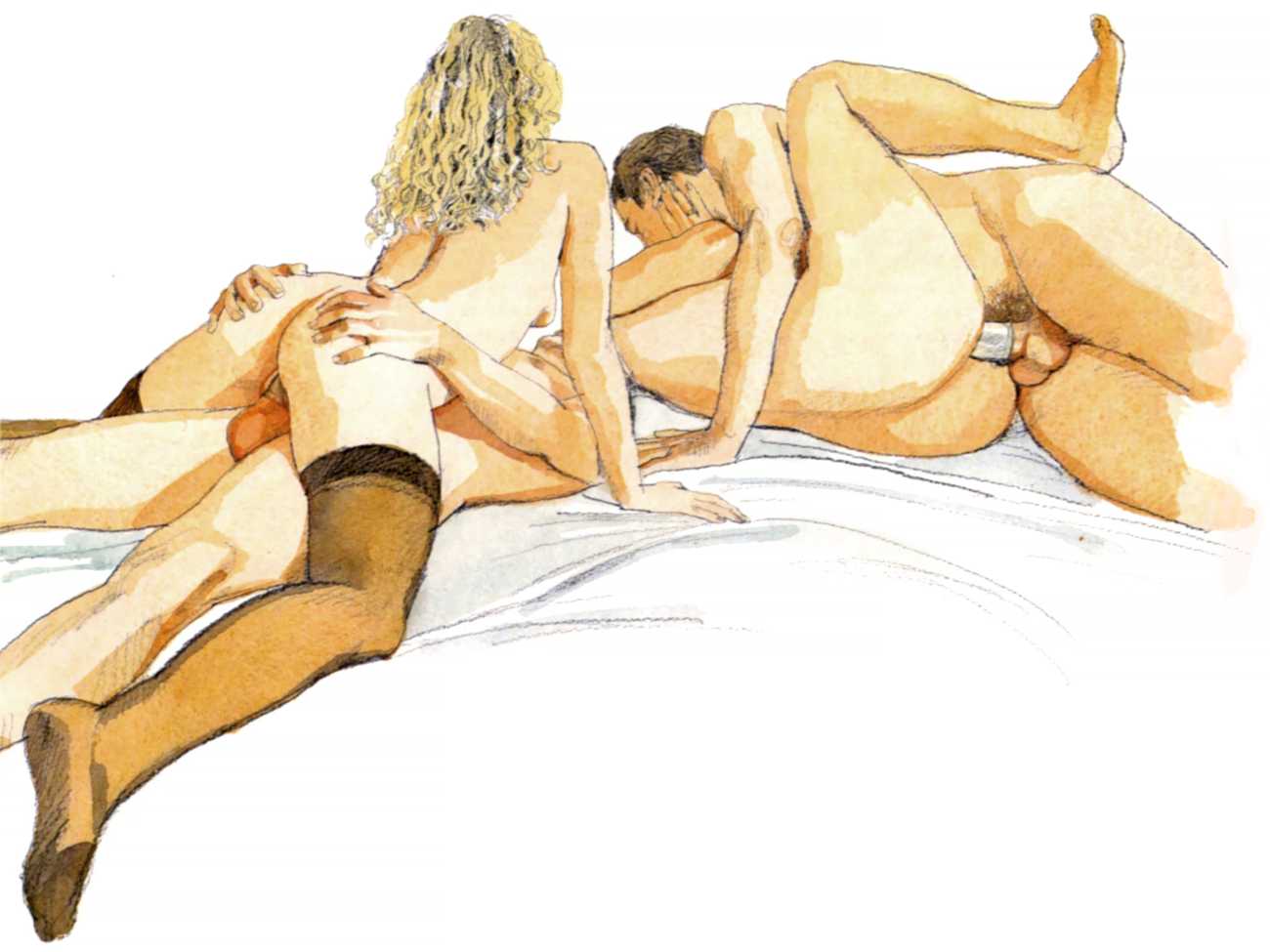
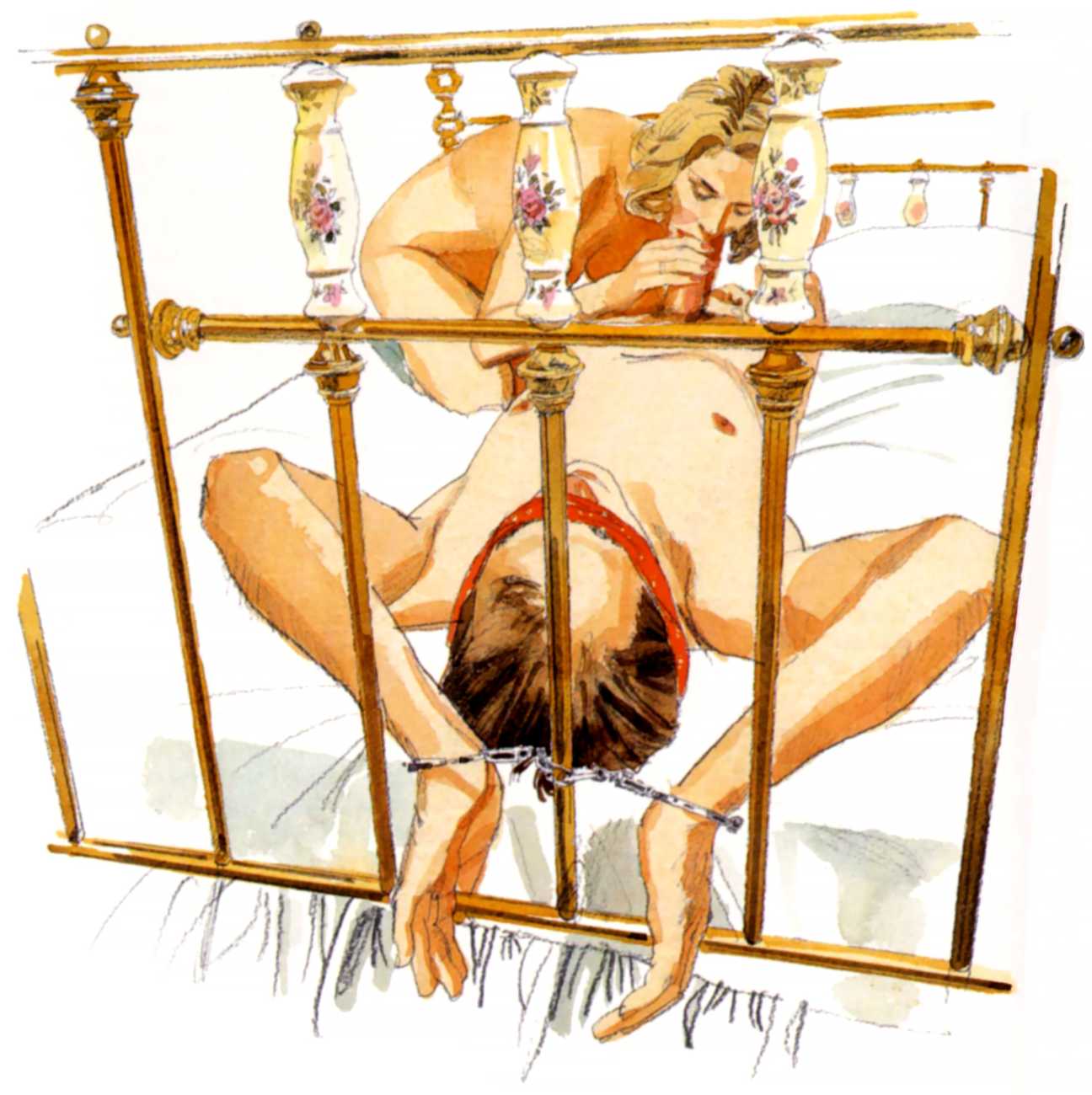
Example illustration