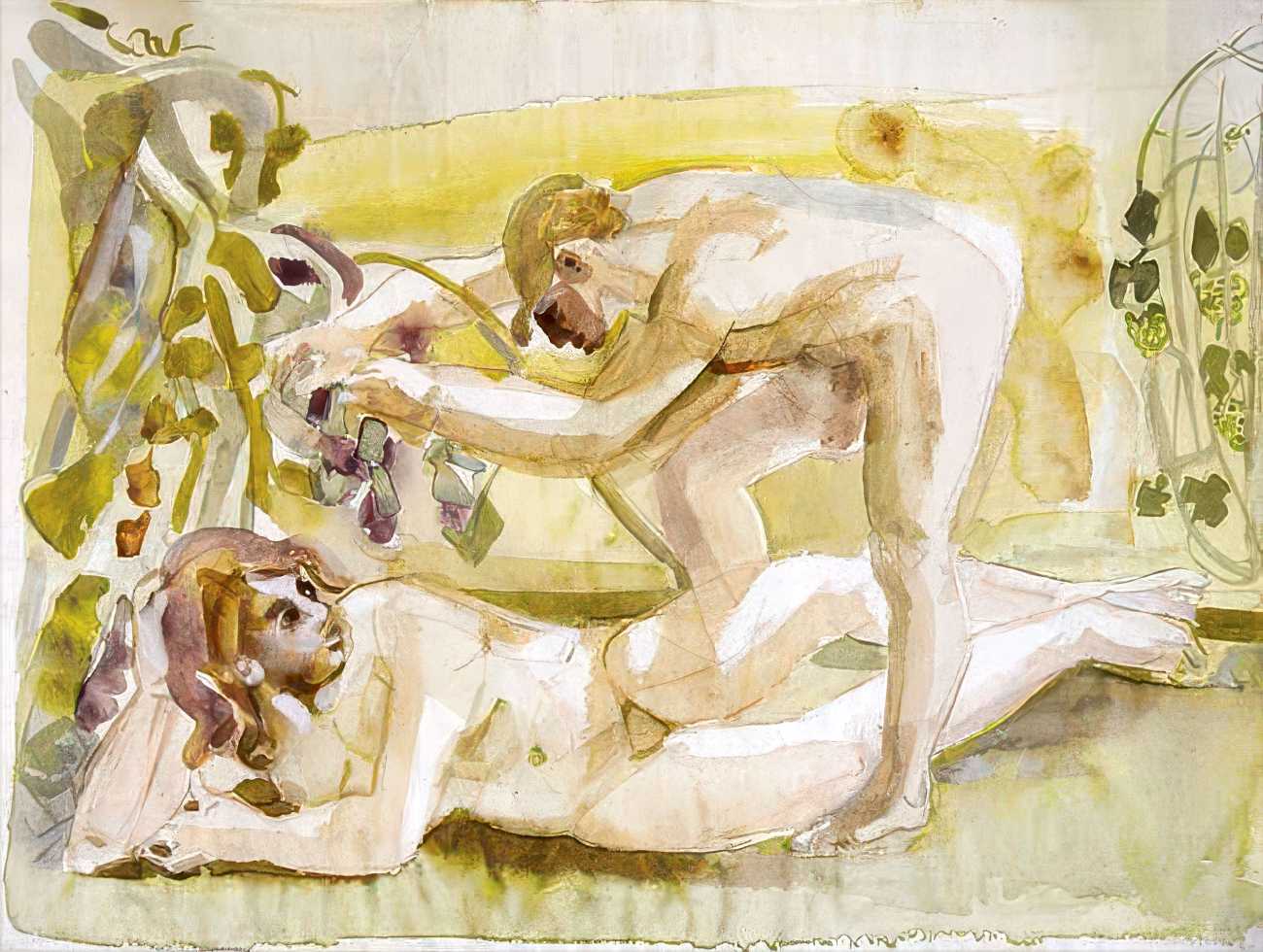
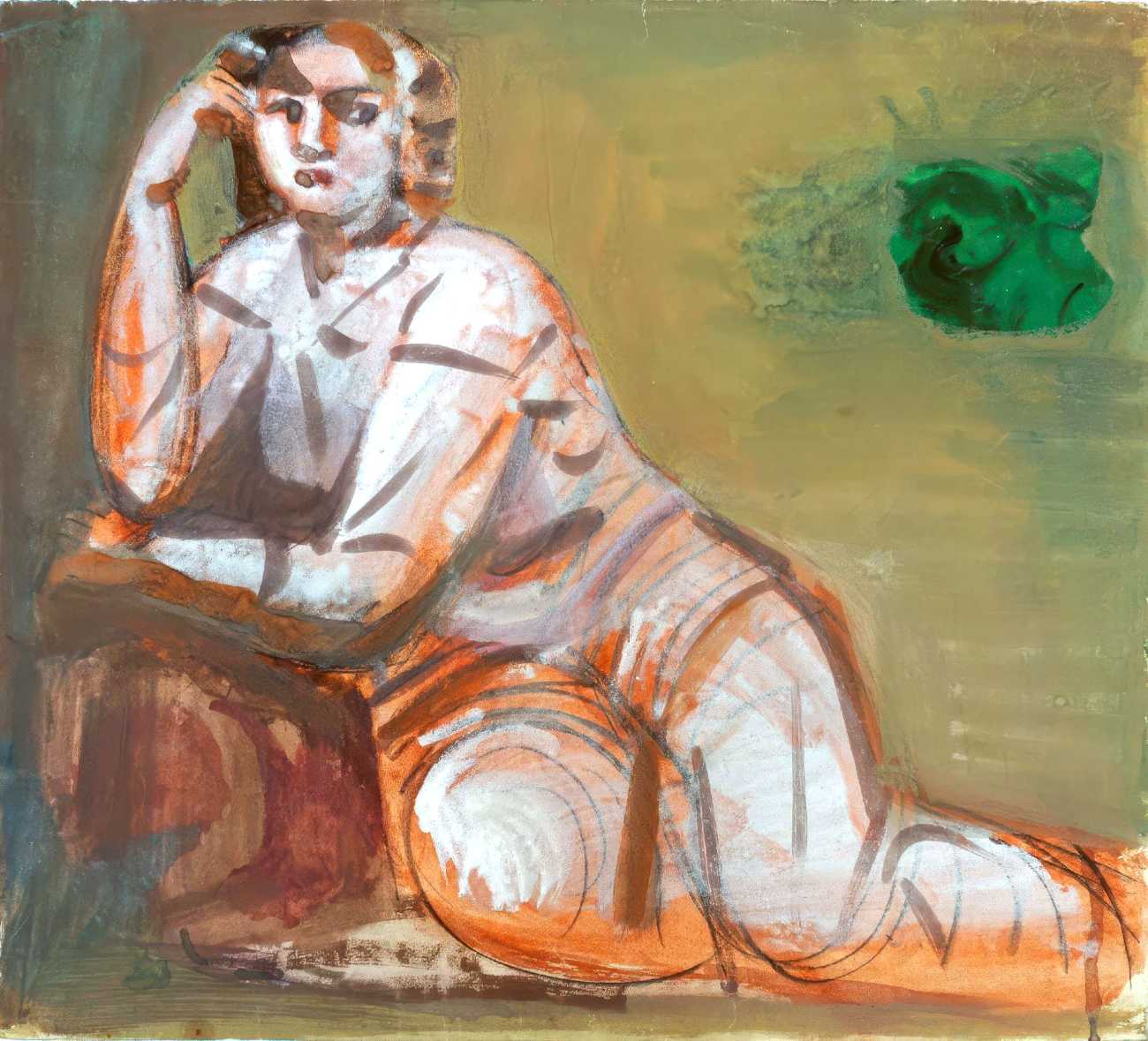
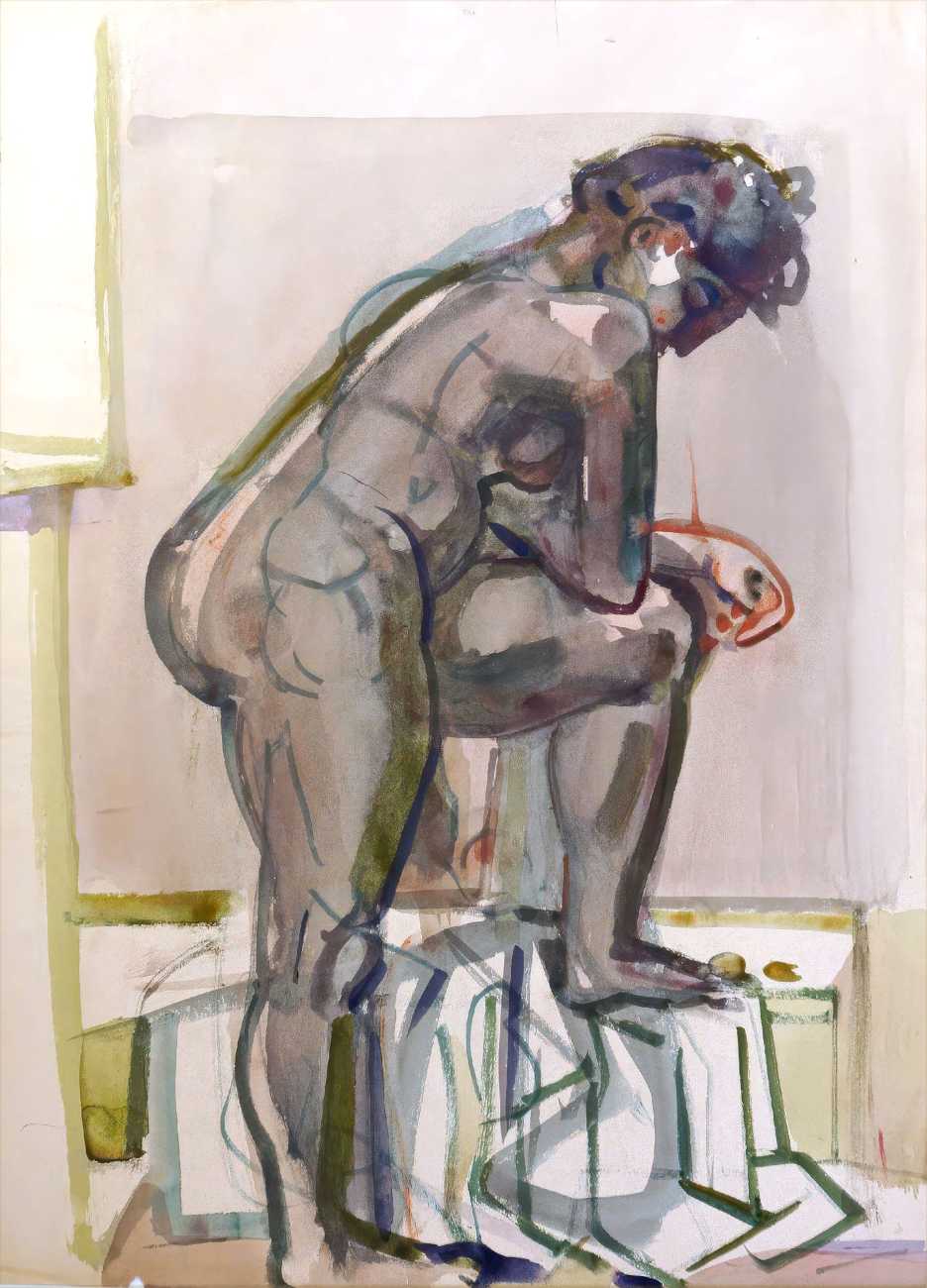
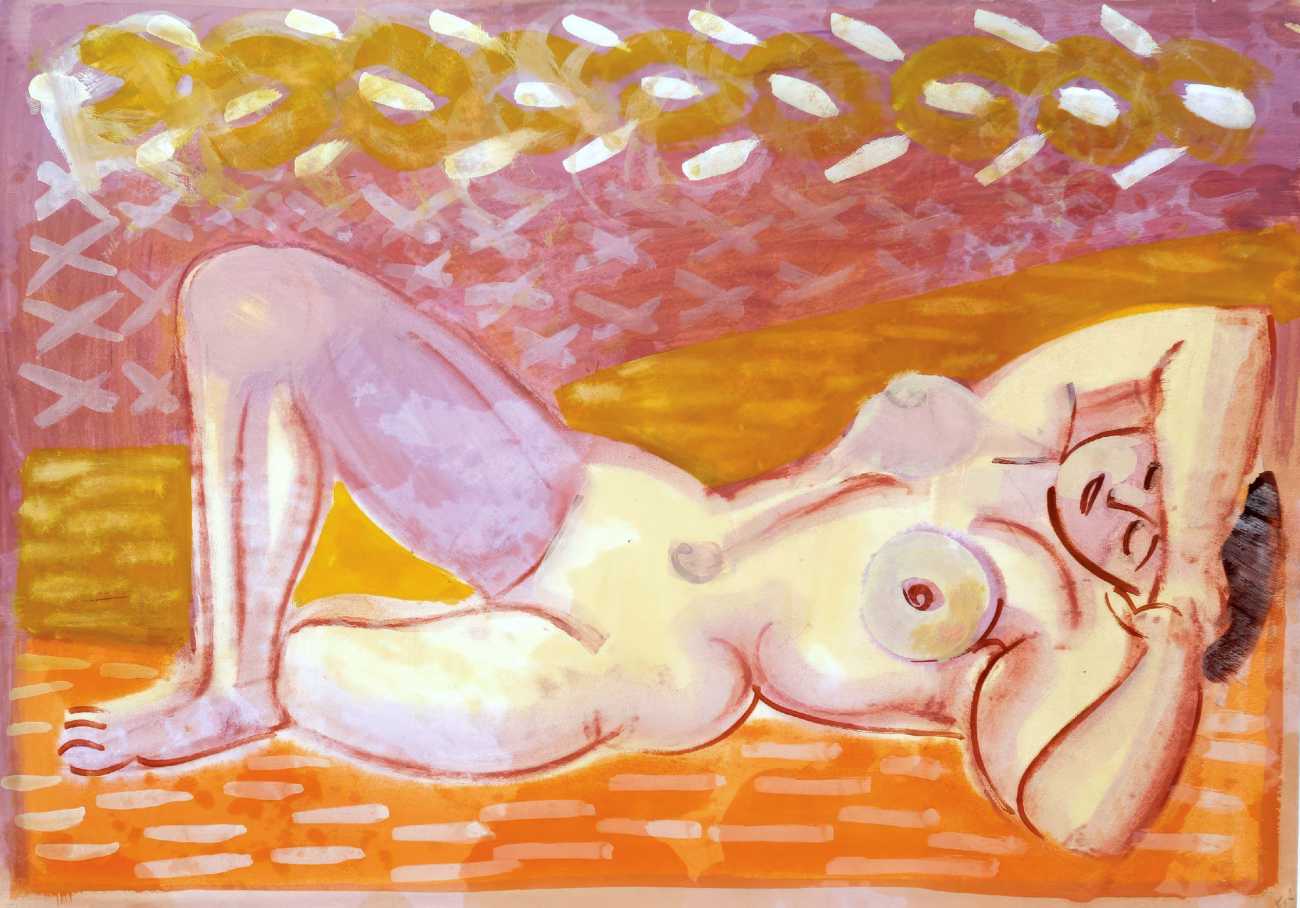
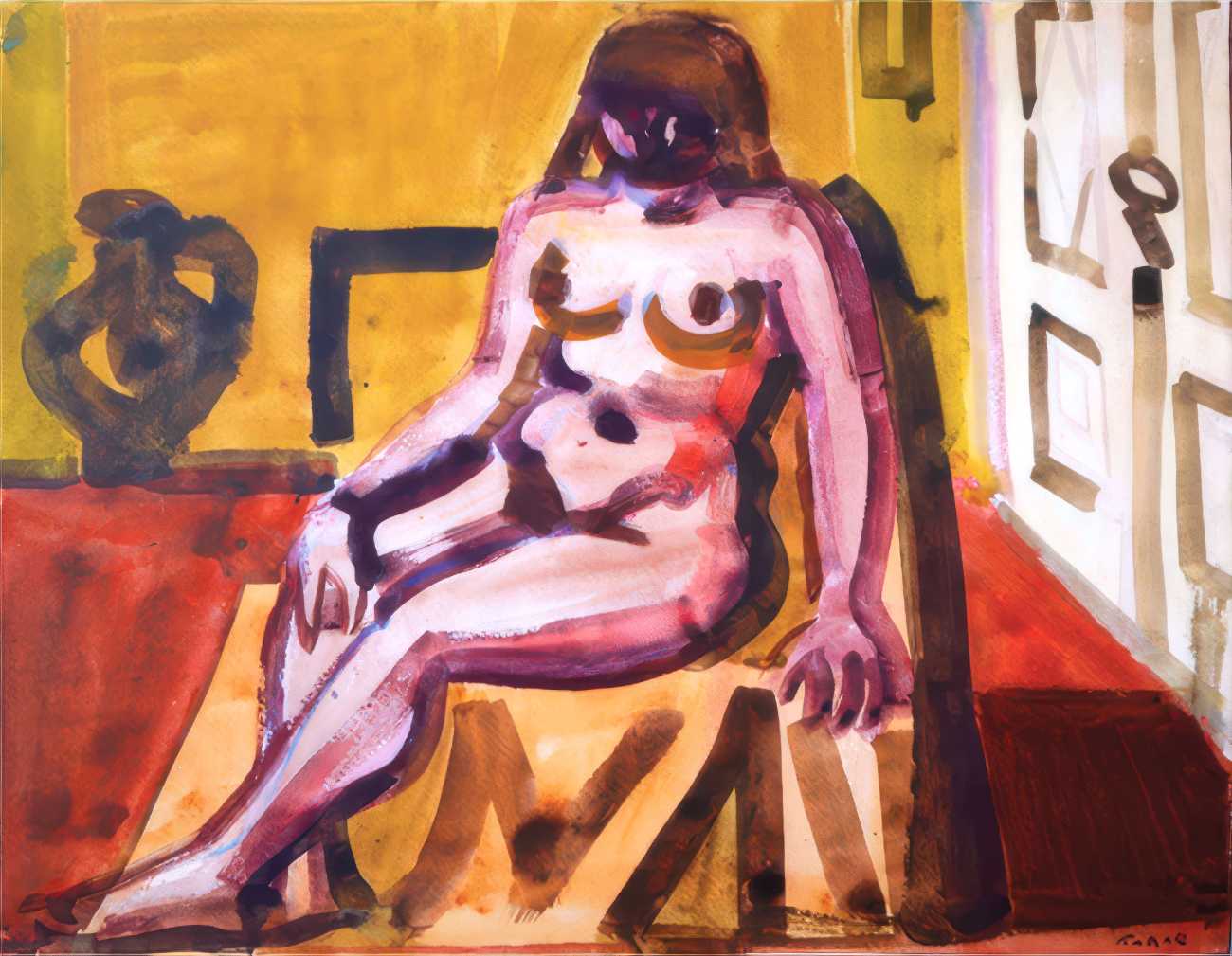
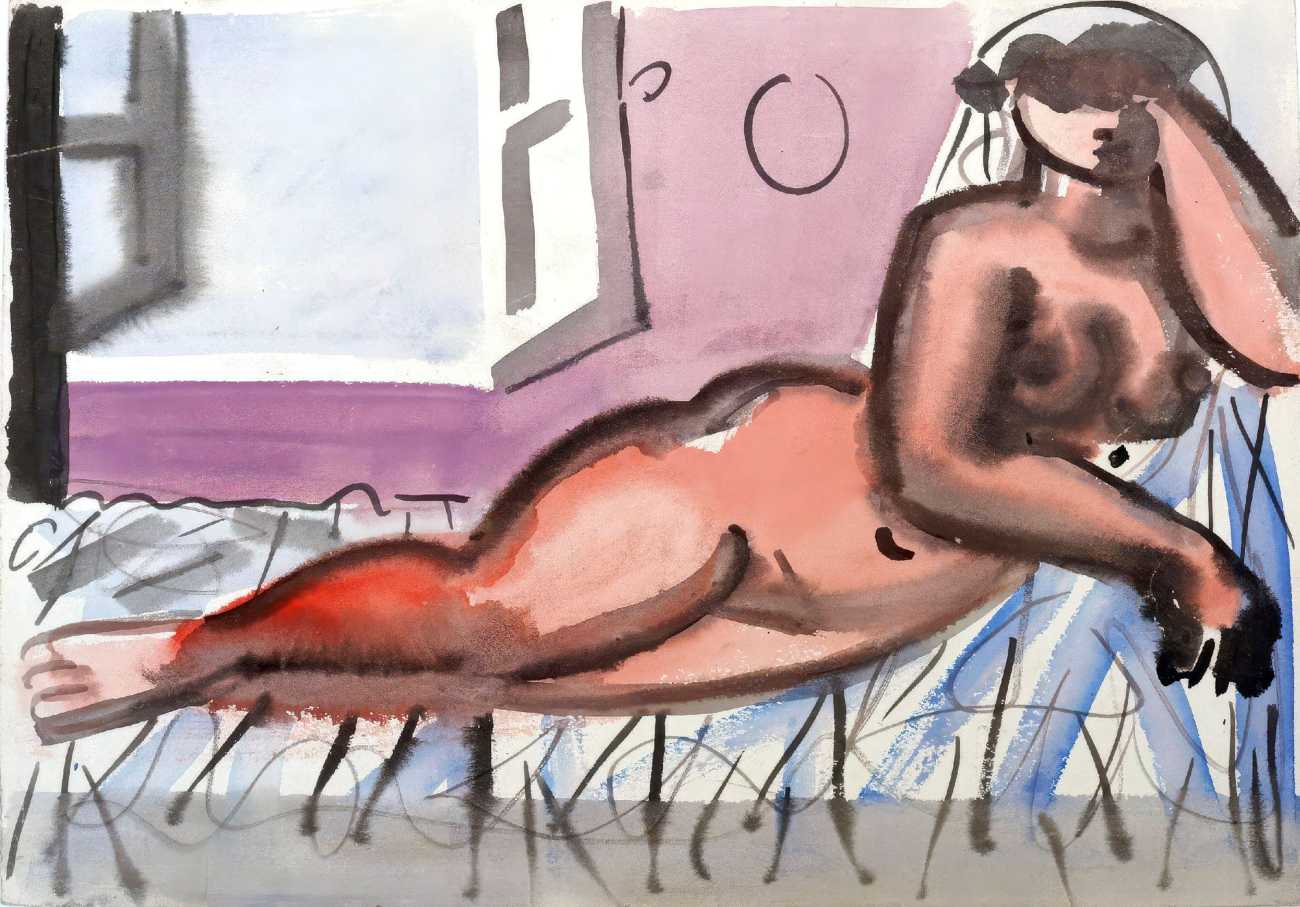
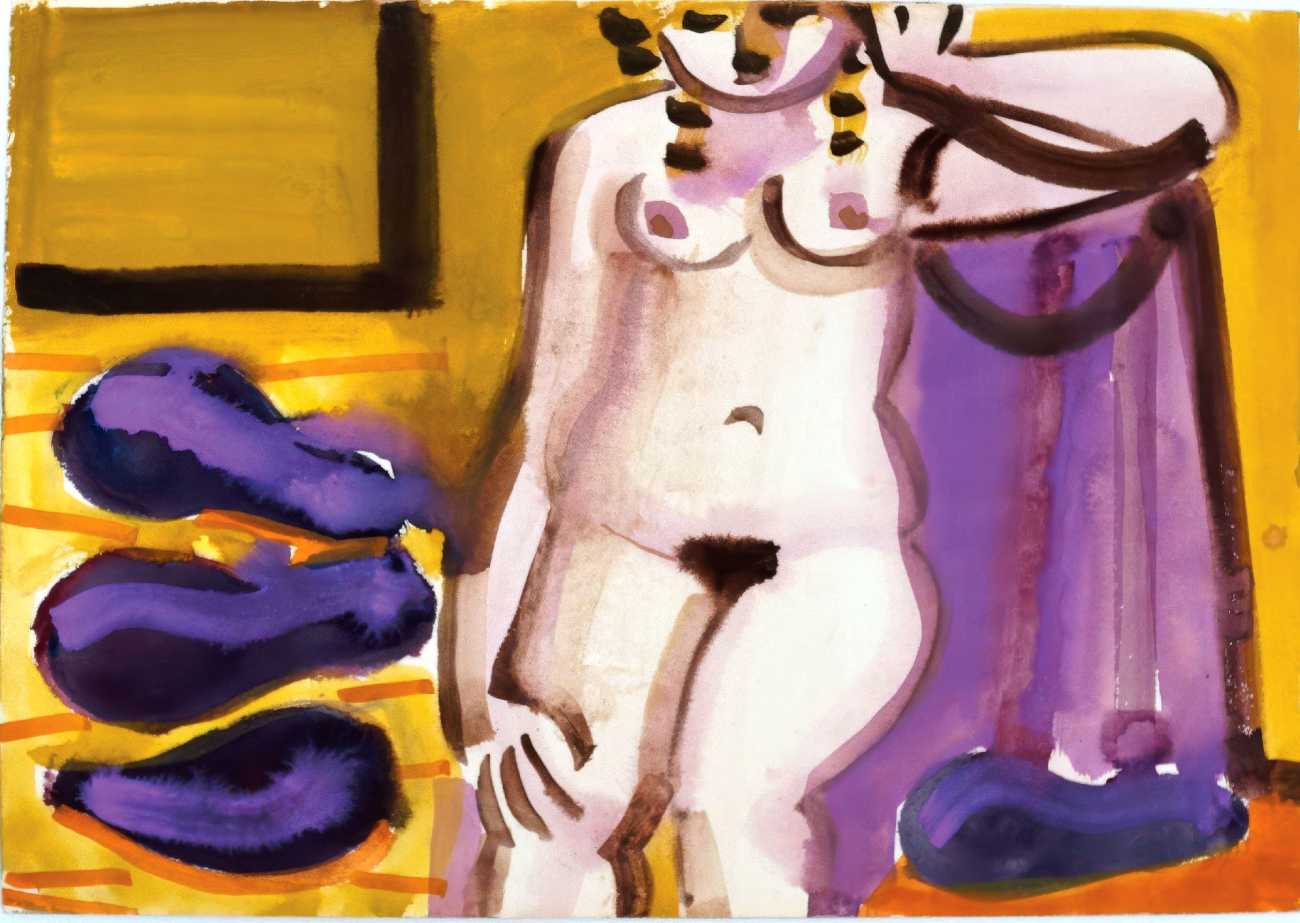
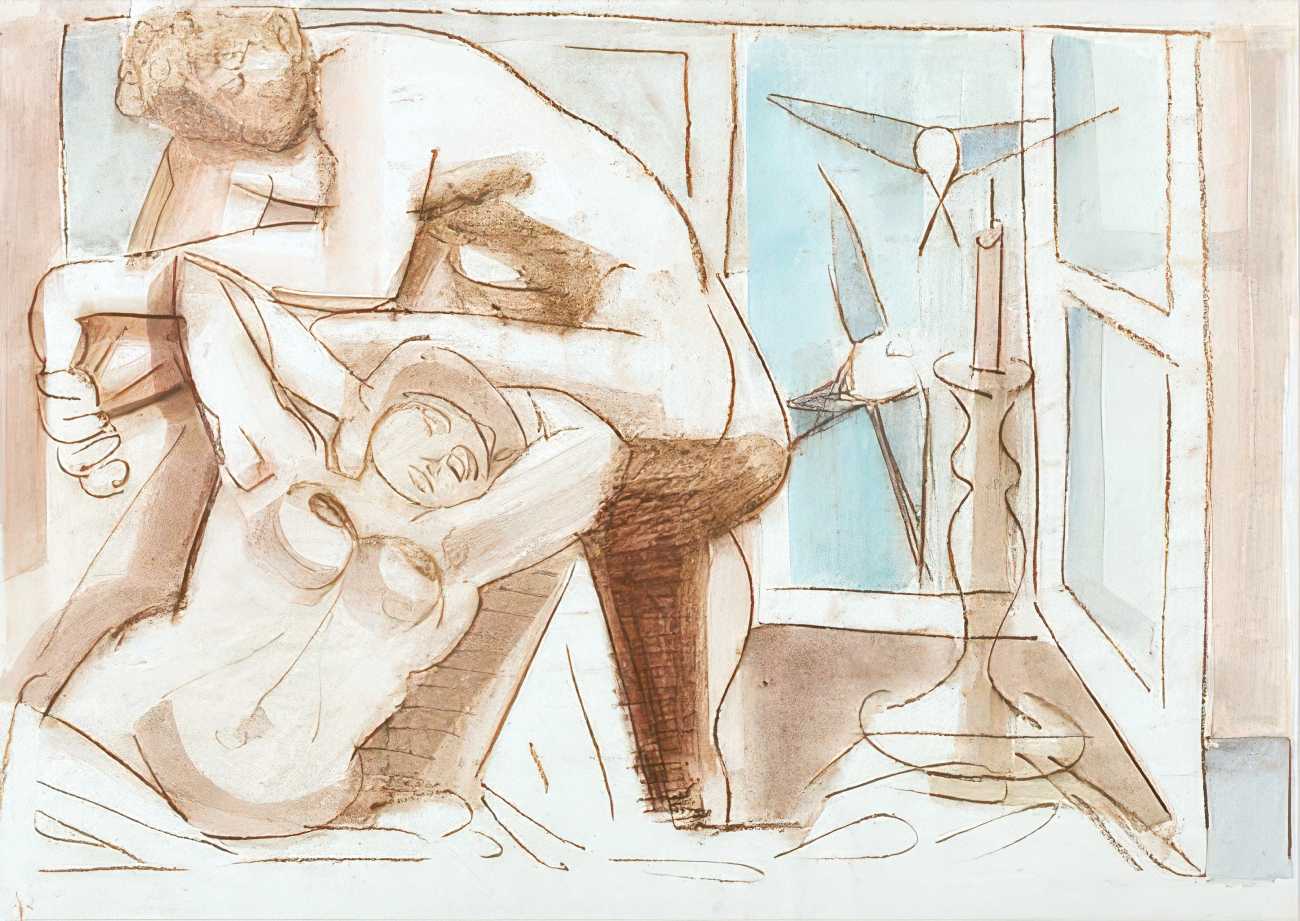
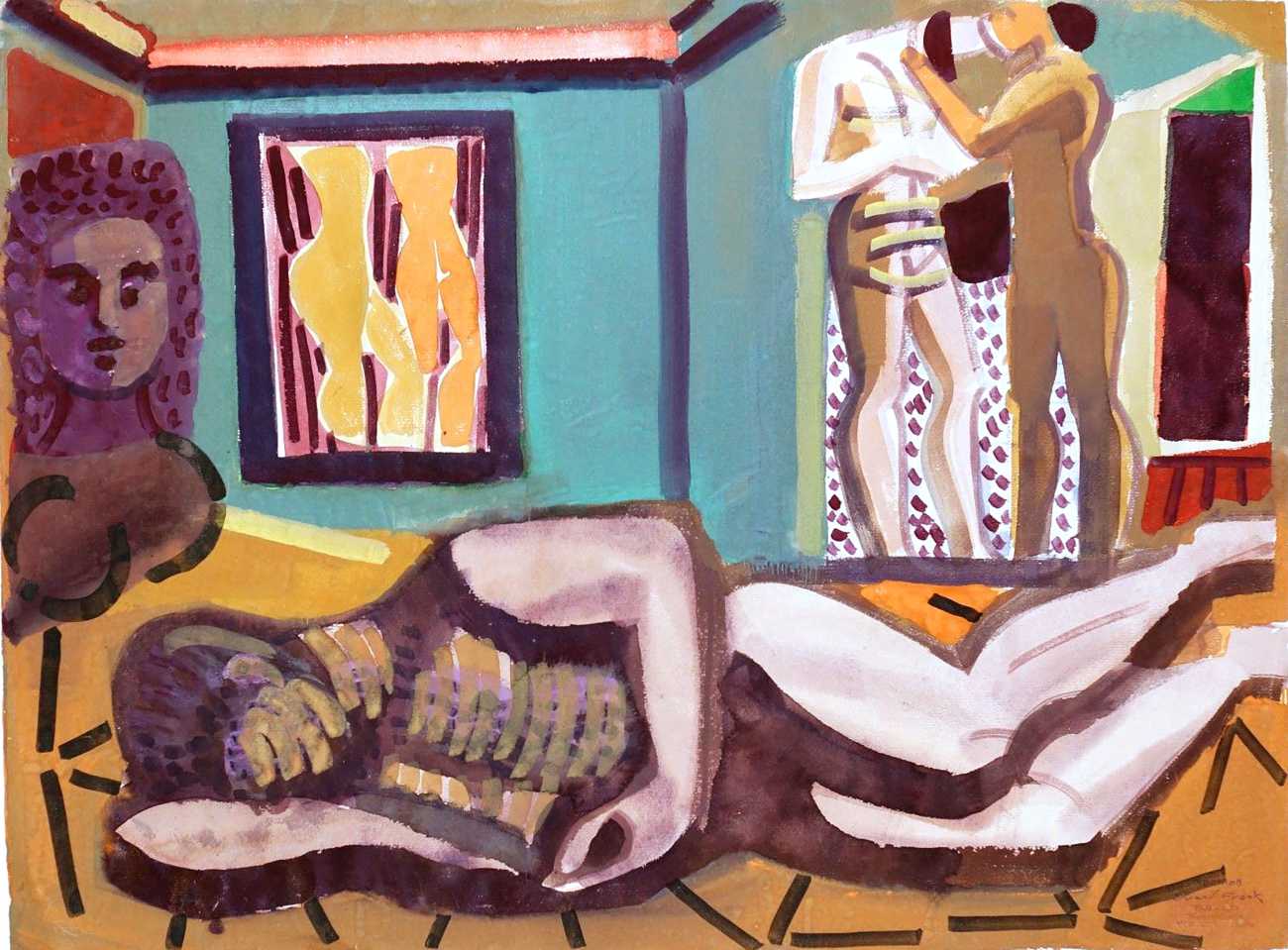
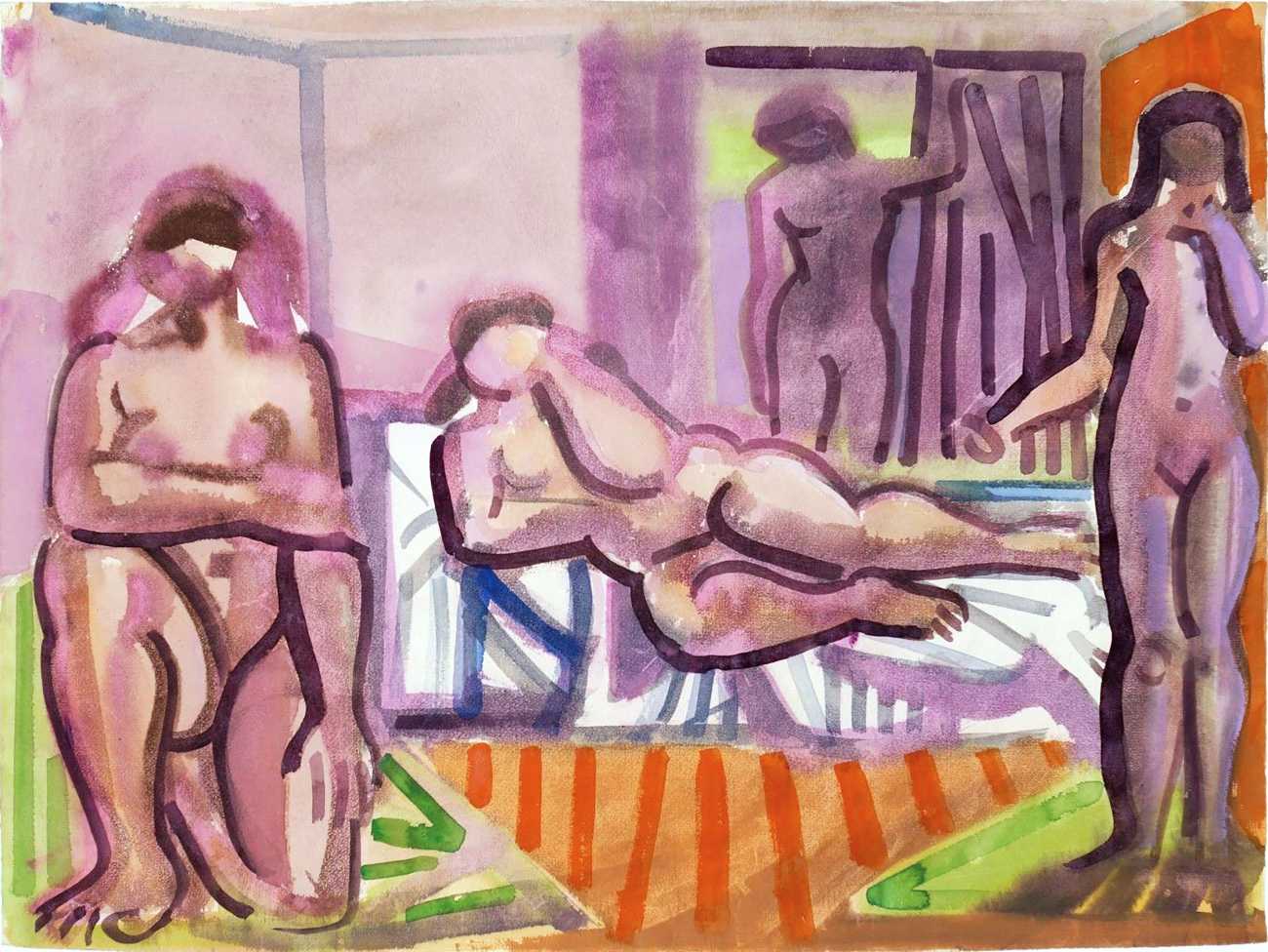
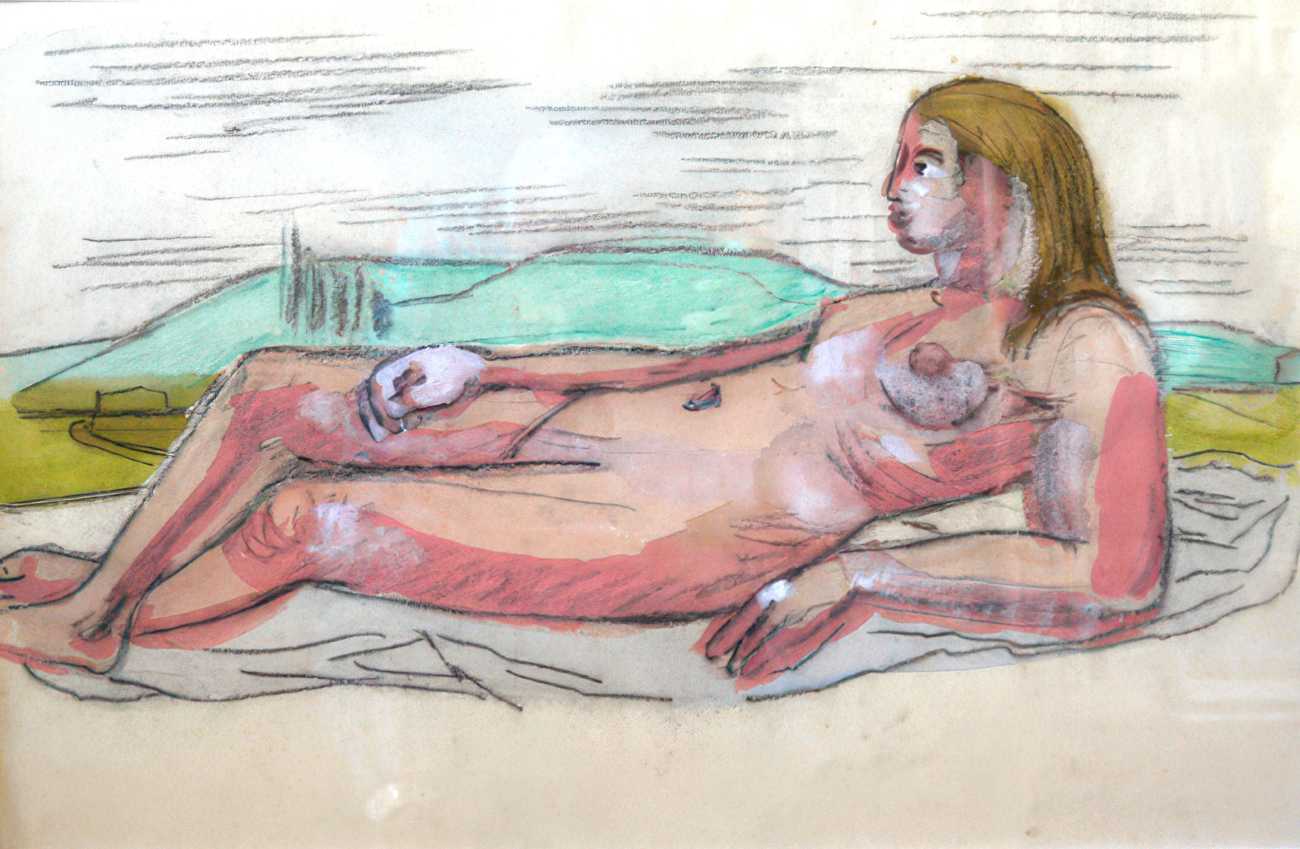
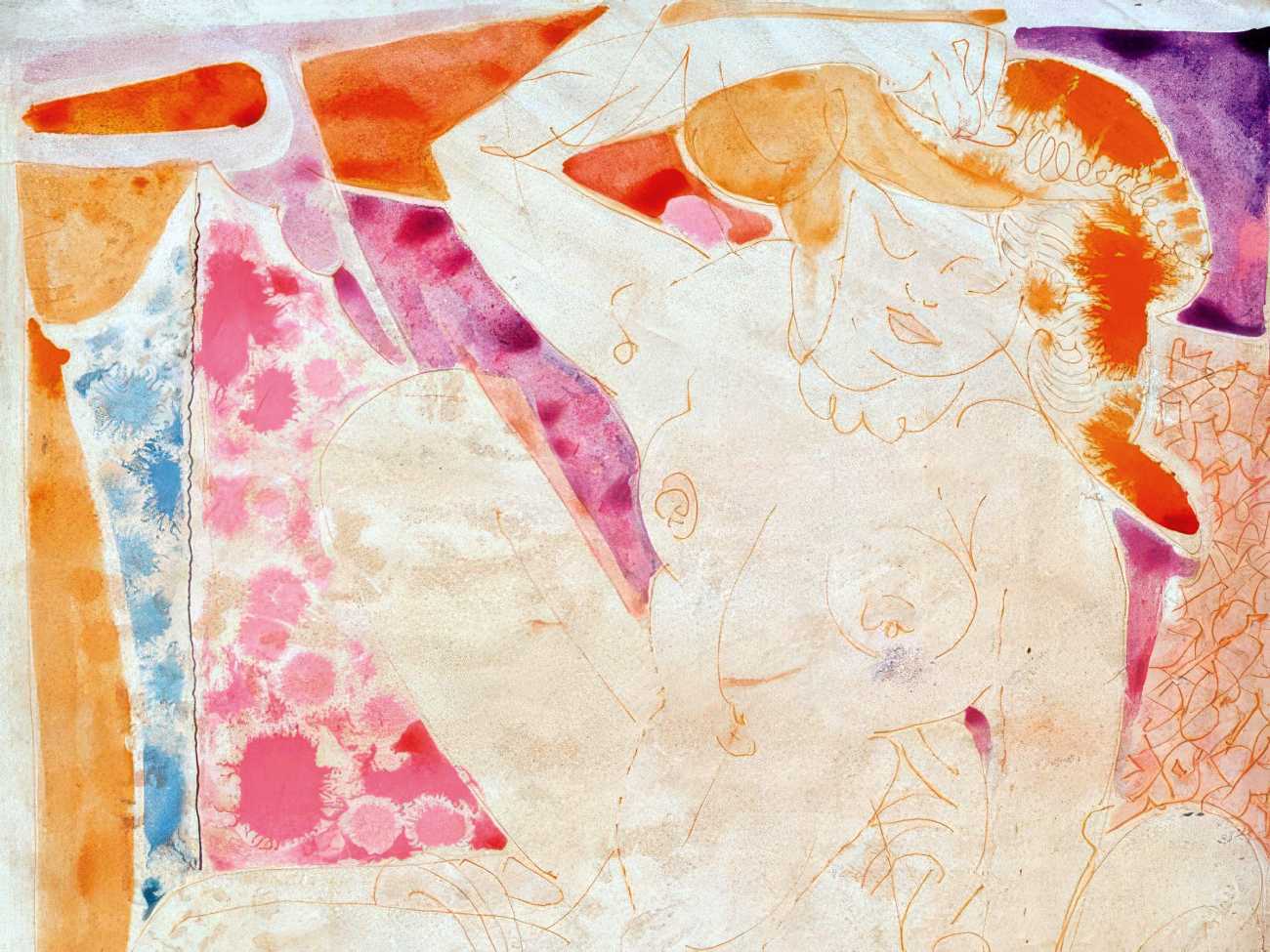
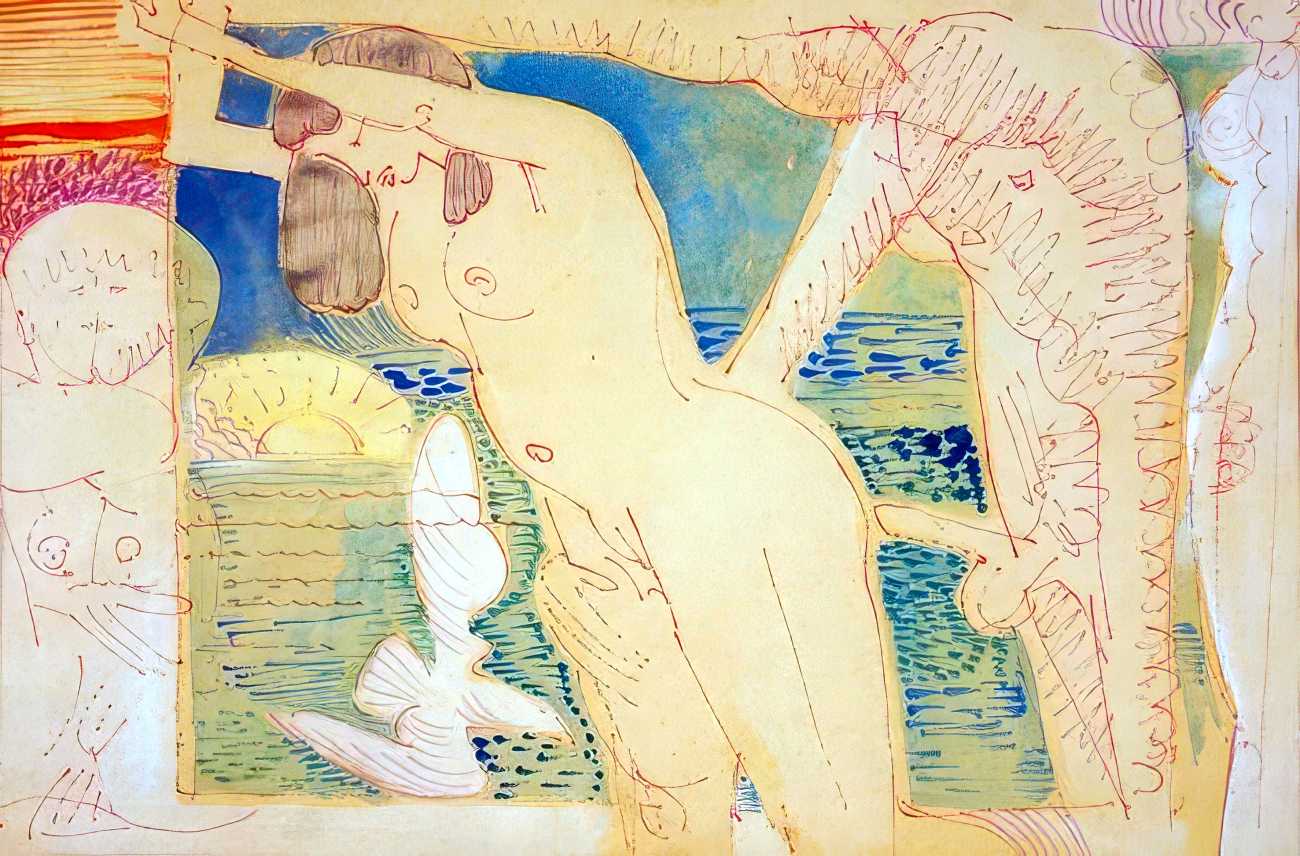
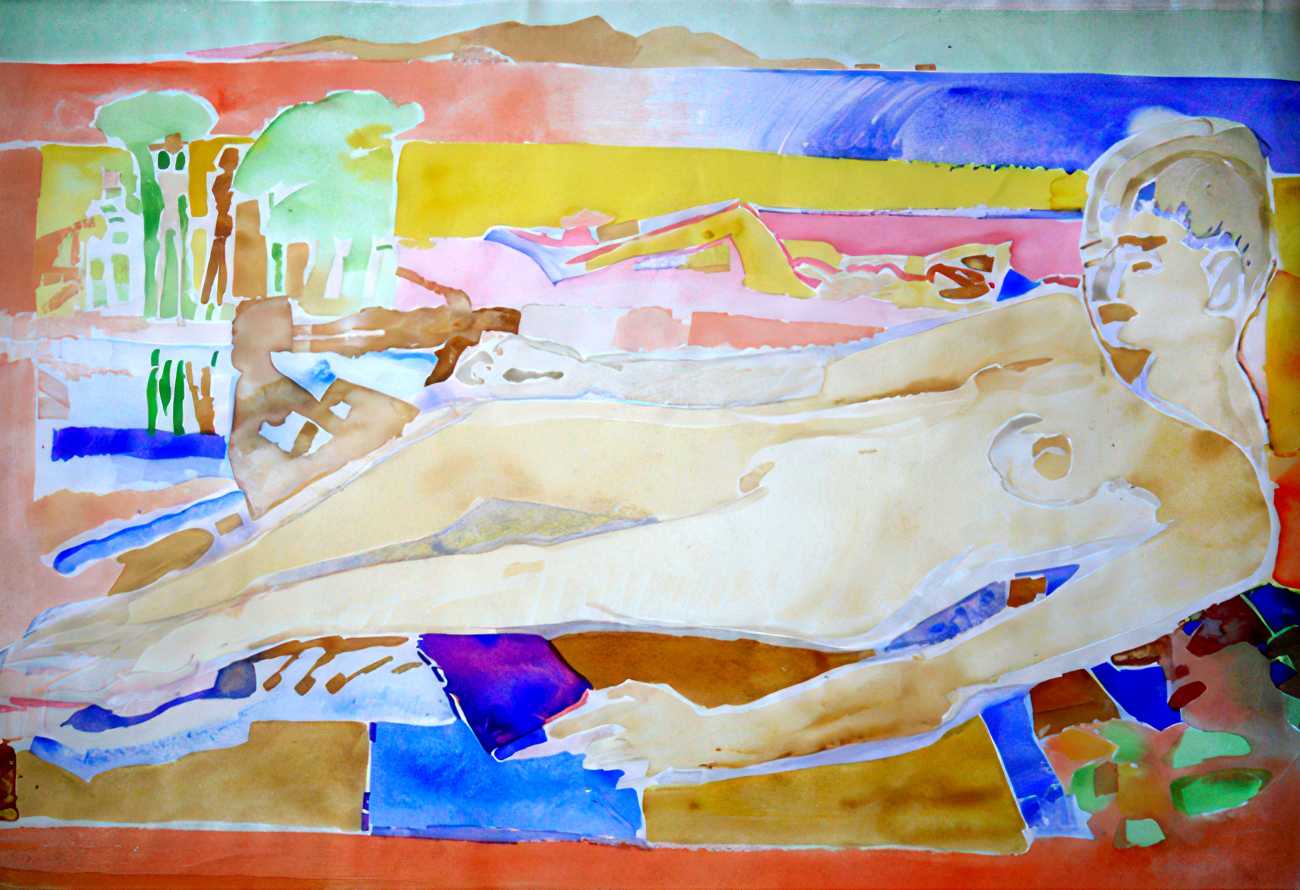
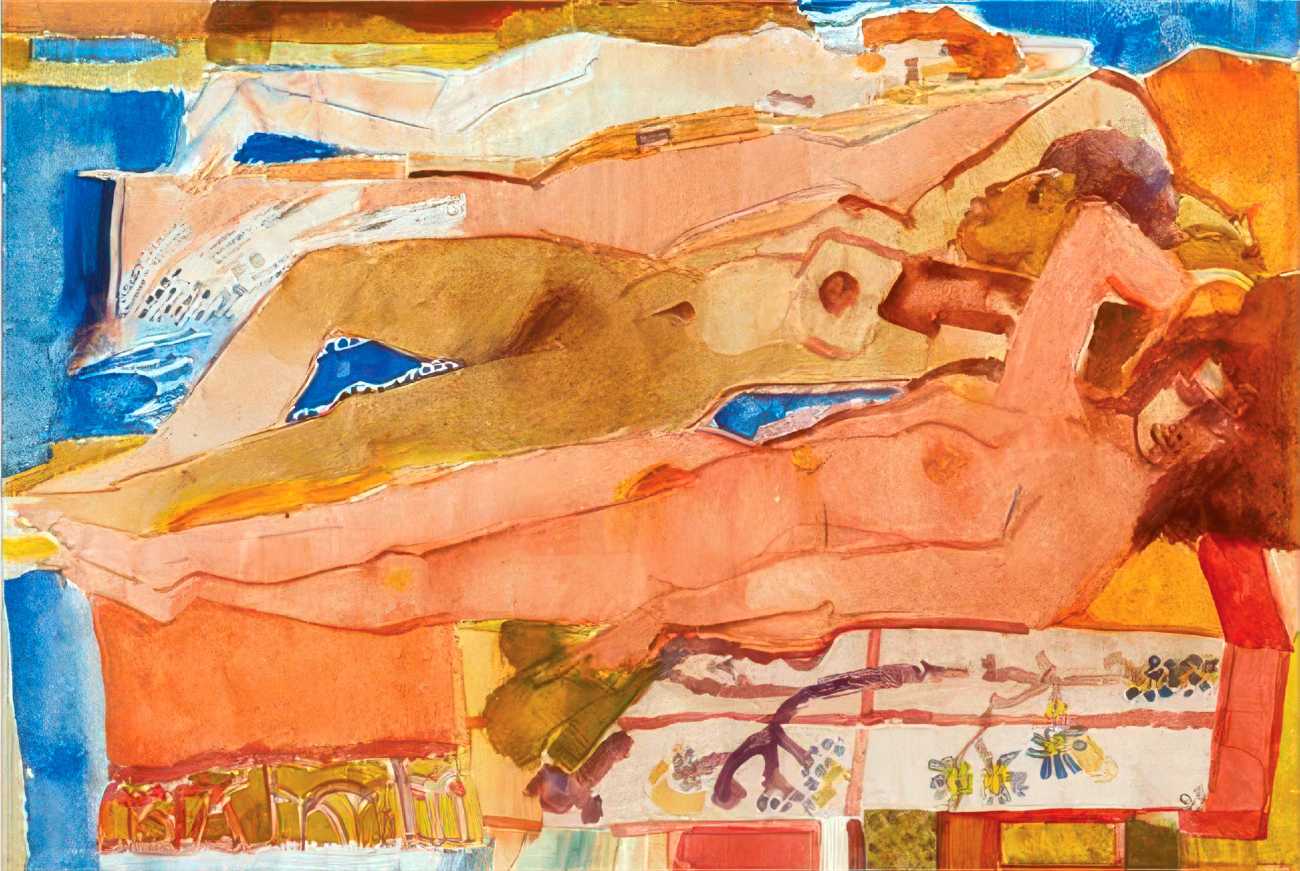
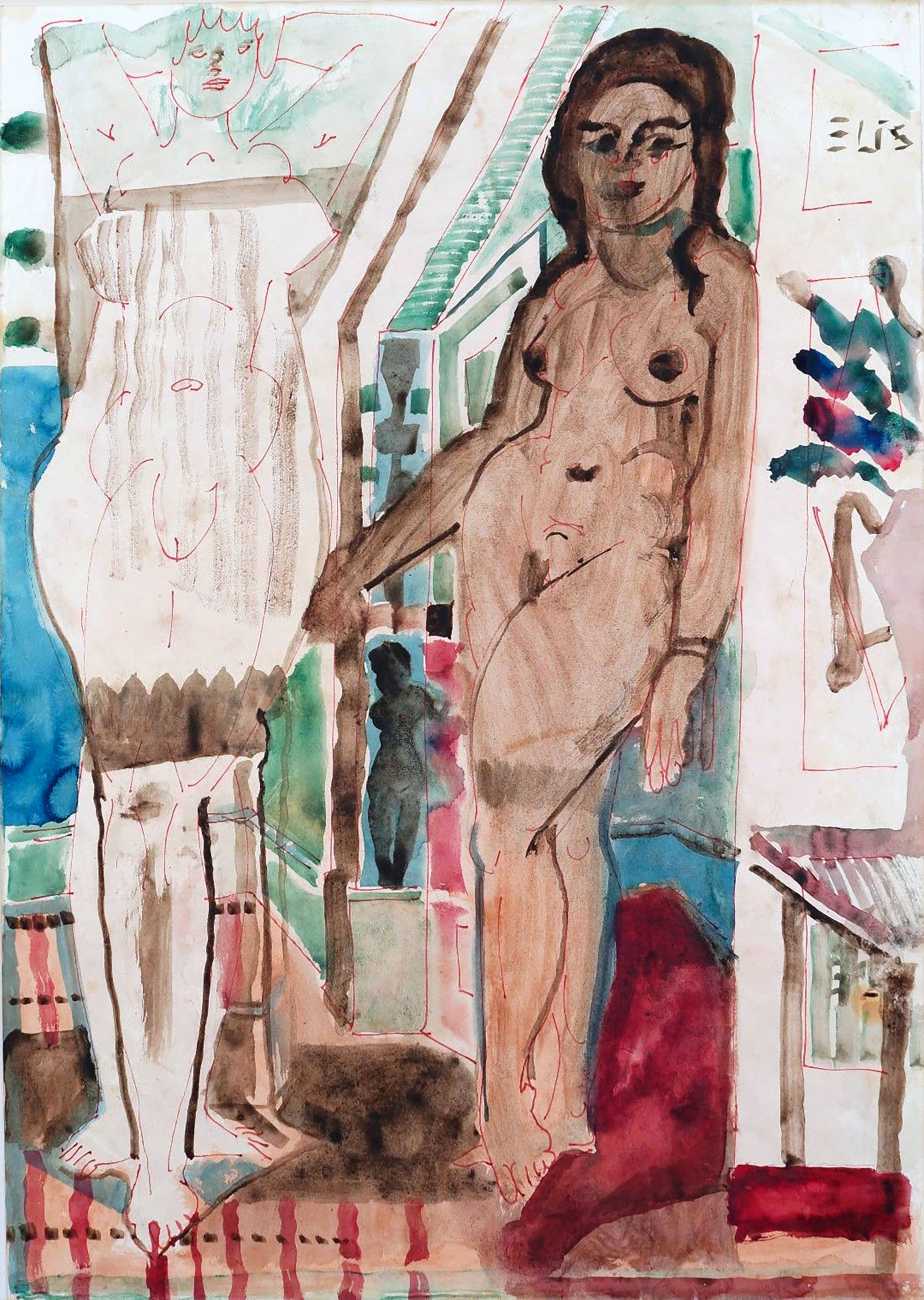
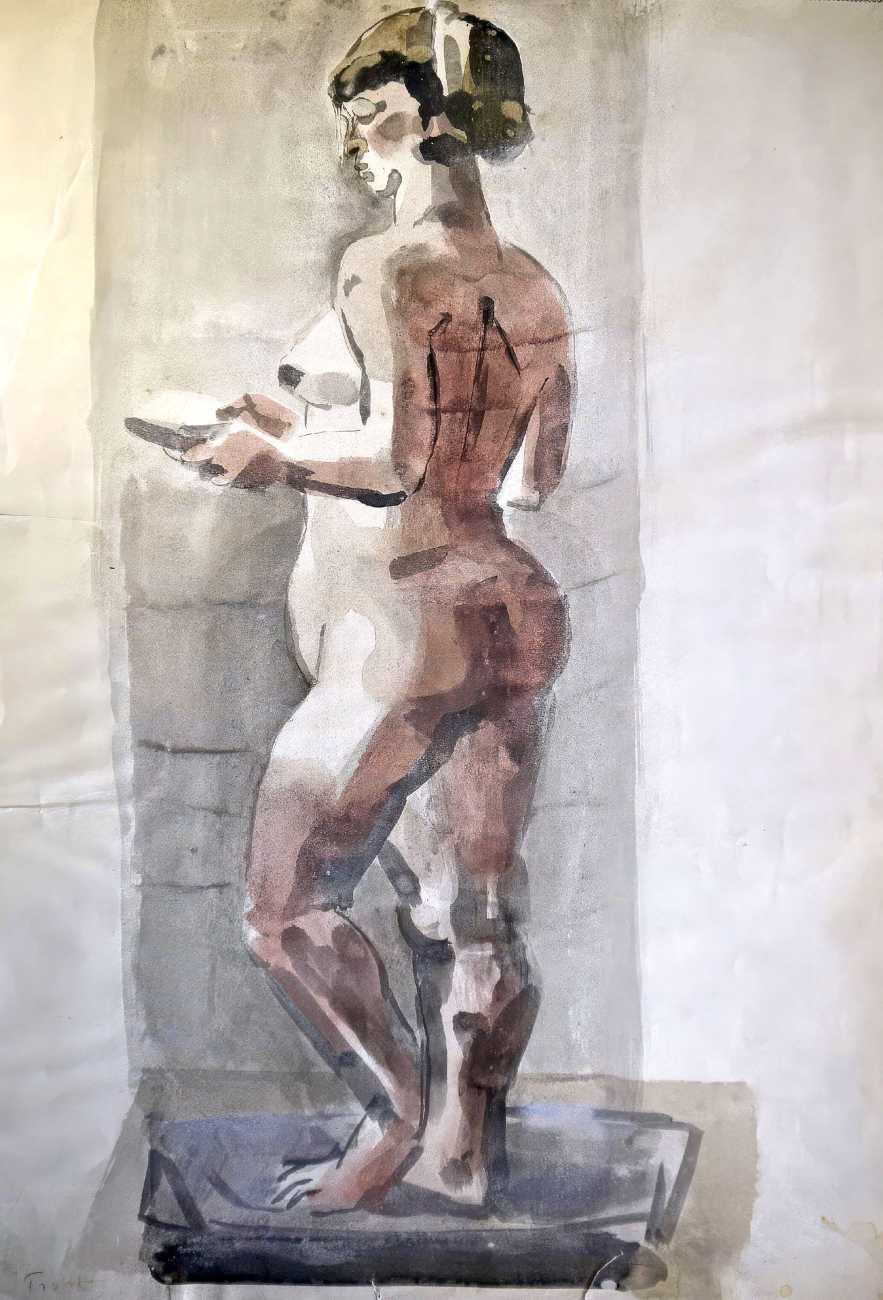
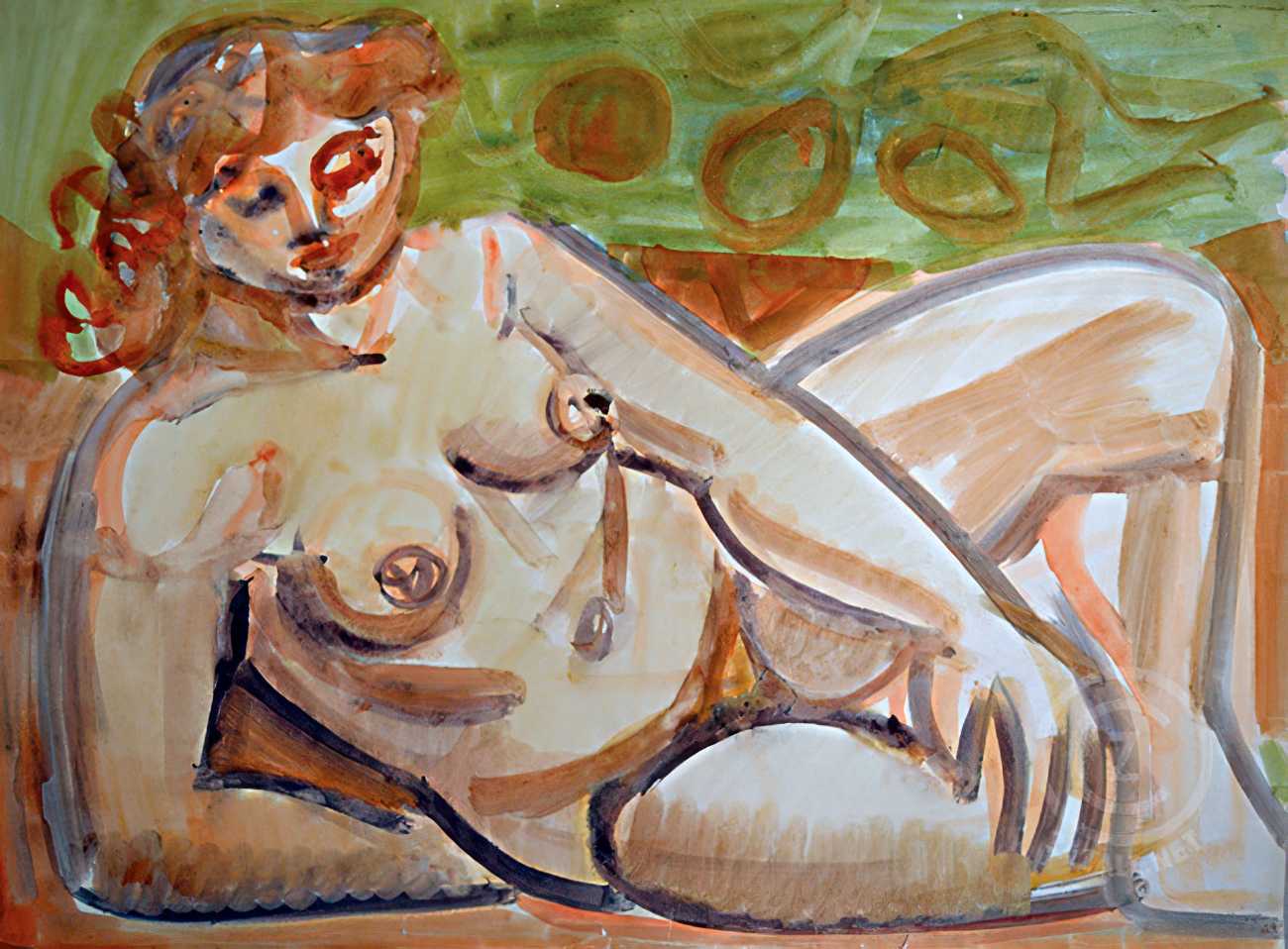
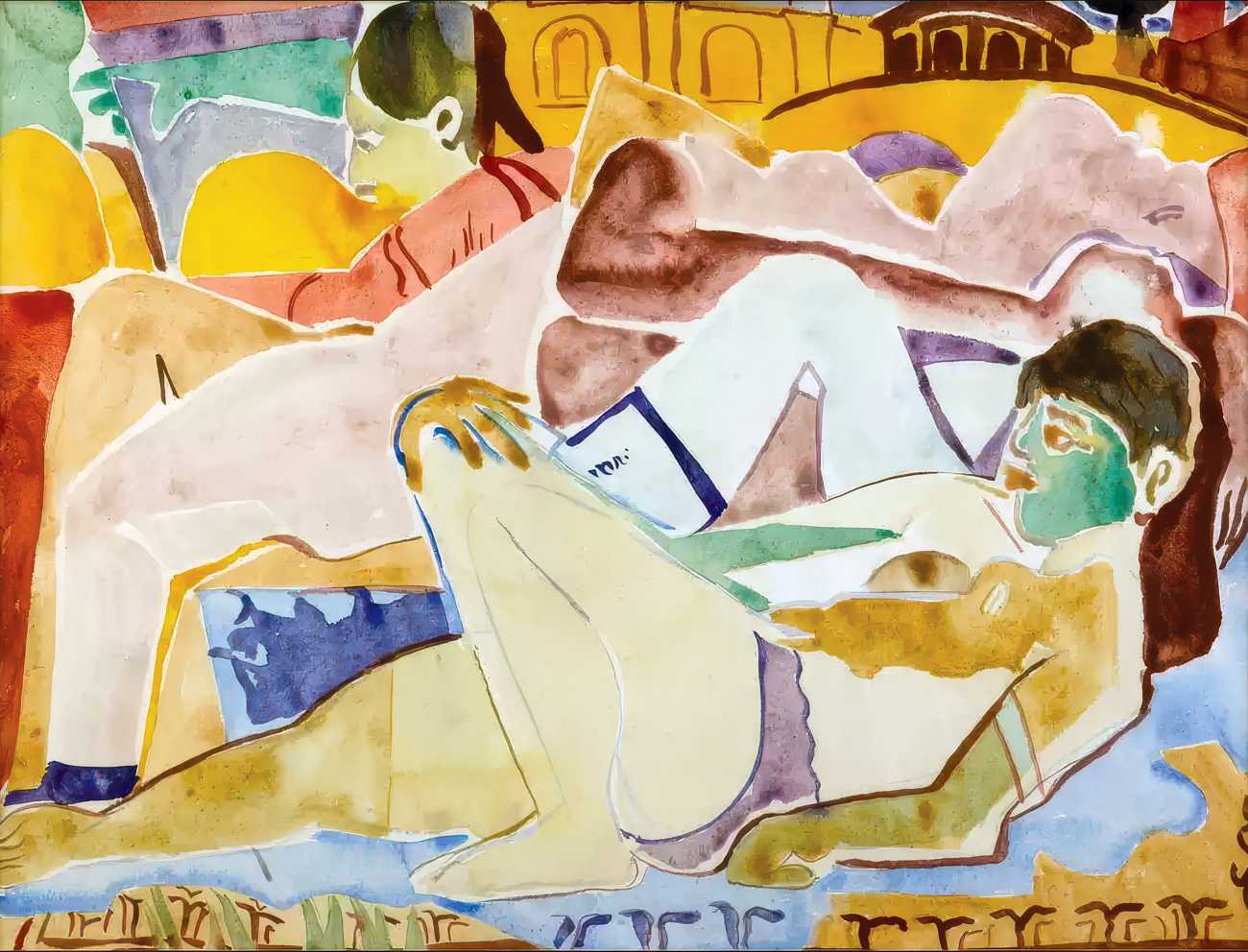
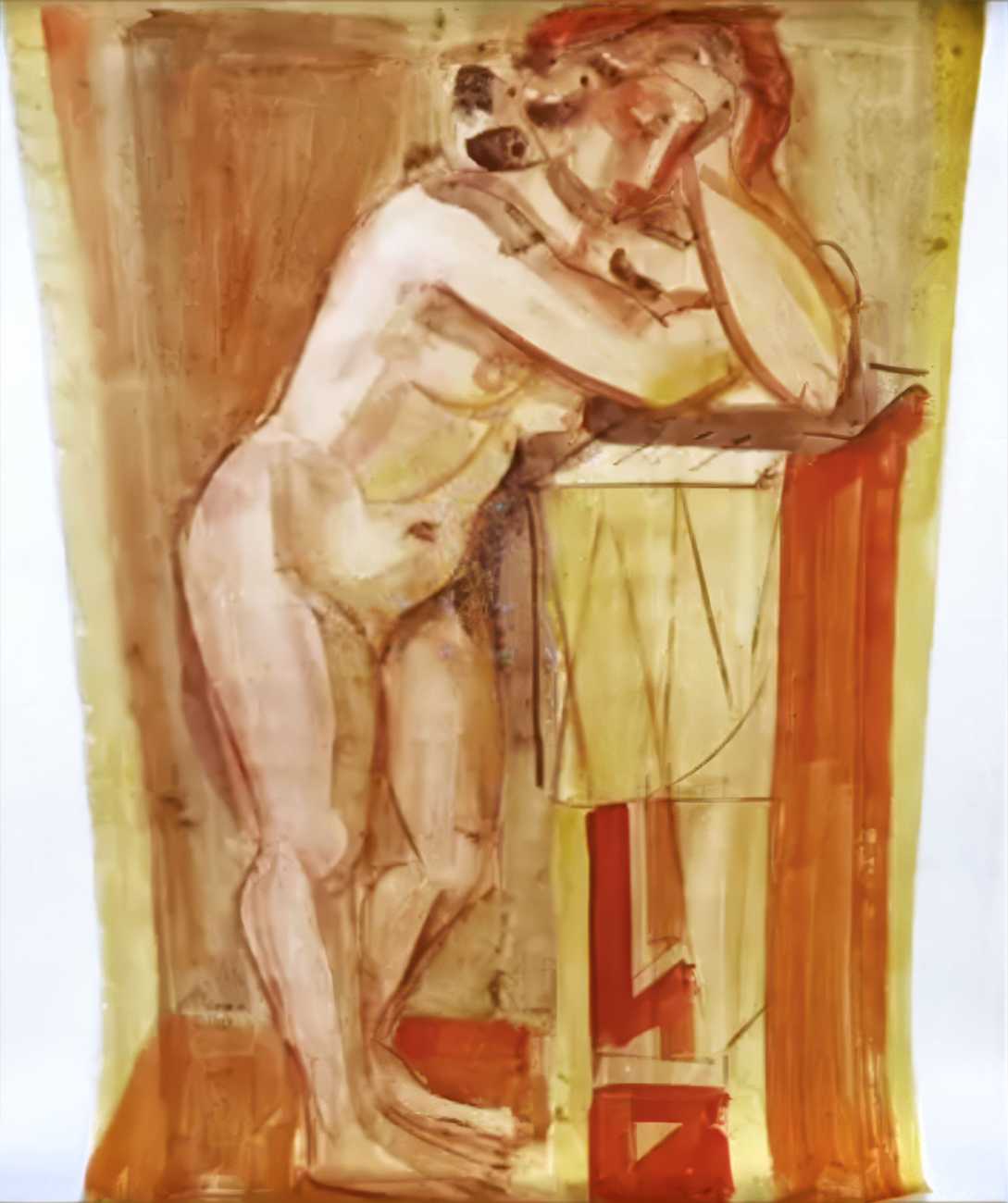
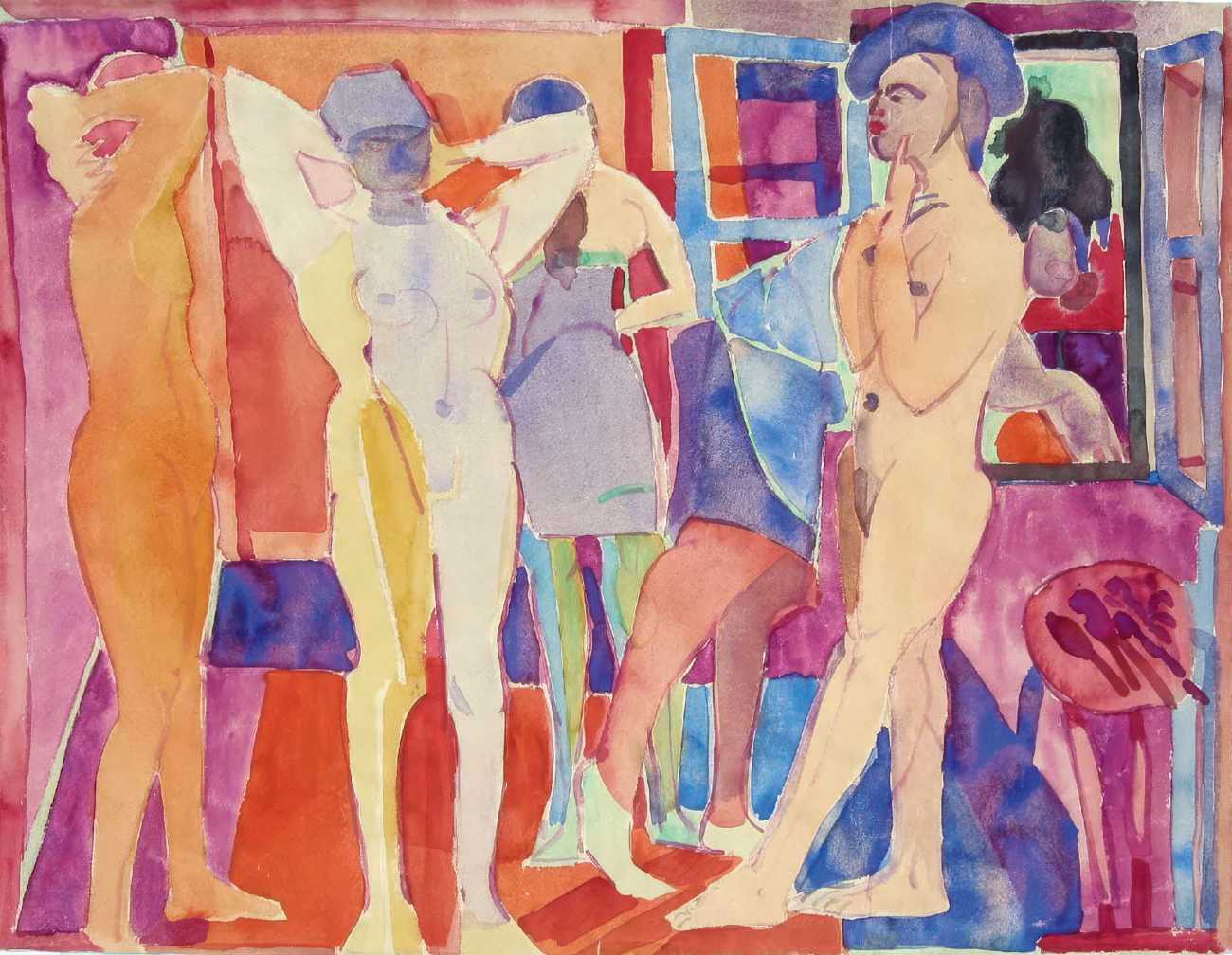
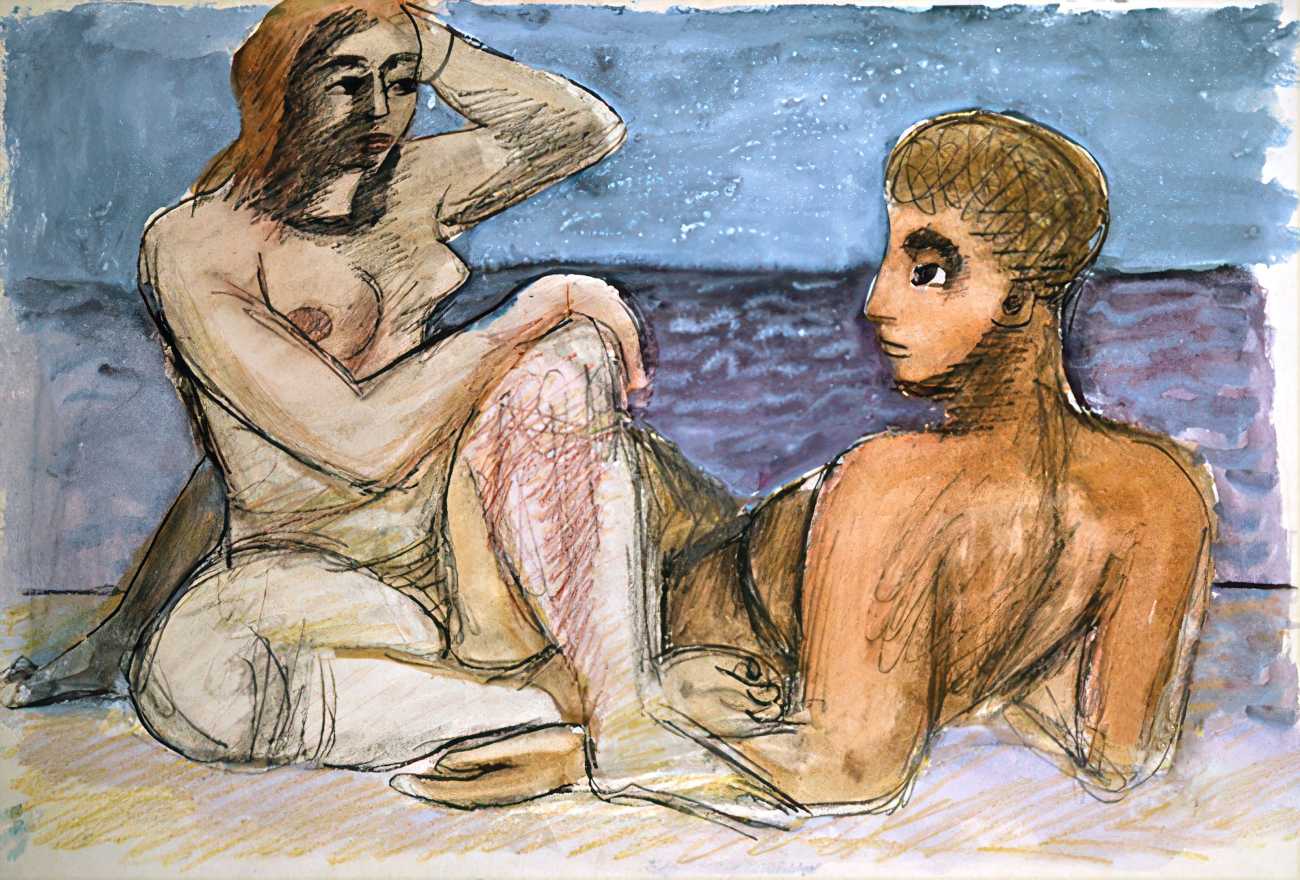
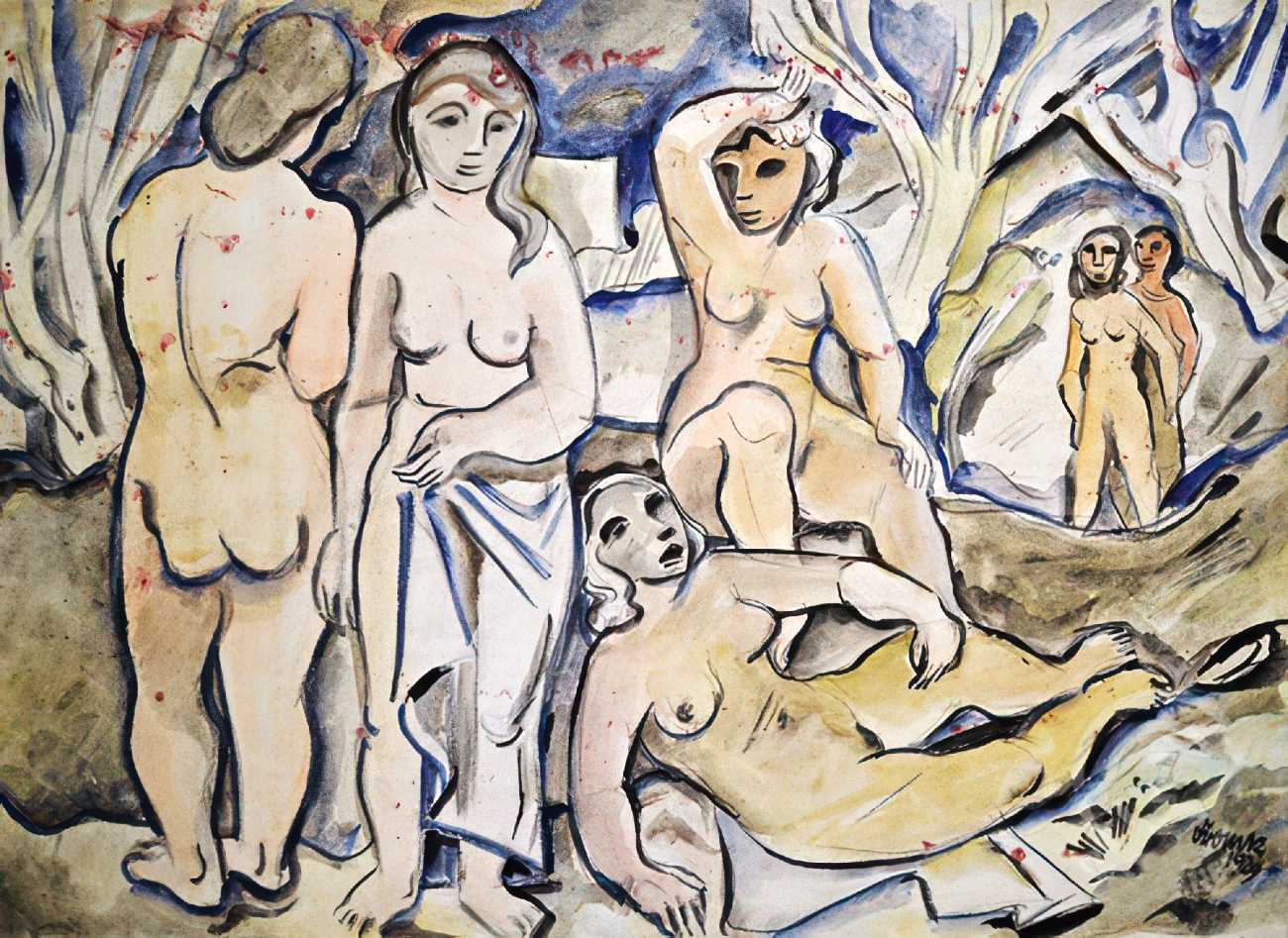
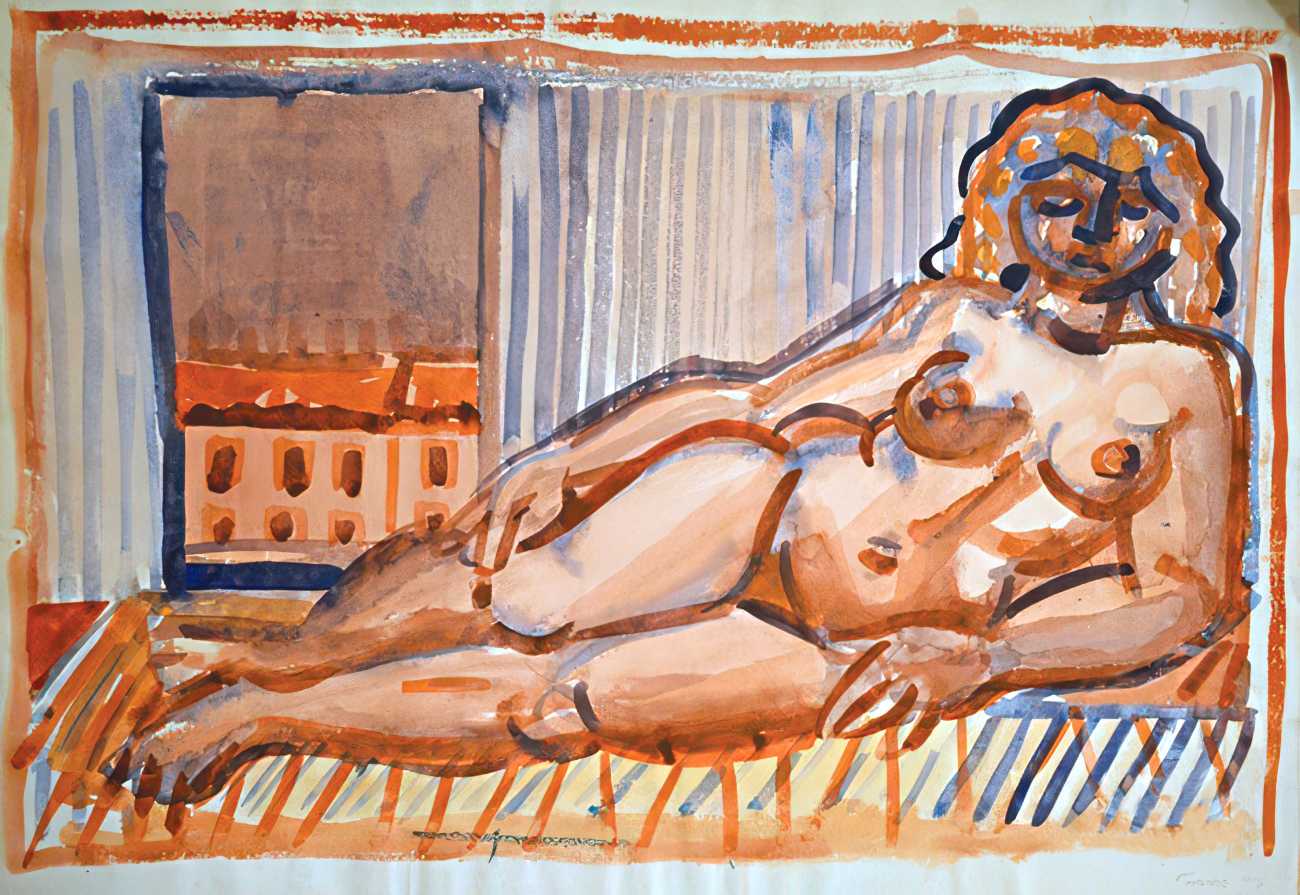
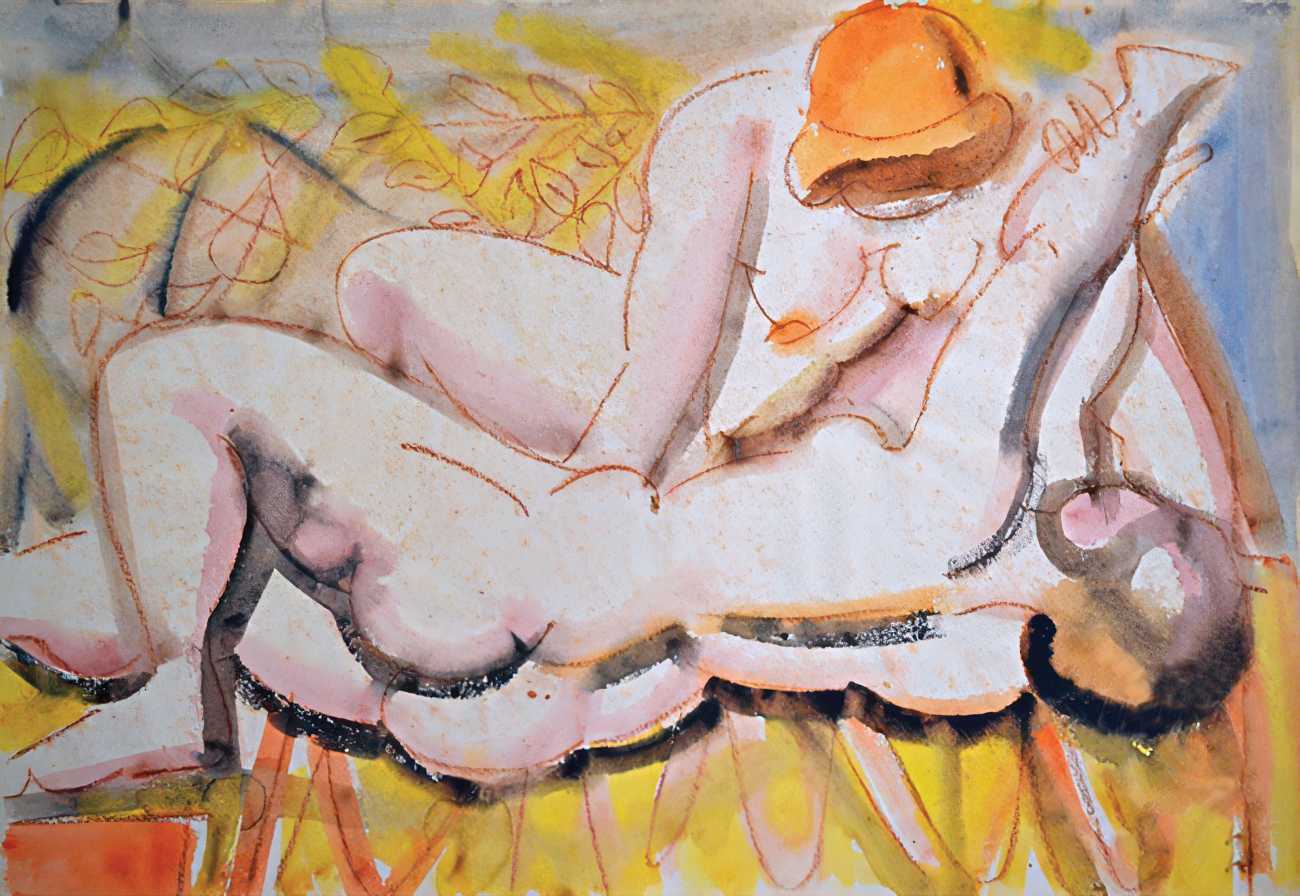
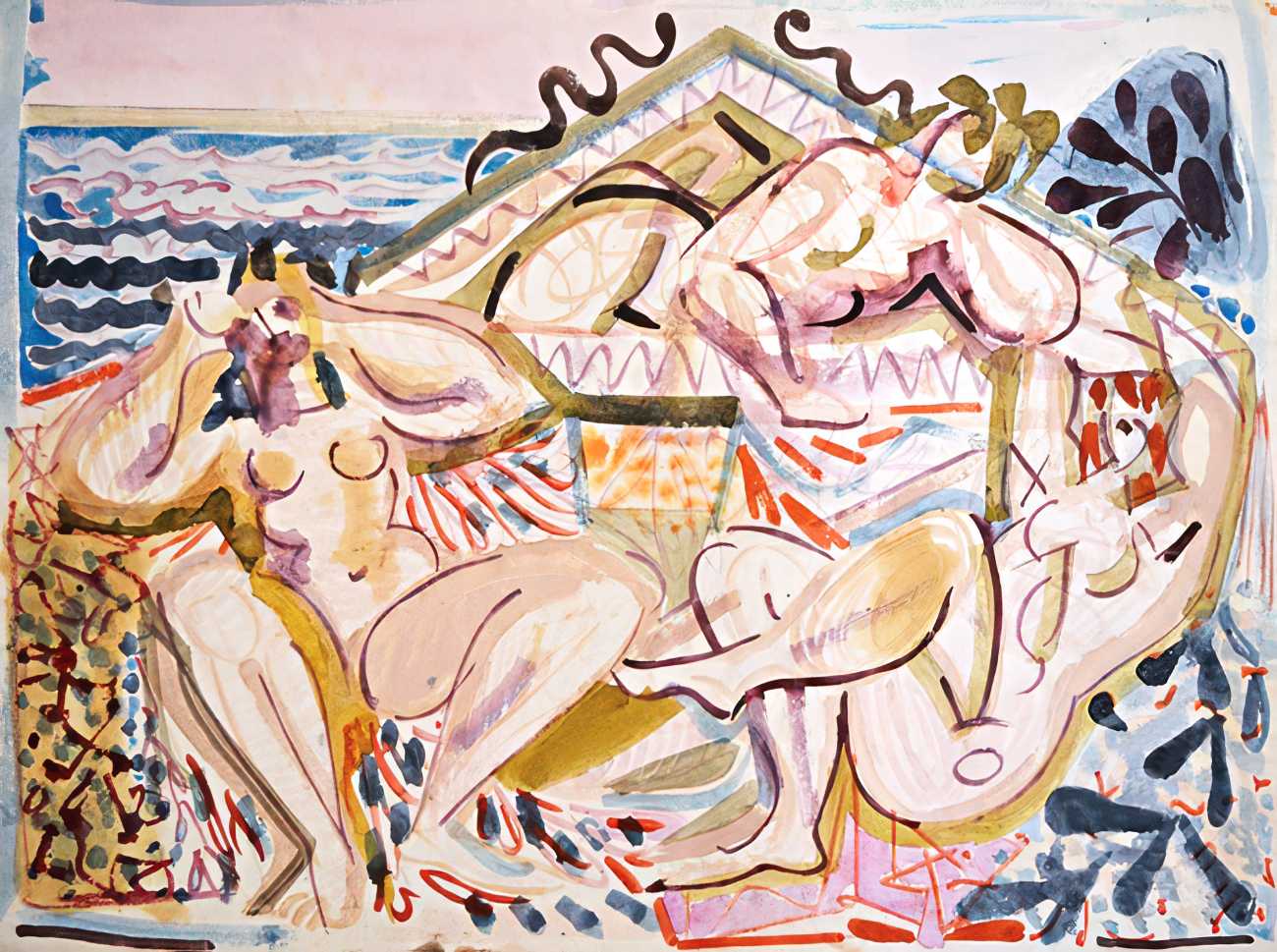
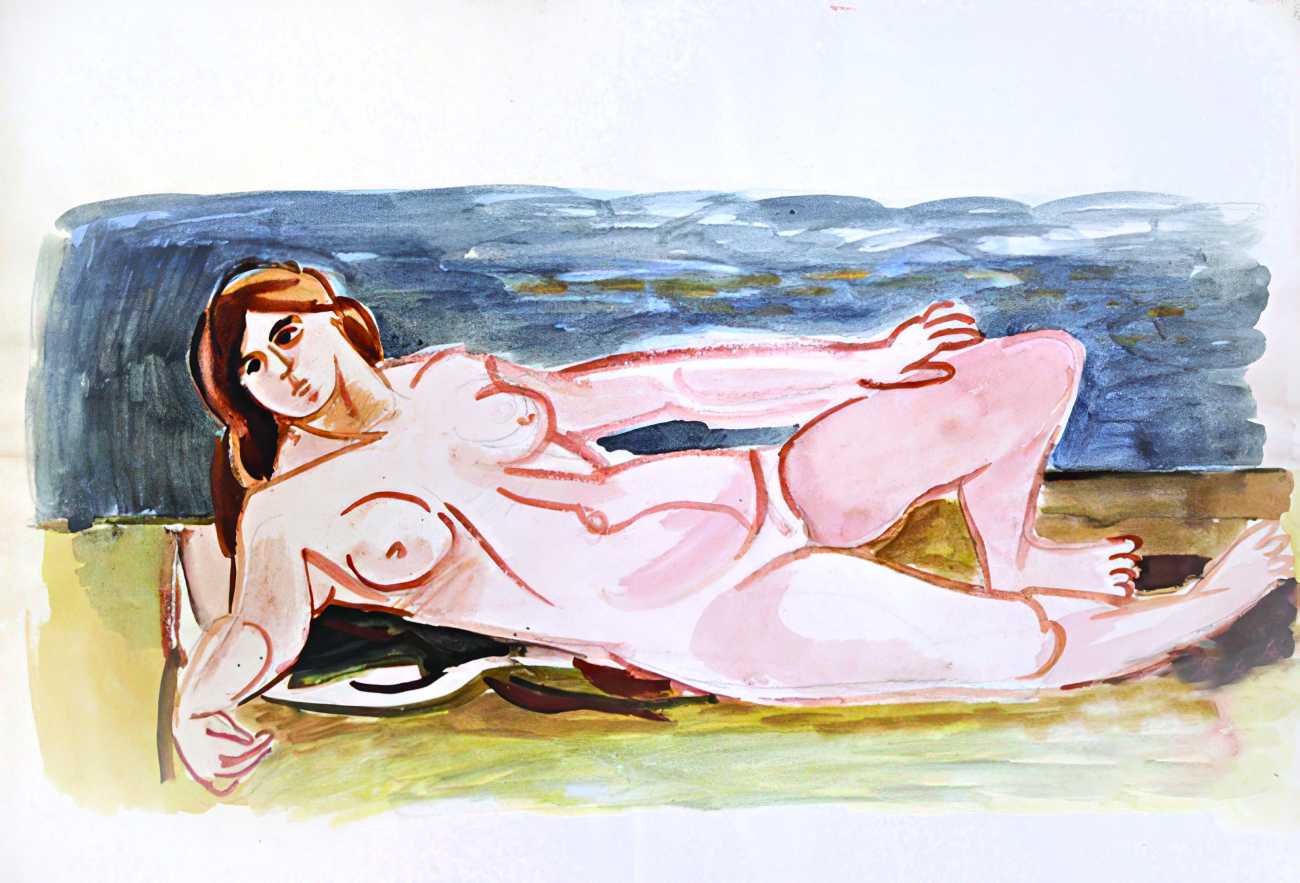
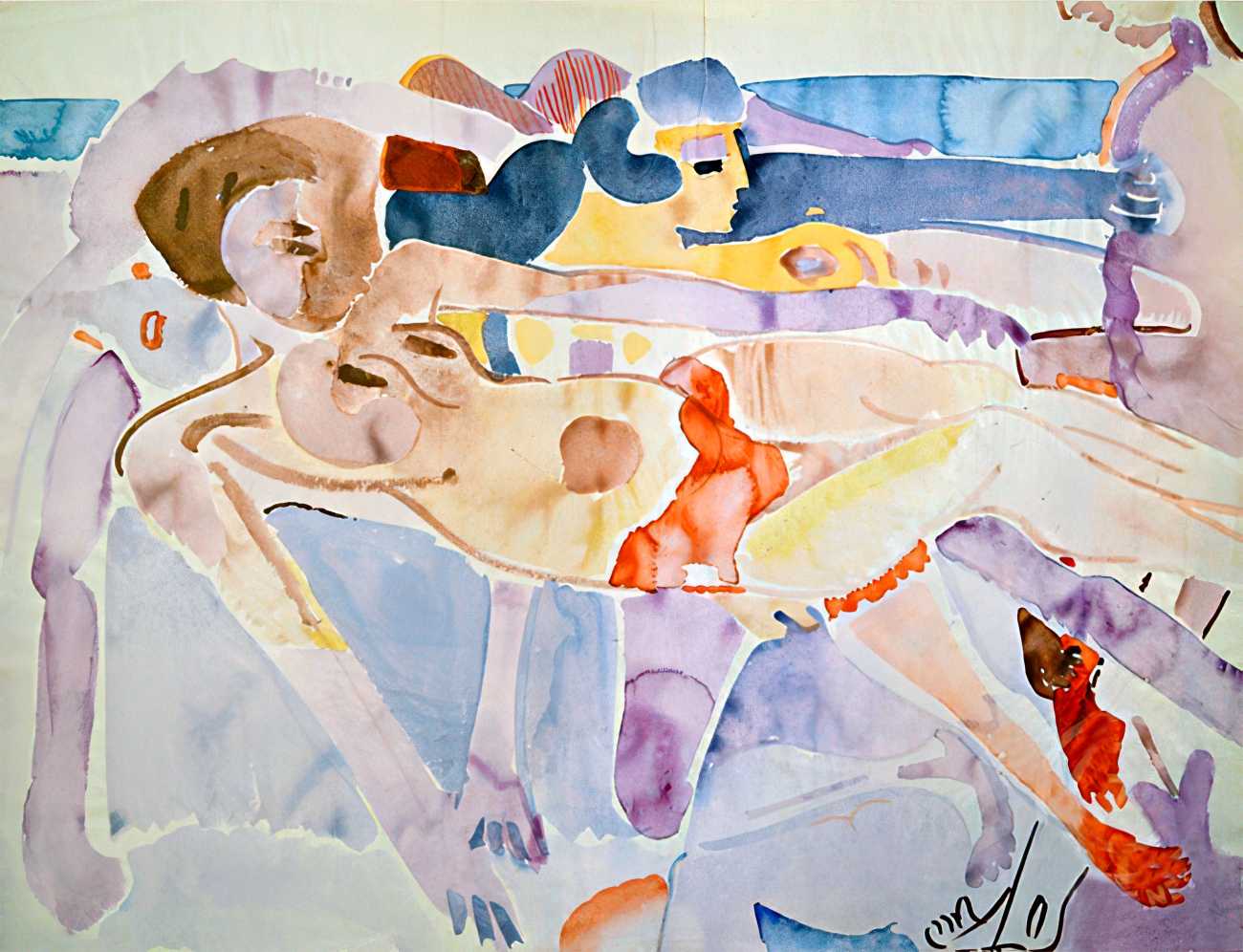
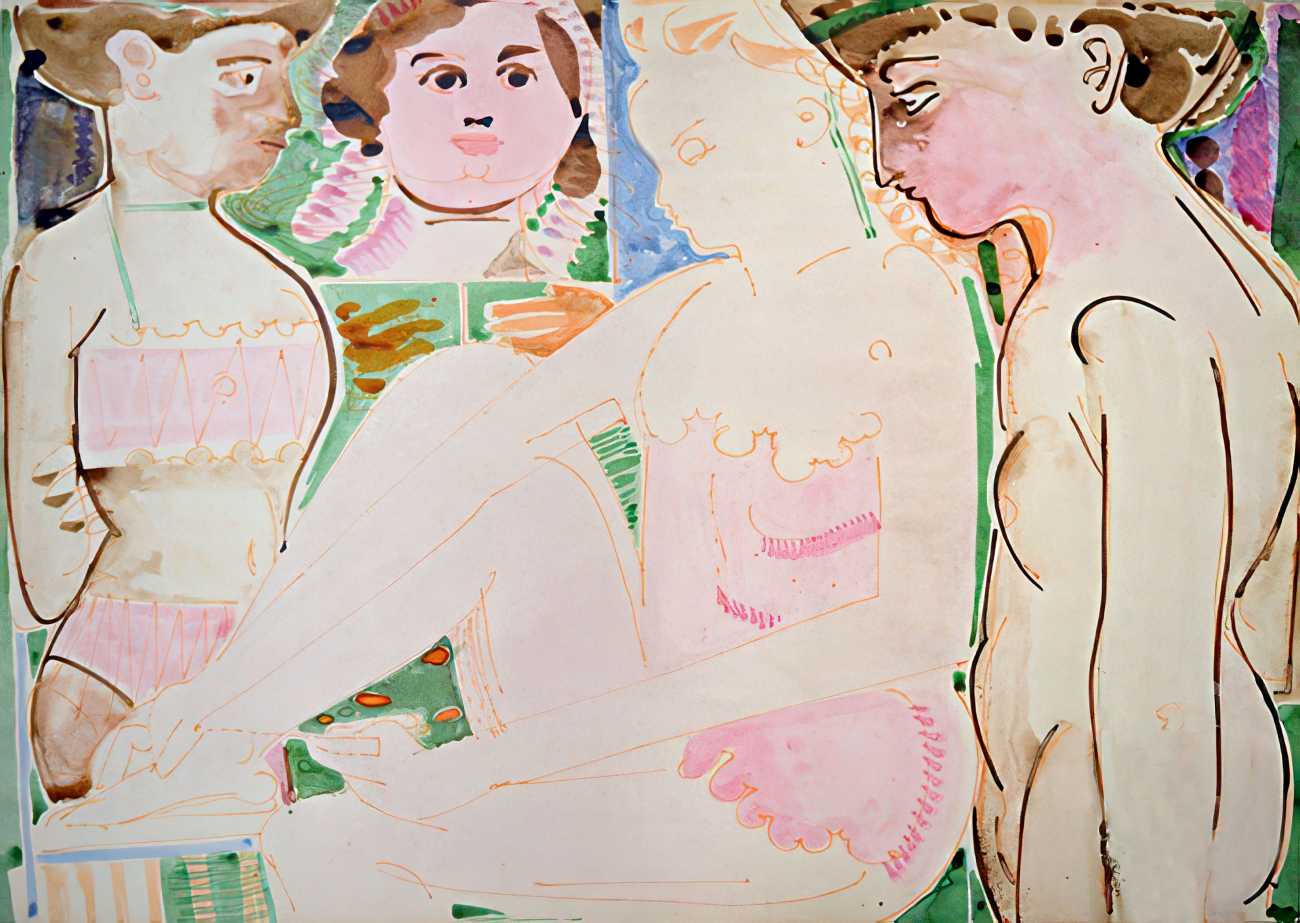
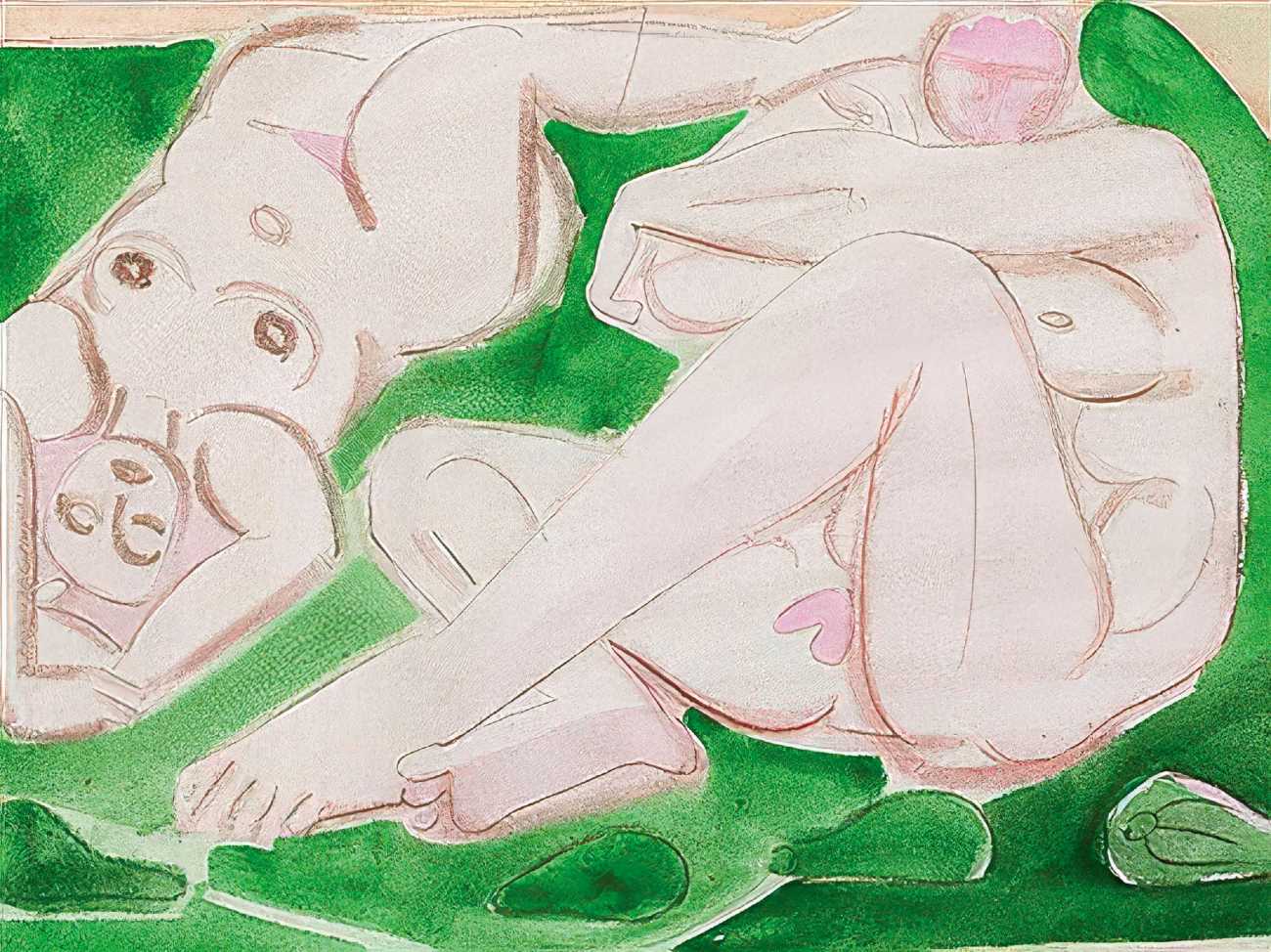
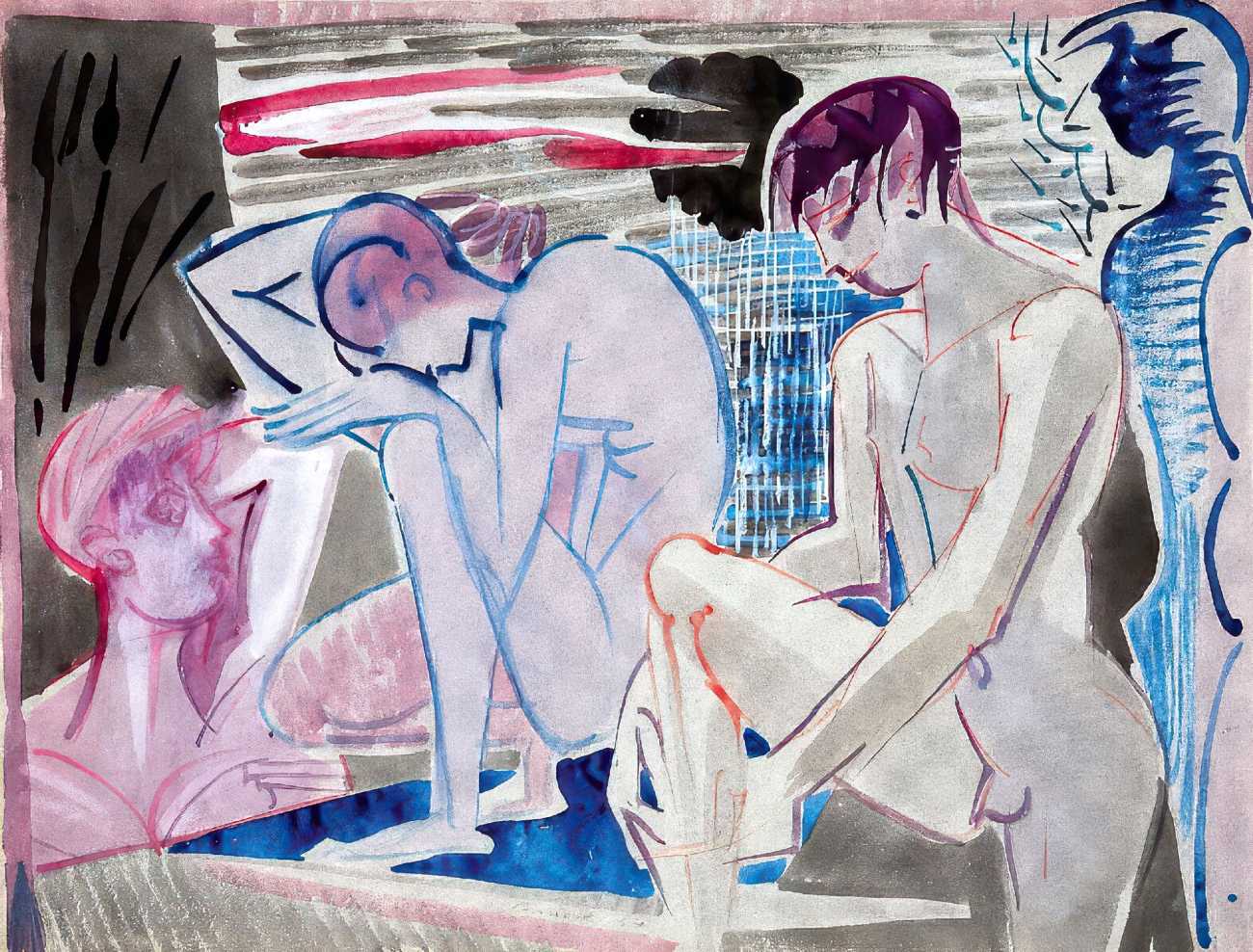
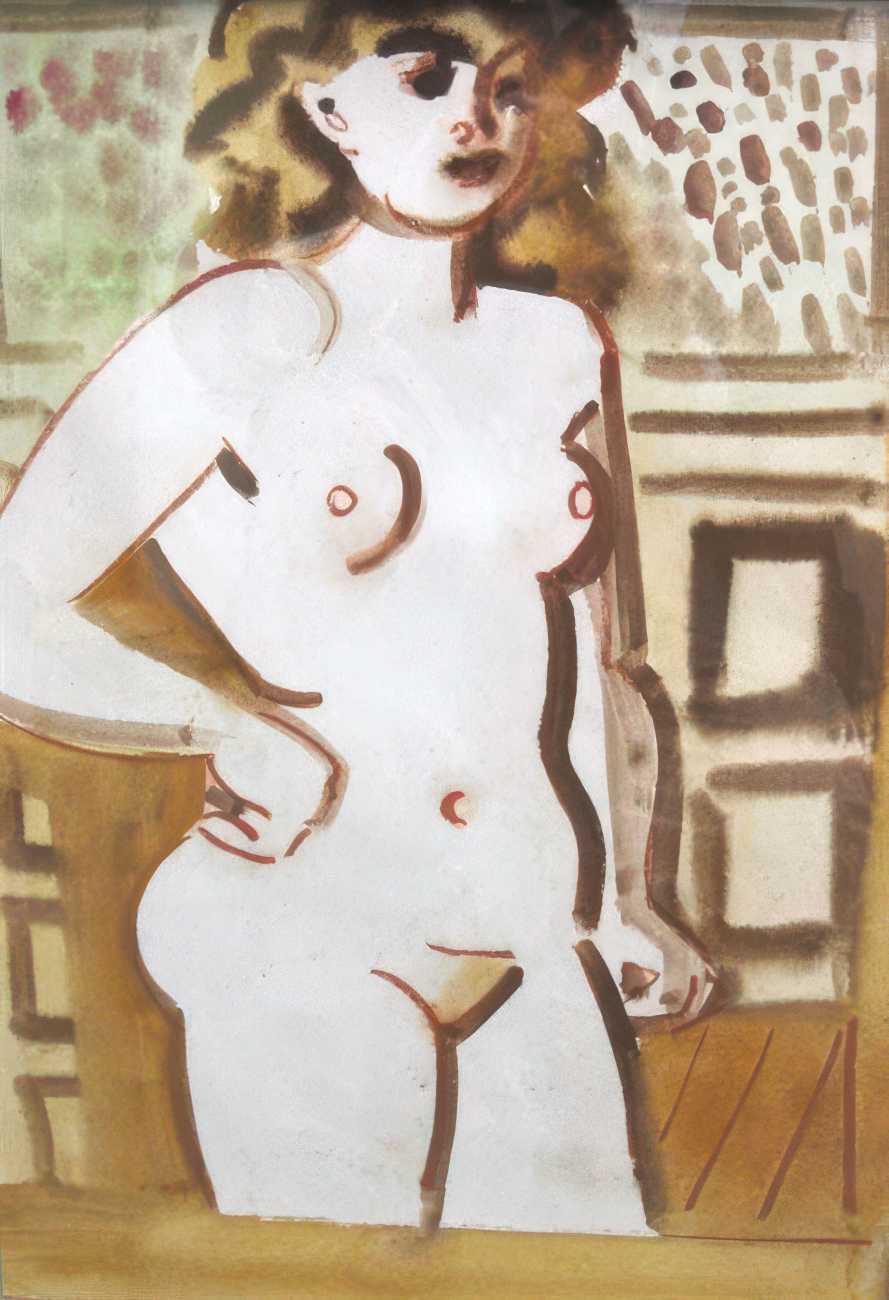
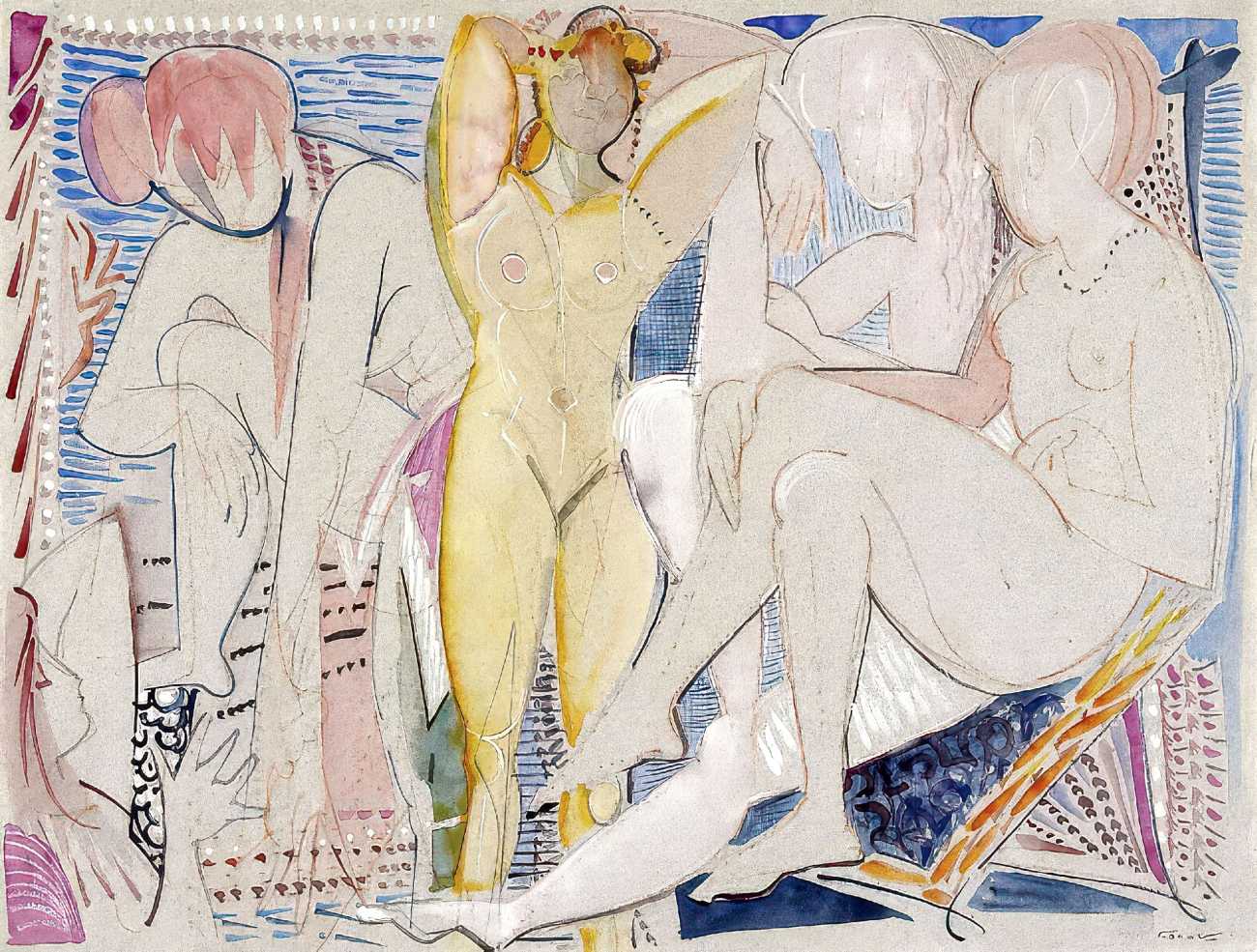
Edvard Frank’s figurative paintings occupy a discreet but intriguing position within mid-twentieth-century European modernism. Working largely outside the dominant fashions of the time, Frank regularly returned to the human figure, treating it not as a vehicle for abstraction but as a subject for exploring psychological tension, intimacy and desire.
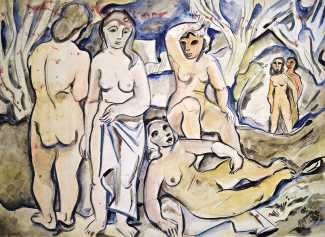
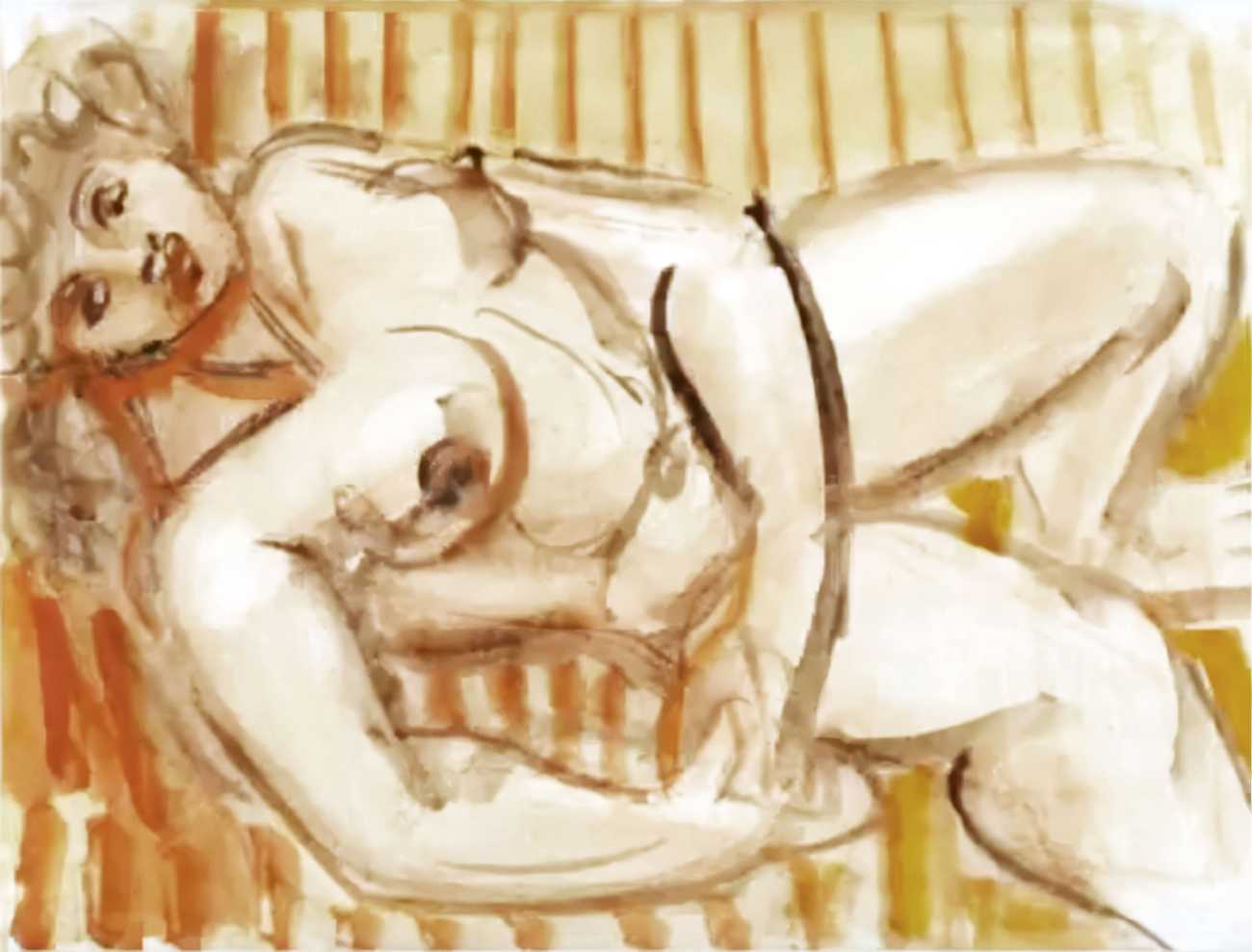
Eroticism in Frank’s work emerges implicitly rather than specifically – figures are shown reclining, dressing, or caught in moments of inward absorption, their nakedness presented without theatricality. Bodies are compressed within the paintings’ frames, creating a sense of closeness that feels both tender and uneasy, with a heightened awareness of skin, sensuality and vulnerability. Flesh is rendered with an earthy density rather than a sensuous polish, which grounds his eroticism in the physical rather than the ideal, aligning Frank with figurative painters who resisted both academic classicism and the cool detachment of post-war abstraction, choosing instead a humanism tinged with melancholy.
Women appear frequently in his work, self-contained and emotionally opaque. Even when posed, they seem absorbed in their own interior worlds, complicating any simple reading of the paintings as voyeuristic. This emotional reserve heightens the erotic tension, suggesting desire as something unspoken and unresolved, as it so often was in the artist’s own experience.