 The Argentinian cartoonist Ignacio Germán Noé was born in Escobar near Buenos Aires, and has spent almost his entire life in the town where he grew up. Although his career would eventually take his work into comics and publishing markets across Europe and North America, he has maintained his base in Escobar, where he continues to work and teach.
Noé’s interest in drawing began very young. As a child he copied tigers and prehistoric animals from encyclopaedias, and at the age of eight his parents enrolled him in the private workshop of Tomás Carboni, a painter and illustrator from Buenos Aires who travelled to Escobar each Saturday to teach. Carboni gave him a grounding in drawing and painting, particularly in oil painting, and left a lasting impression on him. Noé attended his classes until the age of twelve, later returning briefly during his early teens.
Noé’s family background helped shape this unusually broad artistic career. His mother and maternal grandfather were enthusiastic about opera and cultivated an interest in culture, while his paternal grandfather was a carpenter and his father was an inventive craftsman who enjoyed making things in his workshop. His brother Eduardo became a sculptor, while another brother is also an accomplished draughtsman.
At thirteen Noé entered a technical secondary school in San Martín, training as a Maestro Mayor de Obras, a qualification roughly equivalent to a senior building technician. In 1983, as Argentina emerged from its military dictatorship, he and his brother became involved in two small fanzines, Pro-Sesos and Sput. Through this activity Noé met the sculptor Enrique Tudó, whose conversations, criticism and extensive art library opened up a much wider cultural world to him.
His professional career began in the mid-1980s with the Argentine comics magazine Fierro, where he published short comics and cover illustrations. His meeting with writer Ricardo Barreiro proved decisive, as Barreiro helped him establish contacts in Italy and introduced his work to the Fierro editor Andrés Cascioli. Their collaboration subsequently produced El Protector (The Protector) and Un Hombre Subterráneo (A Subterranean Man) for the Italian market.
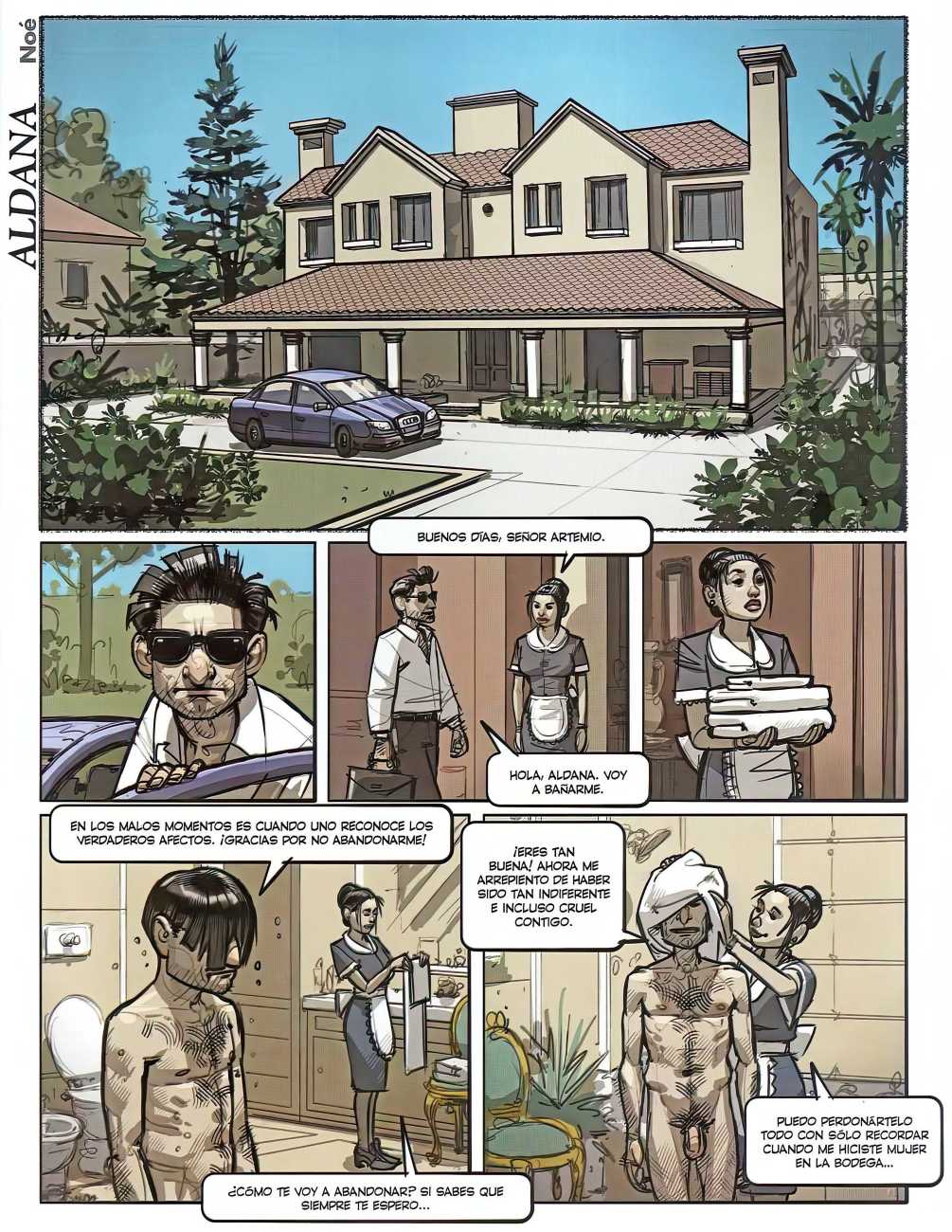
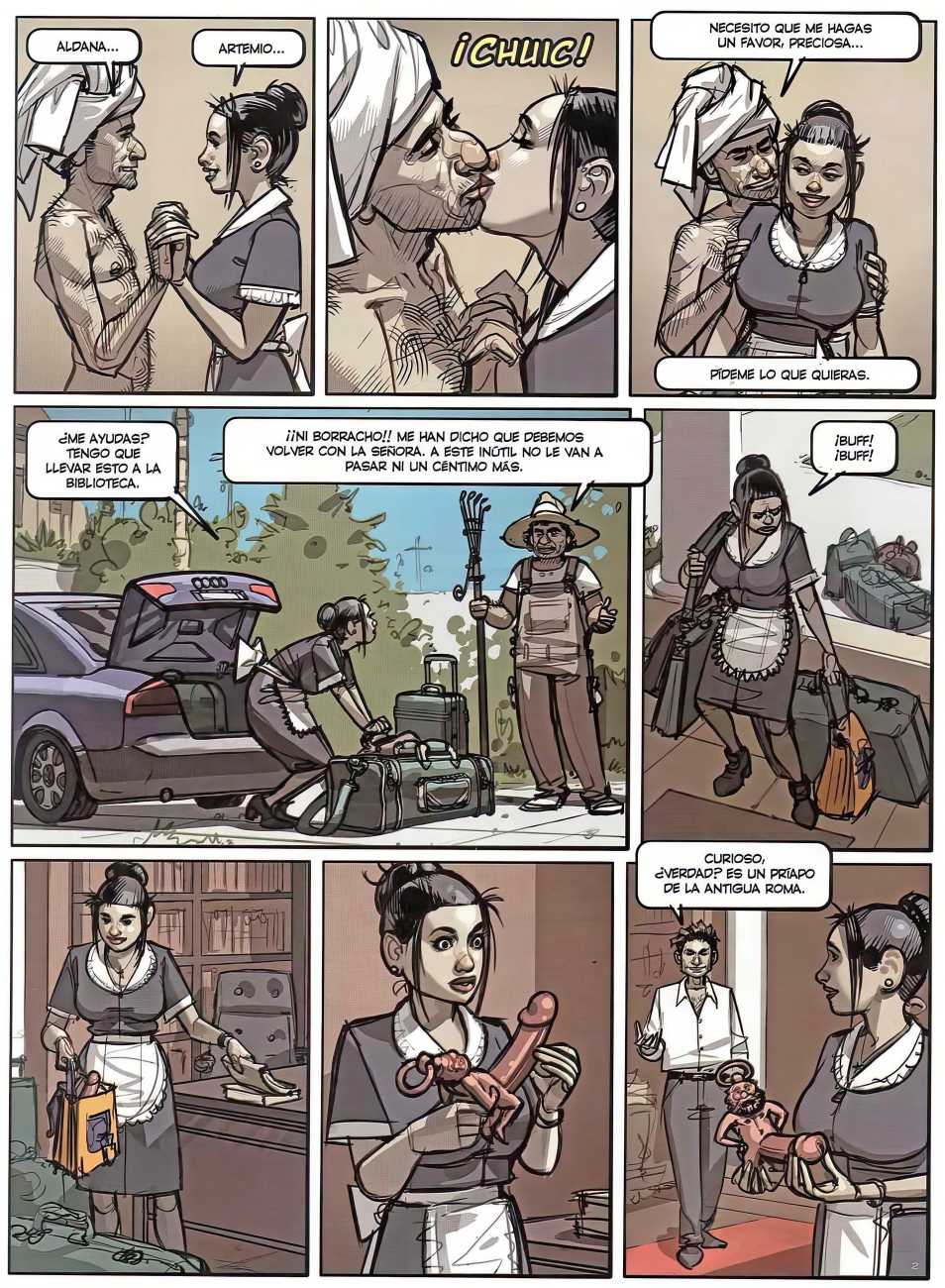
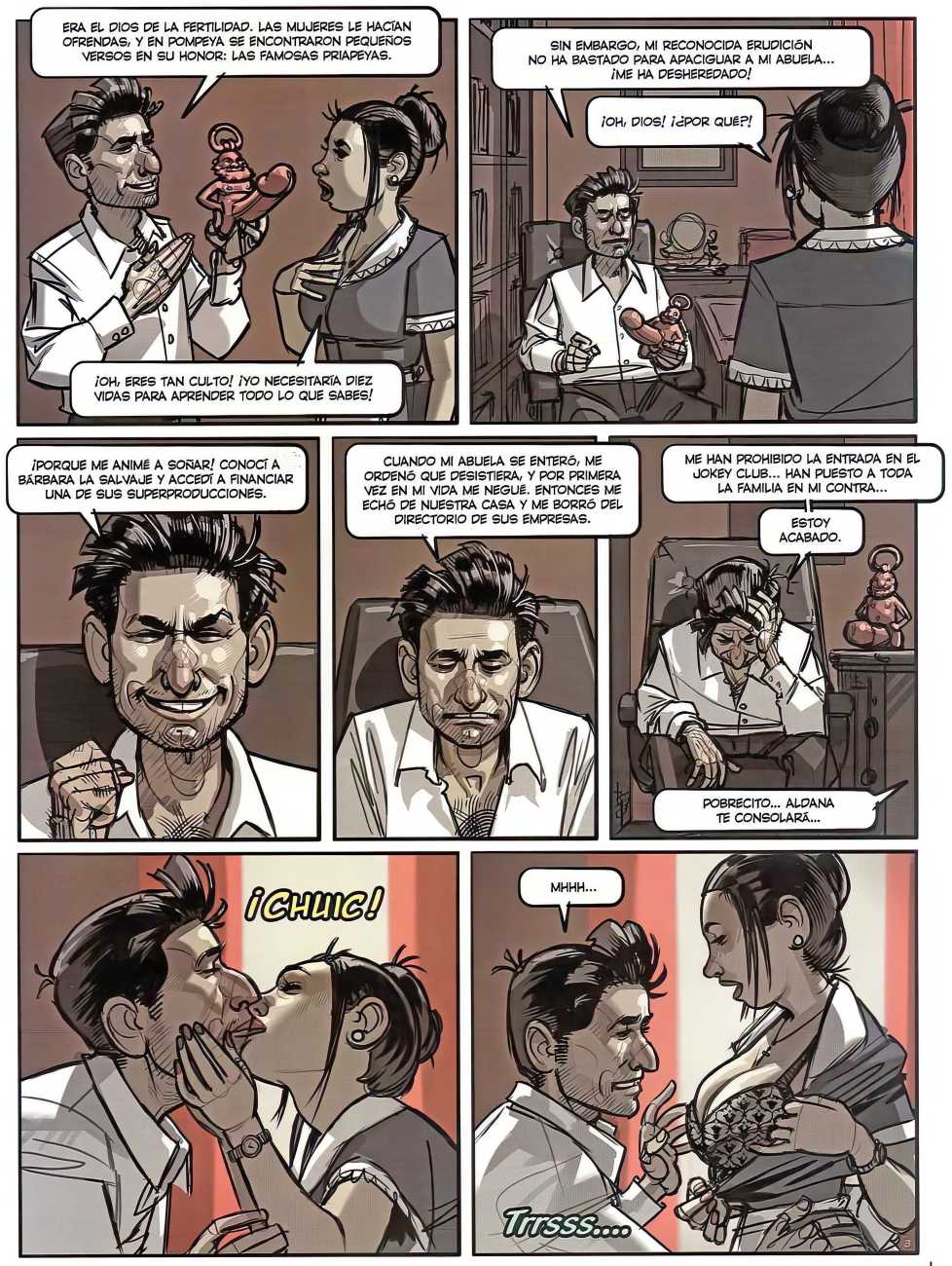
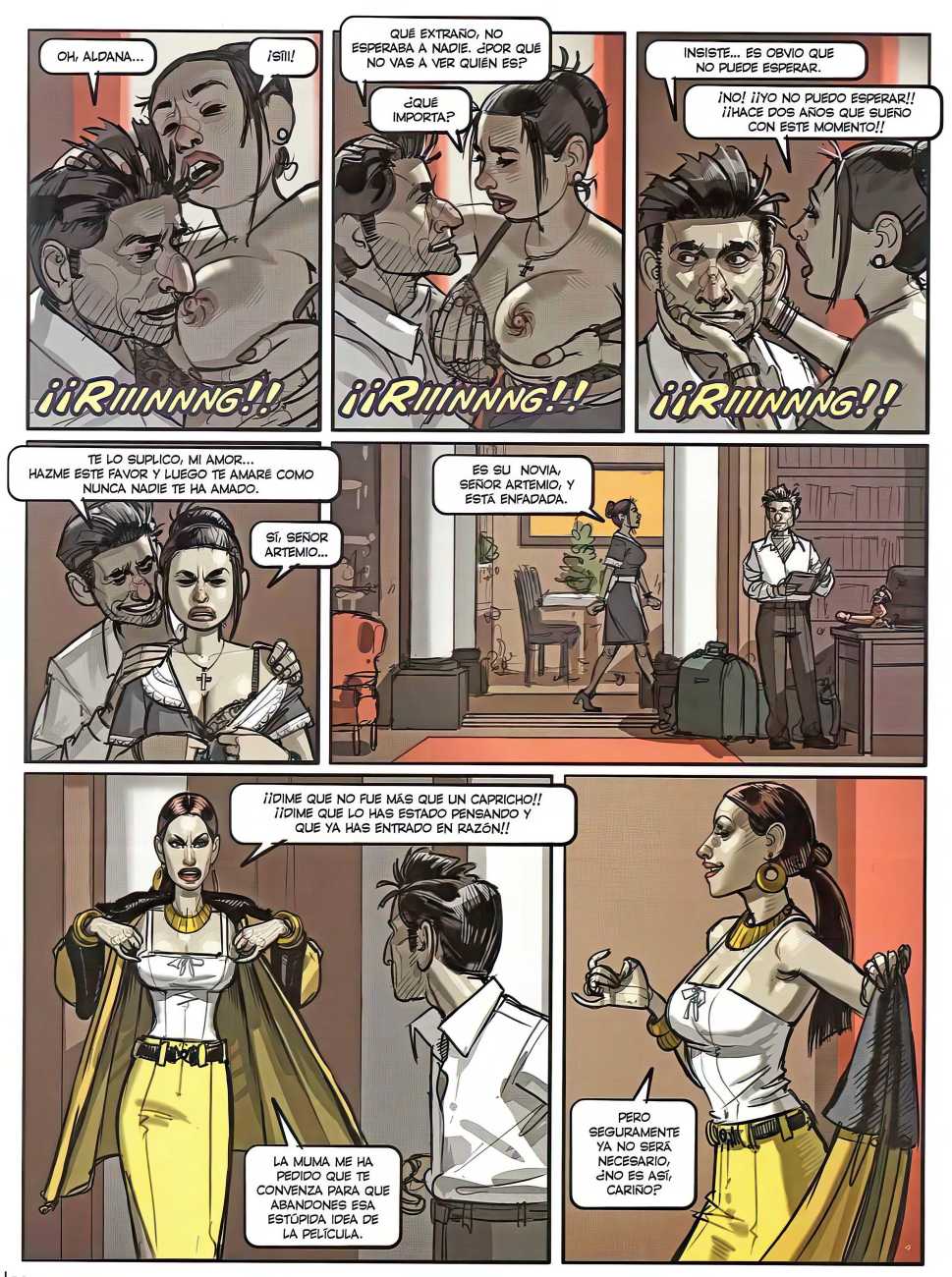
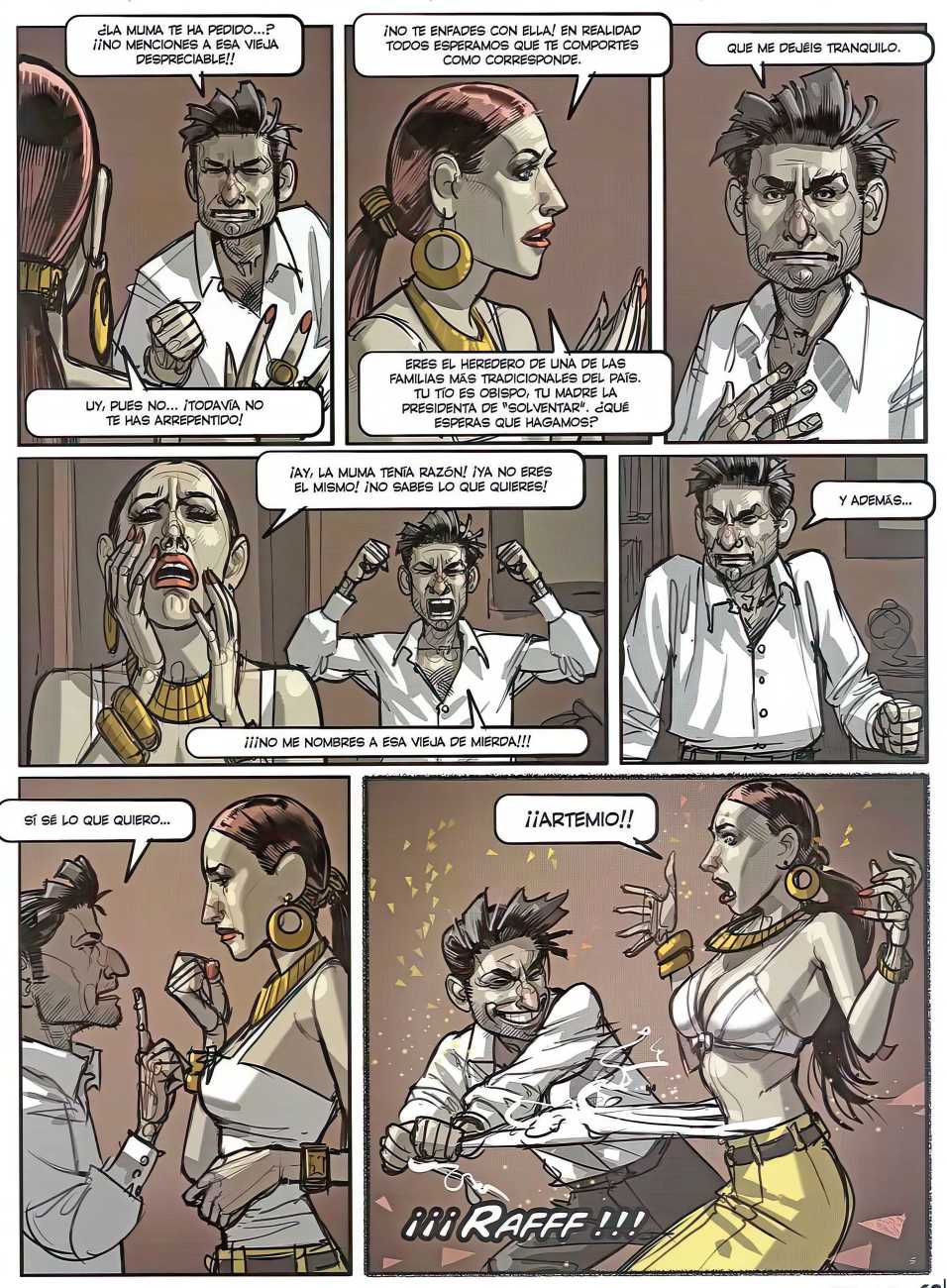
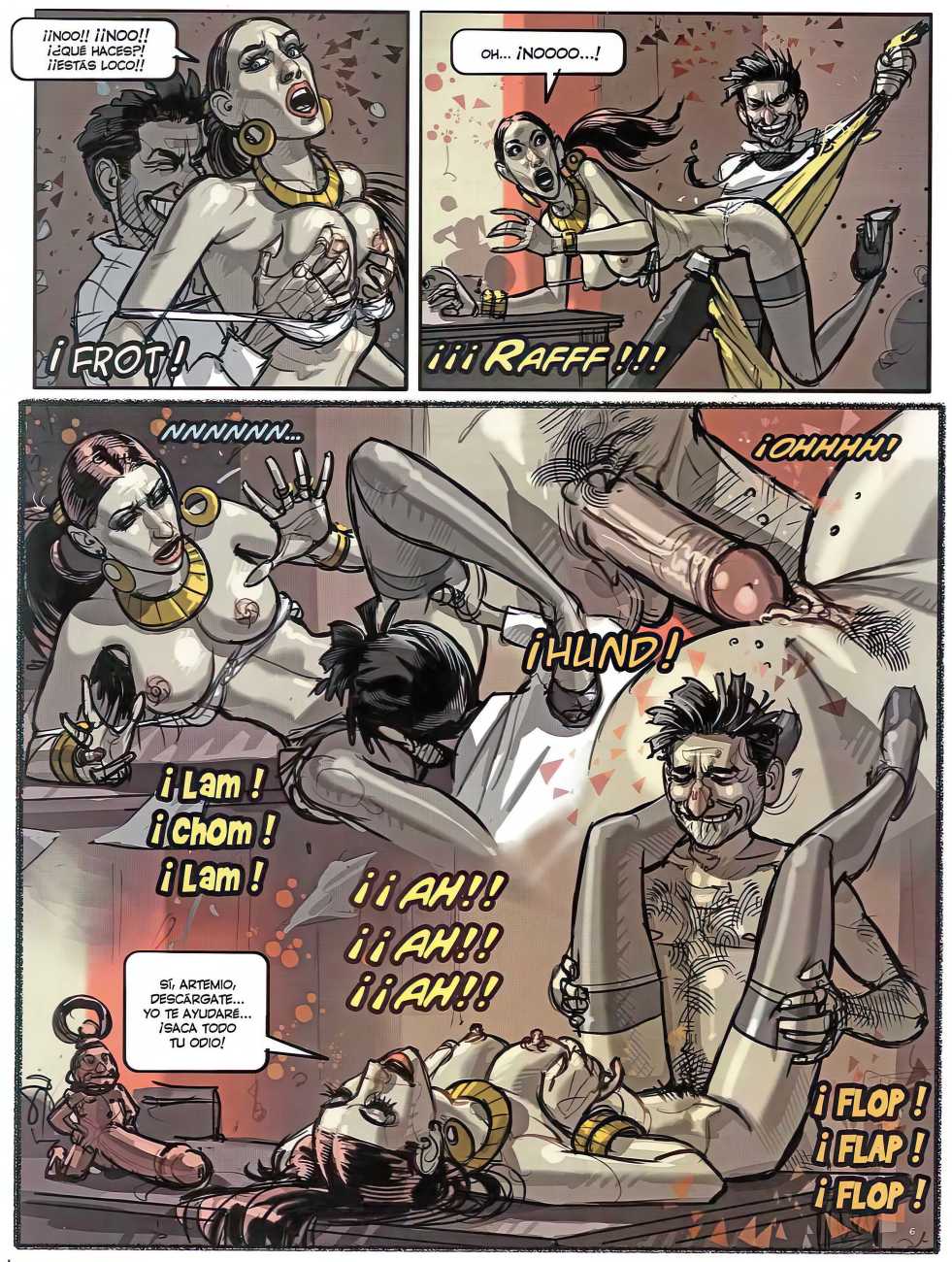
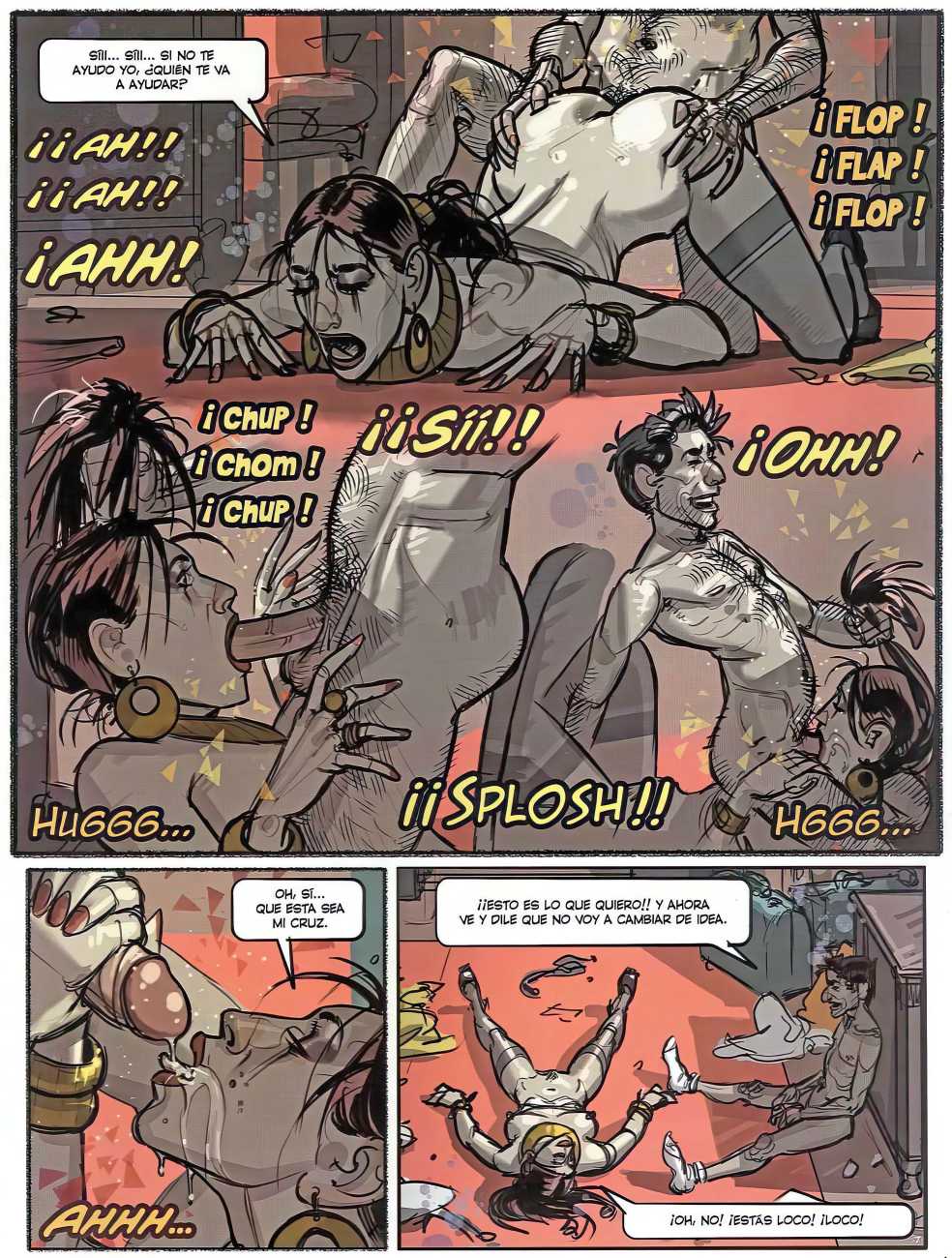
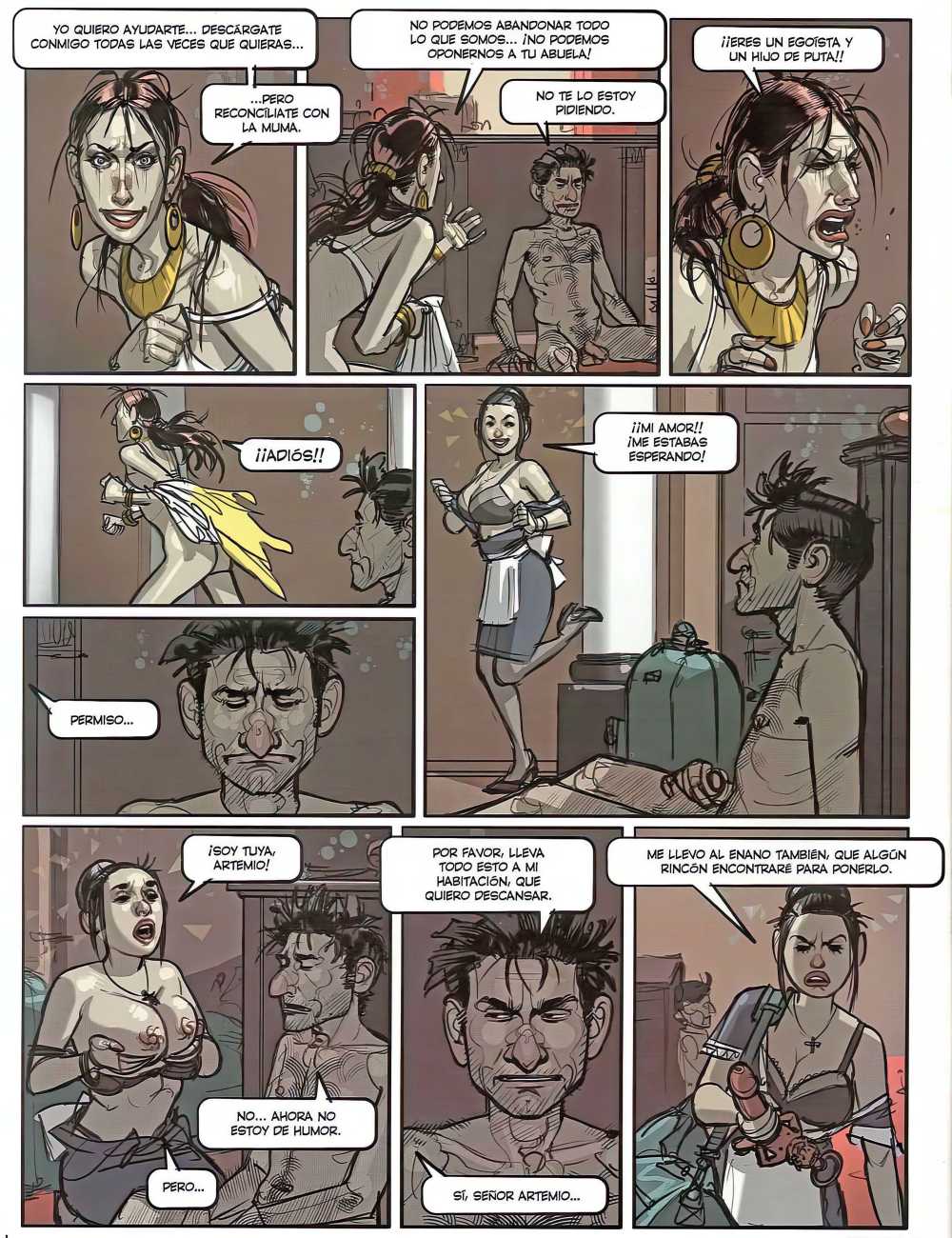
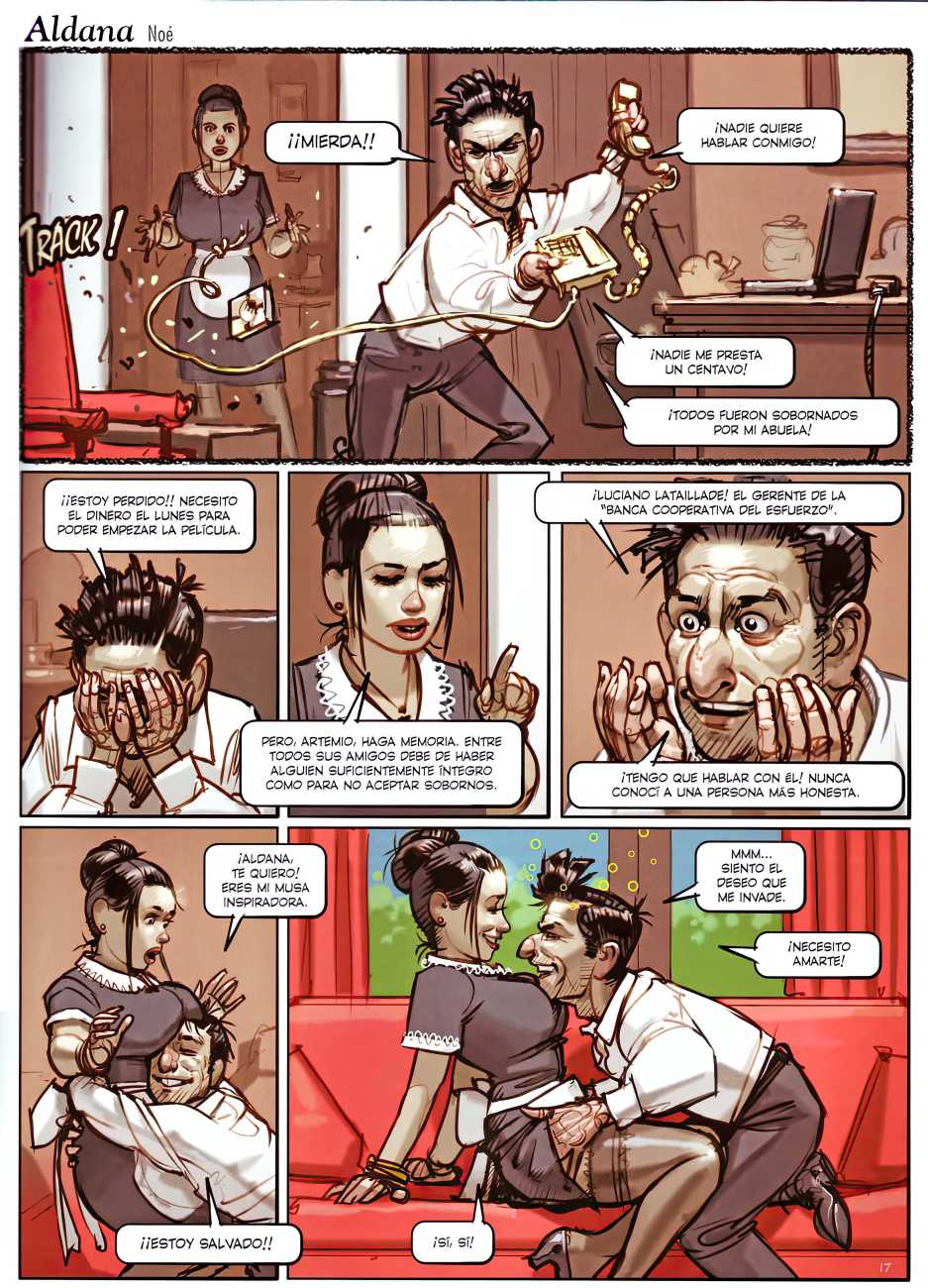
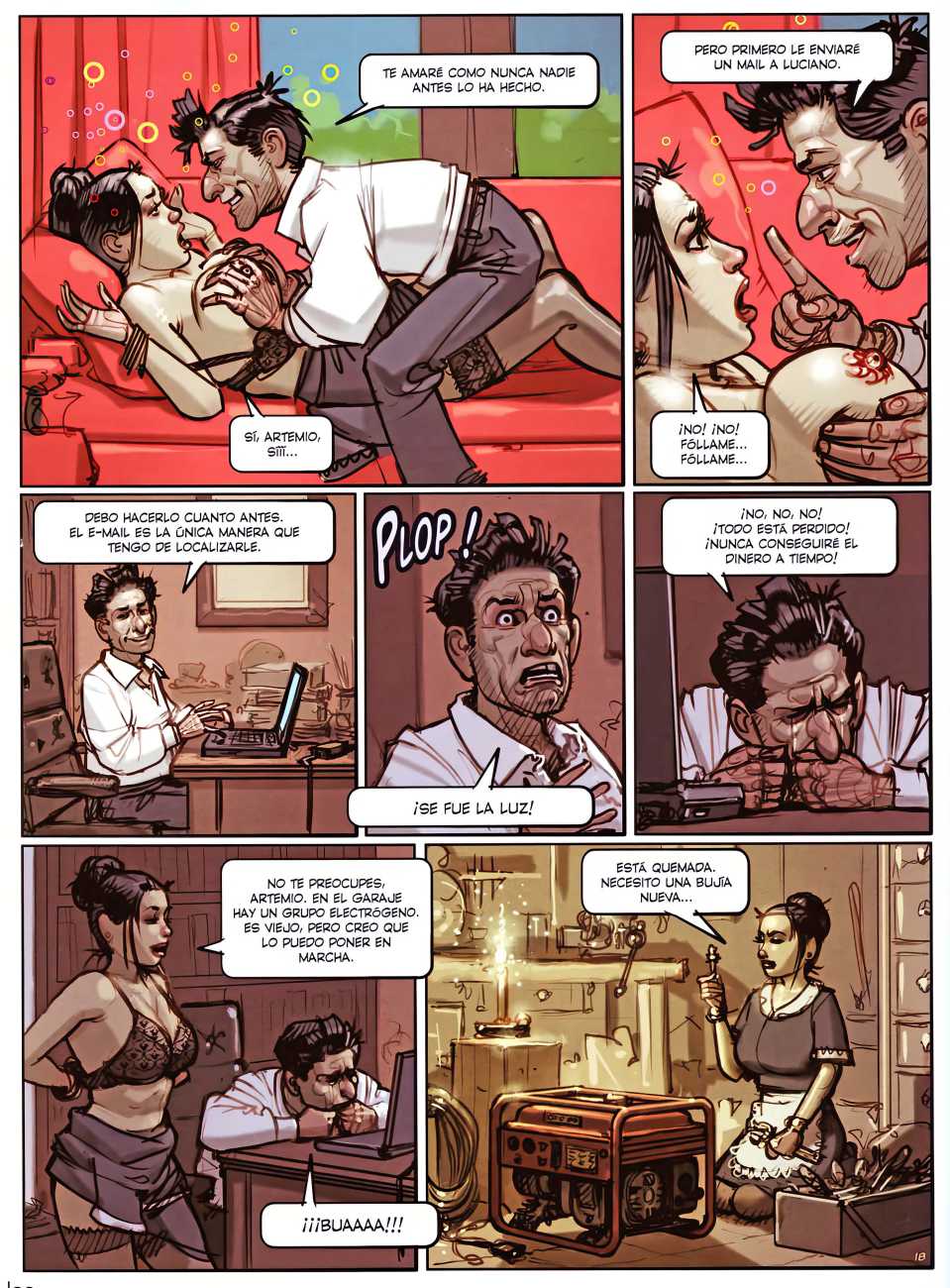
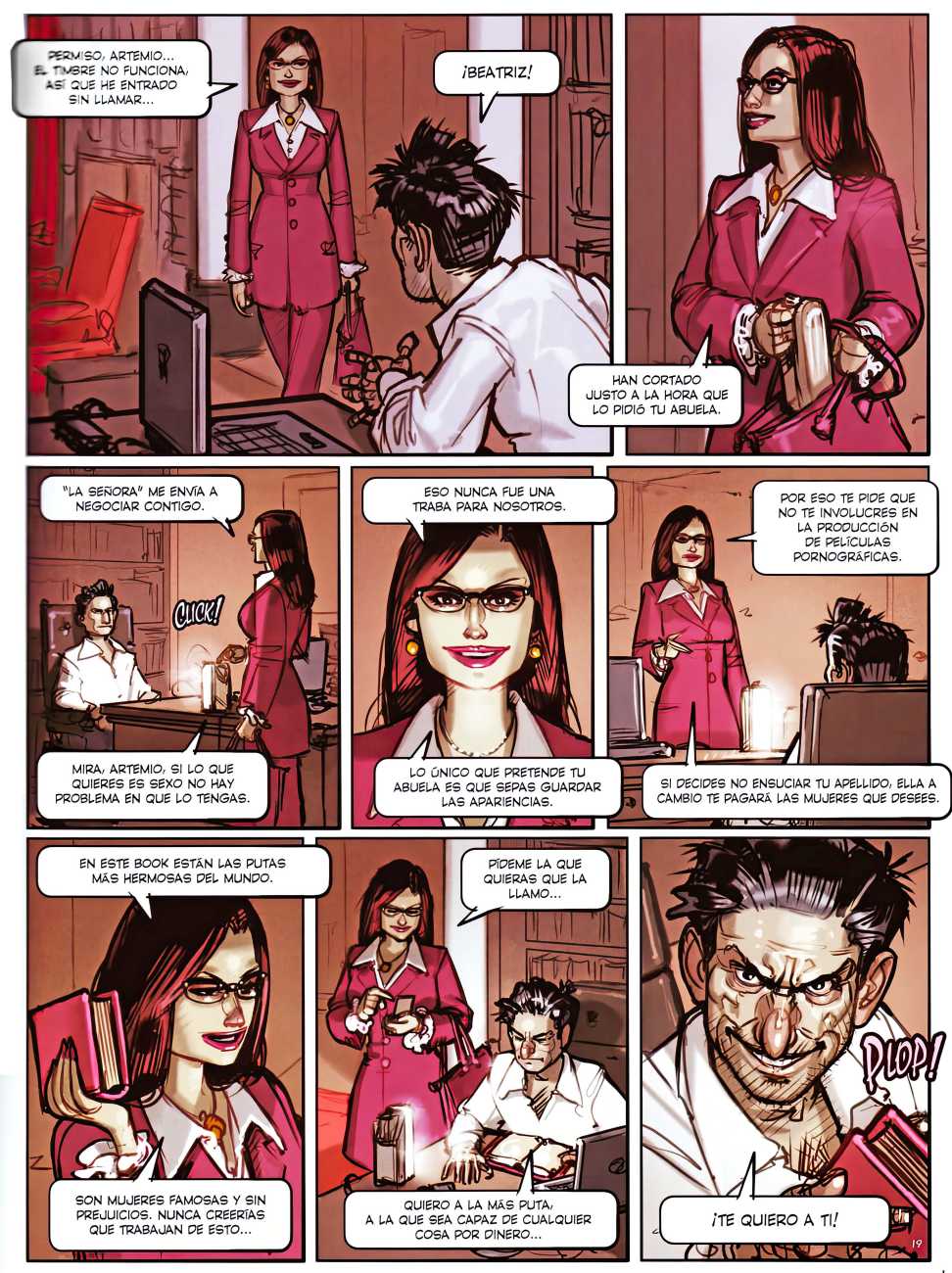
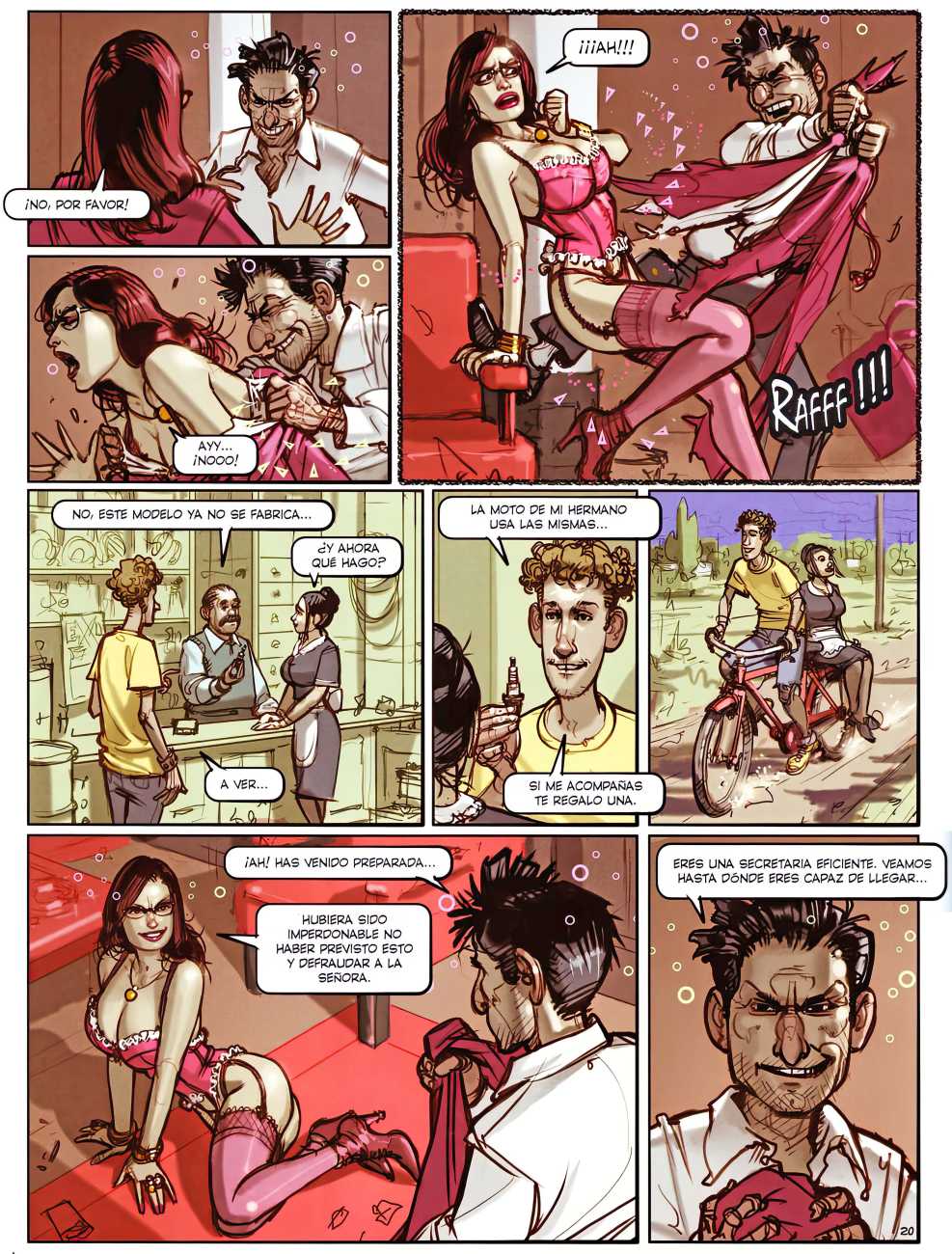
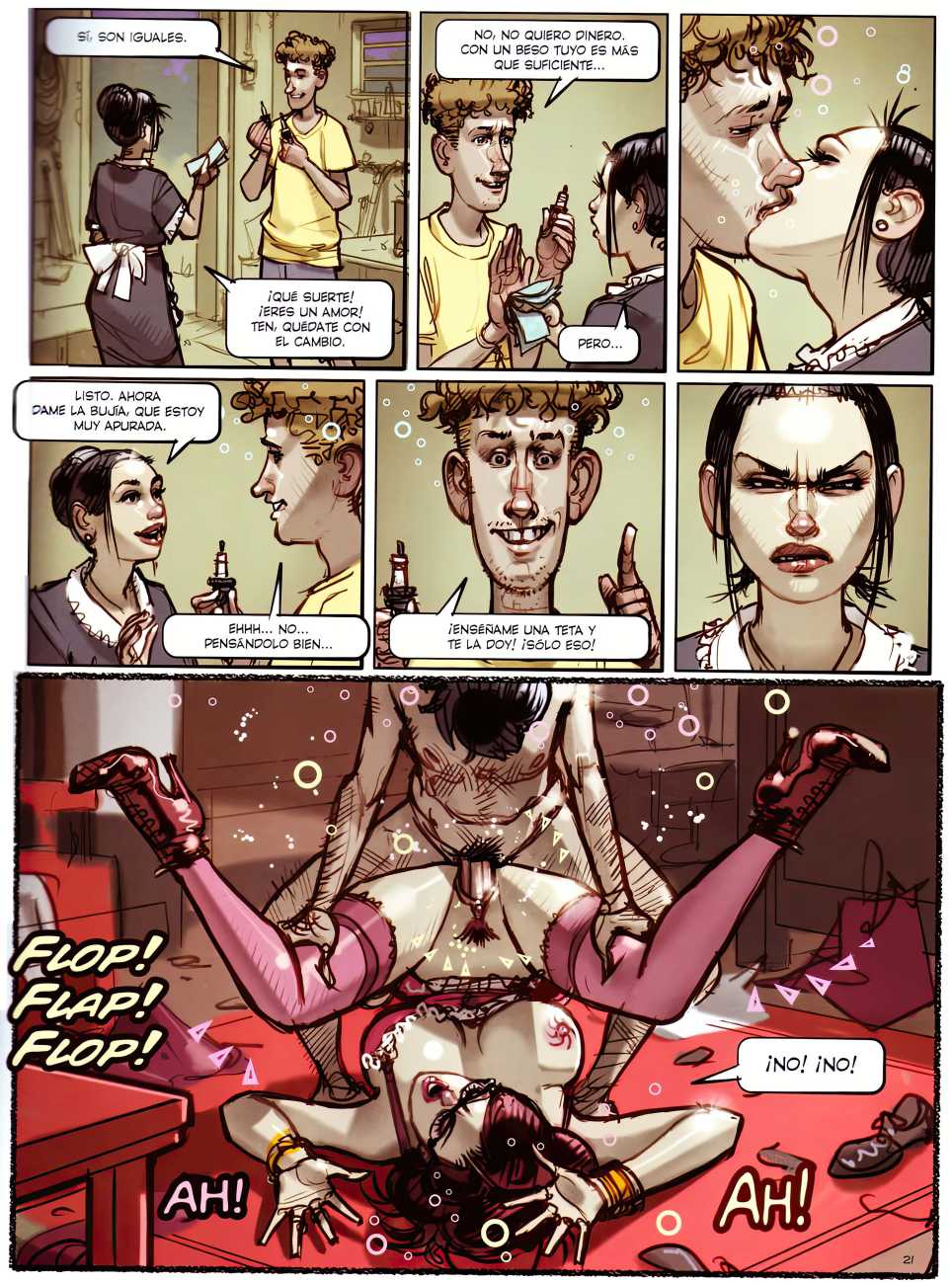
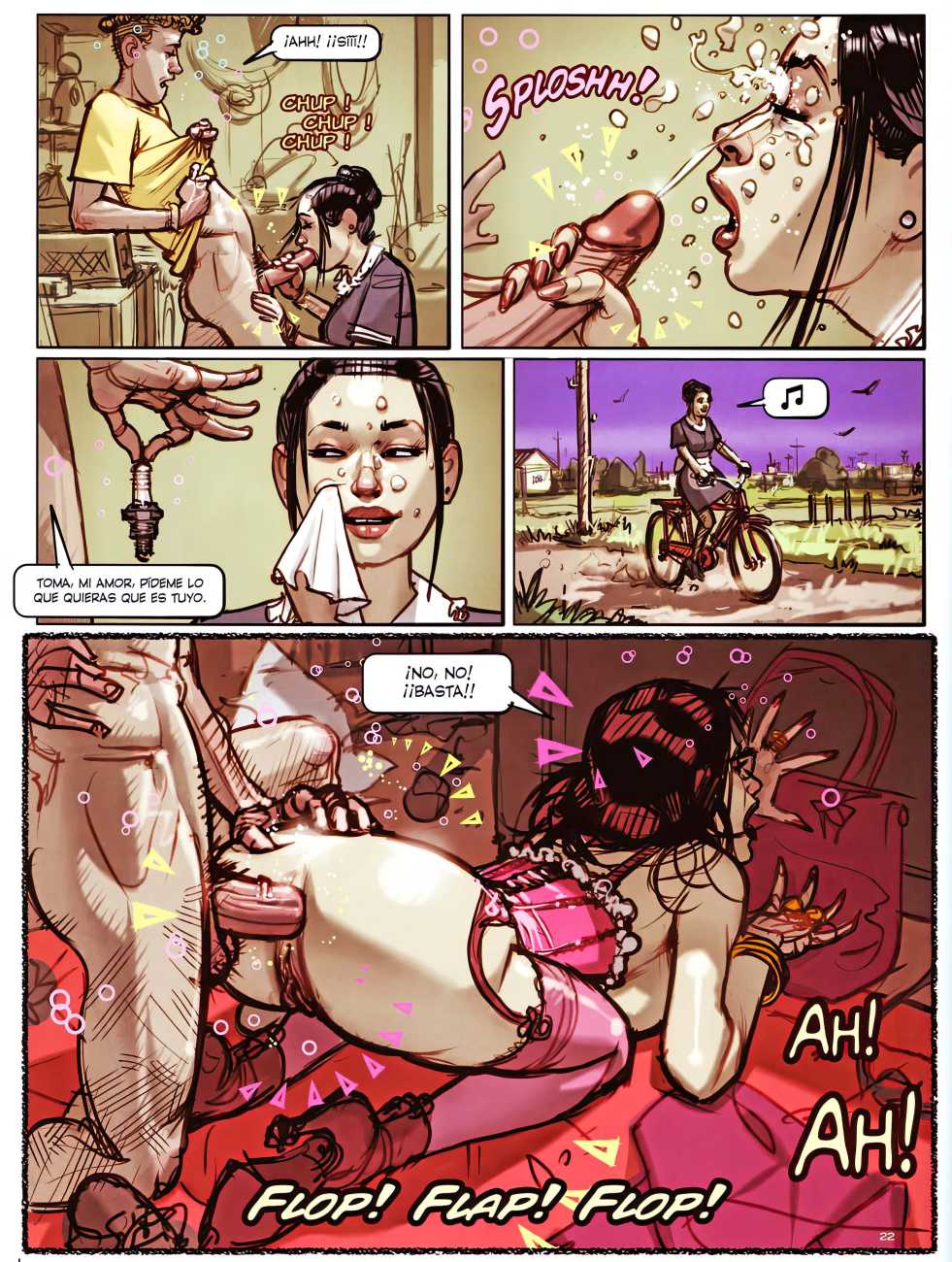
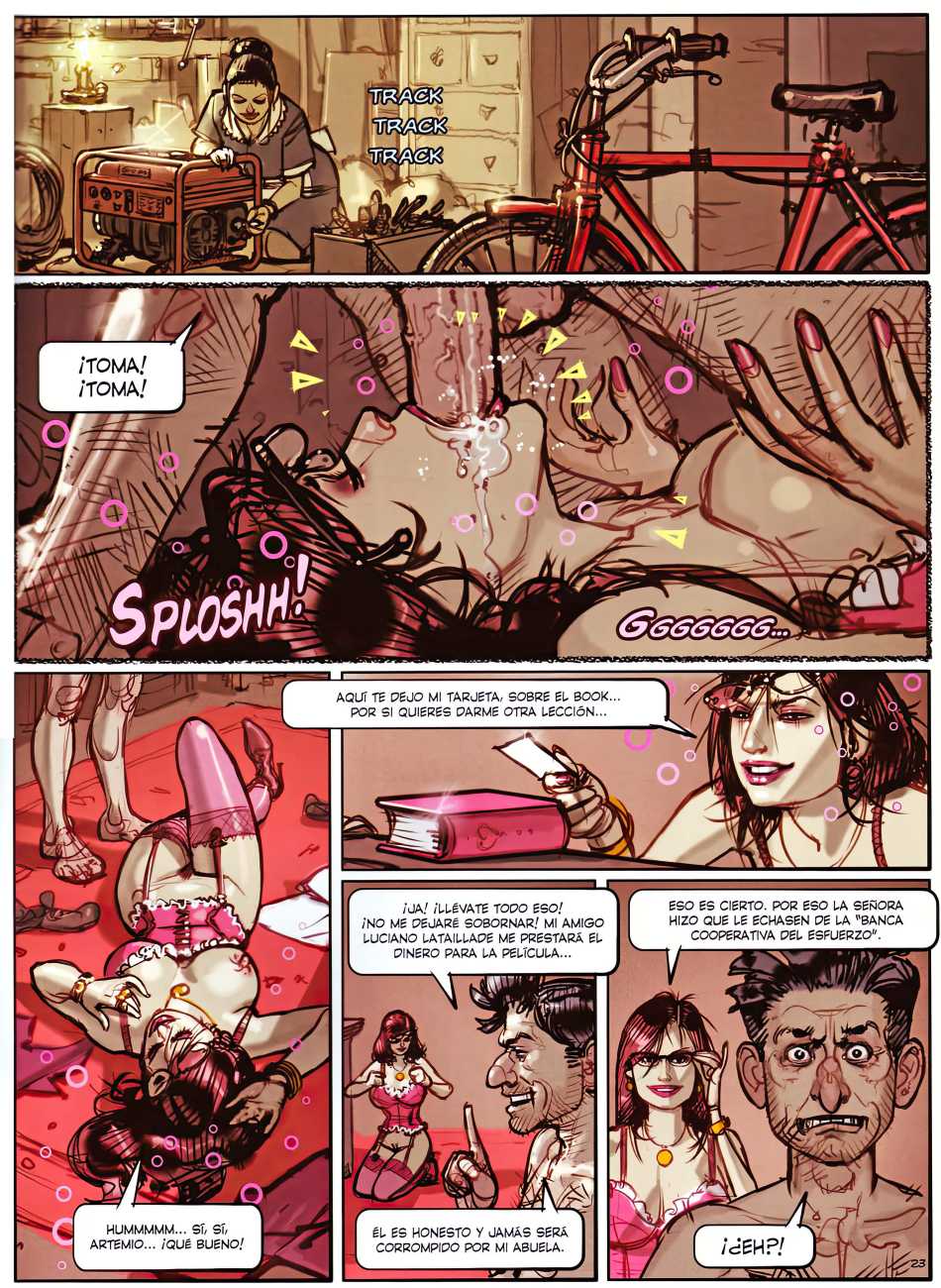
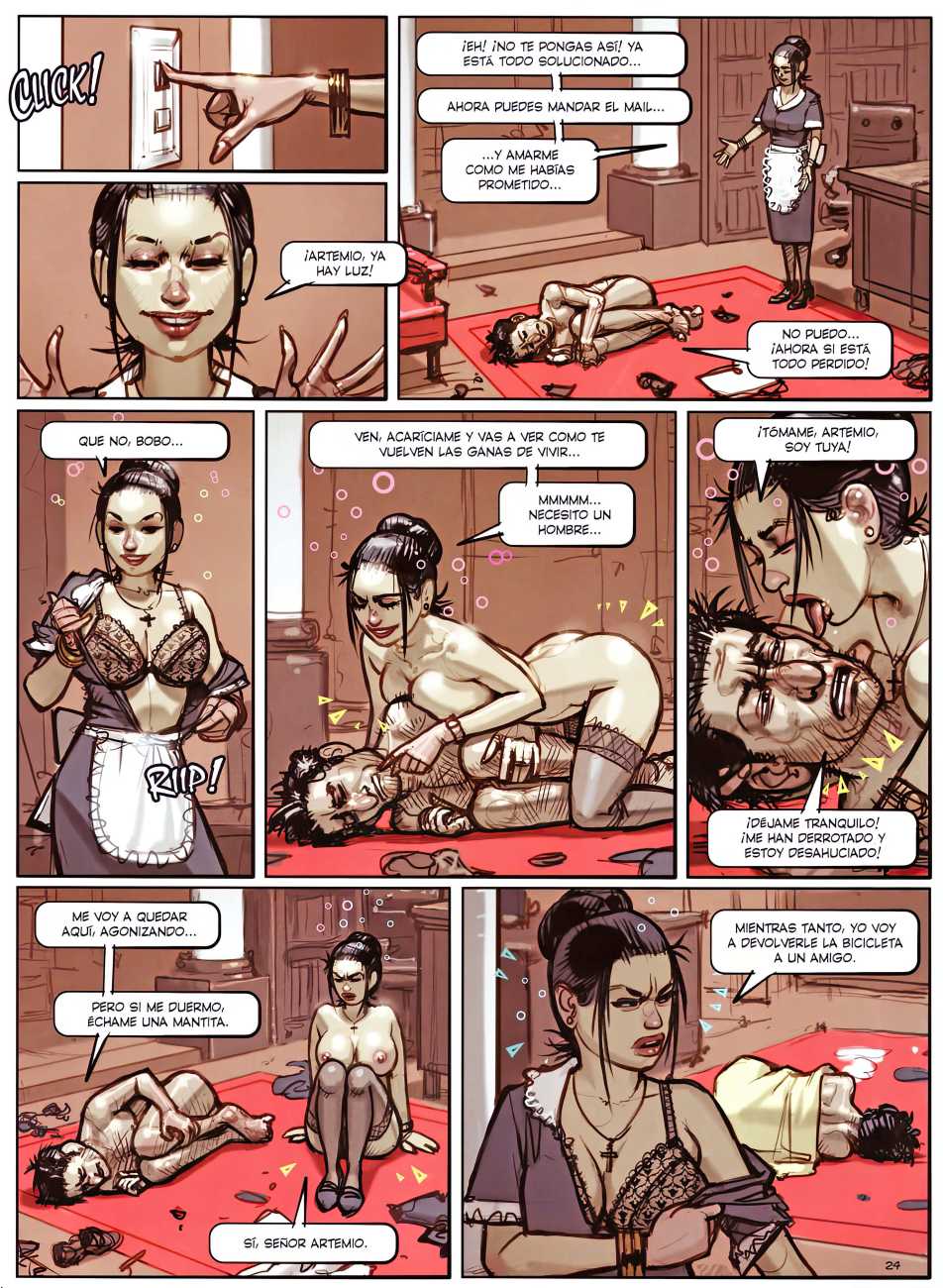
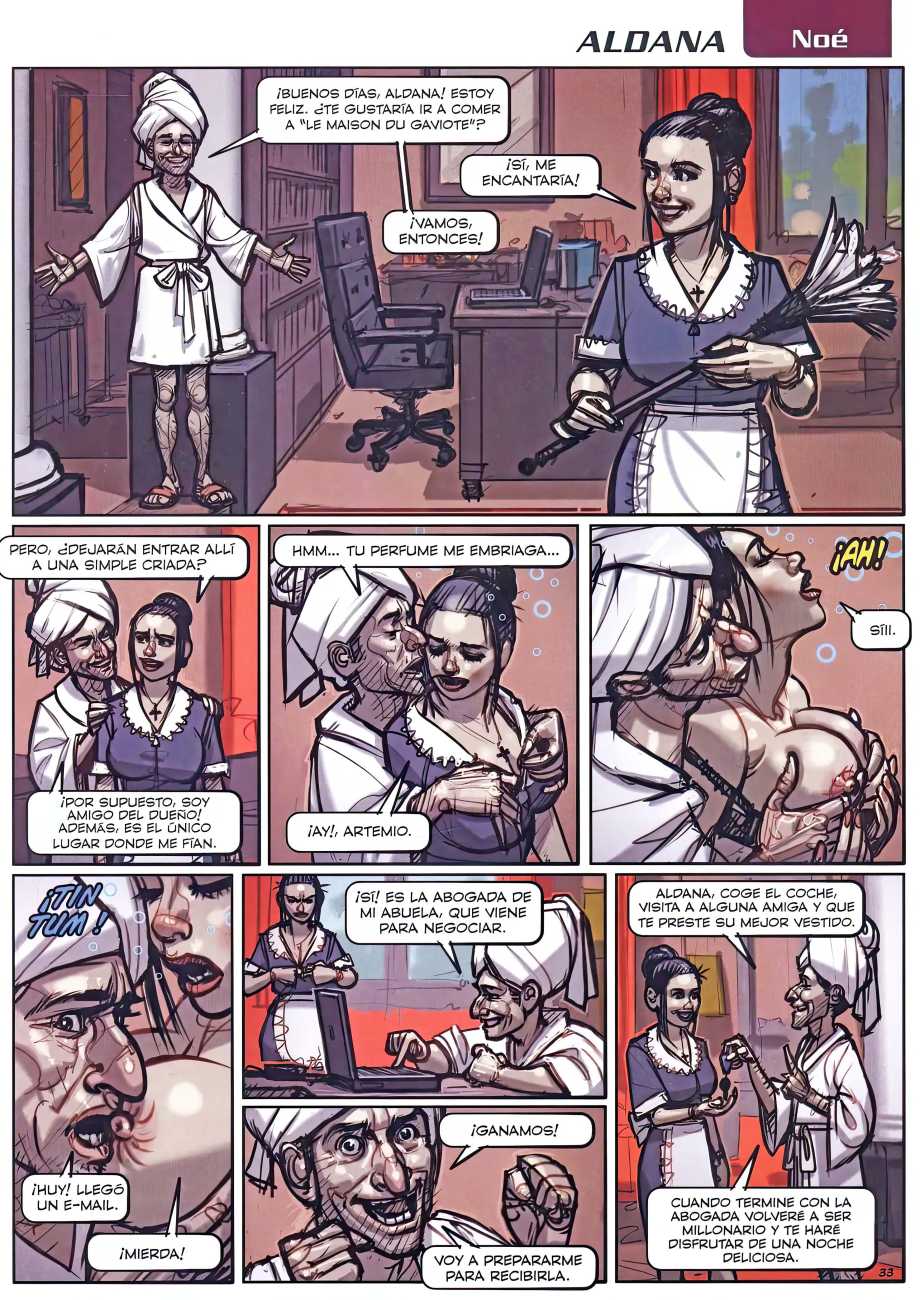
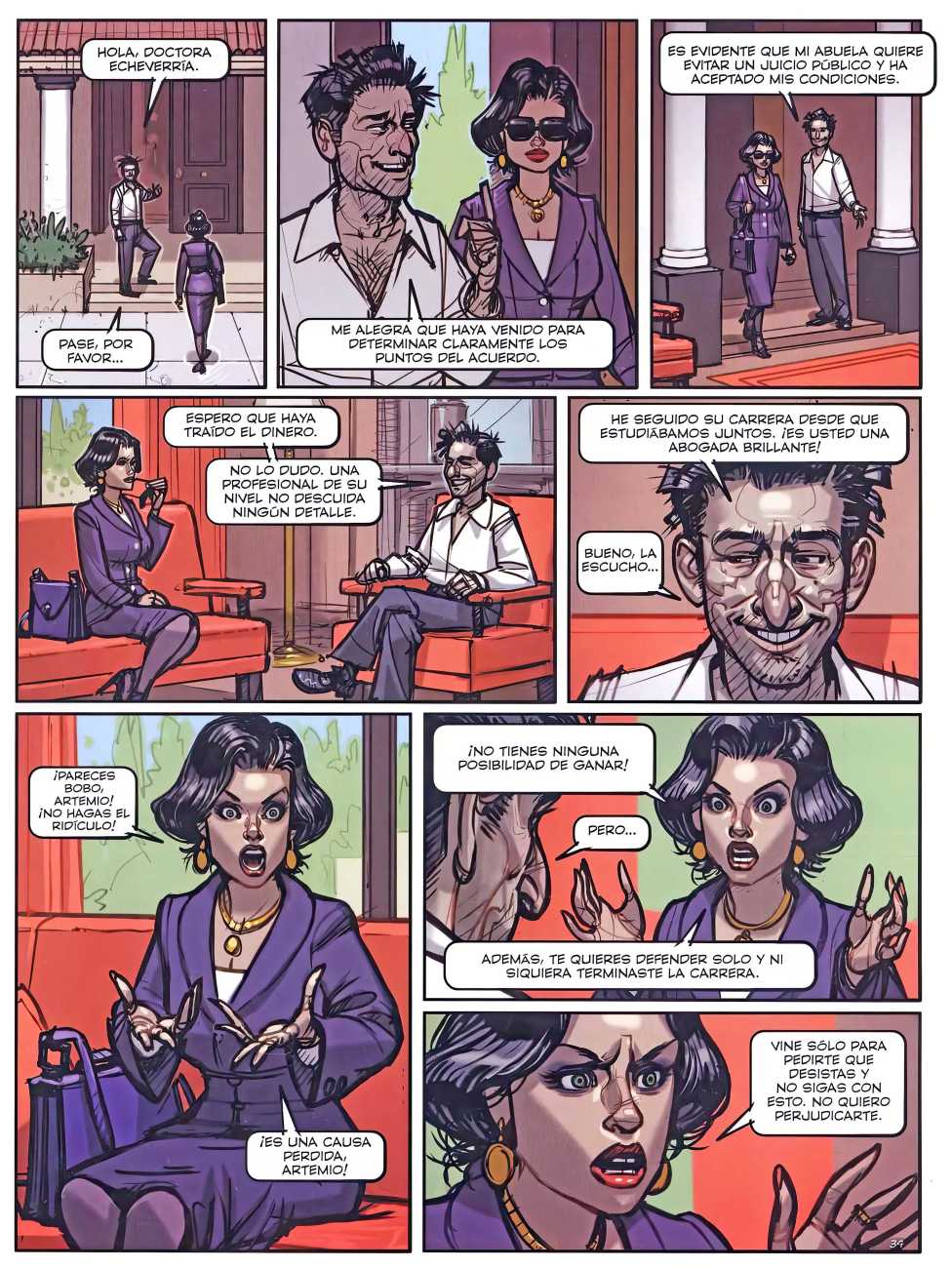
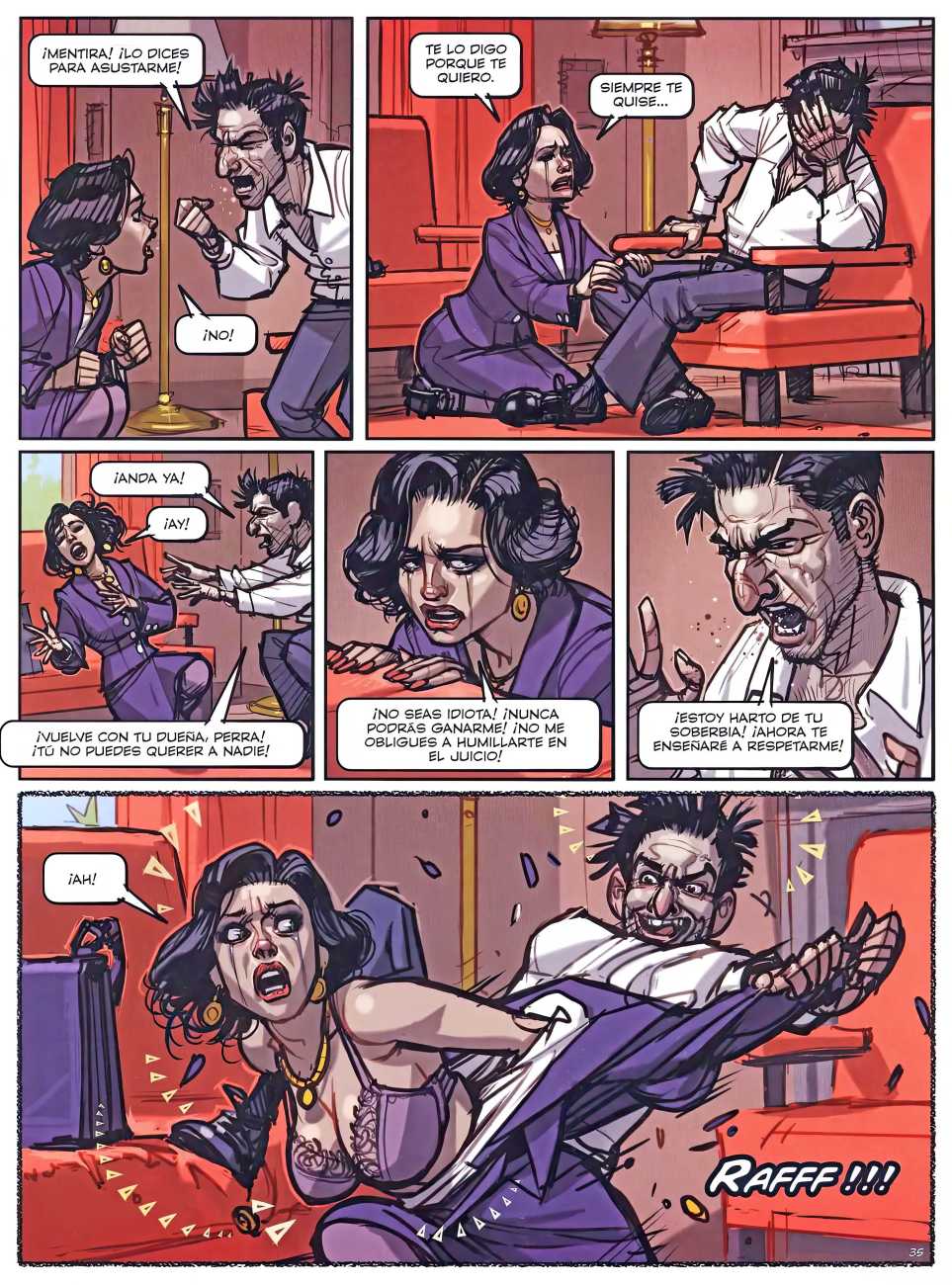
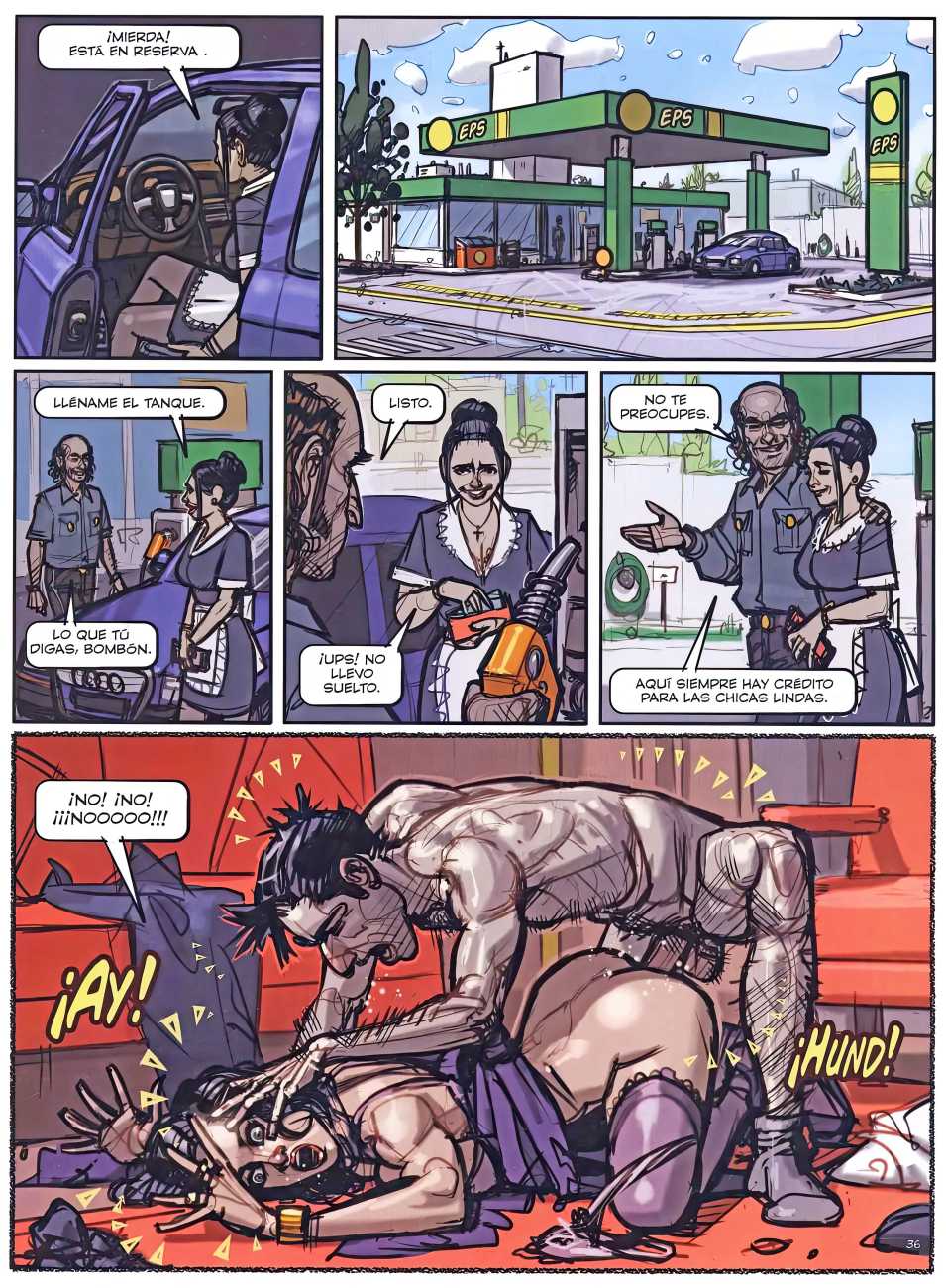
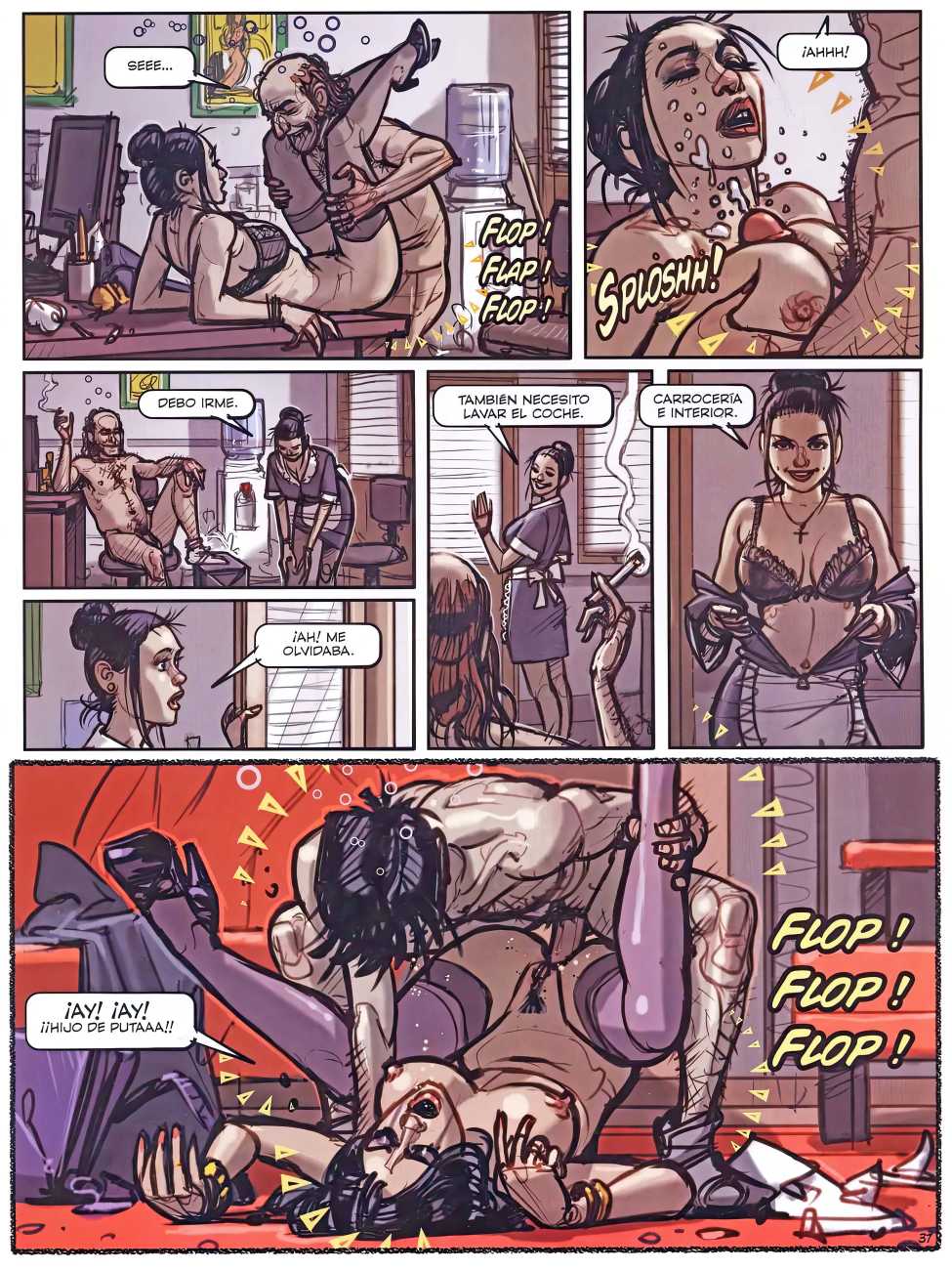
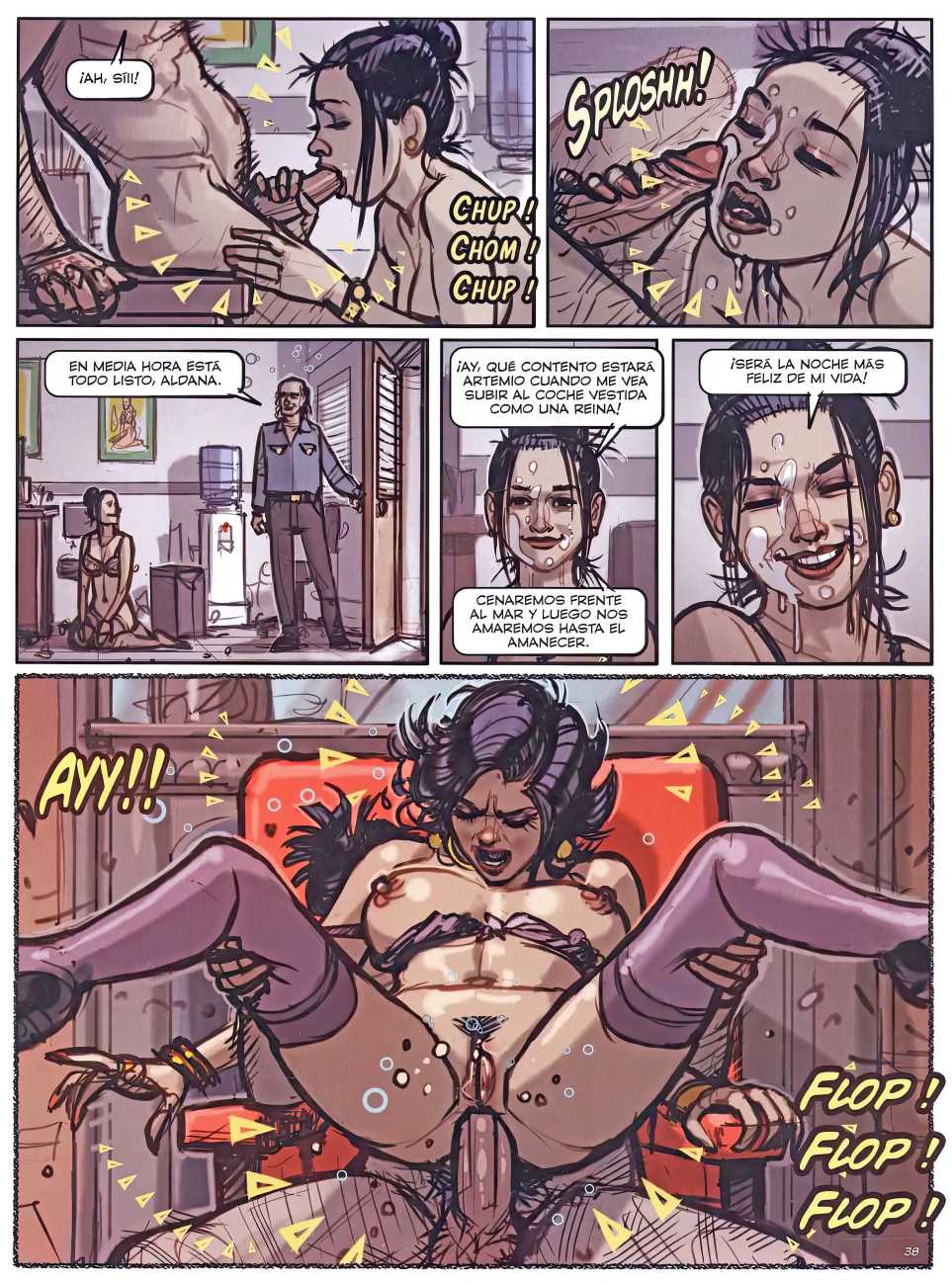
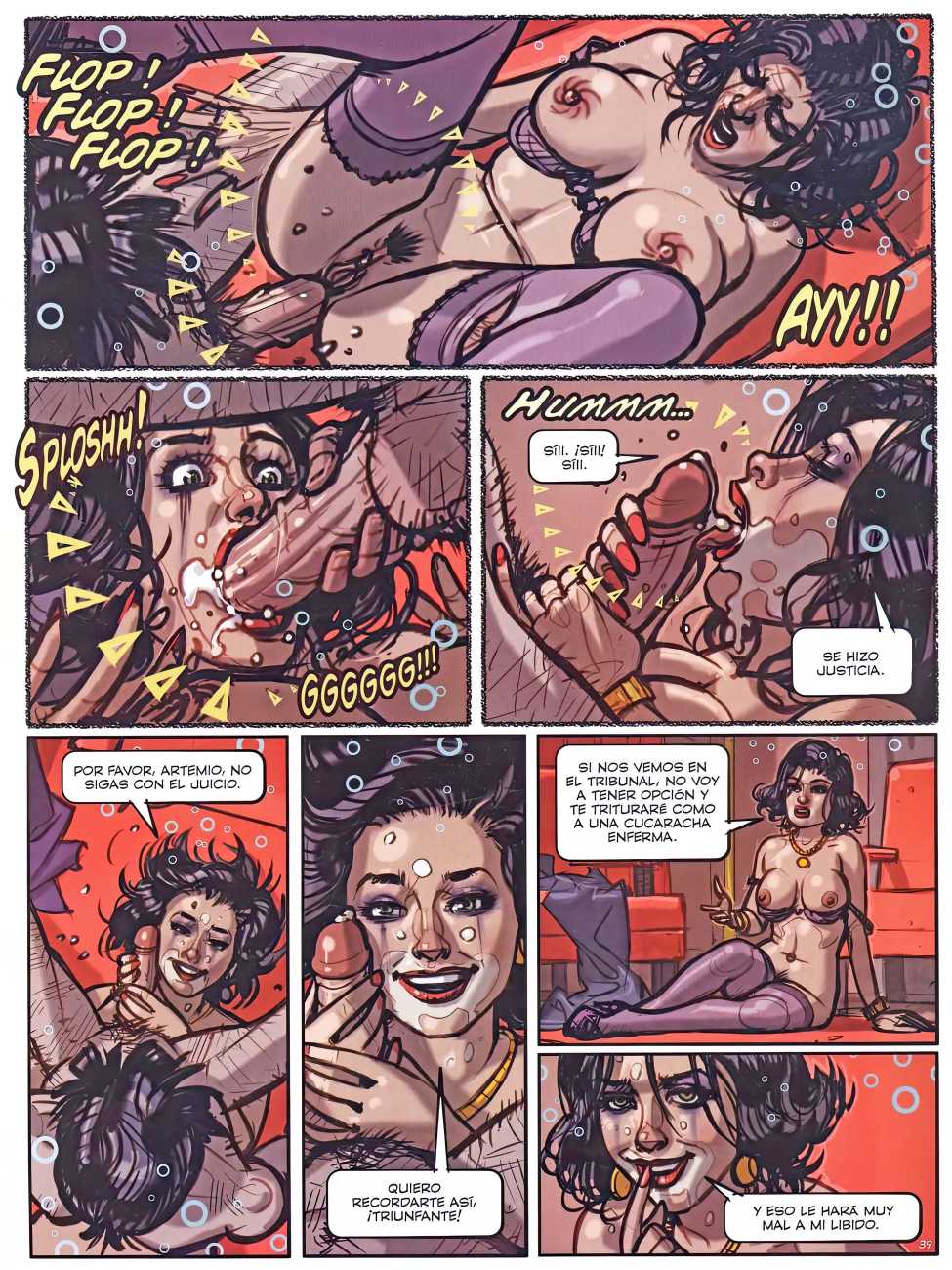
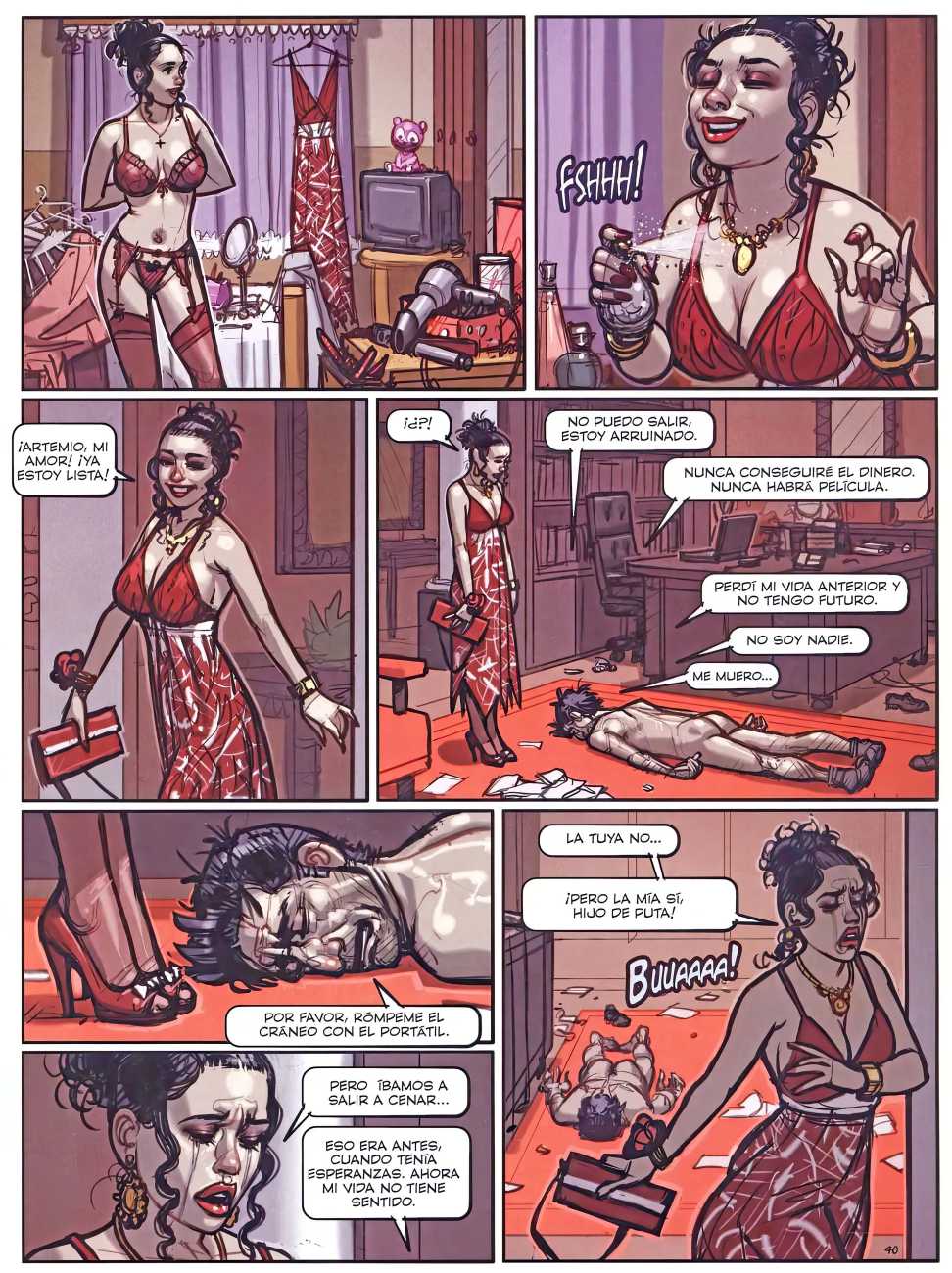
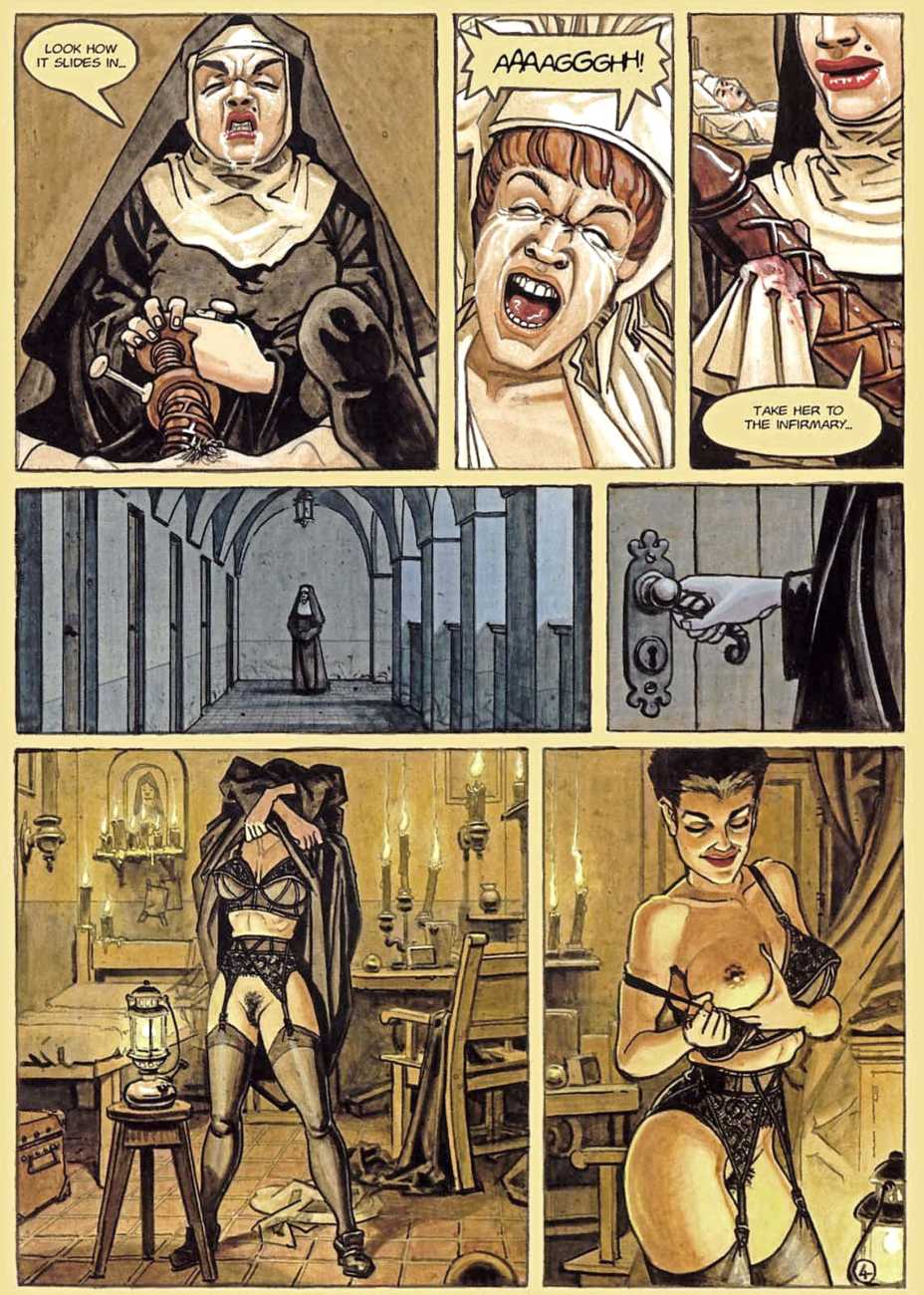
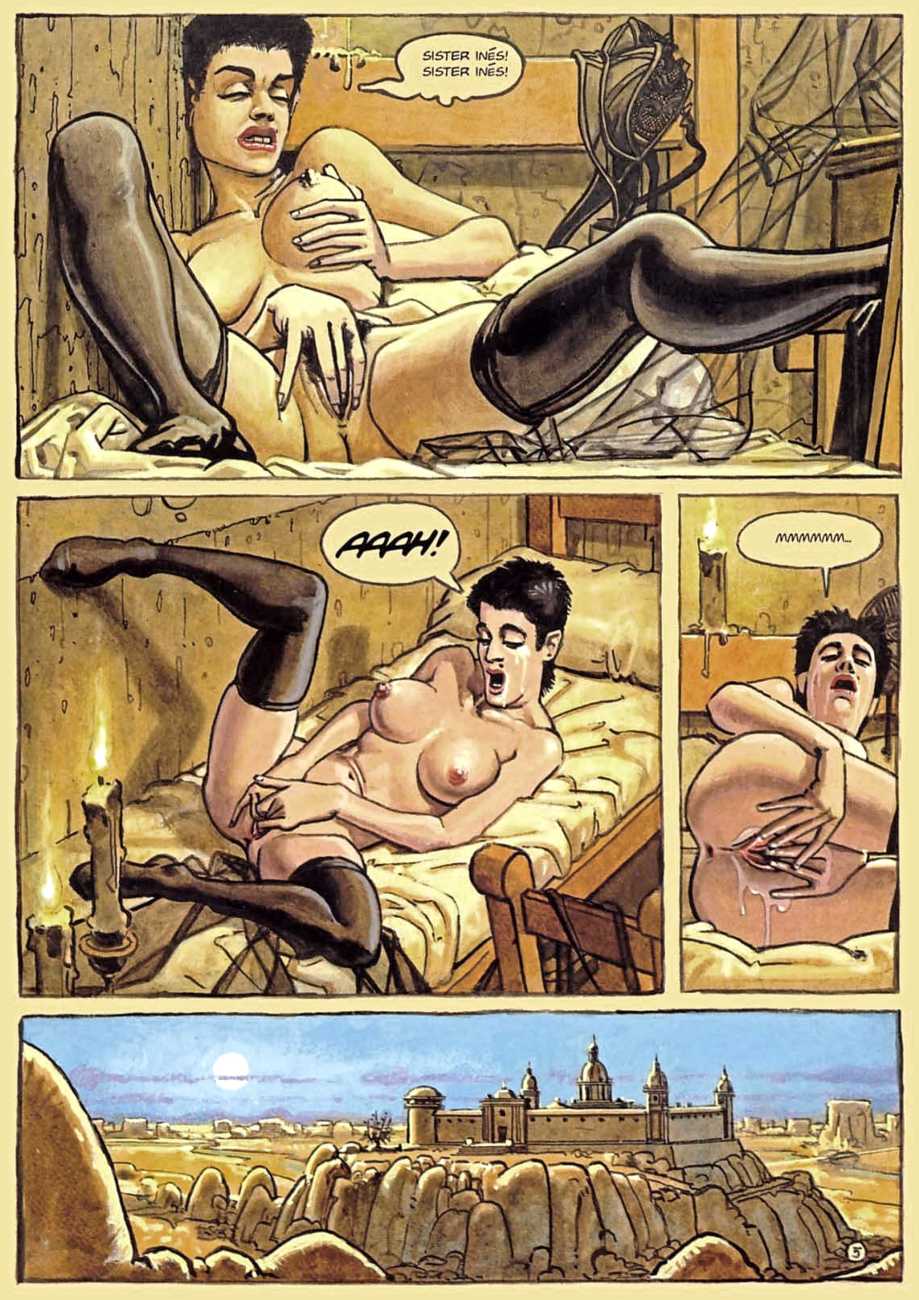
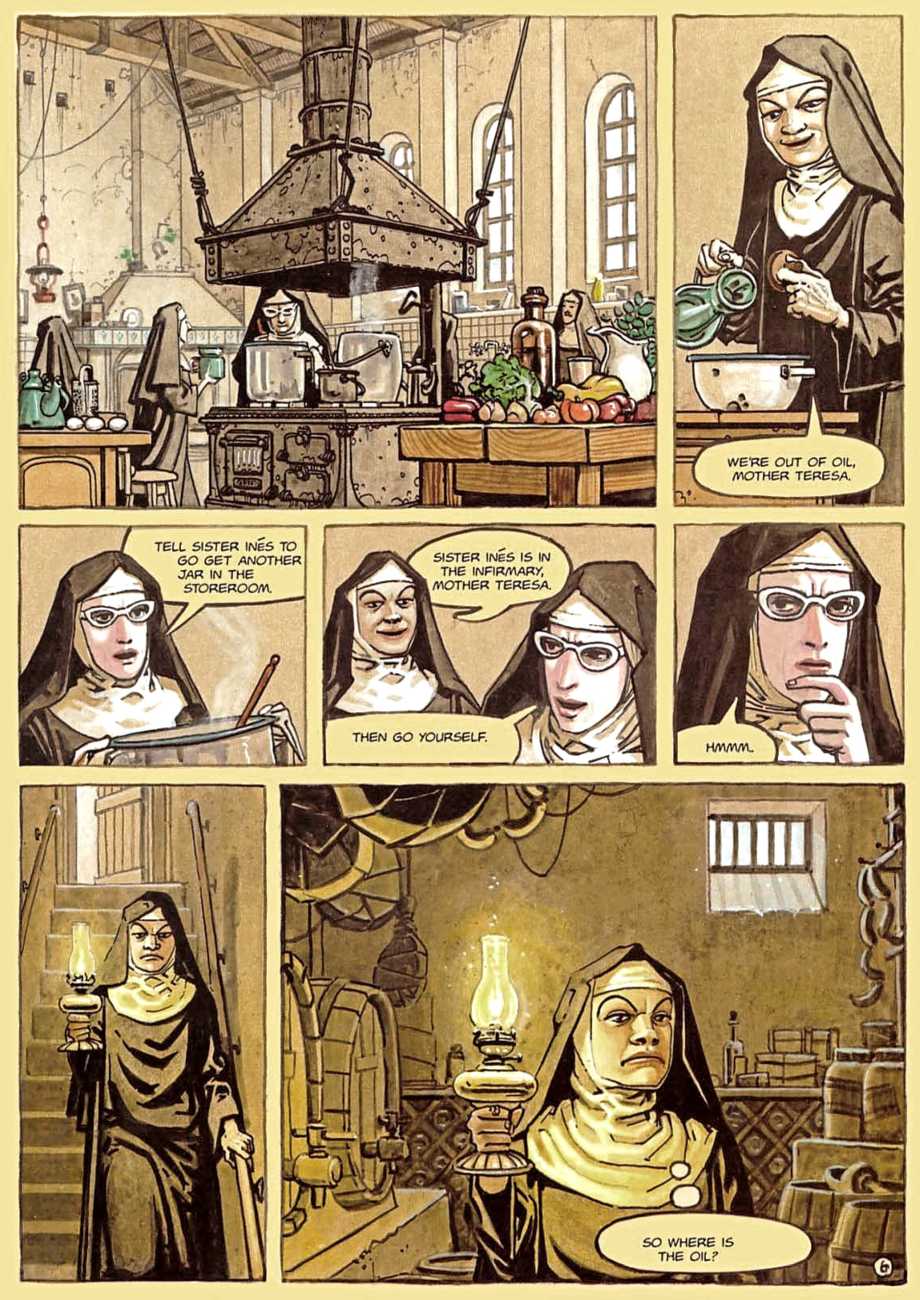
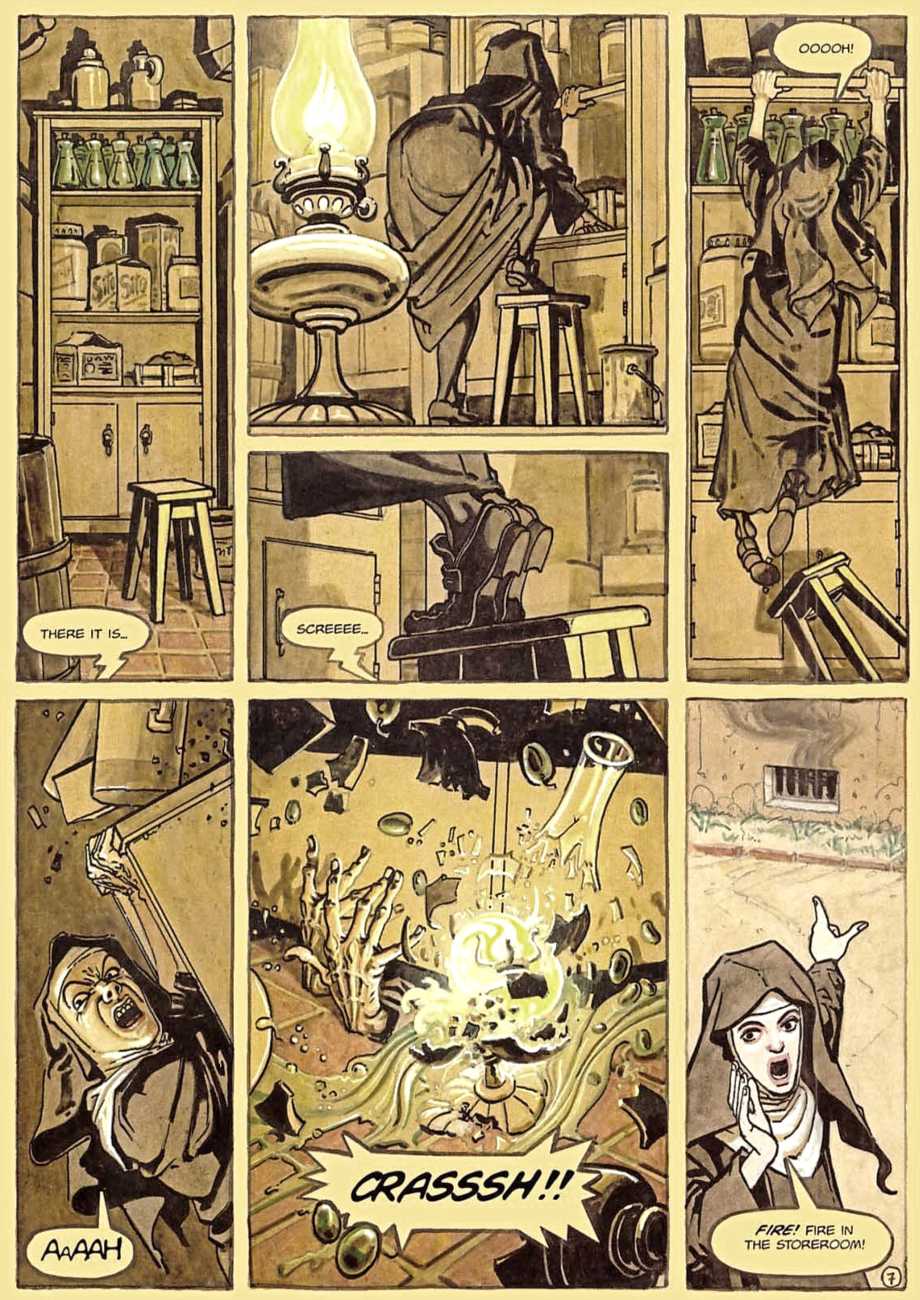
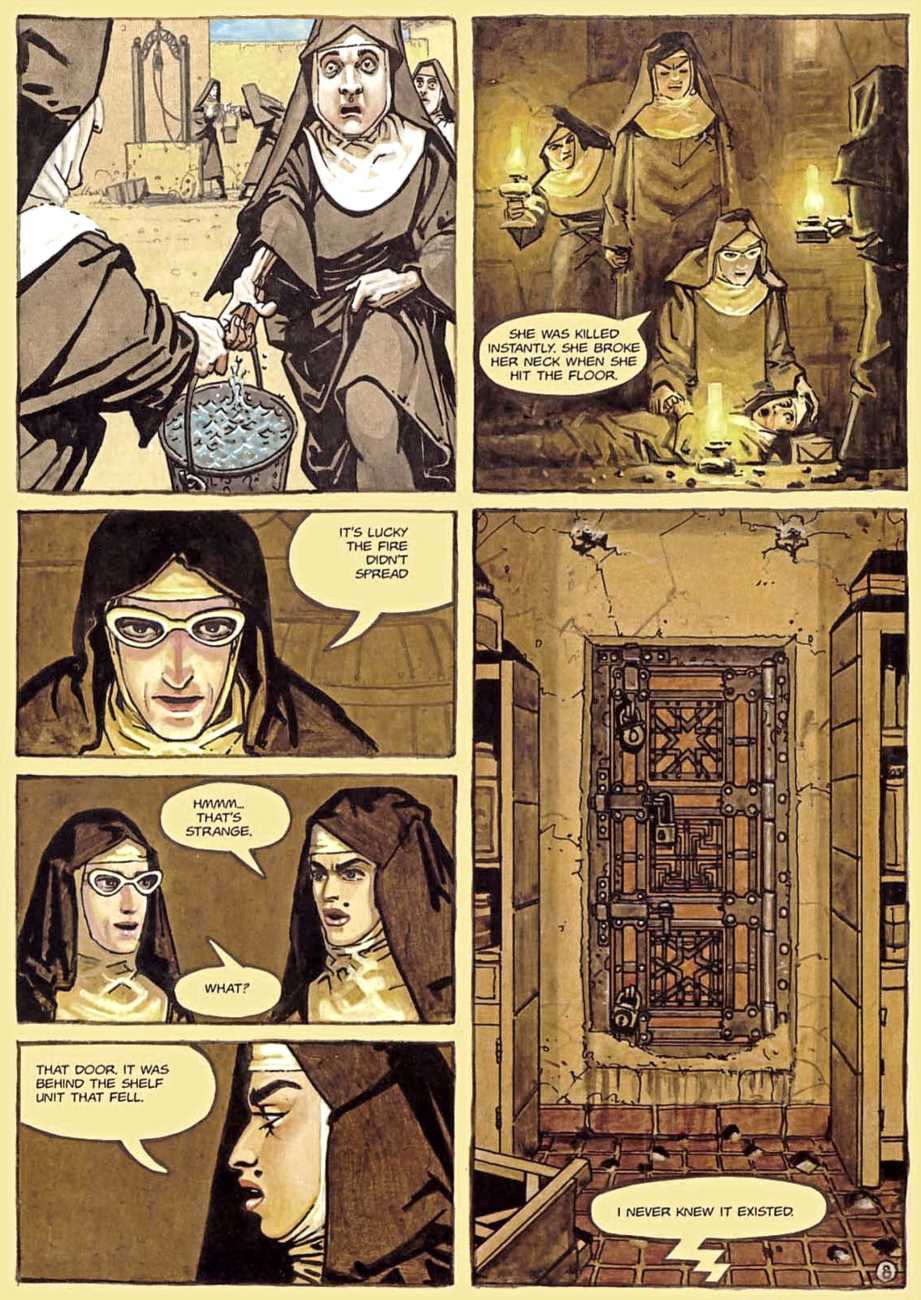
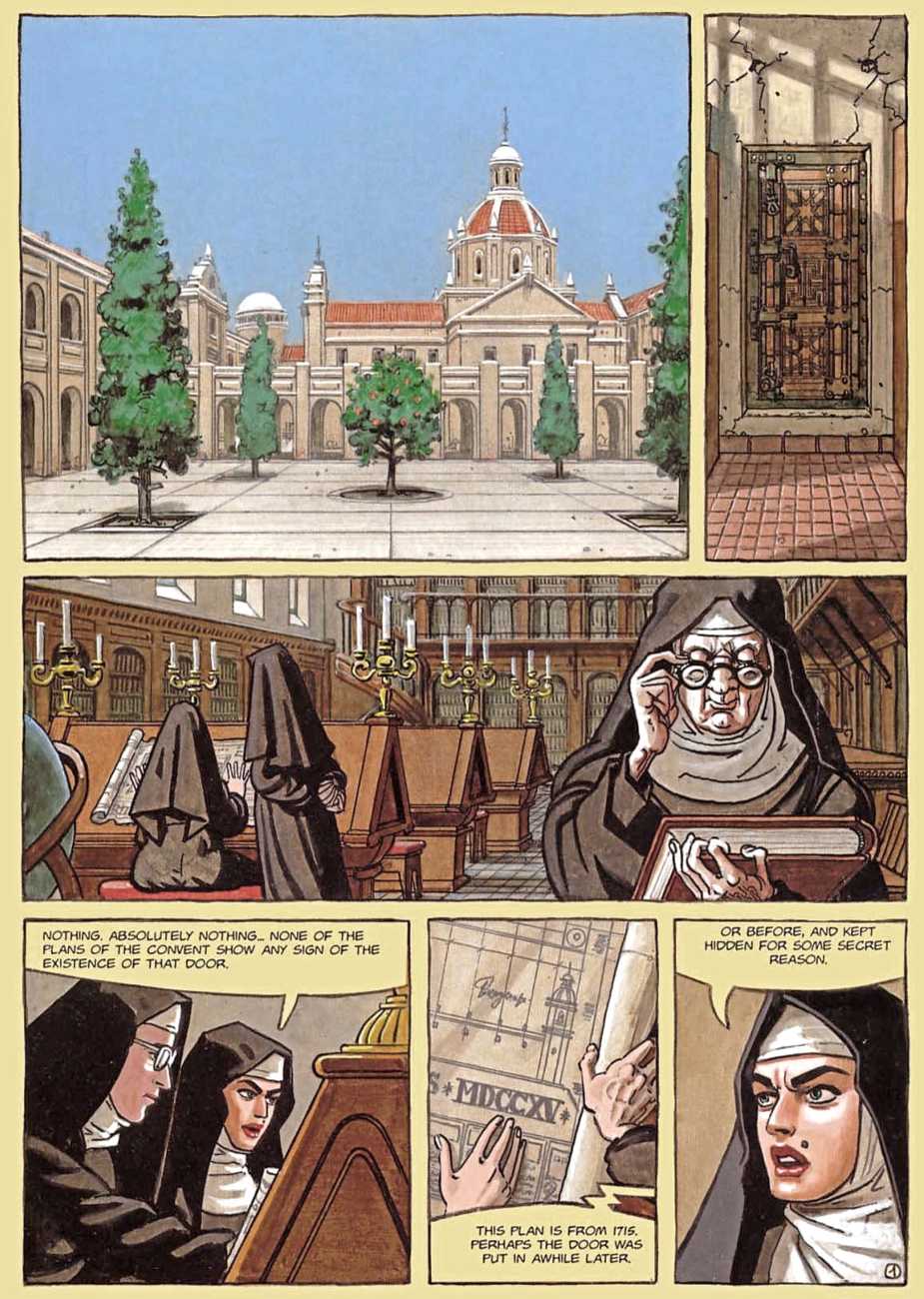
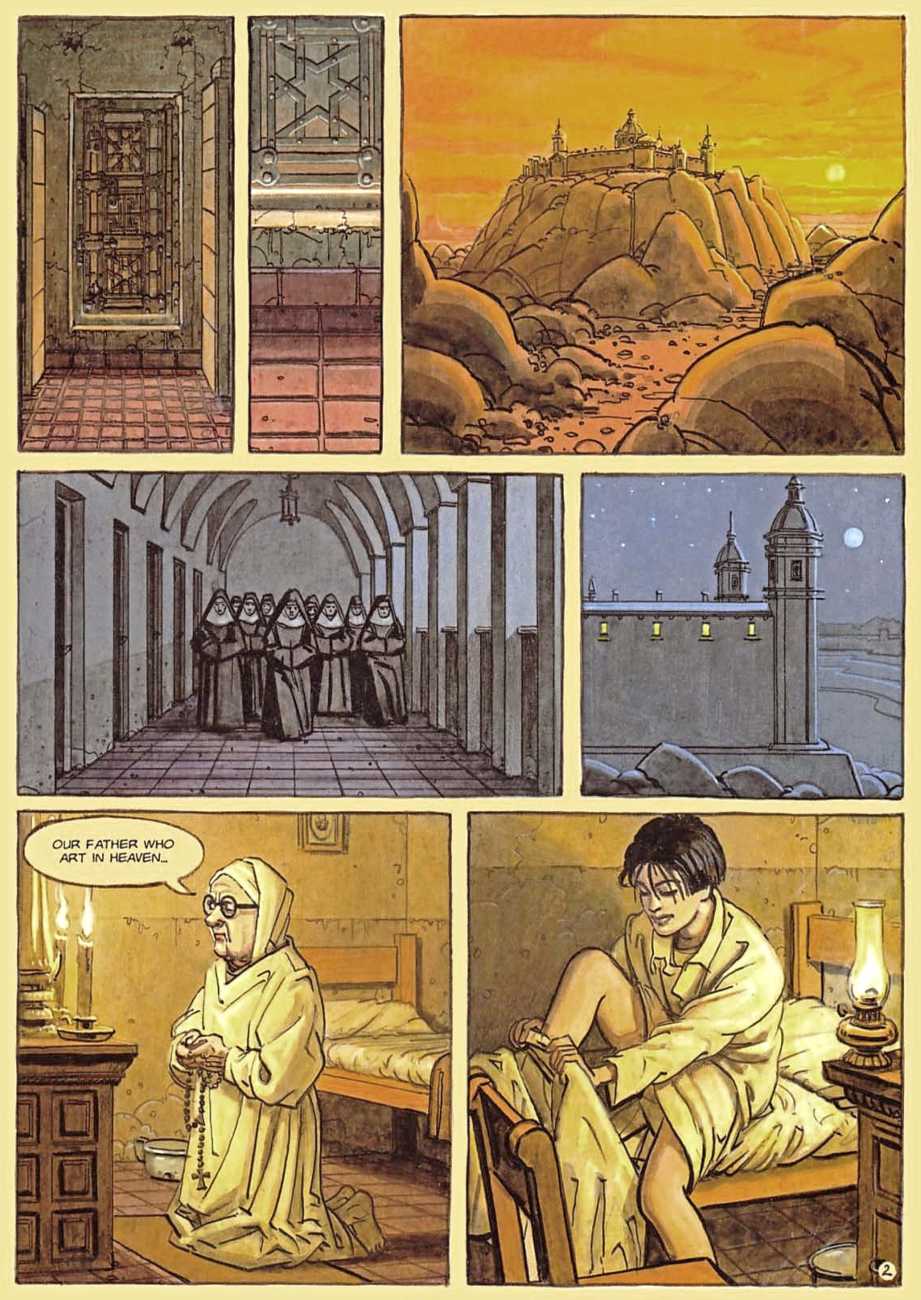
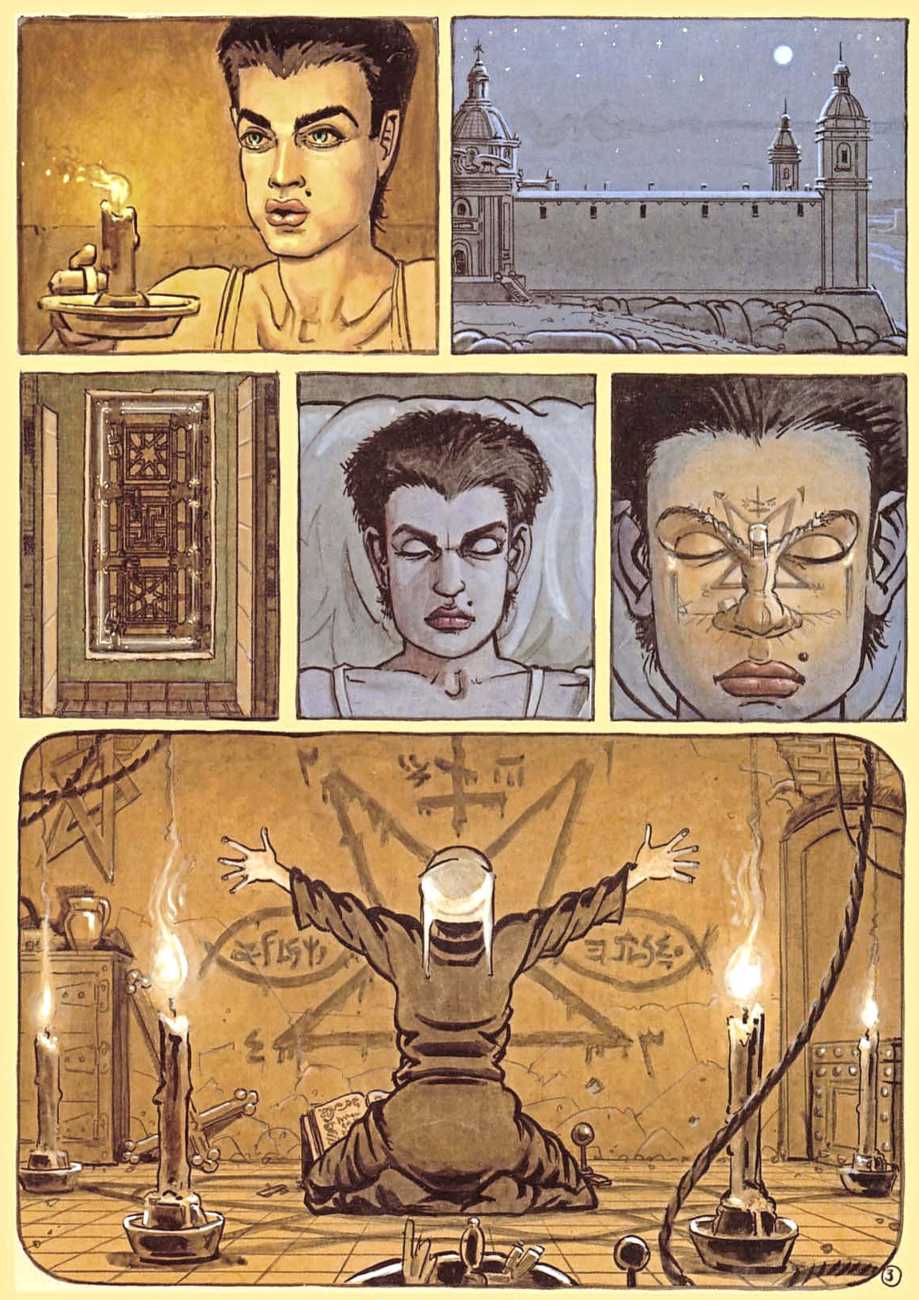
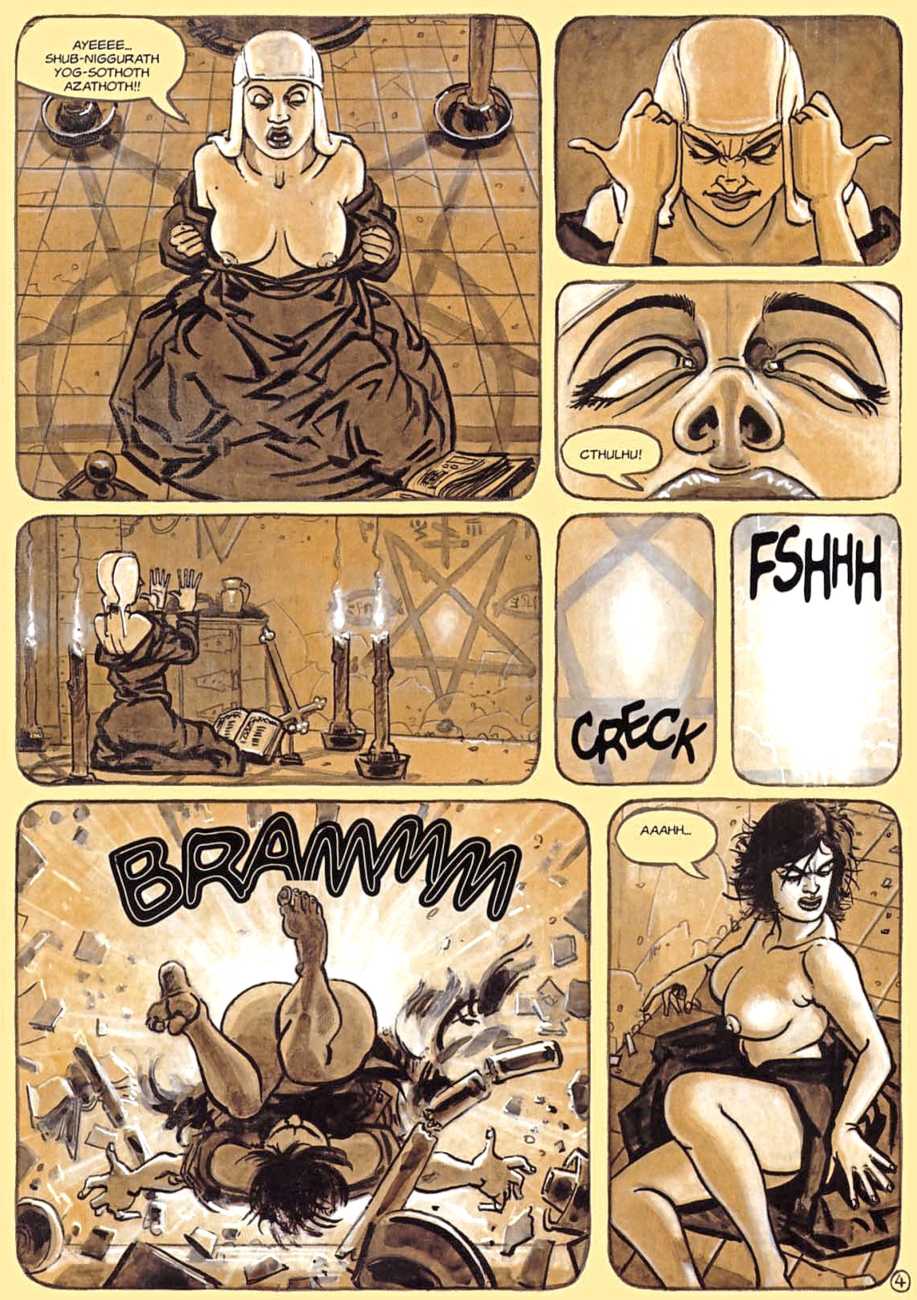
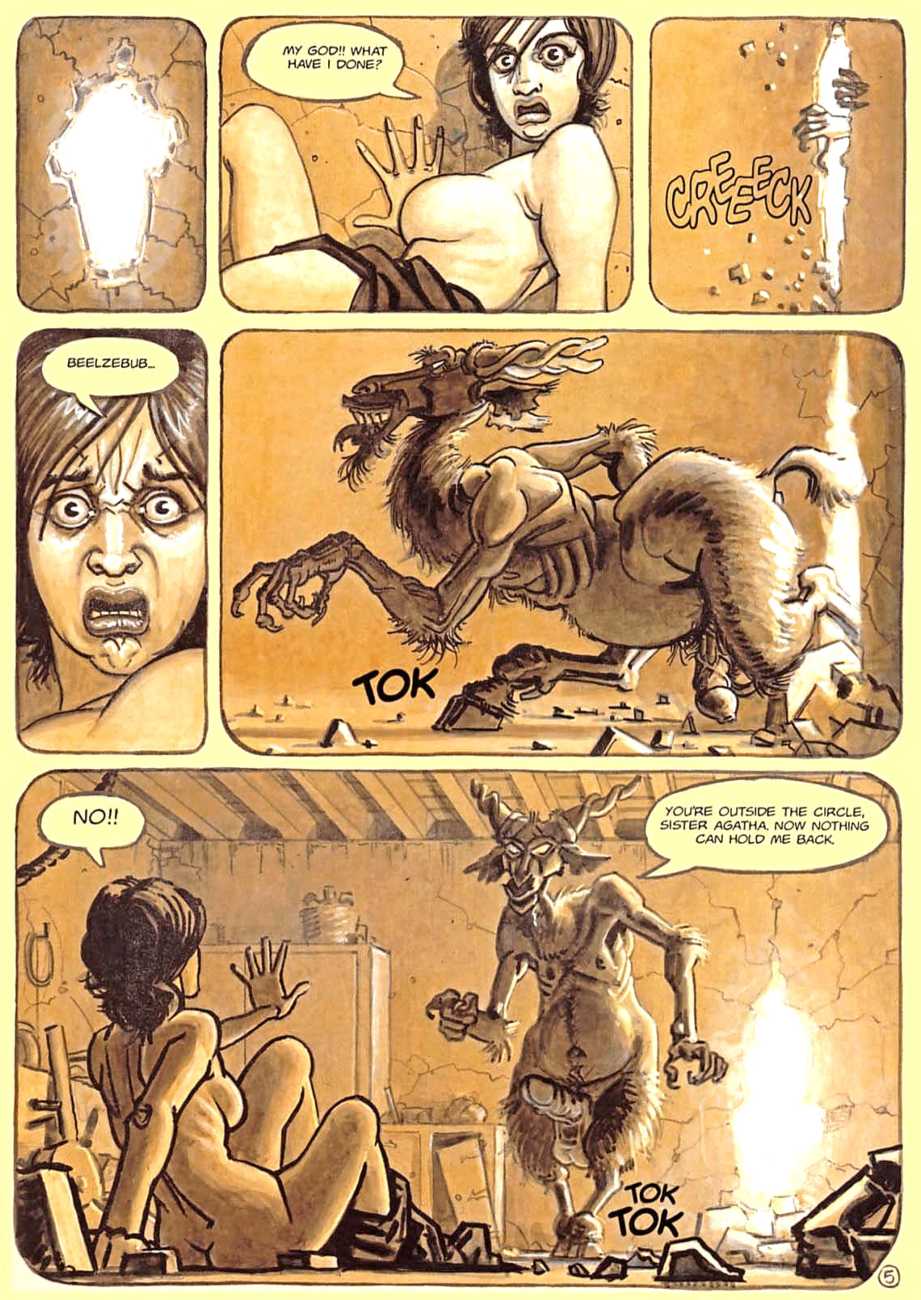
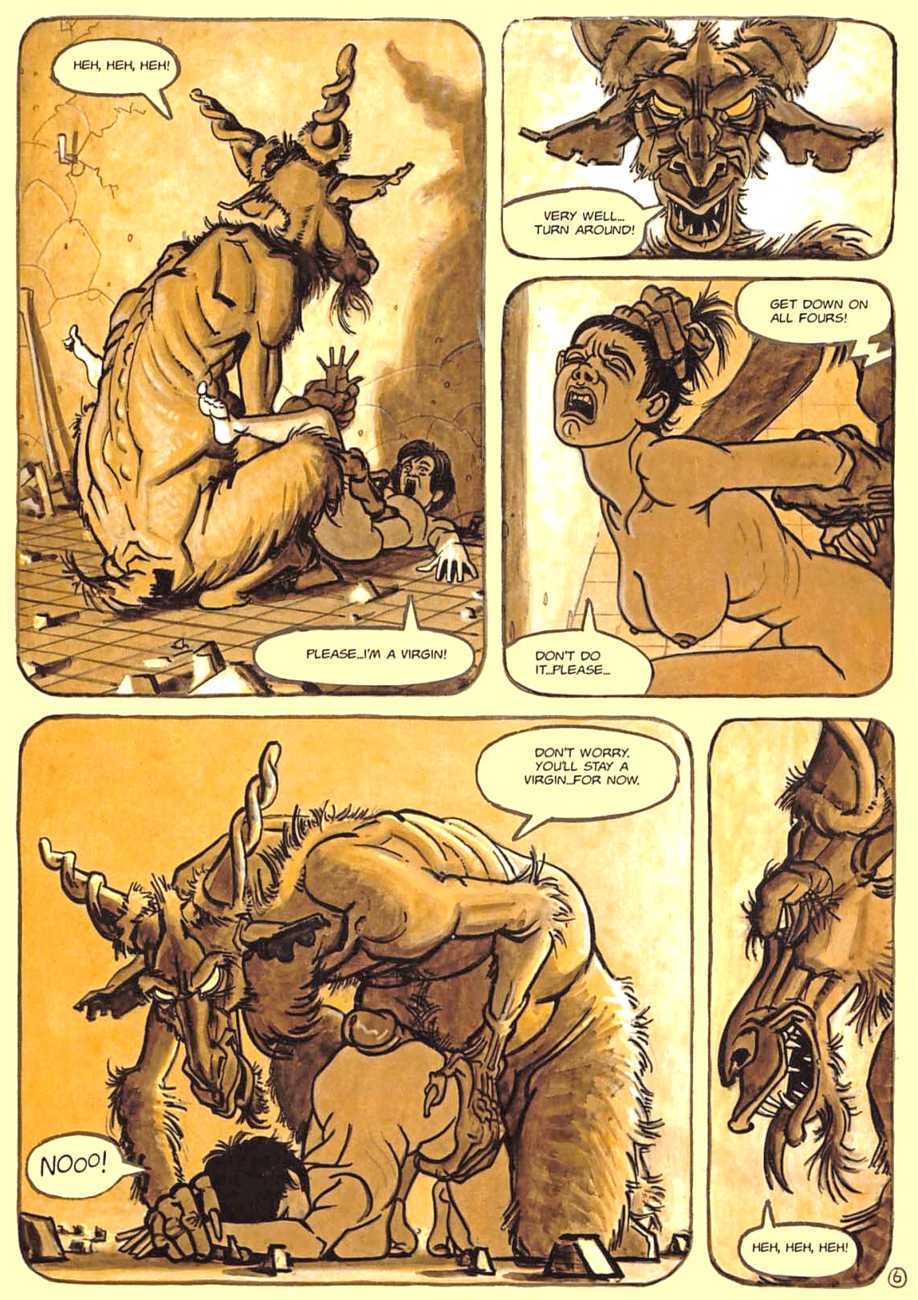
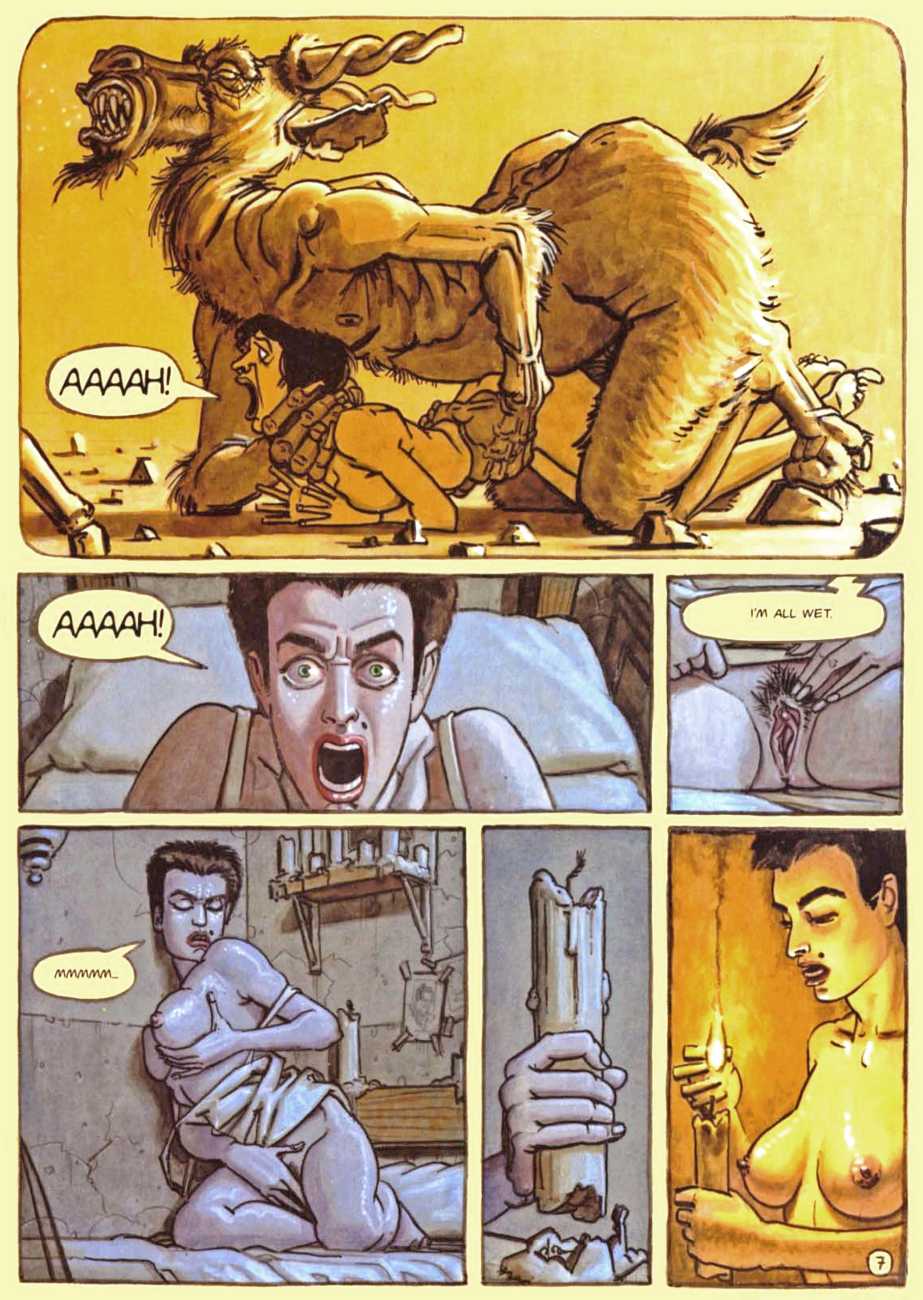
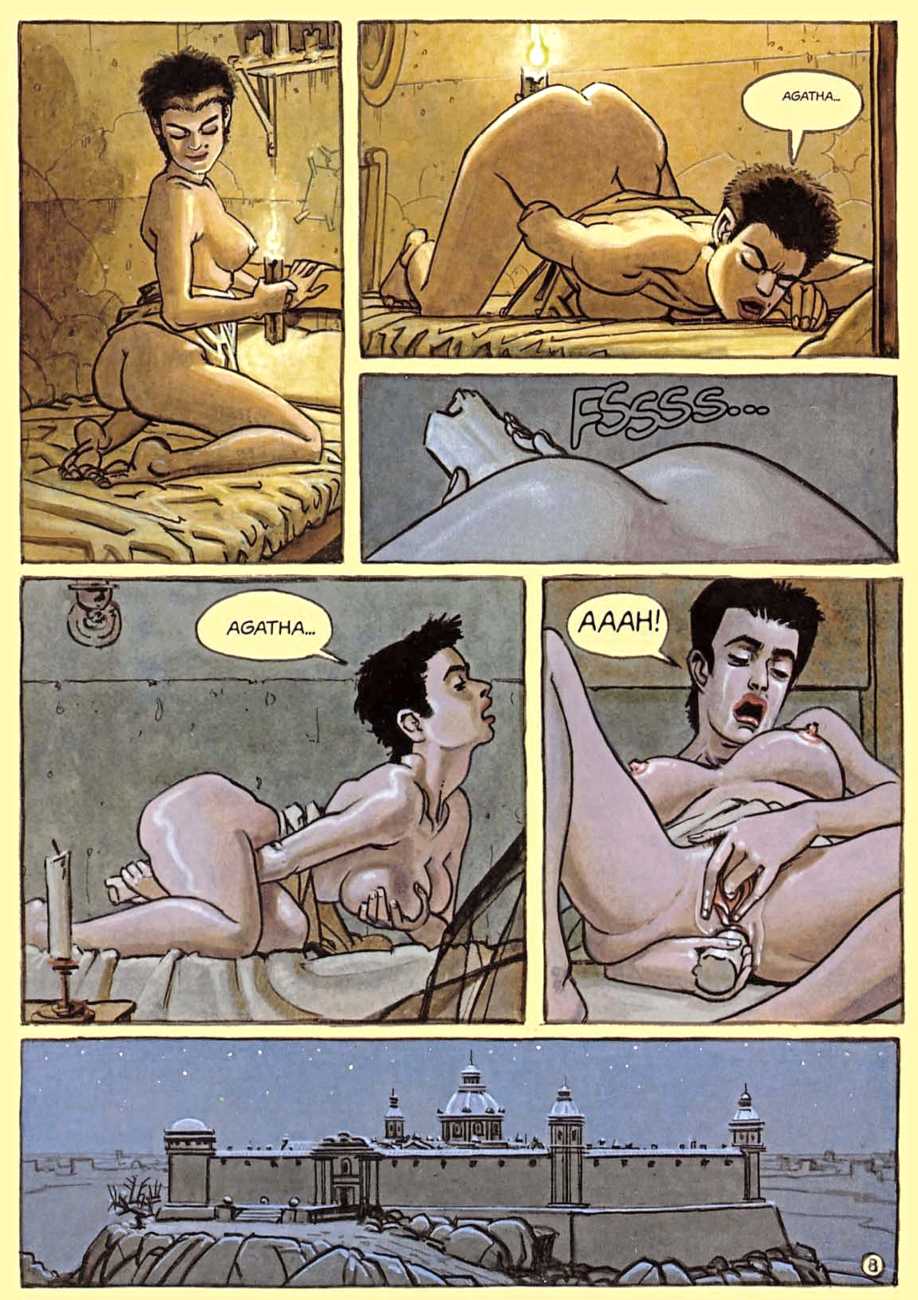
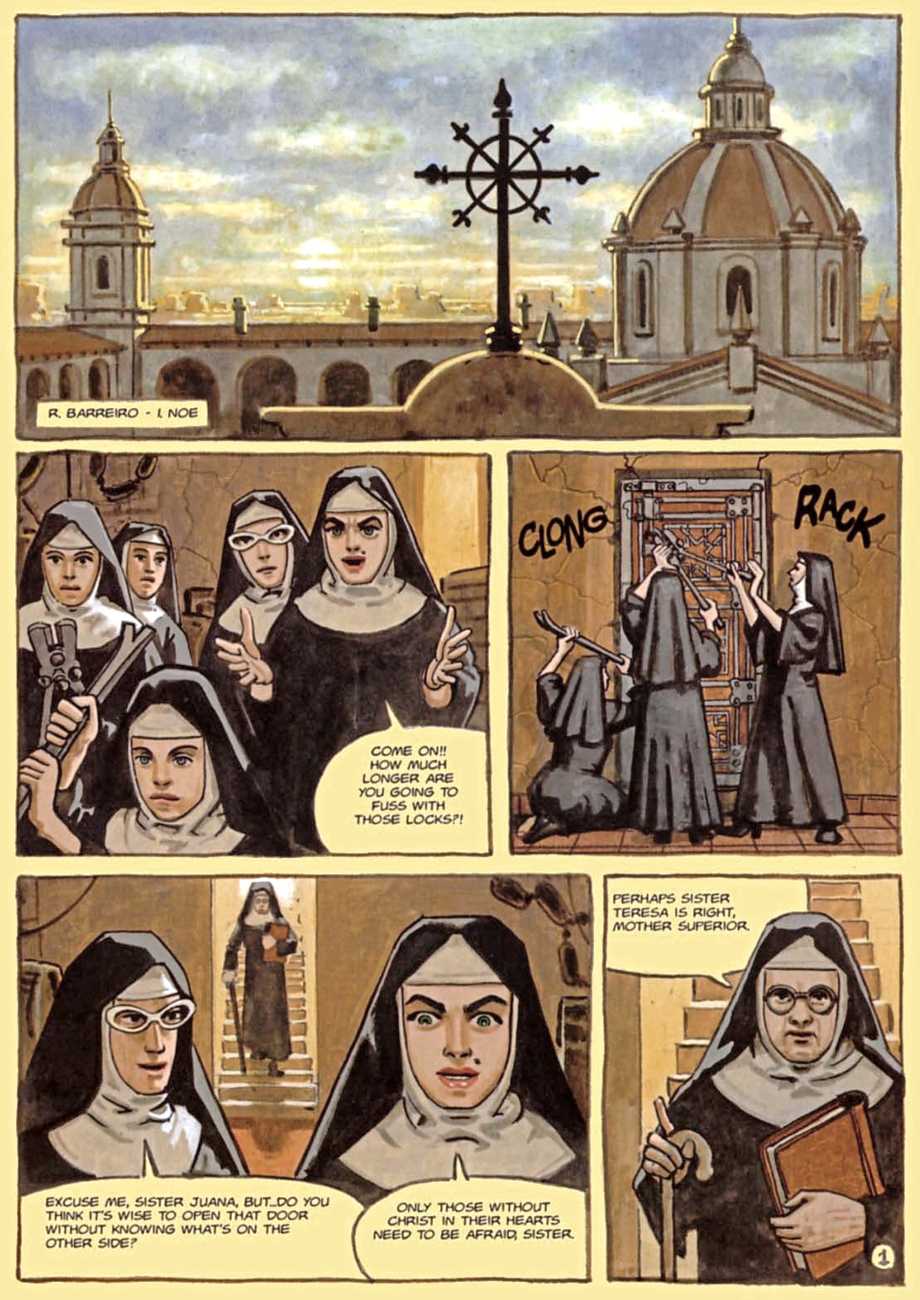
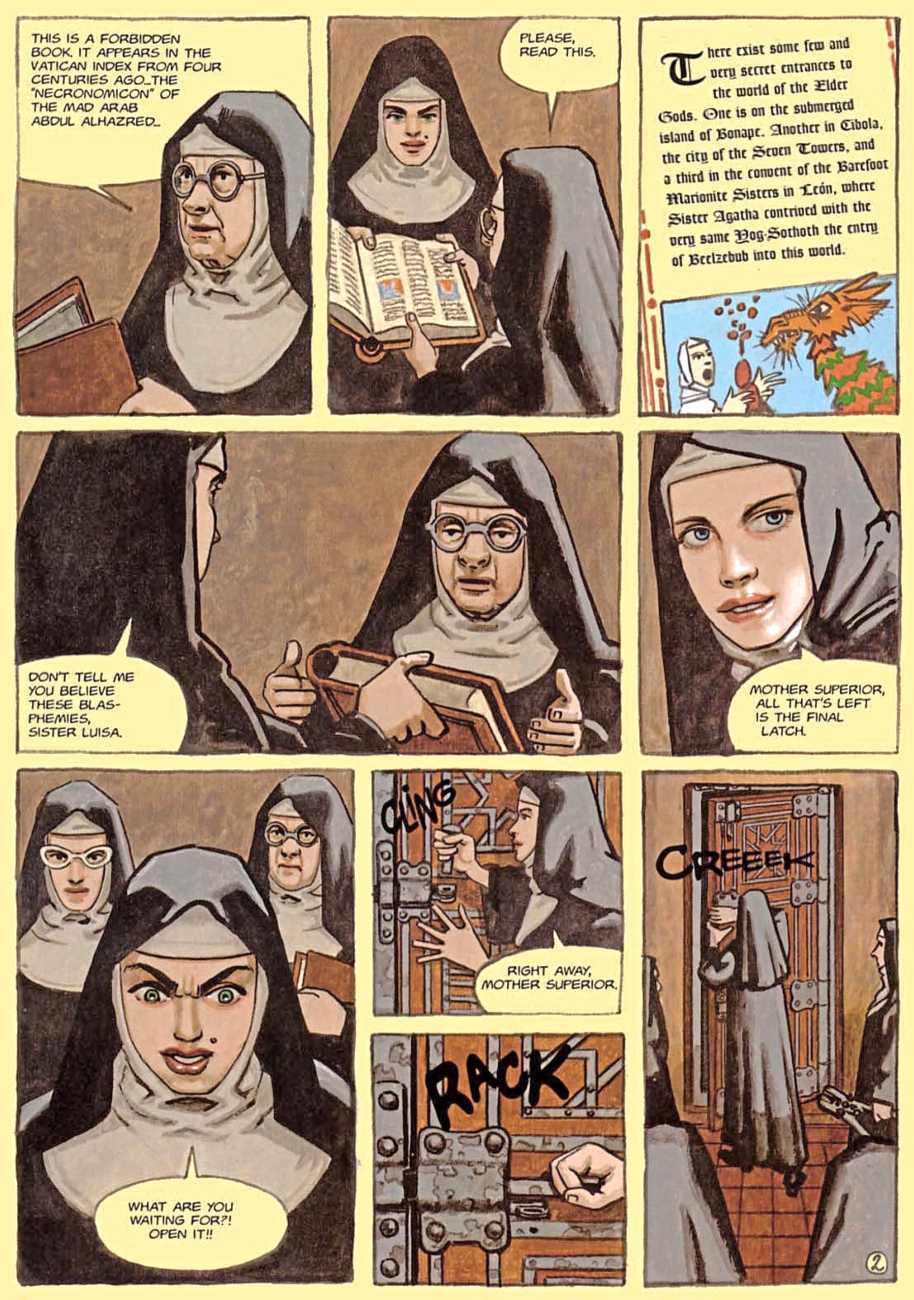
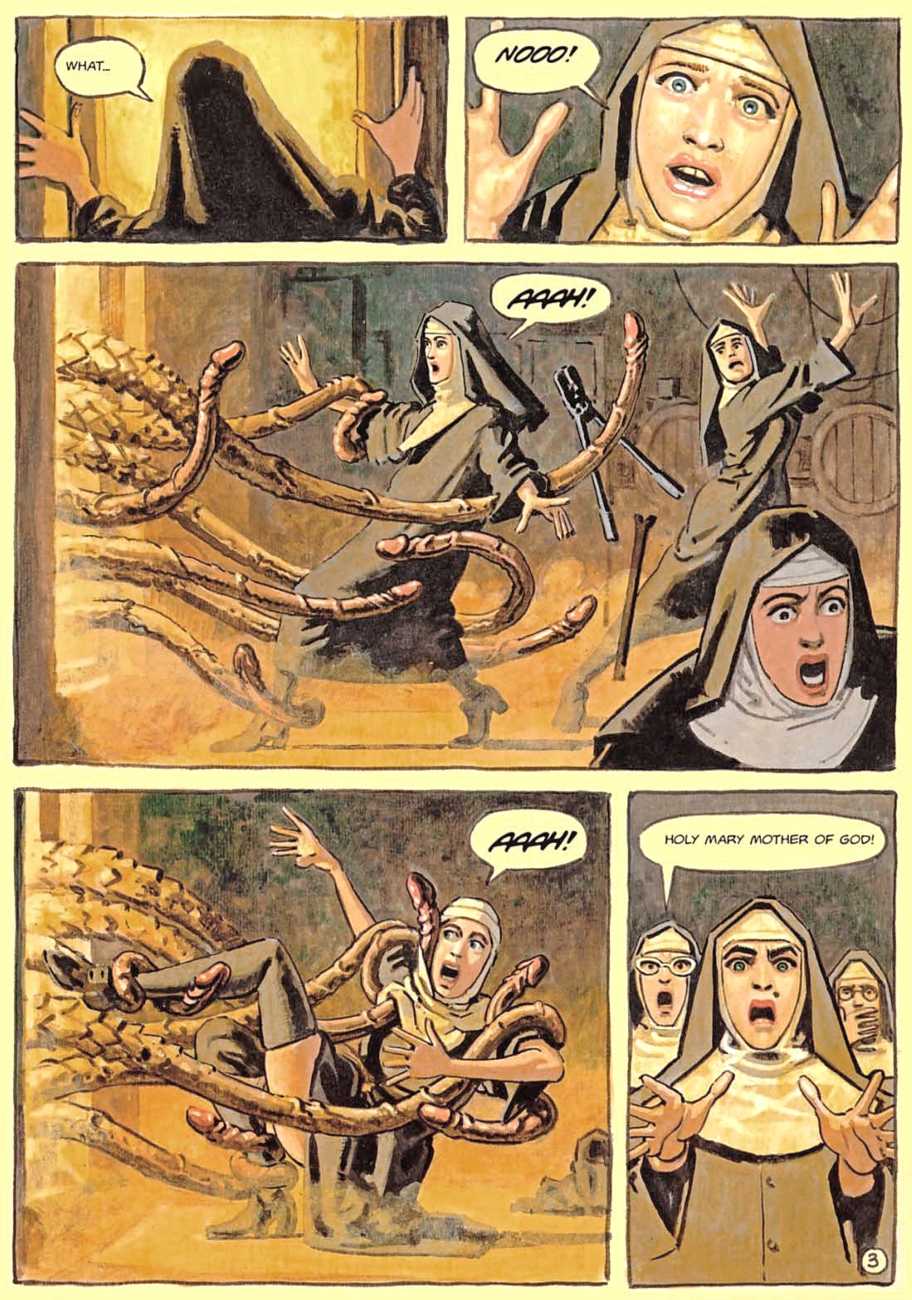
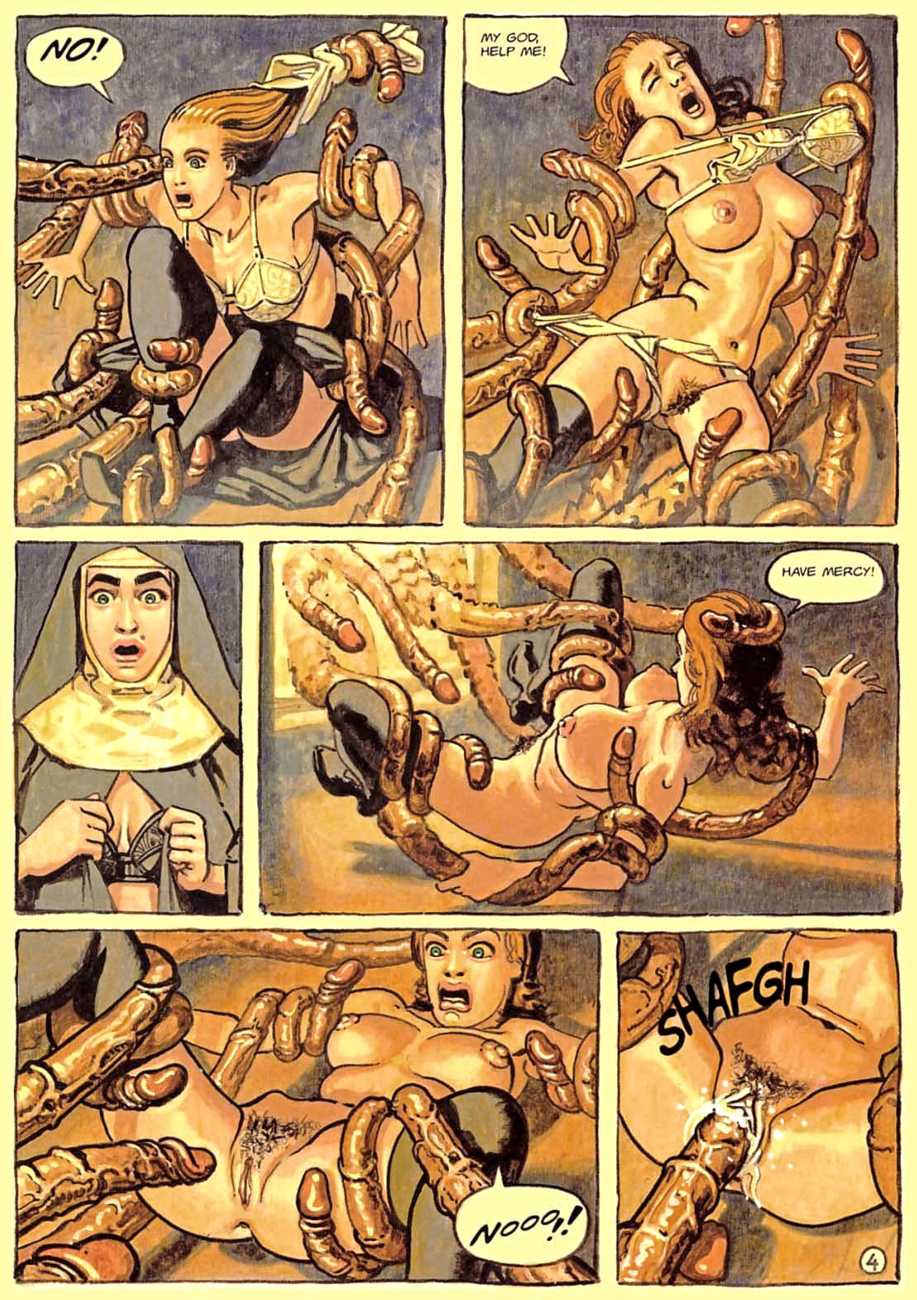
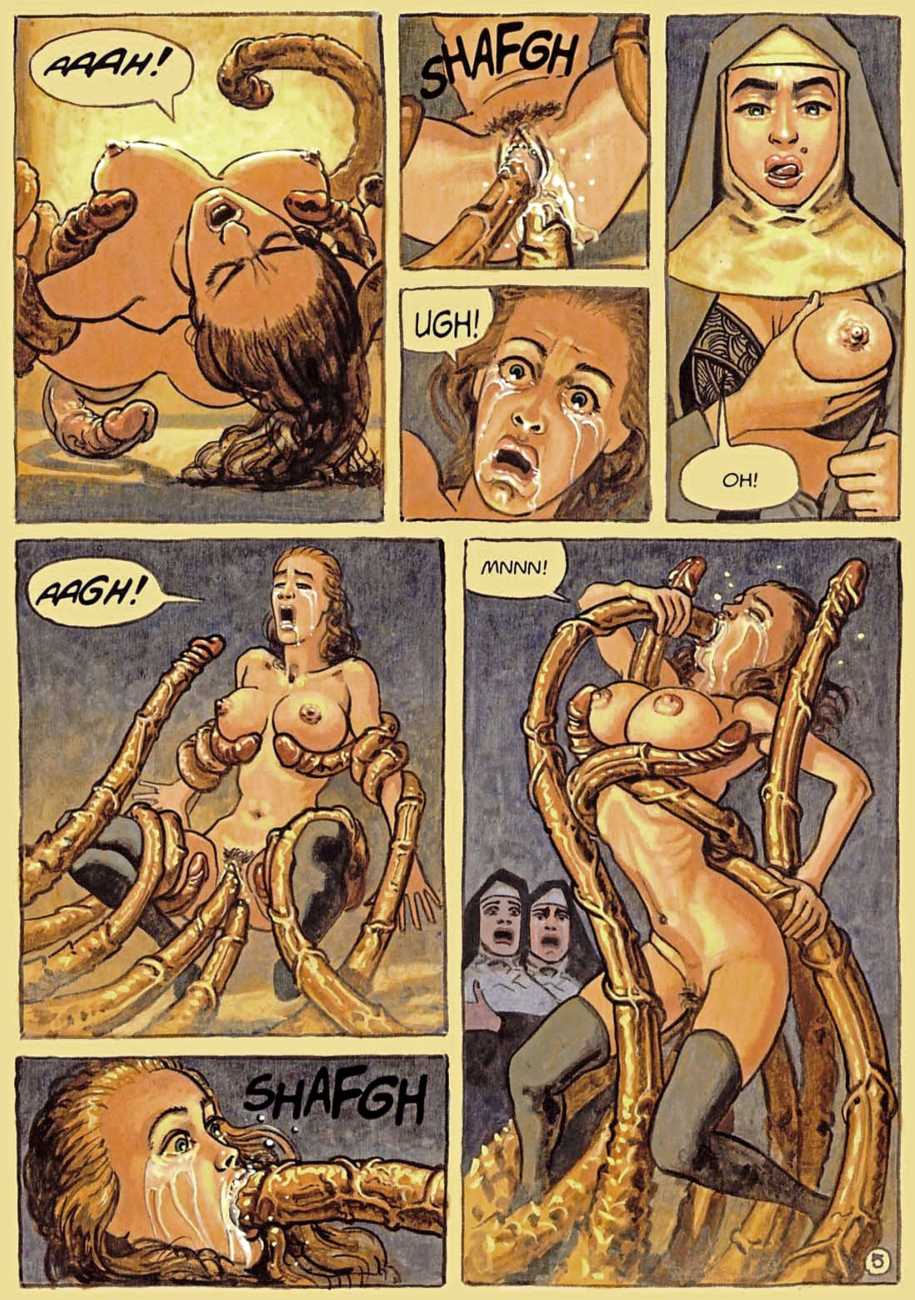
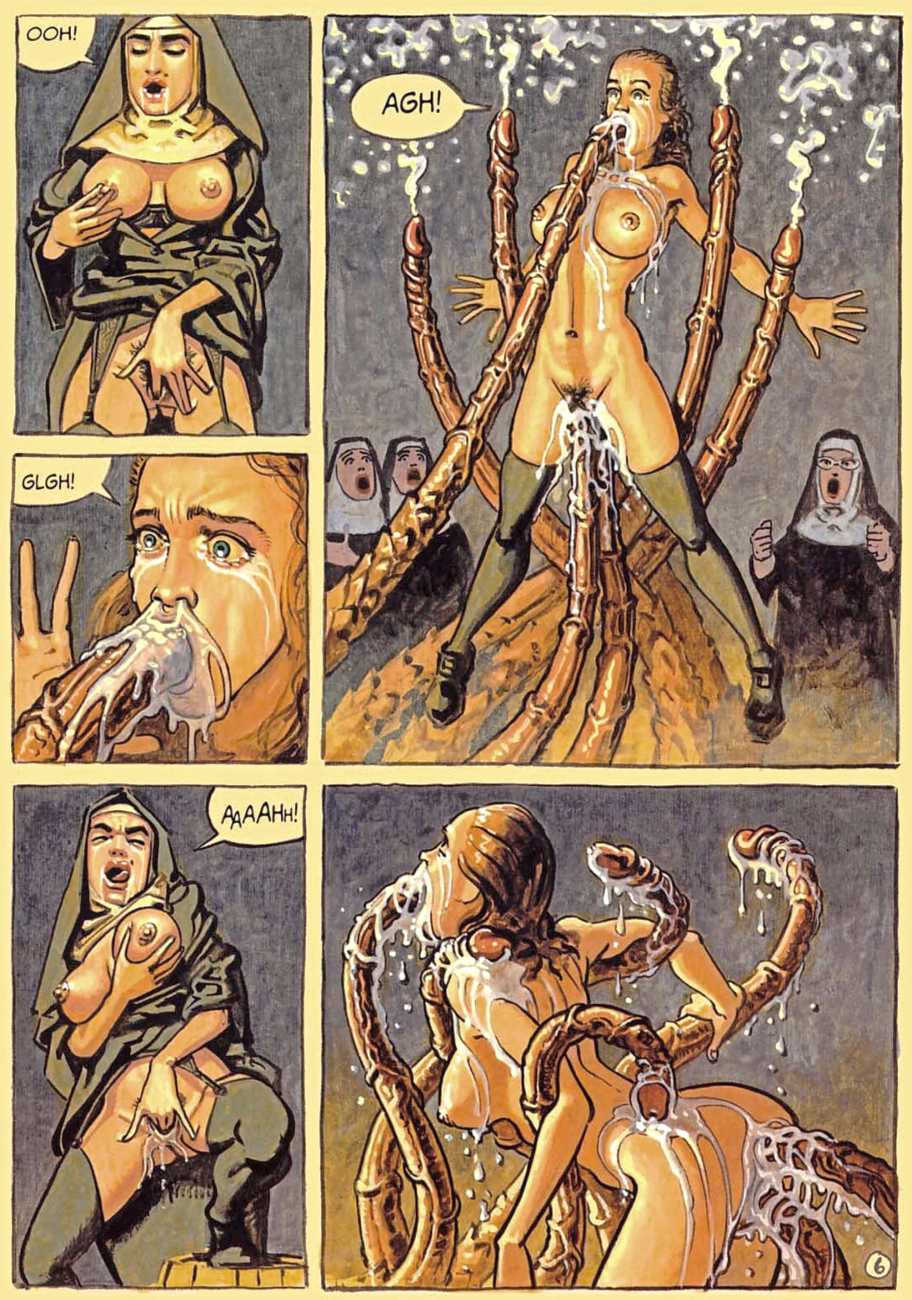
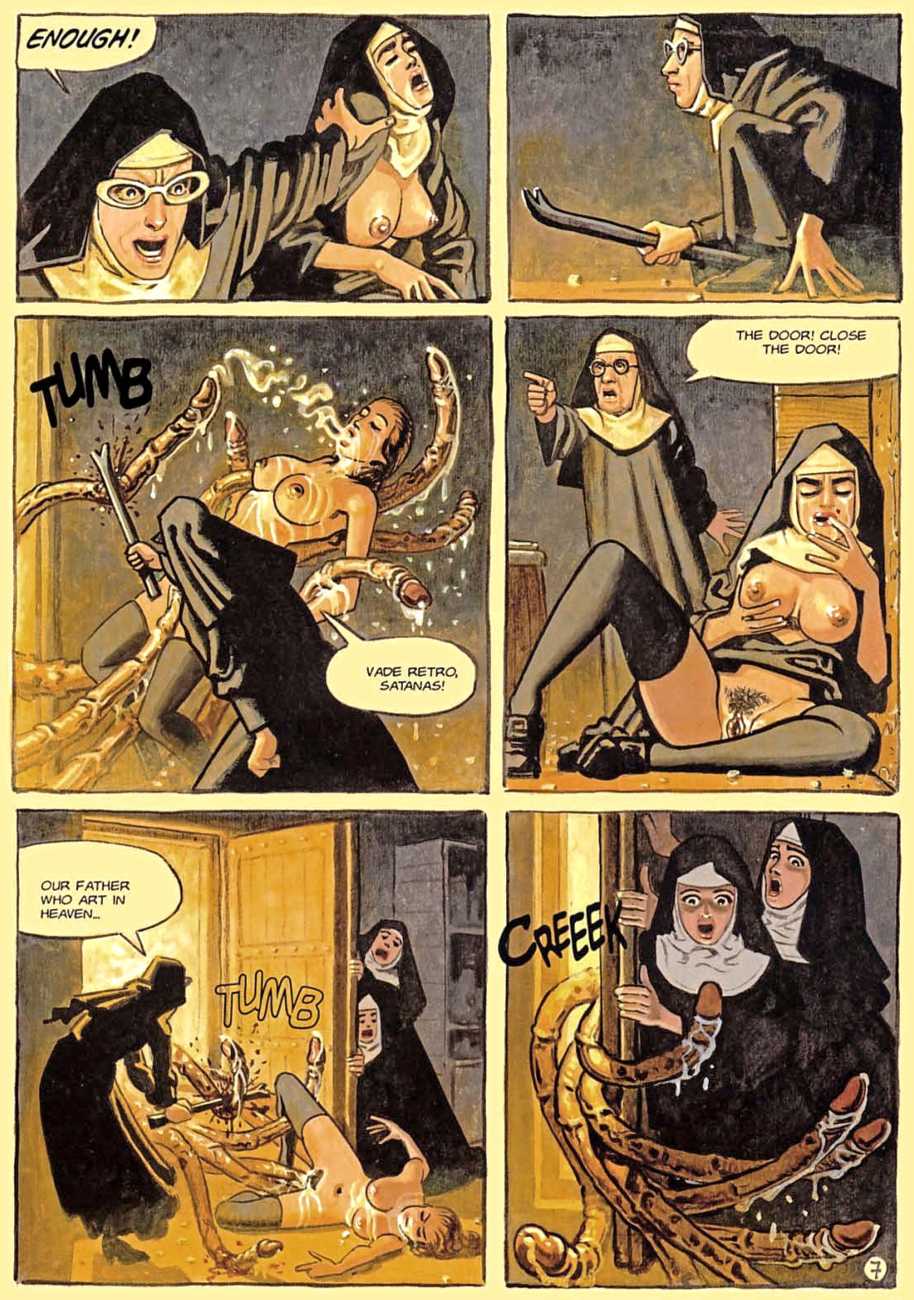
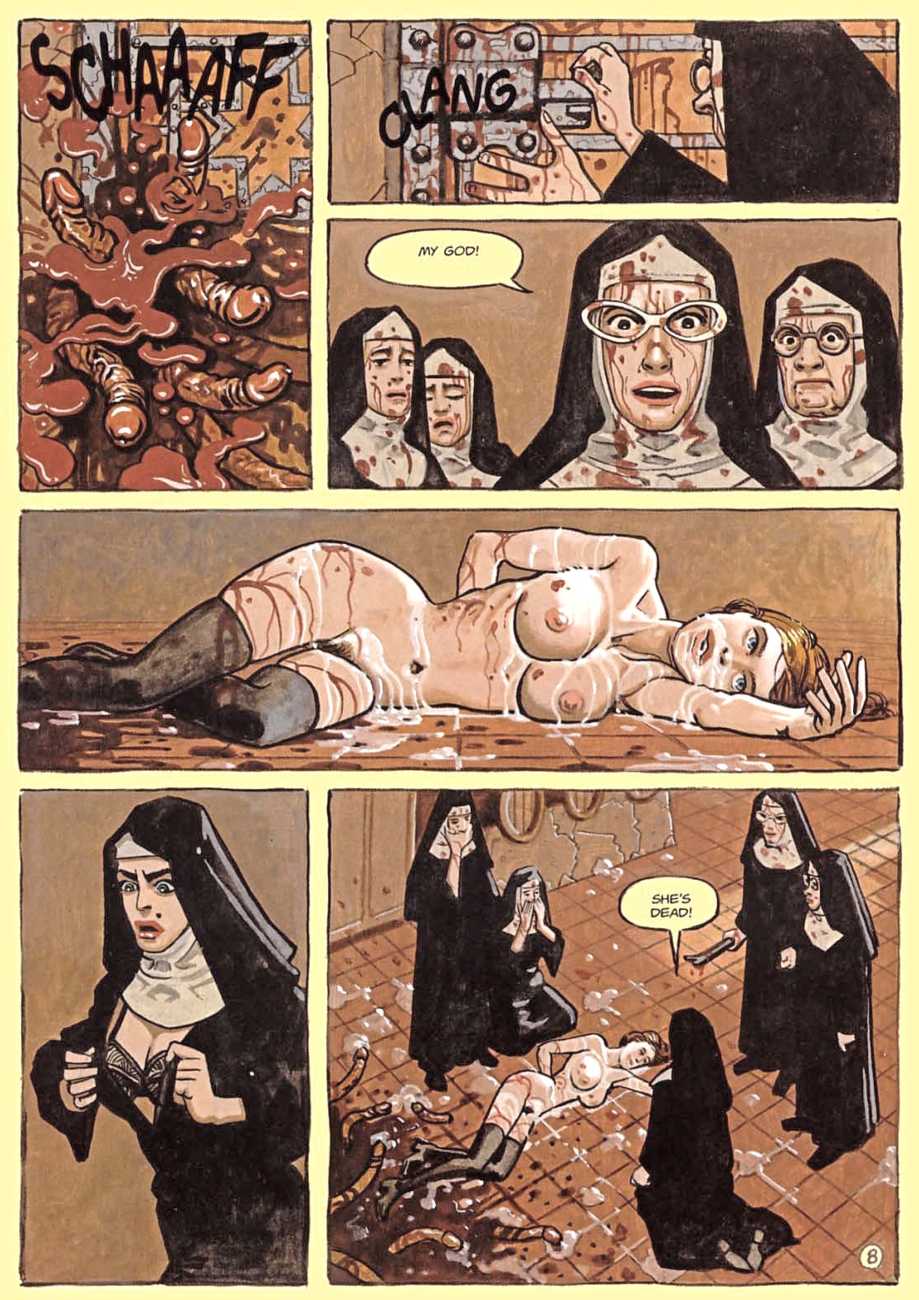
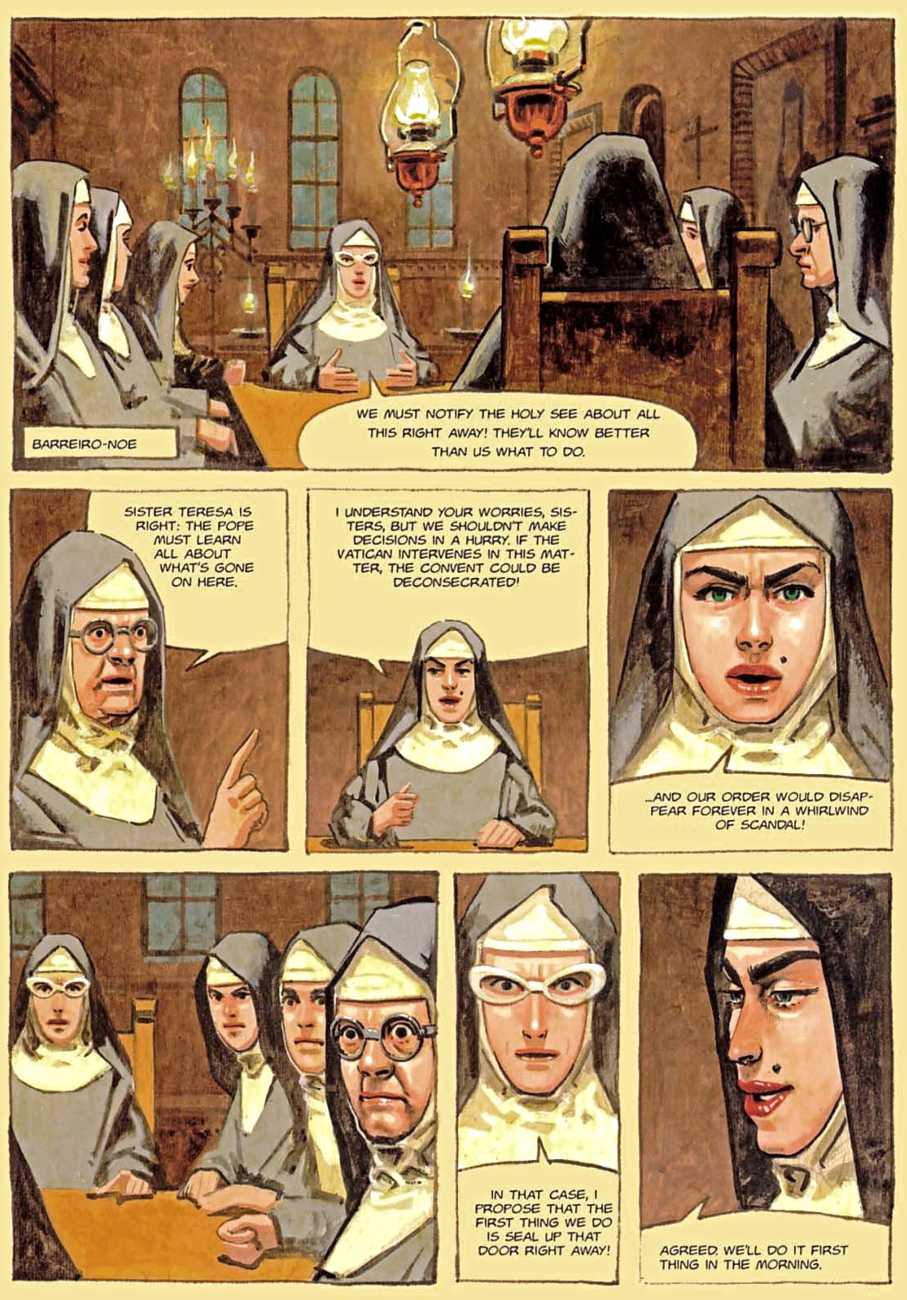
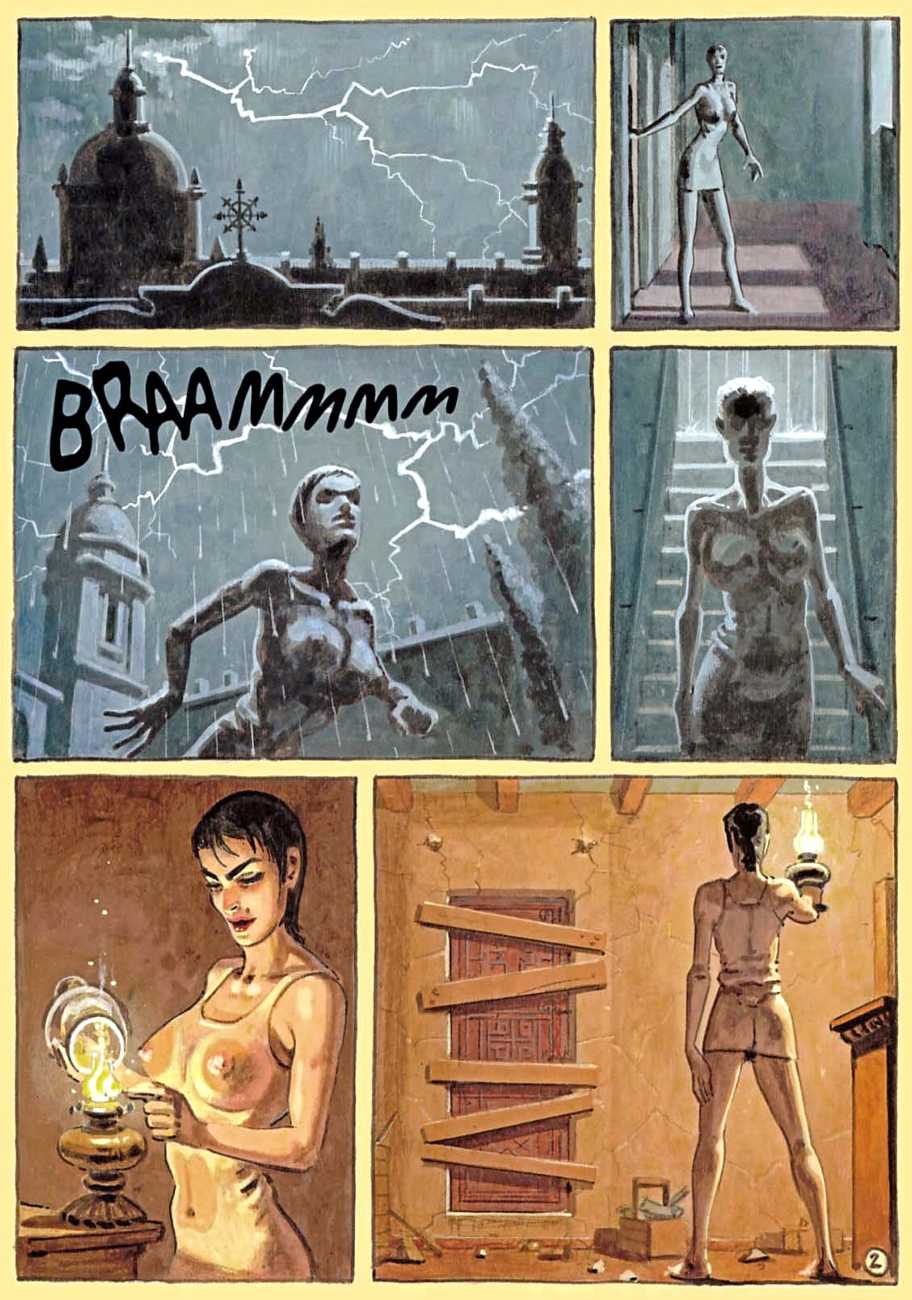
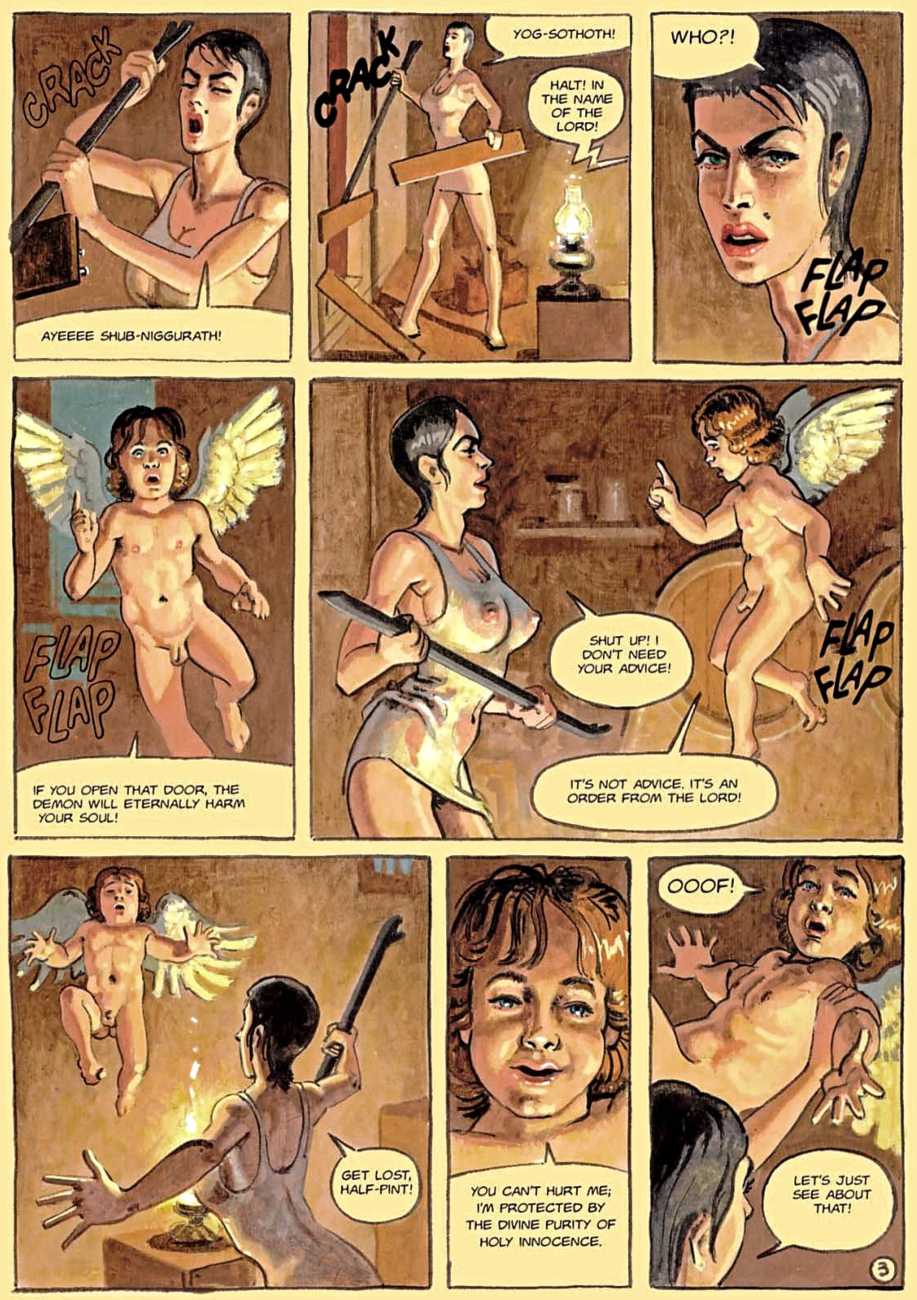
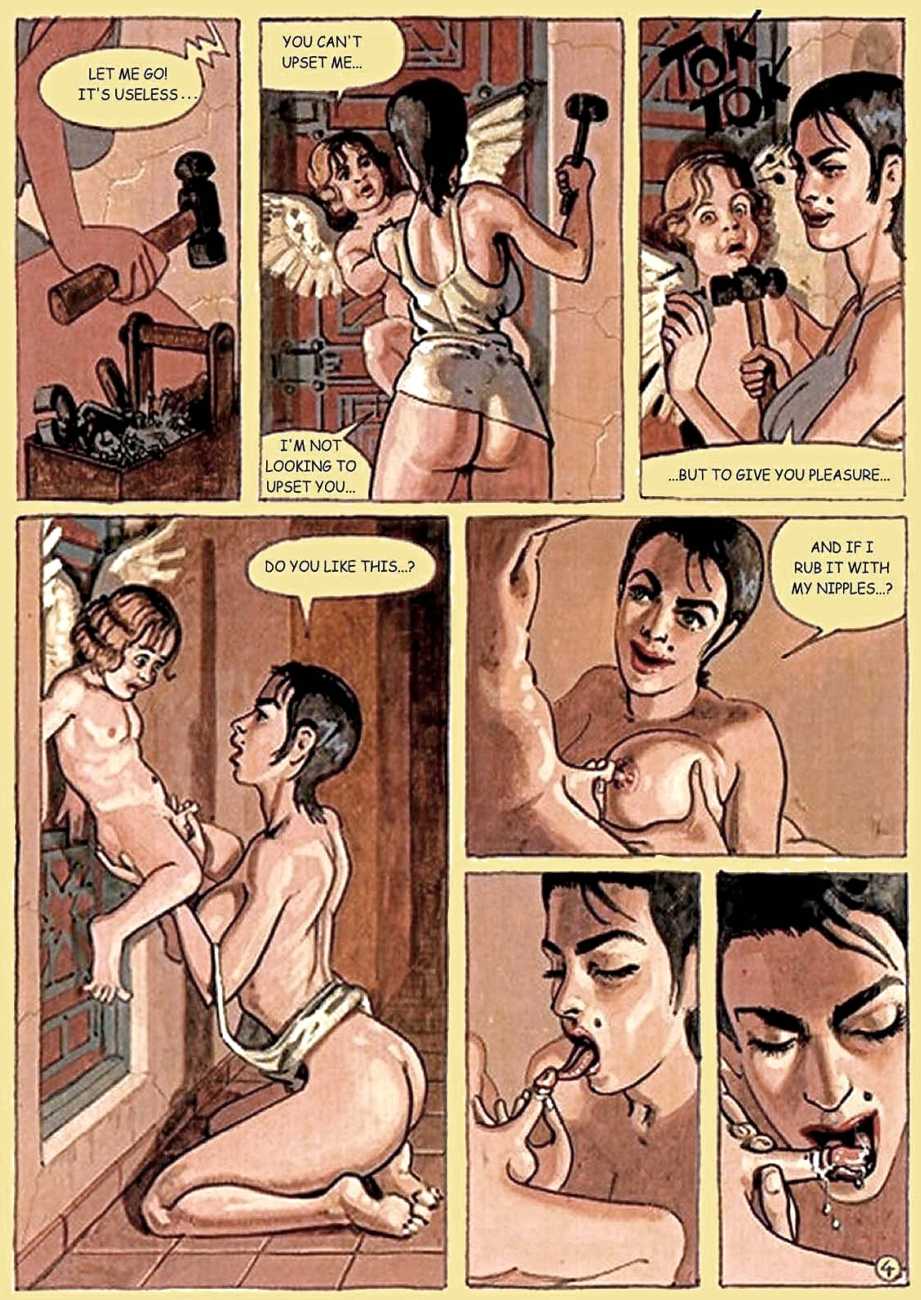
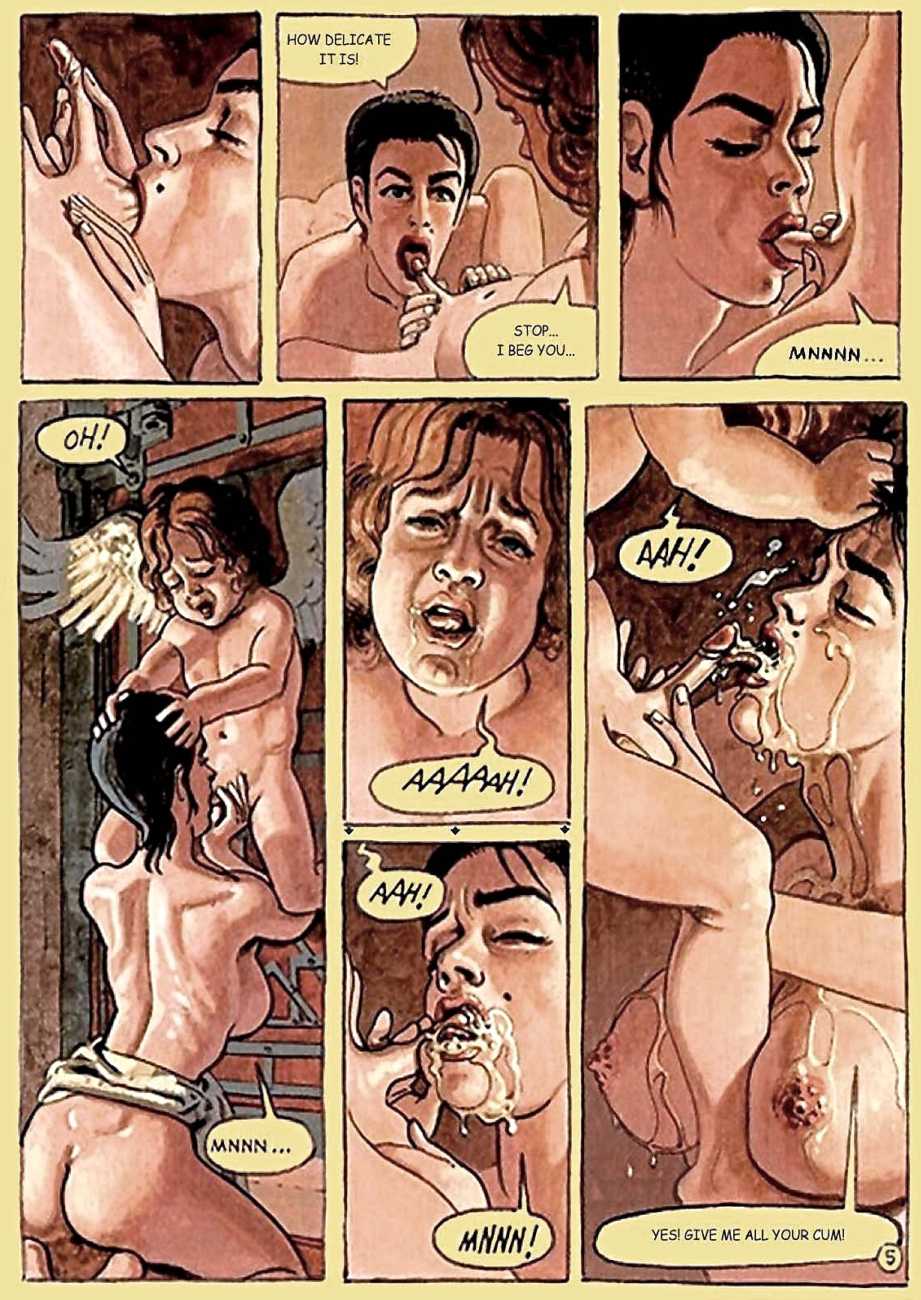
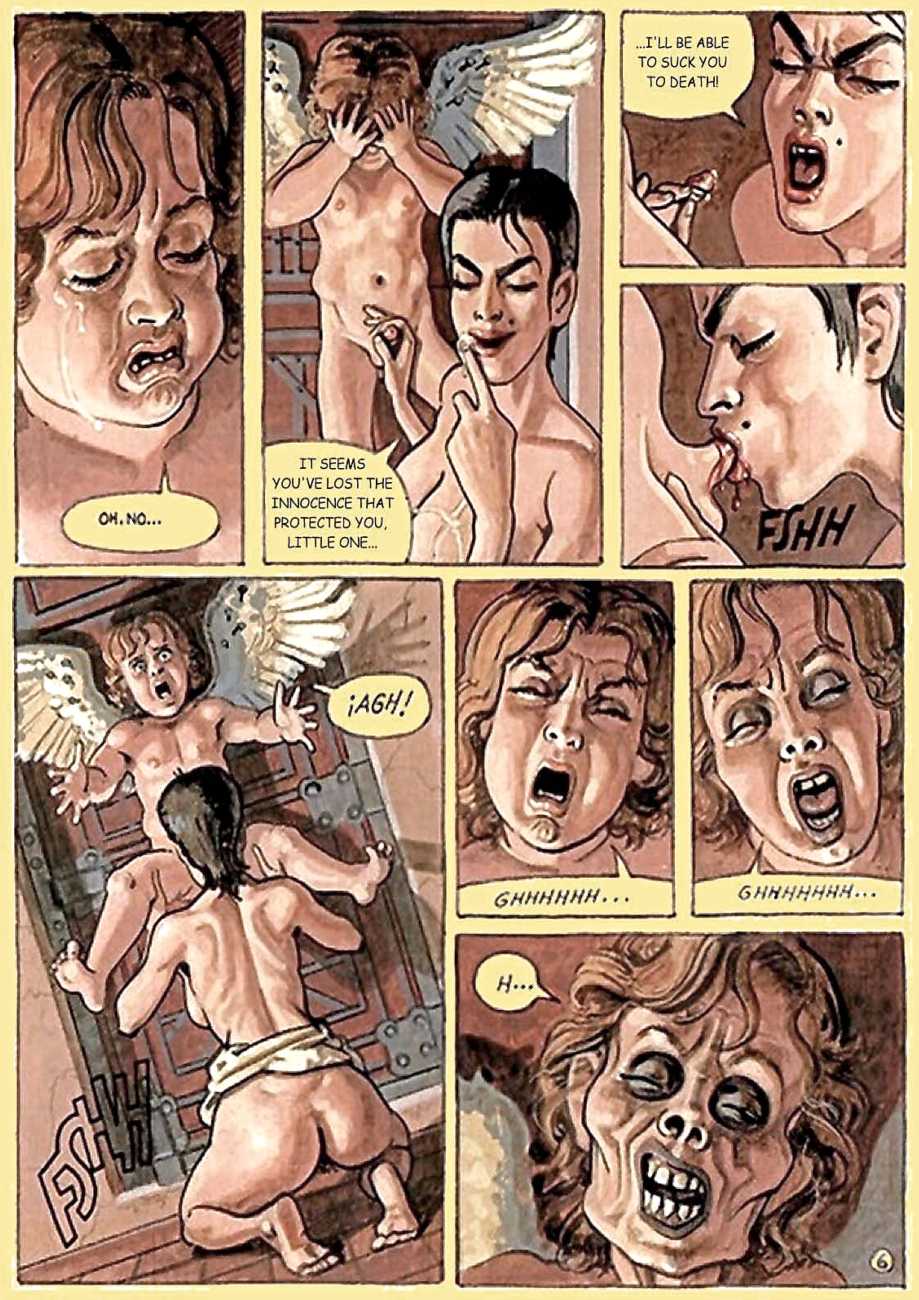
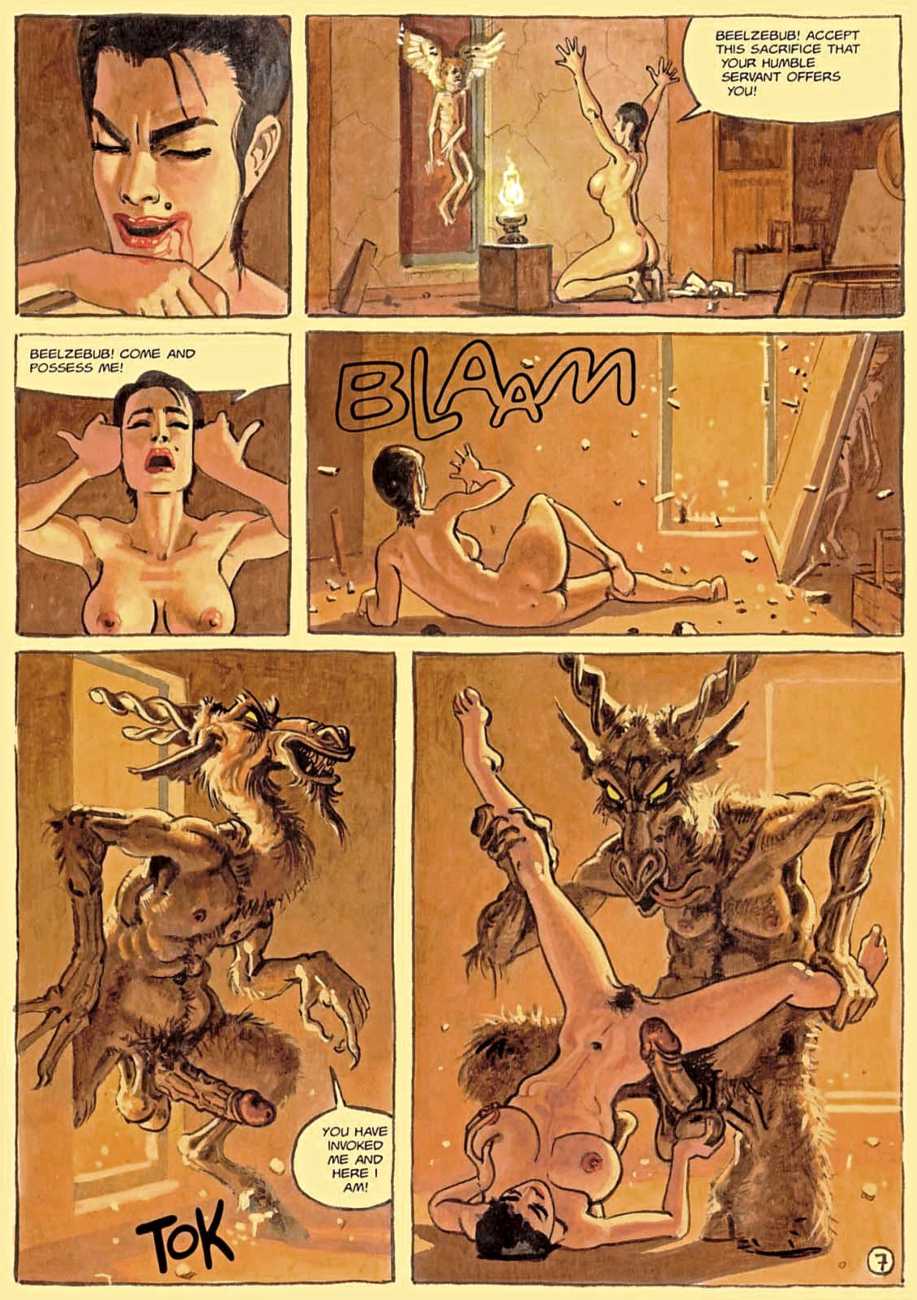
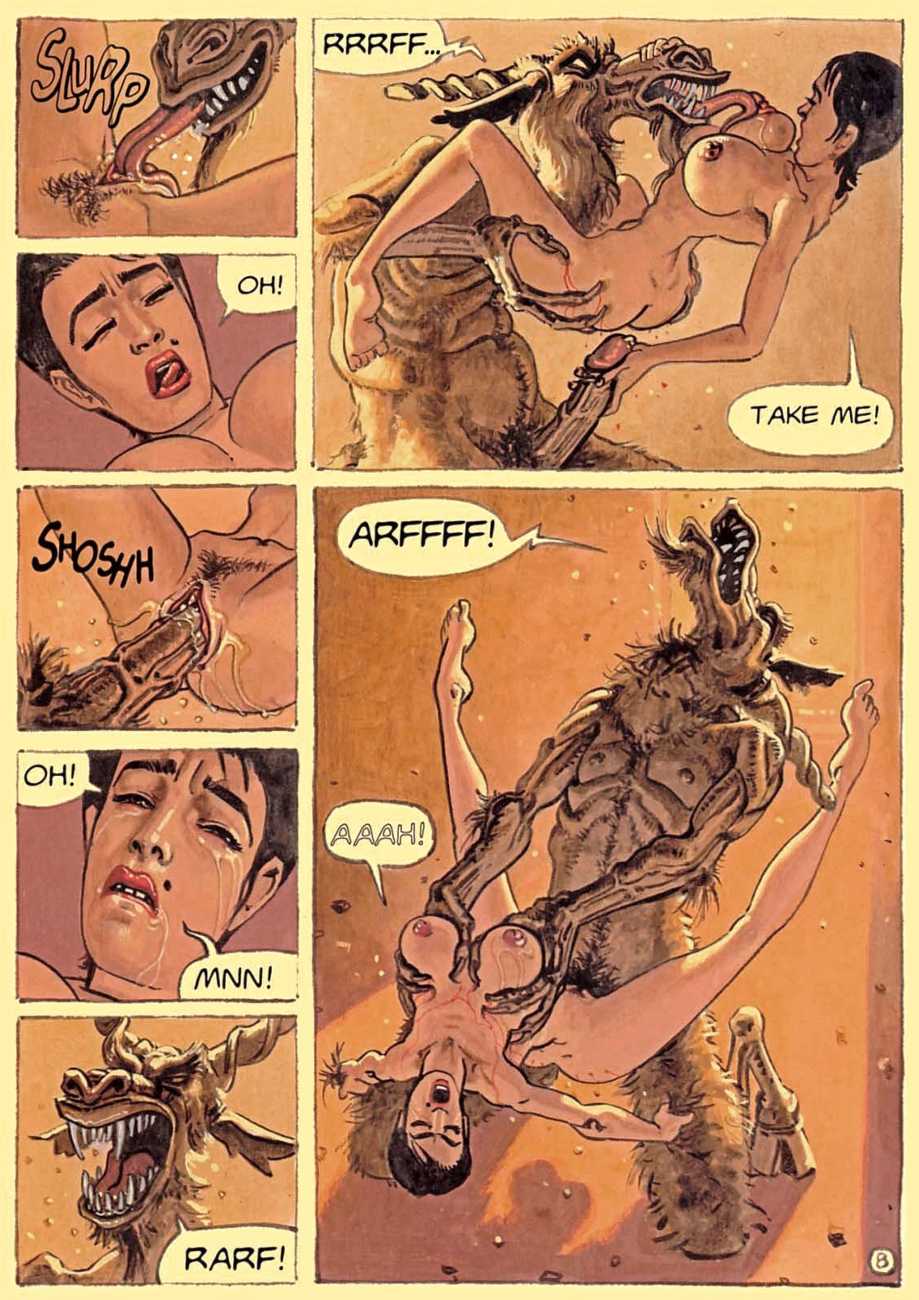
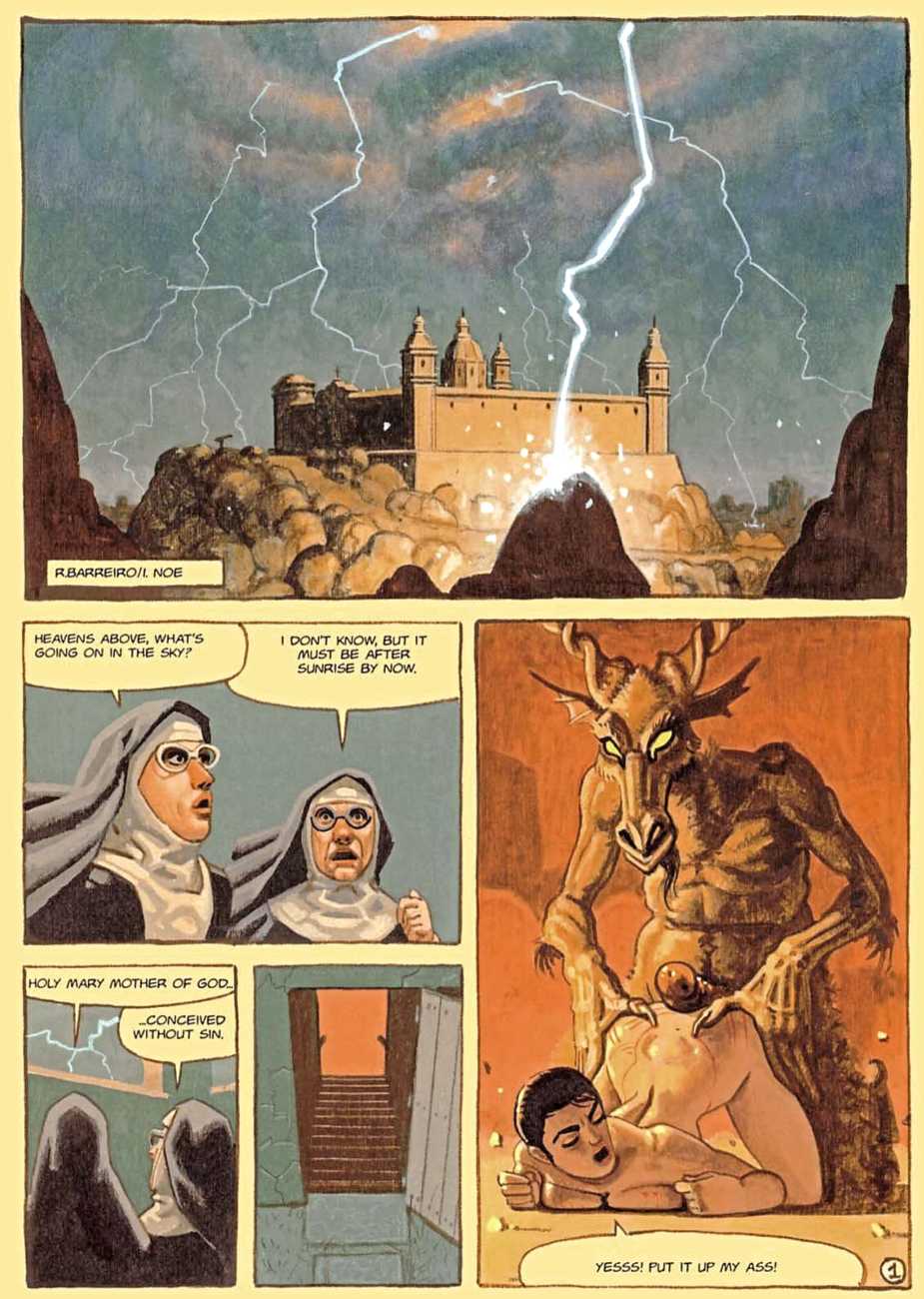
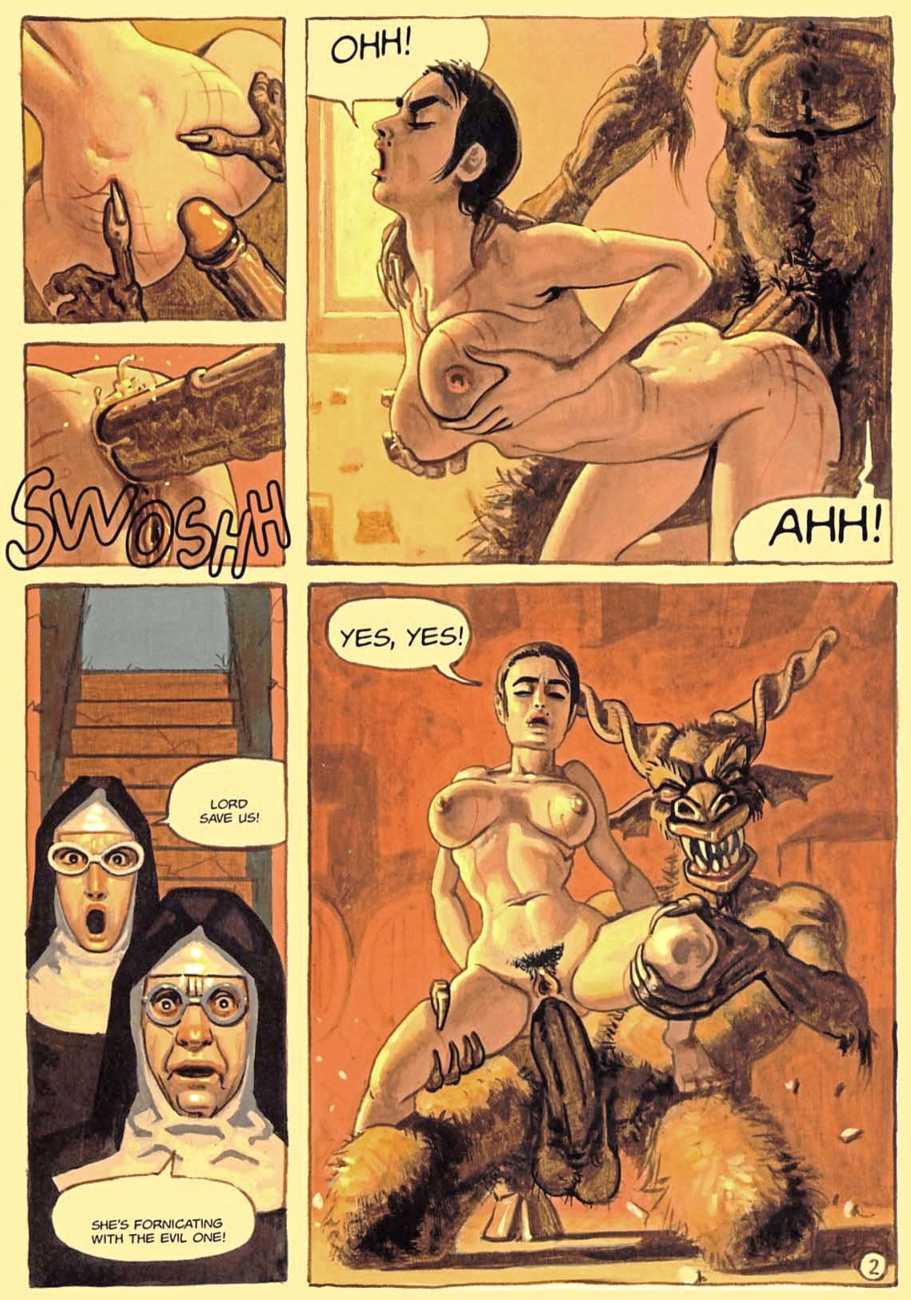
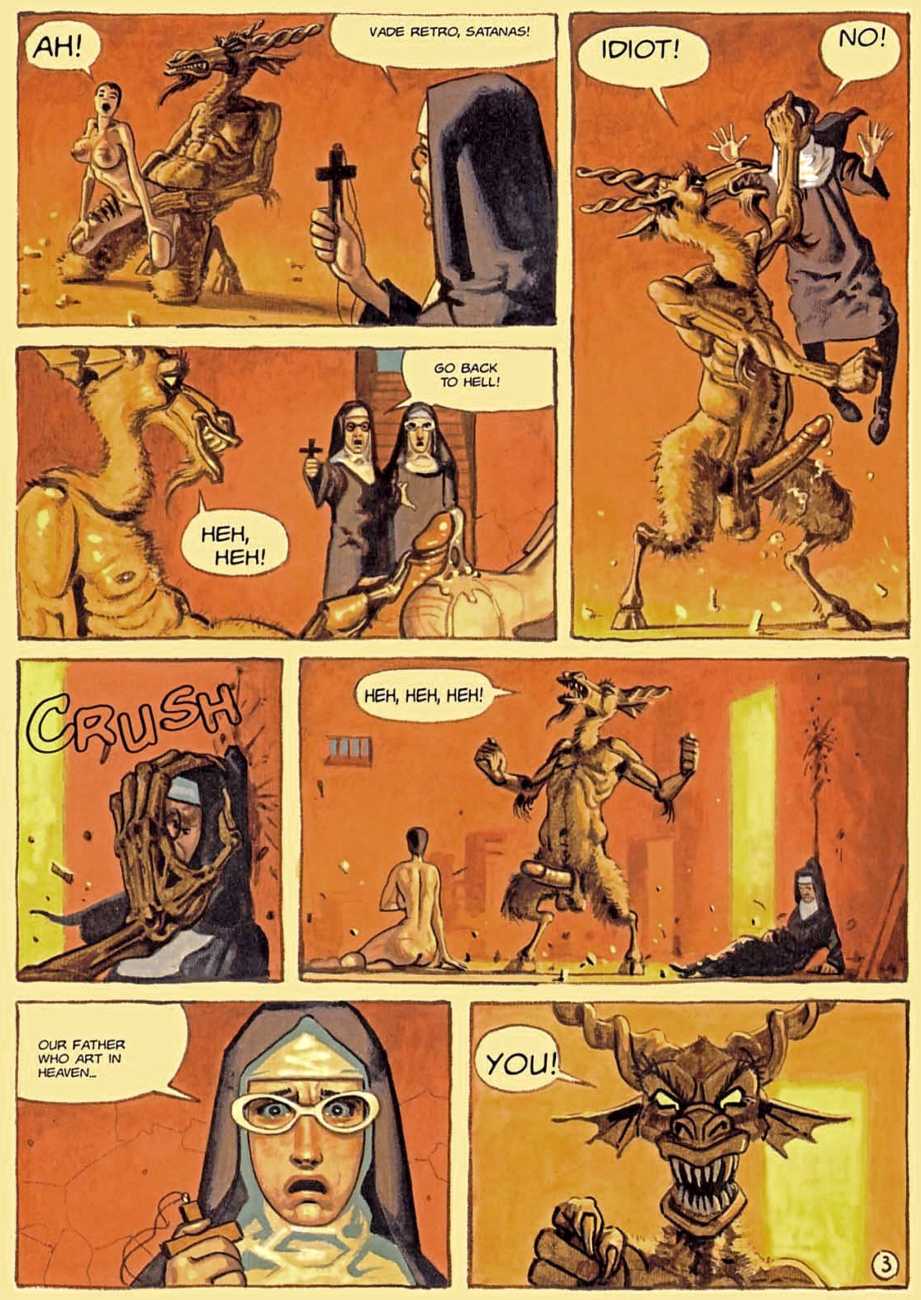
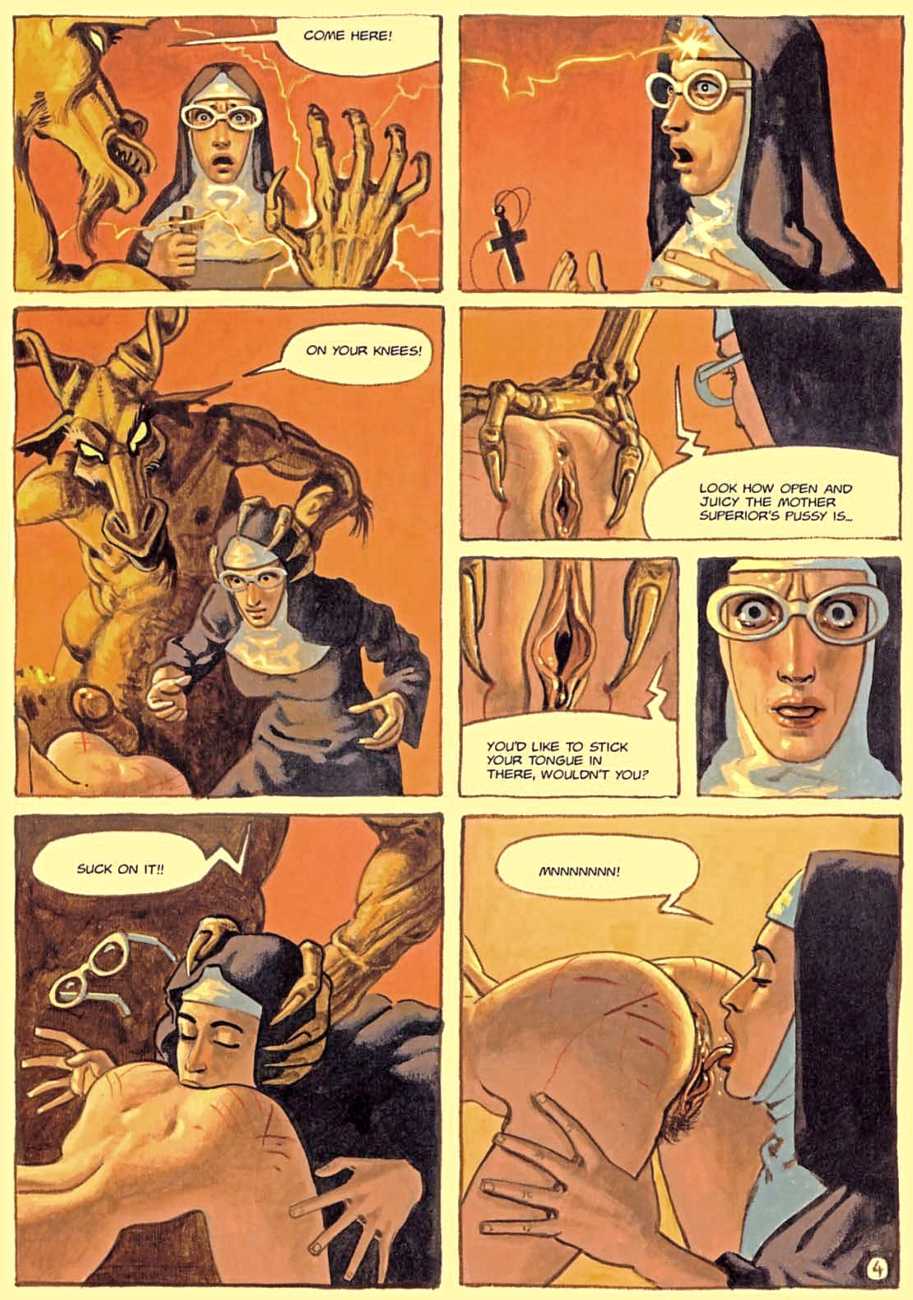
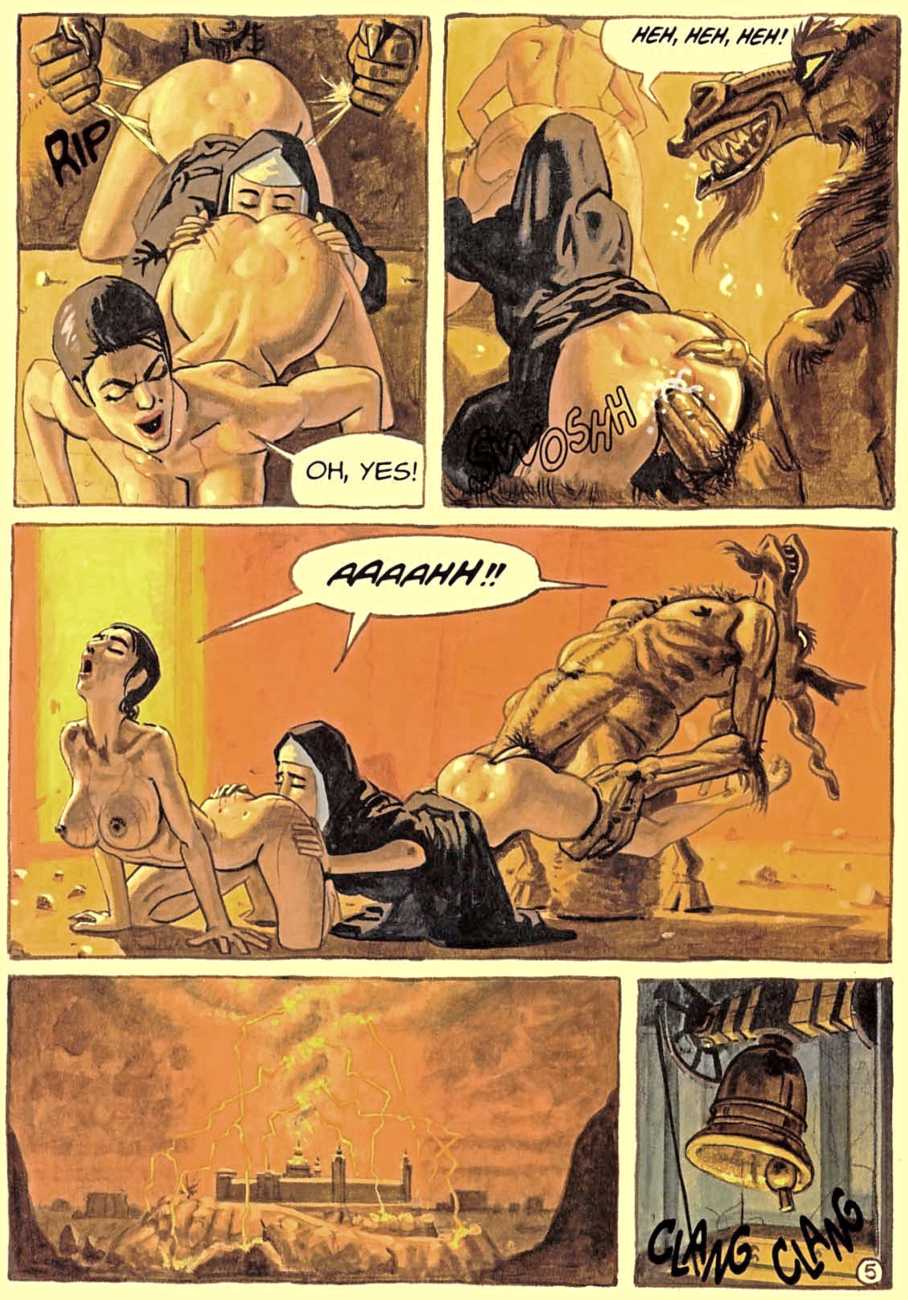
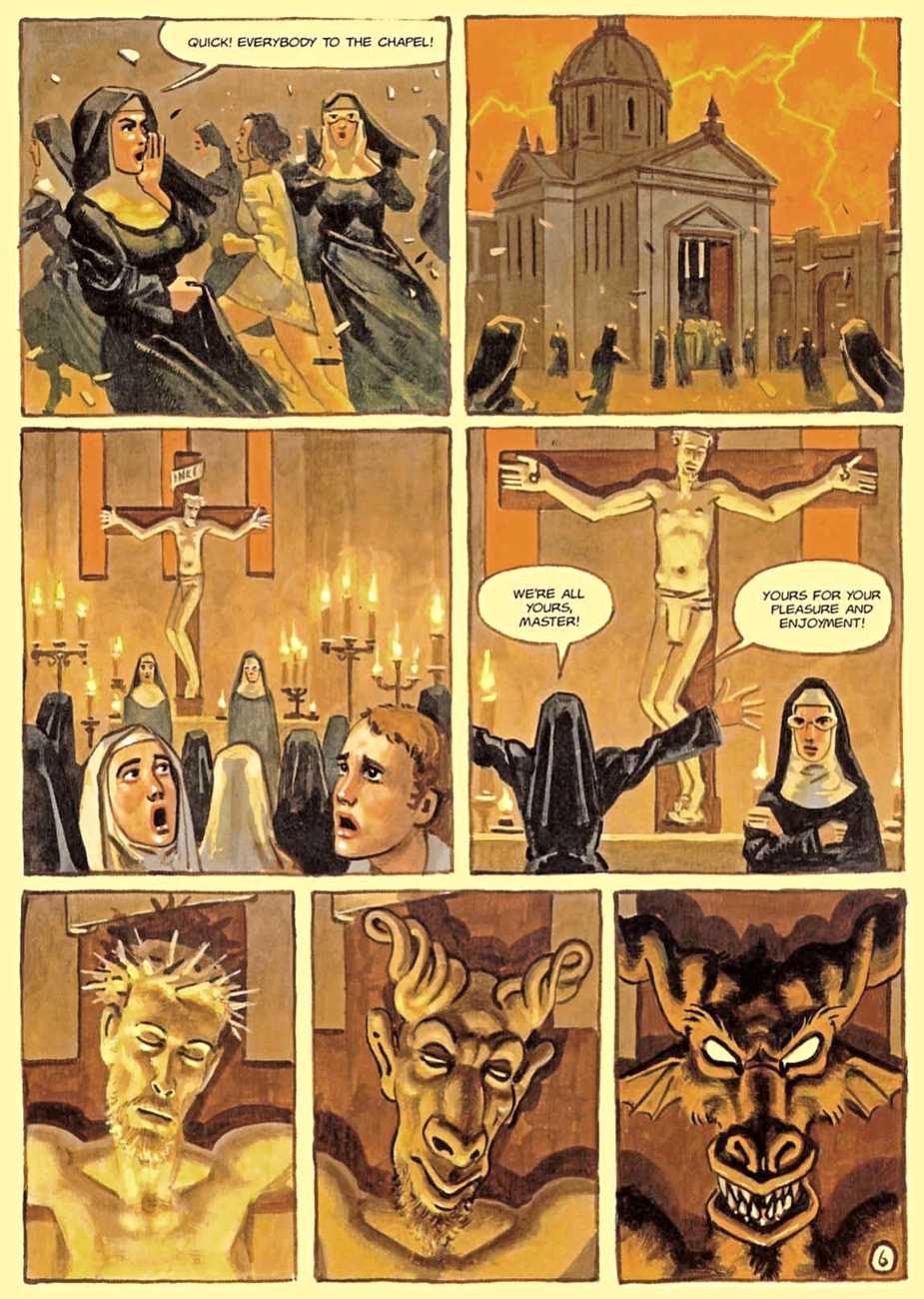
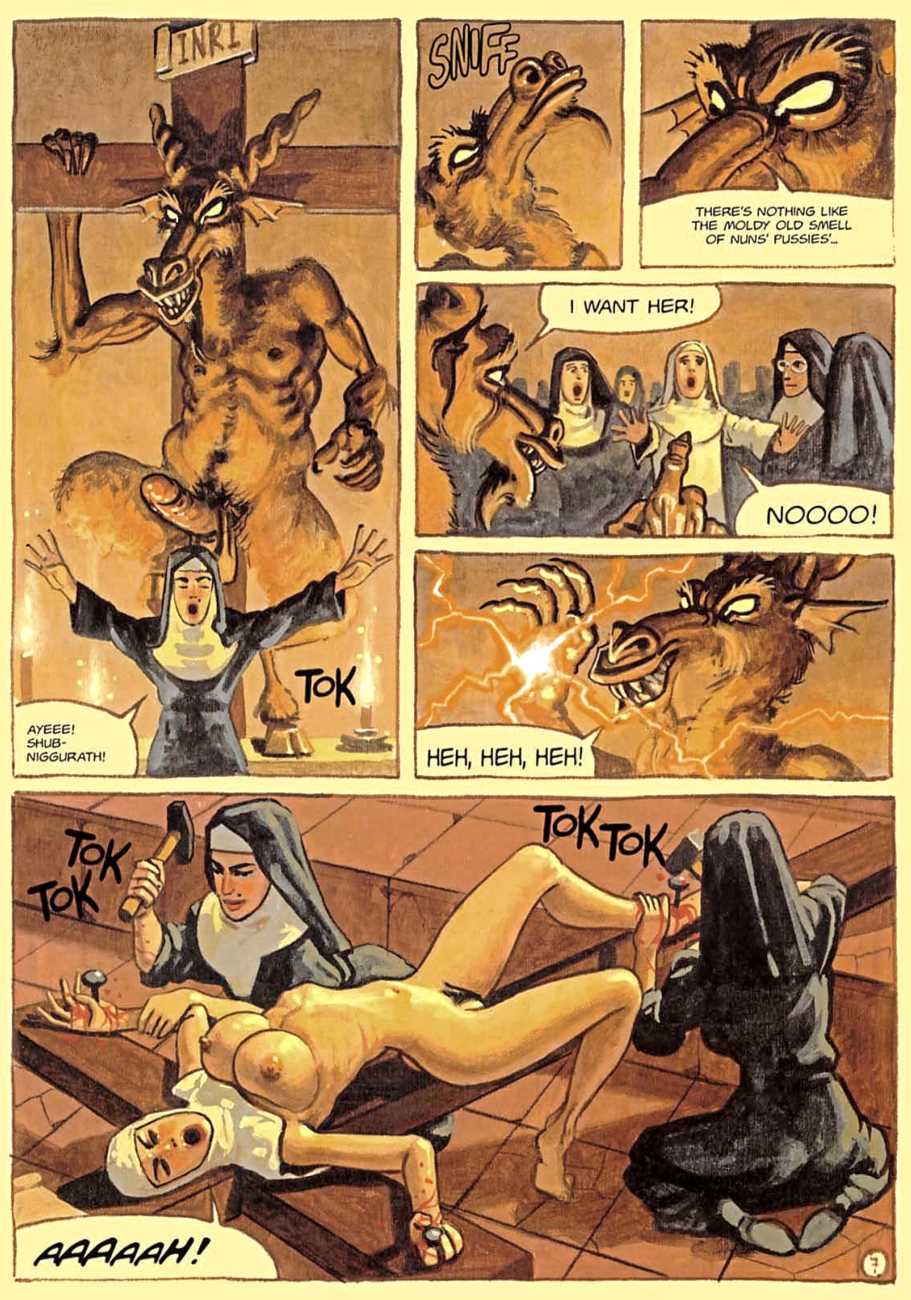
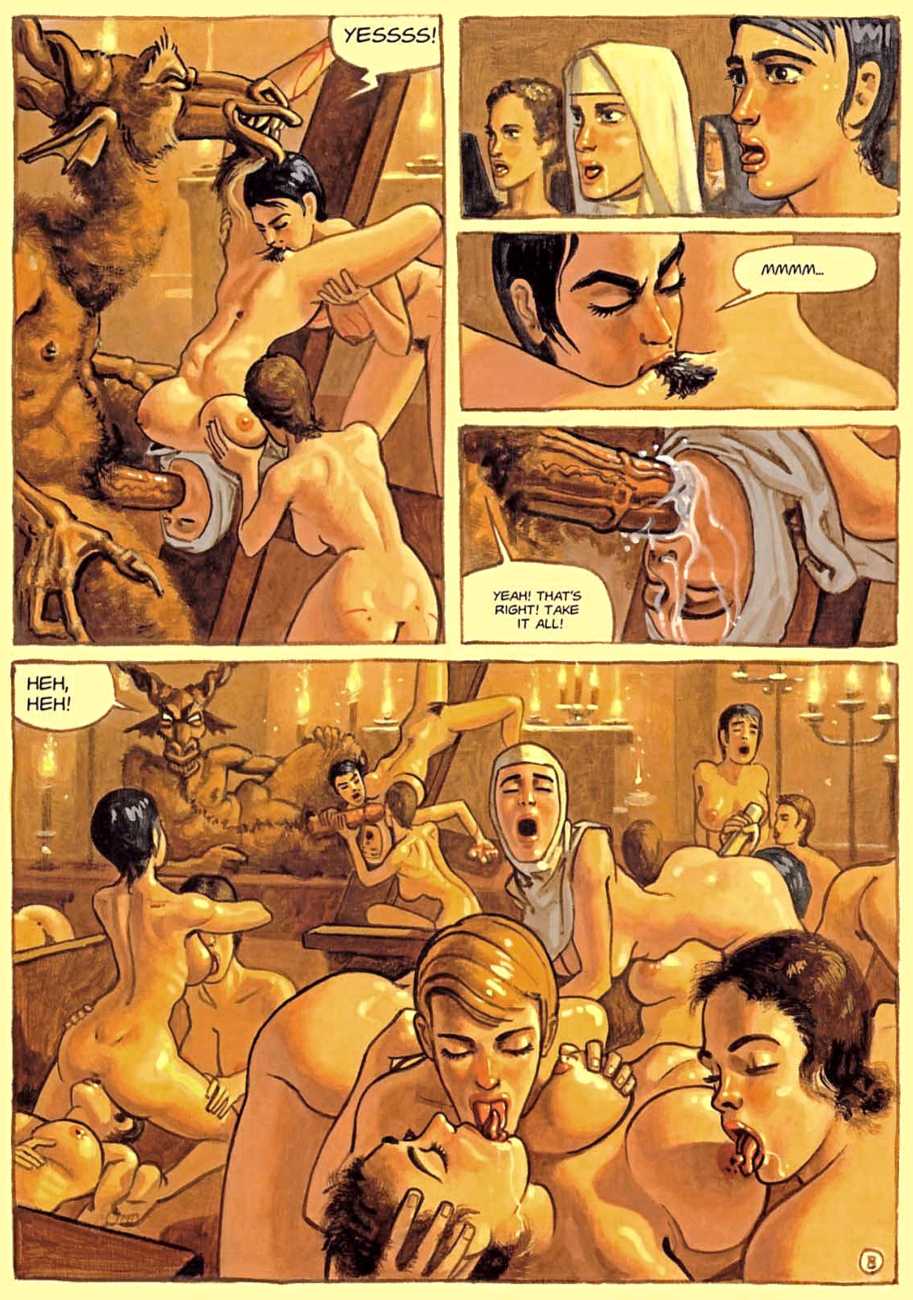
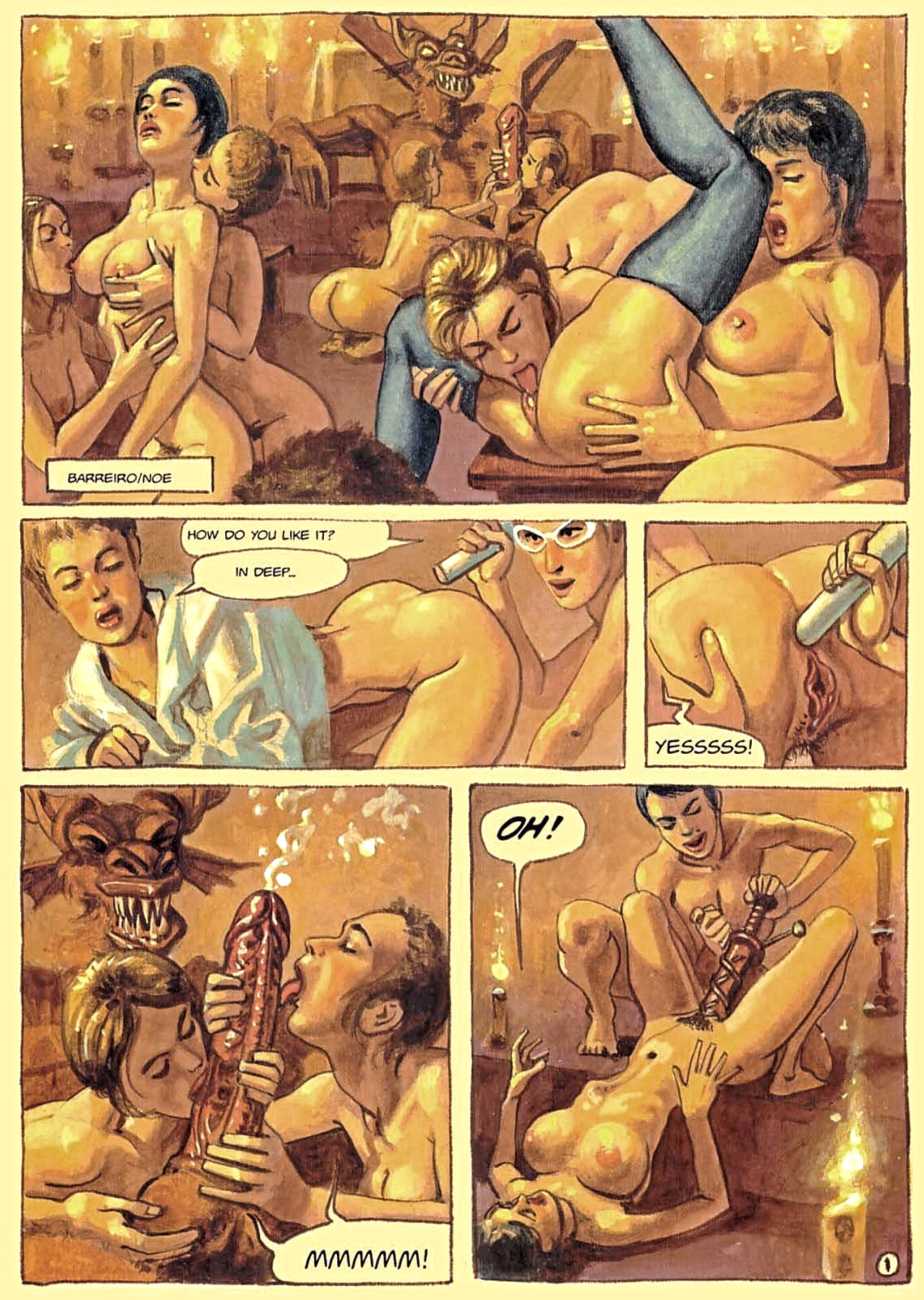
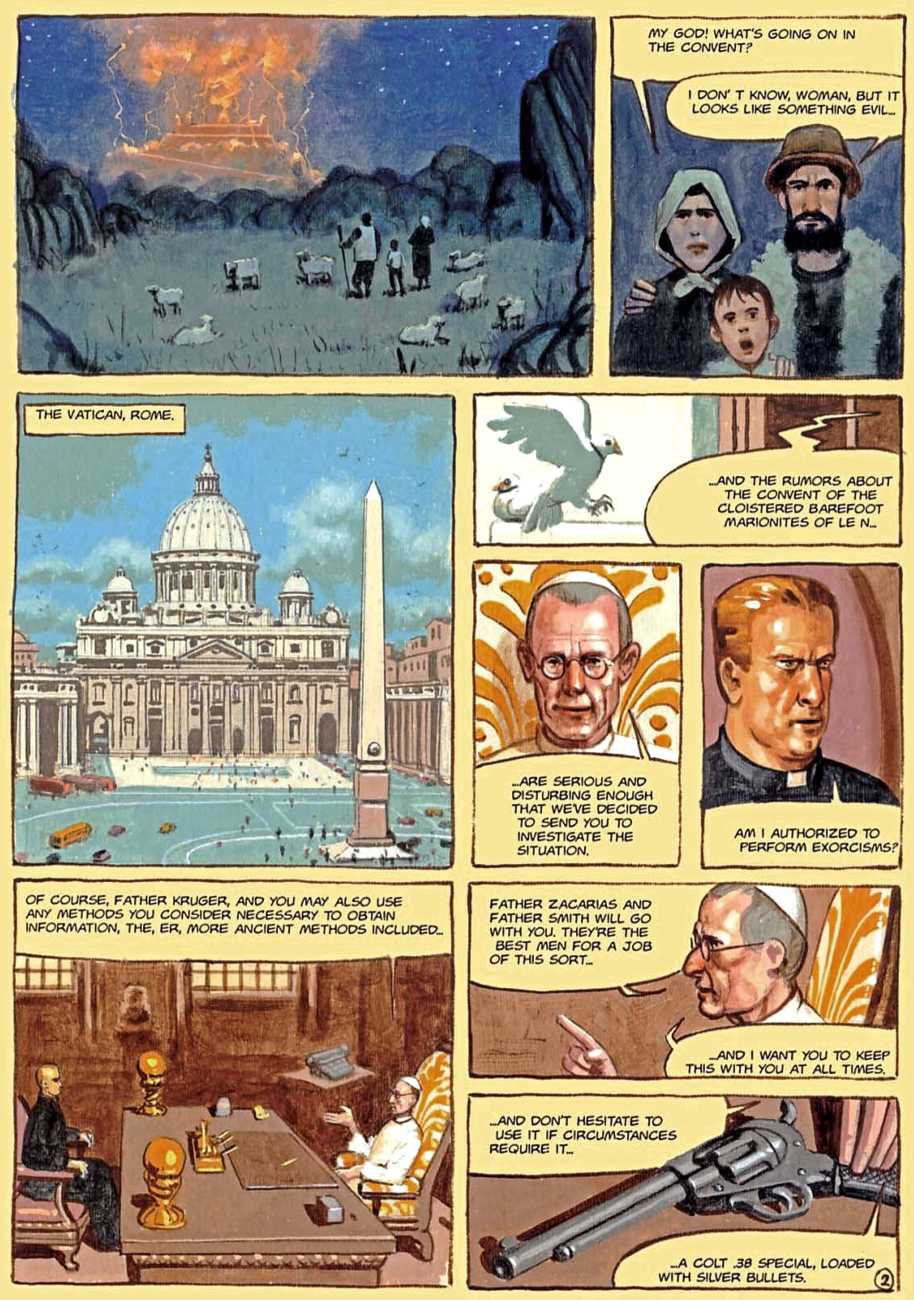
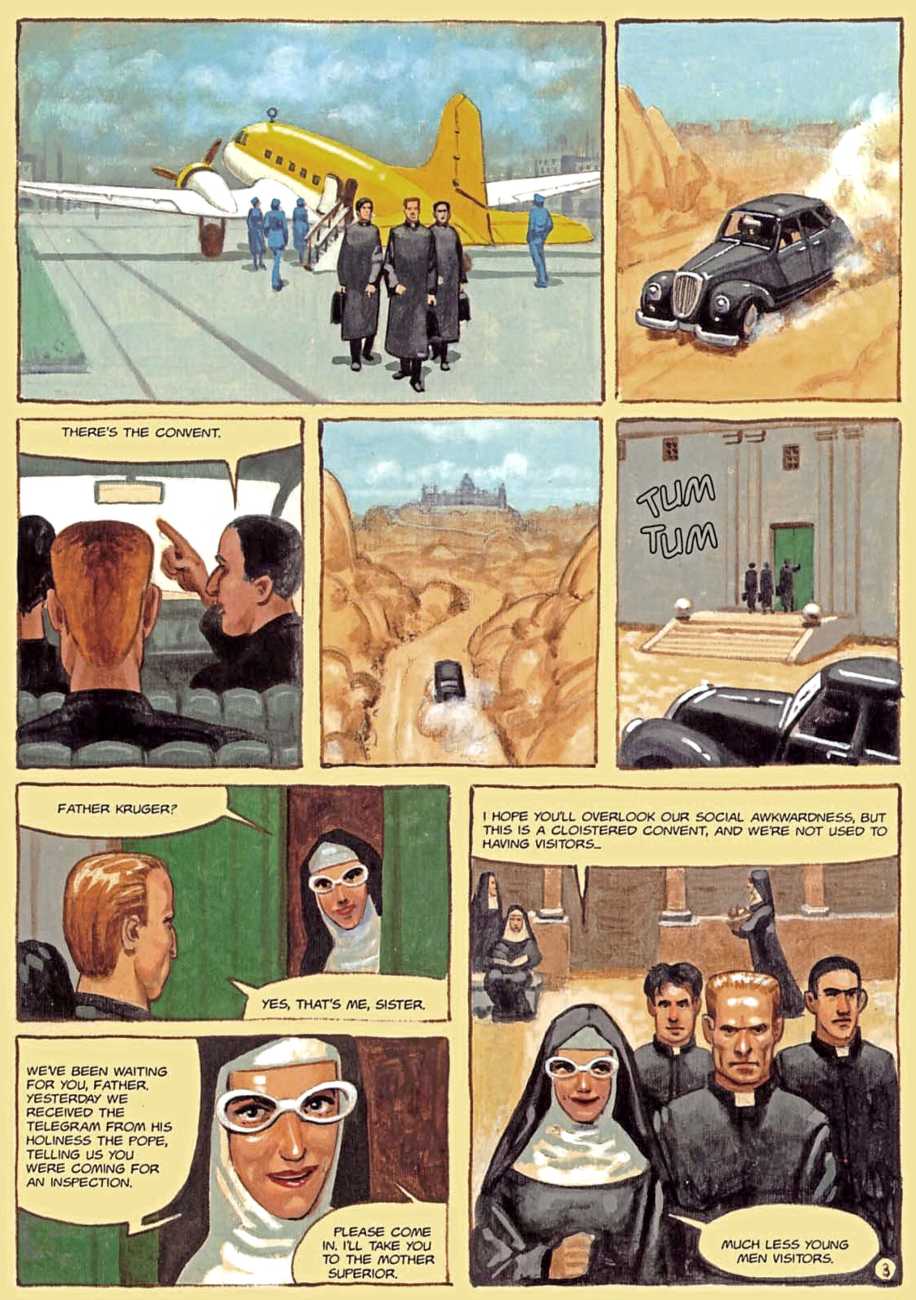
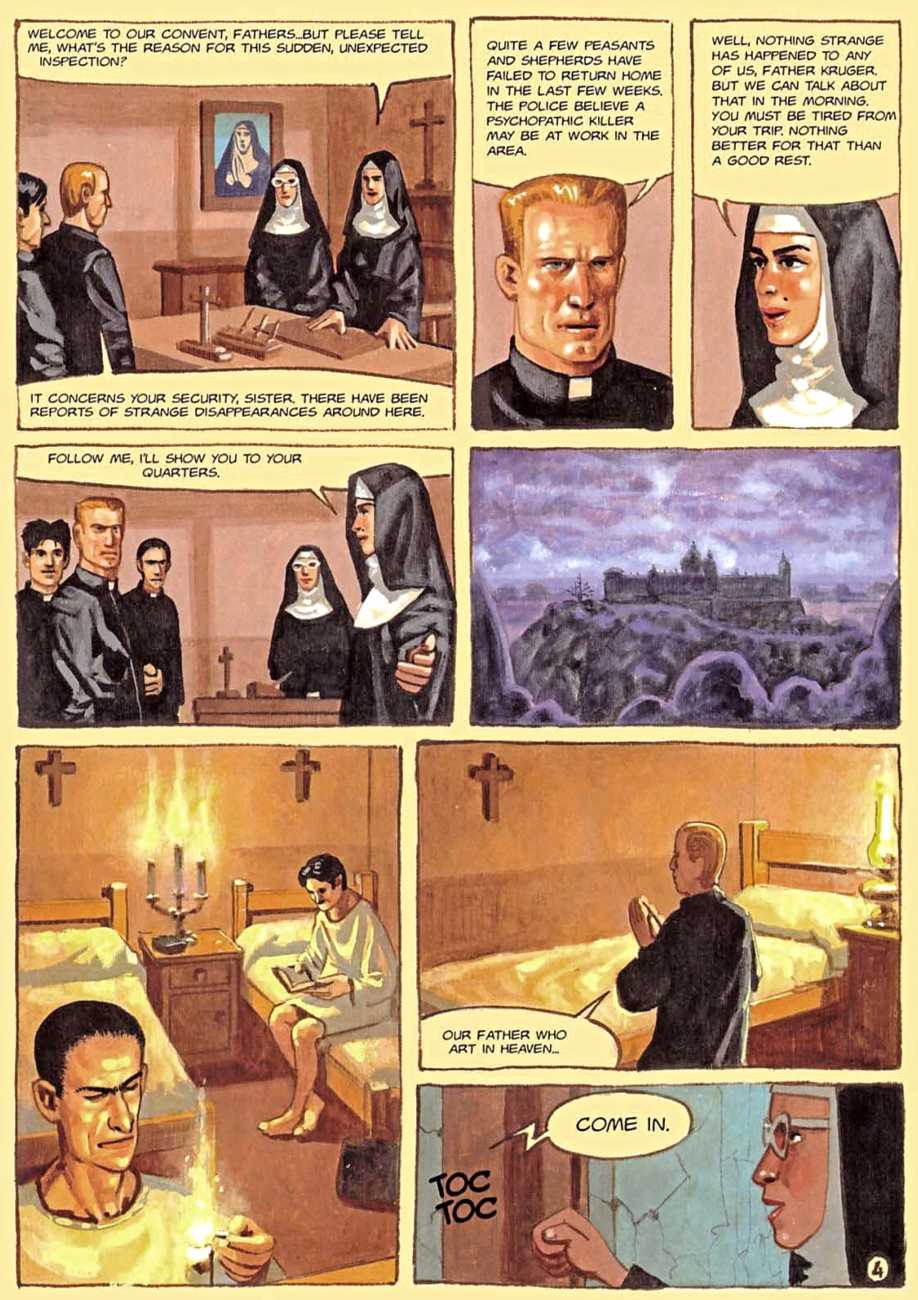
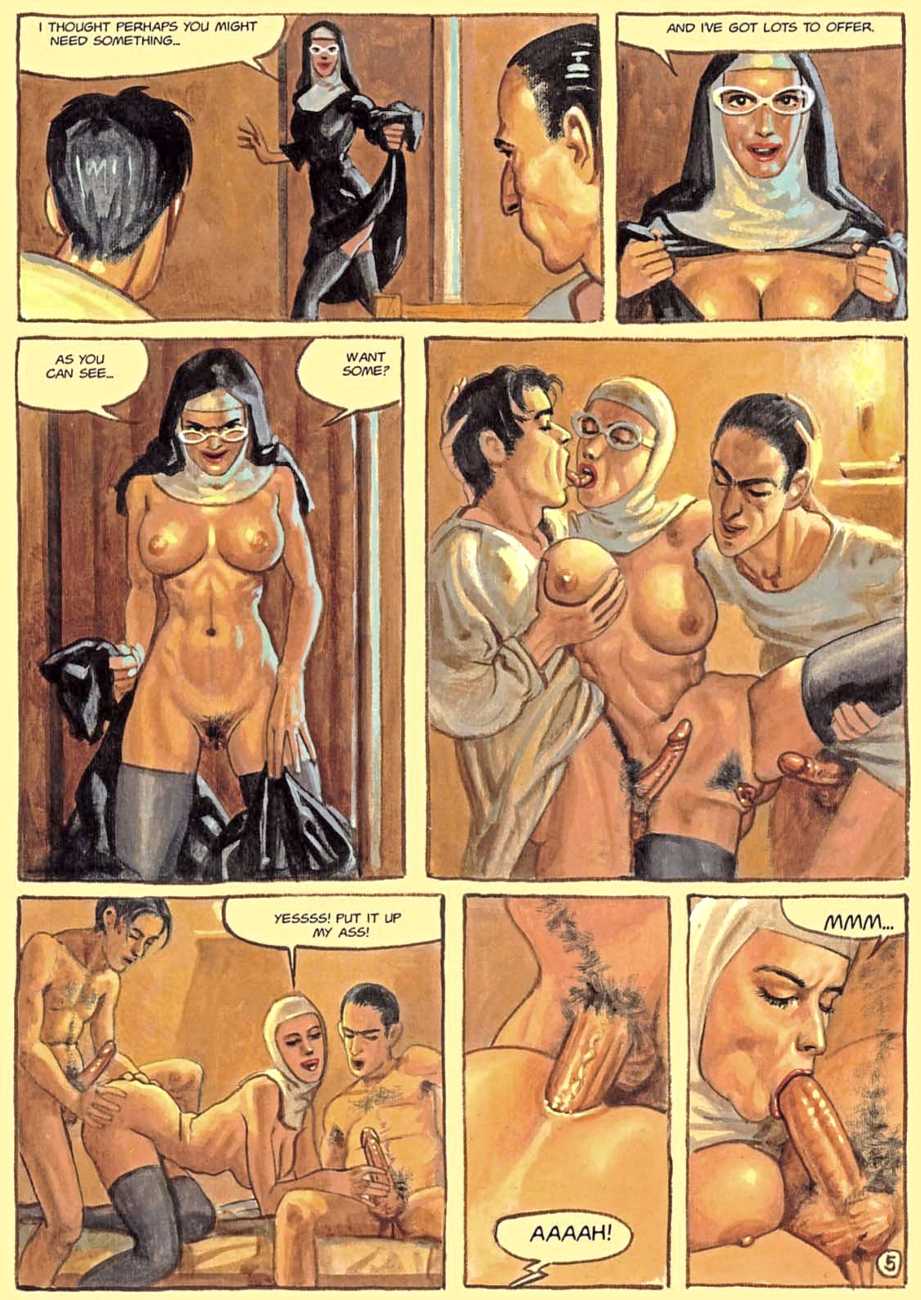
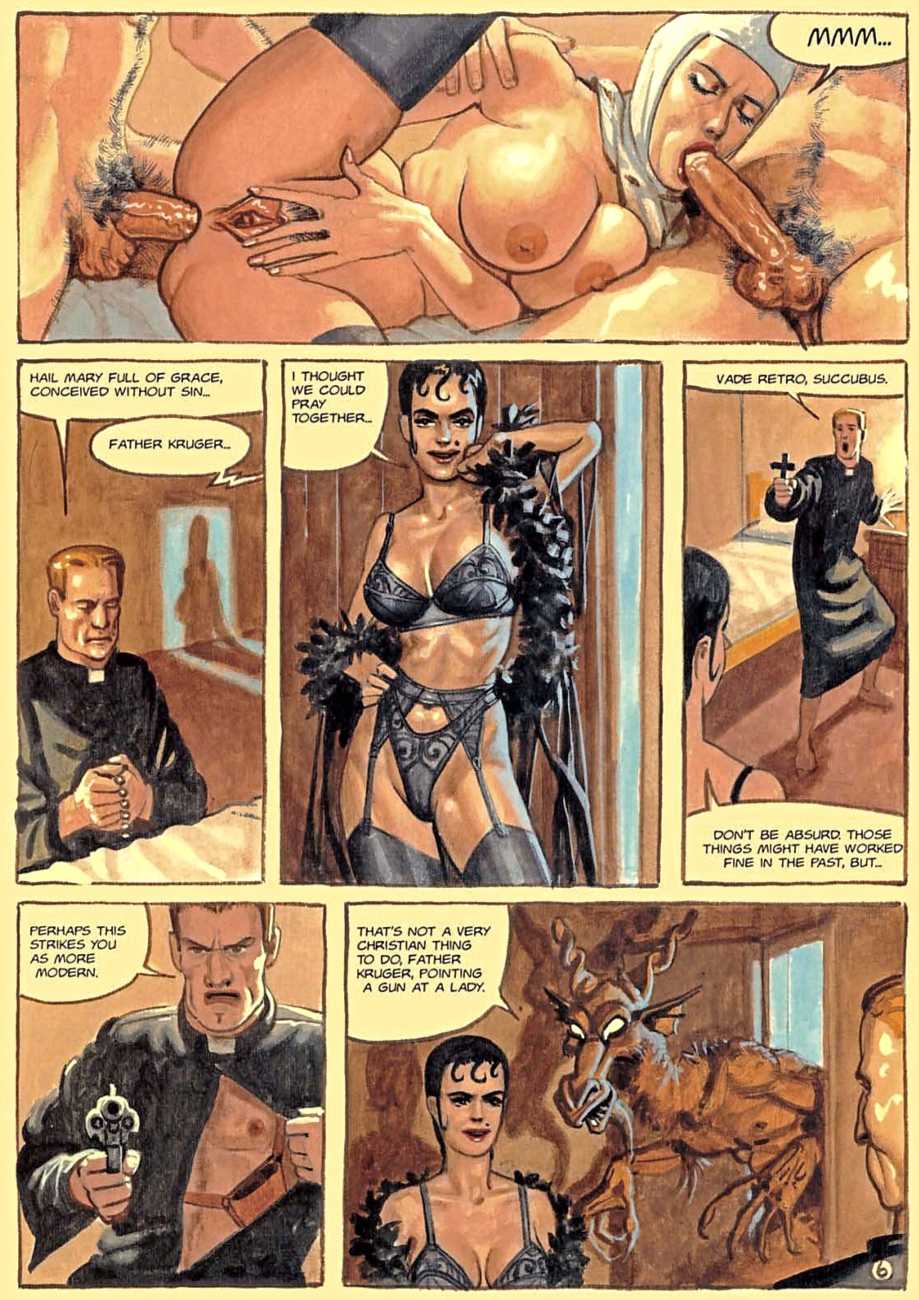
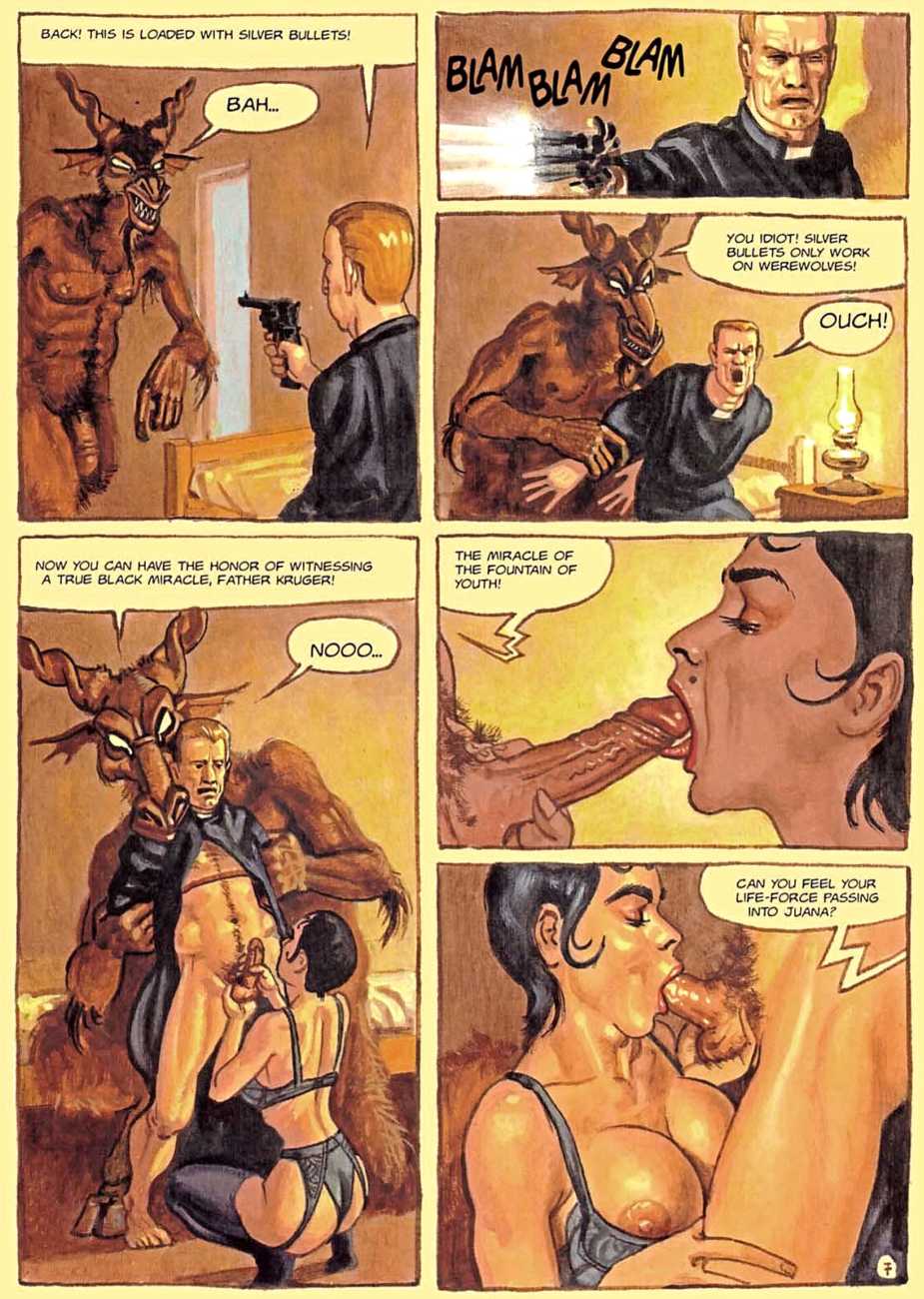
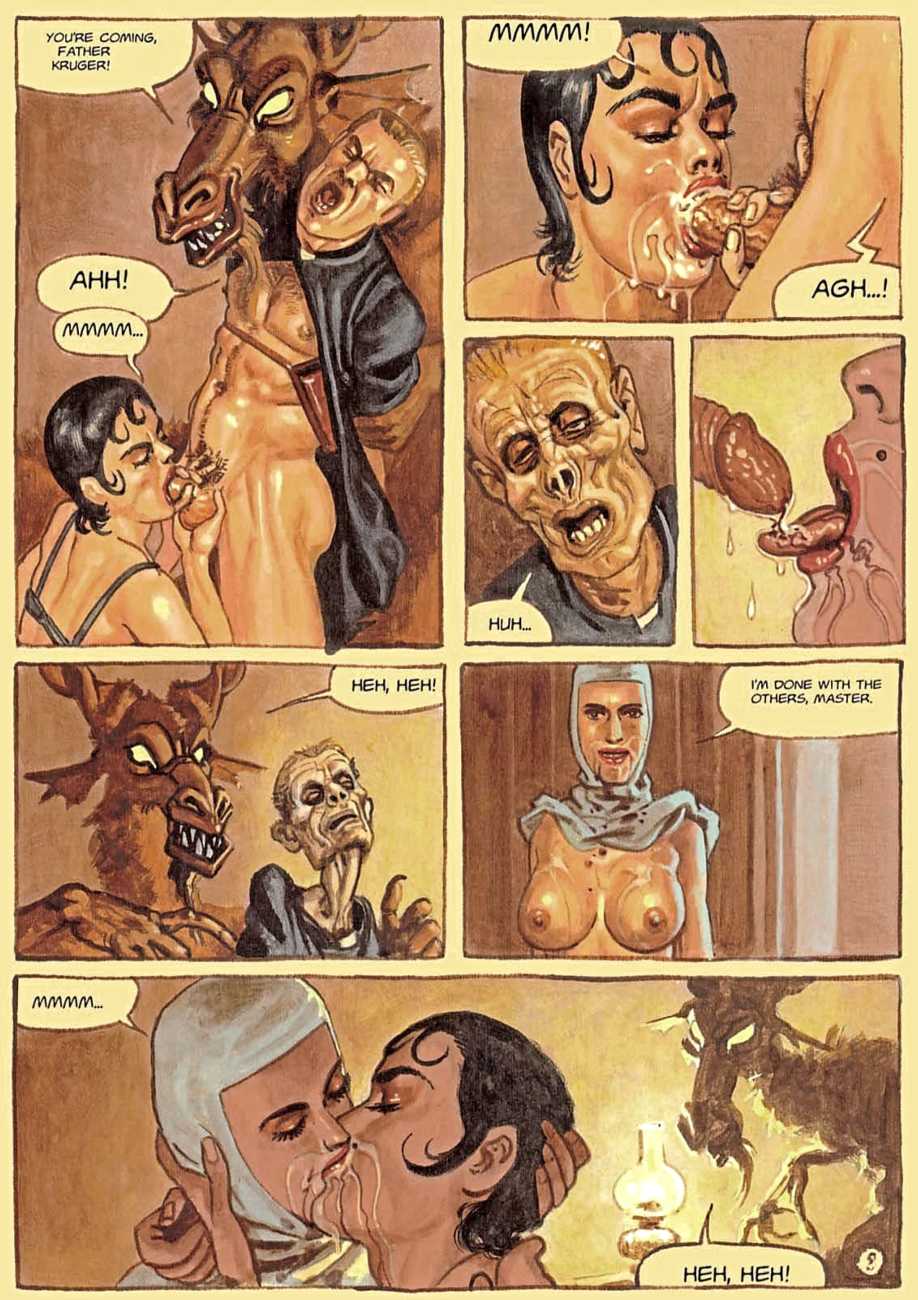
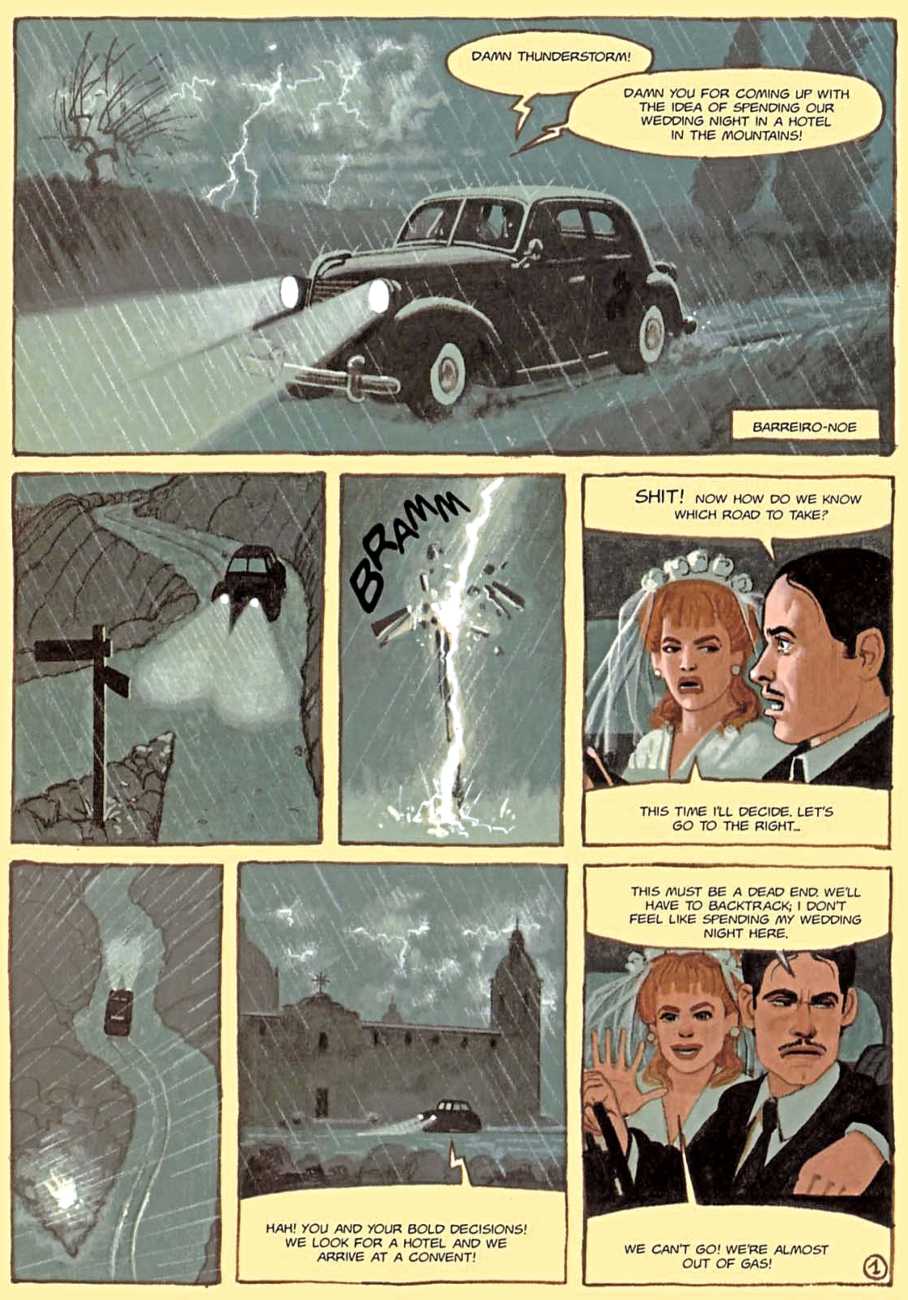
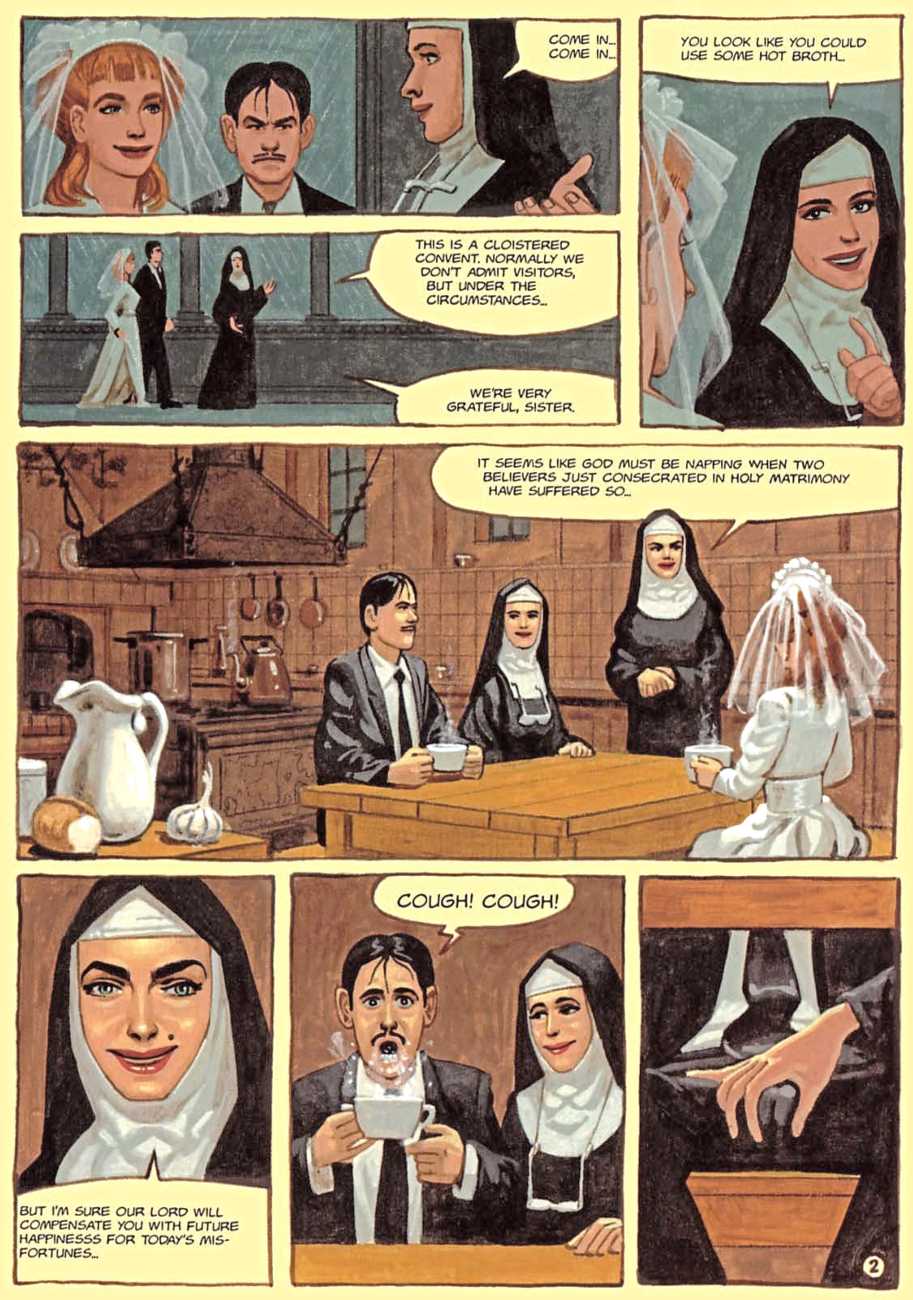
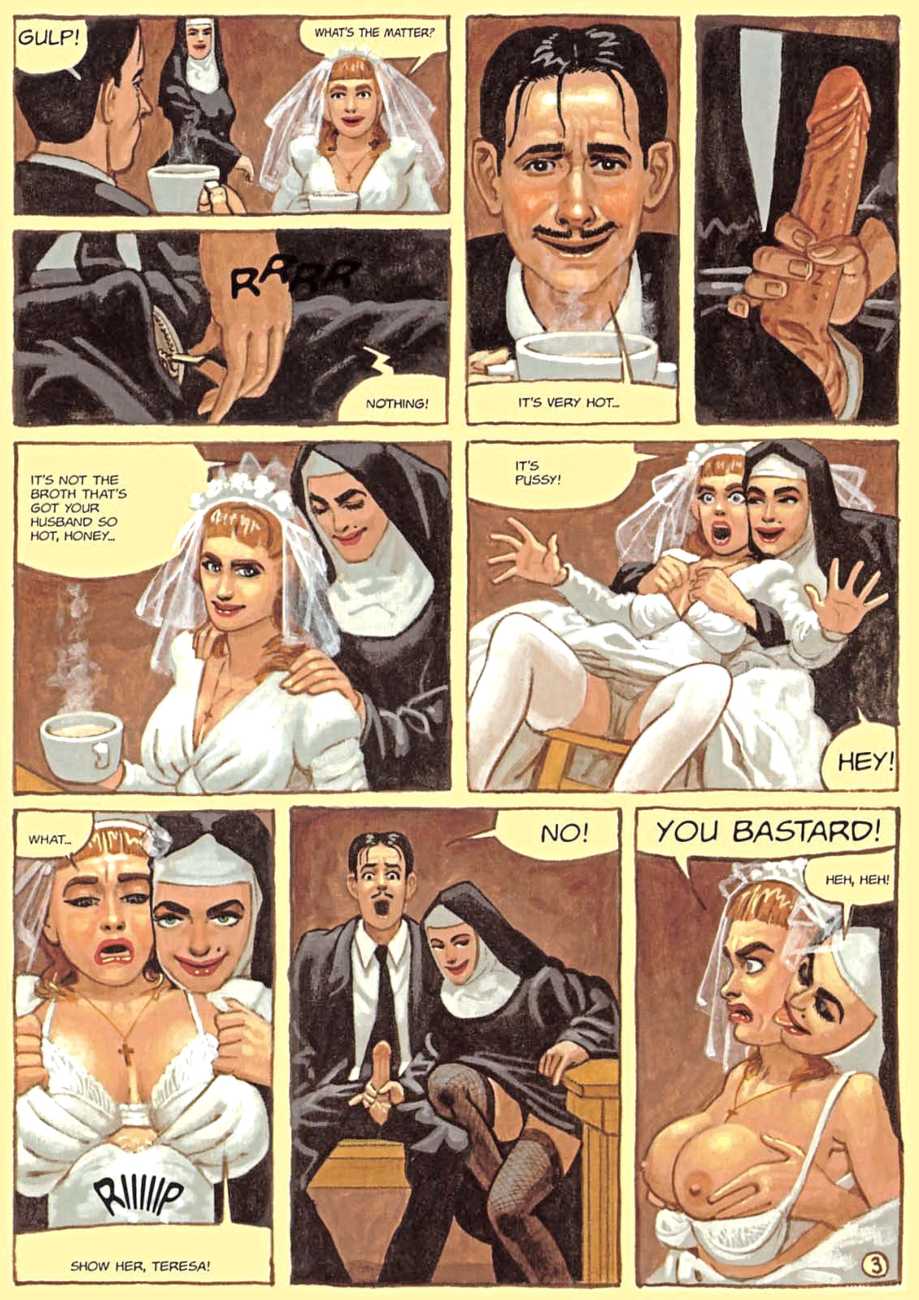
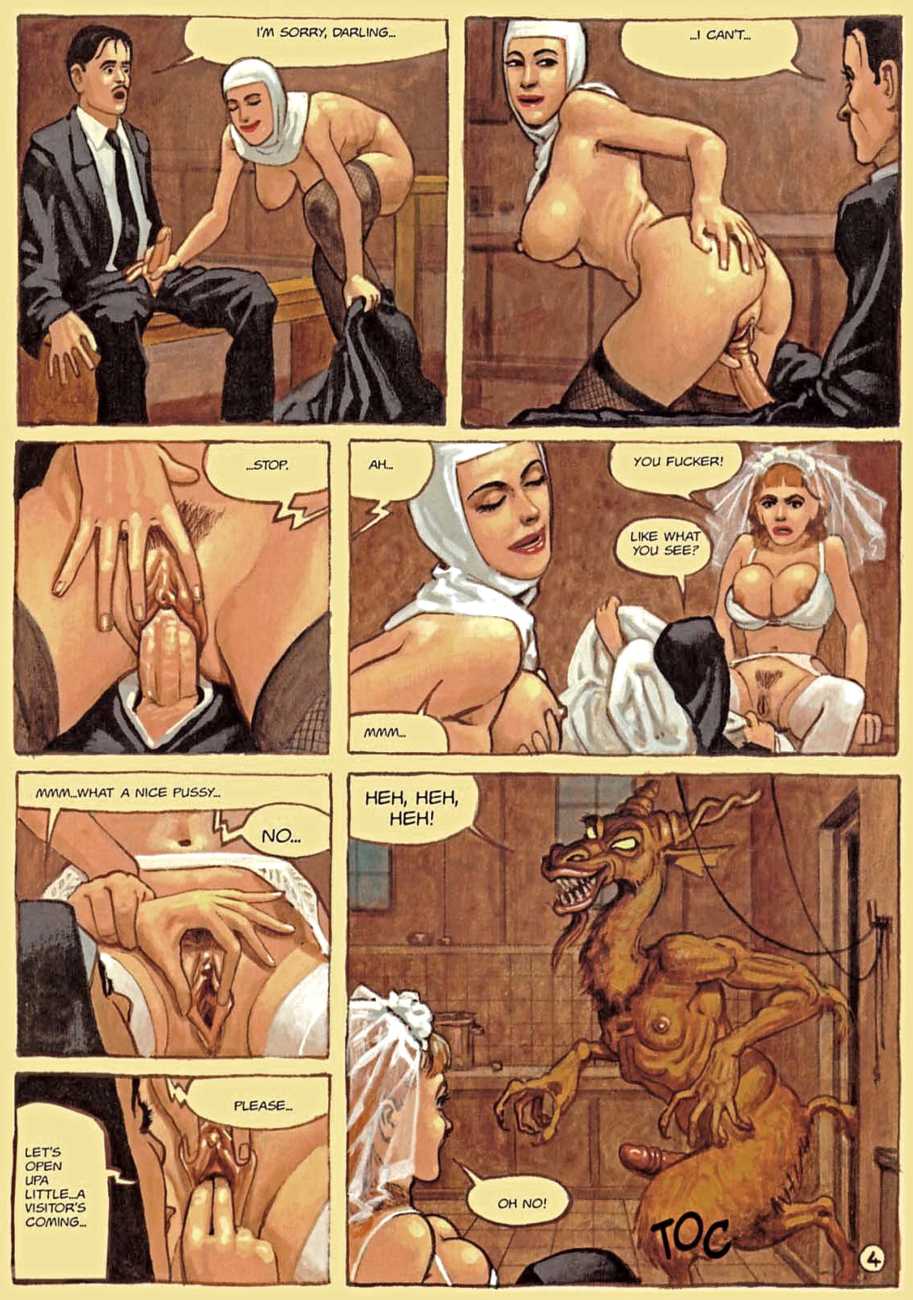
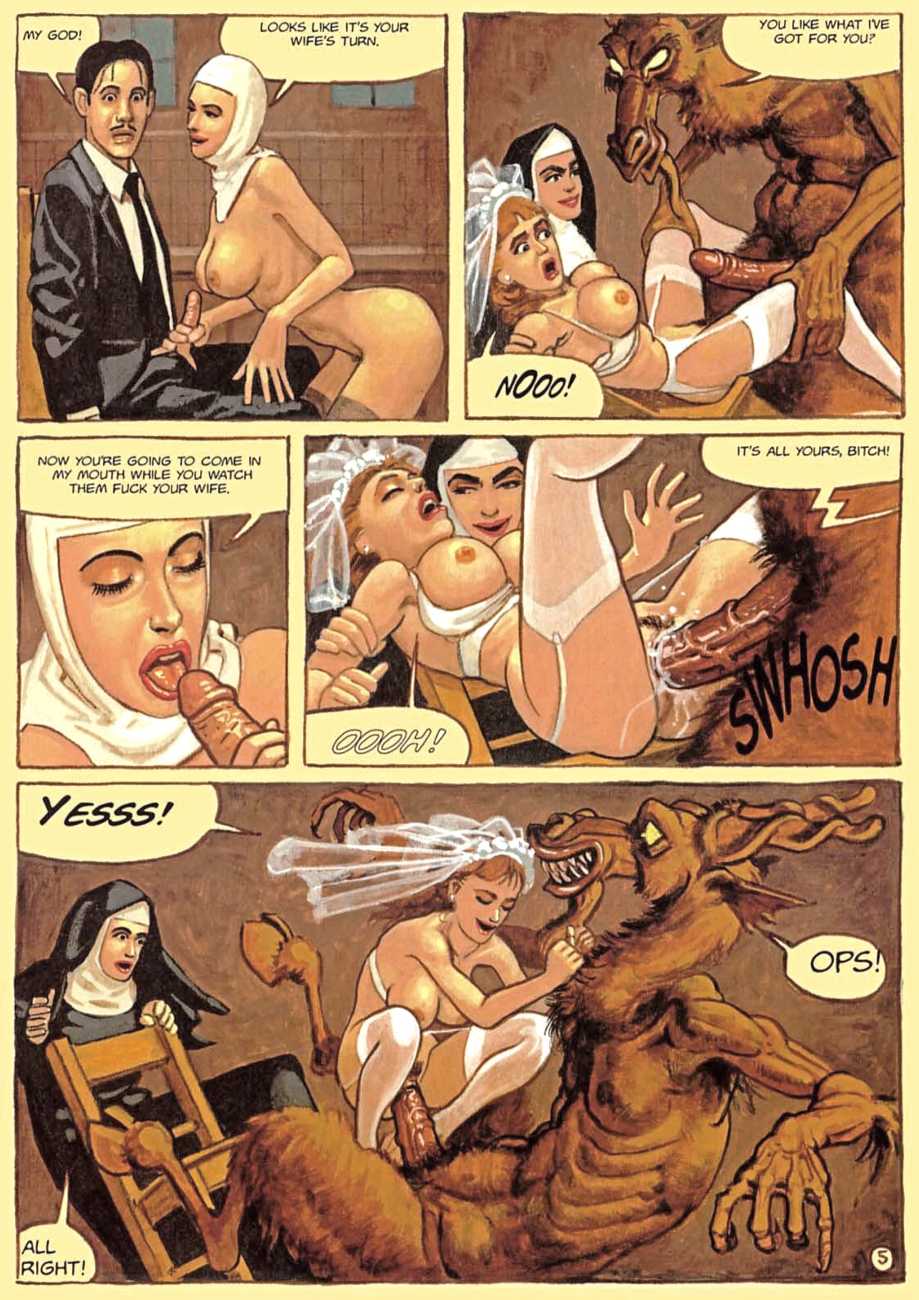
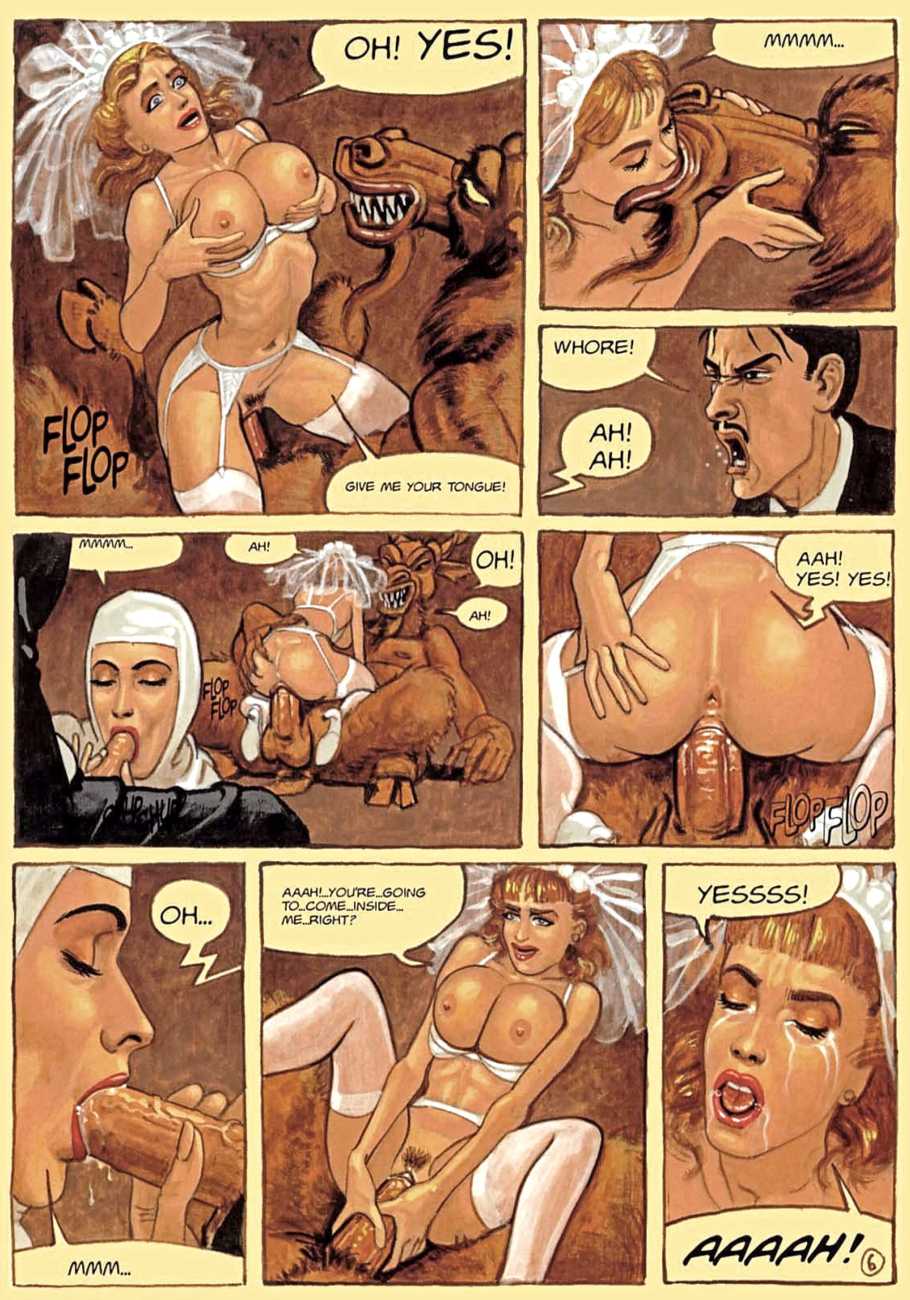
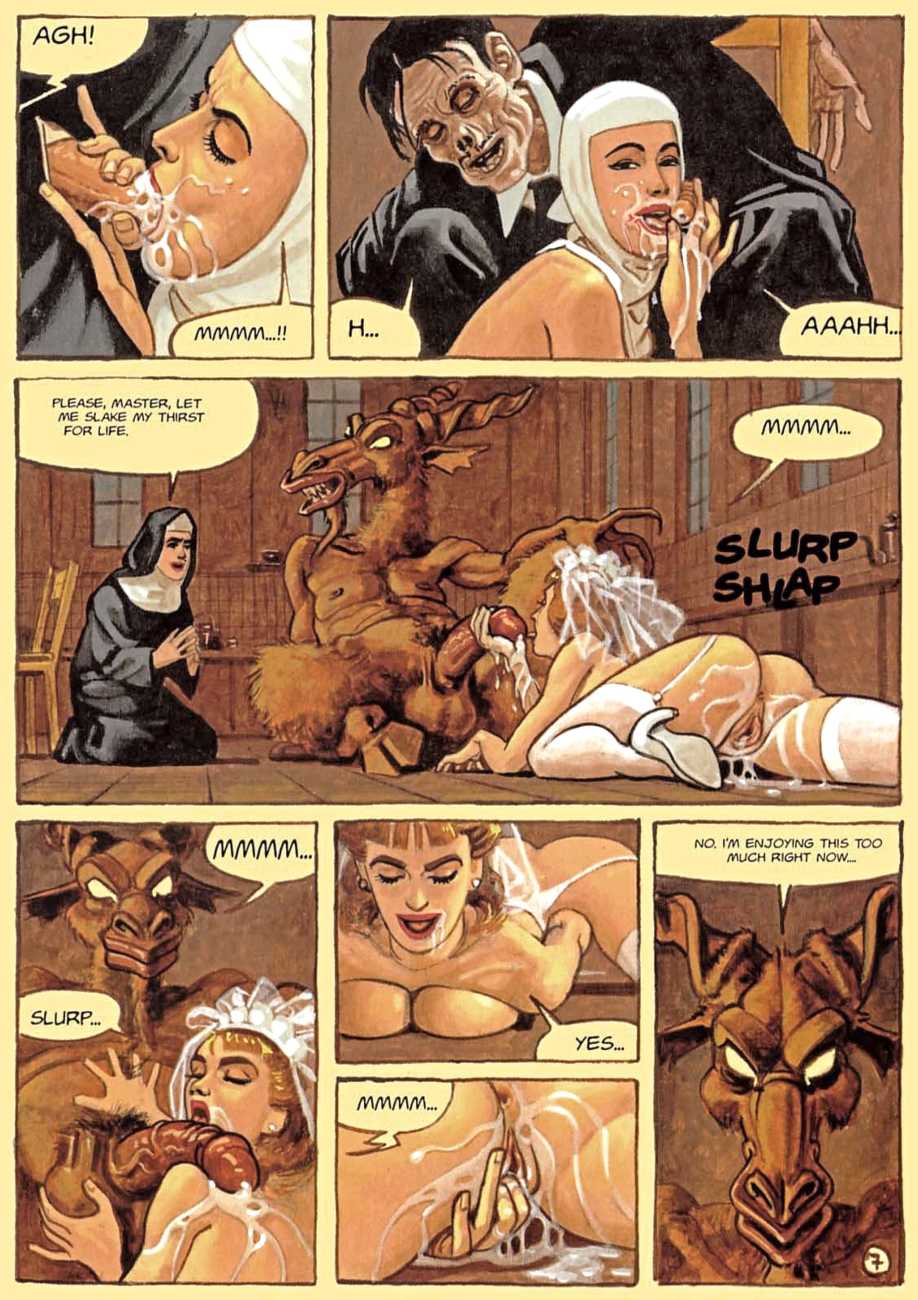
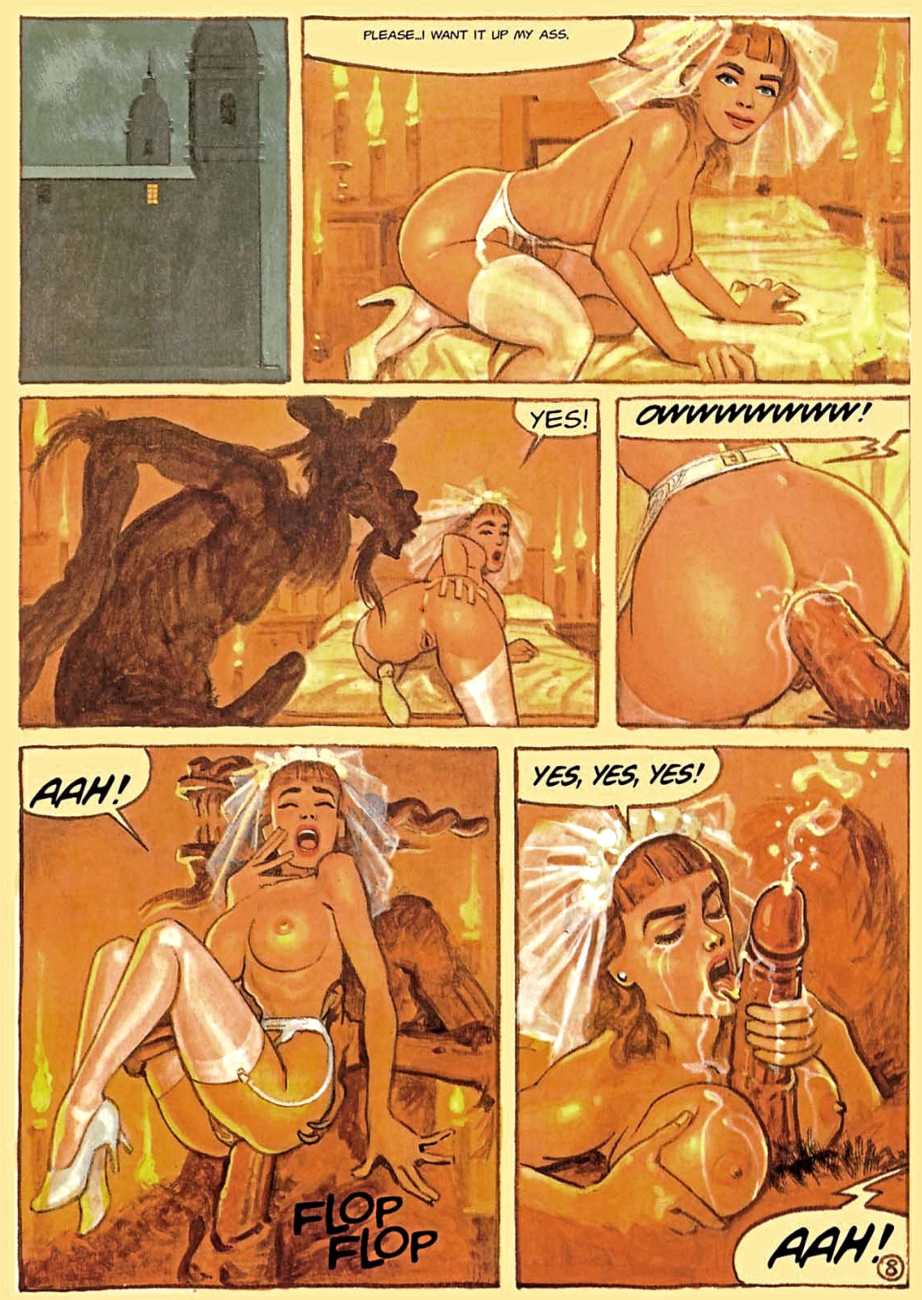
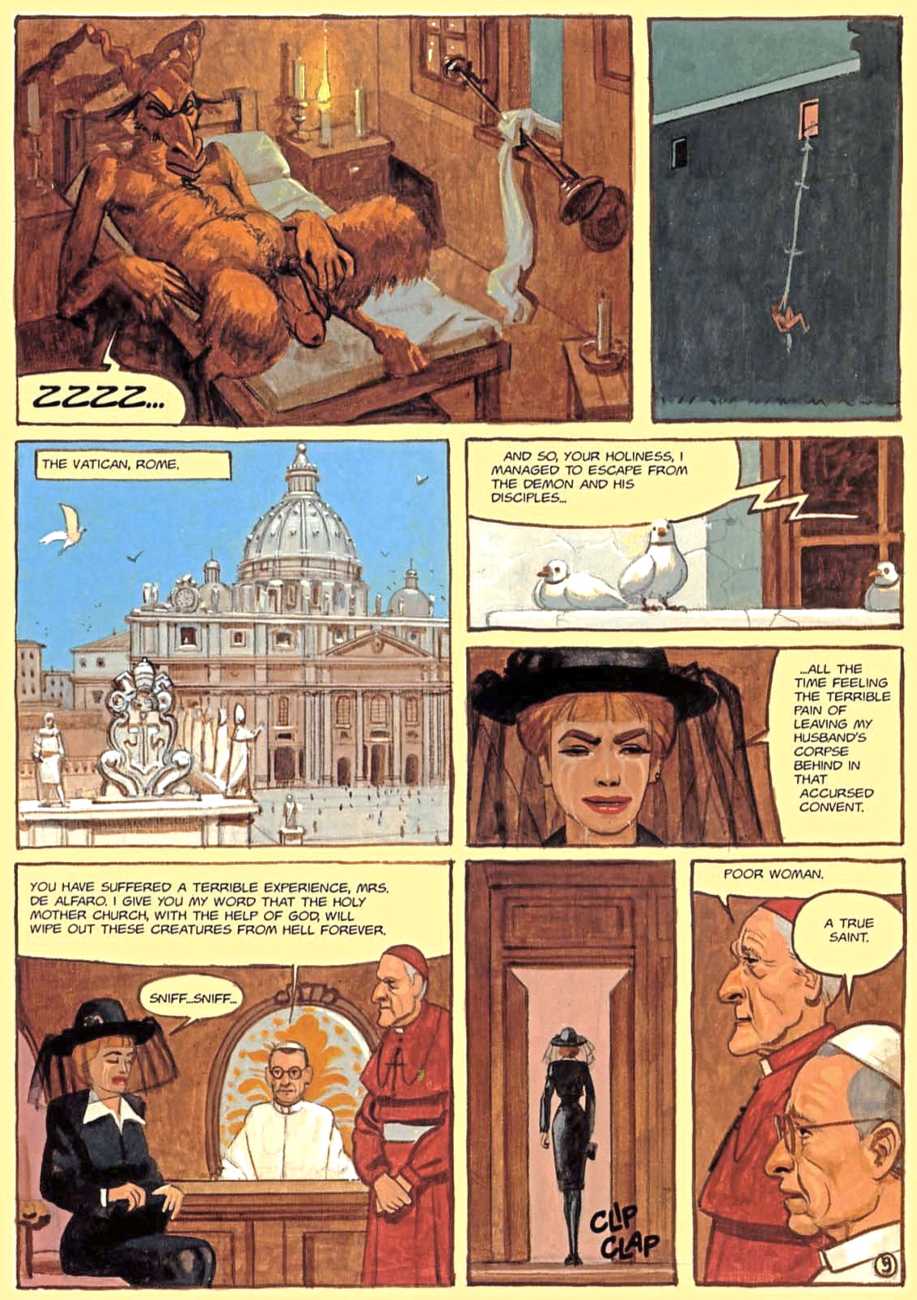
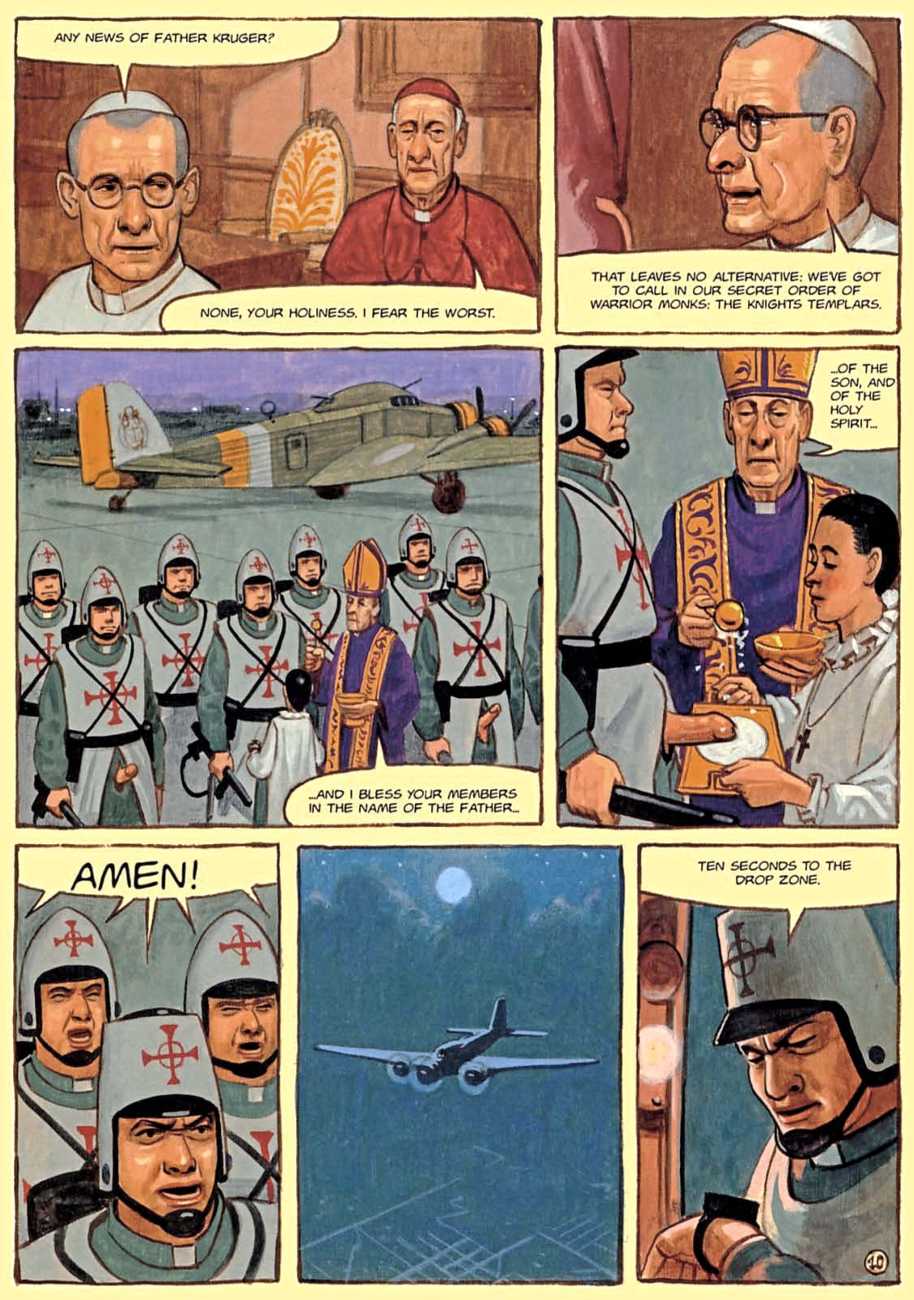
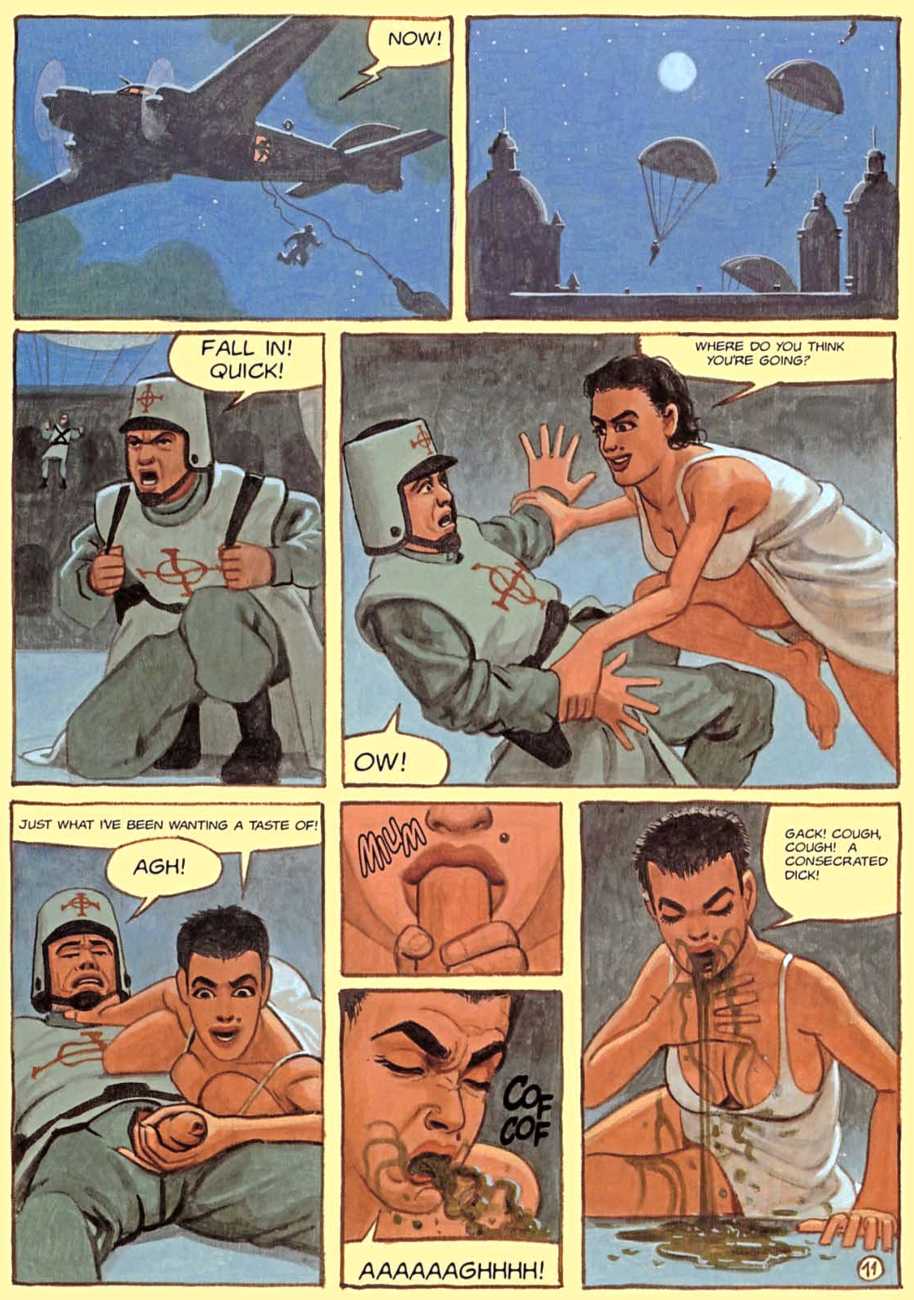
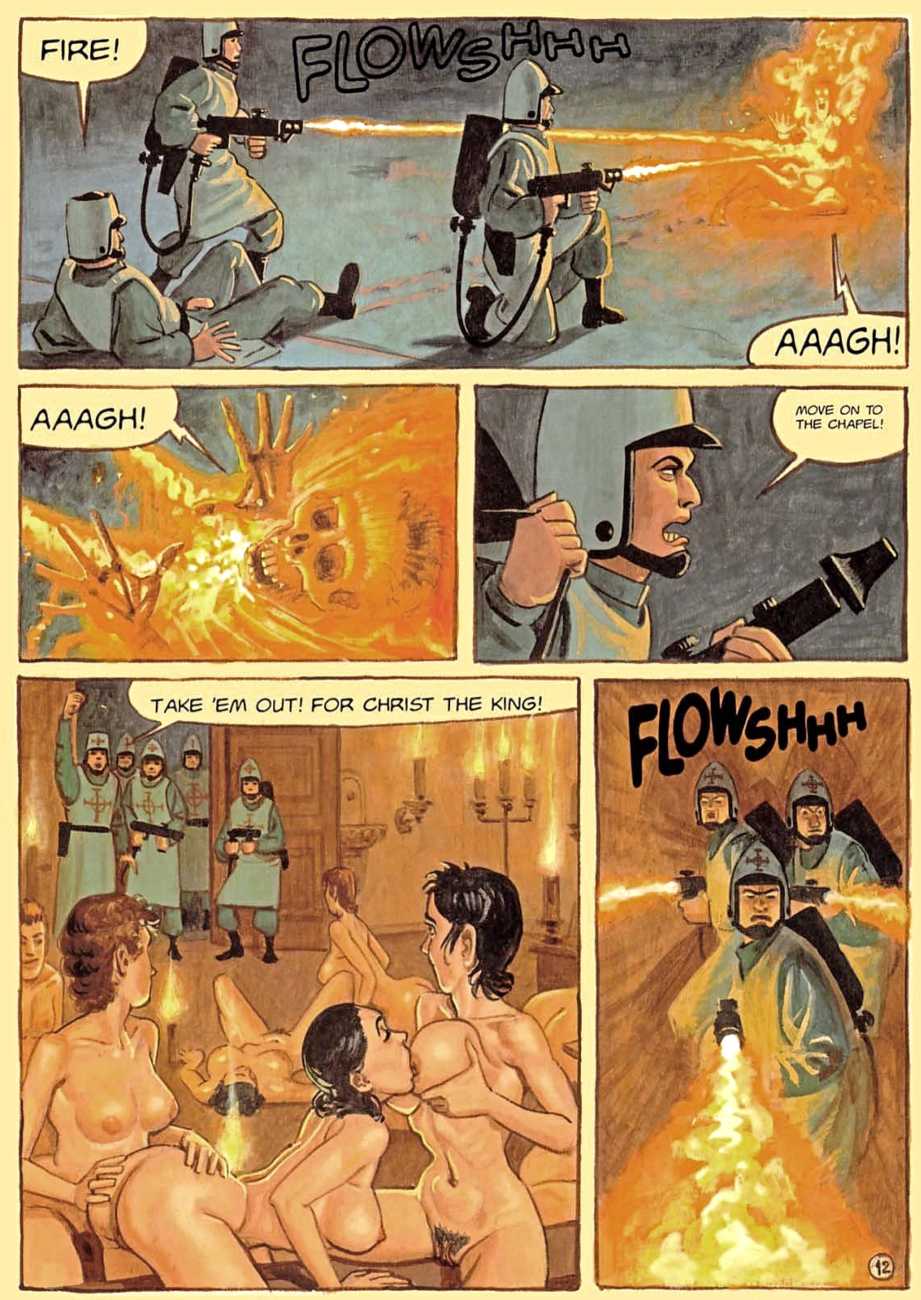
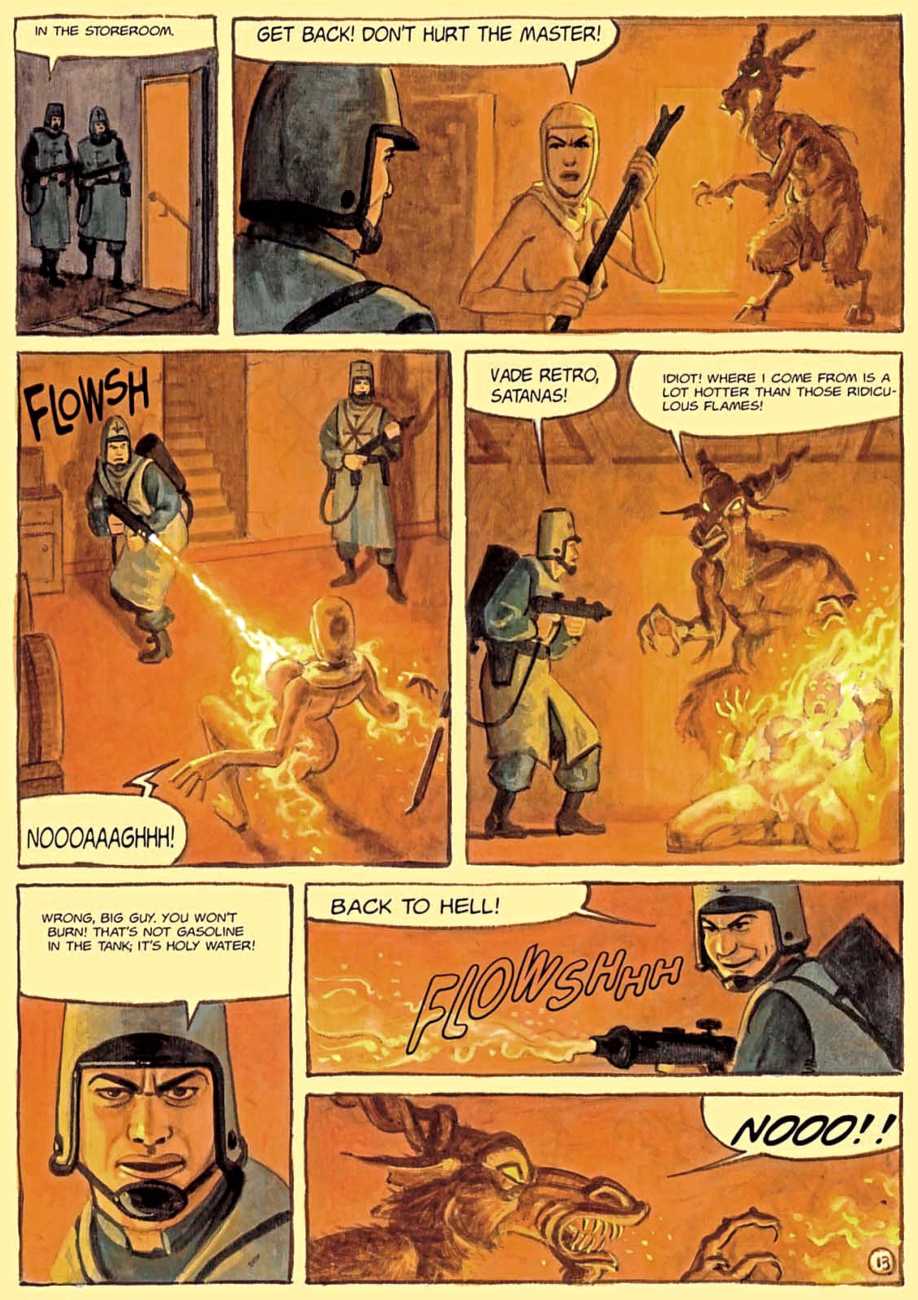
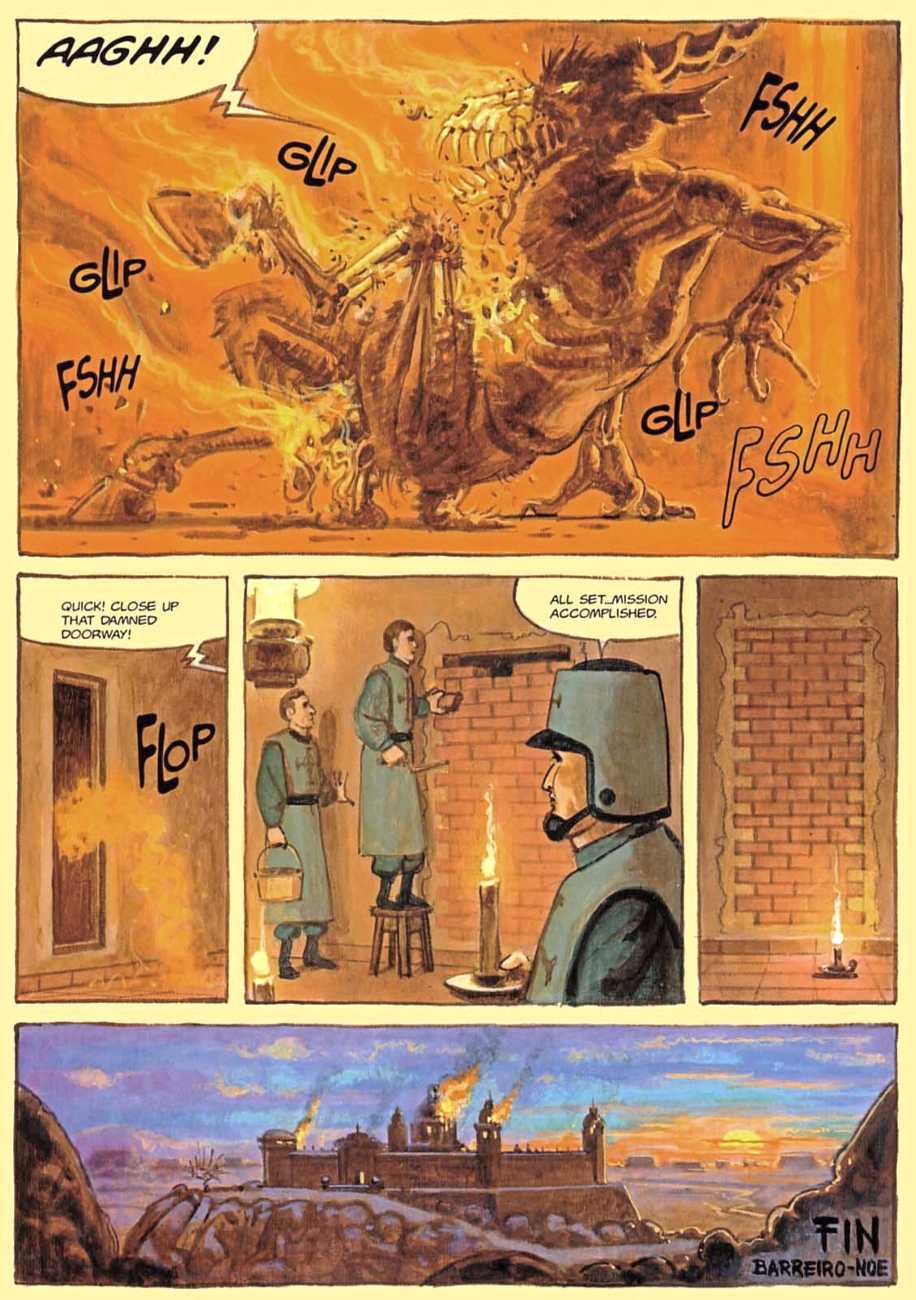
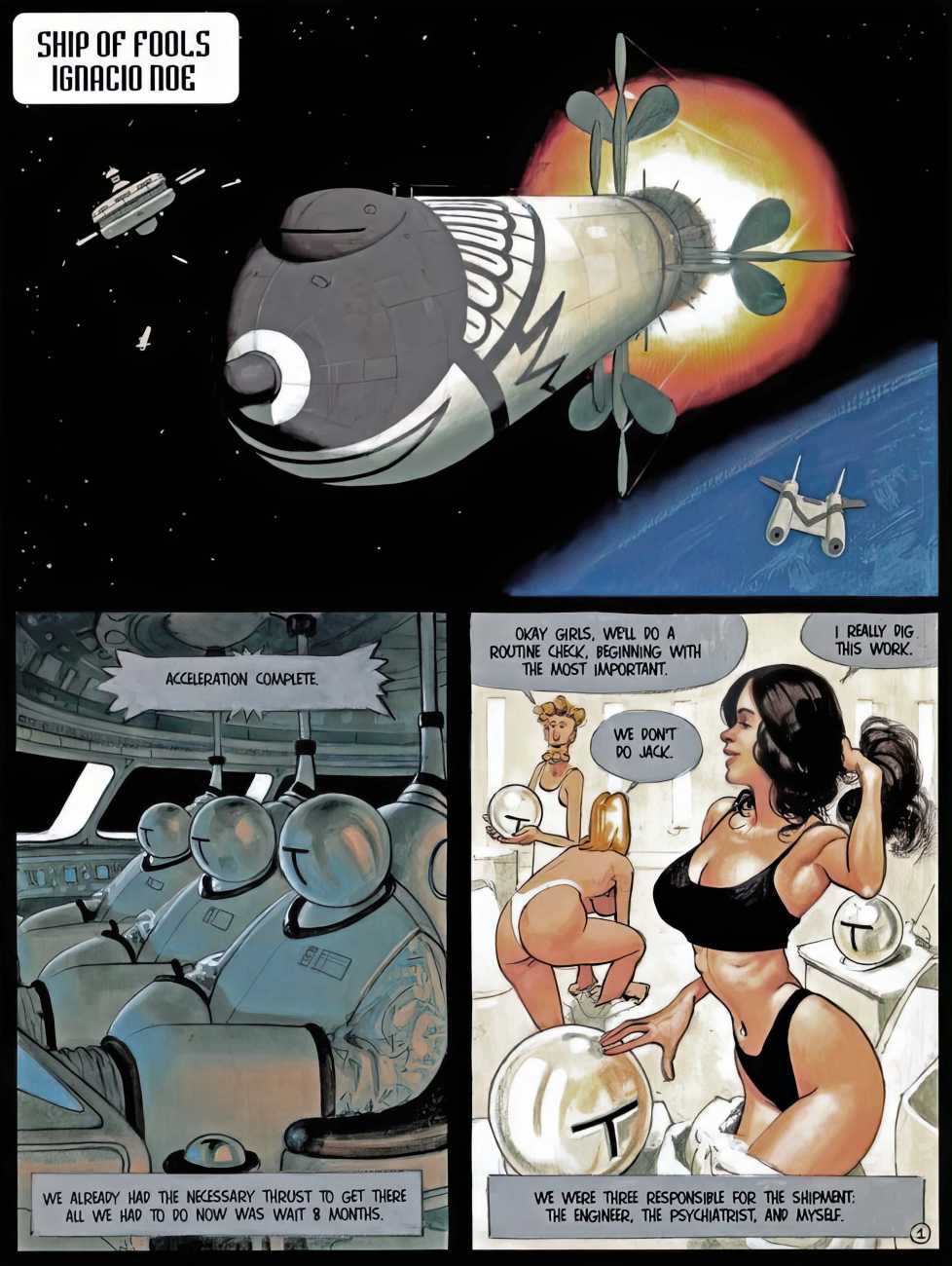
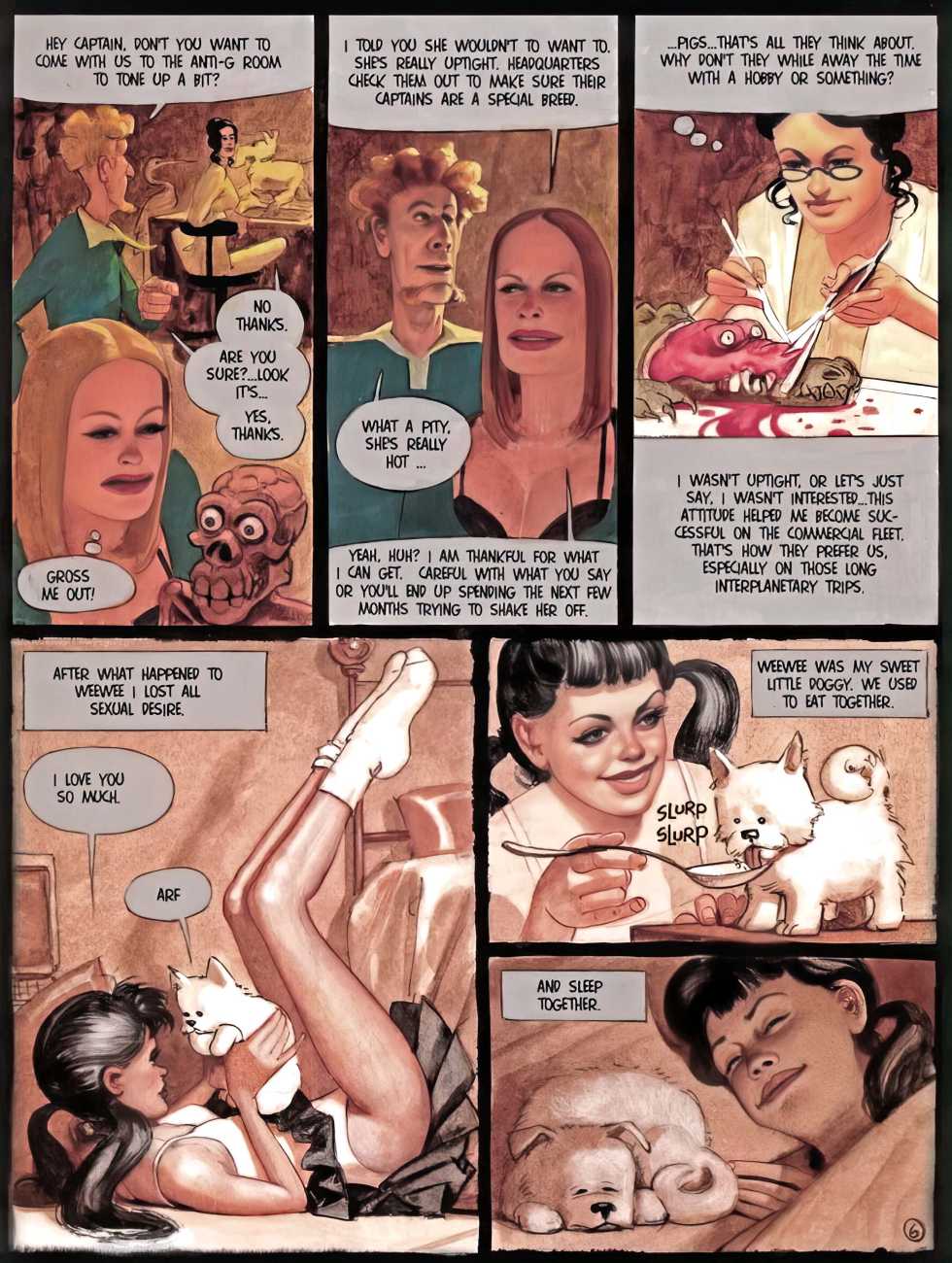
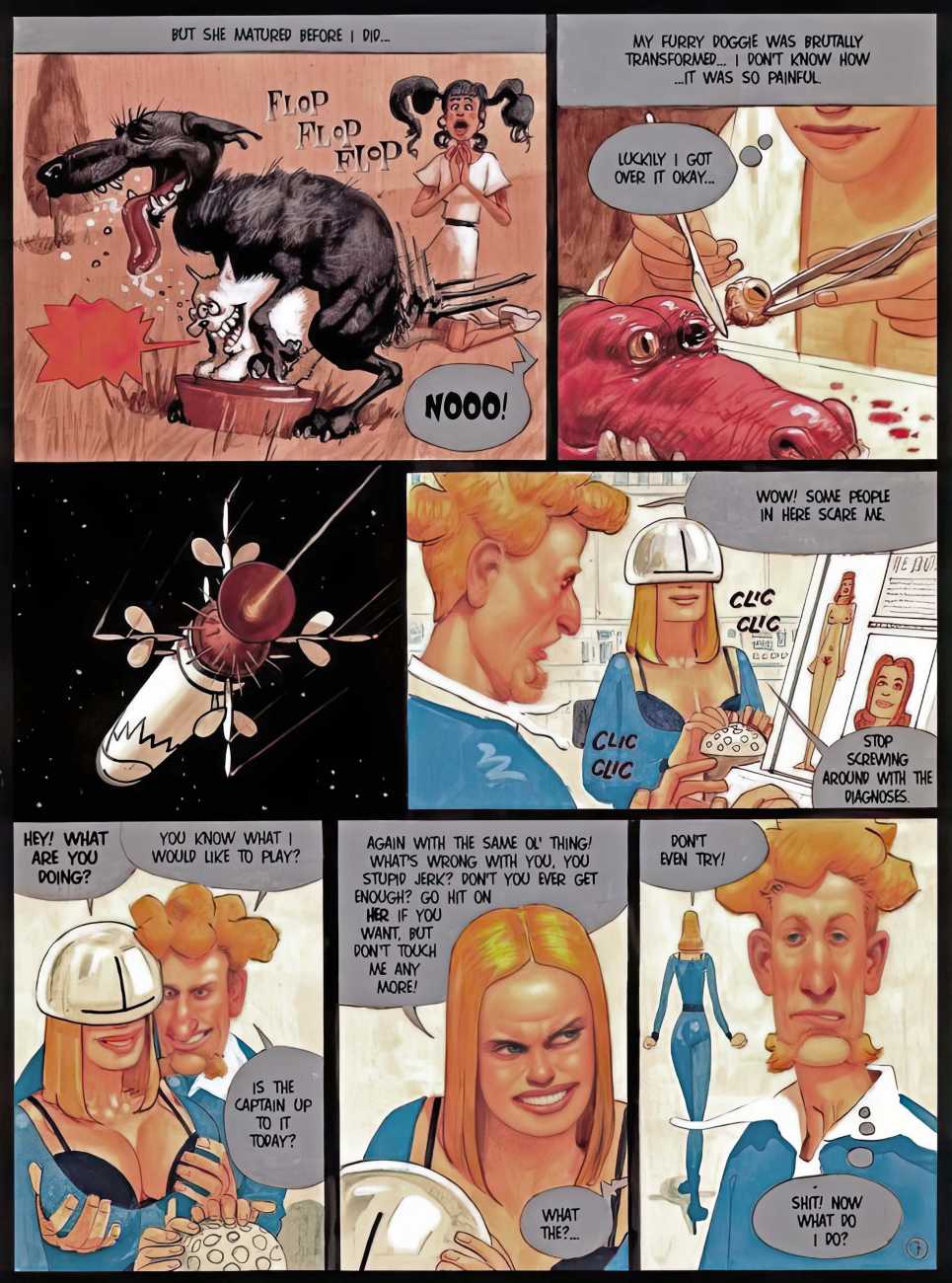
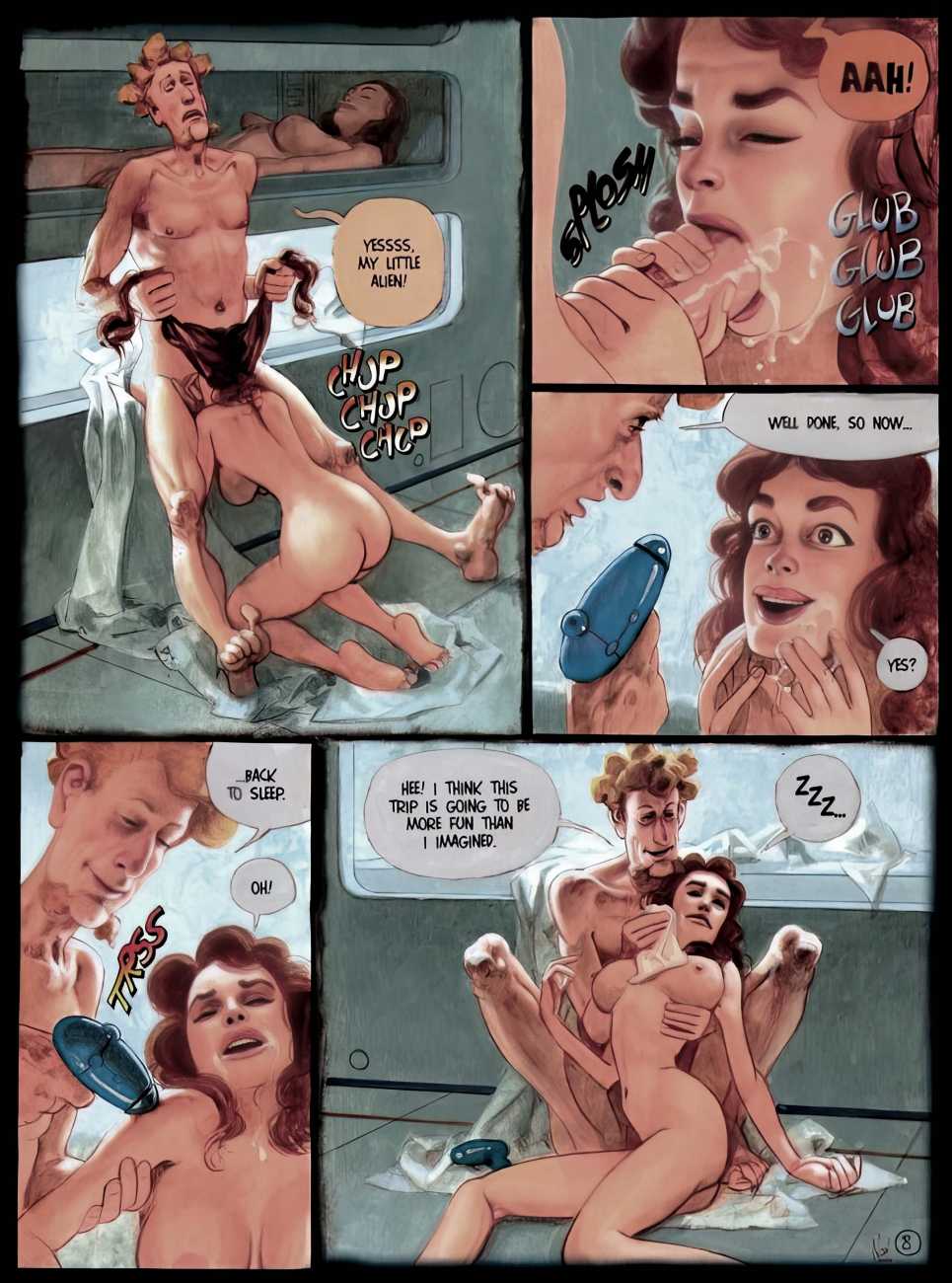
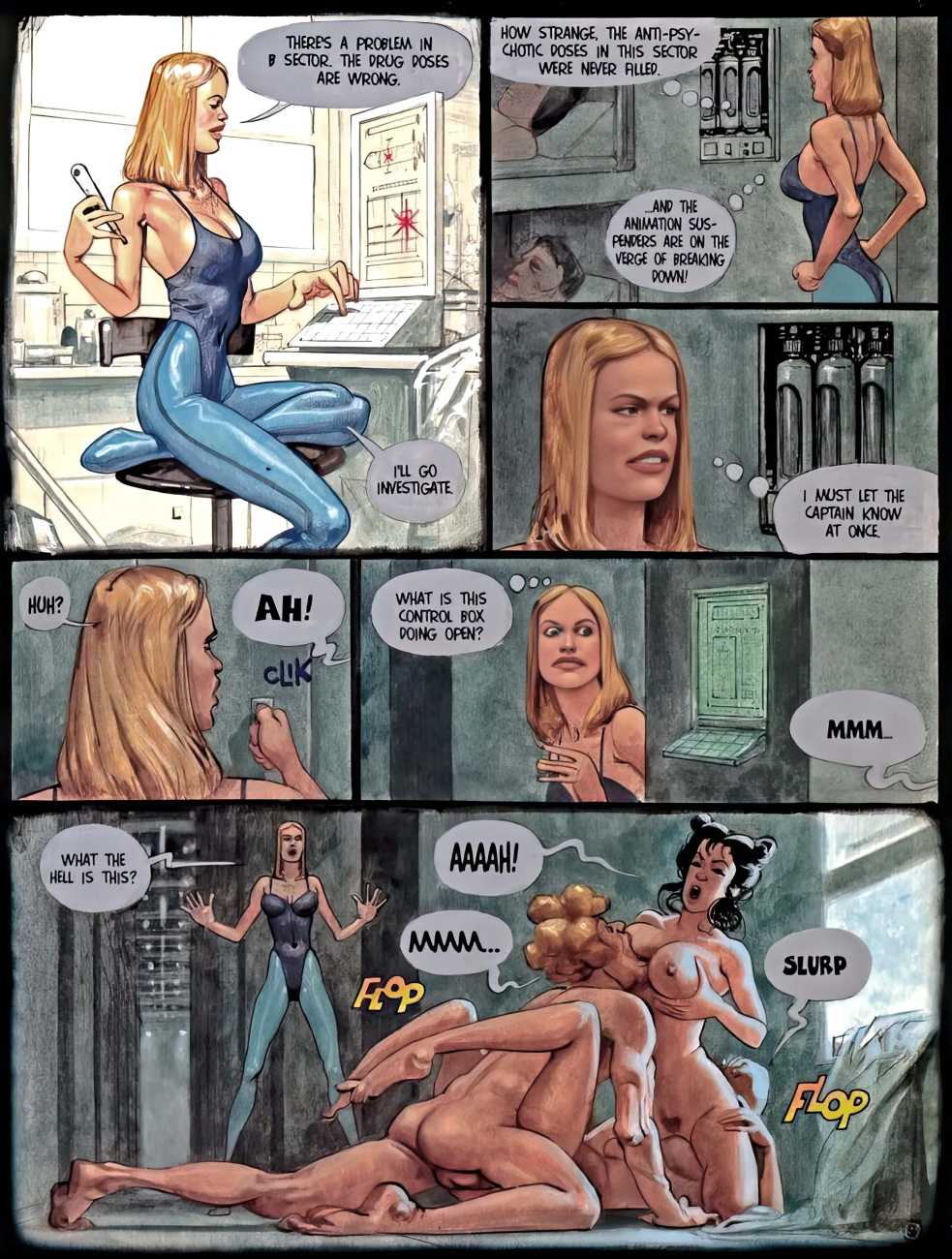
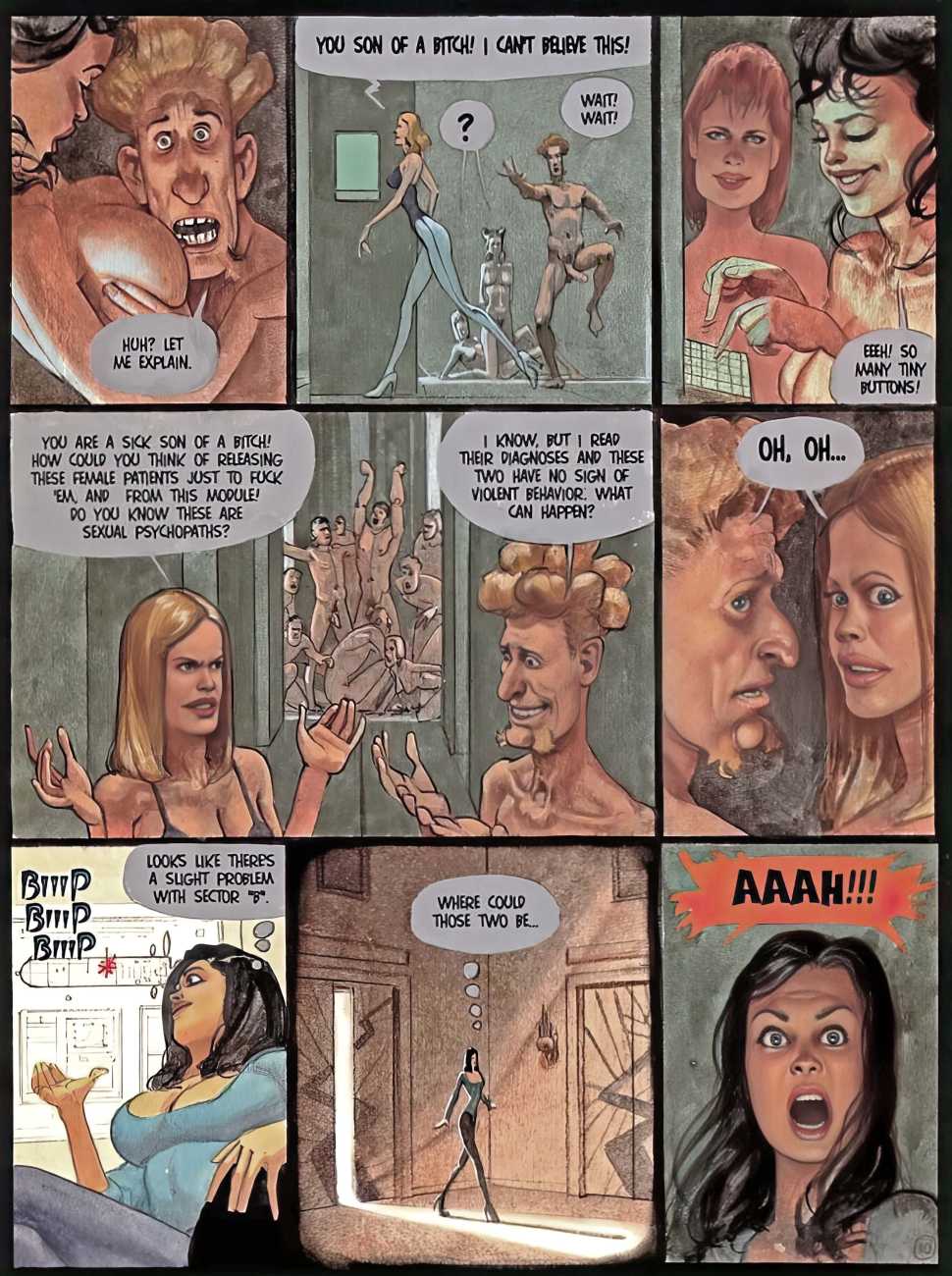
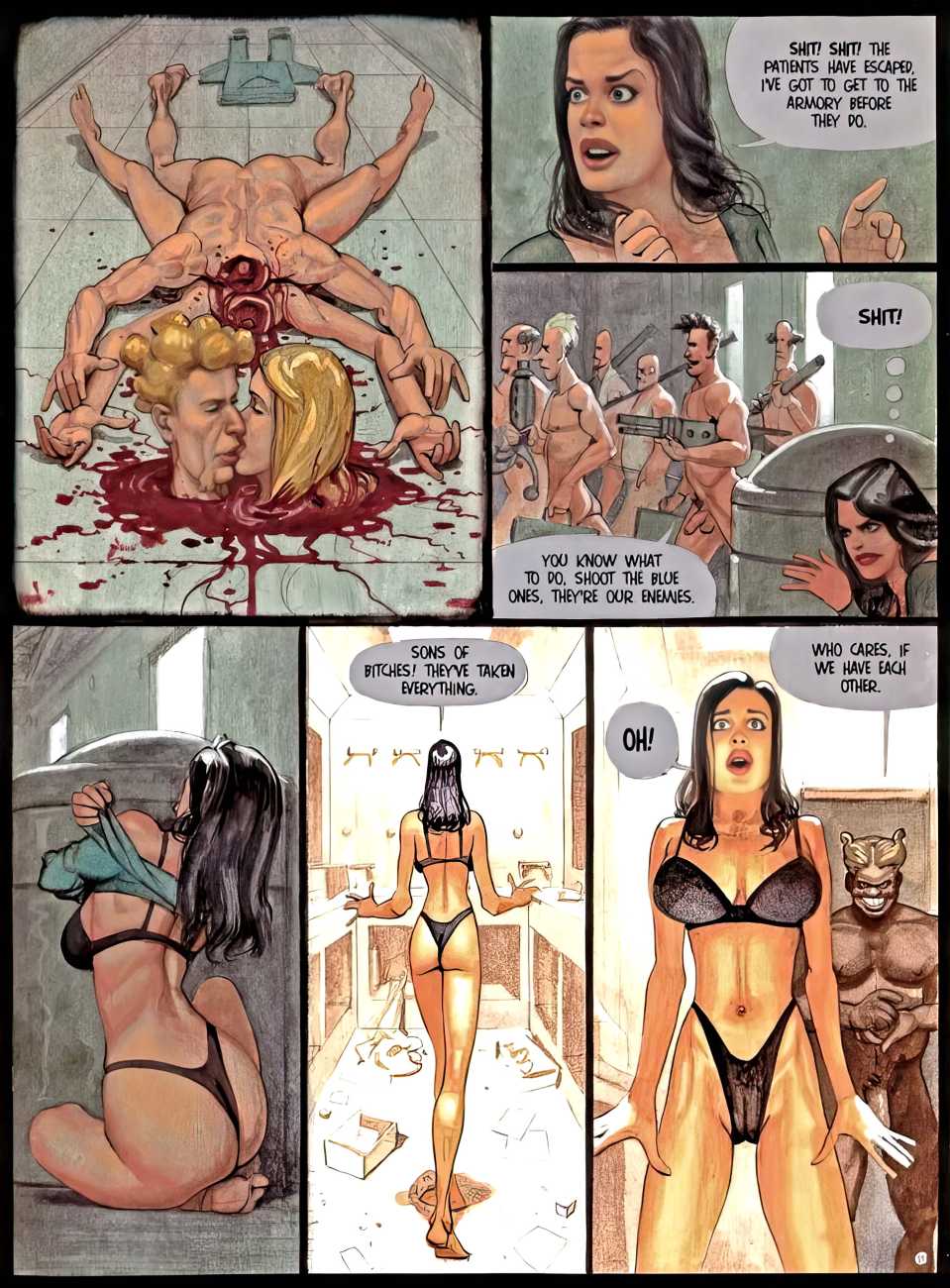
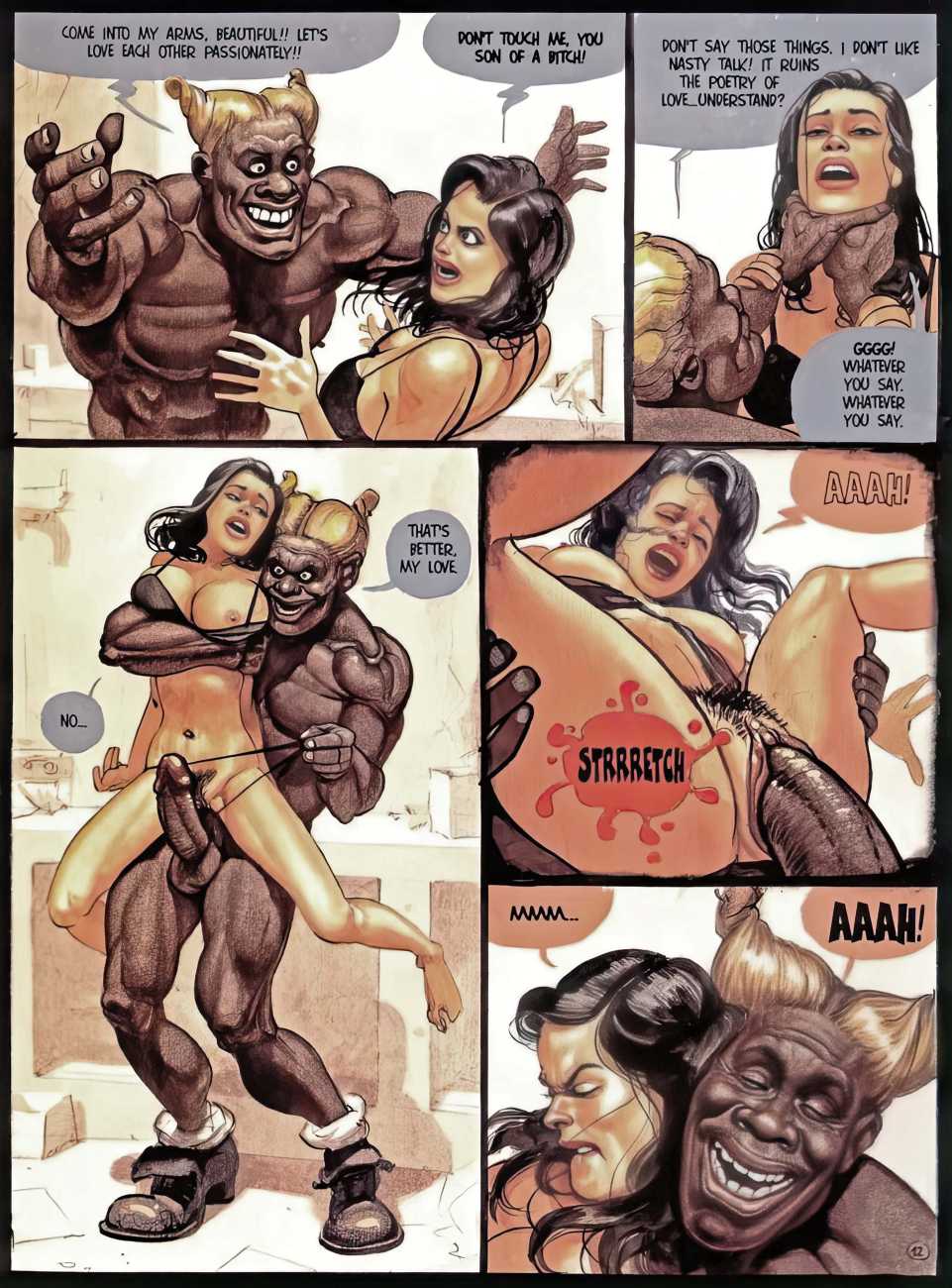
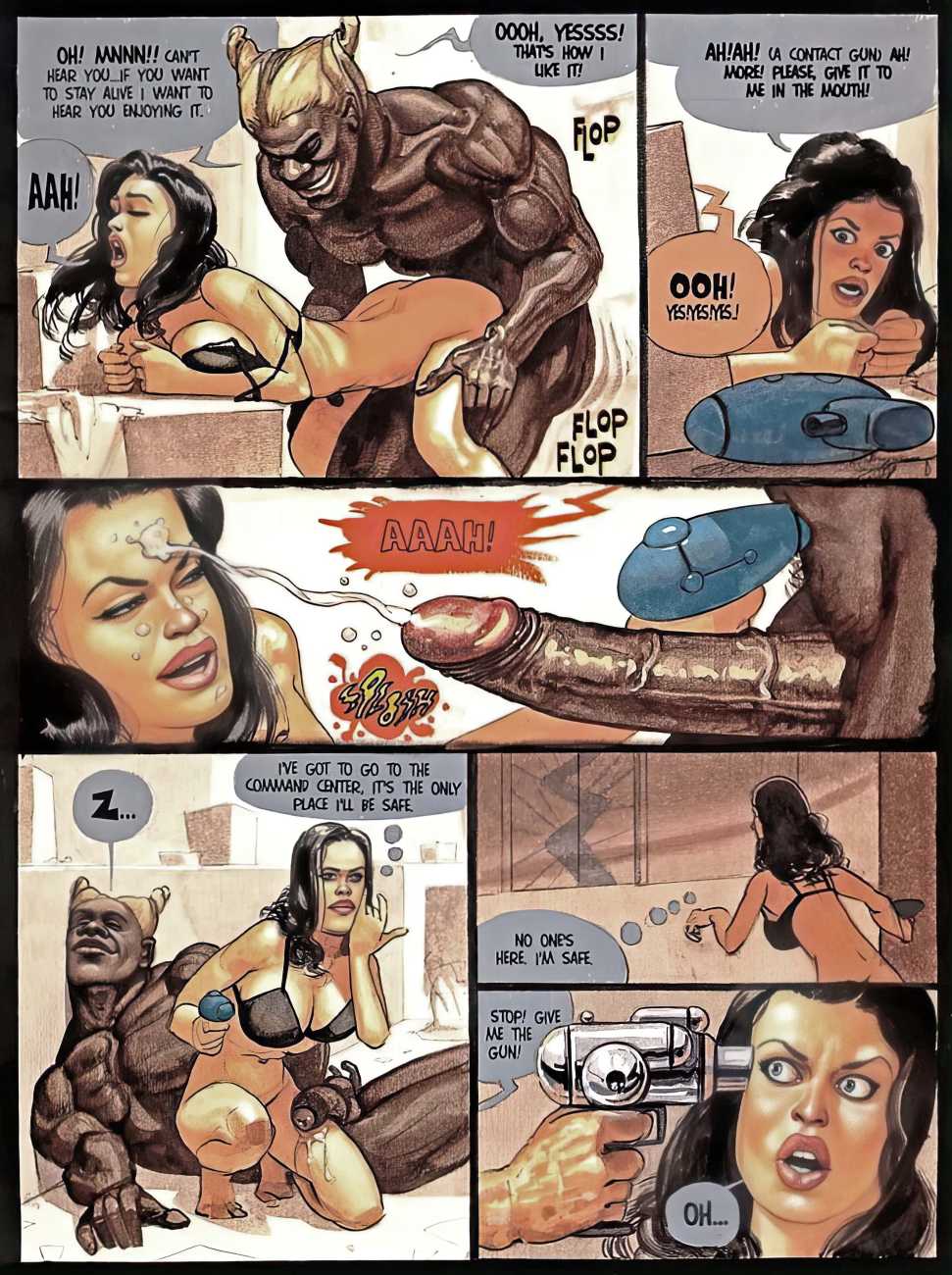
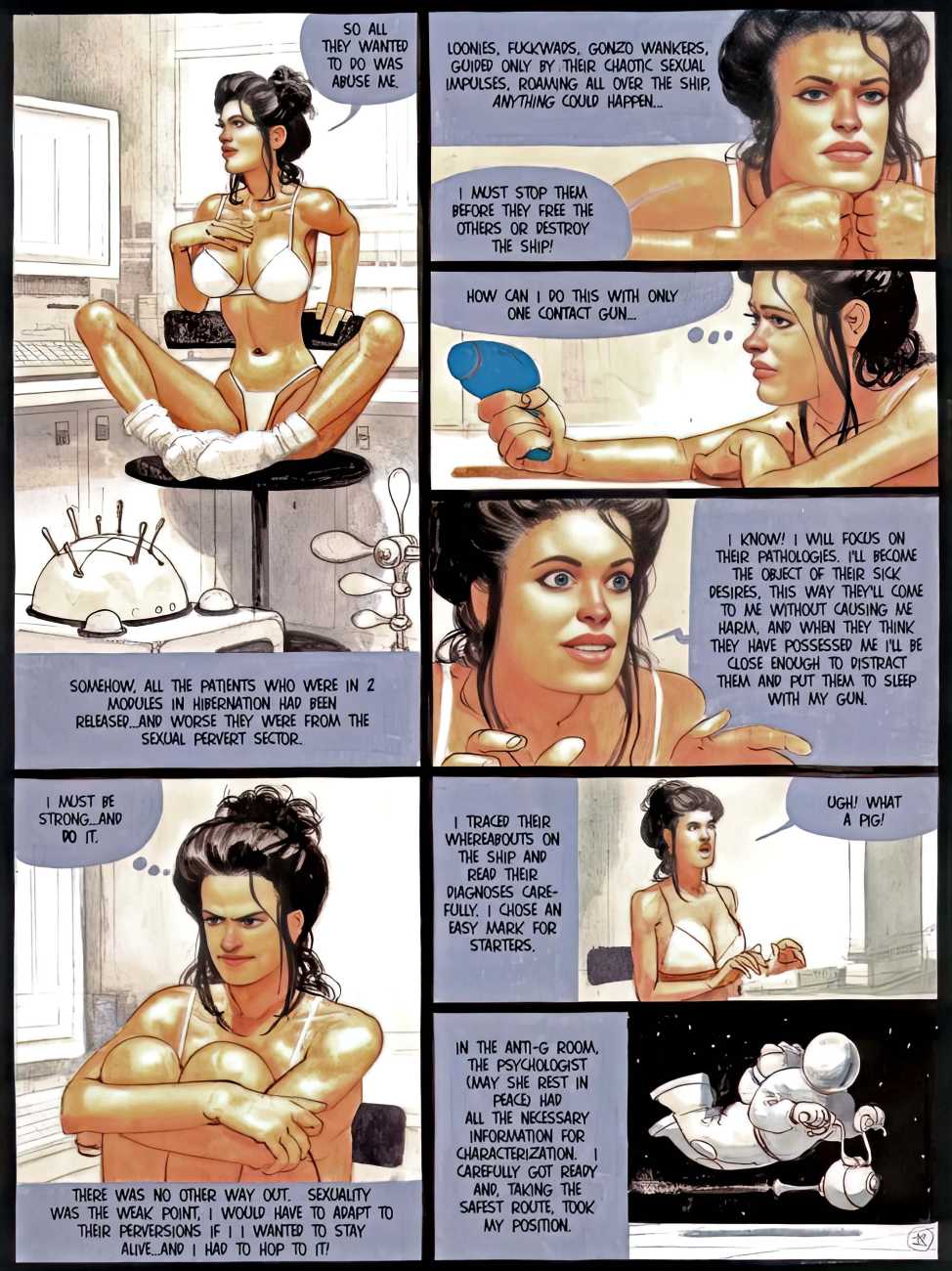
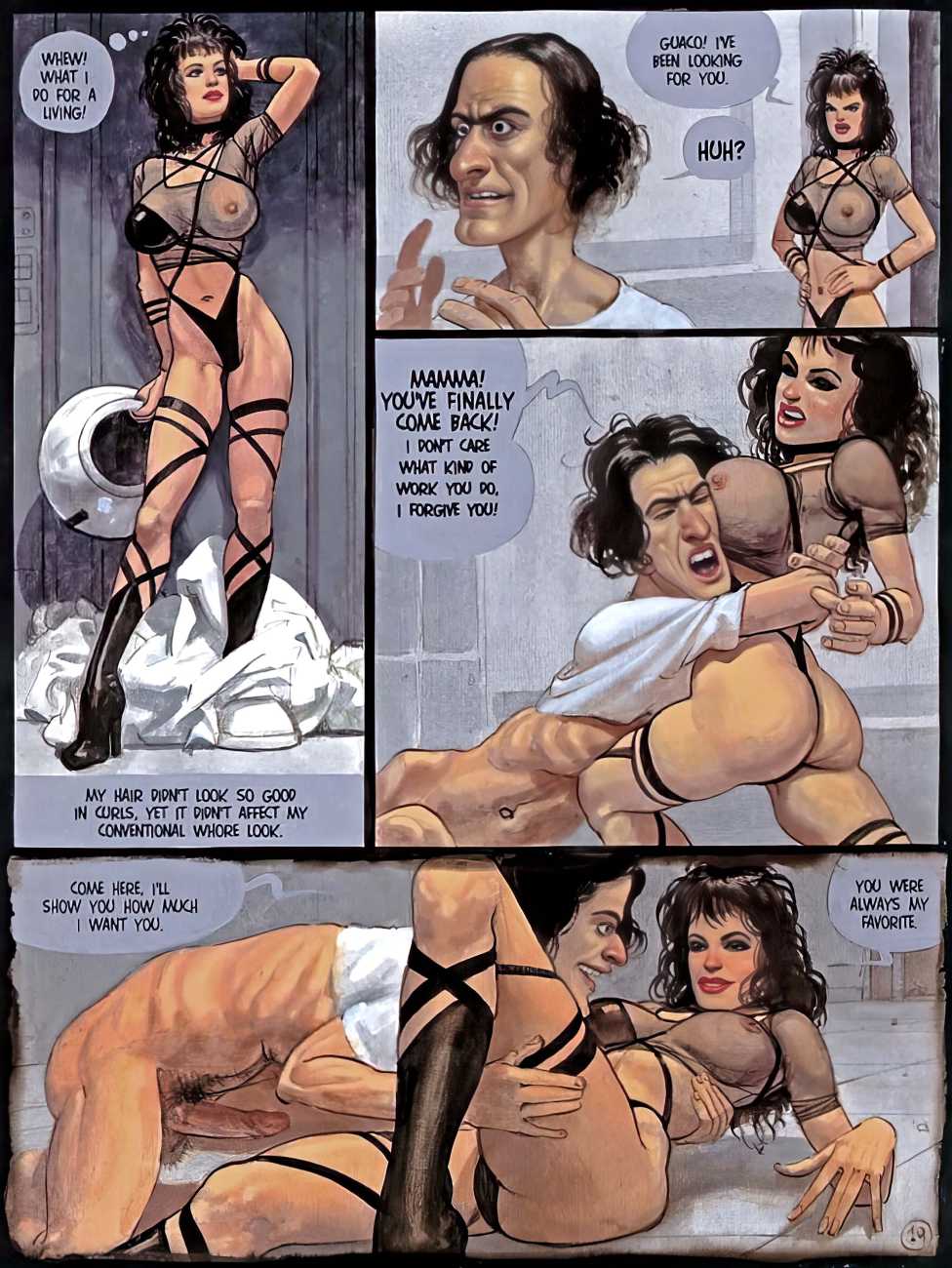
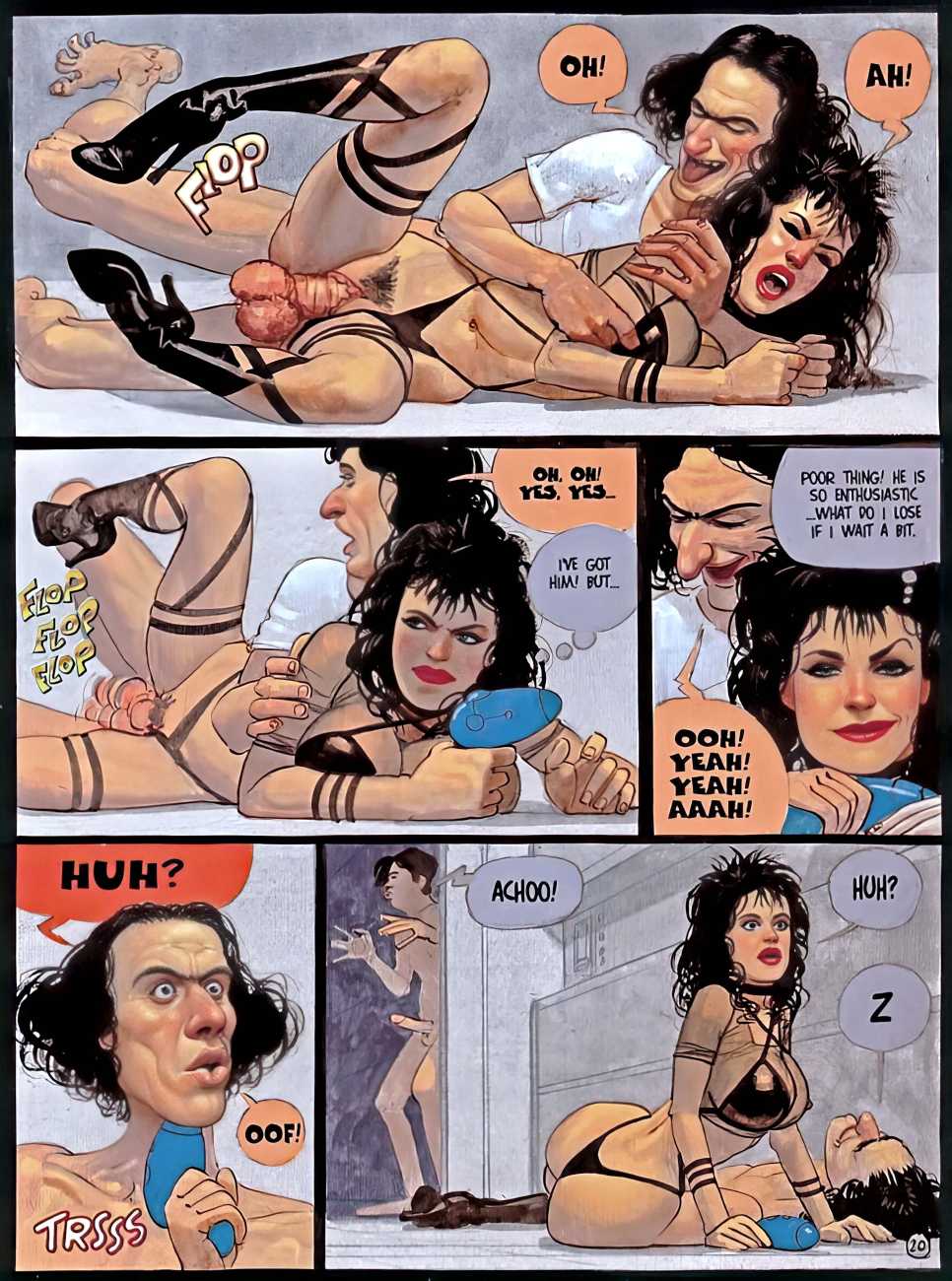
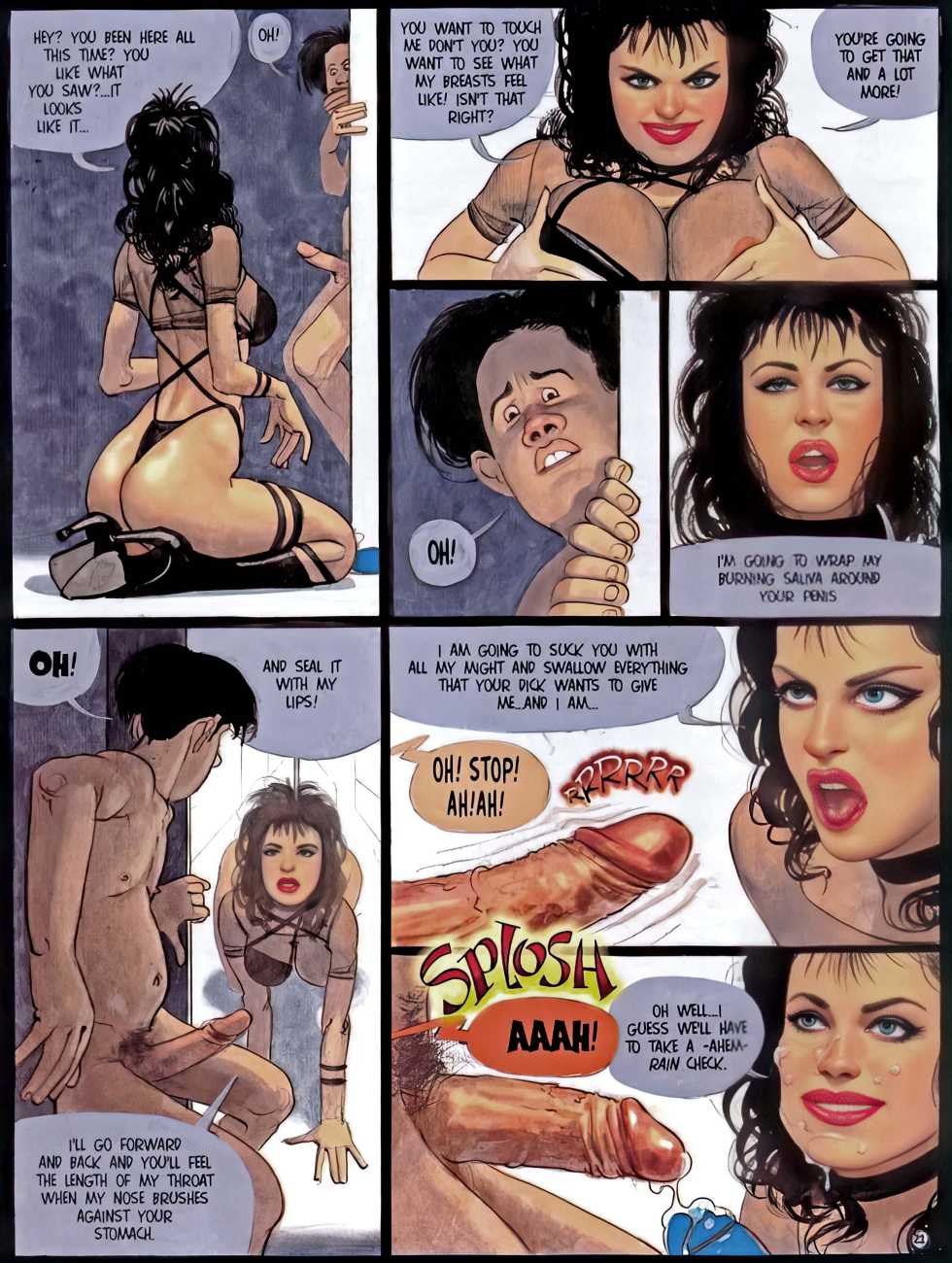
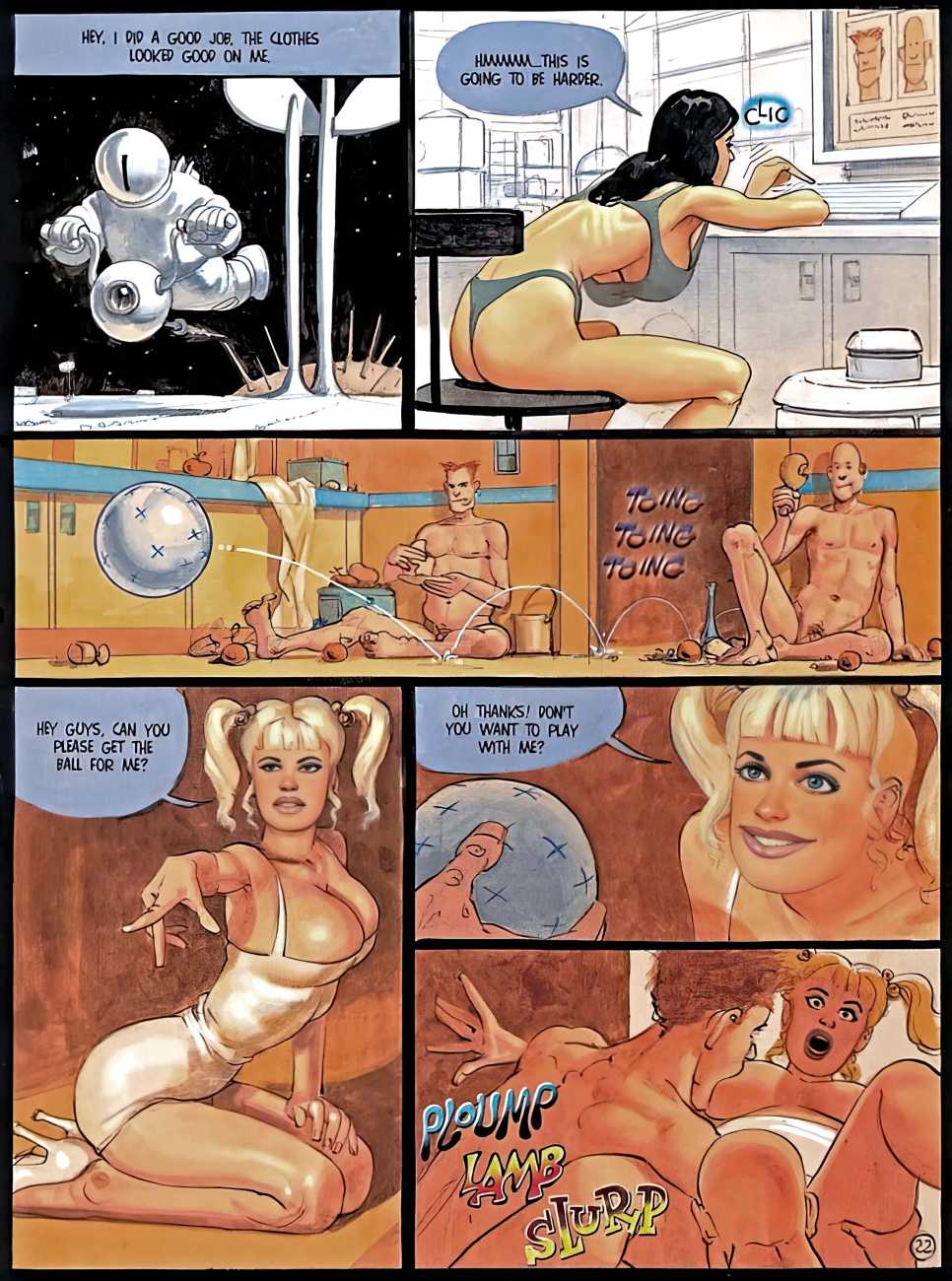
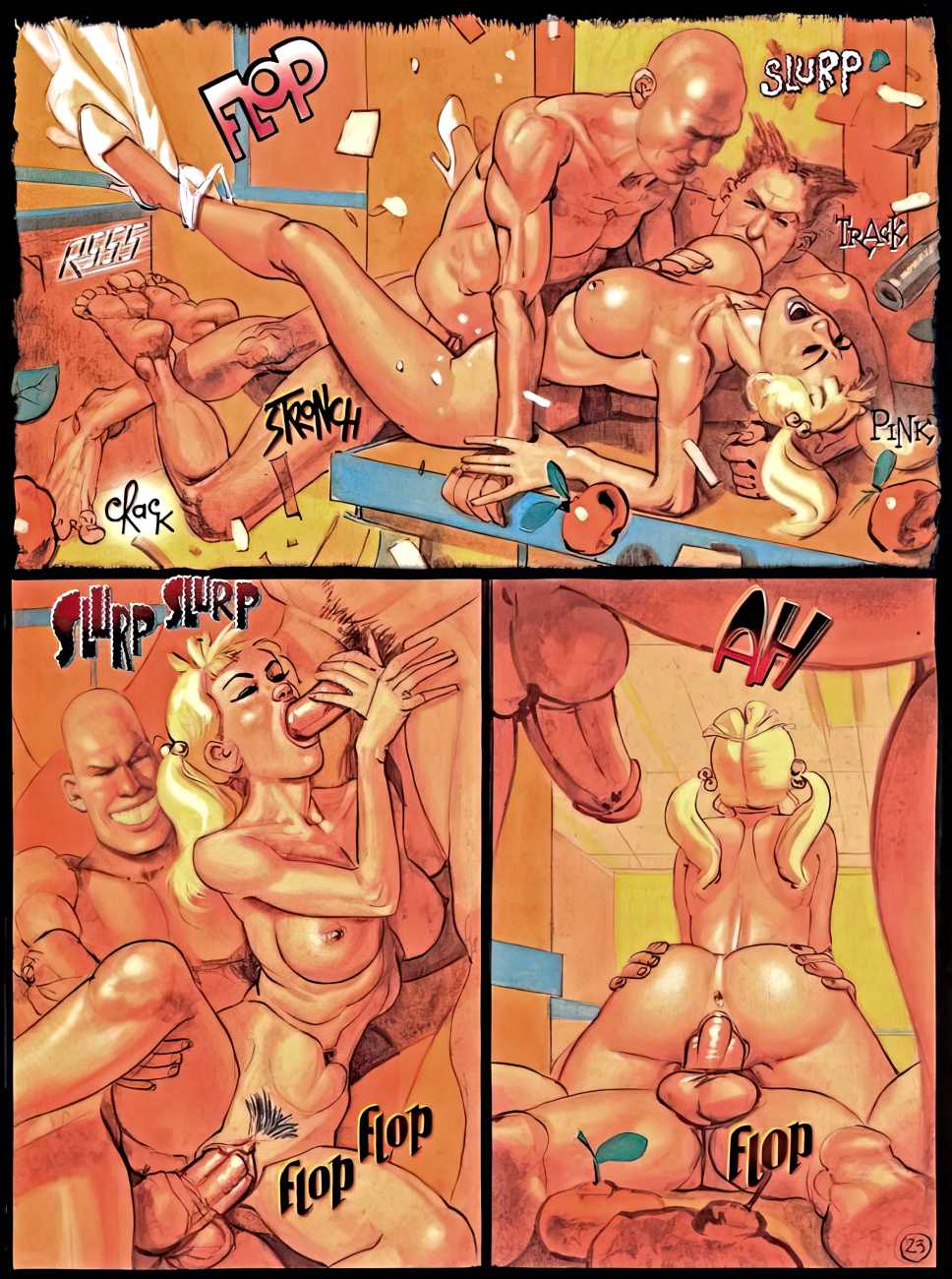
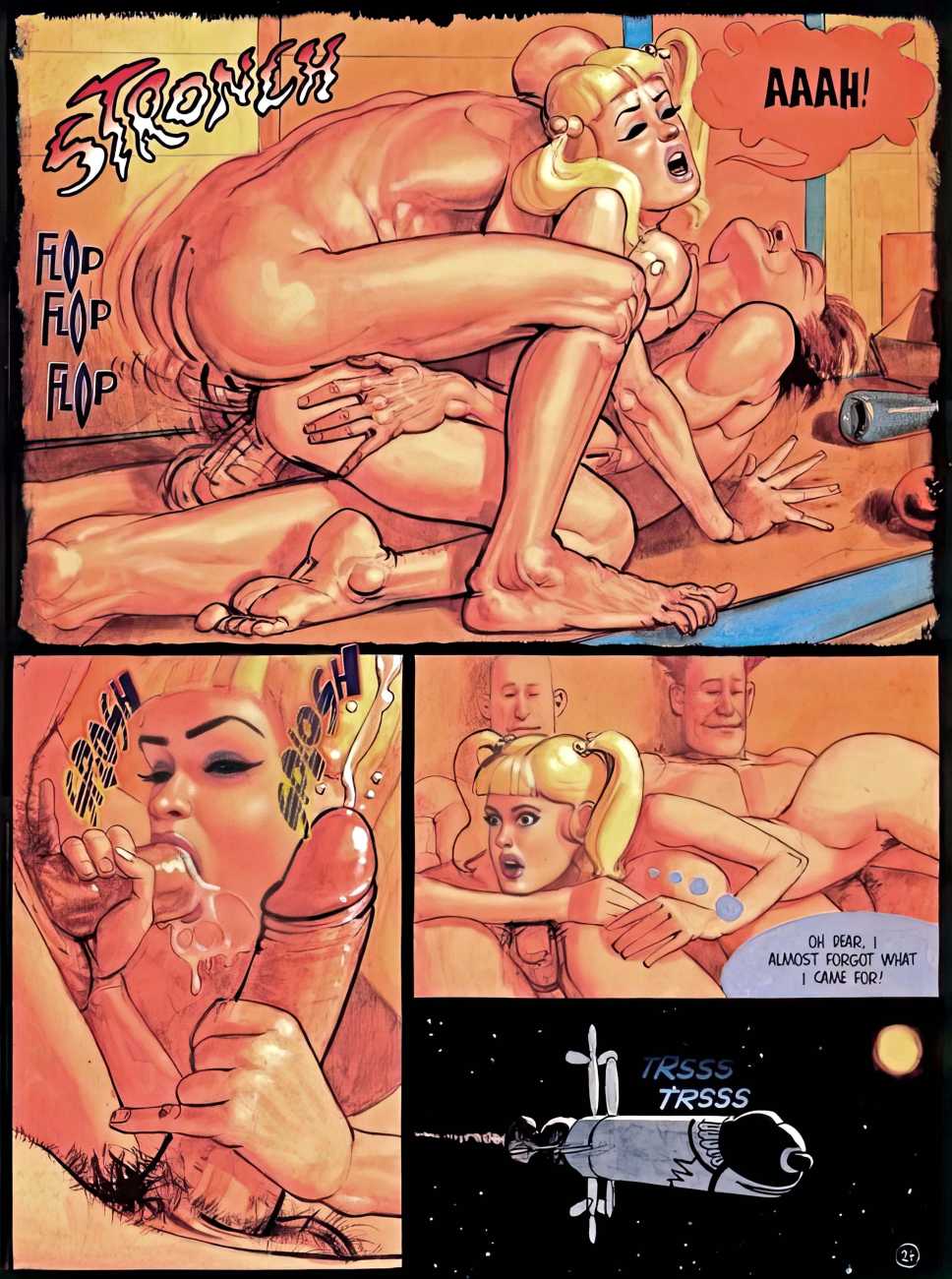
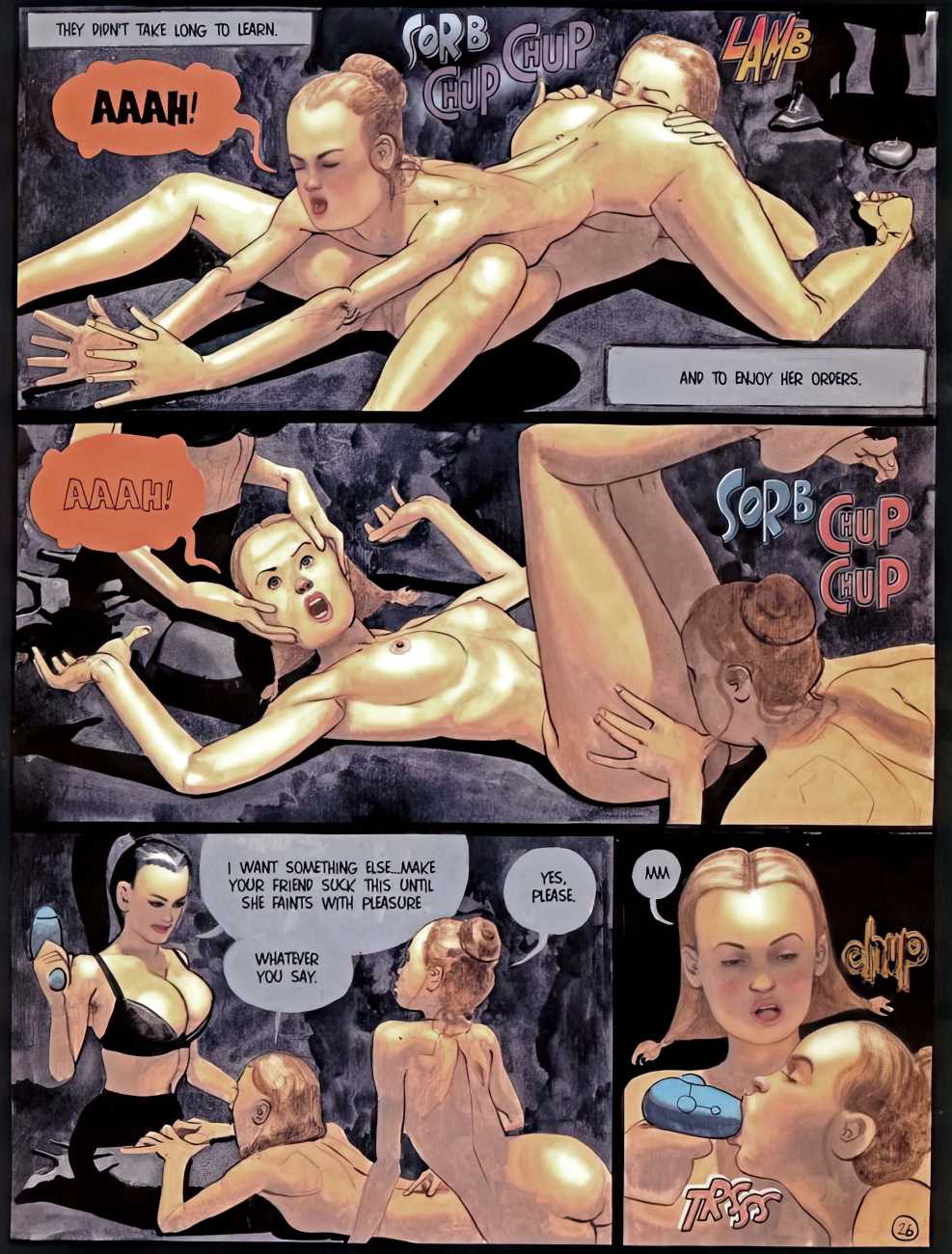
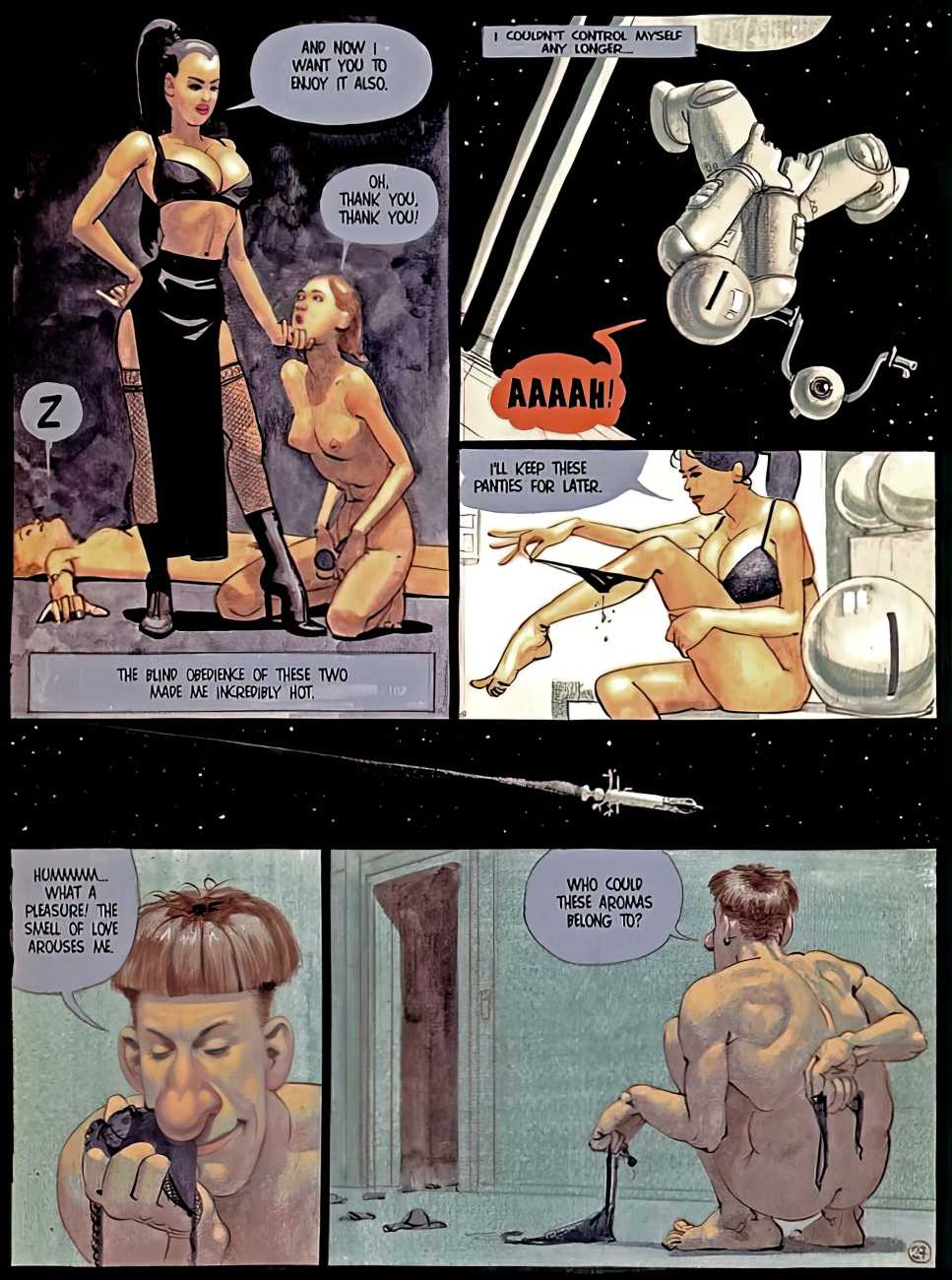
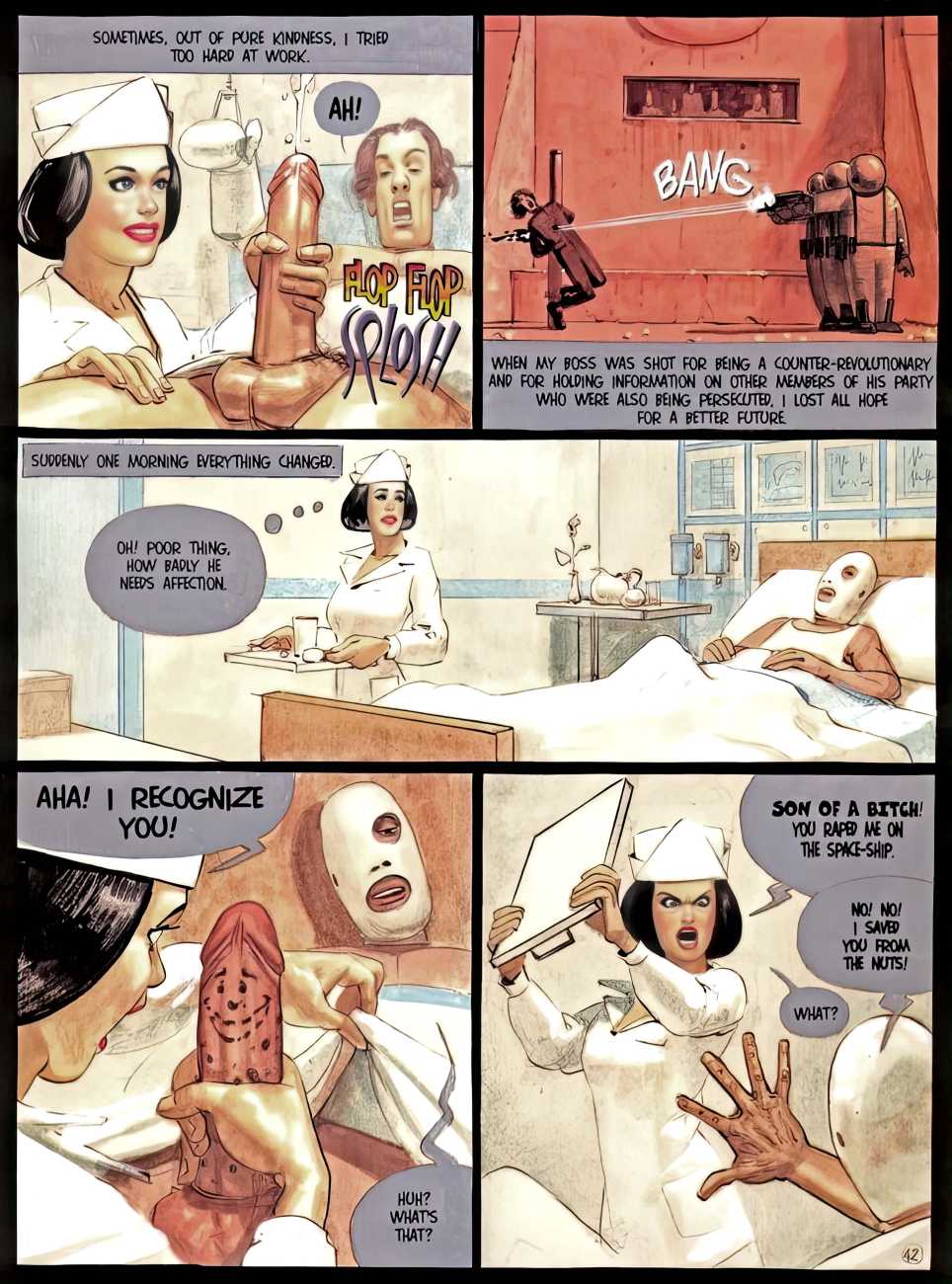
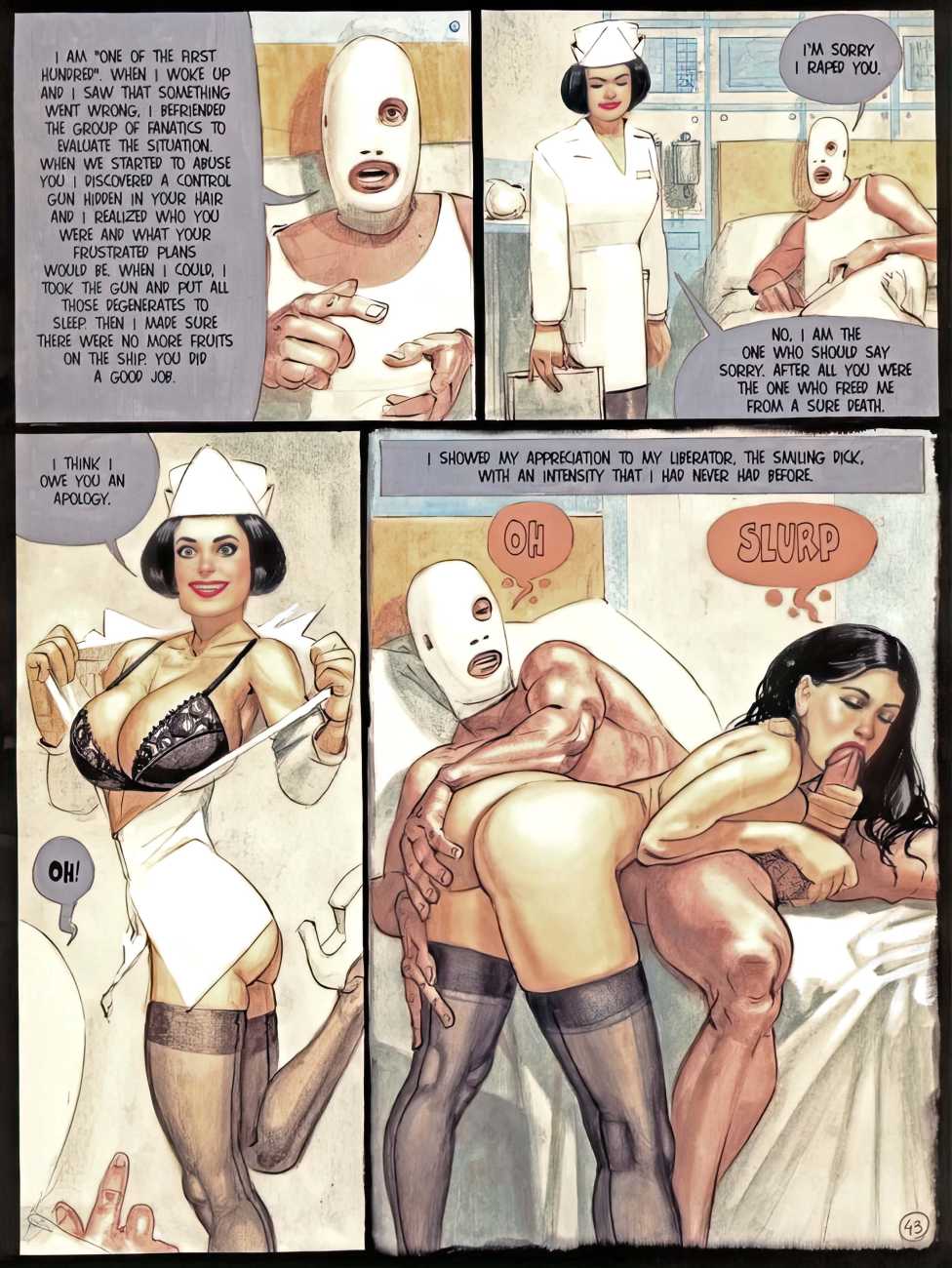
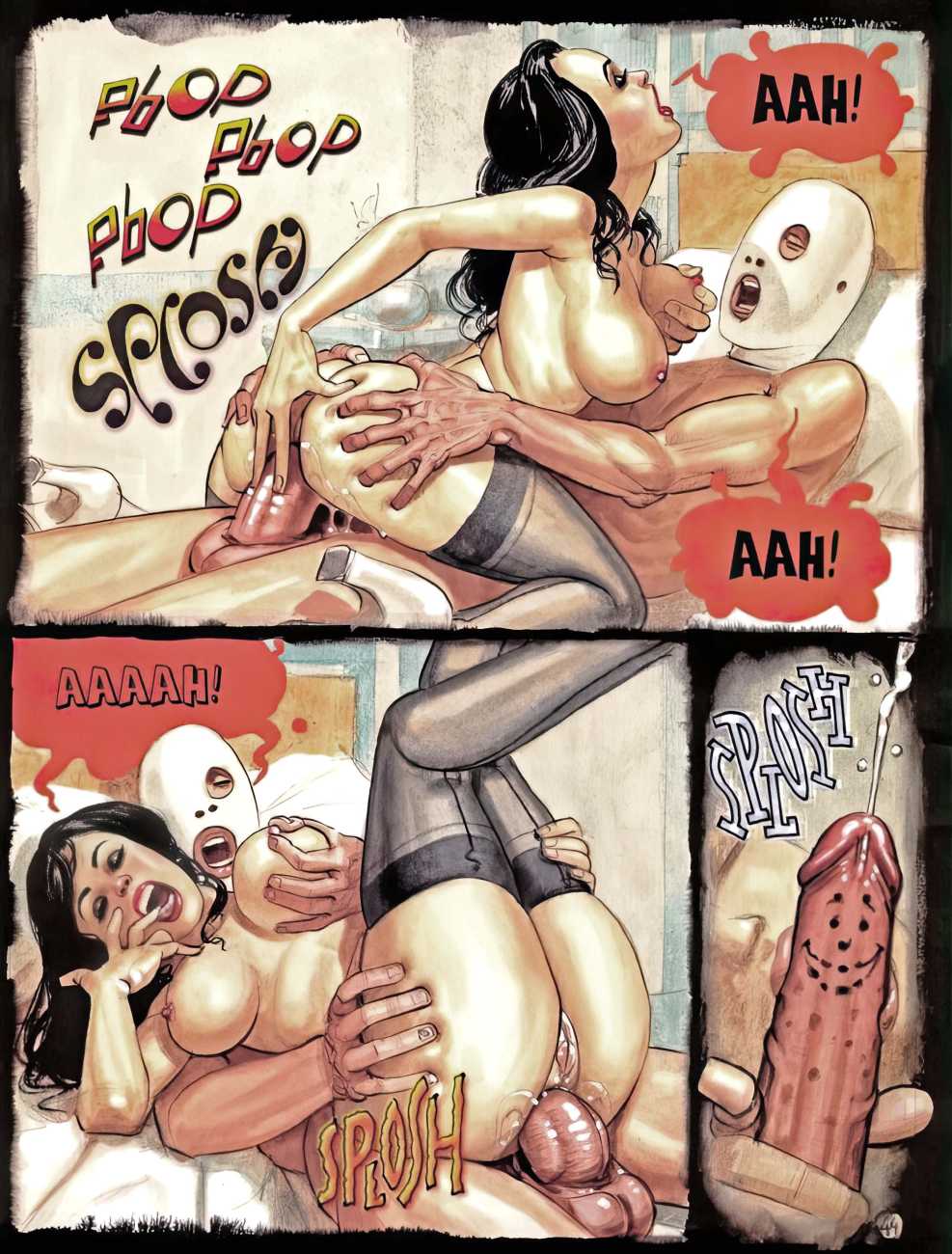
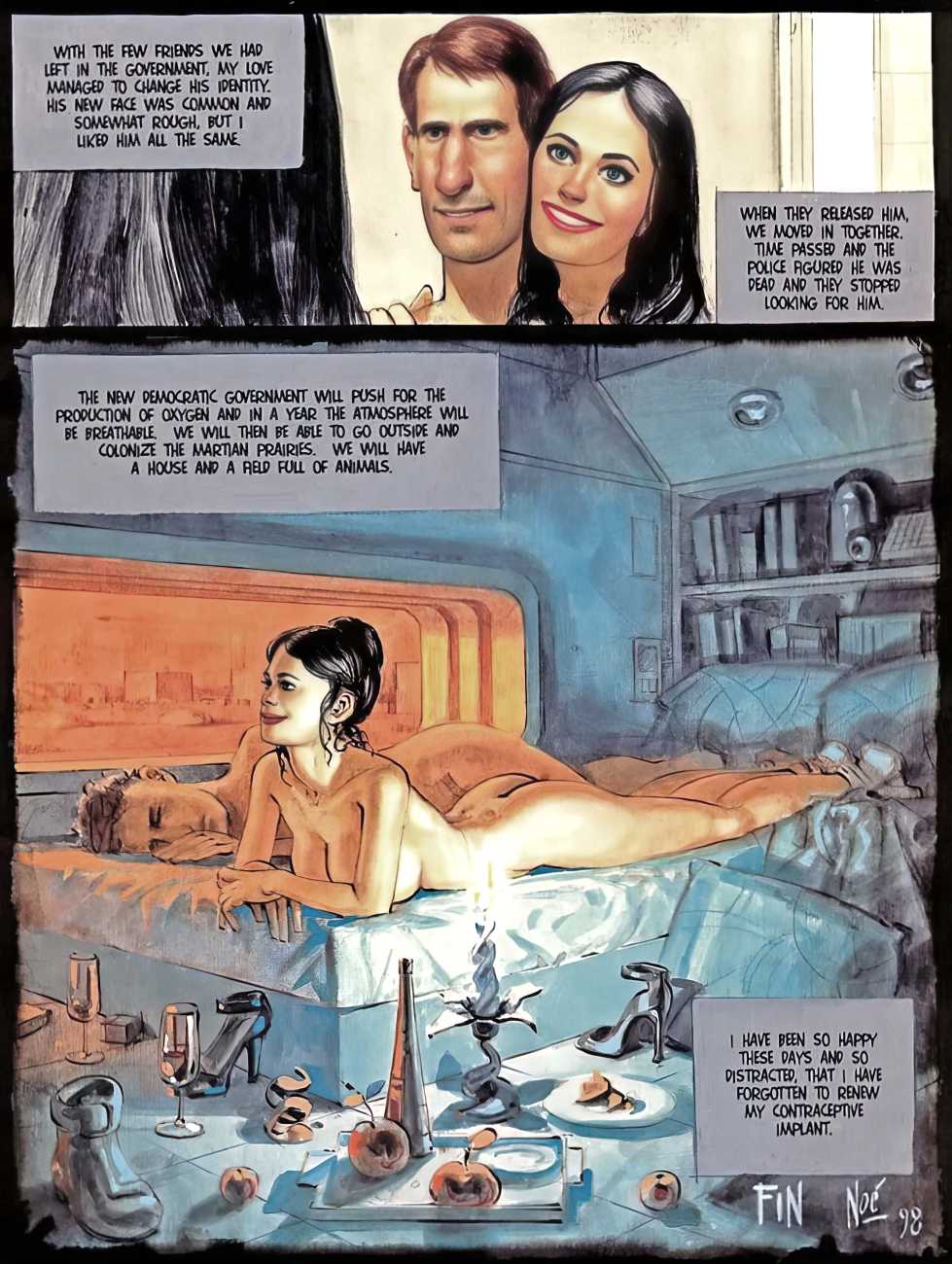
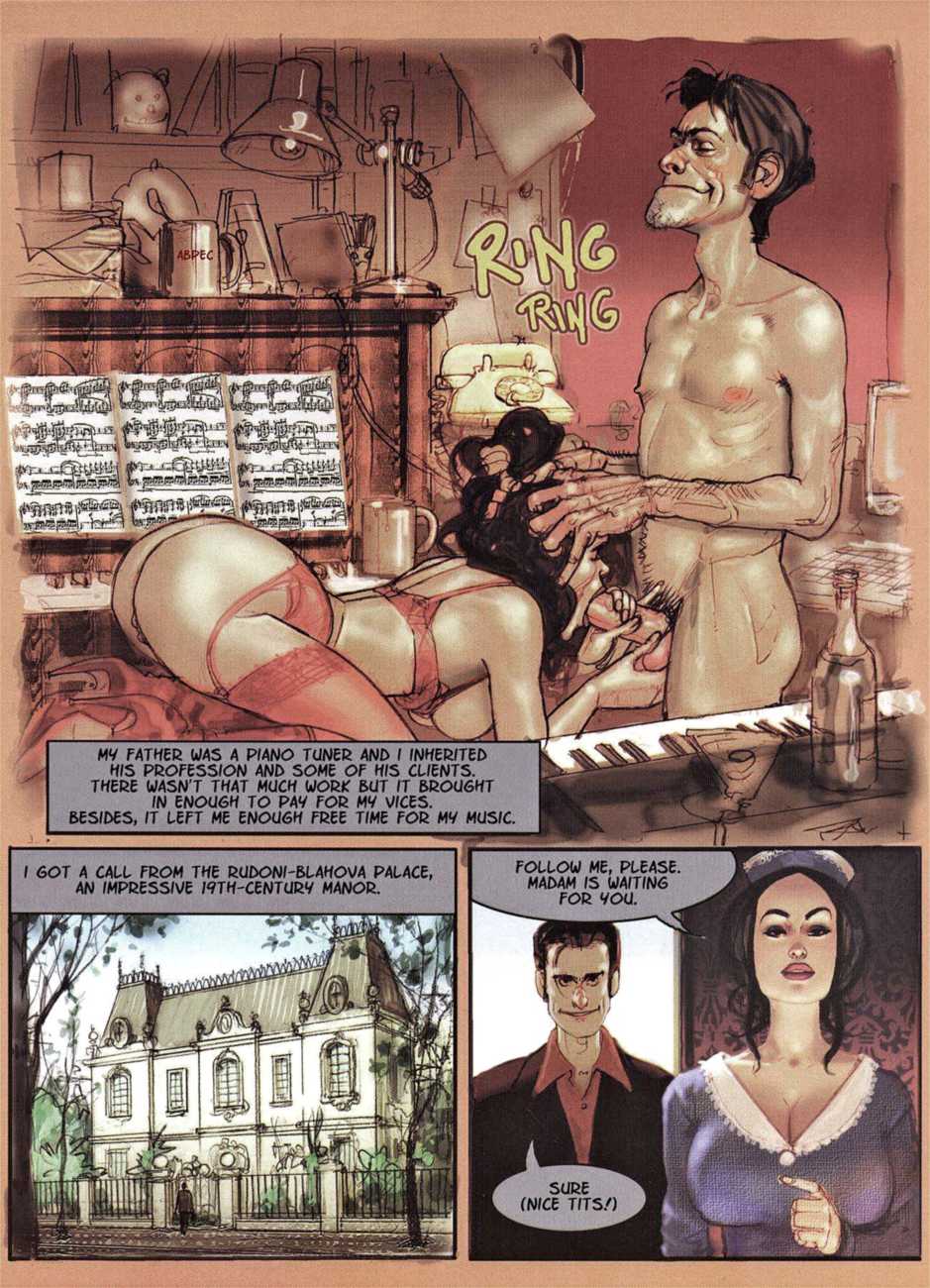
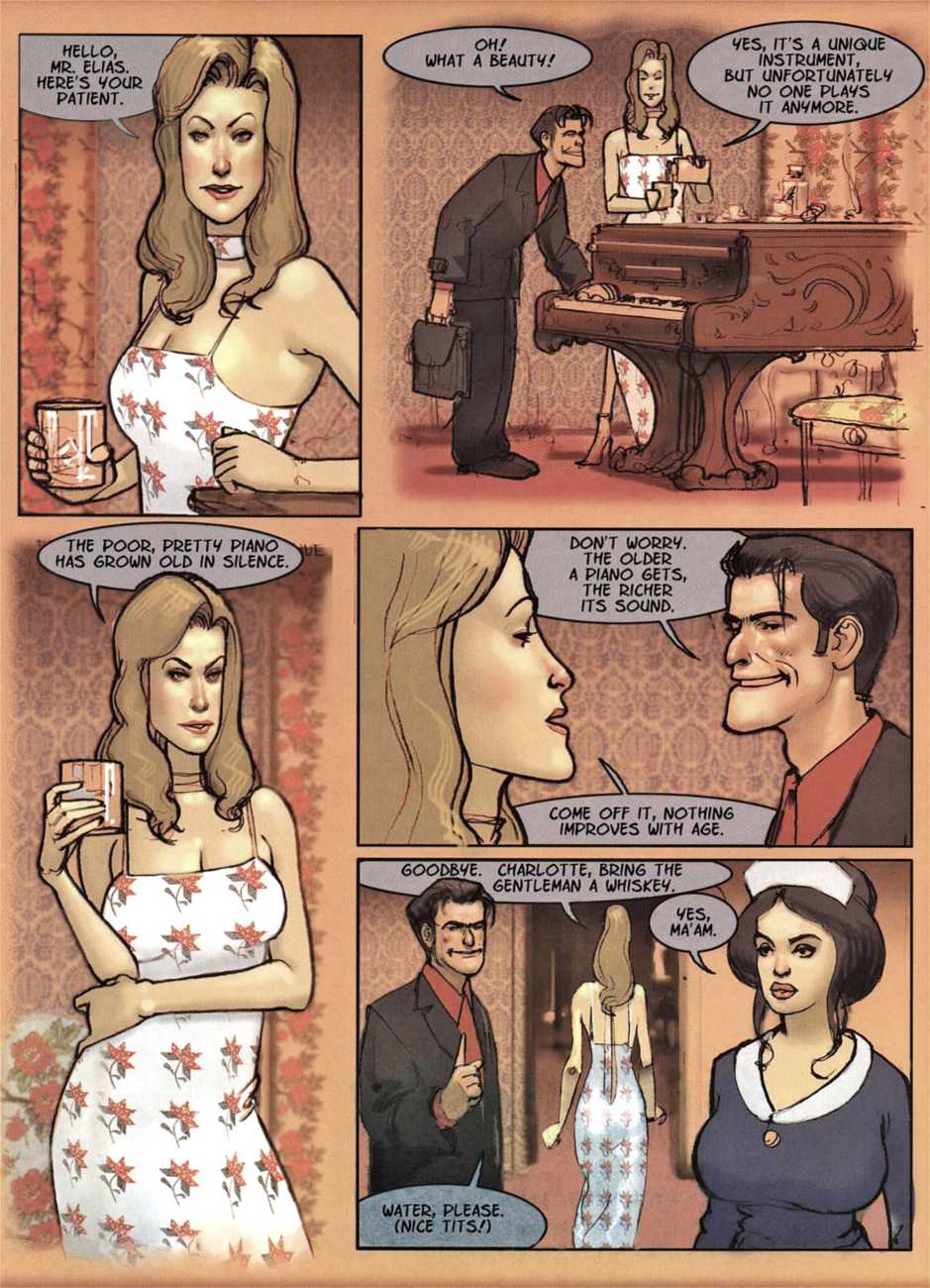
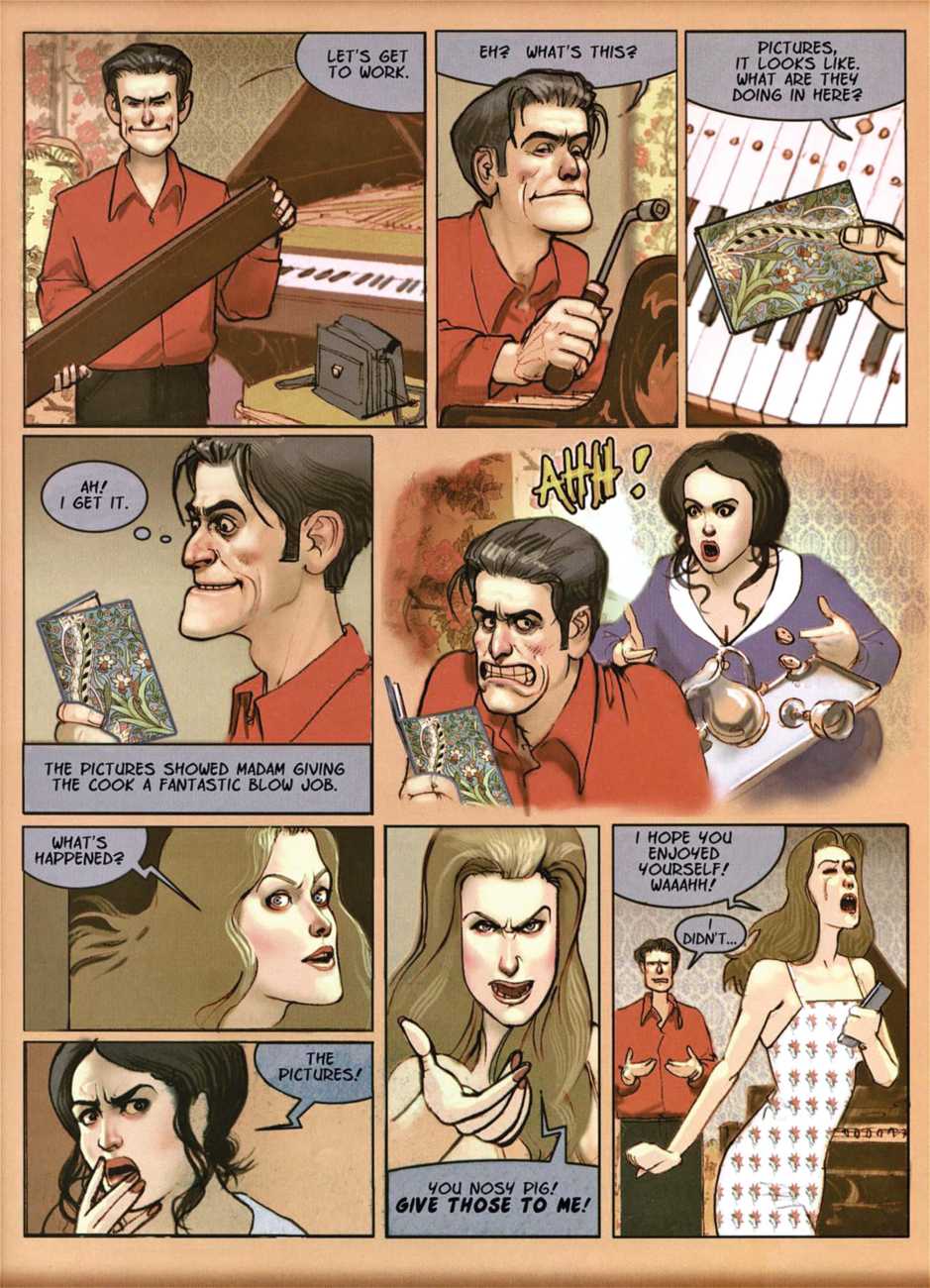
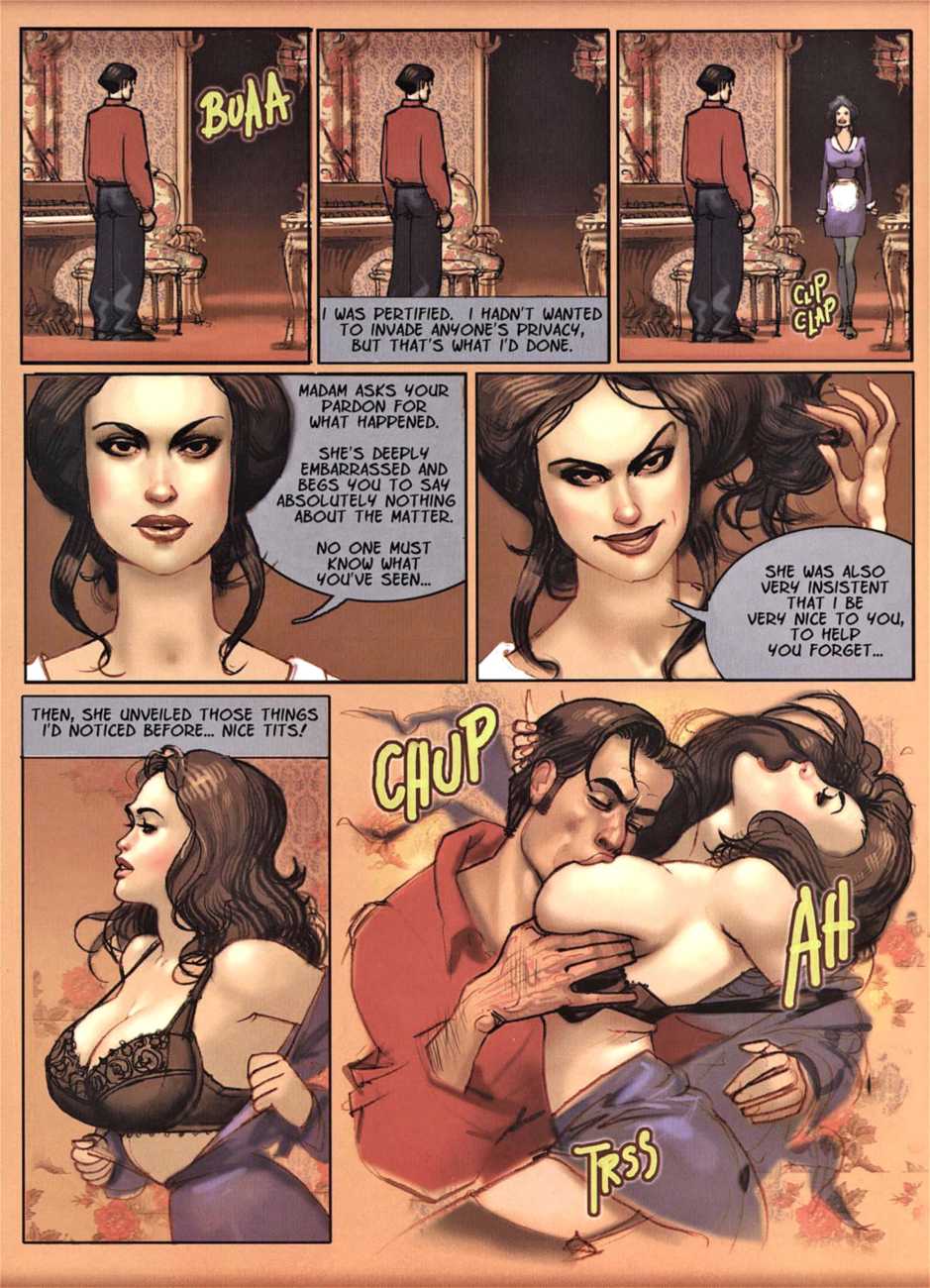
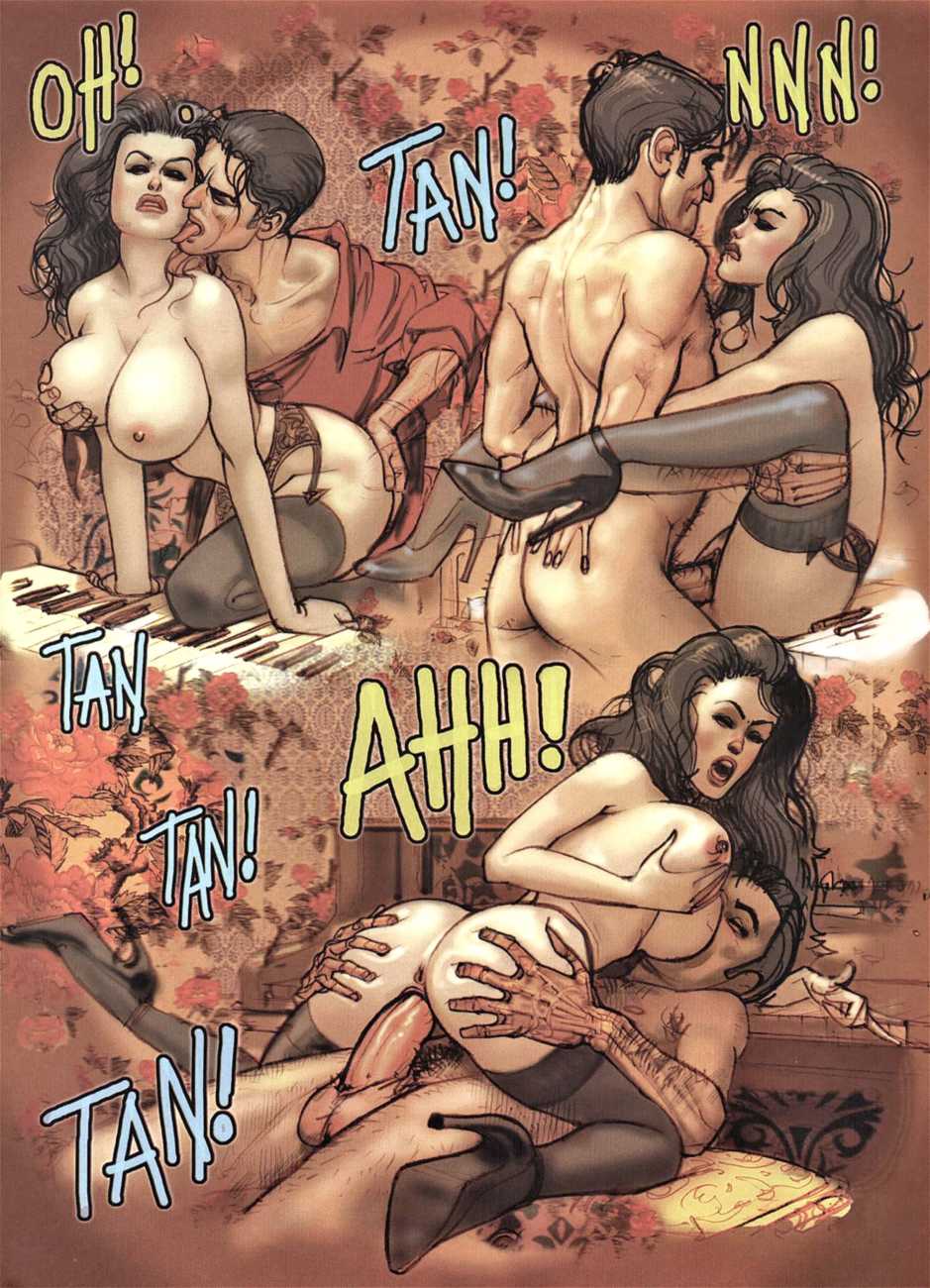
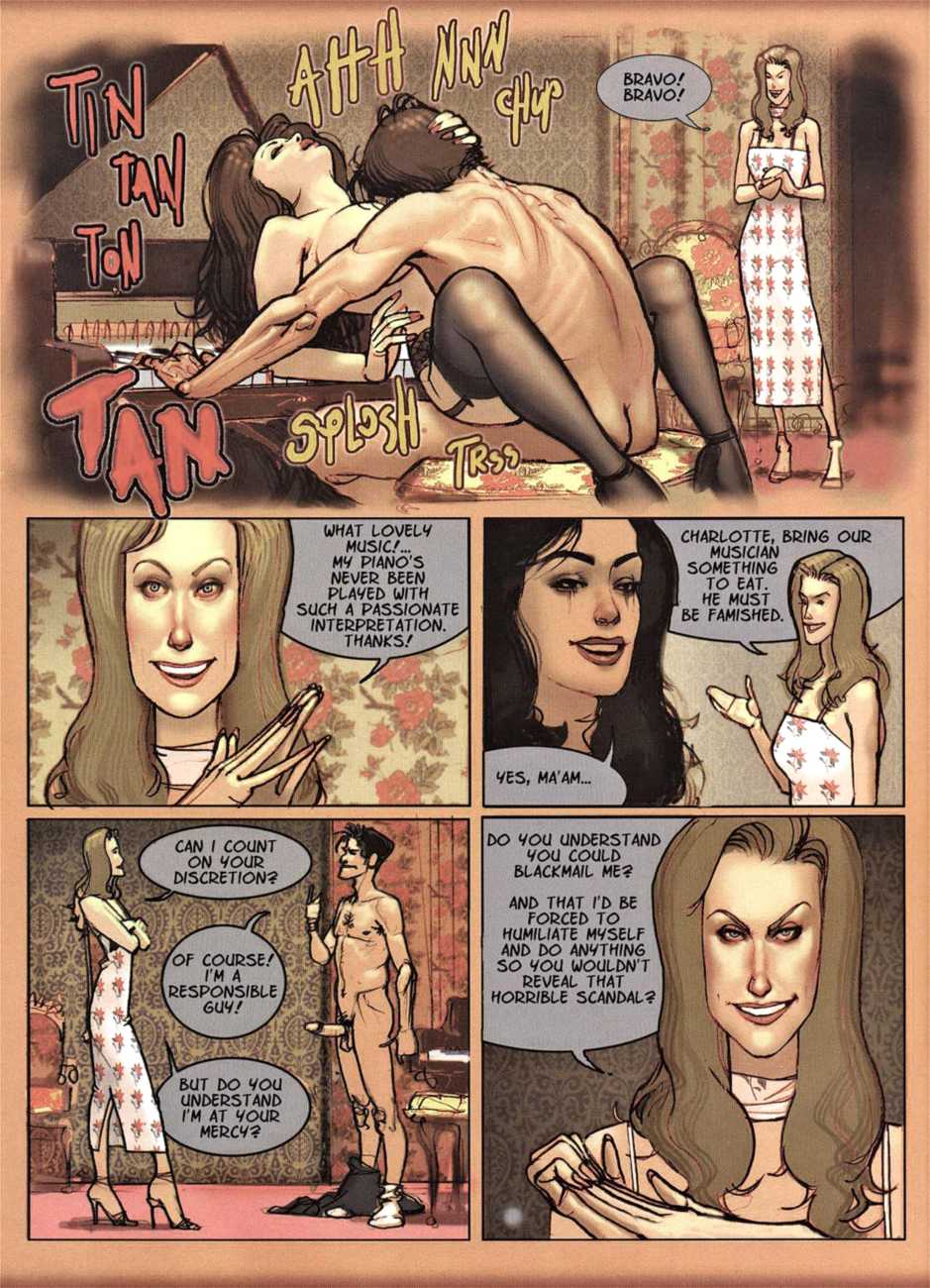
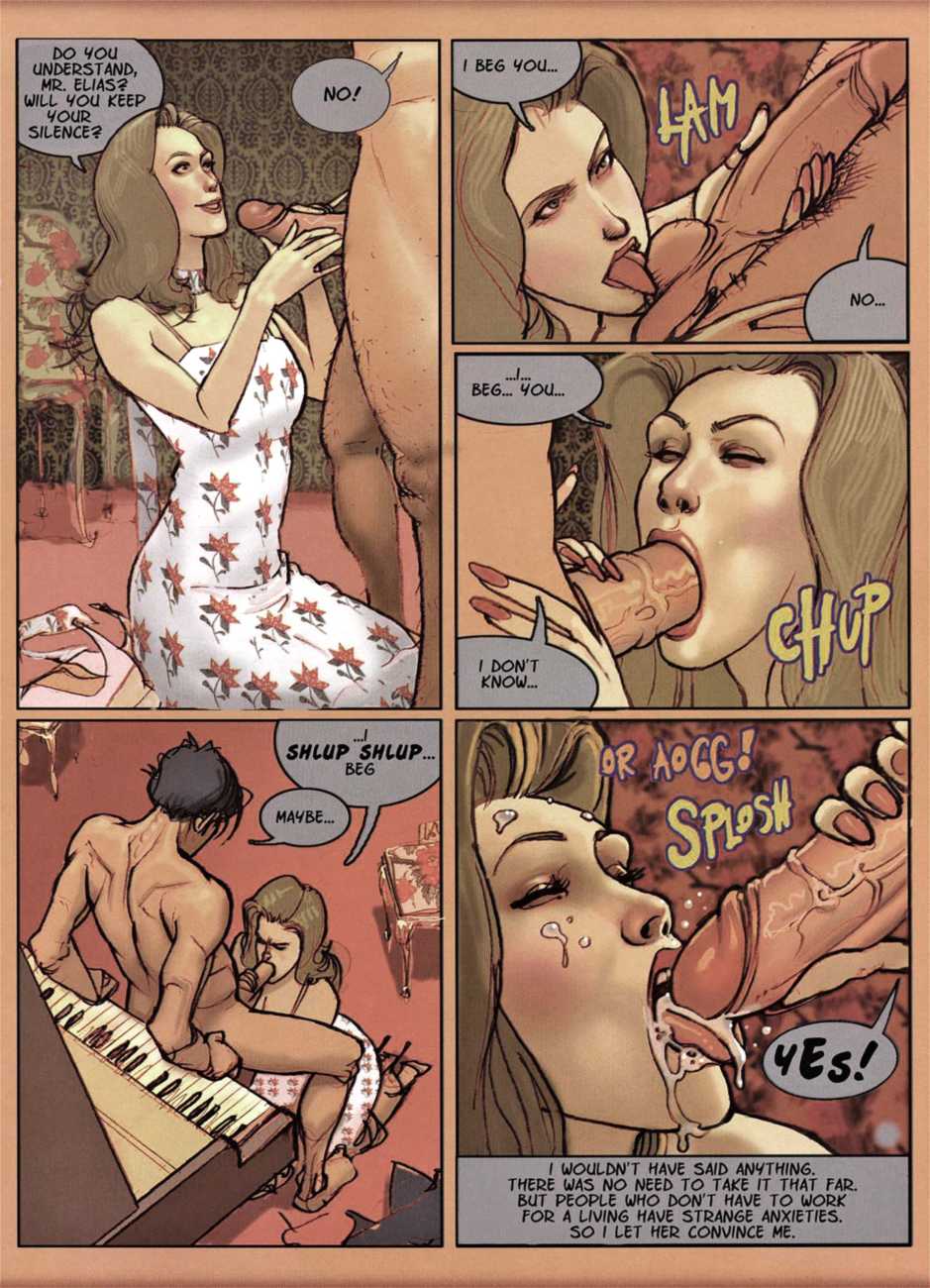
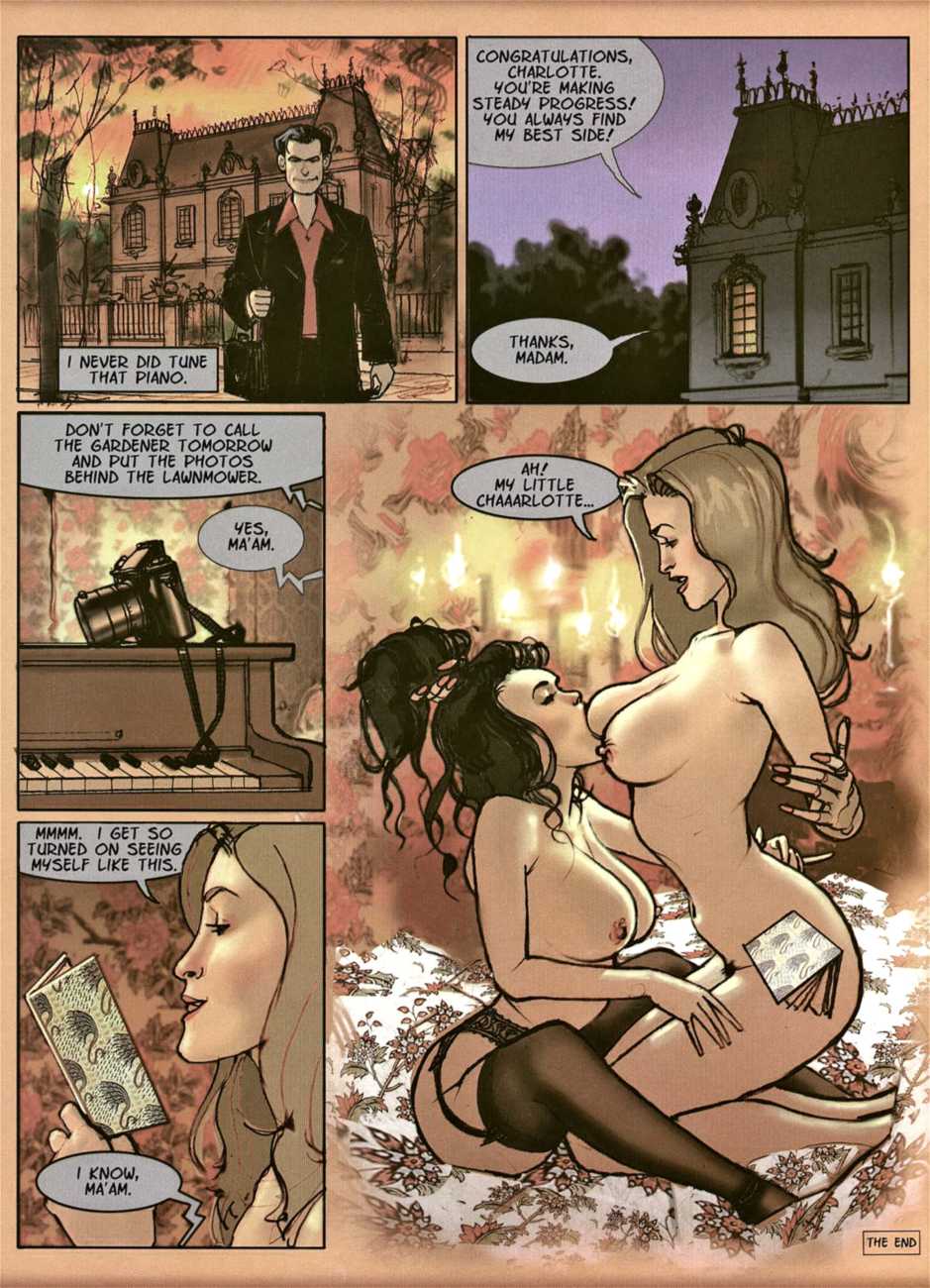
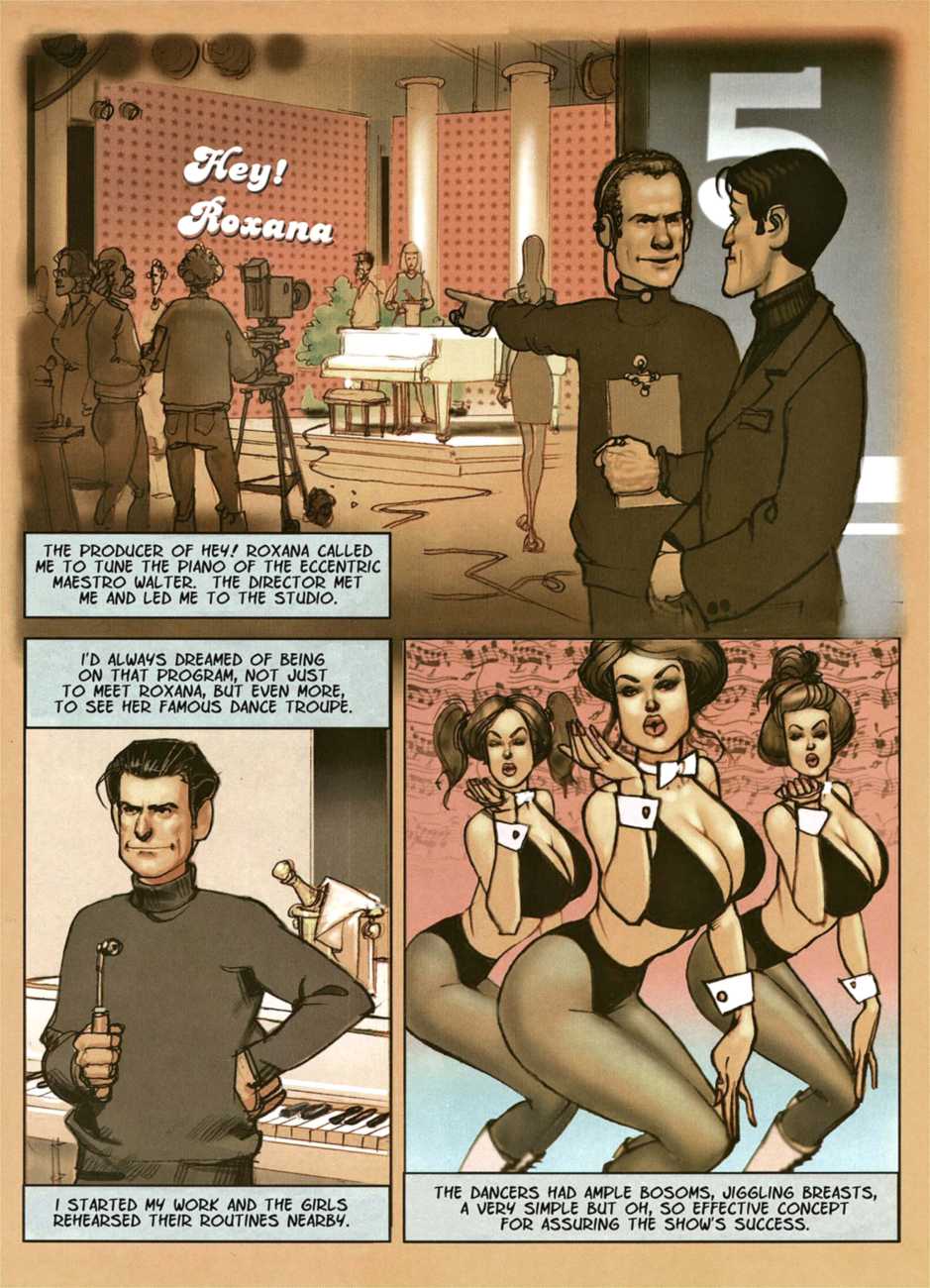
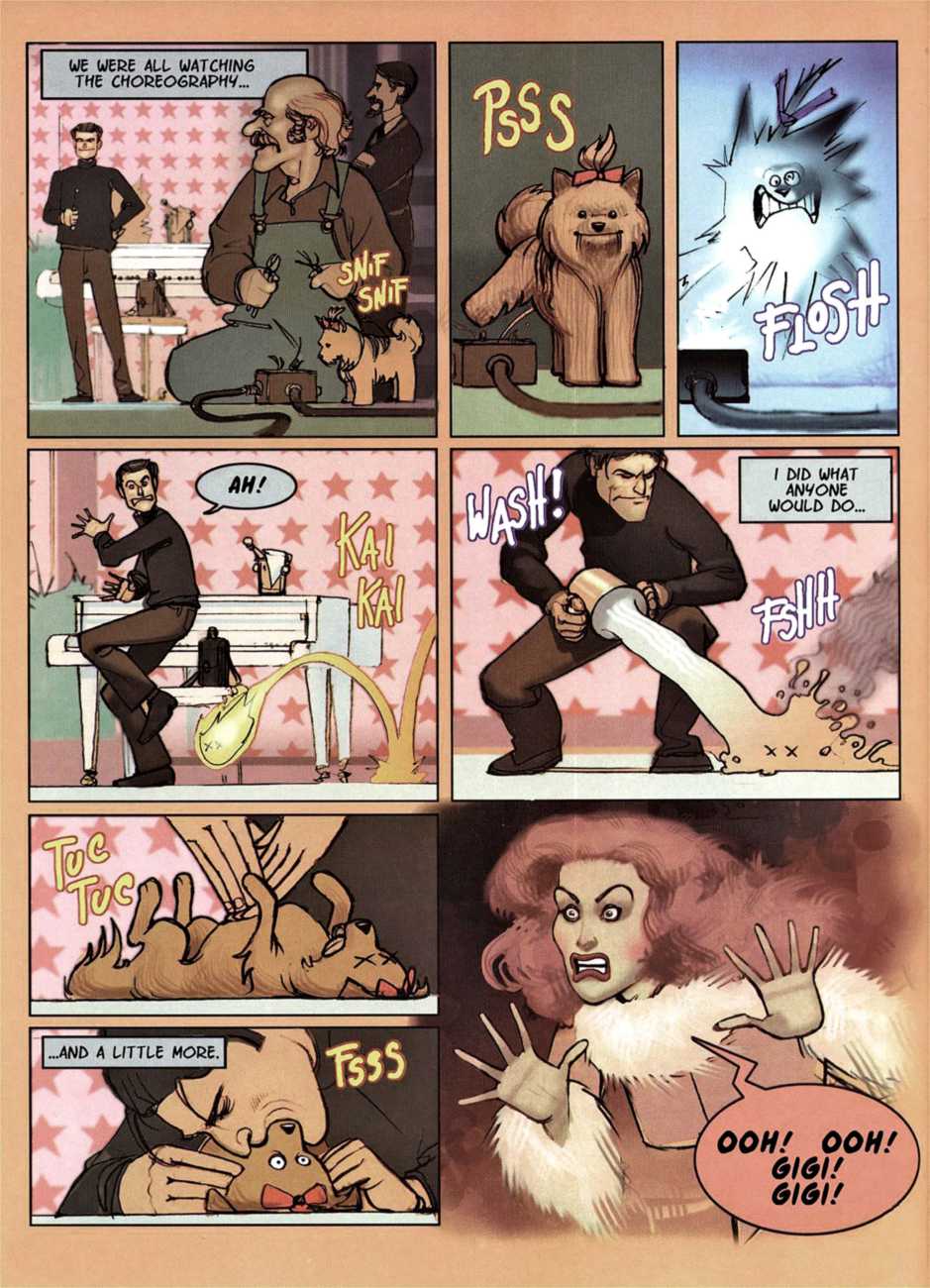
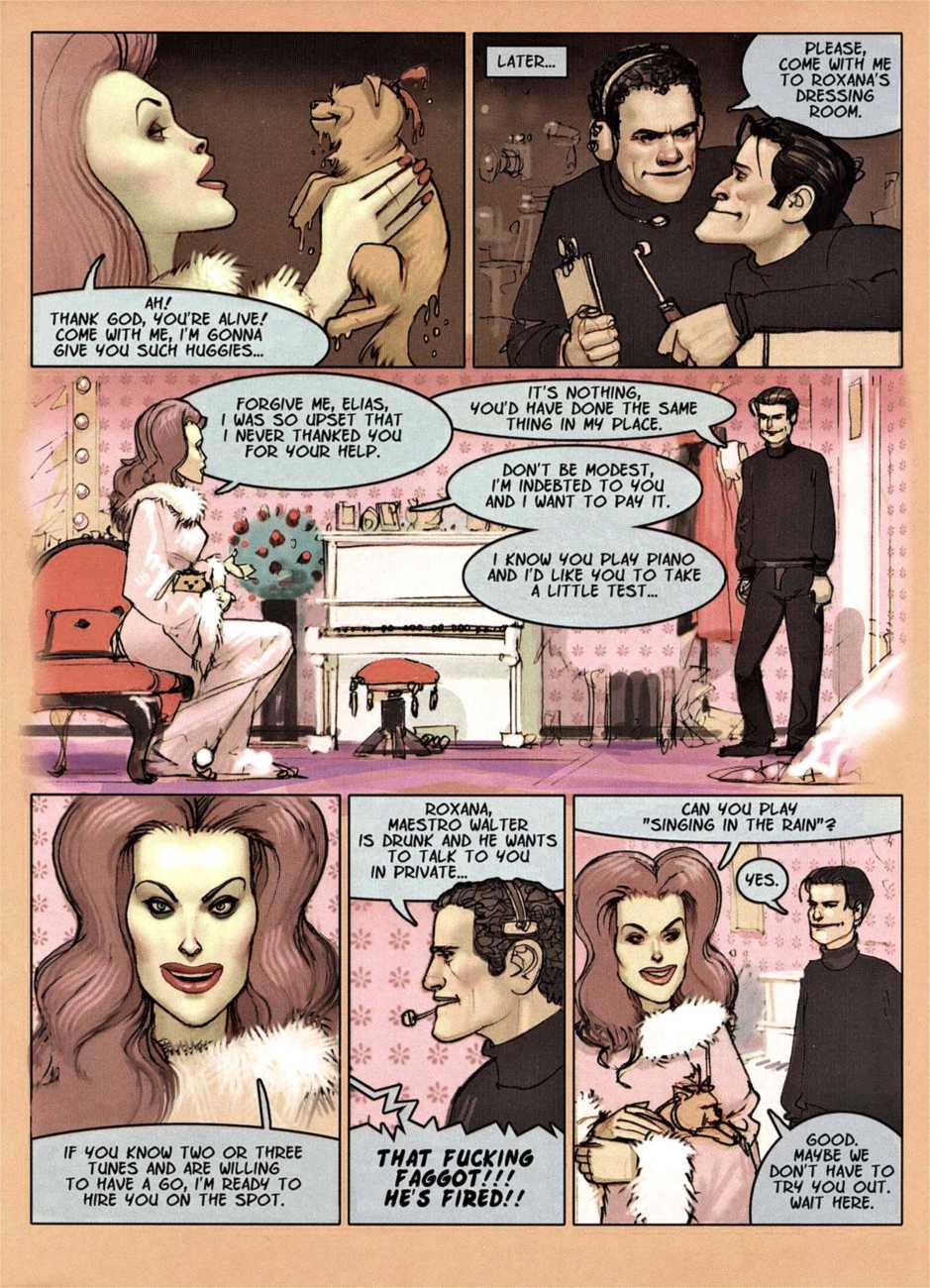
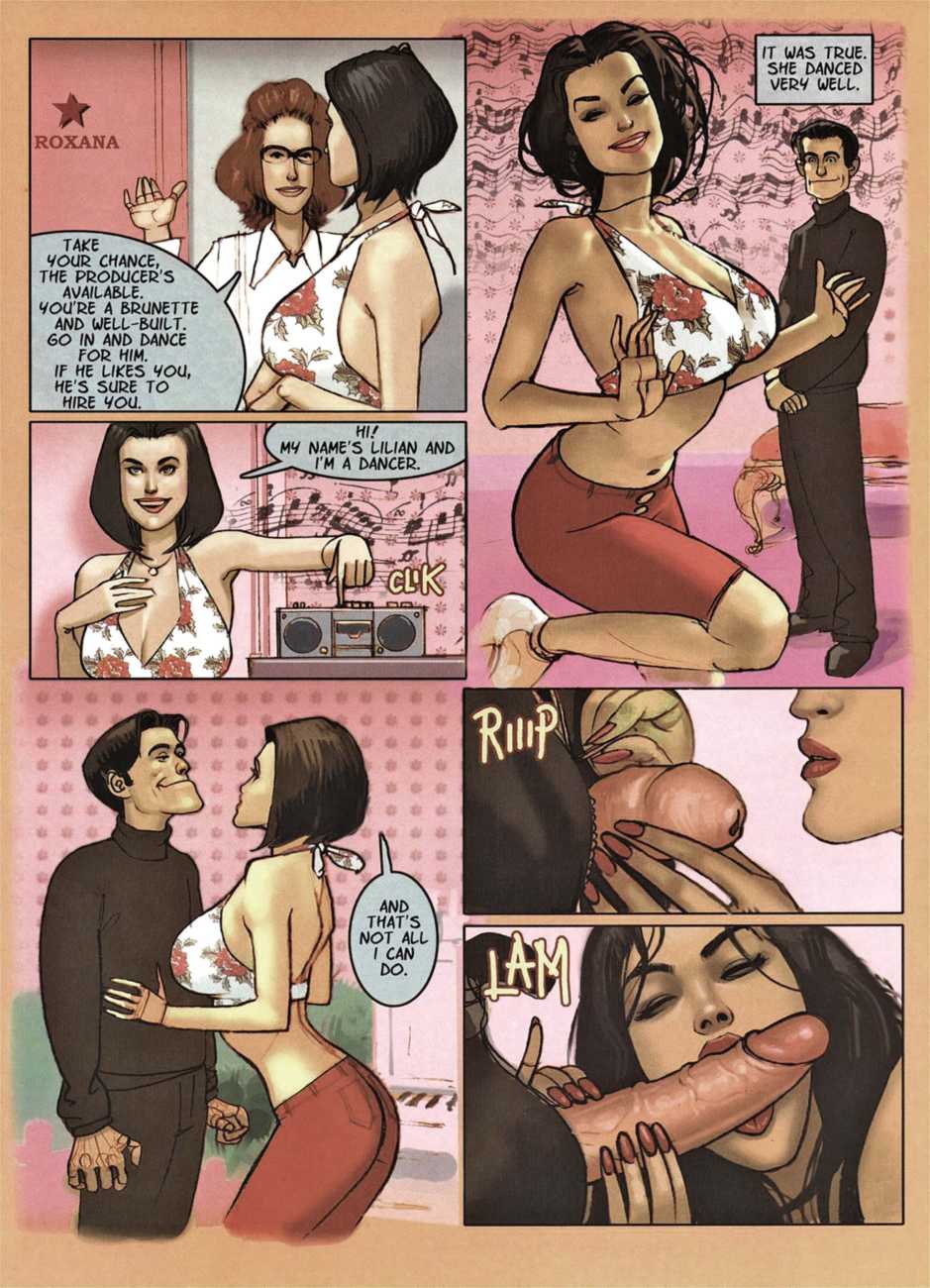
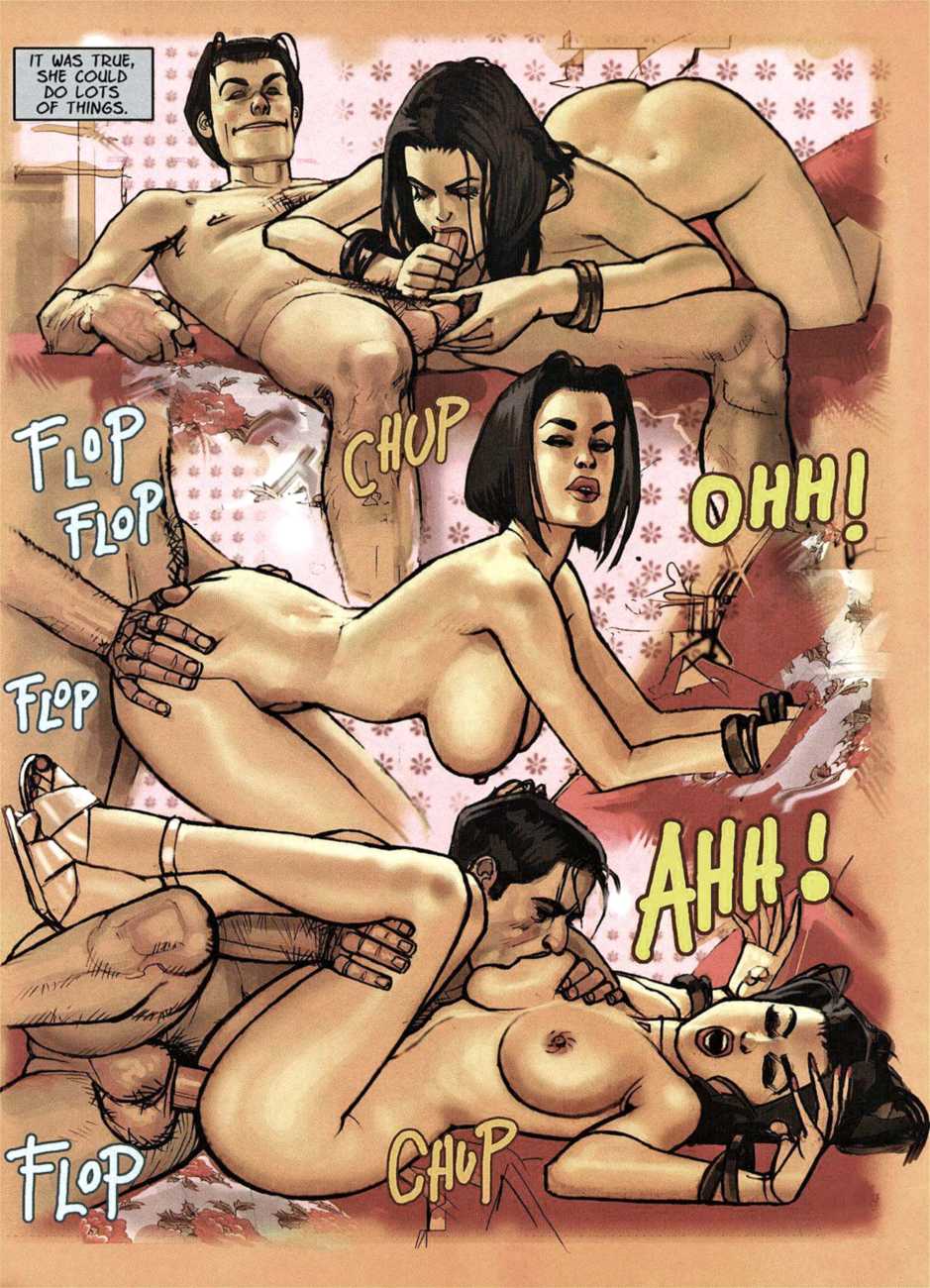
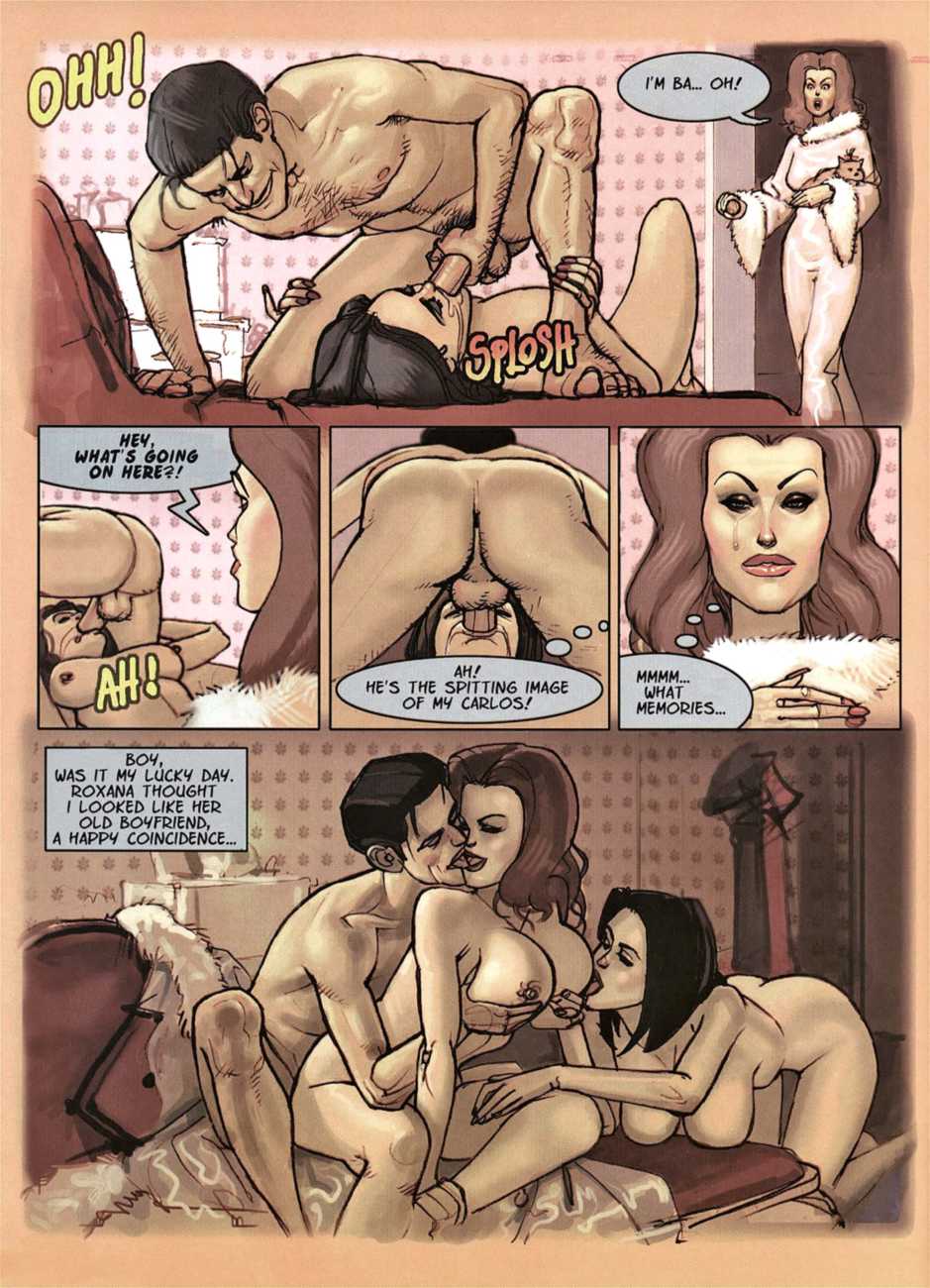
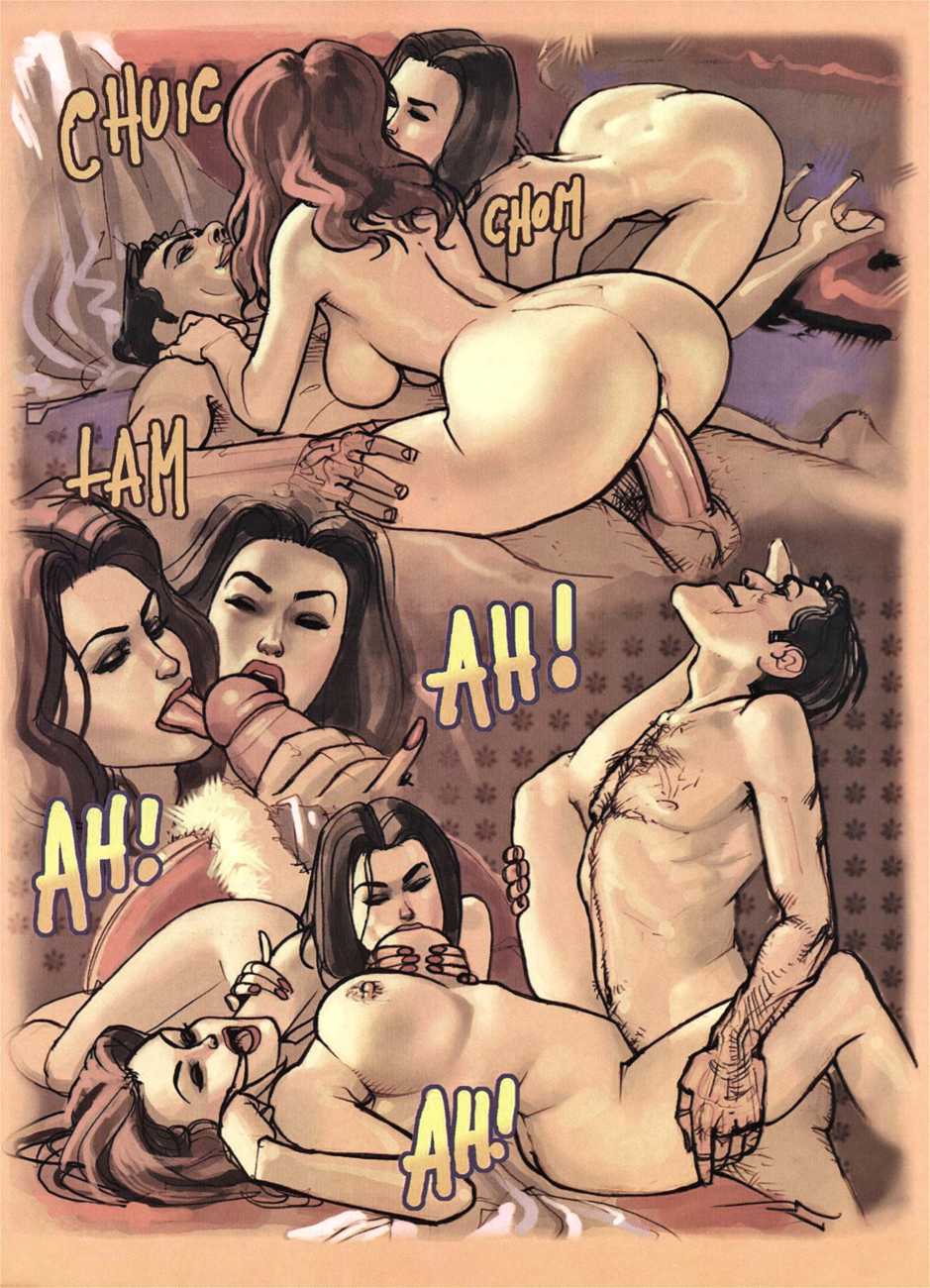
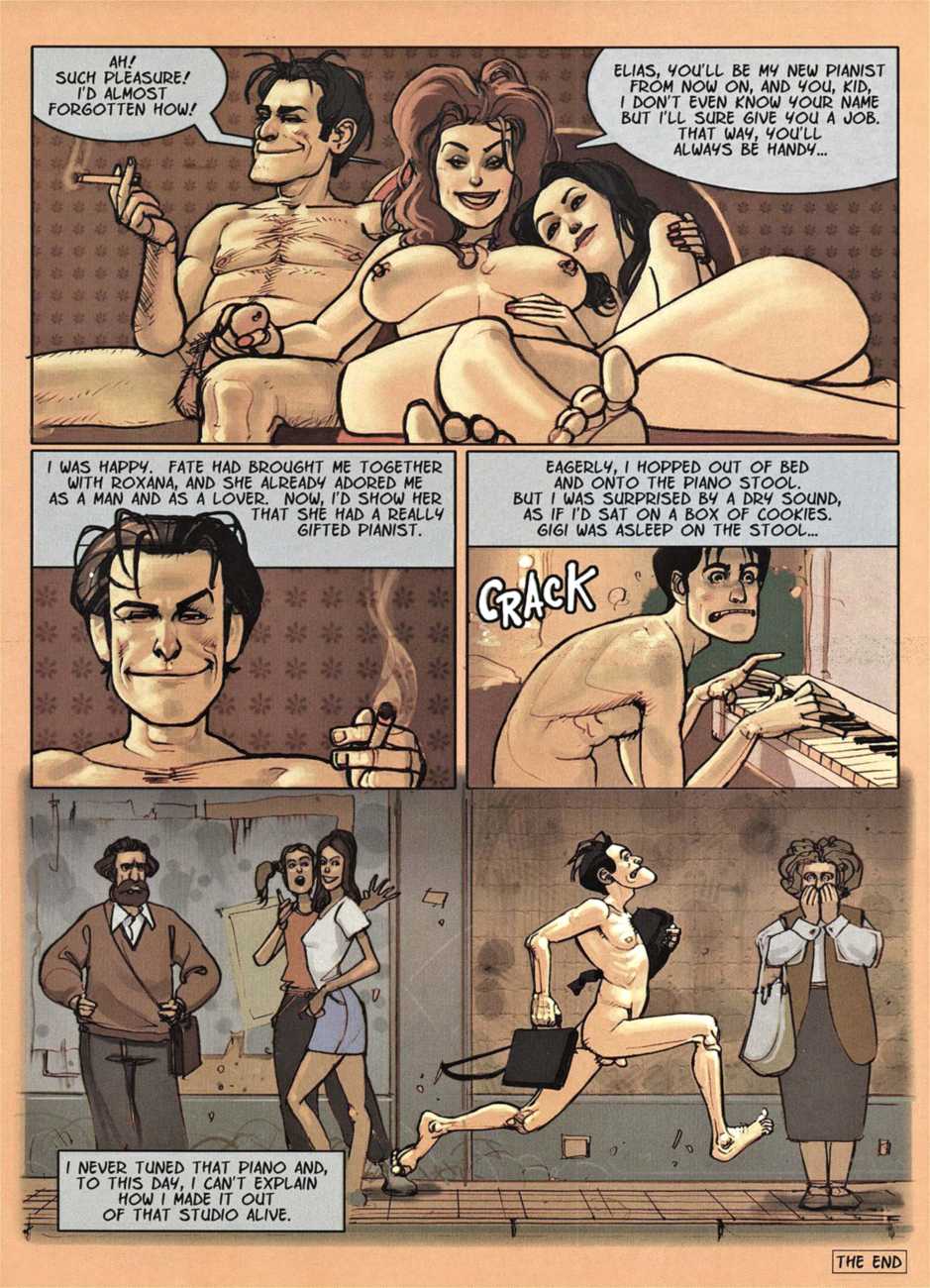
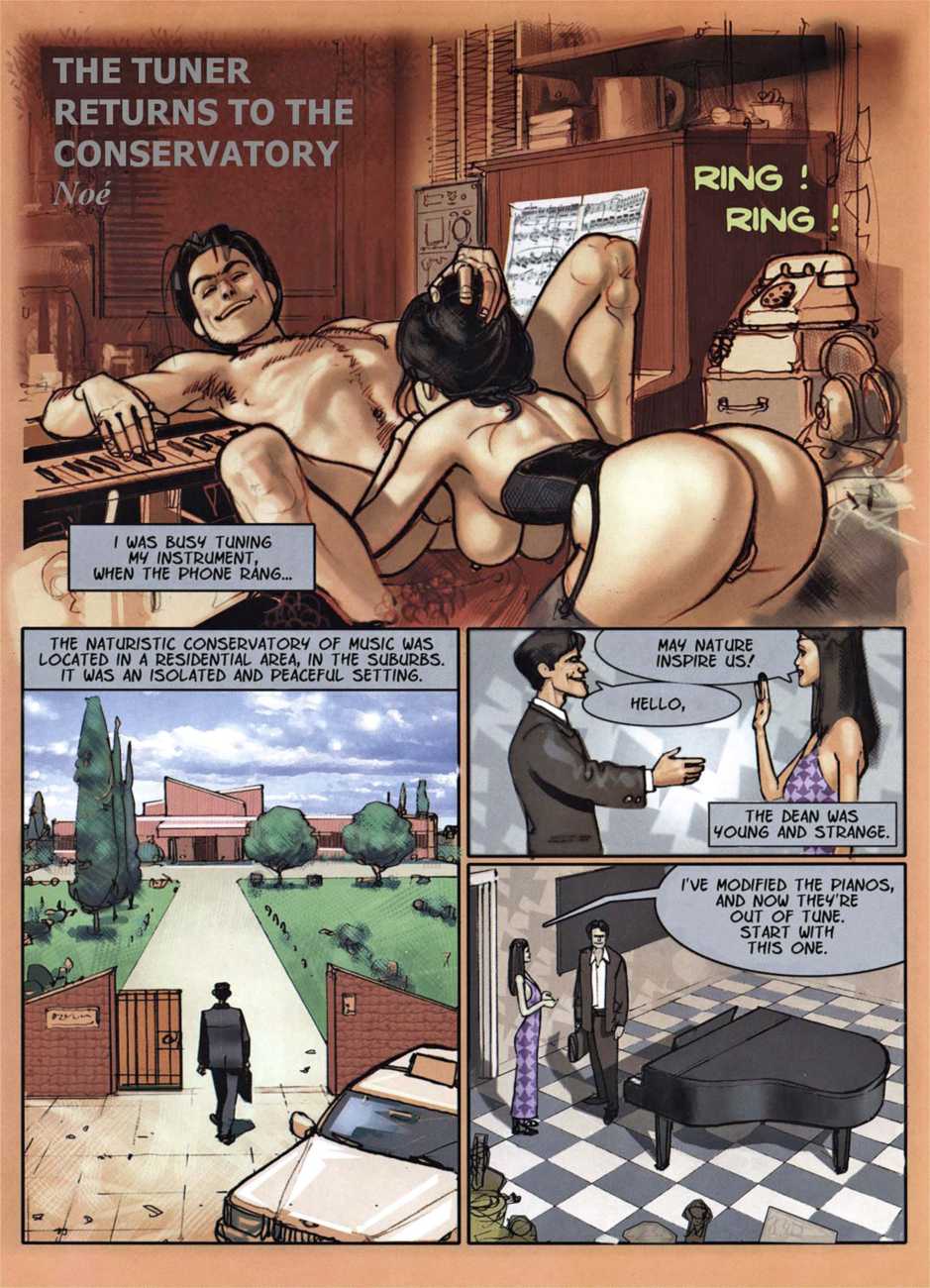
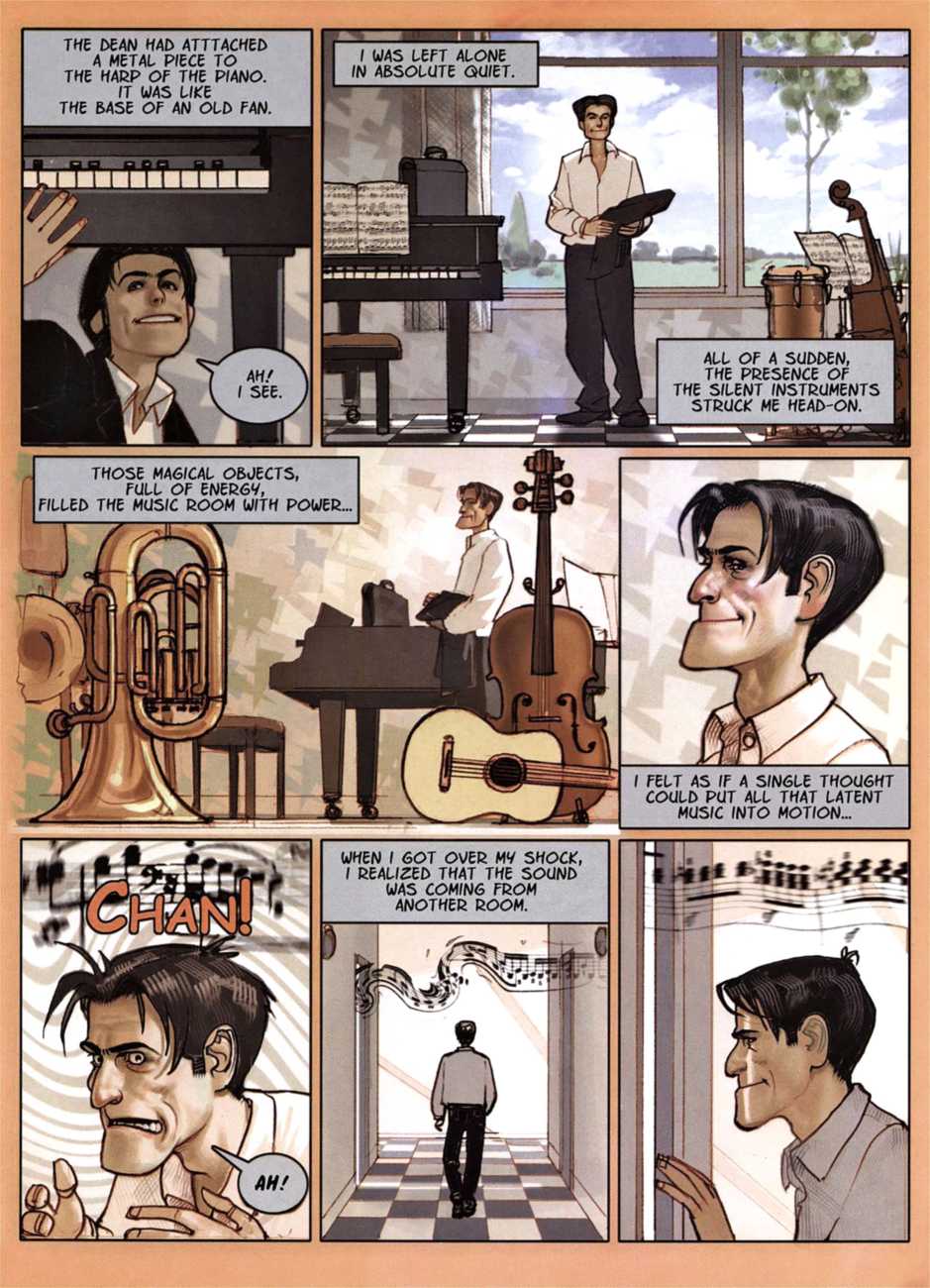
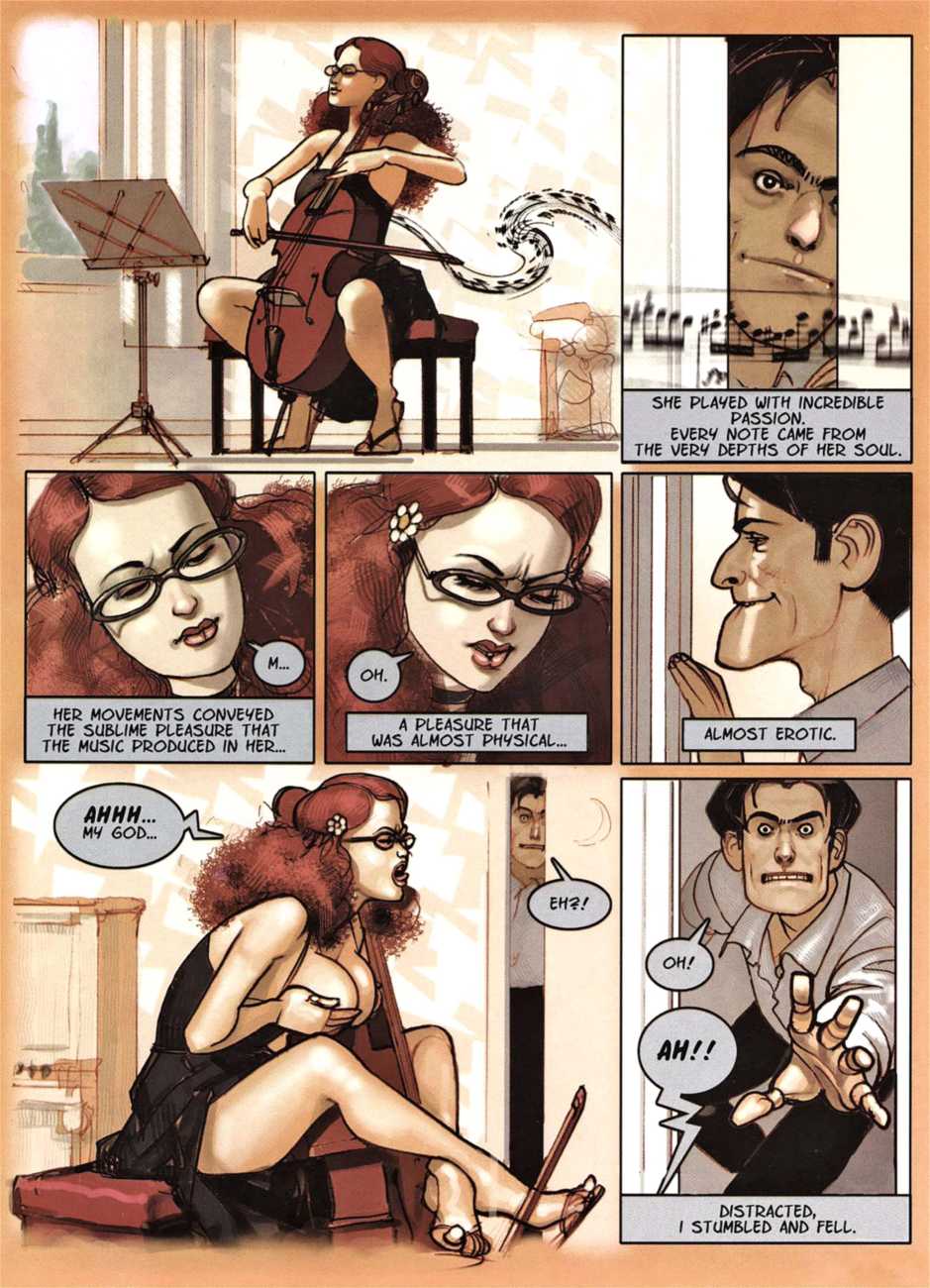
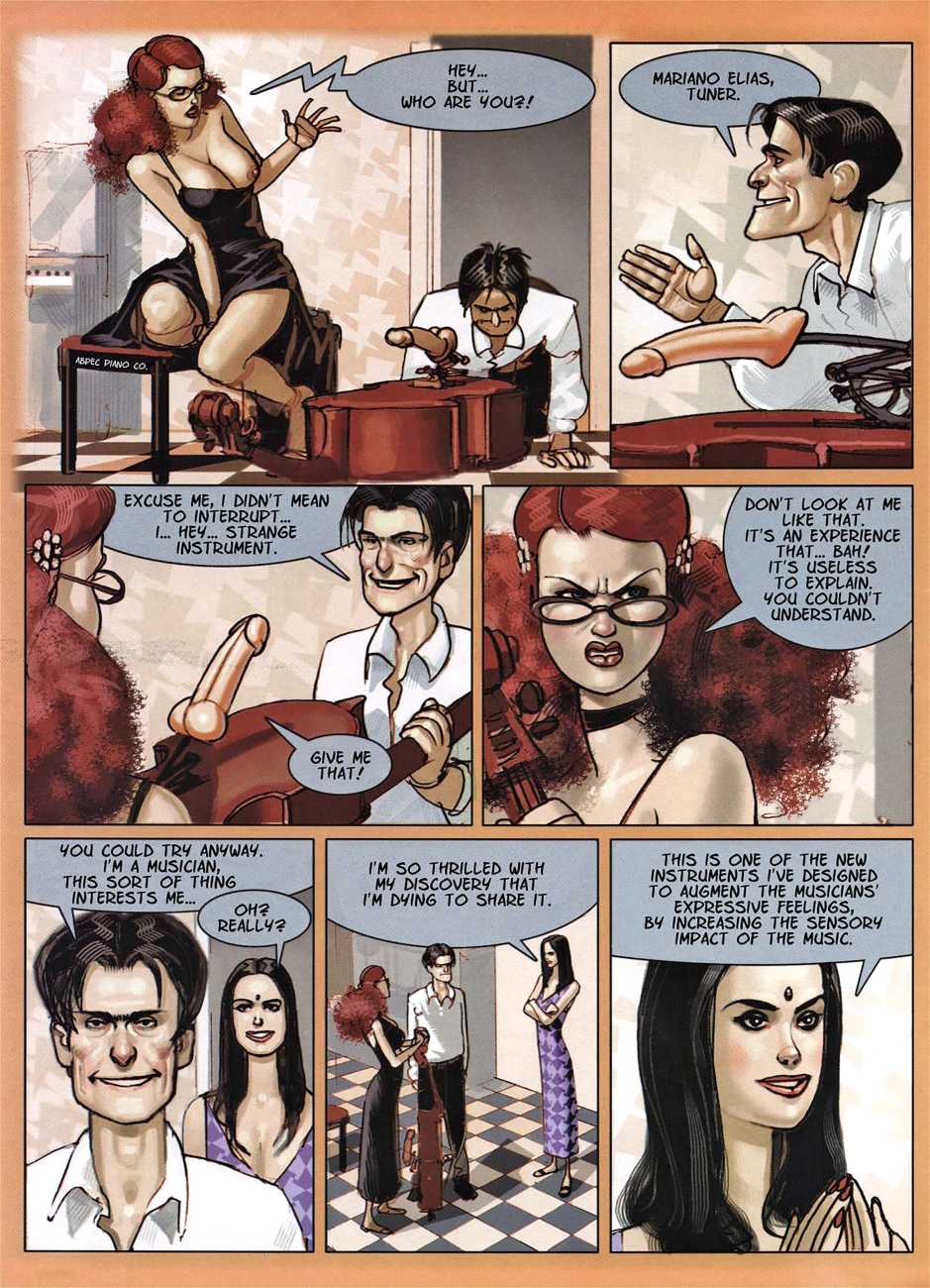
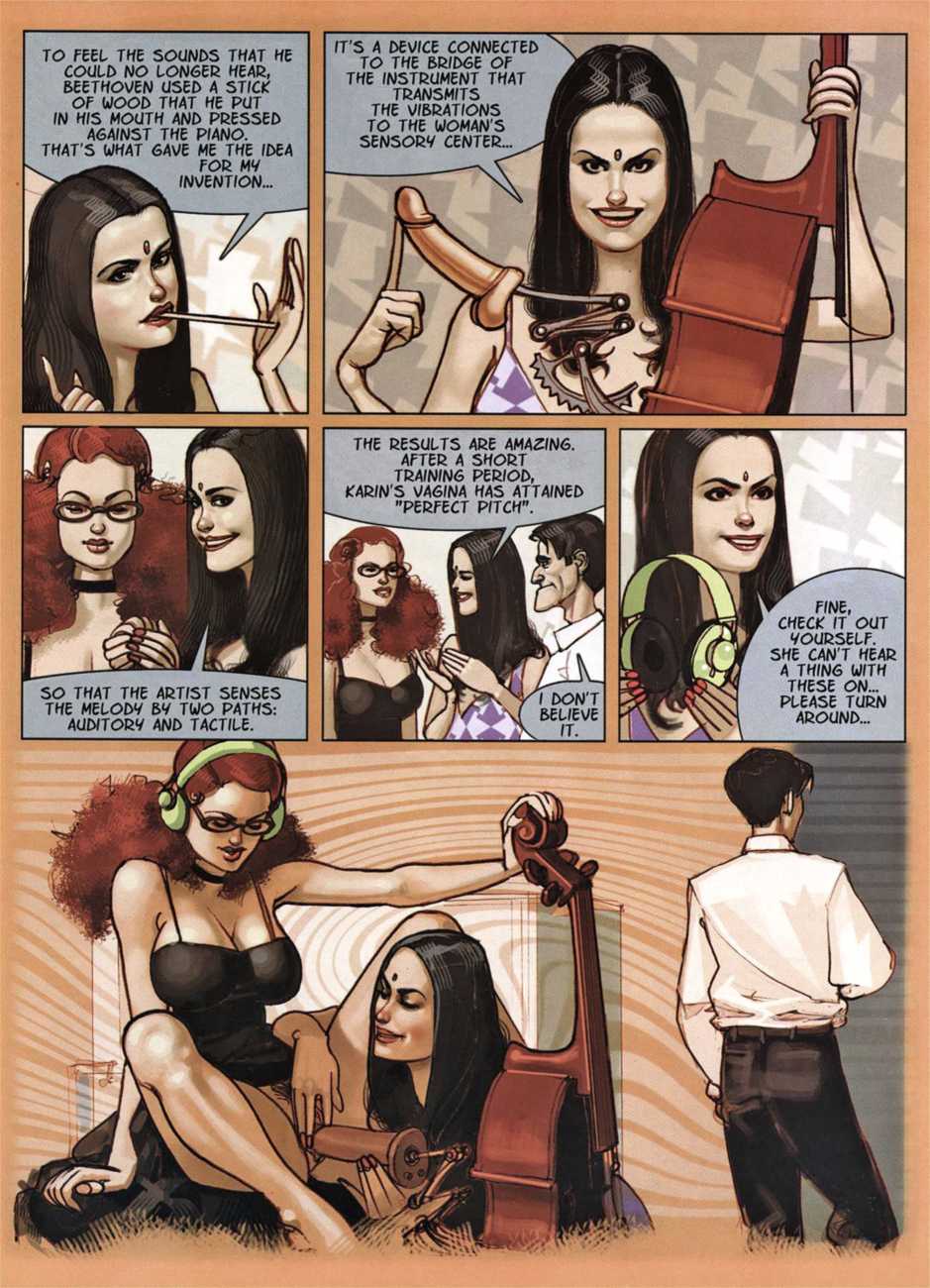
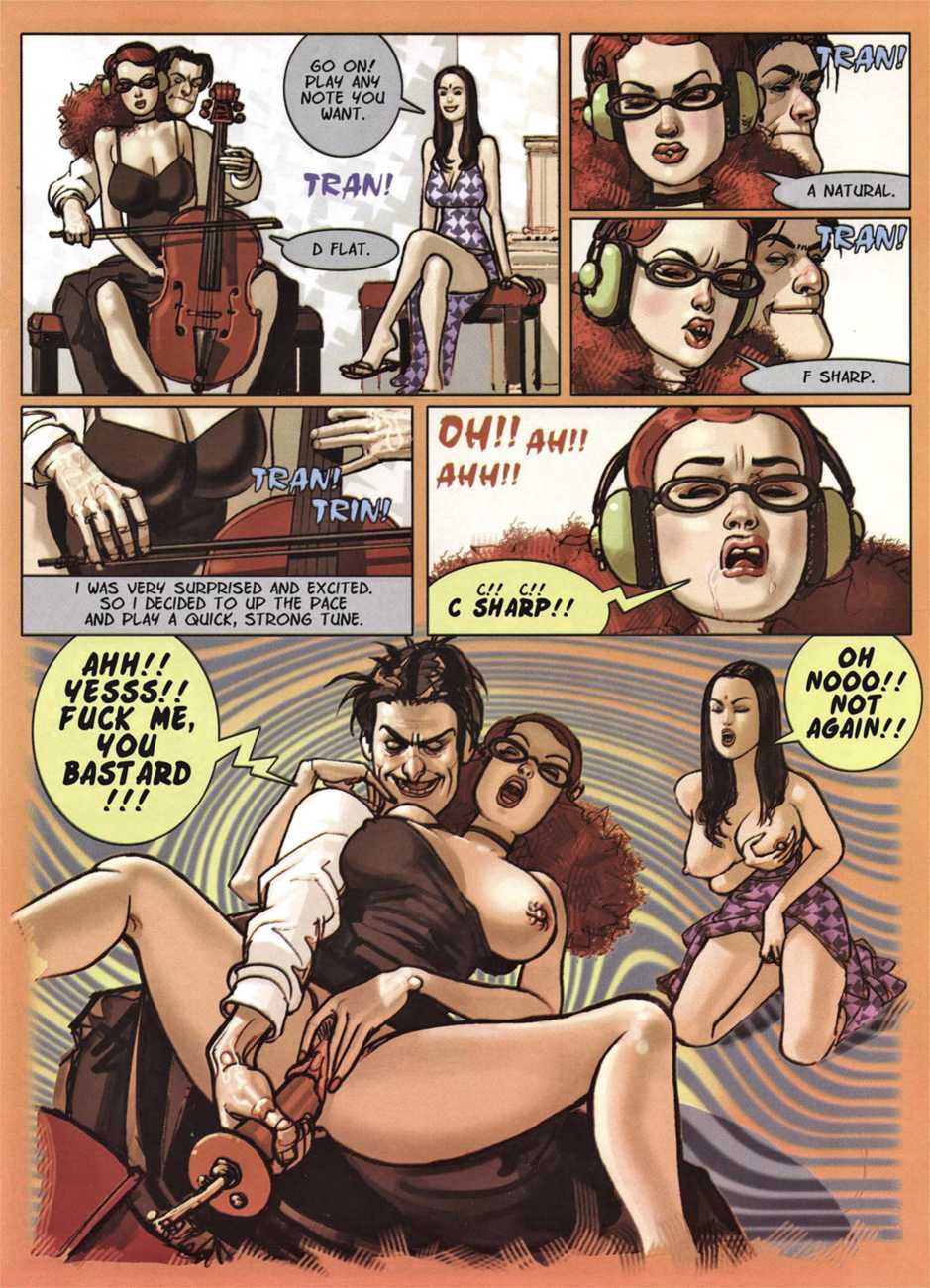
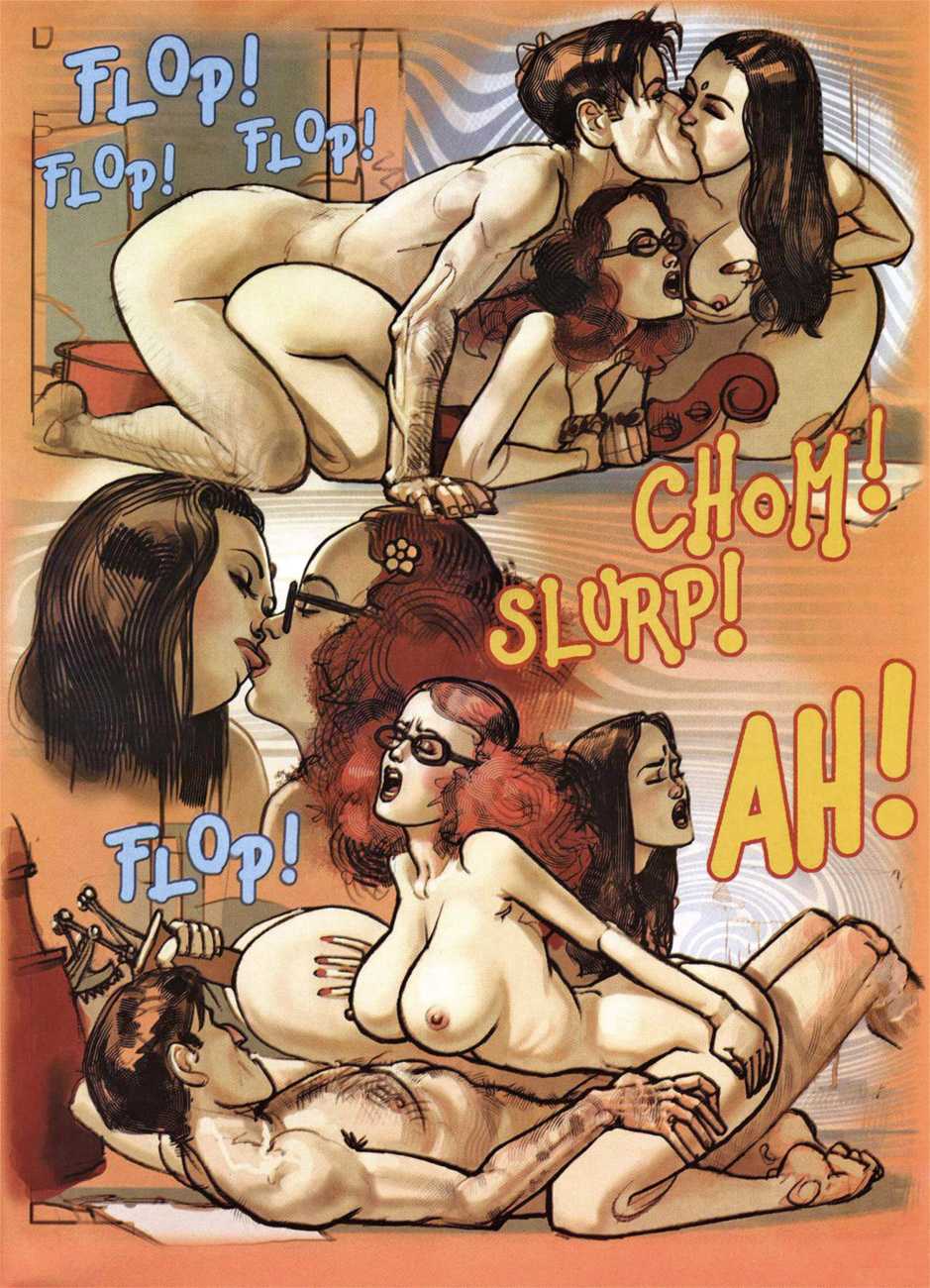
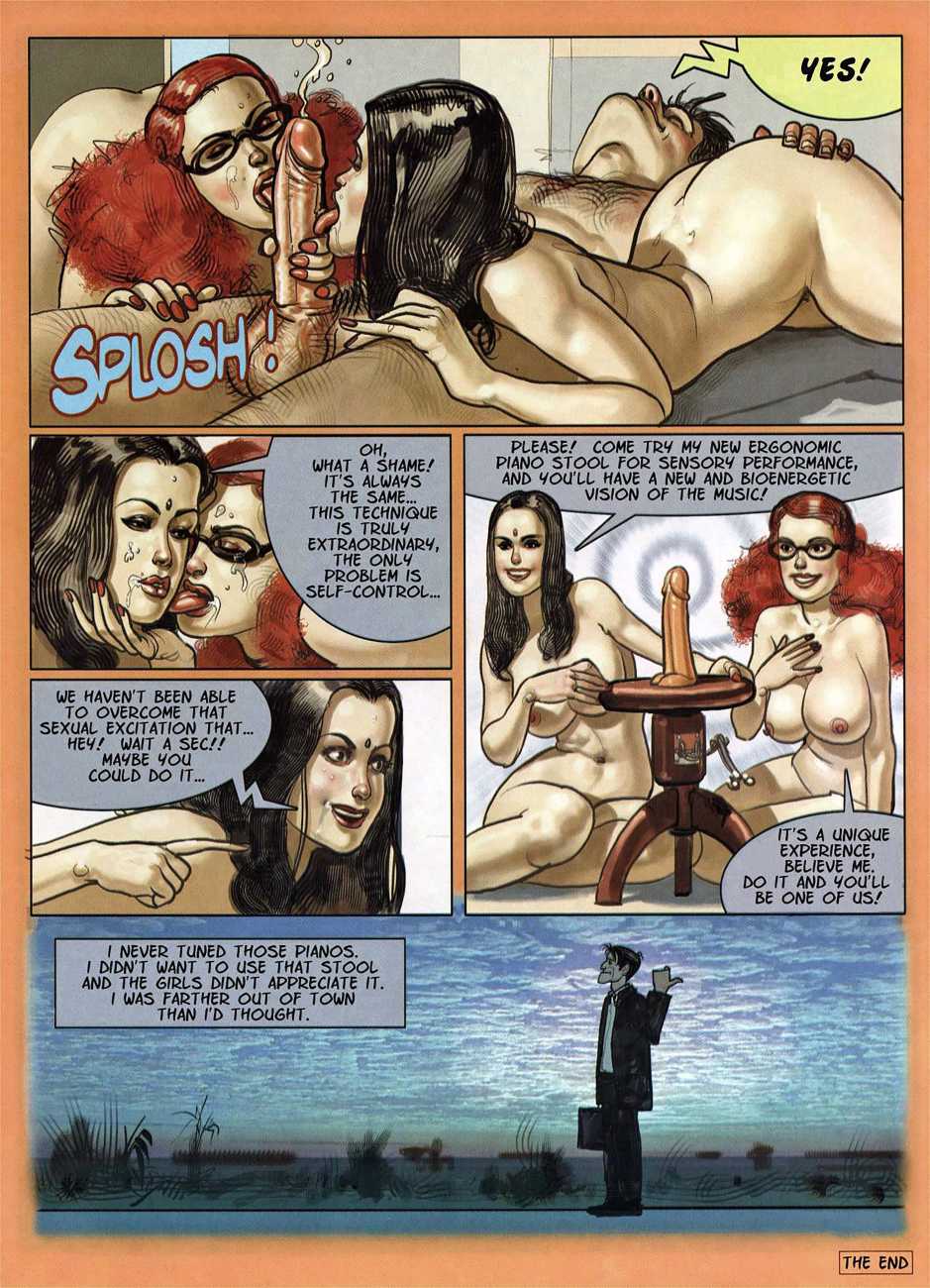
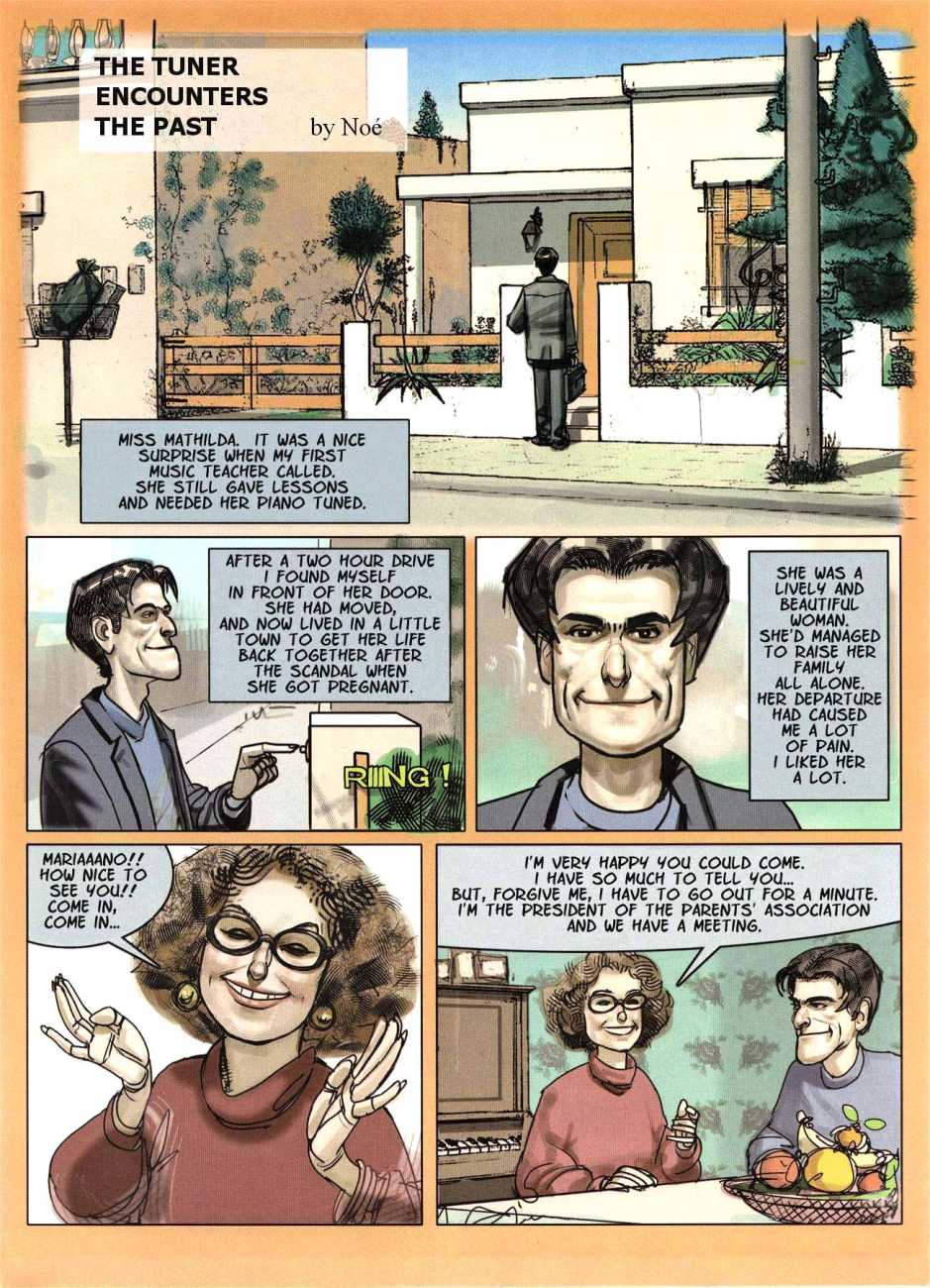
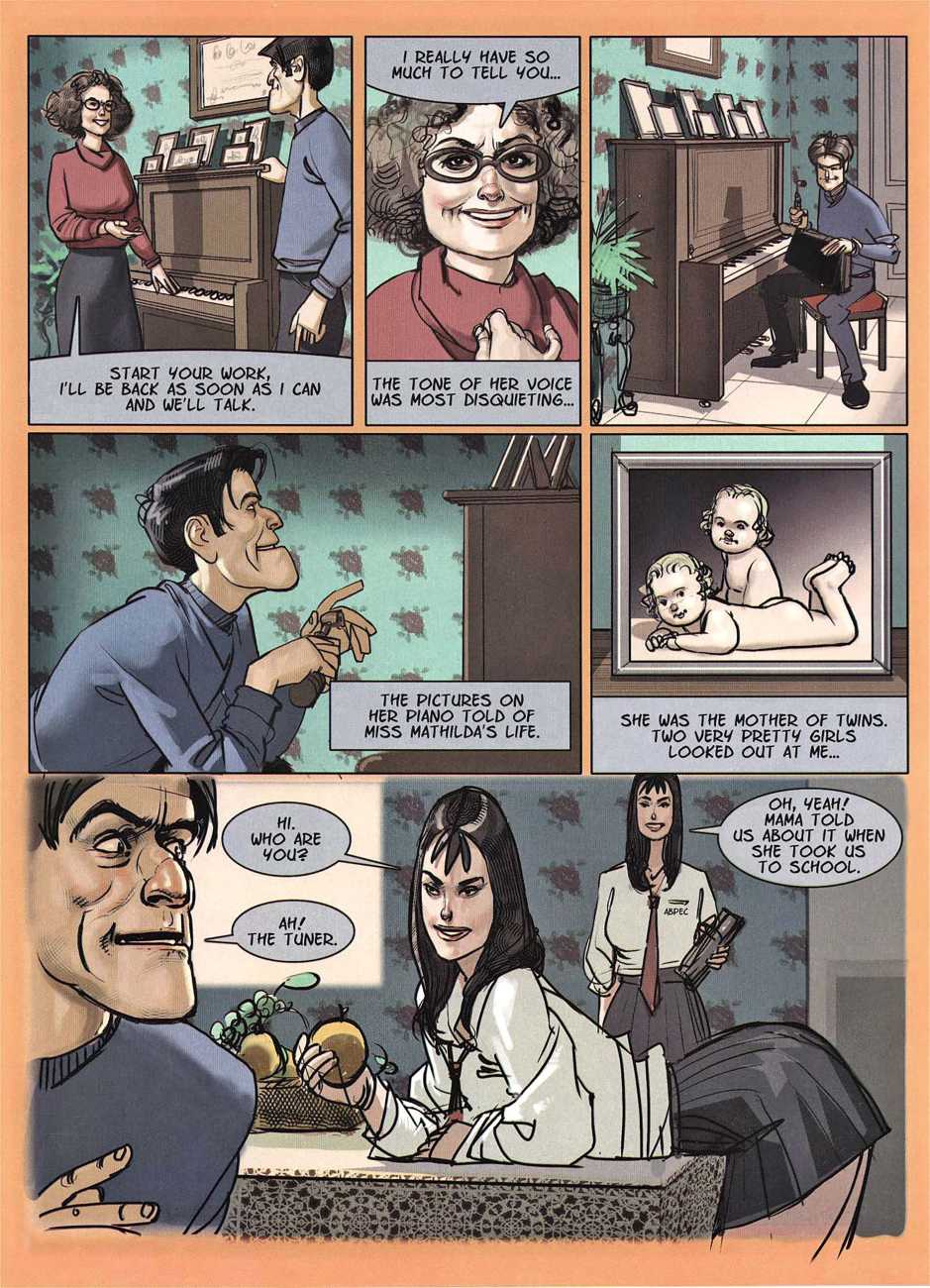
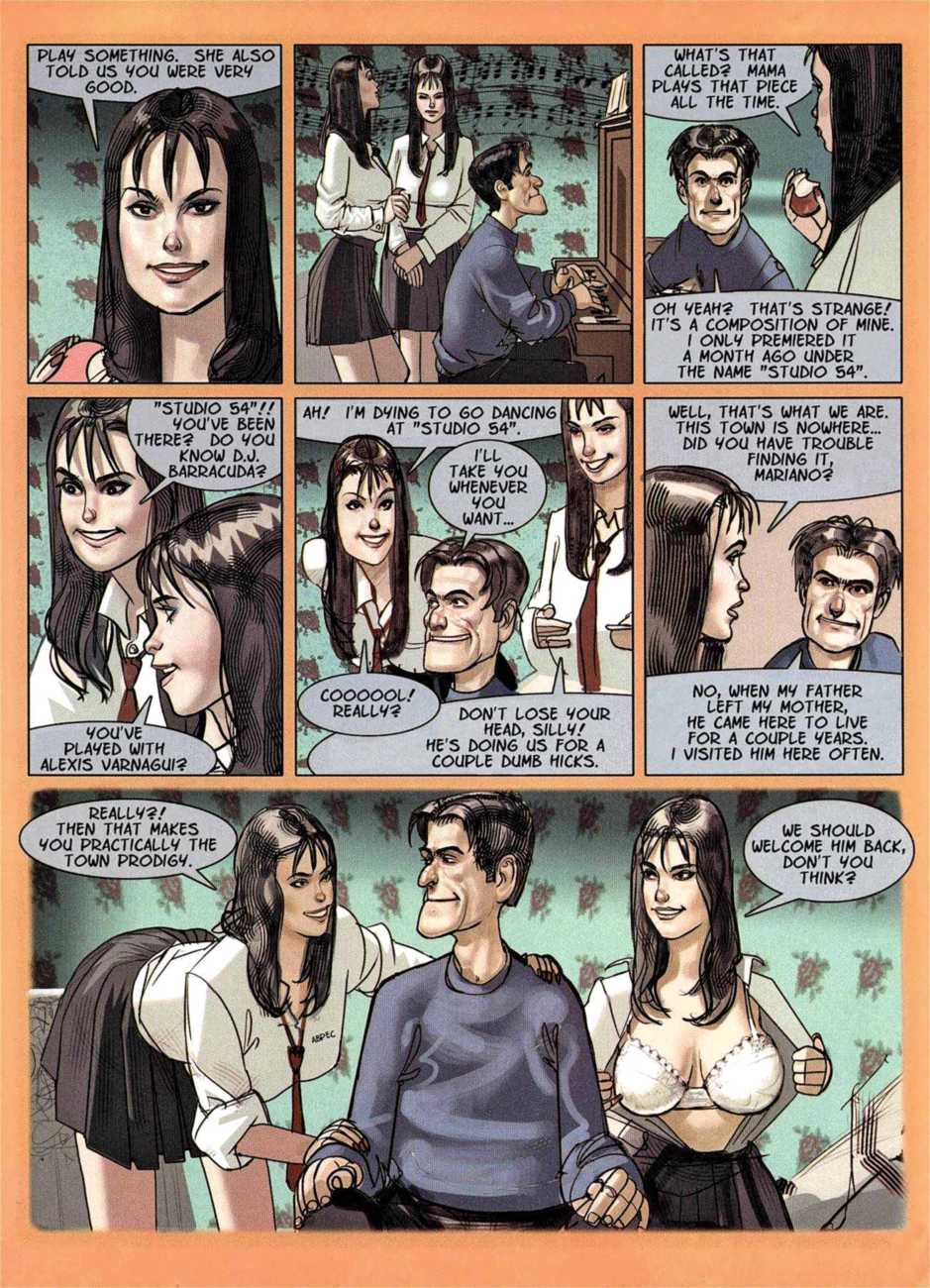
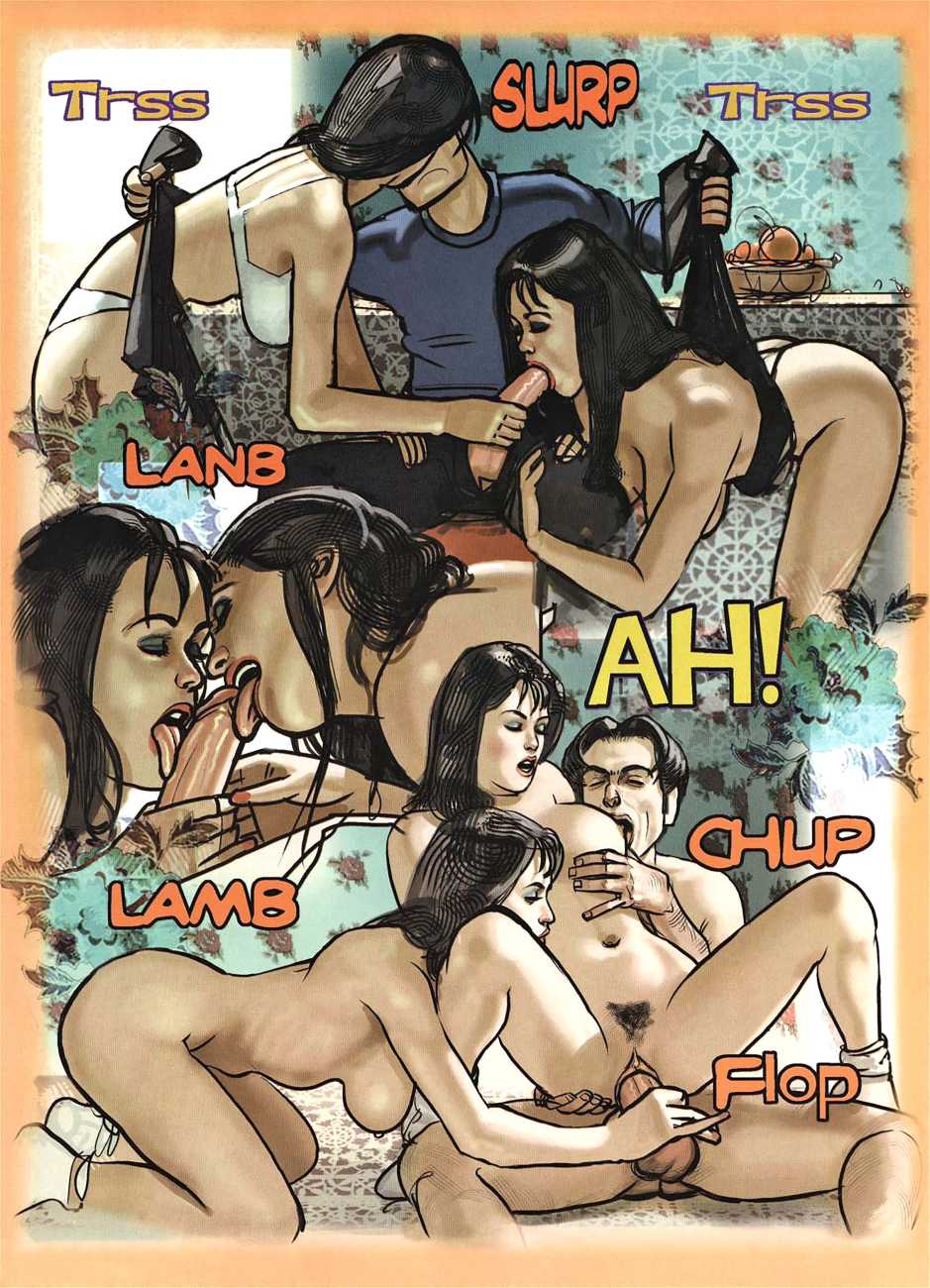
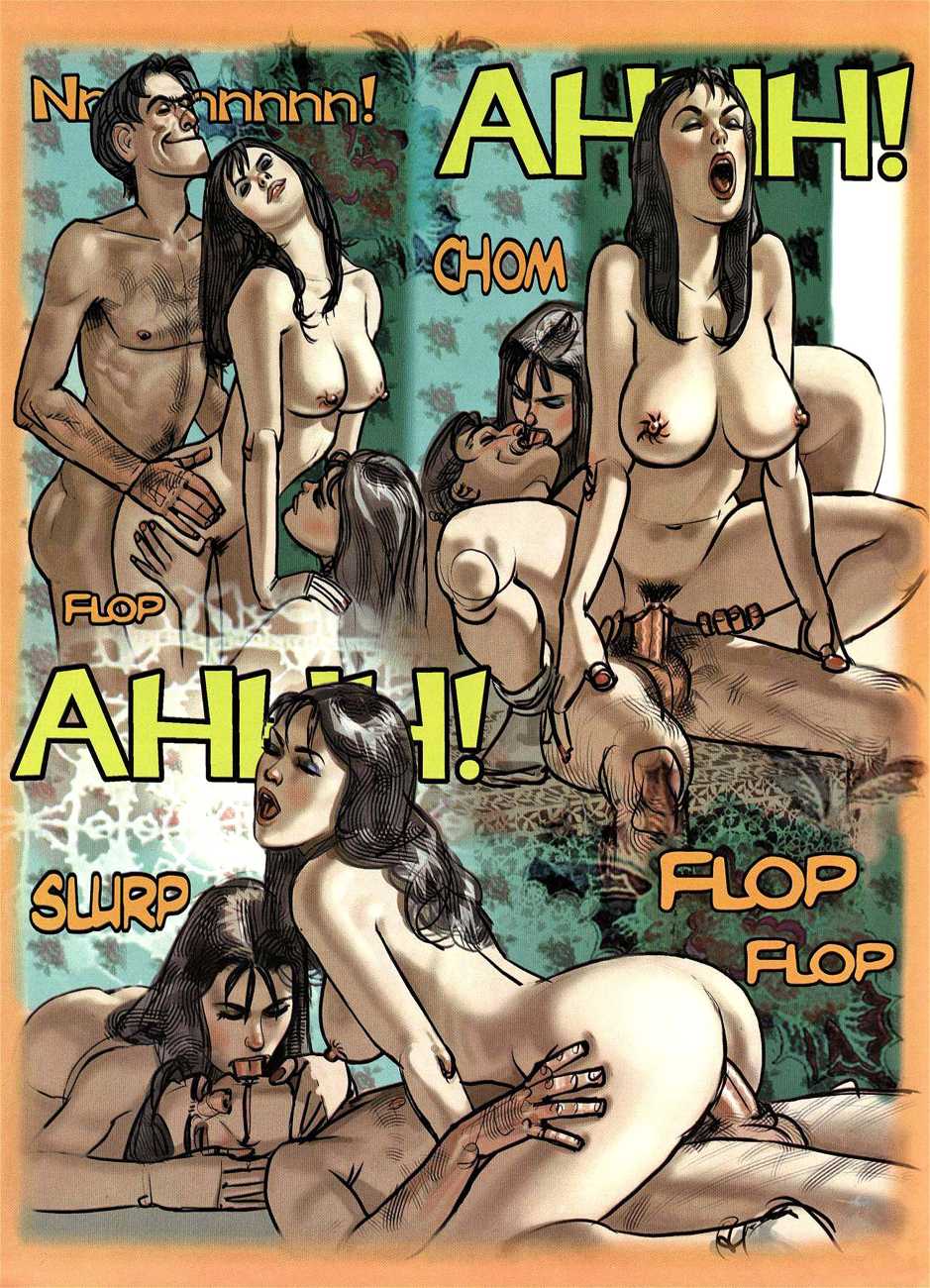
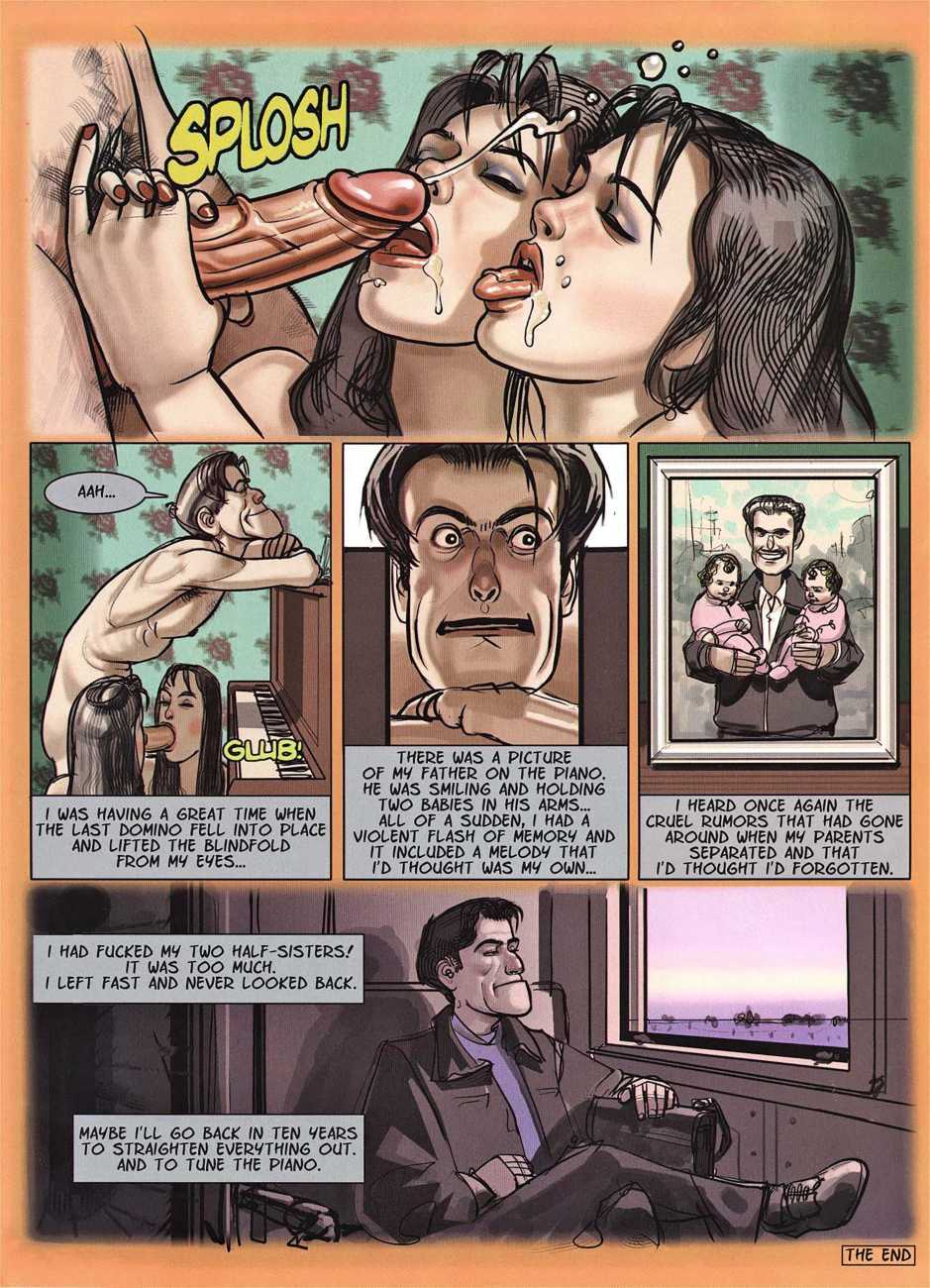
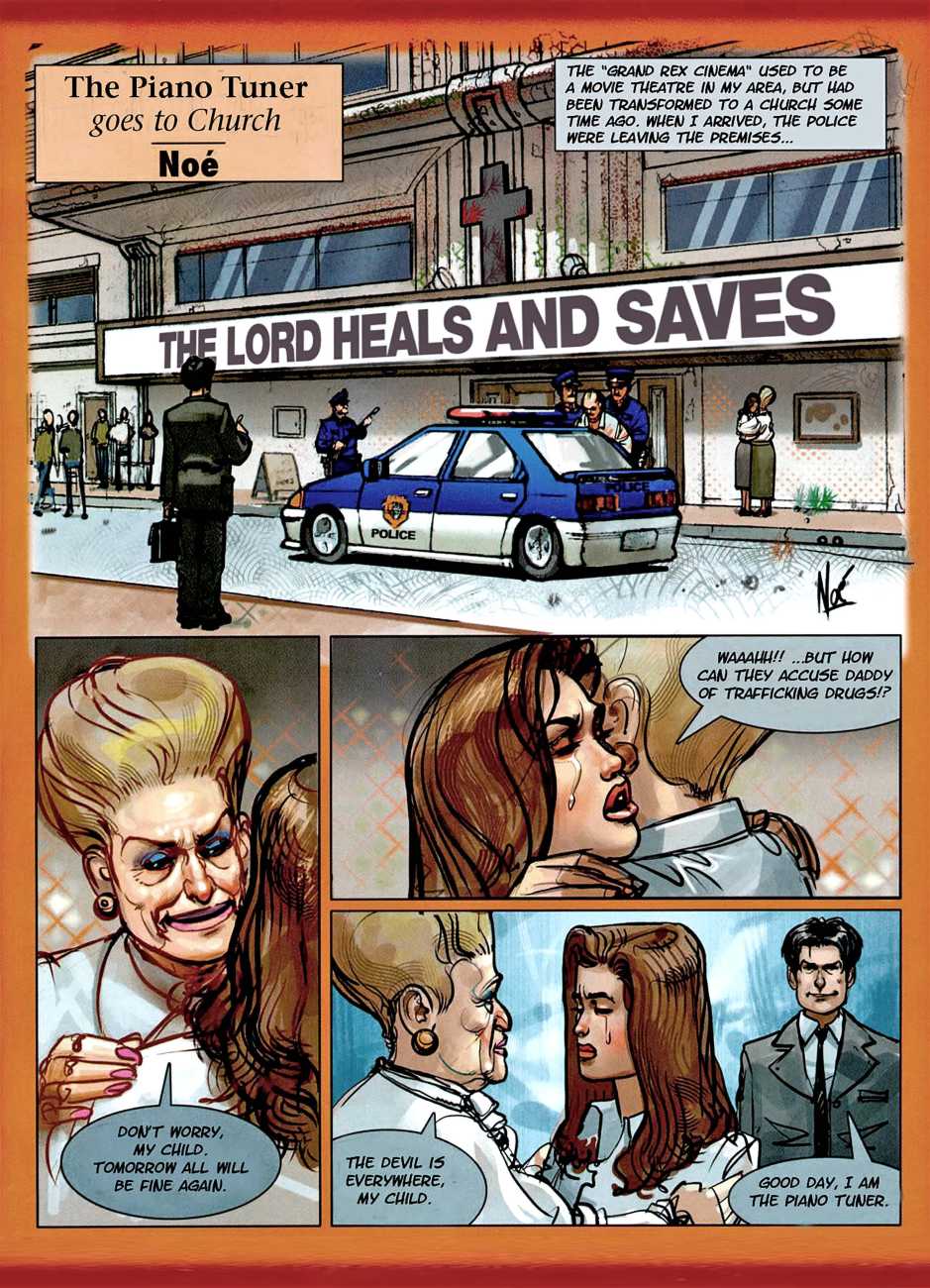
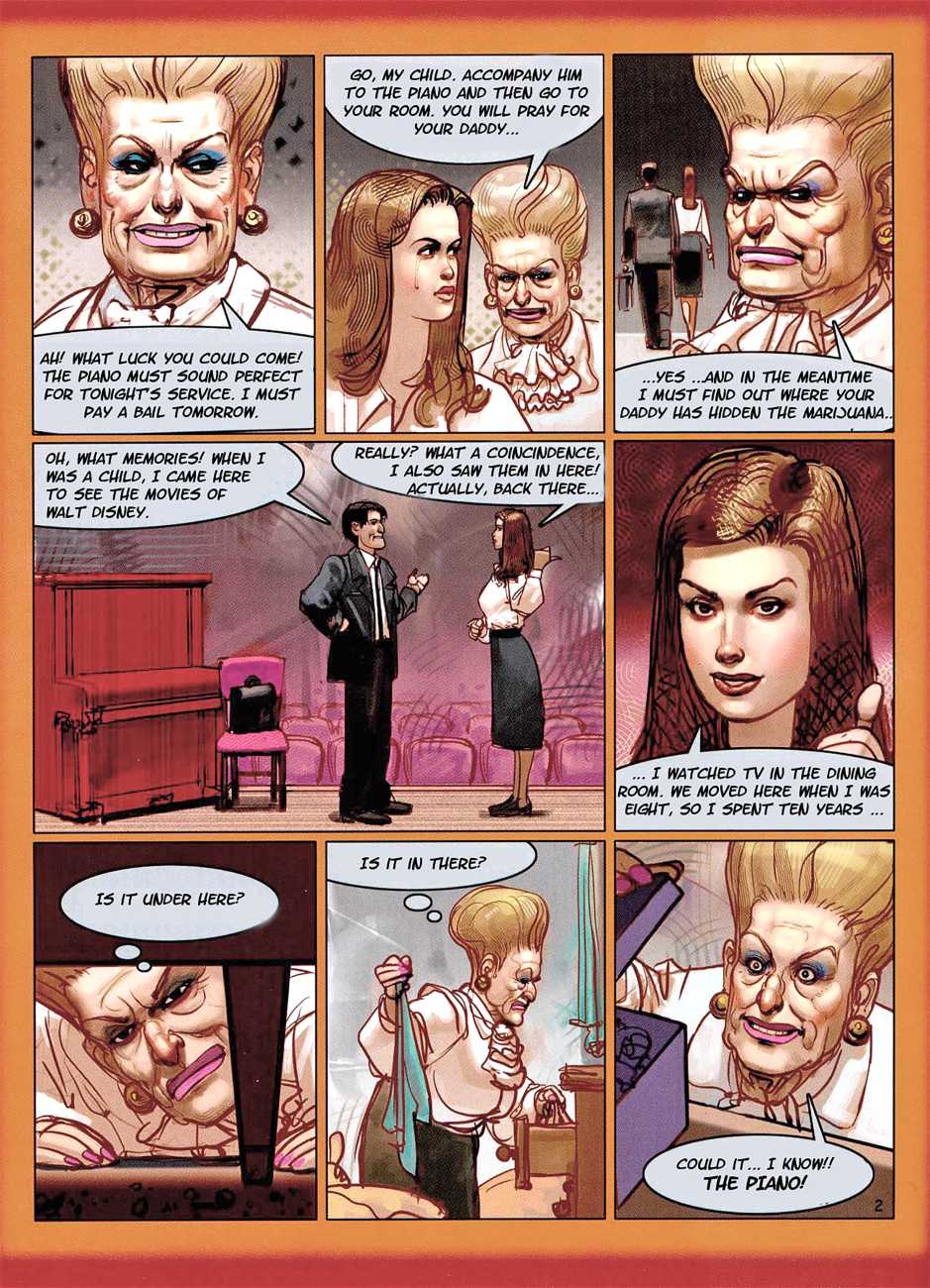
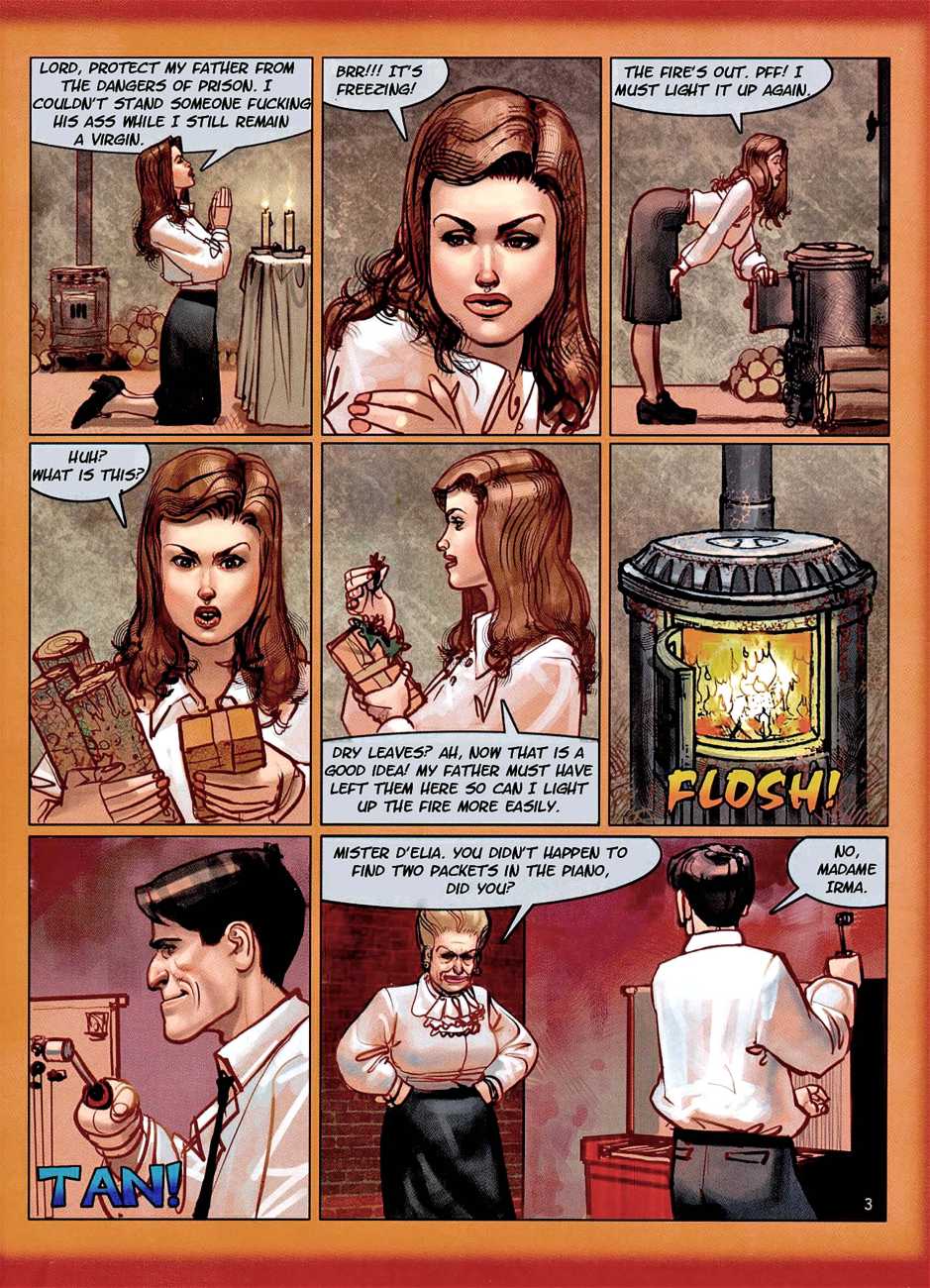
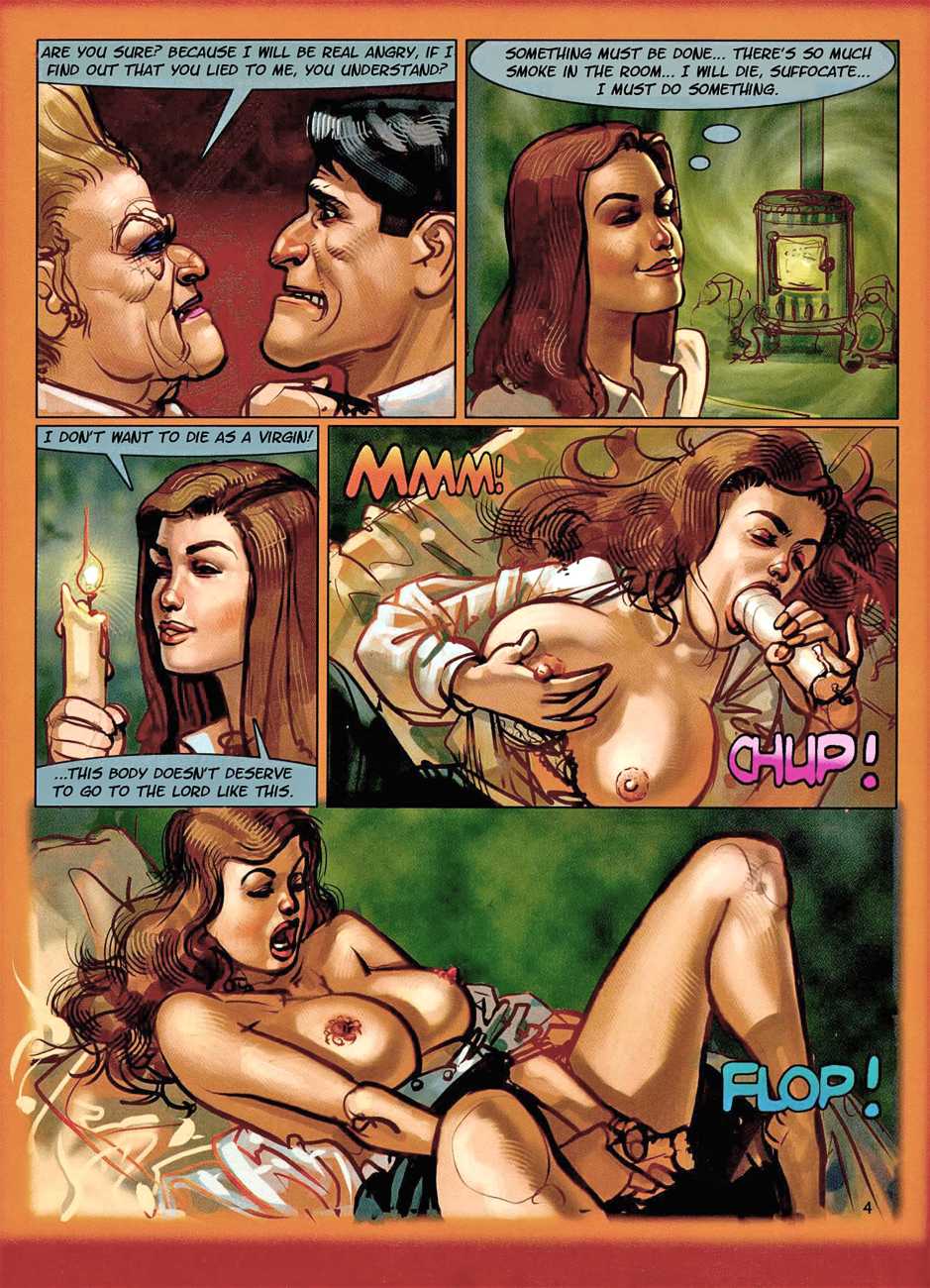
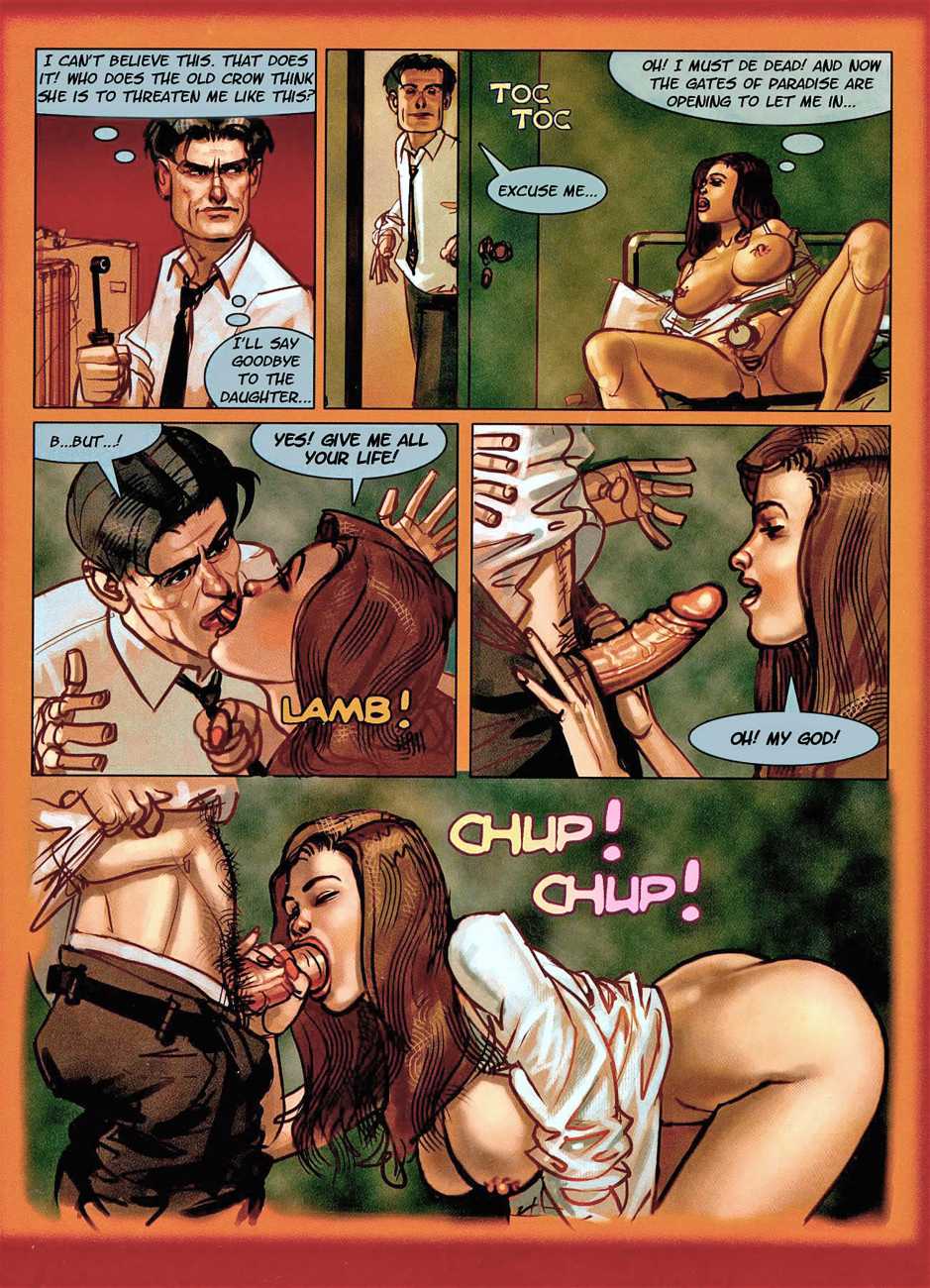
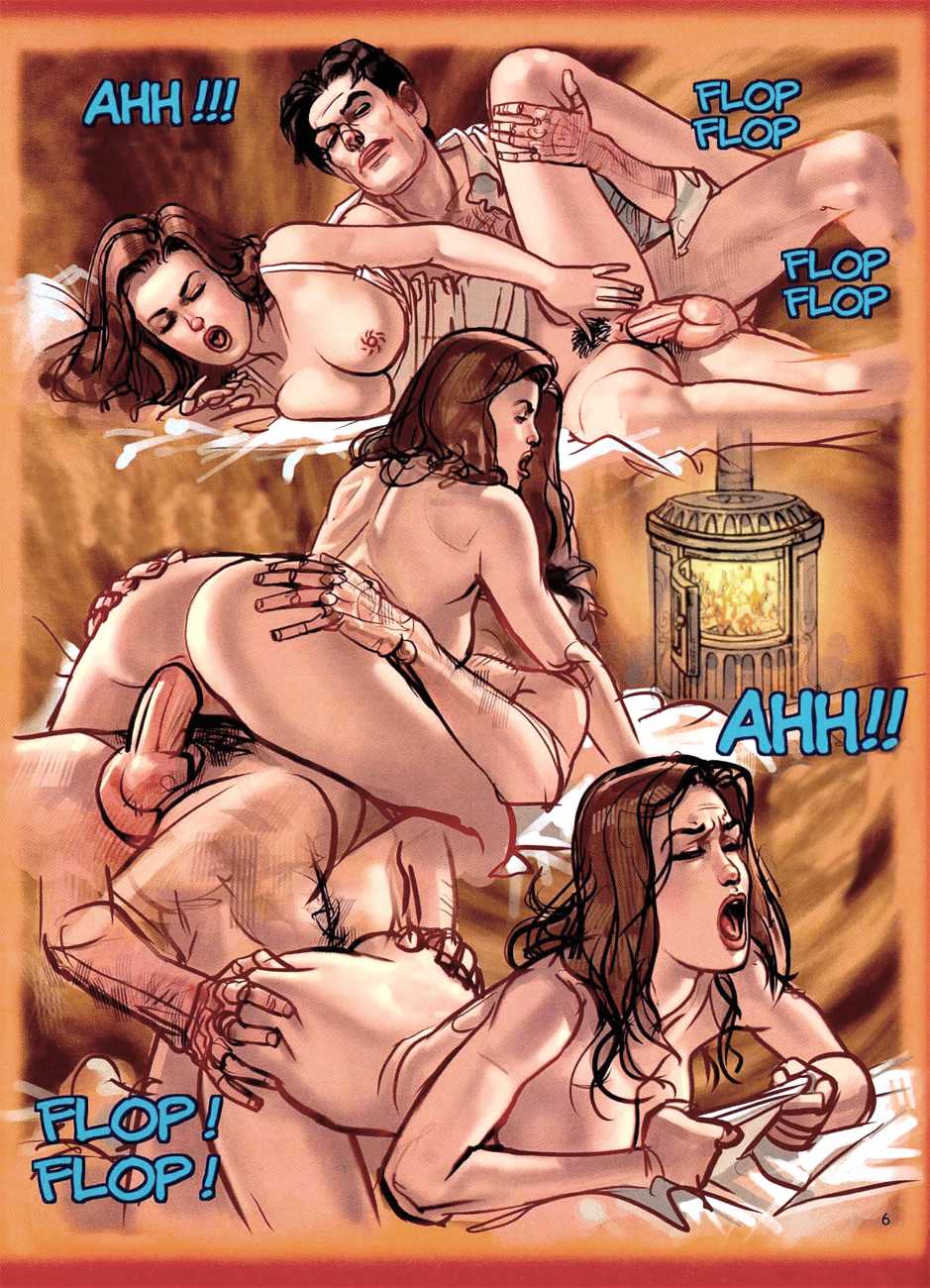
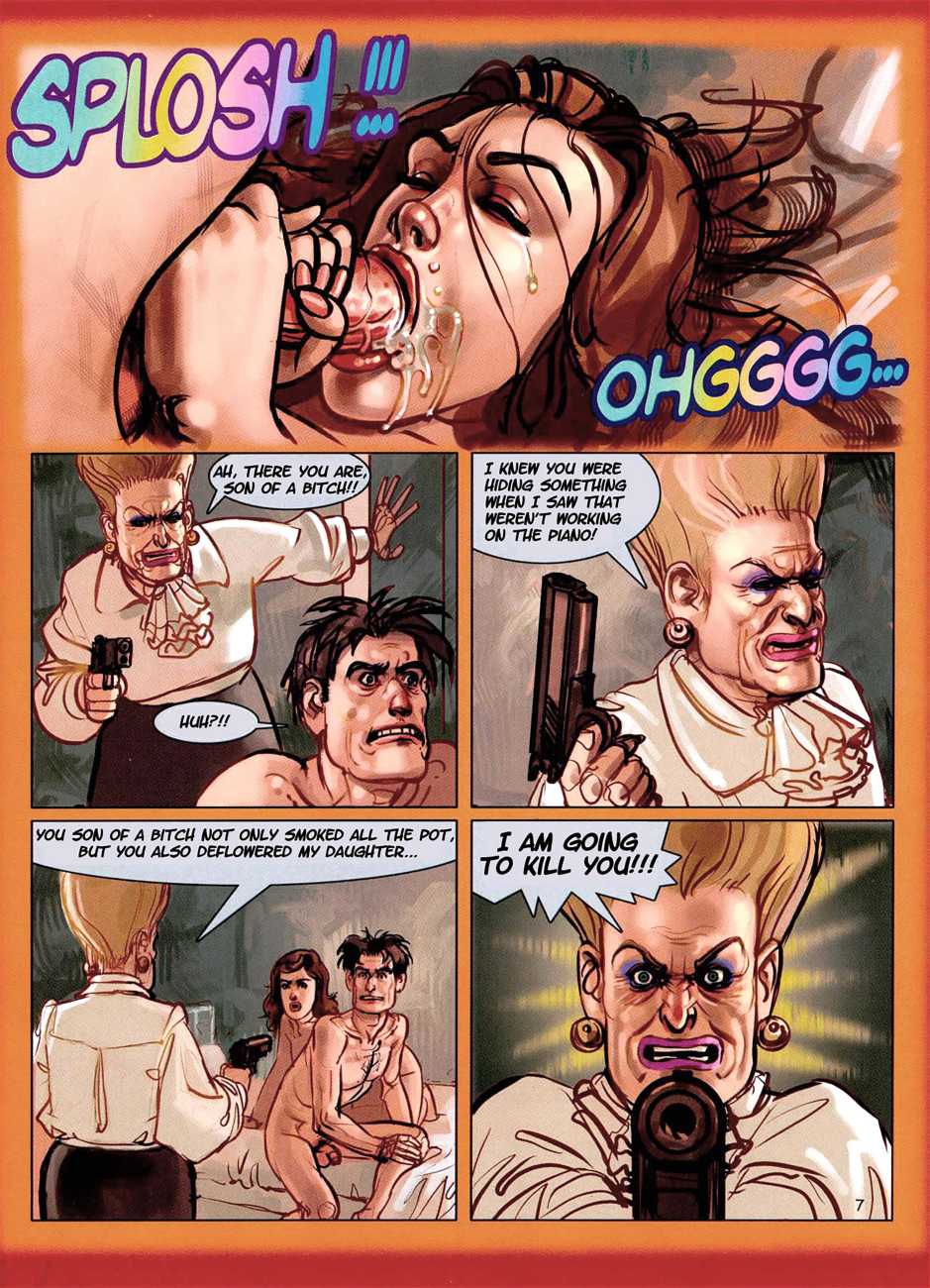
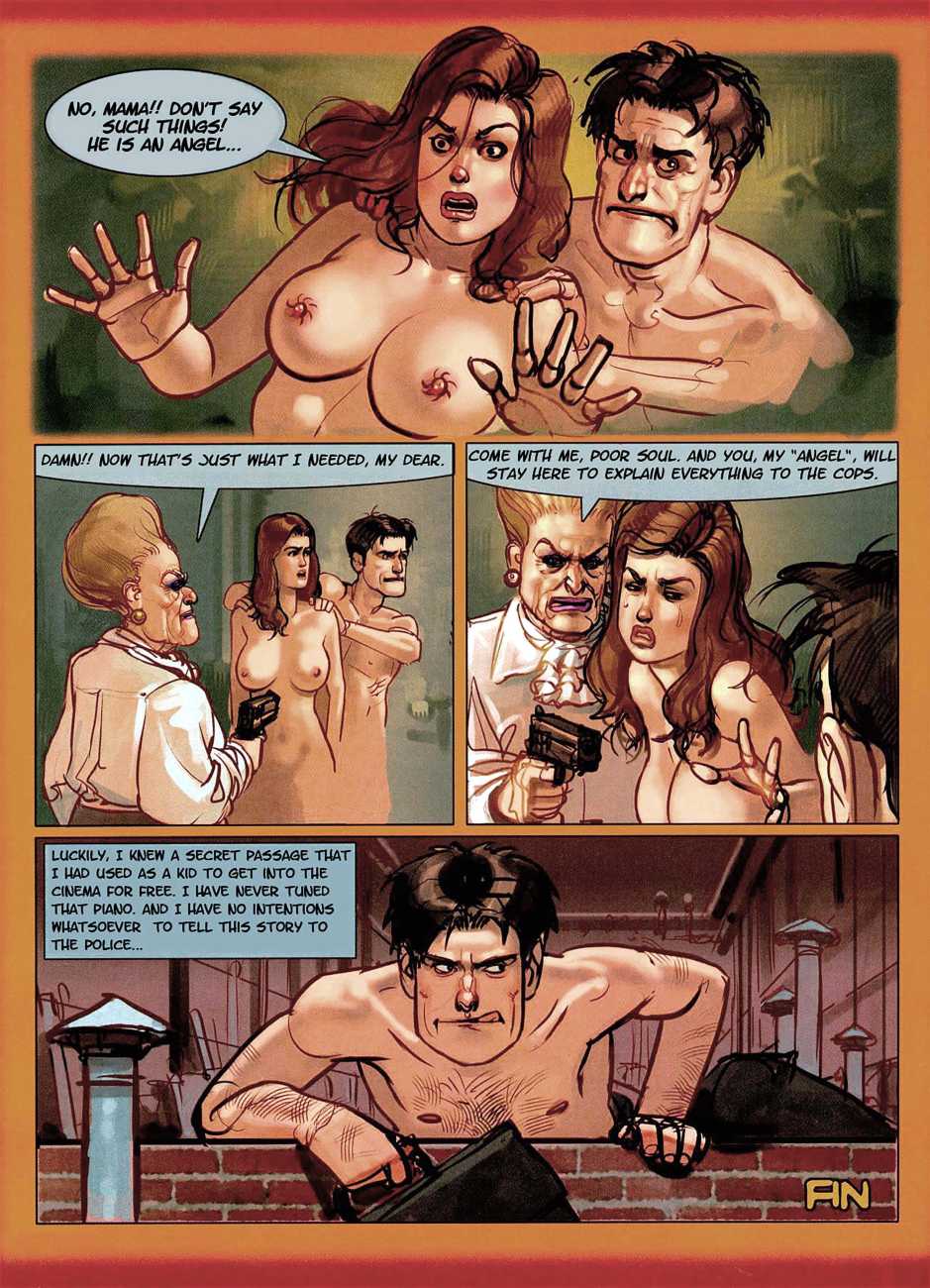
During the early 1990s Noé began developing erotic comics. His collaboration with Barreiro eventually led to El Convento Infernal (The Convent of Hell), published in Spain by Kiss Comix after the Italian publisher went bankrupt. The series was followed by Diet, and Noé subsequently wrote and drew a succession of erotic stories himself, including La Nave de los Locos (Ship of Fools), El Afinador (The Piano Tuner), Exposición (Exhibition) and Aldana.
Noé has always resisted being defined simply as an erotic artist. Alongside his own comics he has worked extensively as an illustrator, producing material for magazines, children’s publications, and adaptations of literary classics. From the early 2000s he also developed major collaborations with European writers, including Jean-David Morvan, contributing to Les chroniques de Sillage (The Sillage Chronicles) and illustrating the Helldorado trilogy. His later work has included Jeanne d’Arc (Joan of Arc), Et on tuera tous les affreux (And We’ll Kill All the Ugly Ones), and his own Douce, tiède et parfumée (Soft, Warm and Fragrant).
In 2000 he embraced digital technology, gradually moving much of his drawing, colouring and page design onto the computer. He nevertheless continues to value traditional media and has developed hybrid techniques combining digital preparation with ink, watercolour, acrylic and oil. He has also maintained a parallel career as a painter, particularly of strange, idealised landscapes of the Buenos Aires plain.
Teaching has been another constant. Noé has run his own workshop in Escobar for decades, describing teaching as both an income and an intellectual stimulus that encourages him to continue studying art and finding ways to communicate what he has learned.
Still based in Escobar, Noé remains active across several fields. His recent work includes illustrations for American comics publishers, and the 2026 graphic novel Momo, written by actor John Cusack, as well as painting and teaching.
Ignacio Noé’s website, where he showcases his recent work, can be found here.
Similar artists
Horacio Altuna – Argentine-born cartoonist who built his career through Spanish and French comics markets.
Roberto Baldazzini – clean-lined Italian erotic-comics artist, published via the same Eurotica and Dynamite imprints.
Giovanna Casotto – Italian cartoonist drawing voluptuous women in the same glossy, rendered figurative style.
Gabriele Di Caro – contemporary Italian cartoonist whose character-driven erotic albums favour rich period settings.
Leone Frollo – glossy historical-adventure erotica from an Italian illustrator with lush, finished linework.
Milo Manara – elegantly drawn Italian erotic comedy sharing a similarly bawdy comic sensibility.
Paolo Eleuteri Serpieri – Italian creator of Druuna, a richly painted dystopian saga akin to Aldana’s world.
Example illustration
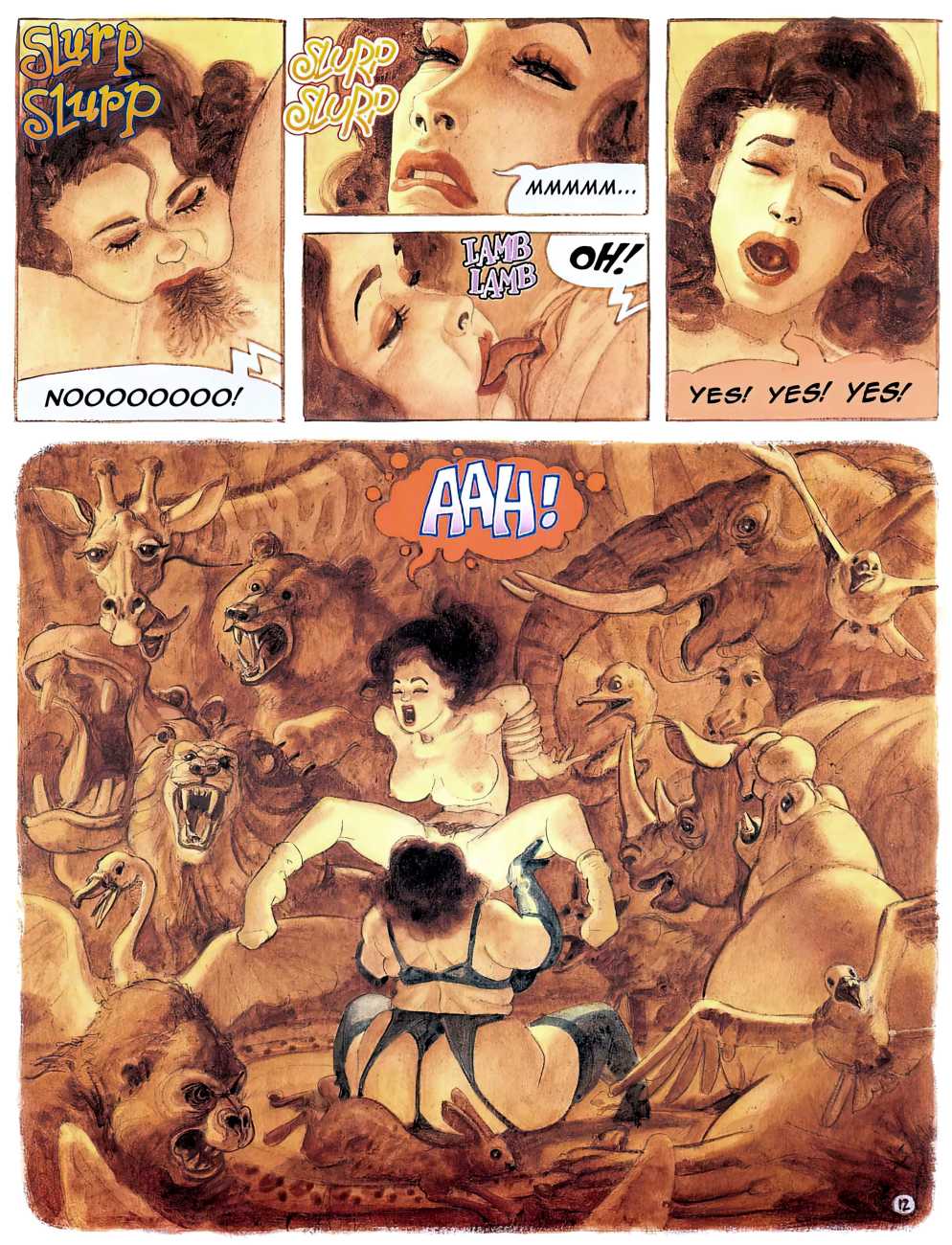
The Convent of Hell (1996)
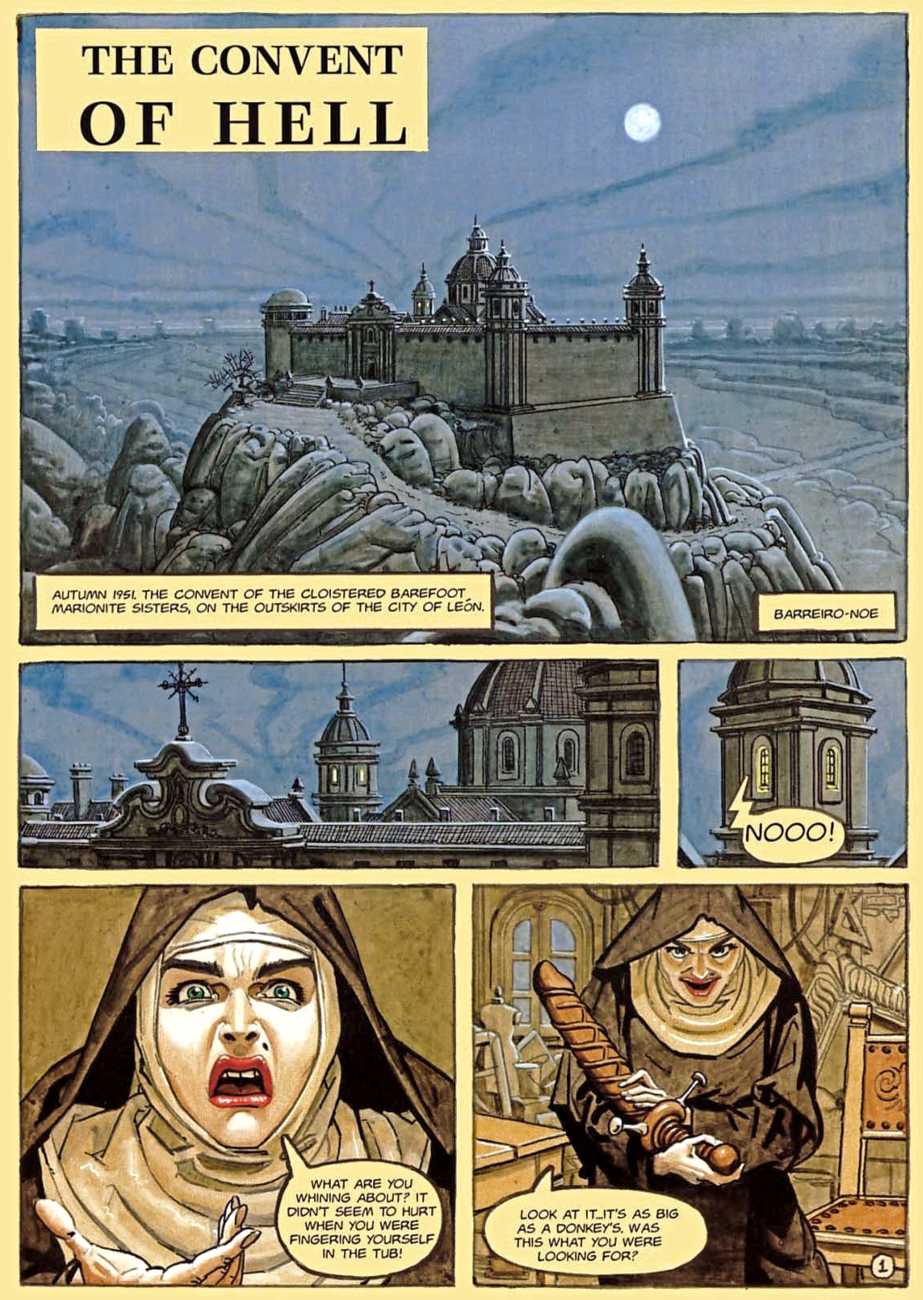
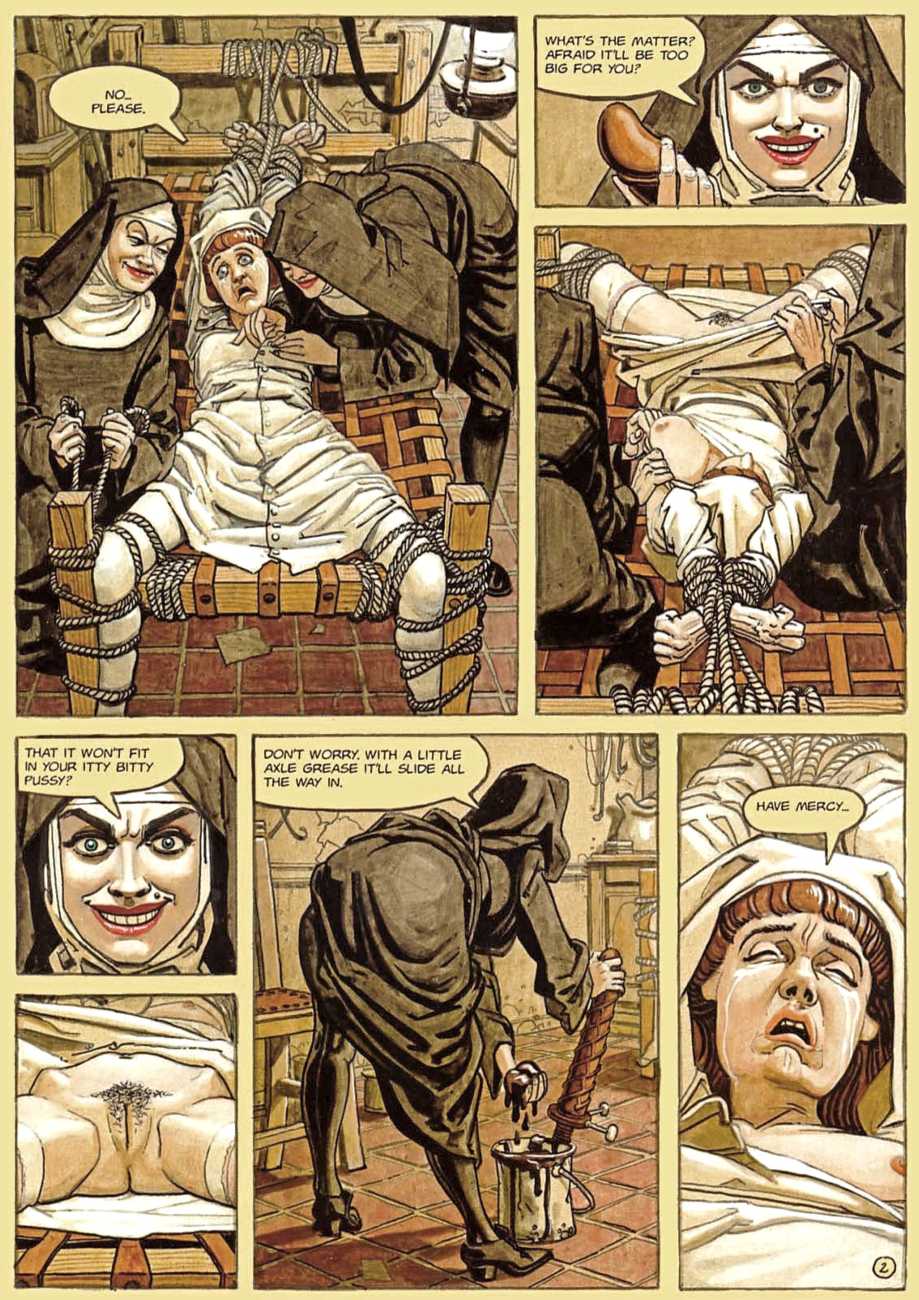
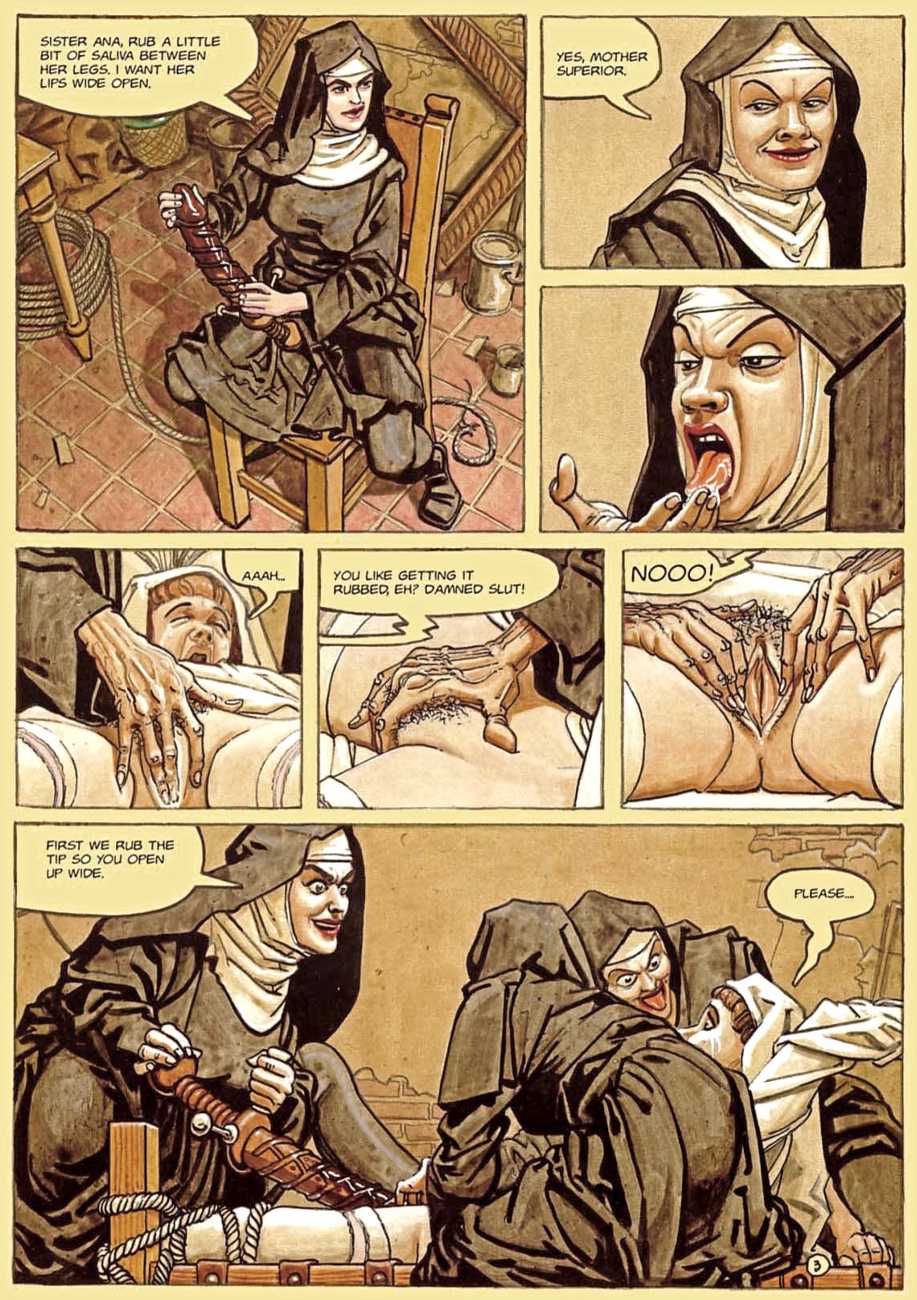
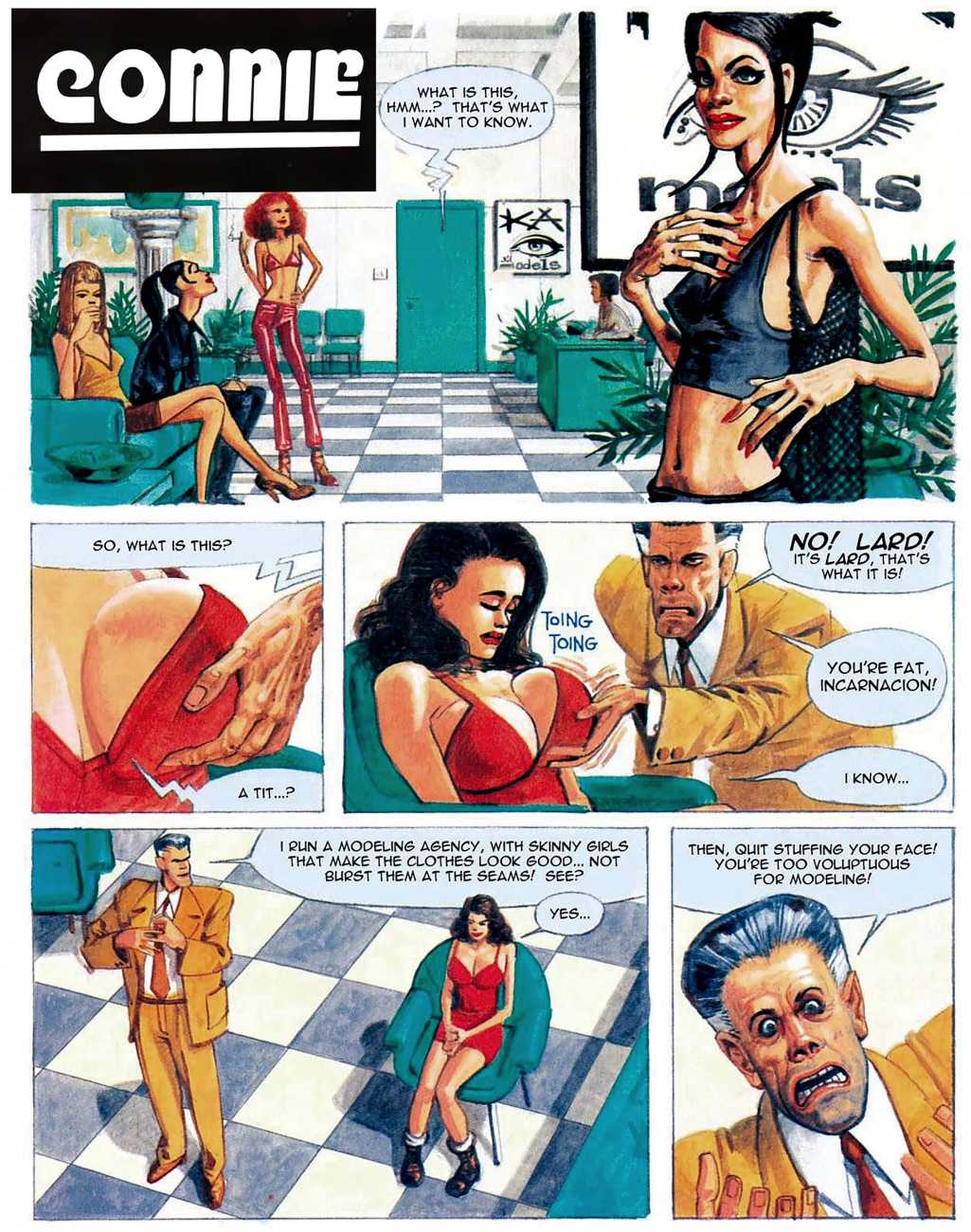
Doctor! I’m Too Big! (1997)
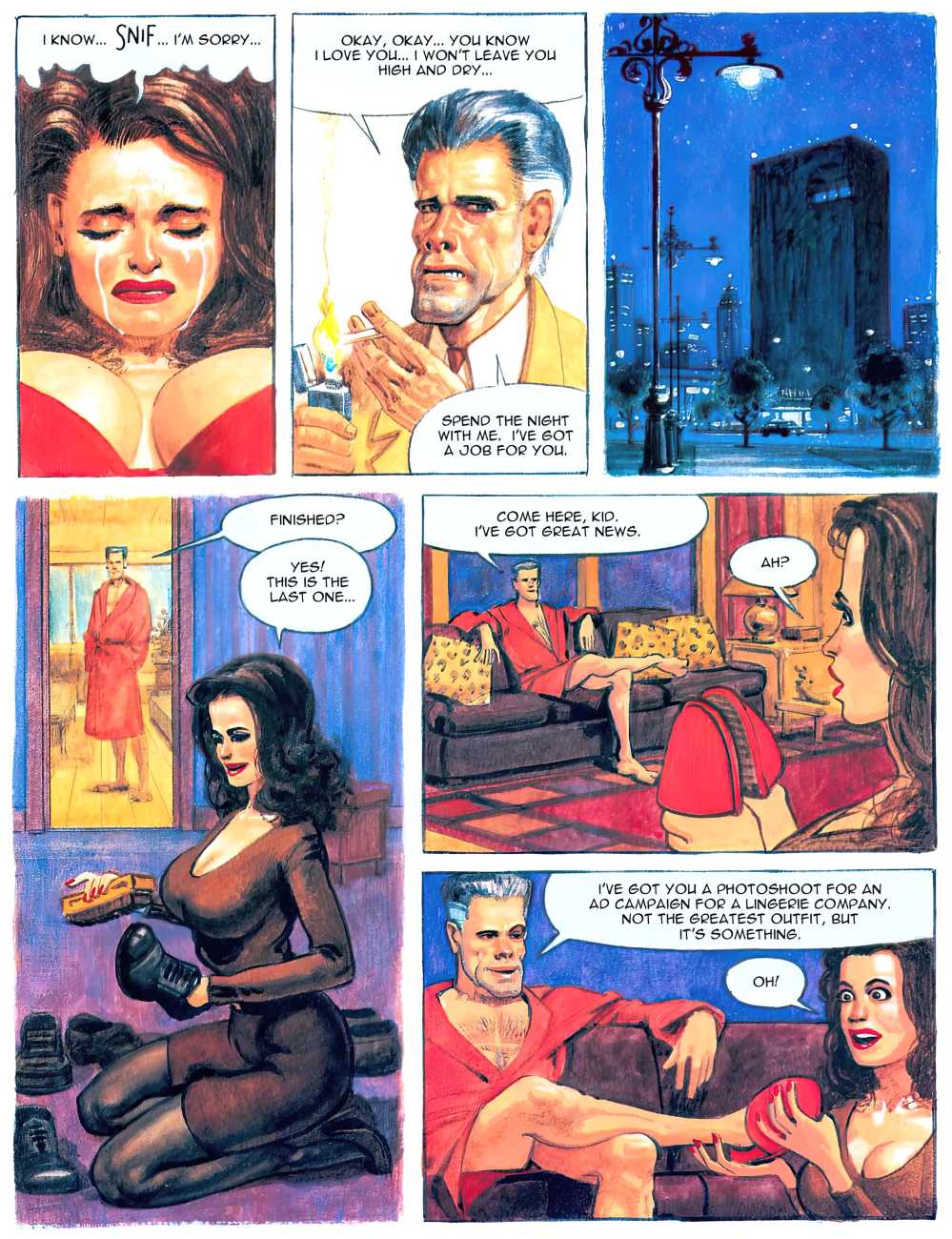
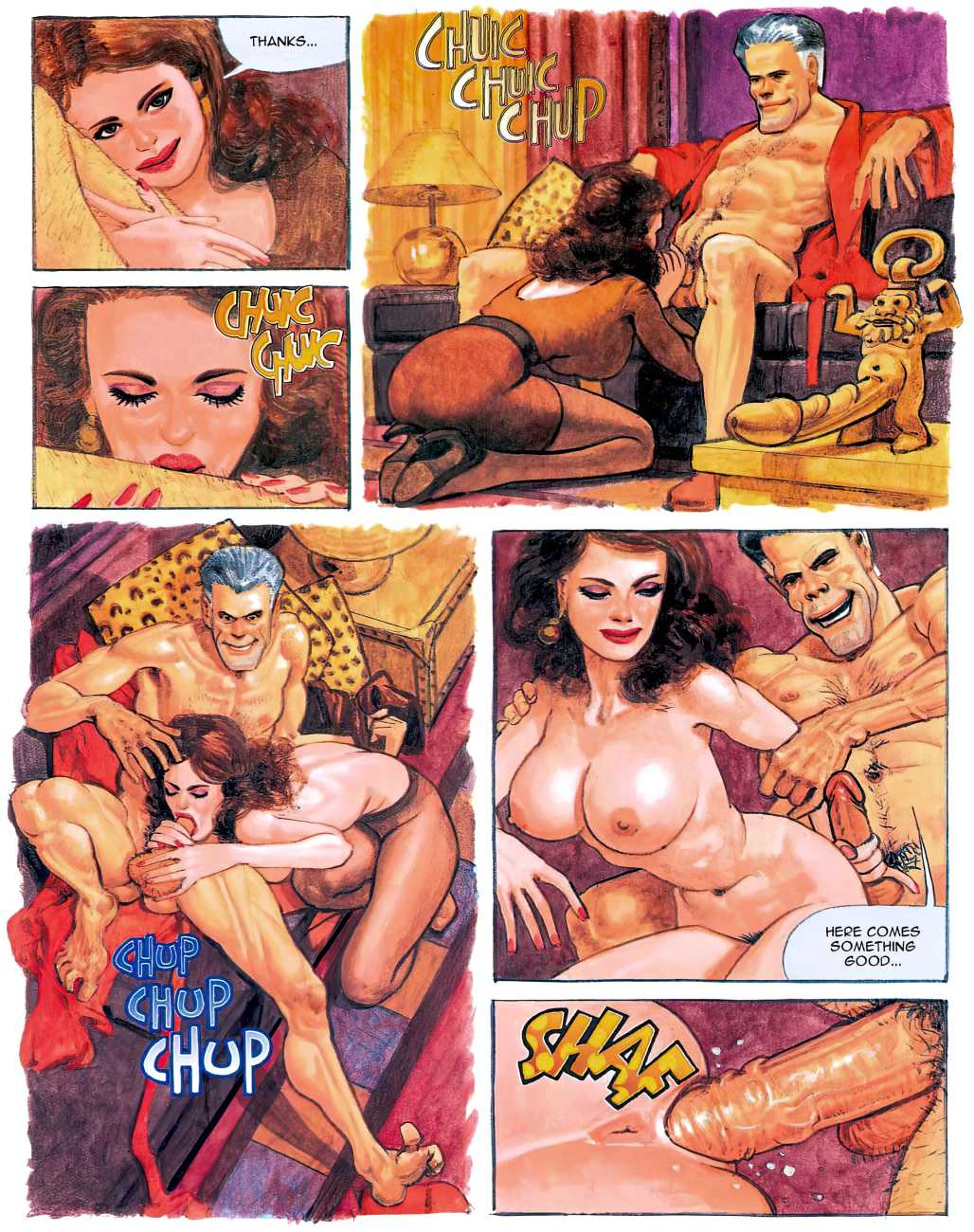
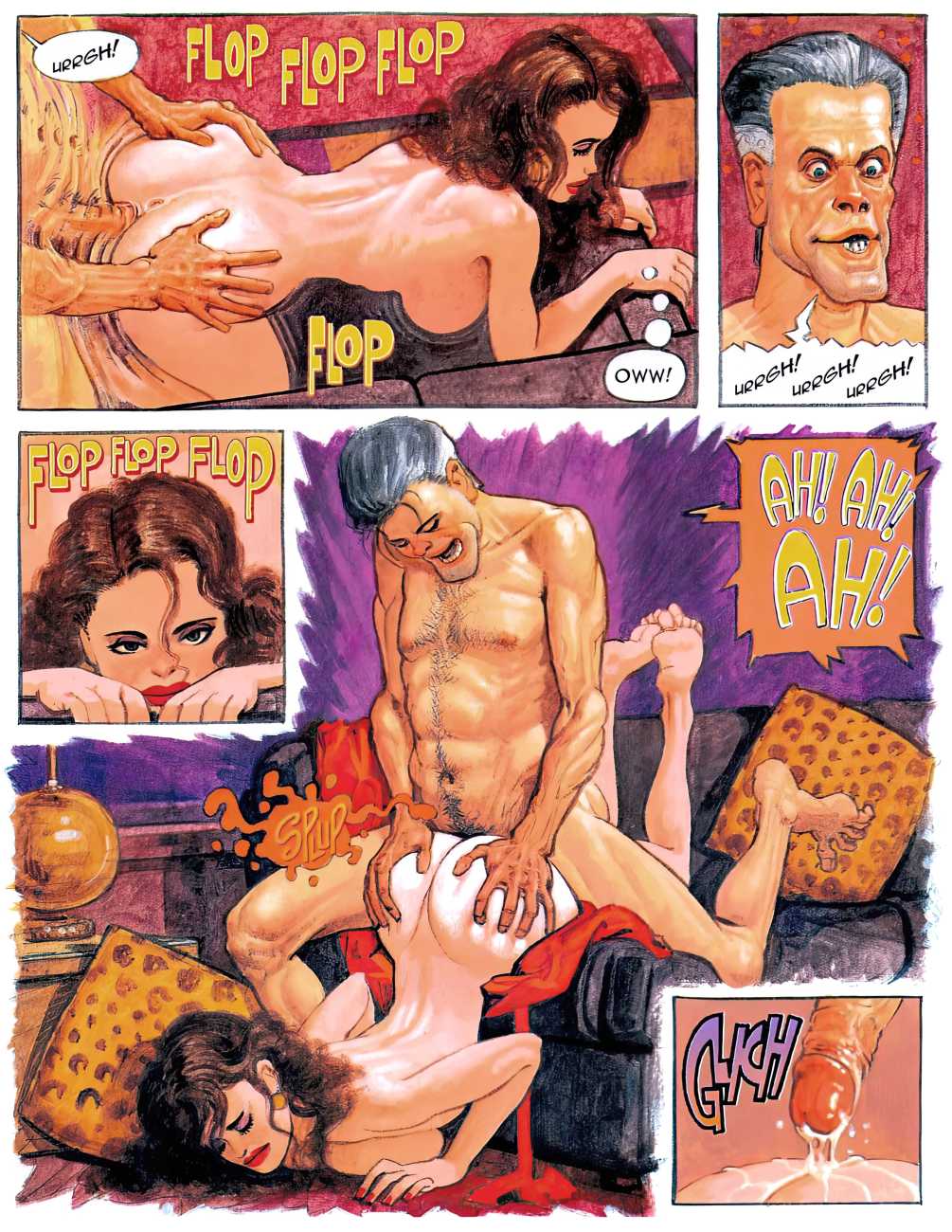
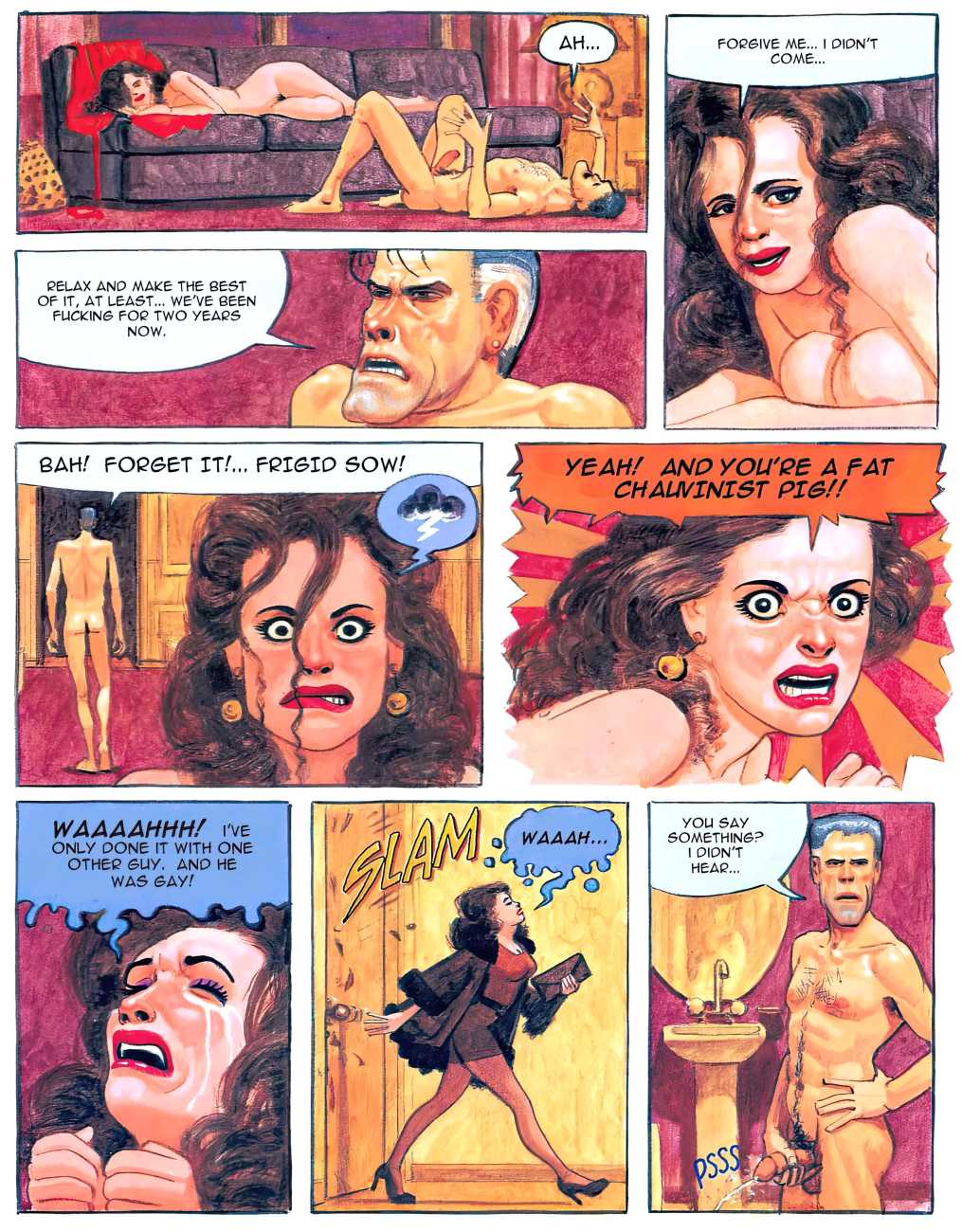
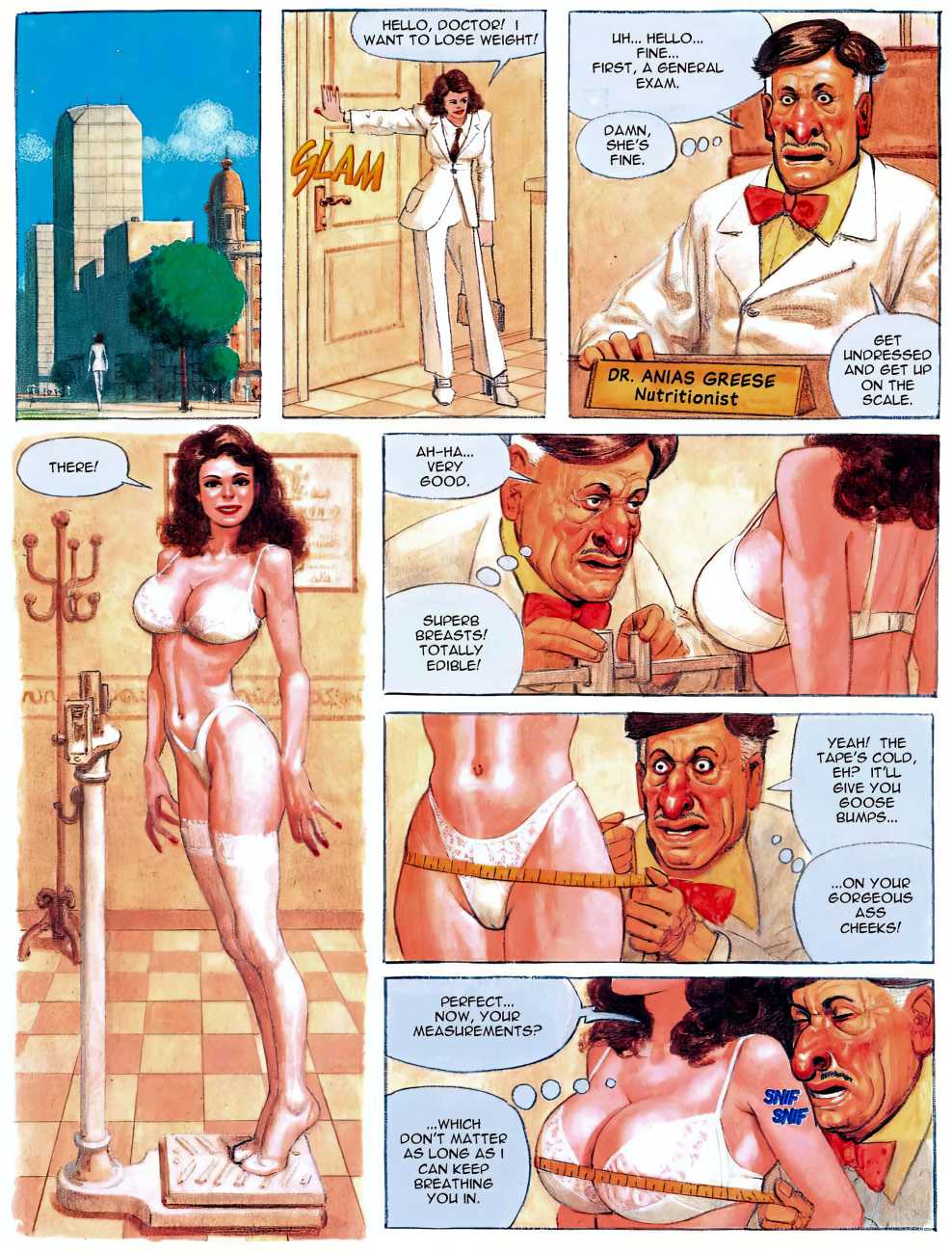
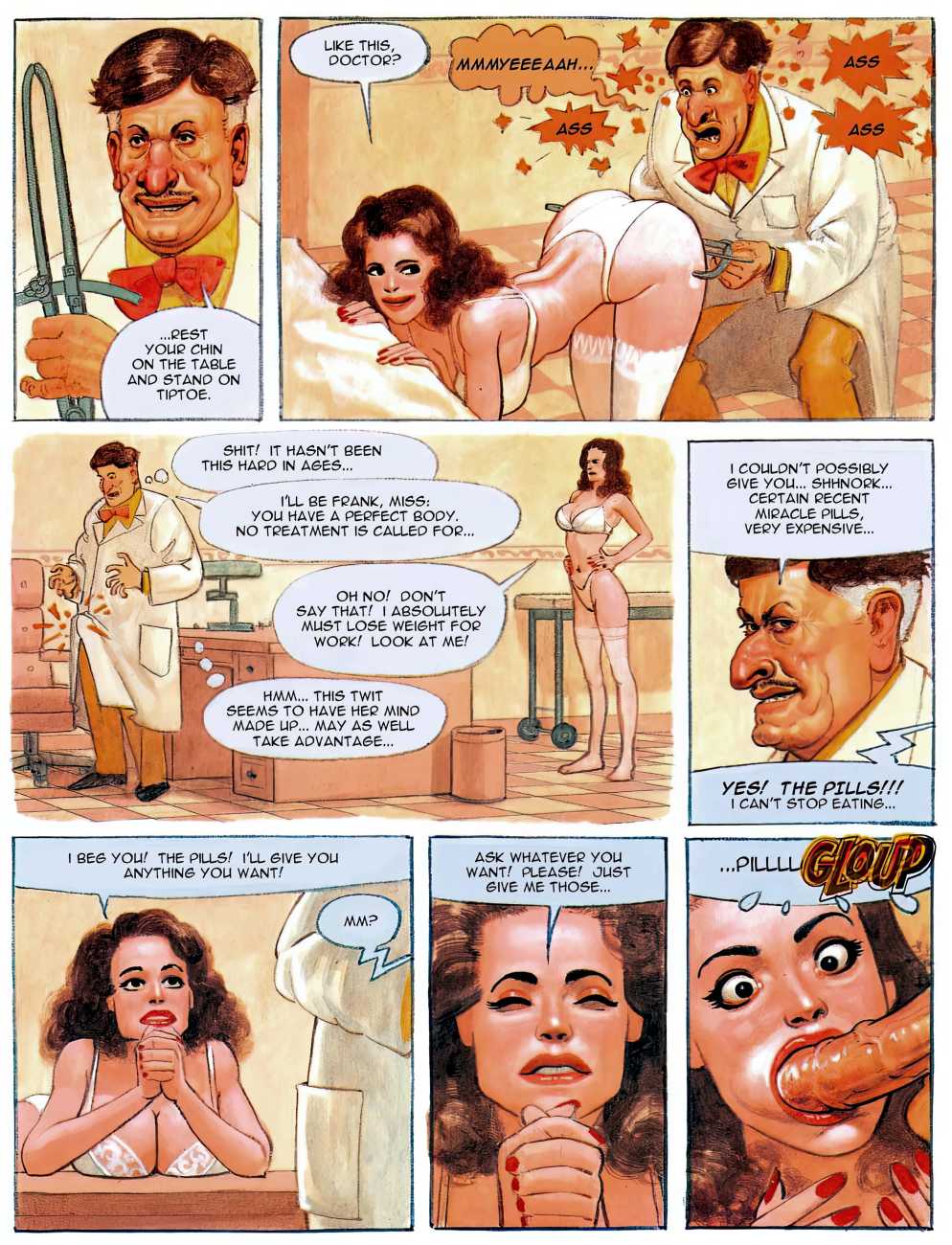

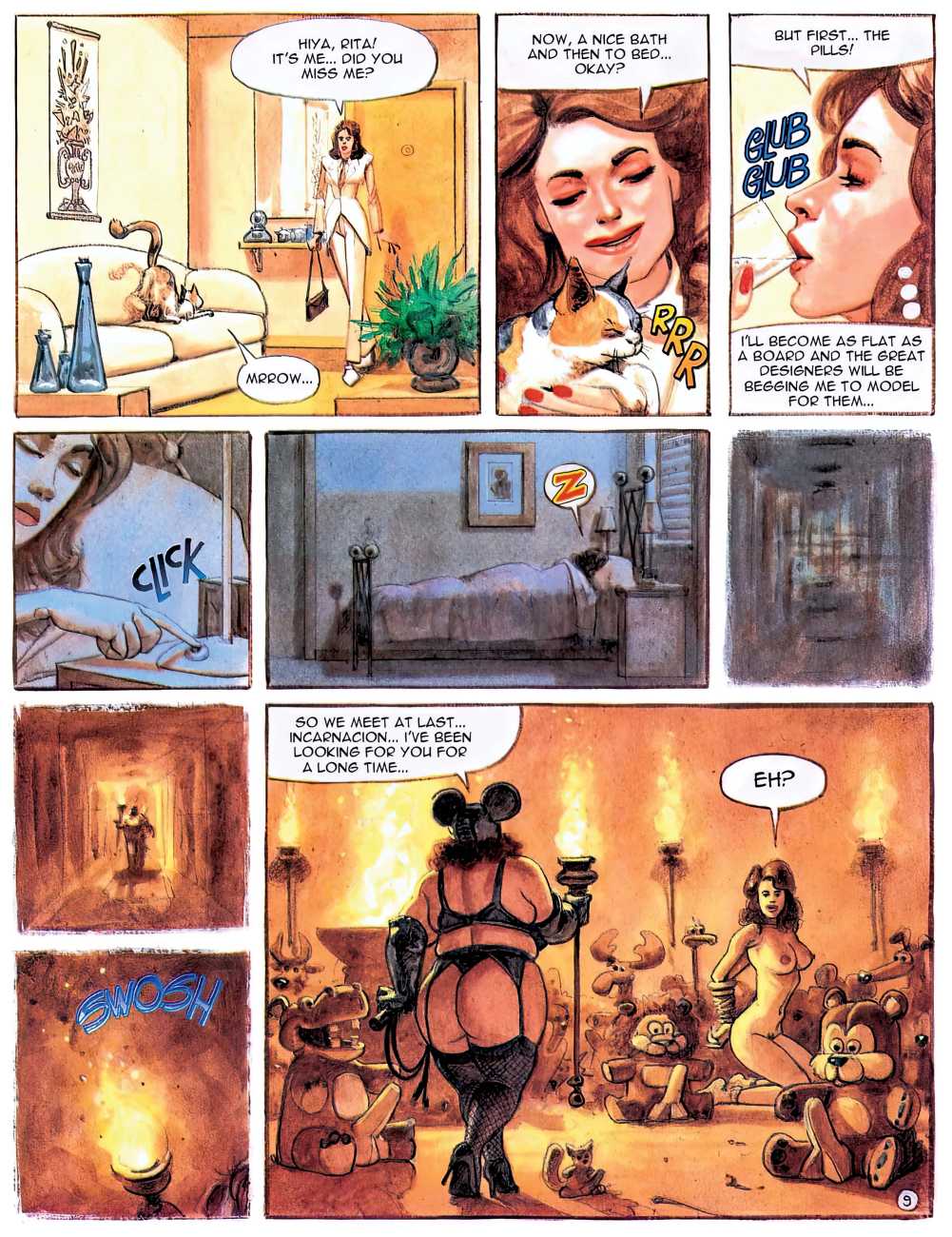
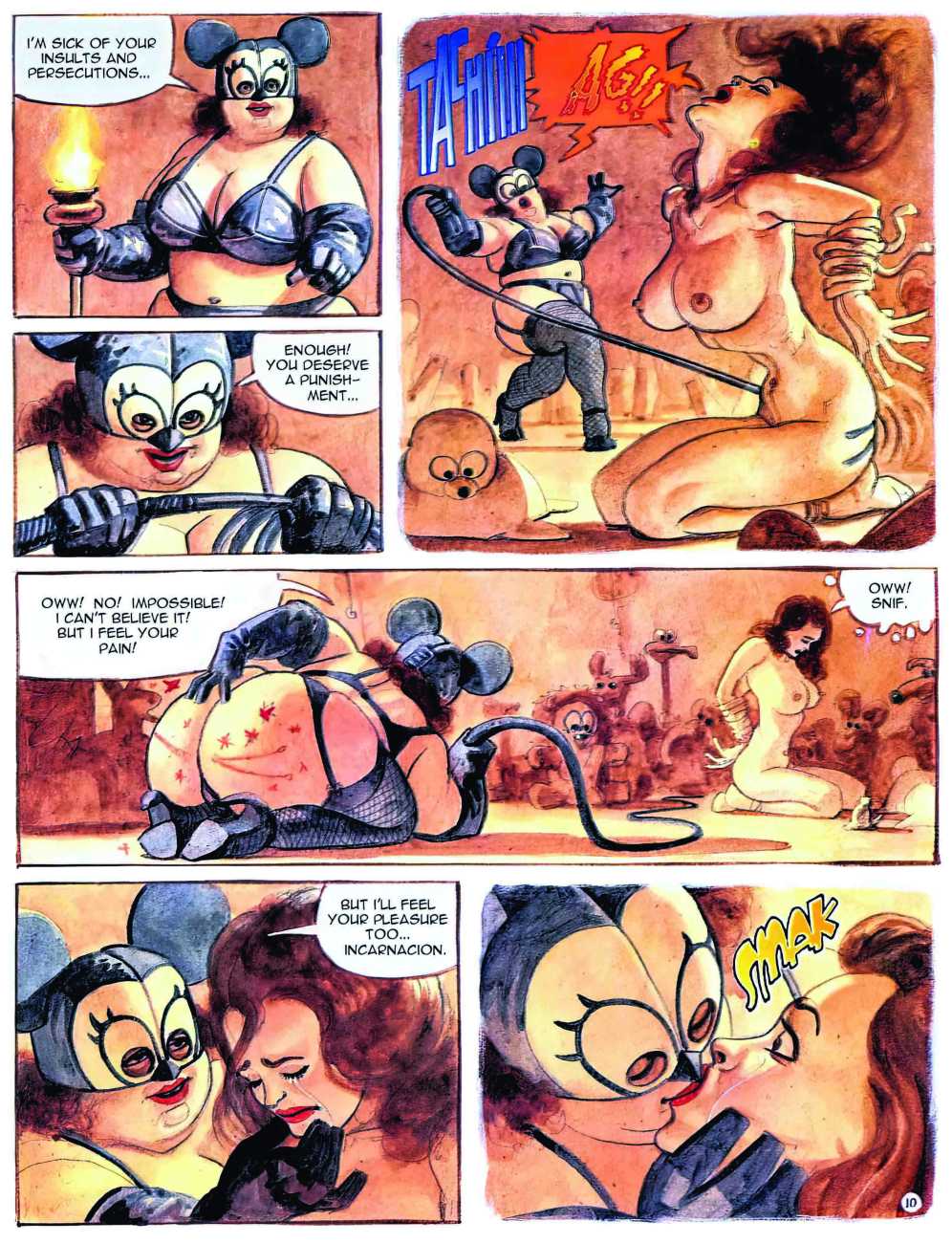
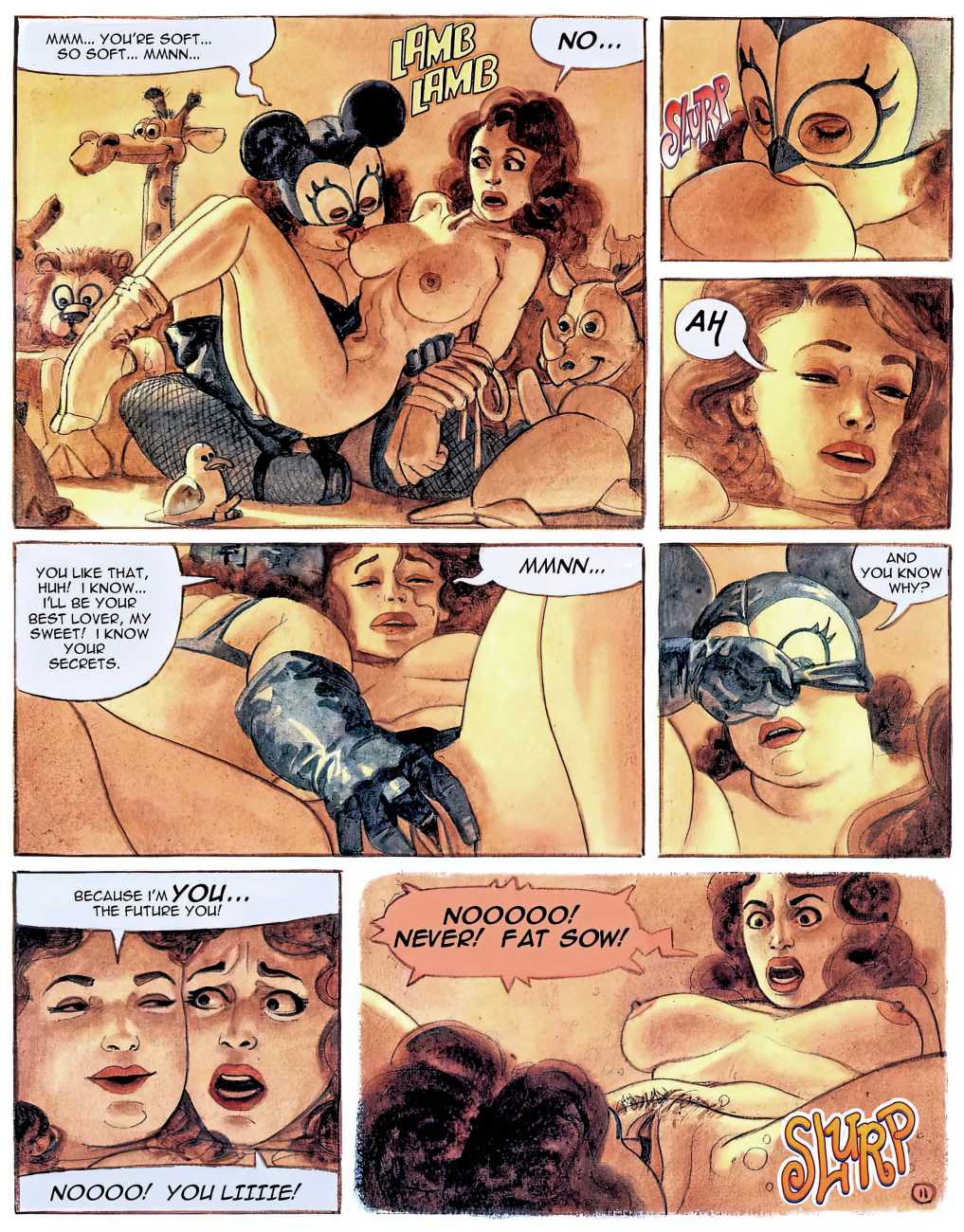
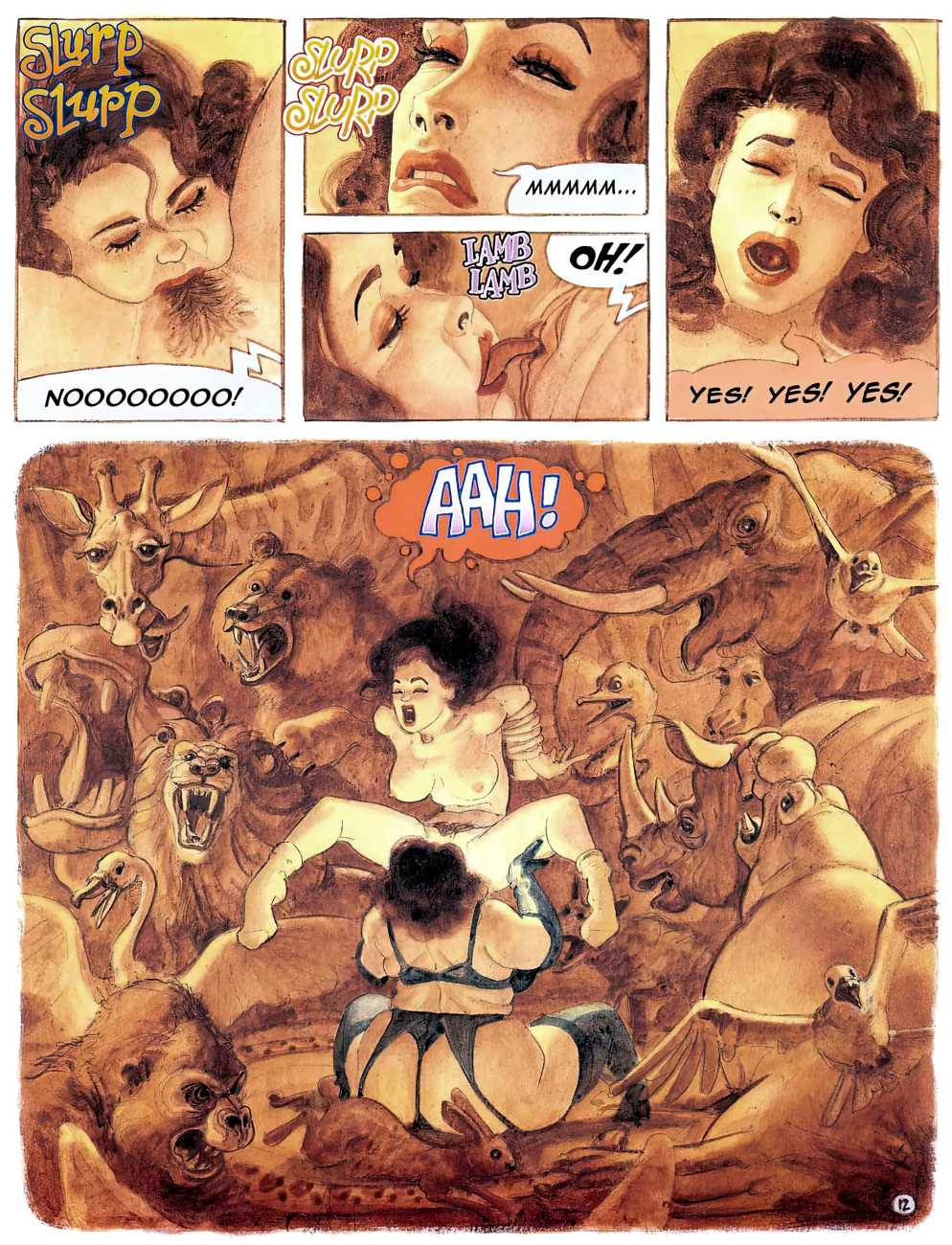
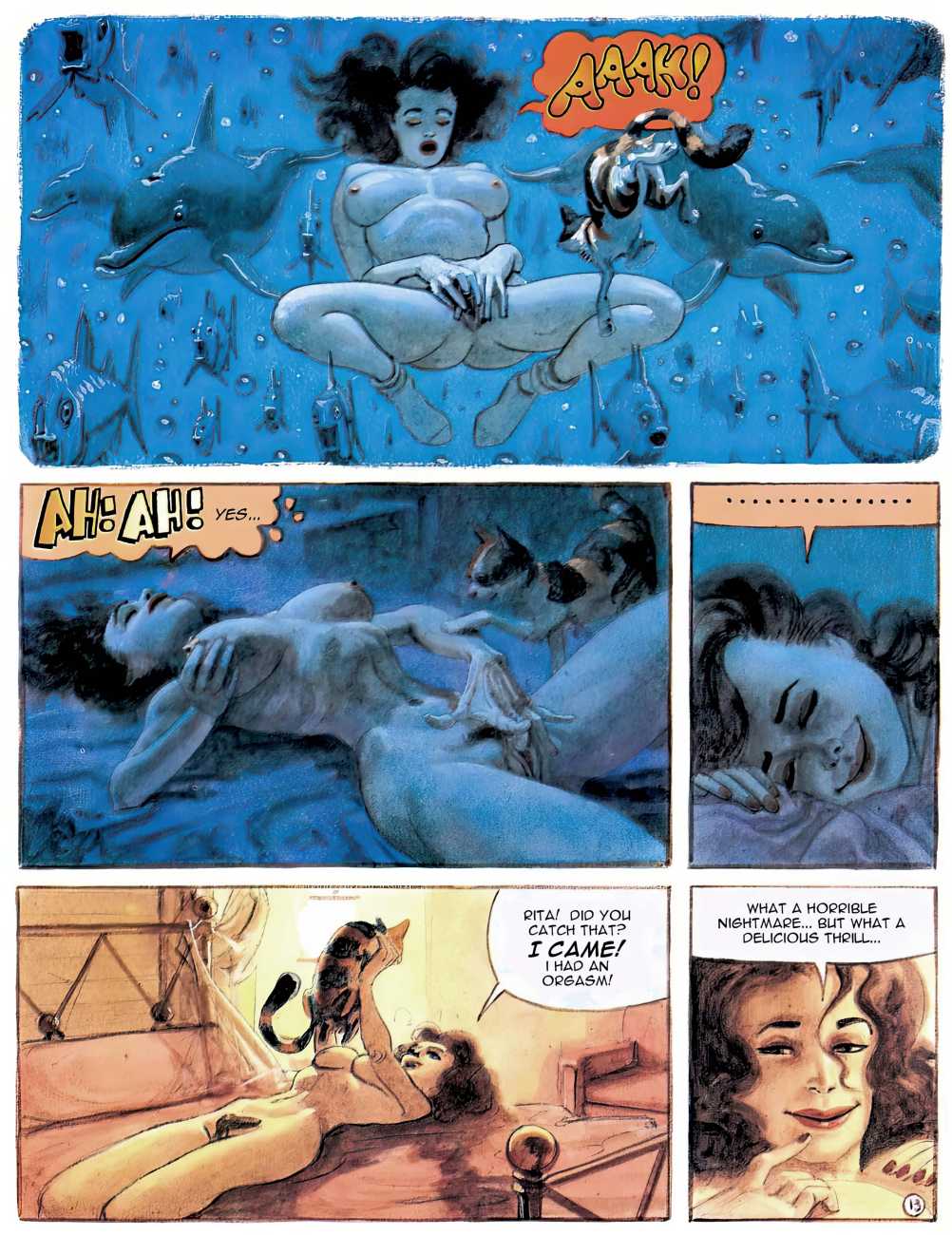
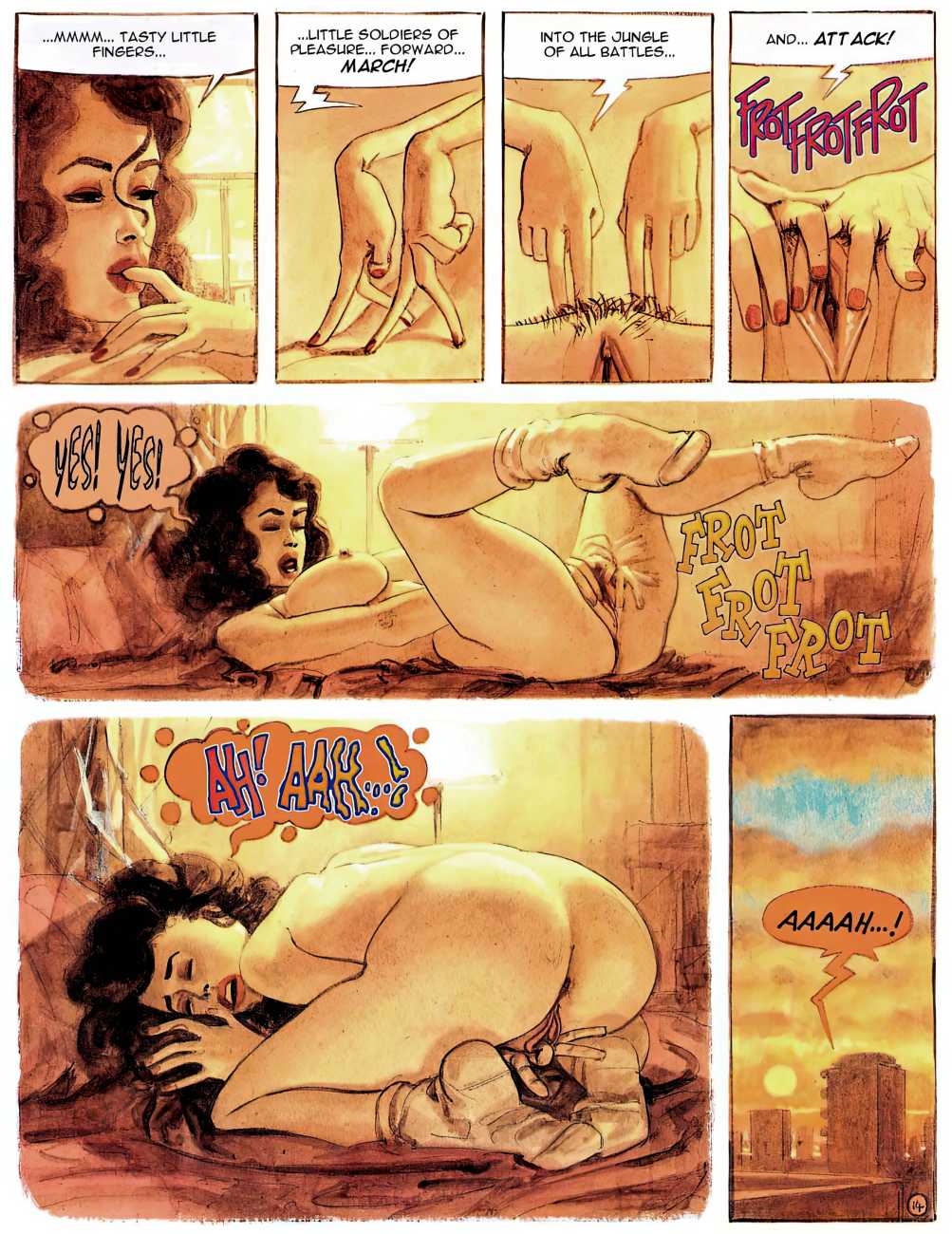
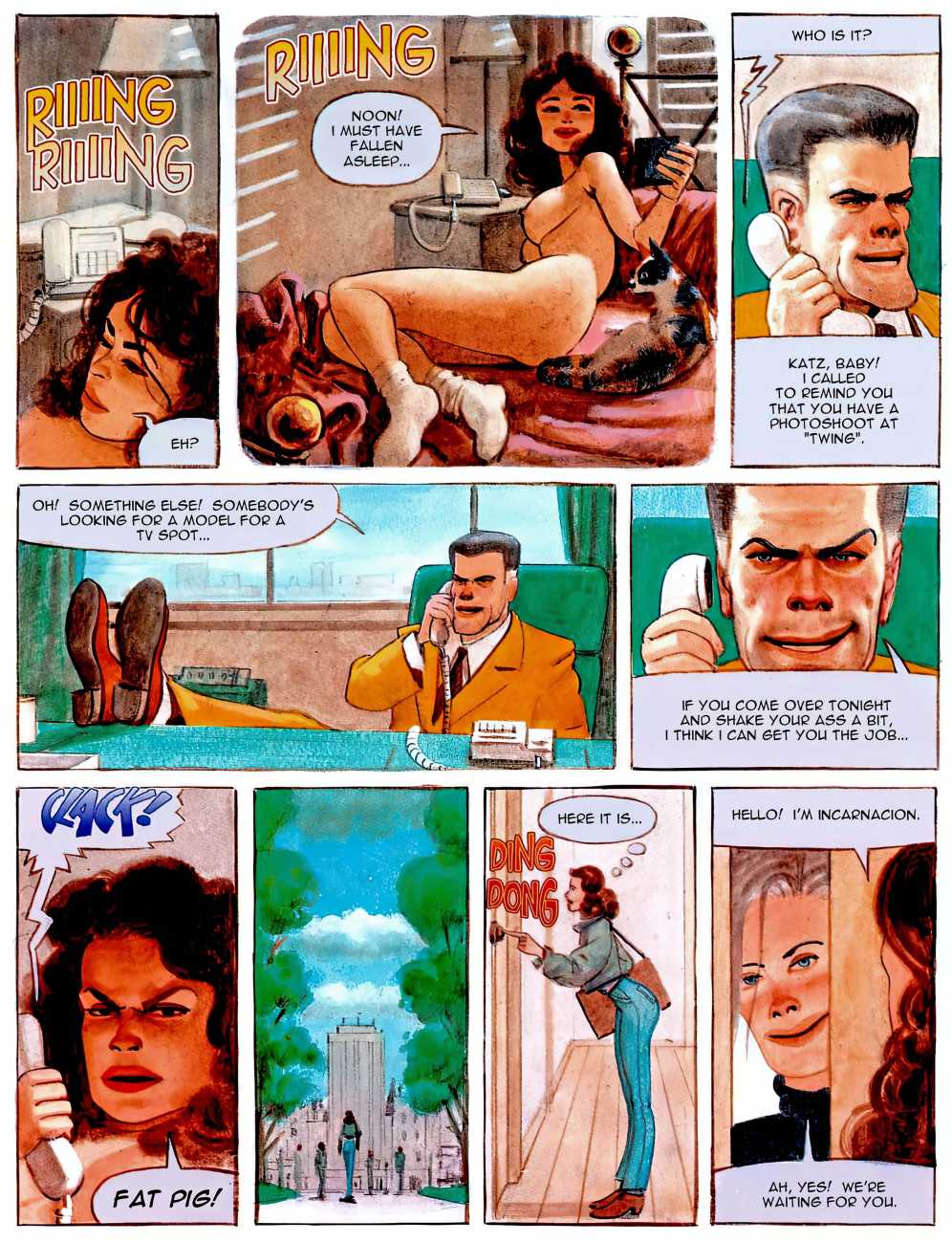
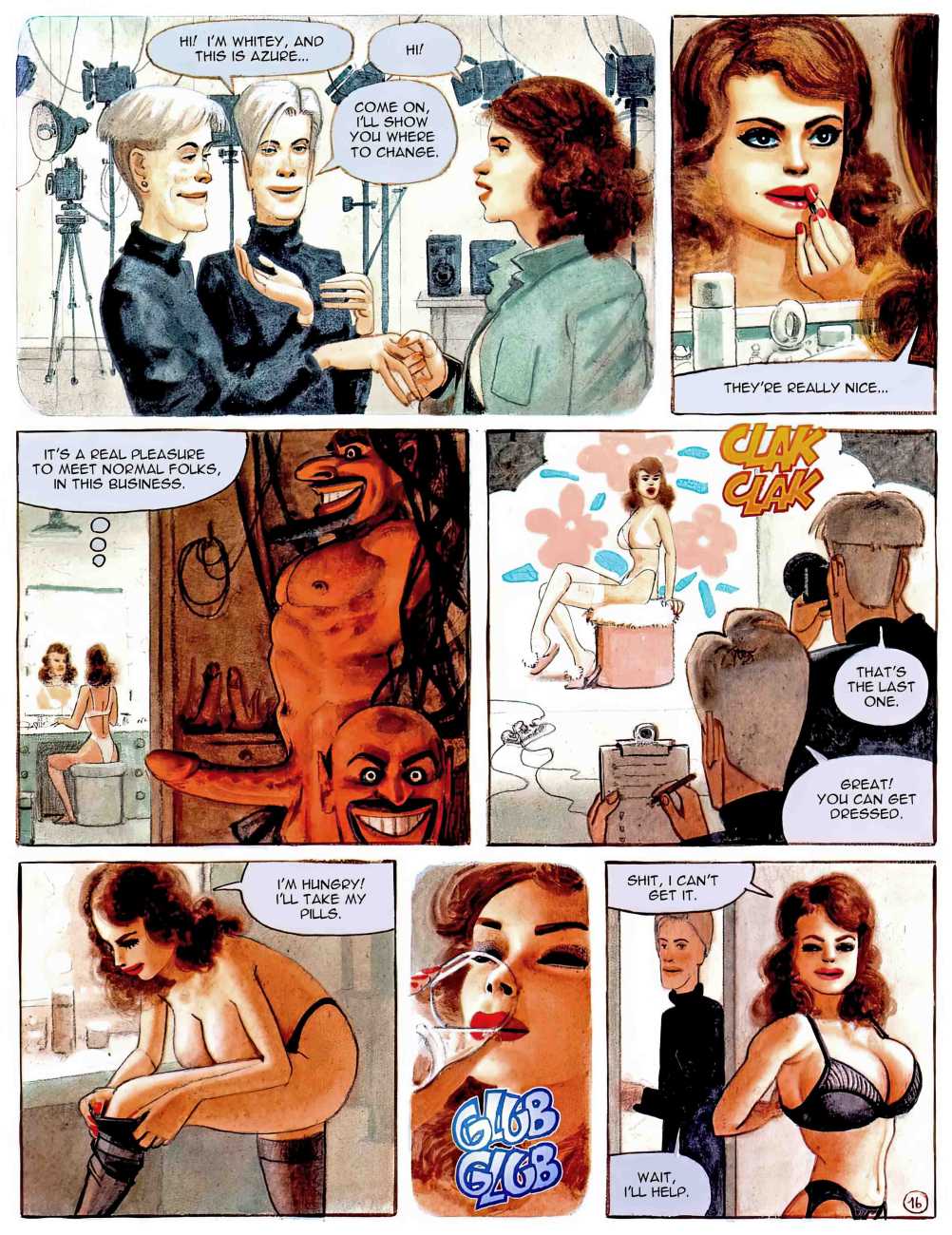
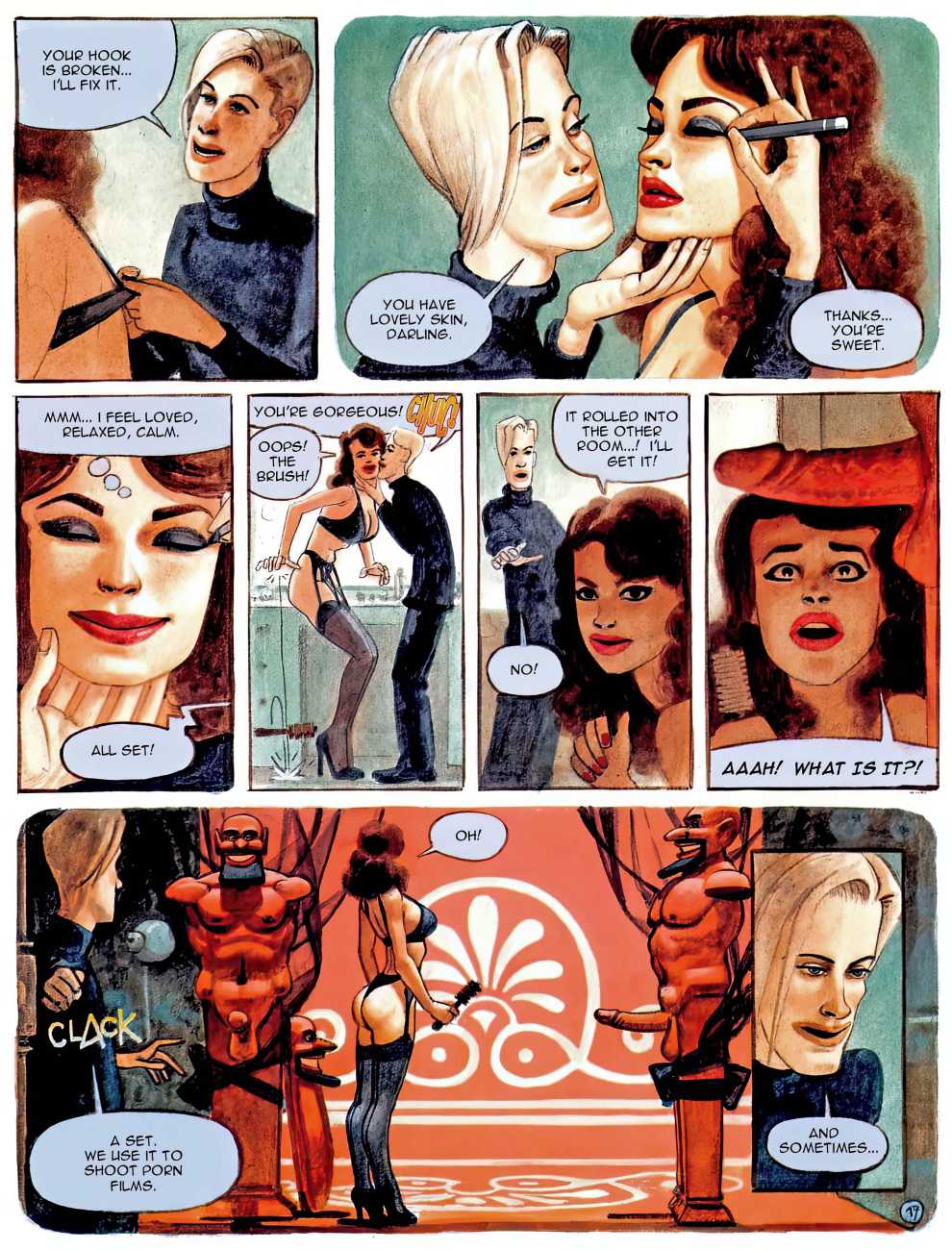
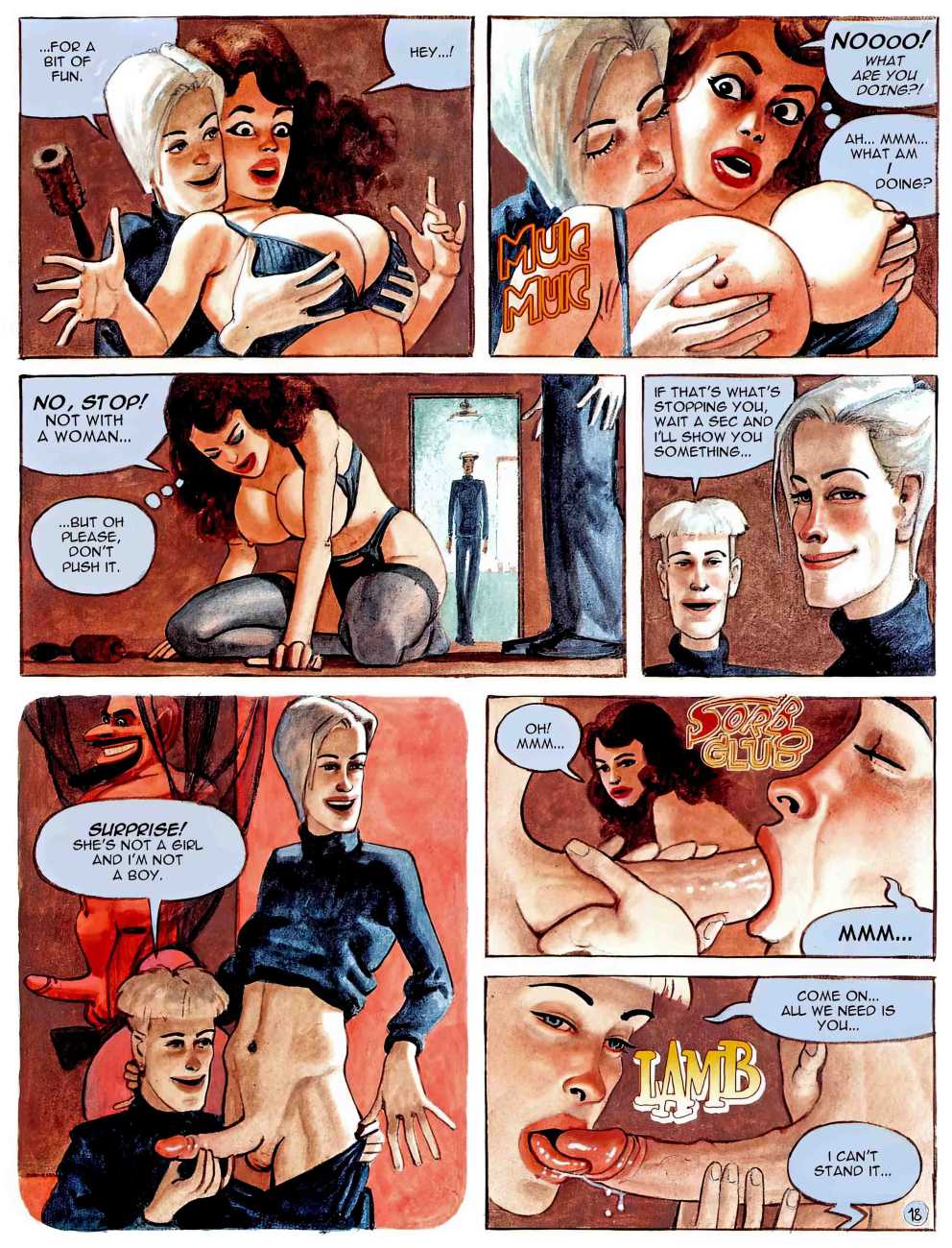
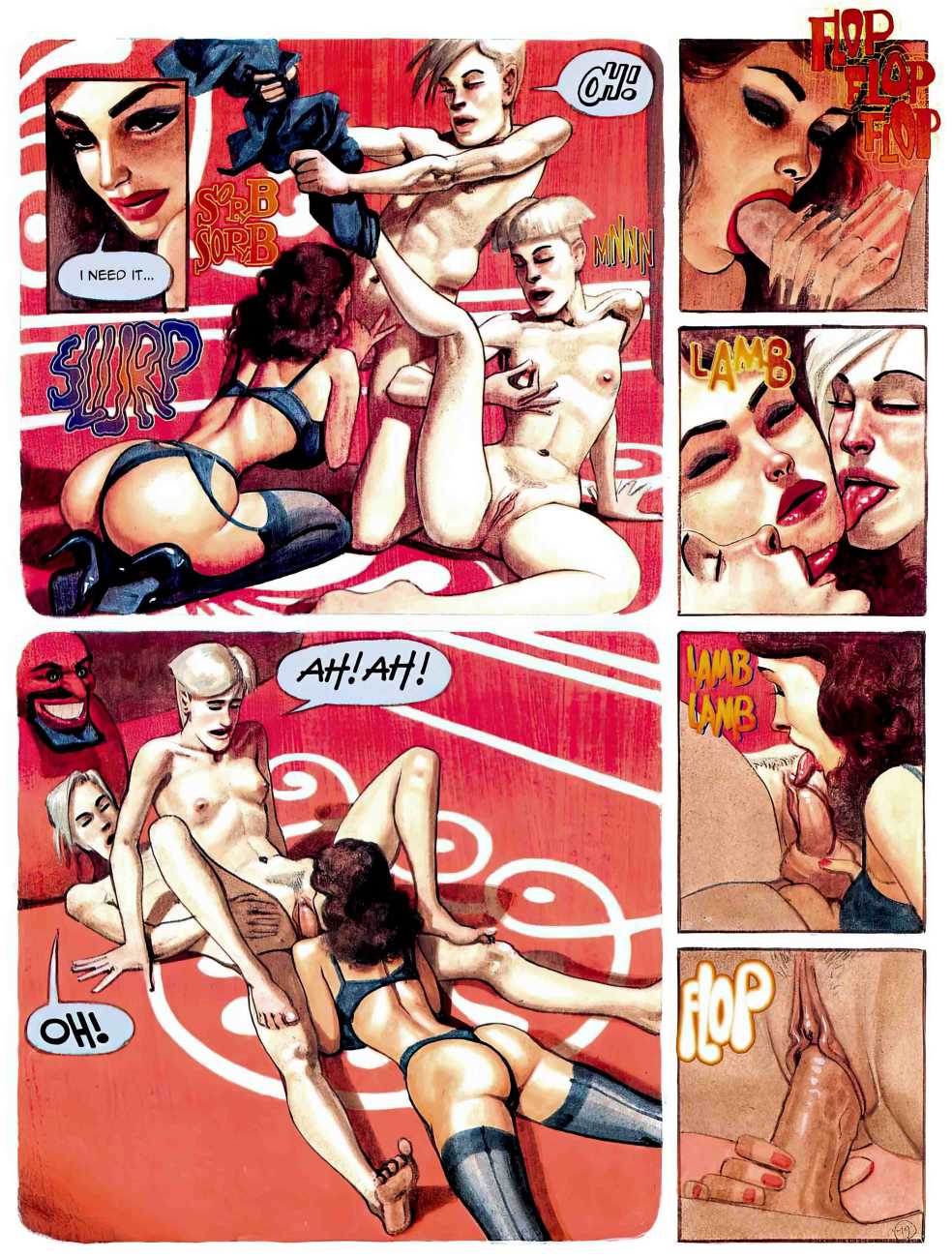
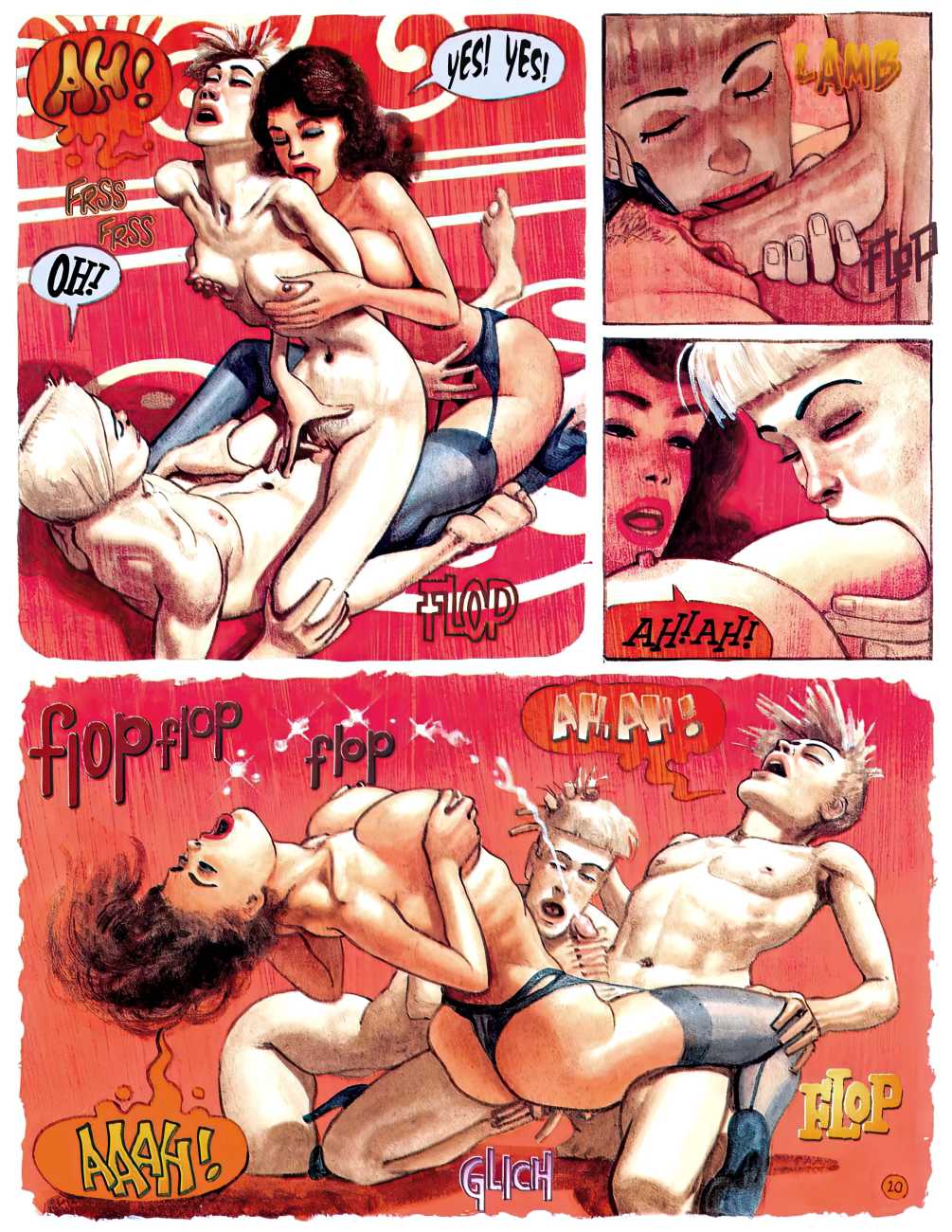
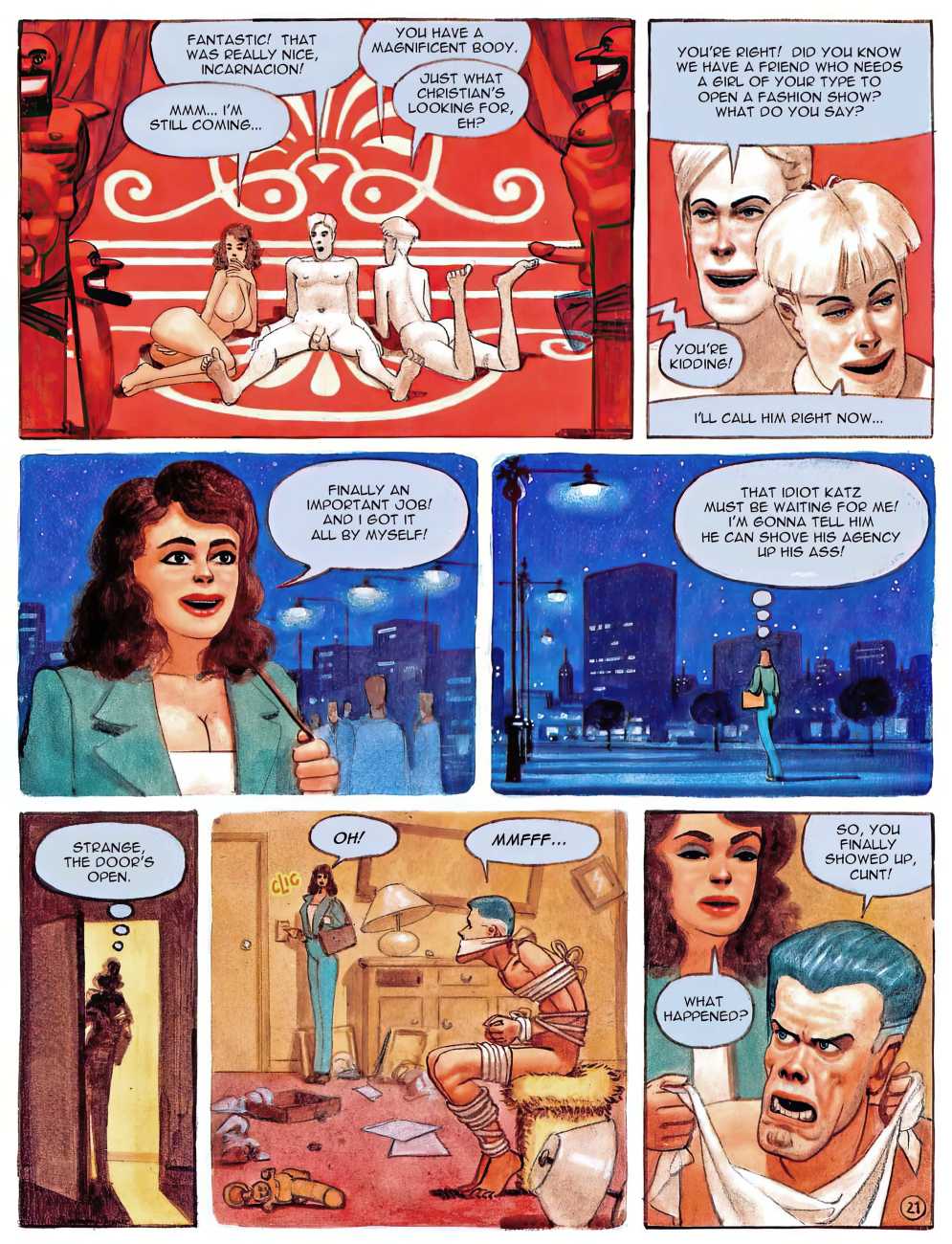
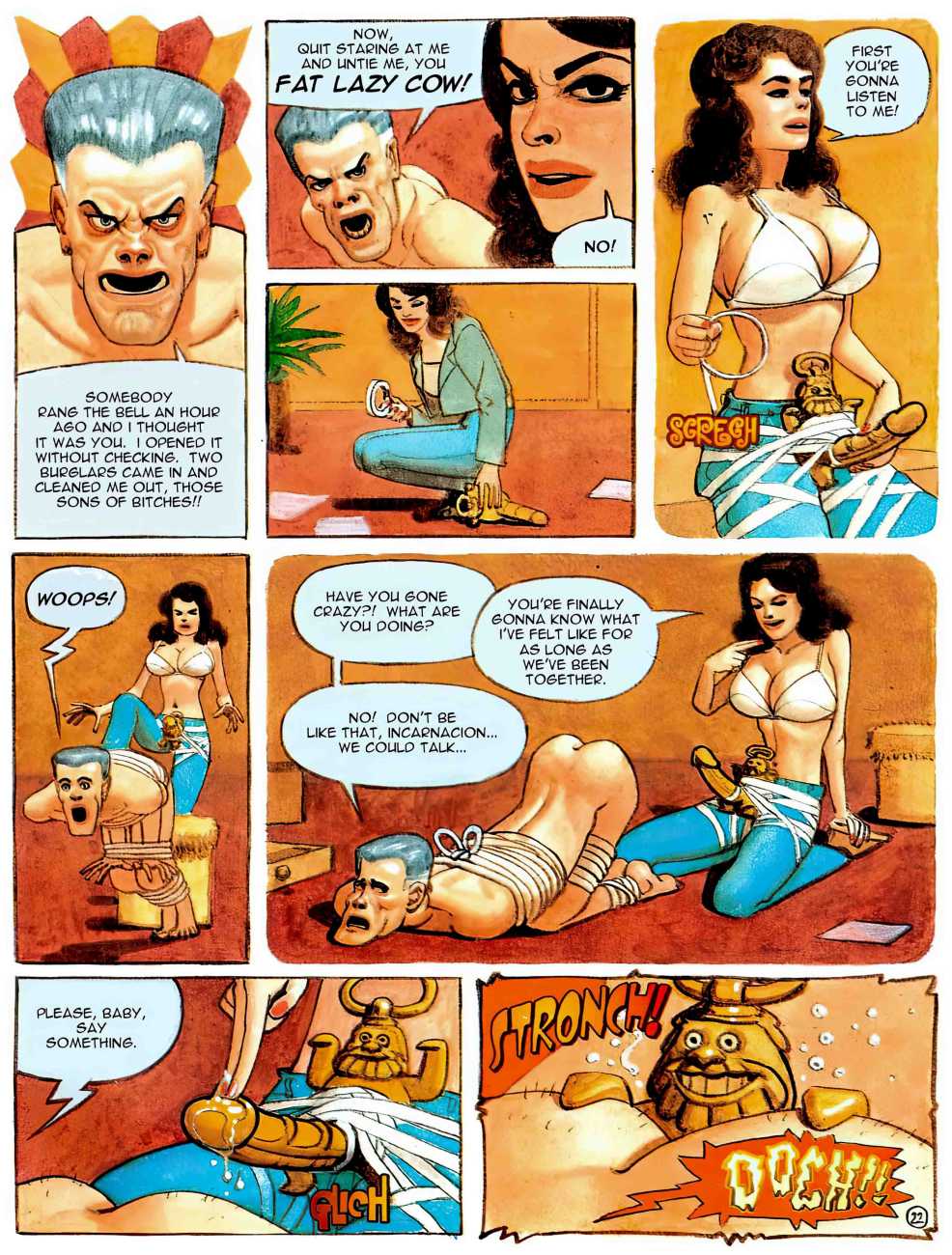
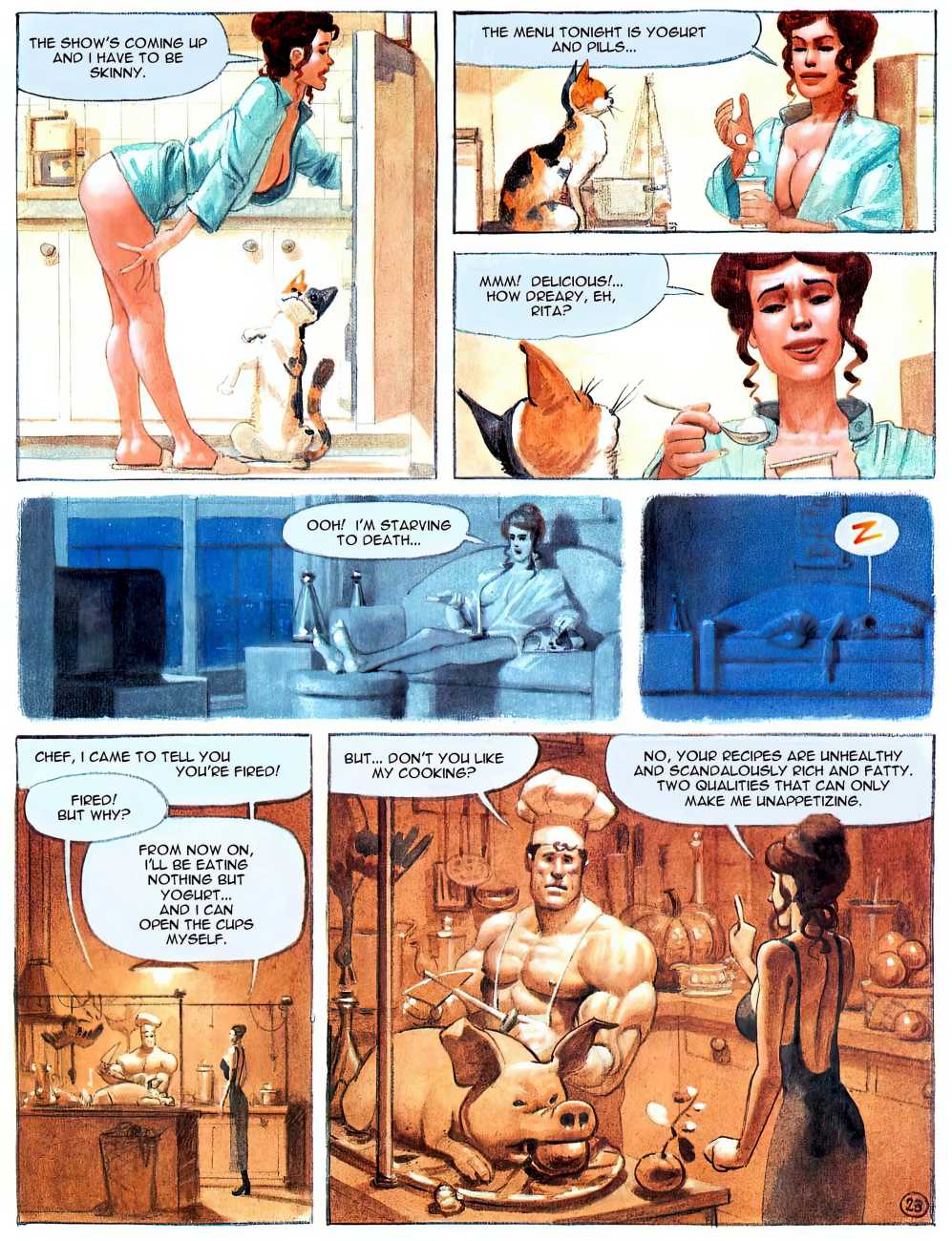
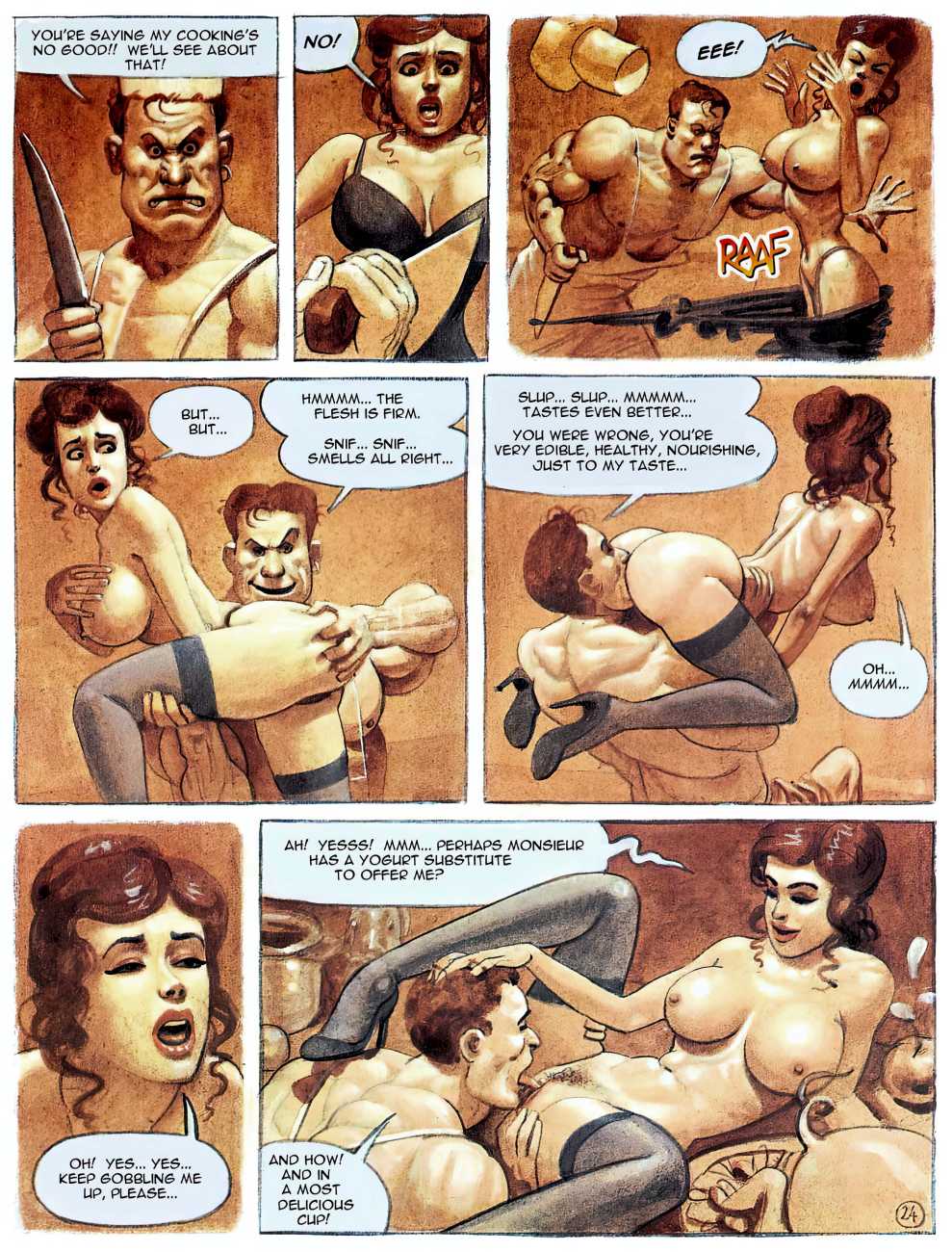
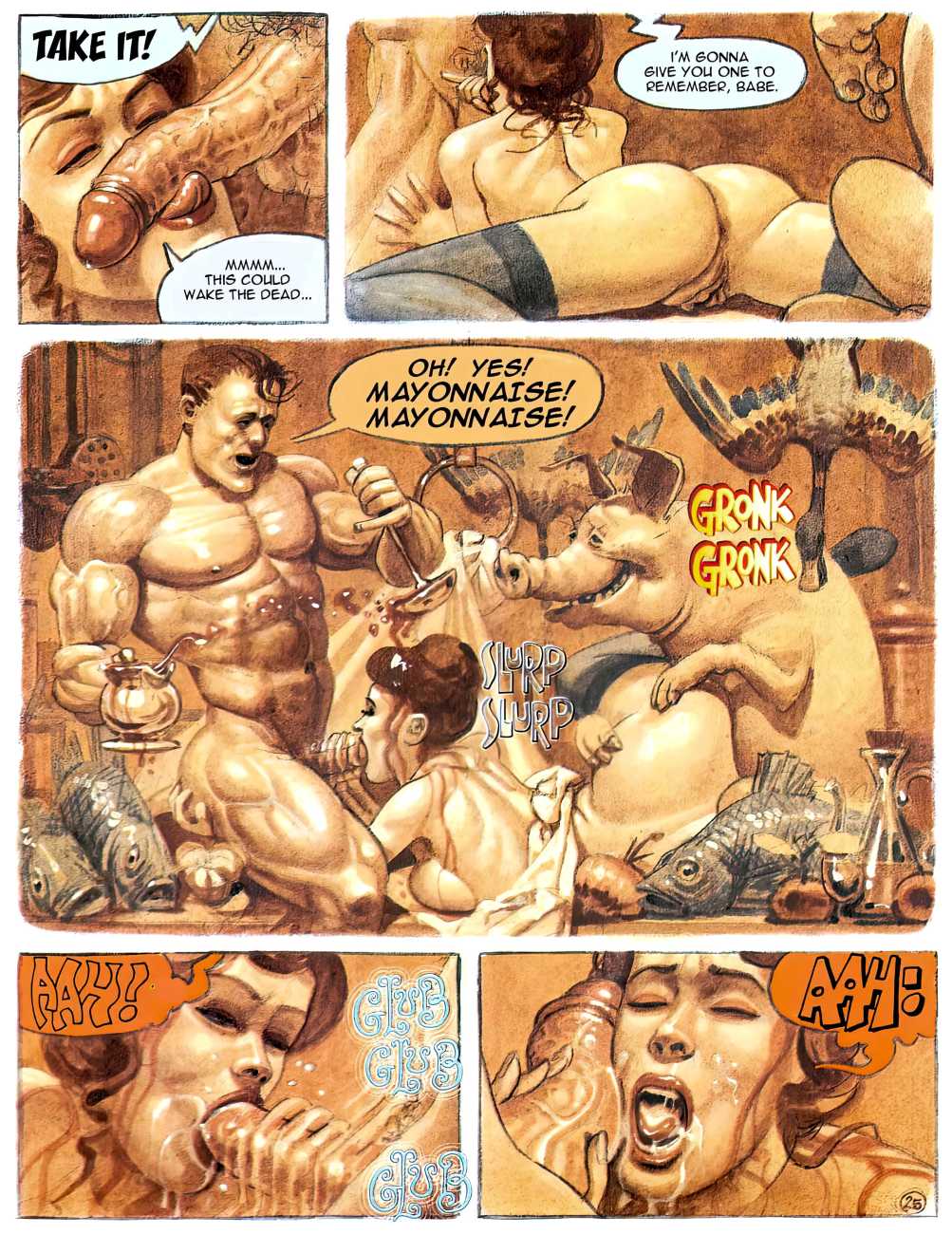
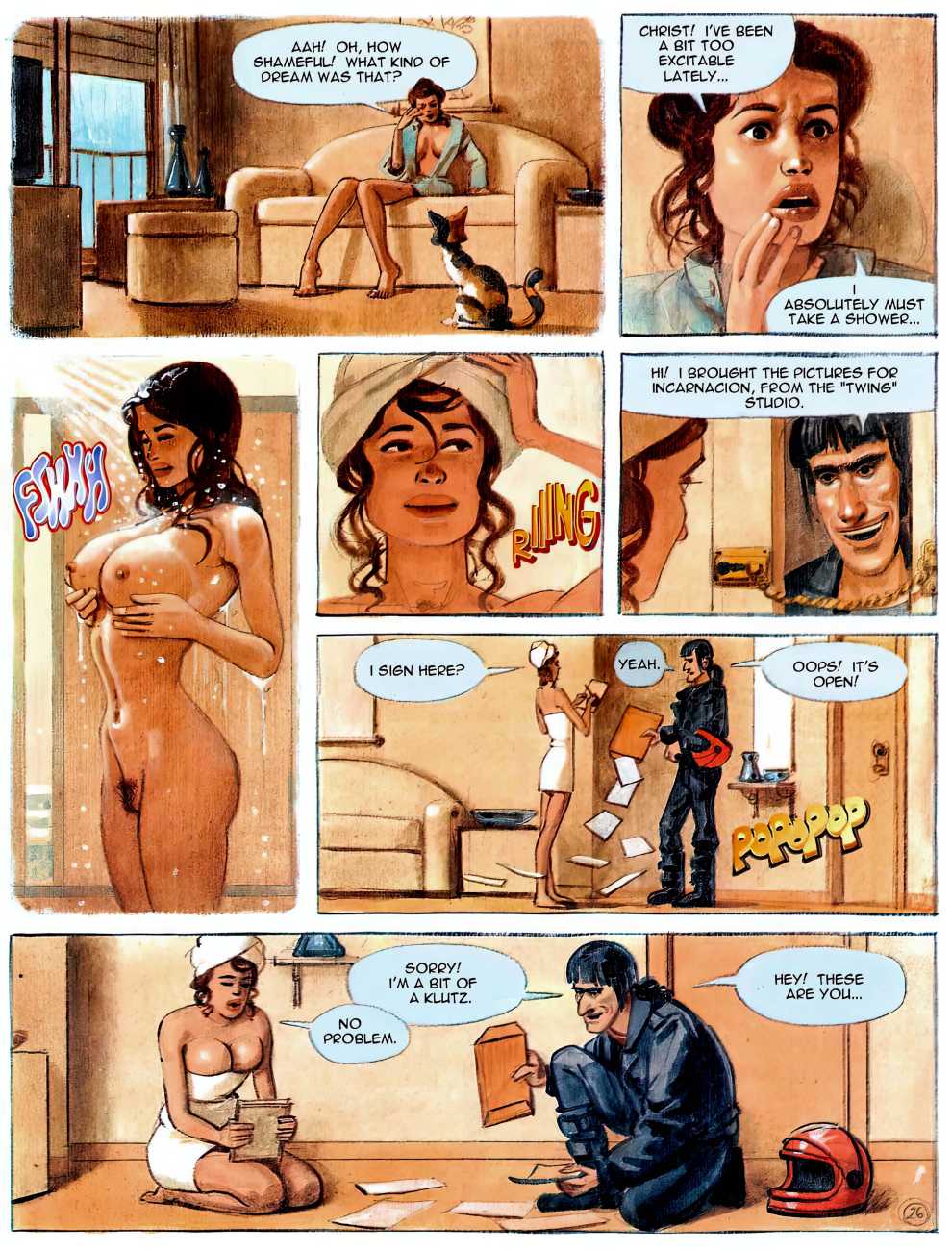
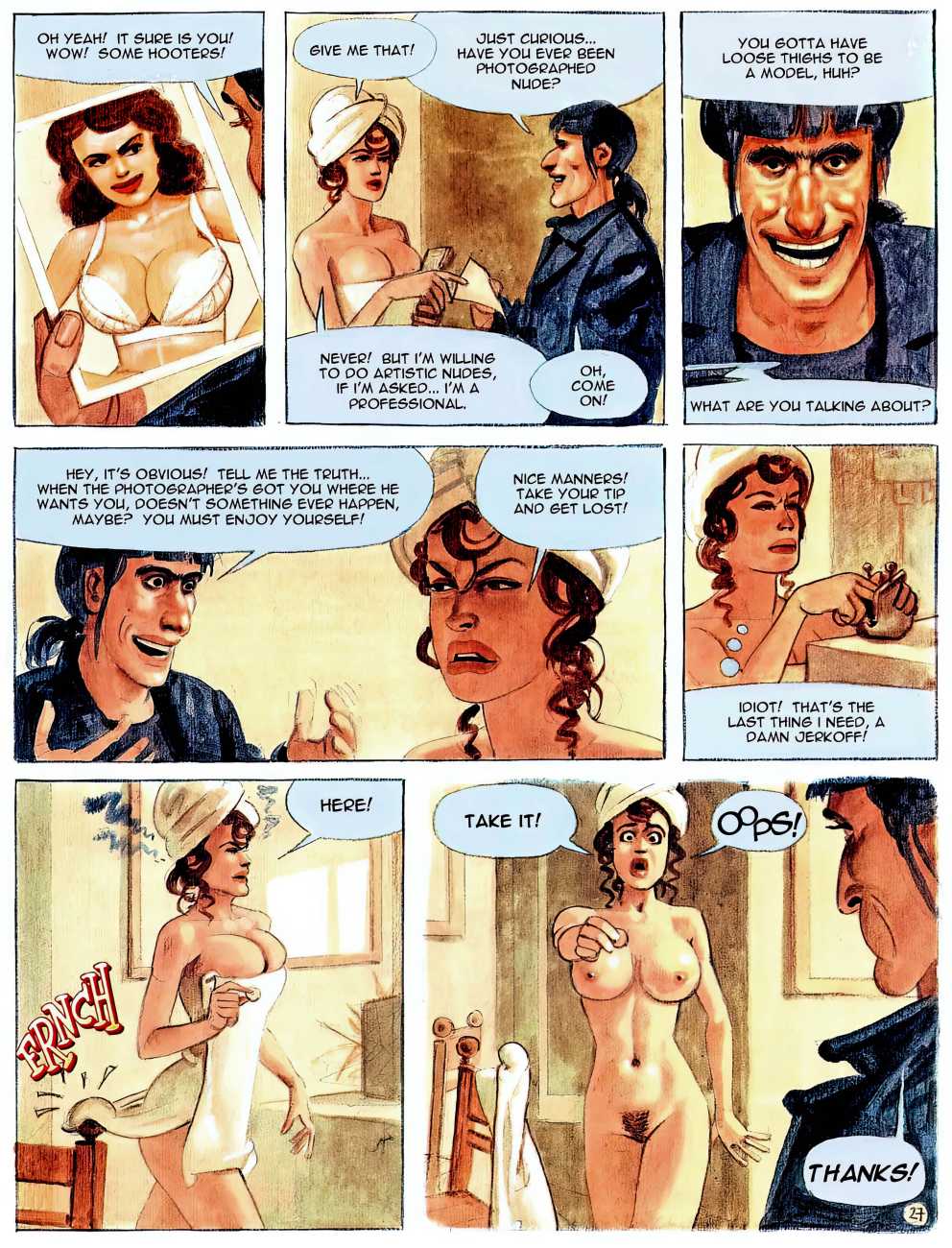
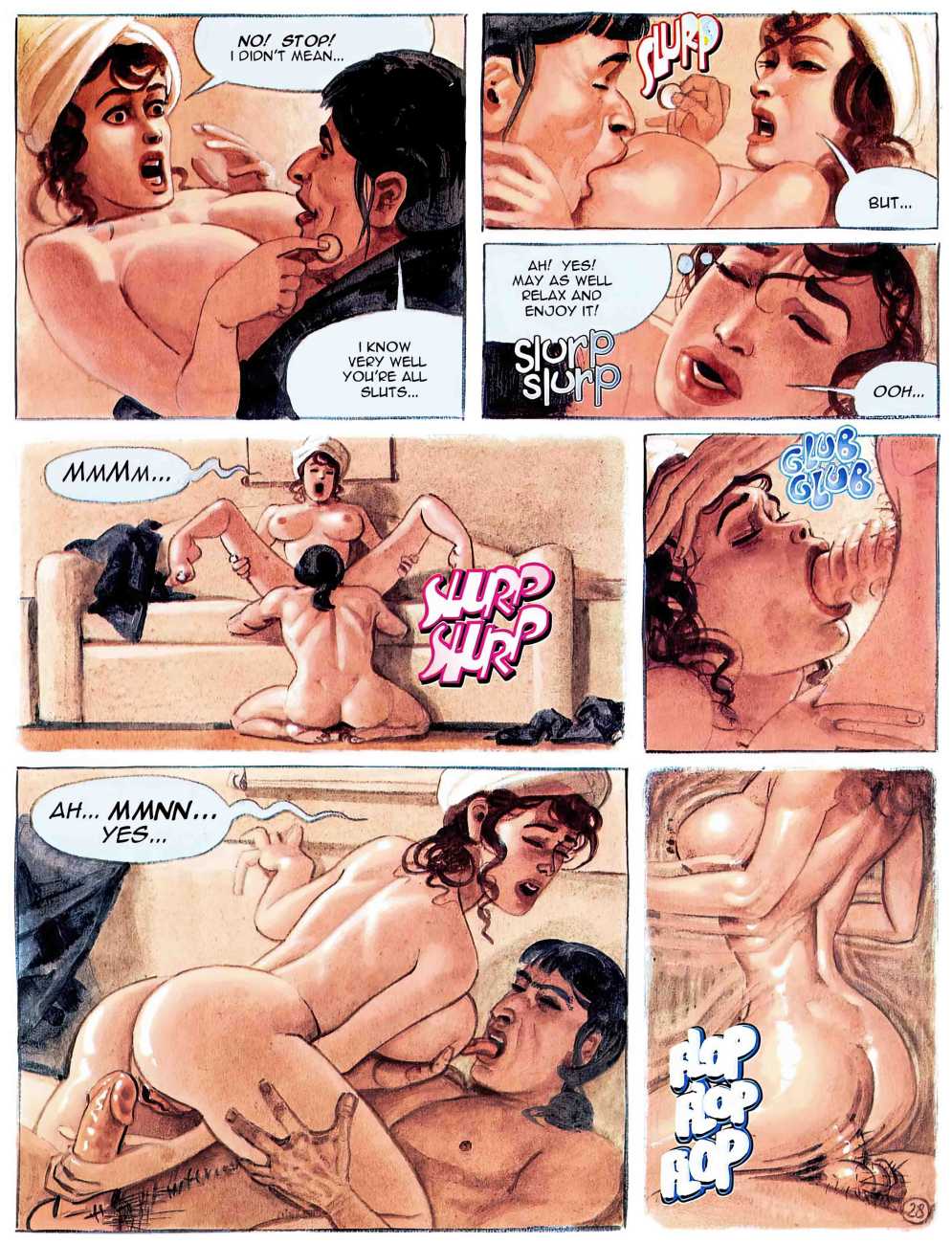
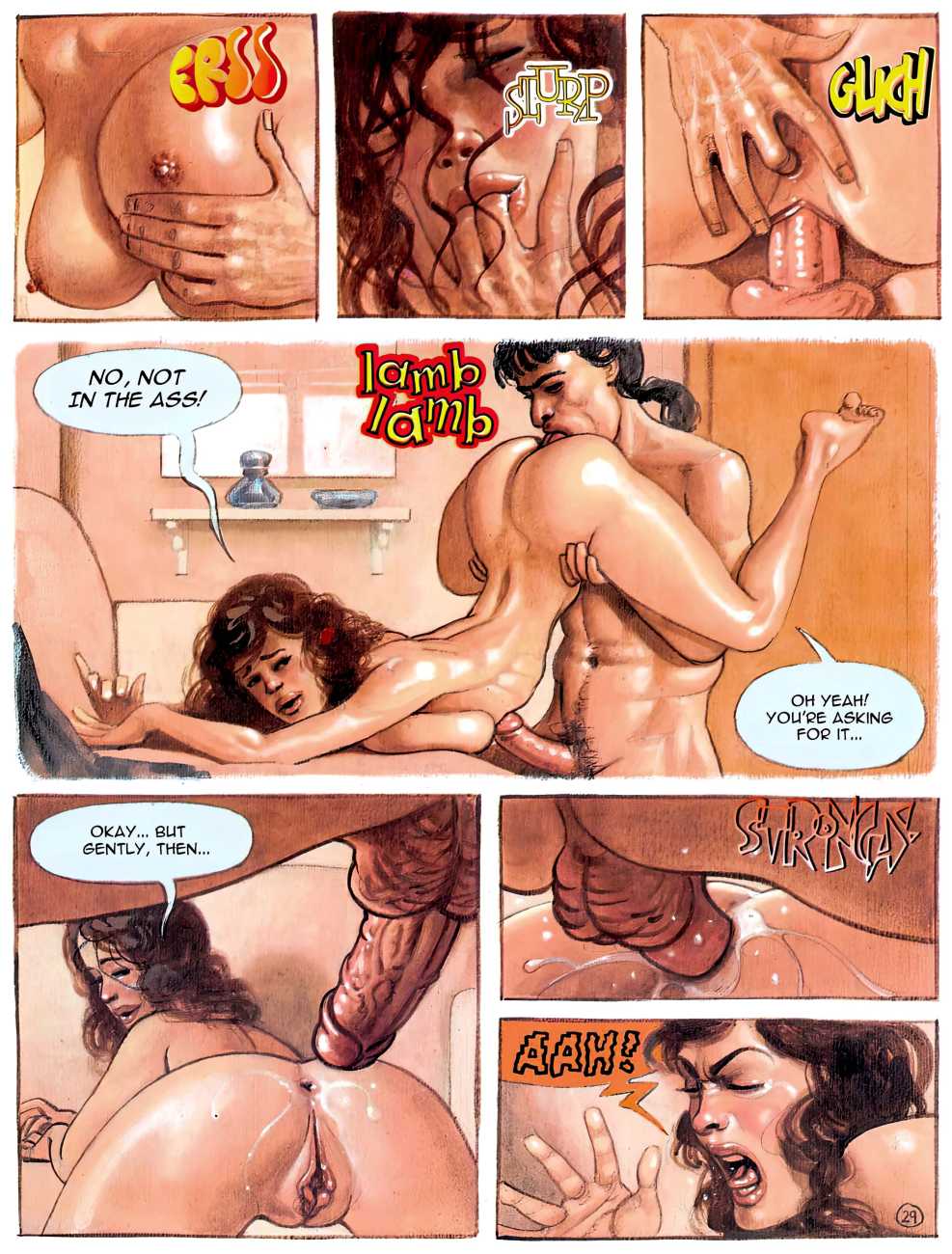
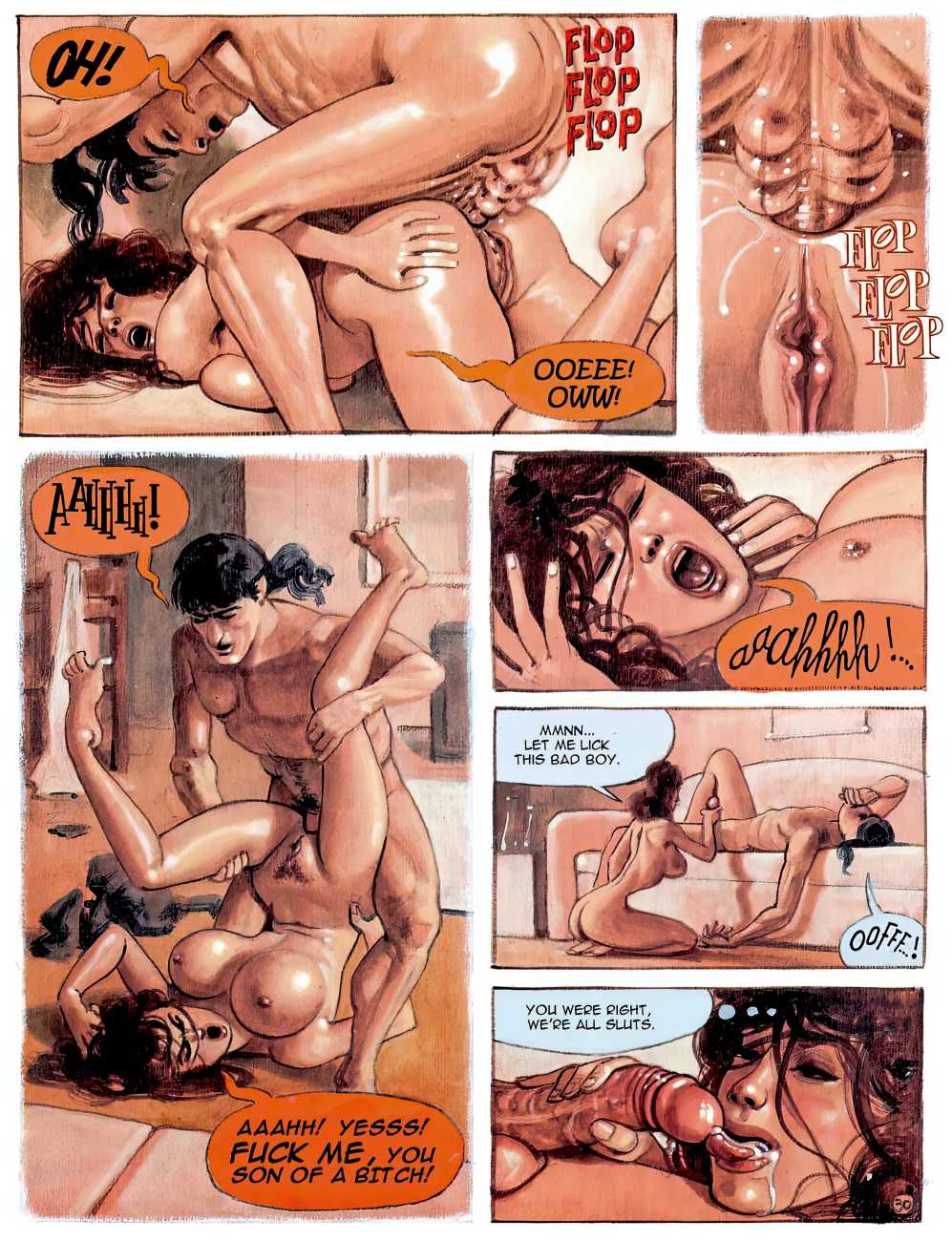
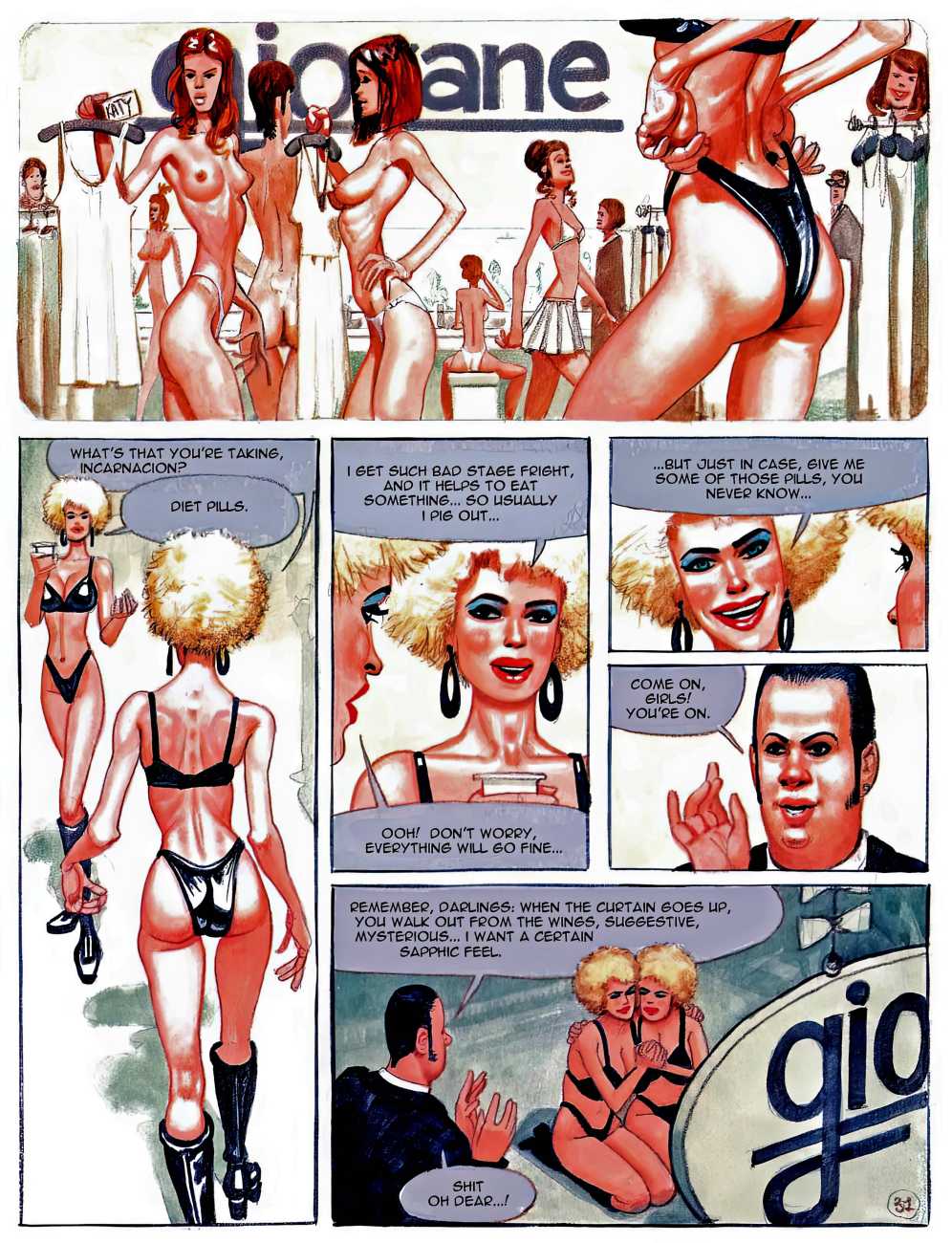
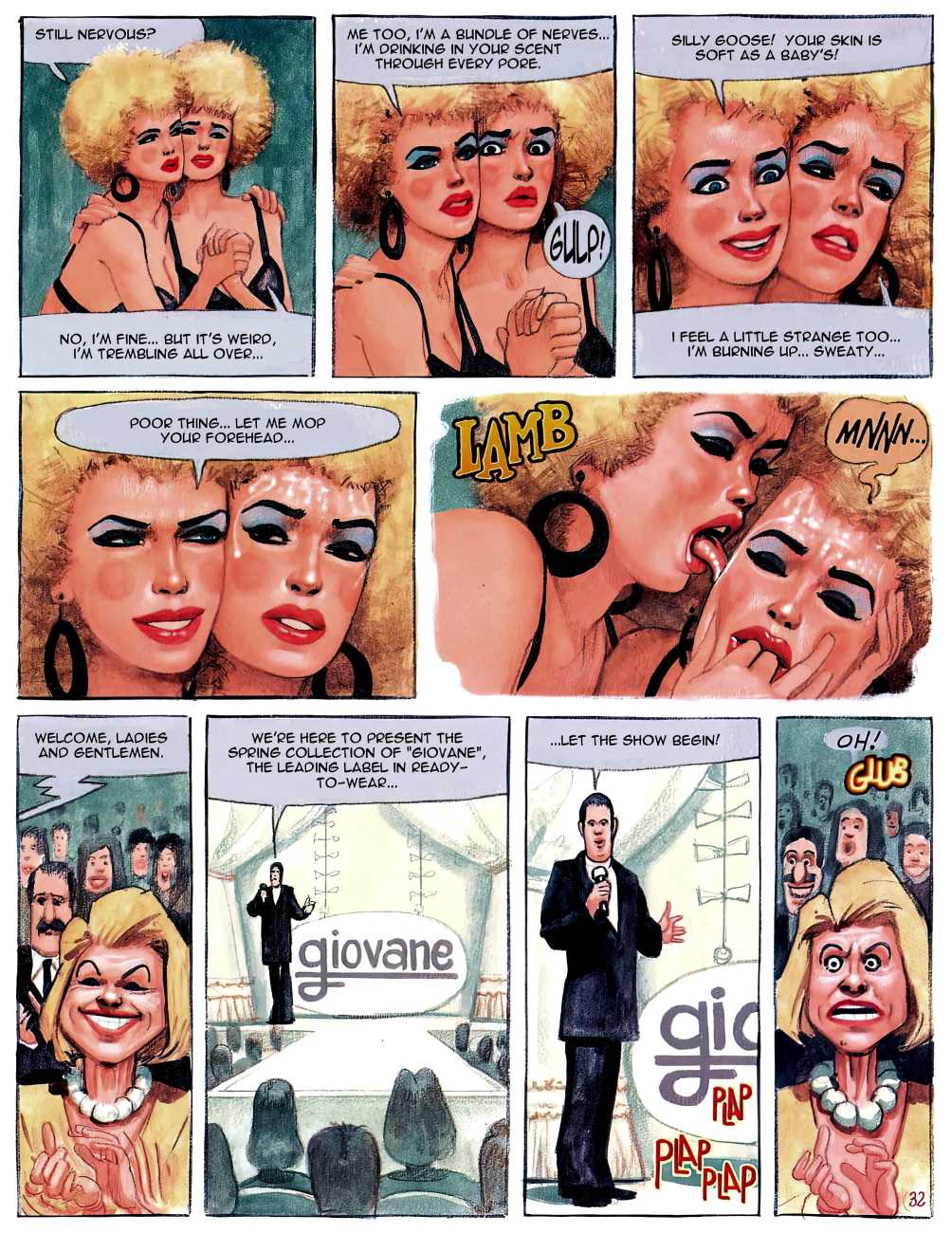
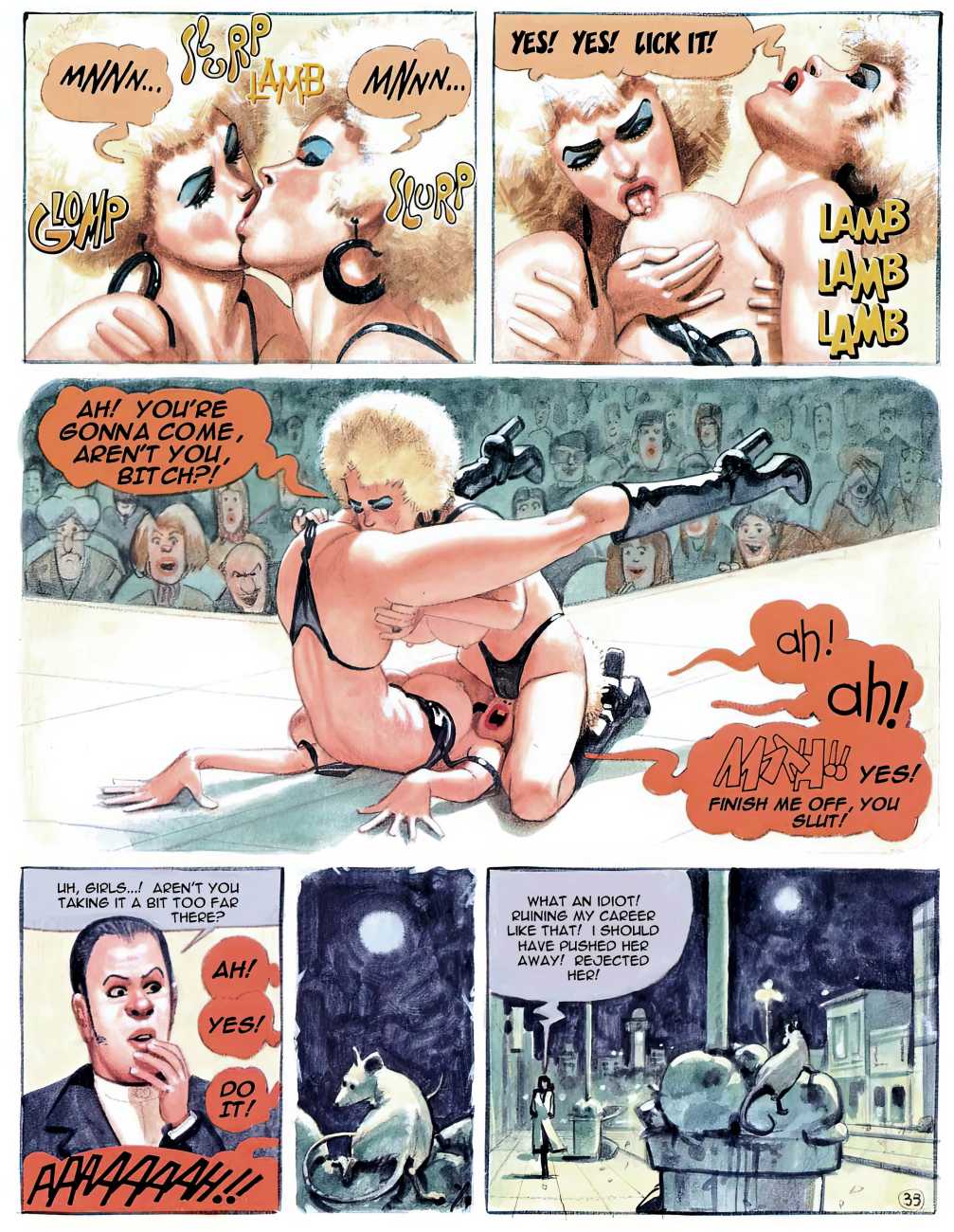
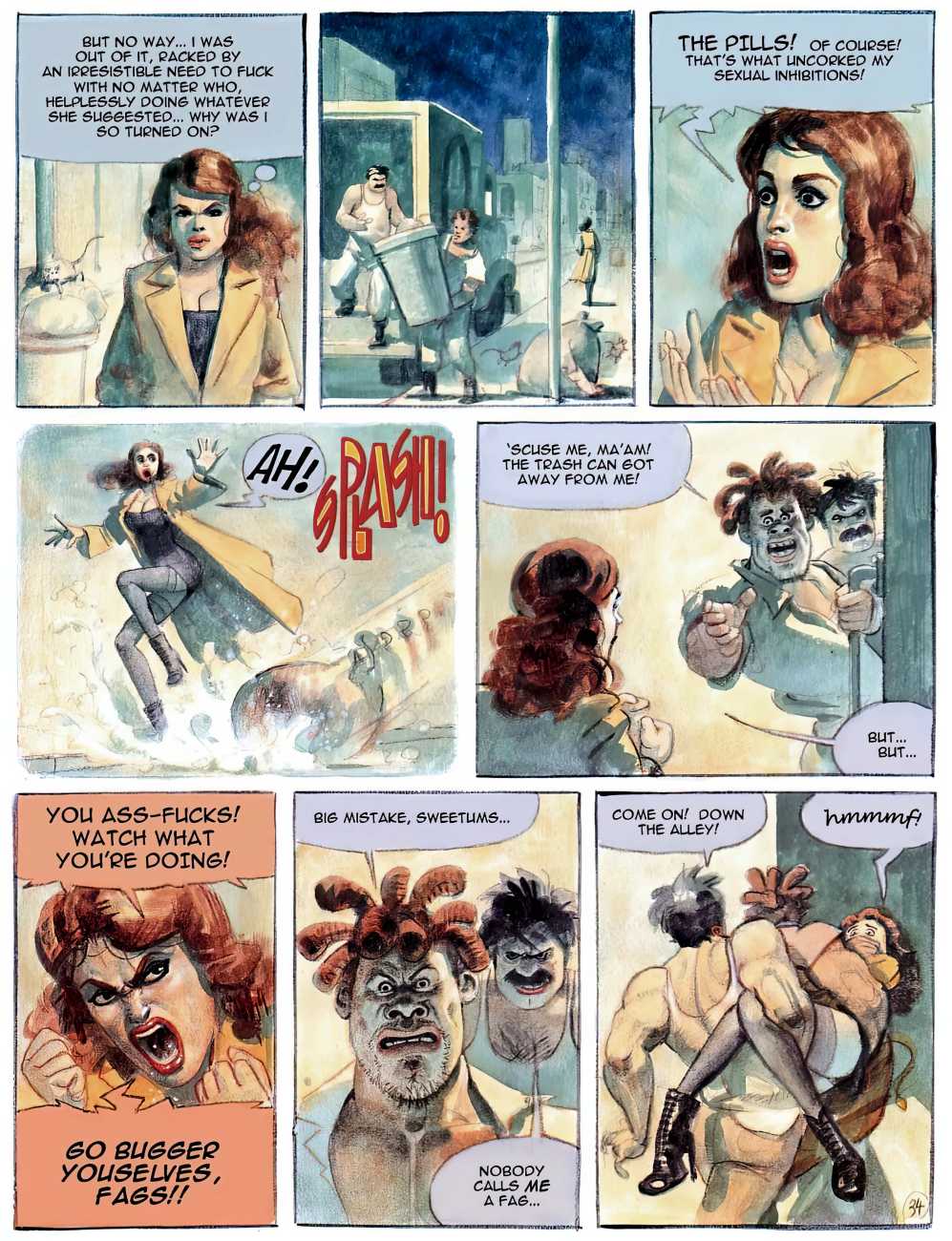
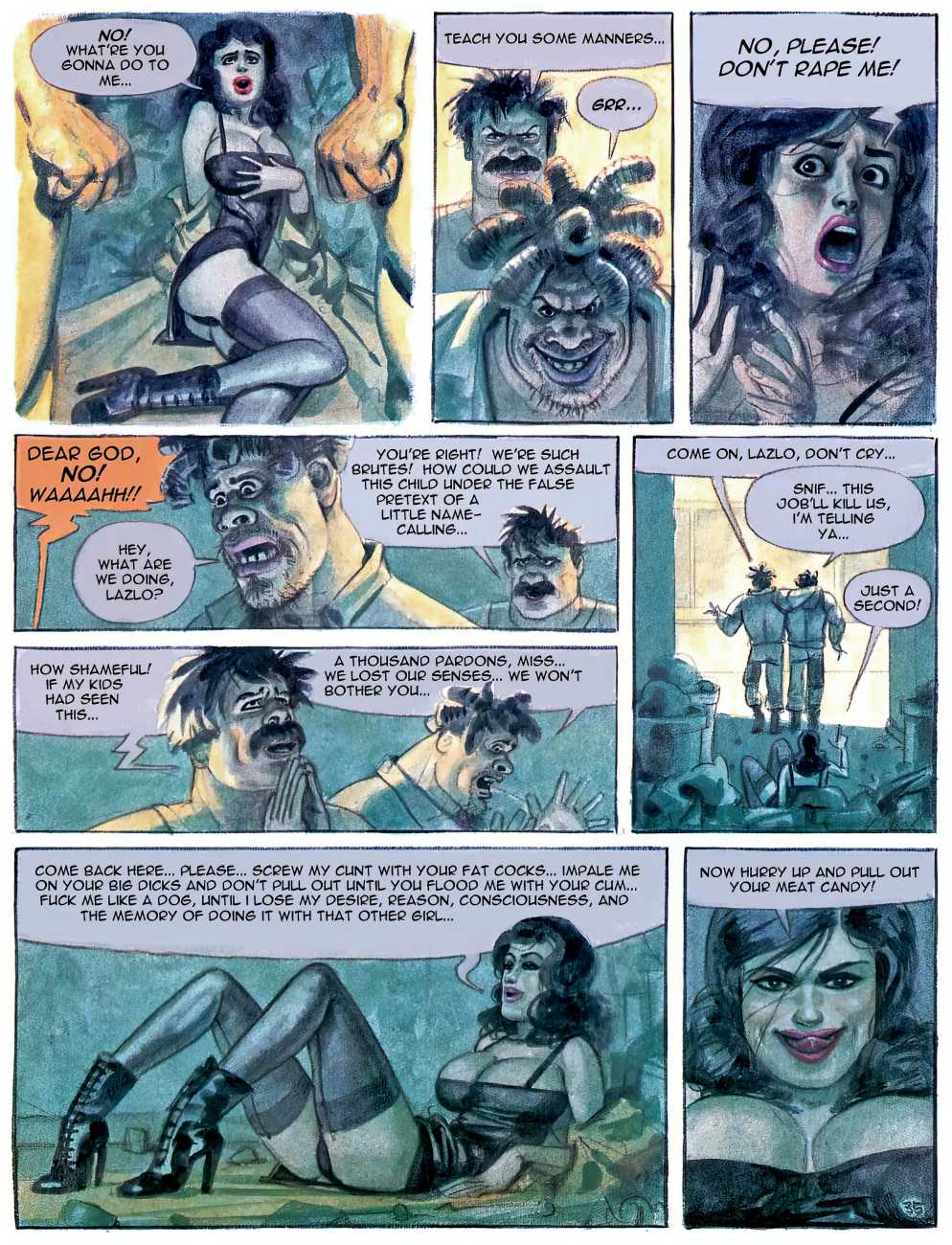
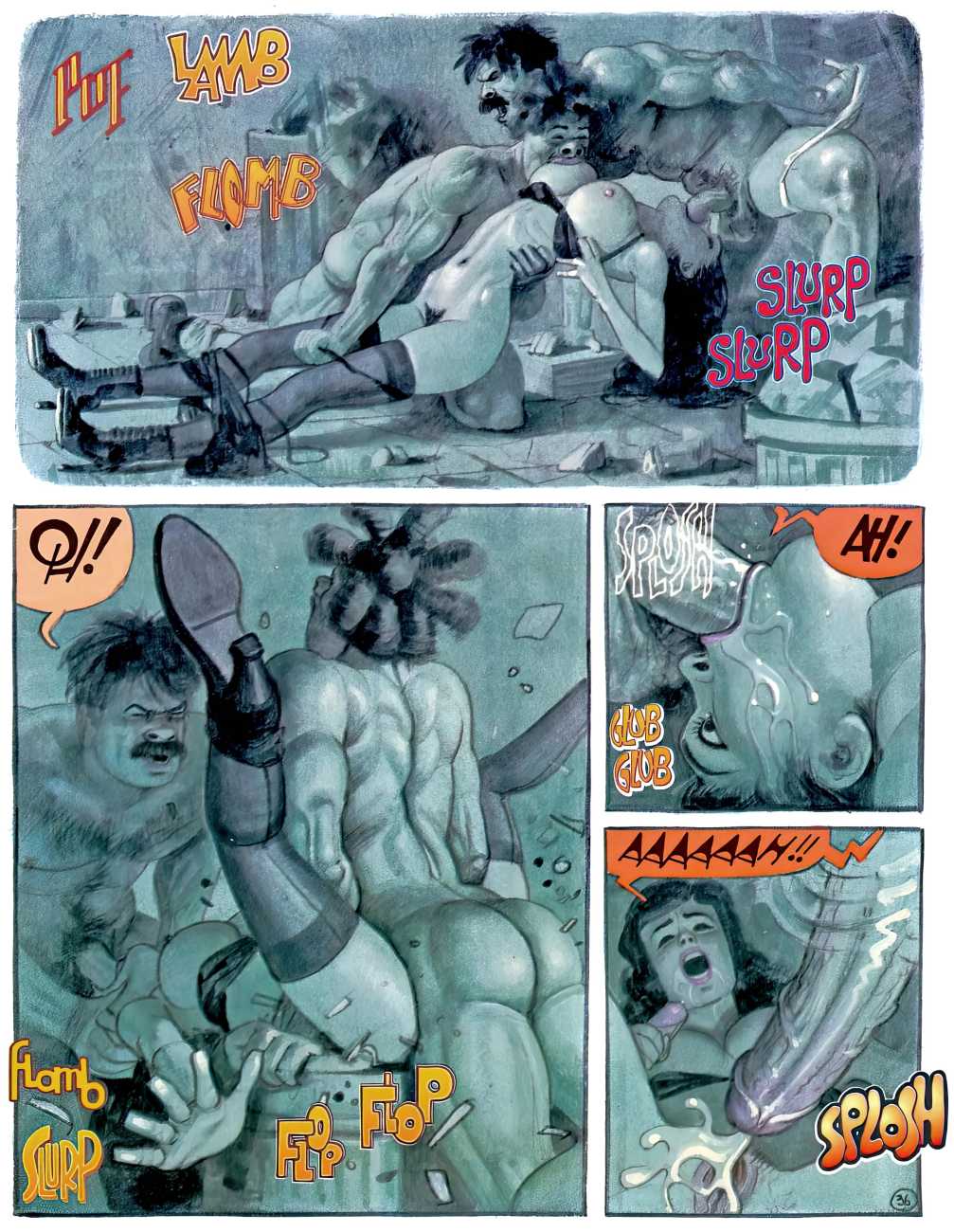
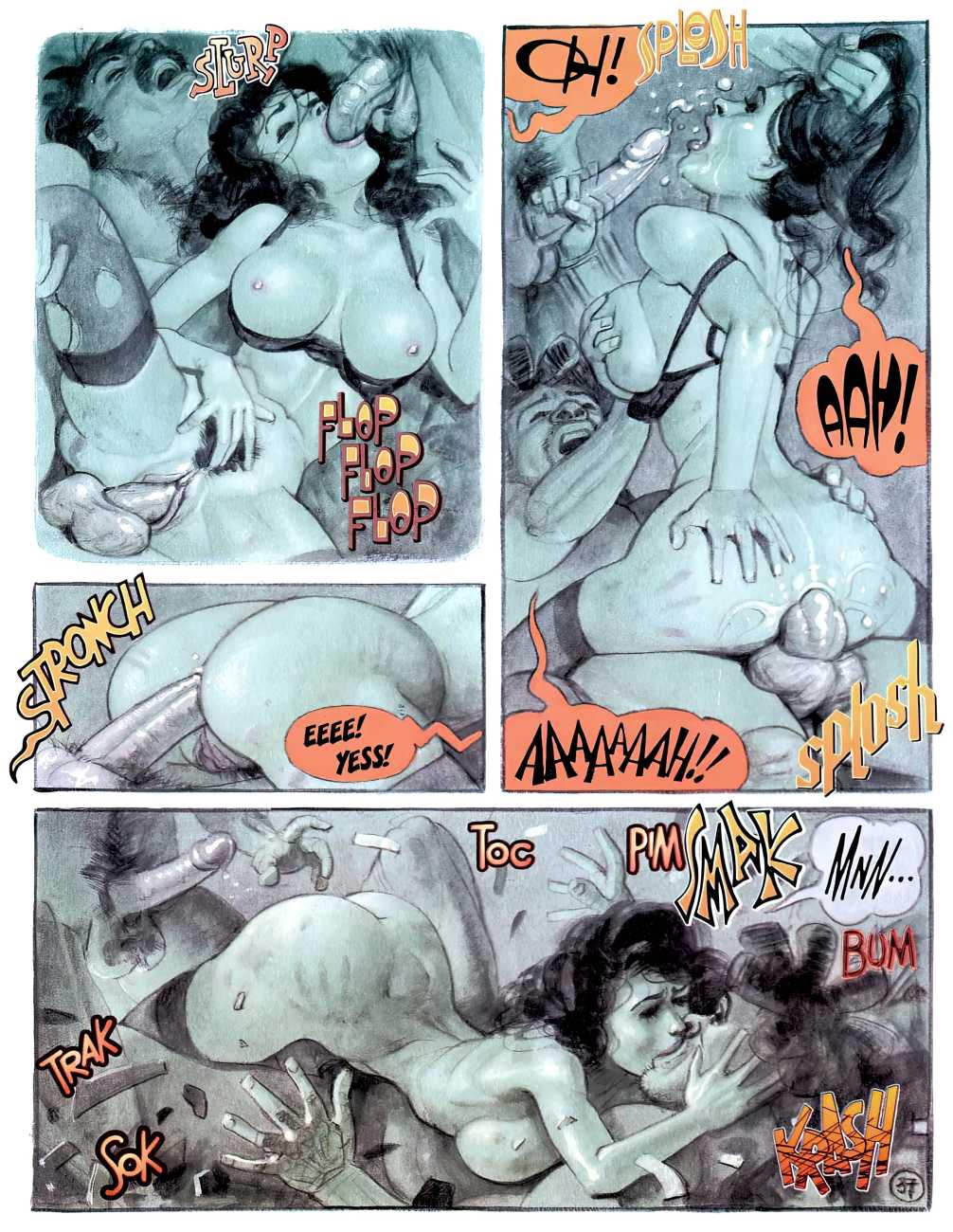
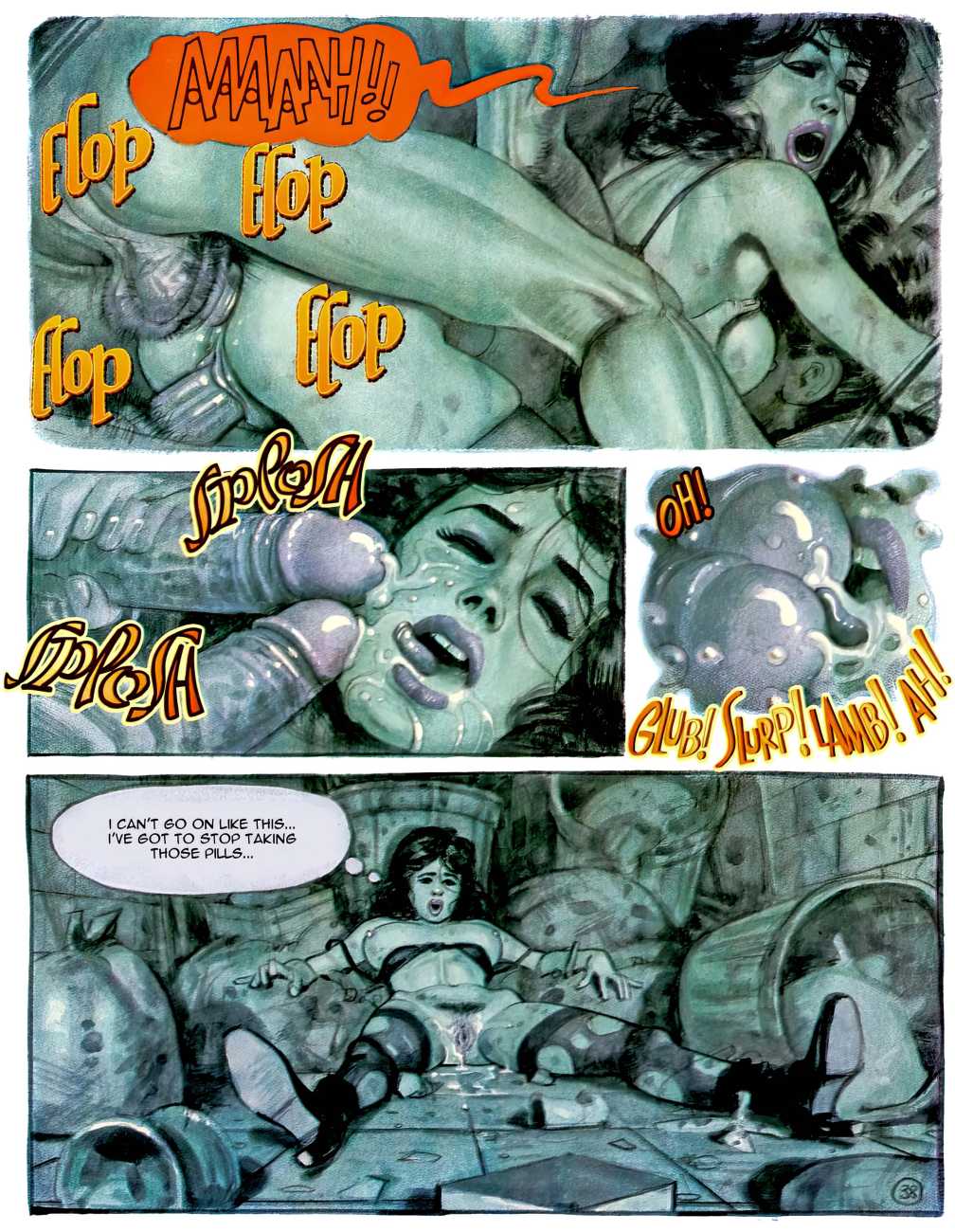
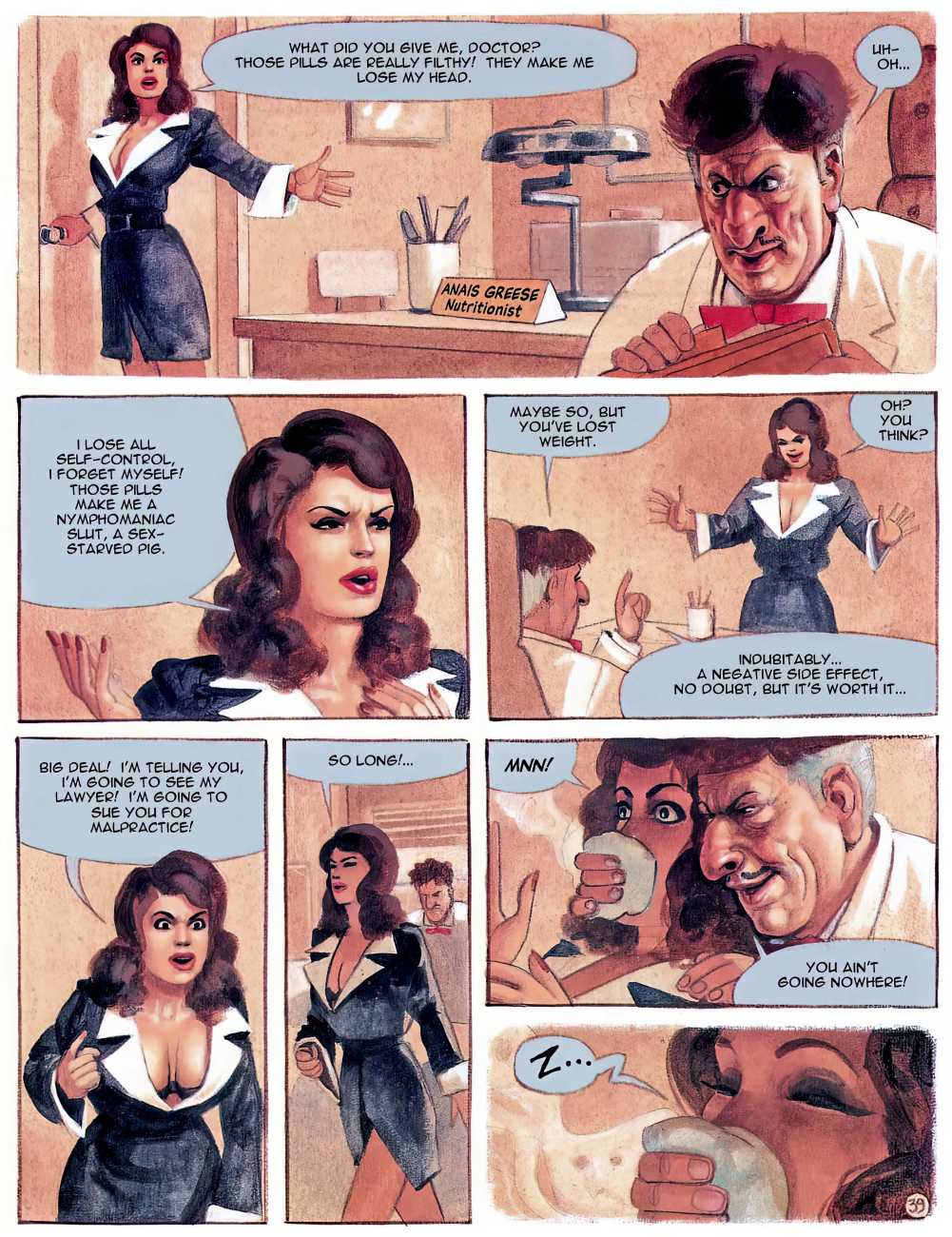
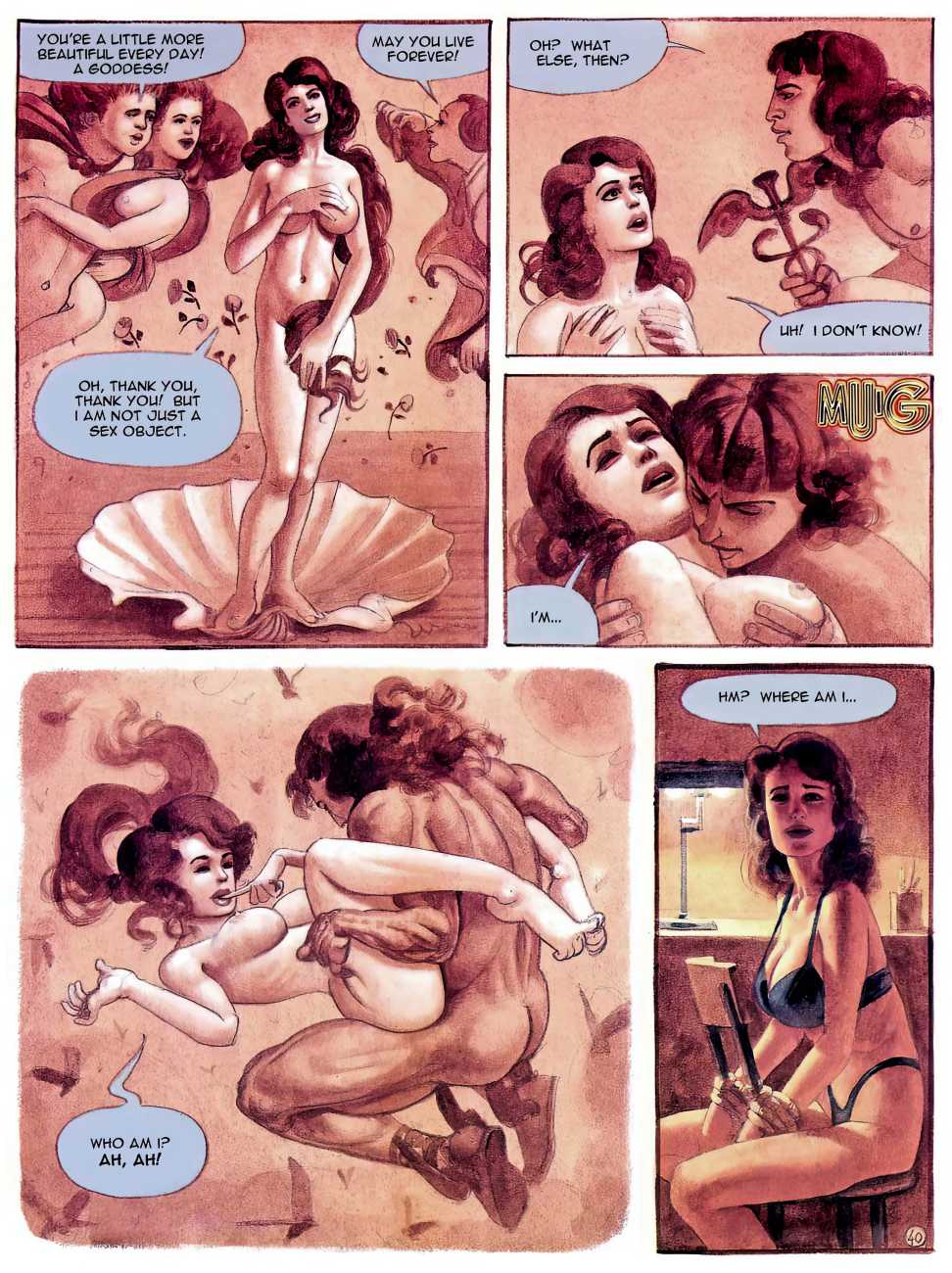
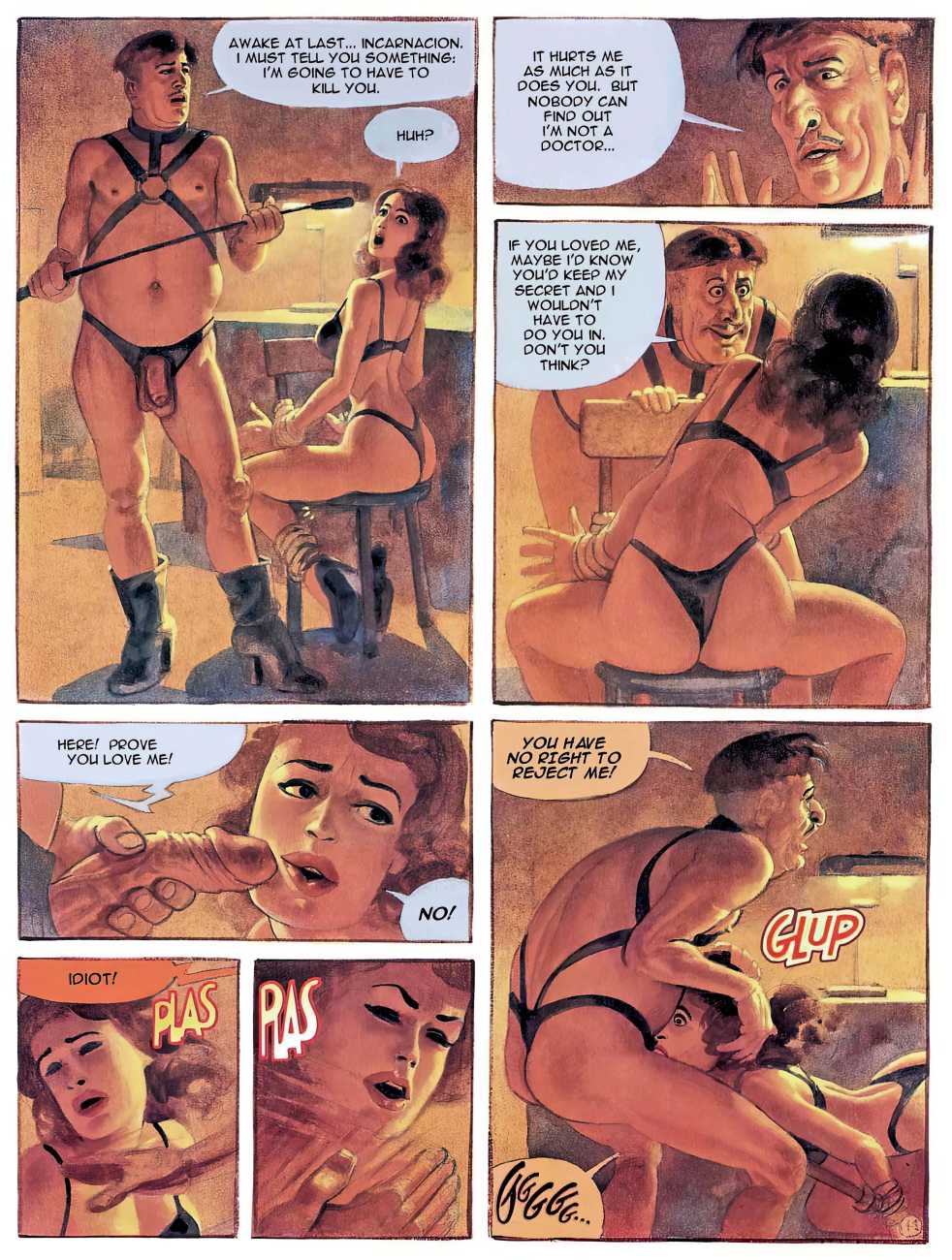
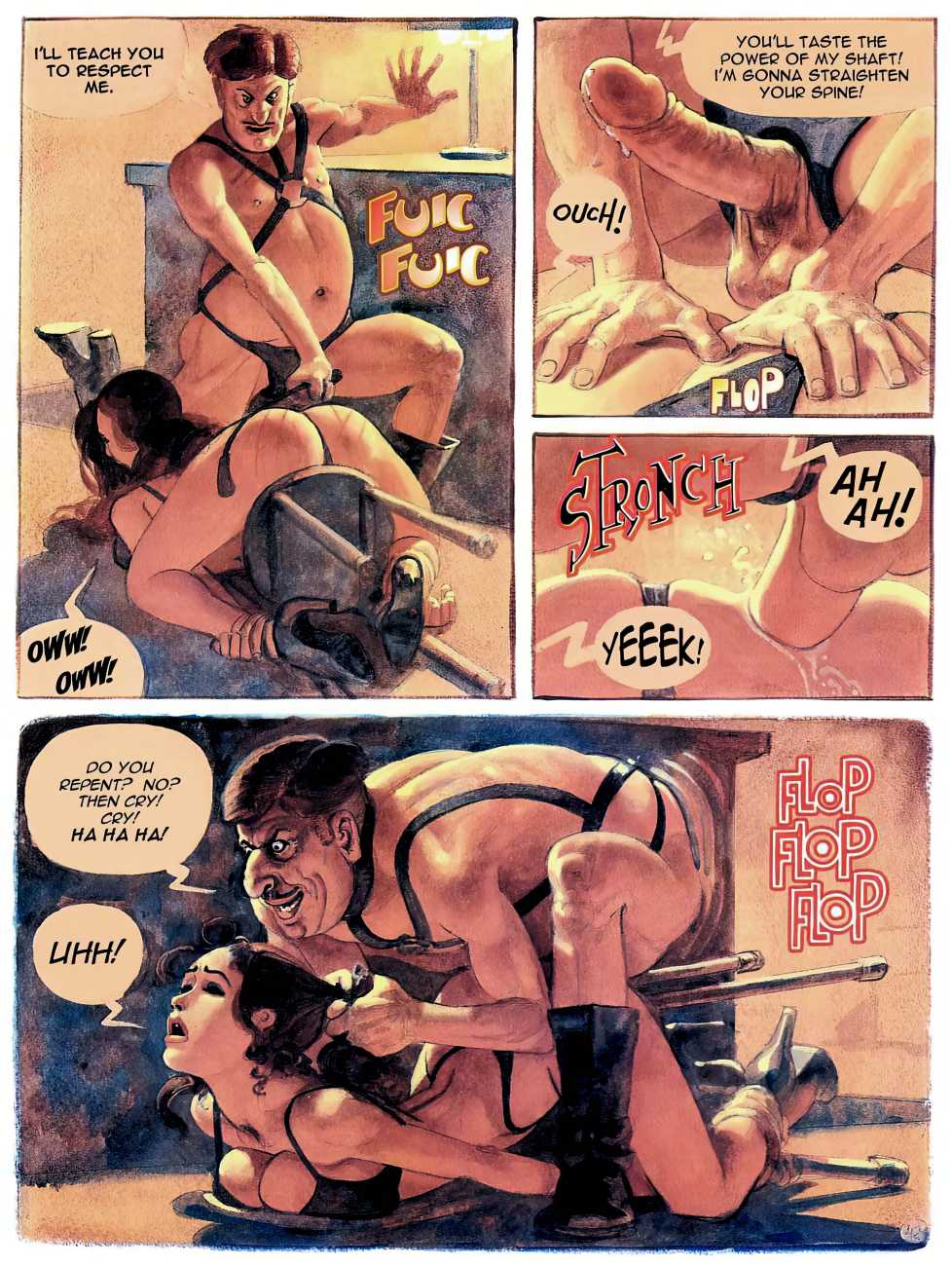
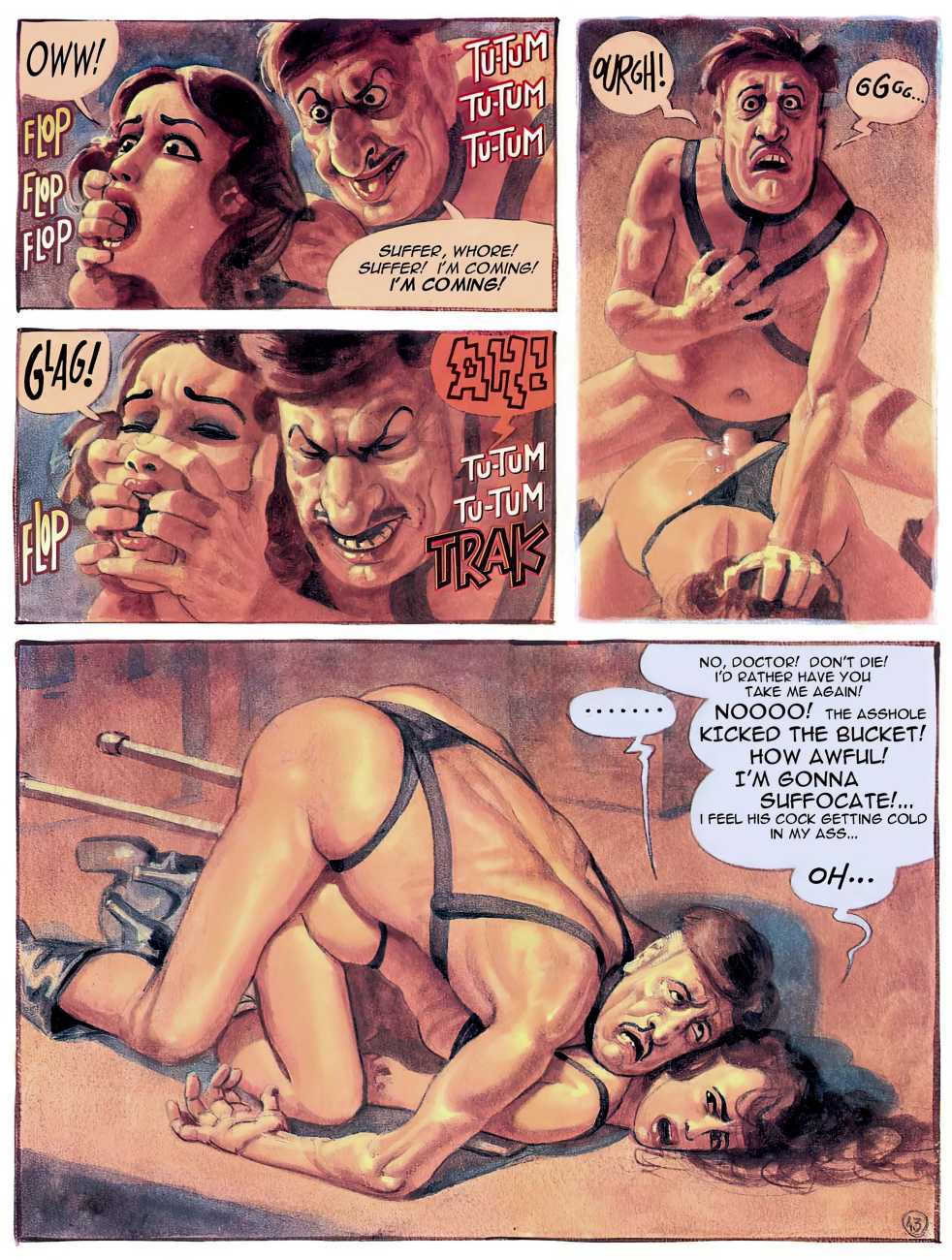
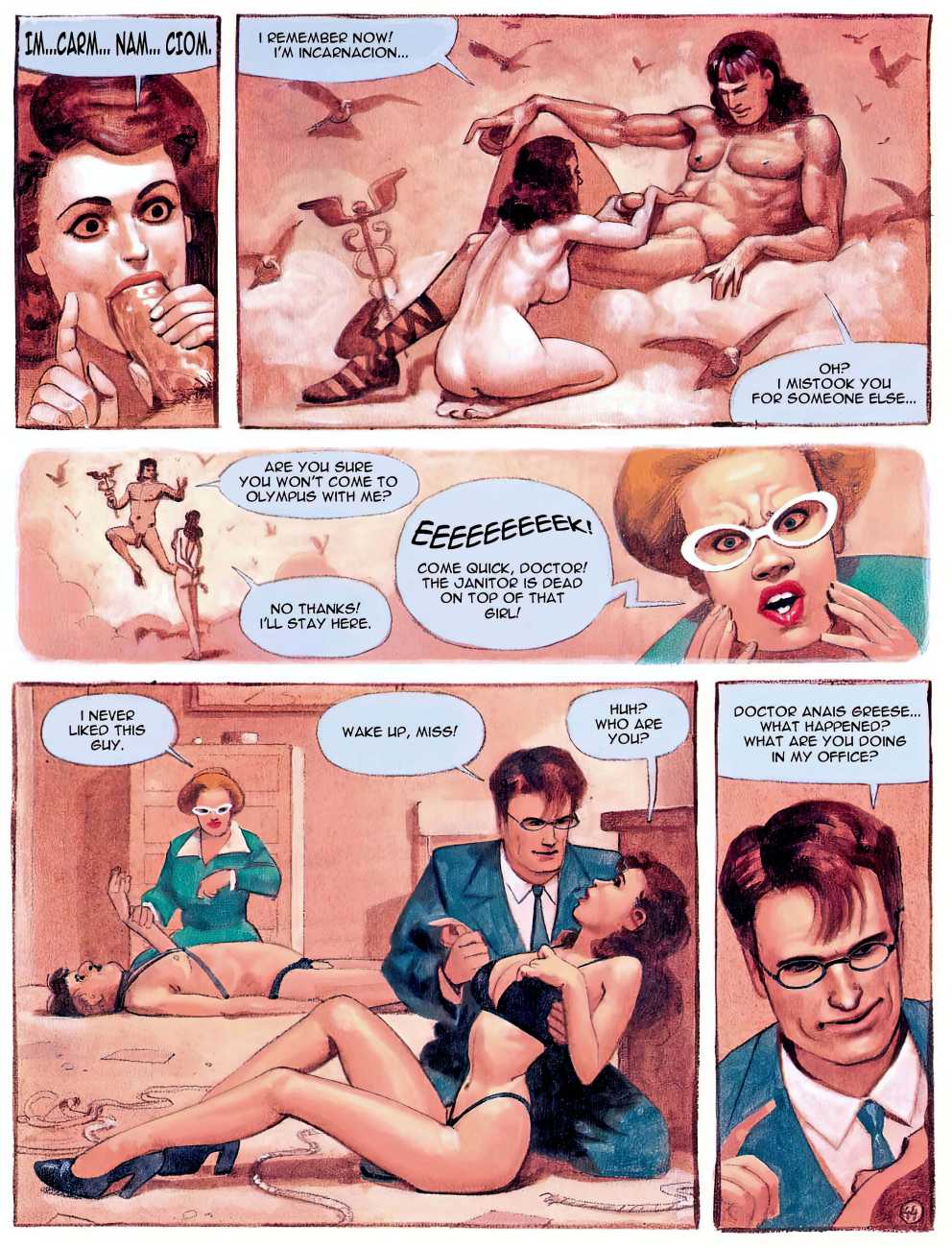
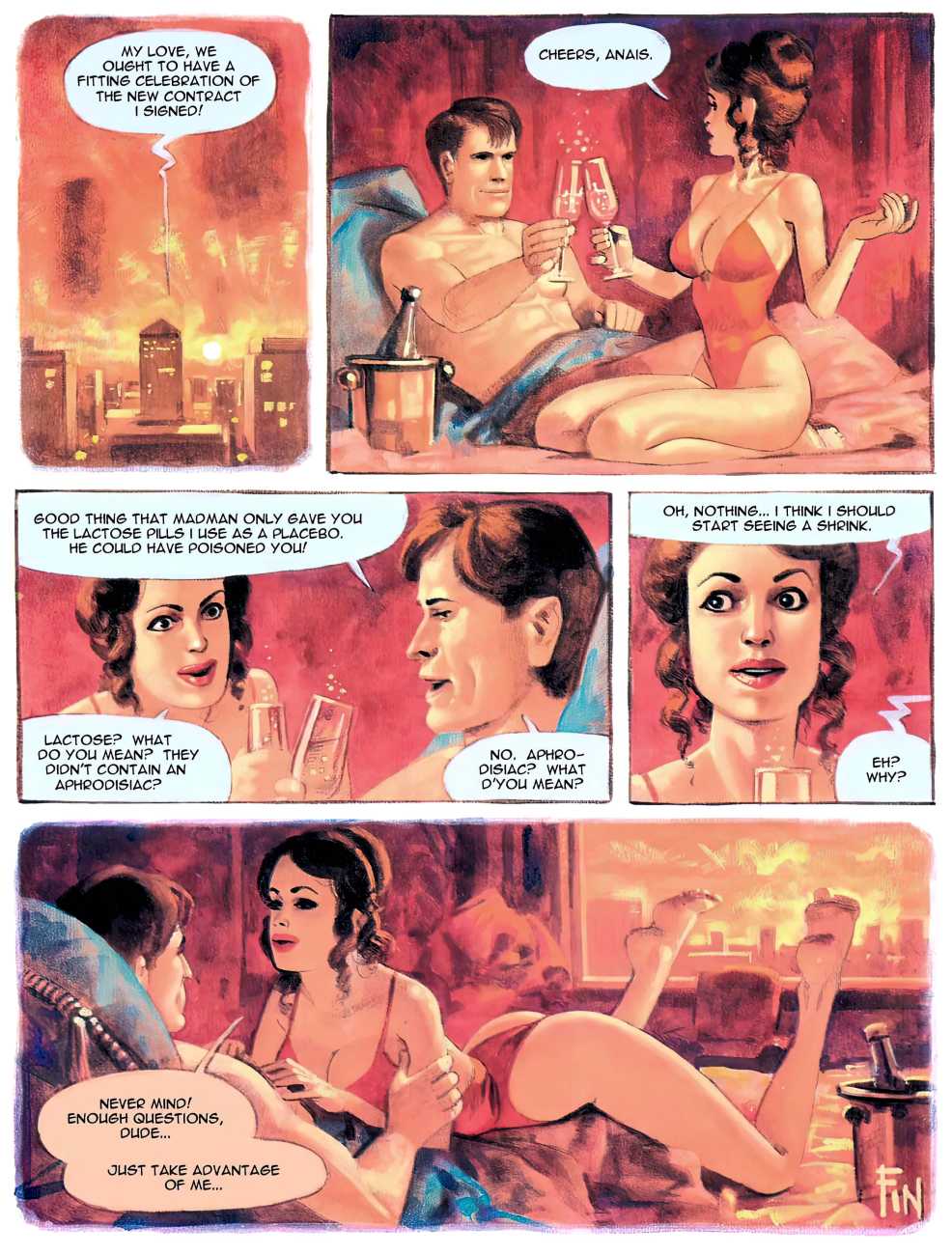
Ship of Fools (1998)
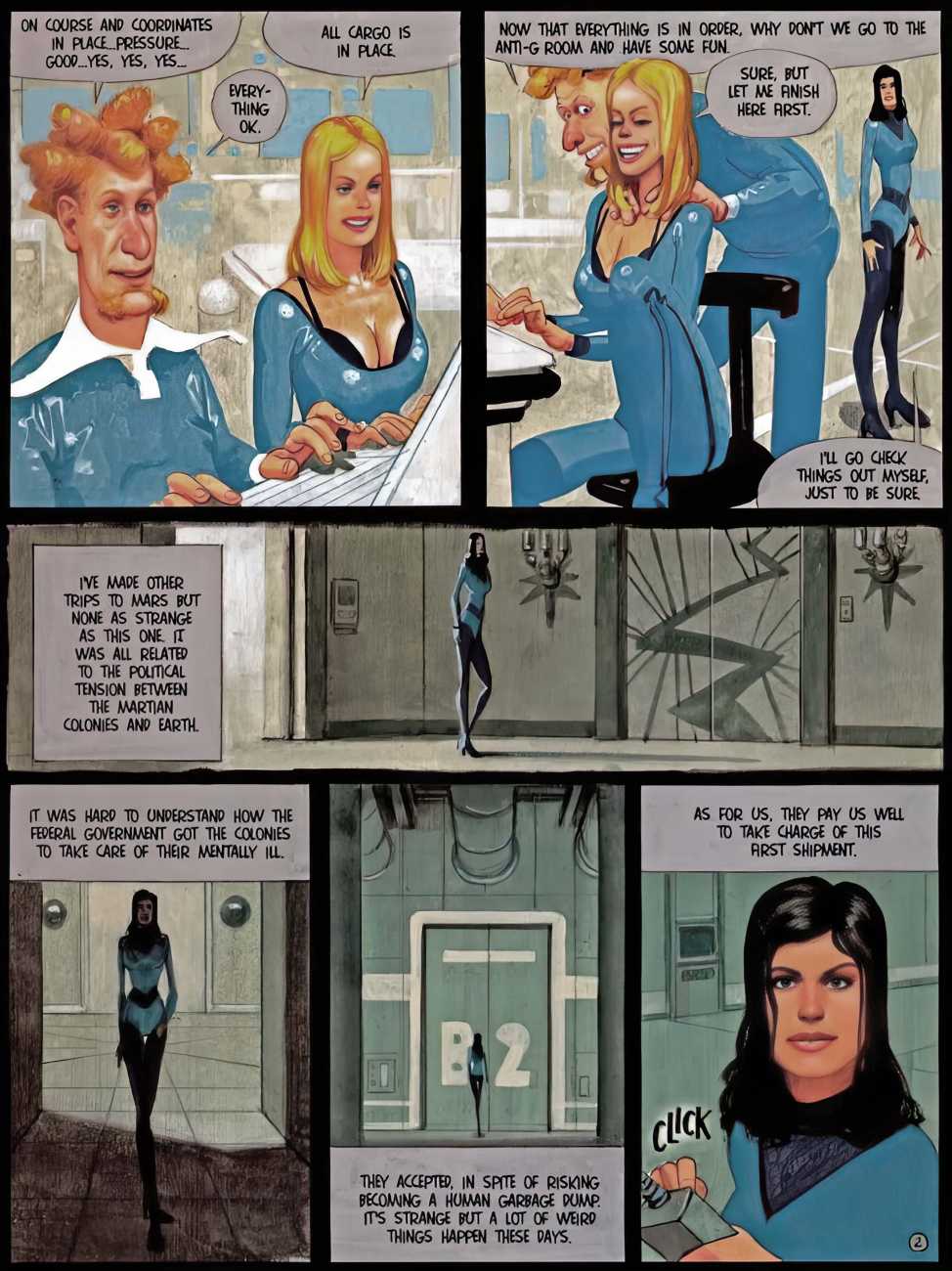
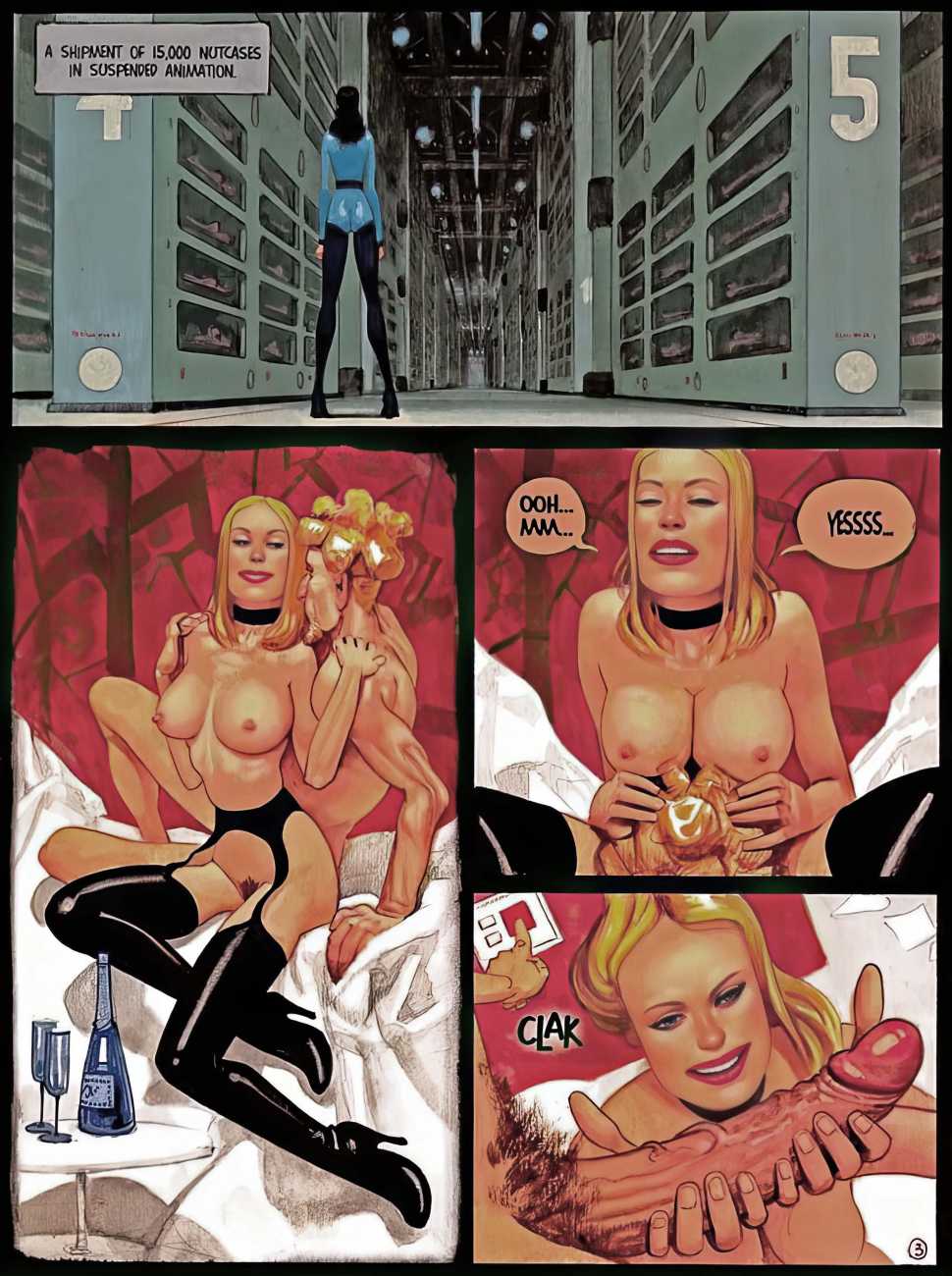
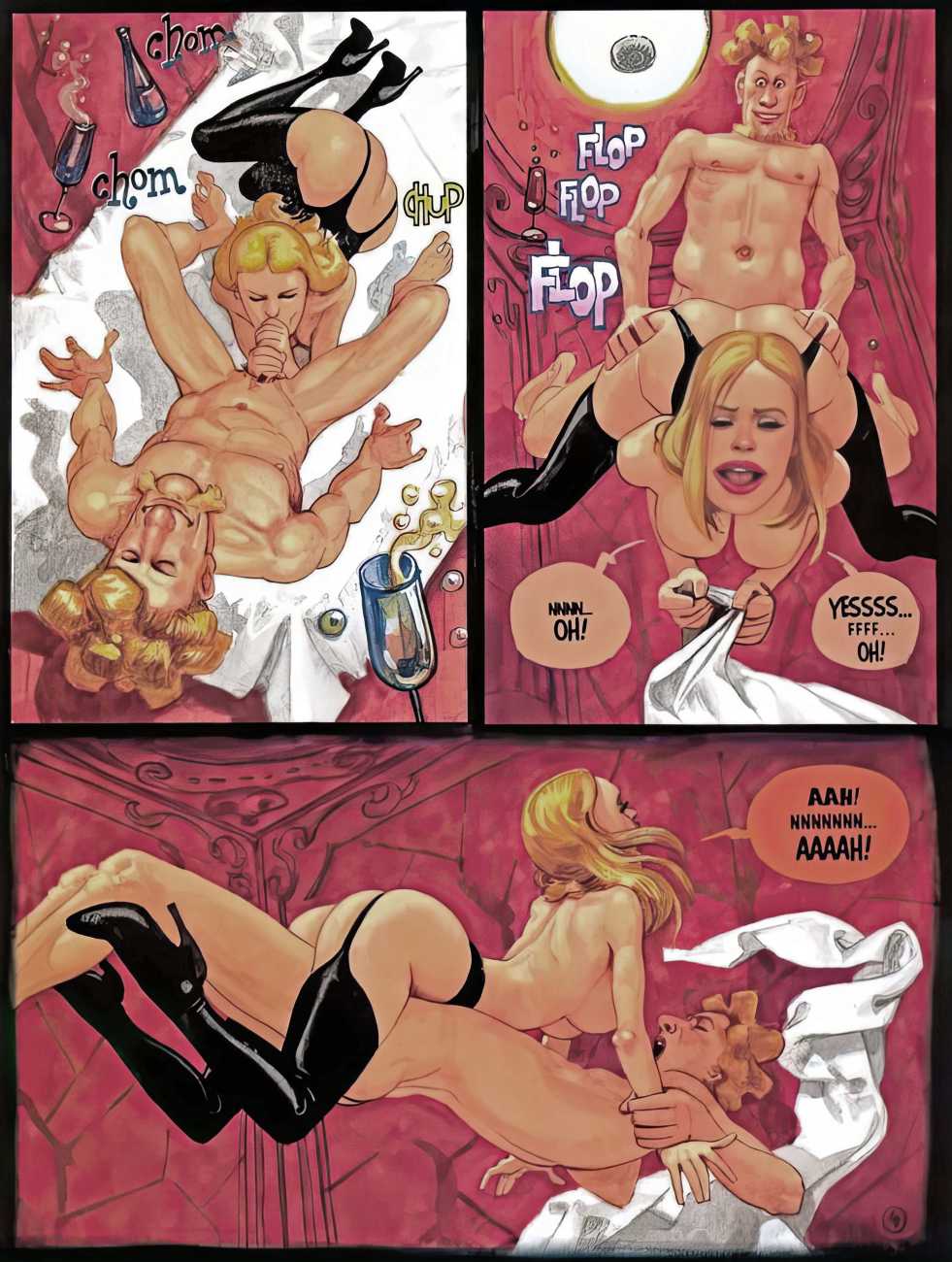
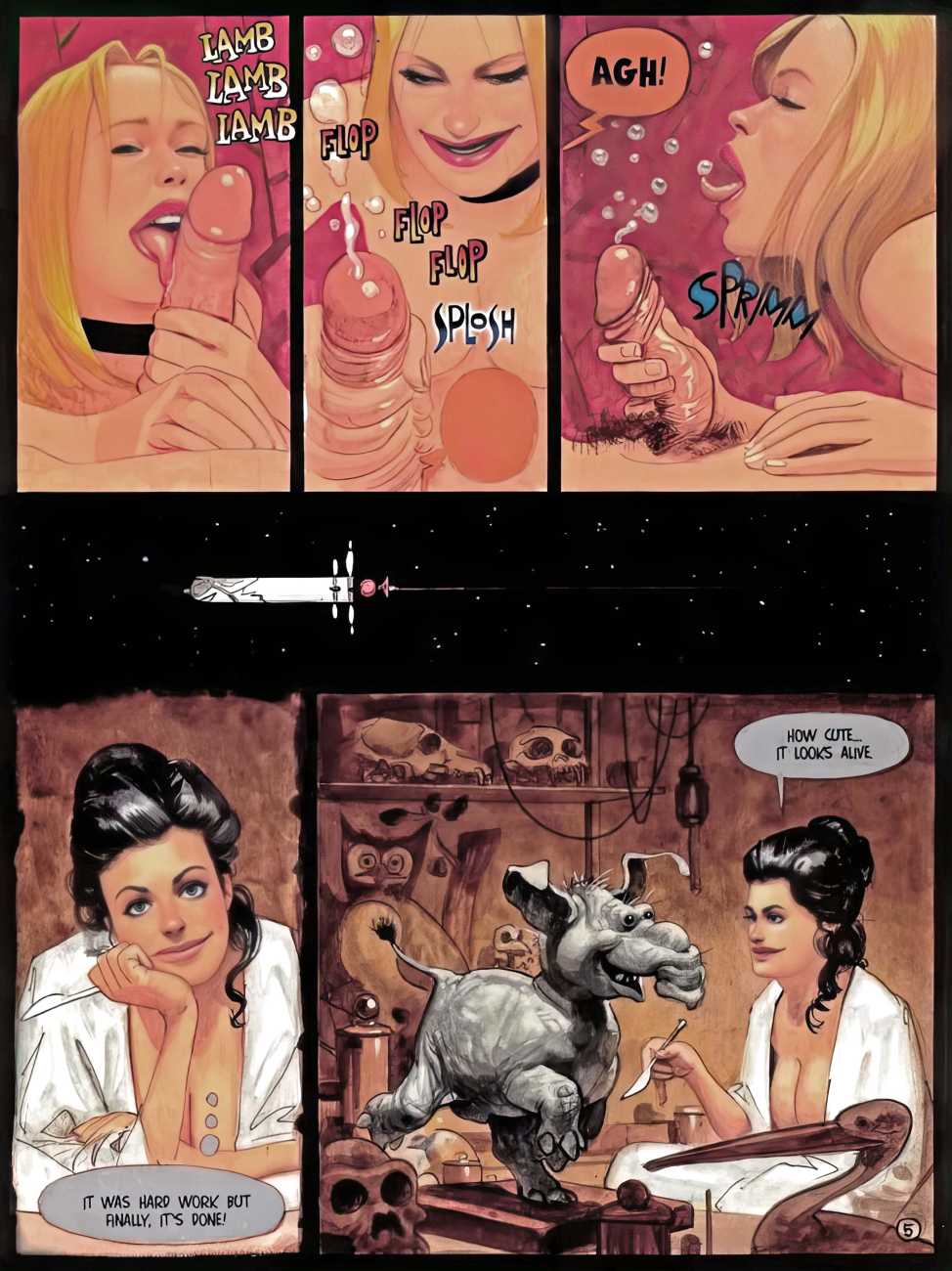
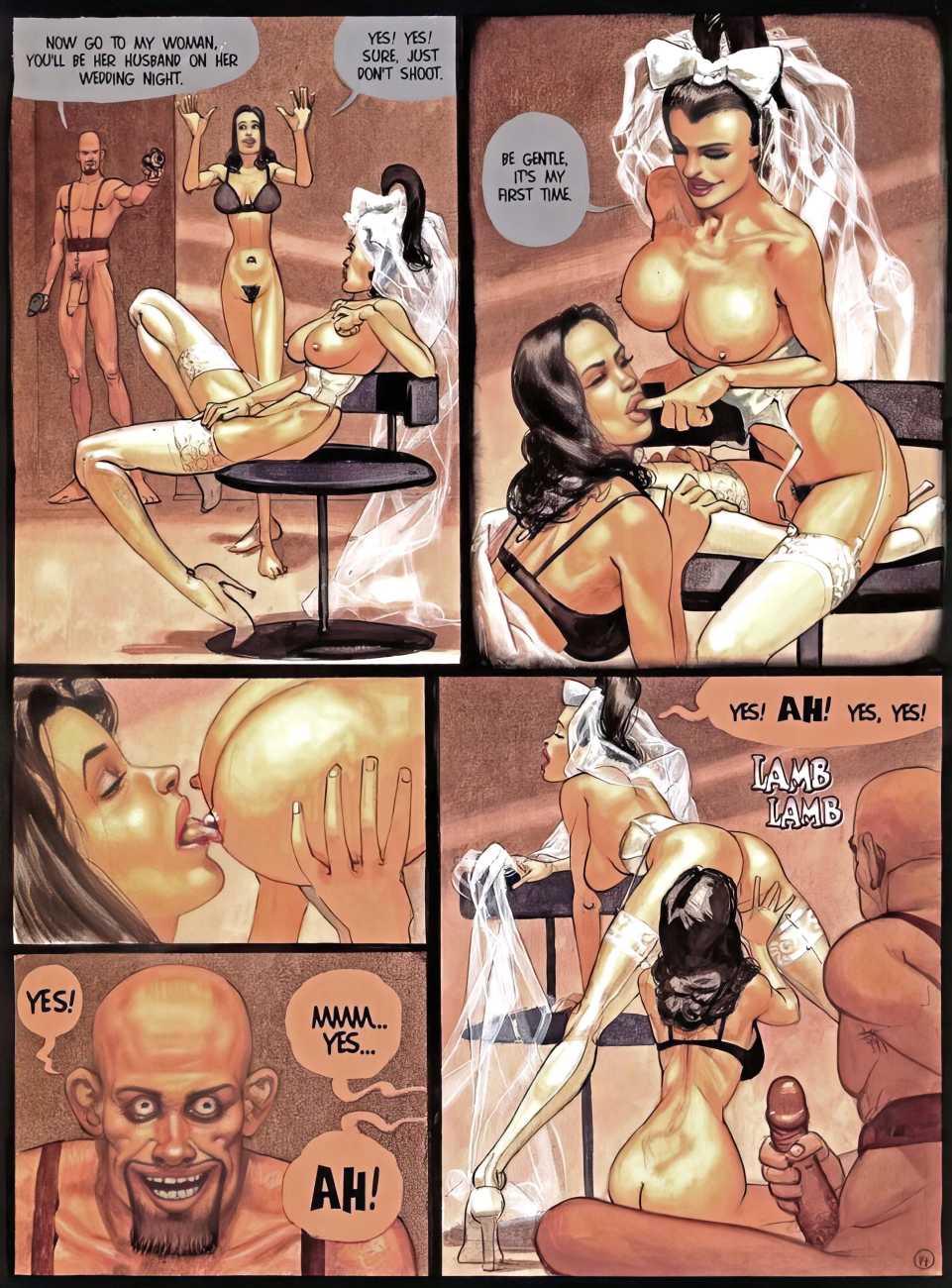
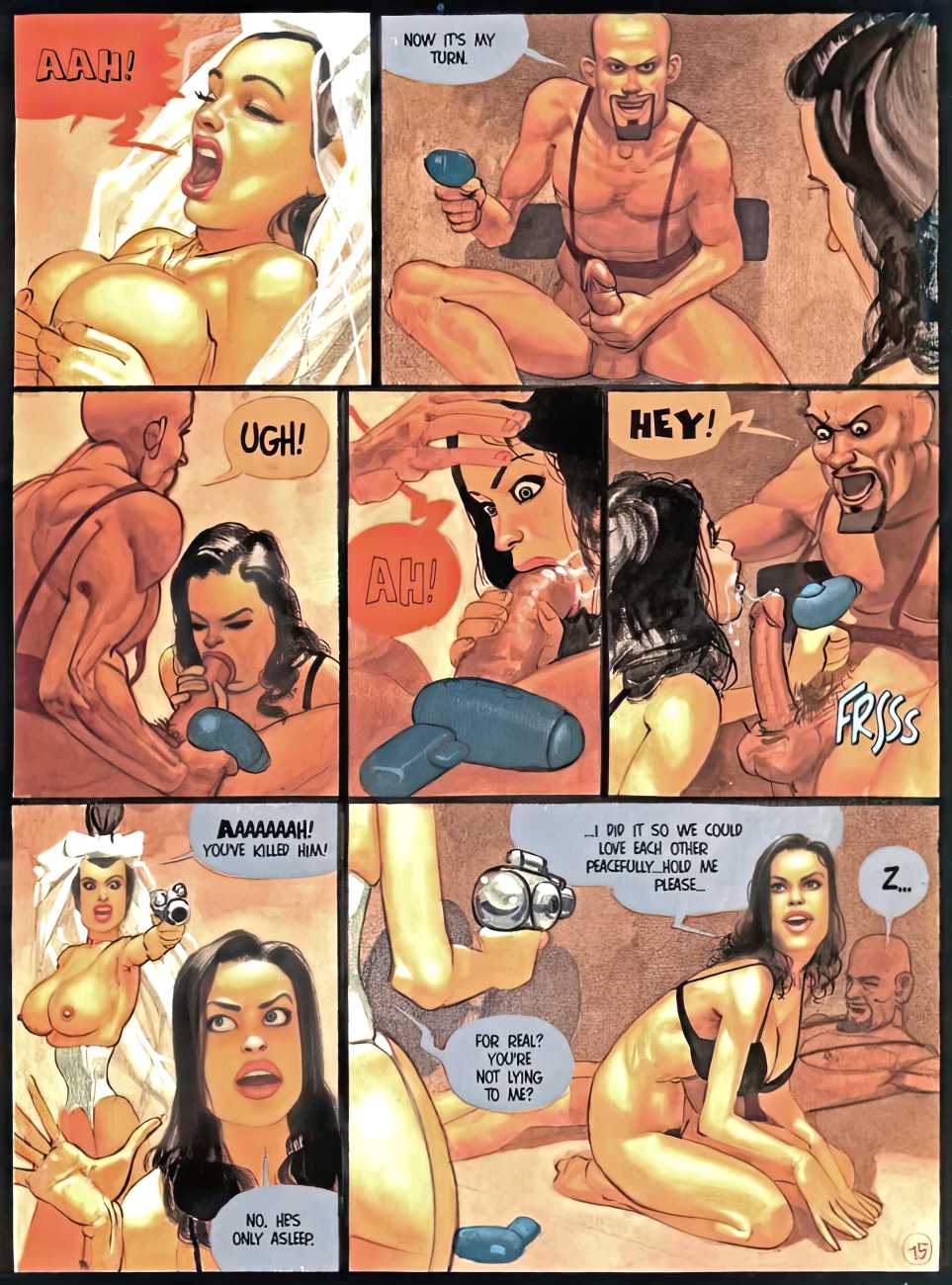
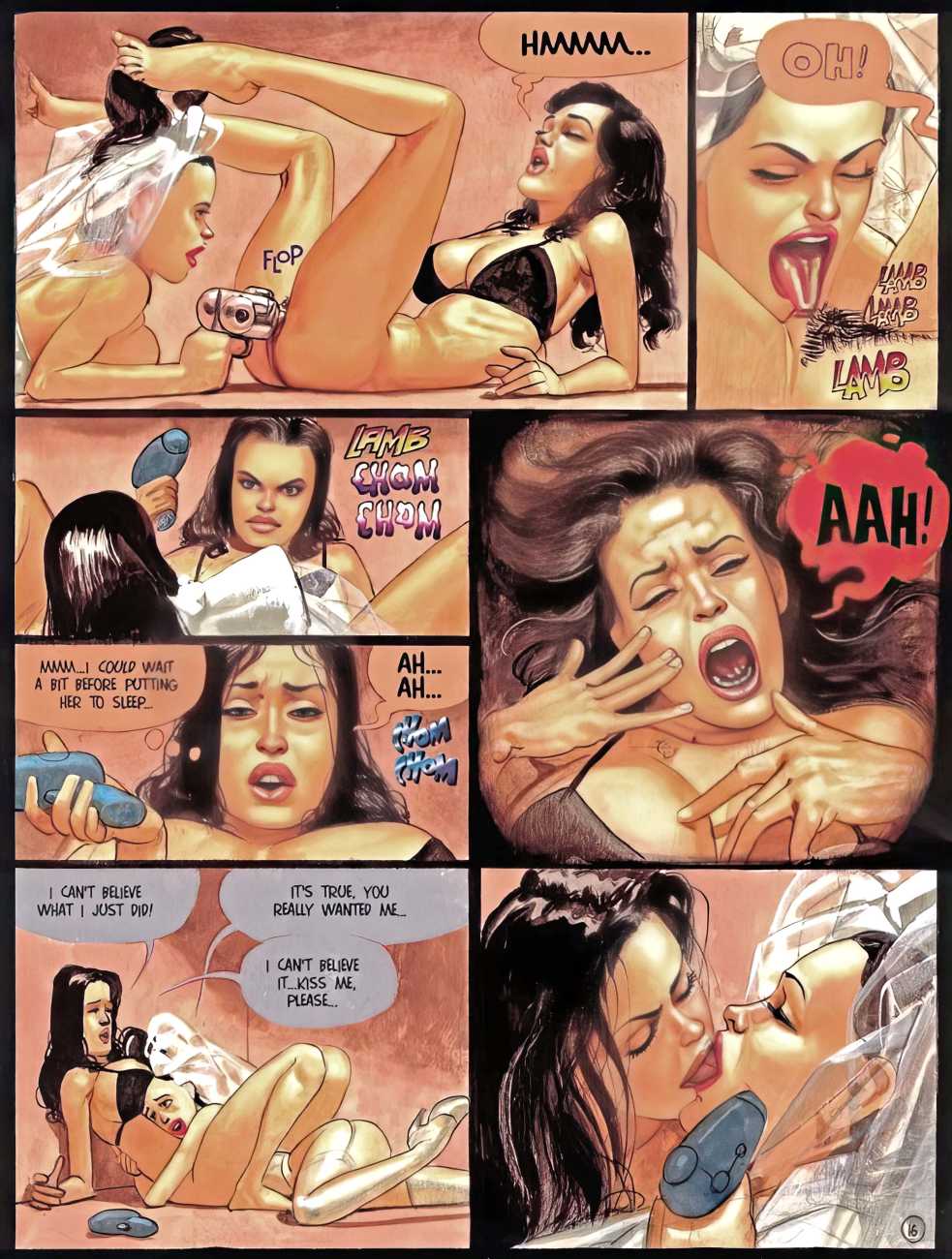
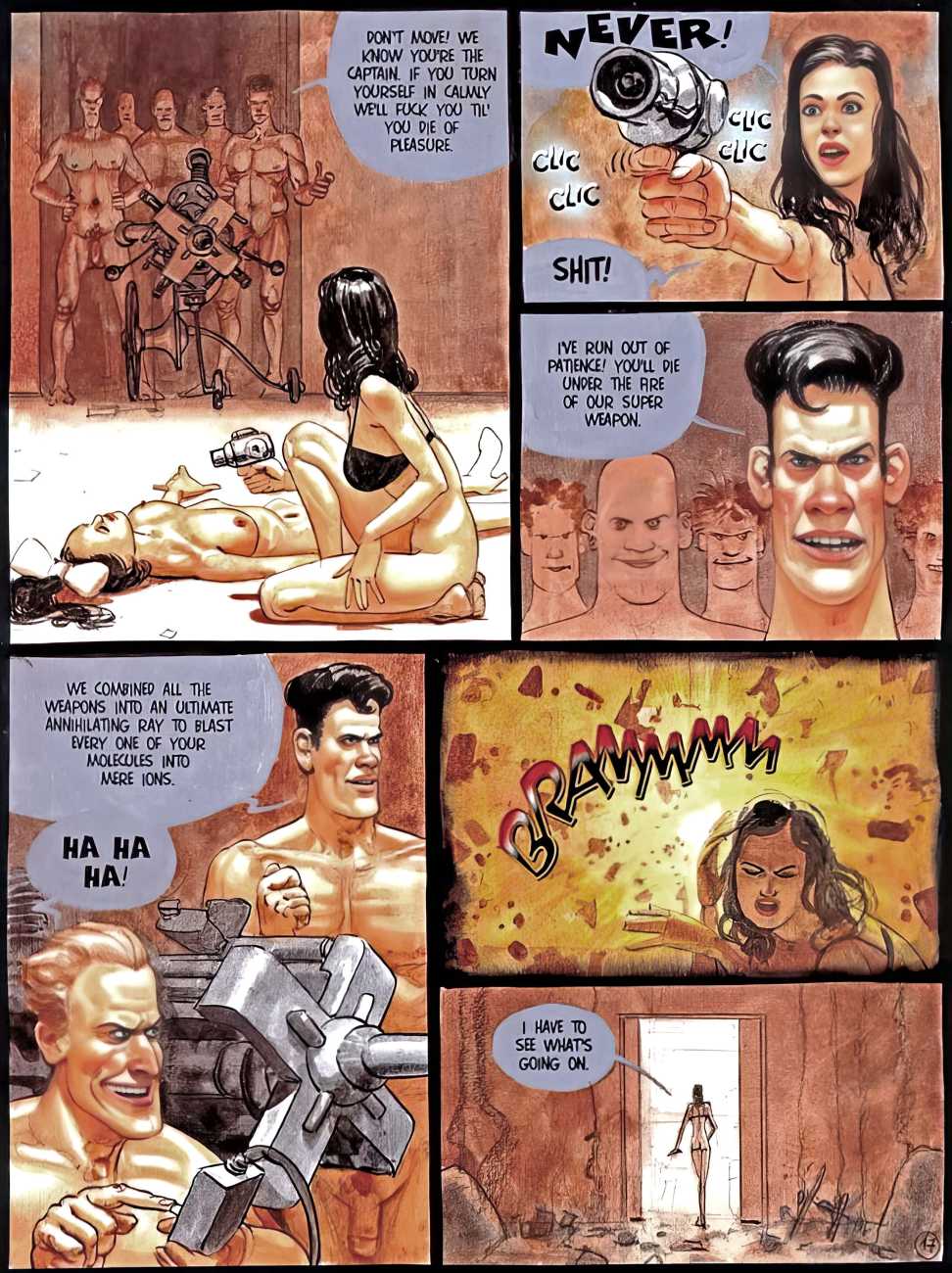
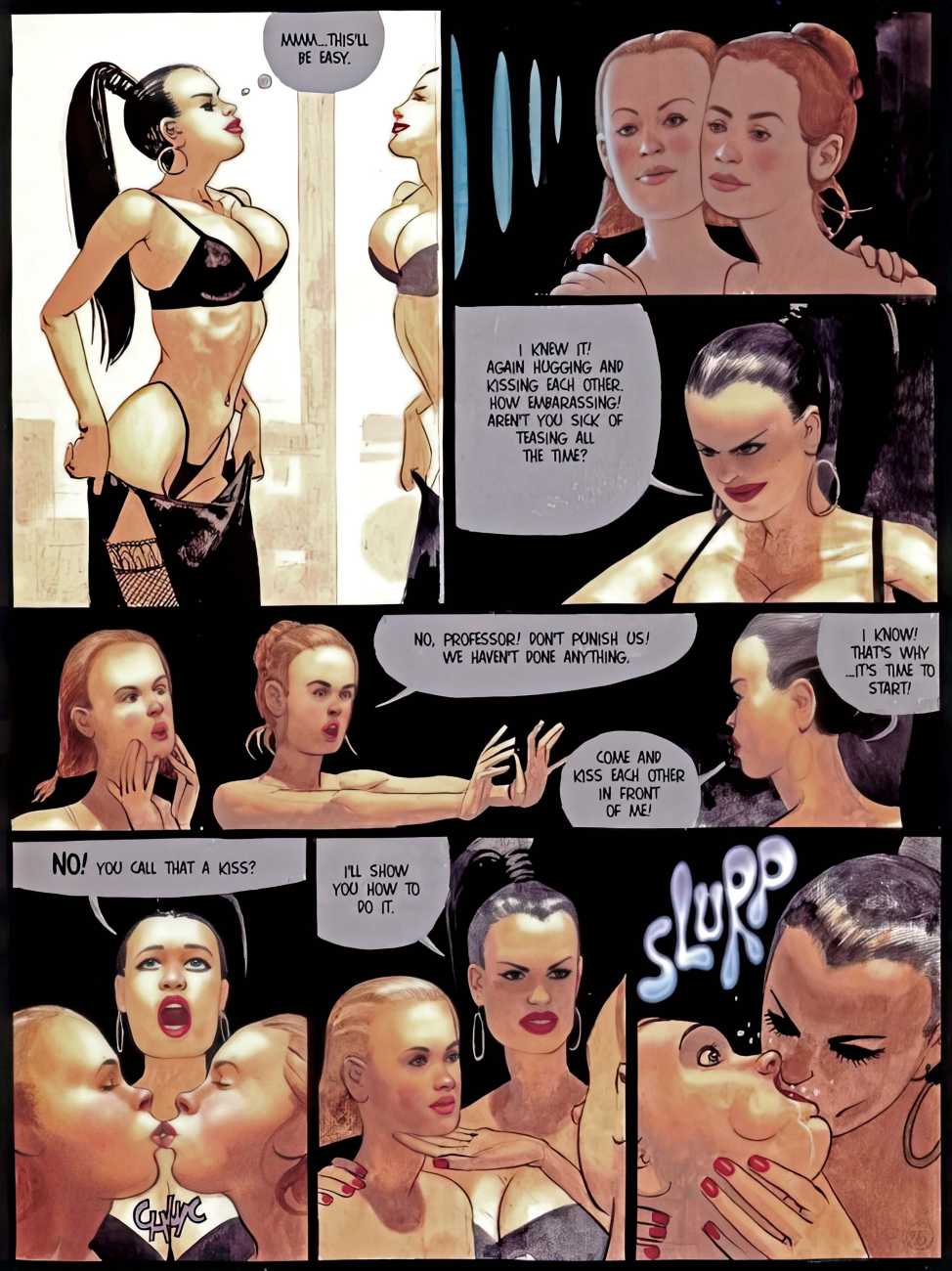
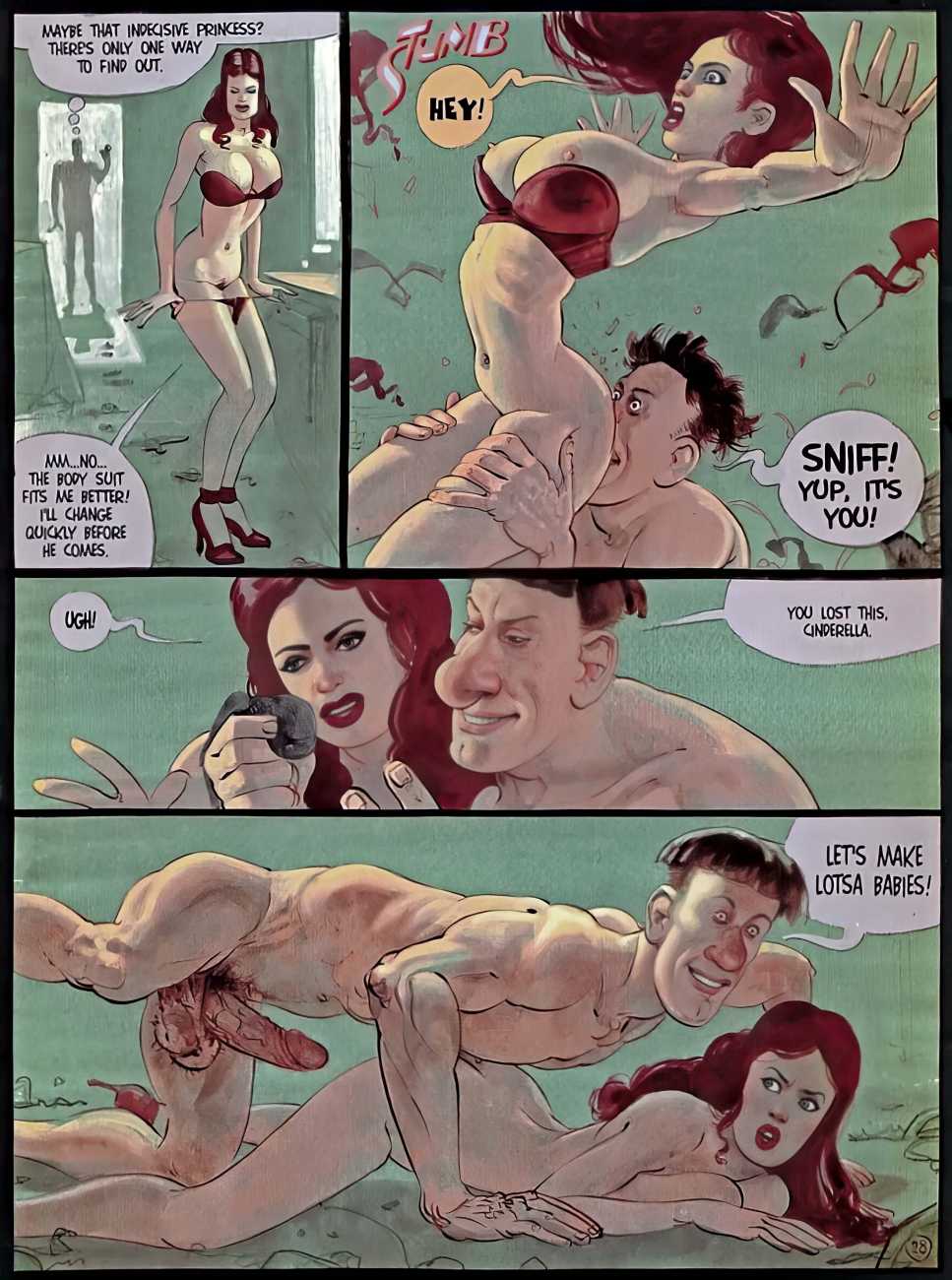
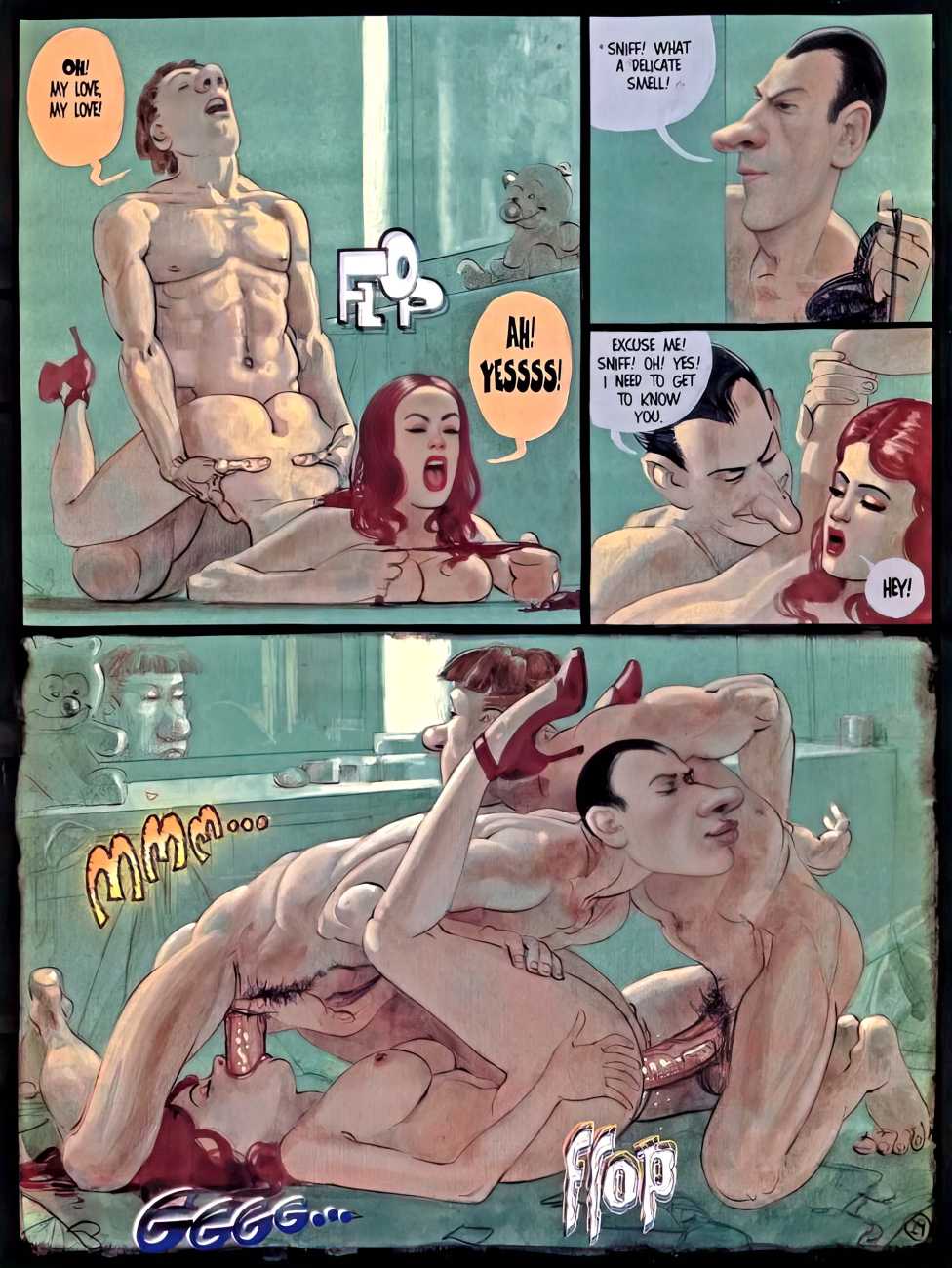
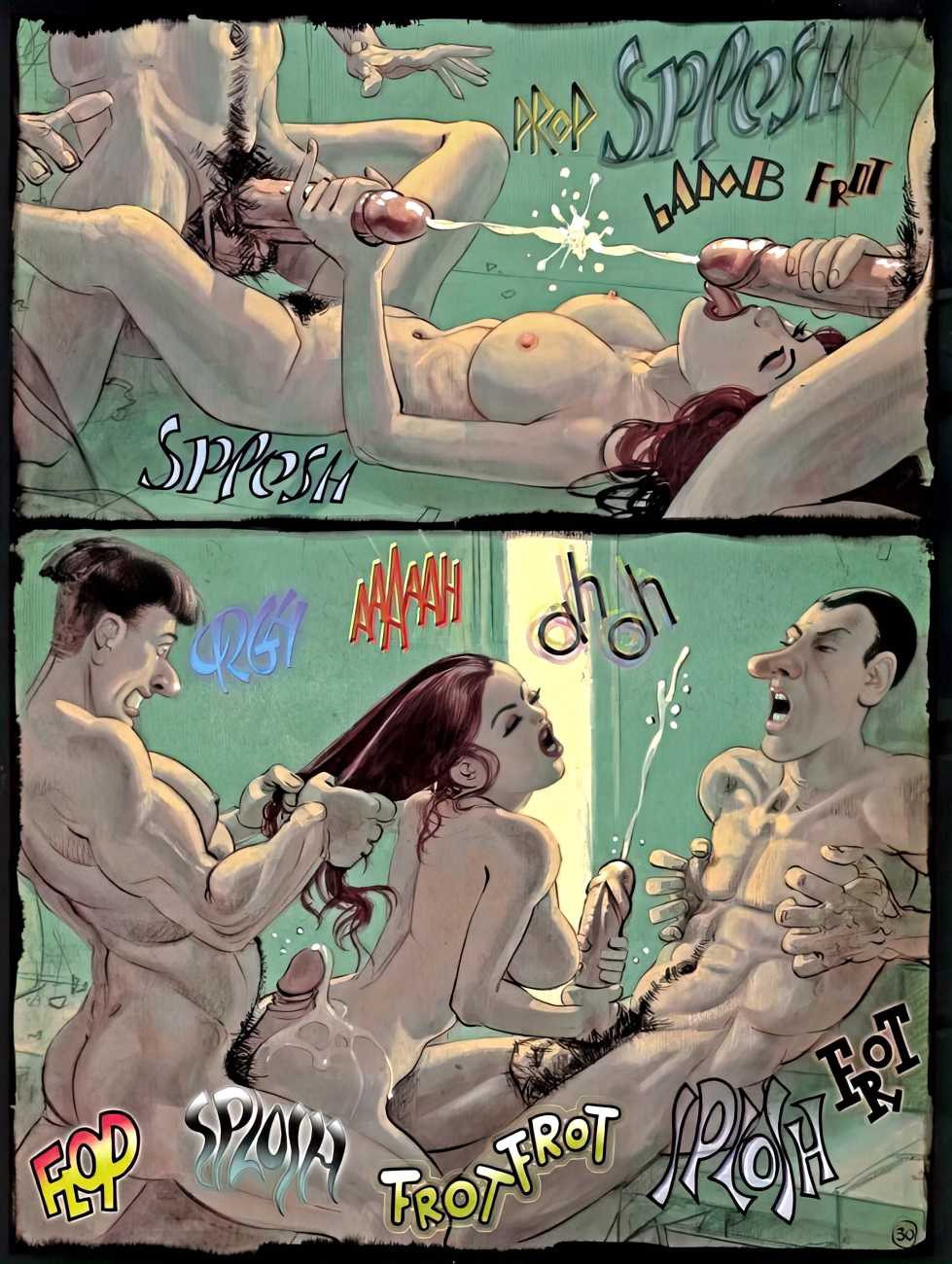
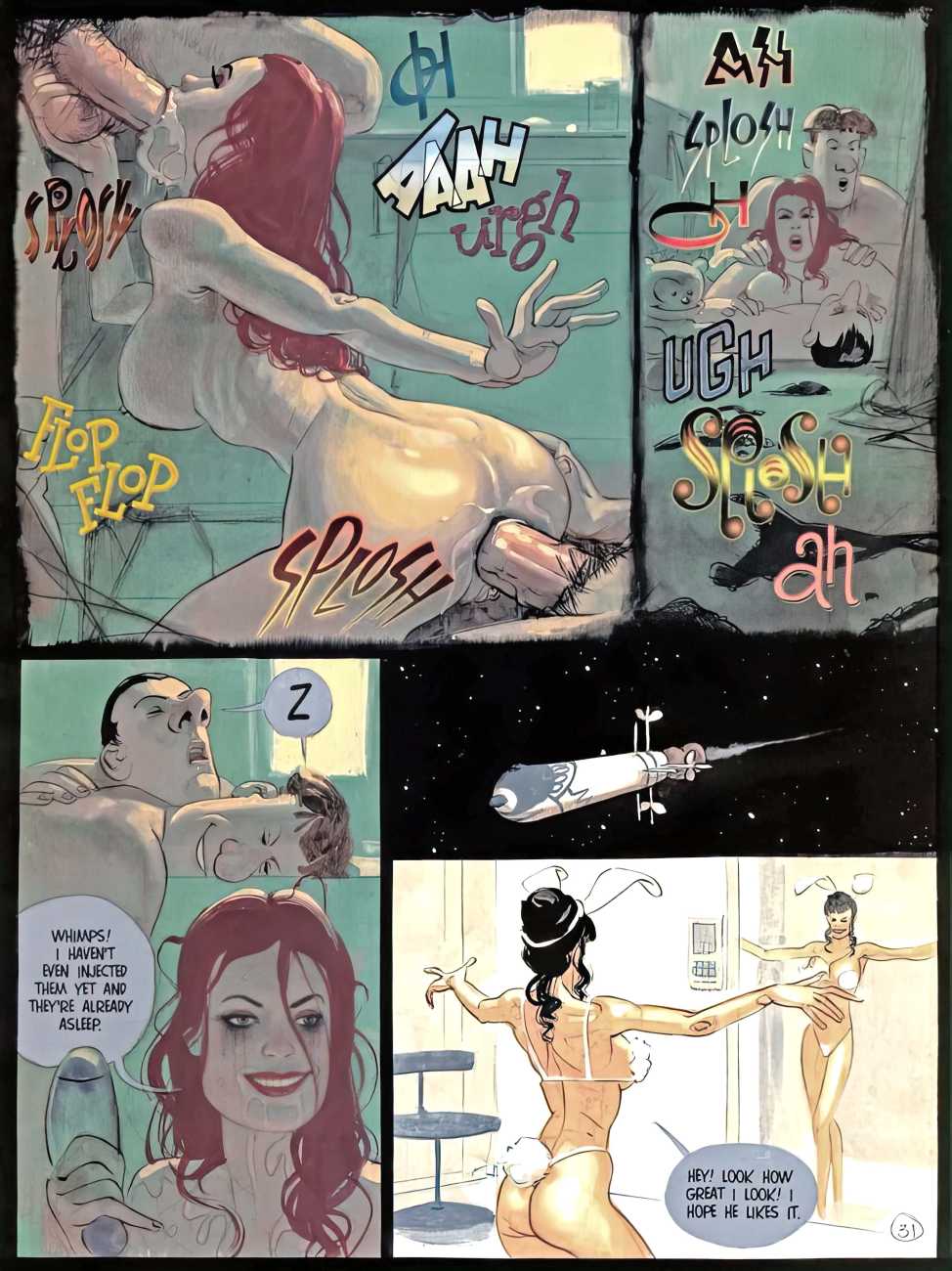
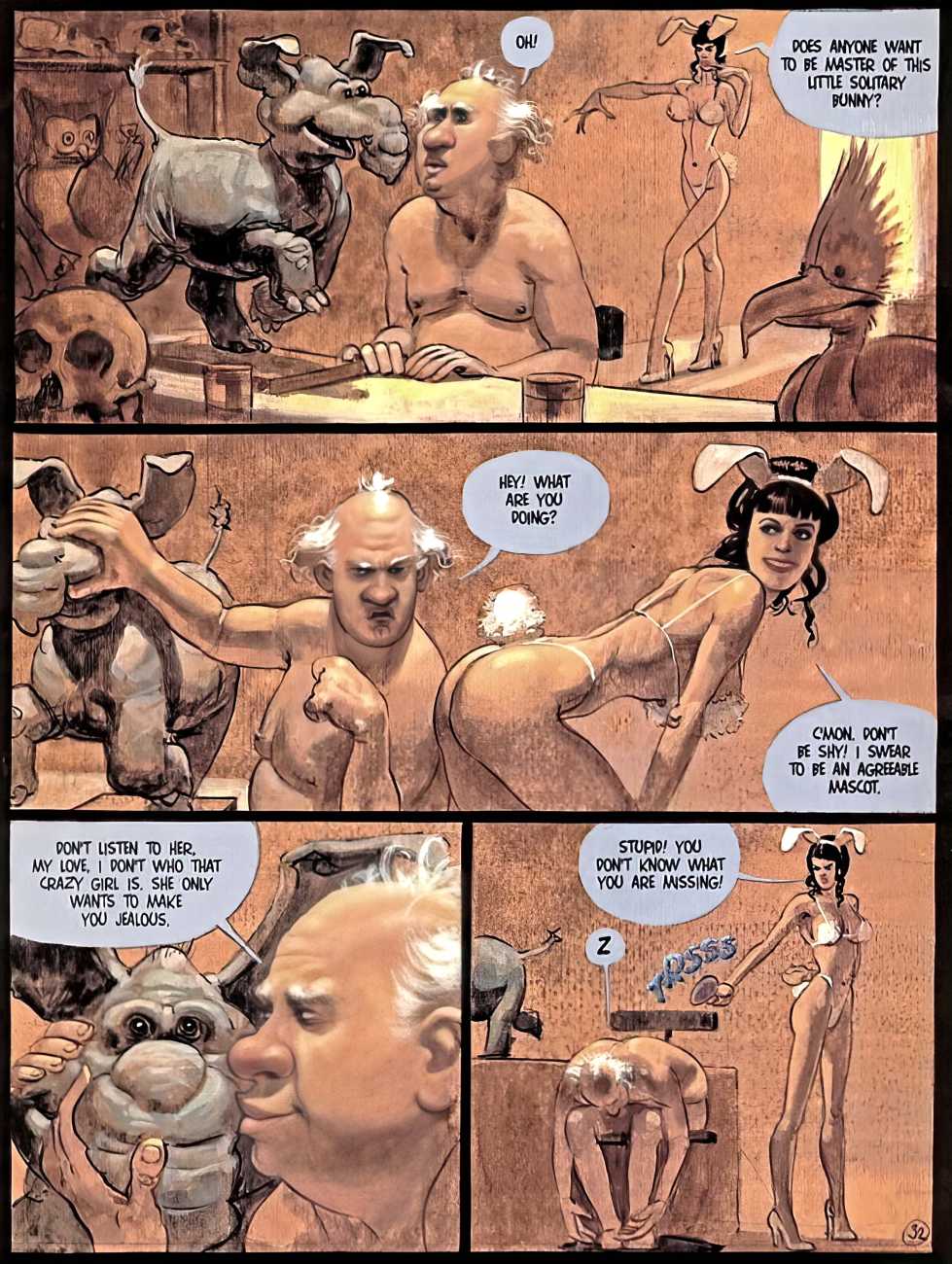
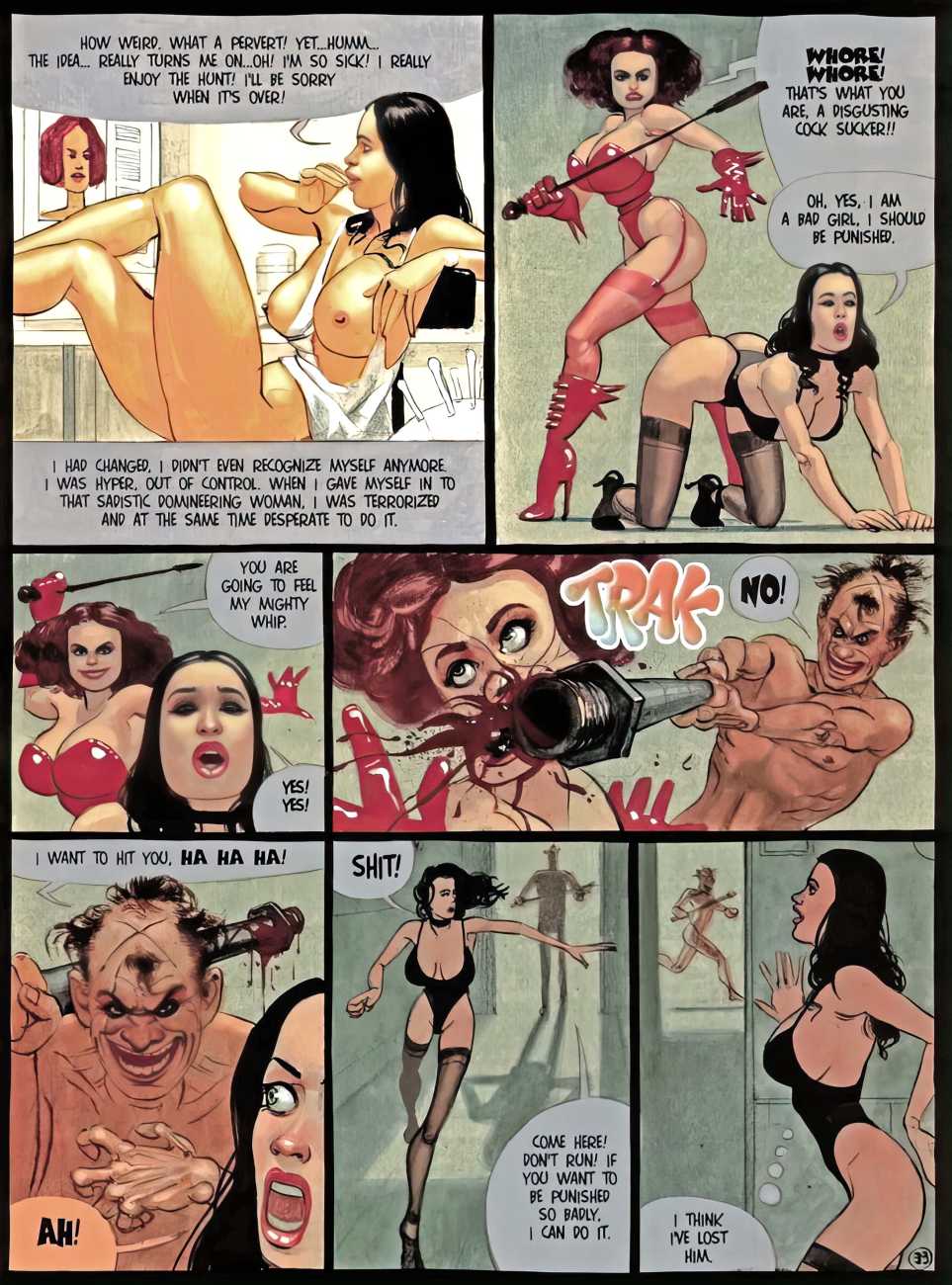
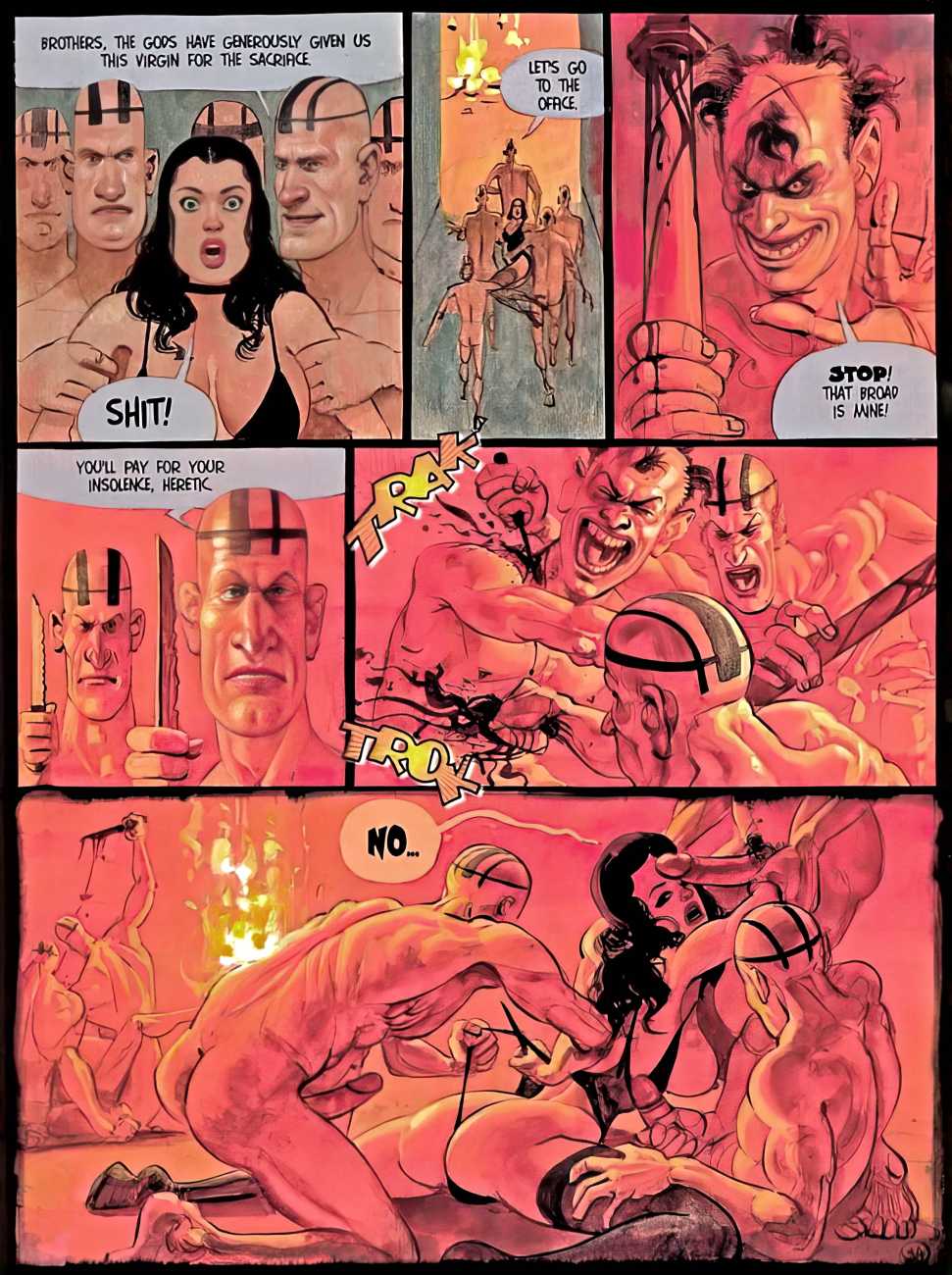
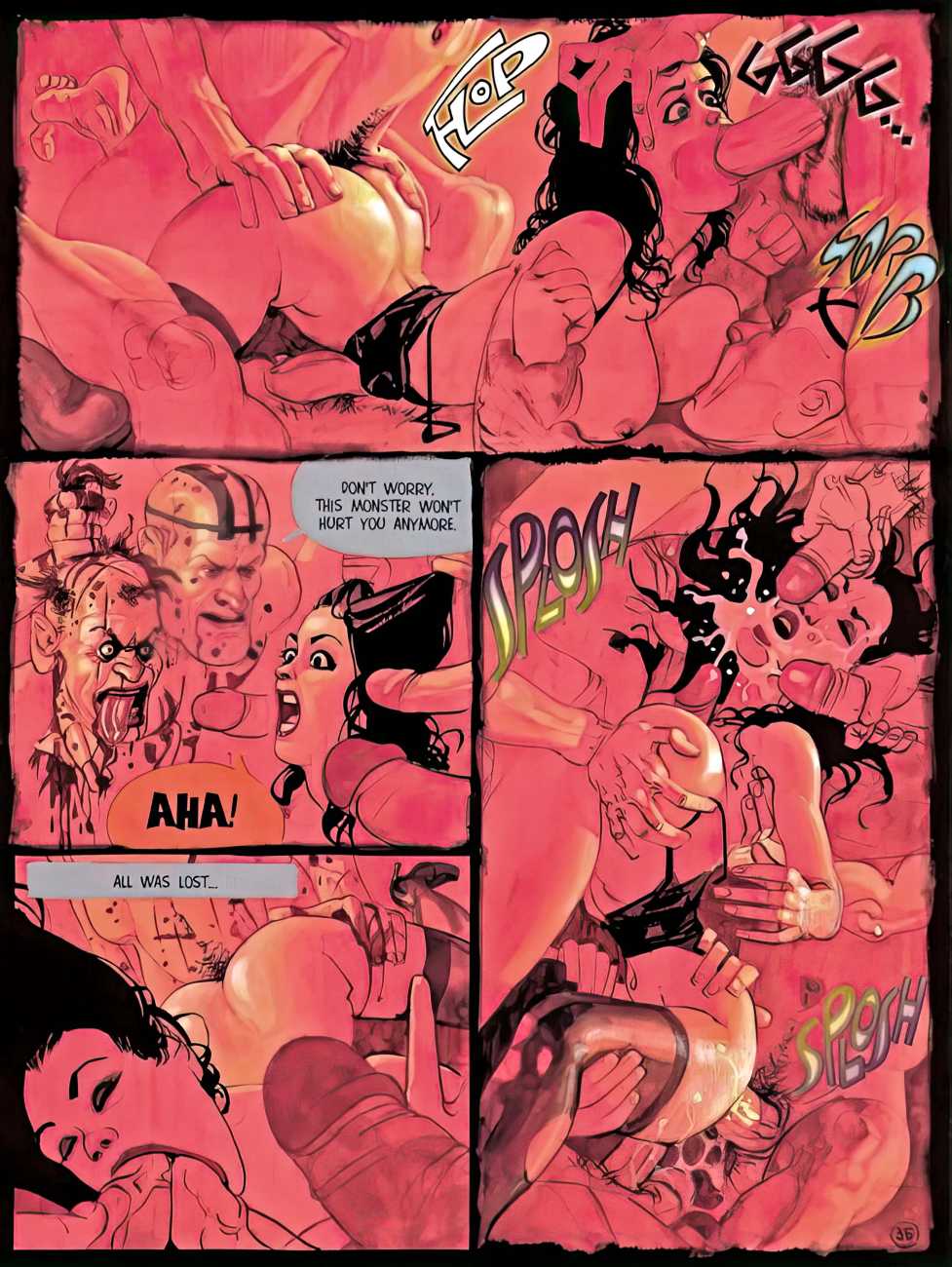
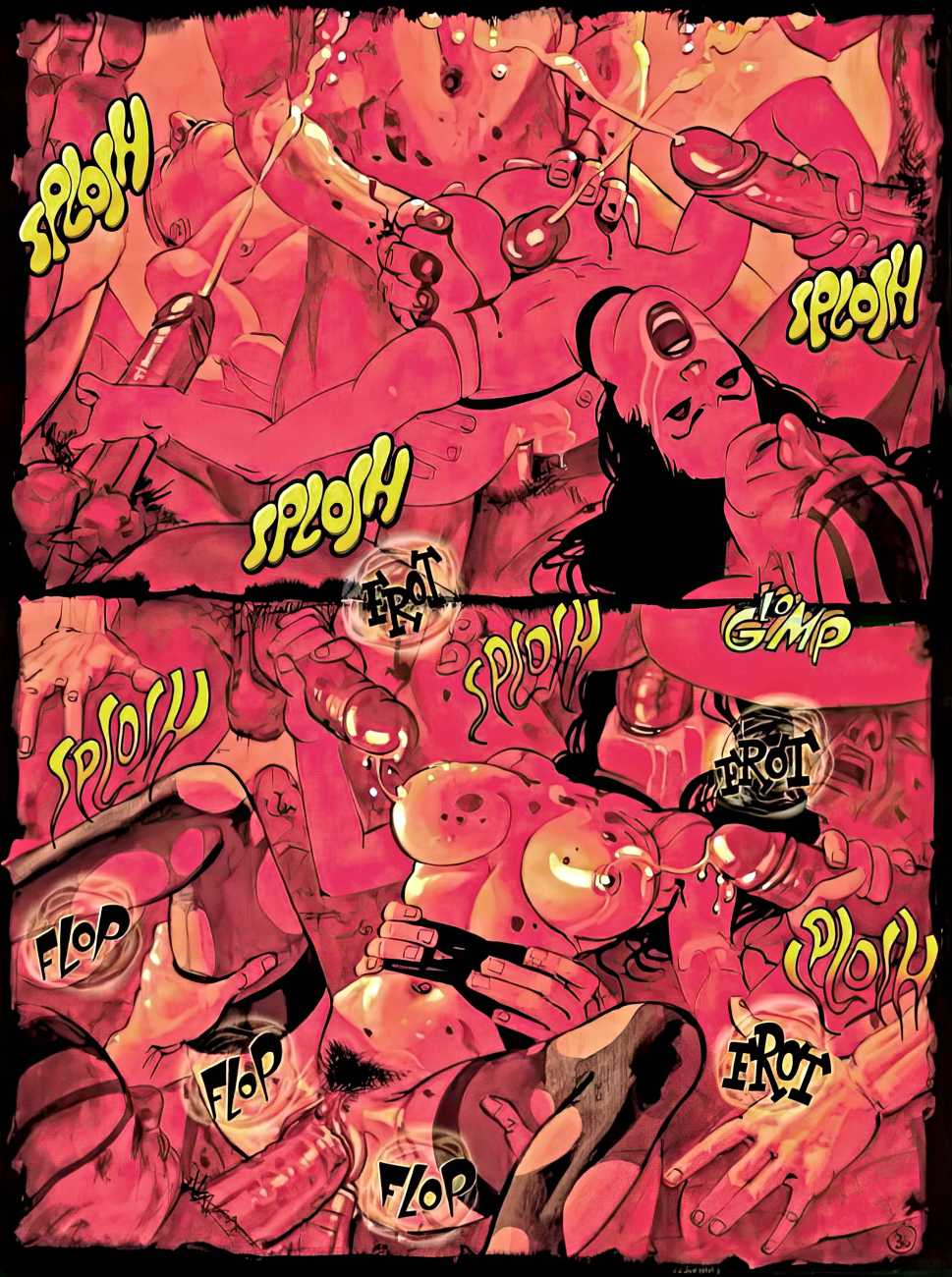
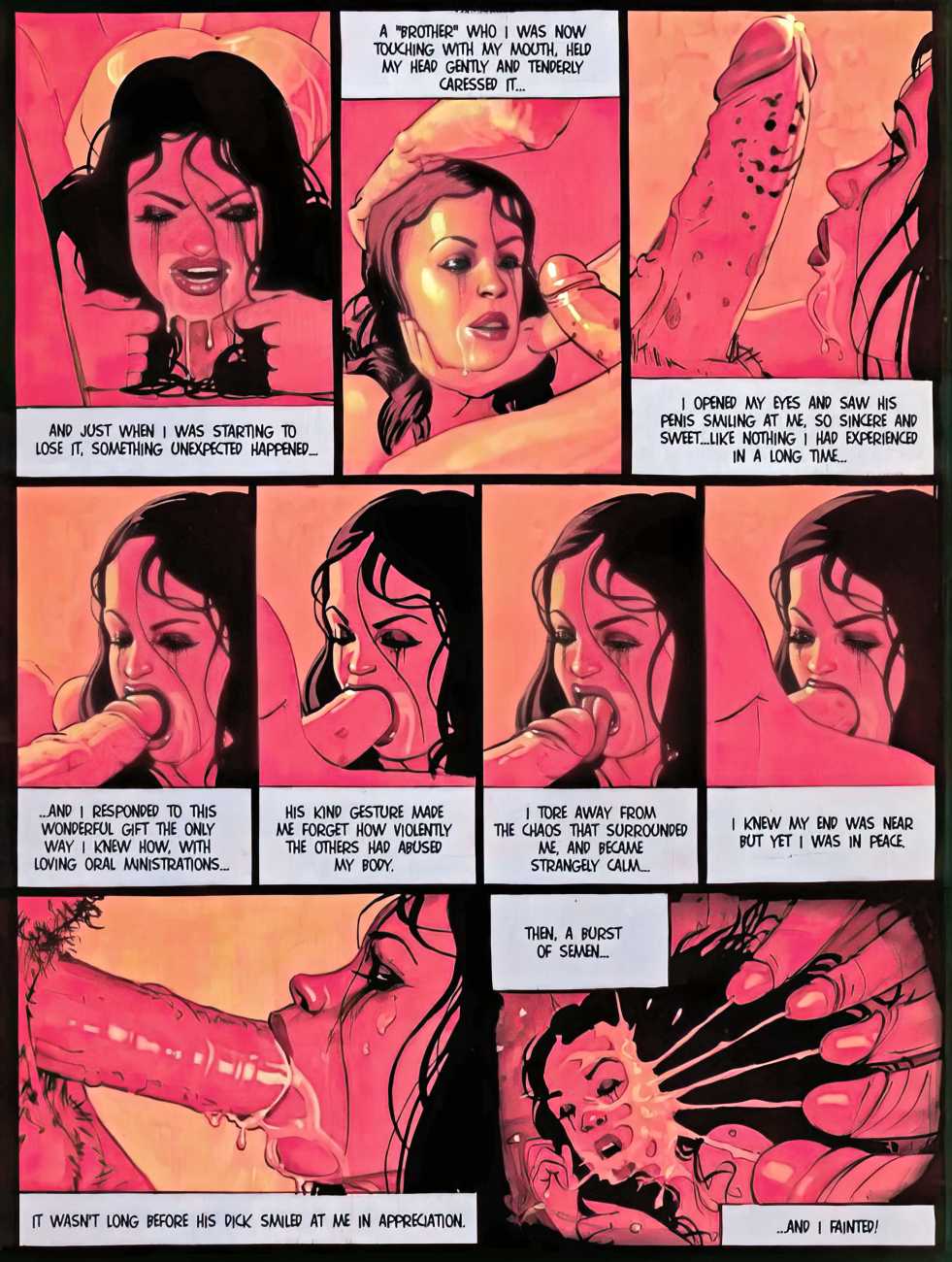
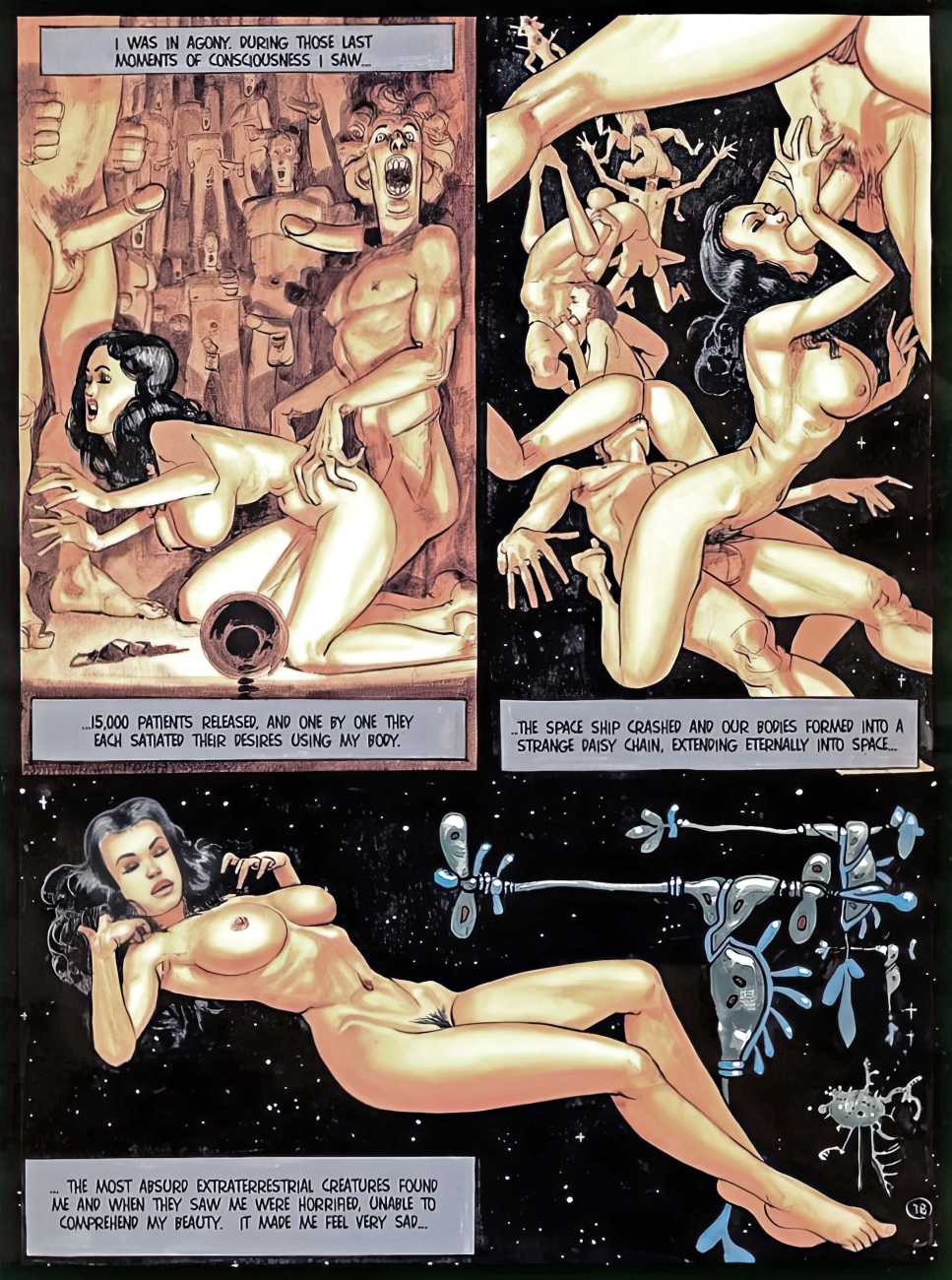
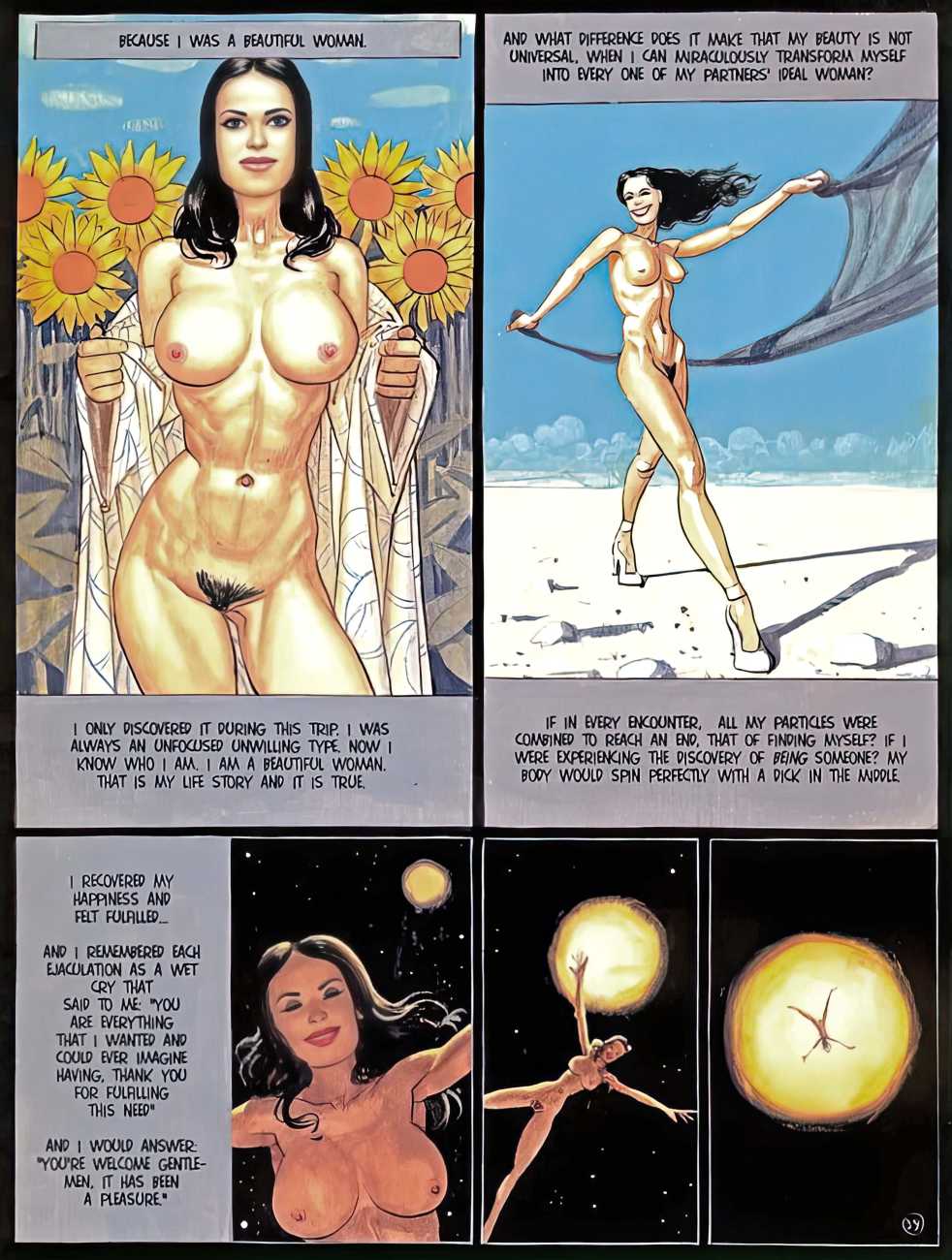
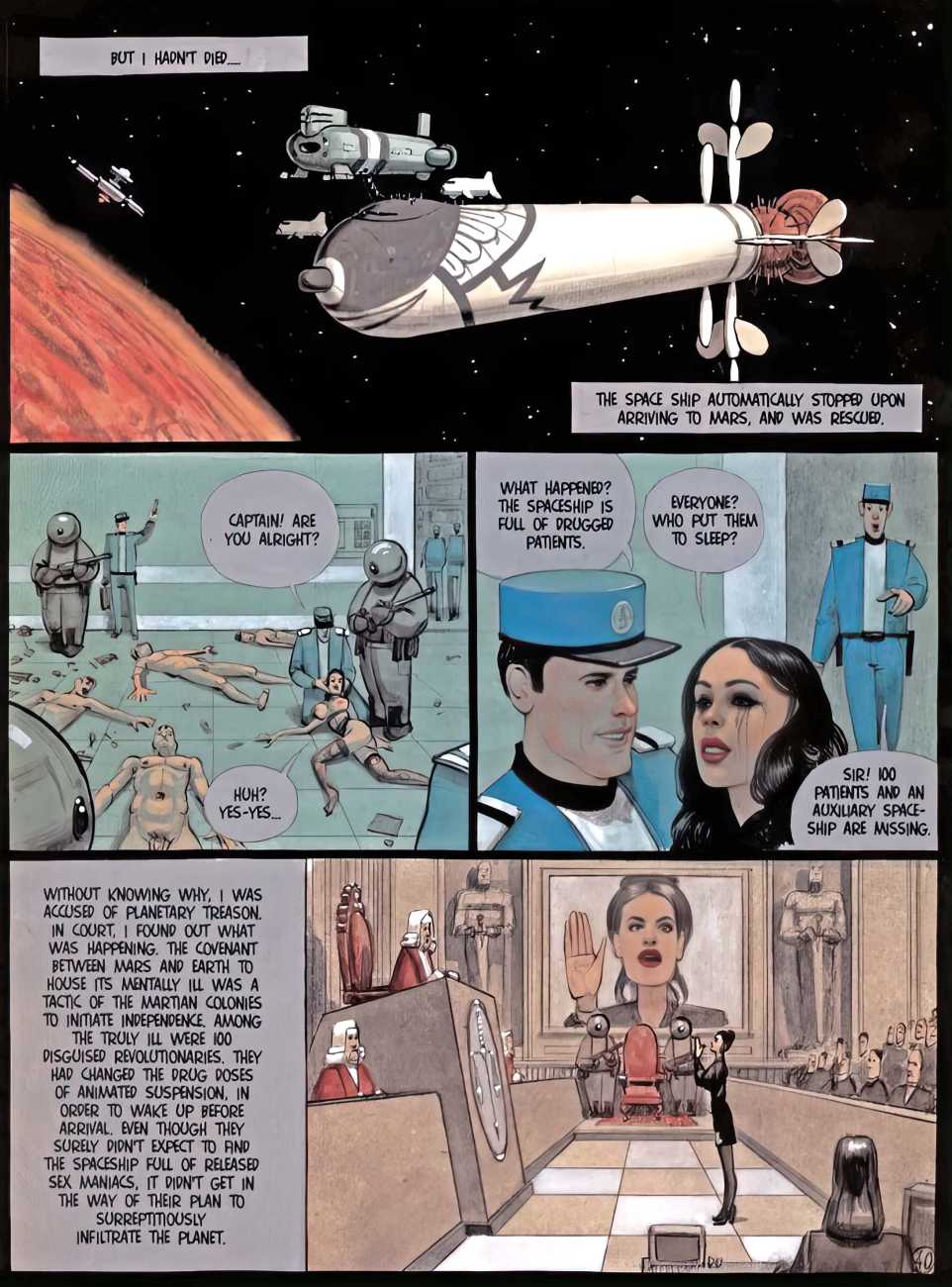
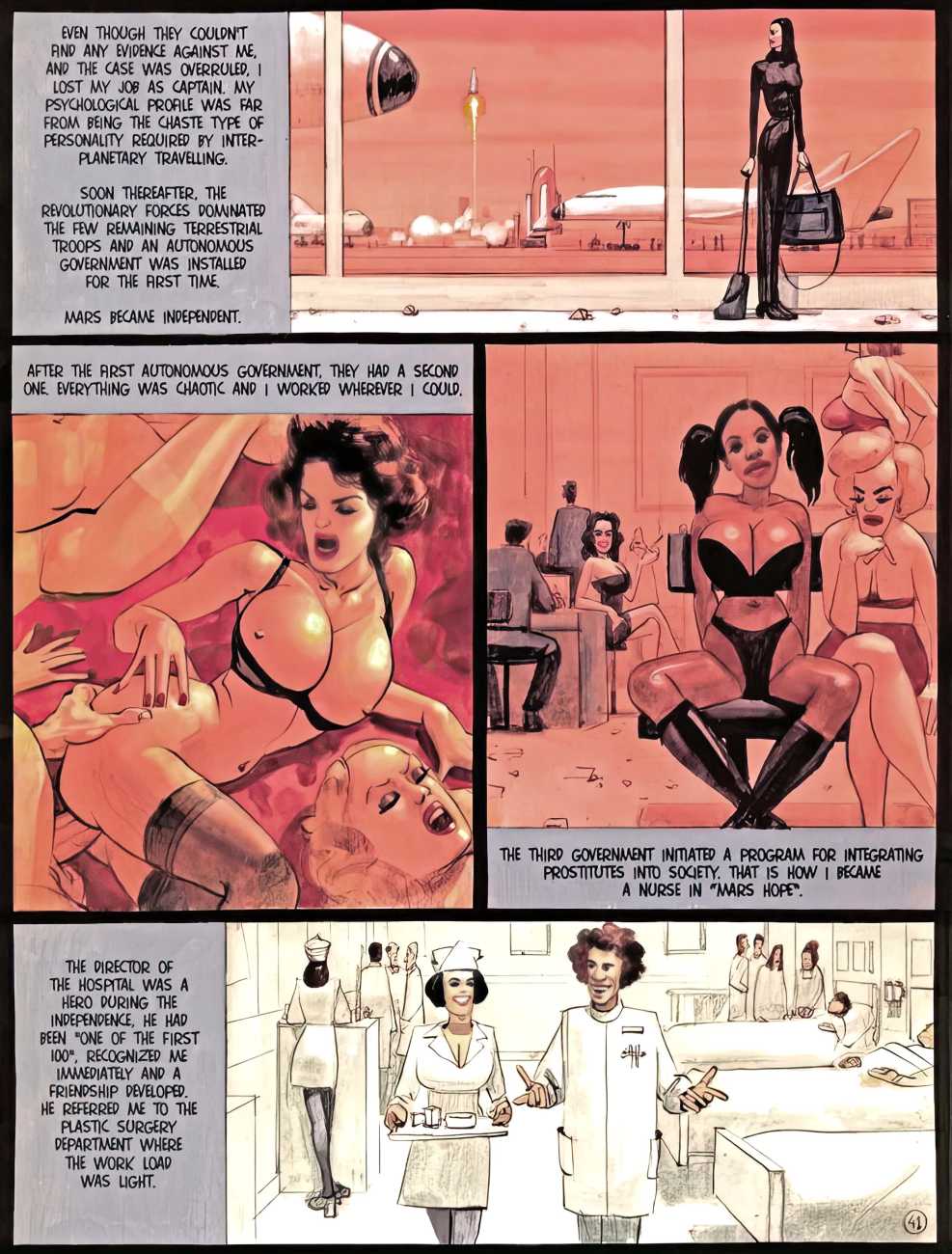
The Piano Tuner (2001)
Aldana (2006)