 Histoire de la bienheureuse Raton, fille de joie (The Story of the Blessed Raton, Prostitute) is a satirical novel by French writer Fernand Fleuret. The book is a parody of hagiographies – biographies of saints – recasting the life of a Parisian sex worker, Raton, in a mock-saintly narrative. Through this lens, Fleuret critiques religious fervour and societal hypocrisy, blending eroticism with mysticism.
The novel is notable for its ironic tone and rich, baroque language. Raton’s journey from the streets to supposed sainthood is filled with exaggerated spiritual experiences, including visions and stigmata, which serve to lampoon the conventions of religious biographies. Fleuret’s work challenges the reader to question the authenticity of sanctity and the societal structures that define virtue and vice.
Fleuret (1883–1945) was known for his erudition and satirical wit, and was active in the Parisian literary scene of the early twentieth century, associating with figures like Guillaume Apollinaire and Jean Cocteau. He often wrote under pseudonyms, and collaborated with contemporaries on various literary projects, exploring themes of sexuality, religion and societal norms, often with a critical and humorous approach.
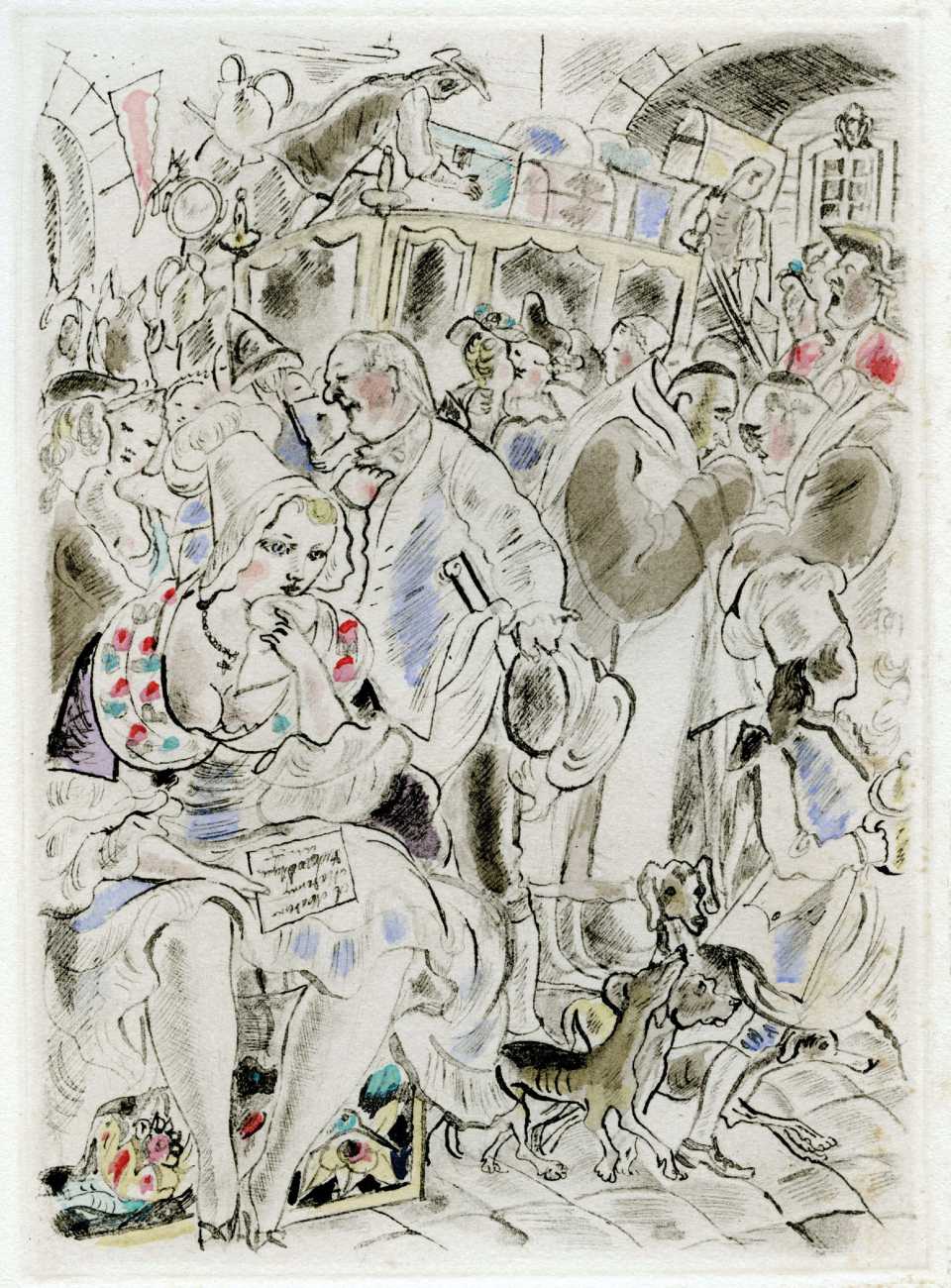
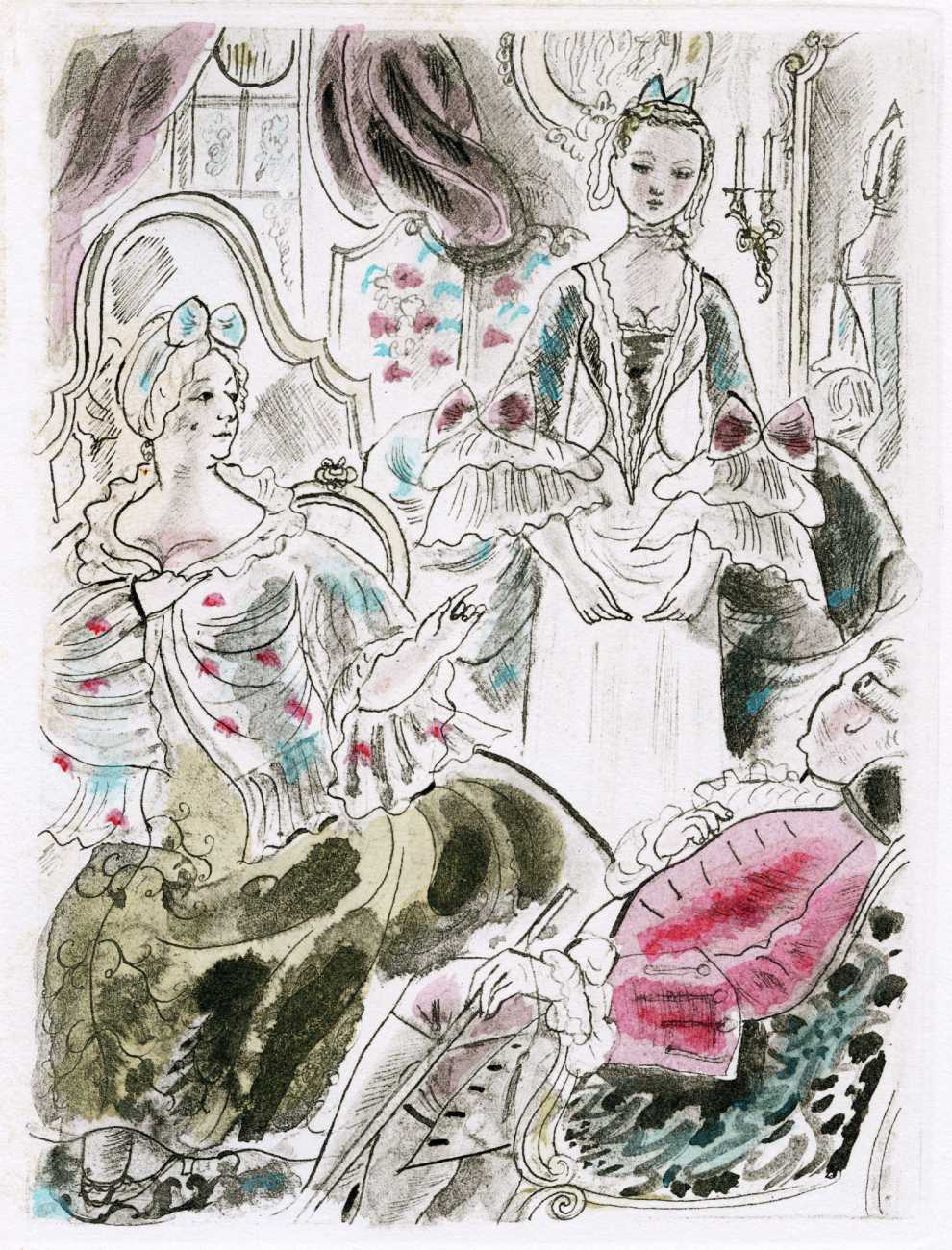
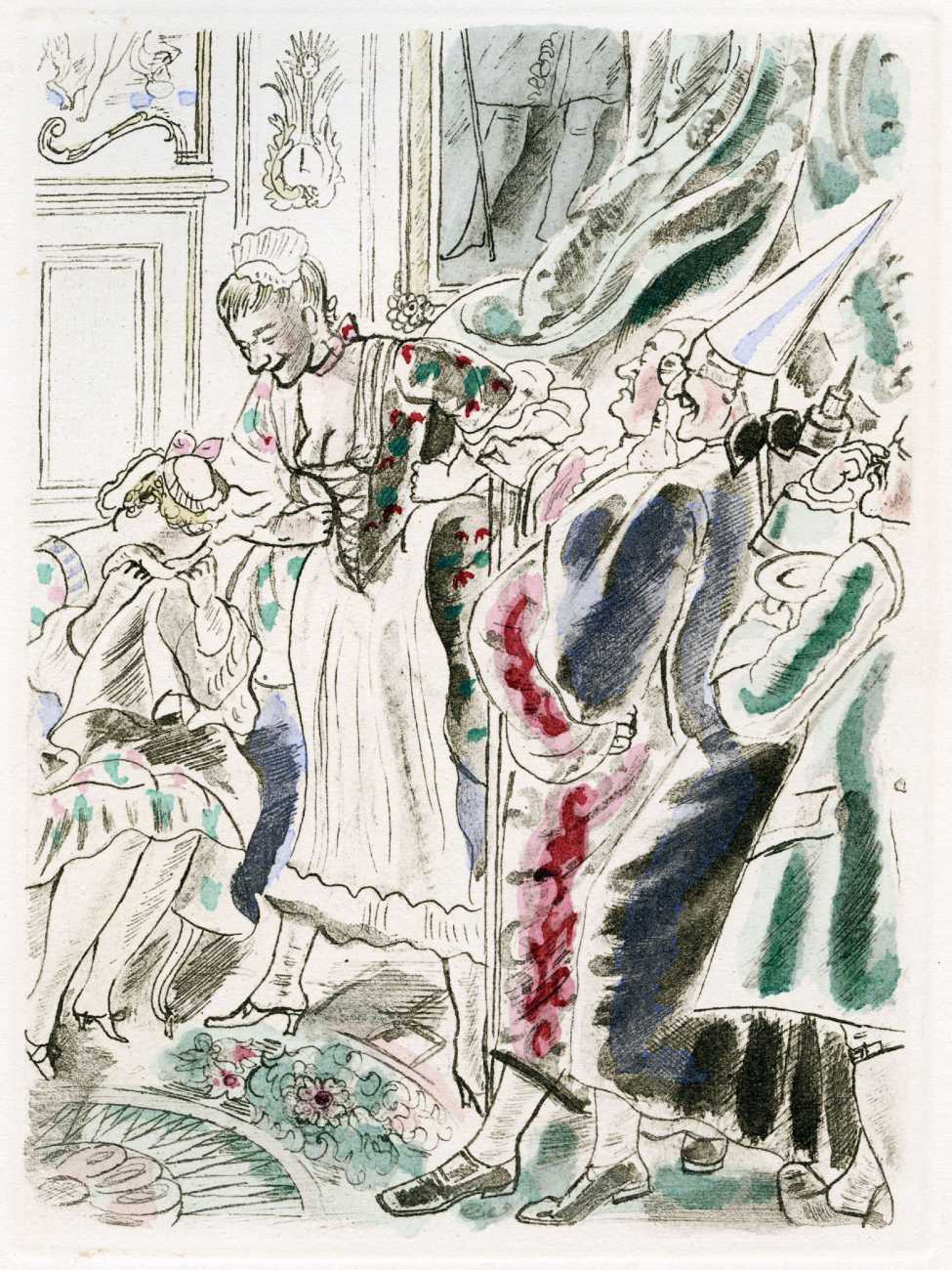
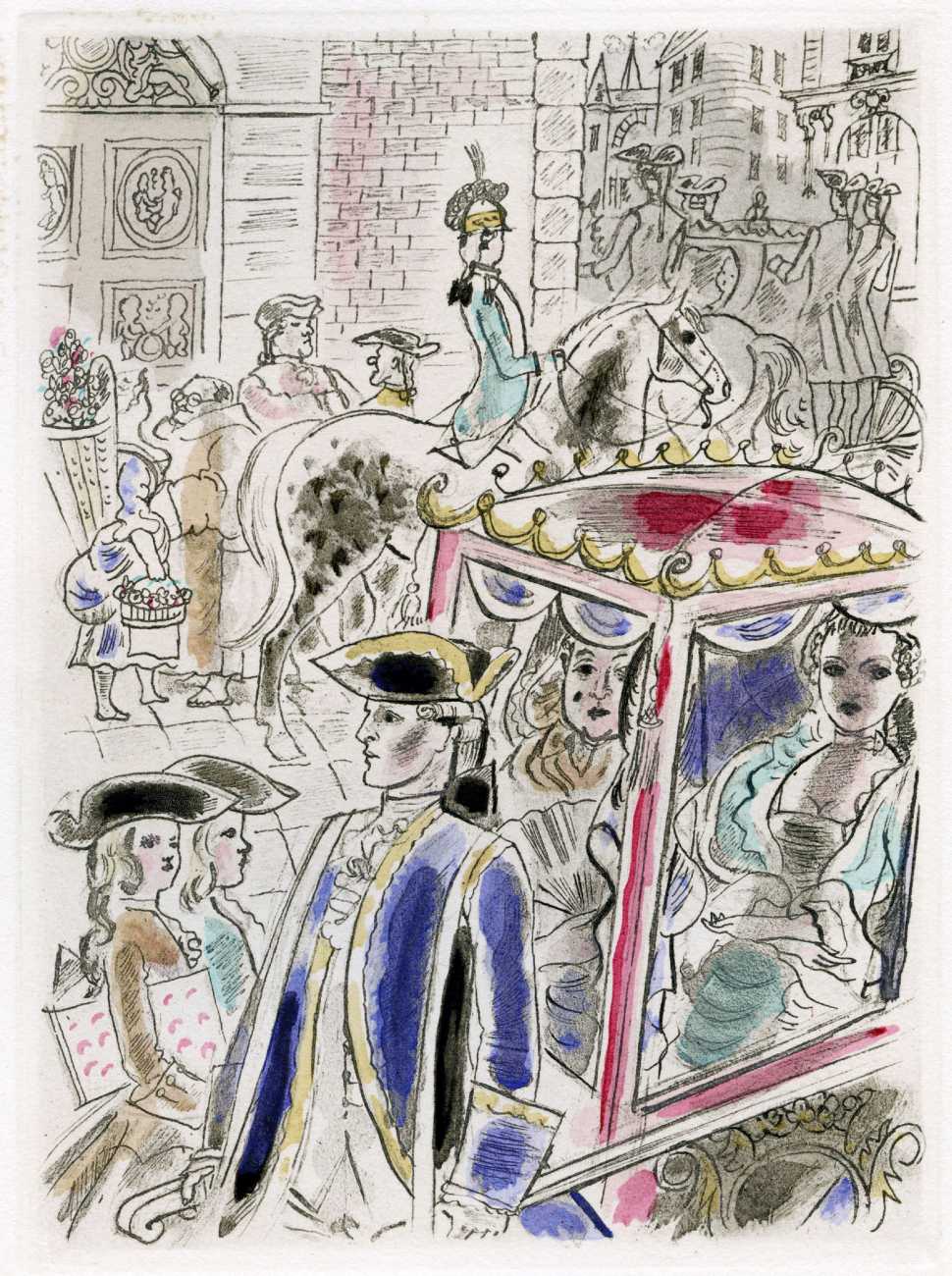
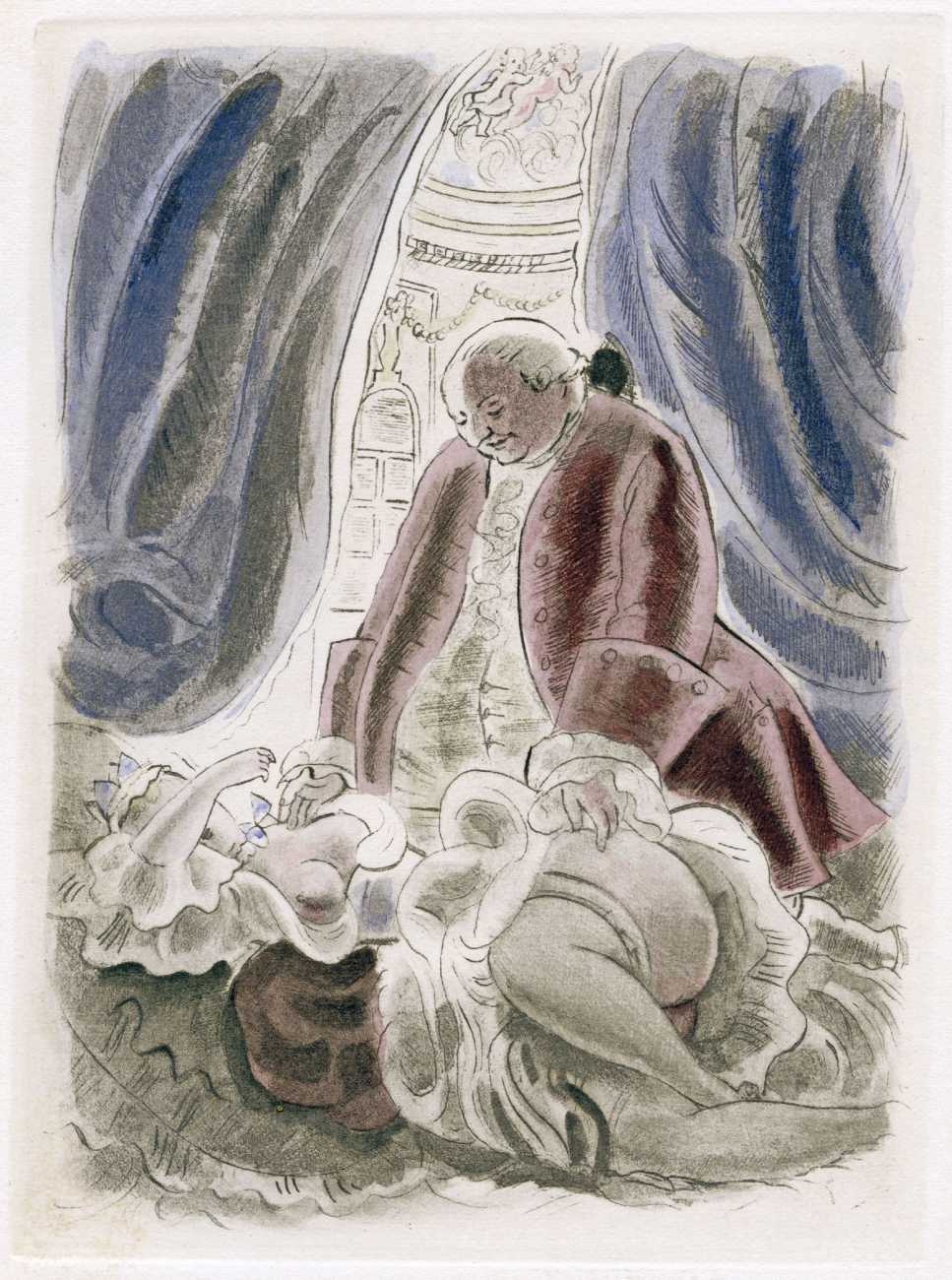
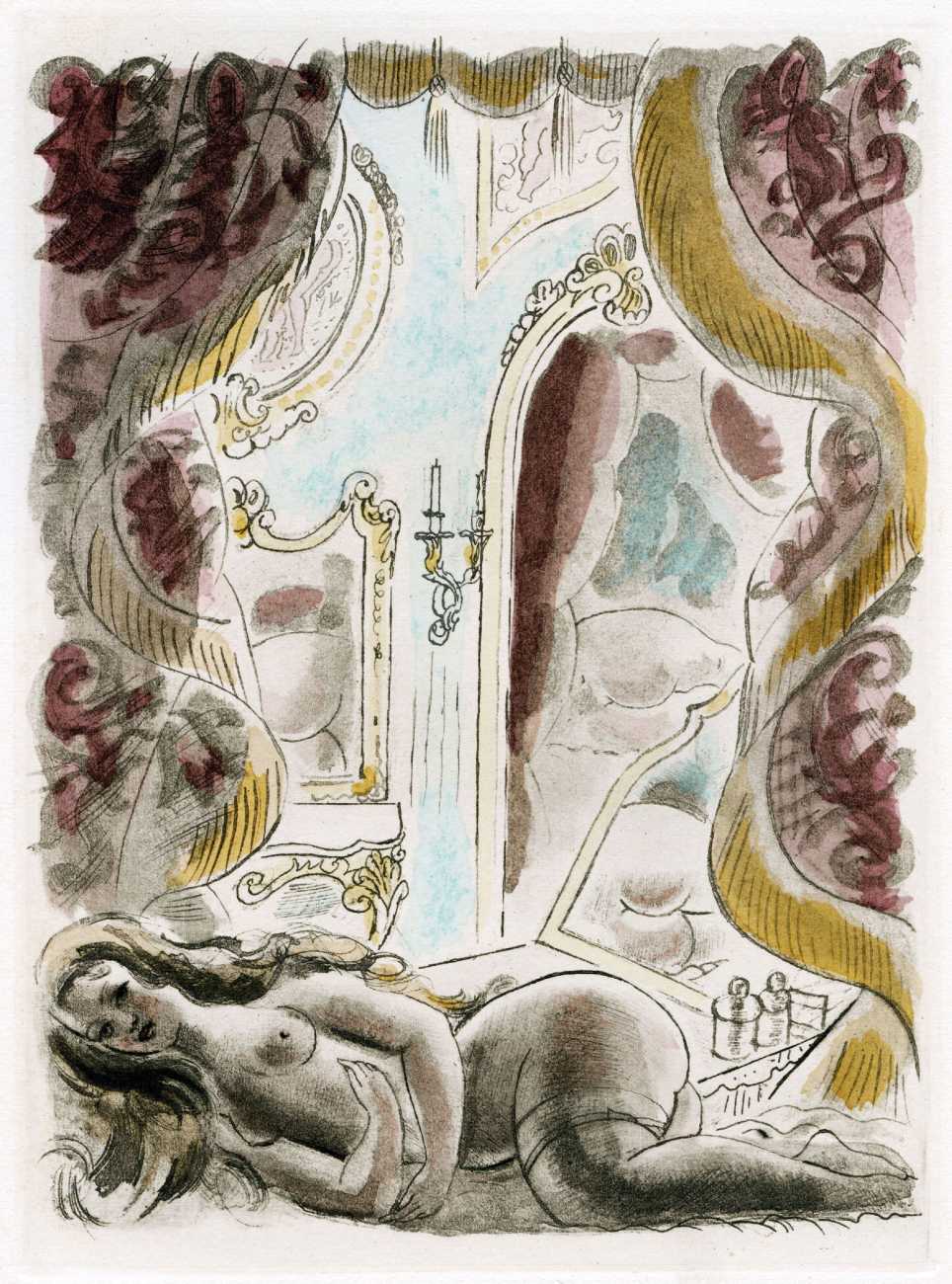
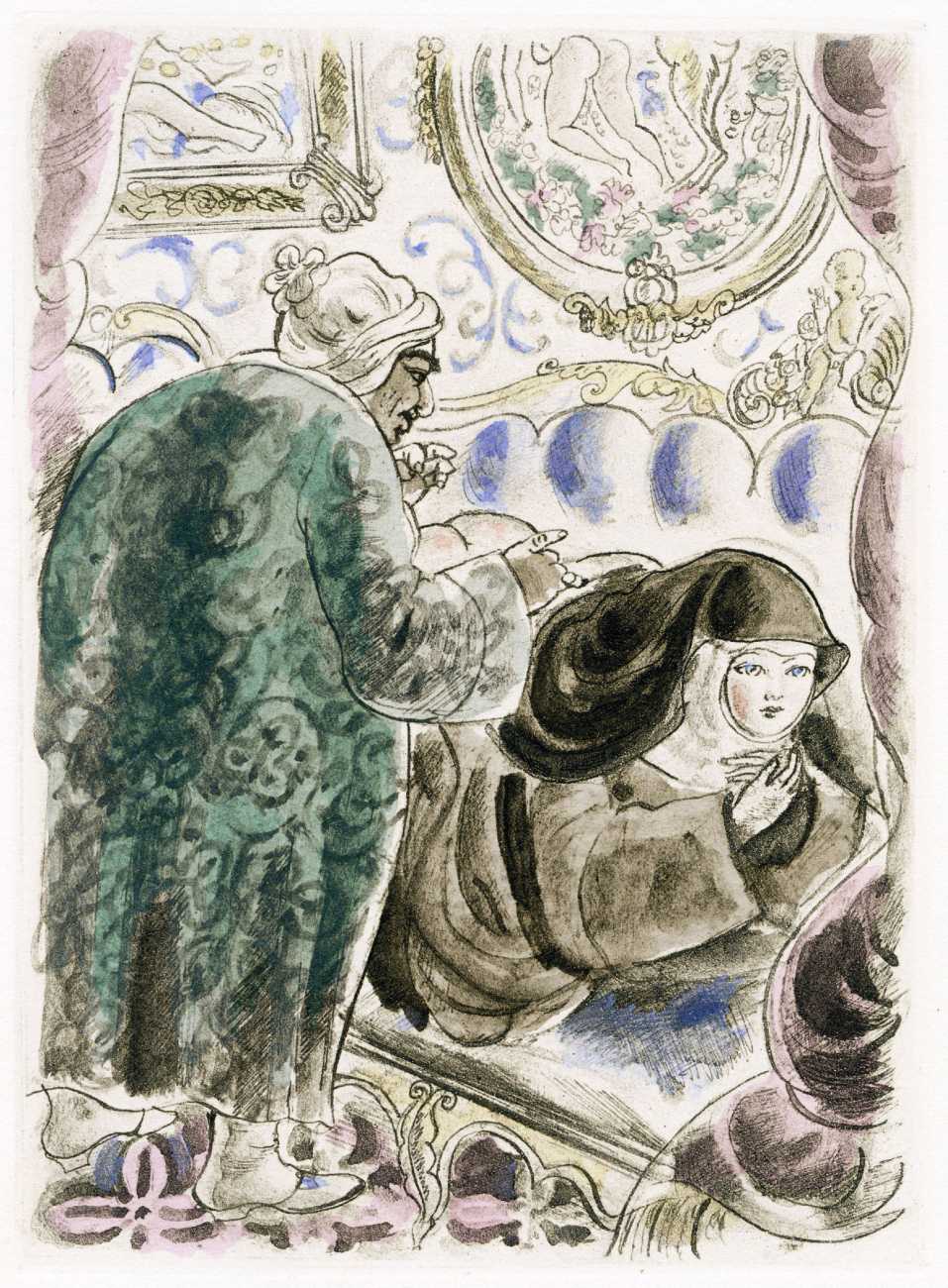
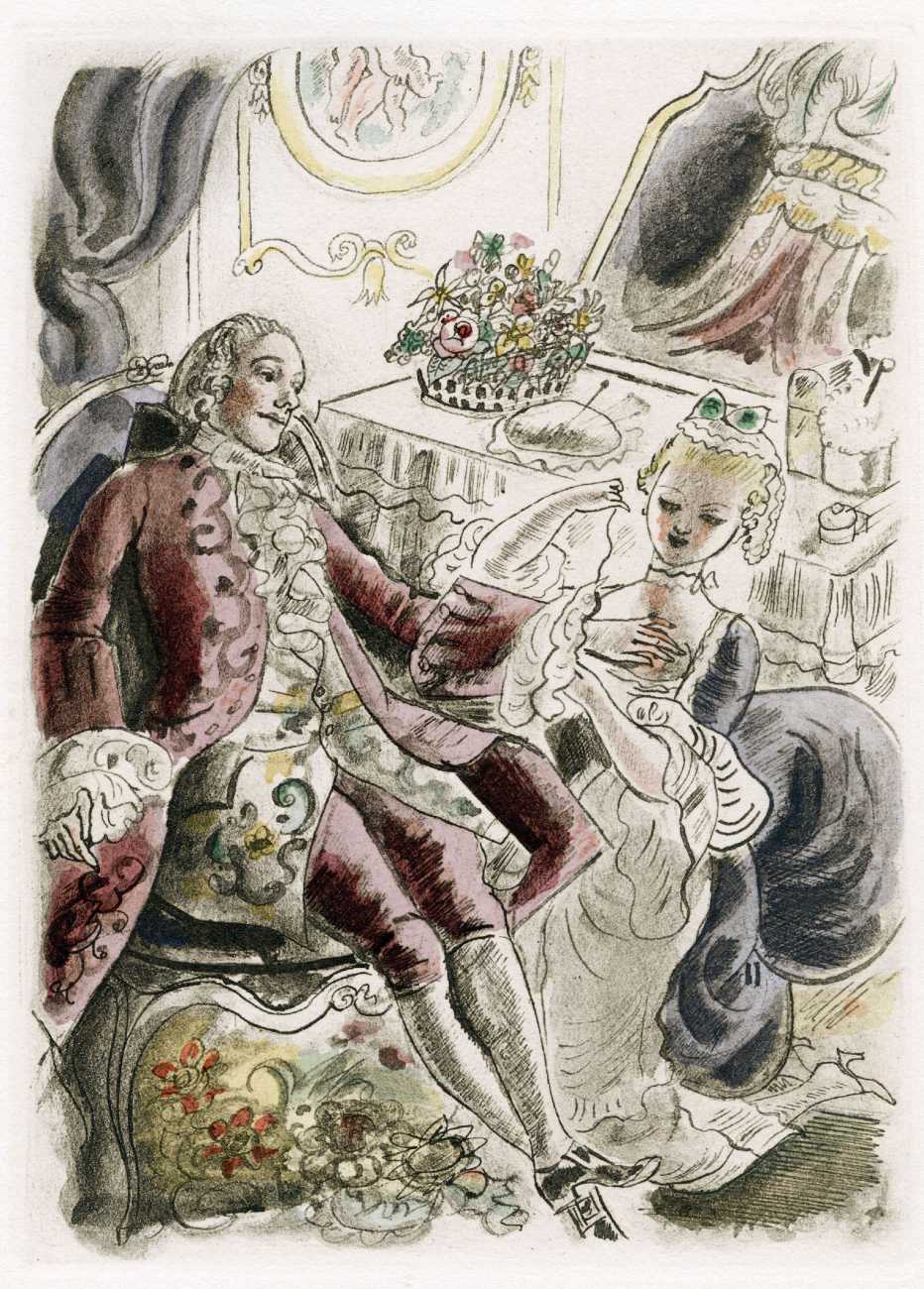
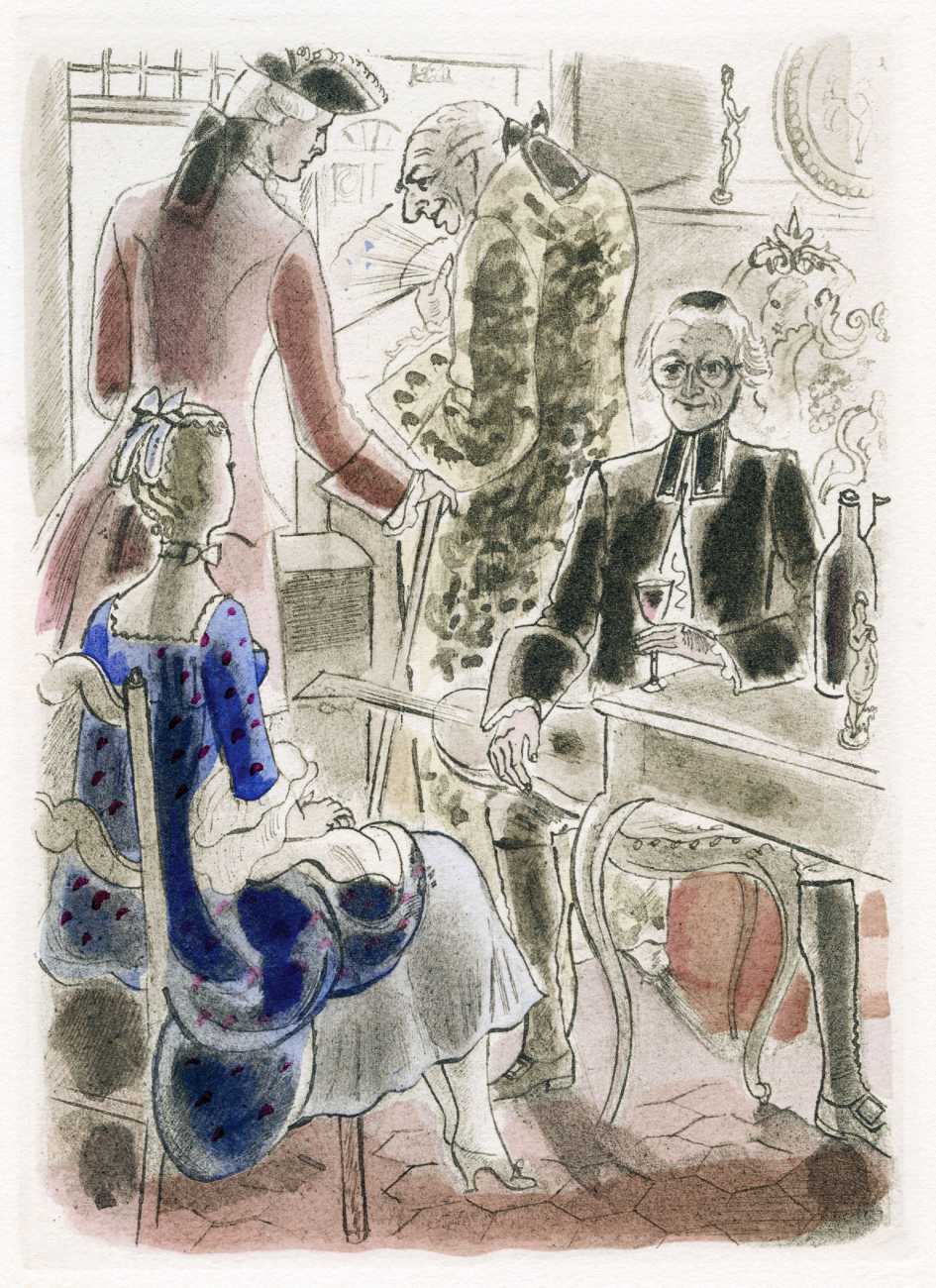
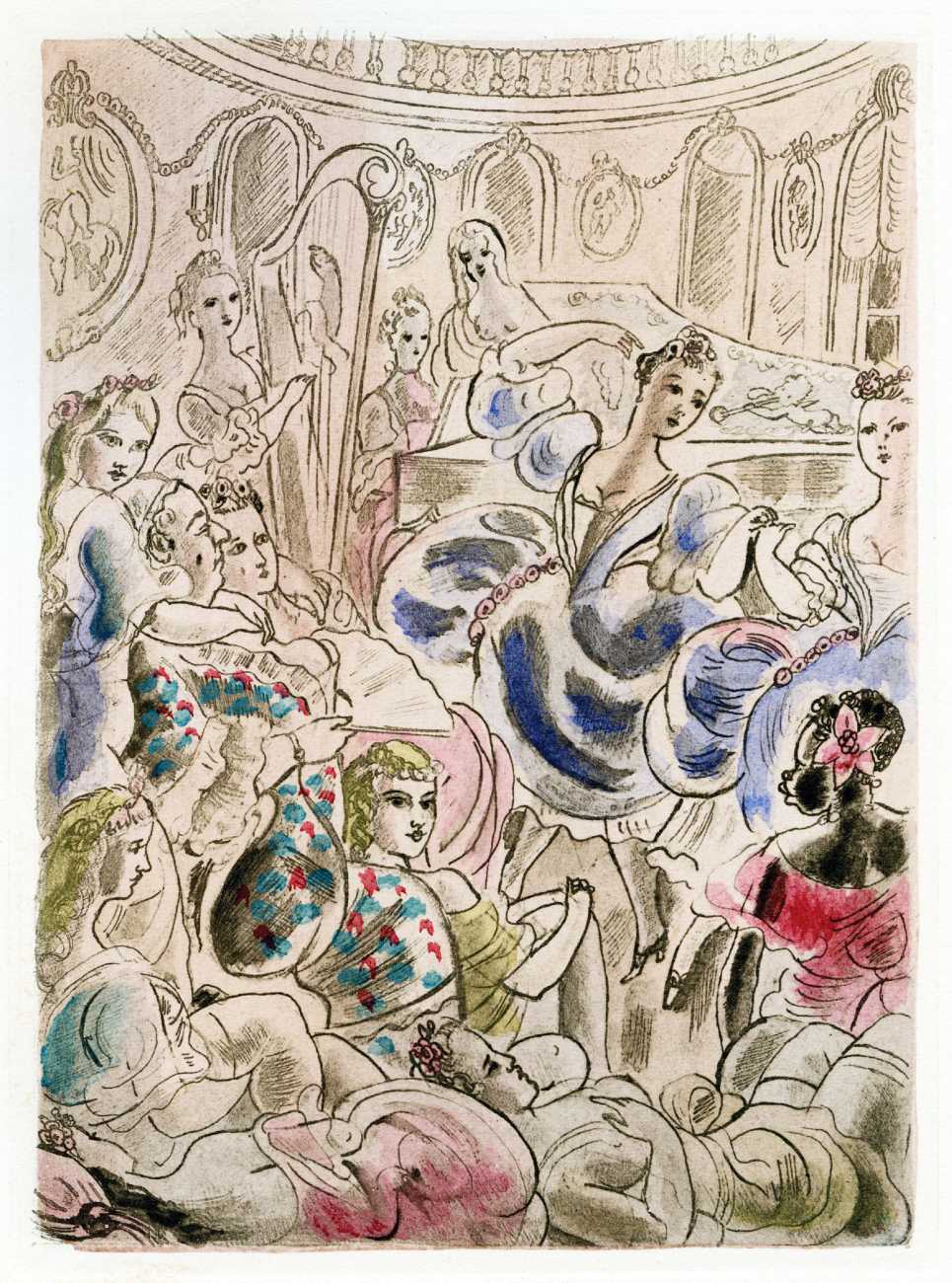
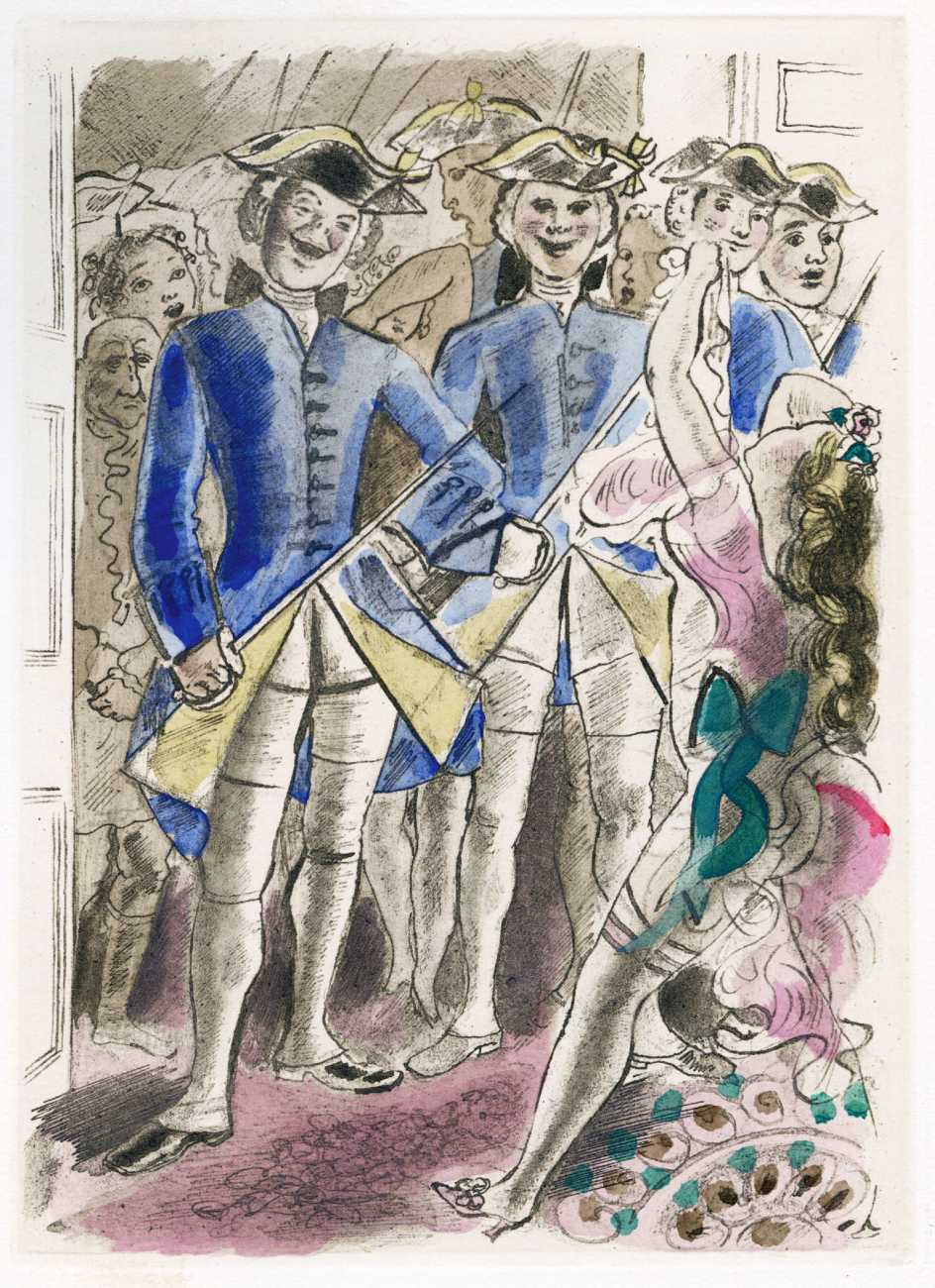
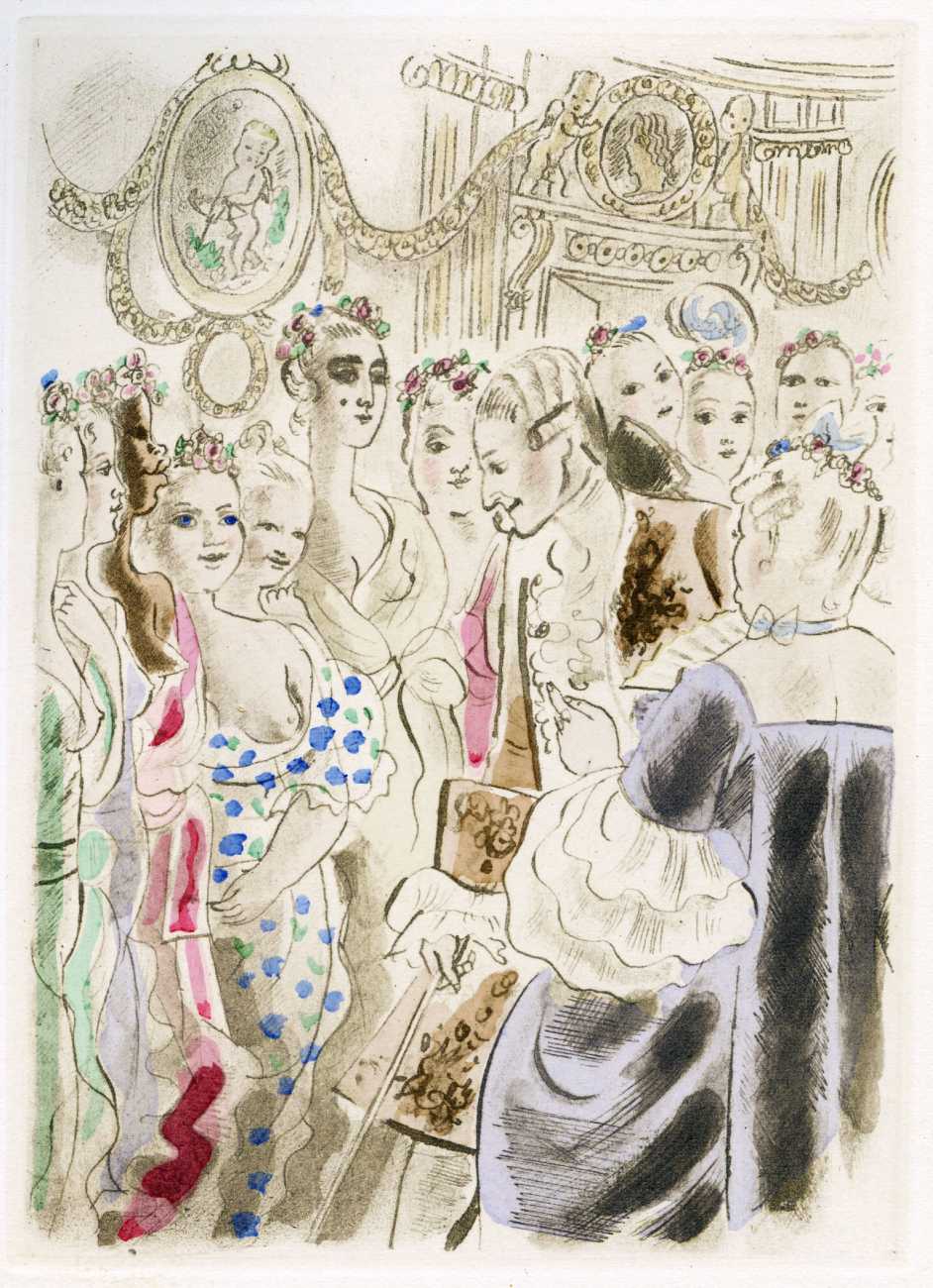
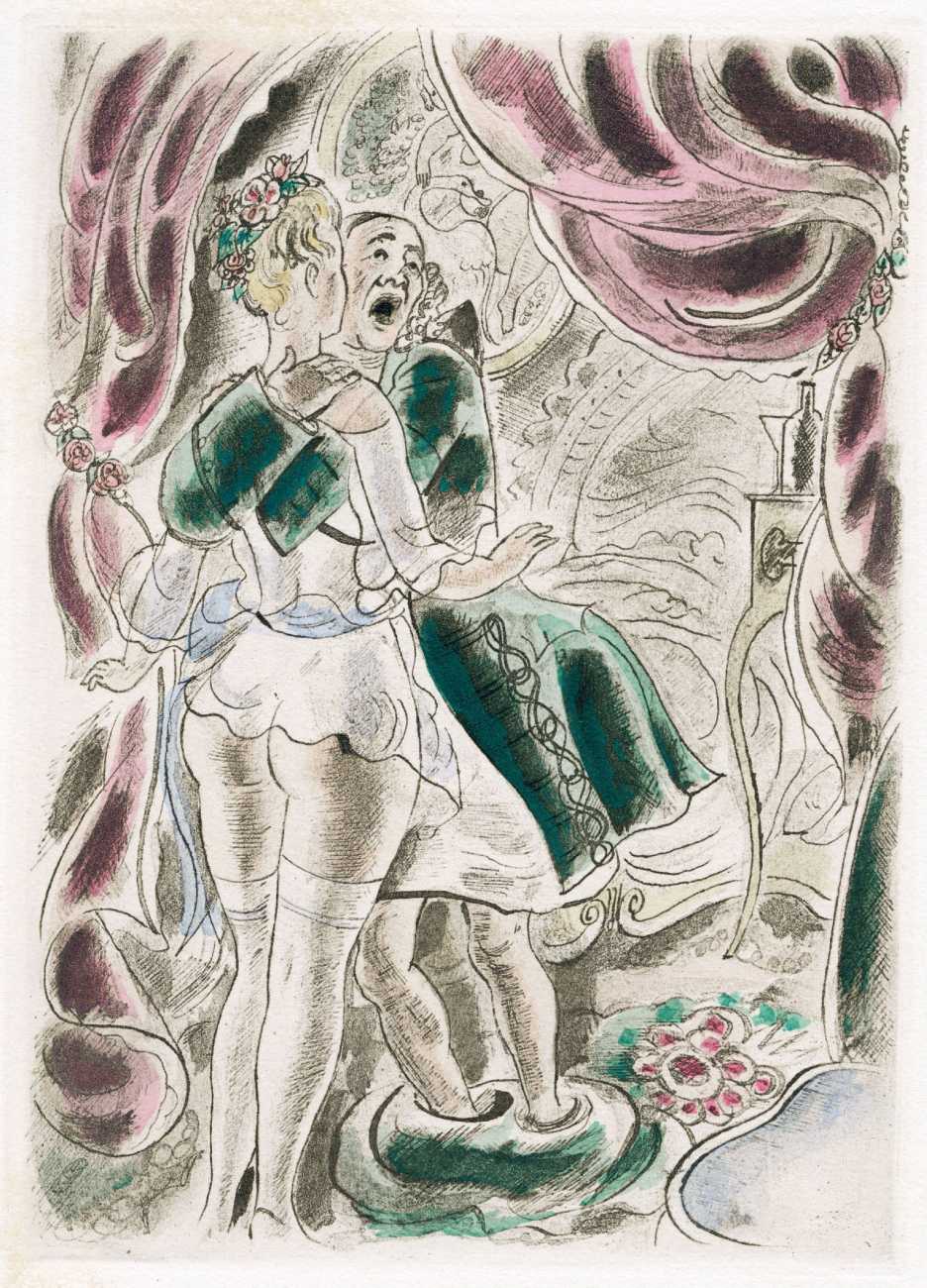
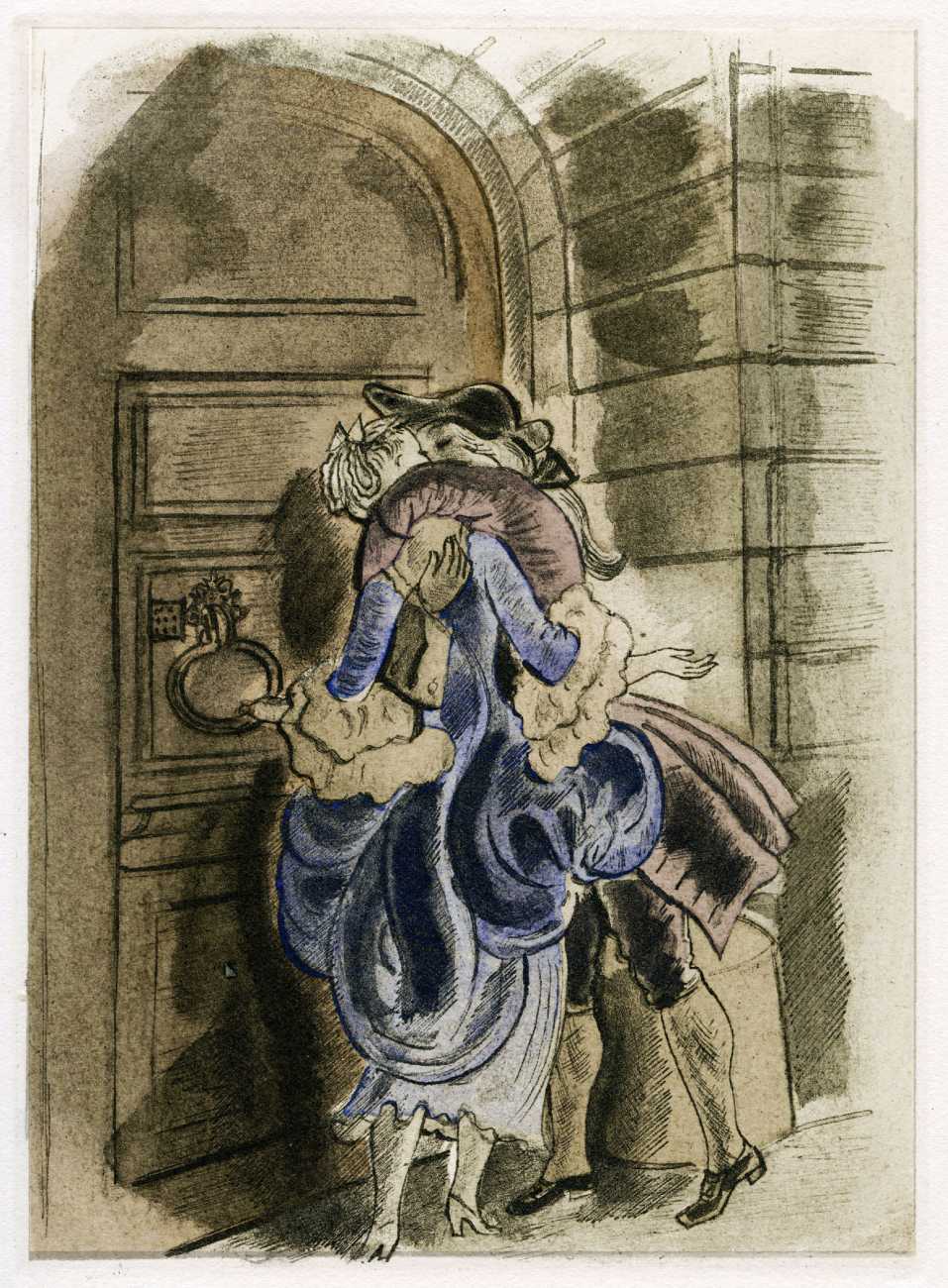
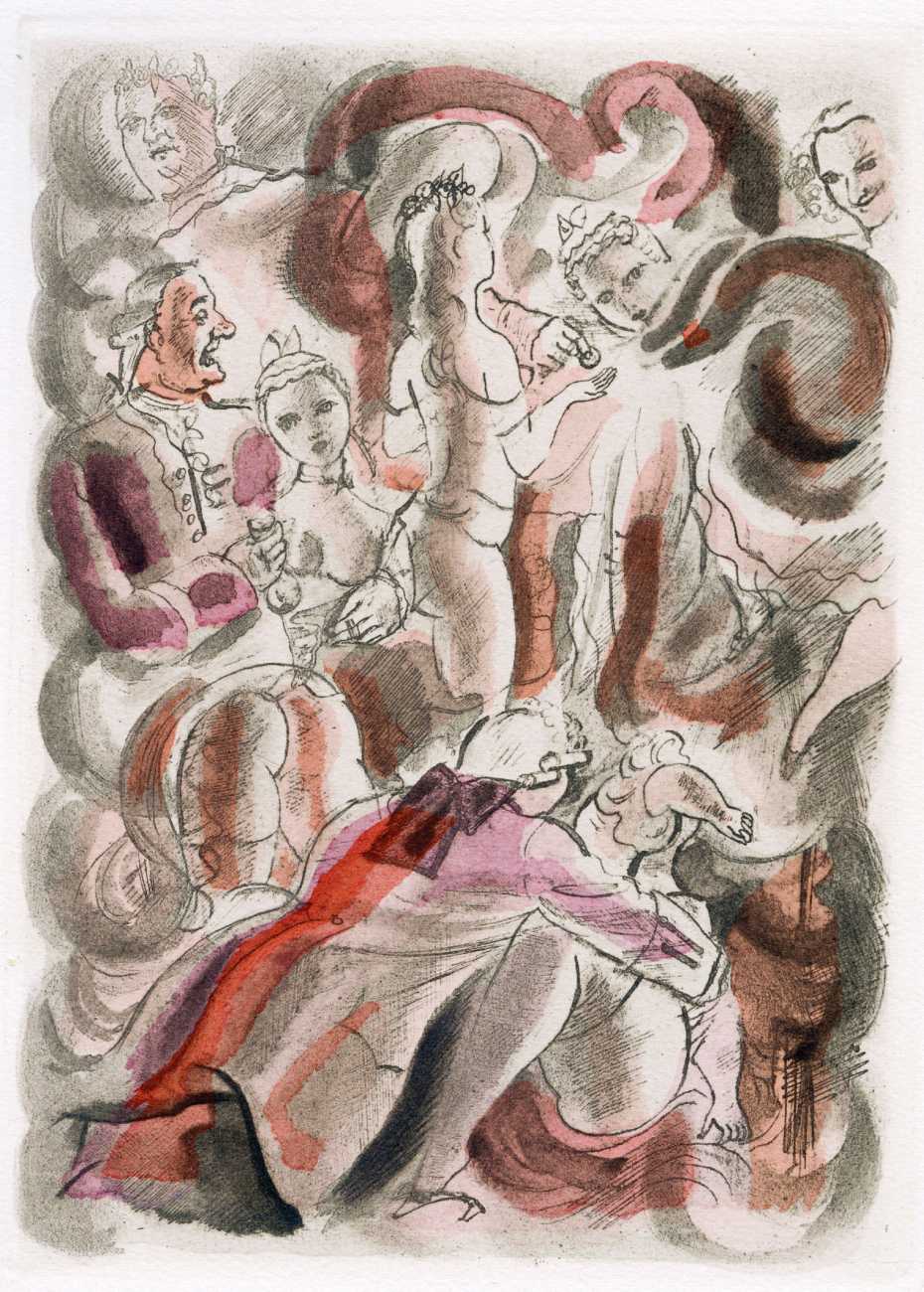
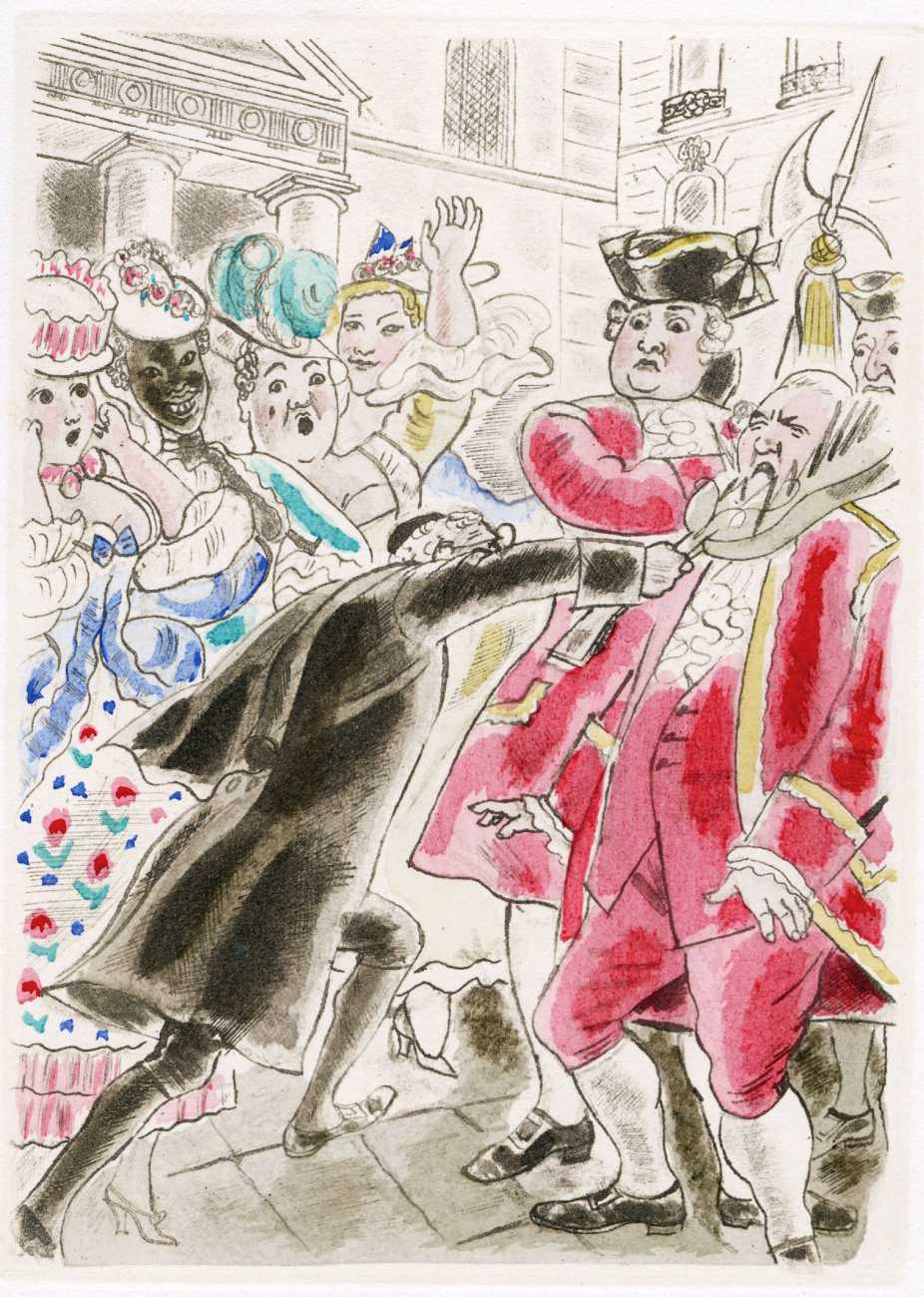
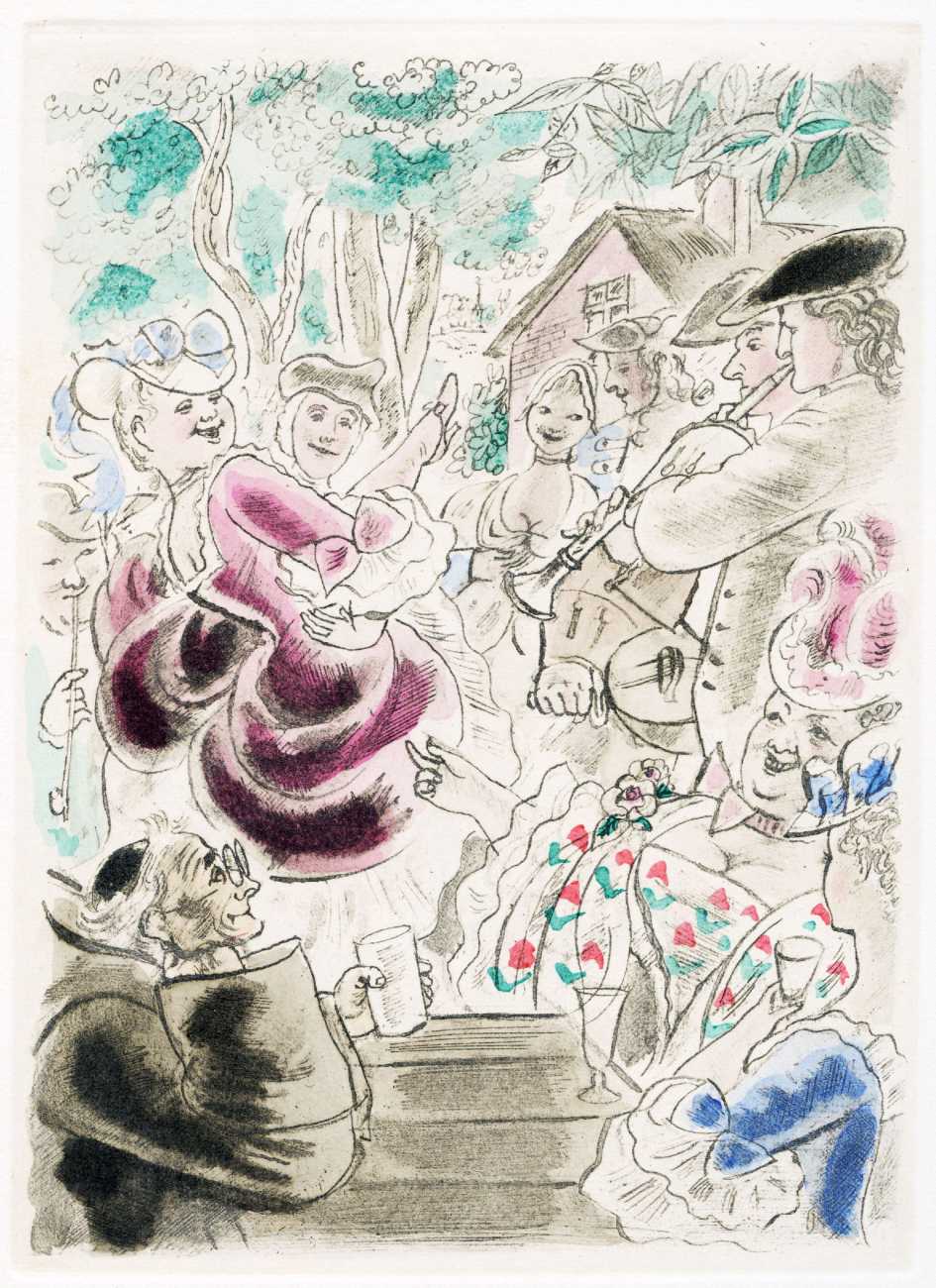
Chas Laborde was commissioned by Paris-based publisher Éditions Mornay to illustrate this edition of Histoire de la bienheureuse Raton, and his colourful action-packed illustrations bring Fleuret’s risqué novel vividly to life.
The Laborde-illustrated Histoire de la bienheureuse Raton was published in a limited numbered edition of 355 copies.