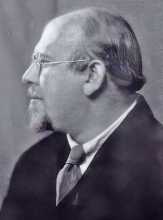
 Edward Powys Mathers (1892–1939) was a fascinating, if somewhat enigmatic, figure in early twentieth-century literary and translation circles. A poet, orientalist and translator, he is best remembered for his translations of Eastern and classical erotic texts. He also worked under the pseudonym ‘Torquemada’ as a compiler of crosswords for The Observer, where he is credited with inventing the modern cryptic crossword.
Mathers read classics at Balliol College, Oxford, which gave him a solid grounding in Latin and Greek, and some training in philology. He also studied oriental languages, particularly Arabic and Persian. He is credited with knowledge of Sanskrit, Arabic, Persian, and Chinese to varying degrees, though many scholars suggest that his facility was not always sufficient for direct translation. In several cases, he relied on earlier European versions, especially from French and German, as intermediaries.
Before Eastern Love, he had already made his name with a celebrated translation of The Thousand Nights and One Night (1923), which was admired for its lush style but also criticised for being freer and more ‘literary’ than literal.
Eastern Love was designed to present a broad panorama of erotic and amorous literature from different traditions including Indian, Arabic, Persian, and Chinese – texts that were largely inaccessible to English readers at the time. Mathers selected texts that already had a reputation for being both exotic and risqué, such as the Kuttanimatam (a Sanskrit courtesan’s manual), the Samayamatrika (erotic dialogues), and Arabic treatises on love and sexuality. He presents these works not as academic philology, but as a carefully curated ‘cabinet’ of Eastern erotic wisdom, blending translation with poetic flourish.
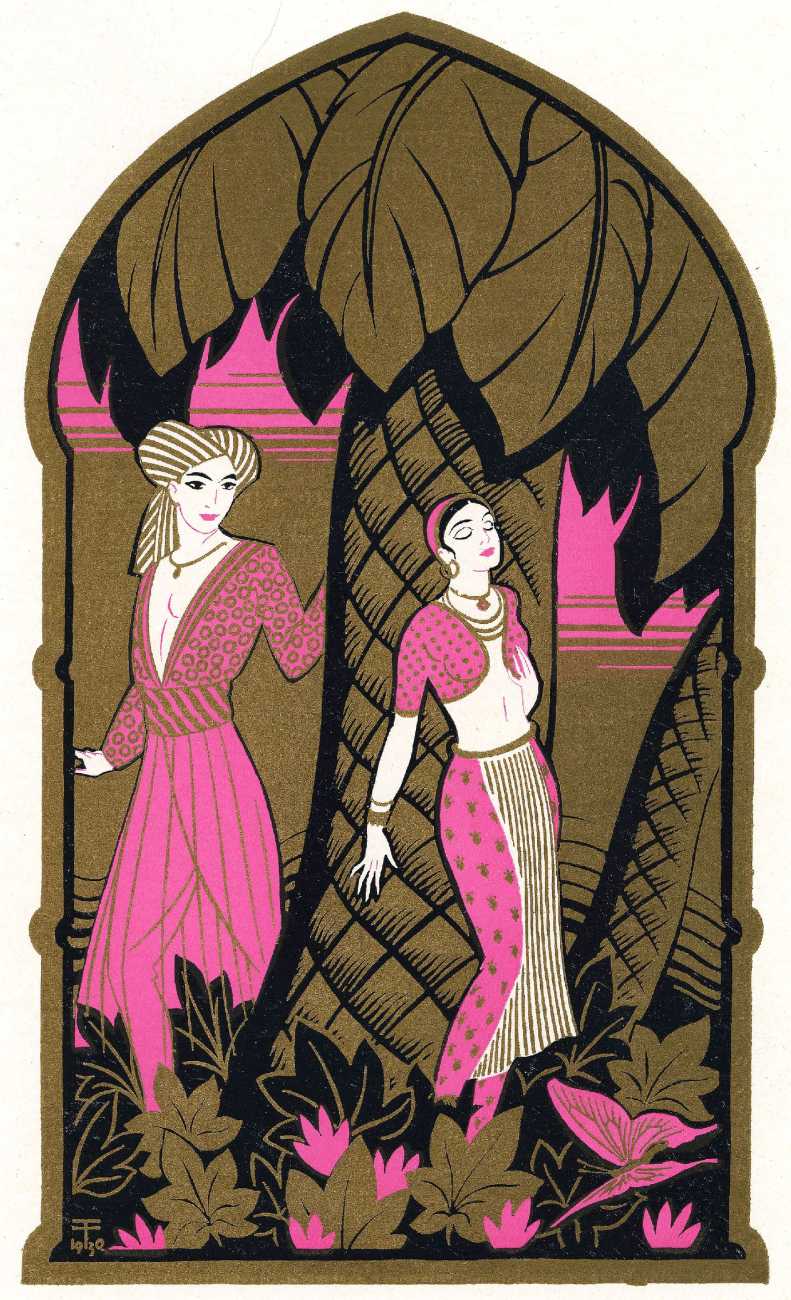
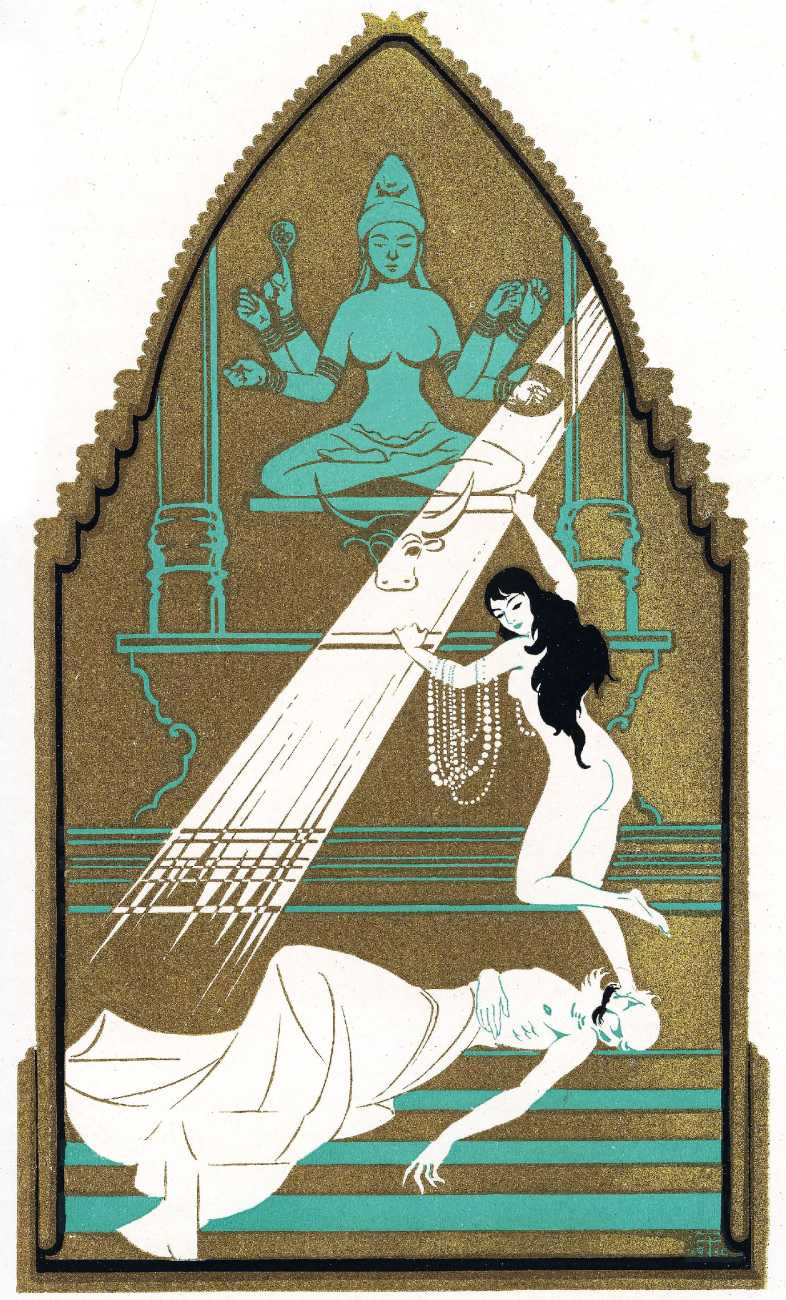
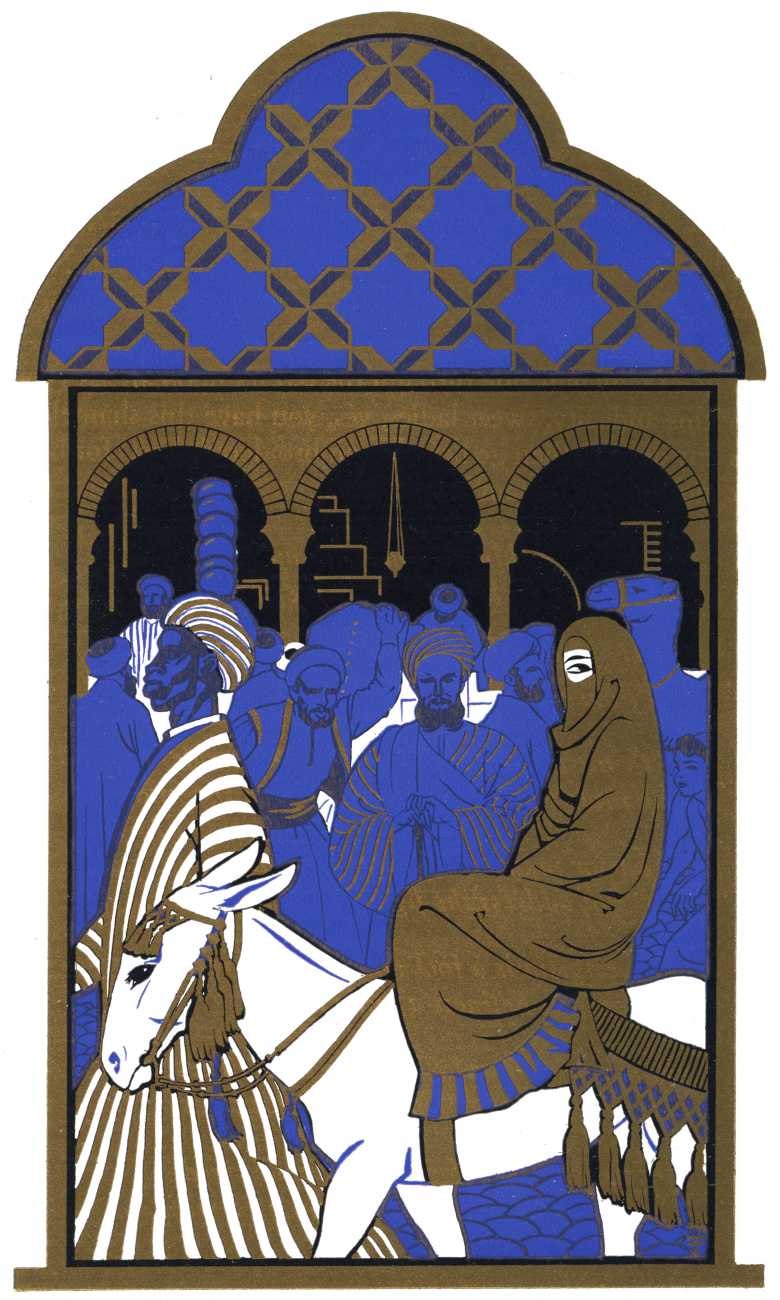
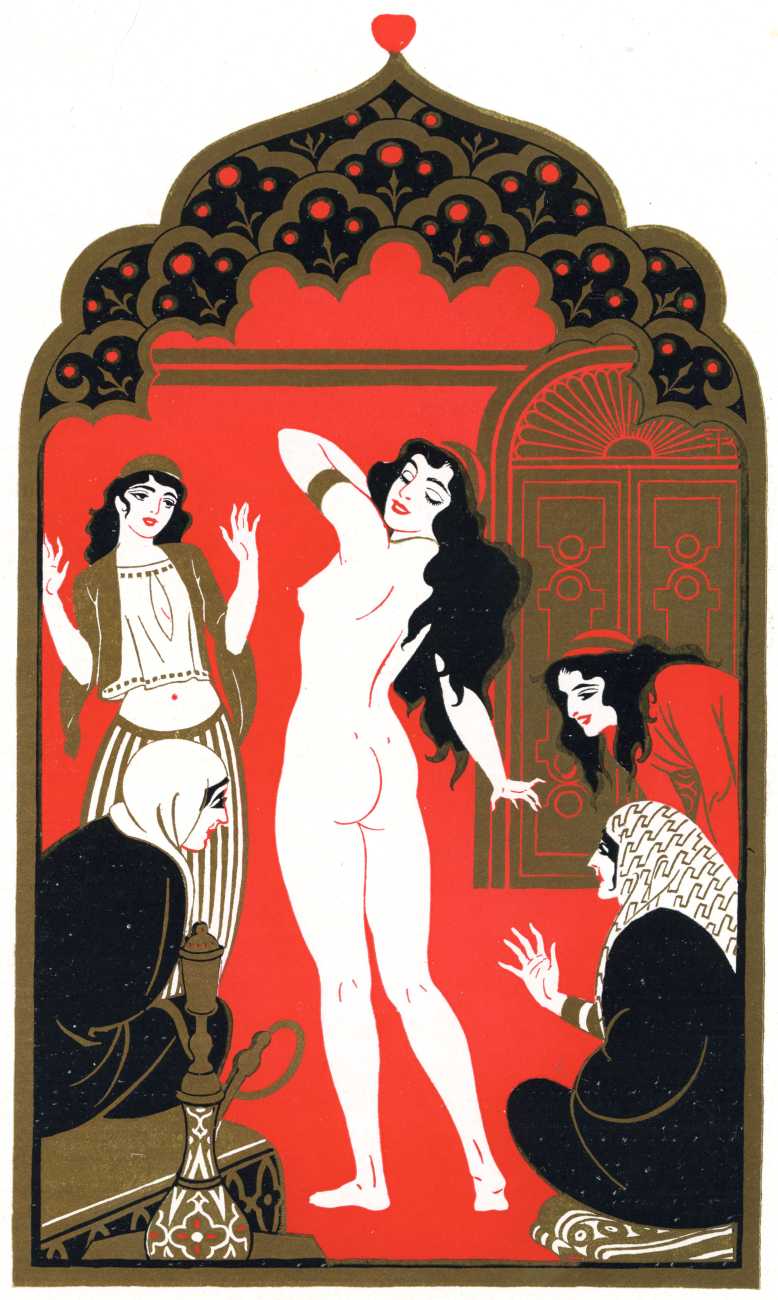
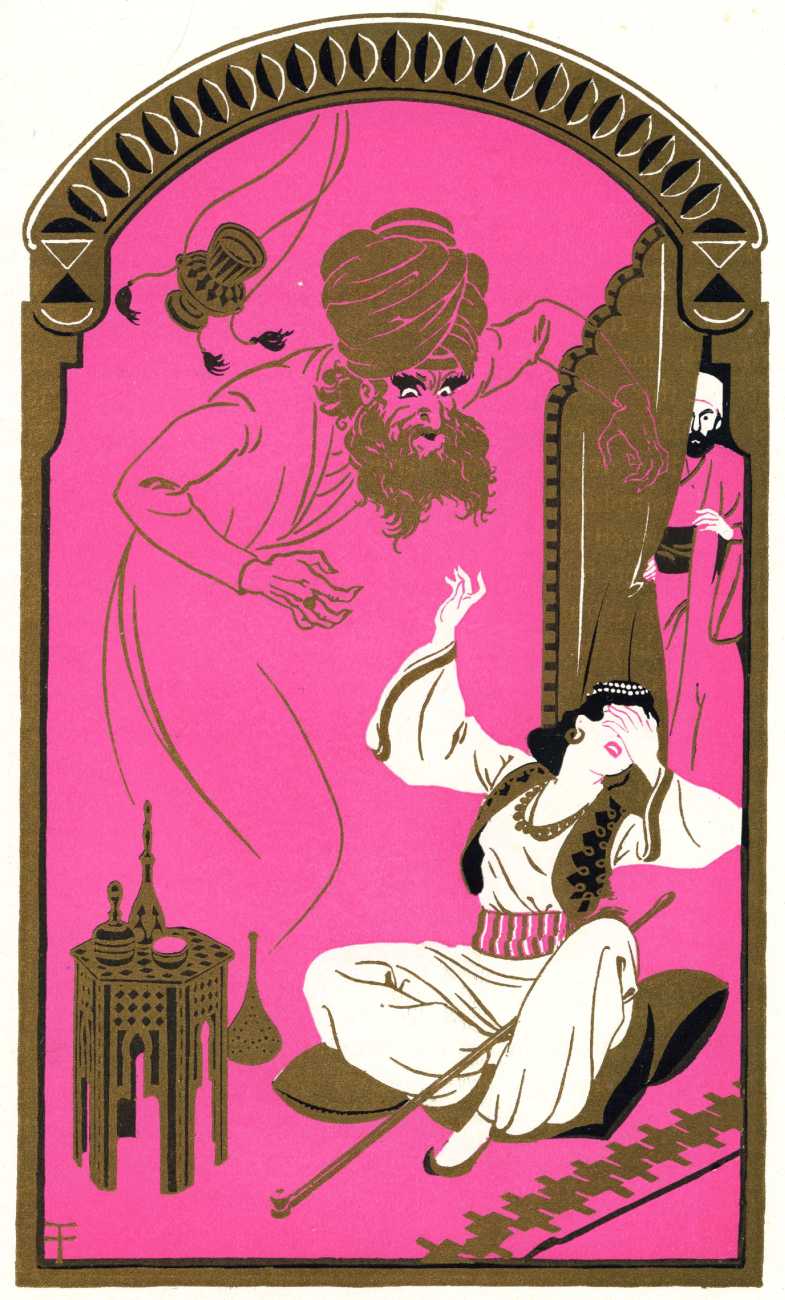
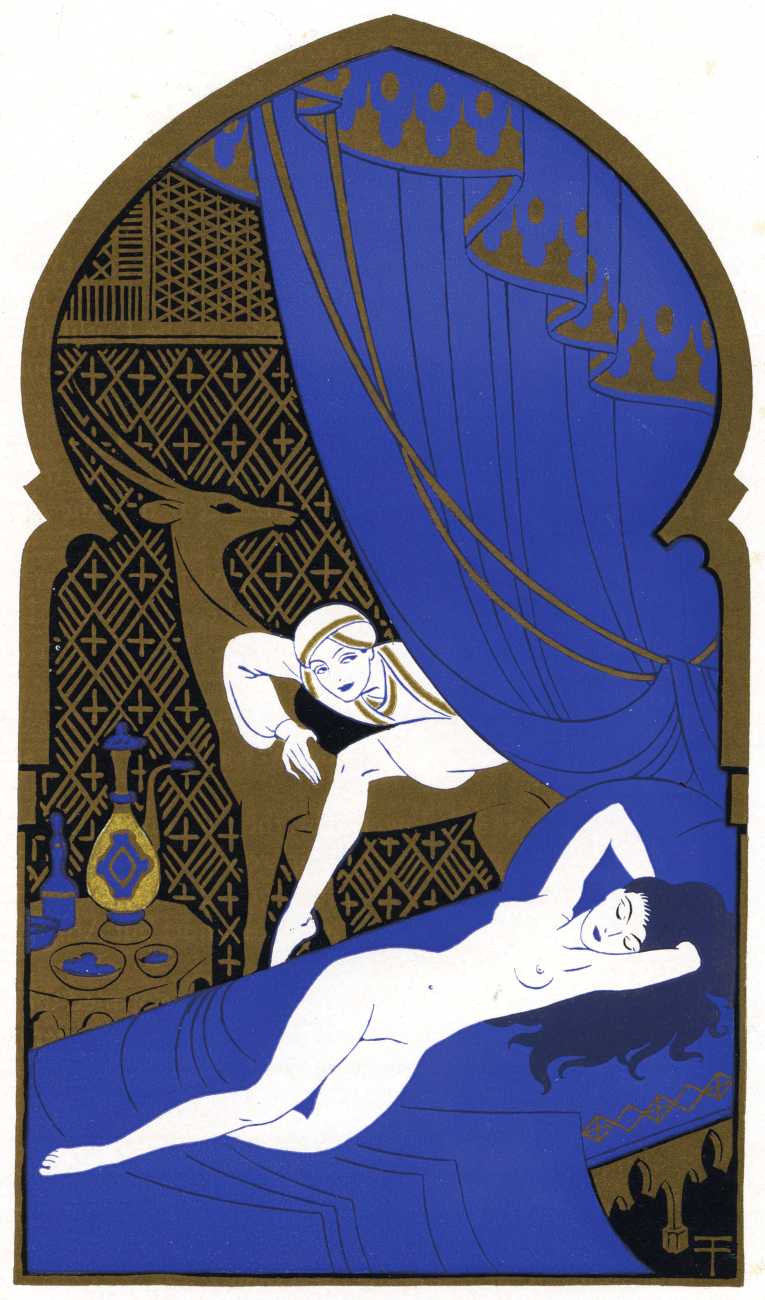
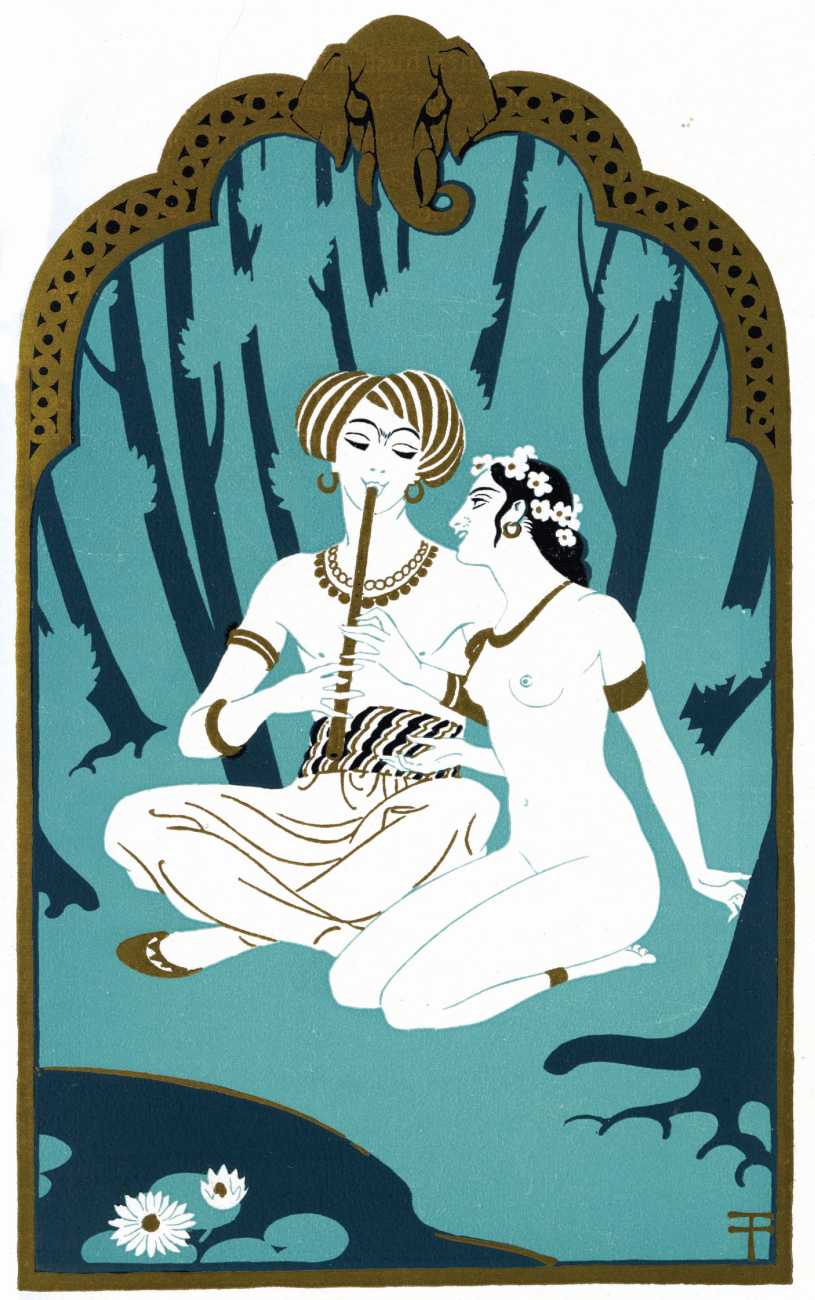
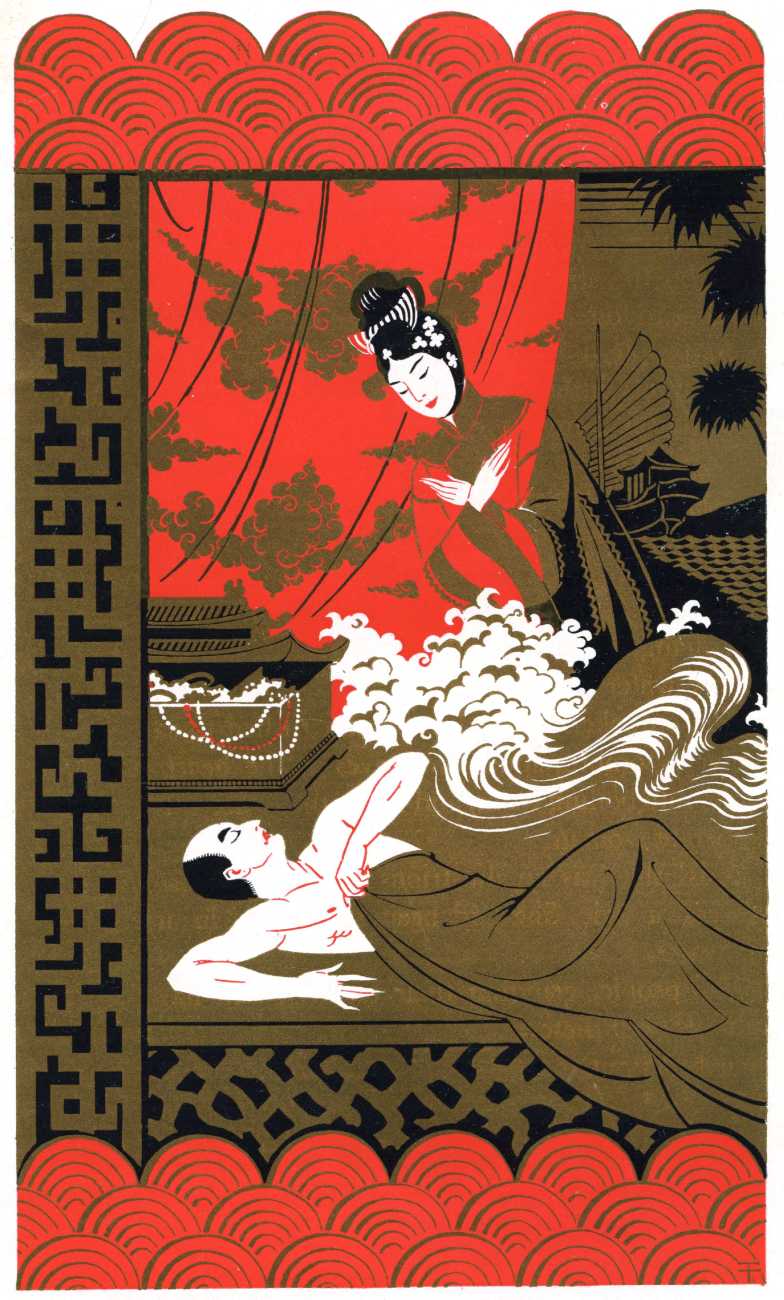
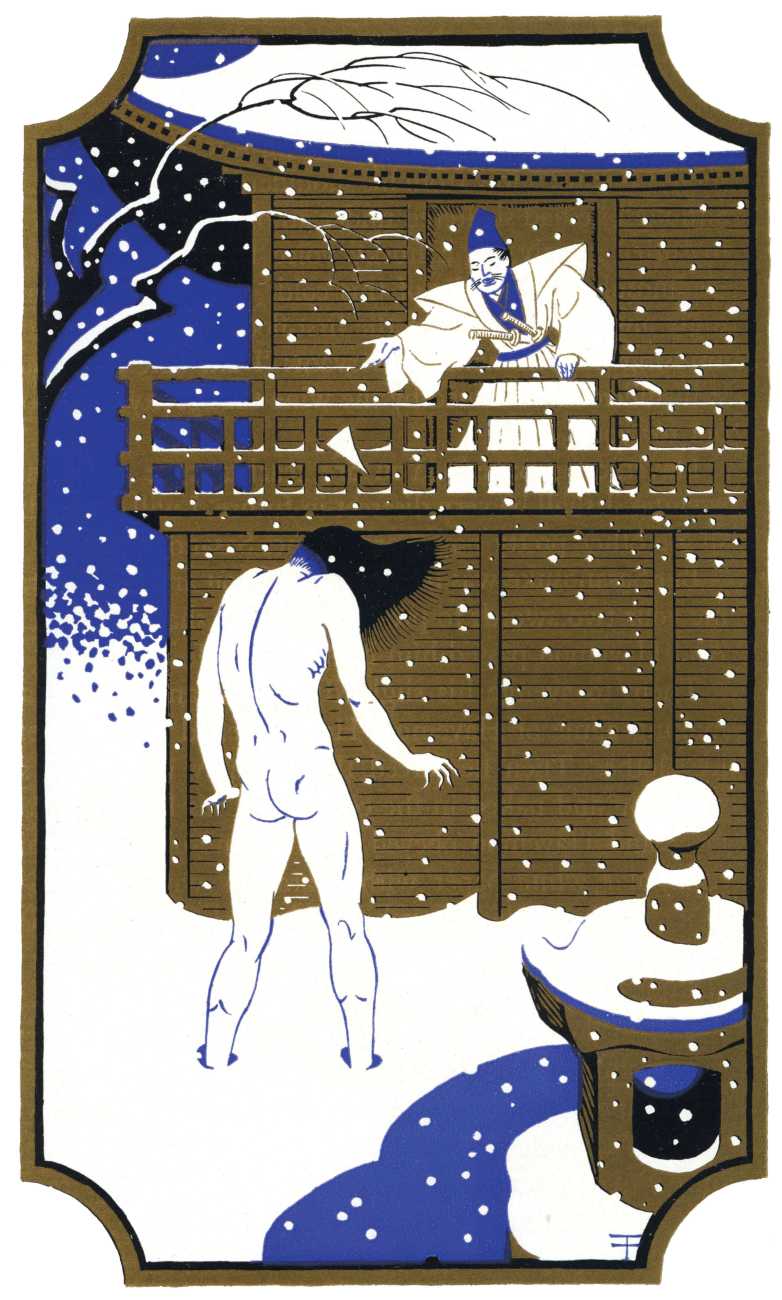
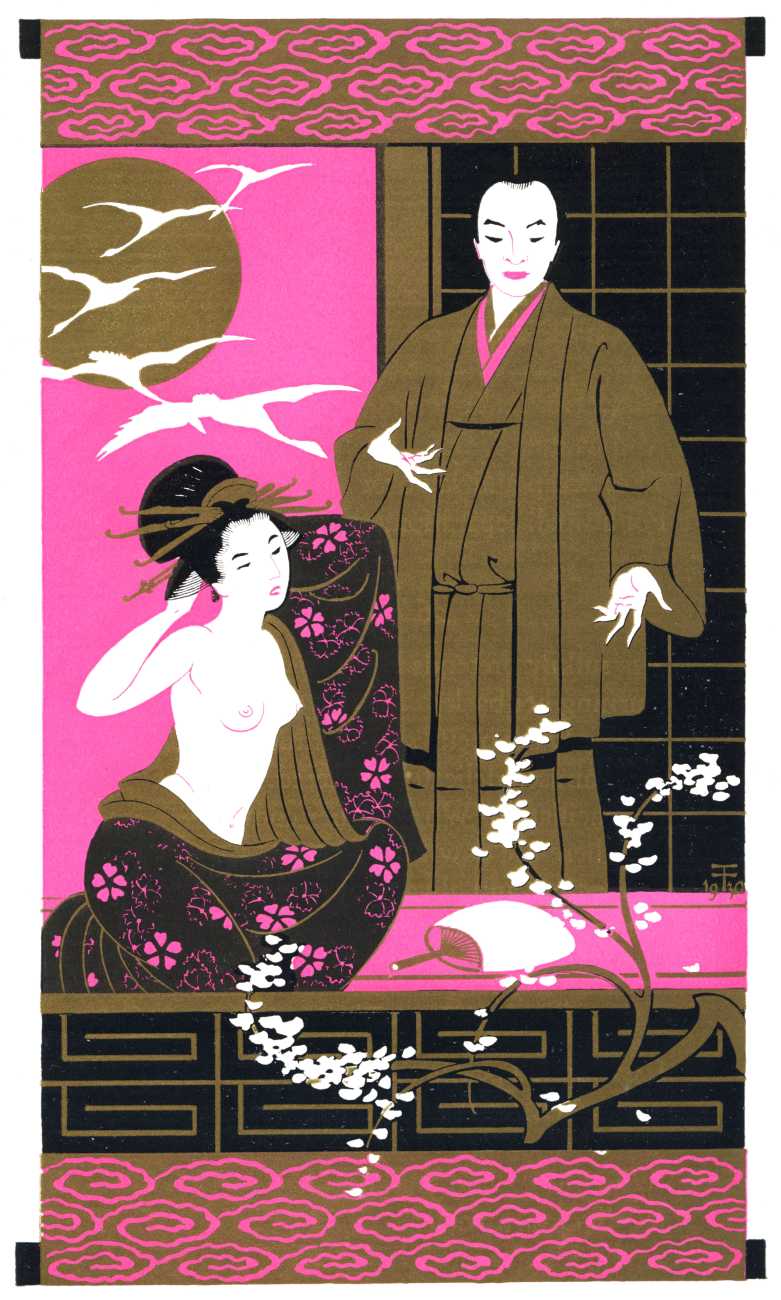
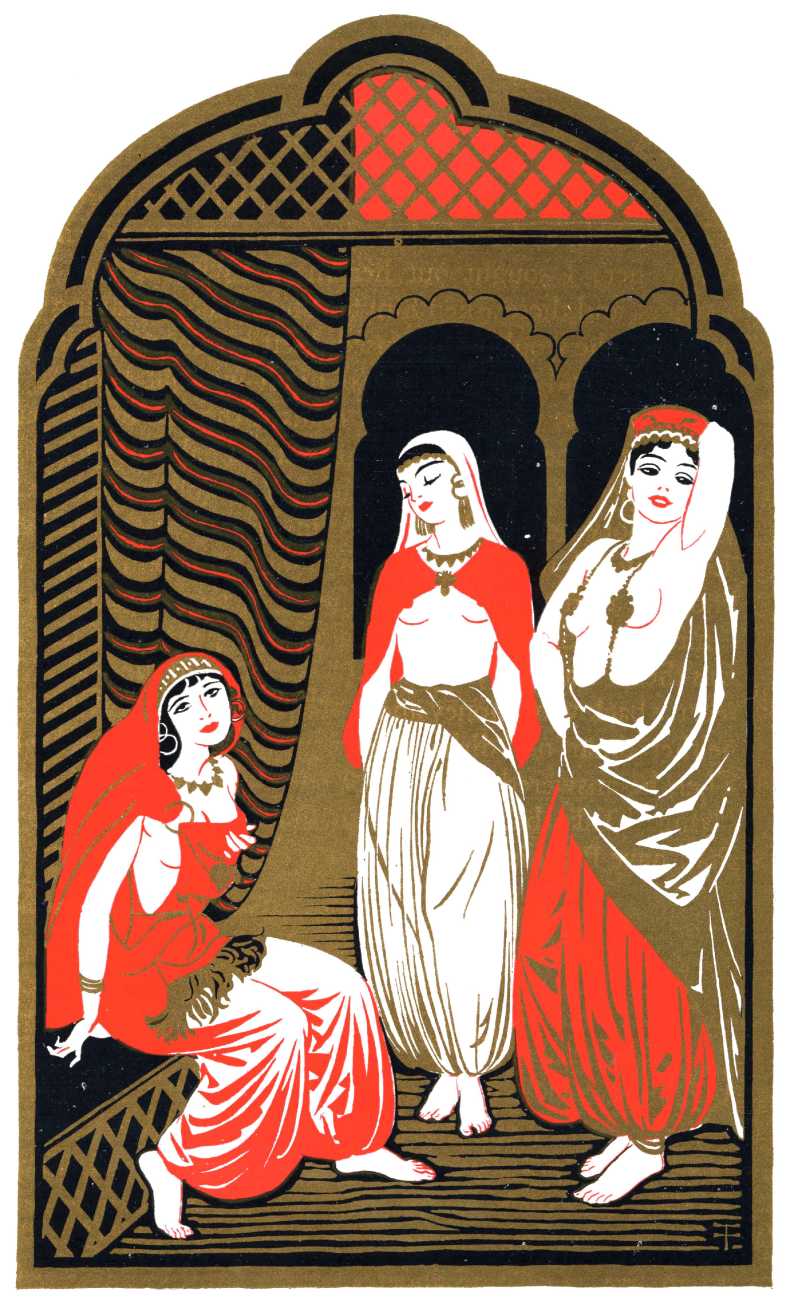
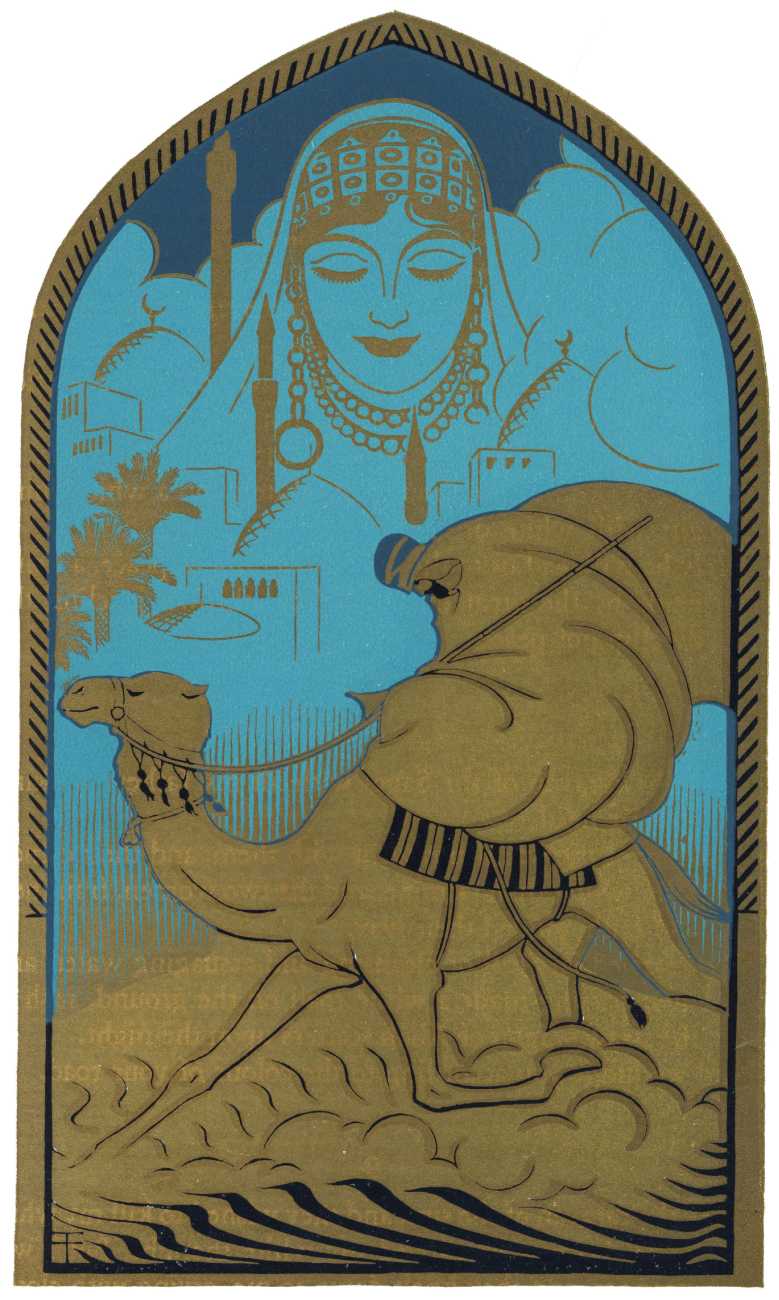
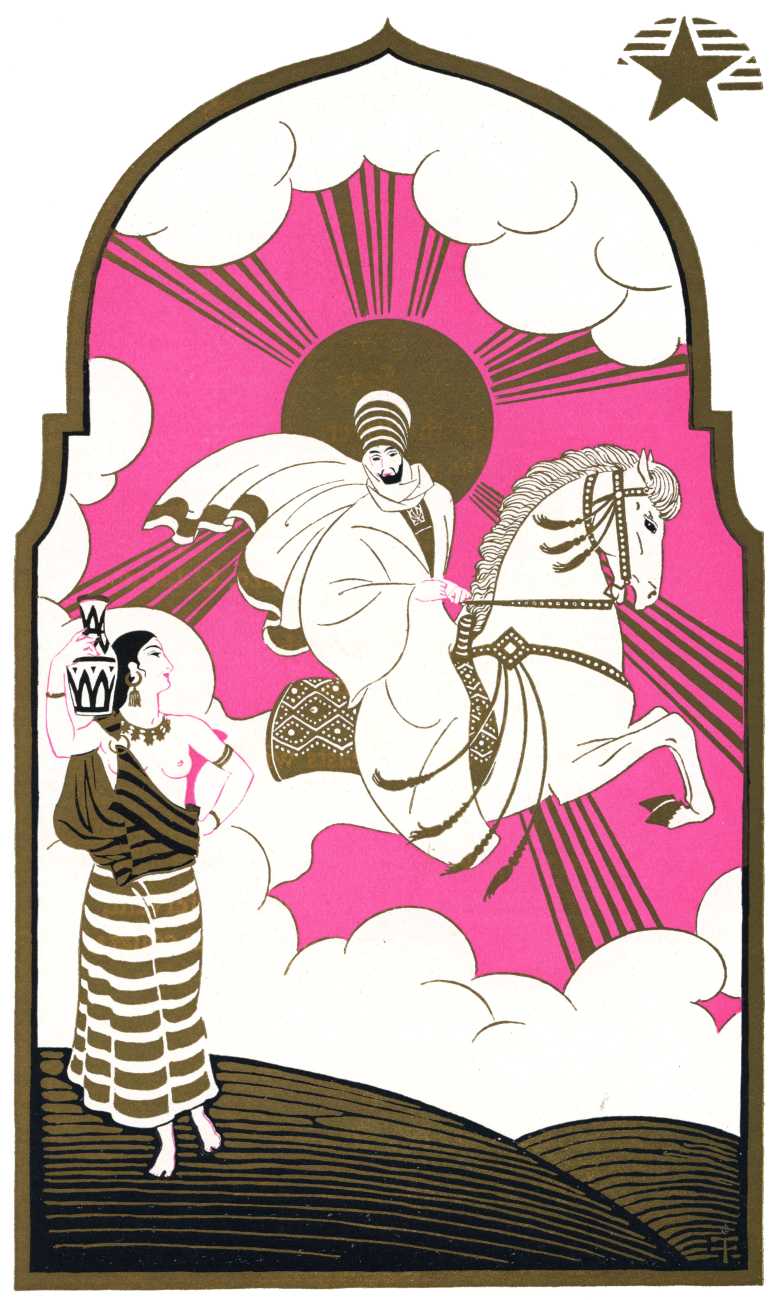
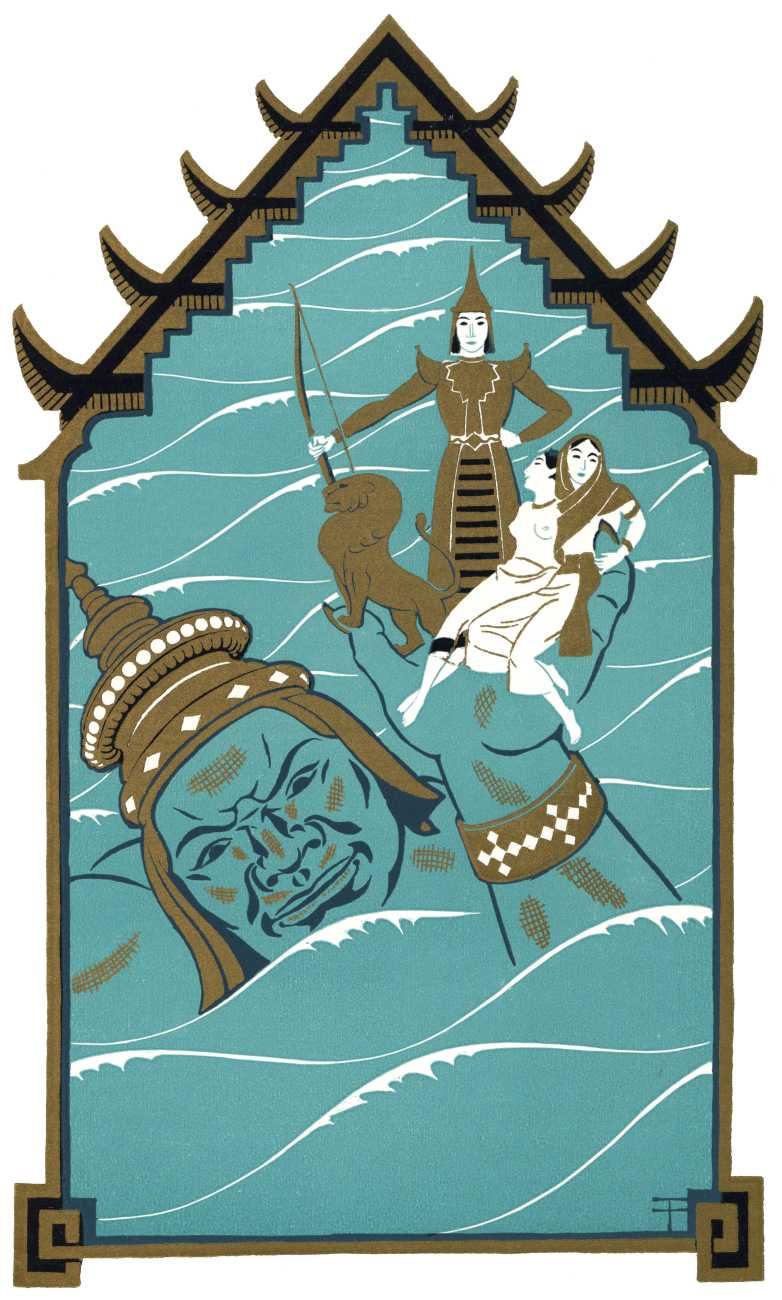
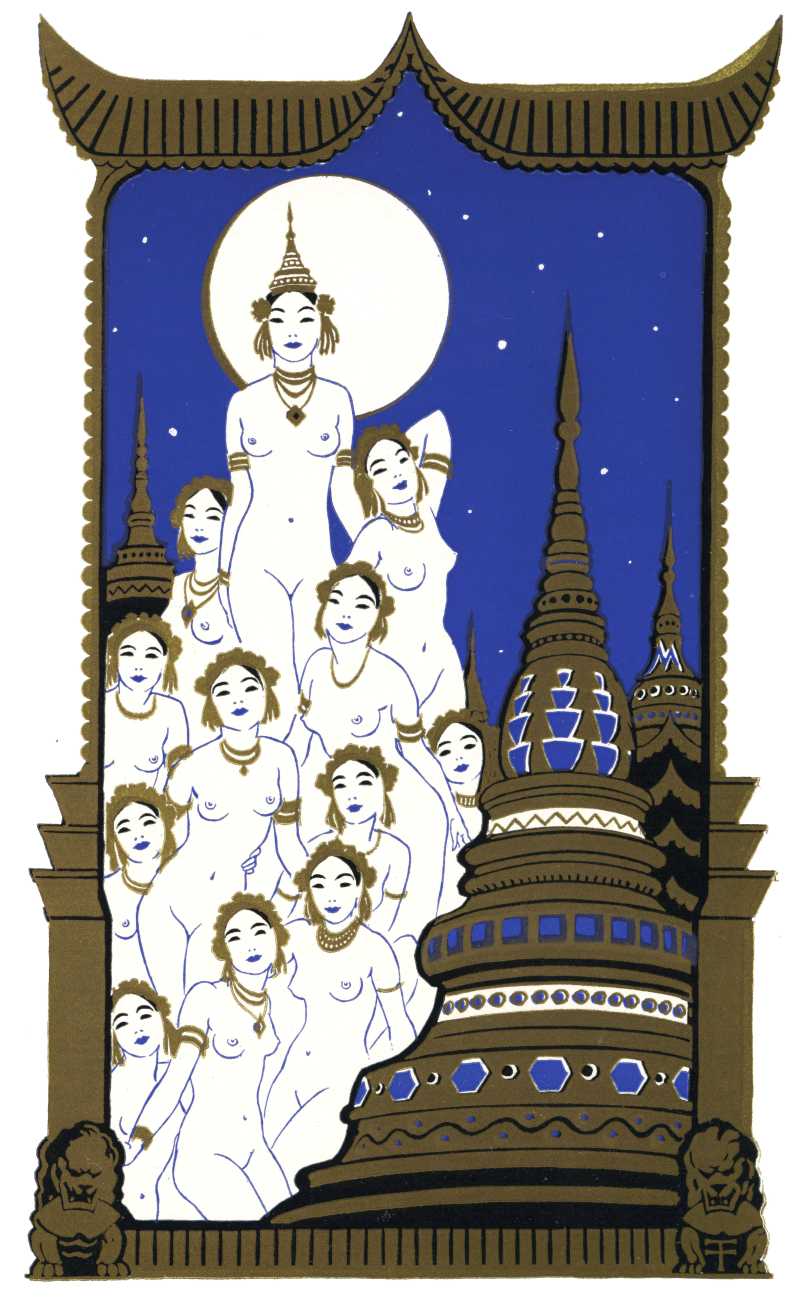
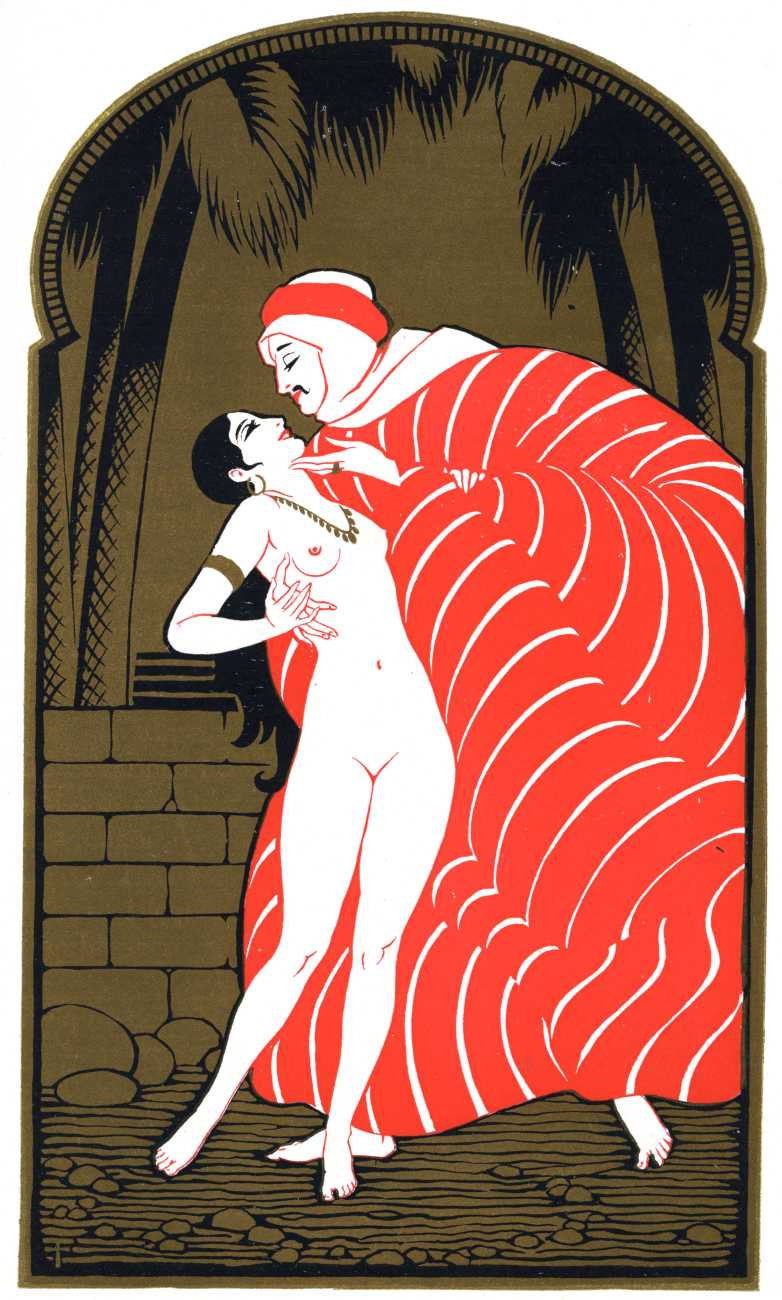
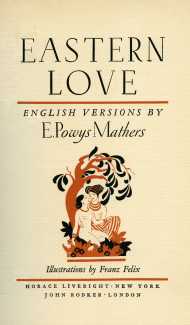 Eastern Love was first published in London by John Rodker, in 1927, in a twelve-volume limited edition with coloured engravings by Hester Sainsbury. The American edition, published in a luxury three-volume set by Horace Liveright, New York, used three-colour plates by Franz Felix, all of which included metallic gold ink. Liveright, along with his publishing partner Albert Boni, were well known for their experimental de luxe illustrated editions, and this set was published in a limited numbered edition of 1,500 copies. Both the John Rodker and the Horace Liveright sets are now sought after by collectors.
Franz Felix’s eastern-inspired plates are a model of composition and the gently suggestive erotic, perfectly complementing Mathers’s stylish text.