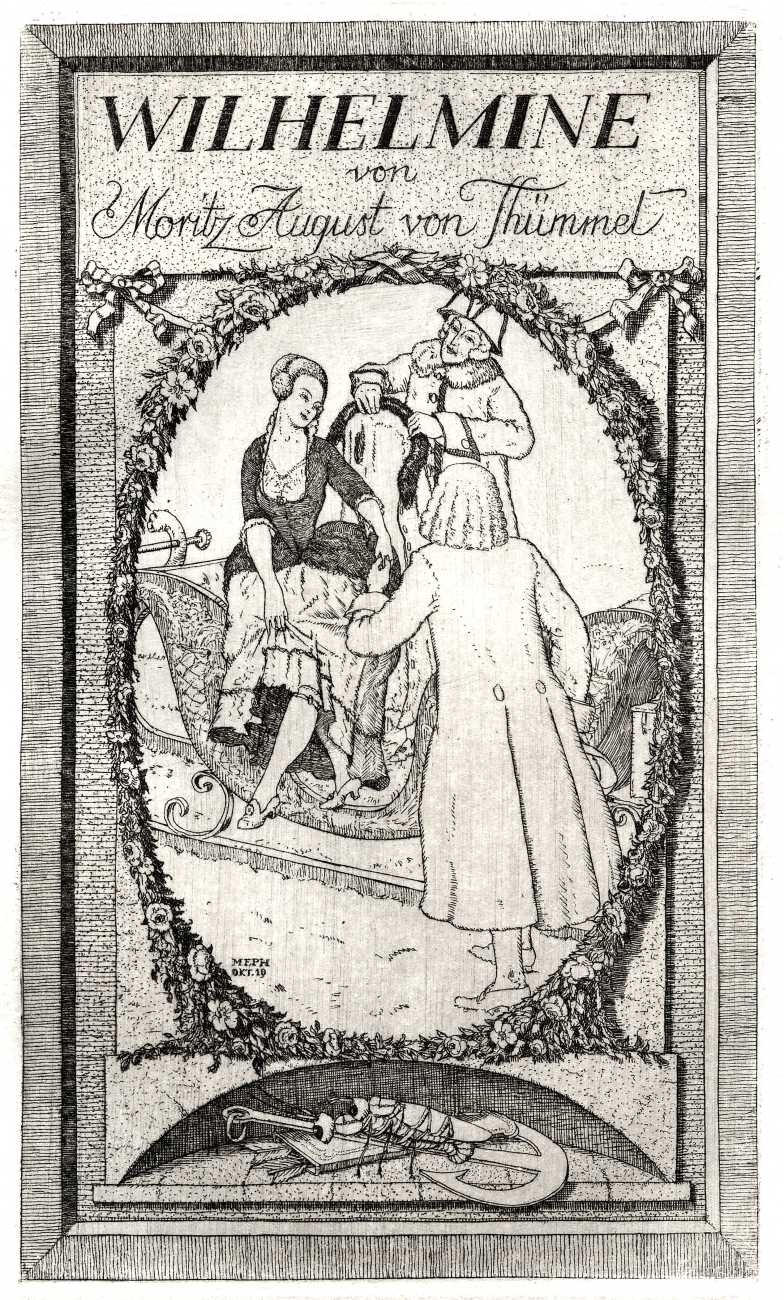
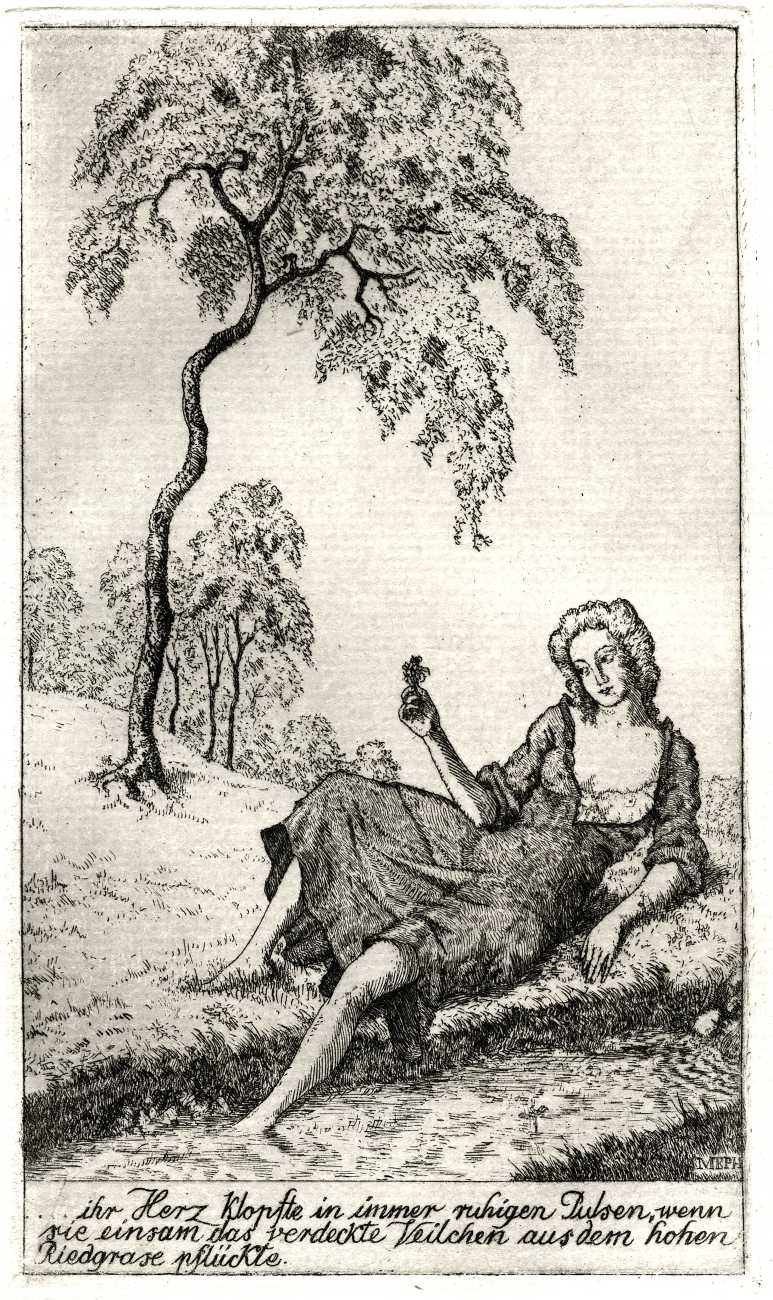
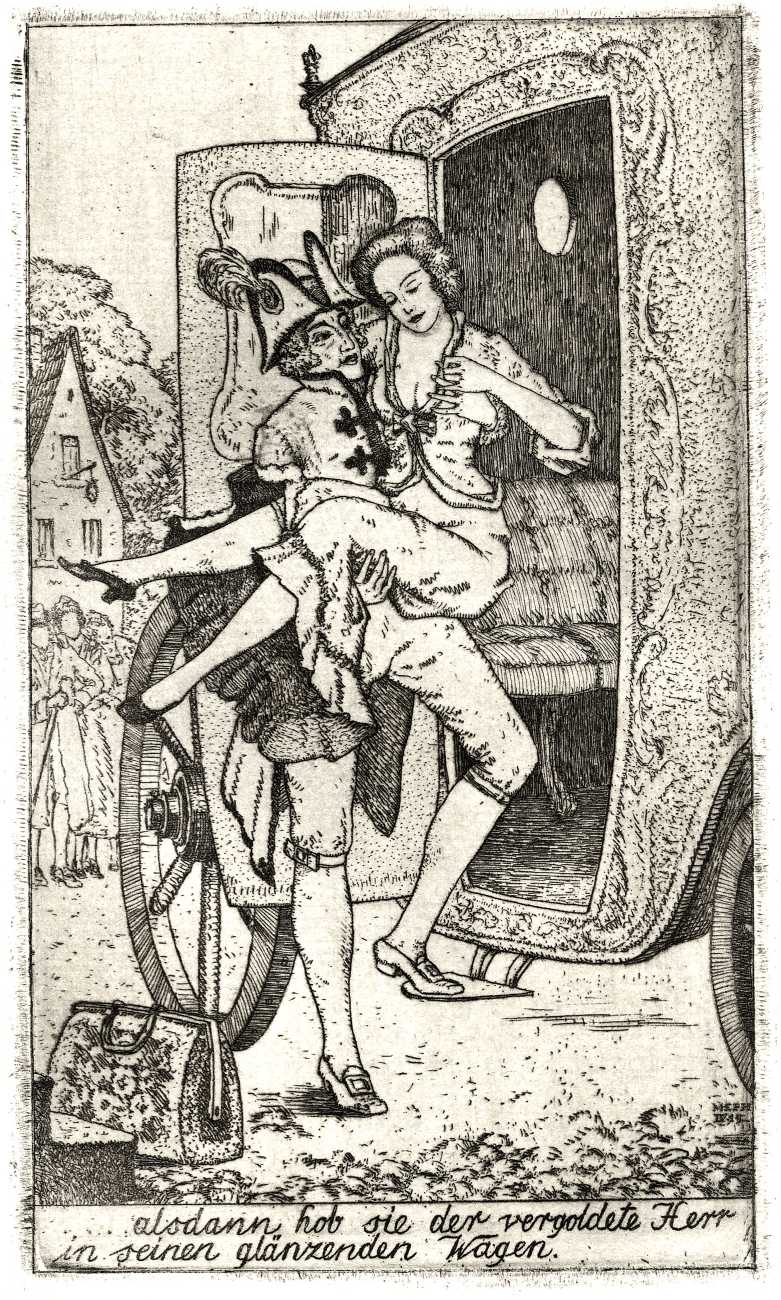
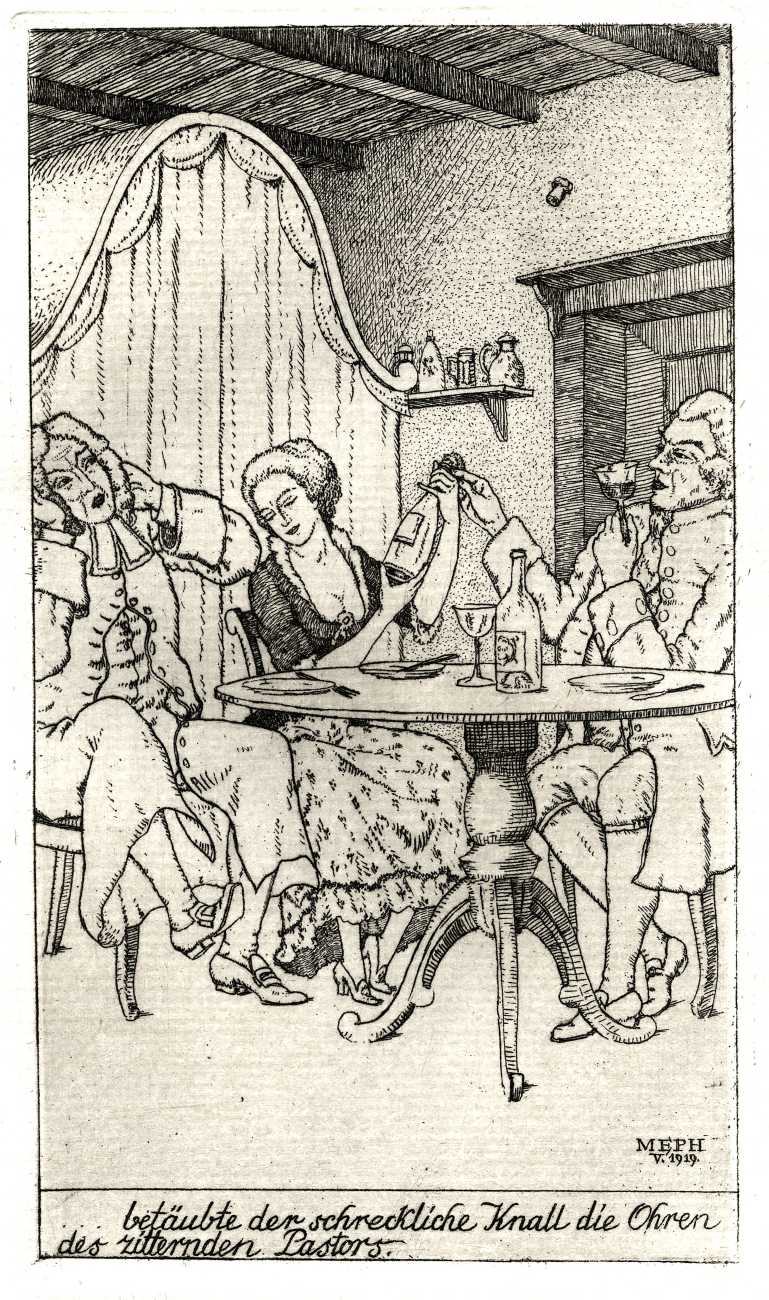
 Moritz August von Thümmel’s Wilhelmine oder der vermählte Pedant (Wilhelmine, or the Married Pedant, 1764) is a short, comedic prose‑epic in six Gesänge or cantos. Wilhelmine, the sixteen-year-old daughter of a rural estate steward, becomes the object of affection for the local pastor, Sebaldus. Before Sebaldus can profess his love, however, Wilhelmine is recruited to serve as a maid at a princely court, leading to the pastor’s deep melancholy. On New Year’s Eve, guided by a dream visitation from Martin Luther, the pastor plucks up his courage and shares his feelings about Wilhelmine with her father, hoping to change the destiny of his amorous suit.
Moritz August von Thümmel (1738–1817) was lawyer and court official in Schönefeld near Leipzig. Educated at Roßleben, Thuringia, and the University of Leipzig, where he studied law, from 1761 until 1783 he held various offices in the ducal court of Saxe-Coburg, where he became privy councillor and minister of state. After retiring he authored several works, but is primarily remembered for Wilhelmine and a ten-volume travelogue about an extended visit to France.
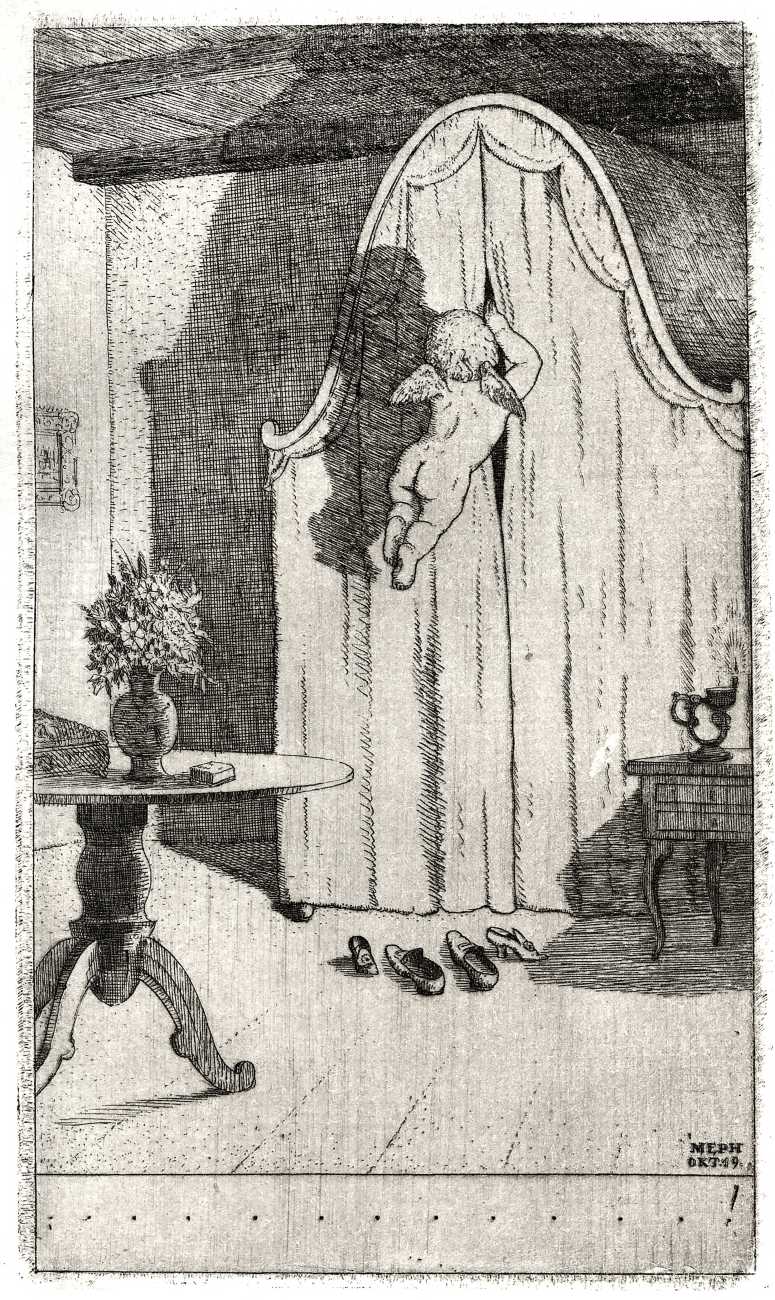
Wilhelmine instantly made Thümmel famous. Goethe praised it as a ‘kleine geistreiche Composition, so angenehm als kühn’ (a small, spirited composition as pleasant as it is bold). Early editions drew critiques for Thümmel’s irreverent portrayals of religious figures, so in the second edition he removed ‘der vermählte Pedant’ from the subtitle and replaced Luther with Cupid.
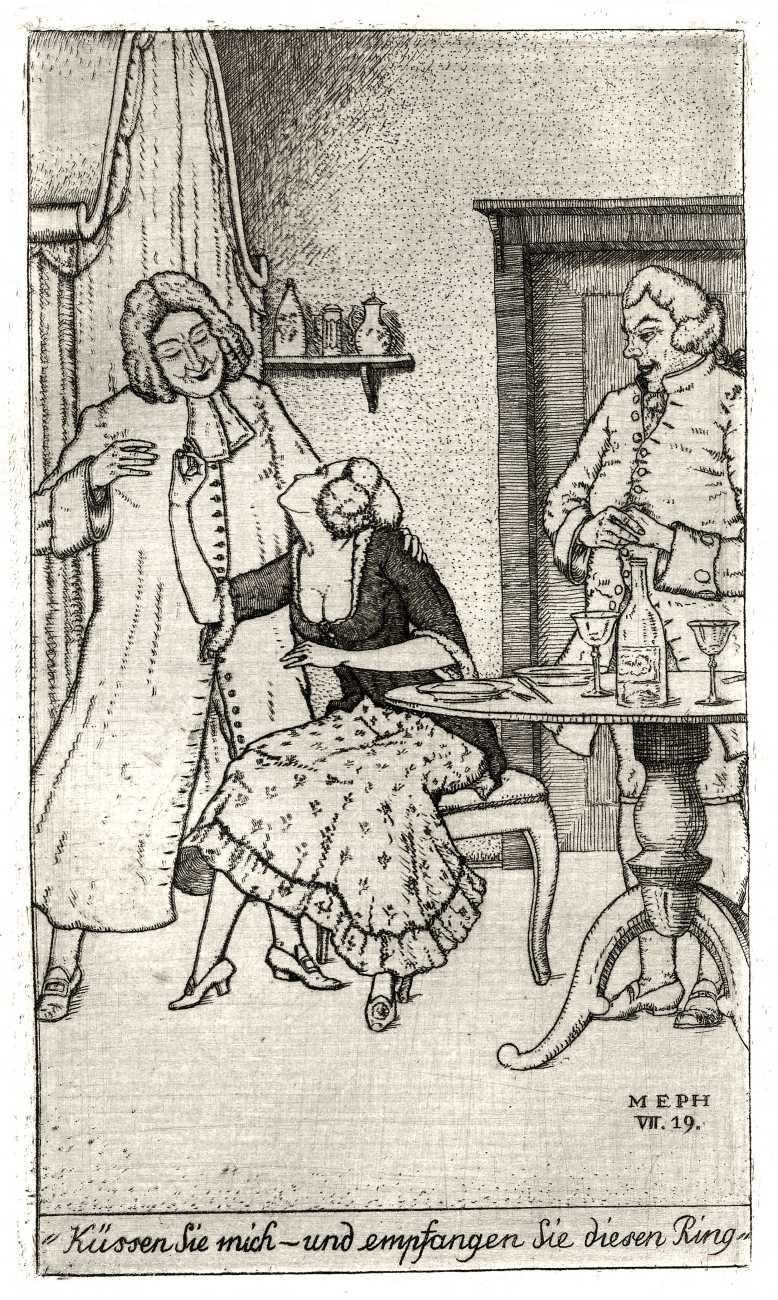
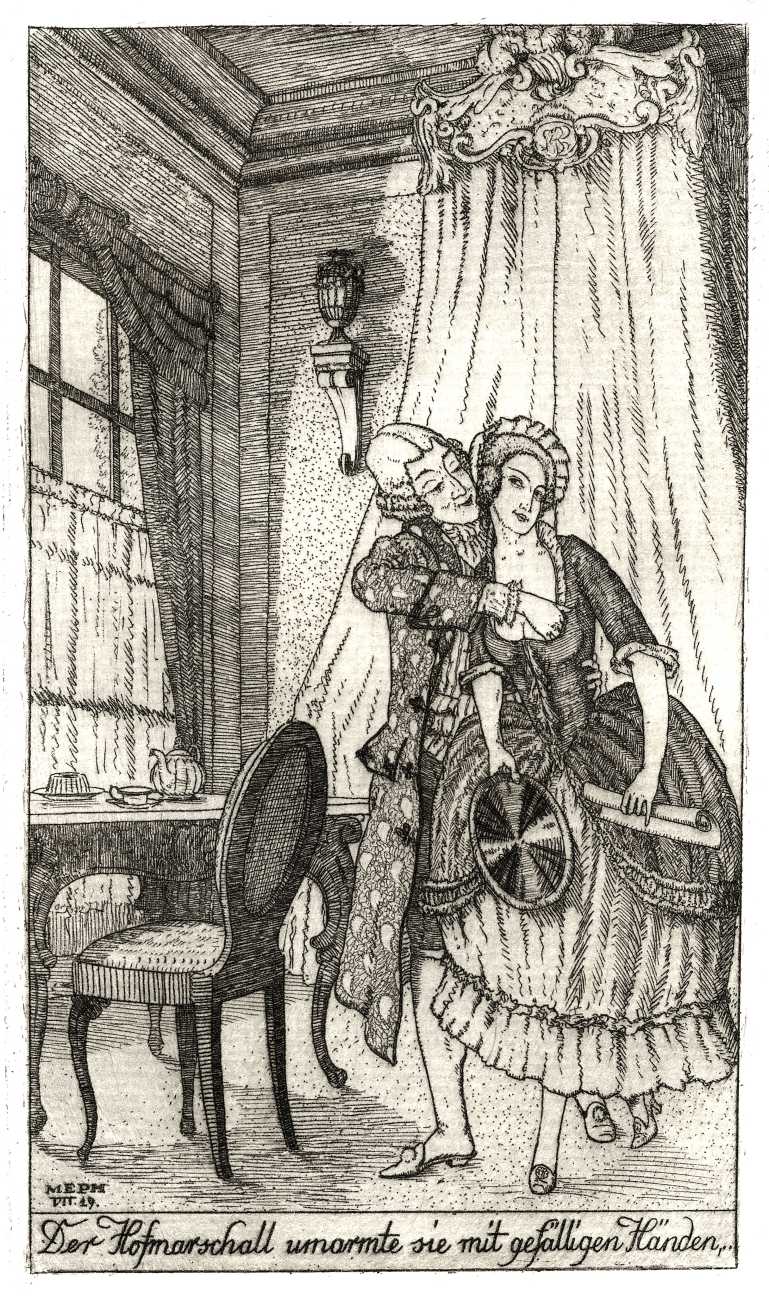
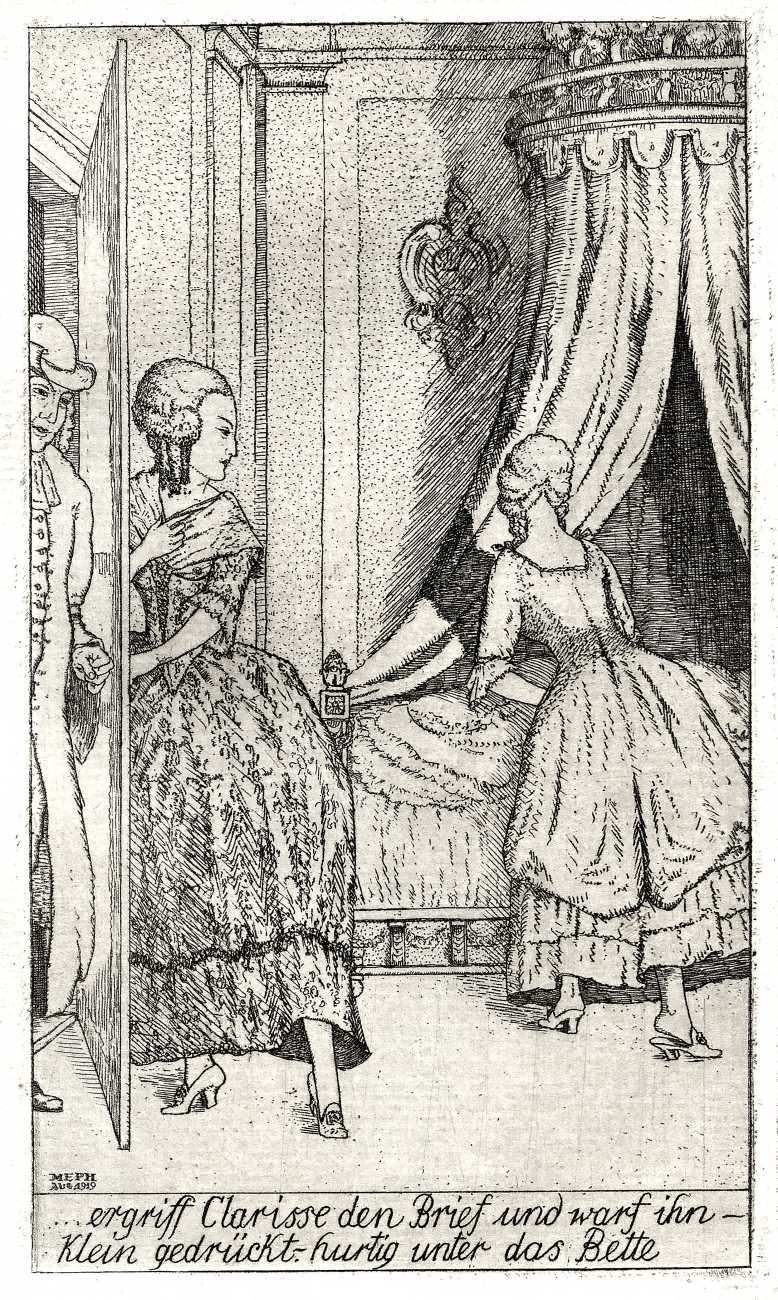
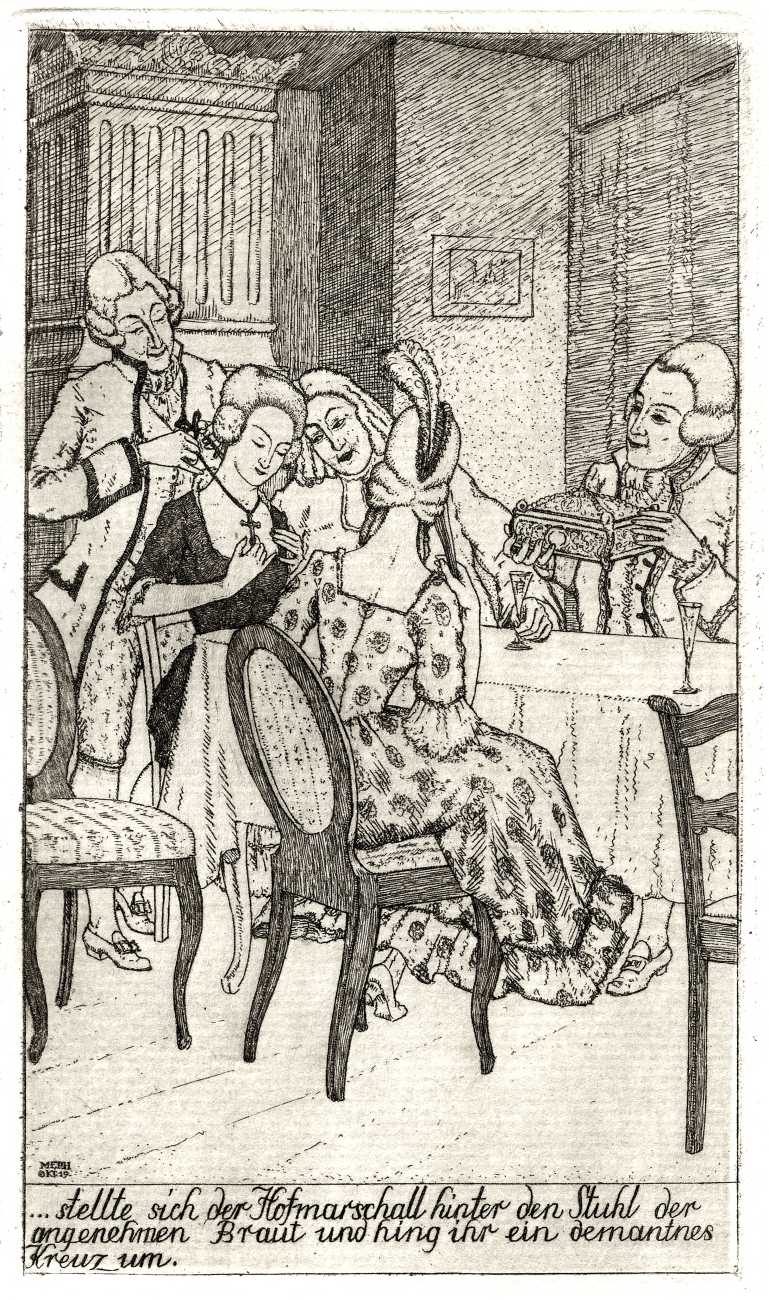
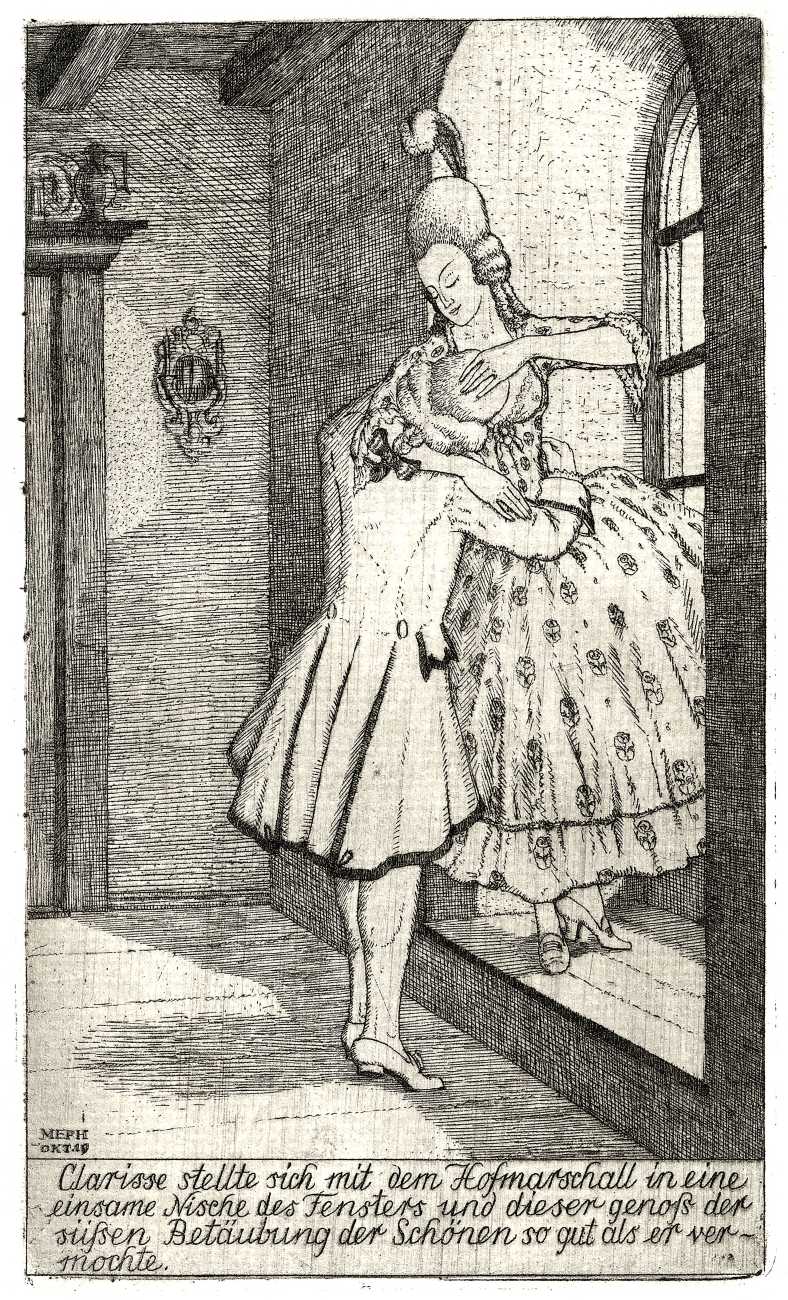
The Philipp illustrations for Wilhelmine are more detailed and dense than his previous work, with most including quotations from the text.
A full text of the 1764 edition (in German) can be found here.
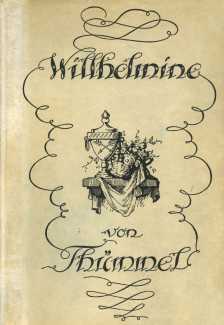
The Philipp-illustrated Wilhelmine was published by J. J. Weber, Leipzig, in a limited, signed and numbered, edition of 500 copies.