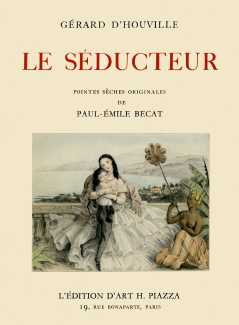
 Gérard d’Houville was the pseudonym of Marie de Régnier (1875–1963), a prominent French poet and novelist known for her refined literary style and for being one of the rare women to achieve recognition in the early twentieth century French literary scene. She chose a male pseudonym to navigate the male-dominated literary world, and became the first woman to win the Grand Prix de Littérature from the Académie Française in 1918.
Marie Louise Antoinette de Hérédia was her birth name, and her family had strong roots in Cuba, where Le séducteur is set. Her father, José-Maria, was the director of the Paris Arsenal, and a lover of the arts, inviting many of the best-known – and often controversial – people into the household, including Leconte de Lisle, Anna de Noailles, Paul Valéry and Pierre Louÿs. Her emotional and family life was quite turbulent, and though she married the poet Henri de Régnier in 1895, she had many other intimate relationships with both men and women. She became the mistress of Pierre Louÿs , who was the father of her son Pierre de Régnier, and her other lovers included Edmond Jaloux and his friend Jean-Louis Vaudoyer , Jean de Tinan, the poet Gabriele D’Annunzio, the playwright Henri Bernstein , Mathilde de Morny (herself the lover of Colette), and André Chaumeix.
Her fourth novel, first published in 1914 and set in Cuba after she had visited the island, Le Séducteur tells the story of a family not unlike that imagined by Marie de Régnier as her forbears. The book is dedicated to Pierre de Régnier, the son she had with Pierre Louÿs, to which she added ‘In this small book I wanted to bring back to life a corner of the island where my parents were born, more than half a century ago.’
It is essentially a love story between Silvino and Pachino, but being by Marie de Régnier it explores the complexities of love, being less about the act of seduction itself and more about the emotional landscapes of the characters involved, as well as the psychological complexity of seducer and seduced.
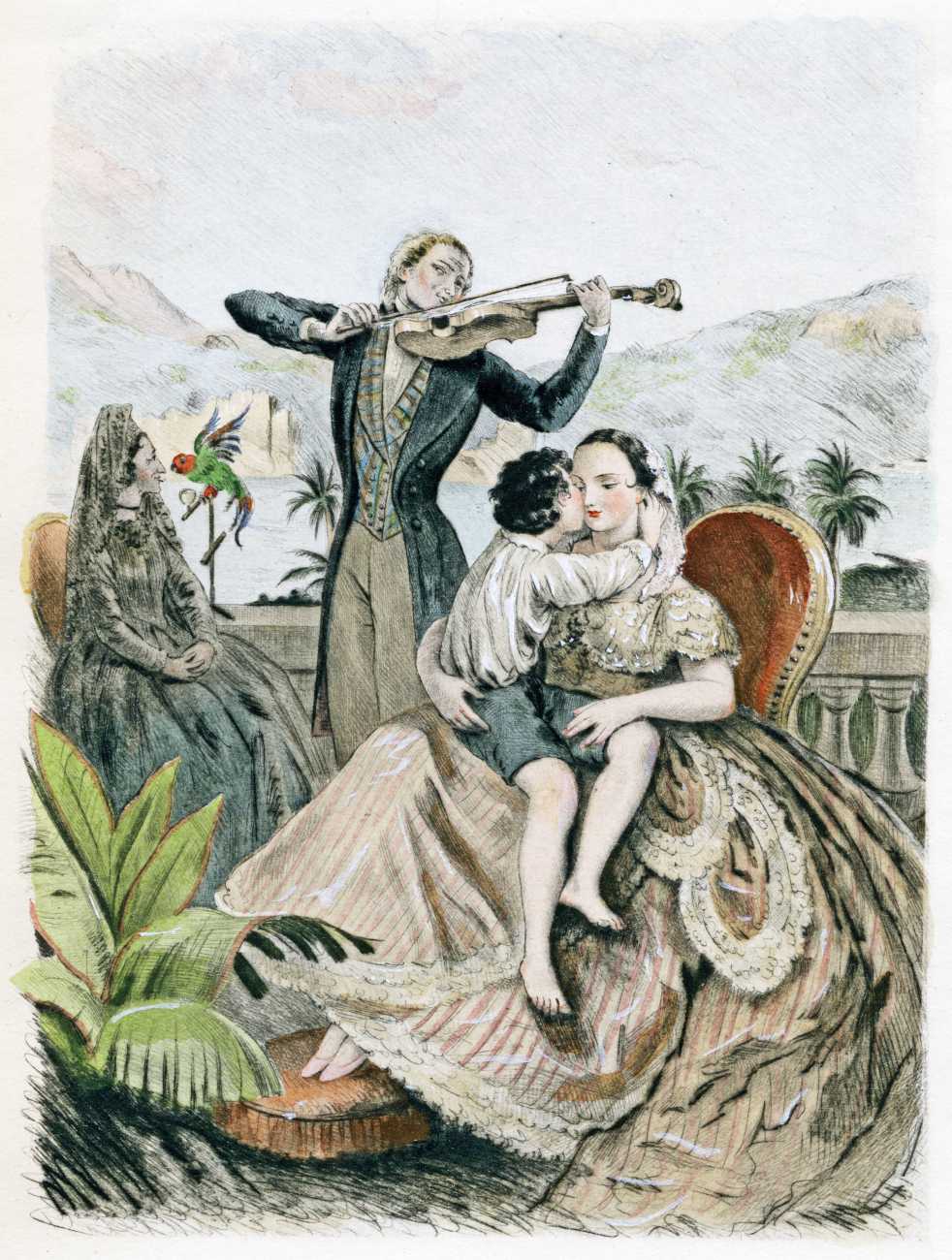
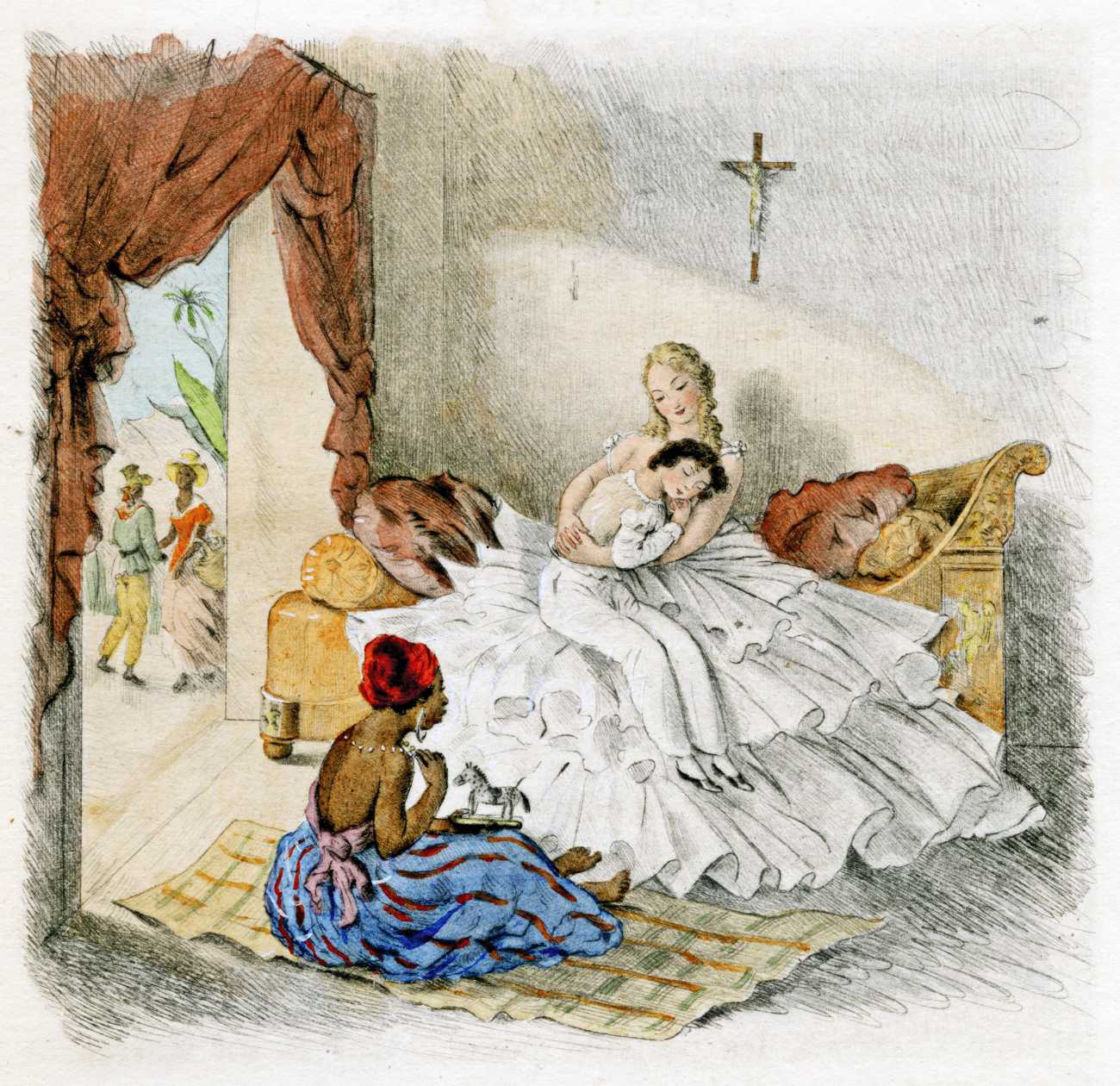
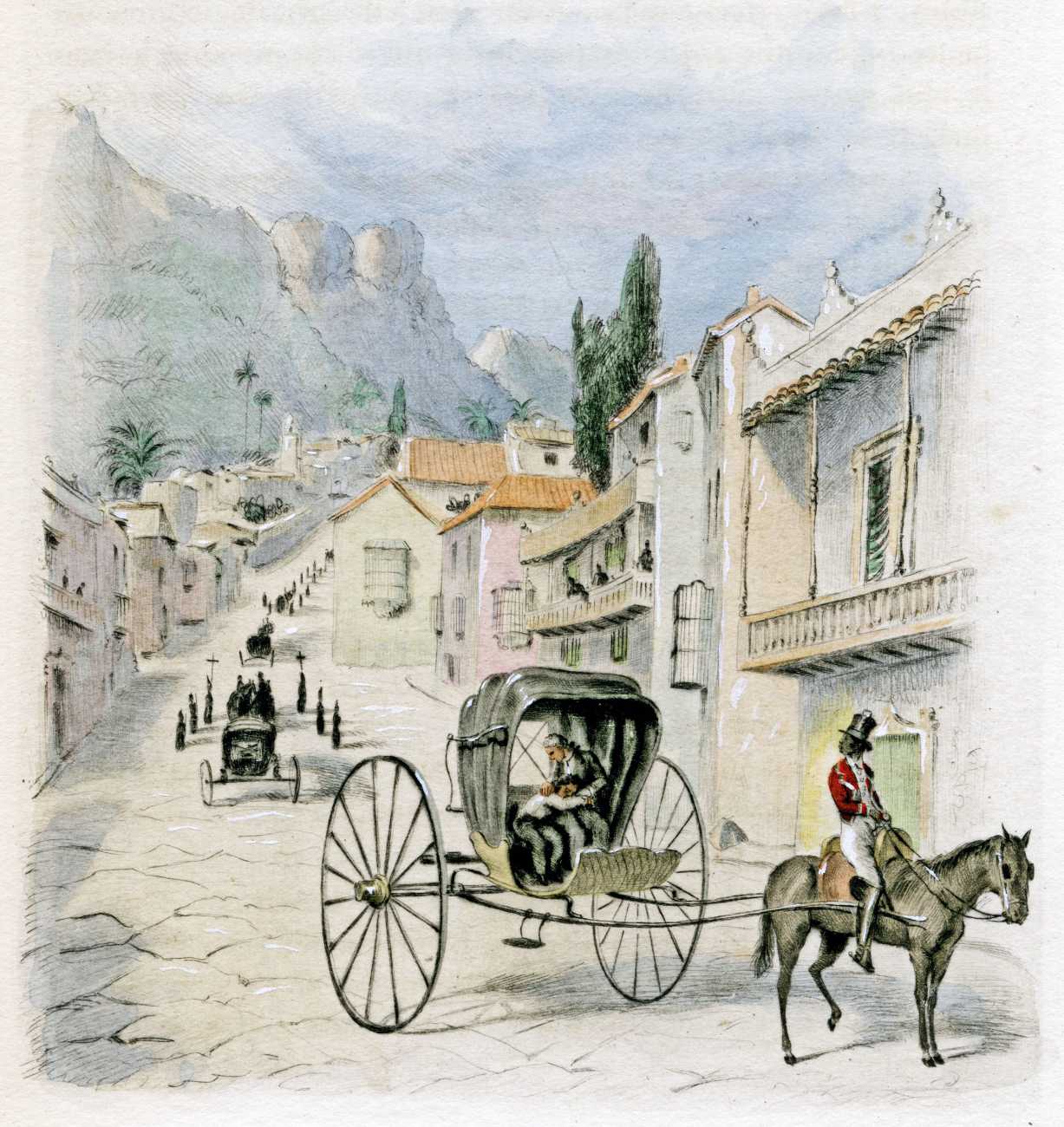
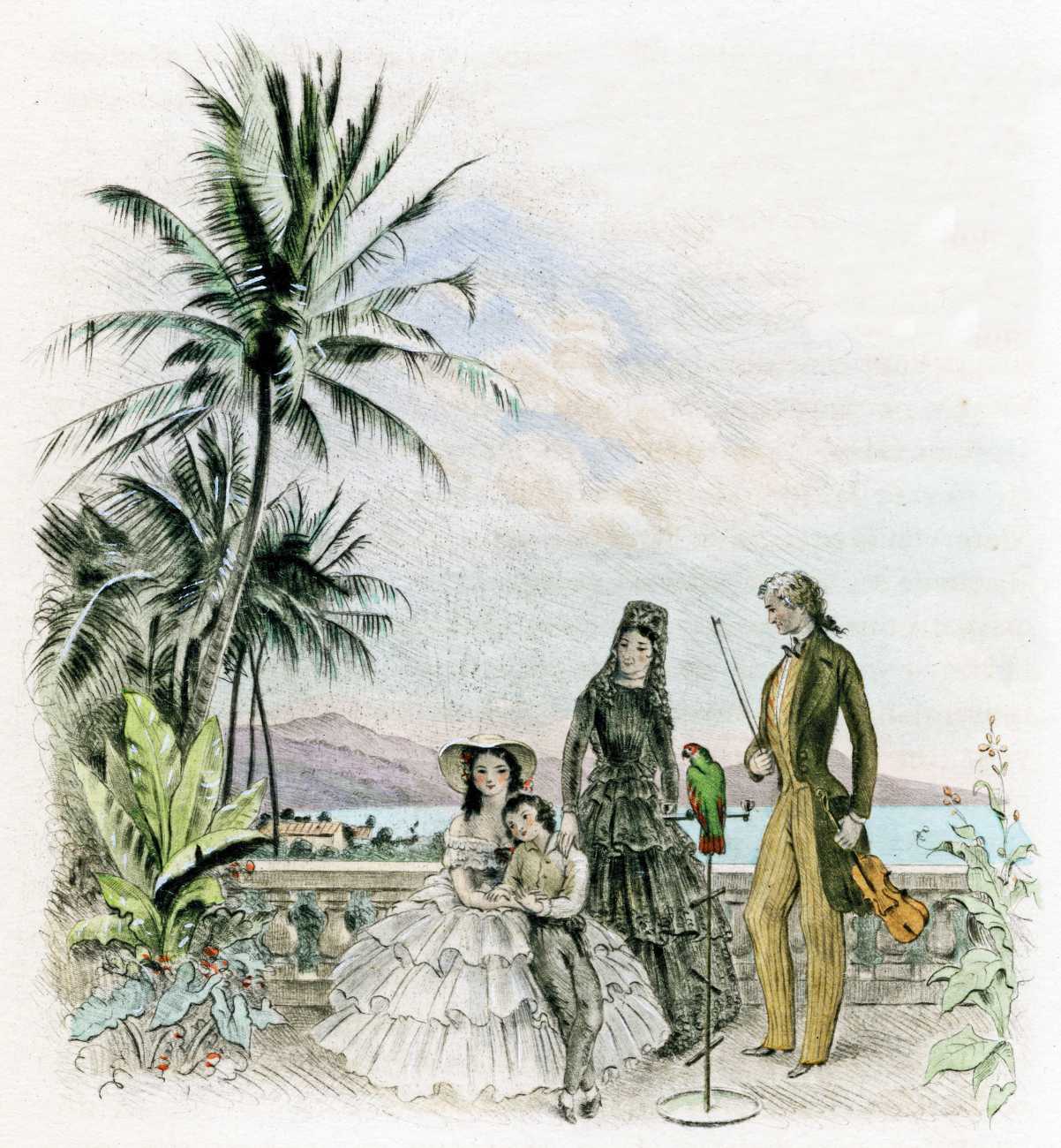
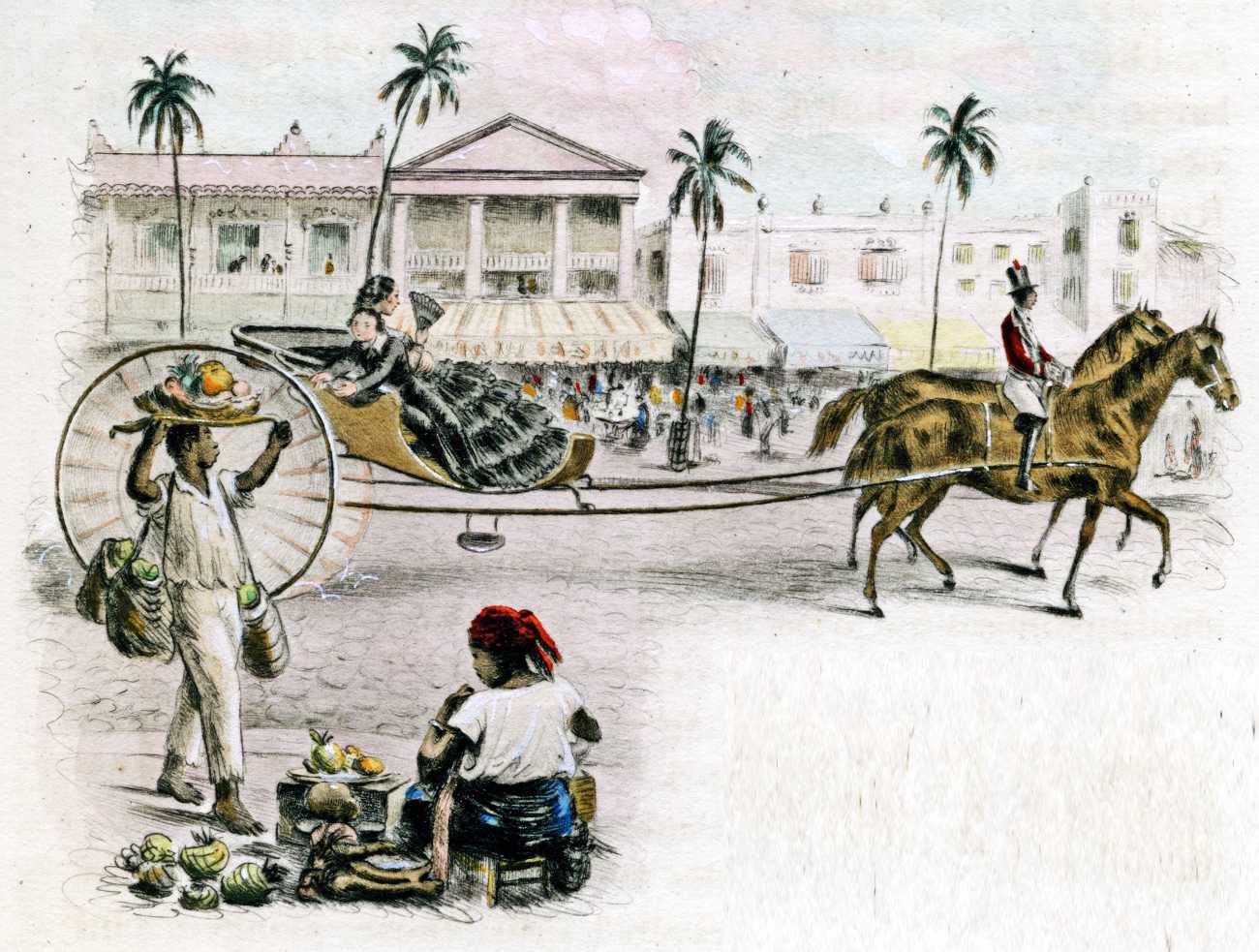
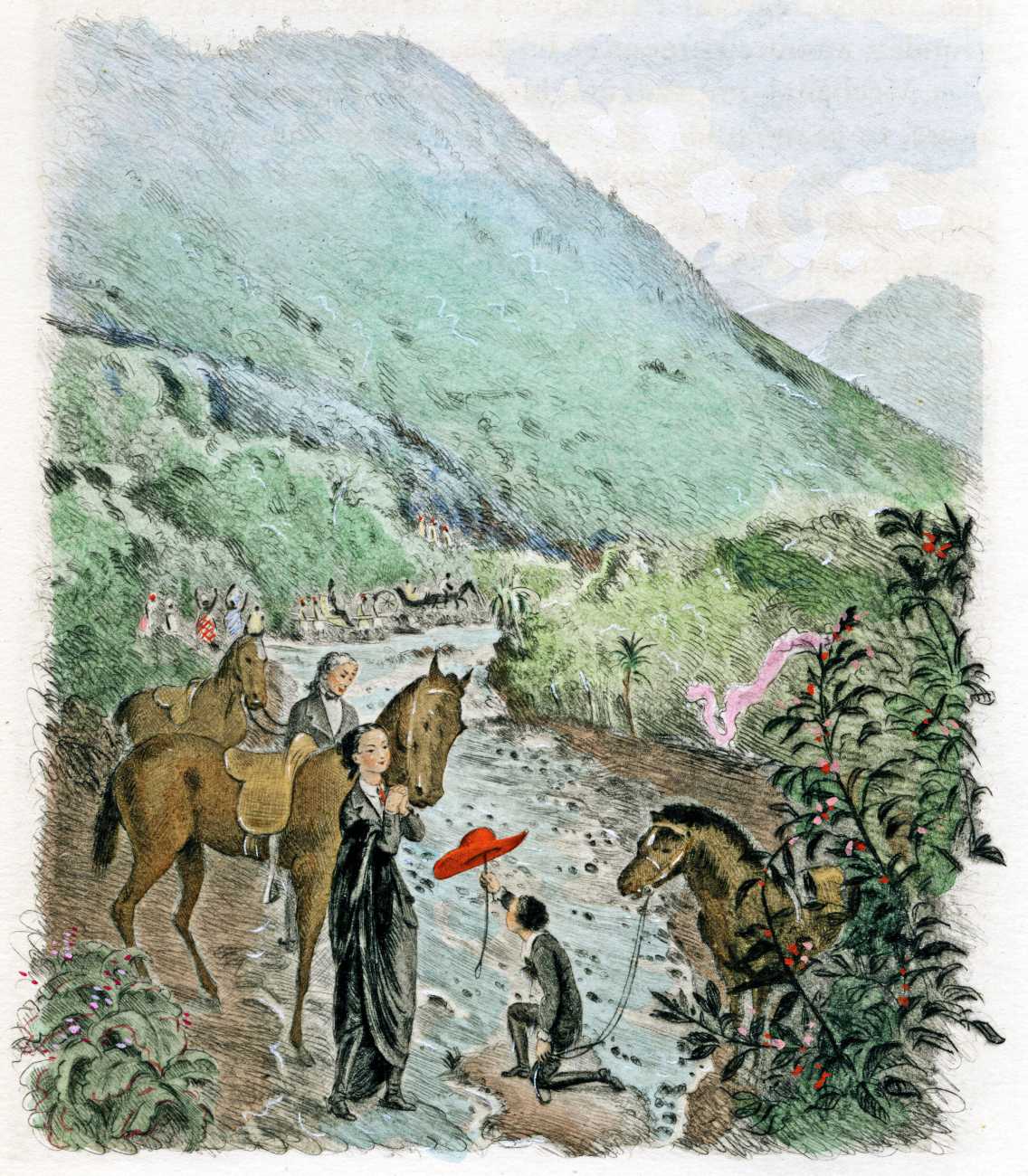
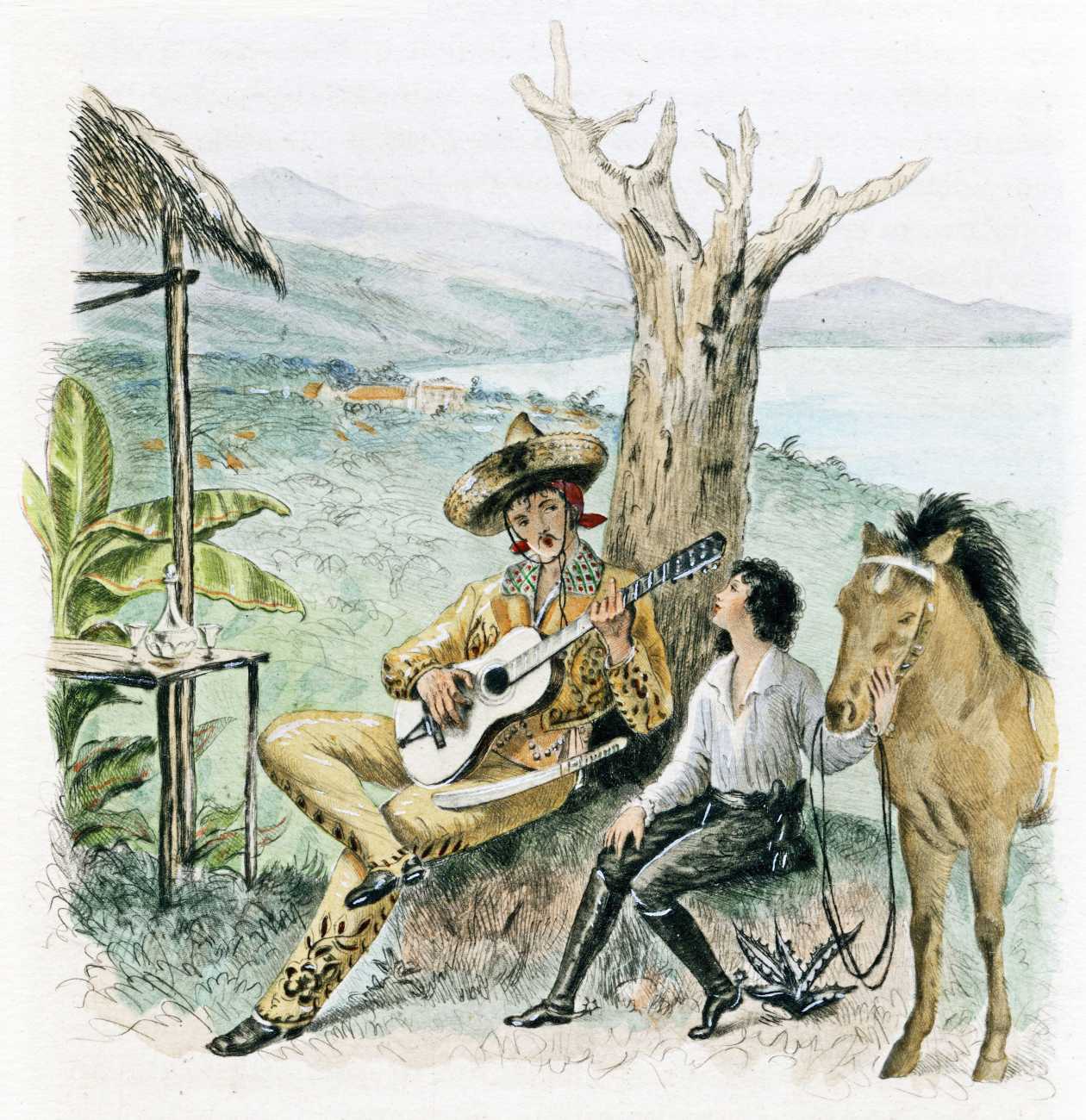
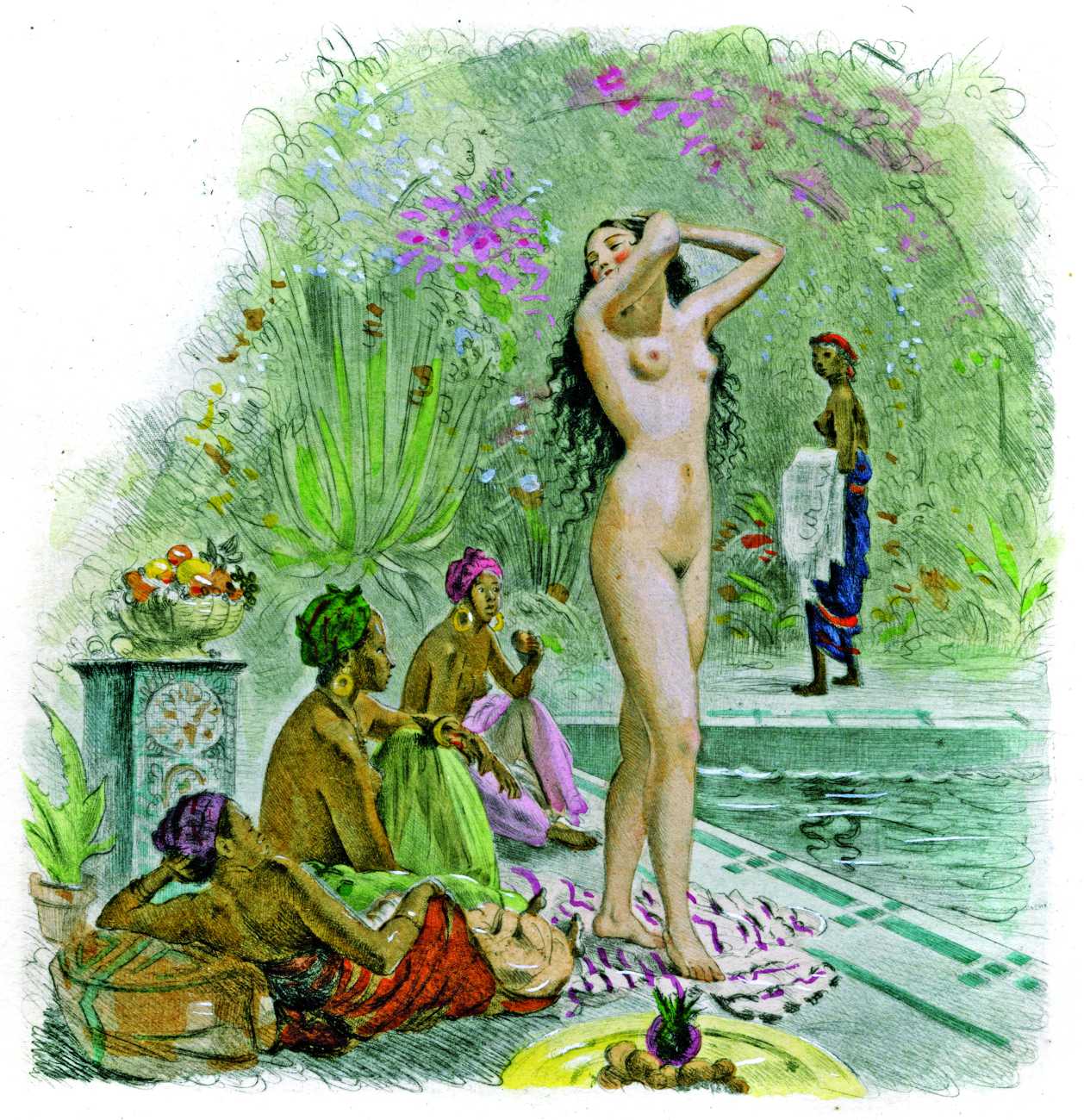
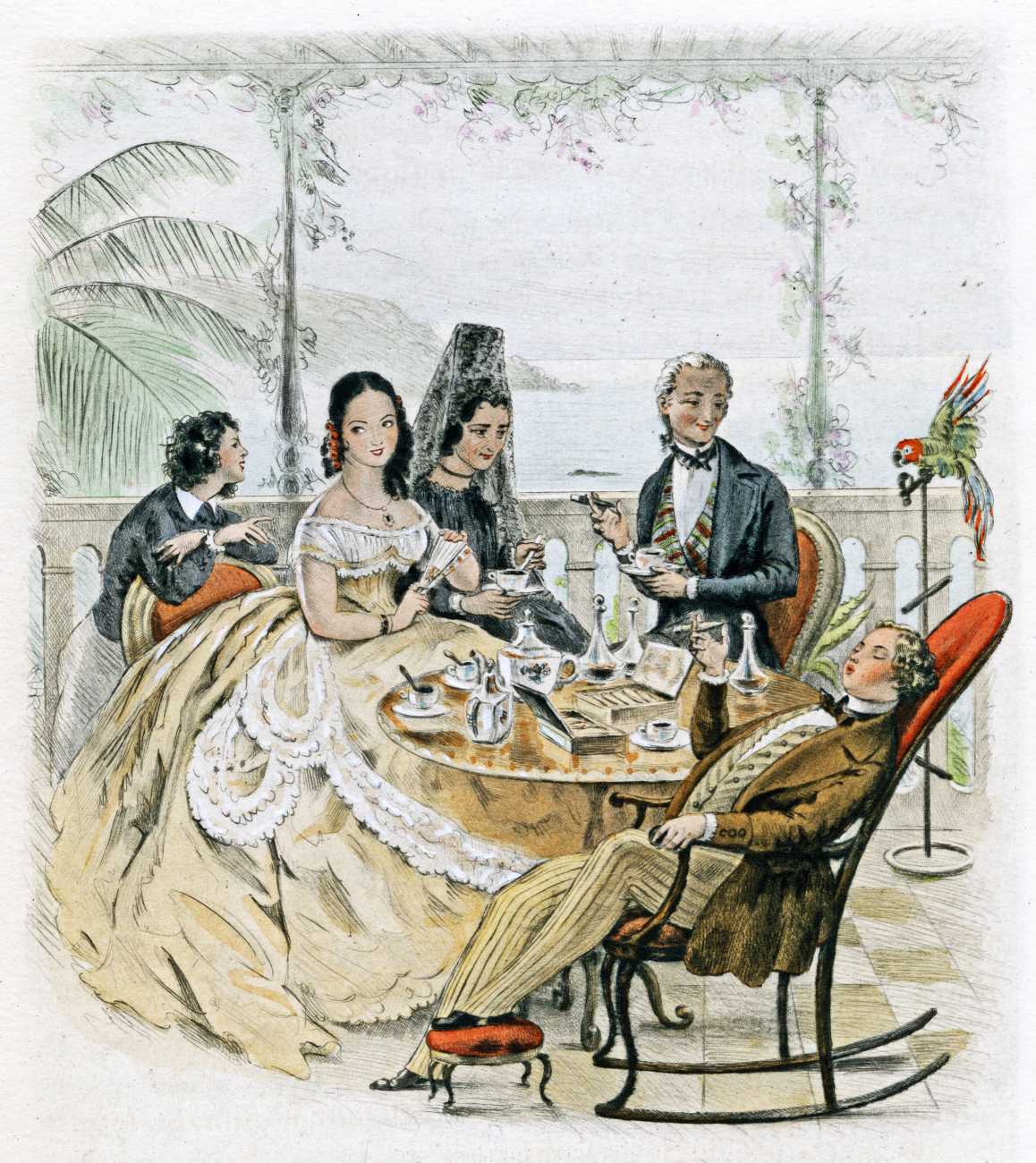
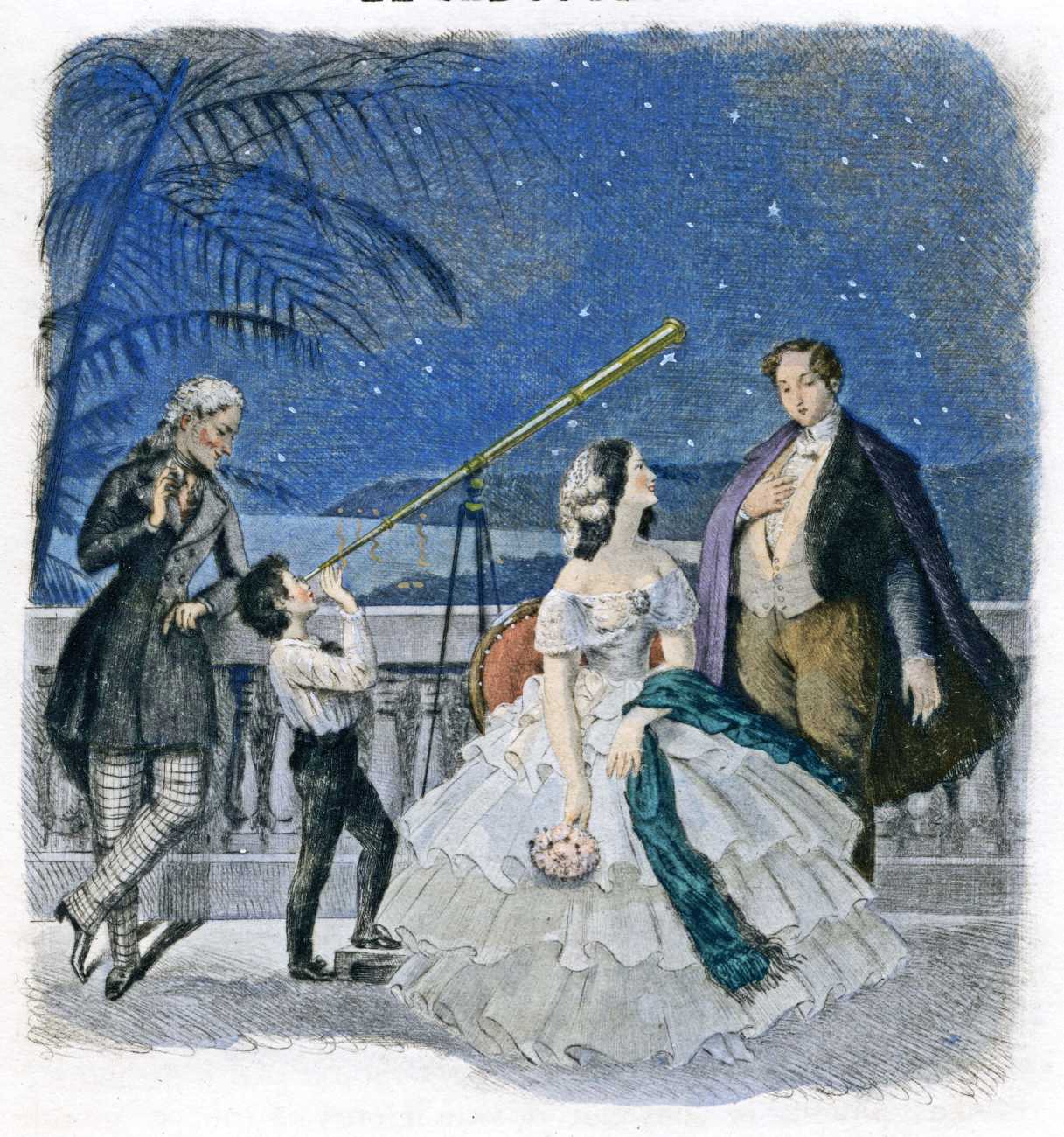
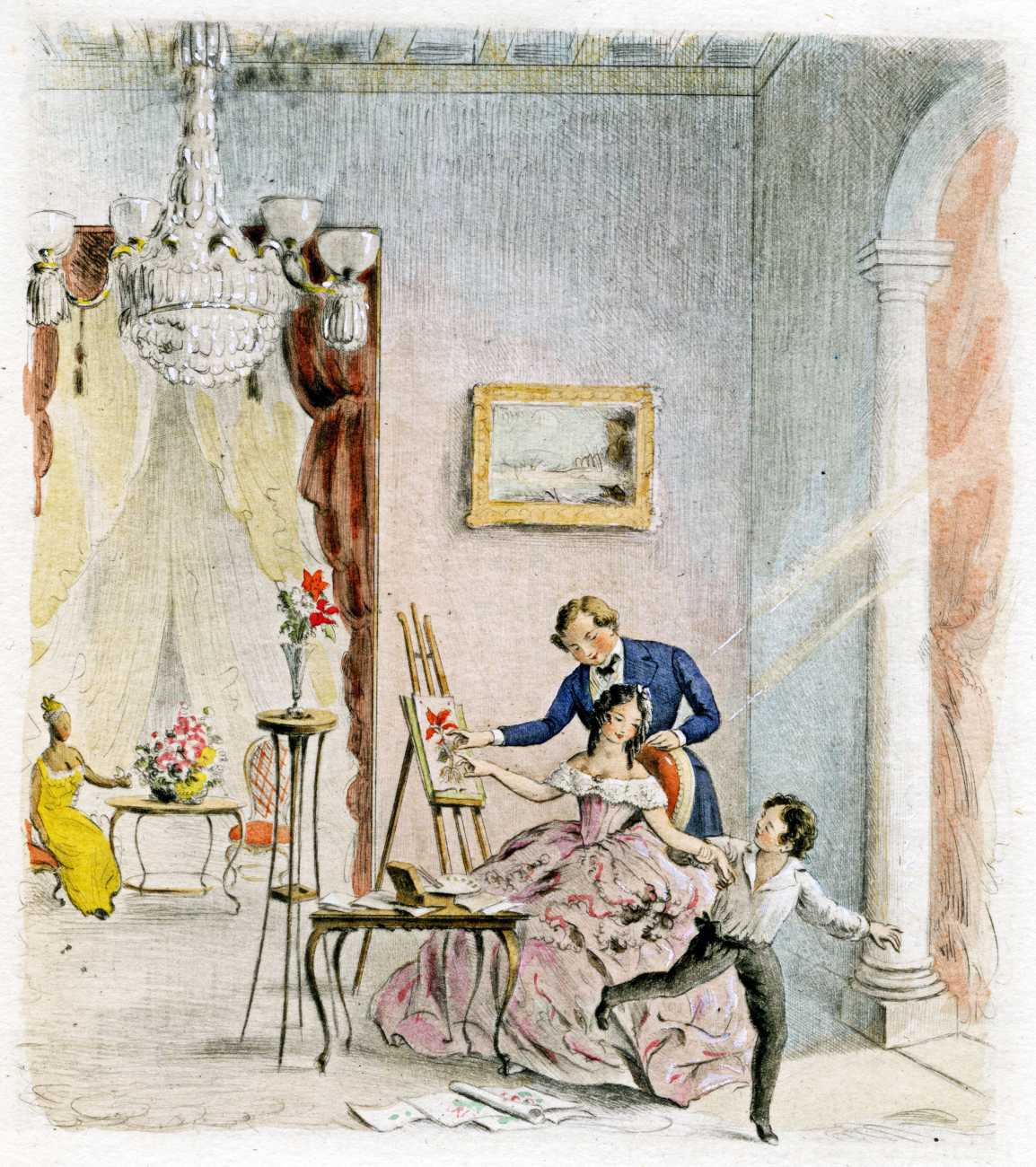
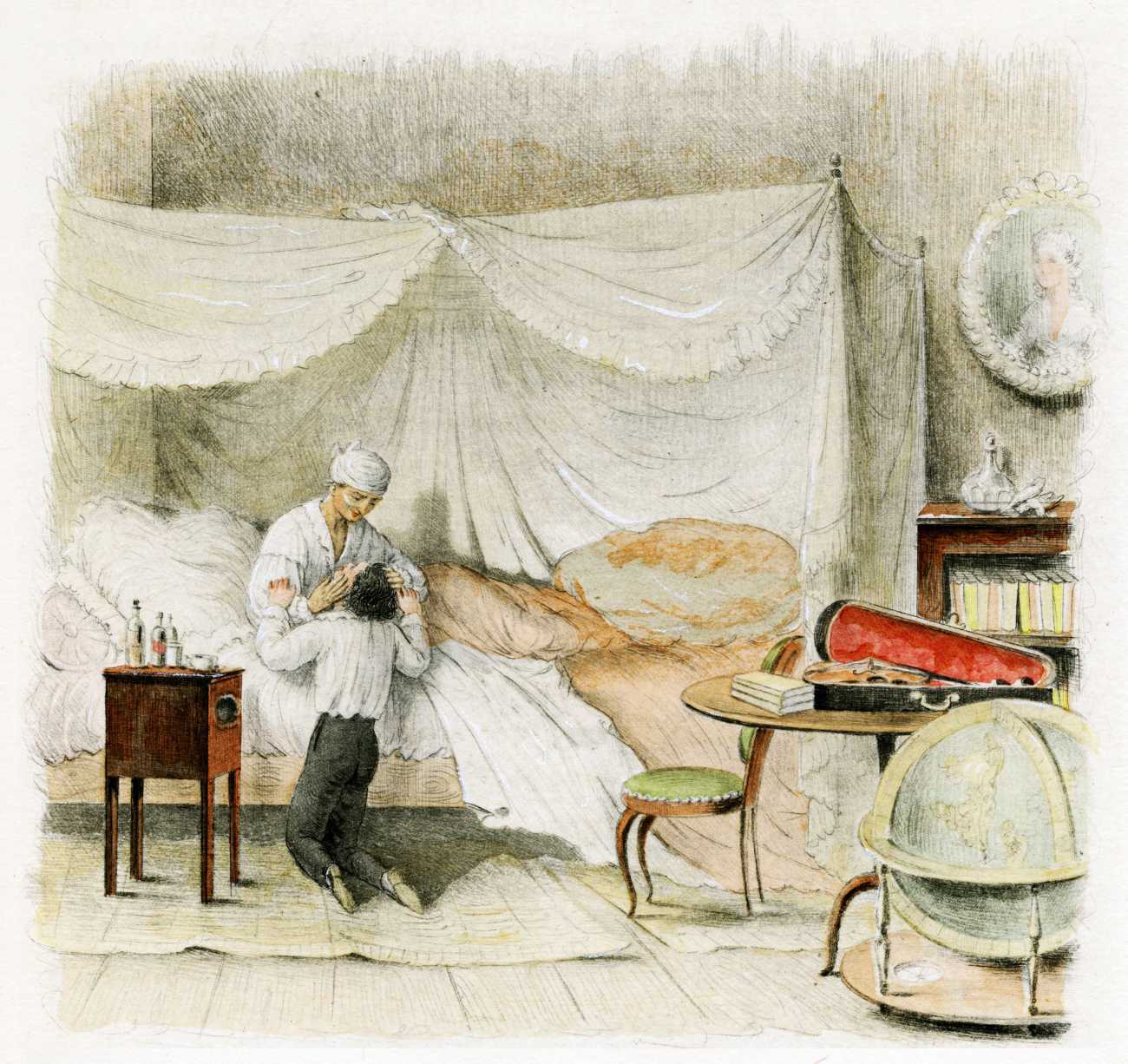
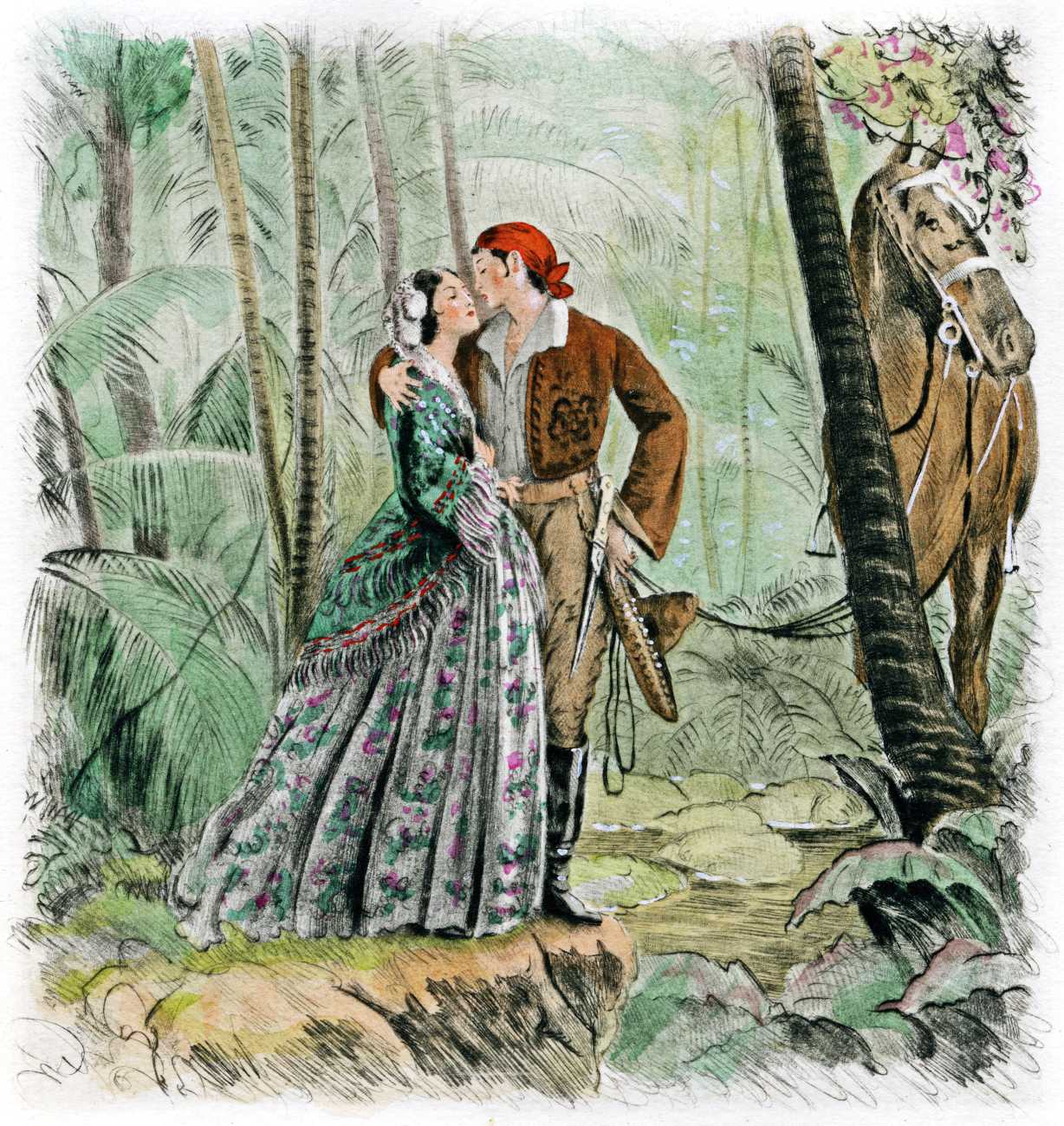
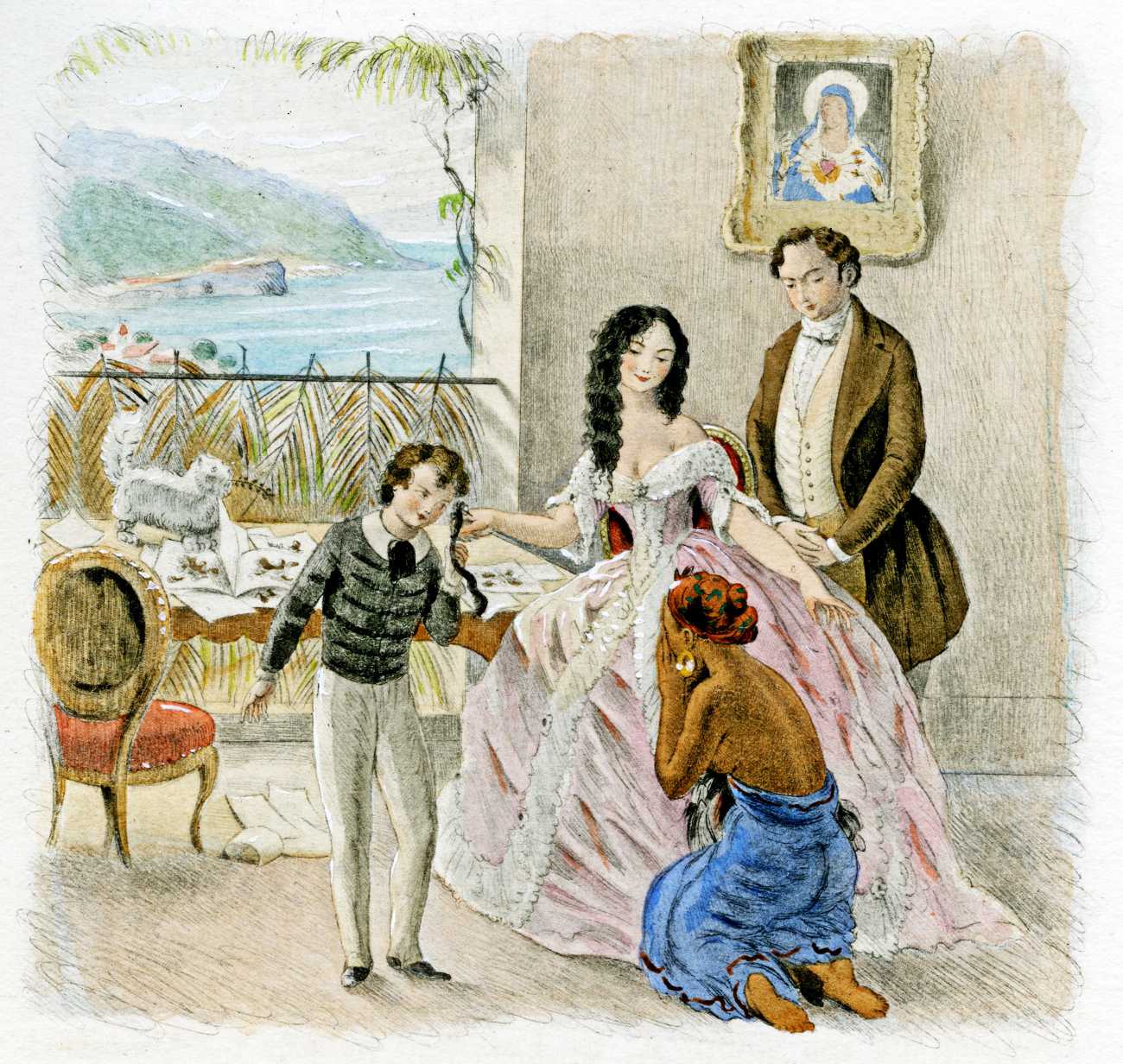
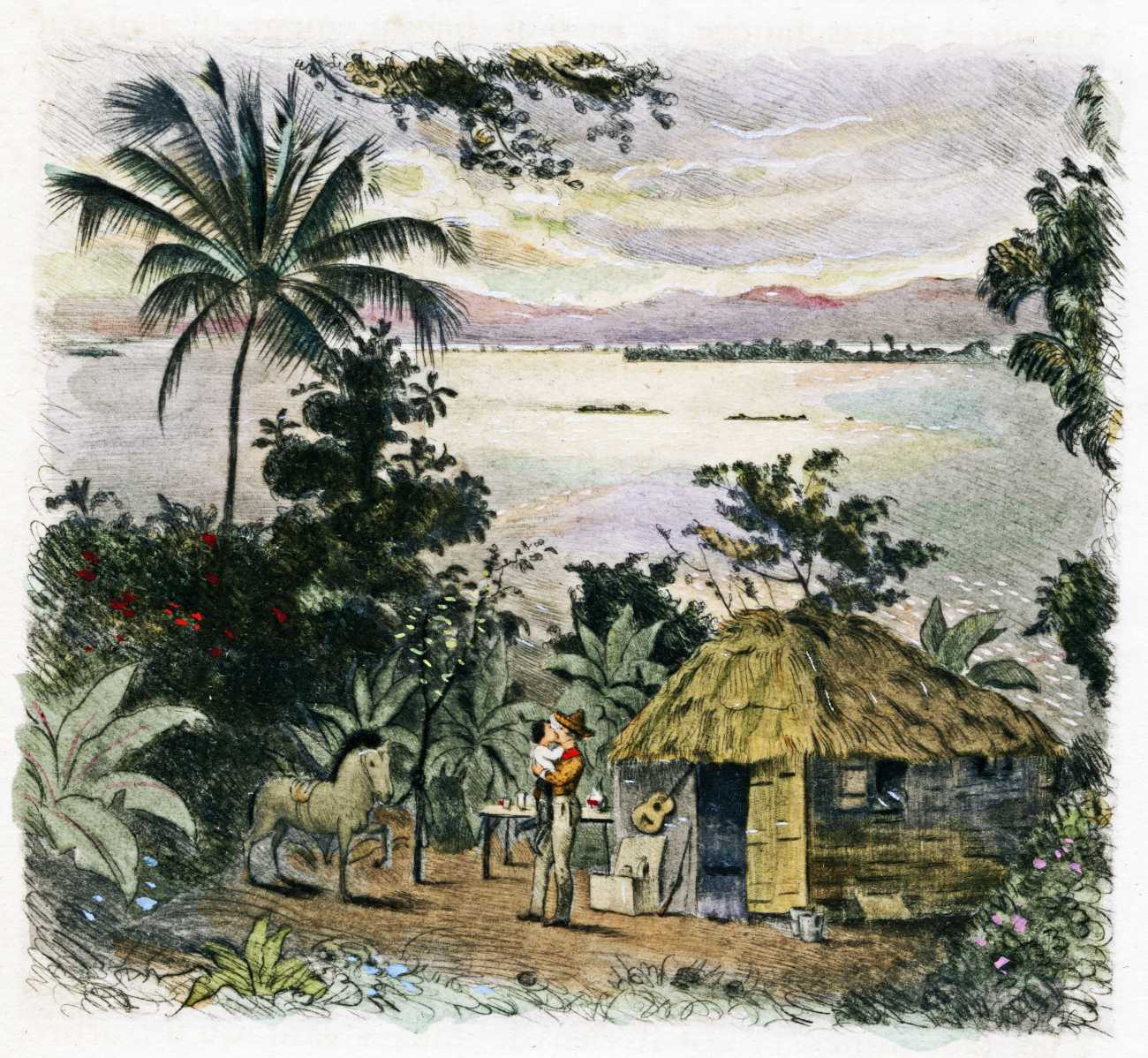
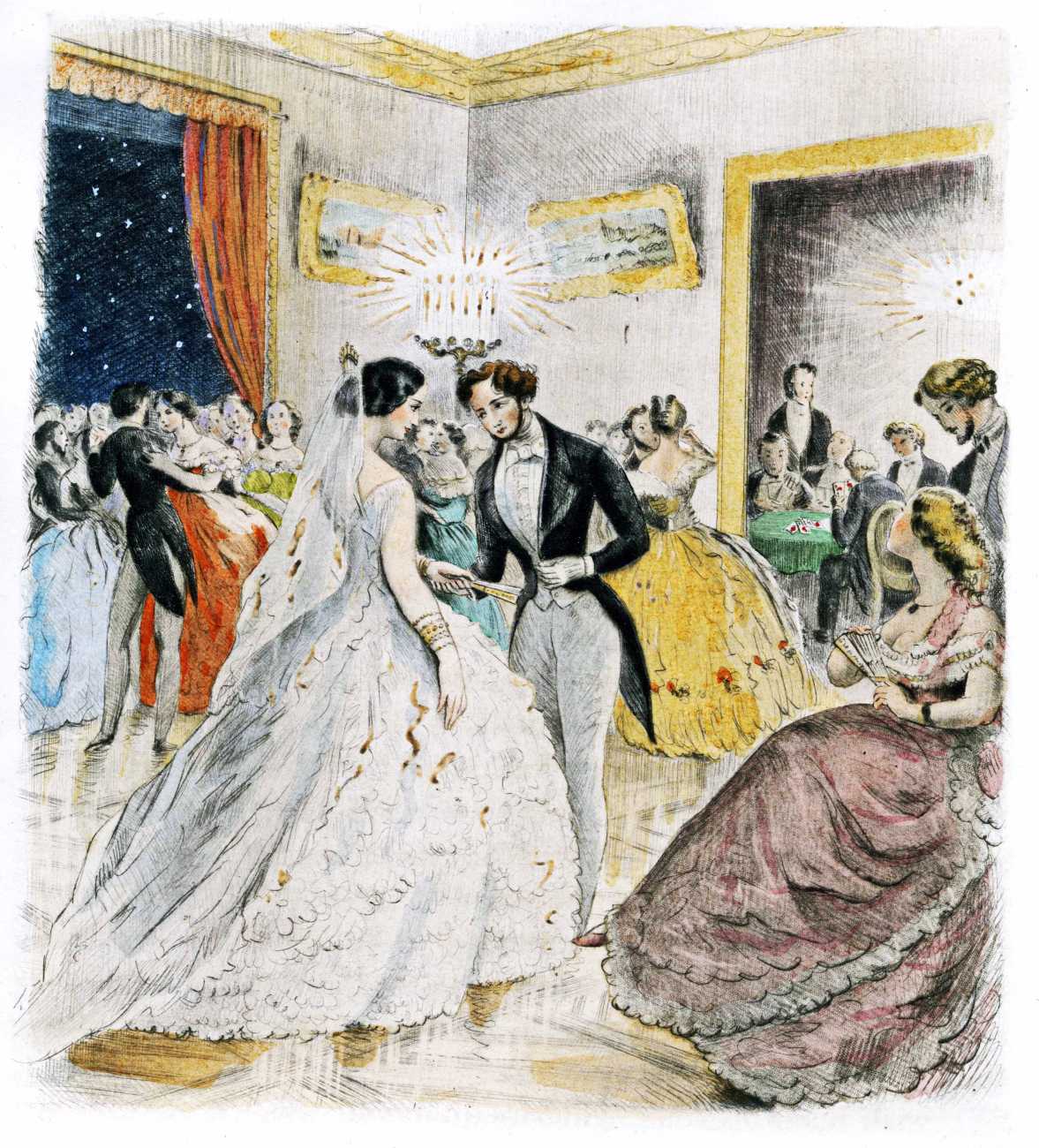
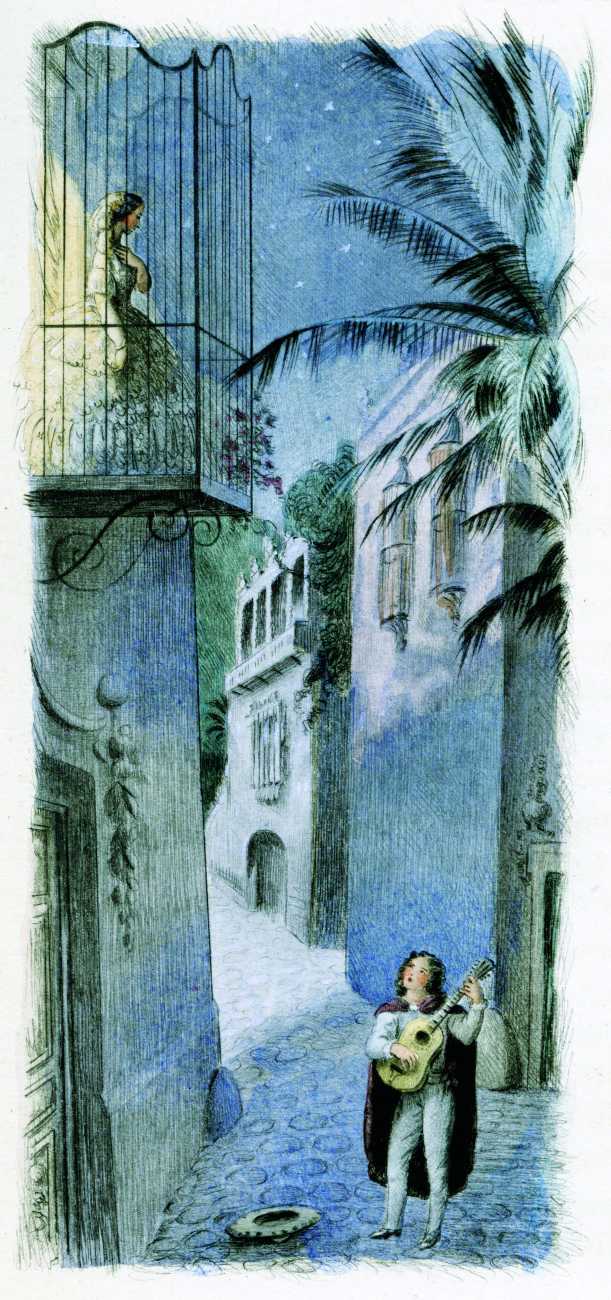
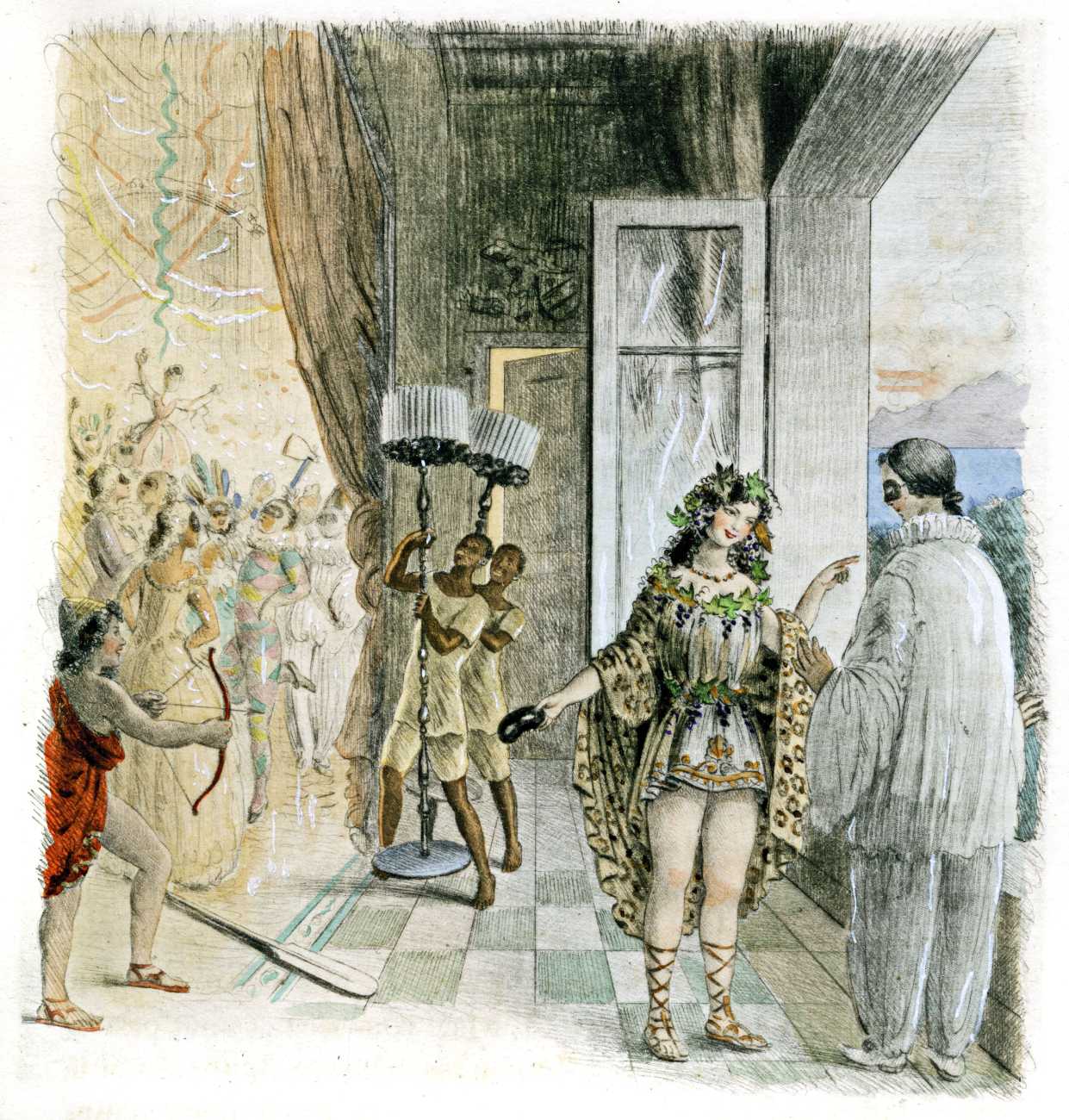
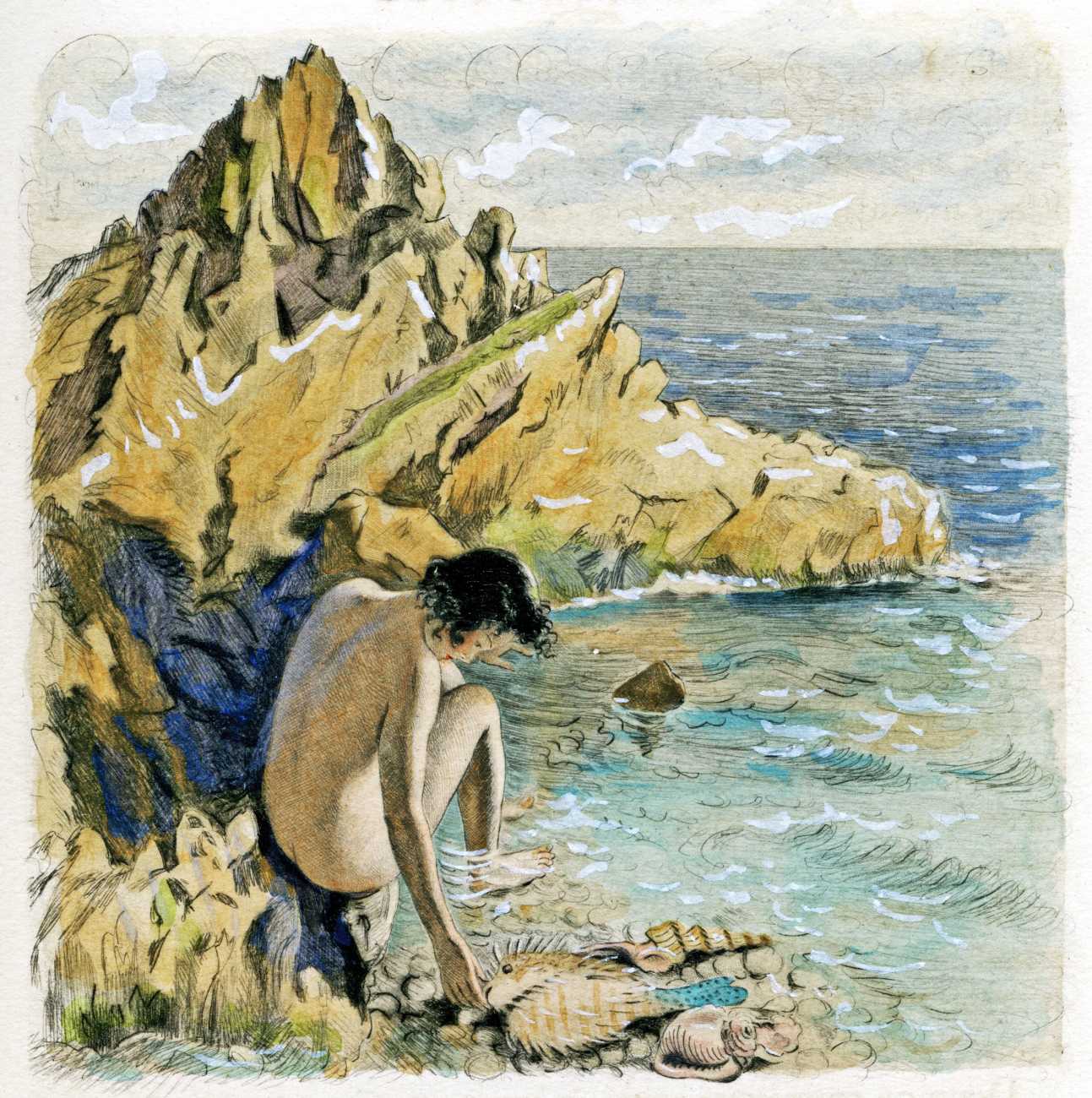
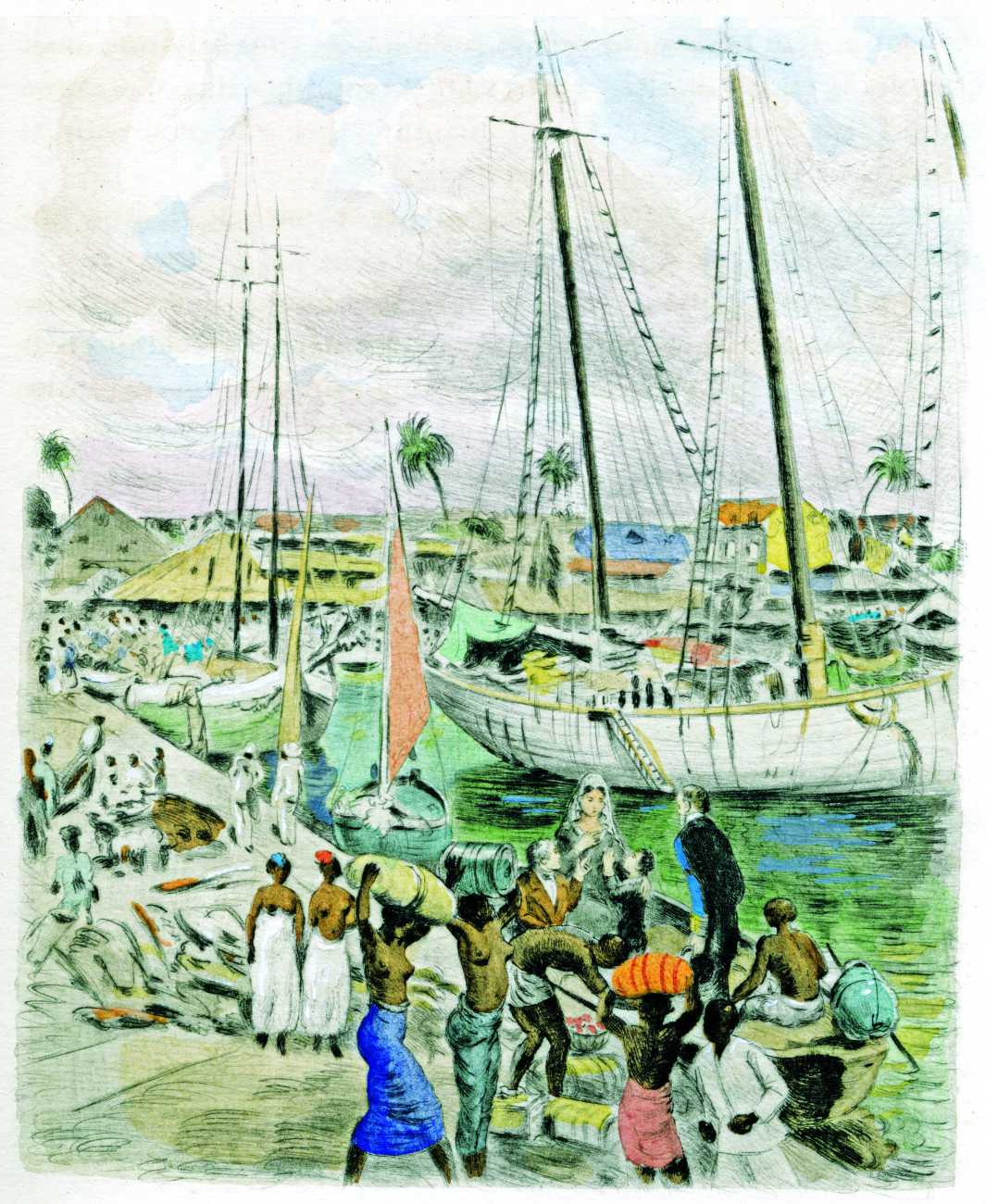
Bécat’s illustrations for this new 1945 edition of Le séducteur are maybe not his best, but do bring the novel to life and provide a visual complement to Marie de Régnier’s imagined world.
The Bécat-illustrated Le séducteur was published by L‘Édition d’Art H. Piazza in a limited, numbered and boxed edition of 500 copies.