 Les innocents (The Innocents) is one of the darker novels about youth, crime and moral ambiguity by prolific French author Francis Carco (1886–1958). First published in 1916, it follows a young Parisian petty criminal as he completes his apprenticeship in the streets and becomes implicated in a violent crime. At the heart of the story is a troubled relationship with a young woman, in which secrecy, guilt and poverty push the characters into an isolation that both binds and destroys them. The book is a study of guilt, shame, the moral consequences of small-time criminal life, and the border between innocence and culpability. The title is deliberately ambiguous, asking whether the young protagonists can still be called innocent when social forces and their own acts have compromised them.
Contemporary and later readers have praised Carco’s evocation of street life and his sympathetic-but-unsparing portraits of marginalised youth. Literary scholars treat Les innocents as part of Carco’s important contribution to early-twentieth-century Parisian literature about the demi-monde, and it is often discussed alongside Jésus-la-caille (Jesus the Quail) and L’homme traqué (The Hunted Man) when tracing Carco’s influence on later French crime and social-realist fiction.
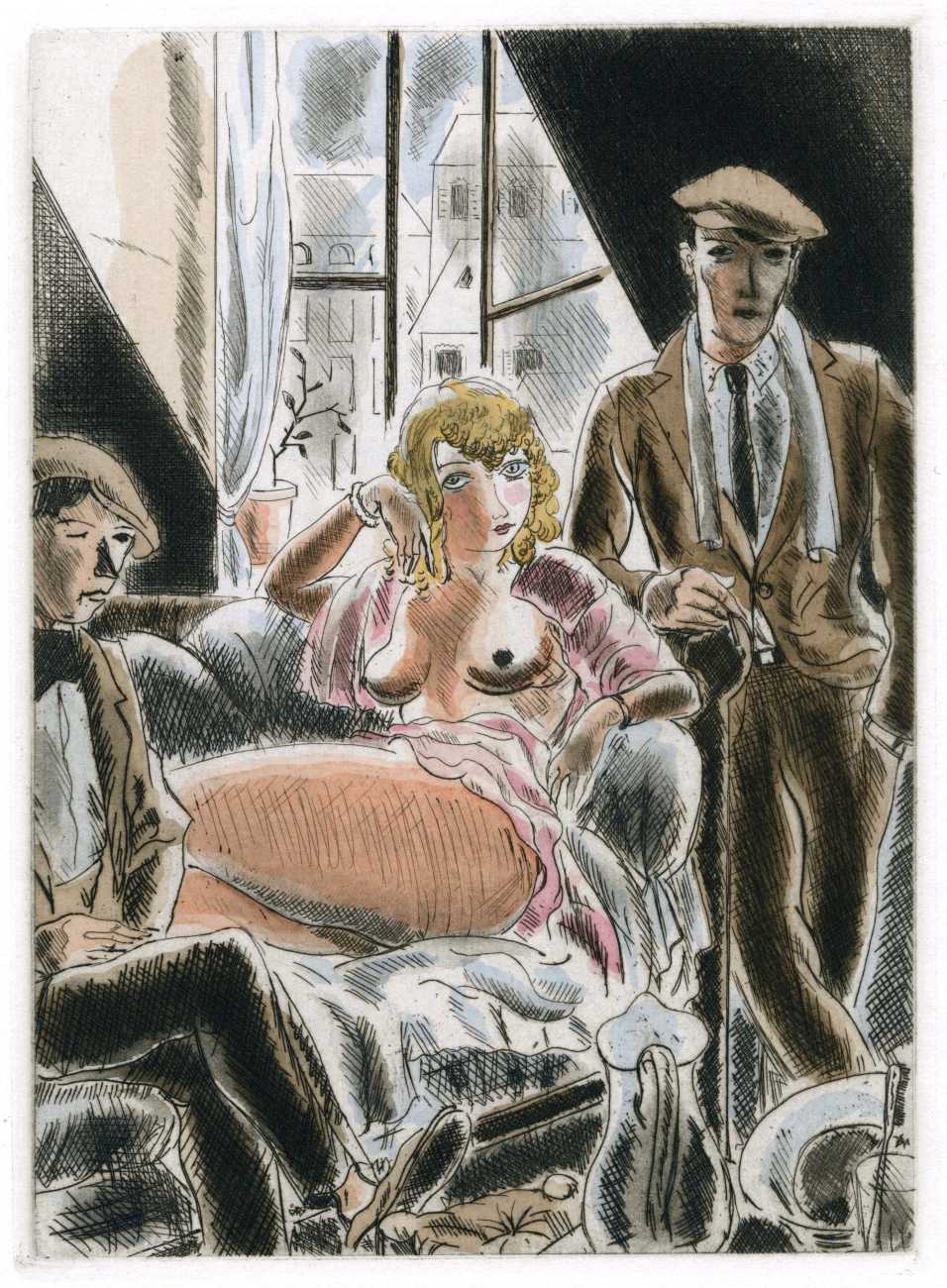
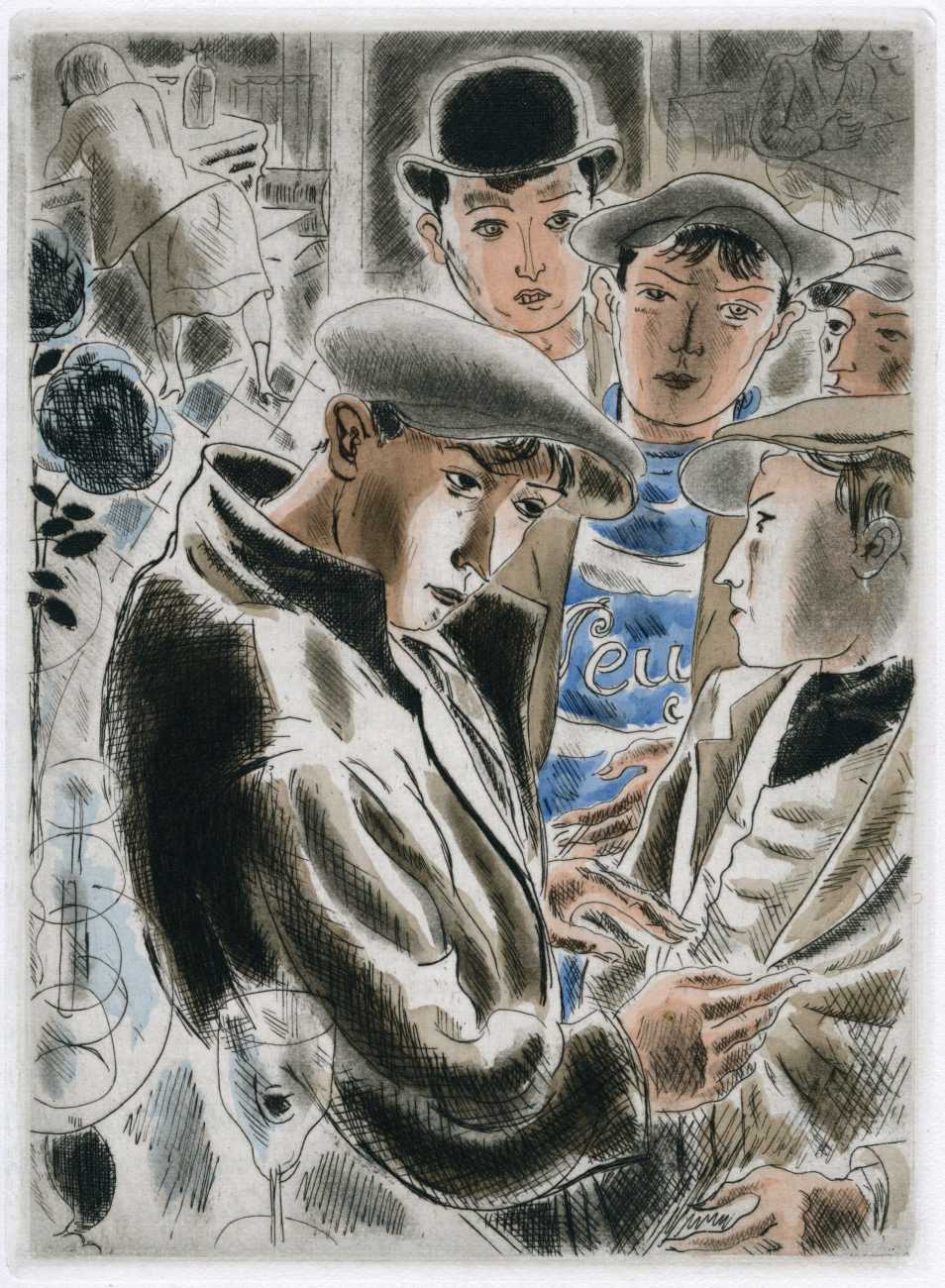
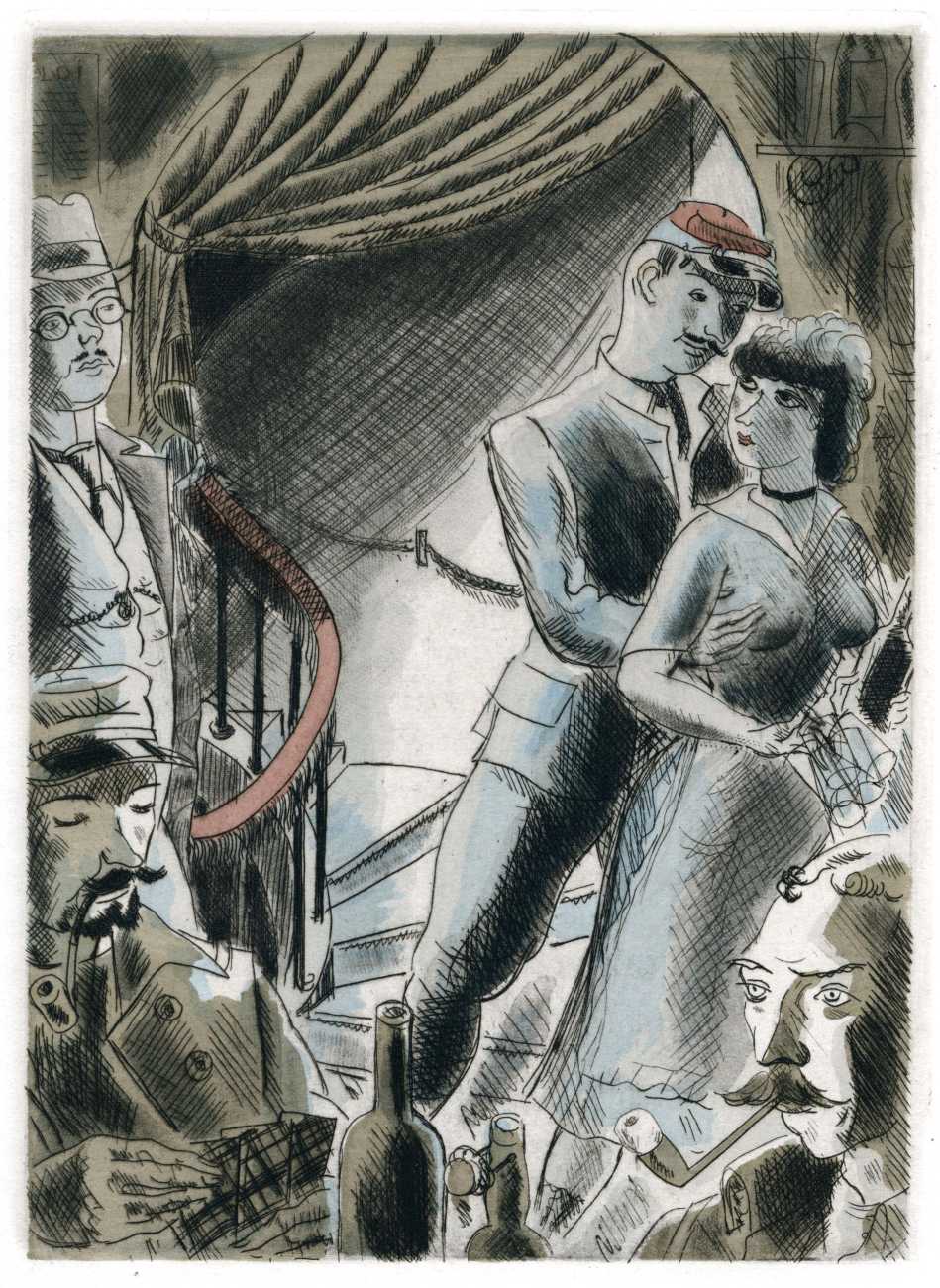
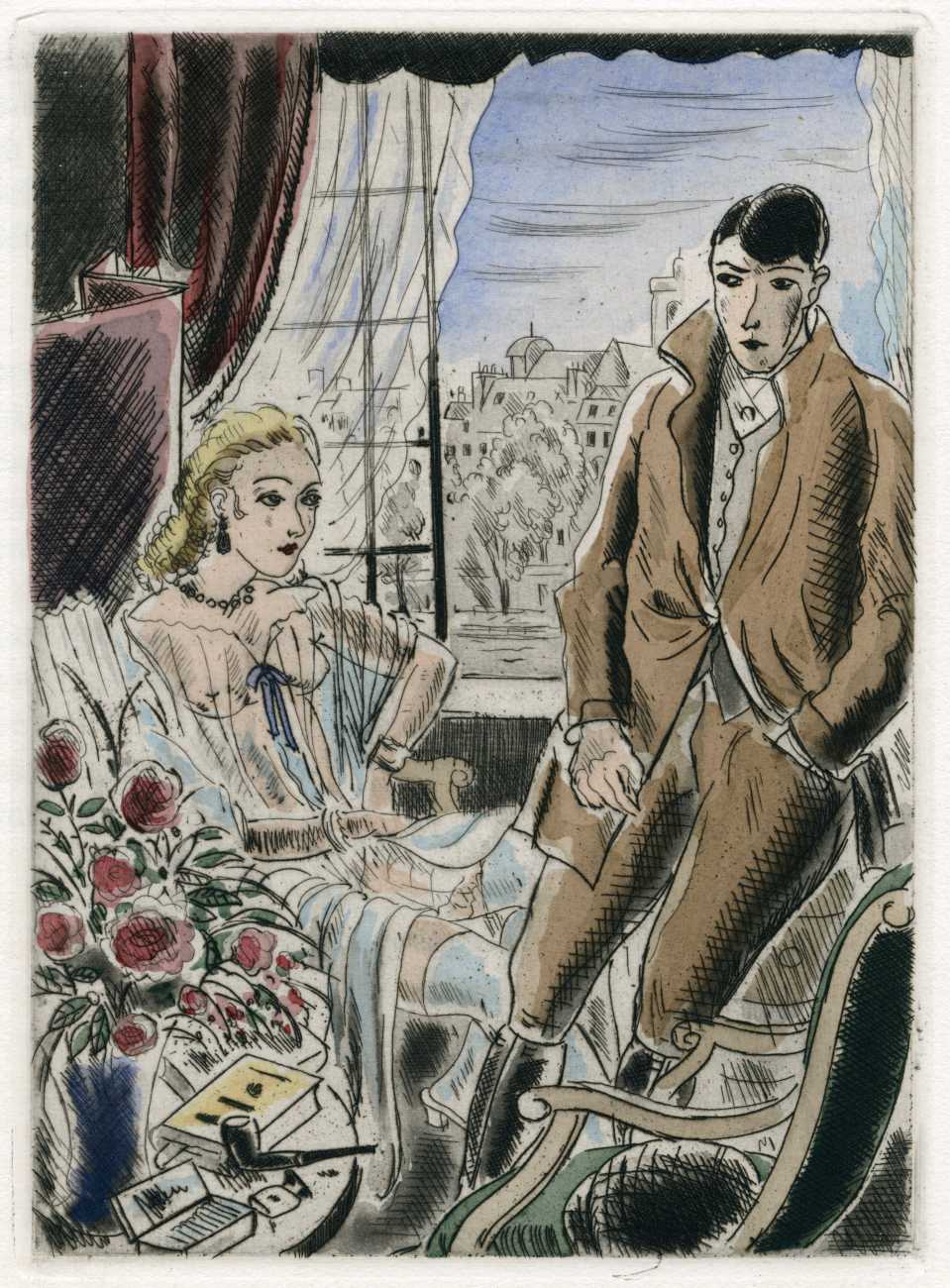
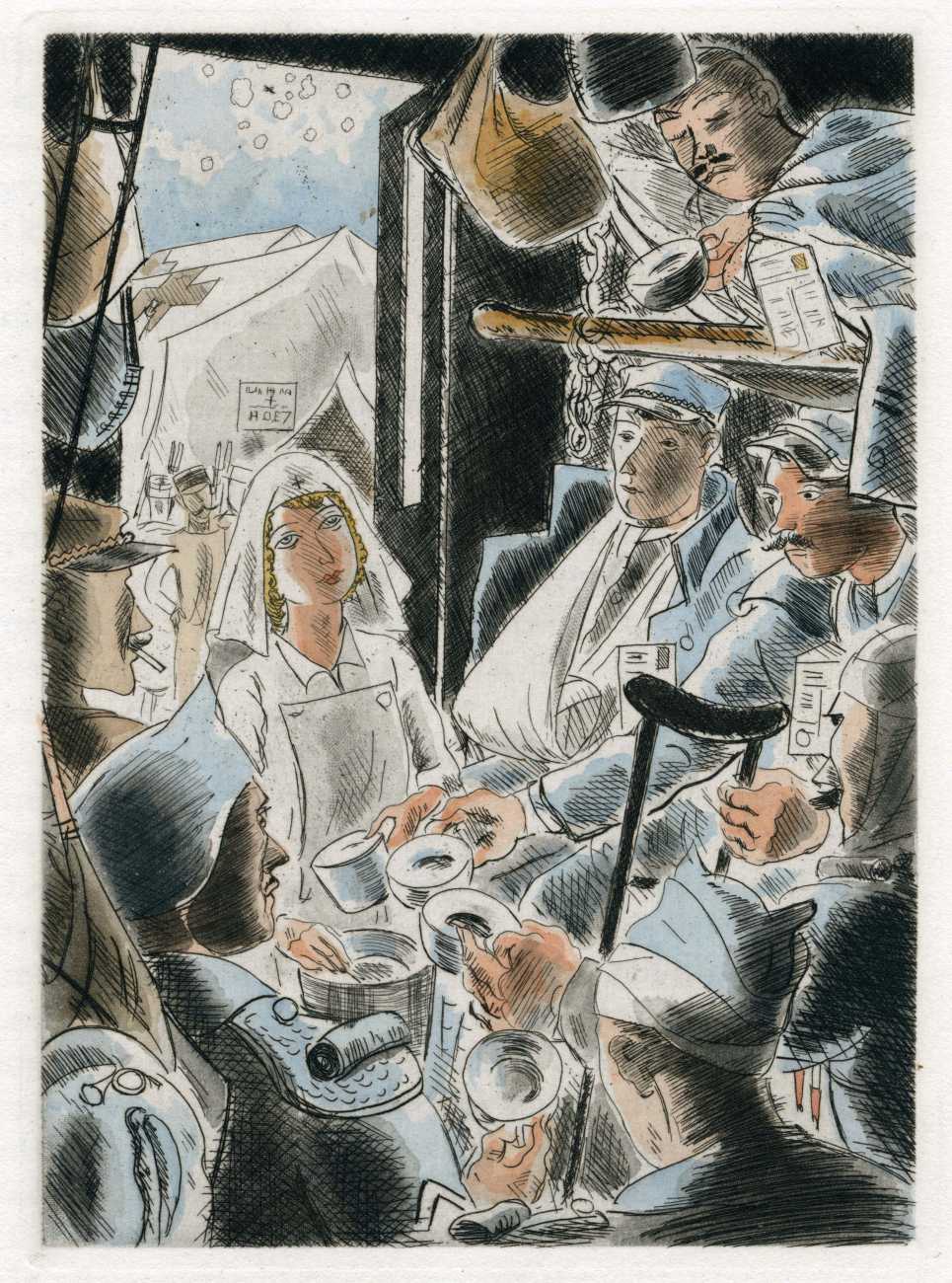
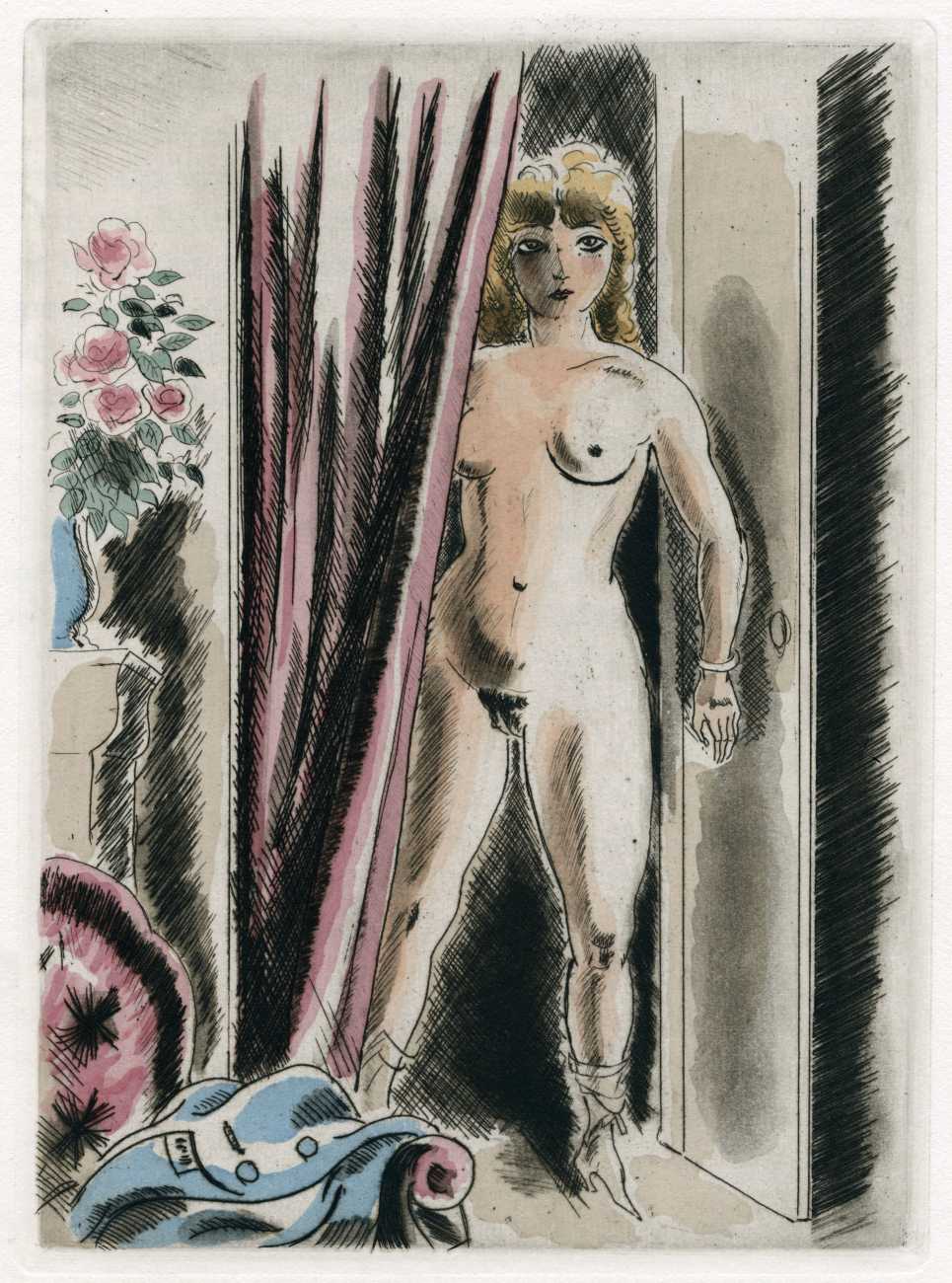
Dignimont was commissioned to produce just six illustrations for this edition, but they powerfully complement Carco’s dark themes. It probably helped that Dignimont and Carco were good friends, both of whom knew something of the Parisian underworld at first hand.
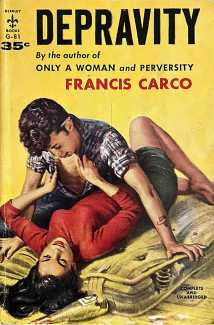 An English translation of Les innocents, provocatively titled Depravity, was published by Berkley Books in 1957.
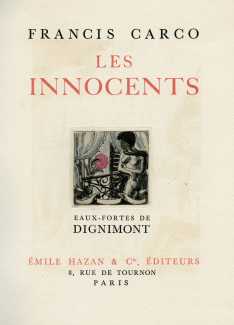
The Dignimont-illustrated Les innocents was published by Émile Hazan, in a limited numbered edition of 833 copies.