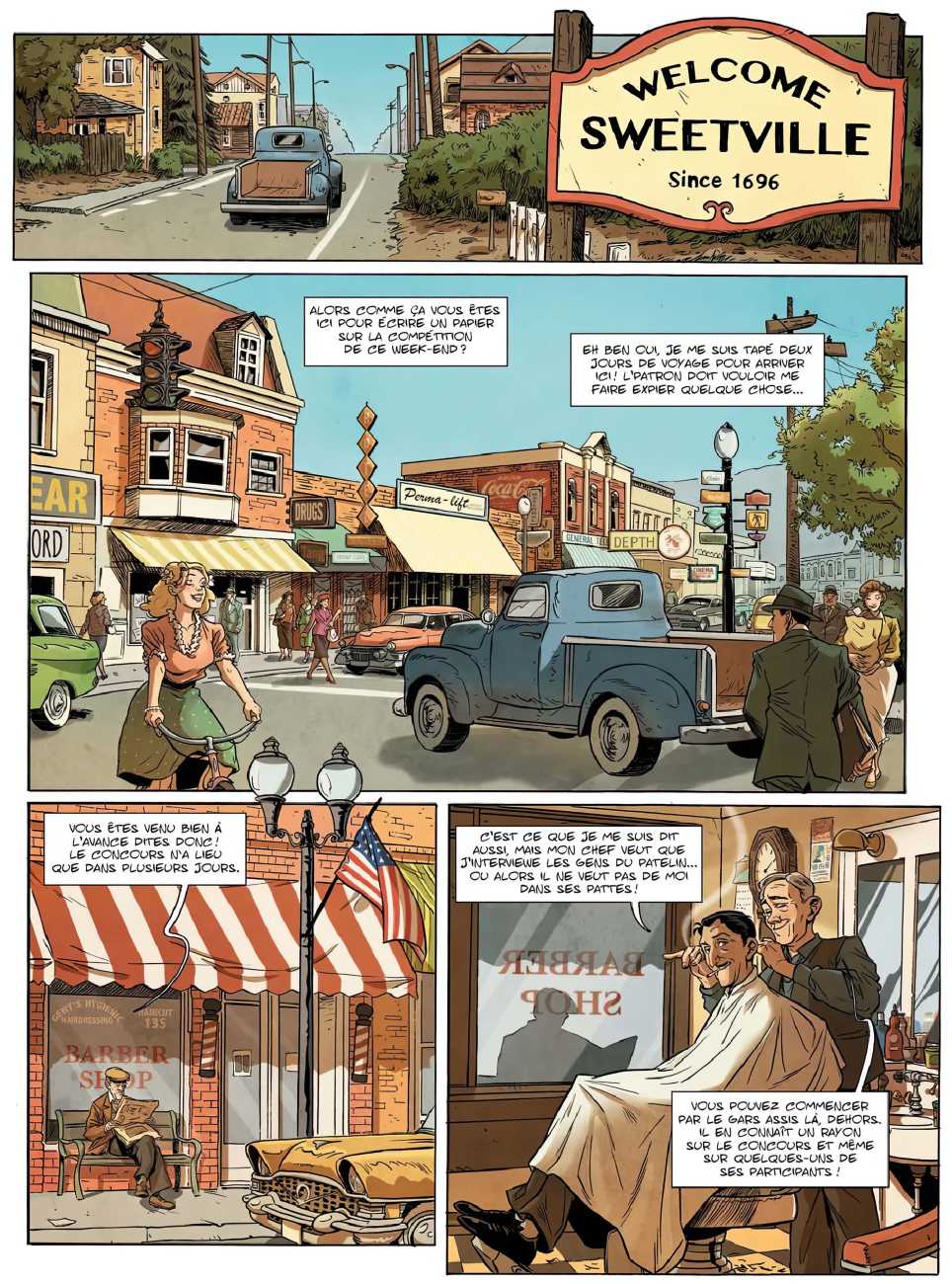
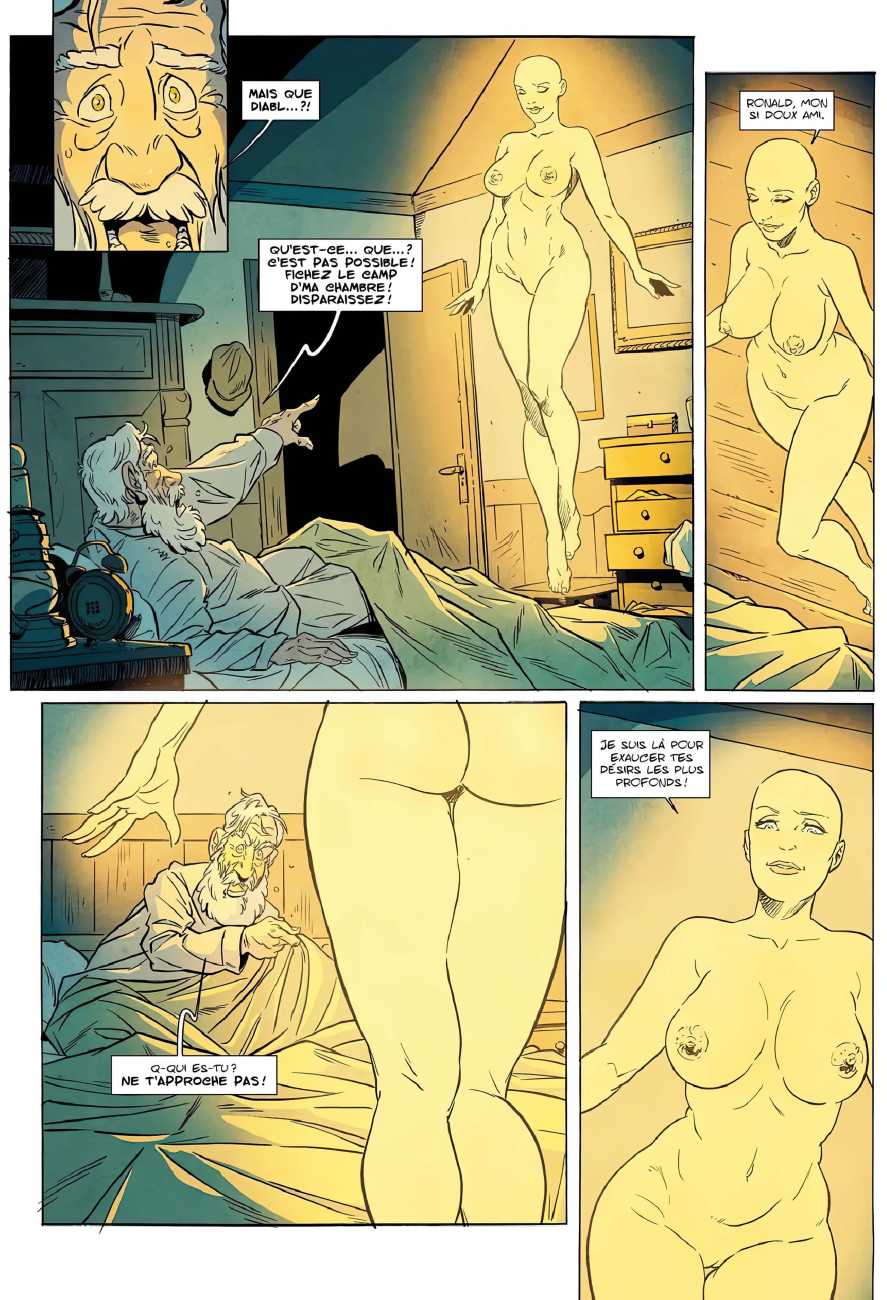
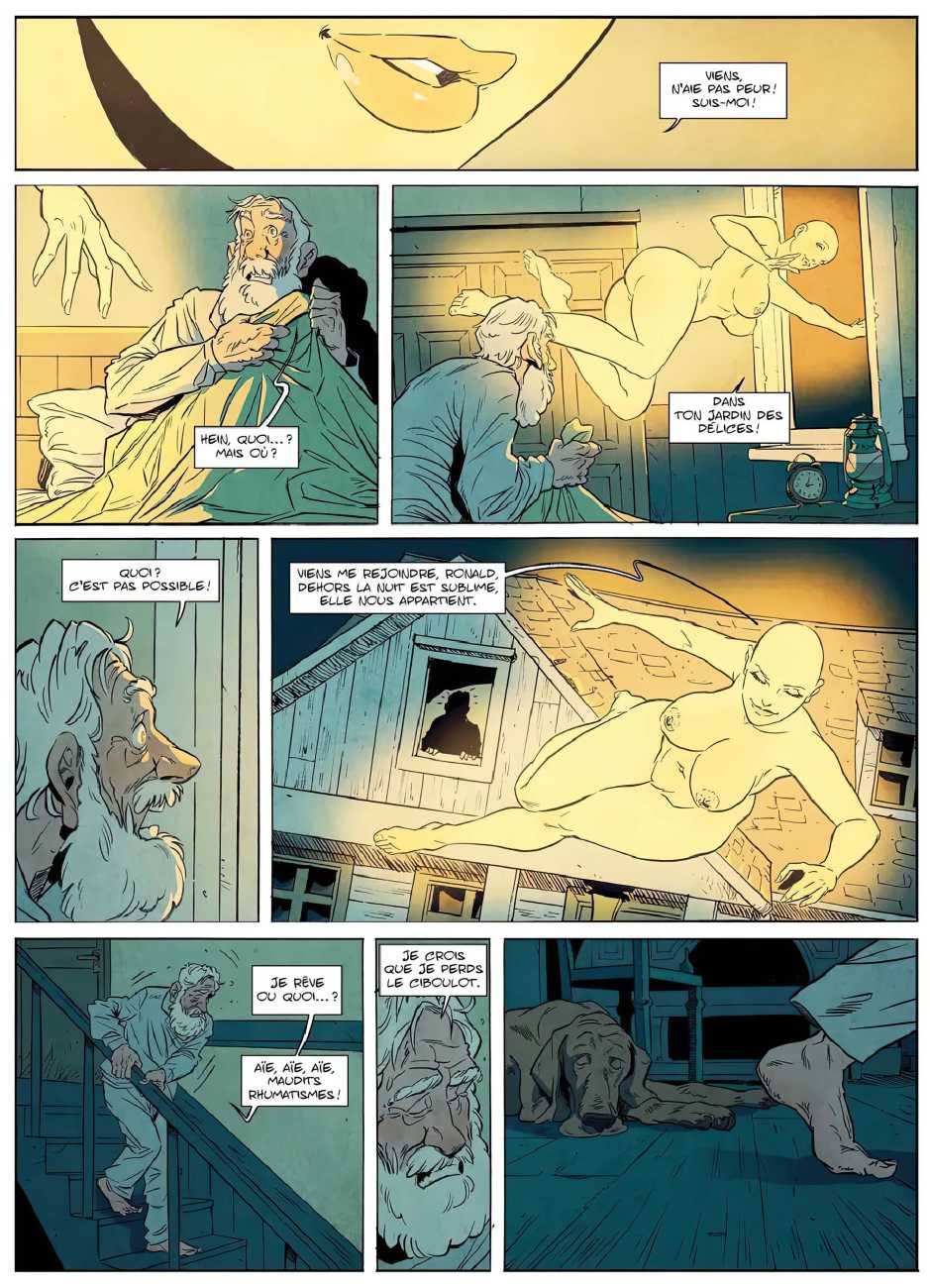
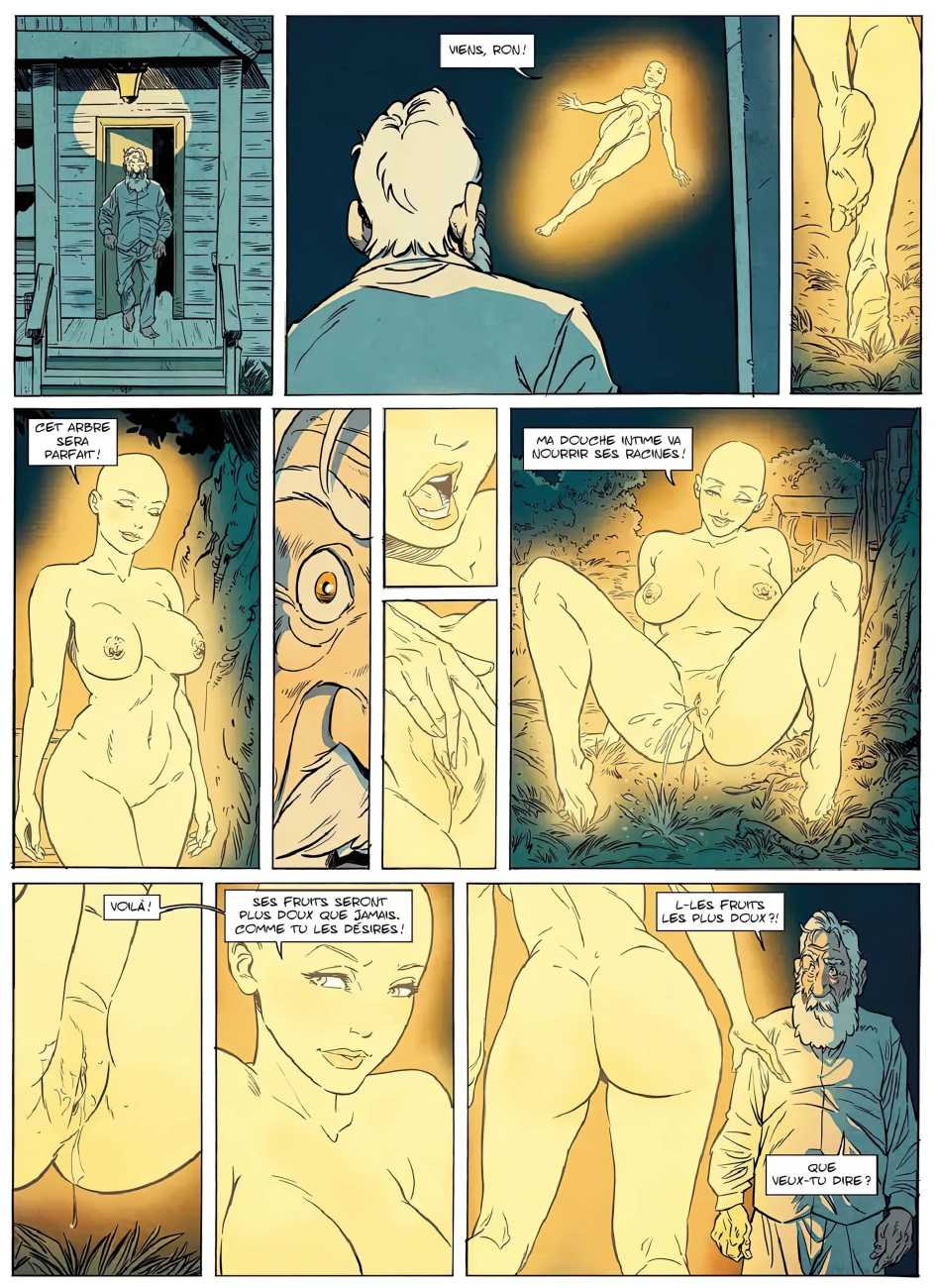
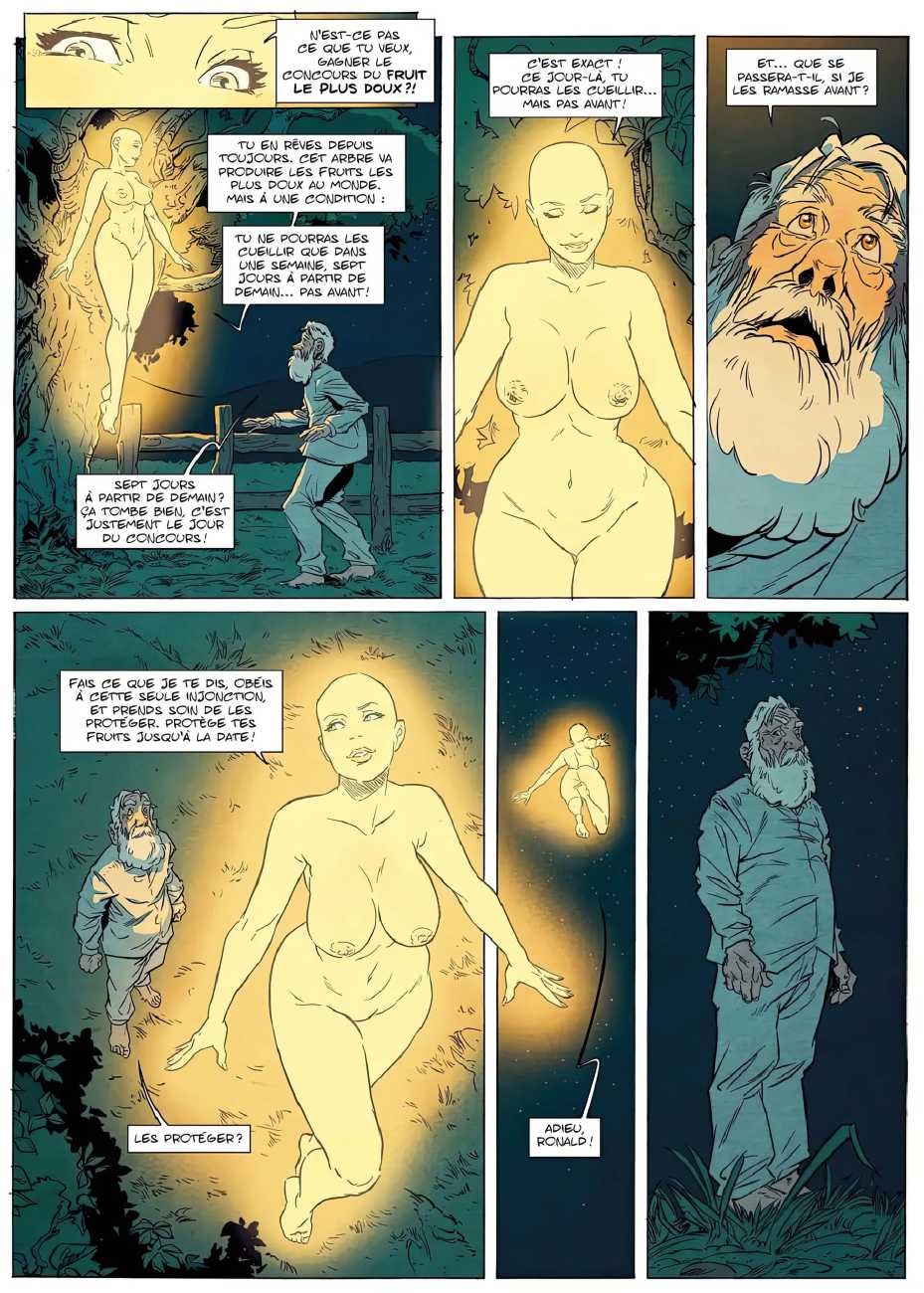
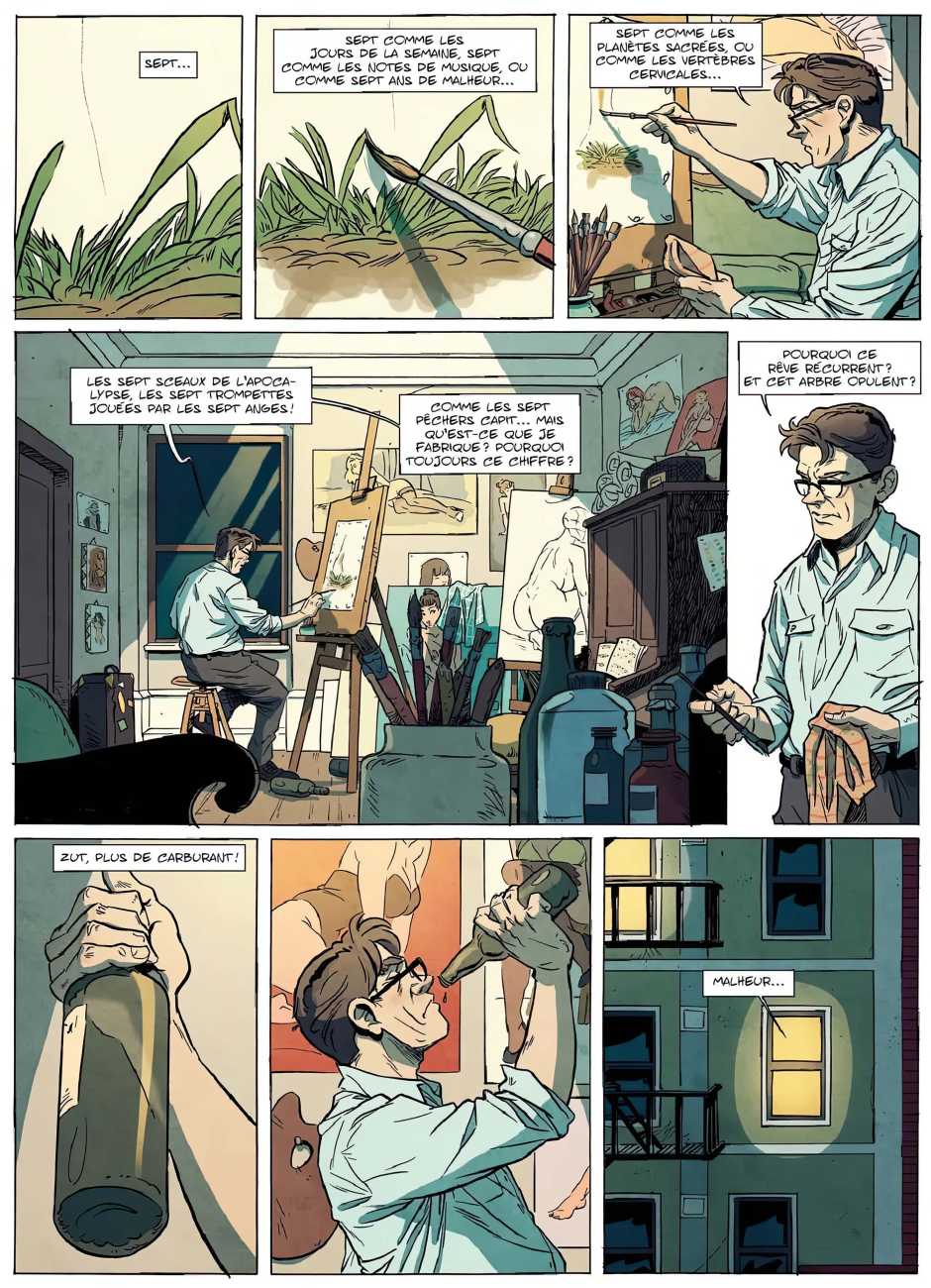
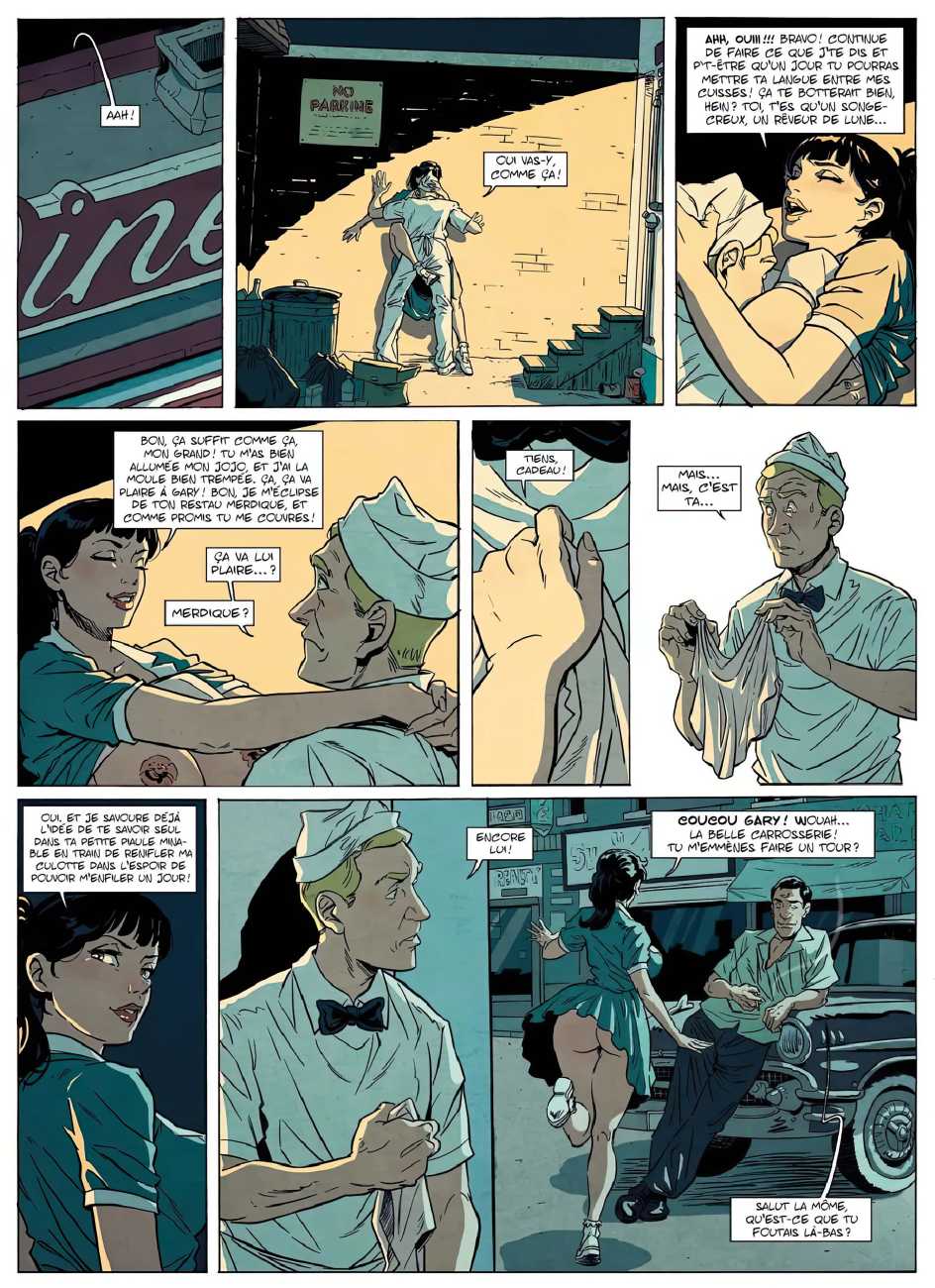
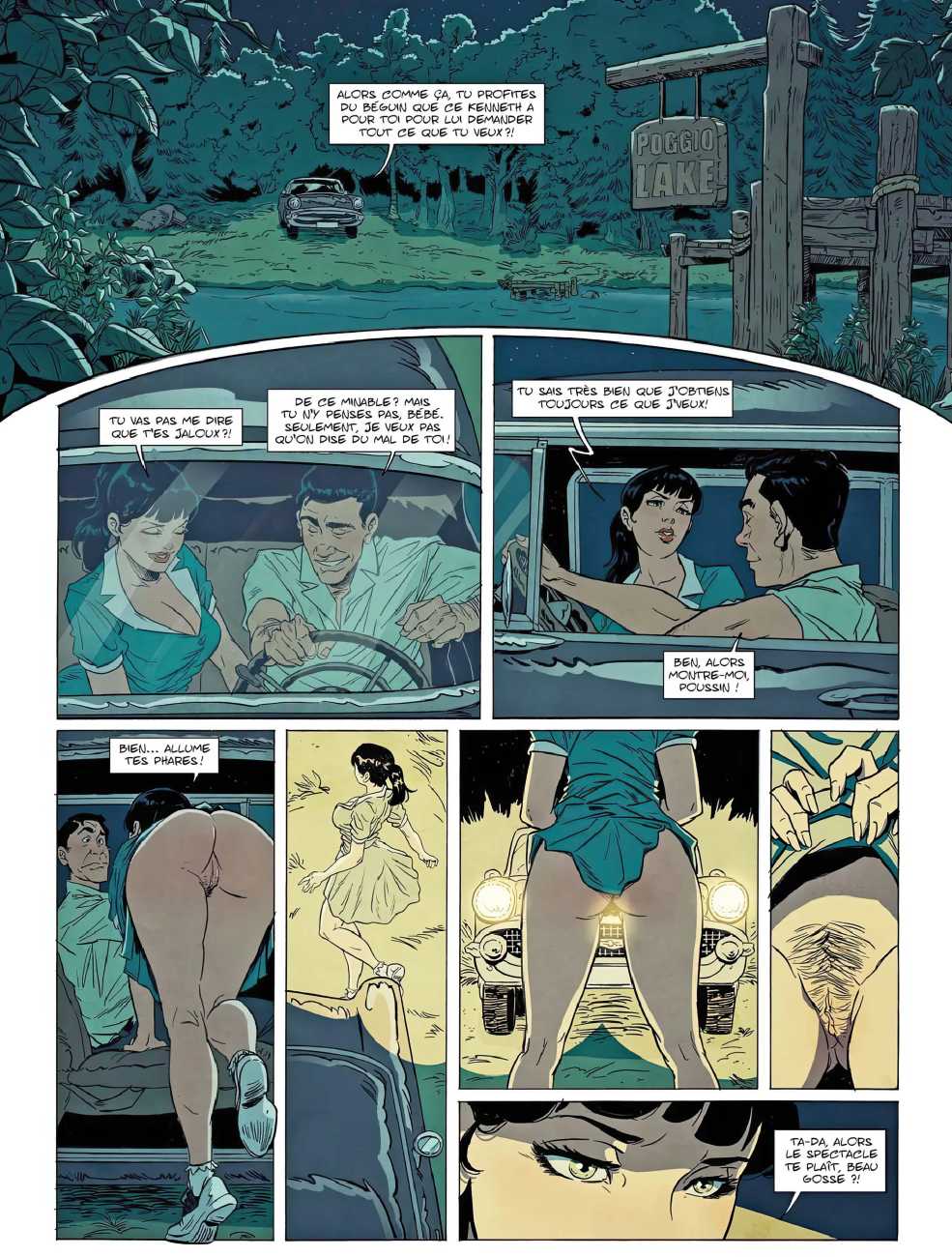
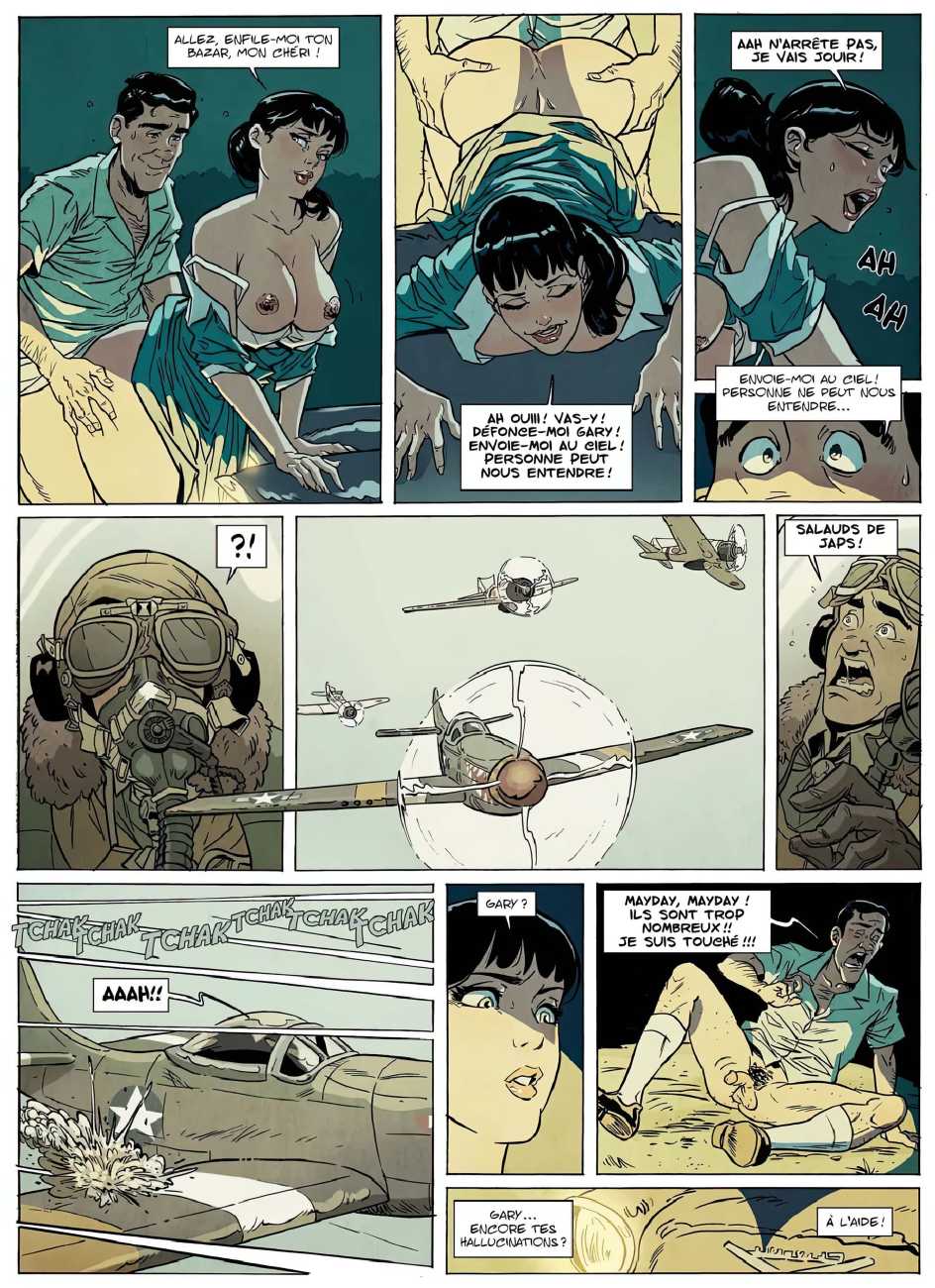
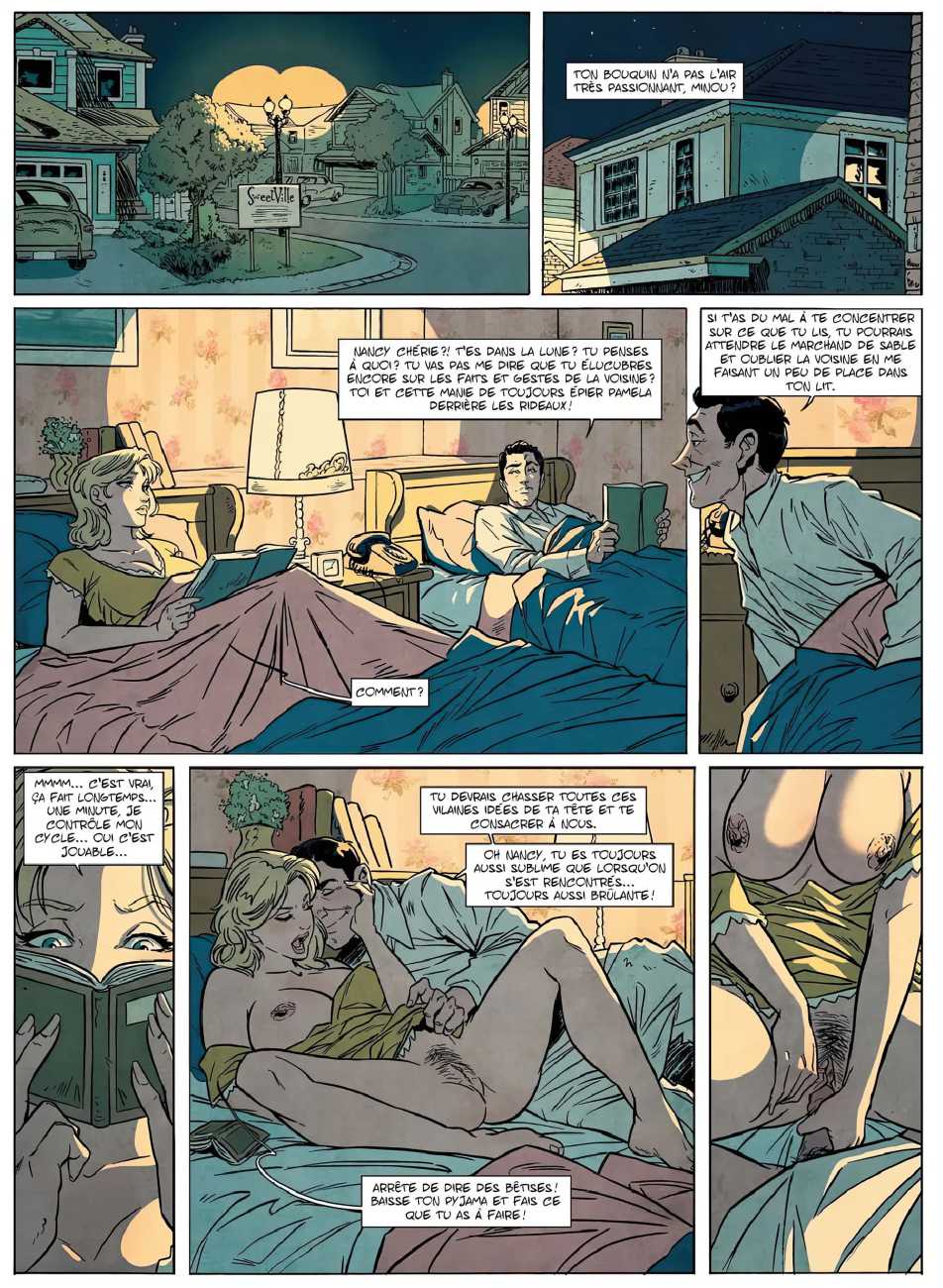
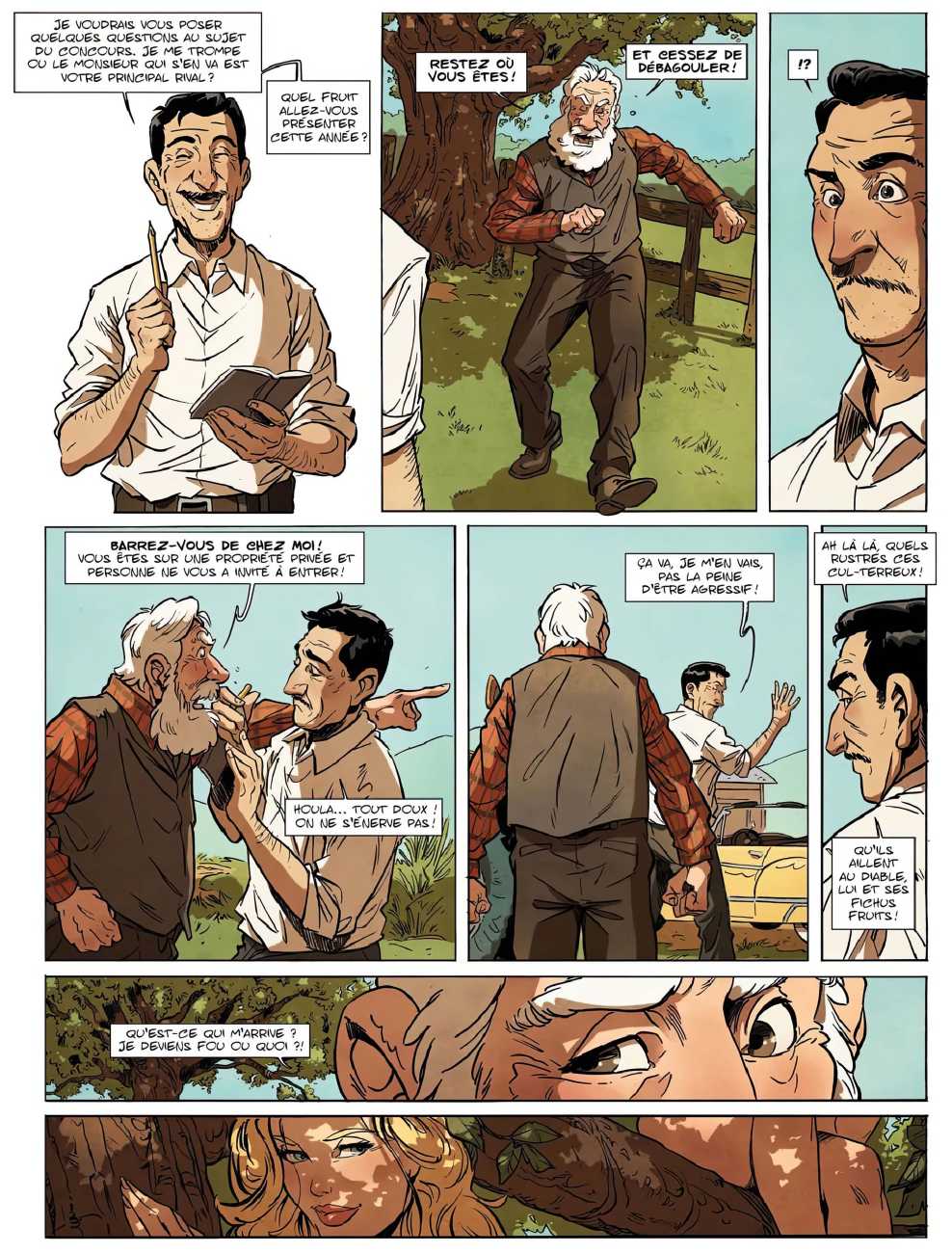
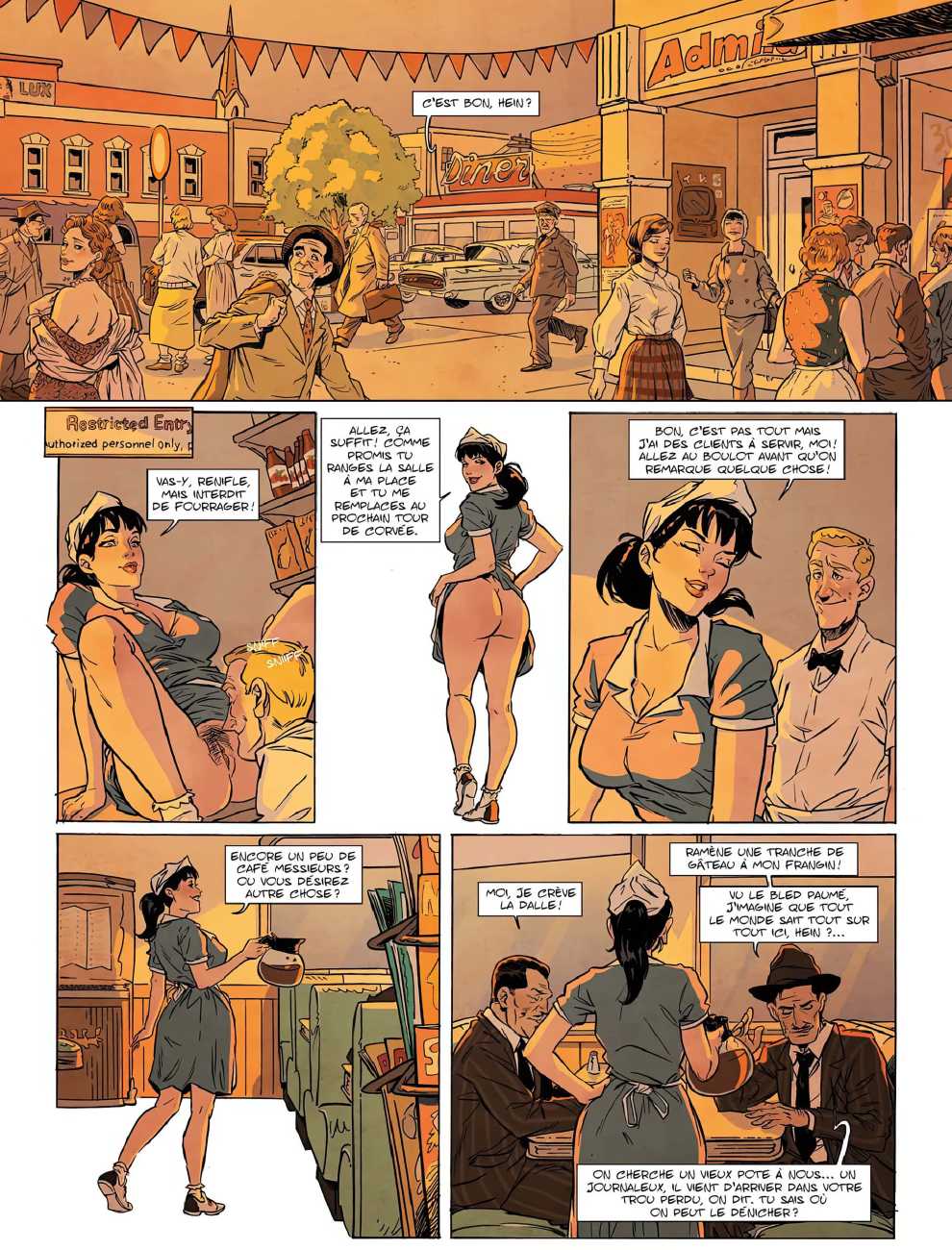
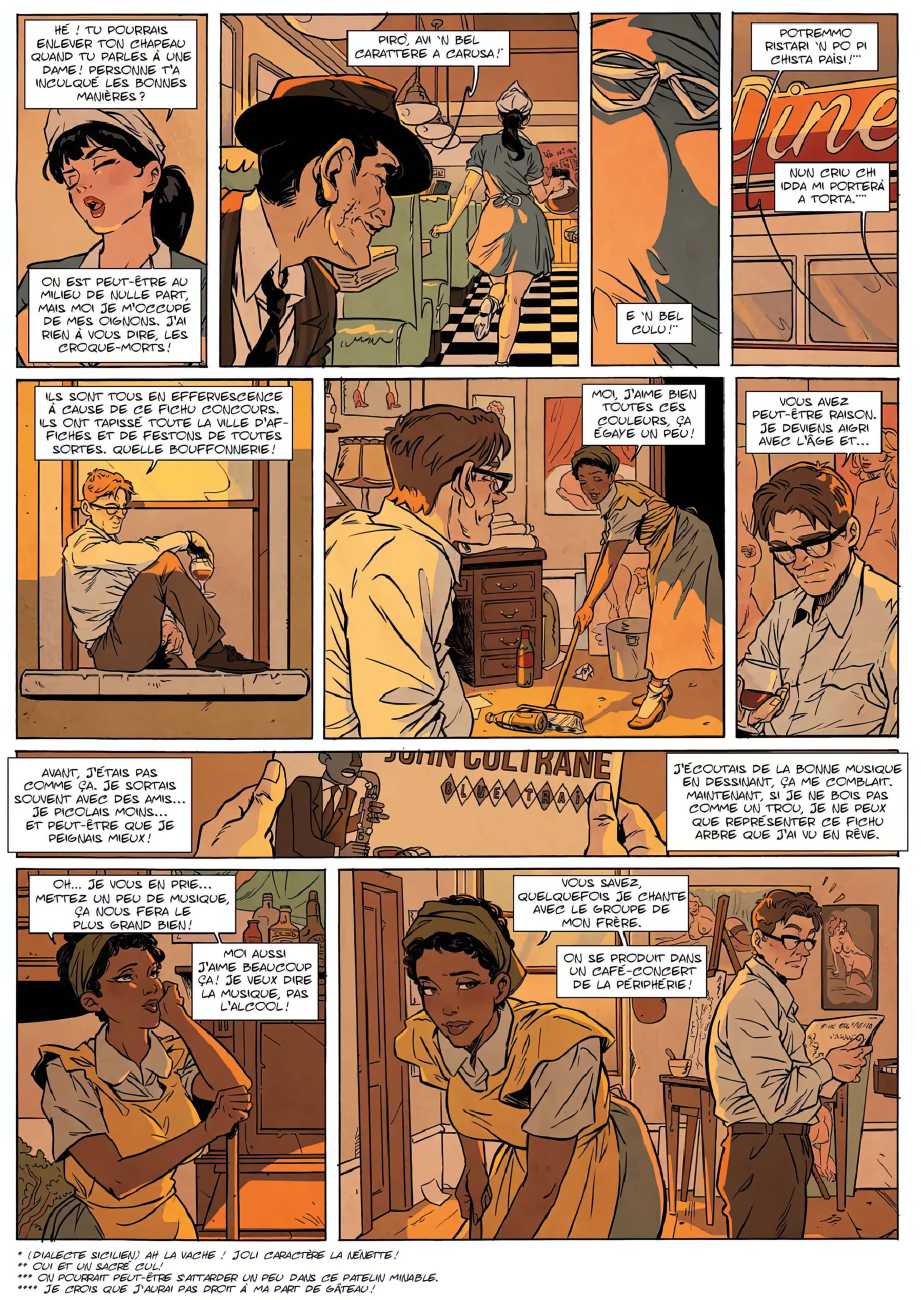
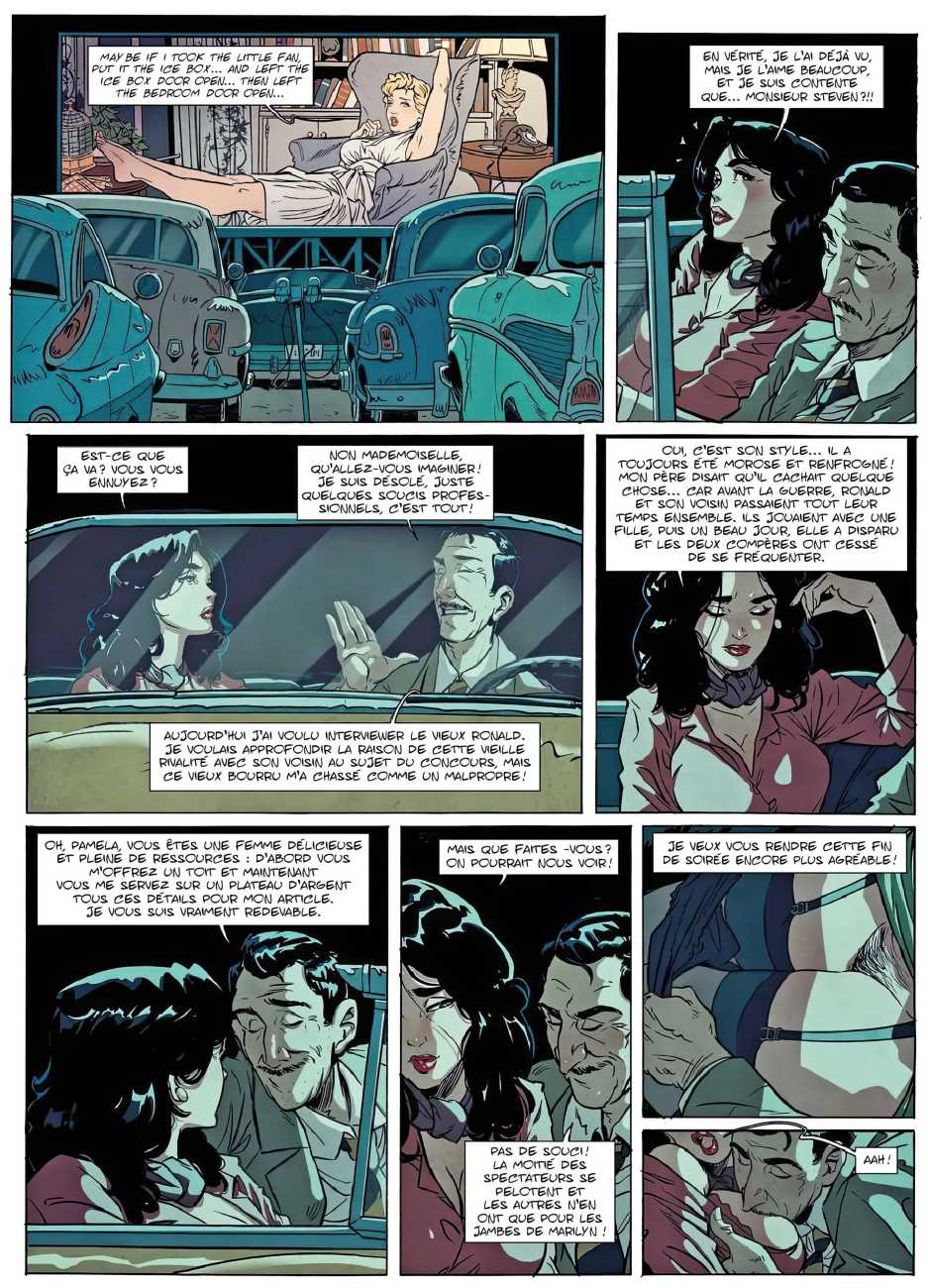
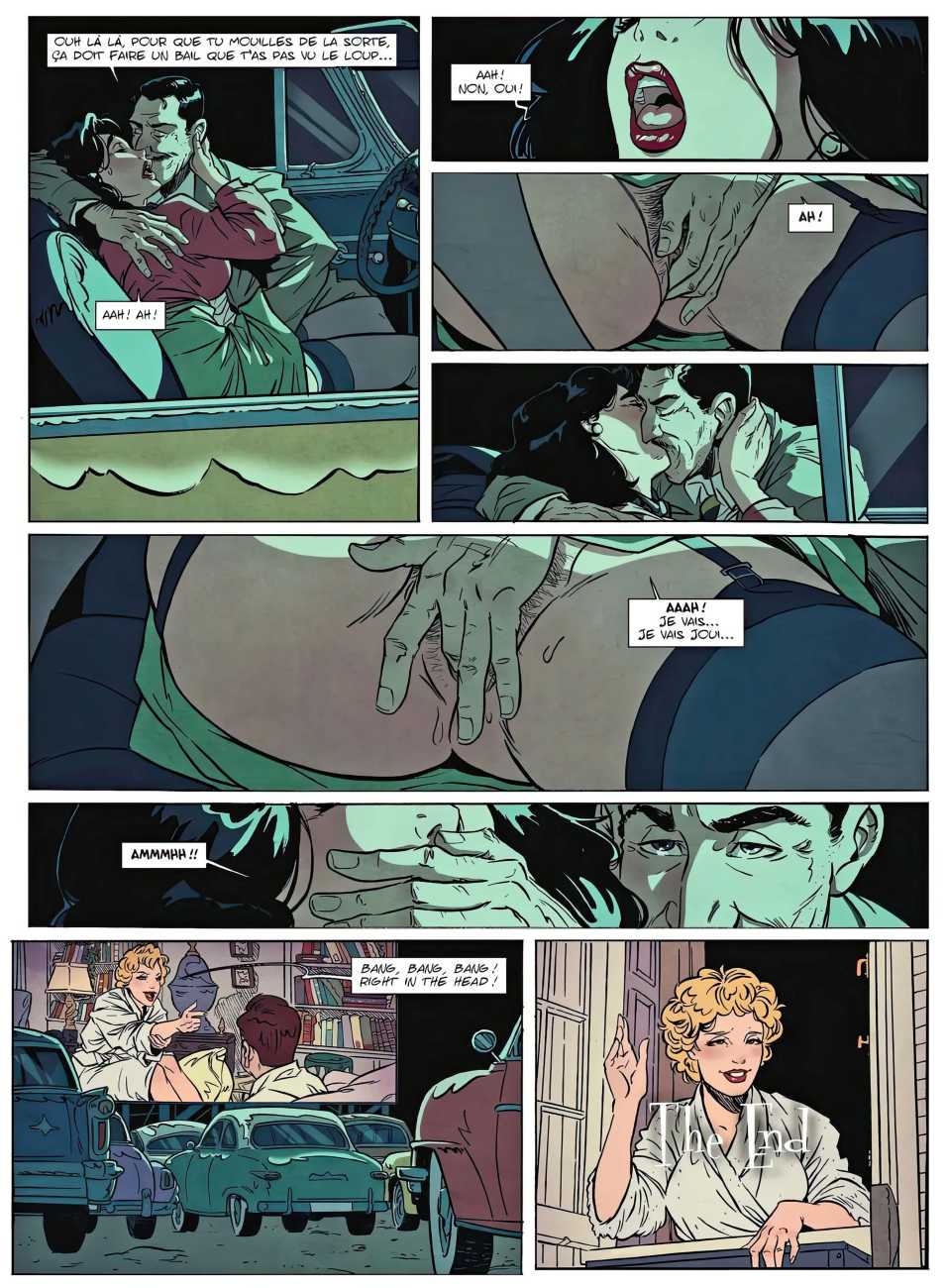
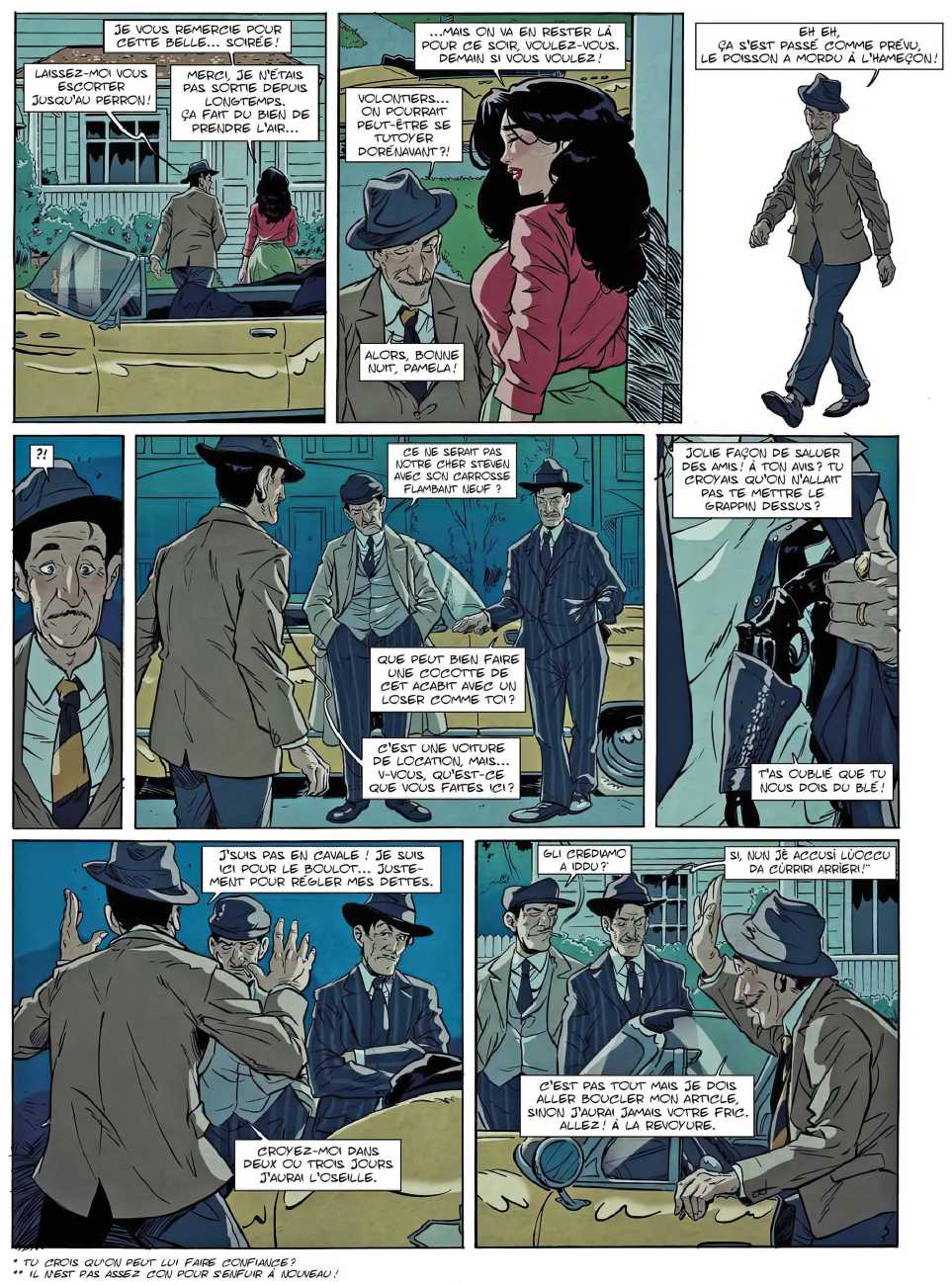
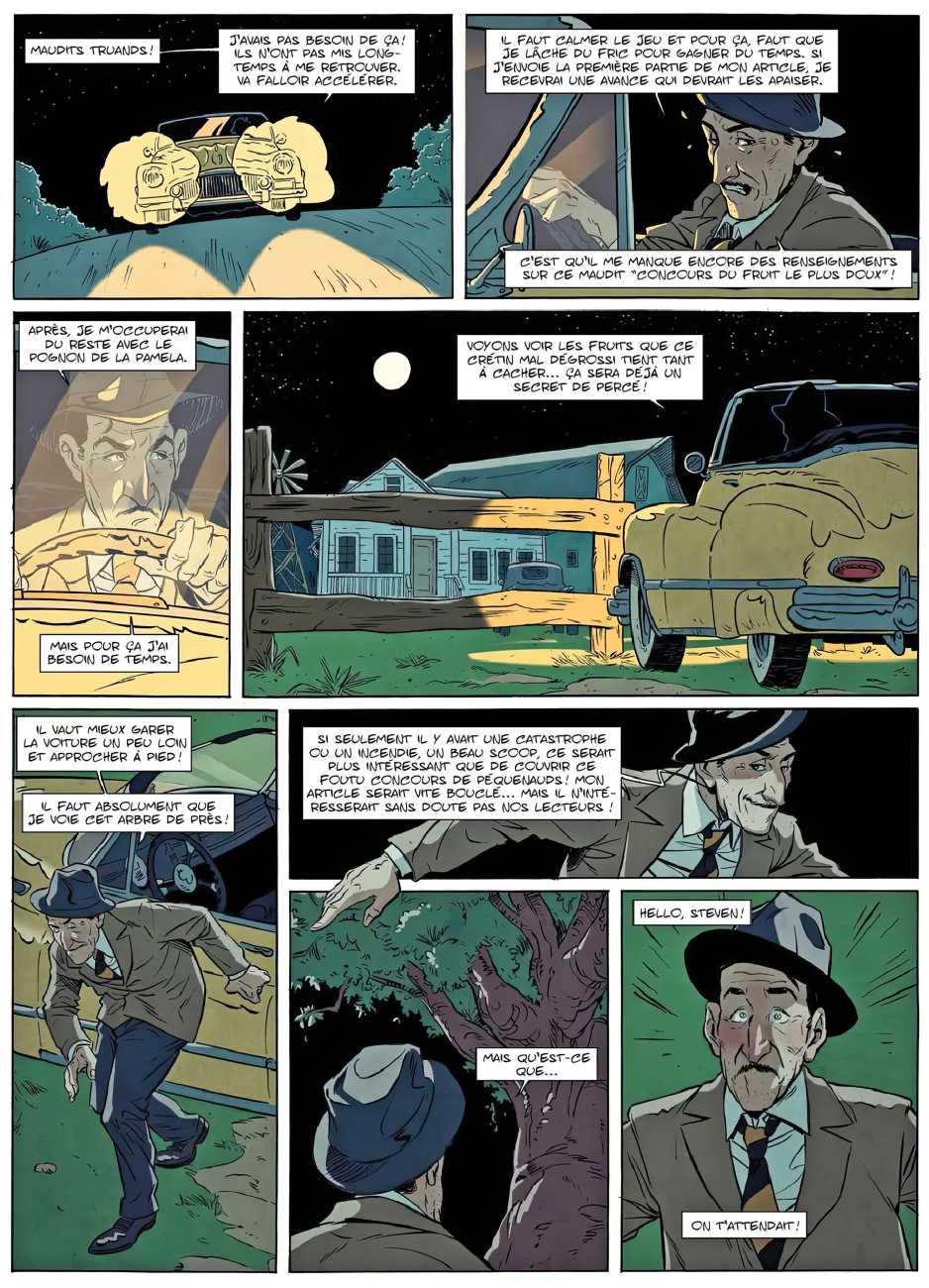
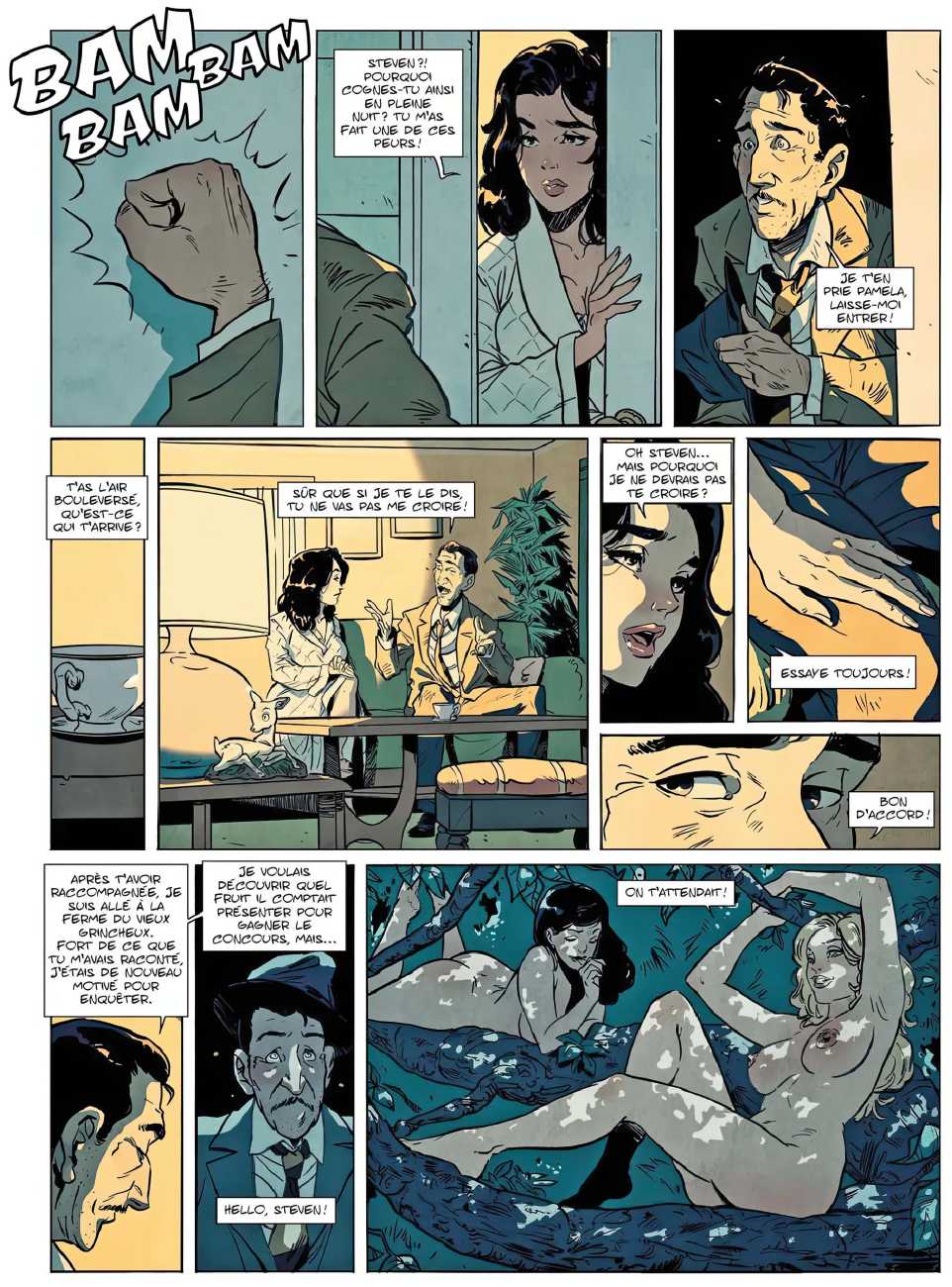
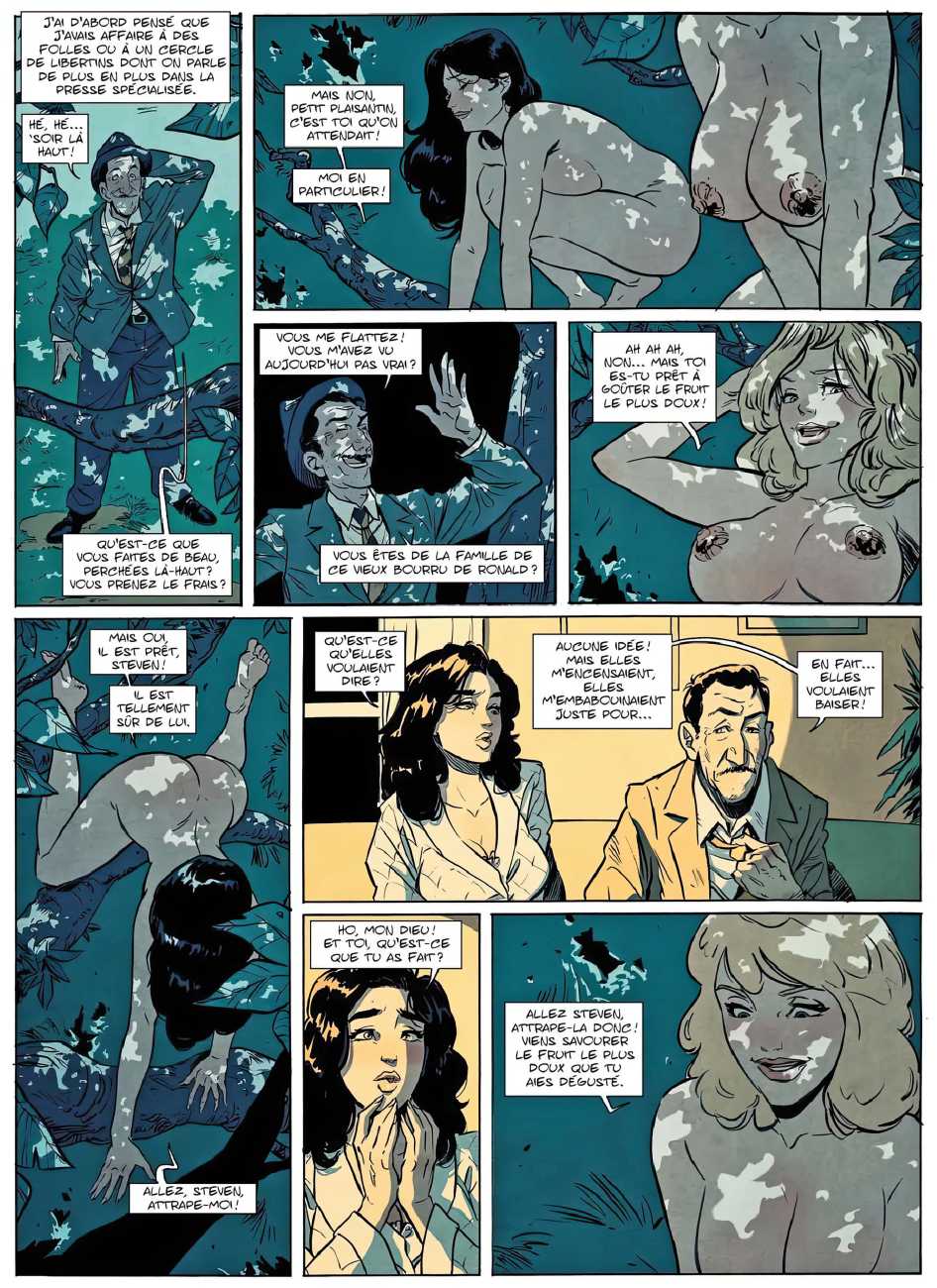
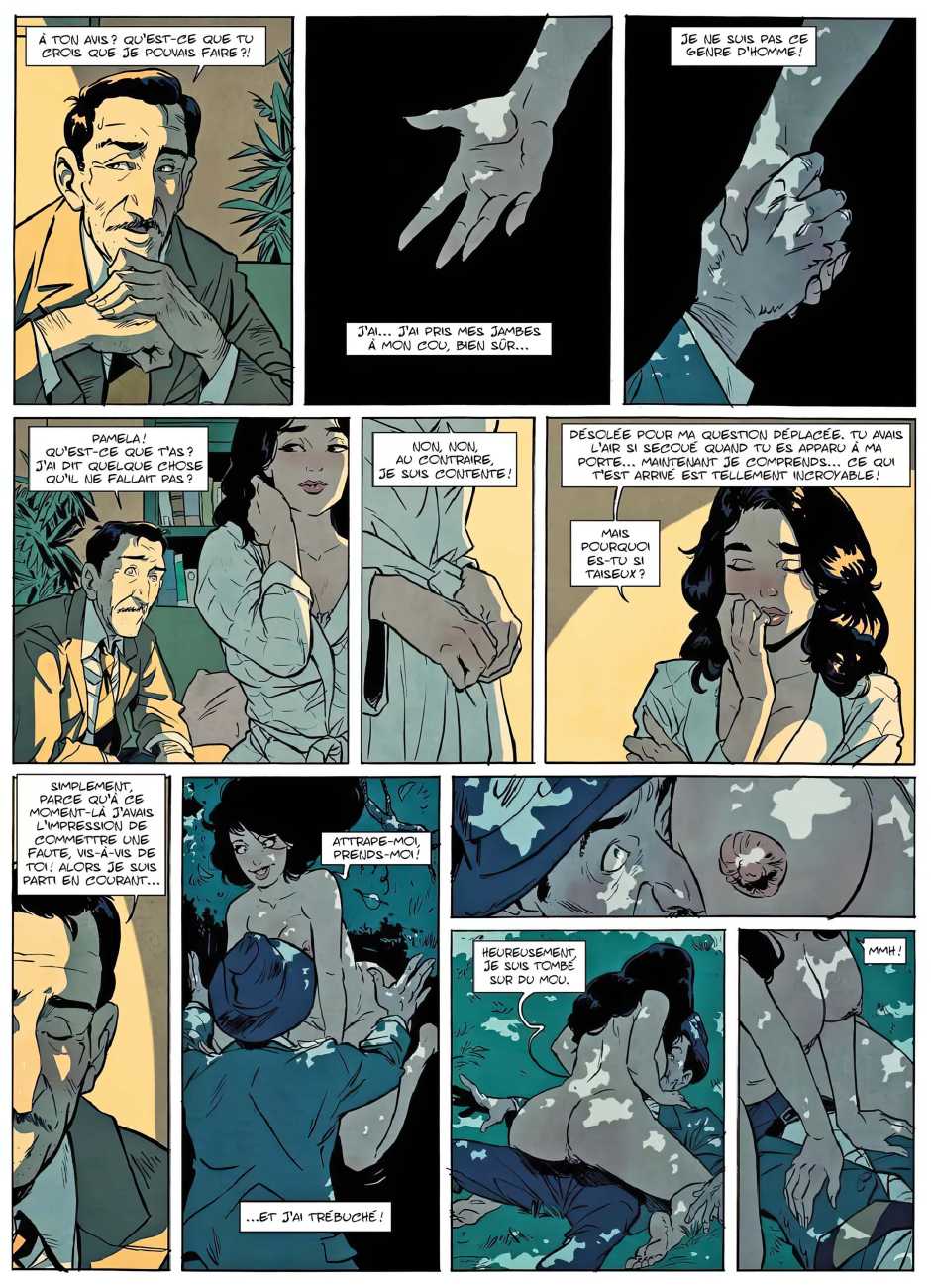
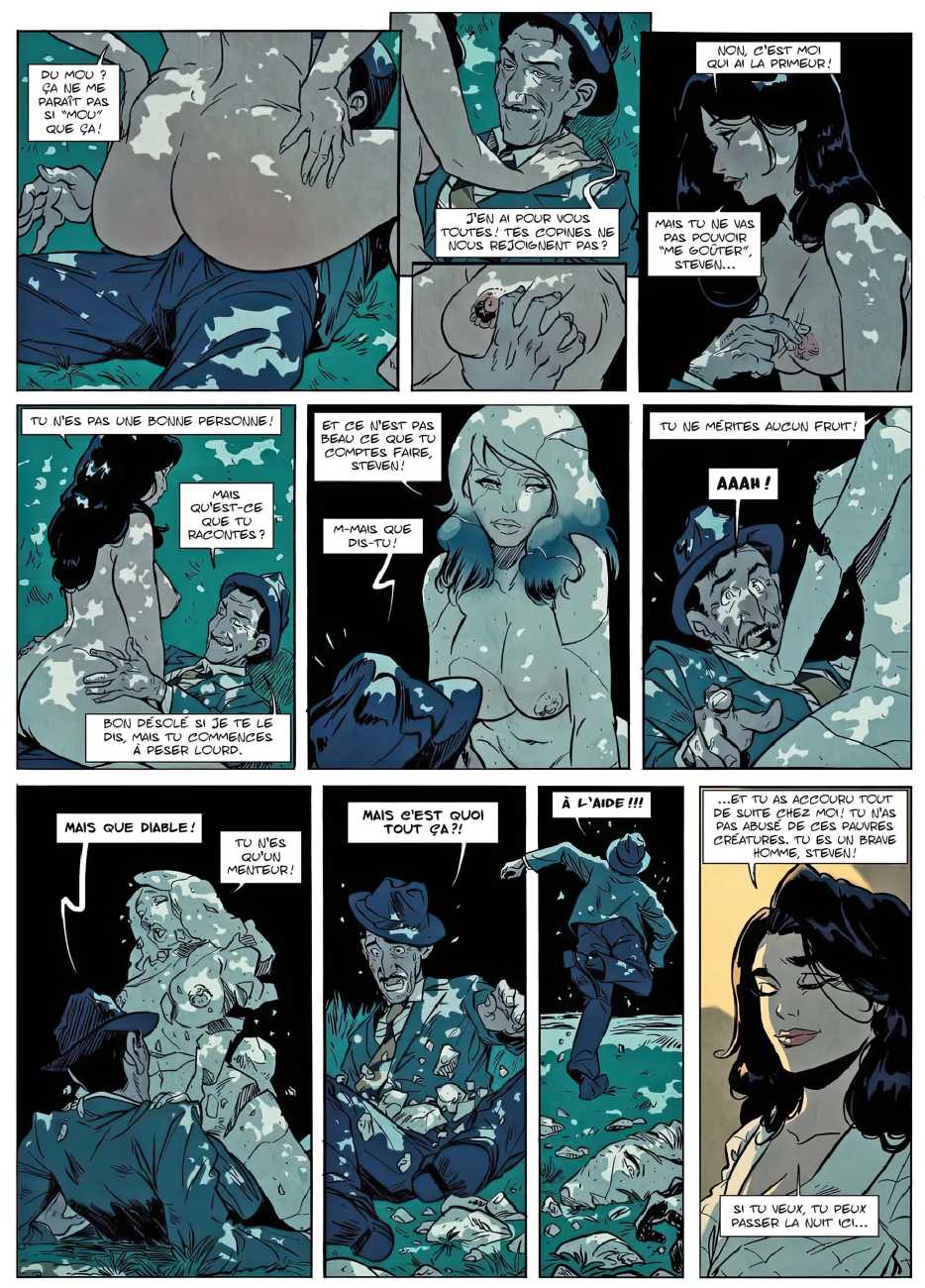
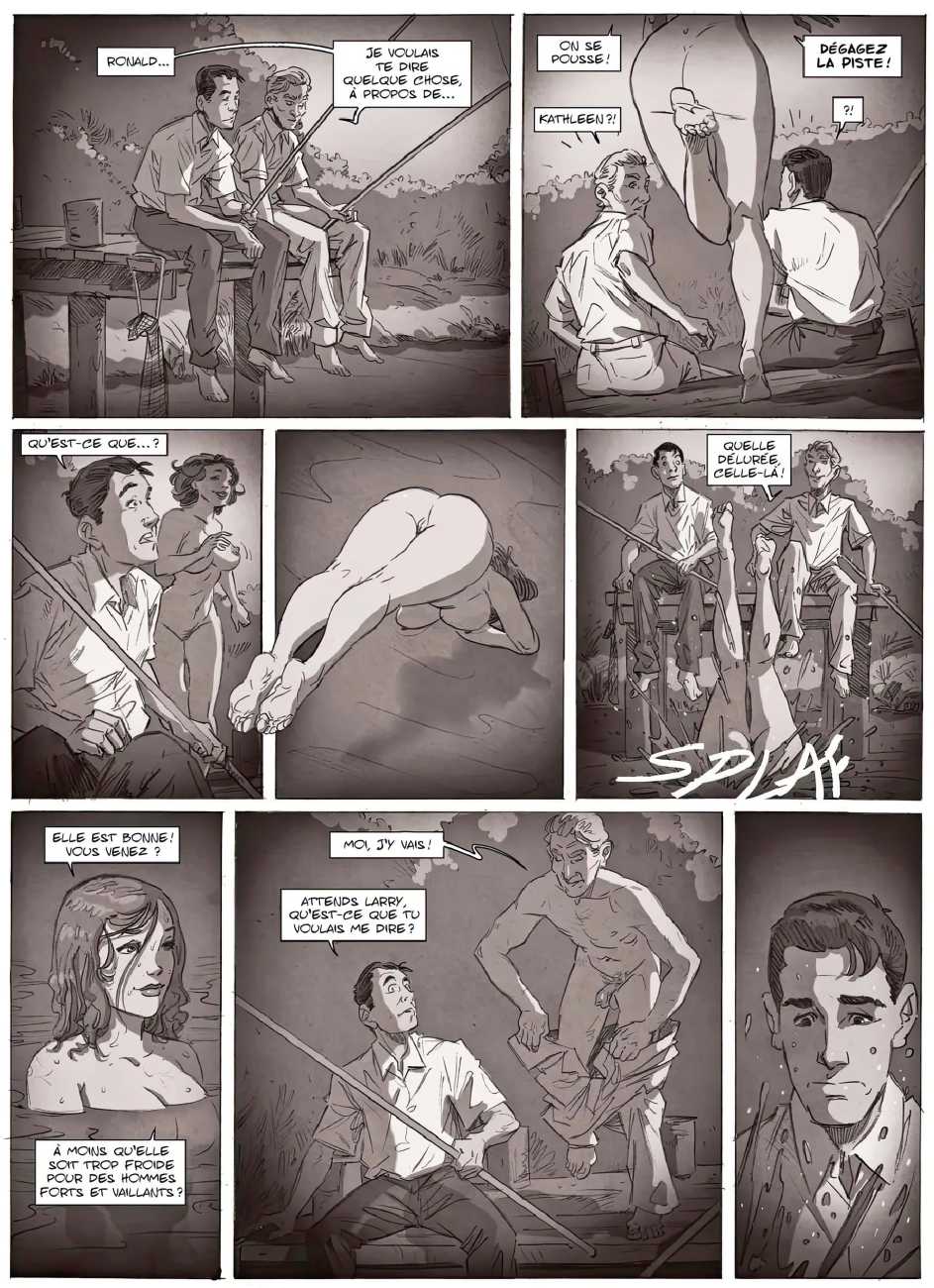
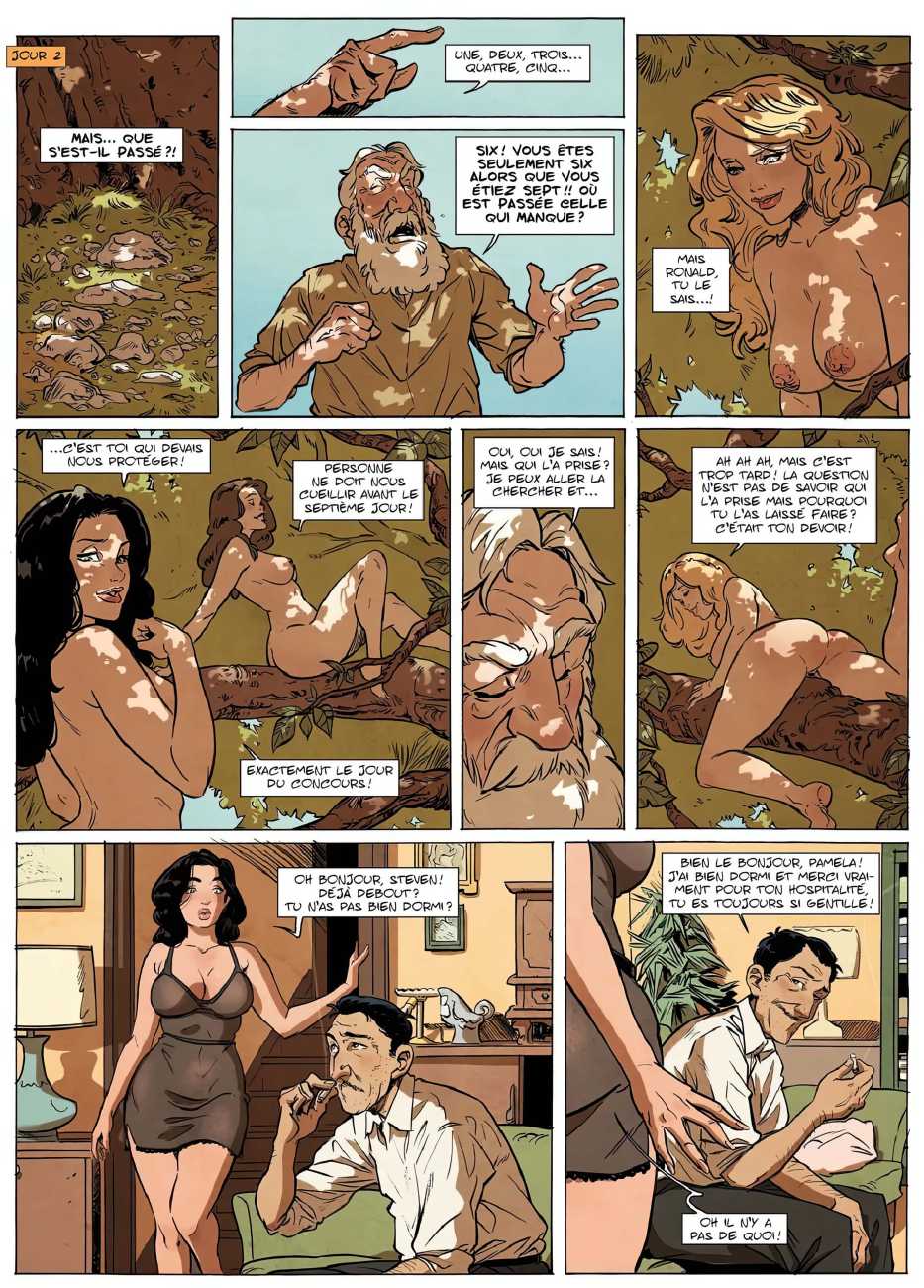
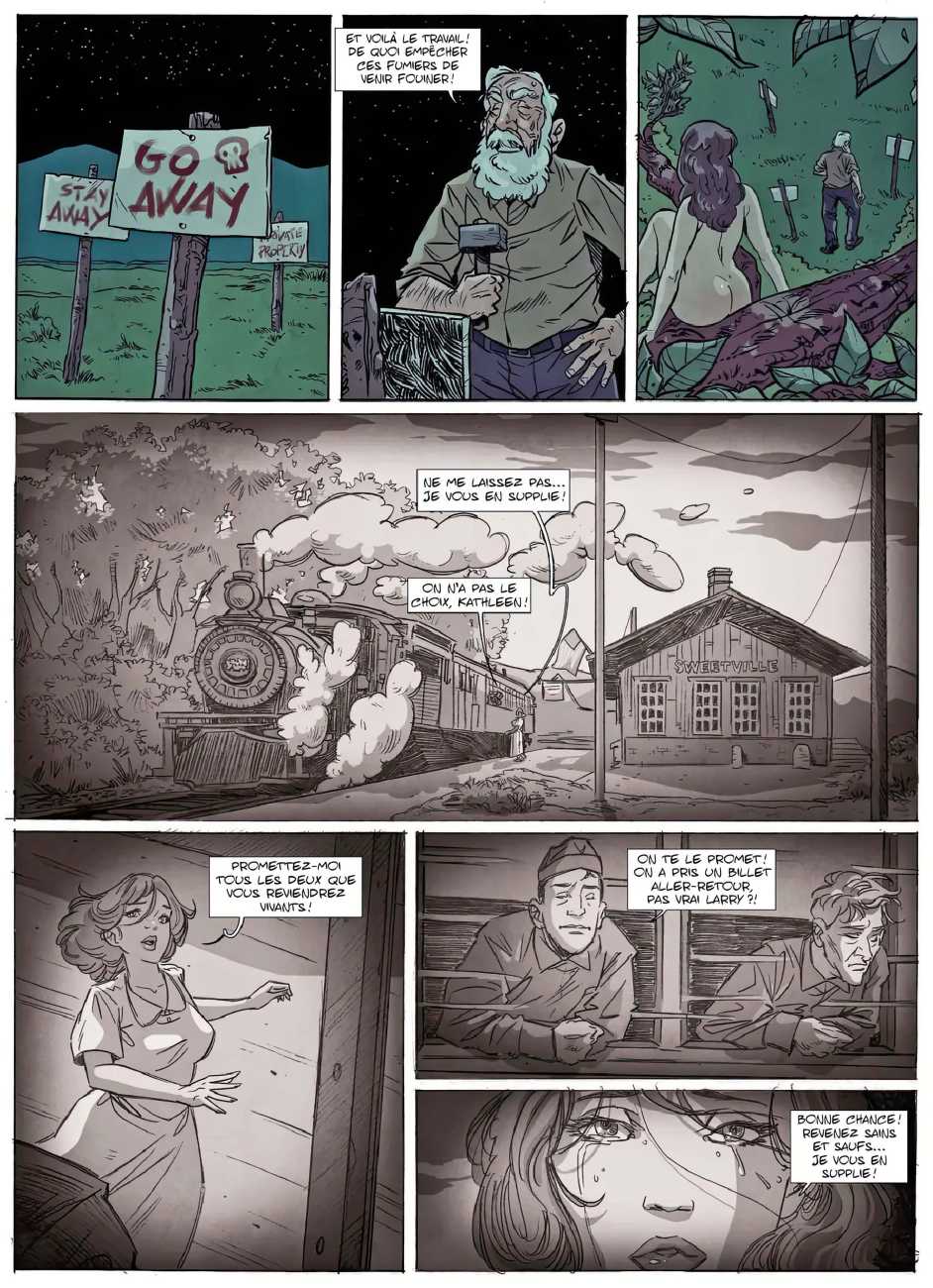
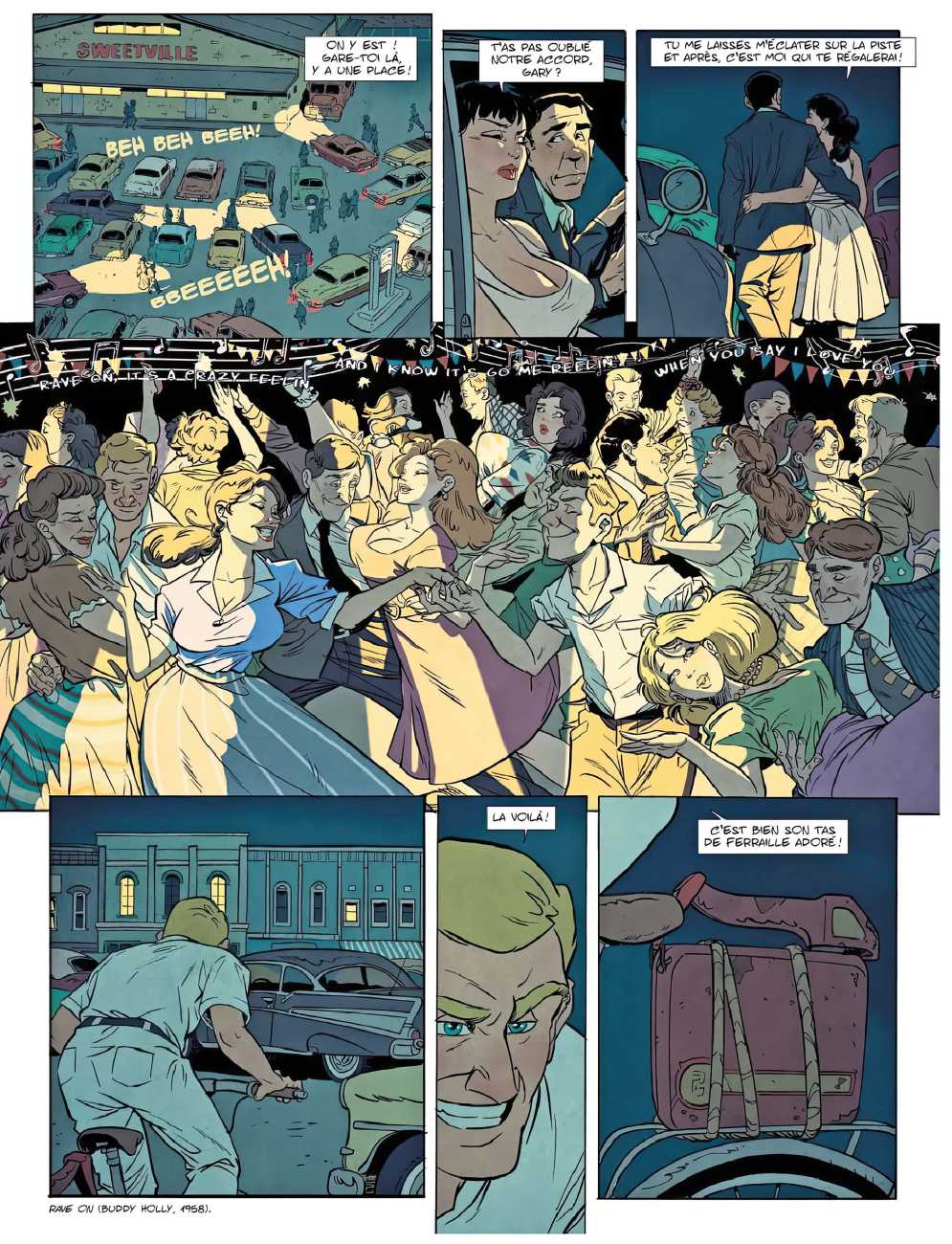
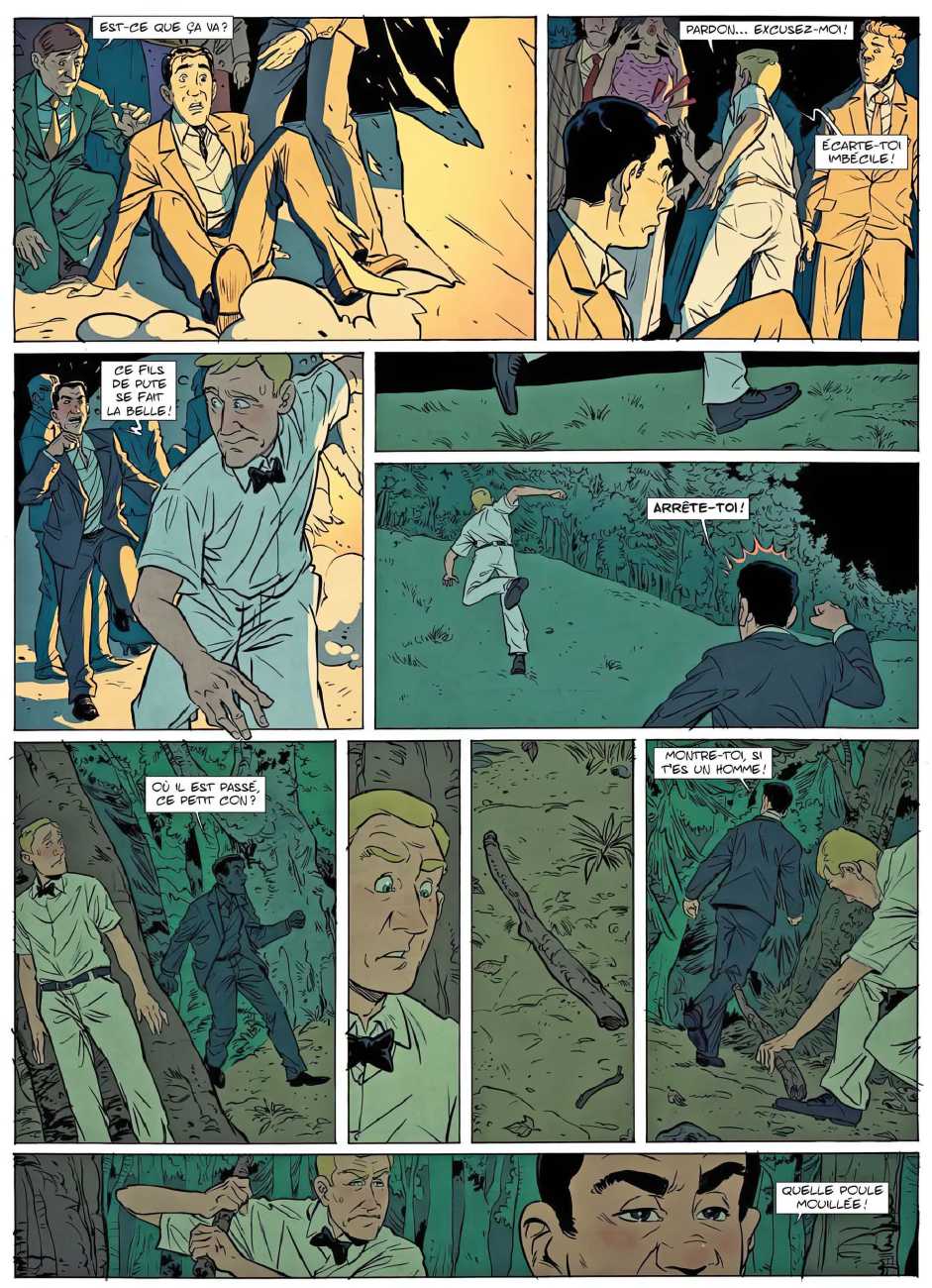
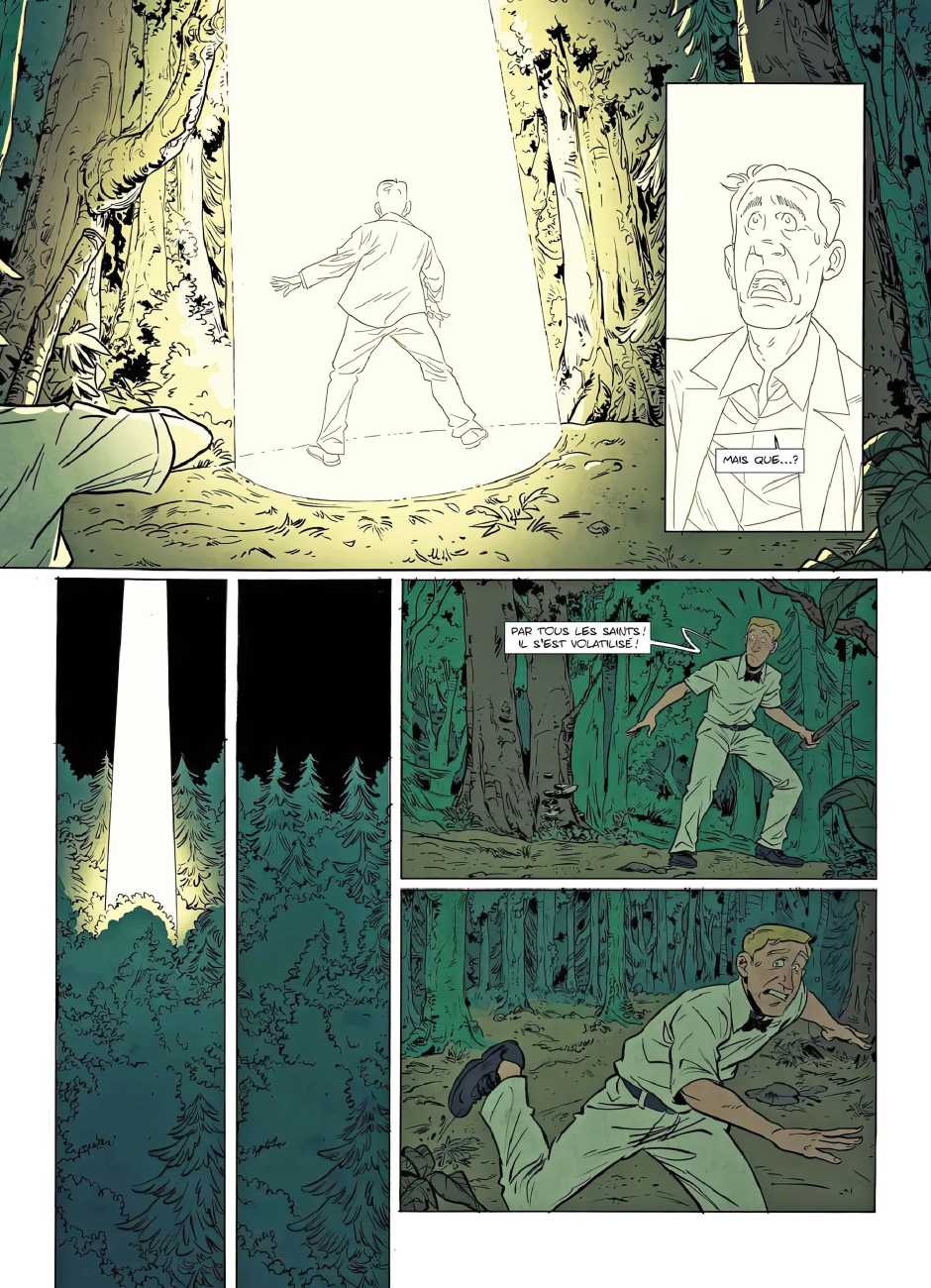
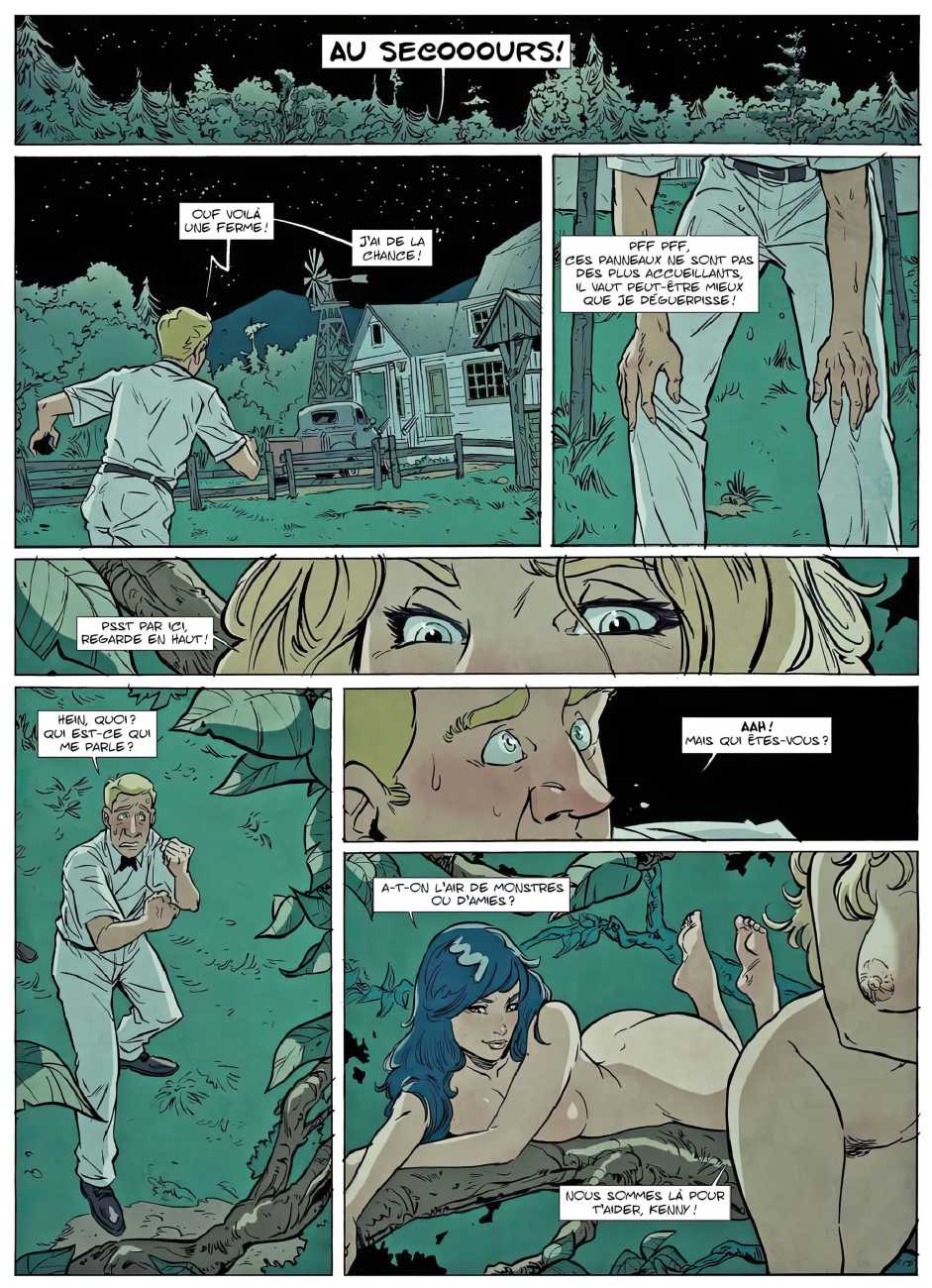
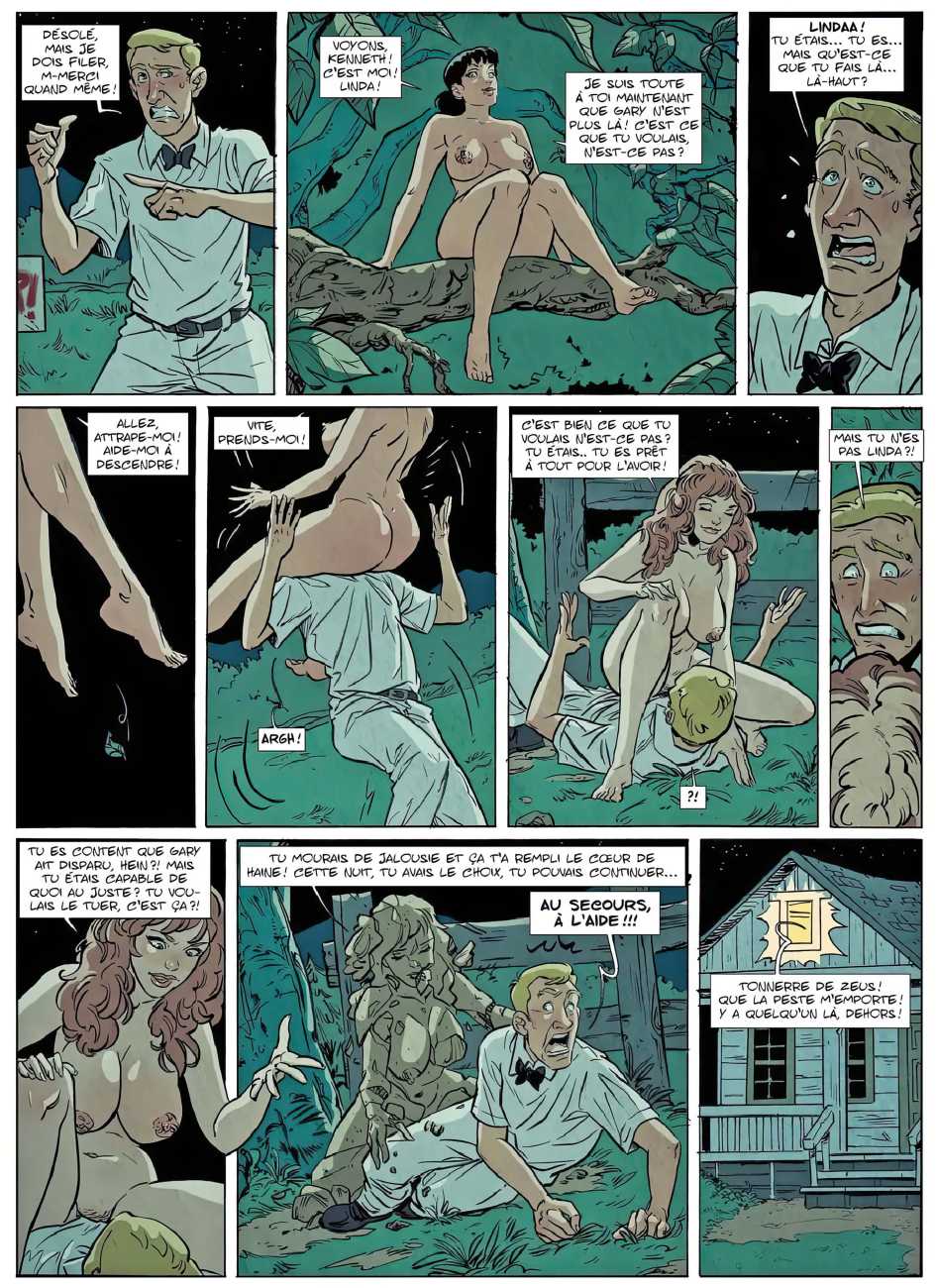
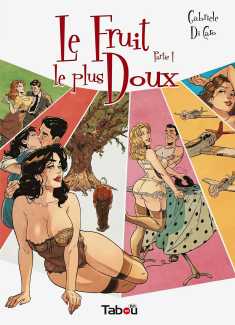
 Sweetville is a small town in post-war America, preparing for its annual celebration and its rather unusual highlight, a competition to grow the sweetest fruit. Ronald and Larry, two farmers and old friends, are determined to win, but their rivalry soon develops into something considerably more serious.
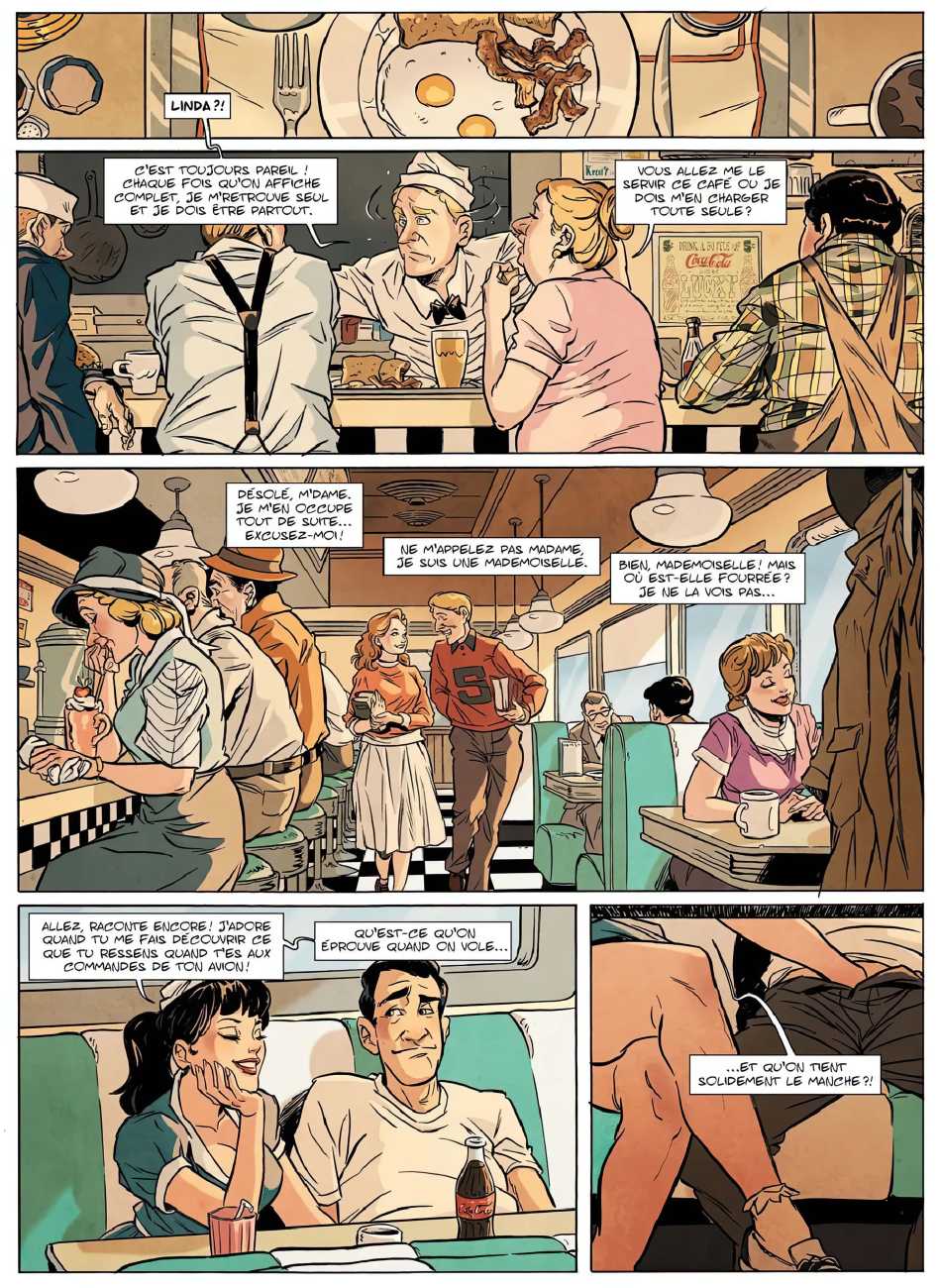
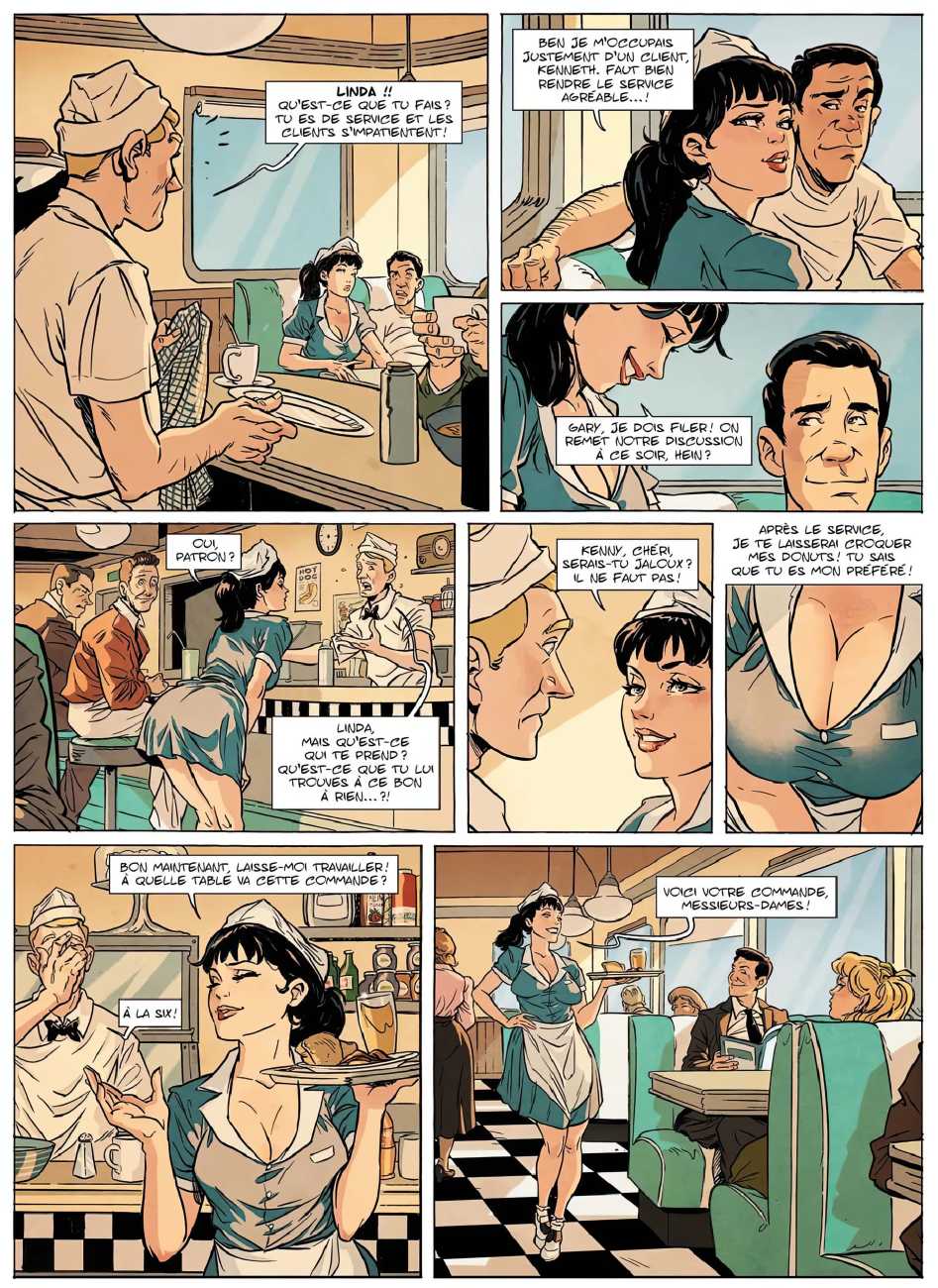
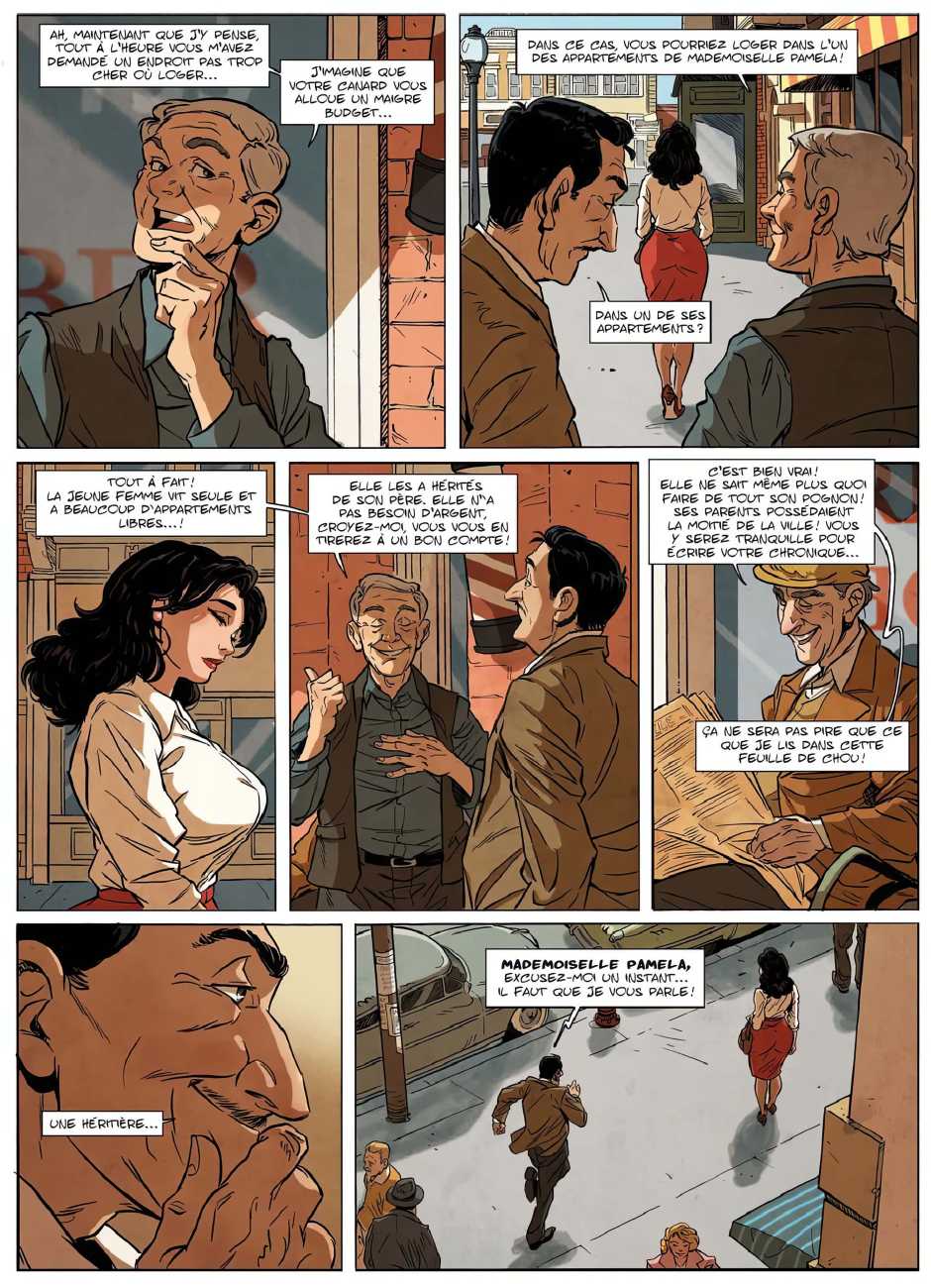
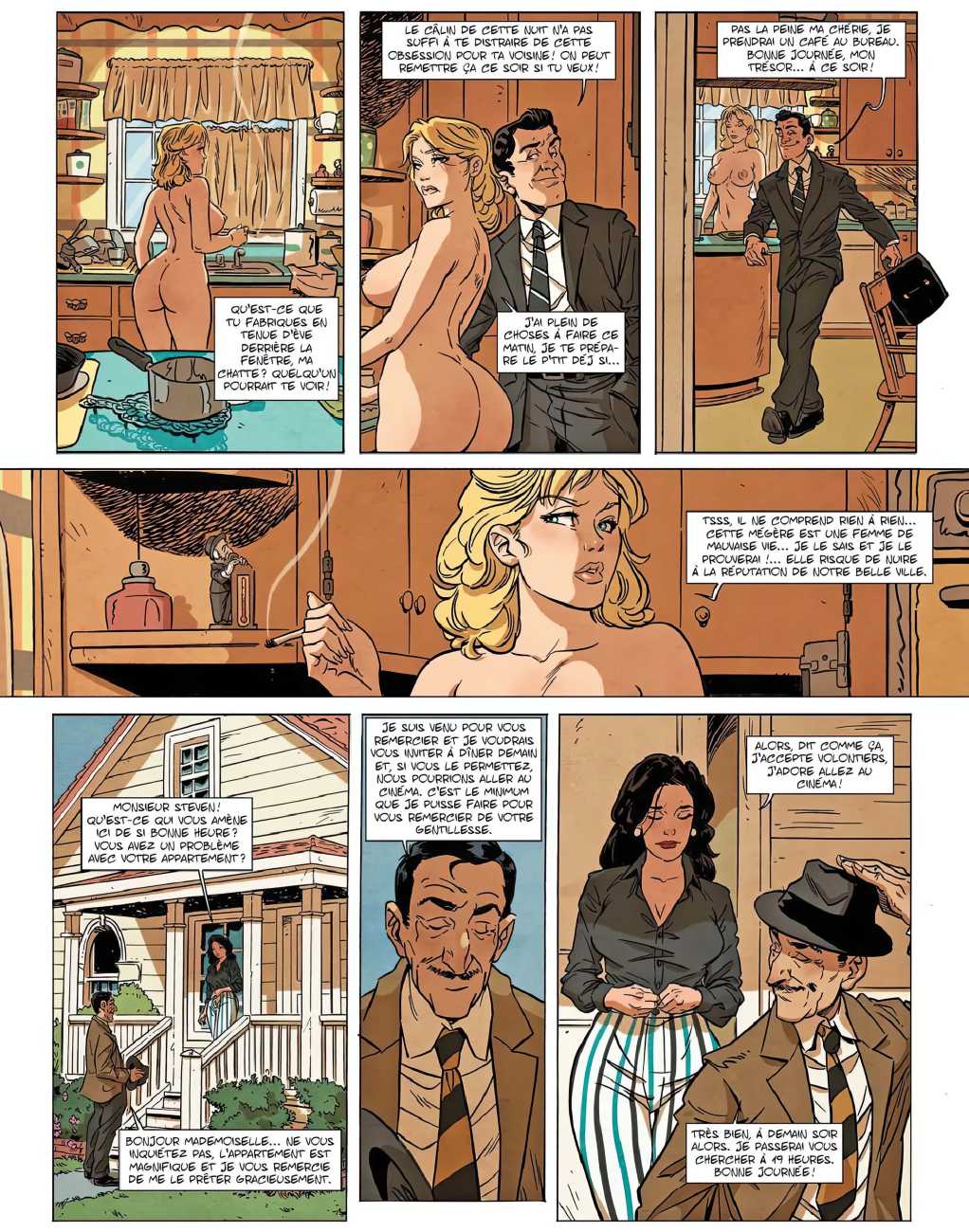
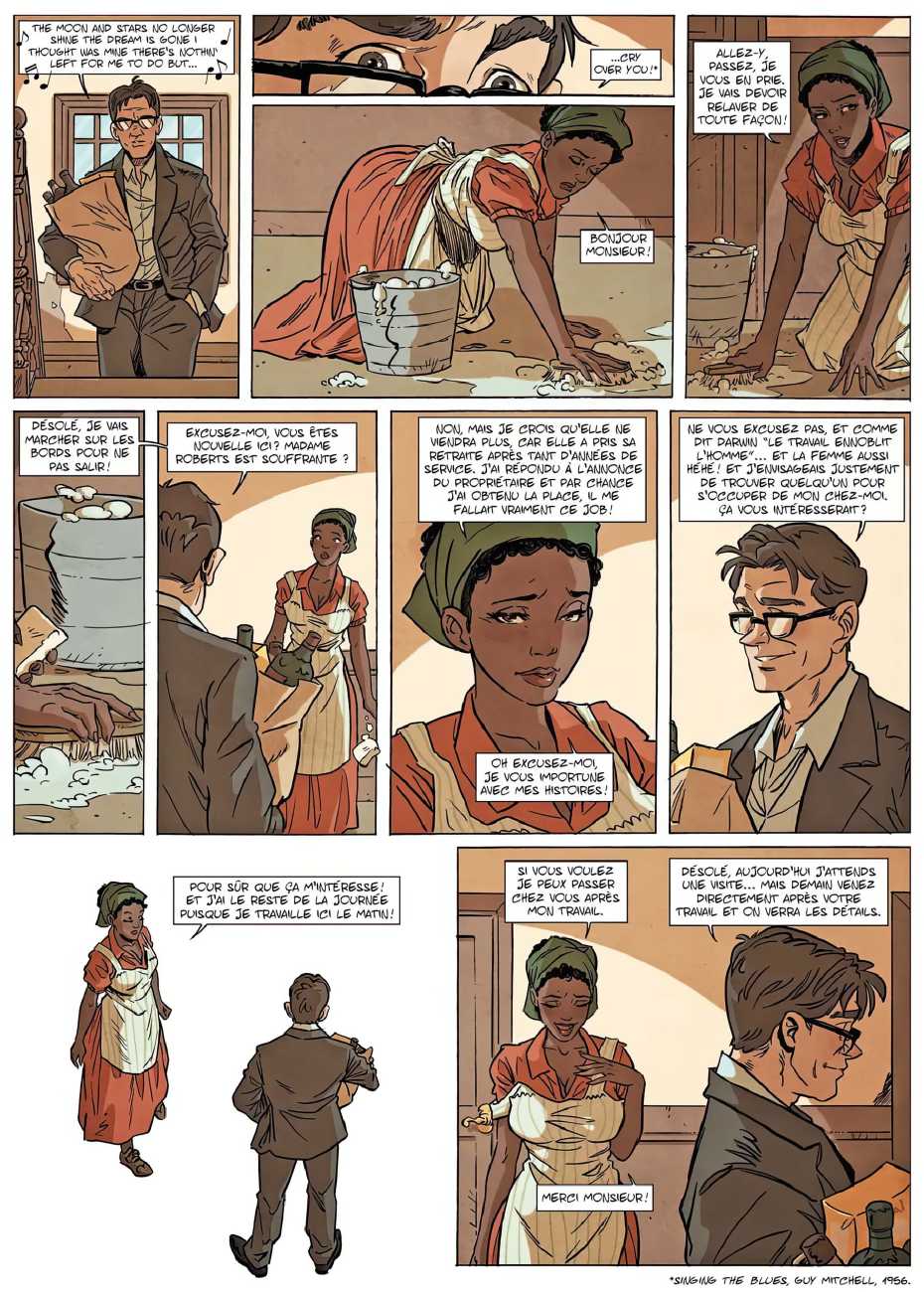
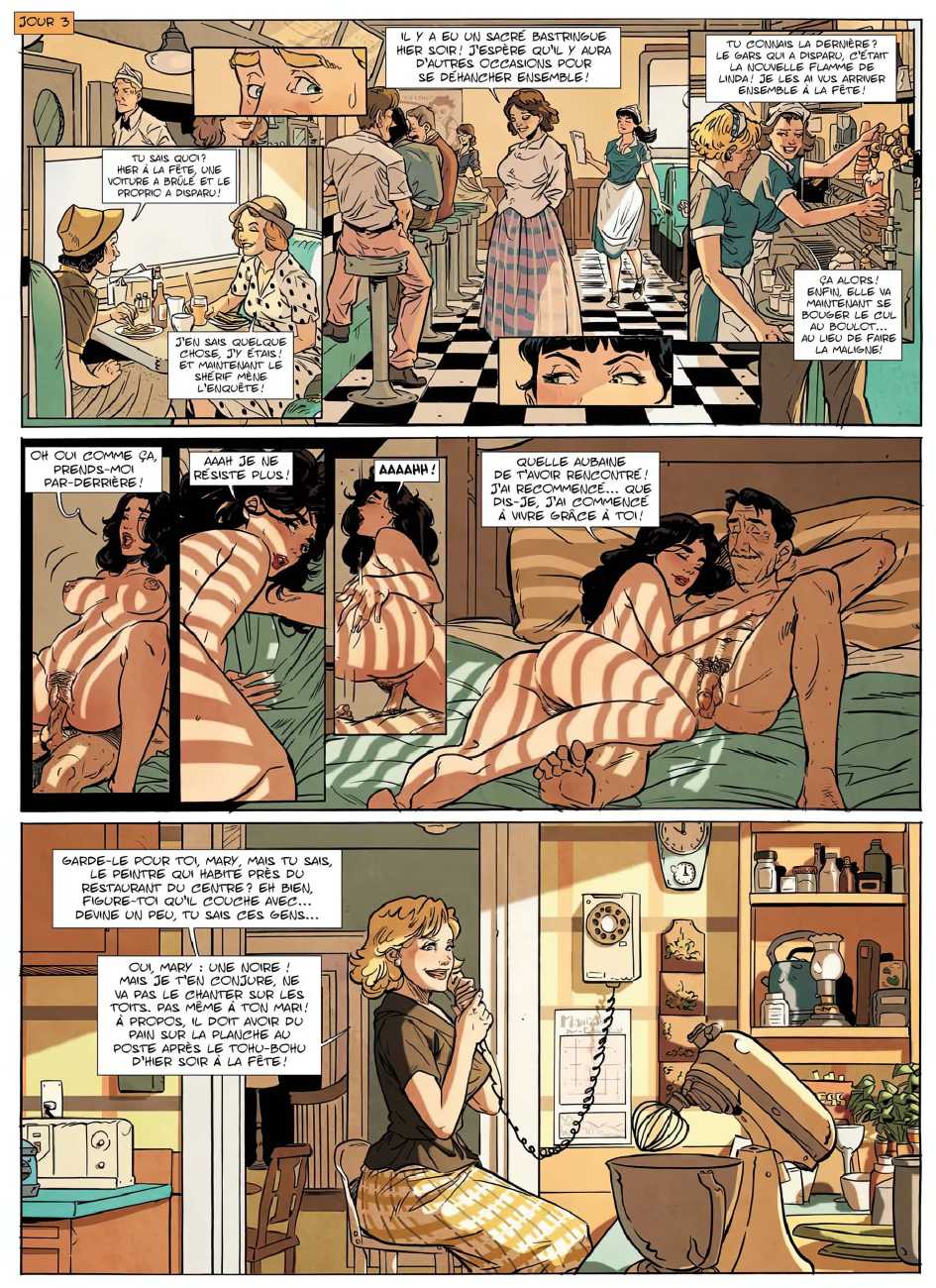
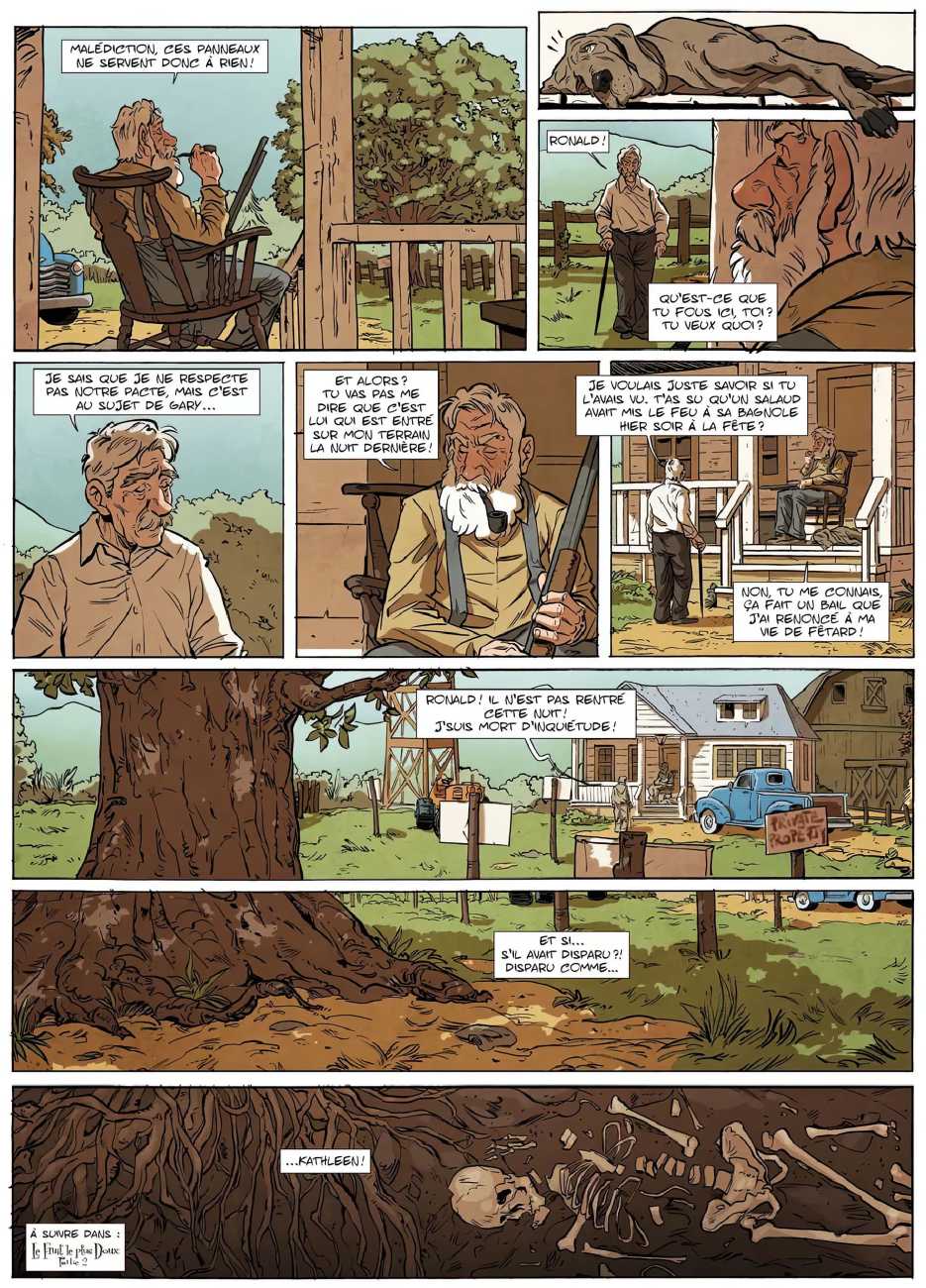
Gabriele Di Caro’s two-part graphic story Le fruit le plus doux (The Sweetest Fruit) moves from the Victorian world of Les arcanes de la Maison Fleury to an idealised but distinctly more complicated vision of 1950s rural America. The first volume introduces Sweetville and its inhabitants, while gradually revealing the tensions beneath its respectable surface.
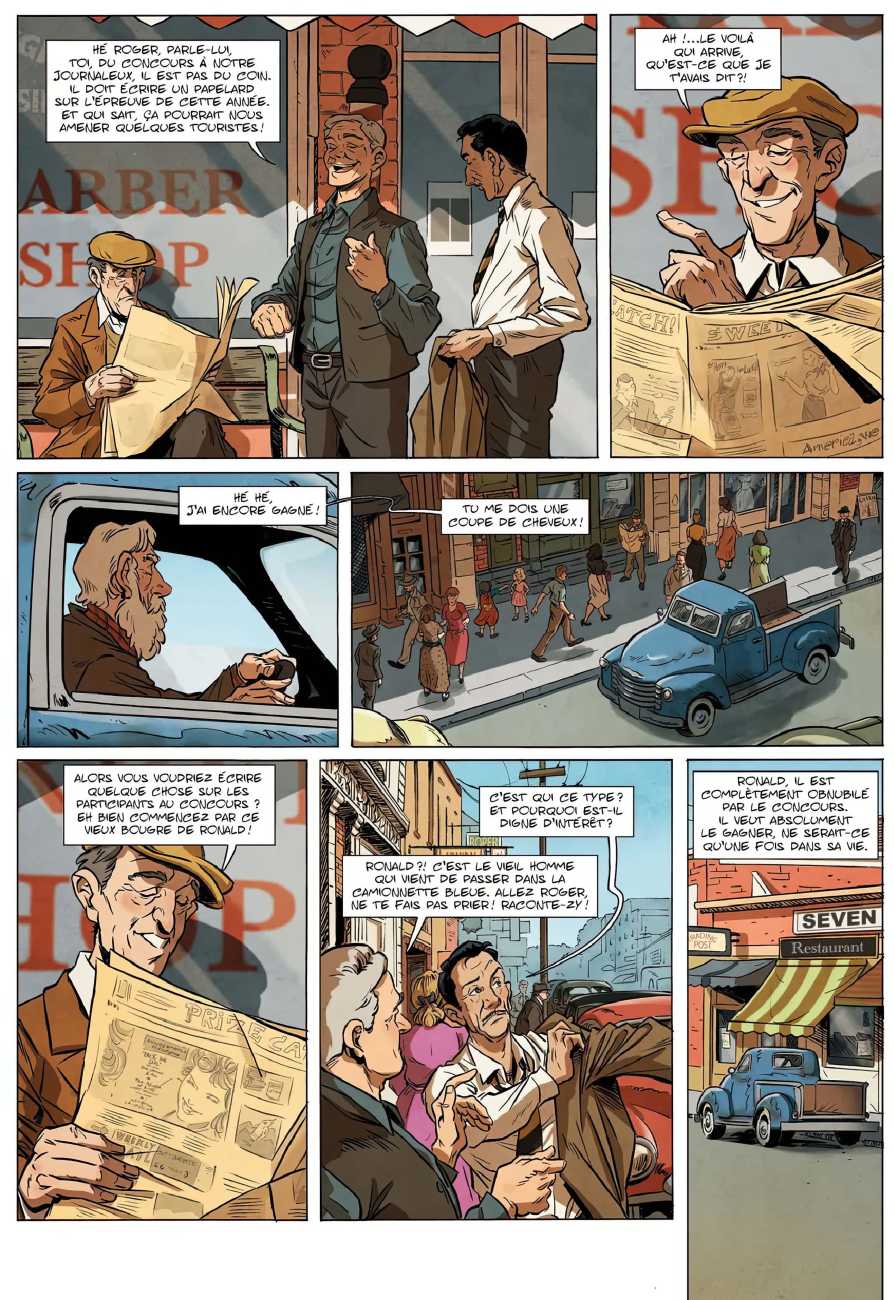
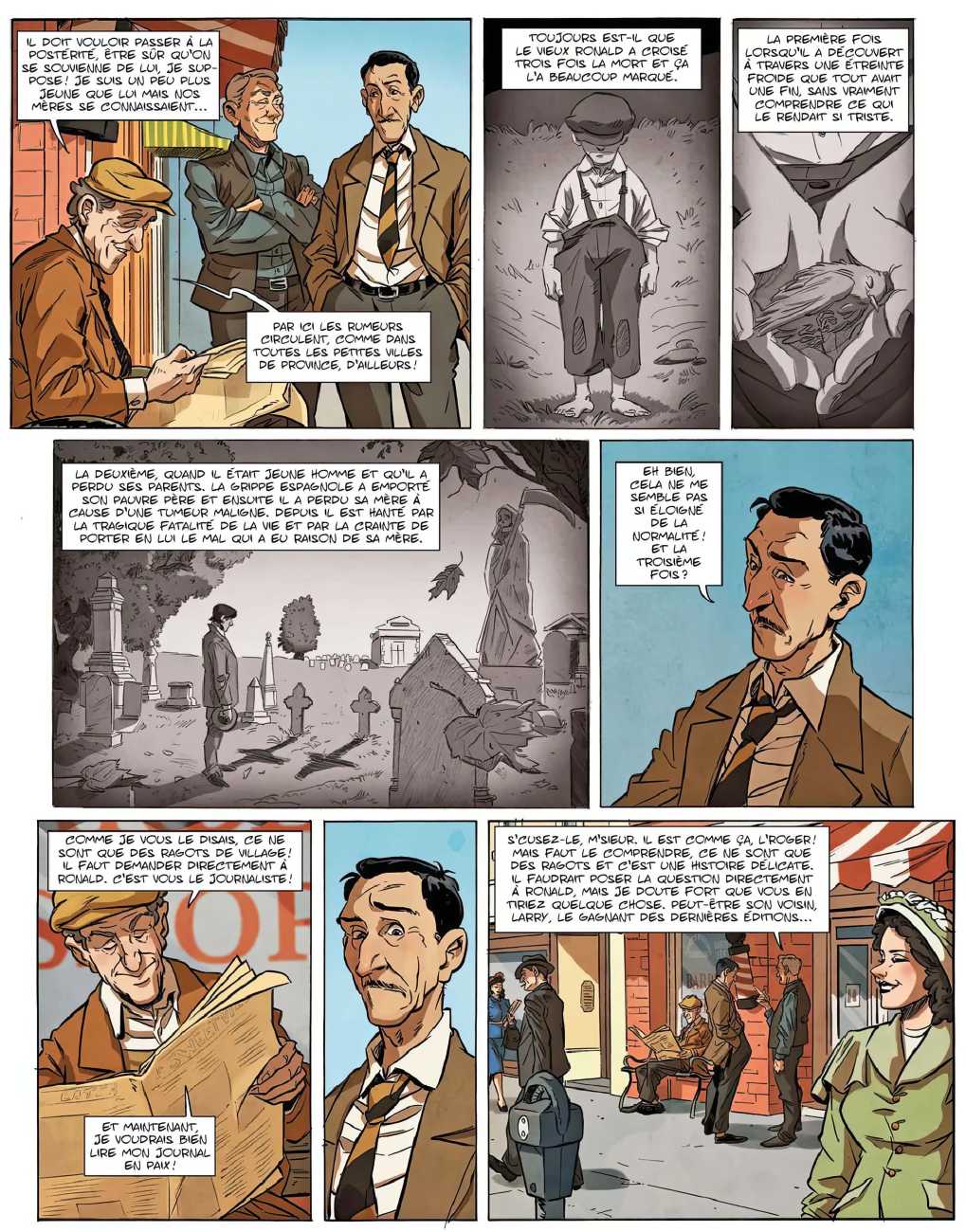
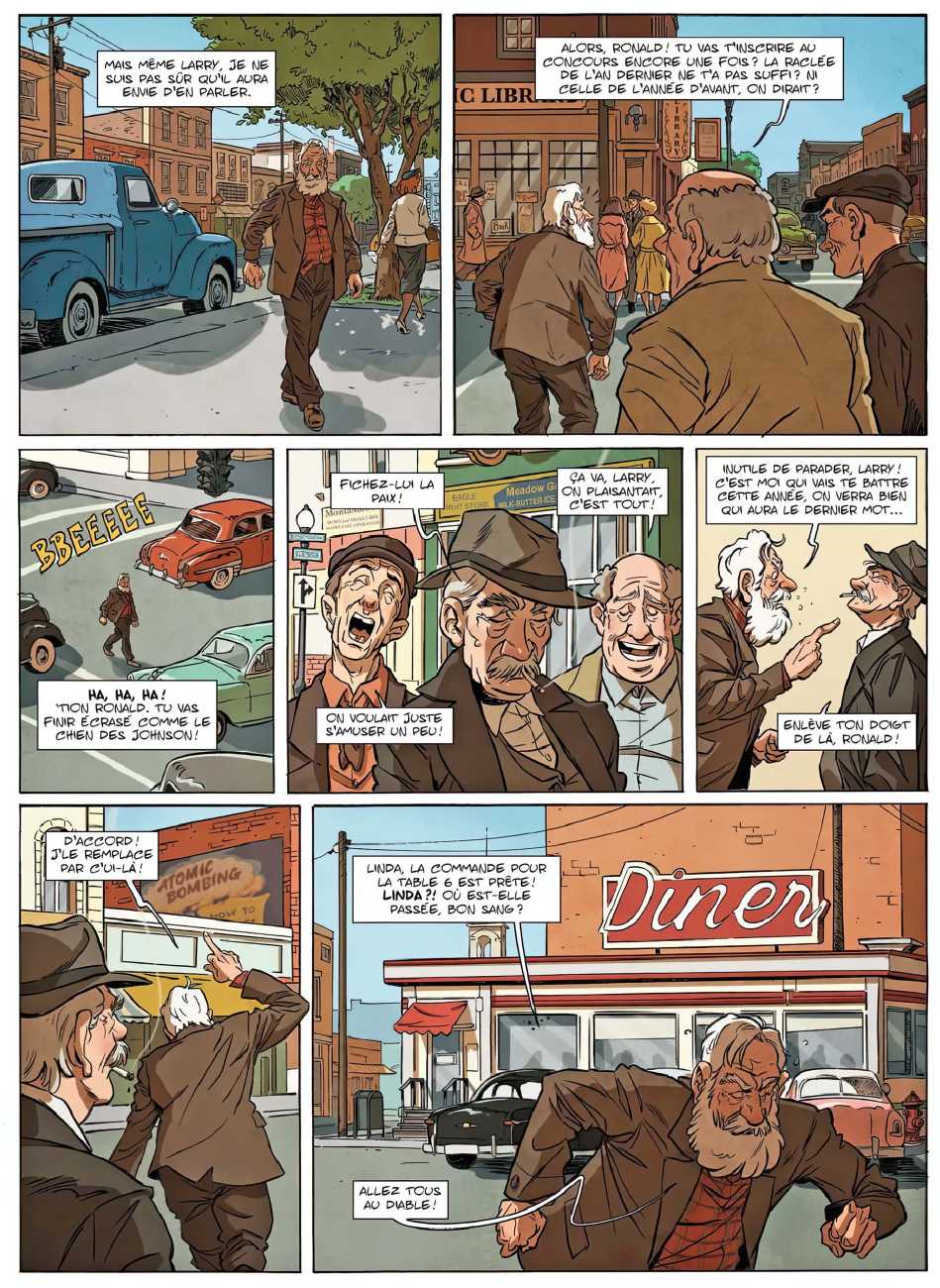
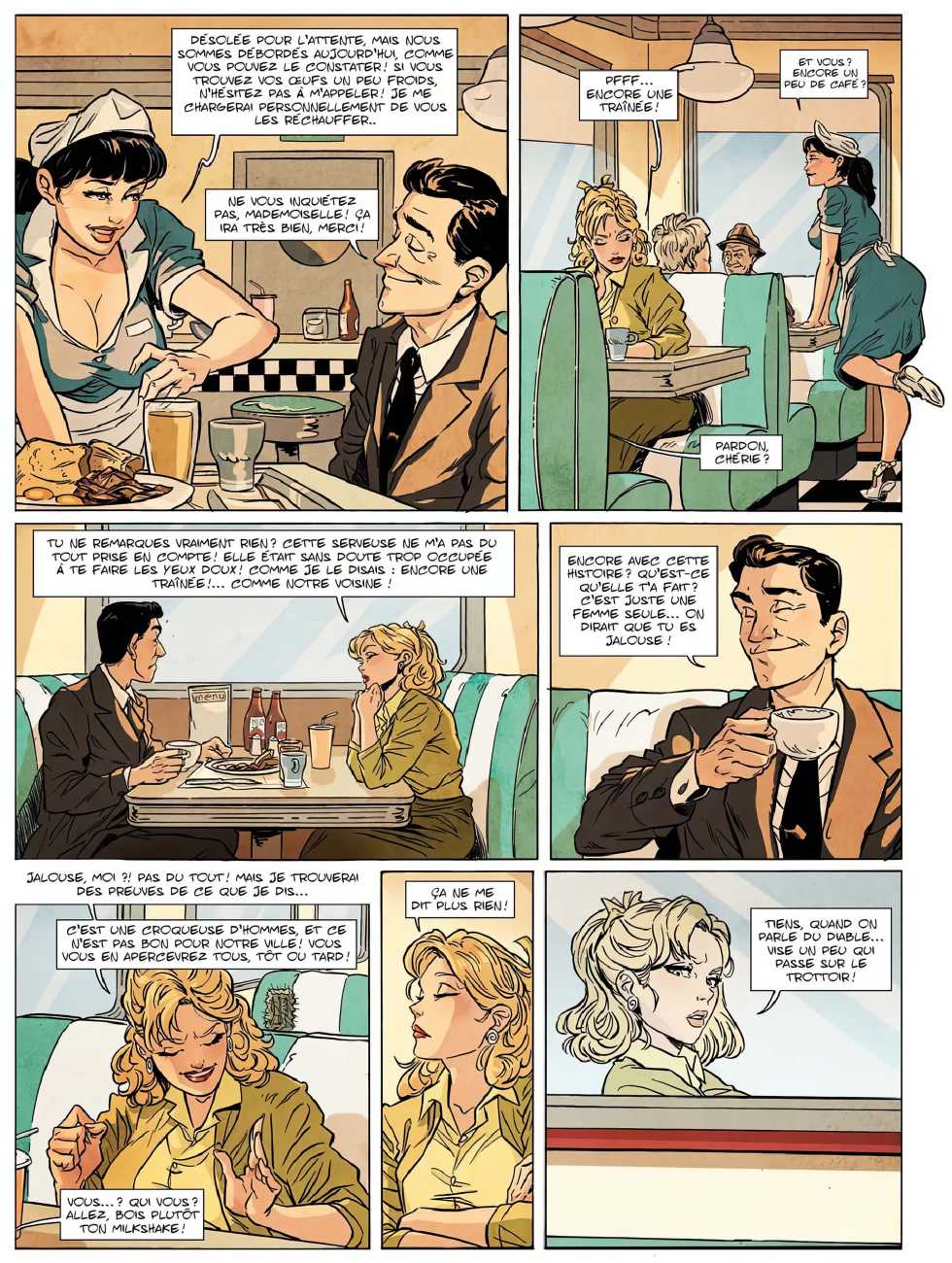
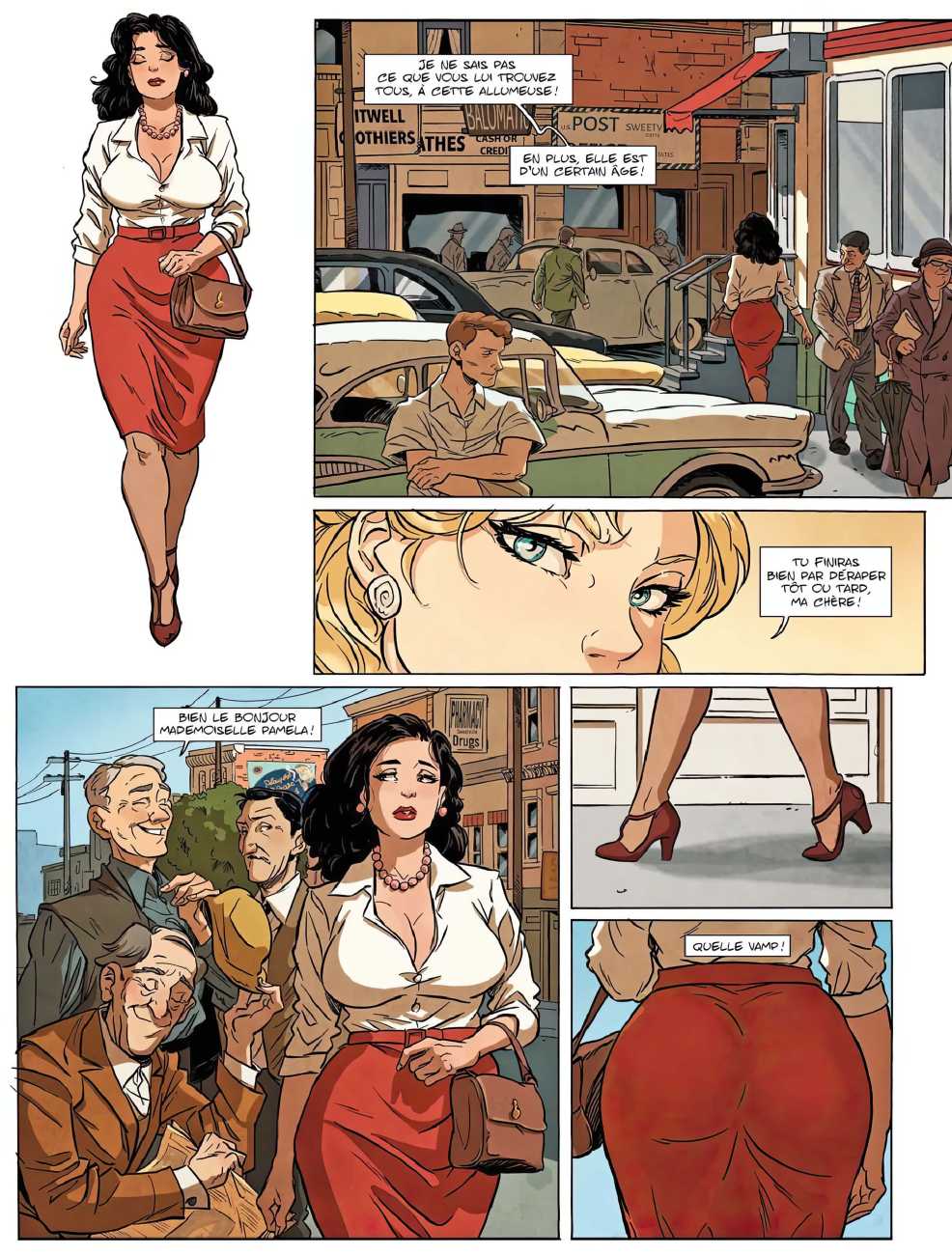
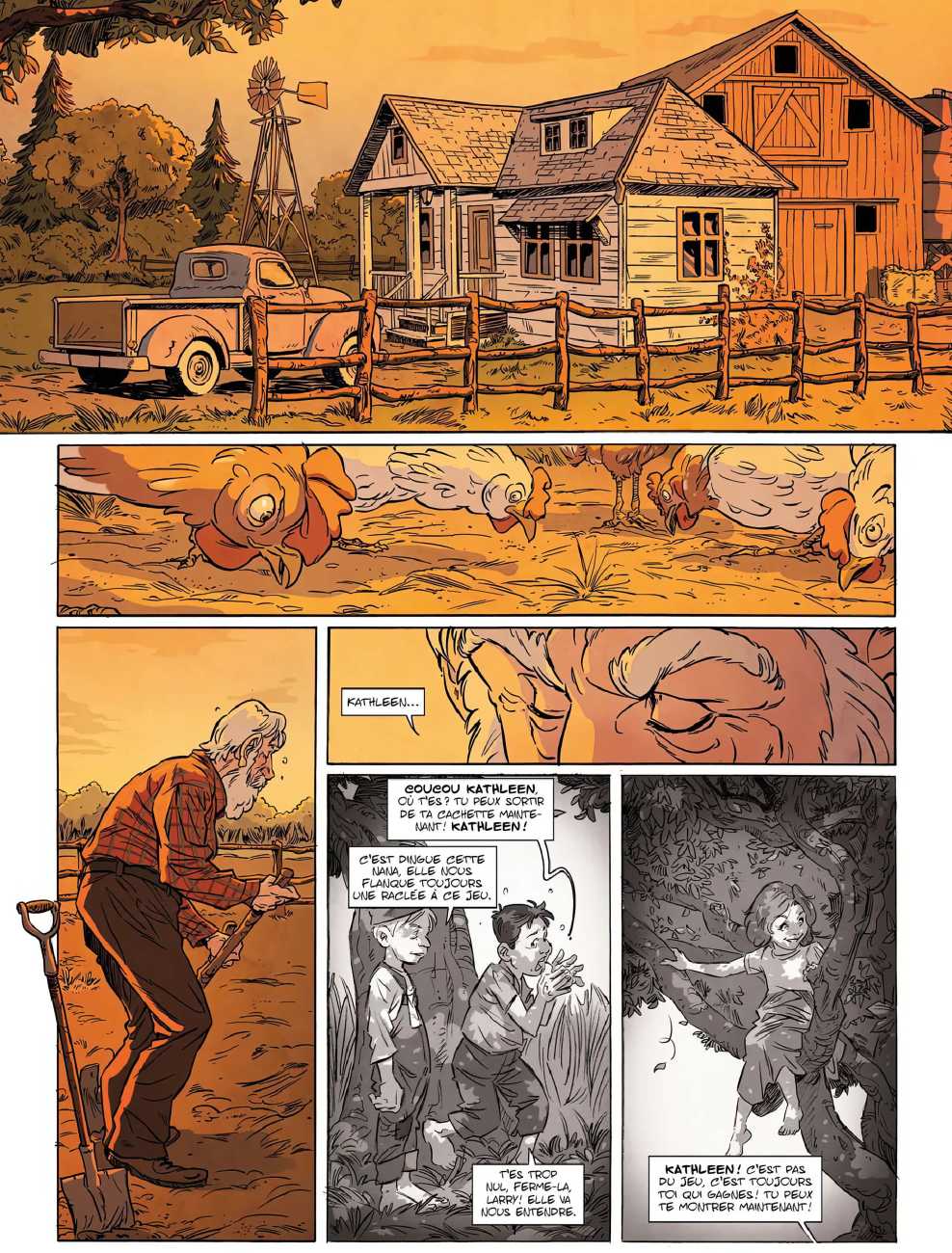
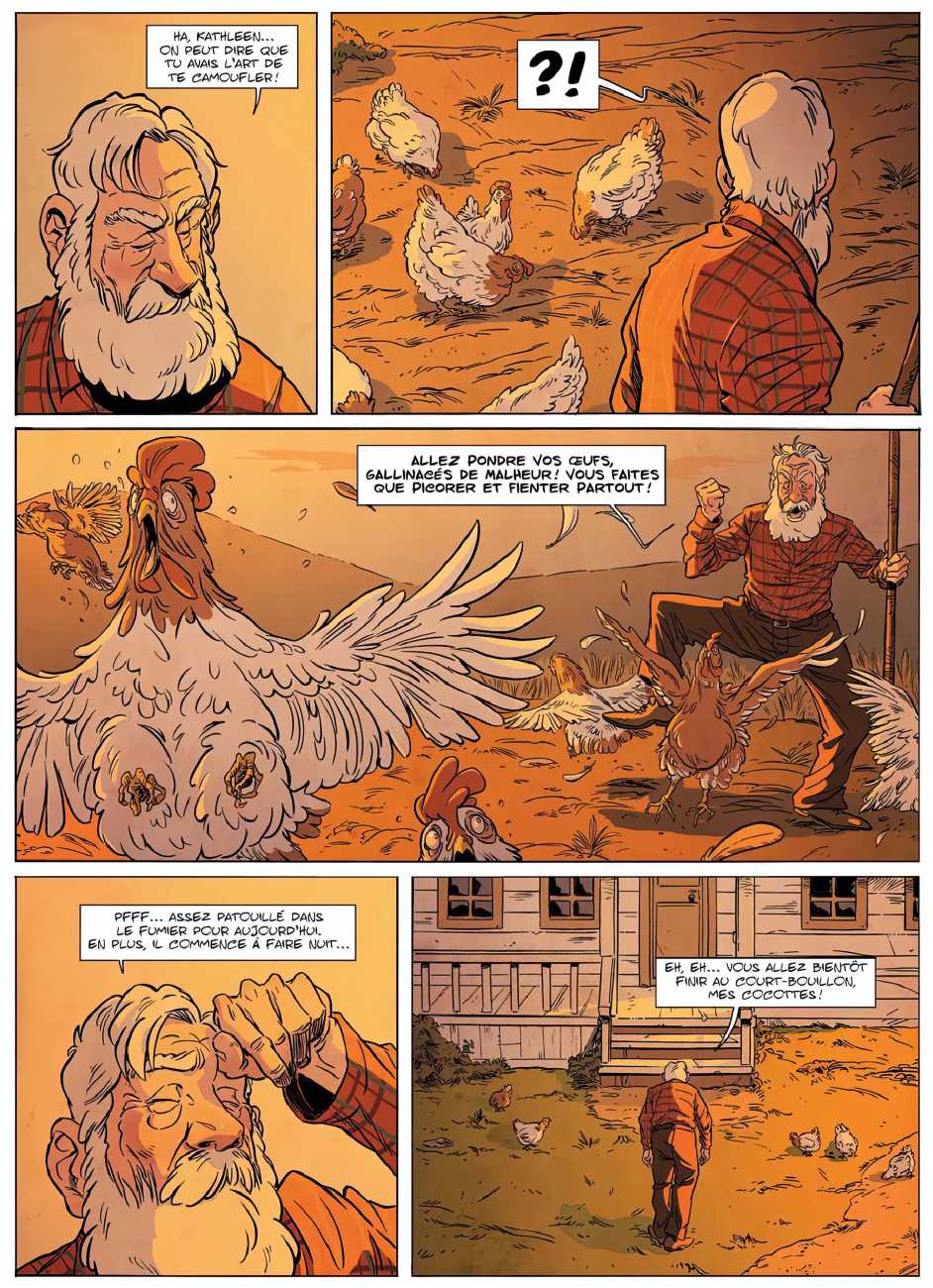
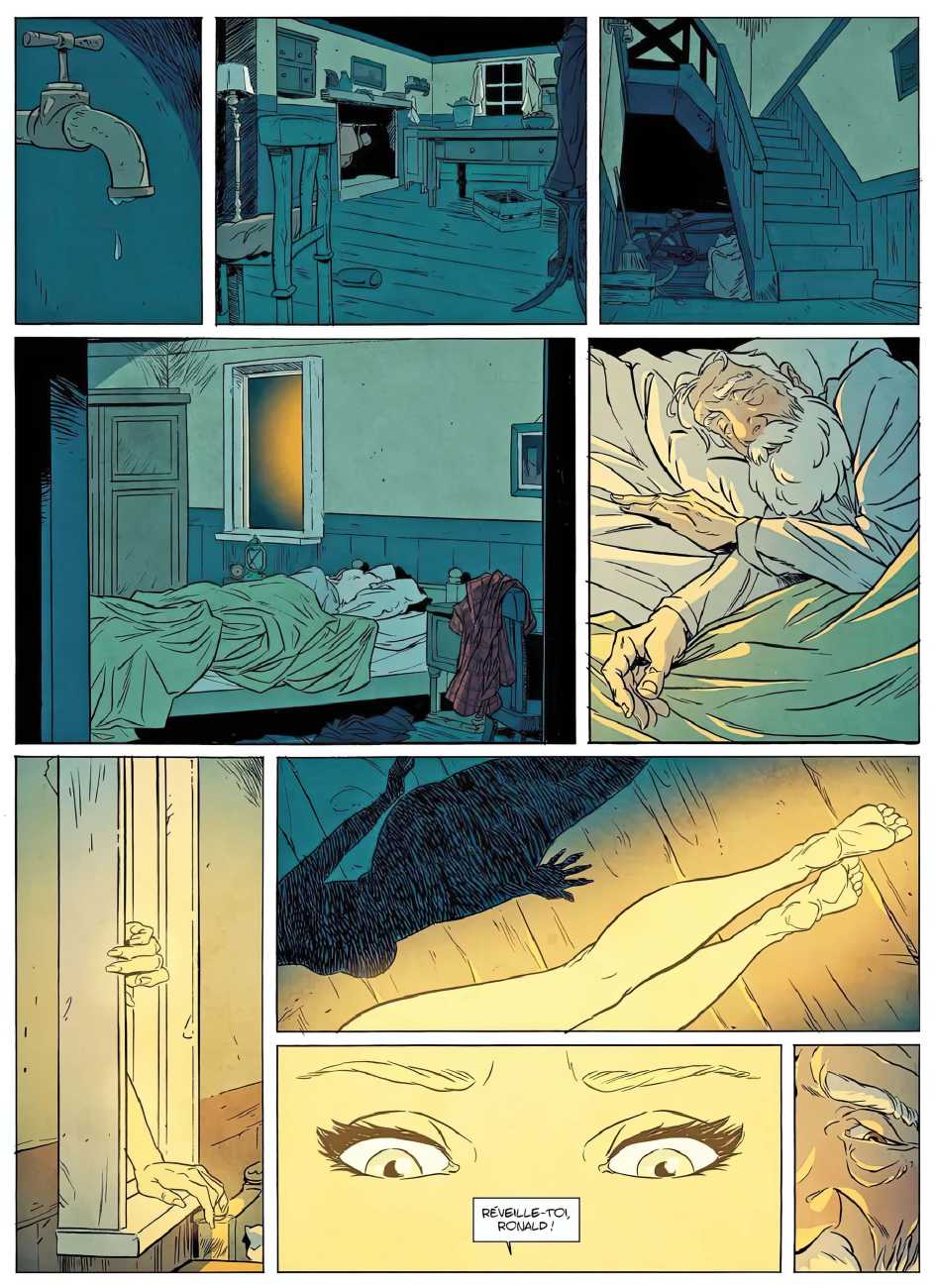
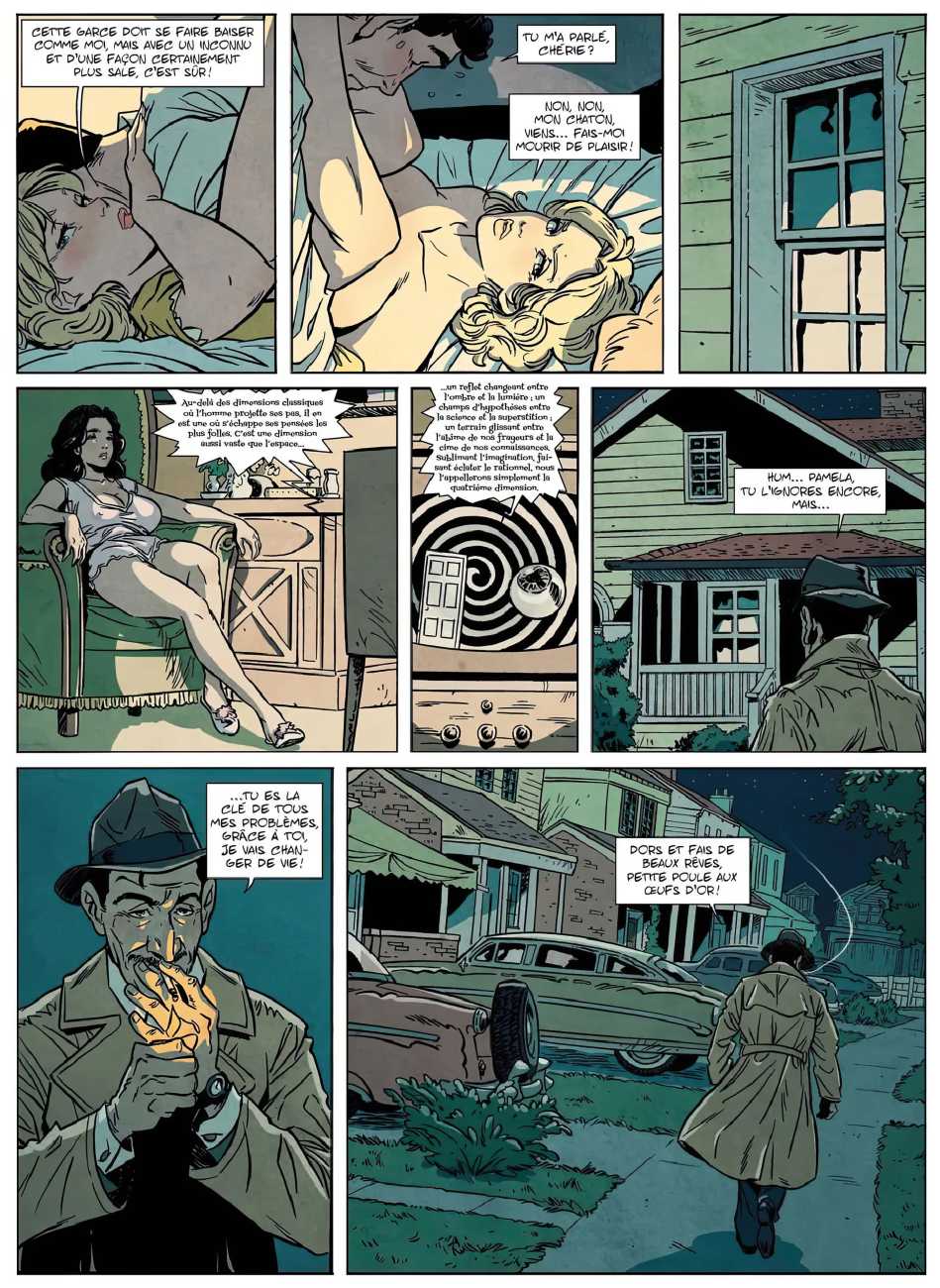
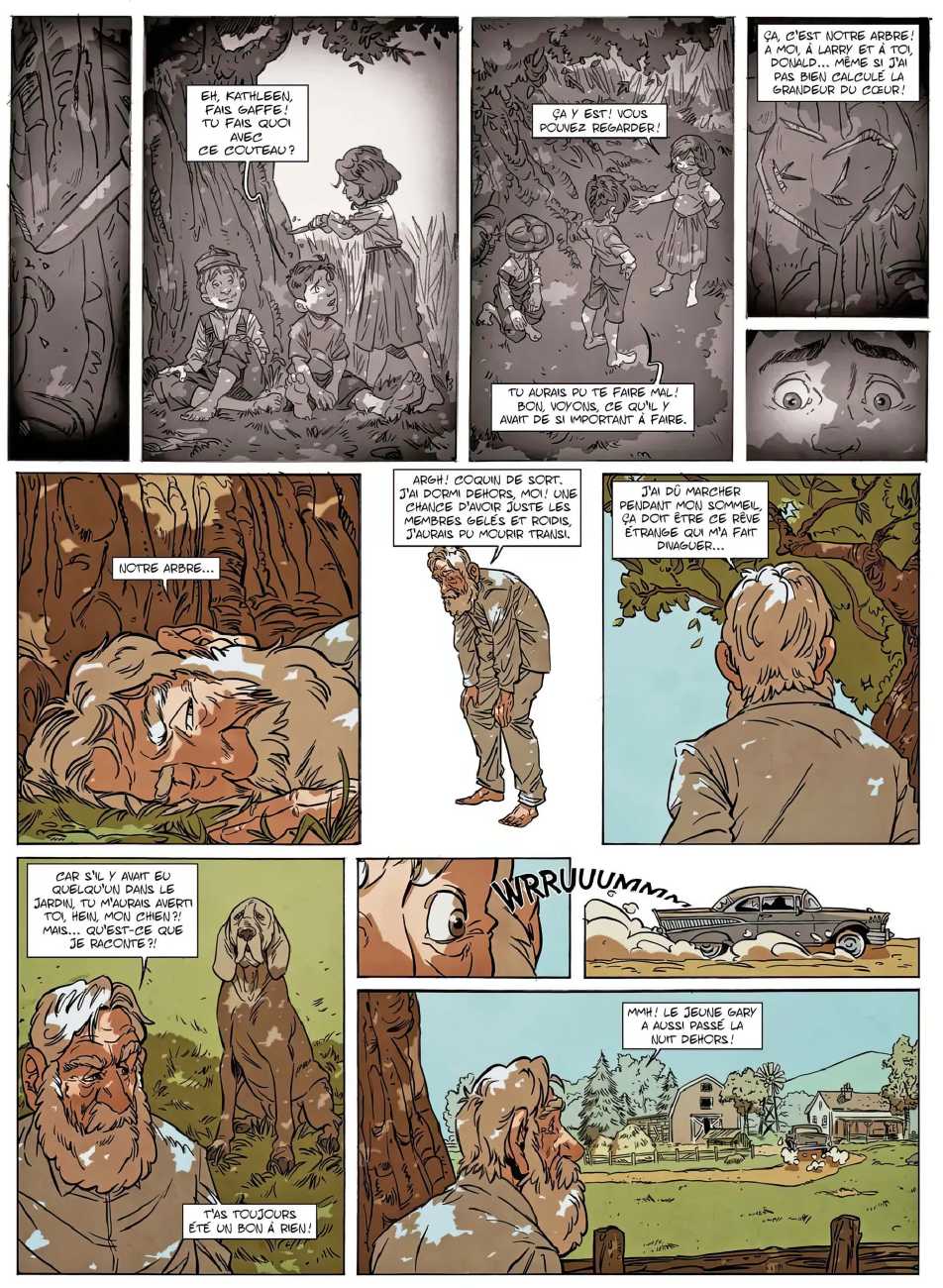
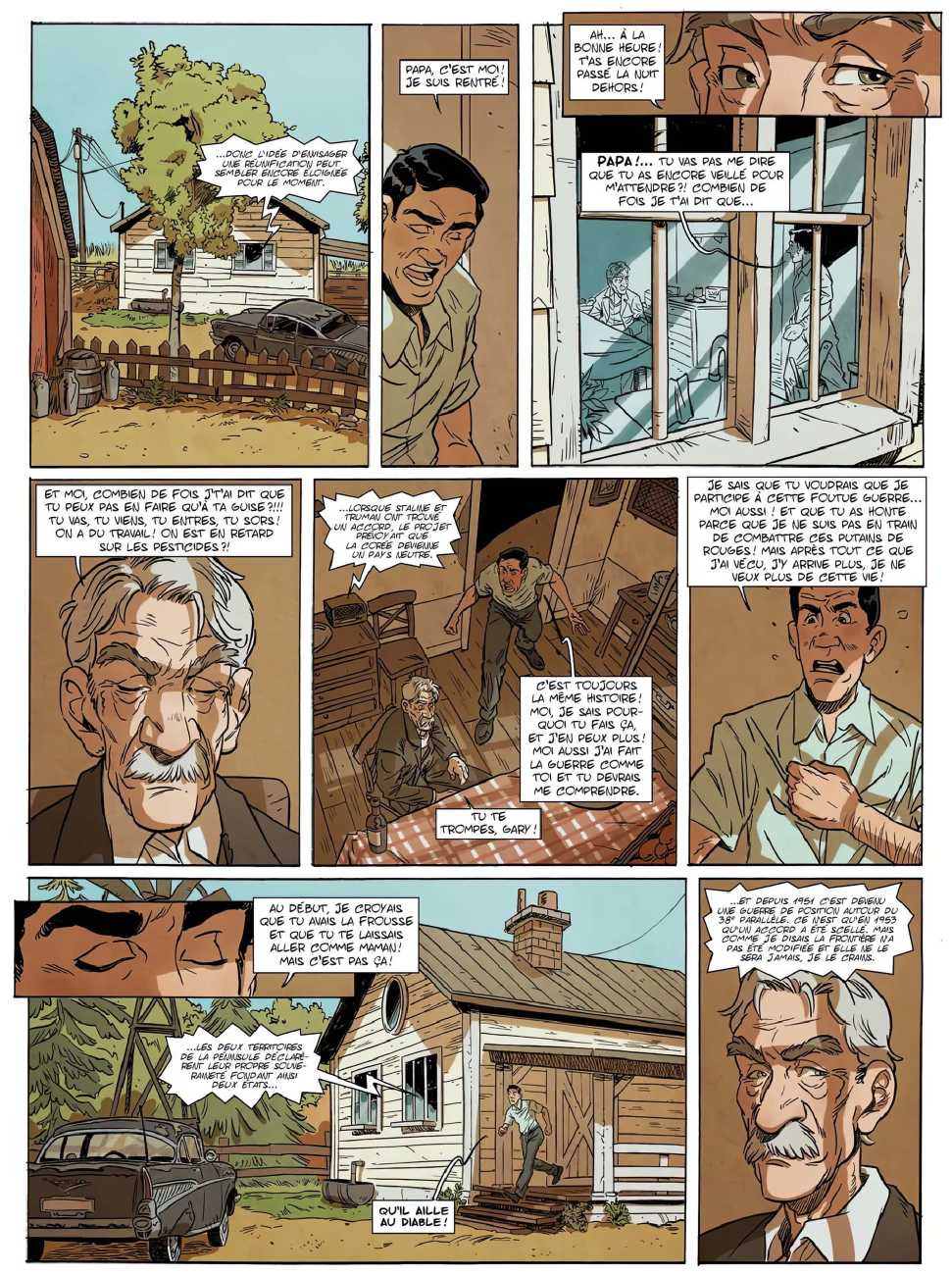
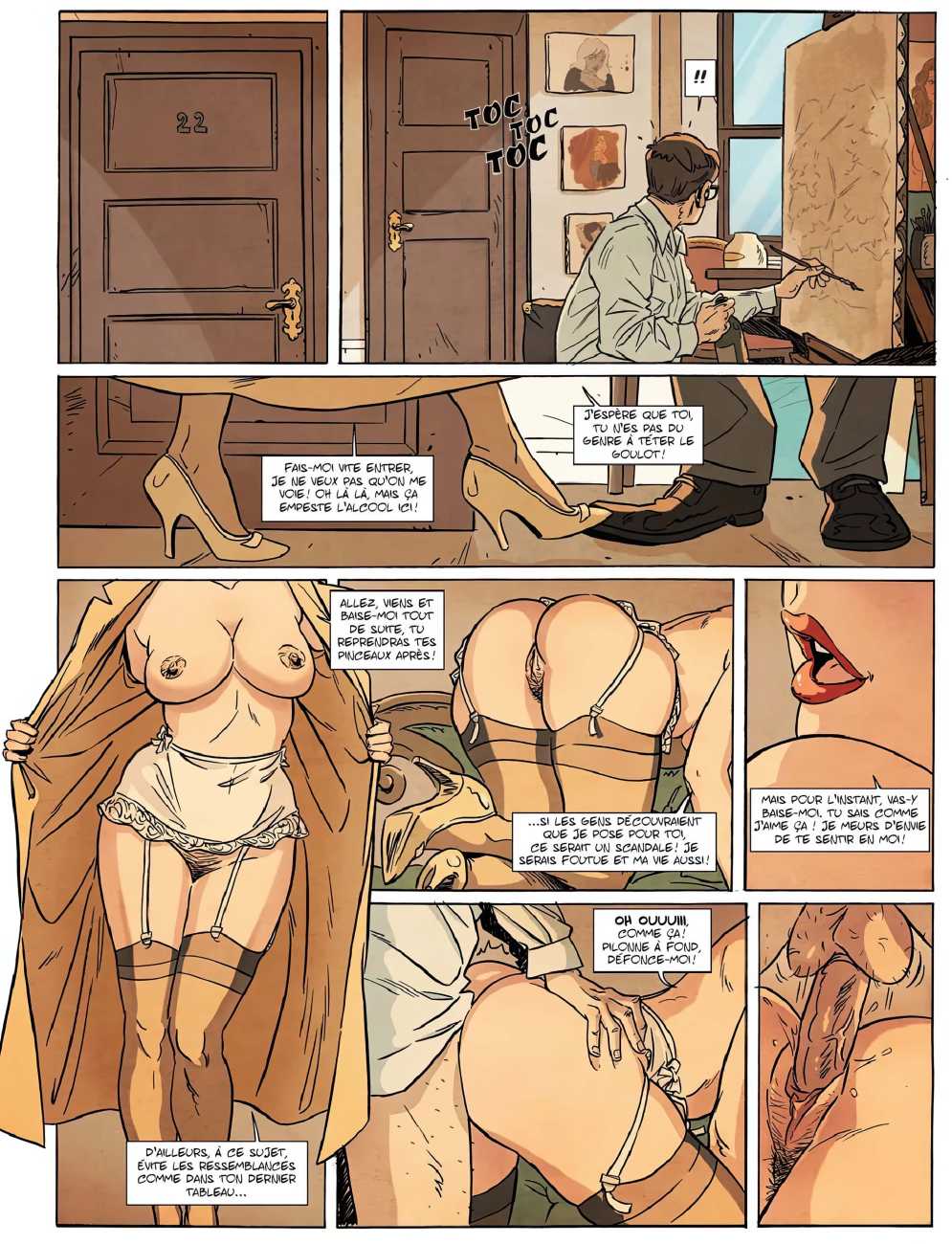
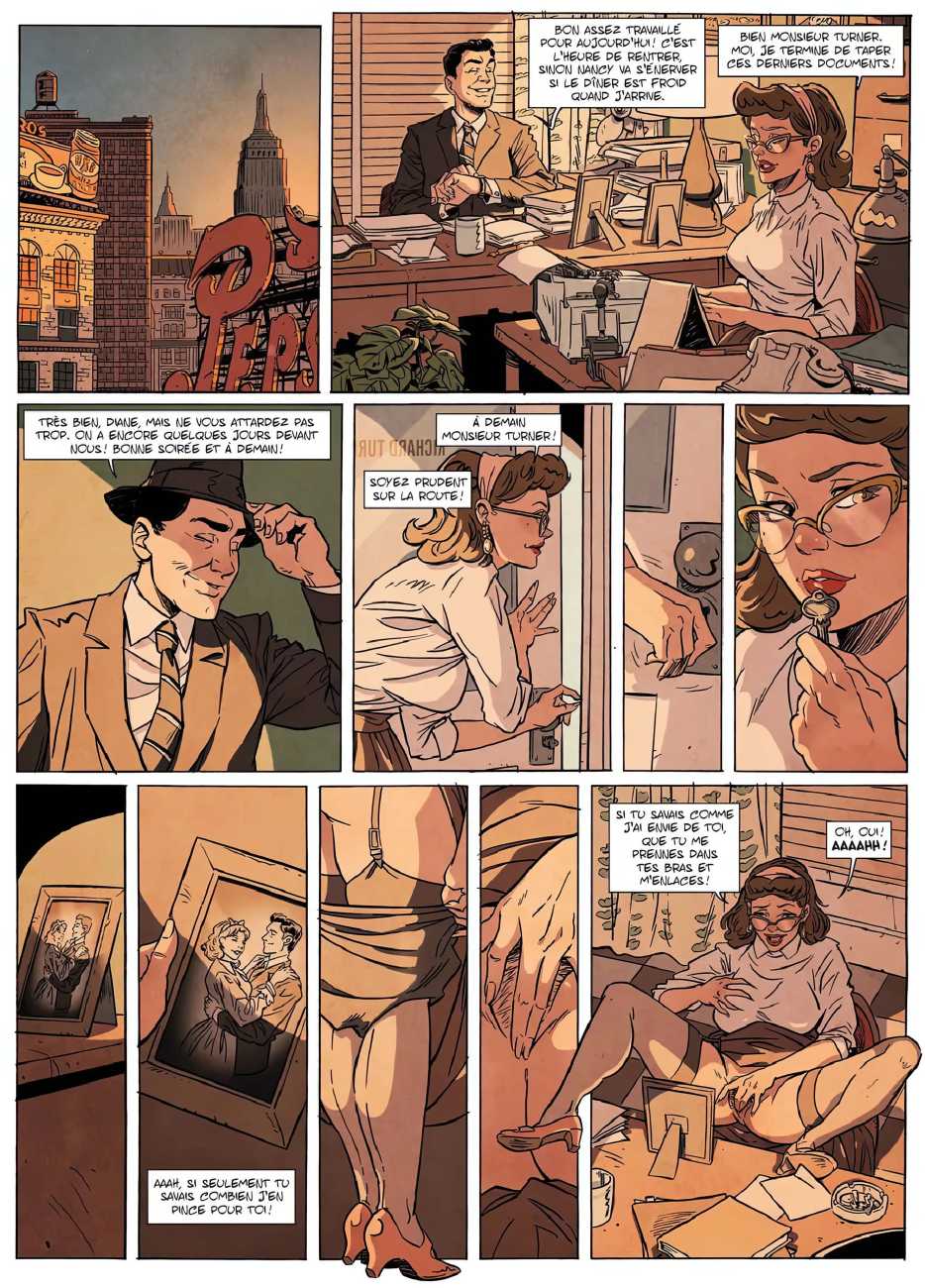
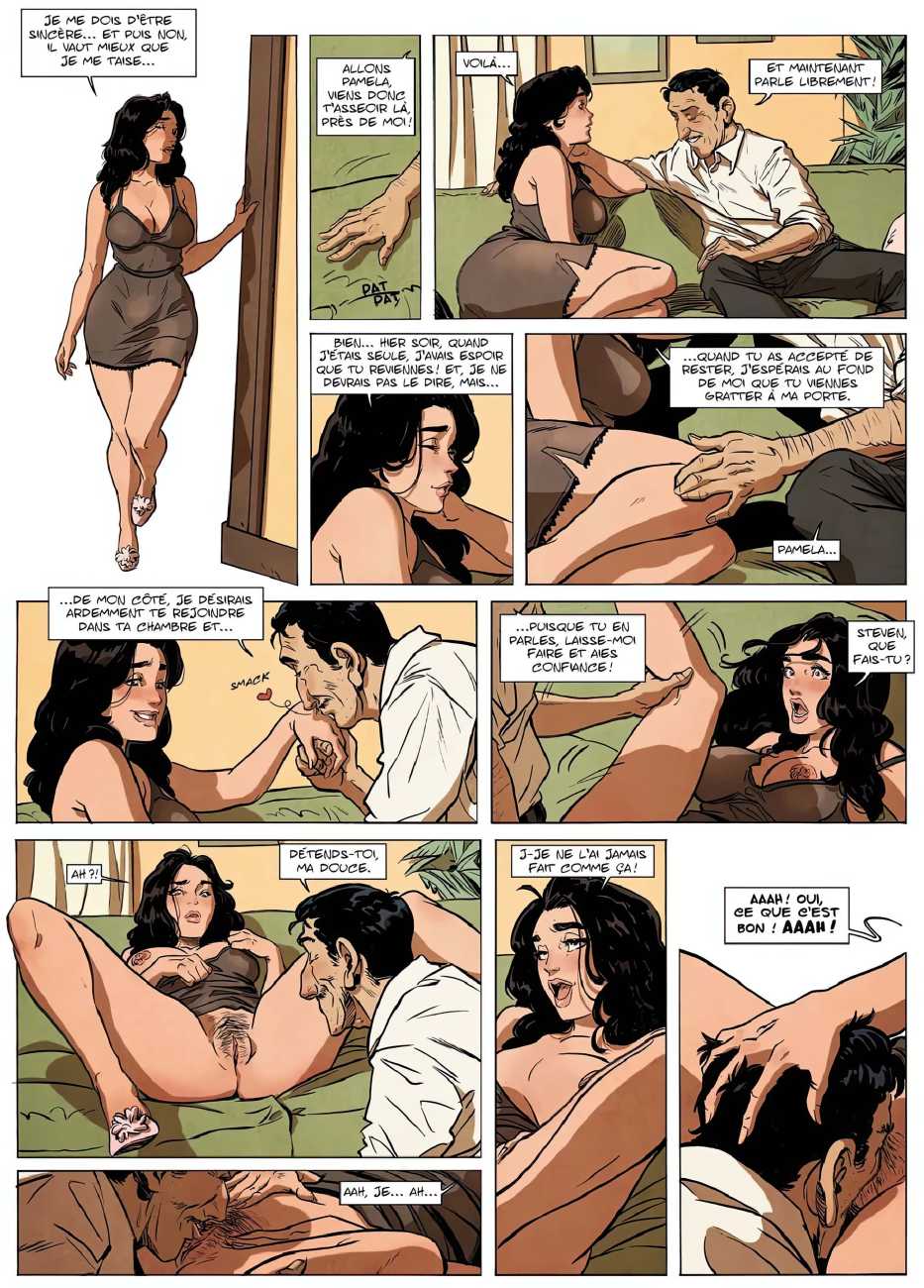
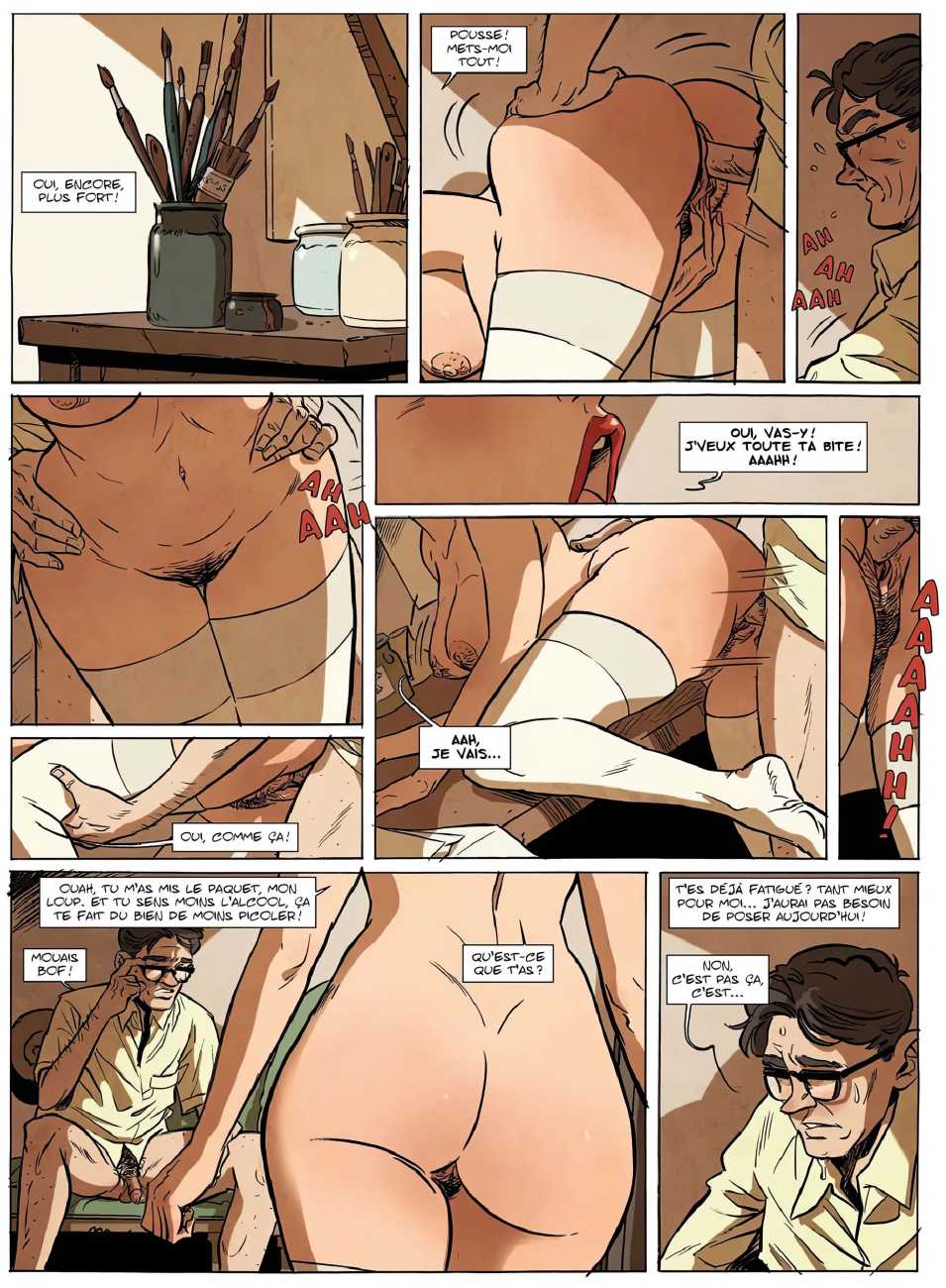
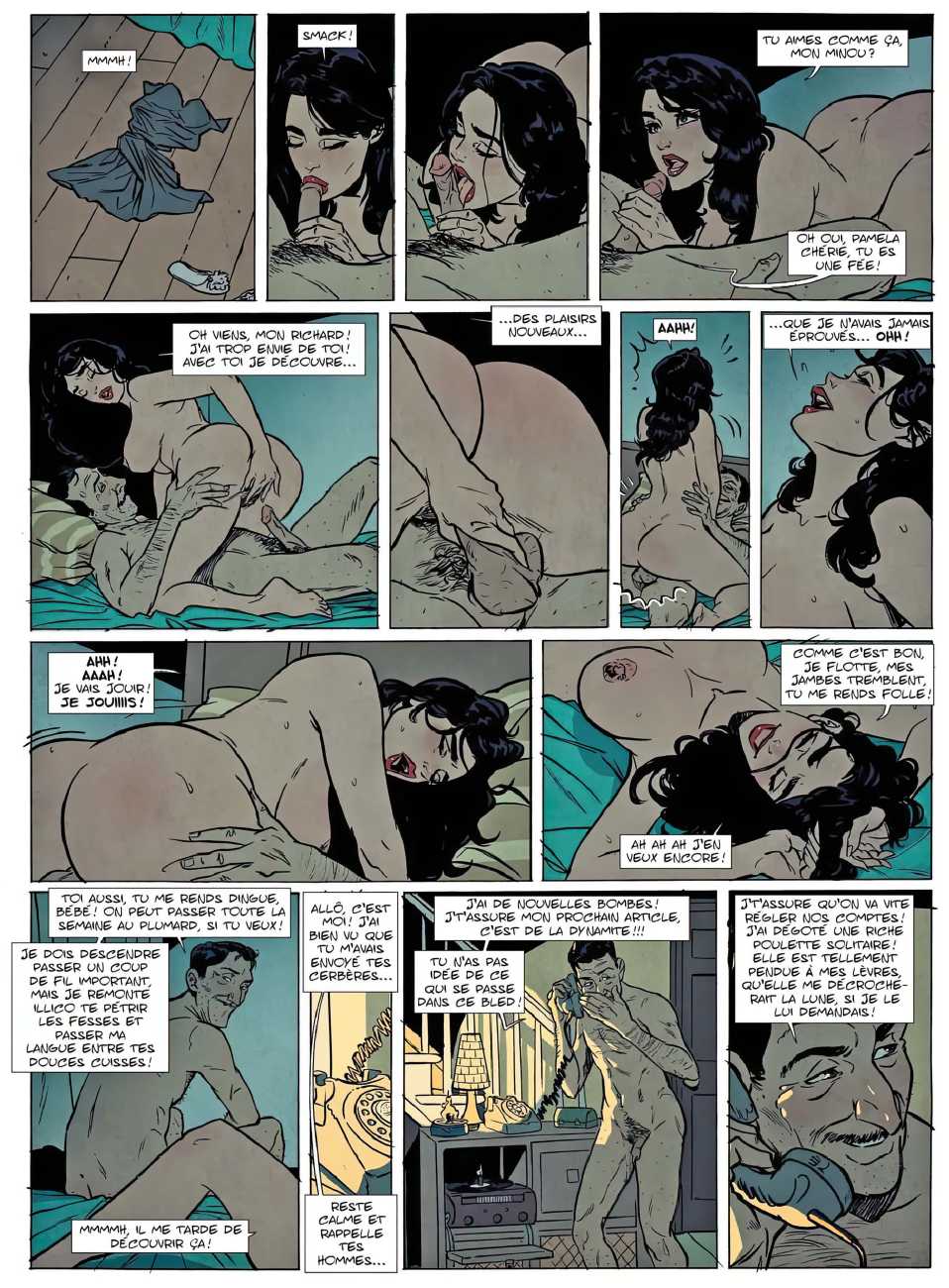
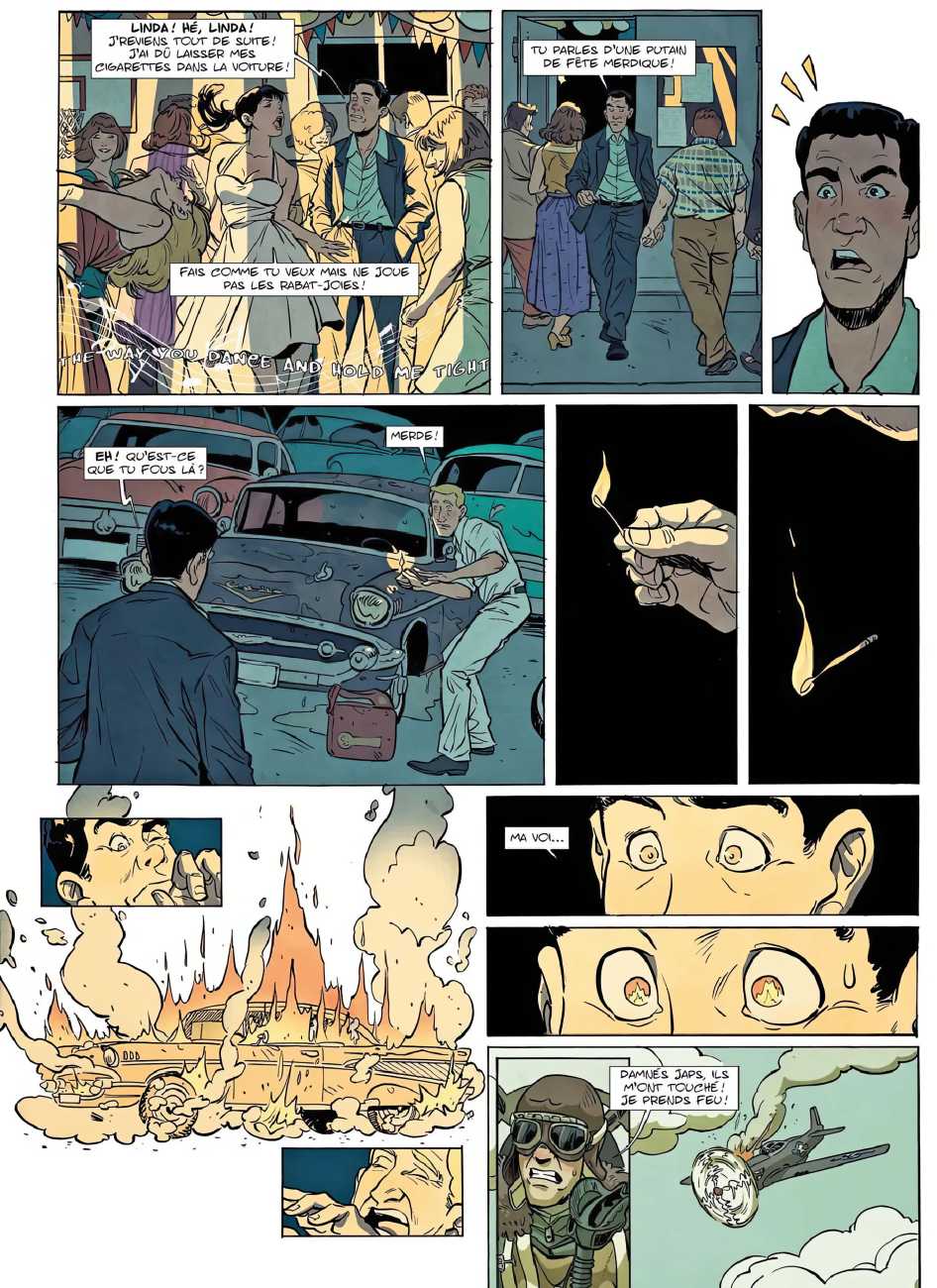
The fruit competition provides the framework for a much larger web of relationships and secrets. Alongside Ronald and Larry are a colourful collection of townspeople whose apparently conventional lives conceal desires and complications. As the contest approaches, rivalries become increasingly bitter, and the town’s wholesome image begins to crack, while the history shared by the two farmers suggests that their conflict goes much deeper than the competition.
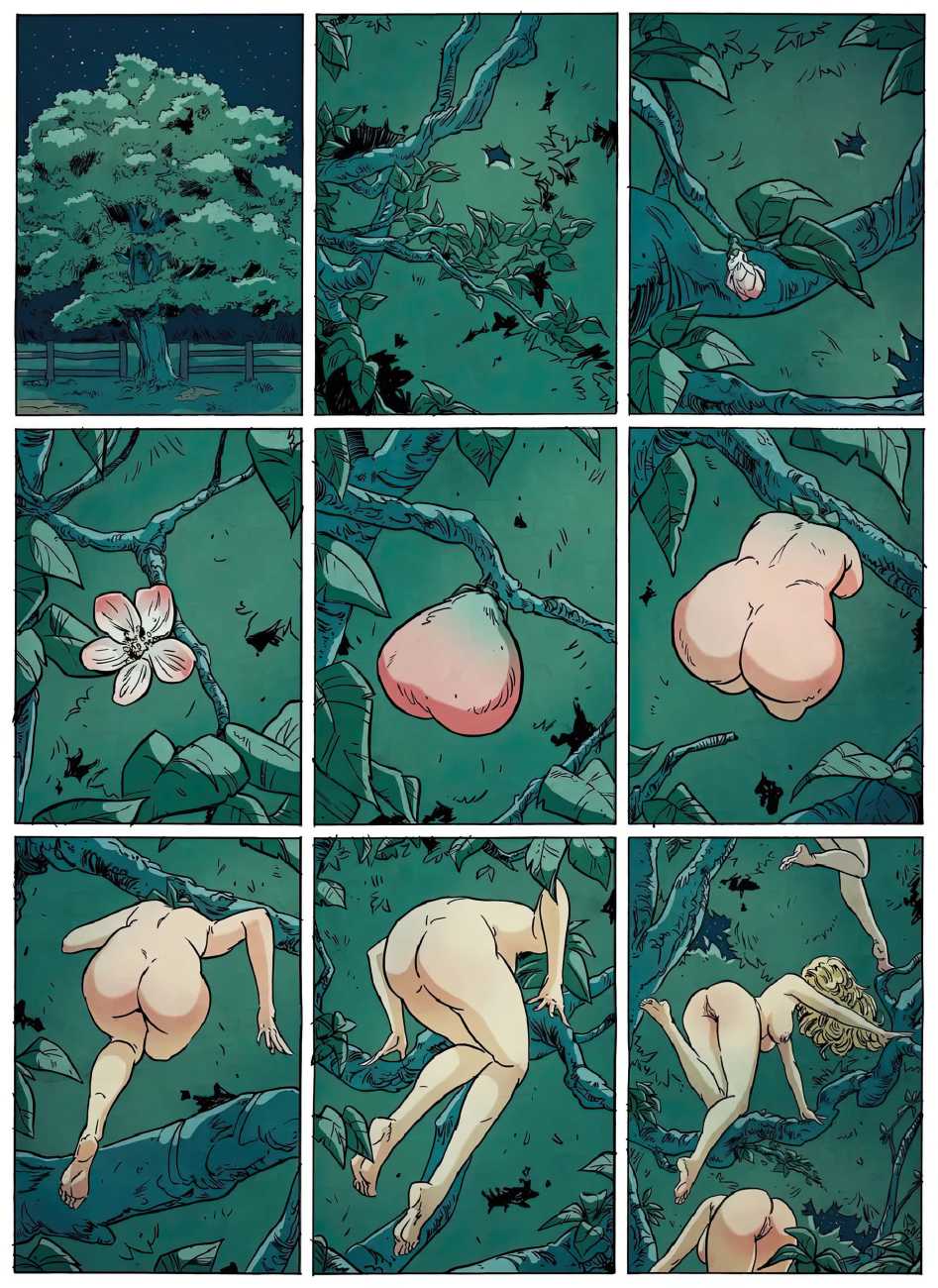
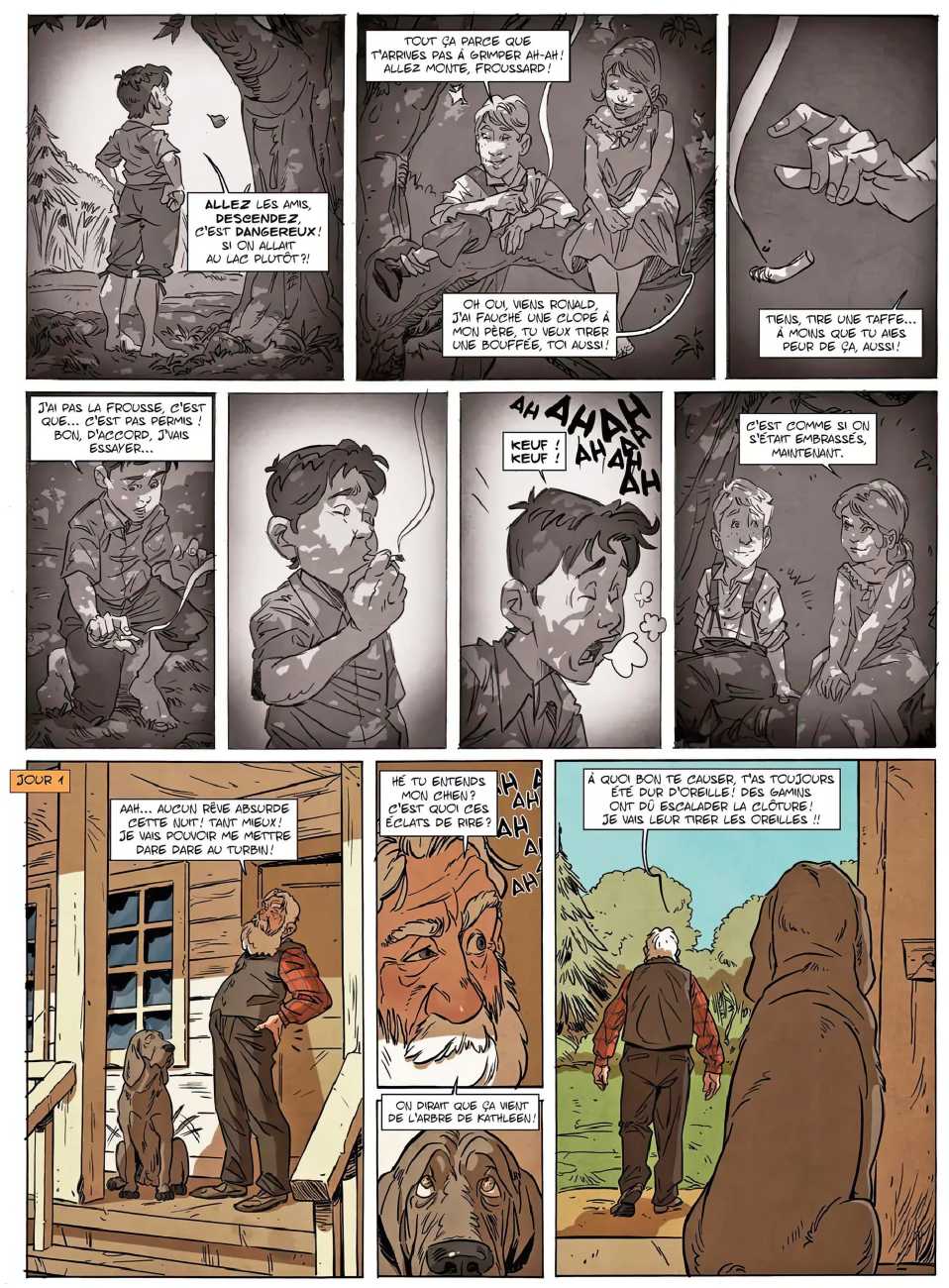
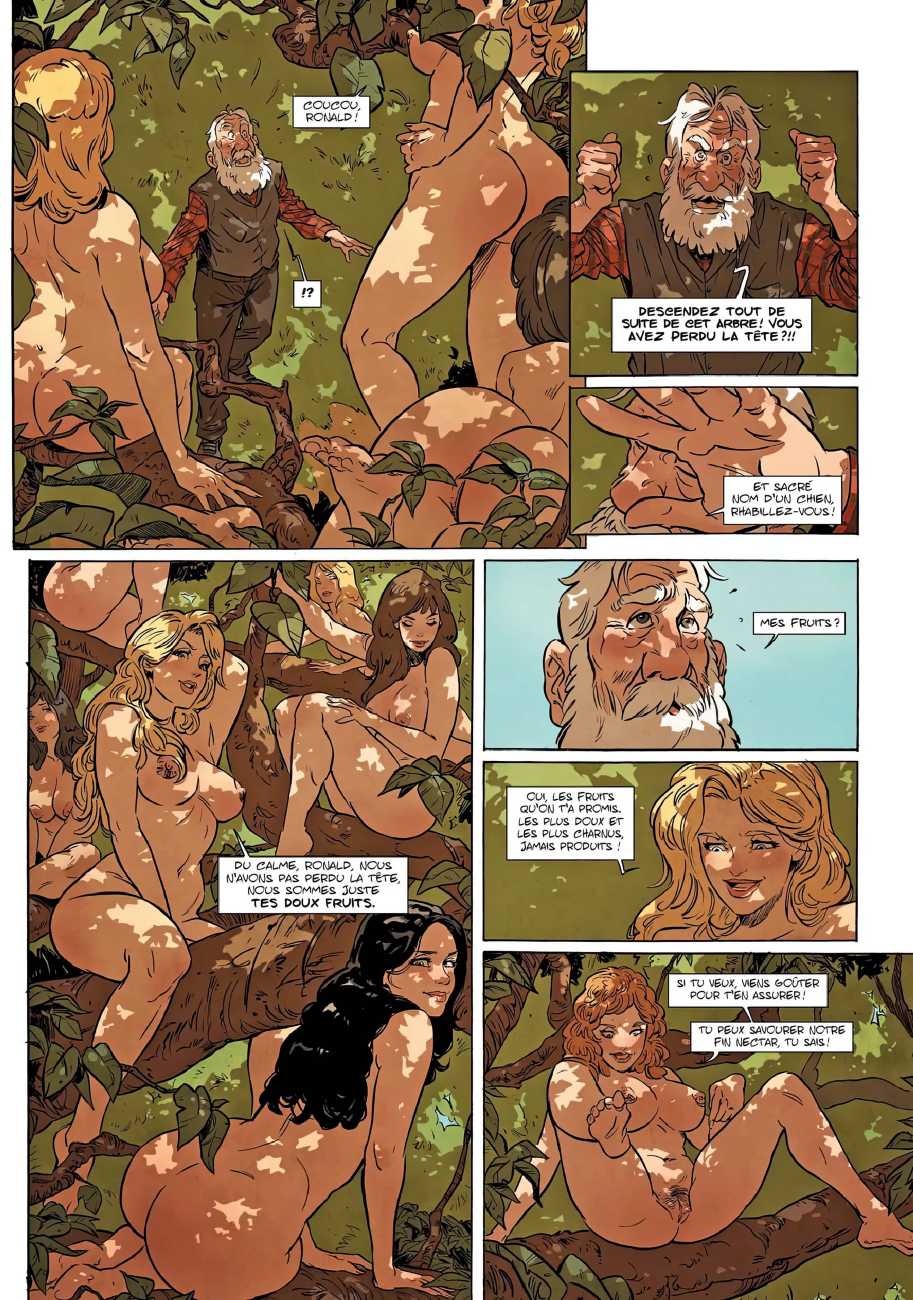
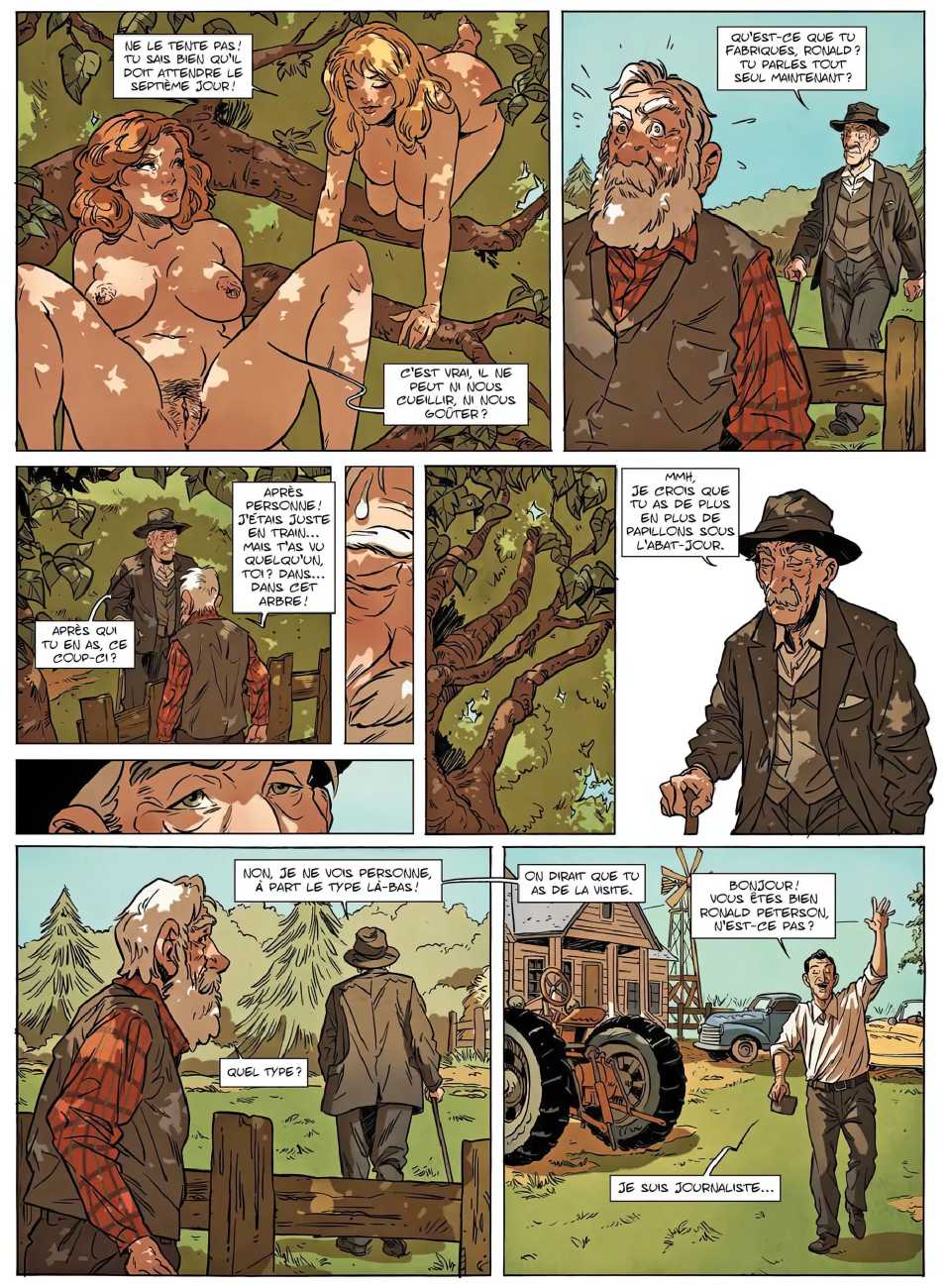
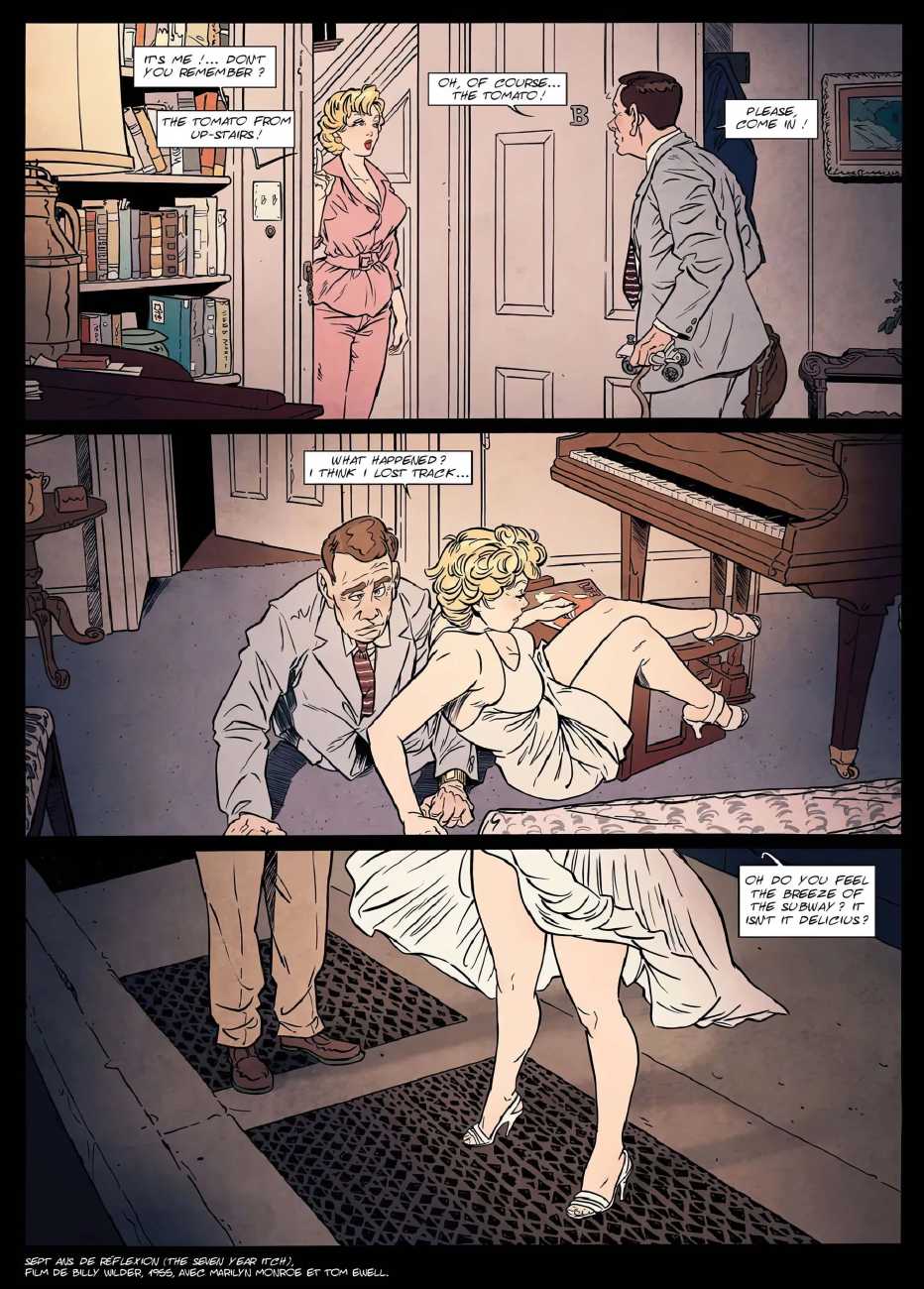
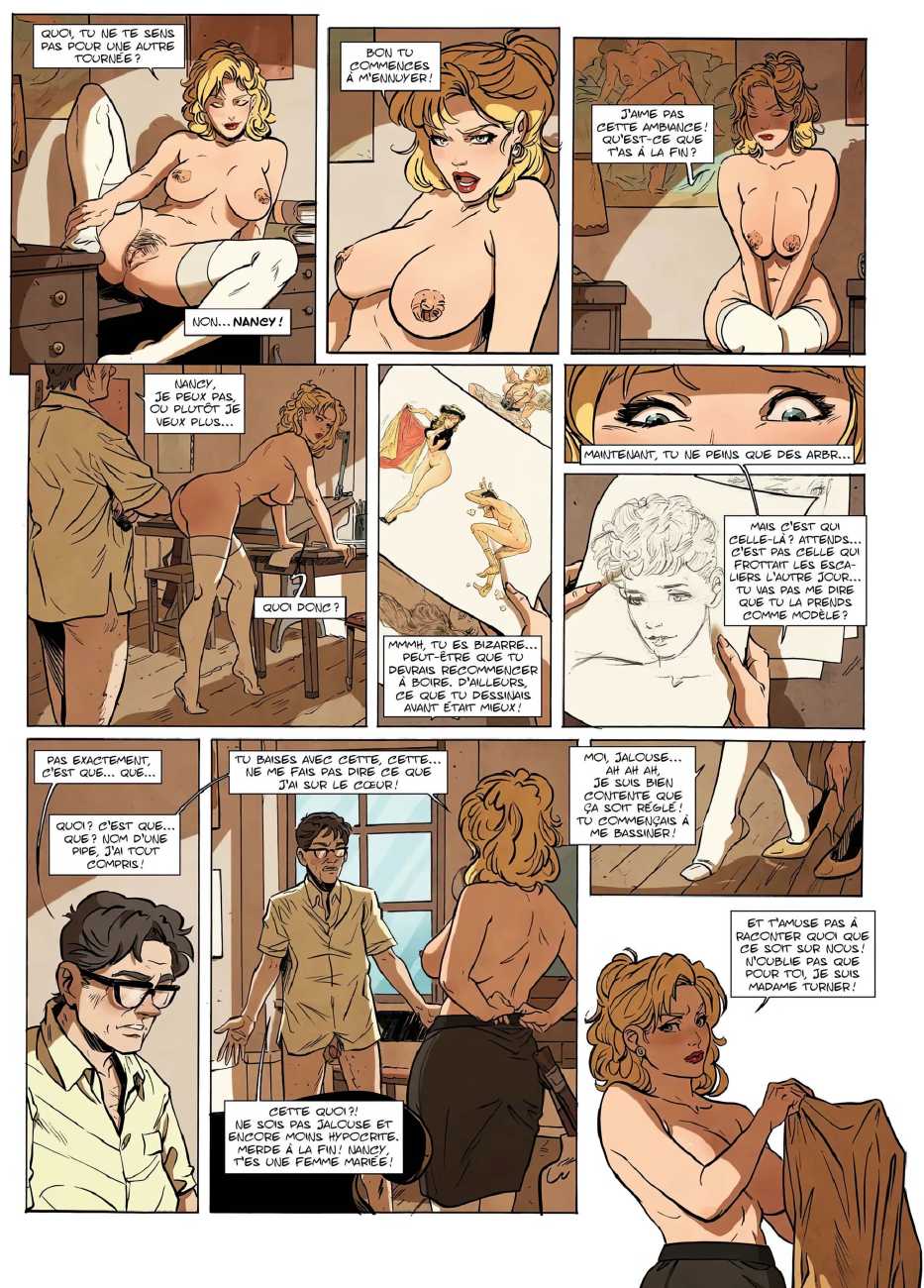
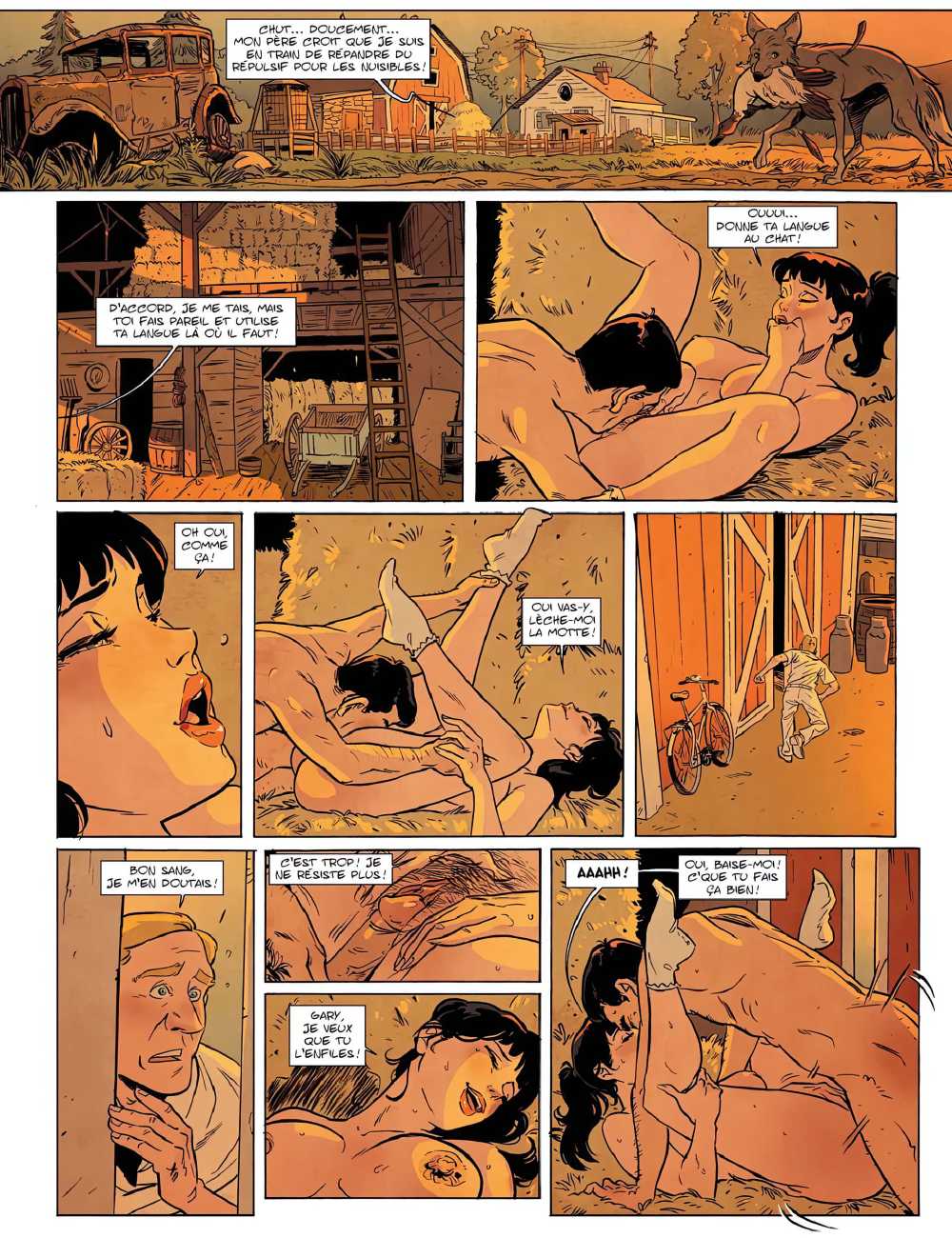
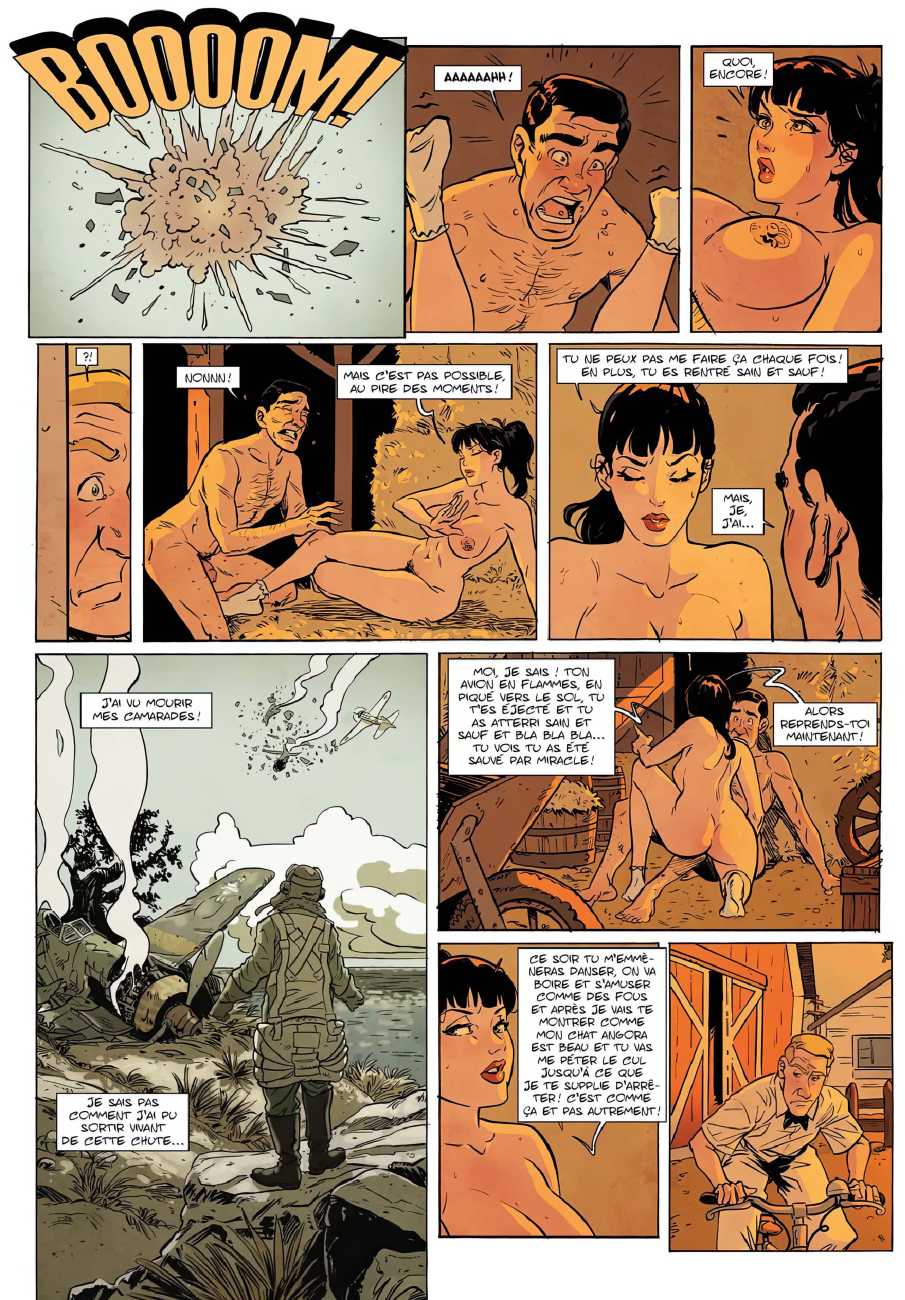
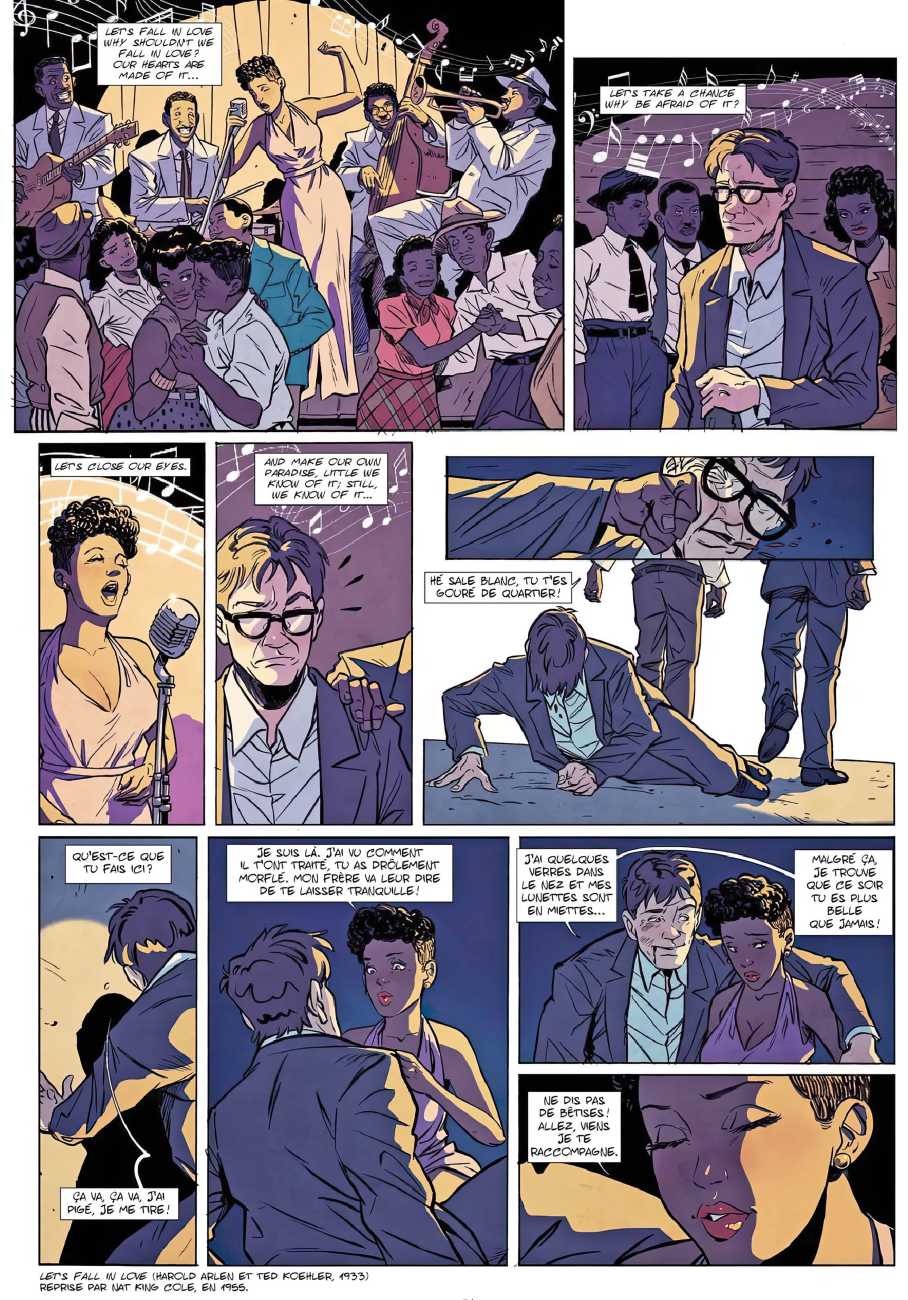
Di Caro’s visual treatment of Sweetville is one of the pleasures of the book. His finely drawn figures and warm, colourful artwork give the setting the appearance of an almost nostalgic 1950s idyll, while the increasingly erotic and mysterious story steadily undermines that impression. The result is a powerful combination of erotic drama, small-town mystery and social observation, ending with enough unresolved questions to make the second volume essential reading.
Le fruit le plus doux 1 is published by Tabou. There is also a German translation, Die süßeste aller Früchte 1, published by Splitter Verlag, and a Dutch translation, Het zoetste fruit 1, by Dark Dragon Books, but no English translation.