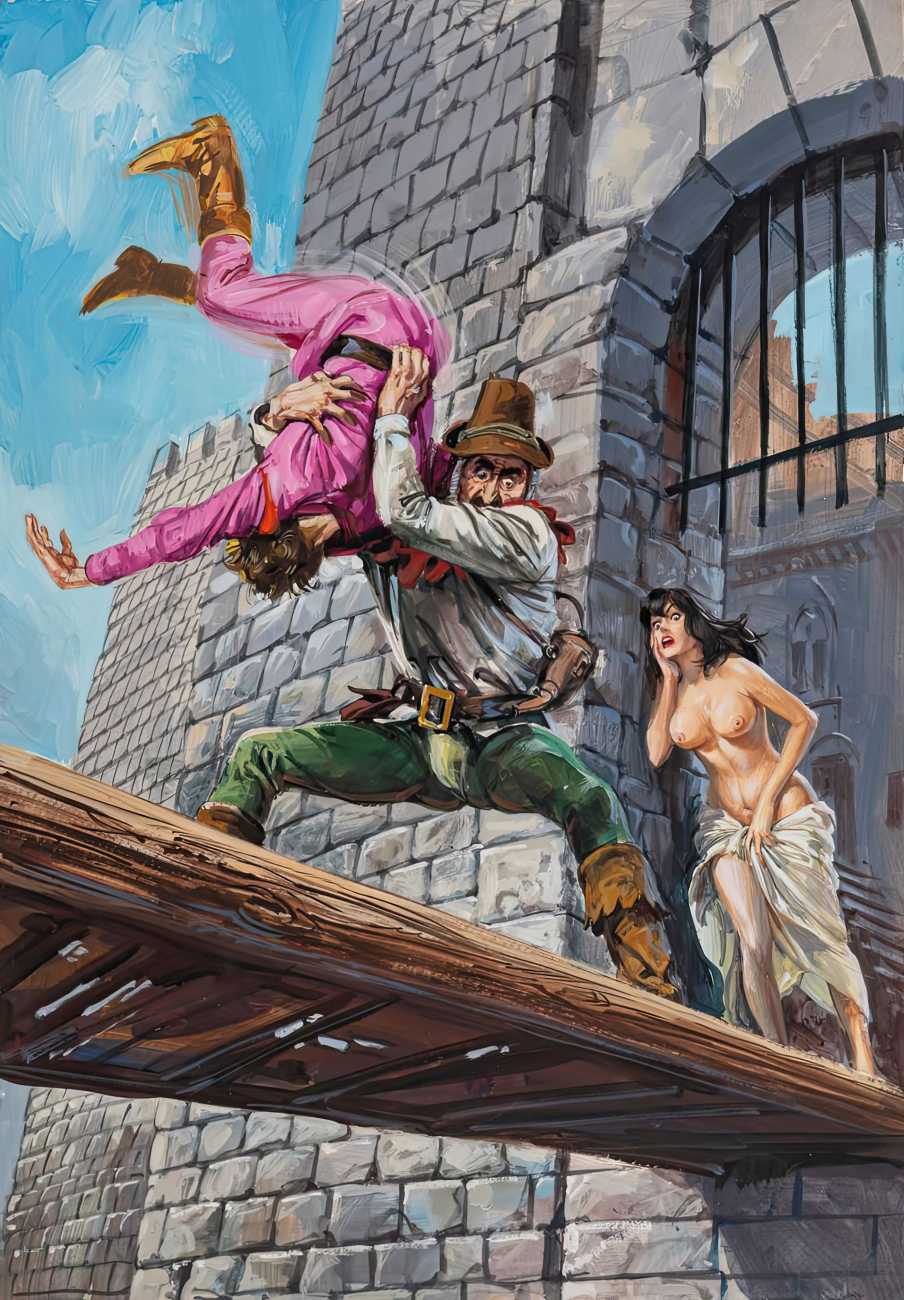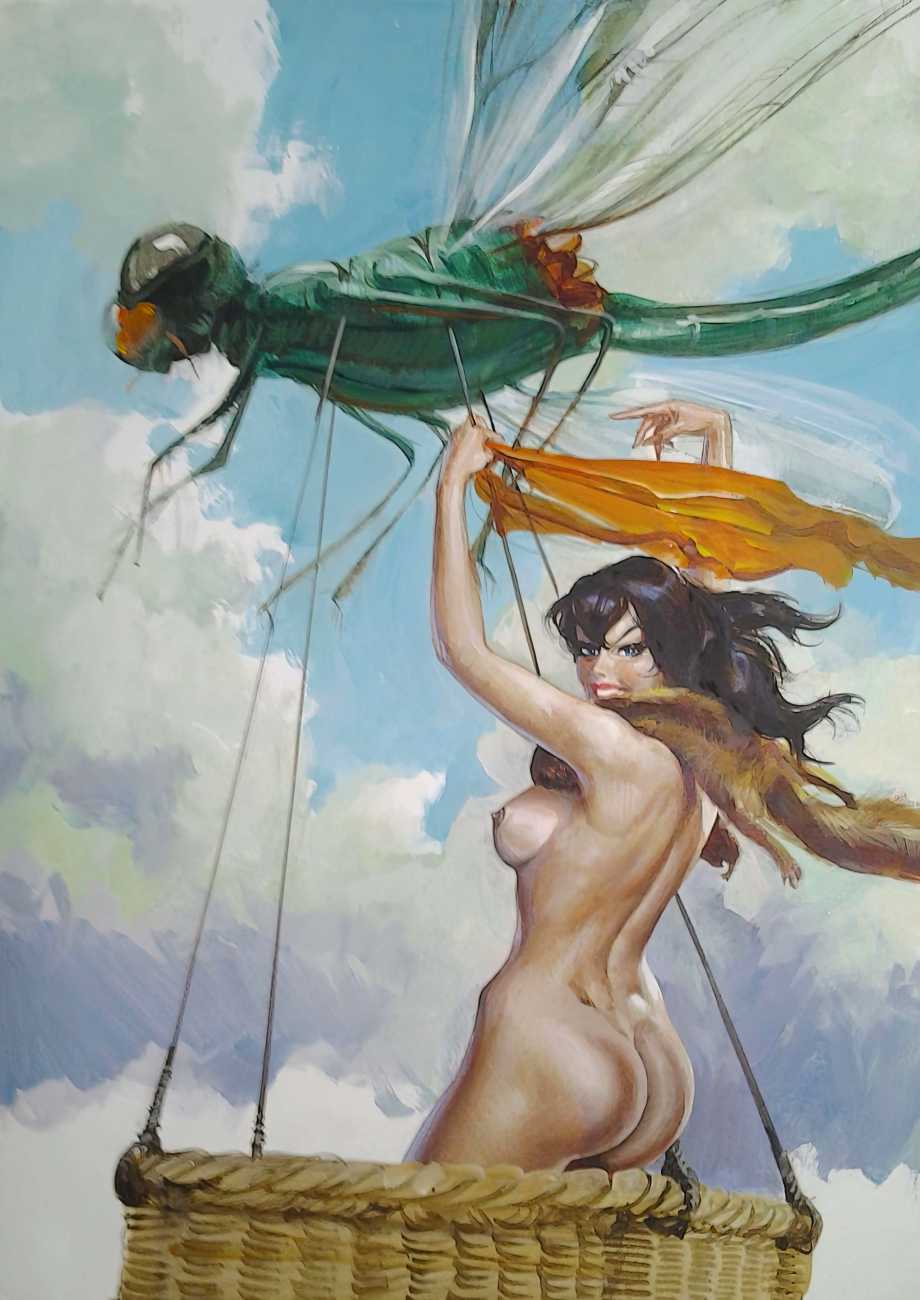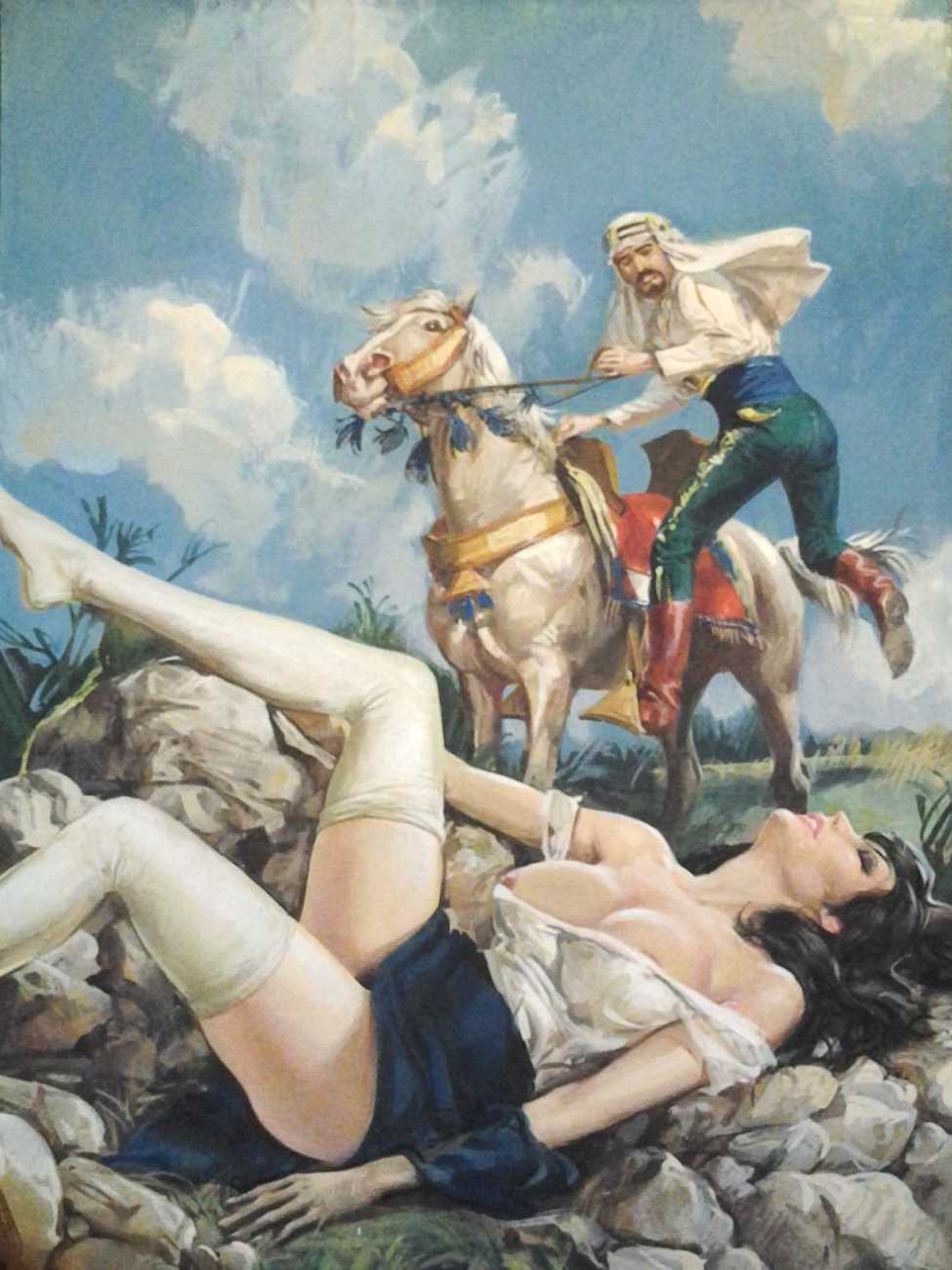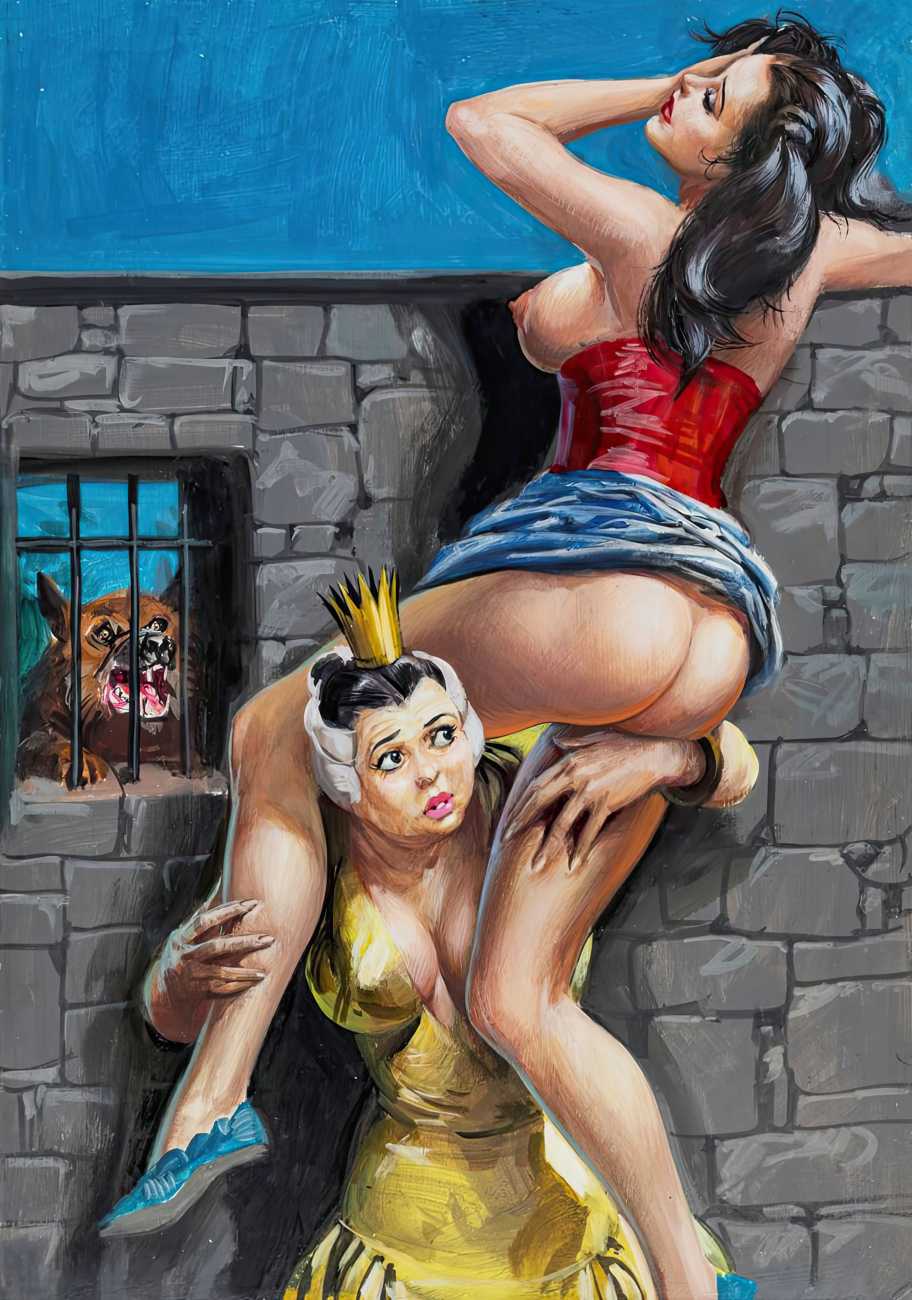
The Italian erotic comic boom of the 1970s grew out of the fumetto nero (dark comic) phenomenon of the previous decade. The success of Diabolik from 1962 onwards demonstrated the commercial potential of comics aimed at adult readers, while series such as Isabella, Satanik and Kriminal increasingly combined crime, horror, violence and eroticism. By the early 1970s publishers including Ediperiodici and Edifumetto had developed a flourishing market for pocket-sized comics explicitly intended for adults, many of them featuring sexually adventurous, supernatural or violent female protagonists.
The 1970s saw this market expand dramatically. Lucifera, launched in 1971, ran for 170 issues before ending in 1980, while Maghella, which began in 1974 after the character’s appearance in Menelik, eventually ran to 140 issues. Both belonged to the characteristic Italian eroticomico tradition, combining erotic fantasy with humour, adventure and deliberately outrageous situations.
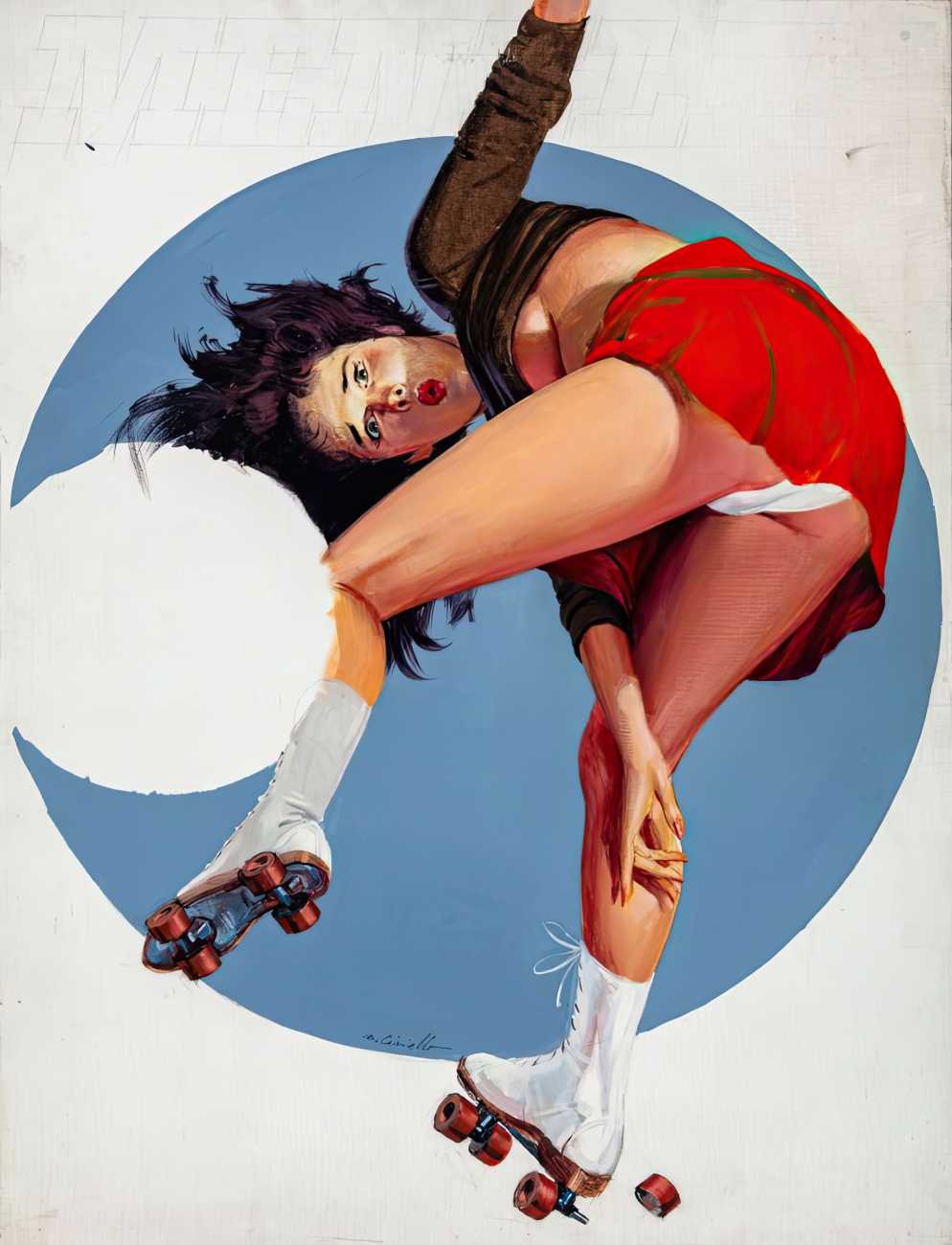
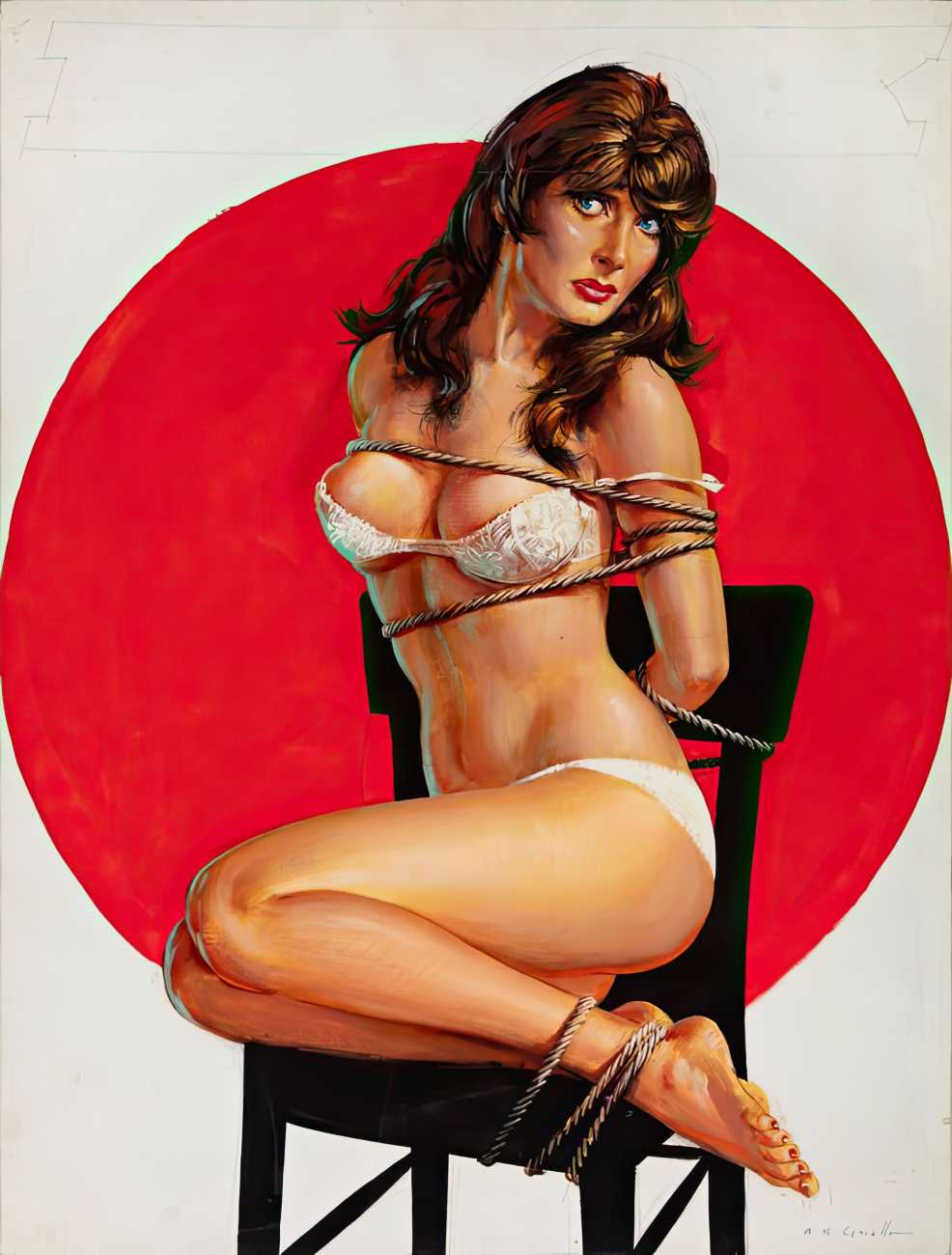
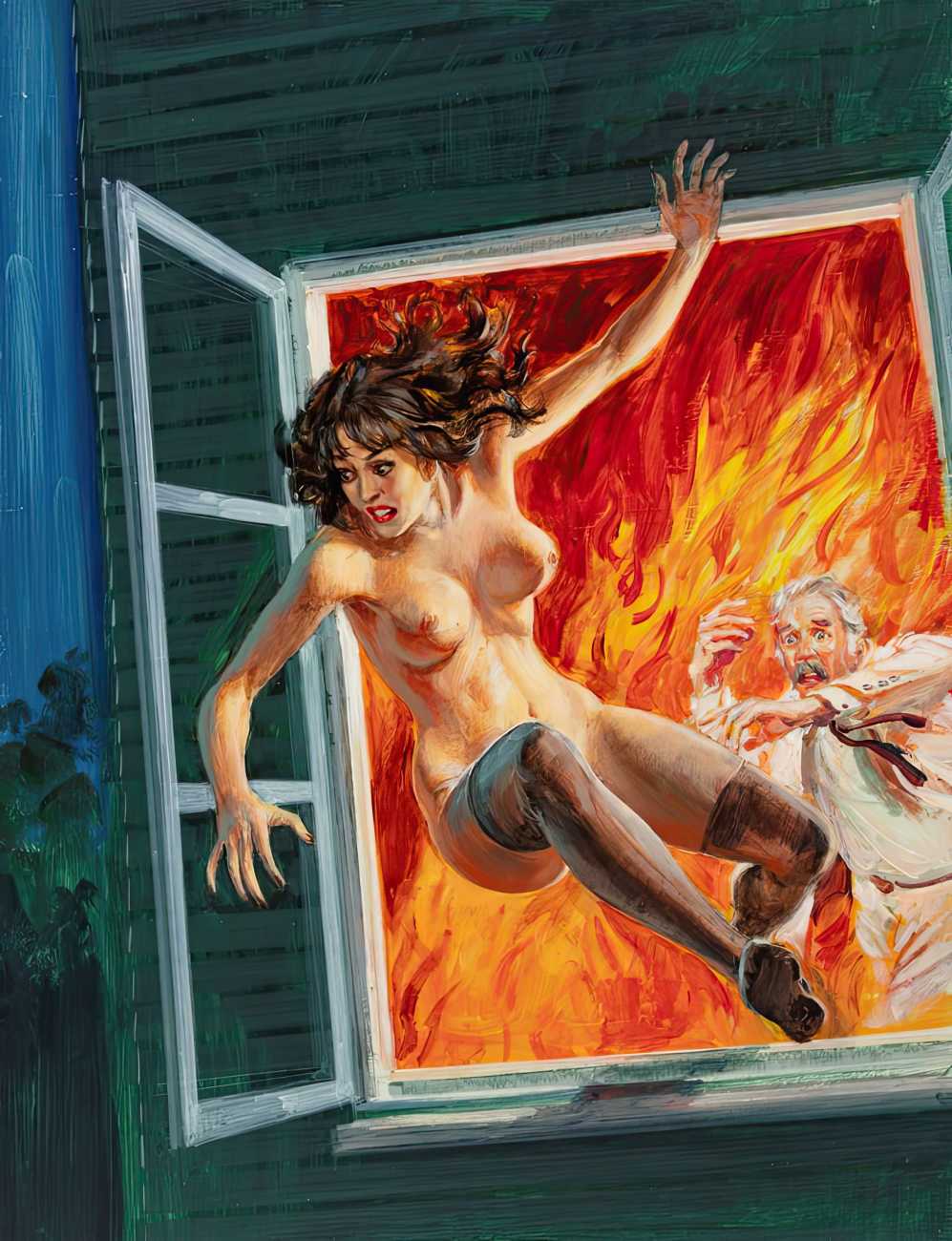
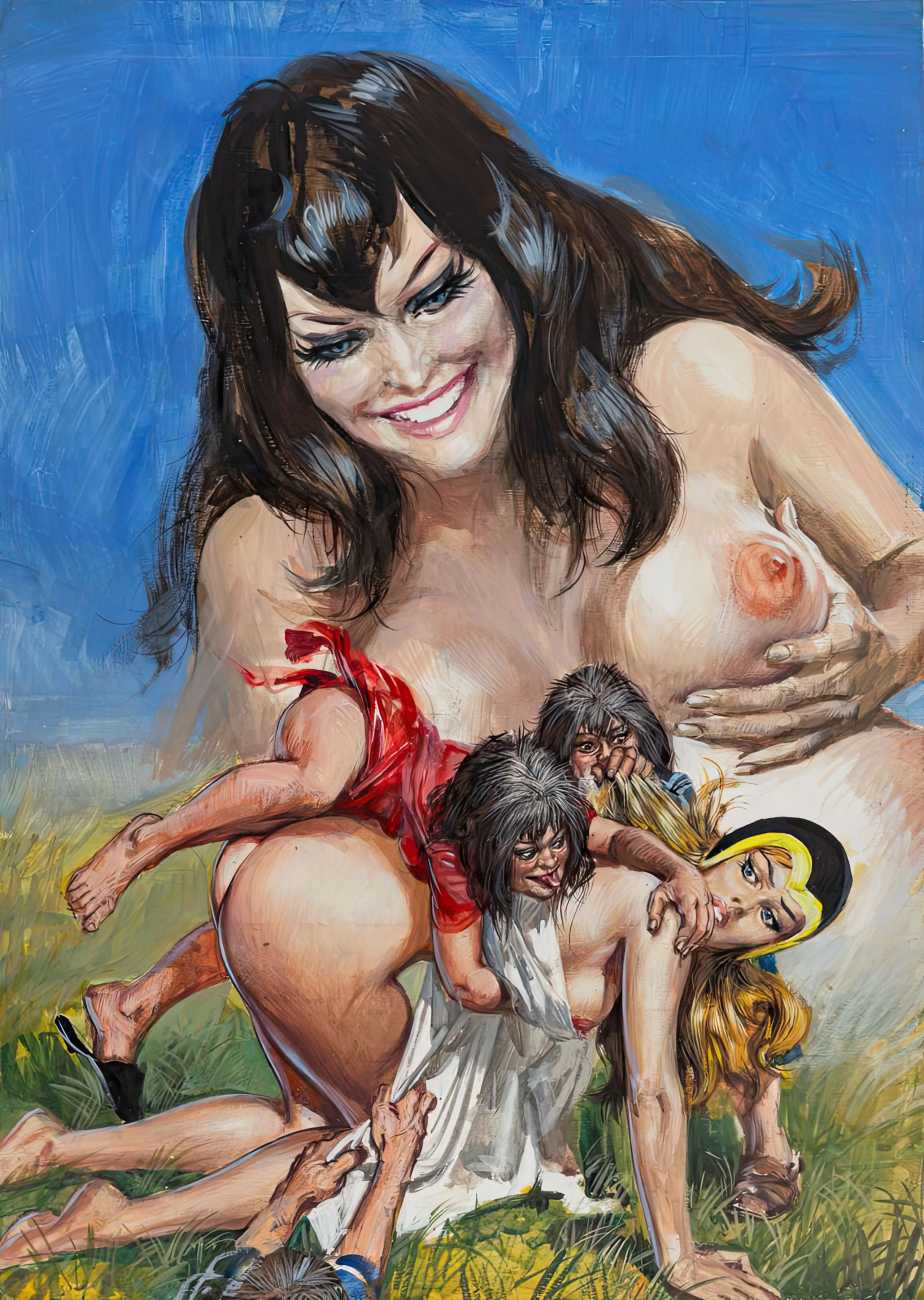
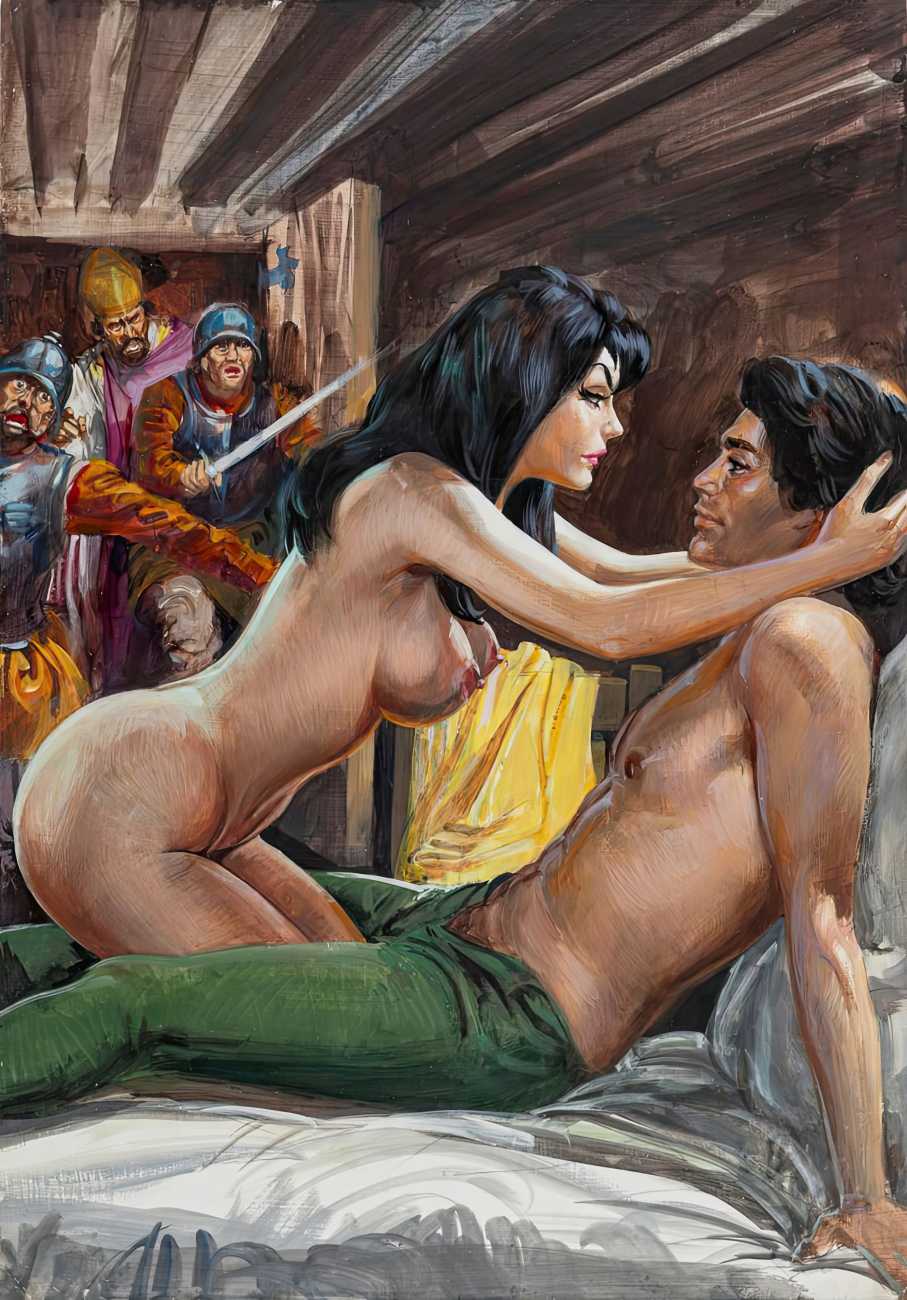
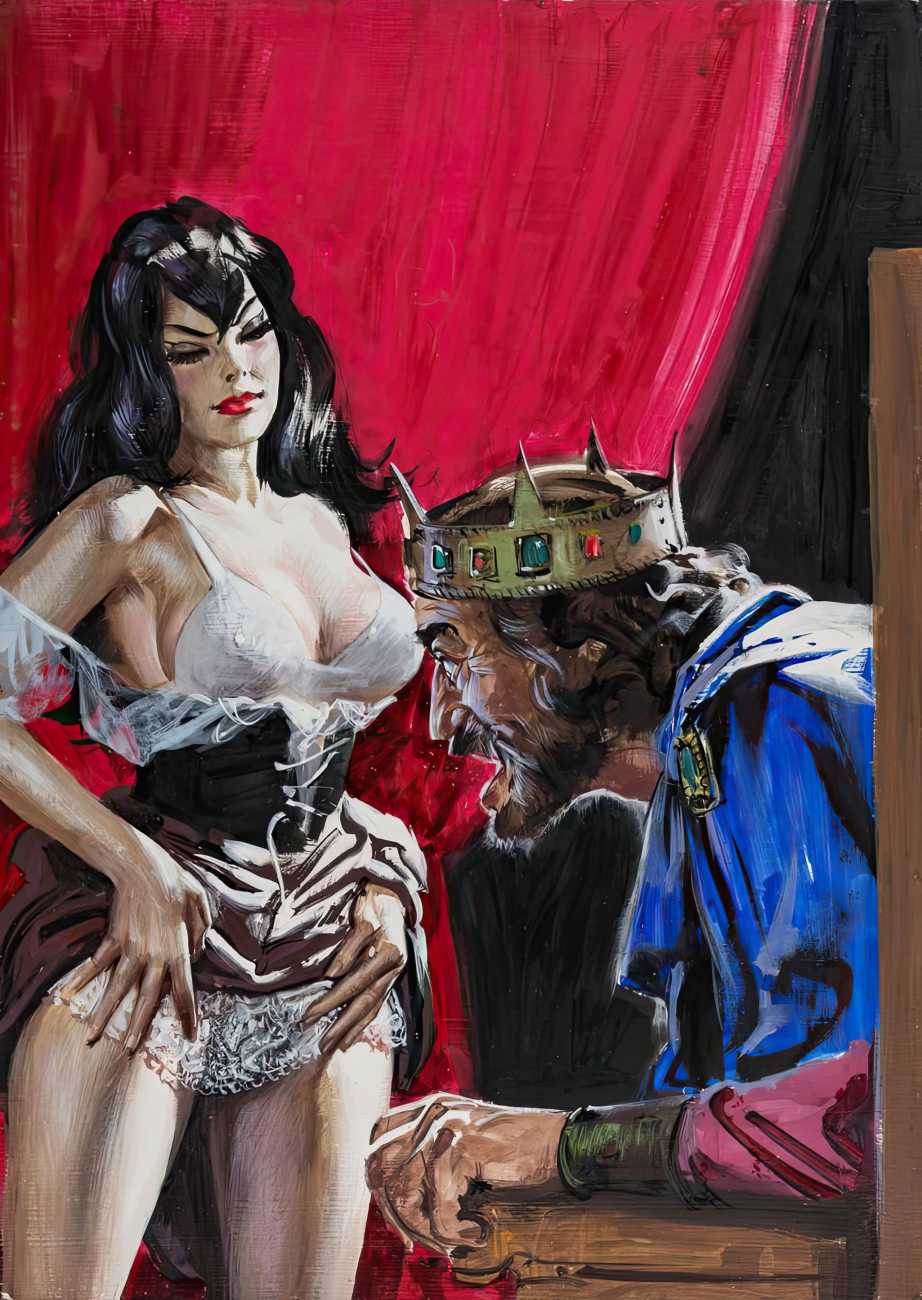
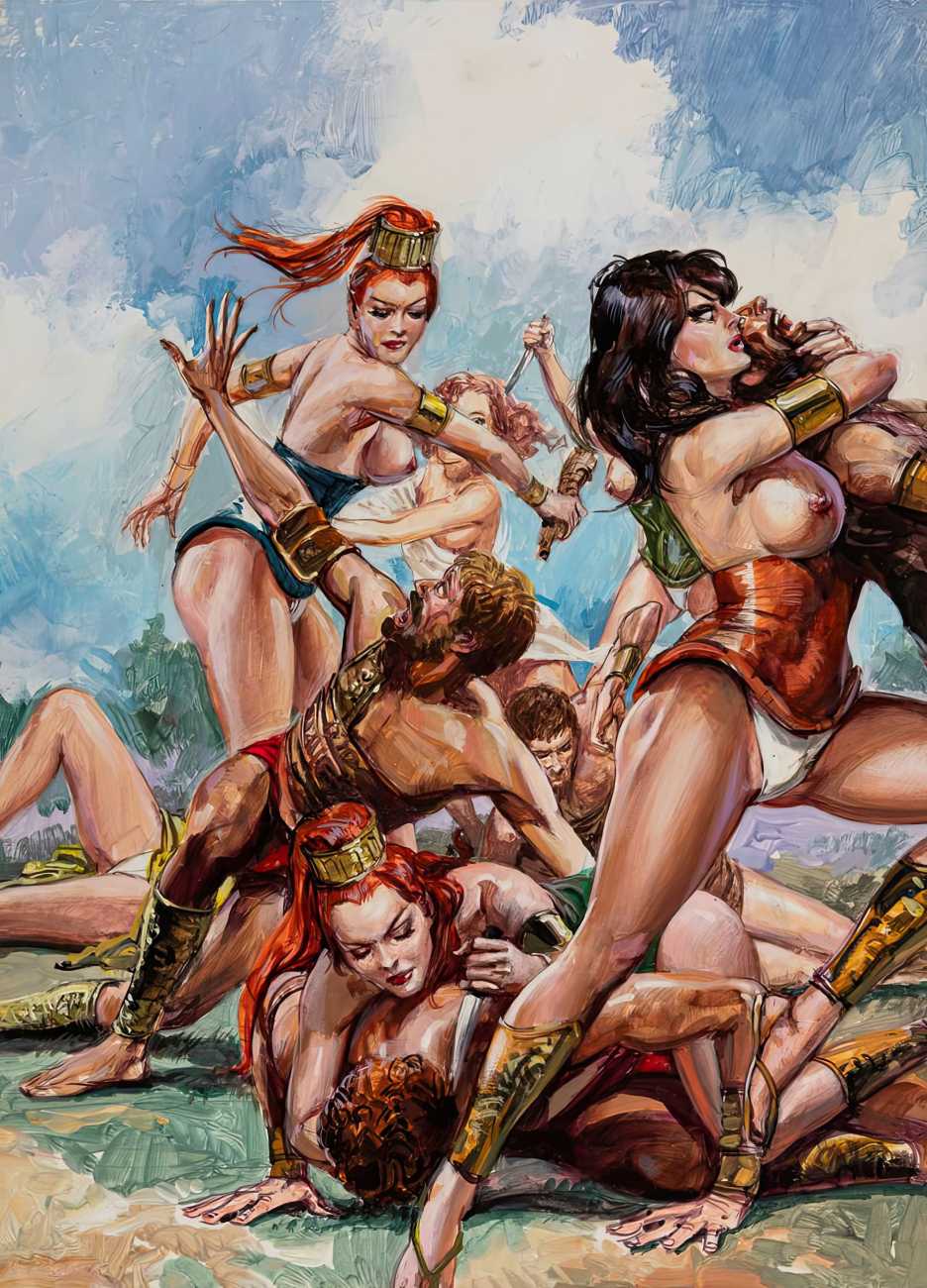
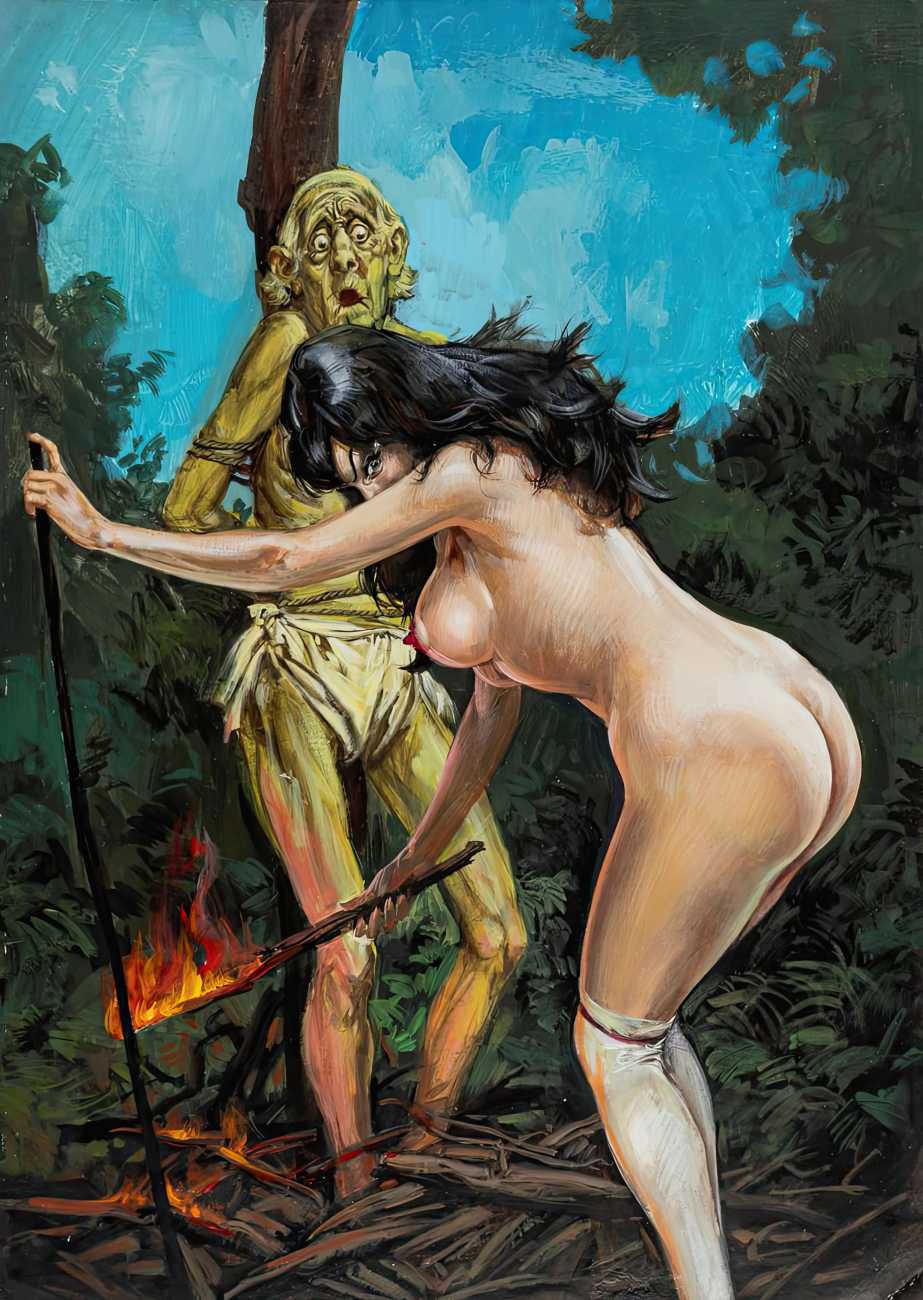
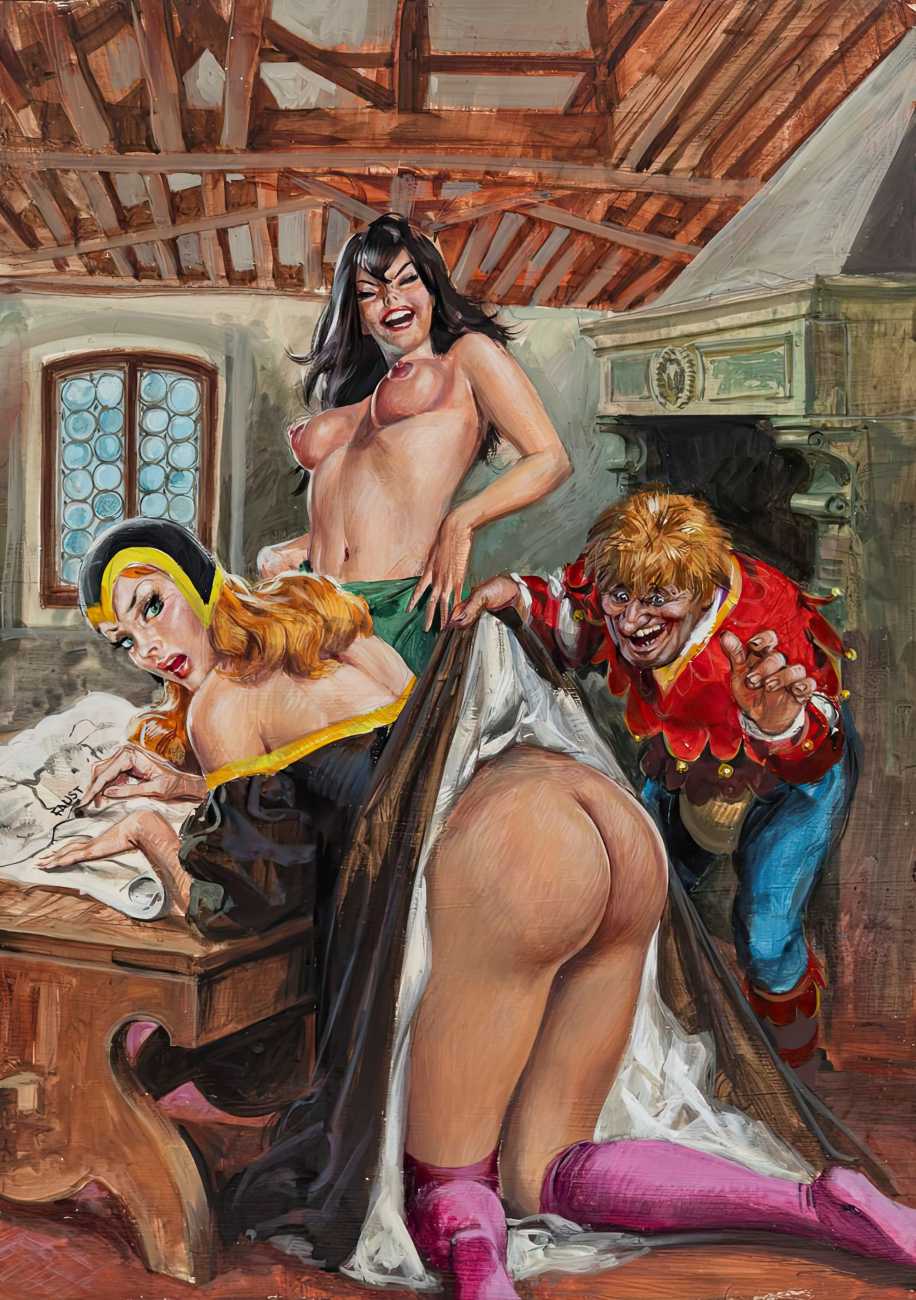
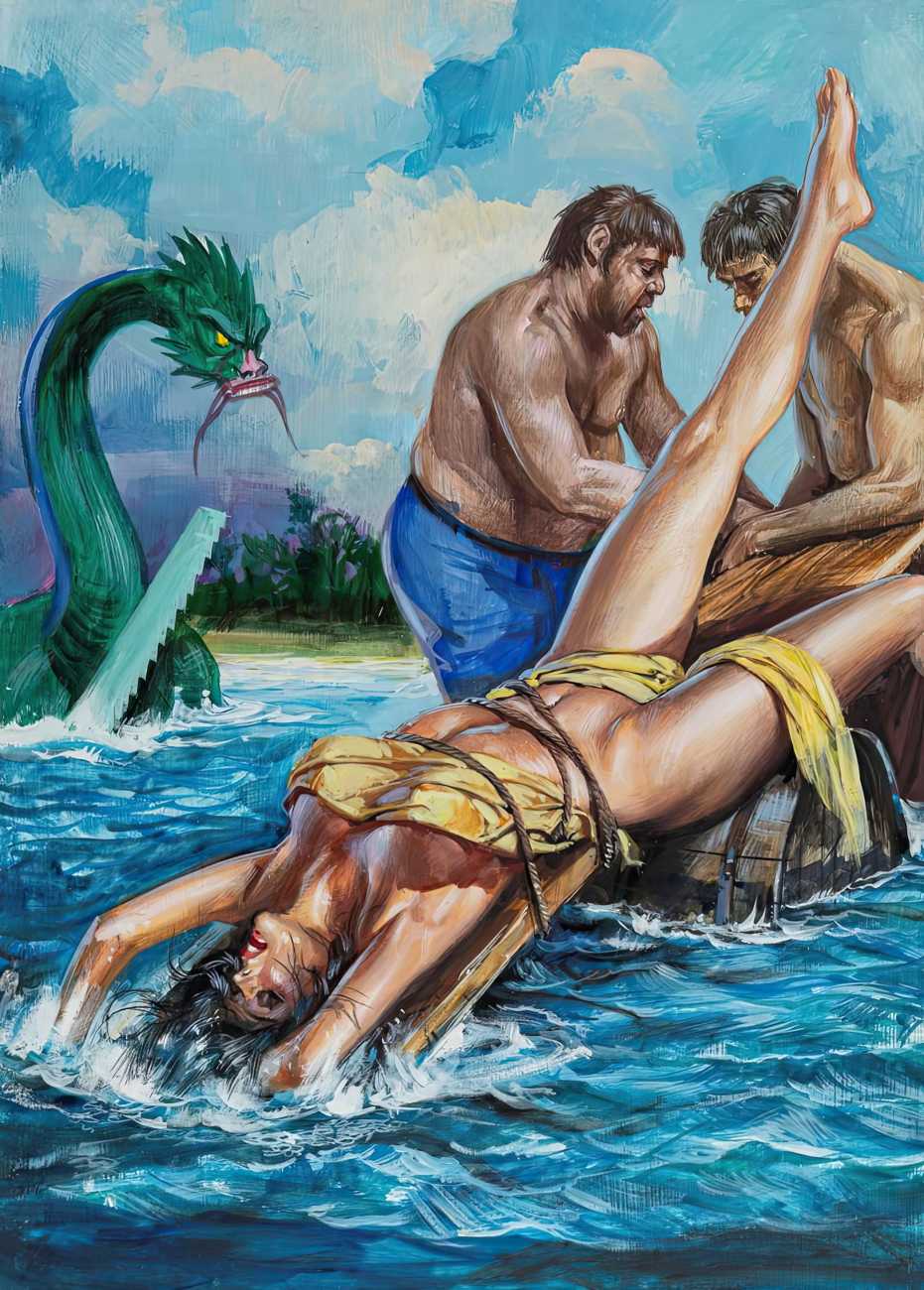
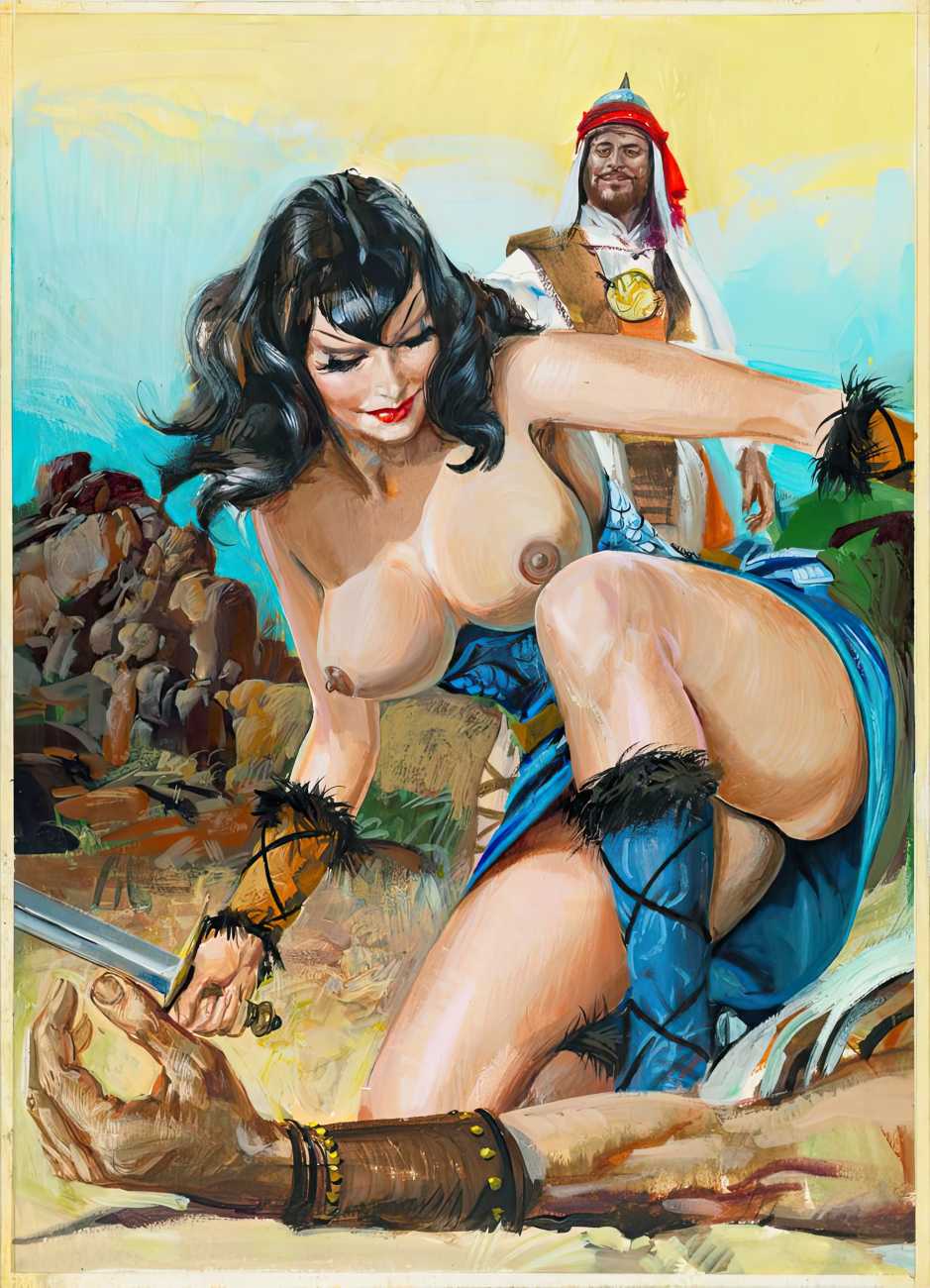
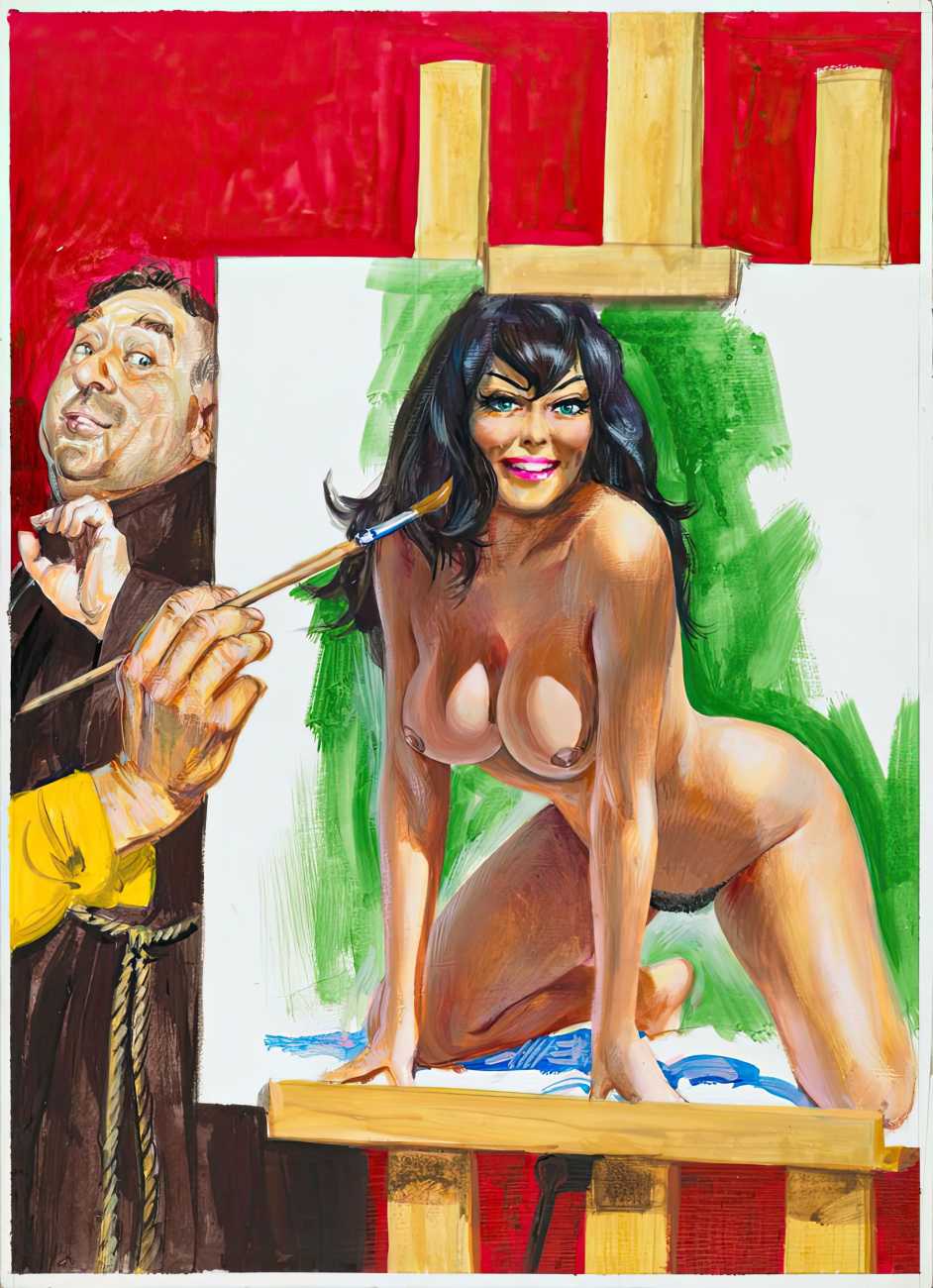
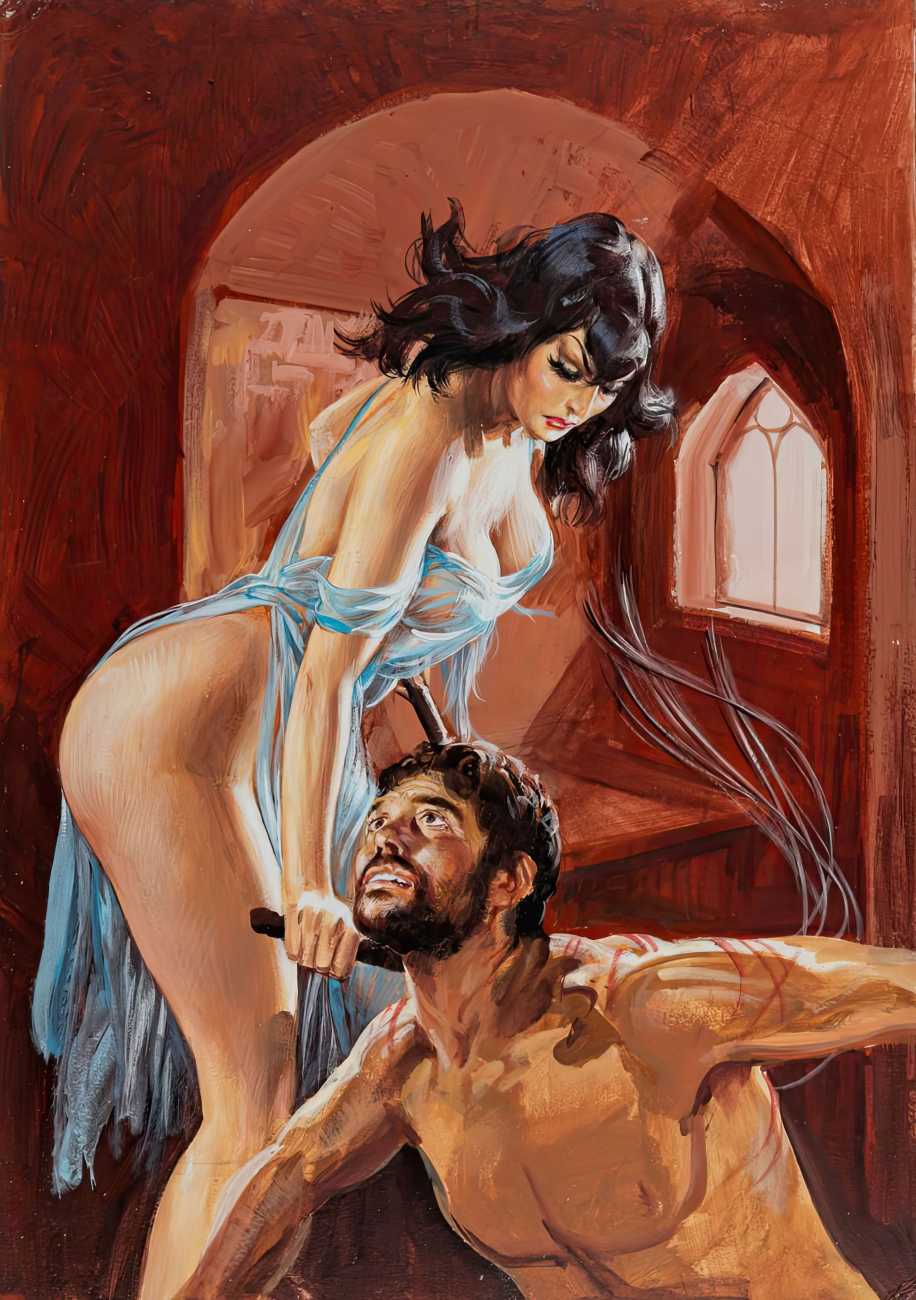
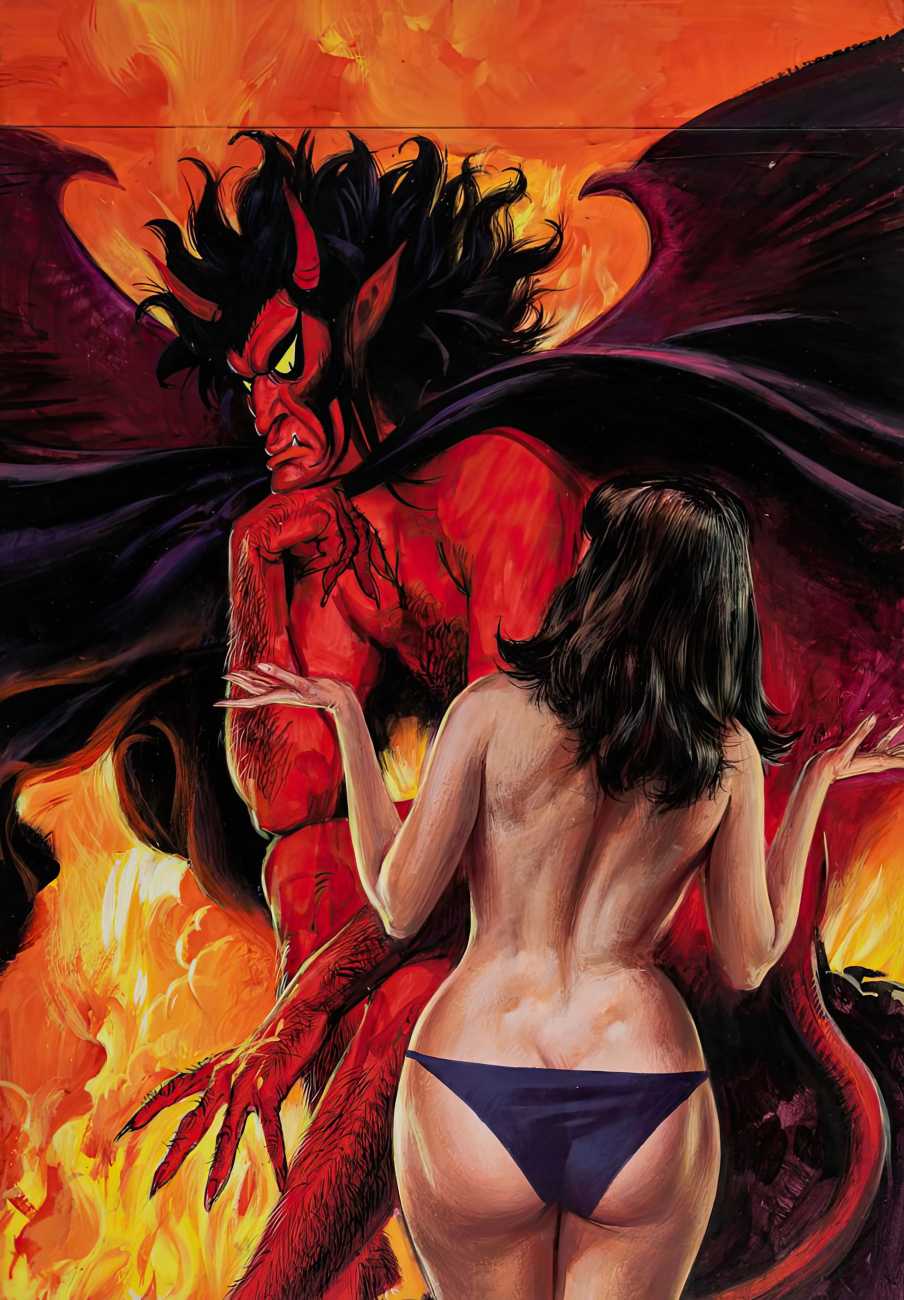
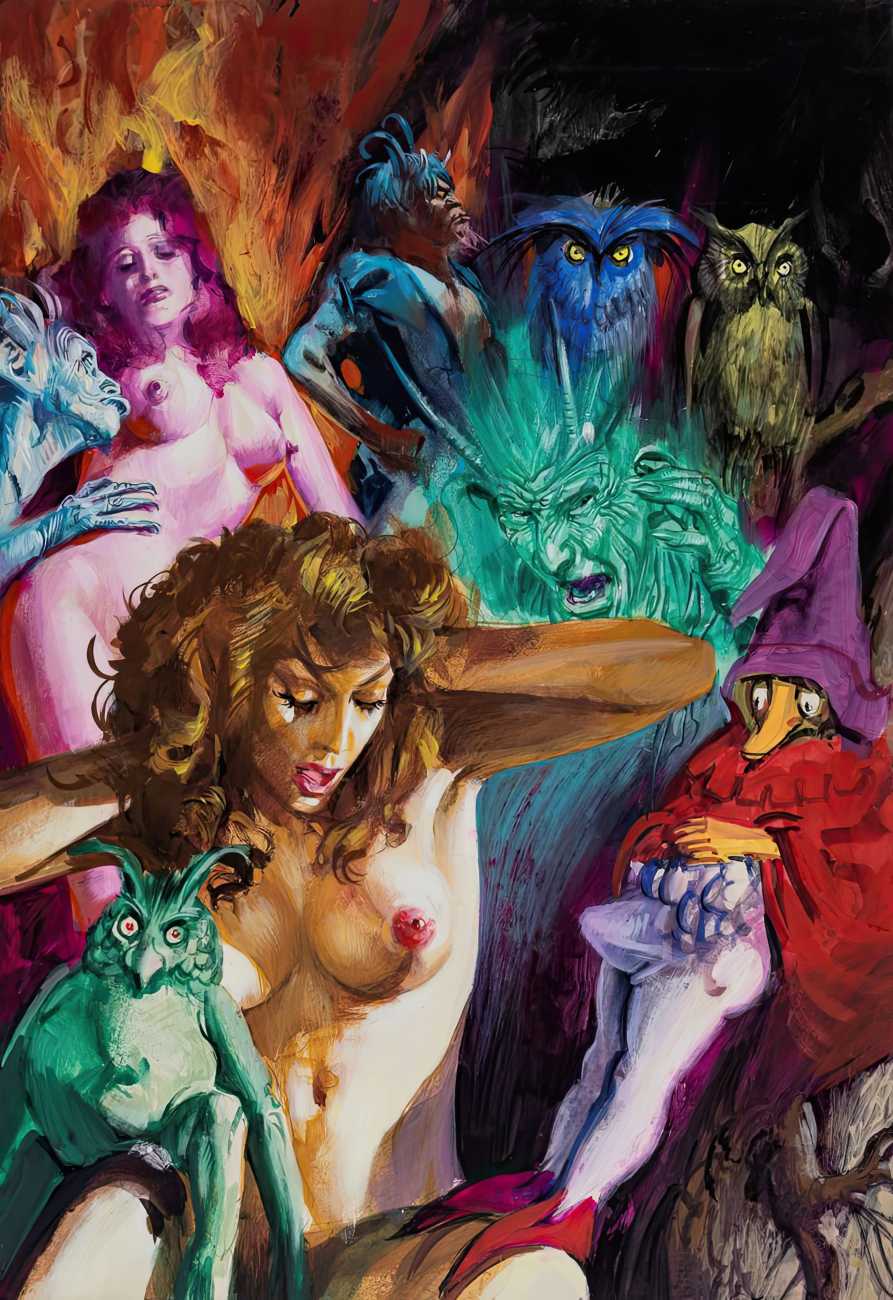
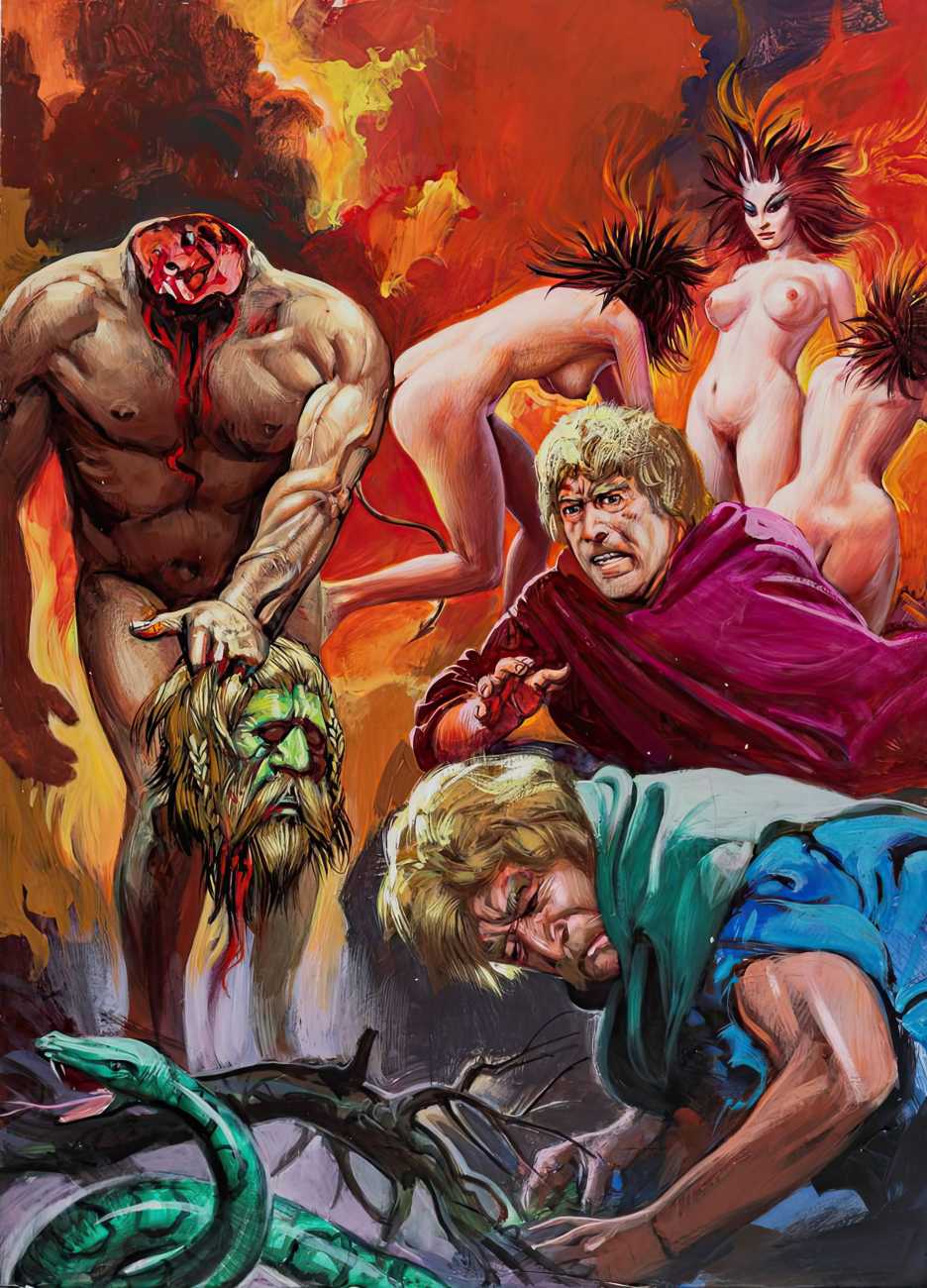
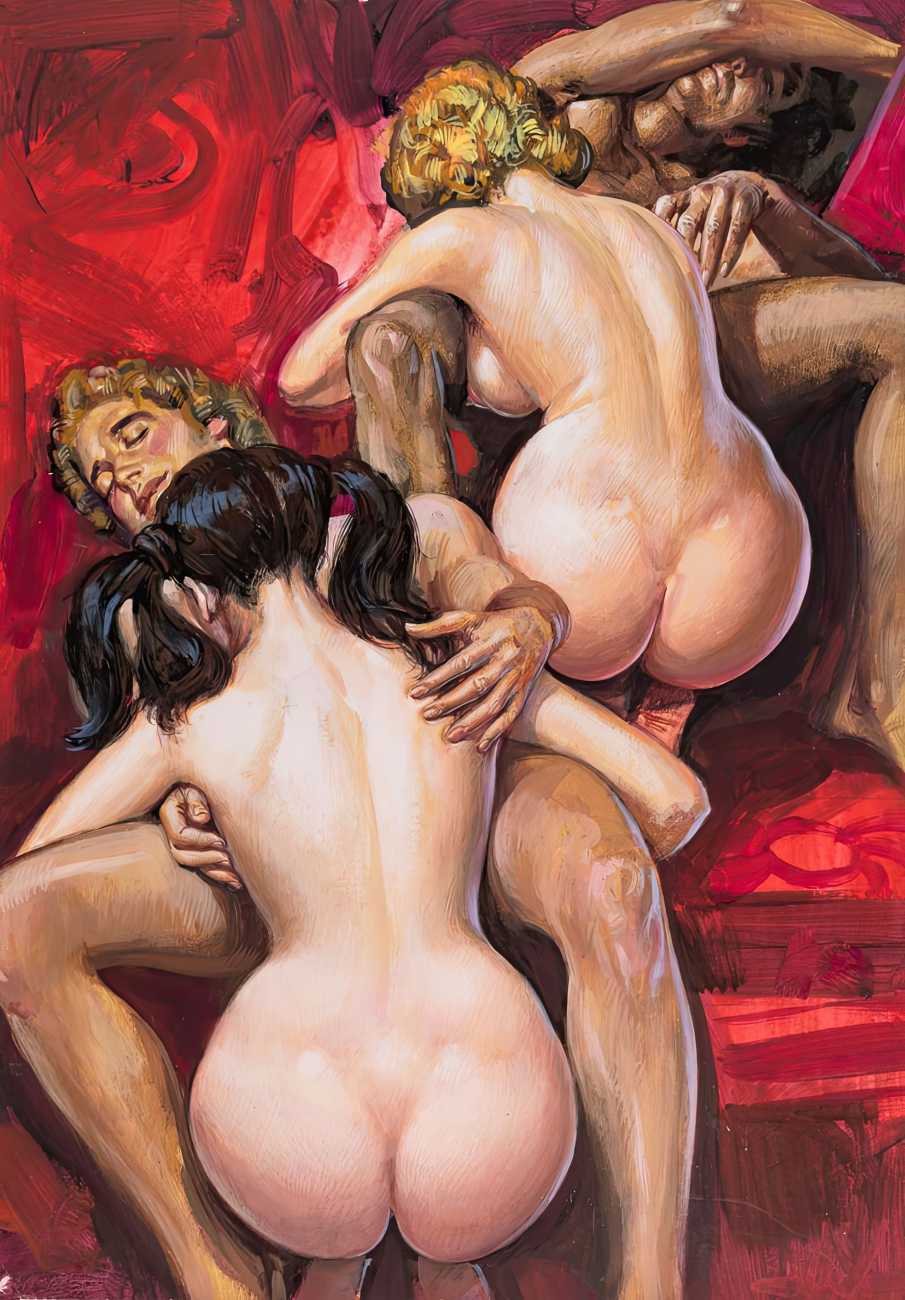
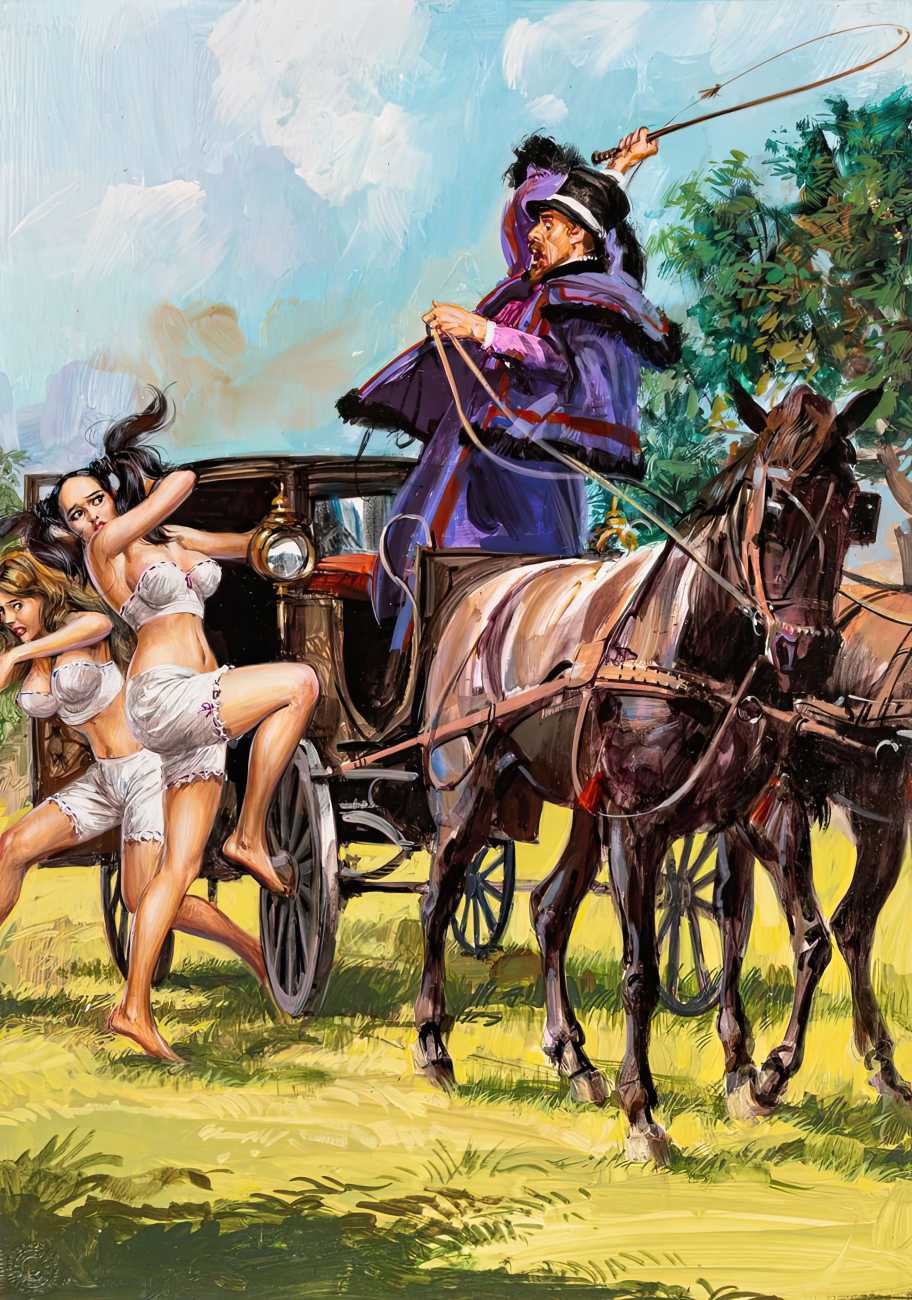
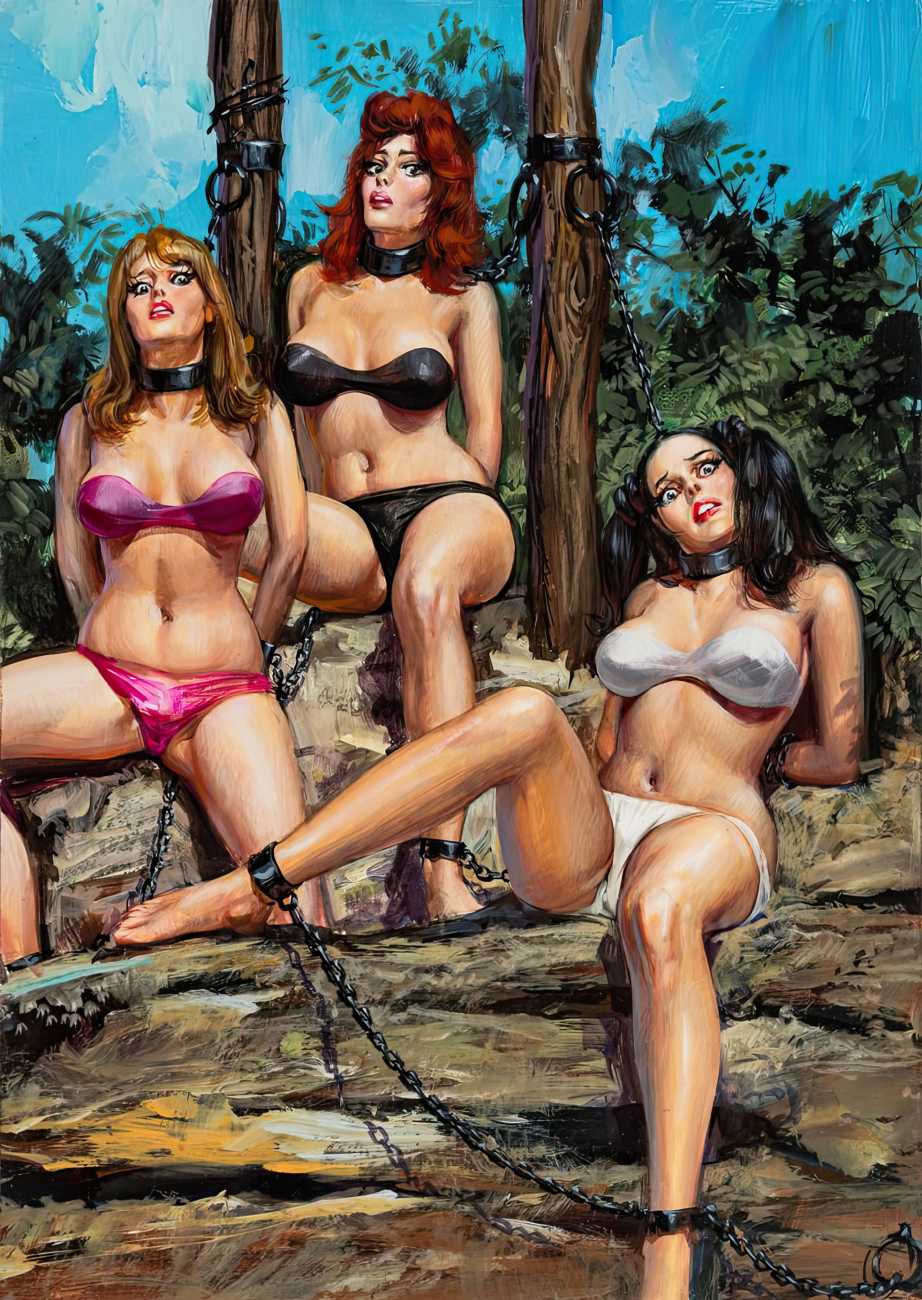
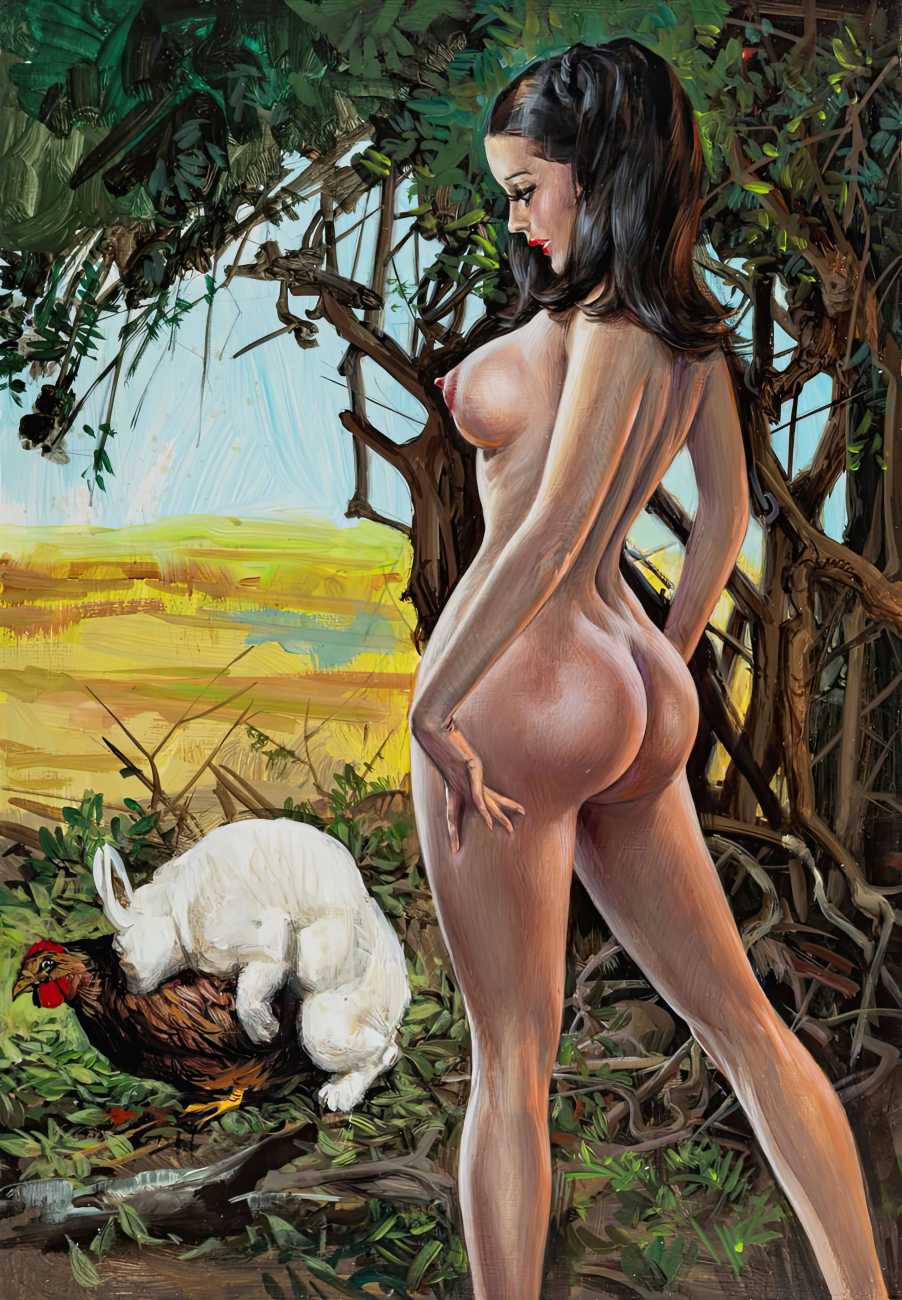
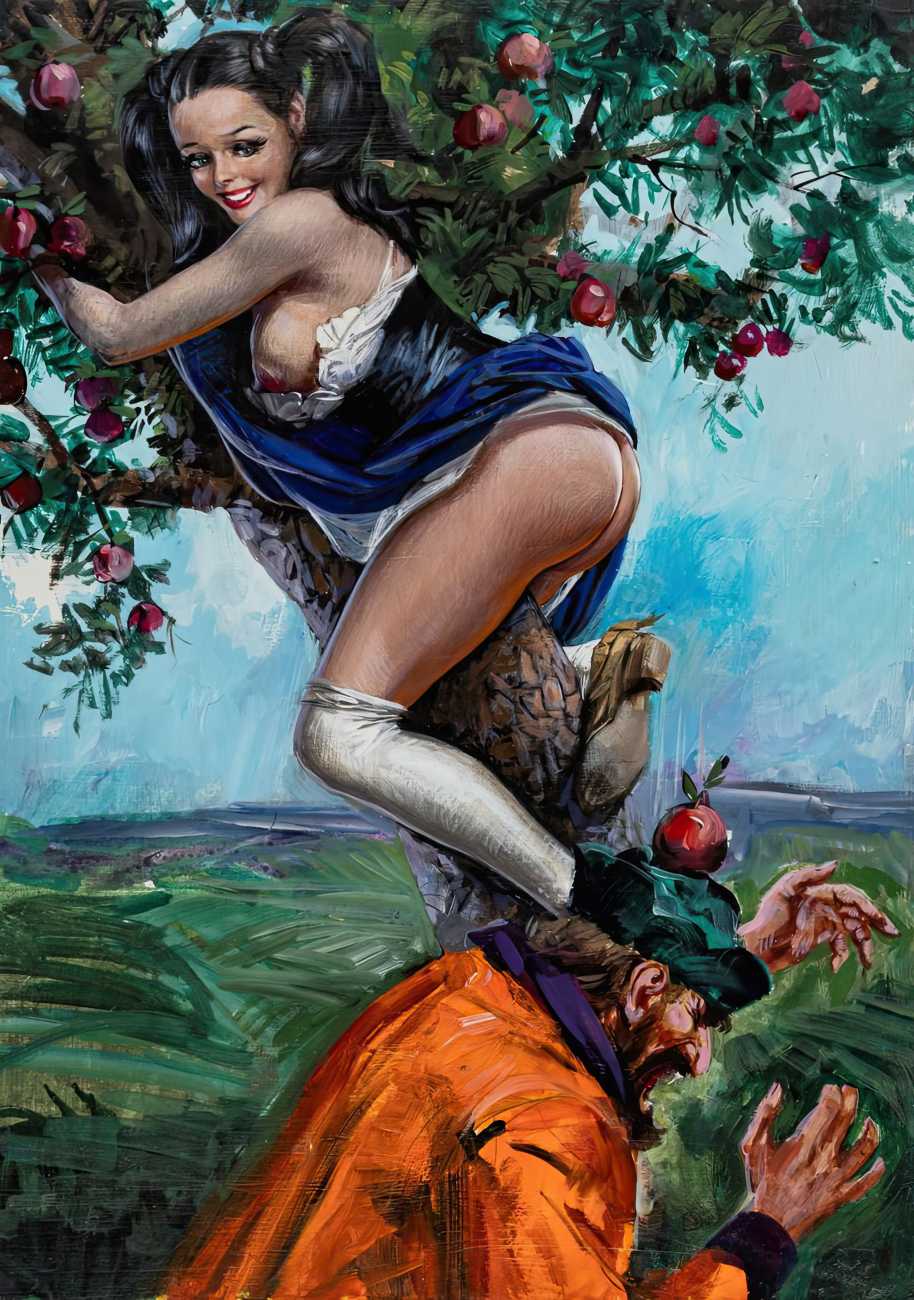
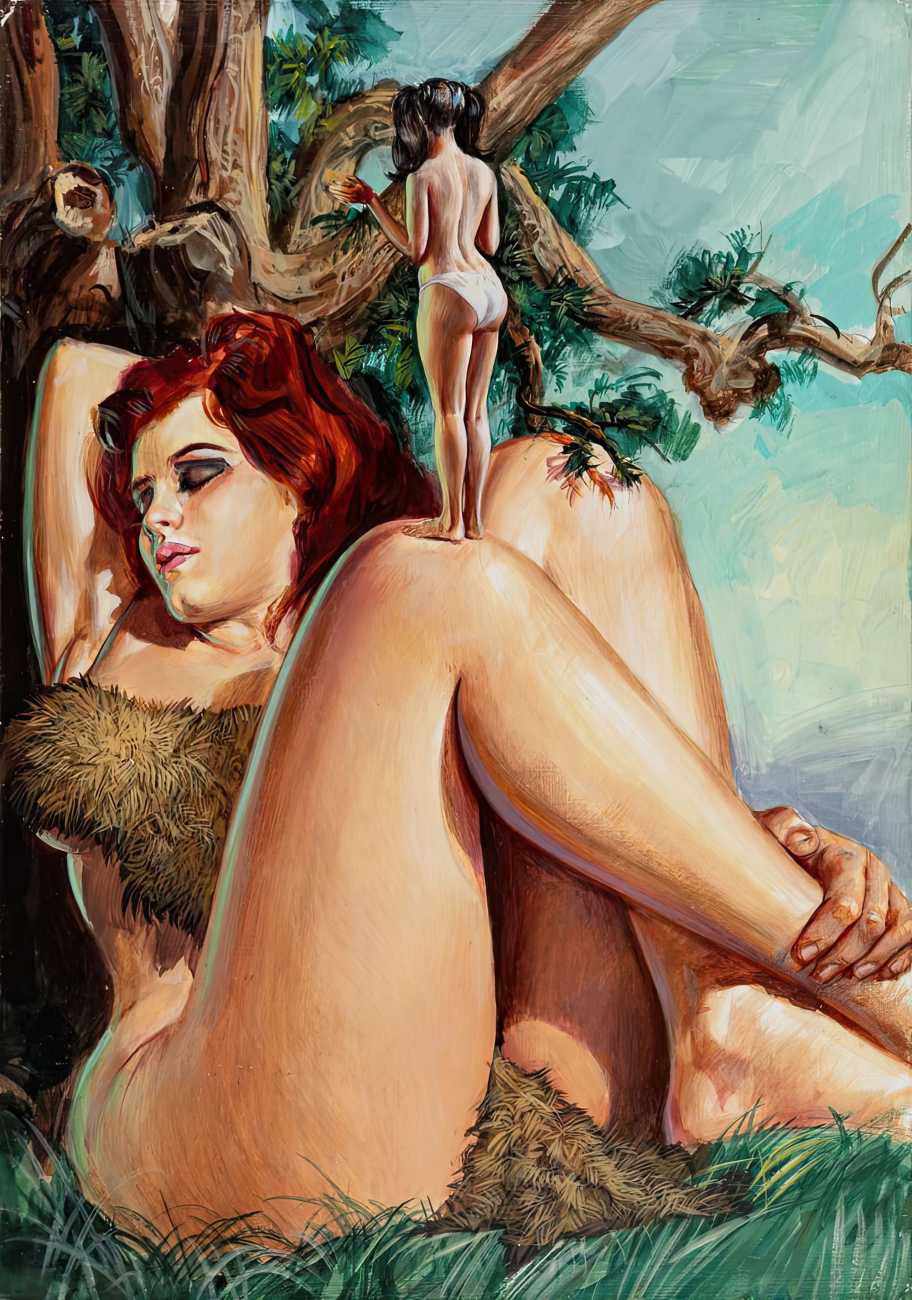
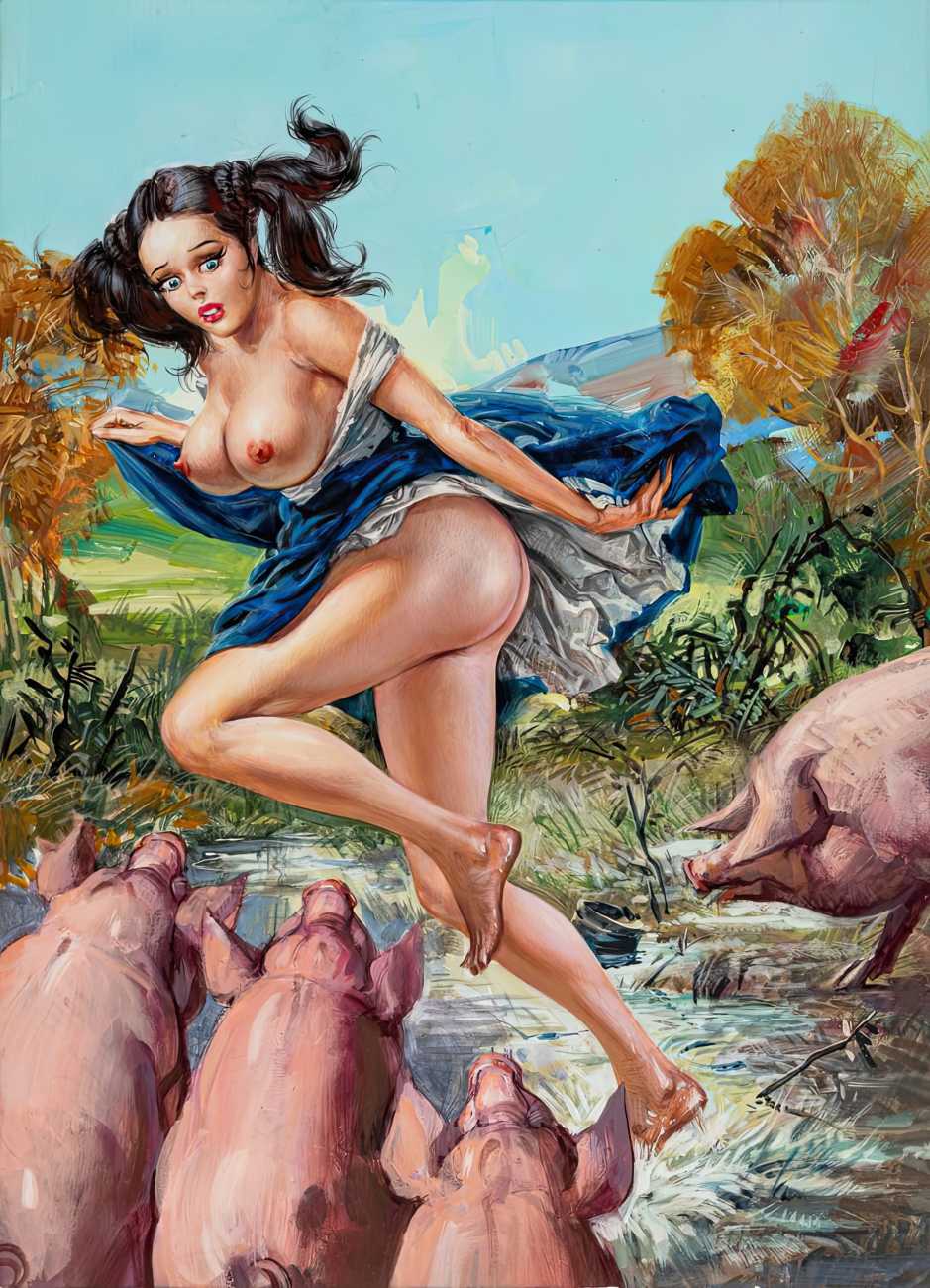
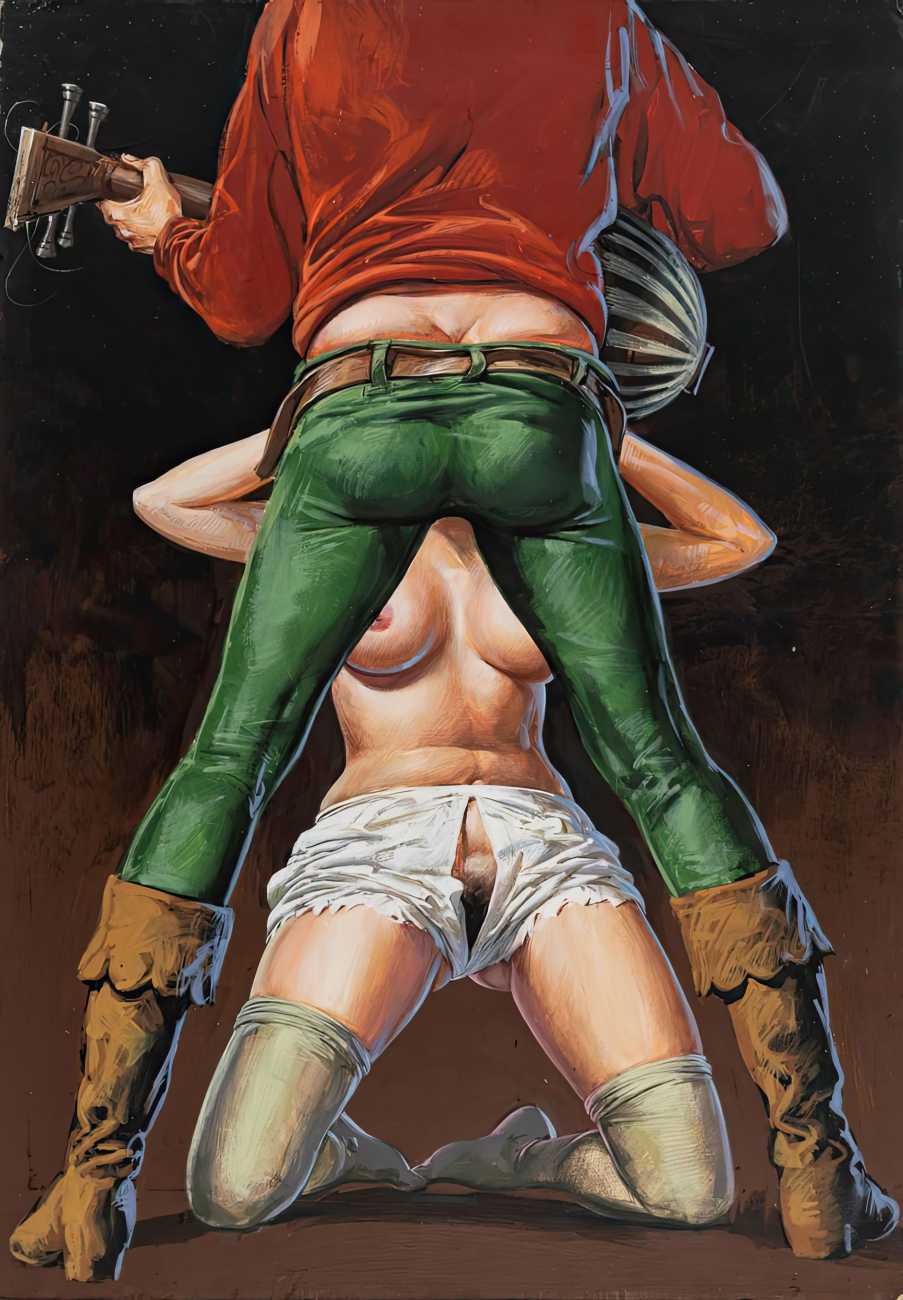
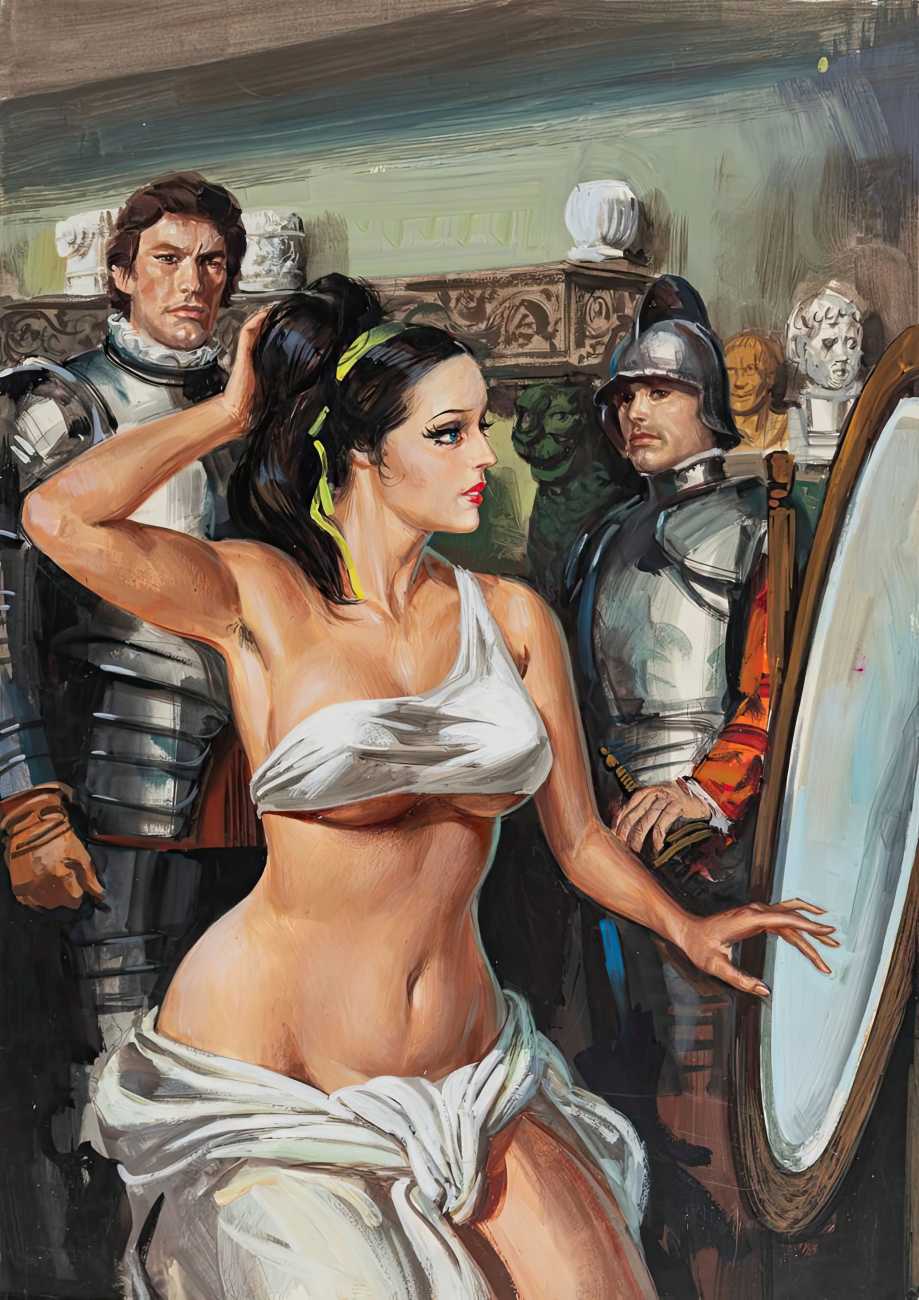
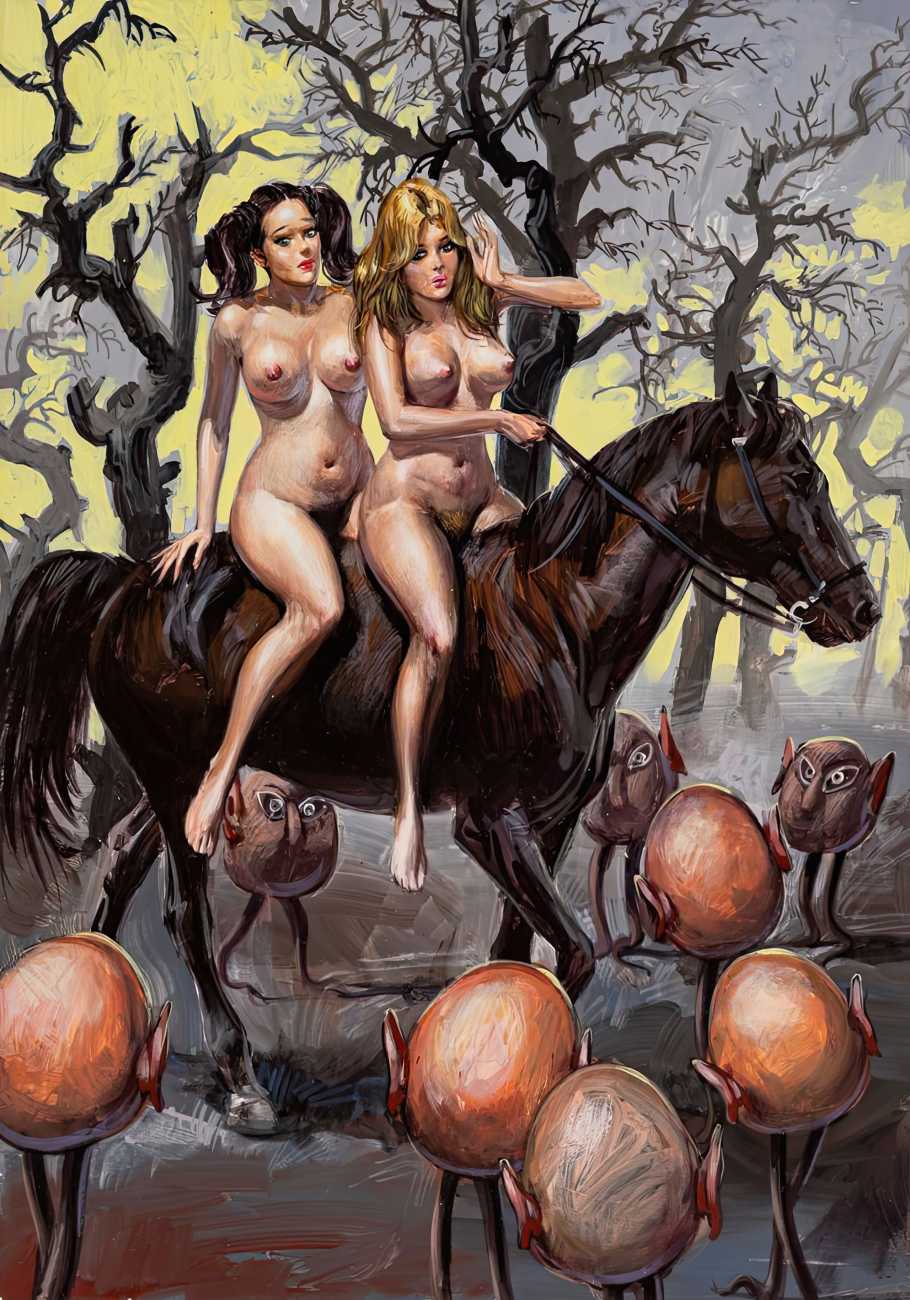
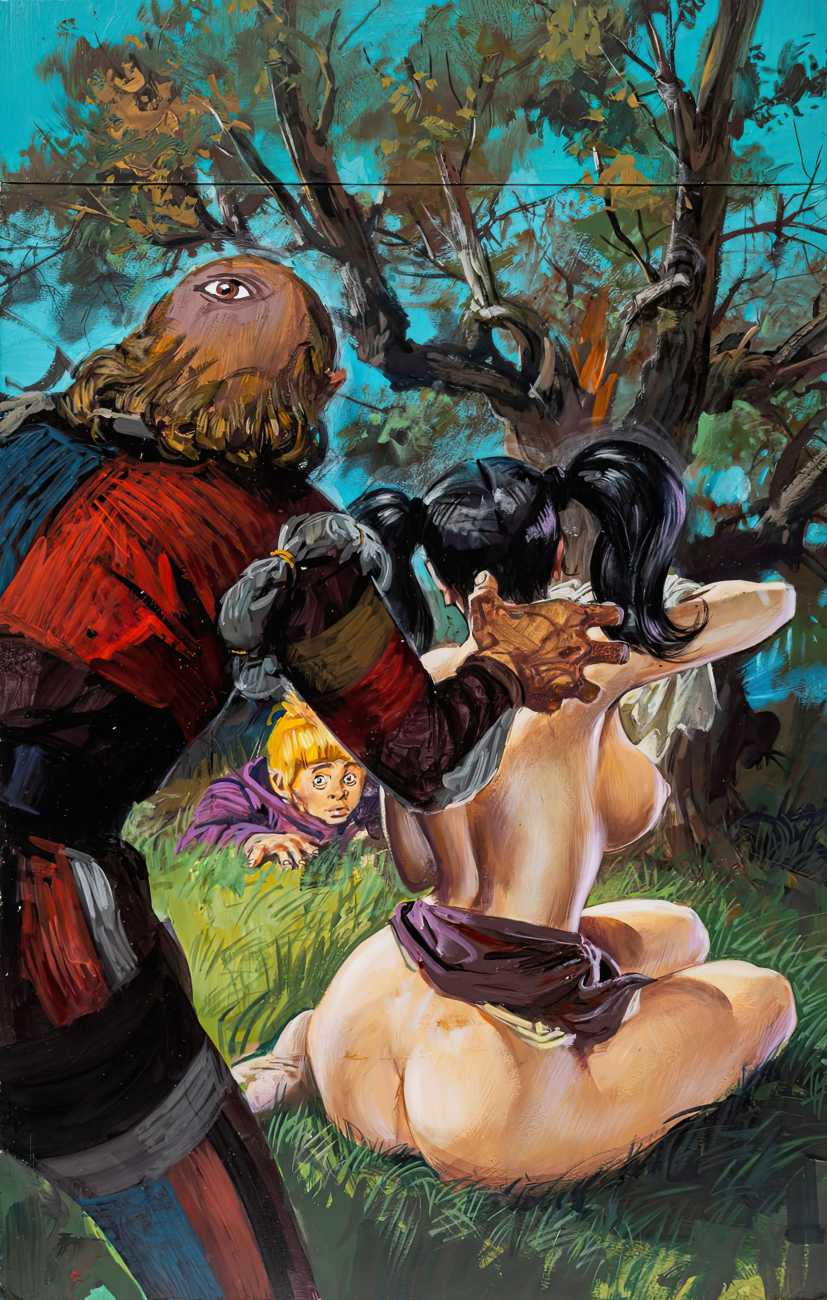
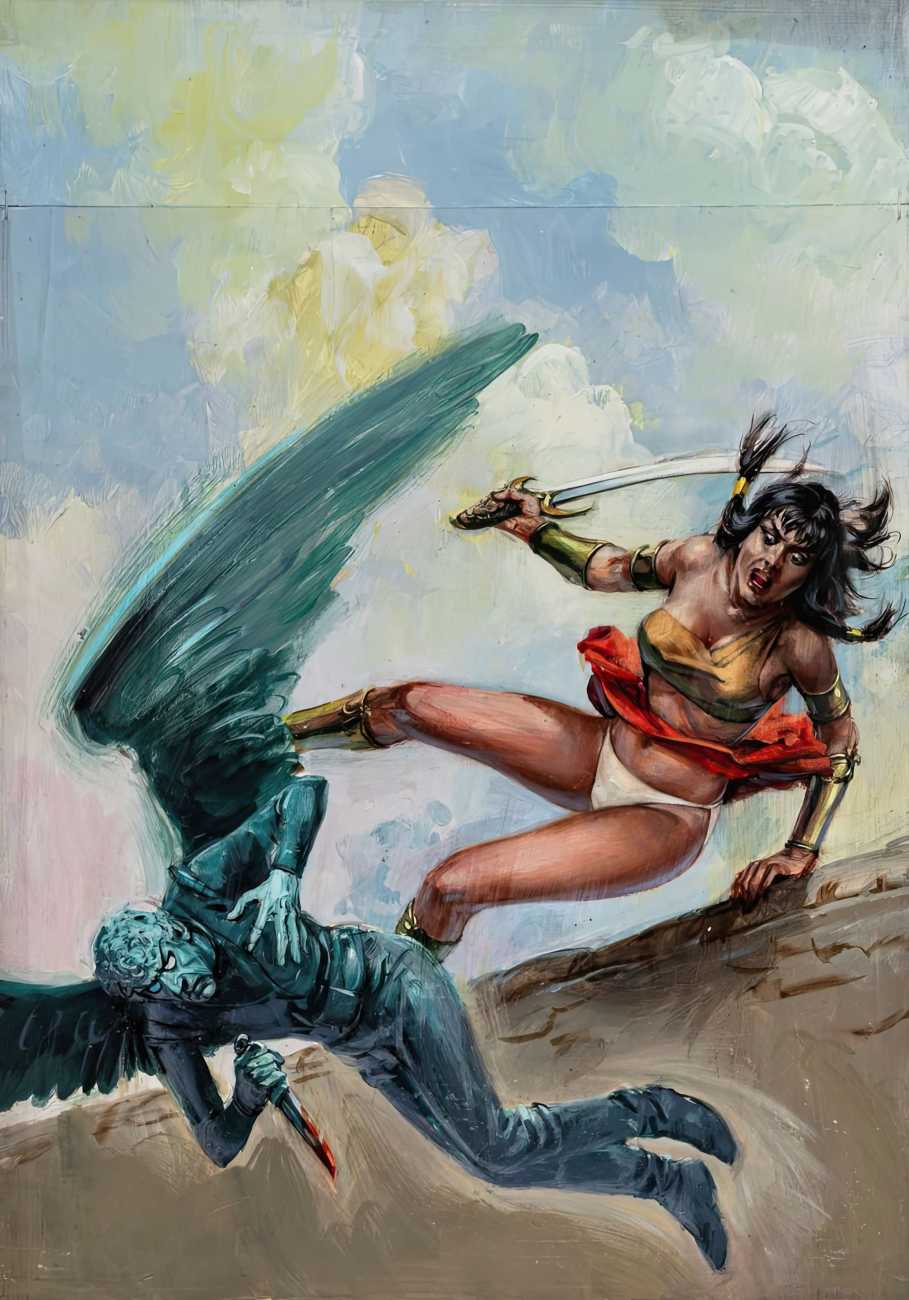
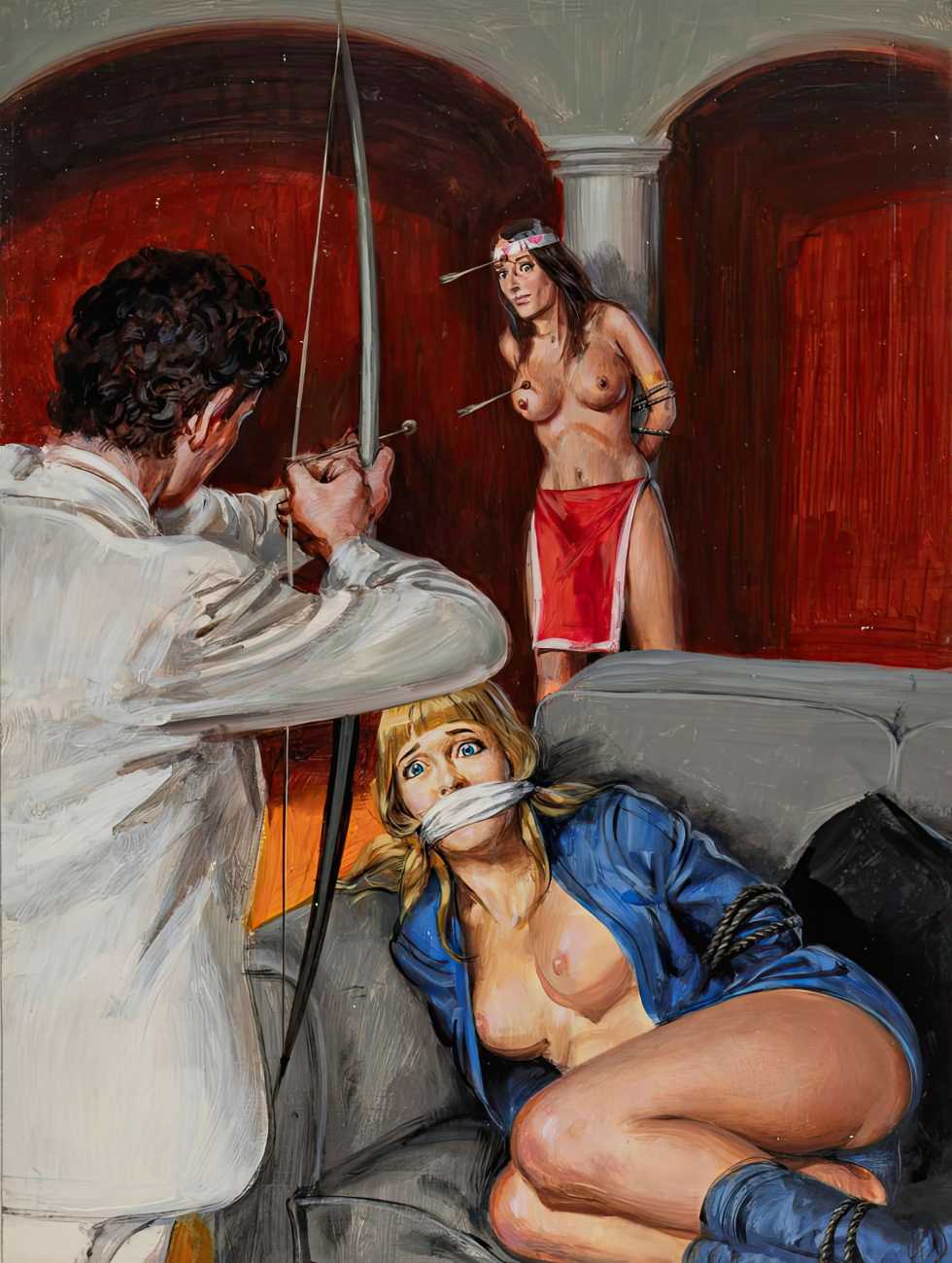
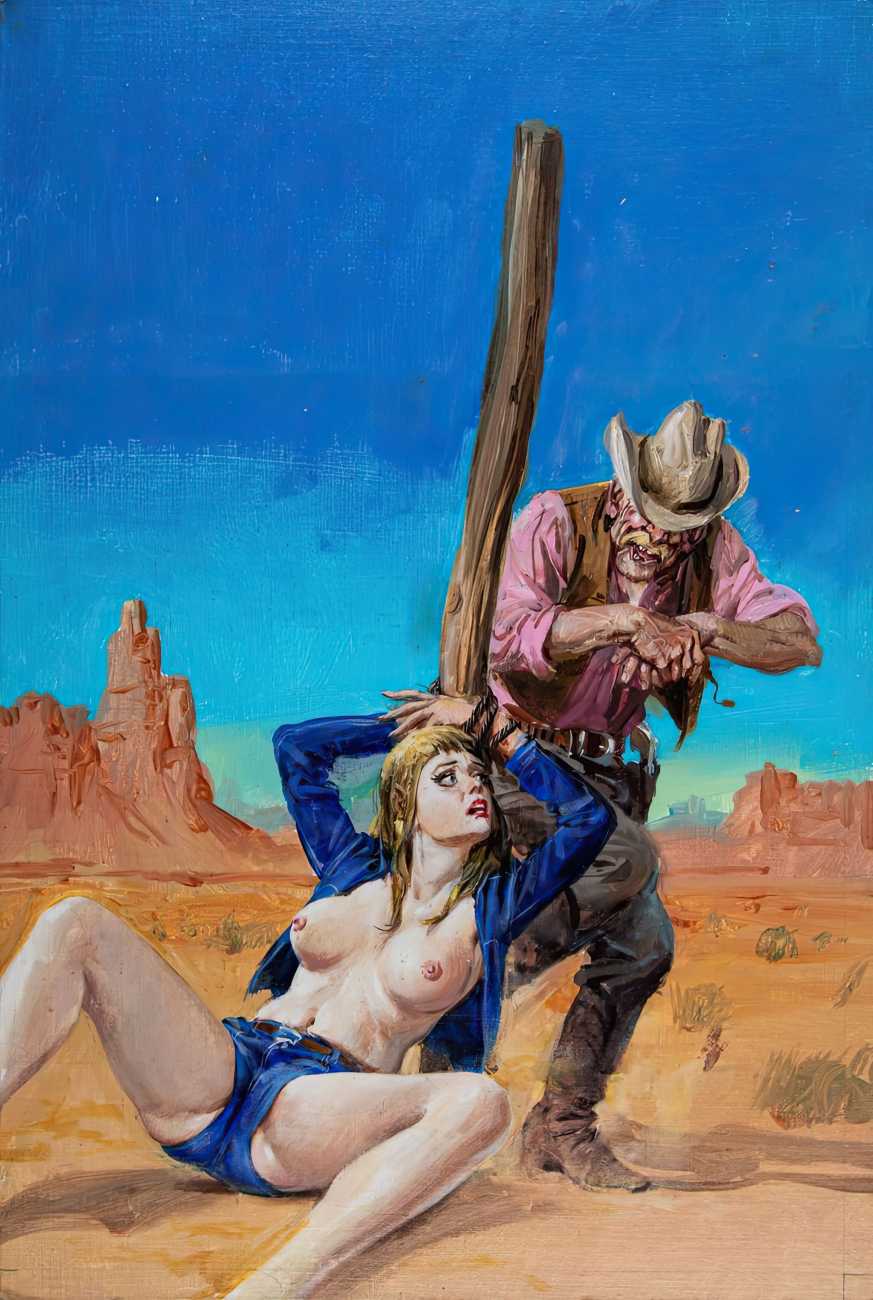
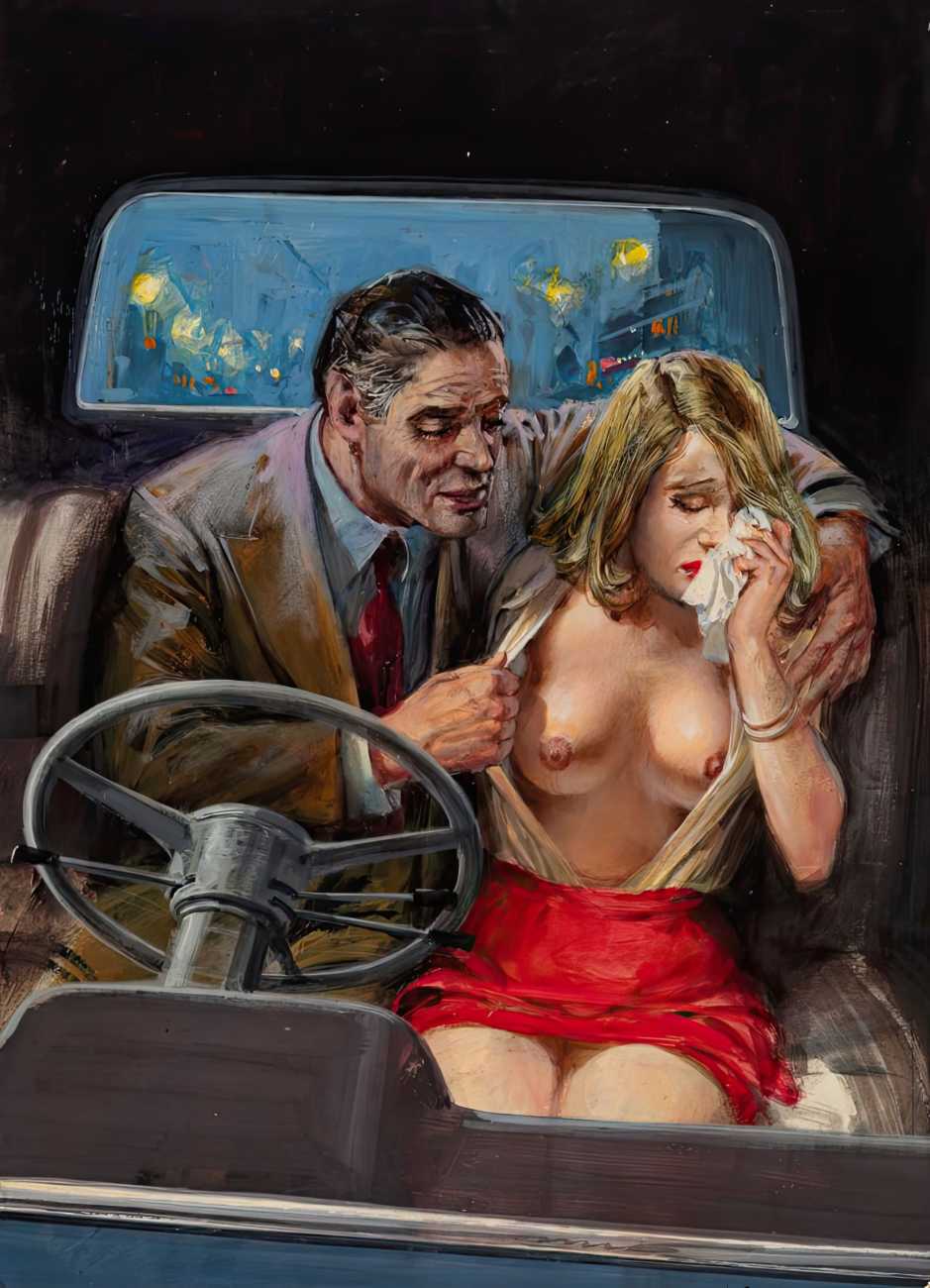
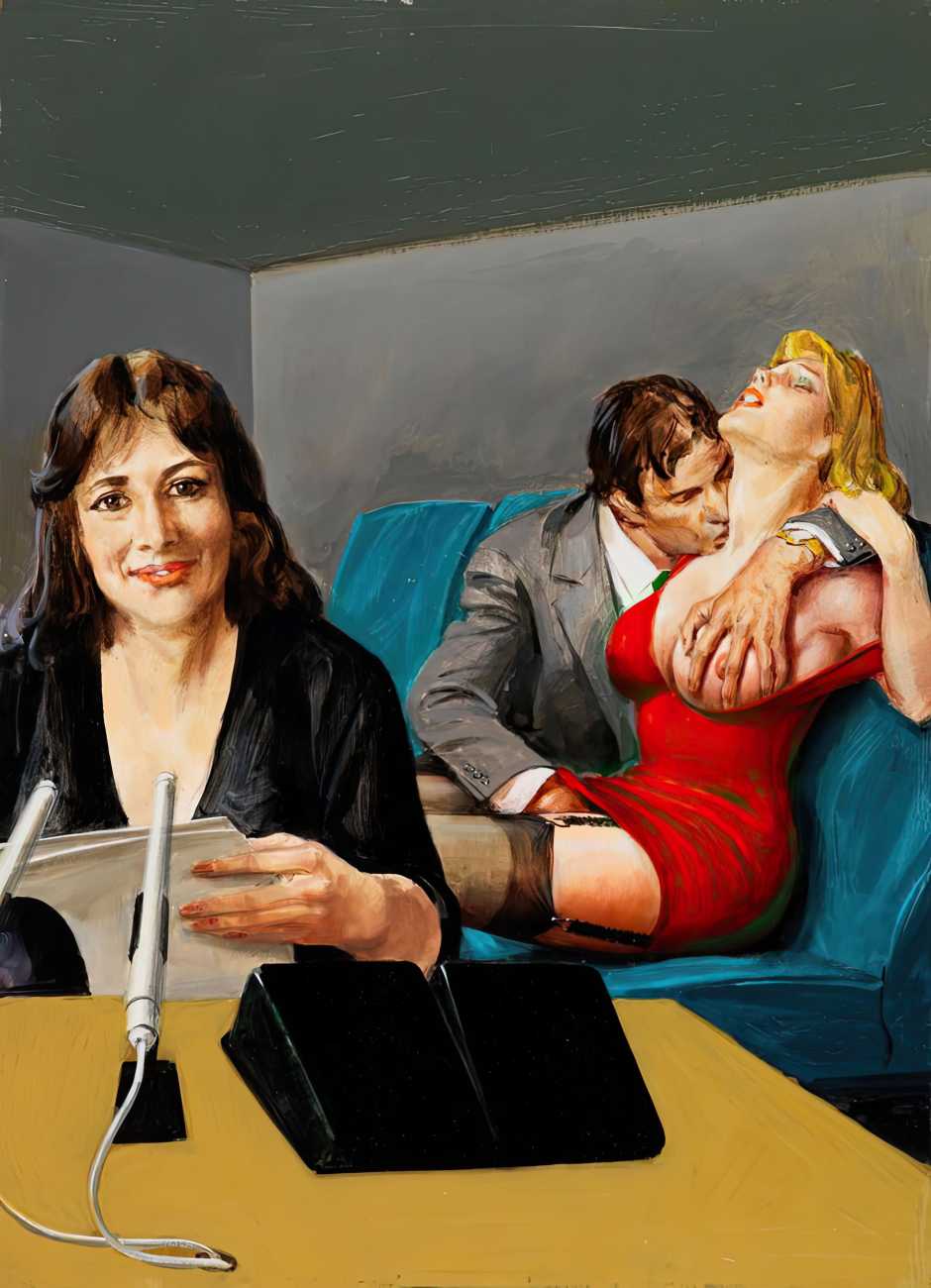
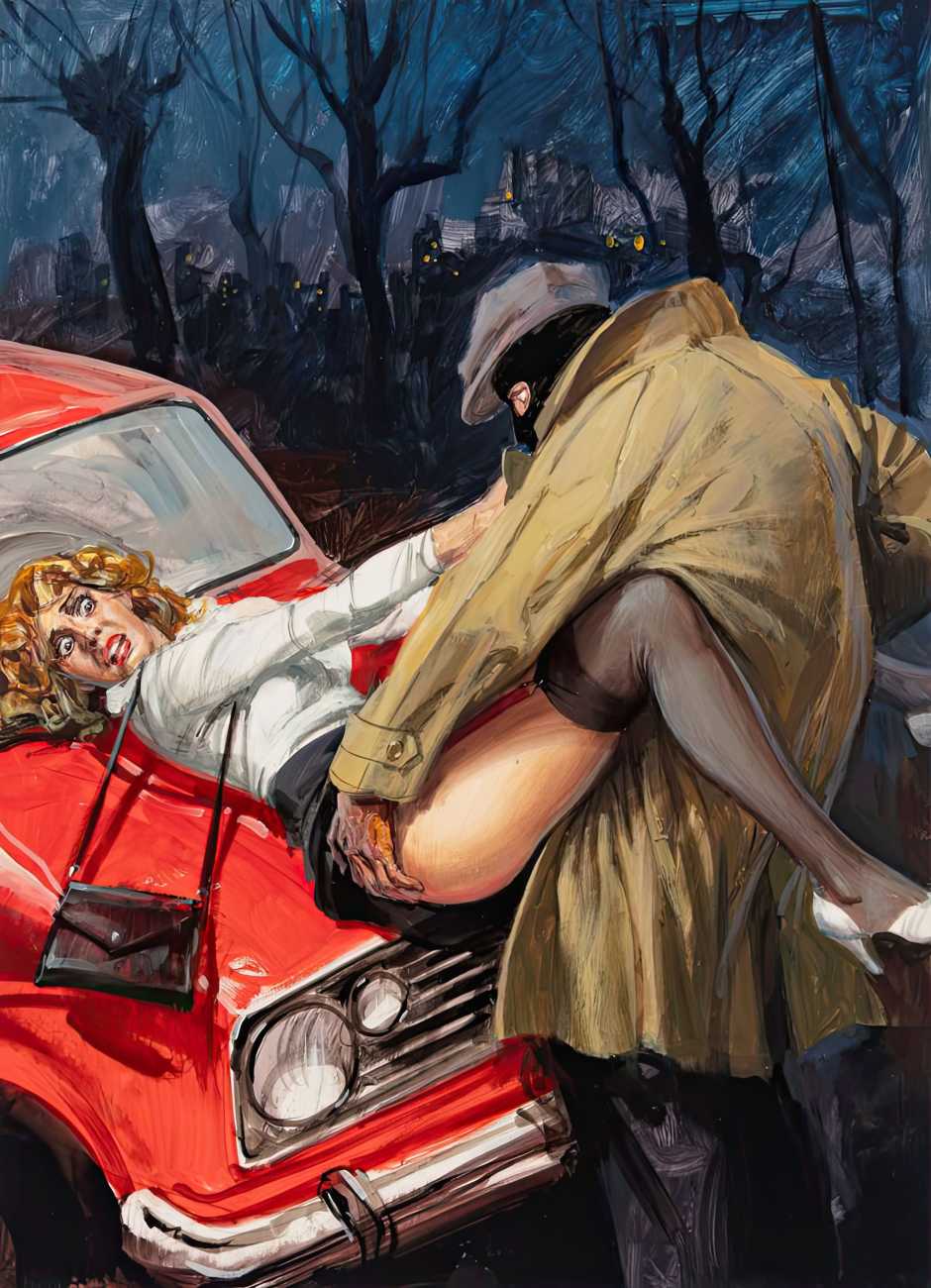
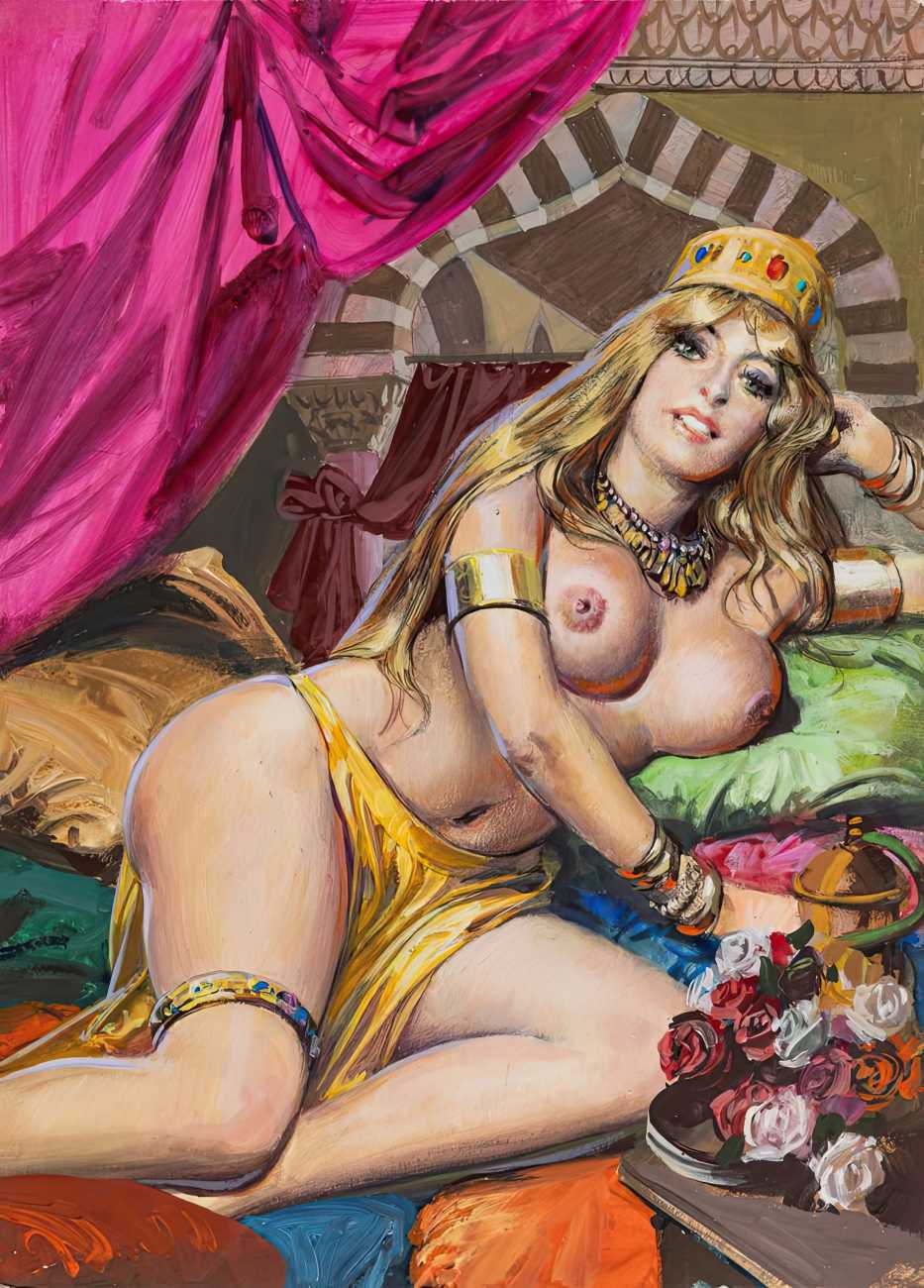
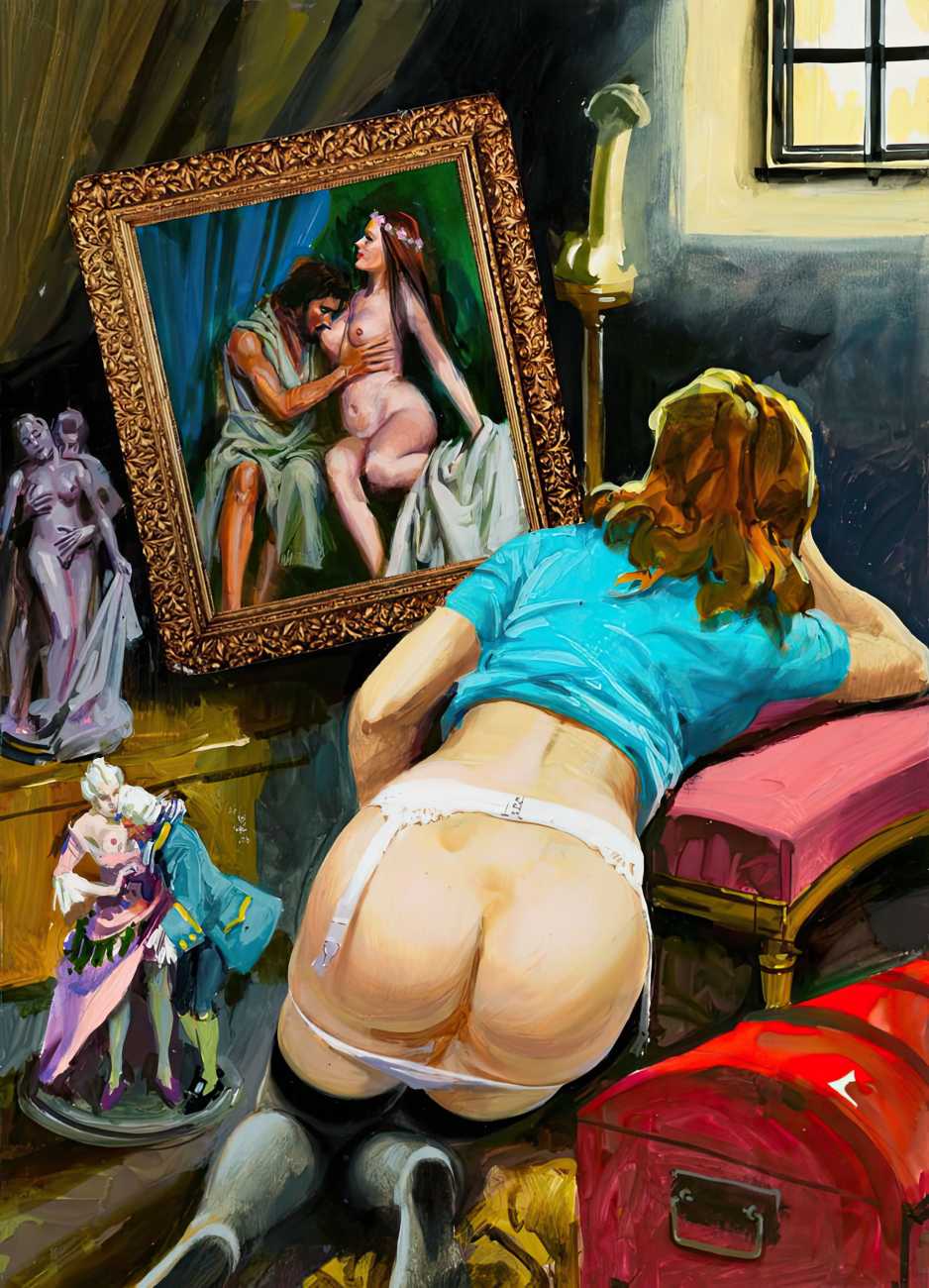
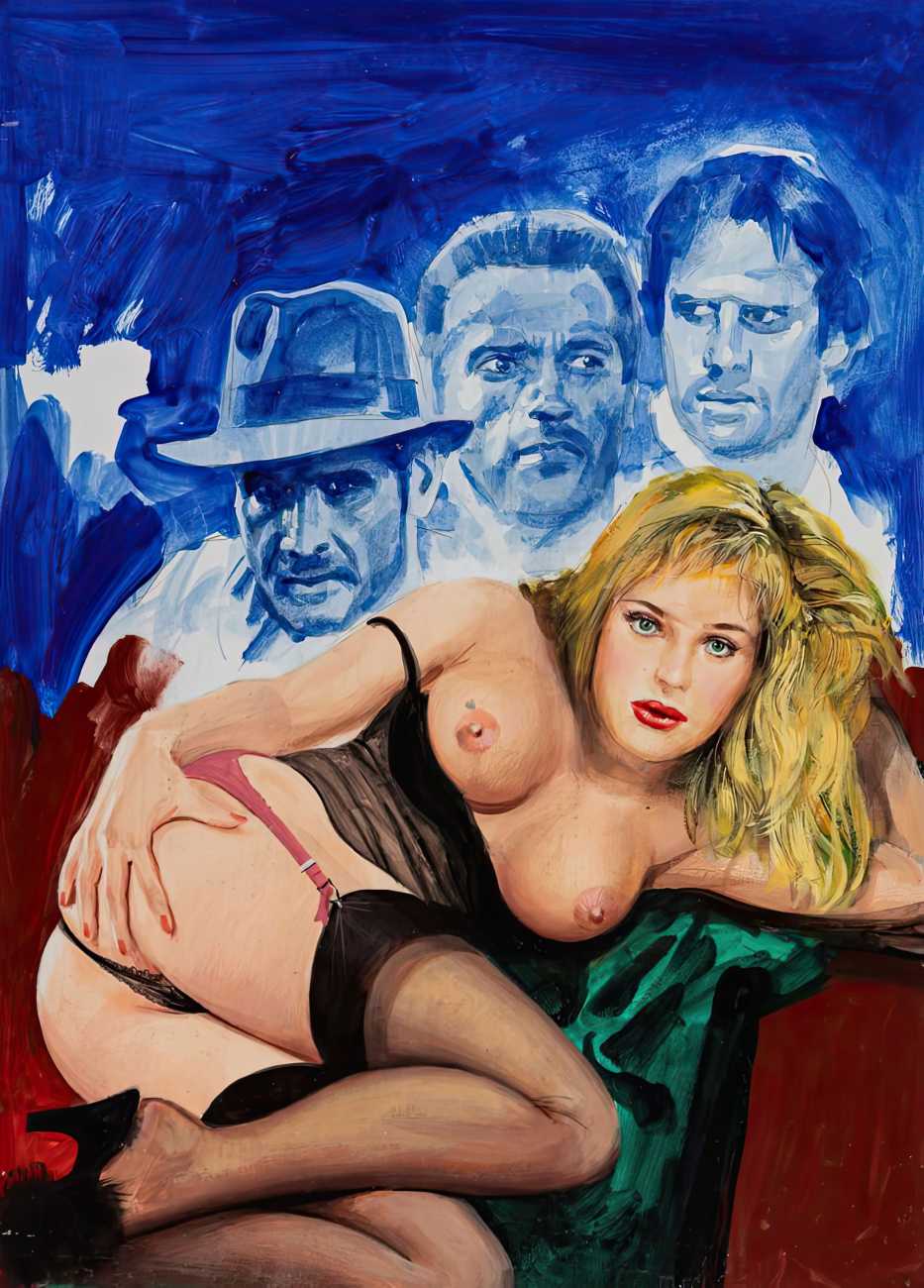
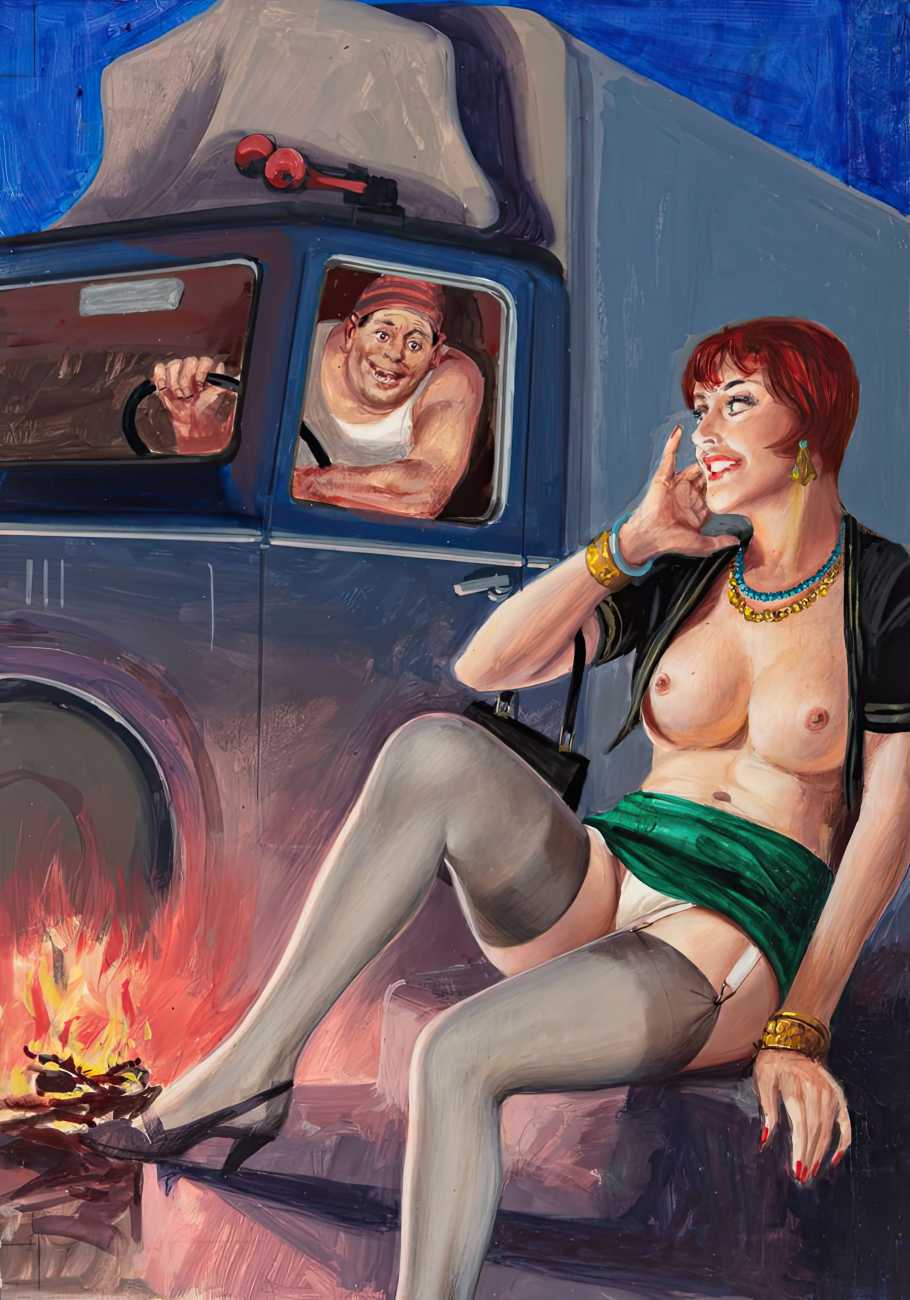
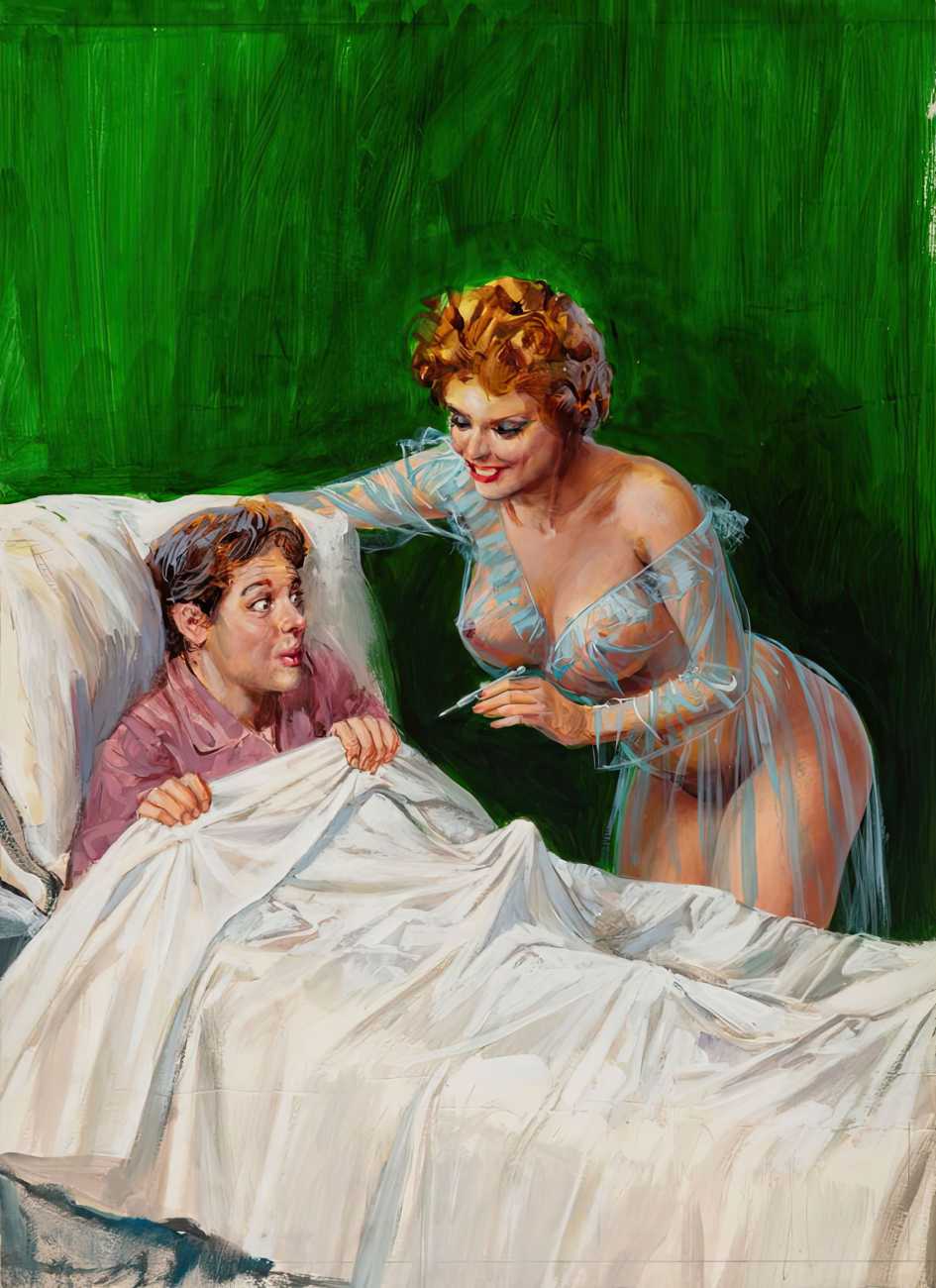
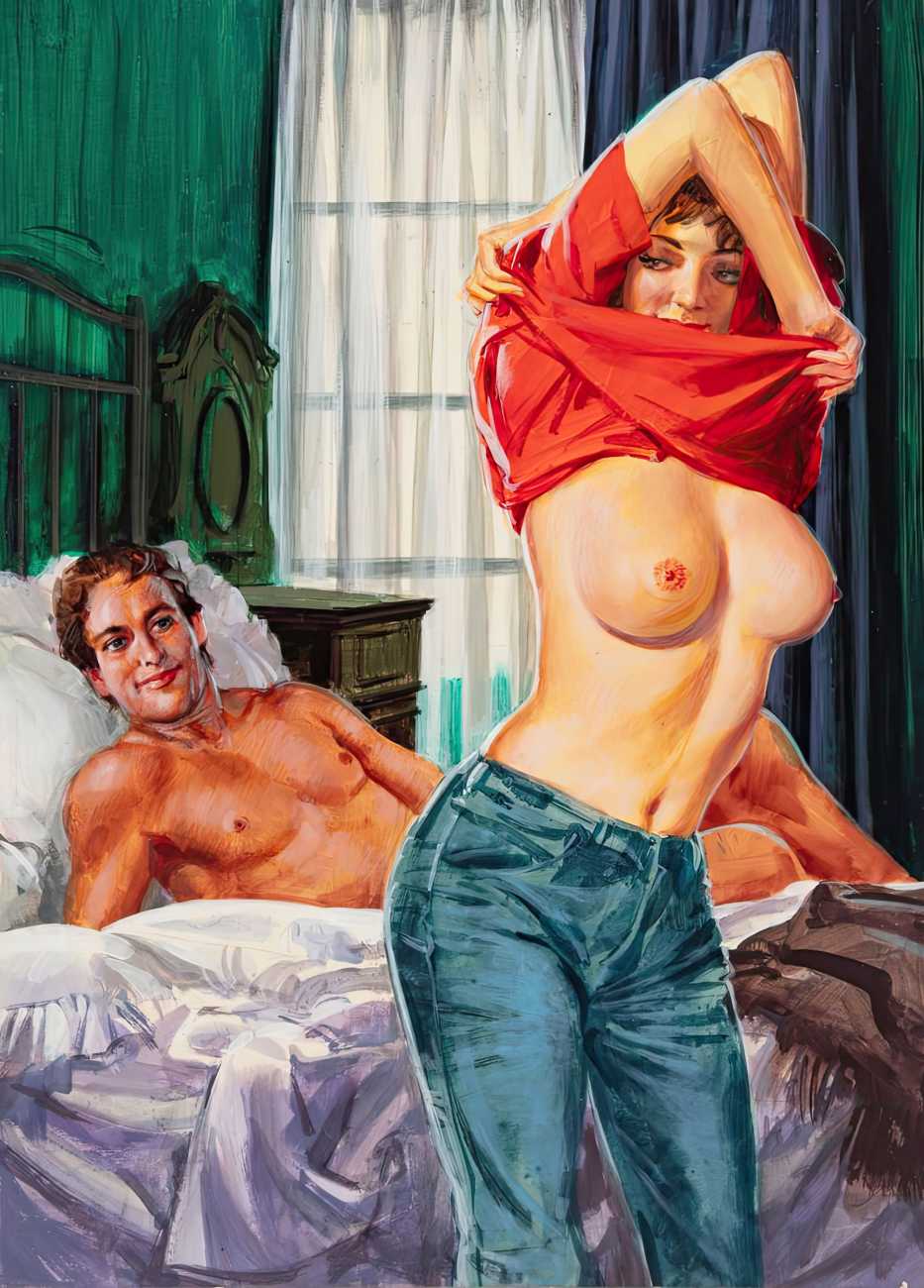
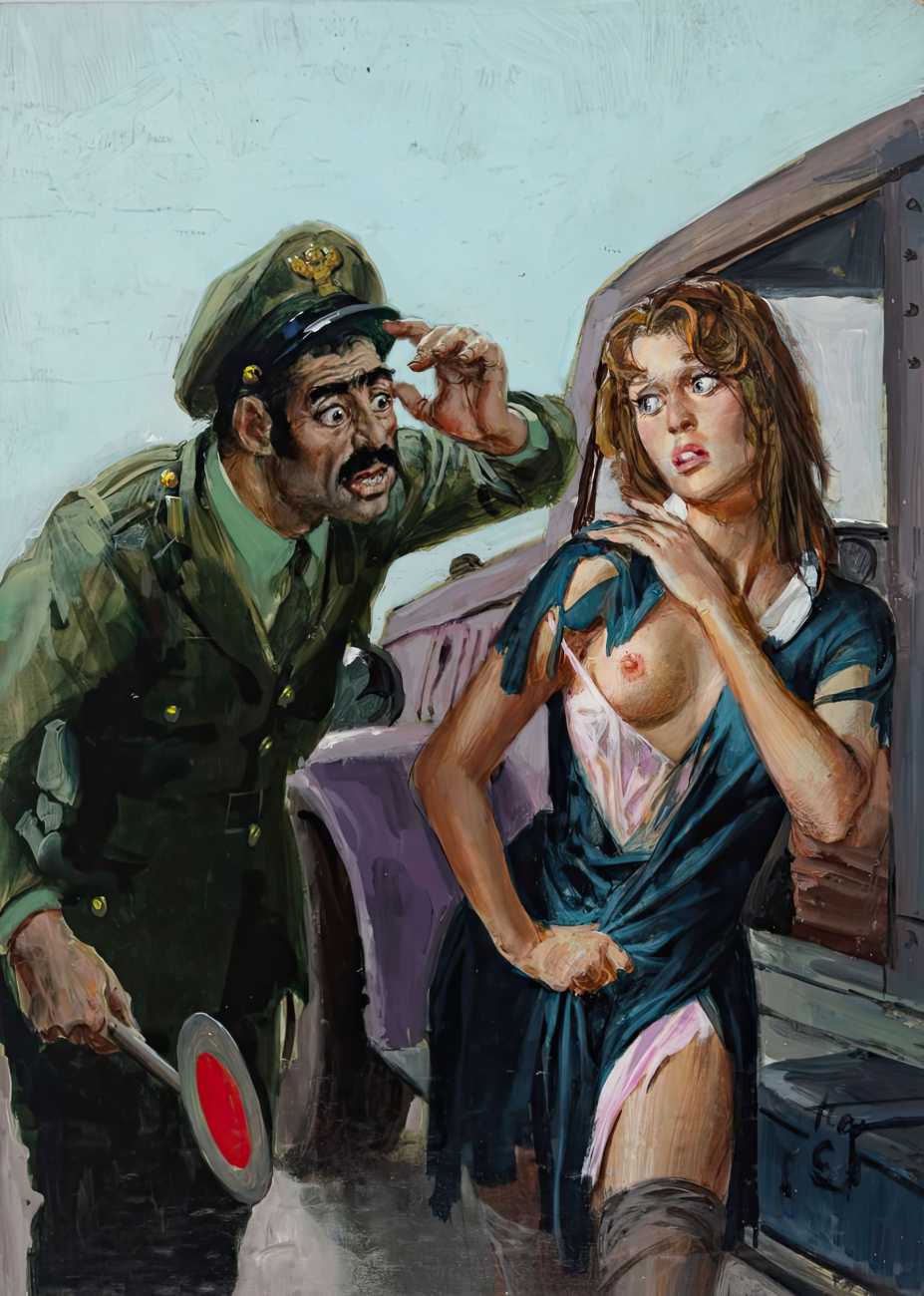
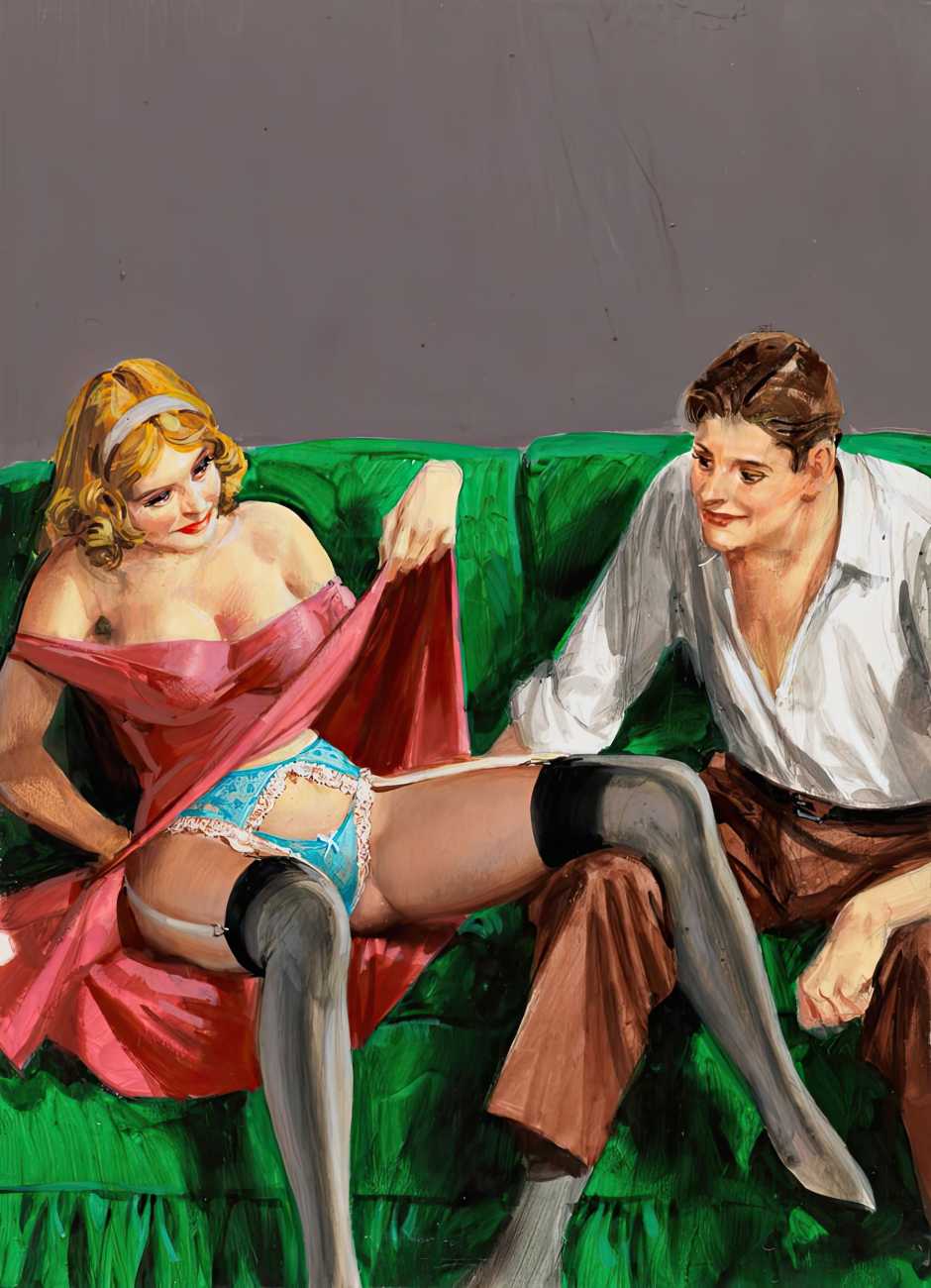
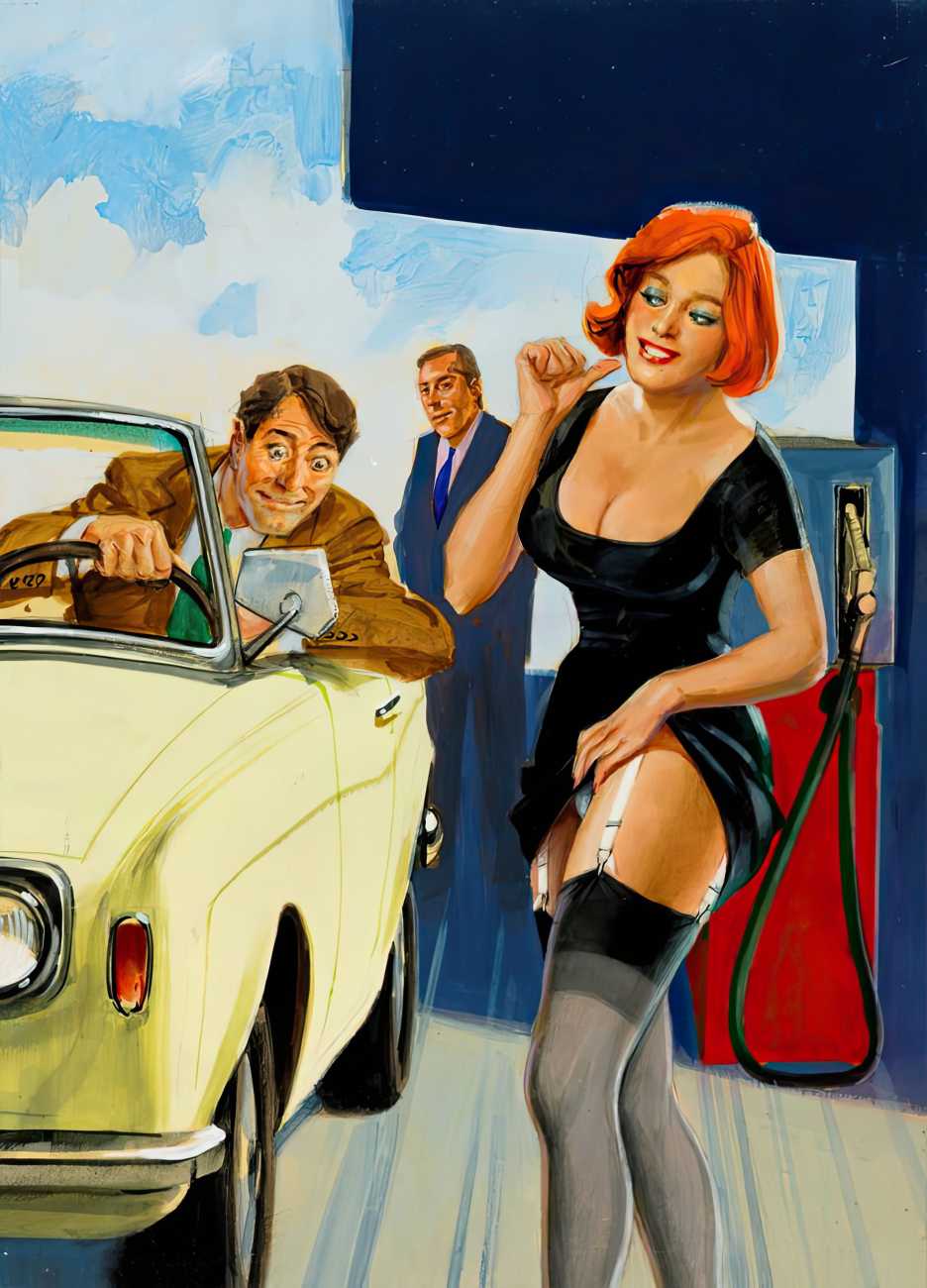
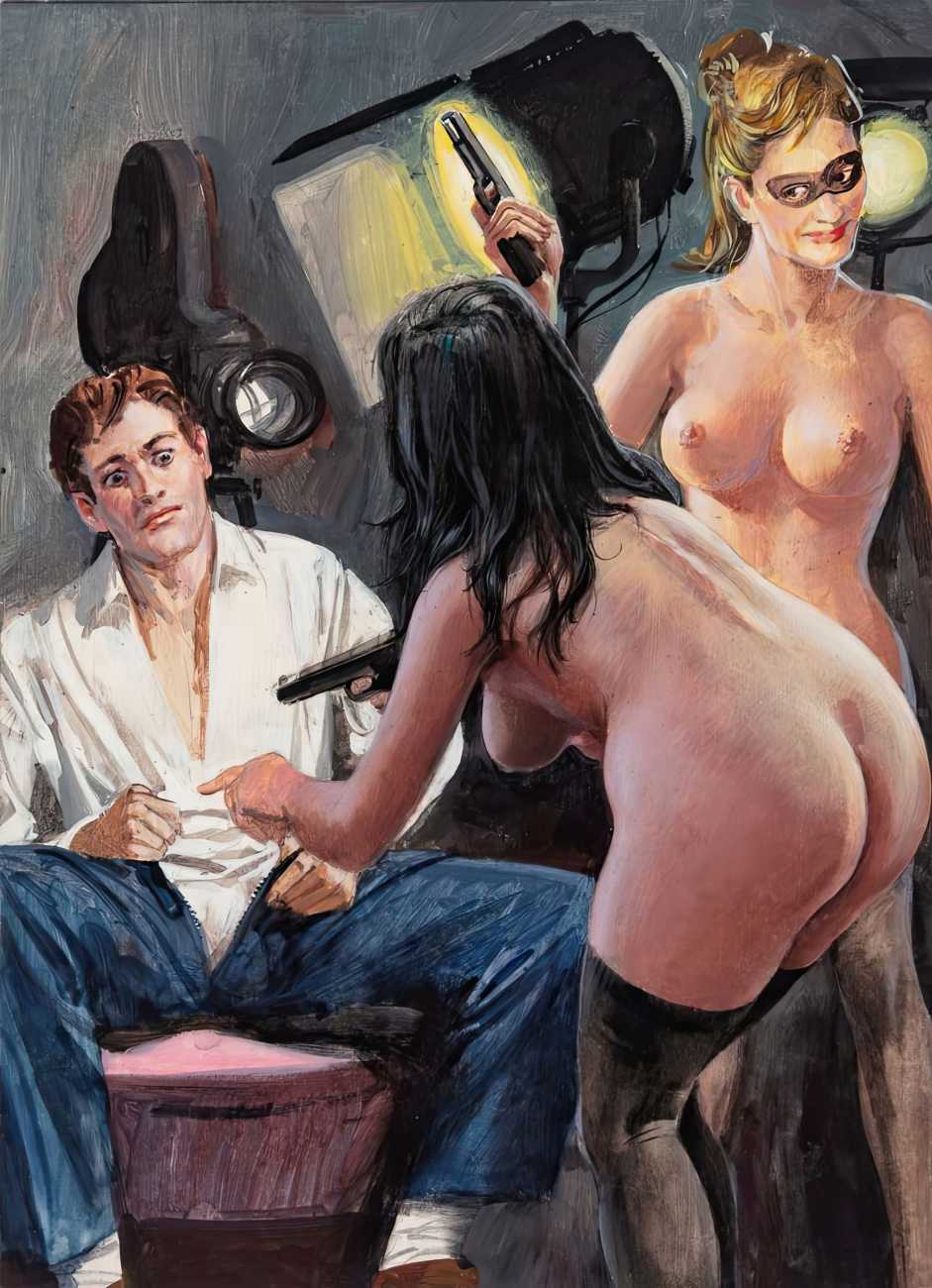
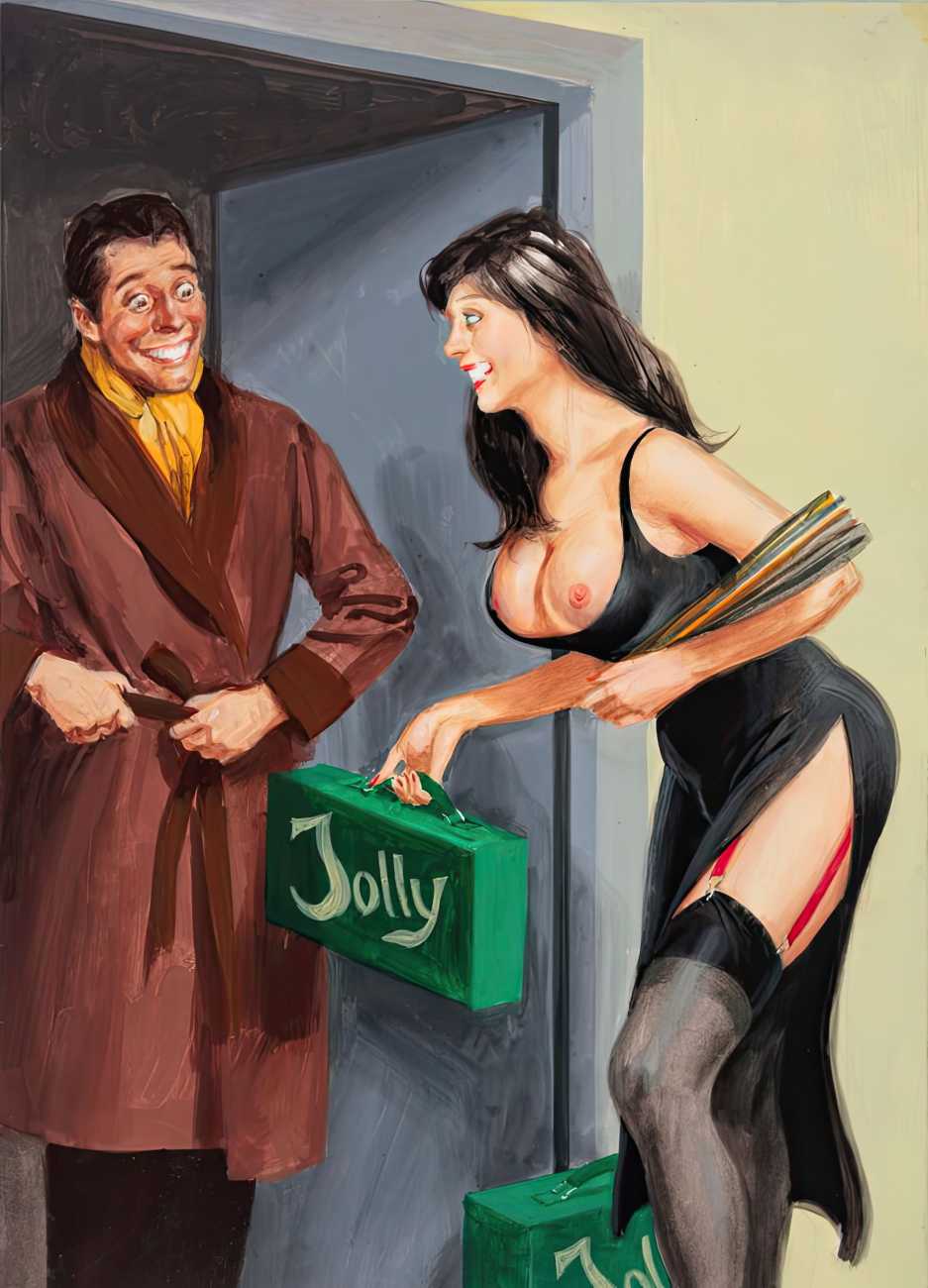
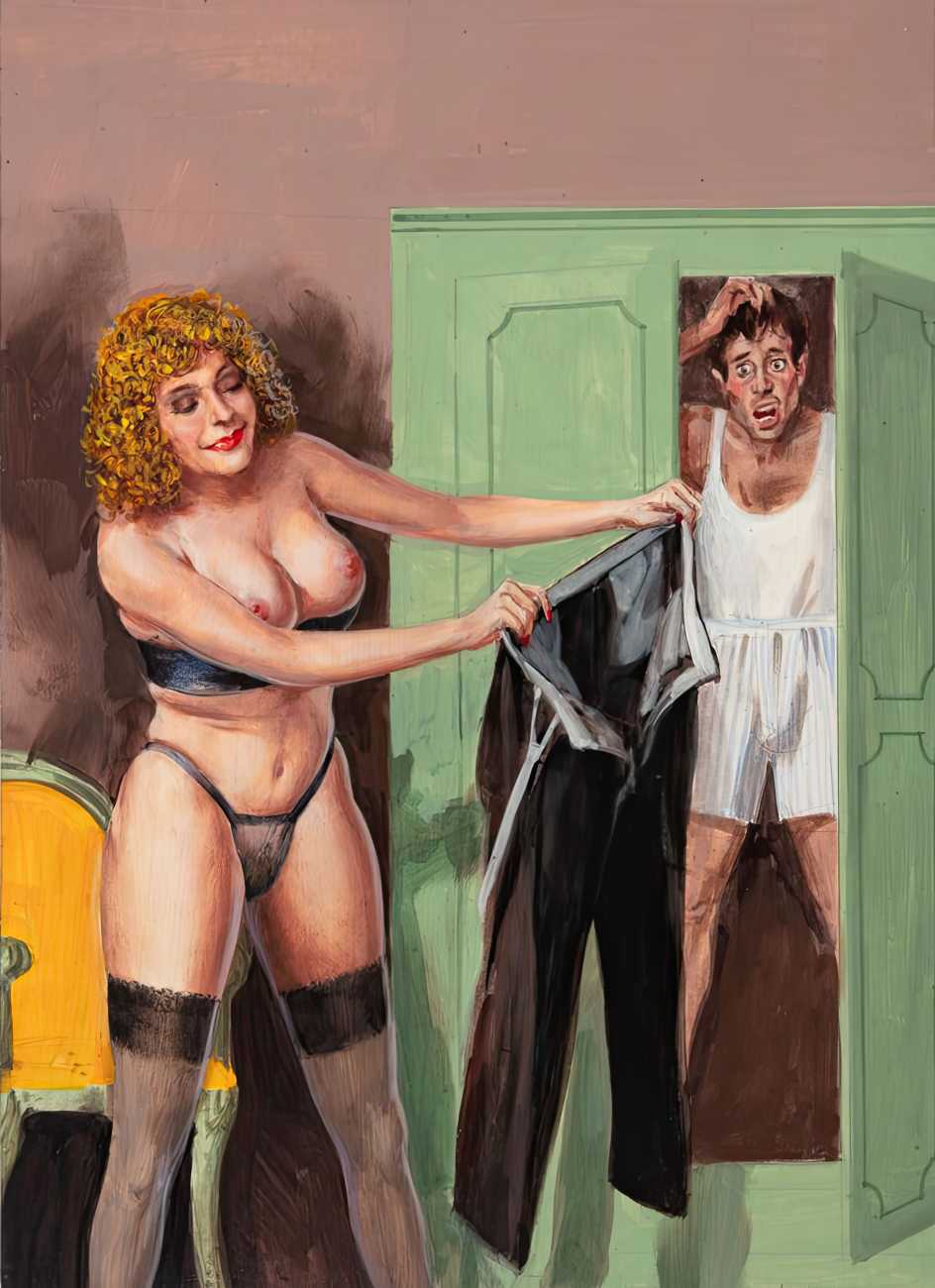
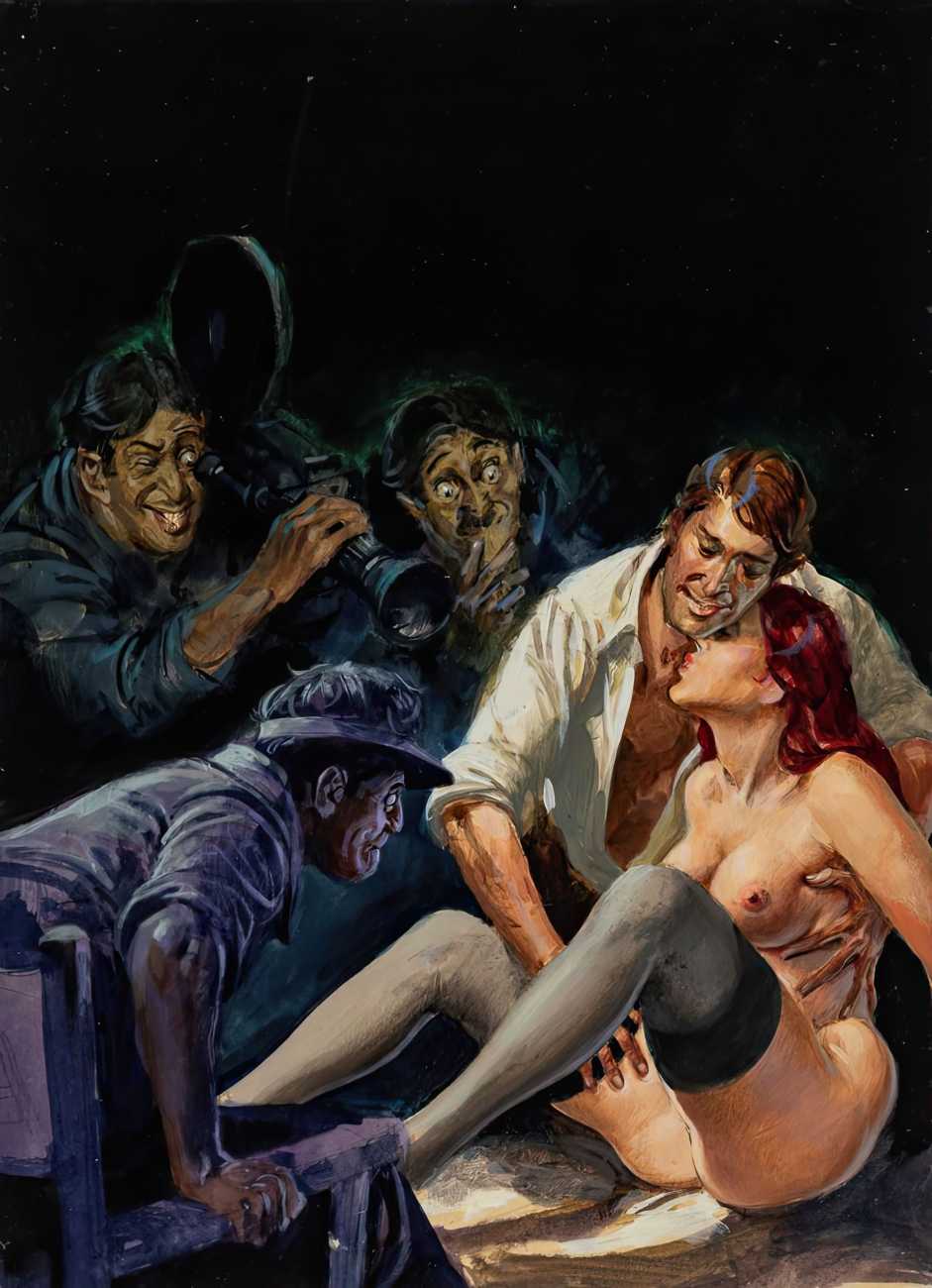
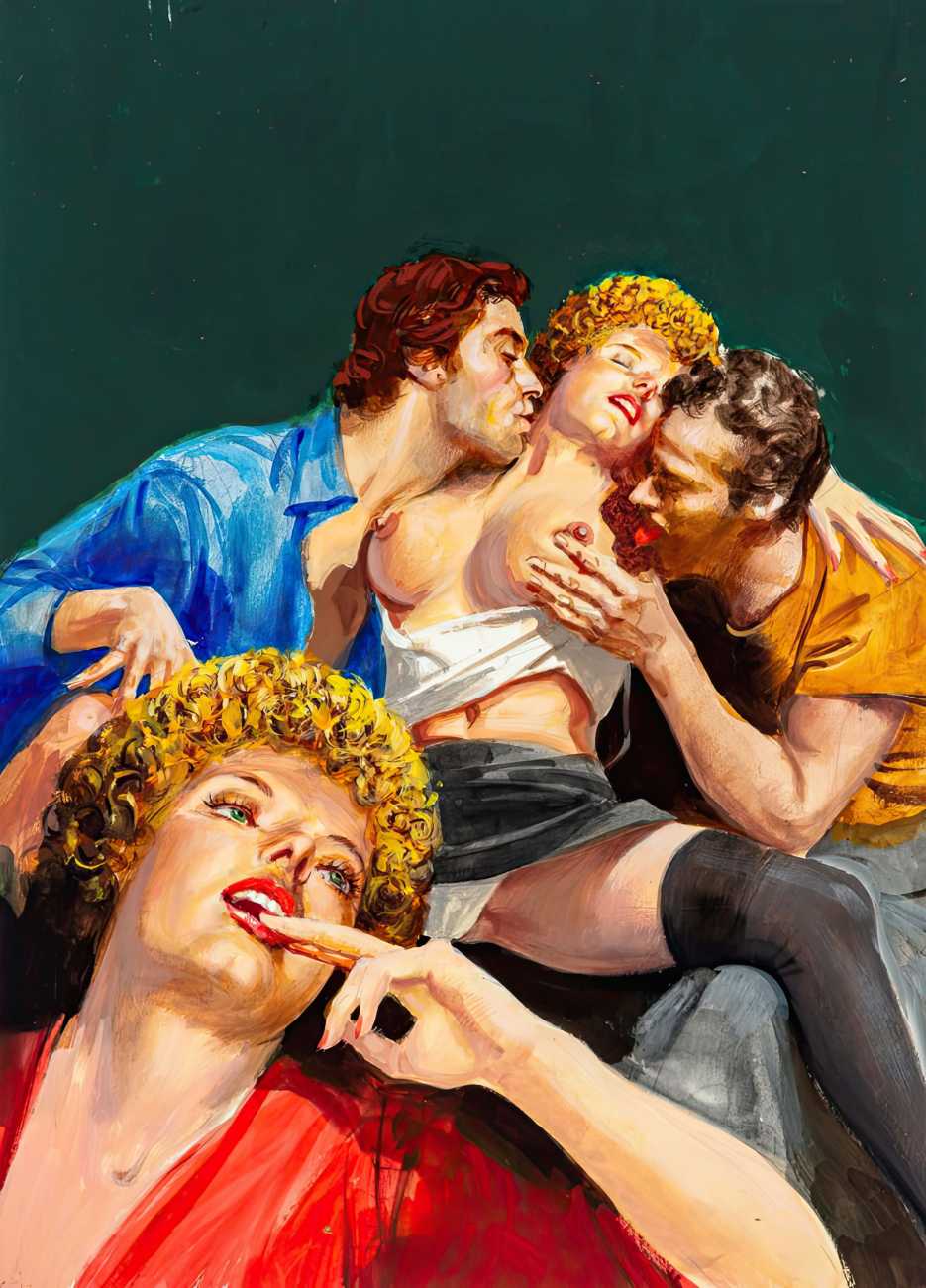
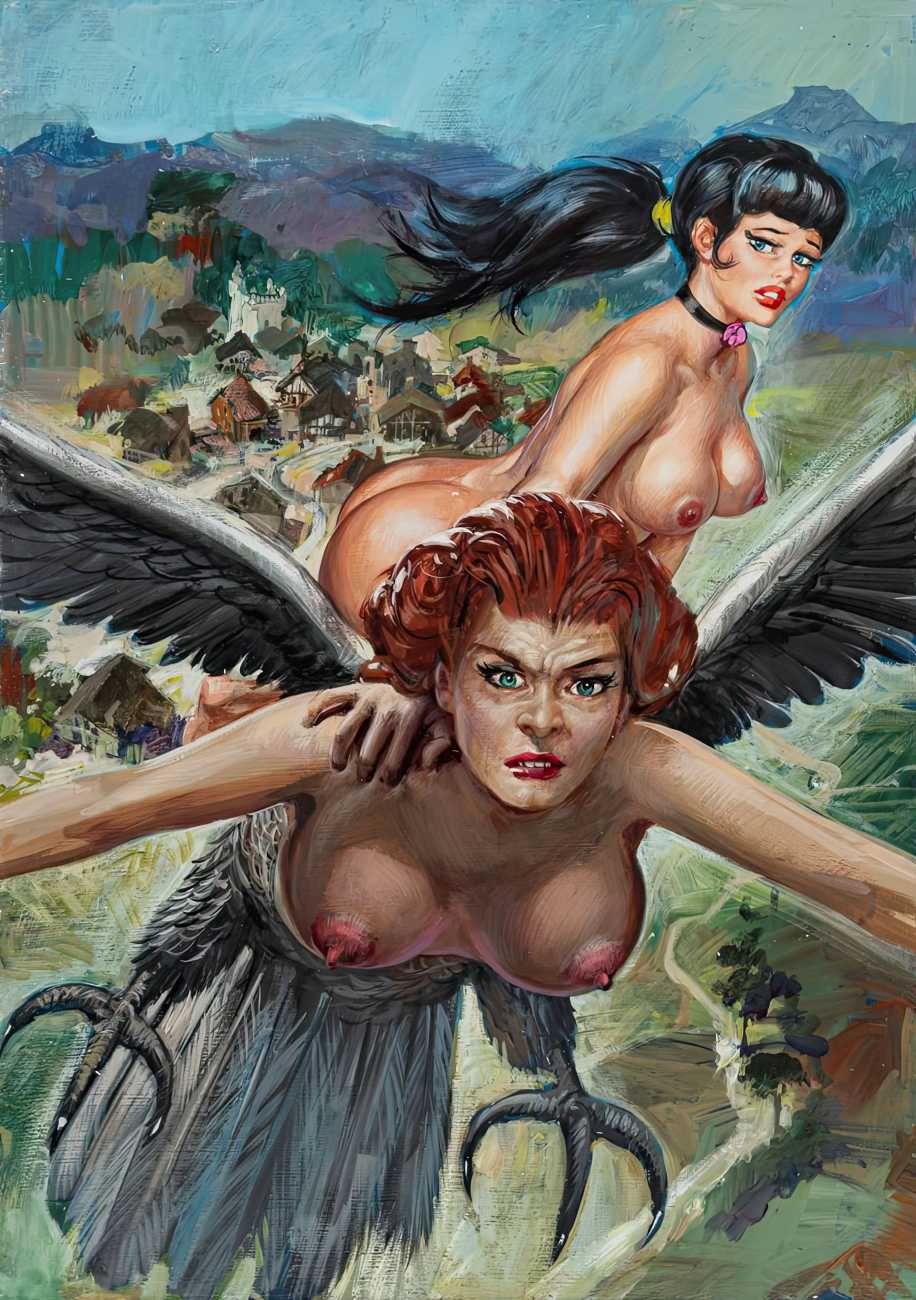
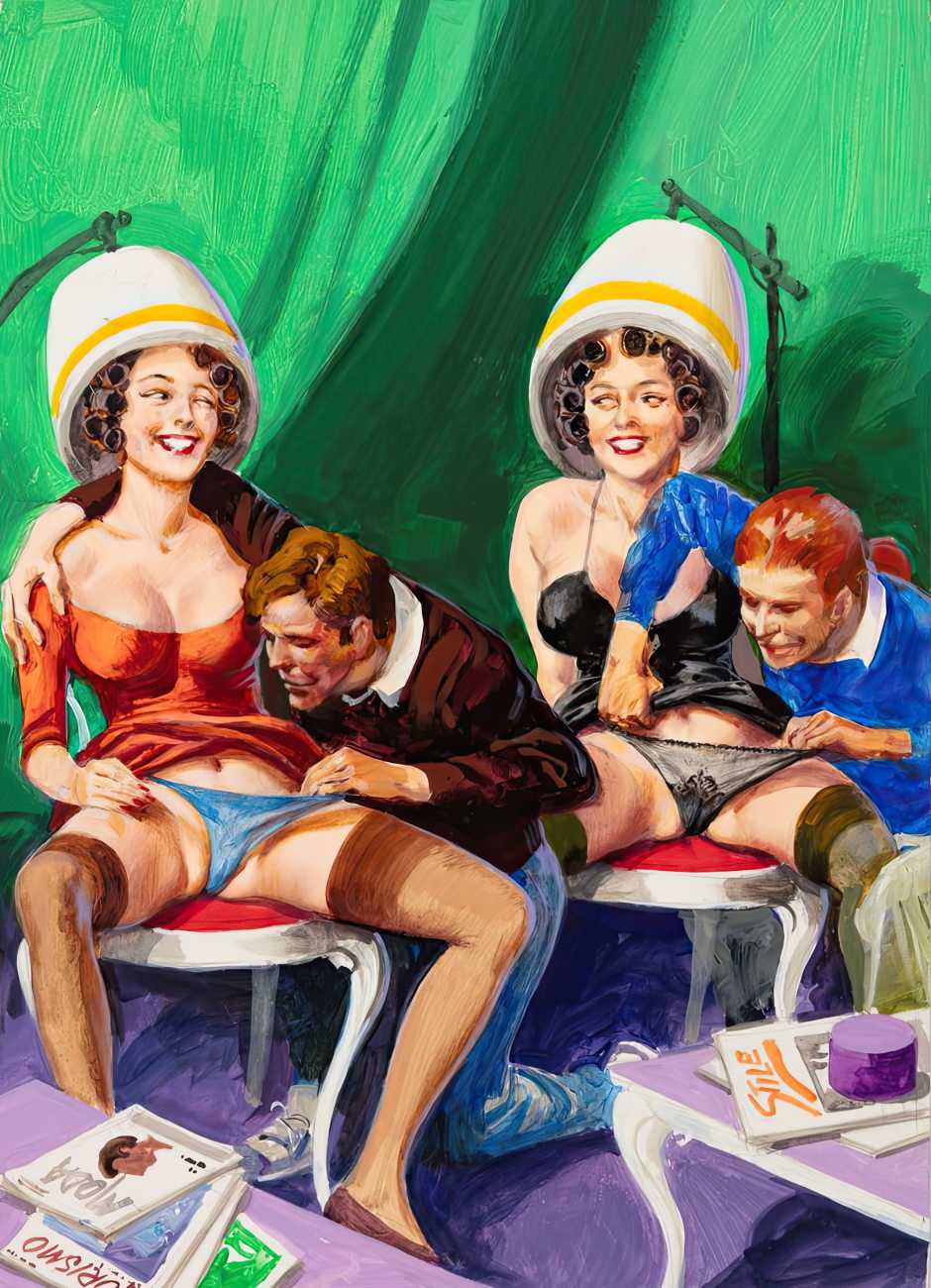
It was into this rapidly developing world that Averardo Ciriello brought the experience of a highly successful commercial illustrator. Already renowned for glamorous cinema posters and pin-up imagery, he approached the erotic comic cover not simply as an advertisement for the contents but as a miniature piece of popular visual theatre. His covers have the heightened lighting, expressive faces, dramatic gestures and carefully staged compositions of film publicity, while retaining the voluptuous female figures and playful sexuality of the pin-up tradition. His earlier success with glamorous covers had already led to comparisons with Gino Boccasile; in the era of the fumetti sexy, that visual language found a new and remarkably productive outlet.
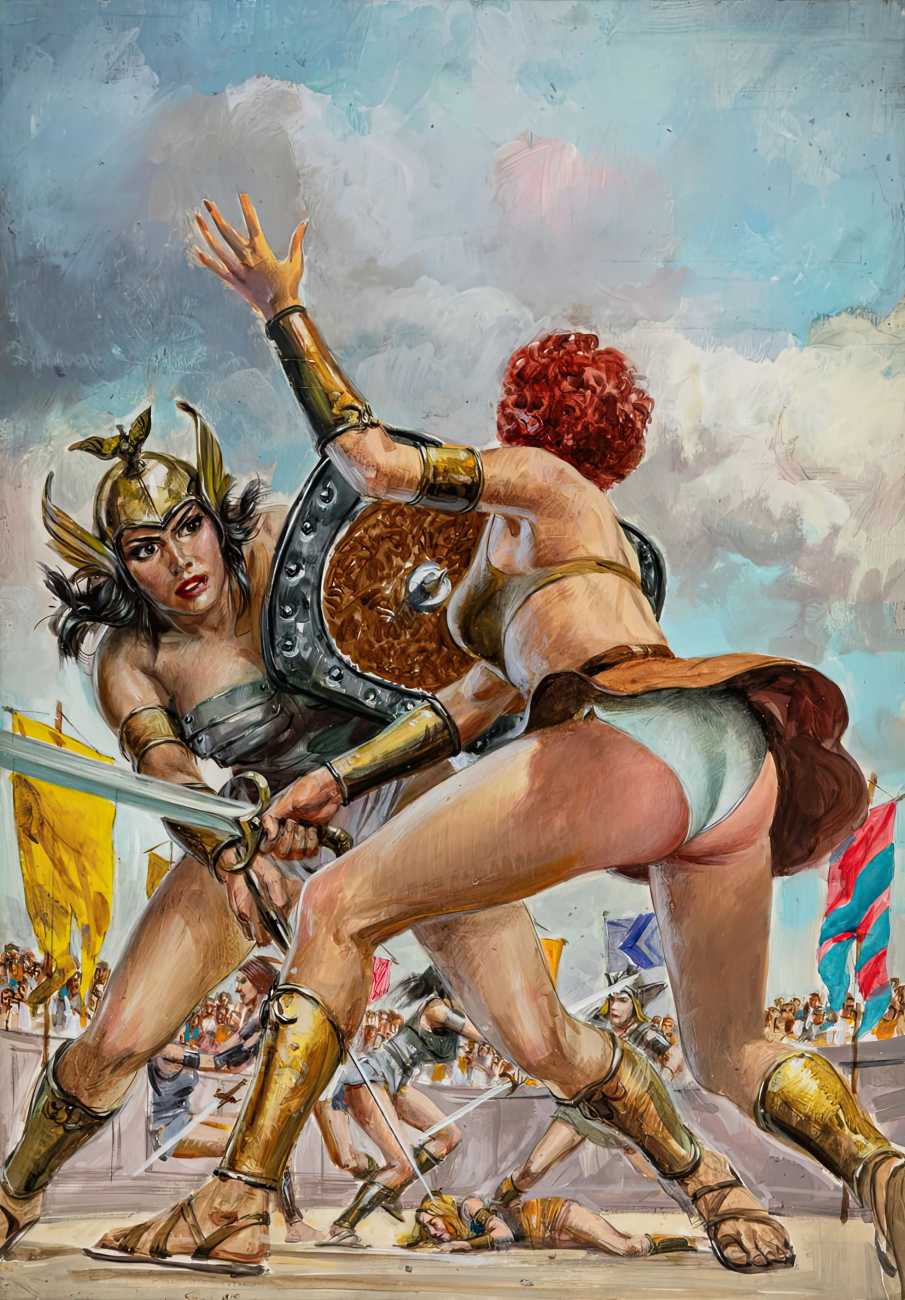
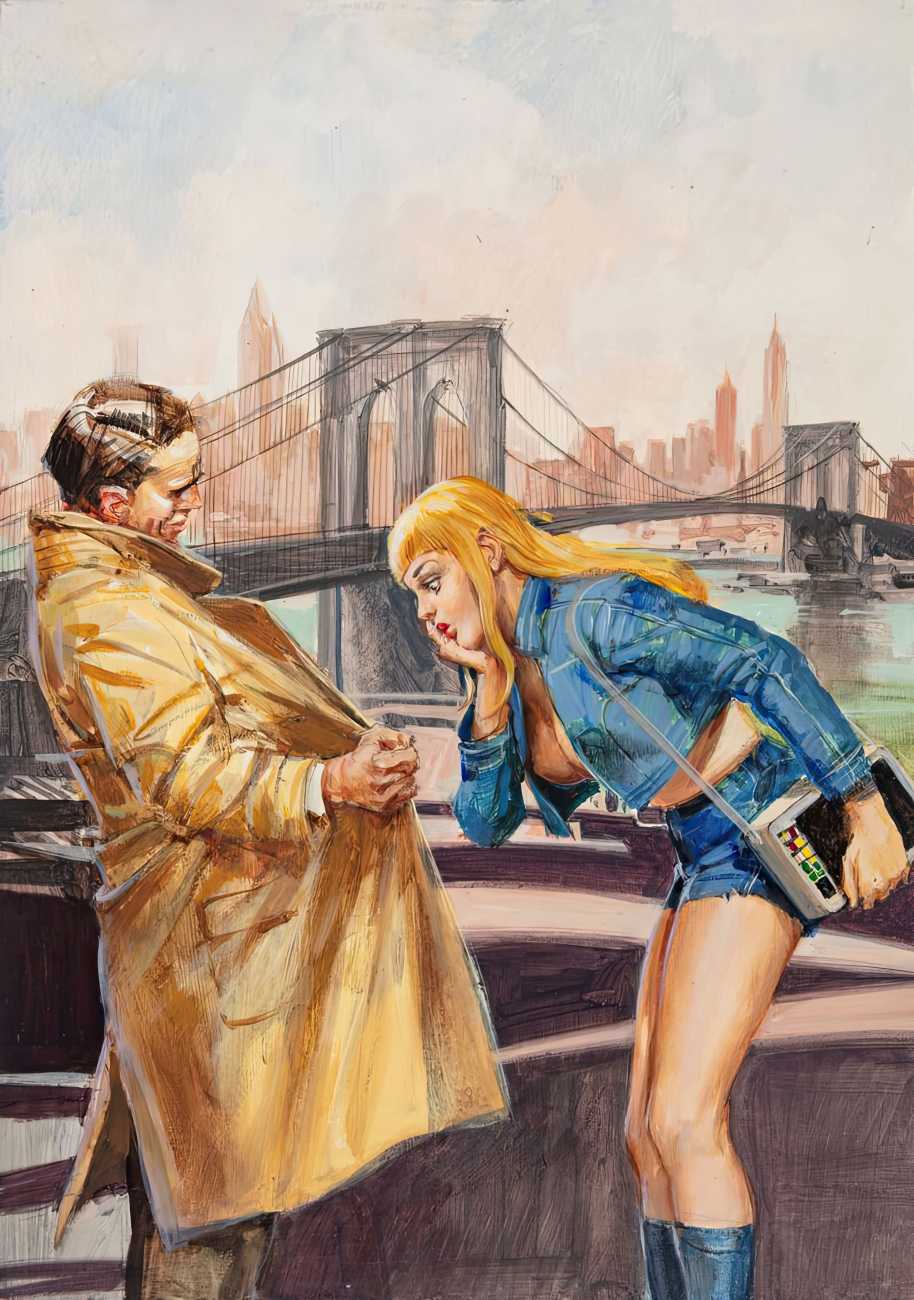
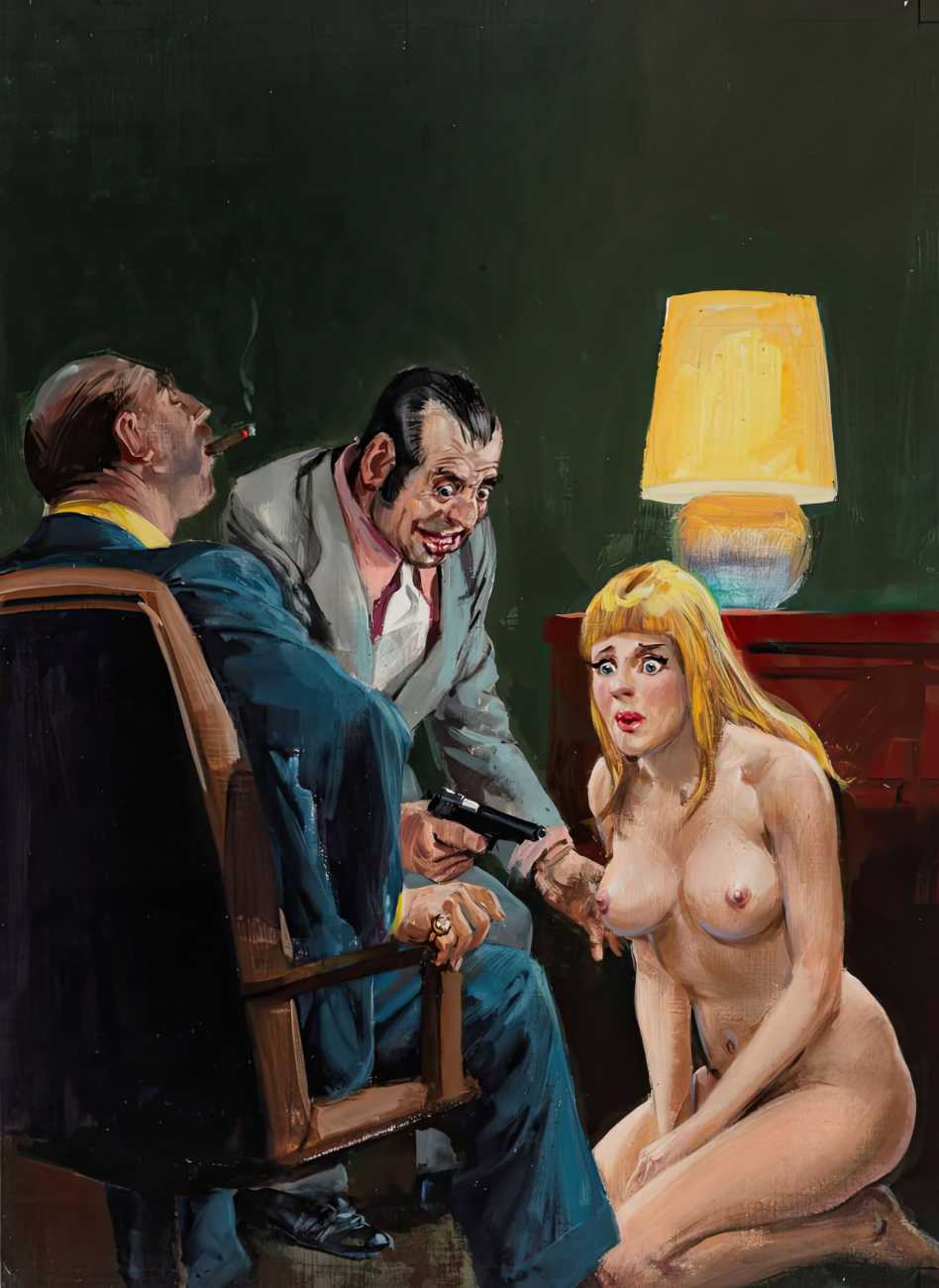
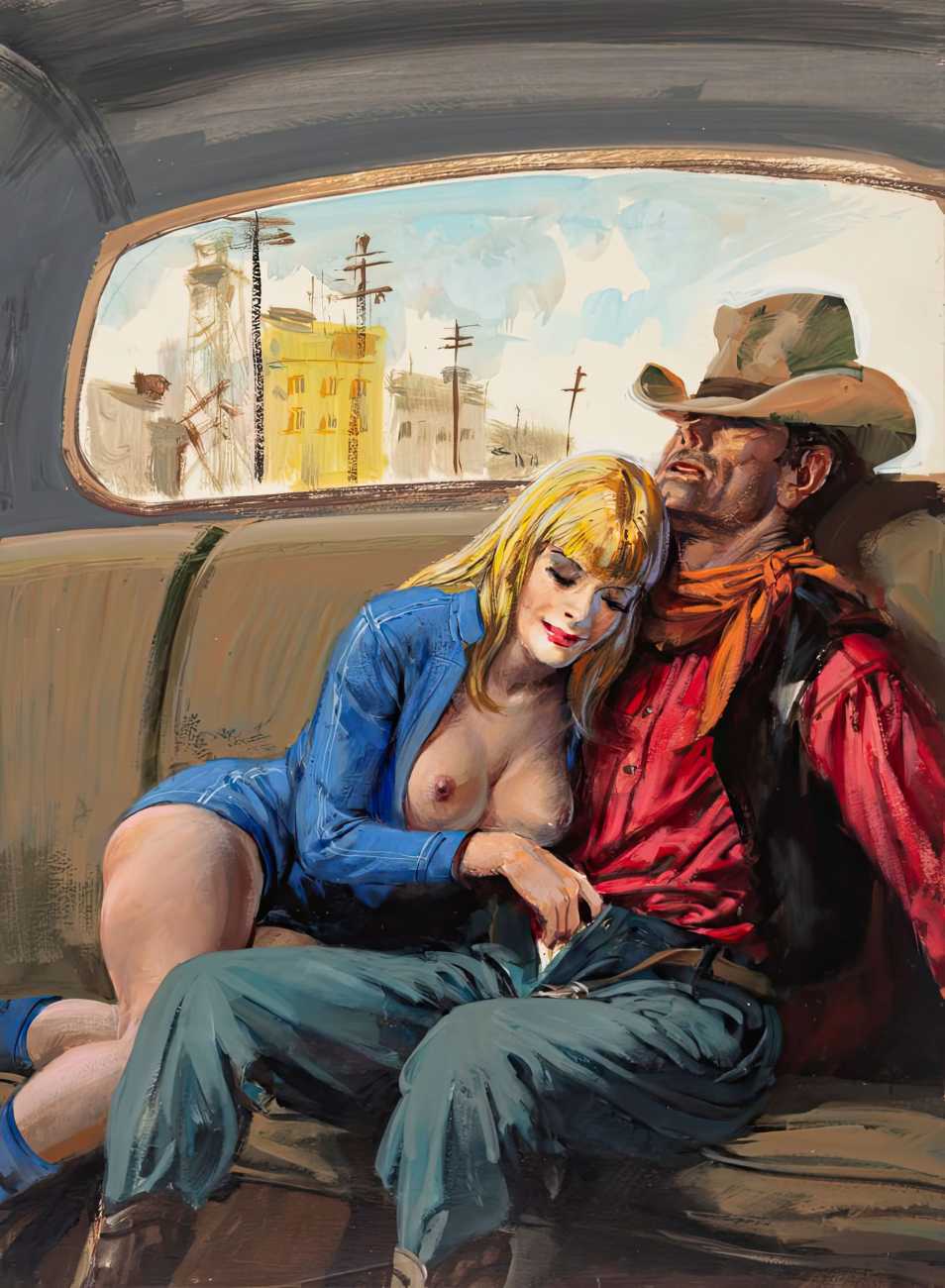
Ciriello’s distinctive contribution was to give these inexpensive pocket comics a level of pictorial sophistication far beyond their disposable format. A Ciriello cover presented its heroine as seductive, comic, imperilled, triumphant or spectacularly self-possessed, often within a scene that suggests an entire story even before the reader has opened the book. The combination of eroticism, humour, action and narrative suggestion is particularly evident in his covers for Lucifera and Maghella.
The selection here follows that evolution beyond the 1970s, from Menelik and Lucifera through Maghella and Ragazze Guerriere to the later Casinella, I Casi della Vita and Segreti di Donne. Across two decades, Ciriello demonstrated his ability to transform the conventions of erotic pulp into exuberant, memorable cinematic illustrations.