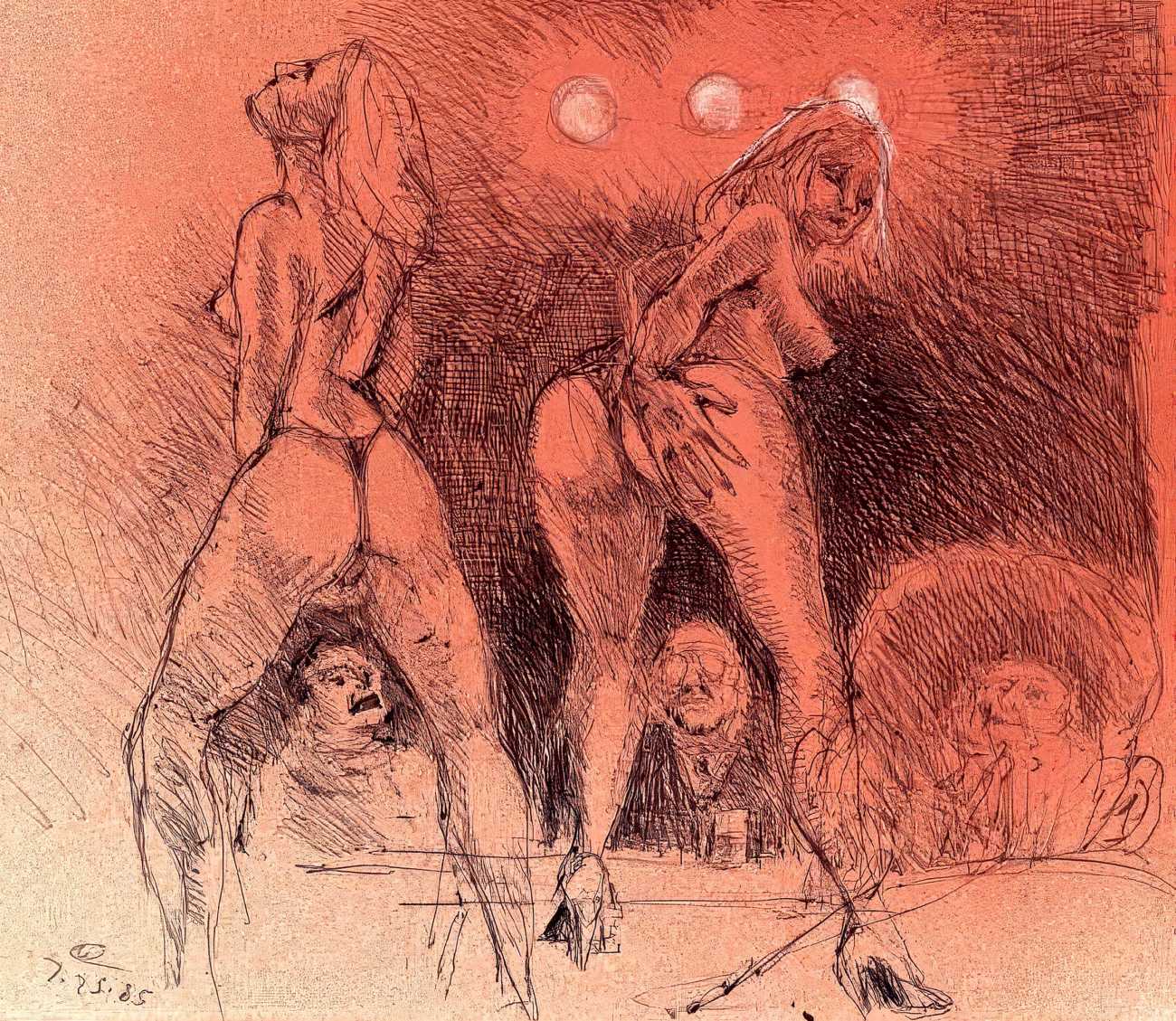
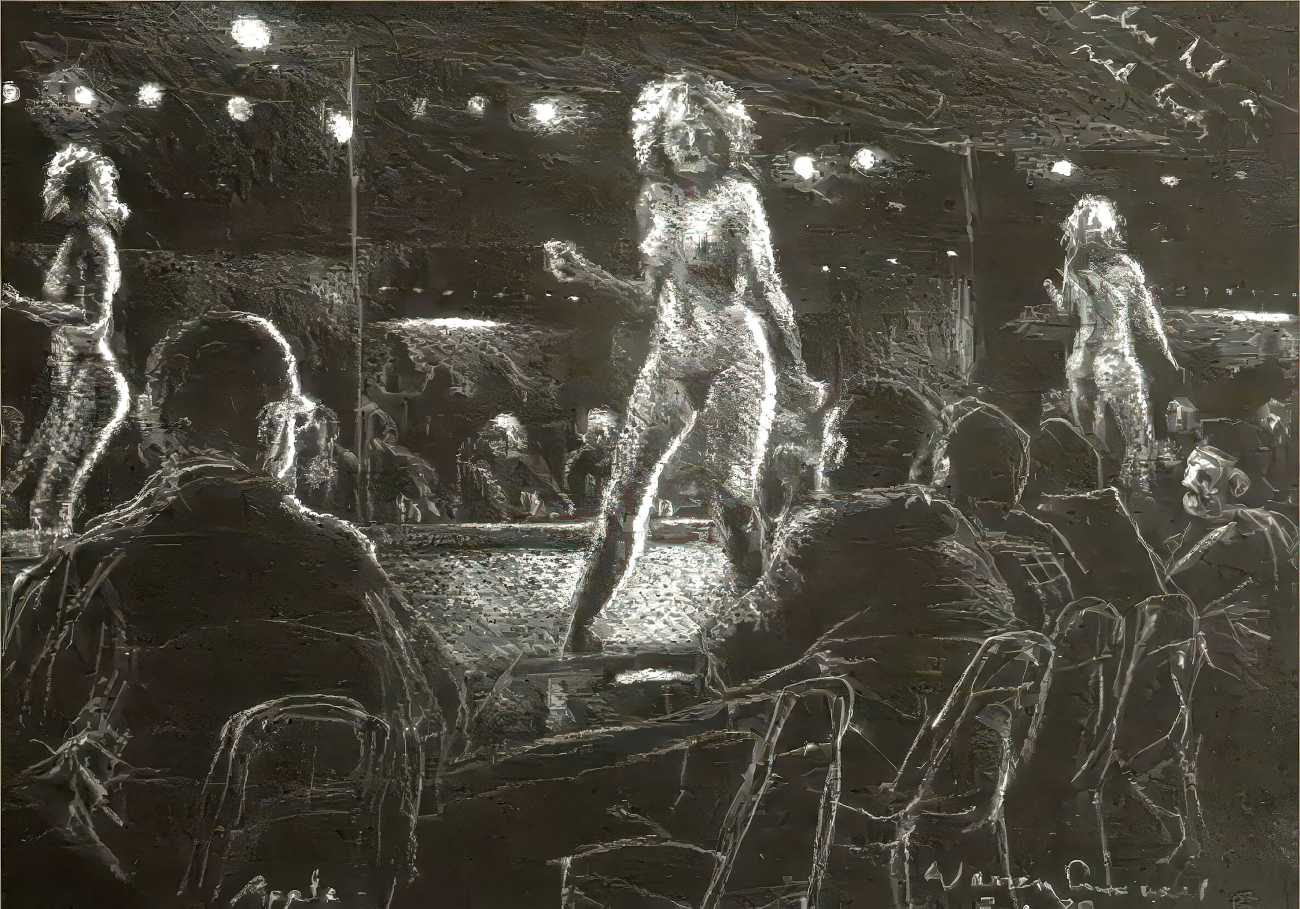
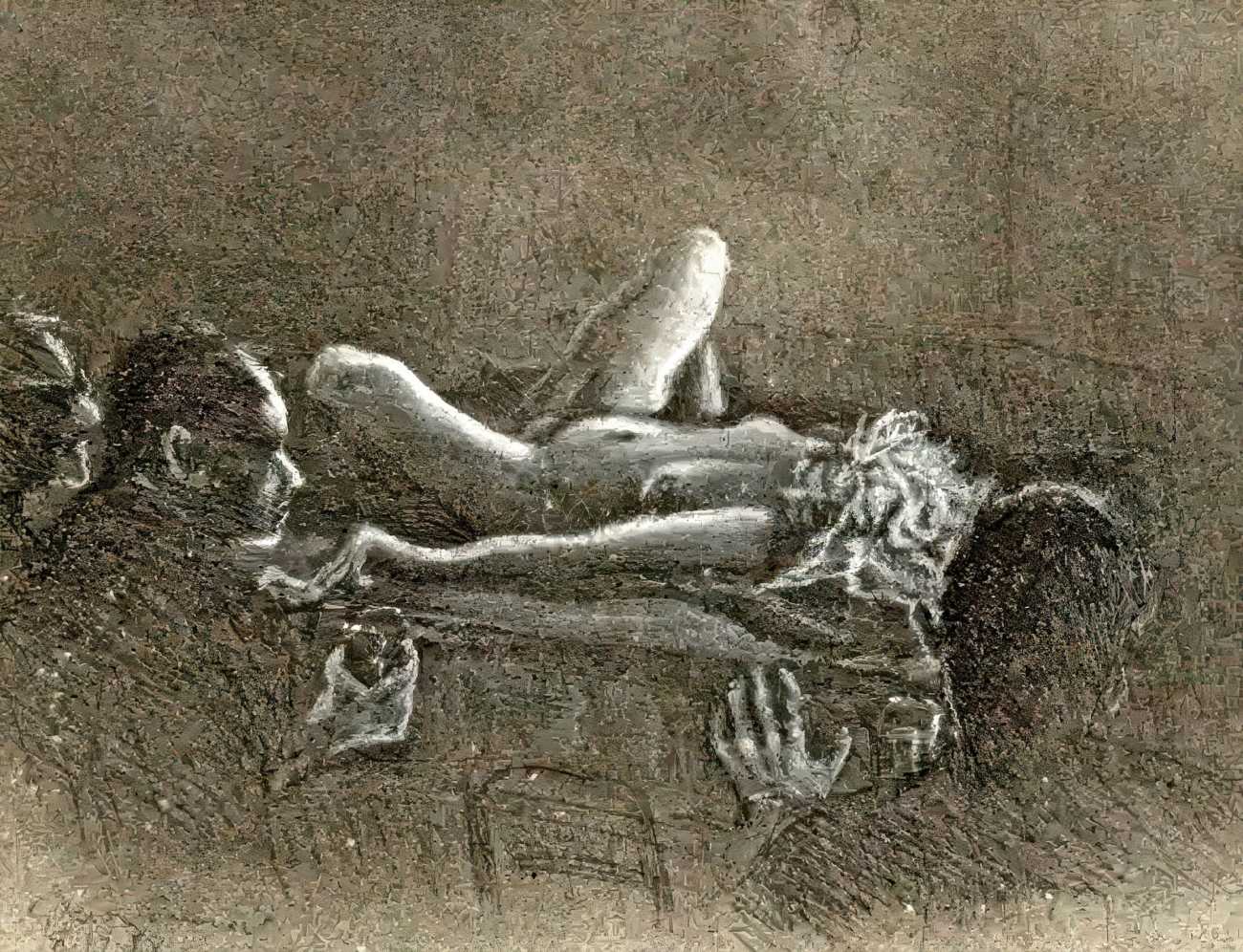
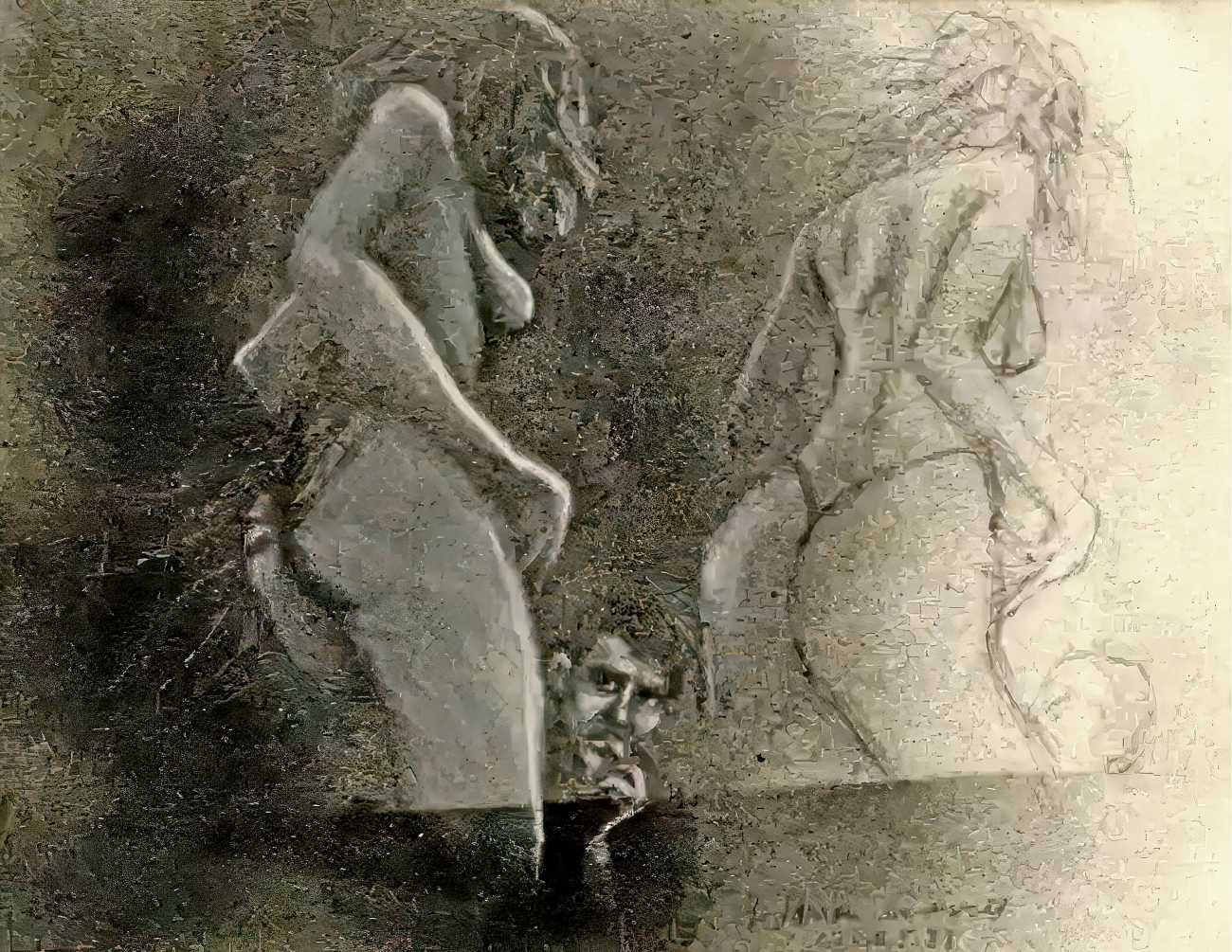
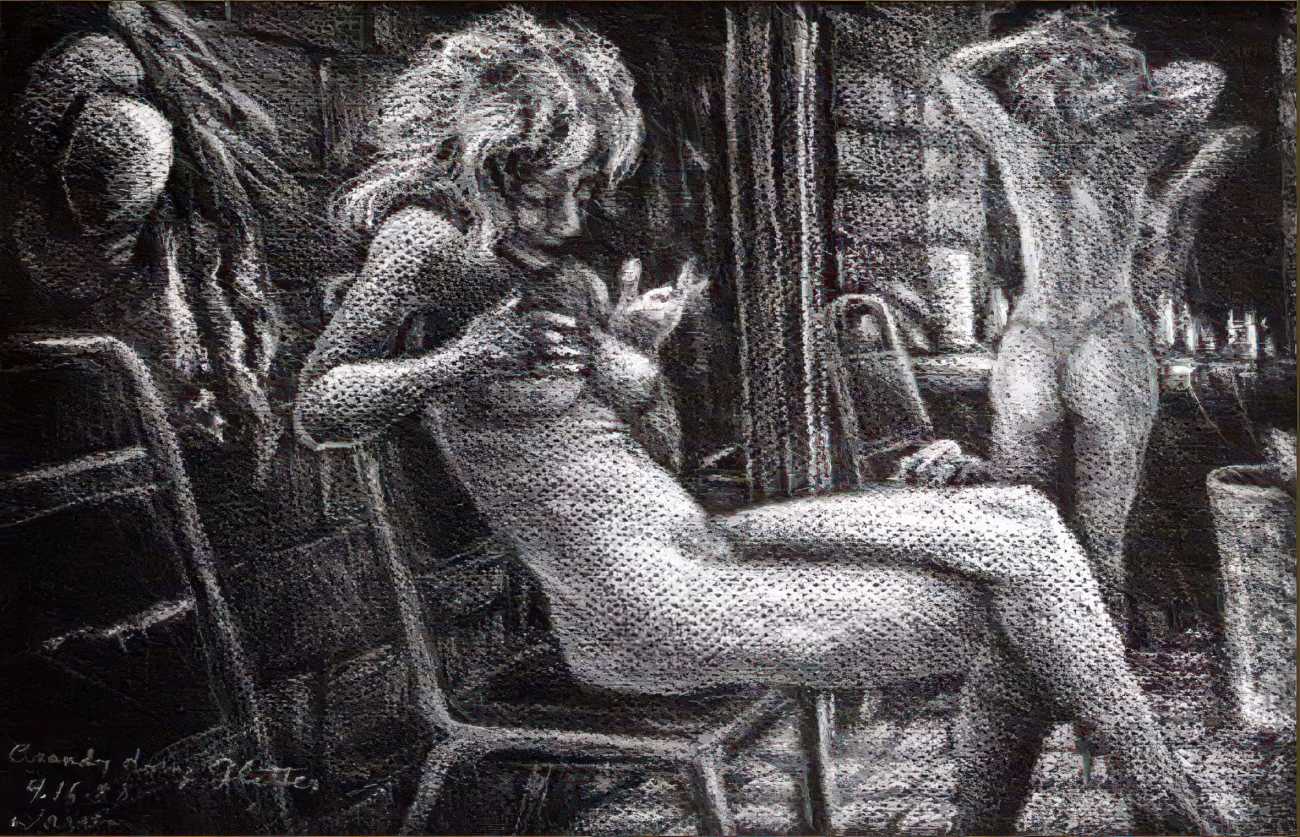
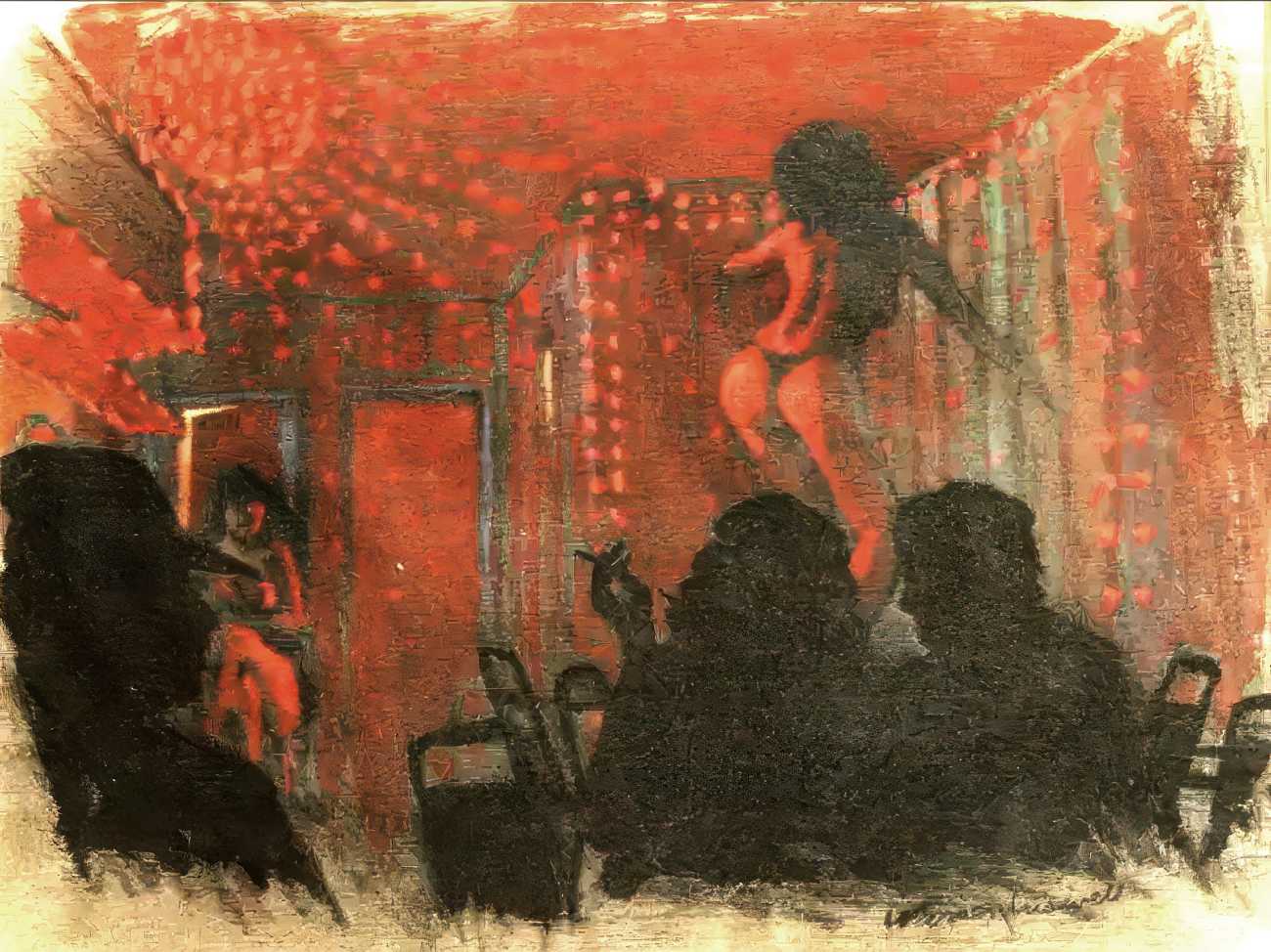
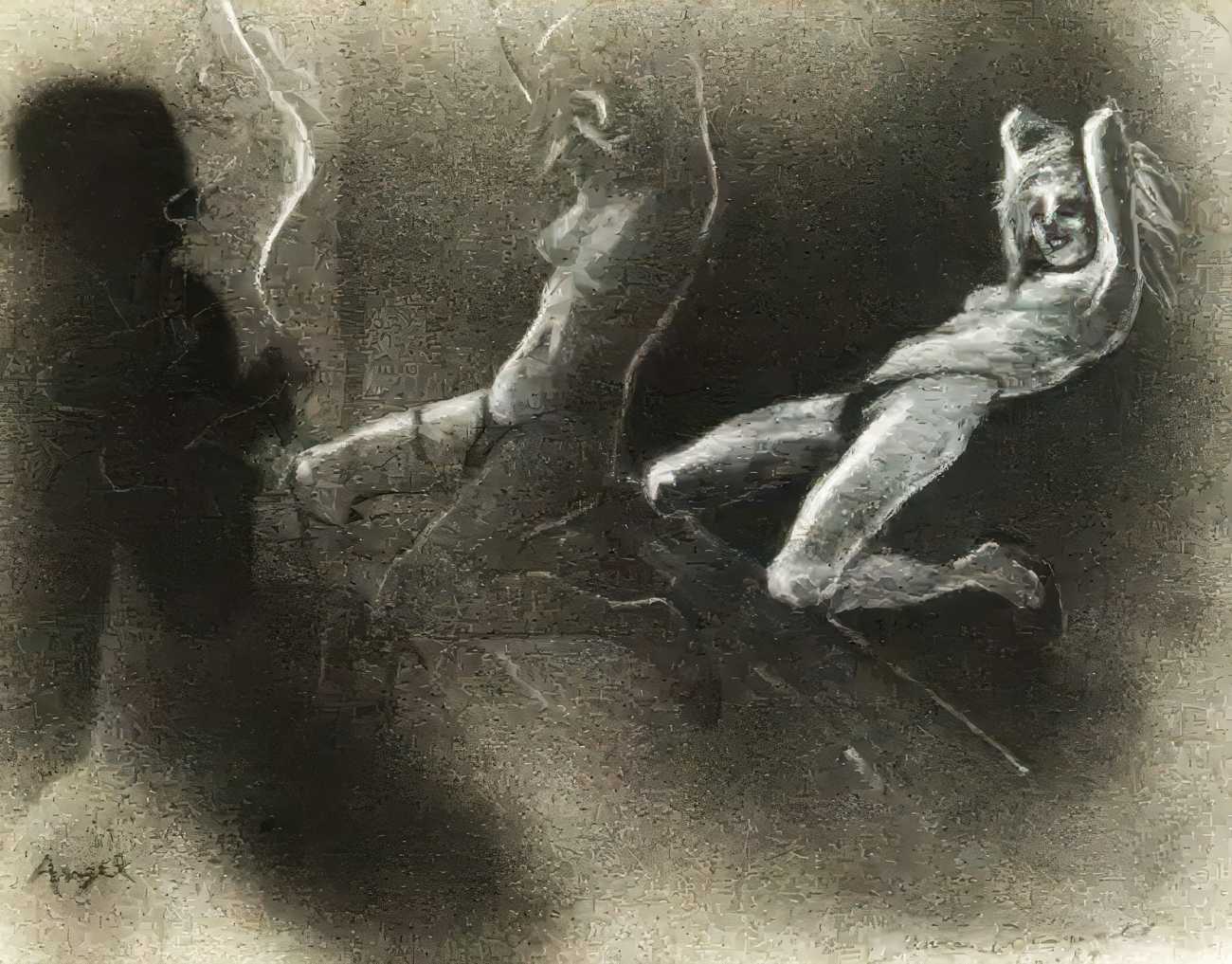
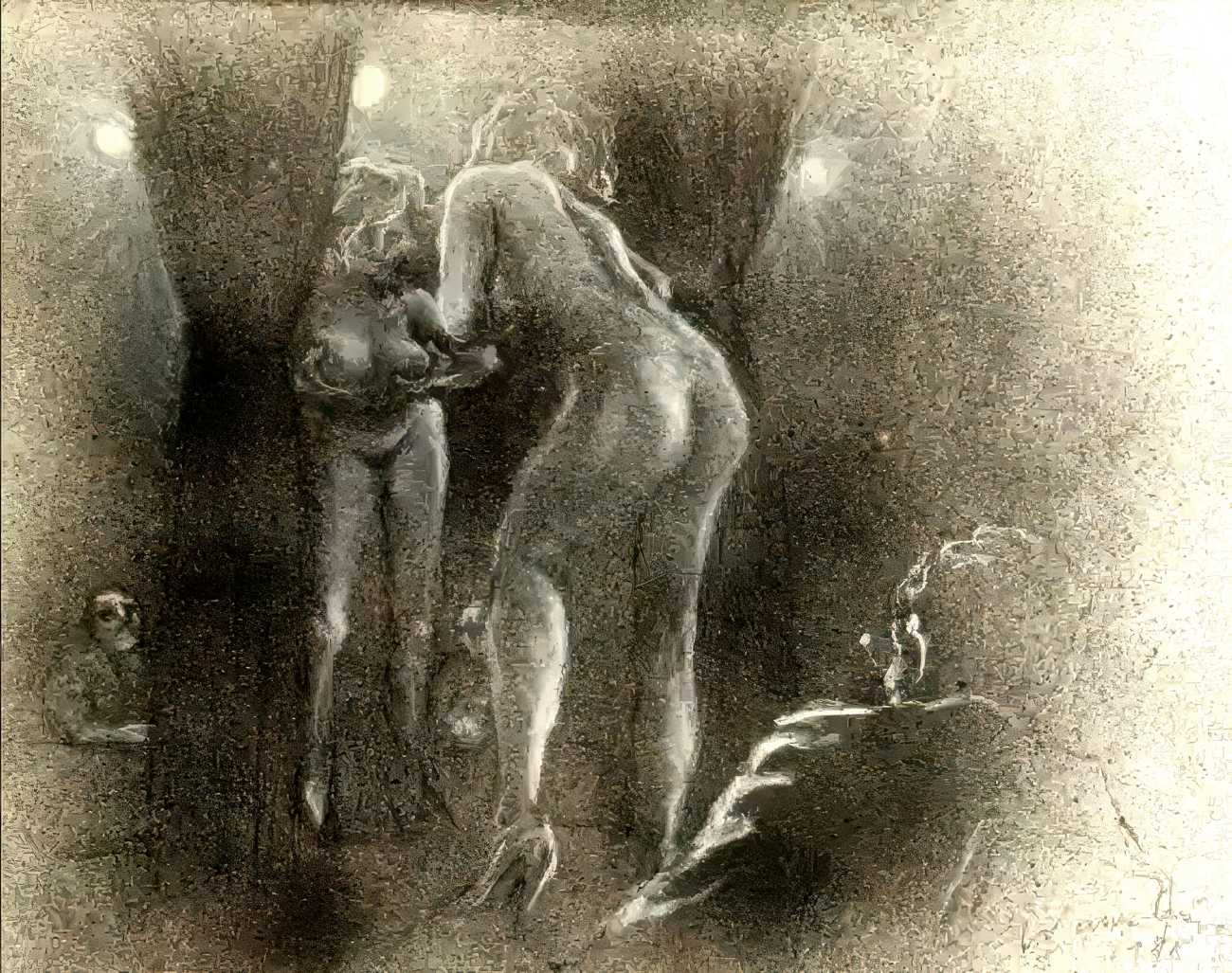
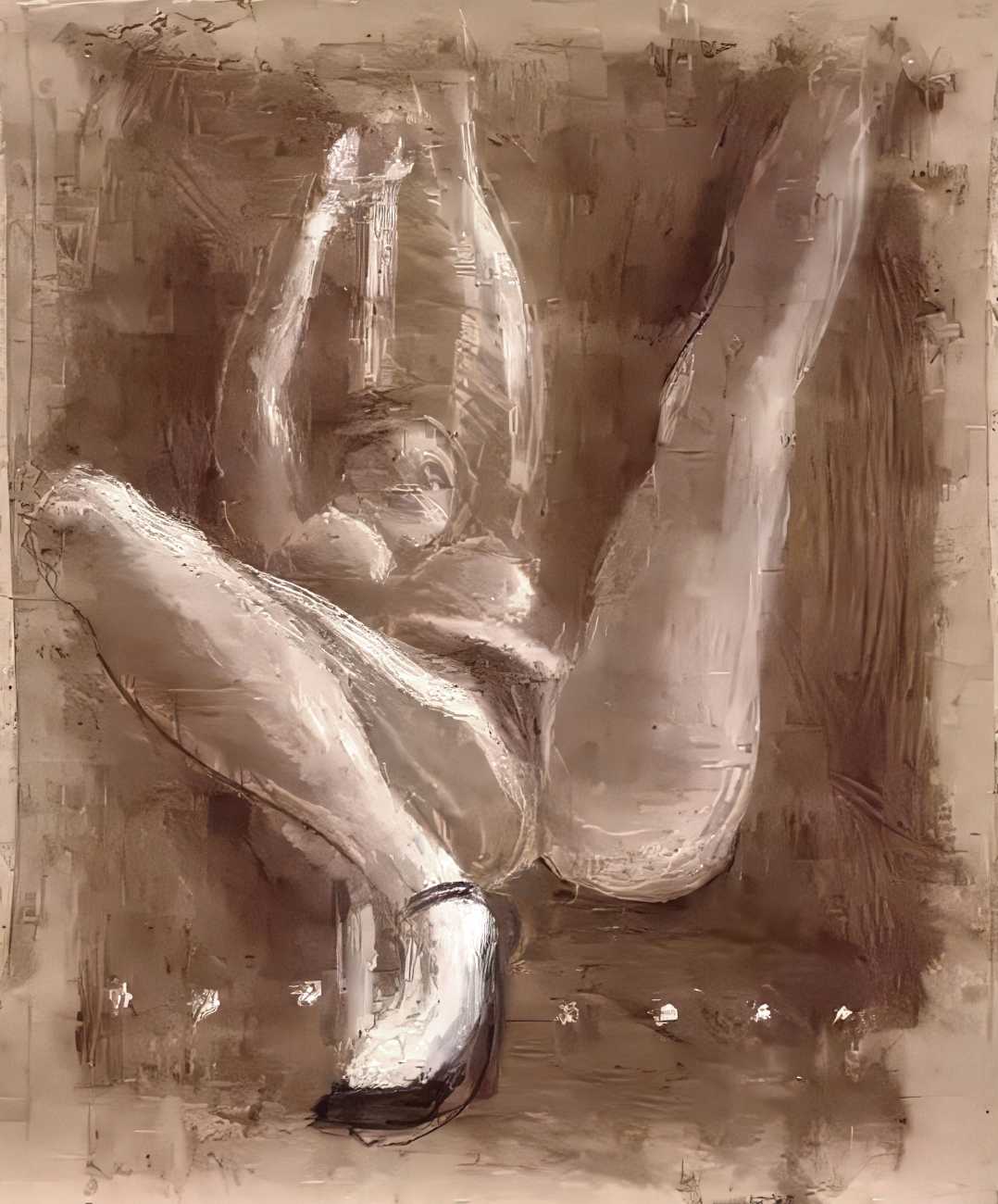
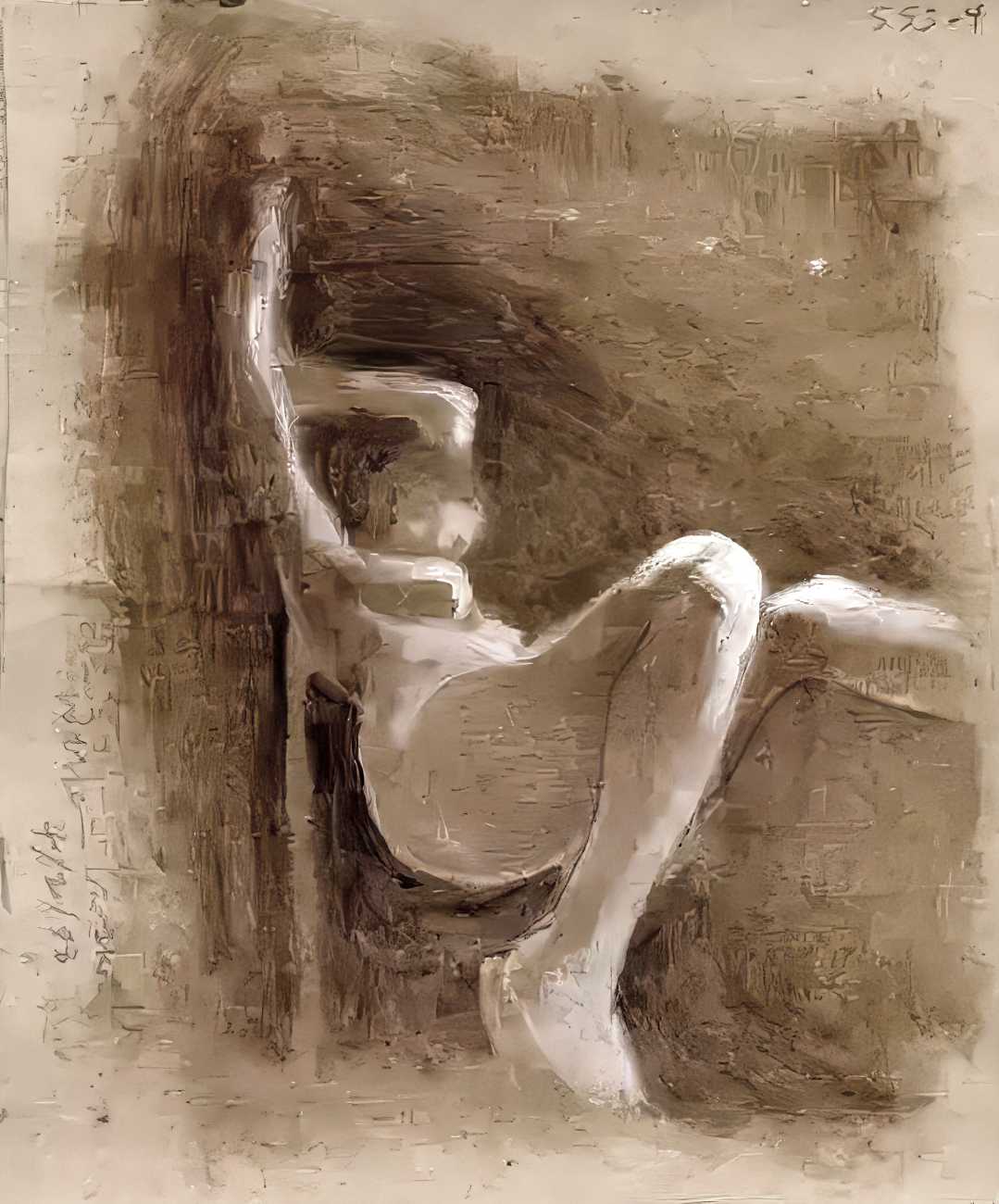
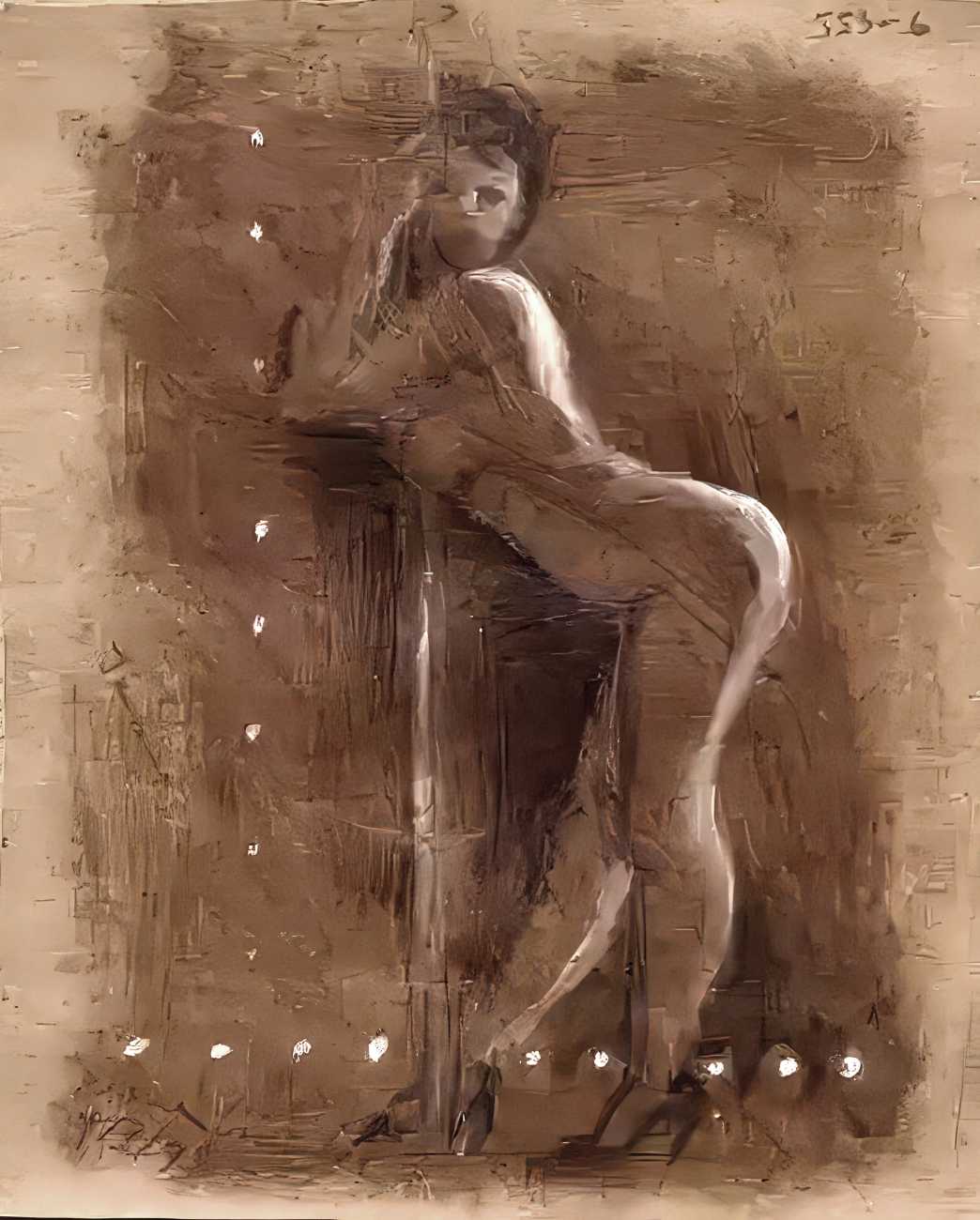
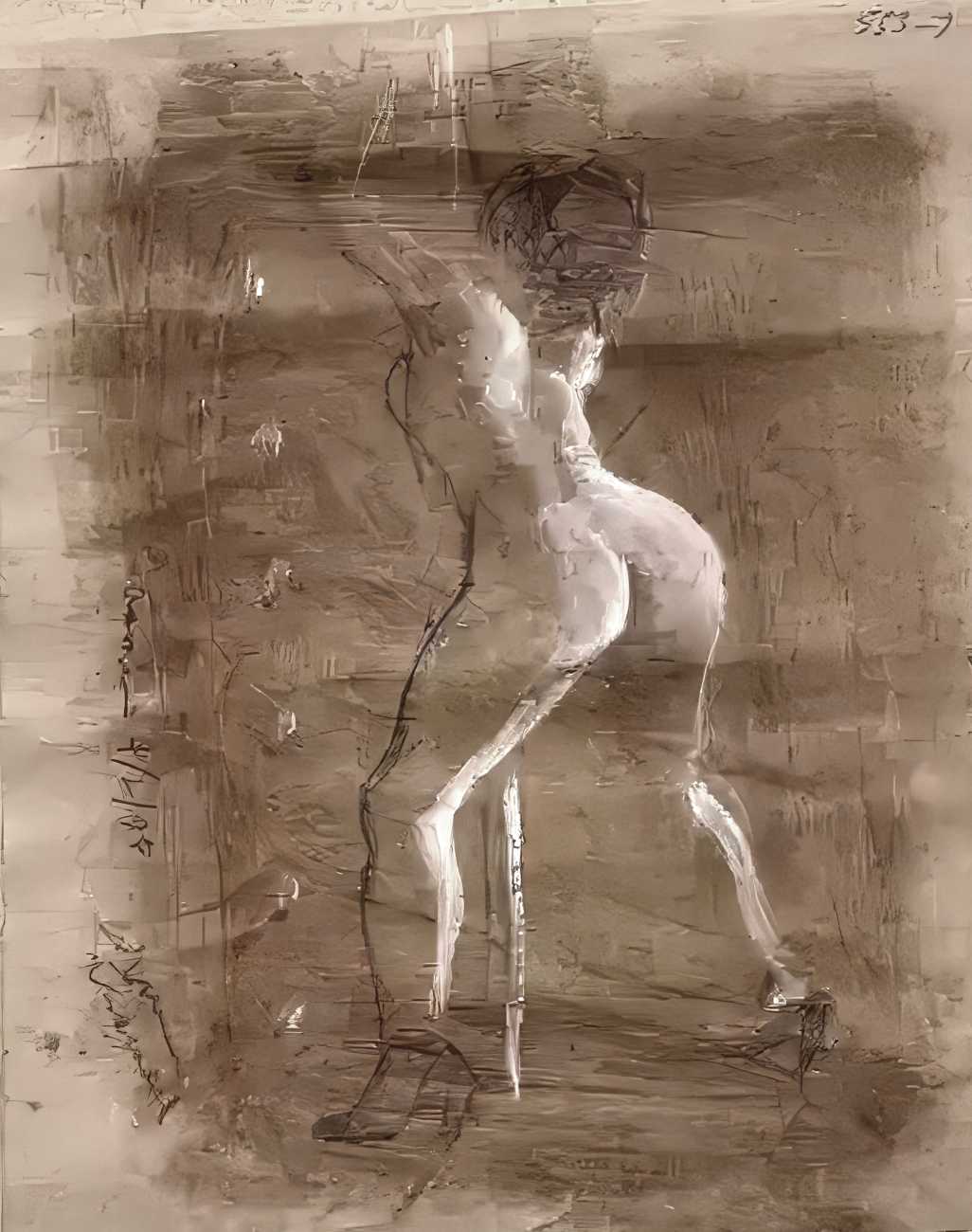
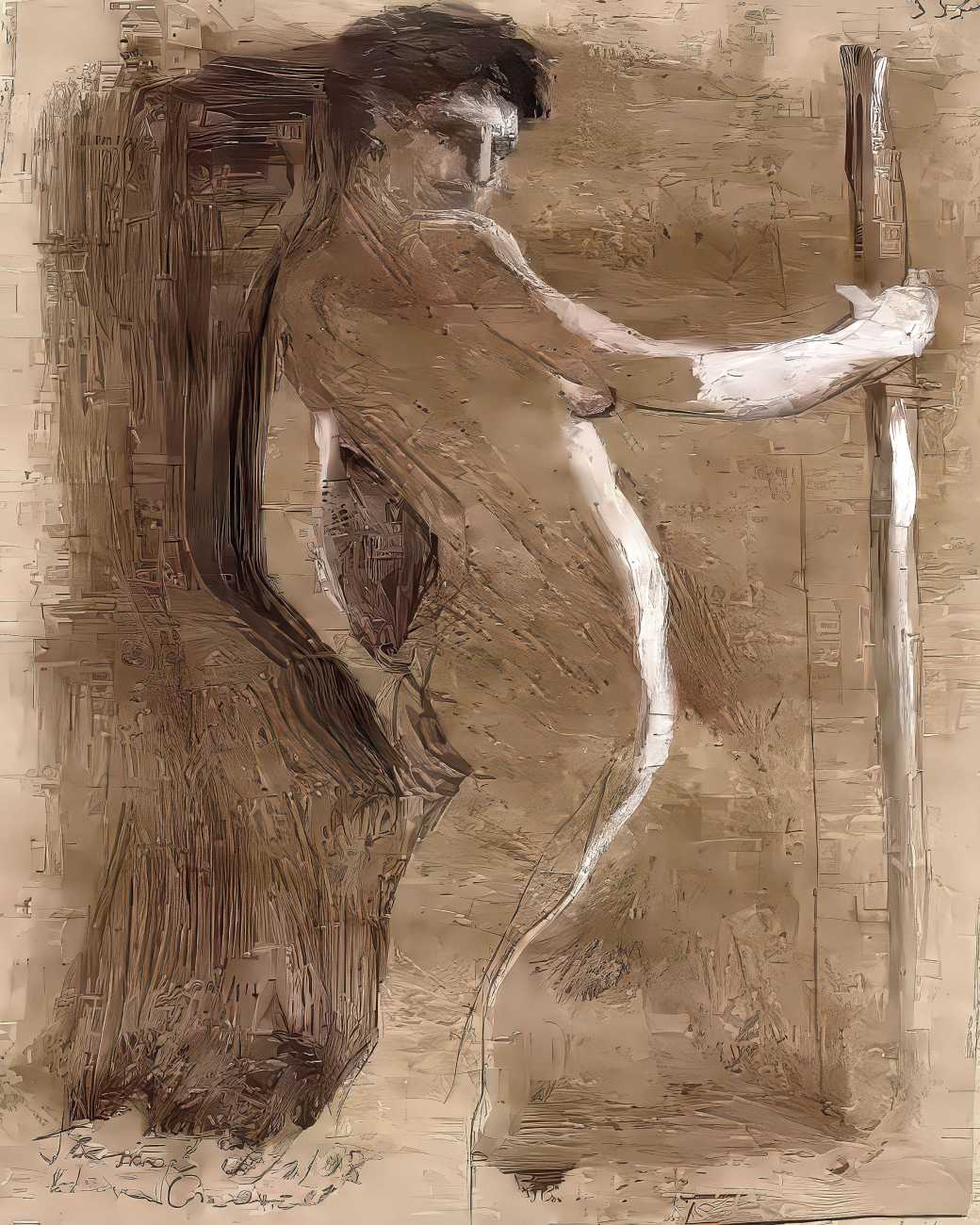
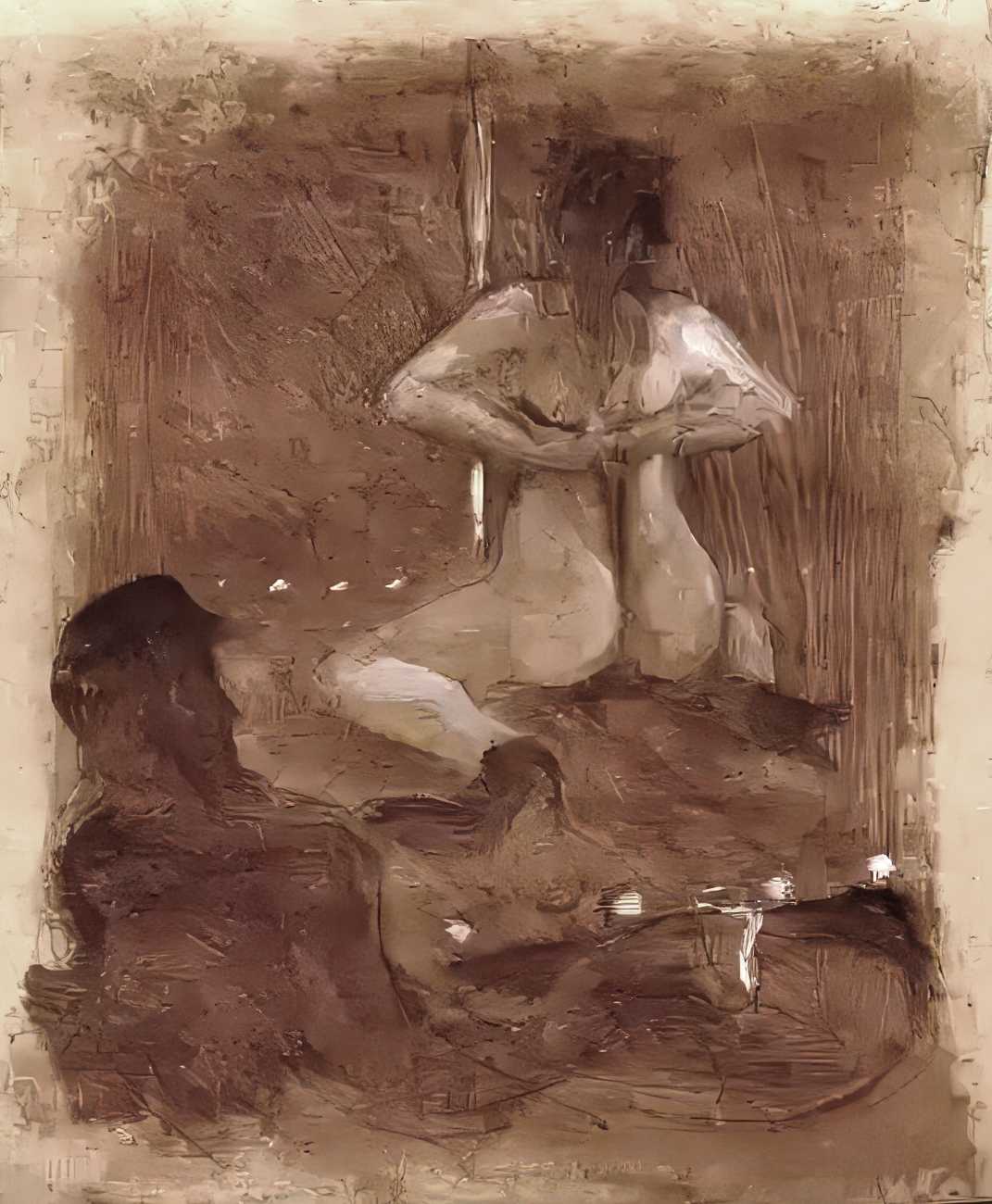
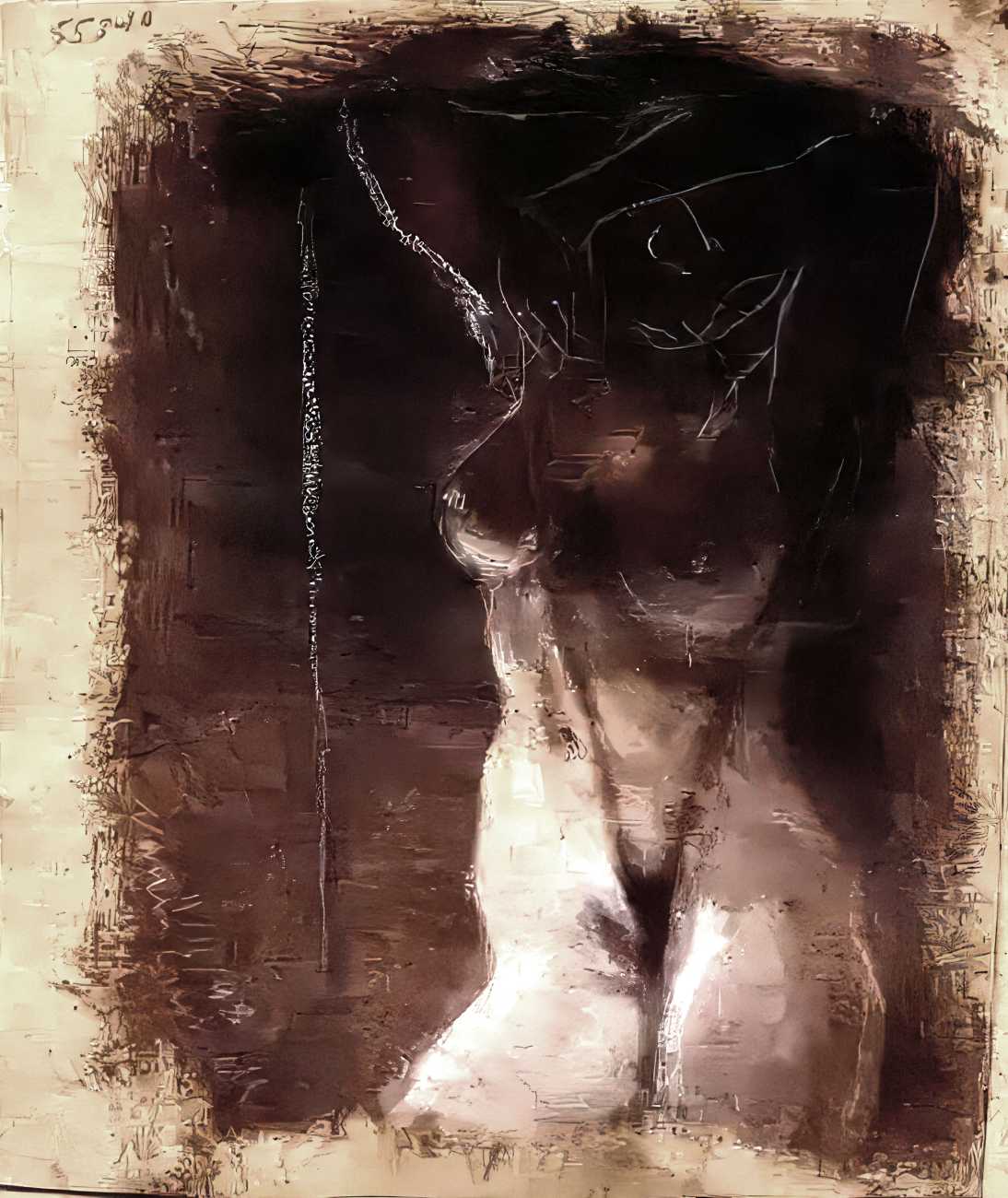
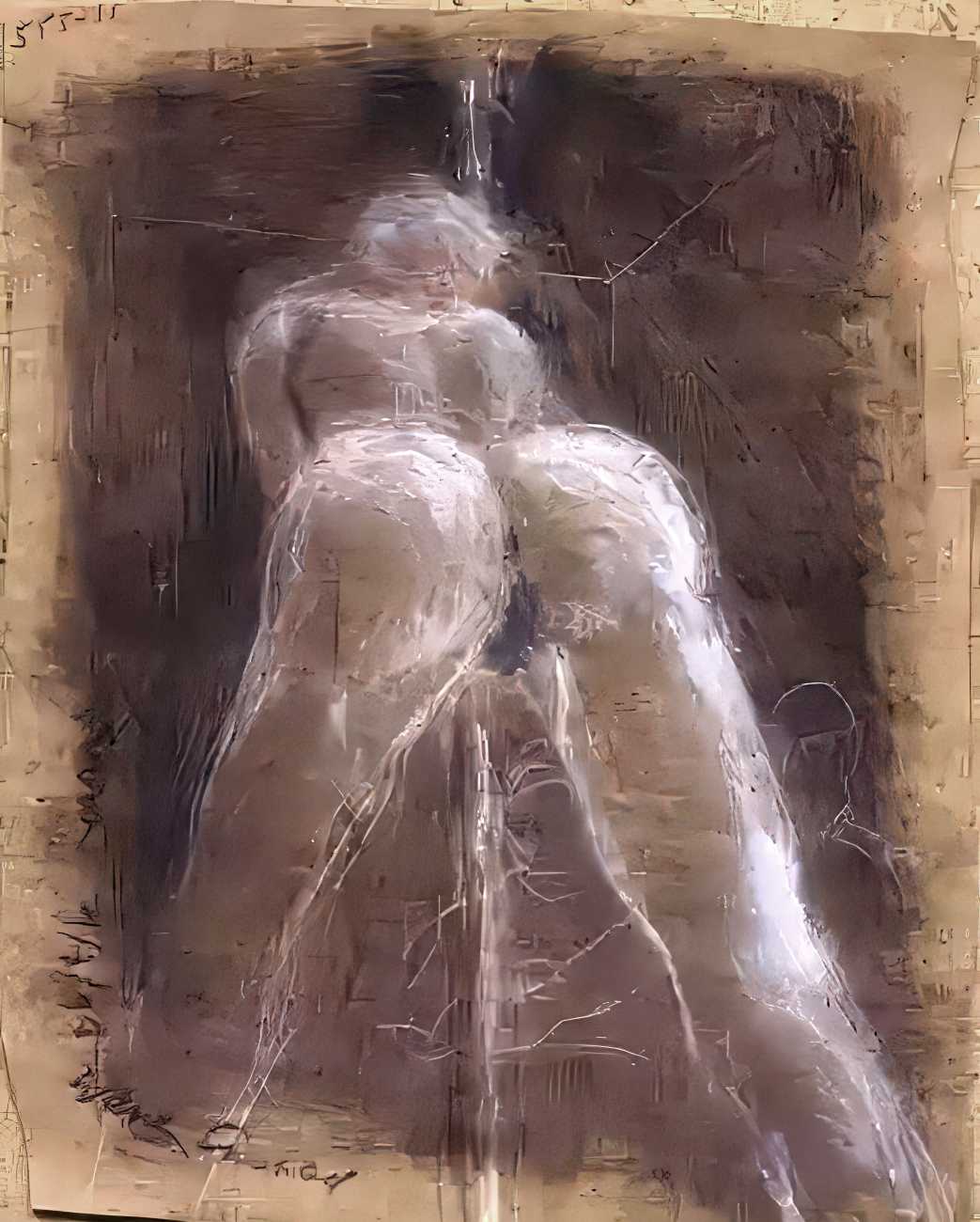
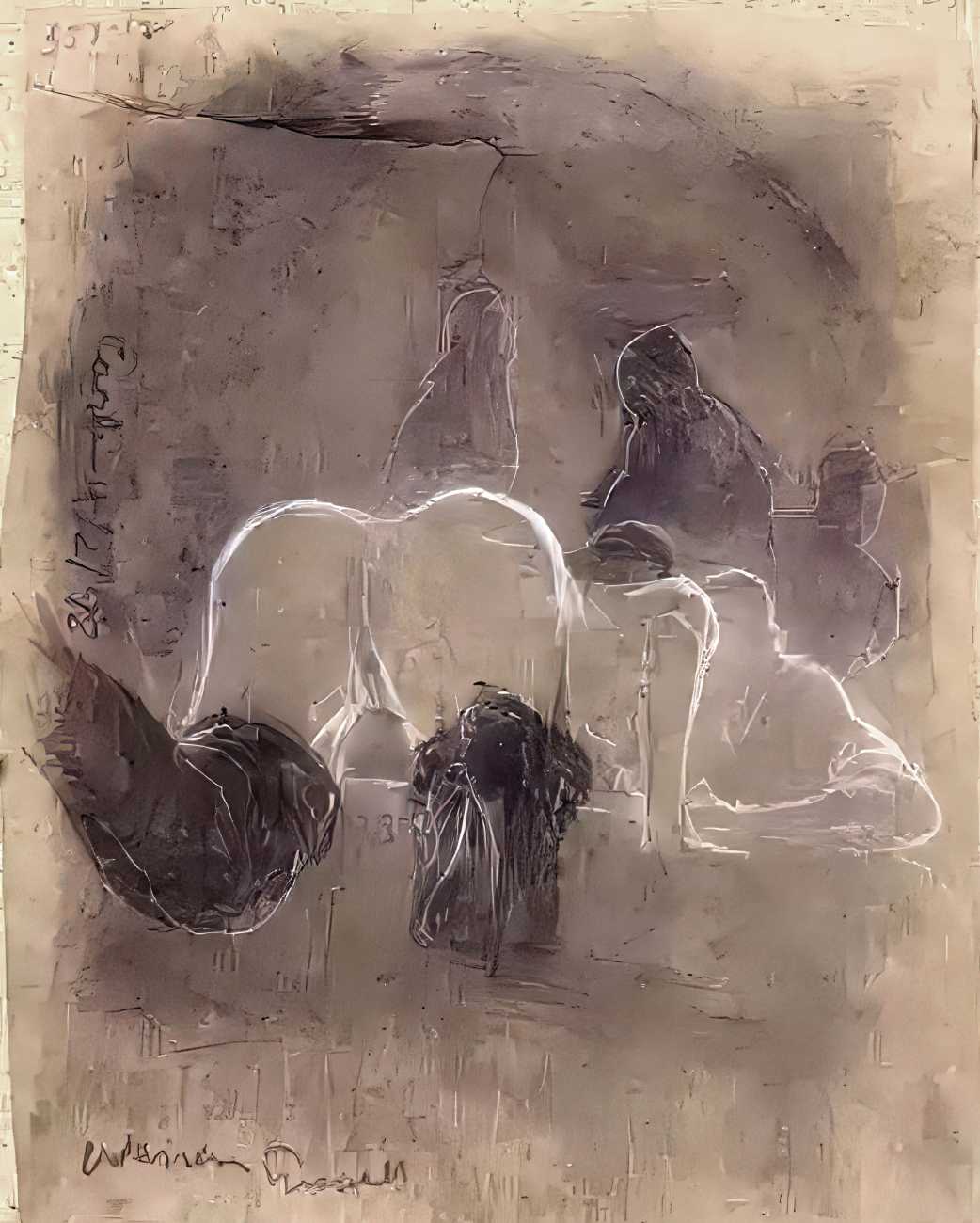
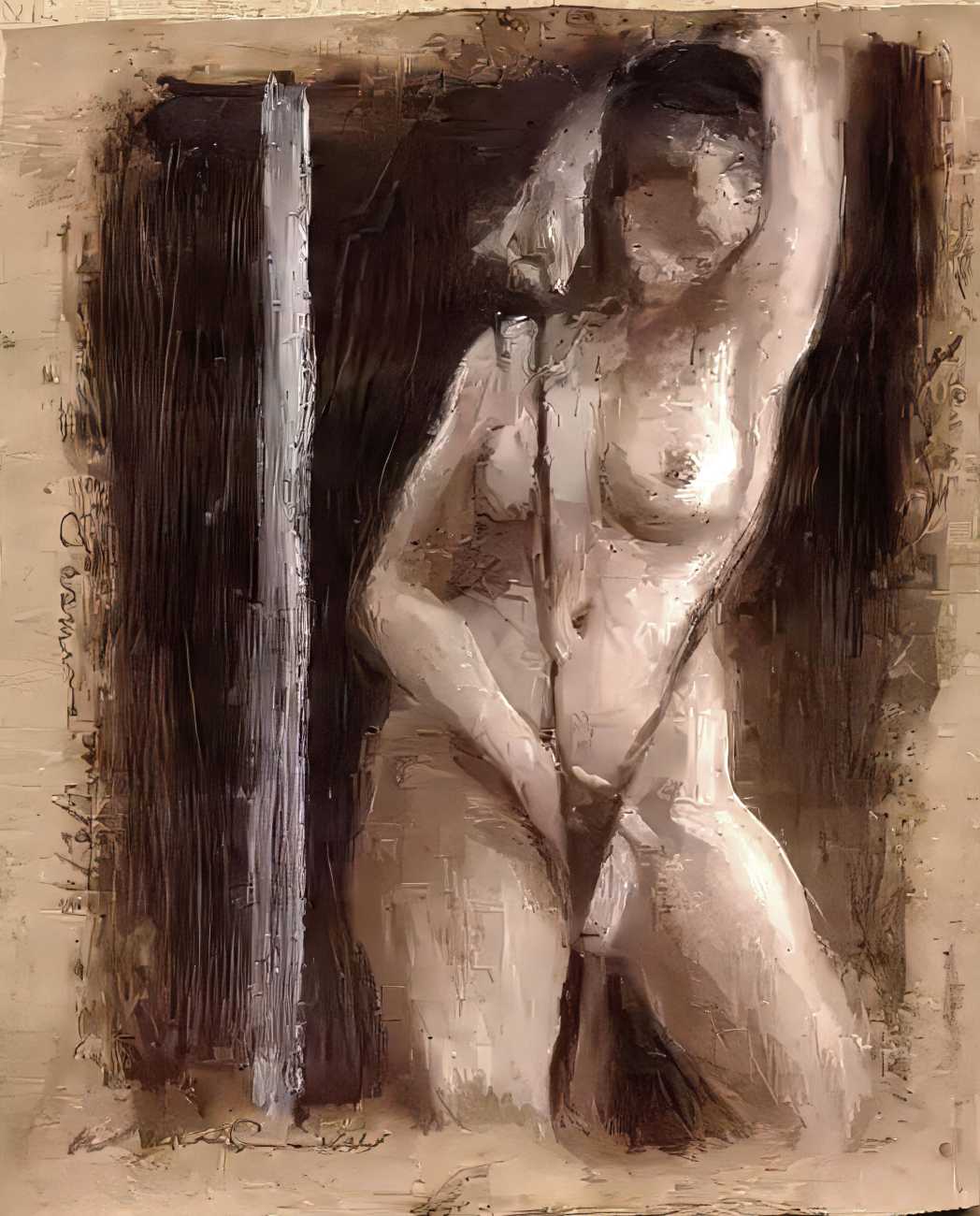
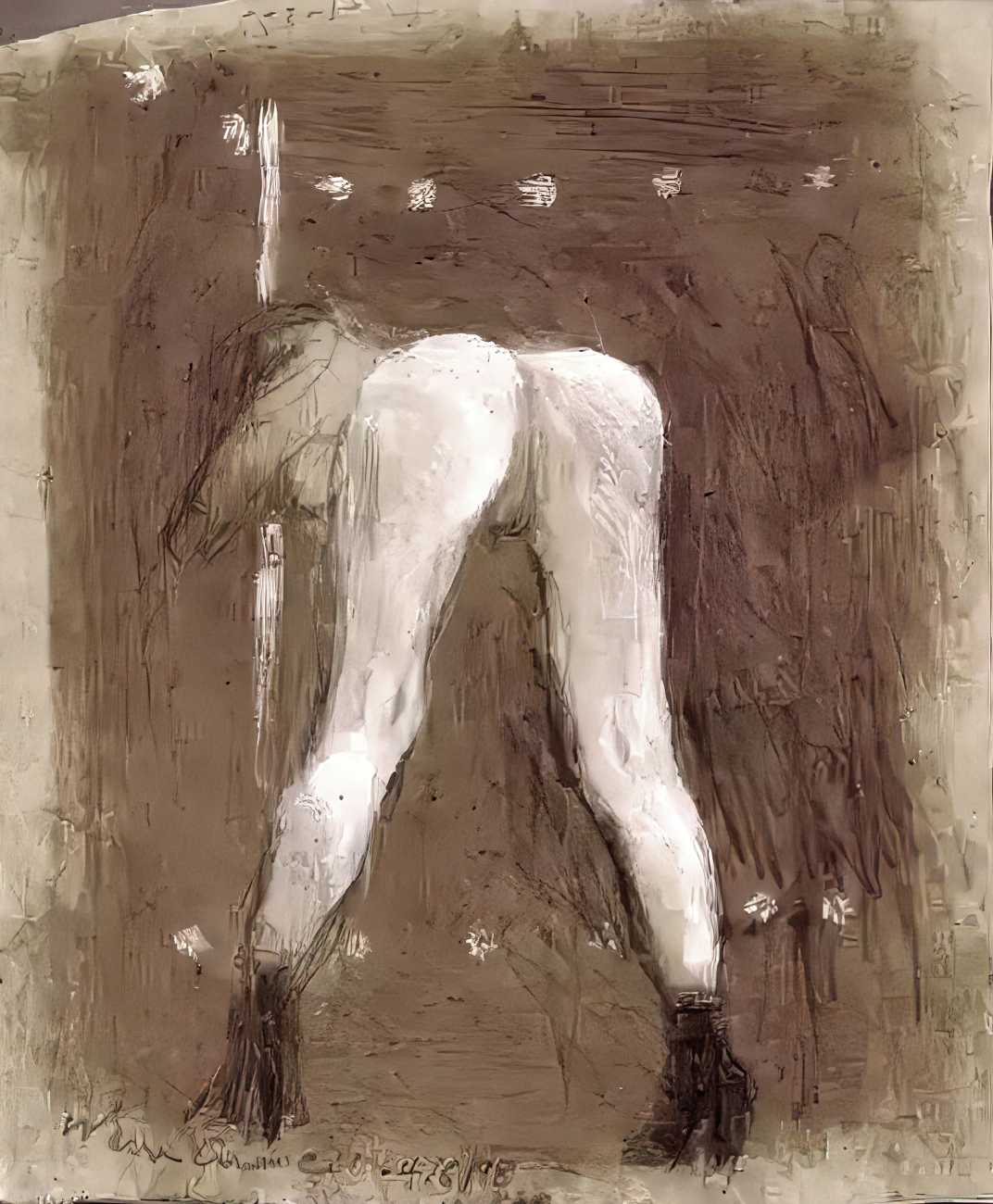
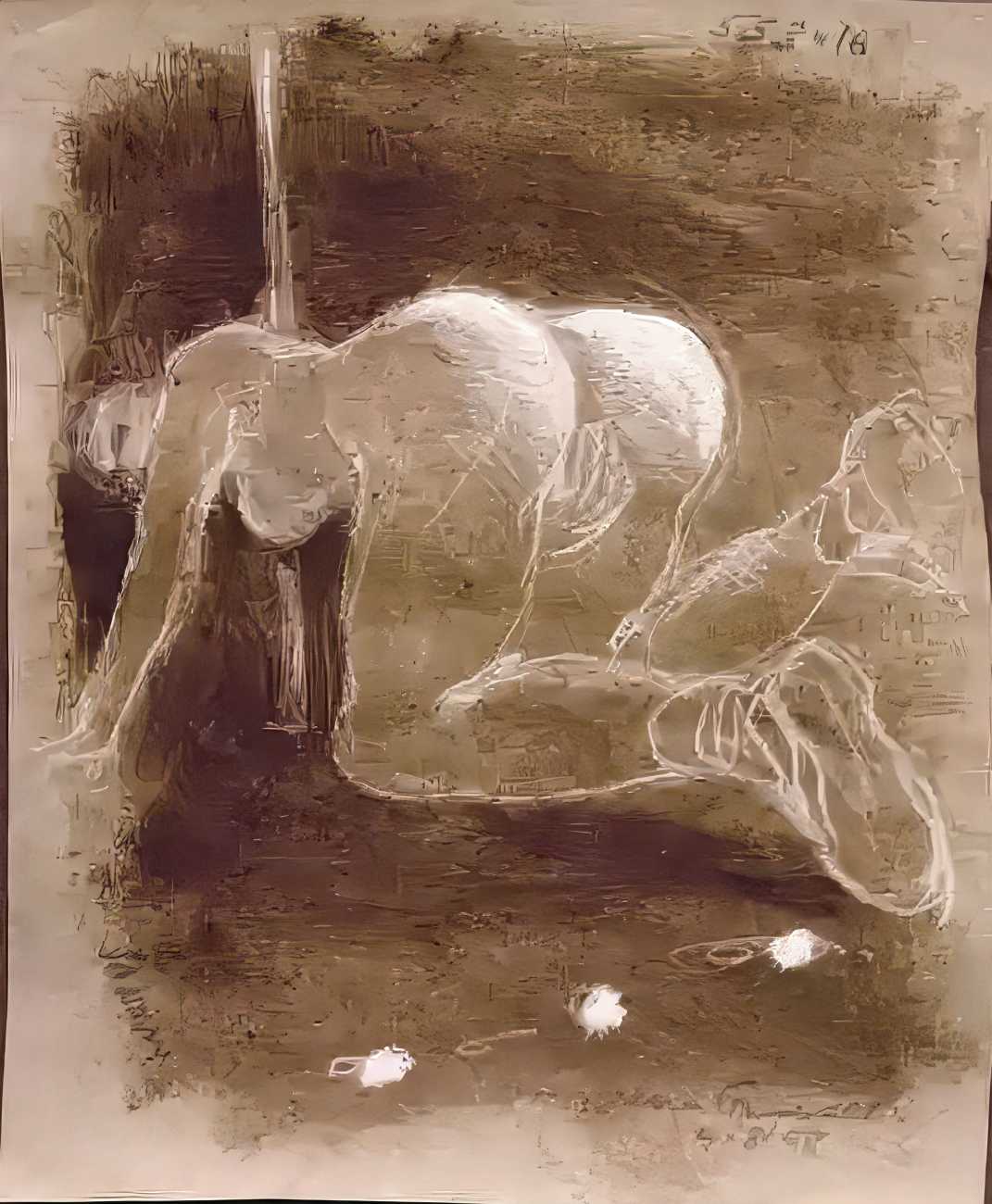
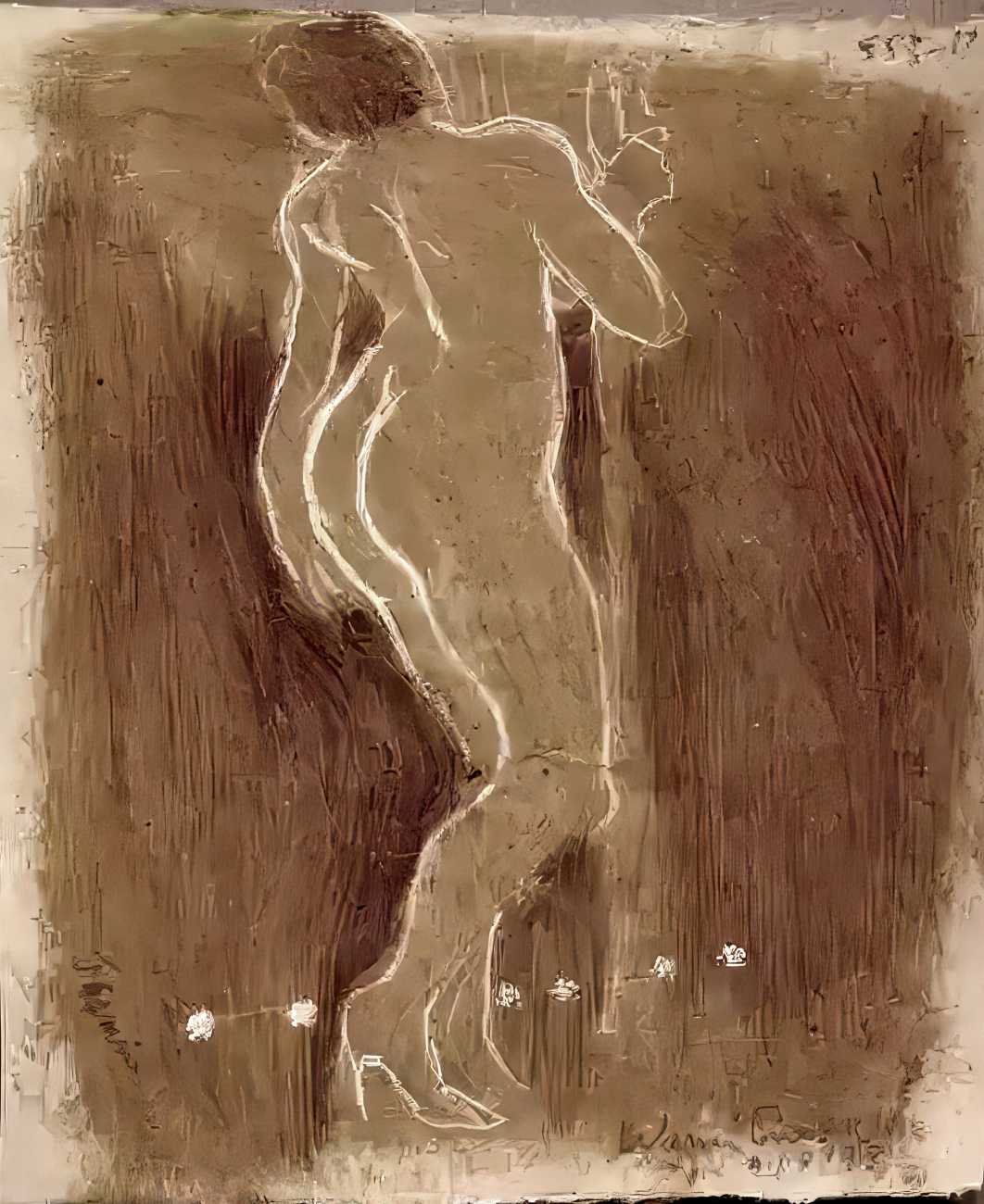
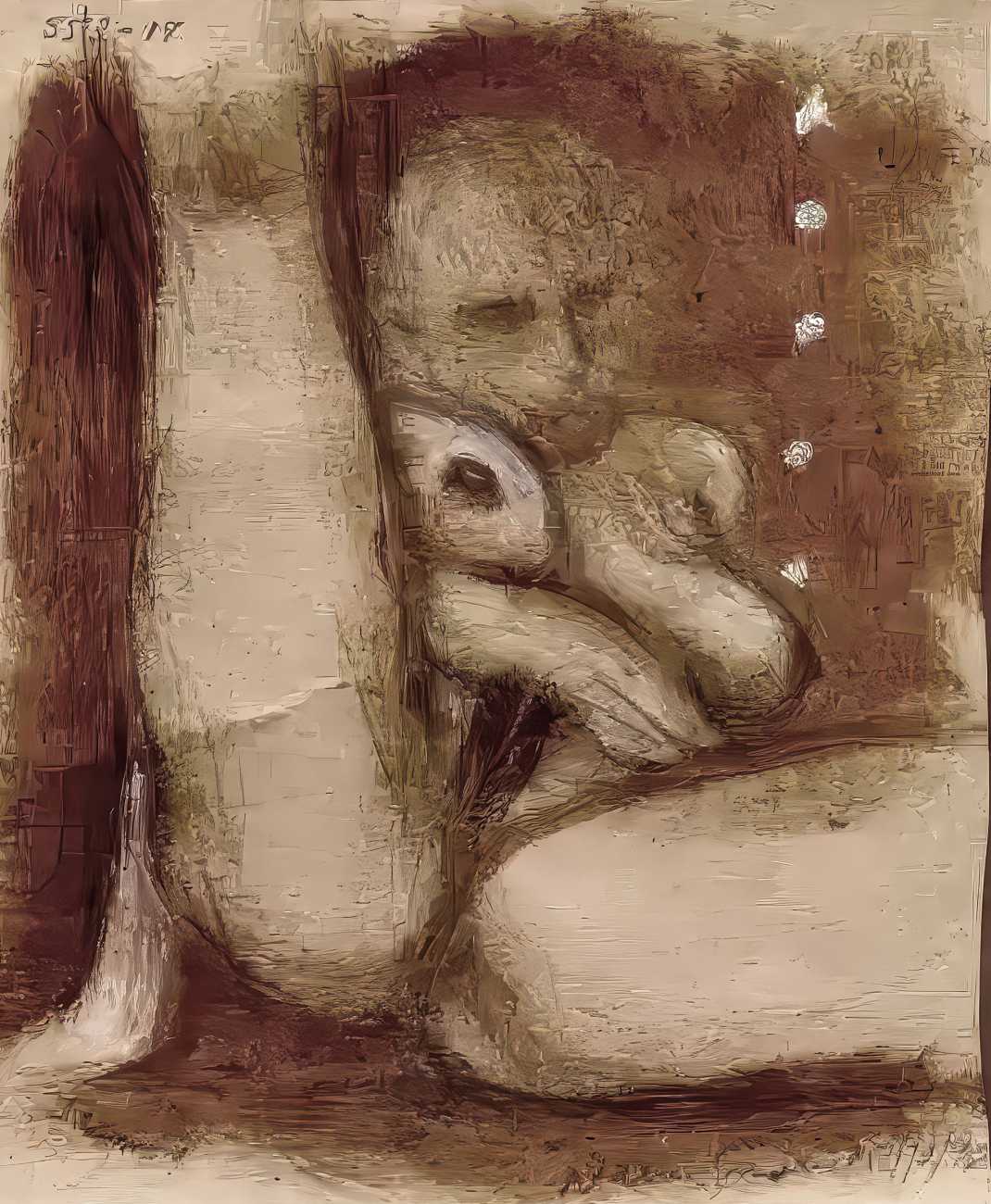
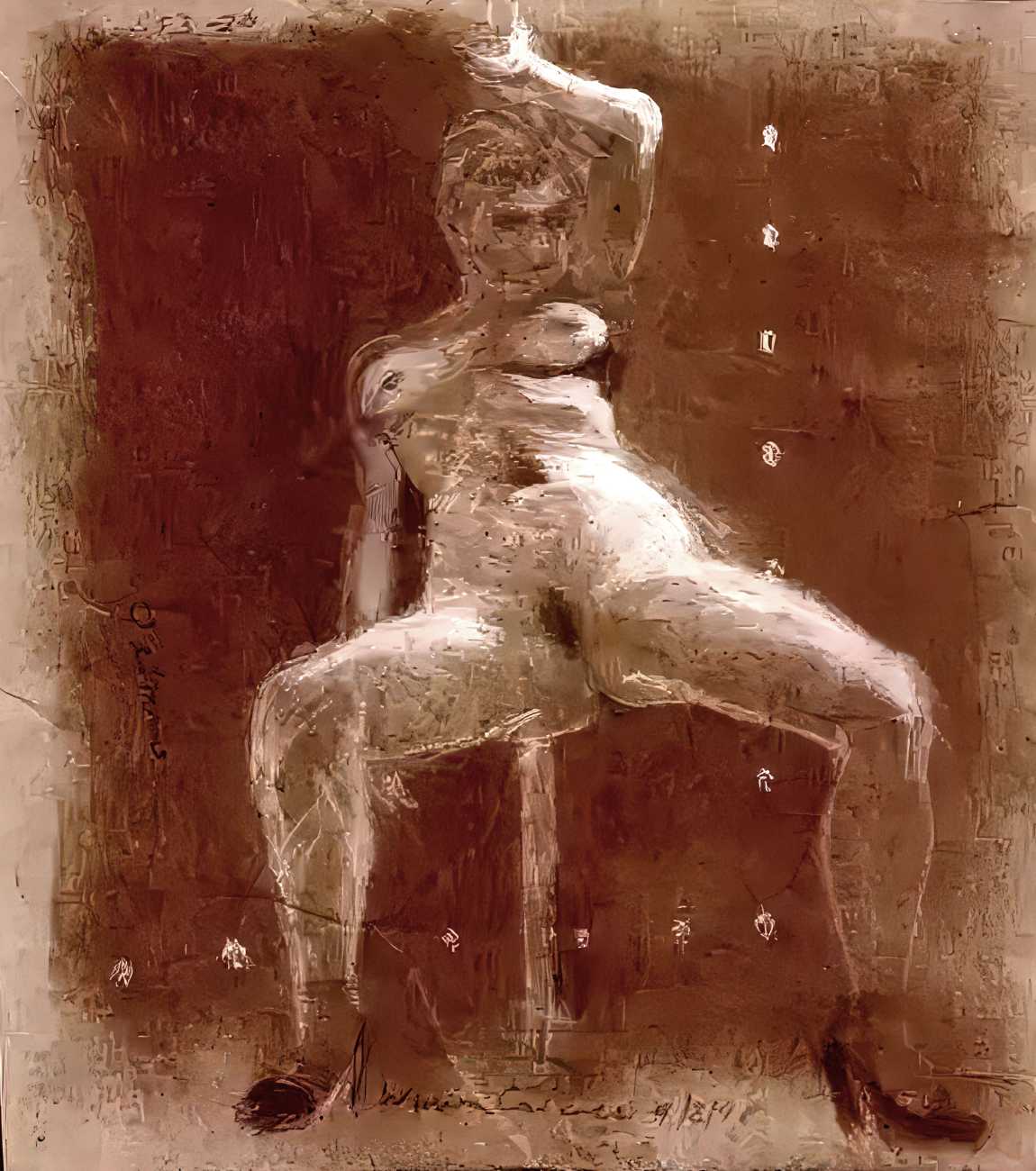
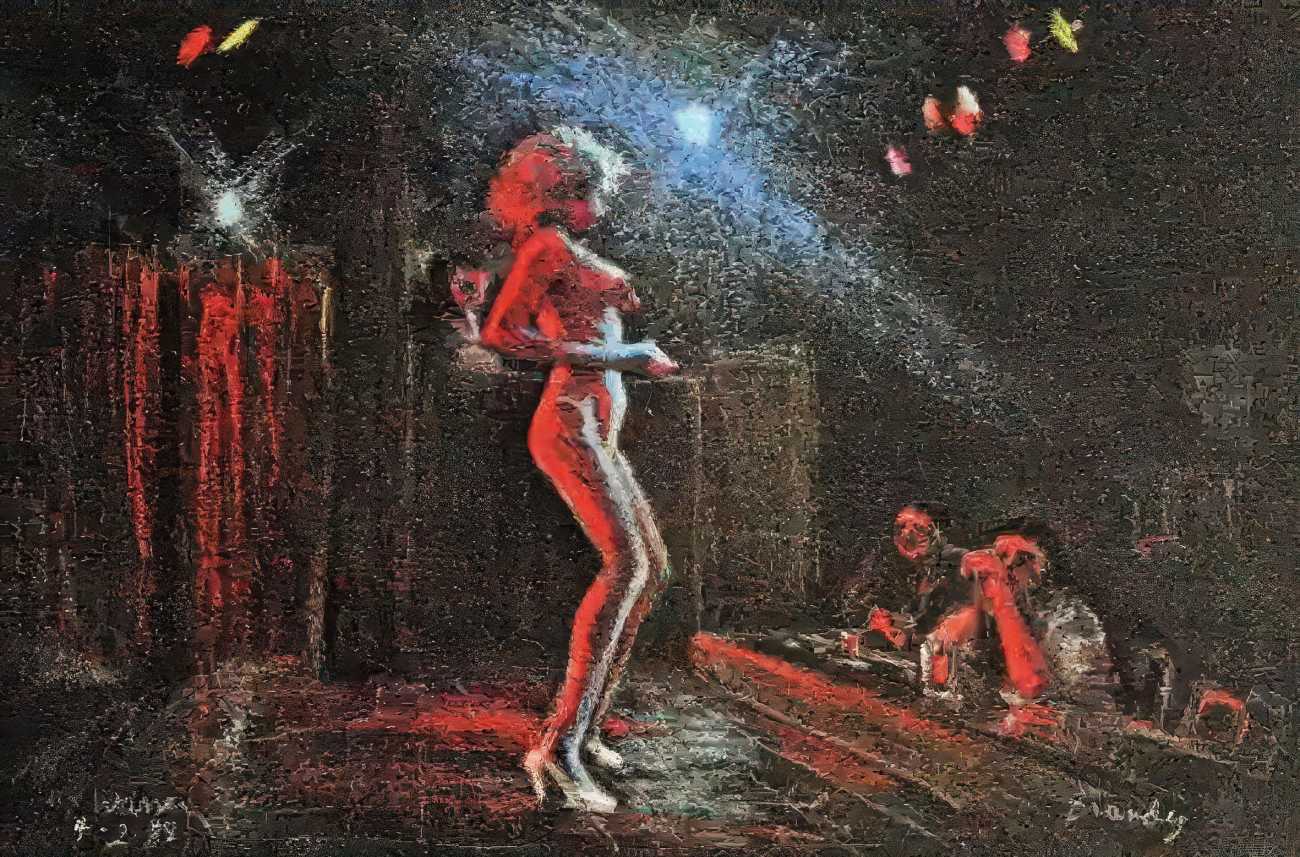
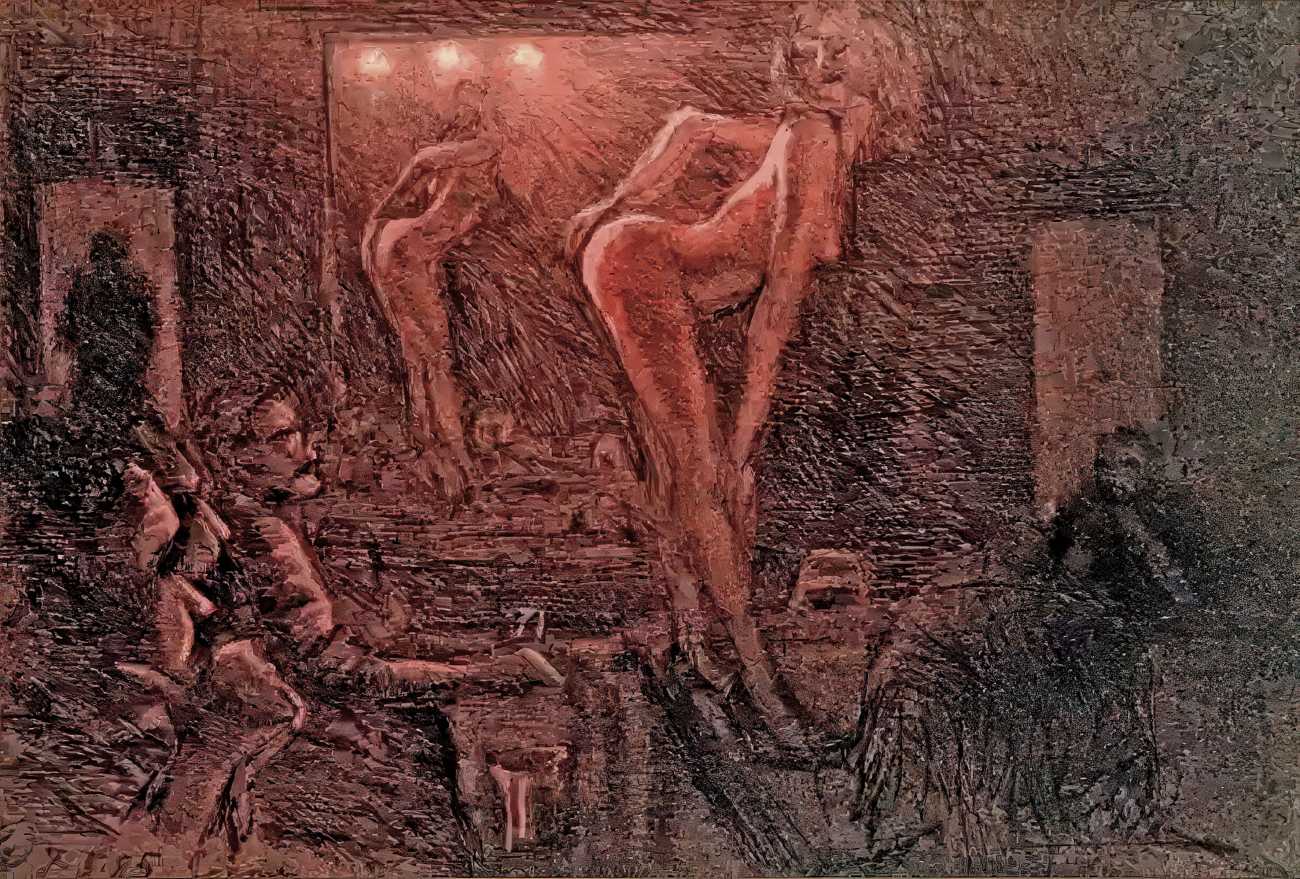
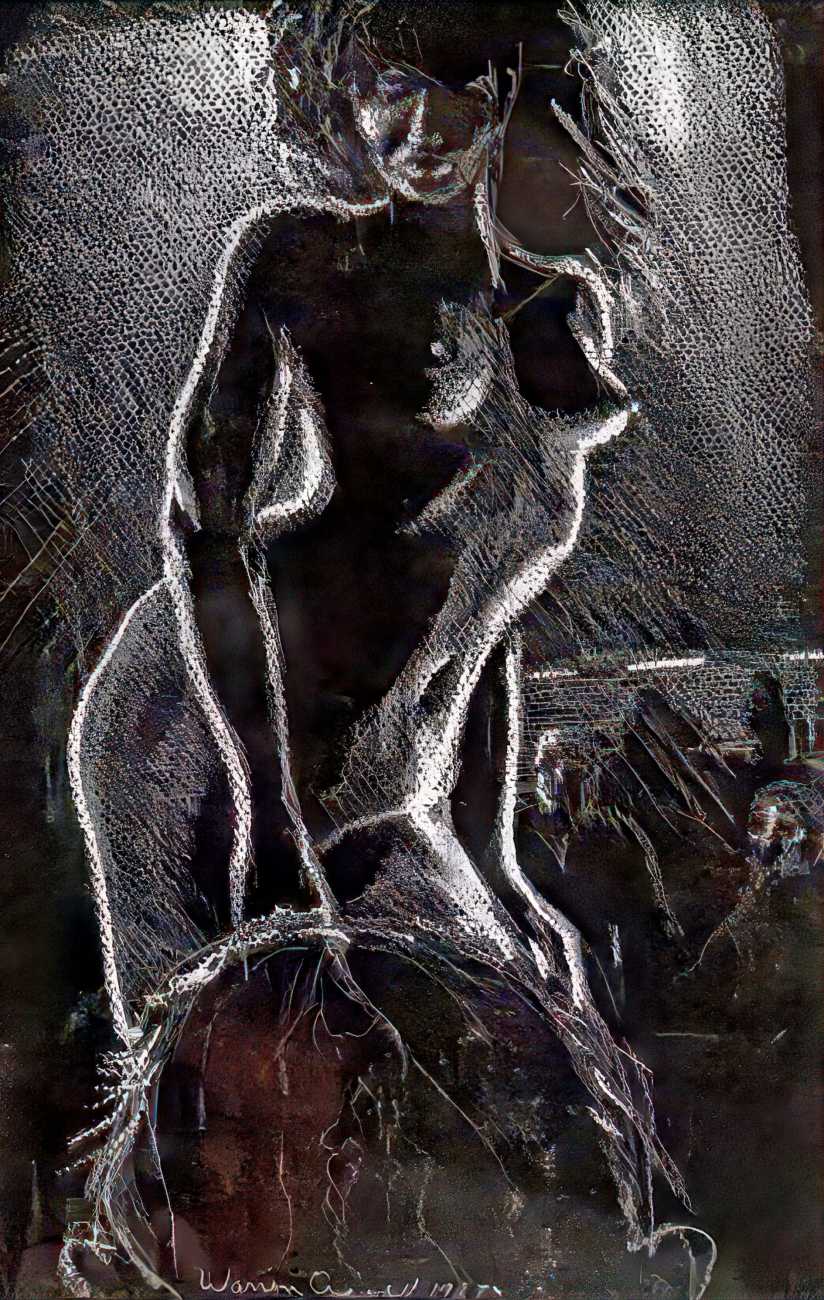
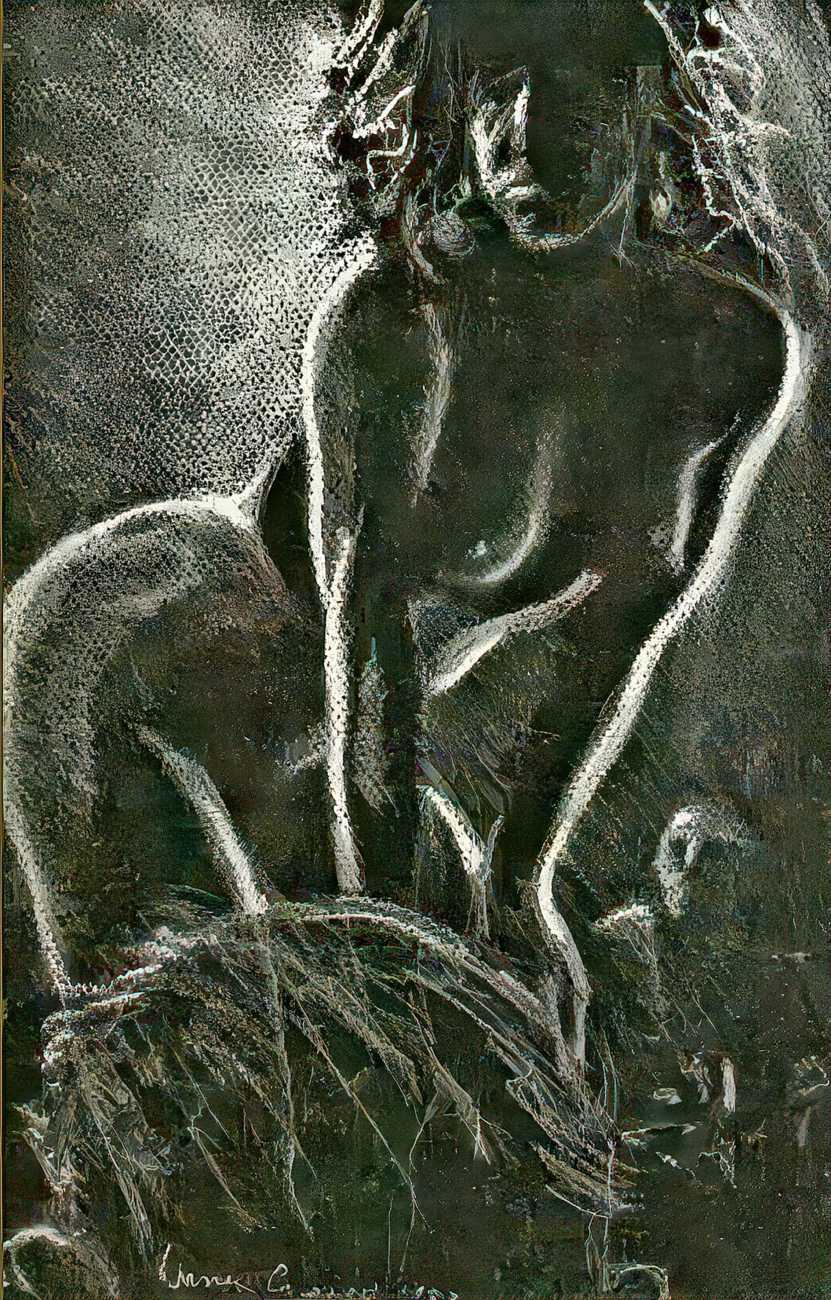
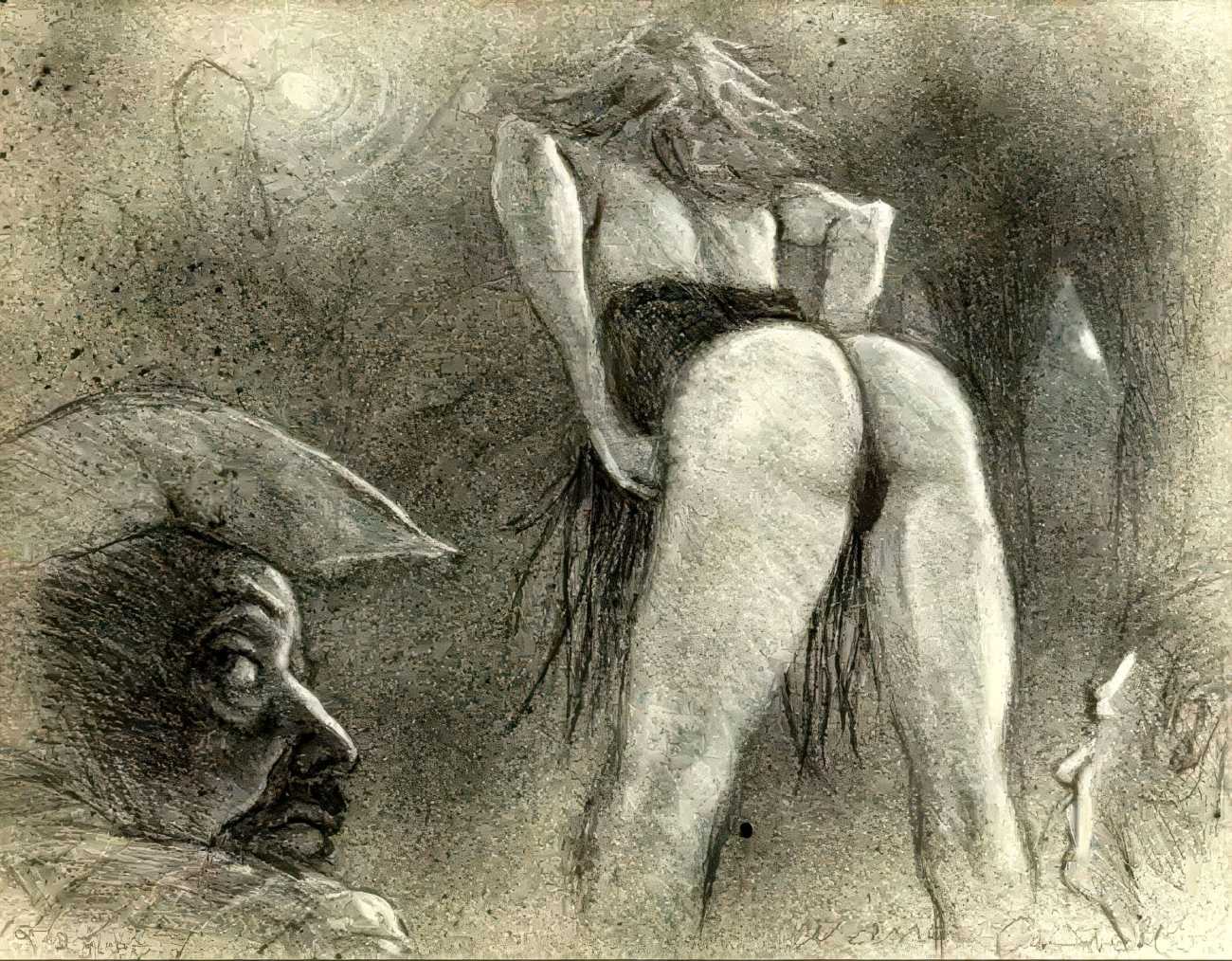
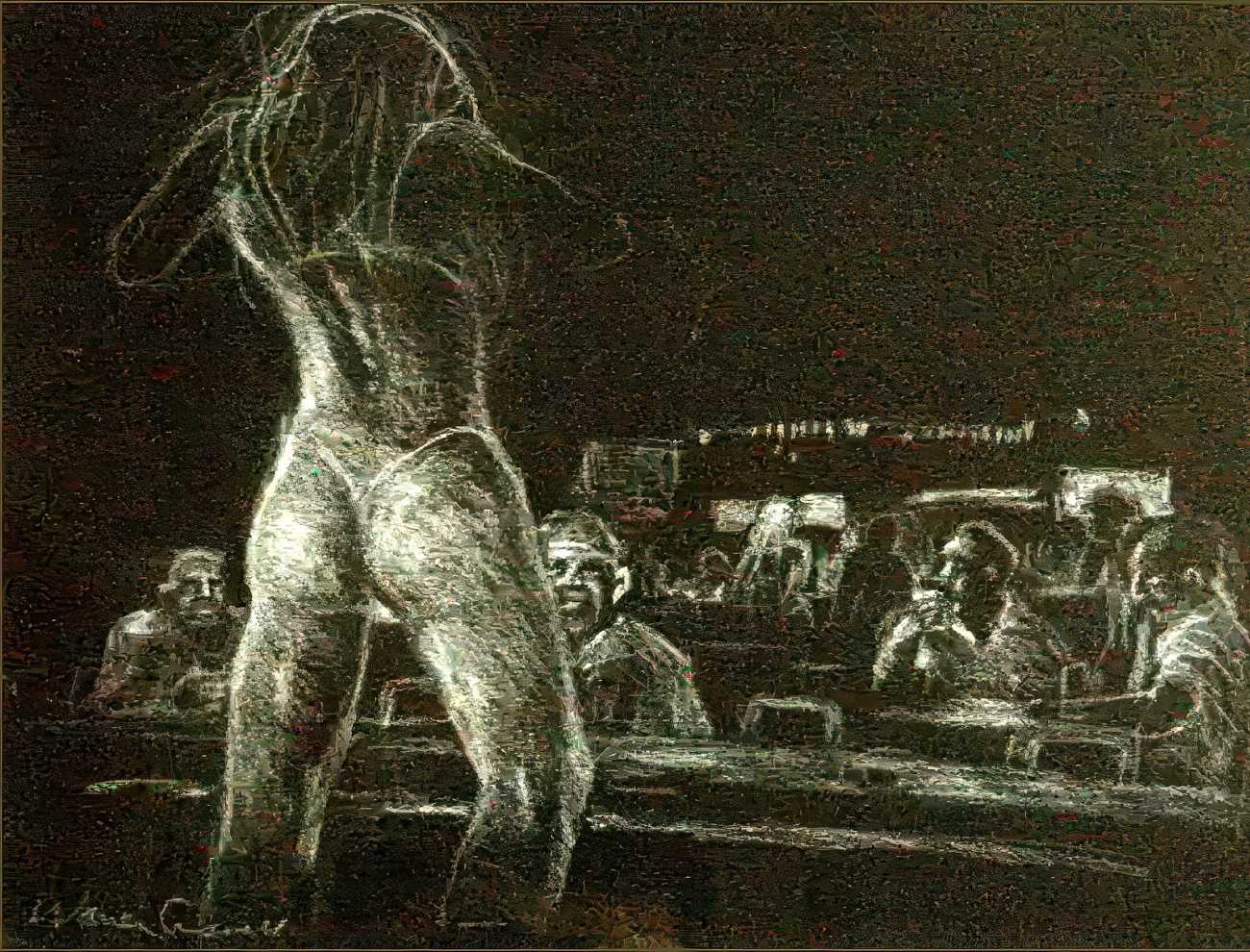
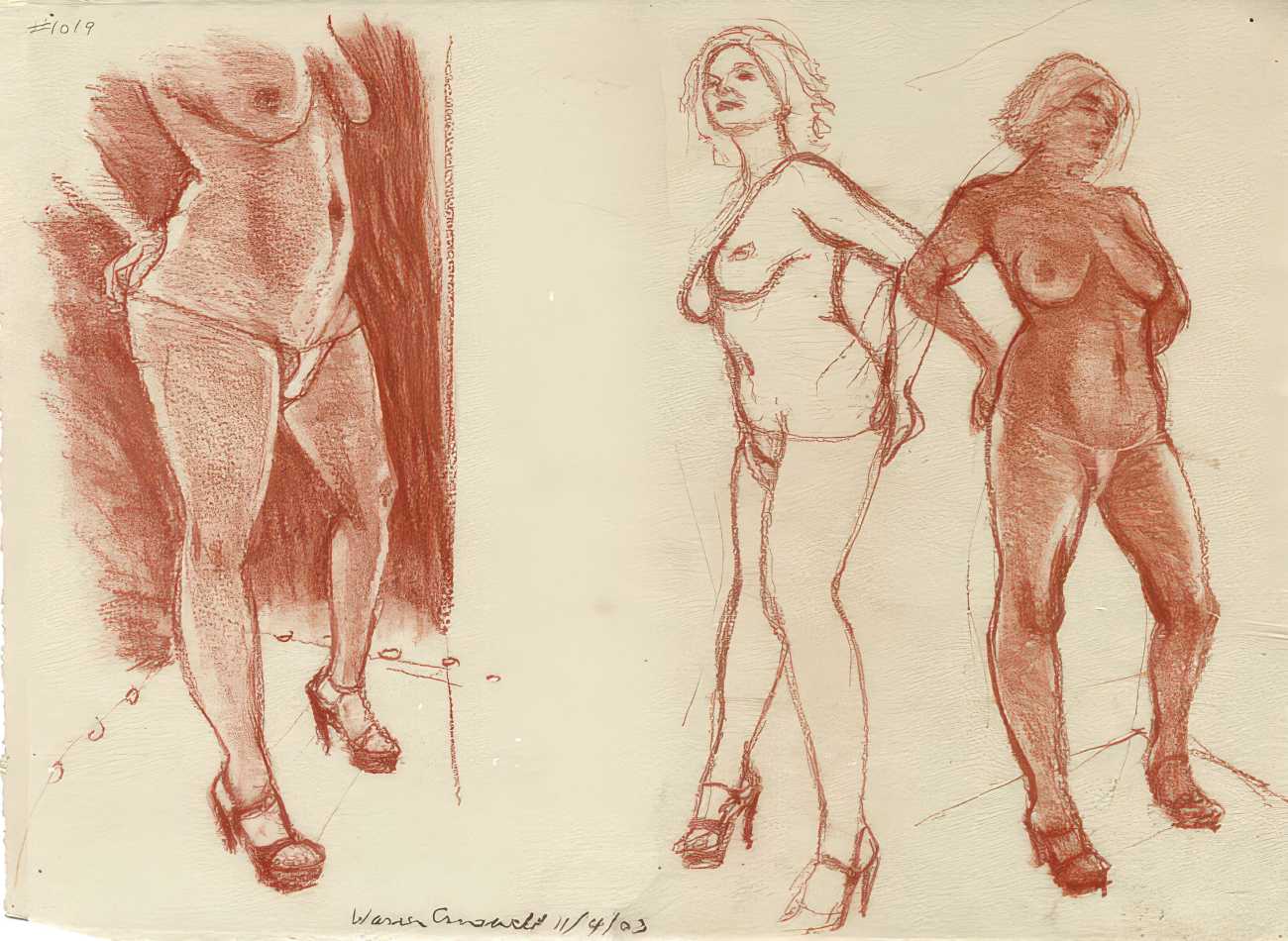
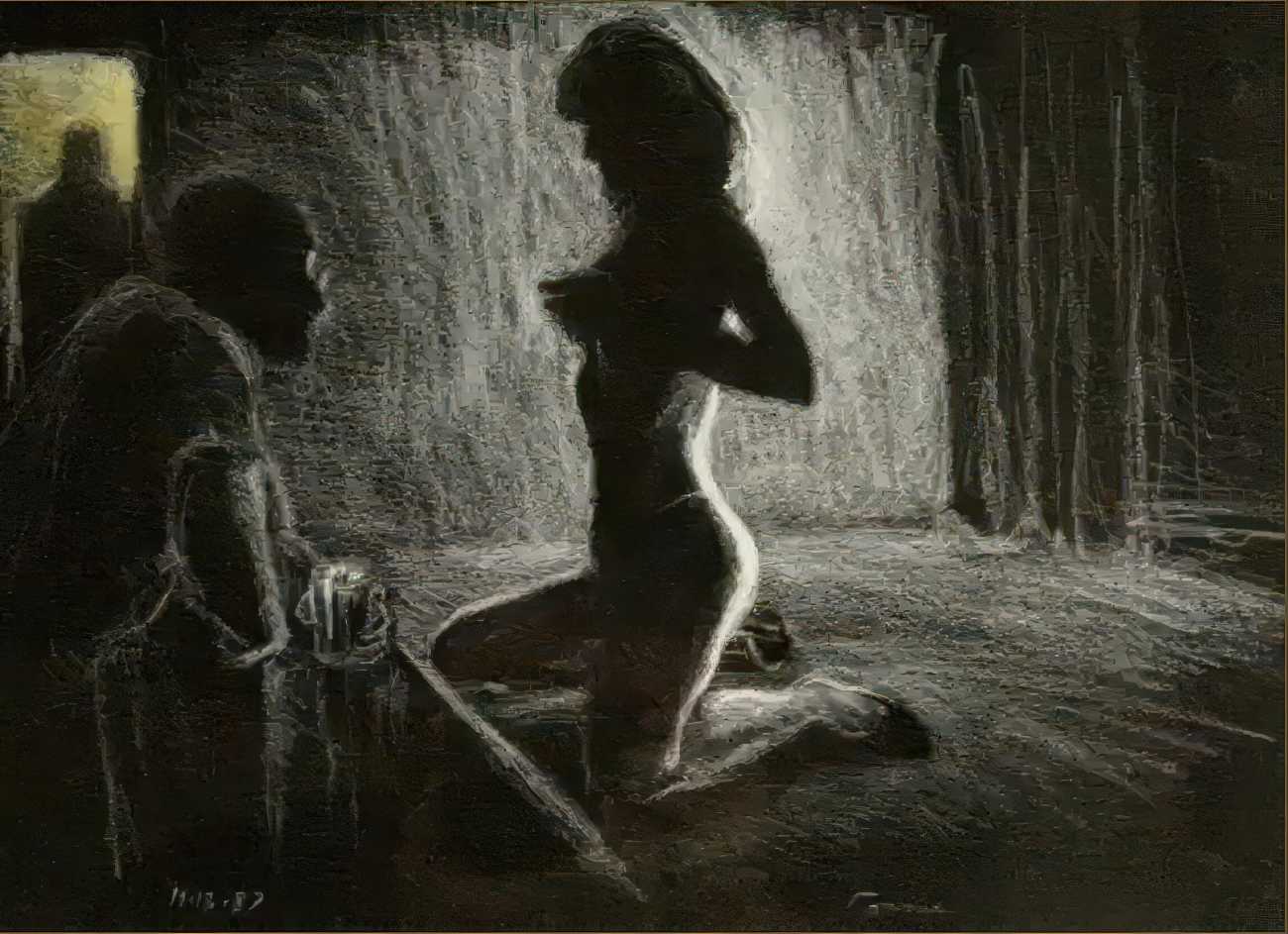
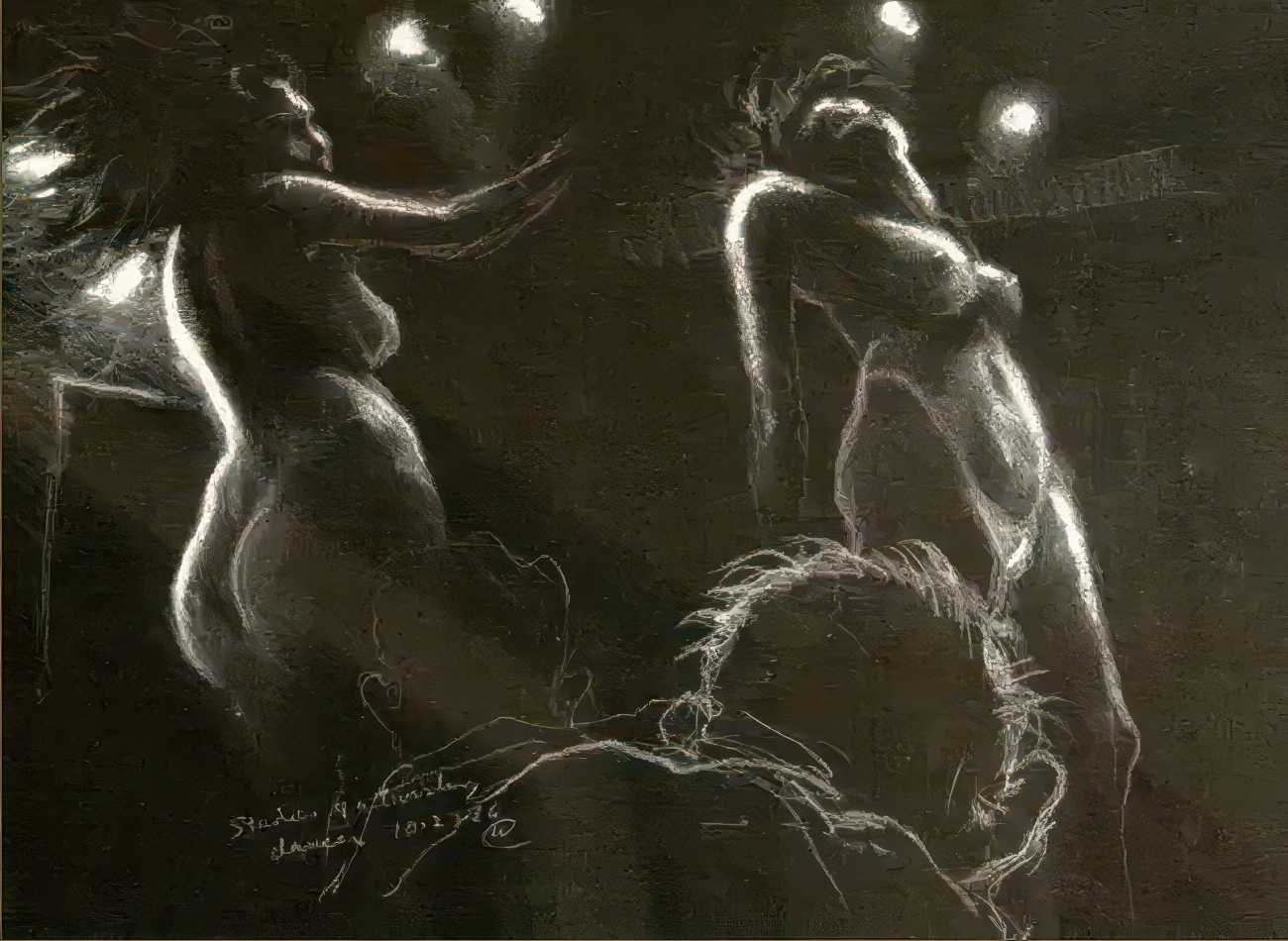
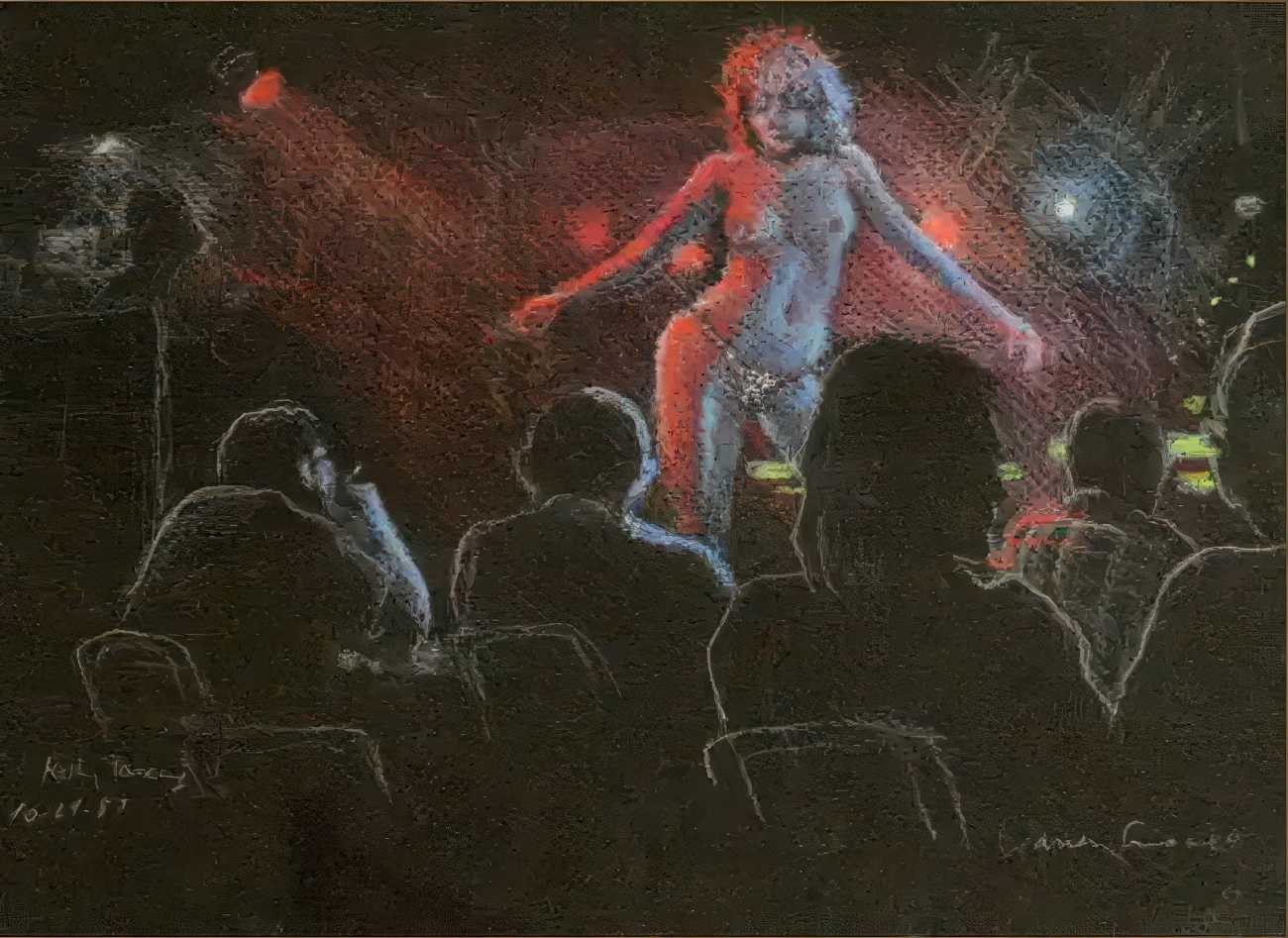
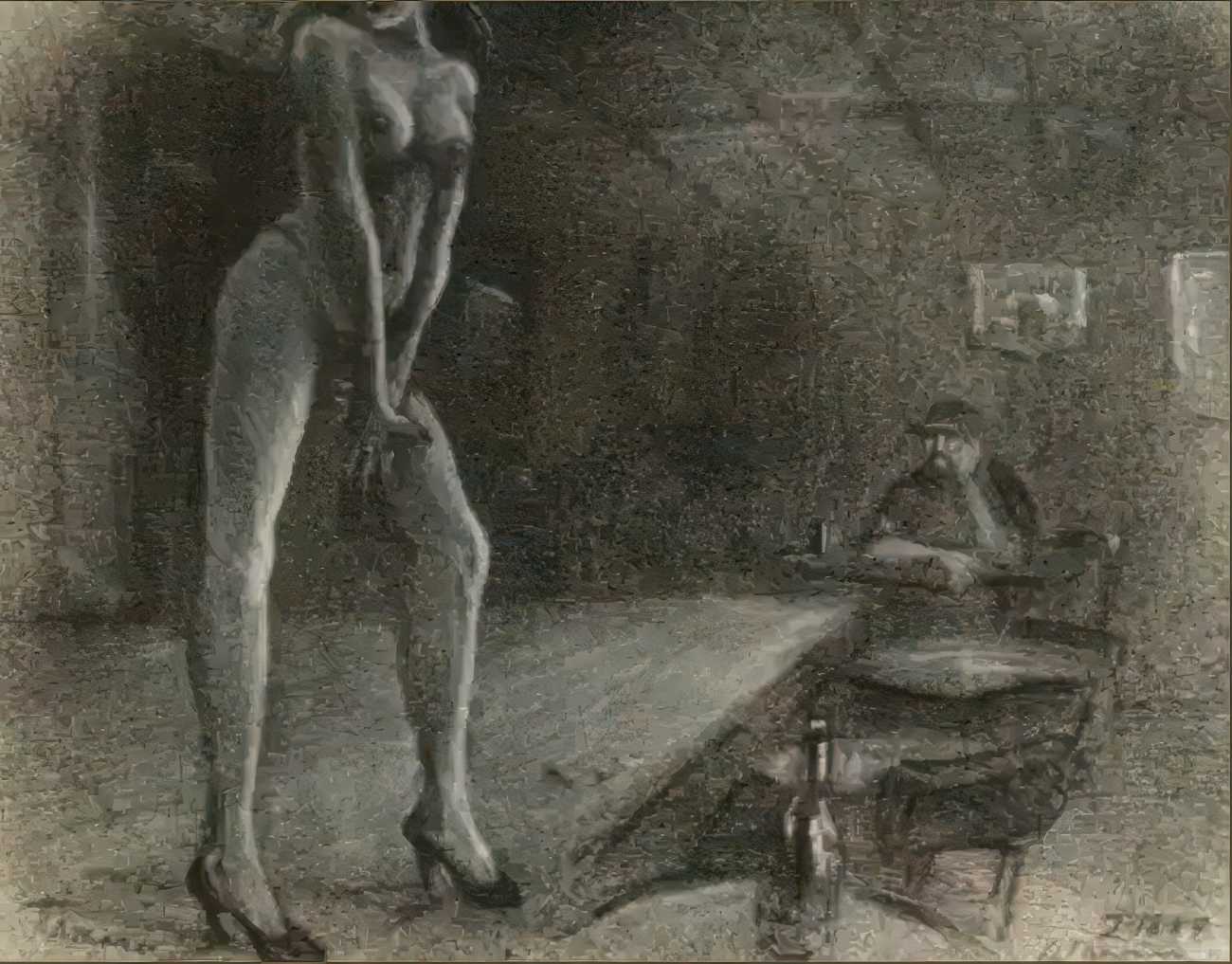
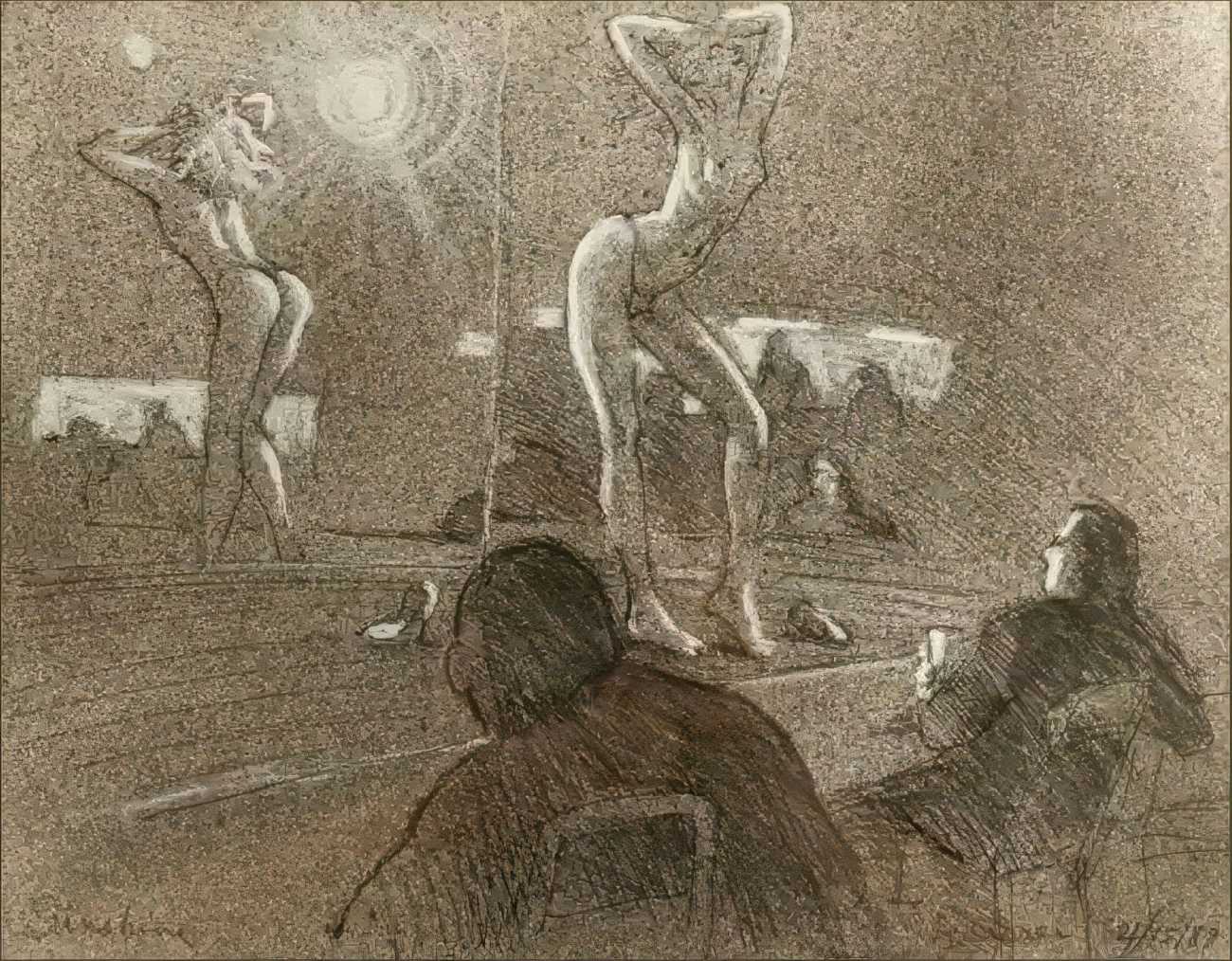
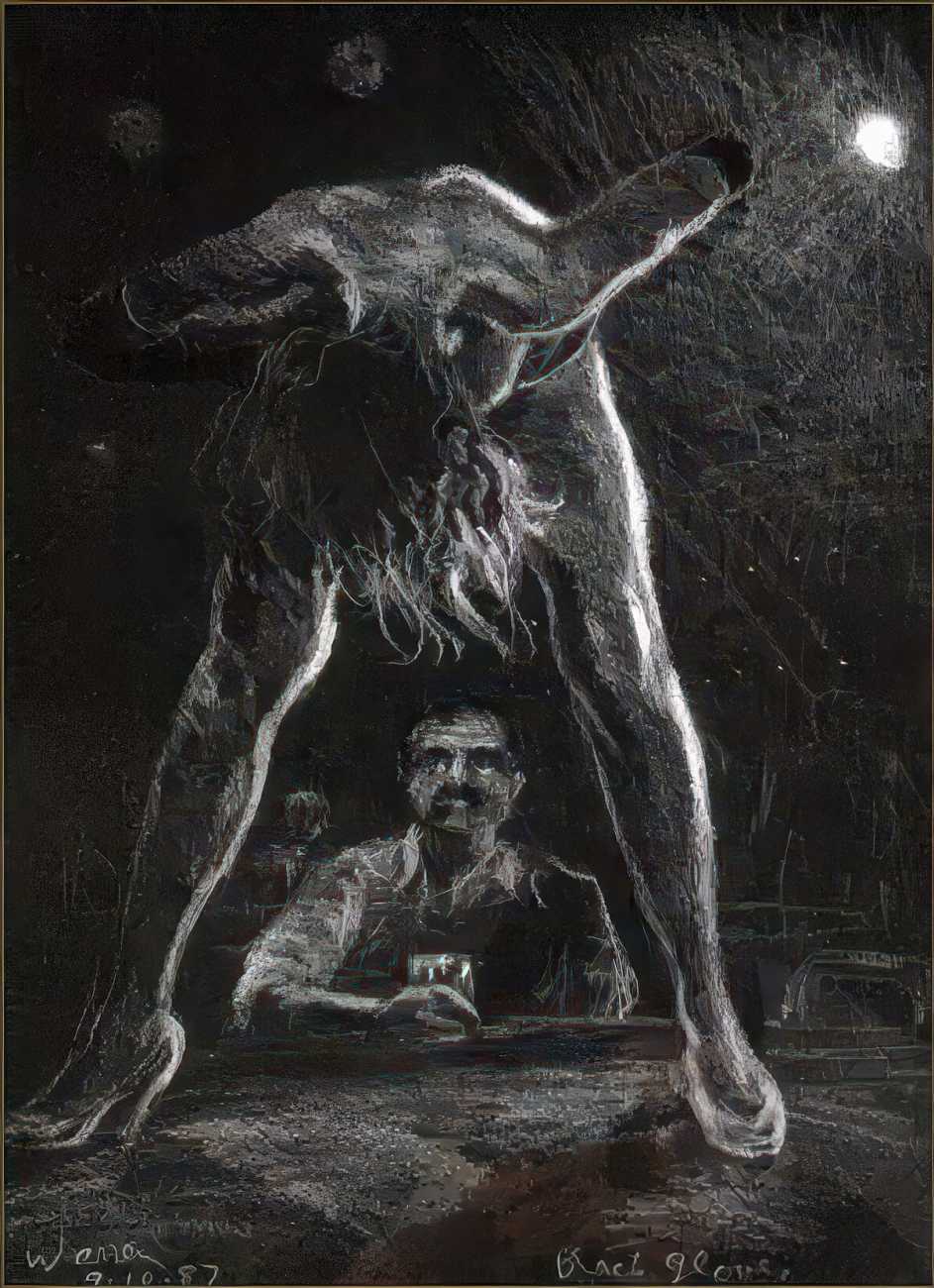
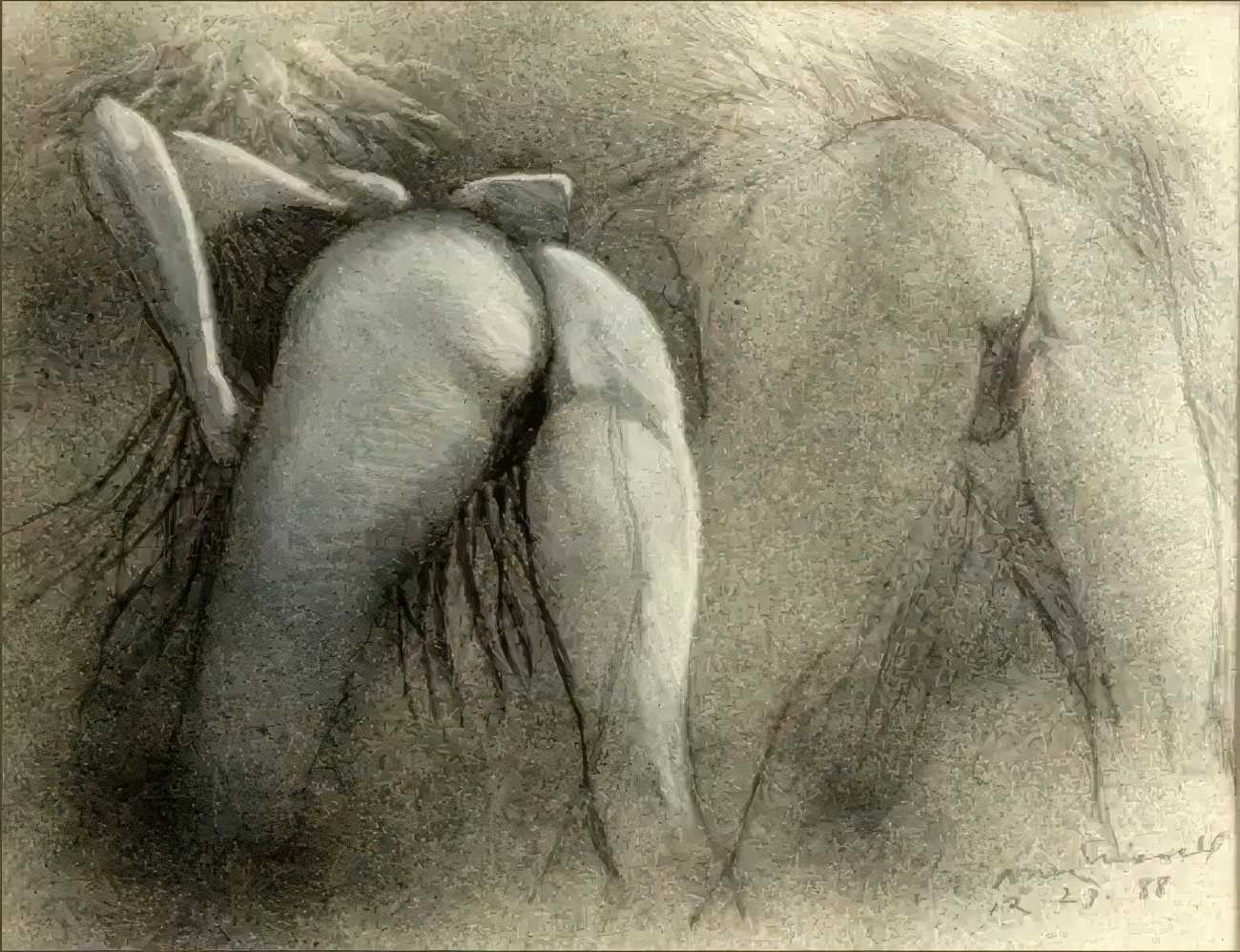
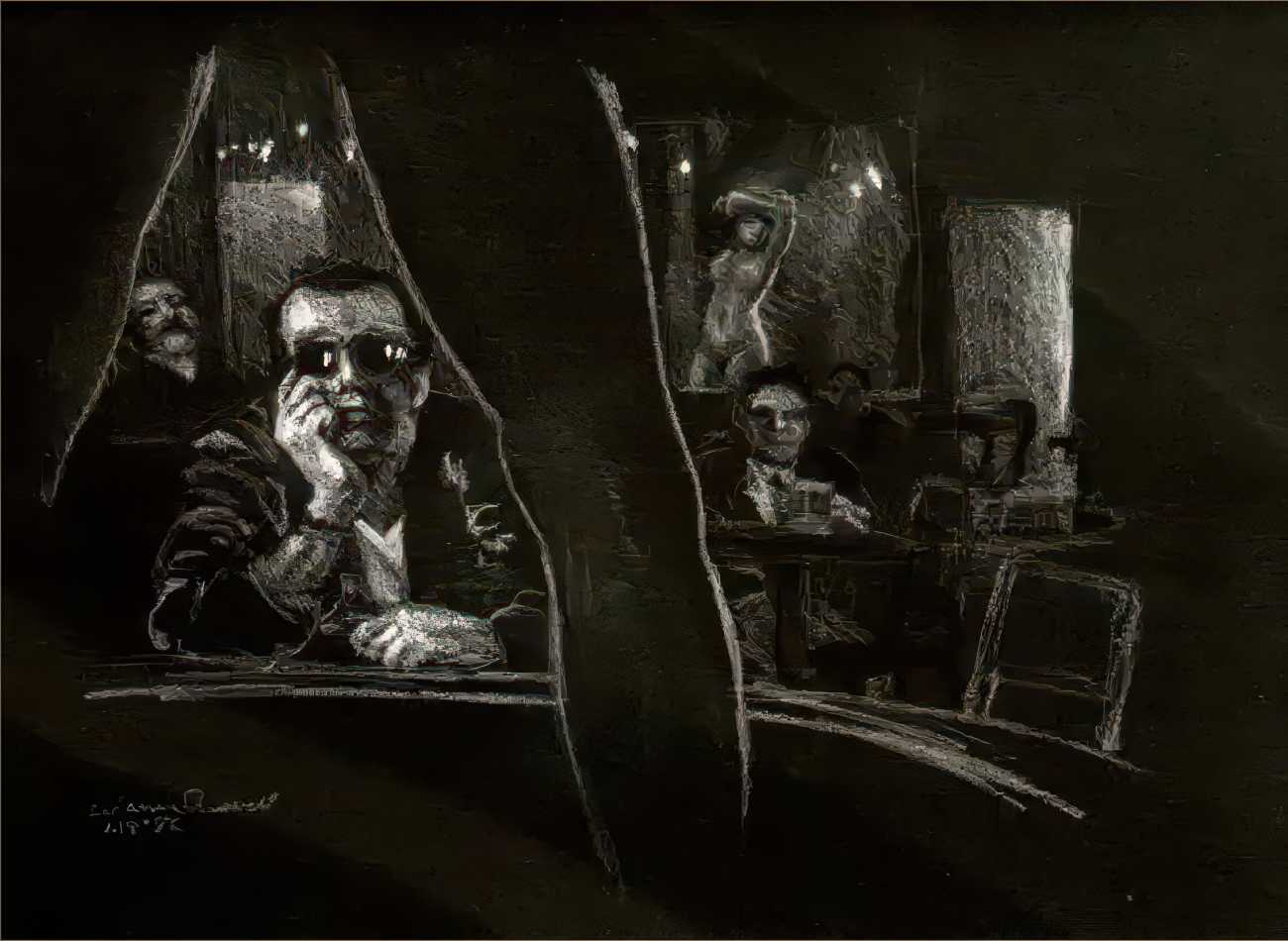
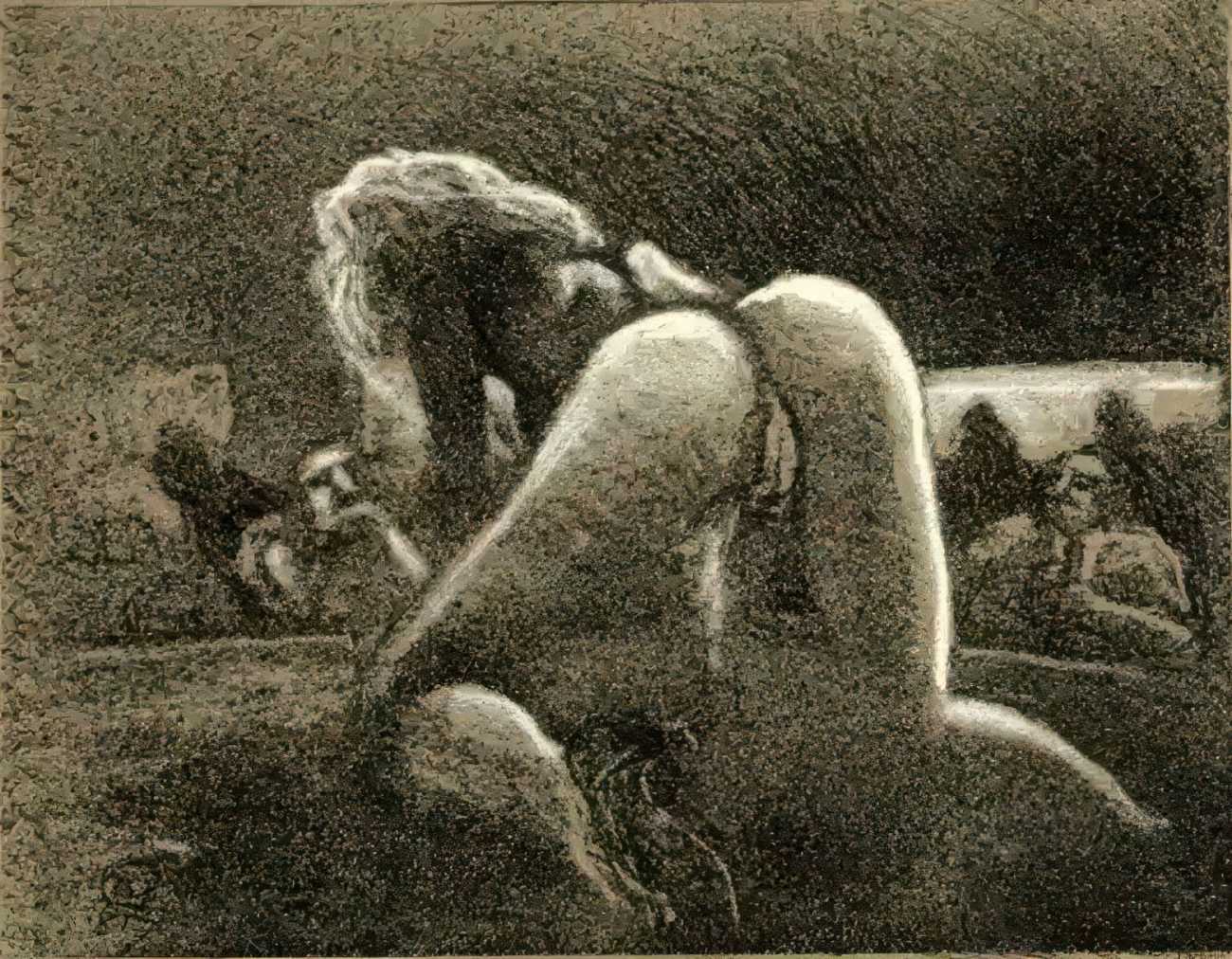
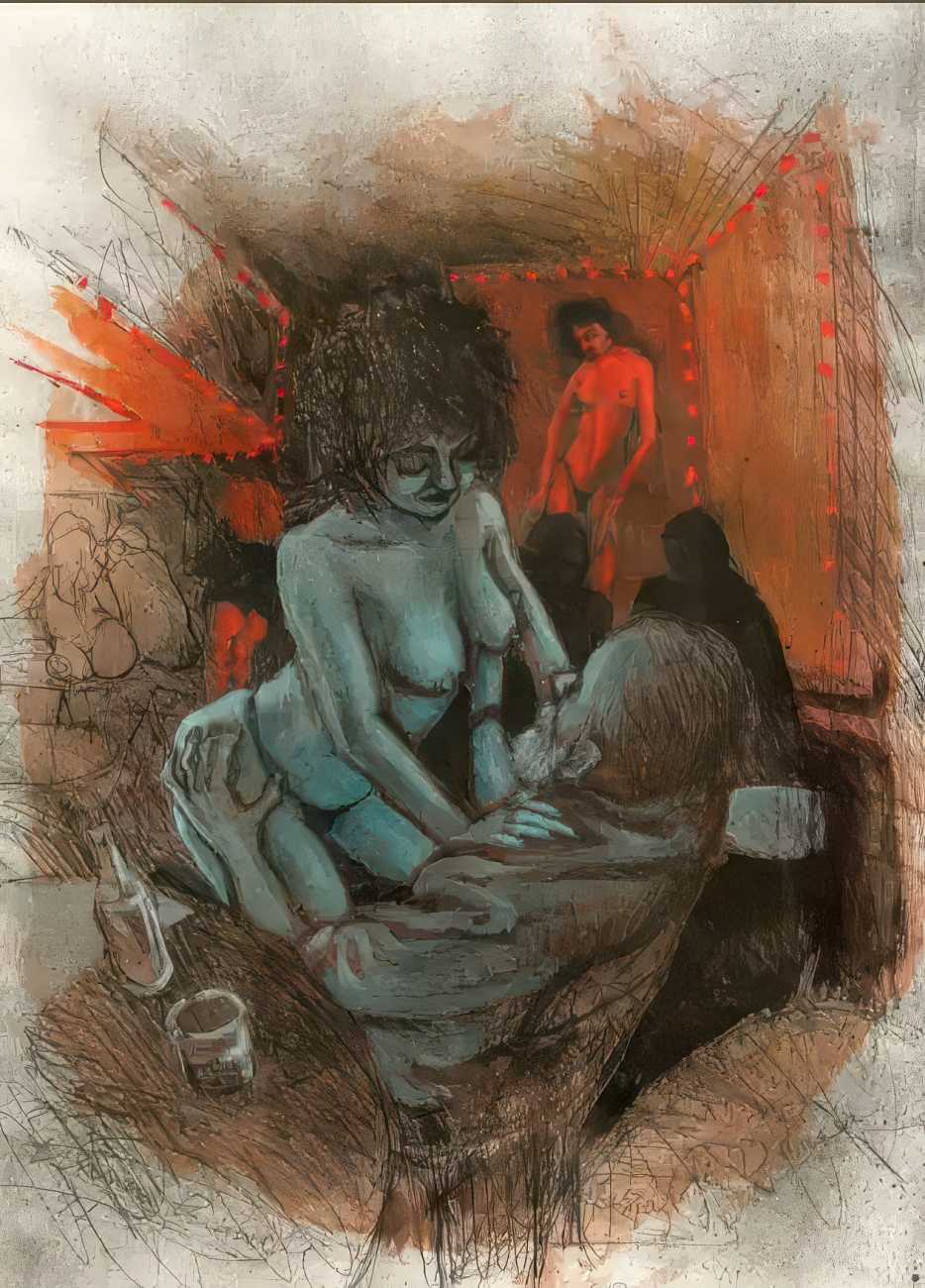
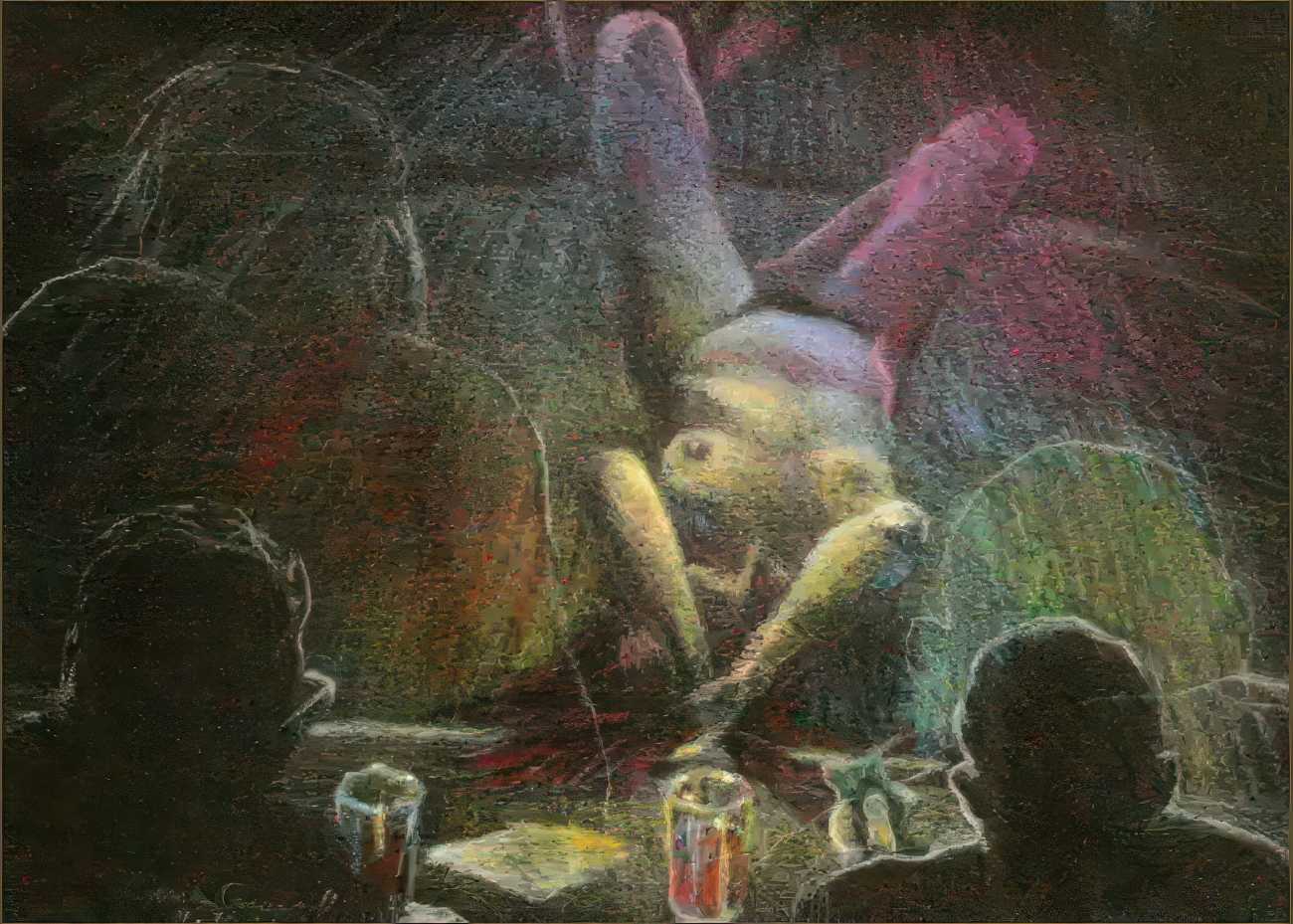
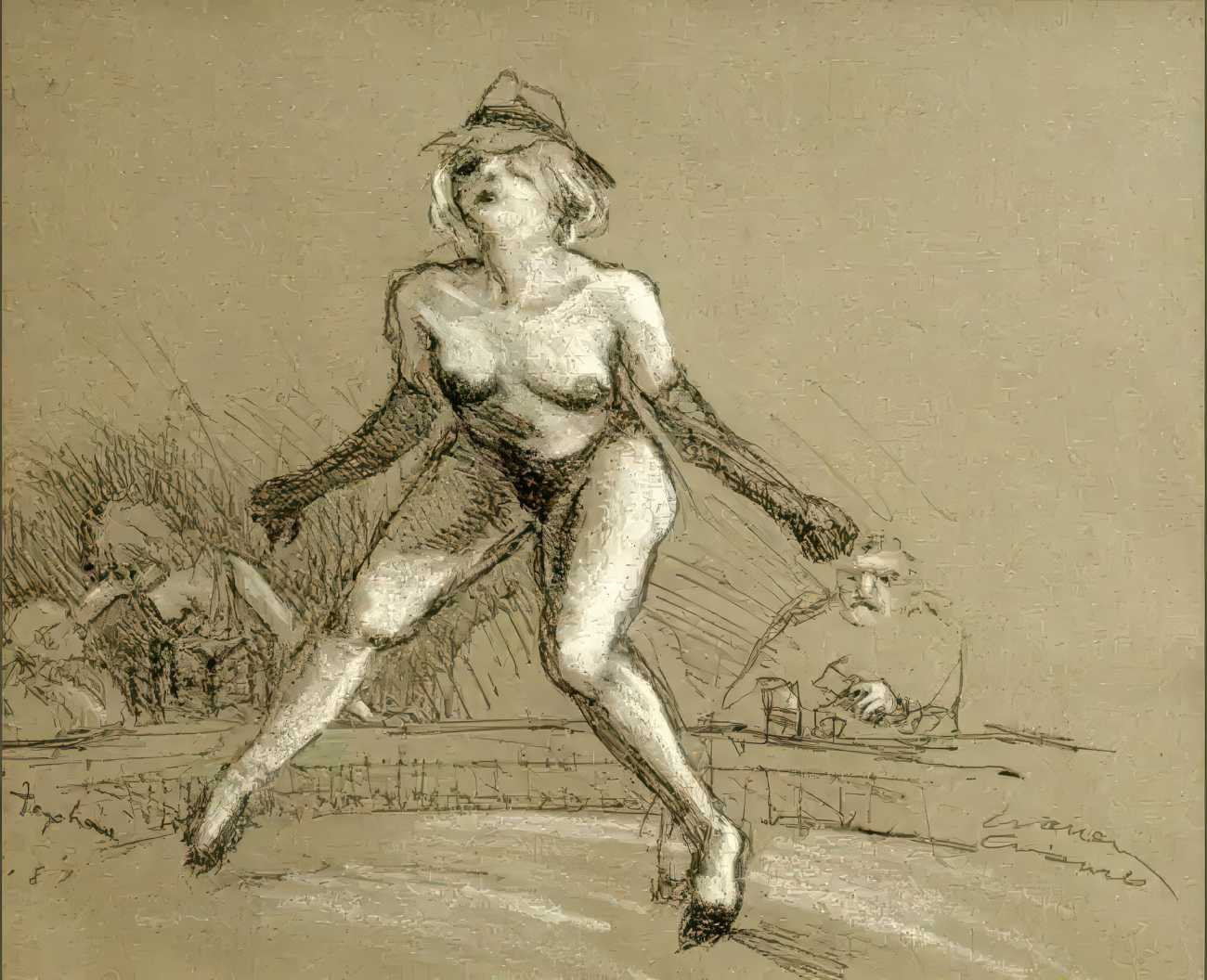
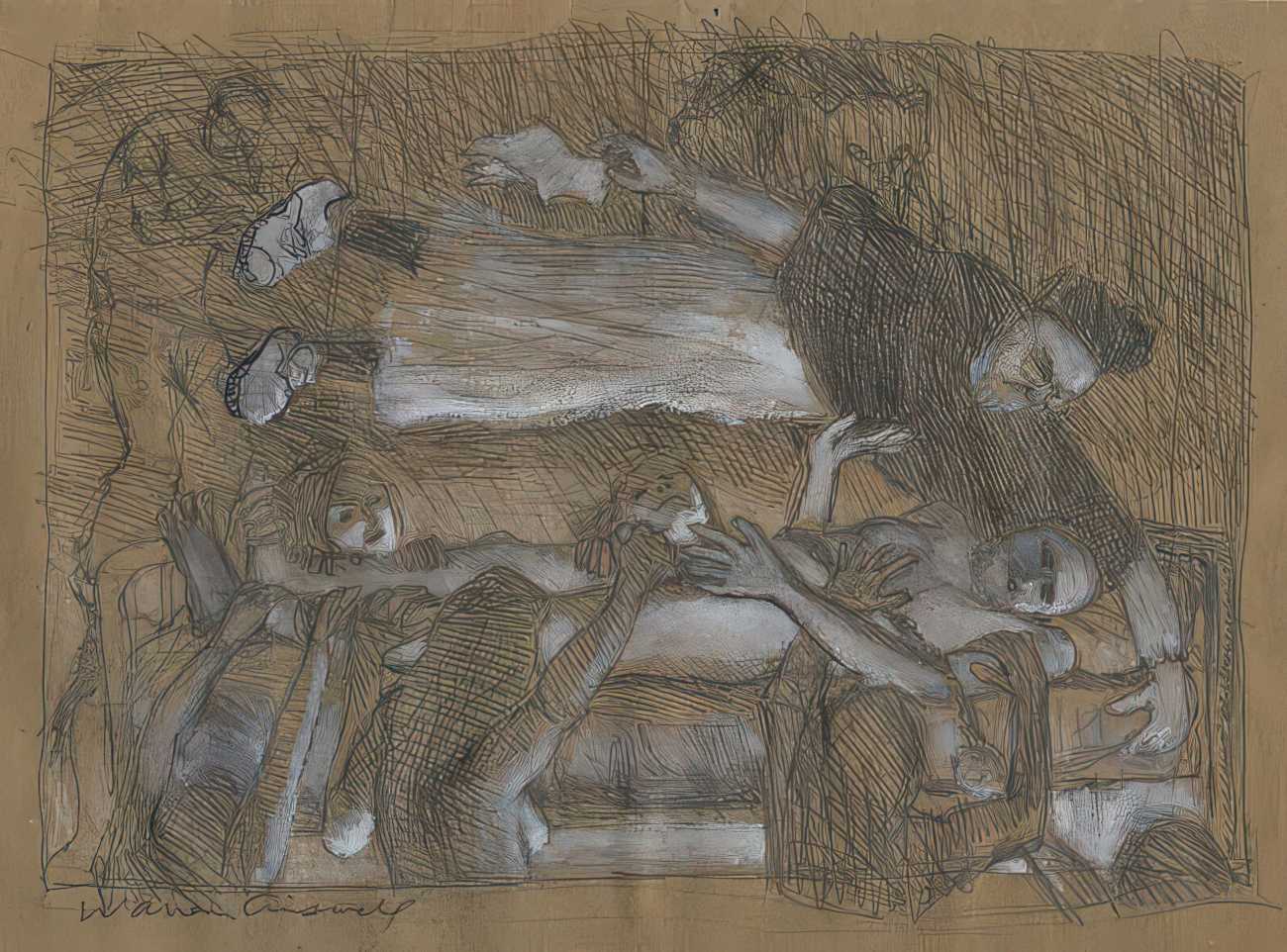
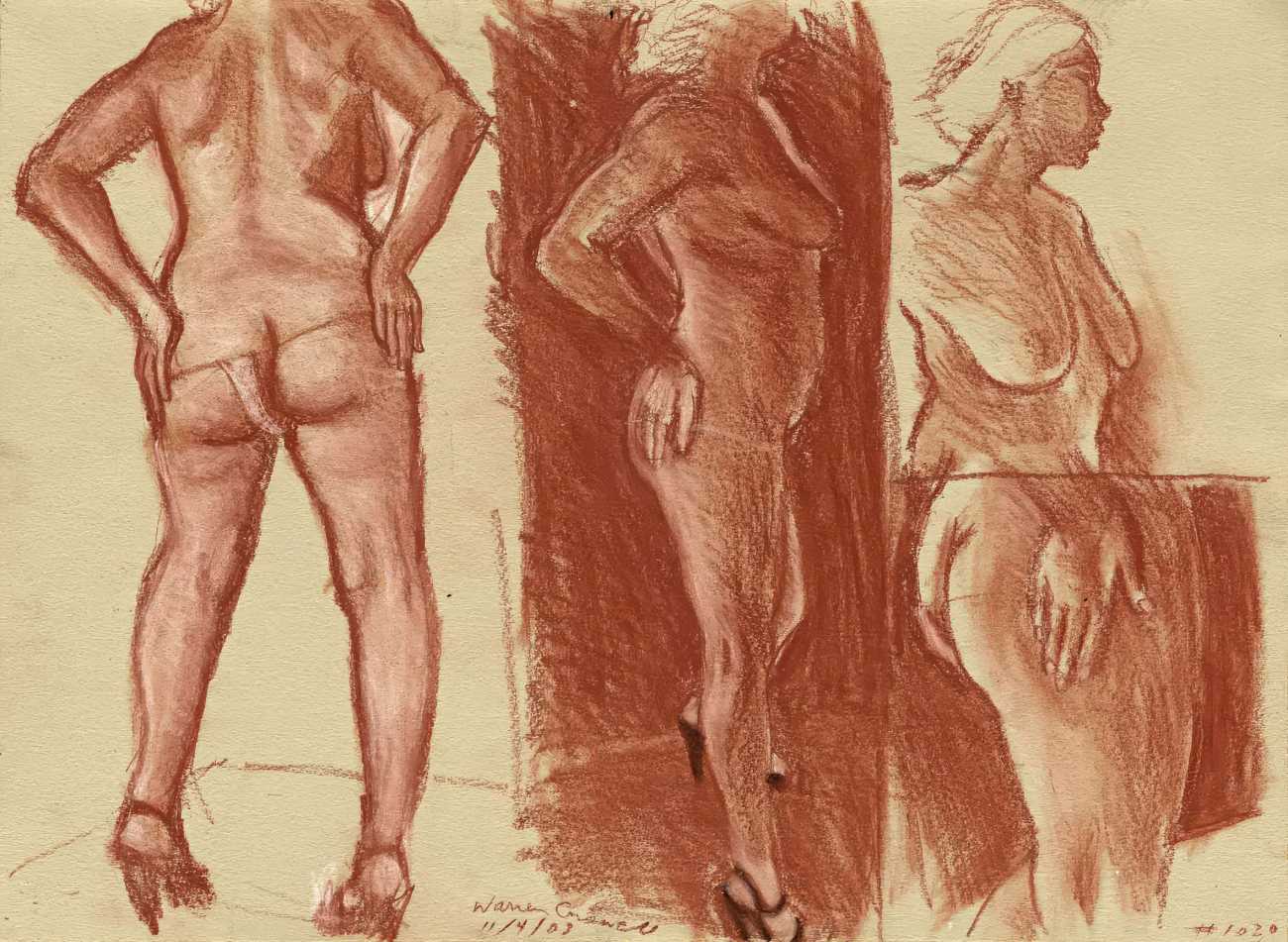
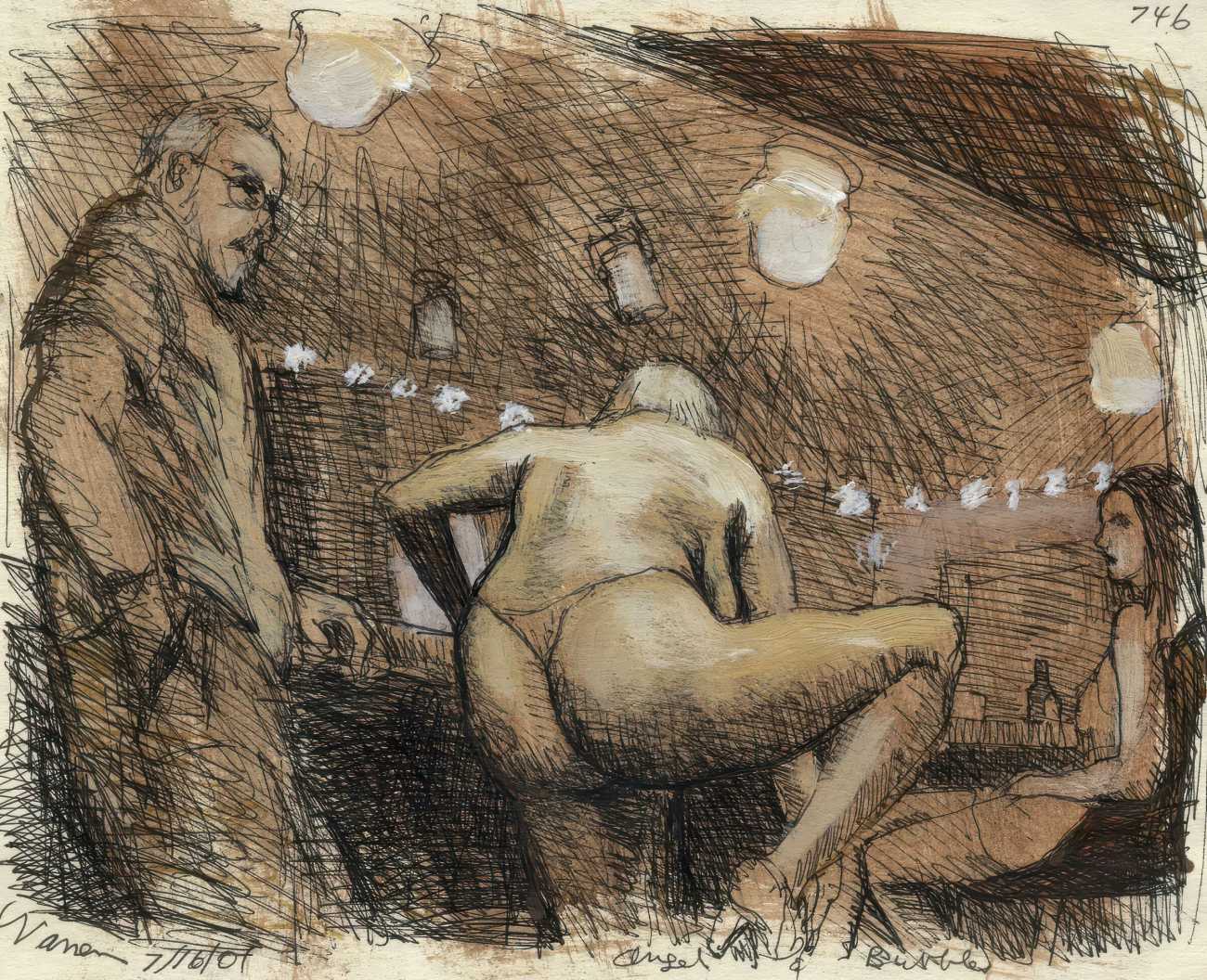
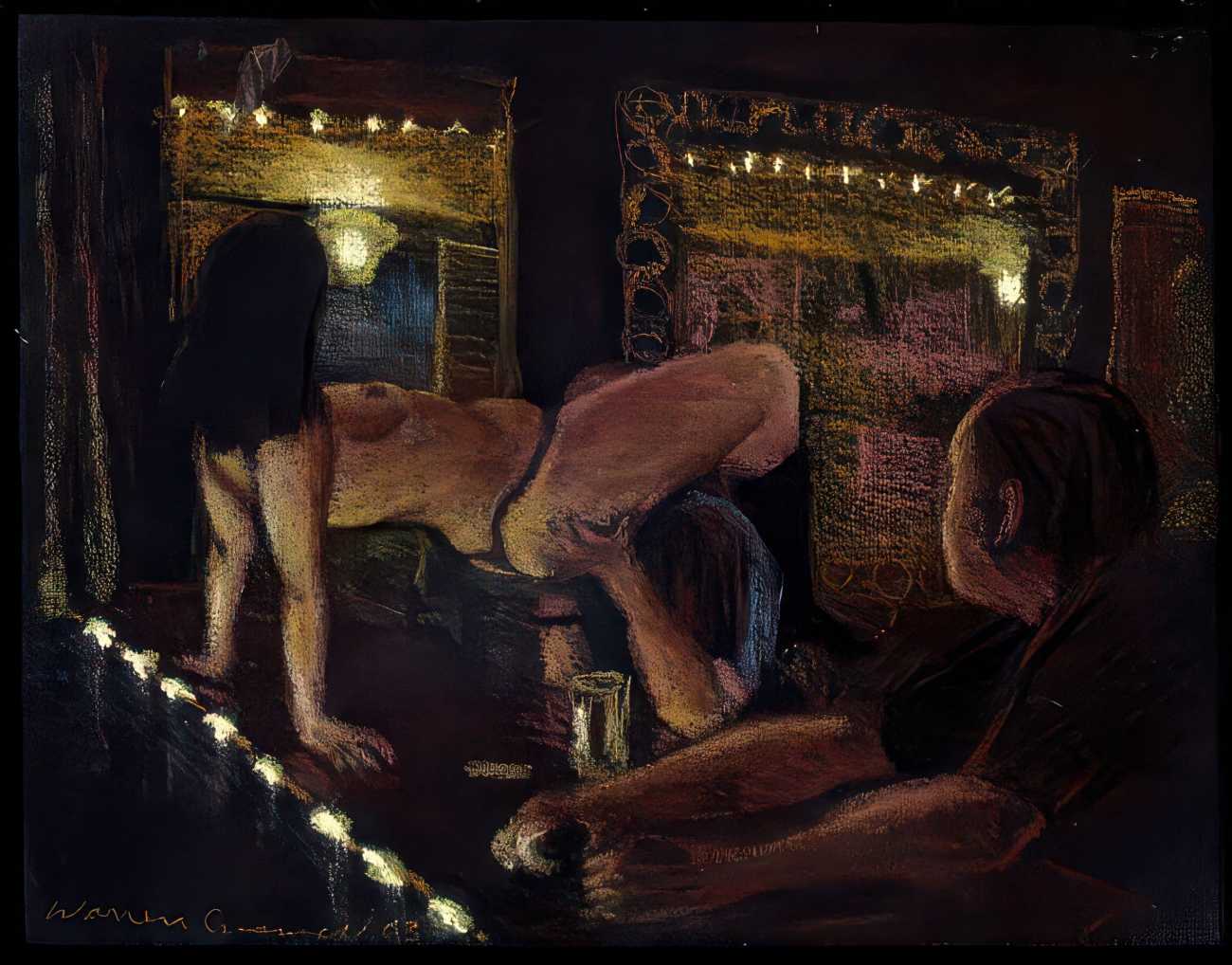
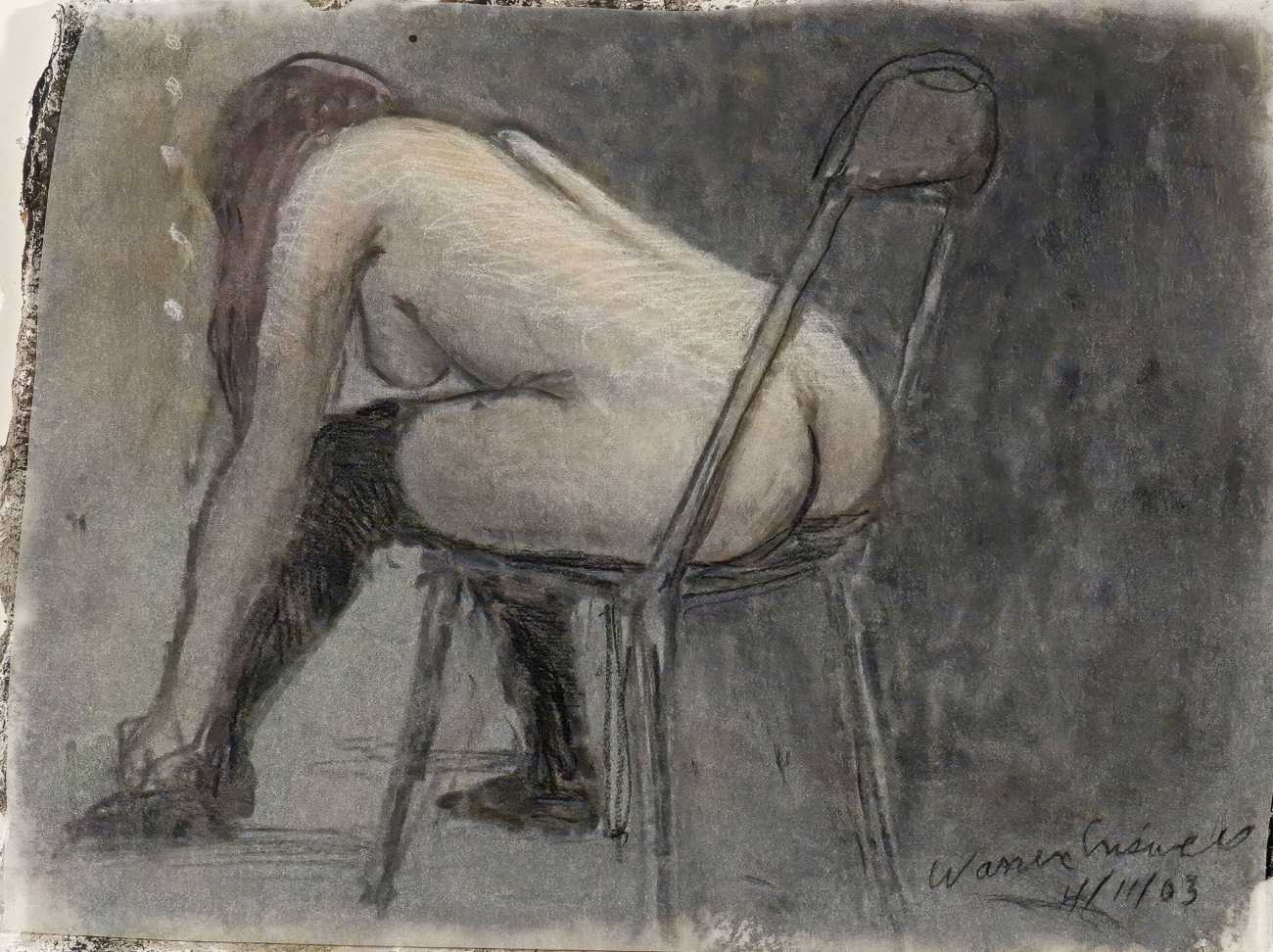
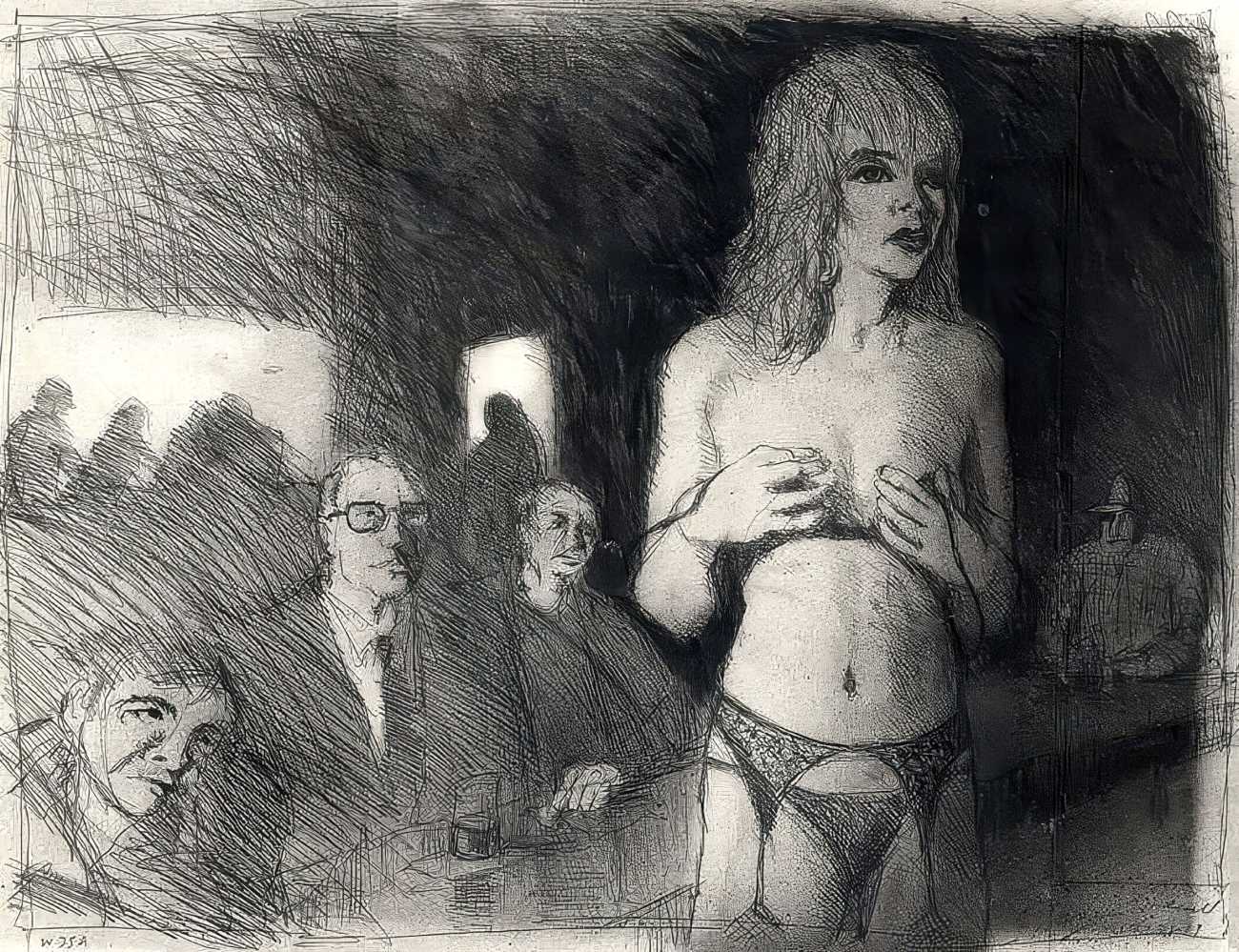
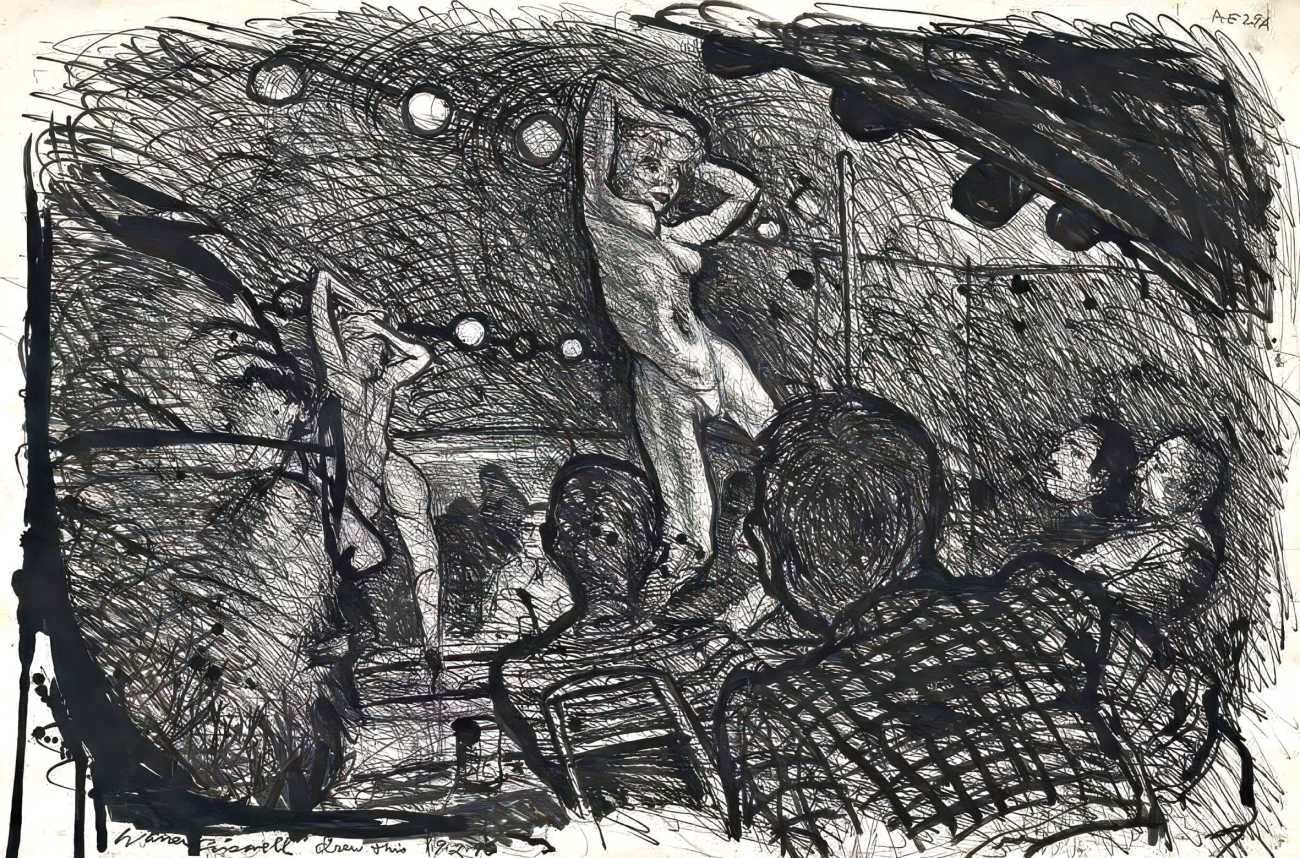
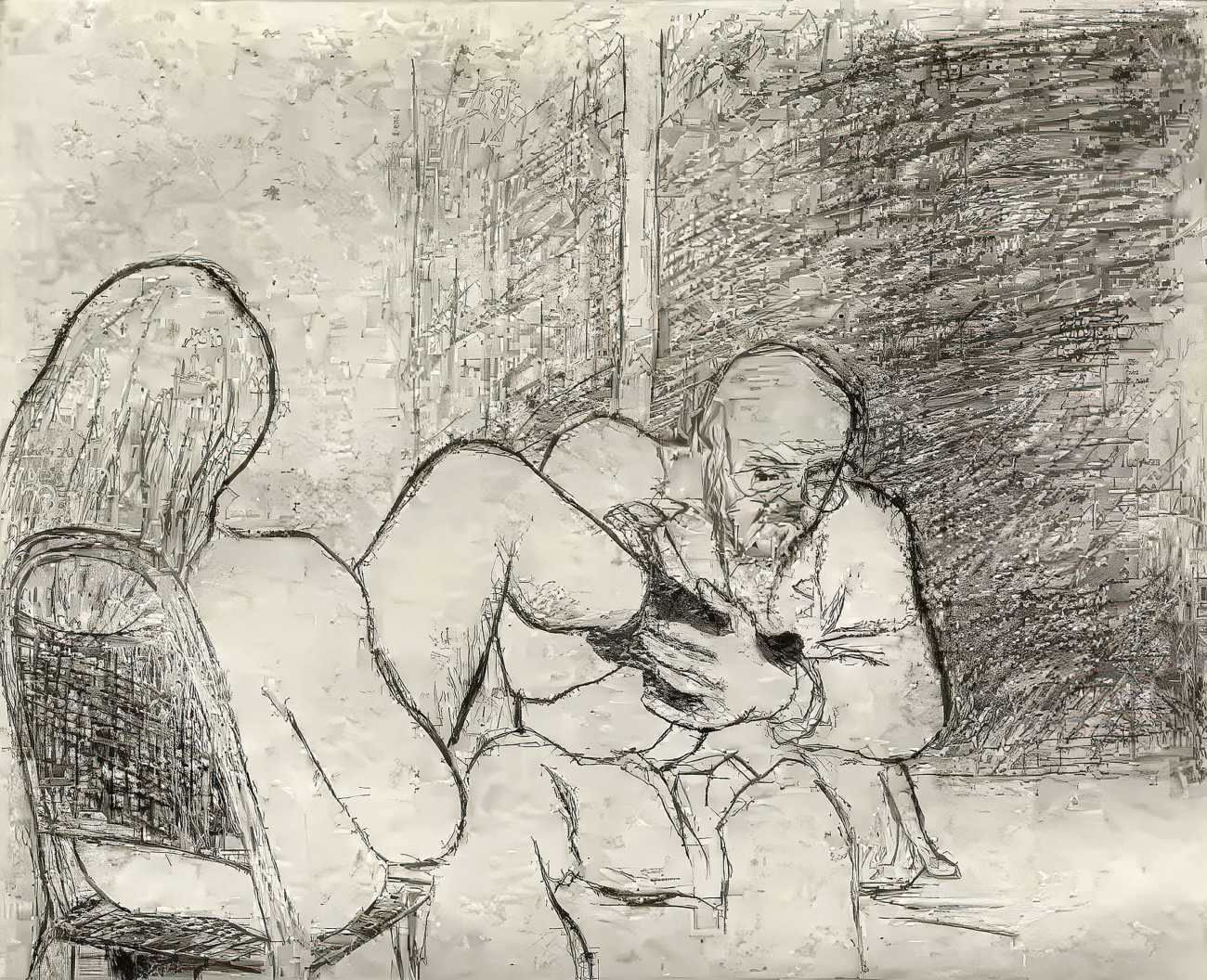
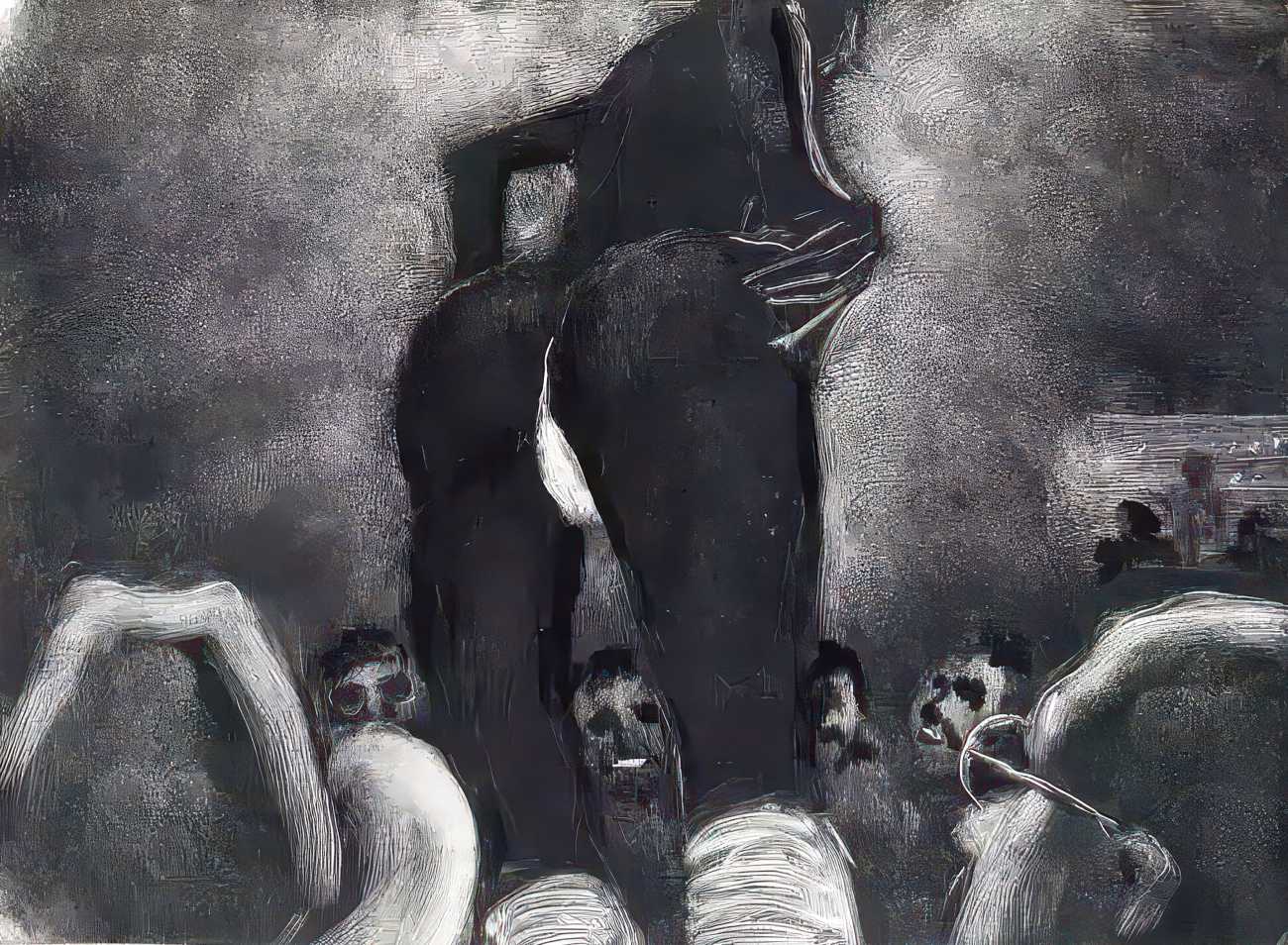
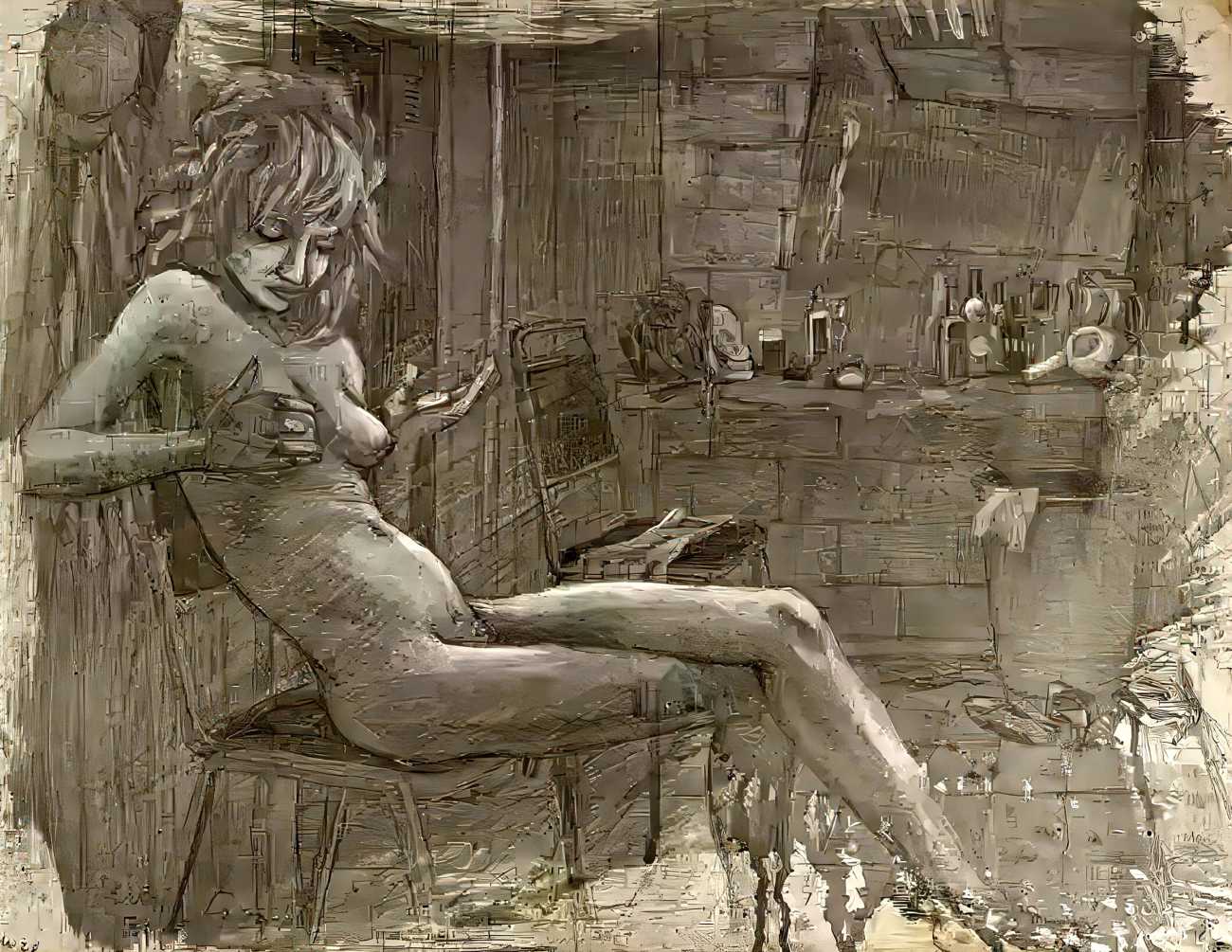
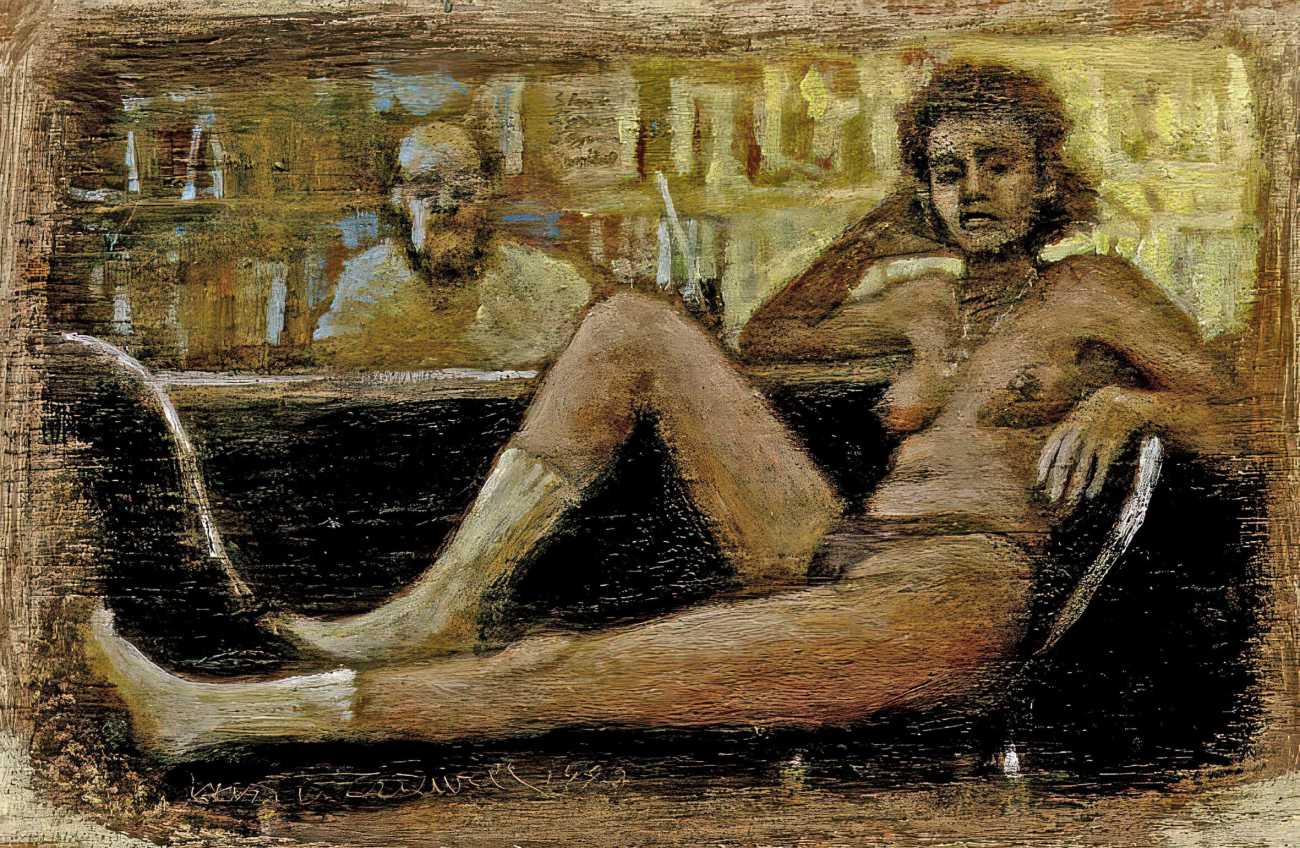
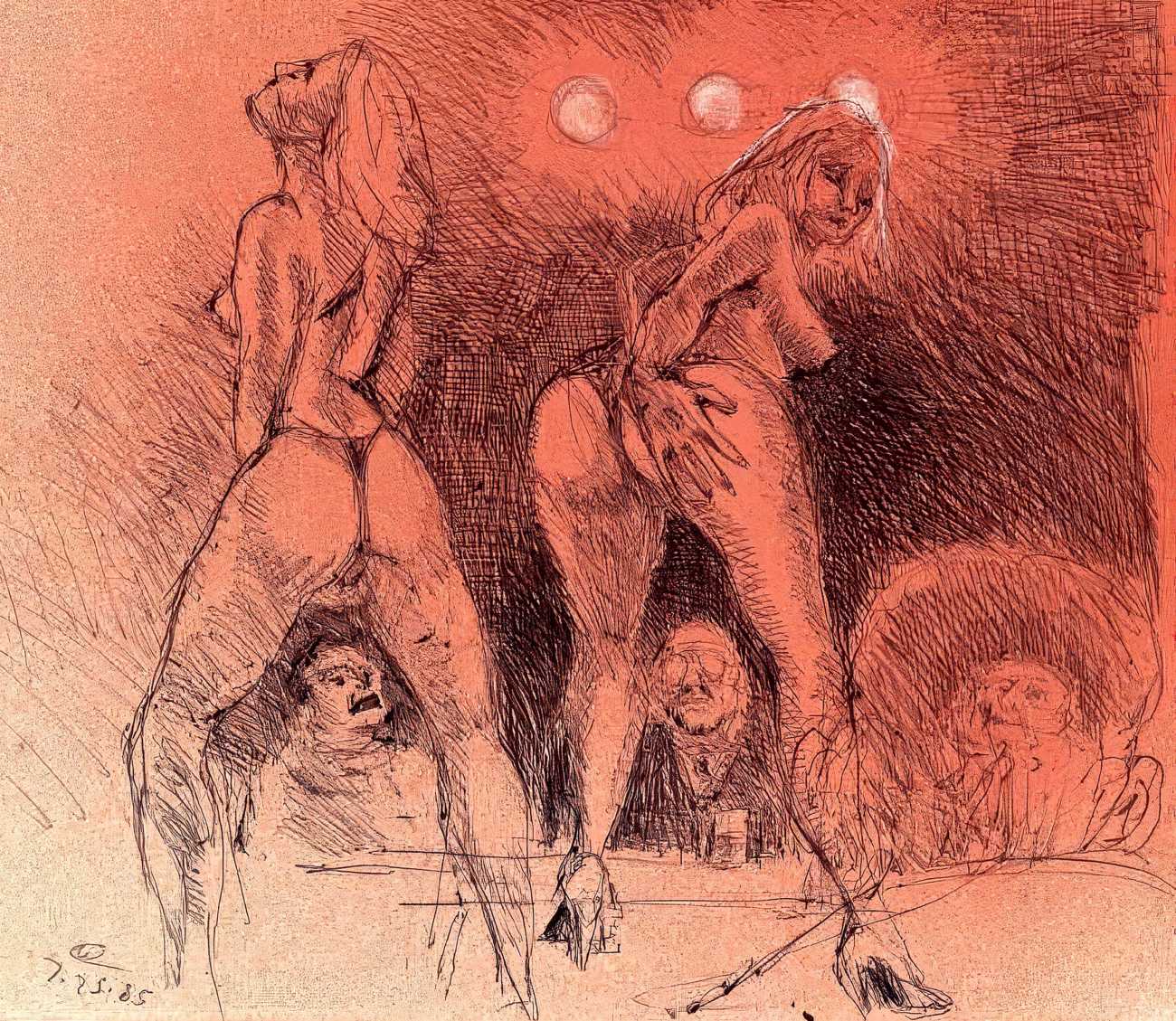
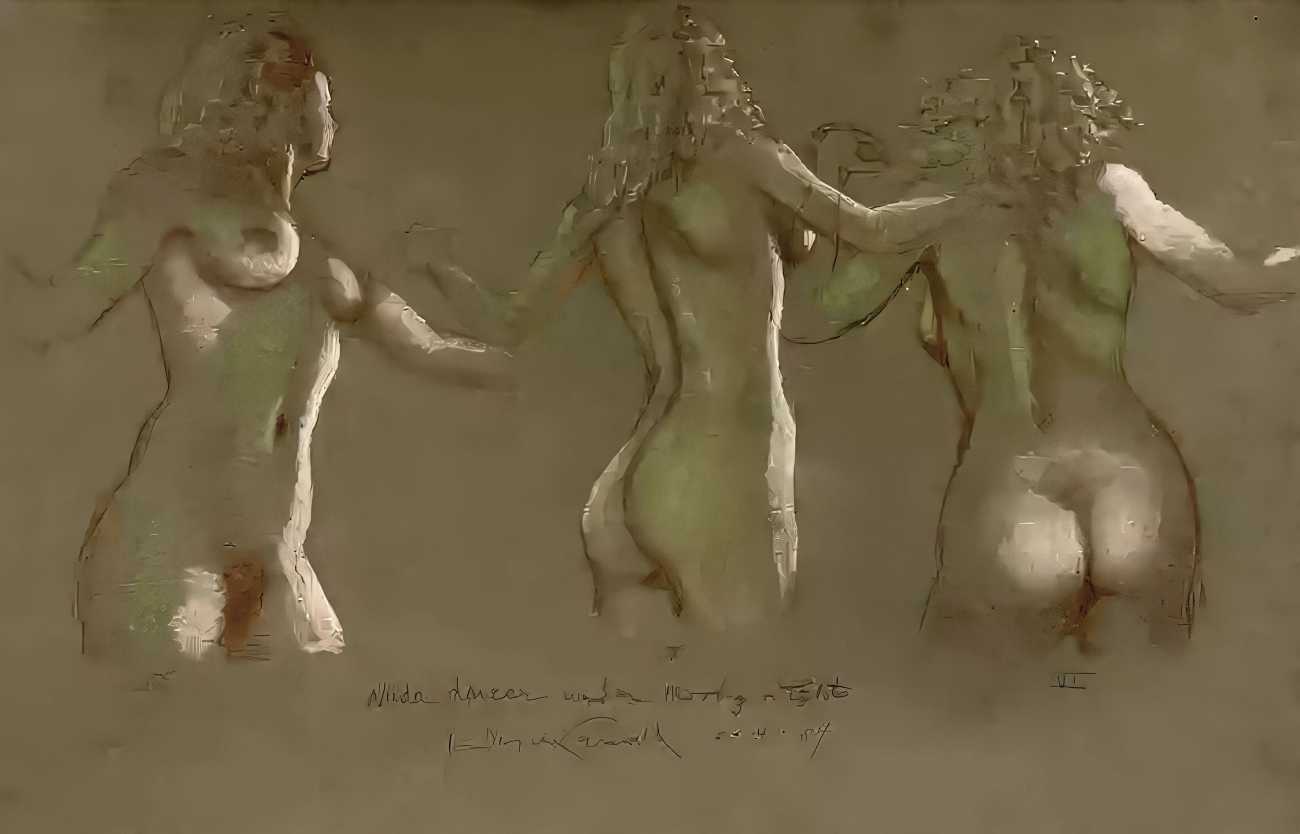
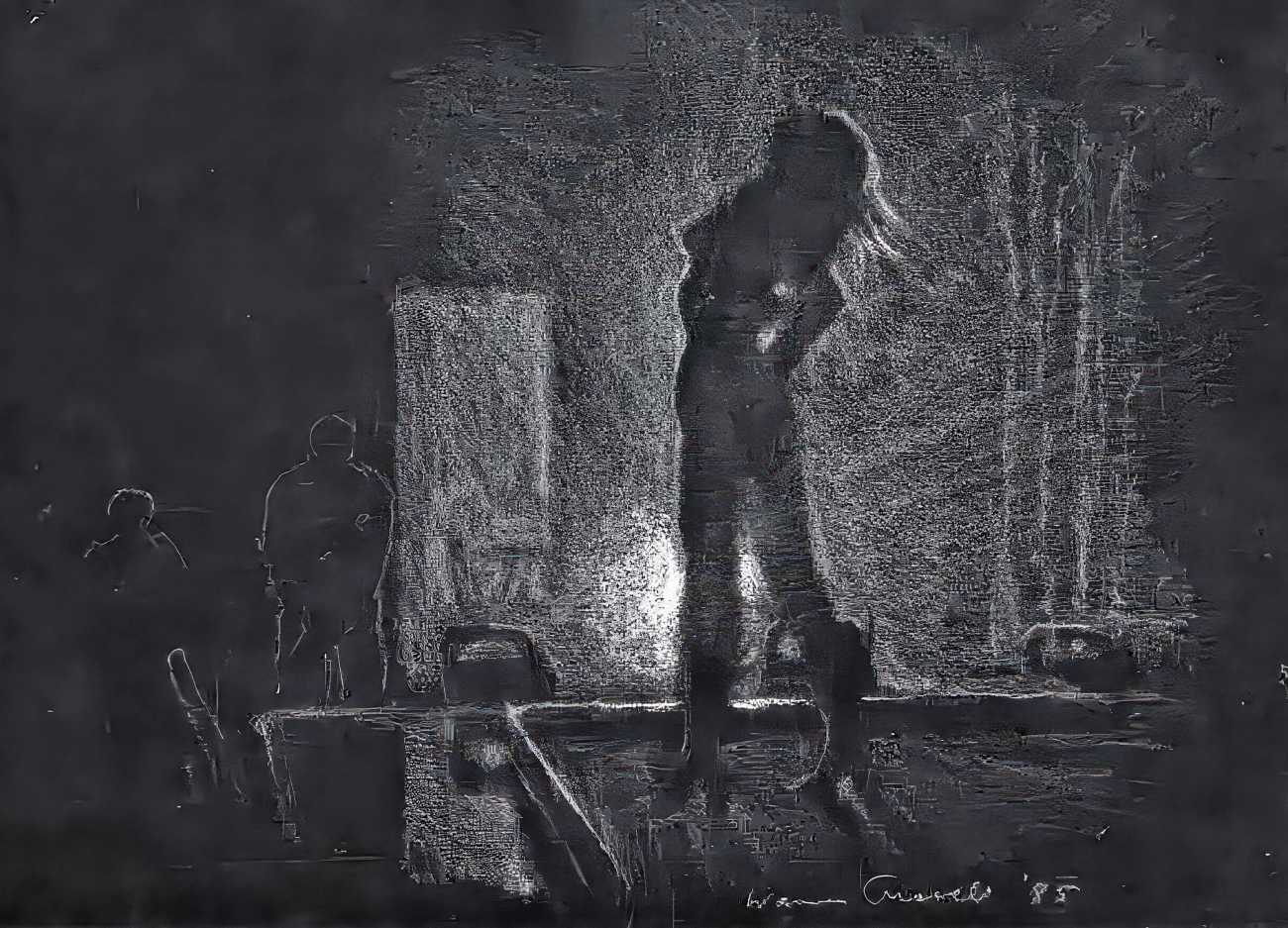
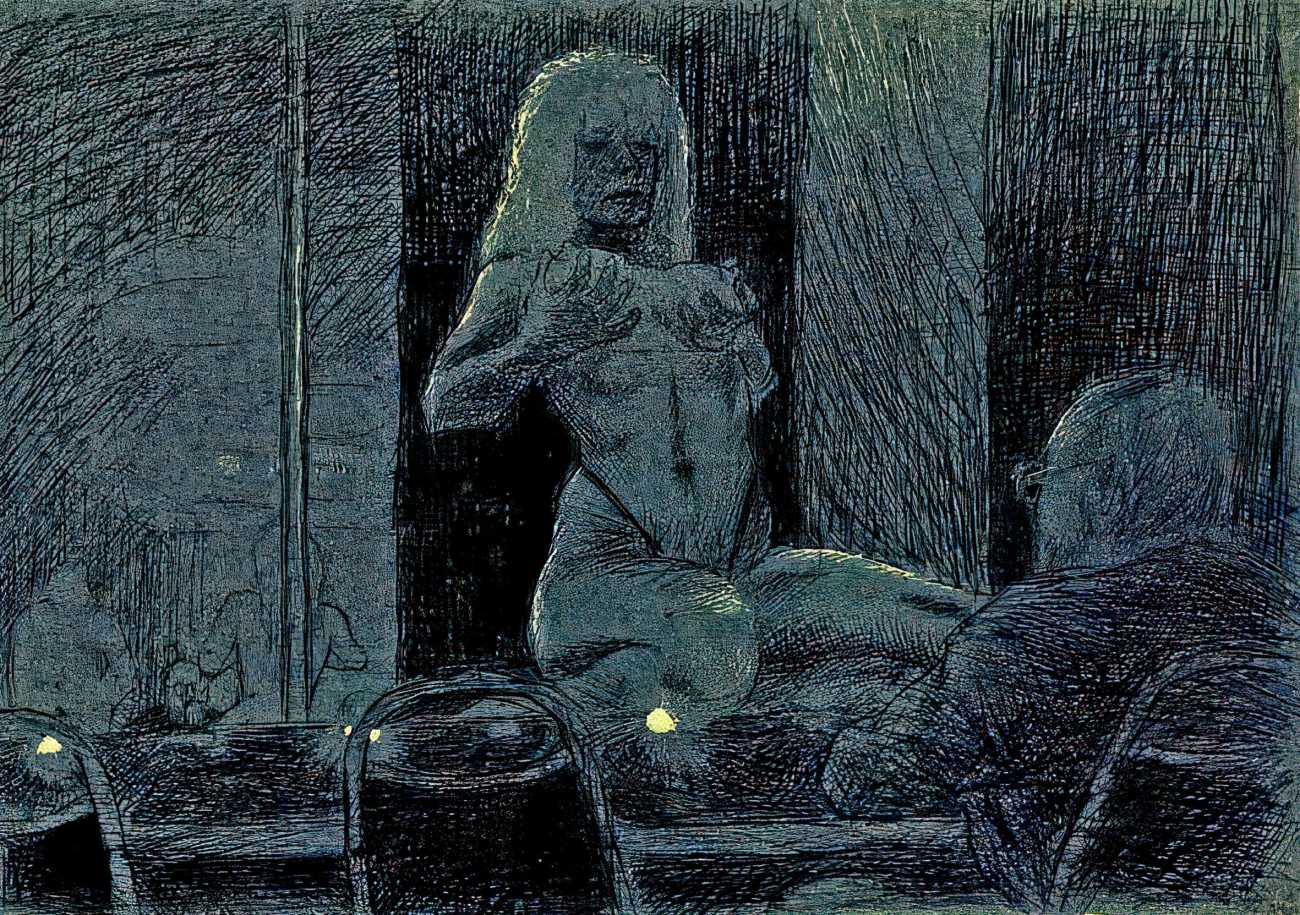
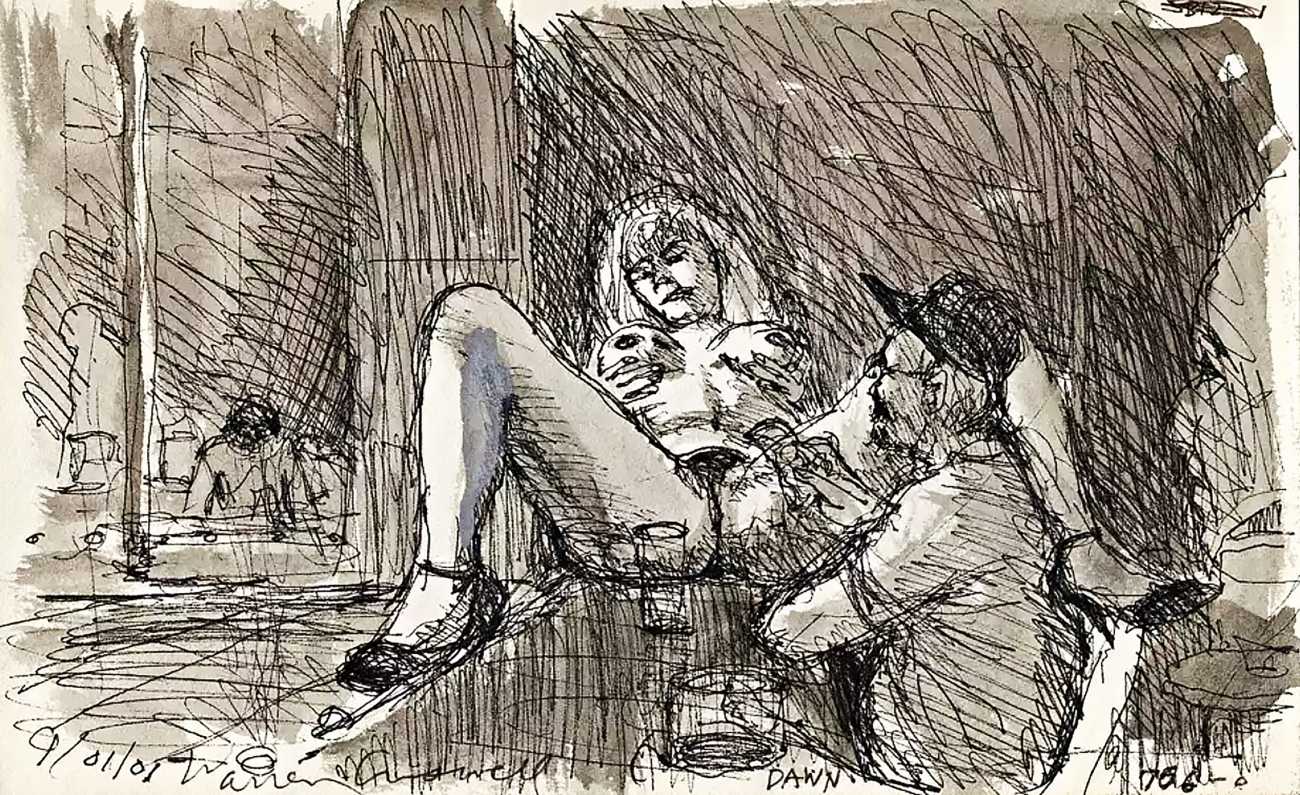
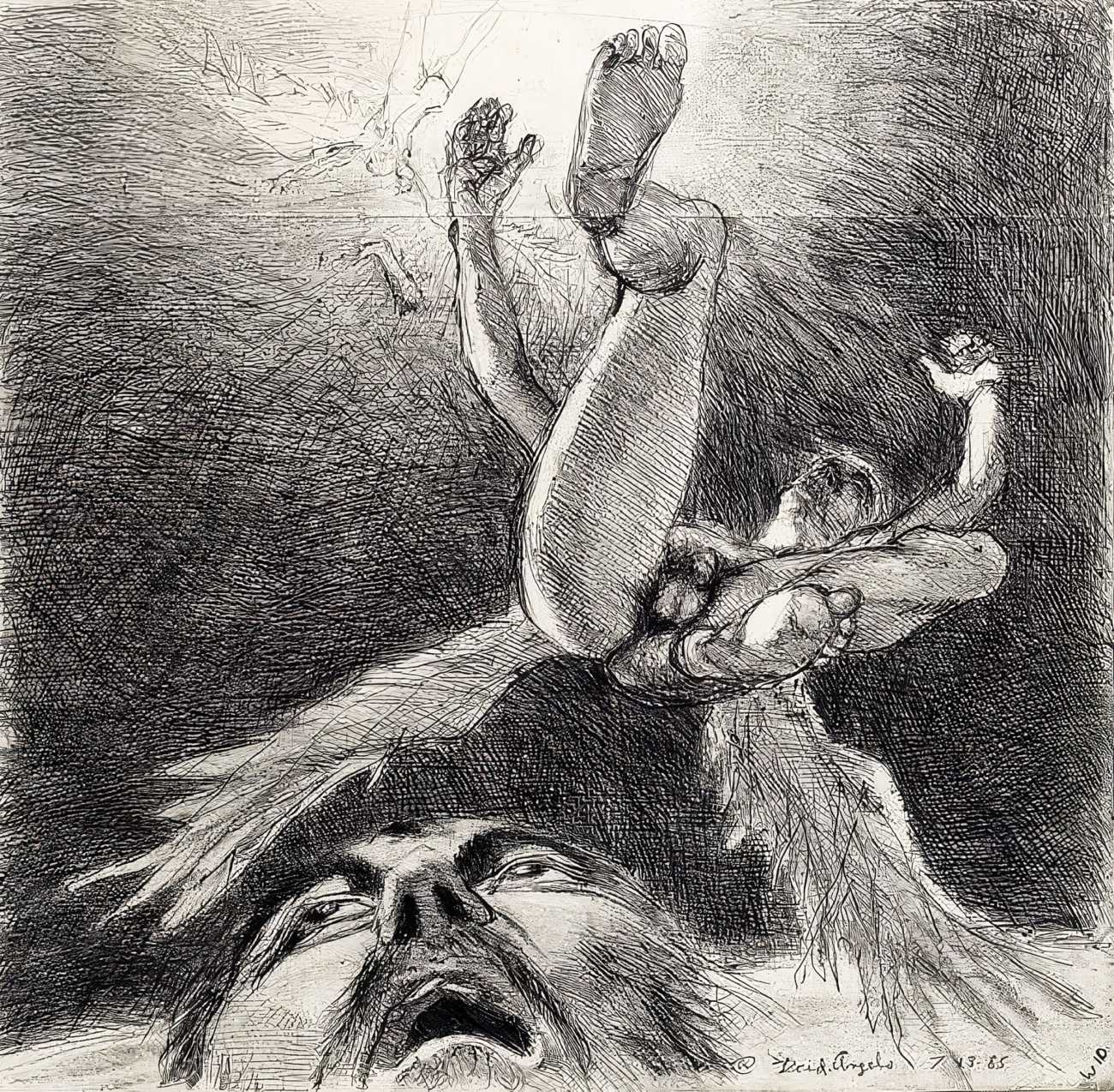
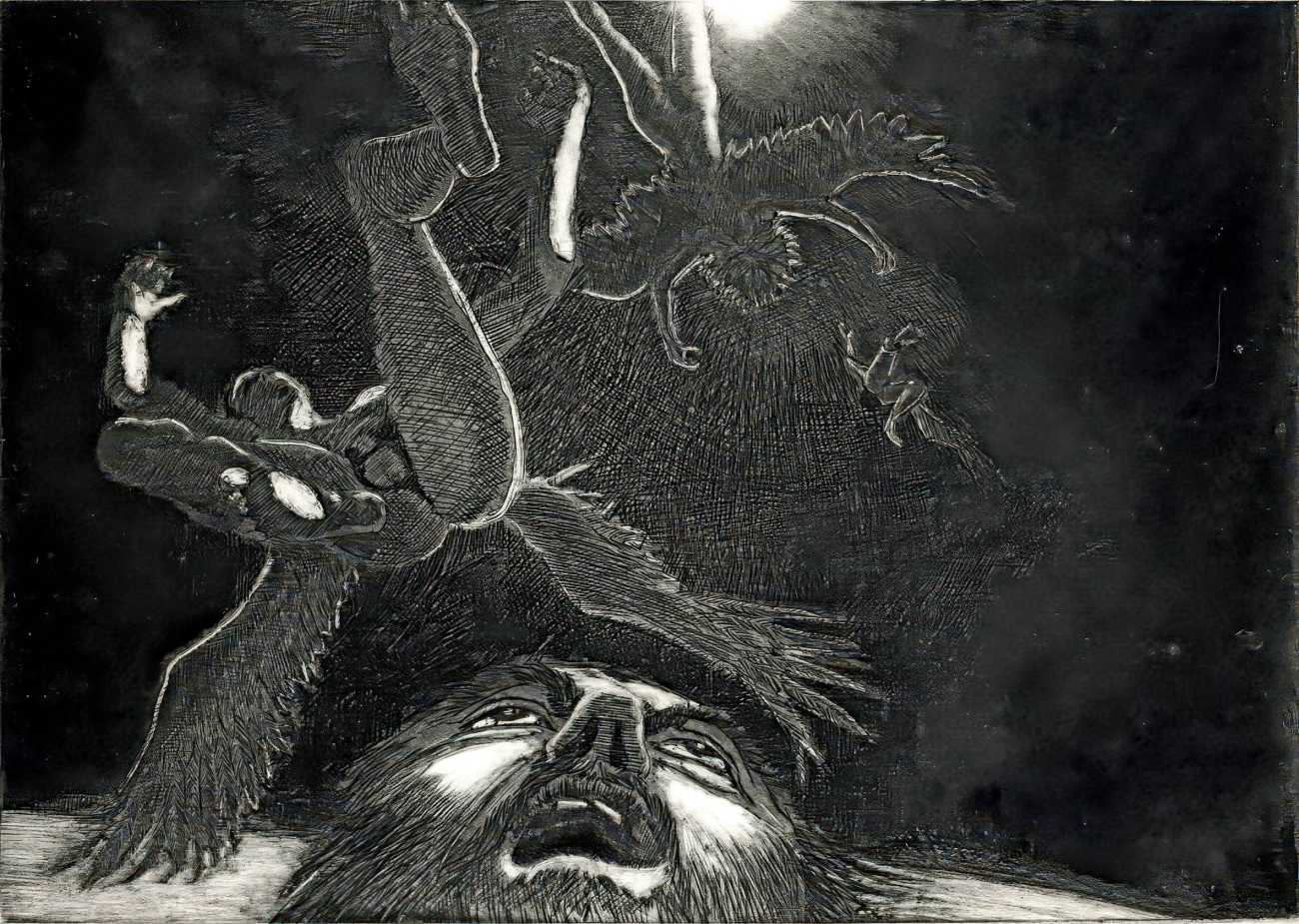
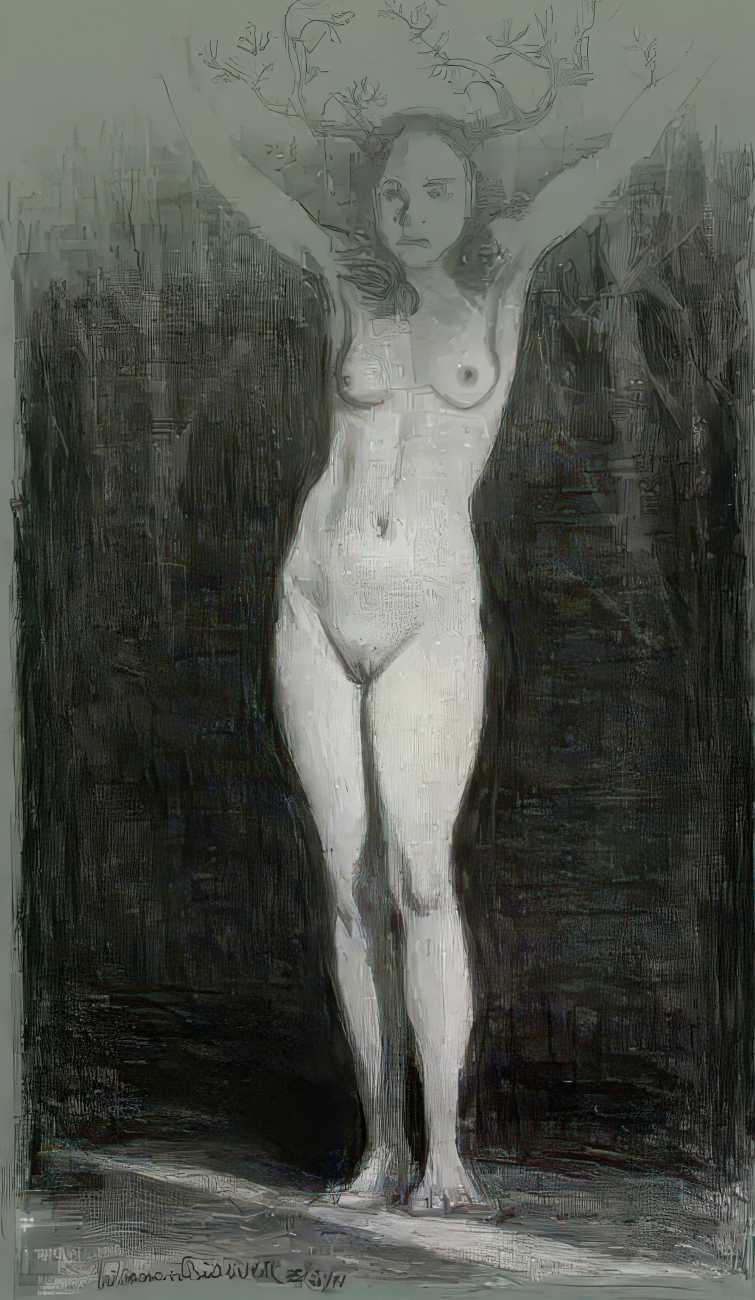
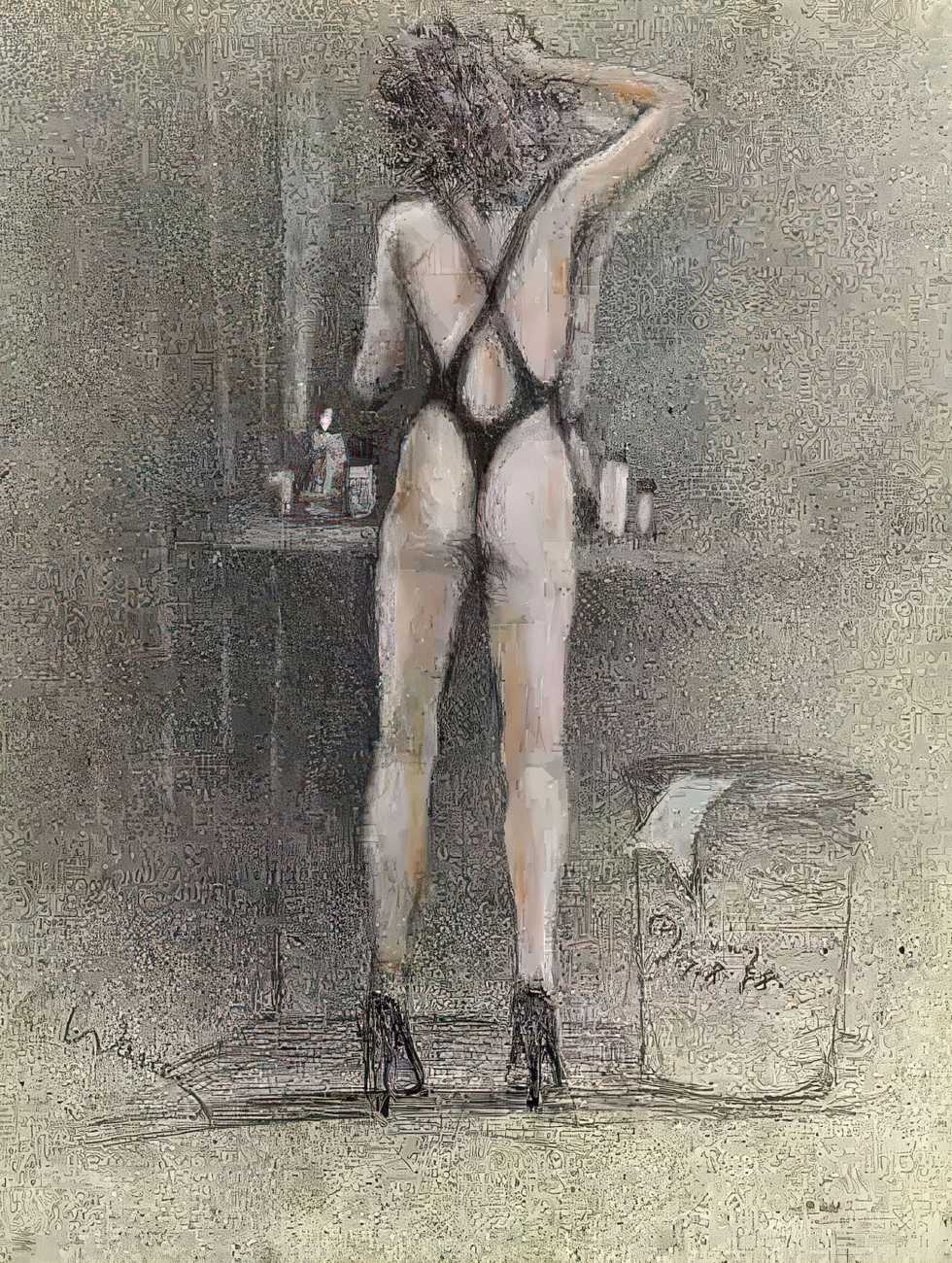
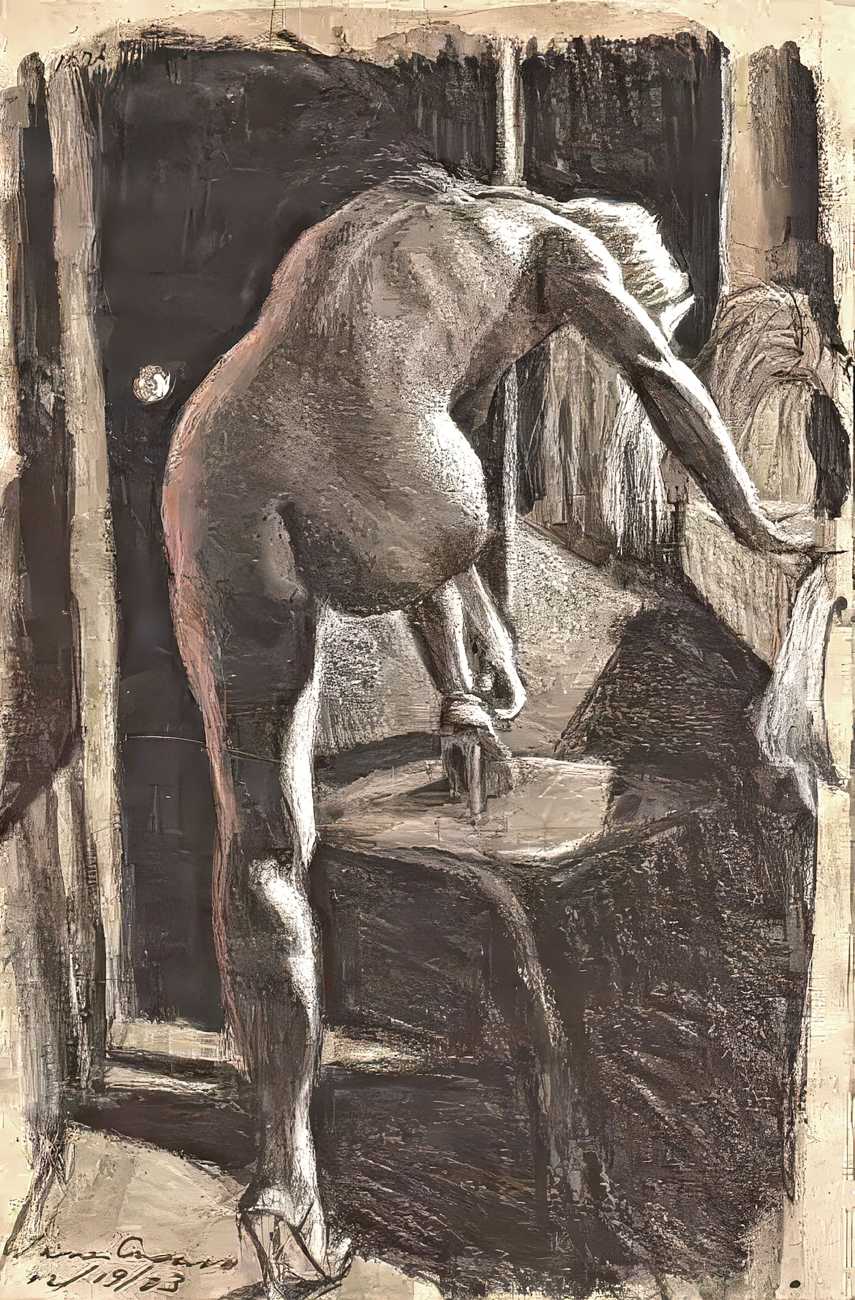
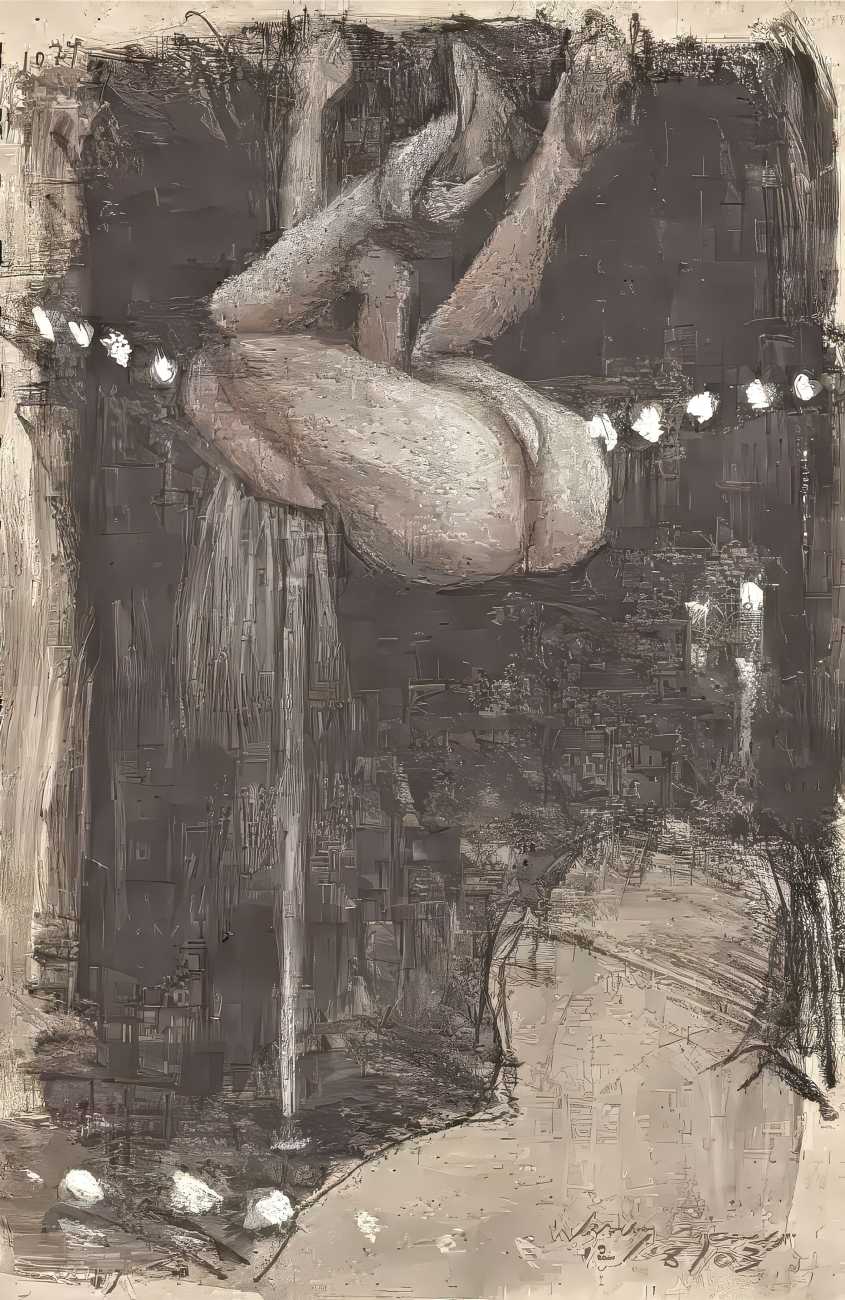
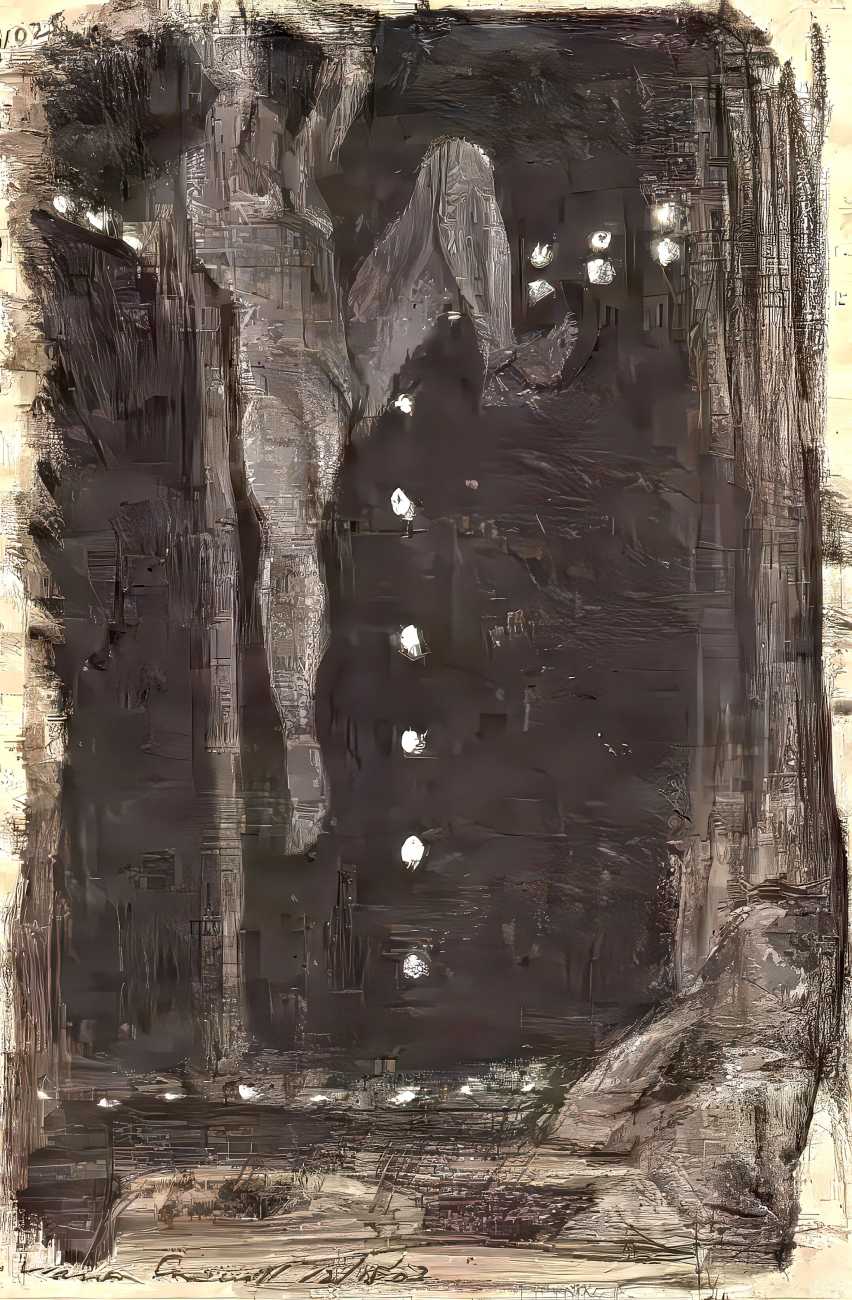
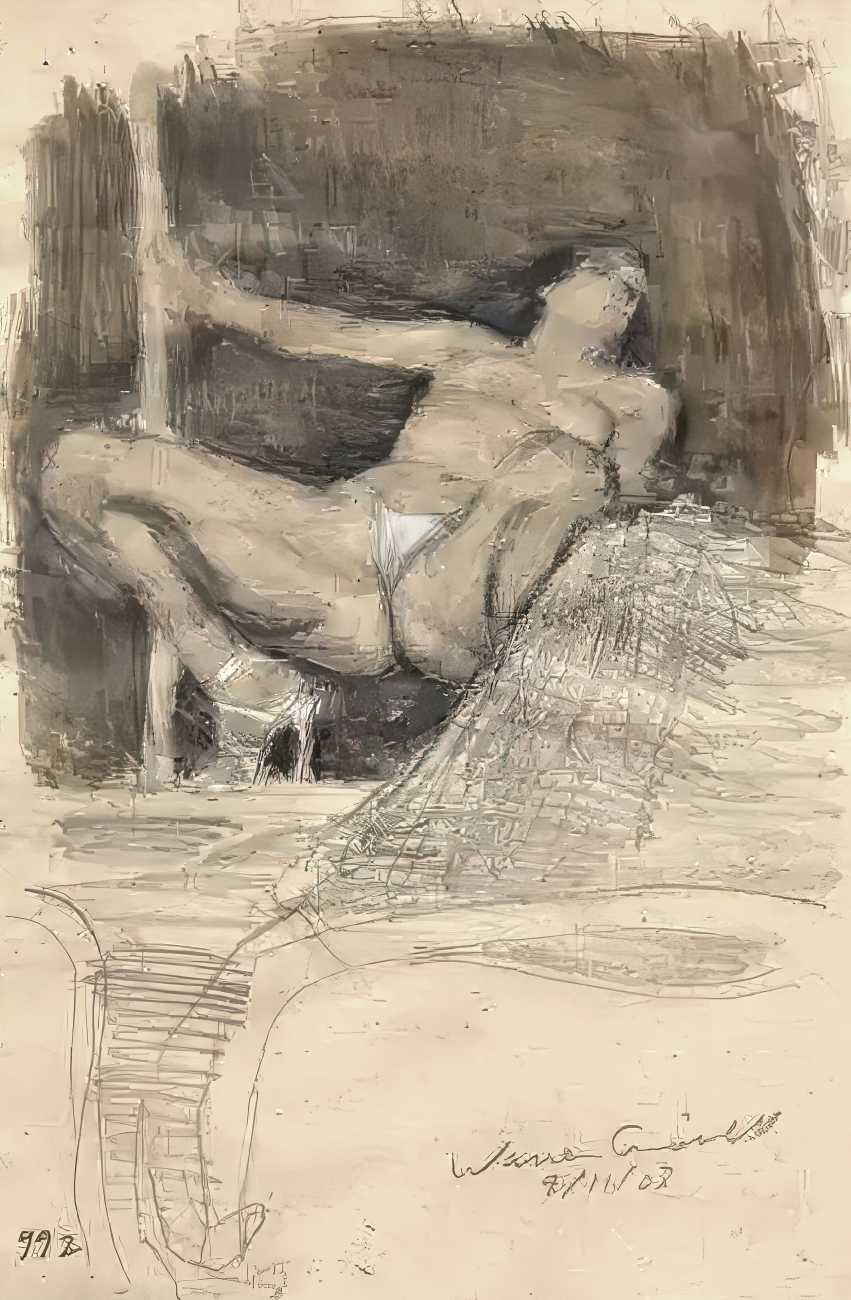
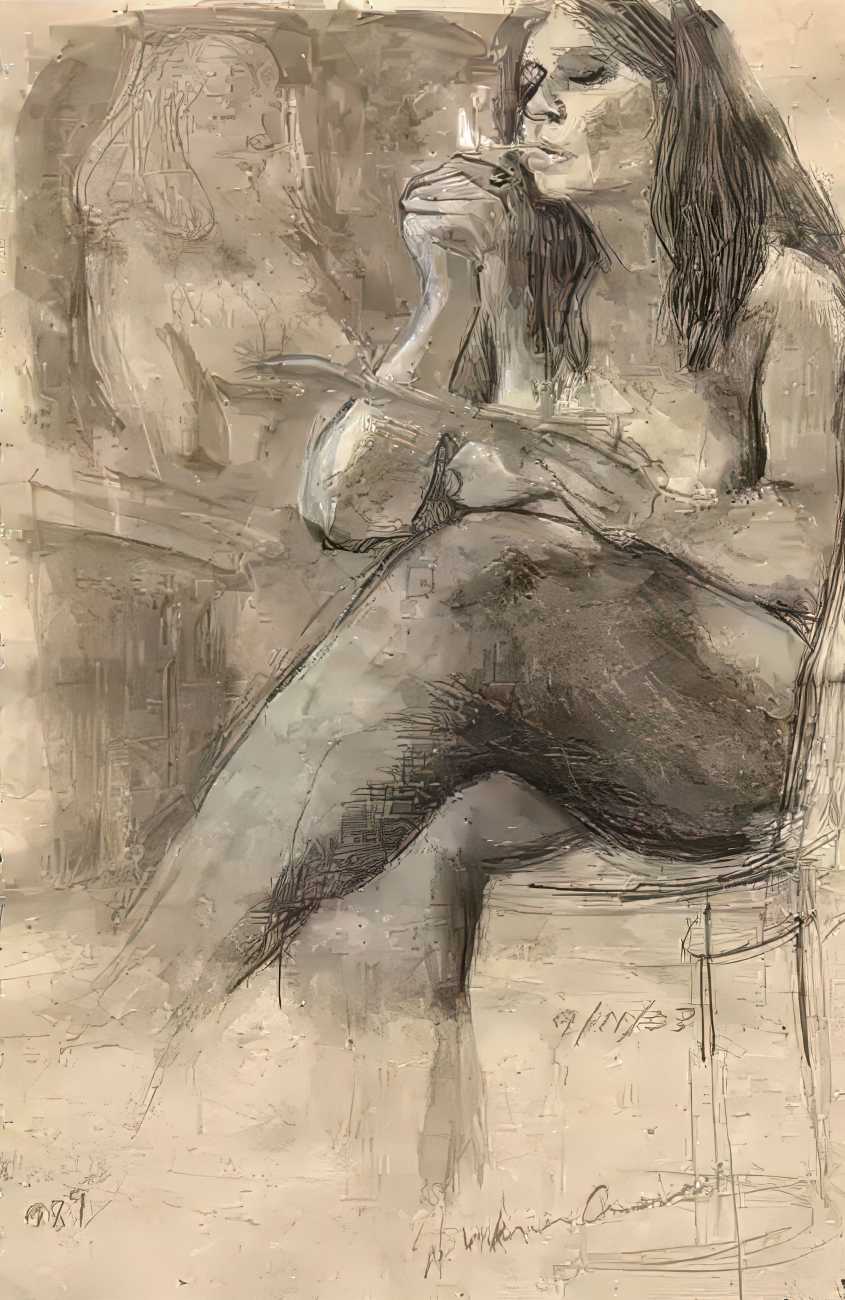
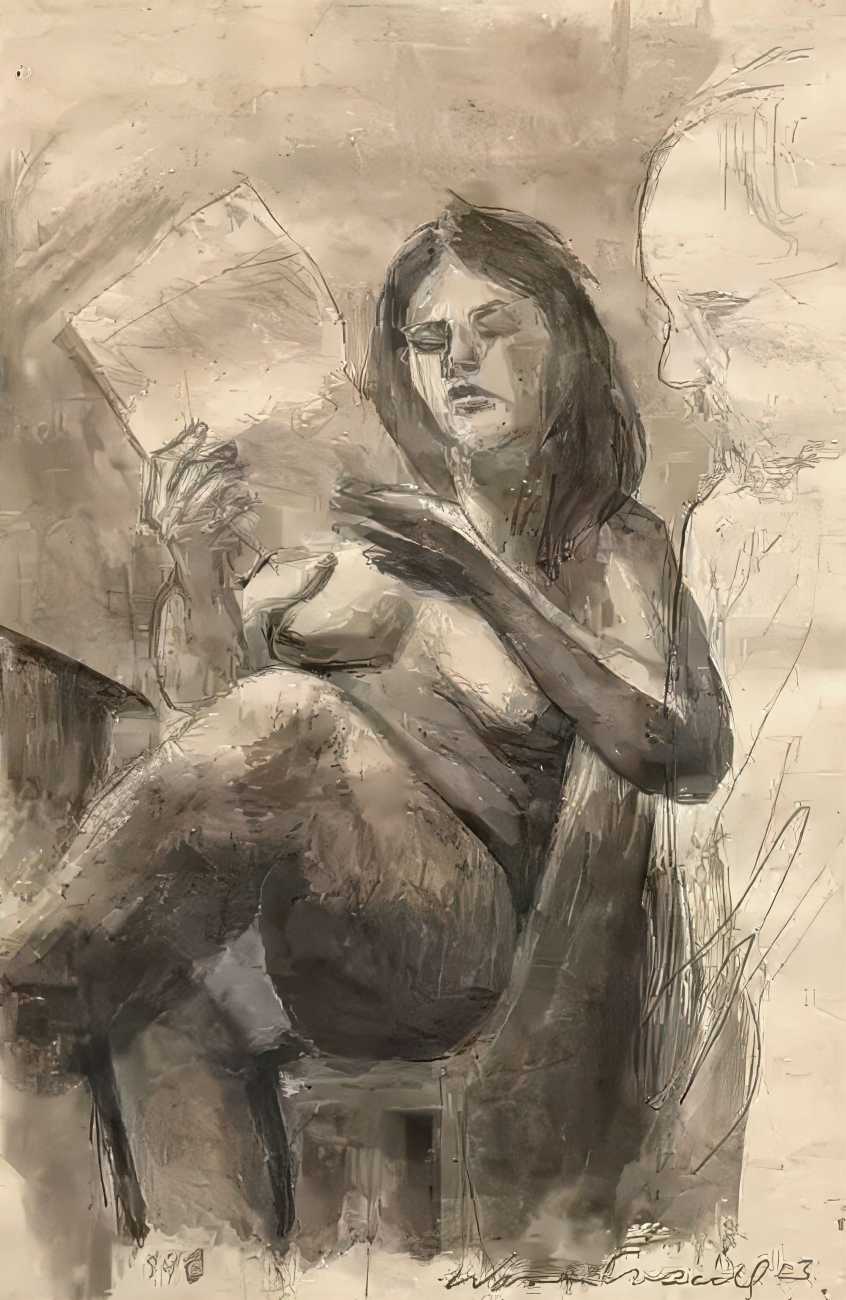
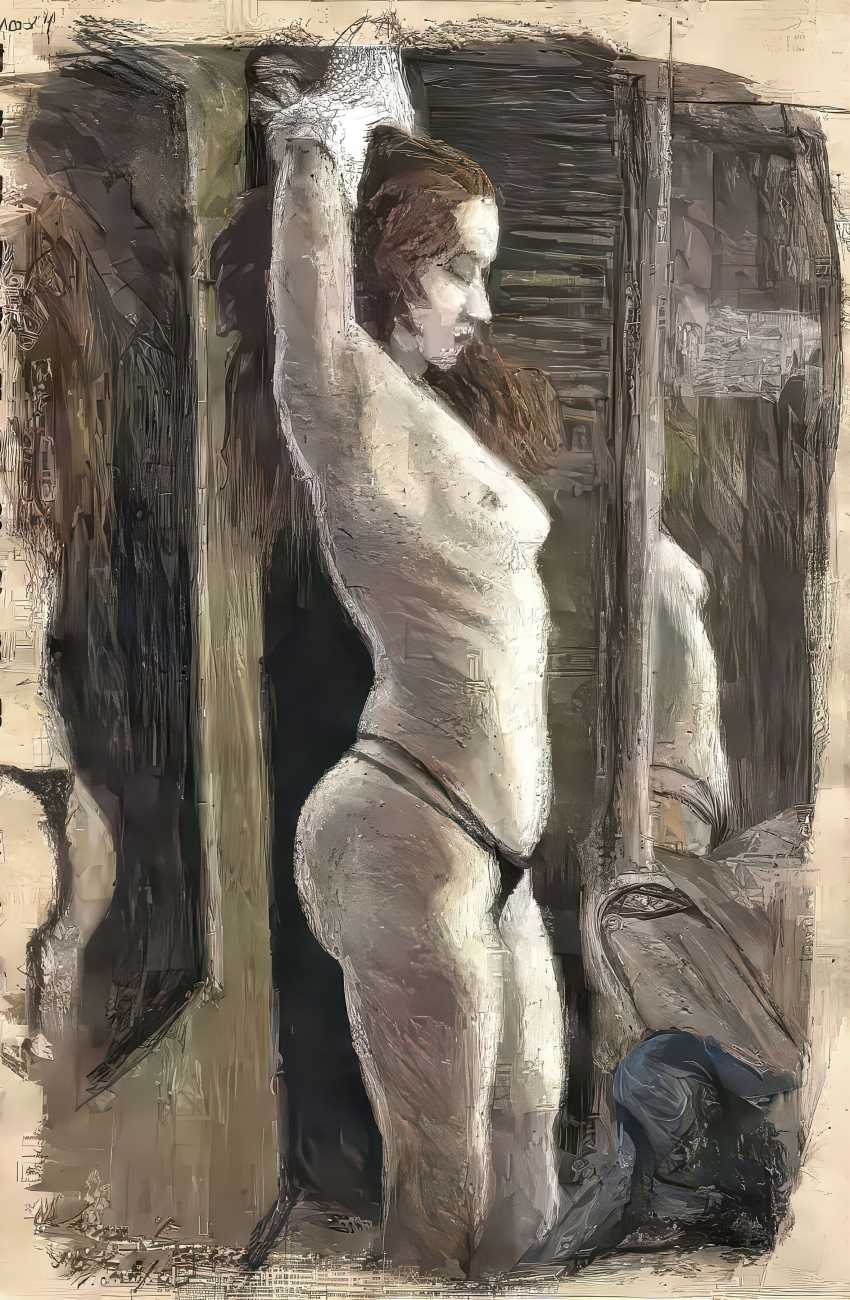
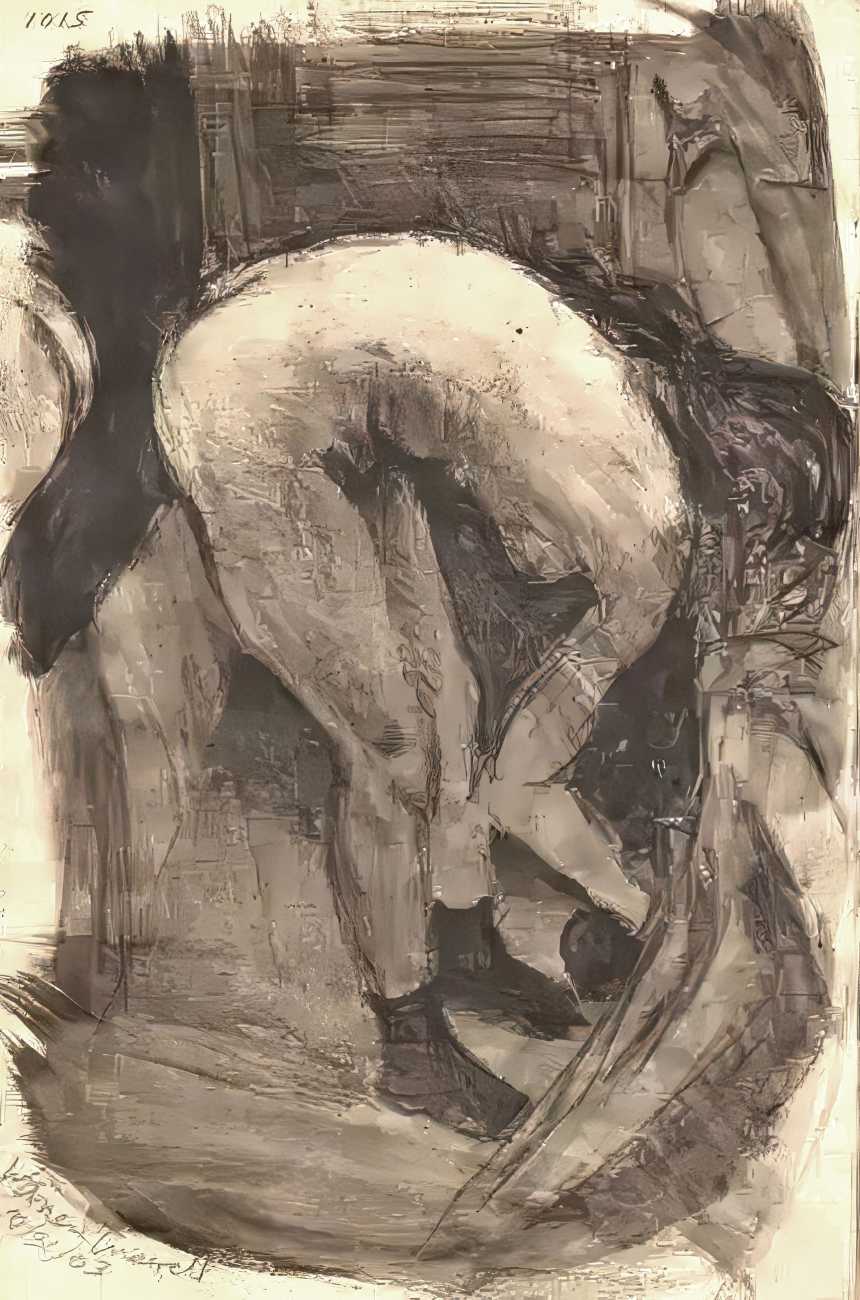
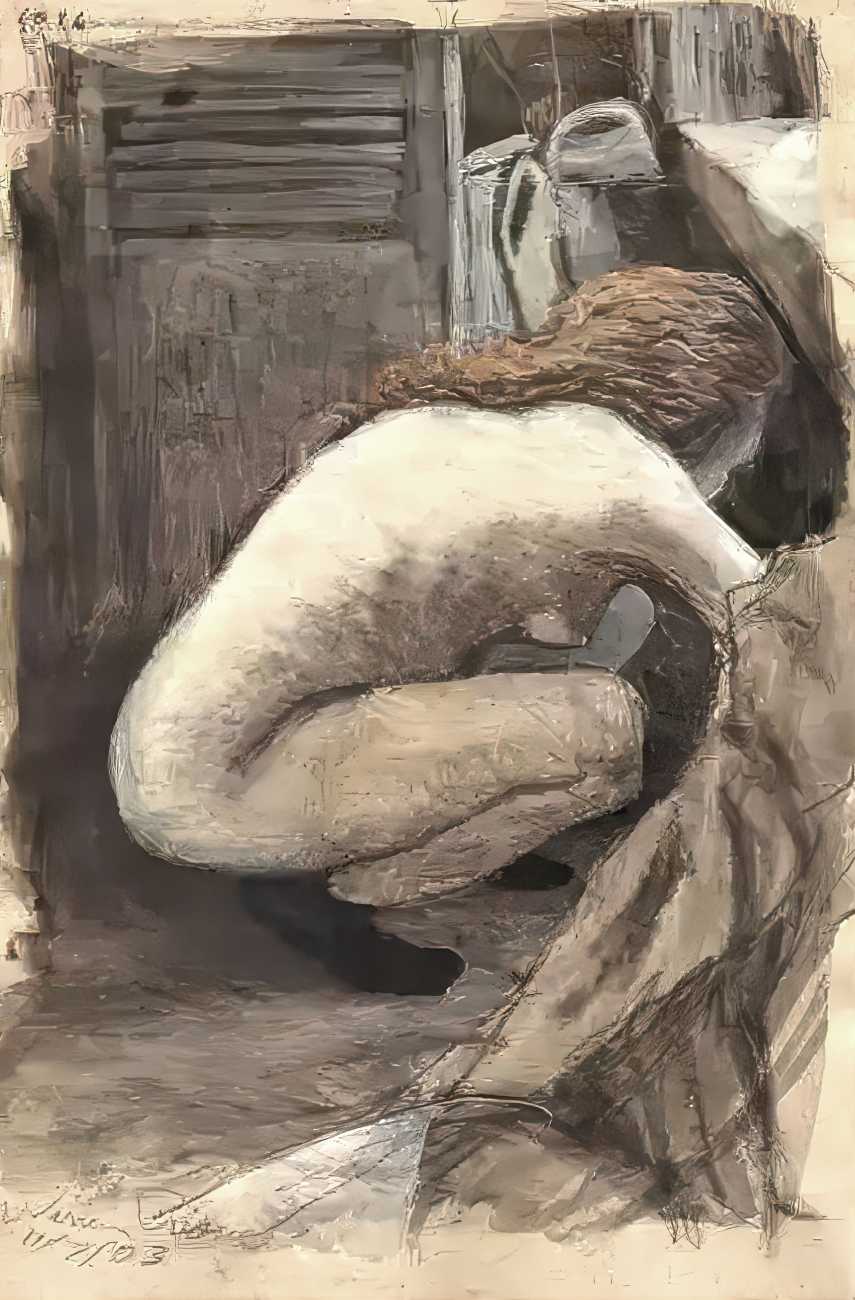
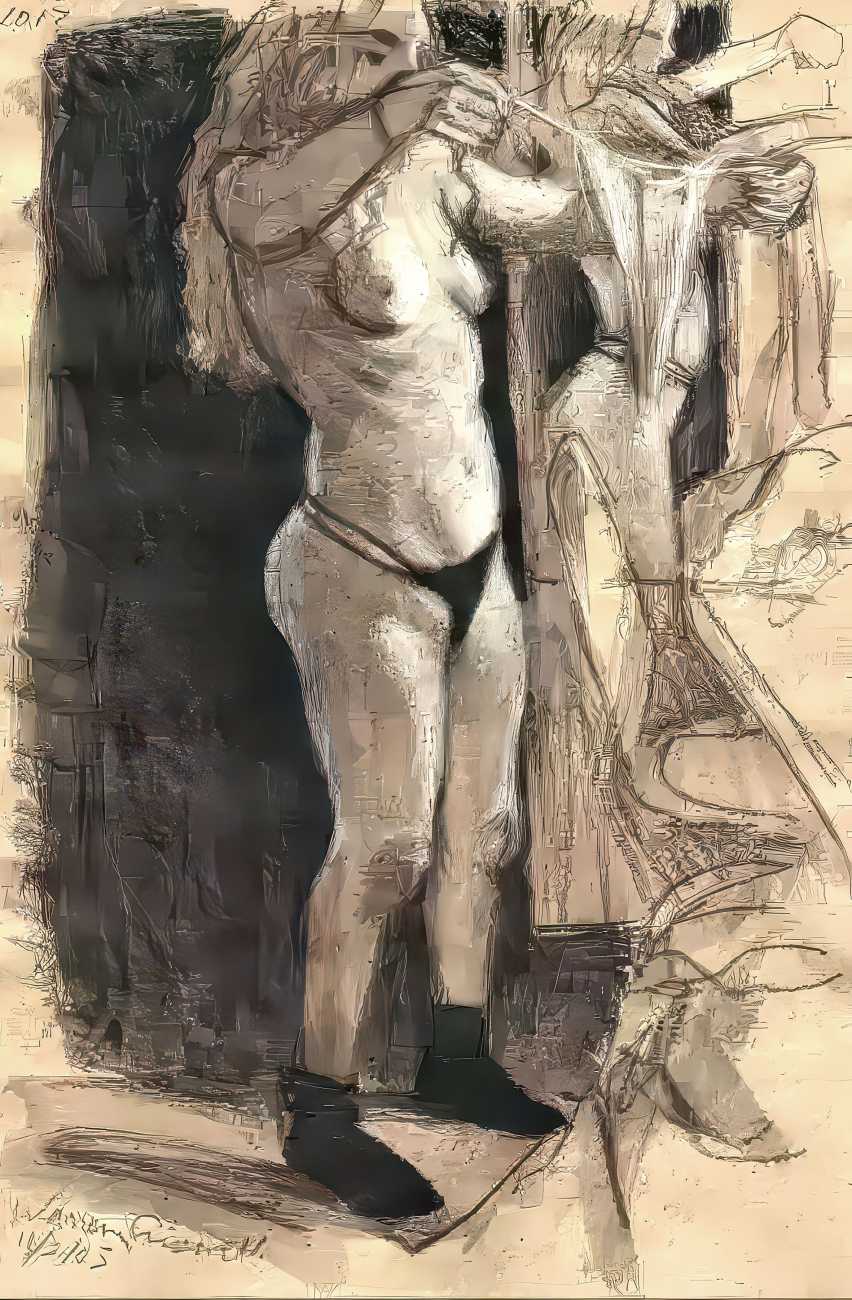
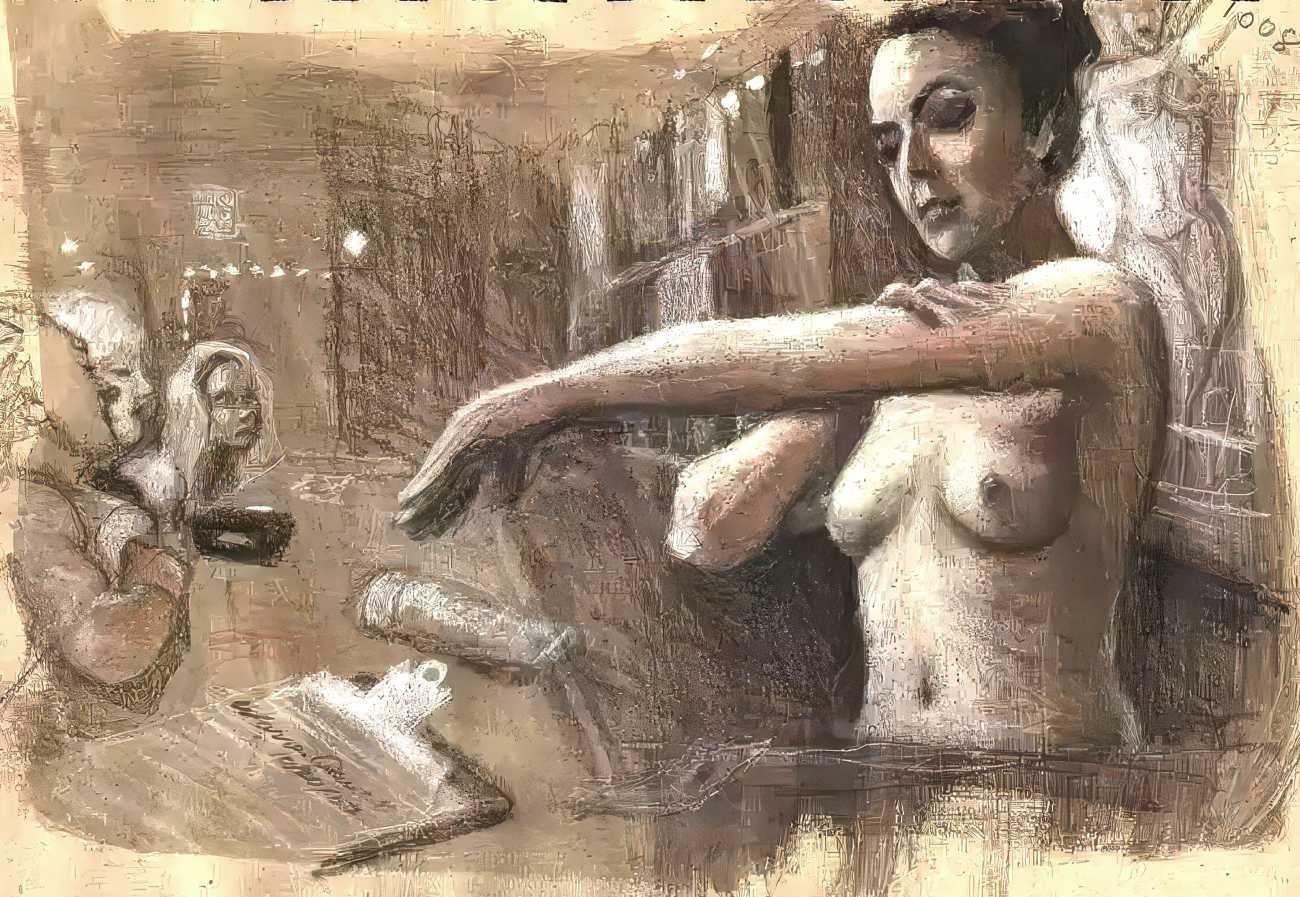
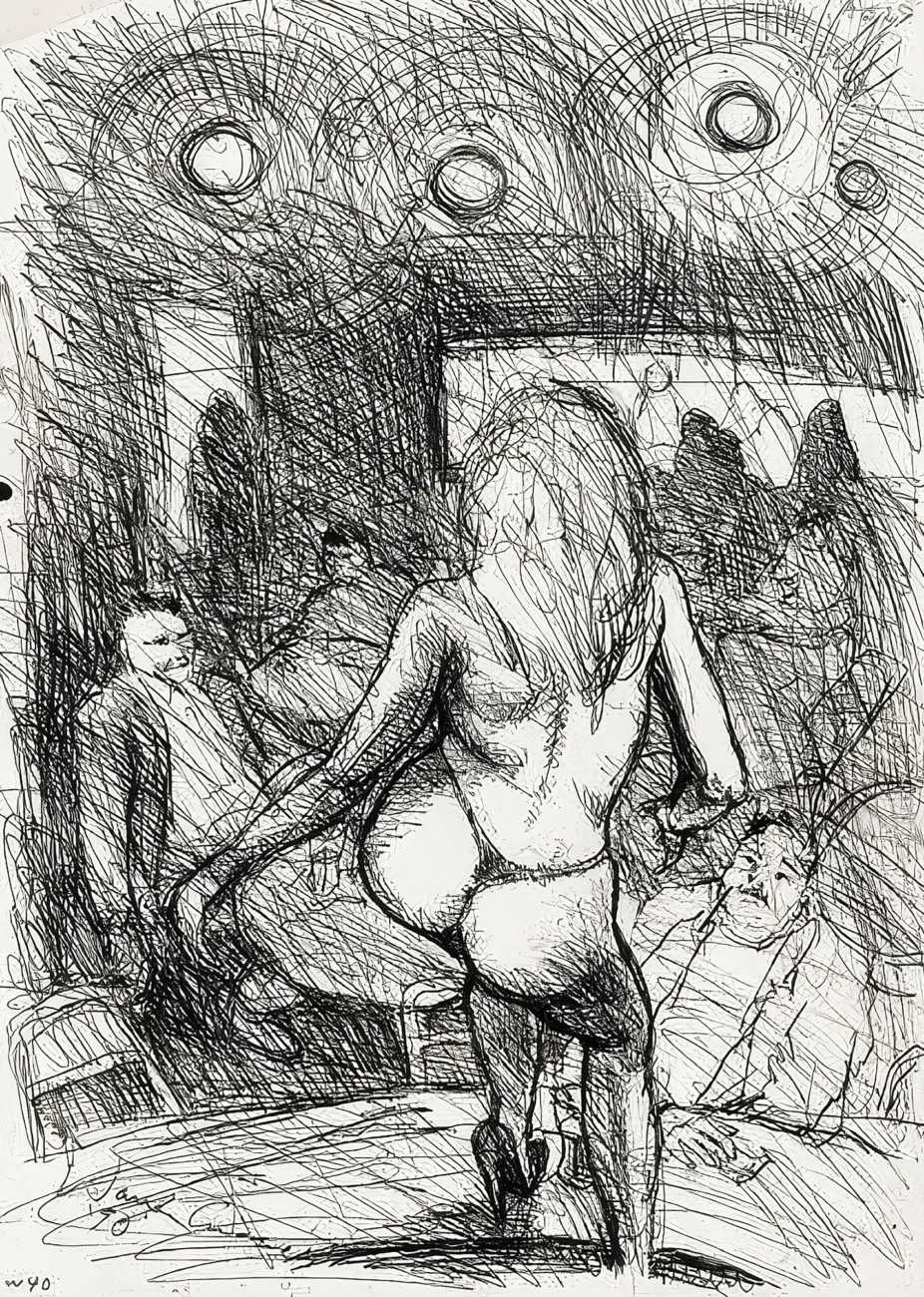
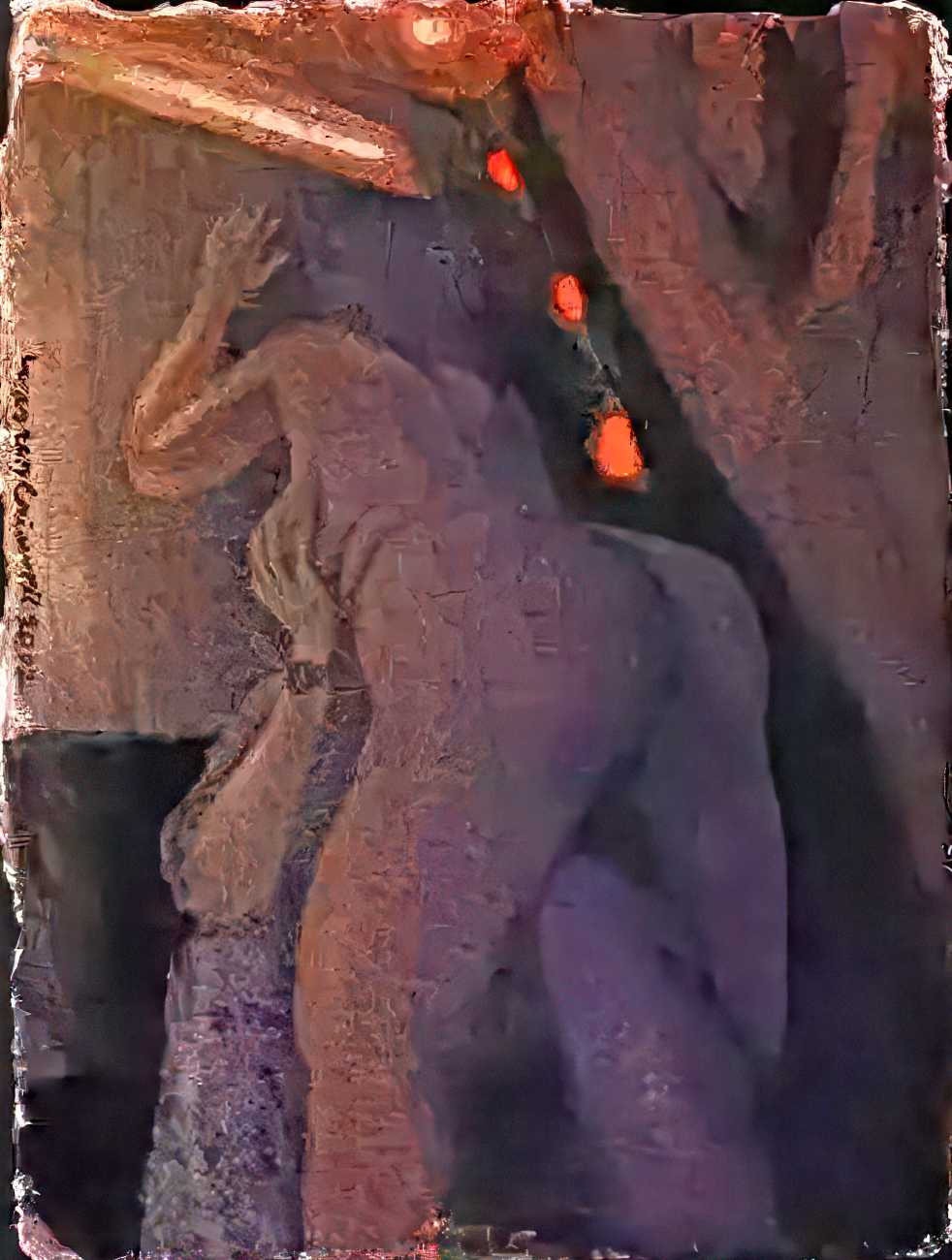
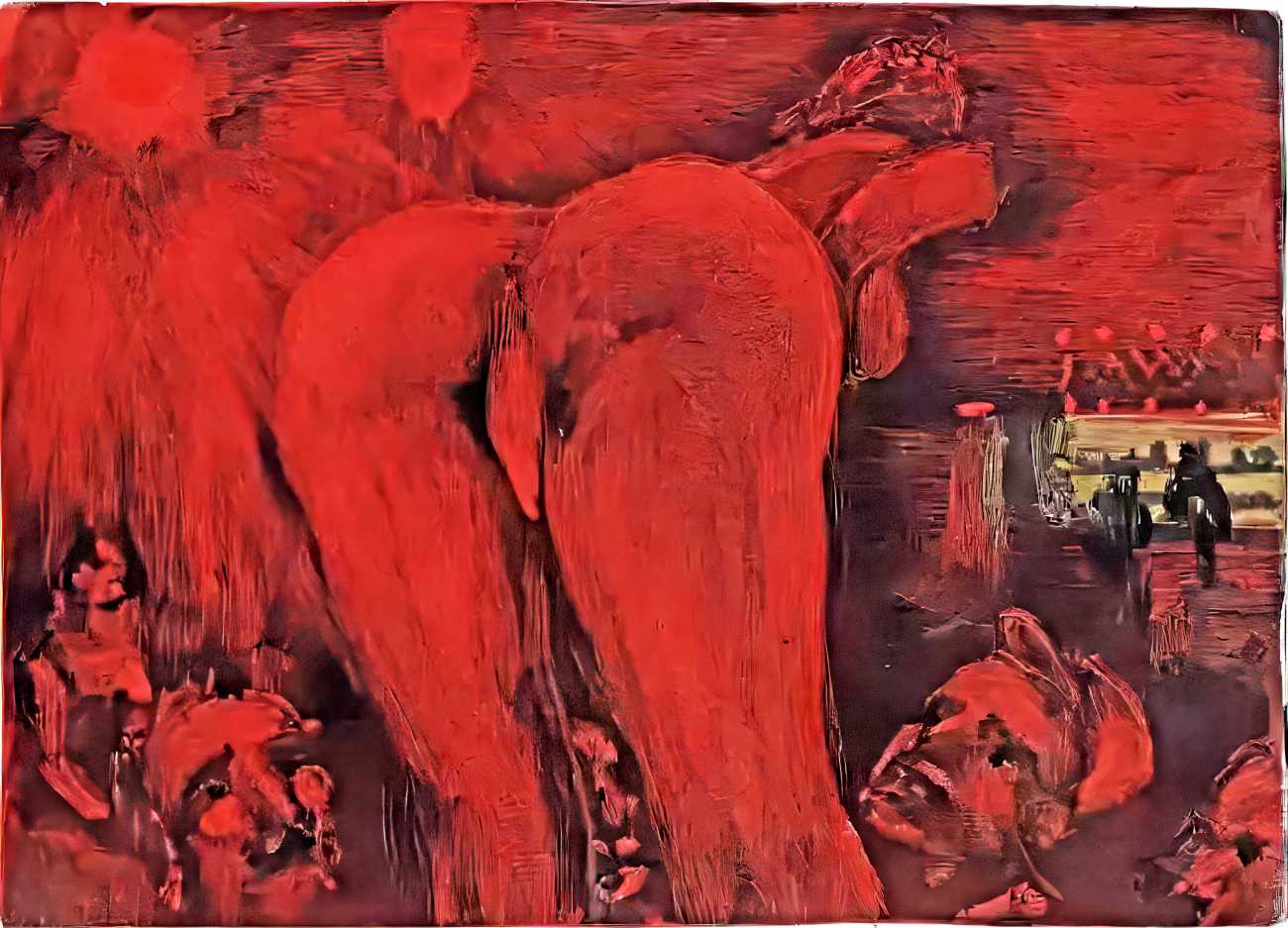
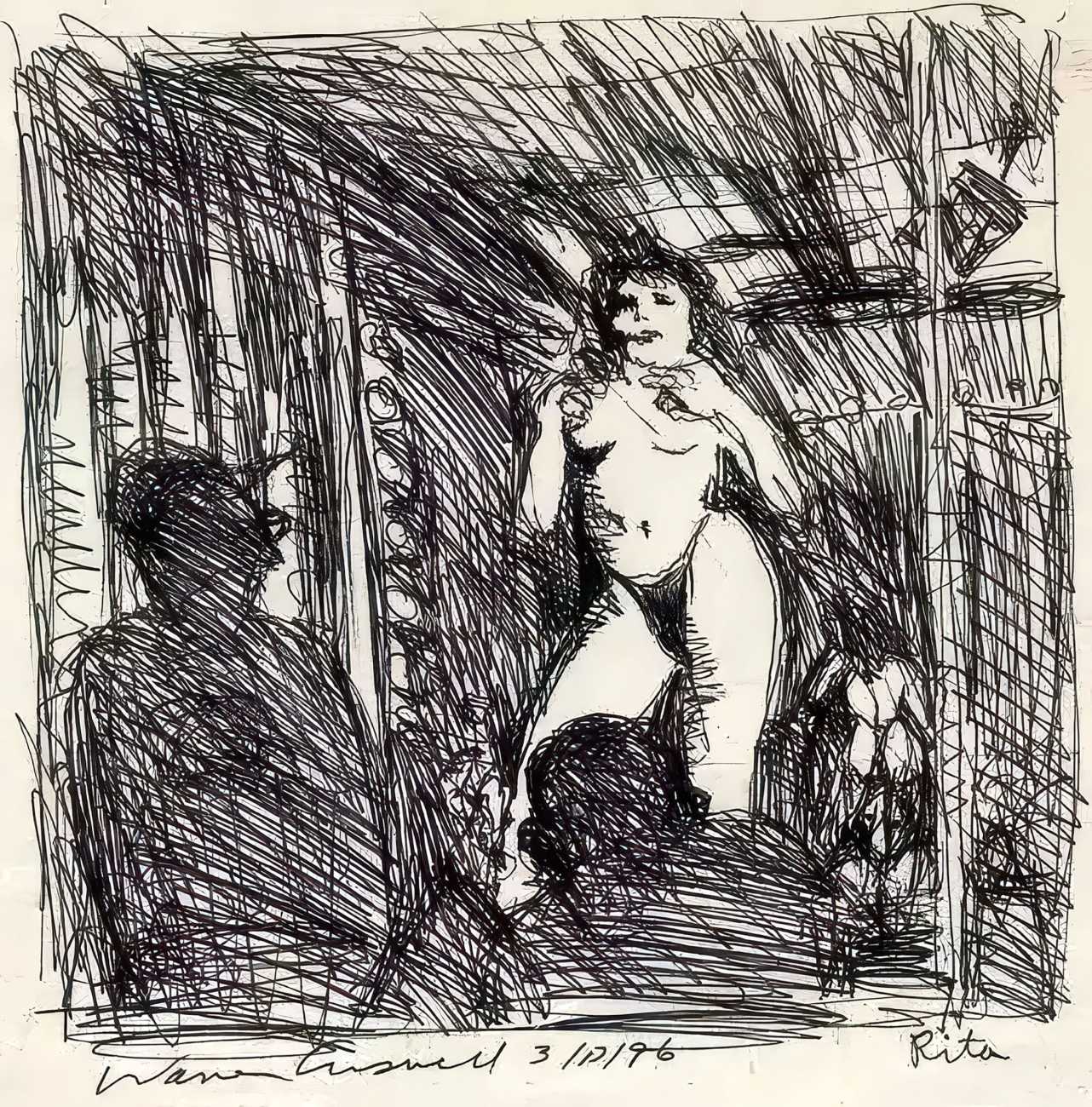
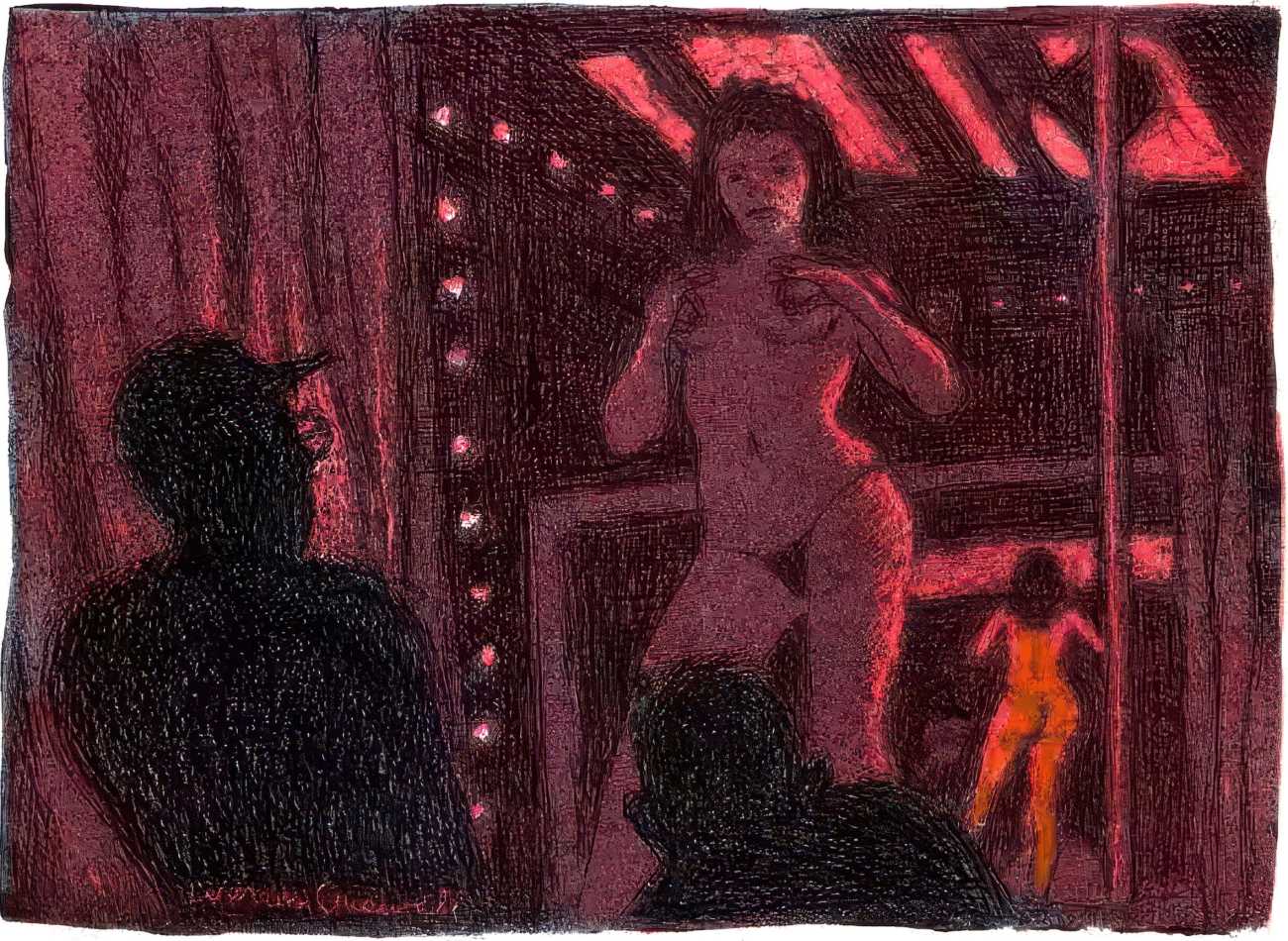
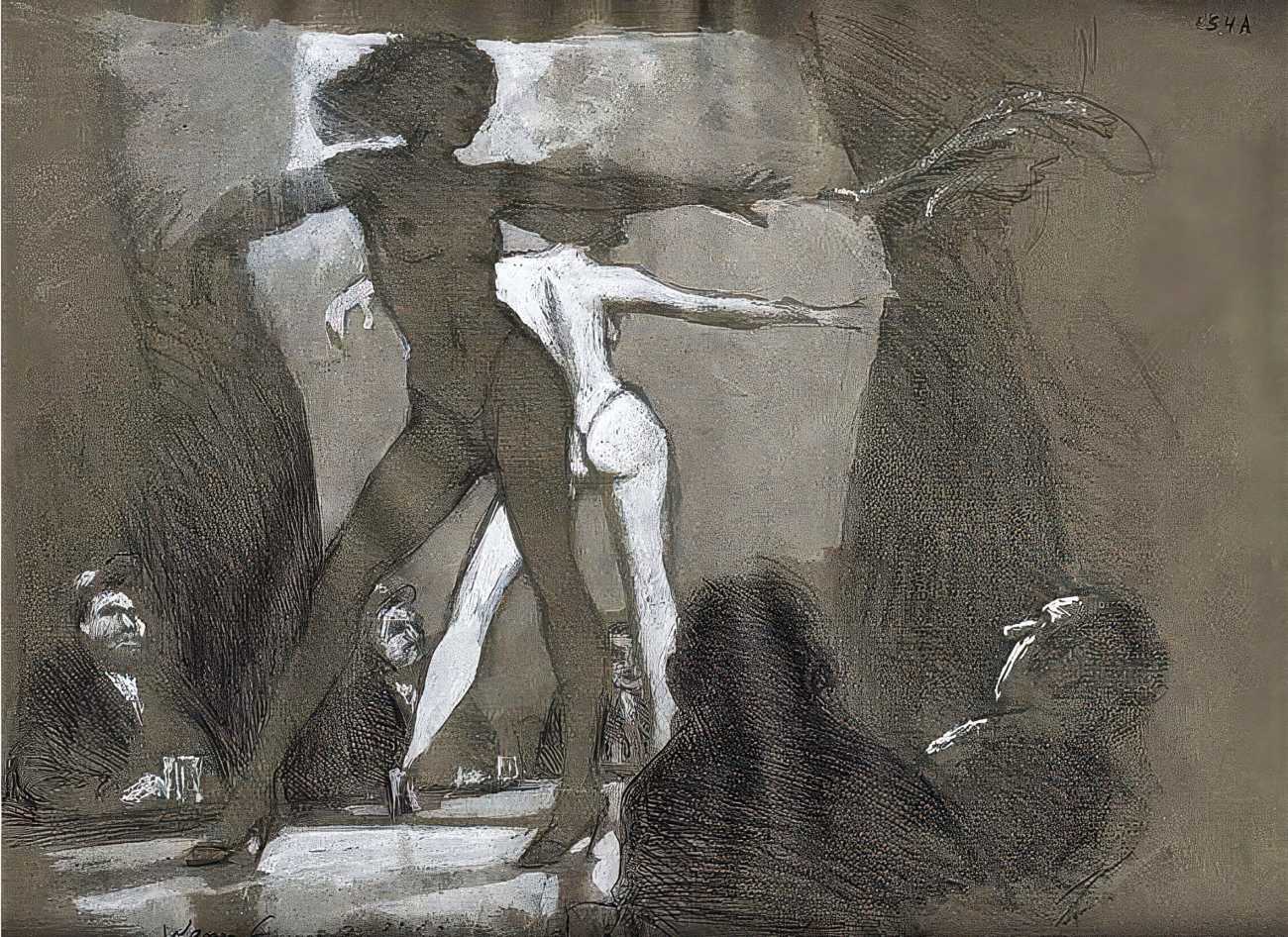
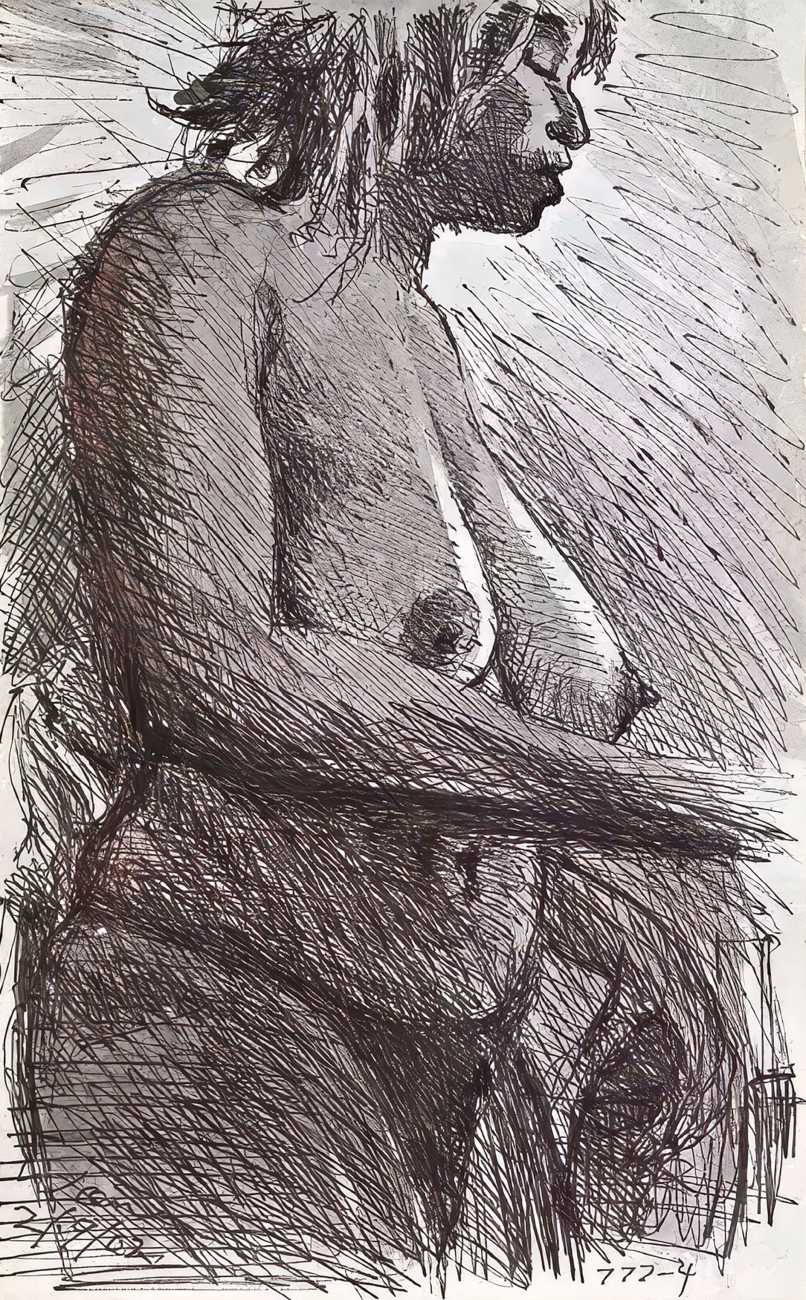
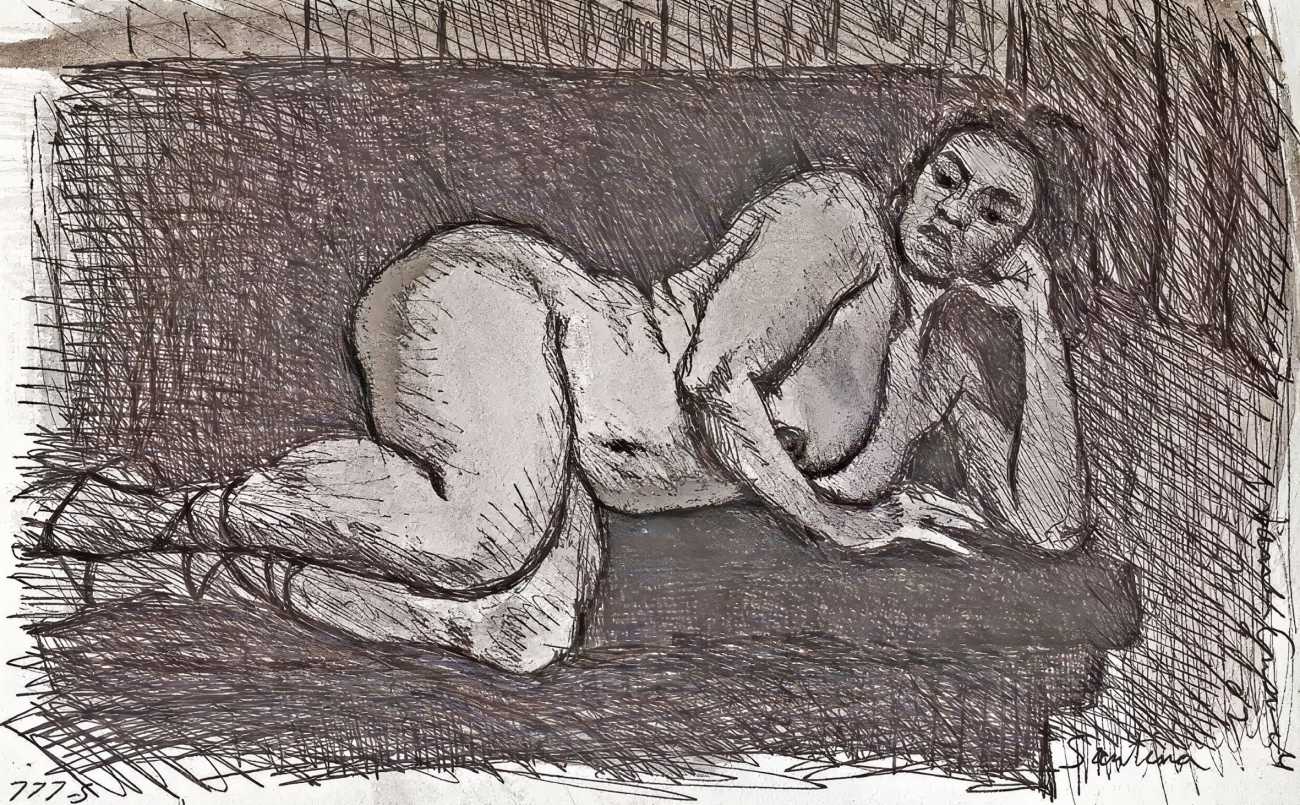
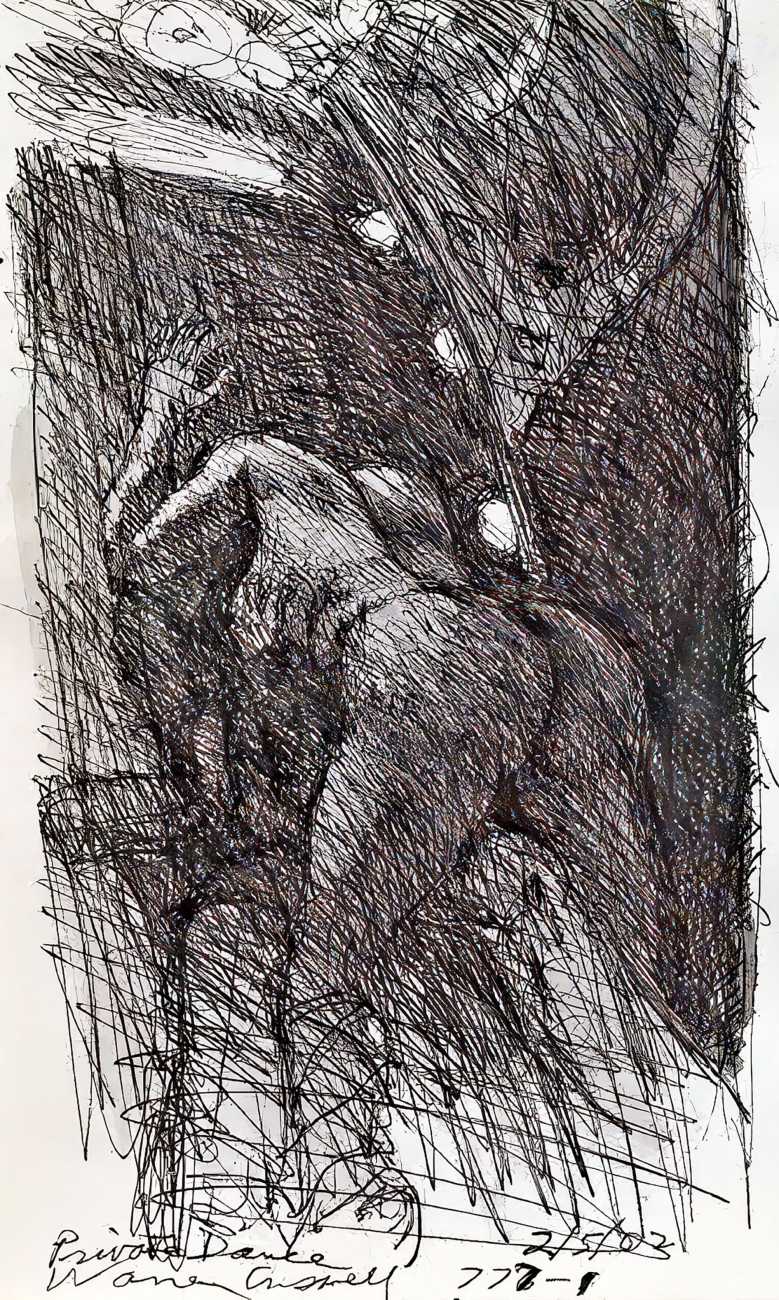
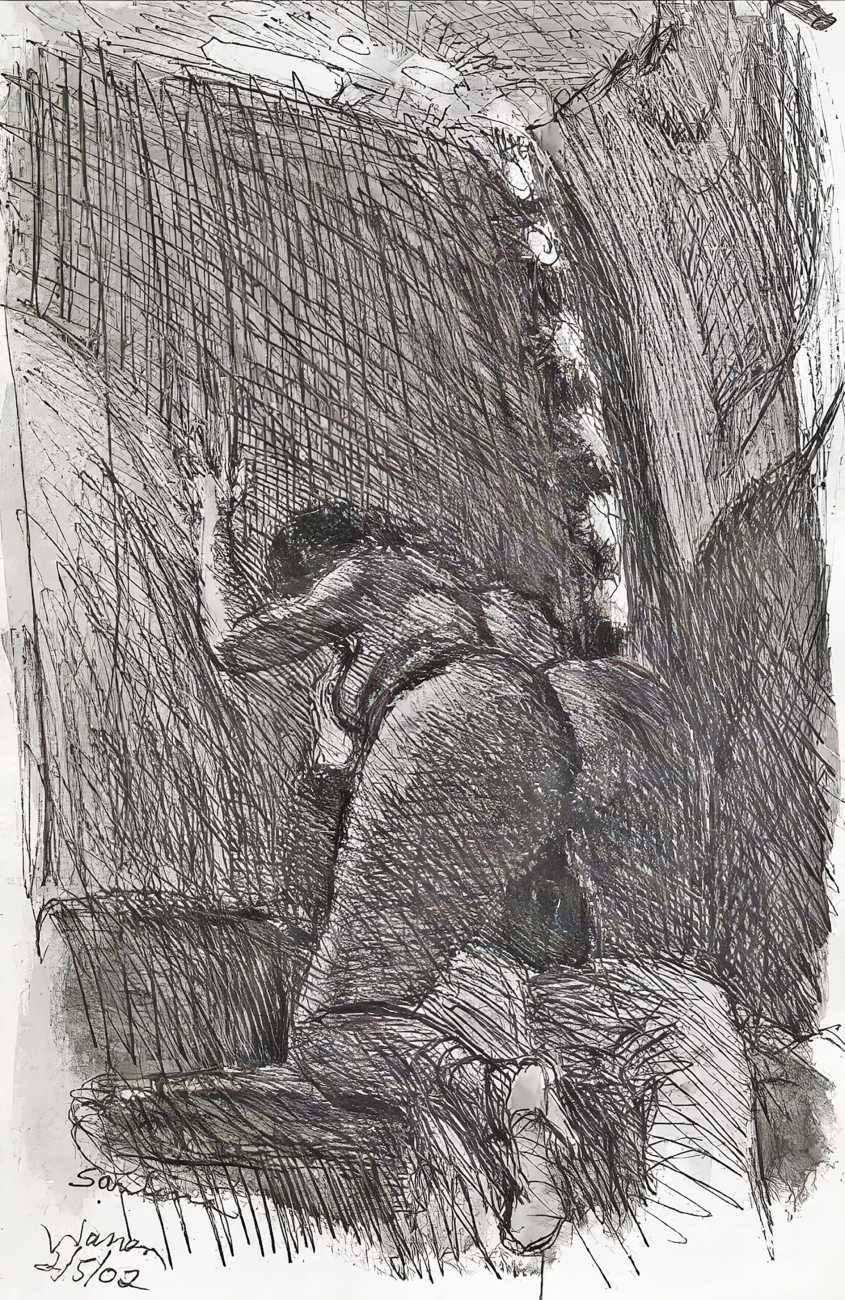
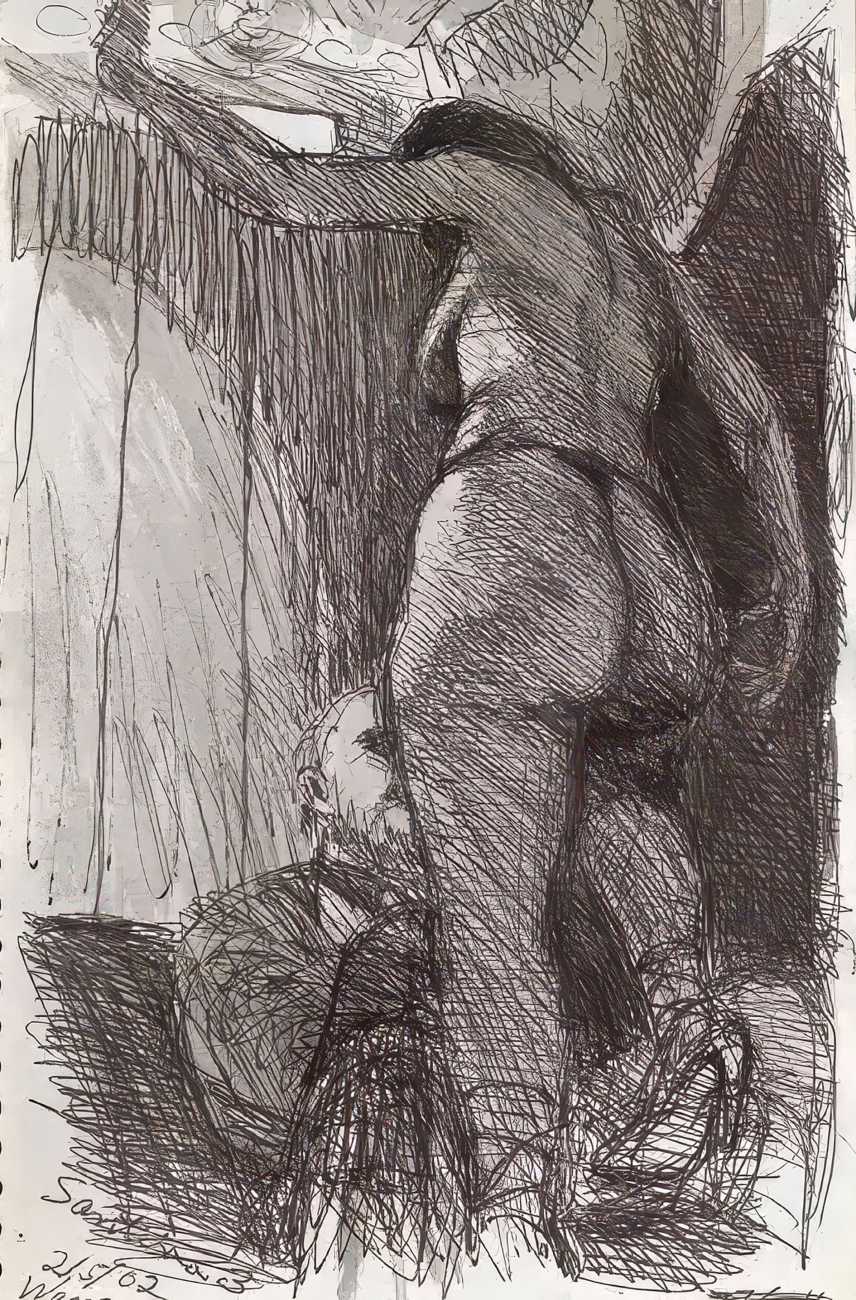
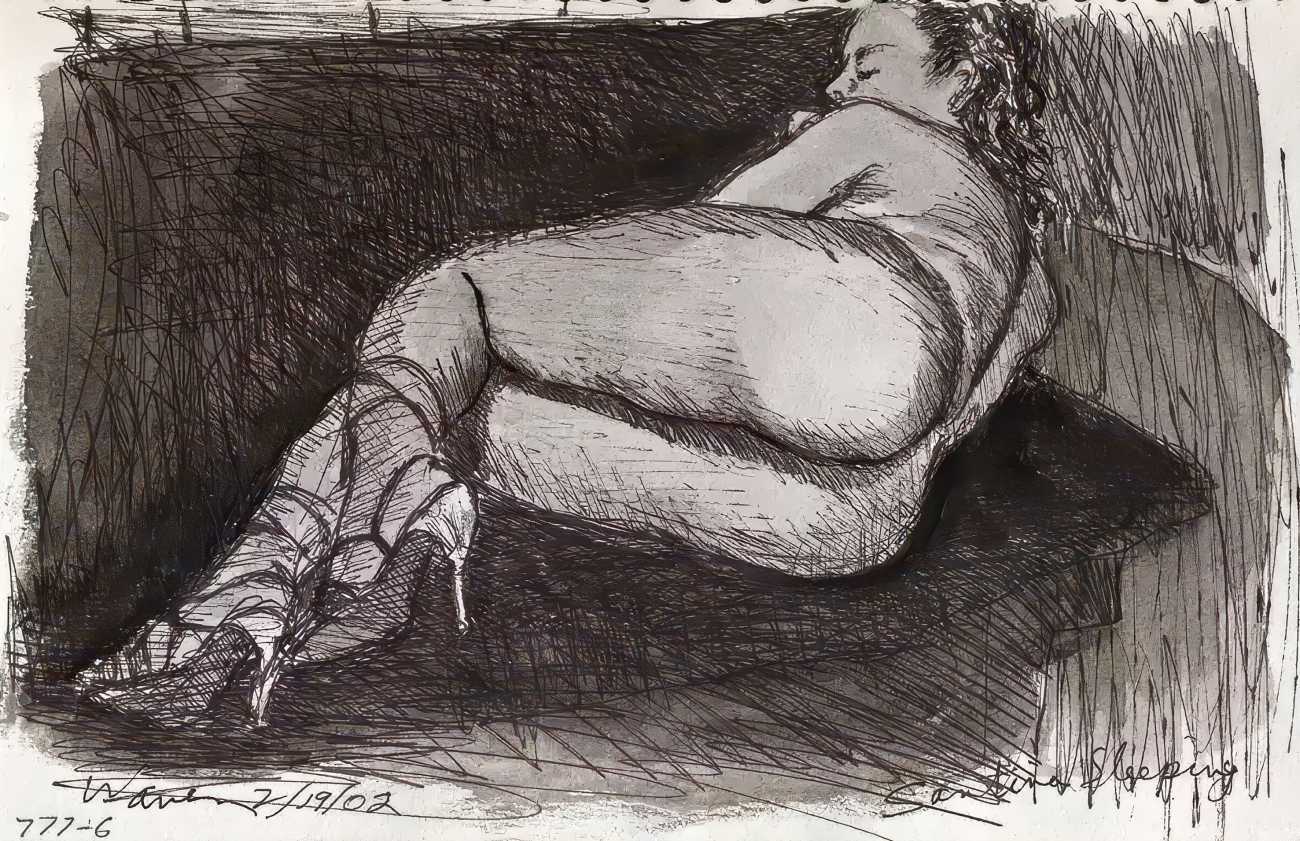
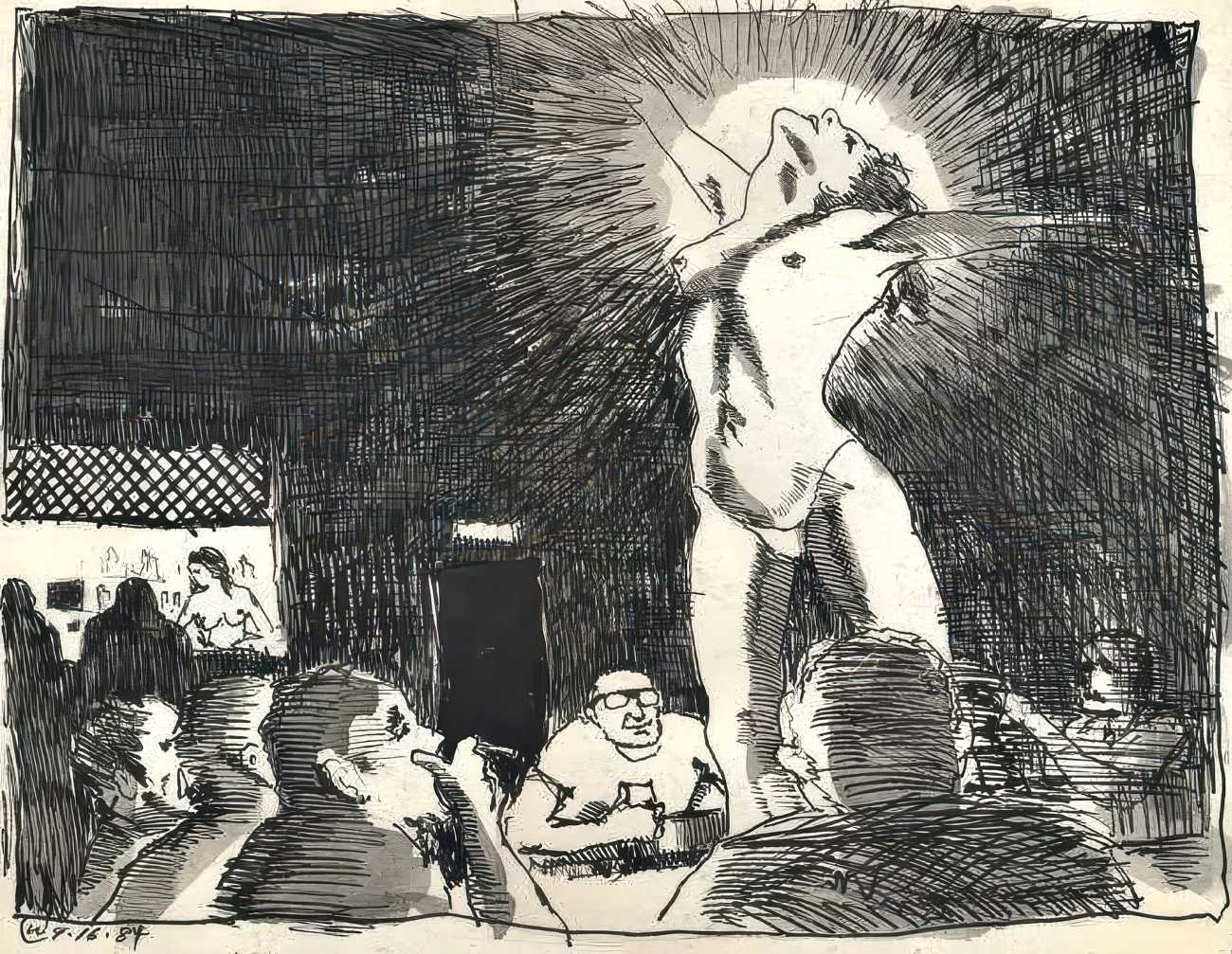
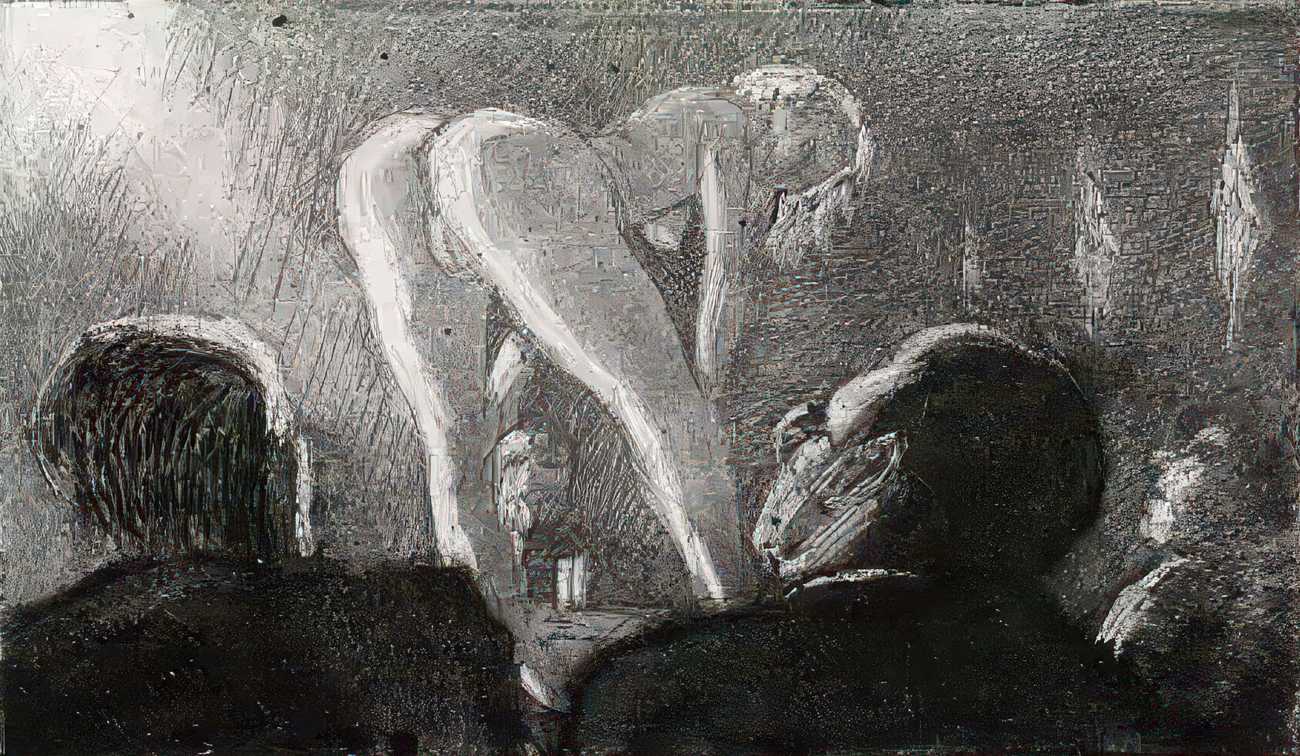
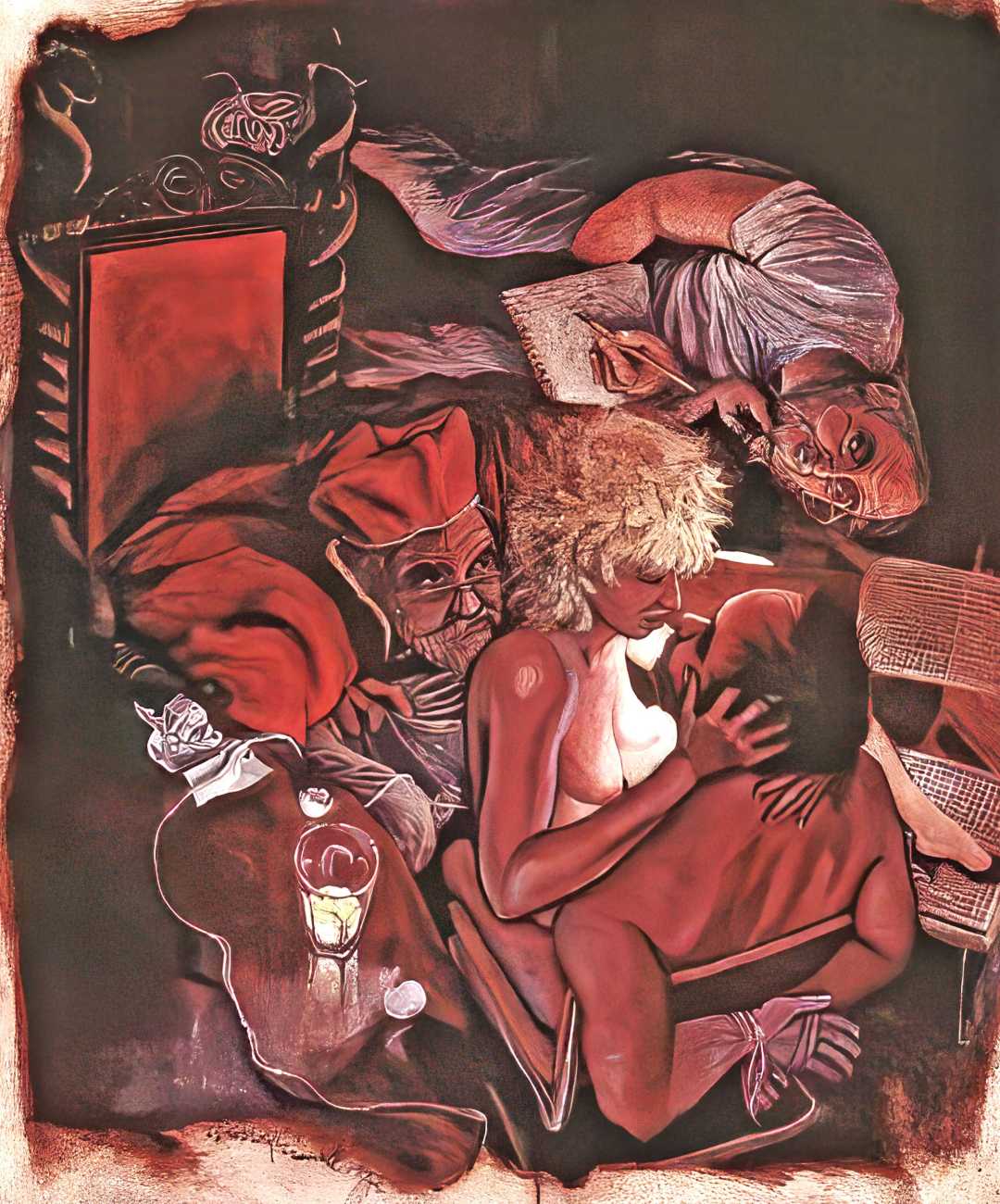
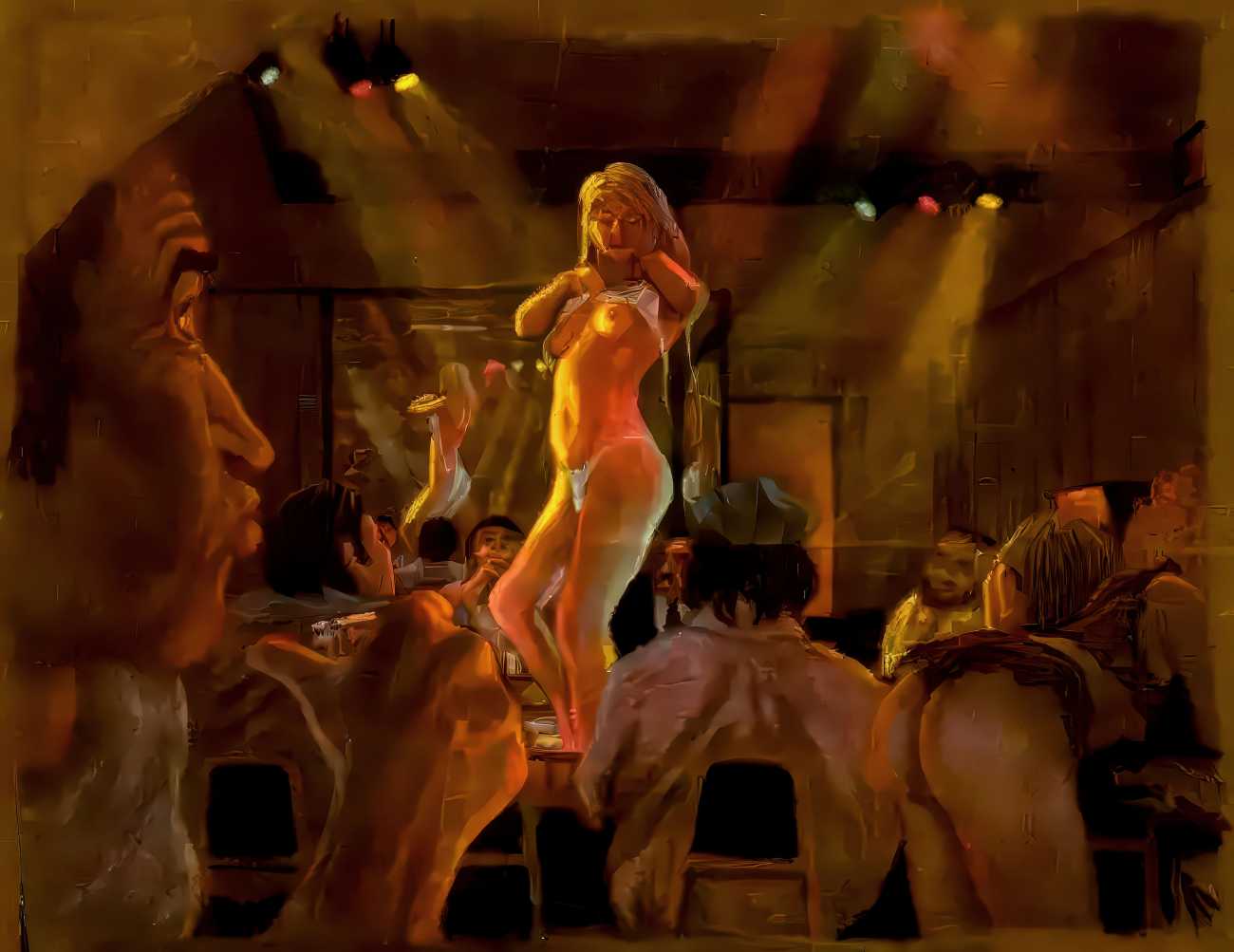
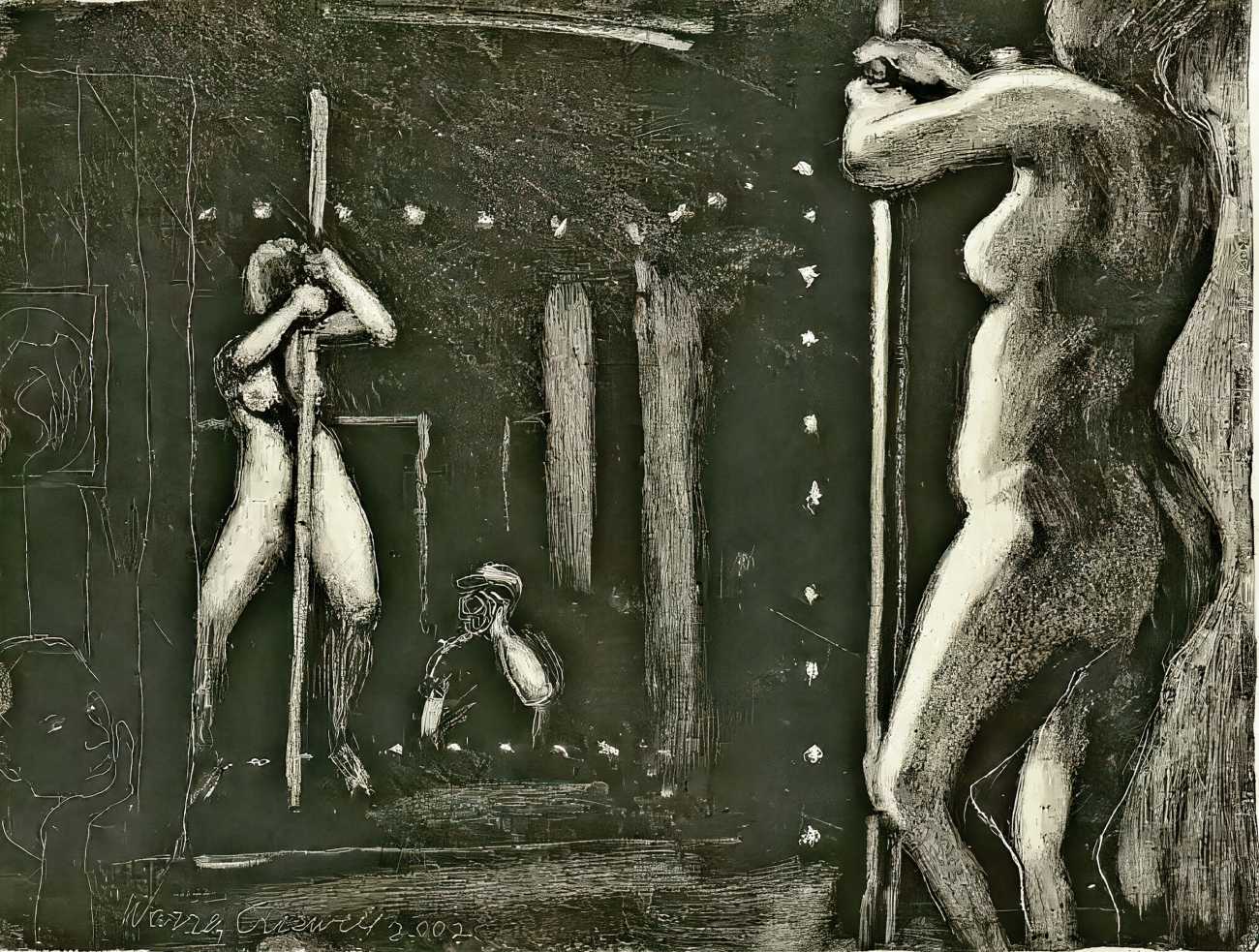
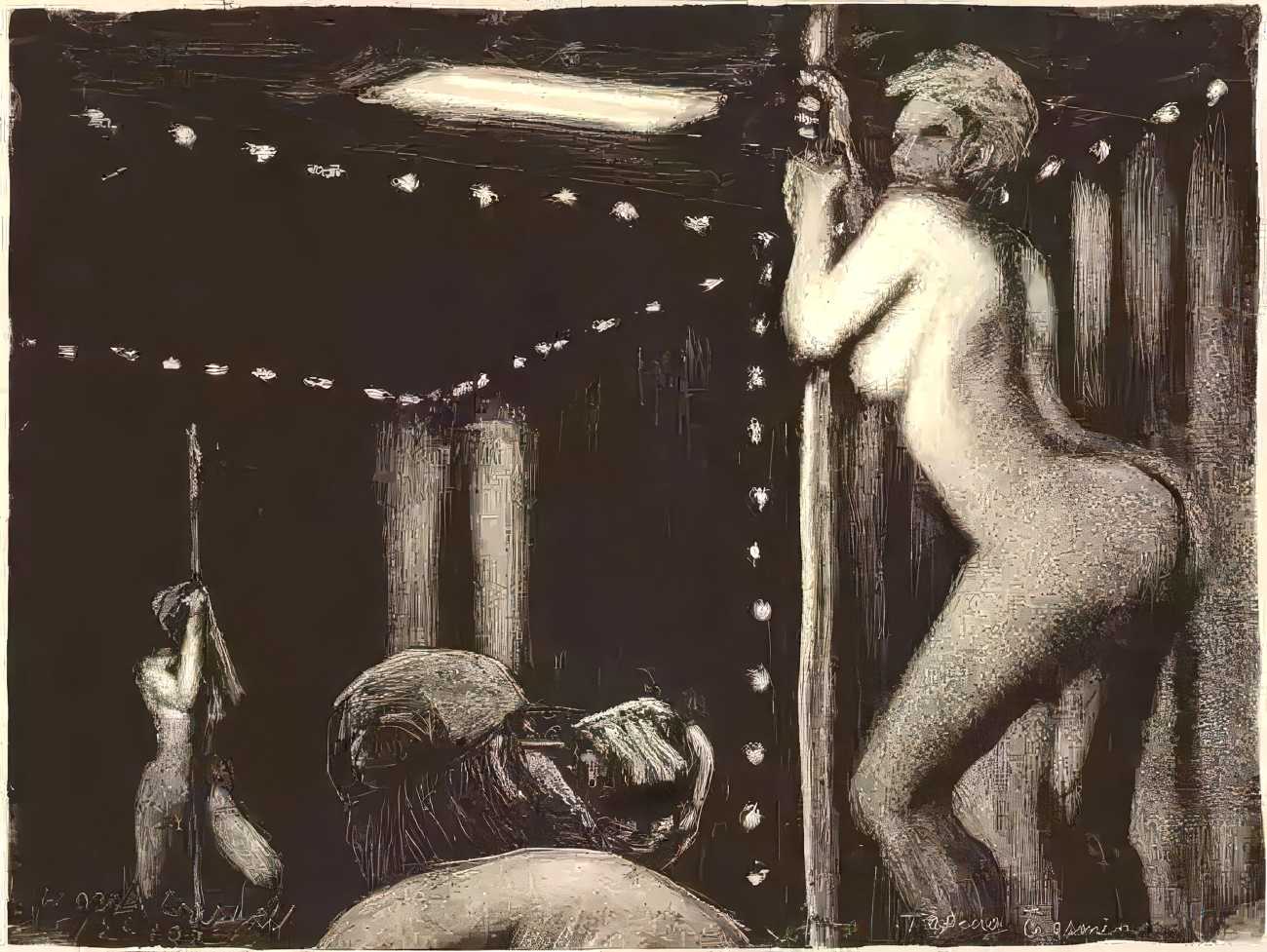
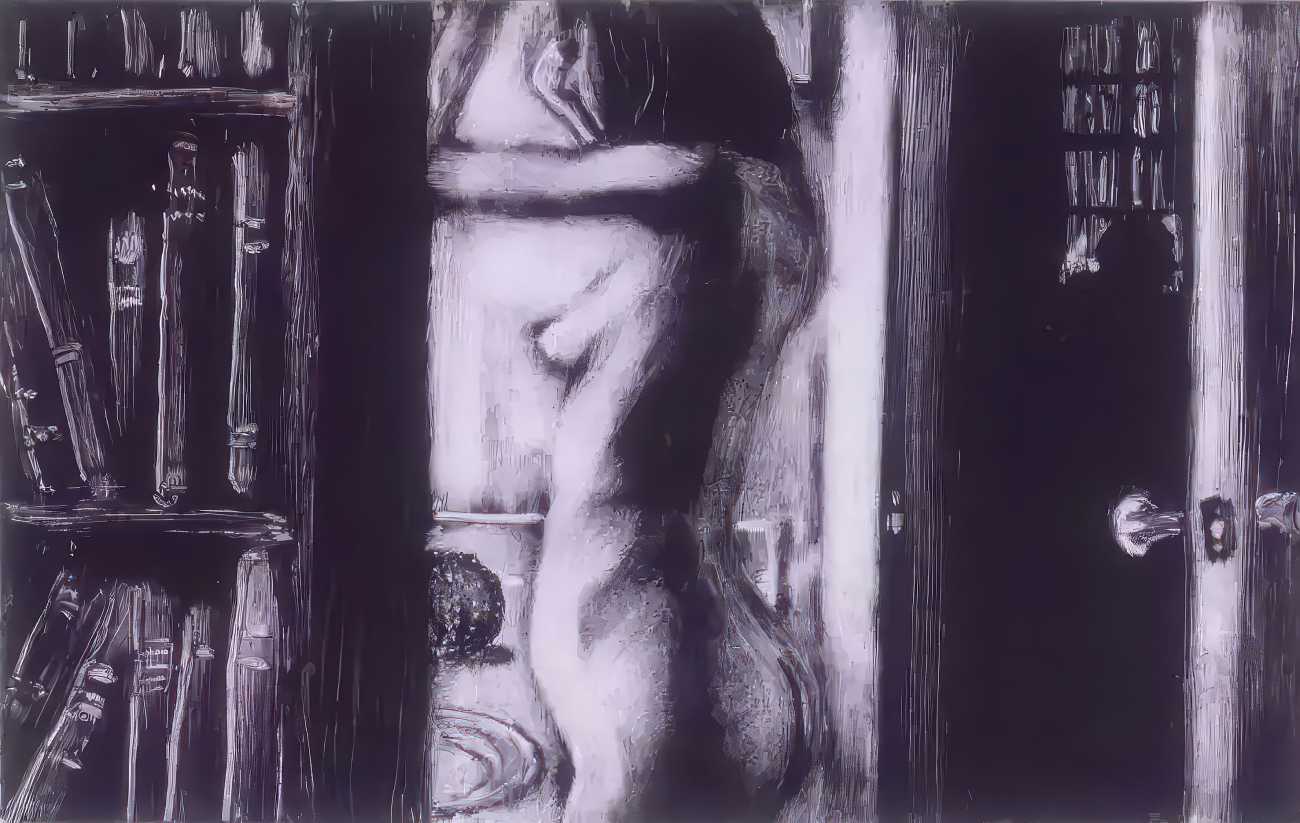
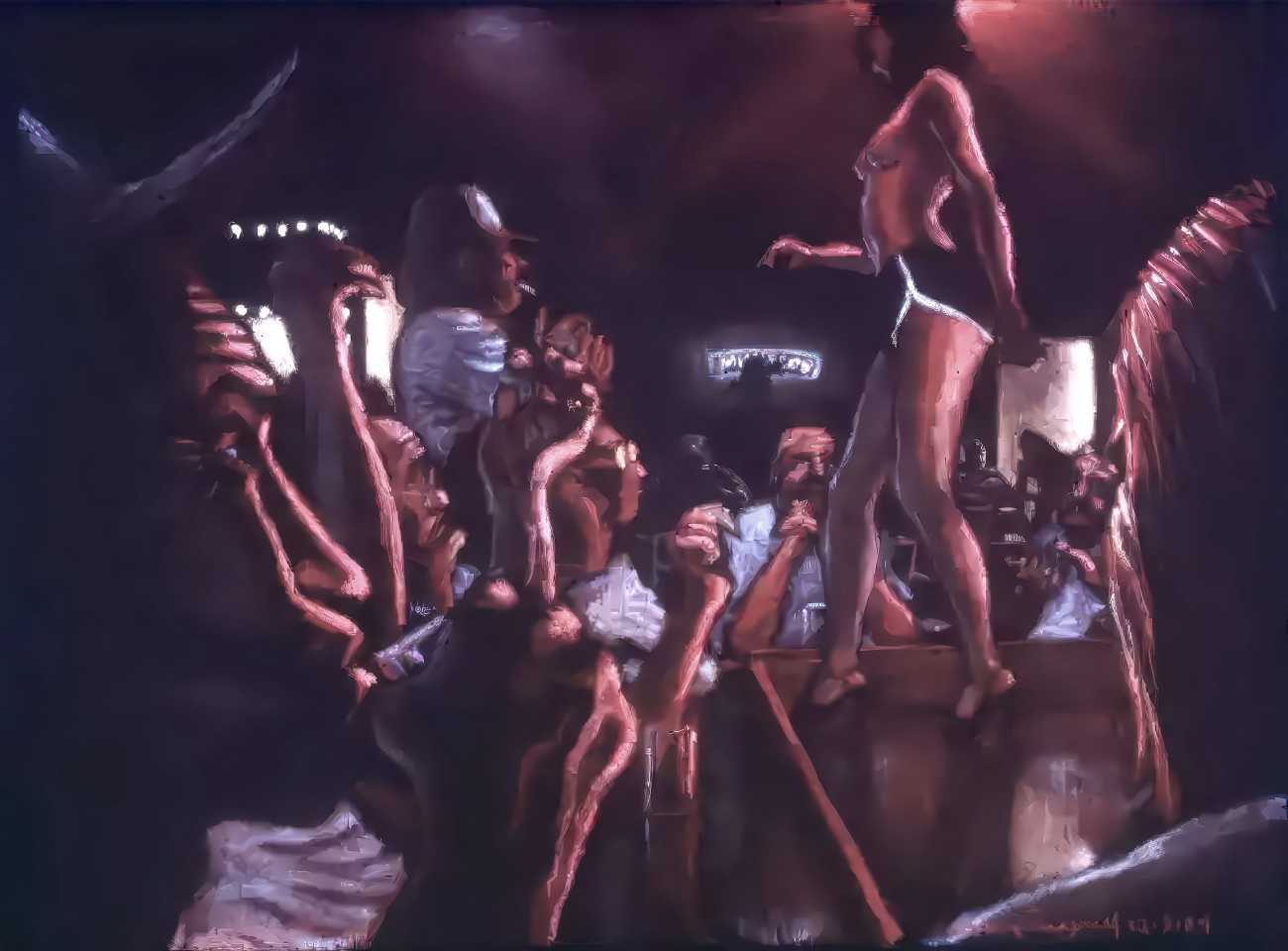
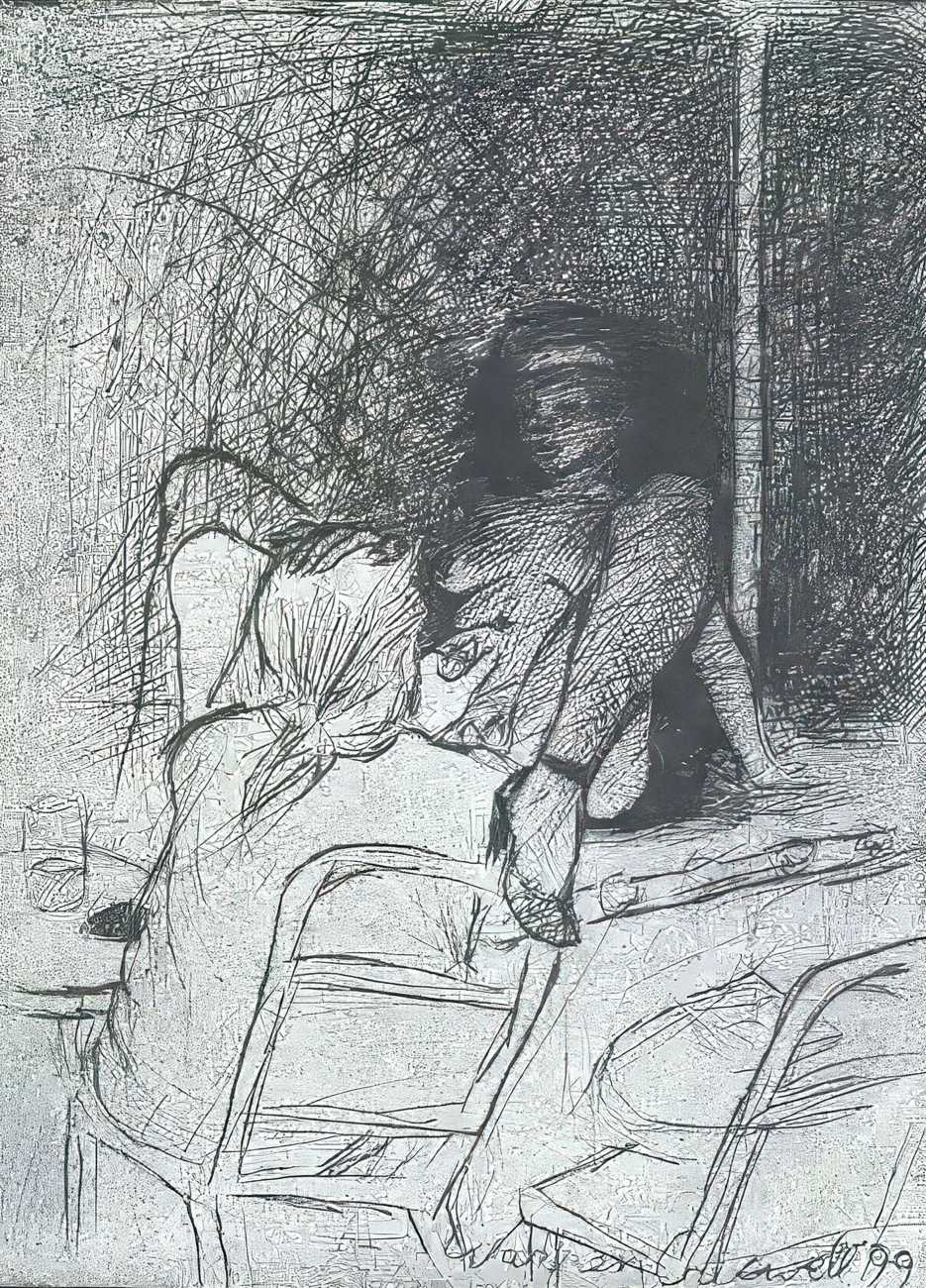
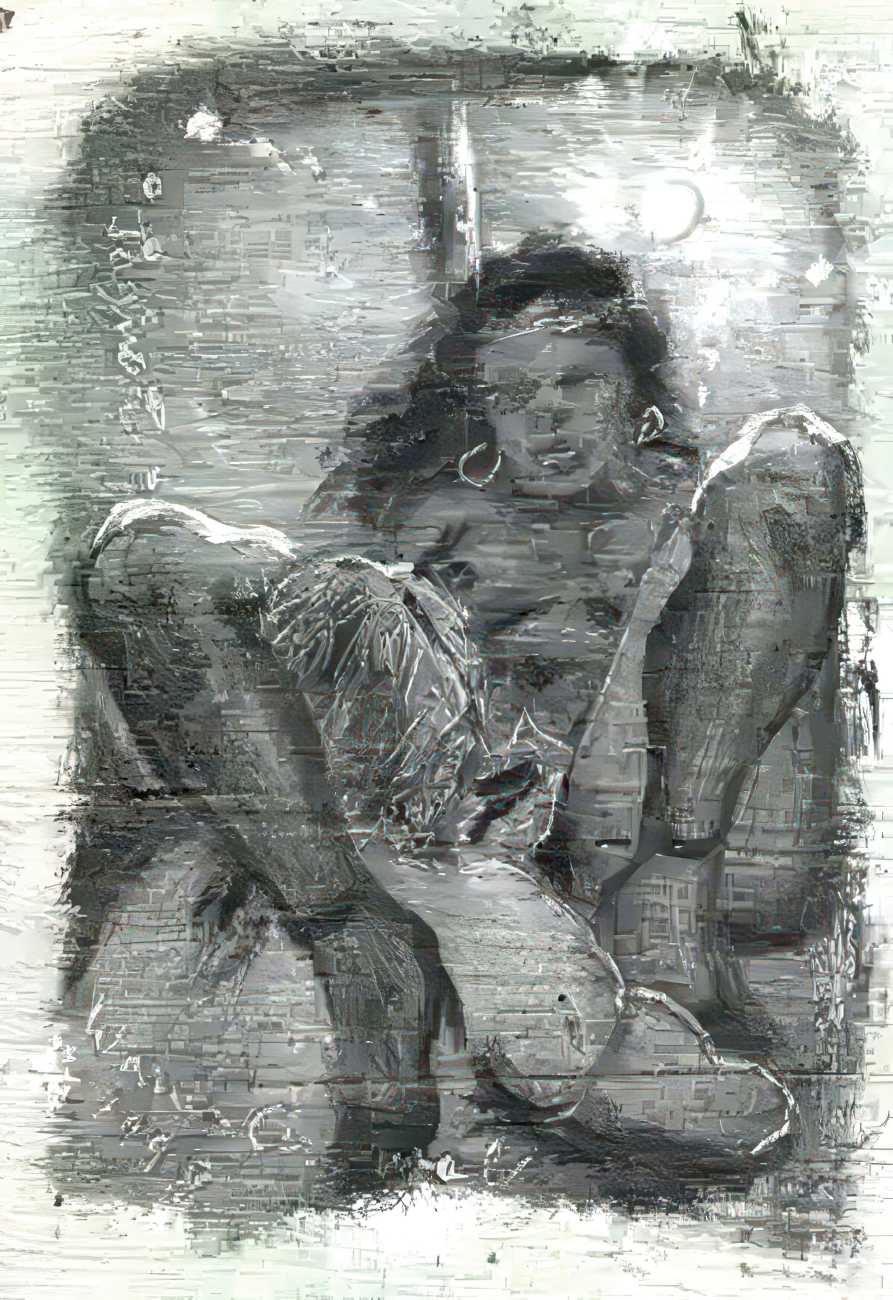
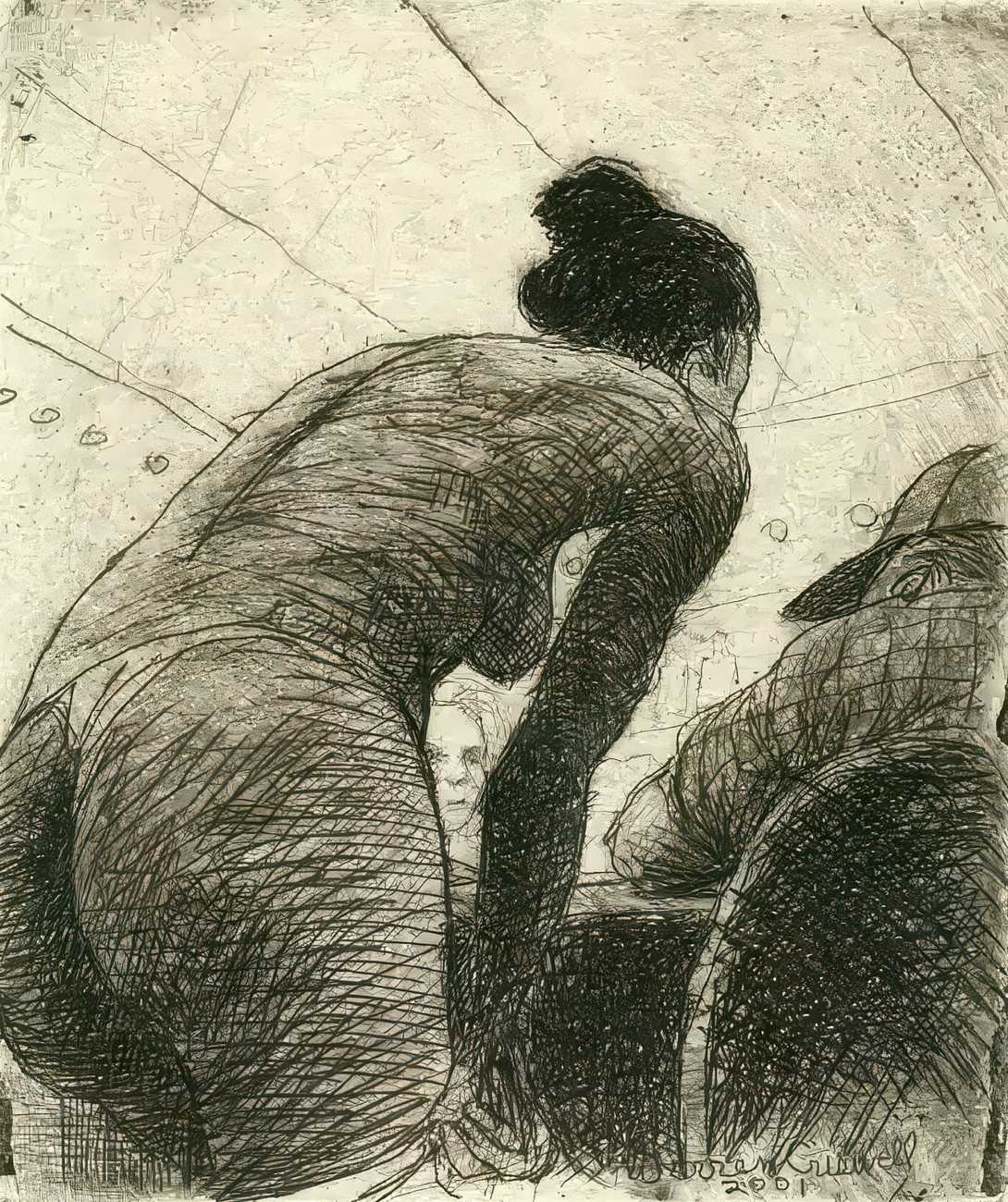
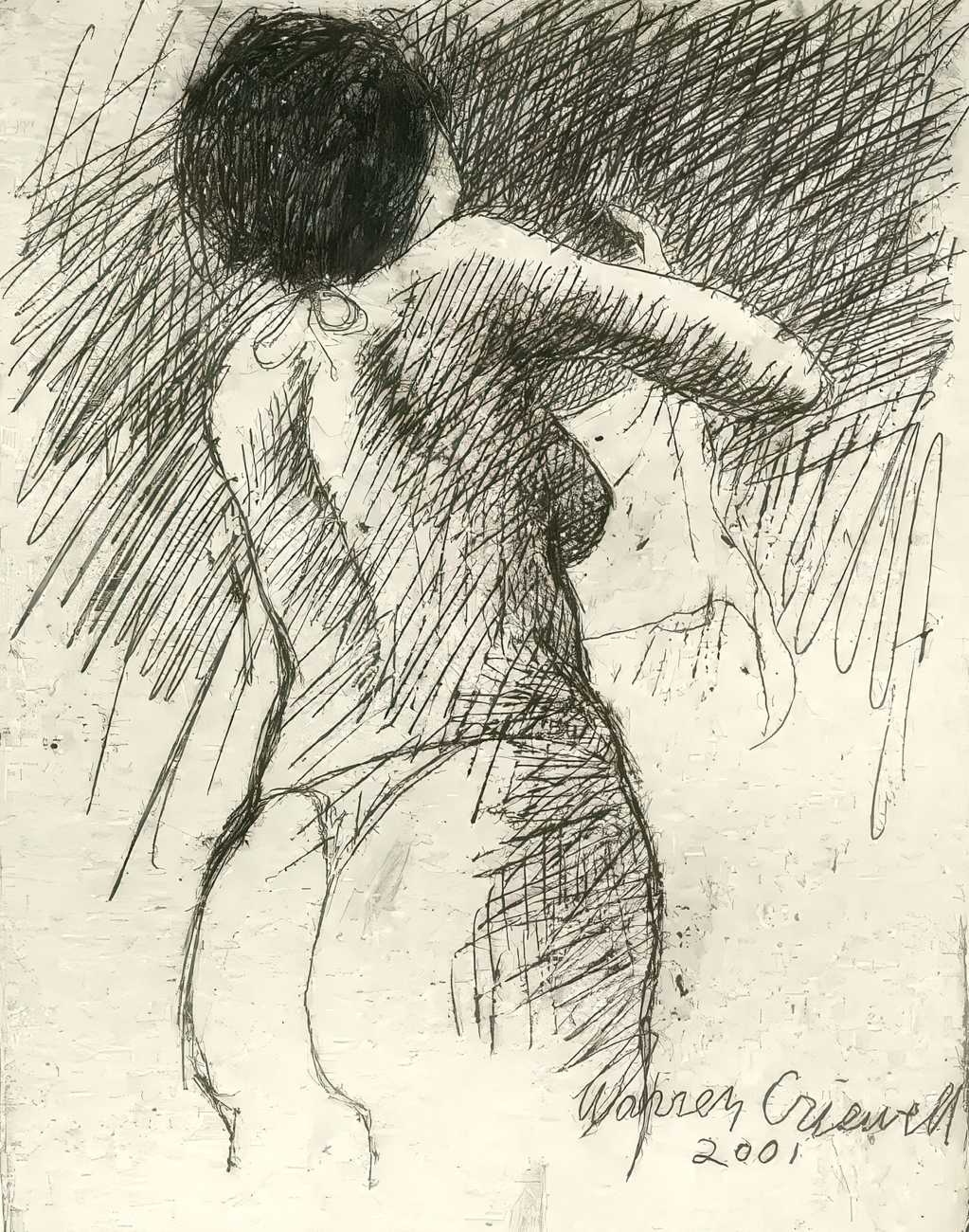
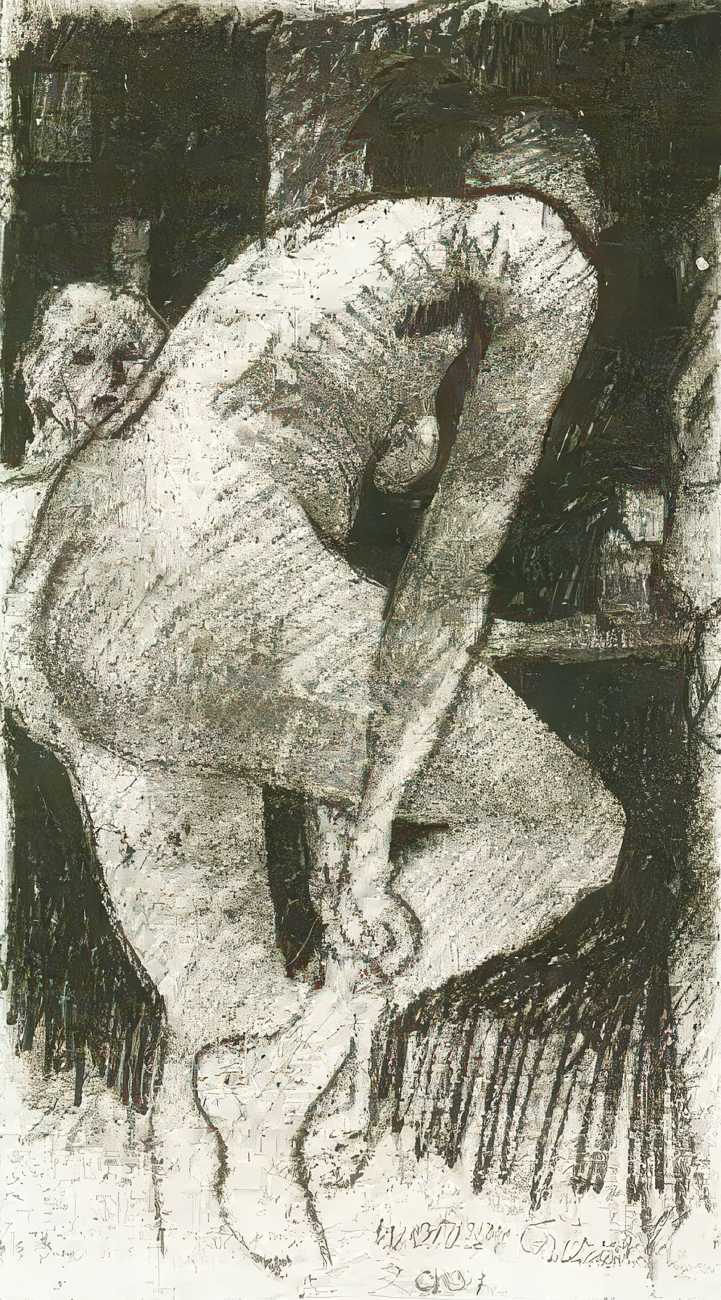
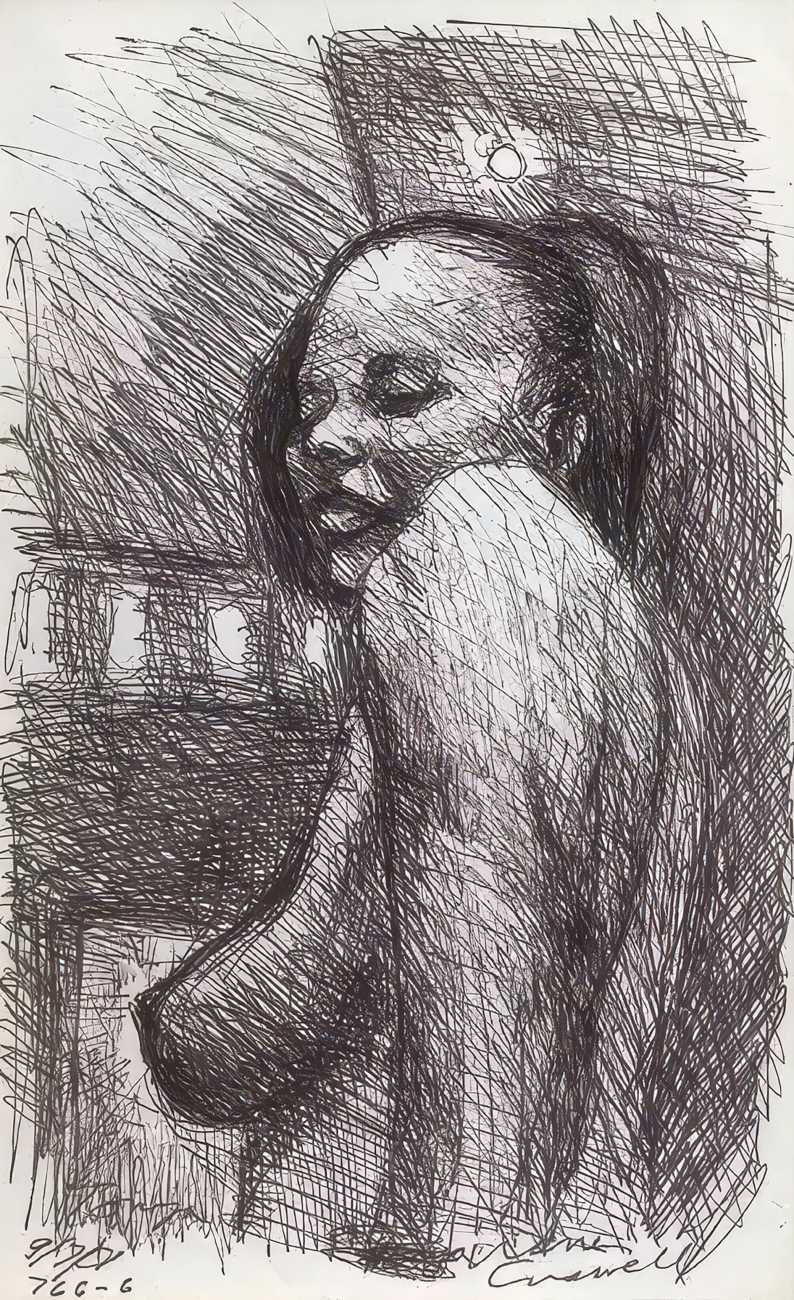
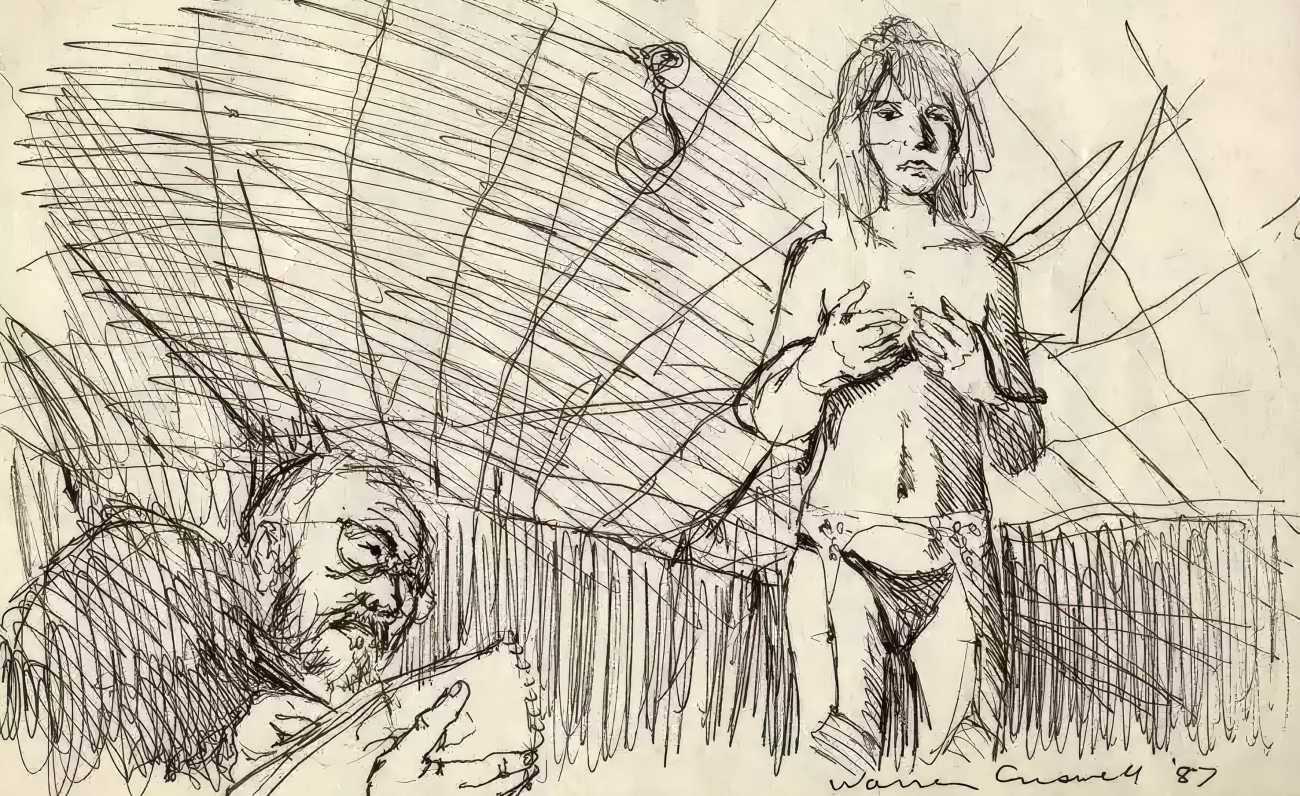
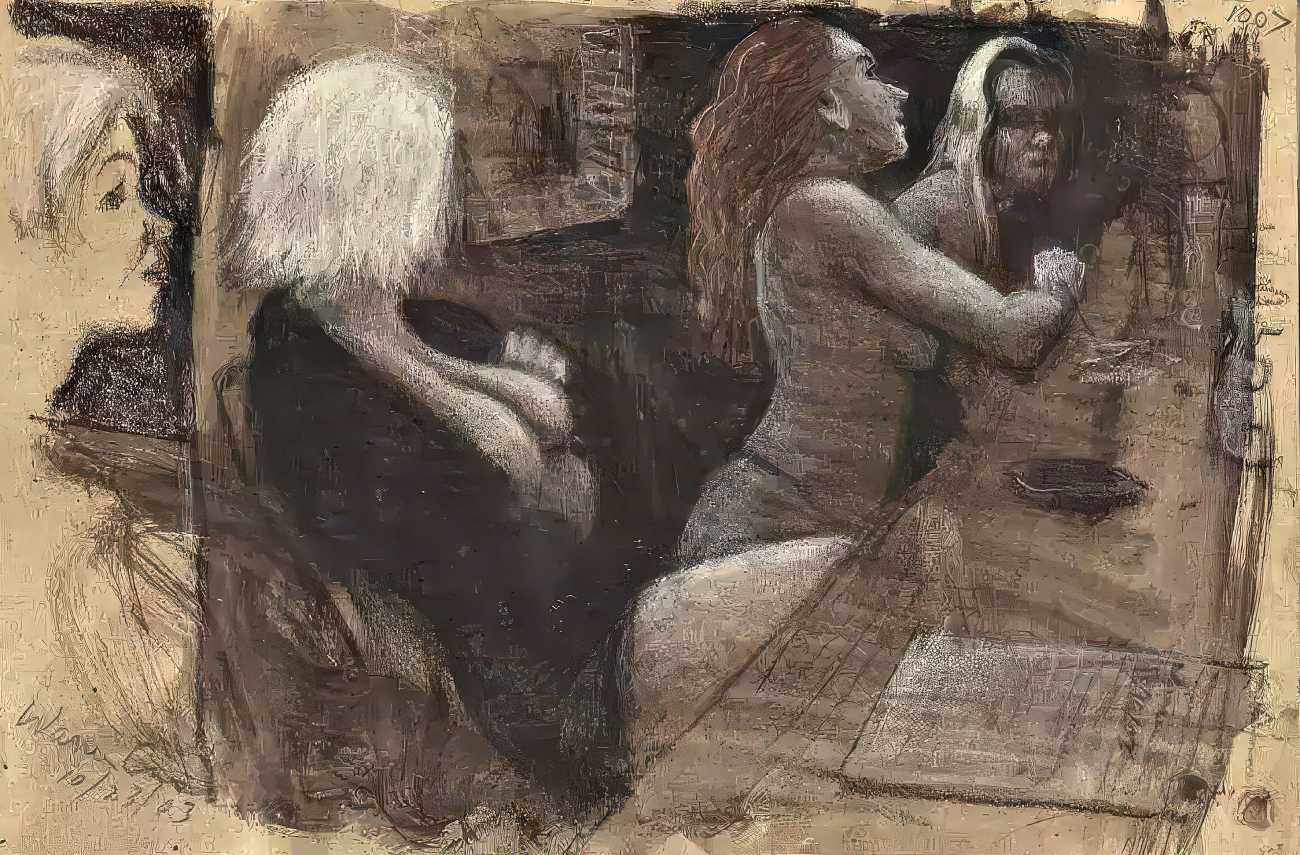
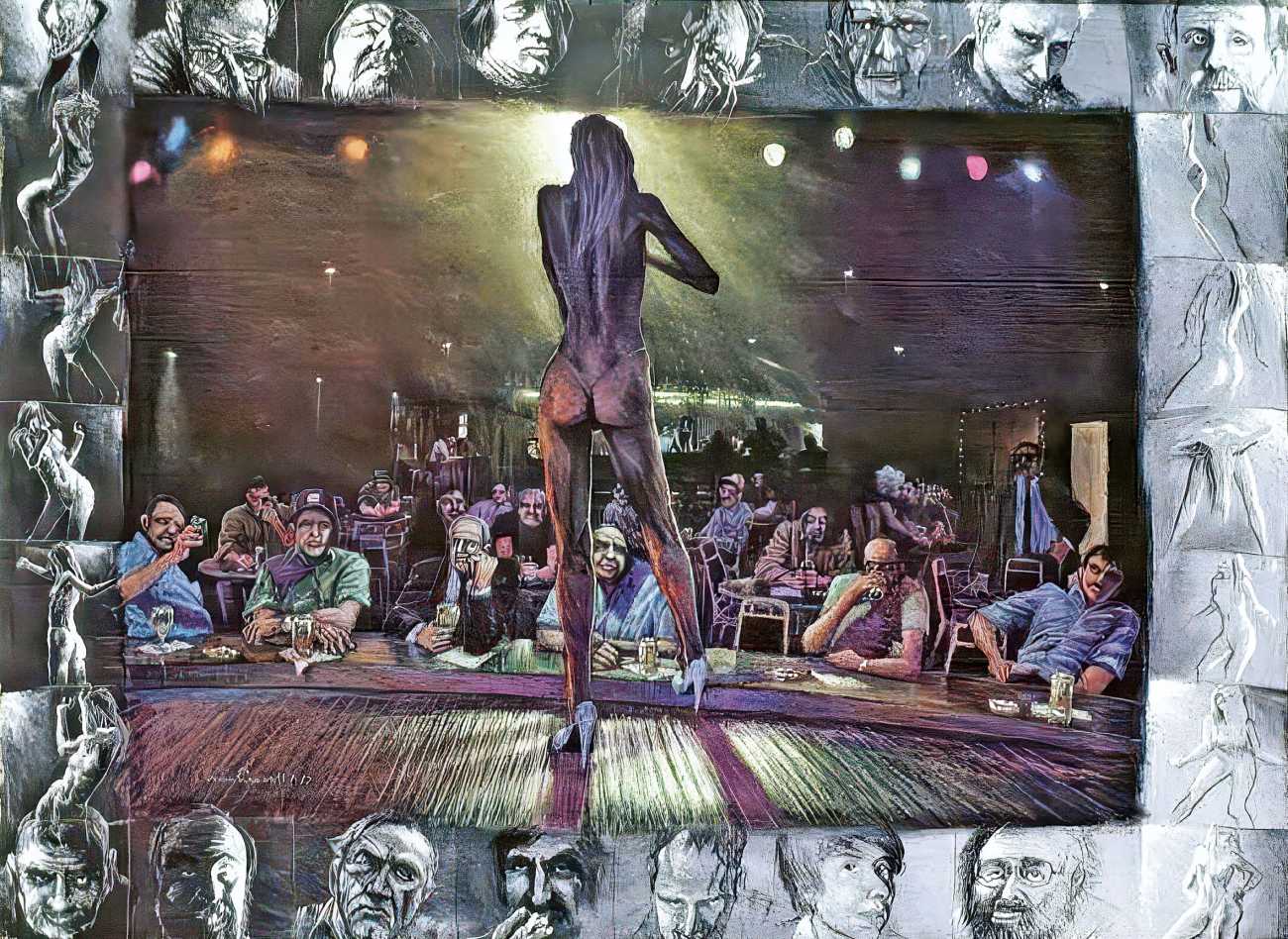
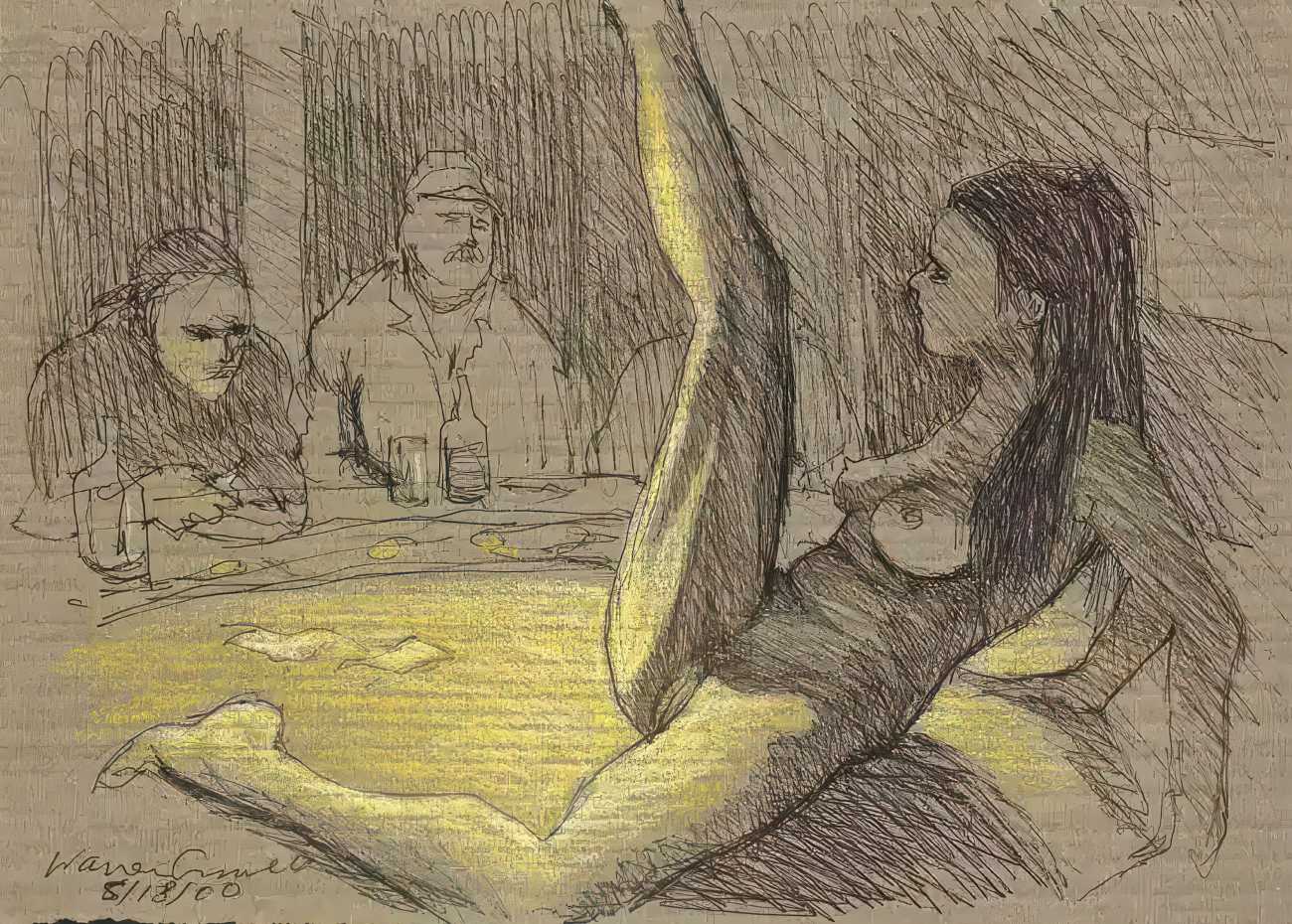
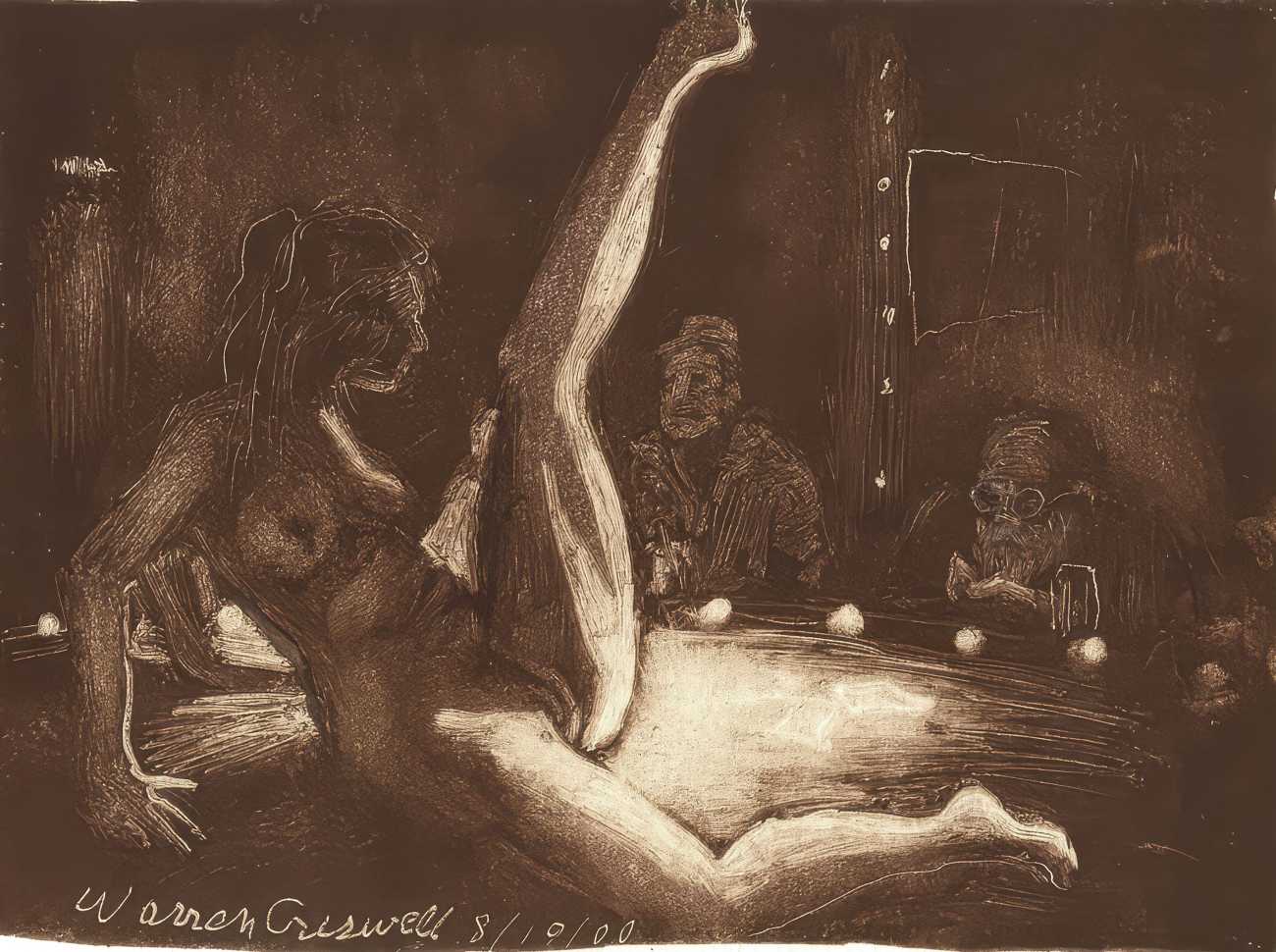
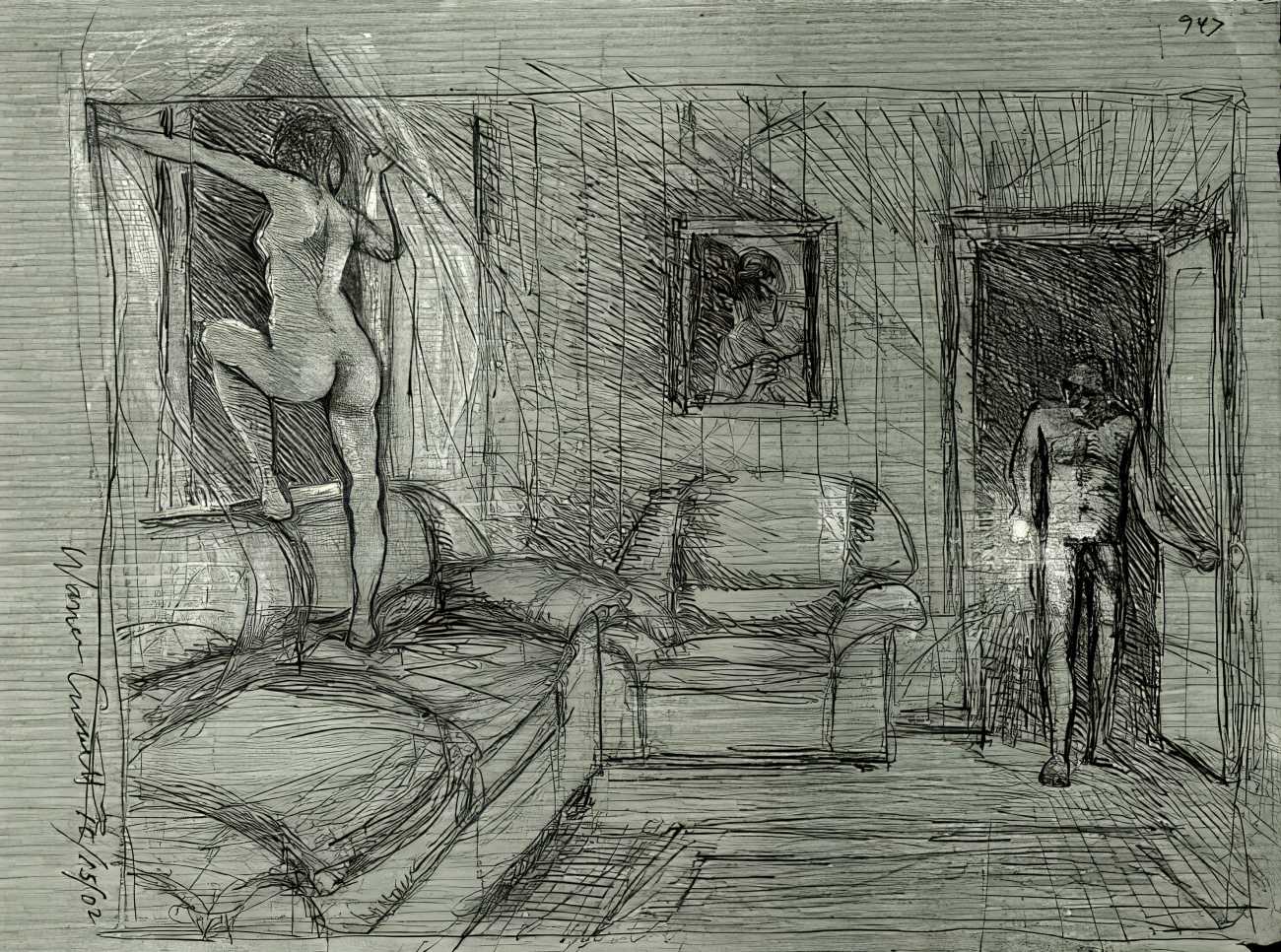
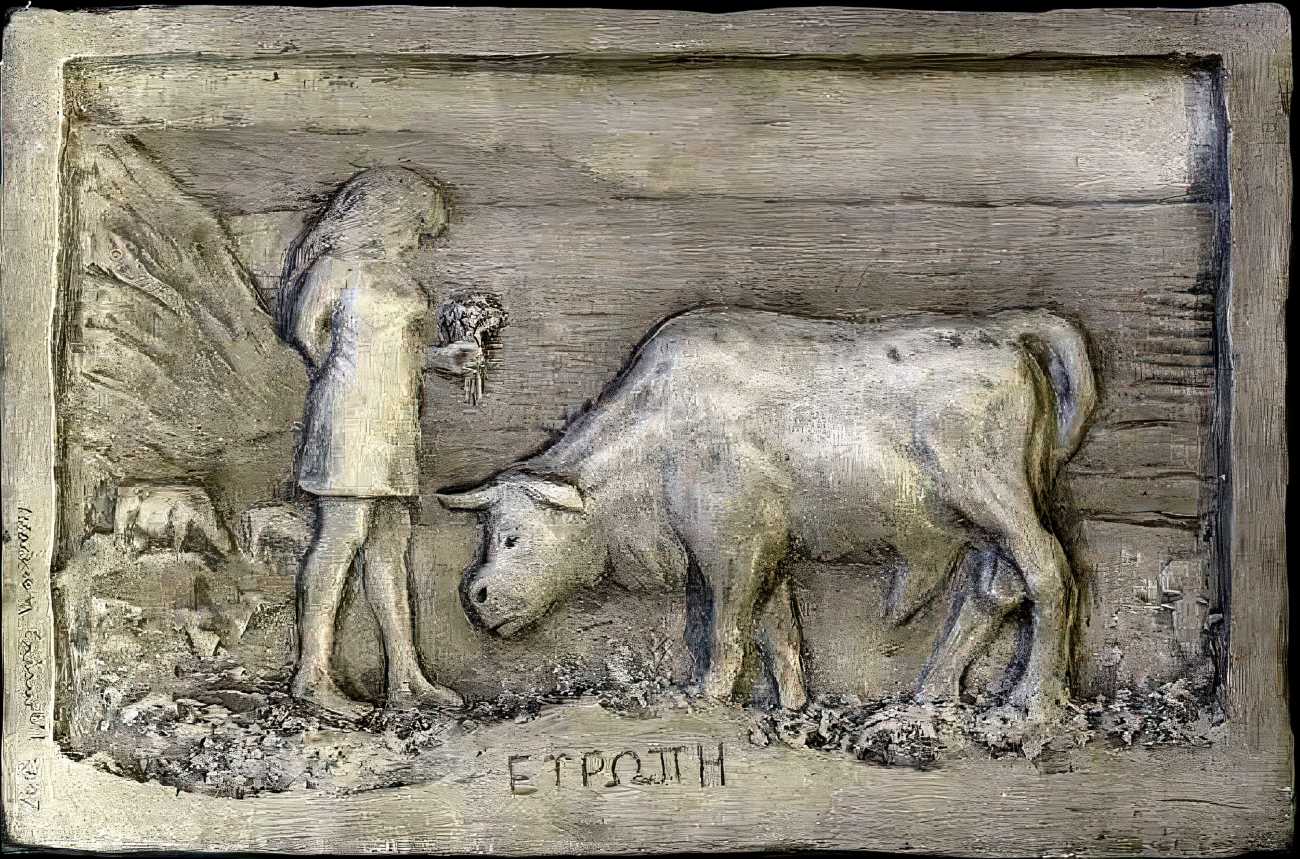
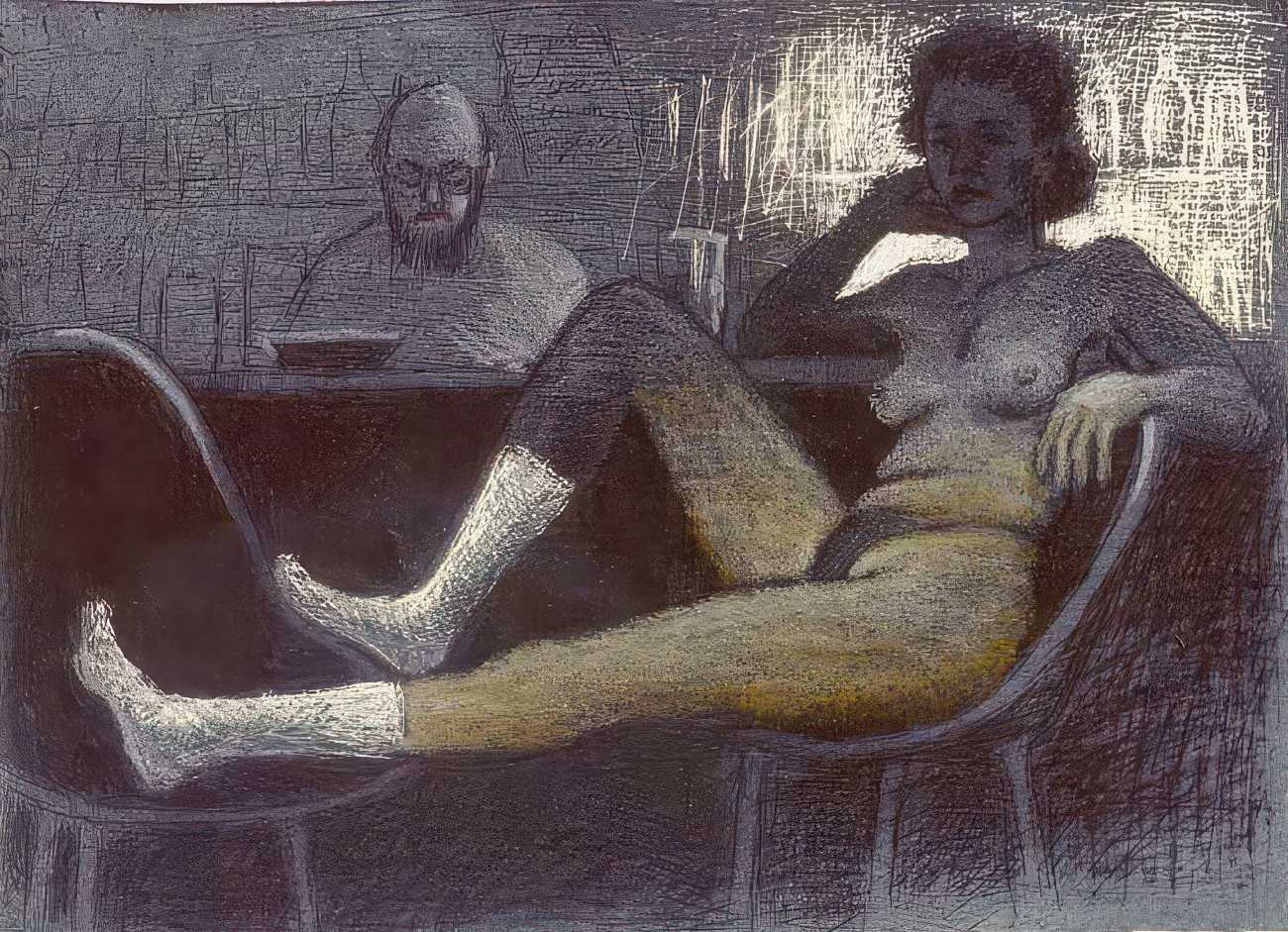
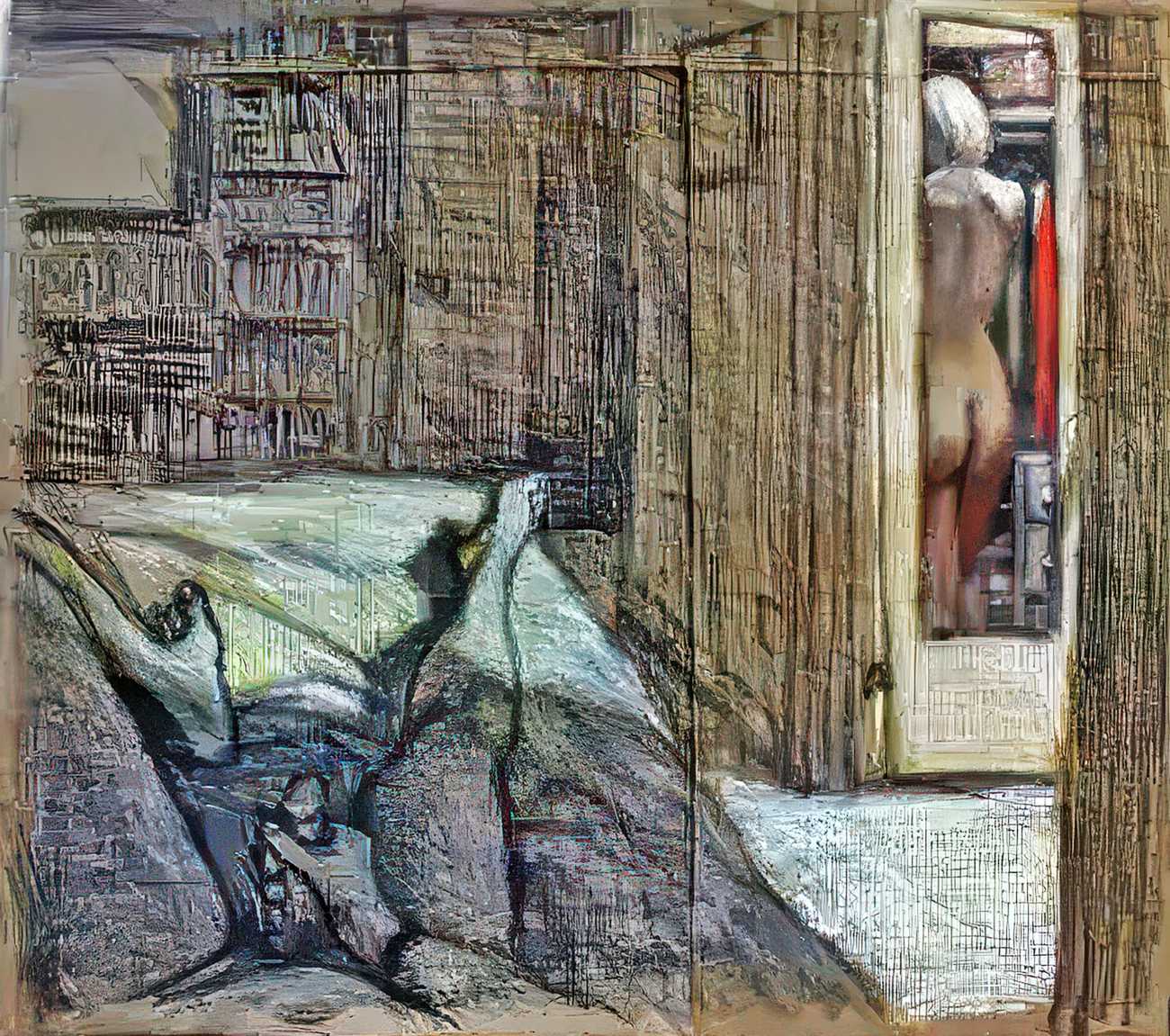
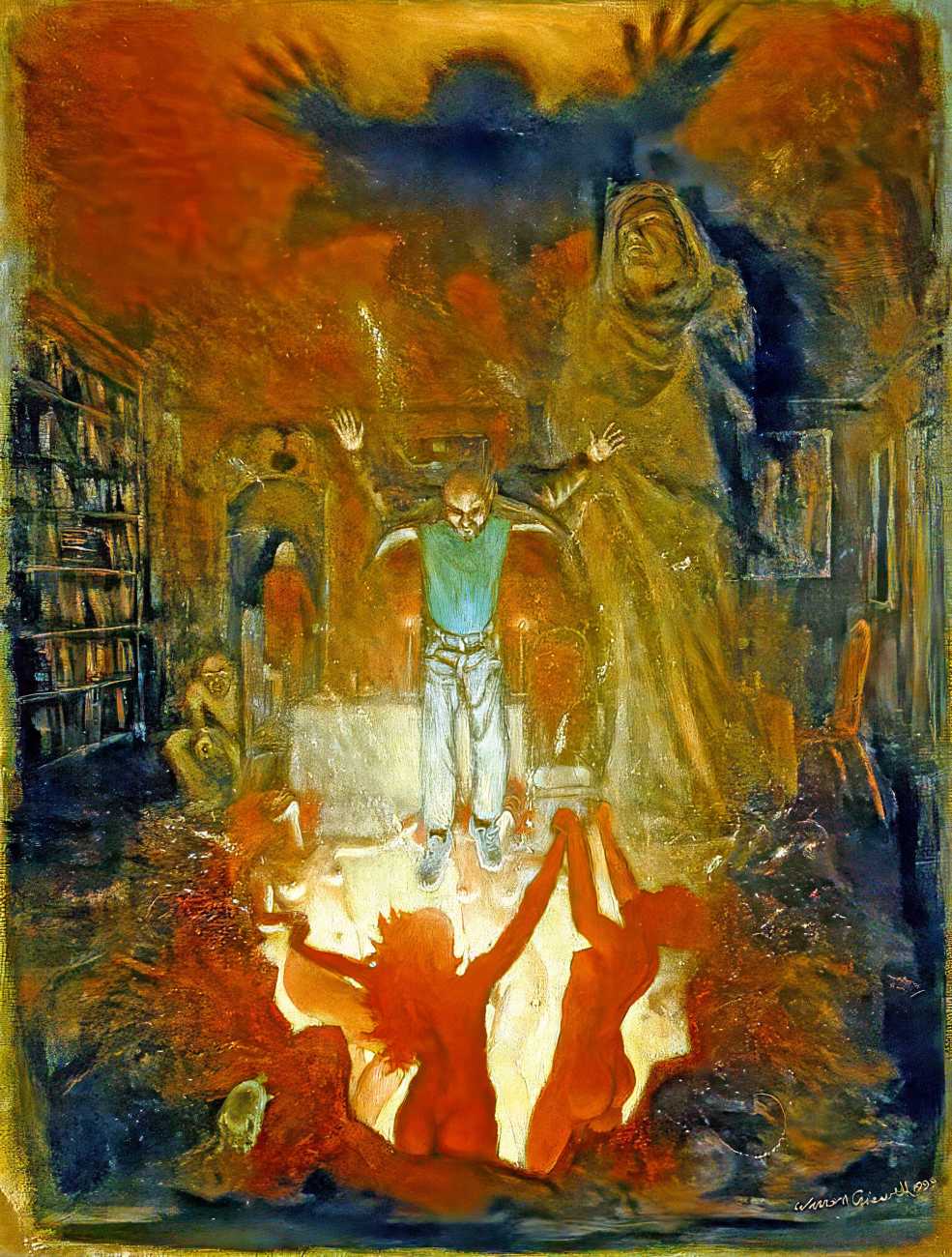
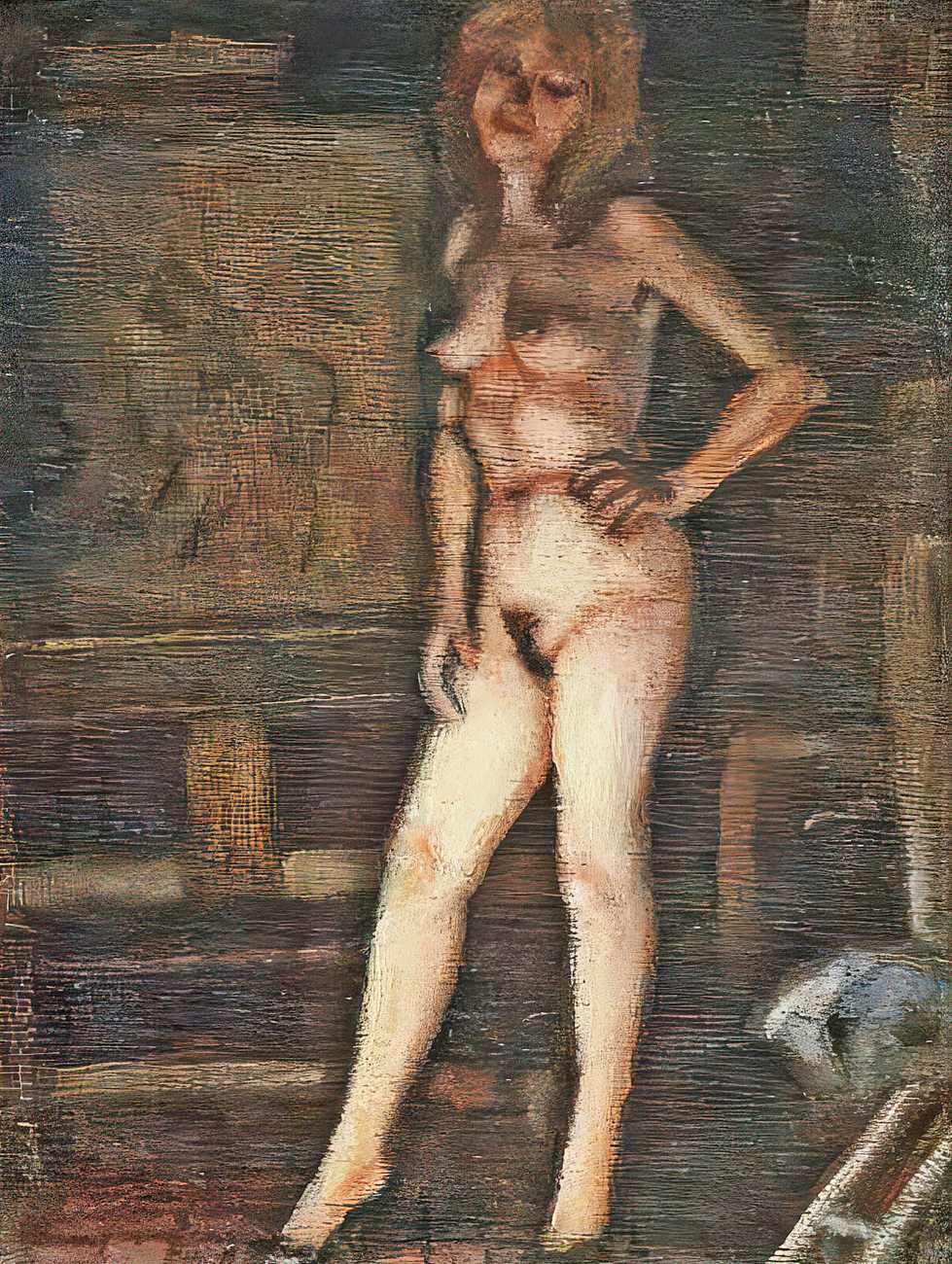
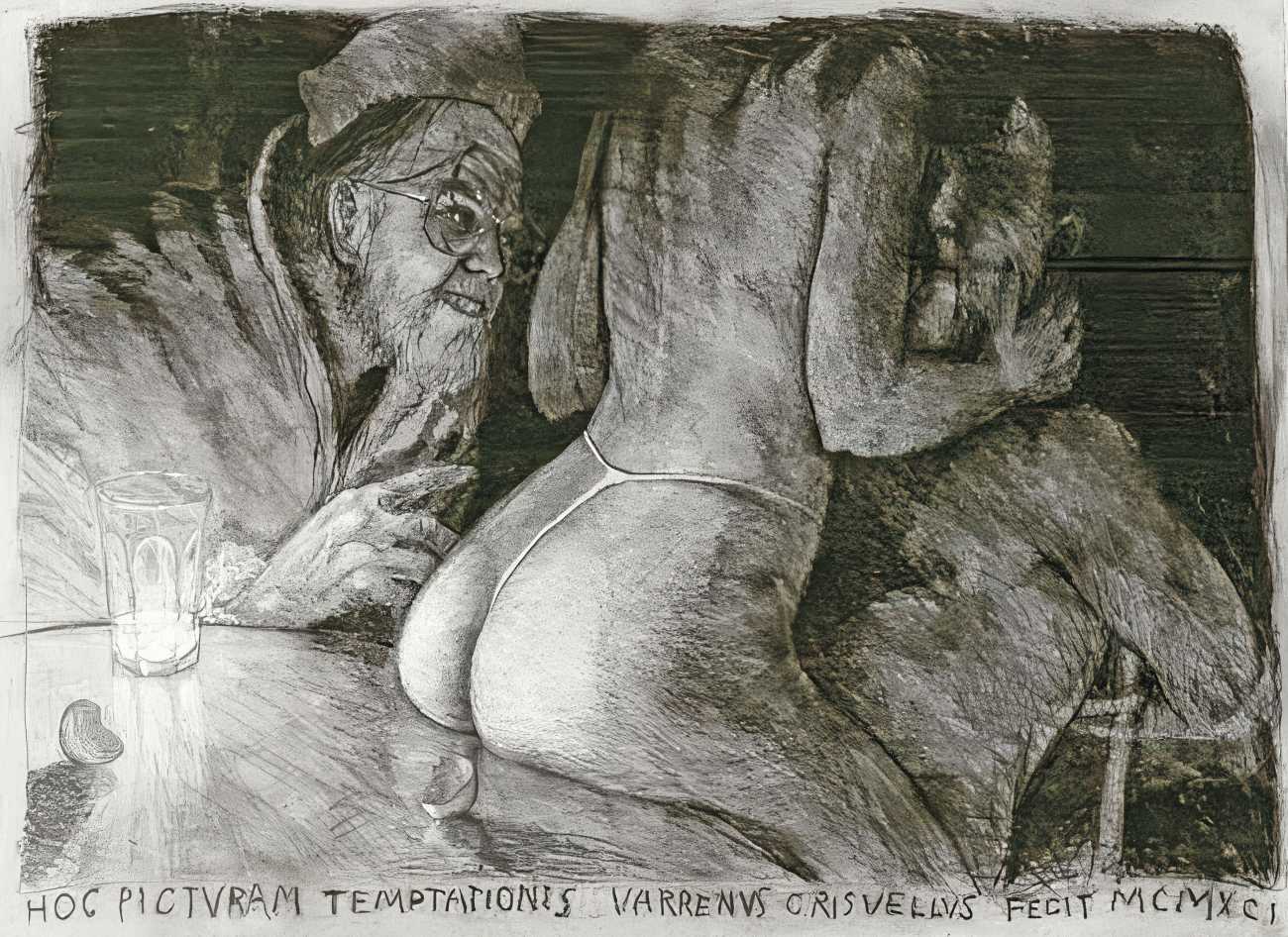
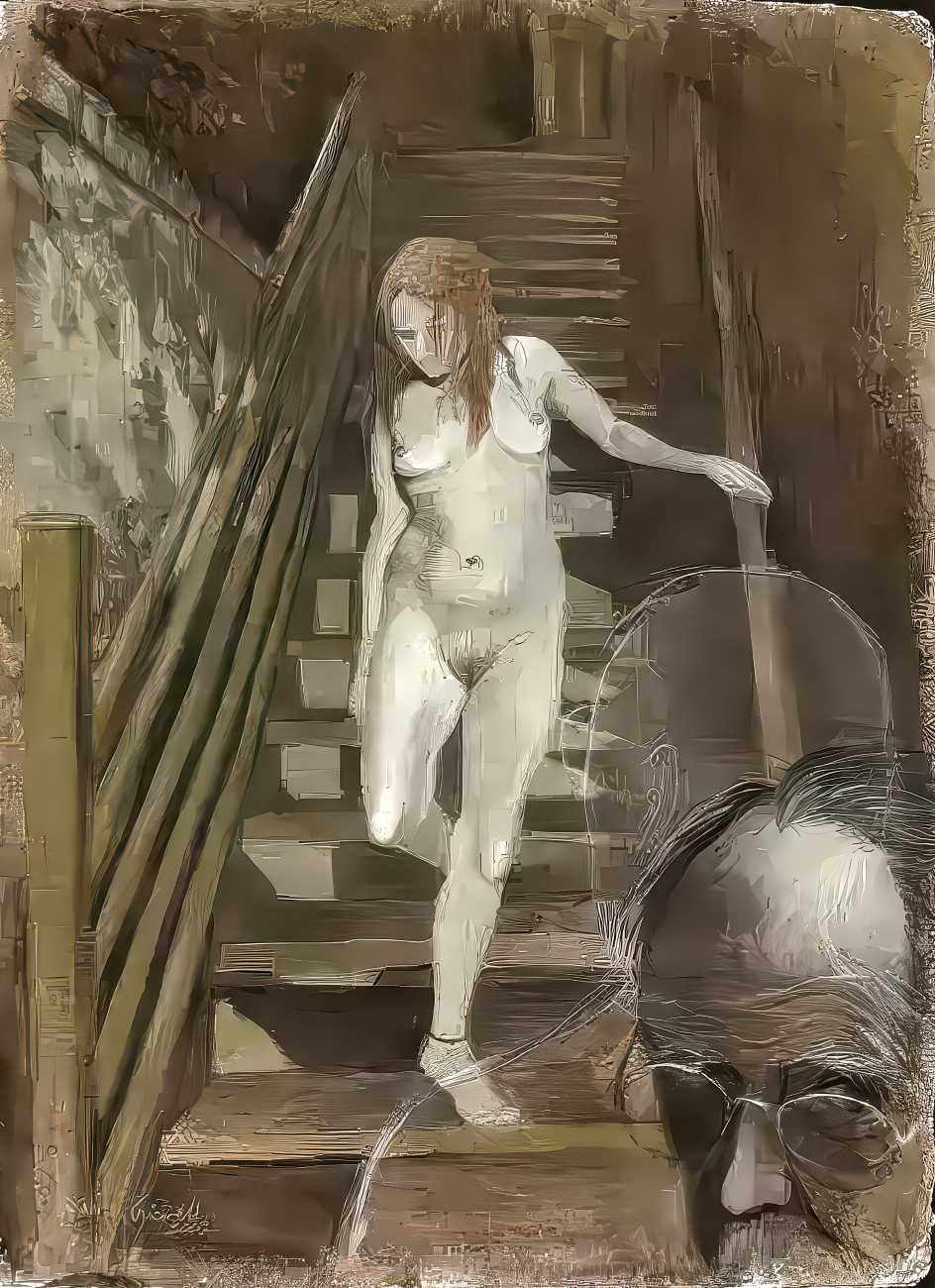
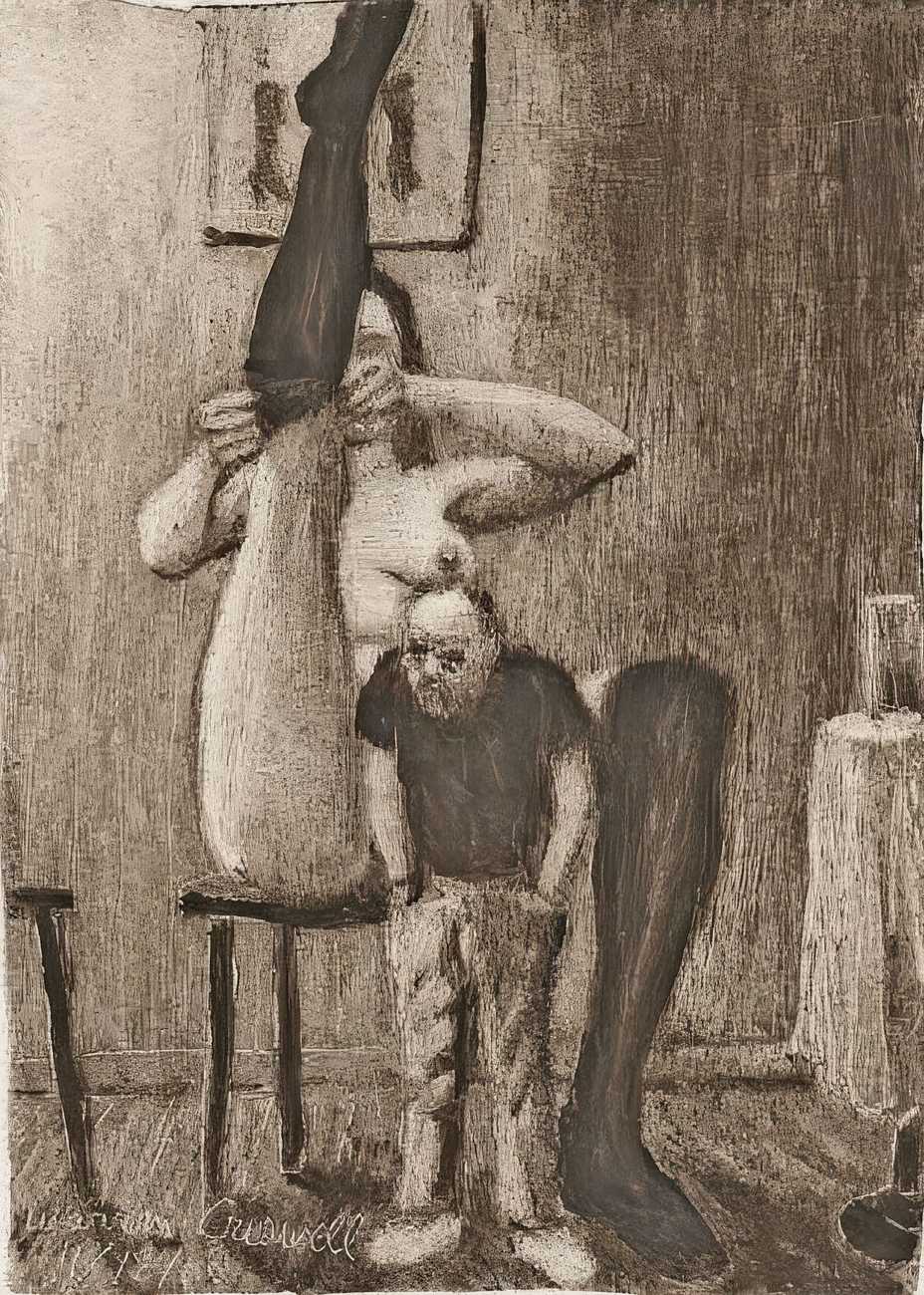
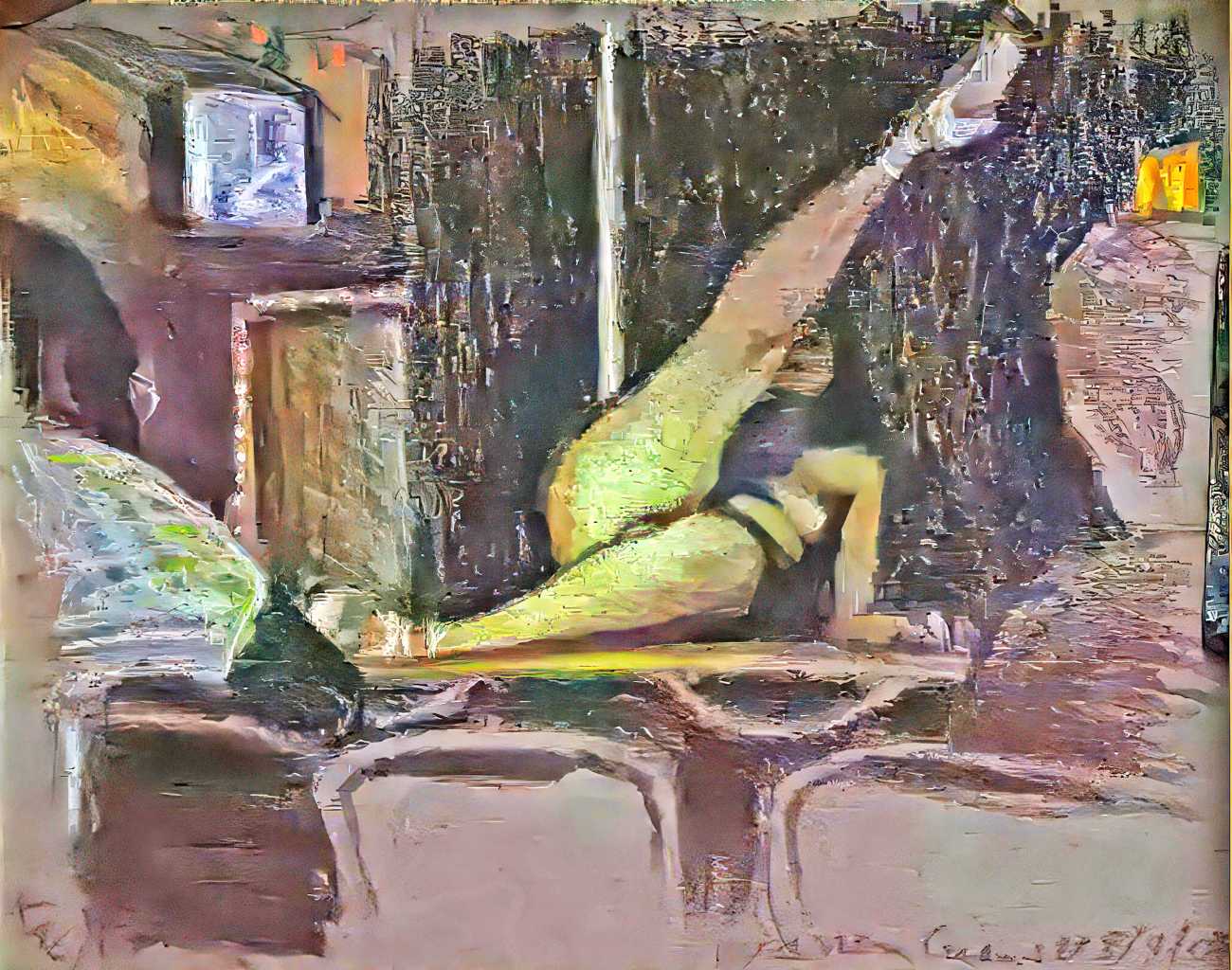
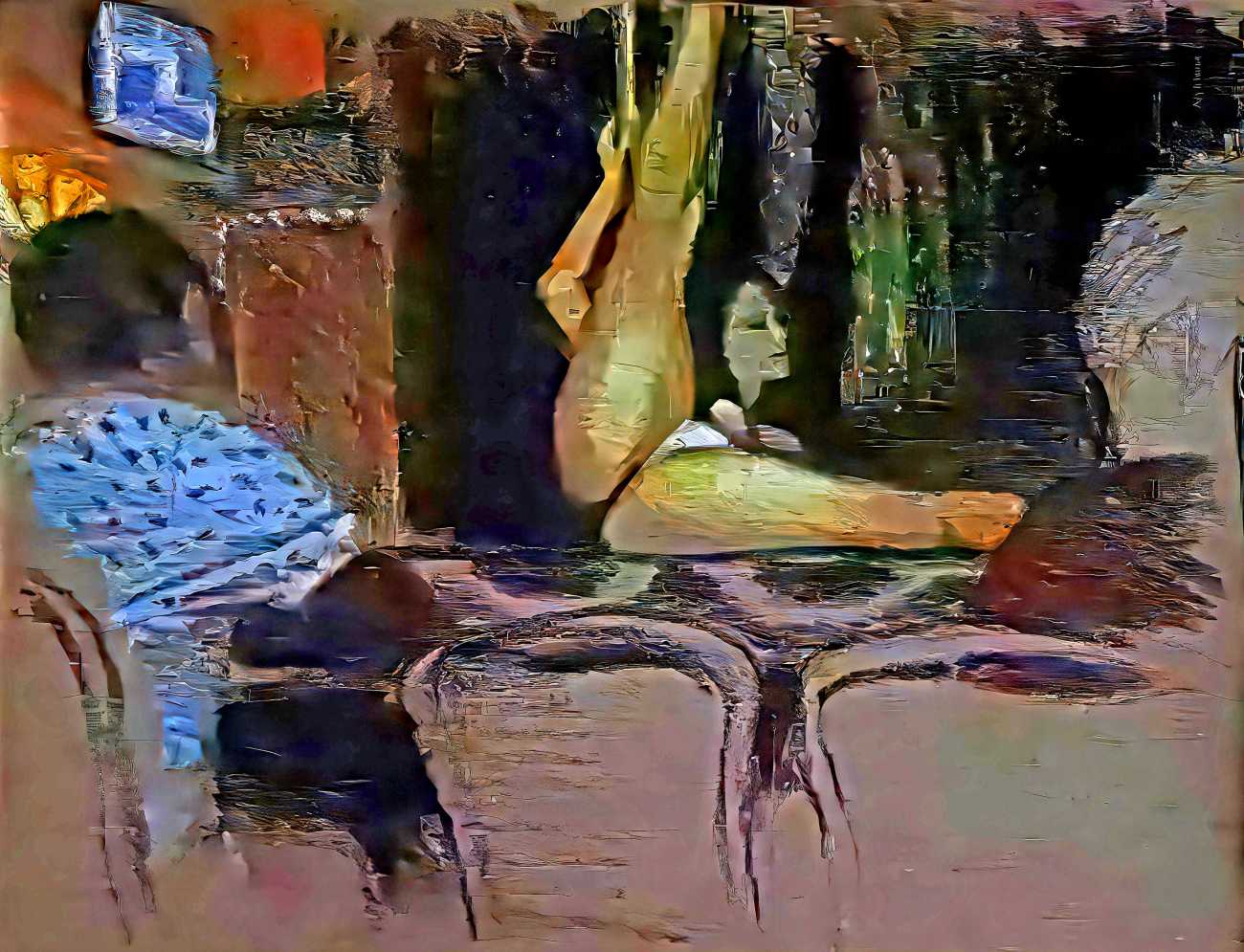
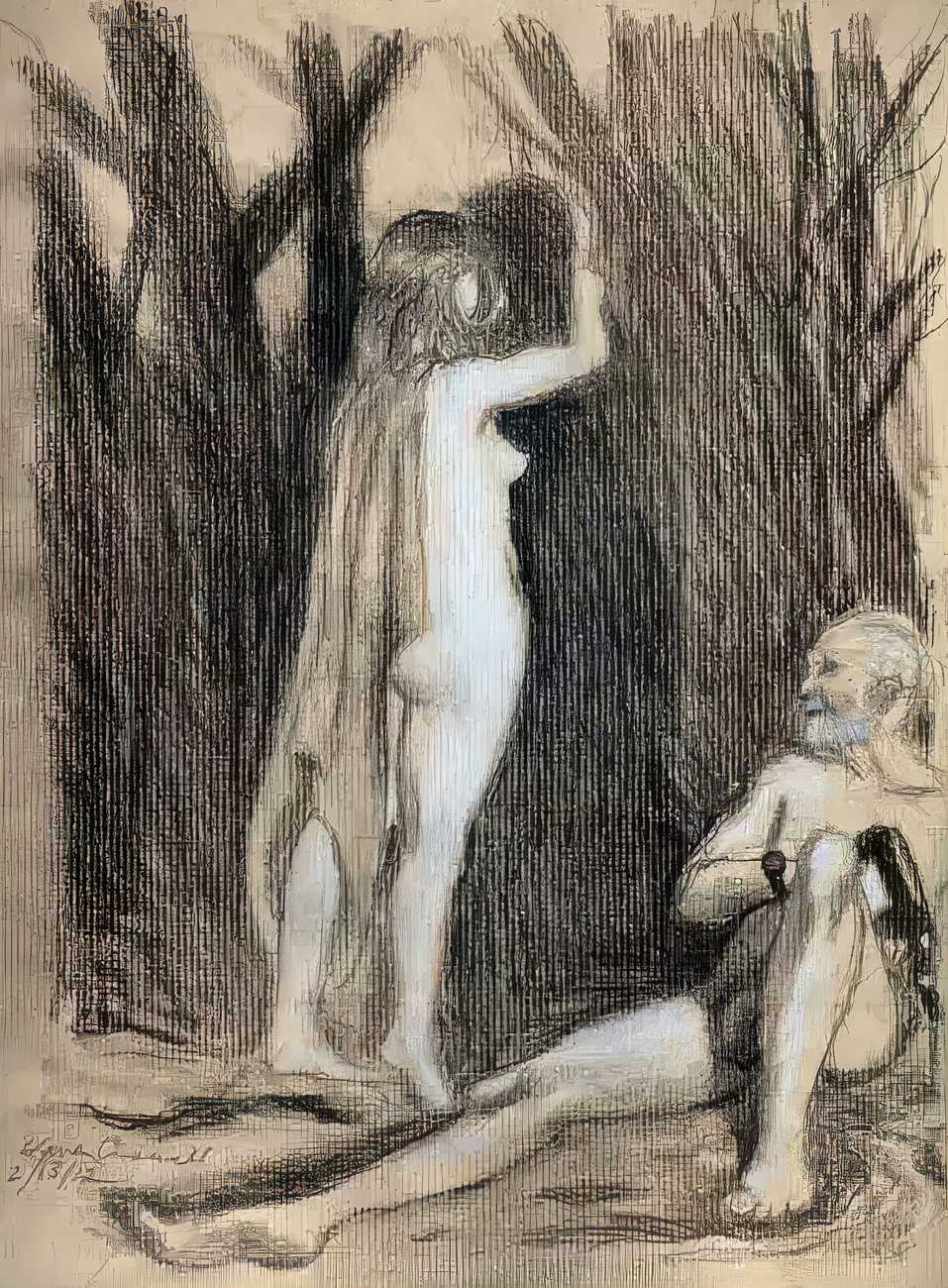
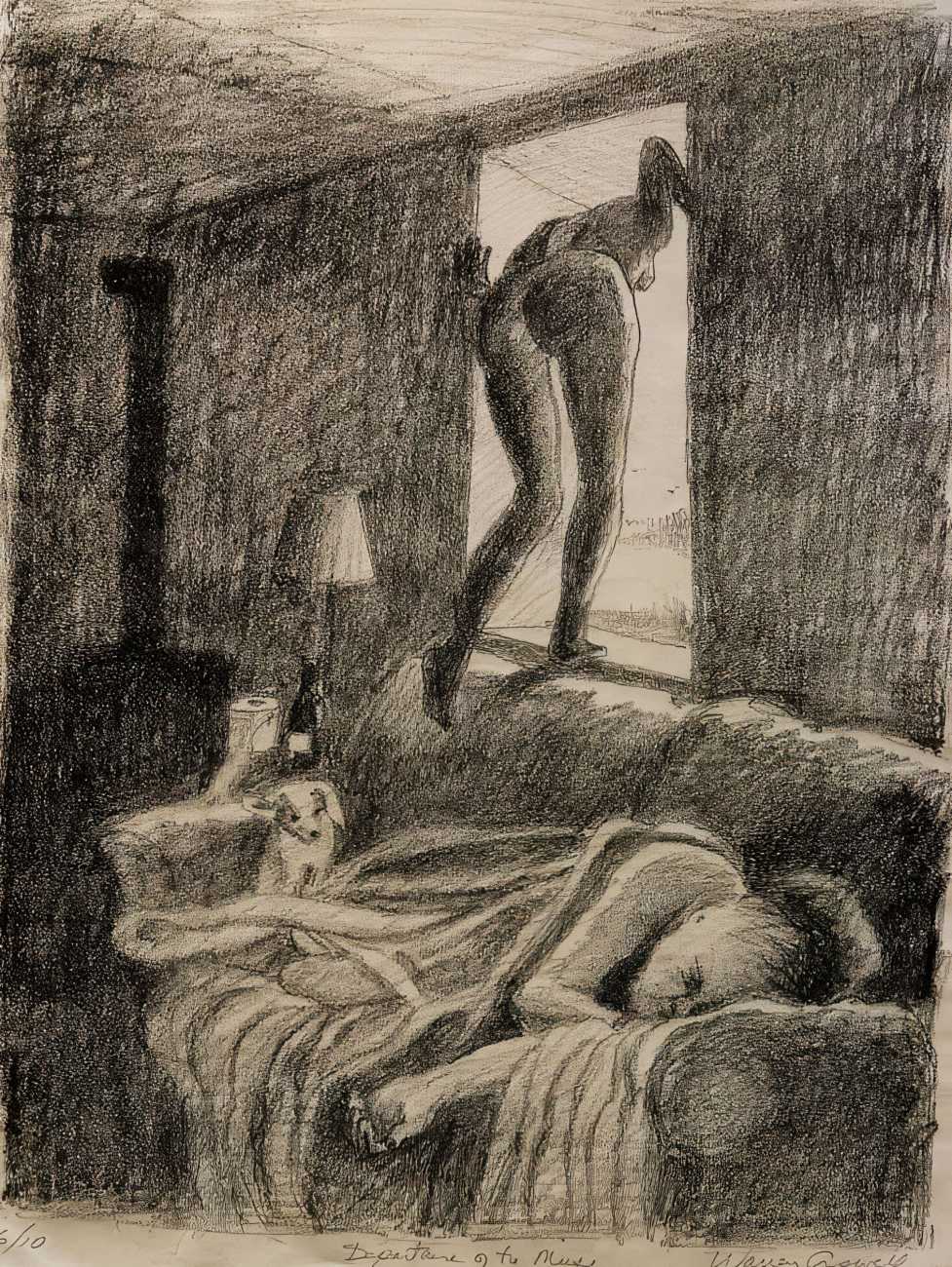
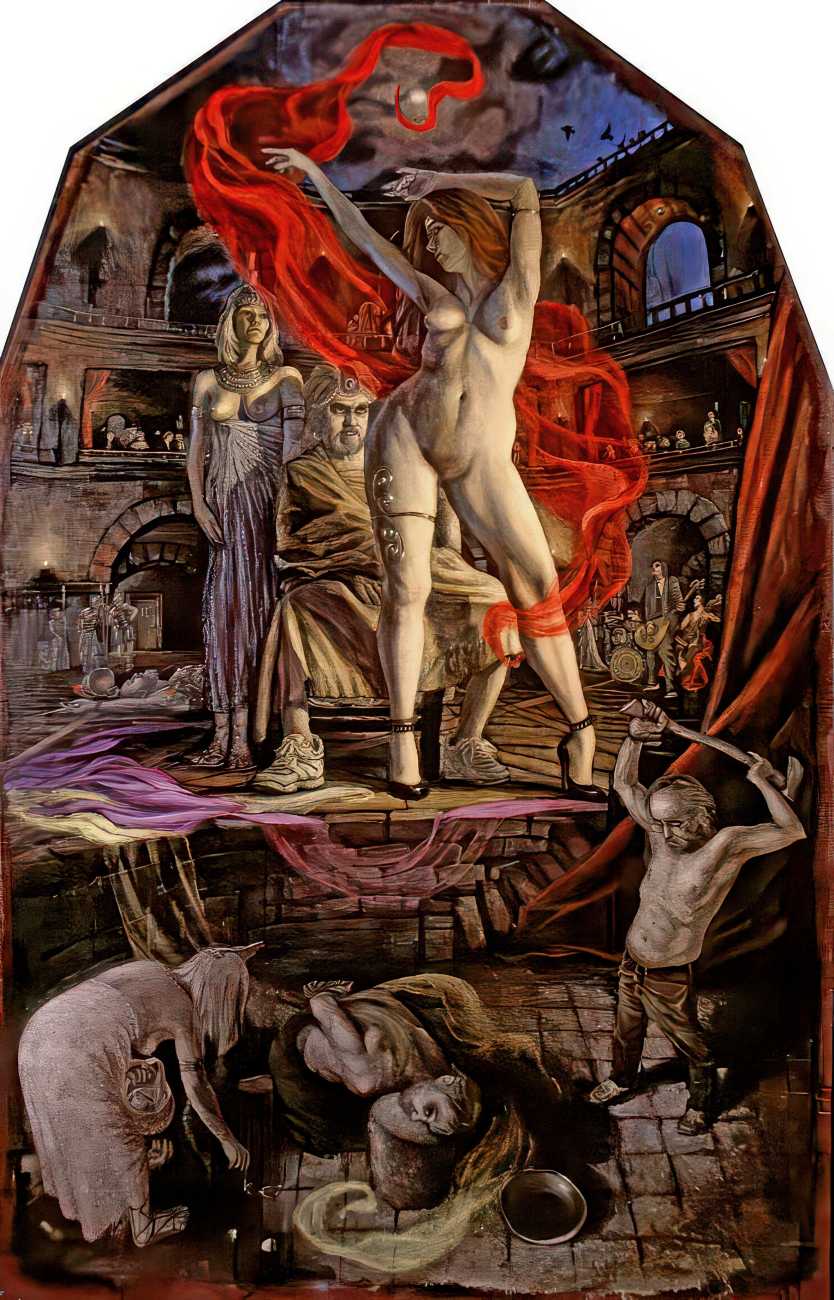
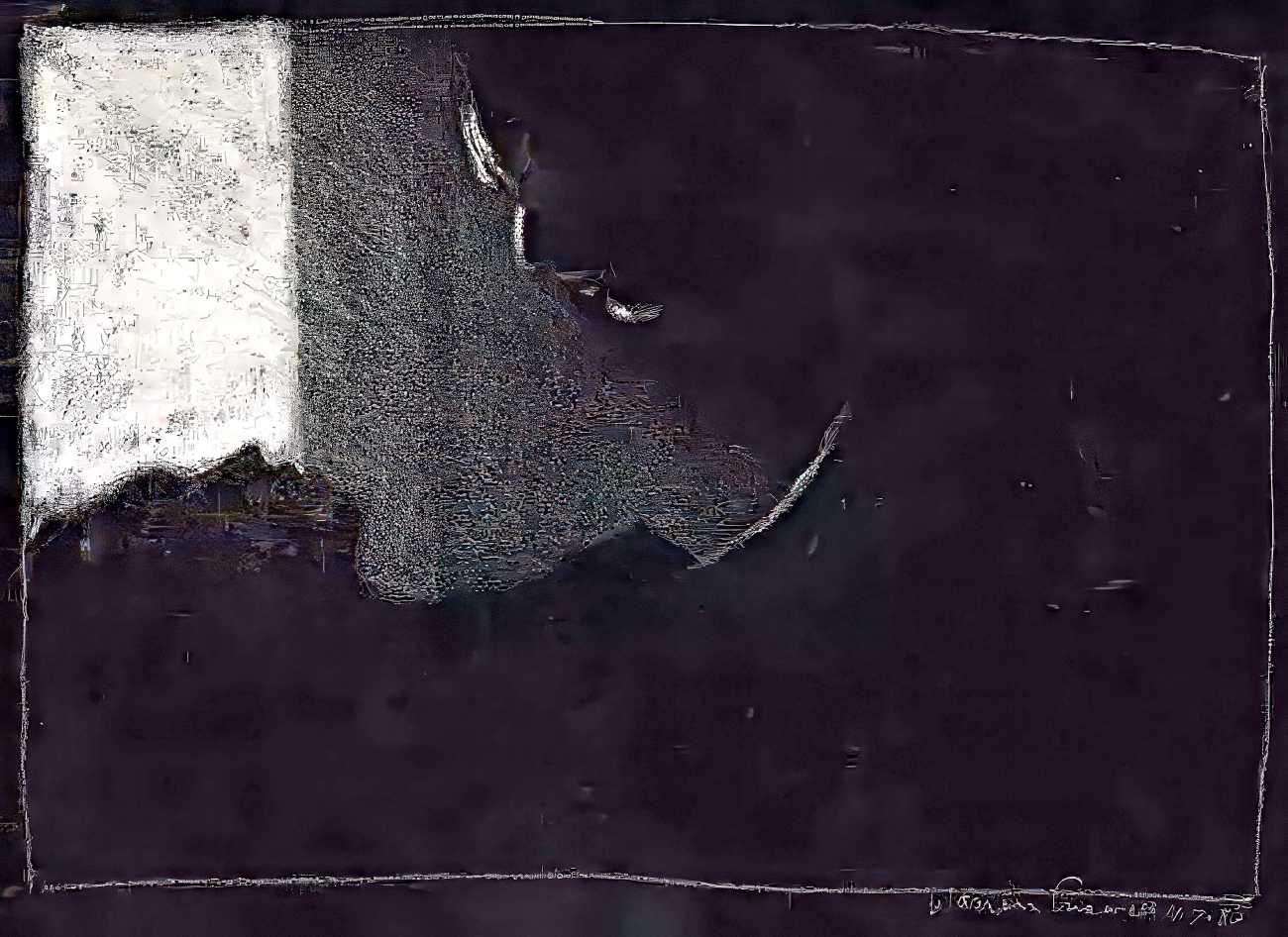
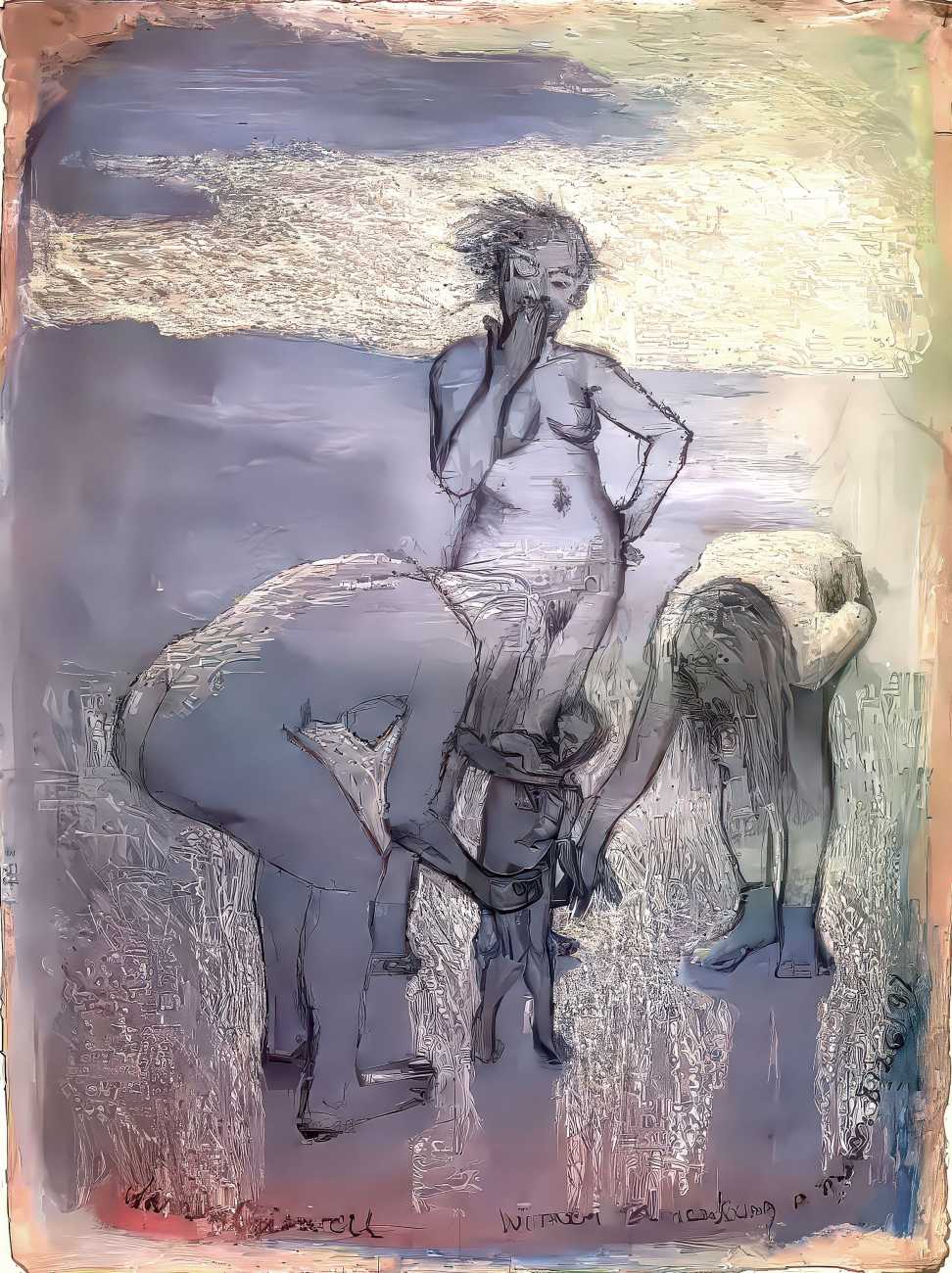
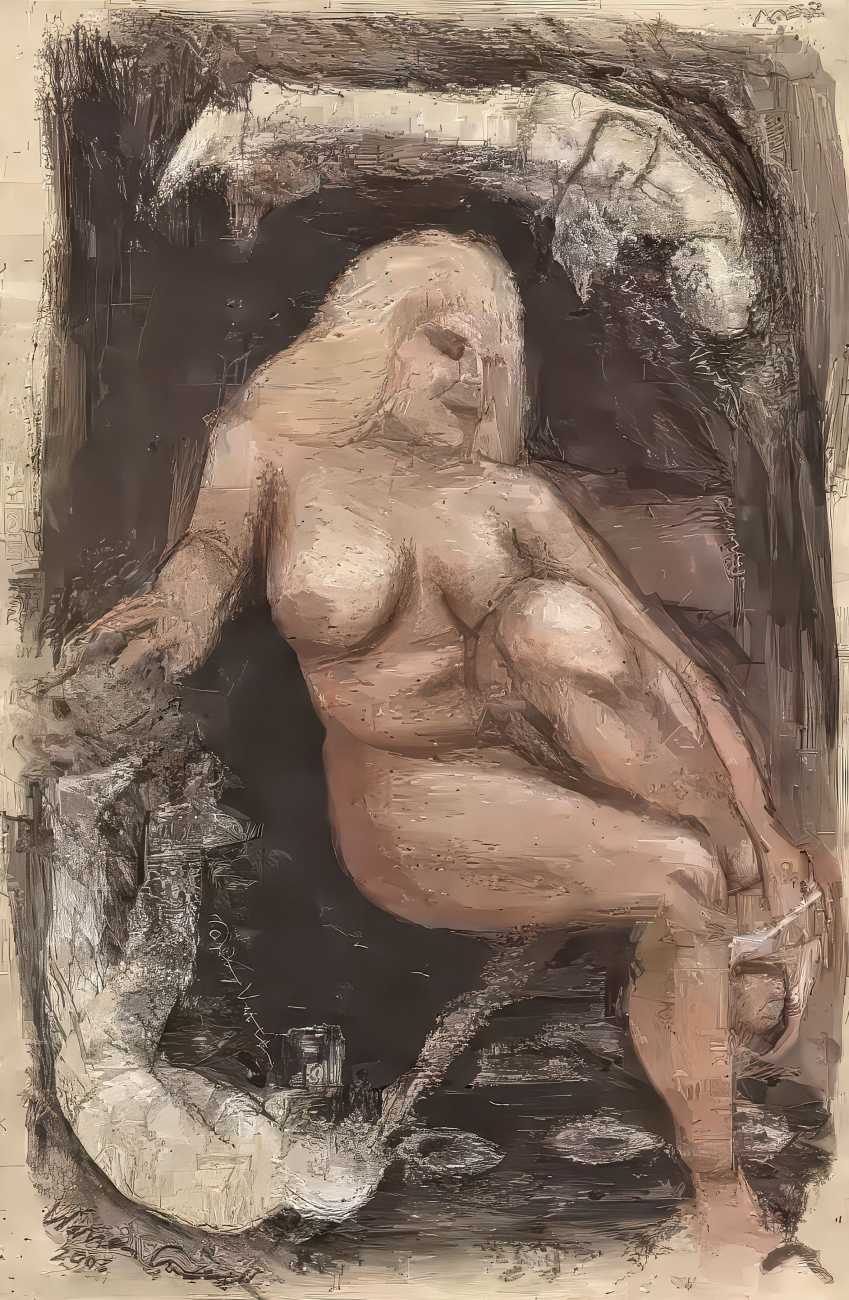
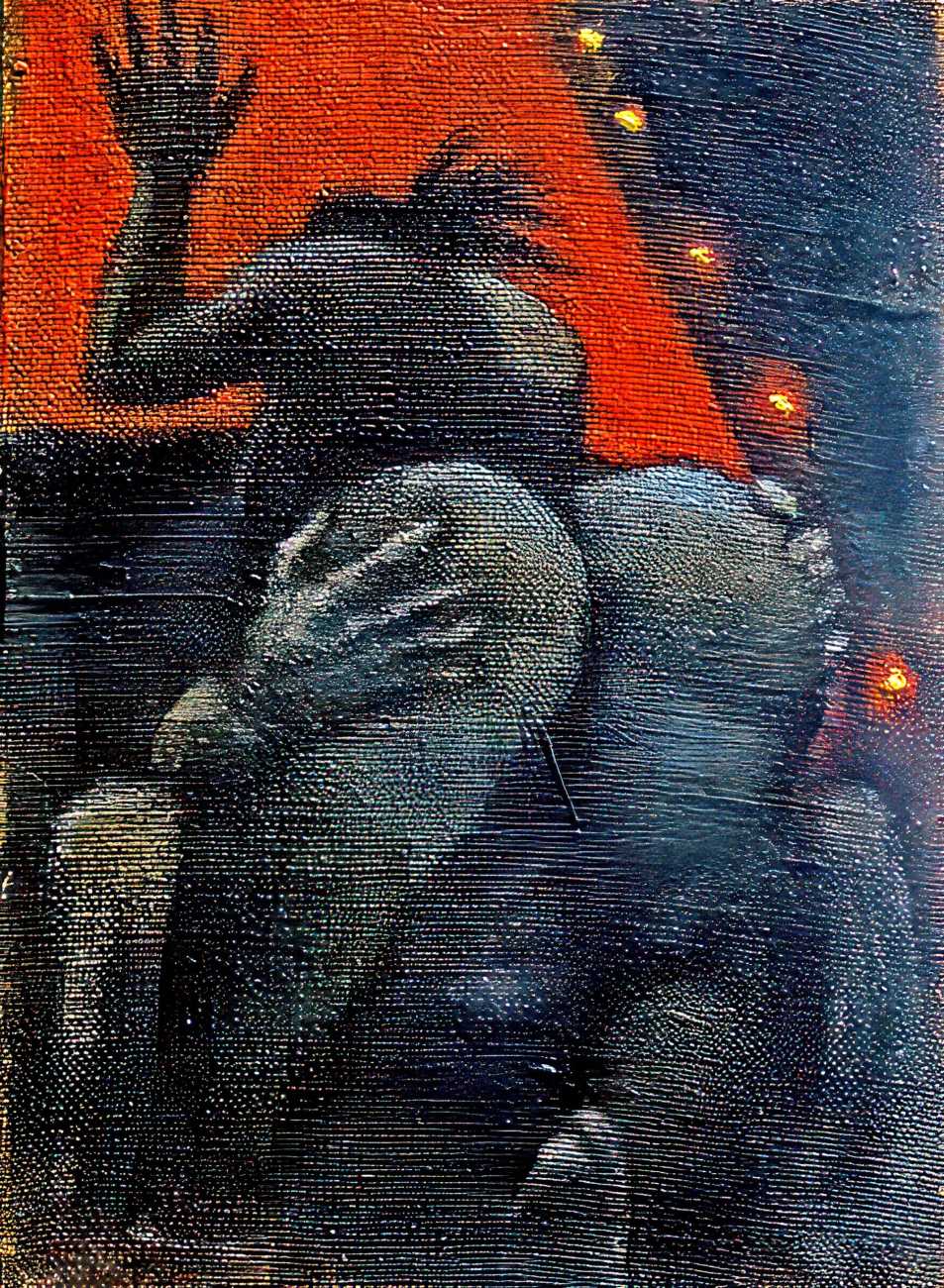
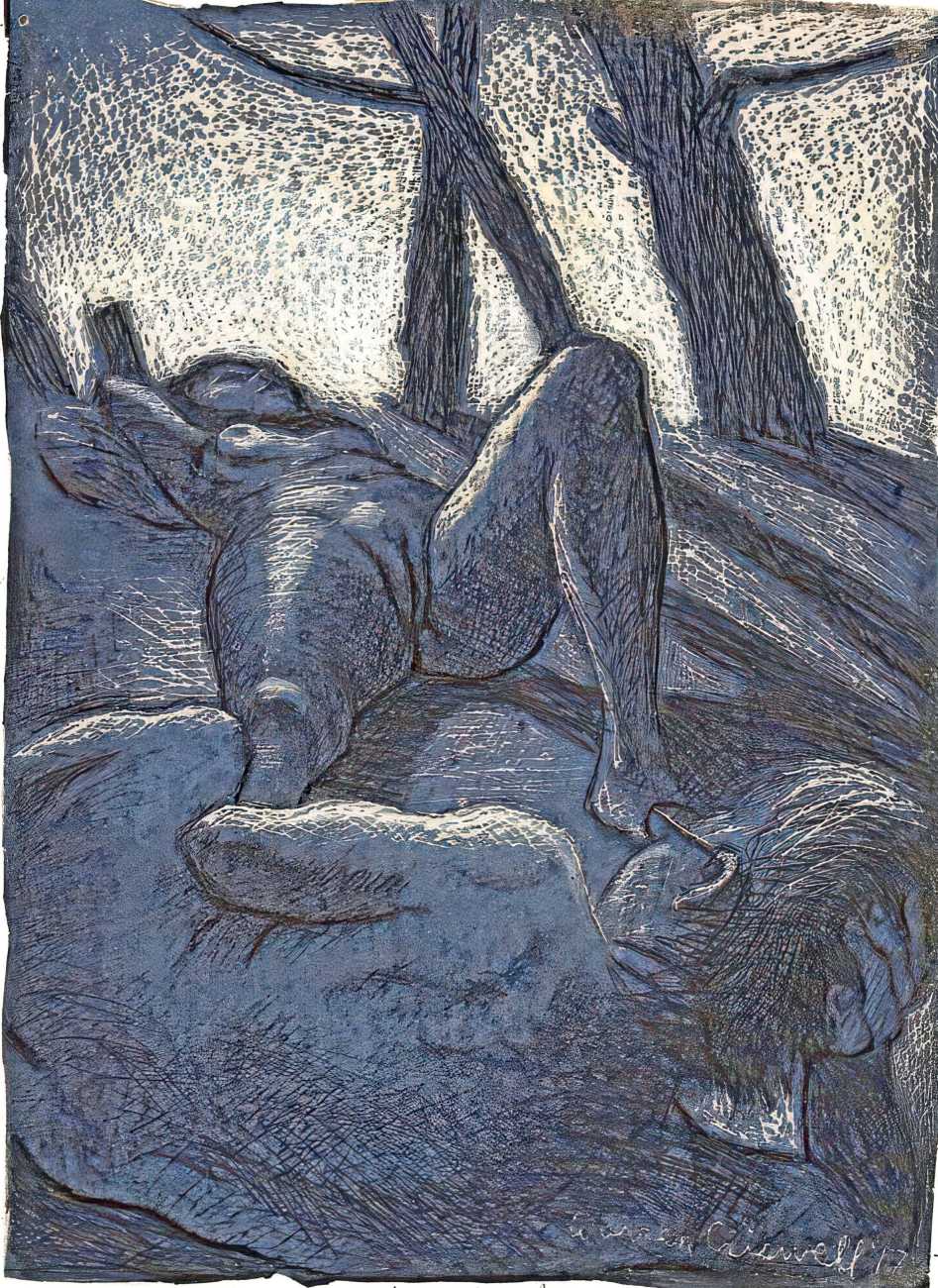
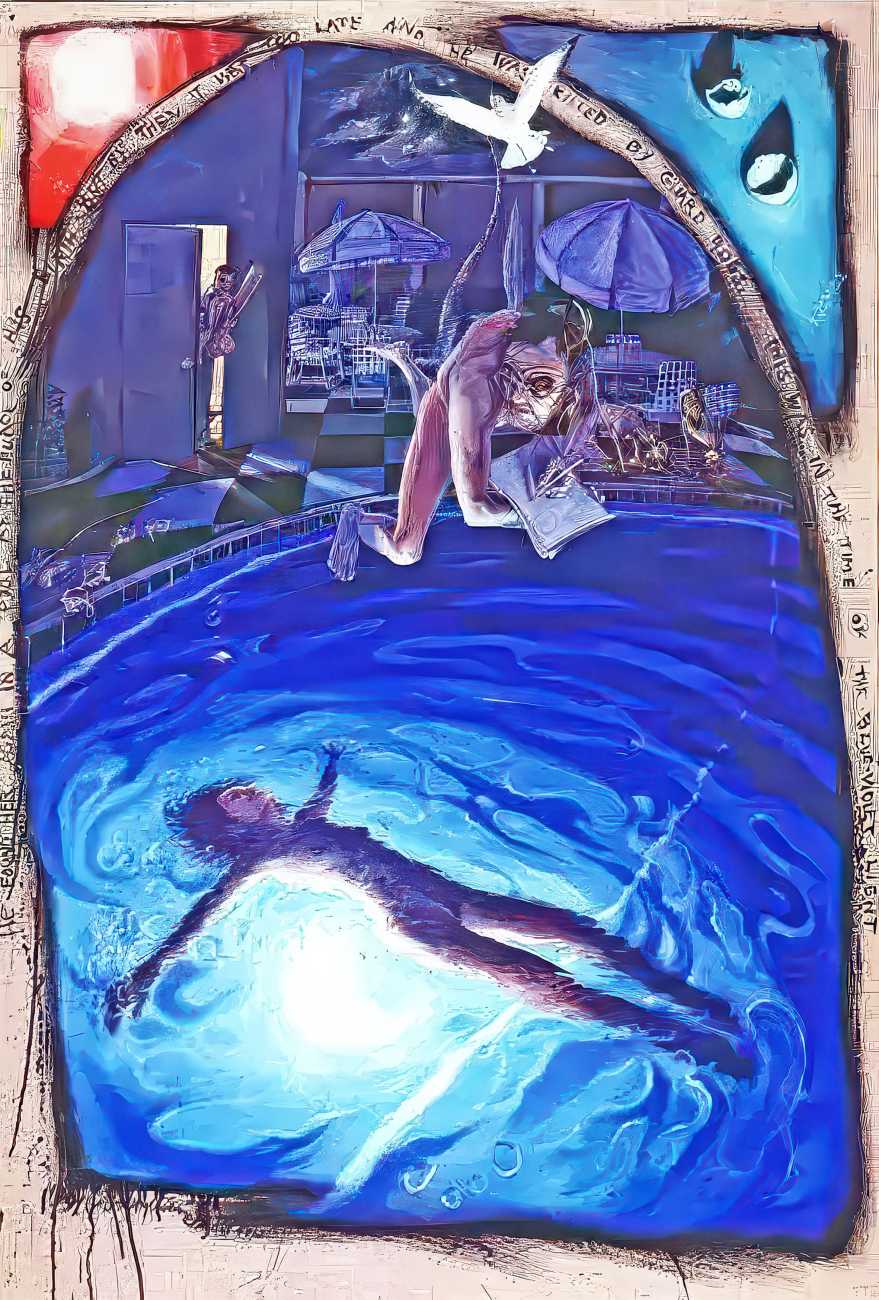
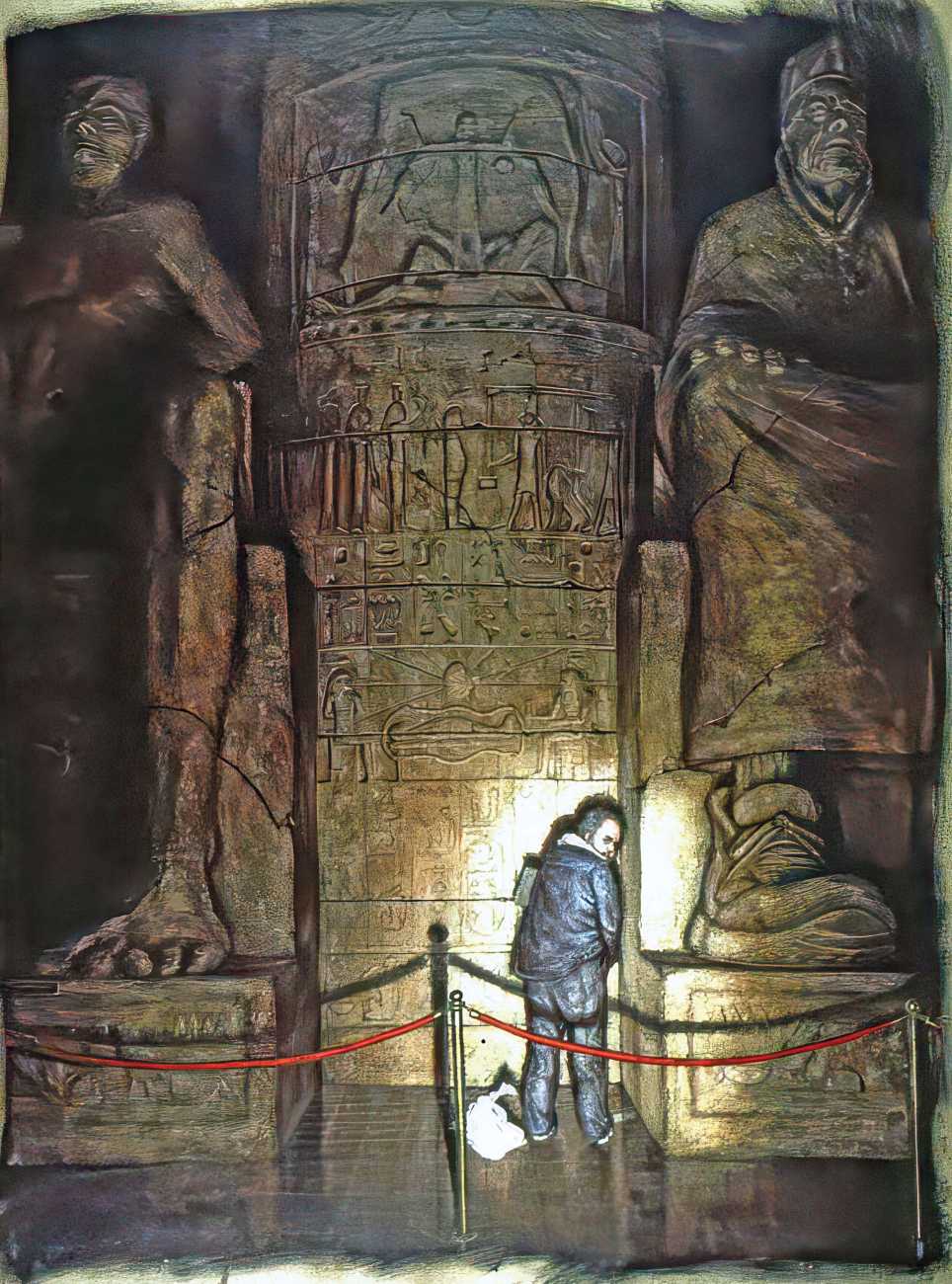
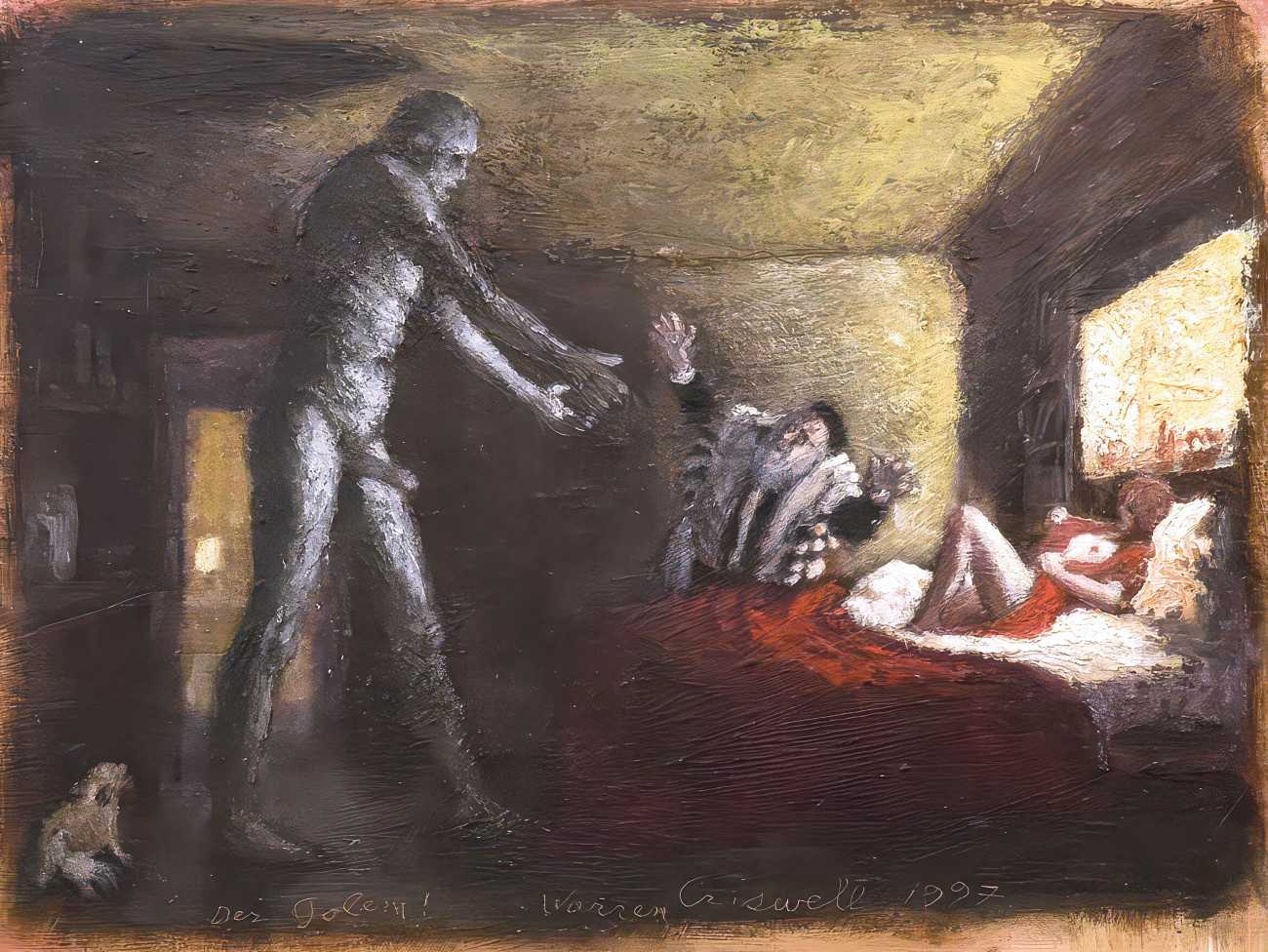
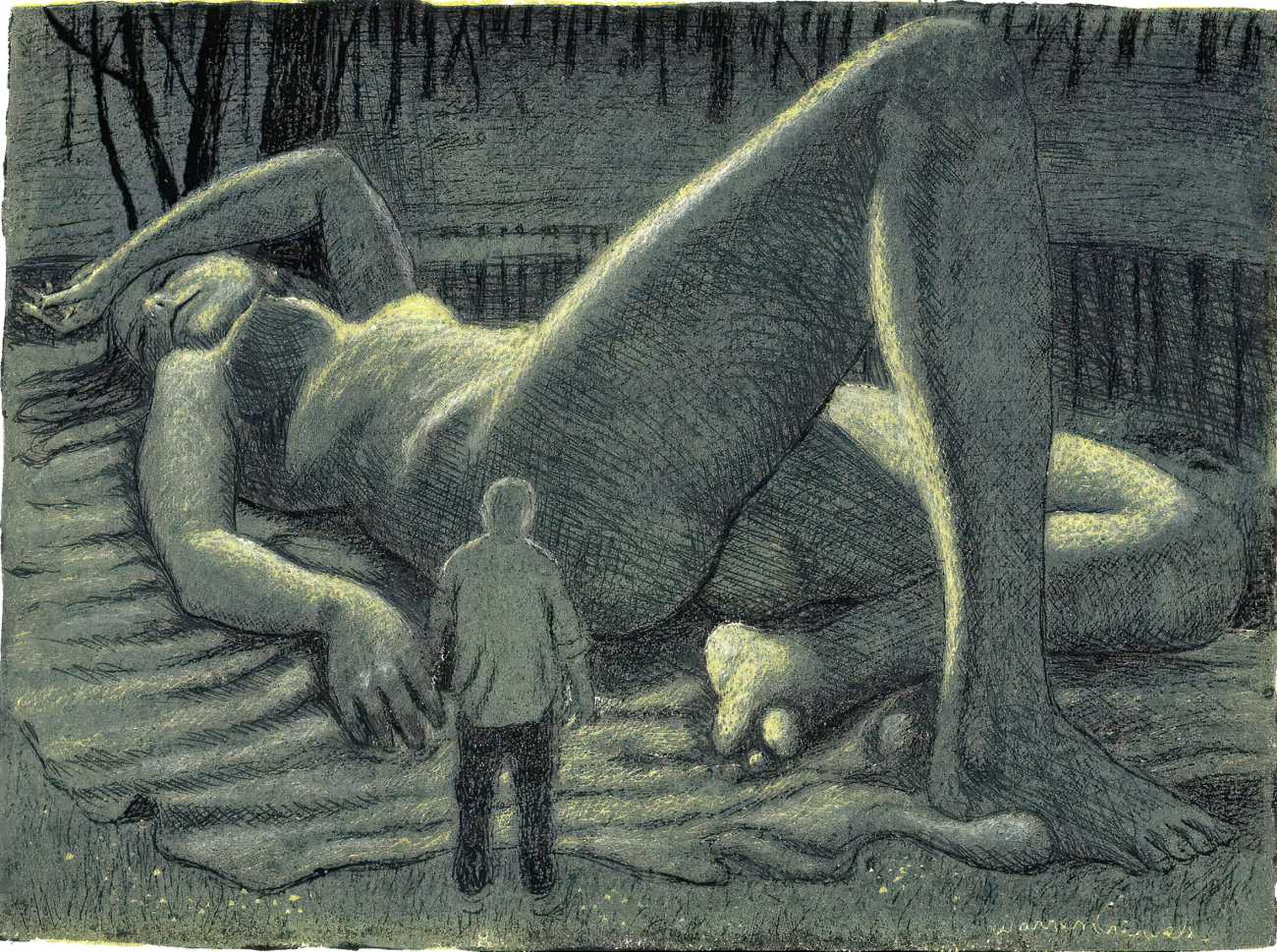
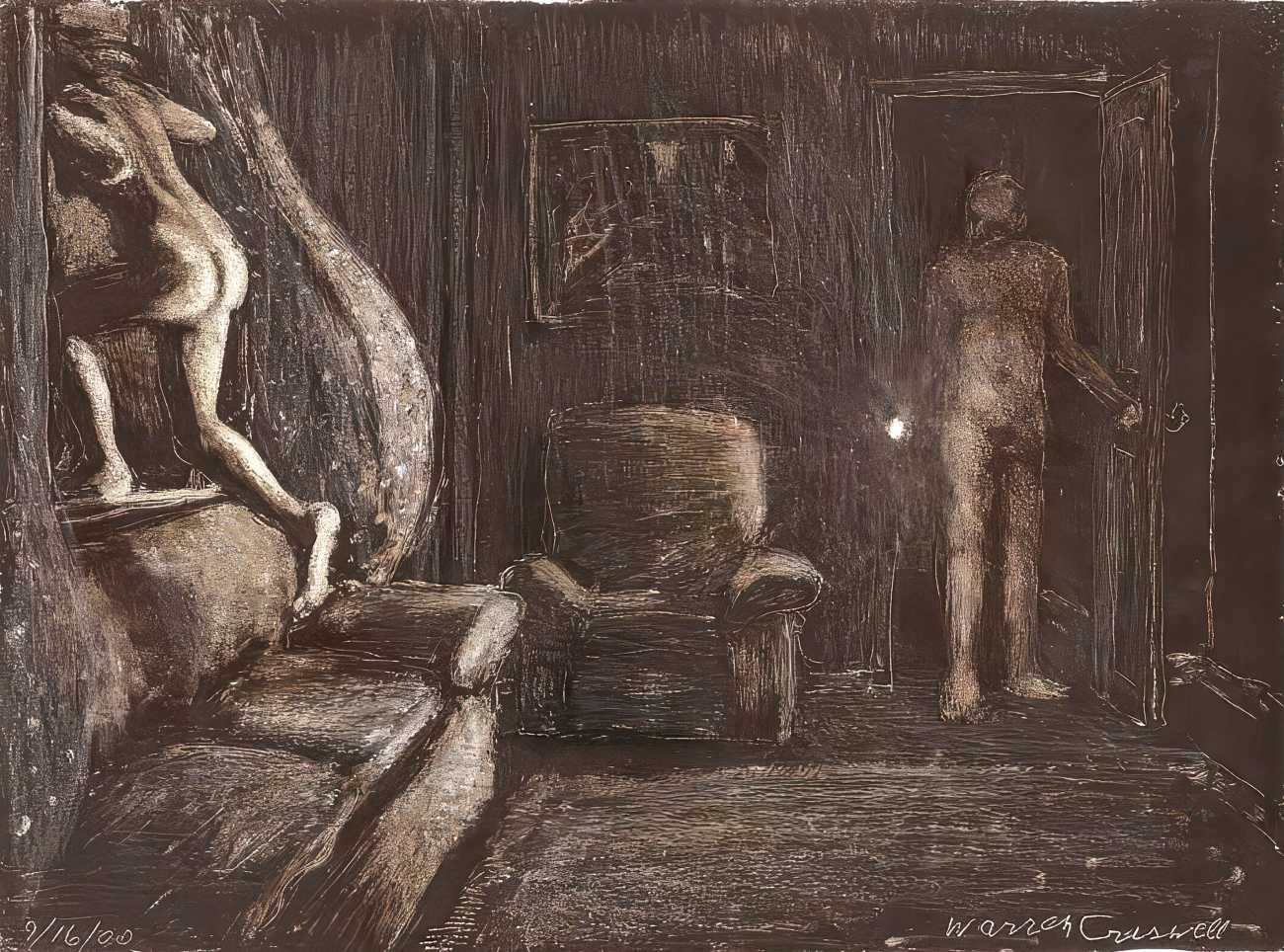
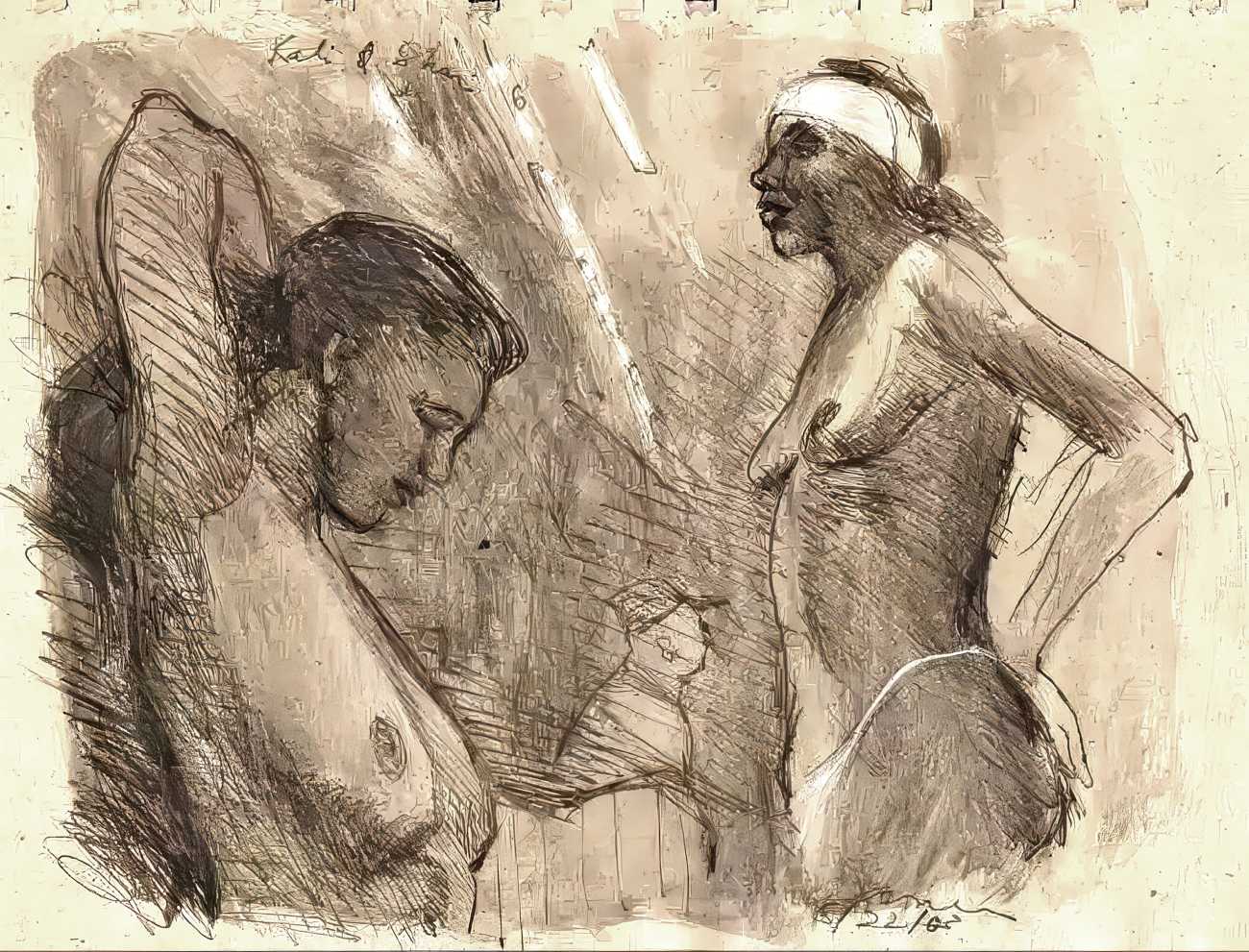
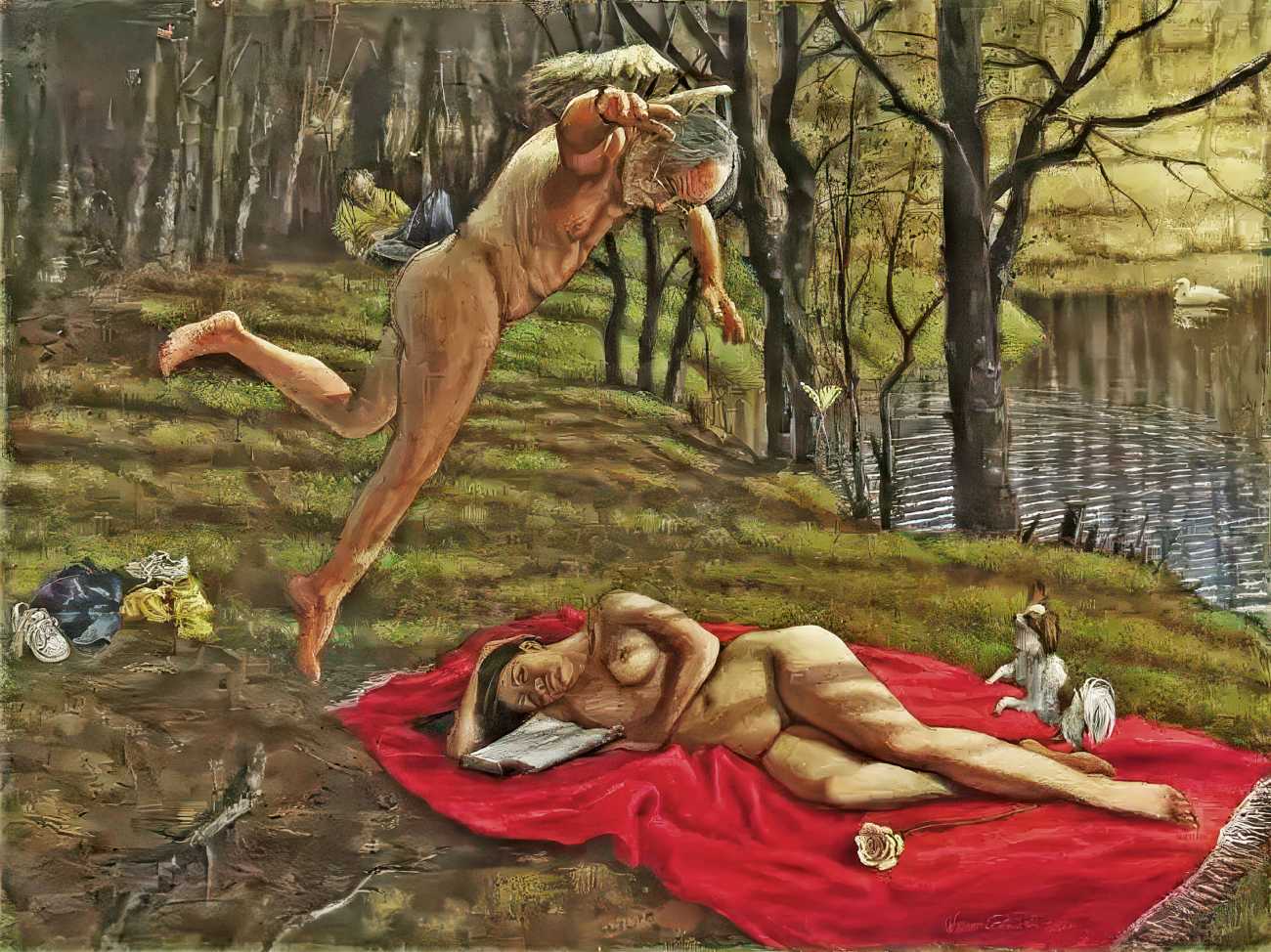
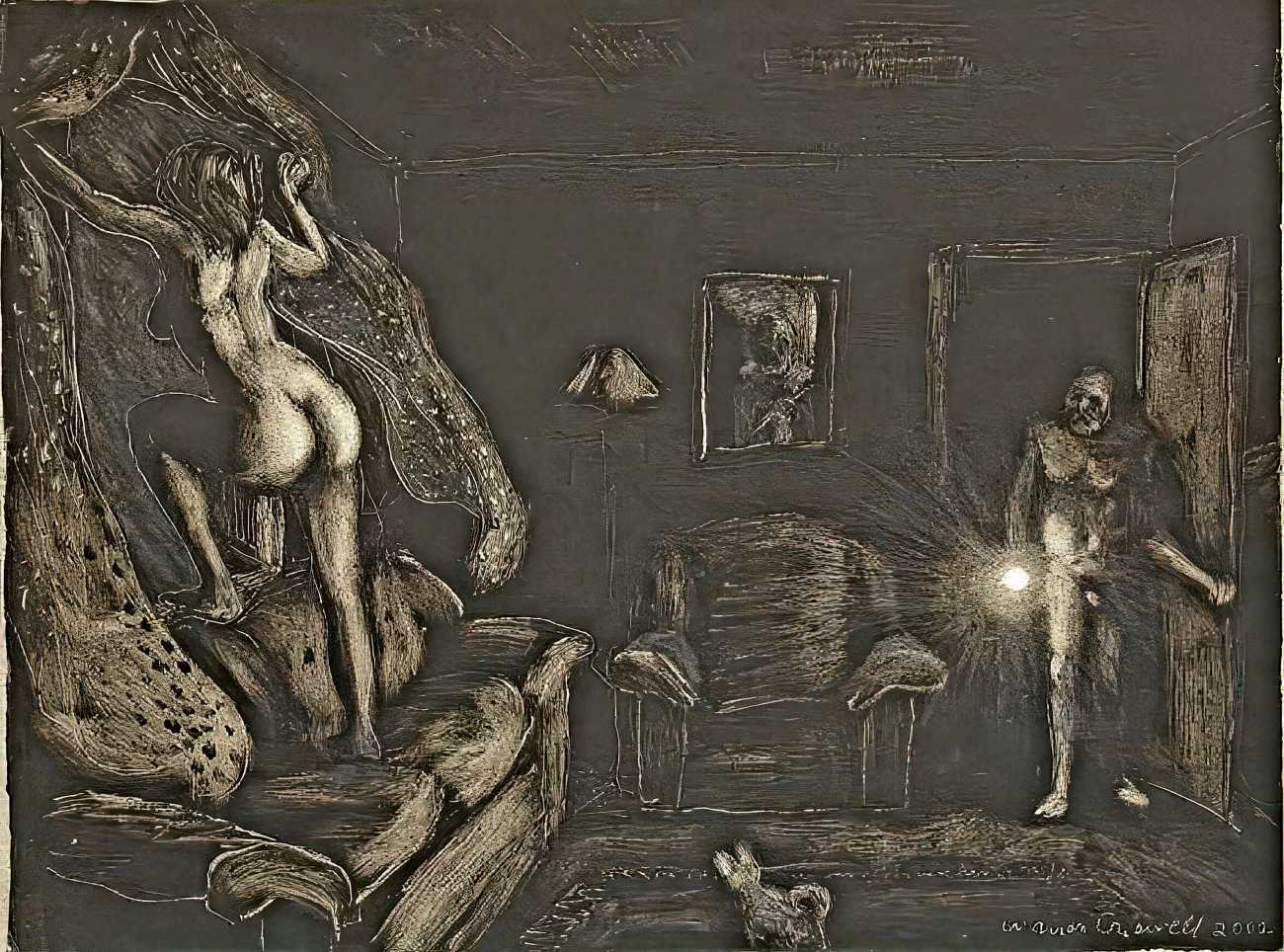
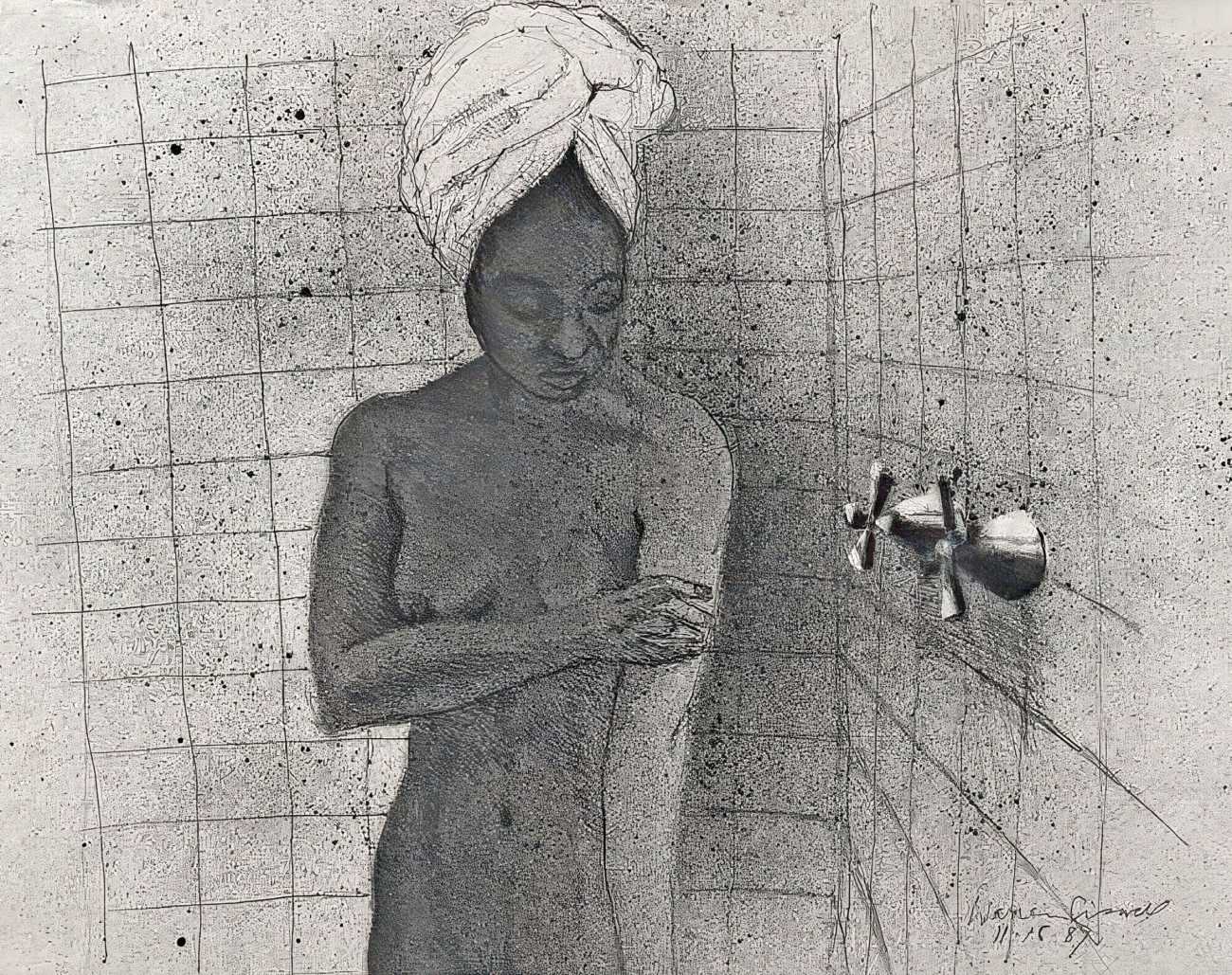
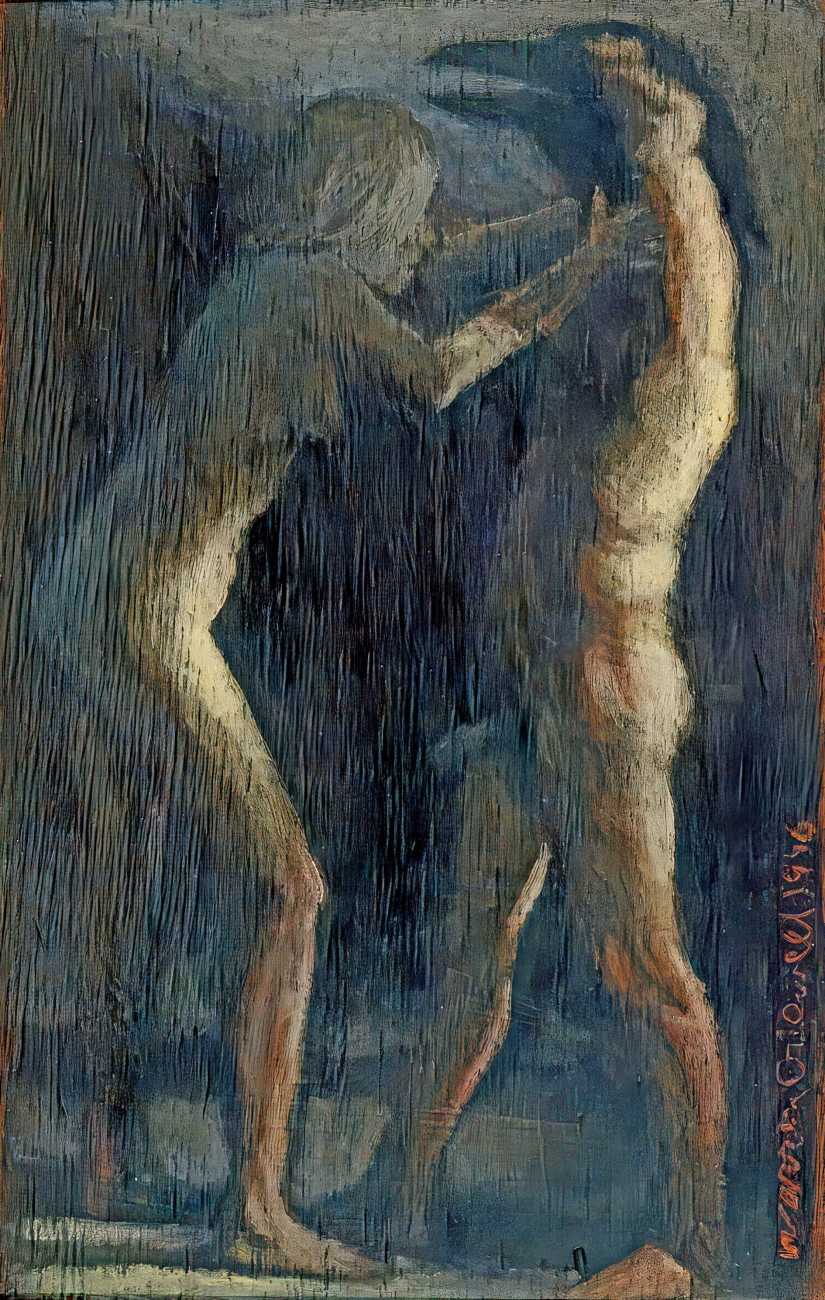
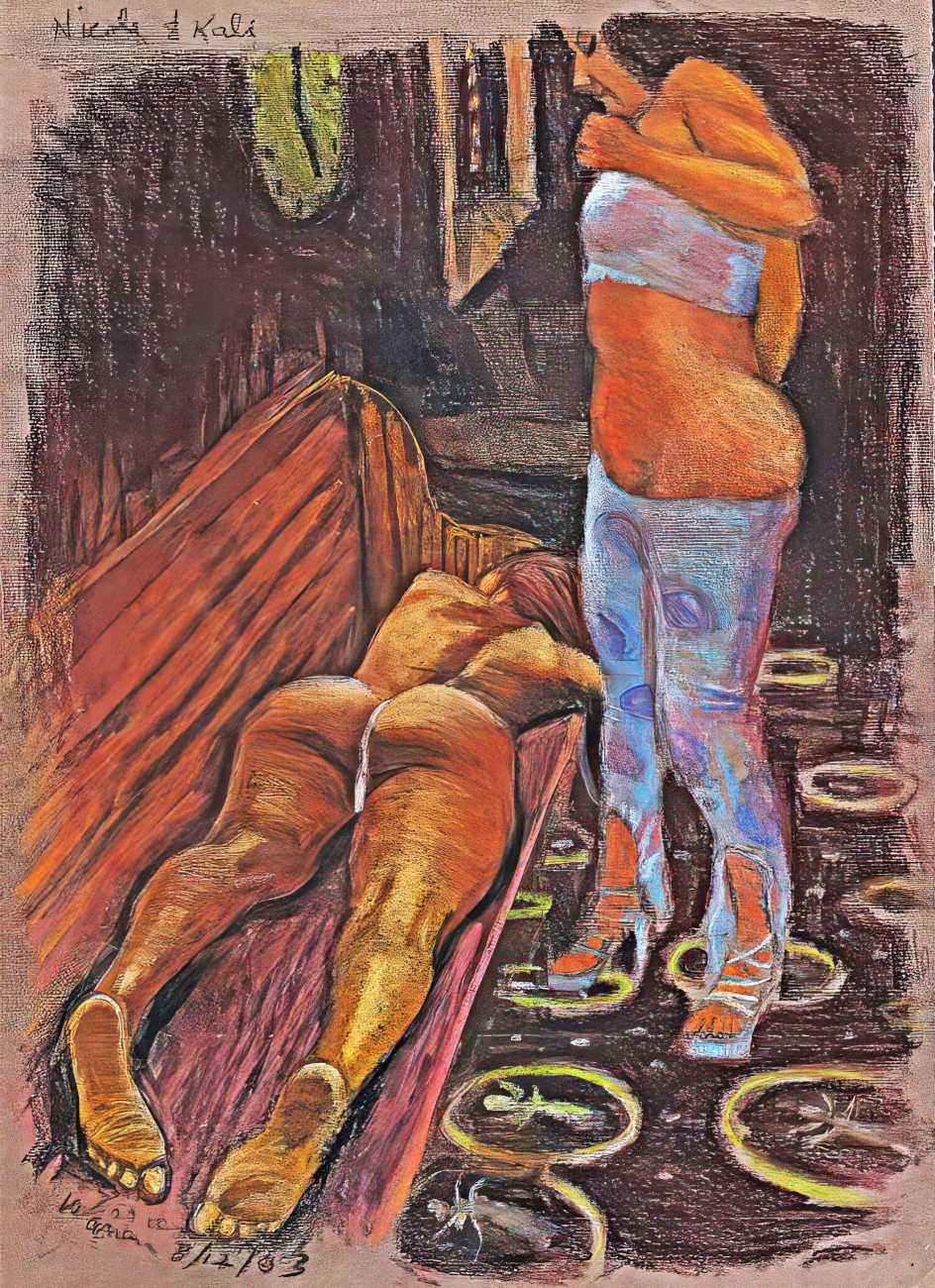
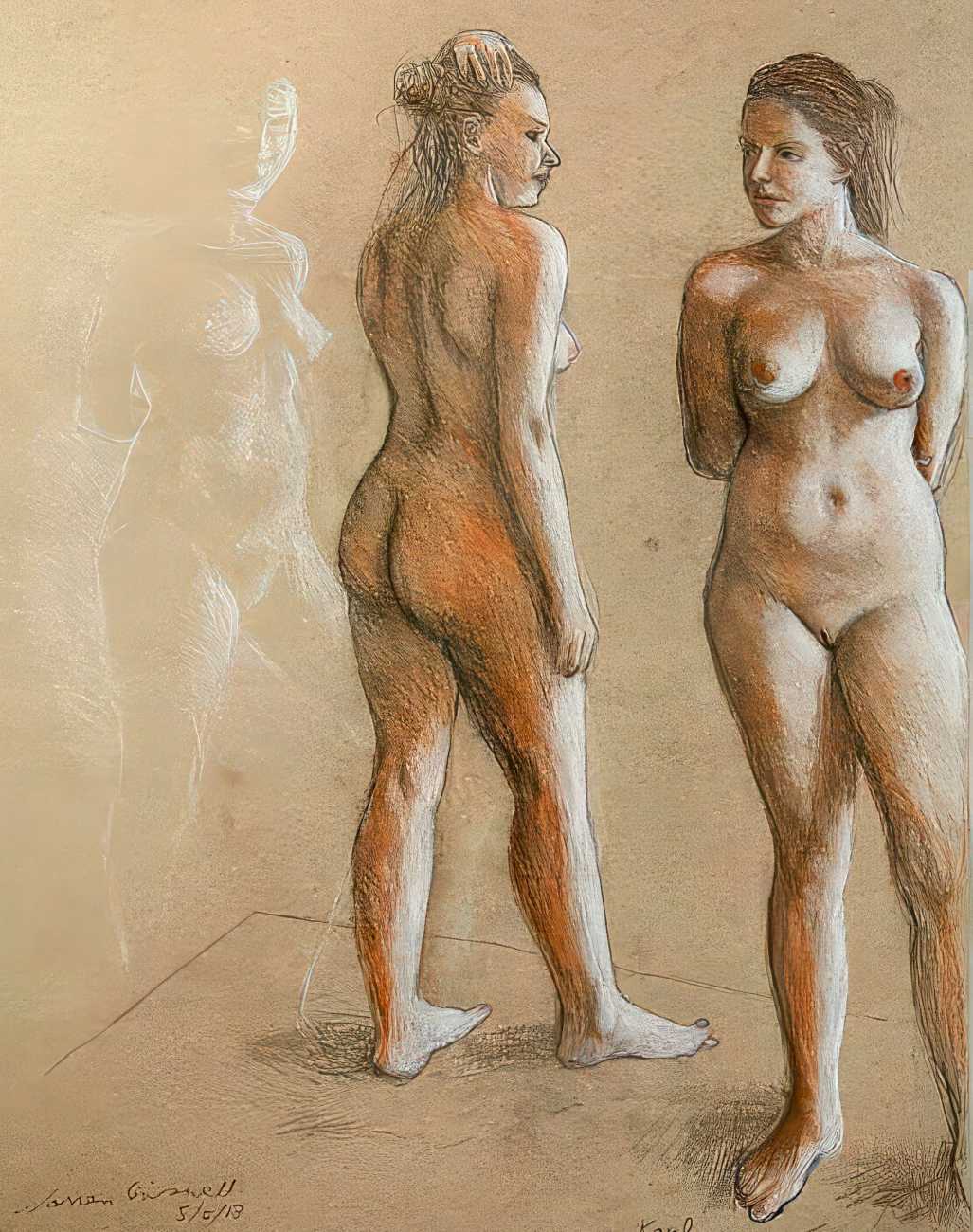
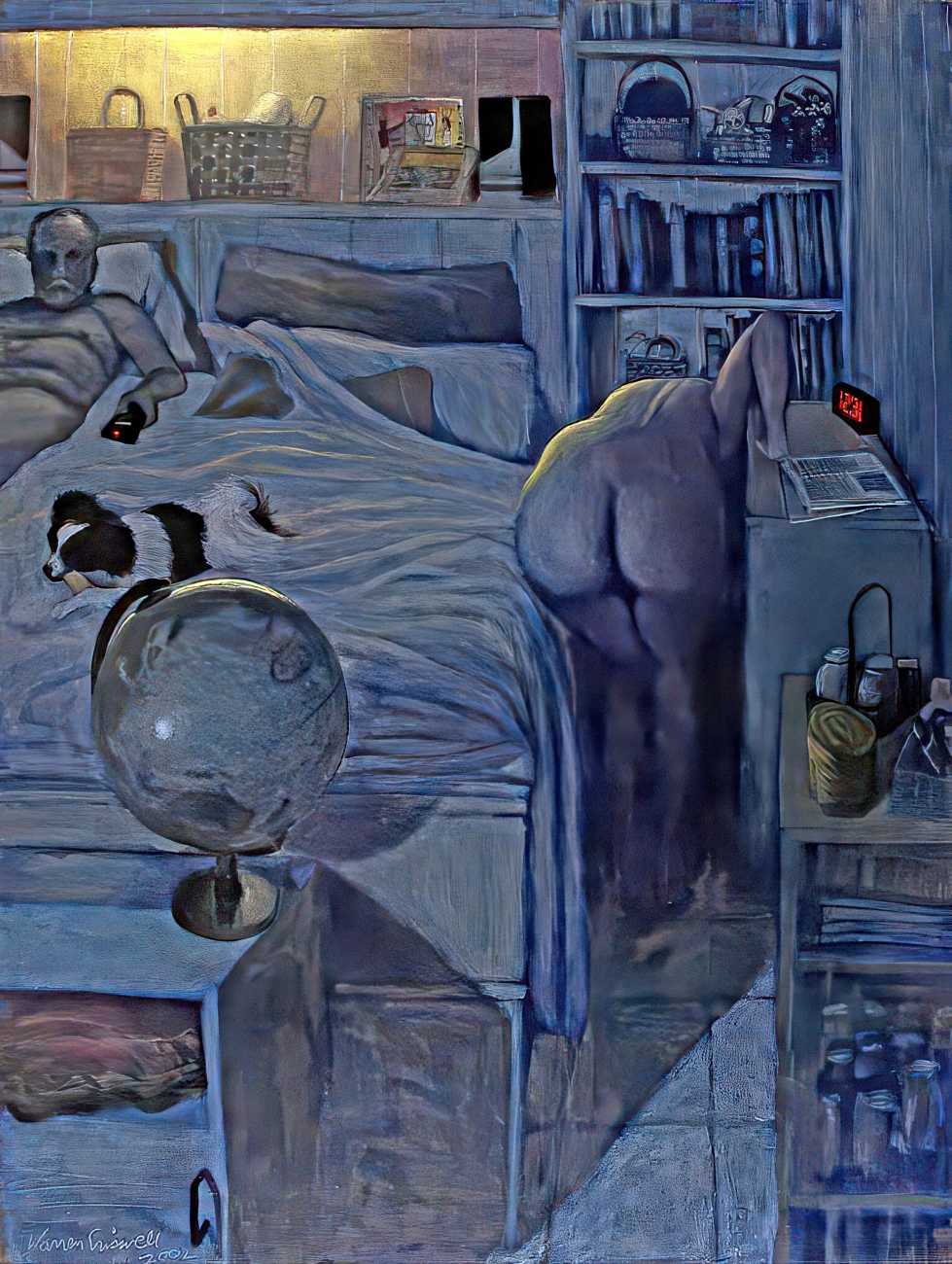
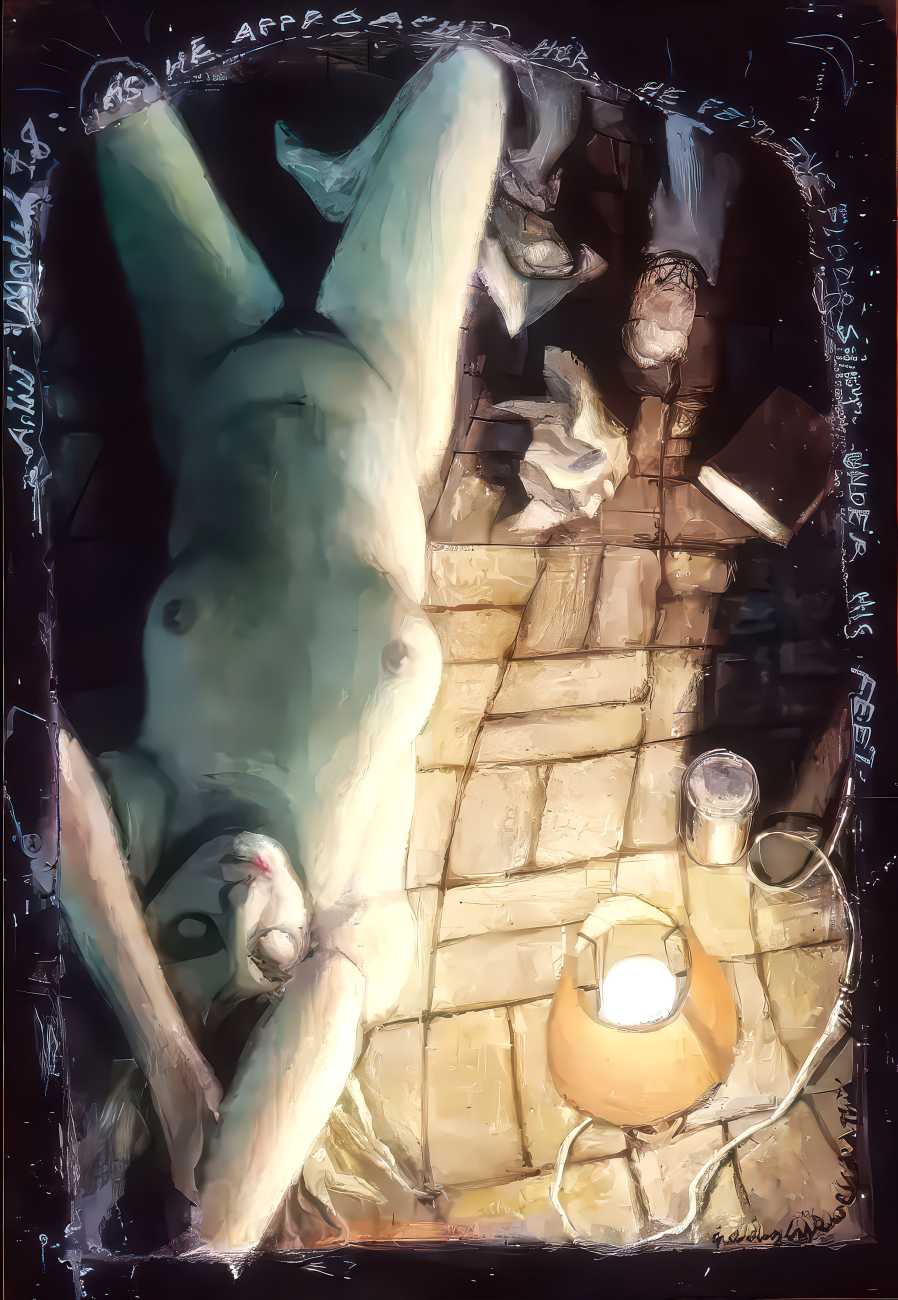
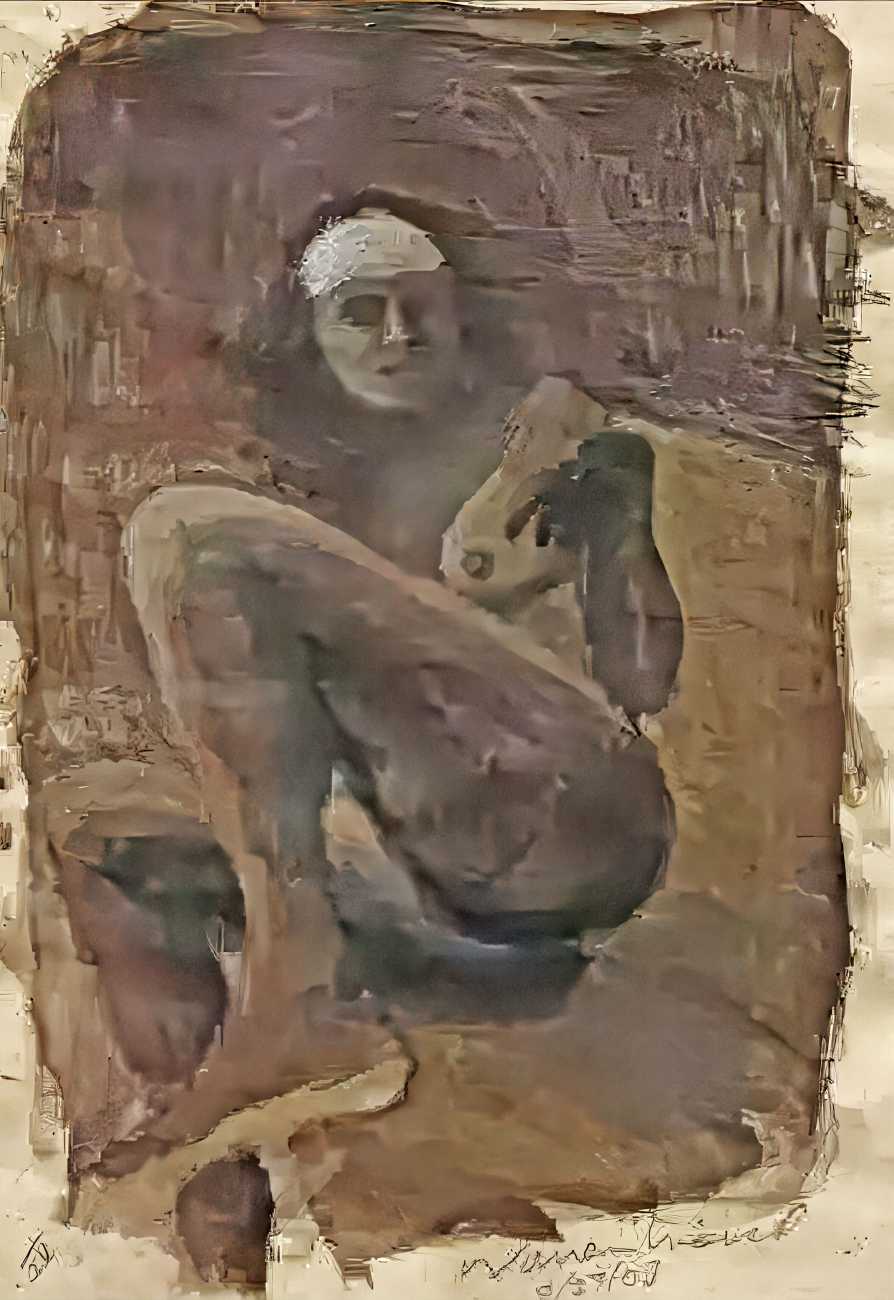
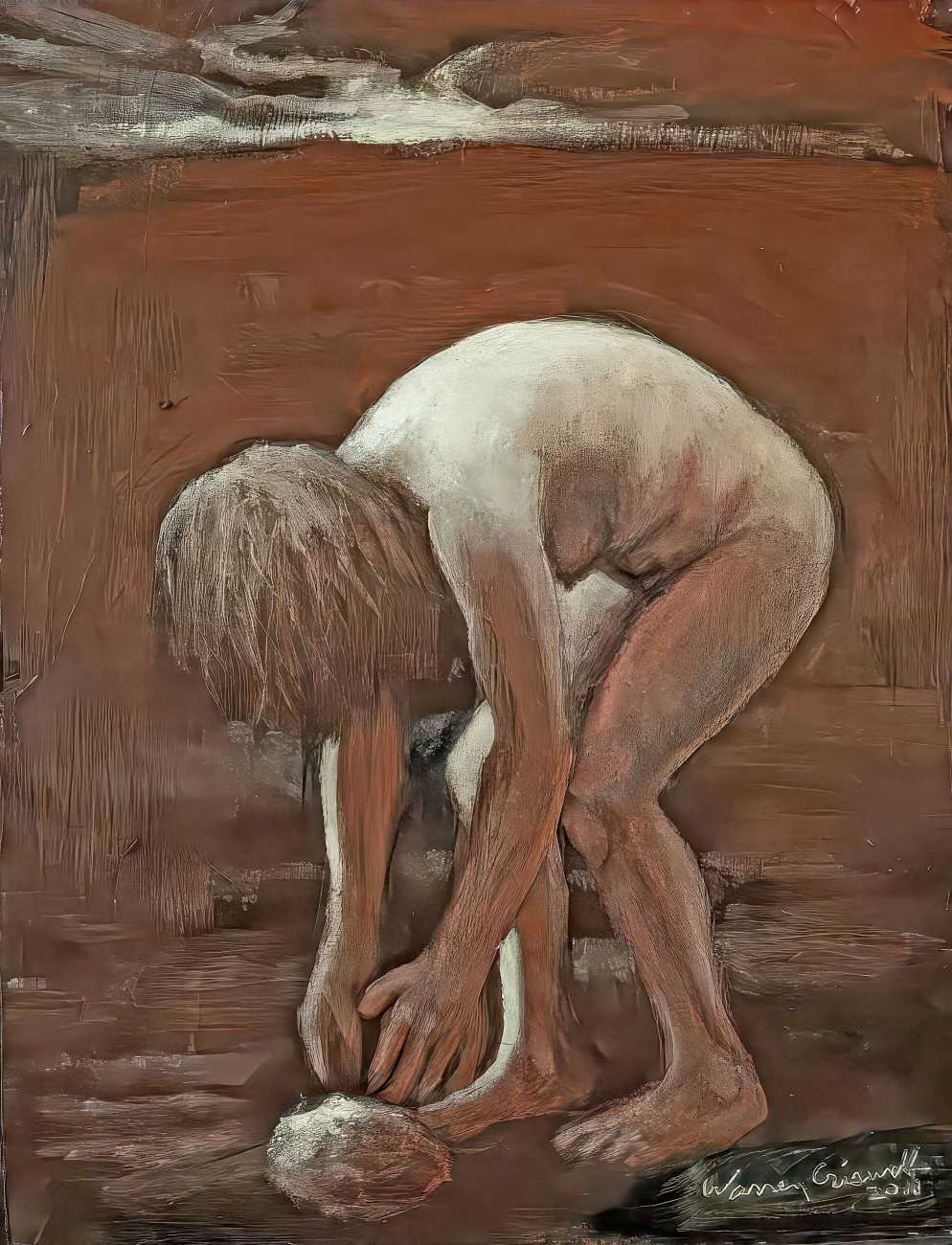
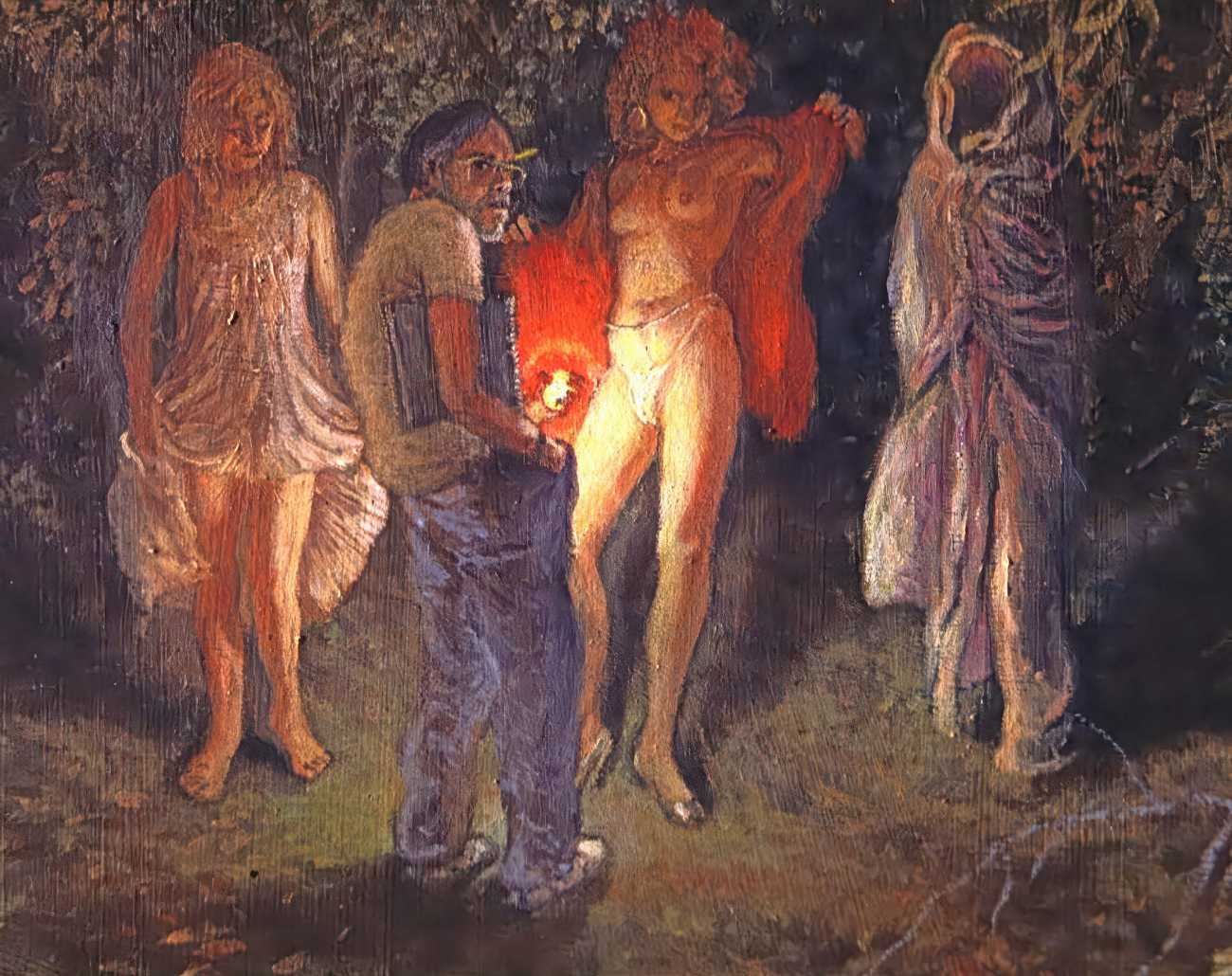
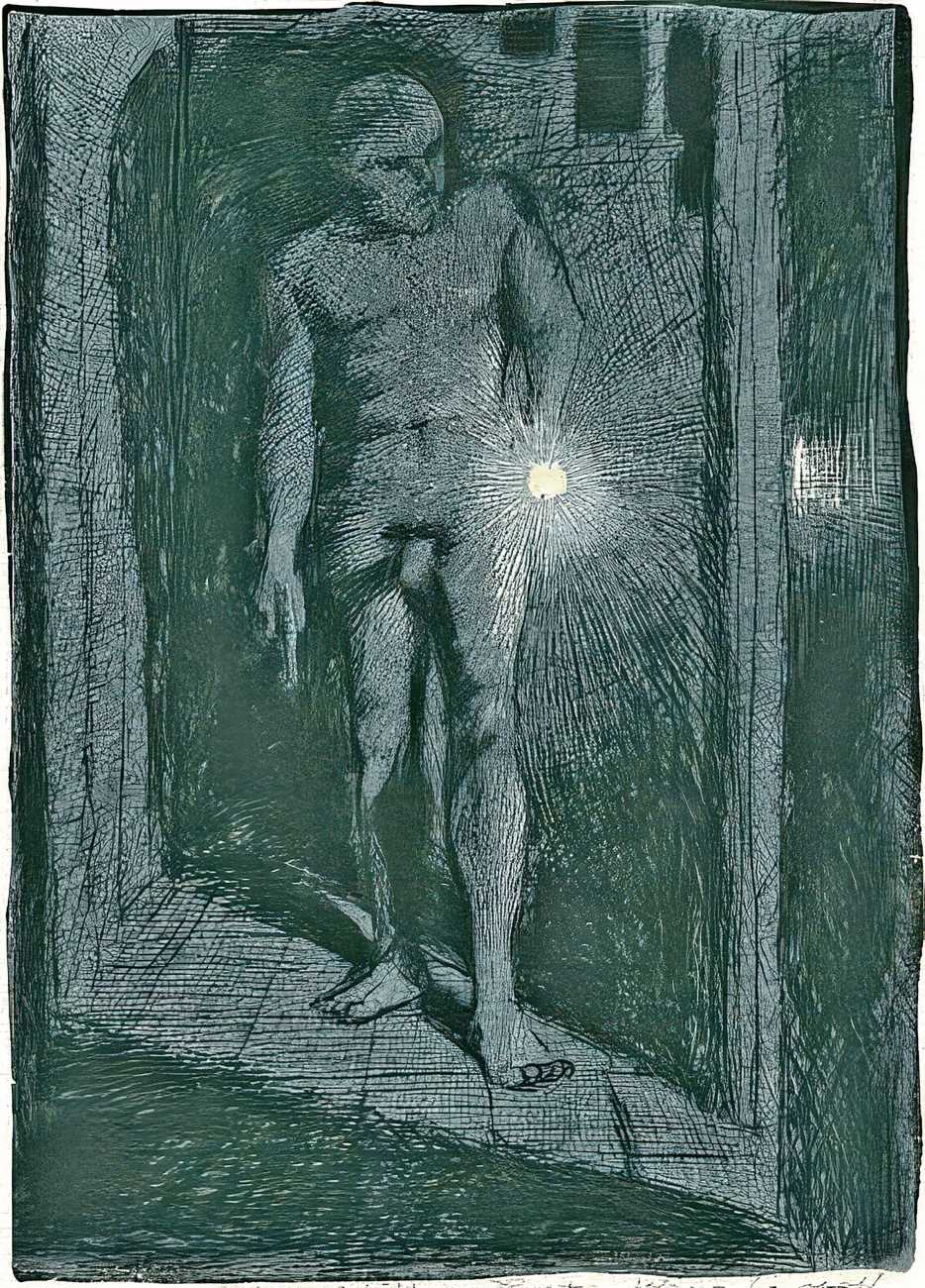
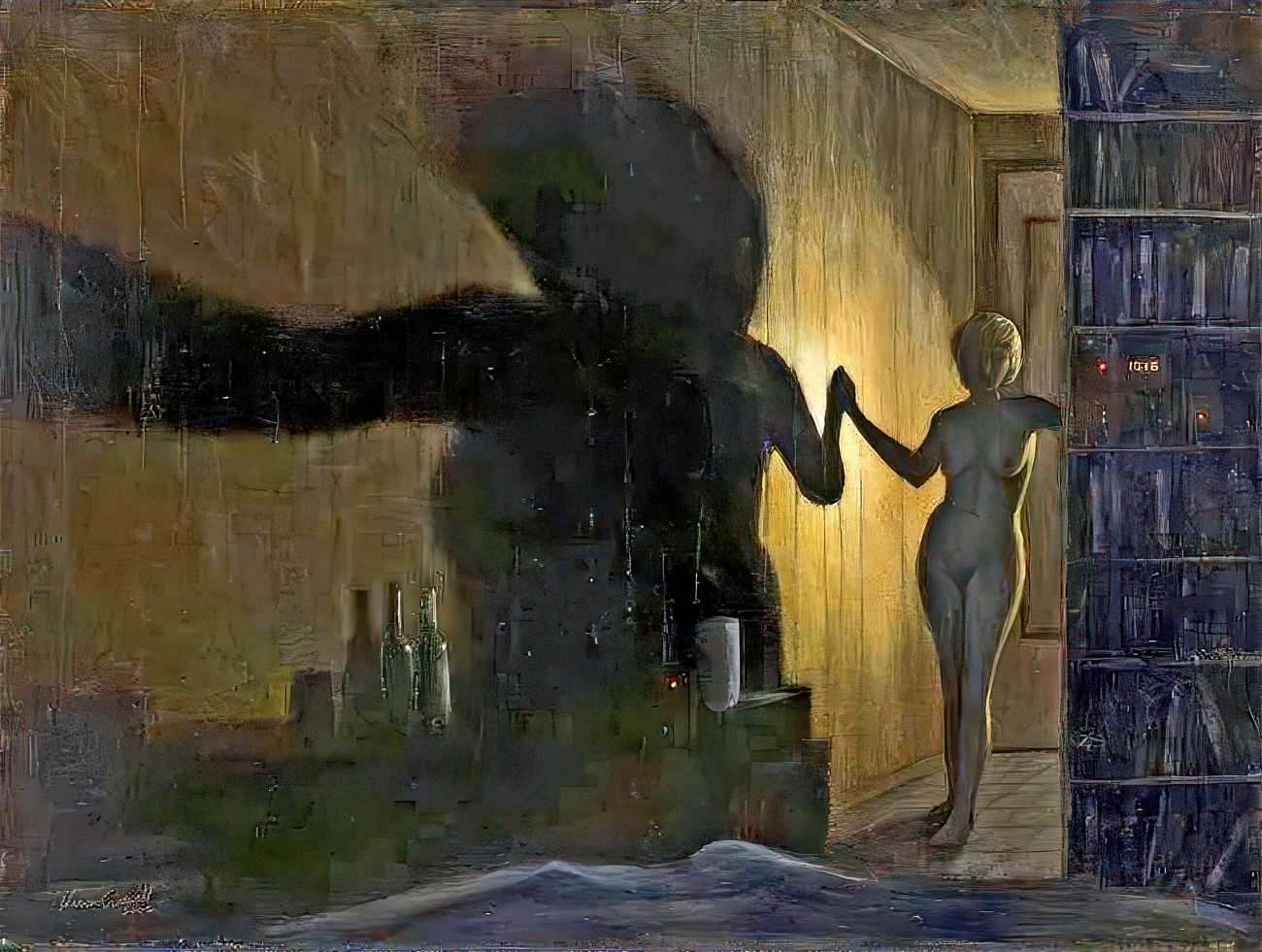
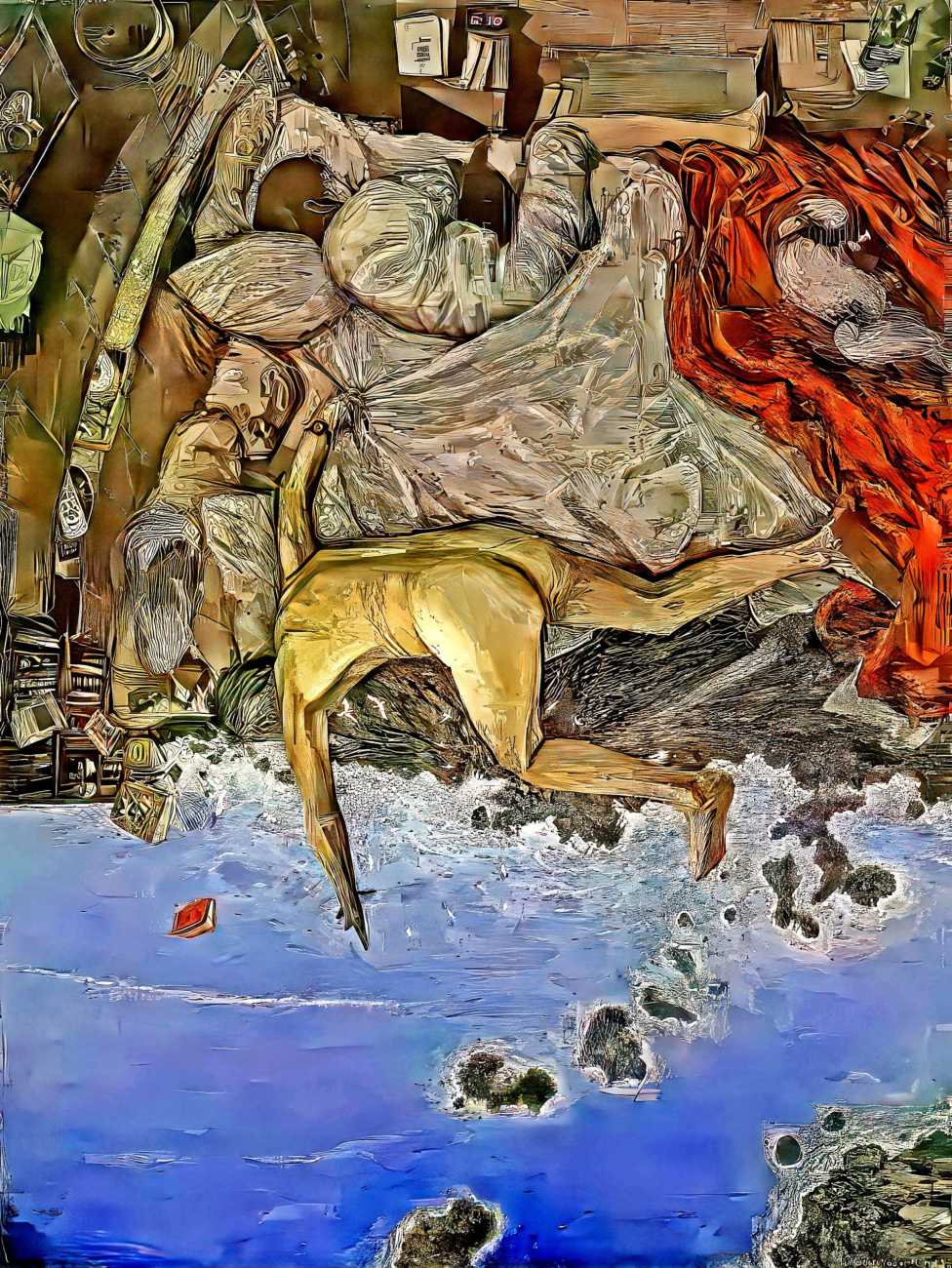
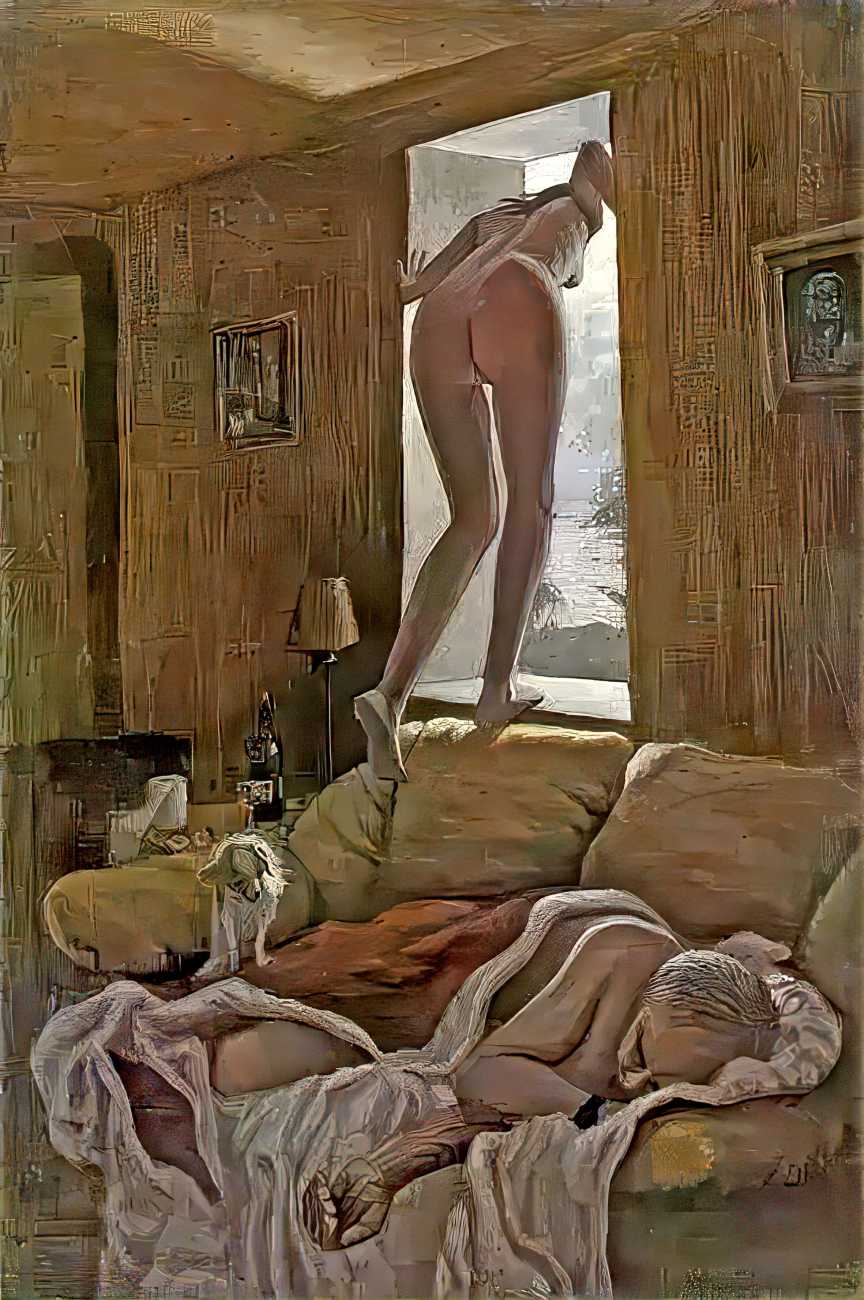
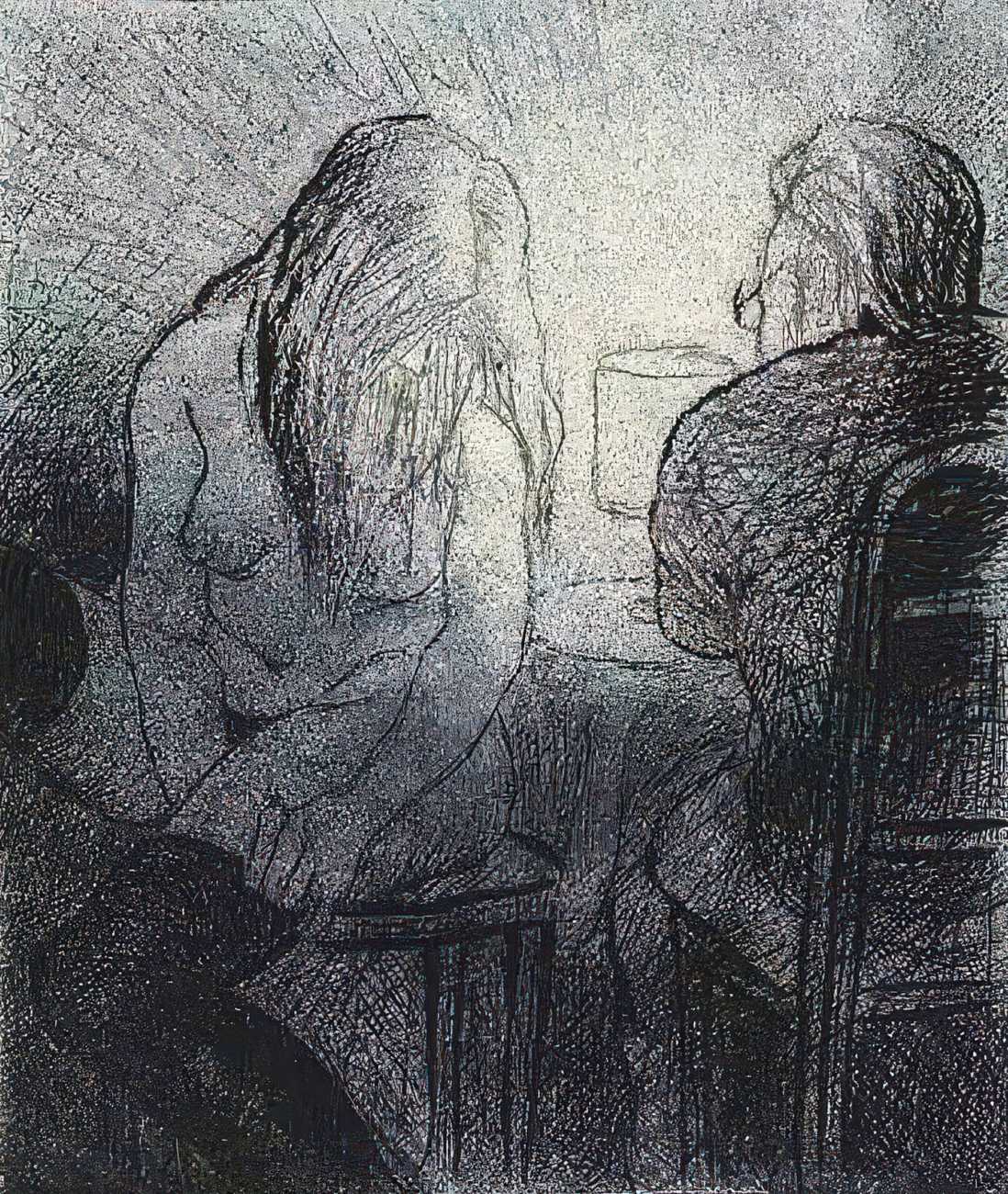
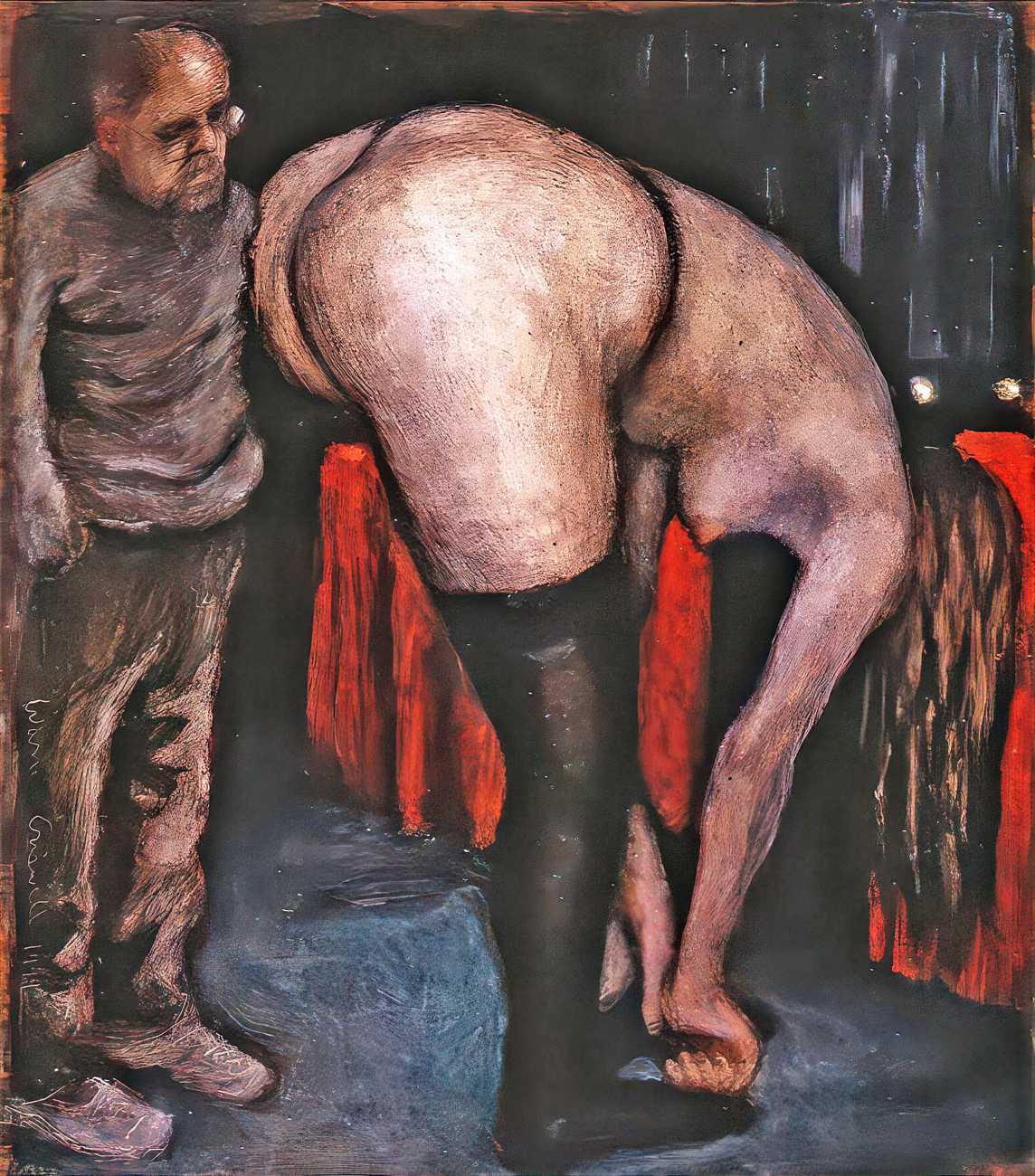
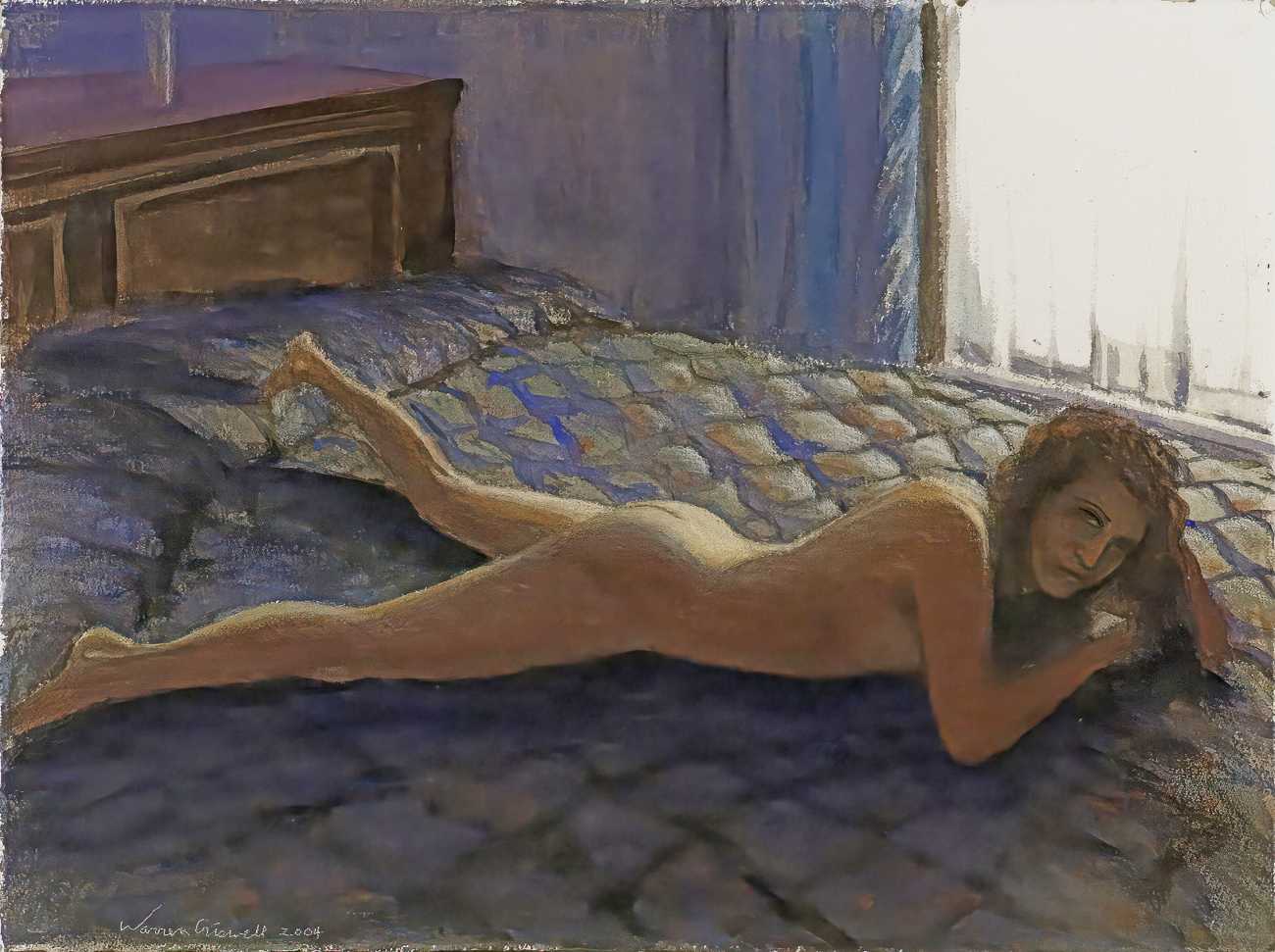
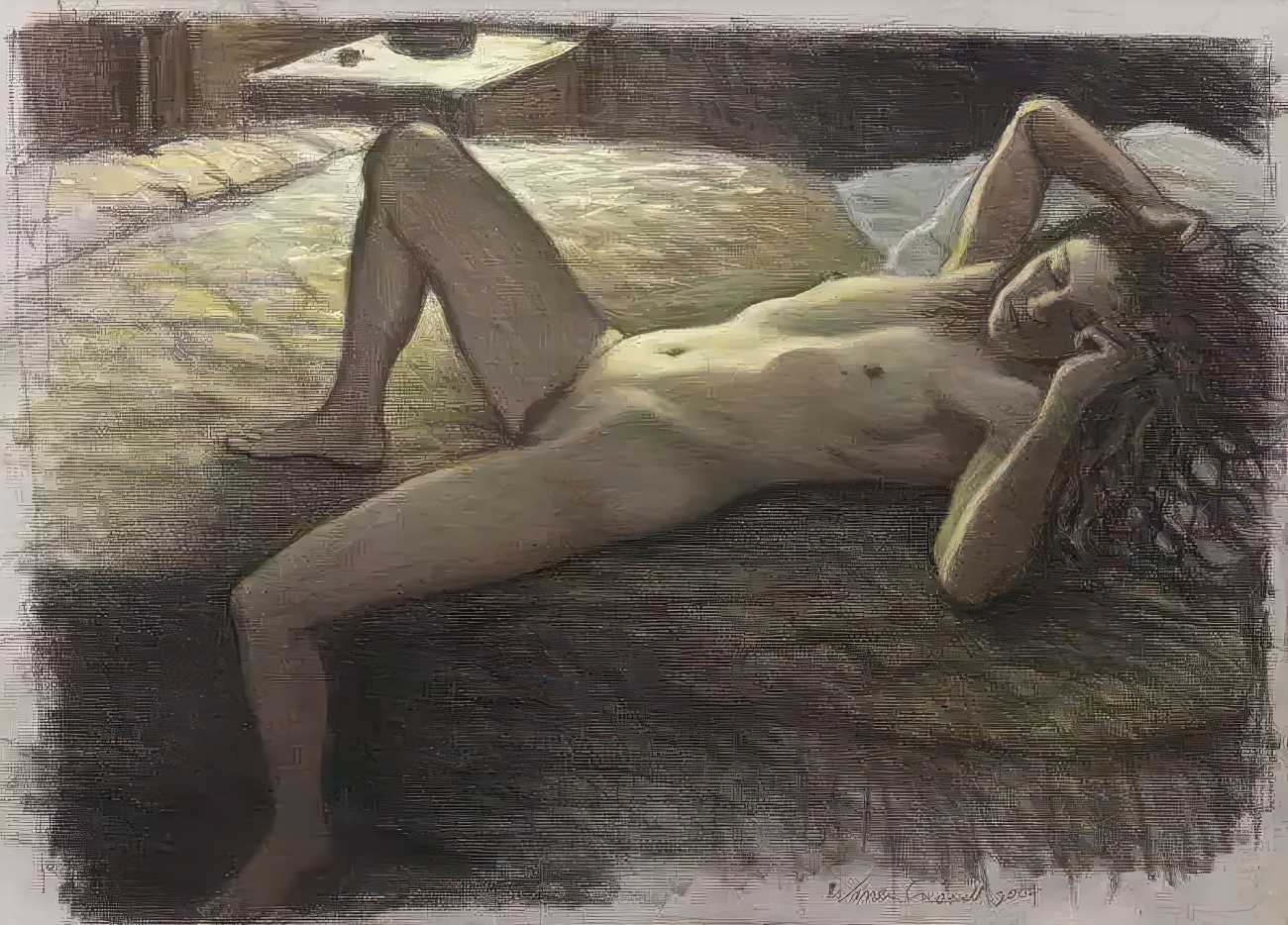
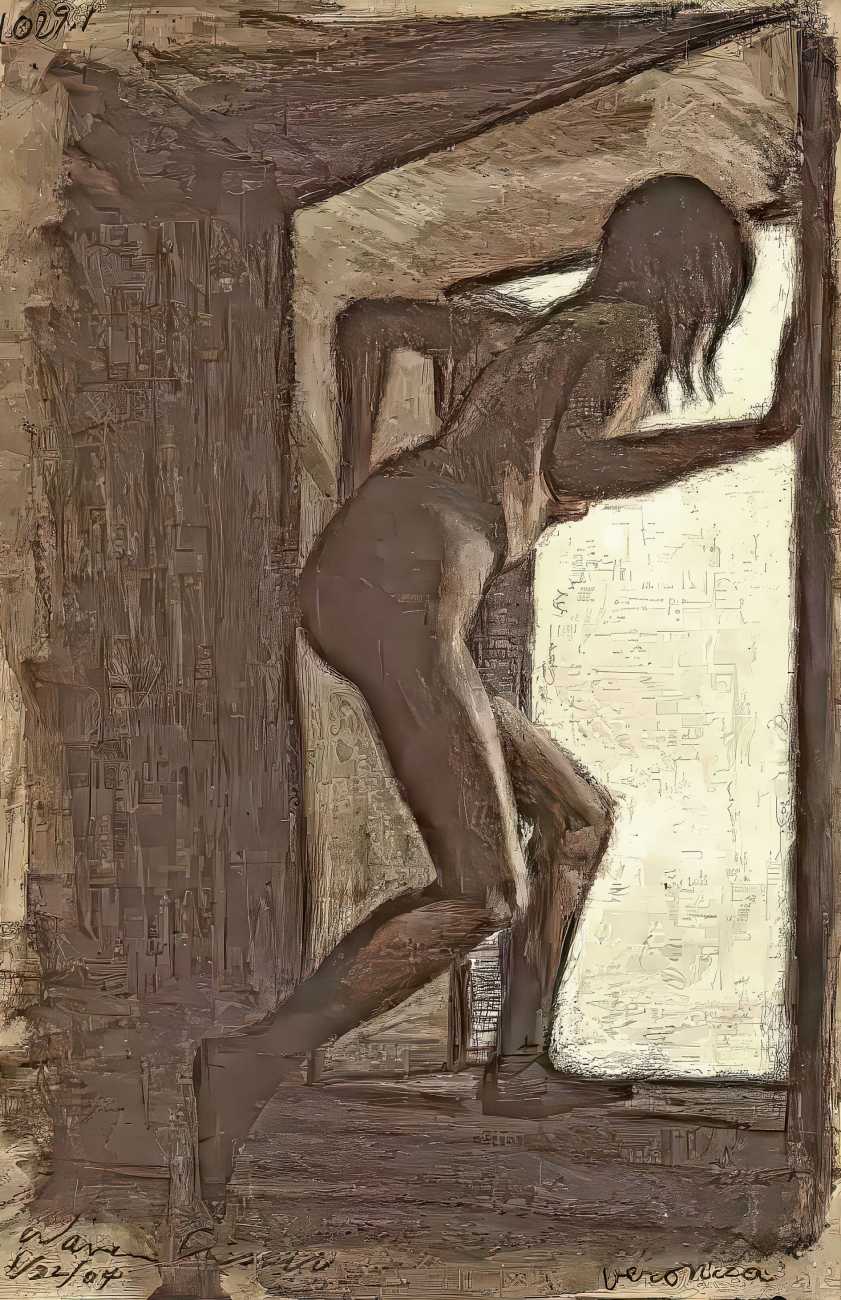
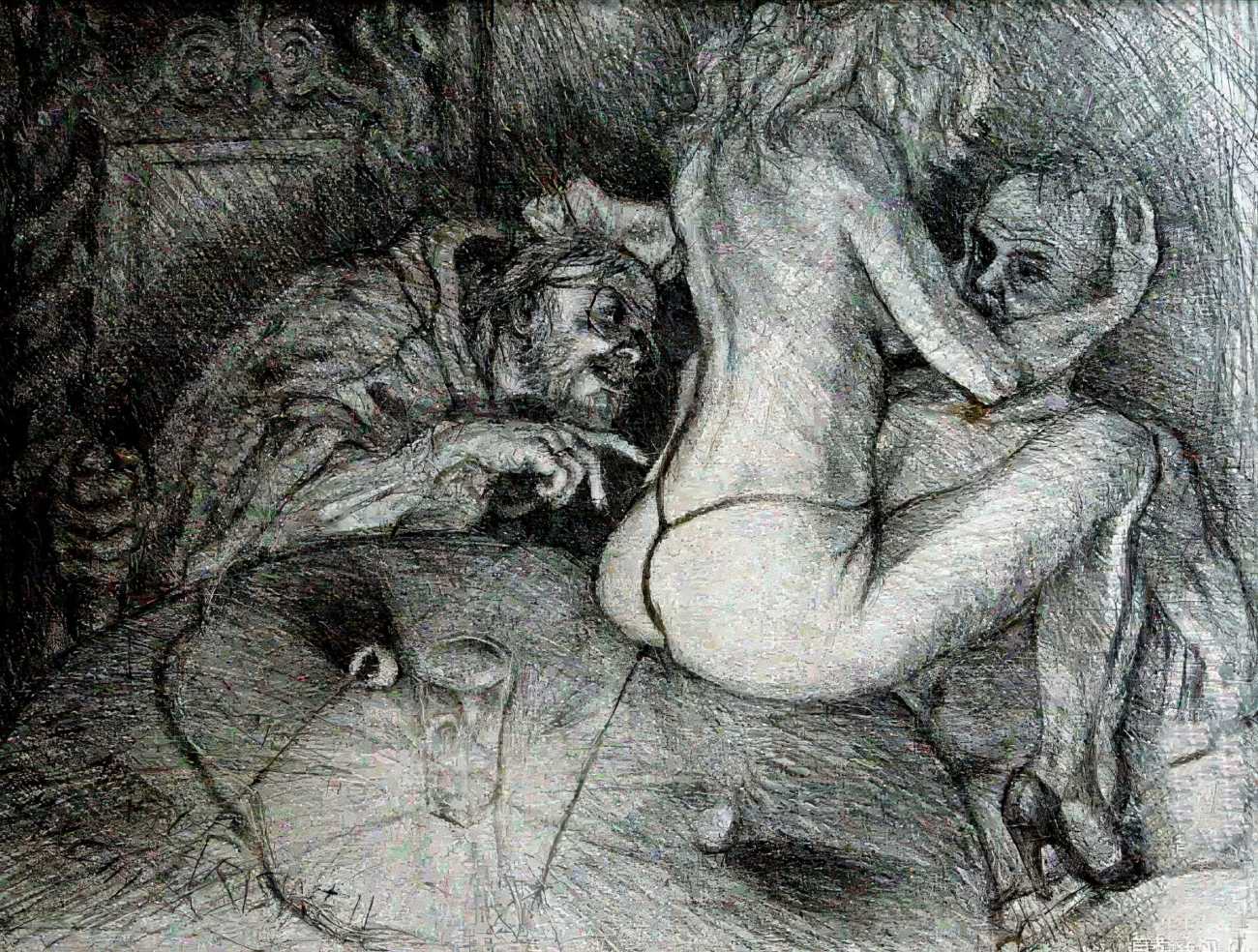
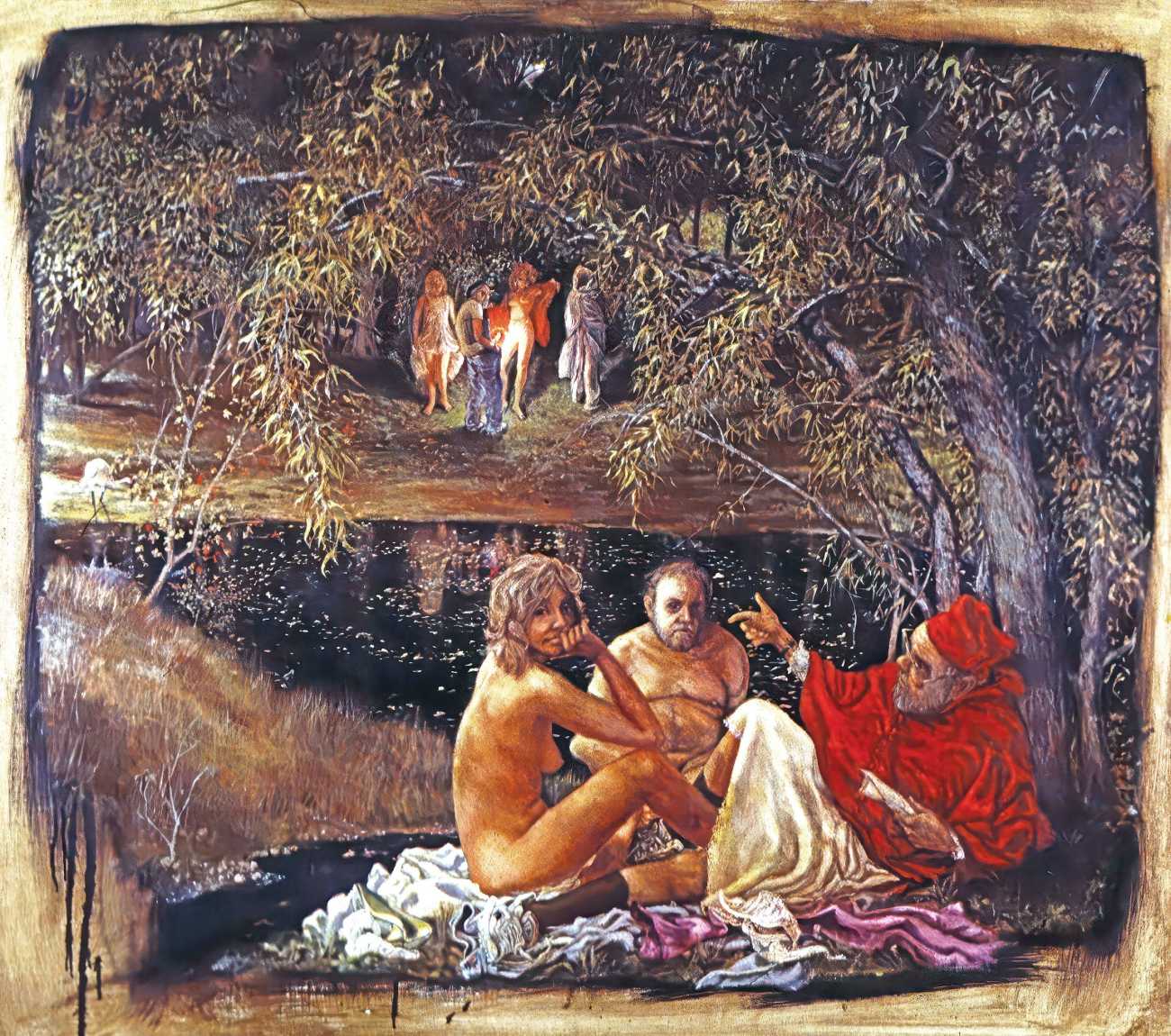
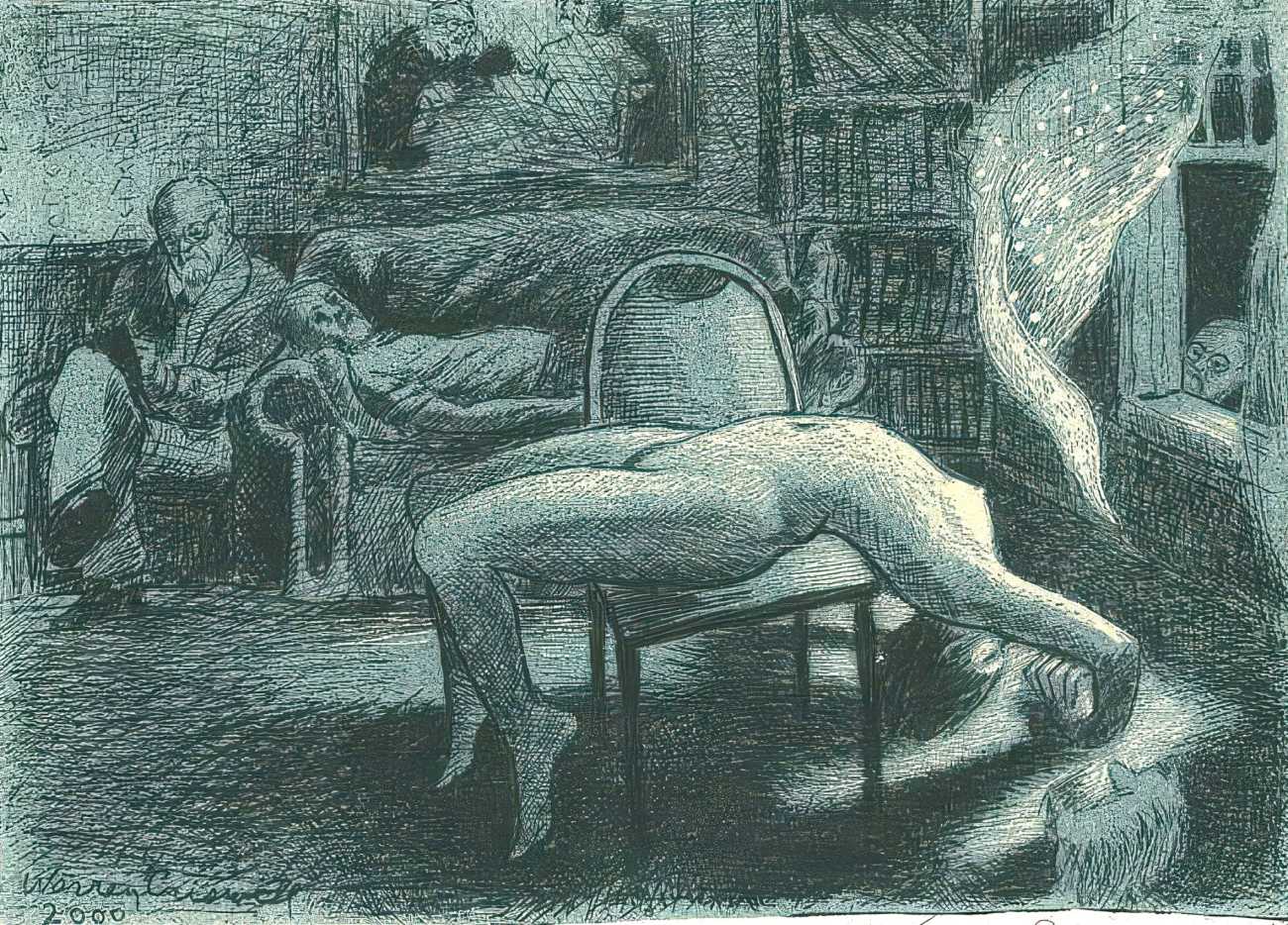
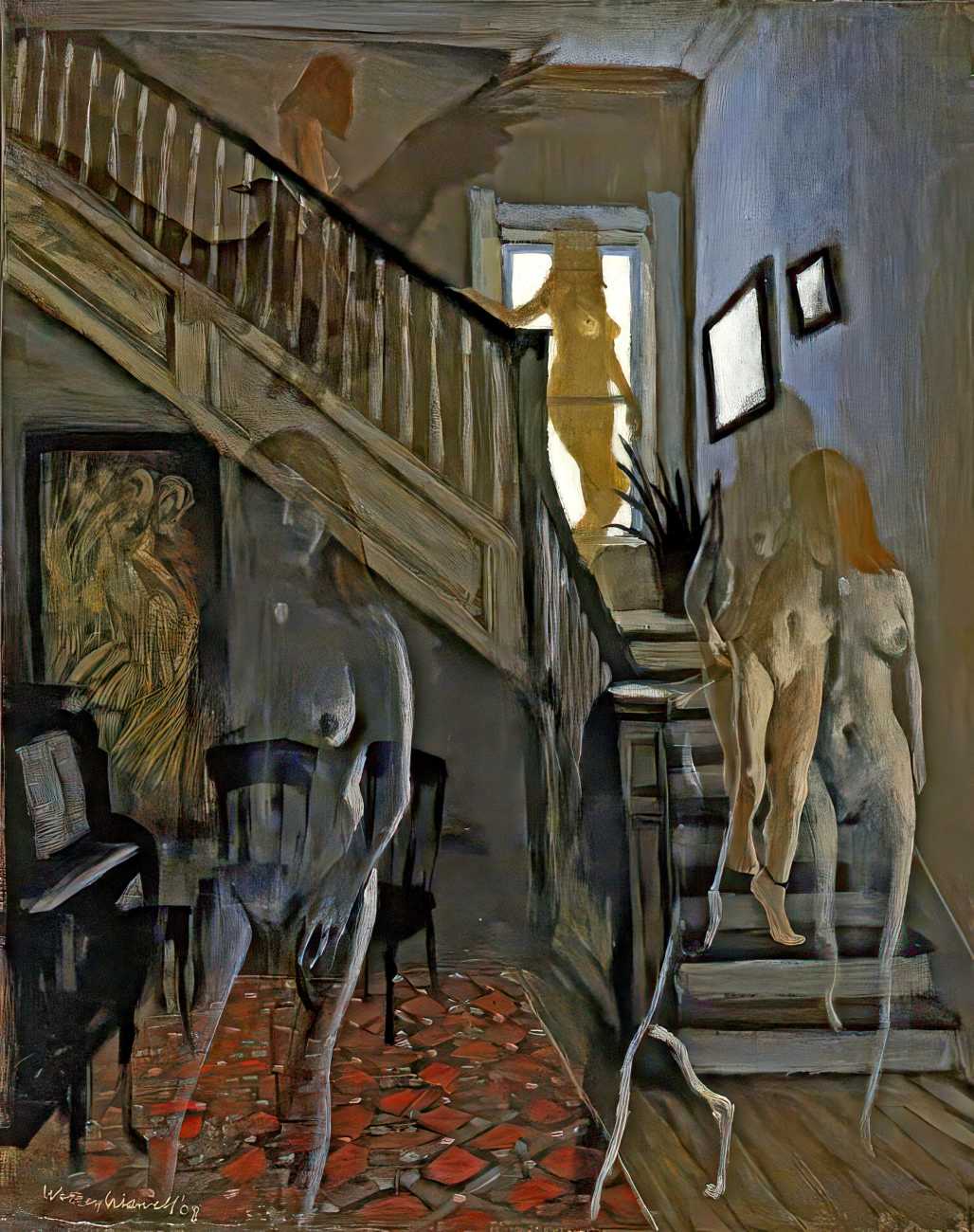
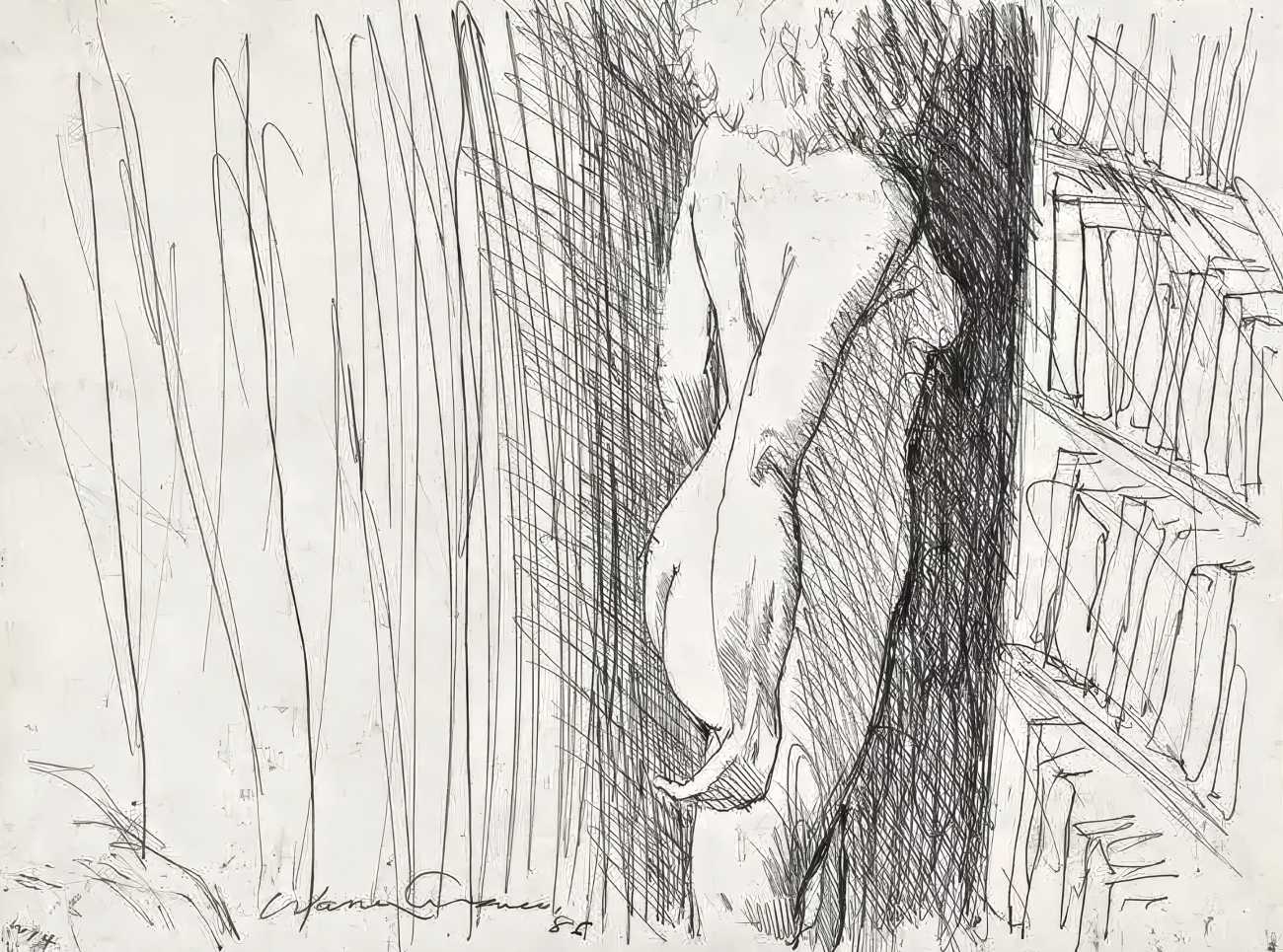
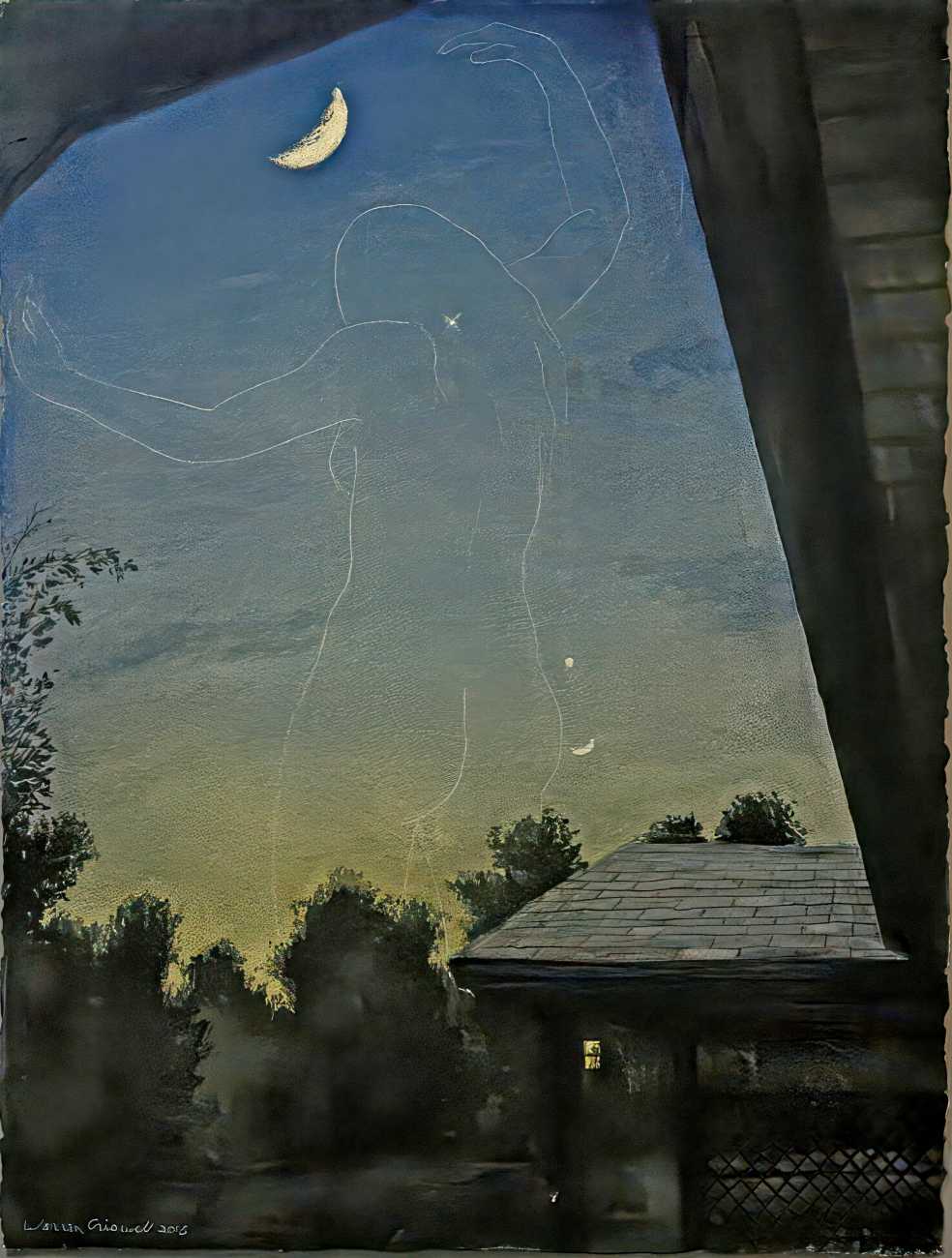
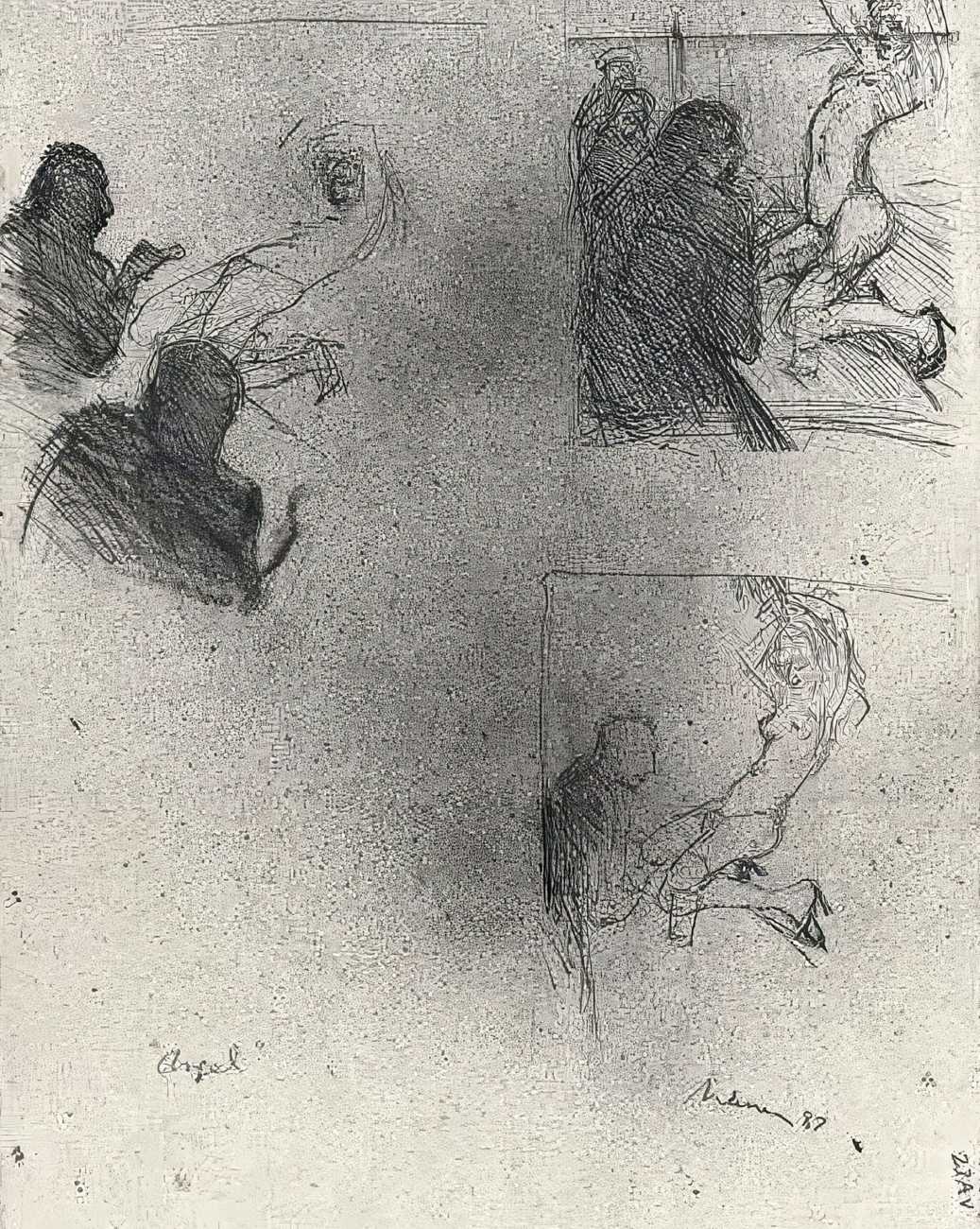
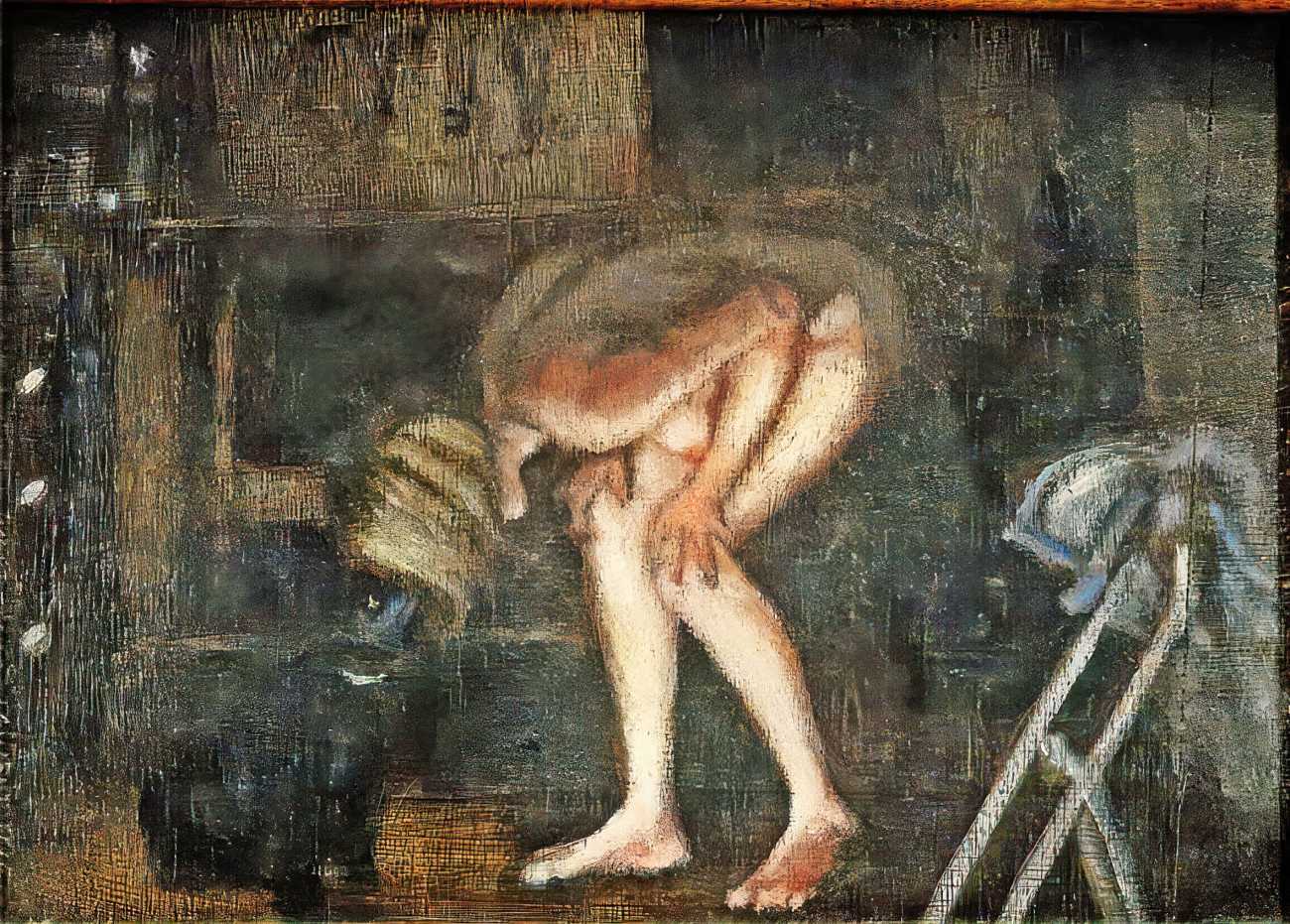
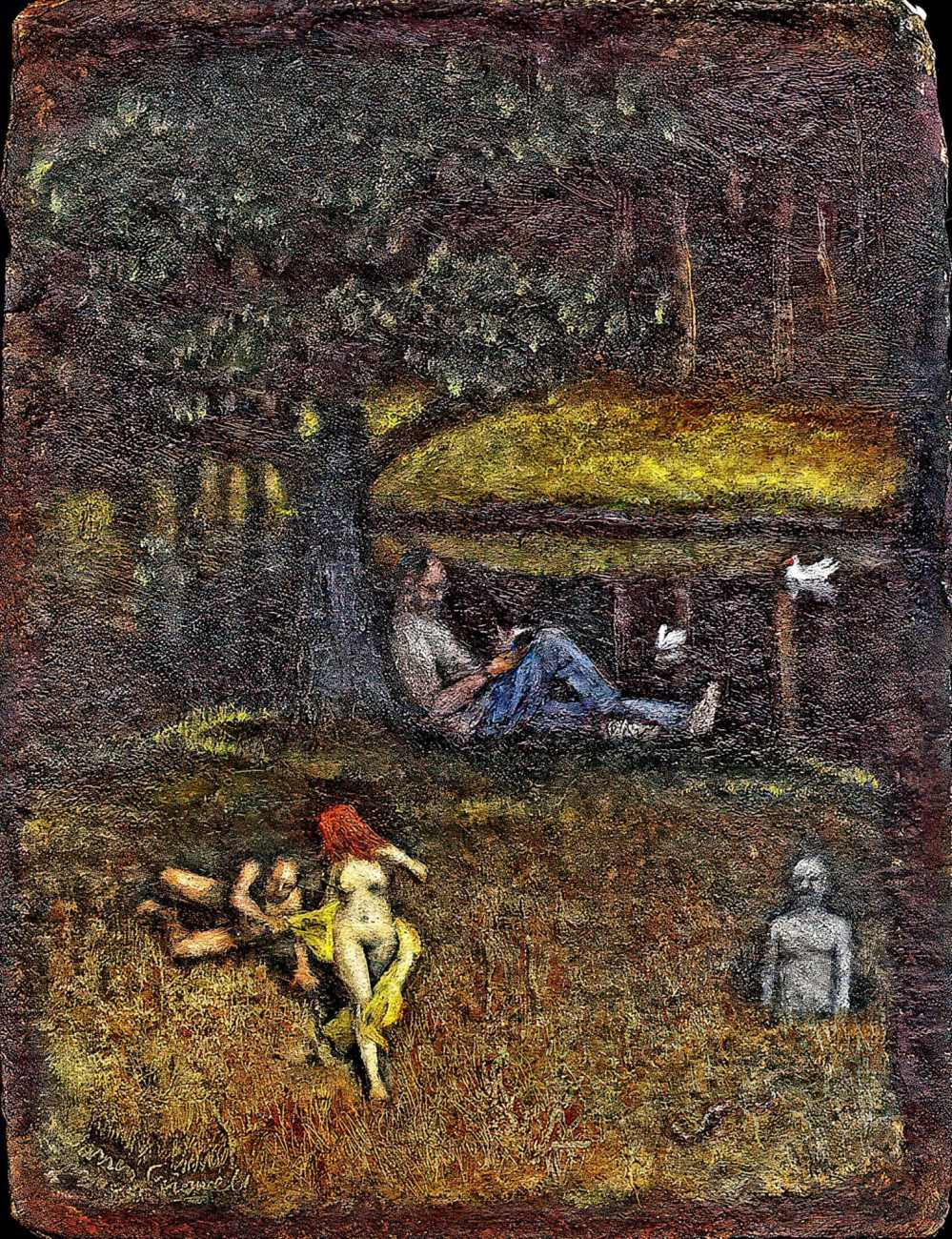
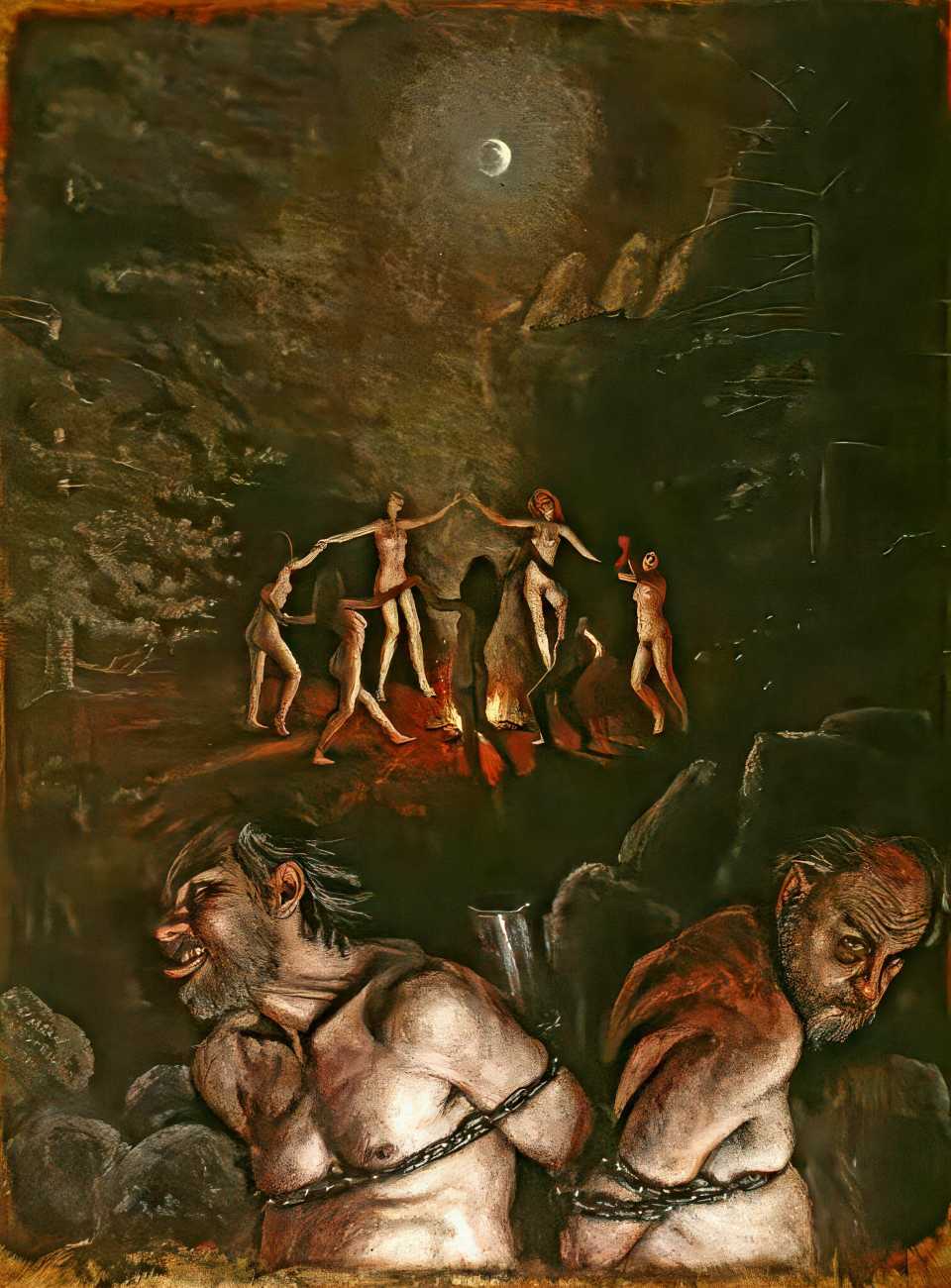
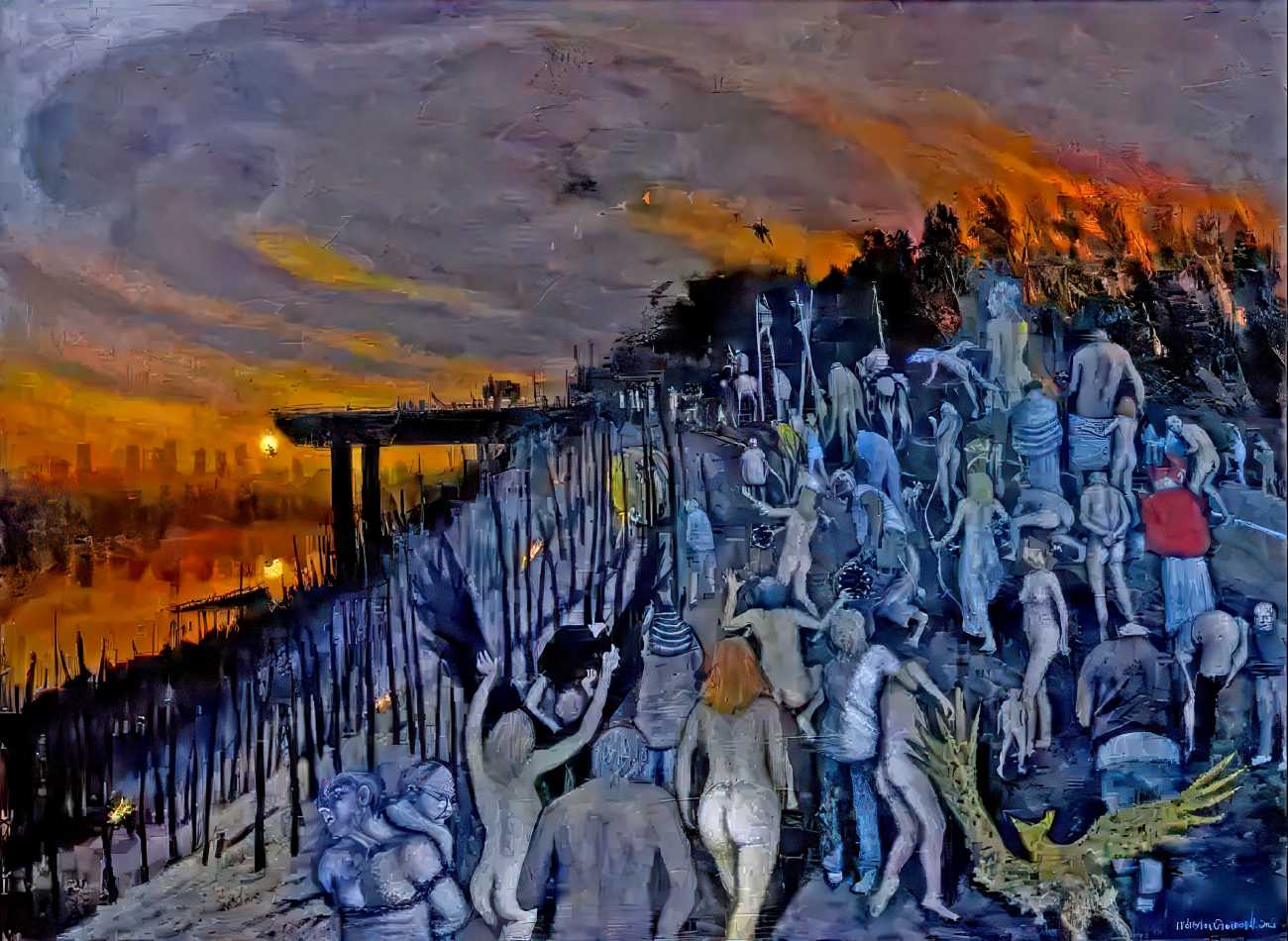
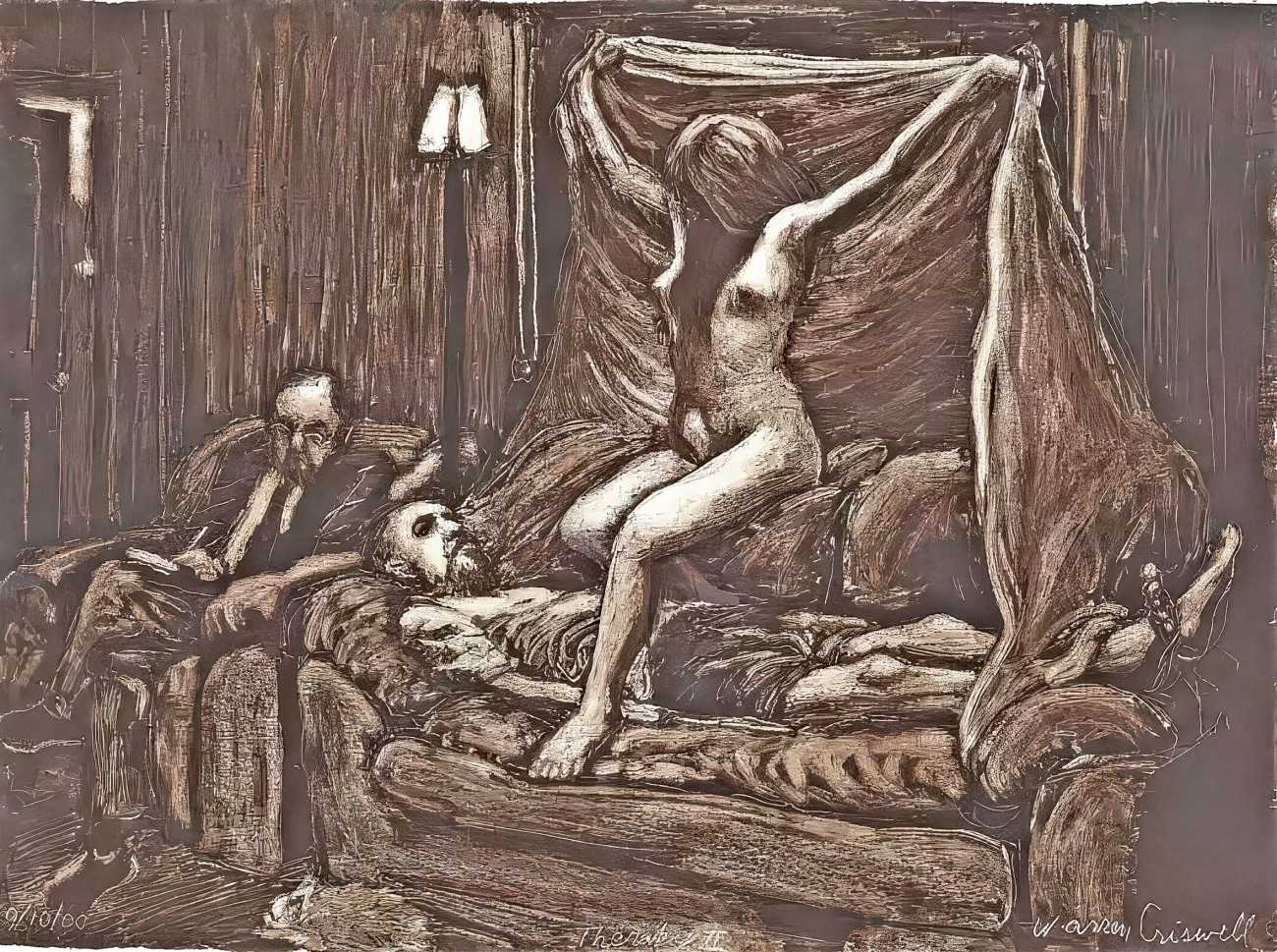
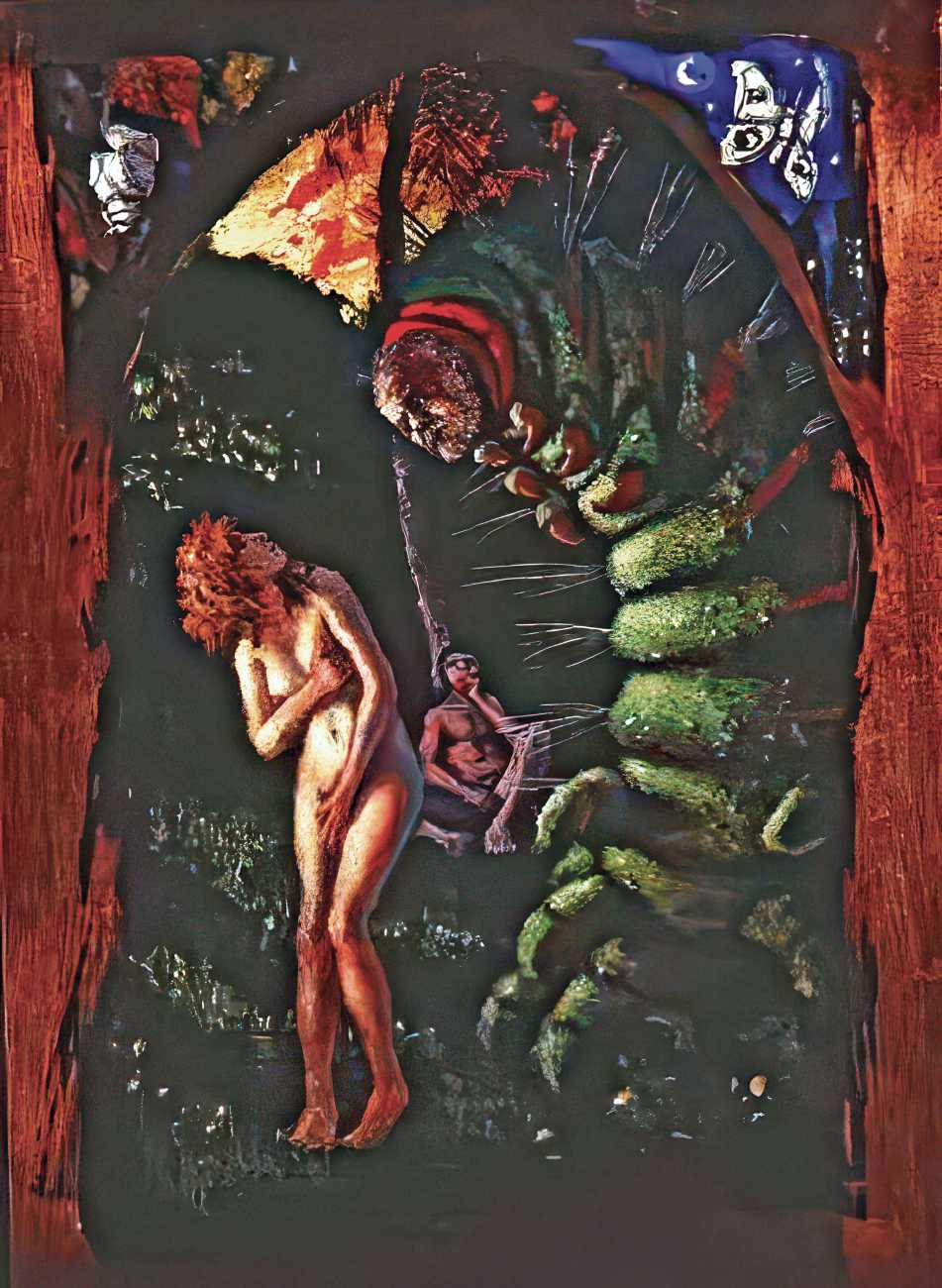
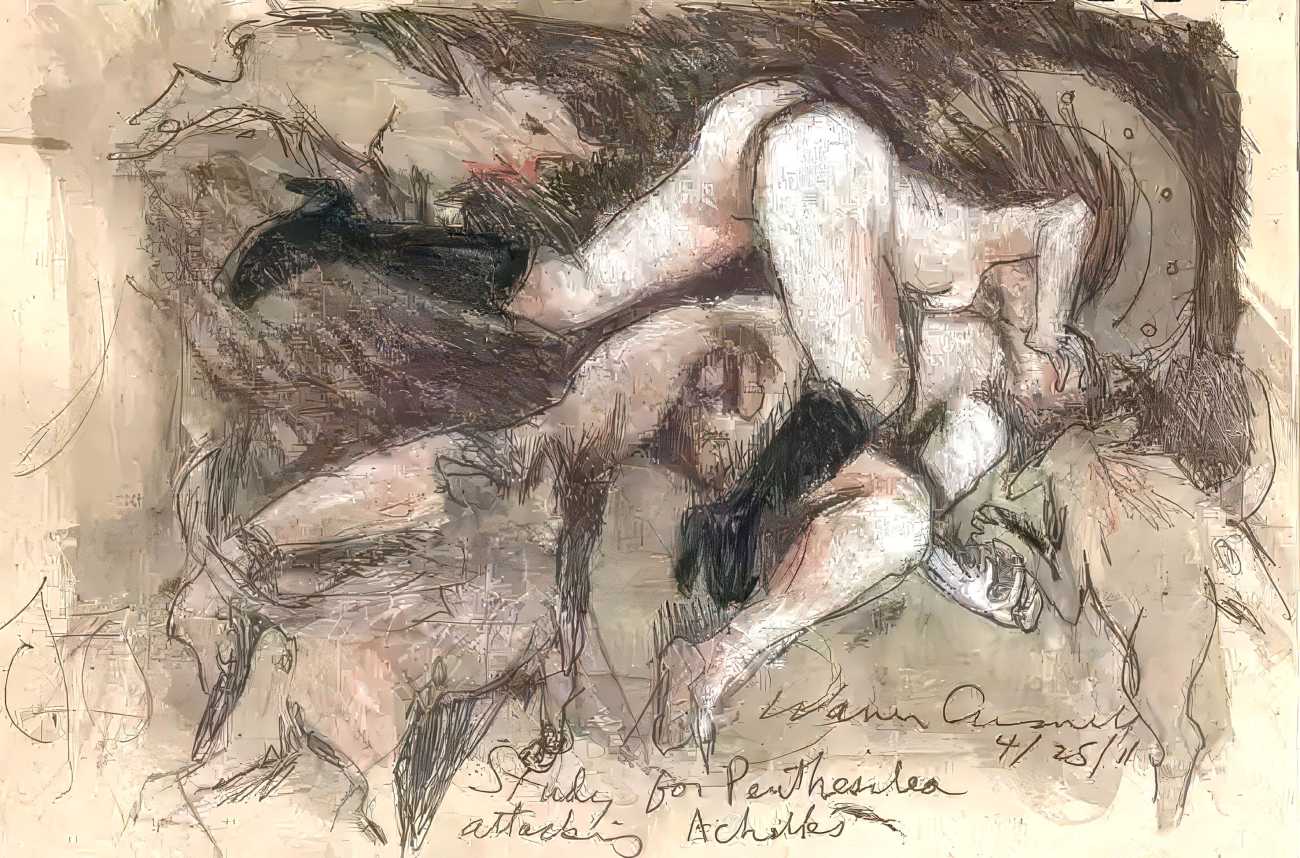
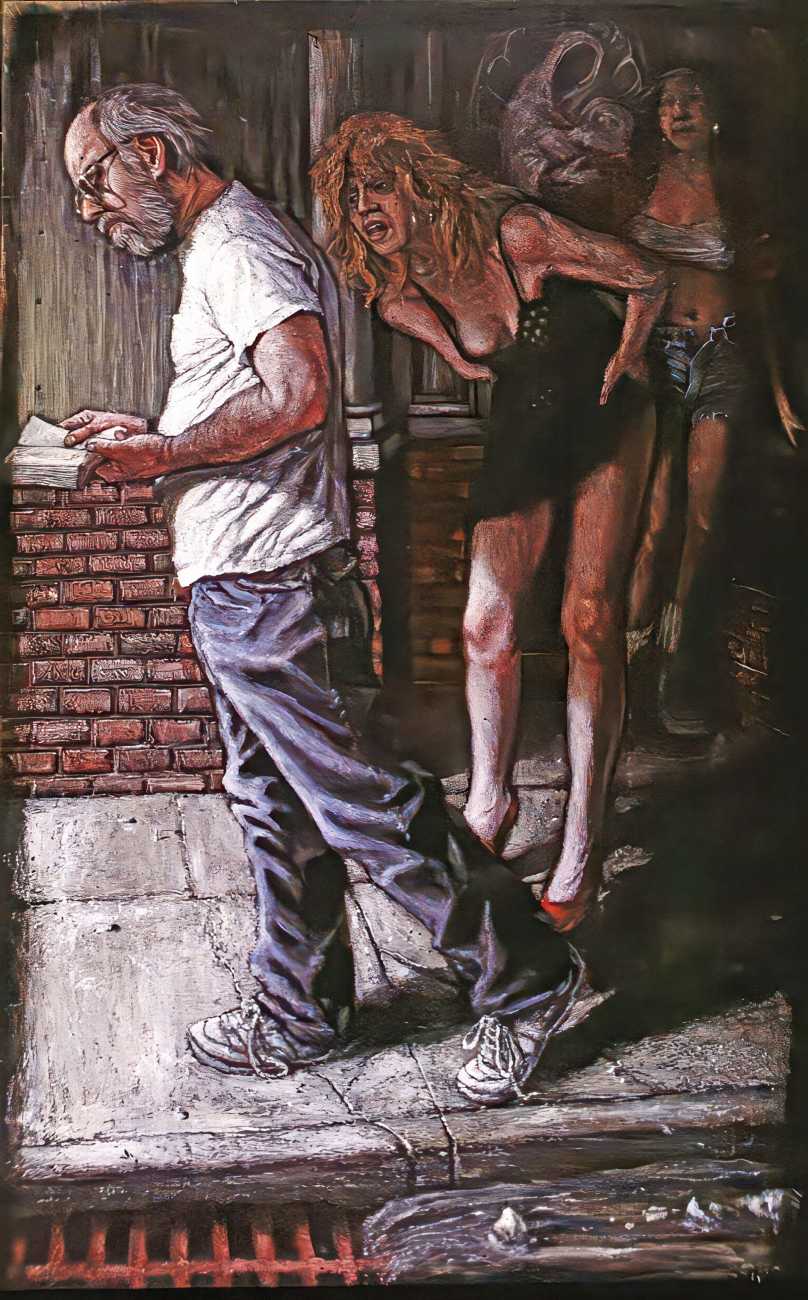
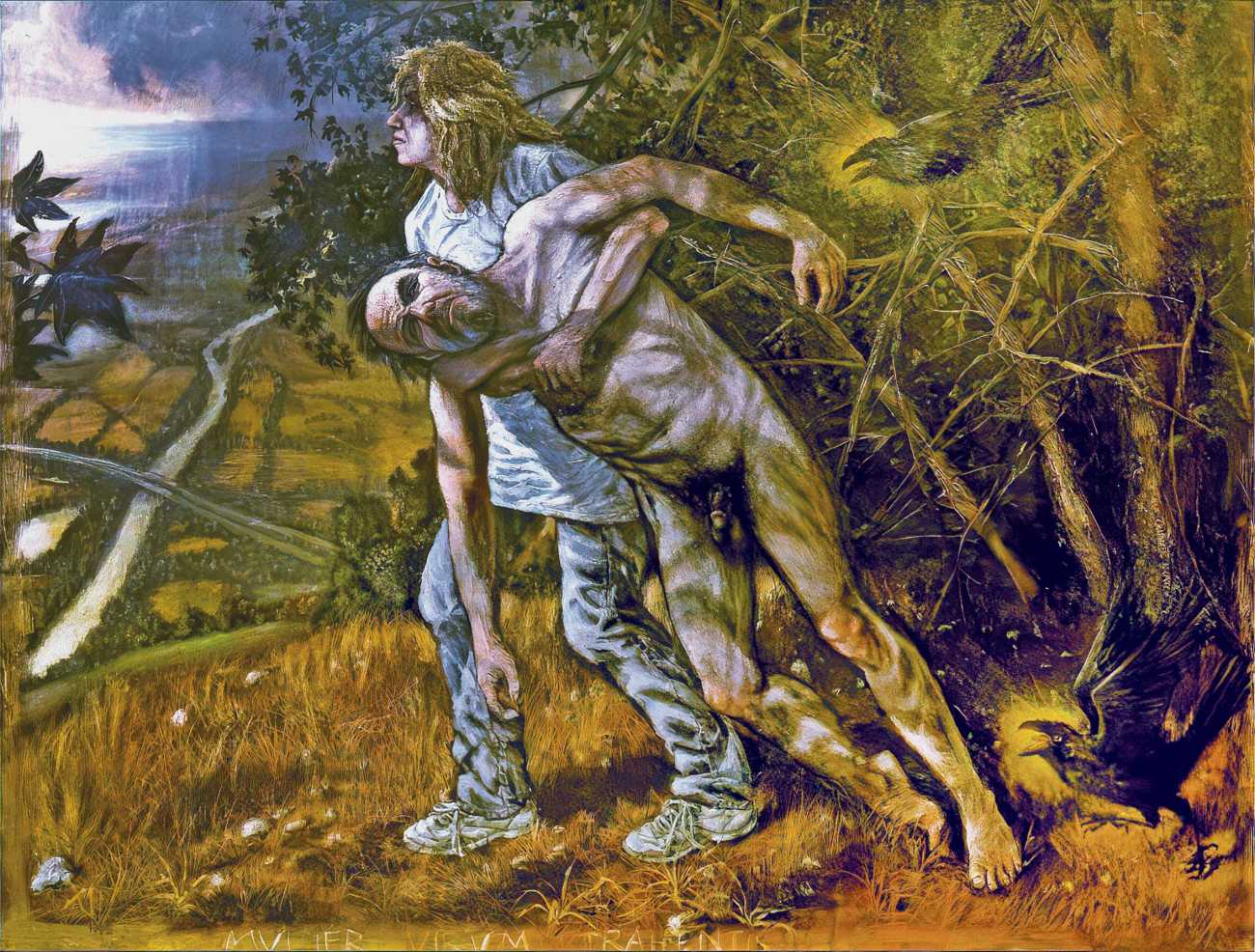
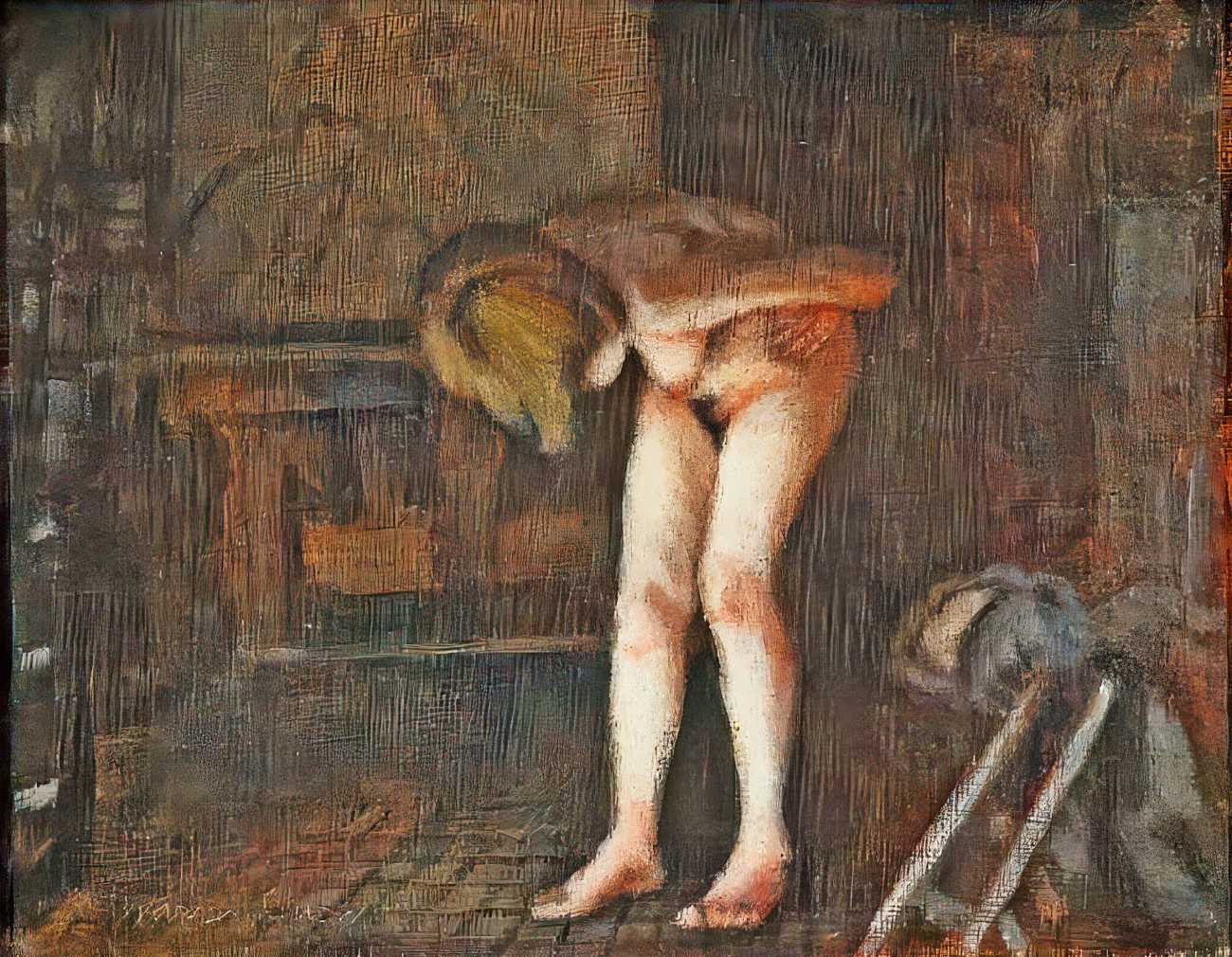
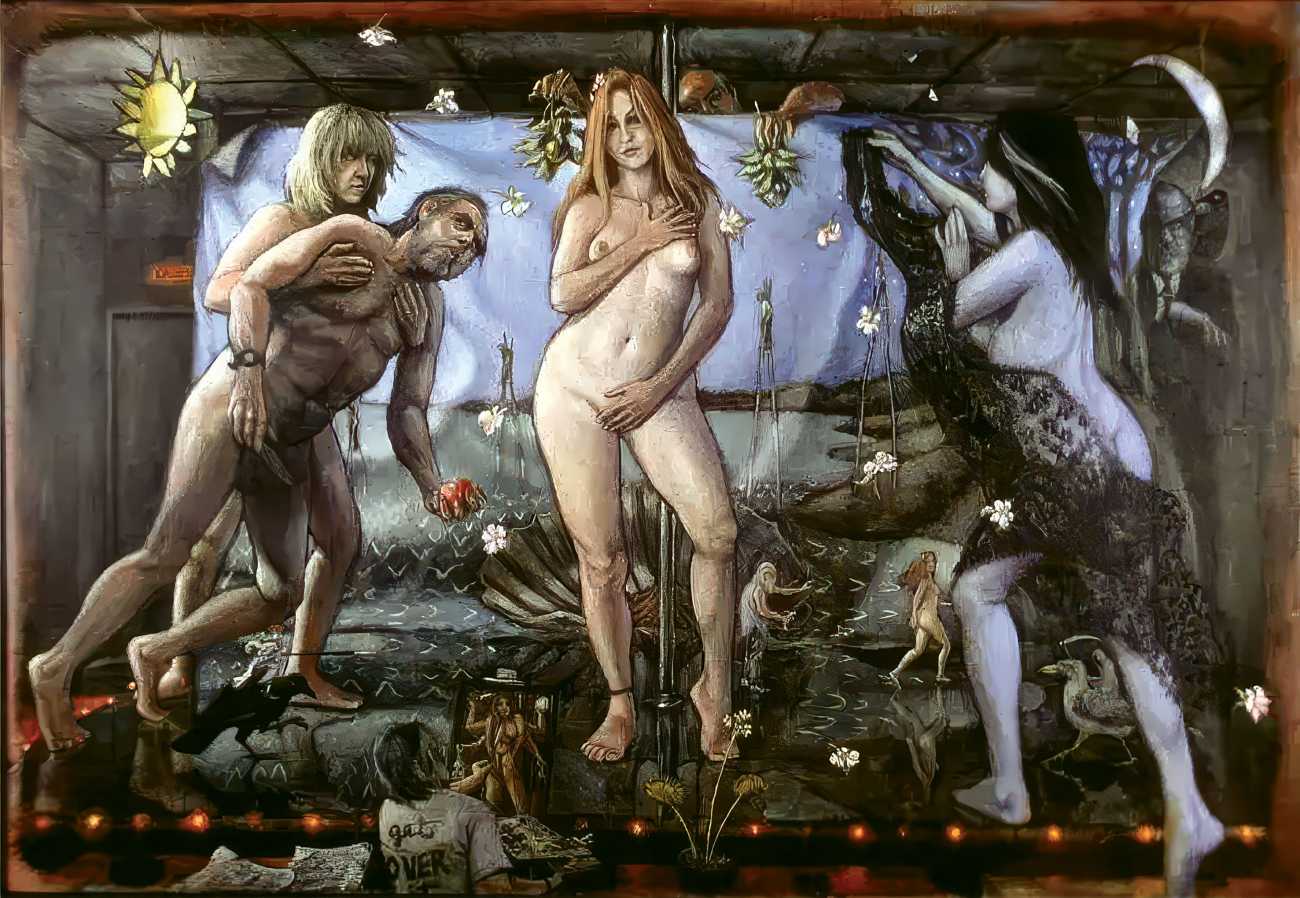
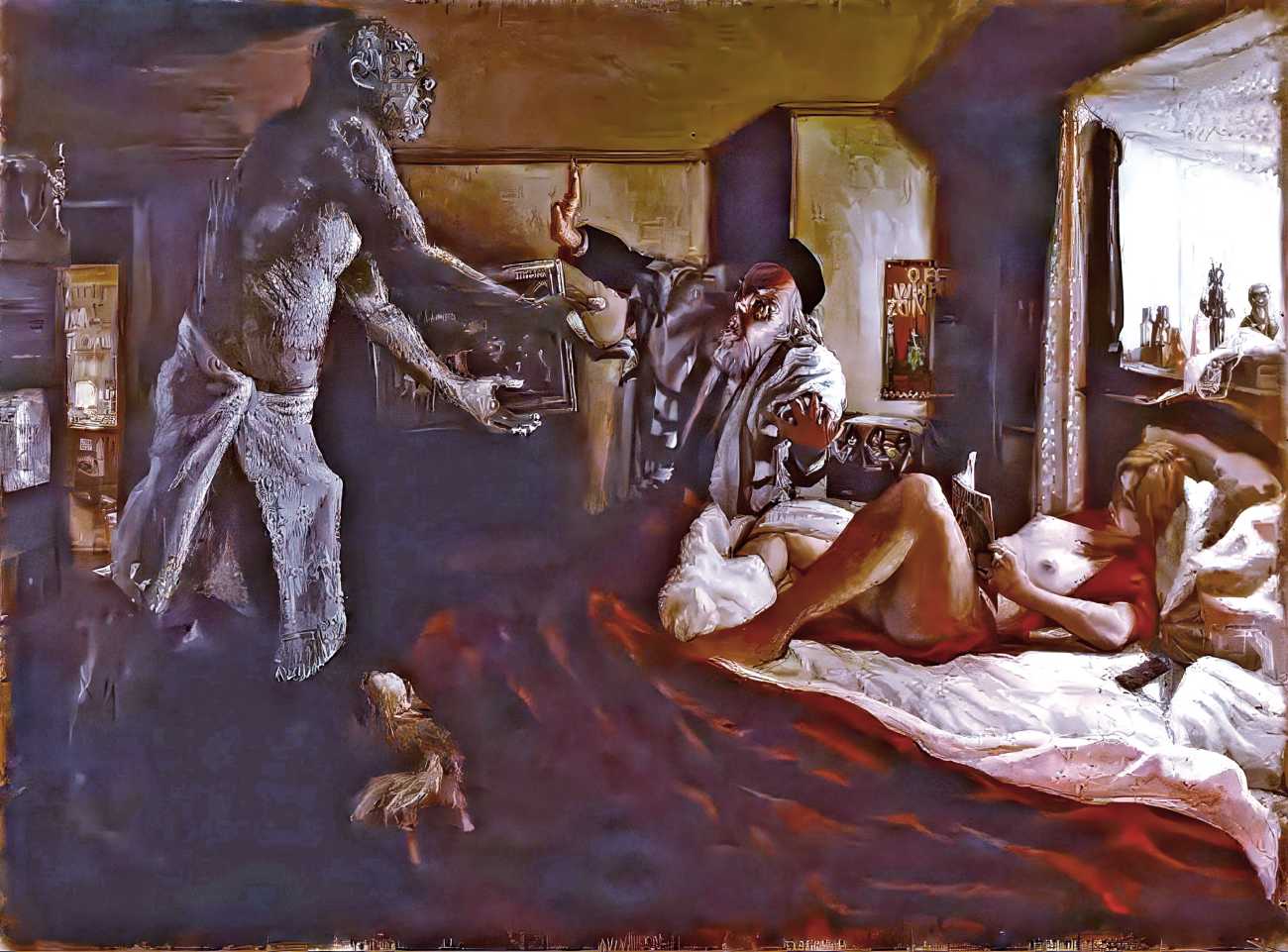
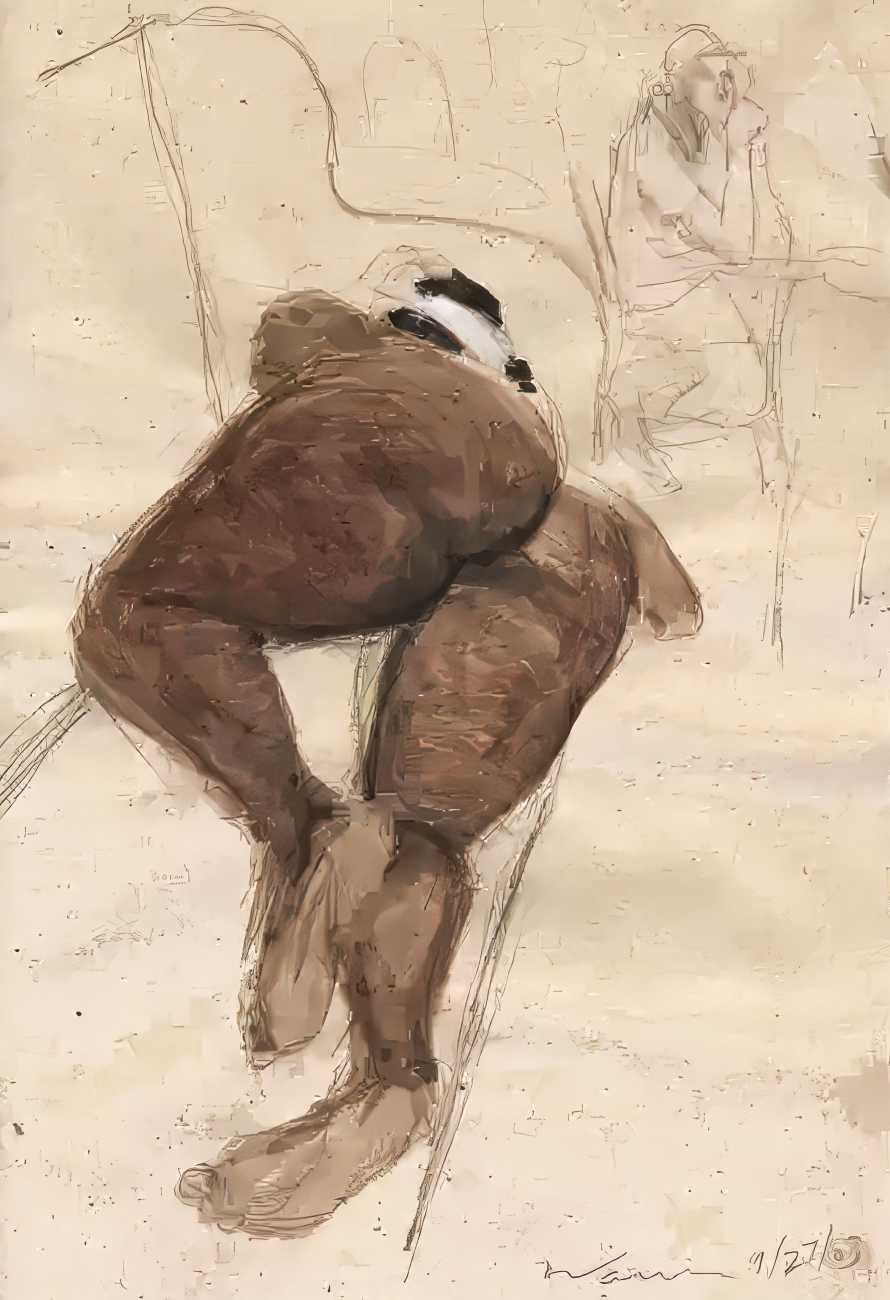
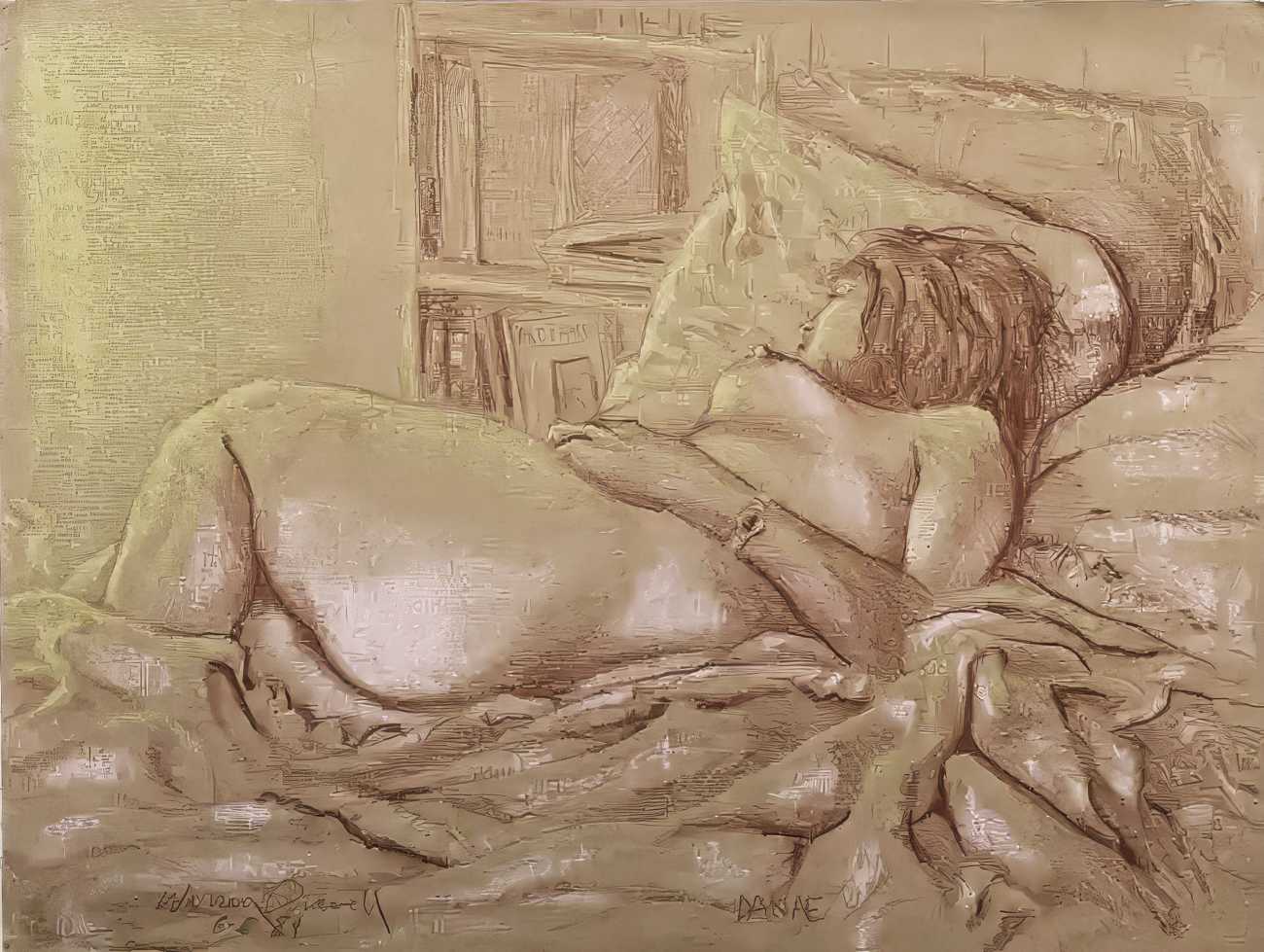
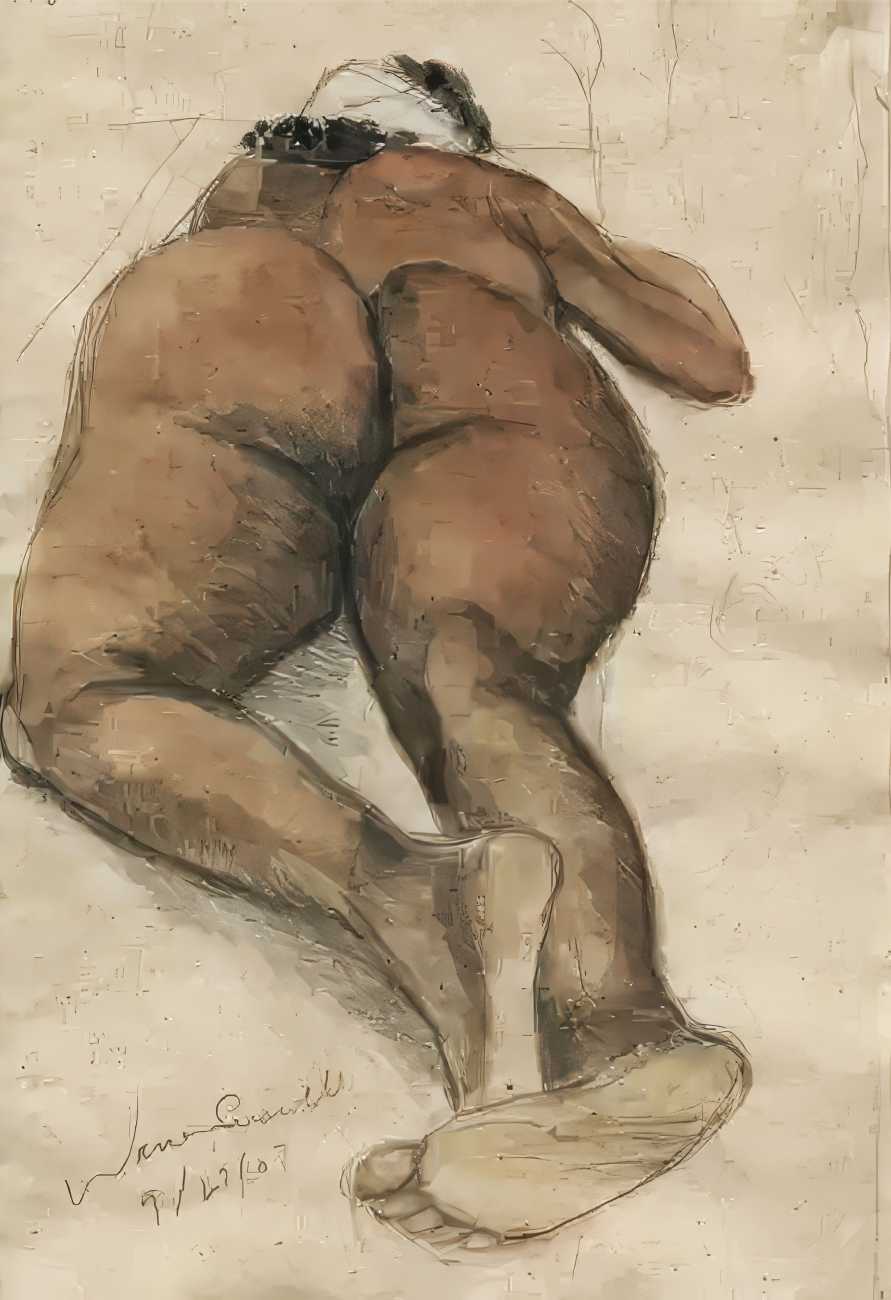
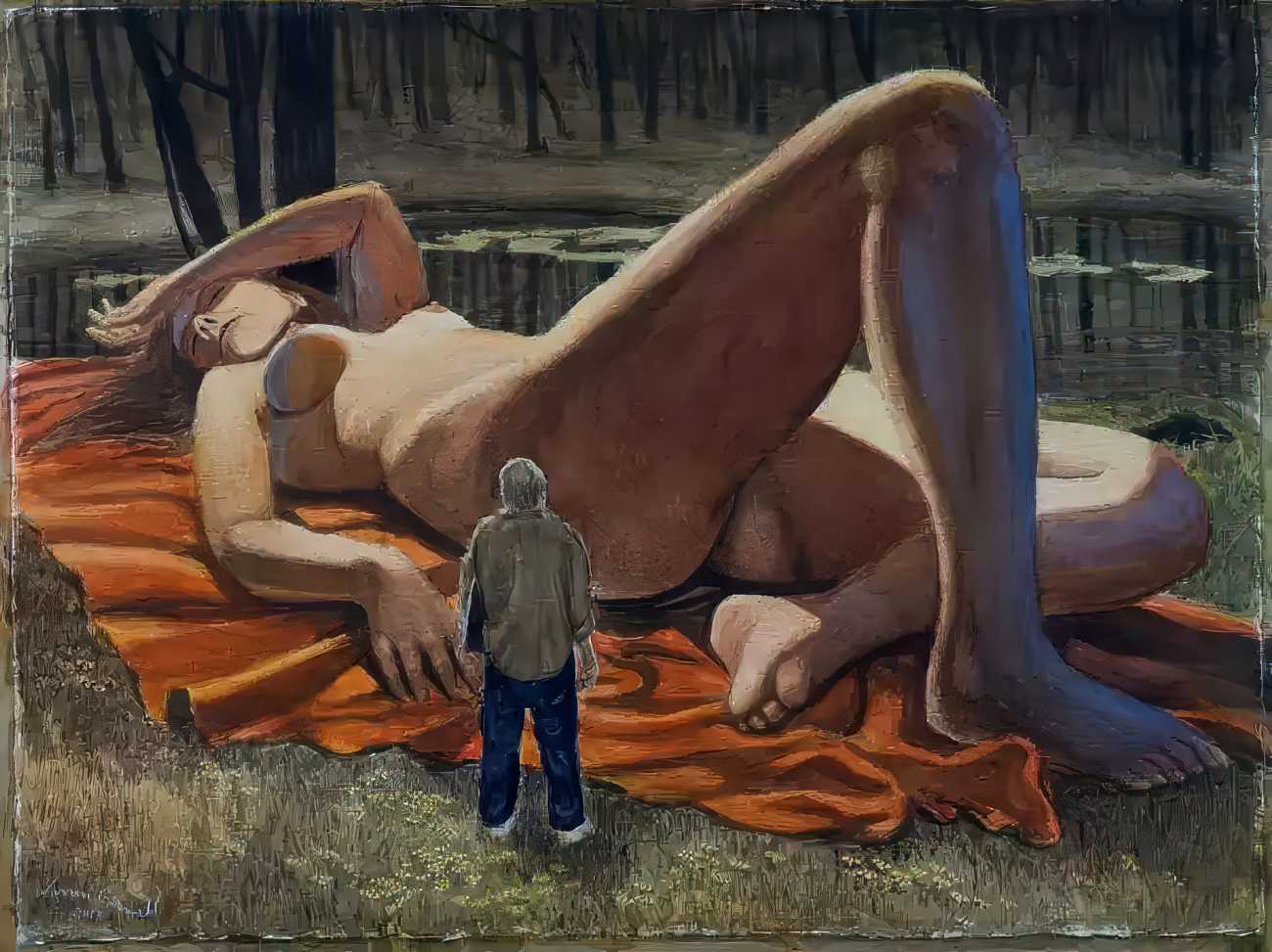
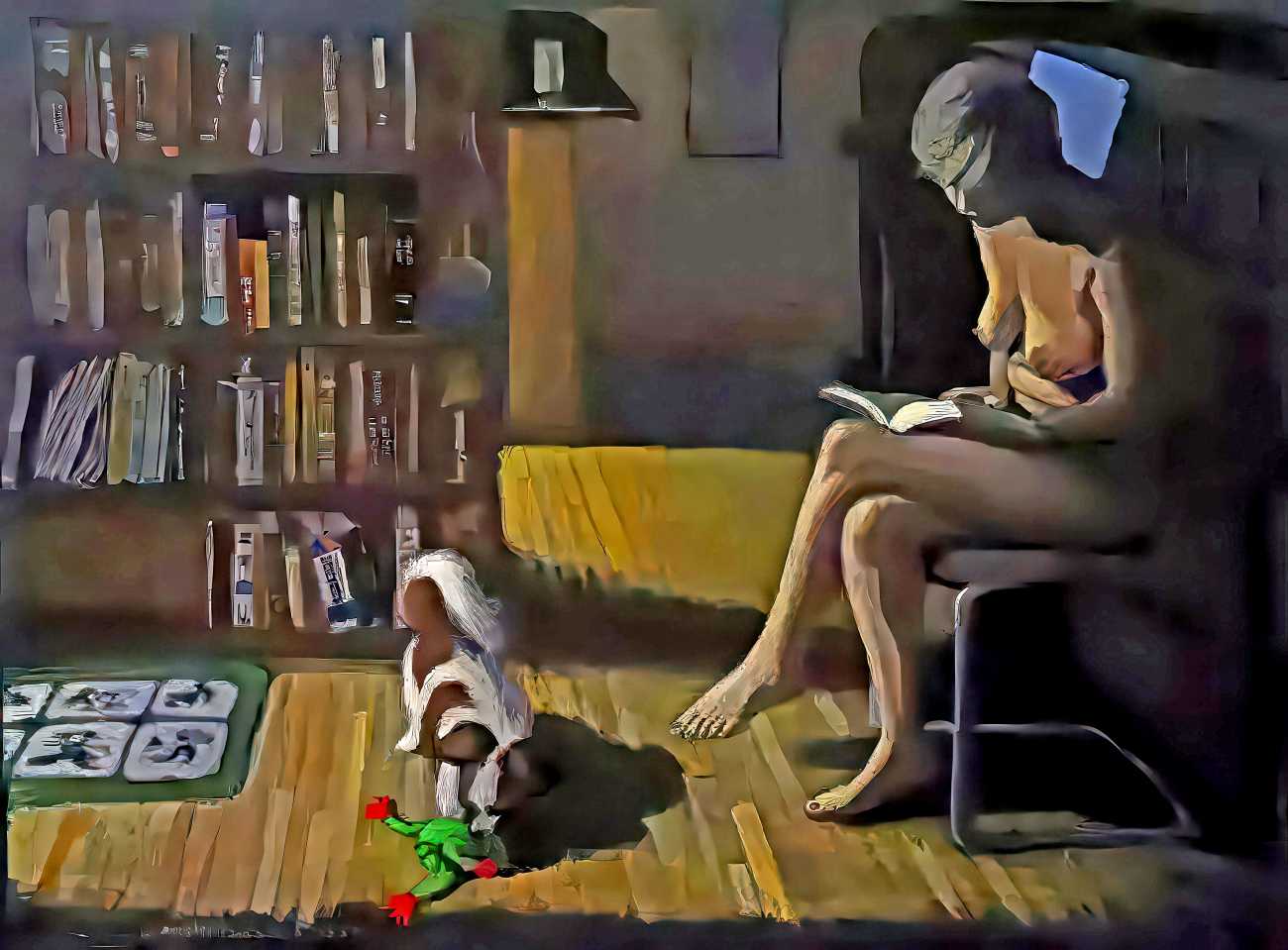
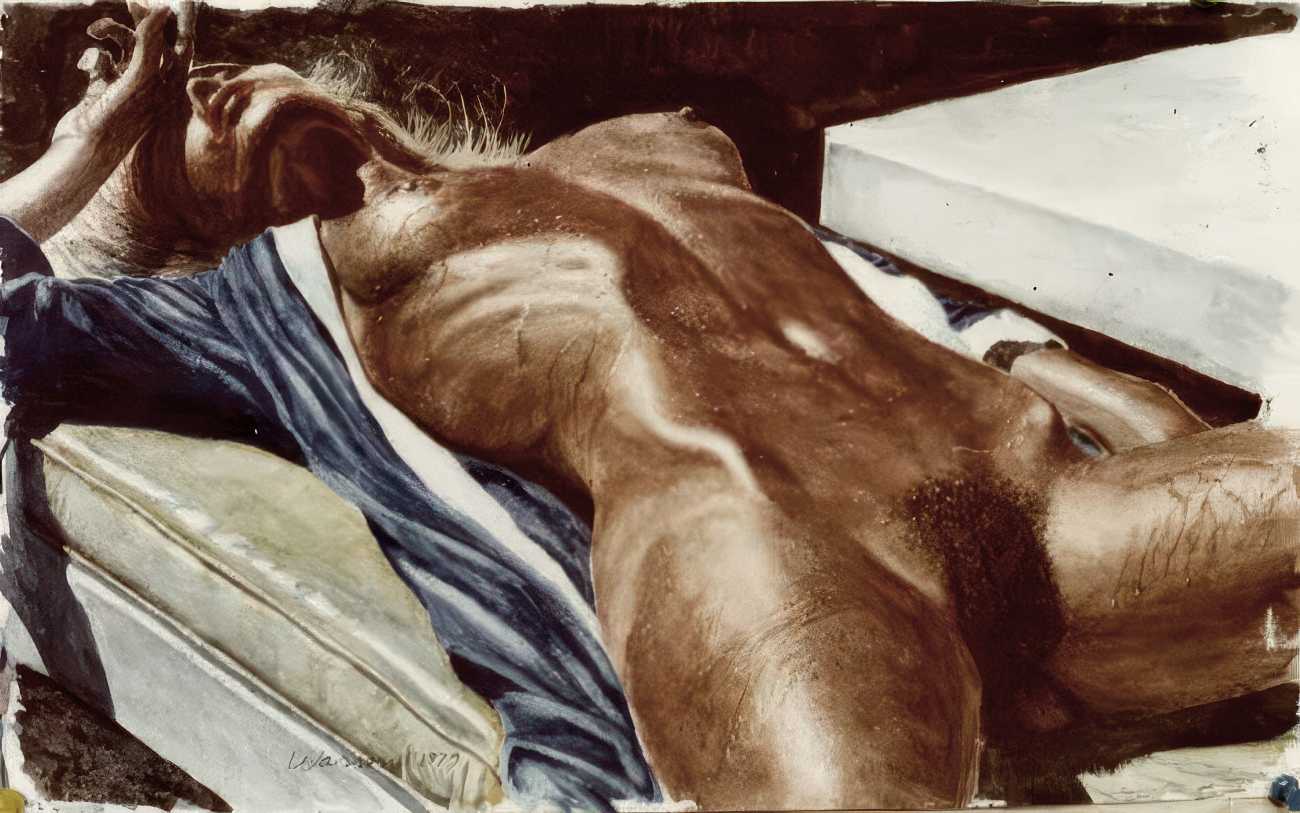
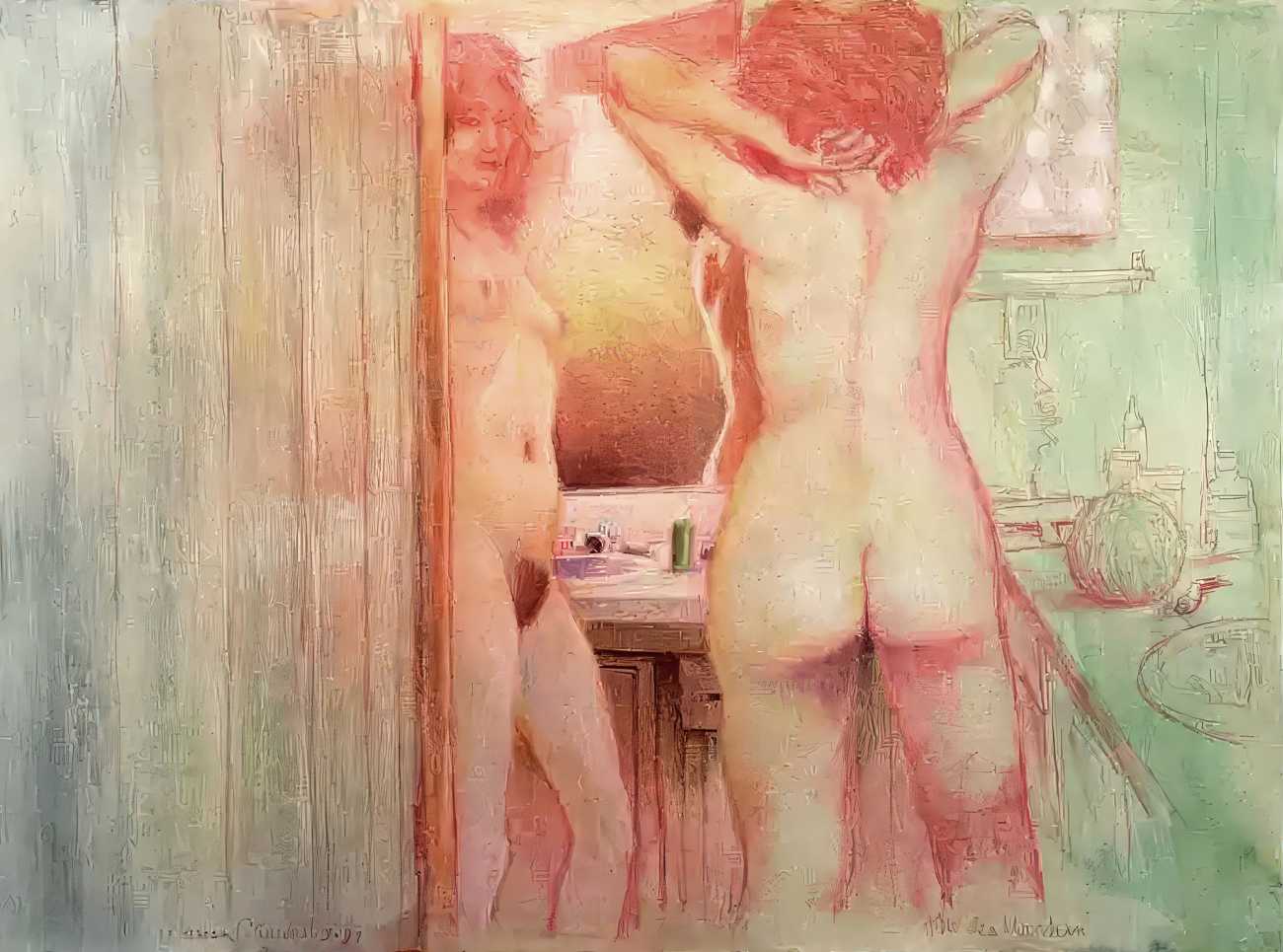
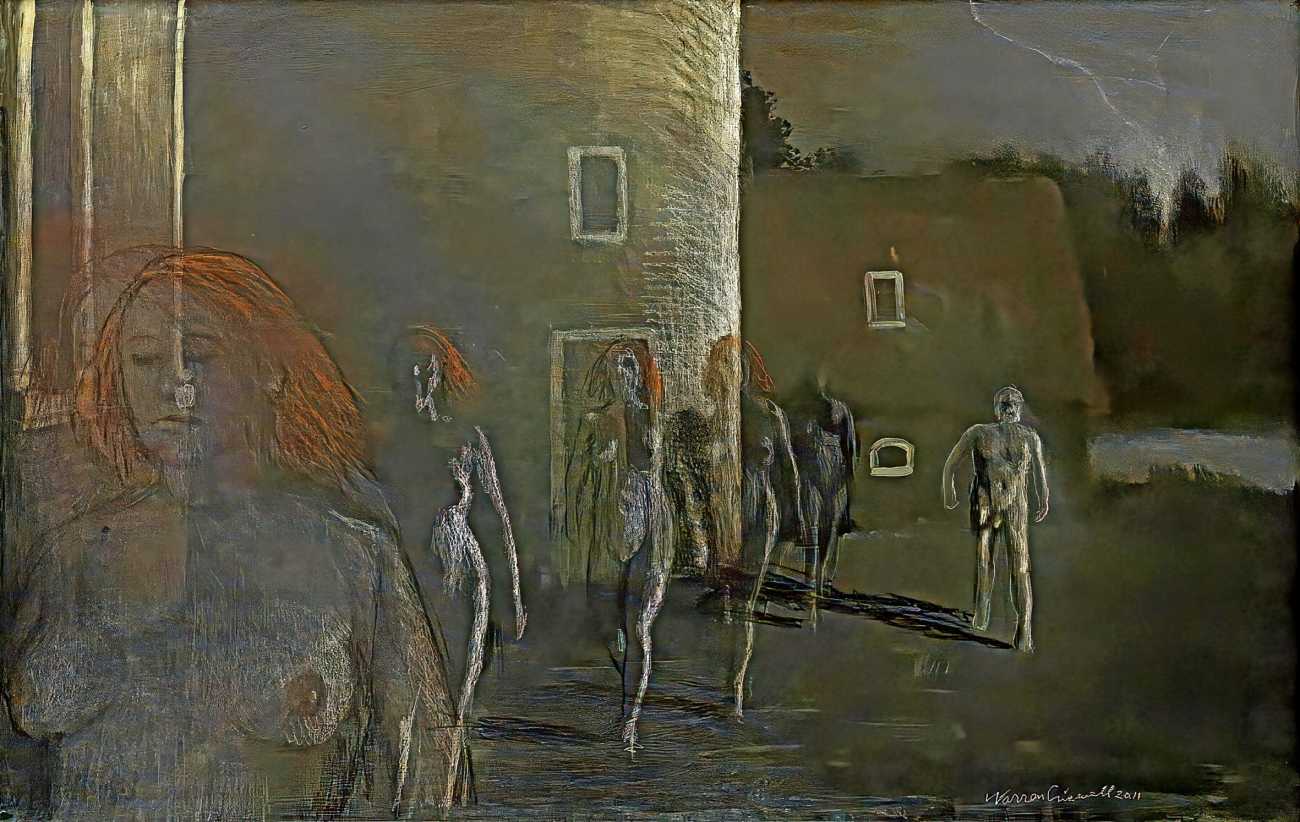
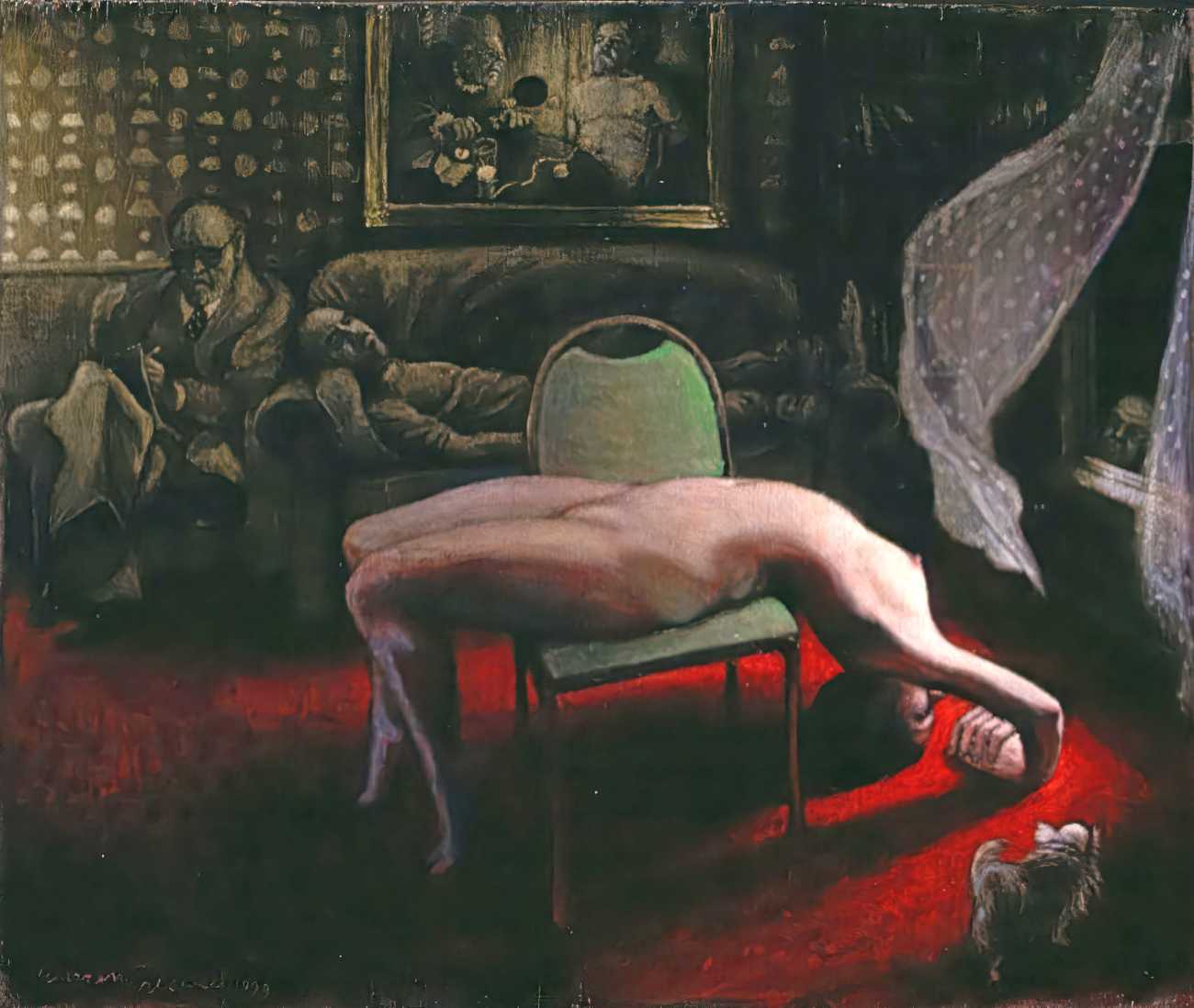
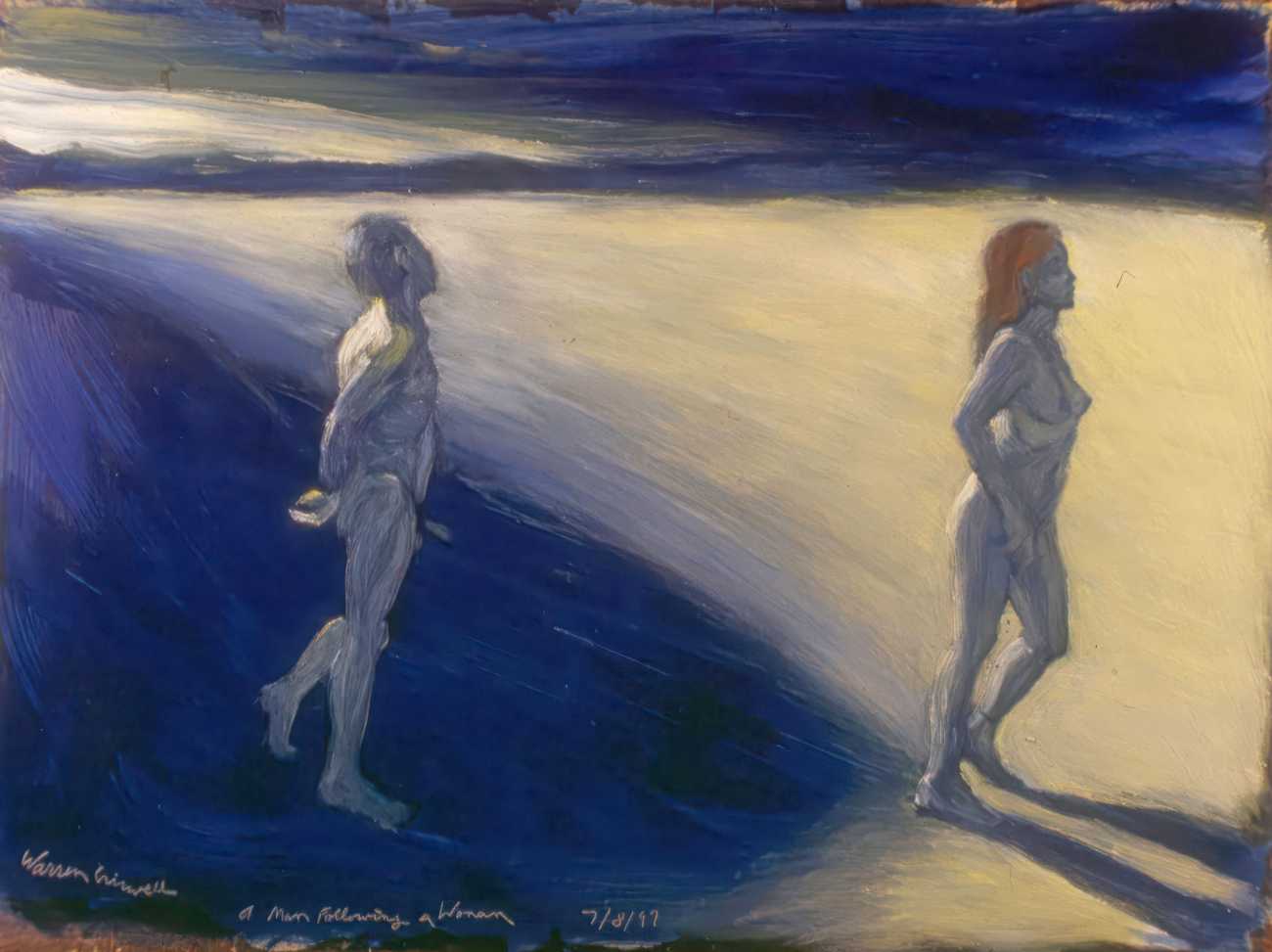
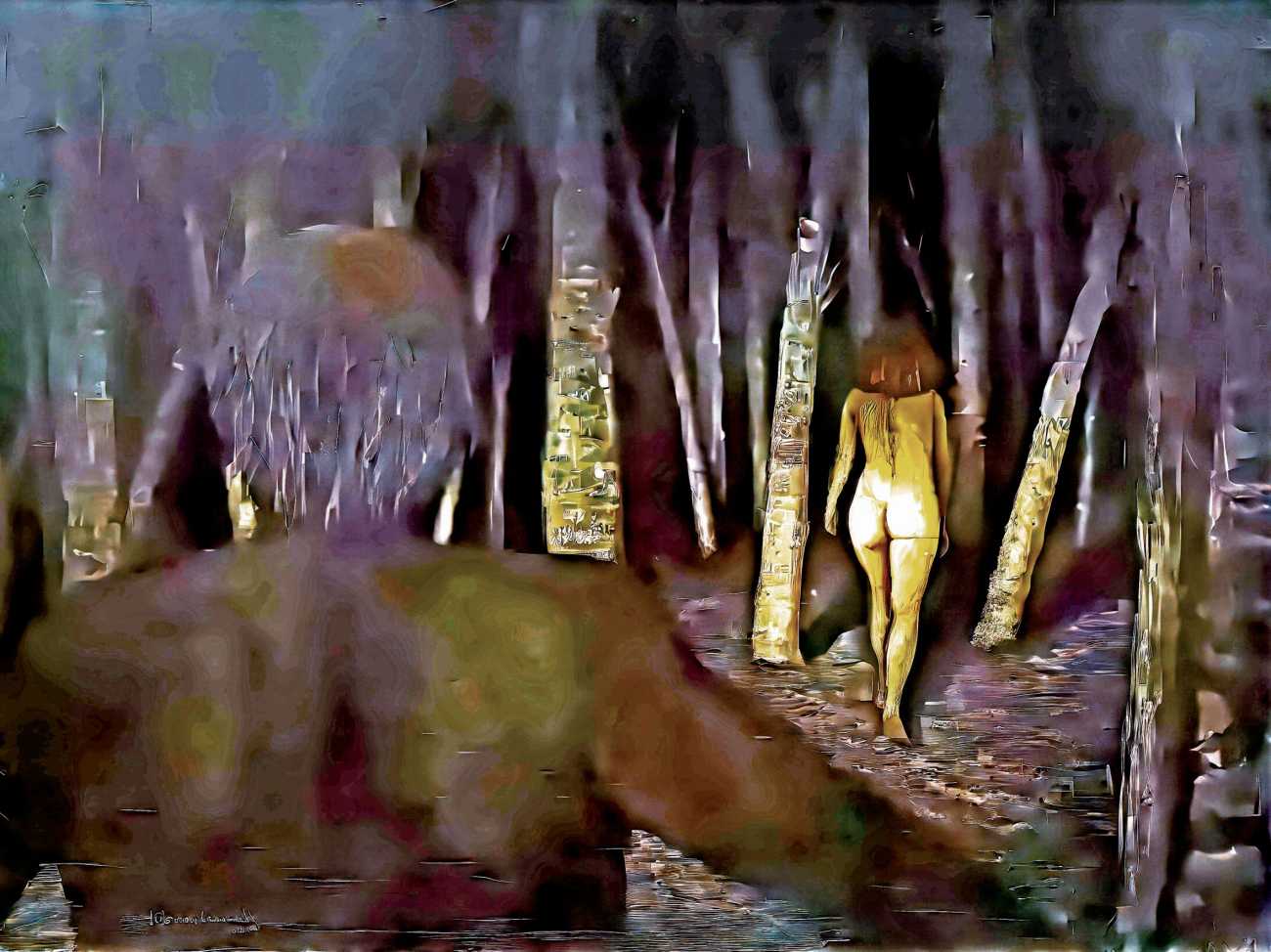
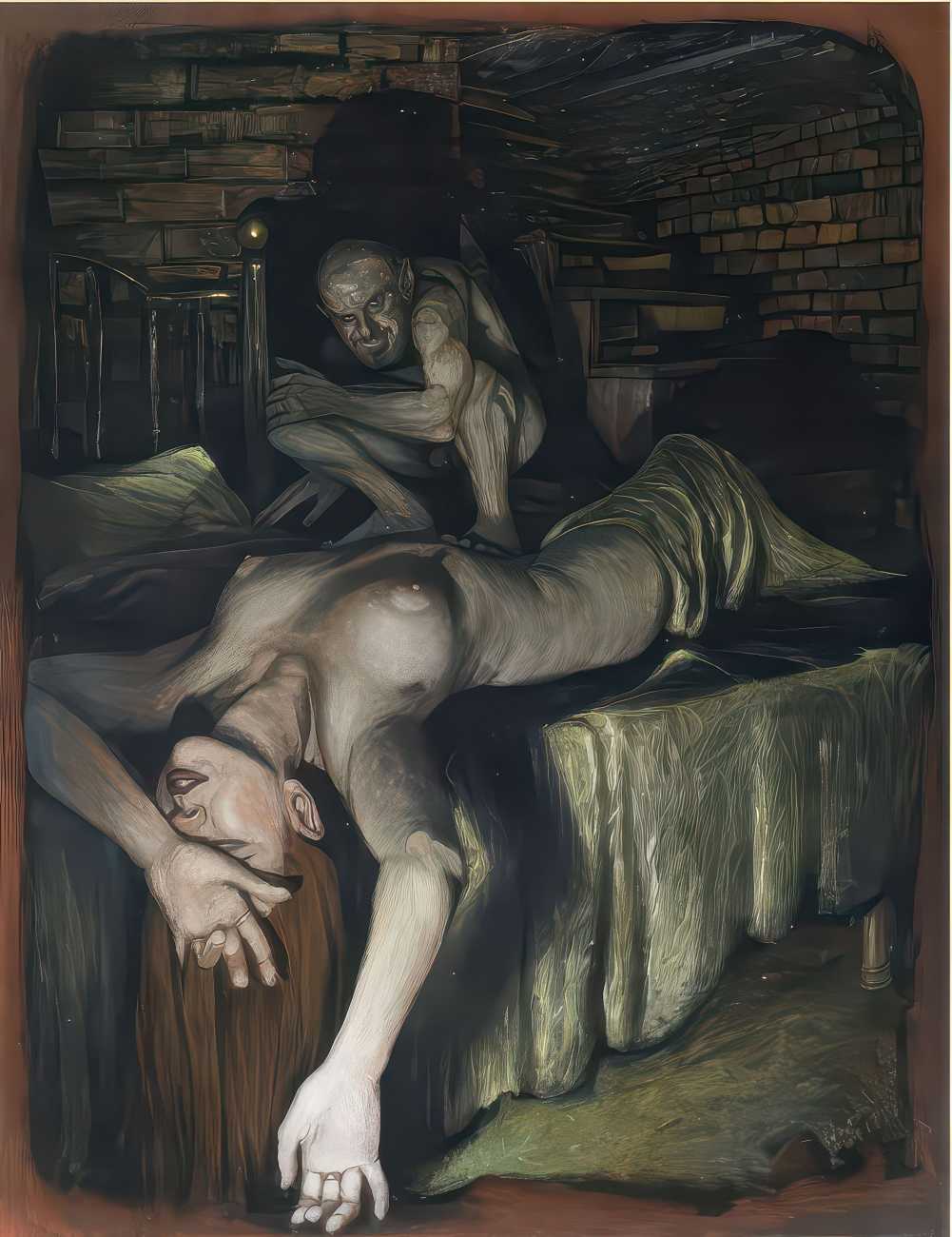
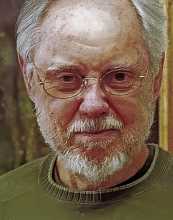
 The American artist Warren Criswell grew up in West Palm Beach, Florida. Primarily self-taught, he has worked across painting, drawing, printmaking, sculpture and animation, developing a distinctive body of work that combines painstaking technique with dark humour, literary and musical references, autobiography, and a persistent fascination with mortality. He has described himself as ‘a loner who grew up to be either a serial killer, bank robber or artist. I wasn’t interested in serial killing,’ he adds. ‘I tried robbery, stole a watch when I was ten, but got caught and took up art. They haven’t caught me at that yet.’
Criswell began drawing in childhood and attended classes at the Norton School of Art in West Palm Beach, but otherwise had little formal training. His mother was an amateur painter, and he remembers growing up smelling linseed oil and turpentine, though she did not teach him to paint. His early work was expressionistic, followed during the 1970s by a period of photorealistic painting and watercolour.
In 1972 Criswell, his wife Janet and their family sold their home, bought a bus and set off in search of land on which to establish a self-sufficient, off-grid homestead. The plan was inspired partly by his reading of the Club of Rome’s influential report The Limits to Growth and his concerns about environmental collapse. Their travels took them to Arkansas, where Criswell was researching an apocalyptic novel, and then to Louisiana, where he worked as a land surveyor for the US Army Corps of Engineers and subsequently at a print shop in Natchitoches, where he learned photolithography. During his two years in Louisiana he taught himself watercolour.
The family then returned to Arkansas, where in 1978 their bus broke down. They acquired a few acres near Benton, where Criswell began exhibiting his watercolours, and he was eventually able to become a full-time artist. In 1982 a tornado destroyed their mobile home and overturned the bus; they subsequently built the house, office and studio where Criswell has continued to work. Arkansas has remained his home ever since.
Around 1983 his work underwent a major transformation. He became increasingly interested in the old masters, particularly Rembrandt, Caravaggio and Titian, teaching himself their techniques through research and experimentation. His paintings became darker and more painterly, with dramatic illumination and deep shadow.
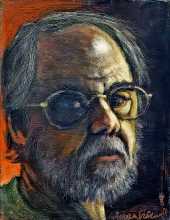
Criswell’s imagination is unusually catholic, drawing on literature, music, mythology, popular culture, personal experience and the everyday world around him. He has consistently crossed boundaries between media, often developing a single idea as a drawing, watercolour, painting, print, sculpture or animation. ‘When I get an image, I milk it for all it’s worth,’ he says. ‘Sometimes an actual work of art can emerge from what I thought was just an exercise.’
His career has included more than fifty solo exhibitions, numerous group exhibitions and representation in public and private collections across the United States and internationally. He received a Mid-America Arts Alliance/National Endowment for the Arts fellowship in 1996, an Arkansas Arts Council Individual Artist Fellowship in 2003, and the Arkansas Governor’s Individual Artist Award in 2021.
Warren Criswell’s website, where he shows his latest work, can be found here.
We are very grateful to our Russian friend Yuri for suggesting the inclusion of this artist, and for supplying most of the images.
Similar artists
Paul Cadmus – American realist painter working after renaissance models.
Anthony Christian – British painter working in a classical figurative tradition.
Edgar Degas – French painter of dancers, brothels and backstage life.
Robert Lenkiewicz – British painter of intimate portraits and unidealised sexual subjects.
Norman Lindsay – Australian draughtsman and painter of mythological subjects.
Reginald Marsh – American painter of burlesque houses and crowds.
Jean Rustin – French painter of bleak figures in bare interiors.
Example illustration