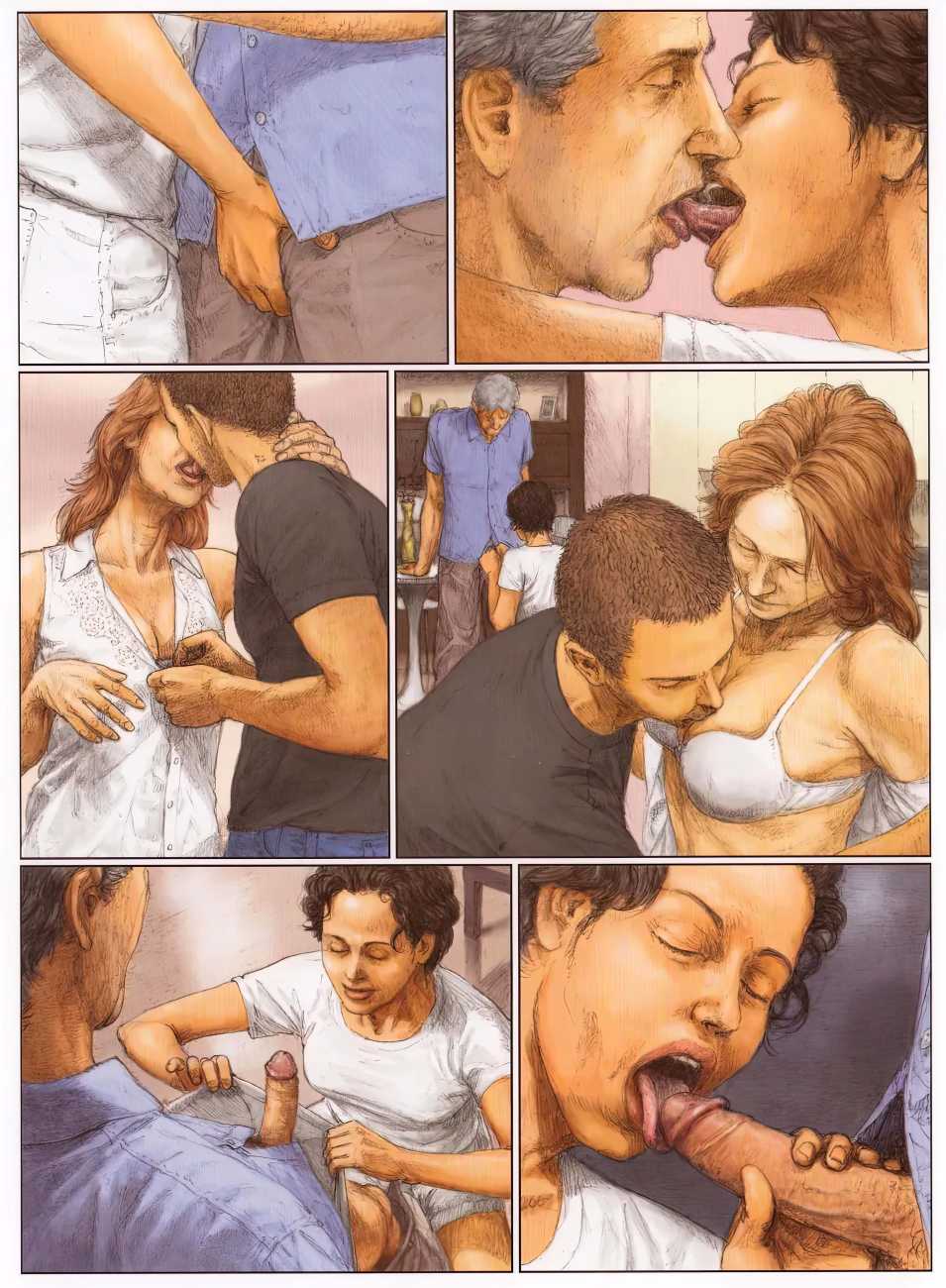
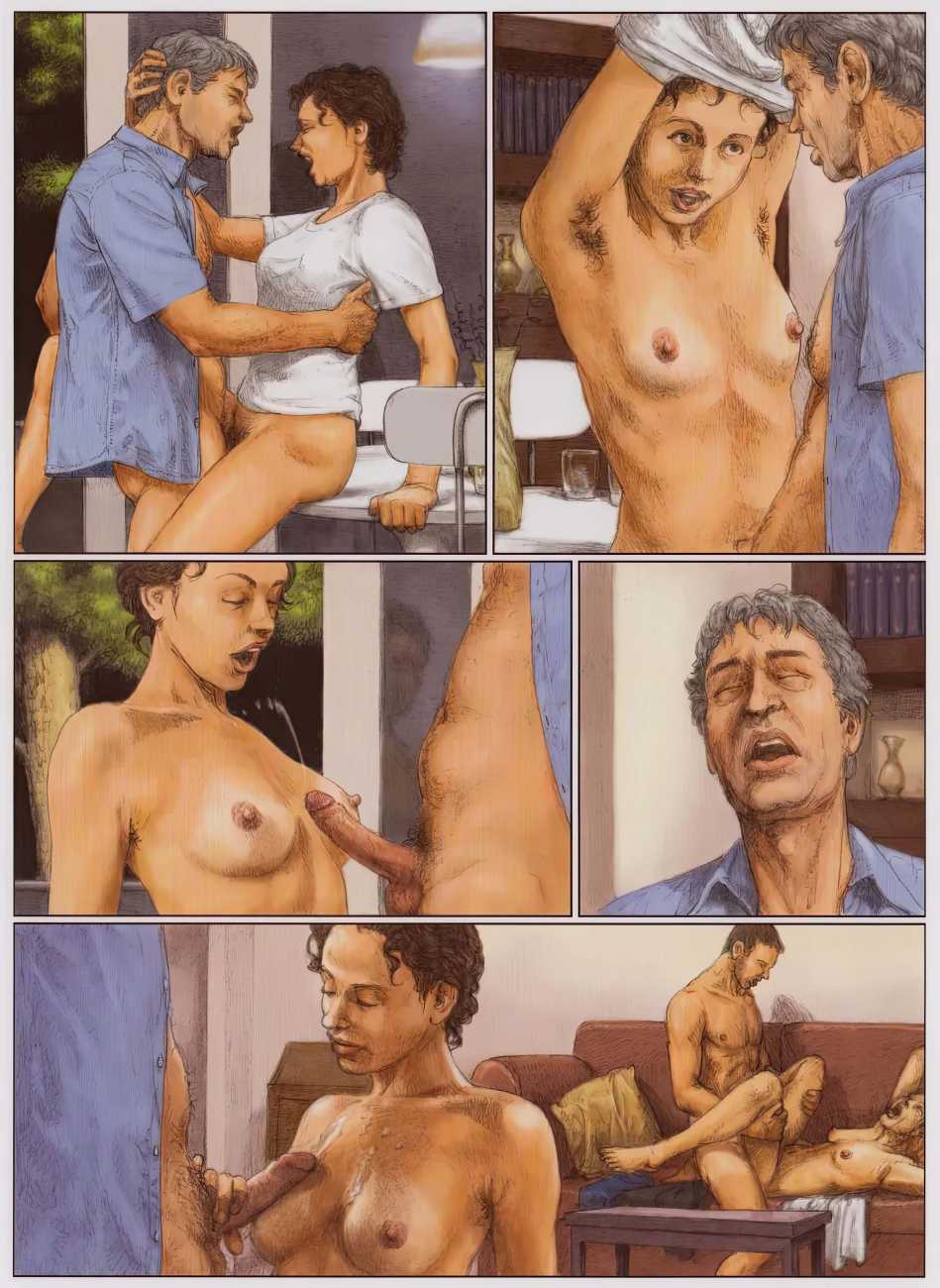
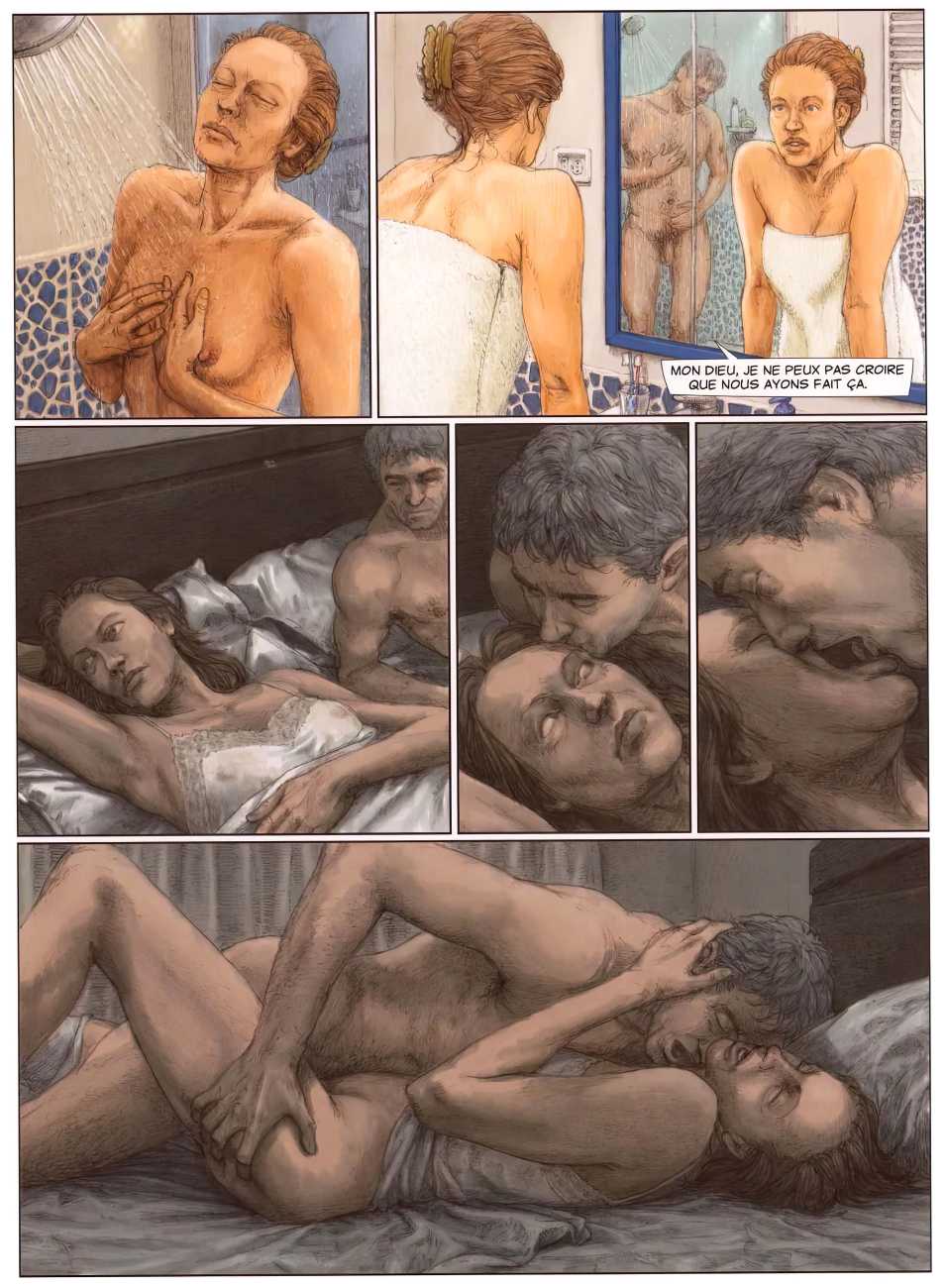
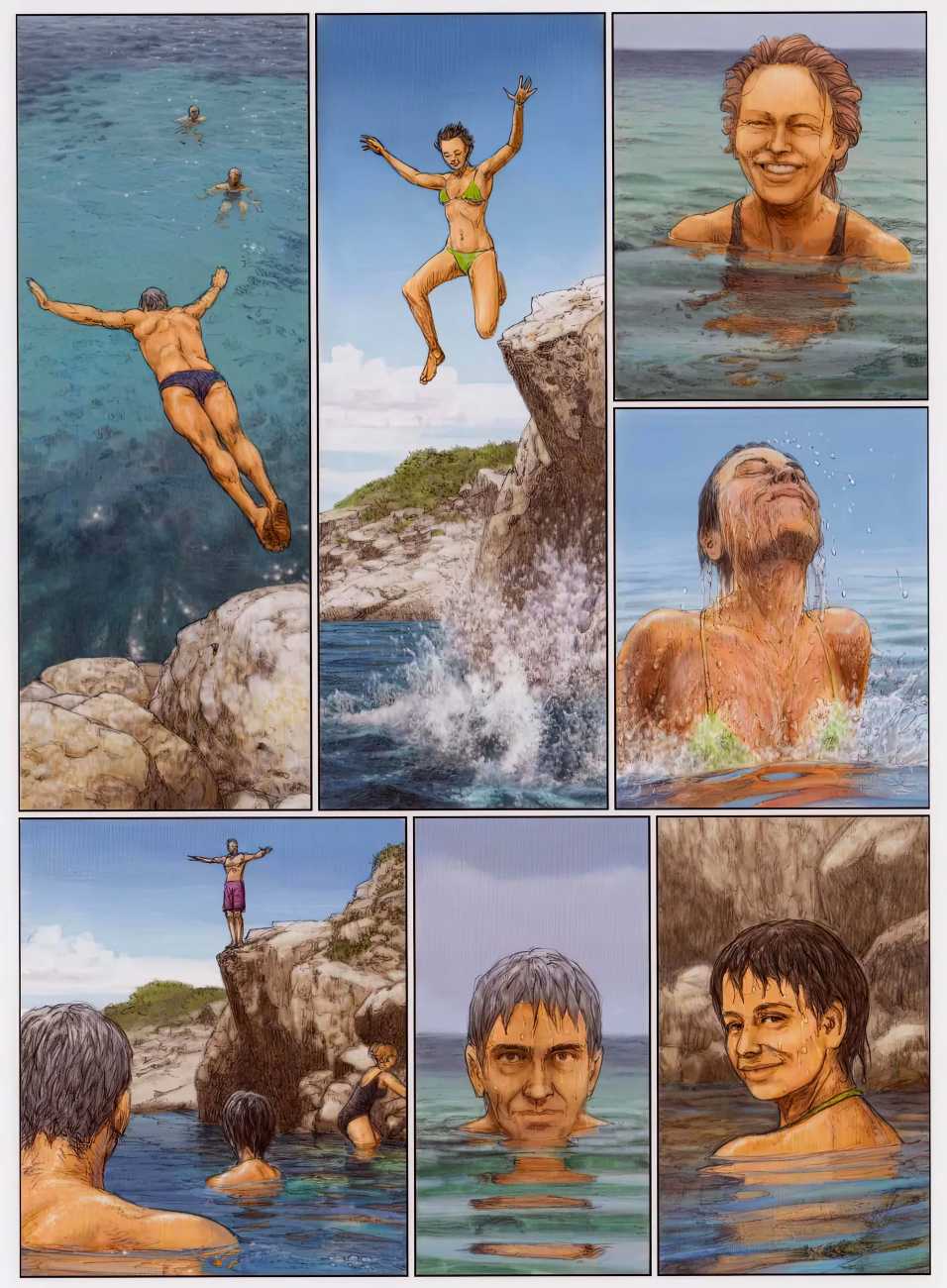
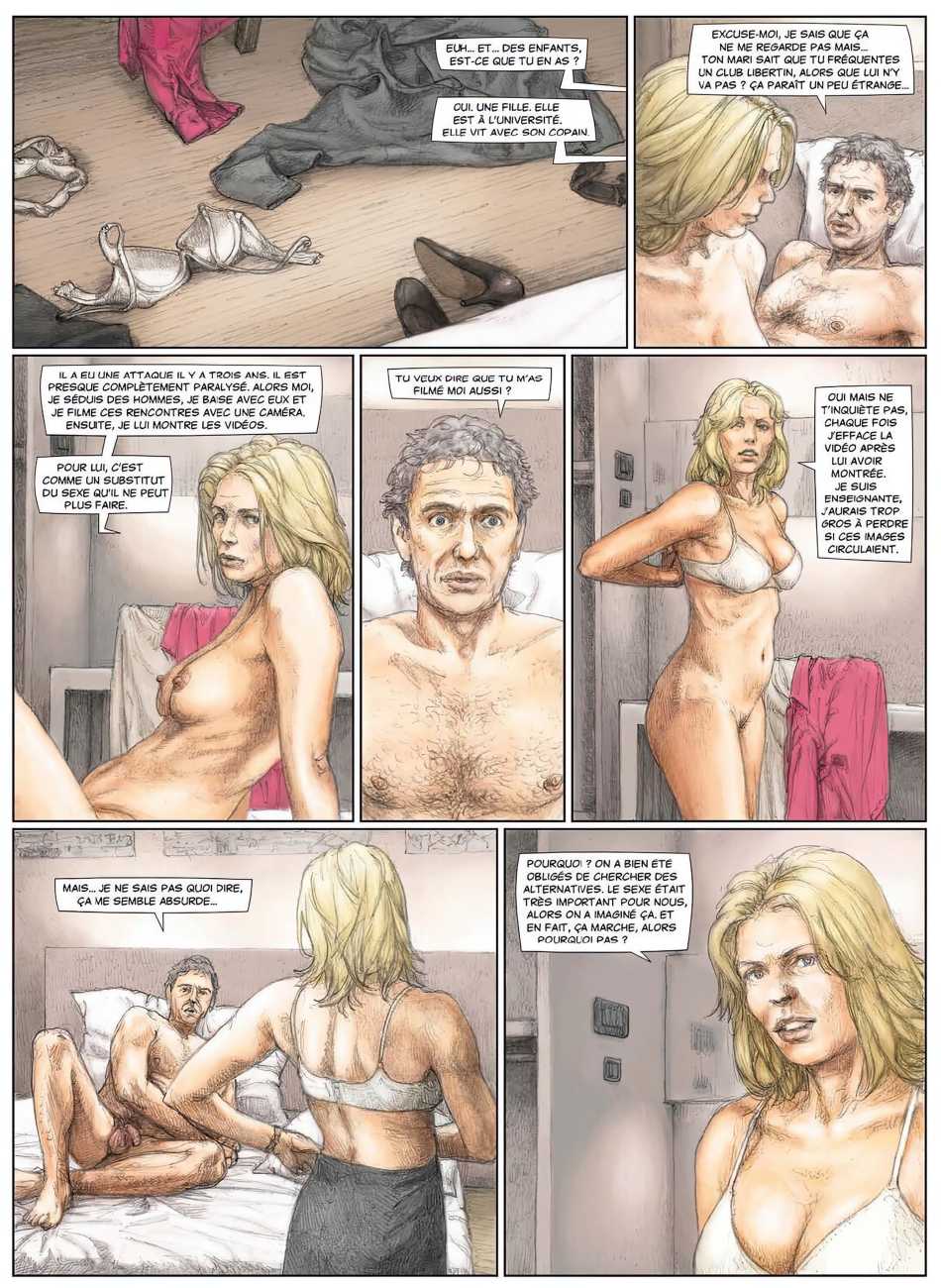
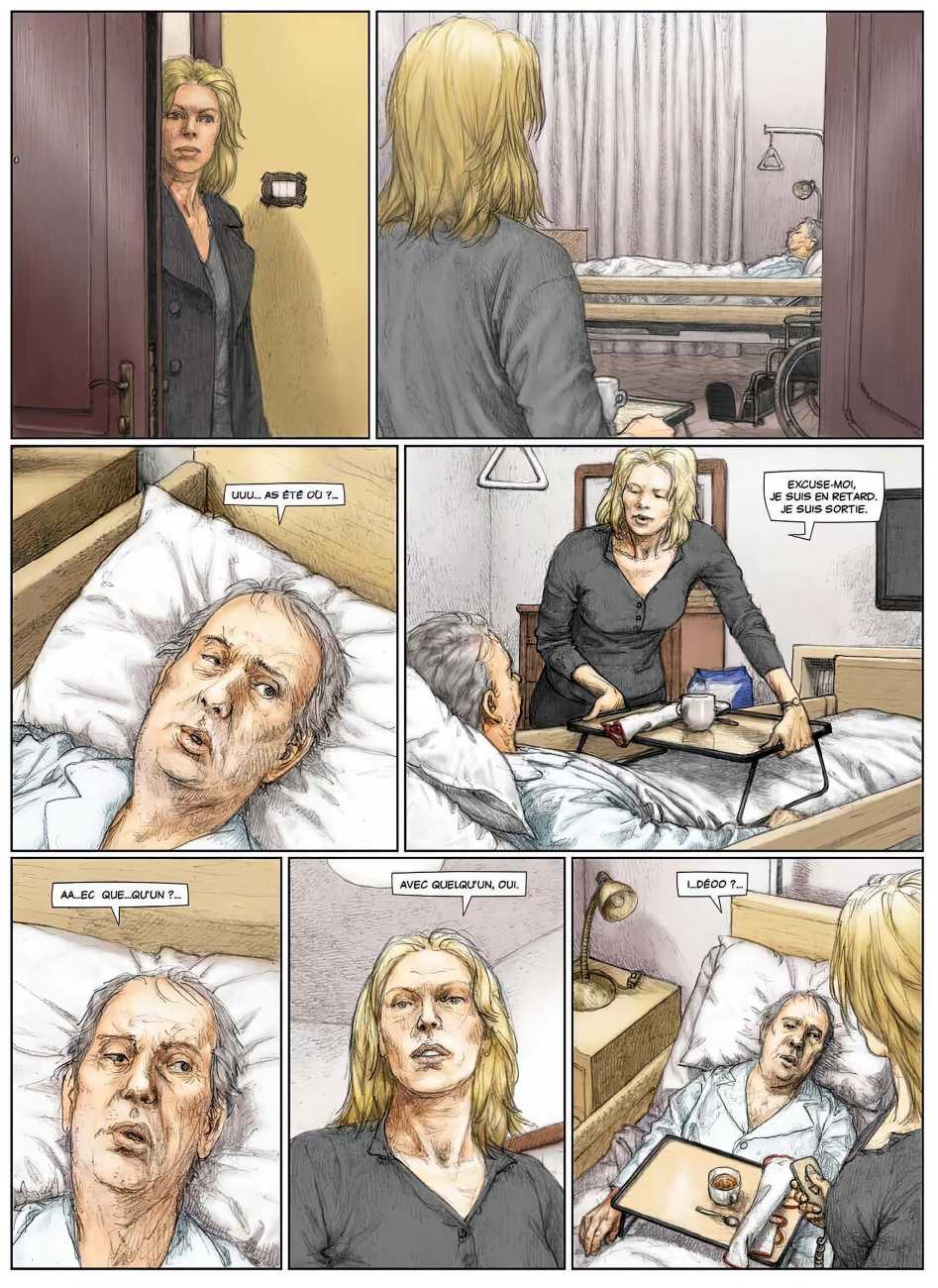
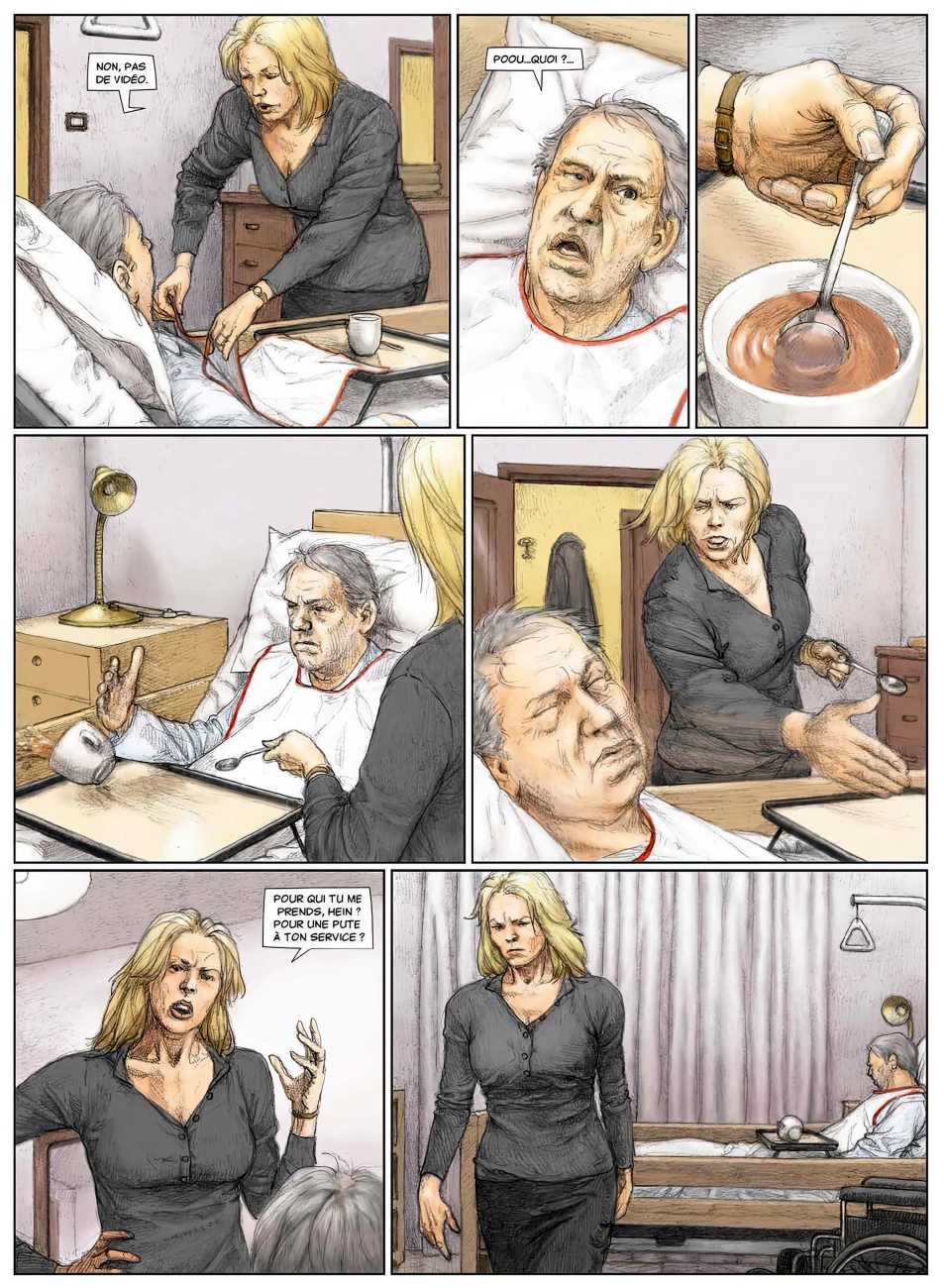
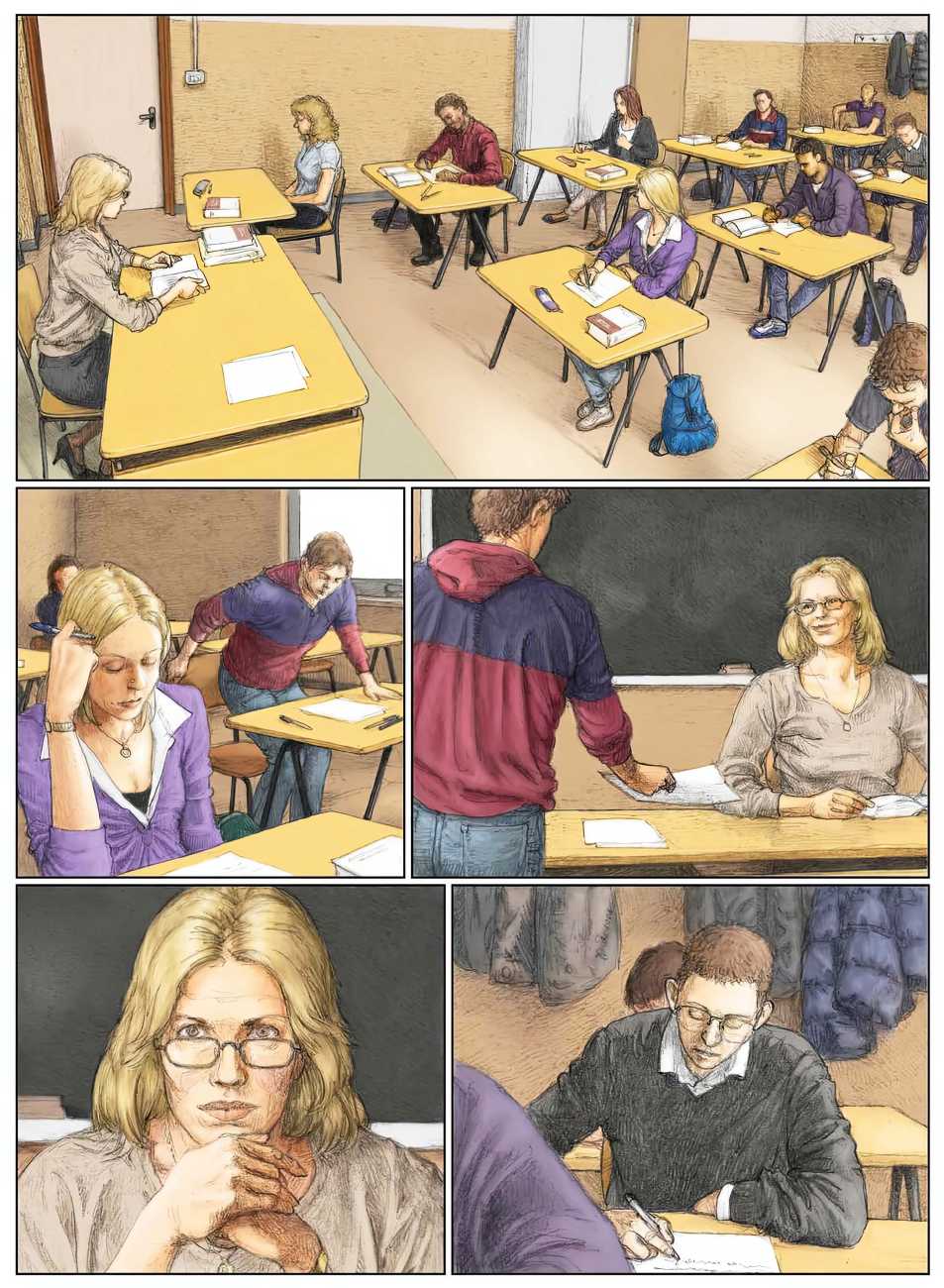
 Born female in France in 1969, Axel Léotard is a French trans man whose work as a writer, photographer and graphic novelist has consistently explored bodies, identity, sexuality and the boundaries imposed upon them. Though born in France, Léotard grew up abroad and moved to Paris when he was twenty. His early life, as he later recounts, was marked by a persistent sense of not fitting the gender and social roles expected of him. Boarding schools, family tensions, and a succession of ‘alternative families’ contributed to a restless search for somewhere to belong. At sixteen, reading the story of someone born male who had transitioned and gone on to become a lawyer gave him his first sense that gender might not be a matter of immutable fate. Léotard’s teenage reading included Antonin Artaud and what he called ‘the poets of madness’, while the music of Hubert-Félix Thiéfaine and Patti Smith also left its mark.
 In Paris he immersed himself in the lesbian and gay worlds of the late 1980s and 1990s. The AIDS epidemic, and particularly the death of an older lover, drew him into activism and eventually into trans organisations and social work. For thirteen years after arriving in Paris he remained unable to resolve the gap between the person he appeared to be and the person he understood himself to be. At thirty-three, in 2002, he finally began his transition, researching the possibilities through the emerging international network of trans internet forums and peer support. His 2009 book Mauvais genre (Wrong Gender), which moves deliberately between autobiographical narrative and coming-of-age novel, tells his story through the character of Gabriel, following his struggle with medical and institutional authority, testosterone, body transformation, and the changing perceptions of those around him.
Photography entered Léotard’s life almost by accident. Around the beginning of his transition he worked with theatre, dance and other photographers, developing a practice centred increasingly on bodies, performance and transformation. Writing and photography have remained closely connected – he describes writing as a lifelong necessity, while his photographic and artistic work repeatedly examines the ways people inhabit, transform and reclaim their bodies.
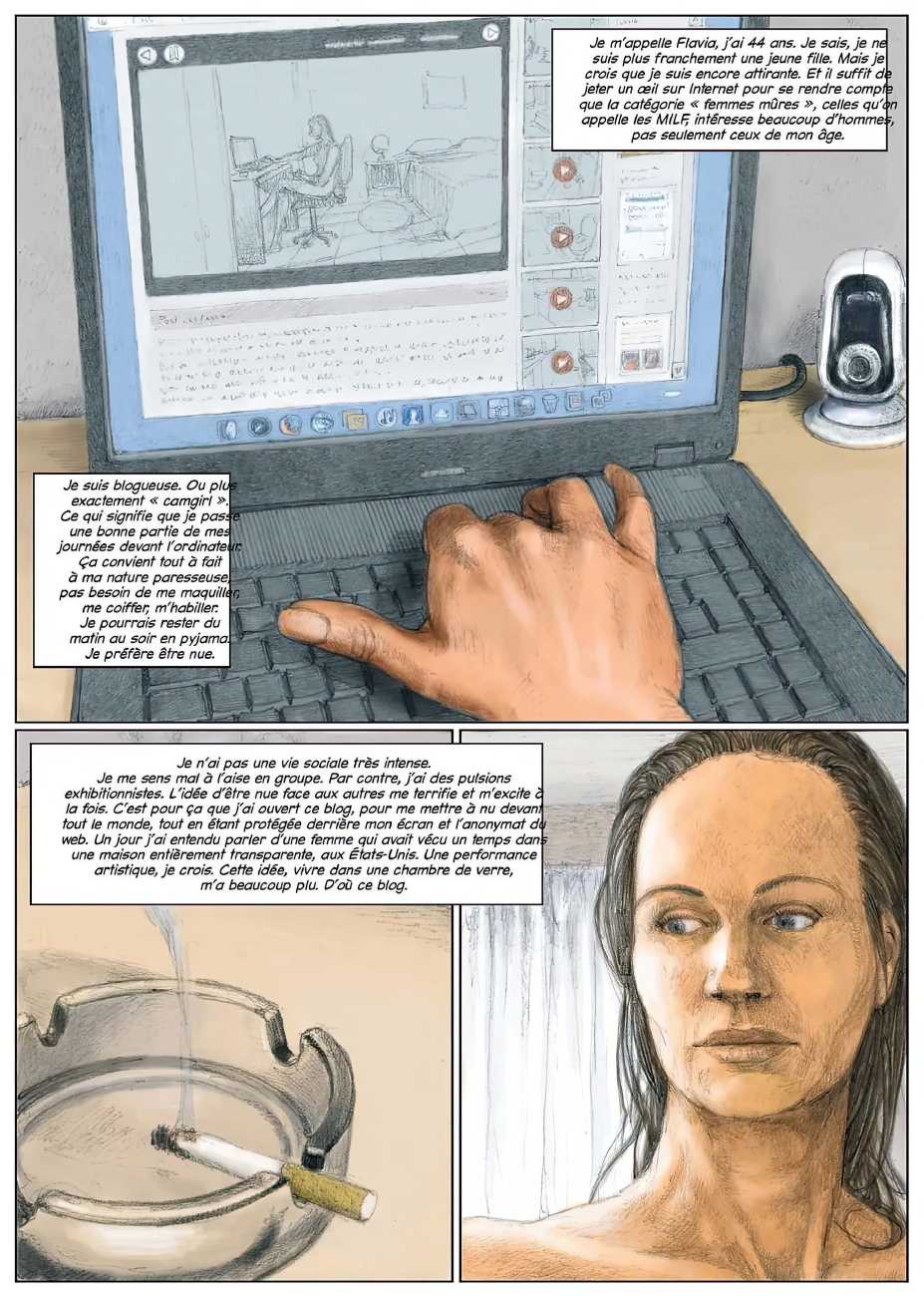
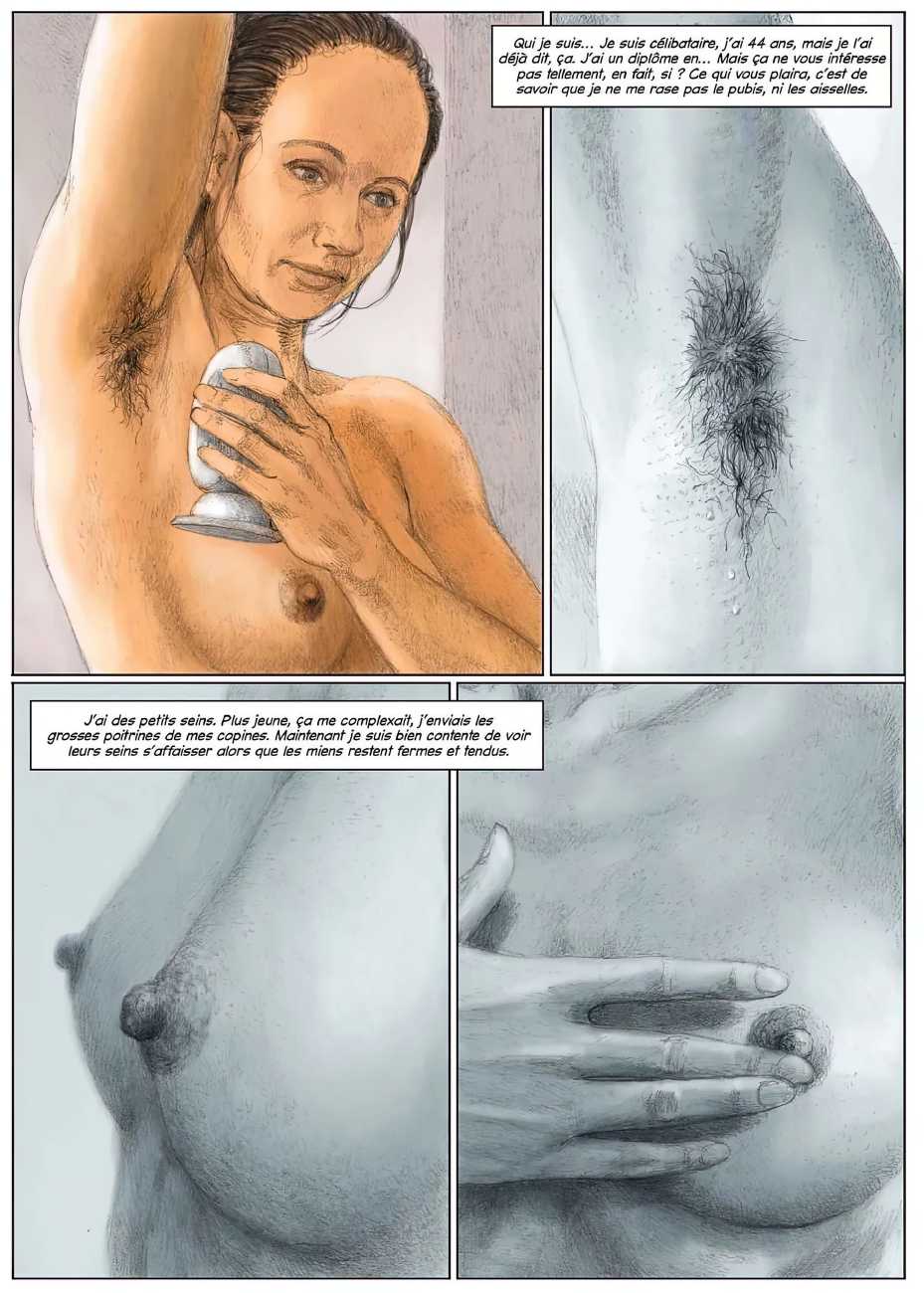
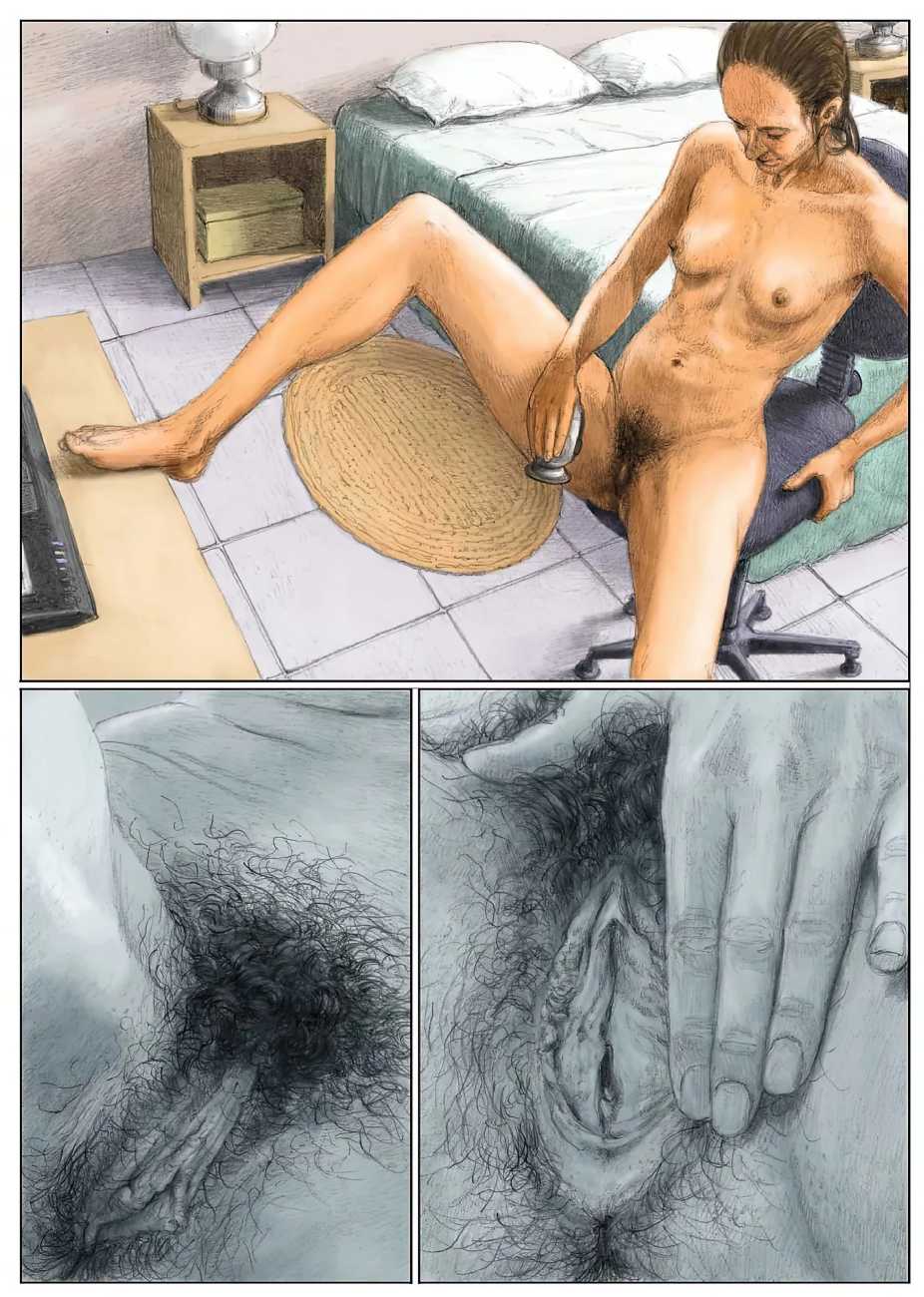
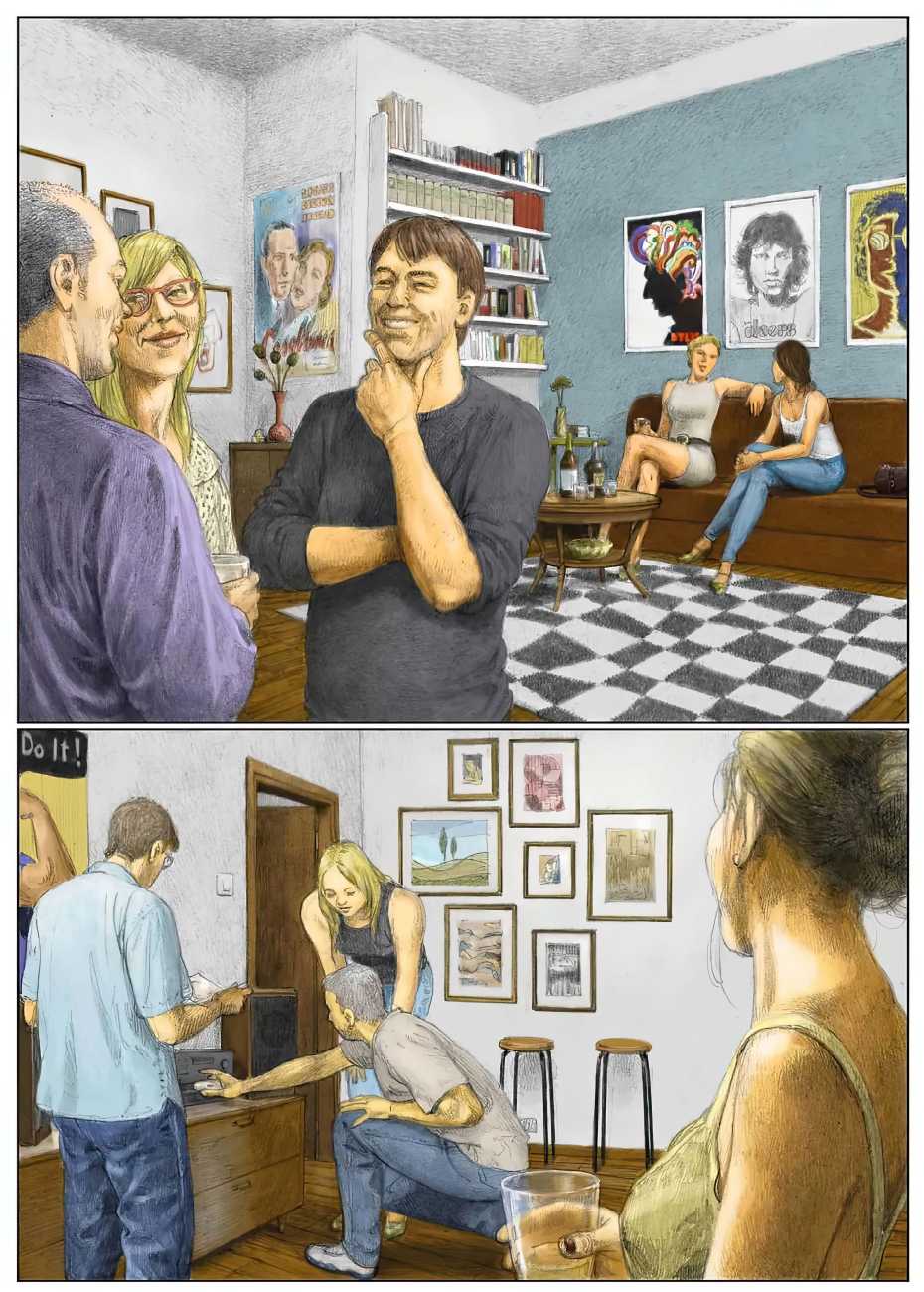
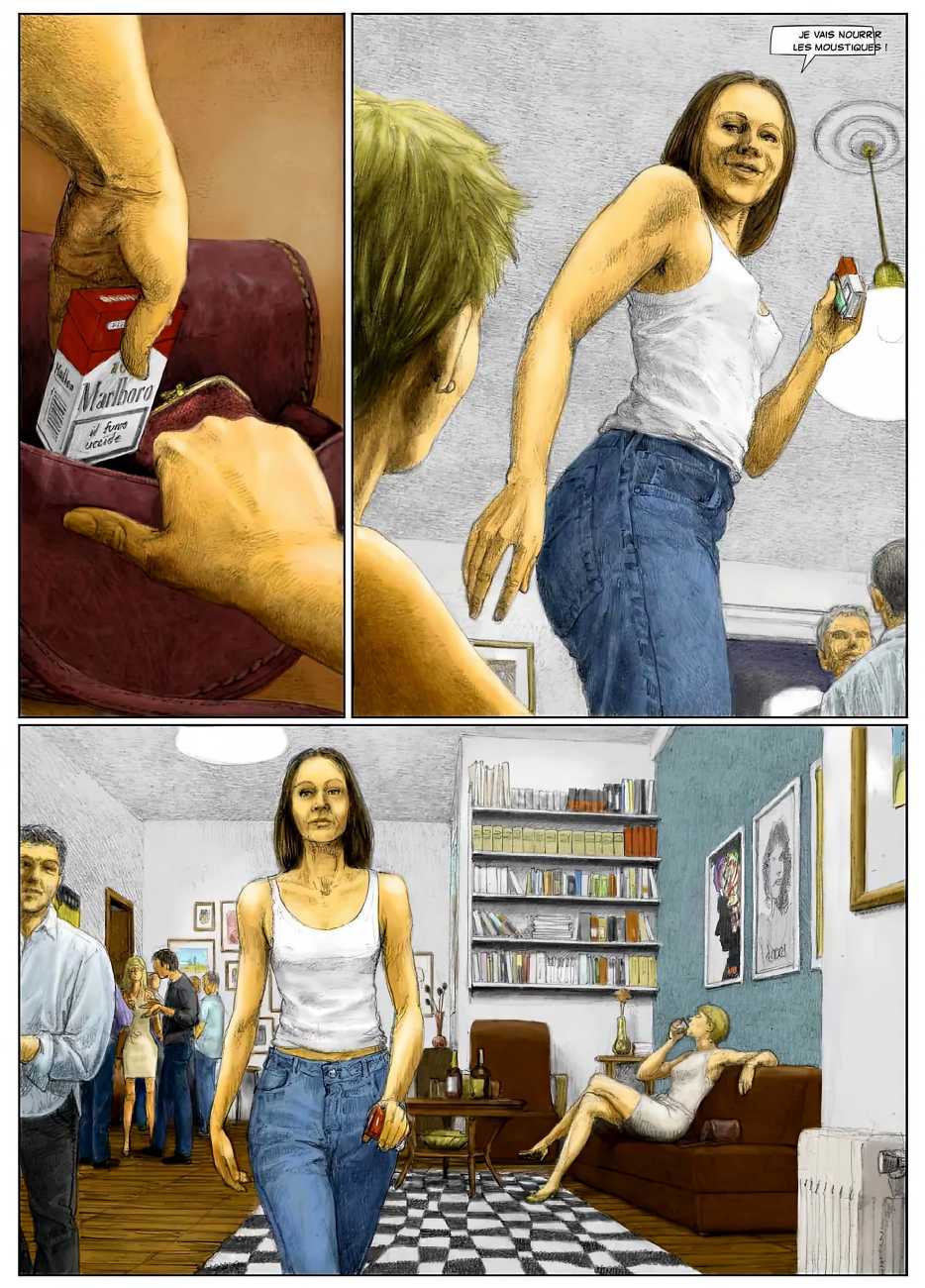
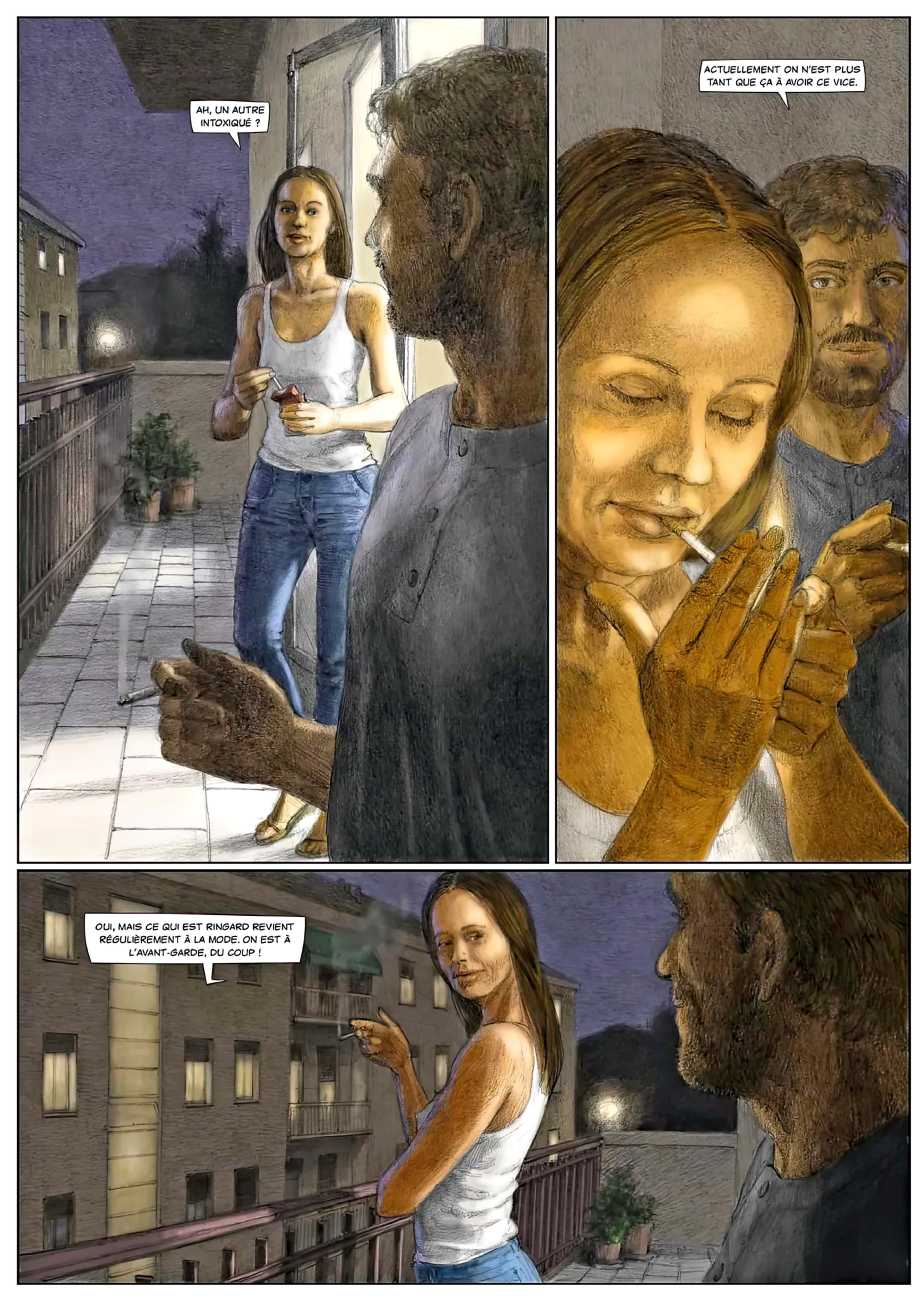
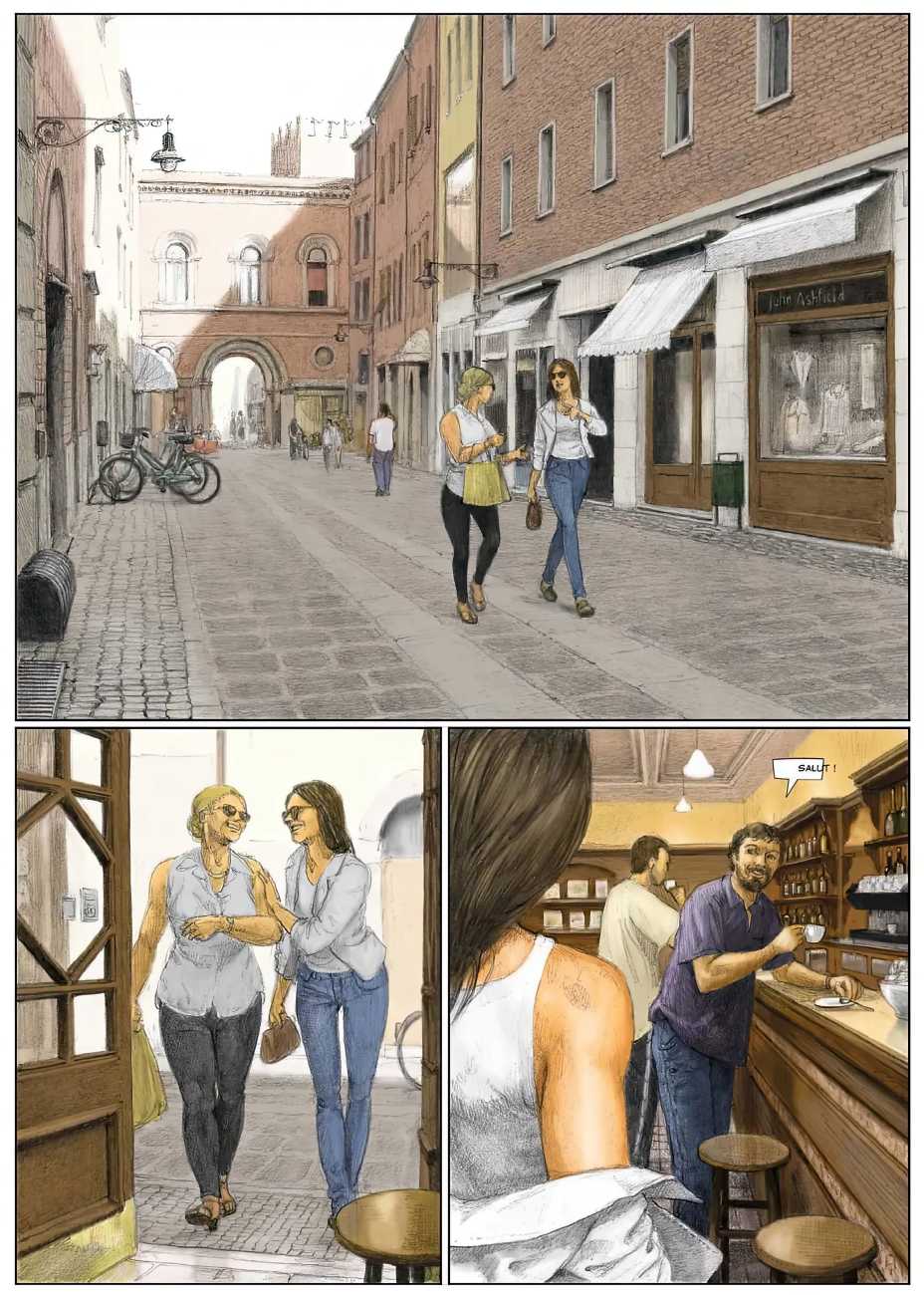
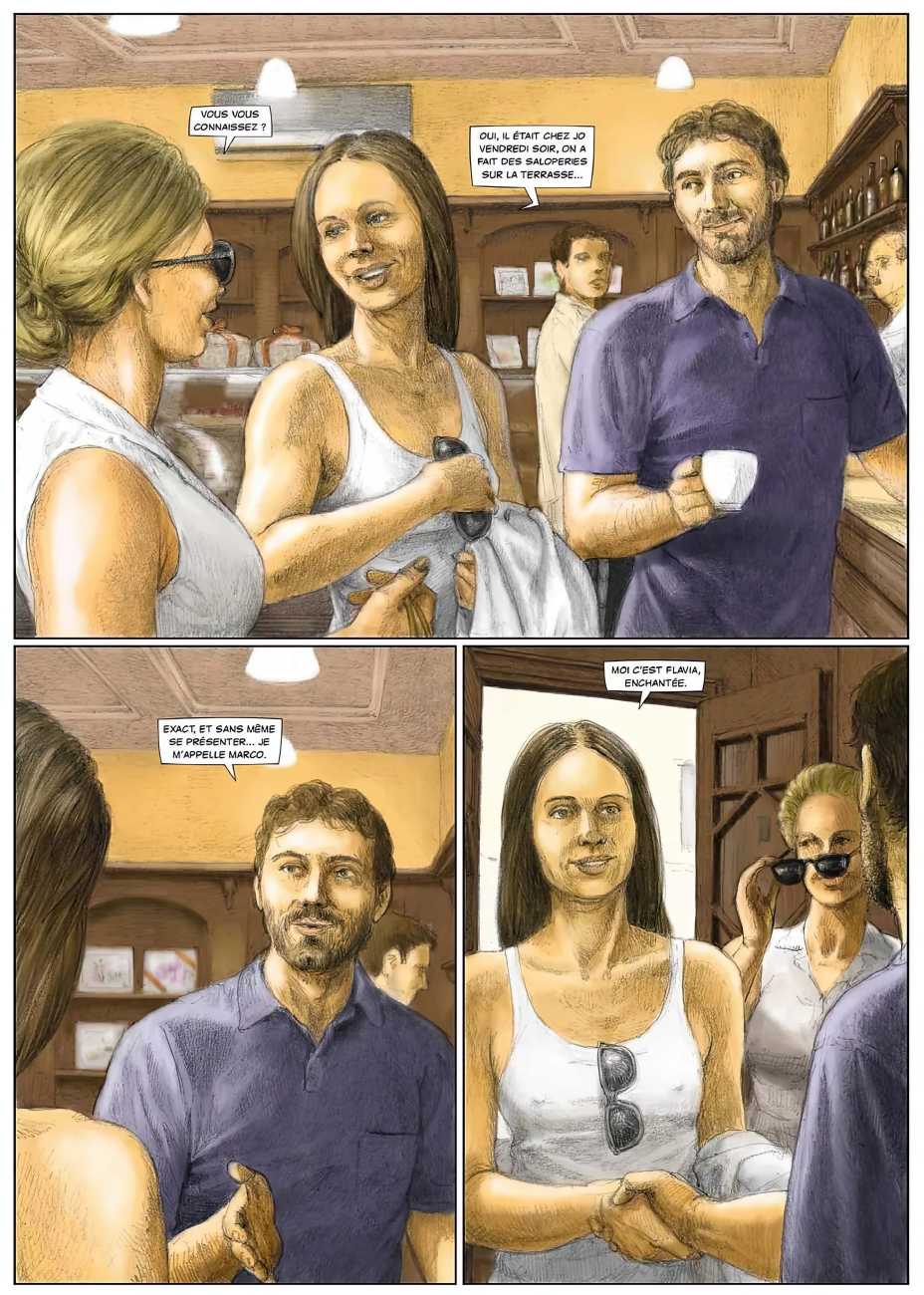
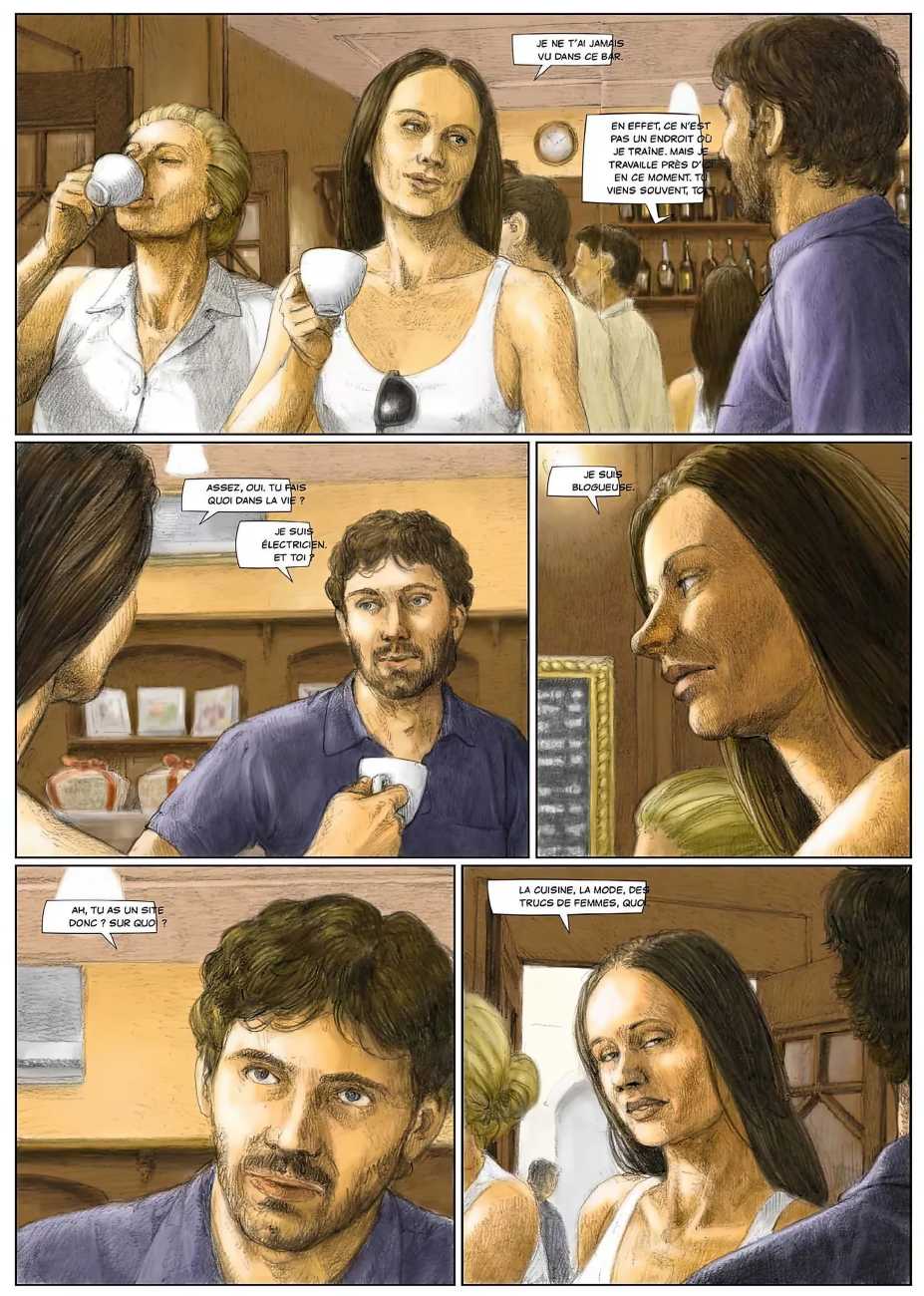
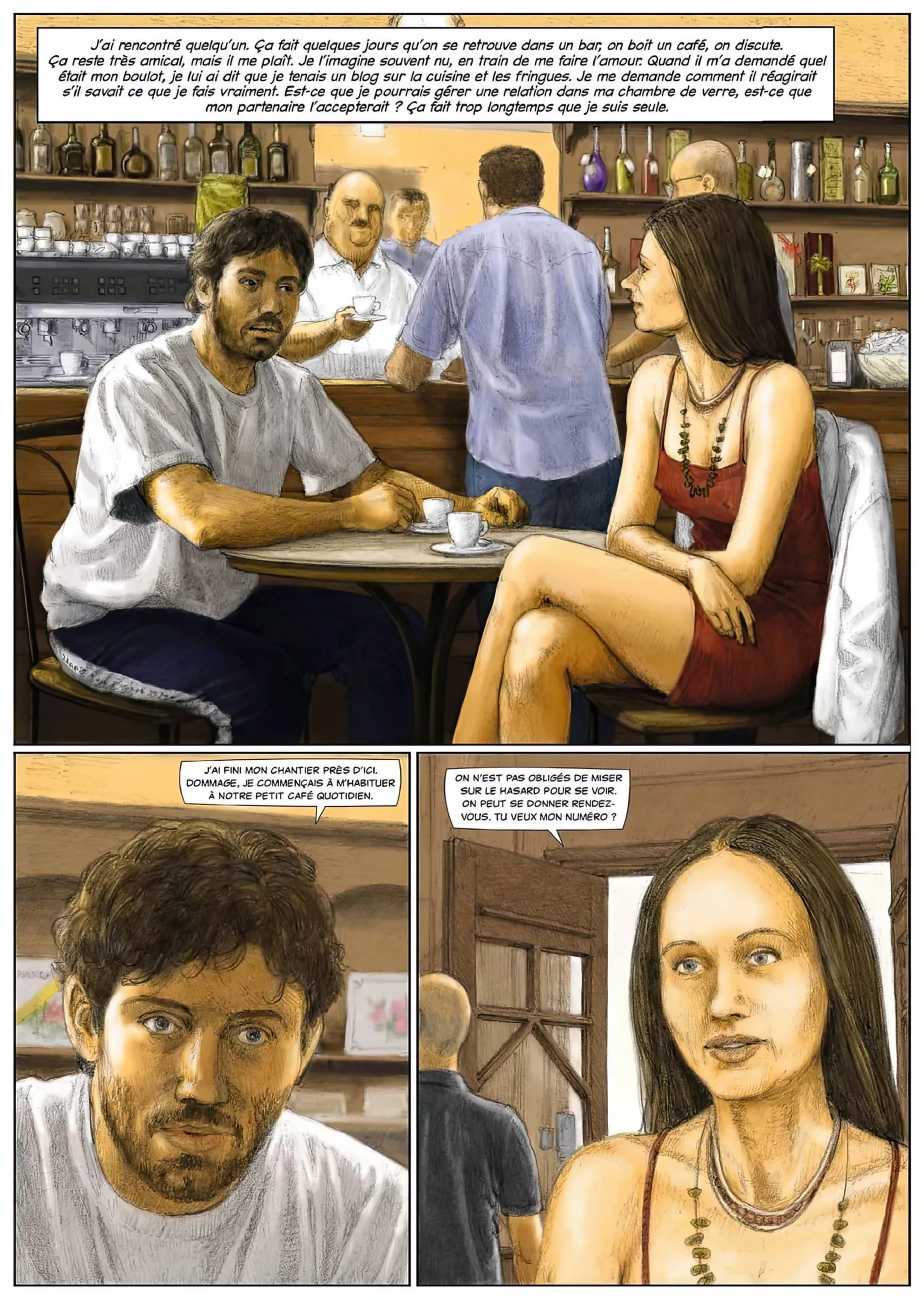
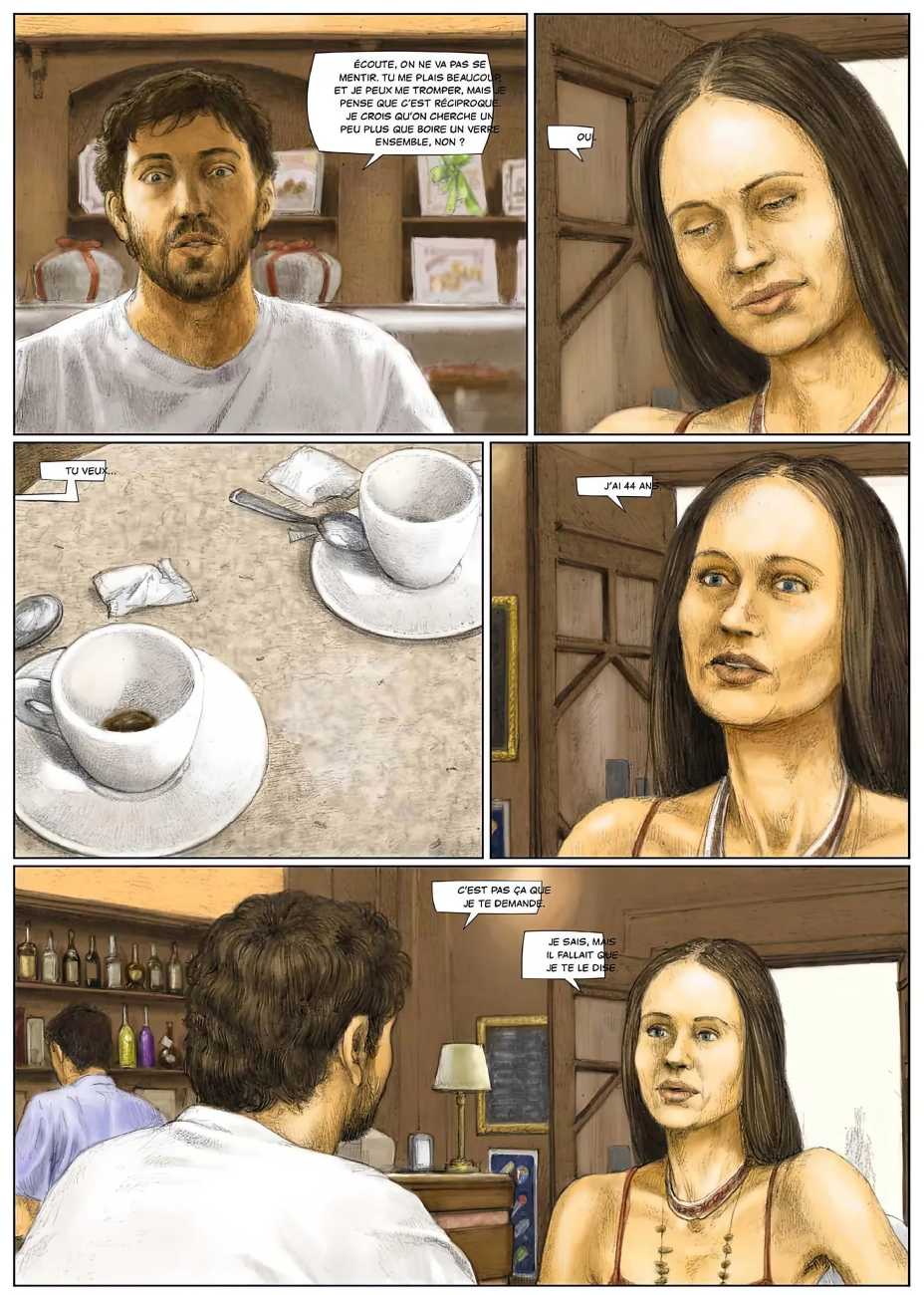
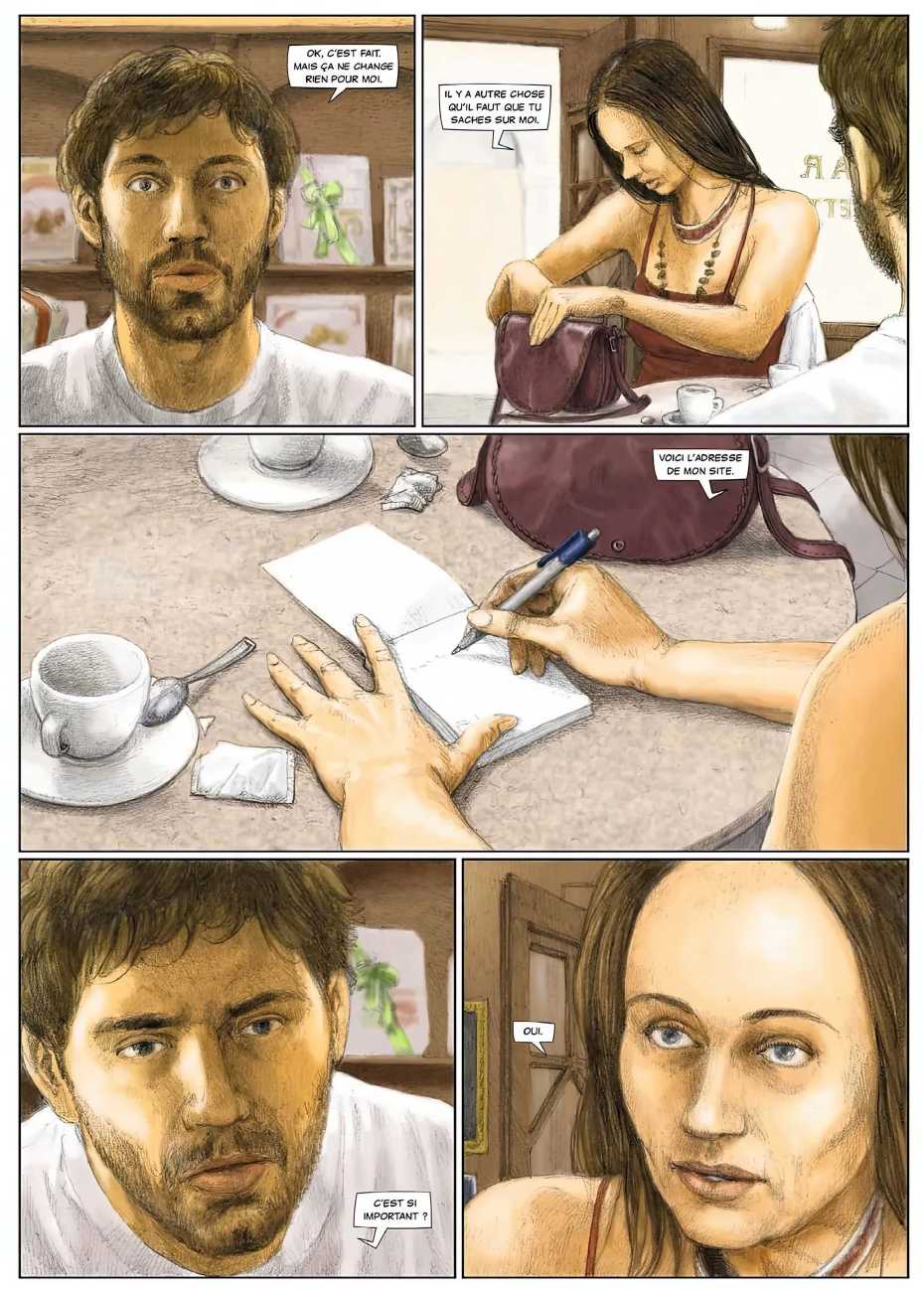
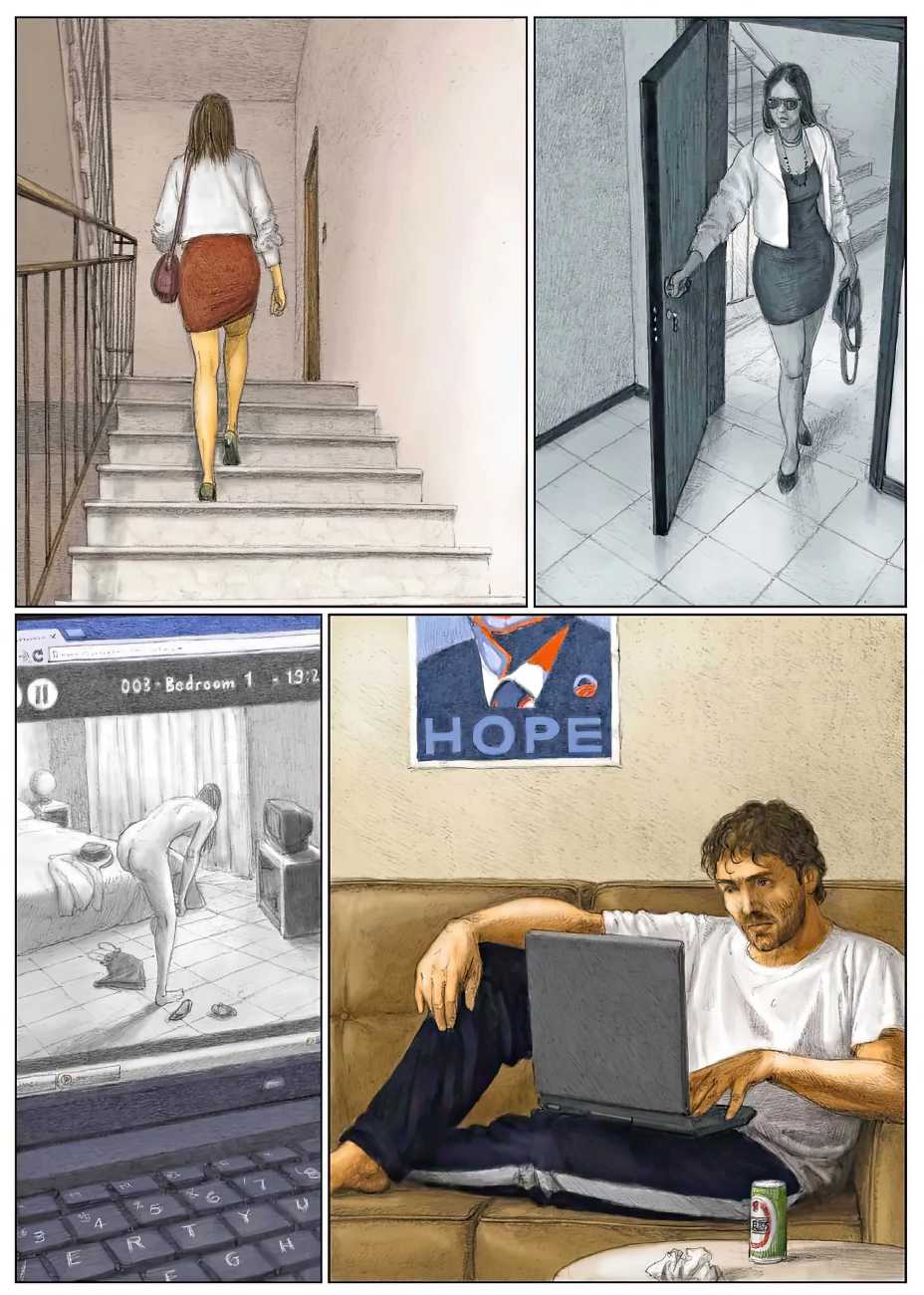
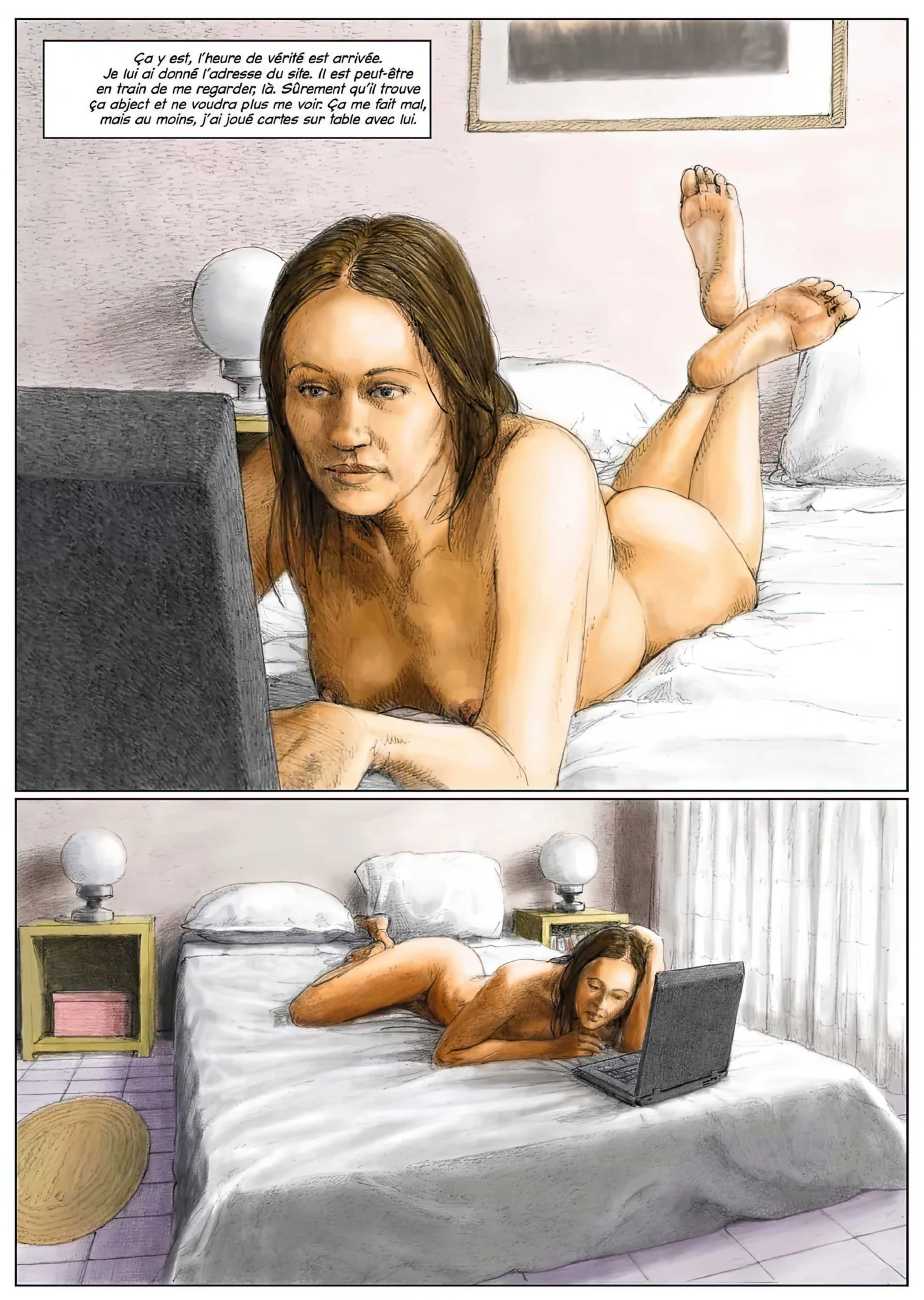
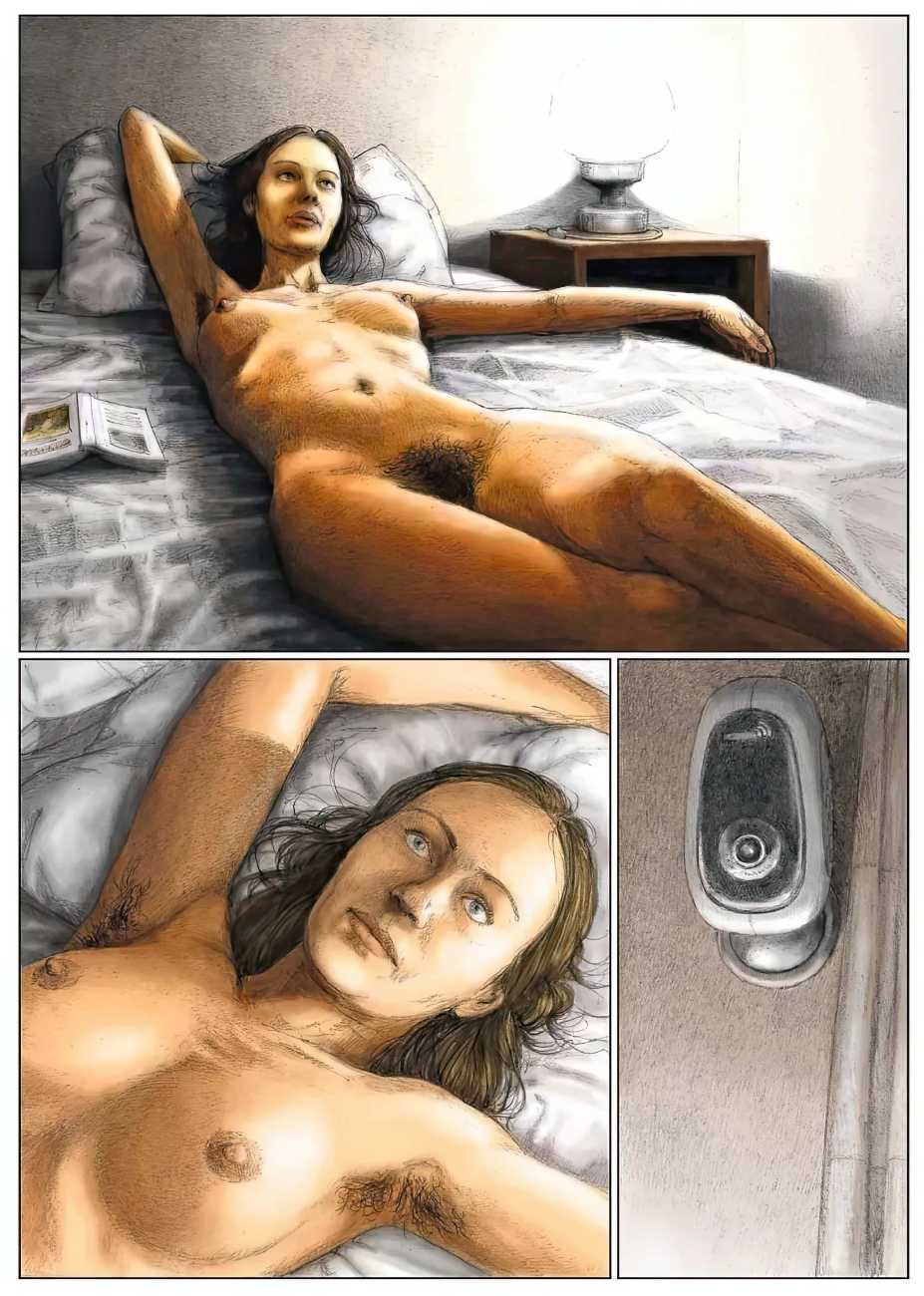
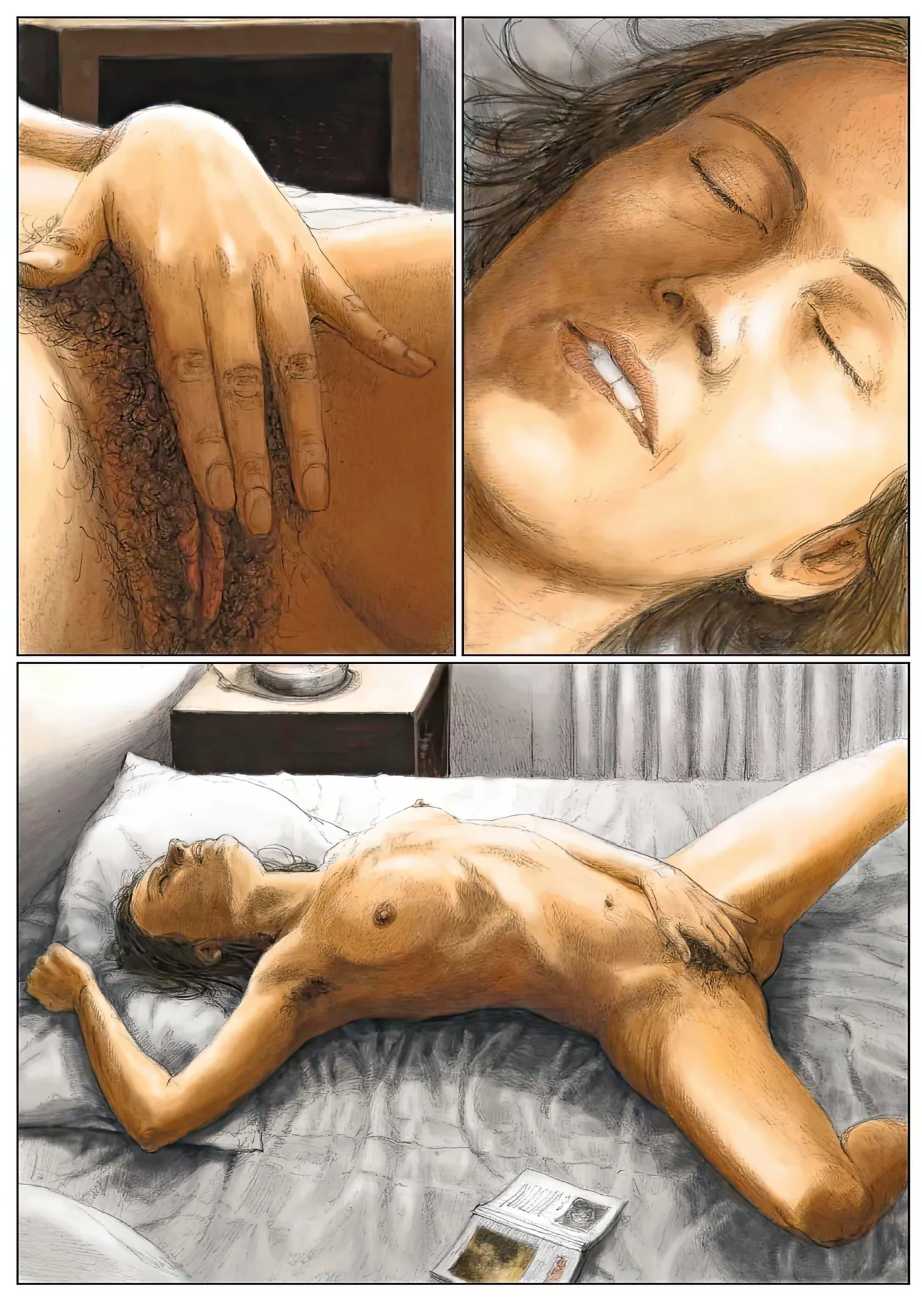
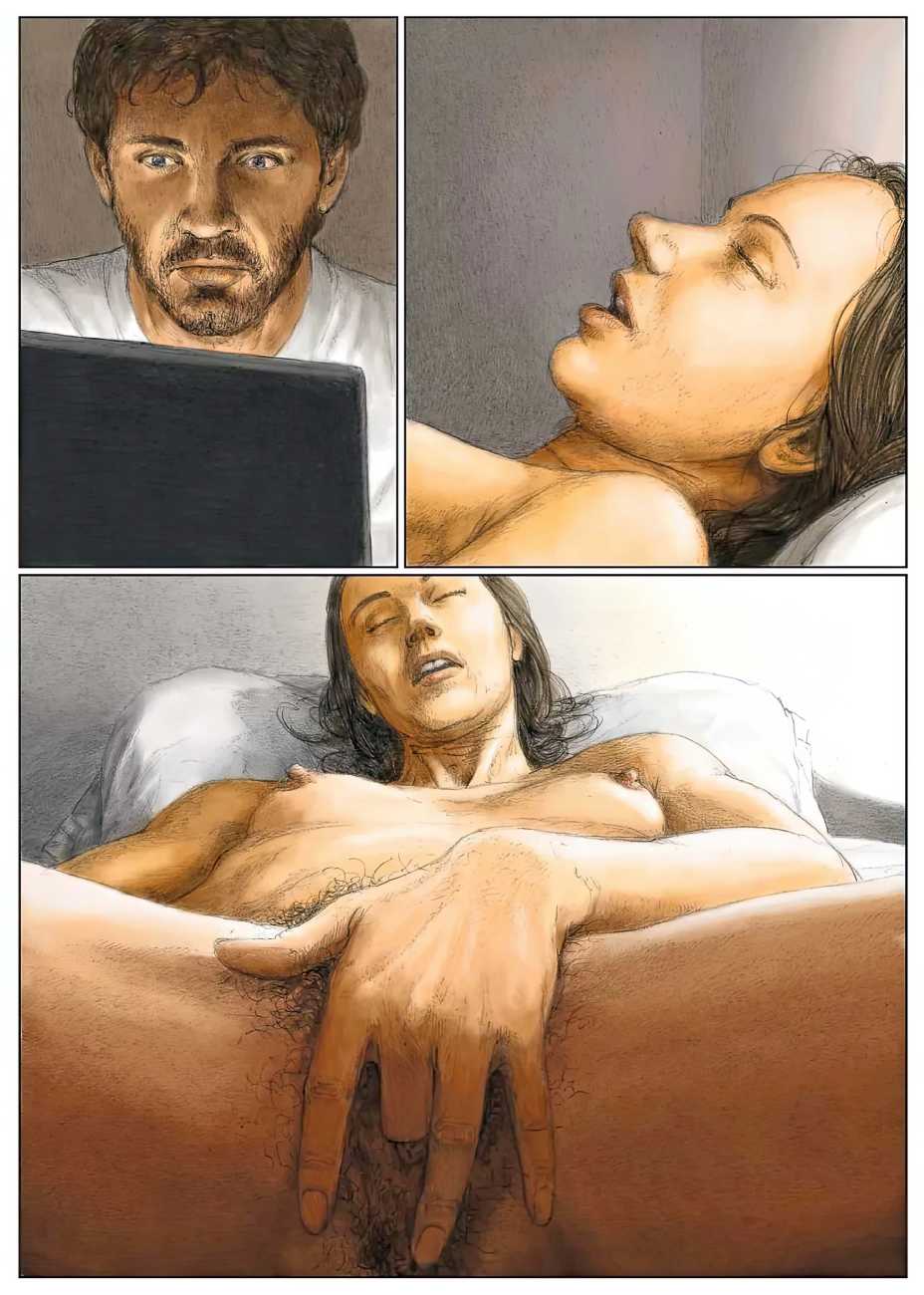
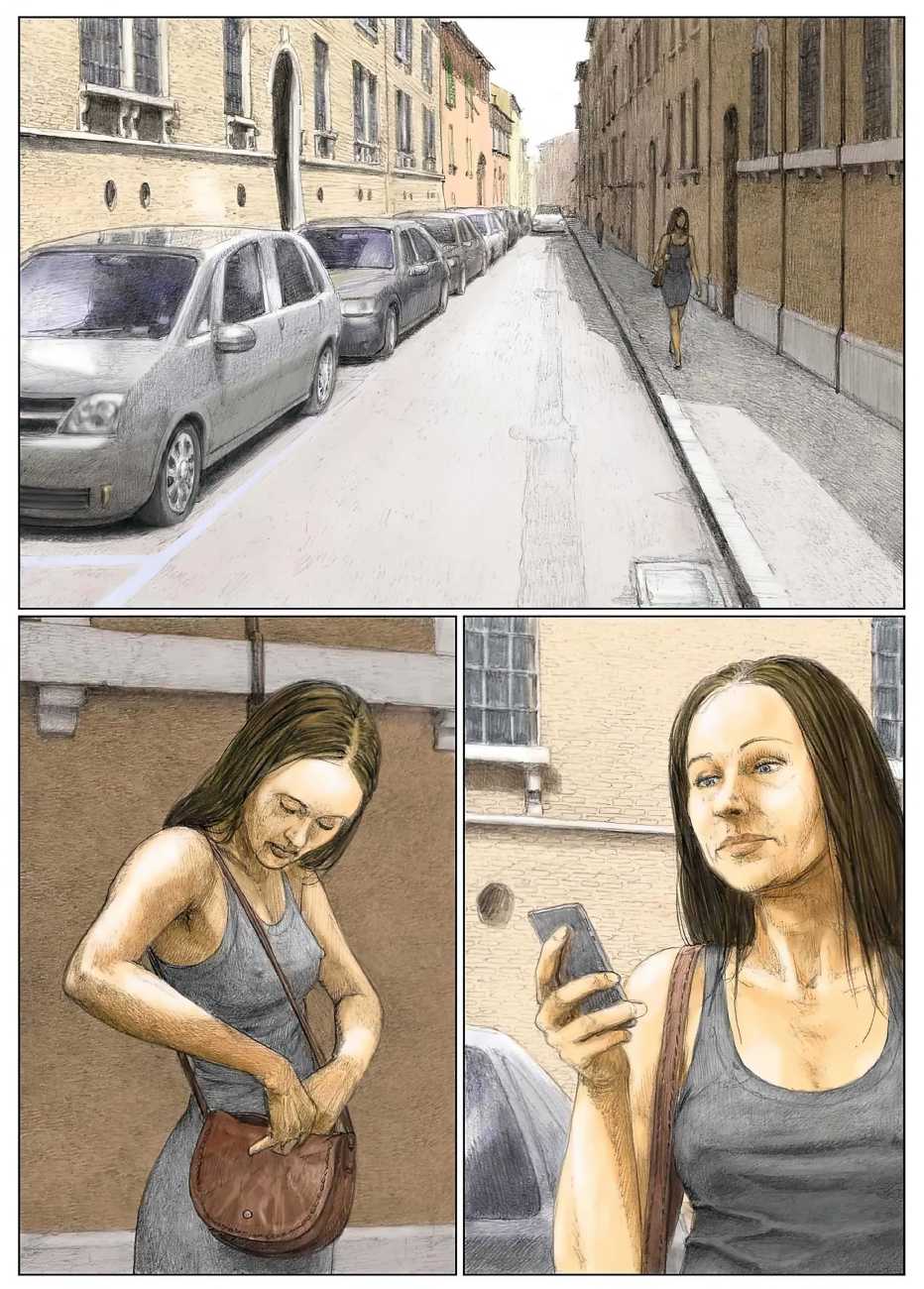
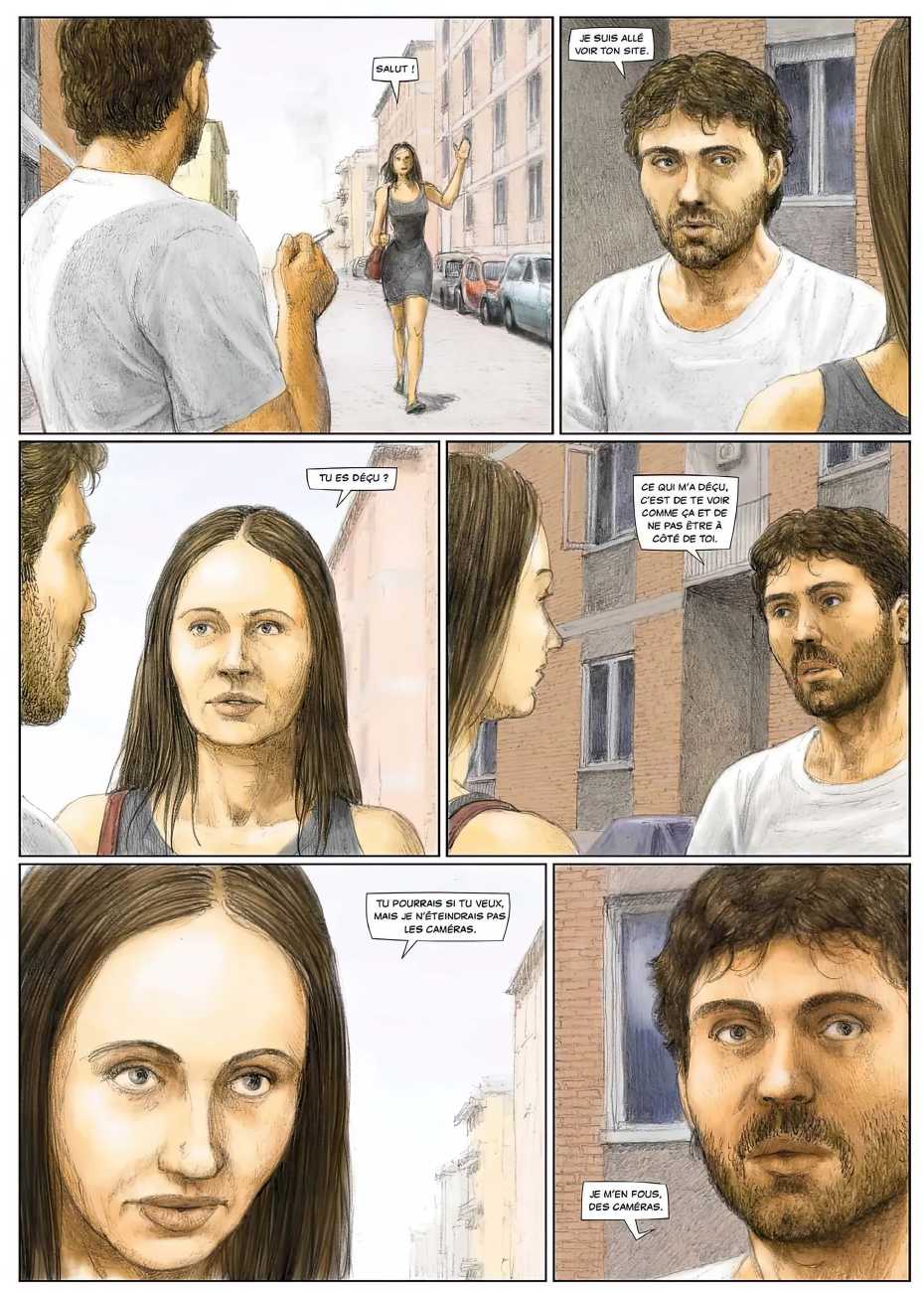
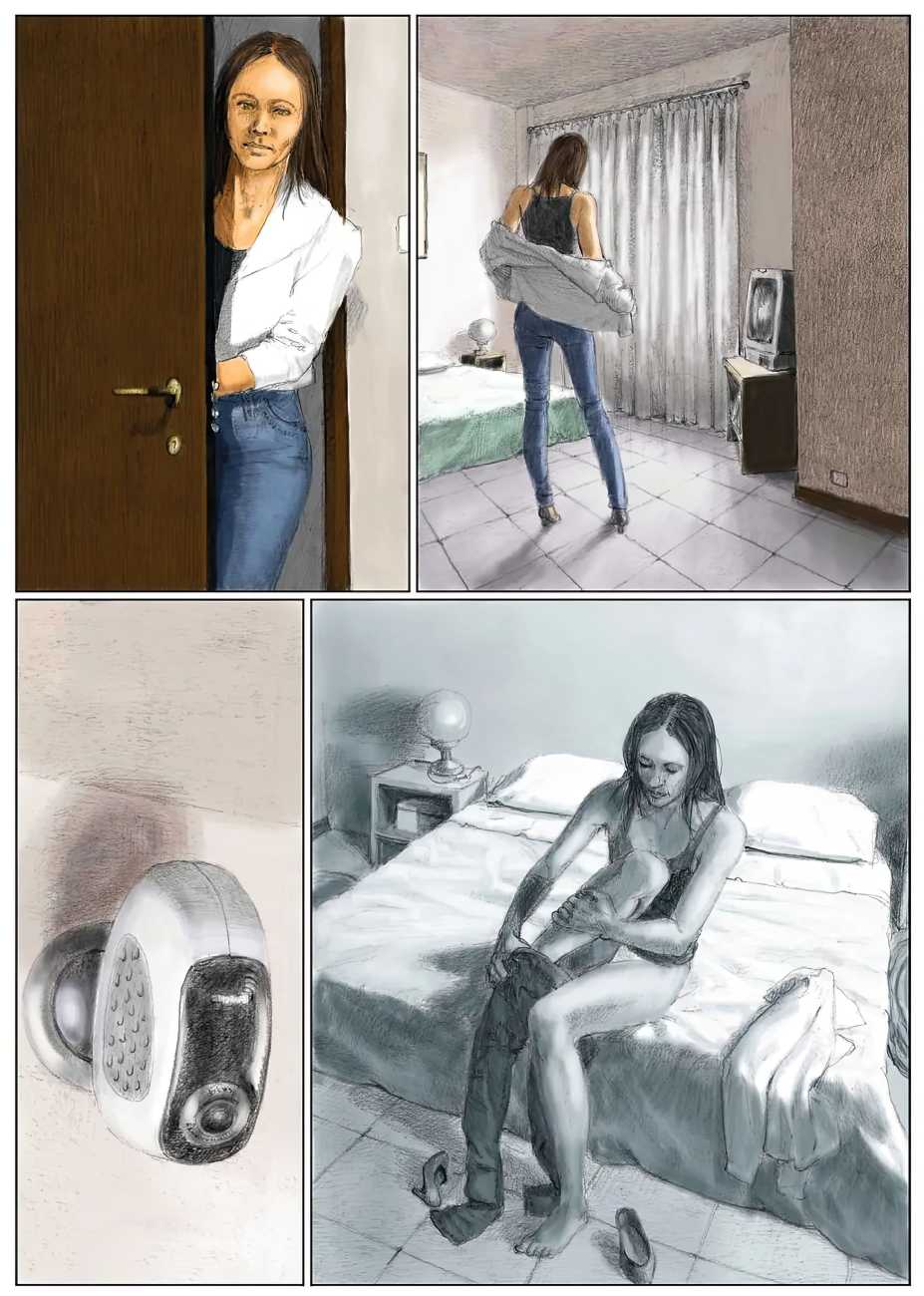
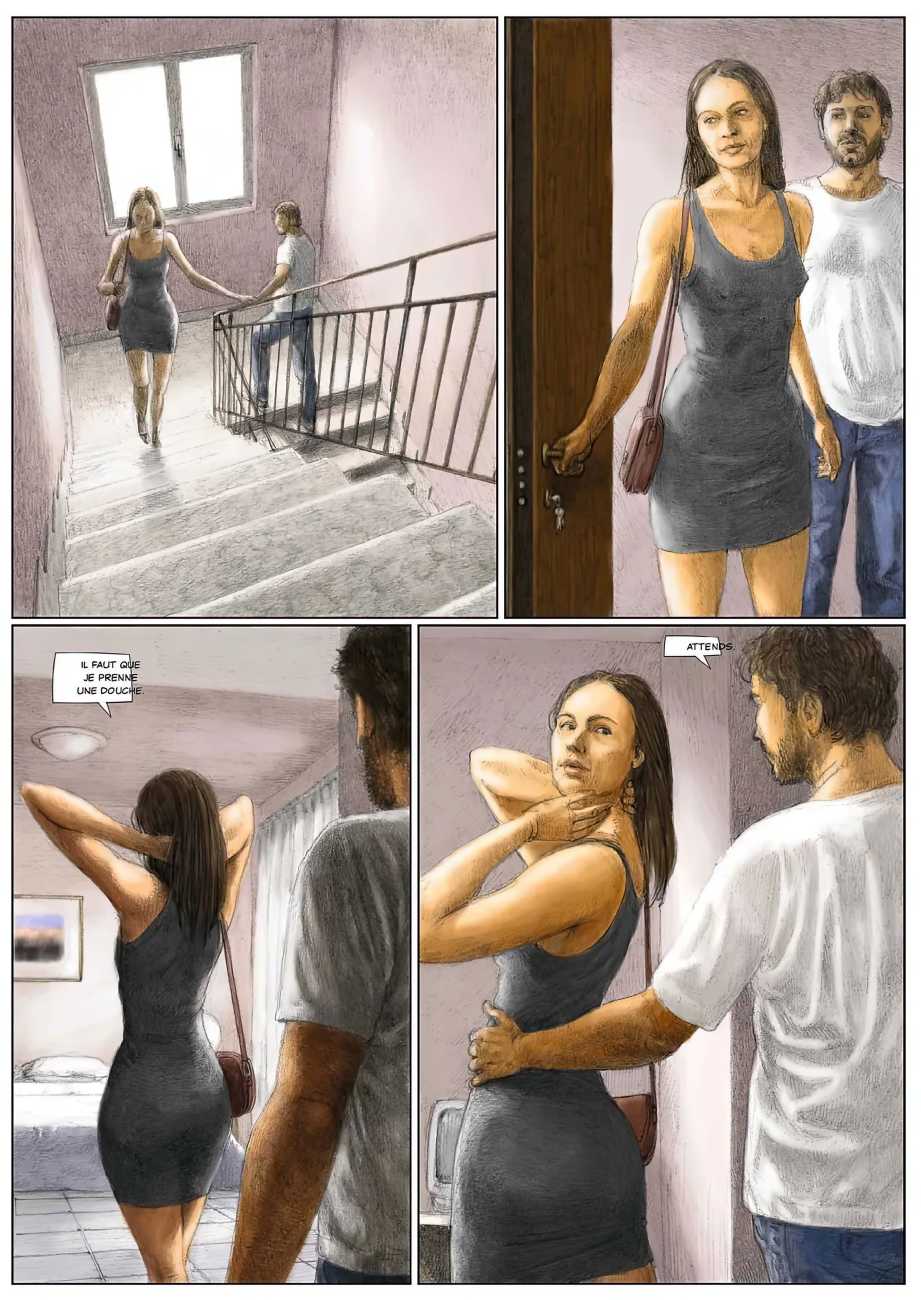
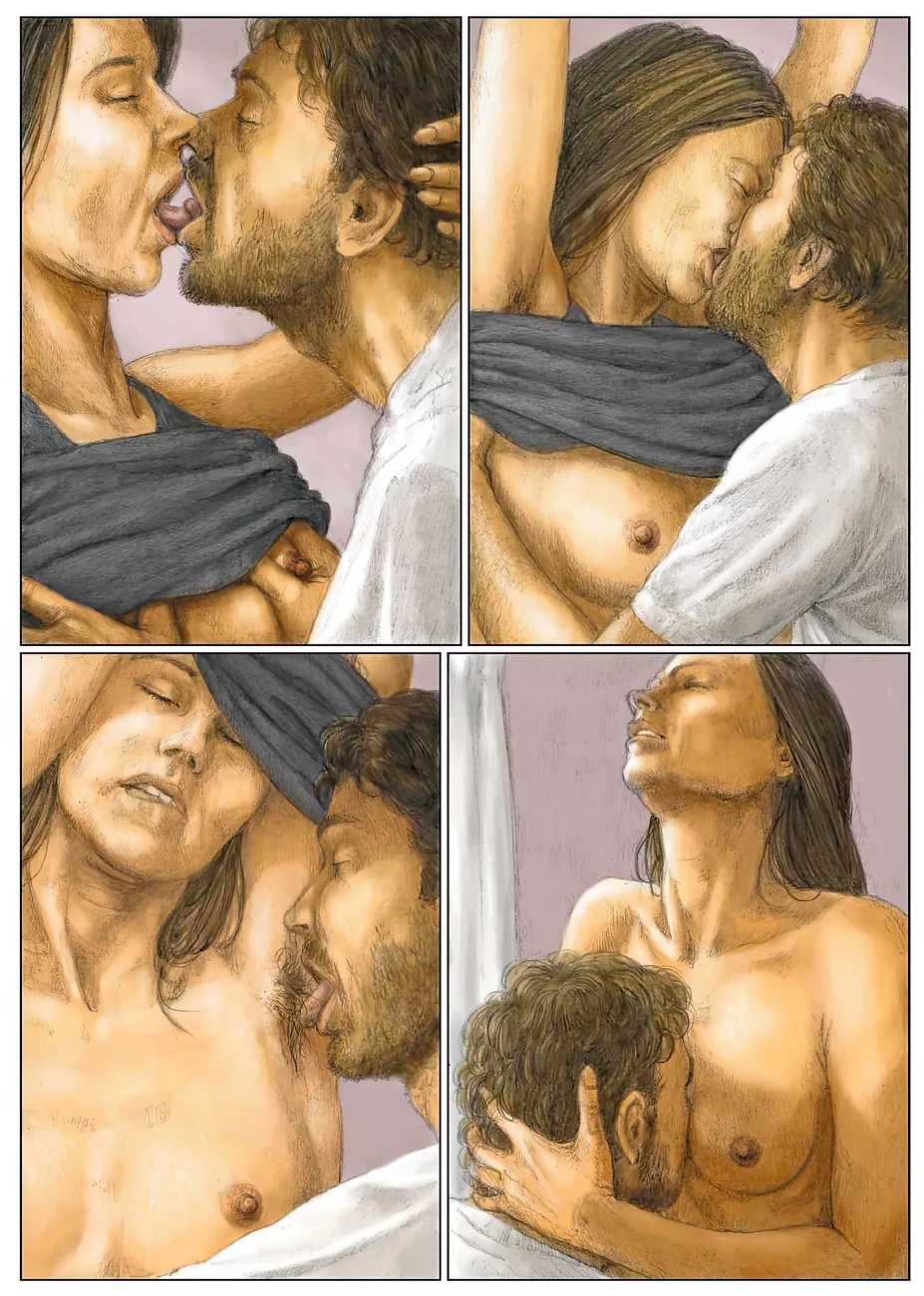
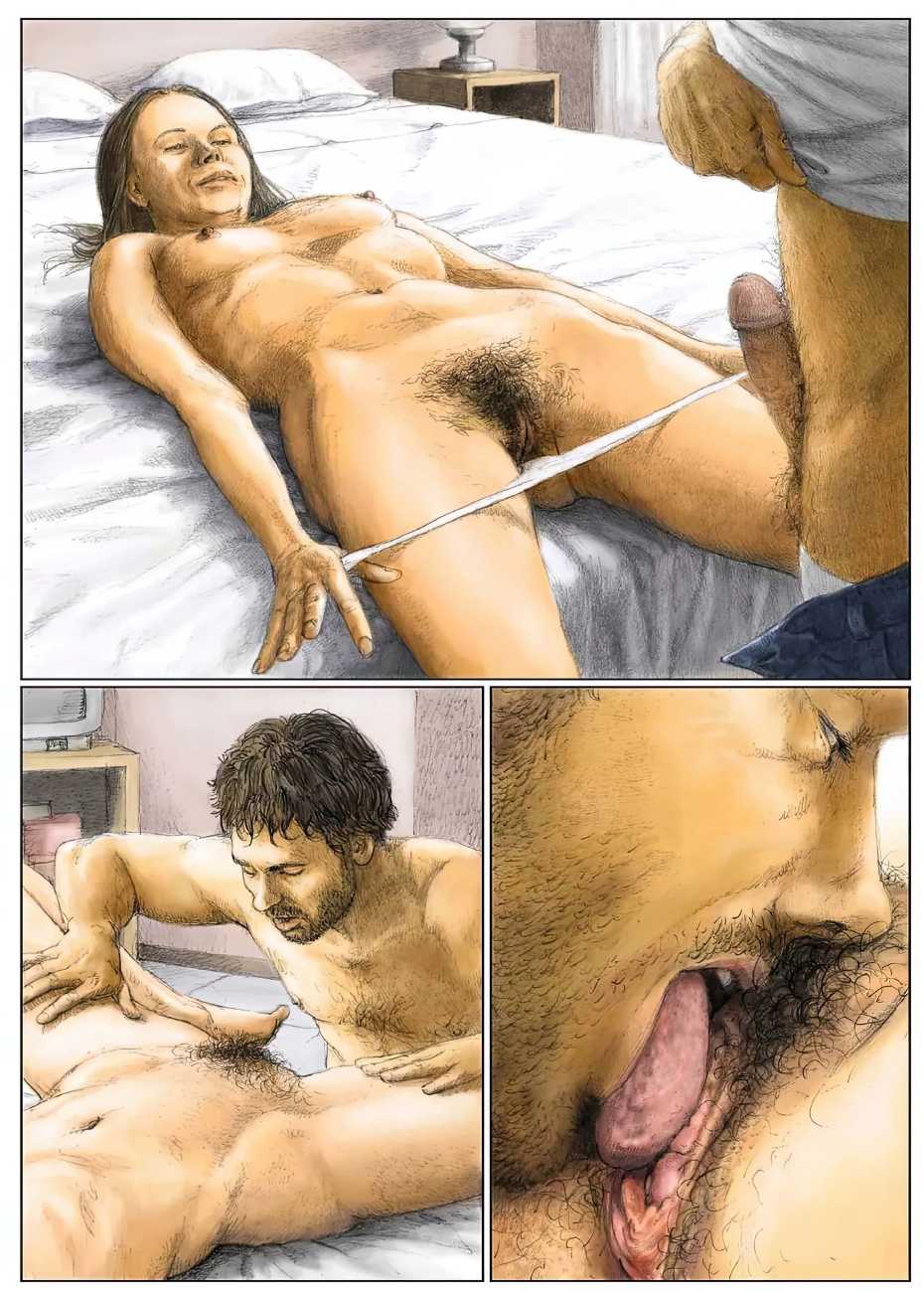
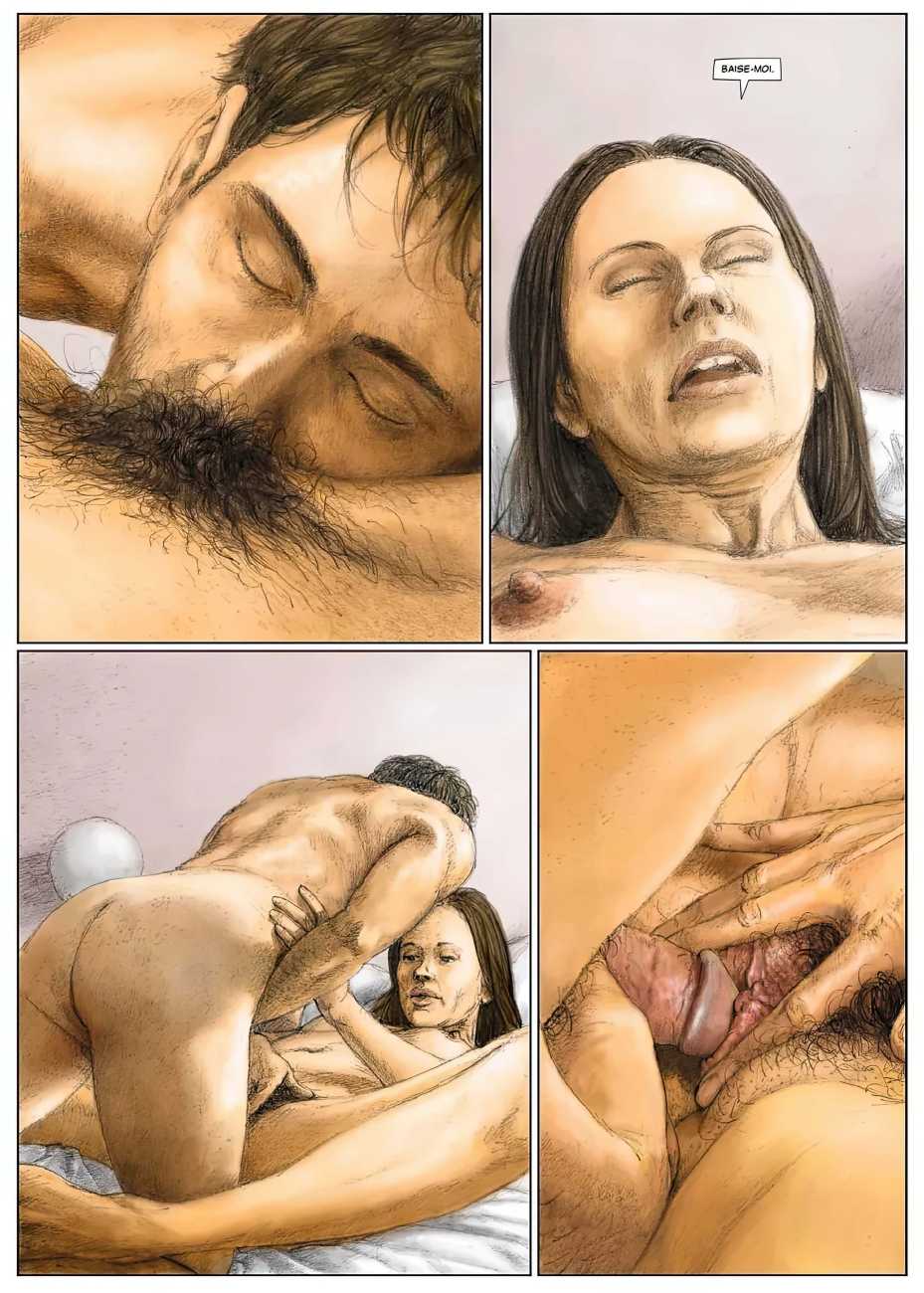
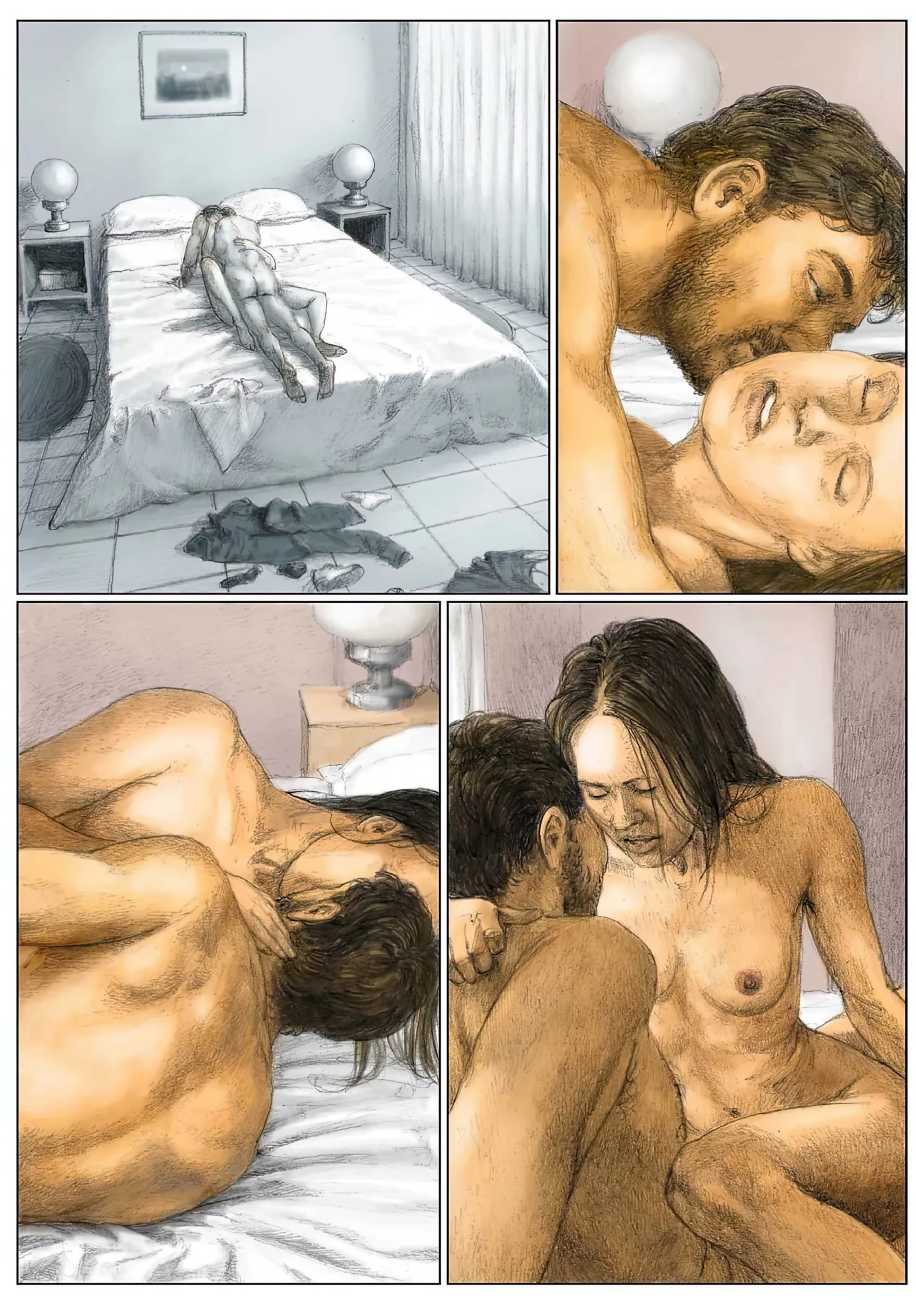
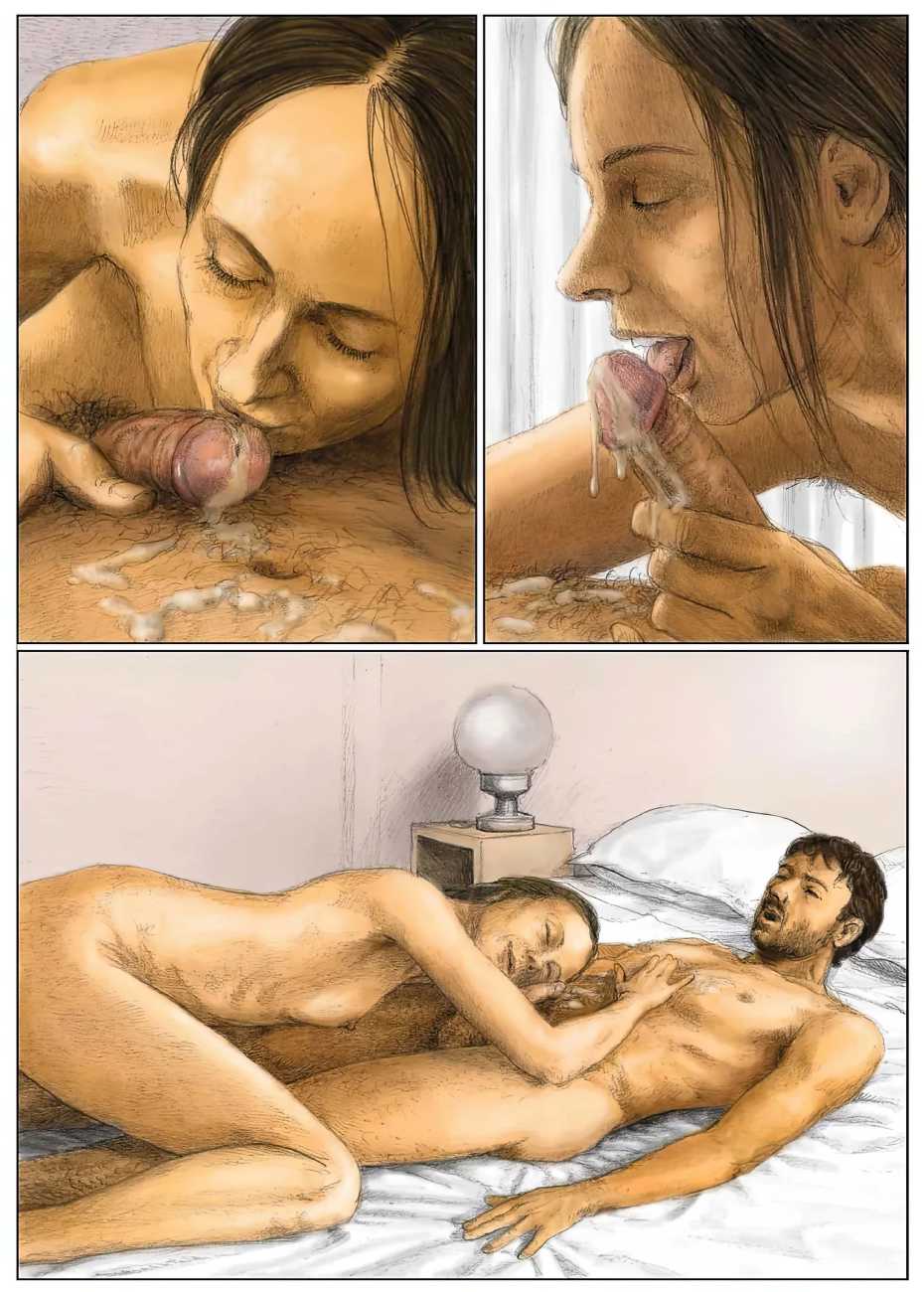
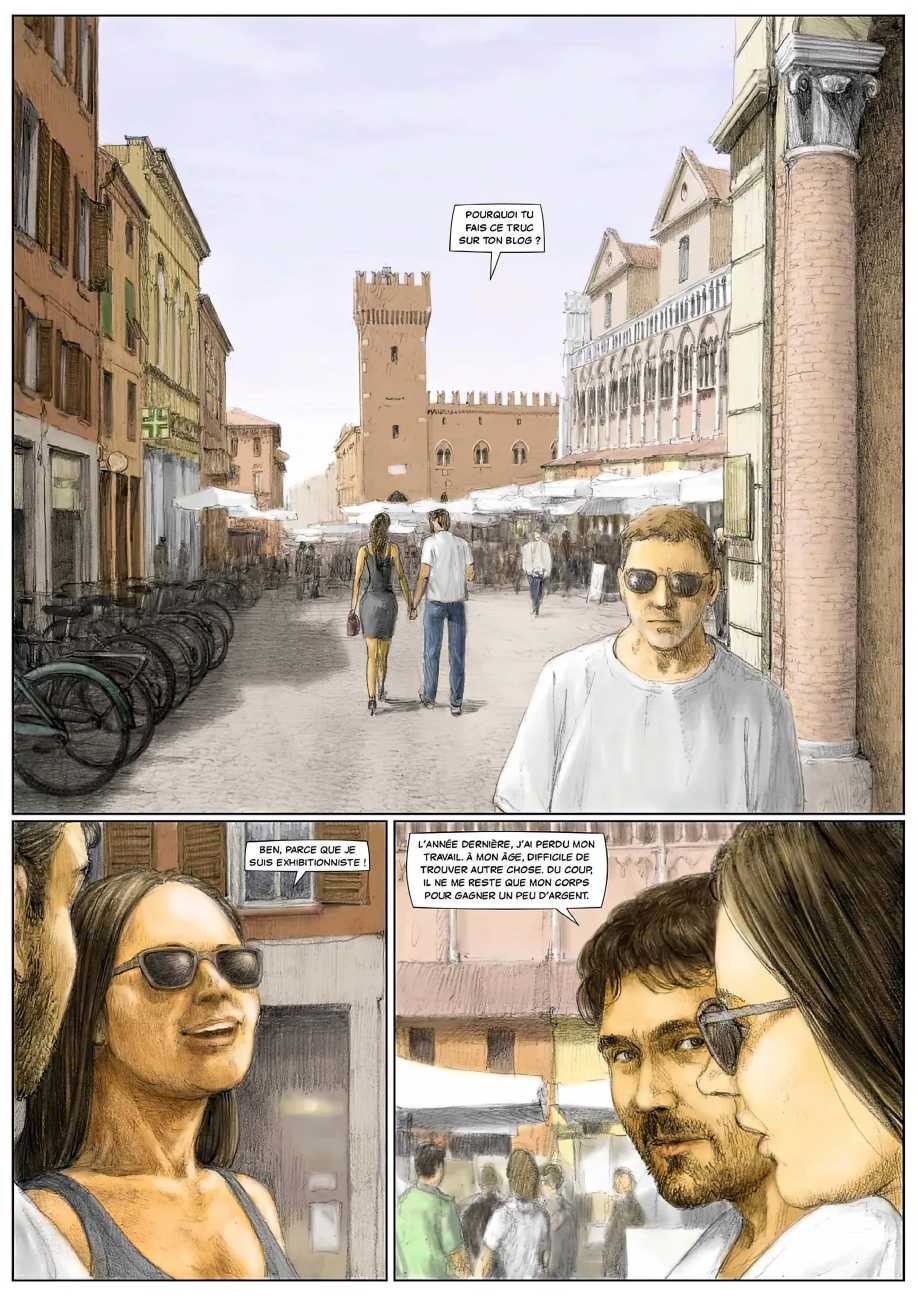
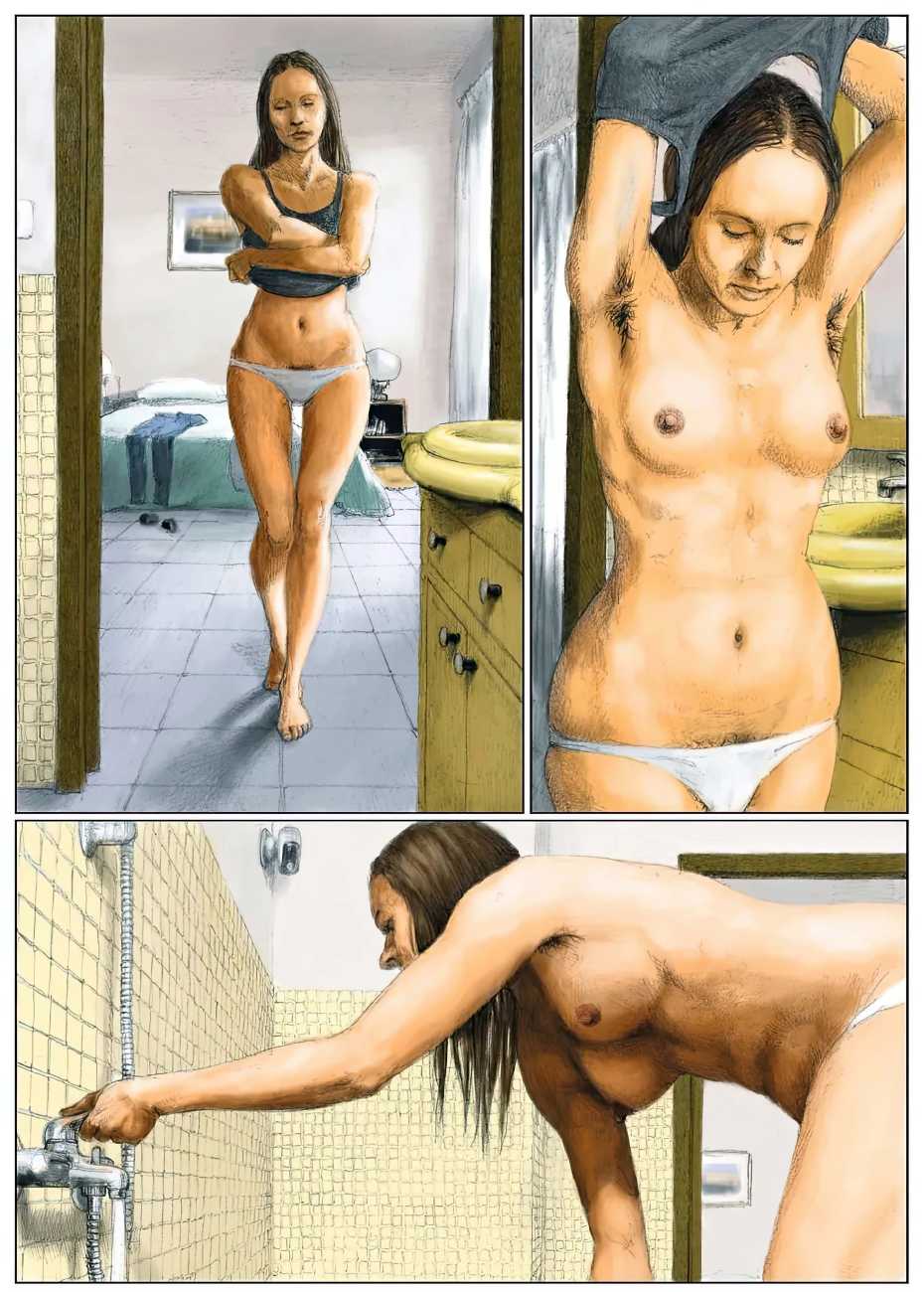
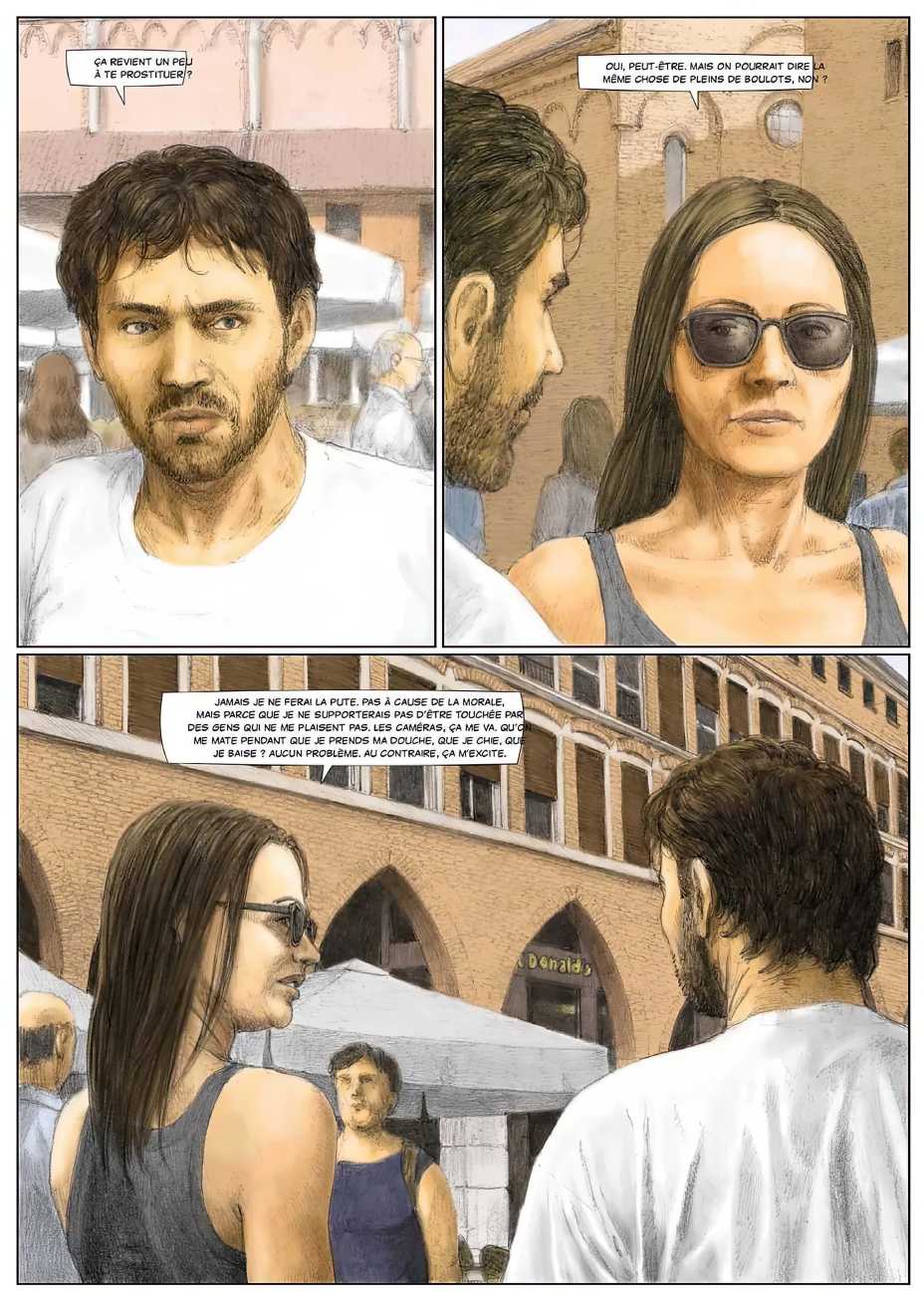
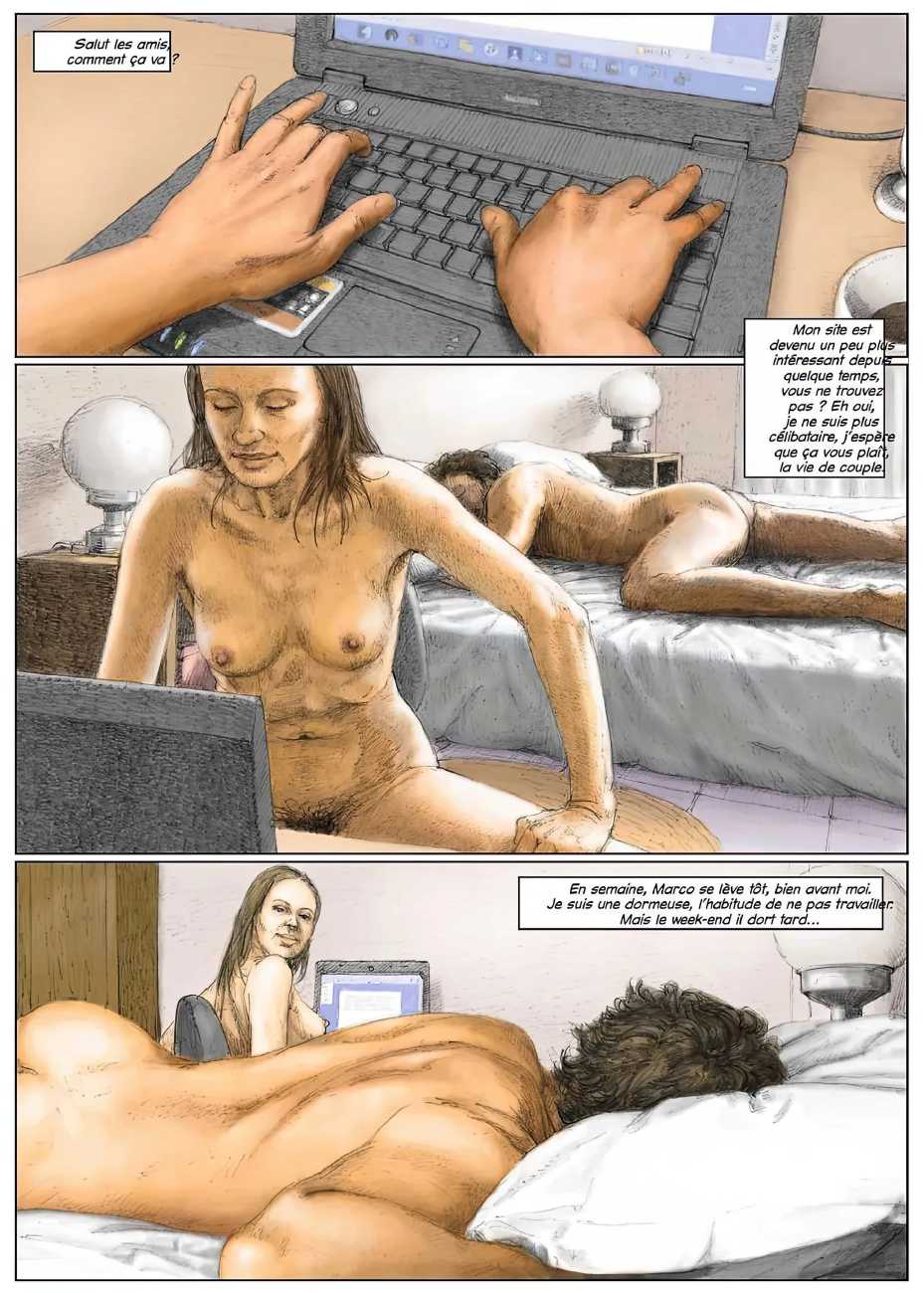
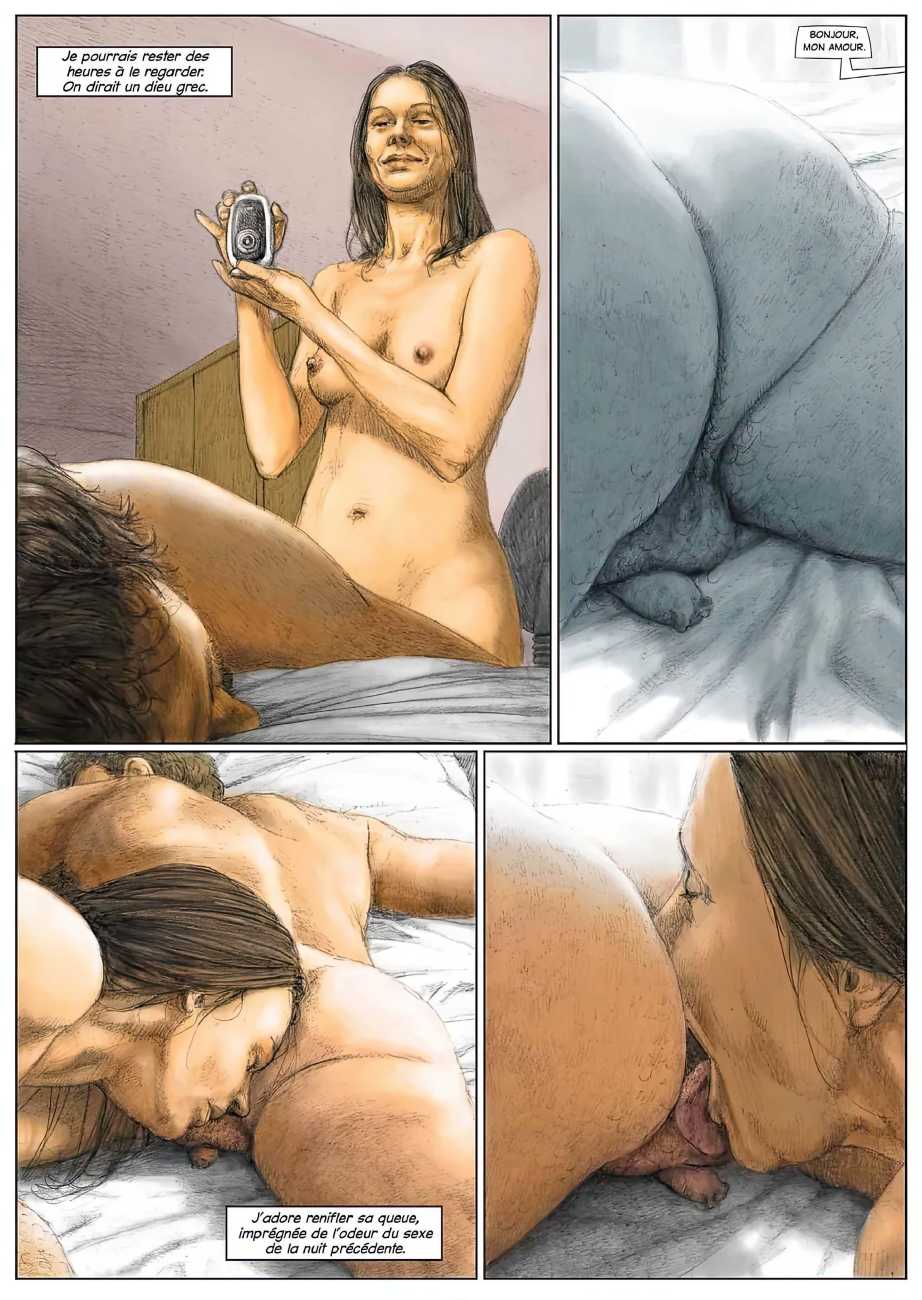
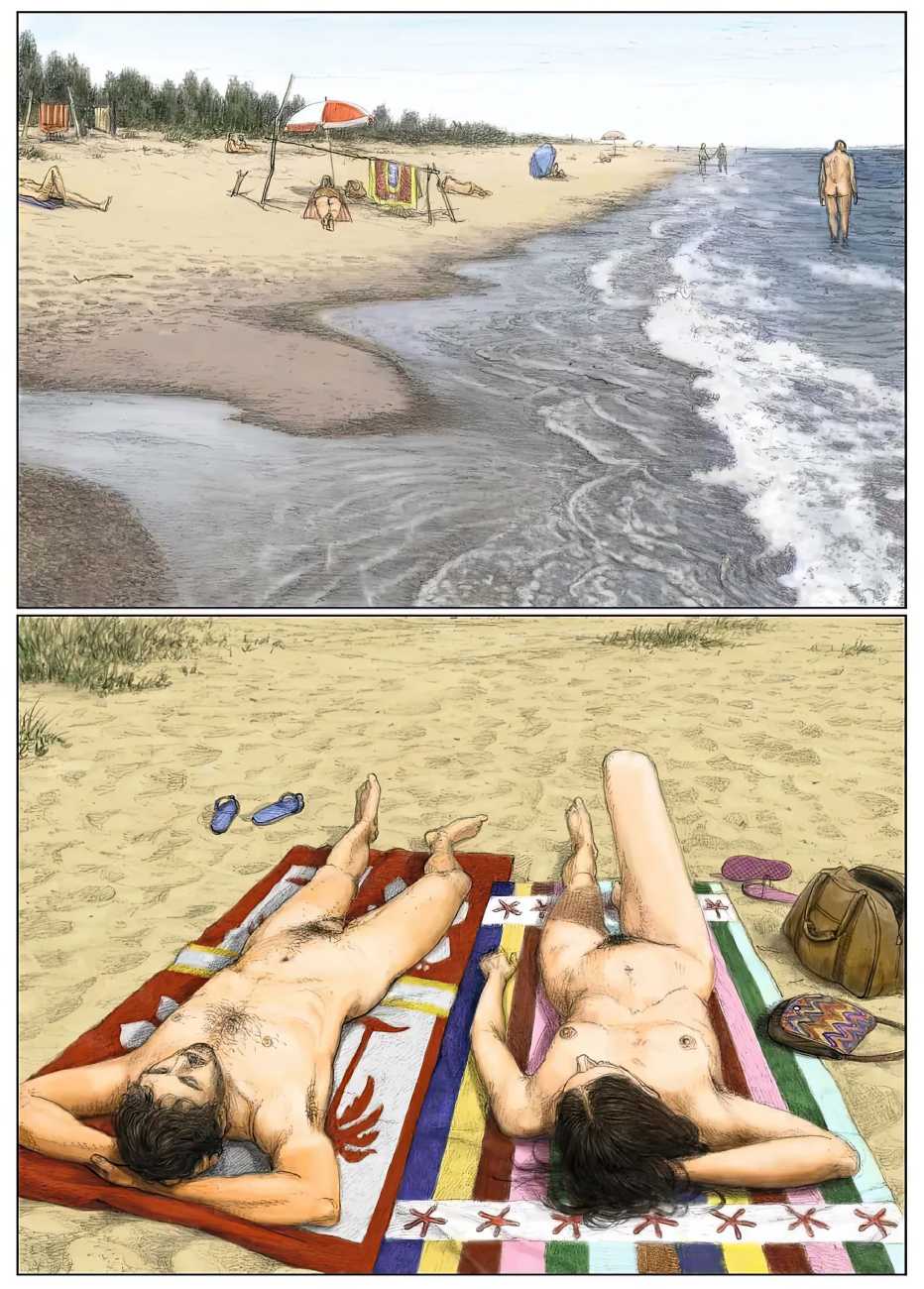
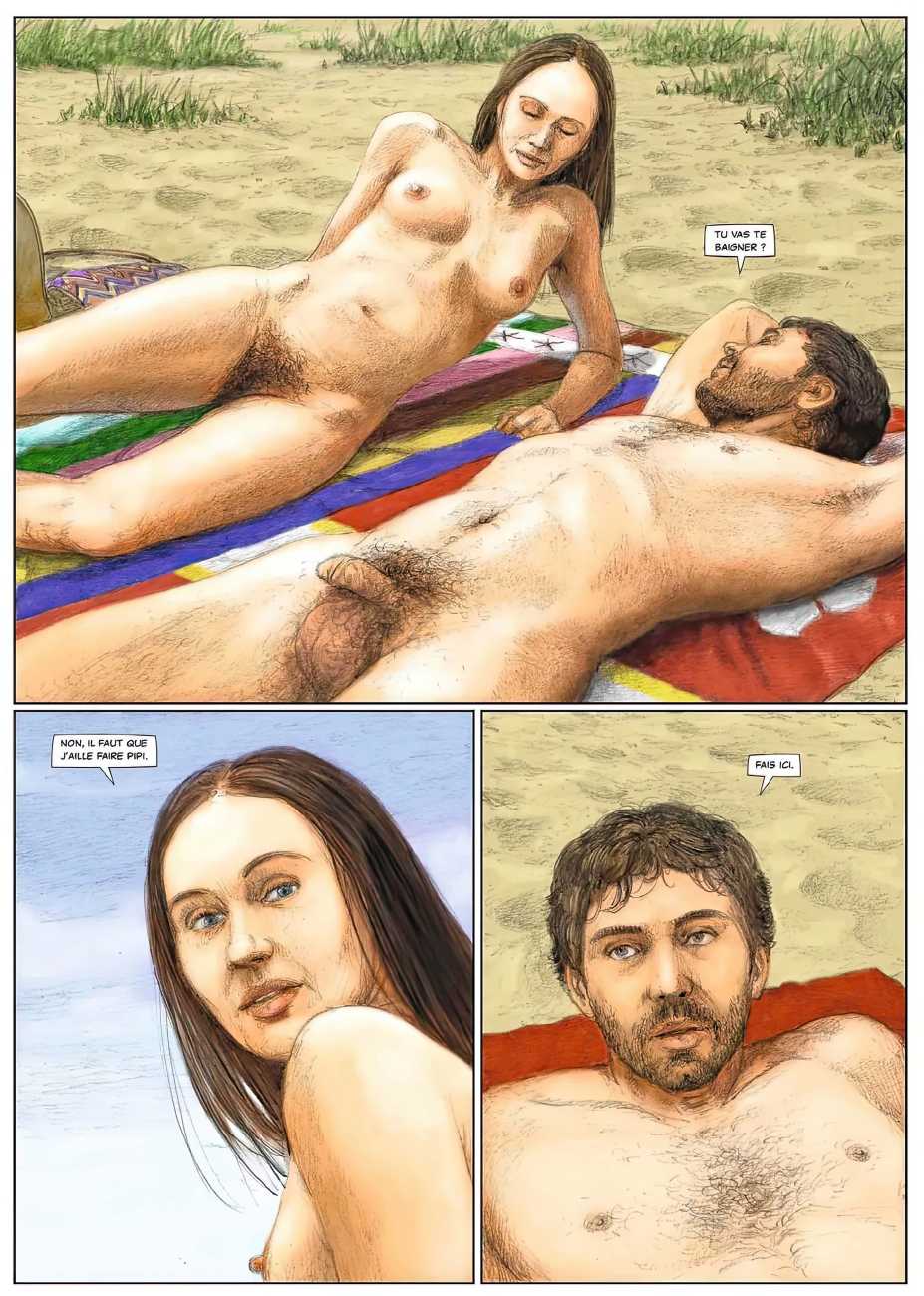
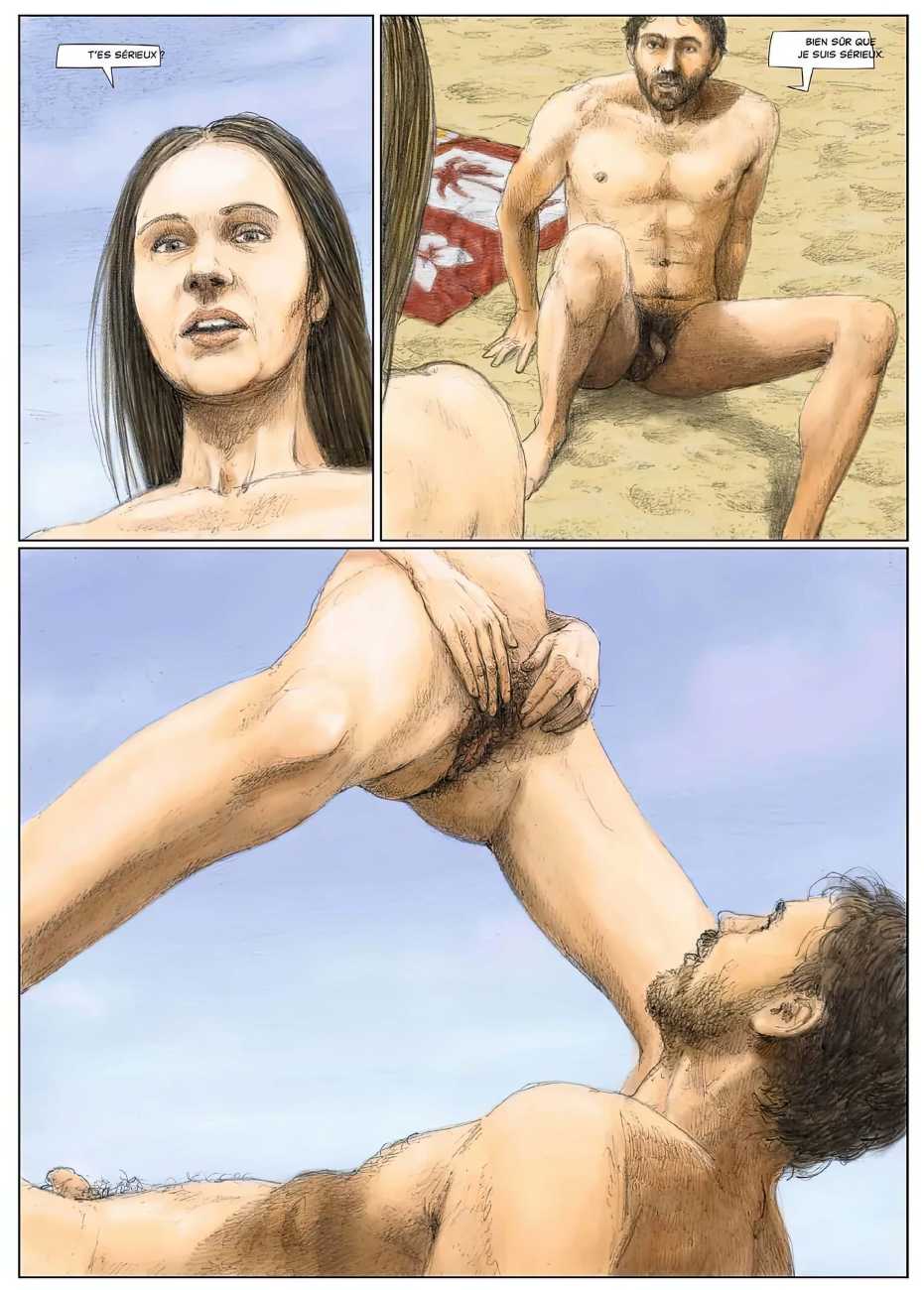
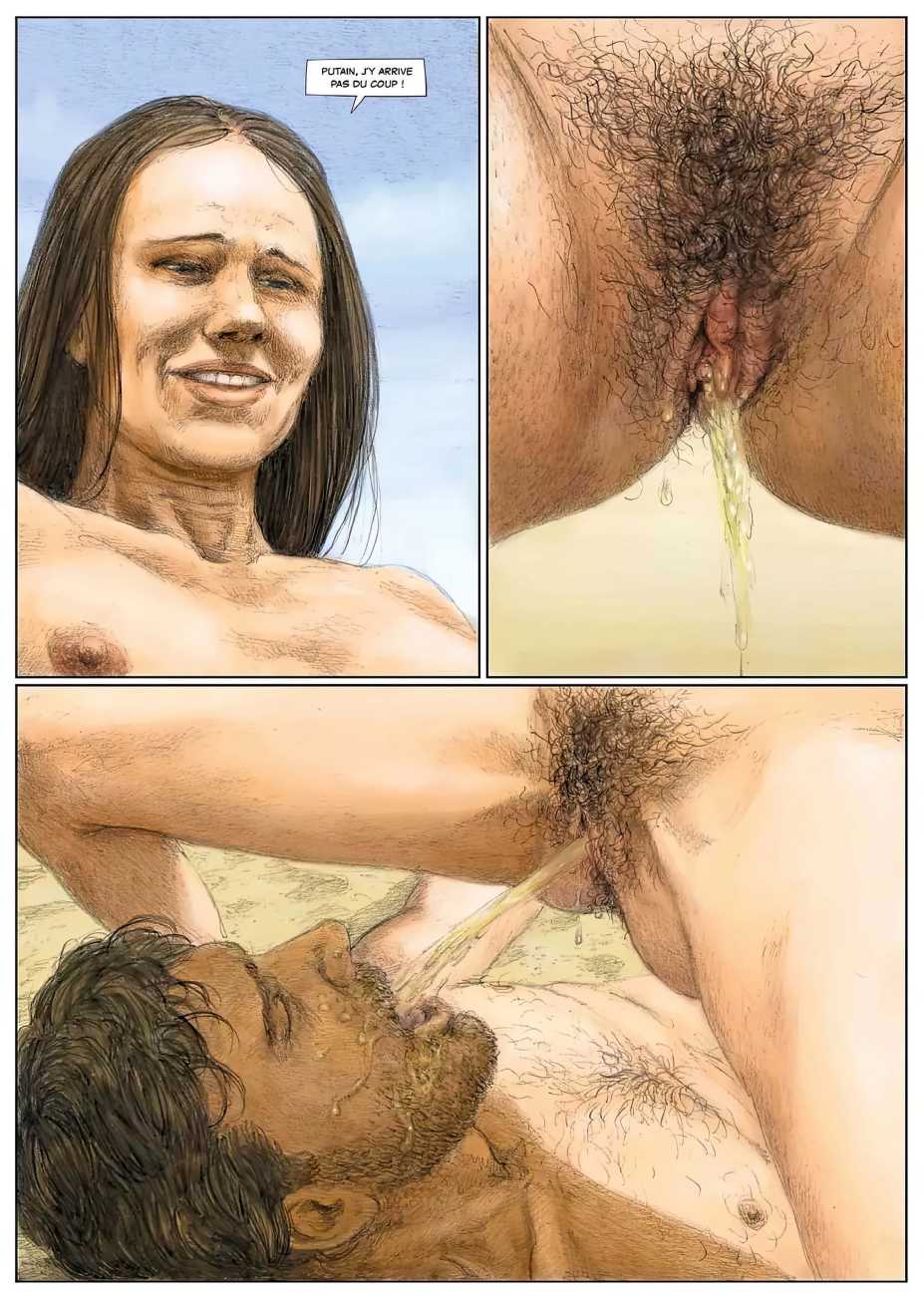
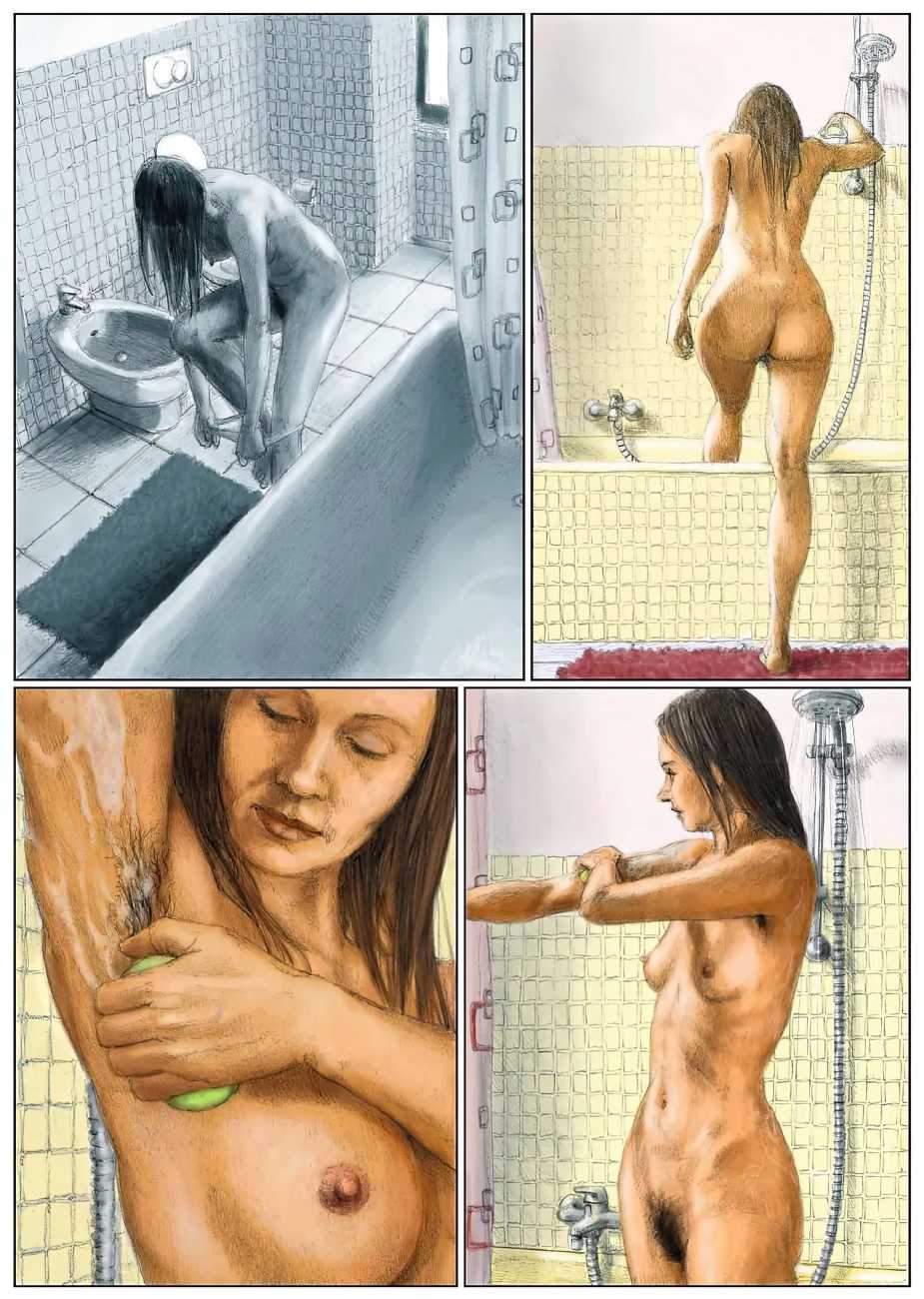
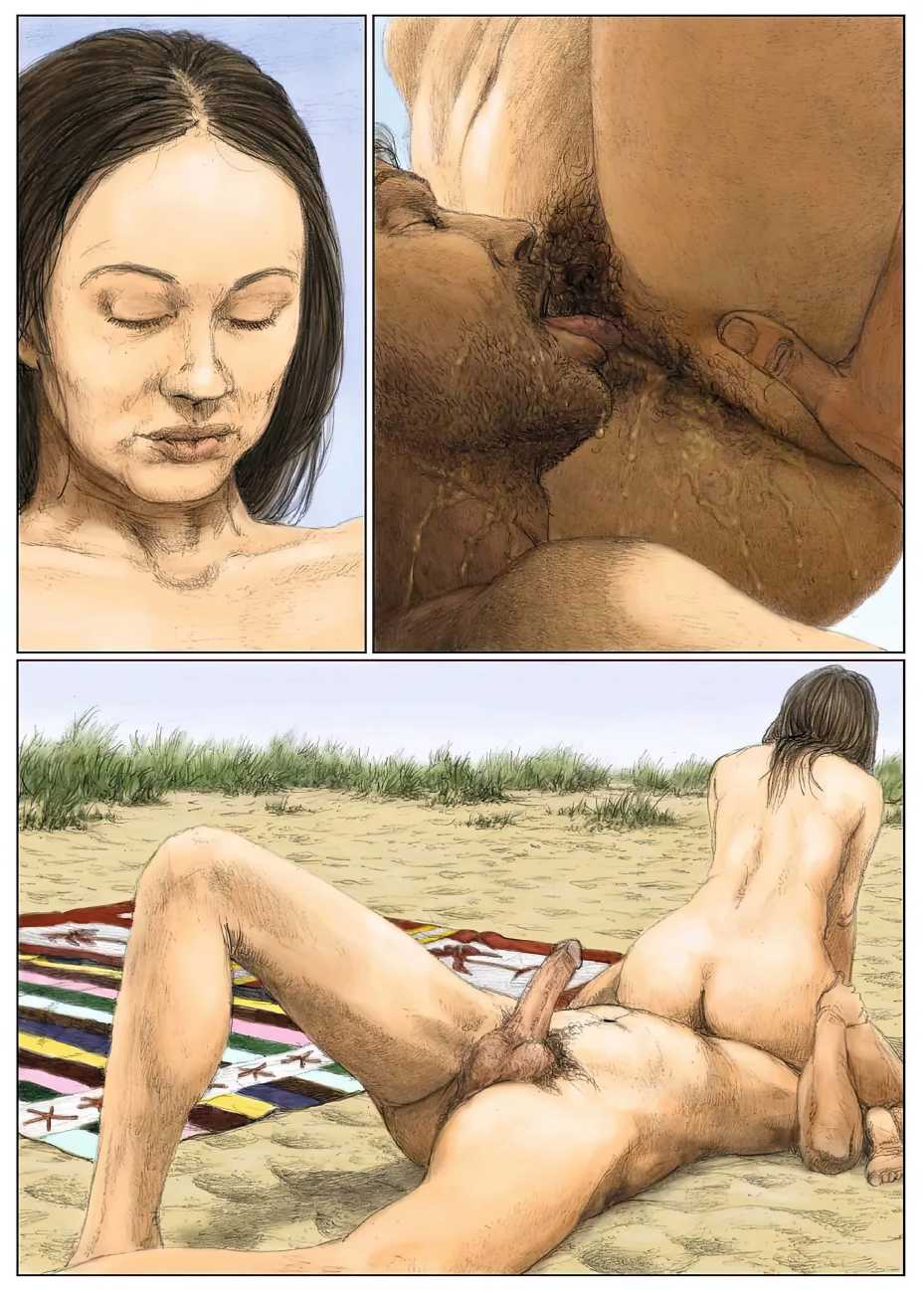
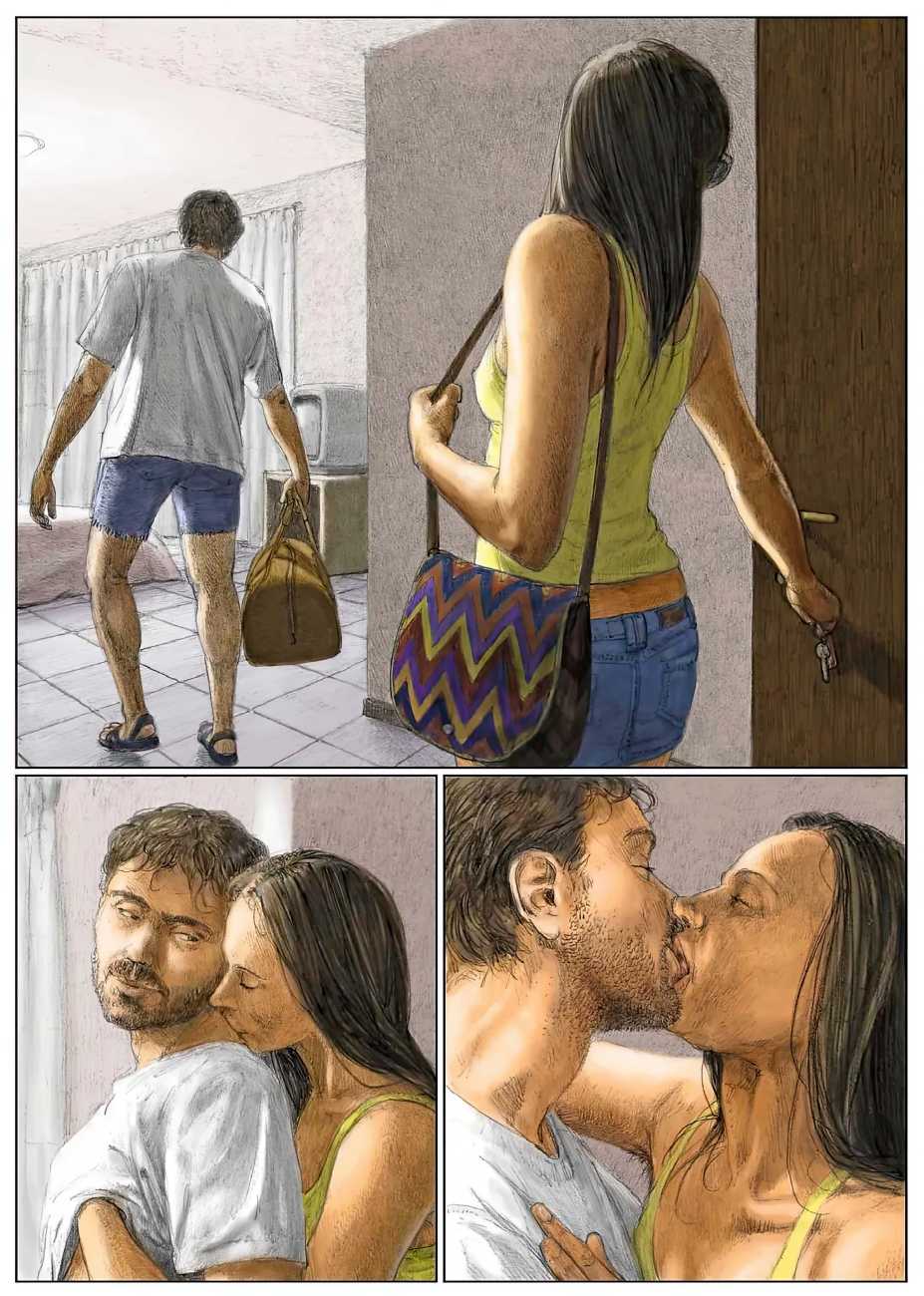
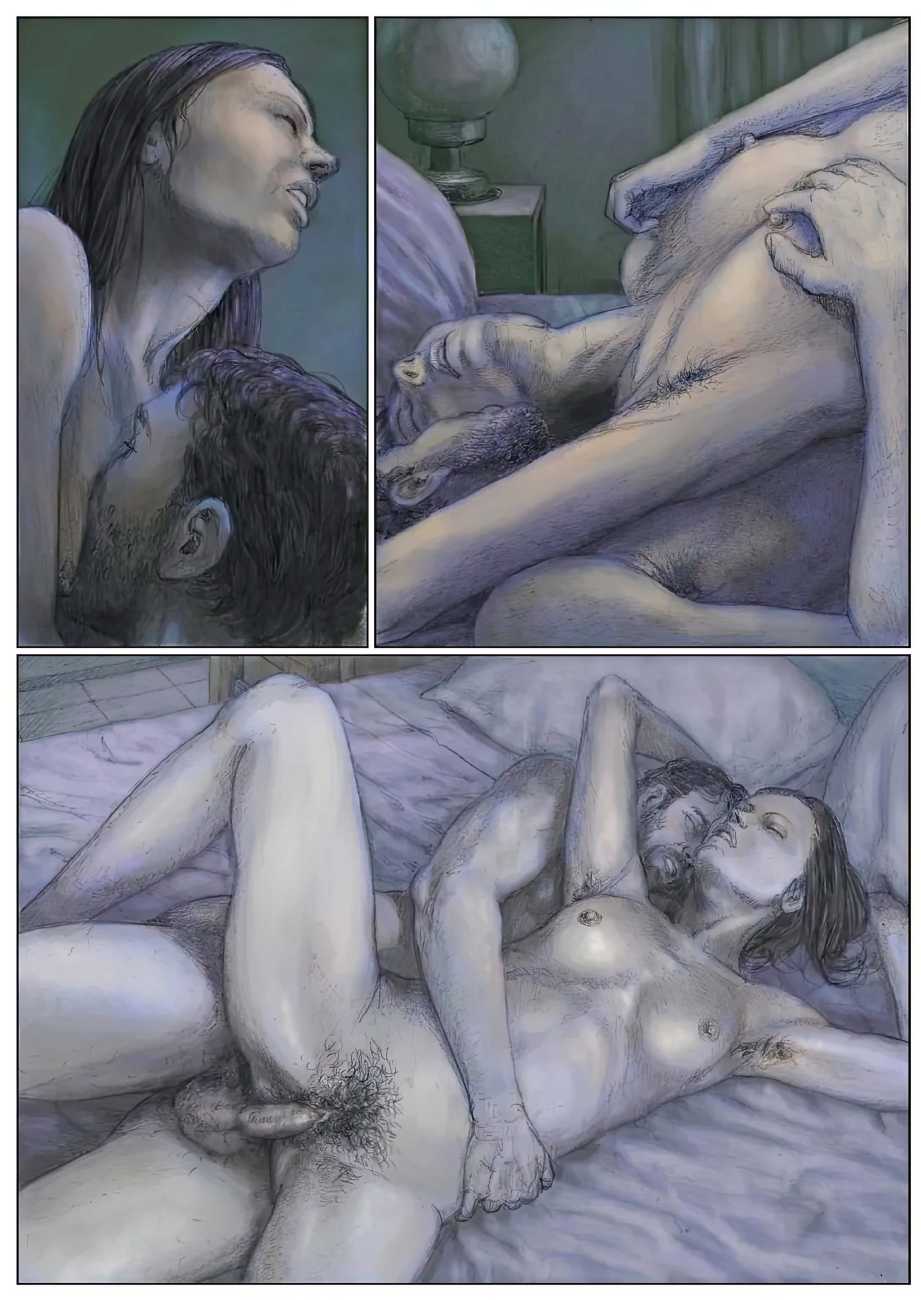
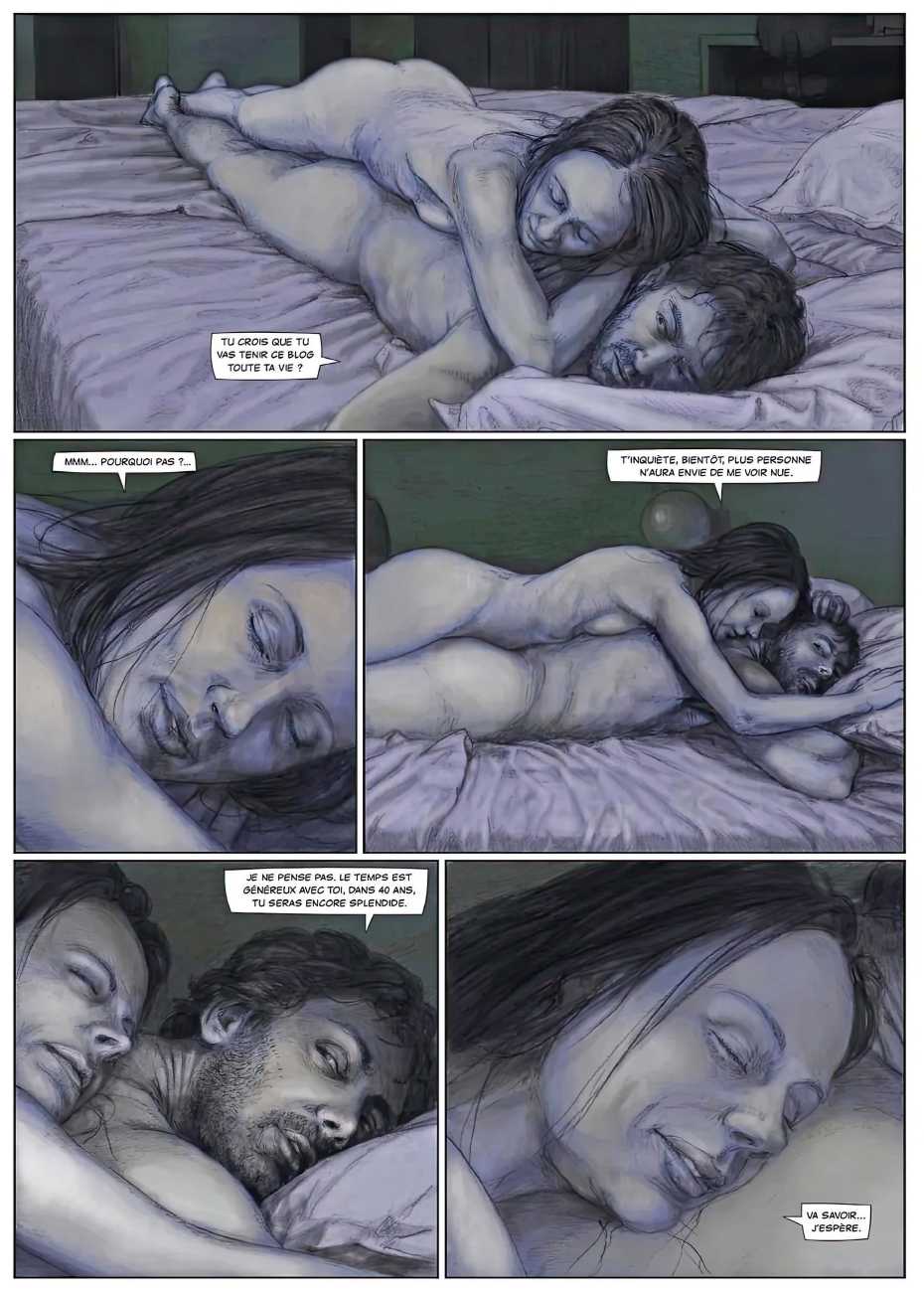
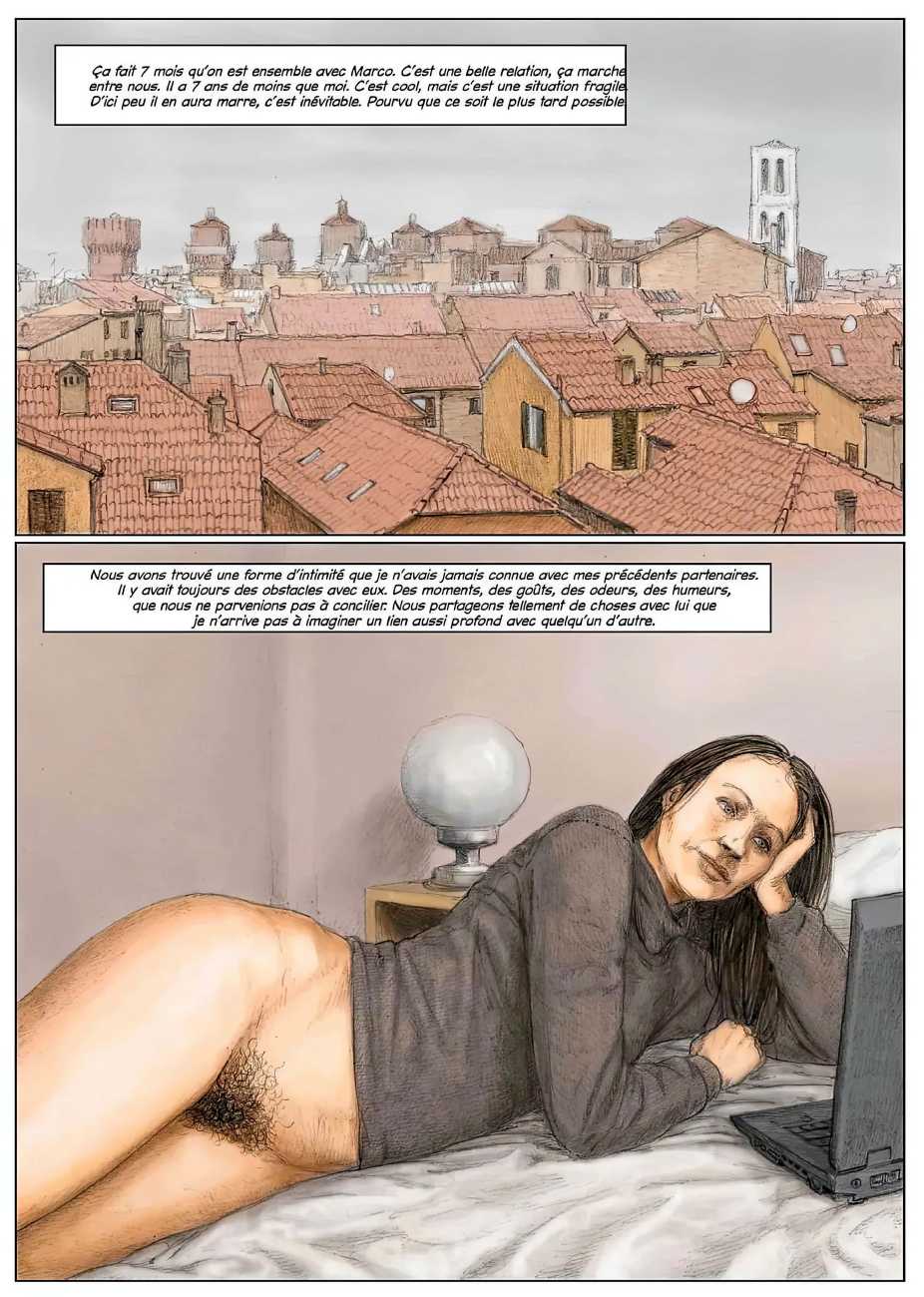
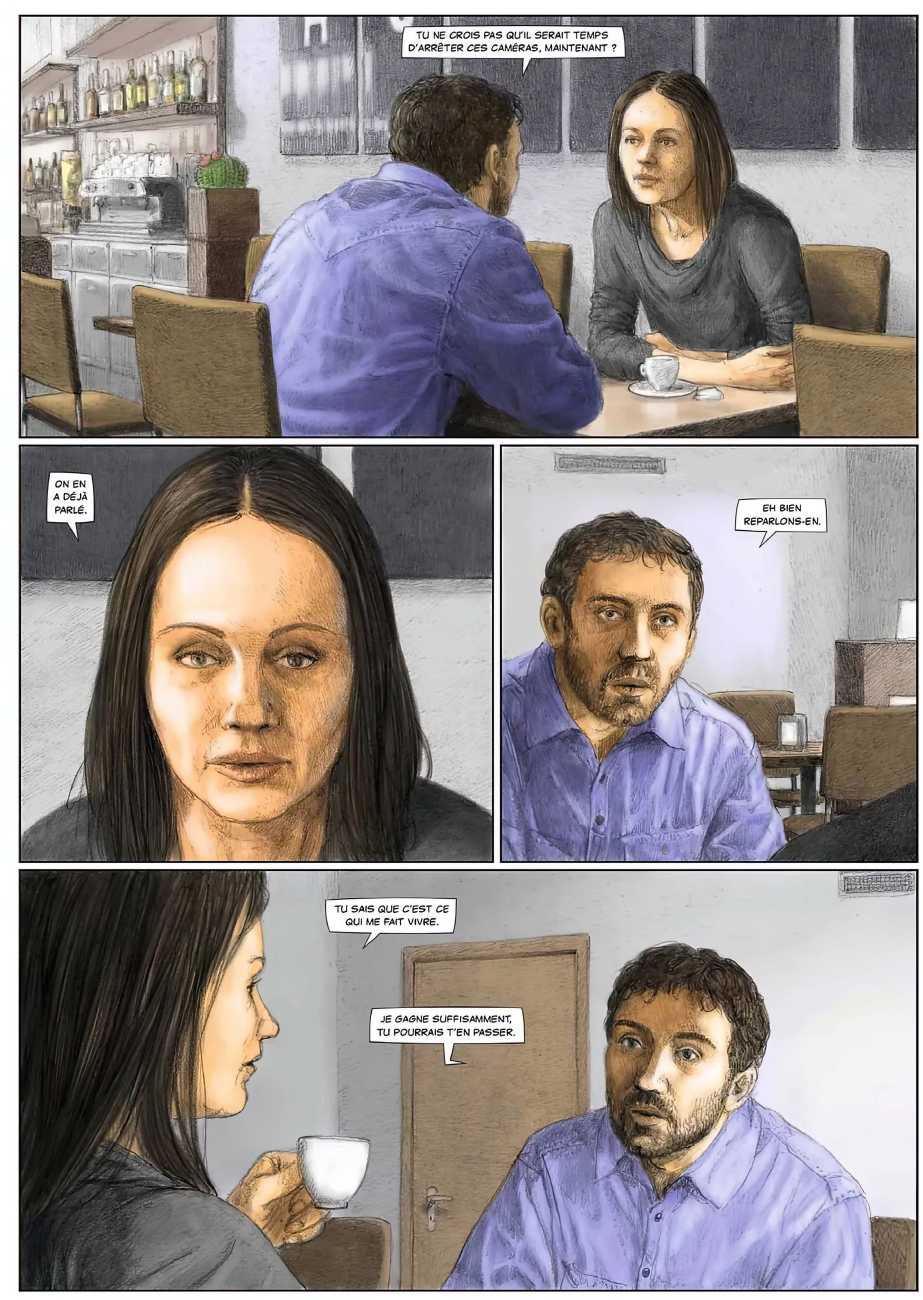
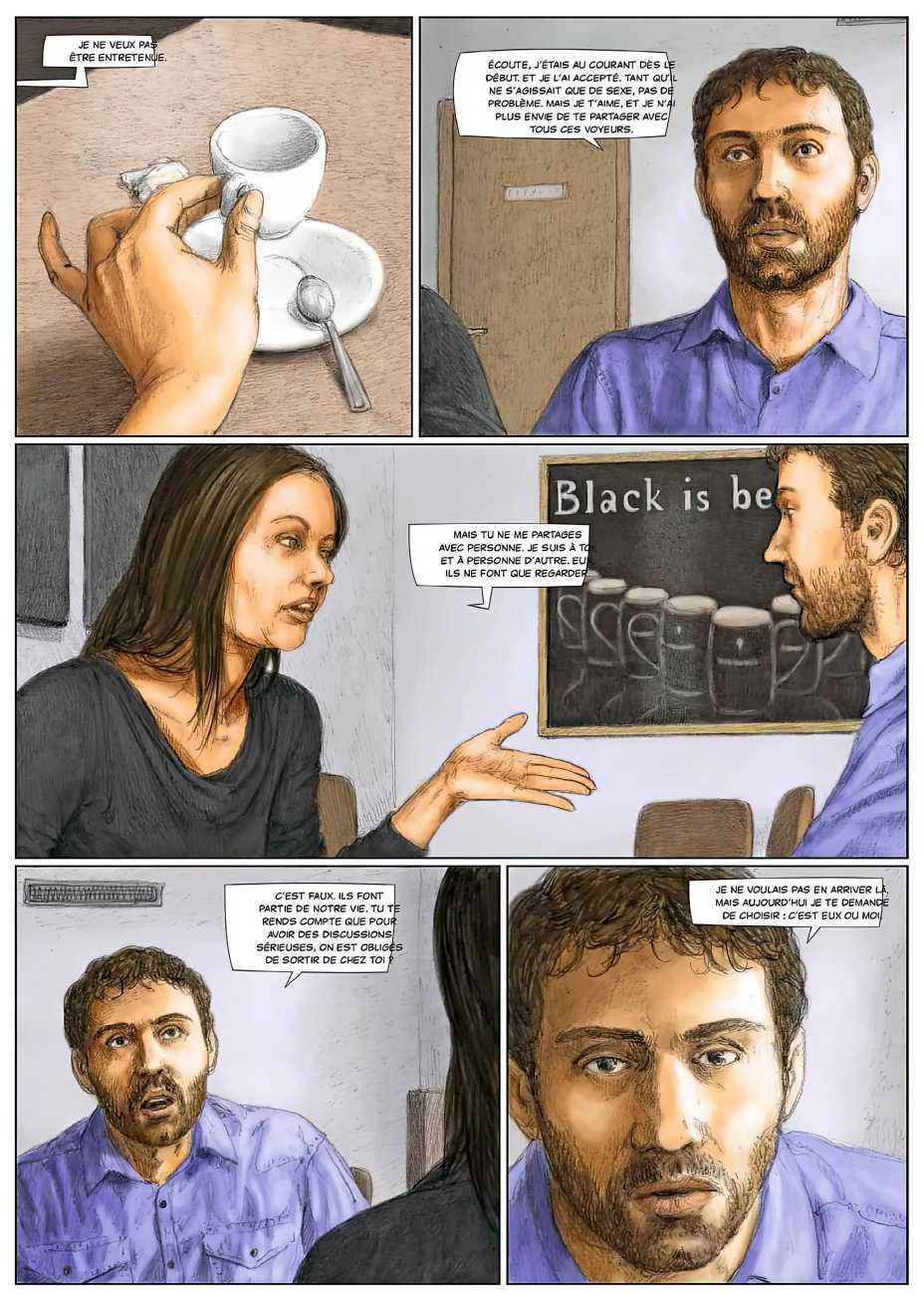
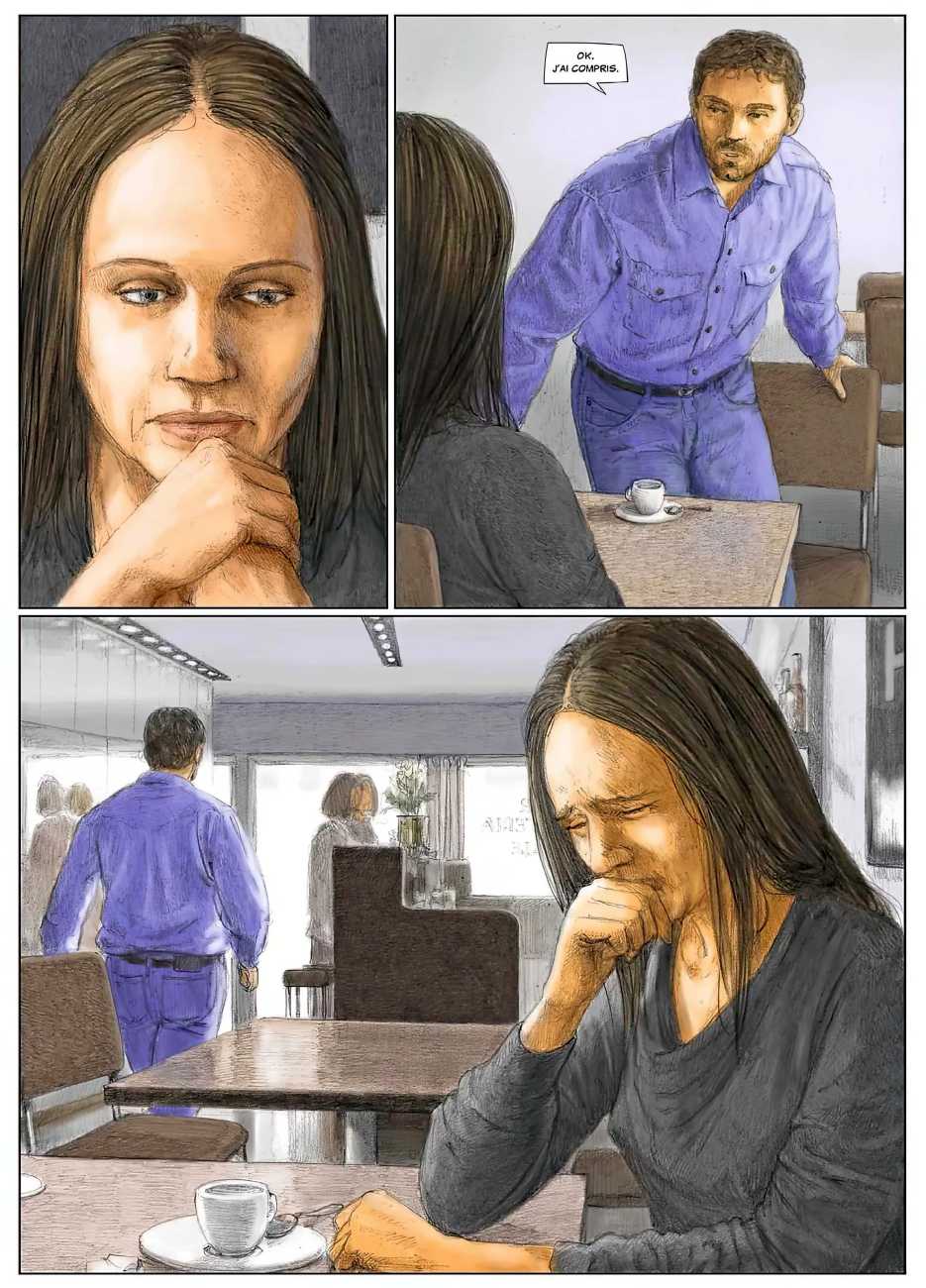
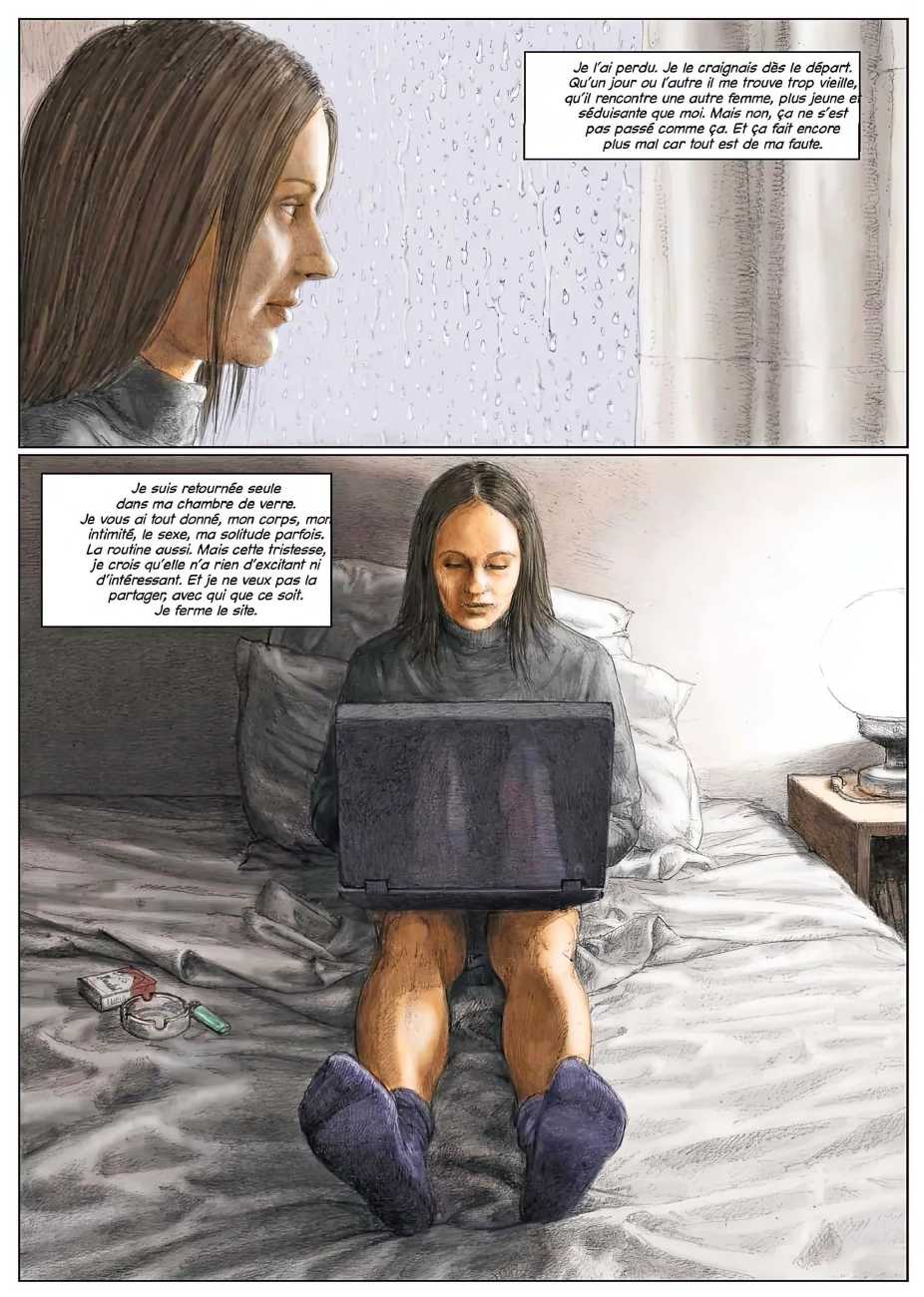
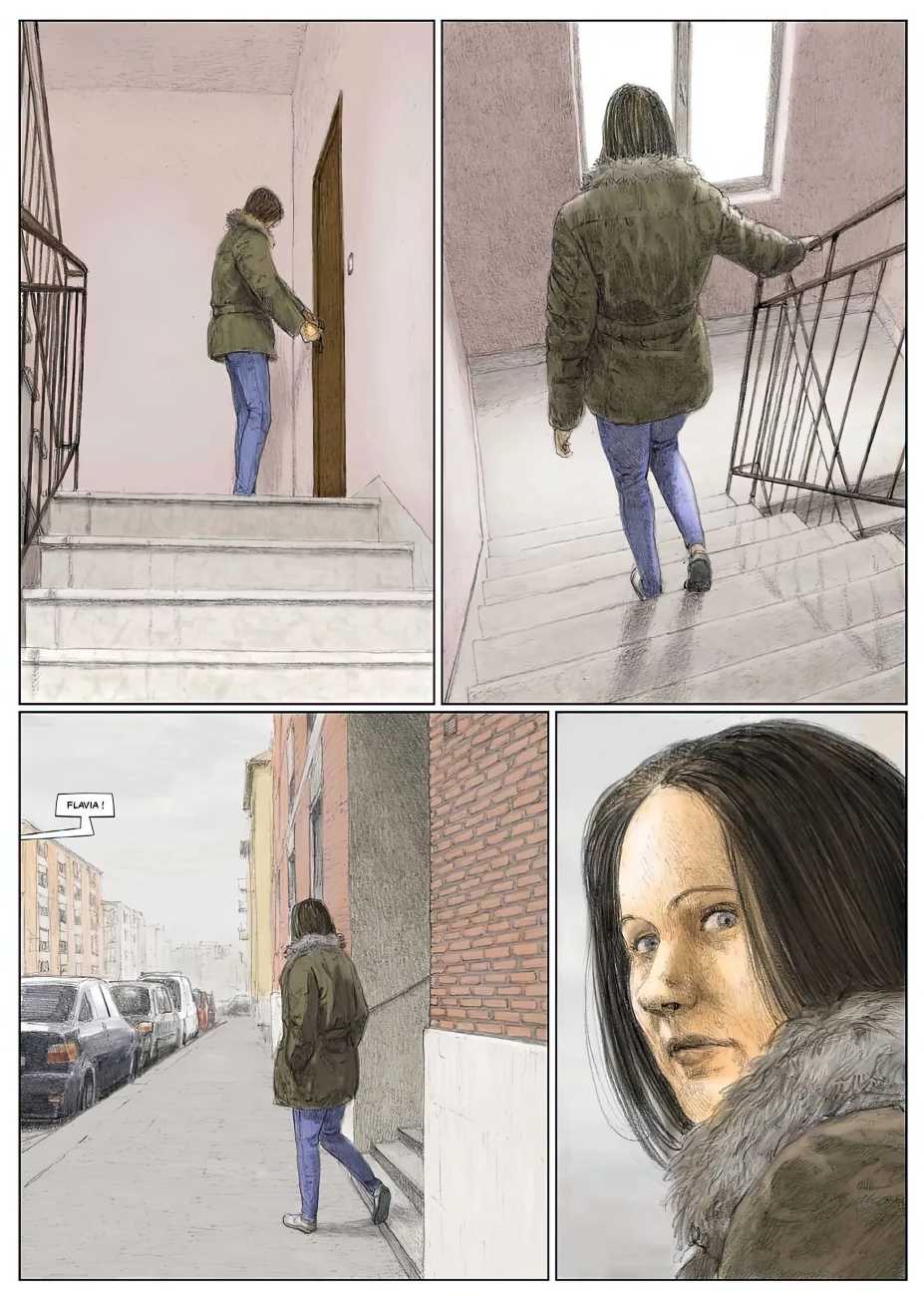
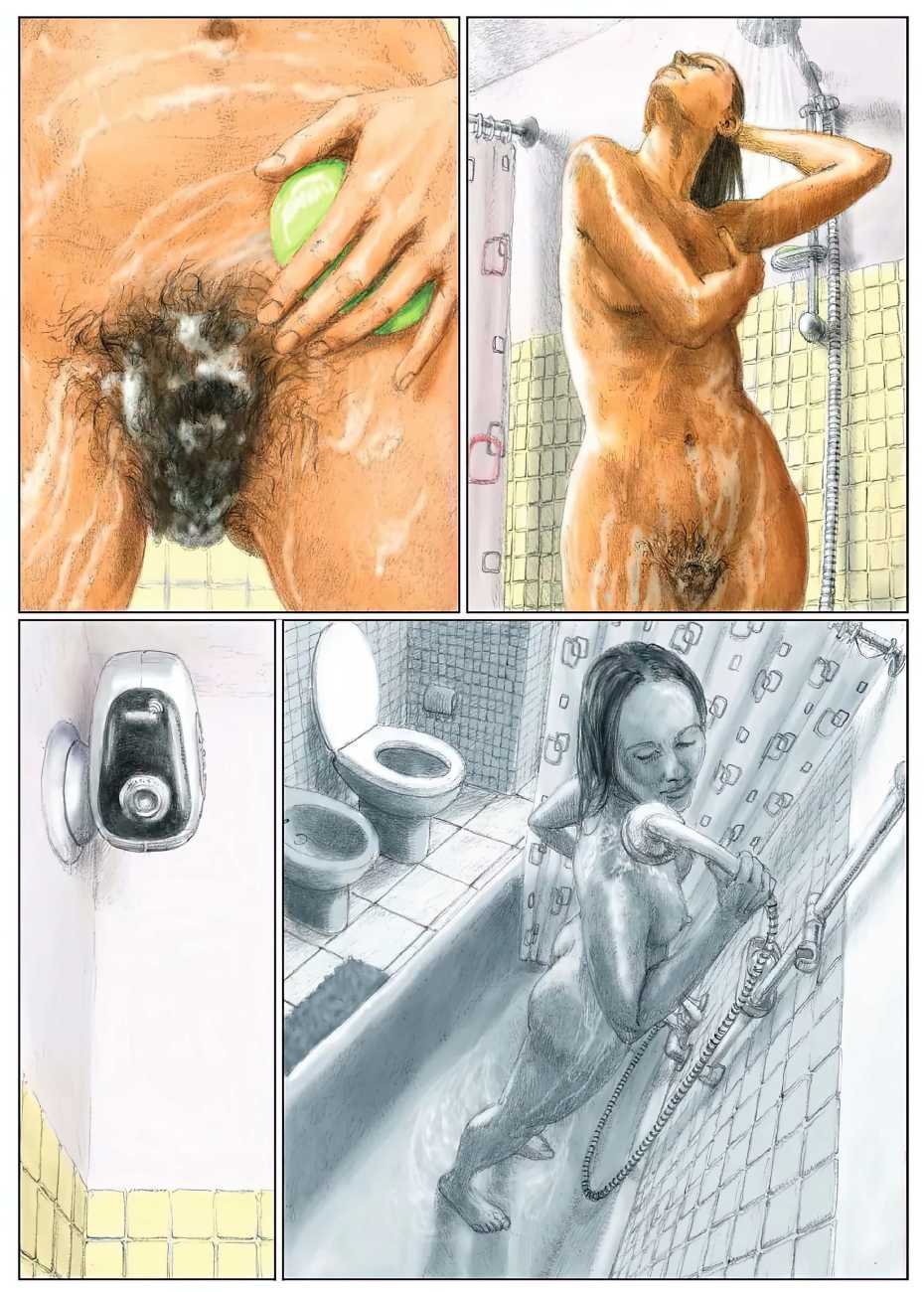
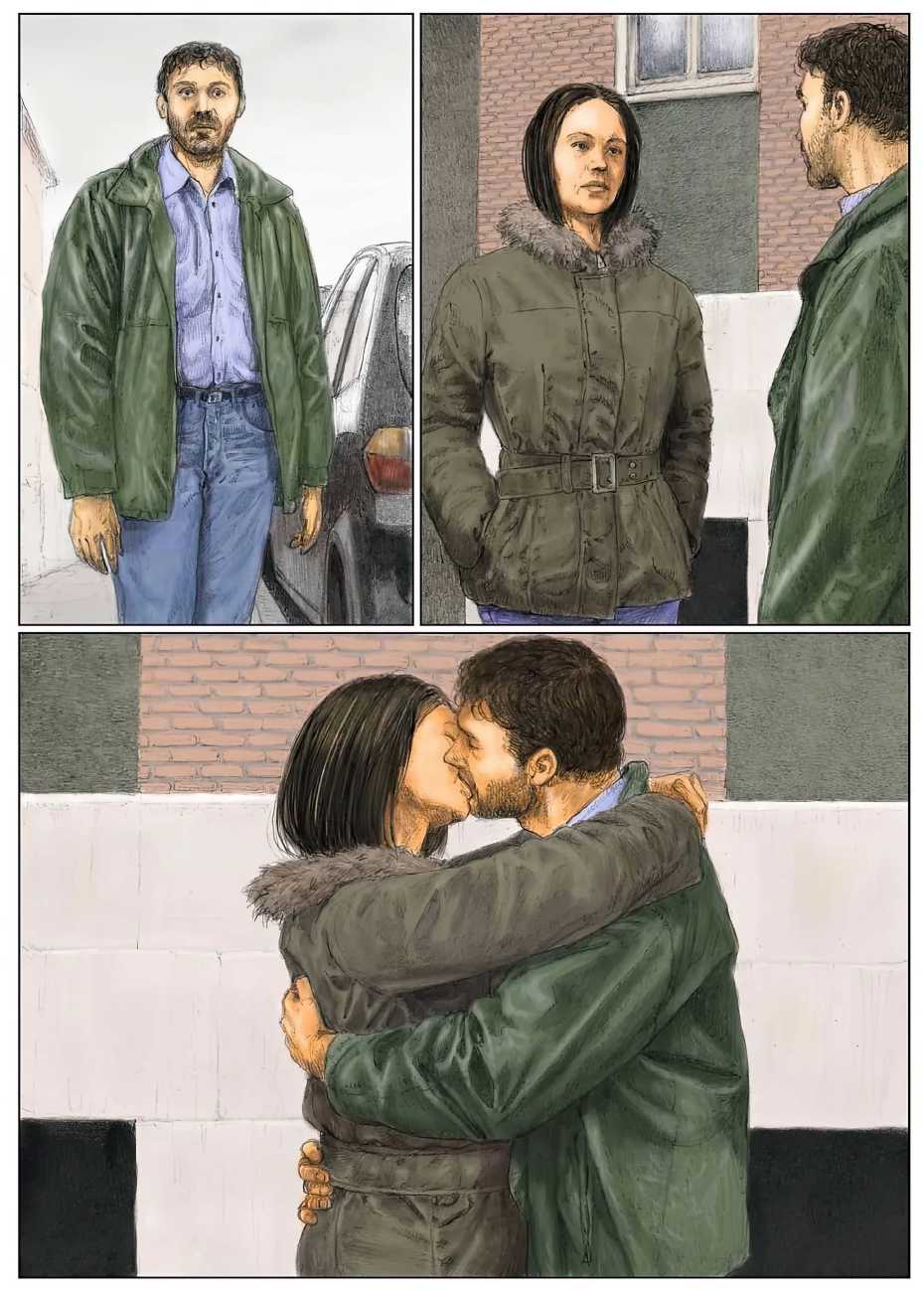
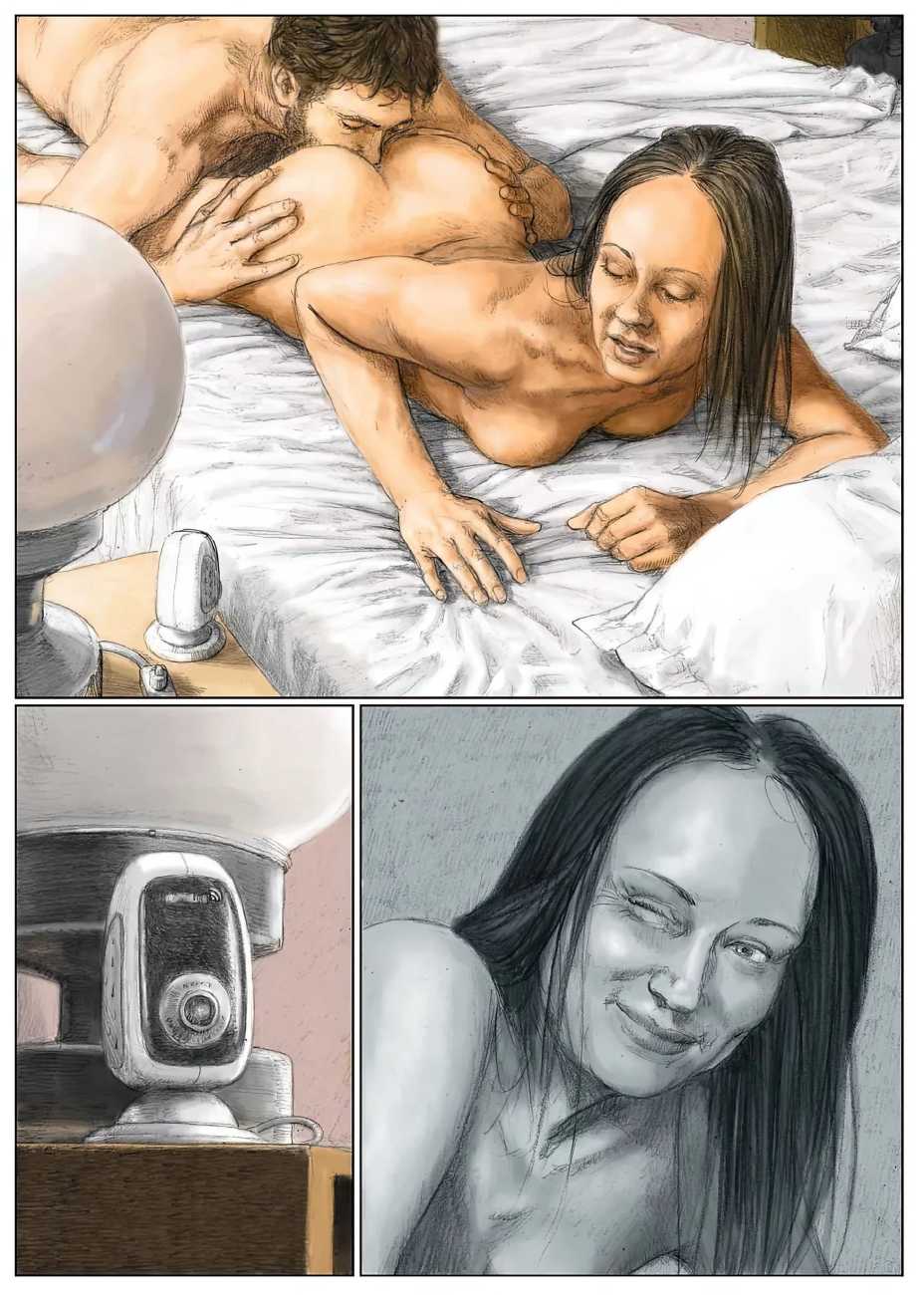
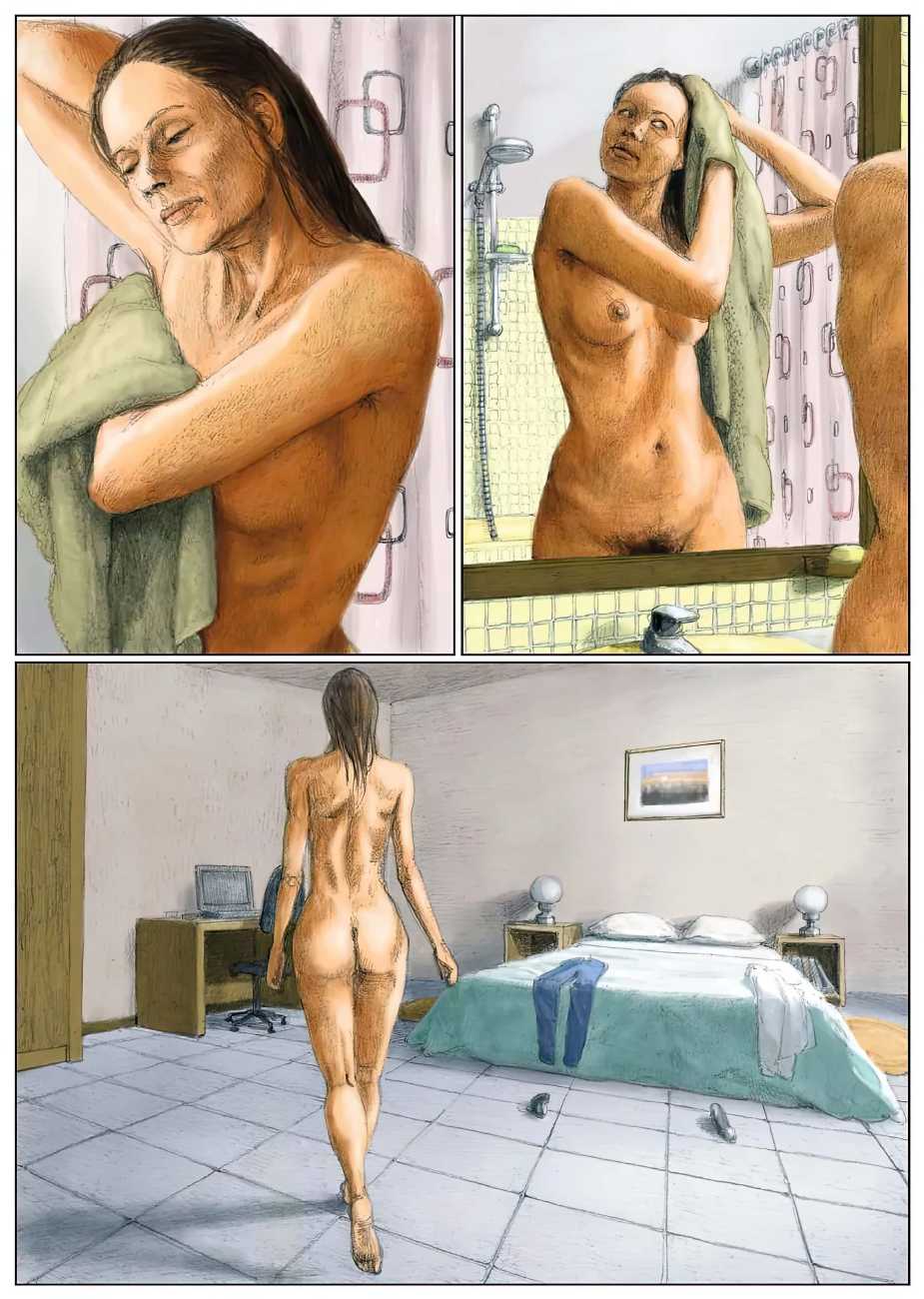
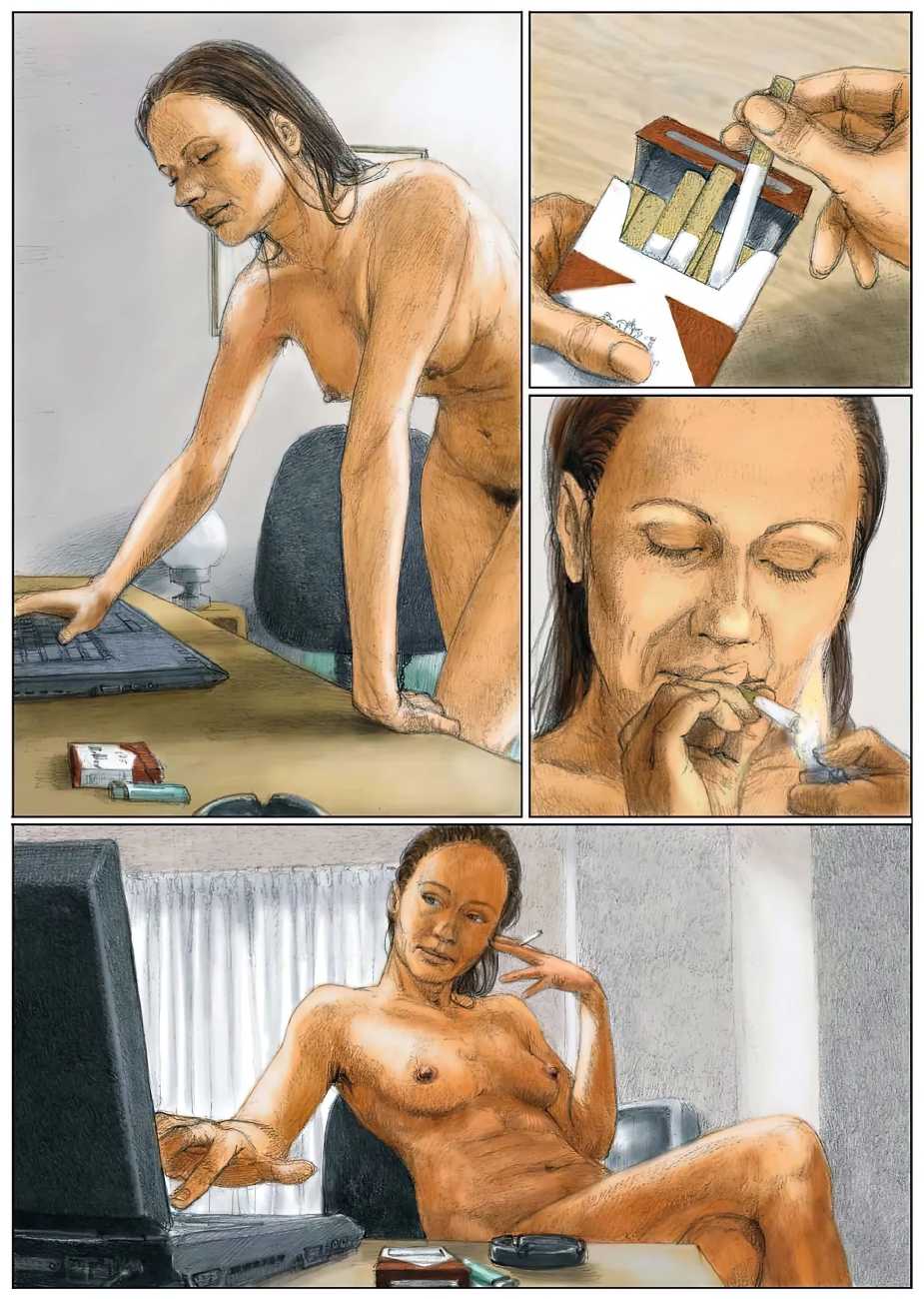
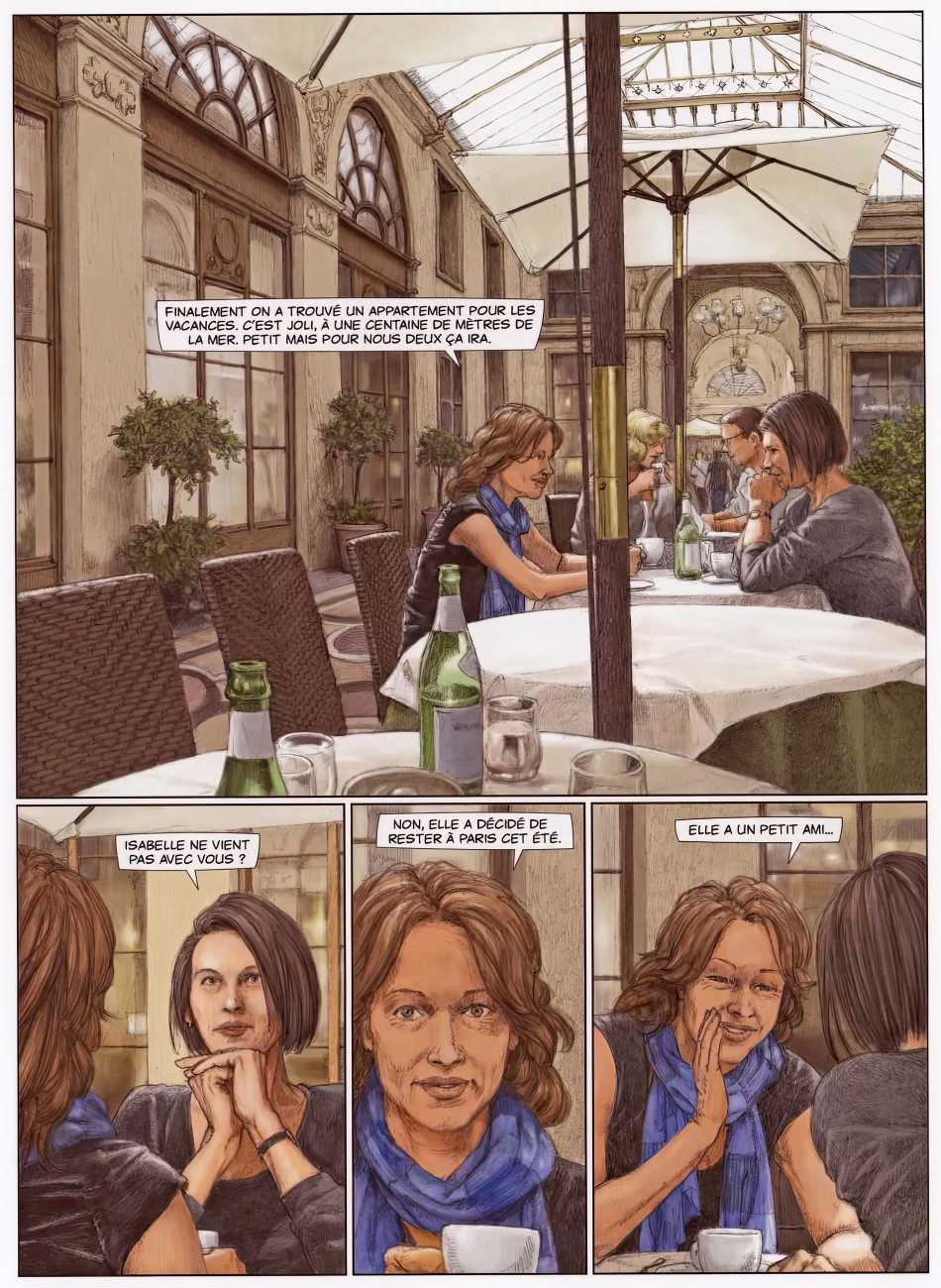
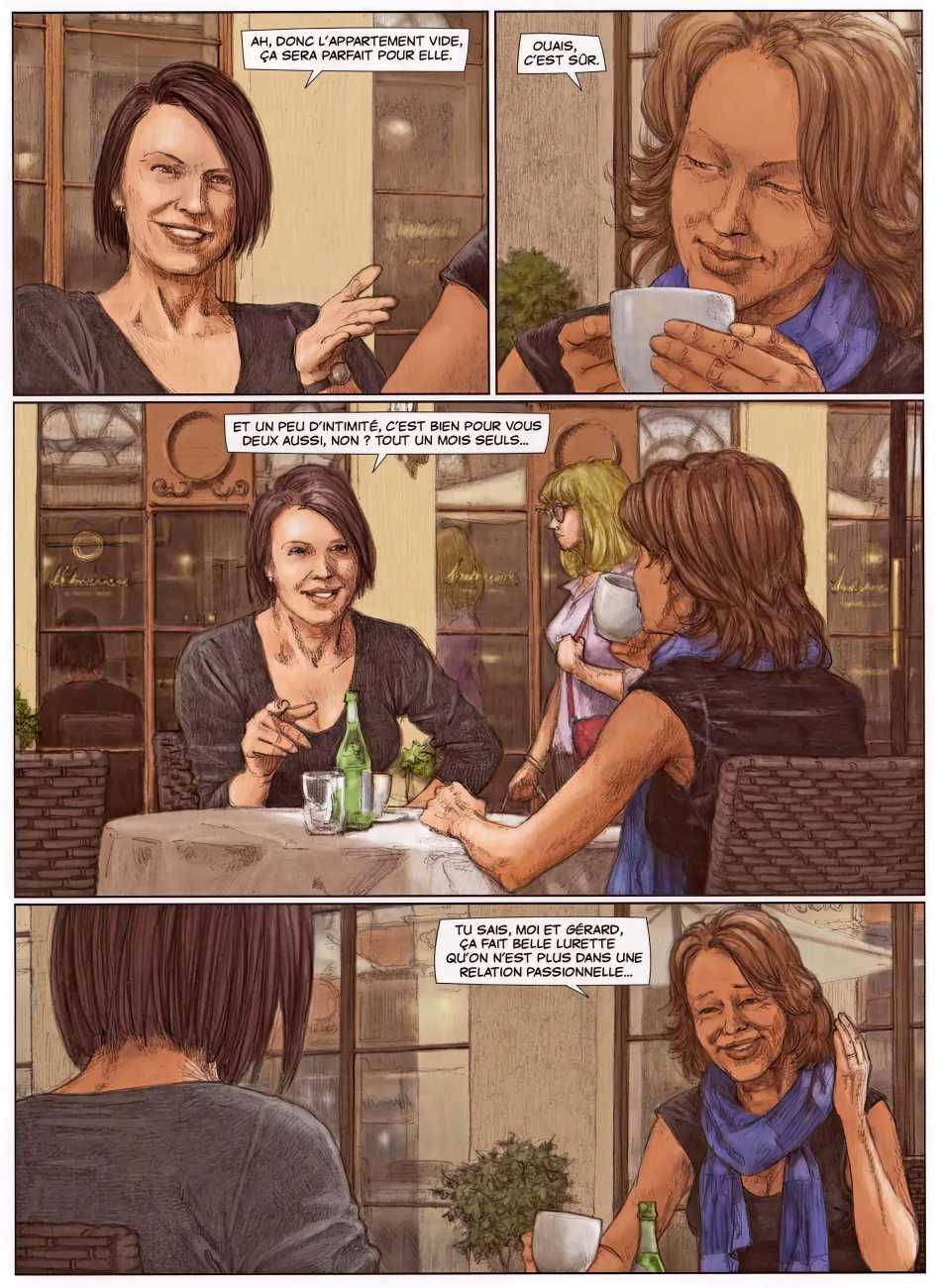
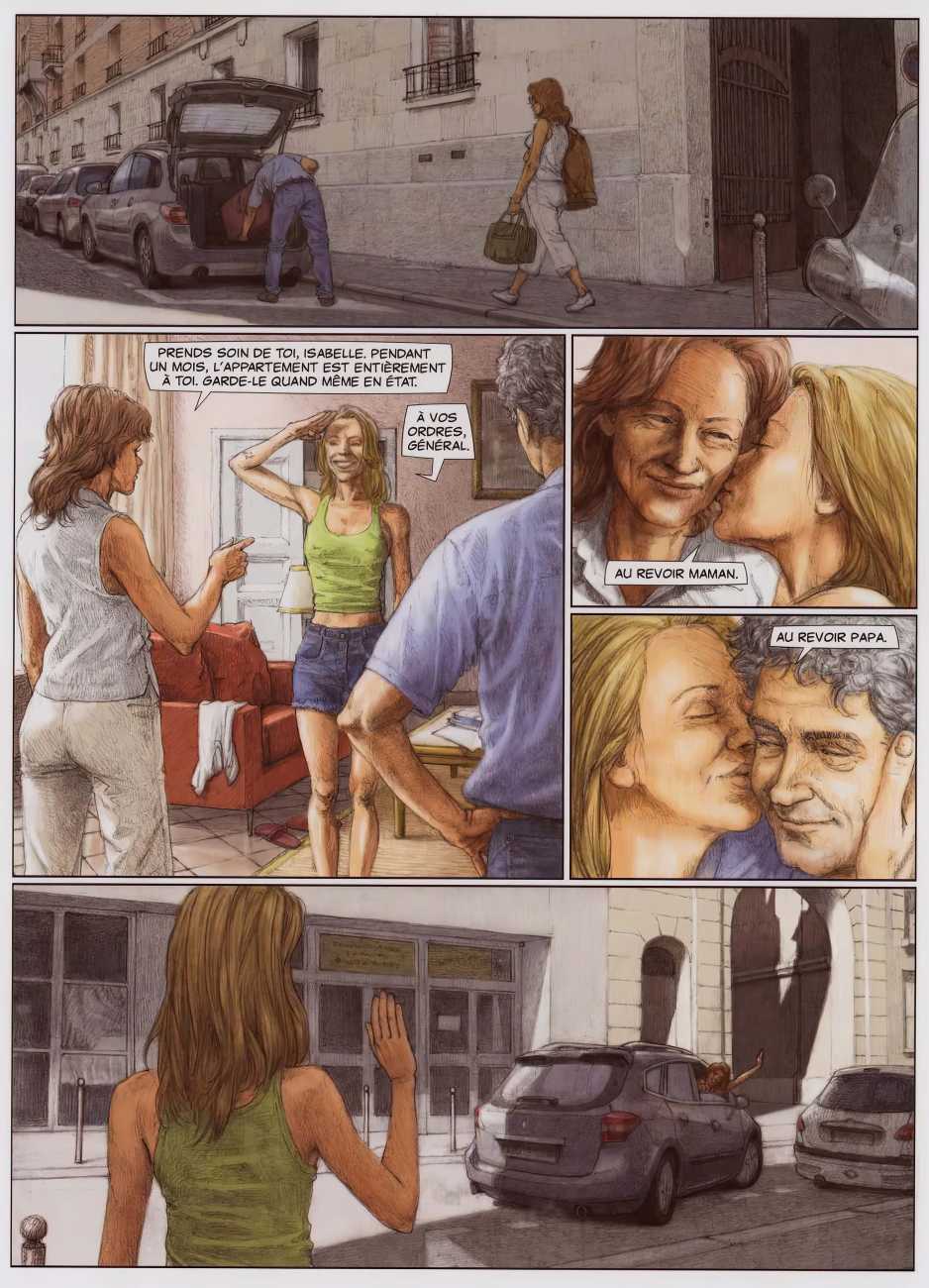
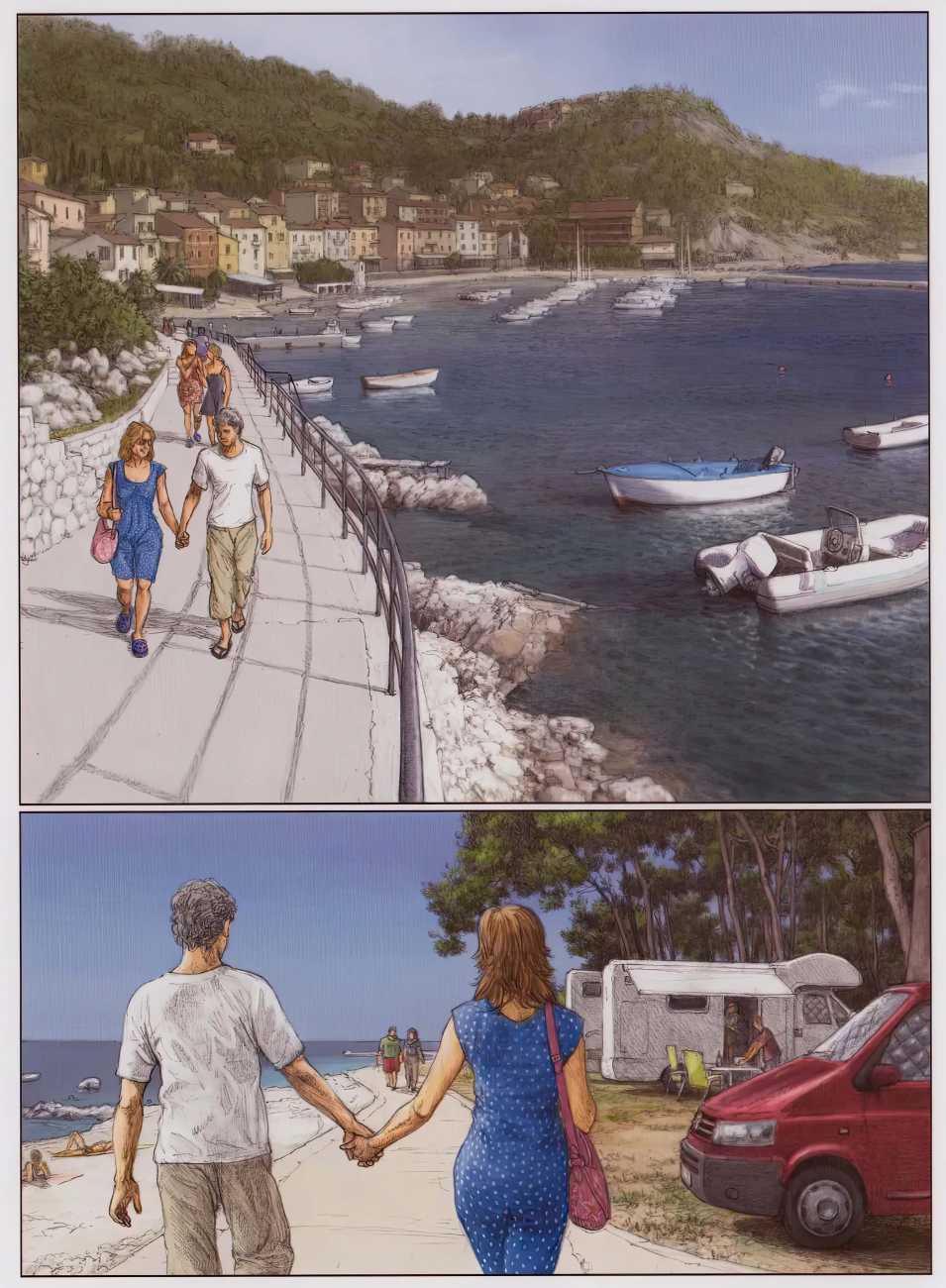
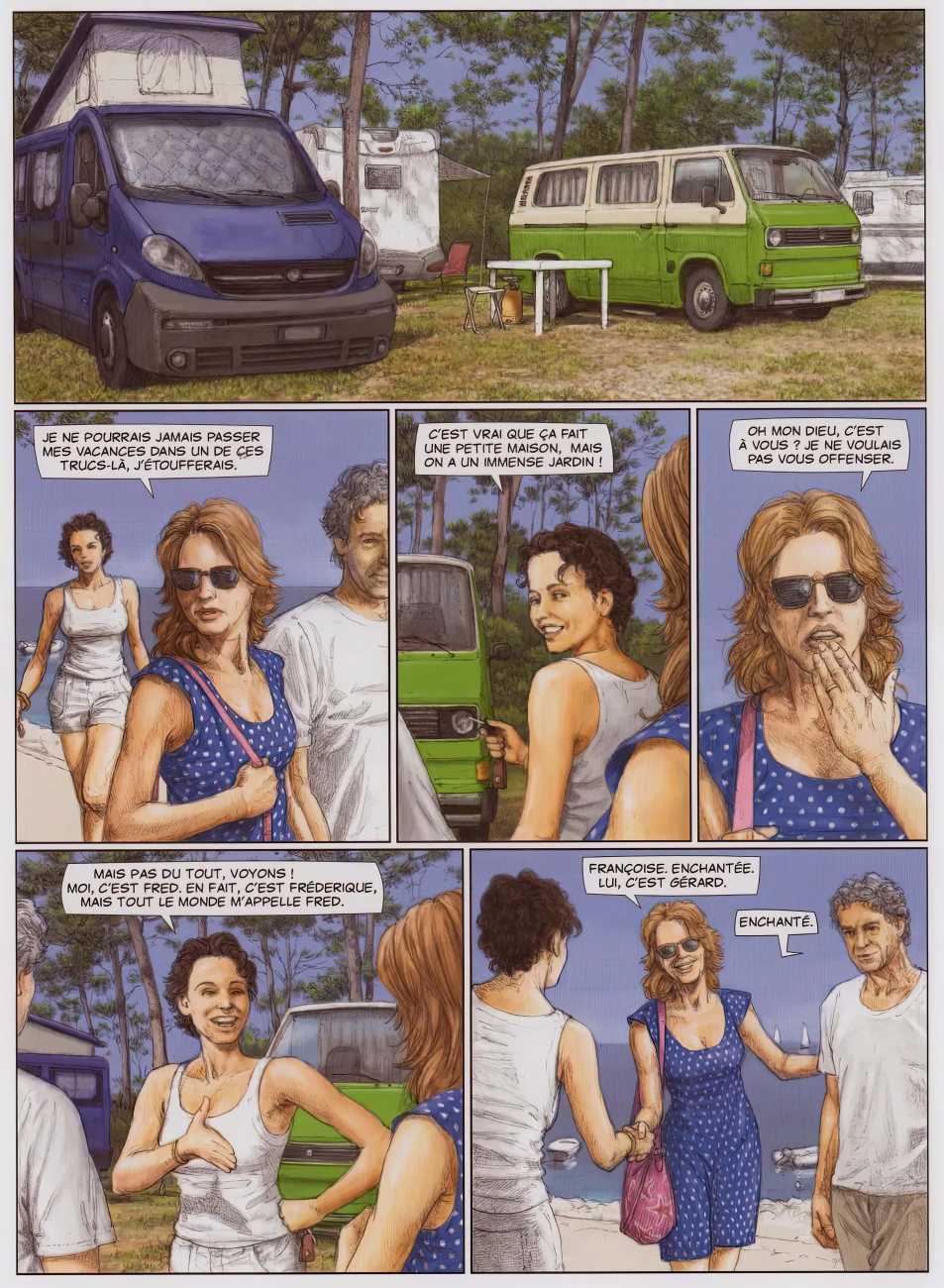
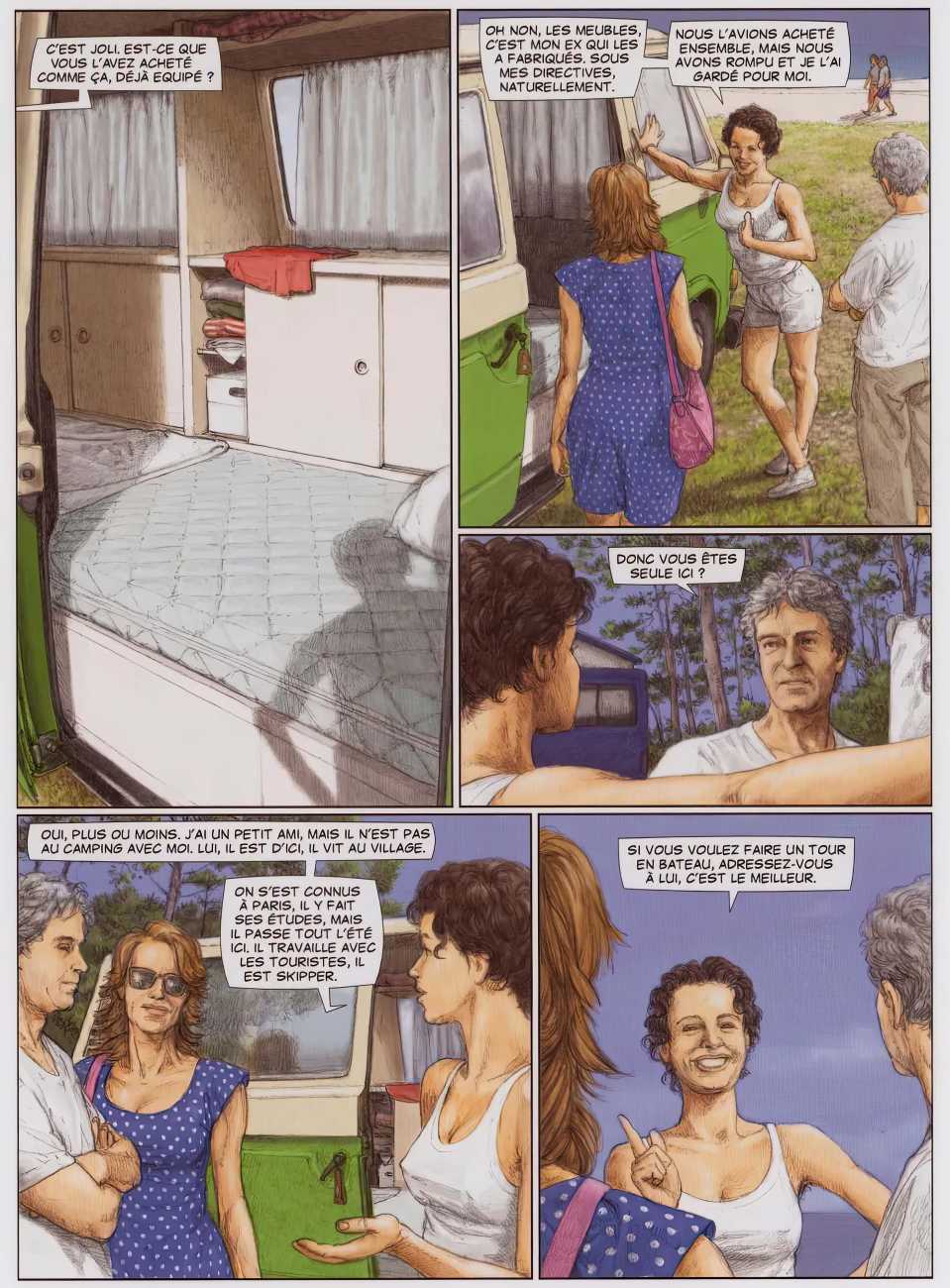
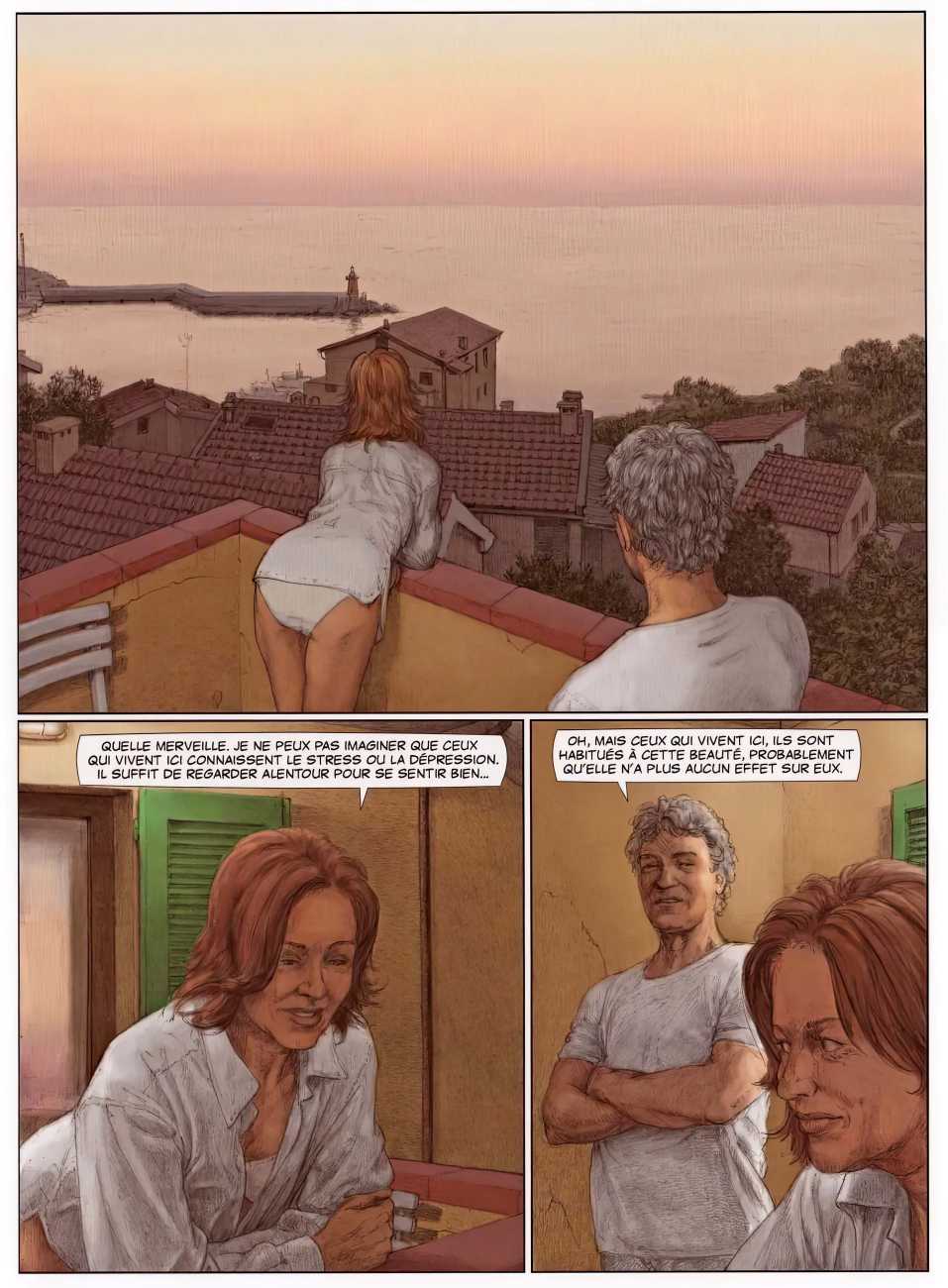
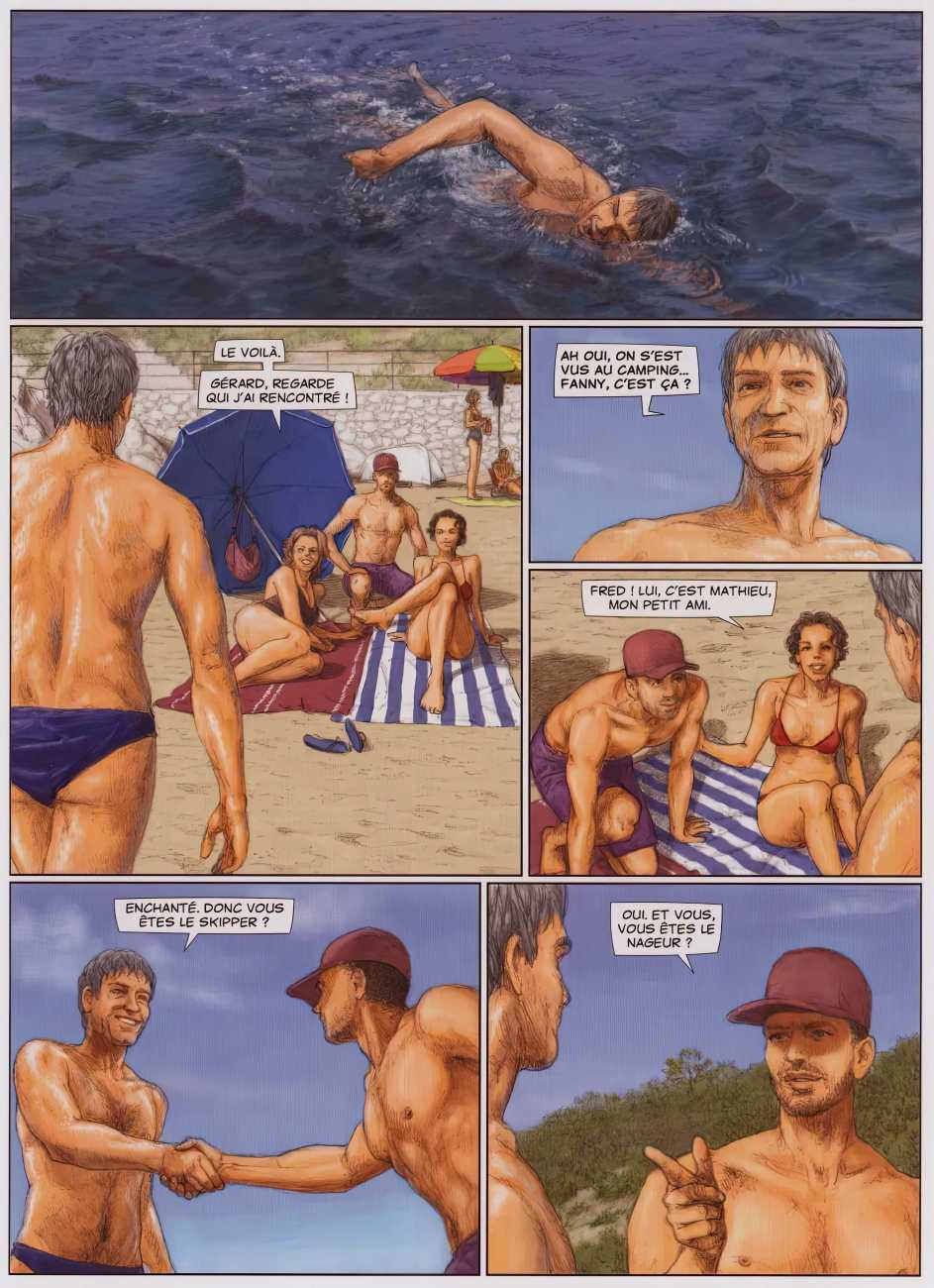
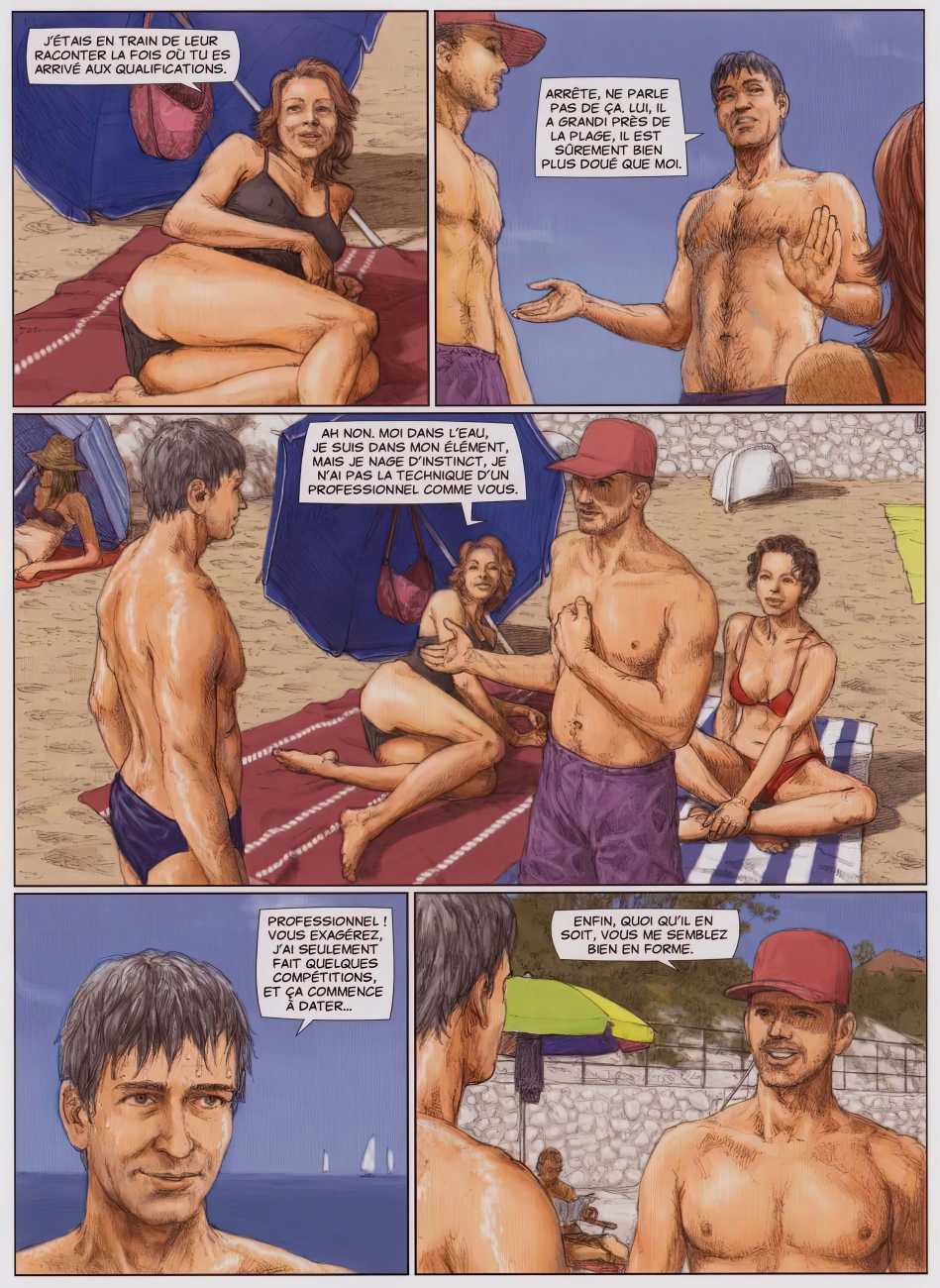
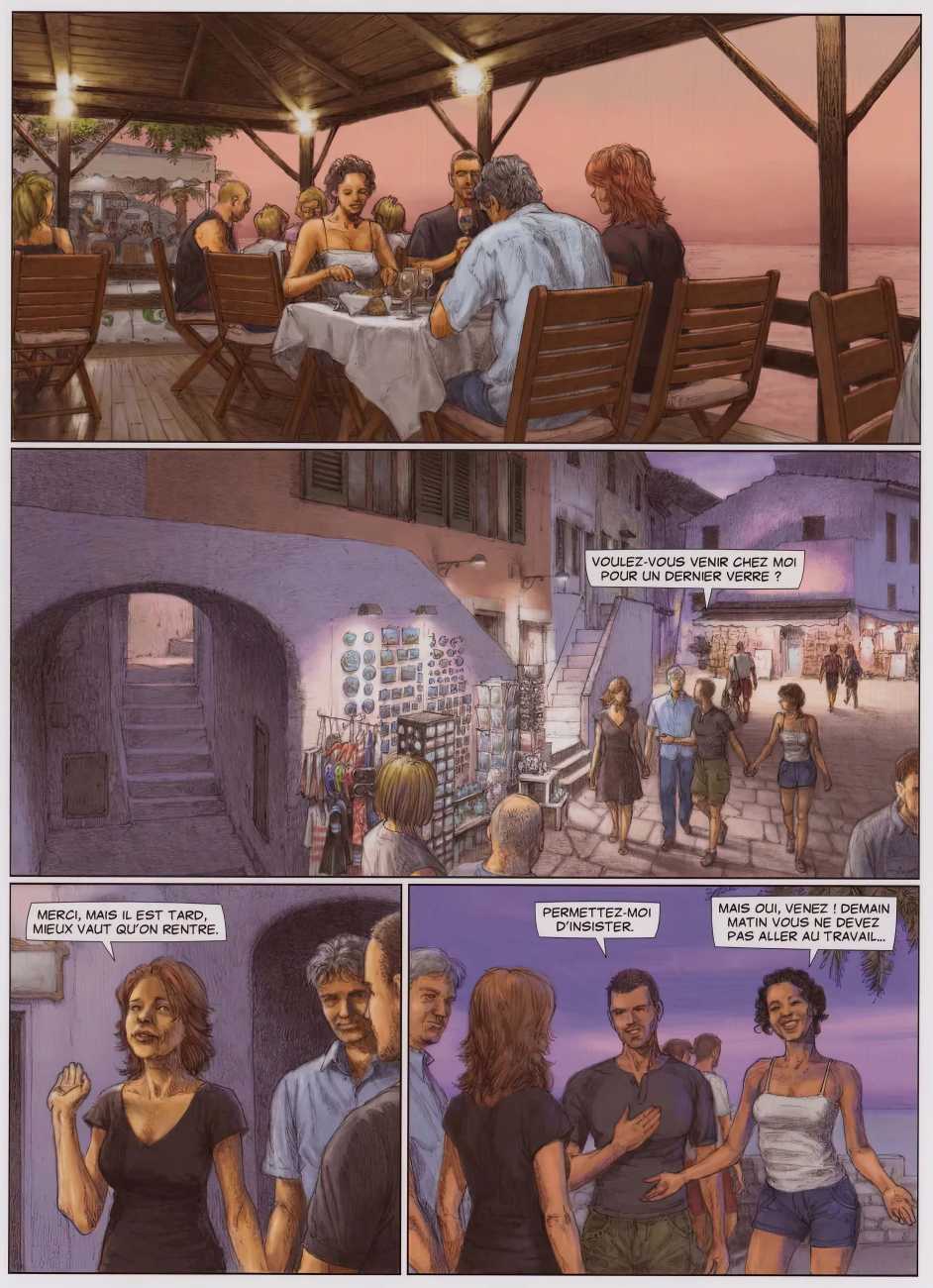
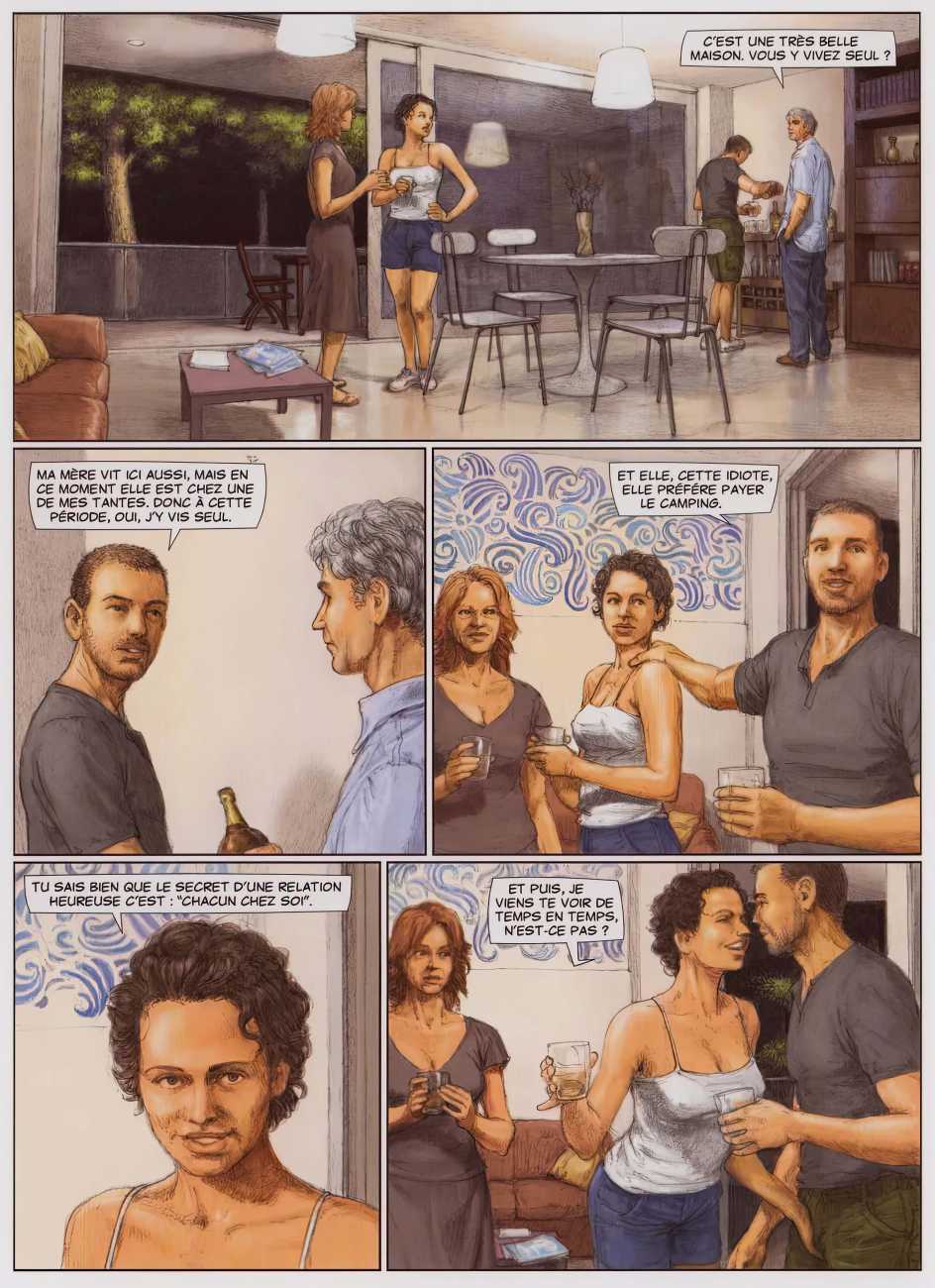
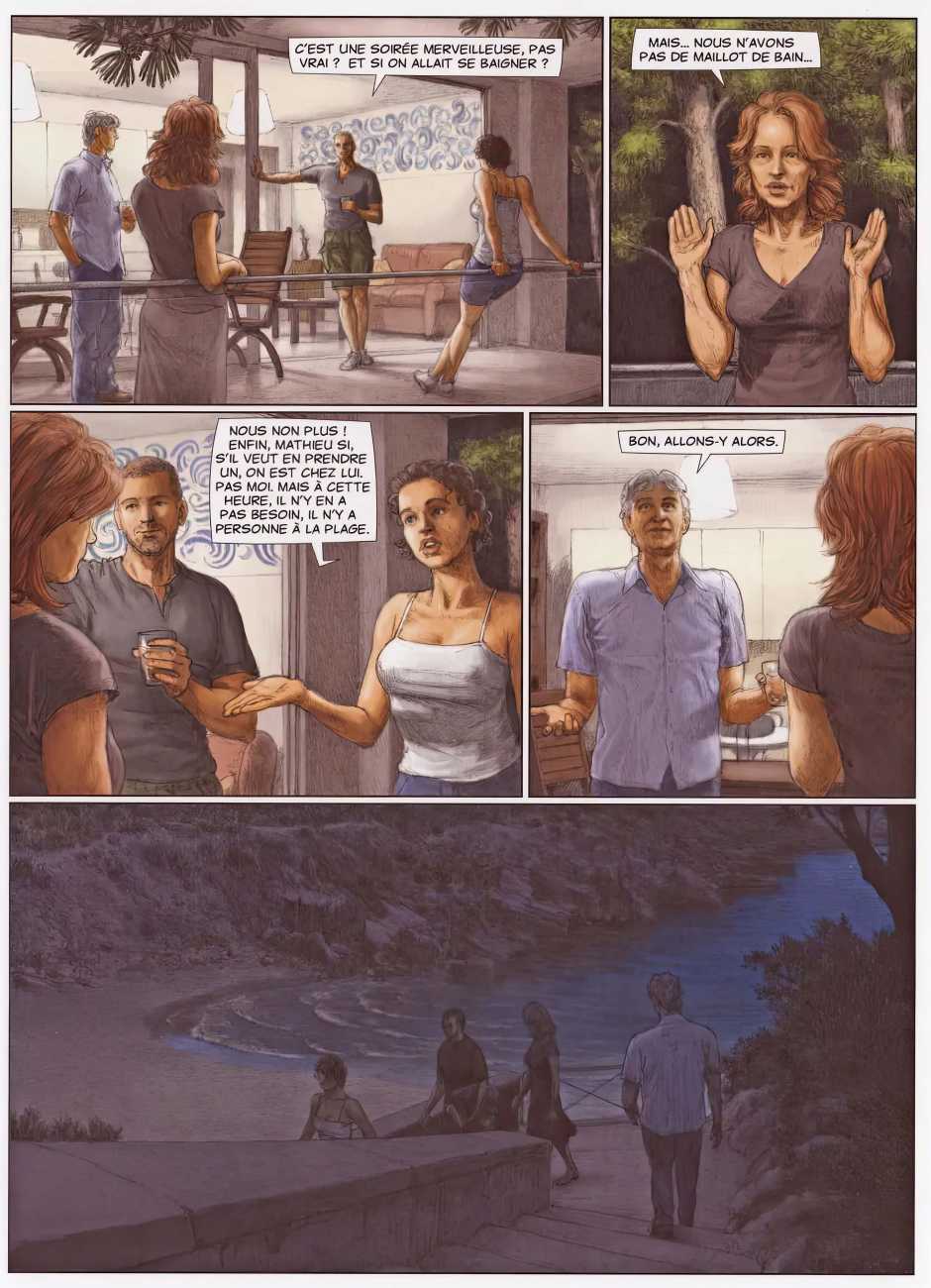
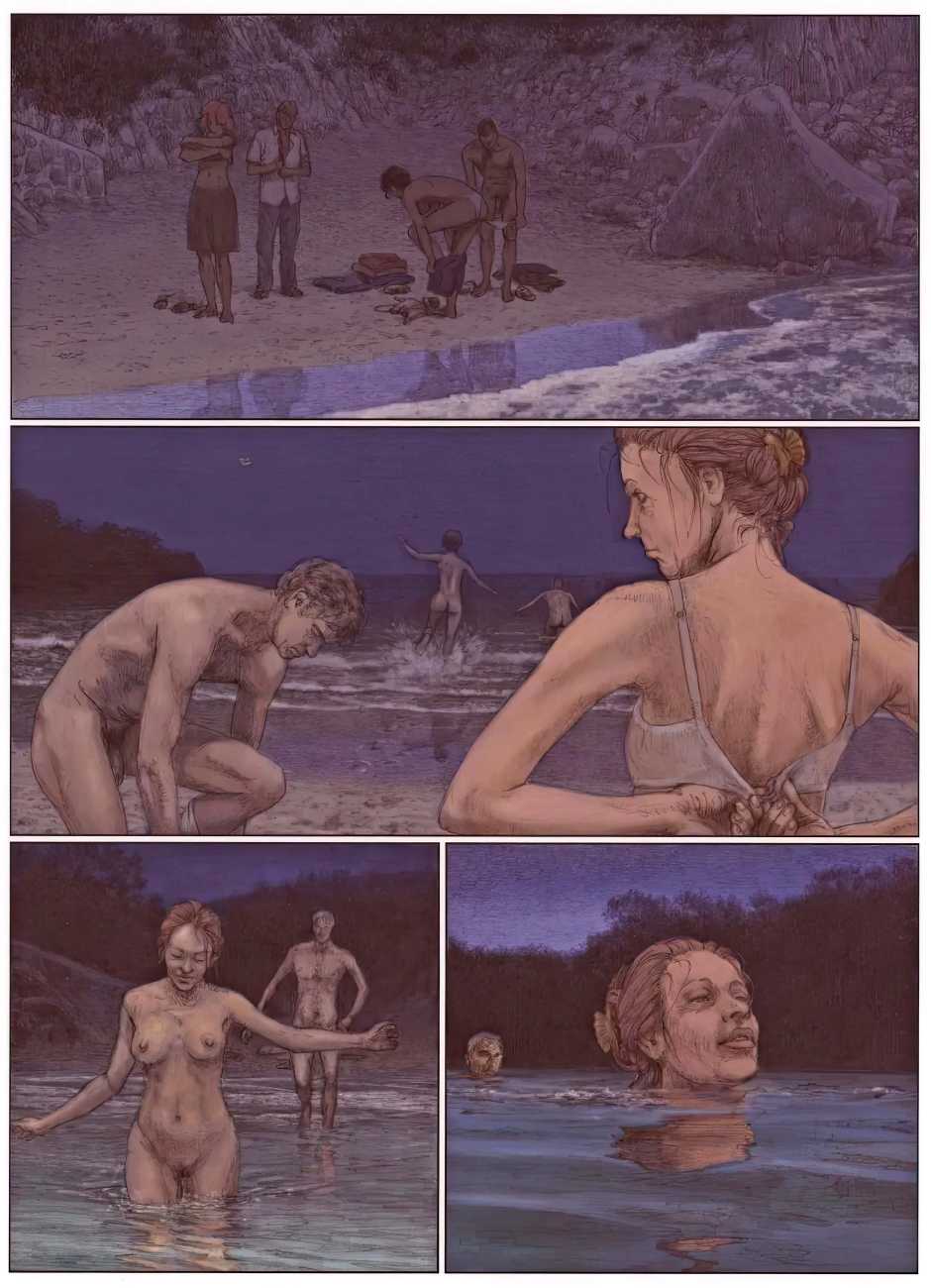
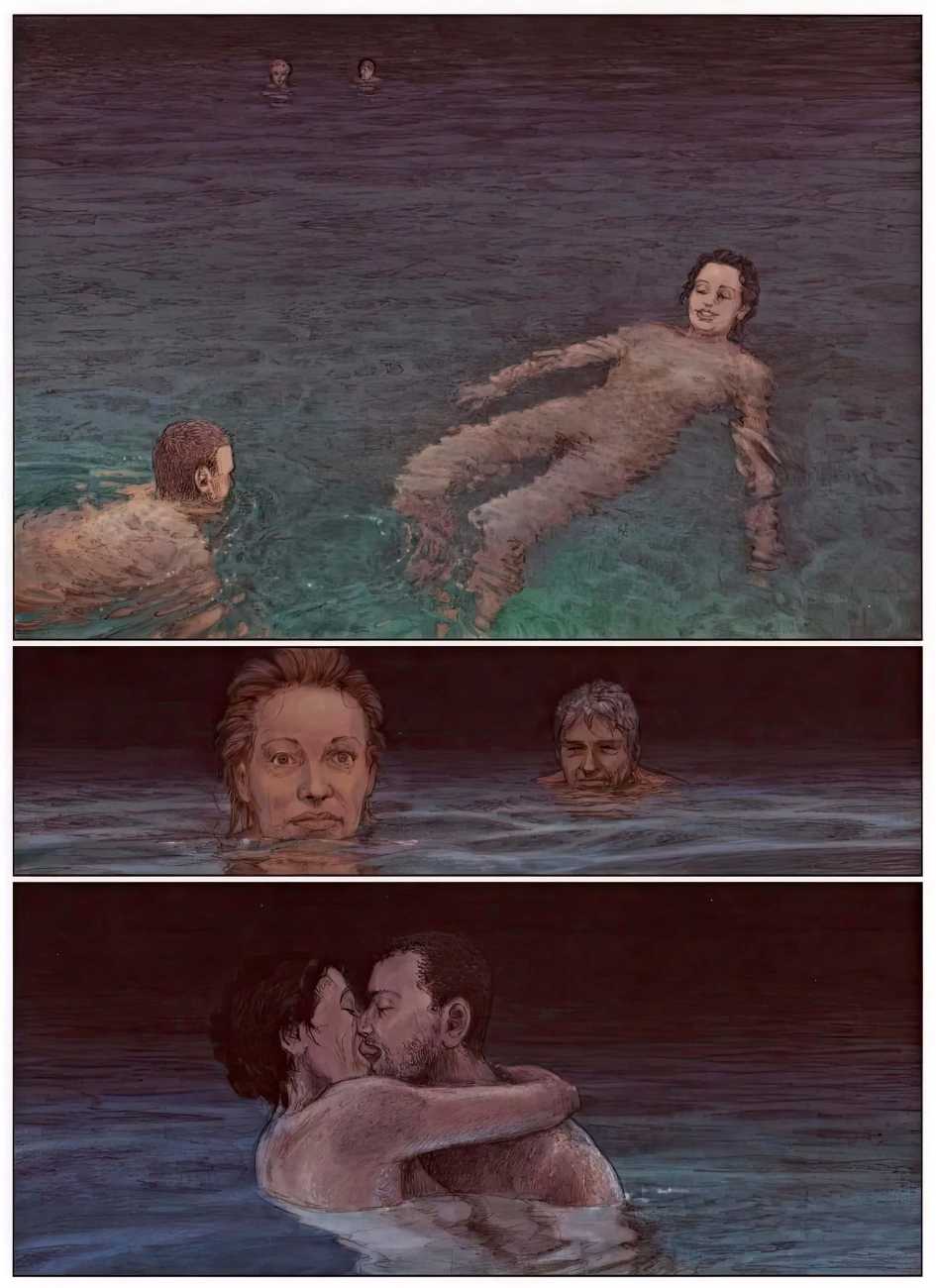
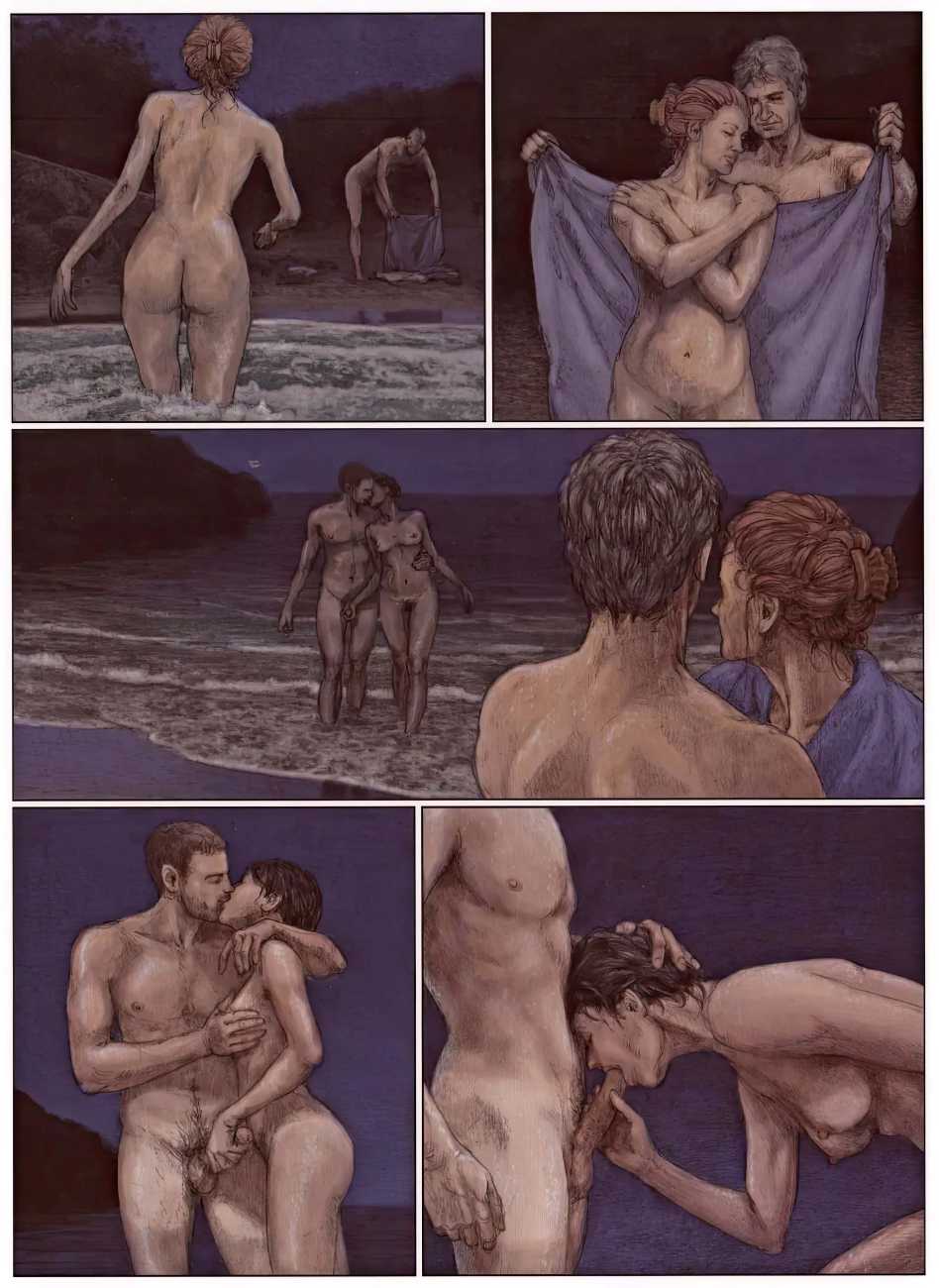
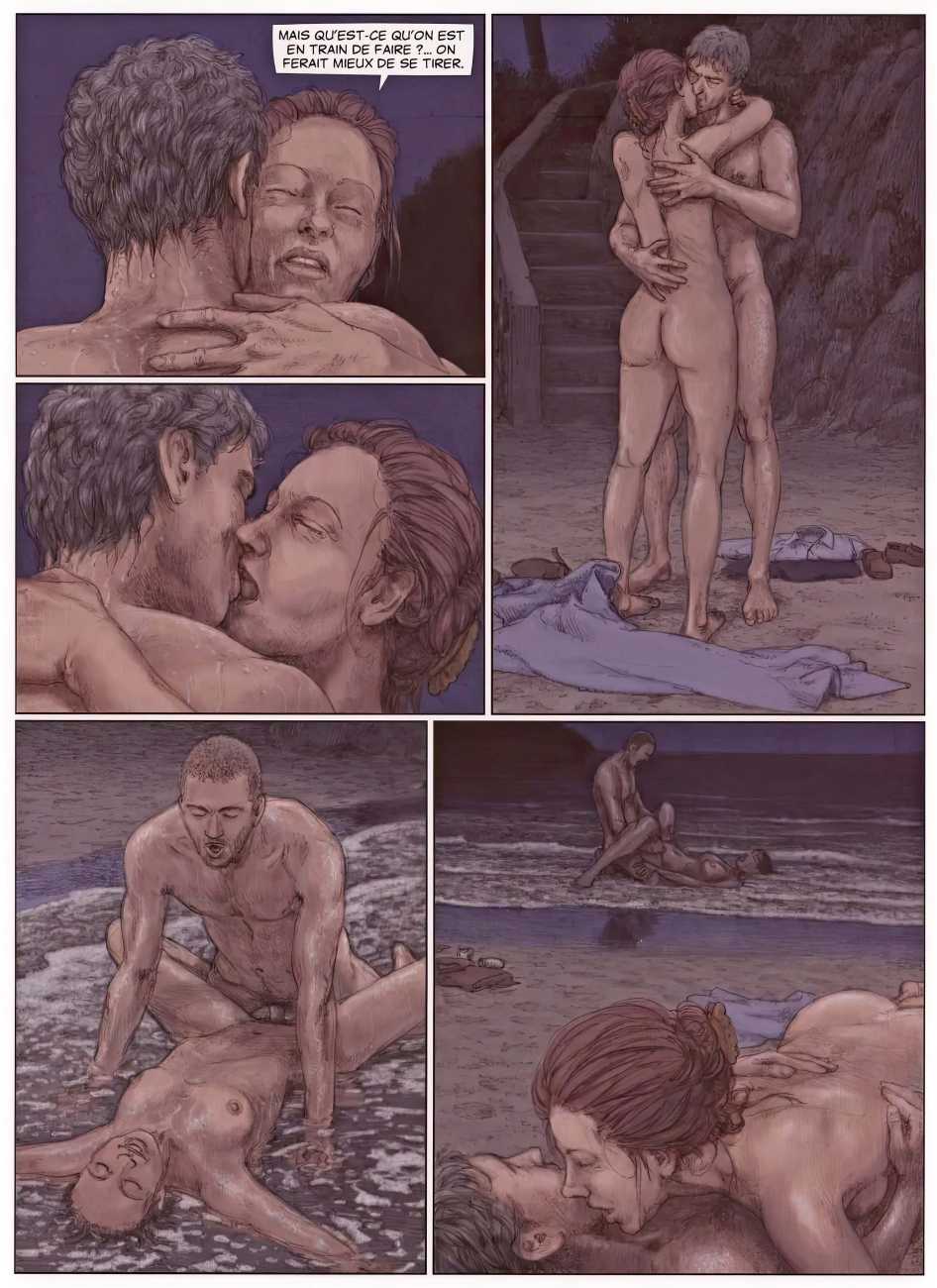
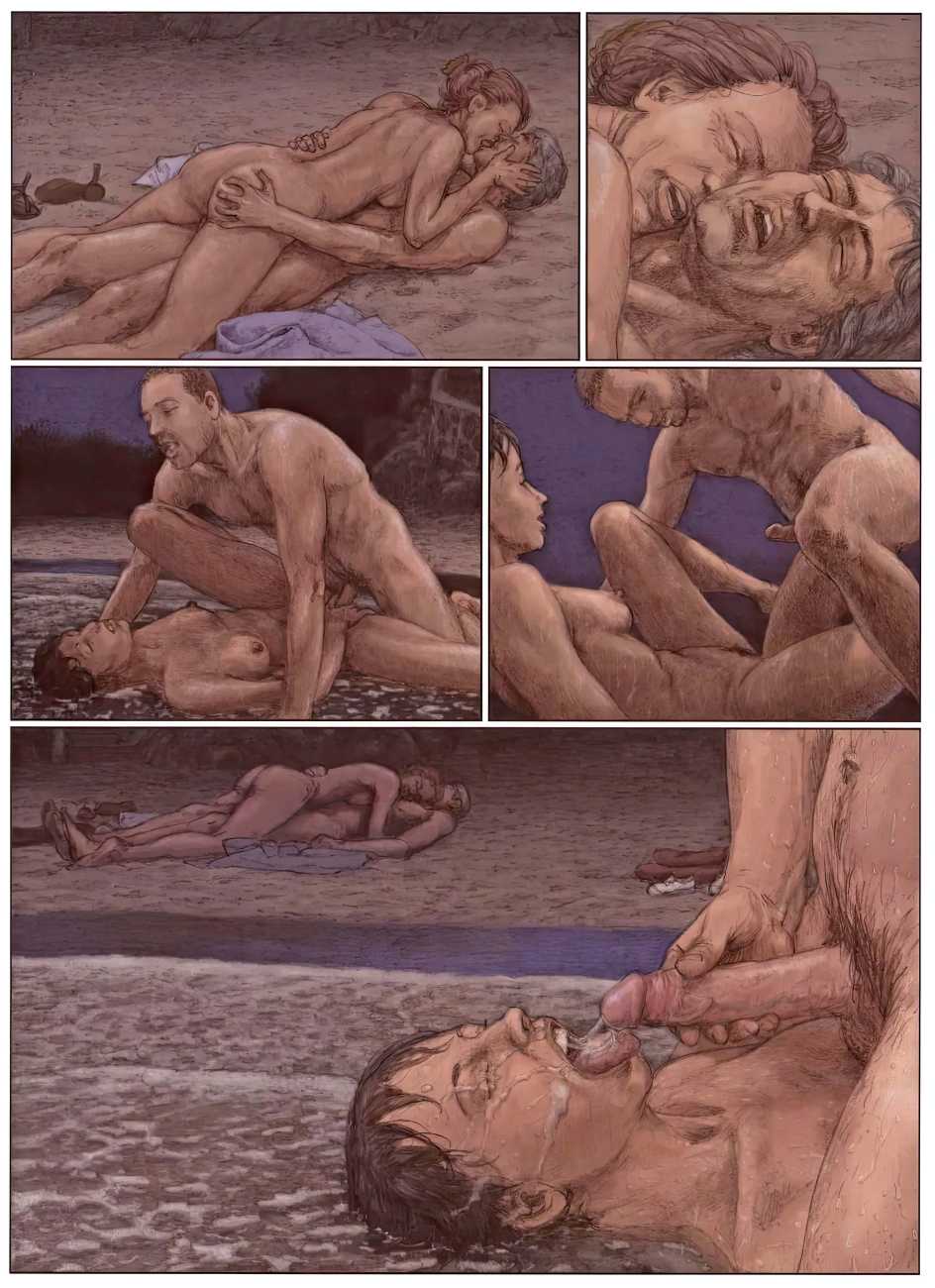
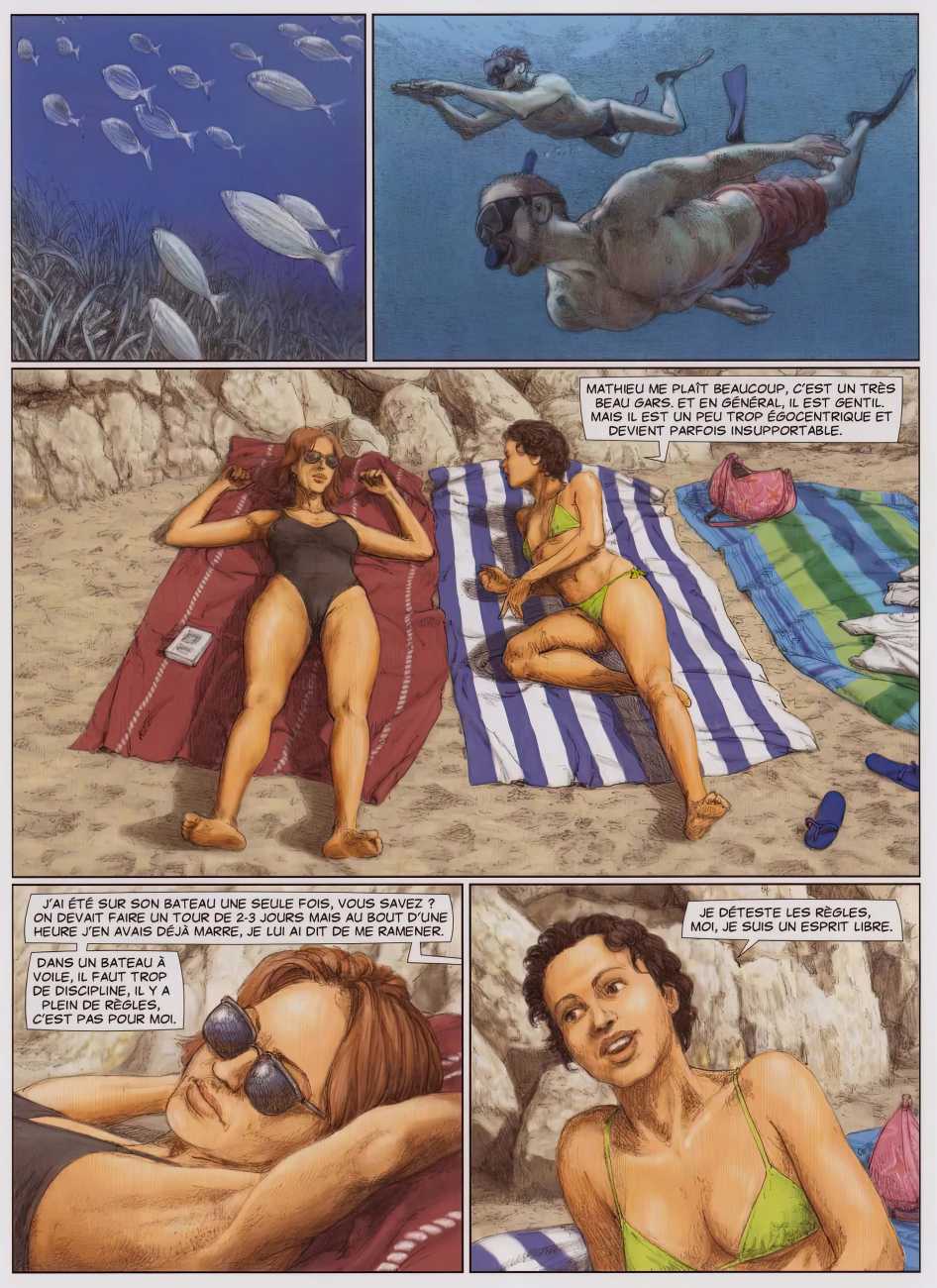
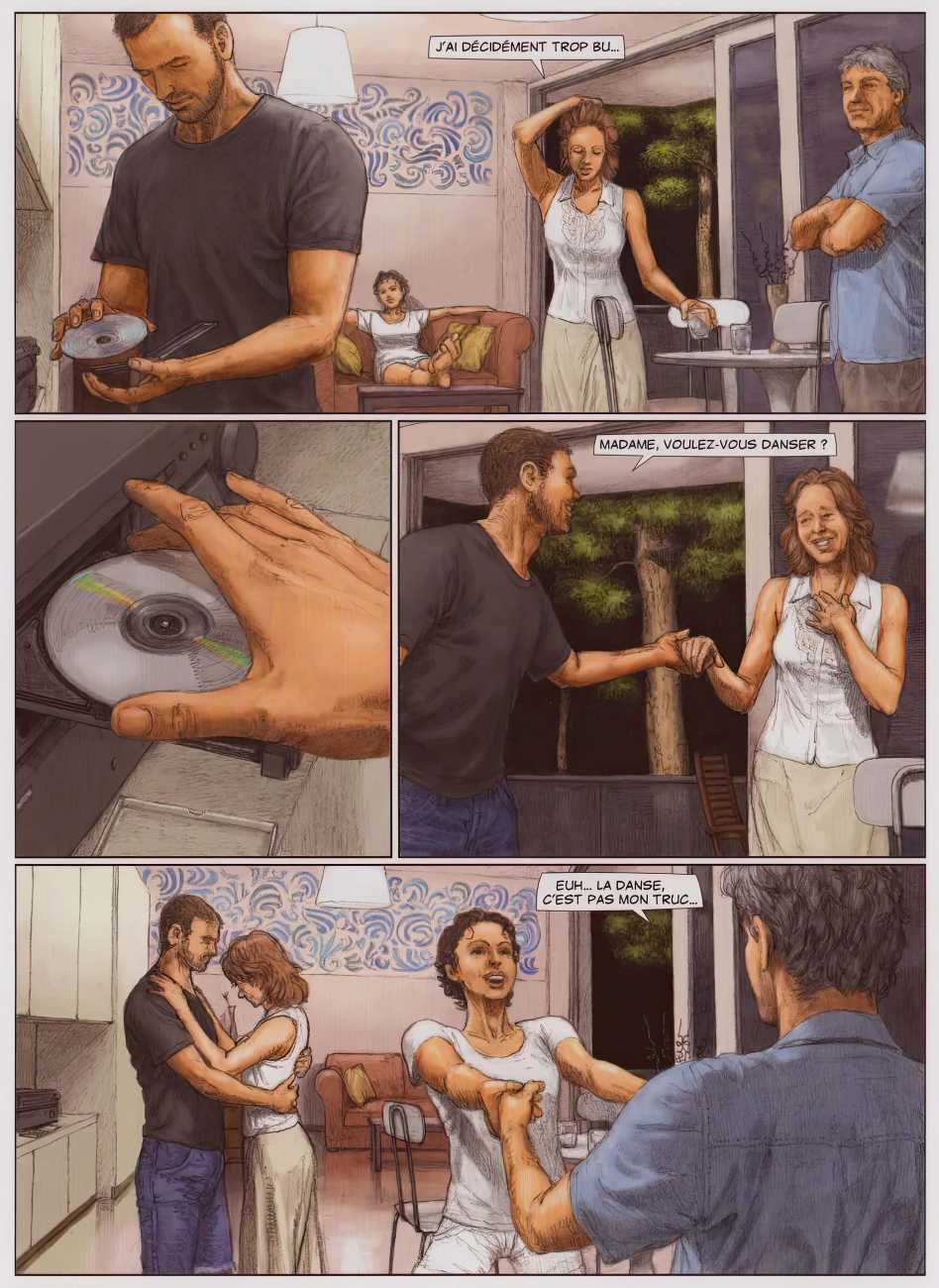
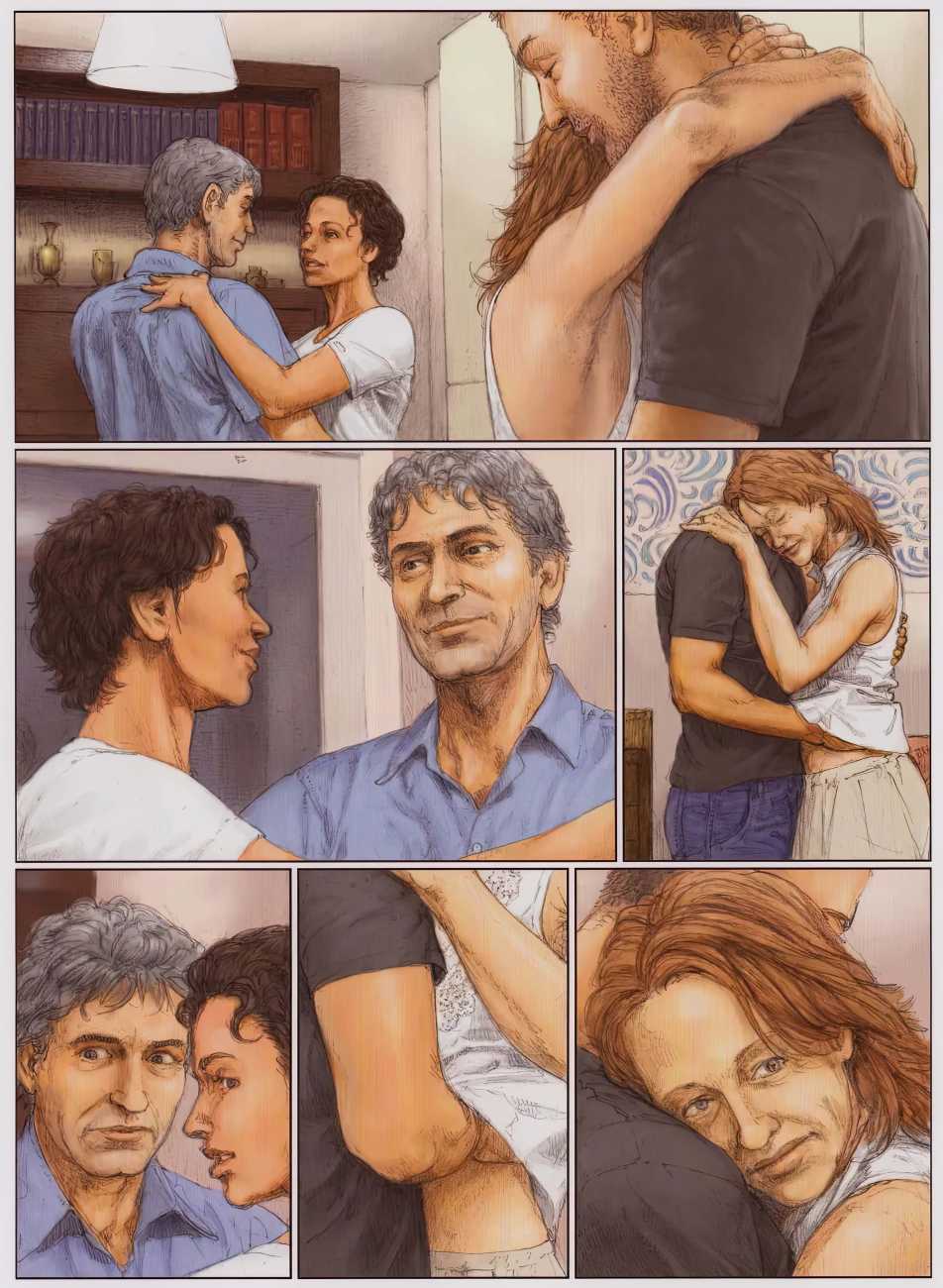
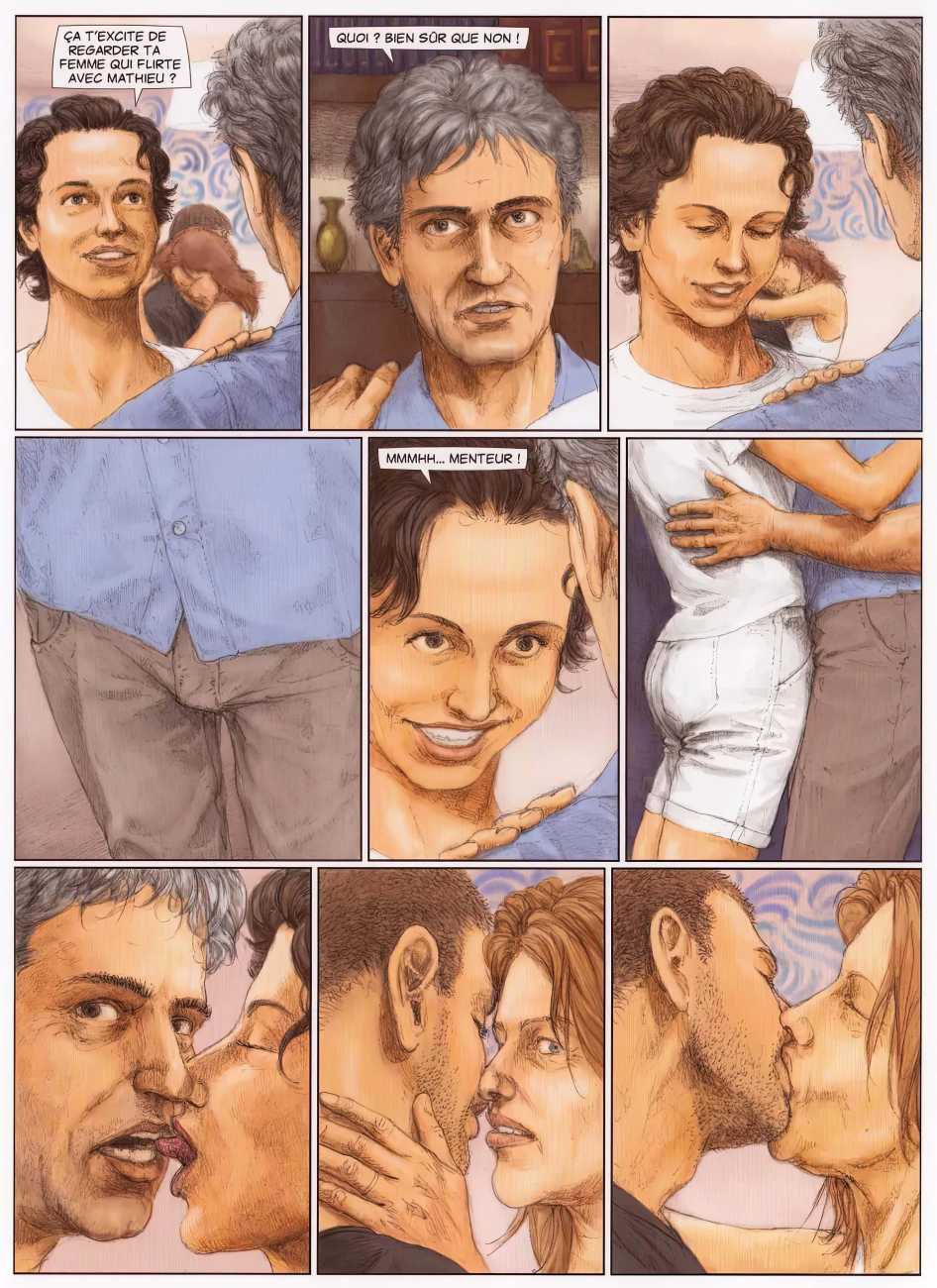
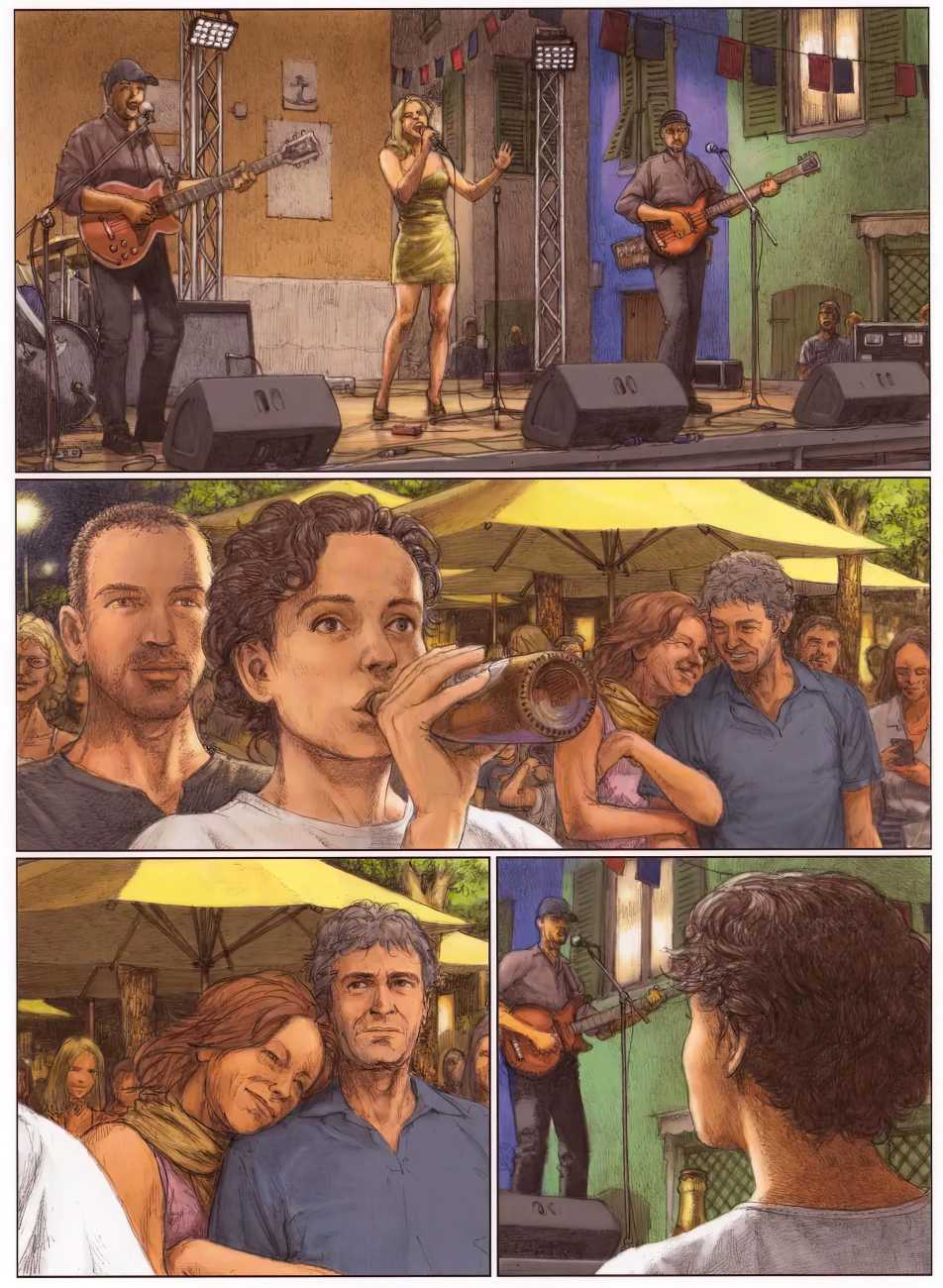
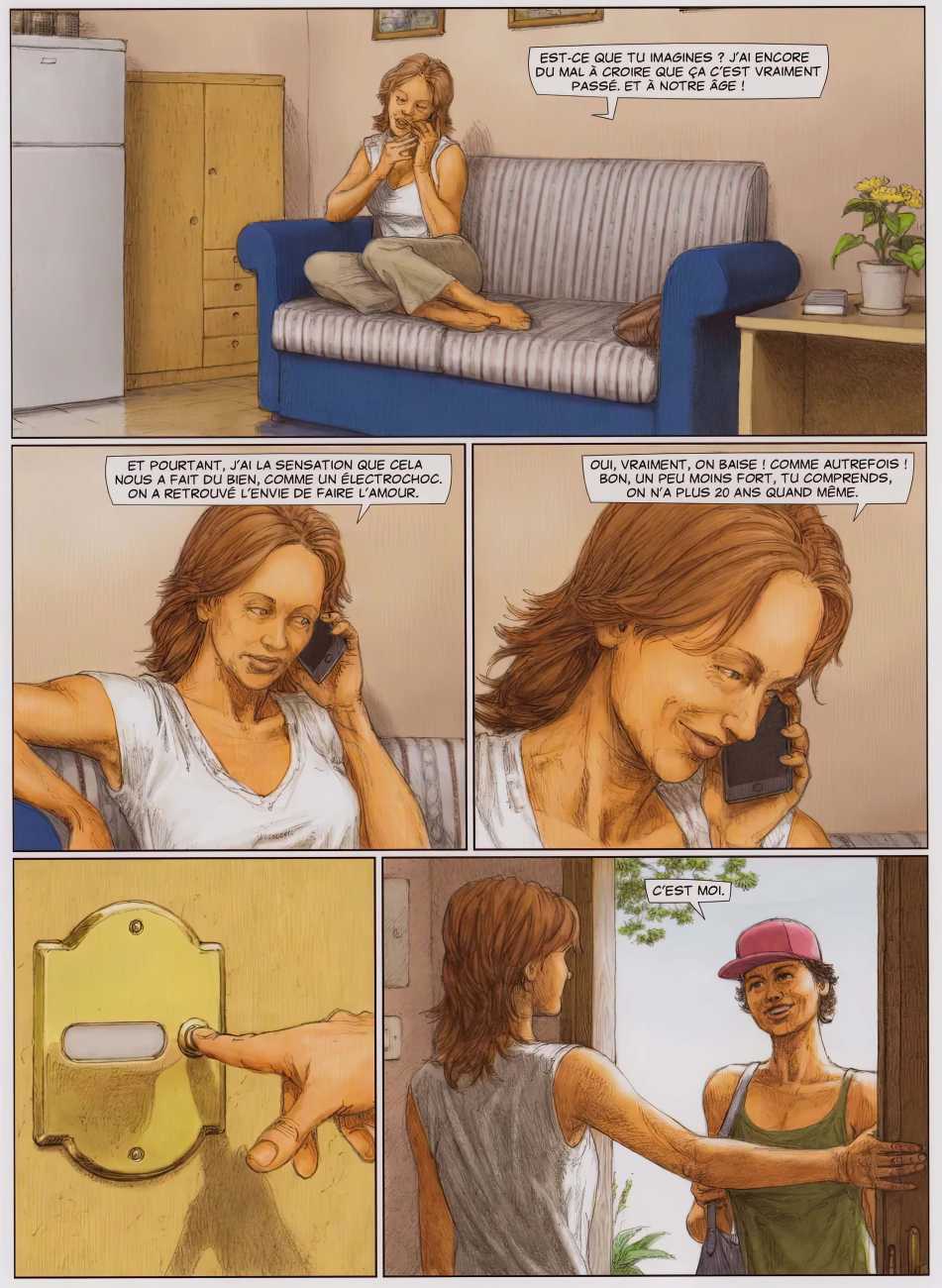
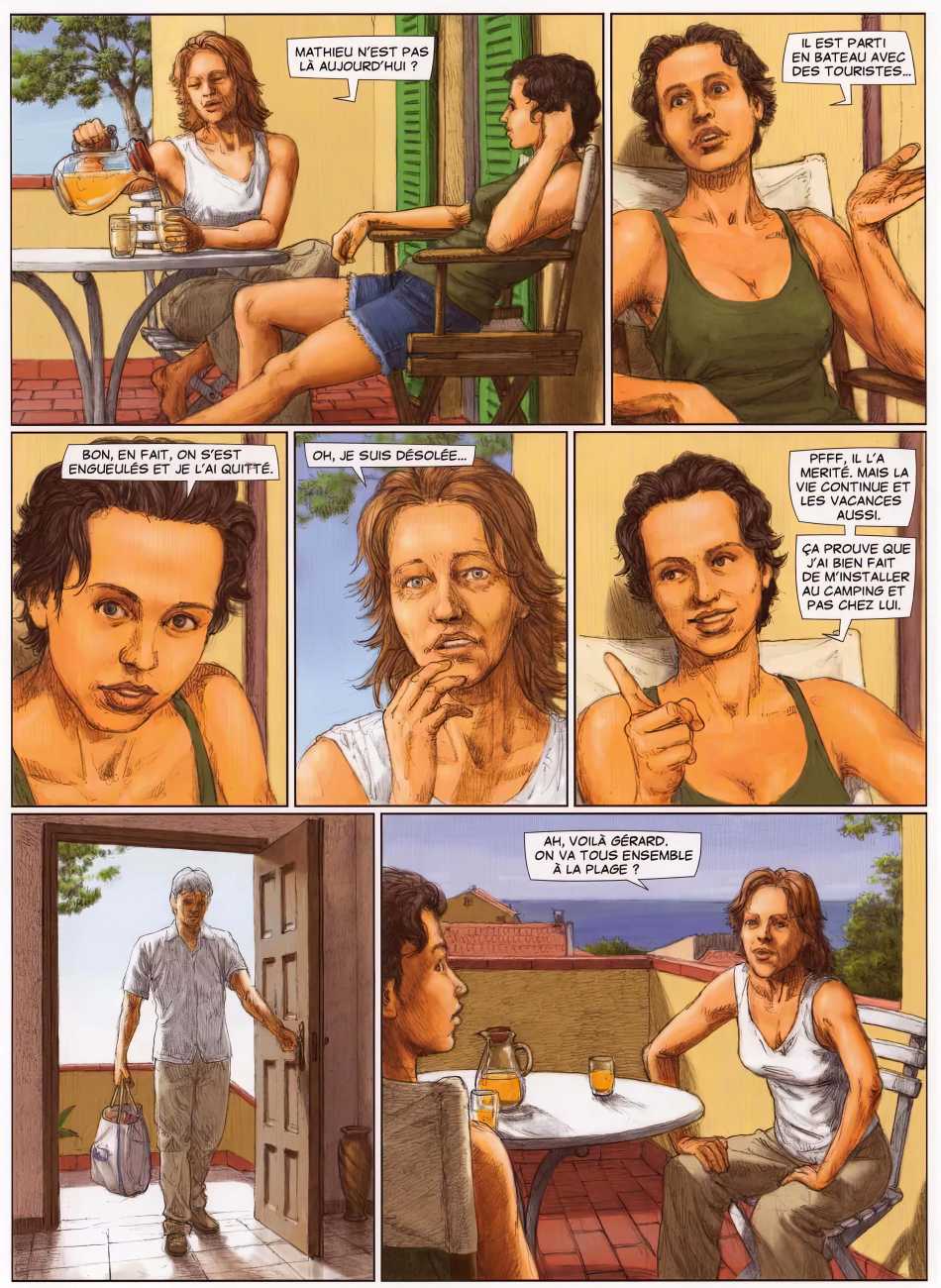
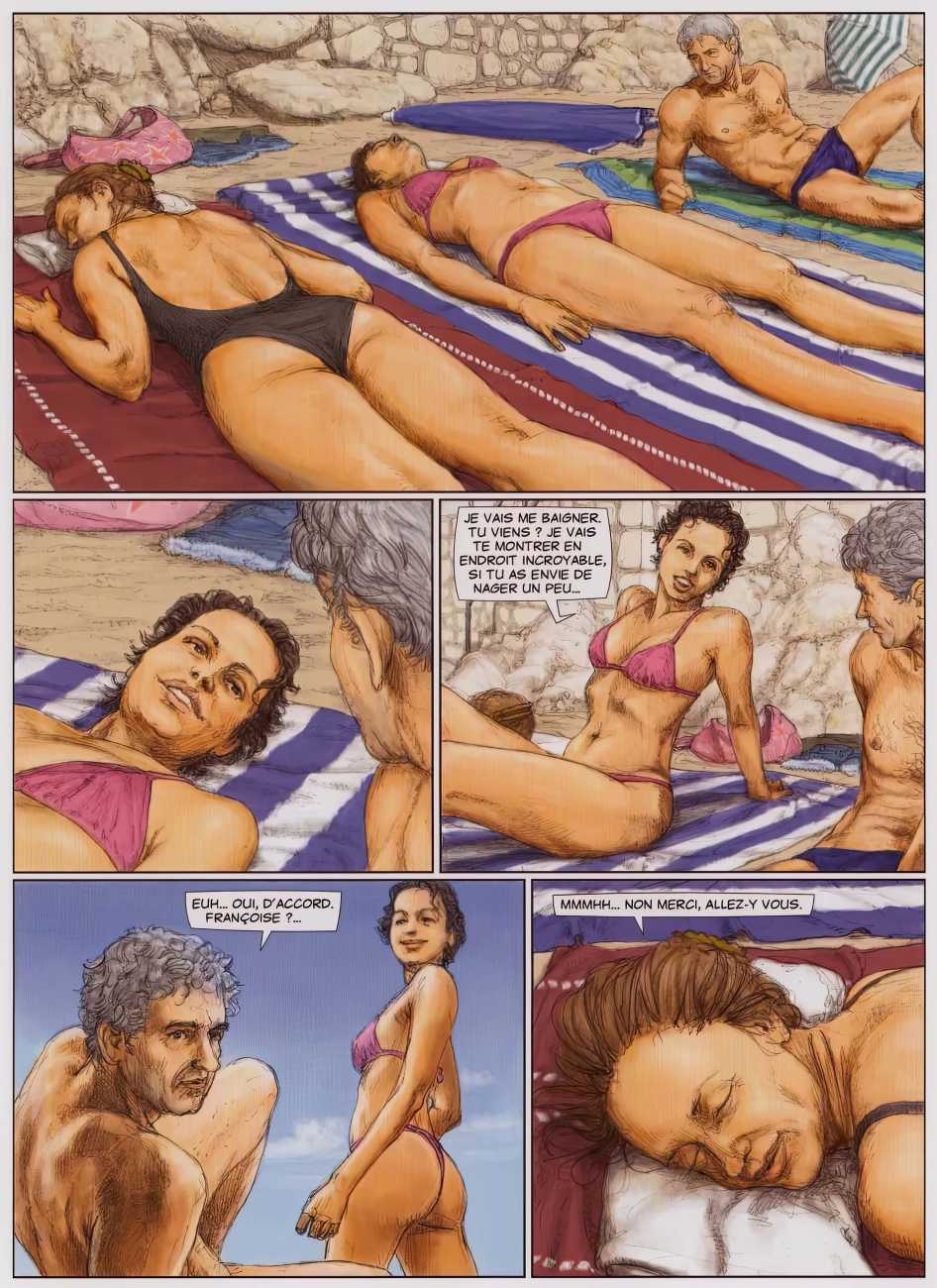
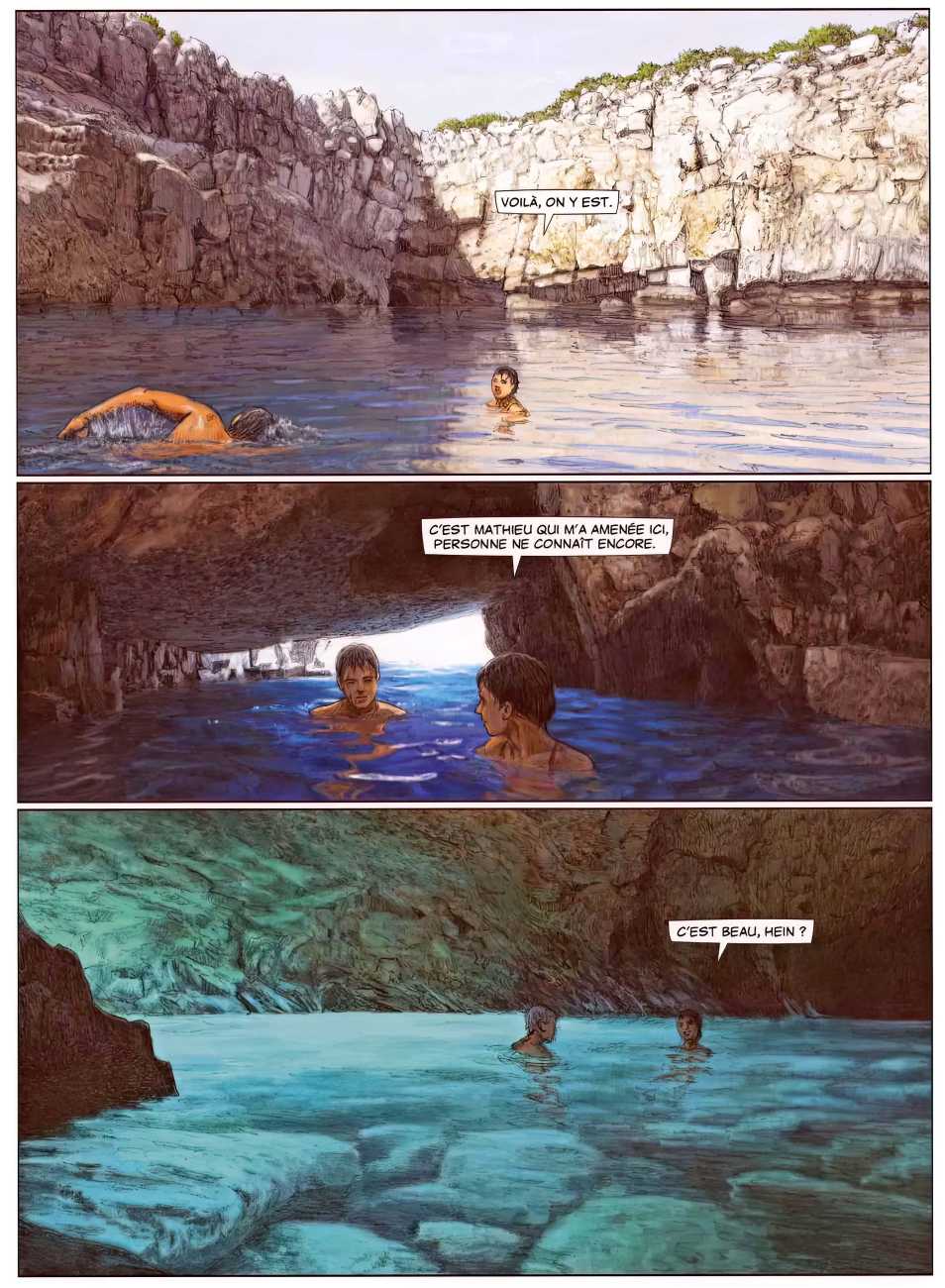
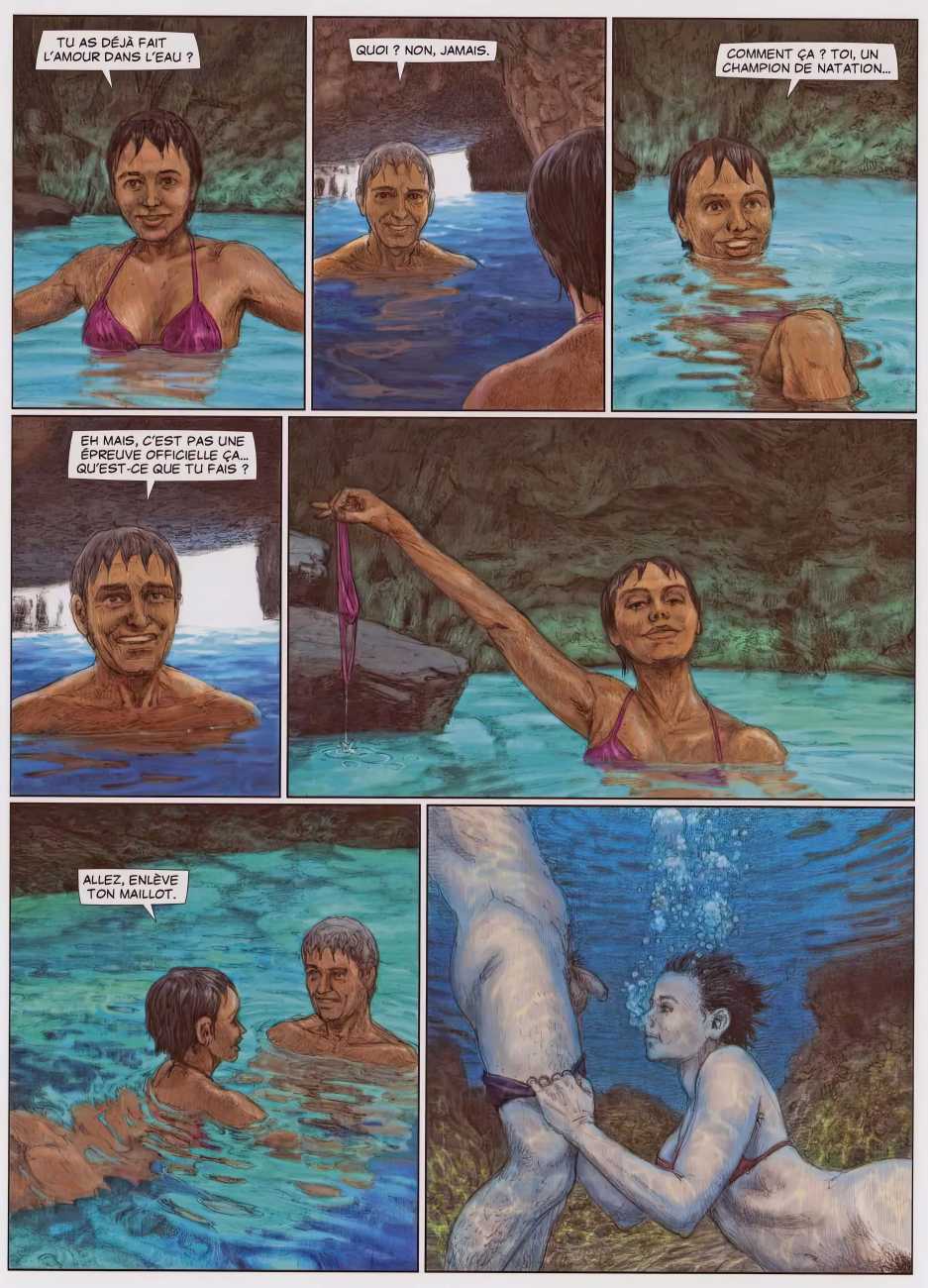
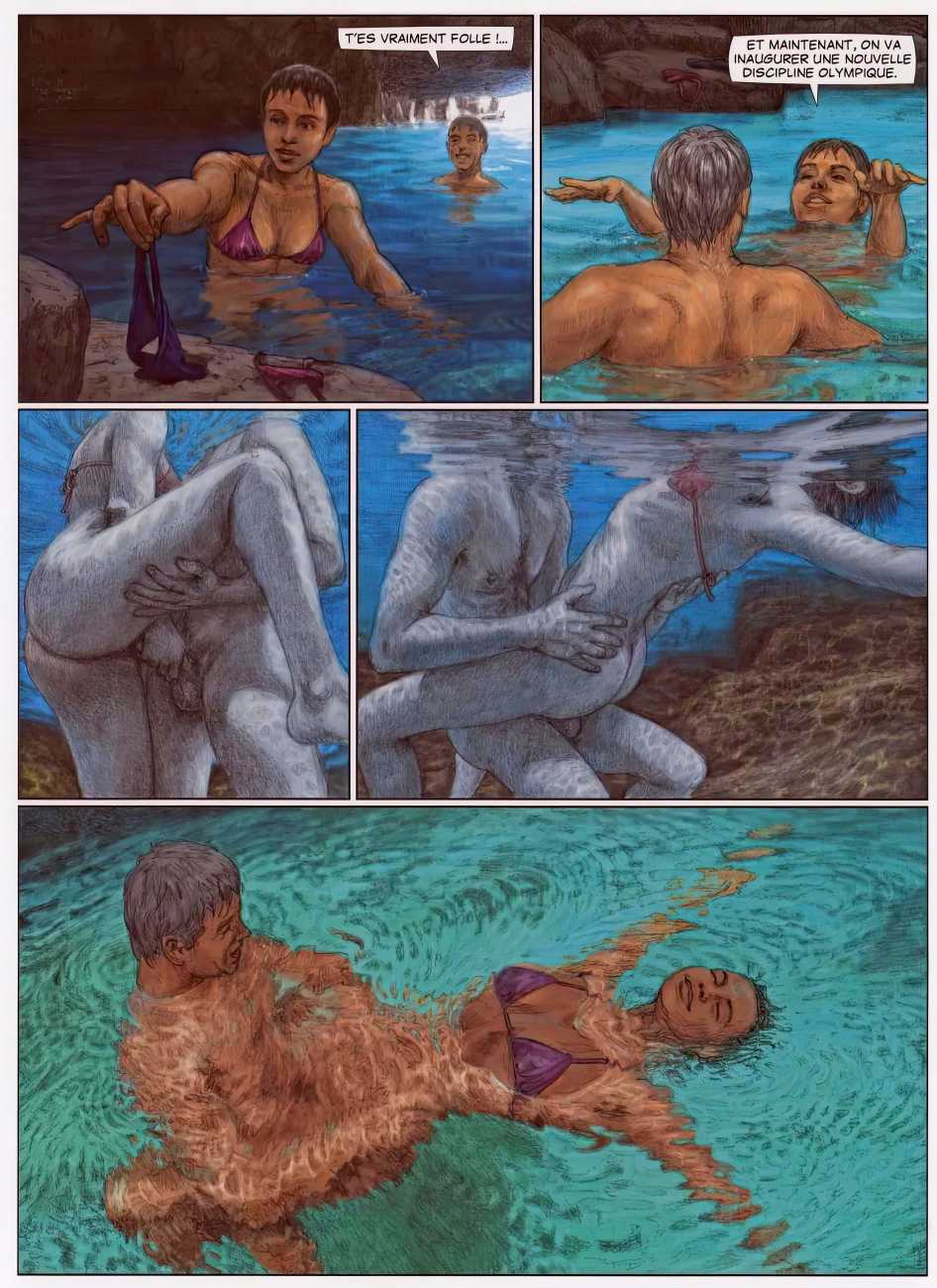
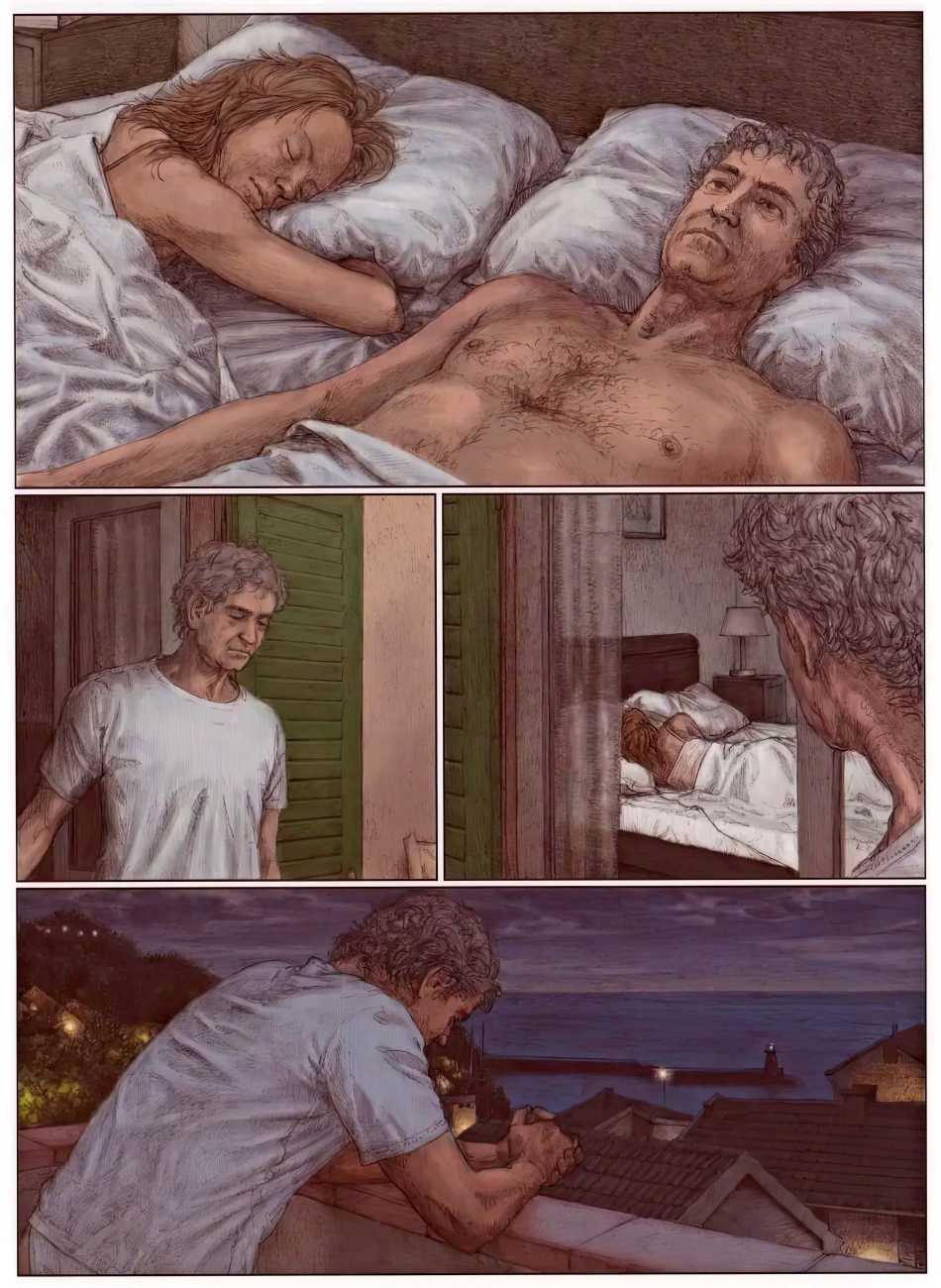
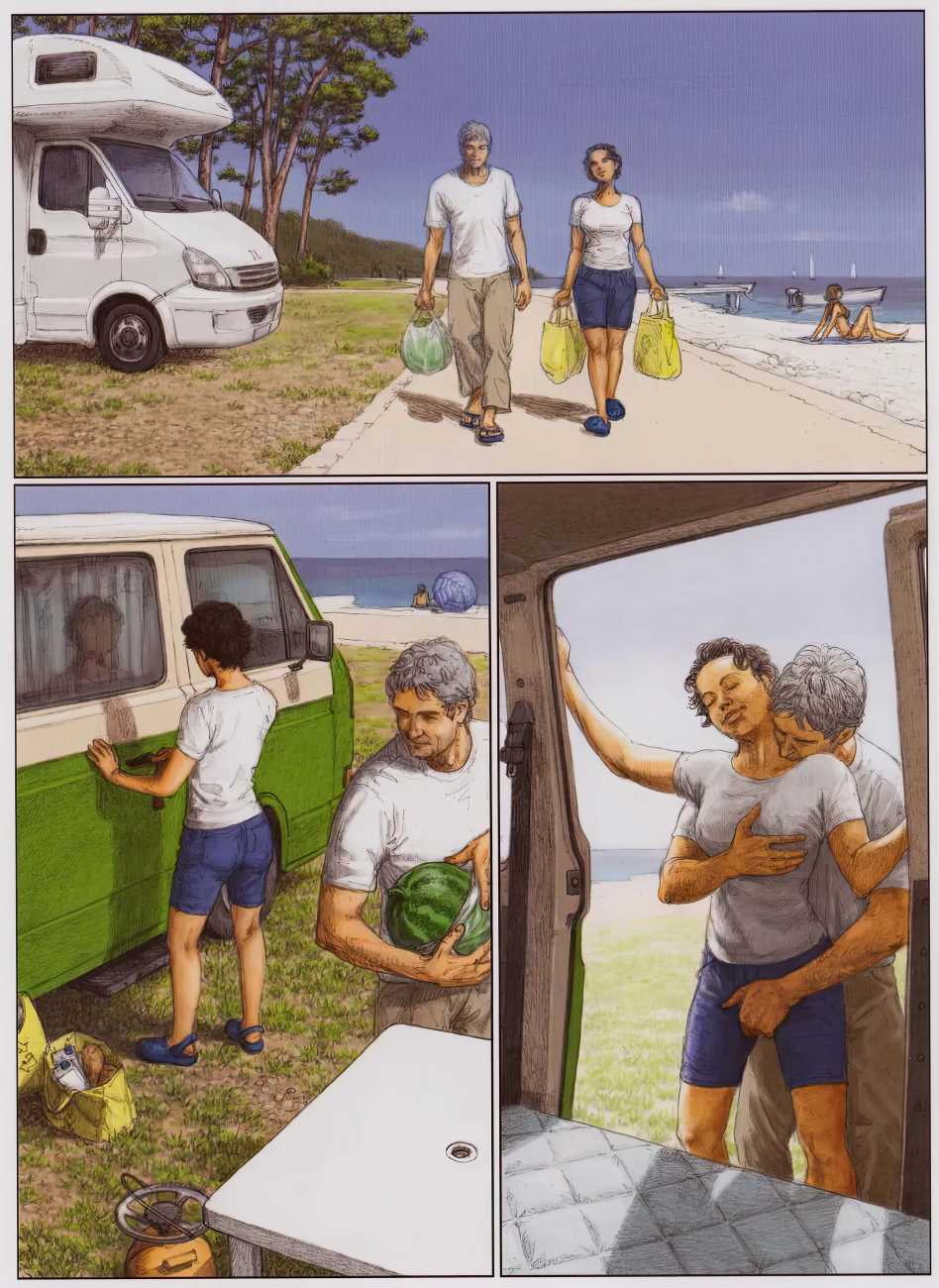
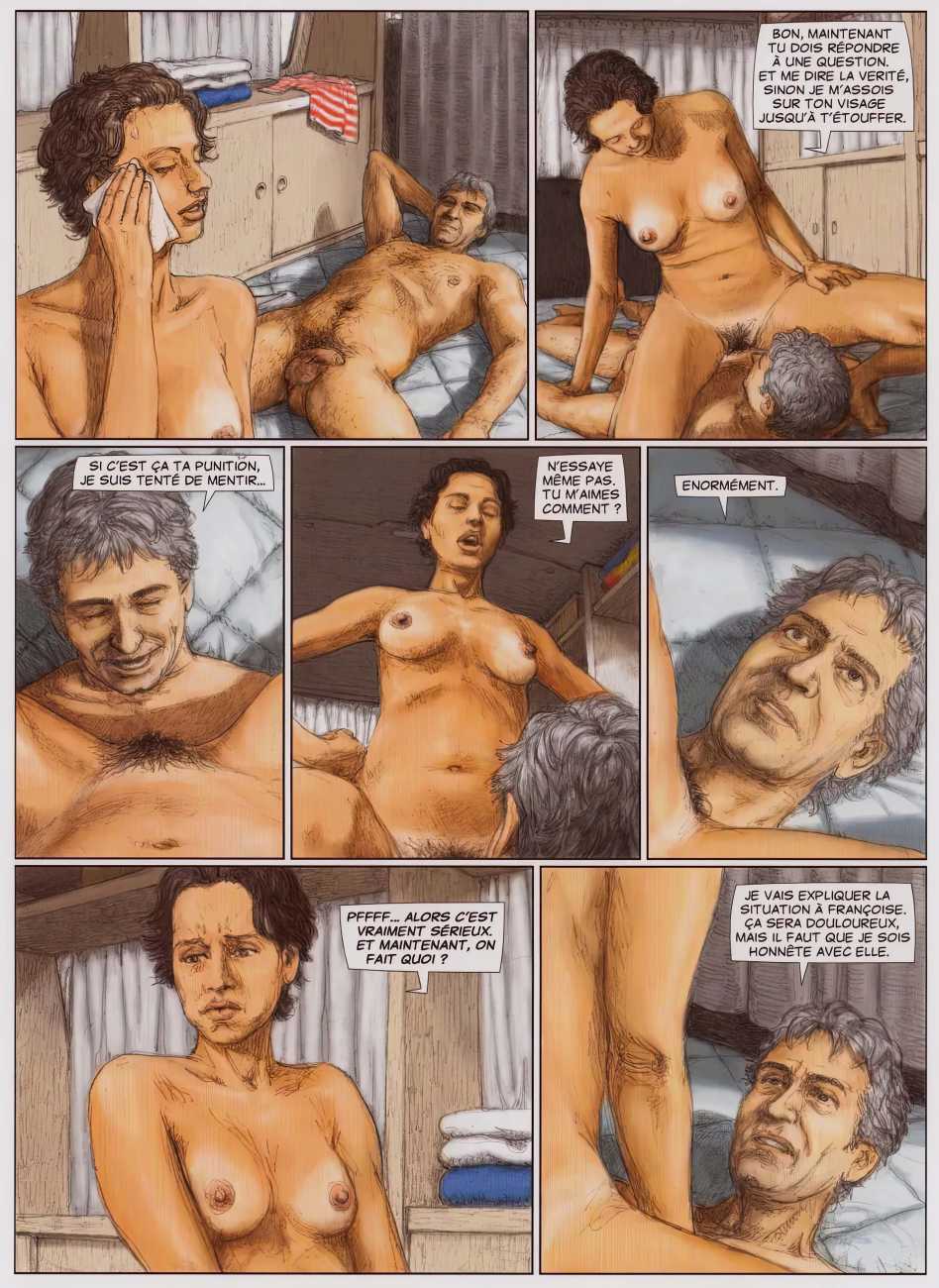
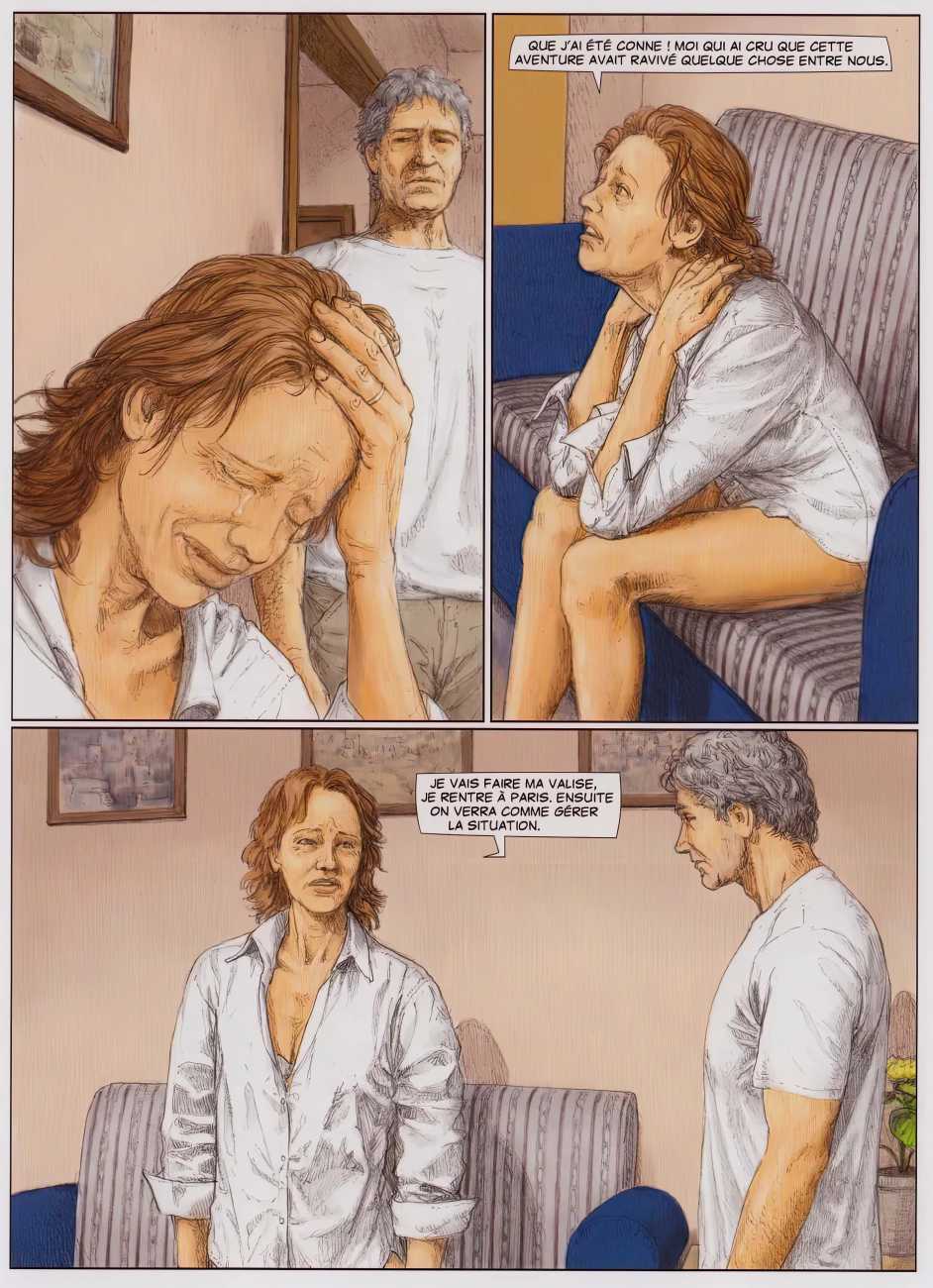
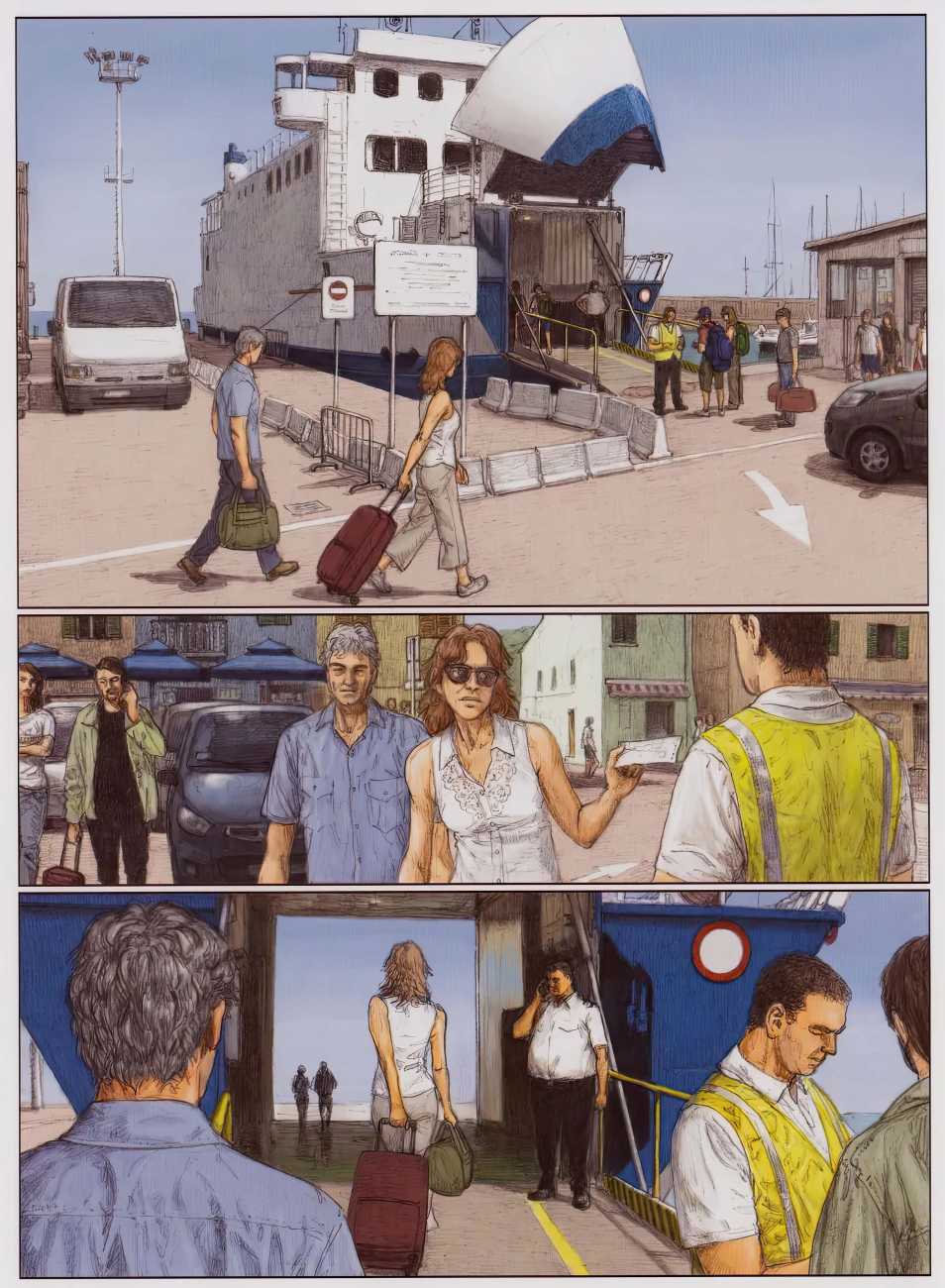
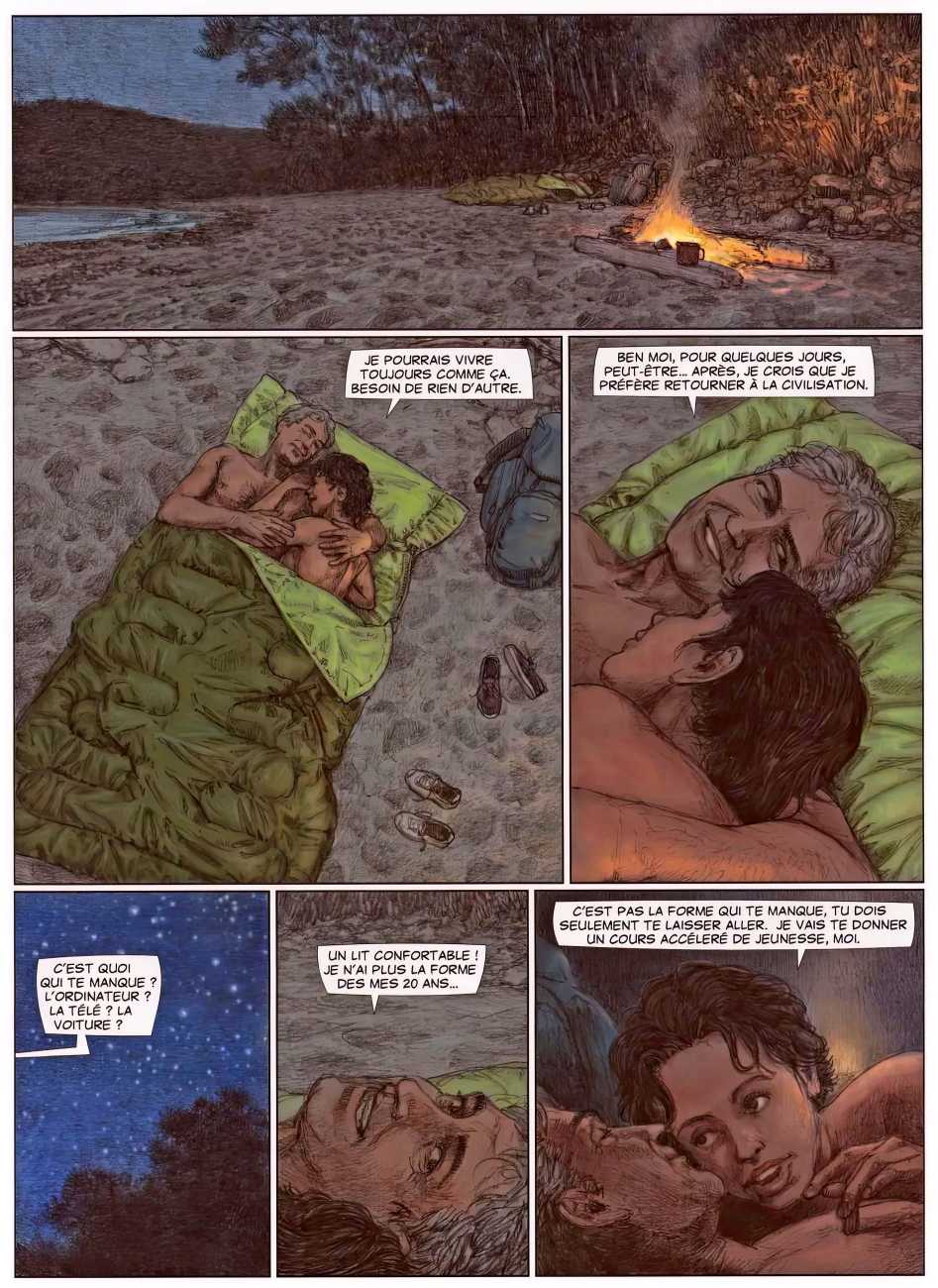
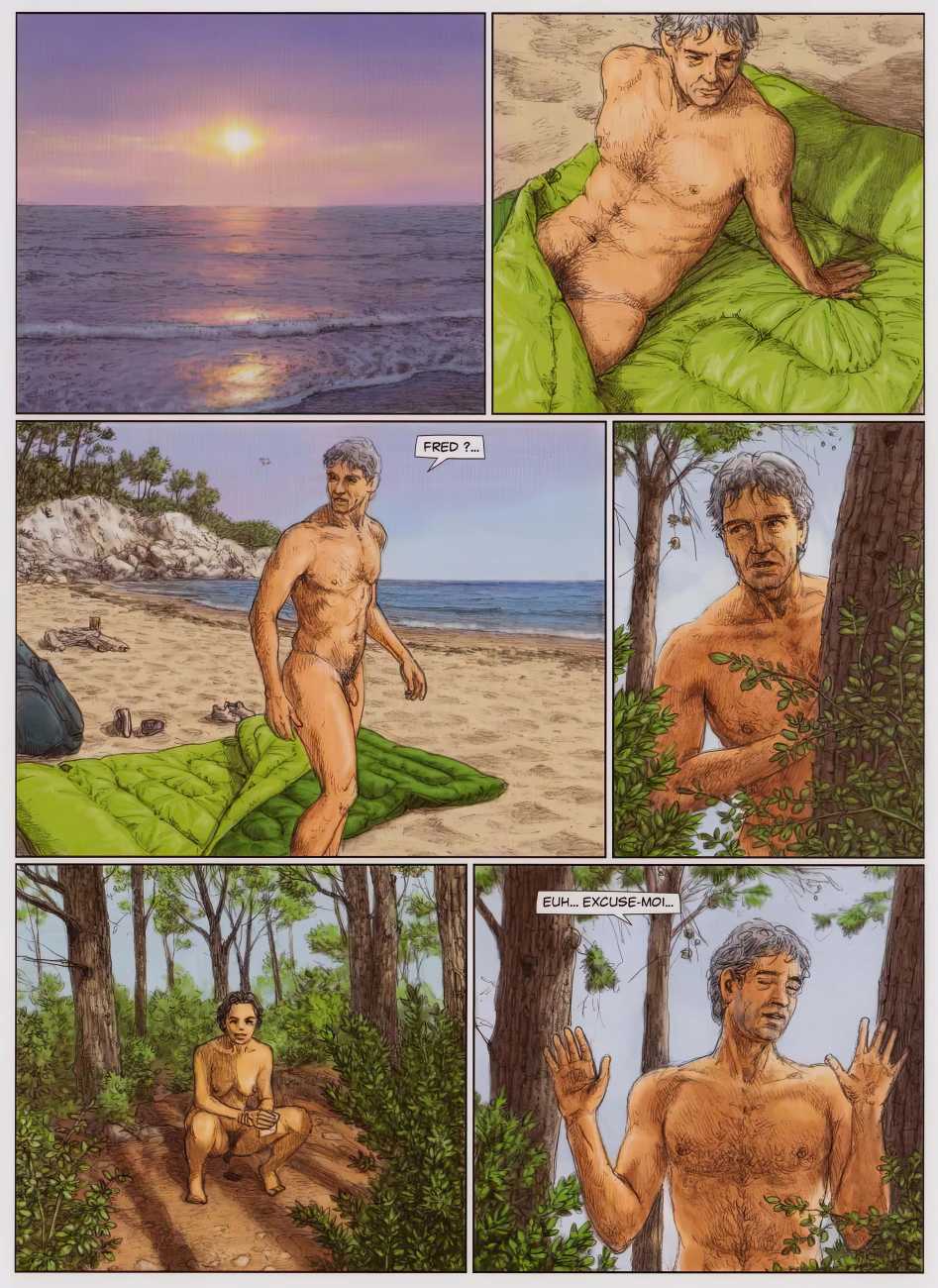
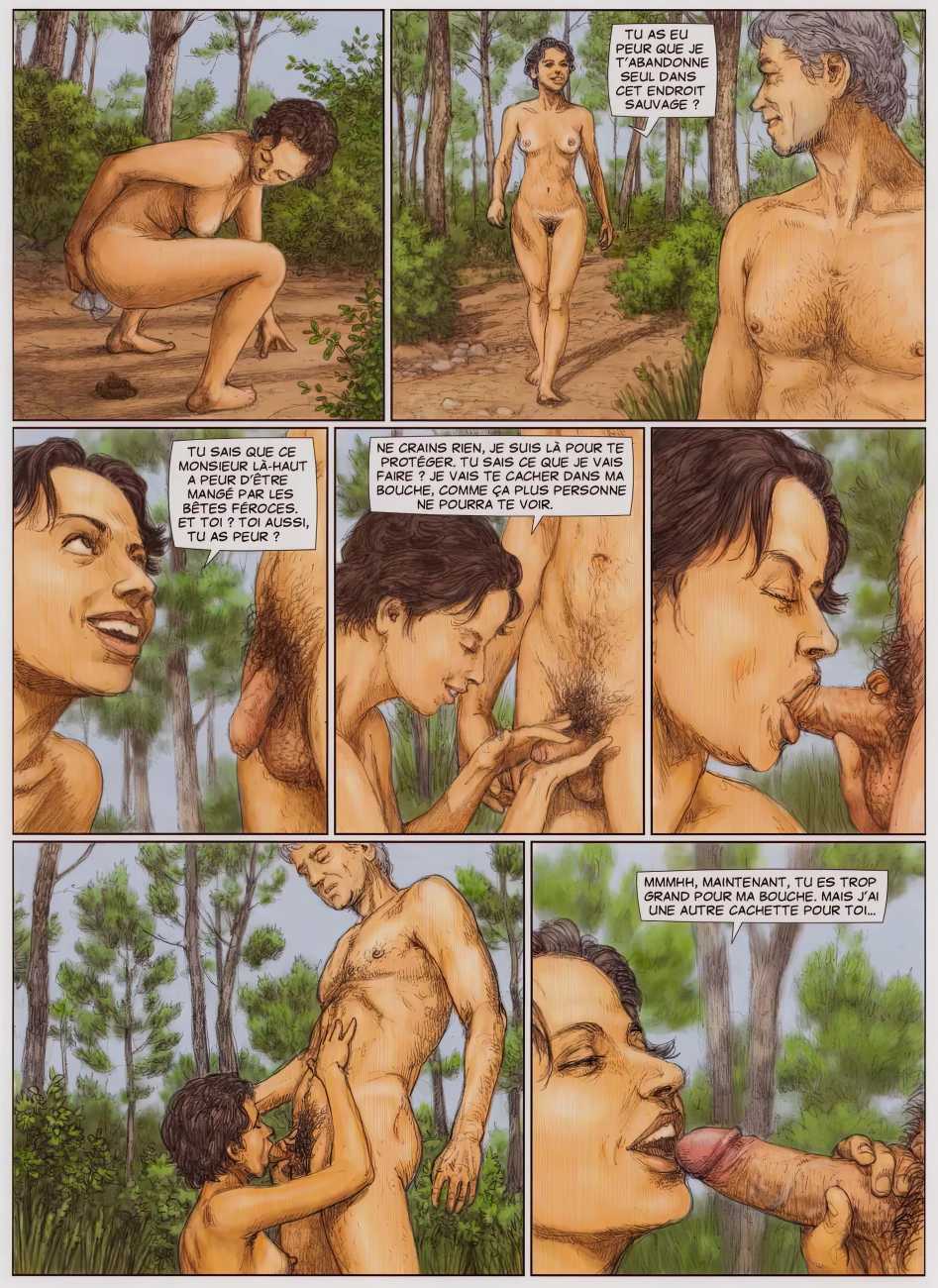
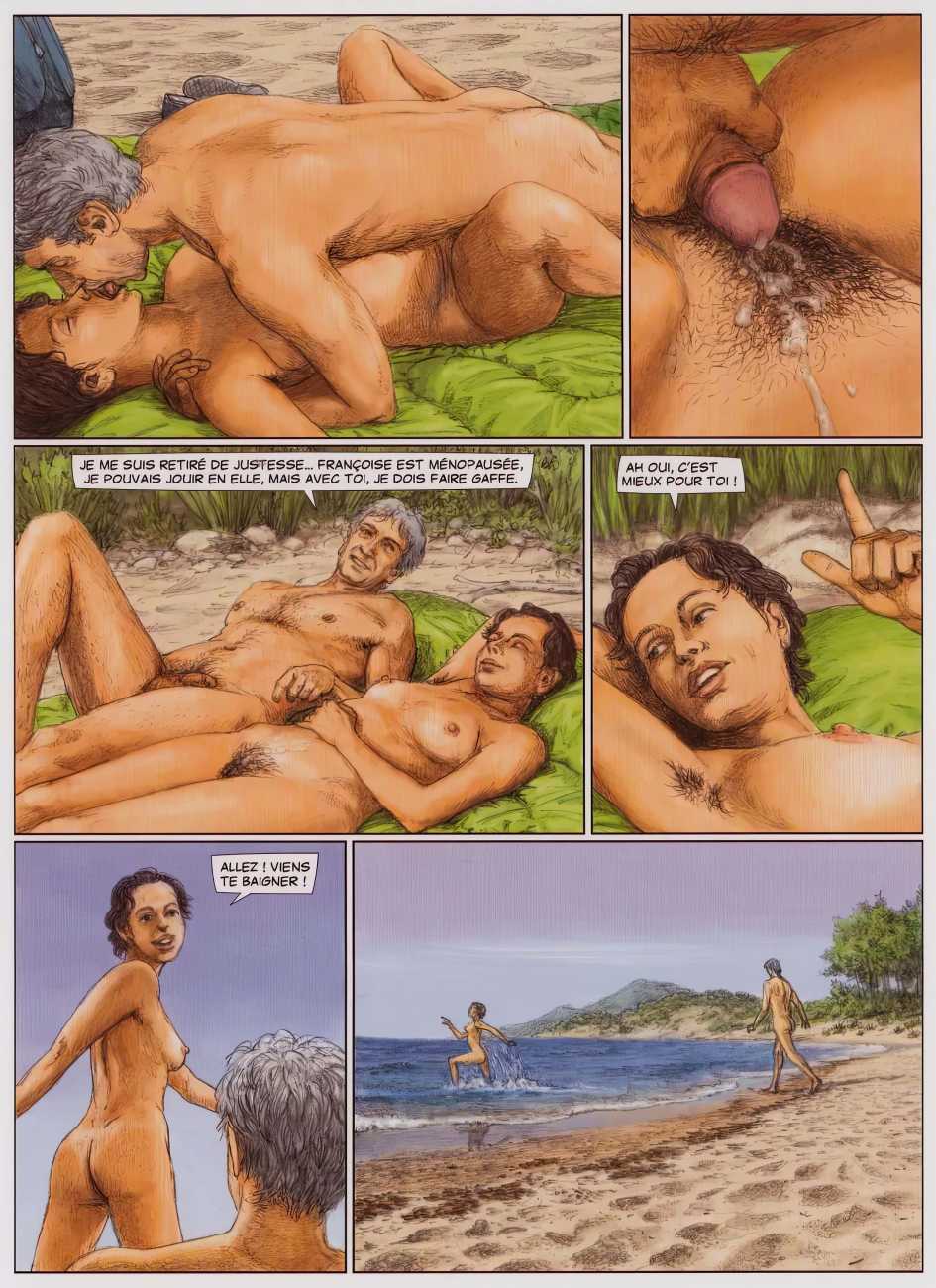
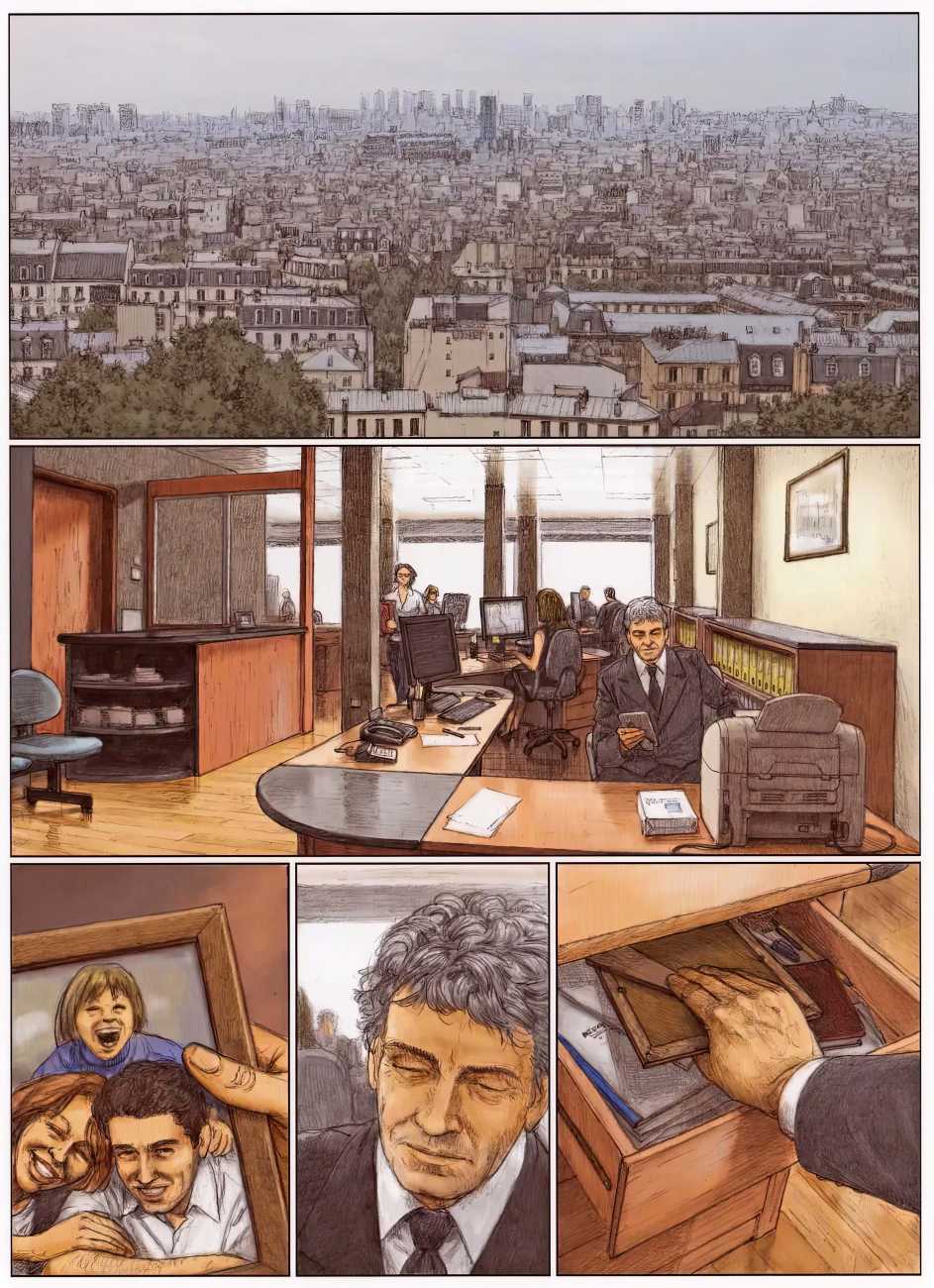
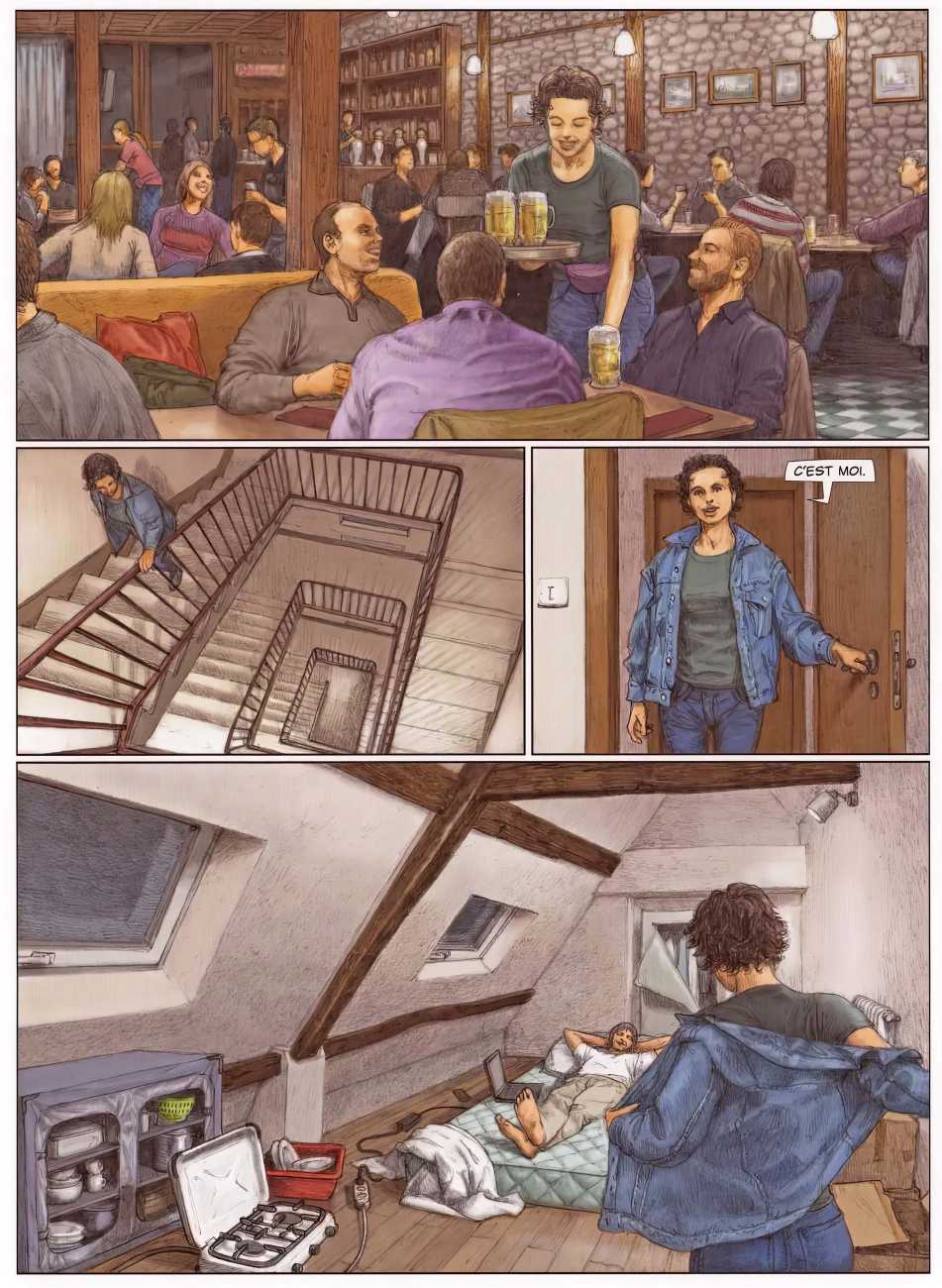
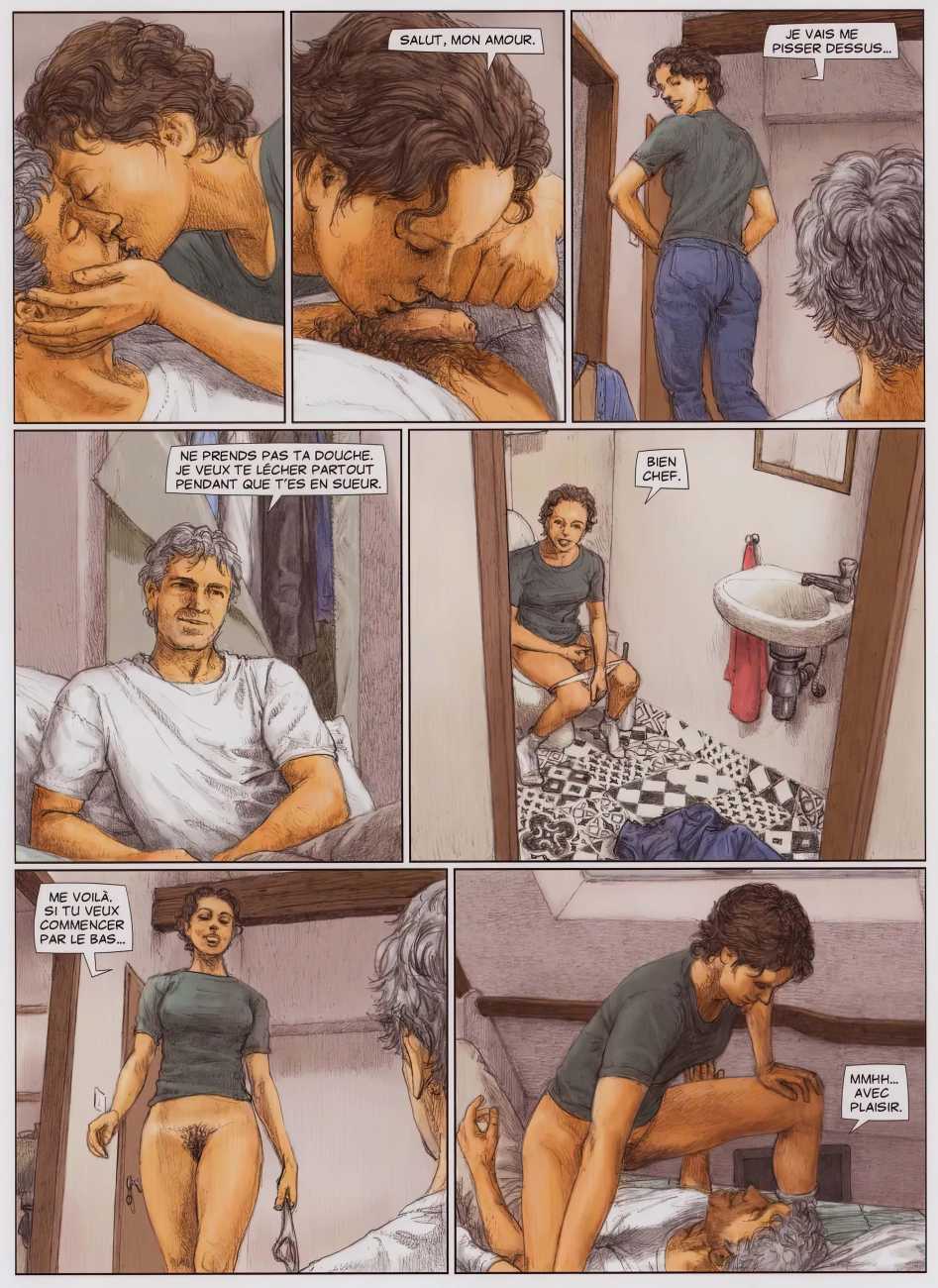
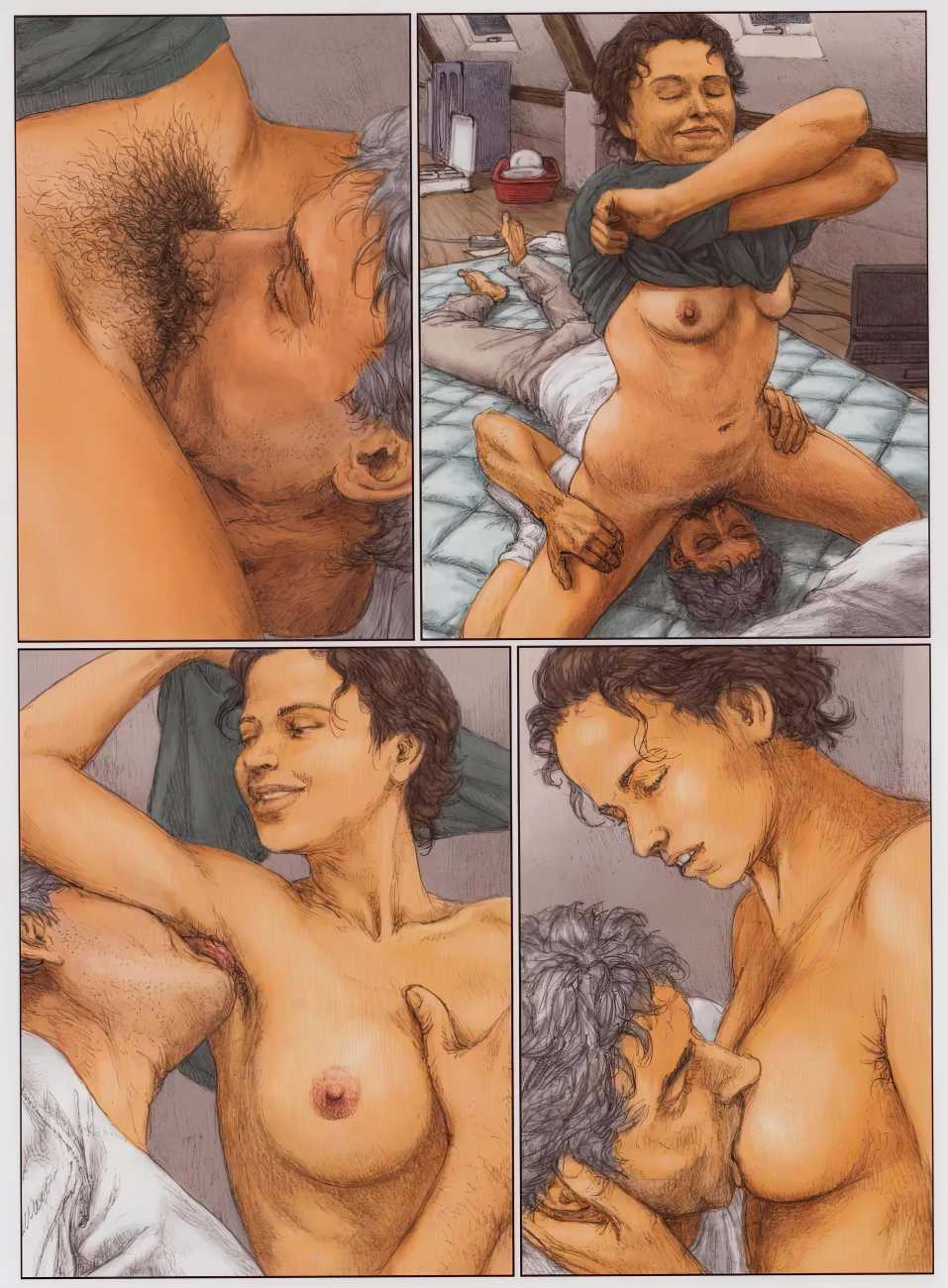
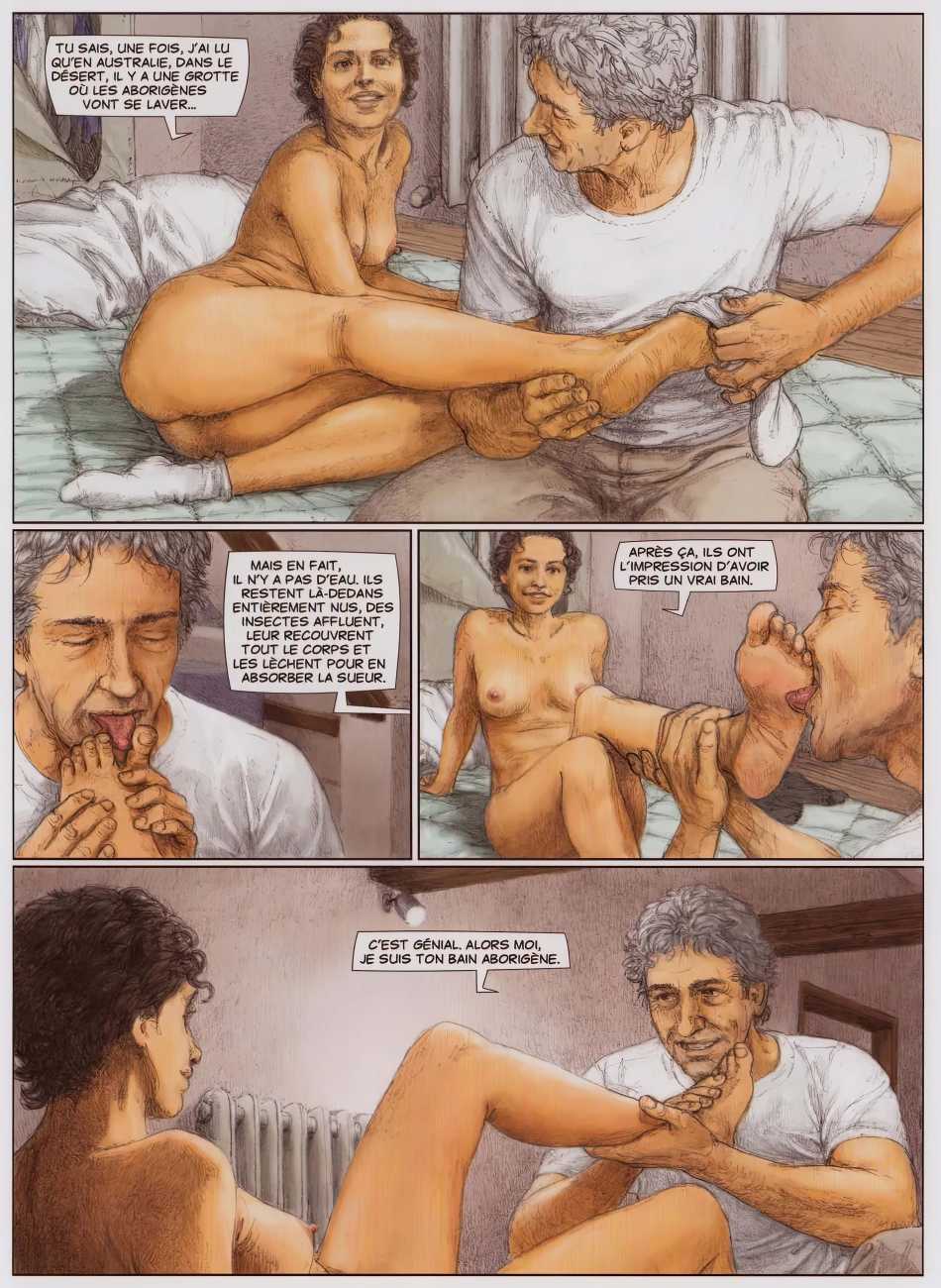
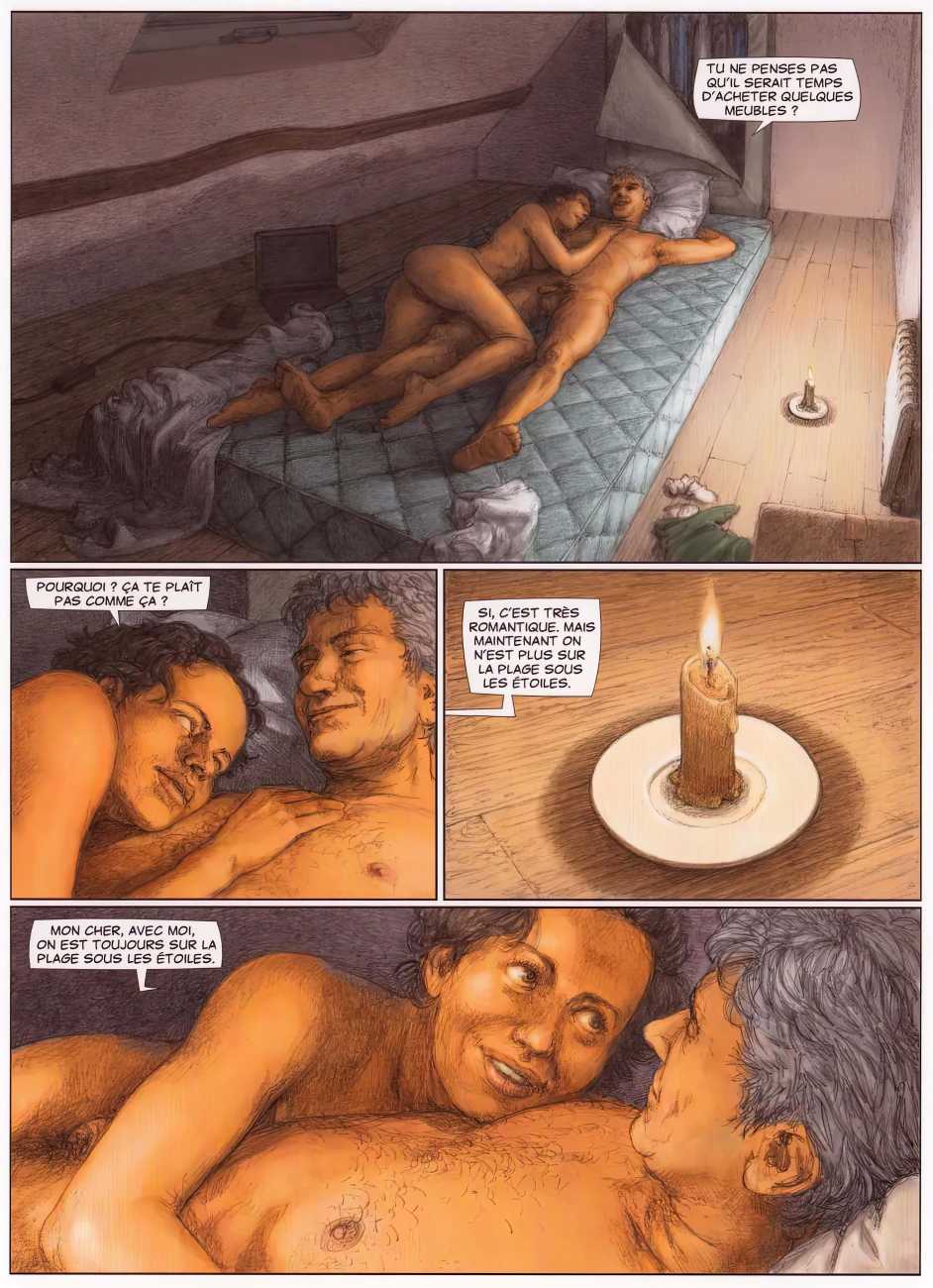
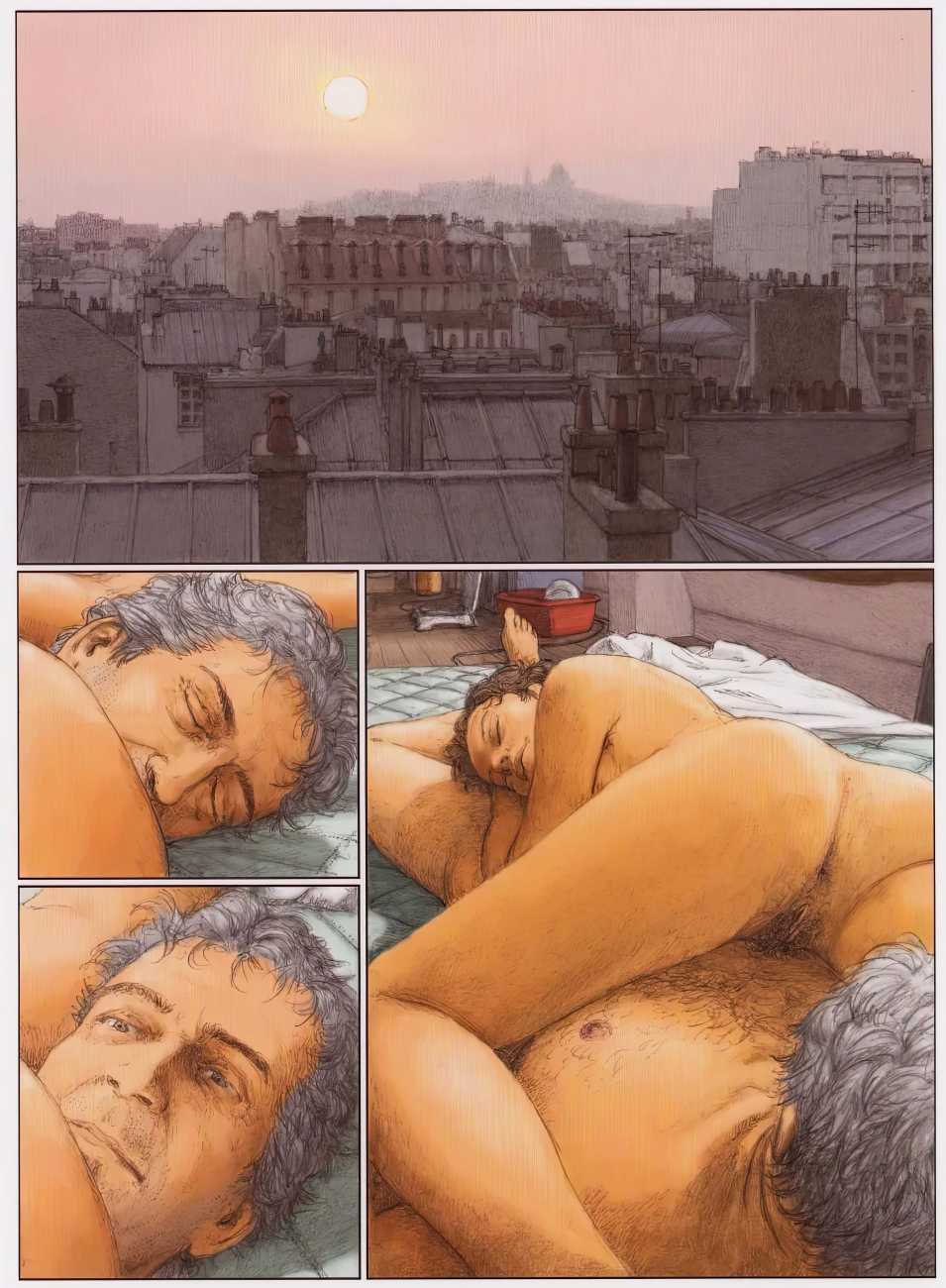
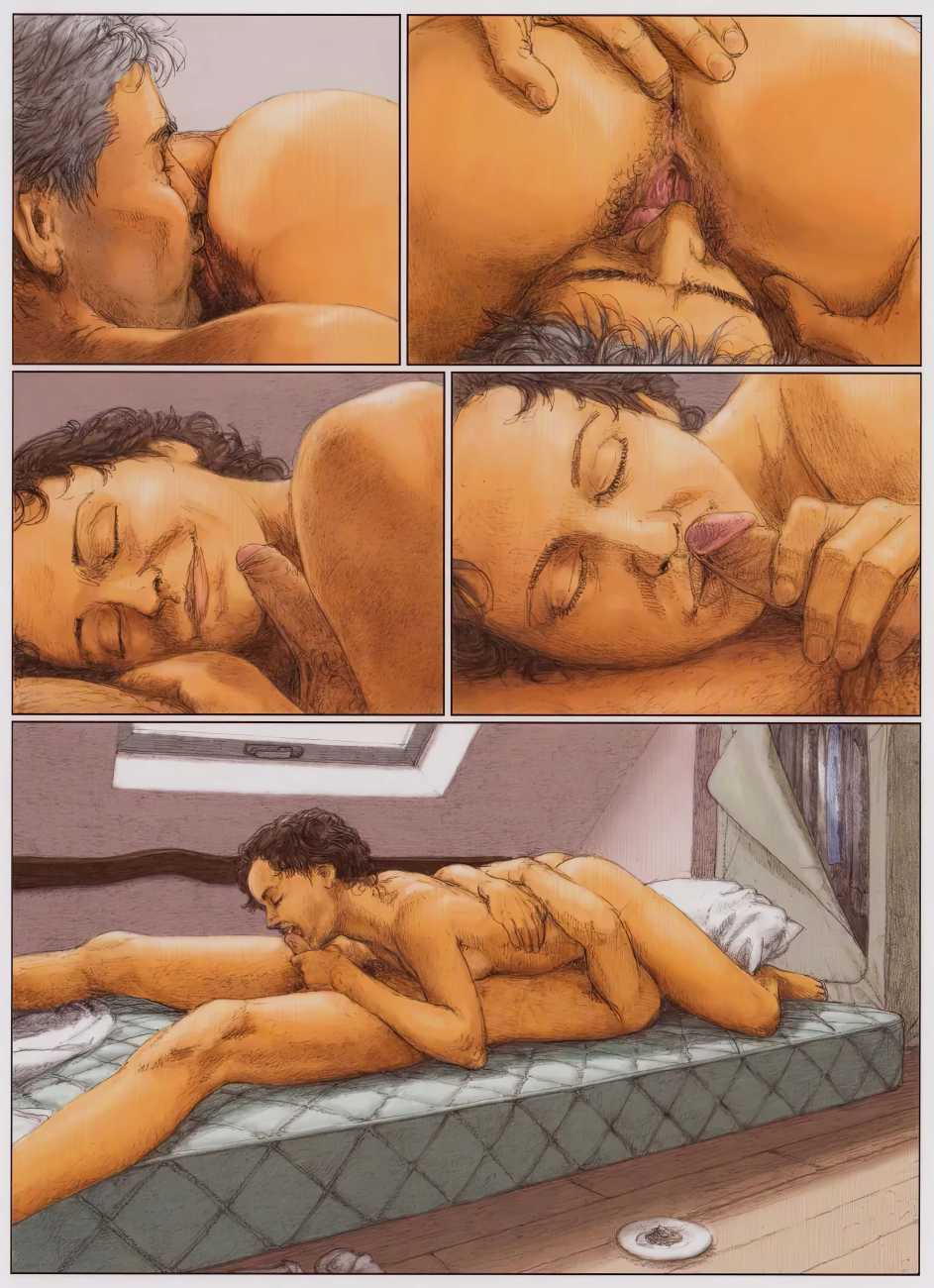
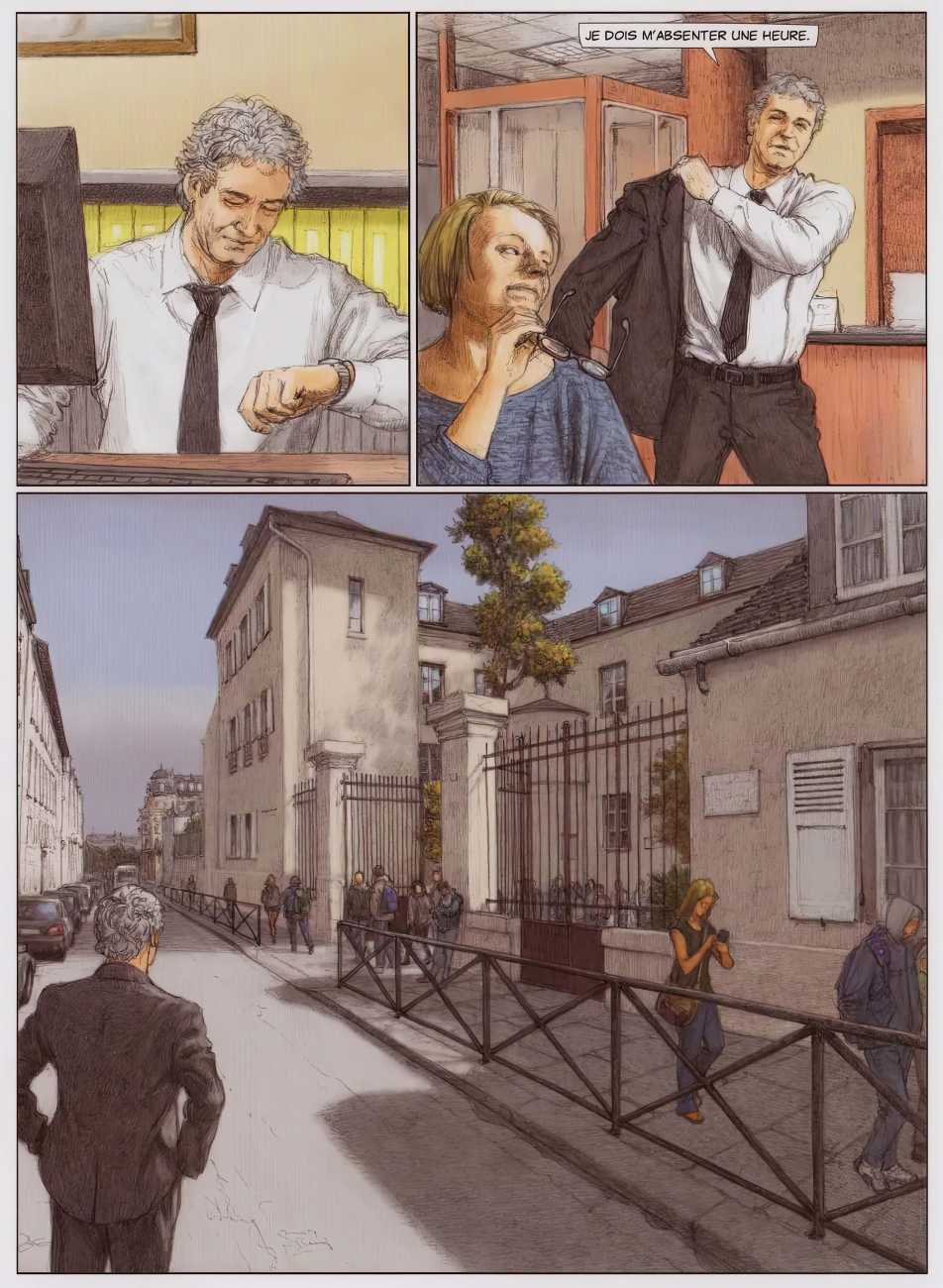
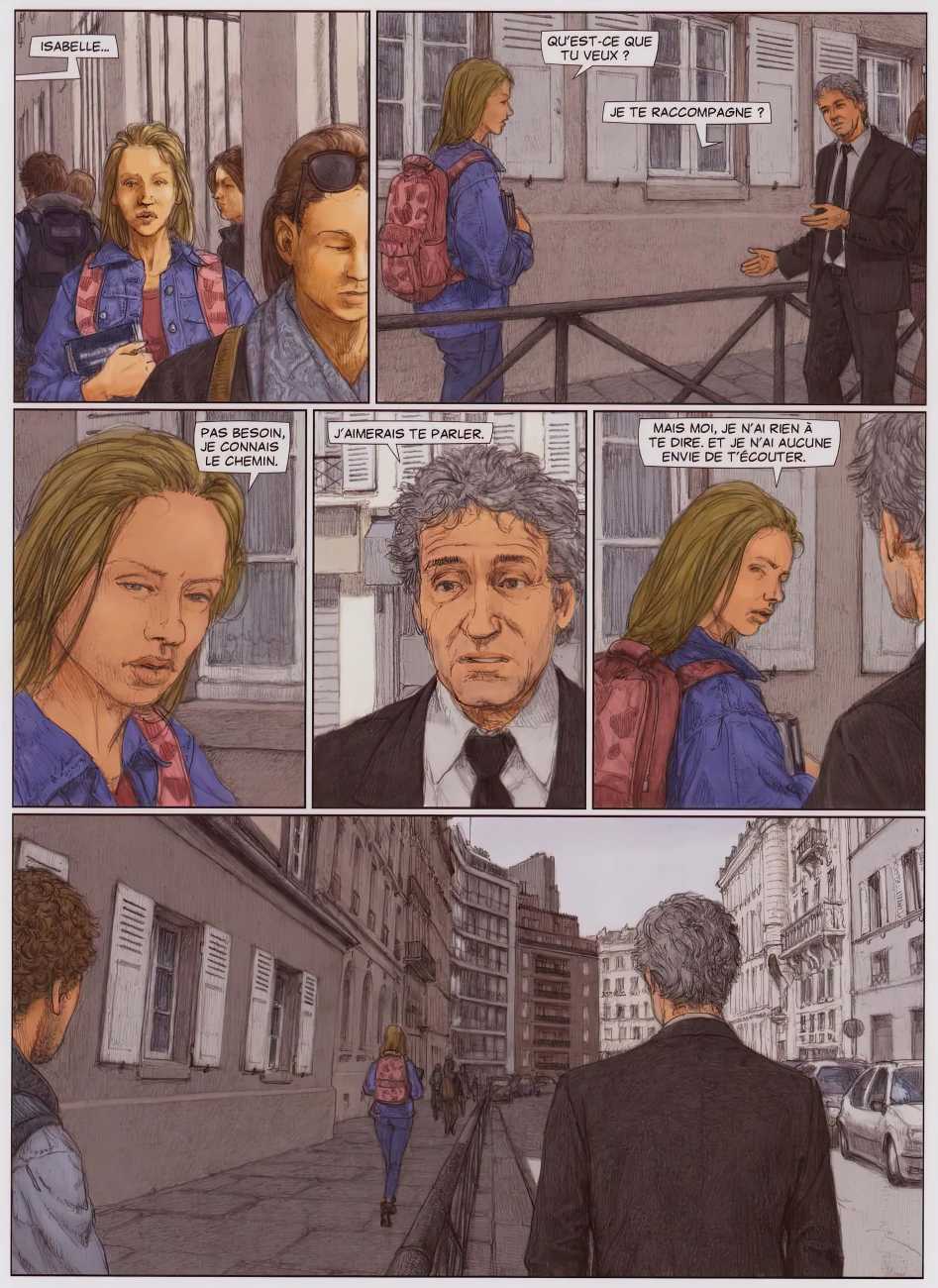
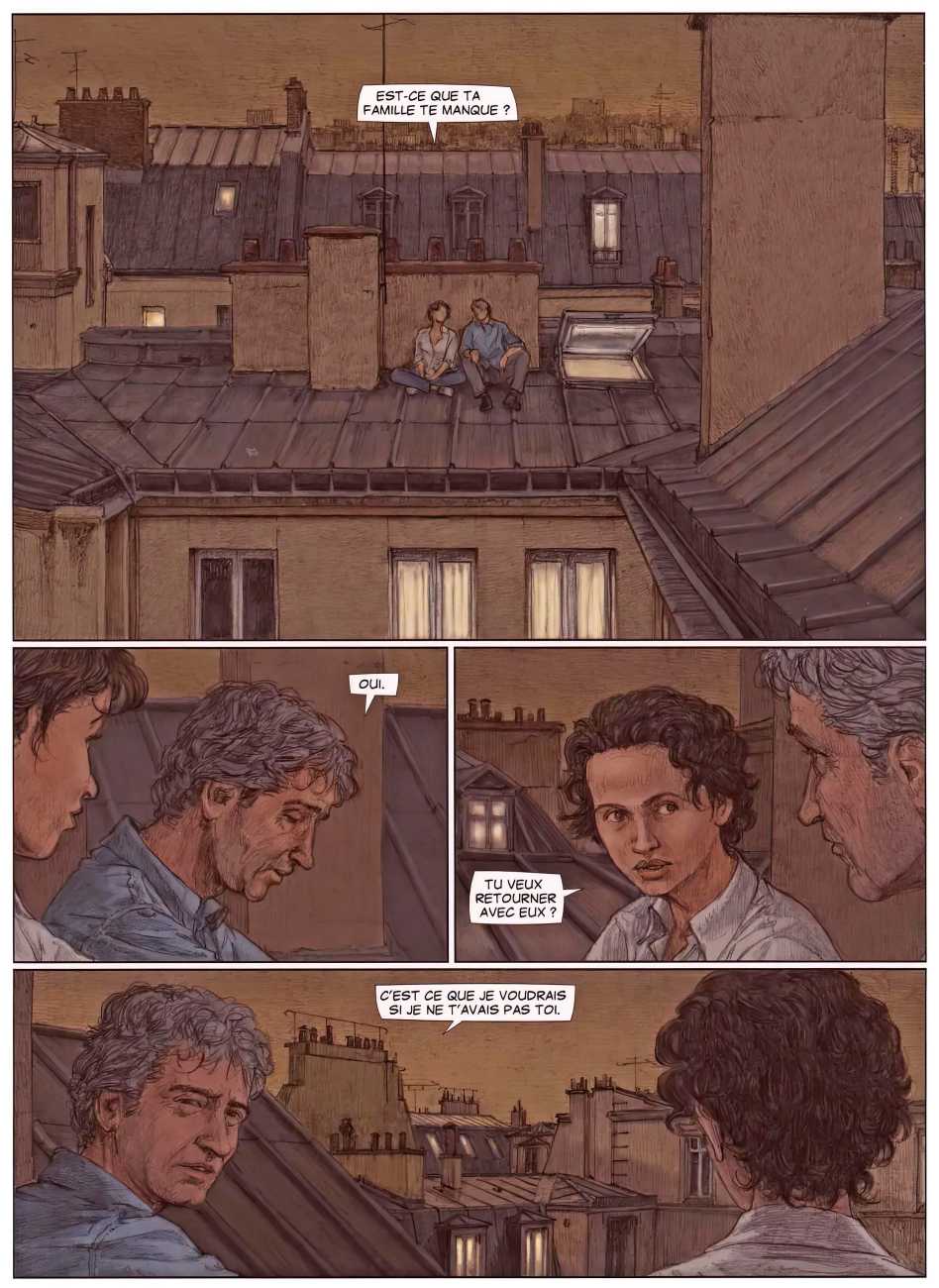
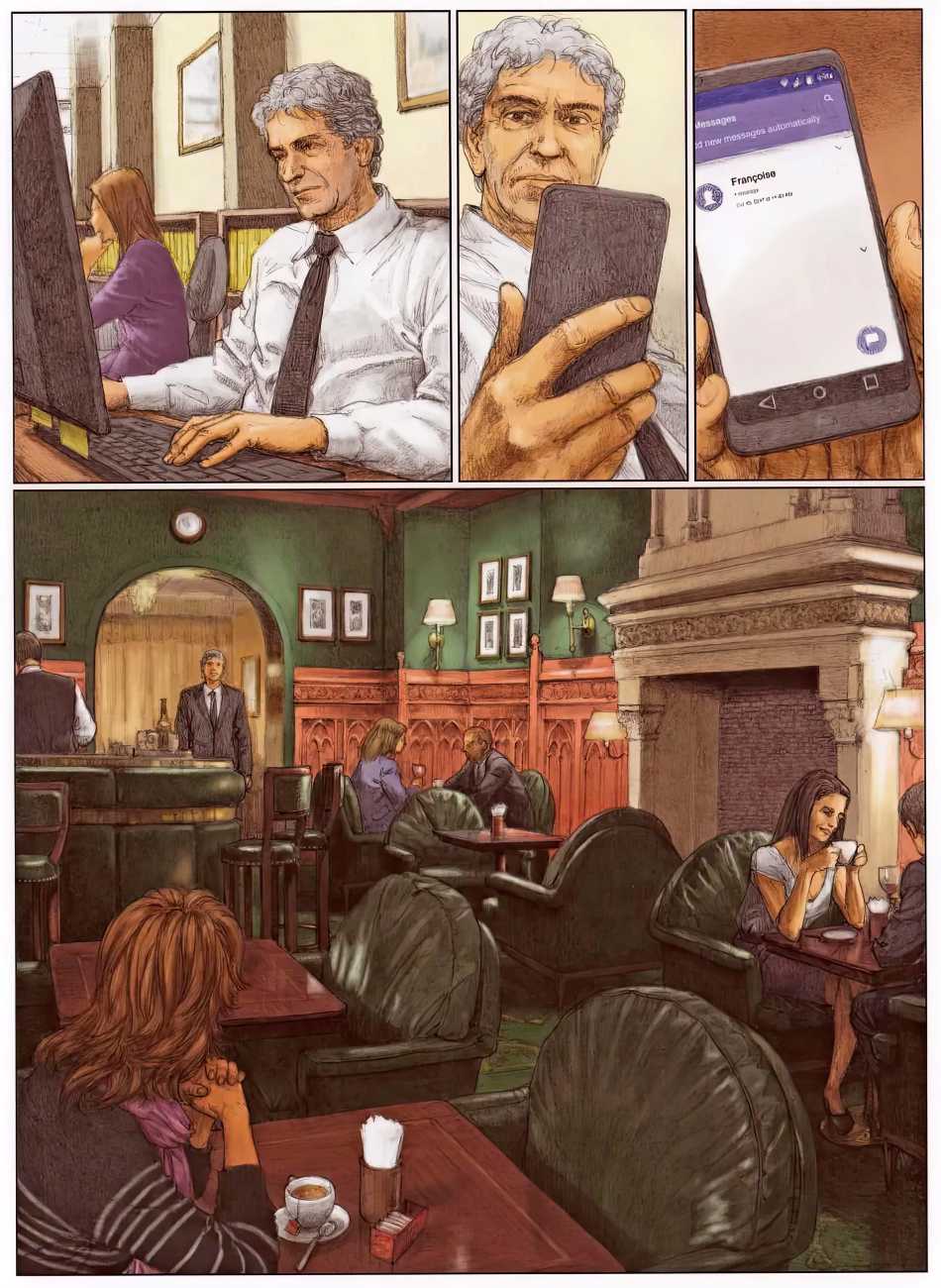
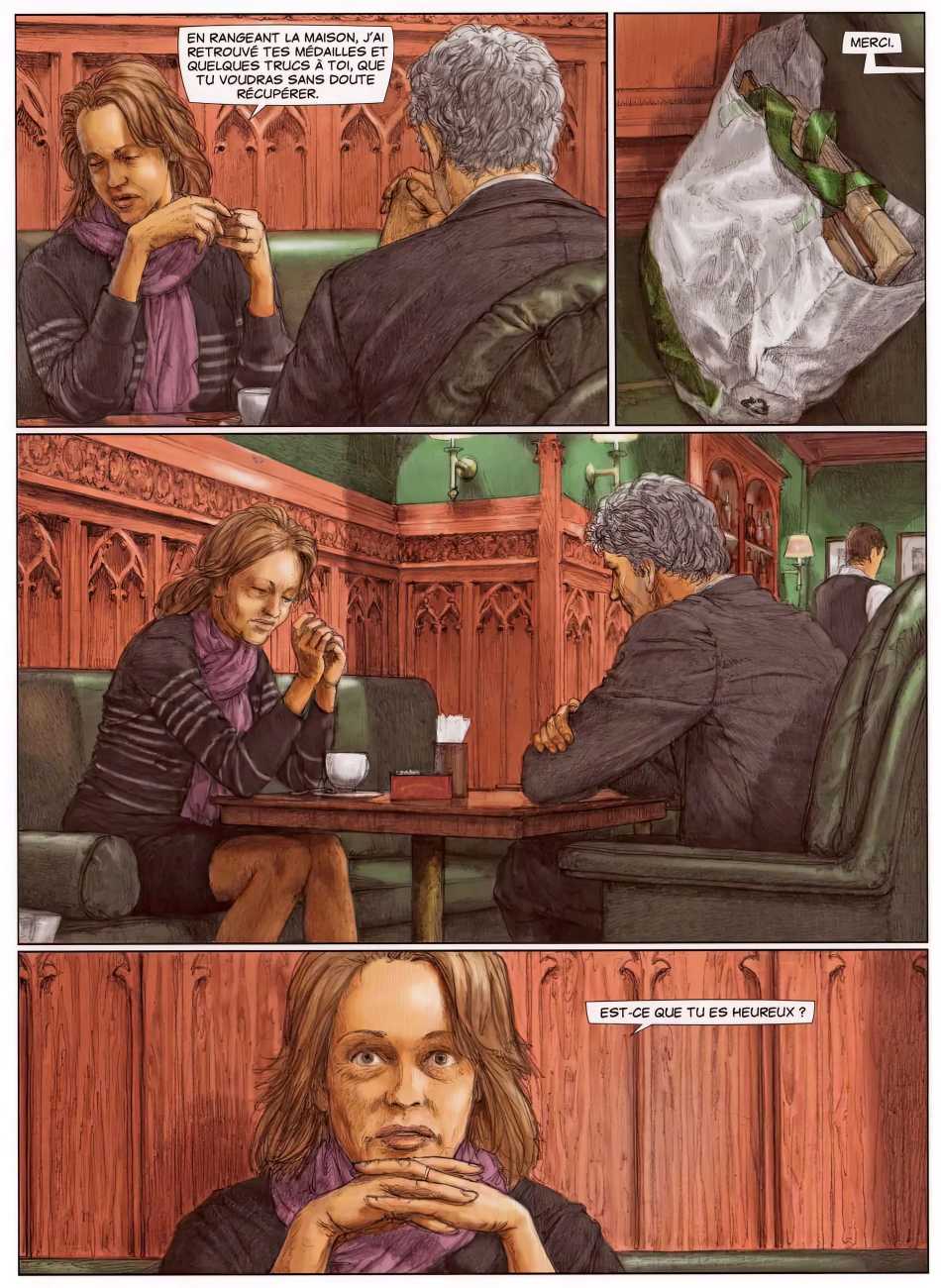
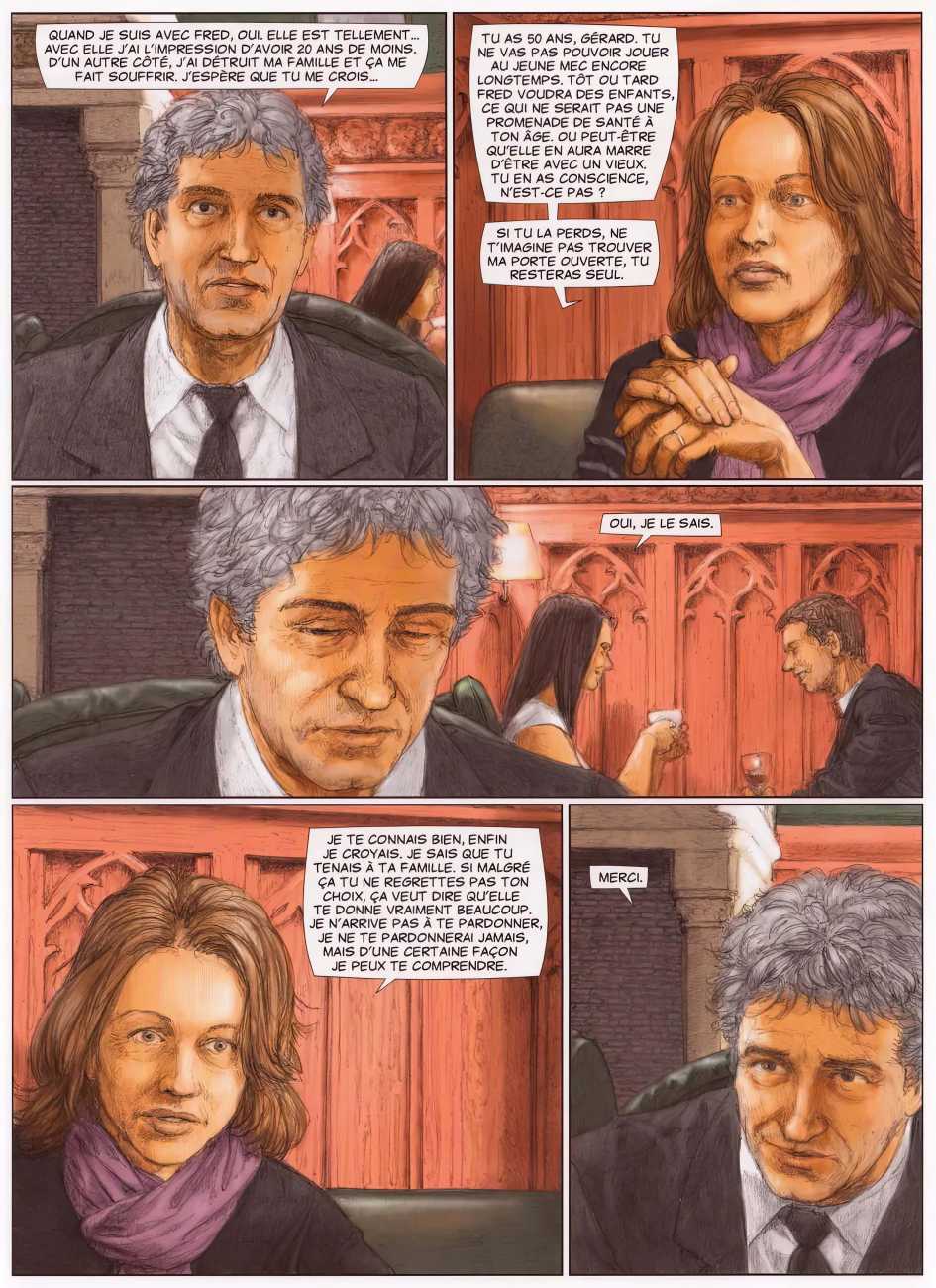
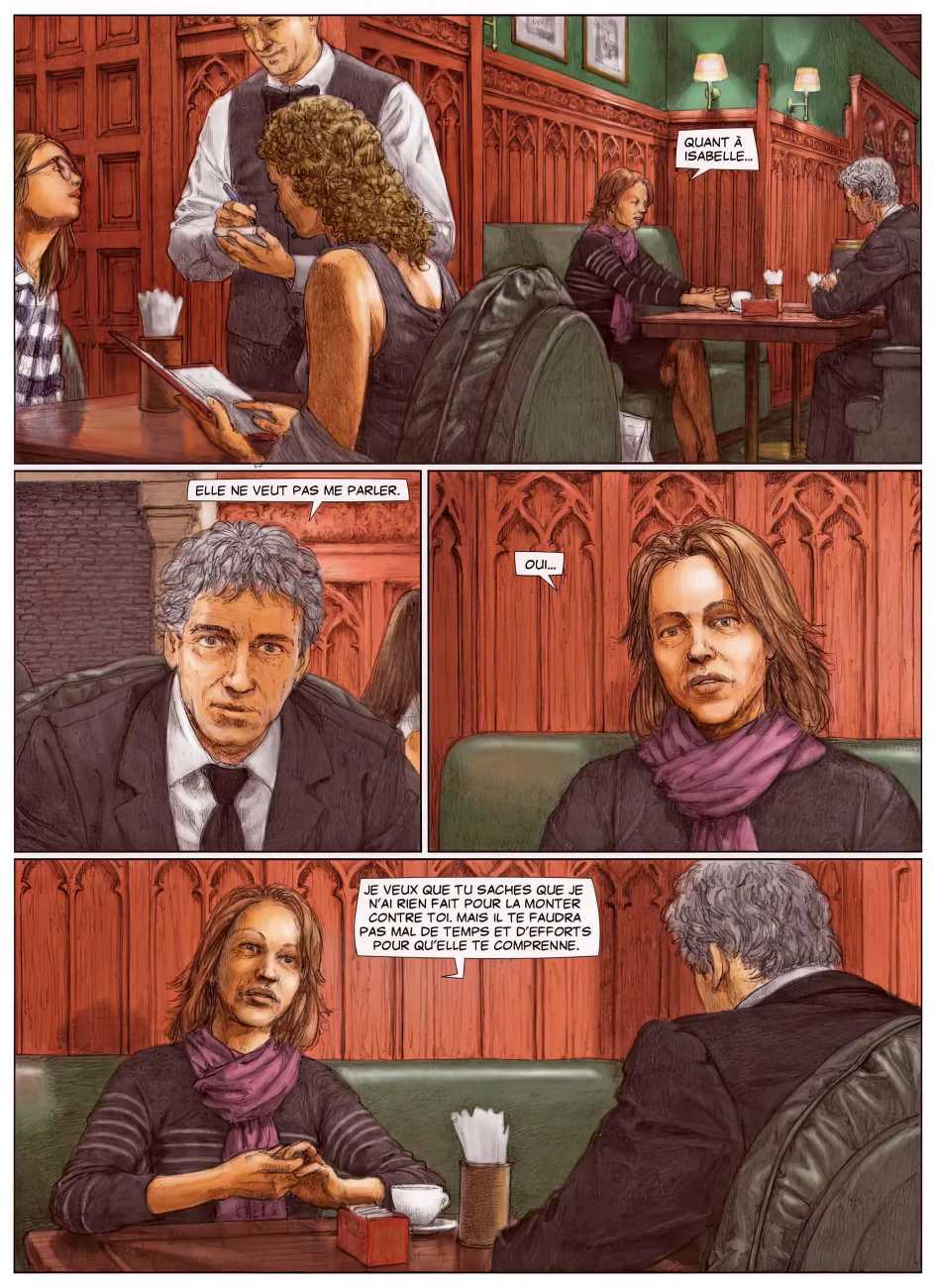
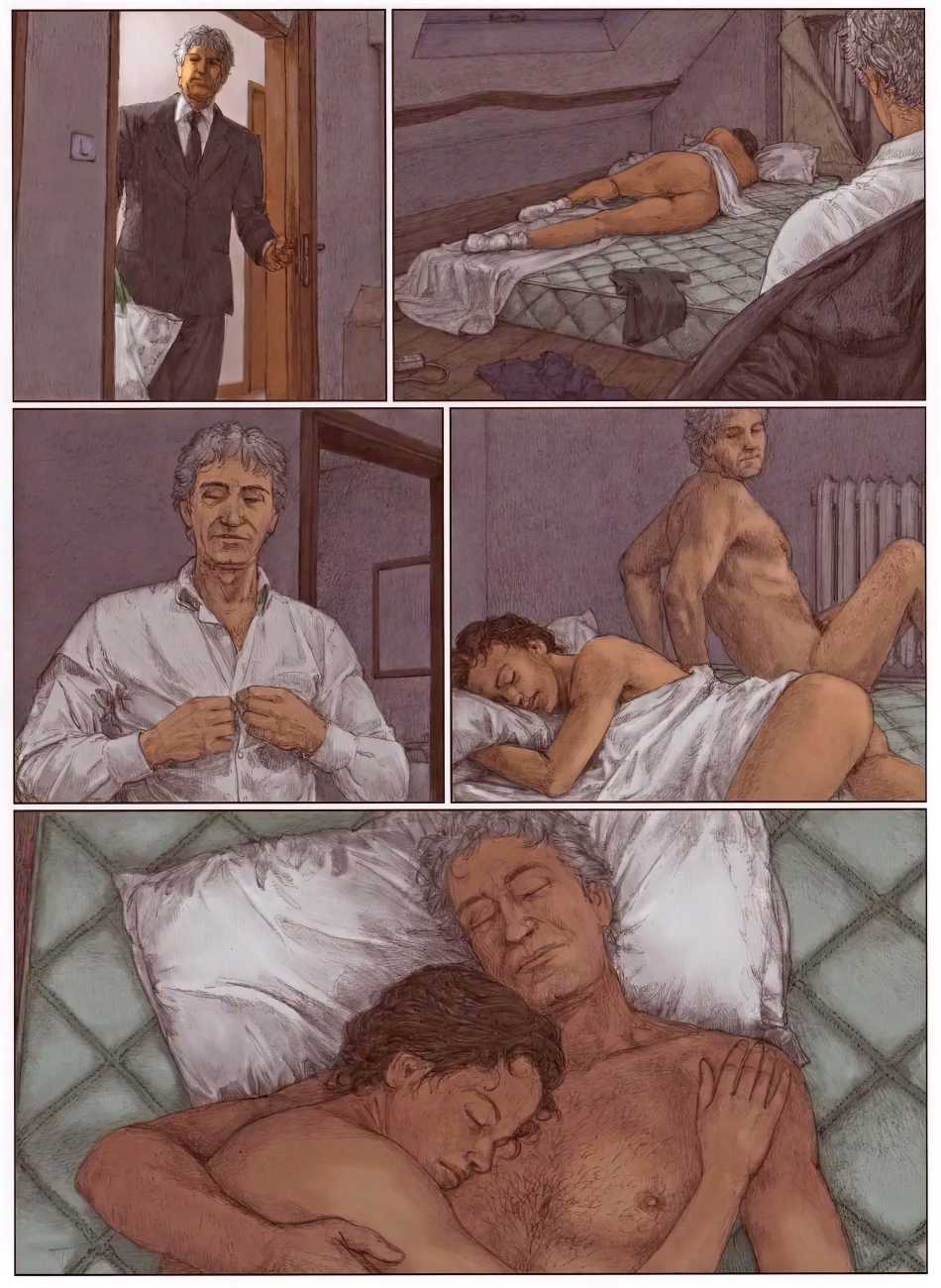
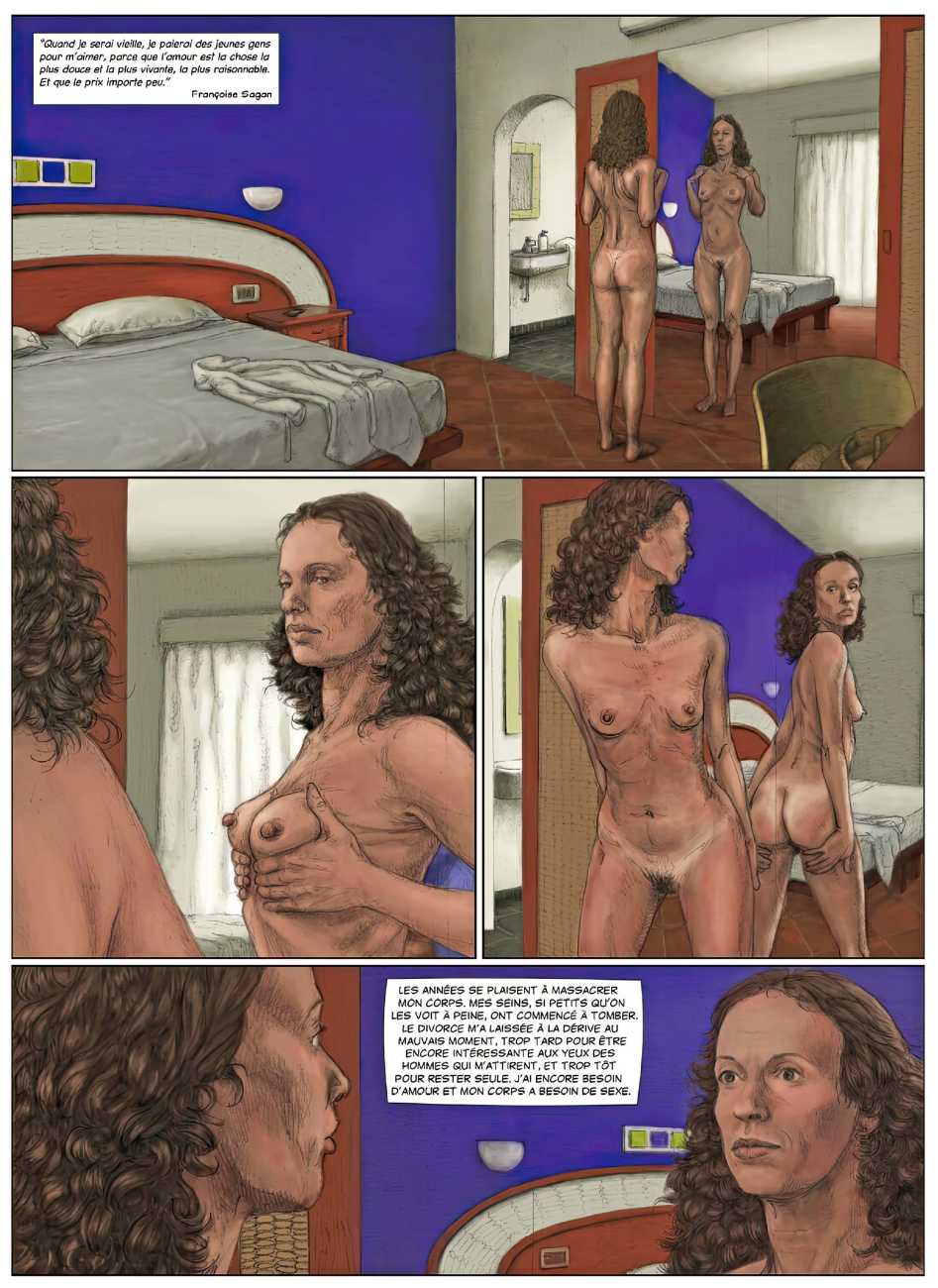
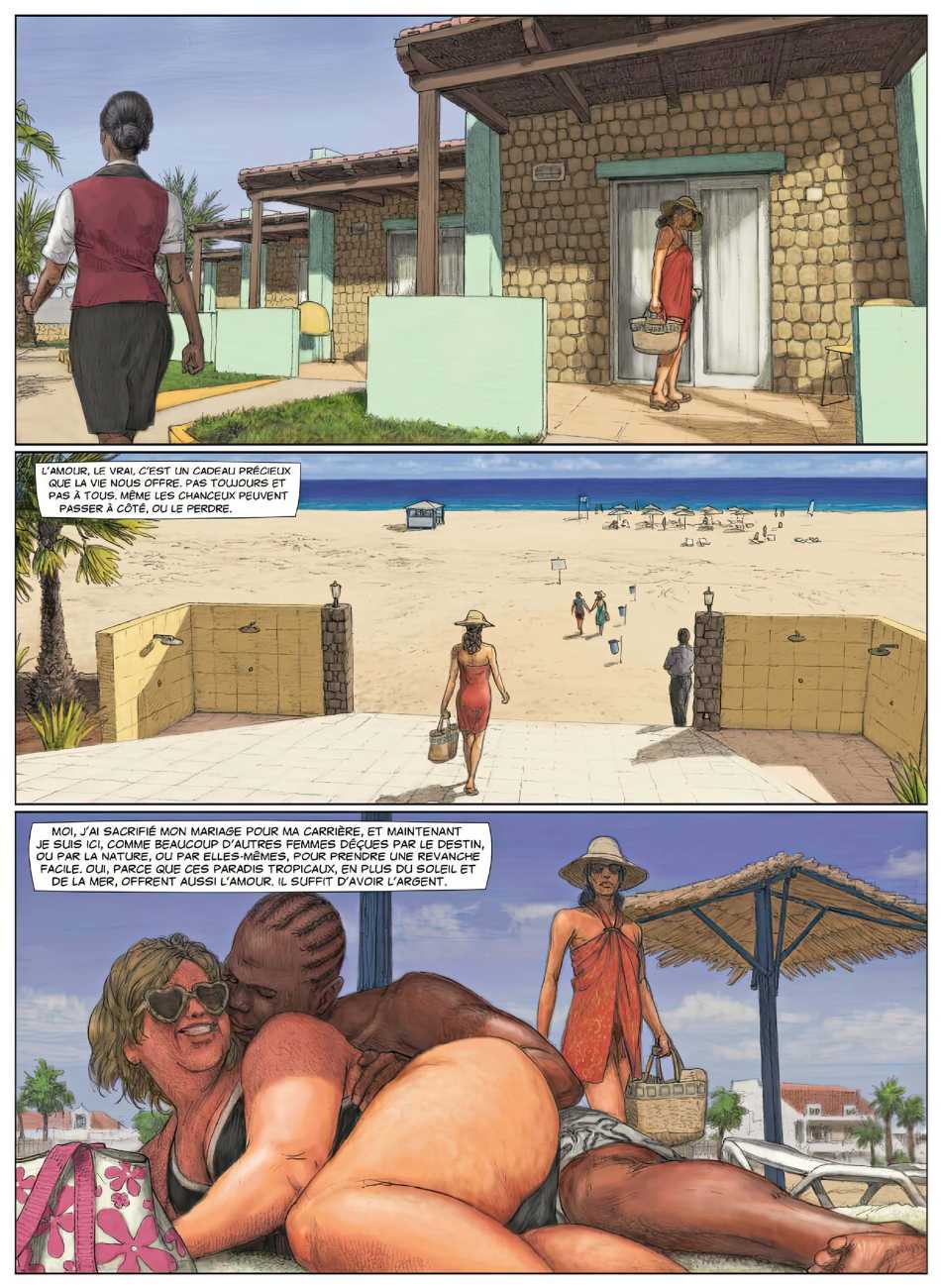
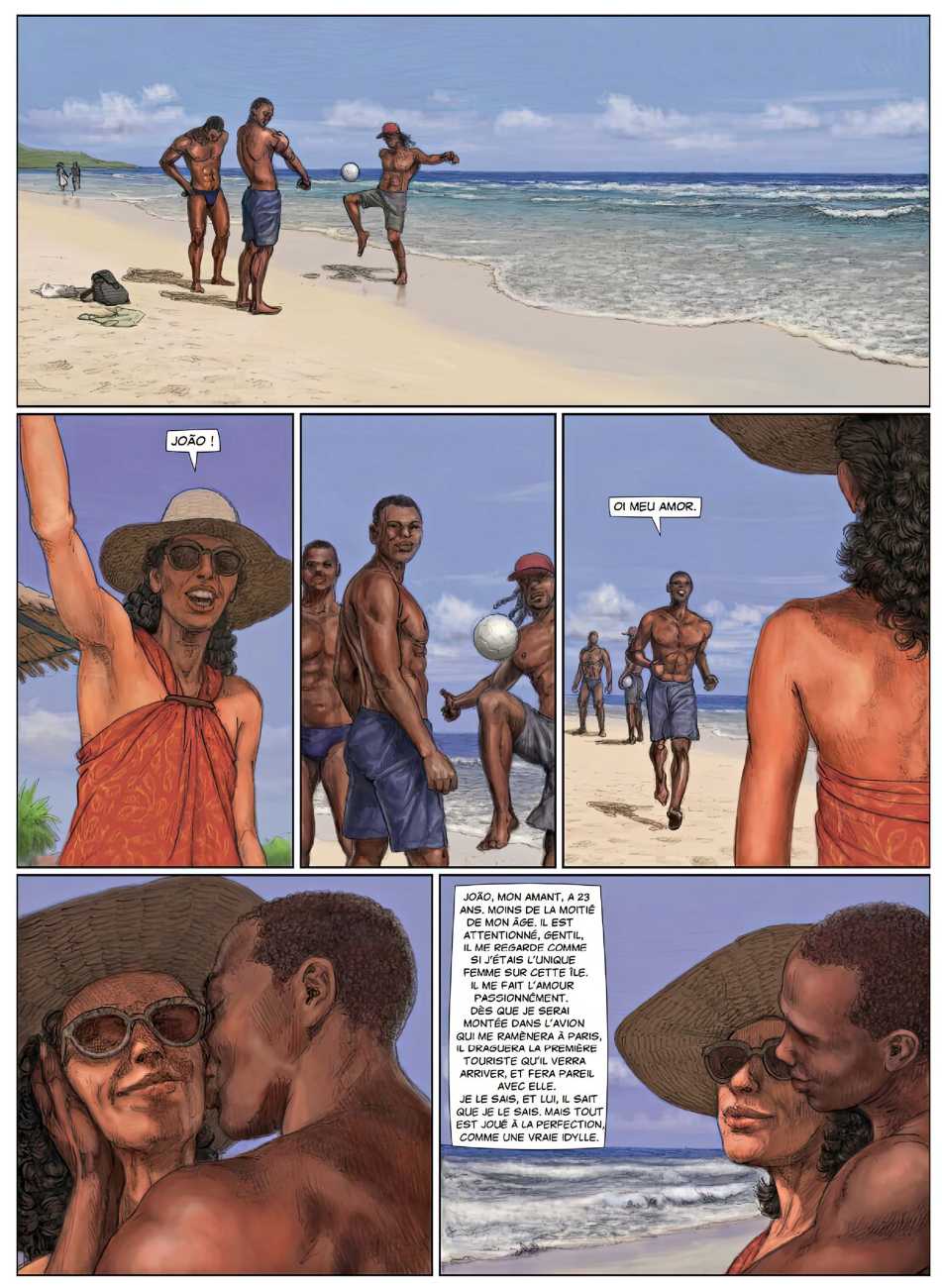
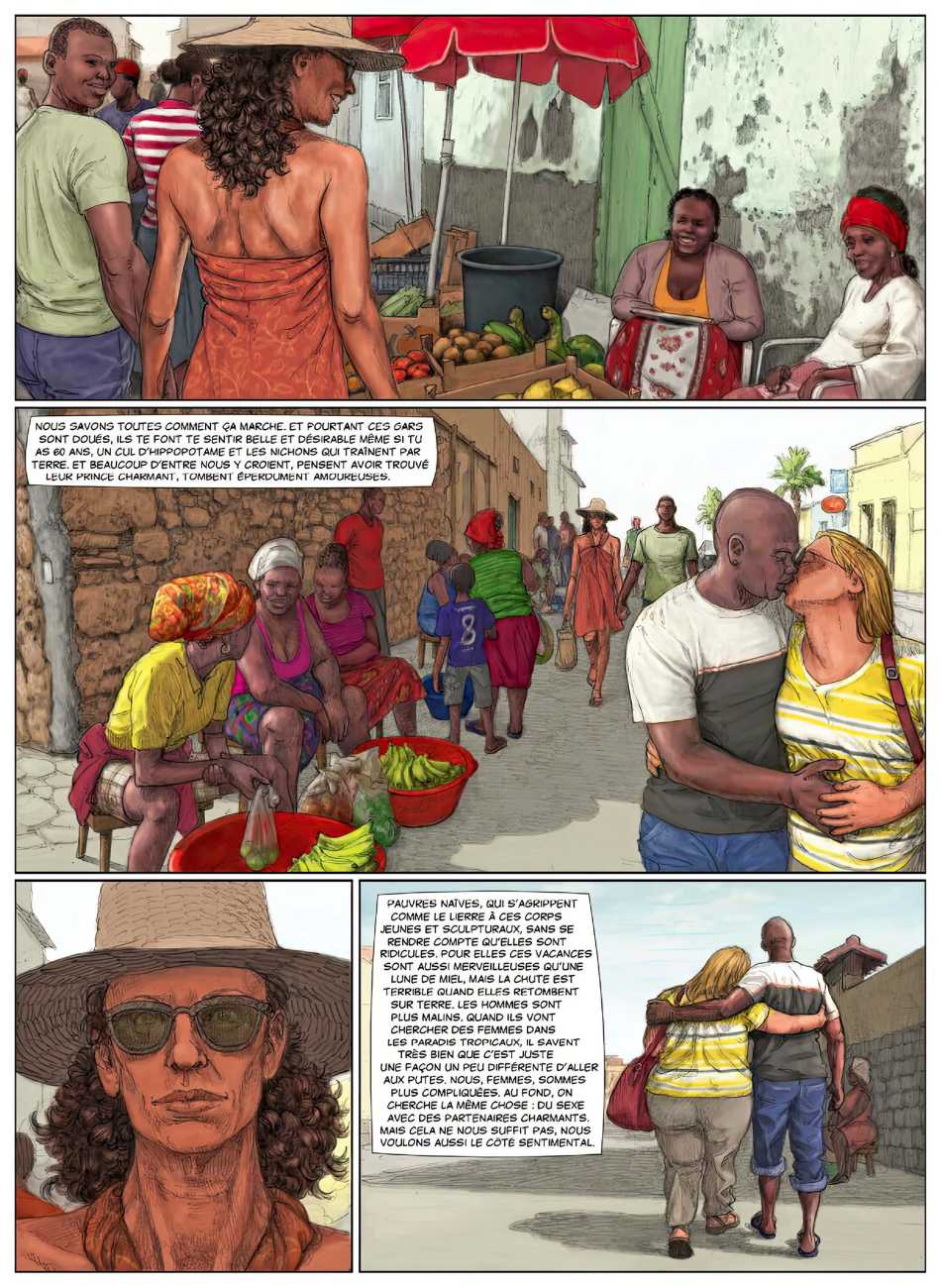
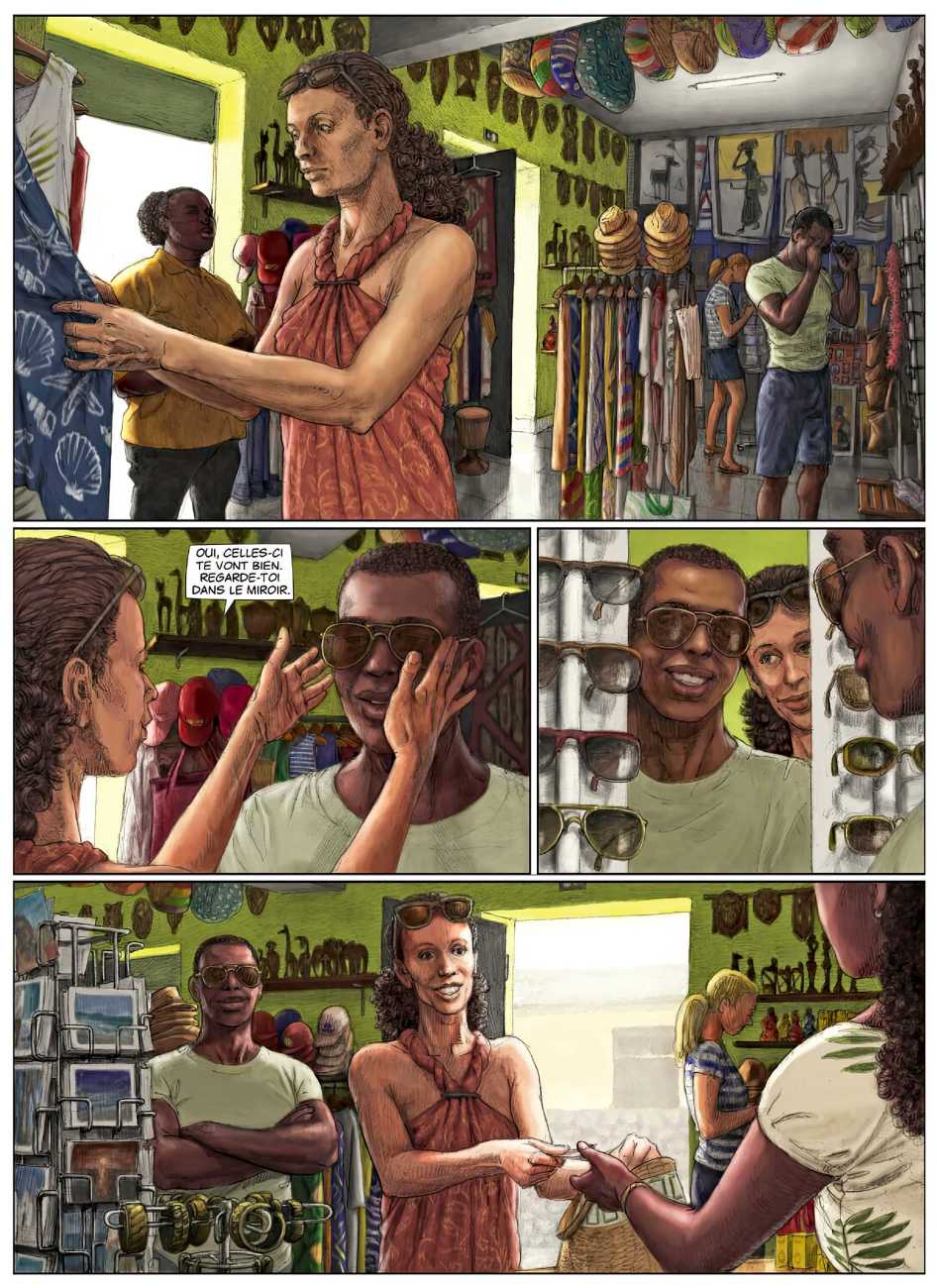
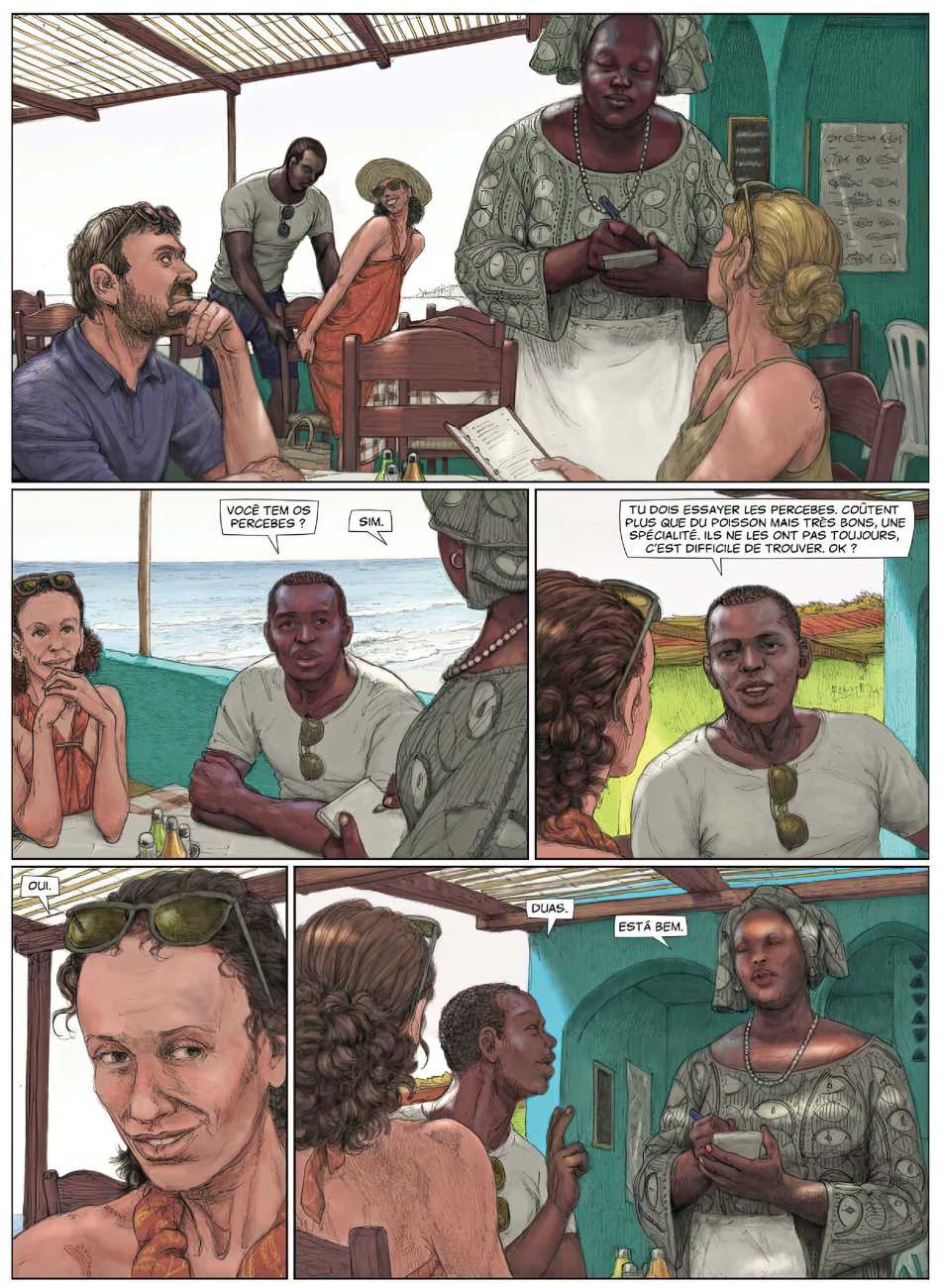
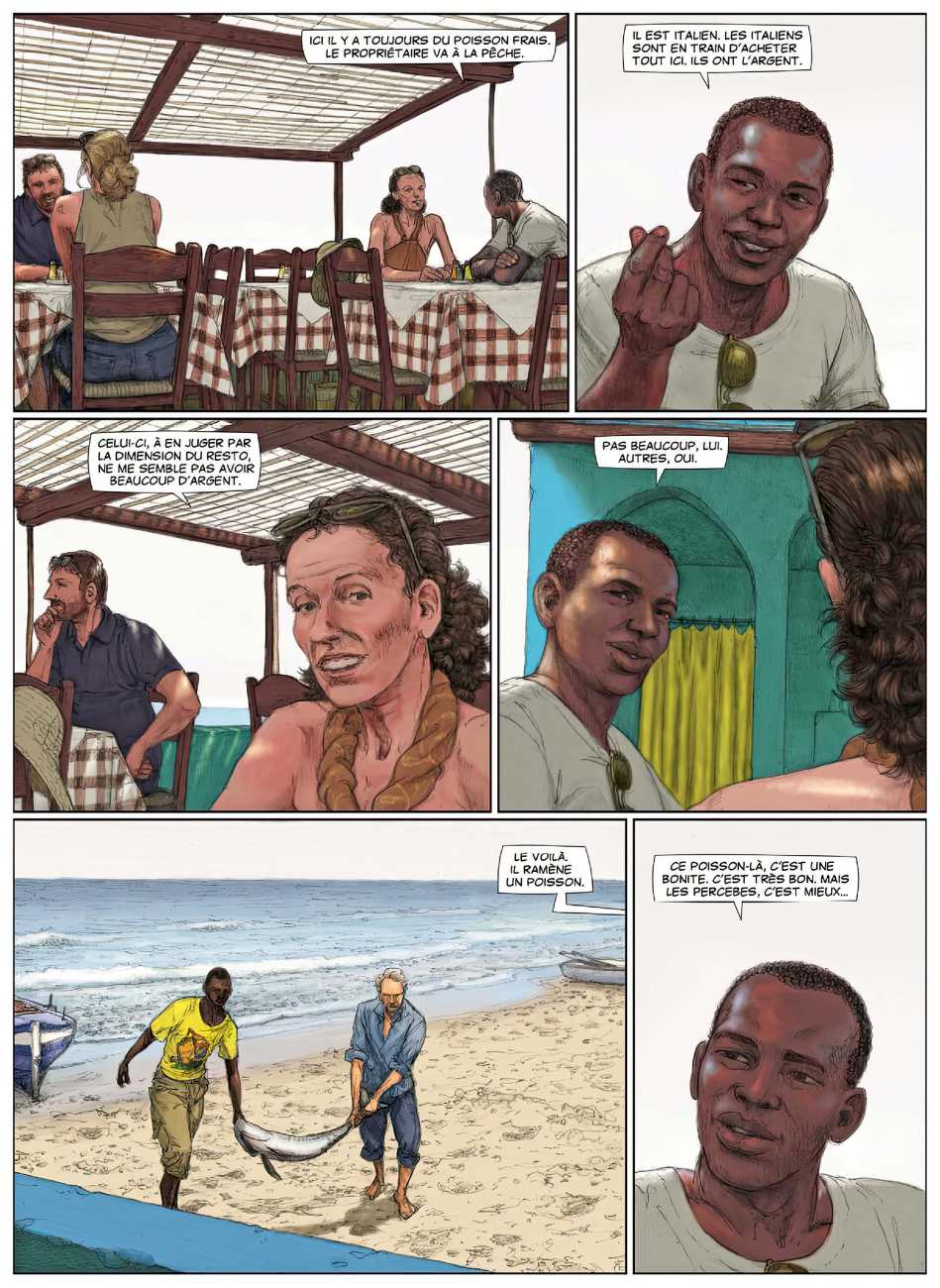
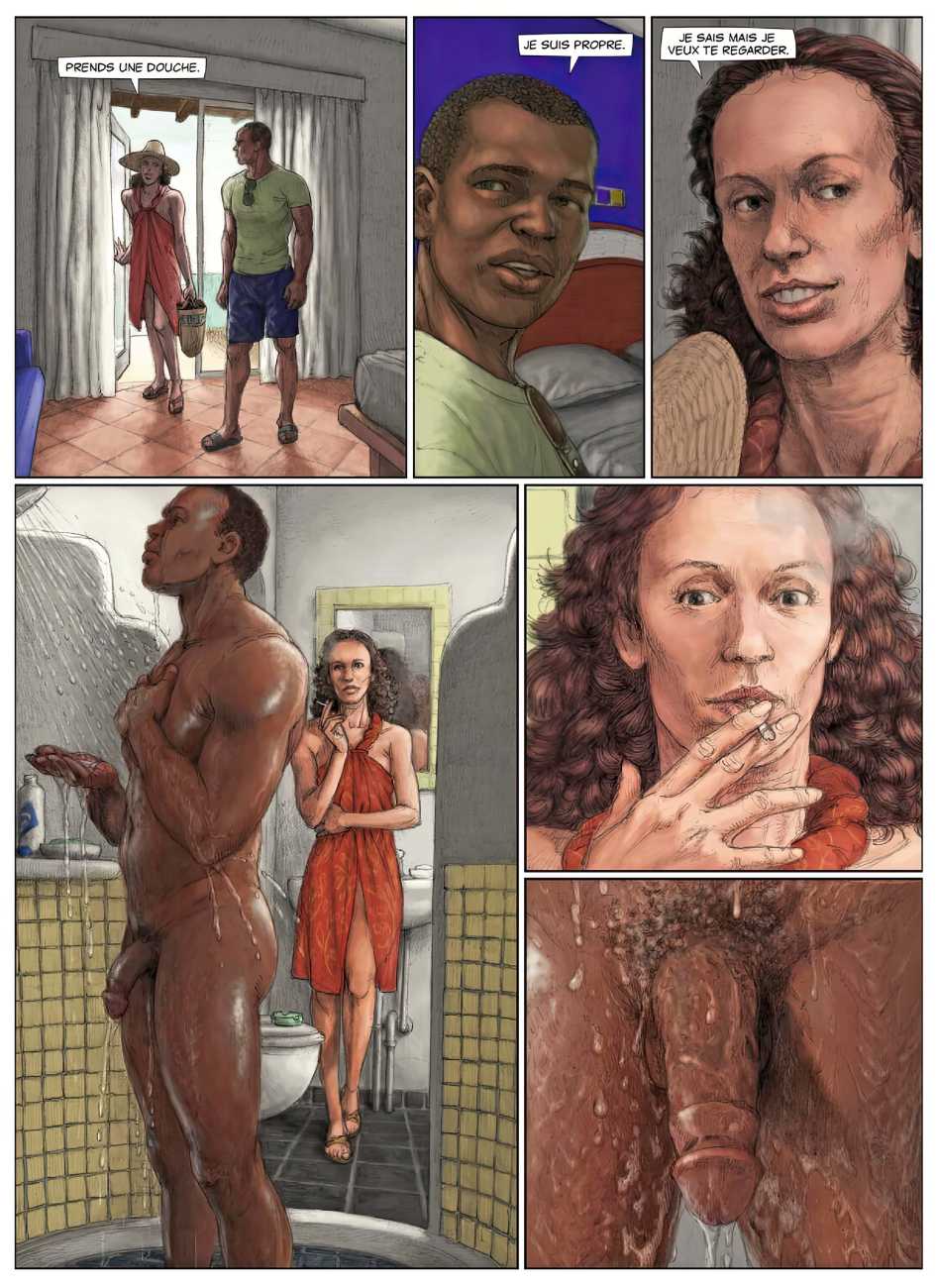
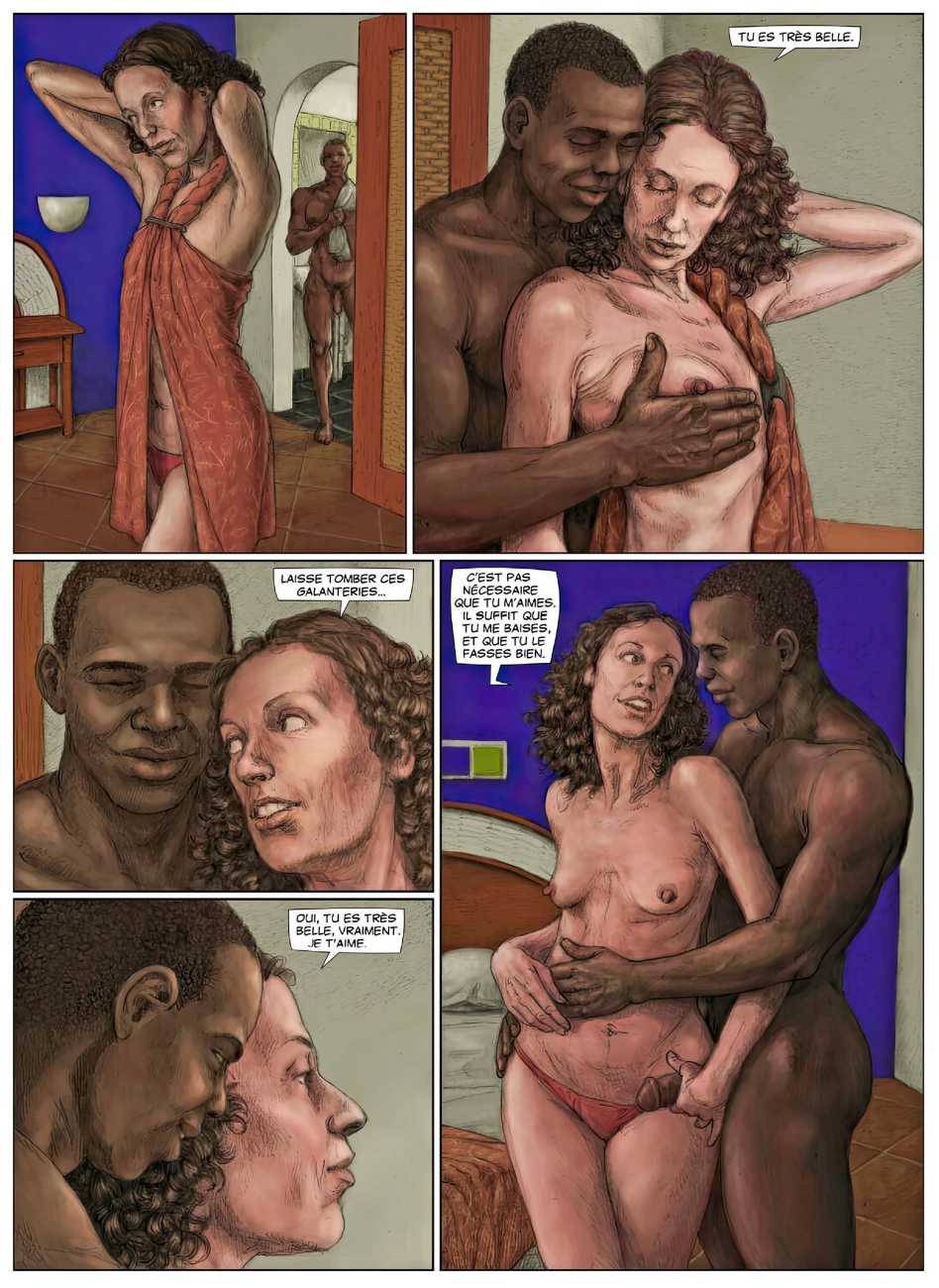
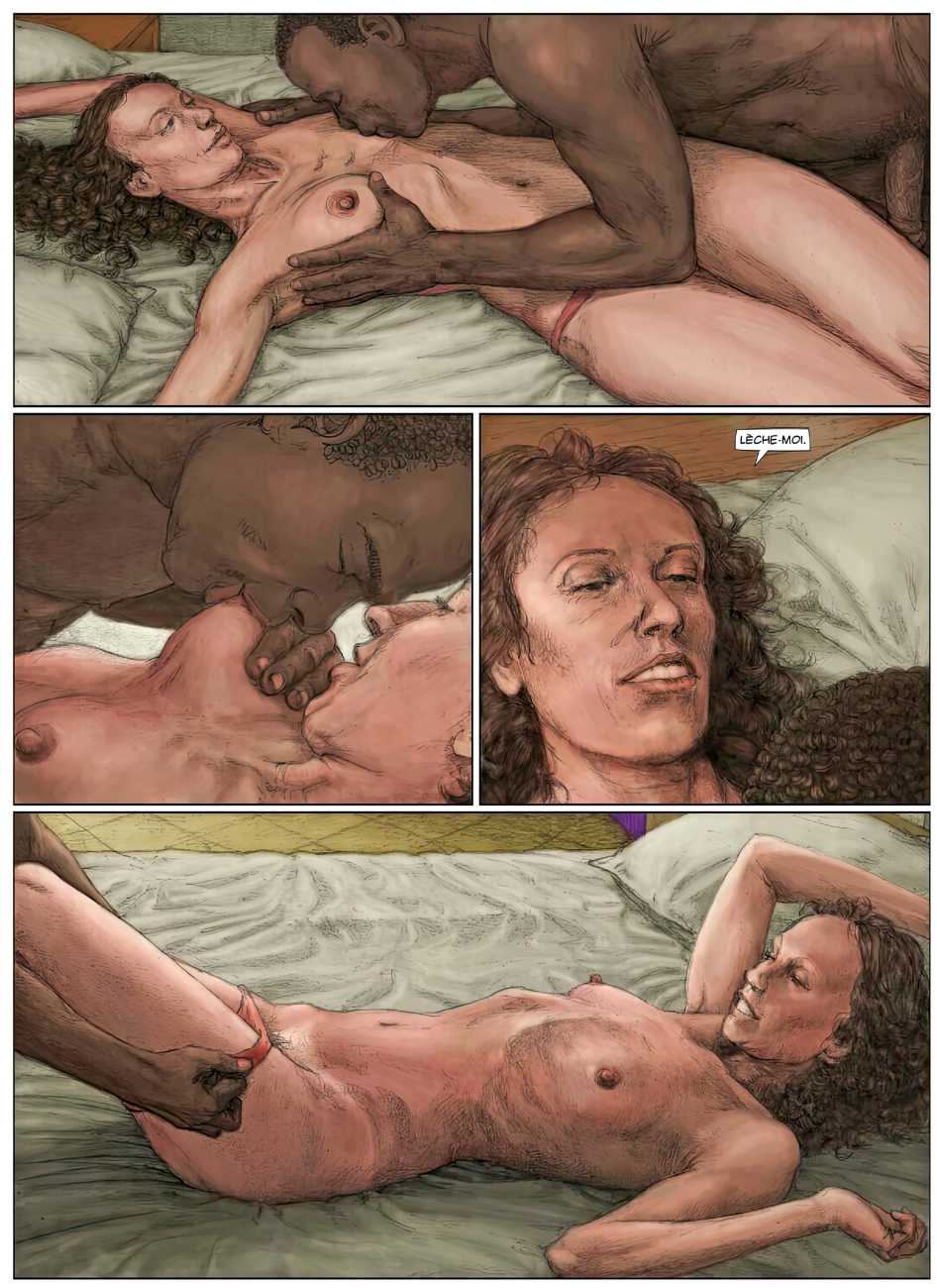
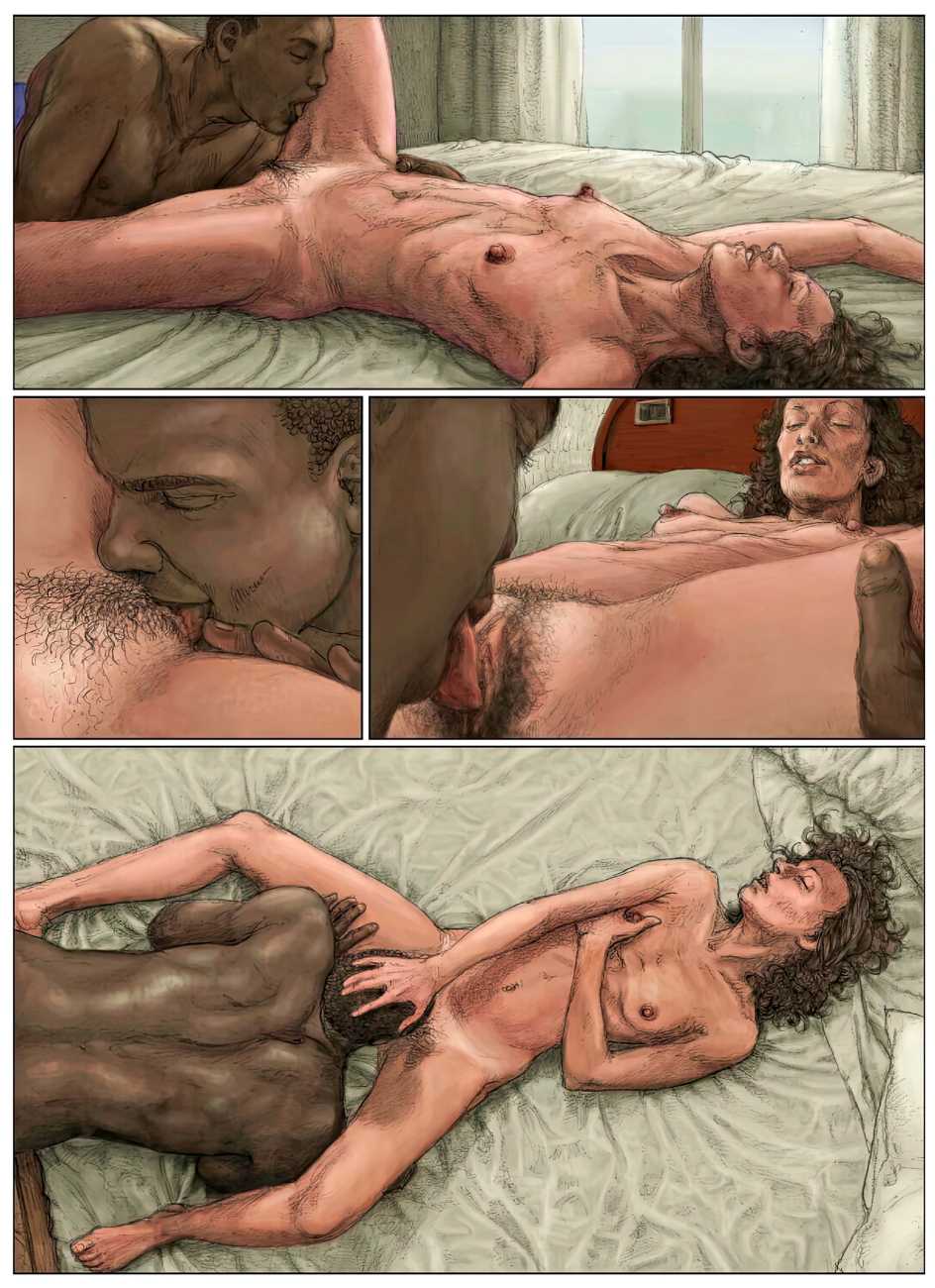
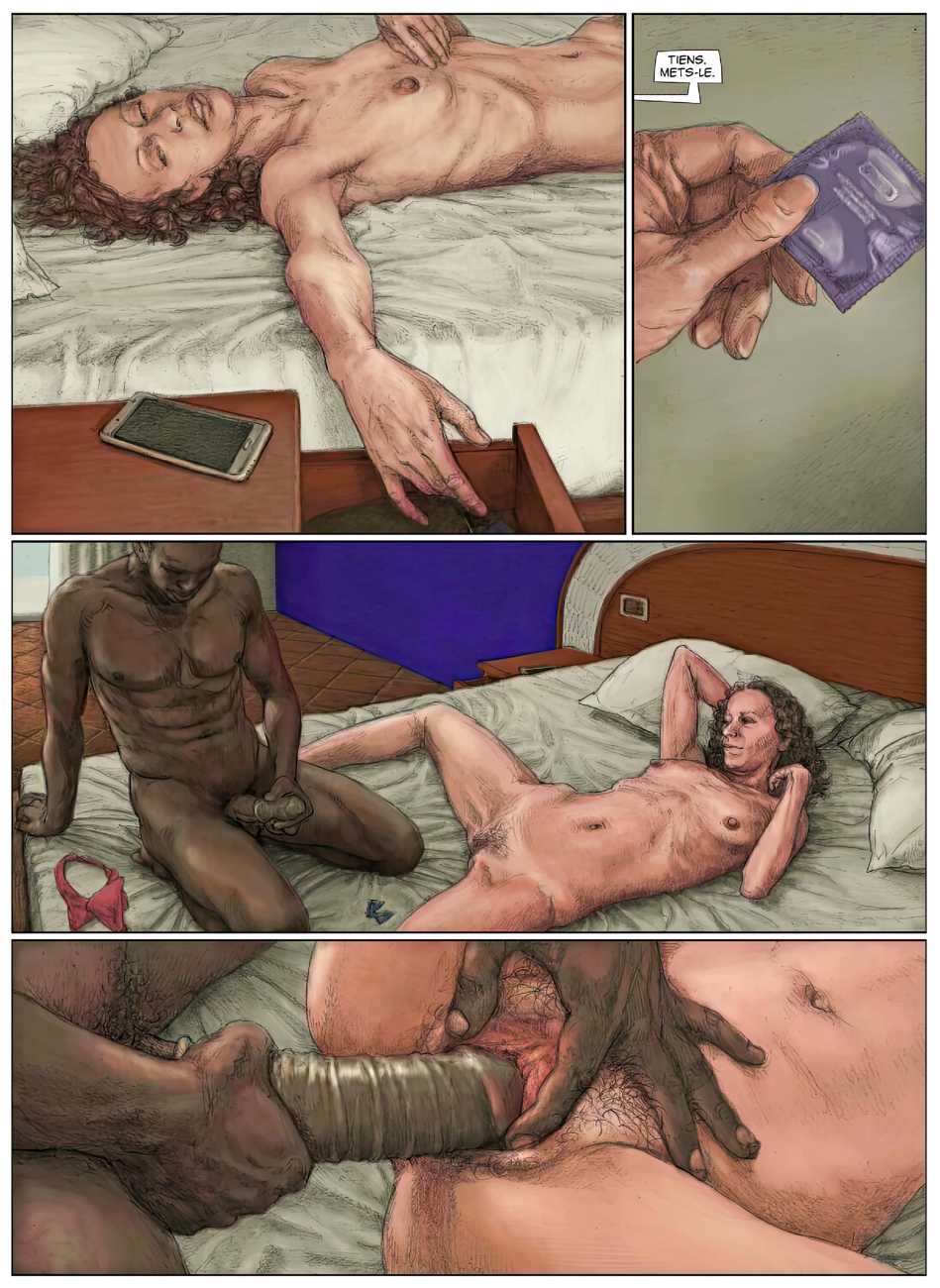
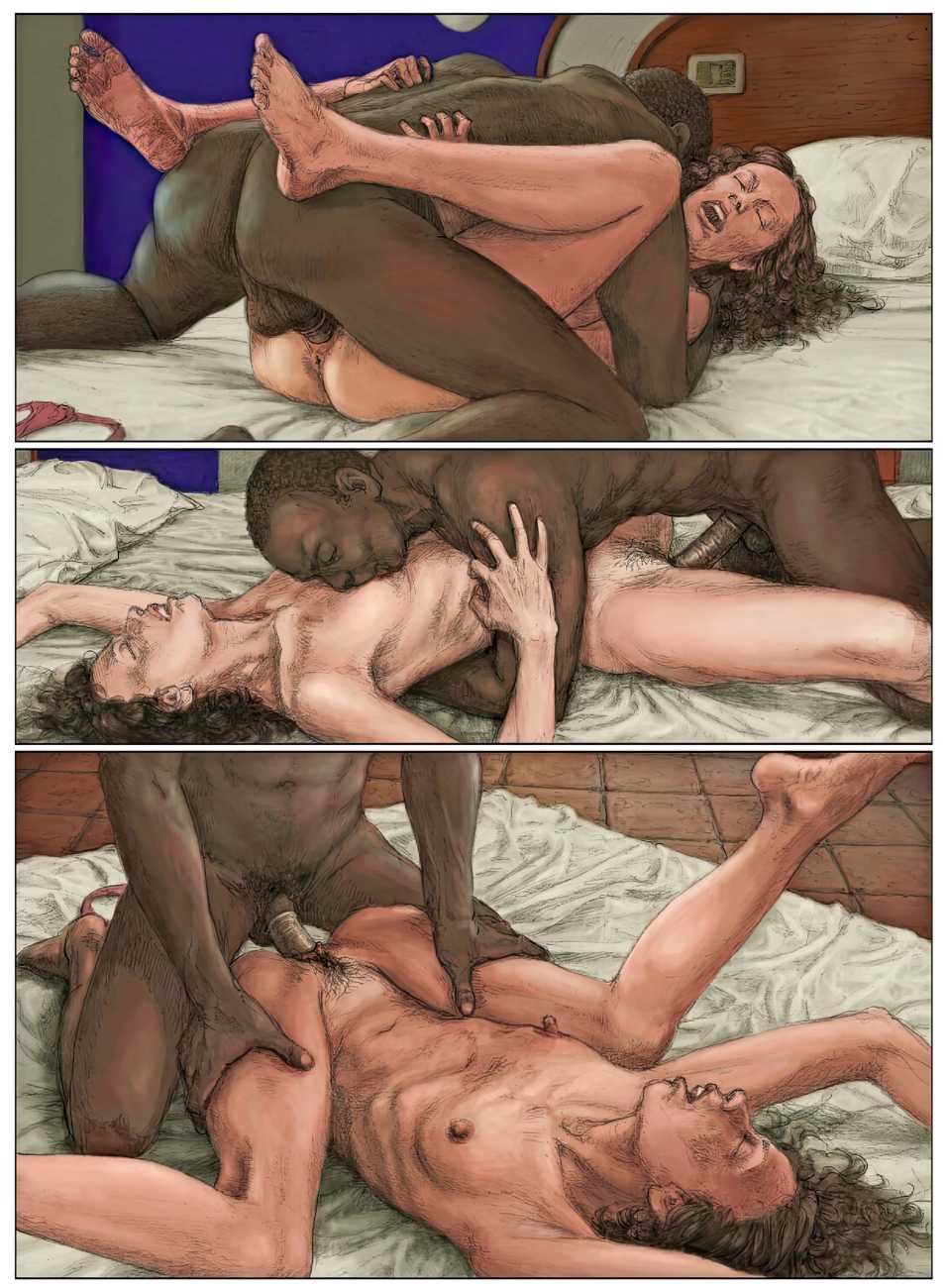
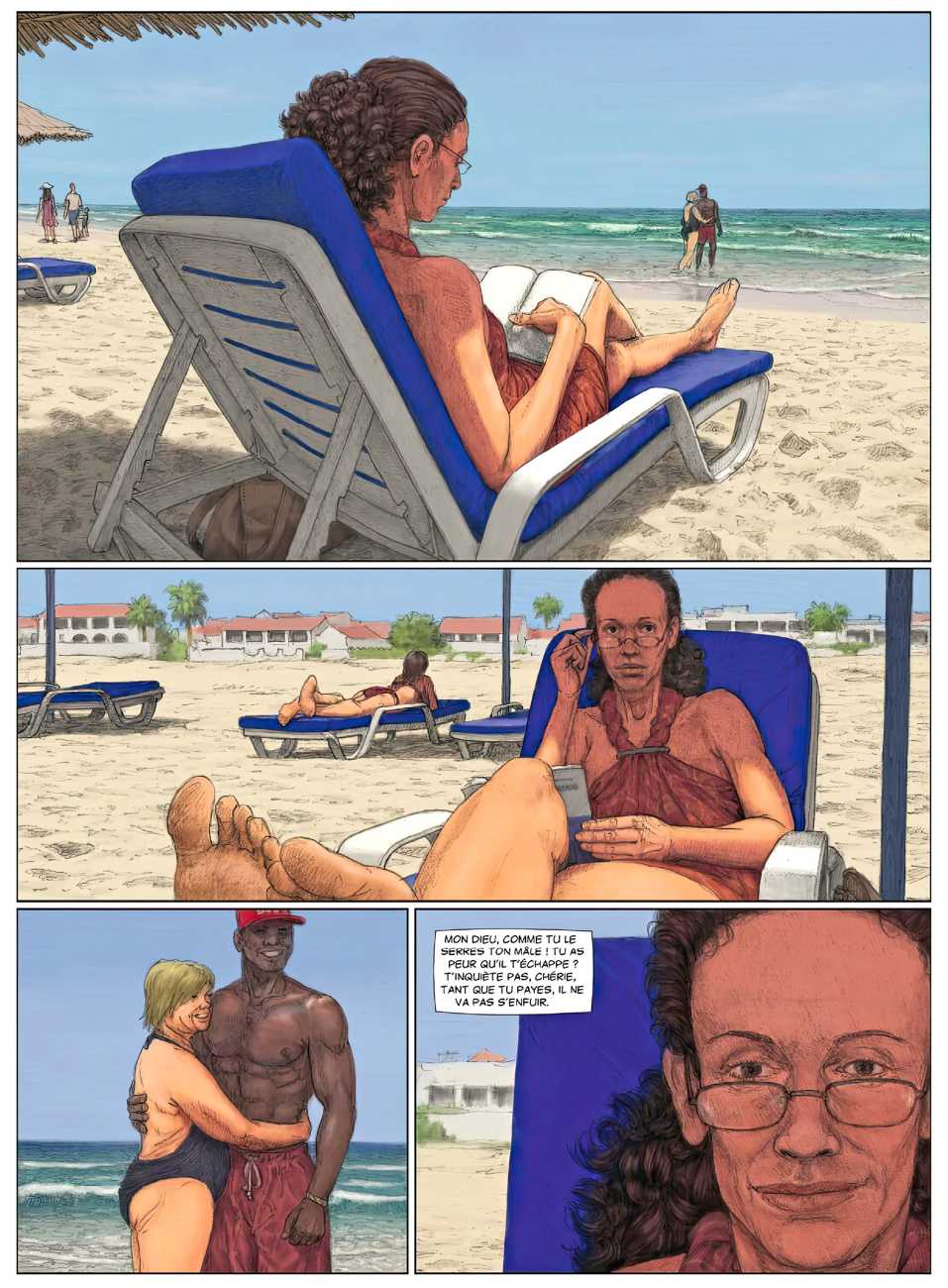
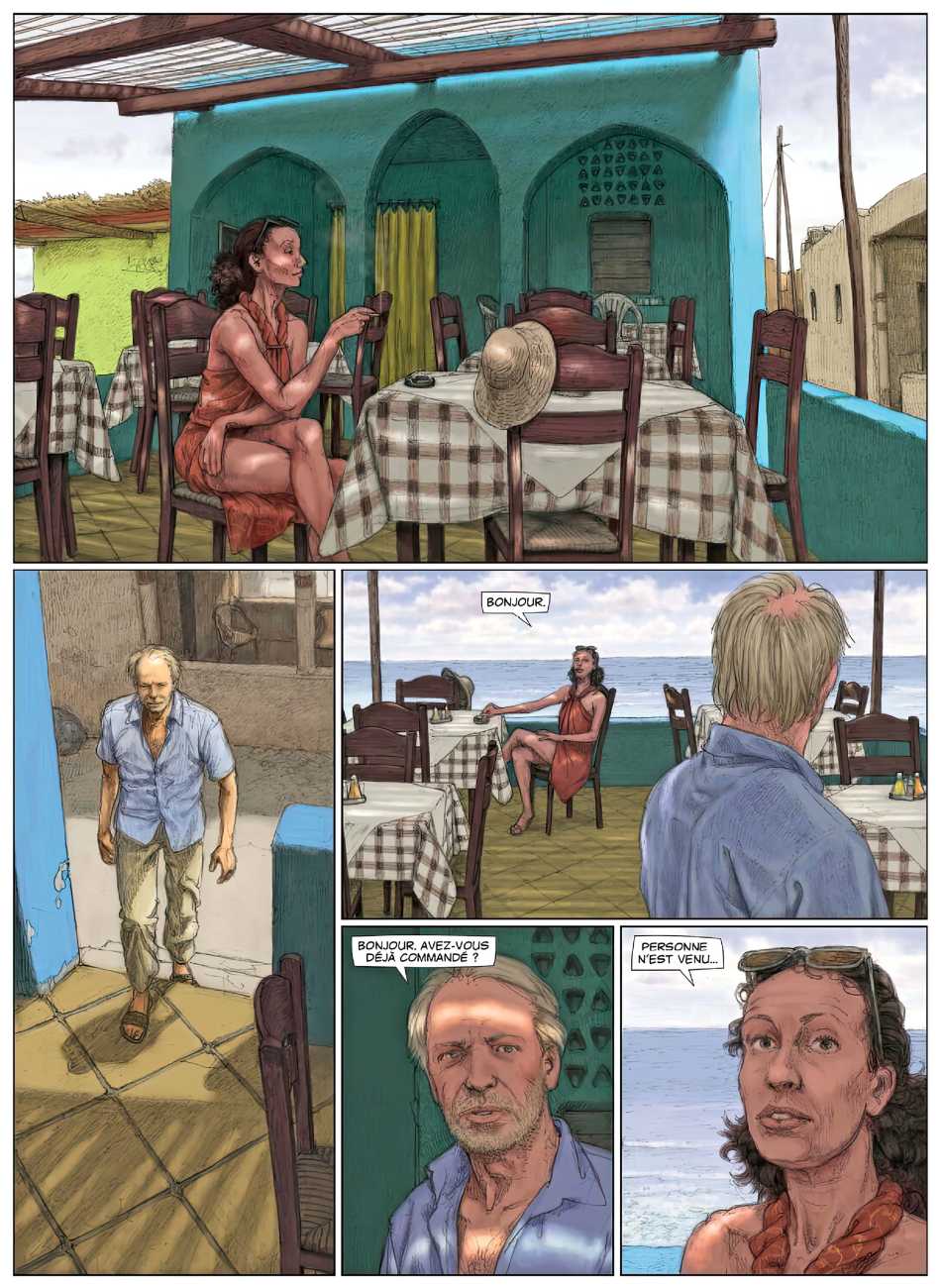
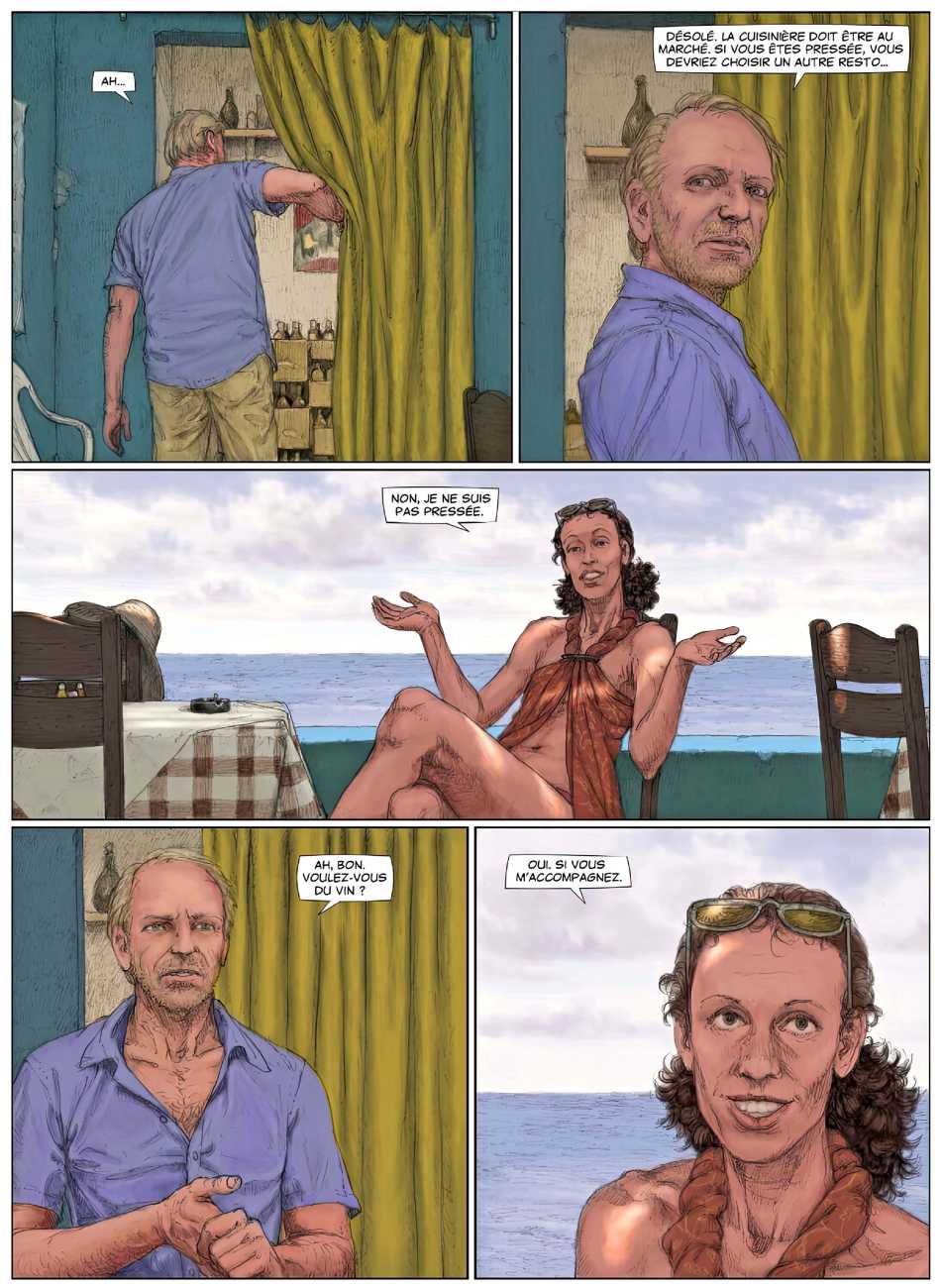
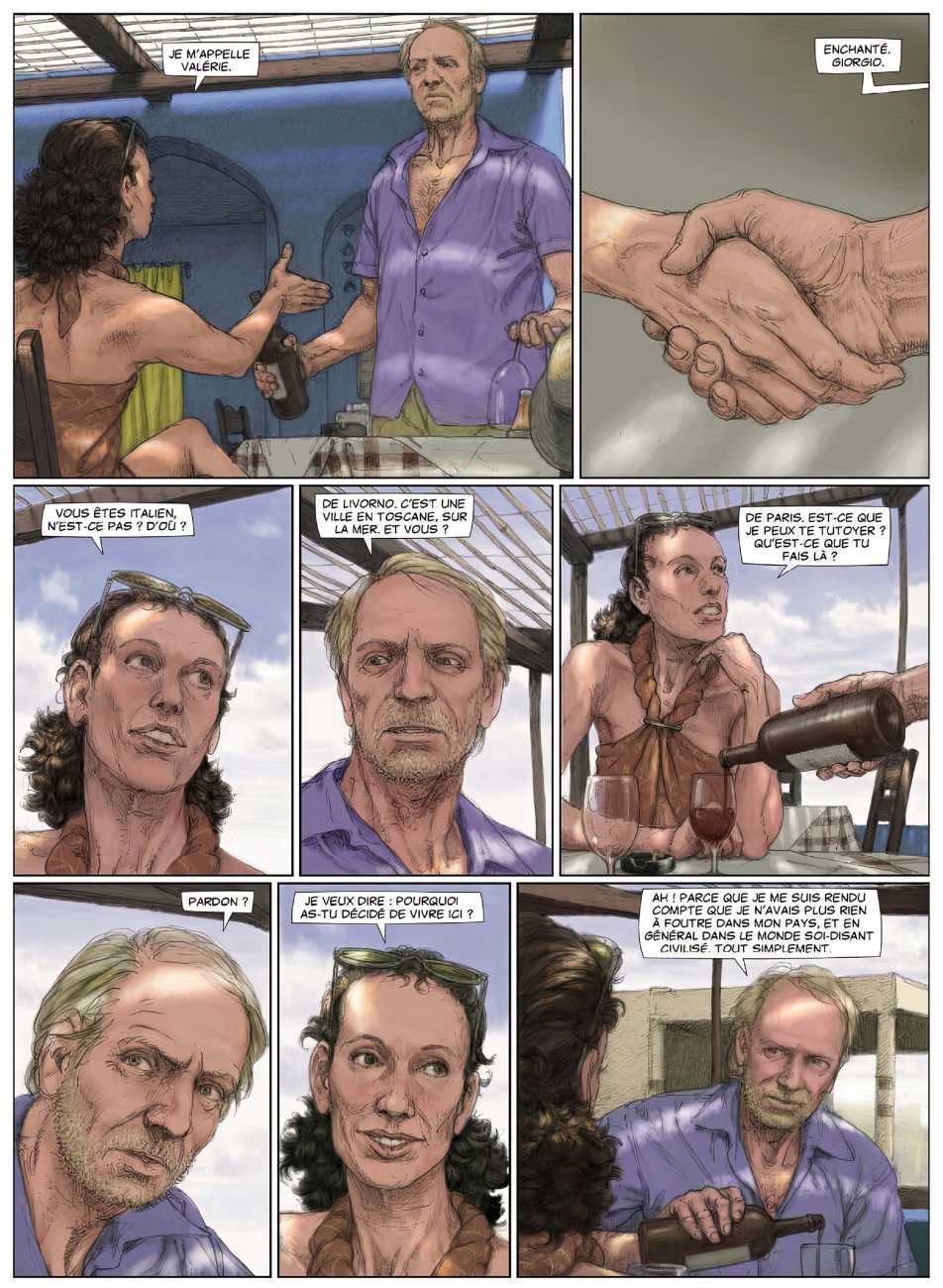
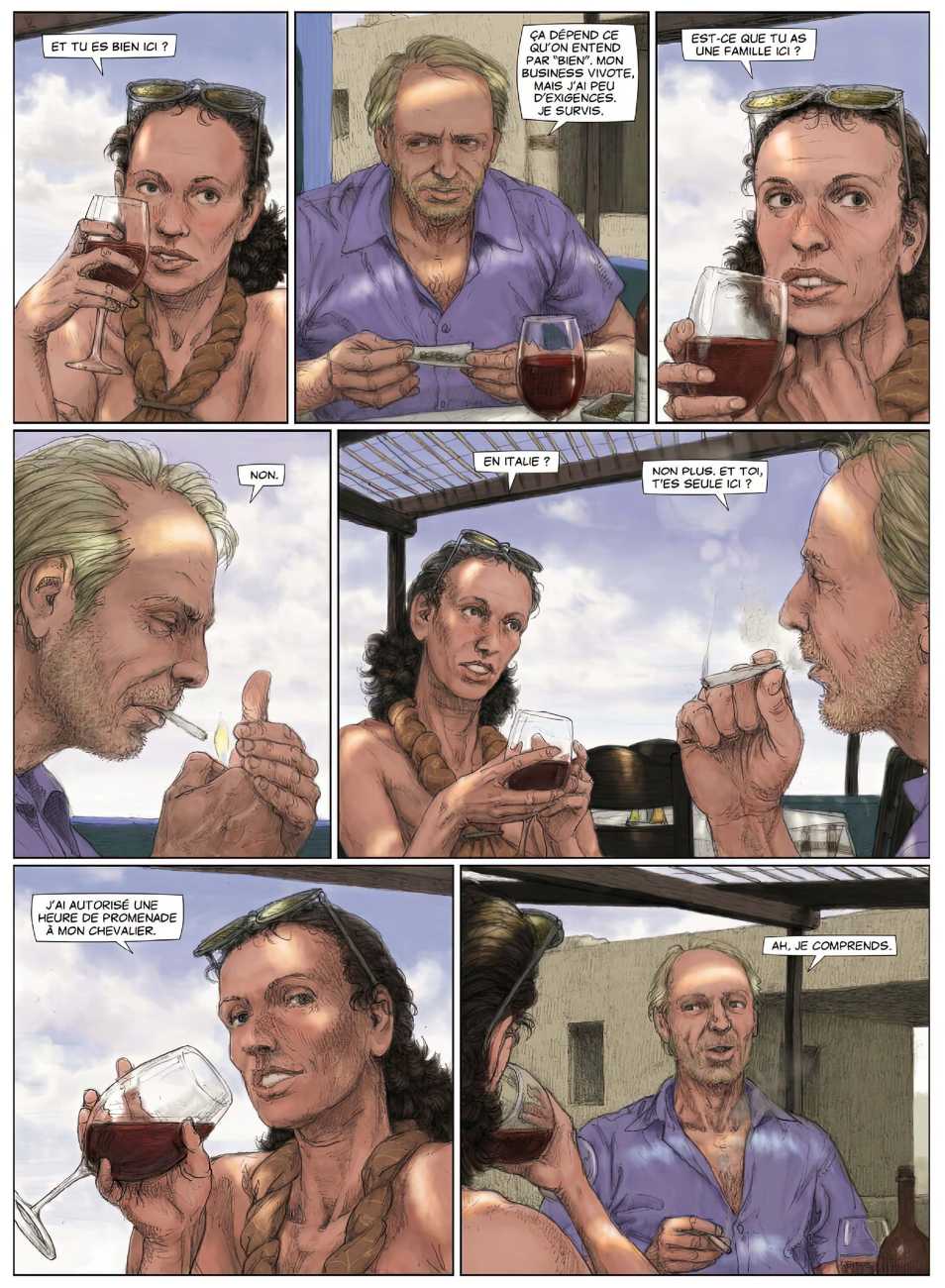
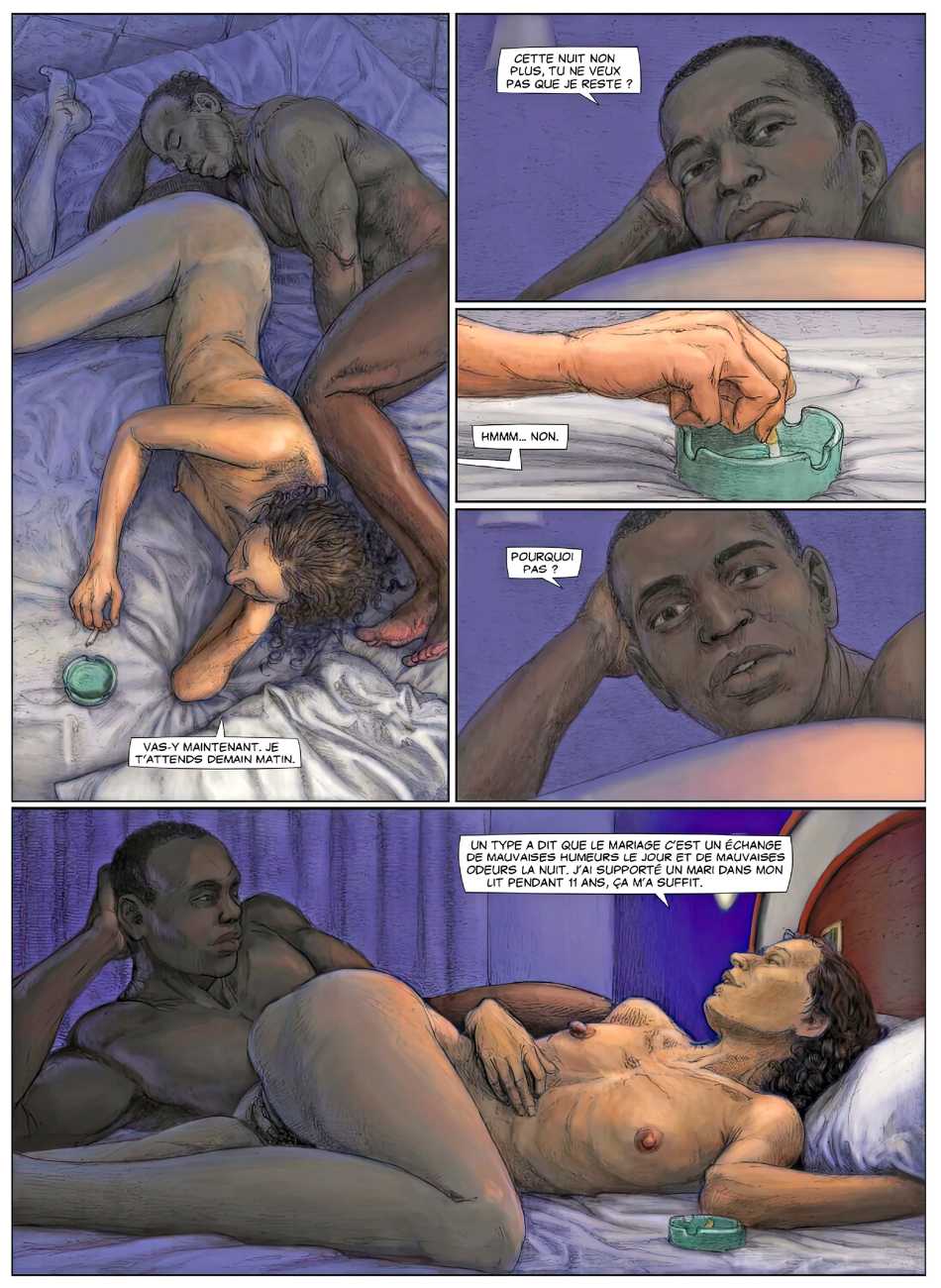
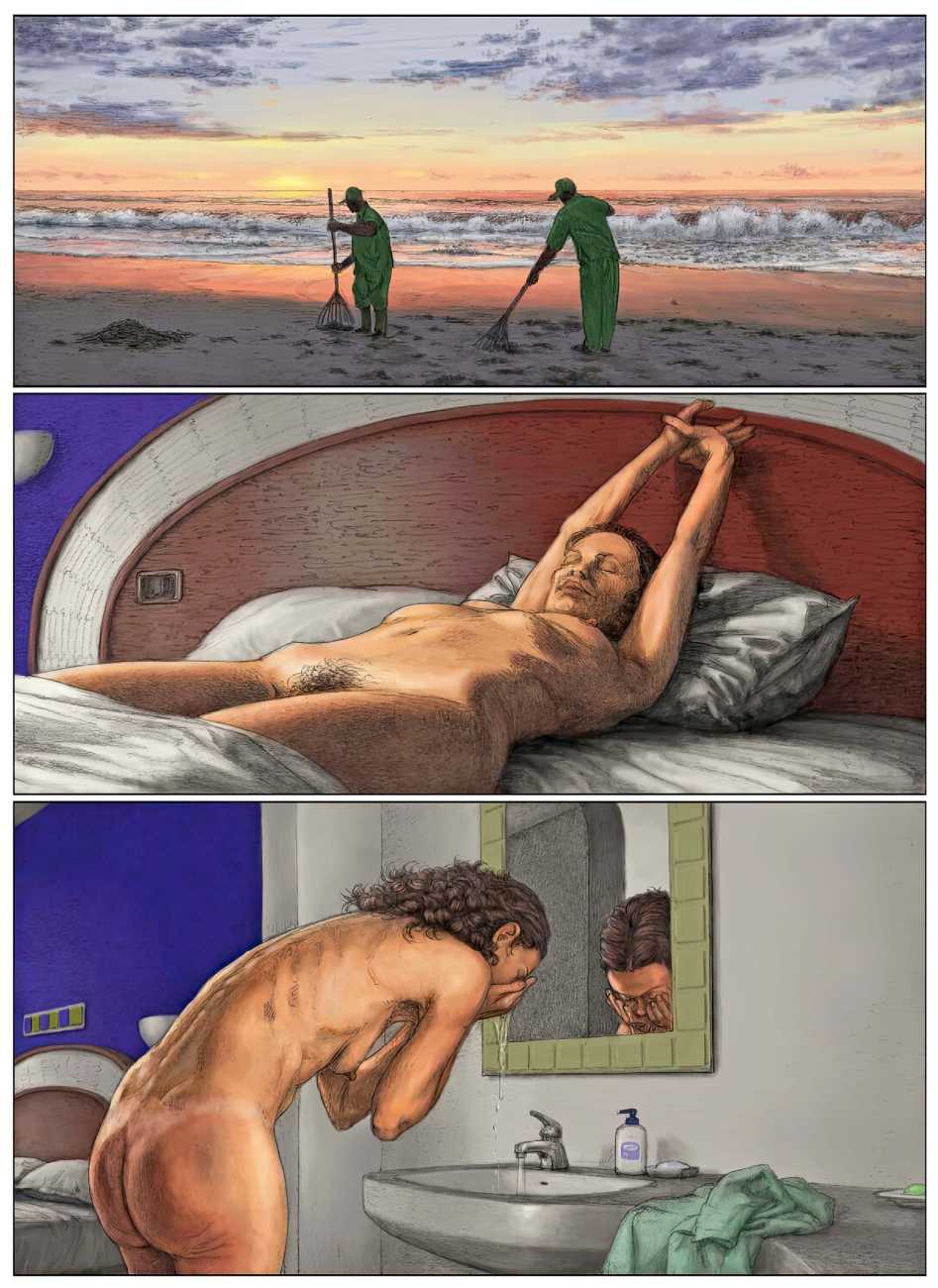
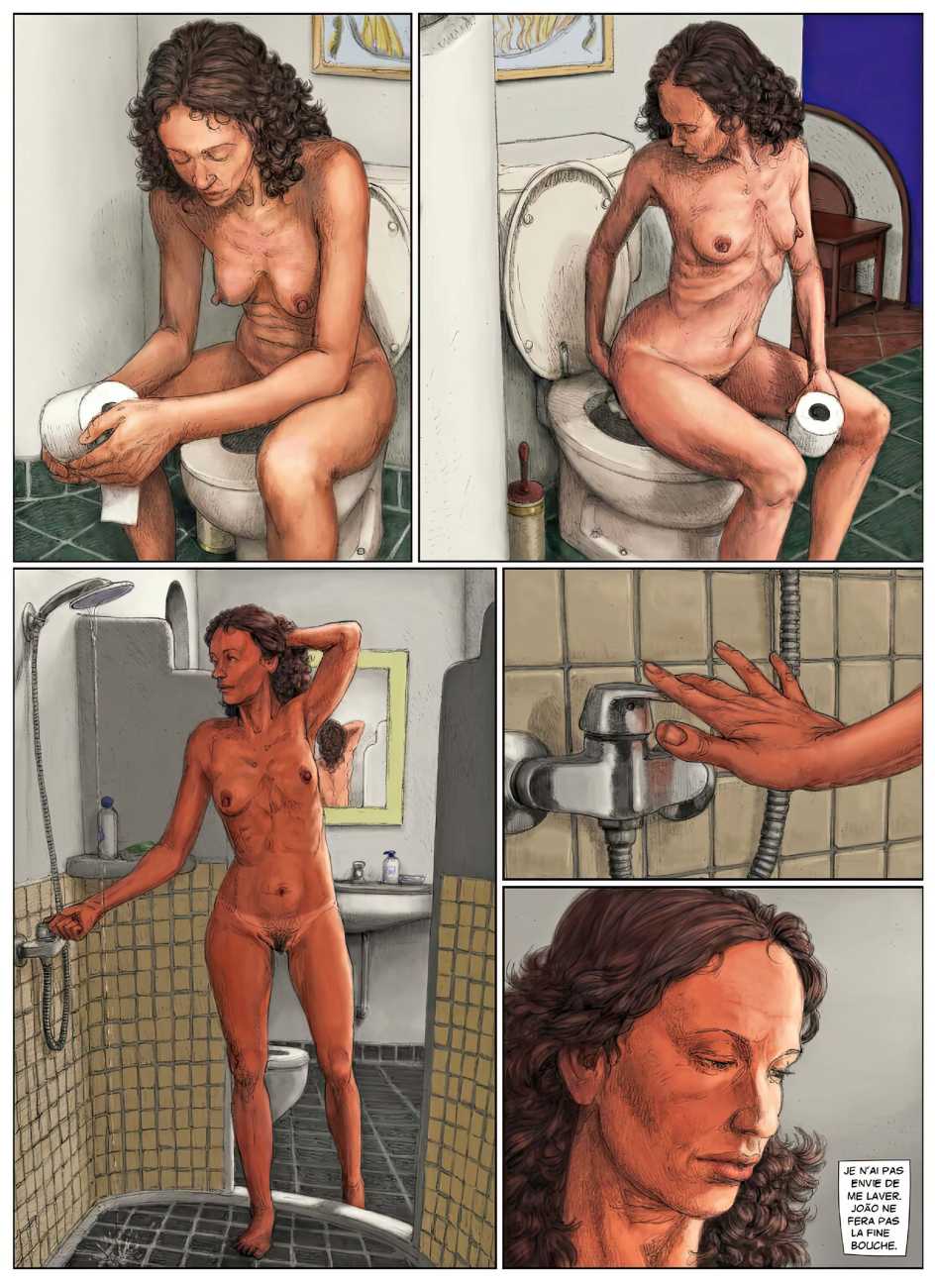
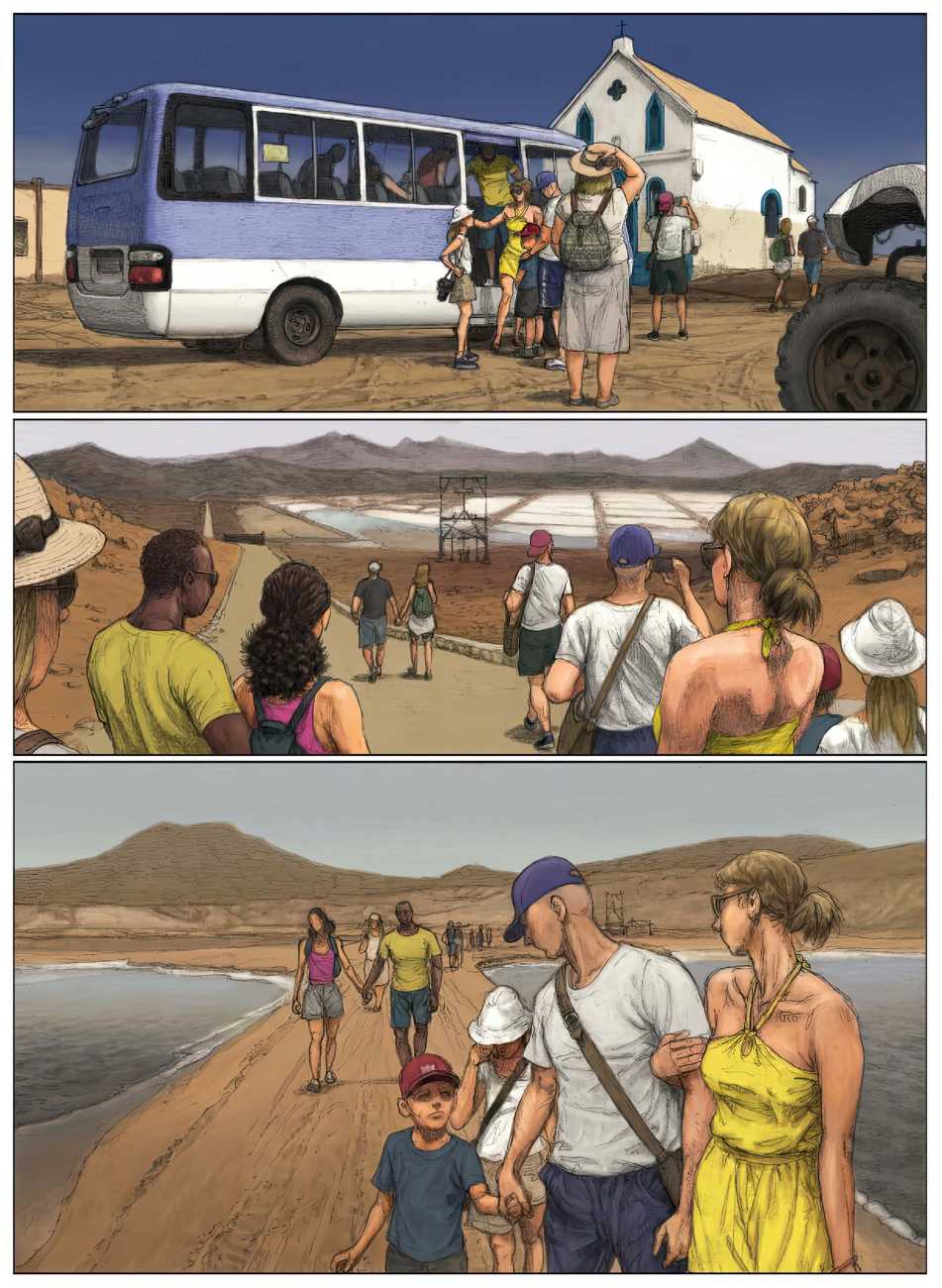
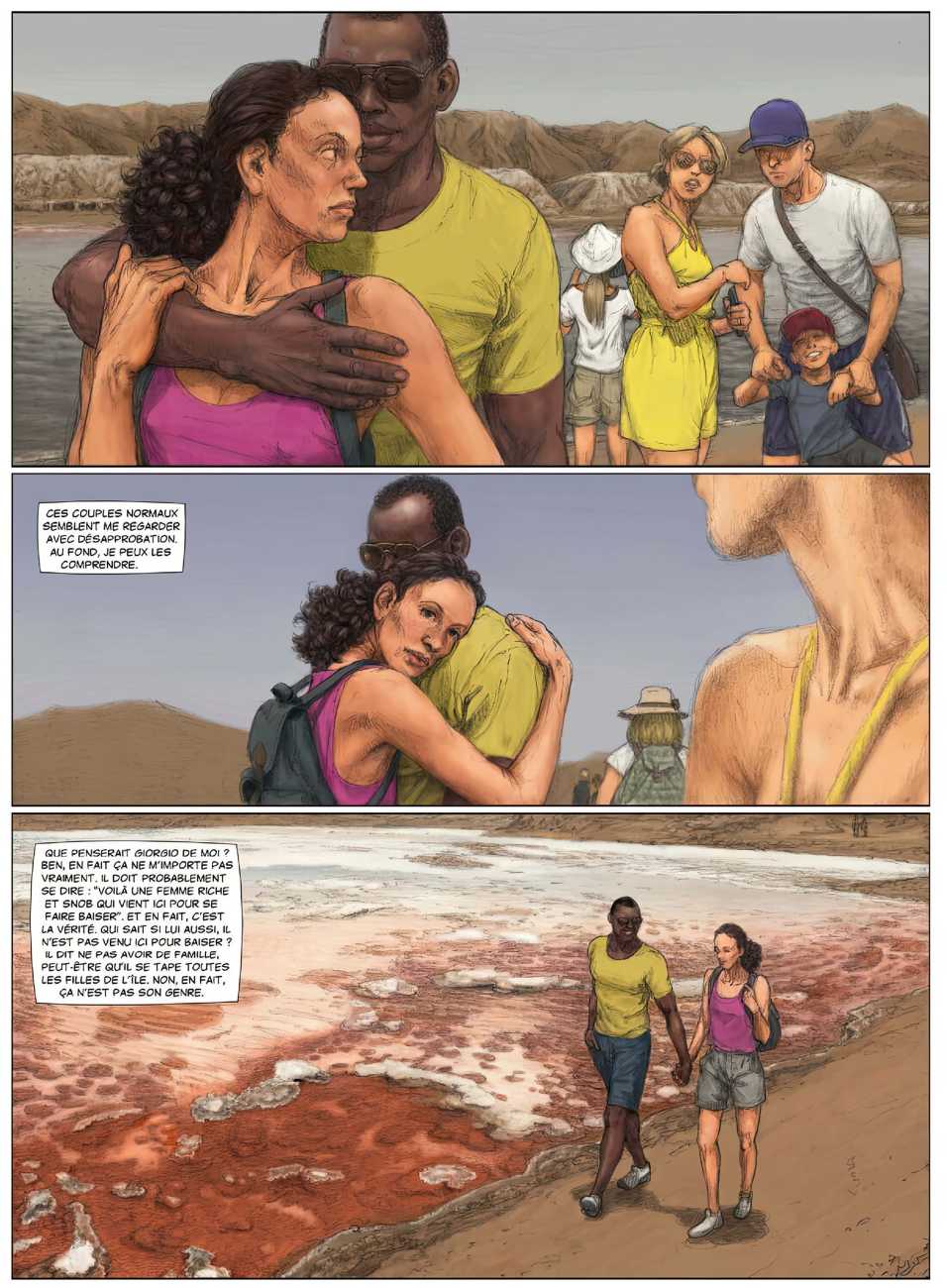
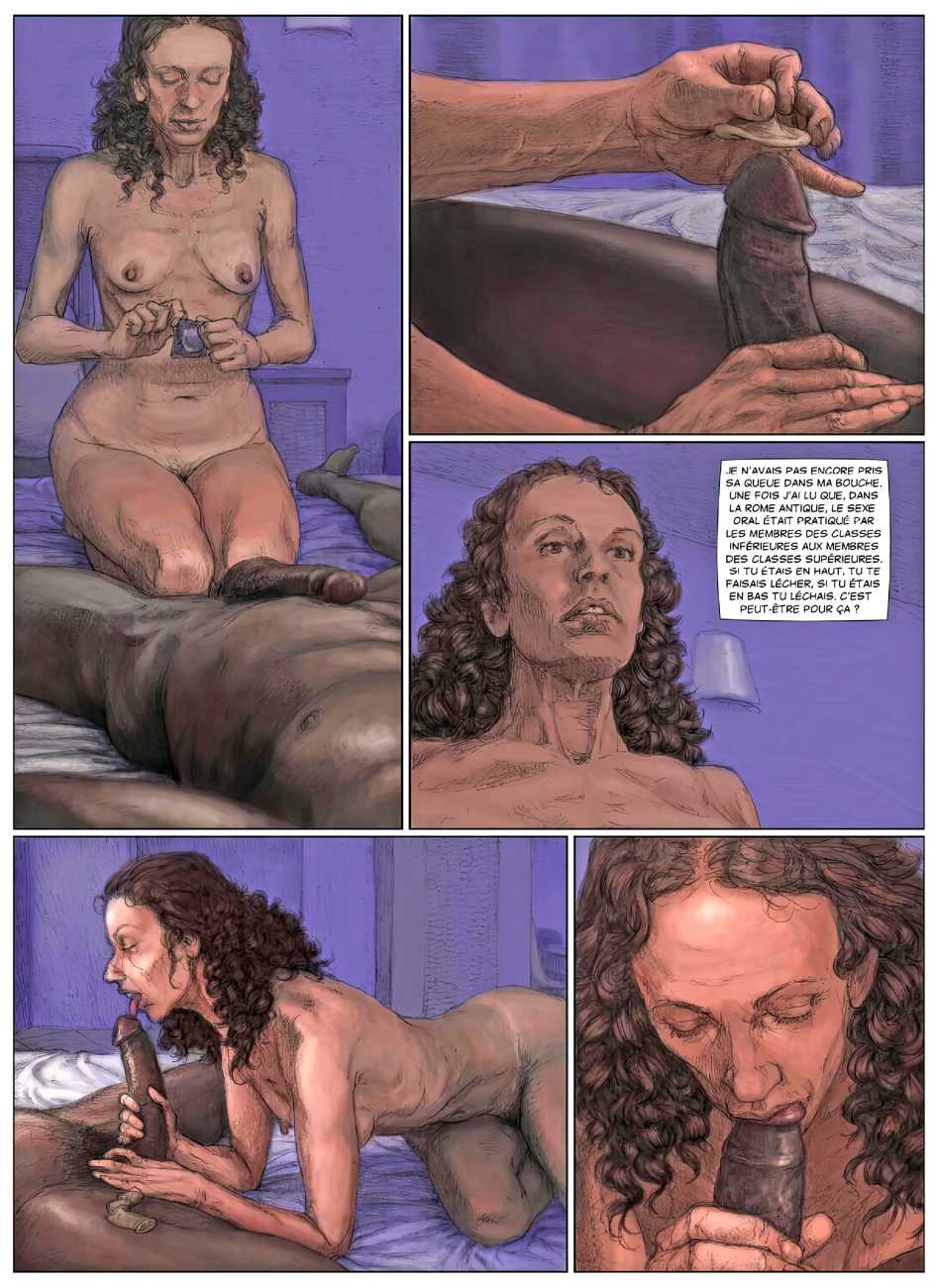
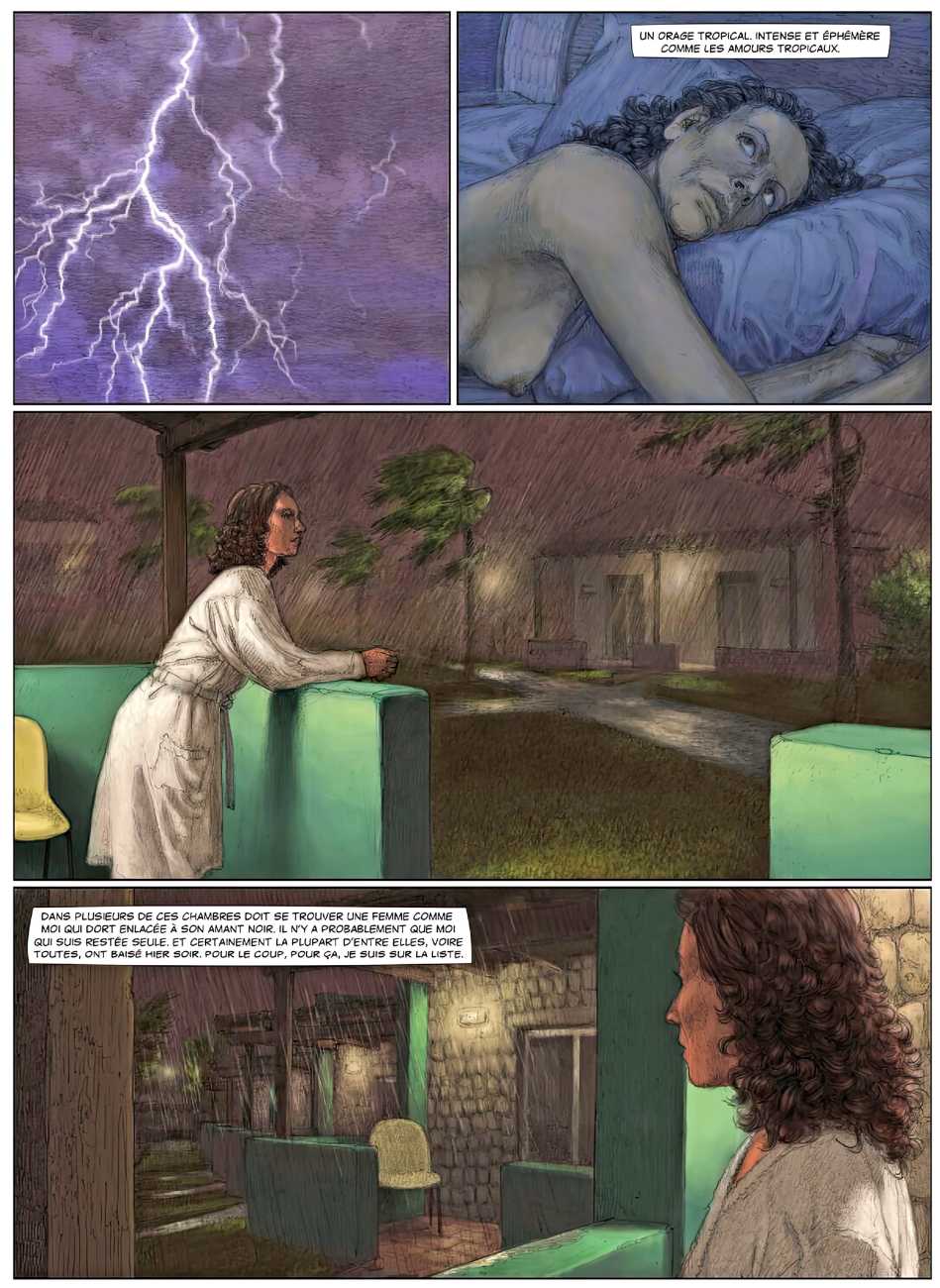
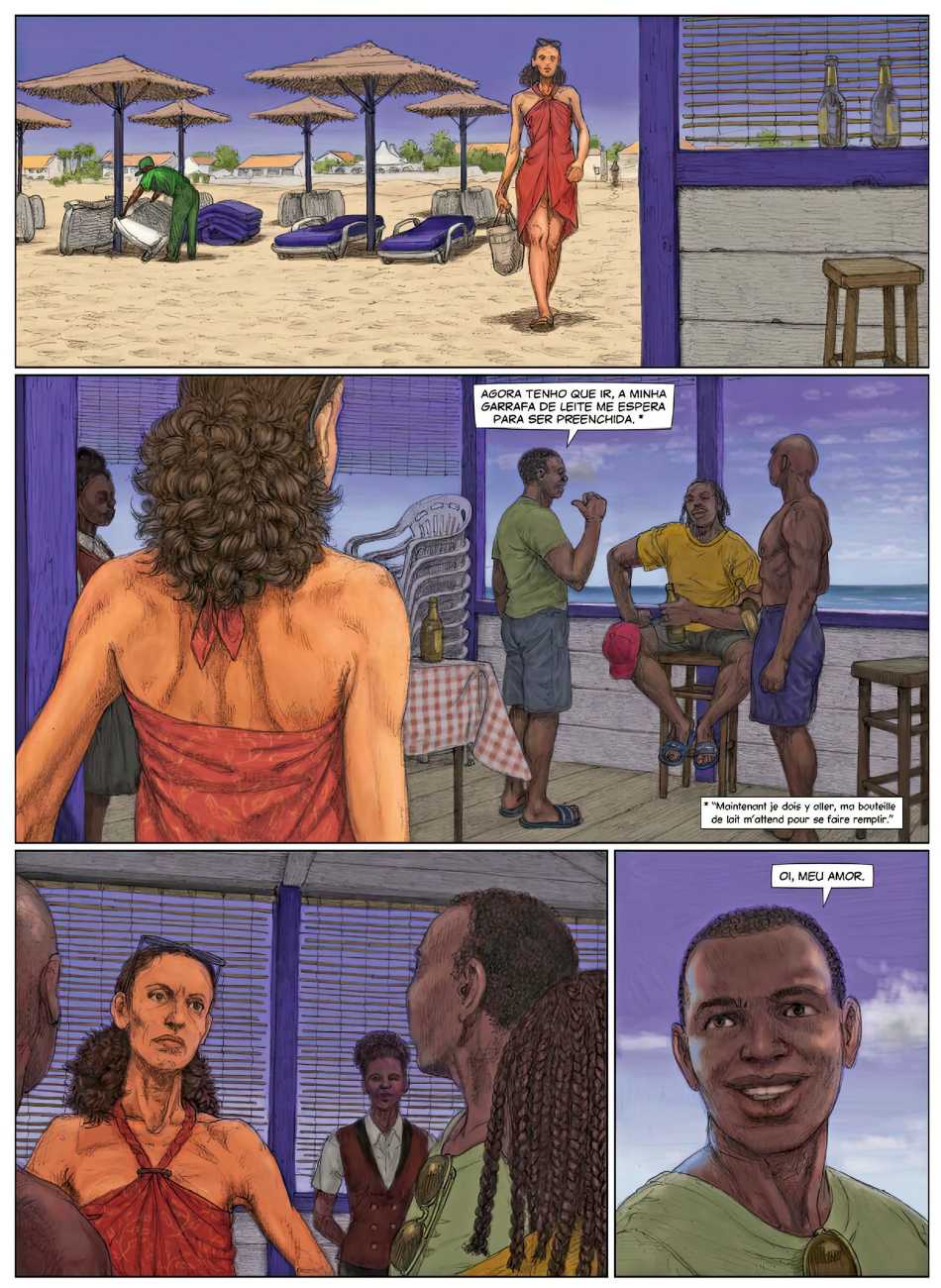
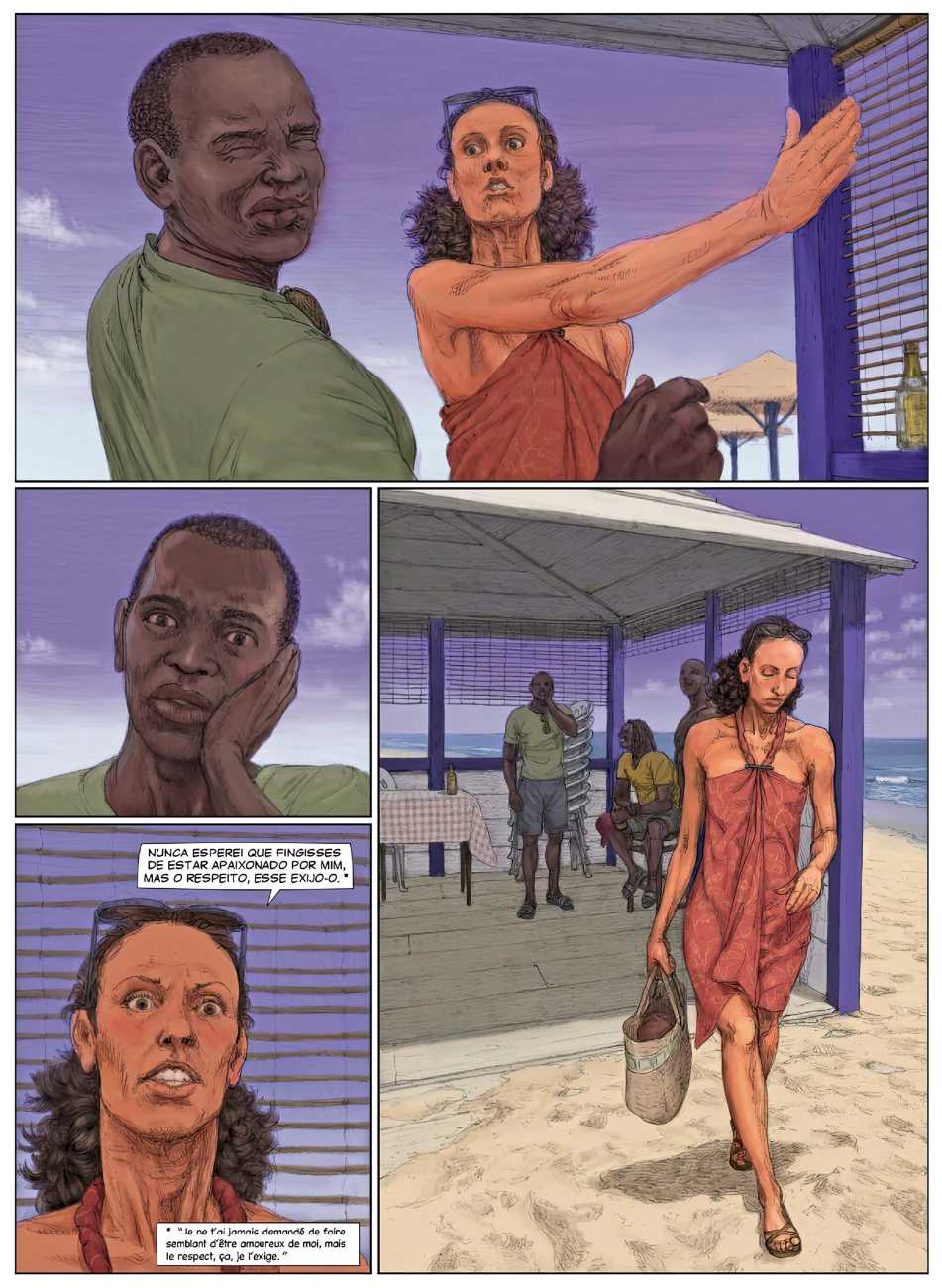
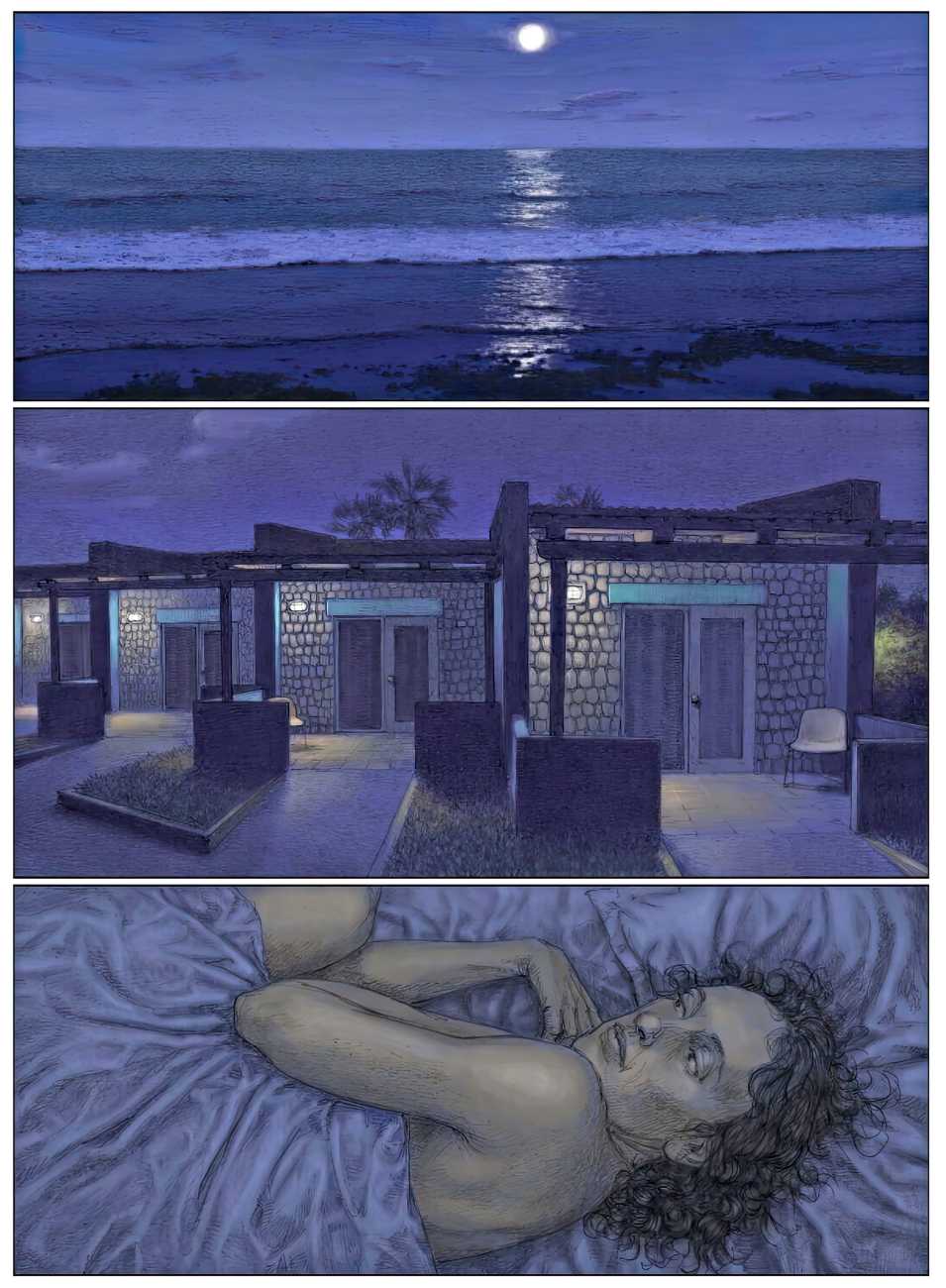
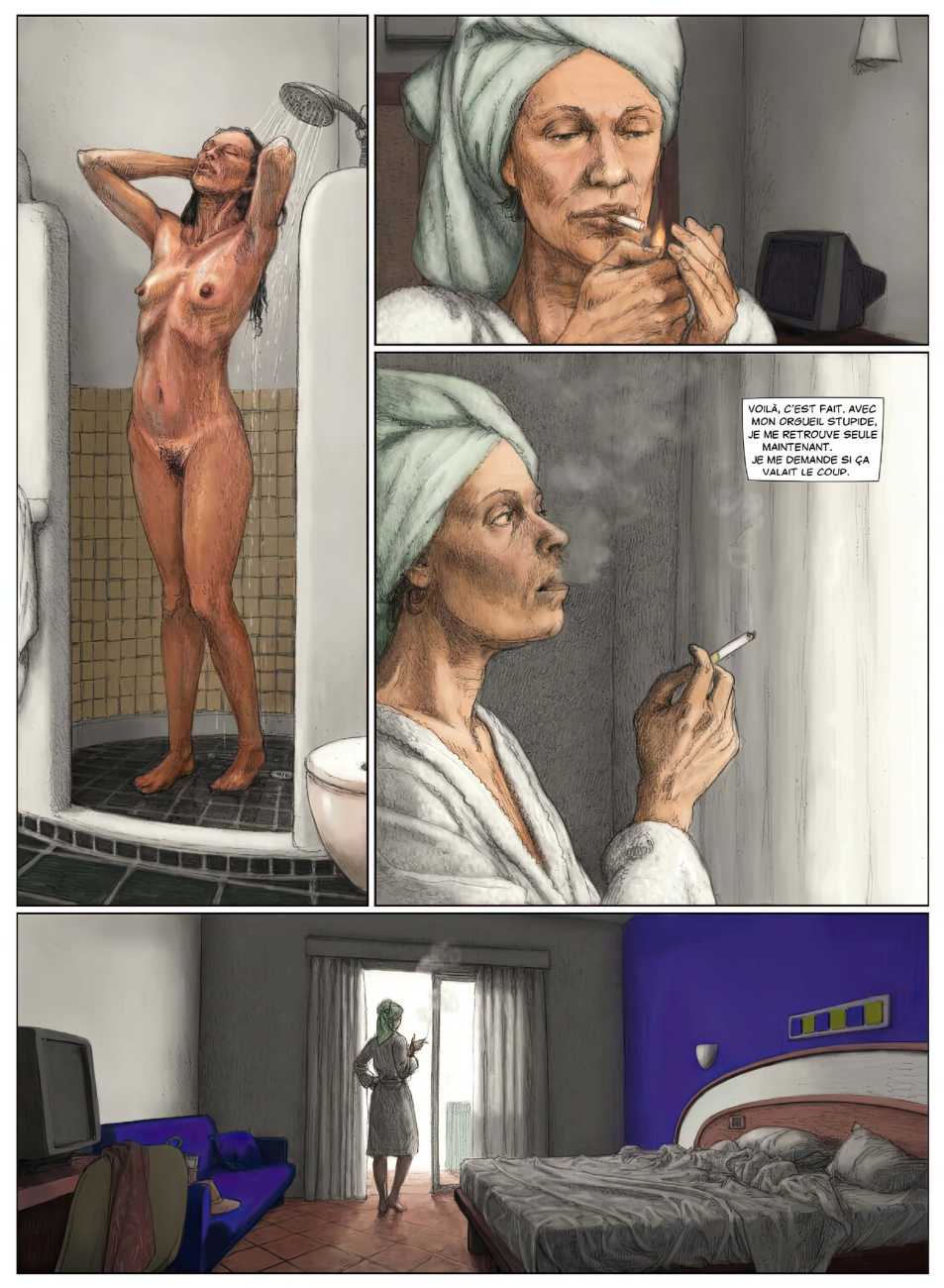
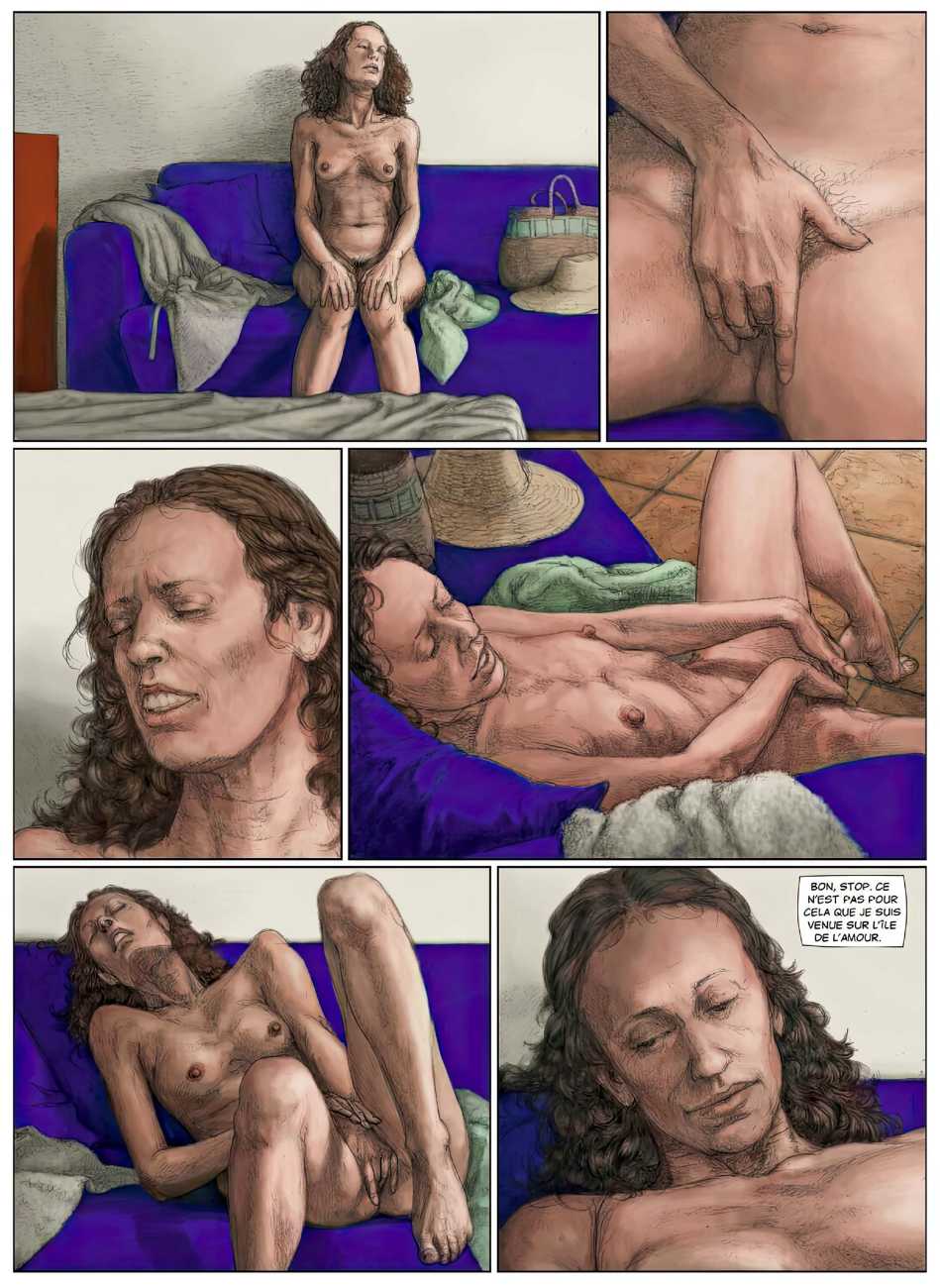
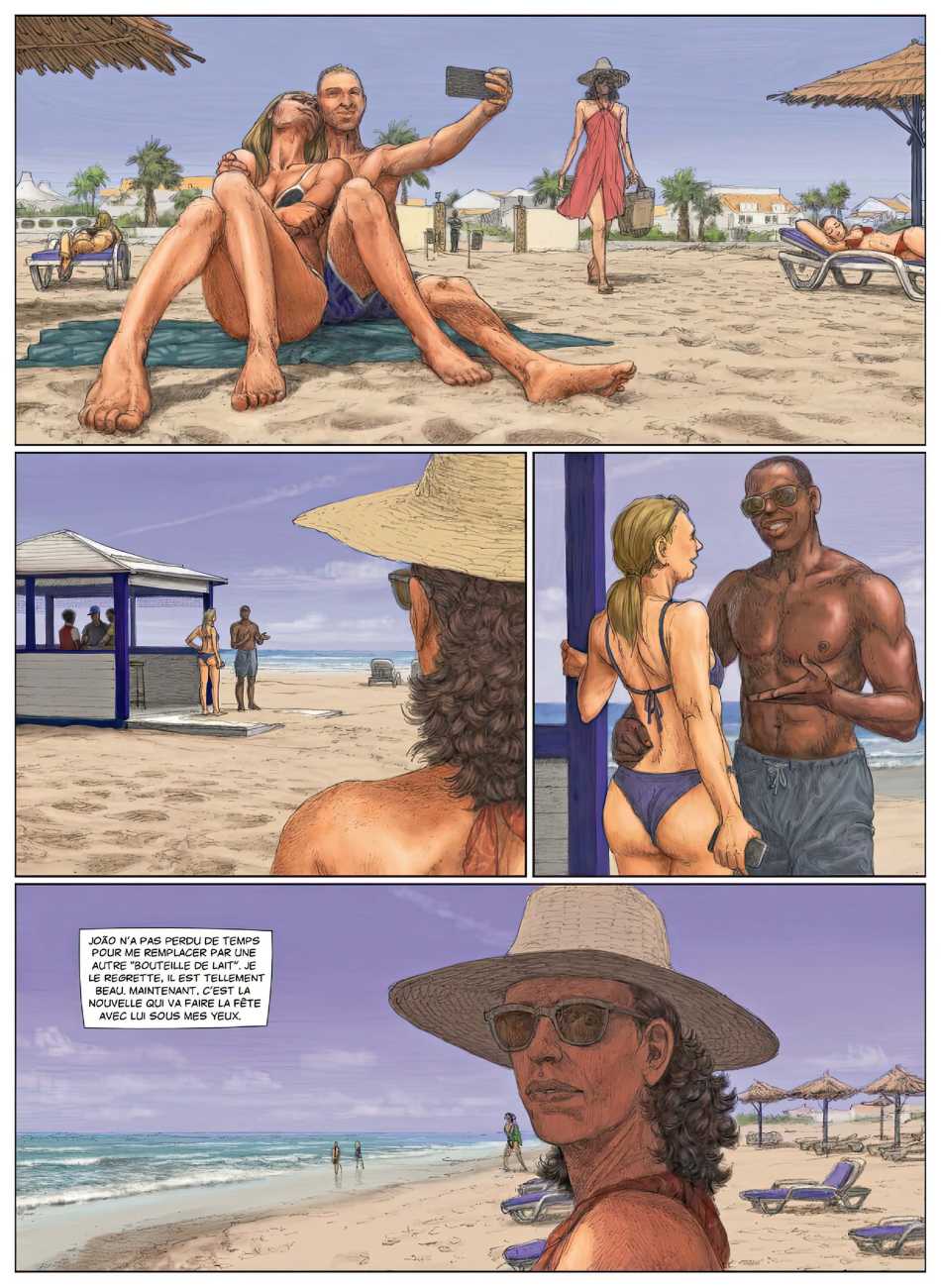
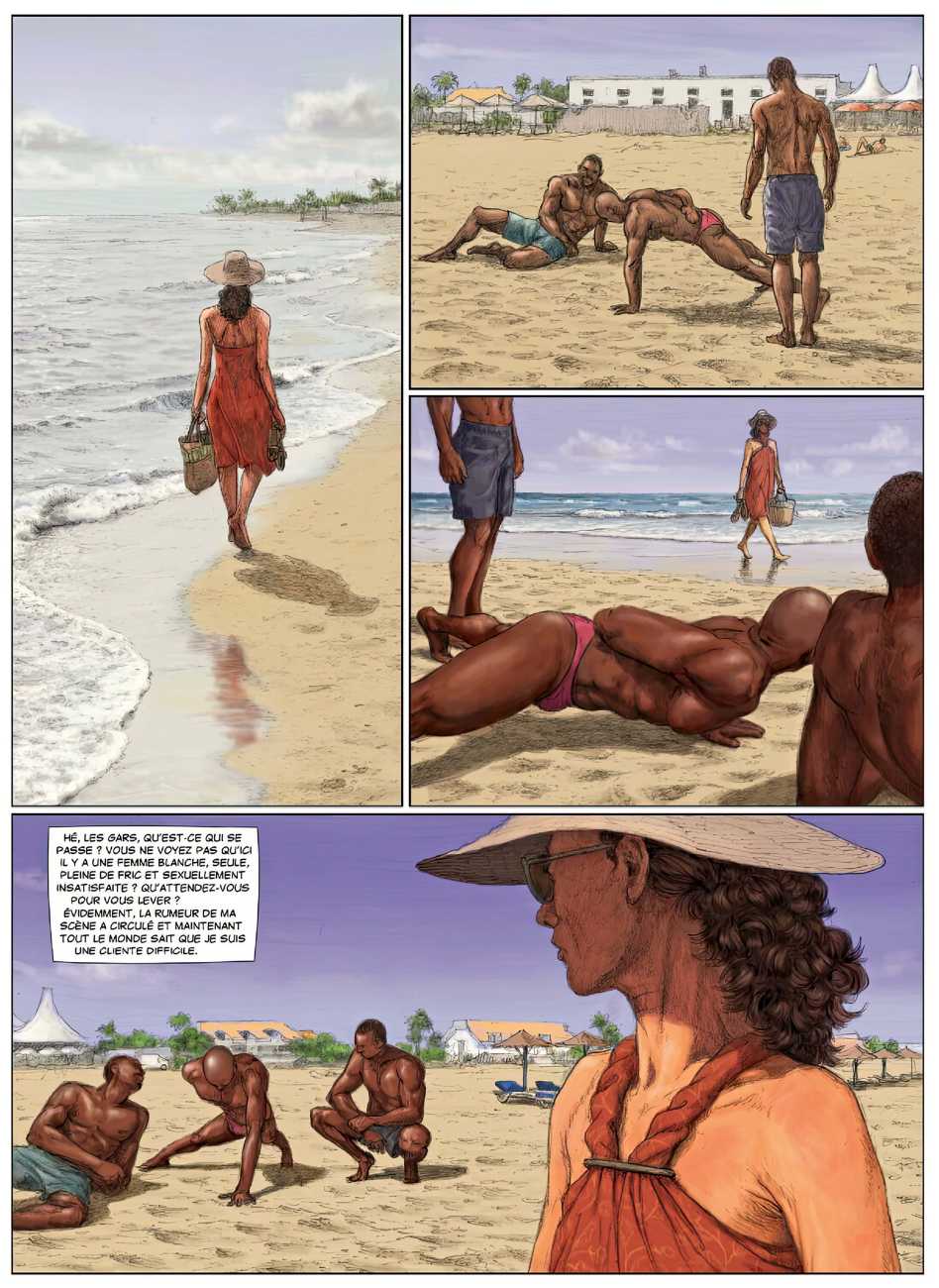
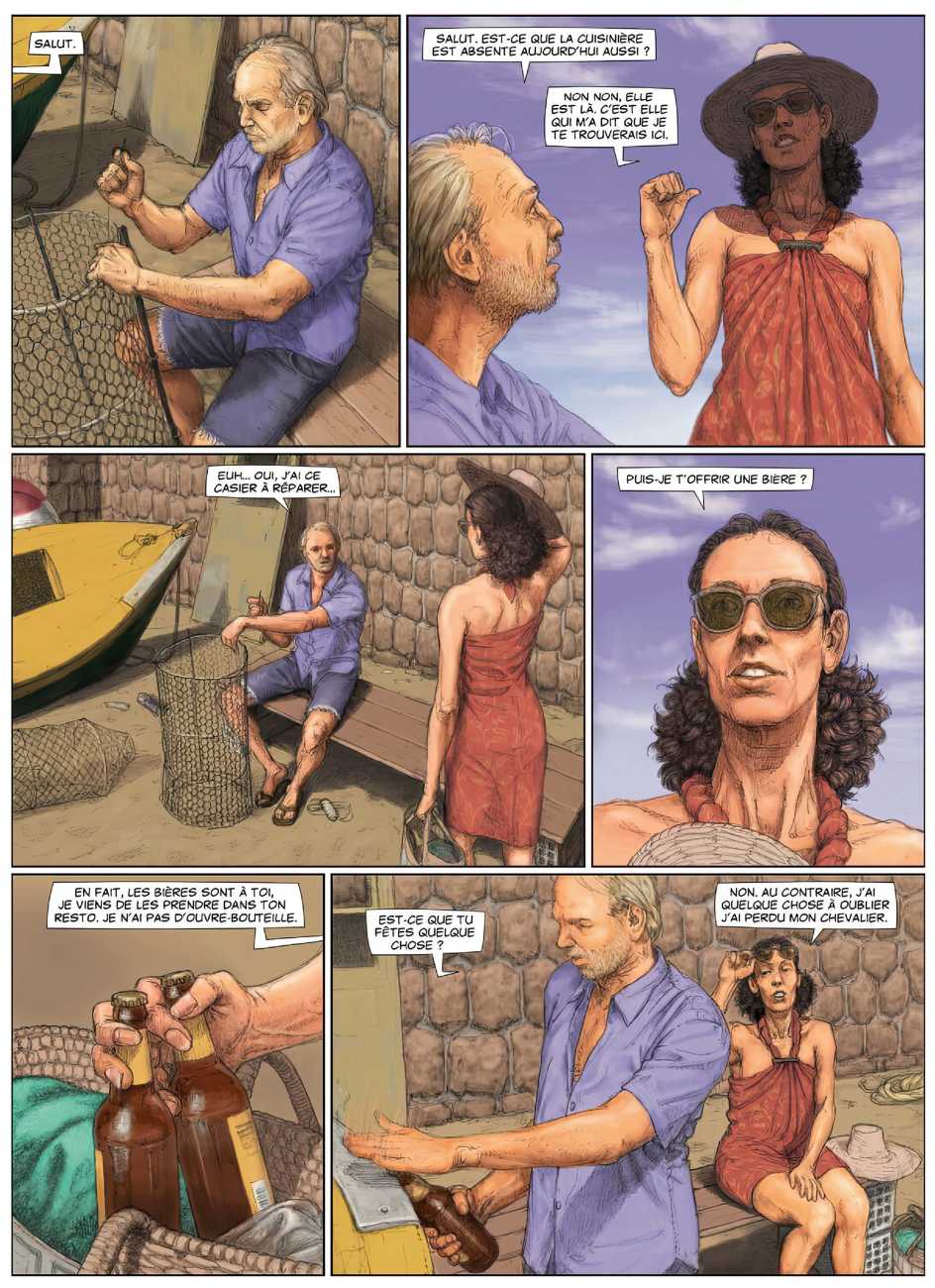
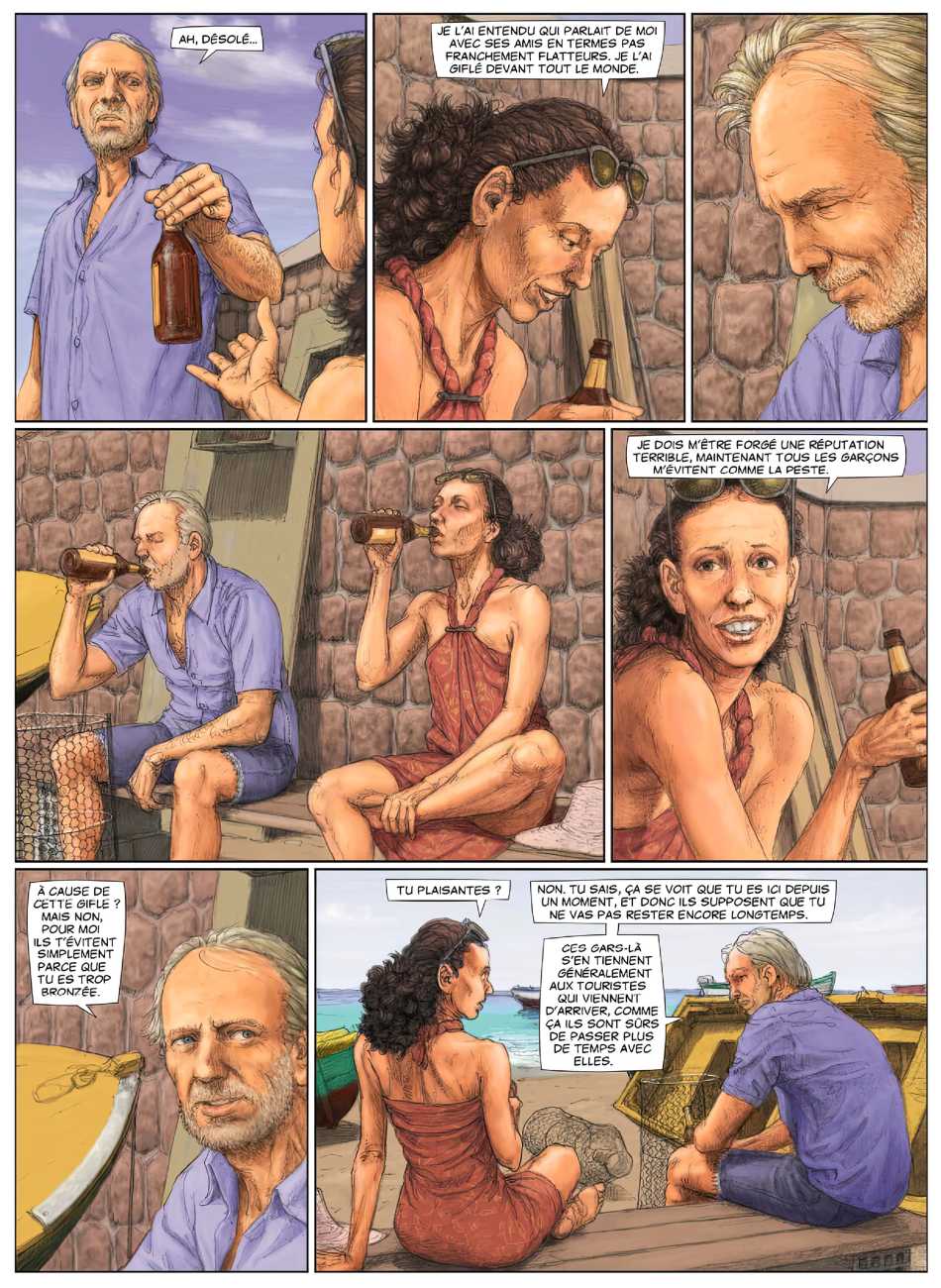
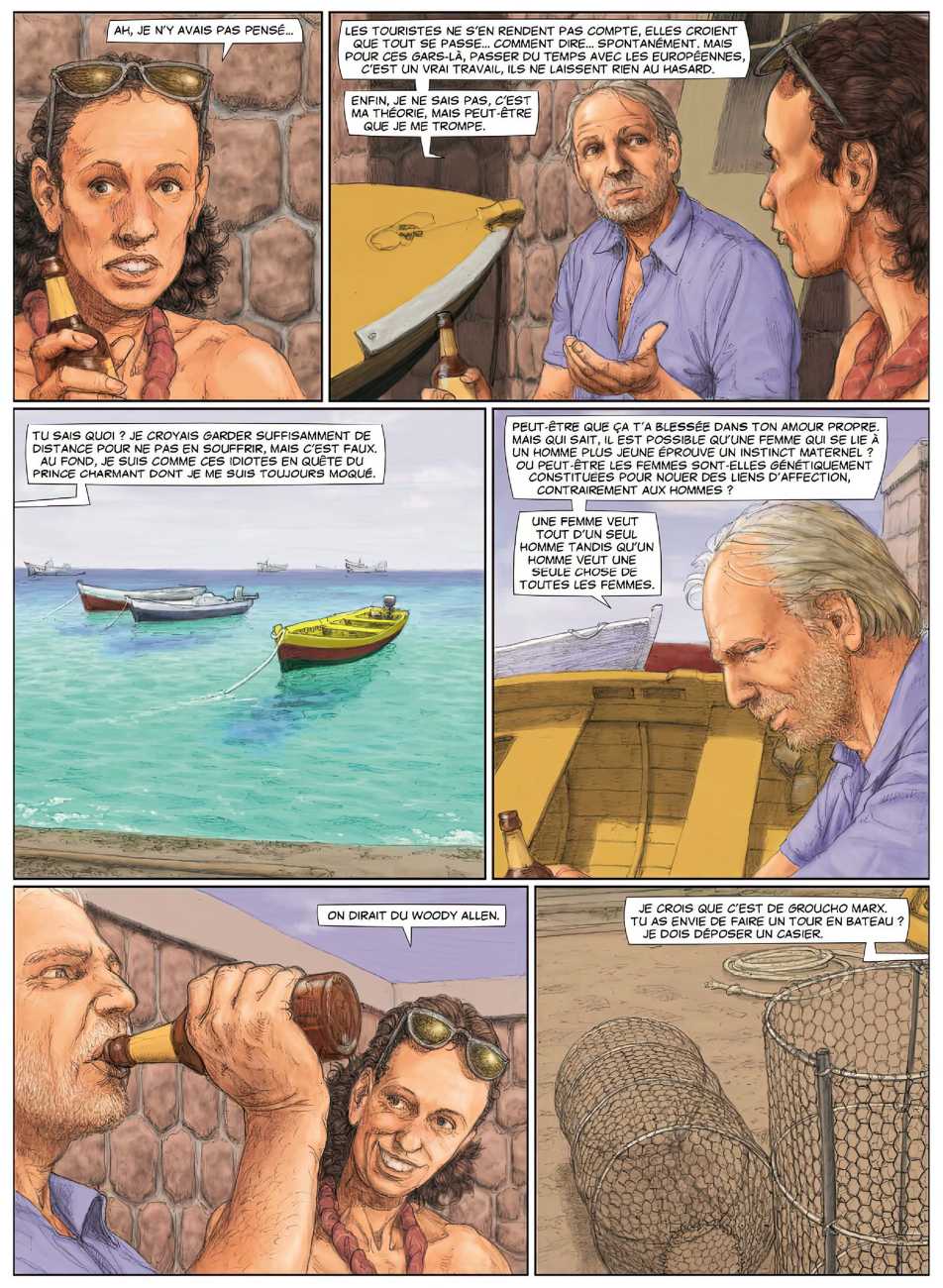
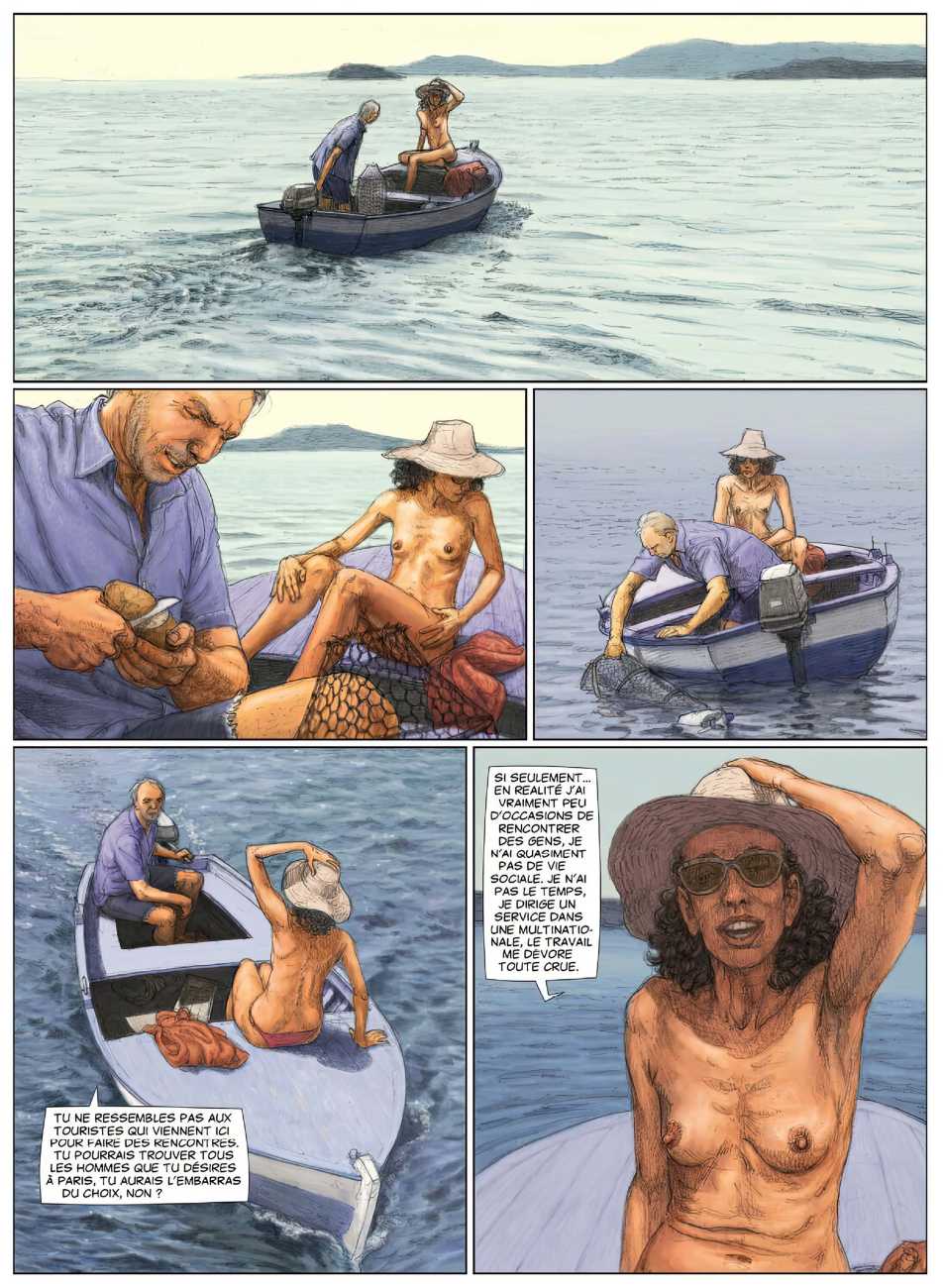
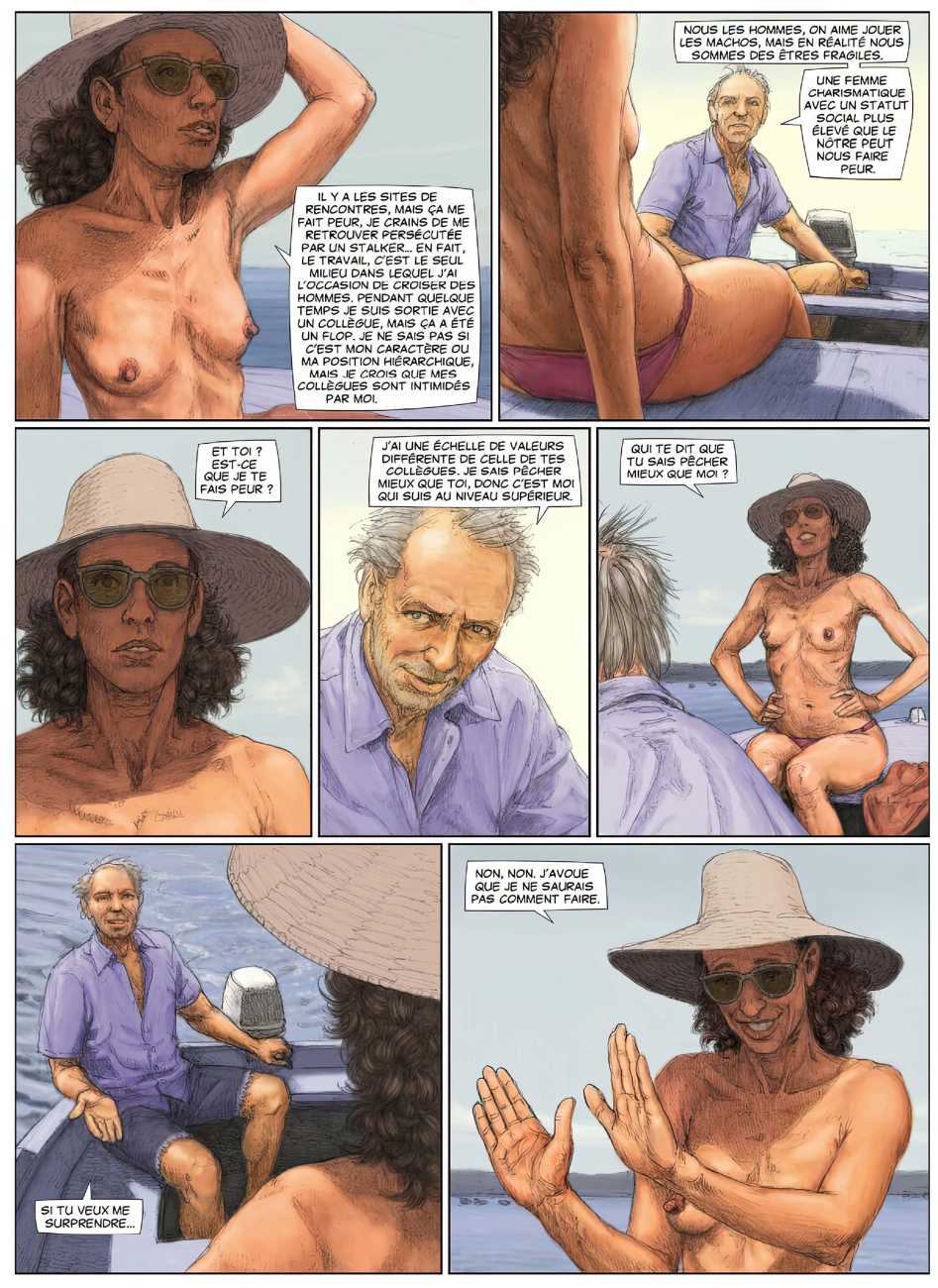
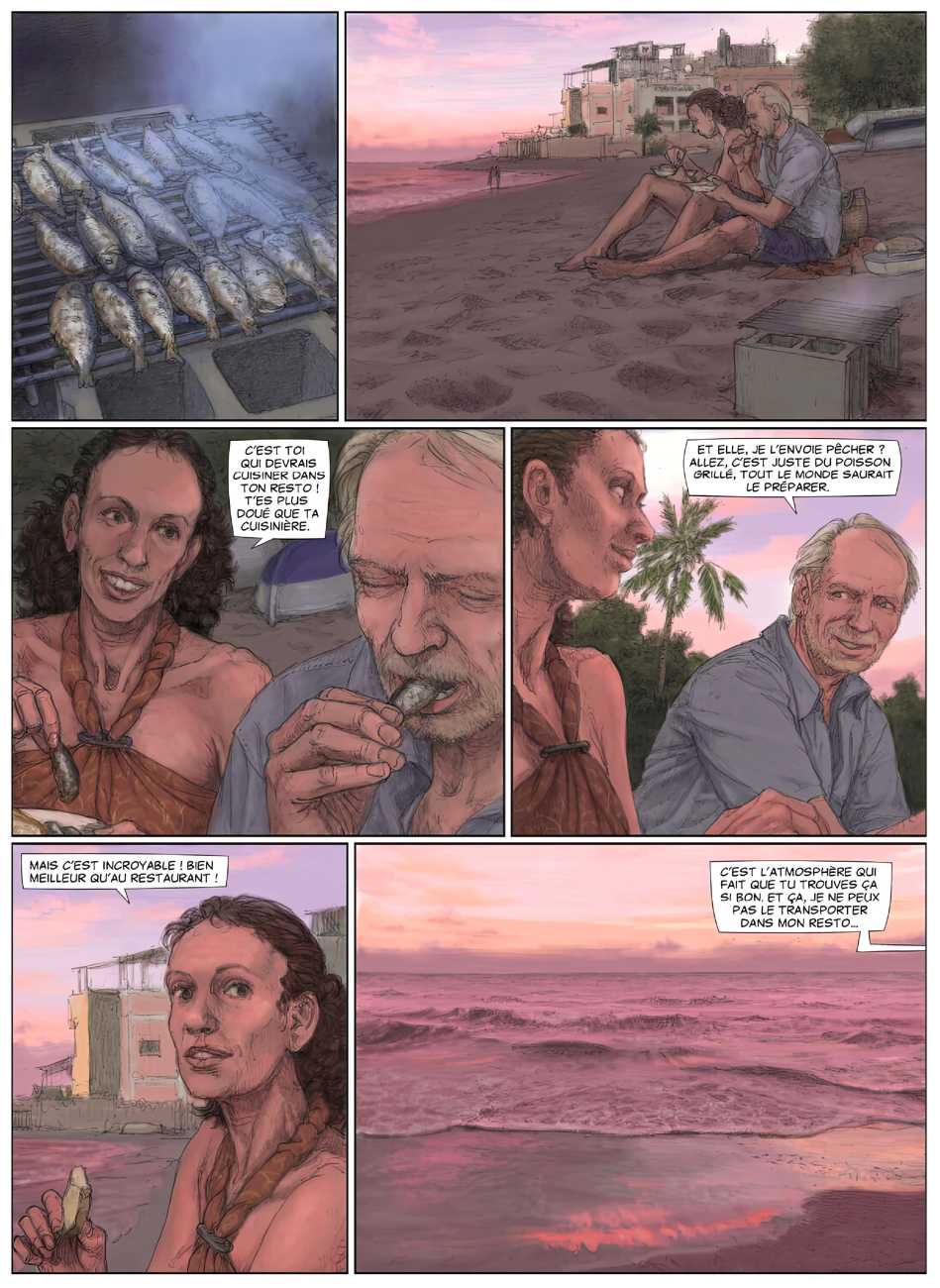
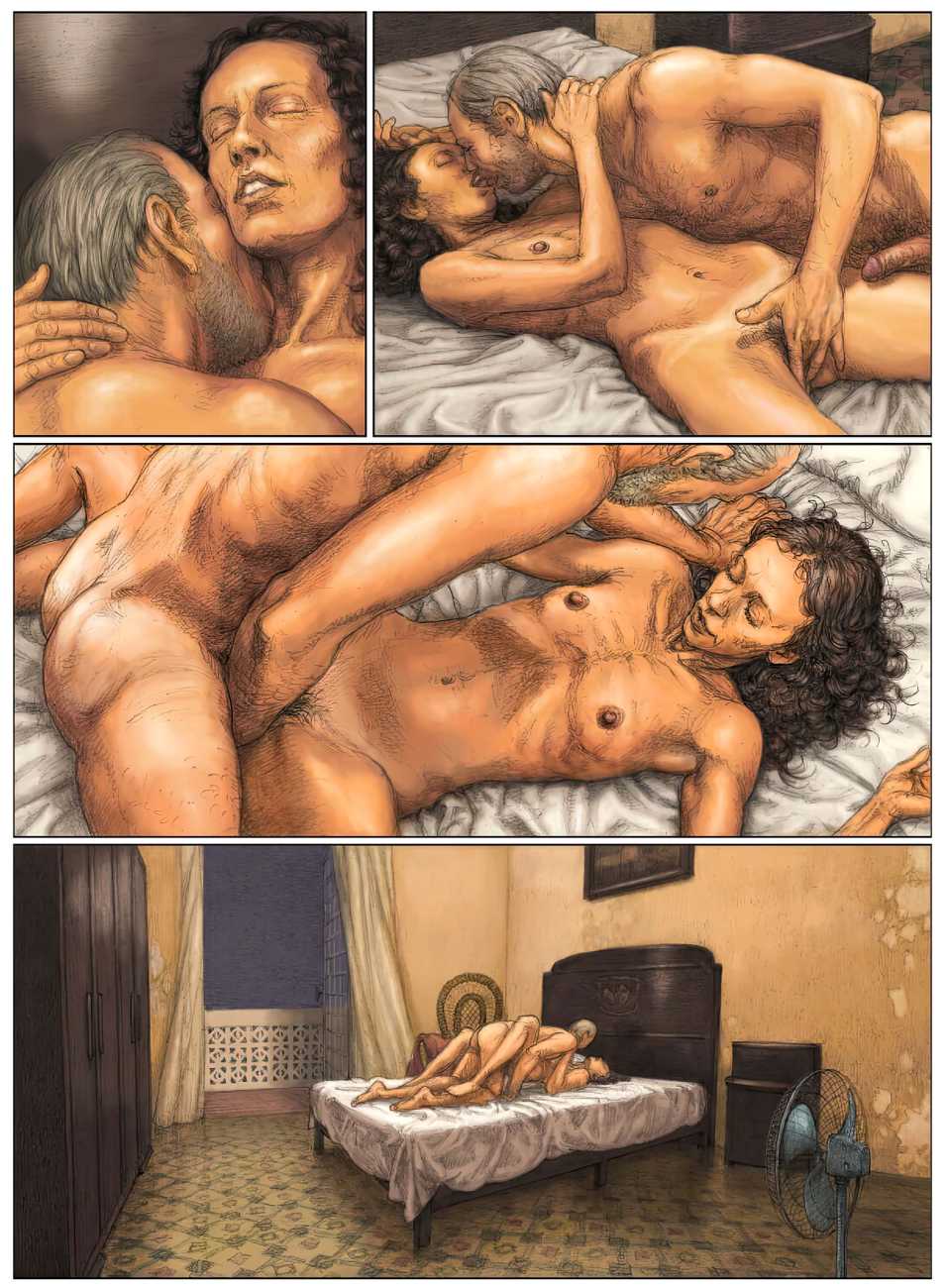
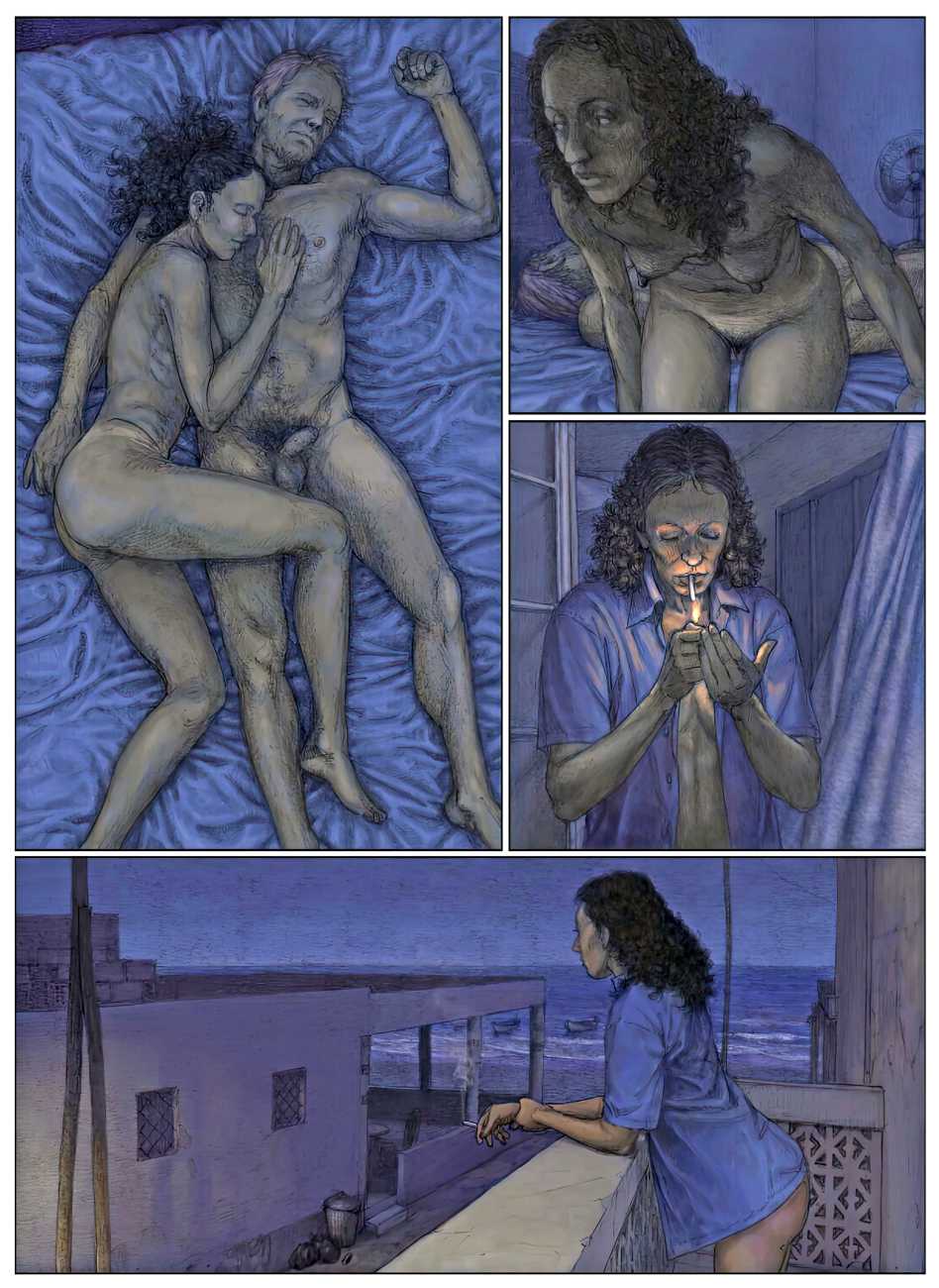
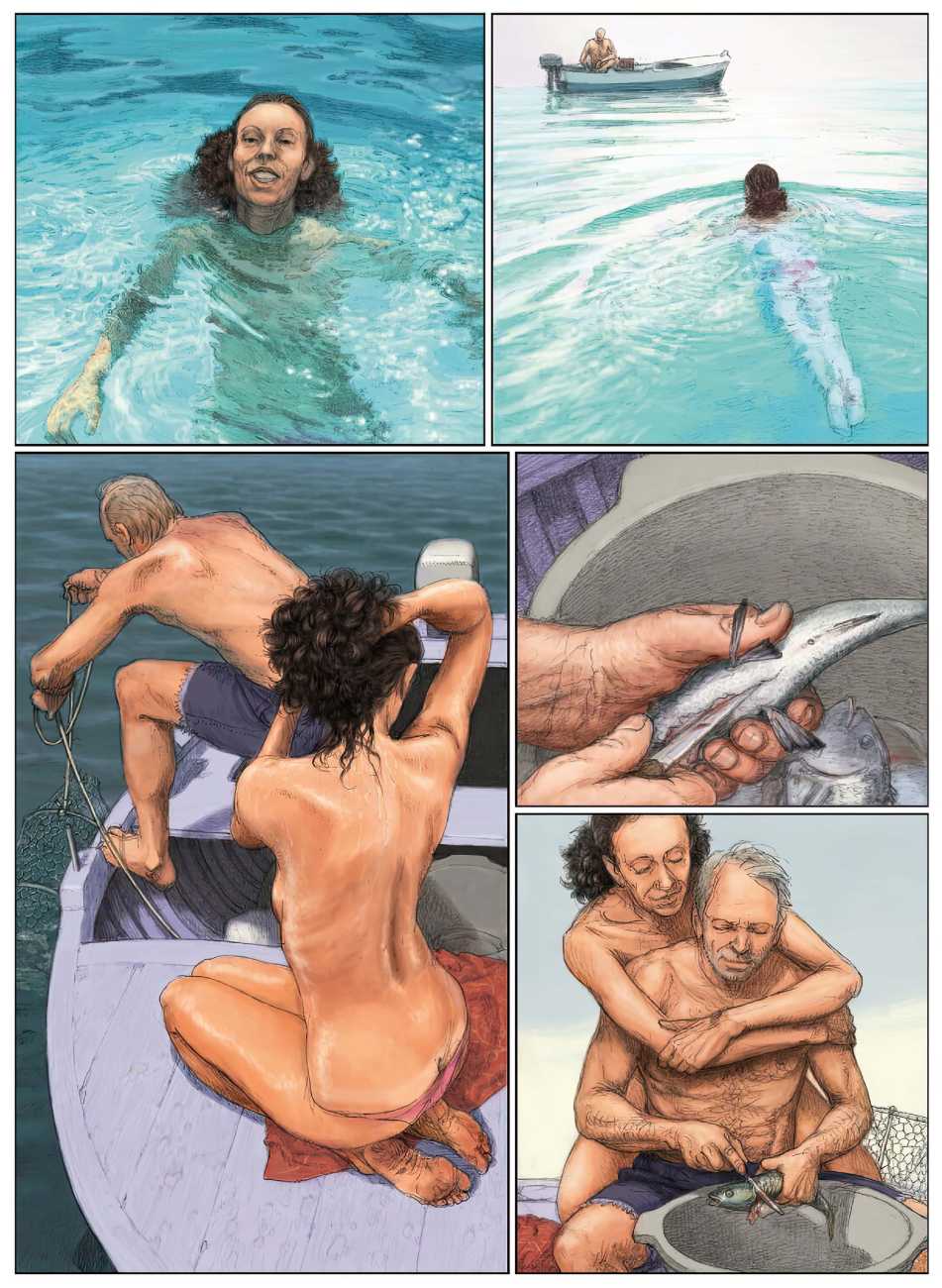
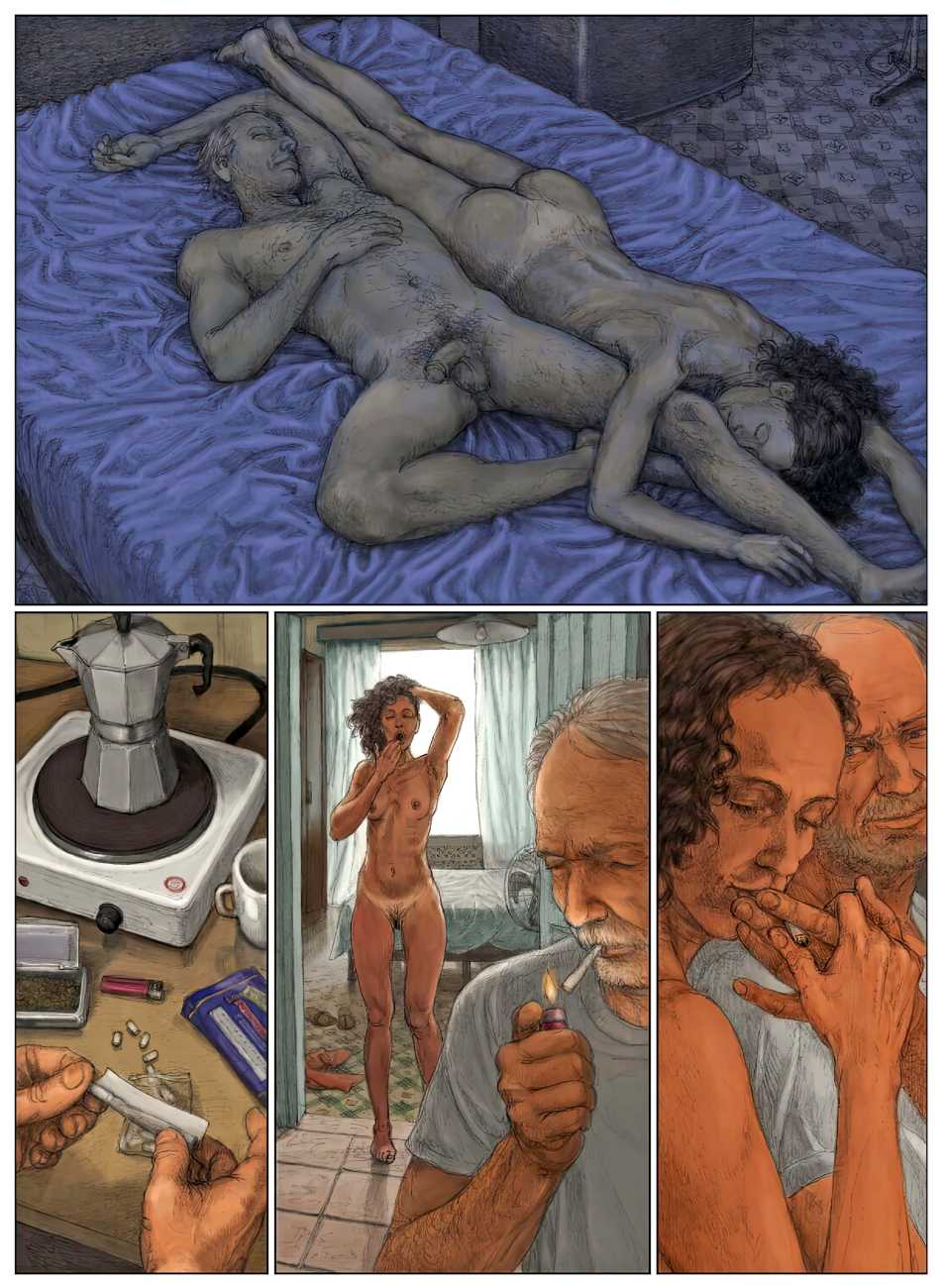
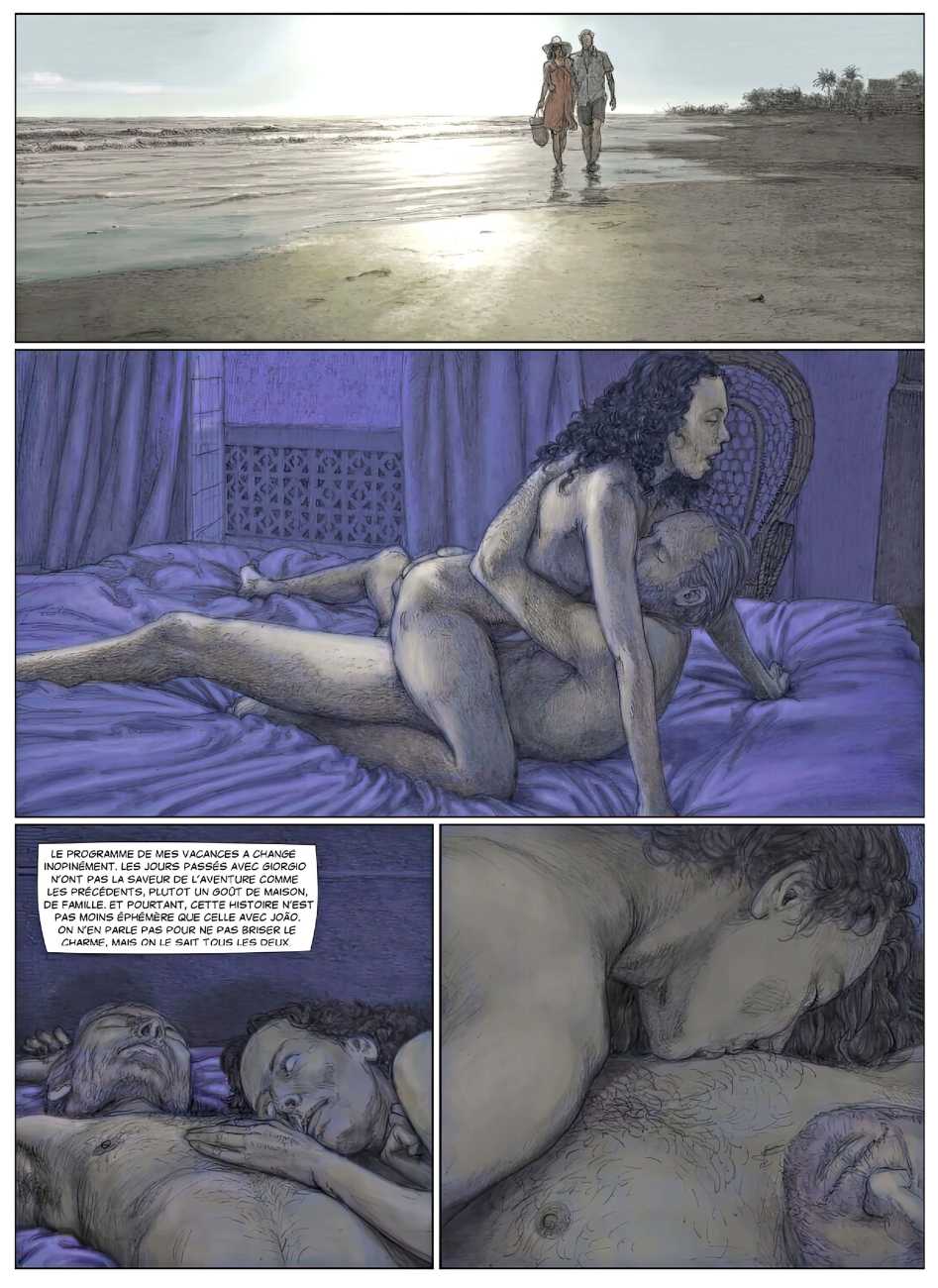
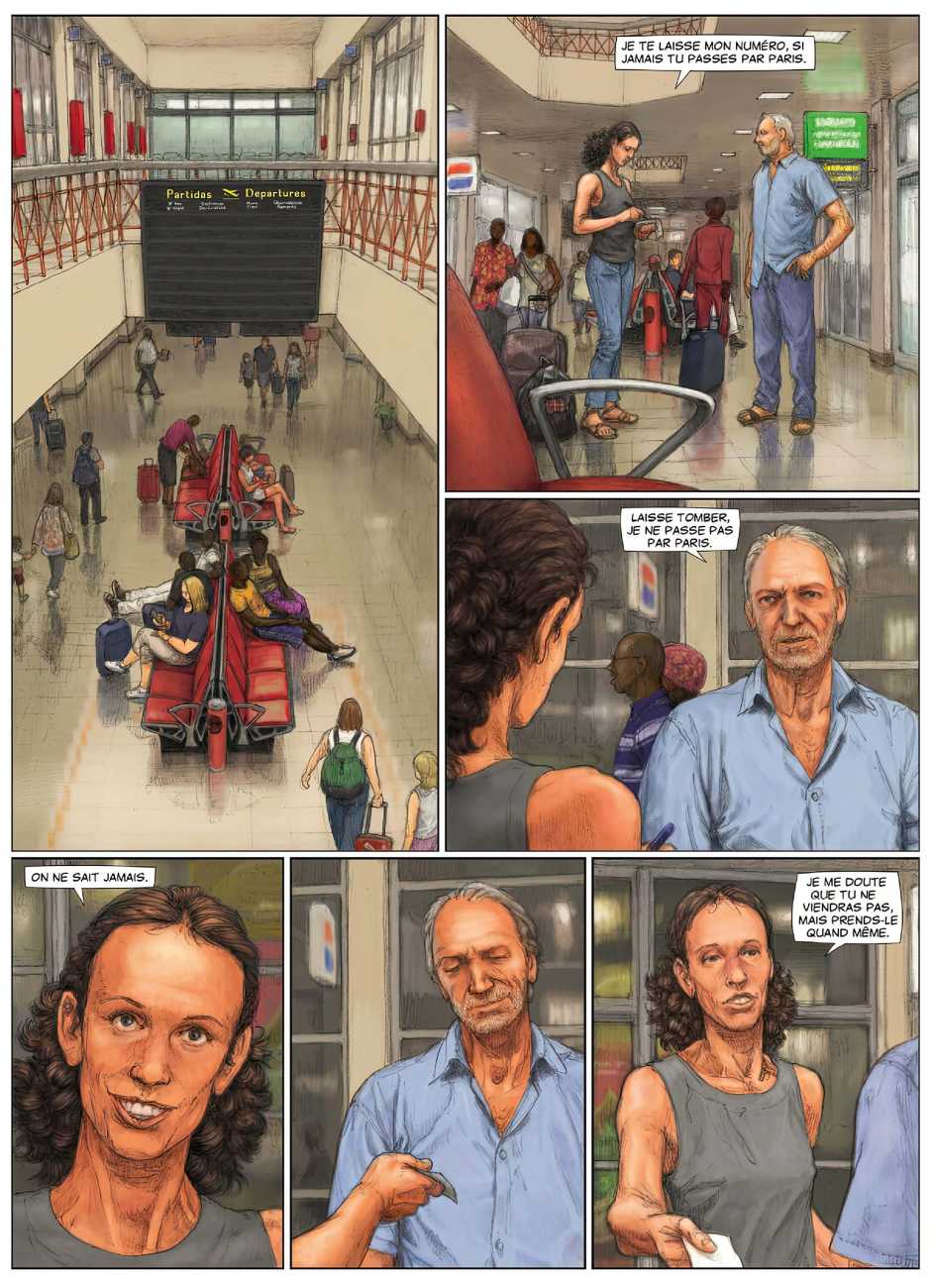
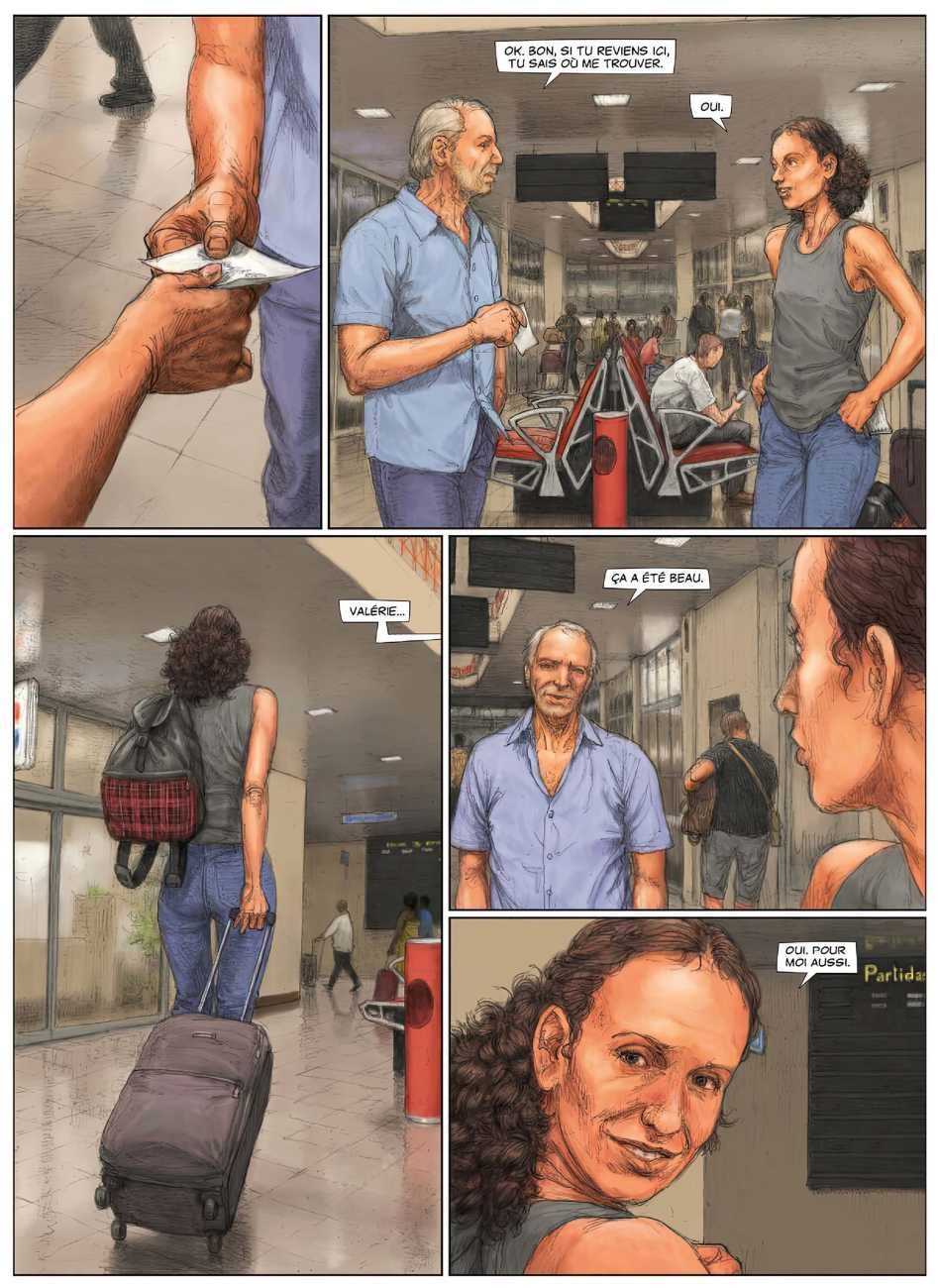
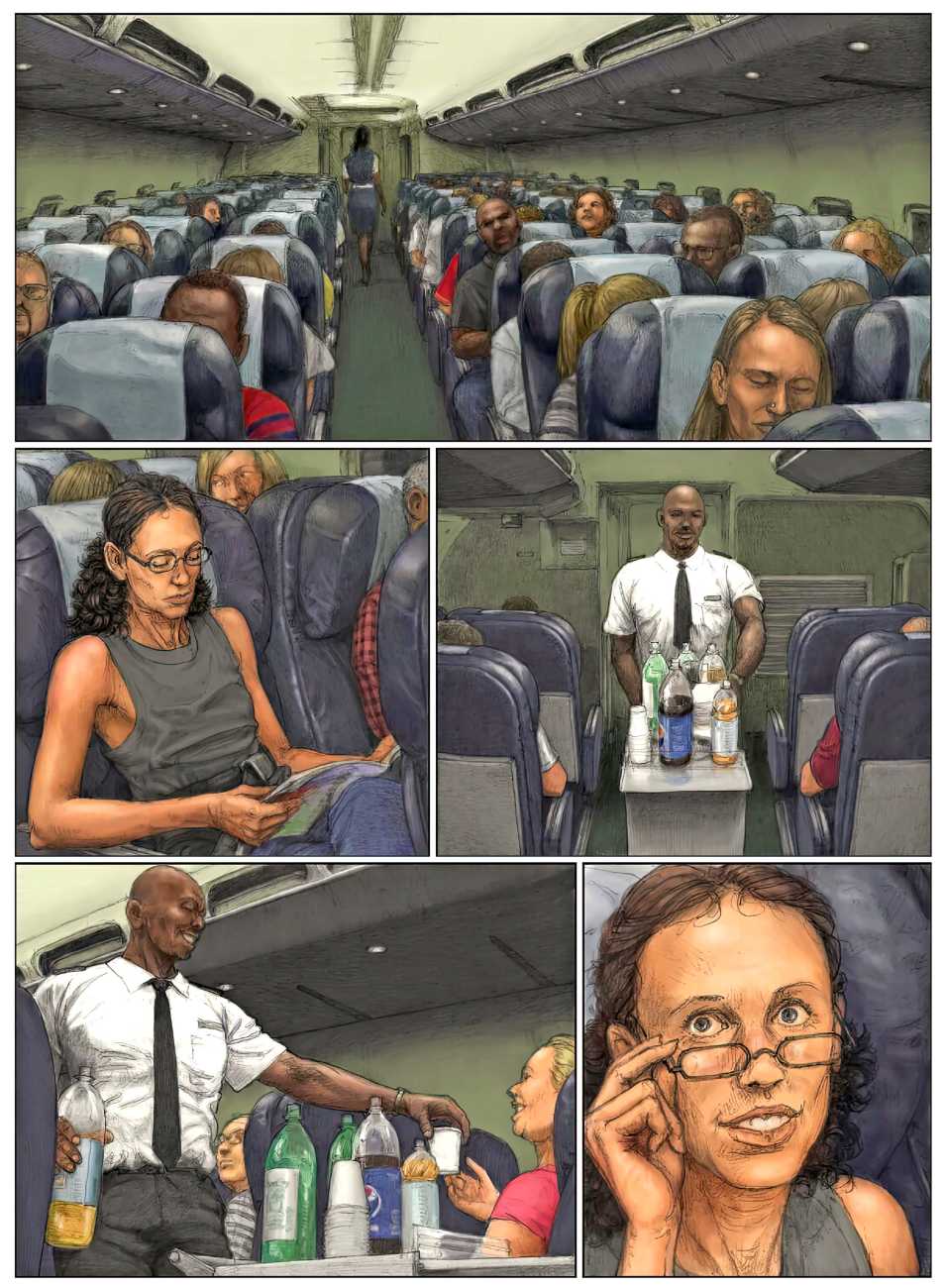
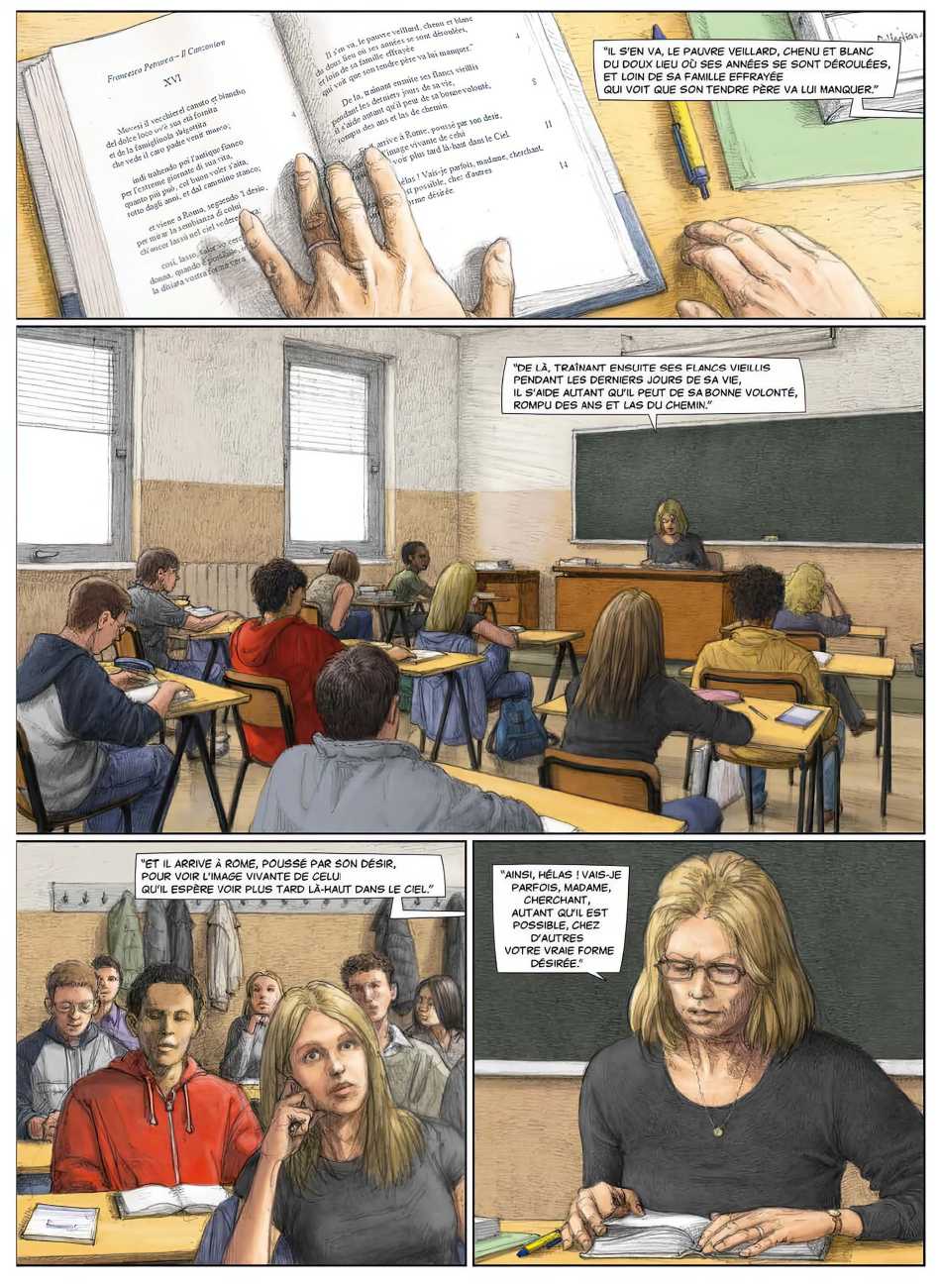
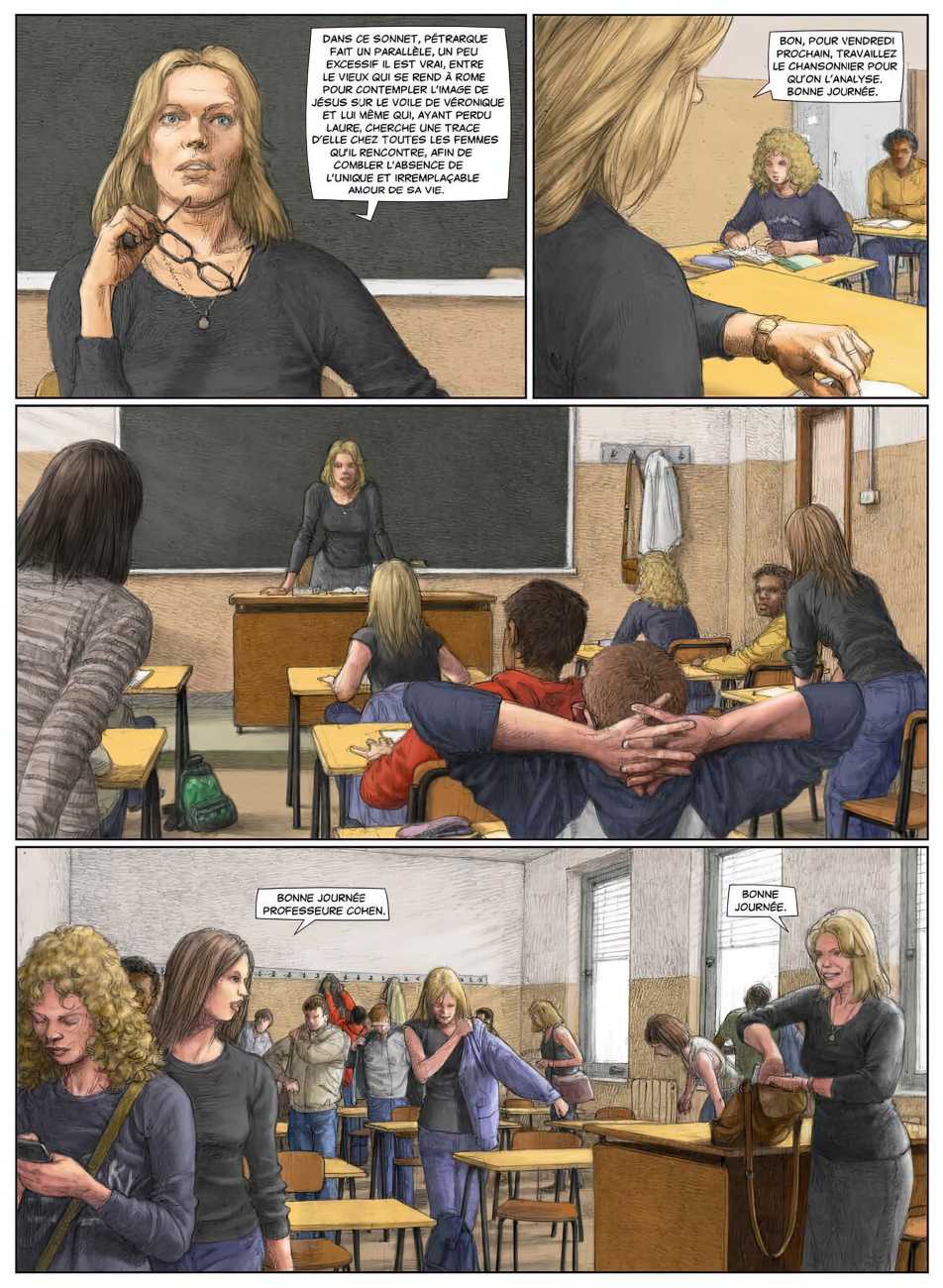
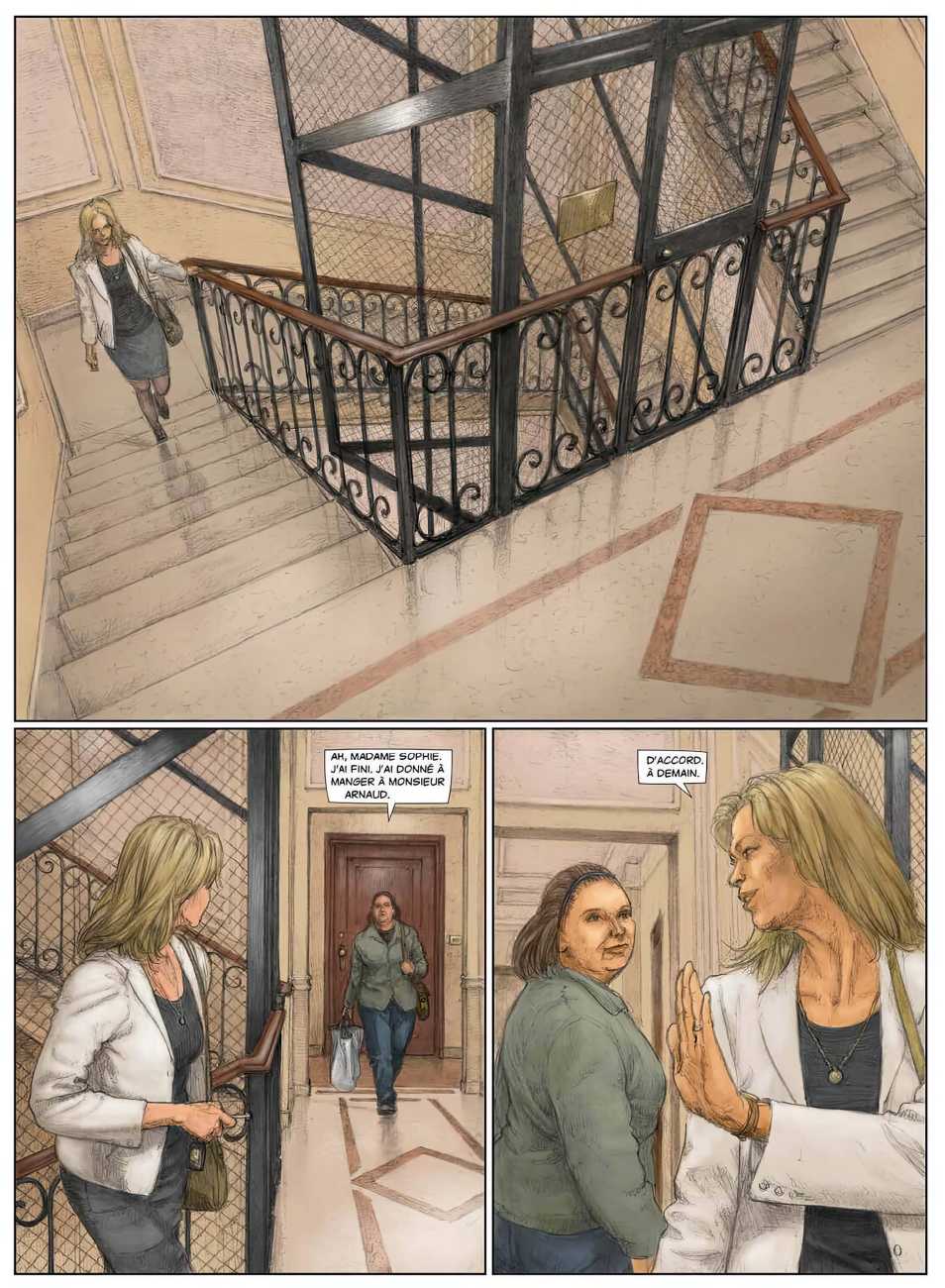
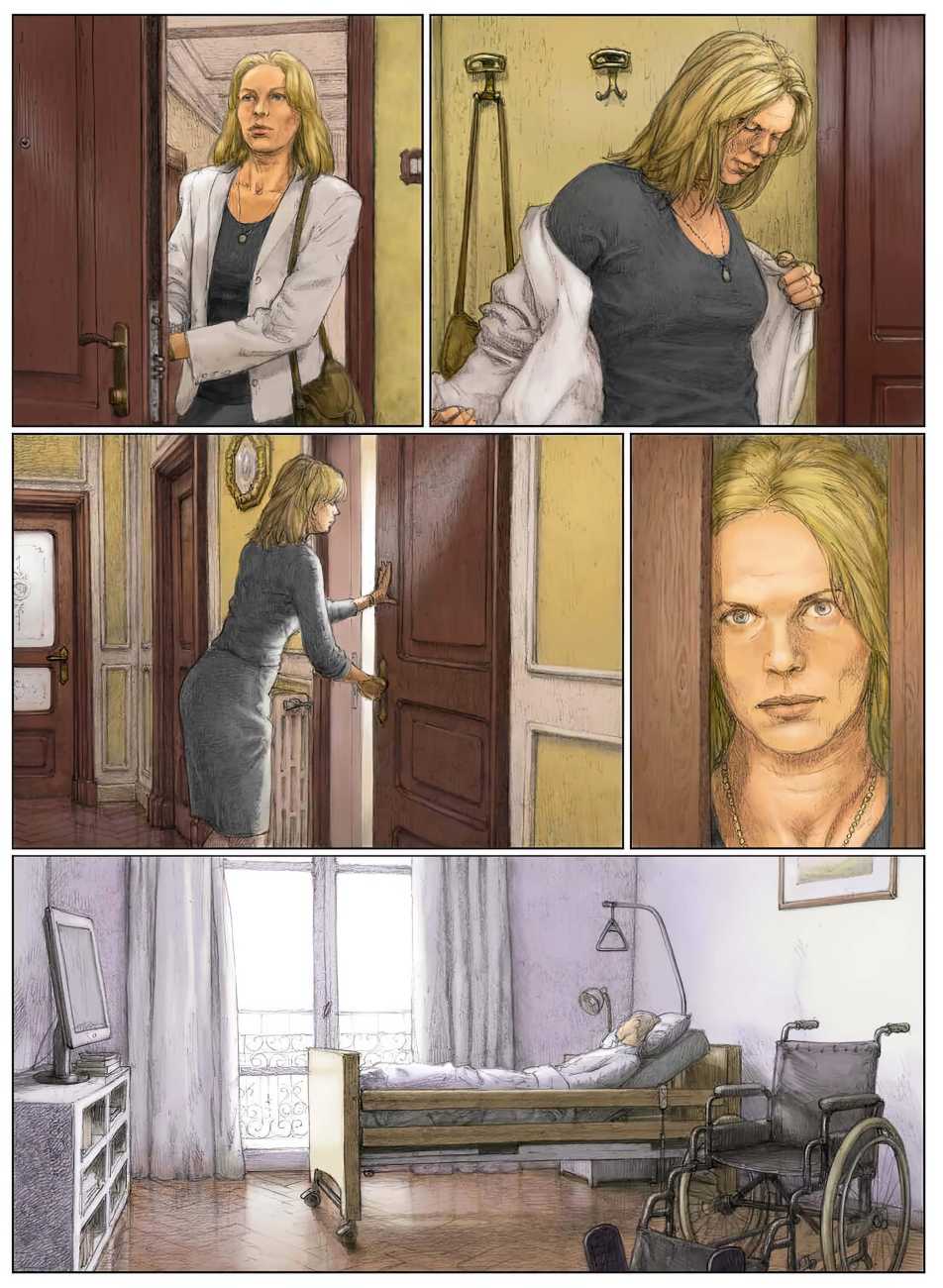
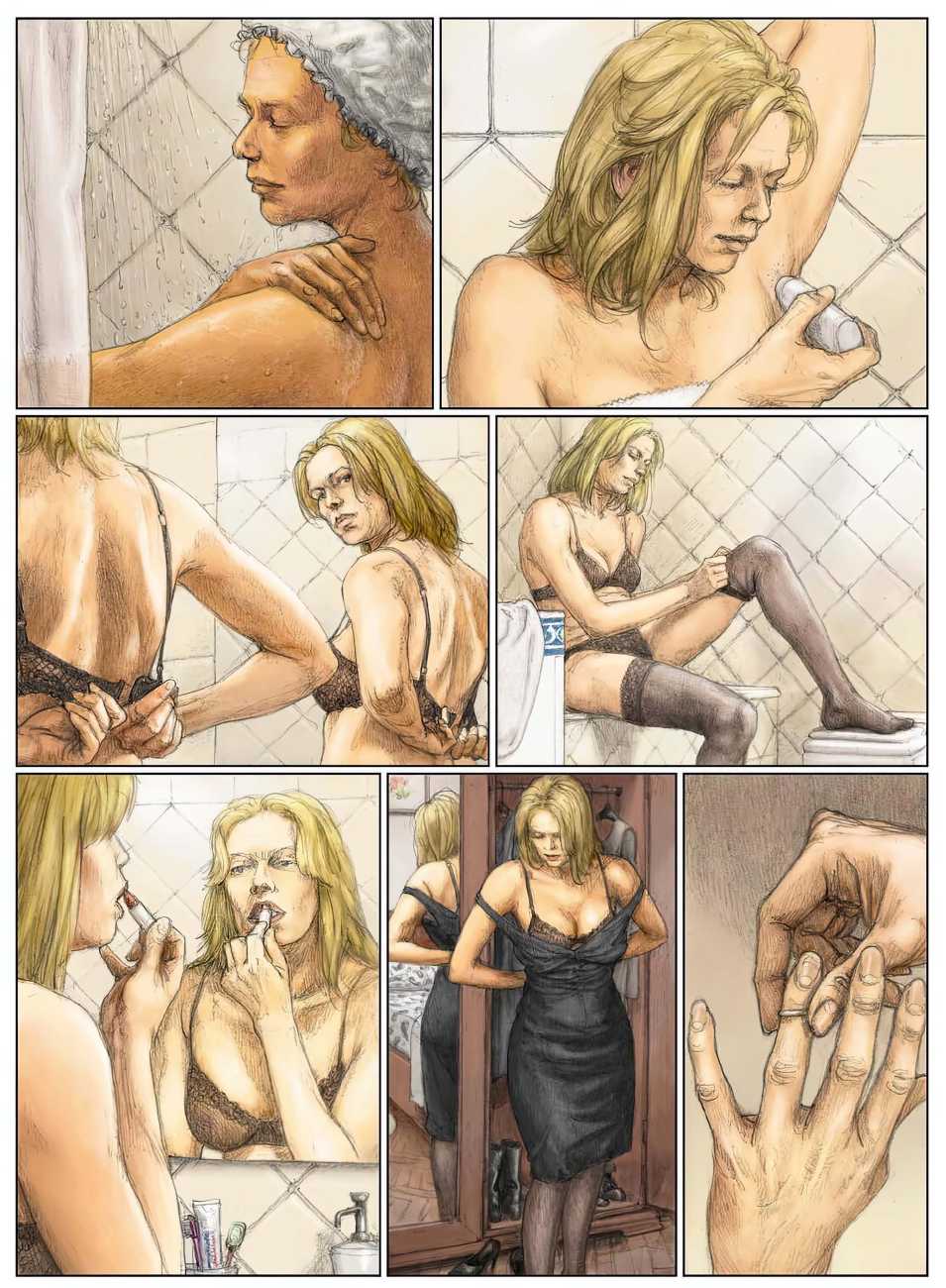
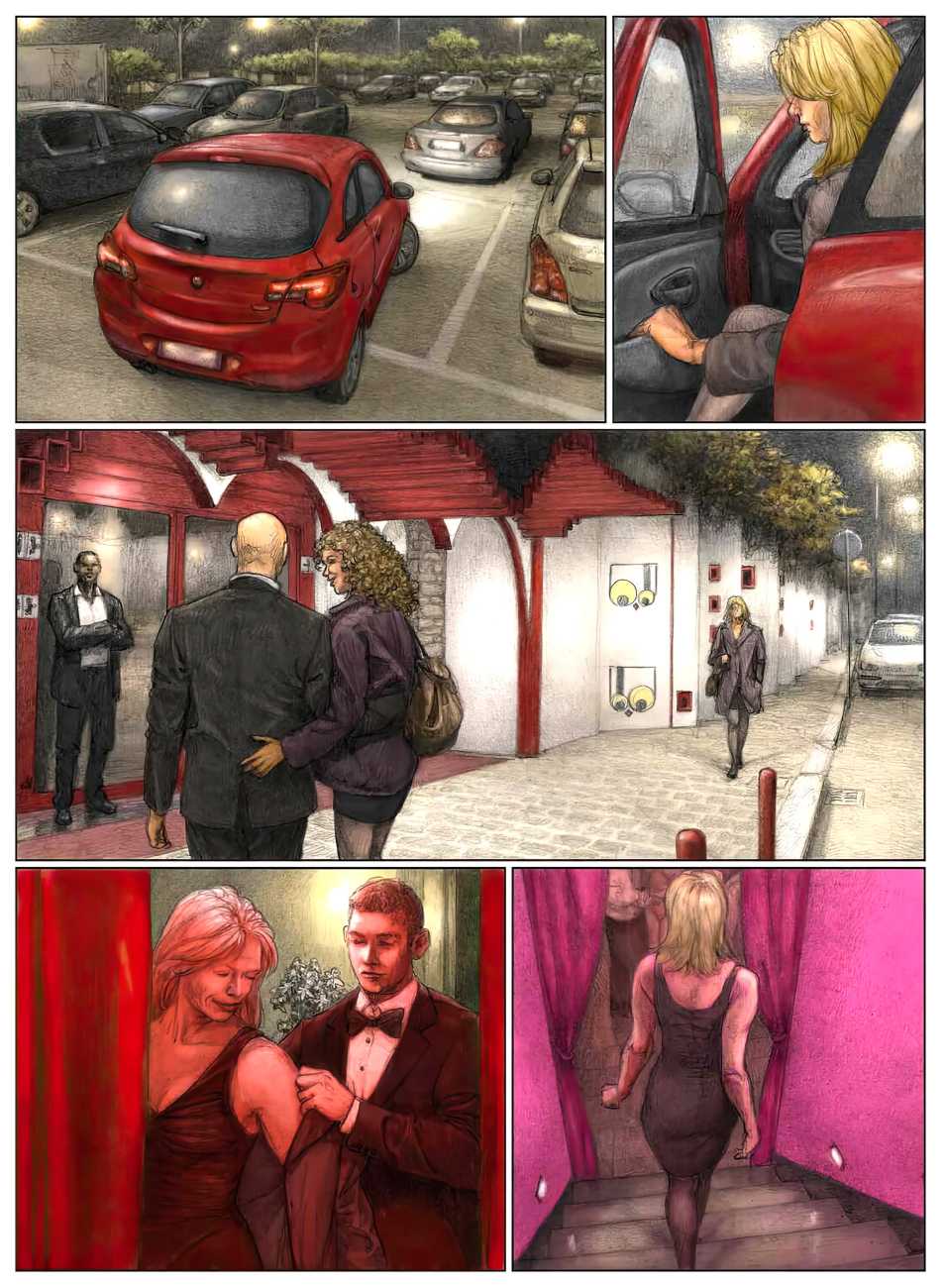
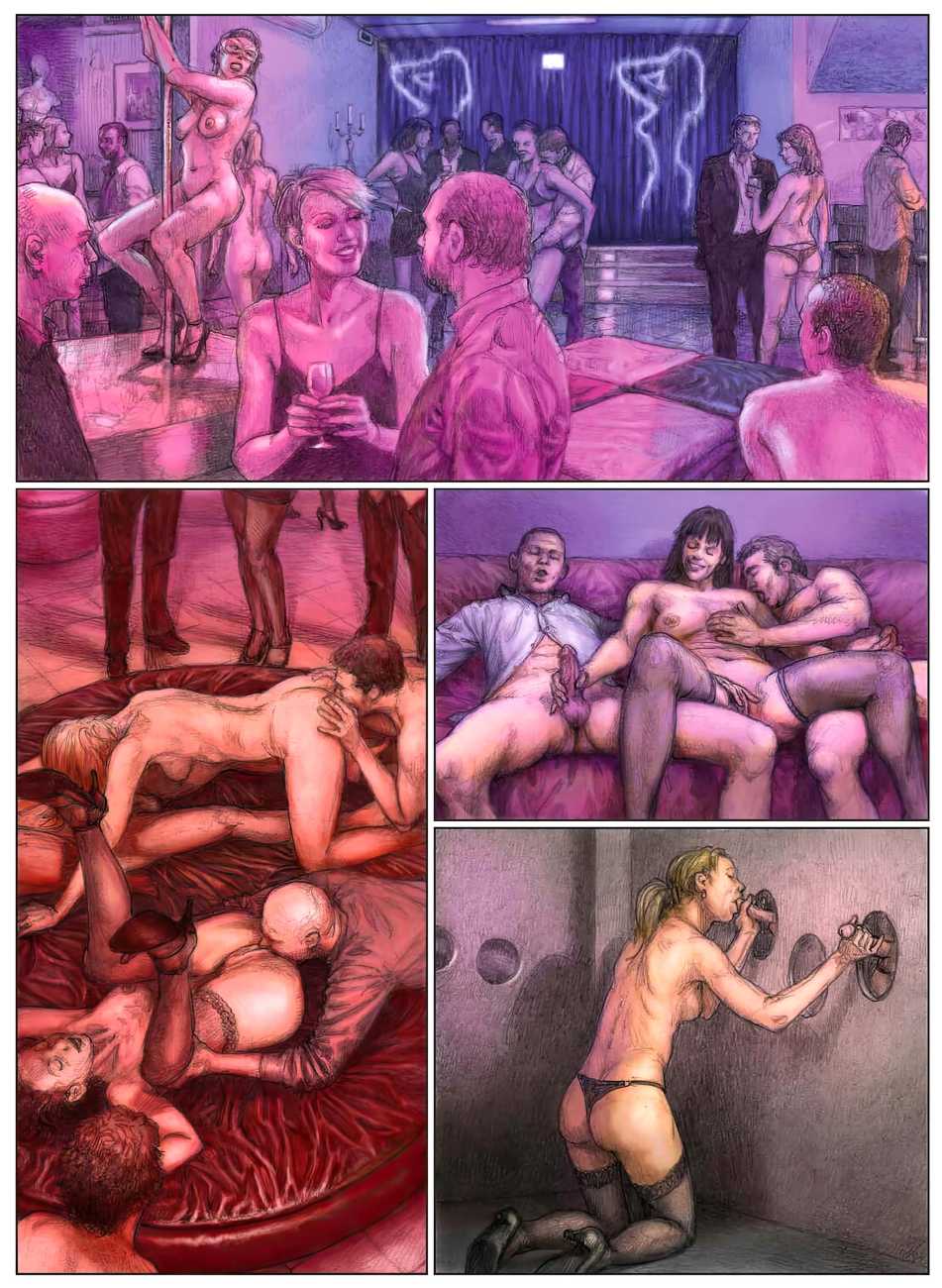
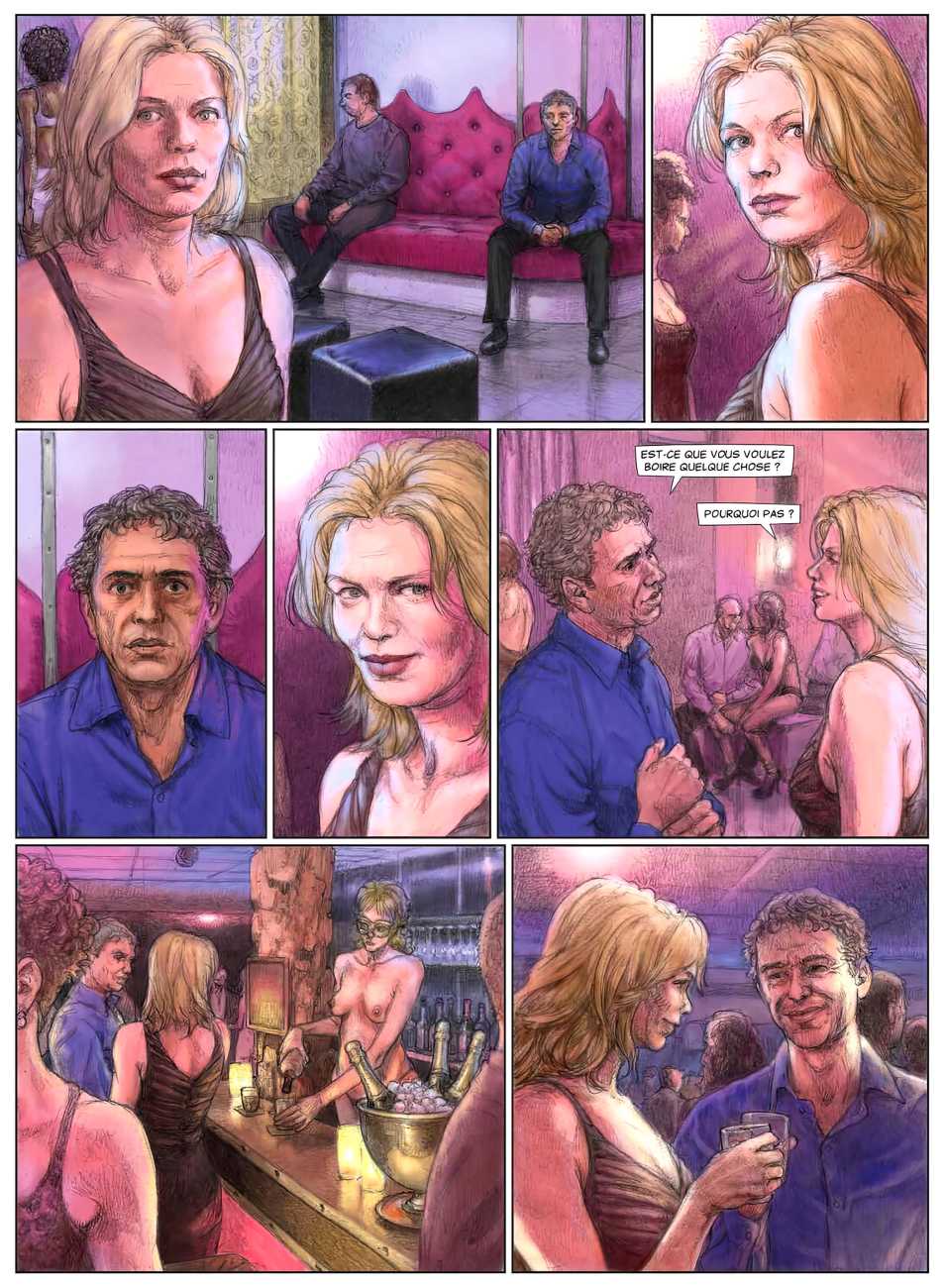
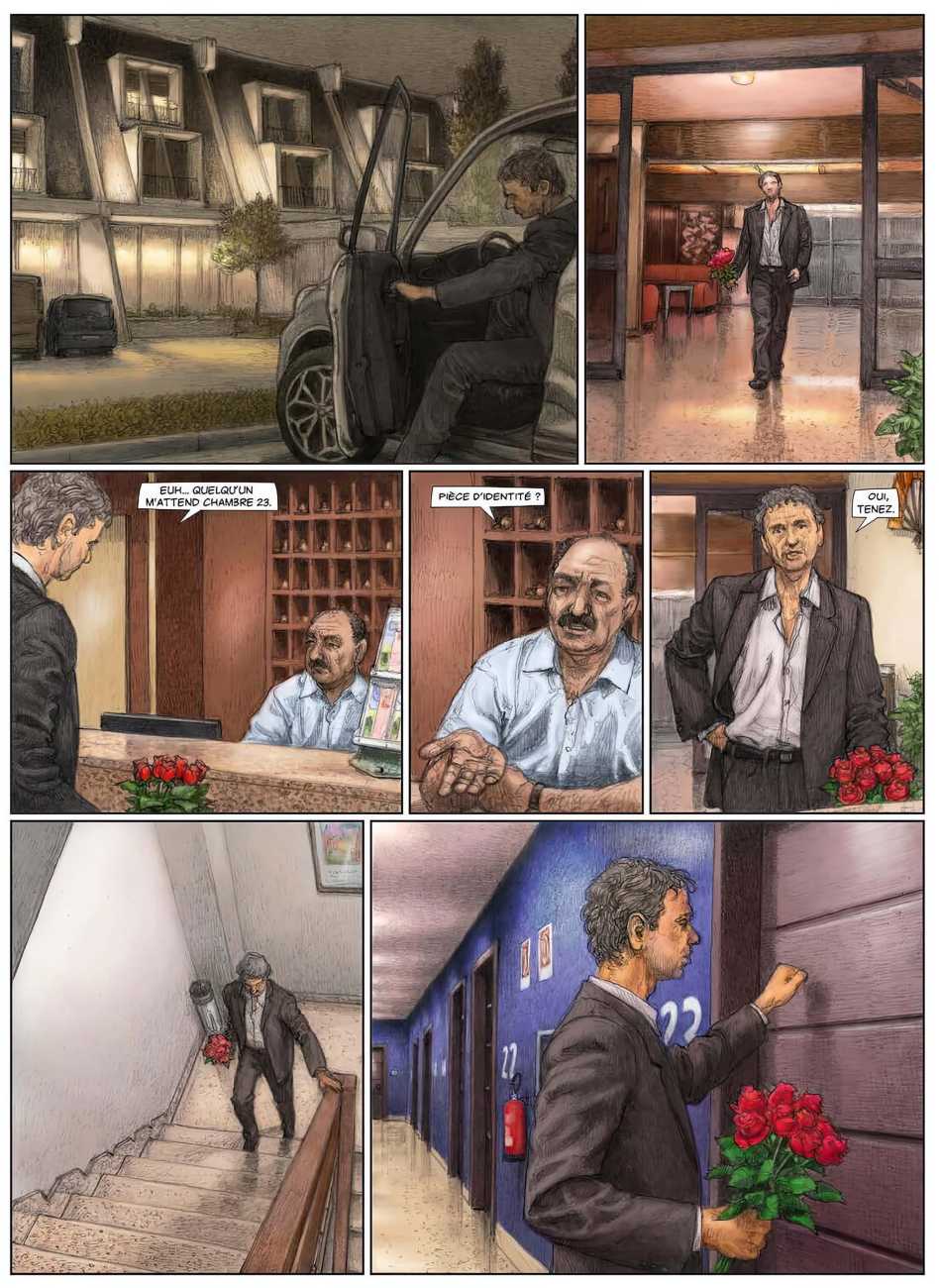
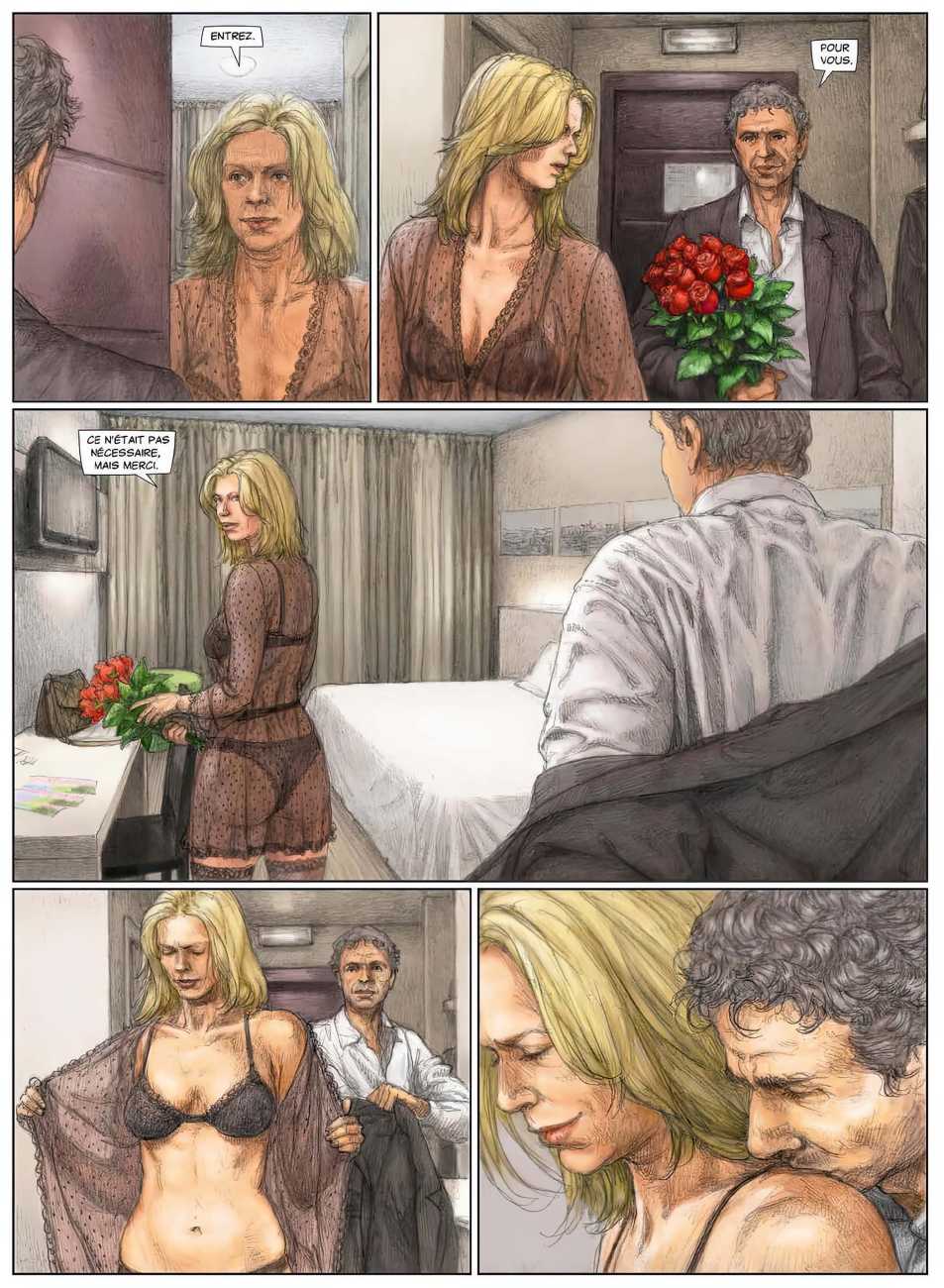
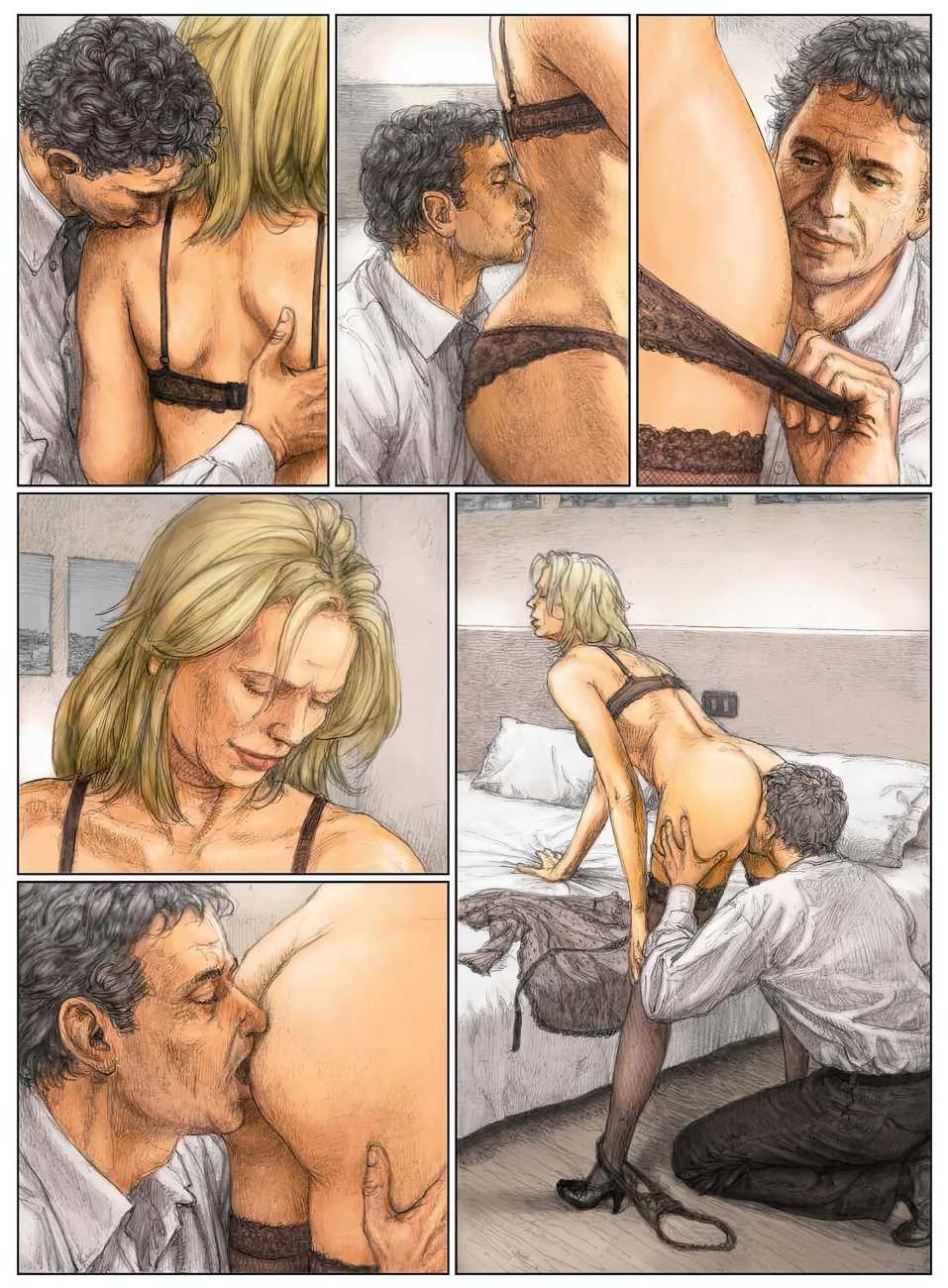
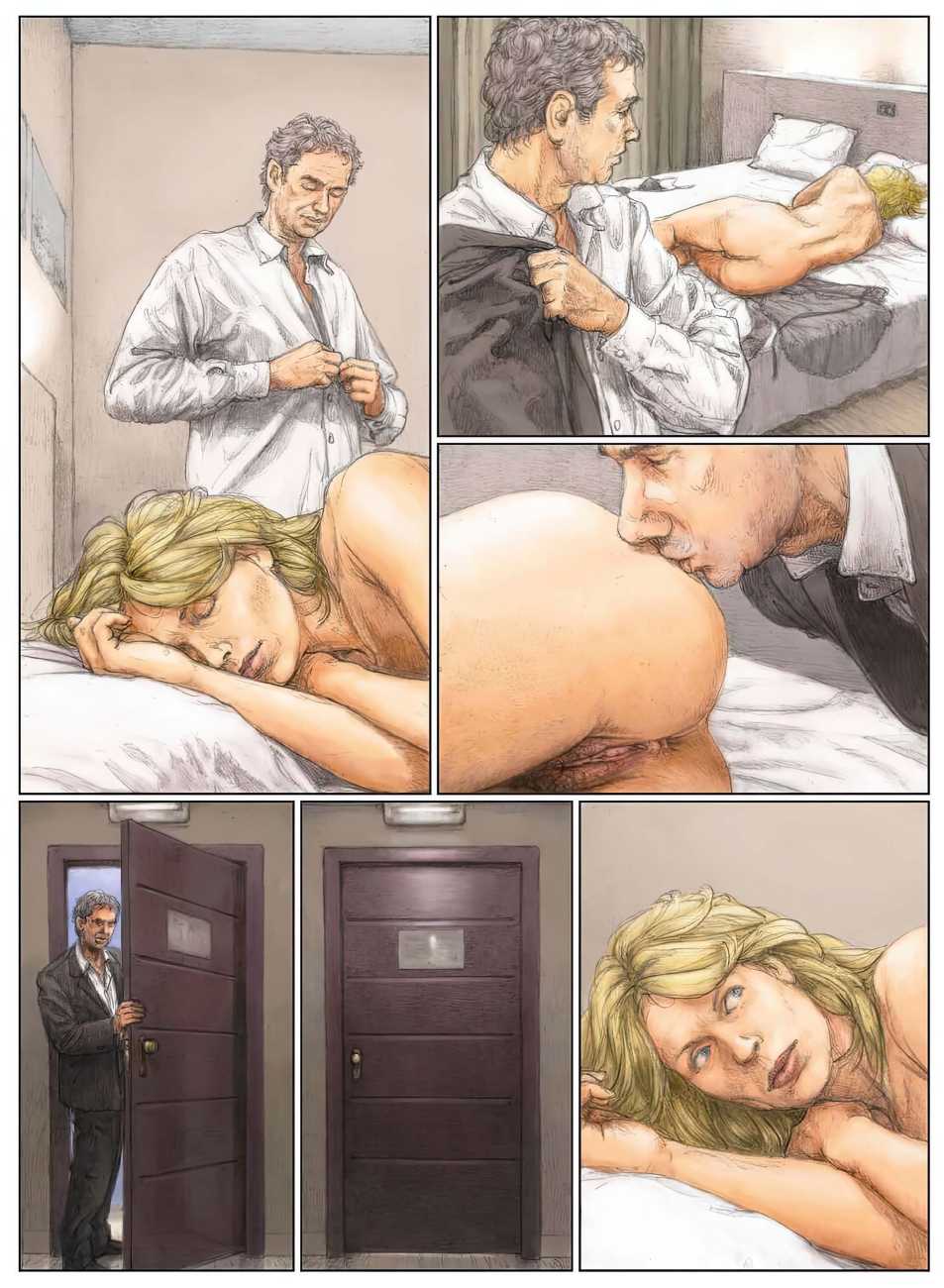
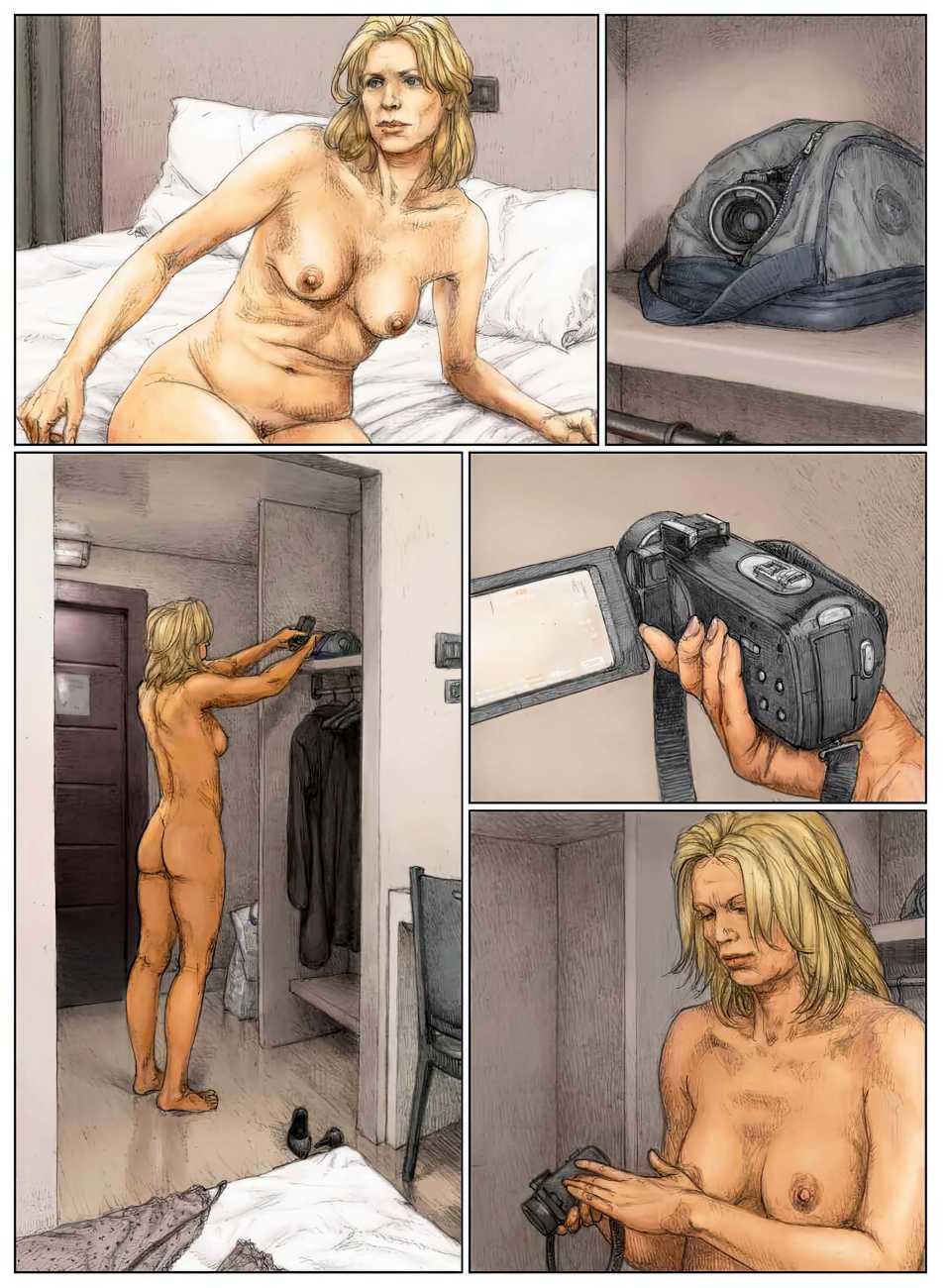
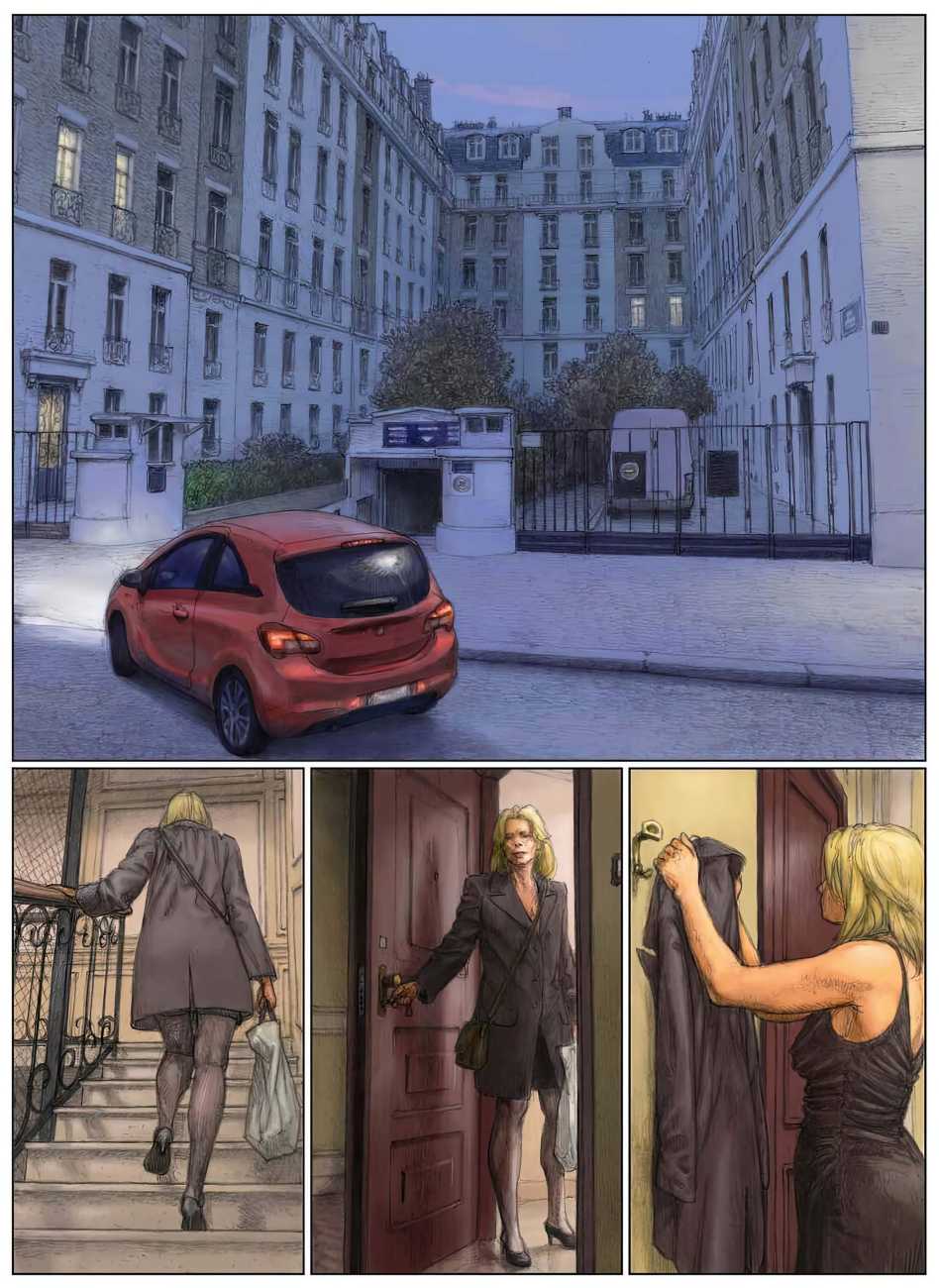
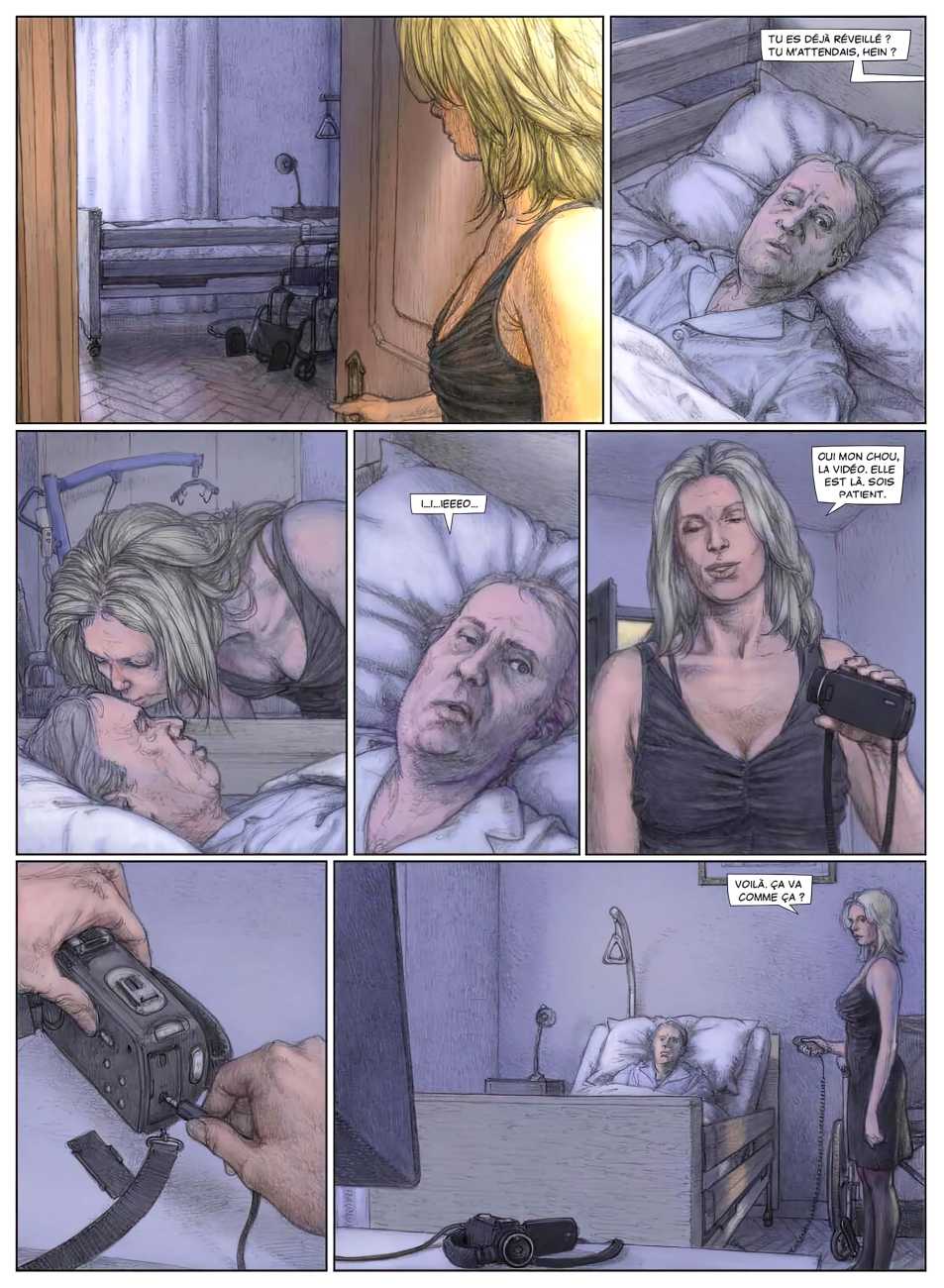
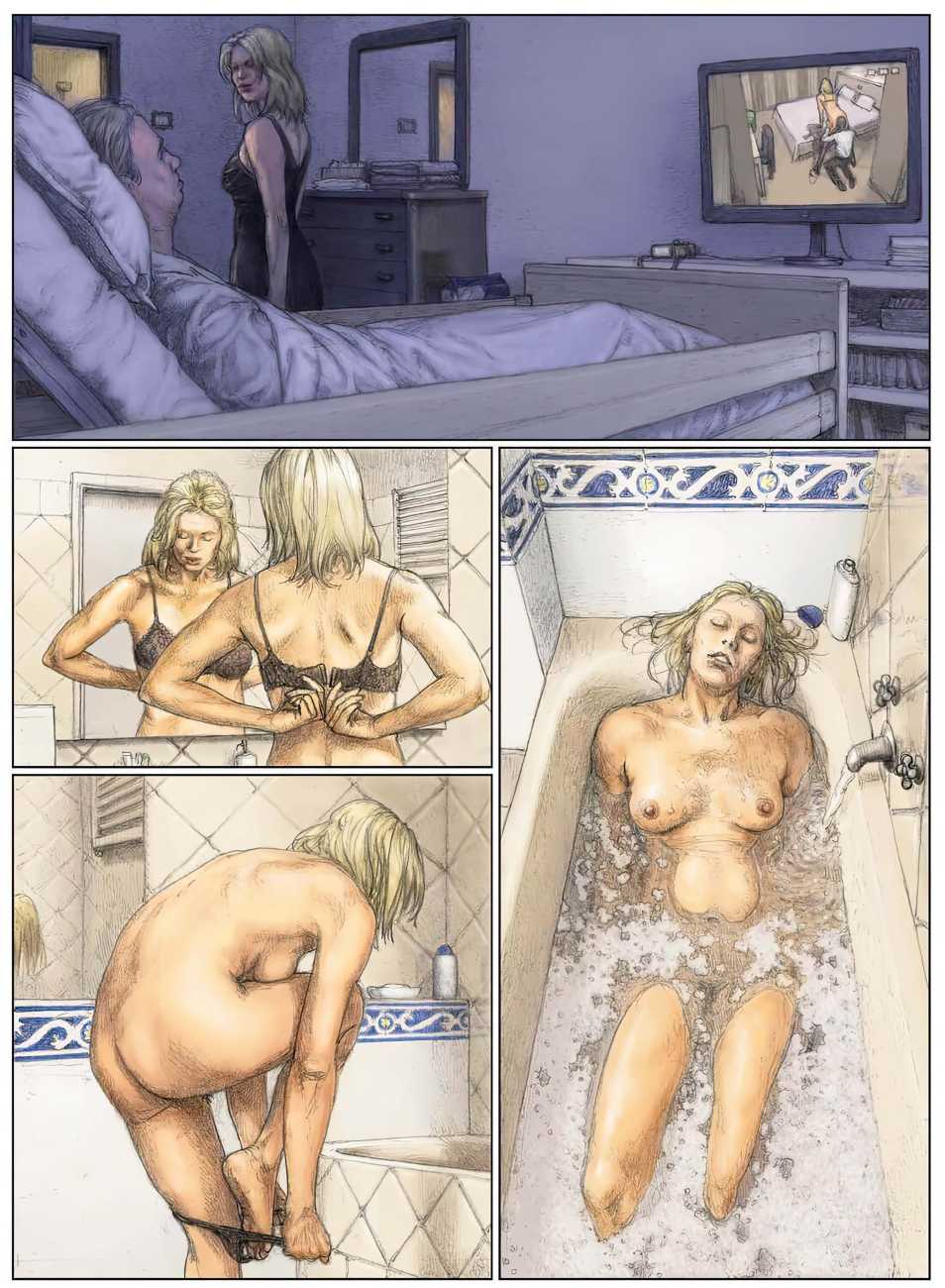
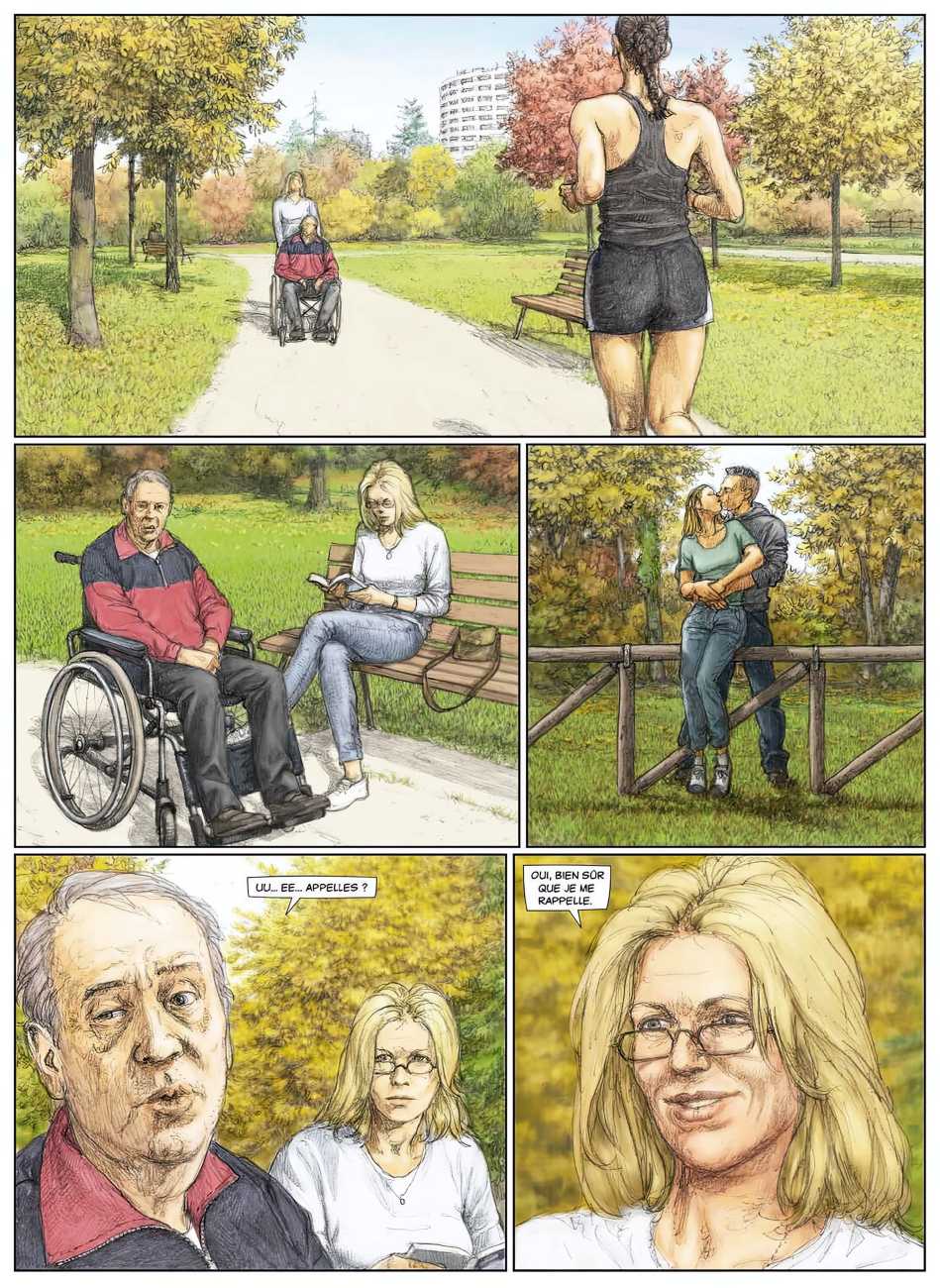
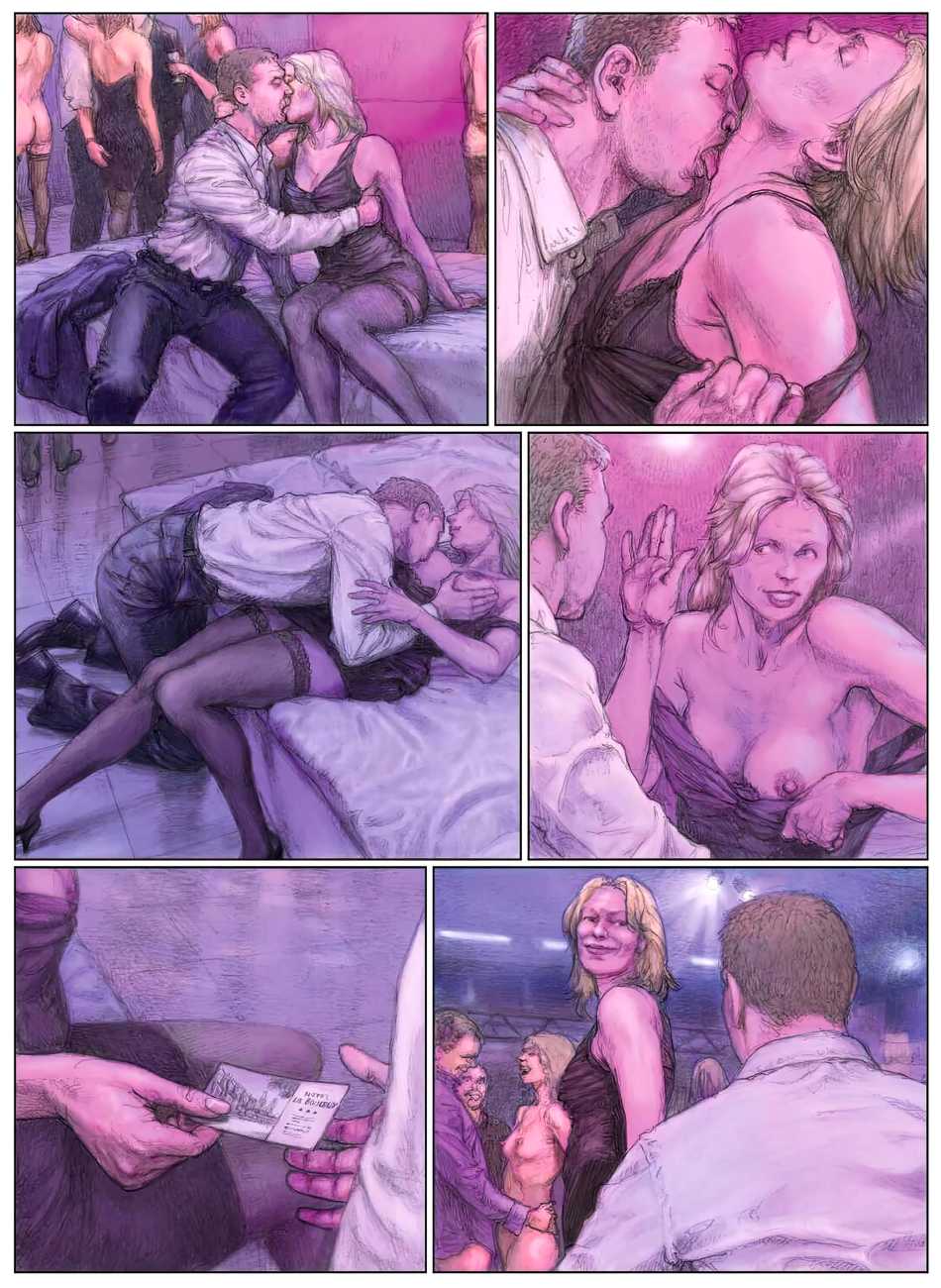
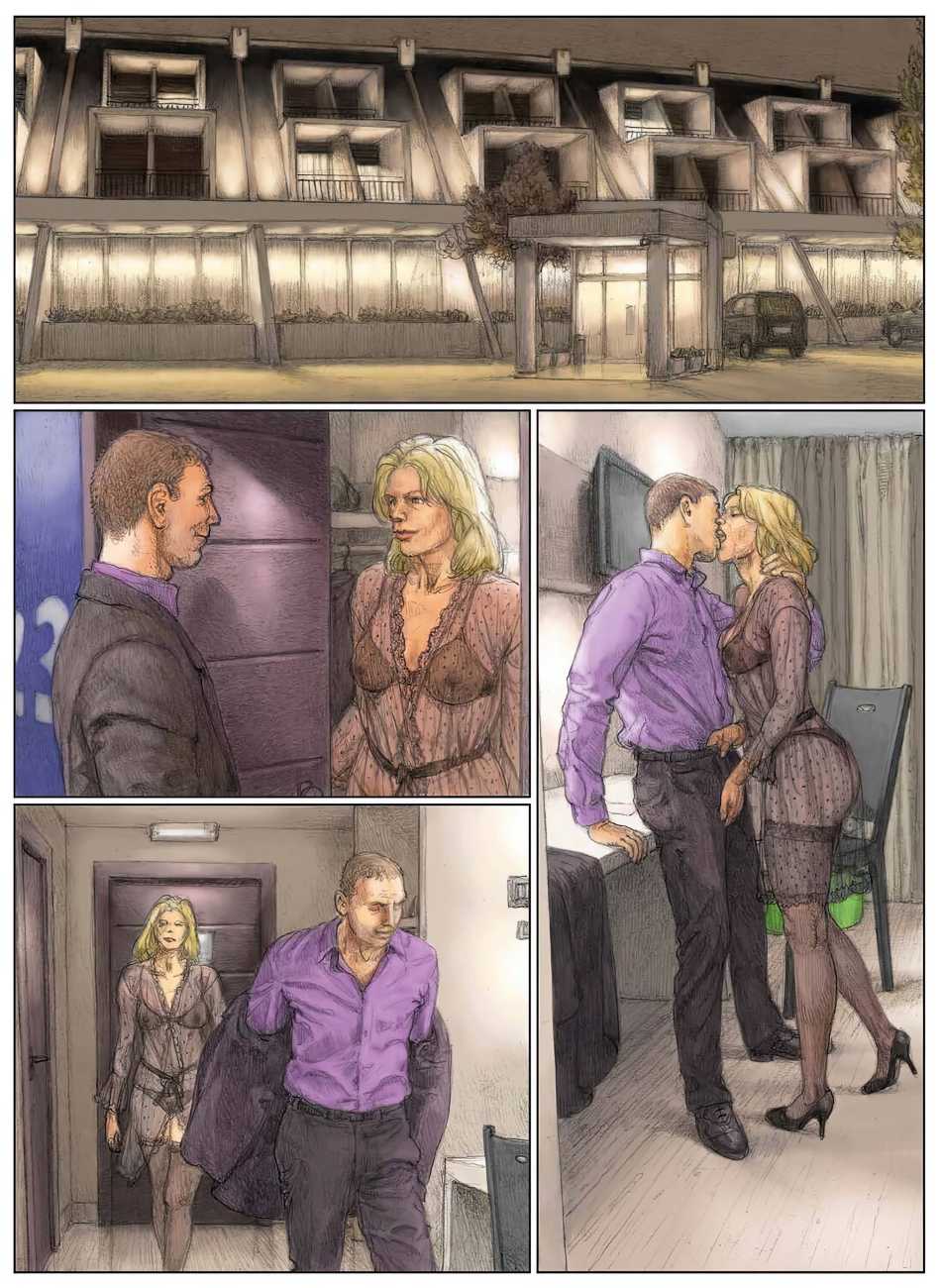
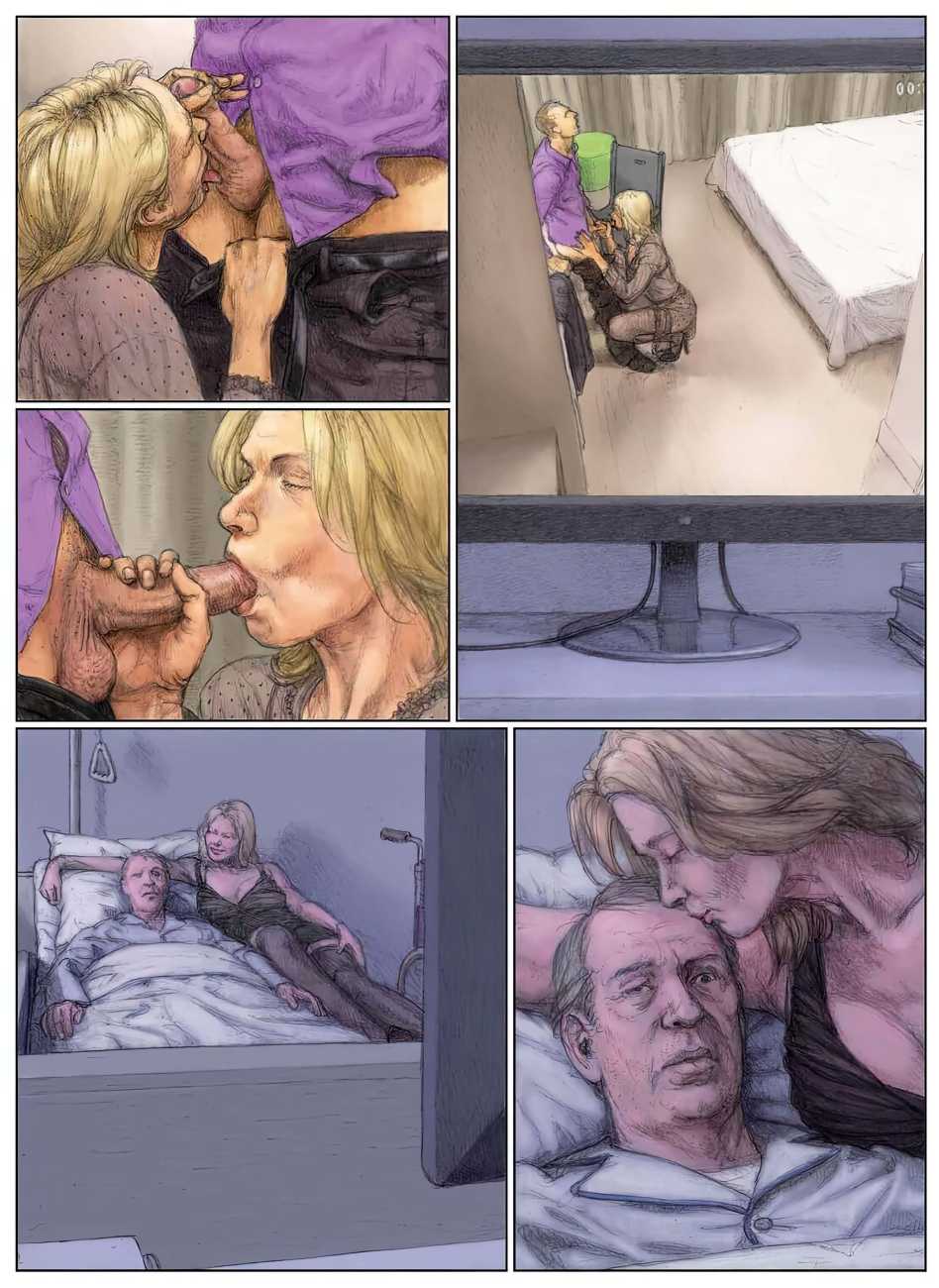
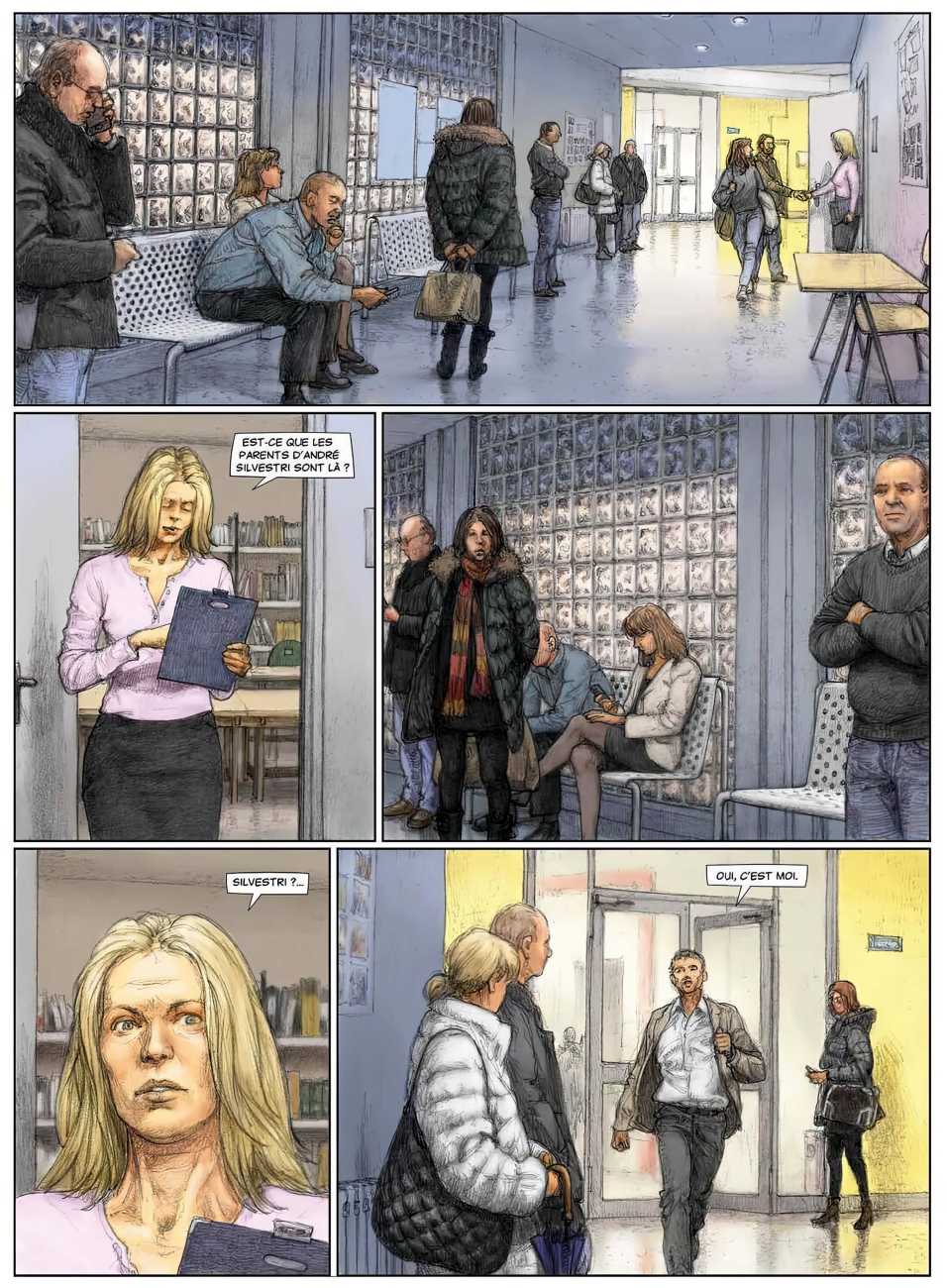
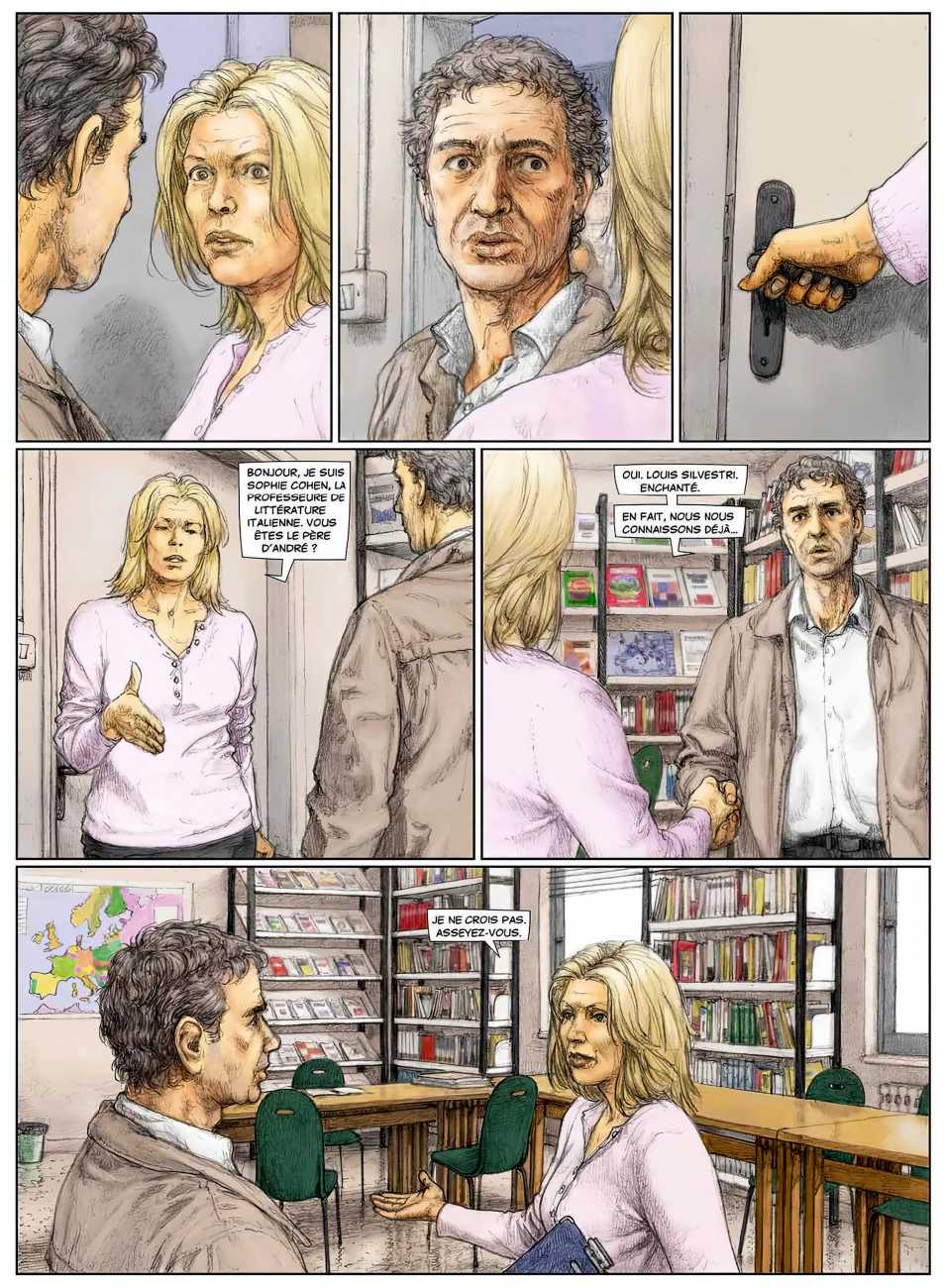
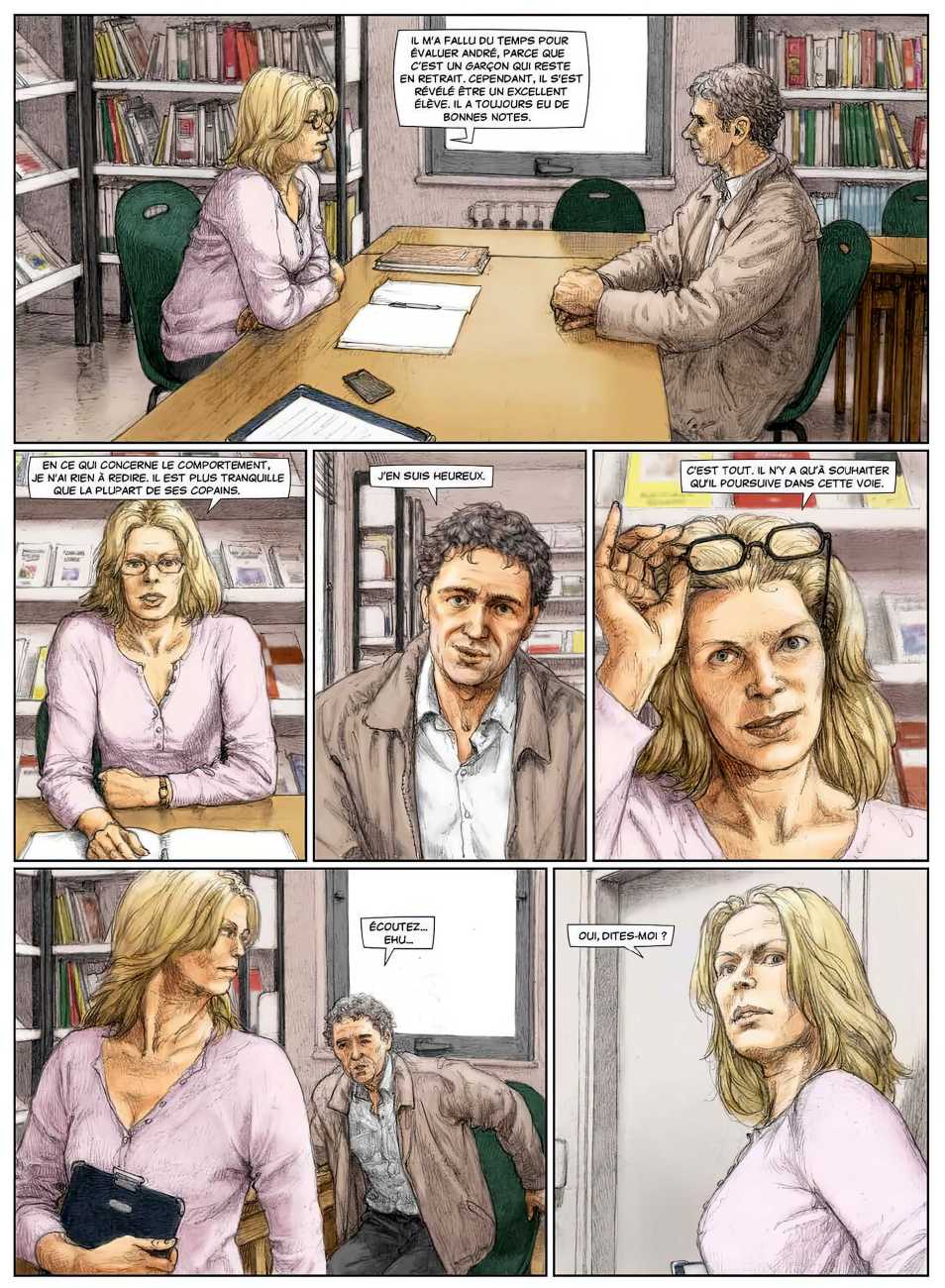
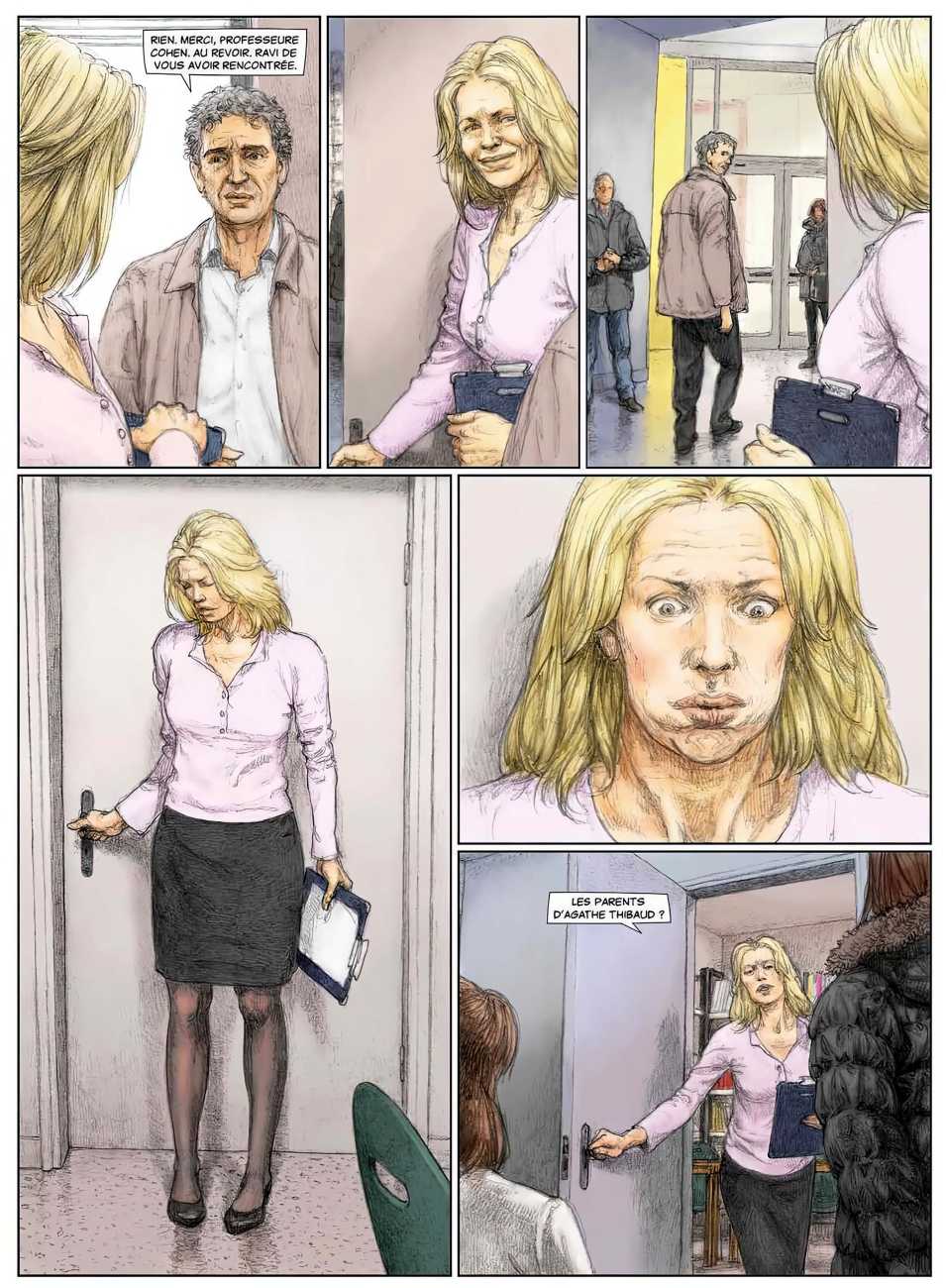
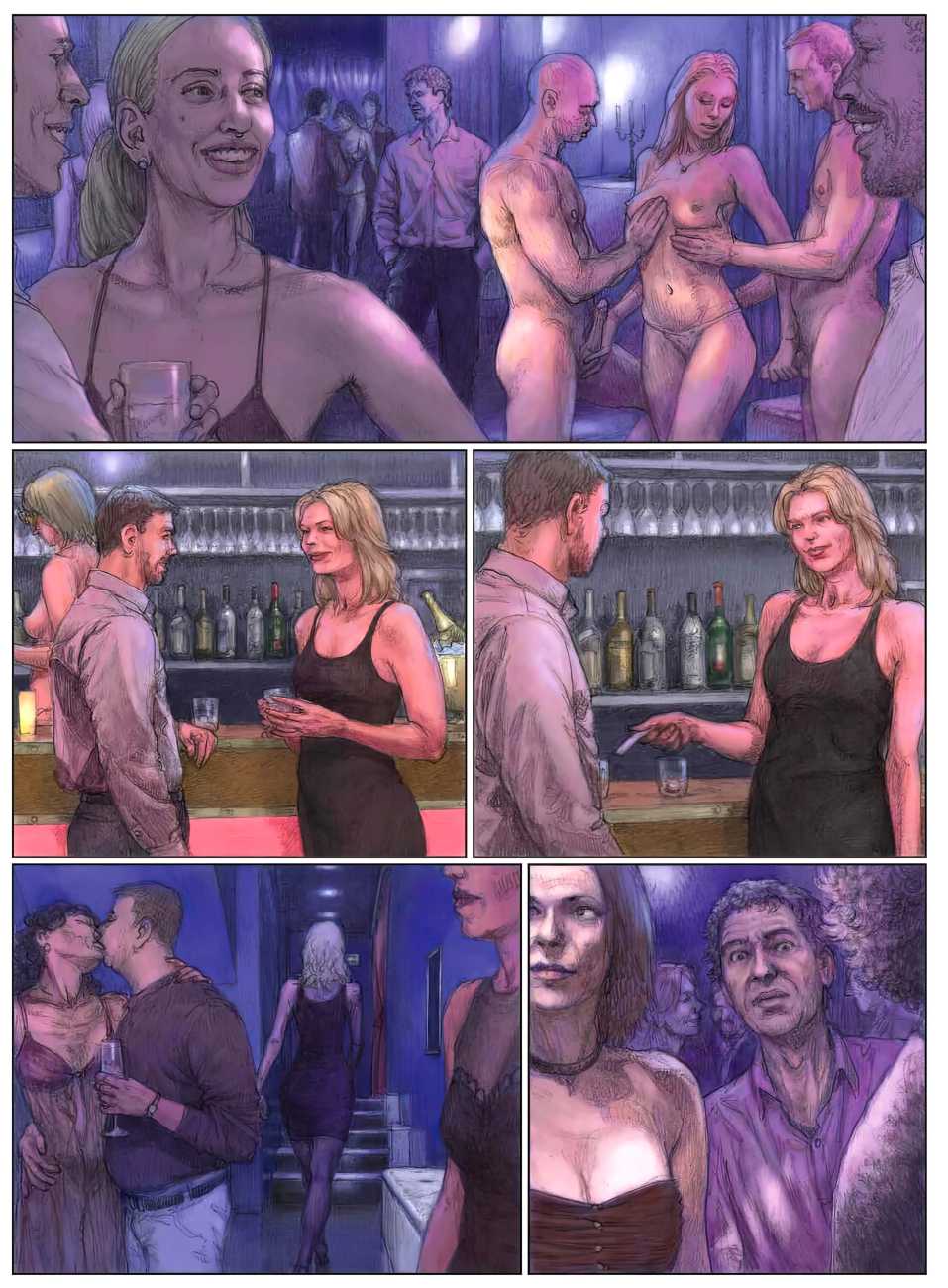
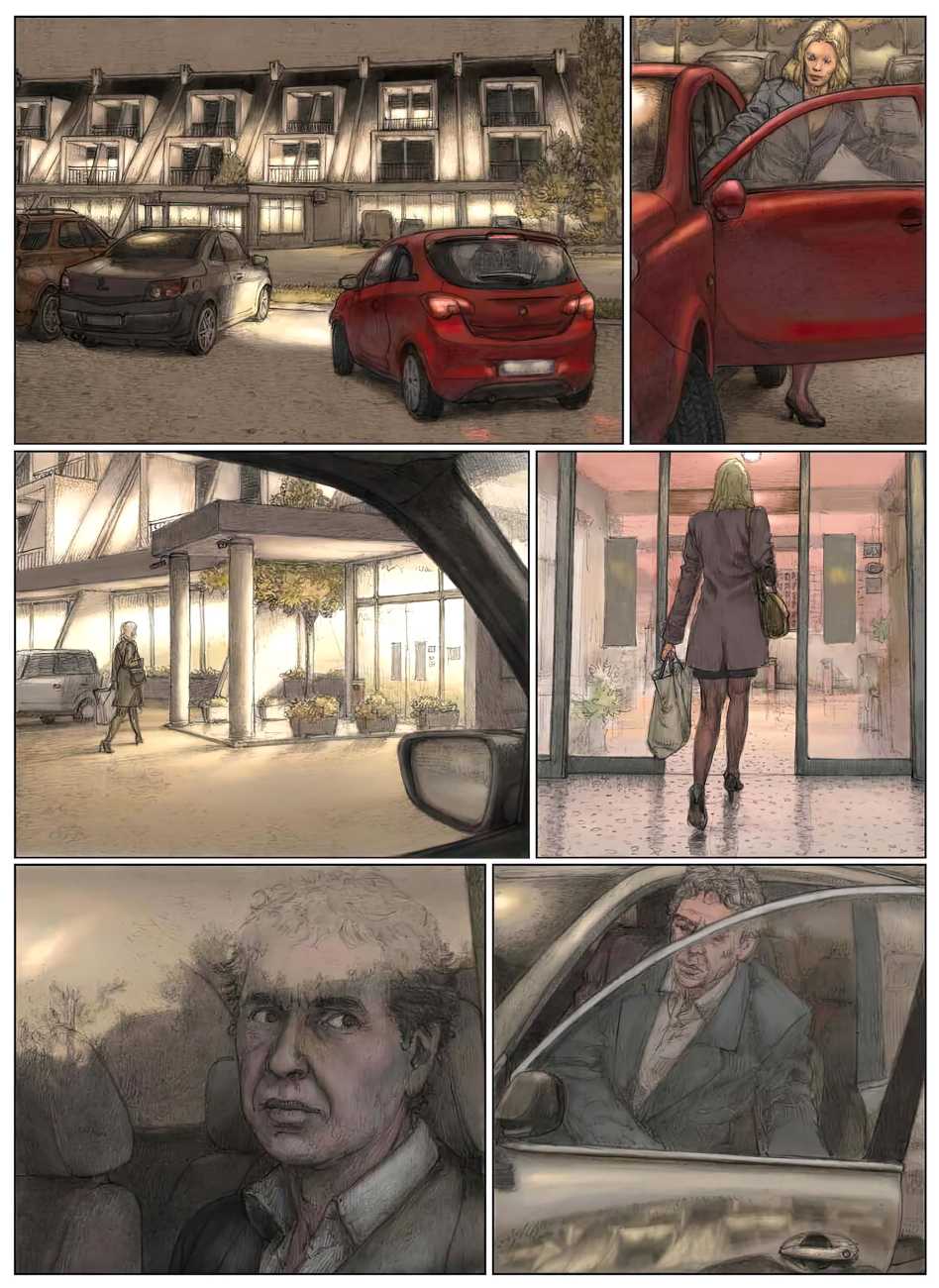
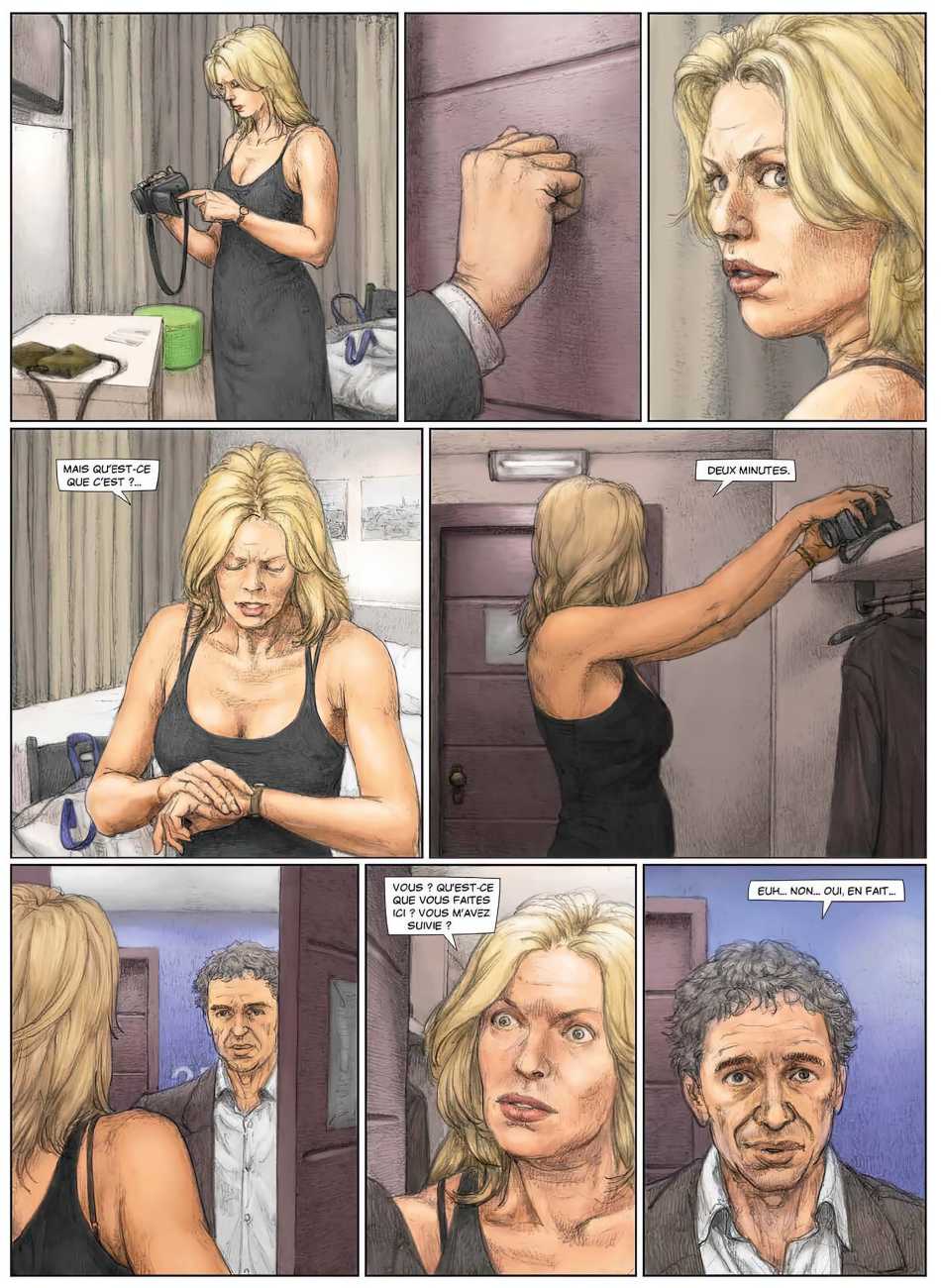
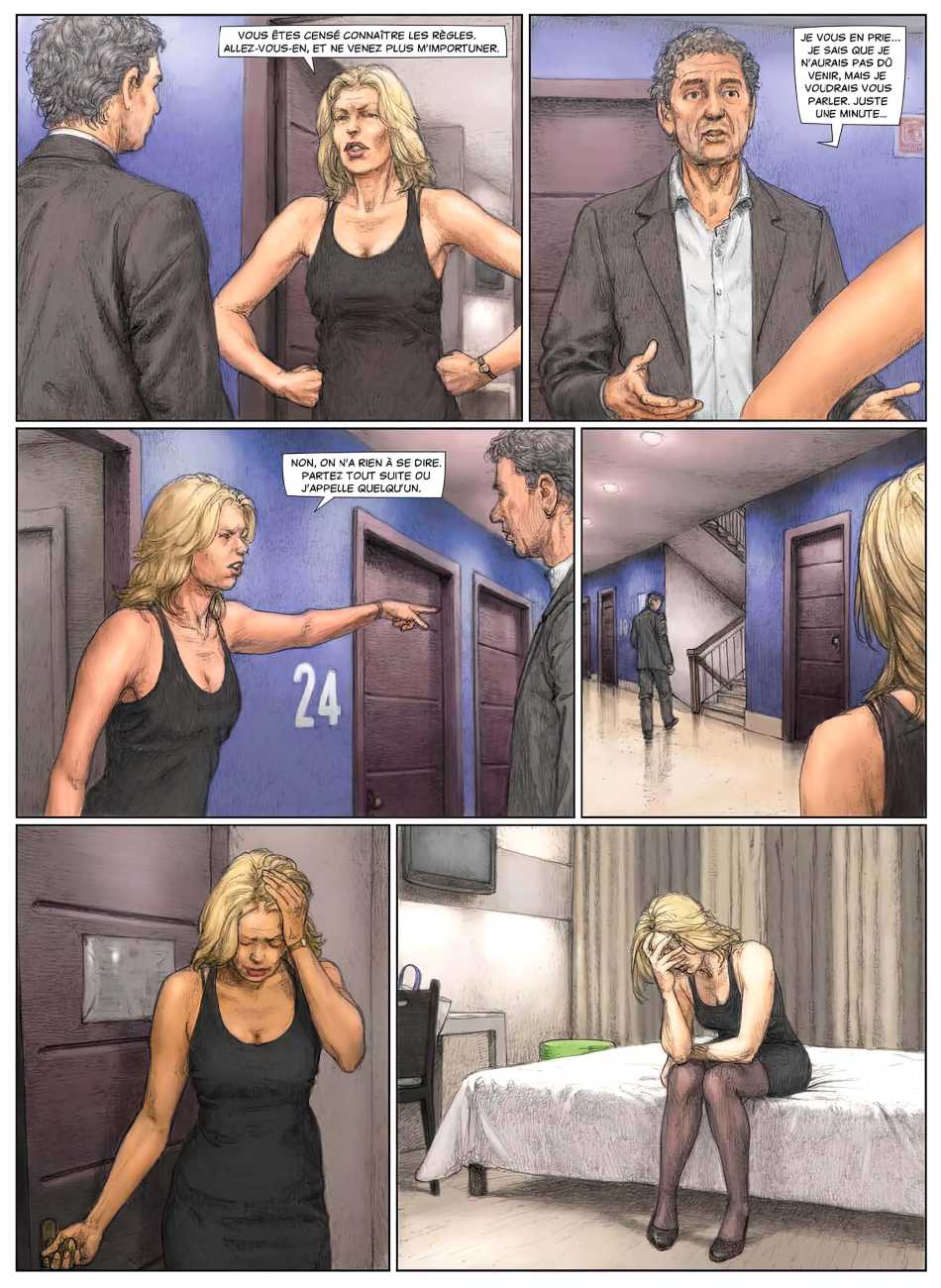
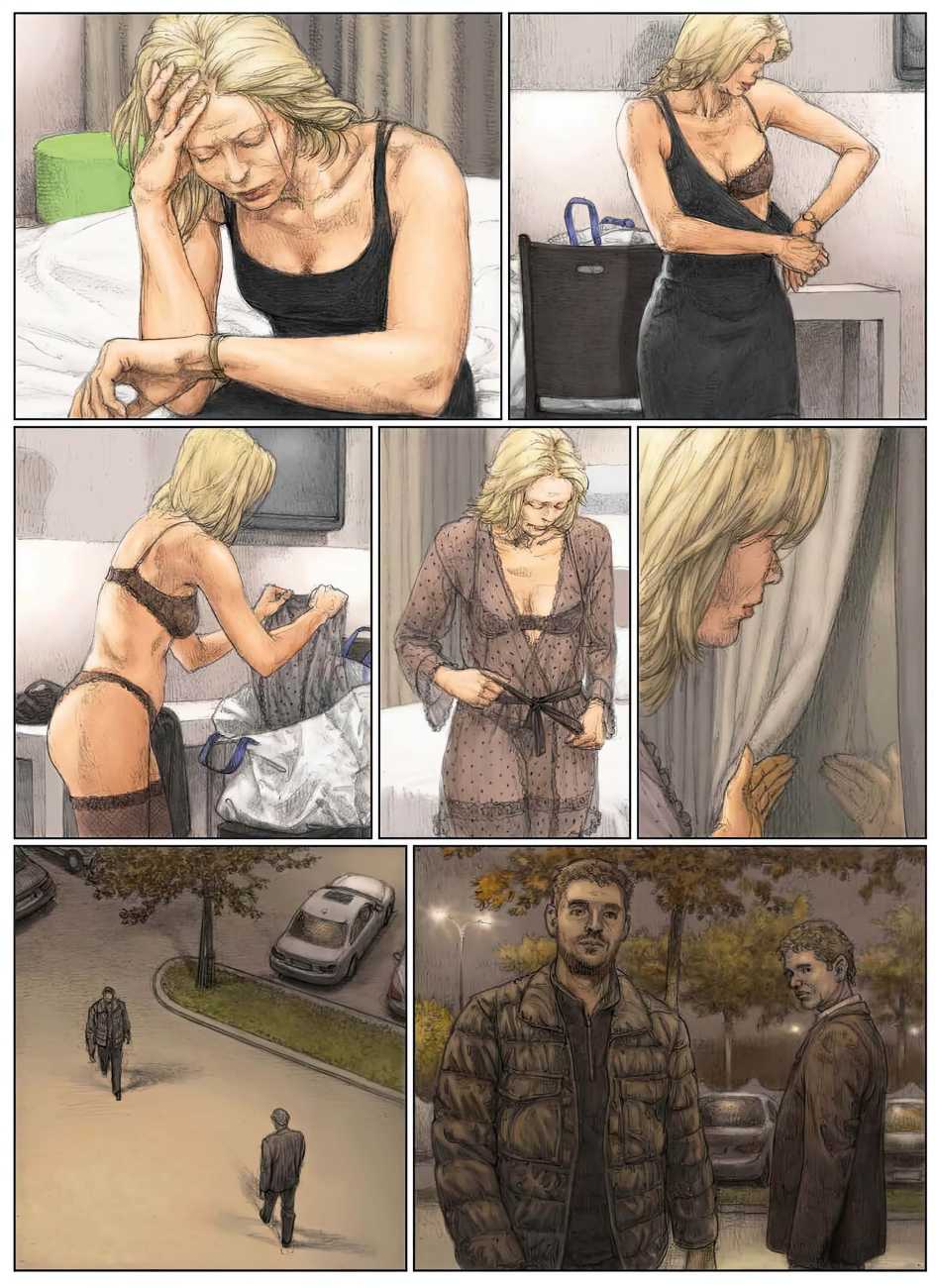
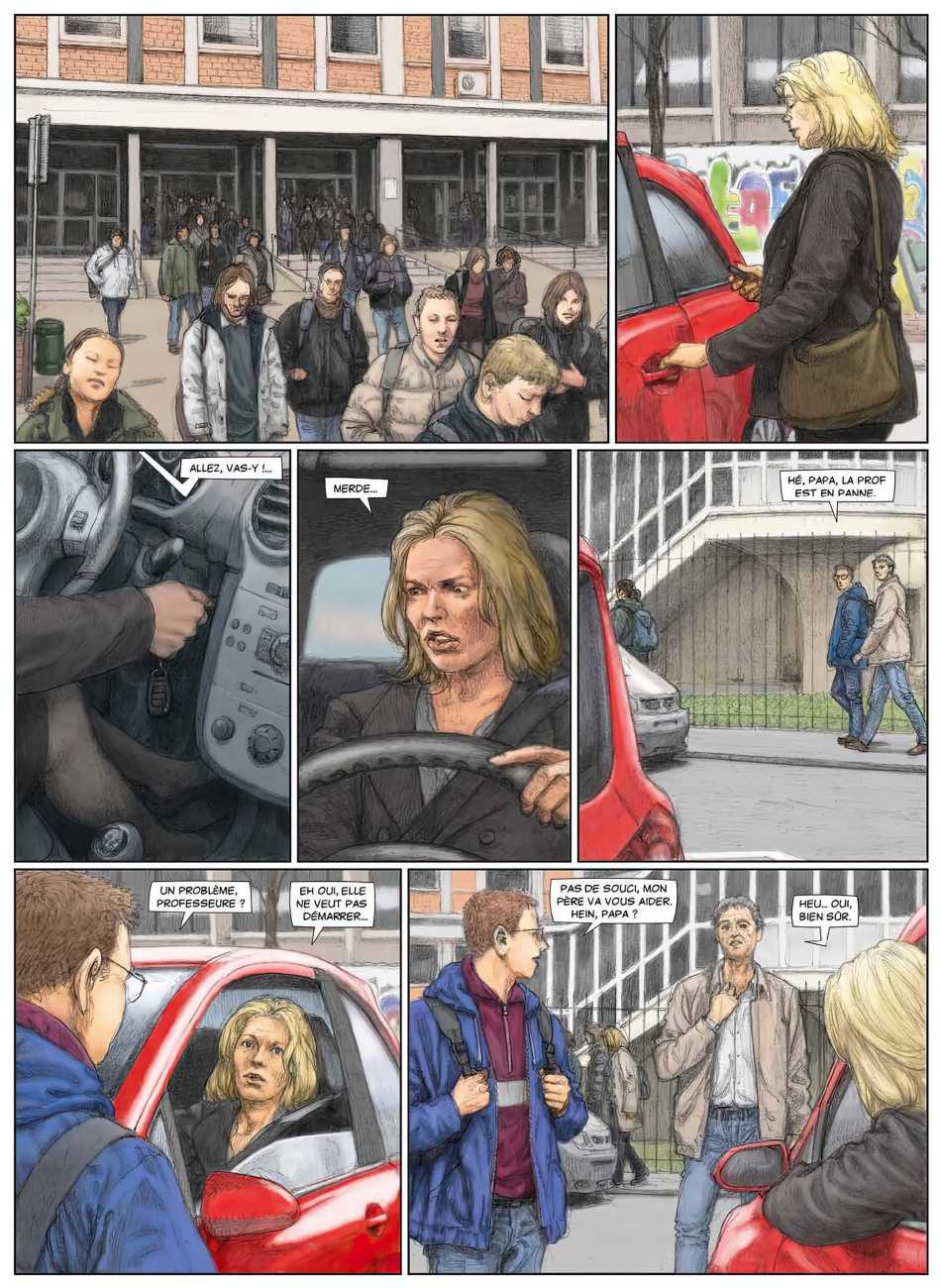
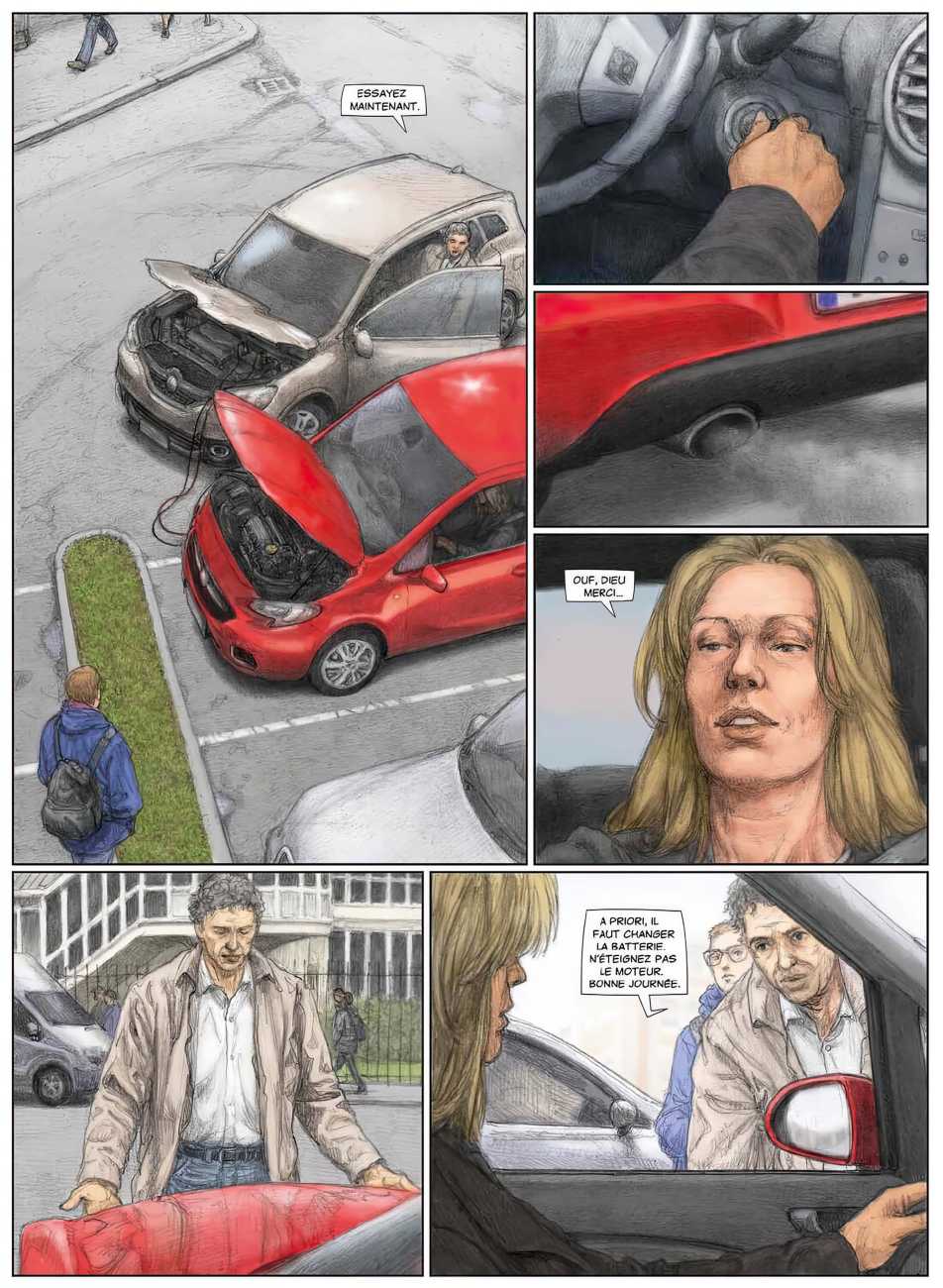
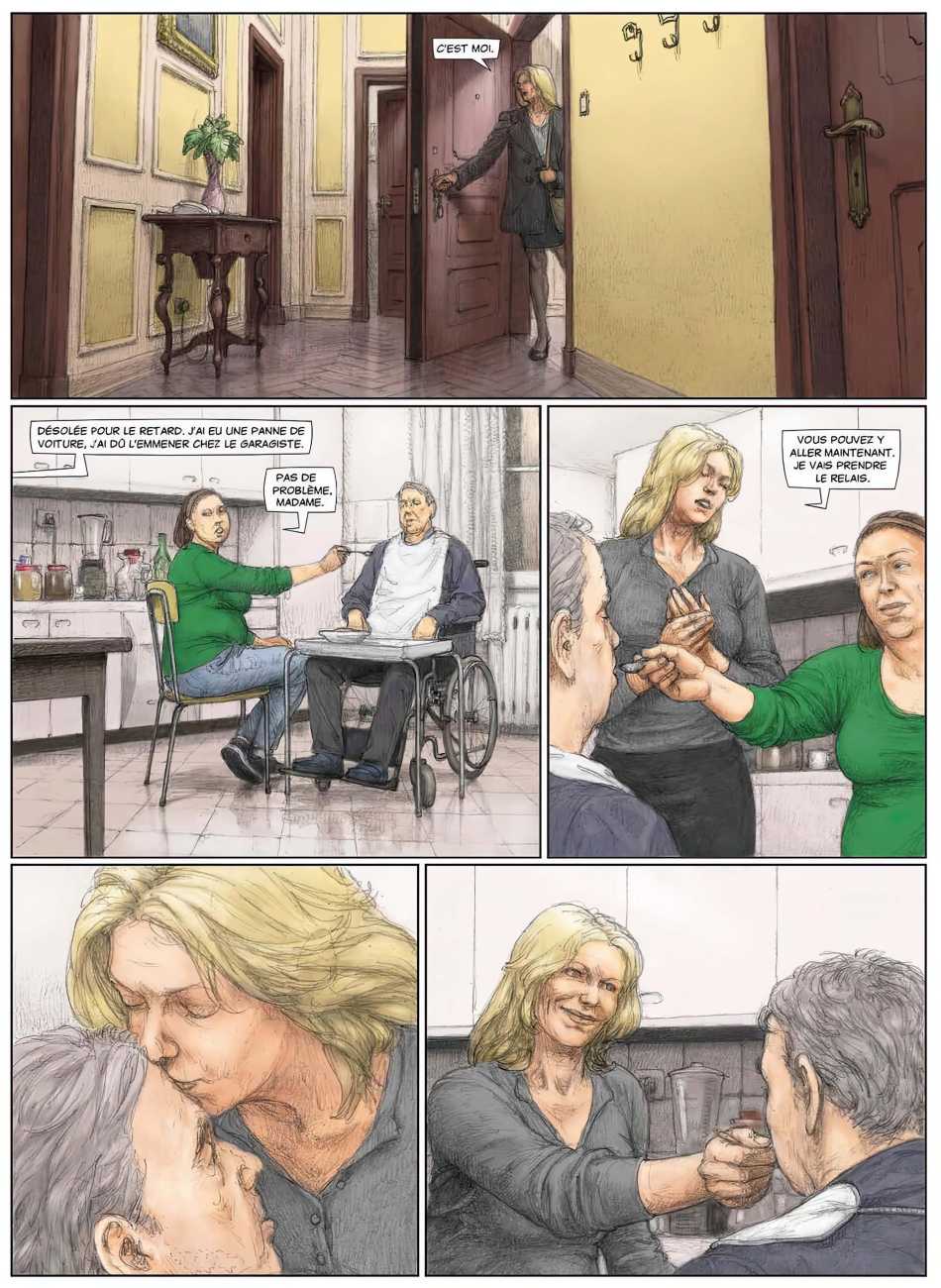
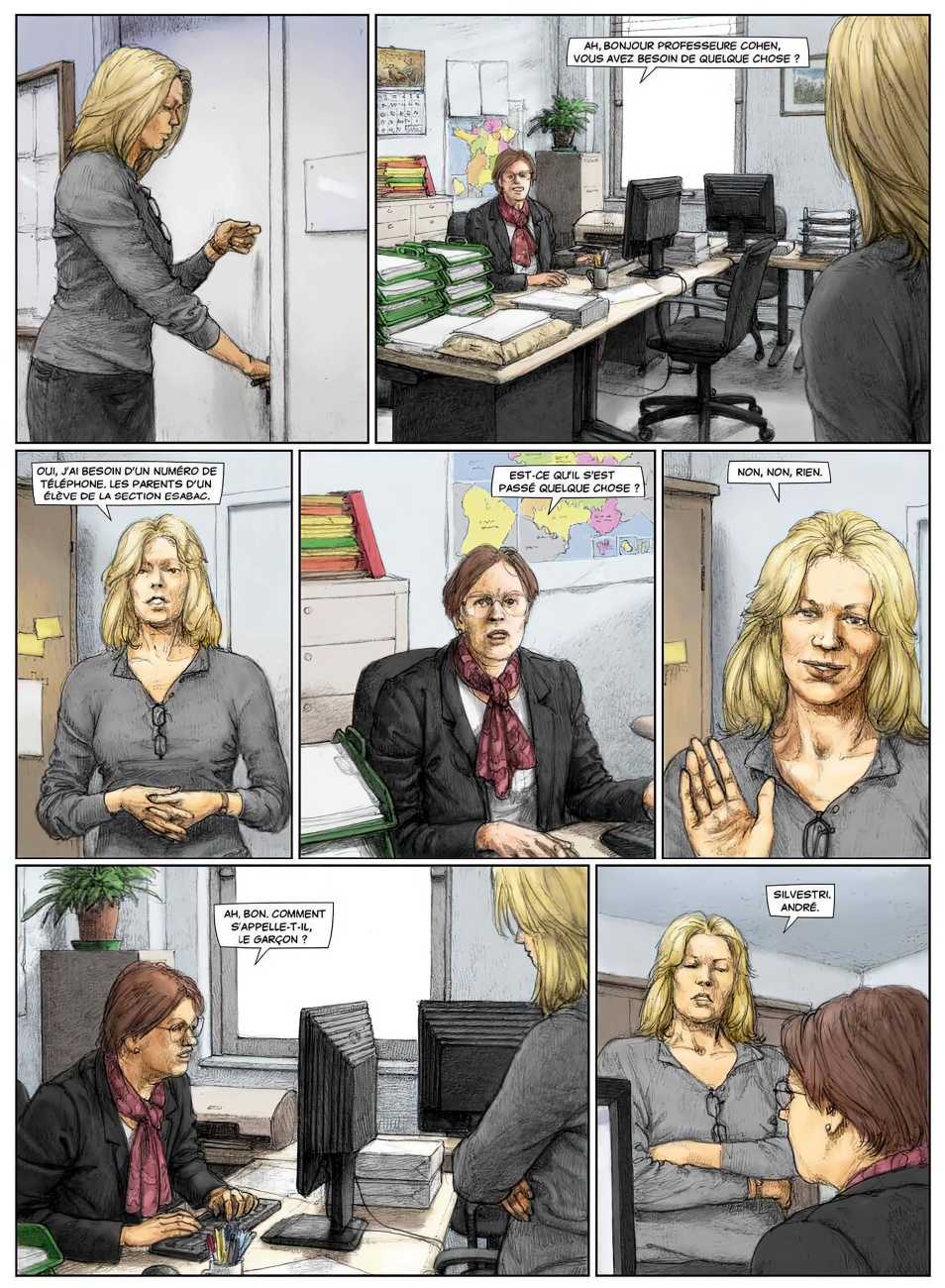
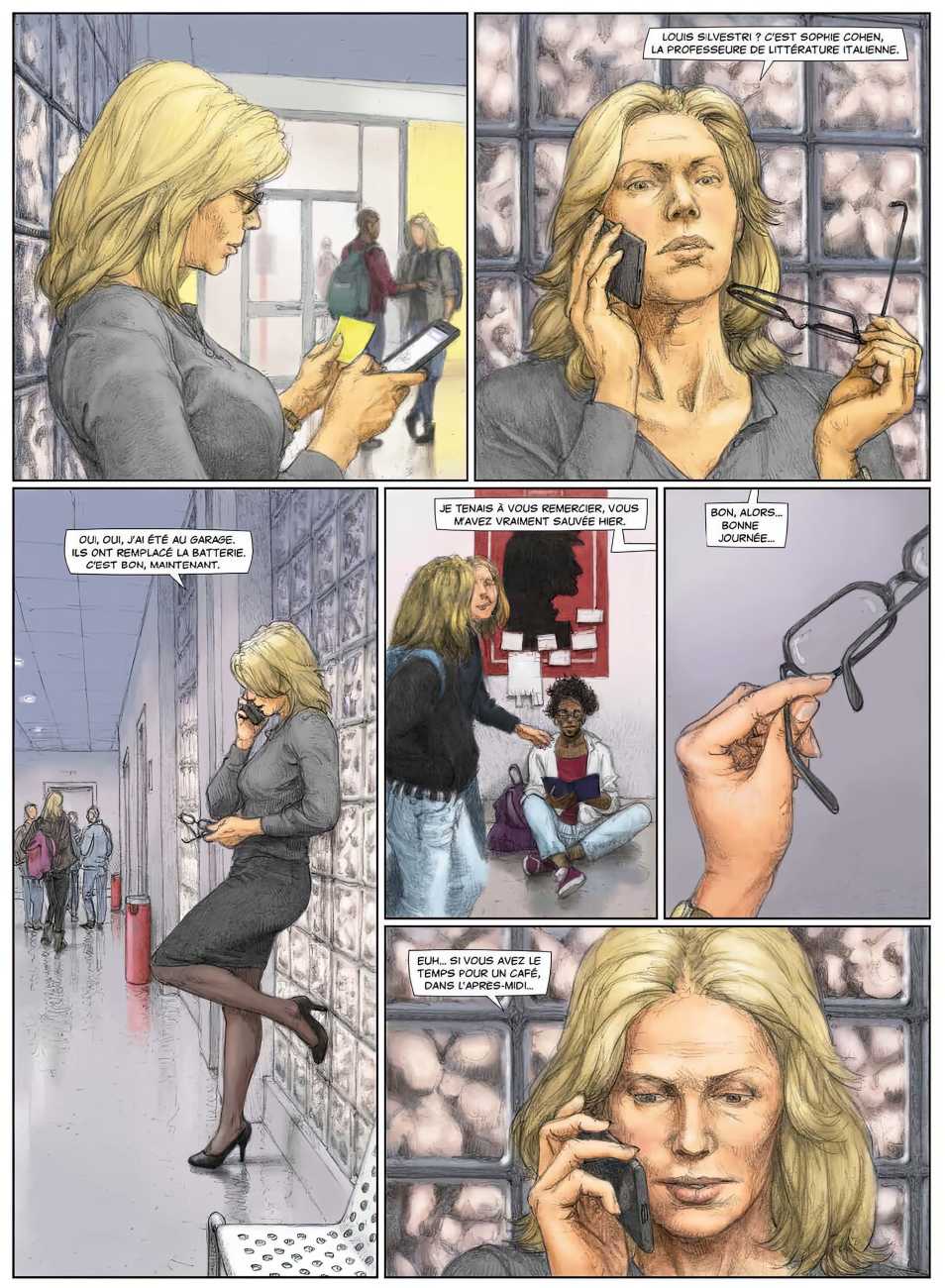
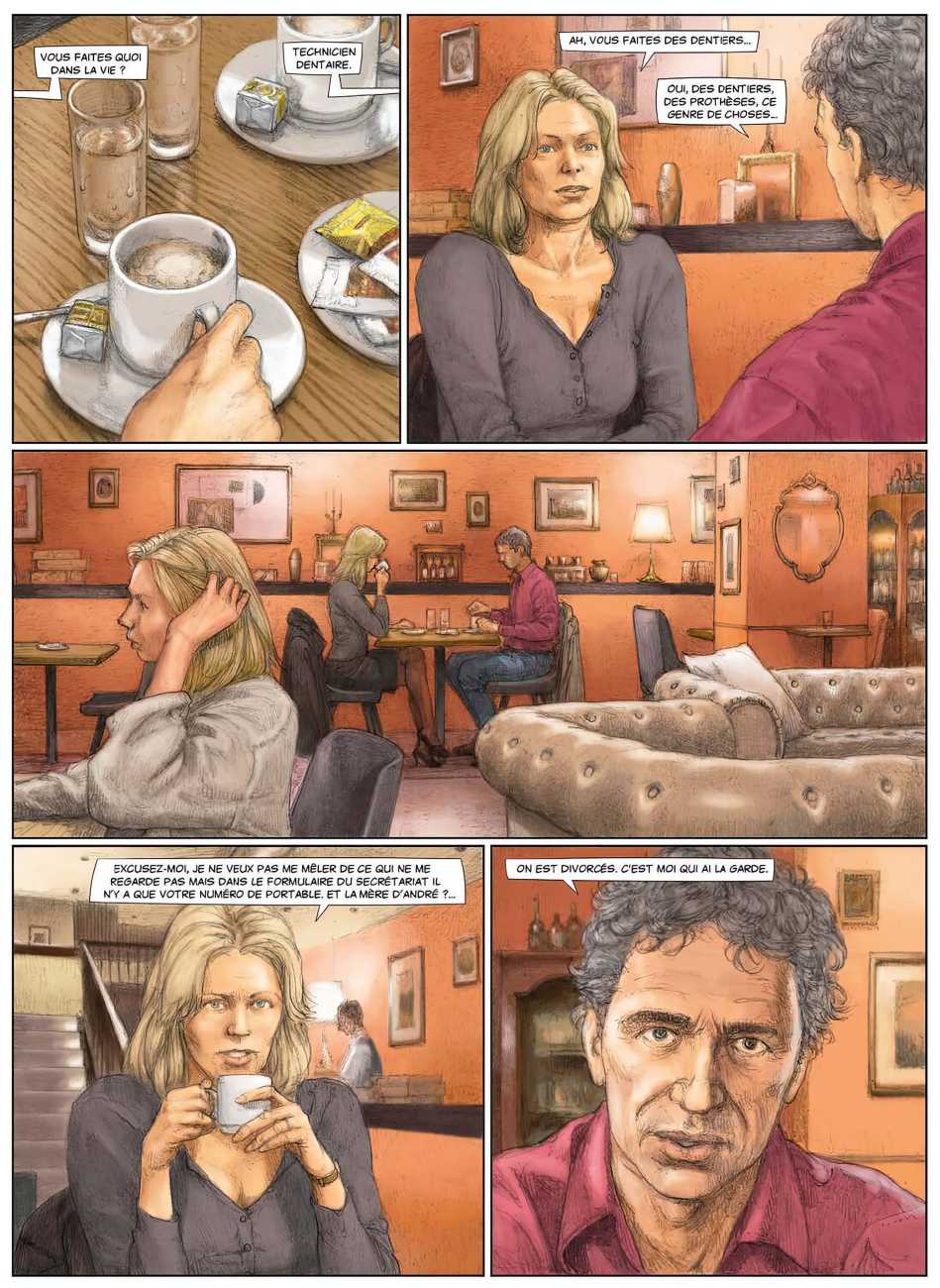
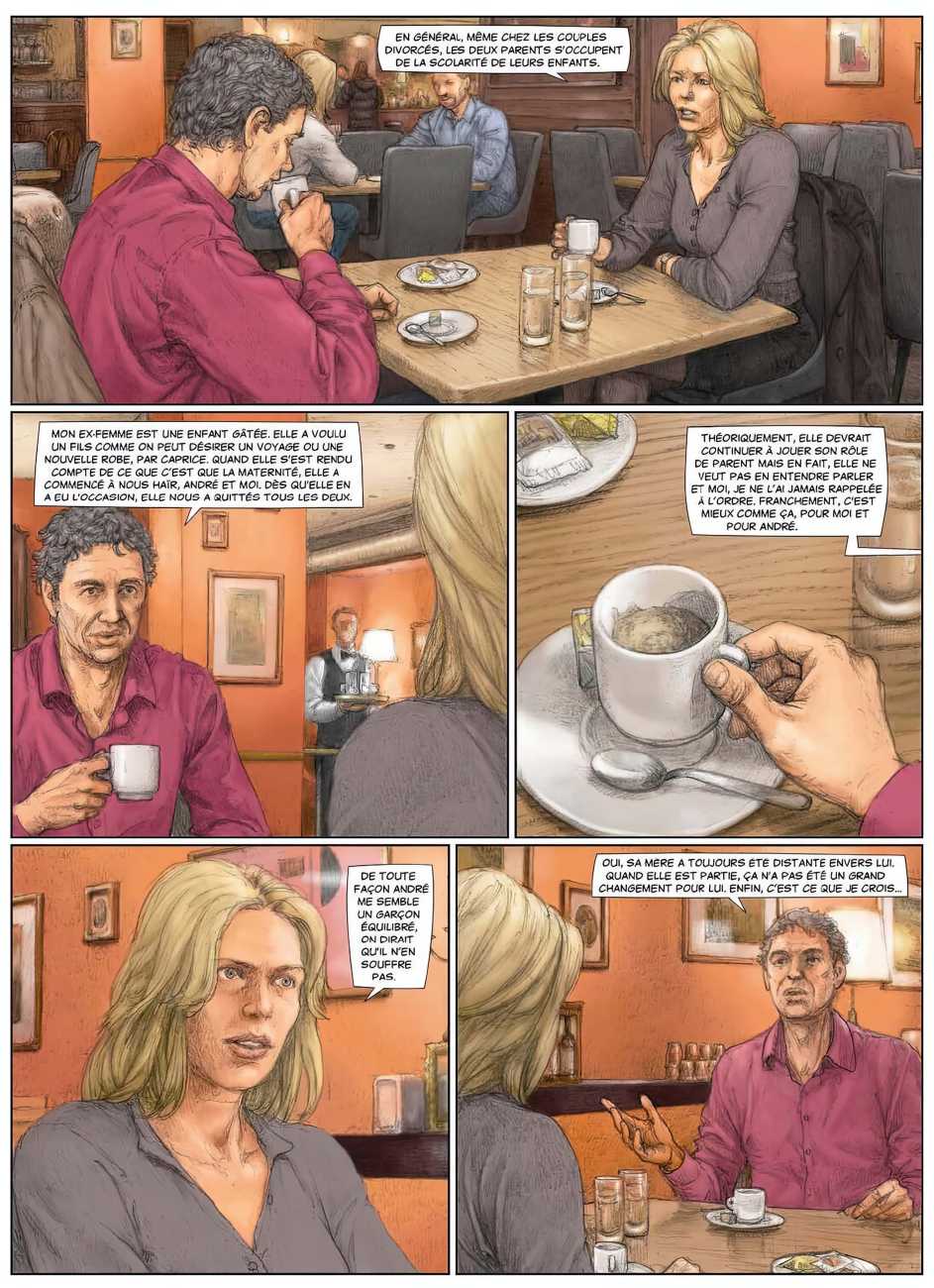
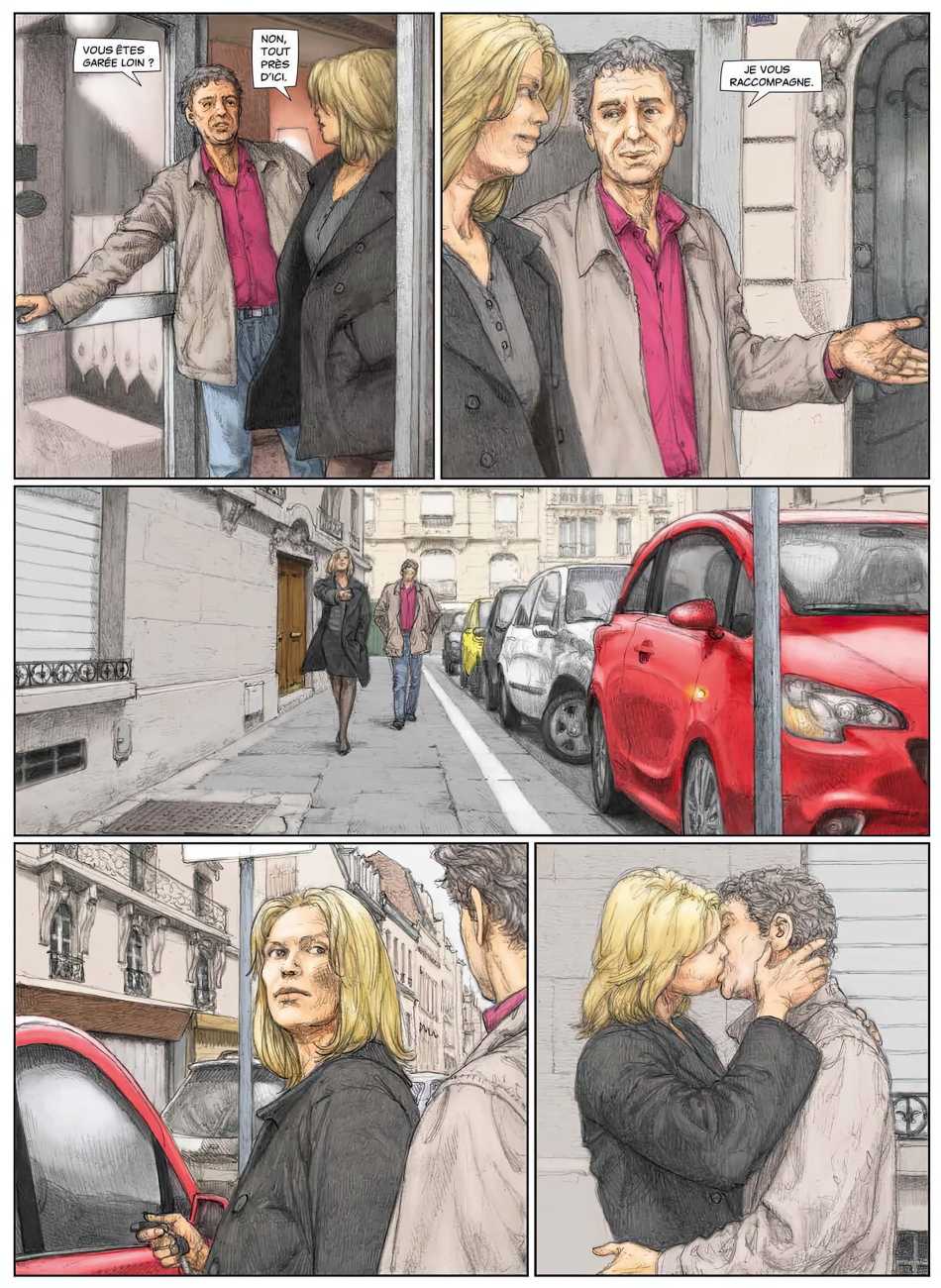
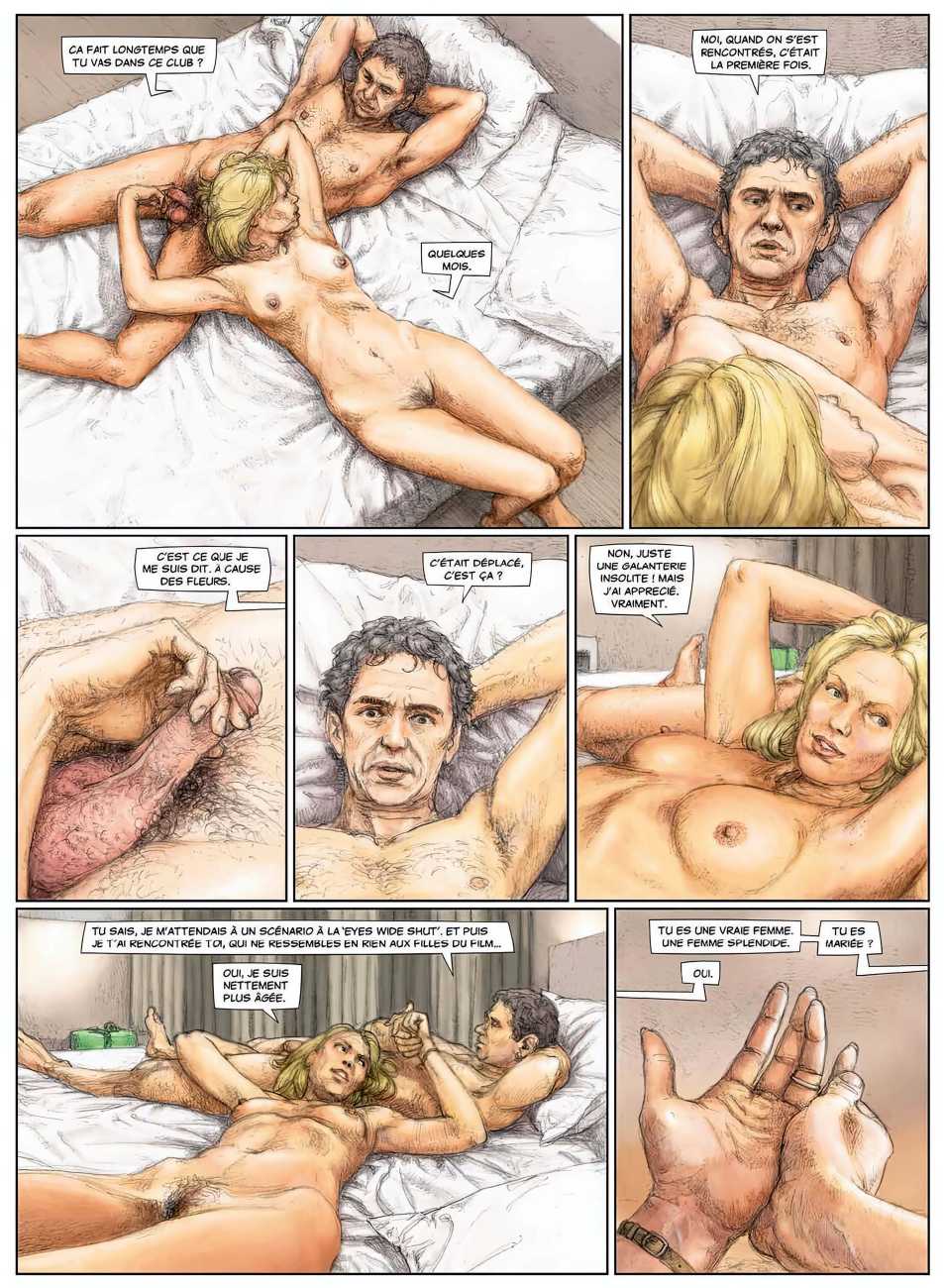
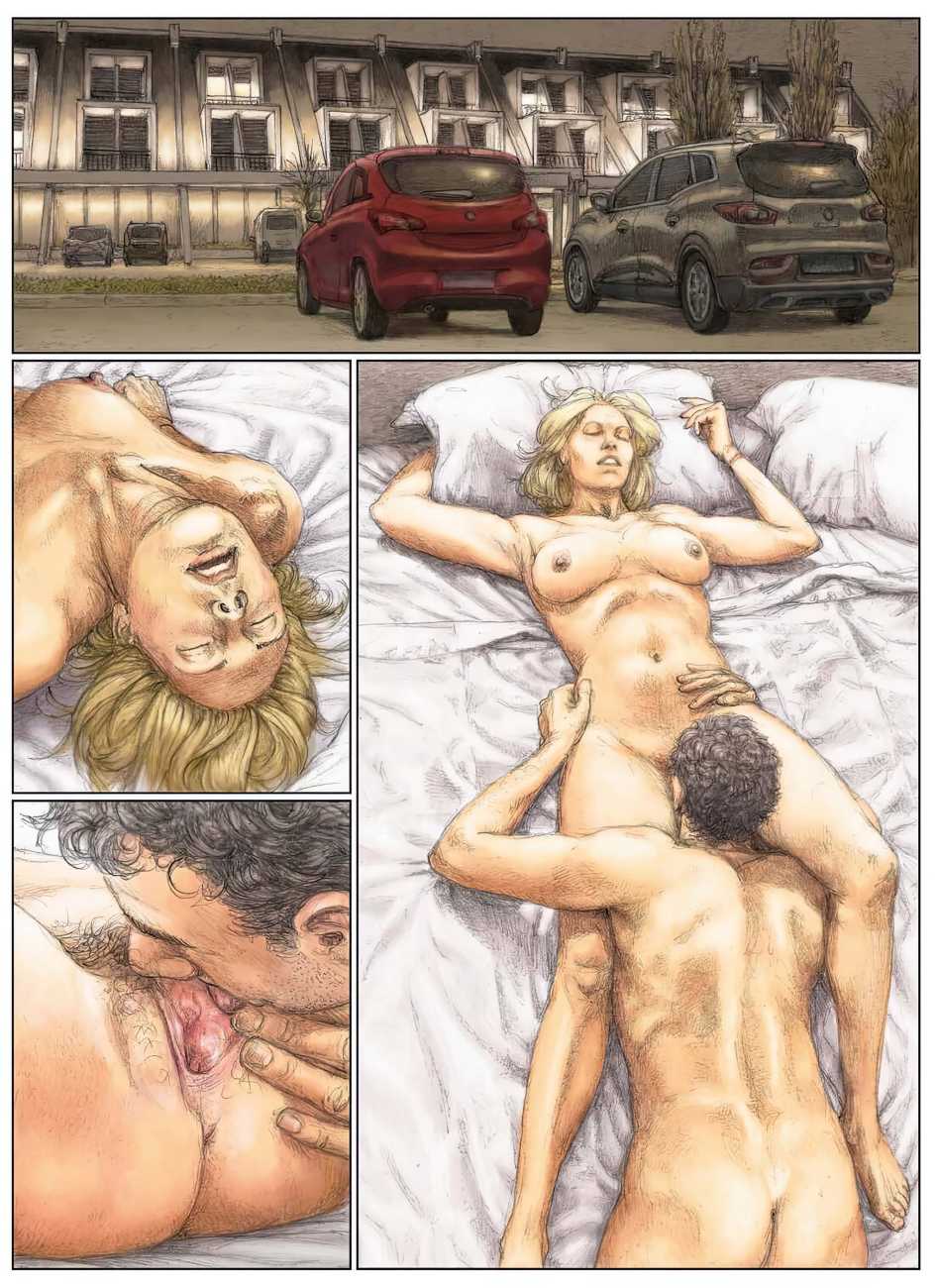
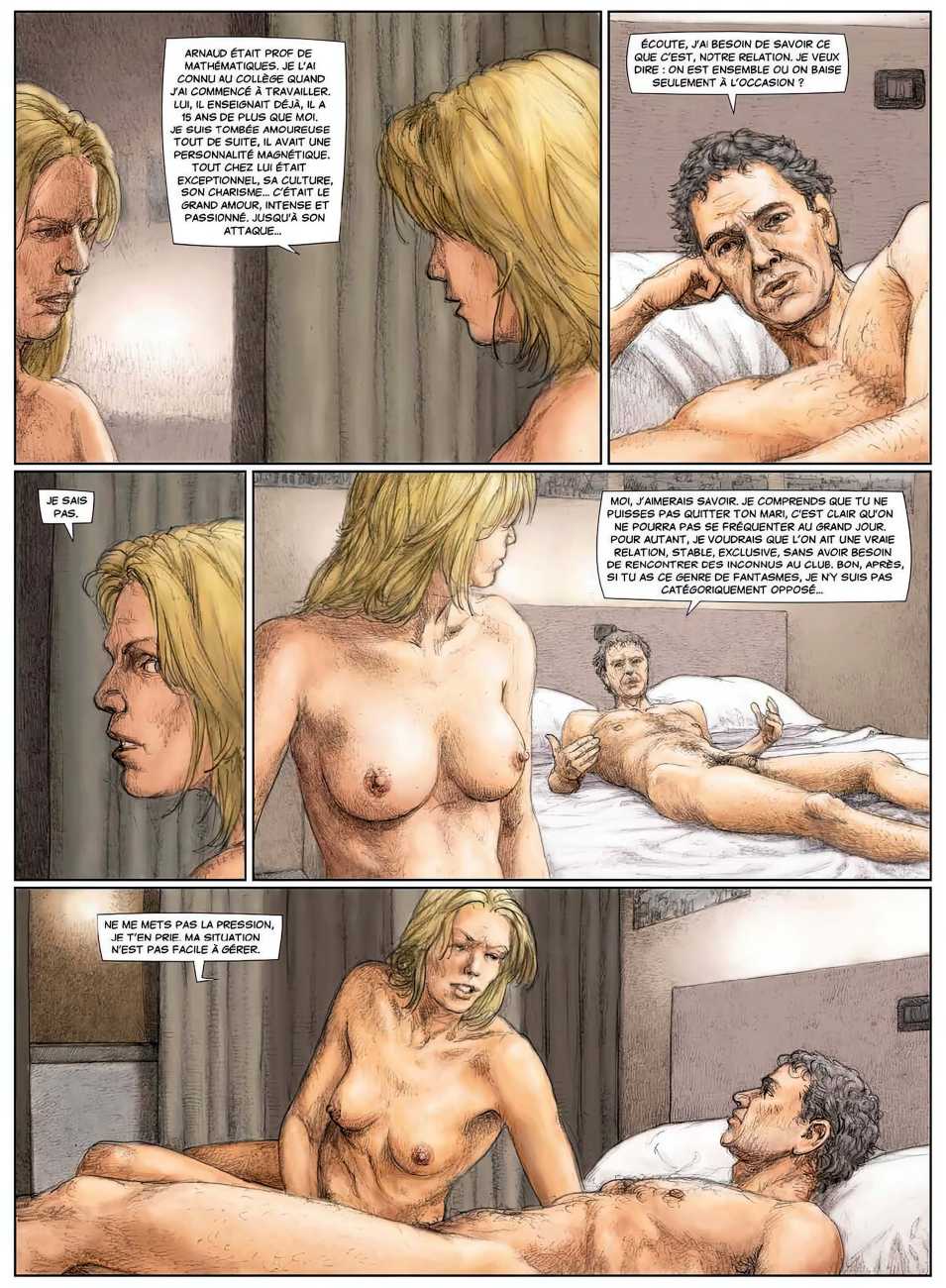
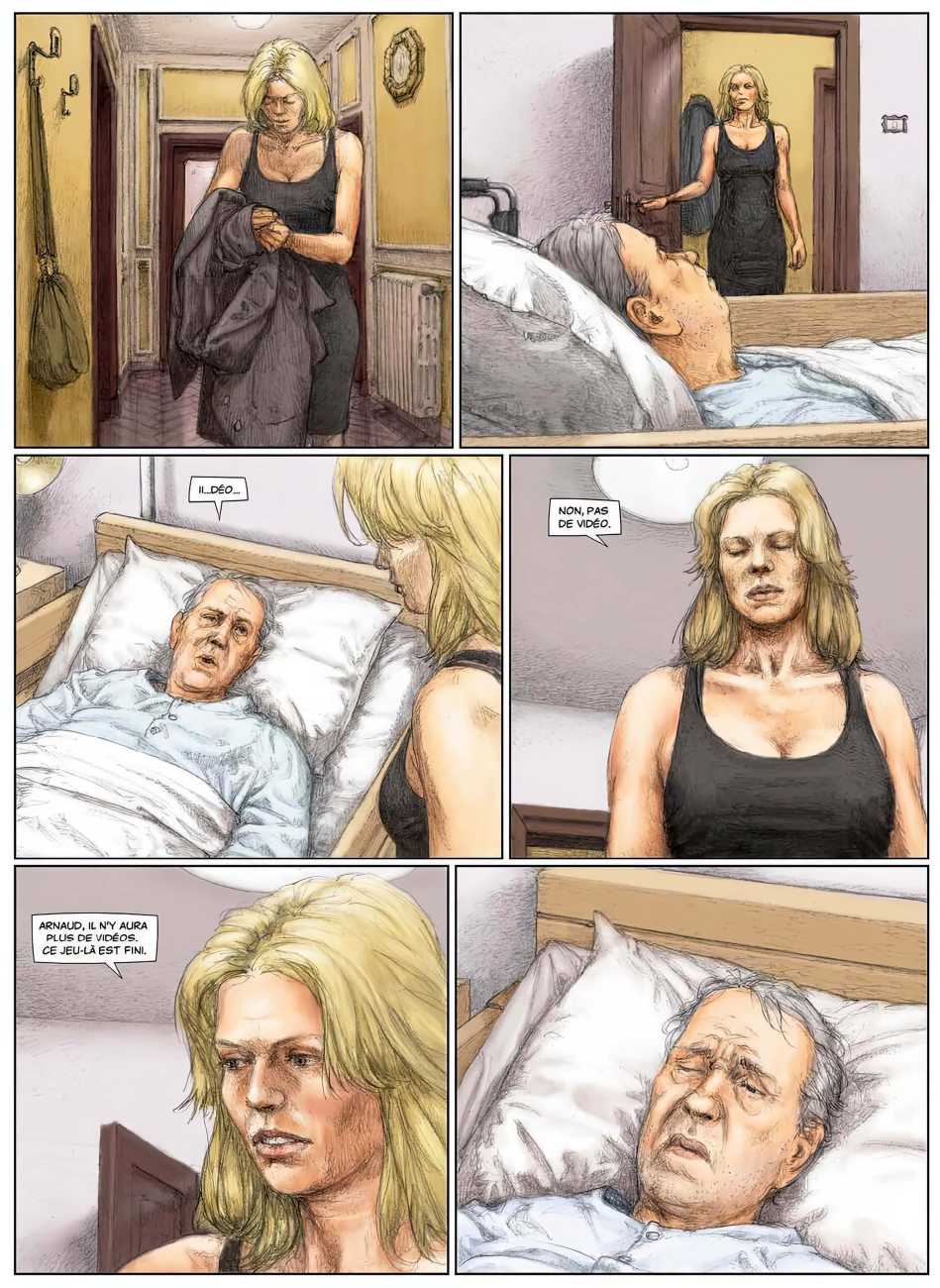
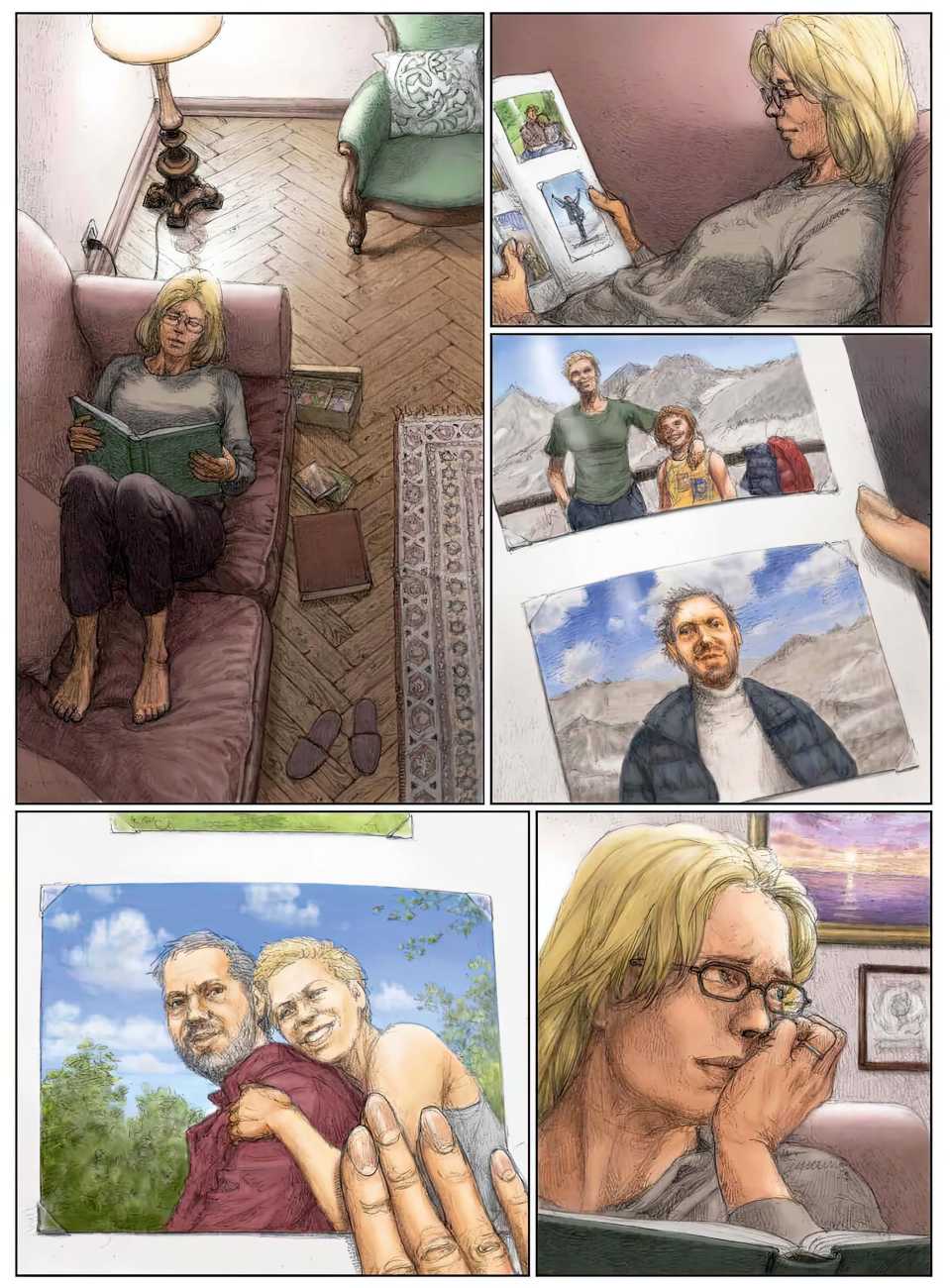
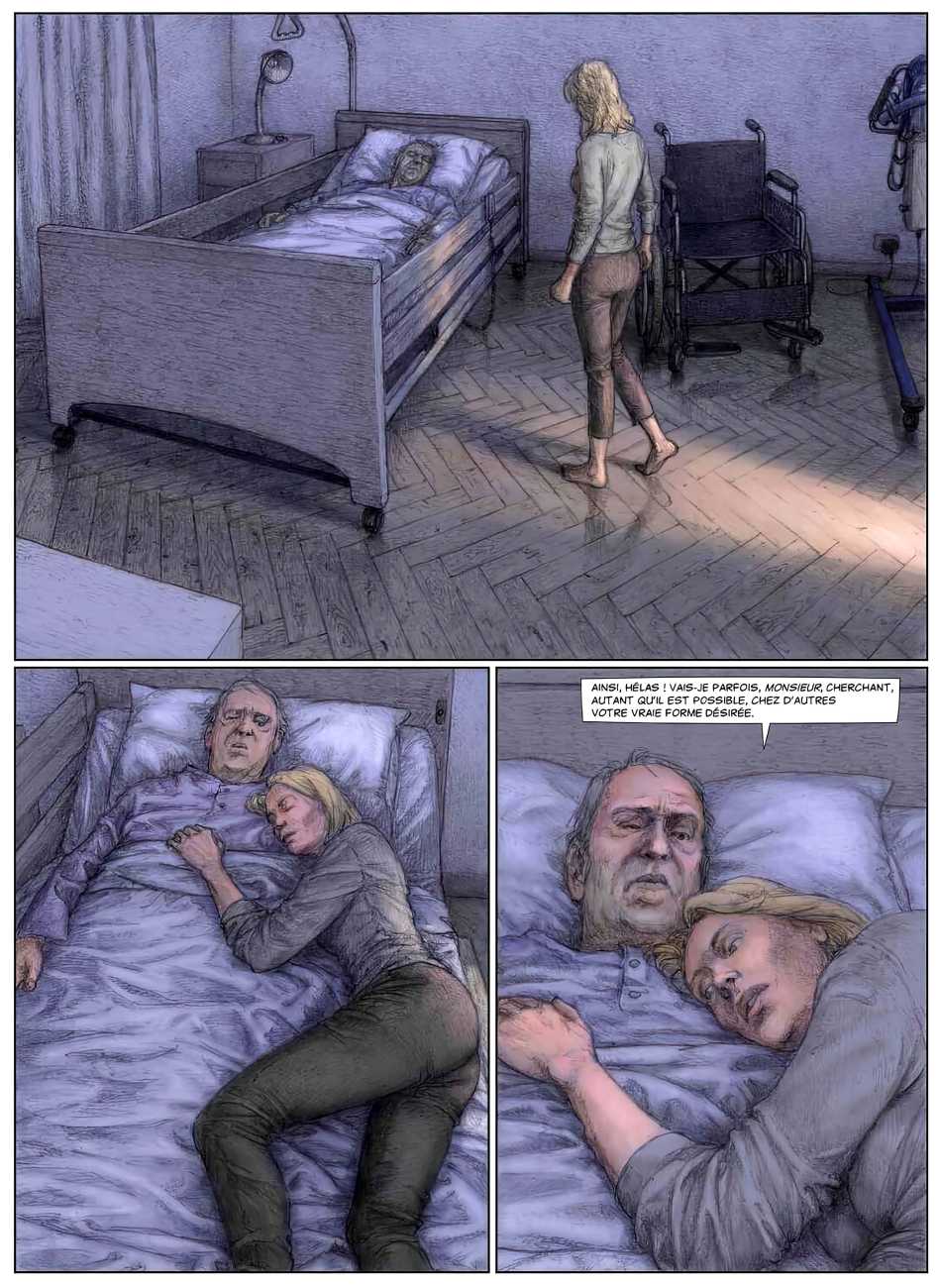
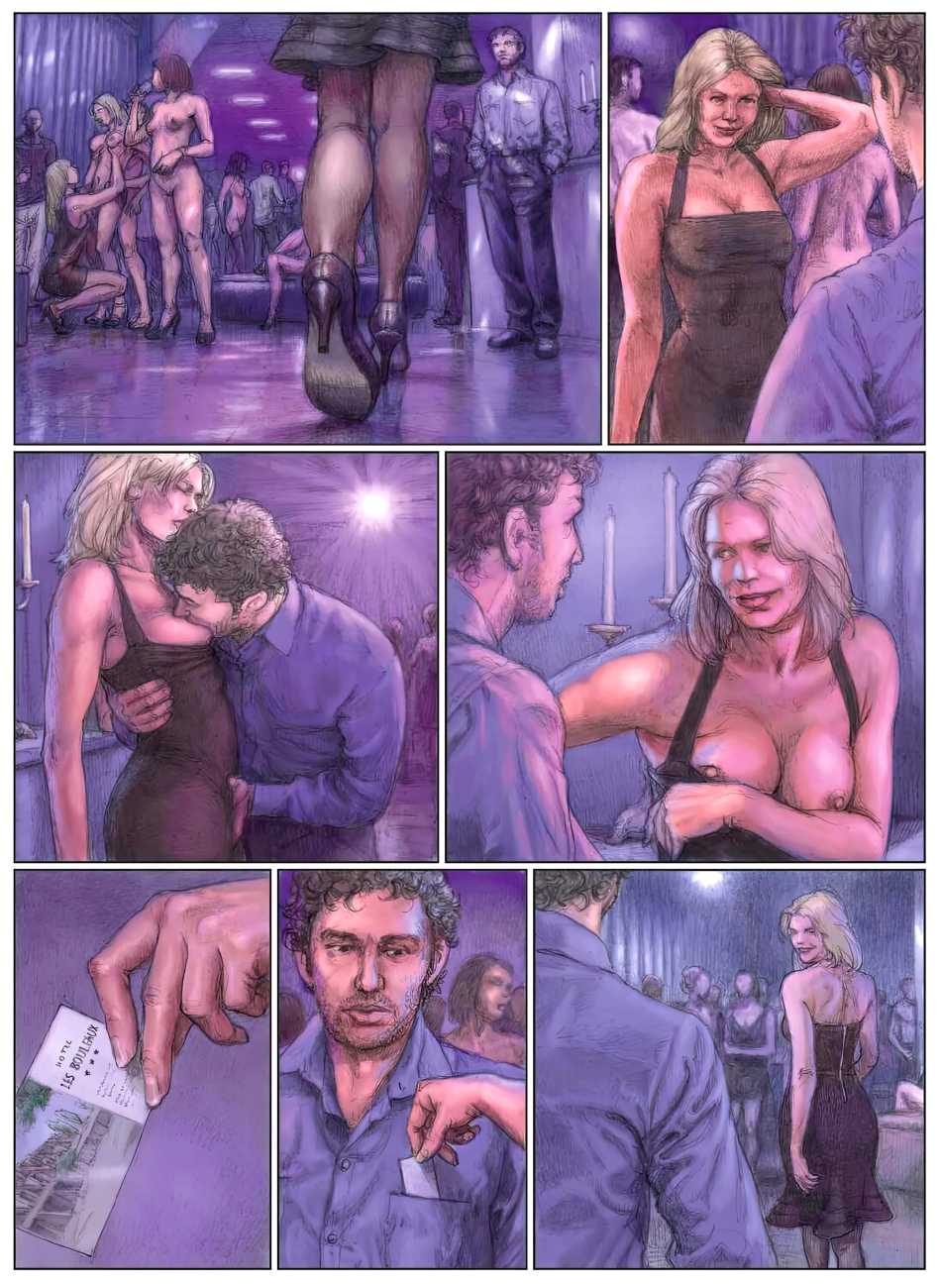
Alongside his autobiographical and non-fiction writing, Léotard has developed a substantial body of erotic graphic work for Éditions Dynamite, including La chambre de verre (The Glass Room), La tentation (Temptation), Le prix de l’amour (The Price of Love) and Une femme fidèle (A Faithful Woman). His erotic comics continue the preoccupations he has been exploring throughout his career – desire, identity, voyeurism, and the complicated relationship between the body we inhabit and the bodies through which we see ourselves and others.
Since 2013 he has also been editorial director of Corridor Éléphant, a publishing platform devoted to contemporary photography.
Similar artists
Nicole Claveloux – French illustrator who brings feminist and erotic sensibilities together.
Félix d'Eon – Mexican-American illustrator whose queer, trans-inclusive scenes share Léotard’s interests.
Tracey Emin – British artist whose confessional, autobiographical work shares Léotard's approach to the body.
Stefano Mazzotti – Italian illustrator who, like Léotard, publishes erotic graphic albums with Éditions Dynamite.
Pierre Molinier – French painter whose explicit work on gender ambiguity anticipated today’s trans art.
Toyen – Czech-born painter who later settled in Paris, resisting fixed gender categorisation.
Example illustration